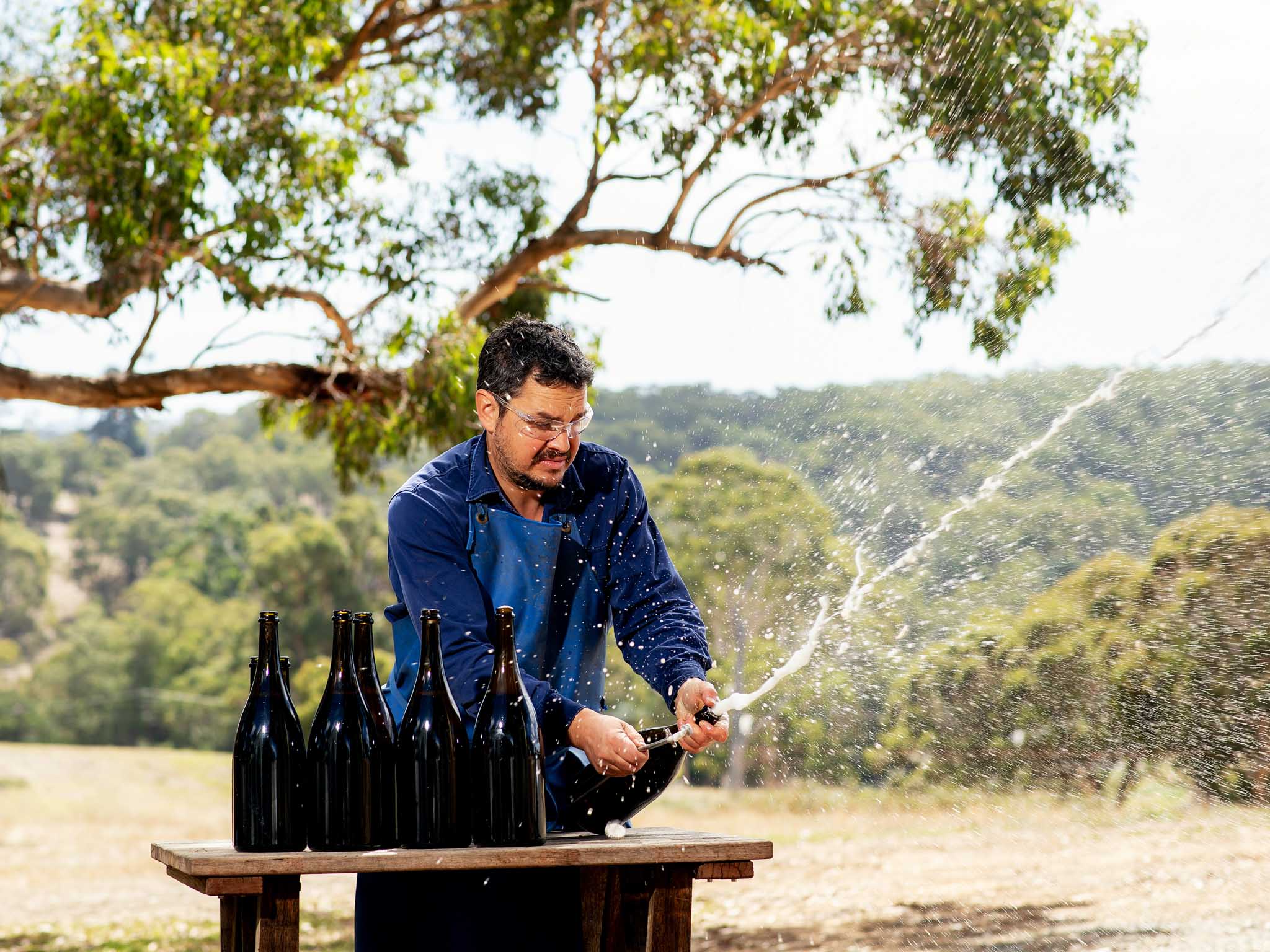
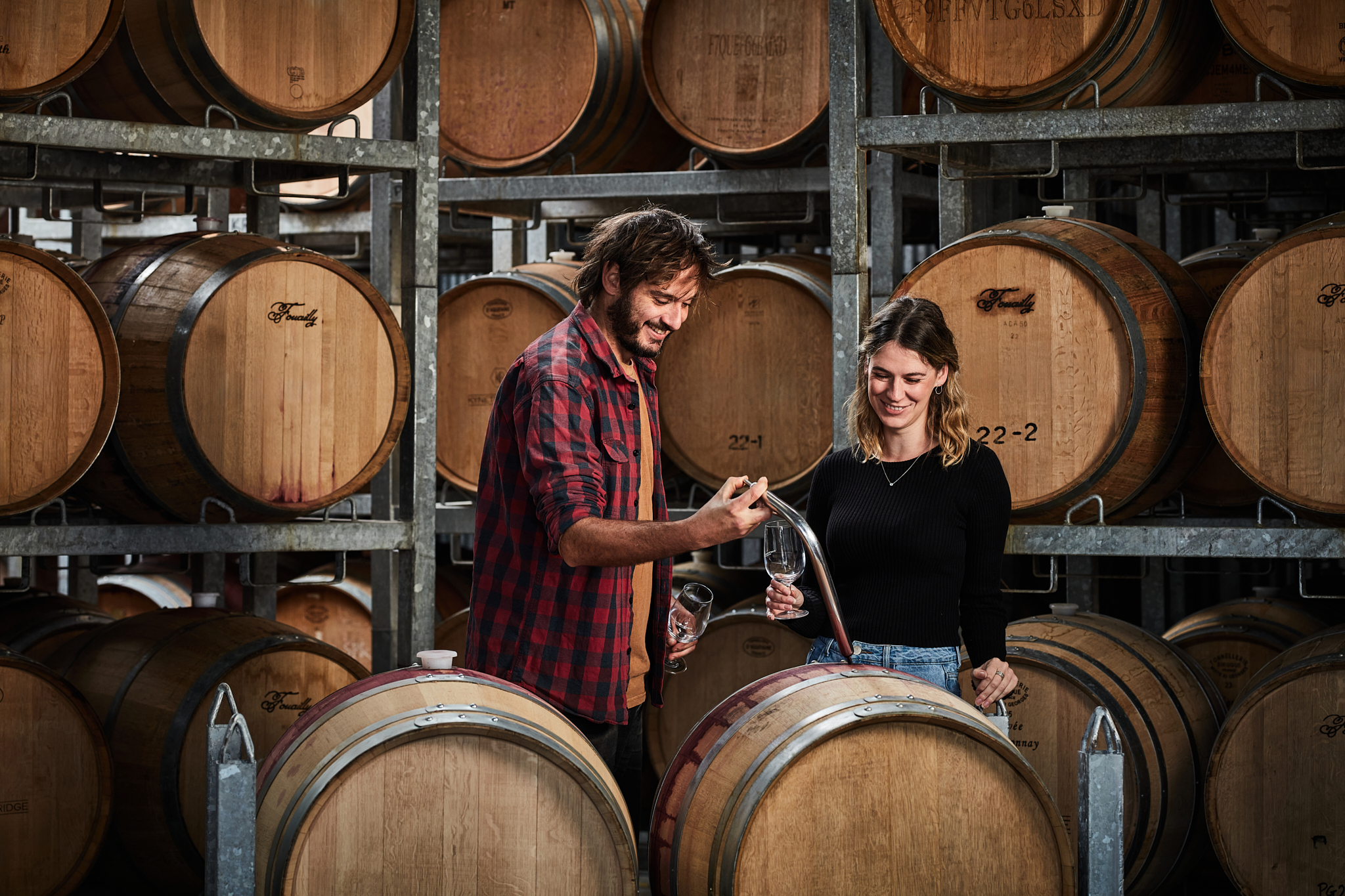
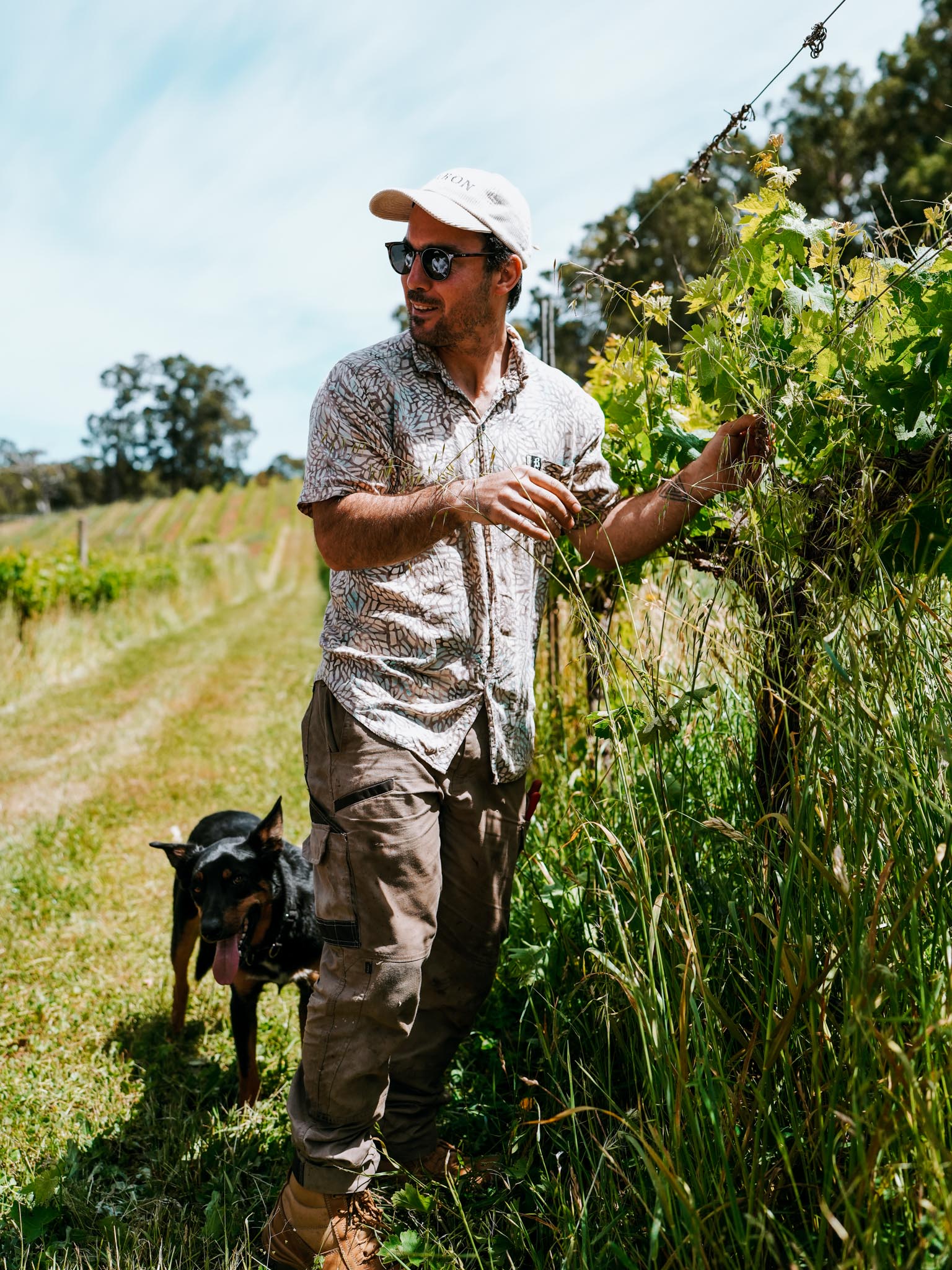
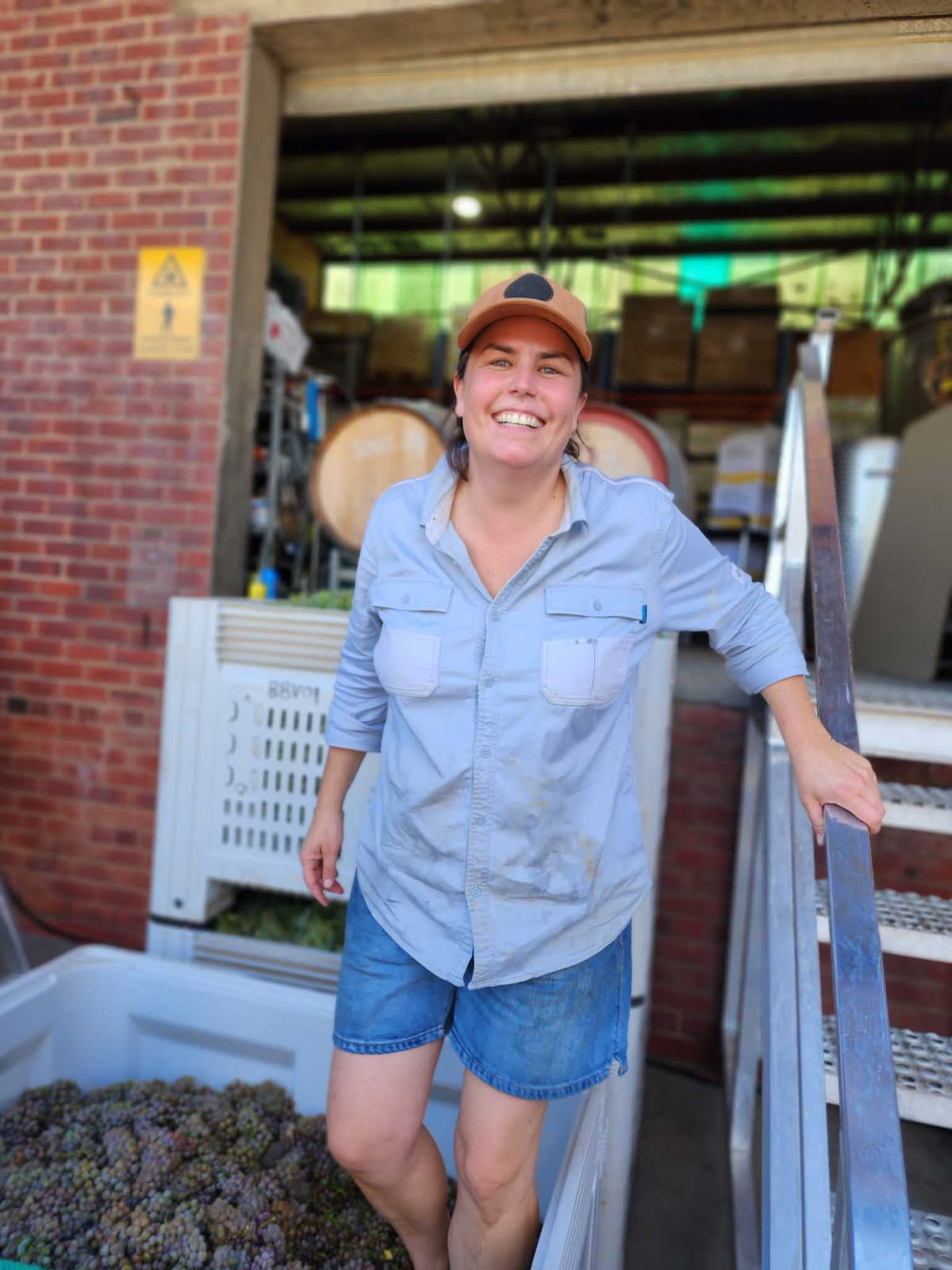
This year marks the 20th annual edition of the Young Gun of Wine Awards – created for young wine labels and winemakers on the rise. Since 2007, we’ve scoured the country for the best emerging talent, always looking for new approaches to wine, for mavericks, and for those whose commitment to their vision helps lead the way. These winemakers are forming a new fabric in Australia’s wine culture and community. The annual list has become the go-to guide for drinkers looking for cutting-edge wines and the stories behind them. And now, the time has come to reveal our top winemakers for 2026.
Twenty years on – and the mission has never mattered more
“When Young Gun of Wine launched in 2007, the premise was simple: make wine more relevant to young adults,” says founder Rory Kent. “At the time, confidence in wine among young Australians sat at just 19%. Wine had an image problem. We wanted to change that, and the way to change it was to find young winemakers, tell their stories, and make them the face of wine.
“Since then, confidence in wine among young Australians has has more than doubled, rising to 50%, and bucking the international trends. A generation of passionate, creative, fearless winemakers showed up, made remarkable wine, and refused to make it intimidating. They are the ones who moved the needle.”
“Twenty years is a long time in any industry, but in Australian wine it represents a transformation so complete it is almost unrecognisable from where we started. The varieties being grown, the techniques being used, the regions being explored, the conversations being had – none of it looks like 2007. And yet the mission is exactly the same: find the people who are moving the needle, tell their stories, and invite everyone to the table. We are still doing it. And if this year’s group is any indication, the best is absolutely still to come.”
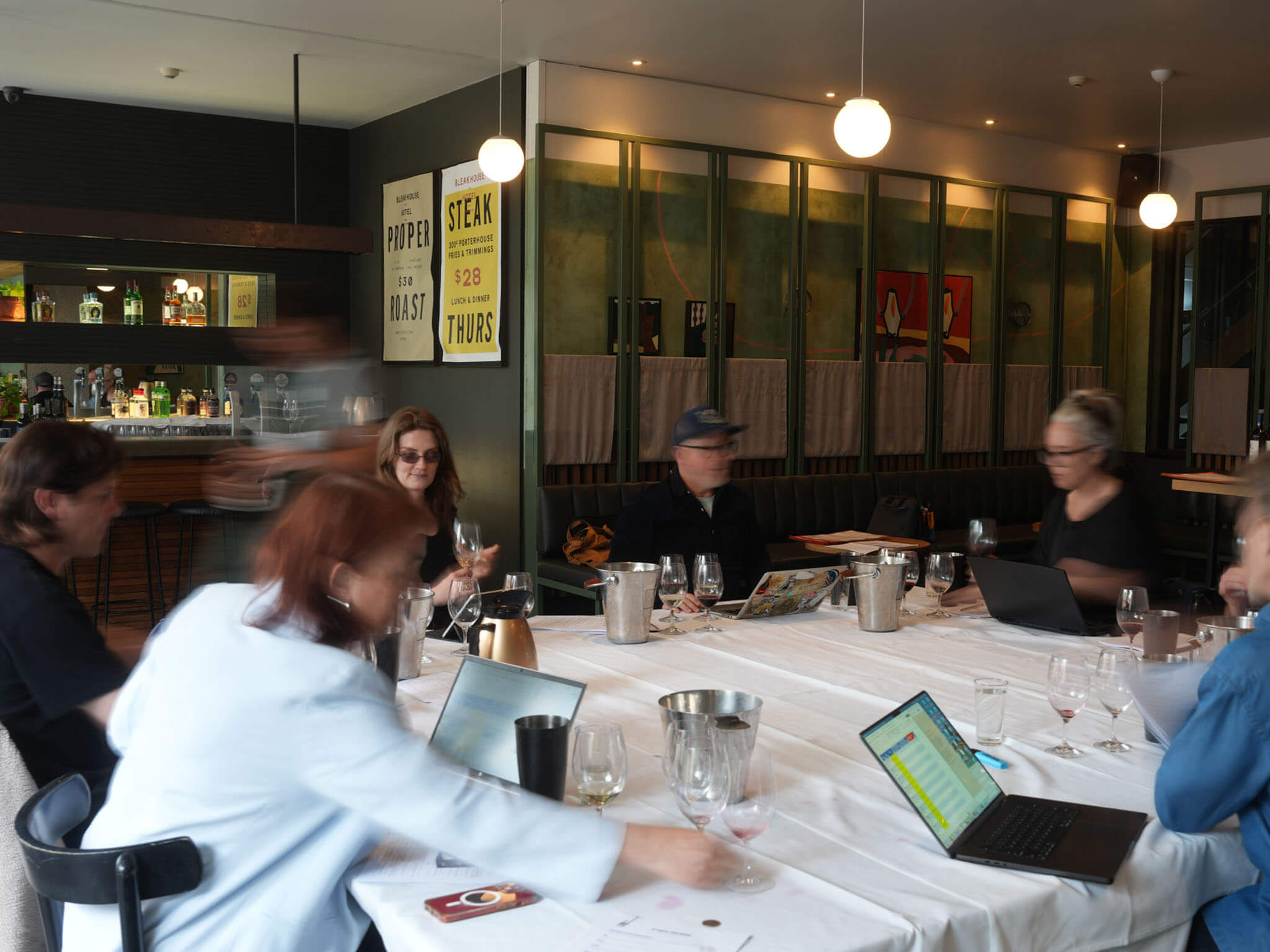
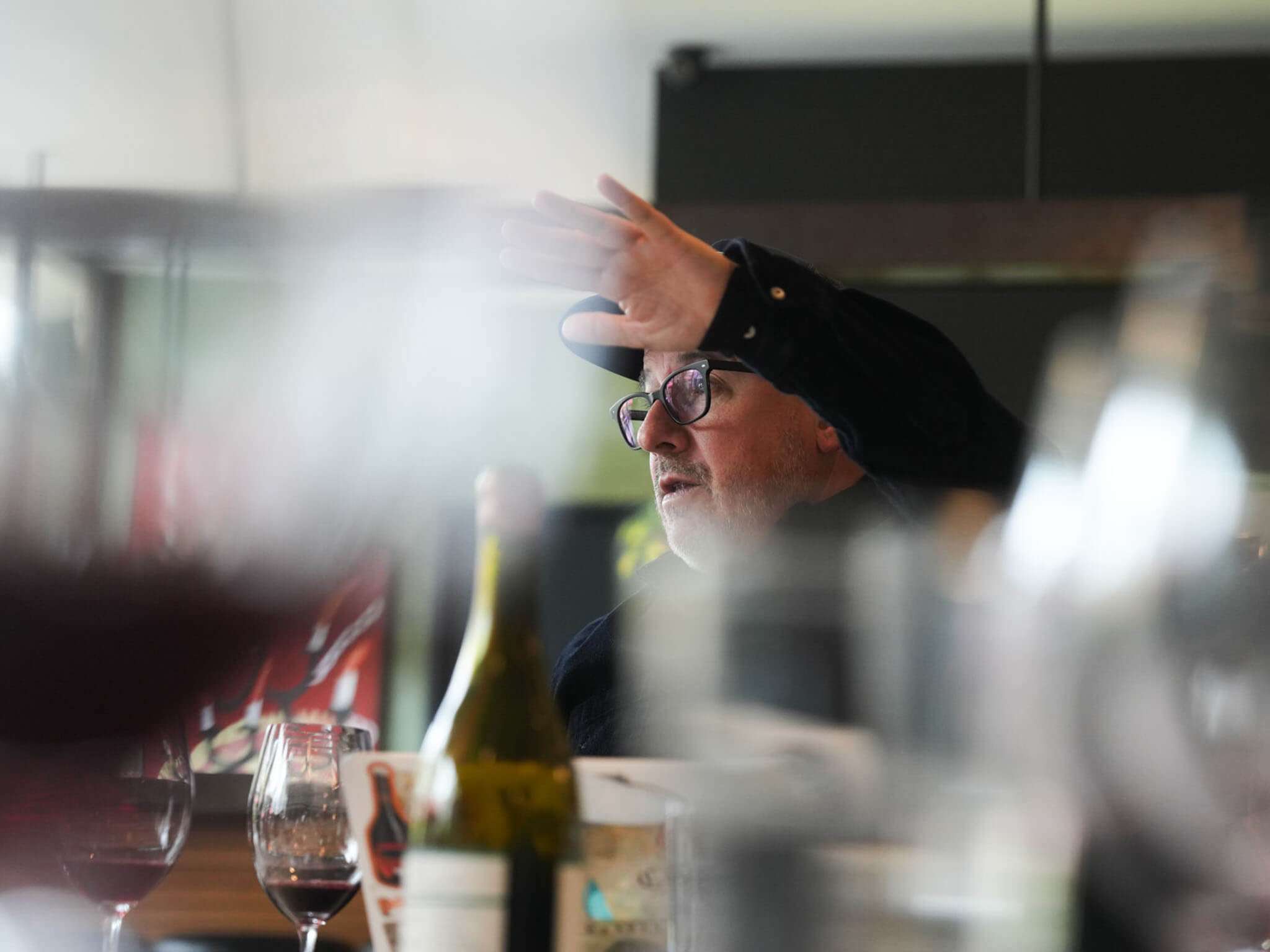
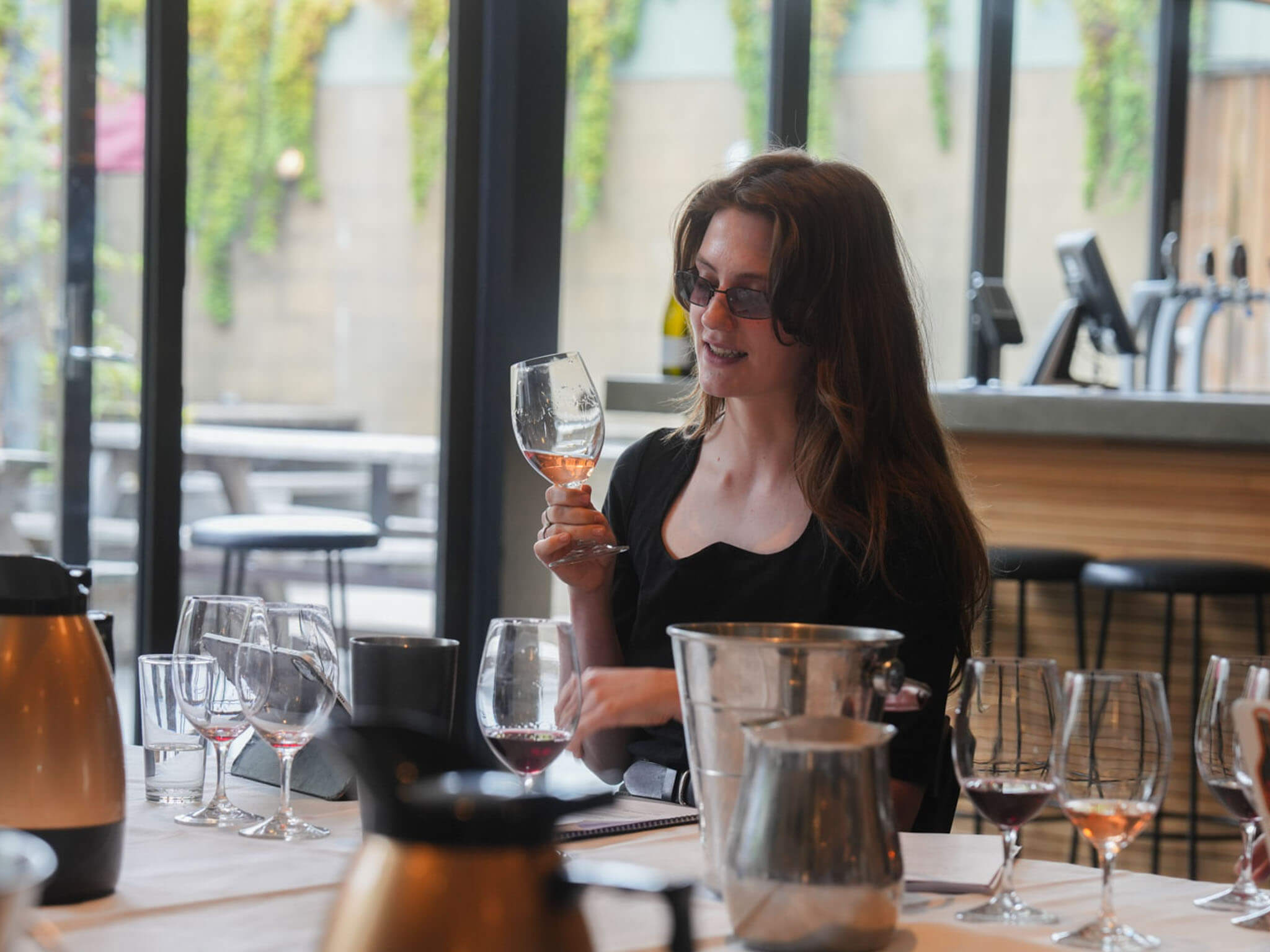
The panel gathered Melbourne at the Bleakhouse Hotel (Albert Park). Above: Rory Kent.
“The cost of living, global uncertainty, changing consumption habits – none of it makes this an easy moment to be launching a wine label. And yet here we are, with one of the strongest and most diverse groups of emerging makers we have ever seen. As Billy Ocean said, when the going gets tough, the tough get going.”
Wine in a difficult world
“Wine sits in an interesting place right now,” says Kent. “It is a pleasure, not a necessity, and pleasures are the first thing to go when household budgets are under strain– and they have been under strain for a long time. The cost of living, global uncertainty, changing consumption habits – none of it makes this an easy moment to be launching a wine label. And yet here we are, with one of the strongest and most diverse groups of emerging makers we have ever seen. As Billy Ocean said, when the going gets tough, the tough get going.”
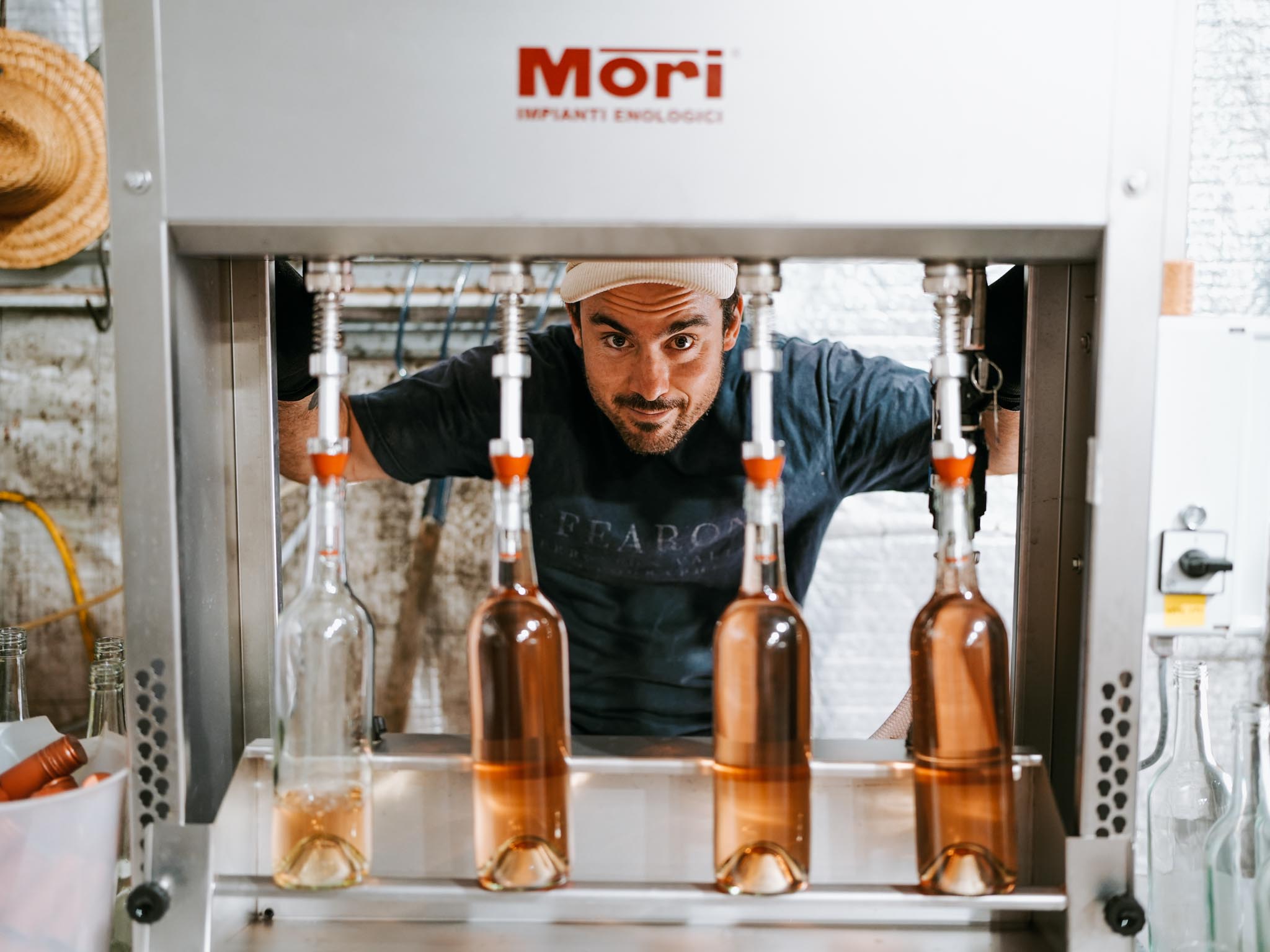
“What’s most striking about this year’s group is the sheer ingenuity. These are makers who have looked at every obstacle – the cost of equipment, the price of fruit, the difficulty of getting a foothold in an industry with high barriers to entry – and found a creative way around it. Suburban garages turned into micro-wineries. Neglected vineyards coaxed back to life. Varieties planted that nobody in the region had tried before. Shared facilities, borrowed utes, bottling days with friends. There is a maverick energy running through this pack that is genuinely thrilling. Constraint is a remarkable catalyst for creativity.”
The 20th Annual Young Gun of Wine Awards
The finalists in this year’s awards were selected from a long list of entrants. Over two days of intensive judging, a panel of leading industry figures from across the country tasted their way through the wines to select who was in the running for the six trophies: Young Gun of Wine, Best New Act, People’s Choice, Winemaker’s Choice, Danger Zone, and the Vigneron.
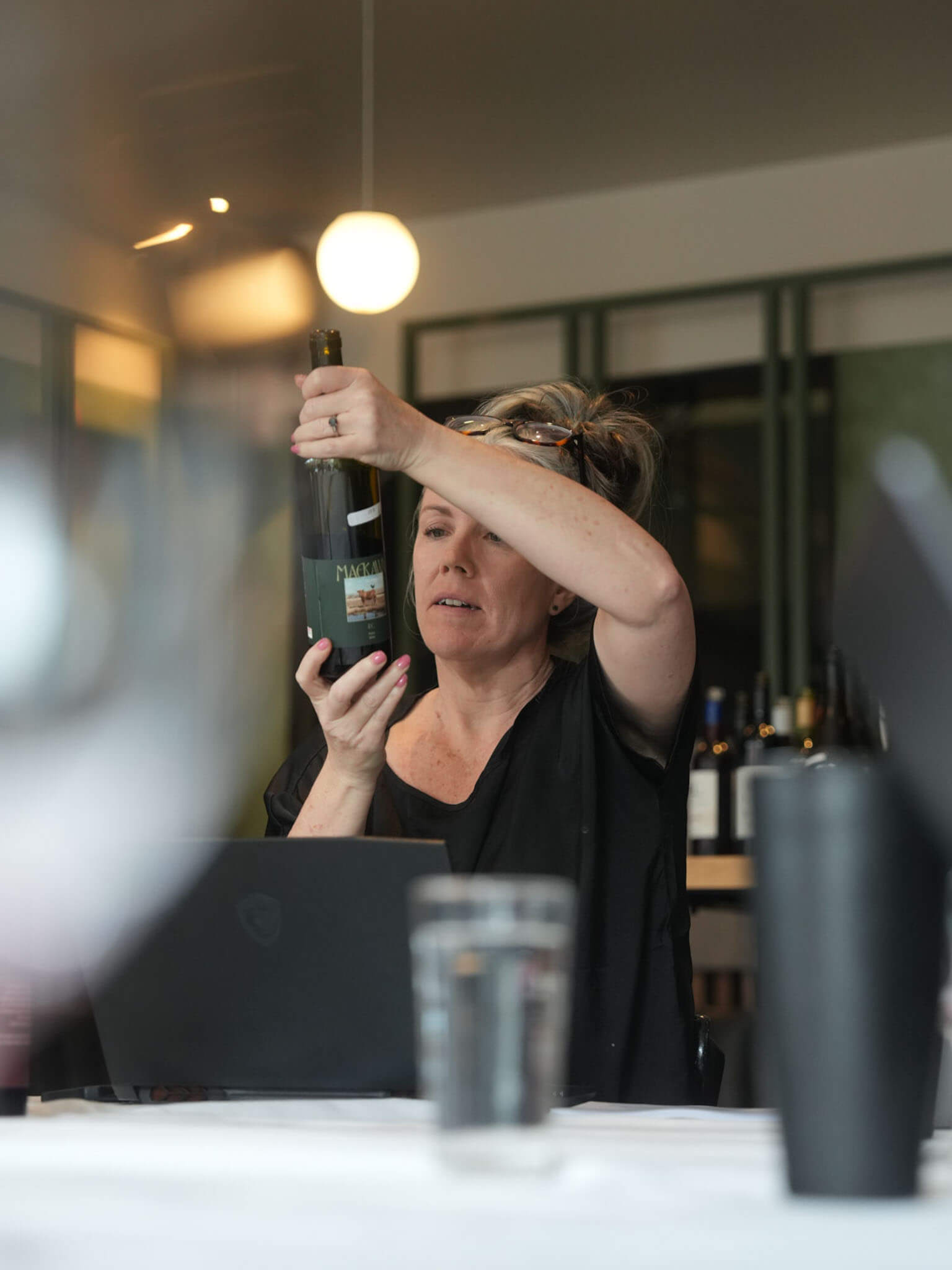
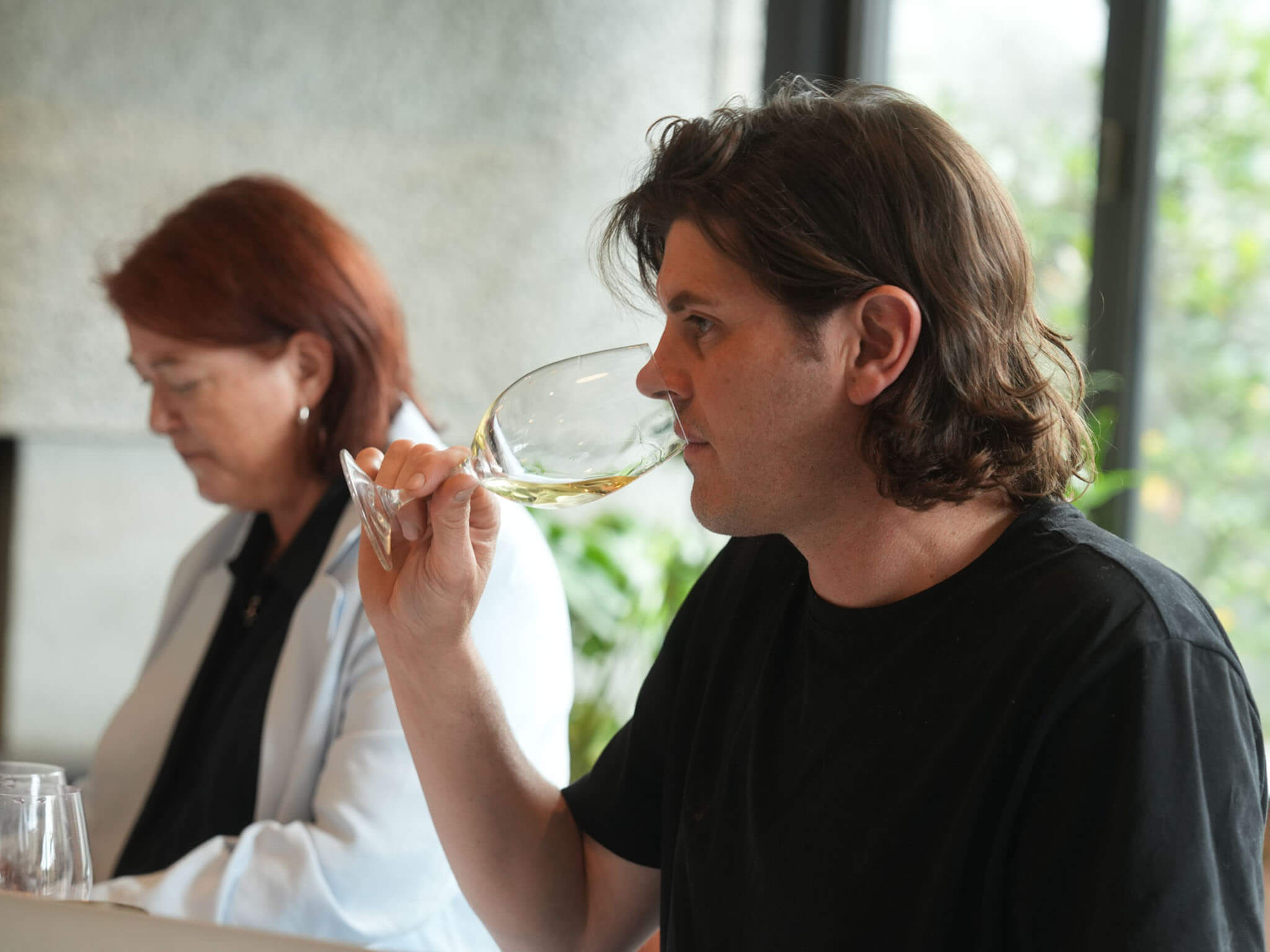
Rory Kent was joined on the 2026 judging panel by Isabelle Szyman of Rathdowne Cellars; Master of Wine Meg Brodtmann; wine critic Nick Stock; Zoe Ladyman of Primavera Selections; and Owen Latta, the 2025 Young Gun of Wine Award winner.
All applicants submitted wines that were tasted and discussed at length, but their project and its achievements and aspirations – as well as their place in their region and the broader wine landscape – were given equal airtime.
Opposite: Zoe Ladyman. Above: Master of Wine Meg Brodtmann and Owen Latta, the 2025 Young Gun of Wine Award winner.
“What’s most striking about this year’s group is the sheer ingenuity. These are makers who have looked at every obstacle – the cost of equipment, the price of fruit, the difficulty of getting a foothold in an industry with high barriers to entry – and found a creative way around it. Suburban garages turned into micro-wineries. Neglected vineyards coaxed back to life. Varieties planted that nobody in the region had tried before. Shared facilities, borrowed utes, bottling days with friends. There is a maverick energy running through this pack.”
Opposite: Nick Stock. Above: Isabelle Szyman.
They come from every background imaginable
A marine engineer, a human rights lawyer, a specialty coffee professional, a former hairdresser, a student who switched from physics to oenology mid-degree, a civil engineer, a graphic design student, a hospitality veteran — the paths into wine this year are as diverse as the wines themselves. We have fifth-generation winemakers taking the baton from storied families, and first-generation makers with no industry connection at all who simply showed up and started knocking on doors. We have winemakers who are still studying, winemakers who abandoned corporate careers, and winemakers who built their first vintage in a suburban garage and have never looked back.
Alternative varieties as climate intelligence
Less-familiar varieties are making a bigger impact than ever — and for reasons that go beyond fashion. Fiano, vermentino, sangiovese, negroamaro, primitivo, albariño, touriga nacional, graciano, aglianico, lambrusco, nero d’avola — these are varieties chosen not because they are trendy but because they handle heat, retain natural acidity, require less water and thrive where shiraz and chardonnay are increasingly struggling. The 2026 group is making a coherent, compelling argument that the future of Australian wine will be grown in varieties we are only just beginning to understand.
Grower-makers on the rise
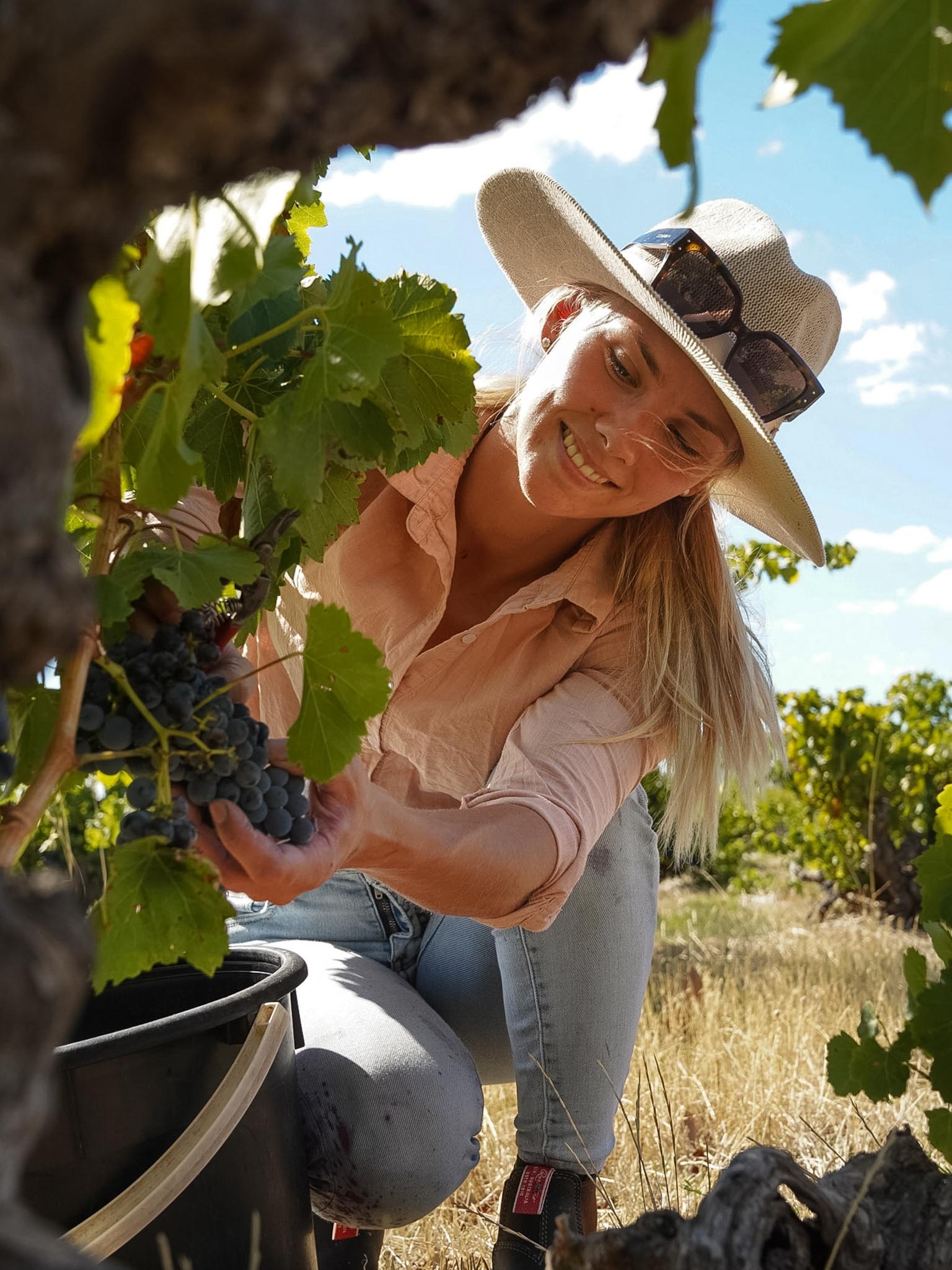
It has never been easy for an emerging maker to gain viticultural control, let alone own or lease their own vines. But this year’s group includes an unusually high proportion of genuine grower-makers: people who are not just buying fruit but farming it — restoring neglected blocks, planting purpose-designed vineyards in the Italian tradition, working century-old vines back from the brink, establishing new sites in regions that had never seen a vineyard before. The vineyard-first philosophy is not merely stated this year. It is demonstrated, season after season, in the dirt.
Old vines, new perspectives
Several of this year’s makers are working with heritage material of extraordinary significance — semillon vines over a century old, shiraz planted in the 1950s, dry-grown blocks that have never known a supplementary drop of water. One has taken on the restoration of a vineyard previously abandoned and almost lost entirely; another farms vines planted in 1981 entirely by hand on volcanic soils in one of Australia’s most demanding cool-climate growing environments. The work of understanding, preserving and learning from these sites is patient and often unglamorous. The wines that result make the case for why it matters.
The cooperative spirit
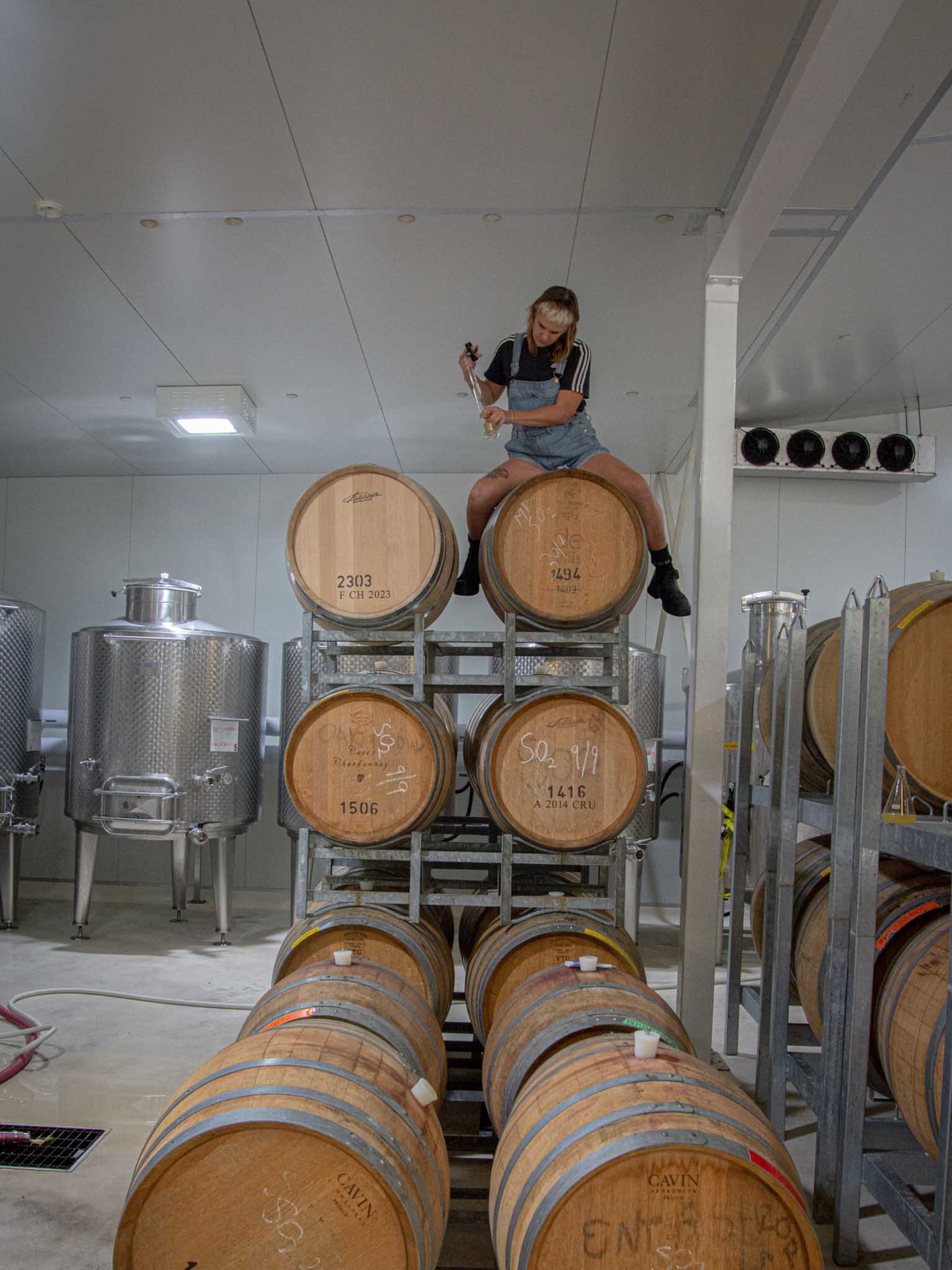
Small producers finding creative ways to make wine without infrastructure is not new — but the community spirit around it feels more pronounced than ever. Shared wineries, cooperative facilities, contract arrangements and mutual support networks run through the stories of this year’s finalists. One maker describes the daily exchange of ideas — and occasional disagreement — with the four other winemakers she shares a facility with as essential to the project. The best small wine labels in Australia do not exist in isolation. They exist because of community.
Ethics embedded, not bolted on
Sustainability in this year’s group is not a marketing position — it is built into how these makers think about every decision, from how the fruit is grown to how the wine arrives at your door. One is distributing wine in recyclable cans and refillable kegs, making a deliberate argument that excellent wine does not need to come in a heavy glass bottle. Another has planted over 1,300 native trees and shrubs in partnership with a regional Landcare organisation, working toward rewilding ten per cent of their farm. These are not gestures. They are commitments.
People’s Choice voting and prizes
We’d love to hear who you think is Australia’s best young winemaker. People’s Choice voting is live online via this link. Everyone that votes will go into a draw to win a year’s supply of wines (52 bottles) from Young Gun of Wine.
People’s Choice voting will be open until Tuesday 9th June. Go to this link.
In 2026, almost two thirds of the finalists are new to the Top 50 winemakers list. Here is the complete list:
The winners of the six trophies – the Young Gun of Wine, Best New Act, People’s Choice, Winemaker’s Choice, Danger Zone, and the Vigneron – will be announced on Tuesday 9th June.
The 2026 finalists can also be seen as a group via this page.
Most people have never heard of a pinot-shiraz blend, let alone tasted a thirteen-year-old Hunter semillon straight from a winemaker’s own museum stock. This month’s CURATED wines are built to challenge a few assumptions — including the one that says white wine can’t age, and the one that says malbec only grows somewhere warm. Six wines, six videos, one members-only round.
A tree change can seem all too glamorous, especially with all the romanticism that’s inevitably attached to owning a vineyard. Anna Hawkins of Gippsland’s The Wine Farm shares her reflections on just how much greener that grass actually is.
Registrations are now open for the 14th annual Young Gun of Wine, designed to celebrate and showcase both young wine labels and winemakers on the rise.
Subscribe to our newsletter
Young Gun of Wine is your shortcut to cutting edge wines, the places to go, and the people behind it all.
Subscribe to be amongst the first to know of our latest discoveries in wine.
We'll bring you the inside running from the growers, the makers, the wholesalers, the retailers and the sommeliers, too.