Kaden Boekhoorn came to wine through a decade in specialty coffee, drawn by the same fascination with how place and process shape flavour. Passage Wines, launched from the 2024 vintage, is a small Gippsland project focused on distinctive parcels from Baw Baw Shire’s cool volcanic hills – currently a pinot gris and a syrah, both from dry-grown sites where Boekhoorn spent five years learning to farm before making his first commercial wines. The approach is minimal intervention with a strong emphasis on site, patience in the cellar, and wines built for texture and longevity over immediate impact. Passage sits in the thoughtful, grower-producer tradition that Gippsland has quietly built for itself.
Kaden Boekhoorn came to wine through coffee – and not casually. He spent close to a decade working in specialty coffee at a high level across Australia, the US and Japan, chasing small producers, distinct origins, and the particular flavours that place and process produce. That sensibility – the idea that where something is grown, and how carefully, shapes everything in the cup – translated directly when wine found him. “What drew me to wine was the idea that you could see how place, farming and fermentation shape flavour,” he says. “In coffee you quickly see that, and wine isn’t so different.” Passage Wines is his first commercial venture, launched from the 2024 vintage: a small, site-focused Gippsland project built around two wines from Baw Baw Shire – a pinot gris and a syrah, both sourced from dry-grown, cool-climate vineyards and made with patience and a light hand. The style is texture and structure over fruit weight, aromatics over impact, and wines built to open up over time rather than announce themselves immediately. “I’m less interested in overt fruit or heavy winemaking signatures and more interested in aromatics, texture and structure – wines that show well early but continue to open up and reward over time.”
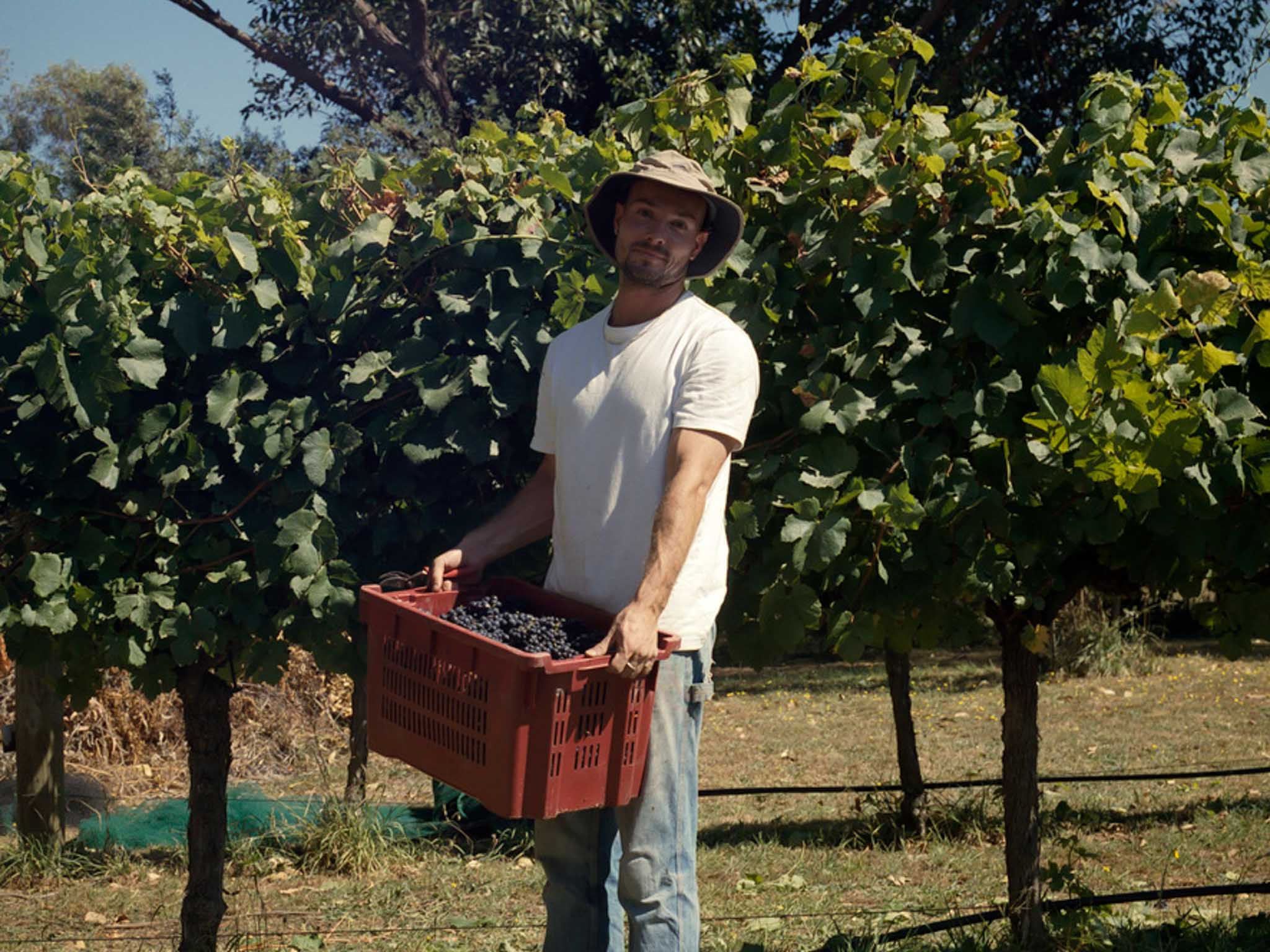
The turn came through the coffee bar he managed – Aunty Peg’s in Melbourne – where Bill Downie, Patrick Sullivan and Ryan Ponsford were regulars. “Listening to the way they spoke about wine, vineyards and food reignited a sense of curiosity for me,” says Boekhoorn, “which eventually led to my first visit to Gippsland.” That visit was to help Downie bottle his 2019 single-vineyard Baw Baw Shire wines. He began spending more time in the region – helping Ponsford at his Willow Grove and Bull Swamp vineyards, working through the seasons, learning to prune, net and pick. “Spending more than five years in that environment has had a strong influence on how I think about wine,” he says. “There’s a strong focus on farming well, paying attention to site and being patient in the cellar rather than trying to force a style. Producers like Bill Downie, Ryan Ponsford, Xavier Goodridge, Patrick Sullivan and Bass Phillip have shown that Gippsland can produce wines with real character and individuality.” Between Gippsland seasons, he travelled through the Rhône, Burgundy and the Jura before completing a vintage with Camille Thiriet – a Burgundy-based producer working in less-celebrated villages with the same quiet ambition that drew Boekhoorn to Gippsland. “Someone like Camille Thiriet working in villages like Corgoloin and Comblanchien is a good example of that mindset,” he says. “I’ve felt something similar in coffee, where some of the most exciting coffees I’ve tasted come from producers working in emerging regions. A lot of interesting things tend to happen on the fringes – and Baw Baw Shire very much feels like that.”
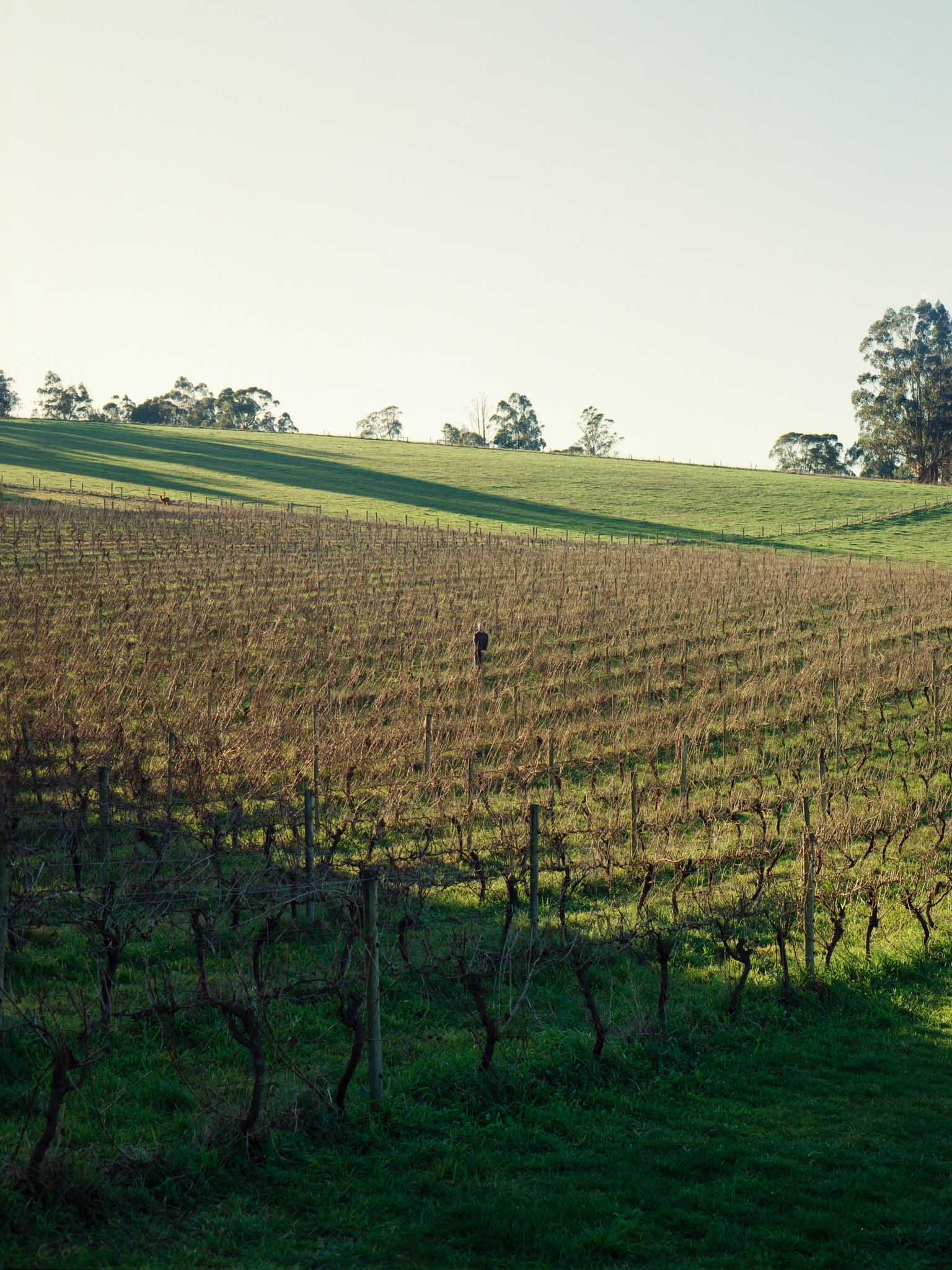
The two Passage wines debut from vineyards where Boekhoorn learned his trade. The pinot gris draws from two Baw Baw Shire sites – the north-facing Willow Grove vineyard on grey dermosols, and the south-facing Bull Swamp vineyard on red volcanic soil – each dry-grown and bringing different characters to the blend. The syrah comes entirely from Bull Swamp: old vines planted in 1981, own-rooted and dry-grown, north-facing. Boekhoorn also farms a small pinot noir block near Warragul himself – around a barrel and a half per year – tending it by hand on weekends without tractors, implementing cane pruning where appropriate, layering vines to replace missing sections, and working with an agronomist on soil health. “The site only produces around a barrel and a half a year, so it isn’t really farmed for commercial outcomes,” he says. “Instead it’s been a place to experiment and learn. Even at this scale you still experience the same pressures – weather, disease and the constant need to make decisions that affect the quality and longevity of the vineyard.” The owners, he notes, have said the vineyard is in the best shape they’ve seen it.
The hard lessons have come too. In the first year farming, he lost the chardonnay block to downy mildew after heavy Christmas rain; the pinot noir from that same season later went volatile in barrel and was tipped out. “Losses like that are pretty shit,” he says plainly, “and I have a lot of respect for the people who do both sides of the job – growing the grapes and making the wine.” But the rewards of patience have reinforced his approach. “One of the most rewarding parts is seeing the wines wake up after winter and slowly come together through élevage – the period a wine spends maturing in vessel before bottling. By summer they often feel like quite different wines to what they were earlier on. Having patience and belief in that process has been greatly rewarded – the cycle of things is quite beautiful.”
The winemaking is minimal but not ideological: wild fermentation without temperature control, the cellar moving naturally with the seasons, sulphur used where needed rather than to a fixed formula. Wines mature for around 11 to 12 months in mostly used French oak, with a small portion of new oak in what Boekhoorn describes as a seasoning role – present enough to add texture, not so much as to obscure the site. After barrel ageing, wines are racked to stainless steel and given two to three further months to settle before bottling under corks with a negative carbon footprint. Picking decisions have become increasingly critical as seasons feel more compressed. “Recent seasons have felt more compressed, with fruit ripening faster and weather becoming less predictable – drier winters, warmer summers and heavier rainfall close to vintage,” he says. “I’m conscious of wanting the wines to show the vintage, so it’s about finding the right moment – trying not to play it too safe by picking too early, but also not waiting too long. It’s been a bit of a balancing act.”
The vision for Passage is to stay small, deepen connections with the vineyards he works with, farm more fruit himself over time, and eventually plant his own site in Gippsland. “The wine world is already crowded,” he says, “but even with so few producers, Gippsland is already making a strong statement and still feels largely untapped. I can’t think of a more exciting region in Australia to be making and drinking wine from right now.” For a label that only just released its first wines, the foundations are unusually solid – built over five years before a bottle was sold.