Michael Williams is a McLaren Vale winemaker whose L’Anima label – launched from the 2024 vintage – makes a small, considered range of wines exclusively from climate-appropriate alternative Mediterranean varieties: fiano, vermentino, sangiovese, grenache, nero d’avola, aglianico and muscat blanc. Built on a winemaking education assembled across Ngeringa, Tuscany, SC Pannell, Moorilla and several years as winemaker under Andre Bondar, L’Anima is where all of that finally converged into something personal. The wines are made with clay and sandstone amphora and large-format Slavonian oak, rooted in a philosophy that positions wine as something primarily consumed at the table – science in service to art, and Mediterranean variety as the argument for McLaren Vale’s future.
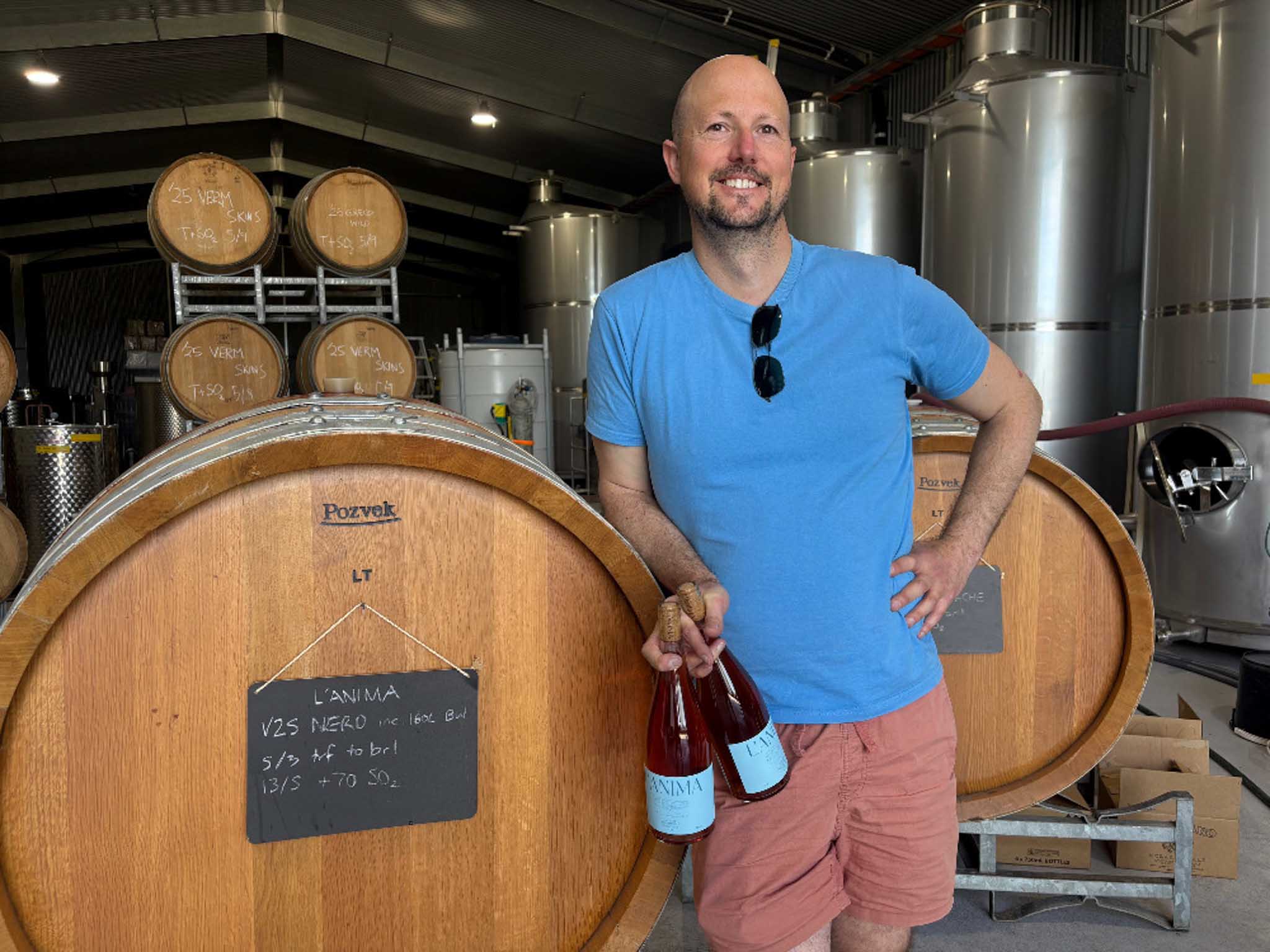
Michael Williams started L’Anima with a book and a list of places to knock on. The book was Max Allen’s The Future Makers; the first door he knocked on was Ngeringa in the Adelaide Hills, where he ended up working the cellar door. That was the beginning of a winemaking education assembled piece by piece – WSET Level 3, then a return to Adelaide University to study viticulture and oenology, vintages at Ngeringa and Tenuta di Valgiano in Tuscany, time at Tinlins, SC Pannell and Moorilla, and several years as winemaker at Bondar Wines. L’Anima, launched from the 2024 vintage and released in April 2025, is where all of that finally converged: a McLaren Vale project built exclusively around climate-appropriate alternative varieties – fiano, vermentino, sangiovese, grenache, nero d’avola, aglianico, muscat blanc – made with careful, considered winemaking and a philosophy rooted as much in food and place as in the winery. The current range spans Isole (fiano/vermentino), Asolare (sangiovese rosato), Halara (grenache/nero), Oenotria (aglianico), and Sobremesa, a passito-style – meaning made from partially dried grapes to concentrate sweetness and flavour – muscat blanc.
“I’m trying to show that these varieties can make distinctive, interesting and perhaps even fine wine. My aim was to elevate varieties that are often undersold as simply ‘alternative’ or ‘easy drinking’, which I don’t think gives them enough credit.”
Each of Williams’ mentors left a distinct mark. Erinn Klein at Ngeringa gave him a European sensibility and a biodynamic point of reference. Saverio Petrilli at Valgiano showed him the importance of stepping back and allowing wine to become its own thing. Steve Pannell reinforced the centrality of tannin and what Williams calls “making warm climate wines cool again.” Andre Bondar brought precision. From that matrix, Williams distilled his own point of view: “Science in service to art while acknowledging beauty in imperfection.” It’s a phrase that captures the L’Anima aesthetic well – wines made with genuine technical rigour but without the interventionist fingerprints that often follow from it.
The variety selection is the argument Williams is making, and he makes it deliberately. “I’m trying to show that these varieties can make distinctive, interesting and perhaps even fine wine,” he says. “My aim was to elevate varieties that are often undersold as simply ‘alternative’ or ‘easy drinking’, which I don’t think gives them enough credit.” Beyond their quality potential, those varieties also suit the region’s mediterranean coastal character in a way that shiraz and cabernet sauvignon, for all their pedigree in the Vale, simply don’t. “I’ve tried to embrace the coastalness of McLaren Vale in the wine styles – saline whites, rosés of various hues and bright, medium-bodied reds with tannin.” They’re also, crucially, better adapted to a warming climate. In vintage 2025, while shiraz was already being picked, the aglianico had barely started veraison – the point in the growing season when grapes begin to ripen and change colour – meaning it sailed through the heat unscathed and ripened steadily in cooler conditions later in the season.
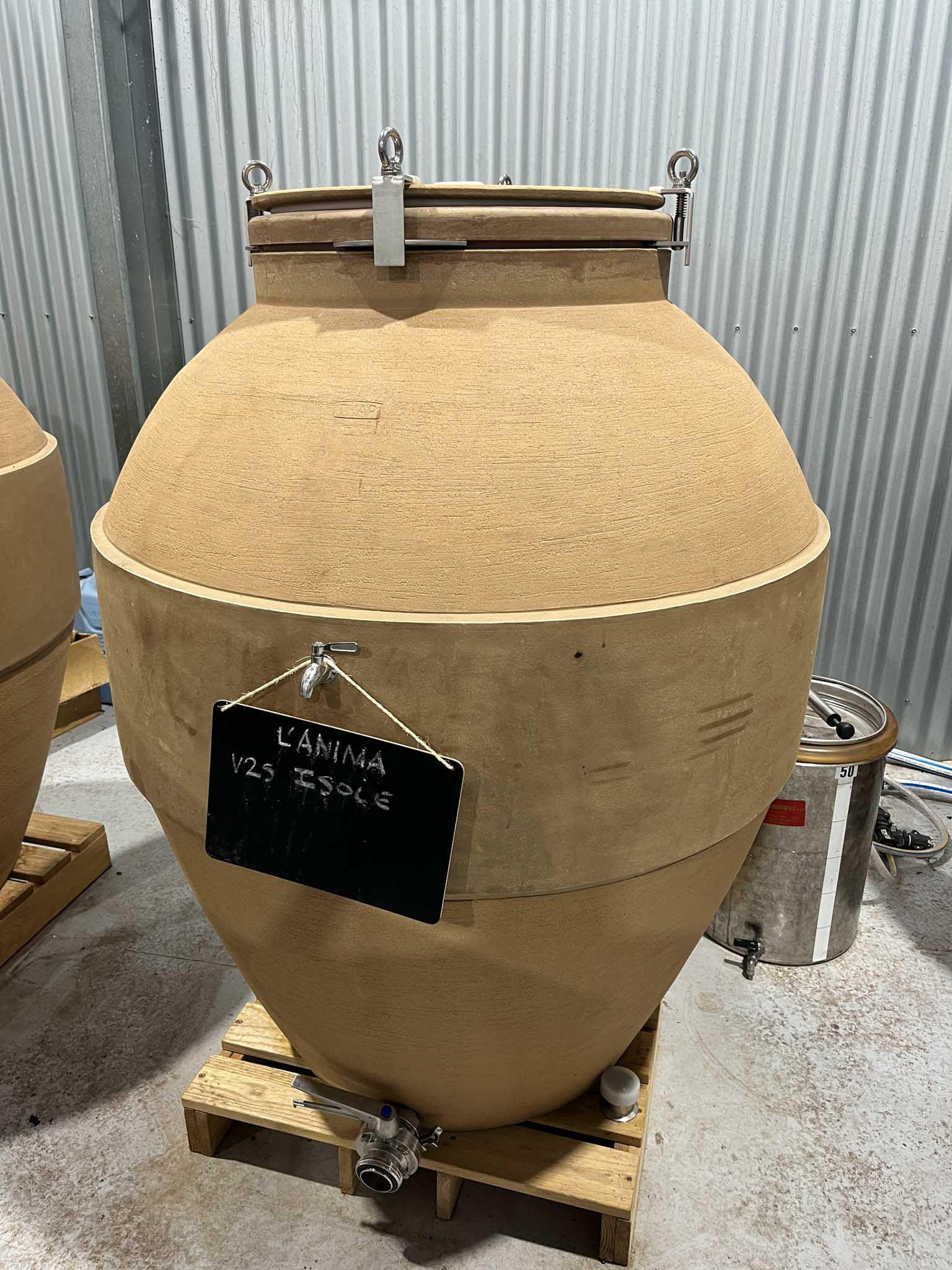
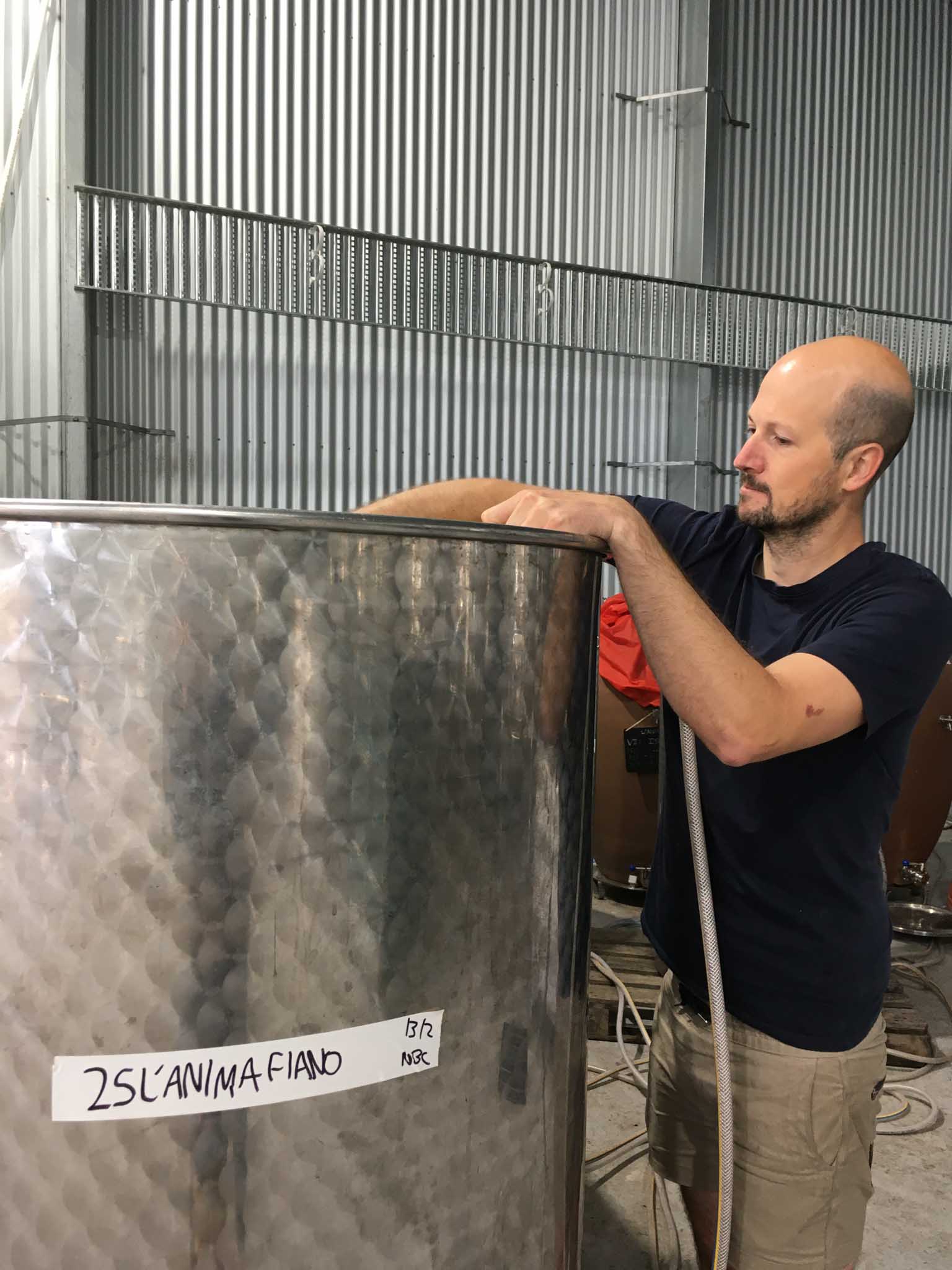
The winemaking is unfussy but not haphazard. Williams avoids the dogma of both natural and conventional camps. “I don’t subscribe to any particular school of winemaking,” he says. Whites and rosé see skin contact – time in contact with the grape skins to extract texture, colour and phenolics – and are handled oxidatively, meaning with deliberate exposure to air rather than the oxygen-avoiding approach common in fresher white wine styles. Everything goes through malolactic fermentation – a natural process where sharper malic acid is converted to softer lactic acid, adding texture and roundness – because Williams prioritises mouthfeel alongside acidity. Vessels are clay and sandstone amphora and large-format Slavonian oak, chosen for their gentle micro-oxygenation properties and minimal flavour contribution. Extended lees ageing – leaving the wine in contact with spent yeast cells after fermentation – adds complexity and texture. No fining, no filtration except where technically necessary. Blending is embraced as a tool, in the old-world tradition. “I use nero to make up for the relatively lower acid of the grenache. Vermentino ripens at low baumé so helps bring the alcohol down of the fiano and so on. Much of the old world worked this out a long time ago.”
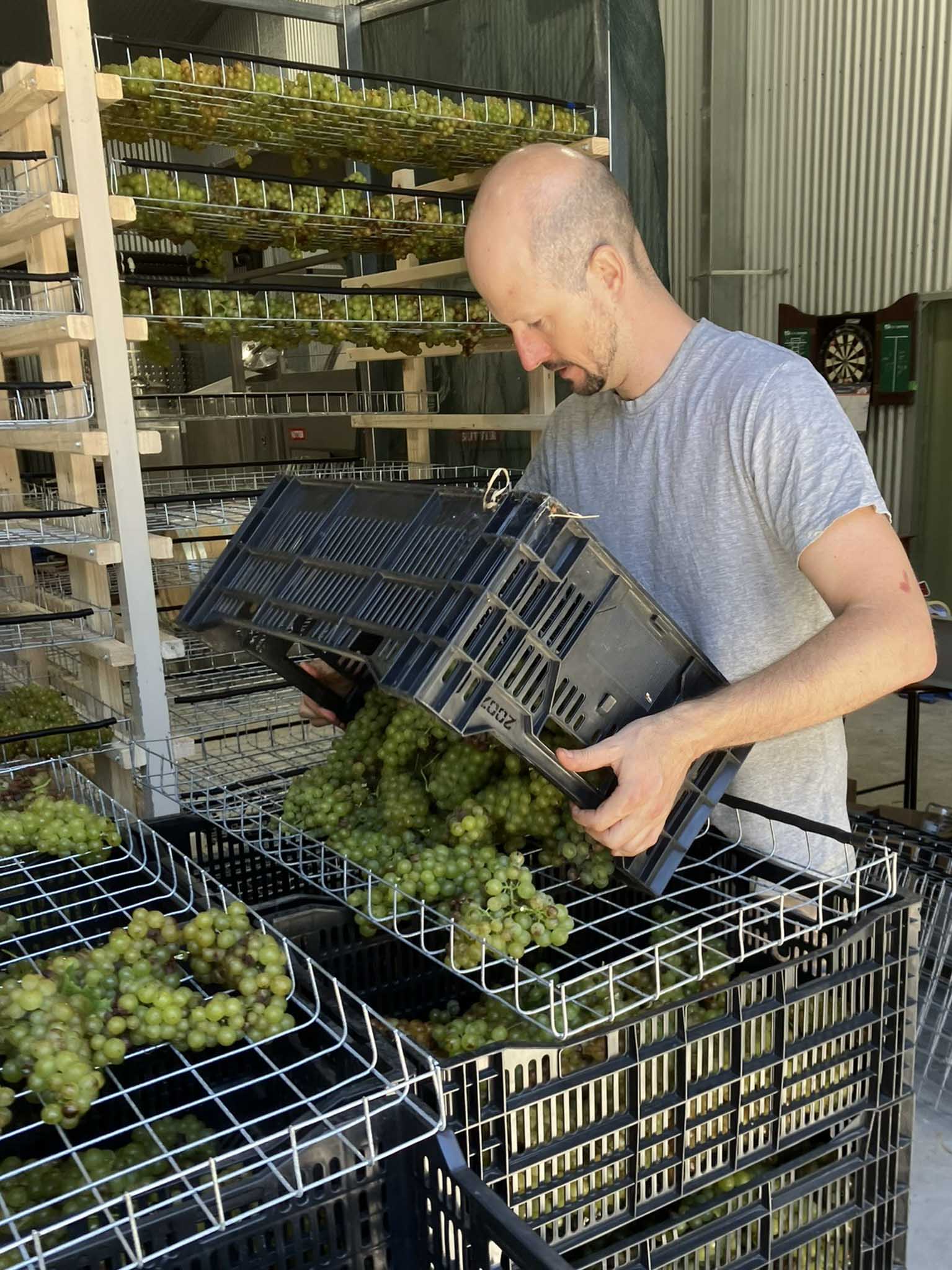
The Sobremesa has been the surprise standout. A passito muscat blanc – sweet, concentrated, made by drying the grapes before pressing to intensify flavour and sugar – it was shortlisted by the AFR Magazine as one of their top 20 wines and drinks for Christmas 2025. Williams is candid about not having anticipated quite how well it would land. “What I wasn’t expecting was such a positive reception, in particular for the Sobremesa given it sits in a fairly unfashionable, underrated class of wines,” he says. A podcast interview with Portuguese winemaker Luis Seabra has stayed with him since. “He responded to advice about making wine ‘for the consumer and the market’ with: ‘Who is this consumer? I’ve never met this person.’ All that matters is that you make the wine that you like and make it more personal – it’s the best way to tell the story.” Williams has taken that to heart. For a label one vintage old, making wines entirely from varieties without a punter-friendly foothold in the market, the reception so far suggests the argument is landing.
GET FIRST ACCESS TO THE NEXT WINE ICONS – DELIVERED