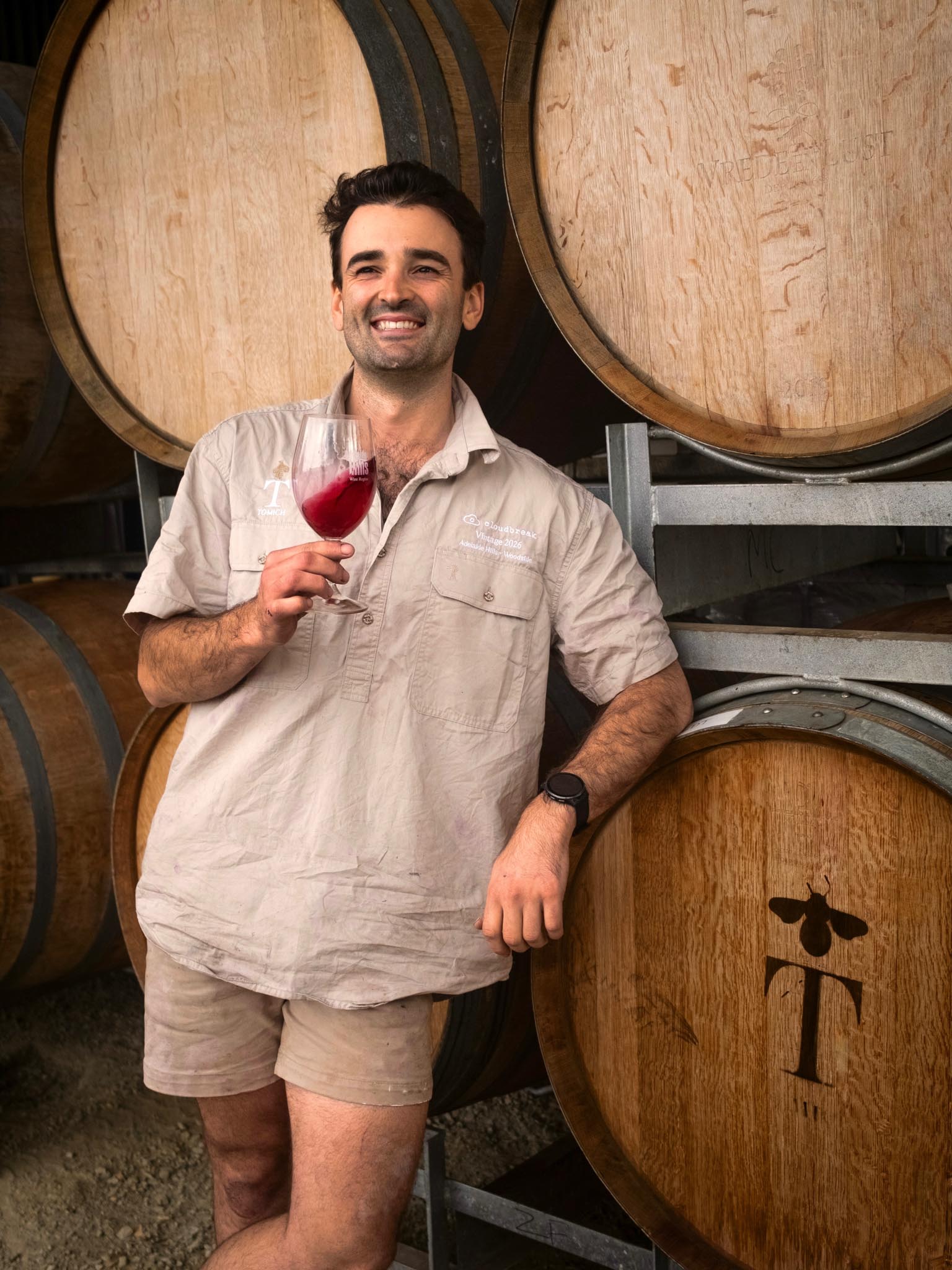
Third-generation winemaker Jack Tomich’s work straddles two projects – his family’s label, Tomich Family Wines, and his own more experimental label, Cloudbreak. Both make wines predominantly from fruit sourced from the Tomich Family vineyard in the Adelaide Hills – the same place where Jack himself grew up. Here he crafts a broad array of wines made from regional stalwarts chardonnay and pinot noir, as well as syrah, sauvignon blanc, pinot gris and gewürztraminer While the methods and the resulting wines are vary between the two labels, they’re both two sides of the same coin – a never-ending quest to best express the nuances of the family vineyard through purity of expression and detailed winemaking.
Jack Tomich was born into a family of winegrowers and makers. His great-great grandfather, Jack Tomich, Sr. arrived in Australia from Croatia’s Adriatic Coast in 1903, and planted vines in Mildura in 1936. While John Tomich – Jack’s grandfather – took a detour into the medical profession and had a successful career as a surgeon, he eventually to the family trade by establishing a vineyard at Woodside in the Adelaide Hills in 1999, just after Jack was born. “For me, working in the Adelaide Hills was never really a question,” Jack says. “My family has been farming this land for the past twenty-seven years, so there’s a deep connection to the site –not just professionally, but personally. It’s a place I’ve grown up on, learned from, and now have the opportunity to shape going forward.”
While many young winemakers in his position would be happy simply to train up in the family business and eventually take the reins, Jack has started his own side-hustle label named Cloudbreak to help sharpen his focus. “Launching Cloudbreak was about creating space to think and work a bit differently,” he says. “Being part of a family business like Tomich Wines is something I’m proud of, but it also comes with a lot of responsibility and expectation. At a certain point, I felt the need to branch out, to have something that was entirely my own, where I could make decisions instinctively and explore ideas without being tied to the day-to-day demands of the broader operation. There wasn’t one big epiphany – more a gradual realisation that if I didn’t do it soon, I probably never would. Cloudbreak became that outlet for me – a way to focus on small-batch, detail-driven wines and push certain stylistic boundaries, while still staying grounded in the Adelaide Hills.” And while establishing his own label hasn’t been easy, he wouldn’t have it any other way: “It’s definitely not the easy path – limited resources, plenty of competition – but that’s also part of the appeal,” Jack says. “It forces you to be more hands-on, more considered, and ultimately more connected to every decision.”
Although the wines produced by both labels are strikingly different – not just in their presentation and labelling, but also in terms of flavour profiles – Jack’s intention remains the same across both projects. “At the core of it, I’m driven by a pursuit of finesse and a desire to express our site in its purest form,” he says. “Everything we do, both in the vineyard and the winery, is about refining that translation from vineyard to glass, without overworking it or masking what the season and site are naturally giving us. Working in the Adelaide Hills, we’re lucky to have the conditions to chase that kind of precision that I love, natural acidity, long growing seasons, and real site variation. My role is to guide that, not dominate it. A big part of that drive comes from personal connection – I’ve lived on this site my entire life, and now I get to work on it and with it. I find I have a real sense of responsibility in that, and a genuine love for the place that pushes me to do it justice.” For him, doing the vineyard justice means creating wines that “have energy and immediacy – bright, expressive aromatics, fine texture, and natural lines that carry through the palate. That reflects how we work, picking for balance, building texture thoughtfully, and letting the vineyard lead the conversation.”
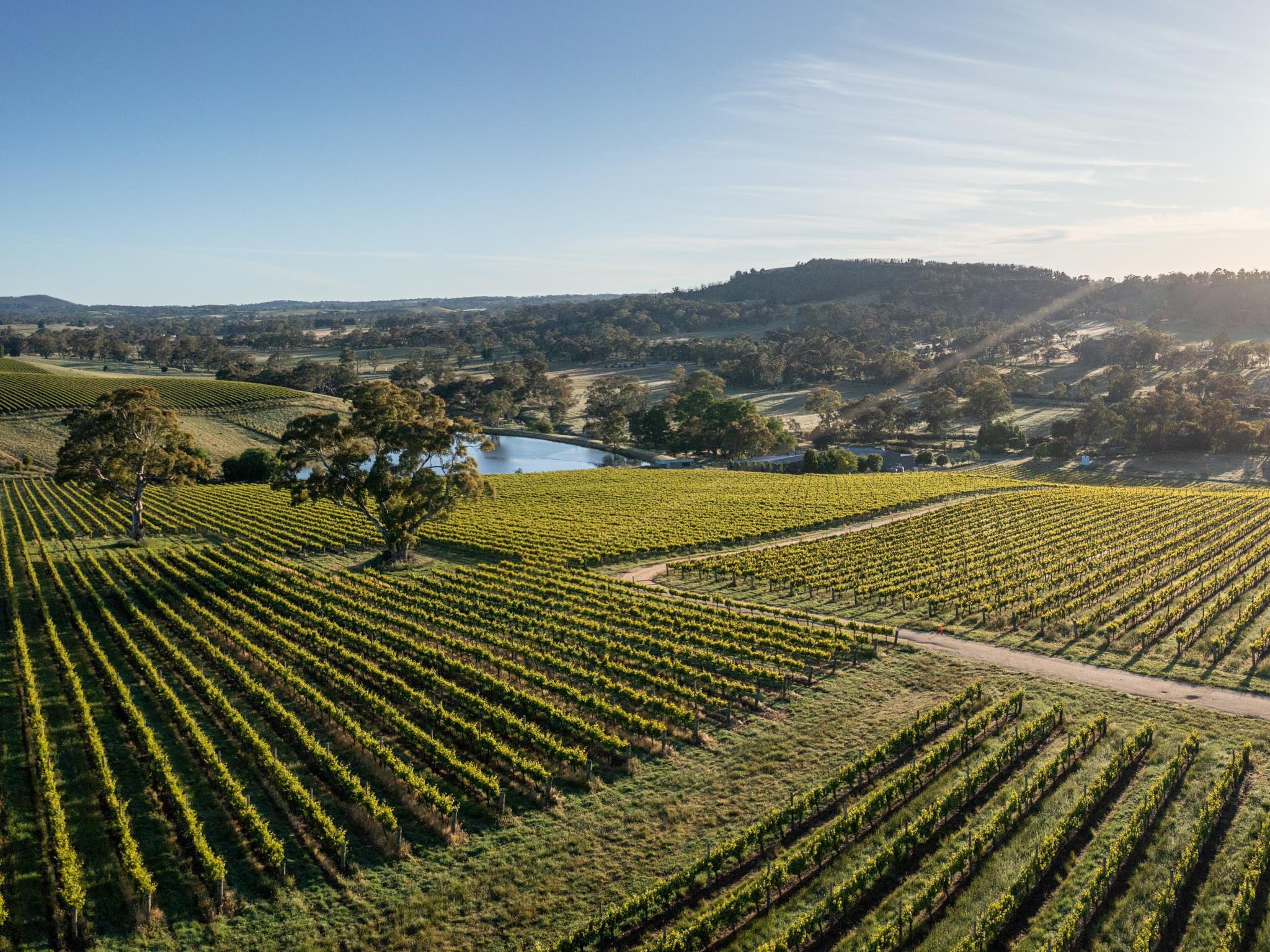
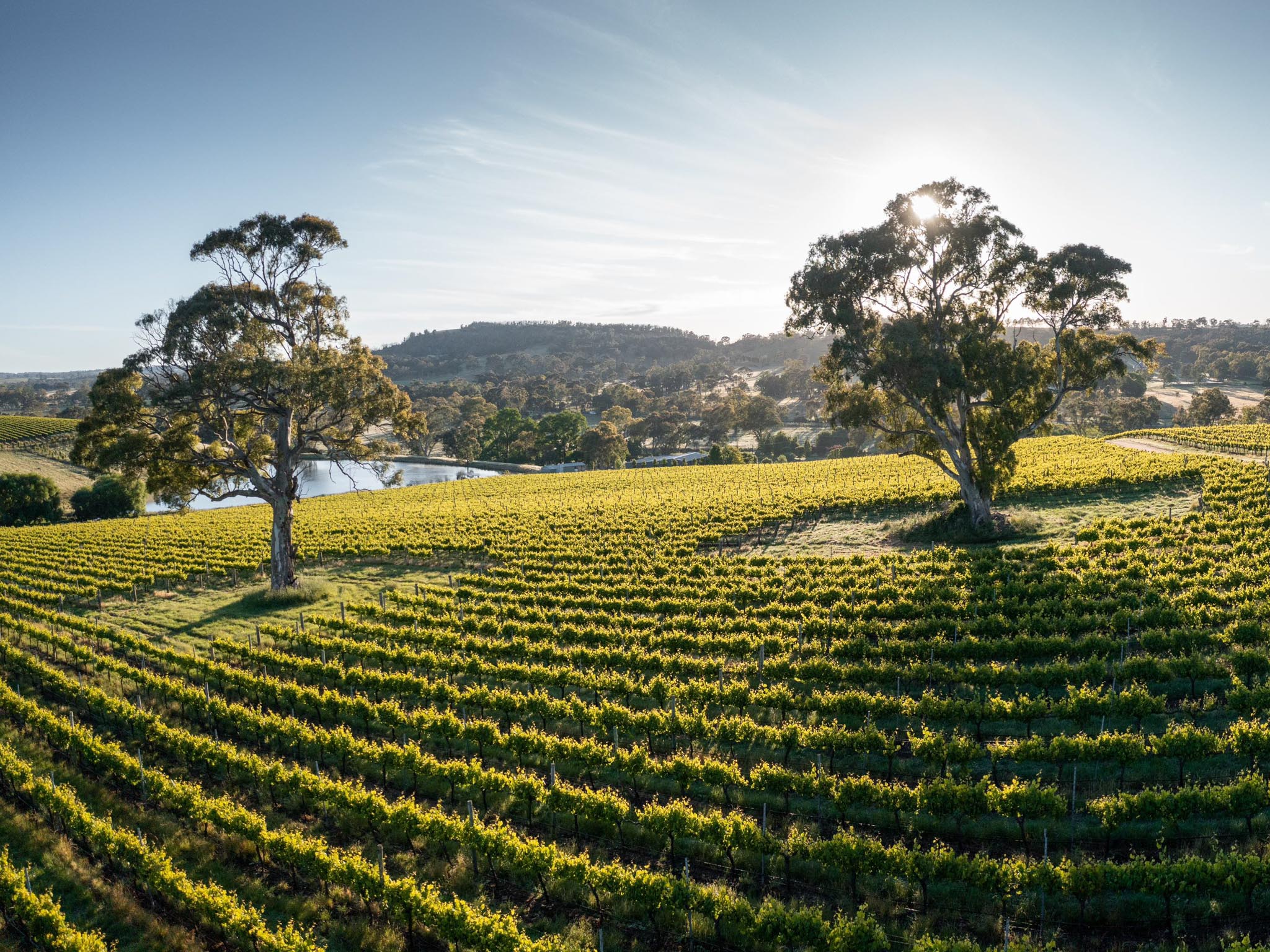
Given this connection, it’s not surprising that Jack’s approach to winemaking starts in the vineyard – itself a remarkable story of resilience and rebirth since it was devastated by the 2019 Cudlee Creek bushfire. The Tomiches seized the opportunity after this crisis to transform their approach to winegrowing, with impressive results. “Over time, we’ve made a real shift toward more site-specific farming – breaking the vineyard down into smaller parcels, managing and vinifying them individually,” he says. “Picking decisions have probably been the most significant change. We’re now harvesting based more on flavour, acid line, and phenolic ripeness rather than just numbers, often bringing parcels in earlier to retain that natural energy. In the wines, that’s translated to greater purity and definition. You see it in tighter acid lines, more precise aromatics, and a clearer expression of site, particularly in the chardonnay and pinot noir. There’s still generosity of flavour, but it sits within a more structured, composed frame – which ultimately gives the wines more detail, length, and, most importantly, delicious drinkability.”
While he loves the Hills, Jack would be the first to acknowledge that it’s not always the easiest place to grow or make wine. “For the style we’re chasing – finesse, purity, and site expression – the Adelaide Hills is incredibly well suited, but it definitely comes with its challenges,” he says. “On the positive side, the elevation and cool climate give us long, even ripening, which is ideal for building flavour at lower sugar levels. That natural acidity and aromatic clarity are exactly what we’re looking for, particularly with varieties like chardonnay and pinot noir. The variation in soils across the site also allows us to work with different parcels and build complexity and detail into the wines. The flip side is that it’s a marginal climate. Weather can be unpredictable – frost, wind, and rain events around flowering or harvest can all have a big impact. Yields can be inconsistent, and getting the balance right between ripeness and retaining that natural energy takes a lot of attention.” Creating wine in these conditions requires precision viticulture and flexibility in terms of picking dates and winemaking style – in Jack’s words, adapting “to suit the season rather than forcing a style.” “Ultimately, those challenges are part of what makes the region so rewarding,” he adds. “When you get it right, you end up with wines that have both intensity and restraint, generous in flavour, but still driven by structure and freshness.”
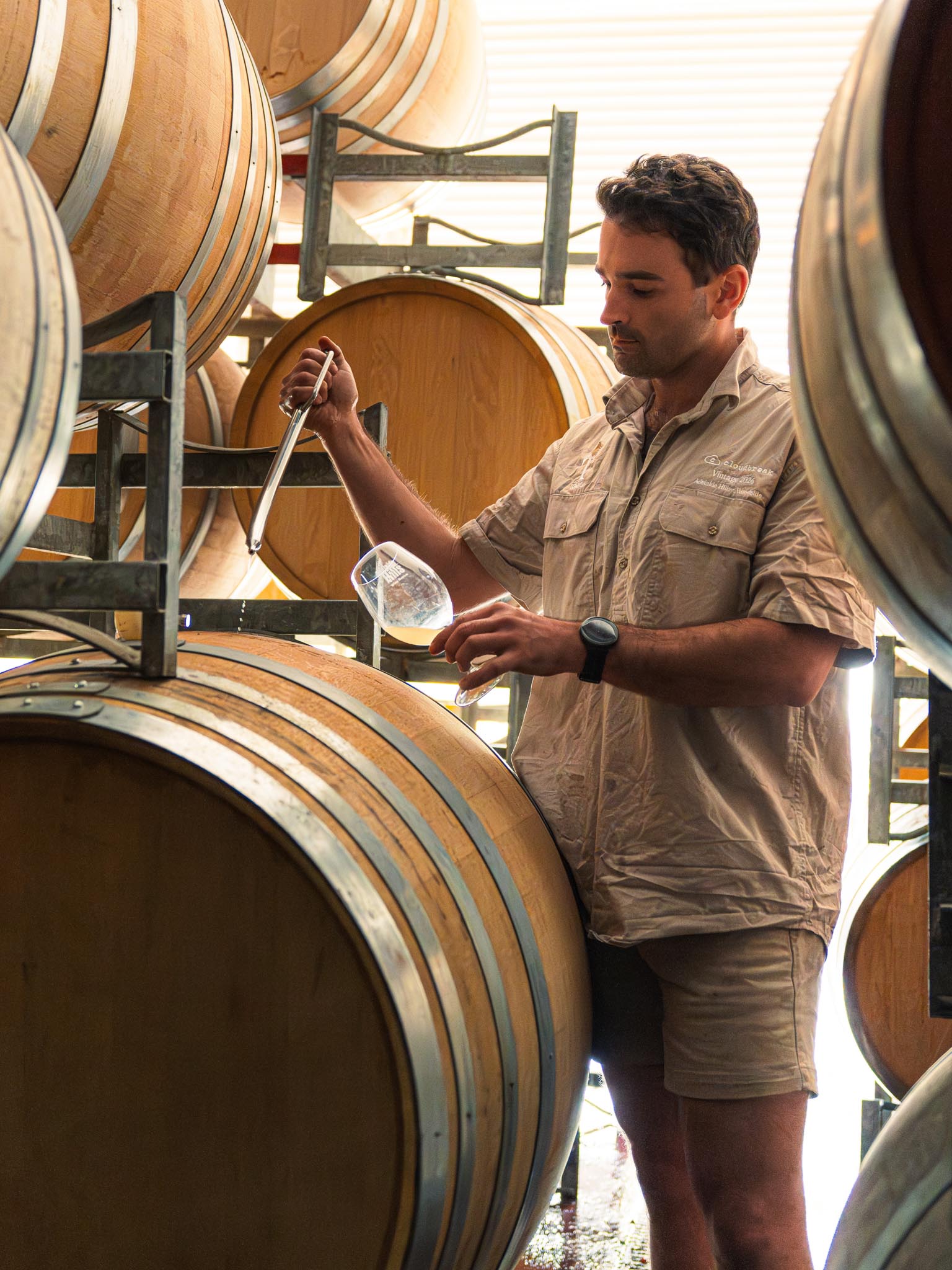
In the winery, his approach is to pare things back wherever possible, while still remaining flexible enough to move with the demands of each vintage. “The biggest lesson has been around restraint,” he says. “Early on, it’s easy to overwork wines – too much oak, too much extraction – thinking you’re building complexity. Over time, I’ve learned that pulling things back often gives you more clarity, more precision, and a truer expression of site.” As such, he tries to keep winemaking inputs to a bare minimum. “We keep additions minimal,” he says. “Sulphur is used conservatively and only where needed for stability – generally kept to low levels to preserve purity and texture rather than dominate the wine. For certain parcels, particularly in chardonnay and grüner veltliner, we lean into solids fermentation to build mouthfeel and complexity naturally, rather than relying on heavy oak influence. Oak is used as a seasoning, not a feature – focused more on older barrels and larger formats to support texture without masking site. We also tend to avoid over-processing – fining is minimal, and some wines are left unfiltered where it suits the style, again to retain character and structure.” Jack credits not only his successes but also his near-misses for teaching him how best to work with the site: “Pushing for earlier picking to retain freshness, for example, has occasionally come with the risk of slightly underdone phenolics or a leaner mid-palate,” he says. “On the flip side, leaving parcels out just that bit longer in warmer years can quickly tip into losing that tension and finesse we’re chasing. That balance point is always moving.”
The variable climate of the Adelaide Hills – heightened in its unpredictability by climate change – has given Jack a jujutsu-like approach to moving with the forces of nature, rather than resisting them. “It’s forced us to be more attentive and adaptable,” he says of the unpredictable nature of recent vintages. “You can’t rely on routine anymore – you have to respond to each season as it comes, and make decisions that protect both the vineyard and the style of wine you’re aiming for.” He’s inspired by other winemakers grappling with the same challenges in the Hills: “It’s a genuinely tight-knit community – we’re all pretty quick to share experiences, ideas, and even mistakes over a beer at the end of the day,” he says. “This builds trust between mates and keeps everyone moving forward together.” And while he’s interested in the possibilities of gamay and nebbiolo for the region, his heart belongs to the region’s hero varieties, chardonnay and pinot noir. “They’re the varieties that best translate what we do in the Adelaide Hills – they respond to site, season, and subtle changes in farming and winemaking more than anything else, which aligns with the style I’m chasing,” he says. Above all else, that style is driven by a love of the family vineyard: “When you know a vineyard that intimately – how it responds to different seasons, where the strengths and challenges can be – it gives you a real advantage in expressing it through wine,” Jack says. “And honestly, how could I not make wine from a site like this? The elevation, the soils, the natural freshness – it’s everything you want when you’re chasing finesse and purity. It makes the decision pretty simple.”