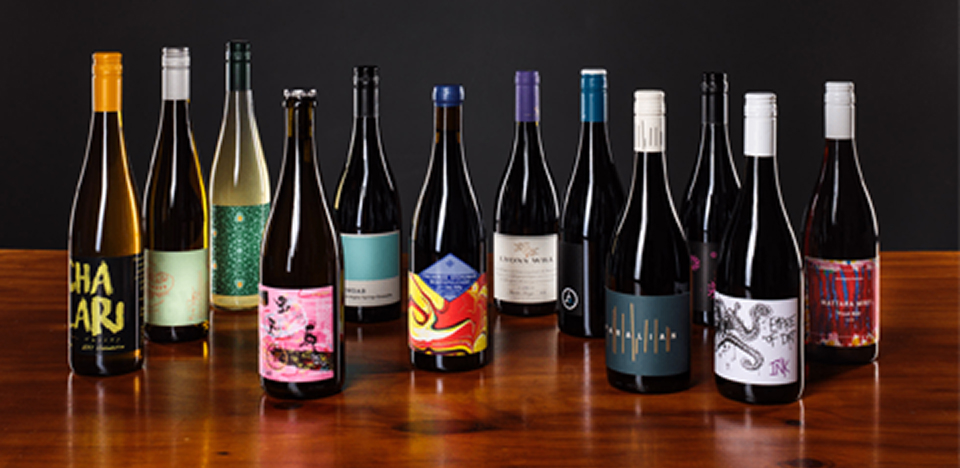
The first release of the Patch wines came from the 2020 vintage. Approaching wine from a varied wine trade background that began with studies in viticulture, Matt Talbot crafts the Patch Wines as a business partnership with winemaker Kirilly Gordon – with Matt now making all the wines entirely himself. From a modest beginning of three wines – a ‘Shed Red’ Bordeaux-inspired blend with a Turkish twist, a ‘Nebbiolo Bianco’ (which is actually the arneis grape variety), and a marsanne – the Patch lineup has expanded to encompass over 20 different grape varieties, including a Pyrenees nebbiolo from the famed Malakoff Vineyard and a Yarra Valley grüner veltliner, made either as varietal wines or blends. All ferments are small batch, using a combination of vessels in the making – from tank, to oak, to ceramic egg, to terracotta – to deliver wines that are juicy, textural and delicious, not to mention pleasingly democratically priced.
Matt Talbot’s winemaking journey encapsulates a deep-rooted passion for viticulture and oenology, reflecting a commitment to authenticity and innovation. His career trajectory, from a viticulture student to the creative force behind Patch Wines, showcases a blend of practical experience and a keen responsiveness to the evolving tastes and trends of the wine industry.
Embarking on his winemaking path immediately after high school, Talbot pursued viticulture and wine production studies while gaining hands-on experience at Yeringberg. This foundational phase not only grounded him in the technicalities of winemaking but also ingrained a profound respect for the craft. His subsequent roles, spanning from wine retail to sommelier positions in Melbourne and Sydney, and then a significant stint in wholesale with Joval wines, enriched his understanding of the wine market dynamics. Notably, his engagement in export and as a wine director broadened his horizon, providing invaluable insights into global wine preferences and the logistical nuances of the wine trade.
Matt Talbot strives to produce wines that cater to a broad spectrum of consumers, balancing innovative techniques with a minimal-intervention approach.
The inception of Patch Wines emerged from a period of professional transition during the COVID-19 pandemic. Redundancy became a catalyst for Talbot to channel his expertise and passion into establishing his own brand. This transition marked a shift from representing other brands to cultivating a personal venture that embodied his vision and values. The growth of Patch Wines from a modest one-tonne production in 2020 to eighteen tonnes in 2023 exemplifies Talbot’s commitment and the brand’s resonance in the market.
Talbot’s winemaking philosophy emphasizes drinkability and market attunement. He strives to produce wines that cater to a broad spectrum of consumers, balancing innovative techniques with a minimal-intervention approach. This ethos is evident in his preference for softer tannins in reds and freshness in whites, coupled with a nuanced understanding of consumer preferences. The collaborative spirit within the new winery space, shared with other small brands, fosters a culture of shared knowledge and mutual support, enriching the winemaking process.
“Twenty grape varieties isn’t enough!”
Patch Wines’ ethos of flexibility and exploration is manifested in its region-agnostic approach. By not confining the brand to a single vineyard or region, Talbot leverages a diverse array of vineyards across Victoria, adapting to the variabilities of each season and site. This strategy not only diversifies the brand’s portfolio but also instills a dynamic adaptability, allowing Patch Wines to navigate the challenges of climate change and regional specificities.
With Talbot’s background in export, it shouldn’t come as a surprise that Patch is already embarking on expansion into the lucrative U.S. market. Talbot has also recently opened Urban Vineyard, a cellar door and bottle shop in Melbourne’s east that not only showcases the Patch wines but also champions other small-scale makers. His future ambitions are to scale up the number of varieties he works with – “Twenty isn’t enough!” he says – and to search more broadly for those ‘patches’ he works with, potentially incorporating interstate and overseas fruit sources (especially American ones) into the mix.
Talbot’s ambition to cultivate a financially sustainable brand that can adapt swiftly to industry shifts underscores his forward-thinking approach to winemaking. His narrative is a testament to the evolving journey of a winemaker who harmonises traditional craftsmanship with a modern, adaptable approach. His journey from student to industry veteran and now a pioneering entrepreneur in the Australian wine landscape is a compelling story of resilience, innovation, and passion for the art and science of winemaking.