Yuri Berns is the senior winemaker at Sittella Wines in the Swan Valley – a family estate founded by his parents Simon and Maaike in 1993 – where he has been building a sparkling wine program of genuine ambition alongside a range of still wines sourced from the Swan Valley, Margaret River and Pemberton. The flagship Grand Vintage ‘Marie Christien Lugten’ – a Pemberton pinot noir and chardonnay traditional-method sparkling wine aged for a minimum of 36 months in bottle – has become the label’s prestige statement, while a new estate-planted albariño block in the Swan Valley signals where Berns believes the region’s future lies. A fifth-generation Western Australian with a champagne obsession and a long-term commitment to soil health and climate adaptation, Berns is quietly making one of the most considered cases for the Swan Valley as a fine wine region.
Yuri Berns started at Sittella two days after finishing Year 12, at 17, working alongside his parents Simon and Maaike who founded the winery in the Swan Valley in 1993. He has never really left – but what he has done in the intervening years is build a winemaking program that looks very different from the one he inherited, and one that is pointed deliberately toward the future. Now senior winemaker, Berns makes wines across the Swan Valley, Margaret River, Pemberton and the Great Southern, with sparkling wine at the heart of his ambition and a new generation of climate-adapted varieties – albariño, touriga nacional, graciano, mencía, tempranillo – taking root at the estate. Two wines define the current range’s breadth: the Grand Vintage ‘Marie Christien Lugten’, a Pemberton-sourced traditional-method sparkling wine – meaning it undergoes a second fermentation in the bottle to develop its bubbles, in the same manner as Champagne – that has become the label’s prestige statement; and the Avant Garde albariño, grown in the Swan Valley on a block Berns planted himself, chosen specifically because of its capacity to thrive as the Swan Valley’s climate continues to warm.
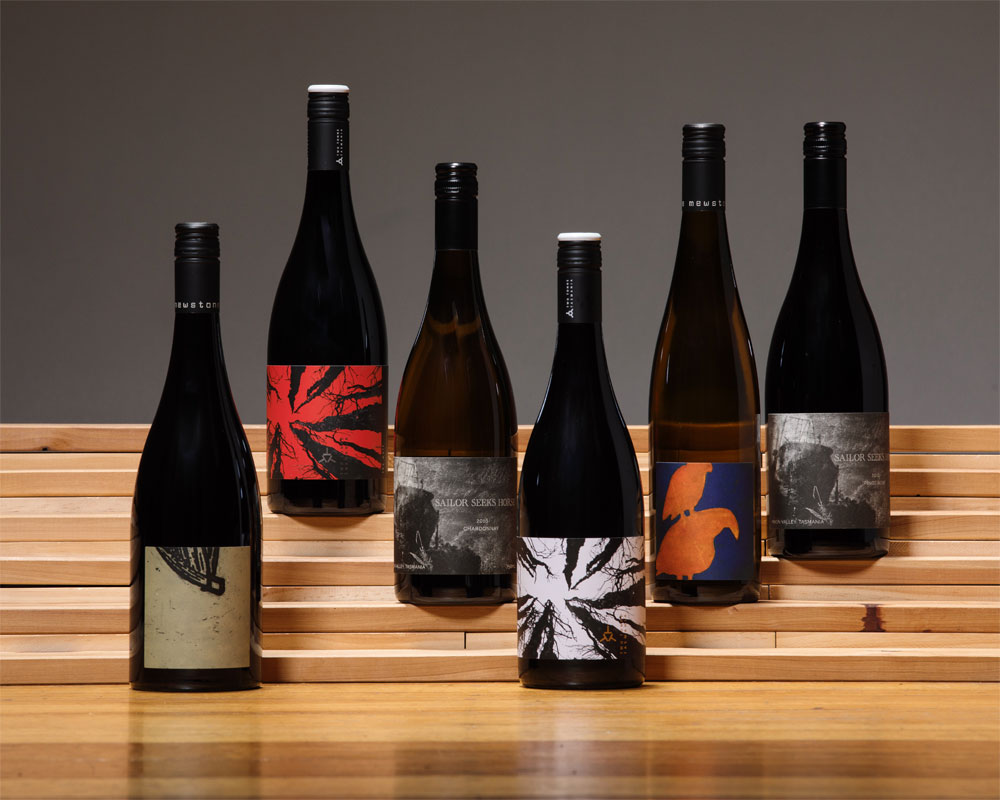
The sparkling obsession started early. “My main driver started off with a passion, like most, but for me centred around Champagne from a very young age of about 16,” he says. “This then turned into a personal obsession, which has since translocated across our entire wine range and portfolio.” After completing his Bachelor of Science in Oenology and Viticulture at Curtin University’s Margaret River campus – graduating with the Talijanchich-Leeuwin Award for Aptitude – and winning the Vin de Champagne Award in Australia in 2010 as the youngest ever student recipient, Berns fulfilled a lifelong ambition in 2013 with a vintage at Champagne Geoffroy in the village of Aÿ. The Grand Vintage ‘Marie Christien Lugten’ – named after his mother – is the expression of everything he absorbed there: a Pemberton pinot noir and chardonnay blend that undergoes its second fermentation in the bottle and builds complexity over 16 months on lees before release. First made from the 2012 vintage, it is a sustained argument that Pemberton deserves to be taken seriously as a premium sparkling region. The vision from here, stated plainly, is to be the best sparkling producer in the southern hemisphere. “My winemaking philosophy and driver has always been to make the best wines possible,” he says, “and fear of failure is the main driver for me.” On sparkling wine specifically, he keeps certain things close: “Soil type, drainage, clones, climate and precise picking time all influence the eventual desired secondary and tertiary characters. The particulars of these I’m not going to share.”
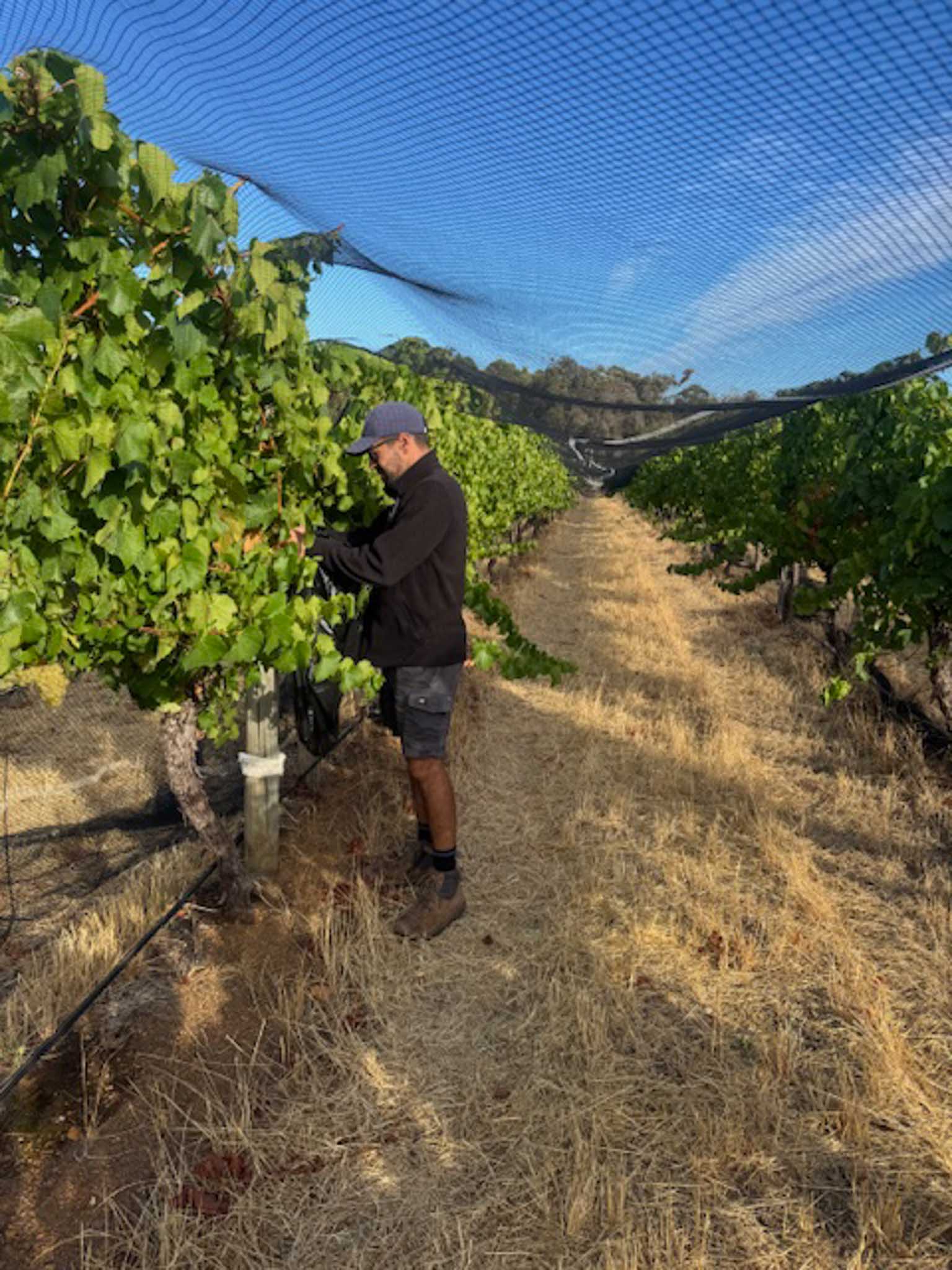
Berns is a fifth-generation Western Australian and has never entertained the idea of making wine elsewhere. “I am a born and bred, proud Western Australian and this is my backyard and forever will be my family’s home,” he says. “Choosing to make wines from multiple regions from this great state gives me a great sense of pride, knowing where I came from, along with flying the flag for what is done so well.” The Swan Valley itself has been the focus of his most deliberate long-term climate thinking. More than 20 years ago, he recognised the trajectory of the region’s warming and drying climate and made a series of calculated decisions – late-ripening varieties, drought-tolerant rootstocks and clones, warm-climate cultivars including albariño, touriga nacional, graciano, mencía and tempranillo. The albariño block is the most visible result. He DNA-tested the budwood material before planting, monitored soil ecology and vine health from the ground up. “I chose albariño for its ability to grow in a warm climate, retain its high natural acidity and produce brilliant, bright and sophisticated aromatics,” he says. “It represents change not only for our business but for regional progression and development into this dynamic wine region.” In the vineyard, shading the afternoon fruit zone has become a key adaptation tool, particularly on north-south oriented rows where afternoon sun exposure can push ripening too quickly.
Soil health has been foundational to the Sittella philosophy for as long as Berns can remember, and he has deepened that commitment since taking over the winemaking program. “It has always been our family’s philosophy that a major emphasis is on improving soil health and soil ecology,” he says. “From increasing mycorrhizal fungi, green matter content and therefore organic matter percentage, to compost use – if the soil health is at its optimum, this then increases our vine health and manifests into far more expressive wines of place, variety and regional expression.”
The winery’s technical approach to whites and sparkling is distinctive. All juice is handled oxidatively from pressing through the end of primary fermentation – meaning it is deliberately exposed to oxygen rather than protected from it – with no sulphur added until fermentation is complete. “I do this because I want to know that when someone buys a bottle of Sittella, it has age ability and longevity,” he says. This halves total sulphur additions while building structural resilience for the long haul. For reds, around 20% whole-bunch inclusion – where entire uncrushed grape clusters are added to the fermenter, generating lifted, perfumed aromatics and softer tannins through a process called carbonic maceration – has been standard across the program for 15 years. “I choose this technique because it is the best way to subtly enhance ethereal, perfumed and sweet-scented characters from these varieties,” he says.
The Swan Valley, he notes, carries a weight of history that he takes seriously – “the foundations of Australian winemaking, with a longstanding history of family heritage and tradition since 1829” – while simultaneously demanding forward thinking. Both things are true at once, and Berns holds them together without apparent contradiction. “The biggest lesson I’ve learnt,” he says, “is to find patience when you have none. Time is your ally – just wait.”