&noscript=1"/>

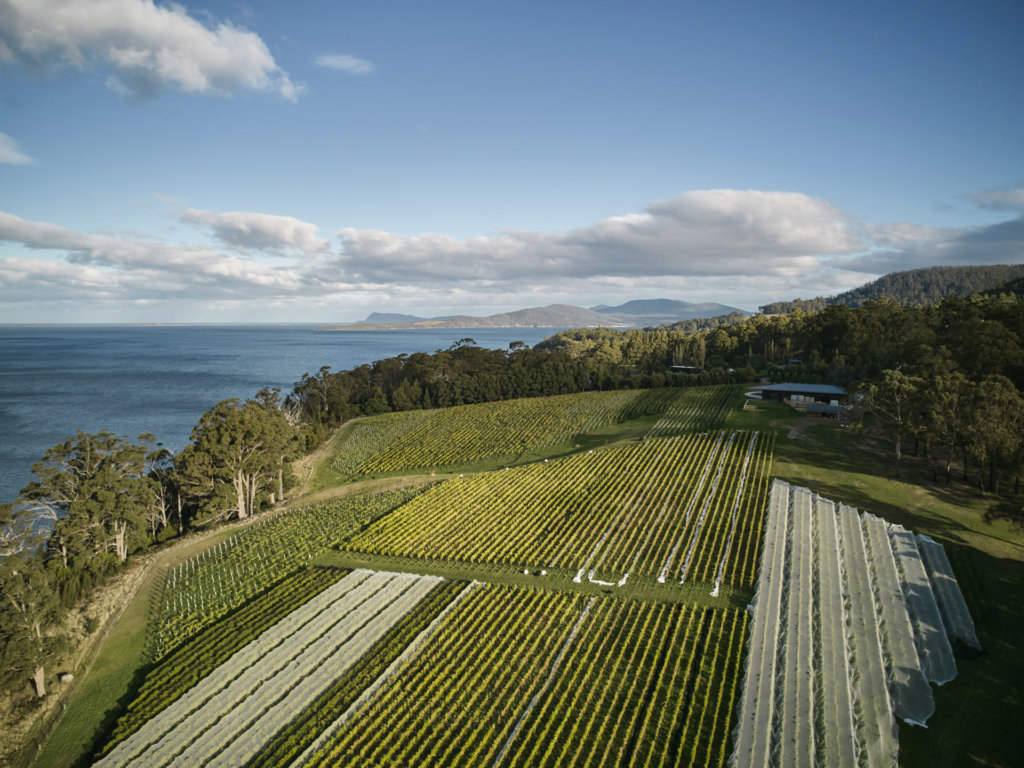
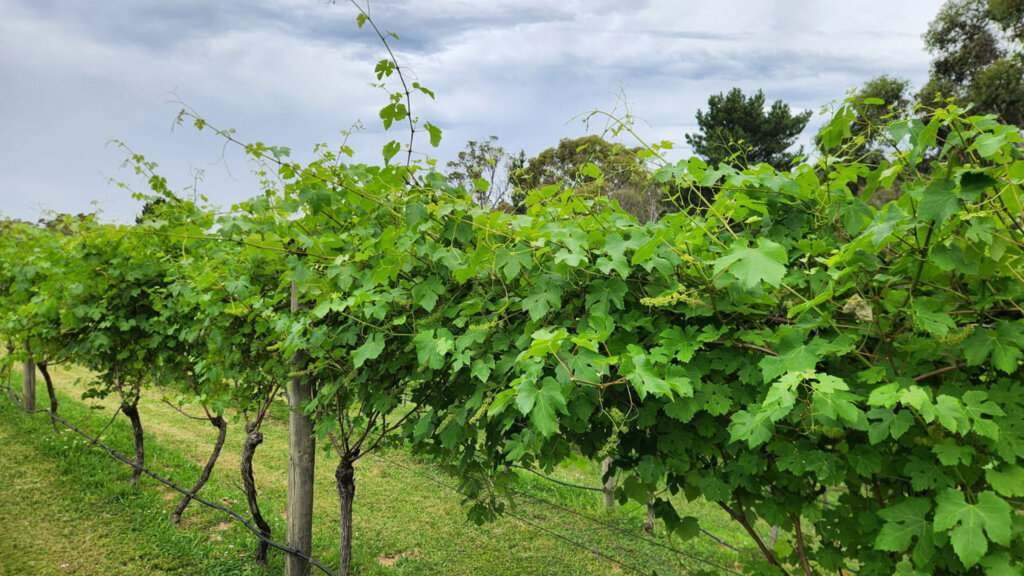
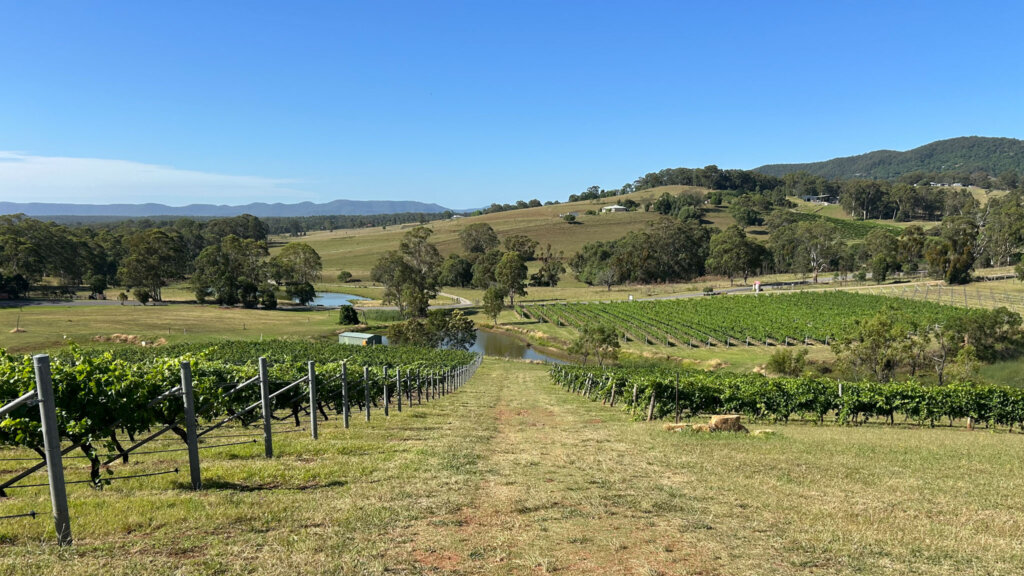
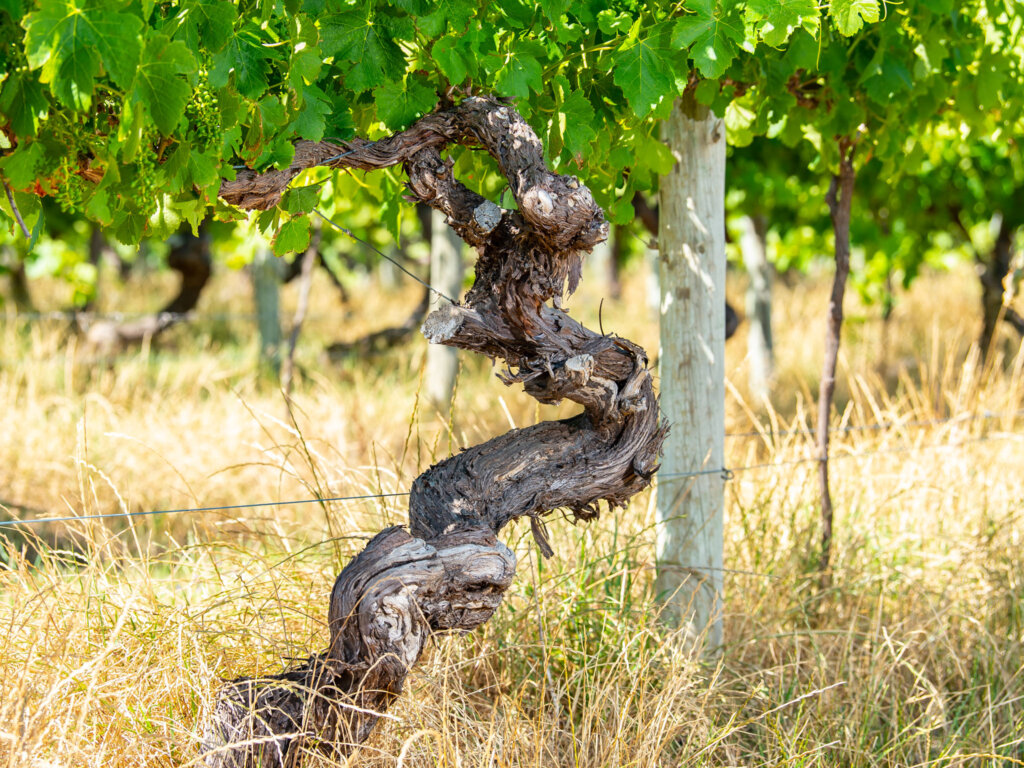
6th Annual Vineyard of the Year Awards (2025-2026) The 6th Annual Vineyard of the Year Awards list of Australia’s top winegrowers has just landed.

As winemakers frequently say, “great wine is made in the vineyard.” The Awards are designed to place vineyards and growers across the nation at the heart of the Australian wine story, and the heart of the Australian wine community. We want to strengthen the connection between the wine in your glass, the place it comes from, and the way the grapes are grown.

The awards are about sustainability, innovation and the pursuit of vine health and wine quality. We want to hear what viticulture approaches are being incorporated, and shine a light on the work of our best growers.

These awards are a celebration of viticulture, and it is through the championing of top vineyards and their stewards, that we can elevate the awareness of their unique role in shaping the wines we love.

Criteria

Our definition of a vineyard

  • Our use of the term vineyard is about the vines growing in the land. The vineyards we are acknowledging will include both pure grape growers as well as wine producers, or vineyards with wineries attached.
  • A vineyard is a single property. It may include multiple blocks of vines on one property, but it is not a collection of multiple properties in a region.
  • A business may wish to showcase multiple vineyards in the one year of our awards by entering a new application for each vineyard.

The base criteria

  • First and foremost, these awards are about championing the pursuit of grape and wine quality.
  • Vineyards will need to name a viticulturist or grower responsible for the vineyard, as these awards recognise the place and person hand-in-hand.
  • These awards are open to grape growers who sell fruit to winemakers, as well as wine producers who grow their own fruit.
  • Growers will need to be able to name wines that are made from the grapes grown on that vineyard. Wine products which are blends of multiple fruit sources are acceptable.
  • We are looking for viticulturists who are committed to improving vineyard health. To that end, “sustainability” will be a fundamental element of these awards. Sustainability encompassing one or all of the following: environmental, economic and social endeavours.
“While it’s called the ‘Vineyard of the Year Awards’, and yes there are four trophies, really, the trophies are just a by-product of the bigger picture and intent of the program,” awards judge Max Allen says.

“The ‘awards’ process enables us to dig deep into the best practices and share learnings. There are so many great growers out there and we want to share their stories. These awards are a celebration of a large group and a collective mission each year, and our focus is around curating leading vineyards and growers to promote the common objective.”

Calendar

  • Registrations open, July 18, 2025
  • Finalists announced, early 2026
  • Trade event, Sydney, June date TBC, 2026
  • Trade event, Brisbane, June date TBC, 2026
  • Trade event, Melbourne, June 16, 2026
  • The Growers Gathering, Melbourne, June 16, 2026

Partners

Finalists

    • Blue Pyrenees Estate, Pyrenees
    • Scott Gerrard
    • Victoria, Pyrenees

    • 2025

    2025 Finalist

    Founded in 1963 by French Cognac house Rémy Martin as Château Rémy, Blue Pyrenees Estate was among the first vineyards to revive winemaking in Victoria after phylloxera, and played a defining role in establishing the Pyrenees as a premium wine region. Today 100 per cent Australian-owned by the Richmond-Smith family and managed by viticulturist Scott Gerrard, the 147-hectare estate near Avoca grows 15 varieties across 55 individual blocks – elevations from 260 to 330 metres, soils ranging from gravelly valley-floor sands to quartz and sandstone on elevated slopes, and vines with an average age of 39 years. The estate is transitioning to organic management and produces a broad range of estate-grown sparkling, white and red wines, anchored by the flagship Richardson Reserve Shiraz and Richardson Reserve Cabernet Sauvignon ($160).

    • Boston Bay Vineyard, The Peninsulas
    • Lachlan Allen
    • The Peninsulas

    • 2025

    Finalist
    2025 Finalist

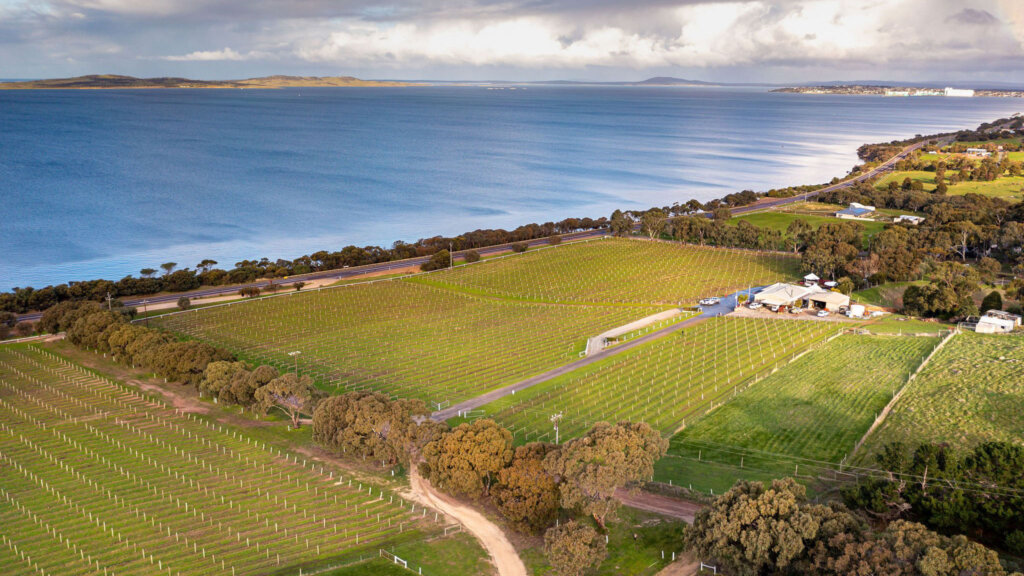
    Boston Bay’s estate vineyard – nine hectares of riesling, merlot, sauvignon blanc, shiraz and cabernet sauvignon vines grown on calcareous loams over limestone soils just outside of South Australia’s Port Lincoln – is a quiet trailblazer. It was the first vineyard planted on the Eyre Peninsula, and therefore was instrumental in the creation of the official geographical indication The Peninsulas. It’s also one of the most coastal vineyards in Australia, situated just forty-five metres from the Southern Ocean. That proximity to the sea profoundly shapes the grapes grown here, keeping fruit cool throughout the growing season and concentrating flavours.

    • Bowyer Ridge, Adelaide Hills
    • Charles Rosback
    • South Australia, Adelaide Hills

    • 2020, 2025

    2025 Finalist
    2020 Finalist

    Charles Rosback’s Bowyer Ridge Vineyard is the source of fruit for some of the Adelaide Hills’ most lauded wines – supplying chardonnay, sauvignon blanc and pinot gris to a roster of producers that includes Shaw + Smith, Murdoch Hill, Bird in Hand, Wirra Wirra, S.C. Pannell, Paralian, Lambrook, Bondar Wines and others. Chardonnay takes the lead across the 15-hectare property at 495 metres elevation in the Kenton Valley area of the Adelaide Hills, planted in 2003 and 2007 on deep red loam over fractured mica schist and ironstone. The fruit from Bowyer Ridge contributes to some of the region’s most celebrated chardonnays – among them Murdoch Hill’s ‘Rocket’, Bird in Hand’s ‘Nest Egg’, Shaw + Smith’s ‘M3’ and Wirra Wirra’s ‘The 12th Man’ – as well as providing the fruit behind Shaw + Smith’s iconic sauvignon blanc. In 2025, Rosback released the first wine under his own label: the Bowyer Estate Home Block Chardonnay ‘Bowyer’, Vintage 25.

    • Box Grove Vineyard, Nagambie Lakes
    • Sarah Gough & Callan Randall
    • Victoria, Nagambie Lakes

    • 2025

    2025 Finalist

    Box Grove Vineyard is a 27-hectare property in the parish of Tabilk in the Nagambie Lakes sub-region of the Goulburn Valley, planted in 1996 and owned and operated by Sarah Gough, with Callan Randall as vineyard manager. Where the vineyard began as a conventional commercial operation growing shiraz and cabernet sauvignon under contract for a large wine company, it has since been comprehensively transformed – through a decade and a half of progressive grafting – into one of the most varied and unusual vineyards in Victoria, now home to fifteen varieties drawn from Italy, southern France and Portugal. Accredited as Sustainable Winegrowers by the AWRI, Box Grove produces its own wines as well as supplying fruit to a tight cohort of innovative smaller producers including Fin, Ephemera, Mac Forbes, Vino Intrepido, Tar and Roses, Pfeiffer and others. The site is defined by soils of deep red clay and banks of granite sand over ancient decomposed creek beds, with Lake Nagambie moderating the extremes of a warm, dry growing season.

    • Caledon Estate, Coal River Valley
    • Justin Folloso
    • Tasmania

    • 2025

    Finalist
    2025 Finalist

    Caledon Estate is a young vineyard on an uncompromising site. Planted in 2019 by owners James and Karen Stewart on a steep, exposed property in Tasmania’s Coal River Valley and today managed by viticulturist Justin Folloso, the 11.27-hectare vineyard climbs from 30 metres above sea level at its lowest point to 140 metres at its highest, battling prevailing north-westerly winds, shallow rocky soils and a harshness that the site makes no attempt to conceal. Six-year-old vines of pinot noir, chardonnay, sauvignon blanc, pinot gris, riesling and a small planting of cabernet sauvignon grow on their own roots, sourced mainly from cuttings from Spring Vale on Tasmania’s east coast. The fruit is made into the Caledon Estate range by winemaker Matt Wood of Spring Vale, with small parcels sold to select producers – including a pinot noir to Cave Wines – as the label builds its range of single-vineyard bottlings. It is early days, but the wines are already drawing attention, and the site itself is unlike anything else attempted in the state.

    • Cape Mentelle – Chapman Brook Vineyard, Margaret River
    • Annabel Angland
    • Western Australia, Margaret River

    • 2025

    Finalist
    2025 Finalist

    Chapman Brook Vineyard is Cape Mentelle’s white wine engine room – a 49.54-hectare property in the southern half of the Margaret River appellation, around 16 kilometres inland from the Indian Ocean, producing the fruit behind a range of wines – chardonnay, sauvignon blanc, semillon and shiraz – spanning from the Cape Mentelle Sauvignon Blanc Semillon ($30) through to the Heritage Chardonnay ($105). First planted in 1993 and managed within the Cape Mentelle portfolio ever since, the site sits on an undulating landscape of sandy loam soils with pockets of ironstone, through which the Chapman Brook – its namesake – runs. Surrounded by native bushland and farmland, the vineyard benefits from a diurnal temperature range of 13 to 20 degrees through summer, that cool overnight reprieve preserving acidity and allowing fruit to reach full phenological ripeness without sacrificing freshness. At its helm is Annabel Angland, a viticulturist combining rigorous data-driven site management with a clear commitment to expressing what Chapman Brook, specifically, is capable of producing.

    • Chalmers Heathcote Vineyard
    • Chalmers Family & Troy McInnes
    • Victoria, Heathcote

    • 2020, 2023, 2025

    2025 Finalist
    2023 Finalist
    2020 Finalist

    The Chalmers family have supplied vines and fruit to countless growers and makers over the years, with a specialisation in Italian varieties that are revered in Italy but less well known here. The Chalmers Heathcote Vineyard was first planted in 2009, with 27 different varieties now in the ground that go both to their own label as well as a suite of top makers, including Momento Mori, Jamsheed, Little Reddie, Minim and Lo Stesso (Jasper Hill). The vineyard has achieved certification from Sustainable Winegrowing Australia and the Chalmers approach – with the guidance of viticulturist Troy McInnes – is one of adaptation not just through variety, but also via norm-shattering vineyard layouts and a management plan that places soil health front and centre.

    • Circulus Wine – Coatsworth Vineyard, Geelong
    • John White
    • Victoria, Geelong

    • 2025

    Finalist
    2025 Finalist

    Coatsworth Vineyard is an 8.3-hectare property on the Bellarine Peninsula, acquired in 2021 by John White – a former corporate financier turned passionate viticulturist – and home to the Circulus Wine label. Planted from 1997 and progressively reworked since White’s arrival, the site grows chardonnay, pinot noir, shiraz, cabernet franc, sauvignon blanc and, most recently, chenin blanc, on a geologically distinctive mix of sandy loam, clay-basalt and exposed limestone that sets it apart from much of the wider Bellarine. Surrounded by the cooling influence of Corio Bay, Port Phillip Bay and Bass Strait, the maritime amphitheatre produces grapes of natural freshness and saline, oyster-shell minerality – characters that have long made the site’s fruit sought after by neighbouring producers including Provenance Wines, Mulline and Bellbrae Estate. As White steadily expands the Circulus range – chardonnay, pinot noir, shiraz, cabernet franc, sauvignon blanc fumé and rosé, all at $35–$49 – the fruit he sells to others bears witness to the same philosophy underpinning his own wines: elegant, cool-climate expressions with texture, restraint and a clear sense of place, grown under a rigorous regenerative farming approach that has transformed the property from a run-down farm into one of the Bellarine’s most progressive viticultural operations.

    • Clonakilla Vineyard, Canberra District
    • Tim Kirk
    • NSW/ACT, Canberra District

    • 2025

    Finalist
    2025 Finalist

    Clonakilla is one of Australia’s most significant wine estates and the founding vineyard of the Canberra District, planted in 1971 by Dr John Kirk AM and today managed by his son Tim Kirk. The 19-hectare property at Murrumbateman – 600 metres above sea level, 40 kilometres north of Canberra – grows shiraz, viognier, riesling, pinot noir, grenache, mourvedre, cinsault, roussanne and several Bordeaux varieties on sandy clay loams over decomposed granitic subsoil, in a cool continental climate defined by warm days, cold nights and a long ripening season. The estate’s flagship shiraz viognier, first made in 1992, is widely regarded as one of the great Australian reds and the wine that established the shiraz-viognier co-fermentation as a serious mode of expression in this country.

    • Commune of Buttons – Fernglen Vineyard, Piccadilly Valley
    • Jasper Button
    • South Australia, Piccadilly Valley

    • 2025

    Finalist
    2025 Finalist

    Jasper Button’s journey is, in many ways, an archetype for many others who were formerly lumped into the category of ‘natural winemakers’. That cultural moment arrived in the early 2010s, generated a lot of buzz online – not to mention sometimes harsh criticism from the vinous establishment – and turned a generation of young Australians on to the delights of wine. But what happens after the both hype and the hatred dissipates? For Jasper and his sister Sophie, what’s next is about going back to basics – and the current incarnation of the Commune of Buttons project is all about celebrating the birthplace of the project, Fernglen. Here Jasper tends to four hectares of pinot noir, chardonnay, gamay, chenin blanc, nebbiolo, and cabernet franc, nestled amongst twenty-eight hectares of rolling hills and bushland in the Piccadilly Valley sub-region of the Adelaide Hills.

    • Delatite Vineyard, Upper Goulburn
    • David Ritchie
    • Victoria, Upper Goulburn

    • 2025

    2025 Finalist

    The journey of Delatite’s estate vineyard, nestled amongst the foothills of the Victorian Alps in the cool-climate region of Upper Goulburn, is one that mirrors the changes in Australian viticulture over the last half-century. Planted in 1968 – at what was likely to have been Australia’s coldest vineyard site at the time – the vineyard has since seen the varietal mix change, plantings expand, ecologically-sound practices adopted, and viticultural changes made to adapt to an ever-changing climate and the threat of phylloxera. Australian winegrowing has come a long way since the ’60s, baby – and the current state of play at Delatite shows just how far.

    • Denton View Hill Vineyard, Yarra Valley
    • Julian Parrott
    • Yarra Valley

    • 2025

    2025 Finalist

    View Hill is one of the Yarra Valley’s most distinctive vineyards – thirty hectares of vines planted on sixty hectares of steep, hilly land. Blocks here stretch across ridgelines and slopes, part of a complex matrix of aspects, elevations, and exposures. Underneath, the soil is just as complex, with a patchwork of granitic soils run through with substrates of granodiorite, siltstone, and ancient marine sandstone streaked with limestone. On this unique site the Denton Wine team, lead by viticulturist Julian Parrott, focus on chardonnay, pinot noir, and nebbiolo, with small parcels of cabernet sauvignon, shiraz, and ribolla gialla rounding out the mix. The fruit from these vines not only goes into the Denton Wines range, but also a roster of some of the Yarra’s best makers, including Luke Lambert, Mac Forbes, Thick as Thieves, Rob Hall, Oakridge, and Tilly J Wines.

    • G.K.L.R. Vineyard, Heathcote
    • Gerard Kennedy and Barney Tuohey
    • Heathcote

    • 2025

    2025 Finalist

    G.K.L.R. Vineyard is a 32-hectare property on the Mount Camel Range in Victoria’s Heathcote region, planted from 2018 across four successive stages by Gerard Kennedy and his wife Lucy, with Barney Tuohey as co-grower. The site grows shiraz, fiano, sangiovese, nero d’avola, nebbiolo and, most recently, piederosso – varieties chosen with a clear eye on climate resilience and the particular character of some of the most geologically distinctive soils in the region. Kennedy came to viticulture as a trained geologist, and the rigour of that background is visible in how the vineyard was designed, planted and is managed: with a precision that operates at the level of the individual row. Being a young vineyard, the business model during these formative years is to sell the majority of fruit to other winemakers – a roster that includes Adam Foster, Ben Ranken, Sierra Reed, Simon Osicka, Adrian Santolin and others – while building the GKLR label alongside, with a range that currently includes a Sparkling Rosé, Fiano, Nero d’Avola, Sangiovese, Nebbiolo and Shiraz.

    • Gembrook Hill
    • Andrew Marks
    • Yarra Valley

    • 2022, 2025

    2025 Finalist
    2022 Finalist

    Sitting in a natural amphitheatre, the Gembrook Hill Vineyard on the fringe of the Upper Yarra was first planted in 1983 by Ian and June Marks. The oldest vines are now 42 years old, with an average vine age across the 5-hectare property of 34 years. It’s a cool site – the southernmost vineyard in the Yarra Valley – and one that is responsible for arguably the Yarra’s most distinctive pinot noir, along with what many regard as the country’s best sauvignon blanc; the chardonnay and Blanc de Blancs sparkling are equally acclaimed. While he has worked around the world and steers his own The Wanderer label, Andrew Marks – Ian and June’s son – has always also worked on home soil, with him now managing everything from soil to bottle.

    • Gralyn Estate, Margaret River
    • Scott Baxter
    • Western Australia, Margaret River

    • 2020, 2023, 2025

    2025 Finalist
    2023 Finalist
    2020 Finalist

    Founded by Graham and Merilyn Hutton in 1975, Gralyn Estate – on the prime stretch of Caves Road in Wilyabrup – is one of Margaret River’s oldest vineyards. The 10-hectare property comprises 4 hectares of original 1975 plantings now celebrating their fiftieth year in the ground, alongside 6 hectares of chardonnay, malbec and muscat petit grains rouge planted in 2022. The estate is managed by Scott Baxter, who runs it with his wife Annette – the Huttons’ daughter – in a model that is deliberately compact, entirely family-operated and 100 per cent sold through the cellar door, mailing list and online shop. No restaurant listings. No wholesale. The region’s first cellar door, built in 1978, remains the gateway to everything Gralyn produces: reserve cabernet sauvignon ($140), reserve chardonnay ($90), a suite of fortifieds ($75–$165), and up to fifteen different wine styles from the single 10-hectare site. Small parcels of old vine fruit are also supplied to selected Margaret River producers seeking premium Wilyabrup cabernet sauvignon. The organic practices (not certified) that underpin the viticulture have been in place for around a decade.

    • Grosset – Springvale Vineyard, Clare Valley
    • Jeffrey Grosset & Matthew O’Rourke
    • Clare Valley

    • 2025

    2025 Finalist

    The Grosset Springvale Vineyard is a 6.12-hectare riesling site within the larger 17-hectare Watervale vineyard in the Clare Valley’s Watervale subregion – chosen purely on the basis of geology, altitude, elevation and aspect, and dedicated entirely to riesling across three clones and five blocks. What makes Springvale distinct, even within the Watervale subregion, is an unusual geological layering: red-brown clay over limestone over friable gradational clay loam, with blue slate lying approximately 3 metres below the surface – a formation unique to this site, and one that was not fully understood until after the vines were in the ground. Planted between 2000 and 2003 at 450 to 470 metres elevation – among the highest sites in Watervale – and certified organic (2014) and biodynamic (2019) by Australian Certified Organics, the vineyard is managed by Matthew O’Rourke, who has worked the site since 2011. The Grosset Springvale Riesling sells out annually and is among the most collected wines in Australia.

    • Hayes Family – Stone Well Estate, Barossa Valley
    • Brett Hayes & Amanda Mader
    • Barossa Valley

    • 2020, 2021, 2022, 2025

    2025 Finalist
    2022 Finalist
    2021 Finalist
    2020 Finalist

    Brett Hayes bought his Stone Well Vineyard to form the basis of Hayes Family Wines, launching the label in 2014. The Stone Well Vineyard is a modest 4.5-hectare site populated mostly by vines planted in 1948 – now 77 years in the ground, with an average age of 75 years – with the farming ACO certified organic and the onsite winery equally certified. The Stone Well Vineyard is the sole source of the Hayes Family Wines Estate Range, with block-specific shiraz, grenache and mataro bottlings, a GSM blend, a red field blend and a white field blend across 12 individual blocks. Brett Hayes and vineyard manager Amanda Mader oversee the management of the site, with the shiraz previously sold to Grant Burge to make ‘Meshach’, their flagship wine, for over 30 years before Hayes redirected the fruit entirely to his own label.

    • Henschke – Mount Edelstone Vineyard, Eden Valley
    • Prue Henschke
    • Eden Valley

    • 2025

    2025 Finalist

    Planted in 1912 by Ronald Angas – a descendant of one of South Australia’s founding fathers – the Mount Edelstone Vineyard is home to 113-year-old centenarian shiraz vines that are, by any measure, among the most significant in the country. Situated in the southern Mount Lofty Ranges at 400 to 600 metres elevation, the 16.76-hectare Eden Valley site produces a single wine: Mount Edelstone Shiraz, one of the longest consecutively produced single-vineyard wines in Australia, with 2026 marking its 70th vintage. At its heart is a grape-growing philosophy built on organic and biodynamic principles, guided for the past four decades by viticulturist and botanist Prue Henschke. Working with deep, mineral-rich red clay soils and the site’s naturally high-vigour old vines, Henschke has steadily transformed the vineyard’s health and fruit quality through a layered program of regenerative farming, native biodiversity, and meticulous vine selection – all in service of a wine whose character is inseparable from the ground it grows in.

    • Hoffmann Family – Hundred of Belvedere Vineyard, Barossa Valley
    • Adrian Hoffmann
    • Barossa Valley

    • 2025

    2025 Finalist

    The Hoffmann family are amongst the leading lights of Barossa winegrowing, with fruit from their vineyards going to a wide range of producers – from the cutting-edge ‘new wave’ (Sami-Odi, Agricola, Sigurd), to icons of the Parker Point era (Torbreck, Thorn-Clarke, Two Hands), through to the resolutely old-school (Rockford, Travis Earth). And while their vineyard holdings are scattered across twenty separate blocks in the northern reaches of the Barossa Valley, near Ebenezer, the spiritual core for the Hoffmanns is the seventy-two-hectare Hundred of Belvedere Vineyard – home not only to the ancient vines of the Dallwitz Block, but also the exciting young vines of the Mickan Block, as well as nine other parcels of vines. Each of these blocks is dialled in to produce fruit that suits the specific needs of the winemakers the Hoffmanns work with – an intricate dance between sites, grower, and makers.

    • Jayden Ong Wines – Forest Garden Vineyard, Yarra Valley
    • Jayden Ong
    • Yarra Valley

    • 2025

    2025 Finalist

    The Forest Garden Vineyard sits on Mount Toolebewong in the Yarra Valley – at 663 metres above sea level, it is the highest-elevation vineyard in the Yarra Valley, sitting around 300 metres above the next closest site. Planted in October 2016 by winemaker Jayden Ong and his wife Morgan, the half-acre block of chardonnay – 1,600 vines close-planted on a steep, south-facing, rocky slope – is farmed entirely by hand, without irrigation, without heavy machinery, without herbicides, and without copper or sulphur. No synthetic chemicals of any kind have ever been applied. One wine is made from this site – the Jayden Ong Forest Garden Chardonnay – with the first commercial release arriving in 2026, after nearly a decade of farming a site that yielded no commercial crop for its first six to seven years.

    • Kaloorup Cottage Vineyard
    • Georgina Harrison
    • Margaret River

    • 2025

    2025 Finalist

    The story of Kaloorup Cottage might initially seem like a quaint sea-change narrative built for television: a young couple purchase an old cottage and attendant run-down vineyard in one of Margaret River’s hamlets, then have a crack at restoring both to their former glory. But a closer inspection of Kaloorup Cottage’s viticulture will tell you that the real story here is a remarkable case study in regenerative agriculture, information transparency, and the tireless efforts of viticulturist Georgina Harrison to build a truly sustainable agricultural system on her patch of land. Starting with a base of just over two hectares of own-rooted cabernet sauvignon, Harrison has removed unproductive rows, grafted over half of the remaining area to chardonnay, nebbiolo and tempranillo, and focused intently on restoring soil health and natural balance in the vineyard ecosystem – a strong opening gambit that is already paying dividends.

    • Krinklewood Vineyard
    • Chris Martin
    • Broke Fordwich

    • 2025

    2025 Finalist

    Krinklewood’s commitment to organic and biodynamic viticulture would be laudable in any of Australia’s wine regions – but in the humid and warm Hunter Valley, where downy mildew and grey rot can run amok, it’s nothing short of revolutionary. The label is also a pioneer of this form of winegrowing within the Hunter region, commencing conversion in 2002 – at a time when such ideas were at the fringe – and achieving ACO organic biodynamic in 2007. The vineyard currently comprises six and a half hectares of semillon, chardonnay, gewürztraminer and shiraz, stewarded by viticulturist Chris Martin.

    • Lirica – Hutton Vineyard, Margaret River
    • Lee Haselgrove
    • Margaret River

    • 2025

    2025 Finalist

    At just 0.85 hectares, Lirica – Hutton Vineyard is one of the smallest vineyards in this country to produce its own wine. Planted in 1976 in the Wilyabrup subregion of Margaret River – the heartland of Australian cabernet sauvignon – it carries 49-year-old vines on their own roots, dry-farmed, in gravel loam over clay, on a mid-slope east-facing site that captures morning light and sidesteps the heat of the afternoon. Since 2017, the vineyard has been leased and managed by Lee Haselgrove, one of Australia’s most respected viticulturists, who helped Swinney Vineyards claim the inaugural YGOW Vineyard of the Year in 2020. Here, working on a scale where every vine is a decision, Haselgrove is building toward a single wine – Lirica – that he believes can make a meaningful contribution to the conversation around fine cabernet sauvignon.

    • Marion’s Vineyard, Tamar Valley
    • Cynthea Semmens
    • Tasmania

    • 2021, 2025

    2025 Finalist
    2021 Finalist

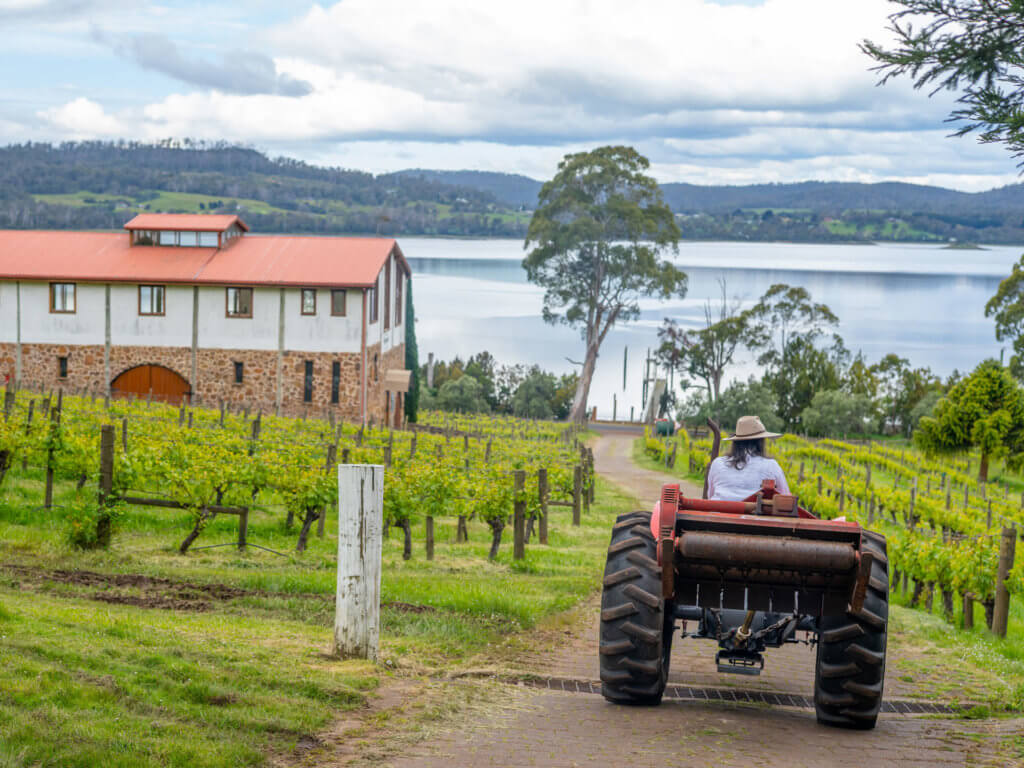
    Marion’s Vineyard sits on the west bank of the Tamar, some 35 km north of Launceston. It’s a picturesque spot, with the vines arrayed on a healthy slope leading to a broad expanse river, a row of Tuscan cypress standing to attention in front of the stone winery in the middle of the vineyard. Marion and Mark Semmens bought the site in 1979 after a life-changing holiday, leaving their San Francisco home behind and planting vines a year later. Today, their daughter, Cynthea, runs the operation, with a decade of hard work leading to biodynamic certification being granted in 2022. The site predictably favours chardonnay and pinot noir, but it also has the capacity to mature later-ripening grapes, such as syrah and cabernets sauvignon and franc.

    • Mewstone Vineyard, Tasmania
    • Johnny Hughes & Daniel Way
    • Tasmania

    • 2020, 2021, 2023, 2025

    2025 Finalist
    2023 Finalist
    2021 New Vineyard of the Year
    2021 Finalist
    2020 Finalist

    Mewstone has appeared comet-like in its success. The wines – hailing from the banks of the D’Entrecasteaux Channel in Tasmania’s viticultural deep south – have been accorded a rapid series of accolades, but though that ascension may seem quick, it was laboriously built from the ground up. Although the vineyard is just over a decade old, an intensely thoughtful process has underpinned the approach of owners Jonathan and Matthew Hughes, with the site meticulously tended and progressively planted to optimise its potential. Today, Jonny Hughes manages the operation alongside viticulturist Daniel Way, who joined the team in 2025 as vineyard manager, farming pinot noir, chardonnay and riesling across the 5.3-hectare site.

    • Mount Towrong Vineyard, Macedon Ranges
    • Adam Paleg
    • Macedon Ranges

    • 2025

    2025 Finalist

    Mount Towrong’s estate vineyard, perched at 600 meters amongst the foothills of Mount Macedon, offers a rare sight in Australian viticulture – terraces cut into the side of the slope. Founded in 1996 by George and Deirdre Cremasco, those terraces were originally intended as a nod to George’s Venetian heritage – specifically the rolling hillside vineyards of Soave, Valpolicella, and Conegliano–Valdobbiadene. But as Mount Towrong’s current viticulturist Adam Paleg can attest, the benefits of this intervention into the landscape go far beyond its cultural resonances: the vineyard’s two and a half–hectare patchwork of chardonnay, pinot noir, prosecco, nebbiolo, and pinot bianco offers a model for sustainable water use in a warming and drying climate.

    • Mount View Estate
    • Scott Stephens & Tom Cant
    • Hunter Valley

    • 2025

    2025 Finalist

    Mount View Estate is a vineyard steeped in Hunter Valley wine history. Established by famed viticulturist Dr. Harry Tulloch in 1971, who was attracted to the quality of its red basalt volcanic soils over limestone bedrock, it formerly served as an open-air laboratory for clonal trials. Since then it has transformed into a fully-fledged wine label, now under the direction of winemaker and viticulturist Scott Stephens. The approximately five hectares of shiraz, semillon, pinot noir, verdelho, and durif here are mostly old vines from Tulloch’s initial planting – but that doesn’t mean that vineyard management here is old-school. Instead, Mount View Estate is a case study in how older vineyards can be brought into the twenty-first century using the principles of sustainability and sensitive viticulture.

    • Pipan Steel Vineyard, Alpine Valleys
    • Radley Steel and Paula Pipan
    • Alpine Valleys

    • 2025

    2025 Finalist

    The Pipan Steel Vineyard is the result of a dedicated quest to find the perfect site for nebbiolo in Australia. Paula Pipan and Radley Steel caught the bug for nebbiolo through tasting Barolo and other Piedmontese examples, then searched across the length and breadth of Australia’s winegrowing regions for the perfect site to grow this famously finicky variety. The half-hectare vineyard they now call home, in the Alpine Valleys region of Victoria, is ideally suited for nebbiolo – at 400 meters elevation, bathed in fog throughout winter, and with high diurnal temperature range, its climate frequently mirrors that of Barolo. As you might expect, nebbiolo is the only variety grown here, in the form of three separate clones – each chosen for their contrasting qualities.

    • Ricca Terra – Soldiers’ Land Vineyard, Riverland
    • Ashley Ratcliff
    • Riverland

    • 2022, 2025

    2025 Finalist
    2022 Finalist

    The Soldiers’ Land Vineyard – purchased by Ashley and Holly Ratcliff’s Ricca Terra Farms operation in January 2021 – is not built around the Mediterranean alternative varieties that have made Ricca Terra famous. Rather, it is a celebration of heritage: an 8.8-hectare property at 171 Jury Road in Monash that has been farmed continuously for more than 103 years, first settled in 1922 by Horace Walpole and Clara Denford under the government’s soldier settlement scheme, and owned by the Petch family from 1939 until the Ratcliffs purchased it from Robert and Ruth Petch, who wanted to retire. The old shiraz vines were planted in the decade after the end of the Second World War and are now 80 years old. The zibibbo – the Sicilian synonym for what is locally known as gordo, and more formally as muscat of alexandria – is 75 years old. These are the vines that the Riverland wanted to bulldoze. Ratcliff saw something else entirely.

    • Rohrlach Vineyard, Barossa Valley
    • Paul Rohrlach
    • Barossa Valley

    • 2025

    2025 Finalist

    Since taking over the reins at his family’s vineyard in 2023, Paul Rohrlach has been on a voyage of discovery, continually seeking more environmentally friendly viticultural management methods, new varieties that might anticipate changes in consumer demand, and the best possible expression of the terroir of Barossa Valley’s Vine Vale subregion. Plantings across this thirty-two hectare block include the region’s stalwarts of shiraz, cabernet sauvignon and grenache – but are filled out with an exciting roster of alternative varieties, including montepulciano, grenache blanc and gris, clairette, graciano, touriga nacional, malbec, aglianico, saperavi, counoise, cinsault, carignan, fiano, and antão vaz. Thanks to its forward-thinking approach to viticulture and variety, this vineyard’s fruit goes into wines from producers looking for alternative expressions of the Barossa, including Vanguardist, Yelland & Papps, Tim Smith Wines, and Gibson’s ‘Discovery Road’ range.

    • Sawyer Wines – Peacock Vineyard, Adelaide Hills
    • Michael Sawyer
    • Adelaide Hills

    • 2025

    2025 Finalist

    Peacock Vineyard is a 10-acre (approximately 4 hectare) property at Oakbank in the Adelaide Hills, growing chardonnay, pinot meunier, sauvignon blanc and nebbiolo on clay soils over rock. Managed by Michael Sawyer – a winemaker with more than 20 years of experience across the Rhône Valley, the Willamette Valley, McLaren Vale and the Riverland – and his partner Zoe, the vineyard has been progressively transitioned toward regenerative farming principles since the couple founded Sawyer Wine Co. in 2018. The fruit feeds their own small-batch label – Sawyer Chardonnay, Sawyer Pinot Meunier, Sawyer Rosé and Sawyer Fumé Blanc – as well as a growing number of respected local producers who seek it out for its quality and, particularly, for its pinot meunier: one of the few vineyards in Australia where approximately half the meunier crop is picked specifically to make a still red wine.

    • Small Wonder Vineyard, Tamar Valley
    • Wayne Nunn & Dylan Grigg
    • Tasmania

    • 2021, 2023, 2025

    2025 Finalist
    2023 Finalist
    2021 Finalist

    Small Wonder is a relatively new brand on a mature property in Tasmania’s Tamar Valley, specialising in pinot noir, chardonnay and aromatic whites. In 2020, the site – formerly Goaty Hill – was sold to the Overstory group by the founders after two decades on the property. Vineyard manager Wayne Nunn has since converted the site from 20 years of conventional management to ACO-certified organic viticulture, working with winemaker Andrew Trio to map and understand the micro-terroirs of a site with significant natural variation across its 19.74 hectares of varied aspects and soils. The first Small Wonder wines were released in 2022. Today the range spans from the Landscape series (riesling, sauvignon blanc, pinot gris, chardonnay, rosé and pinot noir, $32–$40) to the Auburn tier (chardonnay and pinot noir, $52 each) through to Block 3 Pinot Noir ($56) and traditional-method sparkling wines – a Vintage Blanc de Blancs and Vintage Blanc de Noirs (both $52).

    • Tallavera Grove
    • Jeremy O’Brien
    • Hunter Valley

    • 2025

    2025 Finalist

    Can you have the best of both worlds – the funky swagger of alternative varieties, matched with the soulful intensity of old vines? Jeremy O’Brien’s thoughtful rejuvenation and grafting work at Hunter Valley vineyard Tallavera Grove argues that you can, in fact, have it all. This thirty-two hectare vineyard, planted on a mosaic of different soils over limestone bedrock, is home to old vines of shiraz and semillon planted in 1971 – supplemented by new plantings and graft-overs of chardonnay, verdelho, fiano, vermentino, albariño, sagrantino, montepulciano, nero d’avola, petit verdot, muscat à petits grains rouges, tempranillo, and riesling, with the fruit supplying Hunter labels Briar Ridge, Carillion, and Pepper Tree. The end result is a vineyard that maintains its old-vine soul, while also being able to meet the changing demands of the consumer market and mitigate against a warming climate.

    • Tallavera Grove Vineyard, Hunter Valley
    • Jeremy O’Brien
    • NSW/ACT, Hunter Valley

    • 2025

    Finalist
    2025 Finalist

    Can you have the best of both worlds – the funky swagger of alternative varieties, matched with the soulful intensity of old vines? Jeremy O’Brien’s thoughtful grafting work at Briar Ridge’s Hunter estate vineyard, Tallavera Grove, argues that you can, in fact, have it all. This thirty-two hectare vineyard, planted on a mosaic of different soils over limestone bedrock, is home to old vines of shiraz, semillon and chardonnay, planted in 1971 – supplemented by new plantings and graft-overs of verdelho, fiano, vermentino, albariño, sagrantino, montepulciano, nero d’avola, petit verdot, muscat [which type?], tempranillo, and riesling. The end result is a vineyard that maintains its old-vine soulfulness while being able to meet the changing demands of the consumer market and mitigate against a warming climat

    • Tamburlaine – Borenore, Orange
    • Mark Pengilly & Clayton Kiely
    • Orange

    • 2021, 2025

    2025 Finalist
    2021 Finalist

    Tamburlaine is a touchstone for organic wine in this country, having been certified for over three decades. Starting with a Hunter Valley base, owner Mark Davidson expanded into the cool Orange region in the late ’90s when he established the Borenore Vineyard. Organic certification is bolstered with biodynamic practices, with Mark Pengilly and Clayton Kiely managing the farming. The vineyard quickly established itself as the flagship of the Tamburlaine portfolio, producing gold medal wines from all the varieties on the property, along with a significant collection of trophies. The vineyard produces wines across the range, from more everyday offerings to the Reserve and ultra-premium Marlowe bottling.

    • Tomich Wines Vineyard
    • Randal Tomich, Jack Tomich, and Adrian Tennant
    • Adelaide Hills

    • 2025

    2025 Finalist

    The Tomich Family’s Woodside Vineyard’s story is one of remarkable resilience, innovation, and incremental improvement. Having lost around half of the vineyard in the 2019 Cudlee Creek bushfire, the Tomichs have since rebuilt – using the opportunity to update viticultural practices with the aim of growing ever-more precise expressions of the site’s unique micro-terroirs. The vineyard has also been the testing ground for the Tomichs’ own invention, the Vibrosoiler – a deep-ripping cultivator designed to minimise impact on established root systems. The sixty-four hectare vineyard grows pinot noir, pinot gris, chardonnay, sauvignon blanc, grüner veltliner and gewürztraminer for the Tomichs’ own wine label, as well as Jack Tomich’s Cloudbreak label.

    • Topper’s Mountain Vineyard, New England
    • Mark Kirkby
    • New England

    • 2021, 2023, 2025

    2025 Finalist
    2023 Finalist
    2021 Finalist

    Mark Kirkby’s Topper’s Mountain Vineyard was planted over two years to an eclectic mix of grape varieties in the elevated cool of New South Wales’ New England region. Over two and a half decades, the 10-hectare vineyard has seen varieties come and go – tested, grafted over, replaced – in a continuous search for the best vine-to-site match on a remote and singular piece of land. The viticultural approach is low impact: sheep graze amongst the vines through the cooler months, under-vine slashing replaces herbicide where possible, no pesticides have been used since the year of planting, and synthetic fertilisers were abandoned more than five years ago, replaced with composted cow manure from a local non-antibiotic feedlot. The estate wines consist of varietal bottlings and field blends, some whites with skin contact and some reds with extended macerations, all with minimal sulphur as the only addition.

    • Torch Bearer – ‘Ese Vineyard, Coal River Valley, Tasmania
    • Anh Nguyen
    • Tasmania

    • 2025

    2025 Finalist

    Planted in 1994 in the Tea Tree Valley of Tasmania’s Coal River Valley and purchased in 2017 by Anh Nguyen – a chemical and environmental engineer turned vigneron – ‘ese Vineyard is a 3-hectare site growing pinot noir, chardonnay, sauvignon blanc and riesling on one of the most marginal, frost-prone positions in the region. Abandoned between 2013 and 2017, the vineyard has been rebuilt by Nguyen under a regenerative farming philosophy, combining rotational grazing, self-built AI-driven vineyard management technology, and minimal-intervention winemaking. The Torch Bearer range – pinot noir, chardonnay, sauvignon blanc and fumé blanc, priced from $40 to $70 – is made entirely from this one difficult, rewarding place.

    • Treasury Wine Estates – Woodbury Vineyard, High Eden
    • Angus Davidson
    • High Eden

    • 2025

    2025 Finalist

    First planted in 1969, the Woodbury Vineyard has been forward-thinking since its inception – at the time, it was Australia’s largest contoured vineyard, designed specifically to mitigate soil erosion and moisture loss. That forward-thinking impulse continues to this day, with Woodbury now home to trials for autonomous spraying units, innovative machine-harvesting applications, initiatives to restore connection to country amongst Peramangk people, and a vine retraining system seeking to undo the damage wrought by traditional trellising practices. This seventy-eight hectare vineyard, managed by Angus Davidson, is planted to shiraz, riesling, cabernet sauvignon and gewürztraminer, with fruit from the vineyard forming the basis of key Treasury wines including Penfolds’ ‘Bin 51’ Riesling, Leo Buring’s iconic ‘Leonay’ Riesling, and Pepperjack’s Sparkling Shiraz.

    • Tumblong Hills
    • Simon Robertson
    • Gundagai

    • 2025

    2025 Finalist

    Gundagai is arguably Australia’s final viticultural frontier – our most recently gazetted wine region, and one whose potential remains to be fully explored. It’s fitting, then, that the vineyard leading its development is one helmed by an inveterate viticultural explorer – and is also one that is also on its own journey of redefinition, from a source of bulk shiraz for large producers to a model of soil health and sustainability which grows grapes for a roster of small independent makers. Tumblong Hills’ original 200 hectares of shiraz and cabernet vines are in the process of downsizing and conversion with an eye to a changing wine market – with fiano, chenin blanc, nebbiolo, nero d’avola, sangiovese, vermentino, pinot gris, xarel·lo, zibibbo, and even seed potatoes all set to play an important role in its future.

    • Turon Lenswood Vineyard, Adelaide Hills
    • Alex & Turon White
    • South Australia, Adelaide Hills

    • 2024, 2025

    2025 Finalist
    2024 Finalist

    Turon White planted his first vines at Lenswood in 2020, and it shows – the oldest fruit on the property is five years old and the 1.57-hectare site is very much a work in progress. But the thinking behind it, accumulated over a decade of preparation before a post was knocked in, is anything but young. White farmed the land organically for more than ten years before planting, building soil rather than vines, and the vineyard that emerged from that preparation – steeply east-facing, ultra-high density, planted on own roots in ancient clay and shale on the eastern escarpment of the Adelaide Hills – reflects a clear and deliberate set of choices about what Lenswood can do and what it cannot. The estate produces a Turon Estate Pinot Noir and a Hills Series Pinot Noir (blended with Piccadilly Valley fruit), with the estate chardonnay to follow as the 2025 plantings mature.

    • Two Hands – Holy Grail Vineyard
    • Peter Raymond
    • Barossa Valley

    • 2025

    2025 Finalist

    The name of this vineyard tells its story: Two Hands’ ambition is for their Holy Grail Vineyard, located on Seppeltsfield’s iconic ‘Avenue of Hopes and Dreams’, to become nothing less than one of the Barossa’s all-time greatest. Planted to a combination of shiraz, cabernet sauvignon, grenache and mataro, with an impressive diversity of heirloom shiraz clones, this twenty-eight hectare vineyard is subdivided into twenty-two separate blocks – each with its own unique and considered combination of micro-climate, variety/clone, planting density, trellising system, and row orientation. Lead by viticulture manager Peter Raymond, the Two Hands team tends to Holy Grail with a combination of cutting-edge technology and meticulous planning in order to produce fruit for a diverse range of wine styles and price points – including one of the label’s crown jewels, the ‘Invenienda’ Shiraz Sur Échalas from Holy Grail’s Clos Block.

    • Tyrrell’s – Short Flat Vineyard, Hunter Valley
    • Brent Hutton
    • NSW/ACT, Hunter Valley

    • 2024, 2025

    2025 Finalist
    2024 Finalist

    Short Flat Vineyard is as close as Australia has to a Grand Cru equivalent – a family-owned, dry-grown site with vines dating to 1923, producing wines that have helped define Hunter Valley semillon, shiraz and chardonnay across decades. Spanning 12.51 hectares of sandy loam and red clay at 110 metres above sea level, the vineyard underpins Tyrrell’s most iconic bottlings: Vat 1 Semillon ($115), Vat 9 Shiraz ($115), Vat 47 Chardonnay ($110), the Short Flat Old Vine Chardonnay ($90) and the shiraz component of Vat 8 Shiraz Cabernet ($110). All vines are on their own roots. Viticulturist Brent Hutton manages the site with the particular attentiveness that old vines demand – close observation, incremental change, nothing blanket – while bringing a quietly restless willingness to challenge how such sites have traditionally been managed.

    • Upper Tintara Vineyard, McLaren Vale
    • Andrew Hardy and Stuart Miller
    • McLaren Vale

    • 2025

    2025 Finalist

    Few vineyards in Australia have the historical resonance of the Upper Tintara Vineyard. First planted in the 1860s by Australian winemaking pioneer A. C. Kelly, and acquired by the legendary Thomas Hardy in the 1870s, Tintara grew to become a household name in England in the late 1800s, expanding to encompass 283 hectares of vineyard land and housing a workforce of 360 people. While the trials and tribulations of history have contracted that original, ‘upper’ vineyard area – to distinguish it from the later-planted, lower half of the property – to 33 hectares of productive vines, the property has not left the Hardy family’s ownership. Current custodian Andrew Hardy, with the assistance of viticulturist Stuart Miller, now oversees the vineyard, which features shiraz vines planted in 1891, cinsault and cabernet sauvignon from 1947, and later plantings of cabernet franc, sauvignon blanc, shiraz, fiano, and grenache.

    • Vinden Wines – Somerset Vineyard, Pokolbin
    • Angus Vinden
    • NSW/ACT, Pokolbin

    • 2020, 2021, 2023, 2025

    2025 Finalist
    2023 Finalist
    2021 Finalist
    2020 Finalist

    The Hunter Valley’s Somerset Vineyard has been responsible for some landmark wines, from back in the days of Maurice O’Shea in the first half of the twentieth century, then later for Lindeman’s at its peak in the 1960s, ‘70s and ‘80s, as well as supplying fruit to Len Evans as he reshaped the Australian wine landscape. Today, Angus Vinden tends 22 hectares of vines dedicated to his family’s eponymous label, with the Hunter stalwarts of shiraz and semillon leading the way alongside verdelho, chardonnay, chenin blanc, gewürztraminer, fiano and tempranillo. Vinden has given this historic vineyard a new lease of life through a transition to organic and regenerative practices, with organic certification the ongoing goal.

    • Vinteloper Vineyard, Adelaide Hills
    • Sarah Marrocco
    • Adelaide Hills

    • 2022, 2025

    2025 Finalist
    2022 Finalist

    Originally working only with sourced fruit, David Bowley’s Vinteloper found a home vineyard in the Adelaide Hills only for it to be savaged by fire in 2019. Restoring those lost vines remains a demanding ongoing project, running in parallel with a program of regenerative agriculture across both vineyard and non-vineyard land. The 30-hectare property sits between Lenswood and Lobethal, peaking at just over 500 metres above sea level, with only one-third under vine. The site is managed by vineyard manager Sarah Marrocco, whose appointment in 2023 came with a specific brief to extend the operation’s sustainability reach – including employment of young oenology and viticulture graduates through the winter months. The vineyard is responsible for the ‘Home’ Shiraz and pinot noir, shiraz and pinot gris in the Vinteloper ‘White Label’ range, as well as the Neonoir, an early-release nouveau-style pinot noir first made in 2023, and a gewürztraminer that is being established as a new core product from 2025.

Bookmark this job

Please sign in or create account as candidate to bookmark this job

Save this search

Please sign in or create account to save this search

create resume

Create Resume

Please sign in or create account as candidate to create a resume