Few vineyards in Australia have the historical resonance of the Upper Tintara Vineyard. First planted in the 1860s by Australian winemaking pioneer A. C. Kelly, and acquired by the legendary Thomas Hardy in the 1870s, Tintara grew to become a household name in England in the late 1800s, expanding to encompass 283 hectares of vineyard land and housing a workforce of 360 people. While the trials and tribulations of history have contracted that original, ‘upper’ vineyard area – to distinguish it from the later-planted, lower half of the property – to 33 hectares of productive vines, the property has not left the Hardy family’s ownership. Current custodian Andrew Hardy, with the assistance of viticulturist Stuart Miller, now oversees the vineyard, which features shiraz vines planted in 1891, cinsault and cabernet sauvignon from 1947, and later plantings of cabernet franc, sauvignon blanc, shiraz, fiano, and grenache.
The unofficial Blewitt Springs sub-region of McLaren Vale is in its north-eastern corner – and Upper Tintara itself sits within the north-eastern corner of Blewitt Springs. It’s a location that Upper Tintara’s current owner and custodian, Andrew ‘Ox’ Hardy, sees as an especially privileged one for the production of quality wines: “It gets the benefit of proximity to the Adelaide Hills – so it sees cooling breezes most evenings during the growing season, dropping temperatures significantly,” he says. “This accentuates the blue fruit characters of shiraz and allows ripe flavours without over-ripeness.” Those cooling gully breezes give Blewitt Springs an edge over much of the McLaren Vale for shiraz in particular, which can often become overbearingly powerful in the region’s warm climate: “Blewitt Springs seems to suit shiraz beautifully – we get lovely ripe blue-fruited flavours without the wines being monsters,” Hardy says. The Upper Tintara vineyard is blessed not only with the sub-region’s gully breezes, but also elevation, with the highest part of the vineyard at 180 metres above sea level, and sea breezes from Gulf St Vincent. The result, according to Hardy, is “fruit that maintains higher levels of natural acidity, whilst reaching phenolic ripeness. This translates to our wines having a level of freshness and elegance, whilst still delivering the concentration that McLaren Vale is famous for.”
It’s not just climate that makes the site special, but soil, too: “The geology in McLaren Vale is one of the most diverse of any wine region in the world, so to generalise is very difficult – it can vary greatly within blocks, let alone across the whole vineyard,” Andrew says. “What we see most of at the lower parts of the vineyard is red and brown loam over ironstone, and, as you get higher in the vineyard, the soils become much sandier above the ironstone. The ironstone is perhaps the most notable, as it does have a direct correlation to the wines we produce, particularly our shirazes – which always have an ironstone-derived bloody, mineral, and ferrous note to them.”
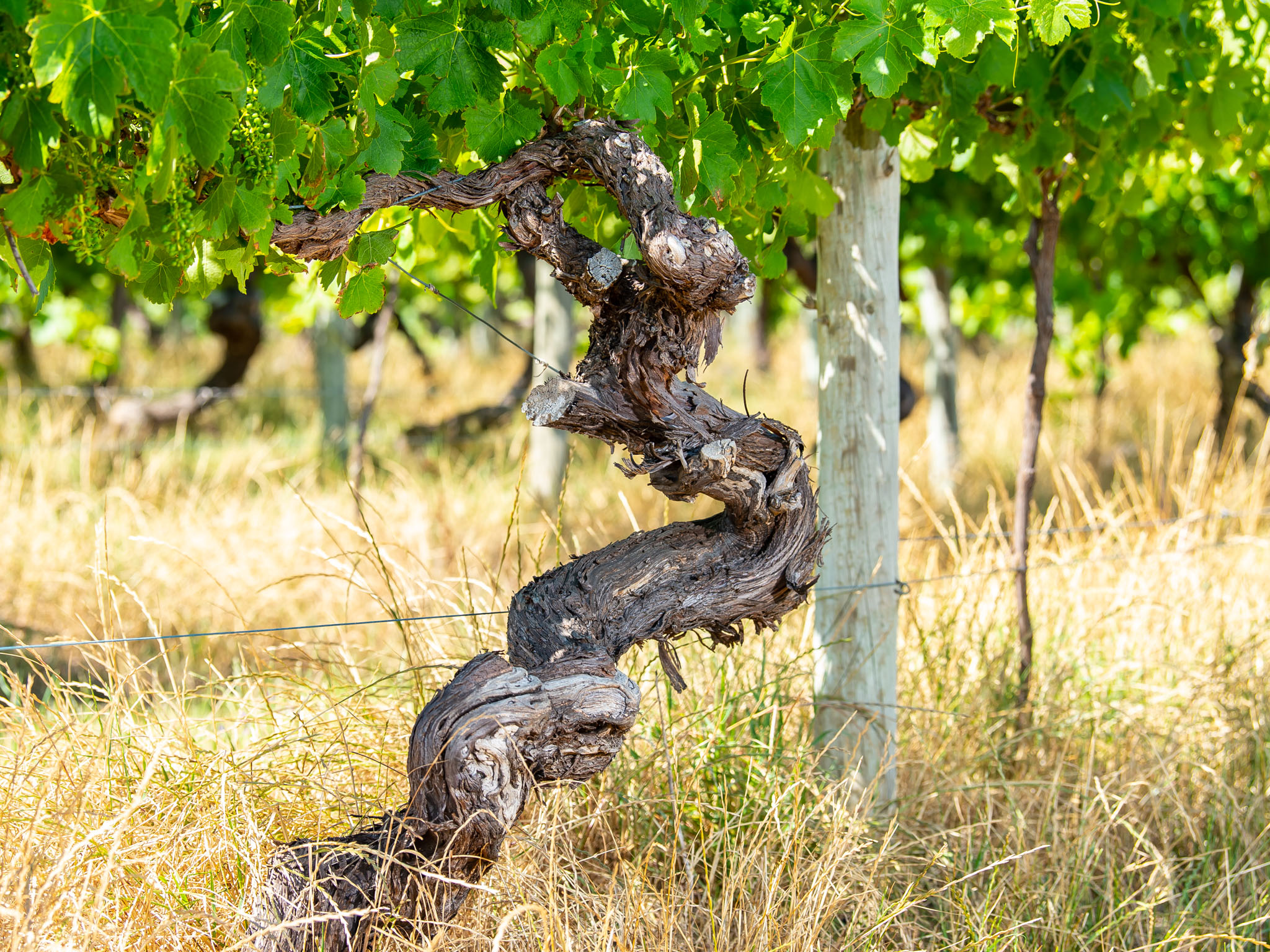
The vineyard’s shiraz vines – planted by Thomas Hardy in 1891 – remain its spiritual core, although they were not always cared for as attentively as they are under Andrew’s management. “Dad used to machine pick and machine prune everything – including the old block,” he says. “That was up until the mid ’90s.” Small batches of wine made for the Hardy family’s personal consumption convinced Andrew that a more gentle touch in the vineyard was the way to get the best out of those ancient vines: “Hand-picking the missed fruit on the end of rows and making small batches for home drinking just pointed out how special the fruit was,” he says. “We went back to basics twenty years ago – hand-pruning, hand-picking and treating the plants like dear old people. They have since thrived, and we usually have to fruit-thin, which is extraordinary for 130-plus-year-old vines. The consistency of fruit flavours in the wines from the block is proof that the site is great and the methods are working.”
It’s not all about shiraz here, though – there are exciting newer plantings in the mix, too, including grenache: “We re-planted grenache in 2021, having pulled our original planting up in the ’80s at the very top of our vineyard,” Andrew says. “This part of the vineyard has the highest elevation, and is the sandiest part of the property, which we know grenache loves. We’re excited for what this vineyard will be able to do given it is on the same ridge line as the Yangarra High Sands Vineyard, which lies about one kilometre south.” The site’s potential is in fact so compelling that Andrew risked supernatural retribution to plant it: “Planting grenache and then making wine from it was a leap of faith,” he explains. “My father, Bob, said before he died that if I ever planted grenache on his vineyard, he’d rise from his grave and kill me. I’ve now made two vintages of grenache – and I’m still around!” Fortunately, there are no such qualms for other varieties, including fiano, which Bob planted with Andrew in 2011: “Fiano is also showing beautifully and suits Upper Tintara – if only we could make it crop! It’s a mongrel,” Andrew says.
This changing varietal mix is part of Andrew’s planning to mitigate the worst effects of a warming world. “Climate change is always at front of my mind,” he says. “Planting Fiano in 2010 was in direct response to this. We had chardonnay and sauvignon blanc planted, which was no longer performing when compared to Adelaide Hills and other cool-climate regions.” (The small remaining quantity of sauvignon blanc now goes into a yet-to-be-released fortified wine .) “We also have old plantings of cabernet sauvignon and cabernet franc, and now more cinsault and grenache, which can handle the changing climate.” In line with this thinking, Hardy now manages the vineyard according to sustainable and organic principles, although it is not accredited. “Our viticultural practices haven’t really changed much for a few years,” he says. “Sustainability just makes sense, even if it doesn’t translate to better prices. The interest when talking about the wines shows that consumers are engaged with the stories of how the vines are grown and the wine is made.” He’s seeing this change in management pay off in terms of soil health and fruit quality – and is giving back to the land that sustains his vineyard, too, by rehabilitating Wine Dam Creek, a watercourse that runs through the vineyard. “We have actively cleared feral species from where the creek enters Upper Tintara to where it exits,” he says. “The native species are now beginning to come back and thrive, and we have more native plantings planned.”
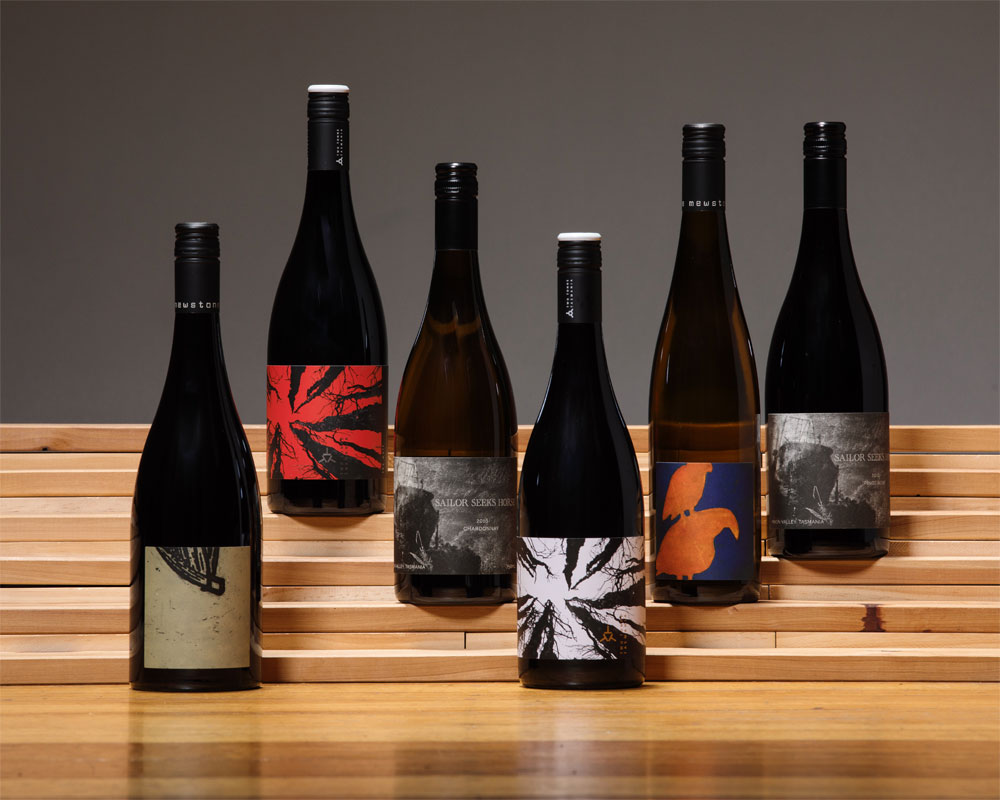
It’s not just a warming world that’s on Andrew’s mind at the moment. “The biggest challenge is economics – the world has too much wine,” he says. “Everything is governed by supply and demand, and currently – and for the foreseeable future – this is in a terrible state. Currently our fruit is sold to Vinarchy from an old Accolade contract – Upper Tintara has been supplying Hardys since 1871 – and to my own Ox Hardy Wines. Hopefully both these wineries will survive and still require this fruit.” (While Andrew himself doesn’t make wine for the label named after his family, he makes it clear that there’s no ill-will here: “Our relationship with the winemakers at Hardys has always been fantastic, and their feedback has been excellent and helped our understanding of the vineyard.”) When asked what he wishes he could do in the vineyard, he says, laughing, “Snap my fingers and end up in Tasmania! But seriously, I’d like to plant more fiano and some chenin blanc, making the vineyard balance more appropriate for the future. I still think shiraz has a bright future – we just need to get back to supply and demand balance.”
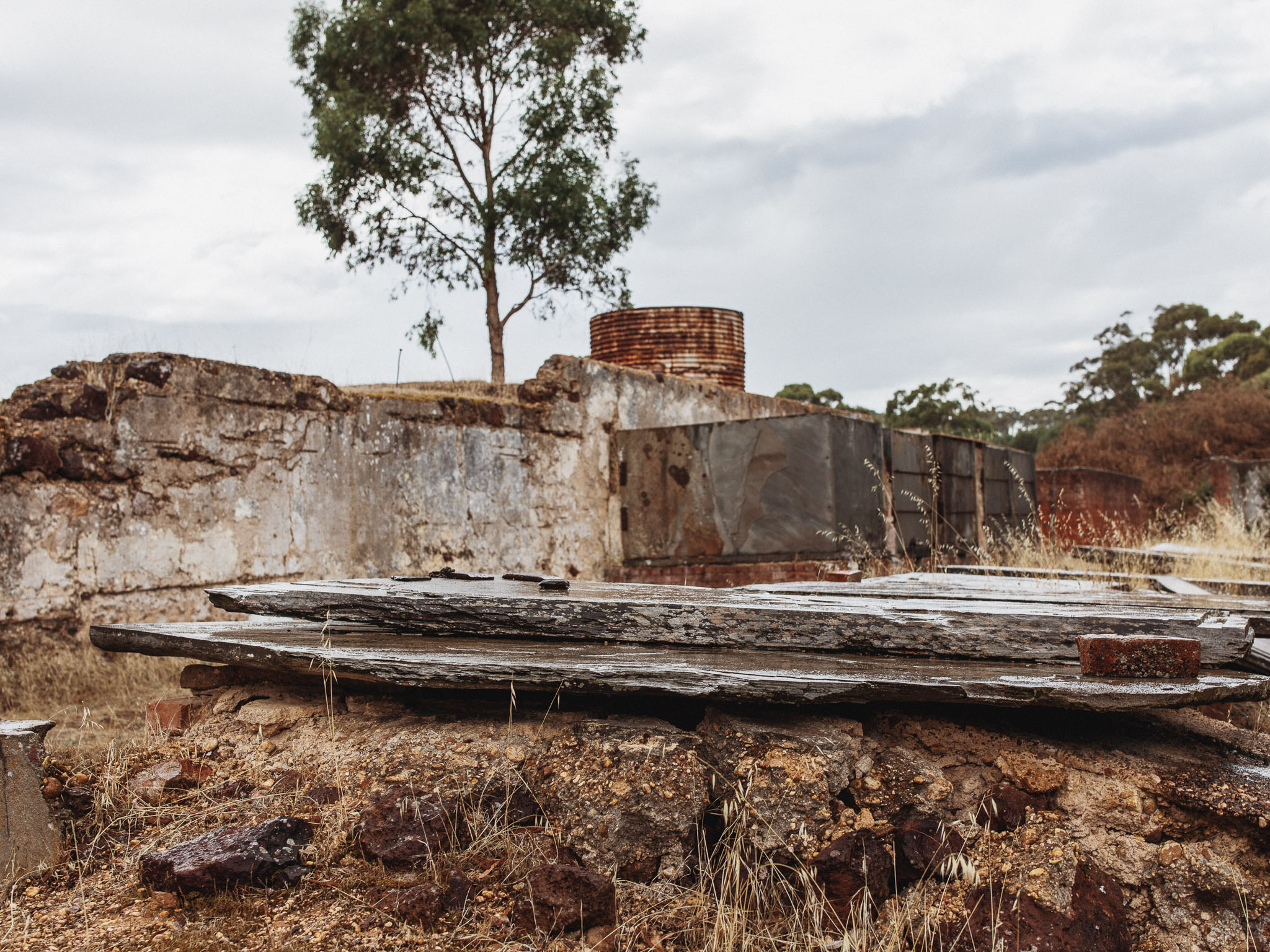
Despite the challenges implicit in maintaining this vital piece of Australian viticultural history in the current climate, in both the literal and metaphorical senses of the term, Andrew wouldn’t want to be anywhere else. His family’s history on the site has seen him undertake the somewhat quixotic project of fermenting one of his Ox Hardy wines, the ‘Slate’ Shiraz, in two of the remaining open-topped slate fermenters that lie in the ruins of the original Tintara winery building. “Making wine in the old original Tintara Winery ruins is pretty special,” he says. “To think I’m making wine where my great-great grandfather worked is wonderful. Using the open slate fermenters built in 1863 and used until 1927, then not used again until 2018, is beautiful.” He adds: “Being in the old winery and vineyard at sunrise and sunset during vintage is magical – it’s just breathtaking. It often takes visitors to remind me of how special it is. And the history of Upper Tintara is just compelling and wonderful.”
GET FIRST ACCESS TO THE NEXT WINE ICONS – DELIVERED