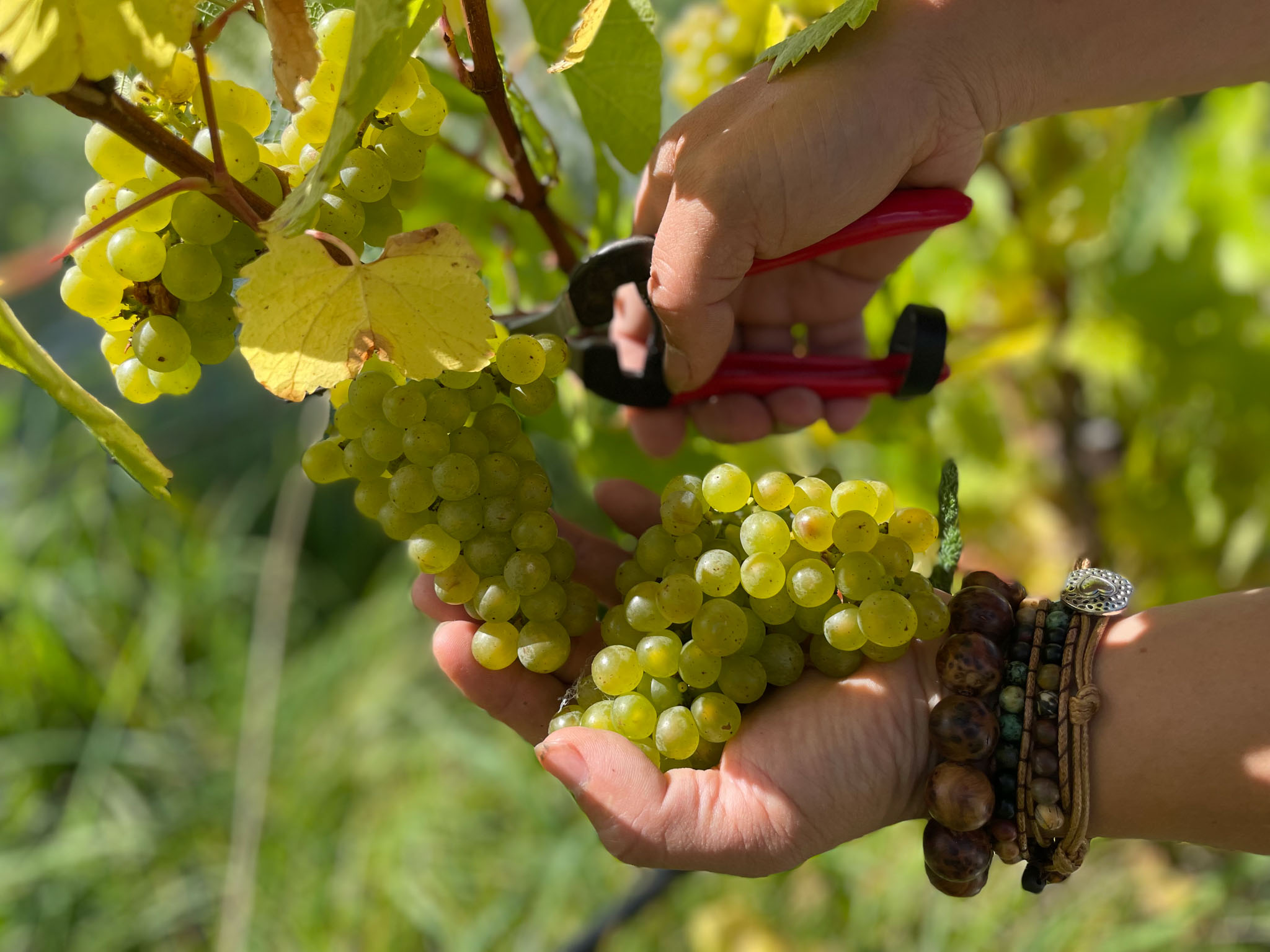
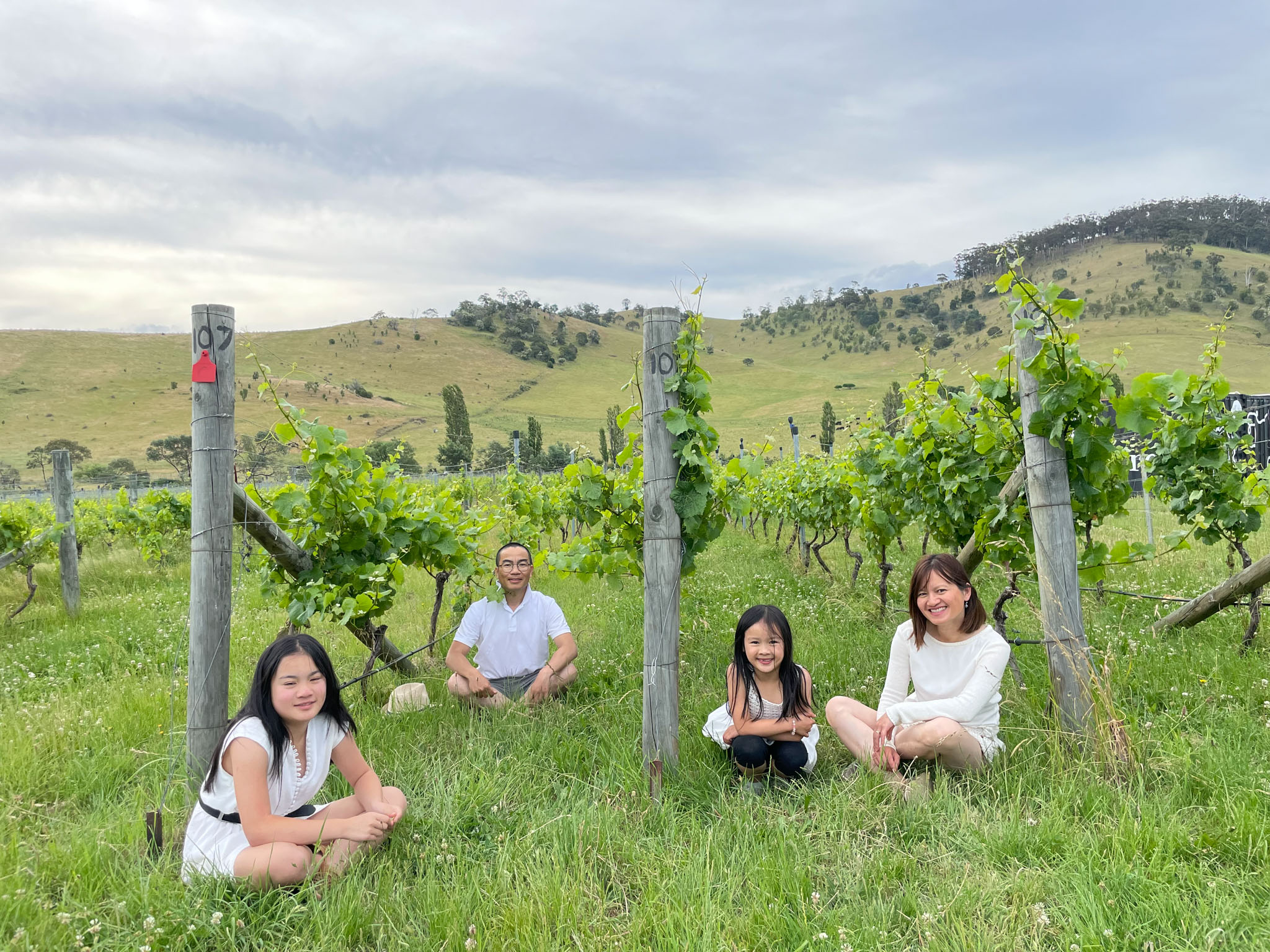
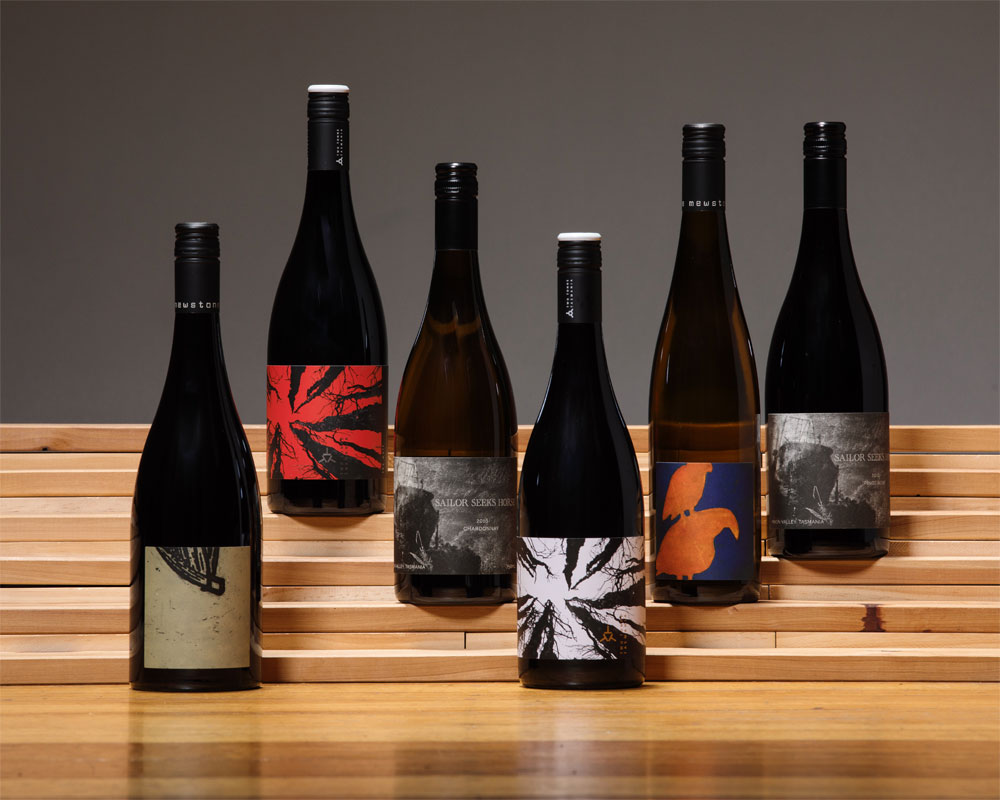
Planted in 1994 in the Tea Tree Valley of Tasmania’s Coal River Valley and purchased in 2017 by Anh Nguyen – a chemical and environmental engineer turned vigneron – ‘ese Vineyard is a 3-hectare site growing pinot noir, chardonnay, sauvignon blanc and riesling on one of the most marginal, frost-prone positions in the region. Abandoned between 2013 and 2017, the vineyard has been rebuilt by Nguyen under a regenerative farming philosophy, combining rotational grazing, self-built AI-driven vineyard management technology, and minimal-intervention winemaking. The Torch Bearer range – pinot noir, chardonnay, sauvignon blanc and fumé blanc, priced from $40 to $70 – is made entirely from this one difficult, rewarding place.
There are easier places to grow grapes in Coal River Valley. ‘ese Vineyard is not one of them.
The difficulties of the site are real and specific. The low valley position means cold air pools at night, creating a diurnal temperature variation higher than adjacent Coal River Valley vineyards on the same dolerite clay soils. This extended growing season and cooler overnight temperatures produce grapes of exceptional natural acidity and, in the pinot noir particularly, a tannin profile shaped by the dark cracking clay – plush but rich, with more lignified stems than higher-vigour sites and a capacity for whole-bunch fermentation that gives the wines an earthy, spiced complexity. “Coal River Valley pinot is always a fuller-bodied pinot,” says Nguyen, “with the dark clay soil shining through in bolder but fine tannin, dark fruit, spices and some earthy notes.” At ‘ese, those characters are amplified. The diurnal swing is wider, the season is longer, the acidity is higher, and the vines – managed without herbicides or systemic pesticides, with a rotational grazing regime that limits canopy vigour – work harder and produce less. “Just like humans, where challenges and harsh conditions build characters, vines are the same,” she says. “So let the vines suffer so their characters shine through.”
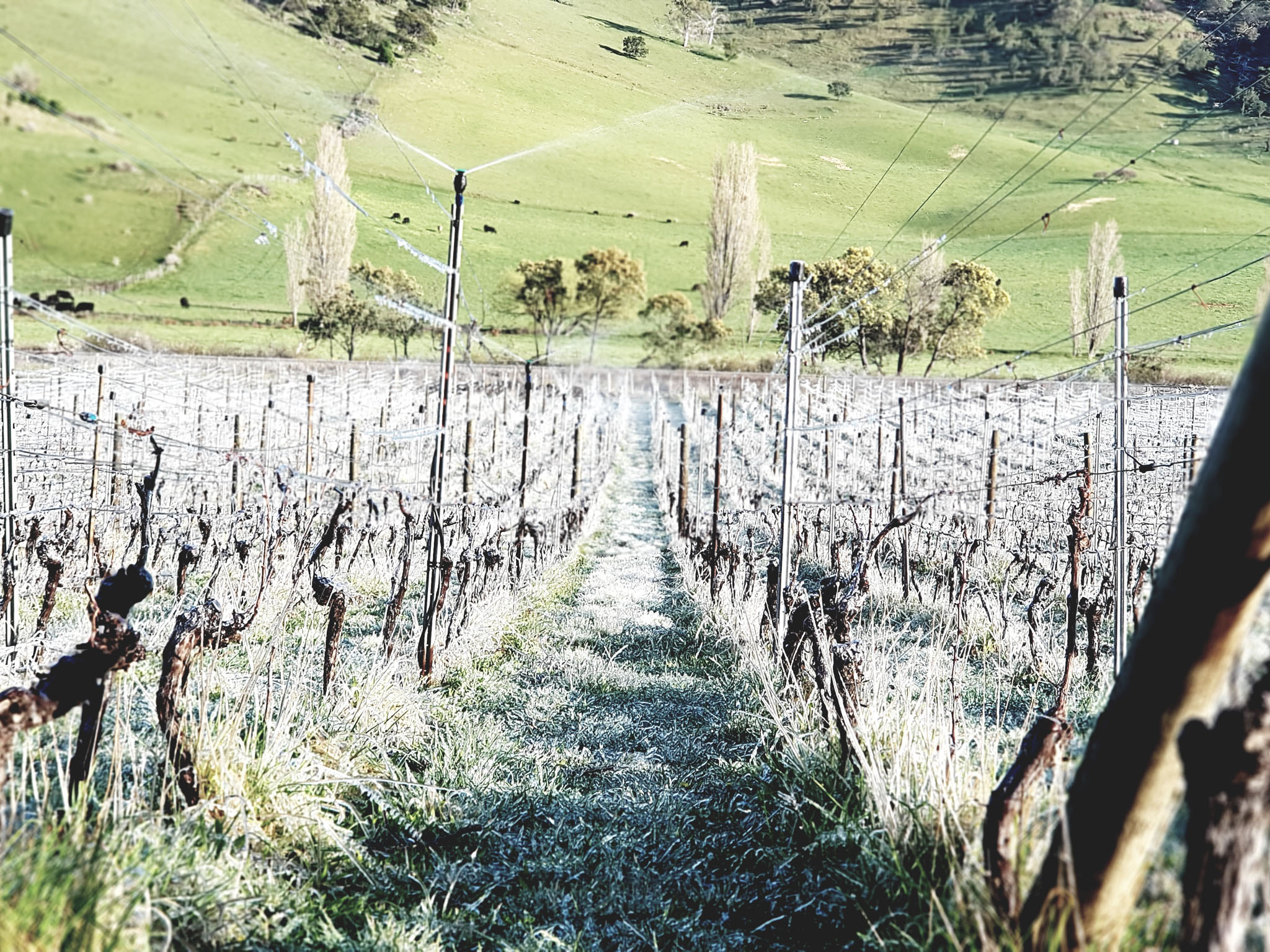
The frost problem, when Nguyen arrived, was existential. In the second year of ownership, a spring frost hit and the reality became clear: this was not an occasional hazard but an annual certainty, one that the previous owner had not disclosed and that commercial frost mitigation – water sprinklers, the industry standard response – demands significant capital and precise timing. Unable to afford a conventional system and unwilling to accept the alternative of waking at 2am to burn hay, Nguyen did what engineers do. Together with a team of data scientists and electronic engineers, she built VineAI – a frost prediction and management system powered by Internet of Things sensors monitoring temperature, moisture and air pressure across the vineyard, linked to automated smart valves that trigger the sprinkler system without human intervention. Central weather forecasts, she discovered early, were simply not accurate enough for a microclimate this particular. The system she built is calibrated to the specific conditions of this site, precisely predicts frost events, automates the response, eliminates human error and optimises water usage from limited reserves. It earned Nguyen the AgriFutures Rural Women Award for the State of Tasmania in 2019. “Challenges also generate opportunity,” she says, “to be creative, to be resilient, to build on resources in my previous career as an engineer.”
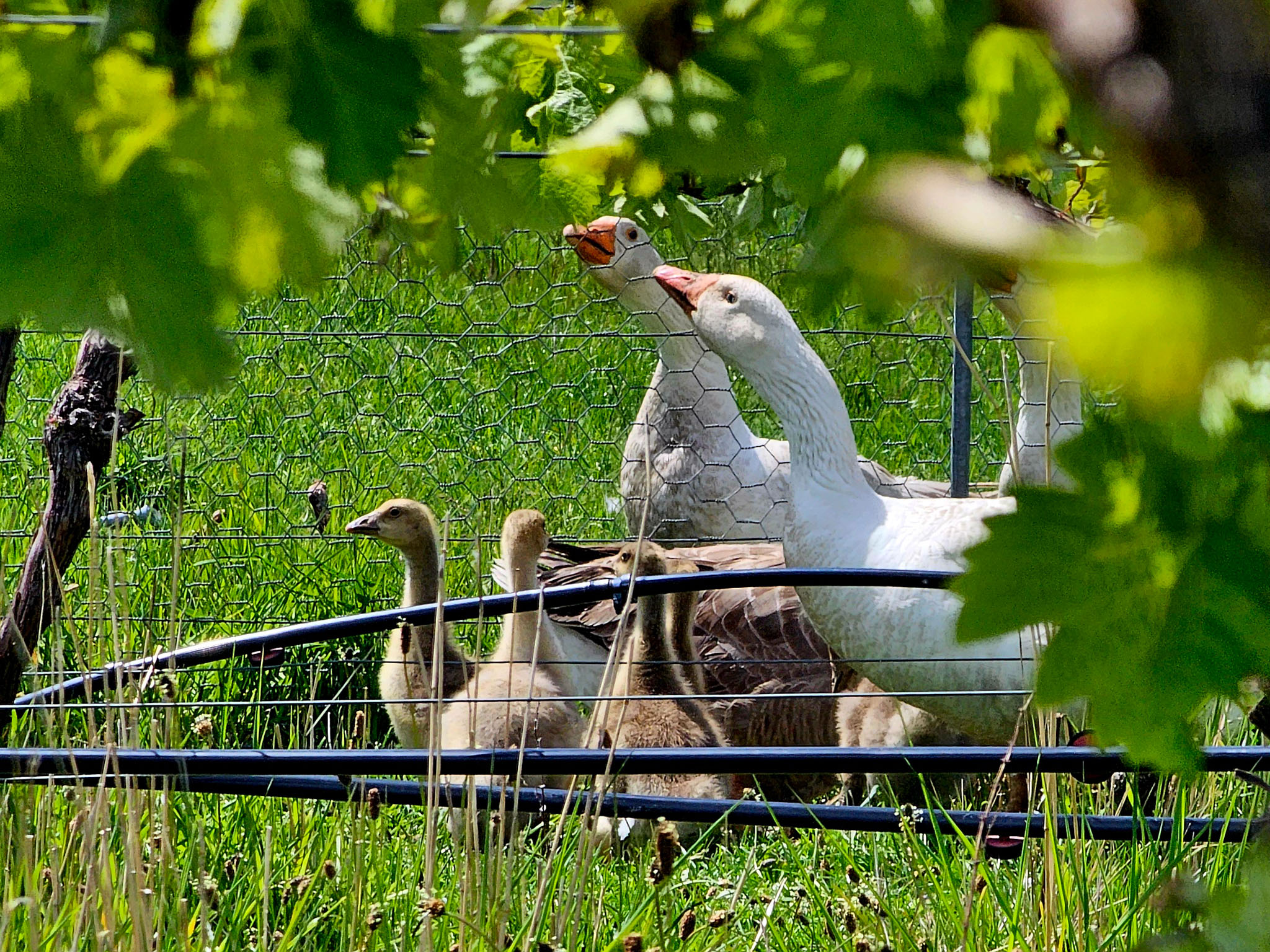
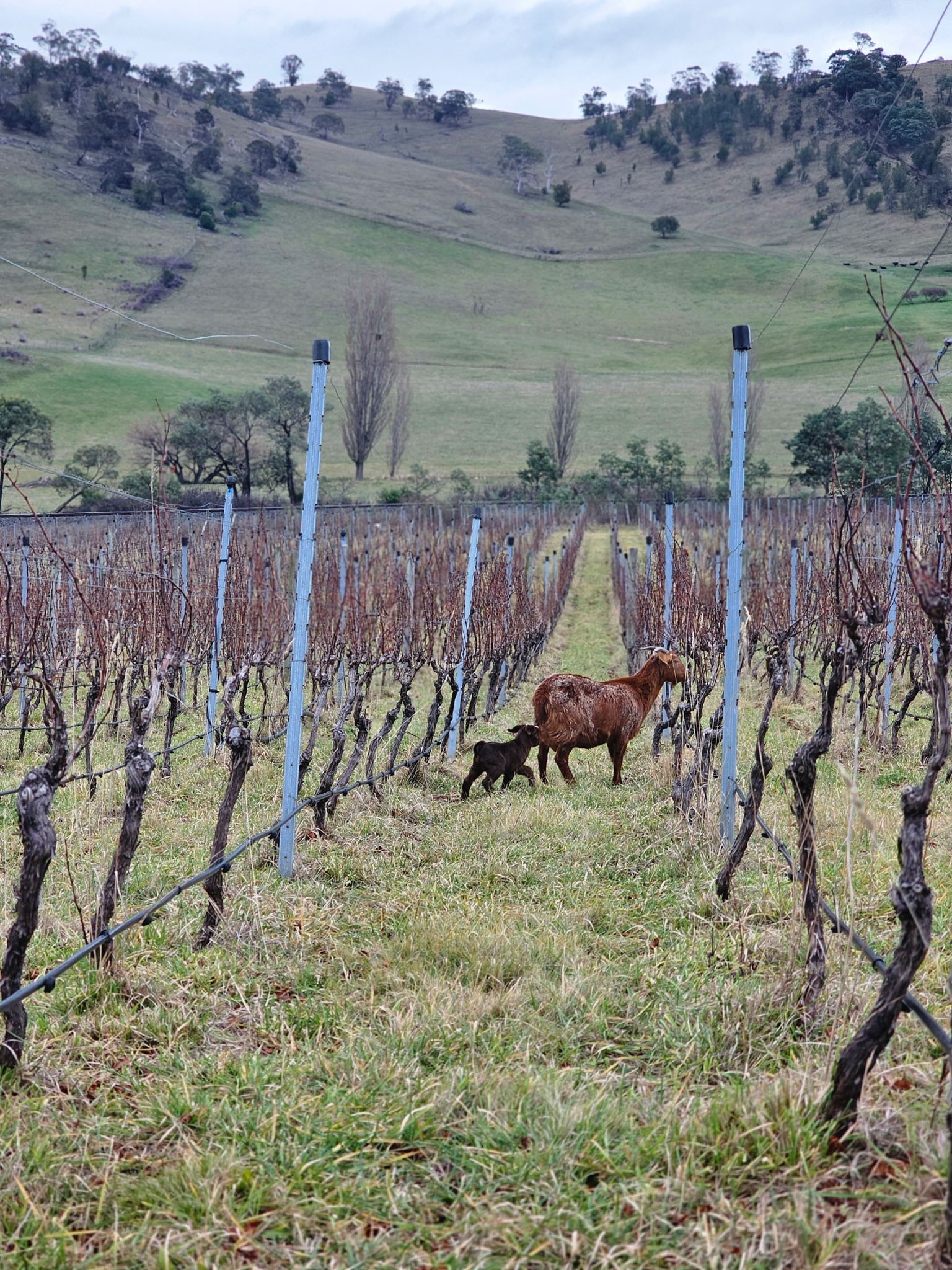
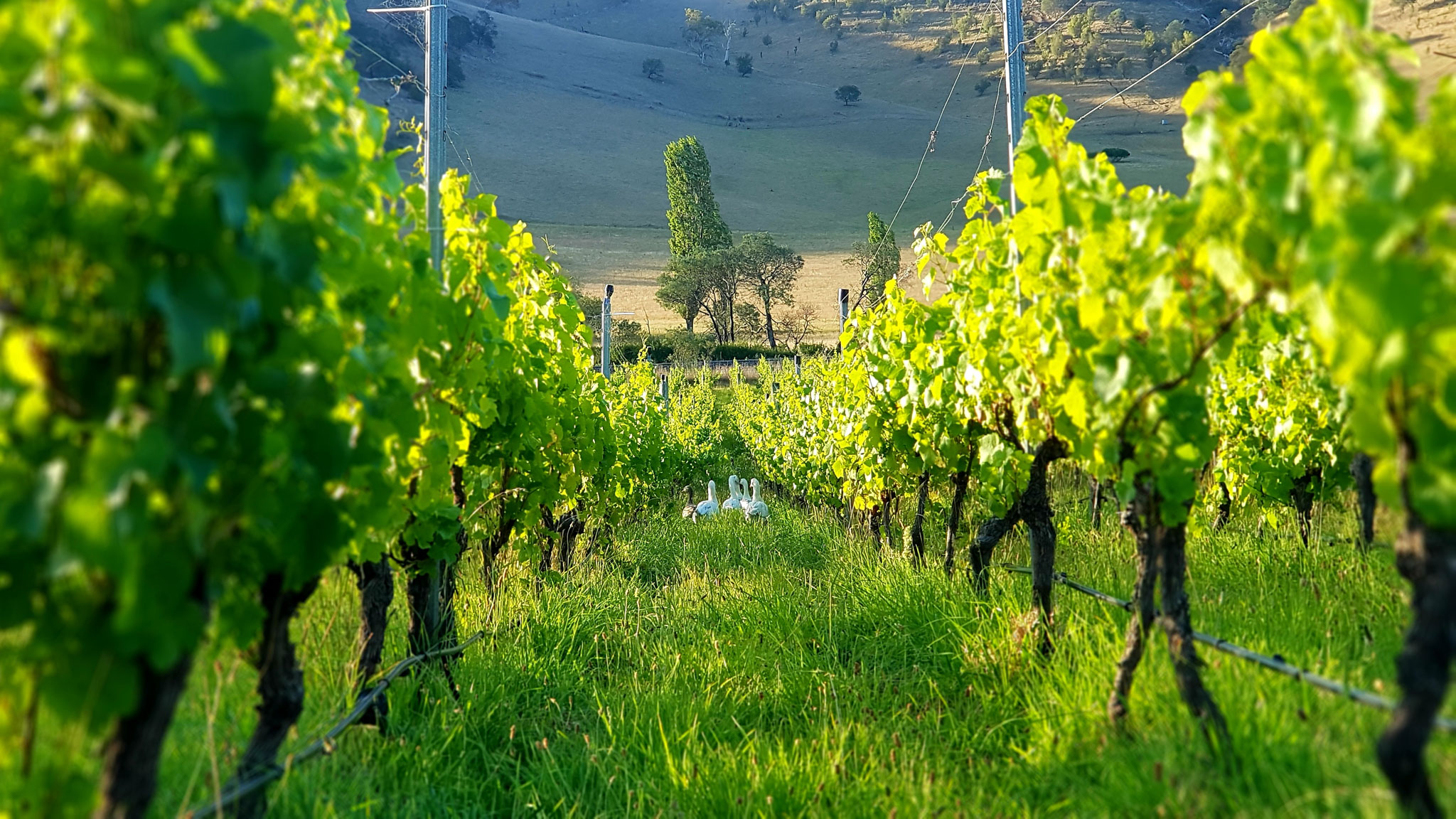
The engineering mindset extends to the soil. Nguyen’s goal is to build a self-sustaining ecosystem in which soil biology, fungal networks, beneficial insects and farm animals exist in mutual support, eliminating the need for external inputs and creating financial viability through reduced costs rather than increased scale. The animal rotation program has been one of her most successful experiments. Since 2018 she has trialled sheep, miniature pigs, miniature goats, chickens, ducks and geese, arriving at a formula that has geese in the vineyard for ten months of the year and sheep, miniature goats and miniature pigs rotating through in winter. The miniature pigs, with their strong snouts, root out clump weeds without herbicide, heavy machinery or difficult labour. The miniature goats reduce midrow and undervine grass with similar efficiency. The geese, perpetually present, keep grass down, fertilise the soil and build microbe populations – though they have also developed a habit of getting into the nets at harvest. “Never thought tracing geese is in the job description of a winemaker,” Nguyen says drily.
The soil responds. Organic carbon has increased measurably, verified by Nutrient Ag testing. Earthworms are abundant. Ladybugs, spiders, ground beetles and lacewings are widespread. Mushrooms – indicators of active fungal networks – appear throughout the vineyard. Midrow vegetation is slashed and thrown undervine rather than removed, increasing water infiltration and moisture retention in the cracking clay soils that would otherwise lose water rapidly. Compost is made on site from seaweed harvested from a nearby beach and animal manures from the farm. The only fertilisation inputs are biodynamic preparations 500 and 501, and chamomile compost – specific, named biodynamic practices, applied alongside cover crops of strawberry and white clover trialled for nitrogen fixing. Native trees – tea tree, gum, blackwood, stinging nettle – are being planted throughout the property. Bug hotels are scattered across the vineyard to support overwintering beneficial insects.
The 7-hectare property has only 3 hectares under vine, with the remaining land used for animal rotation and other crops. Two blocks are planned for replanting in 2026 – the underperforming areas identified and removed, to be replanted with more suitable clones and rootstocks. The longer-term ambition is a kind of productive neverland: beekeeping, fruit trees, flowers, self-seeding clover undervine instead of competing grasses, and a closed-loop system in which the vineyard, the animals and the native plantings support each other with minimal external input.
That ambition sits squarely within a winemaking philosophy equally committed to place over convention. Wild ferments only. Longer barrel ageing. Extended bottle age before release. More whole-bunch inclusion where stem lignification allows, which at ‘ese – with its lower vigour and extended season – is more reliably possible than at higher-vigour sites. “We do not try to make wines like Burgundy, like Chablis, like Tasmanian,” says Nguyen, “but rather create our own wine style. An extreme wine style represented through our extremely difficult site.” When it works – when the frost is held at bay, the geese are out of the nets, and the long cool season has done its work – what ends up in the bottle is something genuinely particular to this low, frost-prone valley and the clay beneath it. “When it works,” says Nguyen, “this site brings out the beauty of the Coal River Valley.”
GET FIRST ACCESS TO THE NEXT WINE ICONS – DELIVERED