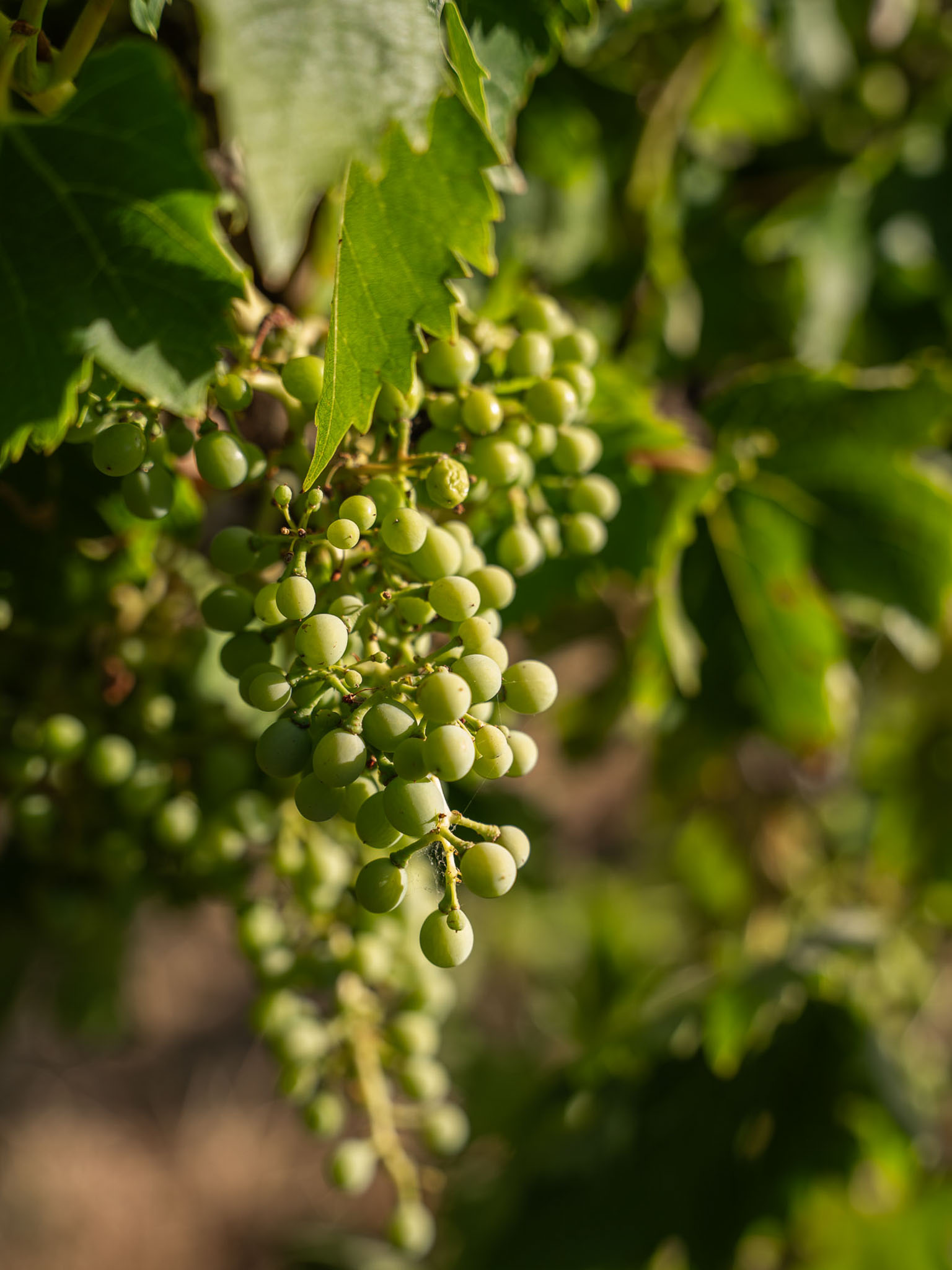
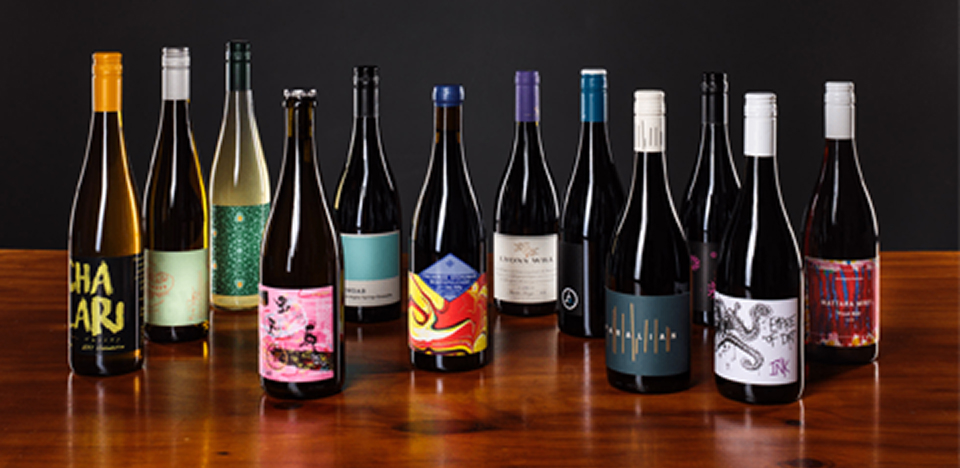
Since taking over the reins at his family’s vineyard in 2023, Paul Rohrlach has been on a voyage of discovery, continually seeking more environmentally friendly viticultural management methods, new varieties that might anticipate changes in consumer demand, and the best possible expression of the terroir of Barossa Valley’s Vine Vale subregion. Plantings across this thirty-two hectare block include the region’s stalwarts of shiraz, cabernet sauvignon and grenache – but are filled out with an exciting roster of alternative varieties, including montepulciano, grenache blanc and gris, clairette, graciano, touriga nacional, malbec, aglianico, saperavi, counoise, cinsault, carignan, fiano, and antão vaz. Thanks to its forward-thinking approach to viticulture and variety, this vineyard’s fruit goes into wines from producers looking for alternative expressions of the Barossa, including Vanguardist, Yelland & Papps, Tim Smith Wines, and Gibson’s ‘Discovery Road’ range.
First planted in 1952, the Rohrlach vineyard in the Vine Vale subregion of the Barossa was, until recently, about as traditional as you could get: a combination of shiraz, cabernet sauvignon, merlot, and chardonnay, all managed via conventional agricultural means, including heavily cultivated midrows and a ‘scorched earth’ policy to under-vine vegetation. Paul Rohrlach’s first order of business as he prepared to fully take over the reins of vineyard management was to refocus the varietal mix to anticipate future market demand, skewing towards alternative varieties that he thinks are both better suited to Vine Vale’s terroir and the demands of the market. “Since about 2010 I’ve had some influence in choosing what we plant, having grafted and planted close to ten alternative, heat-tolerant varieties,” Rohrlach says. “At the time, my aim was to try and find varieties that would grow similarly to grenache, and hold acid – as, regretfully, my father had grubbed all our existing old and young grenache vines. Since the other Rhône varieties weren’t in vogue yet, I went for Southern Italian, Portuguese and Spanish reds.”
Rohrlach stresses that this interest in alternative varieties is, first and foremost, driven by a desire to grow what works best in Vine Vale. “We still really need to get the Vine Vale name out into the world to show what it can do best,” he says. “For years it’s been hanging on the regional hero of shiraz – but this subregion really isn’t the best for growing quality shiraz year-in-year-out.” As such, he’s interested in “really anything that handles heat and dry, sandy conditions”: “I believe grenache, graciano, carignan, counoise and cinsault all have great potential here, along with potentially touriga, mataro and aglianico for reds, and grenache blanc, grenache gris, and clairette in particular for whites,” he says. “I’m also really passionate about the potential for lighter reds or lighter red blends at Vine Vale – at this stage there’s not much of a market for lighter reds from the Barossa, but I believe this can change.” He pinpoints Vine Vale’s soil profile – “deep sands over red clay” – and the breeze known as the ‘Vine Vale Nurse’ that draws cool air down from the Eden Valley as factors that make his vineyard especially suited to these varieties. “These characteristics bring elegance to the wines, with lighter red fruits and finer tannins that all make Vine Vale Vine Vale,” he says. “This is why I’m so passionate about the varieties mentioned above – they are designed to grow in a place like this, and they have the potential to show this site and subregion at it absolute best, especially compared to shiraz, cabernet and merlot.” They also happen to be in line with his own tastes, and where he sees the market going: “It’s really only on a cold winter’s night, with a nice piece of beef or lamb, that I want to grab a big shiraz or cabernet out to have with dinner. The rest of the year, I lean towards something lighter.”
Rohrlach’s ambitions for the vineyard don’t just extend to grafting over to new varieties. Since properly taking over the reins in 2023, he’s overseen a paradigm shift in terms of viticulture, transitioning from a conventional mindset to a lower-imapct, more regenerative approach. “Our site is right next to a school, so we want to leave as little impact on the environment around us as possible,” he says. For him, that starts with looking after “soil first and foremost, increasing soil health by way of raising the organic matter and increasing microbial activity from beneficial bacteria and fungi. This means reducing the amount of herbicide and cultivation that we undertake, and carefully considering our canopy sprays … listening to Jason Jardine on ‘Bedrock Wine Conversations’ and reading Dirt to Soil by Gabe Brown really paved the way for considering how to look after and build the soil health.” As such, he’s started sowing cover crops down the midrows, and has reduced the level of cultivation underneath the vines to reduce soil disruption. While this regenerative shift sounds simple in theory, Rohrlach stresses that the practice can be quite complicated: “Managing weeds, since moving away from midrow cultivation and undervine herbicide, is certainly a challenge,” he says. “Understanding and implementing the plant health pyramid is a big part of this, too. It’s easy to understand that in nature everything is part of an ecosystem – but ensuring plant health is at its best to maximise the benefits of that ecosystem, rather than undermine it, is a big thing, too.”
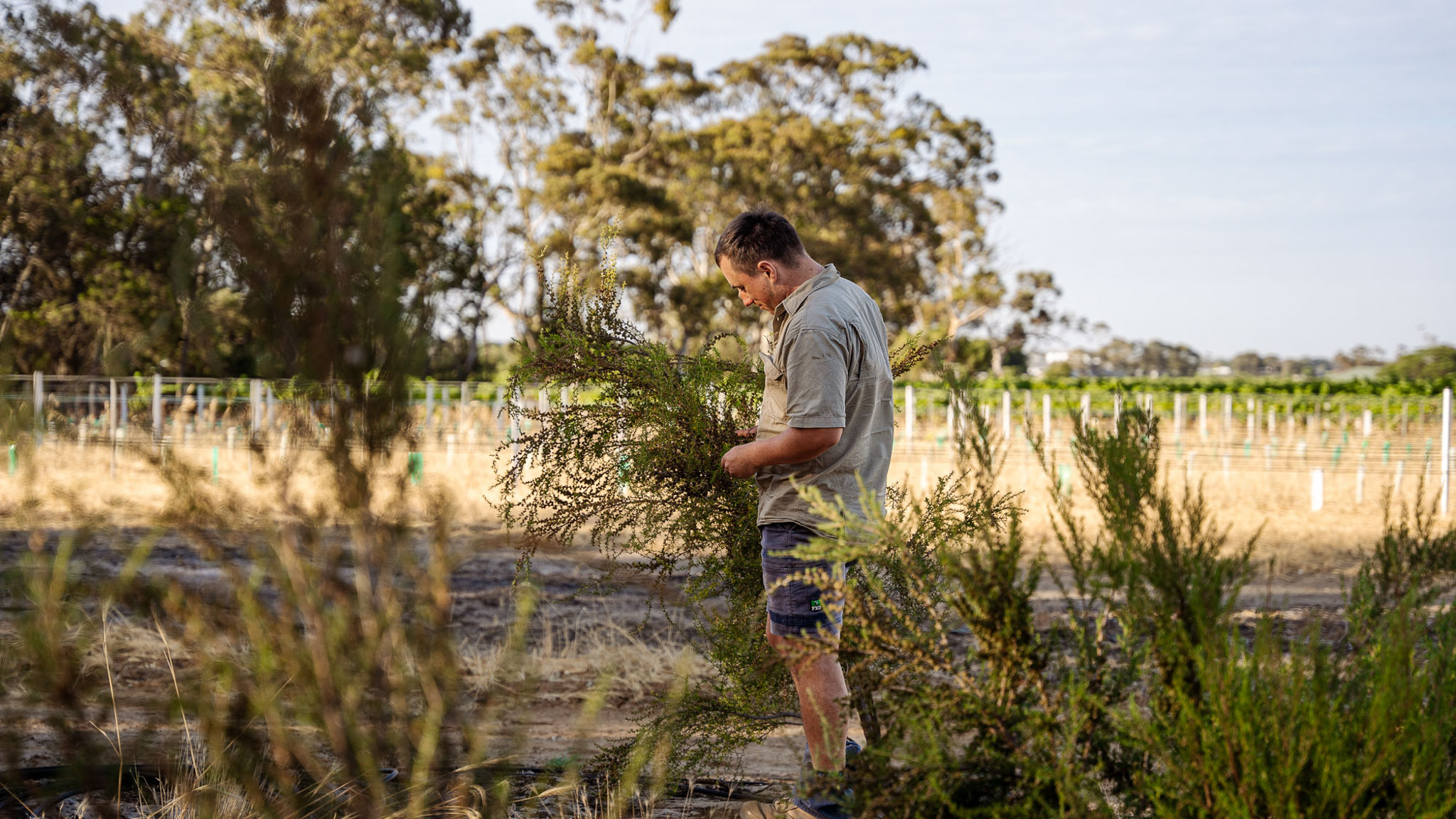
Part of that shift is understanding that the goal of regeneration goes beyond simply harvesting better grapes. “Growing good wines is what we aim to do, but looking after our patch of dirt is the most important aspect of it all – to keep it here in good nick for generations to come,” Rohrlach says. “I have plenty of good memories from growing up here, out in the vineyard and up the scrub, and I hope many generations after me will have that also.” As such, he’s commenced a revegetation program that has already seen native plants such as Christmas bush, prickly tea tree, and bottlebrush planted alongside the vineyard. “Revegetation is a long term project – we have done some, but there’s a lot to go,” he says. “I would like to see a thriving native ecosystem all around our vineyard property, which will encourage beneficial species and hopefully reduce pests.” While it’s early days as yet, he’s already seen progress: “We have seen more insects around – particularly when our tea tree and Christmas bushes are flowering,” he says. Other developments in the pipeline include a shift to permanent midrow swards and crimping rather than slashing cover crops – if this can be accomplished without exacerbating frost risk. And, of course, more alternative varieties. “Now the time has come to jump into the Southern Rhônes, which I believe are truly at home in Vine Vale,” he says. “It would be amazing if touriga franca, terret noir, piquepoul noir, clairette rose, carignan blanc and carignan gris could one day make a home here.”
While Rohrlach’s new approach to managing the vineyards hasn’t always been smooth sailing with his family – who can sometimes be “rather insular and resistant to change”, as he puts it – he credits the broader Barossa viticultural community for helping to bolster his courage. “Dan Falkenberg at Eden Hall wines certainly got me thinking about the direction I’d like to head in – thanks to the Barossa Next Crop program and the AWRI’s Advanced Viticulture Course,” he says. “I’m always talking to neighbours and fellow growers – there’s always more to learn and try and ultimately improve. Barossa Australia are always running events and courses that are relevant and informative, which I usually try to attend.” (On the subject of giving credit where it’s due, he’s quick to acknowledge the role of domestic and international wines in showing him what his beloved alternative varieties are capable of – particularly A. A. Badenhorst’s ‘Ramnasgras’ Cinsault from South Africa, wines from Château des Tours and l’Anglore in France, and a touriga nacional from the Barossa’s own Reid Bosward.) That sense of community is part of what he loves about working with this special patch of sandy soil. “There’s not much I don’t like about it, having grown up here,” Rohrlach says. “The sandy soil and the scrub are pretty special in my opinion; the site wouldn’t be what it is without them.”
GET FIRST ACCESS TO THE NEXT WINE ICONS – DELIVERED