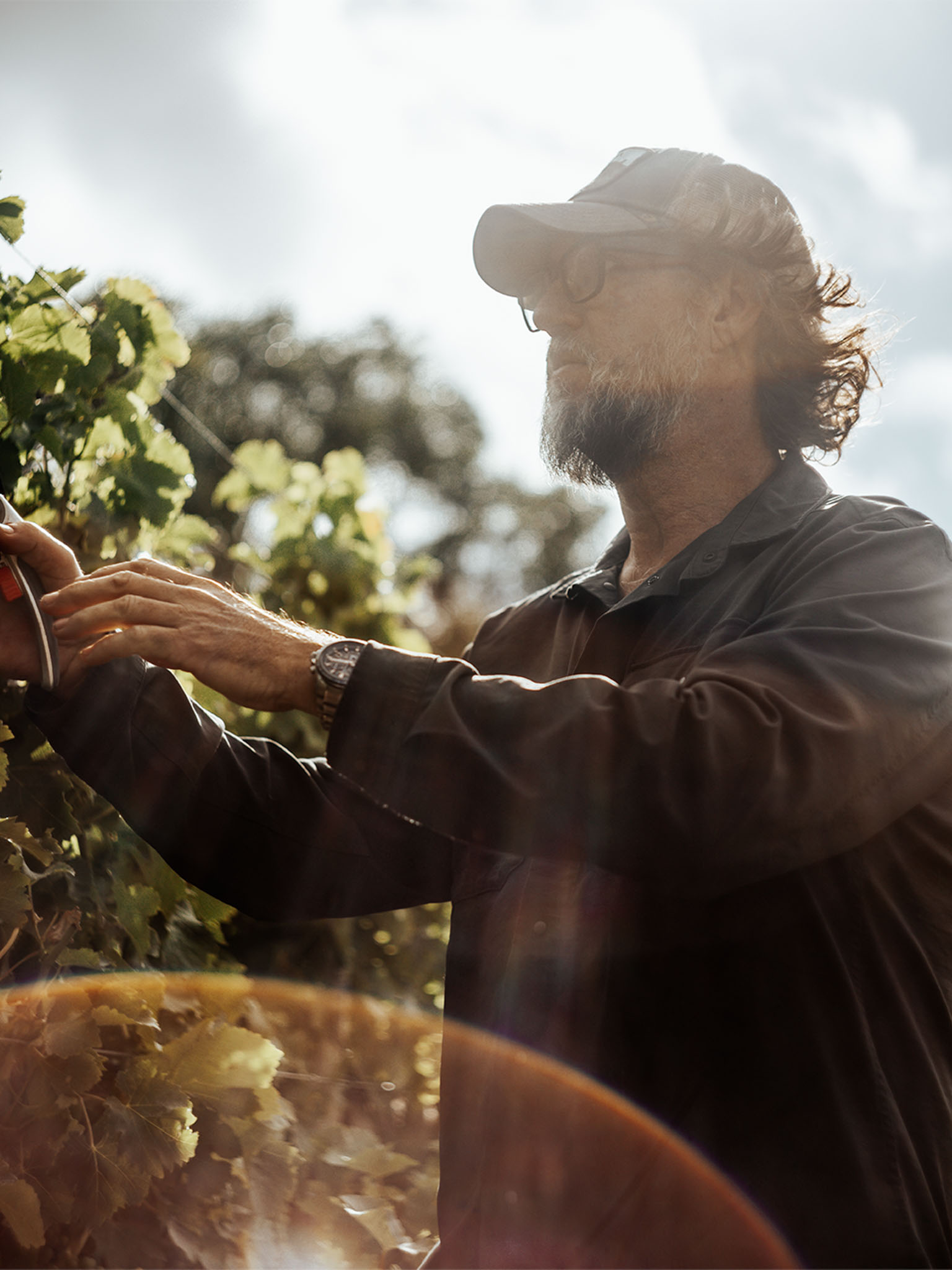
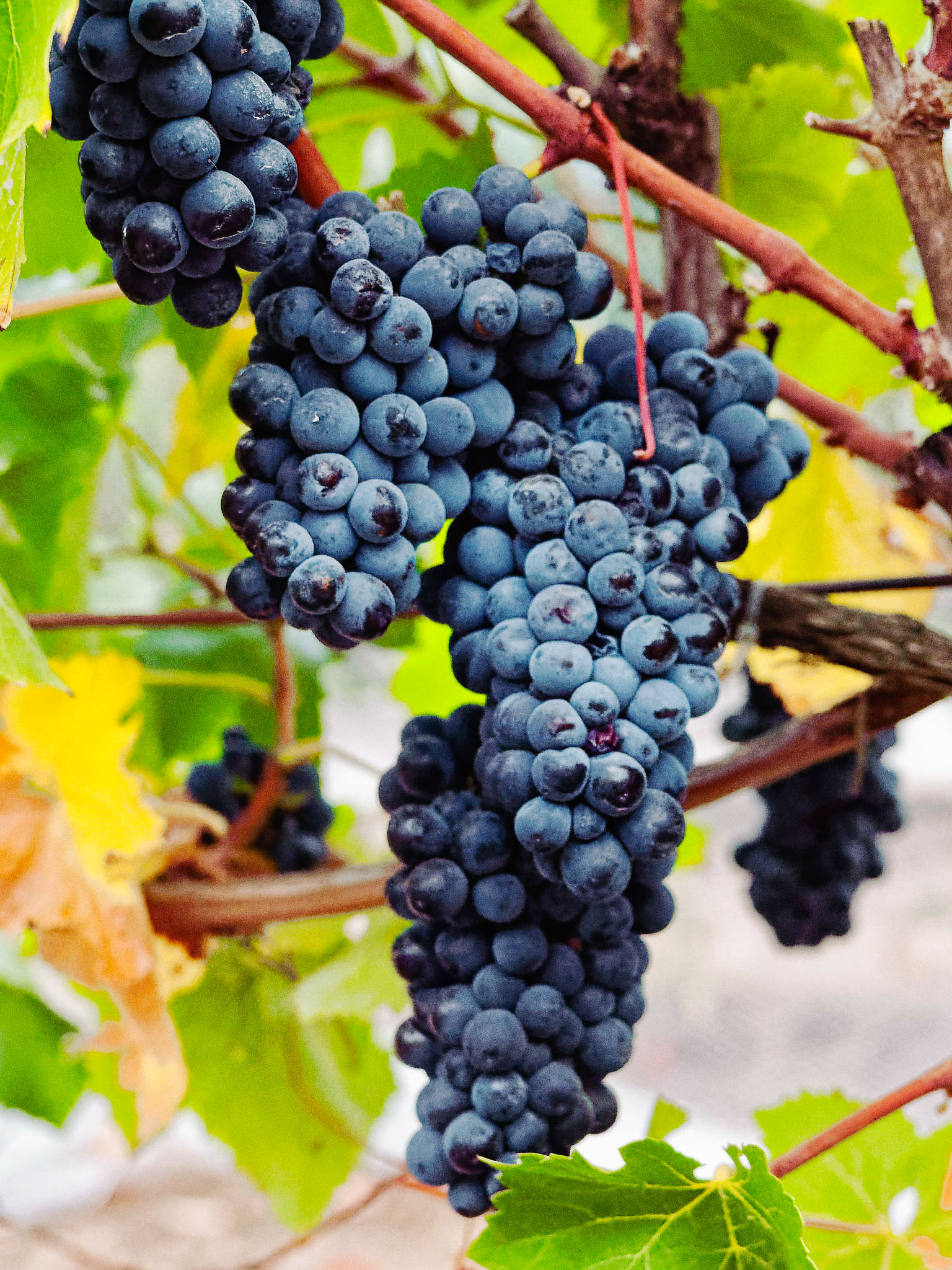
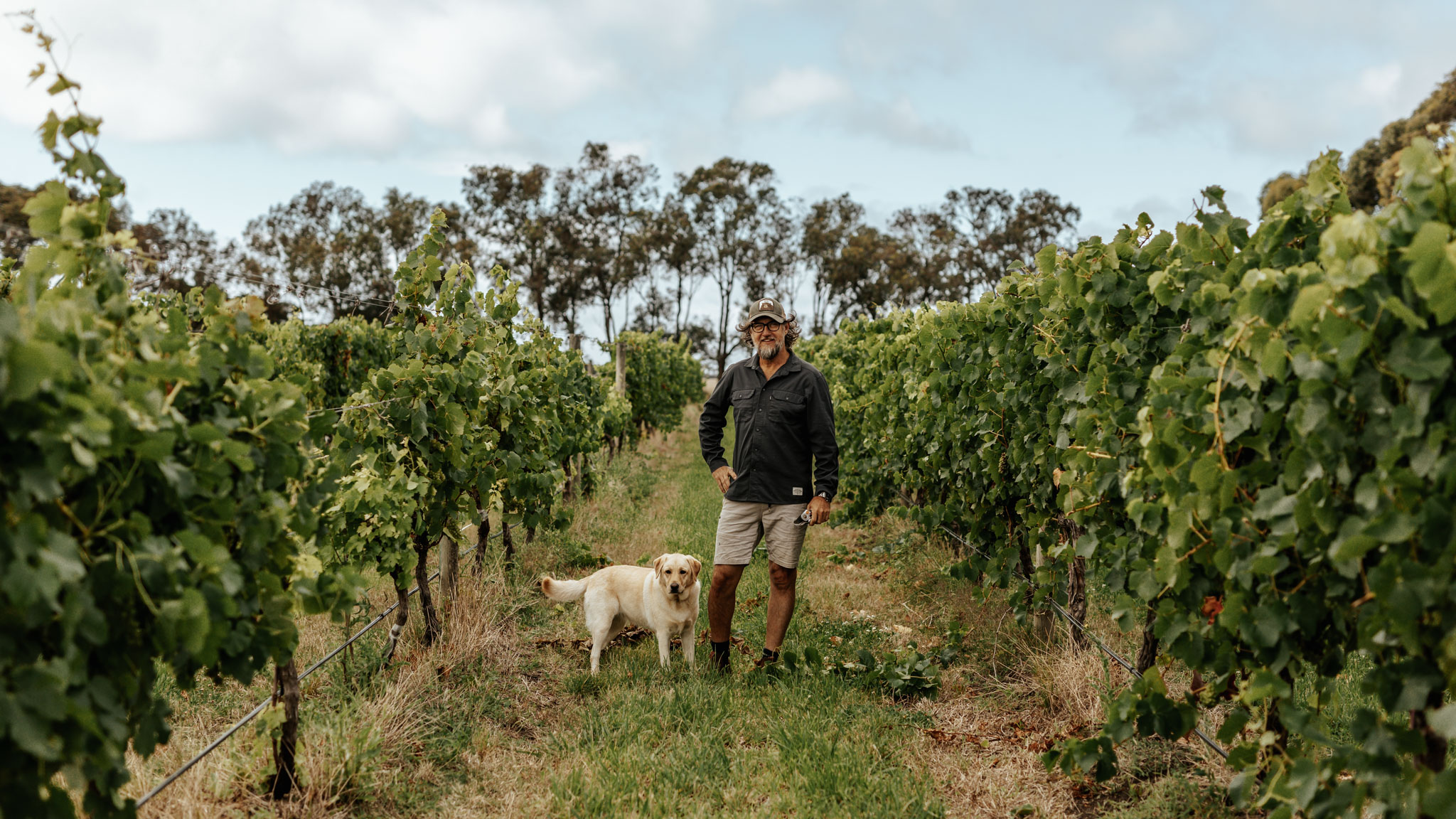
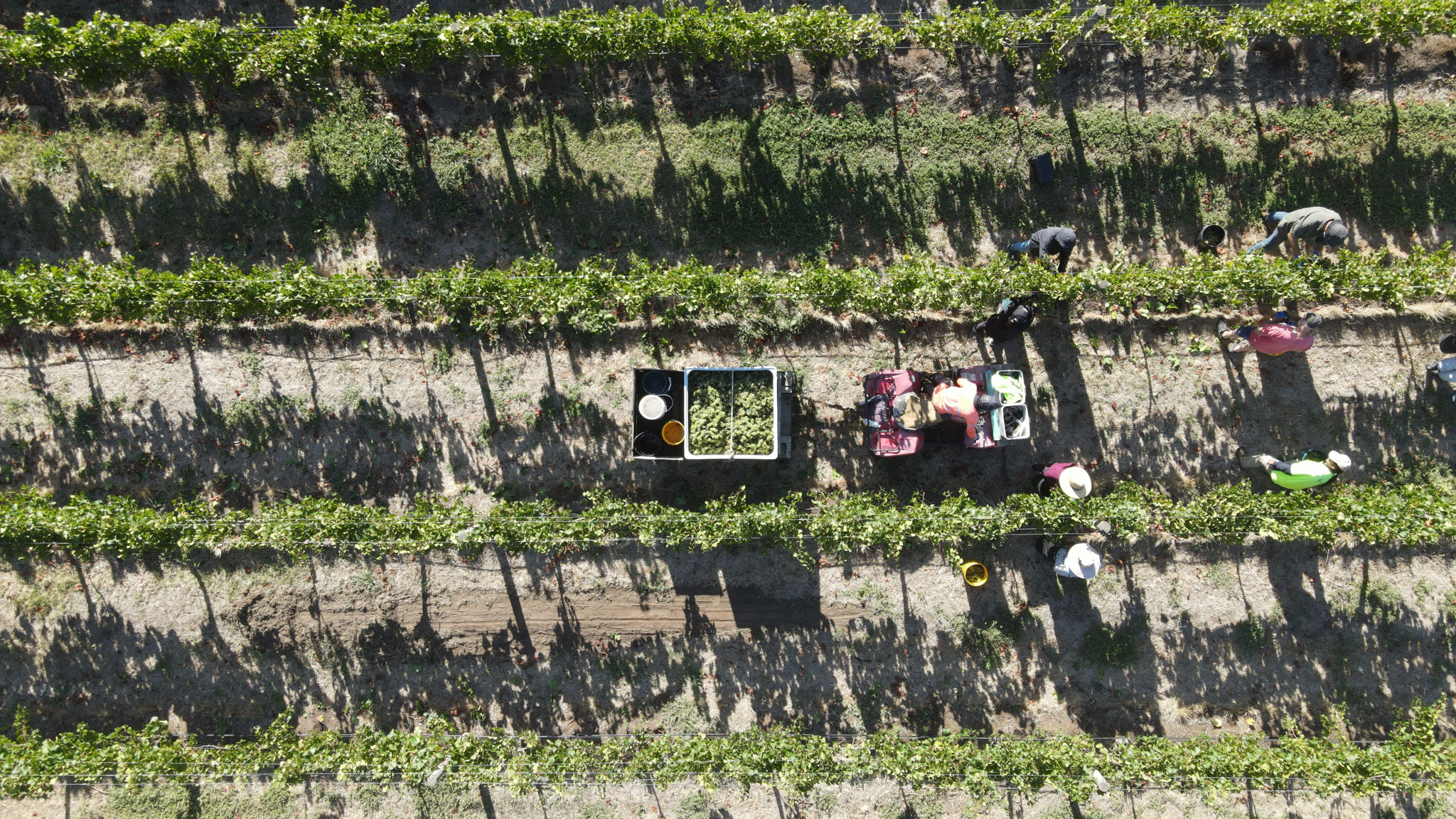
Coatsworth Vineyard is an 8.3-hectare property on the Bellarine Peninsula, acquired in 2021 by John White – a former corporate financier turned passionate viticulturist – and home to the Circulus Wine label. Planted from 1997 and progressively reworked since White’s arrival, the site grows chardonnay, pinot noir, shiraz, cabernet franc, sauvignon blanc and, most recently, chenin blanc, on a geologically distinctive mix of sandy loam, clay-basalt and exposed limestone that sets it apart from much of the wider Bellarine. Surrounded by the cooling influence of Corio Bay, Port Phillip Bay and Bass Strait, the maritime amphitheatre produces grapes of natural freshness and saline, oyster-shell minerality – characters that have long made the site’s fruit sought after by neighbouring producers including Provenance Wines, Mulline and Bellbrae Estate. As White steadily expands the Circulus range – chardonnay, pinot noir, shiraz, cabernet franc, sauvignon blanc fumé and rosé, all at $35–$49 – the fruit he sells to others bears witness to the same philosophy underpinning his own wines: elegant, cool-climate expressions with texture, restraint and a clear sense of place, grown under a rigorous regenerative farming approach that has transformed the property from a run-down farm into one of the Bellarine’s most progressive viticultural operations.
In 2020, John White received a cancer diagnosis. It stopped him dead in his tracks. A career in corporate finance – 30 years in the suit – suddenly felt very far away. His wife Kim asked him one question: if you could do absolutely anything right now, what would it be? He didn’t have to think. “I want to make wine again.” Within a year, White had acquired Coatsworth Farm on the Bellarine Peninsula, a rundown property with tired trellising, shot irrigation and vines that looked, in his words, like they had given up hope. Most people saw a wreck. He saw a blank canvas.
That origin story gives Circulus Wine its name – the Latin word for circle, for a man coming full circle to a passion he had set aside decades earlier – and it gives his viticulture its philosophical charge. The journey through illness and back to the land deepened White’s understanding of nature’s cycles, and of what regenerative farming could mean not just for a vineyard, but for the person tending it. “As we regenerated the soil and fixed the vines,” he says, “I felt like I was regenerating myself.”
Coatsworth Vineyard is an 8.3-hectare property on the eastern edge of the Bellarine Peninsula, in a setting that is geologically distinct from most of its neighbours. Surrounded on multiple sides by water – Corio Bay, Port Phillip Bay and Bass Strait – the site benefits from constant maritime influence, with sea breezes moderating temperatures and keeping overnight minimums stable even as daytime maximums have risen approximately 1.5°C over three decades. The resulting diurnal range is, as White sees it, a strategic advantage. “Conventional wisdom says climate change means ‘hotter and faster,’“ he says. “Our data tells a more nuanced story. The vines cool down overnight, respire their acids, and hold freshness. This allows us to pick earlier for acidity without sacrificing complexity.”
The geology beneath the vines is equally particular. Rather than the heavy black cracking clay common across much of the Bellarine, Coatsworth sits on deep, friable sandy loam over a calcareous clay base, with clay-basalt soils in the front blocks and exposed limestone ridges running through the western sections. White had an early “lightbulb moment” when a contractor dug soil pits and found not a dense clay pan, but sandy loam extending over a metre deep, with vine roots punching straight through into the calcareous clay subsoil beneath. “That moment changed how I irrigated forever,” he says. “I realised my soil drains like a sieve compared to other parts of the Bellarine. I stopped farming ‘The Bellarine’ and started farming my site.” The sandy topsoil is now managed with pulse irrigation – little and often – to keep the profile active without flushing nutrients. Soil organic carbon has risen from 1.8 per cent at acquisition in 2021 to 2.6 per cent by 2025, with a target of 3.3 per cent, while water infiltration rates have jumped from 38 to 94mm per hour following the introduction of mulching and cover crops.
That geological diversity plays directly into the wines. Front blocks with heavier clay and loam give texture and a rounder mouthfeel; rear blocks in sandier soils produce more aromatic, higher-acid wines; the western basalt-over-limestone blocks bring richer fruit intensity and clear minerality. Bellbrae Estate blends Coatsworth’s chardonnay to add mouthfeel; Provenance Wines uses the pinot noir for its savoury character. And threading through all of it is a saline, oyster-shell quality that White regards as the Bellarine’s true maritime fingerprint – sea spray aerosols deposited by onshore winds thickening berry skins and manifesting in the glass as an umami-edged freshness that prevents the fruit from ever feeling confected or sweet.
White acquired the property with a clear directive: shift from a mixed-variety holding to a focused, premium site. Merlot and malbec were grafted to chardonnay in 2022 and 2023 – a decision that boosted gross margin per hectare by 41 per cent and repositioned chardonnay and pinot noir to 78 per cent of total plantings. A shiraz block containing clones of Best’s heritage Concongella vines was renovated and retained; 500 chenin blanc vines were planted in 2025 as a trial variety suited to the warming trend. The trials have extended deep into the relationship between vineyard architecture and wine character. Moving from spur to cane pruning, combined with early leaf plucking for the sauvignon blanc, eliminated the herbaceous methoxypyrazine character that had plagued the variety under dense canopy. “It starts like a sauvignon blanc but finishes like a chardonnay,” says White of the resulting 2024 Fumé Blanc. “There’s a waxy, textural quality we’ve never had before.” For the pinot noir, regulated deficit irrigation post-veraison has lignified the stems sufficiently to allow whole-bunch fermentation without harsh, stalky tannins. “The tannins went from aggressive to powdery,” he says. “Finally, the whole bunch feels elegant rather than rustic.”
The farming philosophy is regenerative in every dimension, and the metrics are detailed and audited. Chemical sprays are down 62 per cent since 2021. Earthworm biomass has increased by 220 per cent. Bird species on the property have risen from 28 to 47. Microbial biomass carbon is up 185 per cent. The 10.5kW solar installation produces 142 per cent of the farm’s energy needs. Scope 1 and 2 emissions have been reduced by 18 per cent, with 4.9 hectares of shelter belts sequestering enough carbon to render the operation net-negative by 4.2 tonnes of CO₂-e annually. Sheep graze the vineyard in dormancy; cover crops of native wallaby grass and weeping grass have replaced exotic species in the mid-rows.
White arrived at this “messy vineyard” epiphany the hard way. Coming from a structured corporate background, his first instinct was a golf-course tidiness: mowed mid-rows, pristine undervine strips. Then the compost trials began, the sheep arrived, and one spring morning the vineyard looked chaotic – cover crops knee-high, undervine mulch uneven, sheep fertiliser everywhere. But the vines themselves were the deepest, glossiest green he had seen. “Soil loves chaos,” he says. “Now, if I see a bare patch of dirt, I panic. If I see a jungle, I relax.”
That logic has extended to the broader property. Around 23 per cent of the 32-hectare farm is managed as a dedicated biodiversity corridor – wetlands, gum forest, native plantings – in active partnership with the Wadawurrung Traditional Owners Corporation, Bellarine Landcare, Corangamite Catchment Management Authority and Trust for Nature. The restored farm dam is being transformed into a functioning wetland. Bird and bat boxes built by the St Leonards Men’s Shed are installed throughout the property. Light Brown Apple Moth pressure has decreased by approximately 60 per cent over three seasons, the result of native predators – wasps, spiders, microbats, birds – housed in the biodiversity corridors doing work that no insecticide could replicate. “The strongest fence I can build against pests isn’t a wire one,” says White. “It’s a biological one.”
The economic pillar of sustainability is built with equal rigour. White’s finance background informs a view that environmental regeneration is only possible if the business generating it is viable. The Direct-to-Consumer model, built around an ‘Inner Circle’ membership club, retains margins that justify the higher labour costs of ethical, hand-harvested, regeneratively farmed viticulture. A planning permit for an on-site winery and cellar door has been lodged, with four local jobs projected to follow. AI modelling, combining data from CropX soil sensors, the on-site weather station, lab results and public climate sources, is being developed to predict optimal irrigation, fertilising and spray timing – cutting inputs further.
At the heart of it, the sustainability of Coatsworth Vineyard is inseparable from the story of the man who chose it. “I love that this site has taught me patience,” says White. “In my previous life in finance, everything was about the quarter, the financial year, the immediate return. Here, the feedback loop is measured in seasons and decades. I love that I am merely a custodian for a system that will outlive me. There is a profound peace in knowing that by healing this small patch of the Bellarine, I am leaving something better than I found it.”