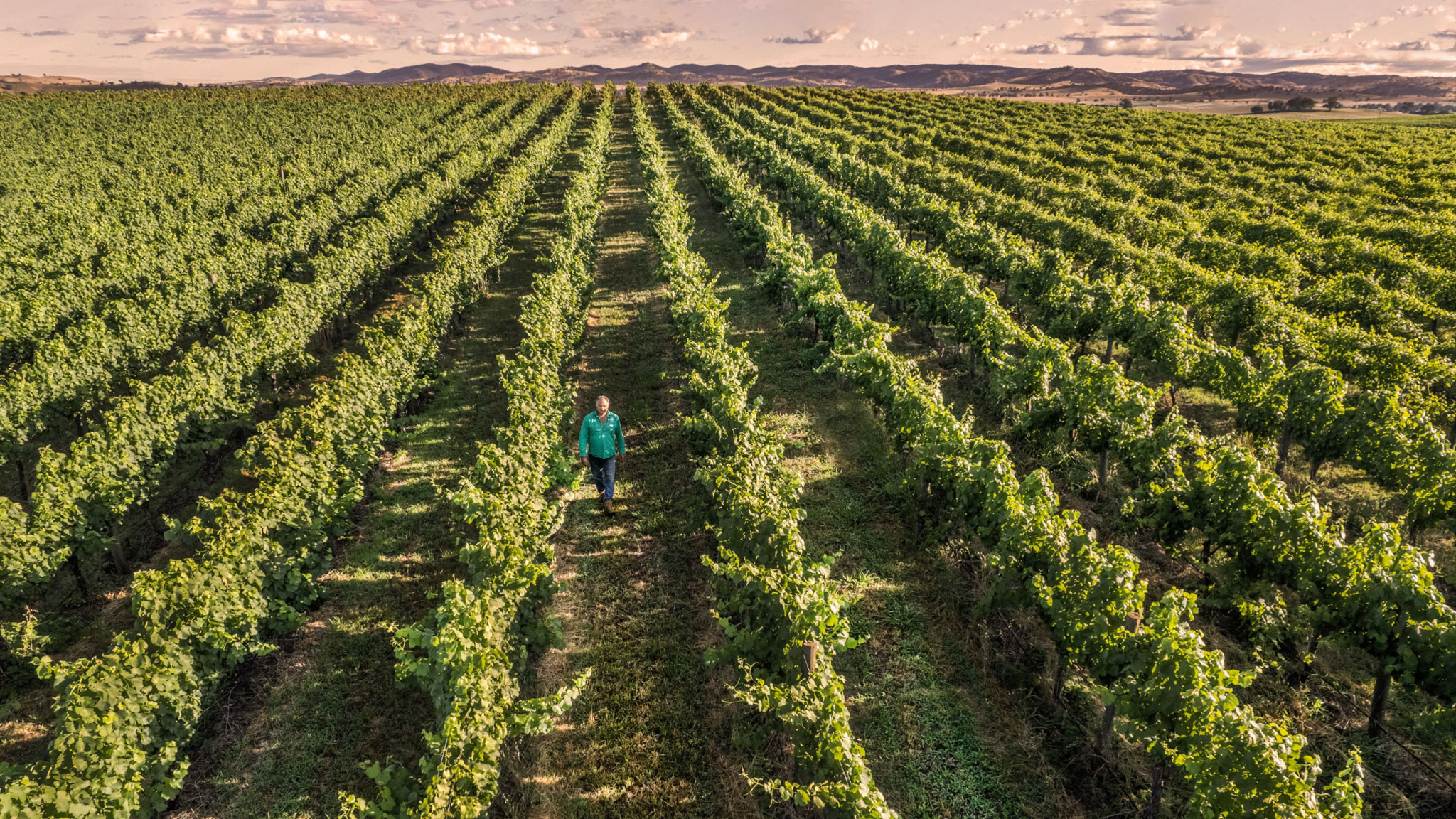
Gundagai is arguably Australia’s final viticultural frontier – our most recently gazetted wine region, and one whose potential remains to be fully explored. It’s fitting, then, that the vineyard leading its development is one helmed by an inveterate viticultural explorer – and is also one that is also on its own journey of redefinition, from a source of bulk shiraz for large producers to a model of soil health and sustainability which grows grapes for a roster of small independent makers. Tumblong Hills’ original 200 hectares of shiraz and cabernet vines are in the process of downsizing and conversion with an eye to a changing wine market – with fiano, chenin blanc, nebbiolo, nero d’avola, sangiovese, vermentino, pinot gris, xarel·lo, zibibbo, and even seed potatoes all set to play an important role in its future.
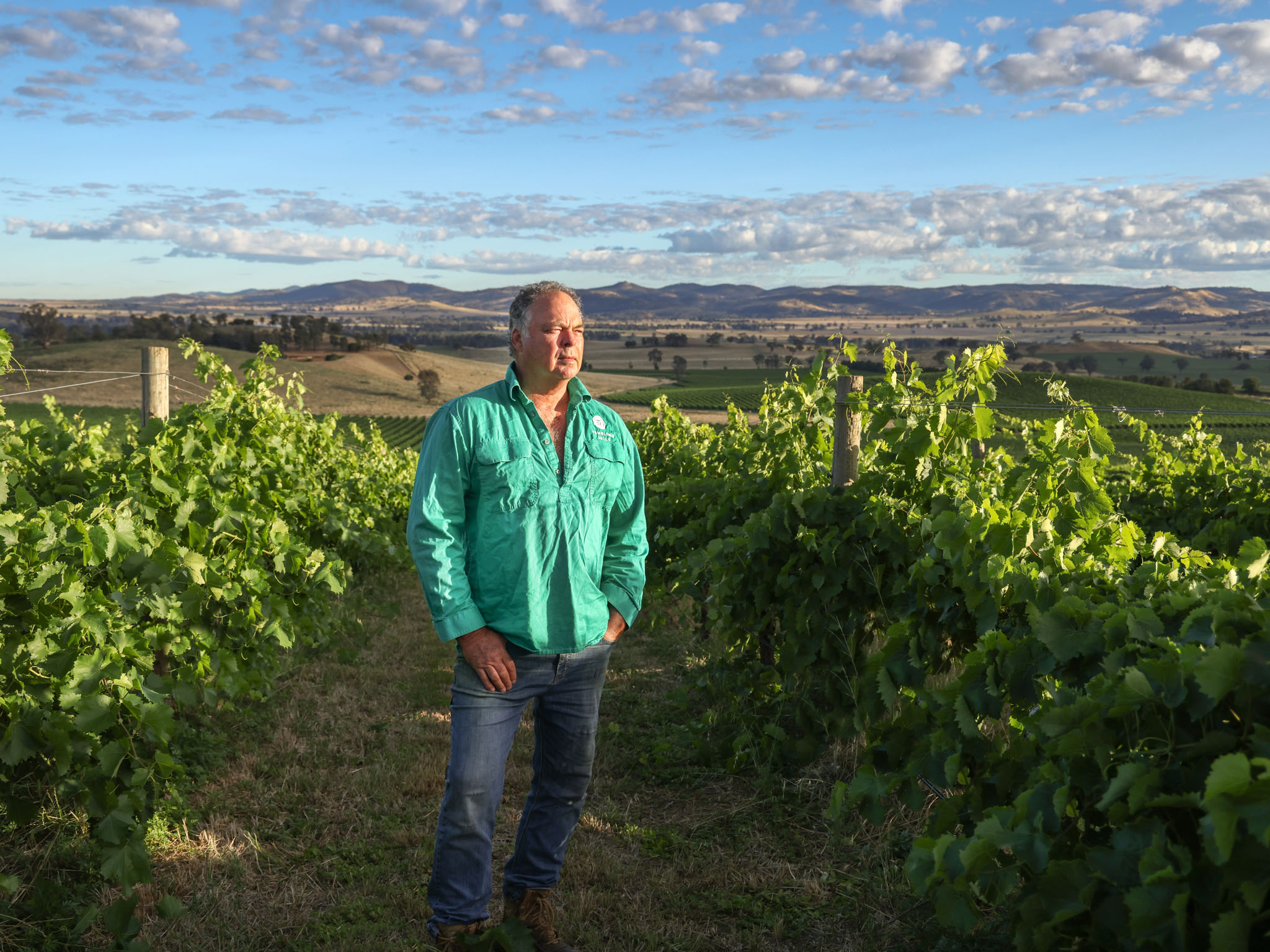
Viticulturist Simon Robertson – not to be confused with the late viticulturist of Devil’s Lair who shared the same name – was born into winegrowing: his father, Peter, planted the Hilltops region’s first modern vineyard, Barwang, in 1969. Having grown up at Barwang, it’s little wonder that Simon would follow in his father’s footsteps, as well as inherit the same taste for frontier viticulture. After completing winemaking and viticulture studies, he embarked on a global journey that saw him gain winegrowing experience in Sauternes (France), Tokaji (Hungary) and even India’s tropical-climate Deccan Plateau. Thus when he was approached by Tumblong Hills’ owners in 2009 to work in the freshly gazetted wine region of Gundagai, which borders Hilltops in Southern New South Wales, it was something of a full-circle moment: here was an opportunity to help establish the reputation of a new inland wine region whose viticultural map had yet to be fully surveyed.
“Gundagai is the newest GI region in Australia – and there’s only one other grower here who produces wine,” Robertson says. “Neighboring regions like Hilltops and Tumbarumba sit at elevations of 400 to 700 metres, whereas Gundagai is at 220 to 250 metres, making direct comparisons difficult due to the differences in elevation and soil type.” He adds, “Our region has a medium climate, influenced by its proximity to the Snowy Mountains and the cooling effect of katabatic winds … these katabatic winds result in a significant diurnal temperature swing, and our untouched, ironstone-rich soils add further distinction. This site is best suited to medium-climate grape varieties, producing wines that combine complexity and elegance reminiscent of cooler-climate regions.”
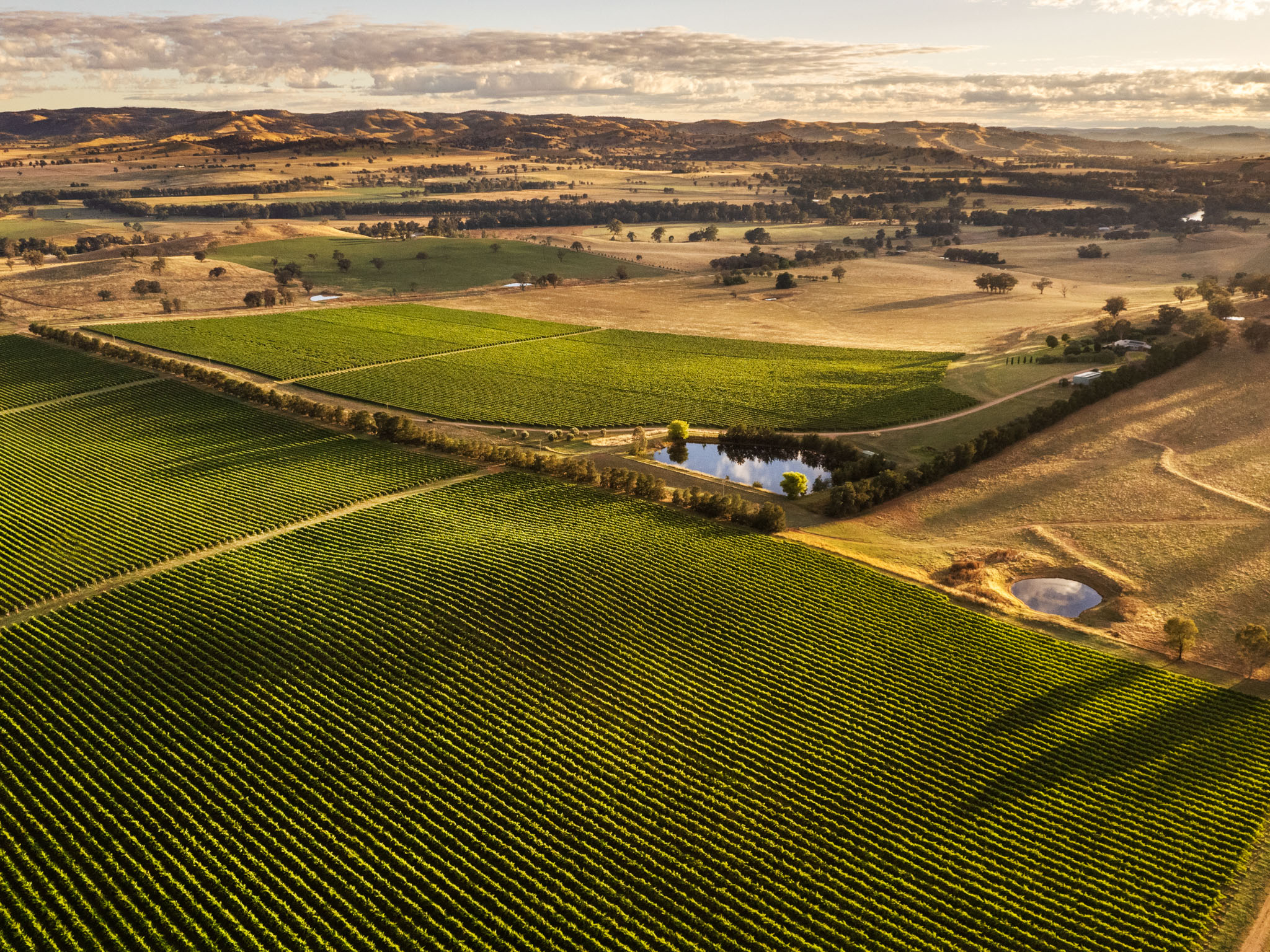
Tumblong Hills itself was originally planted in 1998 by Australian wine giant Southcorp (now Treasury Wine Estates) as part of ‘Project Max’ – a production expansion project named in honour of Max Schubert, the winemaker behind Penfolds’ iconic ‘Grange’. Appropriately, the vast majority of the 200-hectare vineyard was originally planted to shiraz and cabernet sauvignon – a situation that Robertson has remedied by grafting over thirty-four hectares of the original vines to a raft of other varieties. “Most temperate, medium-climate grape varieties are well-suited here, and southern Italian varieties in particular perform very well,” he says – and as such, the vineyard is now also home to fiano, chenin blanc, nebbiolo, nero d’avola, sangiovese, vermentino, pinot gris, xarel·lo and zibibbo.
Of these, his interest in chenin blanc has the most surprising backstory: “Many people who visit the cellar door have heard about the success we’ve achieved with our chenin blanc, and ask what prompted us to plant this variety,” Robertson says. “When I tell them that it came from my time working in India from 2005 to 2020, most respond with, ‘I didn’t know they produced wine!’ Then when I explain to them that India does have a wine industry, that the vines are grown in tropical conditions, and that chenin blanc is the main white variety, they’re immediately interested.” He credits this experience with deepening his understanding of grapevine physiology and growing: “You have to completely change your thought process to get your head around tropical conditions and the absence of dormancy,” he says. “This has been a very valuable learning experience for me, and broadened my understanding and knowledge of winegrowing – not to mention working with the amazing volcanic soils found on the Deccan Plateau, created by the second-largest lava flow in the history of the world.”
It’s not a coincidence that Tumblong Hills is also on volcanic soils. “The volcanic soils from the Cowra Trough lava flow – which have never been cultivated for cropping or pasture improvement – respond very well to careful soil management,” Robertson says. The health of that soil is therefore a prime concern for Robertson. “In the early 1990s, I was at an A-grade certified Demeter producer, practicing biodynamics,” he says. “During this time, Alex Podolinski visited our farm on a few occasions and made me aware that good soil structure encourages the development of humus. This leads to cell structure within the fruit that has the ability to expand and contract – which in turn produces great wine structure. Everything fell into place – and the journey to create humus began.” He therefore focuses on creating the conditions that generate humus by mulching with vine prunings, tilling the soil to ‘fluff’ it, and planting a diverse mix of pasture species in the mid-row to build soil health. “By increasing life in the soil, we build humus that allows the vines to feed naturally through their feeder roots, producing fruit cells that have that ability to expand and contract,” Robertson says. “This goes on to create wines that people see as distinctive.”
As you might expect from someone who has previously managed an A-grade Demeter-certified vineyard, and whose current vineyard is Sustainable Winegrowing Australia certified, the approach here is holistic and regenerative: “We aim to use and enhance the natural resources we have, ensuring they are passed on in better condition than we found them,” Robertson says. “We don’t use any fertilisers or insecticides, and we minimise water usage wherever possible. Our vineyard is powered by 150 kilovolt-amperes of solar panels, which are capable of running the irrigation system without drawing from the grid. In the middle of the vineyard, we maintain a fifteen-hectare native pasture area – and all our wine bottles are certified ‘lean and green’.” And in an area dominated by the mighty Murrumbidgee river, water use and runoff are key concerns: “We are always respectful of our waterways, and mindful of the fundamentals of nature,” Robertson says. “At our cellar door, we share this philosophy with visitors, helping them understand how deeply our respect for nature influences everything we do.”
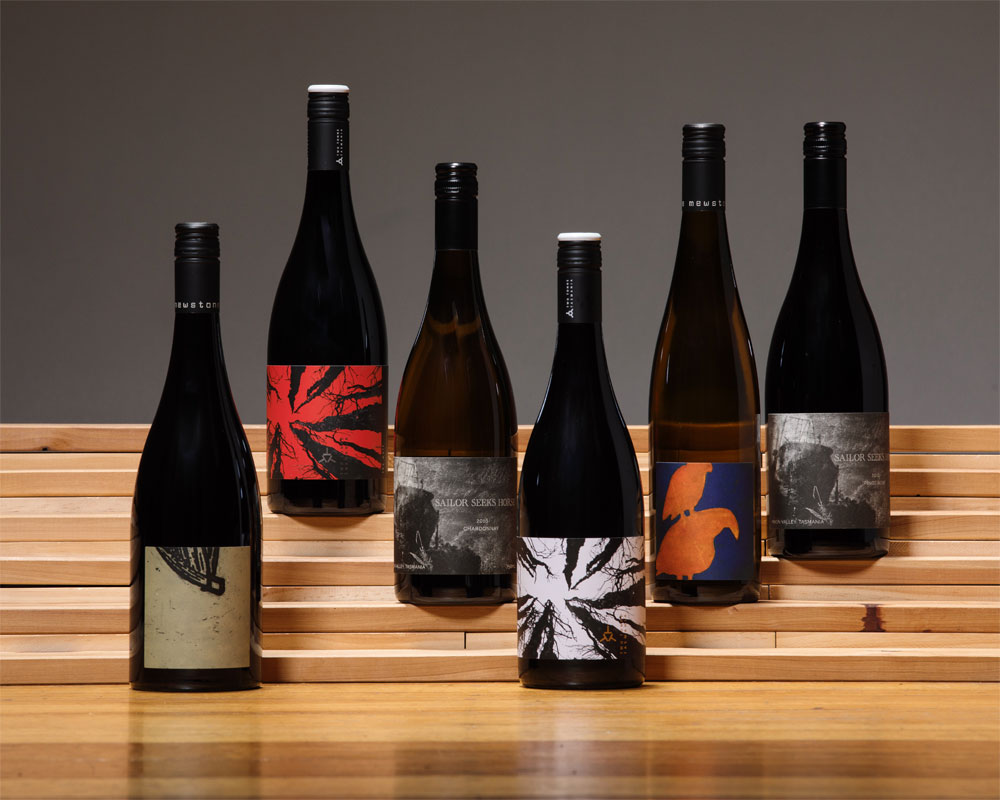
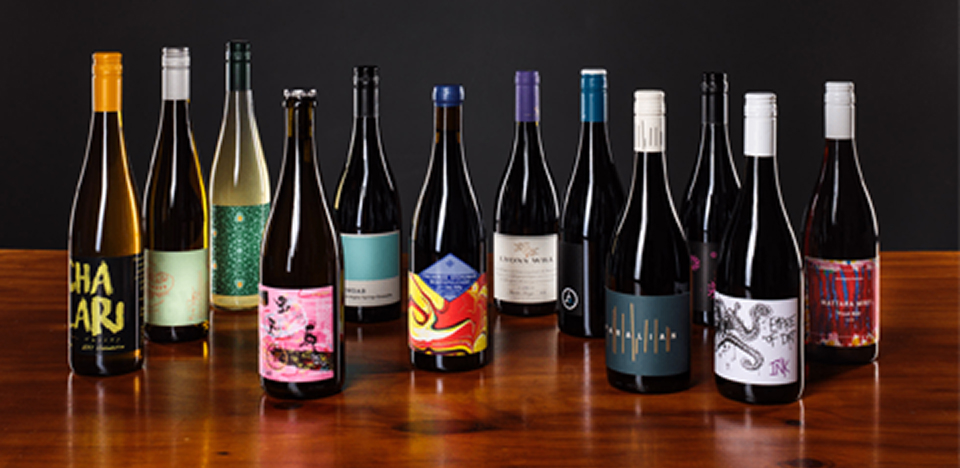
The combination of soil-first viticulture and interesting alternative varieties makes Tumblong Hills an attractive fruit source for younger winemakers in Australia’s natural wine scene. “Our viticultural practises have attracted younger natural and alternative winemakers, who’ve heard around the traps that our fruit is a little different and works well in their systems,” Robertson says. “They have grown to become one of our major sources of revenue from grape sales.” Attracting this market is especially important at a moment when Tumblong Hills’ more traditional revenue sources are contracting. “Our biggest challenge is the current state of the wine industry, with oversupply and a global decline in wine consumption,” says Robertson, bluntly. “We manage this by carefully controlling our stock levels, avoiding excess bulk wine, and maintaining balance in our bottled inventory. We are in the process of removing 100 hectares of shiraz and cabernet vines over a period of three years, due to a contract to a major wine producer for a thousand tonnes being cancelled in 2025. Removing the vines correctly is a costly process – so, to take advantage of existing infrastructure, we have implemented growing alternative cash crops.” The first of these alternative cash crops is a trial of seed potatoes planted in November of last year in collaboration with Holbrook Seeds: “Hopefully revenue from the potatoes will offset the cost of removal and support the maintenance of the existing vineyard – as well as future vineyard development when demand returns,” Robertson says.
Making a lateral shift into potato farming might not have been on Robertson’s 2025 bingo card, but his willingness to examine Tumblong Hills’ role in the thorny issue of wine-grape oversupply demonstrates his commitment to a holistic understanding of sustainability, beyond just the ecological. “We need to diversify our income sources – so we are not 100% reliant on income from grapes sales and wine sales – and take advantage of the infrastructure required for the cultivation of grape vines,” Robertson argues. In line with this thinking about the economic and financial elements of sustainability, he’s more than happy to give back to the Gundagai region: “We’re proud that all our full-time and casual employees are sourced from the local community, helping to support and strengthen the region socially and economically,” he says. “We also utilise the labour source from the apple-growing district of Batlow, a thirty-five minute drive away, for pruning and picking.” It’s all part of Robertson’s love of this emerging area and its potential. “What I love most about this vineyard site is the stunning views, the beautiful soils – and, of course, the exceptional grapes and wine it produces,” he says. “Not to mention the journey of building the Gundagai region’s standing in the Australian wine industry – just as my father did with the Hilltops region back in the ’70s and ’80s. I love being able to reflect on his legacy – and marvel at his achievements when Barwang was the only cellar-door vineyard and winery between Rutherglen and Mudgee!”