&noscript=1"/>

Deep Dive:
Eden Valley’s Best Riesling

Wines Of Now
2 April 2026. Words by YGOW.

The Eden Valley is the birthplace of Australia’s own unique style of riesling – bone-dry and clean as a whistle. It’s also arguably the sole Australian cool-climate region to survive through the first half of the twentieth century, when brash fortified wines ruled the roost. Despite this historical significance, the Eden Valley’s riesling output – and often its reputation in the market – is eclipsed by its northern neighbour, the Clare Valley, home of a wildly popular regional style of riesling directly indebted to the Eden Valley’s pioneers. (It’s also not helped by the complexities of its relationship to the neighbouring Barossa Valley region and status as part of the broader Barossa wine zone.) But while the Clare’s rieslings are often marked by the power and presence of their citrus flavours, Eden Valley rieslings offer subtlety and complexity, with high-toned floral aromas and a distinctive mineral edge. Is it time for Eden Valley’s rieslings to step out from the shadows and assert their unique virtues? We took a Deep Dive to find out.

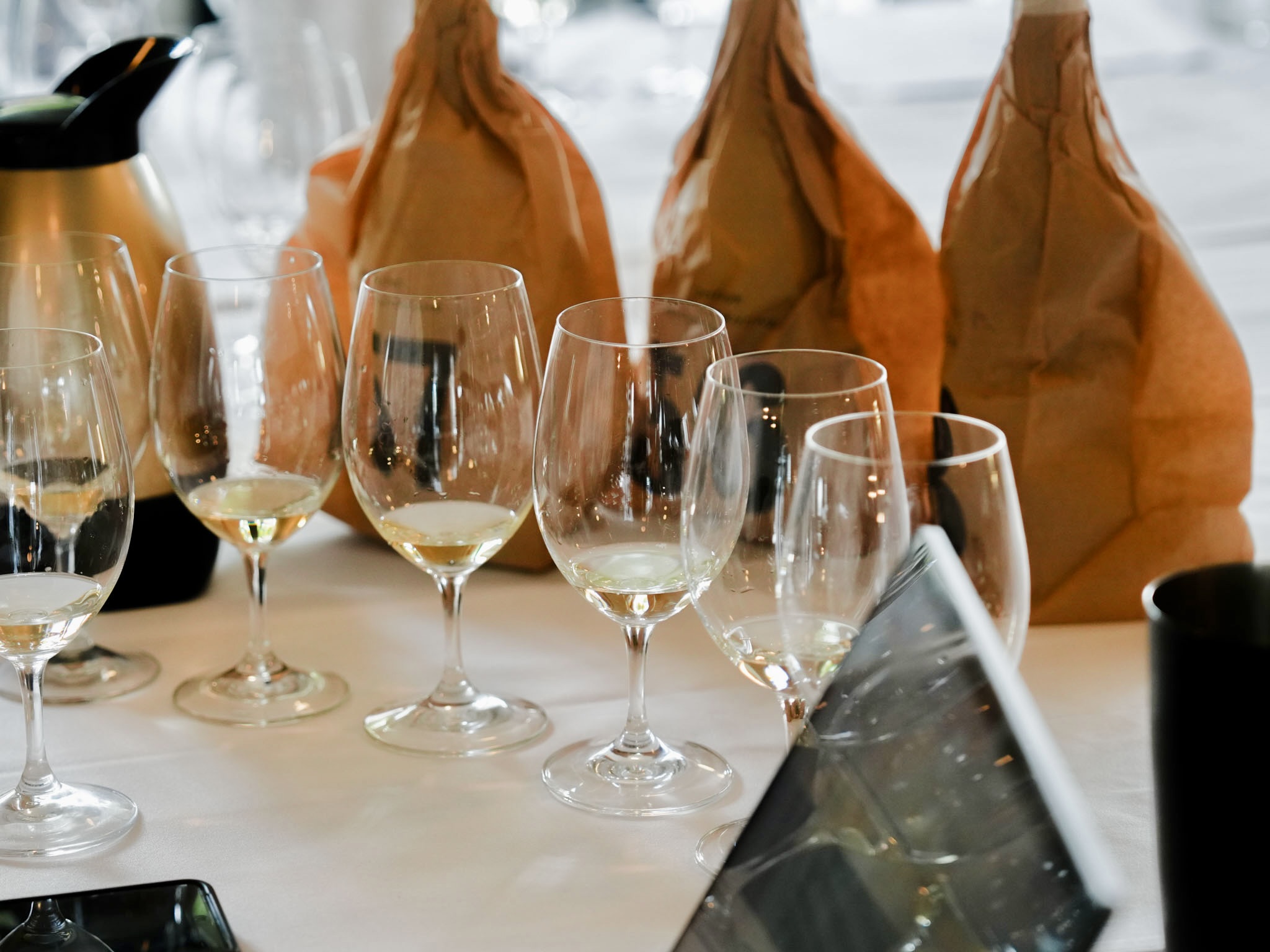
We gathered every example of riesling from the Eden Valley that we could find, including wines from the High Eden subregion, and set our expert panel the task of finding the wines that compelled the most. All wines were tasted blind, and each panellist named their top six wines. Below are the wines that made the panellists’ top-six selections from the tasting.

Our panel: Yuki Hirose MS, head sommelier, Lucas Group; Hayley Williamson, co-owner and wine buyer, Nina’s Bar & Dining; James Scarcebrook, owner and winemaker, Vino Intrepido; Hayley Farquar, sommelier, City Wine Shop and The European; Steven Milic, sales representative, Winestock Victoria; Isabella Greco, sommelier; Tony Layton, business manager (Regional Collection and St. Huberts cellar door), Treasury Wine Estates.

From the Deep Dive

The Top Wines

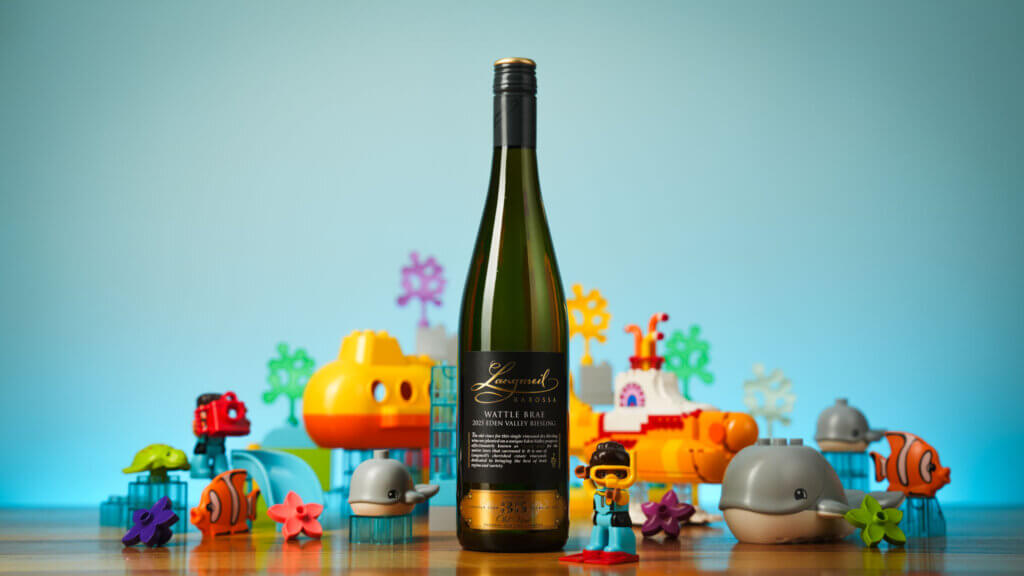
2025 Langmeil ‘Wattle Brae’ Riesling, $35 RRP

This wine appeared in the top six wines of the day for Hirose and Williamson. Hirose described “Nashi pear–like ripe orchard fruits on the nose, with accents of succulent citrus such as Meyer lemon. The balance between ripeness and tightness on the palate is perfect – generous fruits wait, with just enough acidity. The finish is a touch sweet – but that’s what I liked about it. Because of the thickness of the body and concentration of fruit character, this could handle a few robust dishes – think chicken with creamy mushroom sauce, or snapper fillet in bouillabaisse.” Williamson noted “this has a gently biscuit-like nose, accented with tropical pineapple and guava characters. Floral jasmine notes and a chalky saline finish, almost like a sprinkling of salt, emerge on the palate. There’s a lovely minerality and slightly chewy texture to this wine, as well as bright lemon-juice acidity with a subtle yoghurt-like tang. This would be great on the table at a bustling Thai restaurant with lots of spicy dishes.”


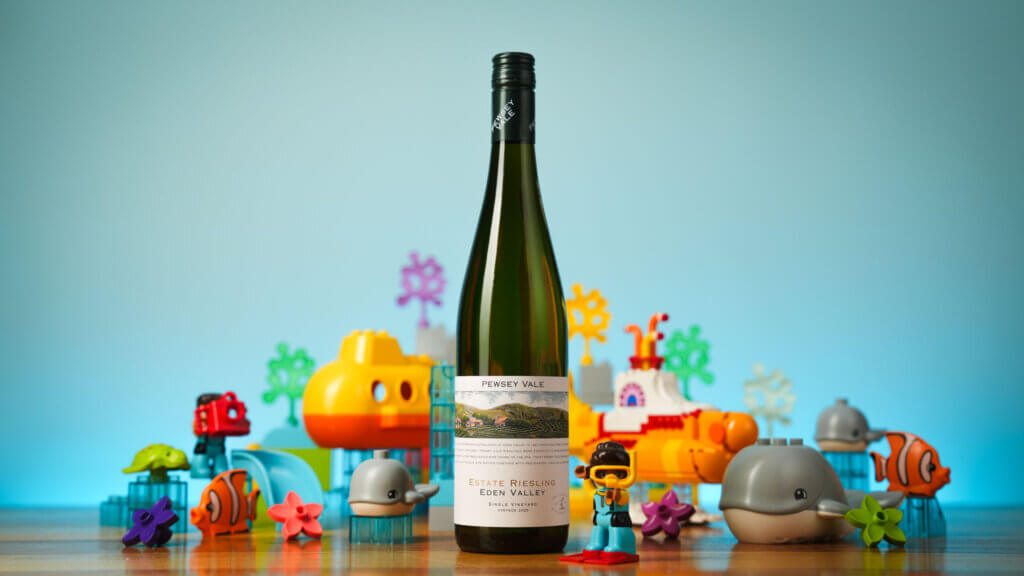
2025 Pewsey Vale Estate Riesling, $28 RRP

Milic, Hirose, and Farquar included this wine in their top six wines of the tasting. Milic described “aromas jump out of the glass – lemon and lime, of course, but expressive and super bright. Citrus core, pith and zesty oils, like when a bartender squeezes a twists of citrus to spray its oils before it’s plonked into a Negroni. Fresh and juicy citrus flavours – not hard-edged – prevail, backed with tart green stone fruit, and the lime finish just keeps going. I could easily have this with Tassie oysters on a sunny day, or watching the sun go down on a balmy night – hell, I’d even drink it watching the footy on a Friday night, it’s just so enjoyable.” Hirose noted “a slightly confected, but very inviting, nose of green apple and white grapefruit skin – very typical of Eden Valley’s riesling as most people understand it. The palate has a very tart, laser-like acidity as its spine. Its brisk acidity would make it suitable for many dishes – think freshly shucked oysters dressed with finger lime.” Farquar found “once your mouth adjusts to its blocky acidity and phenolic grip, this wine has a lot to offer. A distinctly savoury nose of green tomato and red tomato flesh, with mineral notes of white pepper. Bright, almost bubbling acidity drives these flavours towards a finish framed by a hint of phenolic bitterness.”


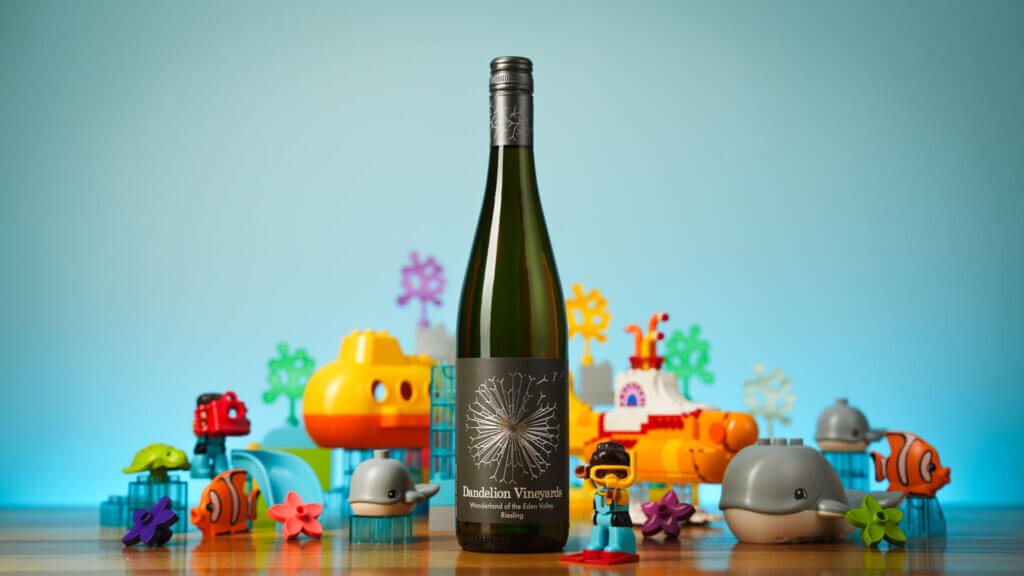
2025 Dandelion Vineyards ‘Wonderland of the Eden Valley’ Riesling, $60 RRP

Scarcebrook and Farquar selected this wine among their top six from the blind tasting. Scarcebrook described “the most distinctive aromatics of any of the wines in the day’s line-up – dried florals and cedar, loganberries and red apples. I keep just wanting to smell this wine over and over. Brisk and a bit crunchy on the palate – vibrant and bright at the front, but it softens and rounds out quite quickly. Really refreshing and juicy, but wonderfully dry. This wine is all drive and poise in a fundamentally drinkable livery. Keep it simple in terms of pairings – I’m thinking fish and chips on the beach.” Farquar noted “this wine shows a great depth of flavour, alongside intense fruit concentration. Basil, mint, green leaf, and jasmine alongside the trademark pear and apple flesh. Despite the greenness on the nose, this wine is fleshy and generous on the palate, showing white pear and green apple juice. The minty freshness of this wine is most enjoyable for me – a cleansing mouthful after a long day of tasting.”


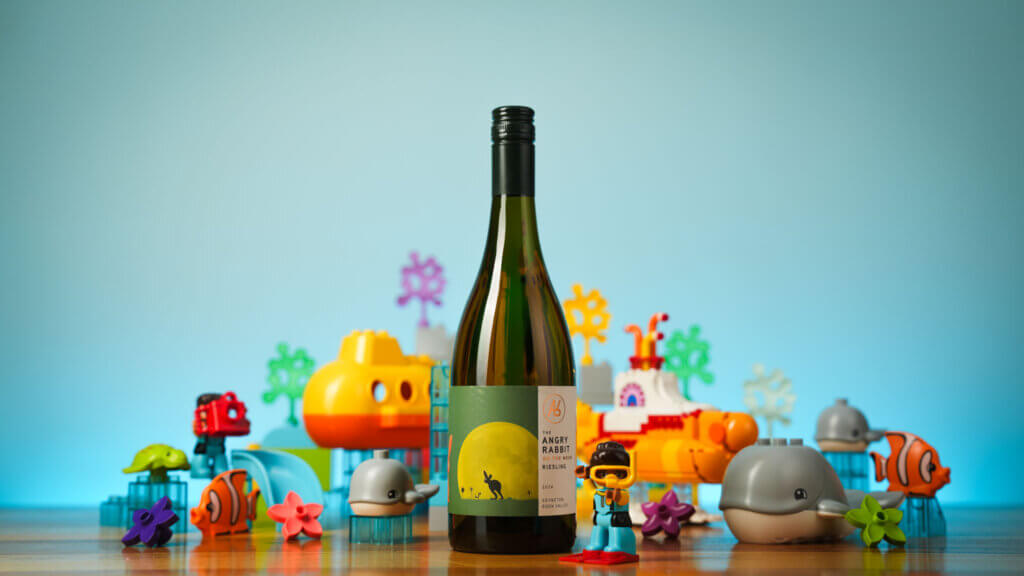
2024 The Angry Rabbit ‘On the Moon – Keyneton’ Riesling, $32 RRP

This wine made the top six selections for Layton, Milic, and Greco. Layton described “wasabi, ginger spice, Chinese pear, slate, wet rock, lime. The palate has texture and fruit weight, with the acidity sitting subtly underneath. Charmingly dense in feel, with some real power. A very different style to the regional norm – the ginger spice and extra palate weight suggest some either some bottle age, or perhaps a warmer vintage? Texturally it’s altogether different, but the power is alluring – and makes a welcome change in the line-up. The spicy notes on the palate make me think it would work well with a Thai green curry or similar.” Milic noted “this wine stood out to me because it tasted and felt a little bit unique in the line-up. All the indicators of an Eden Valley riesling are there – the fresh, racy citrus, all lemon and lime – but I noticed other interesting things. This is a wine where mere flavour descriptors don’t quite suffice – but saying that it feels so nice and rewarding seems to hit the nail on the head.” Greco found “the colour is pale, weightless. It’s light- bodied, with beautiful sharp acidity, and so clean. It’s got that beautiful, linear drive that riesling lovers chase. What really stood out was the purity. I would happily drink this on a sunny afternoon without overthinking it – although it is definitely worth thinking about.”


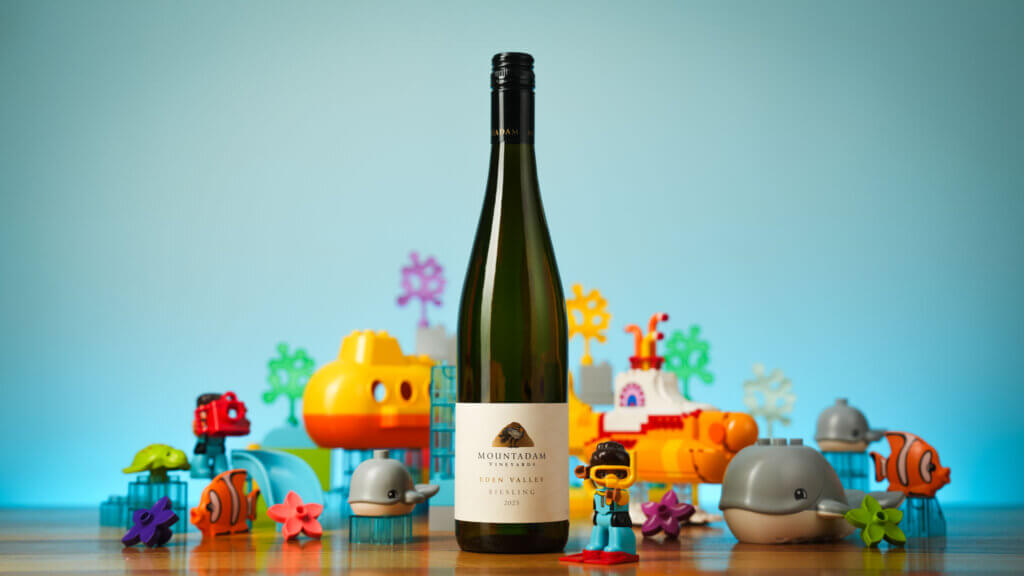
2025 Mountadam Vineyards Riesling, $30 RRP

Scarcebrook selected this wine among his top six wines on the day, noting “this opens with a sherbet-like floral perfume – like really fancy lemon sherbet, some artisanal musk lollies, or a really amazing lemon lime and bitters. These very focused but not overwhelming aromatics speak of maturity and confidence in the making. Dry on the palate – exceedingly dry. Incredible focus and drive here – it doesn’t need all that added fluff when the poise is all there in the mid-palate. This wine had the best depth of flavour and complexity of any wine in the line-up – it lingers for thirty seconds on the palate, with extraordinary balance. A wine this complex deserves high-quality but fundamentally simple and pure food – I’m thinking very good sushi.”


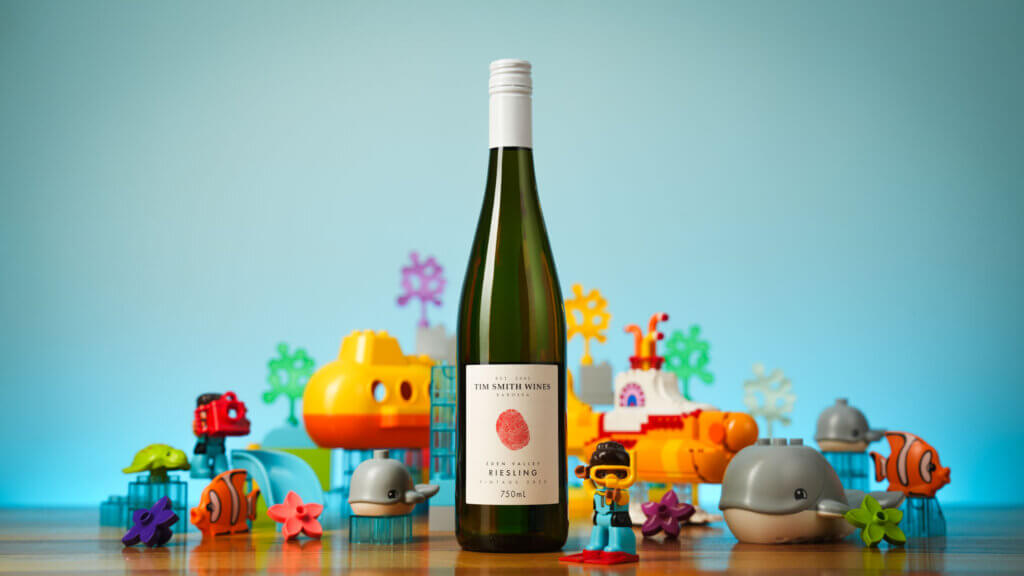
2024 Tim Smith Wines Riesling, $30 RRP

Farquar included this wine in her top six picks, describing “this is a very ripe example of riesling, showing apricot, white nectarine, honeysuckle, and a green mango note on the nose. A richer example like this indicates a warm site and sunny aspect – everything feels fully ripe without being cloying. There’s an appealing biscuit character on the palate – flaky butter cookie alongside the expected apple and pear notes – driven by a grippy and bright acid line that provides mouthwatering freshness to cut through the fleshed-out body. This wine’s fuller nature means that it would pair well with muscadelles and soft, delicate cheeses.”


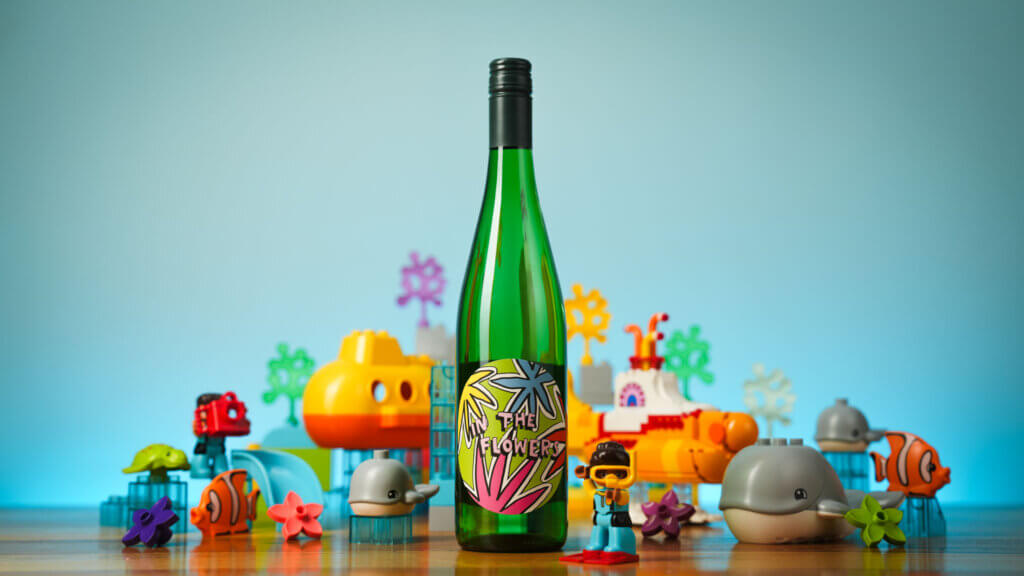
2025 Worlds Apart Wines ‘In the Flowers’ Riesling, $32 RRP

Farquar and Scarcebrook selected this wine among their top six wines on the day. Farquar described “this wine reminds me of that first sip of a Sidecar cocktail – the crunchy sugar off the rim, the tight acidity from the drink itself. A perfectly balanced drink – if slightly demanding to make – the Sidecar is made up of cognac, lemon, and Cointreau All of those flavours can be found here, too – the classic lemon citrus of riesling alongside the richer orange citrus flavours of mandarin, all supported by something like yellow pear and honeysuckle, with maybe a bit of nuttiness on the nose. This wine’s a cocktail party in a glass!” Scarcebrook noted “more floral and approaching that oily steeliness – all orange rind and fig, with some salty herbs. Nice depth of flavour on the palate, good ripeness, and a slightly oily texture. Just a hint of residual sugar, but lovely and dry on the finish. The acidity isn’t overwhelming – a bright sherbet-like zing and tickle. Hitting its ideal drinking window right now – this would be great on its own, but also would be lovely with a summer salad.”


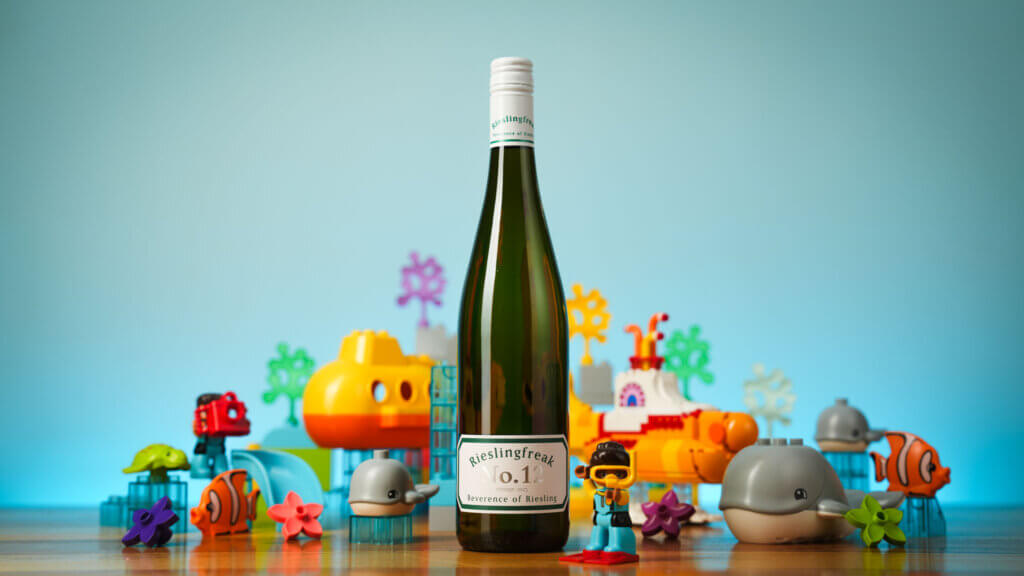
2025 Rieslingfreak ‘№ 12 – Flaxman Valley’ Riesling, $37 RRP

Greco chose this wine for her top six selections from the tasting, describing “this is so beautiful on the nose. There are immediate notes of pineapple and its bright, sharp acidity. There’s a tropical pop that makes me curious, because I know it comes from Eden Valley and I’m expecting something a bit more restrained. Then it pulls itself together with a clean freshness, coming from notes of lemon, that keeps everything lifted and alive. Honestly, it tasted like the colour green – green nectarine, the freshness of a not-yet-ripe mango. There is this beautiful tension between the ripeness of the fruit and the high acidity that I find really enjoyable. The finish is long and mouthwatering. It has a great personality – and it would sit happily with a plate of barbecued prawns, a great foil to the sweet nuttiness of the seafood and the hint of char from the coals.”


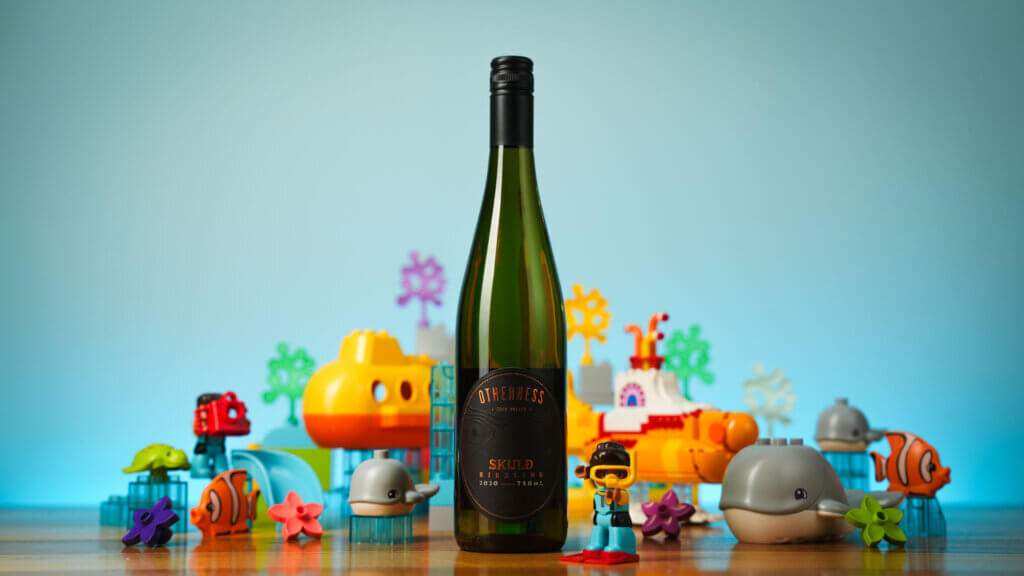
2020 Otherness ‘Skuld’ Riesling, $50 RRP

Greco chose this wine for her top six picks from the blind tasting, describing “in the glass this wine shows a deeper golden colour, which makes me wonder about age. On the nose and palate, it’s warm, with a gentle richness that made me think of ripe peach and apricot. There’s a slightly balm-like texture, which gives it a surprising viscosity. It has gravitas without being heavy. What stood out for me was how composed and mature it feels – the finish is long, lingering and persistent. I would like to have this wine with a risotto or chestnuts or with the sweetness of butternut pumpkin. It has a texture and a ripeness that make it round and almost comforting. It kept me wanting to go back to taste it. When I tasted it we were by the beach. We could see the ocean from the windows, the rain and the wind blowing strongly. I would have gladly had a bottle with my partner, overlooking the storm, with a soup of chickpea, silverbeet and pancetta. Or by the fire, with the smell of burning wood, and make love immediately after.”


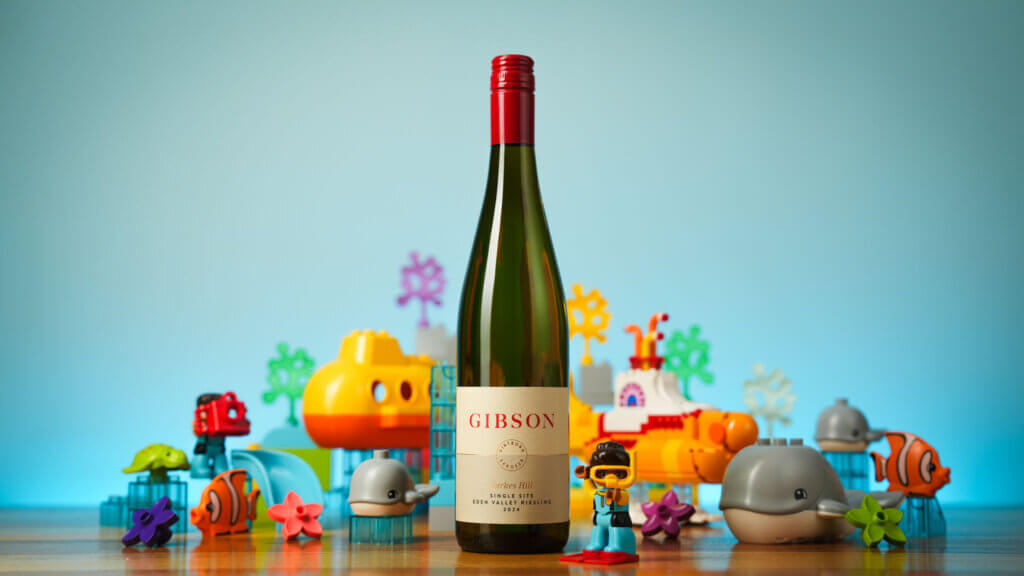
2025 Gibson ‘Burkes Hill’ Single Site Riesling, $40 RRP

Milic included this wine in his top six wines from the tasting, noting “oh, hello! What an inviting nose! The core lime note is there, but the intrigue is in what lies beyond – a fresh, crunchy green apple note and just a hint of delicate stone fruit, not quite apricot or white nectarine but somewhere in between. Yes, it is complex – suggesting the possibility of a bit of age – but geez, it’s still fresh. Bright citrus – mostly lime from start to finish – with subtle stone fruit edges, all wrapped up with a bit of texture. This is also beautifully balanced. This is the kin of wine I would drink when I’m preparing to cook, only to realise I’ve drunk it way too quickly. Anchovy on toast? Tick. Baked snapper? Tick. Seafood marinara pasta with chilli? Tick. I can imagine drinking this with any of my favourite fish dishes – if I haven’t already finished it prior, that is.”


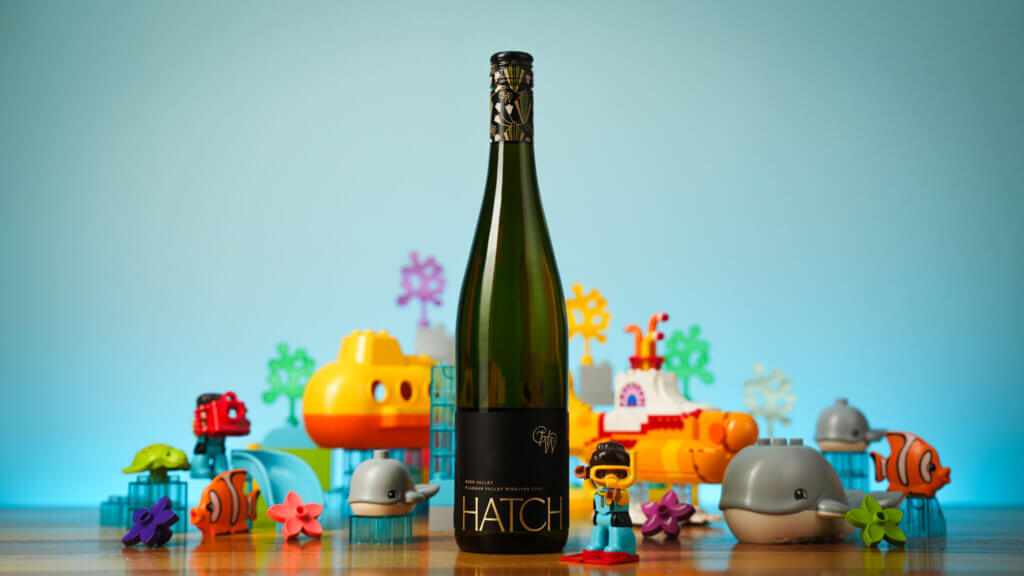
2024 Hatch ‘Flaxman Valley’ Riesling, $35 RRP

Layton selected this wine among his top six wines from the blind tasting, describing “a clean and fresh nose with a slightly waxy sheen – crisp Granny Smith apple, lemon blossom and lime zest overlaid with subtle beeswax, honey and lanolin tones. On the palate, zesty acidity drives flavours of green apple, ripe kiwifruit, and lime marmalade towards a slightly salty, refreshing, and pleasantly long finish. The palate is quite broad for an Eden Valley riesling, with some roundness and weight that plays beautifully against the freshness of the acidity and the mineral finish. That slightly richer character means this would work well with food – I’m thinking a classic pork sausage dish on a cold winter’s evening.”


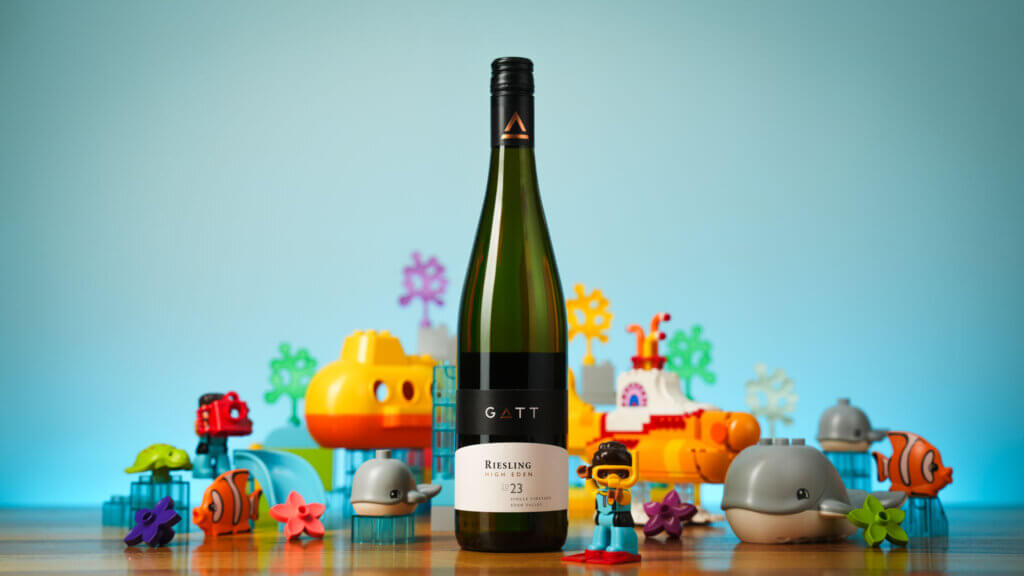
2023 Gatt Single Vineyard Riesling, High Eden $38 RRP

Williamson chose this wine for her top six wines of the day, noting “the nose opens with honeysuckle and jasmine, layered with pineapple and white peach. On the palate, juicy green apple flesh leads into crushed pineapple, guava, honeydew melon. It has a creamy texture, and the fruit is supported with a little ginger spice, a touch of salt and white pepper, and a subtle aromatic musk. A zippy wine with vibrant acidity, balanced by savoury nuances and generous fruit. I think this would be great on a picnic table with a spread of fruit salad, a cheese board, and fresh baguettes.”


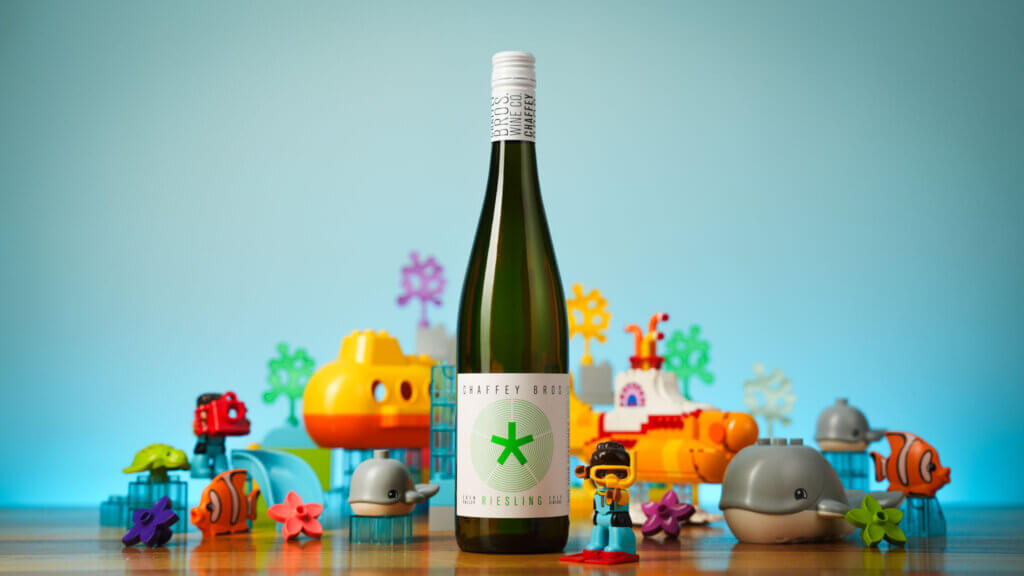
2025 Chaffey Bros. Wine Co. ‘Not Your Grandma’s Riesling’, $25 RRP

Milic and Hirose included this wine in their top six wines from the blind tasting. Milic described “after an avalanche of glorious citrus, here comes a wine that also has white floral notes. This floral nature calmed me – I found it relaxing and compelling in equal doses. The faint texture of the wine indicates there could be some bottle age at play here, some rounder flavours but the grapefruit-like freshness is still evidently clear. Ceviche and seafood carpaccio would be great – or a can of sardines or tuna with good, crusty sourdough if you’re on a budget. Either way, I’d be happy to smash a bottle.” Hirose noted “driven by ripe yellow fruit like quince and golden kiwifruit, as well as some exotic fruits: mandarin and almost lychee-like lifted nose. Very generous nose with filled with acacia flowers and white lilies. Pleasant bitterness/herbal finish with watercress that gives wine extra dimension otherwise what would be a simple/fruity riesling. Thinking about prawn dumplings with soy and a touch of ginger or onion tarte tatin and chive cream.”


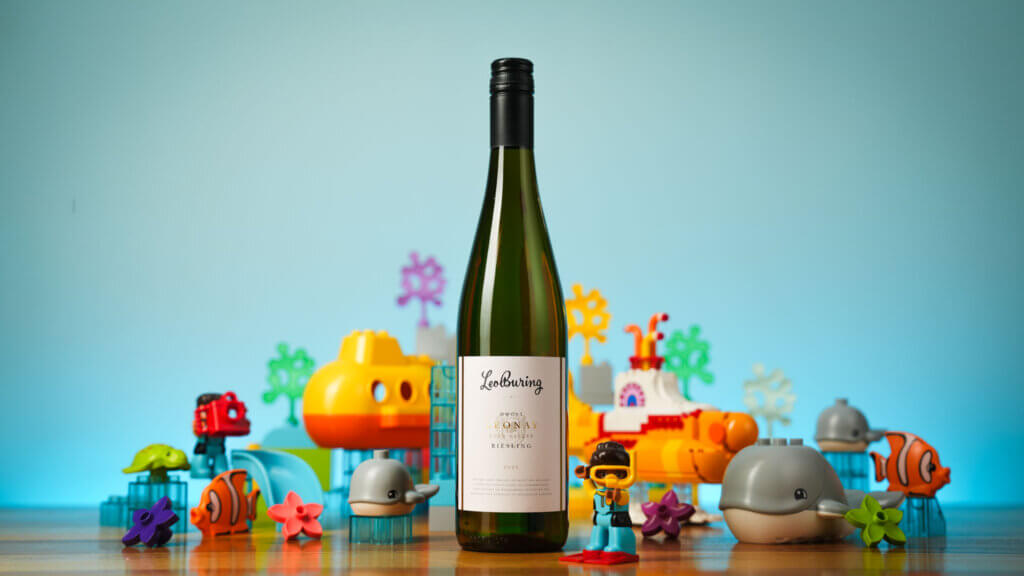
2025 Leo Buring ‘DWC17 – Leonay’ Riesling, $50 RRP

Layton selected this wine among his top six picks from the tasting, noting “tightly coiled and shy on the nose, showing hints of lemon, some gunflint reduction, and not much else. Crystalline on the palate, showing pure, concentrated lemon and lime flavours – but so linear and tightly woven, with remarkable tension and a quartz character that outshines the citrus fruit and gives the wine racy energy. The wine eventually unfolds and softens slightly with time in the glass. Is it too austere, or does it need a few years of cellar time to uncoil in the bottle? You could argue both, but I’d say that it’s simply a great example of what the Eden Valley does well, with precision and minerality leading the way.”


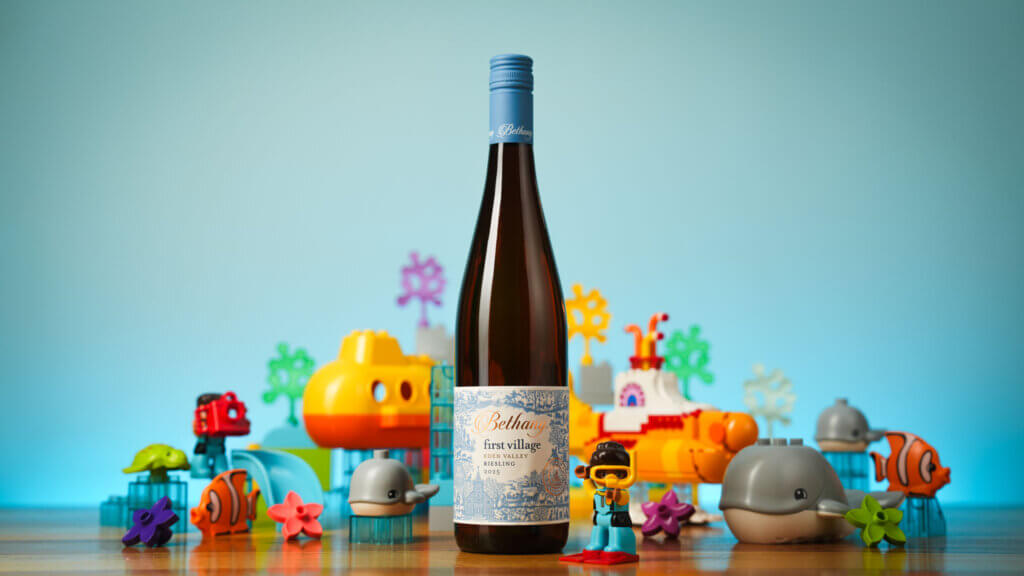
2024 Bethany ‘First Village’ Riesling, $28 RRP

Hirose chose this wine for his top six wines of the day, describing “a super-lifted floral nose – acacia, jasmine, and tea leaf notes almost jump out of the glass. On the palate, those flavours are carried by a juicy, lemon-like acidity – one that’s not scarily high for people who don’t drink bone-dry Australian rieslings regularly. I like this wine’s forward, overt style – it’s easy to understand, and very approachable. I don’t think this wine is picky in terms of what occasions it might suit – but I’d enjoy it at the beginning of a meal, as an apéritif.”


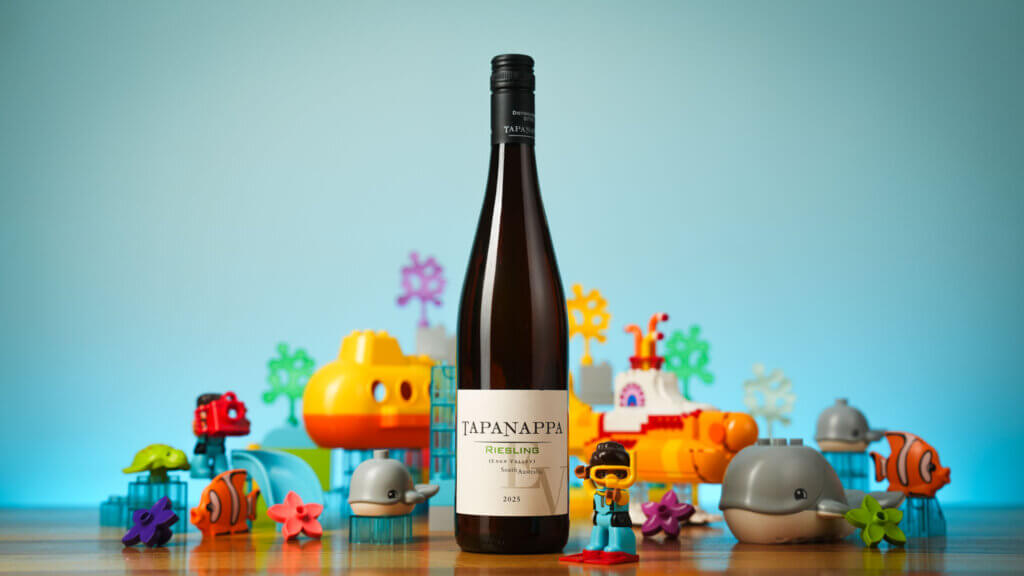
2025 Tapanappa ‘Bartholomeus Vineyard’ Riesling, $35 RRP

Scarcebrook included this wine in his top six wines from the tasting, describing “great concentration on the aromatics – vibrant quince, slightly underripe nectarine, elderflower cordial, and lime-scented lollies. There’s depth, concentration, and texture in spades here – it’s rich and round but still quite fresh and juicy, showing ripe nectarine and some crystallised ginger. It rolls across the palate – the benefit of a judicious touch of residual sugar. This wine calls for something a bit heartier – perhaps some roast pork?”


2025 Pewsey Vale ‘1961 Block’ Estate Riesling, $35 RRP

Greco selected this wine among her top six picks, describing “this wine moves with the certainty of a great and tender lover. The first hit is a very intriguing smell of tea, which has me captivated as it opens up – and there it is, jasmine. There is something deeply romantic about it. The palate here is all grapefruit, orange zest, white pith, almond skin. It reminds me of vermouth and orange skin. I taste dusk – an early summer evening promenade, just after sunset. It finishes delicately without disappearing. It never intrudes. I am left craving olives, anchovies and butter – the perfect aperitivo, graceful and sentimental.”


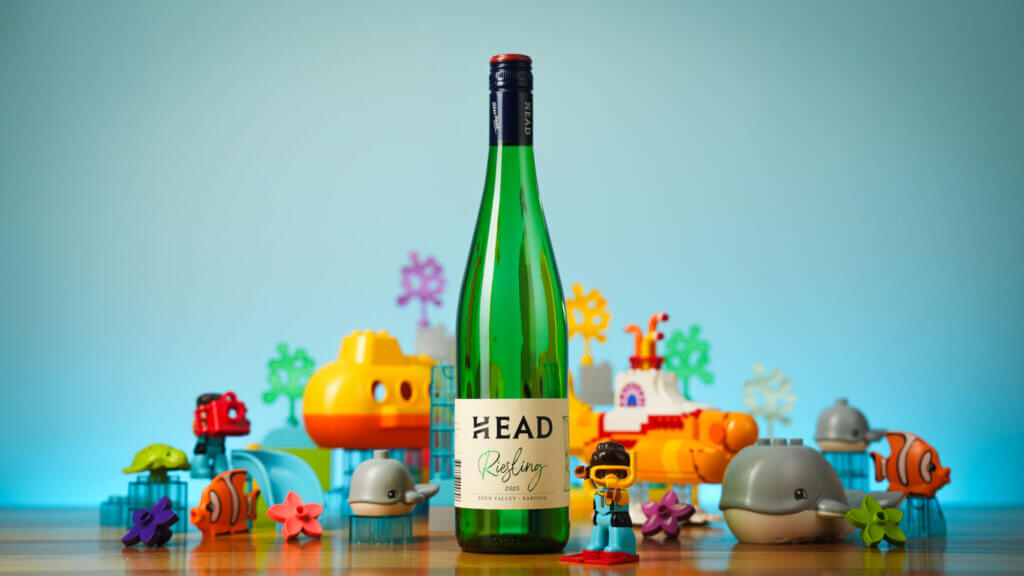
2025 Head Riesling, $30 RRP

Williamson chose this wine for her top six wines on the day, noting “the nose of this wine leans into a brioche or hot cross bun character, with jasmine florals and a hint of fresh basil underscored by a steely edge. On the palate, it’s poised and pretty, showing sweet nectarine notes, a plush texture, and a floral lift, with a gentle thread of umami in the background. It’s pleasantly oily and viscous, with baking spice notes echoing the patisserie characters of the nose, alongside ginger-tinged acidity and Green apple skin on the finish. This would be a delight to drink alongside a plate of quiche and salad – preferably while sitting in a quiet corner of a restaurant at lunchtime on a rainy day.”


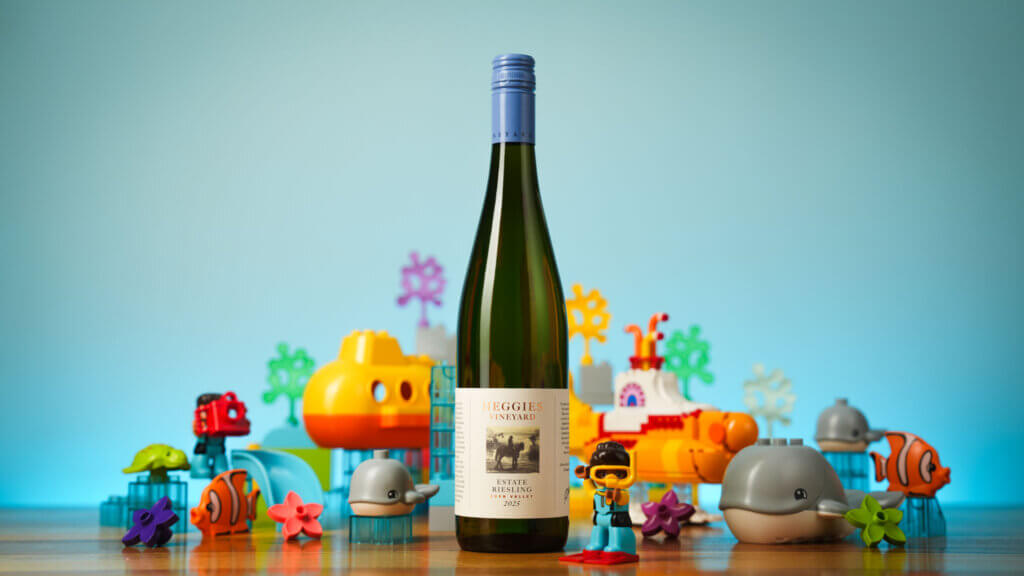
2025 Heggies Vineyard Estate Riesling, $28 RRP

Farquar included this wine in her top six wines from the blind tasting, describing “crisp and delicious – a real summer wine whose flavours stretch across different profiles. The nose shows green and fresh aromas – green tomato, strawberry leaf, white strawberry, green apple, and an unmistakeable note of Italian basil that makes its presence known. The flavours on the palate skew a little riper, but it still retains notes of white pepper and those delicious green characters. Good length and good intensity – a very delicious wine. Food-friendly for sure – perhaps some cured fish, or something heavy on fresh ginger? Alternatively, this is interesting enough to stand by itself.”


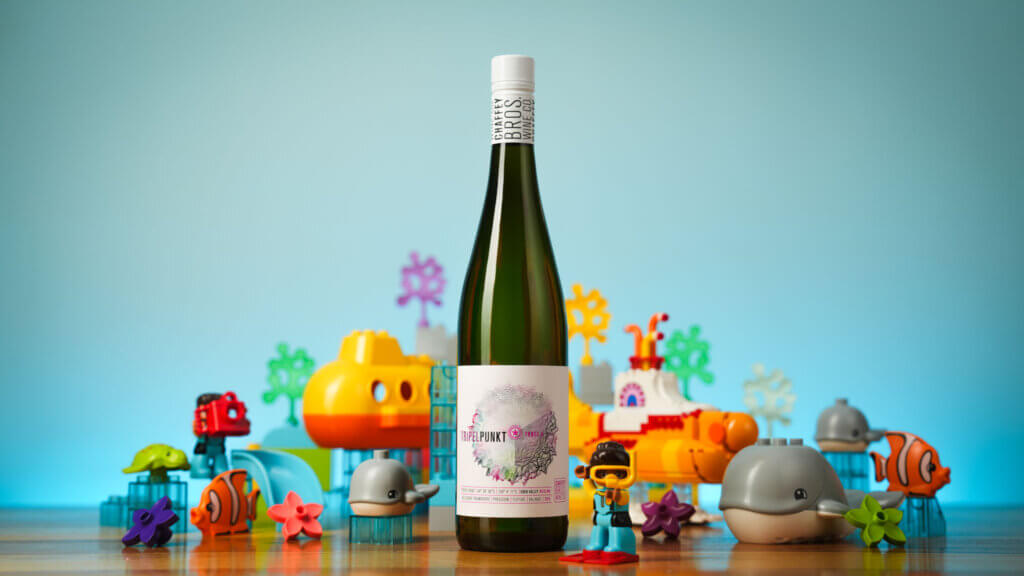
2025 Chaffey Bros. Wine Co. ‘Tripelpunkt – Fechner Vineyard’ Riesling, $30 RRP

Hirose selected this wine among his top six selections from the tasting, noting “aromatically less fruity than most other examples in the lineup, with a slight waxiness on the nose. Dense yellow fruits appear on the palate – golden apples, Beurre Bosc pears, golden kiwifruit – alongside an almost oily texture. The touch of sweetness on the back of the palate forms a nice contrast to the otherwise savoury, earth-driven nature of this wine. This would be great alongside a peppery watercress or roquette salad with a simple olive oil and citrus dressing.”


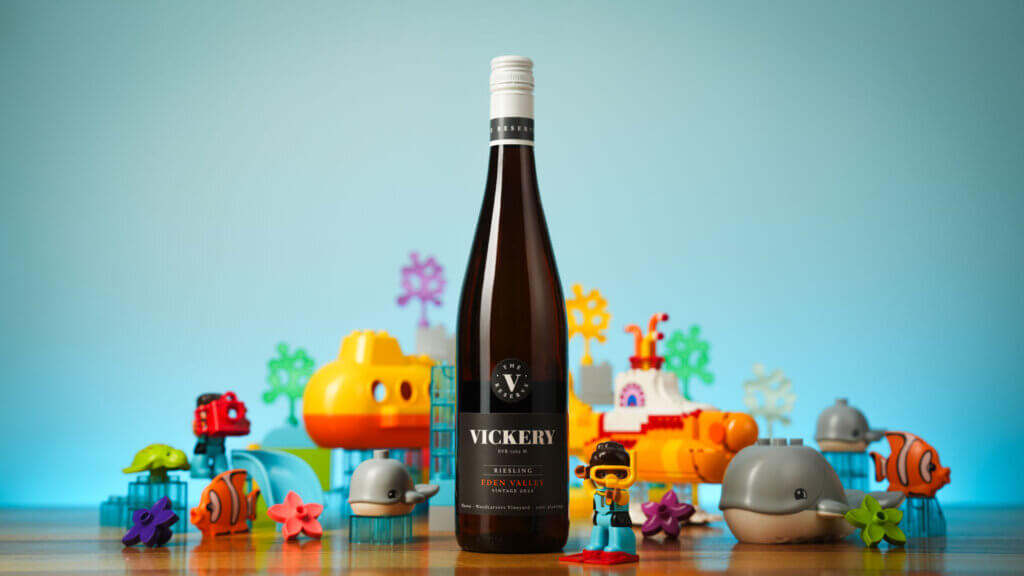
2022 Vickery ‘EVR 1503 M – Mason Woodcarvers Vineyard’ Reserve Riesling, $39 RRP

Scarcebrook chose this wine for his top six wines of the day, describing “clean, bright, and pure aromatics – classic Eden Valley notes of lime cordial and apple blossom. Nice concentration and depth, with a round, ripe, almost earthy texture. Softer and rounder than others in the line-up, hinting at a bit of bottle age – the acidity has calmed down and integrated into the wine. Good length here, but it’s still overall very fresh. Definitely some personality on show, whilst still being eminently drinkable. Definitely calls for a Thai green curry with fish.”


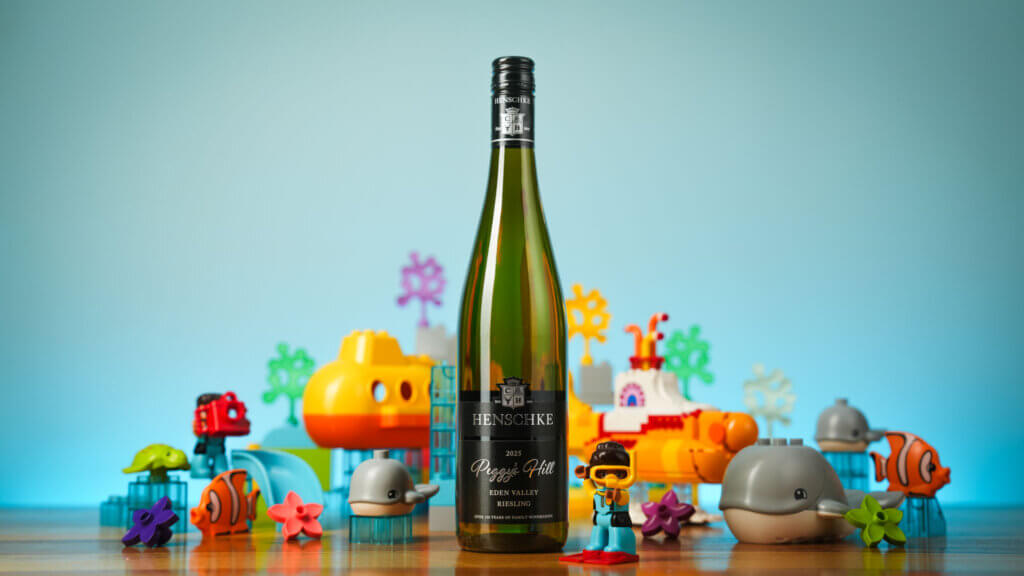
2025 Henschke ‘Peggy’s Hill’ Riesling, $28 RRP

Layton included this wine in his top six wines from the tasting, noting “sea spray, quartz, slight greenness, lovely acid line and talc-y style, dry, powdery profile. Acid dances. Good length and shape. A real return to purity. A classic ‘cricket wine’ – line and length are all important here. The saline, salty quality screams for calamari – ideally whilst watching the Ashes on a perfect summer’s day. Glorious, and perfect for what riesling is all about – daytime drinking in the summer months.”


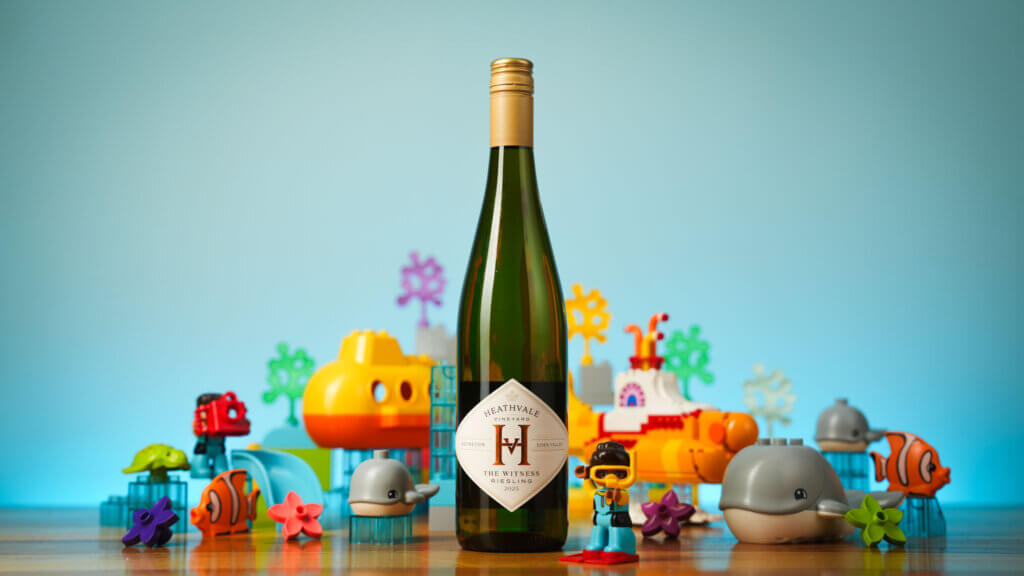
2025 Heathvale Vineyard ‘The Witness – Keyneton’ Riesling, $35 RRP

Williamson selected this wine among her top six picks from the blind tasting, describing “the nose shows of this wine shows honeysuckle, concentrated apple juice and fresh brioche. The palate is chalky yet juicy, dominated by lime and green apple skin notes, with a pleasant oiliness to its texture. It finishes on a satisfying salted biscuit–like umami note. For pairing, make a bunch of Ottolenghi salads and see how it changes with each dish!”


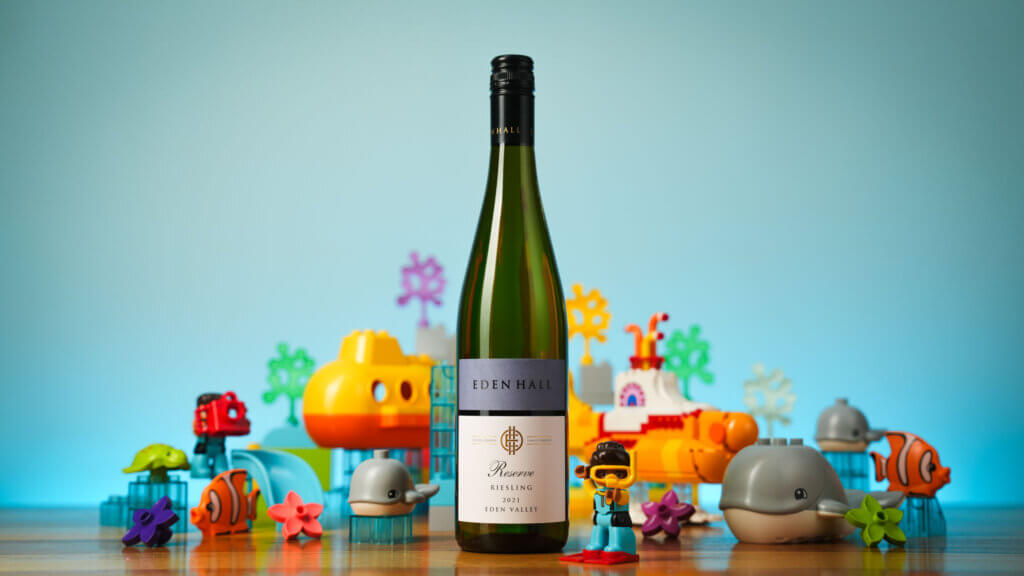
2021 Eden Hall Reserve Riesling, $50 RRP

Greco selected this wine among her top six wines from the tasting, describing “this is flint and smoke. It makes me picture wet stone after rain, against the startling sun. It has the faint smell of struck match, which gives the wine this cool, mineral tension that feels almost architectural. The word that keeps coming back is ‘sculpture’ – it’s like a statue carved from marble, sleek, precise, quietly powerful. There’s nothing soft or loose here. The bright and focused acidity works like a frame, keeping everything in place. It’s all about line, length and purity. This is a wine that commands attention with its dryness, incredible elegance, and structure.”


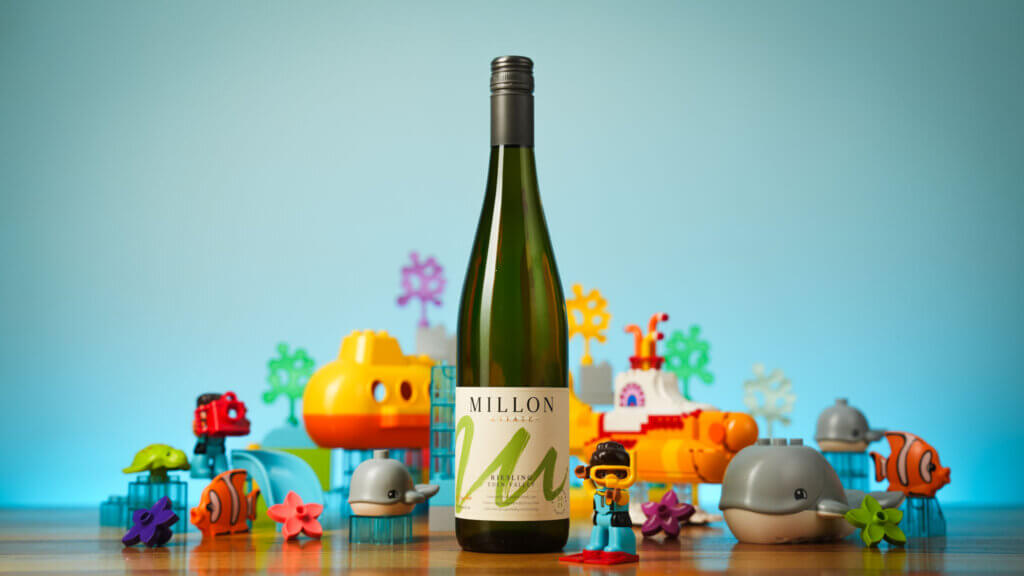
2025 Millon Estate Riesling, $32 RRP

Layton chose this wine for his top six picks from the blind tasting, noting “a hint of struck match on the nose suggests that this wine hasn’t seen much oxygen in its making – setting the stage for a crisp and delicate approach. With a bit of air and time, that matchstick character dissipates and a delicately floral bouquet emerges – lime blossom, jasmine, lily of the valley – backed by a hint of lemon zest and crushed white stones. It’s fresh and high-toned on the palate, with a bright, lime juice–like acidity that races down the palate towards a mouthwateringly dry finish. This approachably fresh and charming wine showcases exactly what Eden Valley riesling does best, balancing bracing dryness against easy-going drinking pleasure – no food pairing required!”


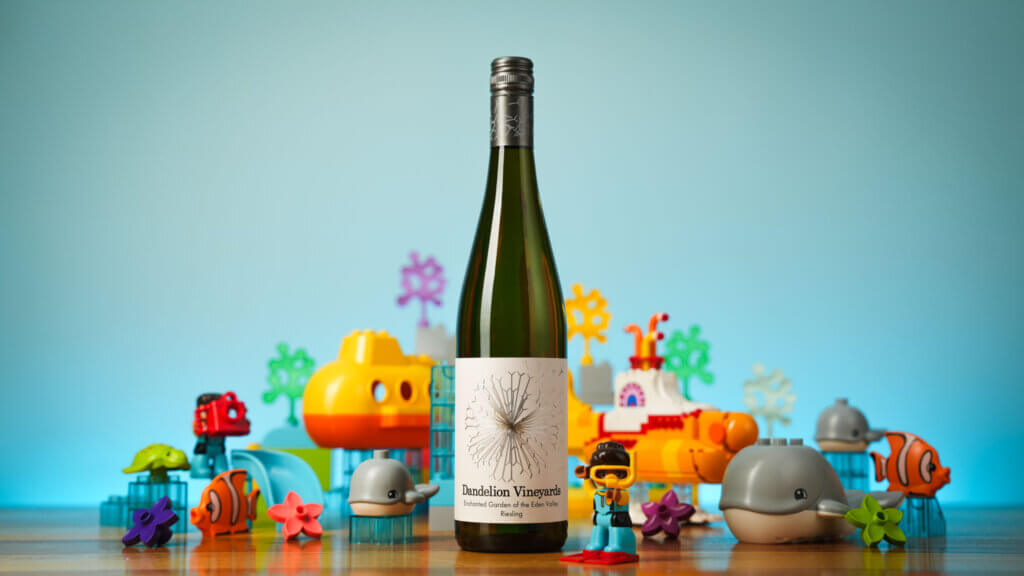
2025 Dandelion Vineyards ‘Enchanted Garden of the Eden Valley’ Riesling, $27 RRP

Hirose and Layton included this wine in their top six wines on the day. Hirose described “under-ripe citrus like lime pith, grapefruit sorbet with slatey, inorganic mineral on the nose. The palate has a nice, long-lasting acidity which keep your mouth salivating. Hint of white musk, almost smokey back-palate. Overall flavour and the structure is bit more restrained than other examples. It kind of reminded me German Riesling from very cold vintage. This delicate, less fruit-driven riesling can go with kingfish tart with lime zest or scallop sashimi with preserved lemon and capers.” Layton noted “pale lemon colour in the glass. Light and tight on the nose, showing notes of jasmine and honeysuckle. On the palate, a lovely acid line and tight, precise fruit – talc-y and dry, showing bath salts on its mineral finish. That dry, talc-y finish is for a me a hallmark of the region. A real treat for the senses – it would be divine to match this with some briny seafood crudo, or a simple scallop ceviche.”


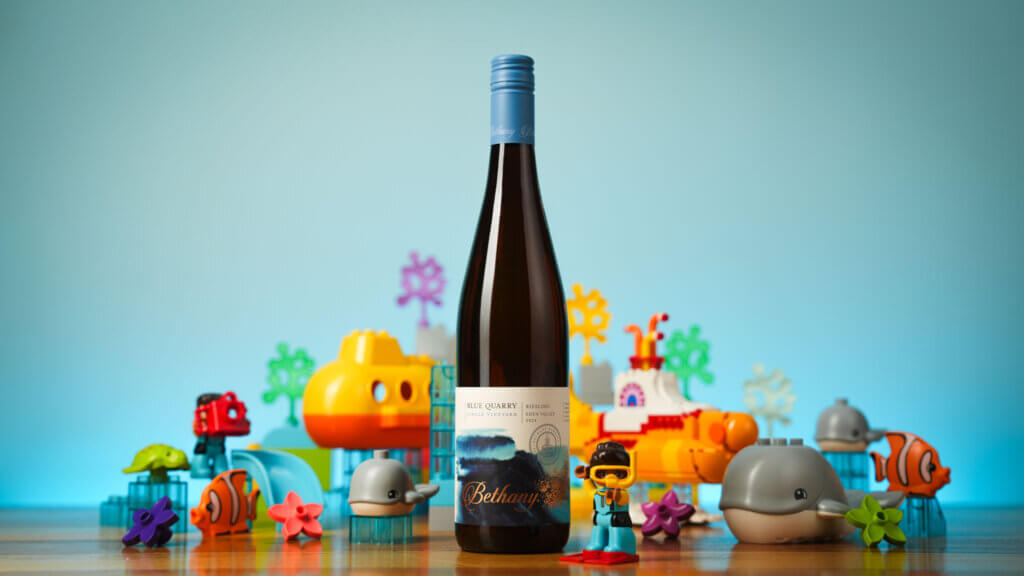
2024 Bethany ‘Blue Quarry’ Single Vineyard Riesling, $40 RRP

Williamson selected this wine among her top six selections from the tasting, describing “this has a biscuity nose – layered with nougat, honeysuckle, white peach, pineapple and green apple. The palate shows a lovely texture, with lime juice and kumquat–like acidity cutting through a nectar-like juiciness. There’s a touch of honey and toast on show here, alongside a pebbly minerality and a gentle ginger spice. This would be a treat alongside a fresh raviolo with brown butter and crispy sage.”


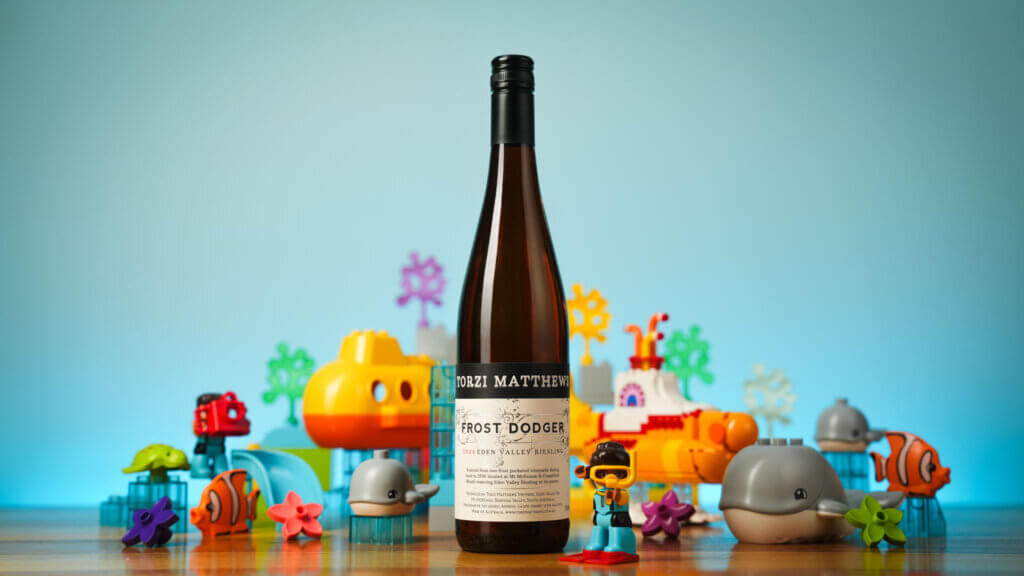
2024 Torzi Matthews ‘Frost Dodger’ Riesling, $28 RRP

Milic chose this wine for his top six wines from the blind tasting, describing “like a good gift, this wine keeps on giving. Fresh, vibrant and balanced – of course it is – but it isn’t all about lime, it’s also about yellow citrus tones of lemon zest and grapefruit. There are layers here to be revealed – it isn’t an obvious or overt style. There’s freshness, delicate palate weight, and hint of phenolic grip that finishes with the faintest hint of green apple and lime characters. Another one of those Eden Valley rieslings I would put in the ‘stylish’ category, with moreish minerality and a hint of texture. Easy and confident, it would go great with some beer-battered fish and chips.”


2024 Brave Souls ‘The Lighthouse Keeper’ Riesling, $29 RRP

Scarcebrook chose this wine for his top six selections, describing “fresh kumquat, yuzu rind, ripe kiwifruit, and a bit of squash on the nose. The palate shows a depth of flavour – an interplay of primary fruit character and some savouriness. This has some texture and depth, but is fundamentally really bright and clean – and exceptionally refreshing, especially when served nice and cold. Much more of an apéritif option, to my mind – pair it with nothing other than anticipation for a great evening to come.”


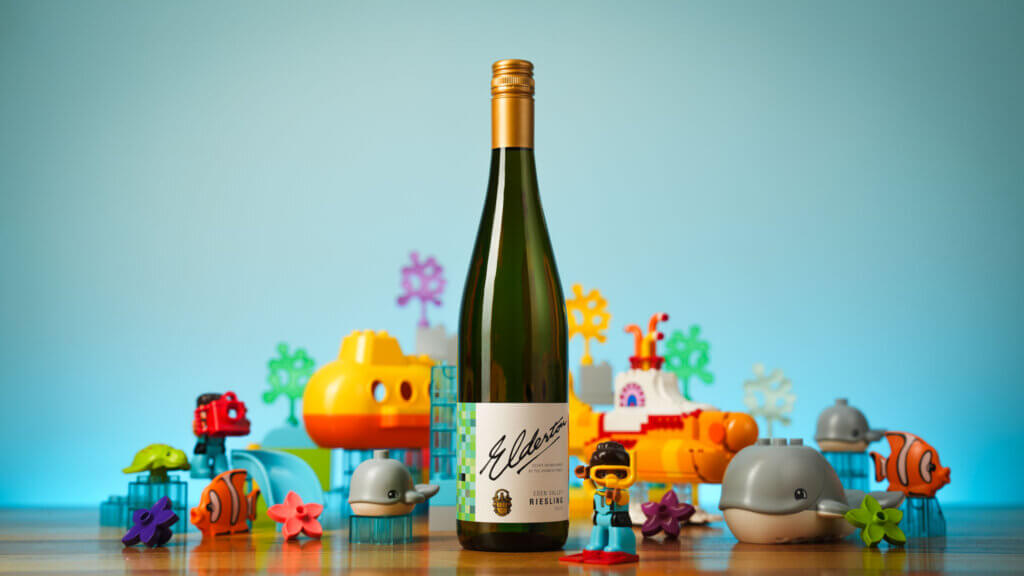
2025 Elderton Riesling, $36 RRP

Greco included this wine in her top six wines on the day, describing “tasting this wine blind felt like being let in on a quiet secret. The first impression I had is encapsulated by the word ‘restraint’. If this were a work of art, it would be a minimalist painting, maybe something of the subtle tonal shifts of Agnes Martin. The acidity gives precision and purity. The citrus is what steals the show – lemon and lime come crashing in, bright and stimulating, hitting right at the tip of the tongue before zipping straight through to the back, followed by apple blossom, lime skin, and underripe white peach. It’s that lip-smacking kind of acidity. There is no excess here, no distractions – just clarity and finesse.”


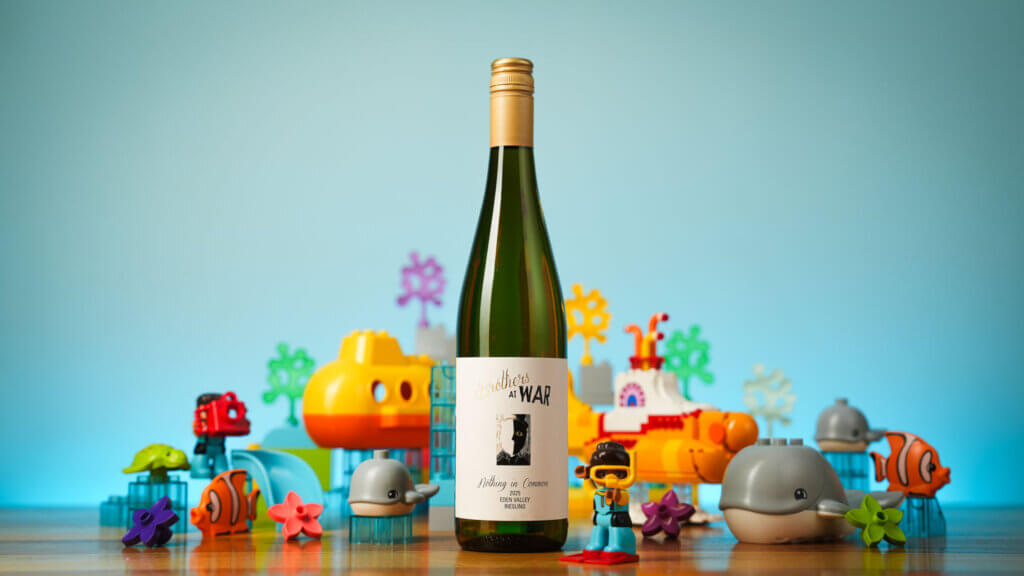
2025 Brothers at War ‘Nothing in Common’ Riesling, $40 RRP

Williamson chose this wine for her top six wines of the day, describing “shortbread, quince and the classic Eden Valley riesling signature of jasmine lead on the nose. The palate shows sweet stone fruit and granny smith apple characteristics, carried by a preserved-lemon acidity, finishing with a light sprinkling of sea salt and a pleasing minerality. It’s a very pretty wine – the kind ideally enjoyed beside the Spanish coastline with a plate of melon and jamón iberico, although the shores of Gulf St. Vincent will do in a pinch.”


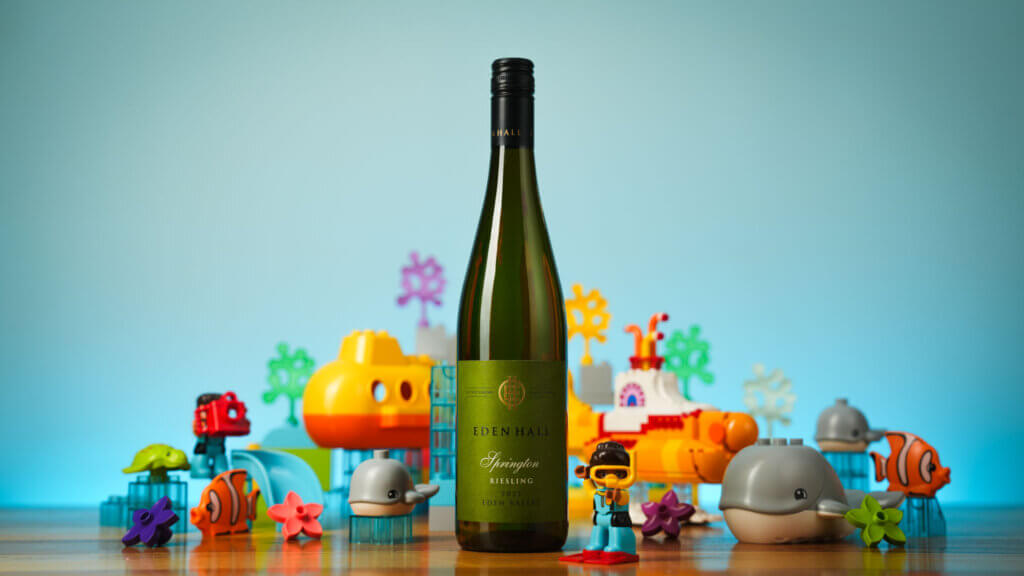
2025 Eden Hall ‘Springton’ Riesling, $28 RRP

Milic selected this wine among his top six wines from the blind tasting, noting “bright, juicy and tart. Zesty. Fresh. It’s easy to repeat oneself when describing Eden Valley riesling – but this wine just does it all so well. All the elements are there, but it stands out because of its elevated expressiveness and refreshing purity. A nose of apple blossom, Williams pear, and lemon verbena. Those aromas appear on the palate, which has the texture of a crisp pear, alongside floral lemon tea and lemon peel notes without sharp acidity. A good example from the region, done well. Don’t overthink it here, just drink and enjoy. A massive trolley of yum cha dumplings would be ideal – with soy, chilli and requisite loads of loud chatter and laughter from friends.”


2024 Setiono ‘Flaxman Valley’ Riesling, $38 RRP

Farquar included this wine in her top six picks, noting “a nose of white pear flesh, green apple, and yellow blossoms. These same characteristics have a formidable length on the palate – delicious and lingering. This wine tastes refreshing and balanced, with an acidity that feels rounded and integrated. A slight phenolic grip indicates that it might have had some time in contact with the skins, as does a hint of cloudiness in the glass. This wine has almost certainly seen some malolactic conversion – and it benefits from a fleshy body supported by a creamy palate texture. A delicate and unconventional expression of Eden Valley Riesling.”


The backstory

The Eden Valley is the birthplace of Australia’s own unique style of riesling – bone-dry and clean as a whistle. It’s also arguably the sole Australian cool-climate region to survive through the first half of the twentieth century, when brash fortified wines ruled the roost. Despite this historical significance, the Eden Valley’s riesling output – and often its reputation in the market – is eclipsed by its northern neighbour, the Clare Valley, home of a wildly popular regional style of riesling directly indebted to the Eden Valley’s pioneers. (It’s also not helped by the complexities of its relationship to the neighbouring Barossa Valley region and status as part of the broader Barossa wine zone.) But while the Clare’s rieslings are often marked by the power and presence of their citrus flavours, Eden Valley rieslings offer subtlety and complexity, with high-toned floral aromas and a distinctive mineral edge. Is it time for Eden Valley’s rieslings to step out from the shadows and assert their unique virtues?

The Eden Valley shares a similarly ancient geological history as its neighbours in the Barossa Valley, the Clare Valley, and the Adelaide Hills. All four are part of the Adelaide Superbasin, a geological structure that formed around 900 million years ago, when Australia was part of Rodinia, the first known supercontinent – and well before the ‘Cambrian explosion’ of complex multicellular life that set the stage for the emergence of the dinosaurs. The Eden Valley can be thought of as a northern extension of the Adelaide Hills – a high and cool pocket located directly to the east of the much warmer and lower Barossa Valley, with which it has historically often been paired. Owing to its elevated altitude (its highest point tops out at 632 meters above sea level) the Eden Valley is, on average, 2–3 °C cooler than the Barossa Valley during the day, and 5–7 °C cooler at night. This in turn means that grape growing conditions here are markedly different than in the Barossa Valley – and in fact the cooler pockets of the Barossa Valley often owe their freshness to katabatic breezes bringing cool air down from the Eden Valley via a network of gullies.

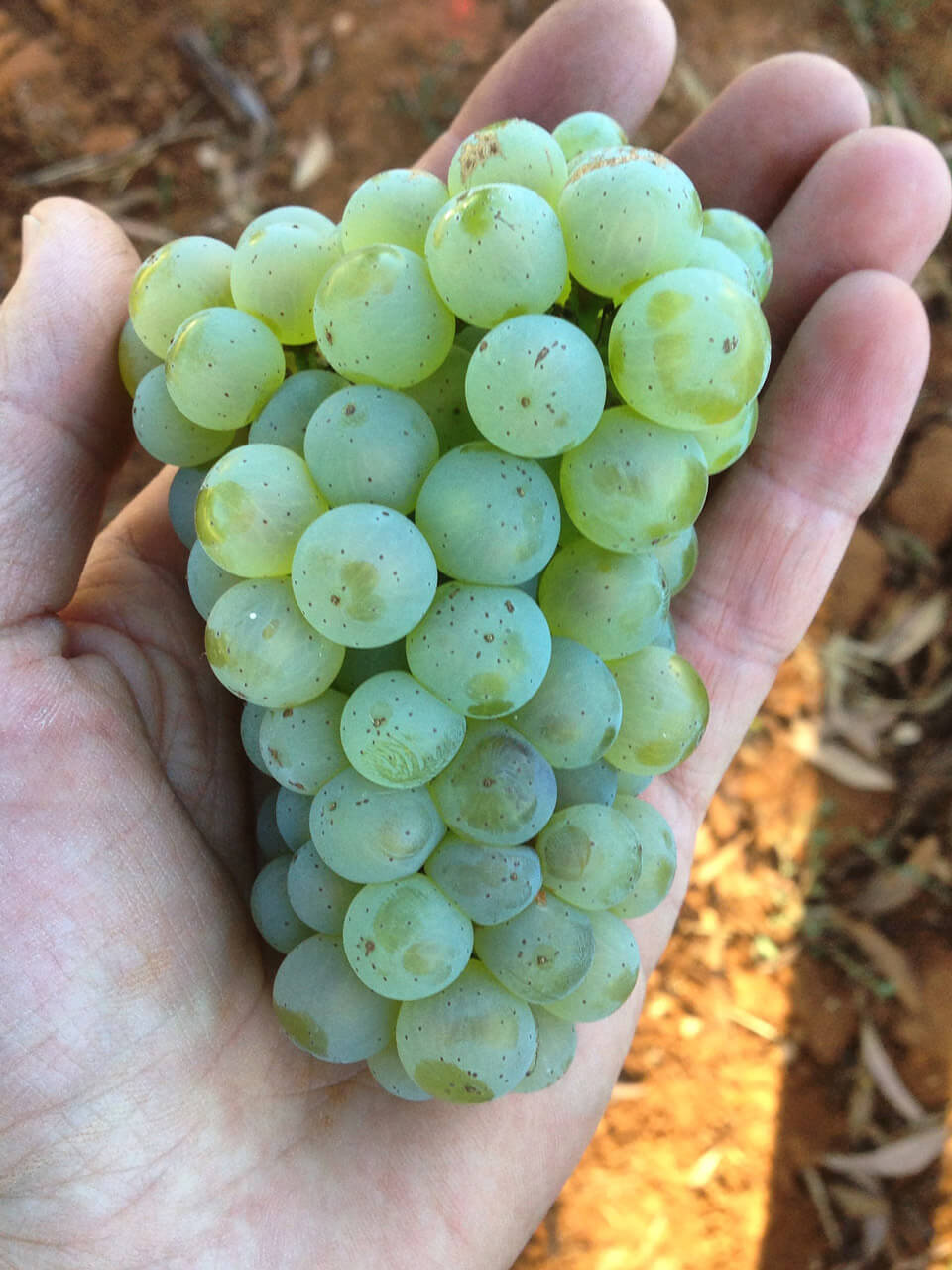
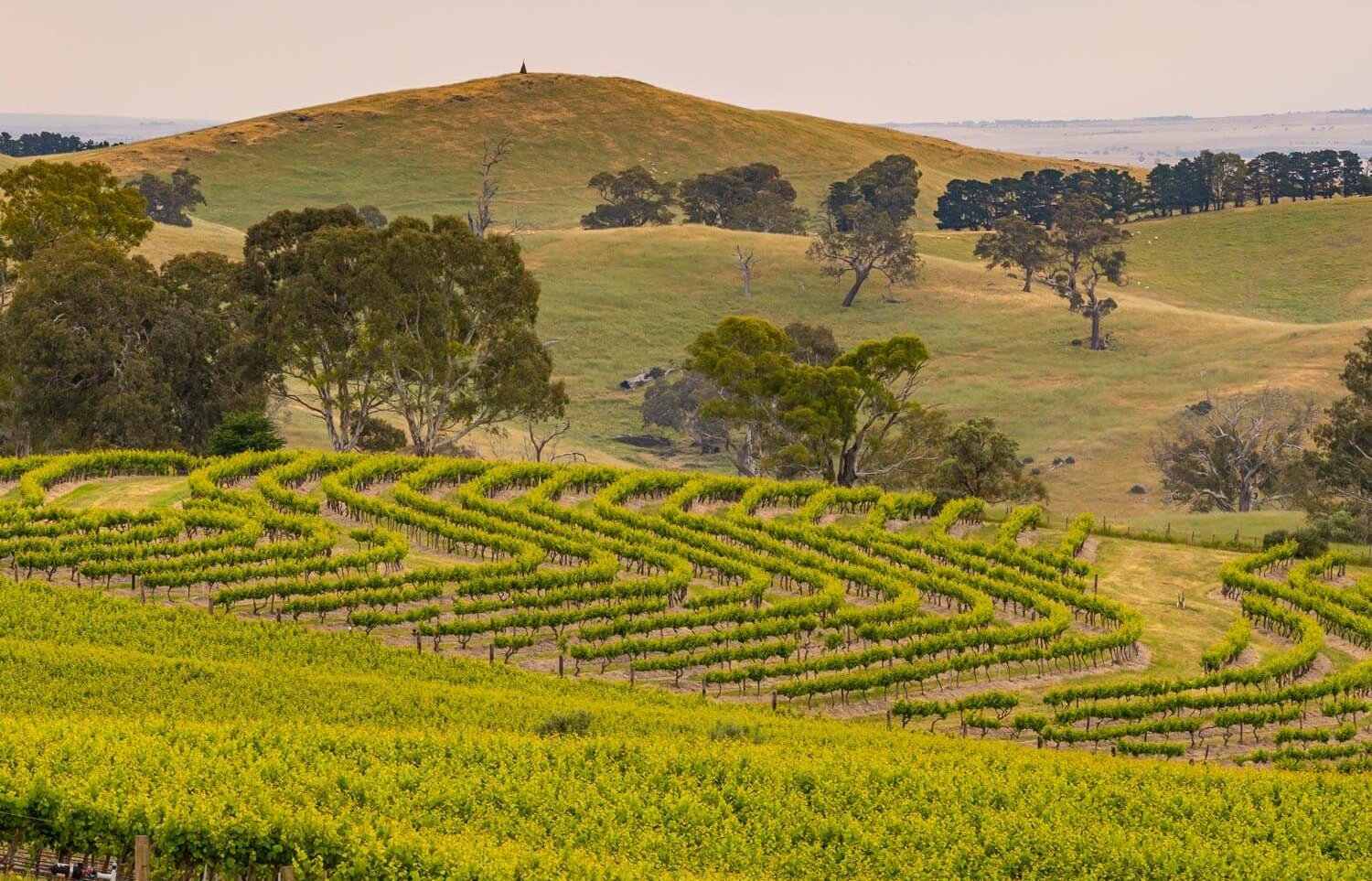
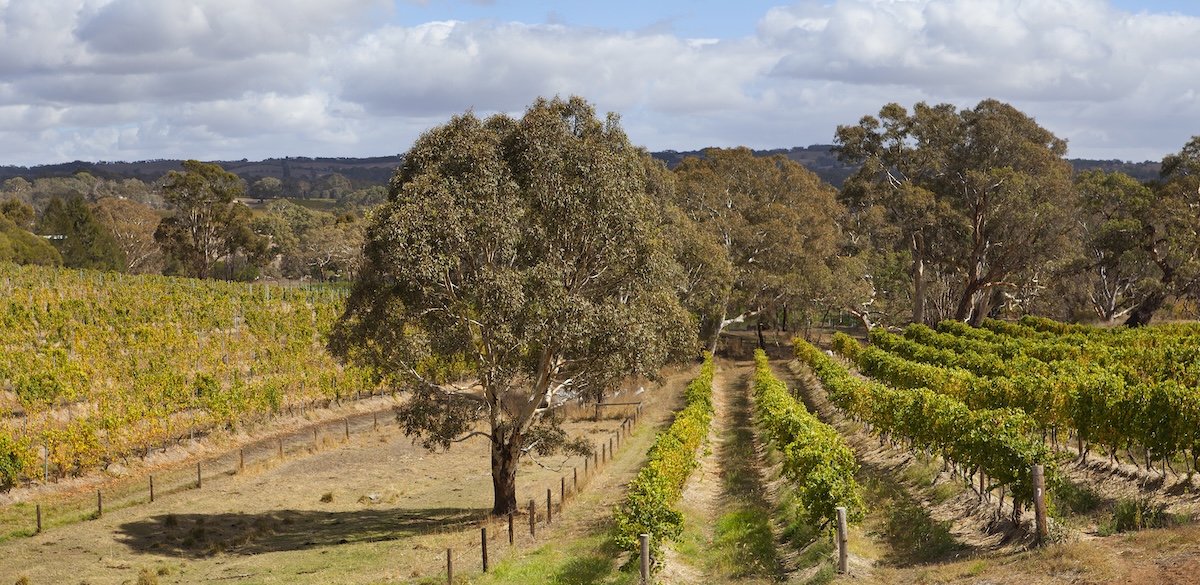
Above: A ripe bunch of riesling fruit at harvest. Opposite: Pewsey Vale Vineyard in the Eden Valley.

This part of the Mount Lofty Ranges is at the northern reaches of Peramangk country, with Kaurna country to the west (towards the Barossa) and Ngadjuri country to the north (stretching through to the Clare Valley). Before colonisation, this part of Australia was a meeting place between different Indigenous peoples – the natural crossroads between the Adelaide plains, the arid grasslands bordering the deserts of the interior, and the plains around the mouth of the Murray river. As such, the Peramangk often played the role of cultural facilitators, liaising between neighbouring groups in matters of trade, marriage, and conflict resolution. But the arrival of European colonisers would permanently alter the social landscape of Australian indigenous society.


The first gardens of Eden

The Barossa and Eden Valleys are separated by the Barossa Range – a geographical feature first surveyed by Colonel William Light in 1837, who named it after the Battle of Barrosa in southern Spain, part of the Peninsular War in which he had fought twenty-six years earlier. (The current ‘Barossa’ spelling comes from a clerical error.) The ‘Eden’ name itself was allegedly found carved into a tree by early settlers – but whatever the truth of this story, the name certainly captures some of the religious piety that shaped the region’s early colonial history. In dire need of hardworking people to stake a European colonial claim on South Australia via the establishment of farms, George Fife Angas, chairman of the South Australian Company, began sponsoring the arrival of groups of German-speaking Silesian Lutheran immigrants from 1838. These immigrants were themselves fleeing persecution on the basis of their religion in what is now modern-day Poland – and they took their fervent beliefs with them. By the time the first World War commenced, over 10% of South Australia’s population was of German descent. As such, many of the family names and place names of the Barossa and Eden Valleys have a distinctly Germanic and religious tone to them, despite a WWI-era campaign to change any place names of “enemy origin” – including the Eden’s Gnadenberg church, now better known by its translated name, ‘Hill of Grace’.

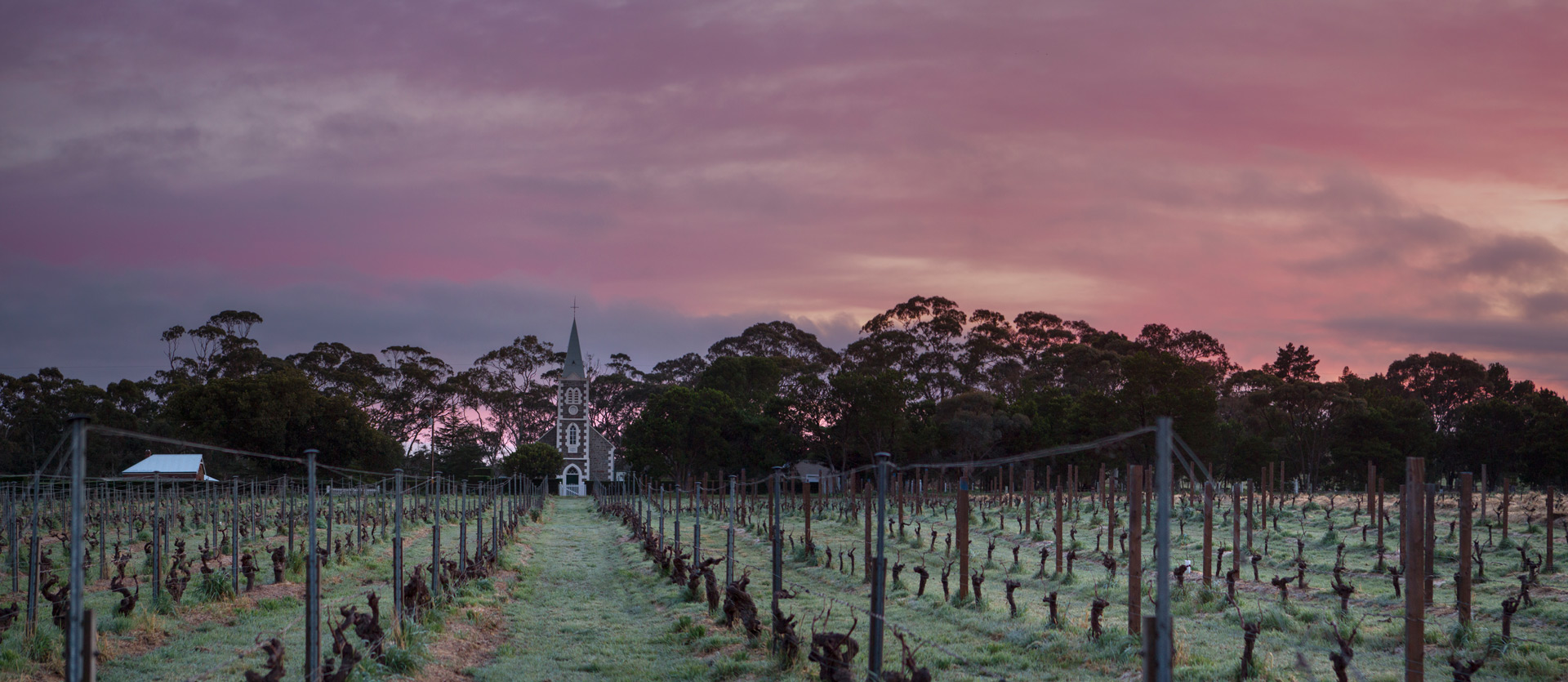
Above: The Henschke ‘Hill of Grace’ vineyard – or Gnadenberg, in the original Silesian German.

Despite the important role that wine played in both German and Christian life, the first vineyard of the Eden Valley was Pewsey Vale, first planted around 1840 to various table grape varieties by its landlord, Joseph Gilbert (who named the property after his birthplace, the Vale of Pewsey in Wiltshire, England). Gilbert took some time to see the area’s potential for winemaking, but by 1847 he had planted wine grapes – including riesling – and enlisted the help of Carl Sobels, one of the region’s German immigrants and a winemaker who had trained in Champagne, to create the first wines. Others swiftly followed, and within a few decades the Eden Valley had become a famous source of riesling wines both within the colony and without. The 1857 Evandale Riesling – grown directly next door to Pewsey Vale – was declared “equal if not superior to any Hock that can be obtained in the English or colonial markets” owing to its “delicacy and purity of flavour” in Ebenezer Ward’s 1862 book The Vineyards and Orchards of South Australia, and was selected to be shown at the 1862 Exhibition of All Nations in London. Ward also praised Pewsey Vale’s riesling as “the choicest wine” of the estate, saying it was “thoroughly matured, fragrant, delicate, and pure”. (He also noted that “There are some persons, however, who would probably prefer Mr. Gilbert’s red wines” – an unwitting premonition of some of the identity crises to come for the region.) But the wine produced at Evandale and Pewsey Vale, without the aid of temperature-controlled fermentation and oxygen control, would have been a very different beast to the rieslings that we currently know in Australia – so much so that one contemporary account described the 1864 Pewsey Vale riesling as having flavours that “approximate to a fine dry sherry”.

“The choicest wine (to our taste) in Mr. Evans’s cellar at the time of our visit was a pure riesling of the vintage of 1857, and this is equal if not superior to any Hock that can be obtained in the English or colonial markets.”

Gilbert himself died in 1881, a time when Australian table wines were gaining in popularity in England, but before the first real Australian wine boom – enabled by changes in how the English authorities calculated import duties – could really kick off. He was therefore spared the ignominy of seeing his beloved Pewsey Vale slide into disuse by the 1920s, as tastes both at home (for the small number of Australians who drank wine at all) and abroad moved away from table wines. Instead, the Australian wine industry pivoted hard towards fortified wines, aided by government incentives (in the form of the 1924 Wine Export Bounty Act). This turn – as well as the threat of the vine louse phylloxera – saw viticulture across Australia concentrate dramatically, with most of Australia’s established cool-climate regions (including the Yarra Valley, Tasmania, Adelaide Hills, Mornington Peninsula and Geelong) seeing their vineyards grubbed up by the 1920s, while the warmer climate of the Barossa Valley became the epicentre of what was left of the Australian wine industry. The Eden Valley’s proximity to the Barossa Valley became its viticultural lifeline, as Penfolds – then the leading Australian maker of fortified wines, and well before the development of ‘Grange’ – built a winery and distillery in Eden Valley township in 1920, shuttling wines in various stages of completion between Eden Valley and its facilities in Nuriootpa in the Barossa Valley. Despite the fact that there was not much of a market for dry table wines at the time – at the height of fortified wine’s success in Australia it constituted approximately 80% of the country’s entire wine industry – that very same year Penfolds introduced its first dry white table wine, the Minchinbury ‘Trameah’ (actually based on gewürztraminer/savagnin). Not long afterwards, in the late 1920s, new riesling vineyards began to appear in the Eden Valley, even though there was not at this stage a robust market for the ‘Hock’ wines they produced. These were harbingers of the path away from fortified wines – but it would take another thirty or so years before Australian white wines took their first real quantum leap.


Under pressure

Australians gradually rediscovered their love of table wines at a time of great technological change – directly after World War II, as the world entered the atomic age. And one of the many technological changes that occurred for Australian wine at the time was the introduction of refrigerated fermentation vessels. As yeasts convert the sugar in grape juice into ethanol, they also generate heat – and heat can destroy the delicate aromatics of wine, especially those of white grape varieties such as riesling. Refrigerated fermentation tanks could slow down the rate at which fermentation occurred – meaning that those aromatics could be preserved.  Early and relatively primitive versions of such fermentation vessels were installed by Sydney Hamilton at the Hamilton Ewell winery in the Adelaide Plains at the behest of Baltic German winemaker John Seeck, who had worked in Germany’s Mosel region in the 1880s, and was committed to making light, aromatic white wines in a similar mould. But the wine that truly turned Australia’s wine cognoscenti on to the virtues of refrigeration was the 1953 Orlando ‘Barossa Special Vintage’ Riesling, which winemaker Colin Gramp fashioned via a freshly-imported pressurised and temperature-controlled tank. While the resulting wine’s fresh and fruit-driven profile was a shock to some – and generated many jibes about ‘pressure cooking’ – it stormed the Australian wine show circuit. As Ron Haselgrove, a leading winemaker of the time, wrote in his memoirs, “Cold fermentation and control has lifted the quality of Australian dry wines into World Class and made possible the making of quality wine in hot climates and from grapes that were hitherto impossible.”

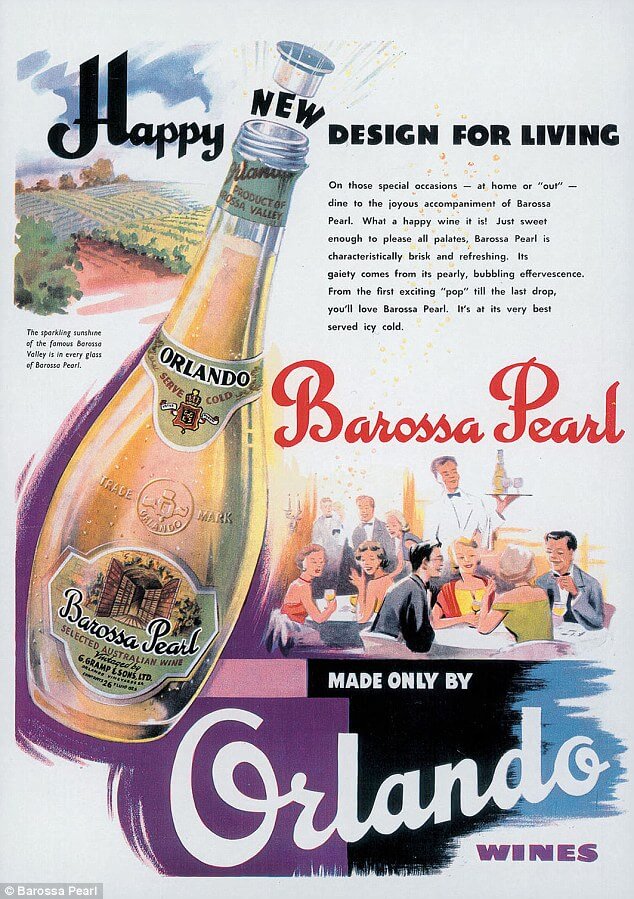
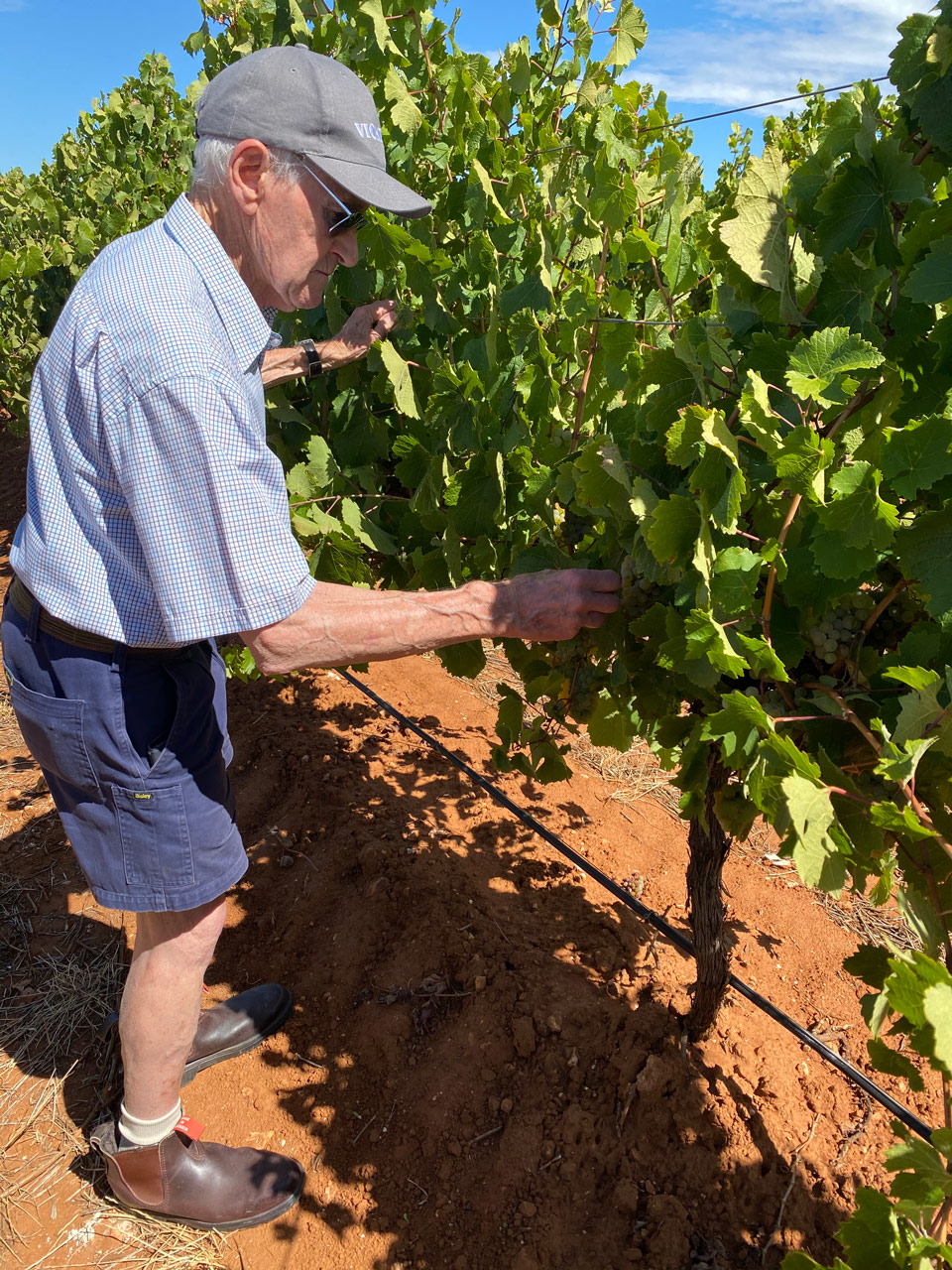
Above: An early 1960s advertisement for Orlando's then-revolutionary ‘Barossa Pearl’ – the use for much of Australia’s riesling fruit at the time. Opposite: the late John Vickery, pictured in 2021 – the winemaker who most defined Australia’s riesling style.

That same temperature and pressure controlled fermentation system was shortly put to work in turning vast quantities of riesling (and whatever other white grapes he could acquire) from across South Australia into ‘Barossa Pearl’ – a fruit-forward and sweet lightly sparkling wine that served as many Australians’ first introduction to the joys of unfortified wine throughout the late 1950s and early ’60s. The outsized success of this wine – tens of millions of bottles were sold before the brand was eventually phased out – saw a renewed interest in white wines in general and rieslings in particular. The Eden Valley’s historical association with the variety, and its association with the Barossa, which was then still the heart of the Australian wine industry, made it a prime target for planting, and throughout the 1960s a welter of now-iconic riesling vineyards were established (or re-established) in the Eden Valley – Pewsey Vale replanted in 1961, Orlando’s Steingarten in 1962, Henschke’s Keyneton vineyard in 1966, Mountadam in the cooler reaches of the High Eden in 1968, and Woodbury in 1969.

“Cold fermentation and control has lifted the quality of Australian dry wines into World Class and made possible the making of quality wine in hot climates and from grapes that were hitherto impossible.”

While temperature-controlled fermentation had made the ‘Hock’ style wines produced in Australia fruity and fresh, they were still often relatively sweet, with a cushioning lick of residual sugar to make them approachable – an especially important concern at a time when the concept of table wine was new to most Australian consumers. Hardys’ 1964 vintage Siegersdorf Riesling – made from Eden Valley fruit – marked a turning point in this regard, as it was cool-fermented and towards a “clean, crisp finish” – but the real strides came in the late 1960s and early ’70s as winemaker John Vickery, who was working for Leo Buring, began to make wines that were fermented in oxygen- and temperature-controlled stainless steel tanks from both Eden Valley and Clare Valley fruit. The wines he made under Leo Buring’s ‘Leonay’ label became iconic examples of what would shortly become the Australian riesling norm – delicately handled in the winery, kept away from heat and oxygen to preserve freshness and fruit character, and bone-dry.


Defining the Eden Valley’s style

The Henschke family of winemakers descend from Silesian German stock, but their interest in wine was, until fourth-generation winemaker Cyril Henschke took over the reins, was mostly limited to fortified wine – although there was a sideline. “My grandfather Paul Alfred, and likely my great-grandfather Paul Gotthard, made and sold ‘Hock’ from riesling grown by relatives and local growers,” Henschke’s current winemaker Stephen Henschke says. (‘Hock’, he explains, was “an English wine trade term derived from Queen Victoria’s favourite tipple, a riesling from Hochheim on the Weinstrasse in Germany, where a statue of Queen Victoria still stands.”) As Cyril Henschke pioneered the then-radical idea of single-site, single-varietal dry table wines in Australia – Henschke’s ‘Mount Edelstone’, first made in 1952, is regarded as Australia’s first such wine of the modern era – he also began to make varietal riesling wines from Eden Valley fruit. “Cyril focused on single-vineyard rieslings from the 1950s, and included his grower’s names on the labels,” Stephen says. “He later created the Henschke Black Label Riesling from 1961. Since 1992, this wine has been named Julius Eden Valley Riesling as a tribute to my great-uncle.”

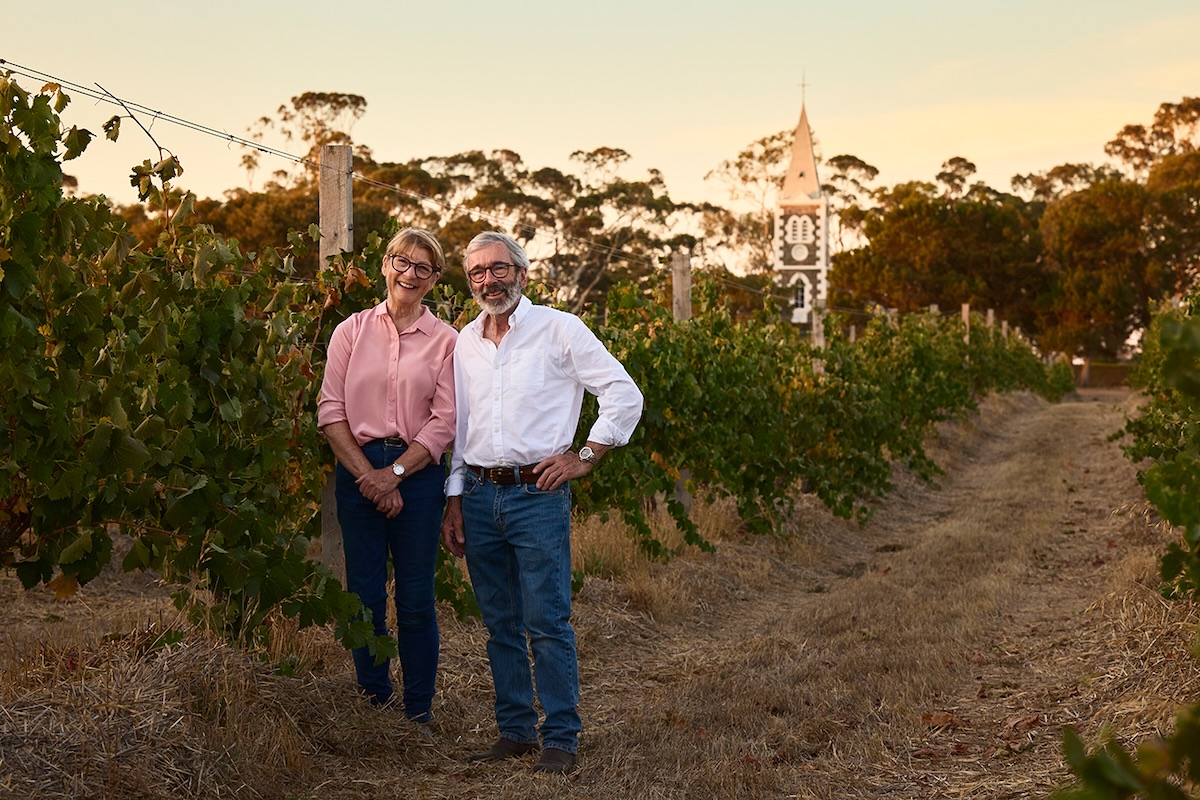
Opposite: Prue and Stephen Henschke at the Hill of Grace Vineyard. Above: Henschke’s Keyneton vineyard, the source of the fruit for their ‘Julius’ riesling.

Although the winemaking technology of the time was far more primitive than that of today – especially for a smaller winery such as Henschke, which didn’t have the resources of larger companies like Orlando, Hardys, or Leo Buring – Cyril began honing in on a style not dissimilar to Vickery’s, one that emphasised crispness and fruit purity: “Of course, winemaking technology has advanced, however Cyril understood that the Eden Valley region had stronger continentality – that is, day-night temperature differential due to the higher altitude – and developed pure, fragrant, delicate, higher-acidity, crisp, zesty rieslings,” Stephen says. “He even built his own white wine grape press to improve the delicate extraction of juice and used basic cooling for fermentation.” The resulting wines began to show the characteristics that Eden Valley riesling is now renowned for – in Stephen’s words, “a delicate floral fragrance of white rose, frangipani, citrus blossom and lime zest, with flavours of citrus, a fine natural lime acidity across the palate, a mineral texture, and excellent length. Often the wines are tighter when young, but open up and become fresher and more vibrant with bottle age than most other regions.”

“Eden Valley riesling has a delicate floral fragrance of white rose, frangipani, citrus blossom and lime zest, with flavours of citrus, a fine natural lime acidity across the palate, a mineral texture, and excellent length.”

Stephen’s wife Prue, Henschke’s current viticulturist, argues that this distinctive character in Eden Valley riesling is a product of both climate and soil types: “The climate of the southern part of the Eden Valley region is regulated by the higher annual rainfall – which should be around 600–650 millimetres – the higher altitude of 450–600 meters, and the continentality,” she says. “Night temperatures drop significantly in comparison to nearby lower altitude regions. It’s an extension of the Adelaide Hills climate, but with less rainfall and a less extreme landscape of rolling hills. The soils are also quite unique to the region, consisting of acidic grey sandy loams of granitic origin over a range of prismatic clays to fractured rock. The free draining soils appear to suit riesling, and give it lime citrus to citrus blossom characters in the wine, where riesling from warmer sites with heavier soils show a more tropical pineapple character.” And while the style of wine normally made from Eden Valley riesling fruit is very different to the tradition of gently sweet rieslings made under the traditional German prädikatswein system, Prue credits information exchange between Australia and Germany for raising the standards of how Eden Valley’s riesling fruit is grown: “After the 1970s, when there was more information flow between Australia and Germany – the two major riesling producers in the world but worlds apart in distance and winemaking style – more effort was put into site, canopy management and reduction of phenolics,” she says. “Now our riesling is grown in the lower parts of our vineyards with access to more soil moisture, and the canopy is managed with vertical shoot positioning to build the early components of flavour without the heavy phenolics produced by vines under stress. The grapes are picked much earlier – around eleven degrees Baumé – to retain good acidity, with great lime citrus aromas and flavours, to make fresh mineral wines with beautiful aromatics.”


Back to the old school

While the Henschkes stress the differences in vinification between the Eden Valley and Germany, winemaker Louis Schofield – who runs the Worlds Apart label with his wife, Hannah – sees his ‘In the Flowers’ Eden Valley riesling as a nod to both the Australian school of riesling making refined by Vickery and the German riesling making traditions. “John Vickery was a great man – probably the most important person in Australian riesling history,” Schofield says. “Our riesling is a bit of an homage to the tremendous history and heritage of riesling in that part of the world, so we put it in the green glass bottle like they used to. But we make it in a really traditional, really old-school kind of way – which is that bit more Old World style of winemaking – wild ferment in oak barrel, on the lees, no sulphur at the start, no yeast at the start. It’s more of a wild and uncontrolled style of winemaking, and the aim is to make a wine that is a bit more European feeling in its in its texture.” He also leaves a touch of residual sugar in the wine, arresting the fermentation in its barrels by, in his words, “bombing it with a shitload of sulphur to stop it – which is good, because it freezes it in its tracks with the freshness of the fruit, and then we don’t have to sulphur it again.”

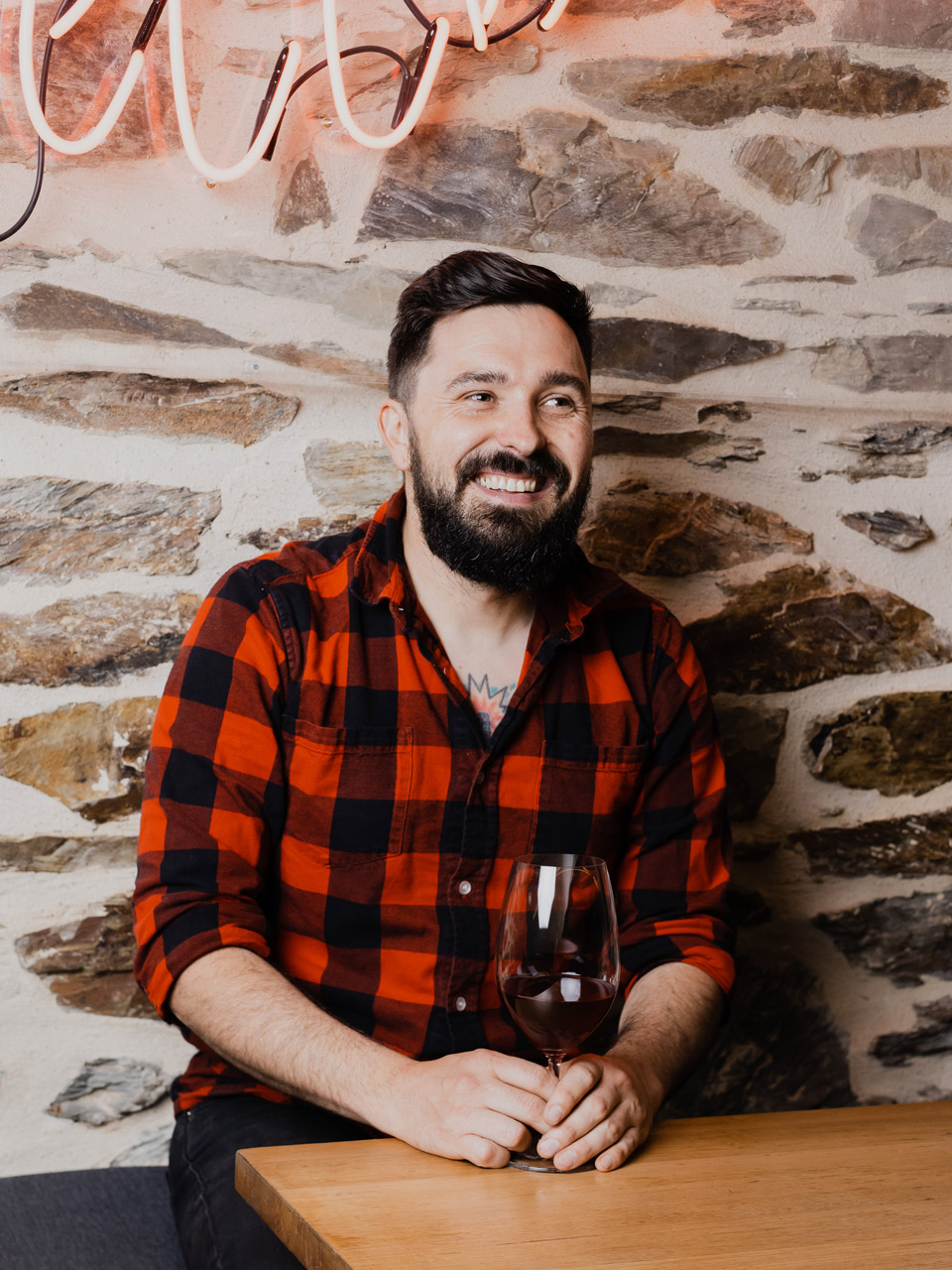
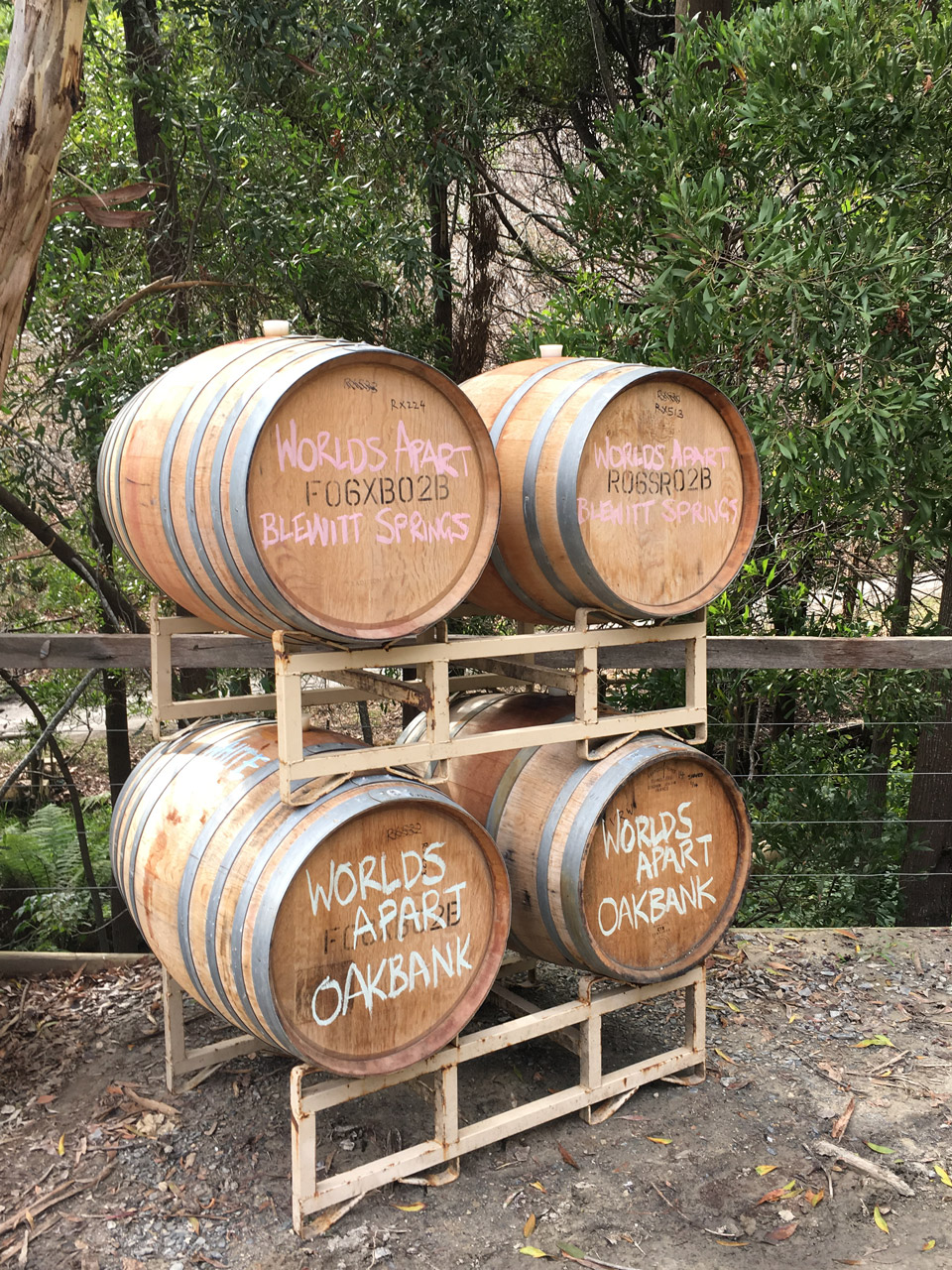
Opposite: Winemaker Louis Schofield of Worlds Apart. Above: Oak barrels in use at Worlds Apart – one of the reasons their ‘In the Flowers’ Riesling departs from the regional norm.

While Schofield is based in the Adelaide Hills, he chooses to source his riesling fruit from a single vineyard in the Eden Valley – Chris Alderton’s Pendee Farm – because he “just kind of fell in love with this vineyard”. “Originally we were taking old-vine shiraz from up there, but that kind of petered out a few years ago,” Schofield says. “Chris, who grows it, is unreal. He’s a fantastic – really attentive, really dedicated – grower and the riesling vineyard is out the back of his house. This vineyard is fifty-five years old and it’s never been irrigated. It’s never been sprayed with nasty chemicals. It’s just a phenomenal old classic Eden Valley site – I just can’t imagine getting riesling from anywhere else, to be honest.” He calls the resulting wine ‘In the Flowers’ because he sees  Eden Valley riesling’s signature floral characteristics as especially noteworthy in this site: “It seems to be a hallmark that whereas the Clare wines are often quite citrus-fruited, I think that Eden Valley is more like citrus blossom,” he says. (He also adds that it’s the name of the first track from Animal Collective’s 2009 album Merriweather Post Pavilion, “a song about taking ecstasy in fields and dancing and missing your girlfriend when you’re away on tour.”)

“We pick it fairly early, and with that low alcohol and that little hint of natural fruit sweetness in the back, it’s just like crack. People just go nuts for it – including me.”

While the wine that Schofield makes from this ‘classic’ Eden Valley vineyard breaks a few of the region’s stylistic norms in its use of residual sugar, neutral barrels and lees contact, and residual sugar, the aim is not to overturn the region’s traditions. “If you want to win a riesling trophy or a gold medal in a wine show, you’ve got to make it that way,” he says of the typical Eden Valley approach. “And that’s great – a lot of amazing wines that I love to drink are made that way, and that’s the style people have come to expect generally. But that’s not our goal – we always say, ‘We’re not making wines to win awards’. We’re making wines to be drunk at noisy tables with people you love, alongside delicious food.” Leaving a touch of residual sugar in not only eases the “fierce natural acidity” that Schofield finds in the fruit from Pendee Farm, but also makes the wine a little more appealing to the average consumer’s palate than the bone-dry regional norm. “Everybody talks dry, but everybody drinks sweet – and that wine kind of walks the line between dry and sweet,” Schofield says. “We pick it fairly early, and with that low alcohol and that little hint of natural fruit sweetness in the back, it’s just like crack. People just go nuts for it – including me.”


Out of the shadow of the Clare

While ‘In the Flowers’ is one of Worlds Apart’s most popular wines, there’s not all that much of it to go around – a fact not helped by what Schofield calls “a couple of very low rainfall years”. “The yields have been very low in that vineyard, so we do run out of it pretty quick,” he says. “I just had to steal the USA’s allocation of it to keep it here in South Australia. I like making it as a single-vineyard wine, so we won’t pick up a second vineyard. It’s been tempting, but I think it’s such a magical spot, and such a great wine. I’d like to keep it that way – so there ends up just being not much of it, unfortunately.”

“Most Barossa producers, if they have a white wine in the cellar door, it’s going to be Eden Valley riesling. They’re going to sell it all there through their cellar door, so they don’t really need to try and sell it to venues in, say, Melbourne.”

You could argue that ‘In the Flowers’ acts as a microcosm of Eden Valley’s broader perception issues. The wines are exceptionally popular within South Australian borders – but outside of a handful of stalwart brands like Pewsey Vale that are widely distributed across Australia, they don’t have the same market presence as the more powerful rieslings of the Clare. “There’s a lot more Clare riesling than there is Eden riesling,” Schofield says. “So I think it’s a numbers game. It’s like when you blind-taste a nebbiolo and the option is, ‘Is this Barolo or Barbaresco?’ You always say Barolo, because there’s about ten times as much of it.” He adds that the Eden Valley’s proximity to Adelaide and the Barossa Valley means that much more Eden Valley riesling is sold at the cellar door than Clare riesling, which has to focus on building a wider domestic market. “Clare is a bit of a mission to get to,” he says. “It’s a long way north of Adelaide, so they don’t get a huge amount of cellar door tourist action there – nothing like what the Barossa gets. And you know, most Barossa producers, if they have a white wine in the cellar door, it’s going to be Eden Valley riesling. They’re going to sell it all there through their cellar door, so they don’t really need to try and sell it to venues in, say, Melbourne.”

“I think the issue is a combination of awareness, promotion, and perhaps lack of recognition of the smaller number of Eden Valley riesling producers.”

For his part, Stephen Henschke fundamentally agrees with Schofield. “I think it’s a combination of awareness, promotion, and perhaps lack of recognition of the smaller number of Eden Valley riesling producers,” he says of the disparity of awareness between the Clare and the Eden Valley’s riesling. “Clare grows more than double the production of riesling to Eden Valley.” The official Wine Australia vintage figures bear out this analysis: over the years 2015–2025, the Clare harvested an average of just over six thousand tonnes of riesling per year, while the Eden Valley harvested less than two and half thousand. Curiously, though, the value of Eden Valley riesling grapes per tonne is significantly higher on average than the Clare: over the same period, the average tonne of Eden Valley riesling has sold for roughly $440 more than its Clare counterpart. That’s a remarkable achievement, given that prices for the finished wines are not significantly higher than the Clare Valley – and that the Eden Valley has always struggled to articulate its identity given that red wines from the region can be, and often are, labelled simply as ‘Barossa’. “I think we should be focusing on and promoting what makes the natural style of Eden Valley riesling taste great,” Stephen says. “For example, they really show up better with food – especially seafood – than warmer-climate rieslings, although perhaps they can be slightly more angular on their own.”

Schofield’s assessment is even more blunt: “I think it’s probably just best kept to ourselves – don’t let anyone else know about it!” he says, laughing. “Go out and buy a bottle, but don’t tell anyone – keep it to yourself. Tell everyone else they can drink the Tasmanian stuff – it’s pretty good!”


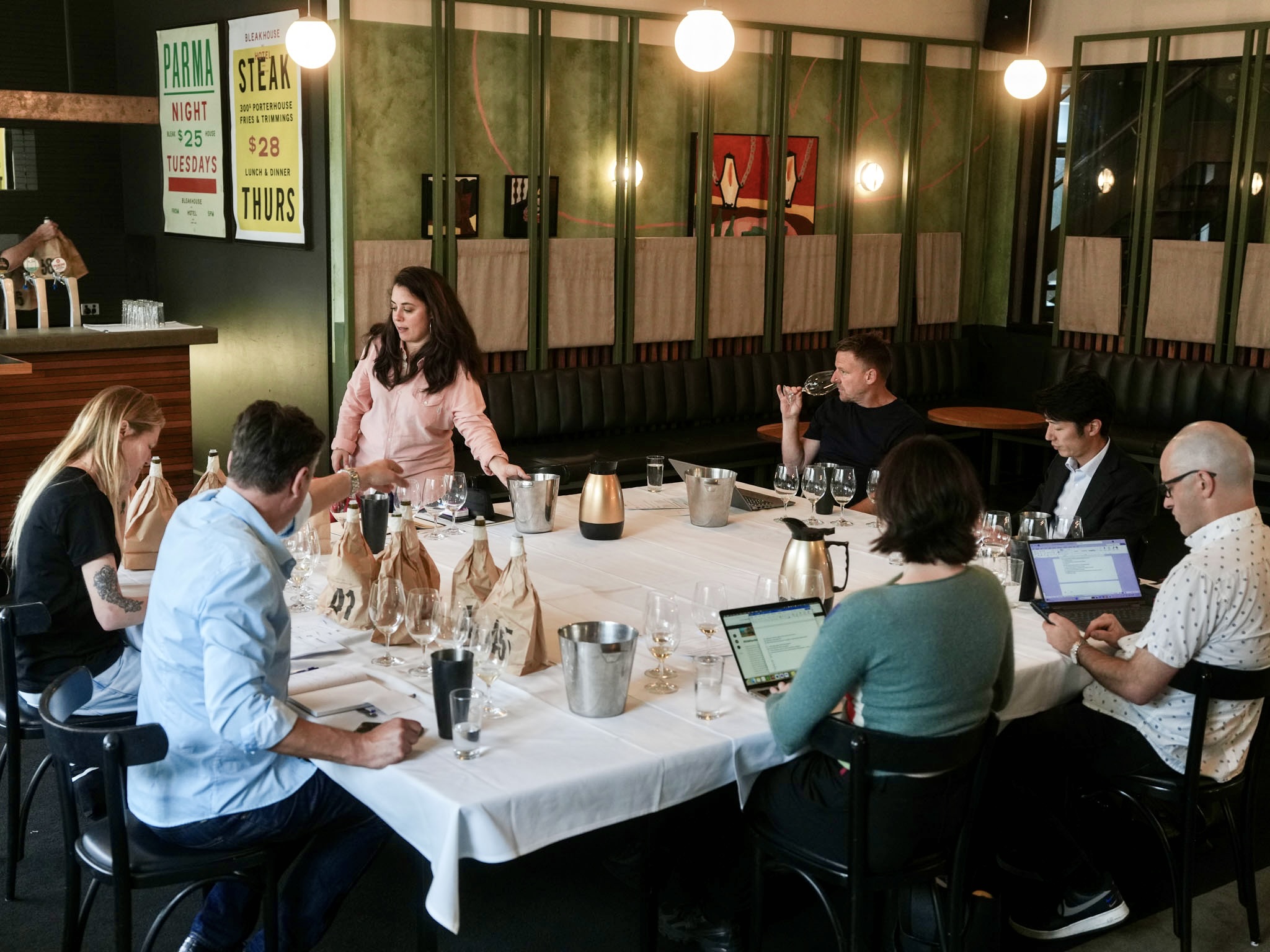
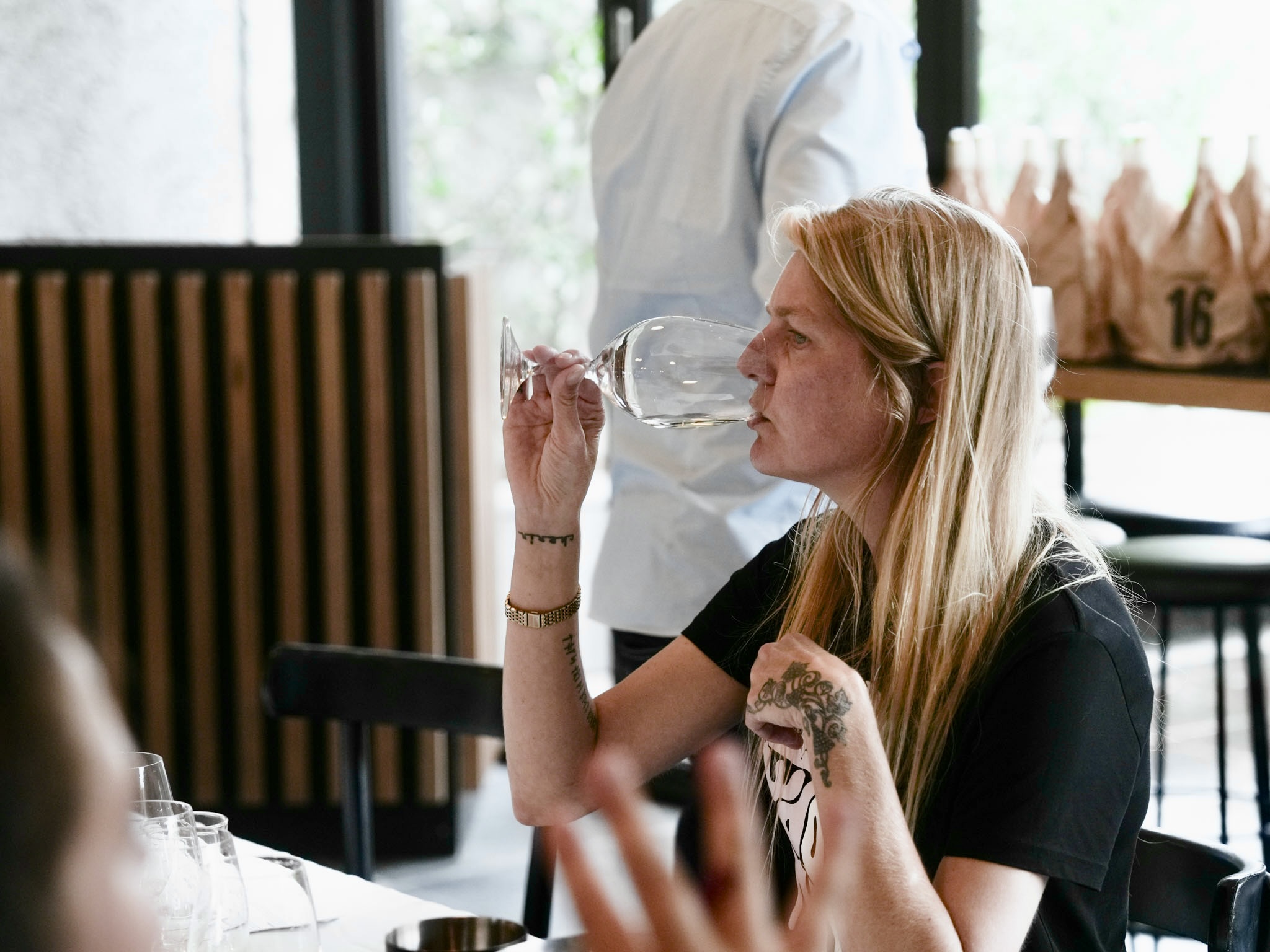
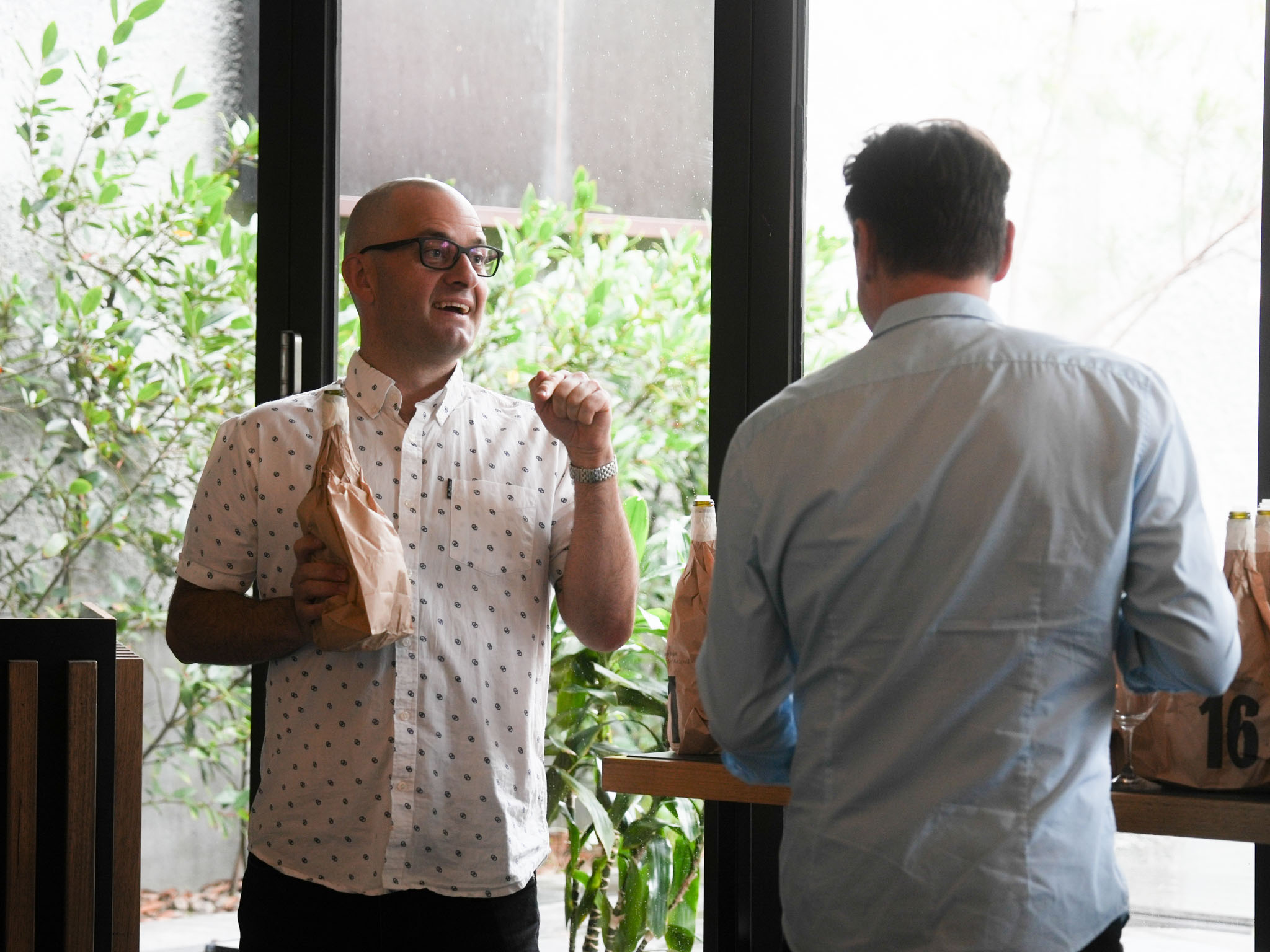
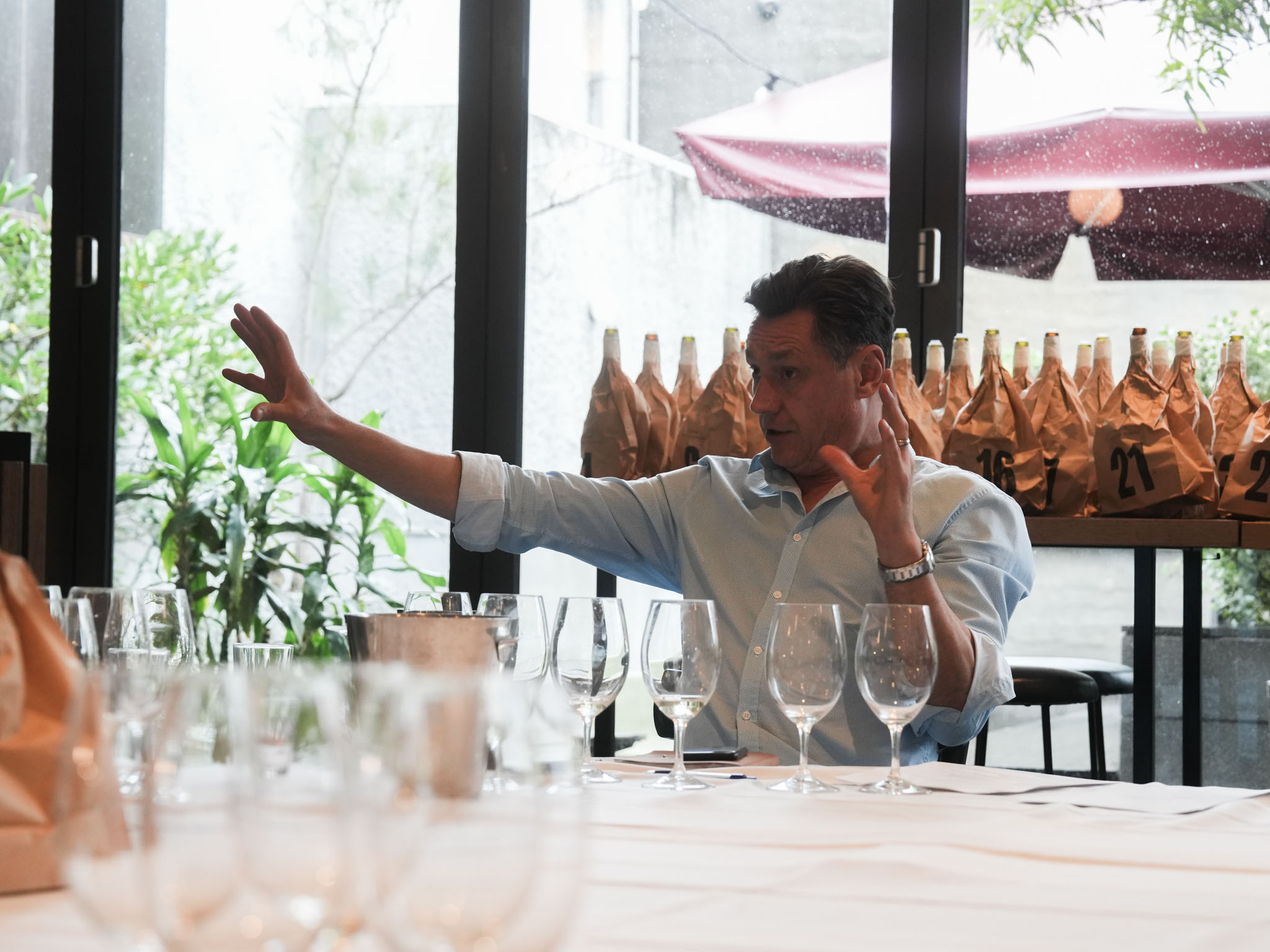
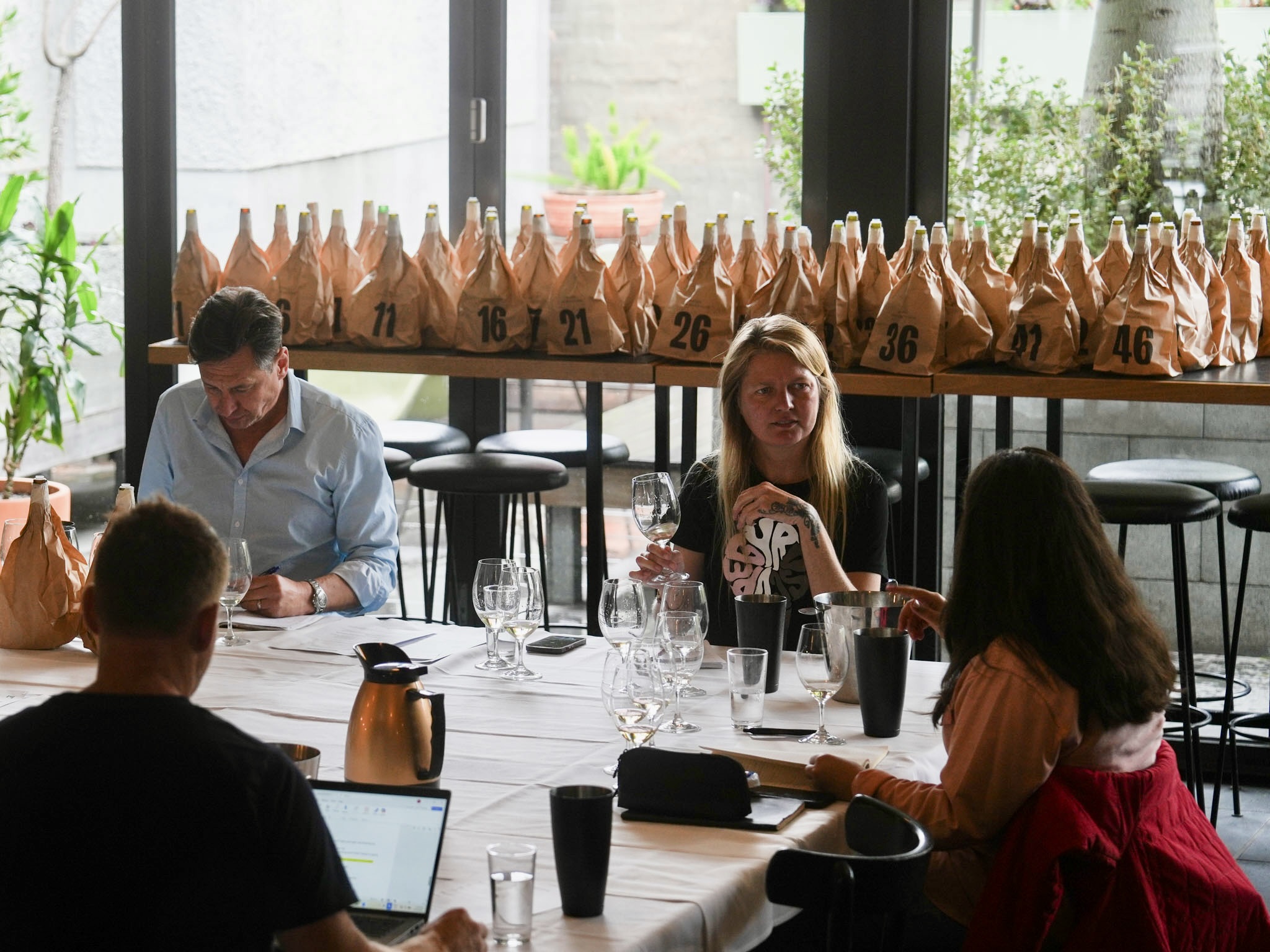
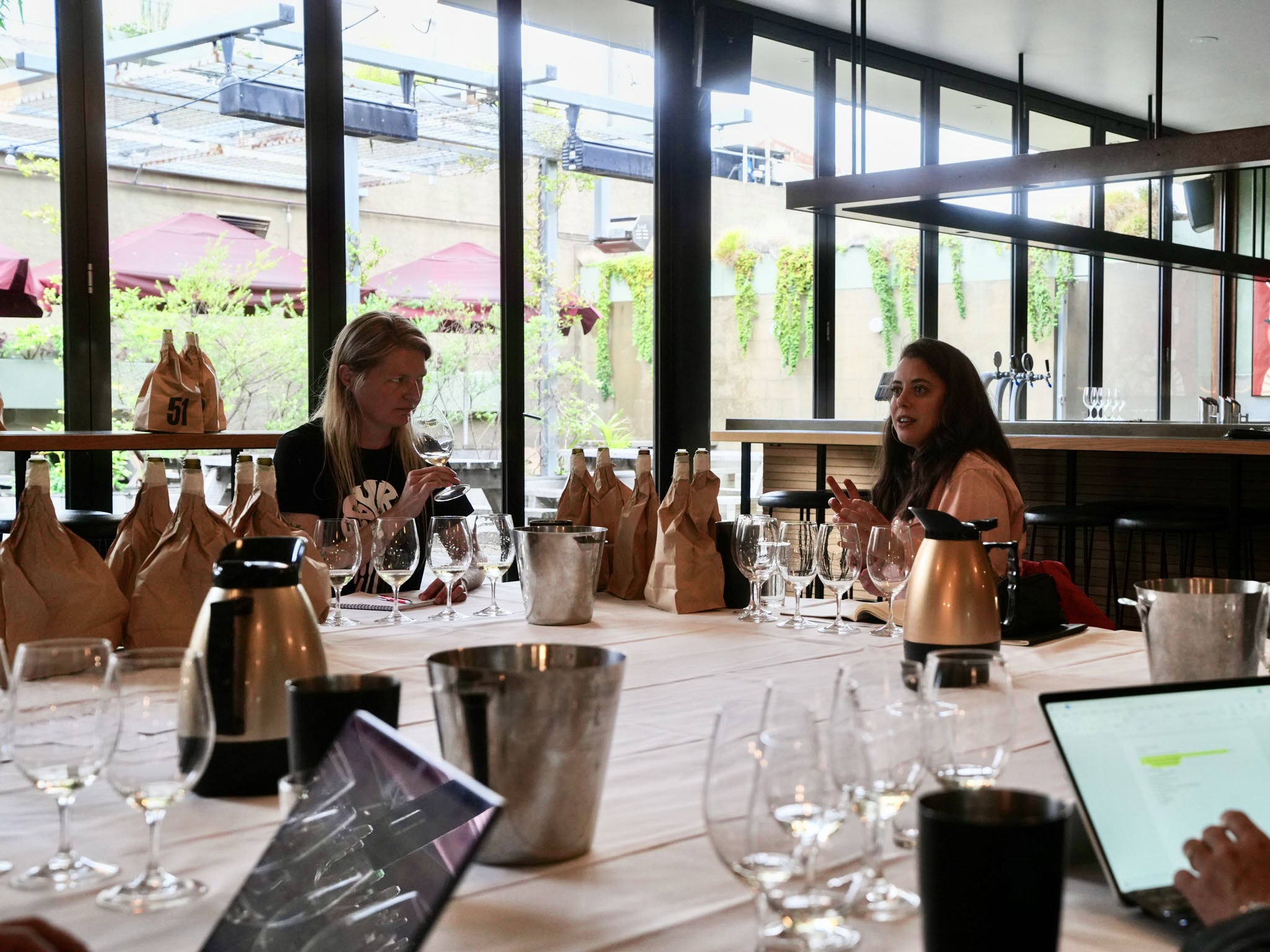
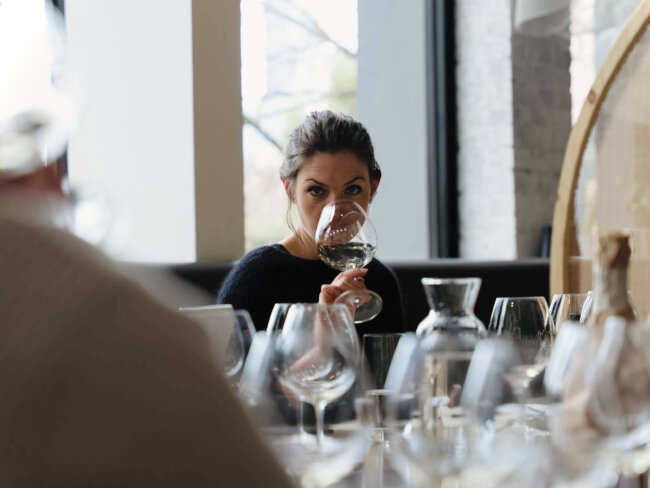
Above: Our Deep Dive panellists gathered at the Bleakhouse Hotel, Albert Park (Melbourne).

Outtakes from the tasting

We gathered every example of riesling from the Eden Valley that we could find, including wines from the High Eden subregion, and set our expert panel the task of finding the wines that compelled the most. All wines were tasted blind, and each panellist named their top six wines.

Our panel: Yuki Hirose MS, head sommelier, Lucas Group; Hayley Williamson, co-owner and wine buyer, Nina’s Bar & Dining; James Scarcebrook, owner and winemaker, Vino Intrepido; Hayley Farquar, sommelier, City Wine Shop and The European; Steven Milic, sales representative, Winestock Victoria; Isabella Greco, sommelier; Tony Layton, business manager (Regional Collection and St. Huberts cellar door), Treasury Wine Estates.

Layton kicked off the discussion by noting the general health of the category. “From the wines that we tasted today, I would say the Eden Valley’s in a really great place – there’s a massive variety,” he said. “Of all of the wines we tasted, I would say that I marked a good 25% down as highlighted to go back and have another look at. So choosing the top six was quite difficult for me – and I changed it quite a number of times, because as we went through the tasting, more wines kind of presented themselves as being, you know, super high-quality. And varied – I was expecting just acidity, lime flavours, and quartz minerality. What we got was a variety of different flavours, right across the spectrum.” He added that, on the basis of today’s tasting, he would argue that few Australian wines are as versatile with food pairings as Eden Valley rieslings. “We have such a varied smorgasbord of food, and styles of food,” he said, “and Eden Valley riesling just works perfectly with loads of different types of food.”

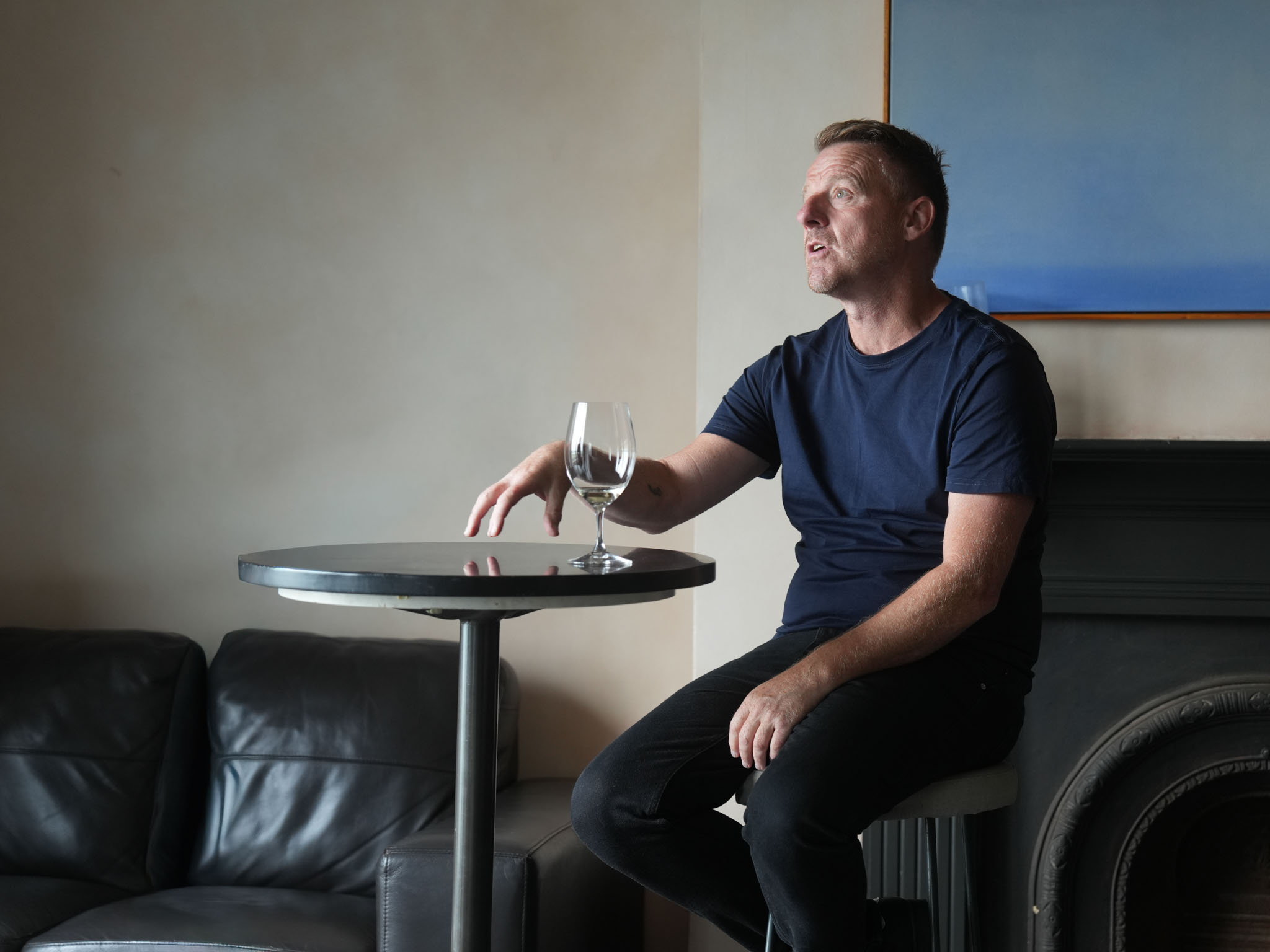
Above: Tony Layton. Opposite: Hayley Farquar.

While Farquar agreed with Layton about the region’s average quality, she disagreed on the subject of diversity. “One major issue, I think, is that it’s quite homogeneous,” she said. “I think a lot of the wines we were seeing today, though delicious, looked overwhelmingly similar. I think we were seeing a little bit of diversity, and that was great – but I would like to see a bit more of skin contact, a bit more of that time on lees, and maybe a little bit more residual sugar.” She added that the region’s historical association with the development of the modern Australian style of riesling – bone-dry and lean – was something of a double-edged sword: “I think that regions like Clare and Eden, which are so historic, can get kind of put into a box and get trapped in creating the same style over and over again,” she said. “And while that style is delicious, I think that maybe it’s time to reinvent themselves in some way.”

“I think that regions like Clare and Eden, which are so historic, can get kind of put into a box and get trapped in creating the same style over and over again. And while that style is delicious, I think that maybe it’s time to reinvent themselves in some way.”

Williamson argued for the virtues of consistency. “For us as wine professionals, it’s like, if you’re forced to go into a Liquorland or a BWS or something, and you’re trying to find a wine that you might want to drink, Eden Valley riesling is generally where you’re going to go – because it’s going to be what it is,” she said. For her, that reliability extended to food pairing: “They do the job of both complimenting and contrasting, depending on what you’re eating,” she said. “So you’re always going to find that it will fit, and it will generally please everyone. If I’m dining with – dare I say it? – Baby Boomers, they’re going to be okay if I order something like this.” Within that context, though, she argued that some of the wines were simply too lean: “I had a lot that I found way too dry – too savoury, too salty – I just didn’t find it appealing. So a little bit of residual sugar really could have helped those wines, or a bit more fruit ripeness.”

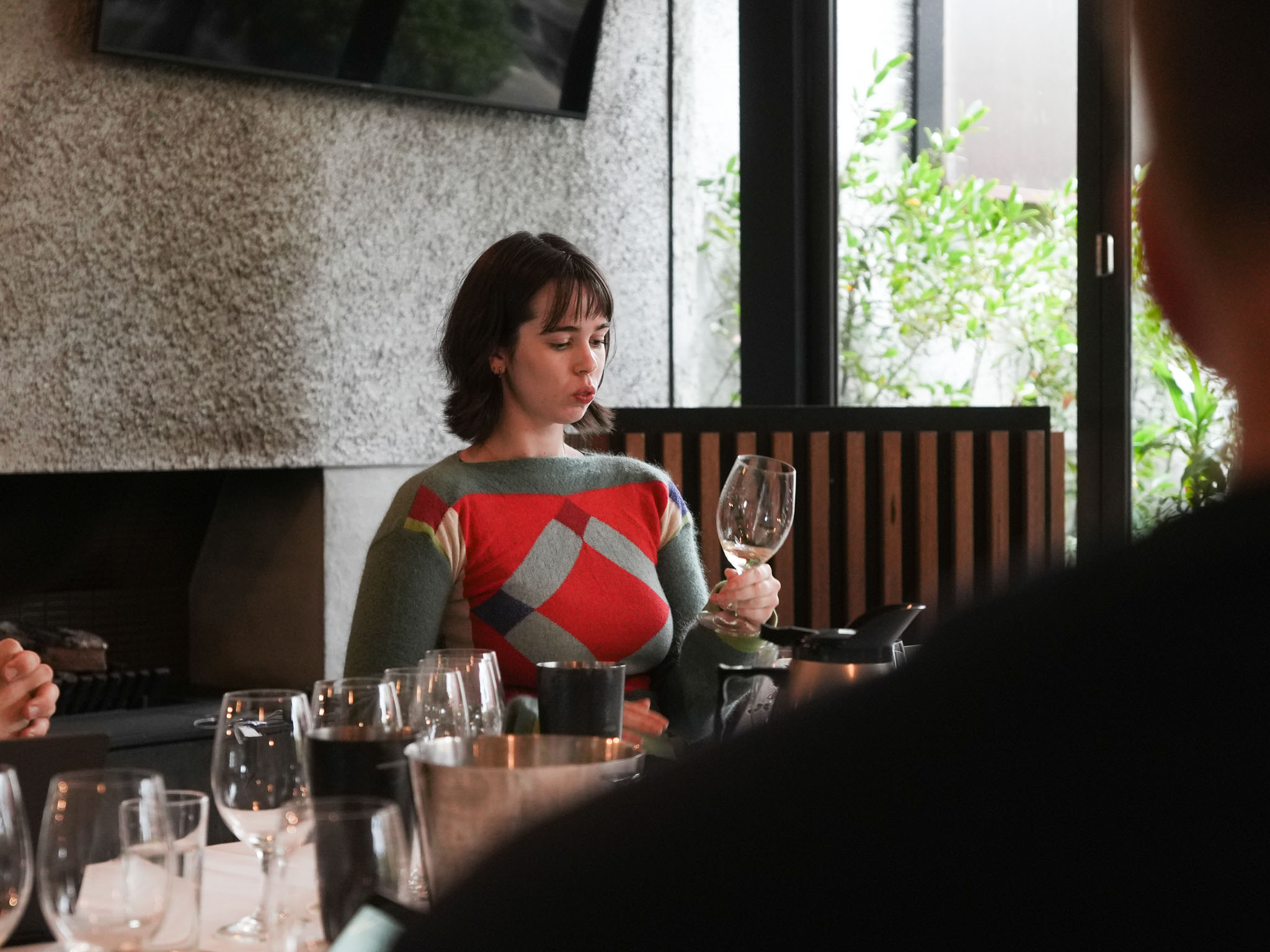
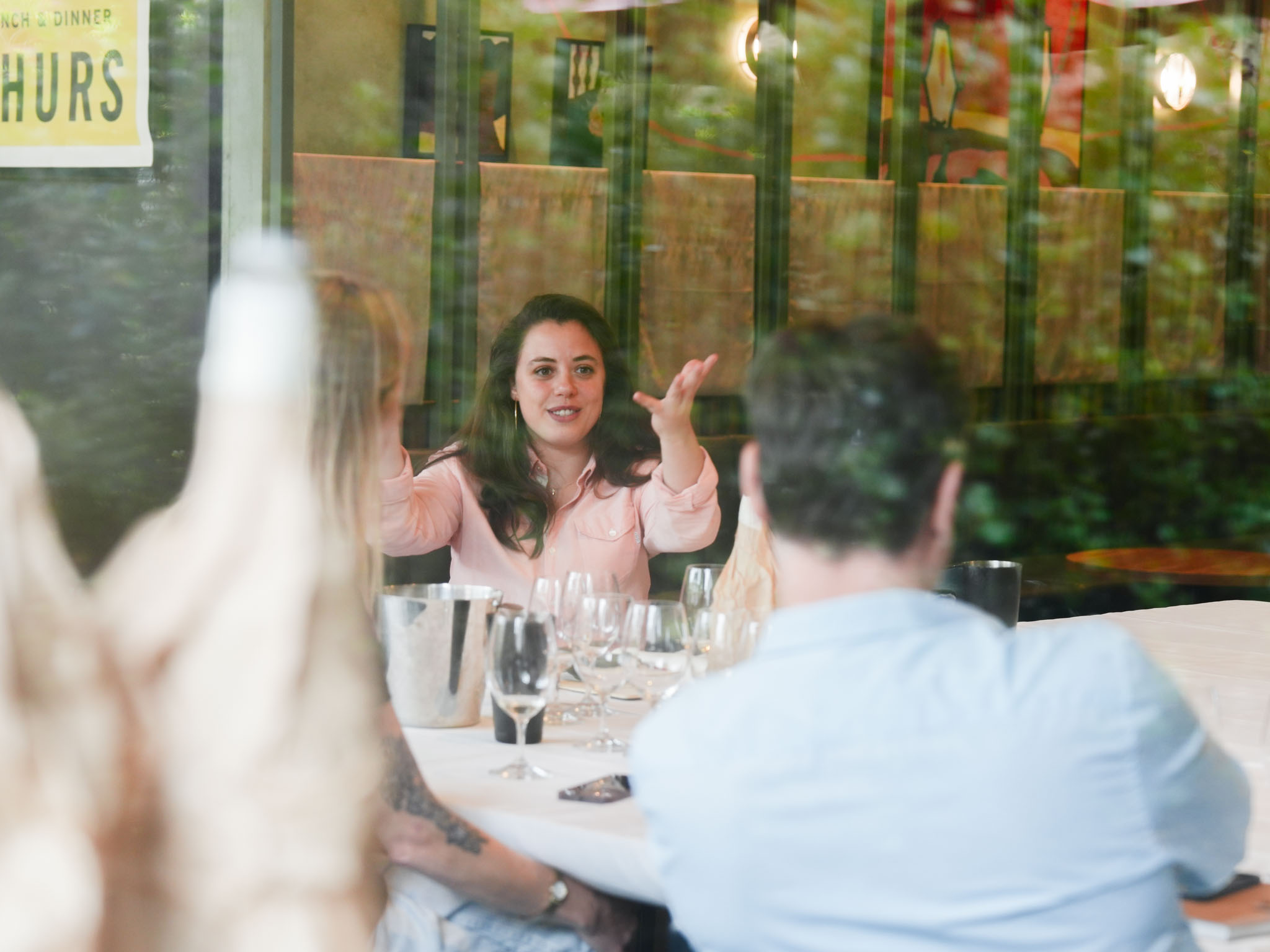
Above: Isabella Greco. Opposite: Hayley Williamson.

Greco argued that the region’s stylistic consistency meant that assessing the wines required attention to what’s happening in the glass. “I found that Eden riesling – because of its restraint, and because of its quiet kind of power compared to other rieslings that are much more extroverted – really requires focus,” she said. “Each one of them, for me, was like a first lady – they said, ‘Just look at me. Do you like me? You don’t? Well, how about now?’ It required for me to be really attentive.”

“If you’re forced to go into a Liquorland or a BWS or something, and you’re trying to find a wine that you might want to drink, Eden Valley riesling is generally where you’re going to go – because it’s going to be what it is.”

Hirose argued that the region suffered from the same issue in this regard as many other established Australian wine regions that have become associated with a specific grape variety and style of winemaking. “I don’t necessarily see the Eden Valley as a more exciting region – with all respect, right?” he said. “That can be applied for any sort of establishment region – whether that’s Barossa shiraz, grenache from McLaren Vale, or Clare Valley and Eden Valley, always known for their riesling.” He added that the region’s official status as part of the broader Barossa zone meant that it was hard for the region’s reds to stake their identity: “Eden is also part of the greater Barossa,” he said. “So sometimes you can get amazing shiraz – just like in the Clare, where you can get decent malbec and cabernet – but for reds, the Eden Valley is always perceived as the little brother of the Barossa.”

Above: James Scarcebrook. Opposite: Yuki Hirose MS.

For Scarcebrook, the tasting highlighted both the strengths of riesling as a variety – and the difficulty of selling it in Australia. “Here’s the problem – people say ‘I want a dry white wine’,” he said. “What they want is something that’s fruity, but not sweet, so they’ve gone from sauvignon blanc to pinot gris. So when they say they want a  dry white wine, what they should mean is riesling – because there is no better dry white wine than riesling. It just usually doesn’t have that flesh around it – what I call ‘cuddle’ – that would make it accessible to most punters. Partly because of the way it’s made – the purity of it, the fact that there’s not as much winemaking involved – it really is one of the best wines to express terroir. But it can still work as an accessible wine as well as a really, really top quality one.” He added that the relative lack of winemaking work going into the region’s lean style made it exceptional value for those consumers who had been turned on to its virtues: “South Australian riesling in general – and certainly Eden Valley riesling – was talked about as one of the best valuable propositions going when I started in the wine business over twenty years ago,” he said. “It’s still the same today.”

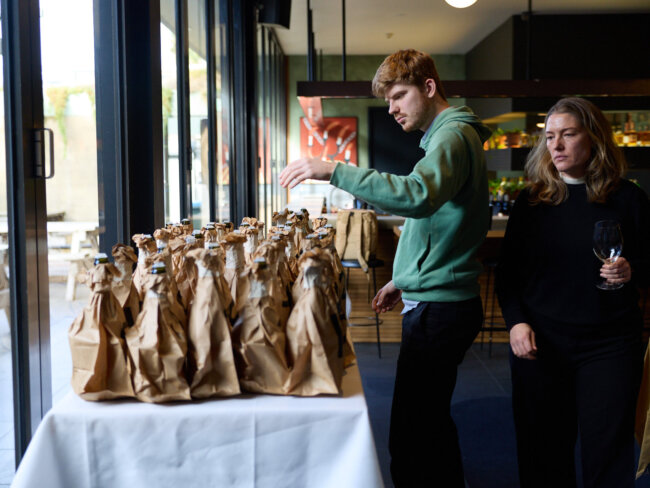
Opposite: Steven Milic. Above: The panel in action at the Bleakhouse Hotel, Albert Park (Melbourne) All wines tasted ‘blind’.

Milic disagreed with Scarcebrook on the subject of ‘cuddle’, arguing that the the crisp, high-toned nature of the region’s riesling style was its major selling point. “For me, it’s an aperitivo wine,” he said. “When I drink it, I’m not even thinking about it – I’m already cracking open a riesling. If I want something textural, I’ll have a chardonnay.” He added that riesling, no matter its origin, still suffers from a perception problem regarding the issue of sweetness. “Especially in restaurants, we’ve got the issue of preaching to people who already know that these wines are not sweet, and they are actually dry, and they’re fresh. But outside of that context, we still battle this misconception that they’re sweet and unctuous – but they’re not, they’re the complete opposite to that.”

Above and opposite: The panel in action at the Bleakhouse Hotel, Albert Park (Melbourne). All wines tasted ‘blind’.

The Panel

Yuki Hirose MS fell for wine while working in bars in his native Tokyo. Moving to Sydney over 15 years ago, he honed his sommelier skills over a decade at Rockpool, while also working his way through the ranks of the Court of Master Sommeliers with the aim of achieving the highest distinction. Hirose moved to Melbourne during the pandemic to launch a world class wine program with Loïc Avril for a string of ambitious venues for Lucas Restaurants. Today, as Wine Operations Manager, he oversees the lists and sommelier teams at Society, Kisume and Grill Americano. In August 2023, after five previous attempts, Hirose became a Master Sommelier, one of less than 300 worldwide.

Hayley Williamson is the co-owner of and wine buyer for Nina’s Bar & Restaurant, Brunswick. She has been in the hospitality industry for over two decades, starting as a bartender and then – after tasting a Remi Jobard Meursault in 2015 that opened her eyes to the world of fine wine – working her way up to becoming a sommelier at some of Sydney and Melbourne’s best restaurants, including Cirrus Dining in Sydney and Bar Romanée and Nomad in Melbourne. In 2023 she decided to take the leap away from working for someone else and now co-owns Nina’s Bar & Dining in Brunswick. In just under two years, it has become a thriving part of the local community – celebrated for its welcoming atmosphere, thoughtful food and wine, and genuine hospitality. Here she run everything front of house – including curating all the beverages!

James Scarcebrook graduated from The University of Adelaide as a Master of Wine Business before a 16-month global wine adventure saw him visit ten wine-producing countries, including working two vintages in Germany. Scarcebrook has worked in fine-wine retail, as a representative for two leading importers, both with a focus on Italian wines, and now makes wine full-time under his Vino Intrepido label. That label is centred on Italian varieties and a quest for finding Victorian sites where they excel, teased out in a way that reflects on Italian tradition but seen through a new lens.

Hayley Farquar currently works as a bar supervisor and wine merchant at City Wine Shop and The European. She possesses an Introductory Sommelier Certificate from the Court of Master Sommeliers, and is currently working towards her Level 3 Award in Wines from the Wine and Spirits Education Trust.

Steven Milic currently works as a sales representative for Winestock Victoria.

Isabella Greco hails from Florence, Italy. While studying law, she worked at several restaurants in Italy, eventually succumbing to the irresistible allure of wine. Arriving in Australia in December 2014 for a six-month working holiday, her stay extended to ten years – and counting – after securing a job at the idyllic Stefano’s Restaurant in Mildura. There, she served as the restaurant manager and wine director for almost nine years, counting the legendary Stefano de Pieri as a mentor. Isabella has recently moved to Melbourne to embark on her next journey in wine hospitality, and is currently working front of house at Marameo.

Tony Layton is originally from the United Kingdom, where he was a publican at the age of twenty-one. After moving to Australia, he found a love of wine by doing harvest in Margaret River, then moved to Sydney and then Melbourne following this love of wine in the hospitality trade. Here he spent almost ten years working with The European Group across City Wine Shop, and was on the opening team at Siglo. He moved to the Yarra in 2011 after completing the Certified Sommelier Certificate from the Court of Master Sommeliers to work for Giant Steps. He worked for many brands and producers in the region before moving to Treasury Wine Estates in 2021. He now calls St. Huberts home, where he oversees the business whilst working as an ambassador across the portfolio and sells to high end restaurant groups. He possesses a Level 3 Award in Wines from the Wine and Spirits Education Trust and teaches the Level 2 Award internally at Treasury Wine Estates. He has recently done the Advanced Wine Assessment Course at the Australian Wine Research Institute, and has judged at the Melbourne Royal Wine Awards, the James Halliday Chardonnay & Cabernet Challenge, and some smaller regional shows.

Bookmark this job

Please sign in or create account as candidate to bookmark this job

Save this search

Please sign in or create account to save this search

create resume

Create Resume

Please sign in or create account as candidate to create a resume