Few wine regions worldwide are quite as glamorous as the Mornington Peninsula. With its stunning scenery, sophisticated architecture, and booming beachside property market, it seems tailor-made for destination dining and wine tourism. You might expect the region’s winemakers to coast on these natural assets—but you’d be wrong. Peninsula producers are on a collective mission to craft compelling, high-quality wines that justify their substantial price tags, and the results are fascinating enough to demand closer examination.
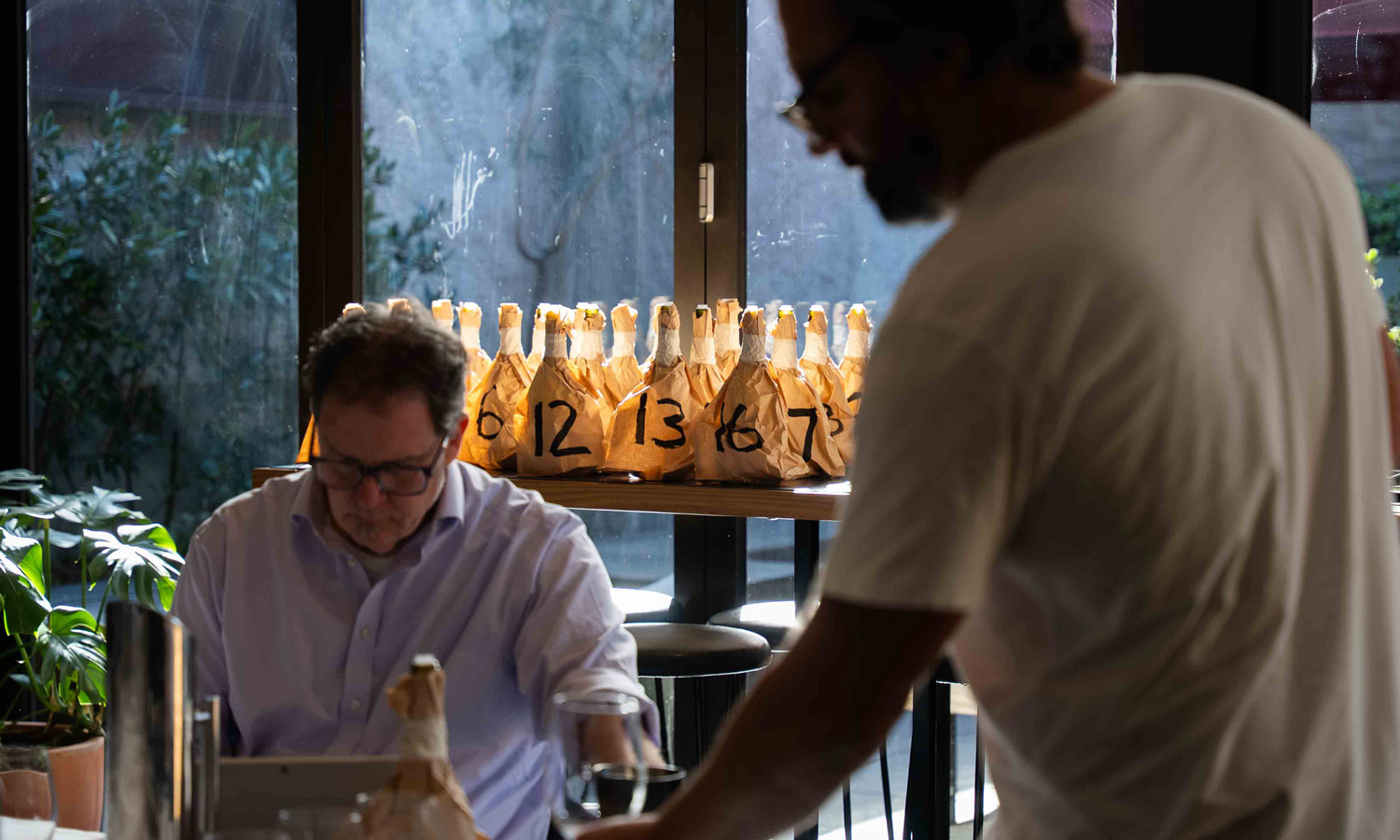
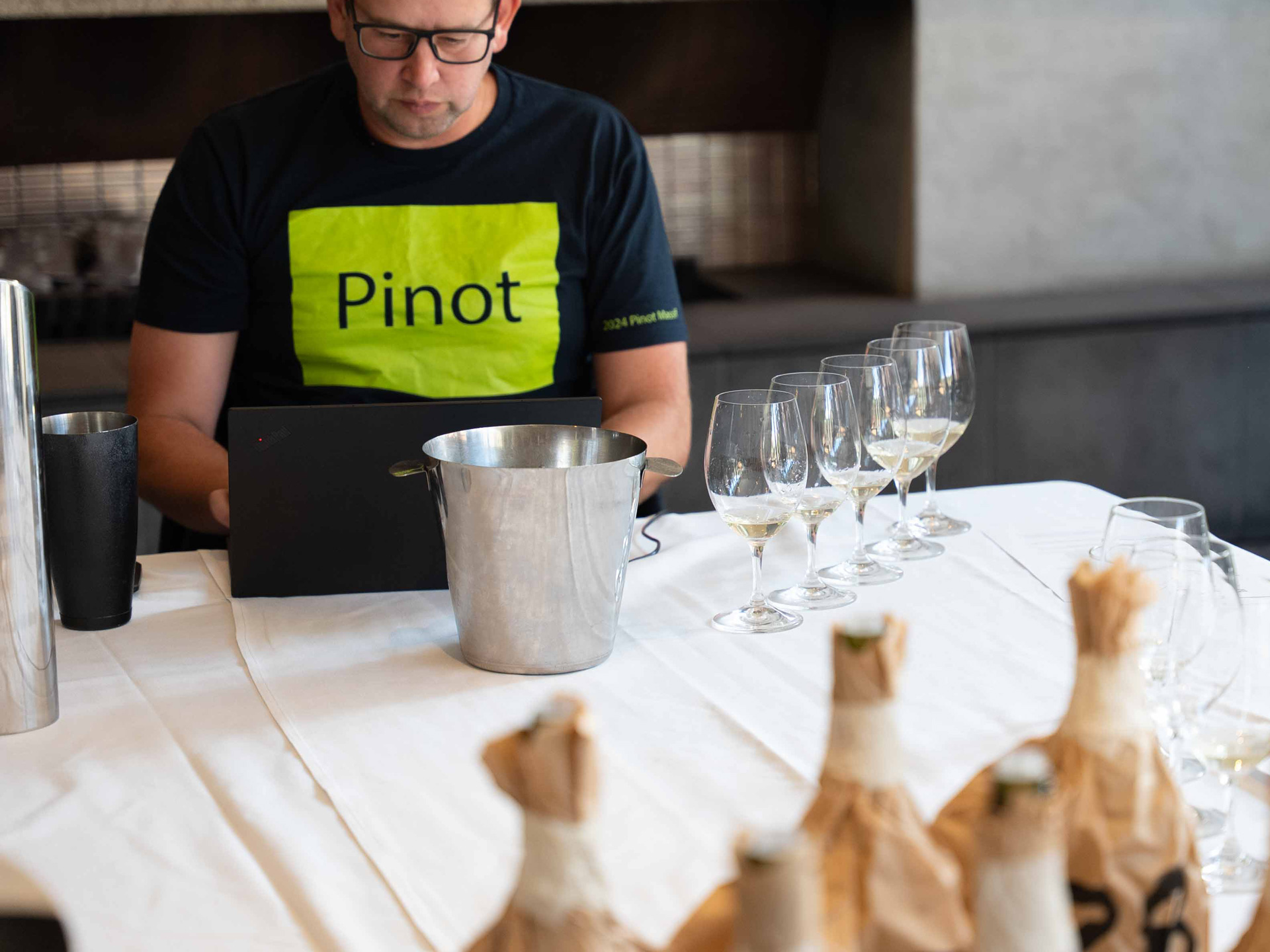
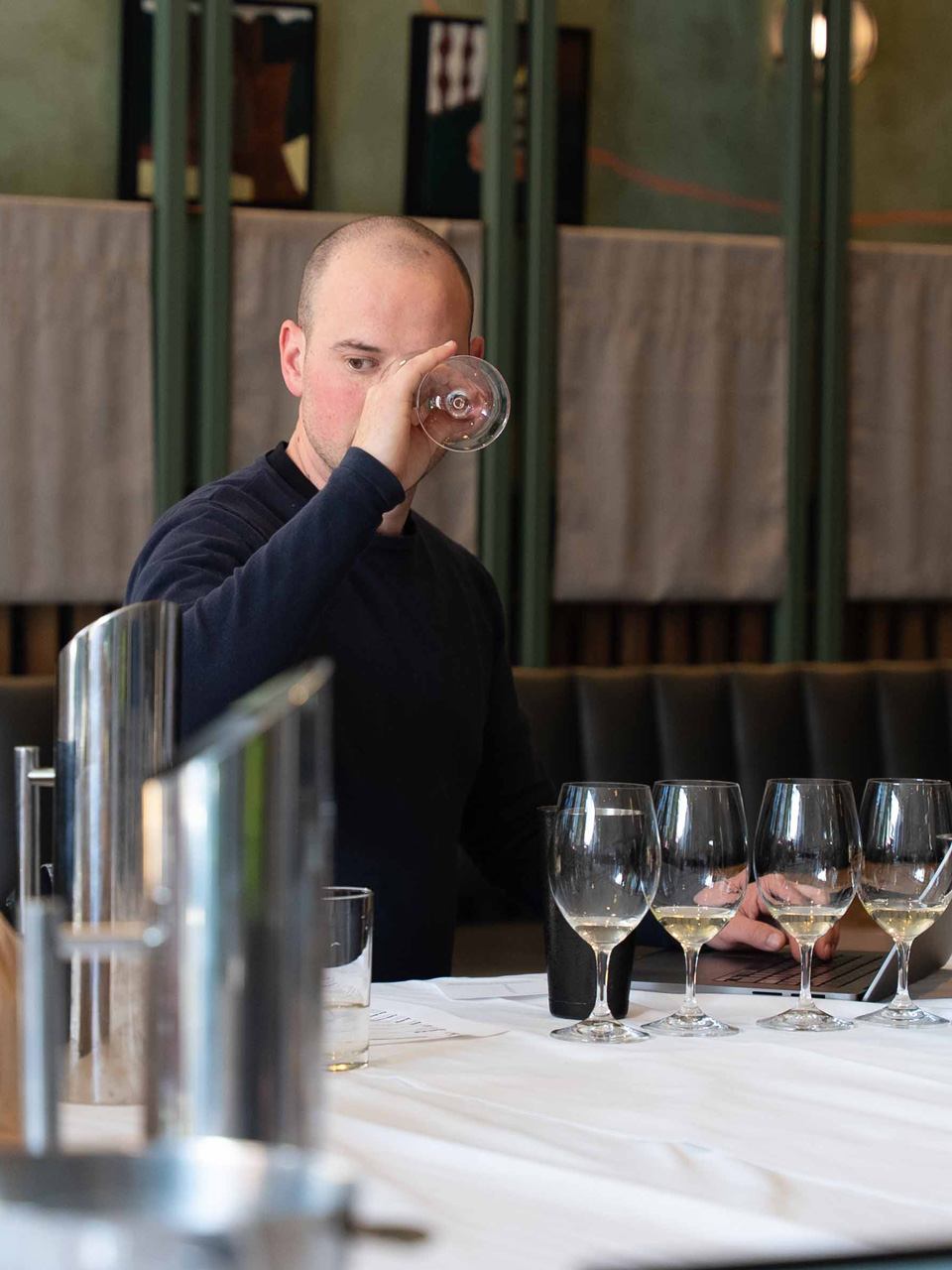
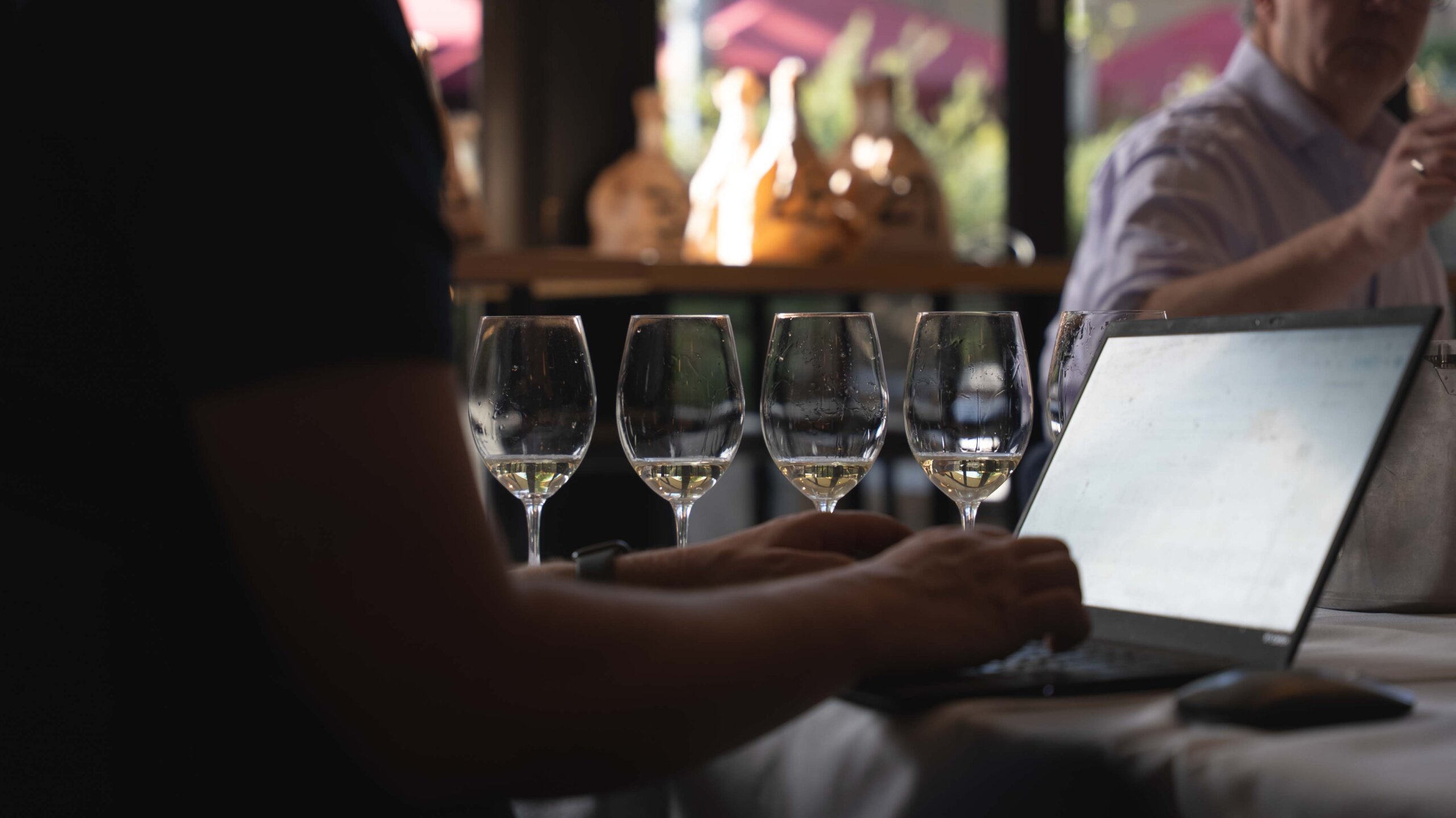
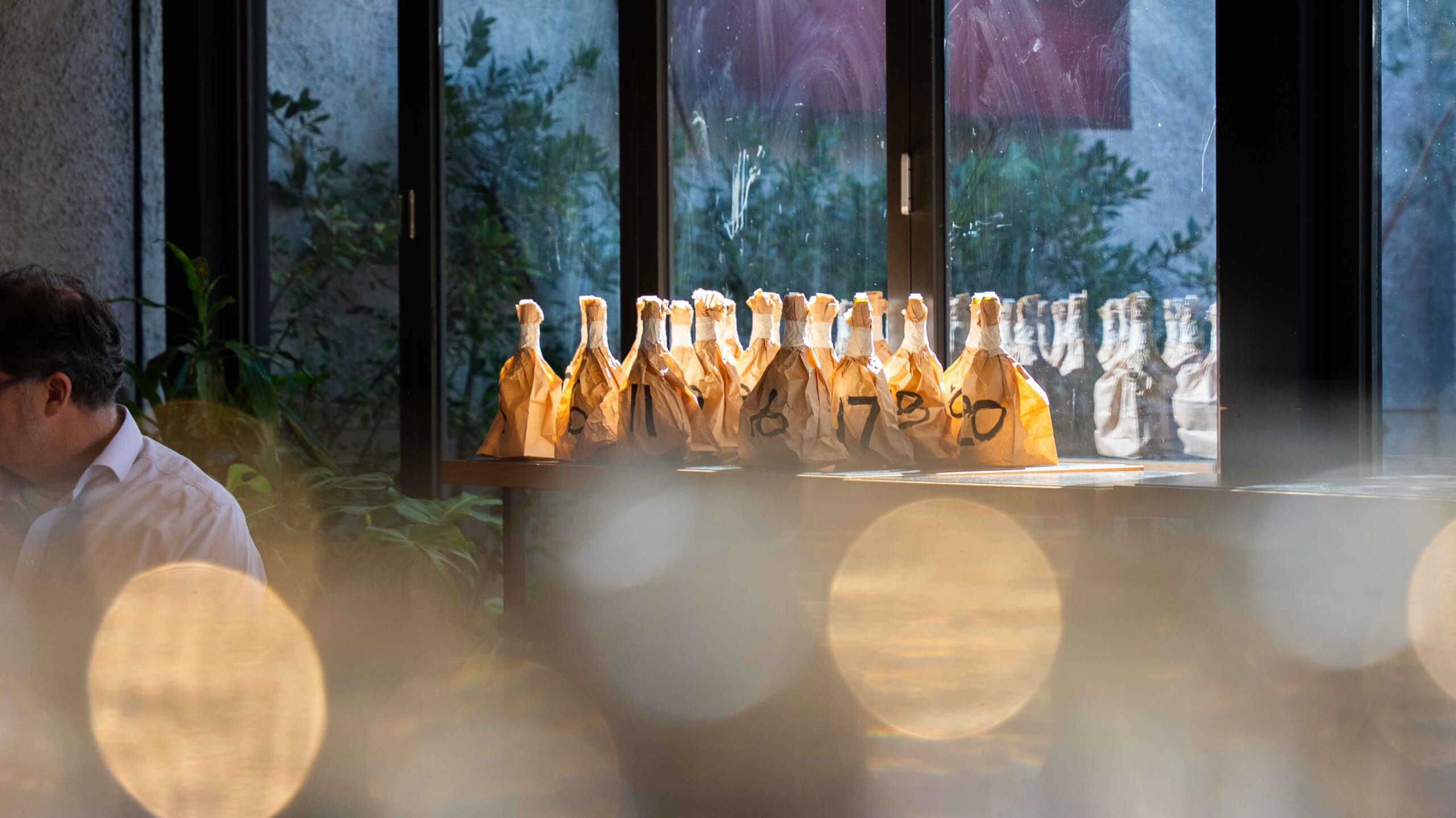
We gathered every chardonnay from Mornington Peninsula we could find and set our expert panel the task of finding the wines that compelled the most. All wines were tasted blind, and each panellist named their top six wines. Below are the wines that made the panellists’ top-six selections from the tasting.
Our panel: Mike Aylward, proprietor and winemaker, Ocean Eight; Lucas Blanck, proprietor and winemaker, Kerri Greens; Sam Coverdale, director and winemaker, Polperro and Even Keel; Tim Dexter, senior winemaker, Oakridge; Tim Perrin, winemaker, Kooyong Wines and Port Phillip Estate; Will Ross, proprietor and assistant winemaker, Portsea Estate; Luke Campbell, sales representative, Domaine Wine Shippers.
From the Deep Dive
Discover more in The Outtakes below.
Discover more in The Outtakes below.
Discover more in The Outtakes below.
Discover more of The Top Wines below.
The Top Wines
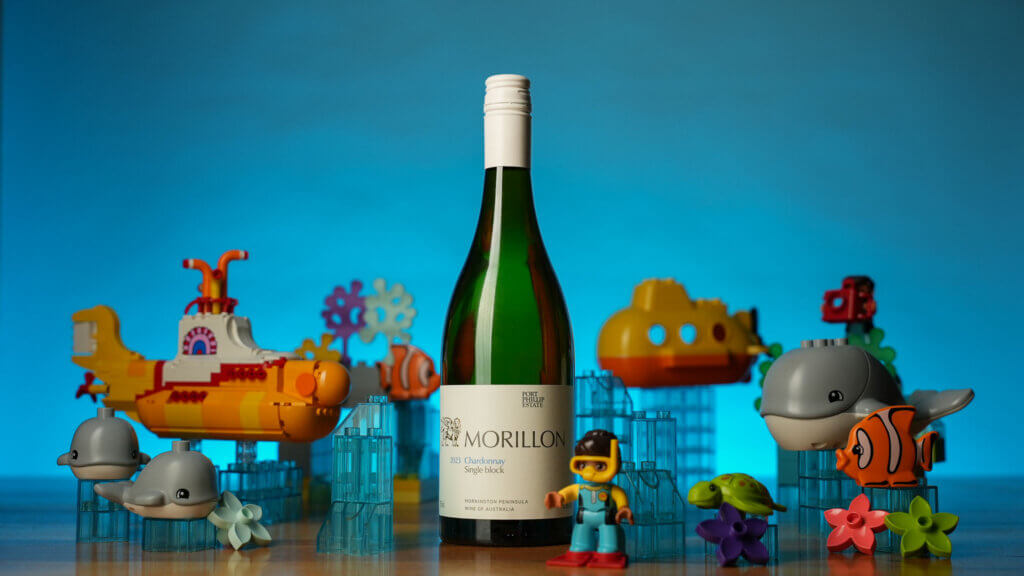
2023 Port Phillip Estate ‘Morillon’ Chardonnay, $75 RRP
Aylward, Dexter, and Ross all had this wine in their top six from the blind tasting. “Mind-bogglingly delicious from the first sip,” proclaimed Aylward. “It revealed layers of subtle complexity, with bright citrus notes of lemon and lime lifted by a fine mineral edge. A beautifully savoury matchstick character – the result of well-judged reduction – added intrigue and structure.” Dexter found “enticing aromas of freshly cut white peaches, lime zest, and gunflint, with white pepper, sea spray, and river pebbles all contributing in perfect balance. On the palate, a tightly coiled ball of lime citrus flavours extends through the wine, waiting to unfurl. Flecks of finger lime add top notes, while subtle nougat and cream tones help to balance the refreshing acidity.” Ross noted the “struck match reduction on the nose – precise and mineral-tinged. Mid-weight, with a mouth-filling texture, phenolics taut yet supple. Pink grapefruit pith and crunchy green melon on the palate.”
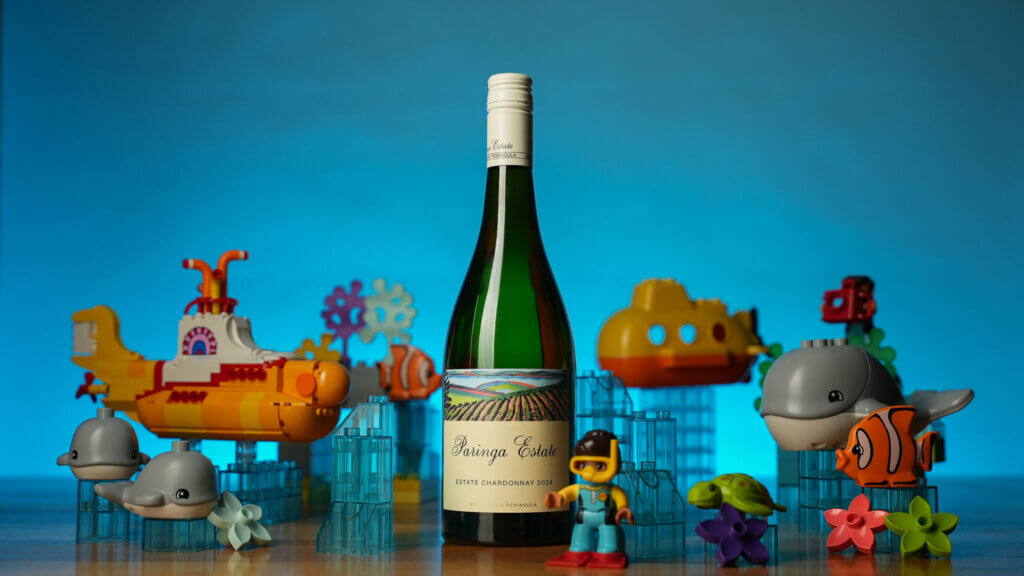
2024 Paringa ‘Estate’ Chardonnay, $55 RRP
Blanck, Aylward, Dexter, and Coverdale all featured this wine in their top six from the blind tasting. Aylward described it as “taut, lean and refreshingly precise – like biting into a perfectly ripe grapefruit. The palate is tightly wound, with zesty citrus drive and a clean, saline edge. Built to age, it will reward four to five years of cellaring with even greater complexity.” Dexter highlighted the “smoky reduction blowing off to reveal white nectarine and citrus aromas, with a mineral/sea spray lift. On the palate, just-ripe white peaches and pine-lime Splice ice-cream prevail, with lovely tension and pithy drive.” “Salty and briny, nutty – reductive in a good, waxy way,” noted Coverdale. “I love the drive of this wine – it’s super-mineral, and textural, with plenty of vibrant citrus fruit to freshen the palate.”
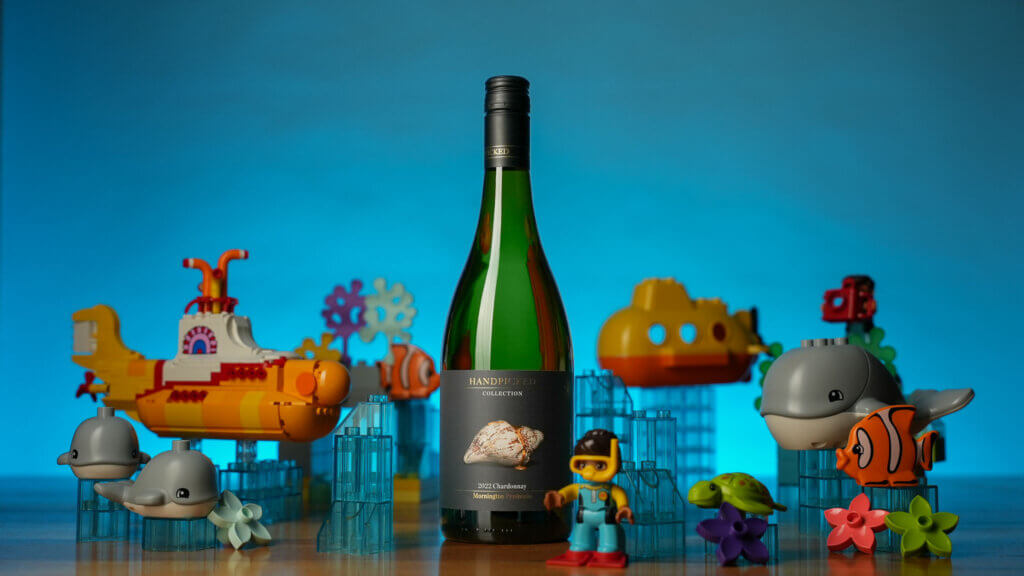
Campbell, Dexter, Ross, and Perrin all included this wine in their top six from the blind tasting. Campbell was effusive: “A complex nose of vanilla bean, cereals, wet seaweed and jasmine blossom leap from the glass. That palate and flavour spectrum is a really sexy combination of sherbet, white nectarine and smoky Bircher muesli. The epitome of Mornington Peninsula chardonnay – aced it!” Perrin highlighted the “riot of lemony citrus, citrus blossom, and white nectarine all fighting for attention. This screams quality: pleasant notes of fresh dairy cream and white pepper provide complexity.” Ross found a “sexy struck-match reductive note up front – smoky tension. Nectarine stone fruit character on display – yellow nectarine skin and preserved lemon. Detailed and fleshy, yet restrained.” While Dexter noted “lovely and intense aromas of lifted citrus, kaffir lime leaf, cap gun–like reduction and mint fudge. Awesome power and tension on the palate.”
2024 Onannon Chardonnay, $47 RRP
Coverdale, Blanck, and Perrin all selected this wine in their top six from the blind tasting. “This wine displays aromatics of briny saline and melon skin,” noted Coverdale. “Brooding on the nose, it’s compact on the palate, showing stone fruit and citrus characteristics. This wine has great fruit intensity and weight, without being overblown – its balance and drive speaks volumes about the region.” Blanck found it “intriguing and characterful, showcasing the distinctive terroir of the Peninsula. A playful hint of reduction adds complexity and harmony to the wine, while flinty minerality, alongside briny notes and sweet ripe peaches, create a fascinating flavour profile.” Perrin described it as “a richer and riper style of chardonnay. Grapefruit is seen on the palate – but this pushes into stone fruit with notes of white and yellow peach. Some buttery notes, too, but not overdone – this wine still has fruit as its core. The palate is supremely balanced, and the acidity has a soft edge but not at the expense of length.”
Both Ross and Perrin had this wine in their top six from the blind tasting. Ross noted “nettle-tinged, struck-match reductive perfume, edged with fine toast and espresso-like oak. Grilled lime peel and white peach through the palate. Powerful, long, and muscular, yet nuanced. Evidence of new French oak here, but in balance.” Perrin found it “a reserved wine in terms of expression, but it plays its hand beautifully as it opens up with each new sip. It’s all lemons and grapefruit, with a lovely pithy character, while oyster shell and flecks of flint are woven into the fruit. The oak is seamless, like the frame on fine piece of artwork. This is a wine I would just love to drink – texture is the hallmark of the palate, with its pithy character coming through.”
Blanck and Coverdale both featured this wine in their top six from the blind tasting. “First impression – wow!” proclaimed Blanck. “This wine makes an amazing statement, truly reflective of the Peninsula. Expect intense lemon curd and lemon meringue flavours, paired beautifully with fragrant orange blossom. The palate is delicate yet structured, with a hint of well-integrated oak that adds balance and depth.” Coverdale described it as “intense, textural and complex on the nose – so restrained, but layered. Tightly wound on the palate, with bright acidity, just barely revealing its lemony fruit characteristics and a hint of grilled nuts. I really like this wine, even though it has all its buttons done up!”
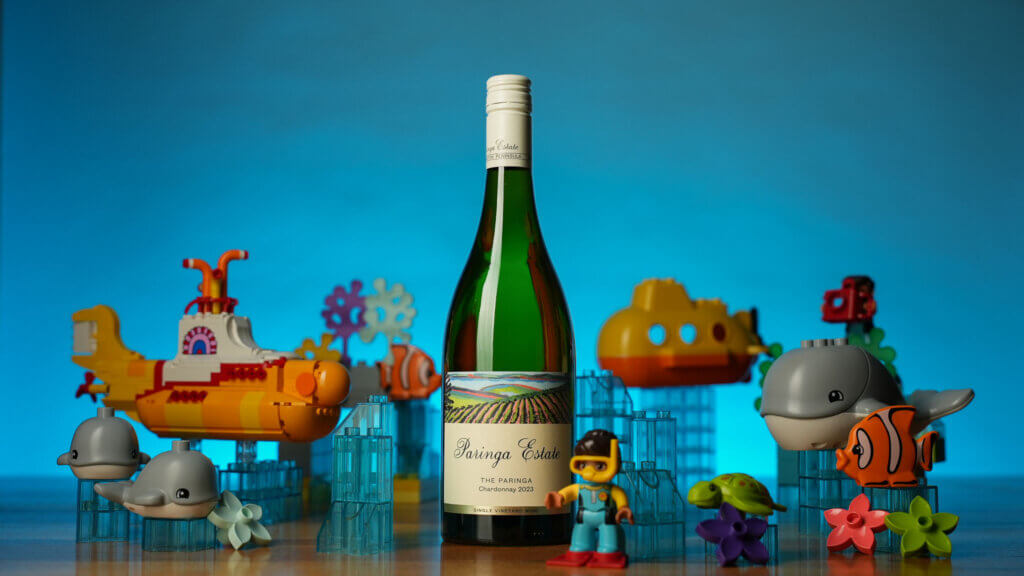
2023 Paringa ‘The Paringa’ Chardonnay, $80 RRP
Perrin included this wine in his top six from the blind tasting. “An excellent example of cool climate chardonnay: pristine fruit characters with grapefruit citrus at its core, alongside some lime leaf and white stone fruit flesh,” he noted. “Compelling complexity here, too, with flint and spice notes woven in. Oak plays a supporting role and enhances the quality of the wine. The palate is long and fine, with intriguing texture – the type of wine you can find joy in with every sip and every sniff. I could see myself drinking a lot of this!”
2023 Scorpo Wines ‘Eocene’ Chardonnay, $70 RRP
Campbell had this wine in his top six from the blind tasting. “Yellow stone fruit and grilled nuts on the nose – über-complex start,” he noted. “Sea spray and peppermint follow, slowly becoming chamomile, sake notes, and vanilla pod characteristics on the palate. Great and nervous acidity drives the length here, with hints of judicious oak use in the background, and toast notes on the finish. Such great shape – a balancing act between fruit, acidity, and a sense of place that evokes memories of the beach as this rolling Mornington wave unfurls its flavour bomb. This wine is so awesome and interesting – it could have been Chablis for a minute for its salinity, or it could have been a chilled sake for its tea-like balance, but stylistically it’s out on its own.”
2023 Symons Wines Chardonnay, $45 RRP
Ross and Dexter both chose this wine in their top six from the blind tasting. Ross found “struck match reduction on the nose, leading into gooseberry freshness, finger lime and whitecurrant, with a light kerosene/diesel nuance underneath. Mid- and back-palate filling in the mouth – tactile and persistent, the finish sculpted and long.” Dexter noted a “nice complex mix of citrus zest, white flowers and flint on the nose – a wine of detail and complexity. On the palate, lovely citrus fruit sweetness leads into a pithy texture that is salivating and finishes long.”
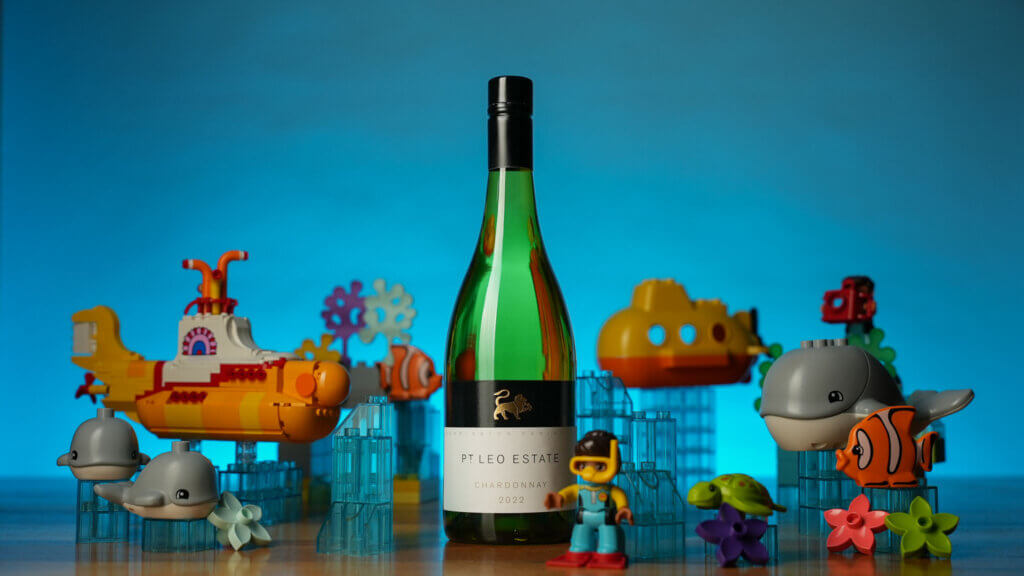
2021 Pt. Leo Estate Reserve Chardonnay, $96 RRP
Coverdale and Blanck both included this wine in their top six from the blind tasting. “Another cracking wine!” exclaimed Coverdale. “It’s exotic, characterful, and waxy on the nose, showing yellow peaches and zesty pink grapefruit. Lots of fruit and character in the mouth, with a waxy mid-palate – it’s soft and pillowy, but good acidity keeps it all on track. There’s heaps of character to this wine – it’s slightly old-school, but I love it all the same.” Blanck found it “a captivating and intense chardonnay that invites you back for another sip. It boasts a rich texture with vibrant, gripping acidity, perfectly balanced by elegant oak structure and a subtle touch of smoky reduction. Flavours of preserved lemons mingle with warm spices, complemented by aromatic notes of herbs, cardamom, and delicate orange blossom.”
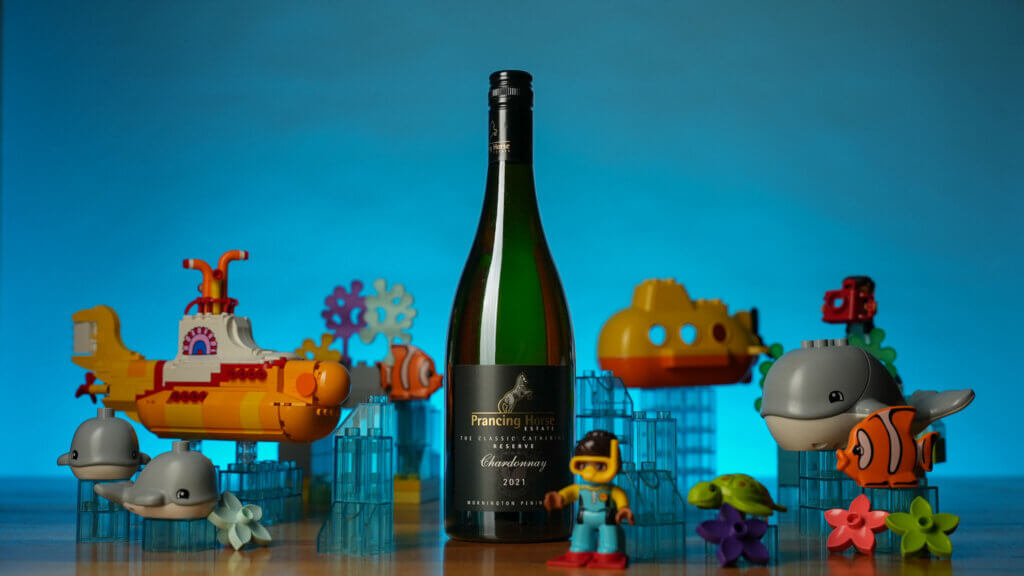
2022 Prancing Horse ‘Estate’ Chardonnay, $85 RRP
Aylward selected this wine in his top six from the blind tasting. “A textbook example of cool-climate chardonnay,” he noted. “The slow ripening period has preserved its beautiful, bright acidity while allowing flavours to develop with precision and depth. The palate is pure and lean, showing vibrant citrus and fresh lemon. A touch of malolactic fermentation brings a subtle caramel note, adding gentle roundness without compromising freshness. Elegant and mineral-driven, this is the perfect chardonnay to serve alongside freshly-shucked oysters.”
2022 Pt. Leo Estate Chardonnay, $50 RRP
Perrin had this wine in his top six from the blind tasting. “Very bright fruit characters here: lemons and limes (some pith, too), and fleshy nectarine,” he observed. “This is wine that expresses its quality: some toasty oak notes are complemented by fresh cream and brioche notes. It’s a generous and inviting wine – the palate seals the deal with lovely tension and balance from start to finish, while the acidity is bright, yet with a well-rounded soft edge. Power and poise in one.”
2022 Crittenden Estate ‘Cri de Coeur’ Chardonnay, $95 RRP
Coverdale featured this wine in his top six from the blind tasting. “This wine is more open-knit on initial approach than others in the lineup – it lets you in with its nose of white florals, zesty citrus, and white stone fruit, alongside a hint of mineral, chestnut-like characters,” he noted. “That minerality and the open-knit fruit profile carry through to the palate, where there is such great length. It’s such an intriguing wine, and hard to break down – so don’t bother, just sit back and enjoy!”
2024 Elgee Park Chardonnay, $60 RRP
Ross selected this wine in his top six from the blind tasting. “An exceptionally balanced wine – elegant from start to lingering finish,” he noted. “Redolent of honeyed pear and baked Meyer lemon, flecked with mineral drive, bright and fresh acidity. Length both insistent and refined. Classic Mornington Peninsula poise – stone fruit balanced with minerality and maritime freshness – making it a natural match for the Peninsula’s crayfish or scallops.”
Campbell had this wine in his top six from the blind tasting. “Crème fraîche offers an exciting lead-in to a nose dominated by green apple and nectarine,” he described. “Good attack and weight on the palate – almost round a nod to the older-style buttery chardonnays of yesteryear, perhaps? Shows flavours of apples, alfalfa, apricot kernels, hints of popcorn and almond meal. Loads going on here – heaps of complexity, with ever-so-subtle fruit characteristics that keep drawing me back to search for more. It’s so drinkable and flavoursome. More swagger than Chris Hemsworth – love it!”
Blanck and Dexter both included this wine in their top six from the blind tasting. Blanck found it “intense and concentrated, the acid drive beautifully balanced by creamy lees work and malolactic fermentation. Expect flavours of citrus curd, ripe grapefruit blossom, and a touch of warming spice.” Dexter noted the “nice lime rind/zesty lift and smoky reduction adding interest to the nose. On the palate, there is lovely balance and purity of fruit – everything in its place. Crunchy phenolics keep things in check, and deliver the fruit flavours through the palate to a long finish.”
2023 Woodhaven Chardonnay, $45 RRP
Campbell chose this wine in his top six from the blind tasting. “Sea spray, loam, and lime sorbet on the nose,” he observed. “A concentrated palate grabs a hold of you – pear, seaweed on the beach, cornmeal, cashew nut, almond, wild flowers, and cut rose. Really complex – so much going on, with smoky hints of reduction. Good length and nice acidity shapes cinnamon and spice notes at the back-palate from the oak – the oak here absolutely not over-worked.”
Coverdale had this wine in his top six from the blind tasting. “This wine appeared more brooding on the nose, with toffee-like notes suggesting that it was oxidatively handled in the winery, yet still retaining its stone fruit and citrus freshness,” he noted. “This wine takes you on a journey – it has a beautiful mid-palate texture and drive/energy. A wine that’s sure of itself and its surroundings! What you see on the nose does not necessarily carry through to your mouth, which adds another dimension to the wine – and keeps you going back for another sip.”
2024 Montalto Chardonnay, $60 RRP
Aylward included this wine in his top six from the blind tasting. “Sitting on the riper end of the spectrum, this chardonnay opens with rich caramel and toffee notes, evolving into a crème brûlée character,” he described. “The use of high-quality oak is more pronounced here, adding depth and structure. Fuller-bodied and generous in style, it carries buttery nuances – yet a line of fresh acidity runs through the palate, balancing the weight and keeping the finish bright.”
Dexter featured this wine in his top six from the blind tasting. “Lemon zest lift with aromas of cashews, cream, and yellow orchard fruit,” he noted. “Great intensity on the palate here – a burst of lemon energy, driven by bright acidity. Nice crunchy phenolic characters add to the intrigue on palate. Great length.”
2024 Ocean Eight ‘Verve’ Chardonnay, $60 RRP
Campbell selected this wine in his top six from the blind tasting. “Popcorn and honeysuckle on the nose,” he observed. “The fleshy mouthfeel has a freshly cut pear, white flowers, vanilla, and jasmine thing going on – this is real fruit, flat-out. Really cool style – not for everybody, because of its departure from the pure fruit and bright acidity of Mornington that we have come to expect. It has a good acid frame and good length of fruit character. Will age. This wine is like sticky pork ribs with mates – everyone has a good time. Really tidy wine!”
2024 Yabby Lake ‘Mornington Peninsula – Single Vineyard’ Chardonnay, $60 RRP
Aylward had this wine in his top six from the blind tasting. “Bright and tightly wound, this chardonnay bursts with zesty grapefruit, lemon and lime,” he noted. “The citrus flavours are pure and precise, underpinned by a subtle delicacy – suggesting that time in bottle will bring further complexity and harmony. Beneath the freshness, a gentle caramel note adds depth, showcasing classic cool-climate Mornington Peninsula character. A wine with great potential for those willing to cellar.”
2024 Dexter ‘Black Label’ Chardonnay, $80 RRP
Perrin chose this wine in his top six from the blind tasting. “Another wine that gets the balance spot-on,” he observed. “Pristine fruit aromatics, led by lemon, grapefruit and white peach, while some spicy oak notes hover ever so slightly in the background. The palate has a briny tension, while there is some a creamy texture, presumably from smart lees work. Acidity carries all of the above comfortably. A measured yet quality wine.”
Blanck selected this wine in his top six from the blind tasting. “Initially reserved, this wine quickly opens up to reveal an intriguing personality,” he noted. “On the nose, briny notes and grapefruit zest come forward, accompanied by orange blossom and subtle mineral undertones. These characteristics are carried across the palate by lively acidity, leading to a long finish – all in all, making for a captivating tasting experience.”
Ross and Campbell both had this wine in their top six from the blind tasting. Ross found “an opulent nose of caramel, dark chocolate, and toffee – suggesting a wine of considerable oak influence. On the palate, it delivers a gorgeous texture and structure, with a finish that lingers impressively. Stewed fig, grilled pineapple and burnt orange peel lift the oak richness. The oak is present but well-integrated, contributing to the wine’s depth and length.” Campbell described “wildflowers, nuts, and honeyed Bircher muesli on the nose. The palate is like a fruit salad, with mixed citrus and orchard fruit flavours. It has a great shape, with wonderful medium weight. A really nice interplay between site and fruit – not overly complex, but it doesn’t need to be. The hand of the winemaker is on show here. I want to be at Nonna’s table with one of those creamy pasta dishes like fettuccine alfredo with freshly cracked pepper … and a gallon of this. I want to drink it, not think it. Yum!”
2024 Baillieu Chardonnay, $45 RRP
Aylward included this wine in his top six from the blind tasting. “Distinctly savoury in style, this chardonnay opens with subtle mint and menthol notes, adding freshness and lift,” he described. “Fruit plays a supporting role to the wine’s savoury depth, complemented by well-judged oak that frames the palate without dominating. A refined choice for those who enjoy more savoury, complex chardonnay styles, particularly when paired with fresh oysters.”
The Backstory
We are currently in a golden age of Australian chardonnay, with growers and makers continually fine-tuning their wines to avoid the excesses of yesteryear. Winemakers love chardonnay not only because it responds well to various cellar techniques – but also because it readily expresses a sense of the place and manner in which it is grown.
Few wine regions worldwide – let alone within Australia – are quite as glamorous as the Mornington Peninsula. Surrounded on three sides by bodies of water – Port Phillip Bay to the west, Western Port Bay (and French and Phillip Islands) to the east, and the wild Bass Strait to the south, and within a short driving distance of Melbourne’s affluent eastern suburbs, it’s a region of beautiful scenery and sophisticated architecture – almost tailor-made for destination dining and wine tourism, not to mention a booming property market of beachside holiday homes. You might therefore expect the region’s winemakers to coast along on the region’s natural assets, investing more time in the fit-outs of their cellar doors and on-site accommodation than in the vineyard or winery – but you’d be dead wrong. The Peninsula’s winemakers are on a collective mission to make high-quality, compelling wines that justify their often-substantial price tags. And despite serious competition from pinot gris/grigio, chardonnay has emerged as the region’s white wine calling card – and a natural foil to its red wine variety of choice, pinot noir.
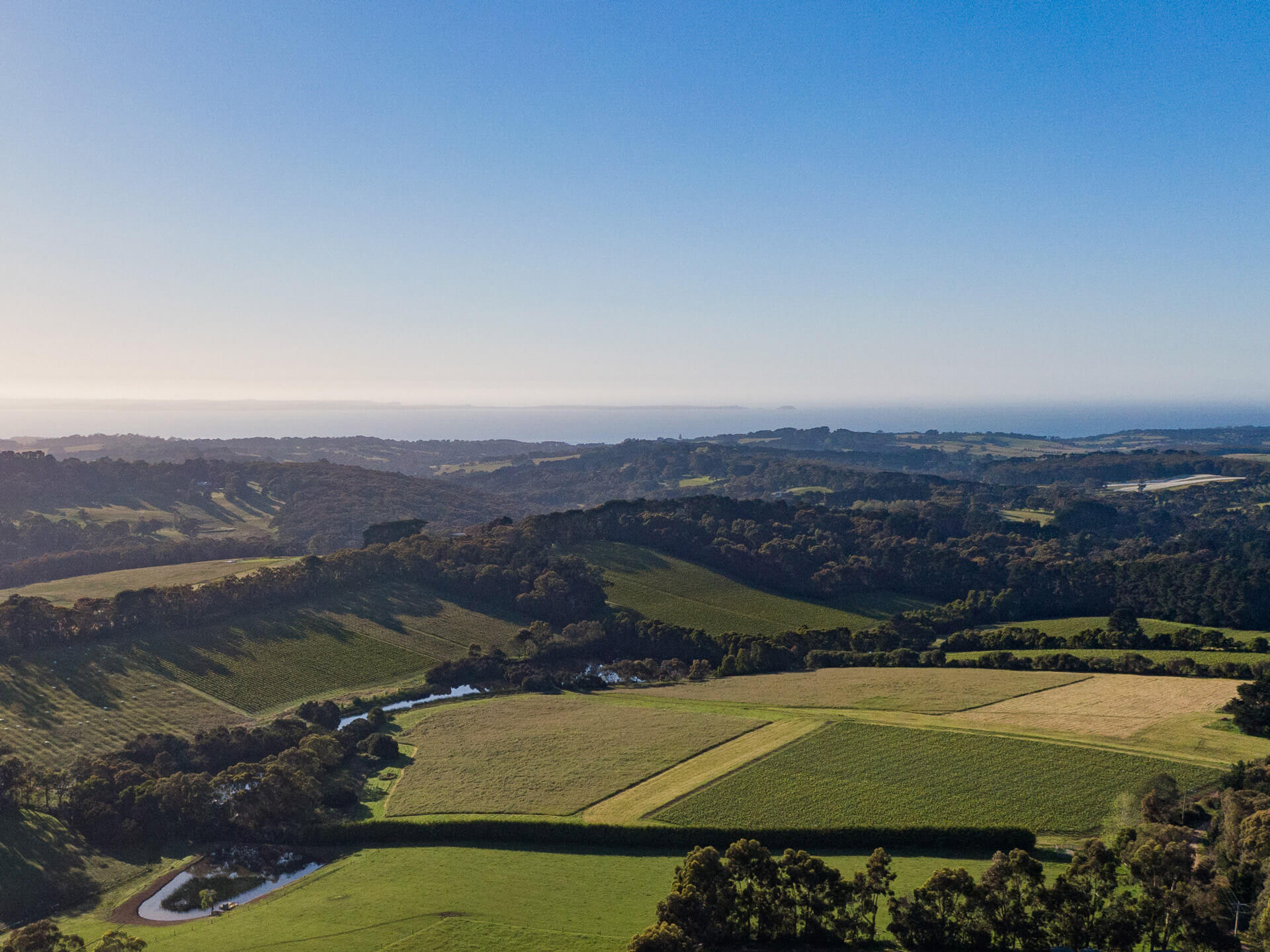
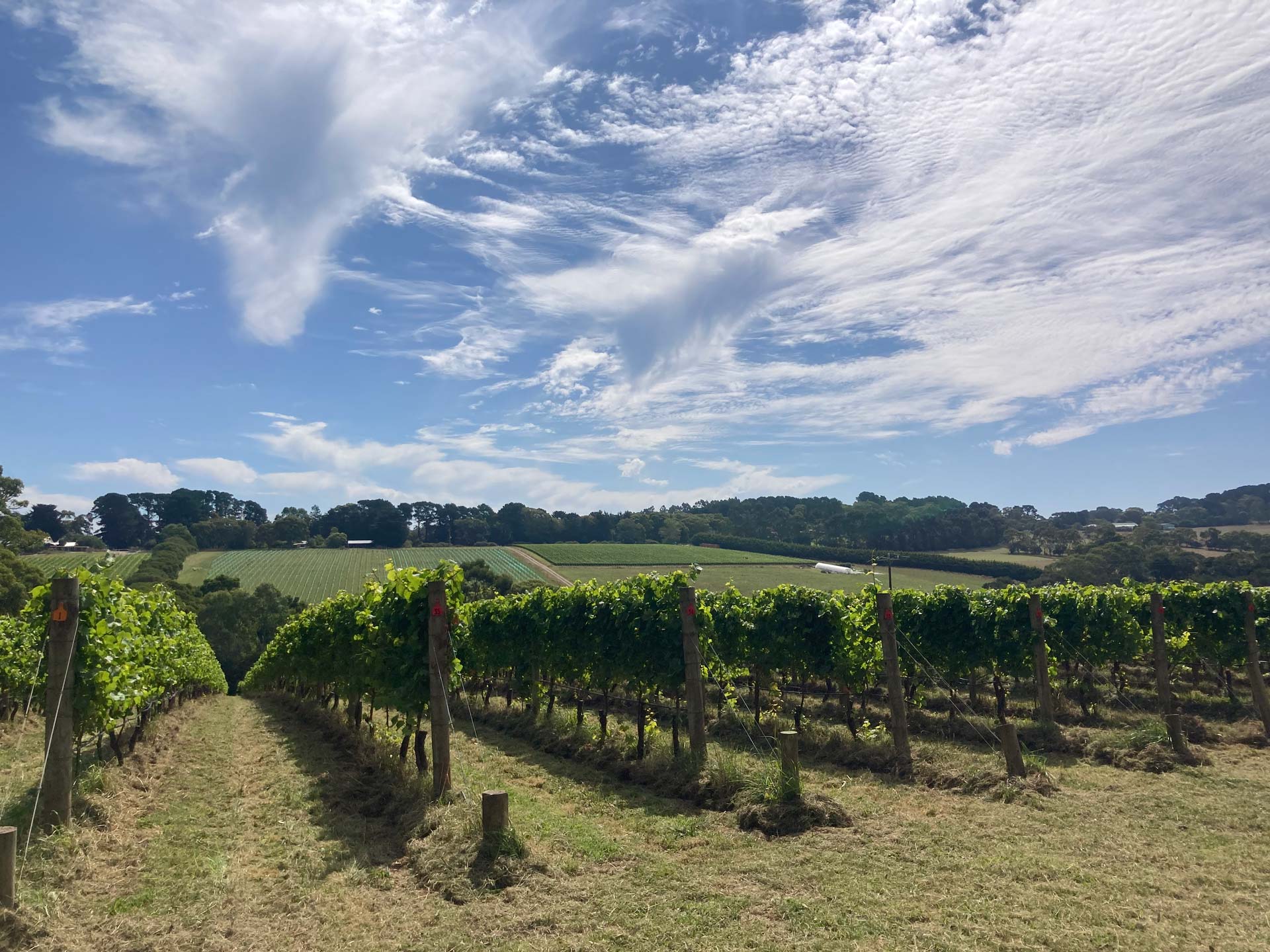
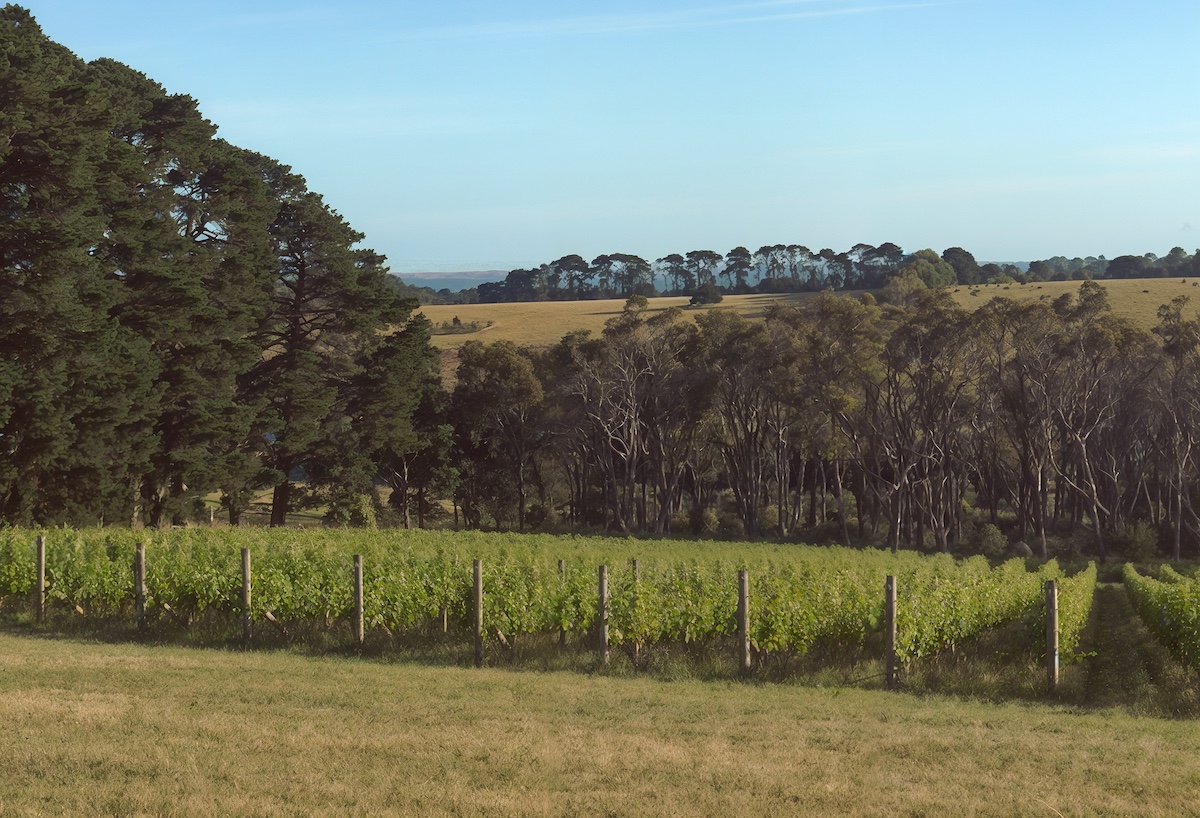
Above: Portsea Estate’s Main Ridge vineyard – a typical Mornington Peninsula vista. Opposite: An aerial view of the Mornington Peninsula, with Ten Minutes By Tractor’s Spedding Vineyard in the foreground and the entrance to Western Port Bay and the Bass Strait in the background.
Fits and starts
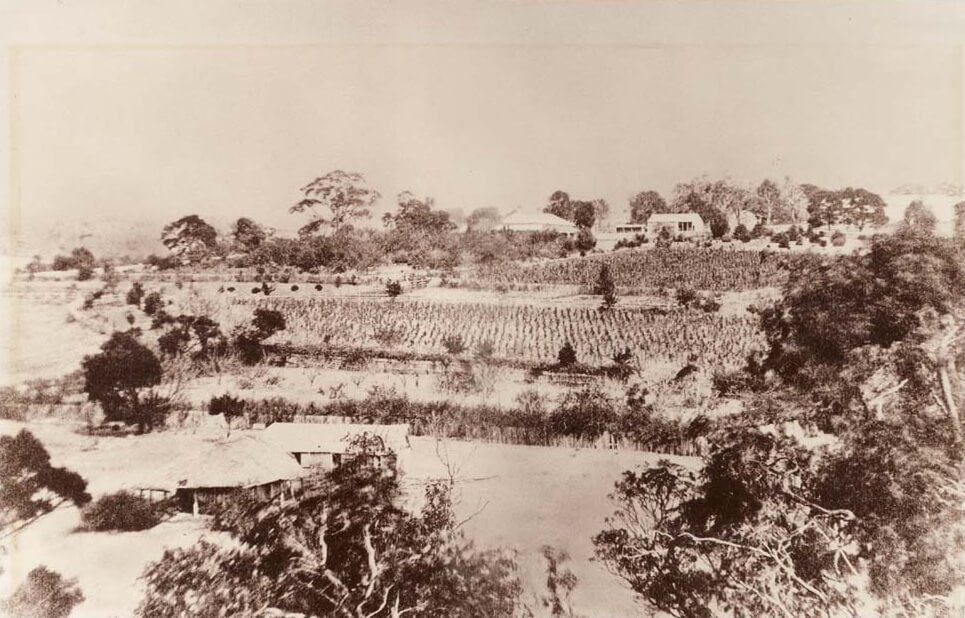
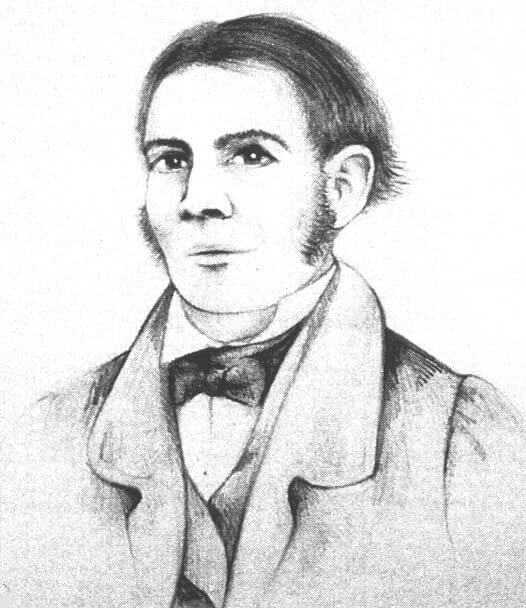
While the region’s copious sunshine, moderating maritime breezes, and naturally fertile soils may suggest that it was always destined for viticultural glory, Mornington Peninsula’s early wine history is anything but a straightforward path to success. The first vines were likely planted at Alexander Balcombe’s property ‘The Briars’ (now part of Mount Martha) in the late 1840s, and by 1891 there were fourteen registered grape growers on the Peninsula – as well as a mysterious hermit named ‘Simon the Frenchman’ who lived in a hollow tree in the Main Ridge area and made wine for his own enjoyment from a micro-plot he’d planted nearby. The region’s early wines were a mixed bag – while a wine from Dromana received an honourable mention at the 1886 Colonial and Indian Exhibition in London, Balcombe’s early efforts were dubbed ‘Balcombe’s Vinegar’ by the locals. Despite its proximity to Melbourne and suitability to winegrowing, the Mornington Peninsula certainly never experienced the boom times that characterised the Yarra Valley’s first viticultural era, and it fell prey to the same forces – economic depression and a shift in consumer preferences towards fortified wines – that cruelled the Yarra’s nascent wine industry, with the added insult of suspected Phylloxera outbreaks. (The region was declared Phylloxera-free in 2021.) The region’s vineyards were all abandoned or grubbed up by 1920.
Above: Photograph of ‘The Briars’, likely to be the region’s first vineyard, circa 1870, with vines visible in background. Opposite: Pen drawing of Alexander Balcombe, owner of ‘The Briars’ and amateur winemaker whose attempts were called “Balcombe’s Vinegar” by locals, circa 1840.
While other cool-climate wine regions with a similar origin story – such as Tasmania, Adelaide Hills and the Yarra Valley – had to lie fallow for a good while before their viticultural resurgence, Mornington received the mixed blessing of pretty much immediate interest in reigniting its wine industry. Like its early forays, though, these interim attempts were ambivalent at best. Morning Star, a vineyard planted from French cuttings by Franciscan friars in 1932, resulted only in wines best kept to Sunday services. A vineyard established by the Seppelt family – the famous wine dynasty of the Barossa Valley – after the conclusion of World War II fared a little better, but it was sold to the Melbourne’s Seabrook family of wine merchants, who essentially kept it as a hobby farm until the vines were razed in a bushfire in 1967. It would take until 1972 – at the very start of Australia’s soon-to-be torrid love affair with chardonnay, as detailed in our recent Deep Dive on Yarra Valley chardonnay – for a commercial vineyard project in the Peninsula to finally stick the landing.
“The Mornington Peninsula would appear to be one of the few regions in Australia where the precise characteristics of the great Burgundy wines might reasonably be aspired to.”
That vineyard, Elgee Park, was founded after what then-owner Sidney Baillieu Myer – ‘Bails’ to his friends – recalled as “a fairly liquid lunch” with some visiting Bordeaux vignerons, who saw structural similarities between the Peninsula and Bordeaux’s left bank. (Both regions are surrounded on three sides by bodies of water.) As such, he was advised to plant Bordeaux varieties for red wines – a mix of cabernet sauvignon, cabernet franc and merlot – and riesling for white. Reflecting on this planting decision years later, Myer said “I didn’t know enough to say no, and so I agreed to their idea.” Myer and his Bordelaise friends had the climate science of the time on their side – owing to imprecise readings and bad data, models suggested that the Peninsula was warmer than it actually is. This climatic mismatch ensured that while Elgee Park was the first modern vineyard in the Peninsula, it was not the first to release wines commercially – that distinction would belong to Main Ridge Estate, which was the first to show what the region was capable of.
Reasonable aspirations
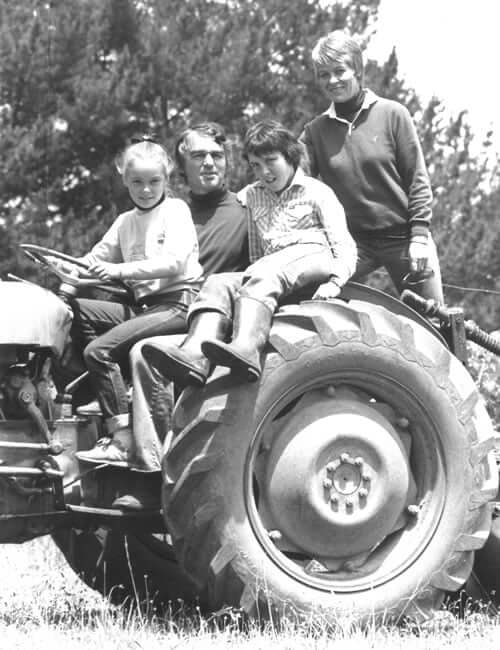
Nat and Rosalie White first planted Main Ridge Estate in 1975 with an experimental ‘fruit salad’ of different varieties to determine what would work best for the site. While this mix followed Elgee Park in the use of cabernet sauvignon, it also included pinot noir and, for the whites, gewürztraminer and chardonnay. The latter choice was inspired by the couple’s previous travels in Burgundy – at a time when no varietal chardonnay wines were being commercially produced in Australia. “I knew that the climate of the elevated site was similar to the Côte d’Or, where we first knowingly tasted chardonnay in 1968,” Nat says. “There was little choice of clones … we got what we got and called it ‘chardonnay’.” While Gewürztraminer quickly dropped off the region’s radar, chardonnay and pinot noir swiftly proved themselves to be eminently suited to the region’s cooler-than-assumed climate: “Our decision to subsequently devote the vineyard almost entirely to pinot noir and chardonnay was confirmed by Brian Croser when I undertook the Wine Science Degree at Wagga,” Nat says.
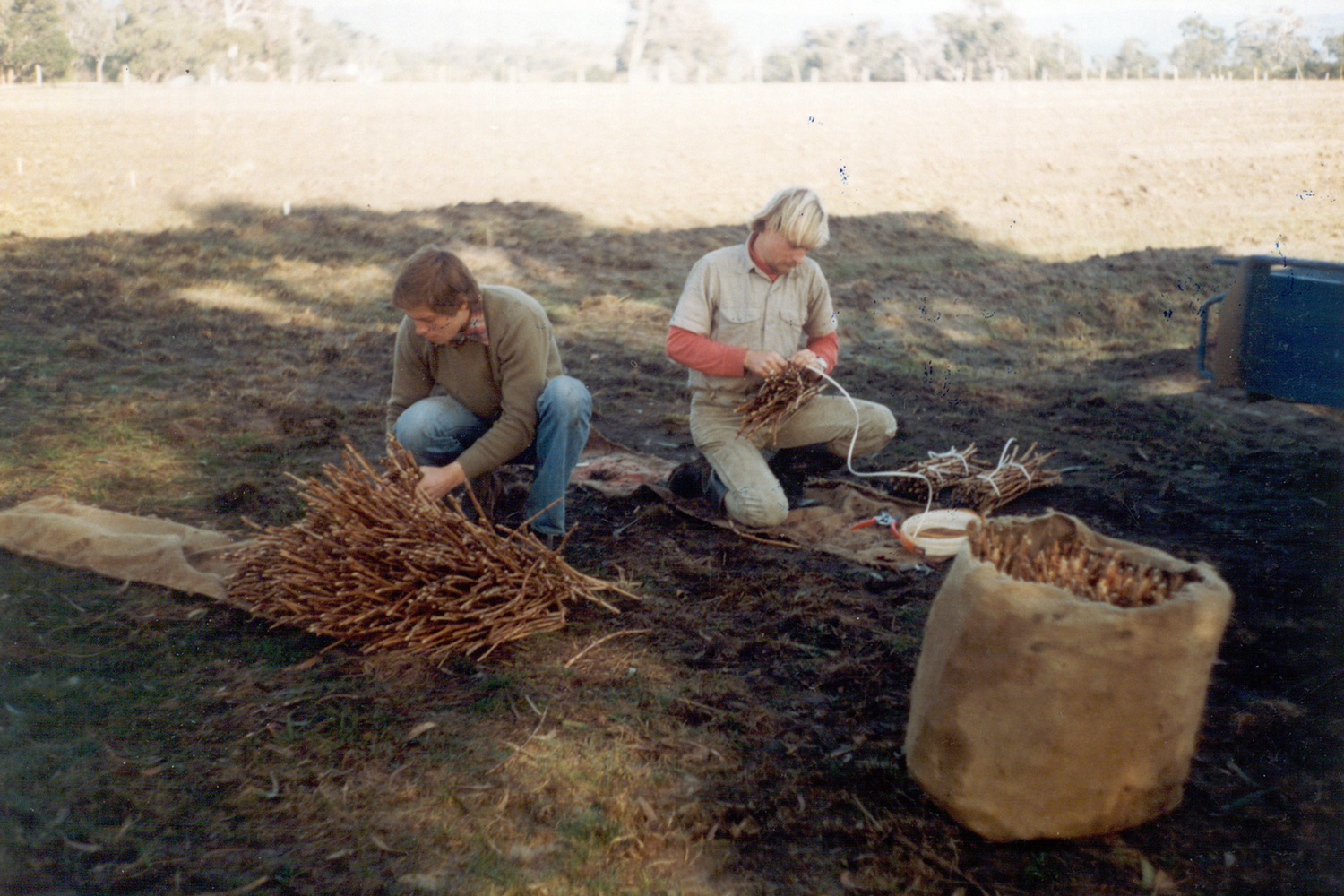
Opposite: Nat and Rosalie White with their children at Main Ridge Estate, circa 1980s. Above: Planting in at Crittenden Estate, 1982.
The vineyards that followed in Main Ridge’s wake by and large focused on these two Burgundian varieties – albeit sometimes after a detour via Bordeaux. George Kefford planted both chardonnay and pinot noir at Merricks Estate in 1978; his neighbour Brian Stonier planted his eponymous Merricks vineyard to chardonnay in the same year, followed by pinot noir in 1982. While both Garry Crittenden and Dr. Richard McIntyre deferred to the wisdom of outsiders when planting their vineyards (Crittenden Estate and Moorooduc) to mostly Bordelaise varieties in 1982 and 1983, respectively, experience soon saw them cast their gaze towards chardonnay and pinot noir. By 1992, eminent Australian viticulturist Dr. John Gladstones had distilled the region’s collective wisdom in his book Viticulture and Environment, arguing that the Peninsula “would appear to be one of the few regions in Australia where the precise characteristics of the great Burgundy wines (both red and white) might reasonably be aspired to.” After this, cabernet sauvignon and riesling didn’t stand a chance. The region is now dominated by pinot noir (at 52% of plantings) and chardonnay (at 27%), with pinot gris coming third place (at 13%).
Stylistically, Main Ridge helped to create the vogue for malolactic conversion that so dominated Australian chardonnay in the second half of the 1980s and throughout the ’90s. “I knew that Côte d’Or chardonnays were made using 100% malolactic conversion, a very rare style in Australia as chardonnay plantings expanded,” Nat says. “However, as our vines matured, the fruit/acid profile suggested that the use of ‘malo’ was possible for us. My first experiment with 100% conversion was in 1984, and the result produced raised eyebrows from the wine press! However, our growing number of customers were excited by the story, and my determination that the fine, citrus-acid, richly textured wine with great length would be the Main Ridge Estate style.” He stresses, though, that the cooler mesoclimate of Main Ridge Estate – high on the slopes of Red Hill – allows the fruit grown here to undergo that conversion without losing too much freshness: “As I consulted to new local wineries, it became obvious that the percentage of any malolactic conversion should be less in wines from the lower, warmer sites,” he says.
“I knew that Côte d’Or chardonnays were made using 100% malolactic conversion … as our vines matured, the fruit/acid profile suggested that the use of ‘malo’ was possible for us.”
James Sexton, the current winemaker at Main Ridge estate and custodian of those two rows of original 1975 chardonnay plantings, argues that the development of the rich, ripe style of chardonnay in Australia in general and the Peninsula in particular needs to be understood within its historical context. “If you look at that point in time, the consumer market was geared towards fortifieds and heavy reds,” he says. “Chardonnay followed that trend, too – and as a white variety, it’s one that can do it.” He notes, too, that the gradual shift away from this riper, more opulent style of chardonnay was driven less by winemakers seeking to impose different styles on the public, but more by consumer demand as tastes evolved and changed: “You could say it’s 100% winemakers, and they’re making the decision to chase the best wine – but they also know that if wines don’t sell, they’re out of a job,” he says. “In a lot of these things we don’t give consumers enough credit.”
Keeping it fresh
Paul Scorpo of Scorpo Wines had to be talked into planting chardonnay when he and his wife, Caroline, purchased a derelict former orchard at Merricks North in 1996 with the aim of converting it into a vineyard. “Going to Burgundy and Alsace to start with, I was only going to put in pinot noir and pinot gris,” he says. “Although my wife always loved chardonnay, and so did I – so we basically came to an agreement that there would be chardonnay. And I’m glad we did, because the Scorpo chardonnay has opened up lots of doors for us.” When those chardonnay vines started bearing fruit in 2000, Scorpo was determined to make wine from them in a markedly different style than the opulent, oaky style that the Mornington Peninsula had become renowned for. “We’ve always loved that freshness – that mouthwatering, refreshing, approachable acidity that is maritime-derived and is a stamp of Chardonnay on the Peninsula,” he says, “along with that saline hint we get from those salt-shot fogs that come through.”
To keep things fresh and crisp, Scorpo Wines has had a policy of blocking malolactic conversion in their chardonnays. This is a rule they have managed to successfully stick to with every vintage since their chardonnay vines started fruiting in 2000 – with the sole exception of 2001, which, Scorpo says, “just got away from me really quickly.” He argues that the acid profile of chardonnay grown on the Peninsula is already “so approachable – so if you make it go through malo, then what you’d have to do is add acid after to freshen them up.”
Opposite: Paul Scorpo. Above: The Scorpo Wines home vineyard at Merricks North.
Likewise, new oak is kept to a minimum to avoid obscuring fruit purity and terroir expression in the finished wine. “We find that as the vineyard gets older and the vines get well down into that subsoil, we’re using less oak,” Scorpo says. “We used to put 35%, but now we’re down to 15%, because the fruit is so flavoursome.” The combination of fruit from now-mature vines – “in the prime of their being,” as Scorpo puts it – and winemaking dialled in to best express that fruit creates chardonnays that, in Scorpo’s words, are “not big wines, just powerful wines – but they’re very elegant and refined in their own way.” Alongside other pioneers such as Mike Aylward of Ocean Eight, Scorpo’s crisp, bright, and mineral-driven chardonnays blazed a new trail for Peninsula chardonnay to follow – and other makers swiftly followed.
“As our vineyards have matured, so has our understanding of winemaking – it’s the about role that those wines play in our culture, in the food of our culture, and in the celebration of place in our culture as well.”
While Scorpo has always had an aversion to the big, buttery styles of chardonnay that were popular in the 1980s and ’90s – “I like cream, but I don’t like the idea that the more you work the wine, the more buttery it will become,” he says – he cautions that the pendulum can swing too far in the other direction. “People get really silly, and the wines then become very unbalanced,” he says. “You can see when they’ve picked too early – people panic and don’t wait until all the flavour’s come in, then you get skinny chardonnays.” He credits the general shift in the Peninsula away from bigger styles to a combination of higher-quality fruit owing to vine age – “There’s not many less than twenty years old now” – and winemakers responding to a consumer shift towards chardonnays that are designed to be consumed with food: “As our vineyards have matured, so has our understanding of winemaking – it’s the about role that those wines play in our culture, in the food of our culture, and in the celebration of place in our culture as well.”
Scorpo – who searched for vineyard sites across various wine regions in Australia before purchasing in the Peninsula – also gives credit to the region’s winemaking culture. “There was an openness with all the people that I met when I first came down here, and it’s still like that,” he says. “We don’t see ourselves as competing against each other. It’s really about what we’re trying to do with this bit of land that we’ve got and trying to get the best out of it – so information is shared.”
From technique to terroir
From his current viewpoint at Main Ridge Estate, James Sexton argues that the current trend towards balance in Australian chardonnay – finding a path somewhere between the ‘too much’ of the ’90s and the ‘too little’ of the mid–2000s backlash against that style – has as much to do with technology as it does with improved winemaking and viticultural knowledge or changing consumer preferences. “Don’t discount technology,” he says. “I’ve only two years ago converted from basket pressing my chardonnay to using a small airbag press. What you can do and the control that you can have over your fruit is quite remarkable – and those things just weren’t really available, especially to small-scale winemakers. In many regards, we can make incredible chardonnays nowadays – but we can also probably do it a lot easier than what some of the early guys were having to do.” He points to tools such as temperature control for fermentations, enhanced fruit sorting at the winery to remove diseased berries, and finer control over oxygen exposure throughout the winemaking process as other technological developments that have helped winemakers make better chardonnays over the past two decades. Cheaper airfares to Europe have helped, too: “It’s almost a rite of passage now if you’re a chardonnay- or pinot-maker to do a vintage in Burgundy,” he says. “In the past, that was reserved for a few individuals – the bulk of the industry couldn’t do it.”
Above: James Sexton. Opposite: Chardonnay vines at Main Ridge Estate.
With the winemaking now largely dialled in – and with the focus now respecting the particularities of their chardonnay grapes rather than imposing a predefined style – more attention can be spent on the manner and place in which those grapes are grown. Sexton notes that, in contrast to the region’s chardonnay winemaking, there is still a lot of viticultural experimentation taking place, such as newly planted high-density vineyards: “The wines are looking promising, but they’re also young vines,” he says. “There’s some anecdotal evidence that it’s looking like it could be the way forward … I think the jury’s still out on that’s the answer or not.” He points to the challenges of climate change and responses such as canopy management as other viticultural developments in the region. The ever-present threat of phylloxera – even though the Peninsula has been declared free of the pest, it is very much active in the nearby Yarra Valley – and the subsequent need to future-proof new vineyards by planting on rootstocks adds another layer of complexity: “If you’re not planting on rootstocks now, you’re insane,” he says. “There’s now a big focus on what rootstocks are suited to what clone, and to what site as well – and the impact that this will all have on the style of the wine.”
Nat White argues that the future for Mornington Peninsula chardonnay lies in single-site expressions, similar to those of Burgundy, with its famed patchwork of defined and delimited vineyards. “Taking our cue from Burgundy, chardonnay should always be our top white variety, as our climate allows us to make finer, richer styles than wines from warmer climates,” he says. “I would like to see Mornington Peninsula focus more on single vineyard chardonnays, as we do with pinot noir, in order to express unique characteristics … to maintain commercial viability, we need to market our subtle differences!”
“I think there’s always a bit more influence of the winemaker in chardonnay than pinot noir. I dial in the chardonnay-making to best suit the site; with pinot-making I don’t change the winemaking at all.”
Sexton personally agrees with with White’s enthusiasm for a more site-specific approach to chardonnay on the peninsula, with some caveats. He argues that while chardonnay is a terroir-expressive grape, its red counterpart, pinot noir, more readily shows the differences between sites: “I’ve got pinot noir from three different sites within five kilometres of me, and I get remarkably different wines out of all three of them,” he says. By contrast, the differences between chardonnays from those same vineyards are “a little bit more subtle – but there are clear differences.” The variety’s famous flexibility in the winery makes it harder for the end consumer gauge terroir differences, too: “I think there’s always a bit more influence of the winemaker in it than pinot noir. I dial in the chardonnay-making to best suit the site; with pinot-making I don’t change the winemaking at all, and I get different wines.”
He also argues that the Peninsula’s sometimes adverse viticultural conditions, with challenges at flowering time sometimes leading to poor fruit set and minuscule yields, means that not all makers will have the luxury of being able to release single-vineyard chardonnays. “In 2024, up the hill where I am, some sites were basically written off – they weren’t picked at all.” The vagaries of vintage mean that many winemakers will be “fearful of going down the path” of single-vineyard expressions: “I’d hope people go down that path, but I don’t think everyone will,” he says. “It’s a tough lesson to release a wine, have it gain a reputation, and then tell people they can’t have it next year.”
For Nat White, whether the region goes down the same single-vineyard path as the Yarra Valley or not, its main competitive edge will always have to be quality, rather than quantity: “Chardonnay grown in higher-cropping, warmer vineyards where land is cheaper, already produces large amounts of generic chardonnay,” he says. “For a tiny region, the Mornington Peninsula can certainly remain the queen of quality.”
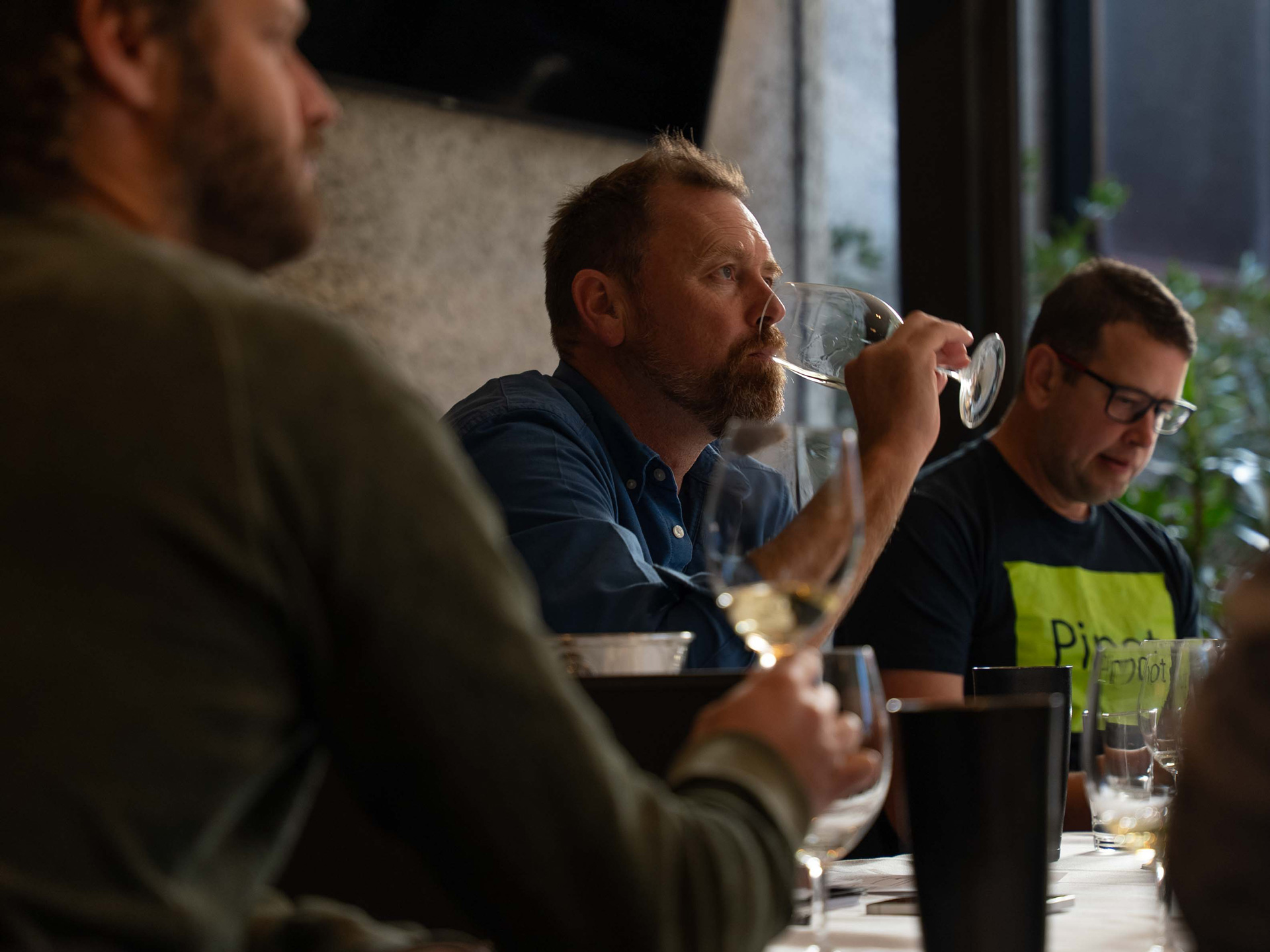
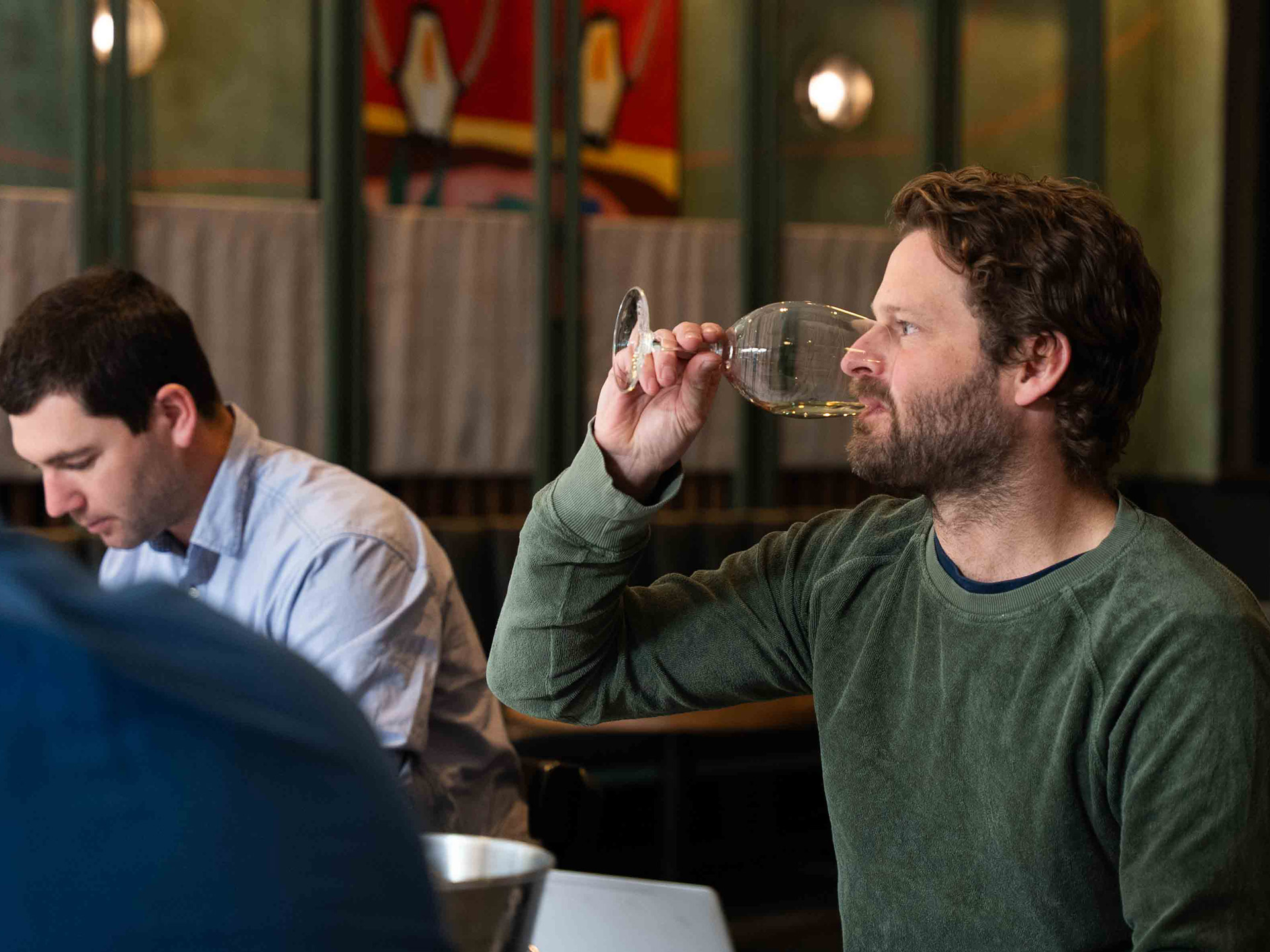
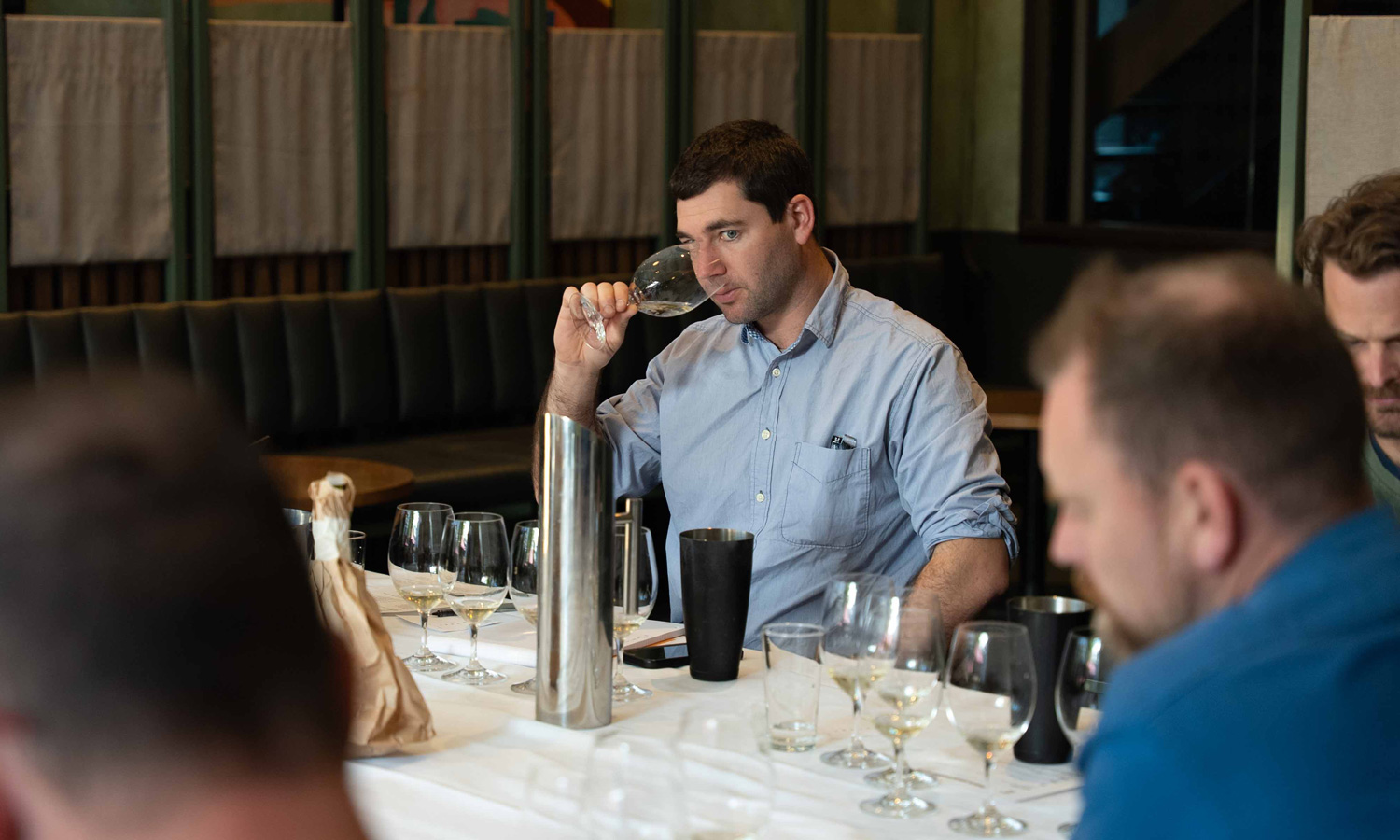
Above: Our panel of experts gathered at Bleakhouse Hotel, Albert Park (Melbourne).
Outtakes from the tasting
We gathered every chardonnay from Mornington Peninsula we could find and set our expert panel the task of finding the wines that compelled the most. All wines were tasted blind, and each panellist named their top six wines. Below are the wines that made the panellists’ top-six selections from the tasting.
Our panel: Mike Aylward, proprietor and winemaker, Ocean Eight; Lucas Blanck, proprietor and winemaker, Kerri Greens; Sam Coverdale, director and winemaker, Polperro and Even Keel; Tim Dexter, senior winemaker, Oakridge; Tim Perrin, winemaker, Kooyong Wines and Port Phillip Estate; Will Ross, proprietor and assistant winemaker, Portsea Estate; Luke Campbell, sales representative, Domaine Wine Shippers.
Aylward kicked off the discussion by noting that the quality across the board was exceptional – “I’d be happy to have made any of those wines,” he said. He also noted a stylistic shift towards lighter, fresher styles of chardonnay on the Peninsula: “It used to all be apricots and oak and big, rich flavours – and now it’s just totally turned to lemons and grapefruits, citrus. And the oak’s behind it all – it’s not the flavour. I think that’s what’s really cool about the lineup today – you’re seeing beautiful lean chardonnay characters. It’s really exciting – they’re delicious.”
“It used to all be apricots and oak and big, rich flavours – and now it’s just totally turned to lemons and grapefruits, citrus. And the oak’s behind it all – it’s not the flavour.”
Coverdale added that, in addition to those citrus characteristics, he saw, in his words, “this lovely saline, briny character” in the wines on the day. “That is due to the climate of our region, that maritime influence – and I think the winemakers down here are a lot more sympathetic to that, and a lot more understanding of it. That’s what shows up in these wines,” he said. “You want to eat with them.”
Opposite: Mike Aylward. Above: Tim Dexter.
Perrin concurred, and added that the shift in emphasis towards food-friendly, more mineral styles of chardonnay has been as much consumer-driven as it has been winemaker-driven. “I think people were going off the big, buttery chardonnays – this was fifteen to twenty years ago – and that was the trend,” he said. “They went on to sauvignon blanc, and then alternative whites. So then there was this push to make these leaner, crisper chardonnays – and at the time, everyone was like, ‘This isn’t what chardonnay’s like!’” Noting that the day’s wines bore some similarities to the famed chardonnay-based white wines of Burgundy (particularly those from Puligny-Montrachet and Chassagne-Montrachet), he added “Mornington, because of the cool climate, makes really elegant chardonnay. I think trending towards that, and making wines in that style, is really working for the region.”
“Mornington, because of the cool climate, makes really elegant chardonnay. I think trending towards that, and making wines in that style, is really working for the region.”
Ross agreed, but noted that there is a fine line between ‘elegant’ and ‘too lean’. “I think the pendulum could have swing too much the other way at one point in time,” he said. “We started making anaemic chardonnays that you had to cellar for ten years before they could be drinkable.” Observing the balance between flavour ripeness and elegance on display in the day’s lineup, he added: “I think we’ve hit a really sweet spot now.”
Above: Lucas Blanck. Opposite: Luke Campbell and Sam Coverdale.
Campbell argued that this balance on display demonstrated that Mornington Peninsula chardonnay had come of age. “These wines are no longer two-dimensional,” he said. “They’re actually, finally, three-dimensional. Producers, vignerons, viticulturists and winemakers have got a handle on those micro- and mesoclimates. Sure, it’s semi-coastal, but they’re not making those anaemic wines – and ‘anaemic’ is a great word for it – they’re making styles for the land they’re on.” He agreed with Perrin that the wines resembled some of the exemplars of white Burgundy, but, in his words, “without that massive lees and oak influence, which is really brilliant.”
”Producers, vignerons, viticulturists and winemakers have got a handle on those micro- and mesoclimates. Sure, it’s semi-coastal, but they’re not making anaemic wines, they’re making styles for the land they’re on.”
Blanck argued that the tasting demonstrated what made the region’s chardonnays so unique. “There’s a real DNA now for Peninsula chardonnay,” he said. “The backbone has been moving for the last few years. For me, that’s more about viticulture than it is about winemaking.” Commenting on the discussion’s use of Burgundy as a benchmark or reference point, he argued that the region would be better served by articulating its own identity rather than leaning on international comparisons. “We should make our own benchmark,” he said. “You can look towards the wines of Burgundy, but you’re never going to make the same. You can maybe take a little bit of inspiration – you can get the style, but you’ll never get anything else. I think it’s time to create our own style.”
Above: Tim Perrin. Opposite: Will Ross.
Dexter concurred, adding, “There’s only so many strings you can pull as a winemaker in terms of what you do, particularly with chardonnay. So basically you’re using the same techniques that are used in Burgundy – but you’re pulling those strings in a way that reflects – or enhances – our terroir, our vineyards, our sites. They speak of our place.”
“You’re using the same techniques that are used in Burgundy – but you’re pulling those strings in a way that reflects – or enhances – our terroir, our vineyards, our sites. They speak of our place.”
The panel closed with some animated discussion about one of the great bugbears of Mornington Peninsula producers – the perception amongst some consumers wine professionals alike that the region’s wines are somewhat overpriced. “I think ten to fifteen years ago you could probably have made that argument,” Perrin said of this perception. “But from what I’ve seen today in terms of quality, across the board – if you’re a consumer going to a cellar door, you’re more than likely to get a good wine made from chardonnay from this region.”
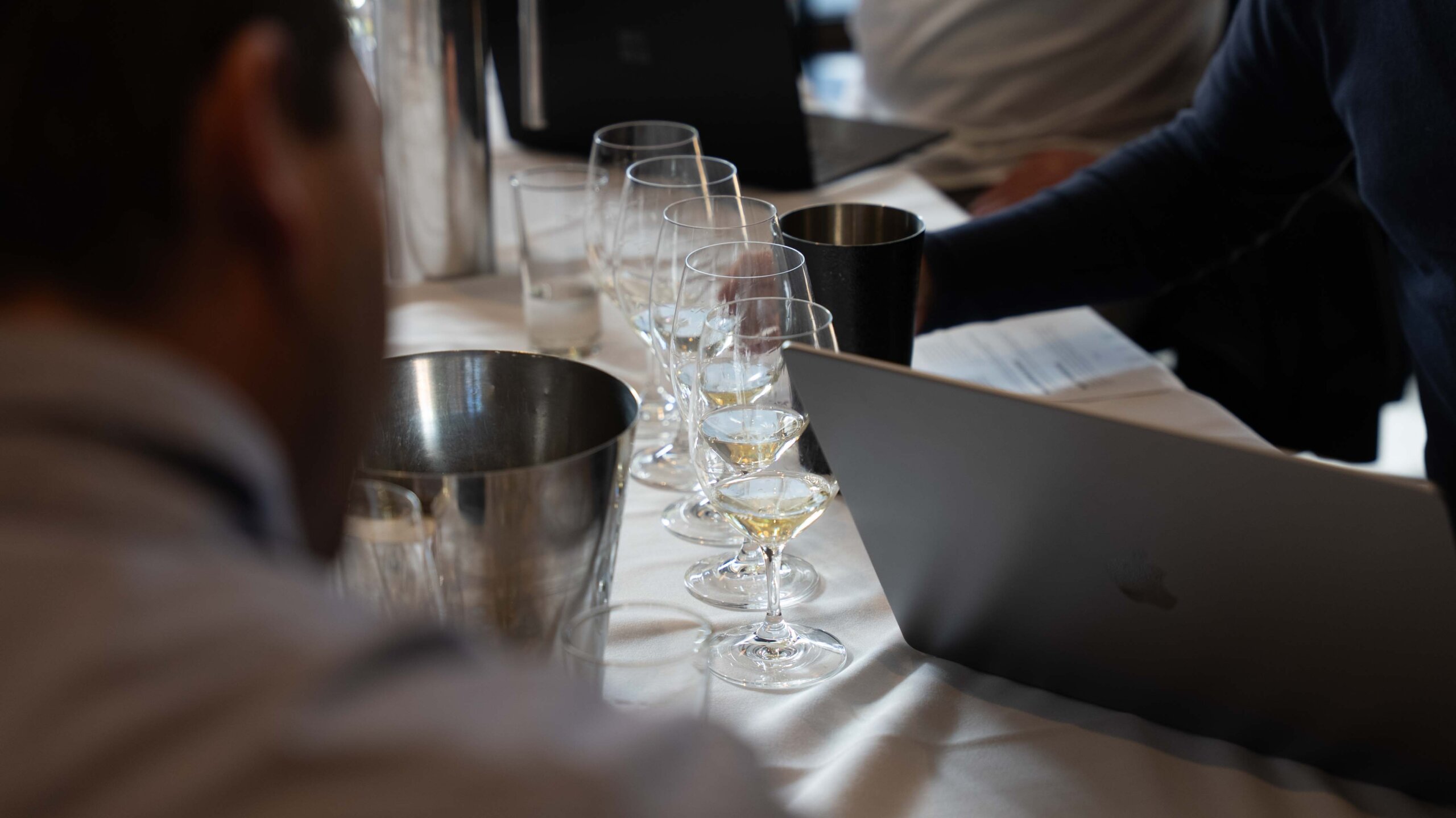
Above: The panel tasting in action at Bleakhouse Hotel, Albert Park (Melbourne). Opposite: All wines tasted ‘blind’.
Campbell added that, in comparison to other regions, the small scale of production means that money spent on wine is far more likely to end up in the producer’s pocket, rather than in the coffers of a large company. “You’re more than likely to be buying from the farmer or the landowner,” he said. “If you’re buying Mornington Peninsula, you’re still getting great value – and you’re supporting the landowner.” Aylward summed it up by saying, “If you’re not buying these wines, you’re going to miss out – because you’re missing out on brilliant wines.”
GET FIRST ACCESS TO THE NEXT WINE ICONS – DELIVERED
Traditionally, Australian riesling was known for its sharp citrus profile, and tooth-aching acidity. But today the grape is being expressed in a myriad of new ways under the care of both seasoned and new winemakers. Winemakers in the 2024 YGOW Awards Top 50 include Worlds Apart Wines, Werkstatt, Kenny Wine, Mountadam Vineyards, Chalari, Mac Forbes Wines and Meredith. Wines from these producers are a signal to Australia’s modern riesling renaissance, bringing exciting takes on a classic variety, where a sense of ‘texture’ from riesling in the glass is perhaps the new common theme.
Fortified wines are seen by many as old fashioned, a relic of earlier times. But fortified wine is experiencing a renaissance. The 2021 Young Gun Top 50 features Dave Verheul (Saison) and Tash Arthur (Arthur Wines), who are leading the charge with reimagined fortified wines. Tasting notes appear at the end of the article.
Tempranillo is unarguably Spain’s most recognisable variety. In Australia, it has made a modest but meaningful mark, but with limited genetic vine material, the potential for the grape is exponentially bigger, and with new clones now online, a Deep Dive into Australian tempranillo is called for.
Subscribe to our newsletter
Young Gun of Wine is your shortcut to cutting edge wines, the places to go, and the people behind it all.
Subscribe to be amongst the first to know of our latest discoveries in wine.
We'll bring you the inside running from the growers, the makers, the wholesalers, the retailers and the sommeliers, too.