&noscript=1"/>

Deep Dive:
Yarra Valley’s Best Chardonnay

Wines Of Now
29 August 2025. Words by YGOW.

Since the early 2000s, the Yarra Valley has charted its own course in Australian chardonnay, pioneering crisp, vibrant, mineral-driven styles that expanded what many thought possible with the variety. Yarra producers have been equally determined to change how we think about chardonnay as how we drink it, with the region embracing single-vineyard wines modeled on Burgundy’s great whites. As a new generation of winemakers seeks to add fruit generosity and judicious oak to the Yarra’s signature restraint, there’s never been a better time to take the pulse of this region’s prestige white wine.

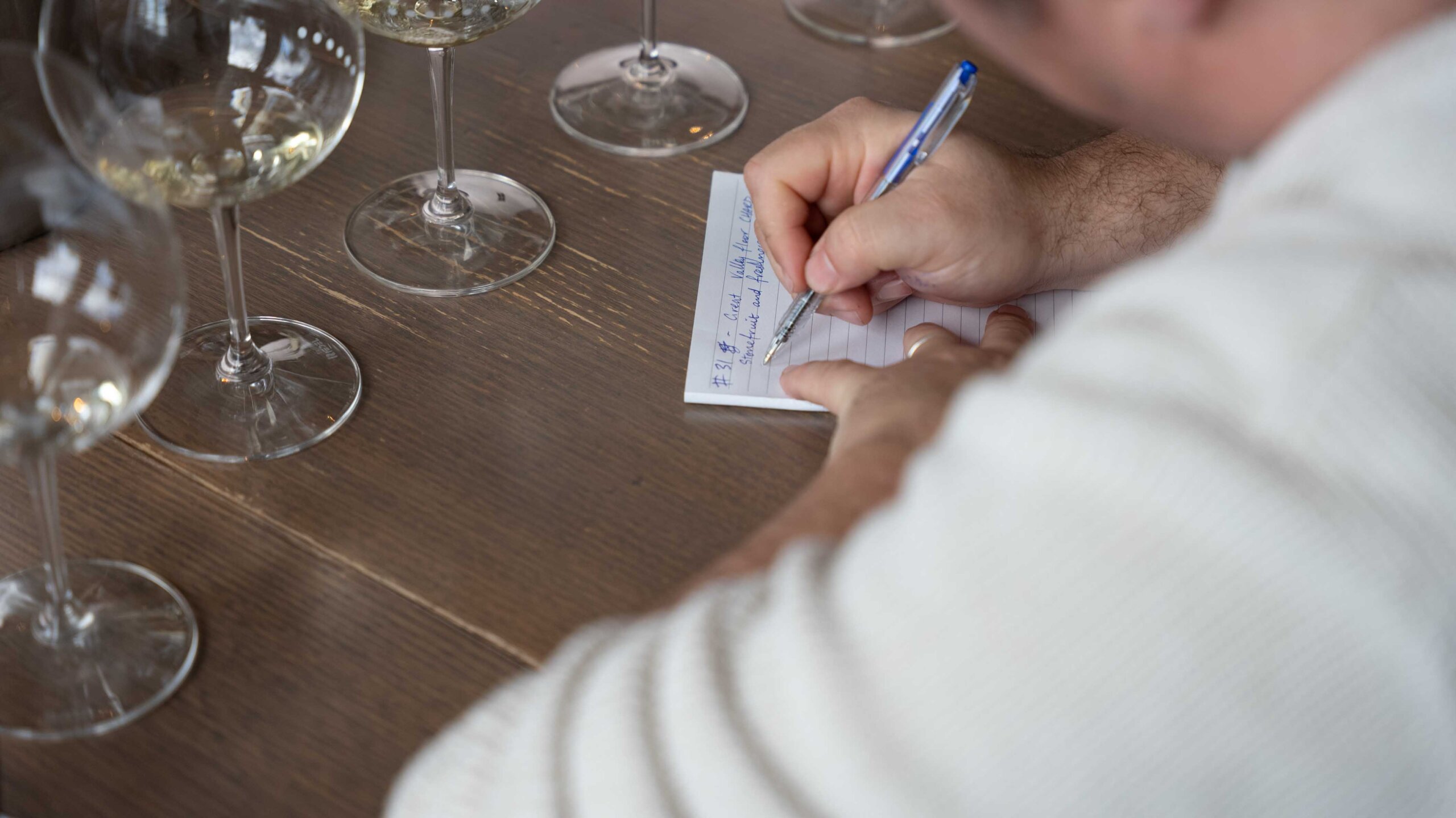
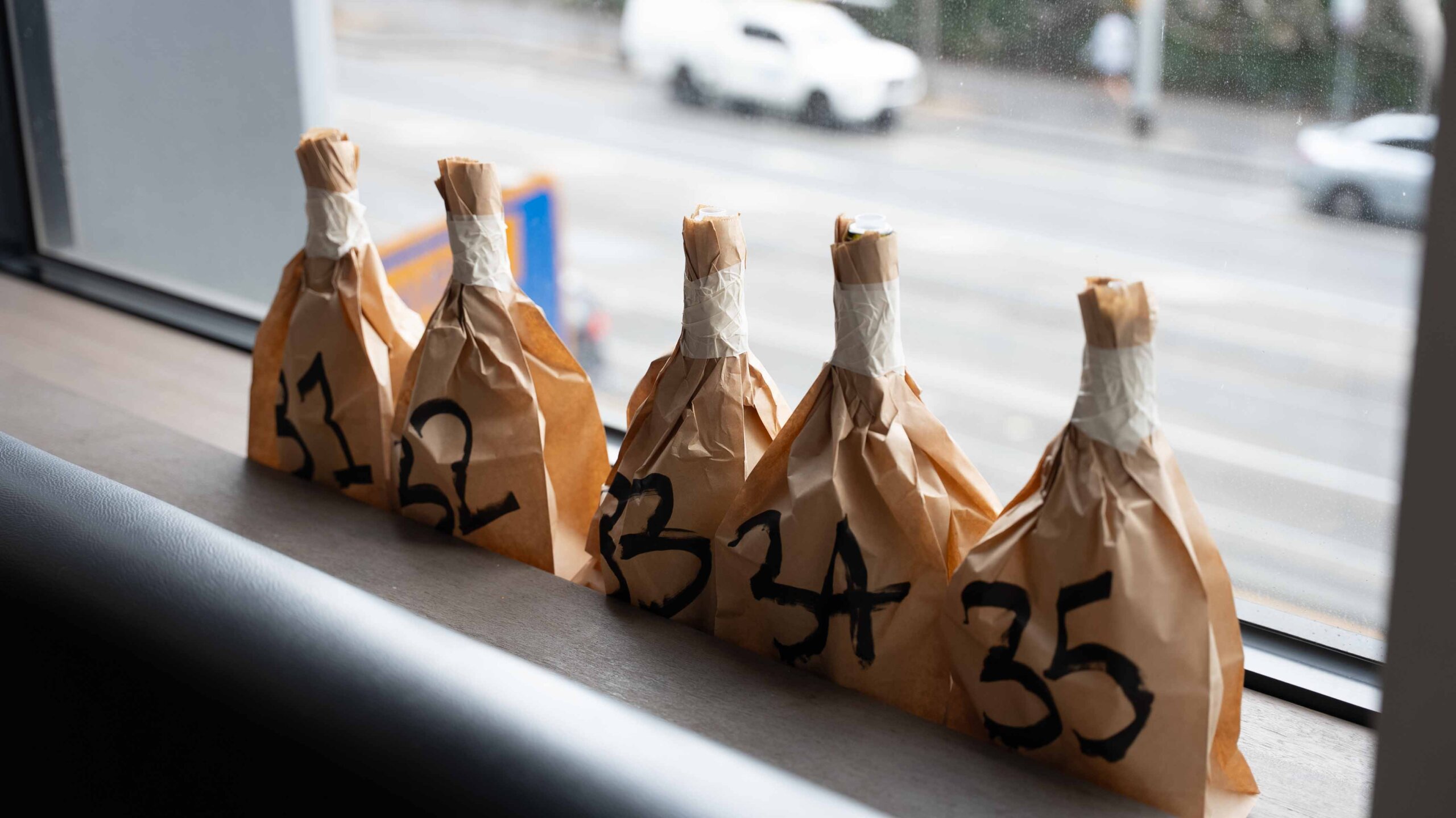
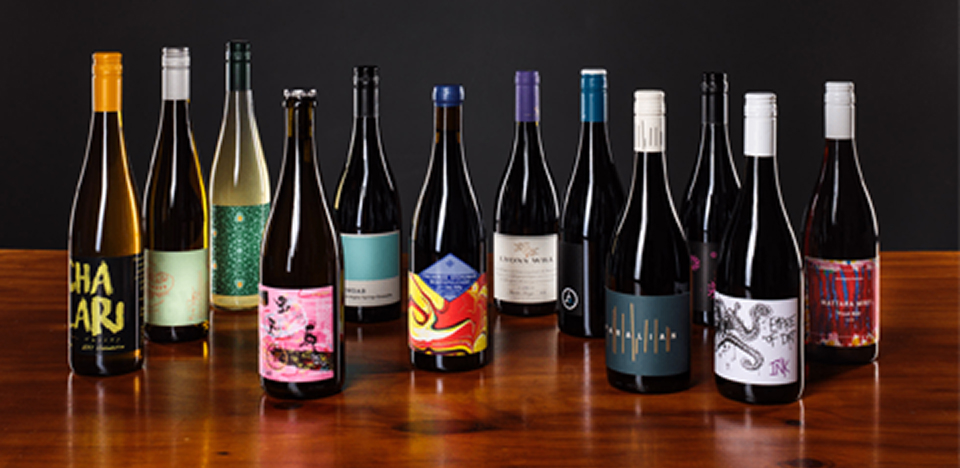
We gathered every chardonnay from Yarra Valley we could find and set our expert panel the task of finding the wines that compelled the most. All wines were tasted blind, and each panellist named their top six wines. Below are the wines that made the panellists’ top-six selections from the tasting.

Our panel: Andrea Pritzker MW, wine educator, Wine inTuition; Jarrod Johnson, winemaker, Punt Road; Hannah Maltby, winemaker, Mac Forbes Wines; Blake Meyer, wine buyer, Reed House; Katarina Lange, head sommelier, Botanical Hotel; Michelle Nielsen, sommelier, City Wine Shop.

From the Deep Dive

The Top Wines

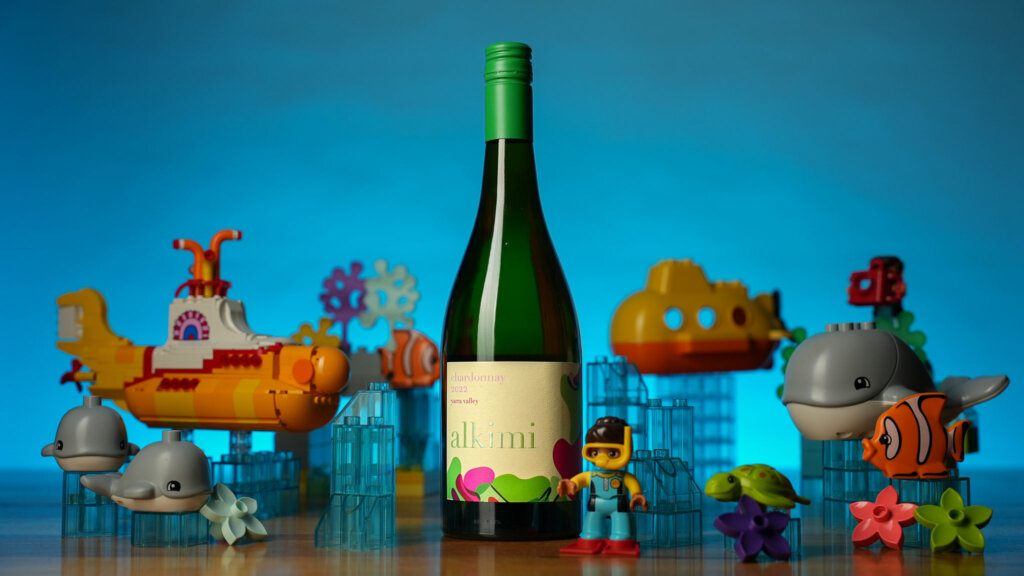
2022 Alkimi Chardonnay, $45 RRP

Chosen in their top six from the blind tasting by Pritzker, Lange and Meyer. Pritzker praised its “lifted bouquet of ripe orchard fruit, yellow peach and golden plum,” with a palate that opened on “freshly picked yellow peach” before unfolding to “rich mid-palate intensity with attractive notes of toast and freshly baked brioche,” elegant and medium bodied, showing “more toasty cashew nut layers with time in the glass.” Lange called the nose “amazingly complex, with hints of struck-match reduction” and a fruit profile of “fresh white peach and lemon zest underscored by earthiness reminiscent of white button mushrooms and fresh marjoram,” along with “blanched almonds and pale lemon cream” pointing to lees work and “a balsamic streak of alpine herbs.” She found the palate “generous with refreshing acidity” and a cascade of flavours from “citrus to white stone fruits, balanced with pastry cream and toasted hazelnuts.” Meyer dialled in spice, noting “fresh ginger and earthy ginger skin alongside perfectly ripe pear,” with flavours “redolent of grapefruit pith” and a “deluxe velvet rope–like texture – flinty and elegant,” summing it up as “a very hot date – yet balanced and easygoing.”


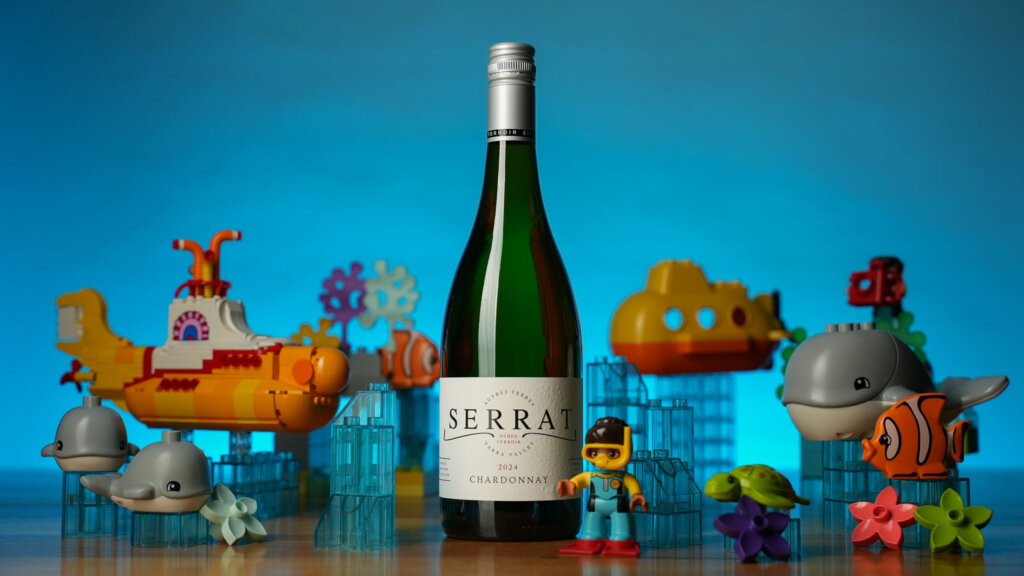
2024 Serrat ‘Autres Terres’ Chardonnay, $42 RRP

Nominated among their top wines by Meyer, Lange and Pritzker. Meyer highlighted “fruit and acid tension in spades” with “punchy, rich fruit weight – perfectly ripe yellow and green citrus, fresh pear, Granny Smith apple skin,” wrapped in “a fleshy, almost pulpy texture” and layered with “slate-y and spicy crushed stone notes, a saline minerality with a touch of tonic water,” calling it “a powerhouse” with cellar potential of “fifteen to twenty years.” Lange found it “very fragrant, with lavender and exotic spice” and a complex nose of “cinnamon sugar, dark nougat, camphor and dried peppermint leaves,” alongside “panforte, dried yellow currants, marzipan and blanched almonds,” while the palate was “surprisingly lithe, with fresh and cleansing acidity supporting relentless yellow peach and nectarine.” Pritzker picked up “a complex bouquet of flint, struck-match with hints of nougat,” praising its “mid-palate richness and texture” with “white peach, grilled grapefruit underpinned by a backbone of lemony acidity,” and a finish that was “long and zesty with white peach to the close,” overall “beautifully balanced and moreish.”


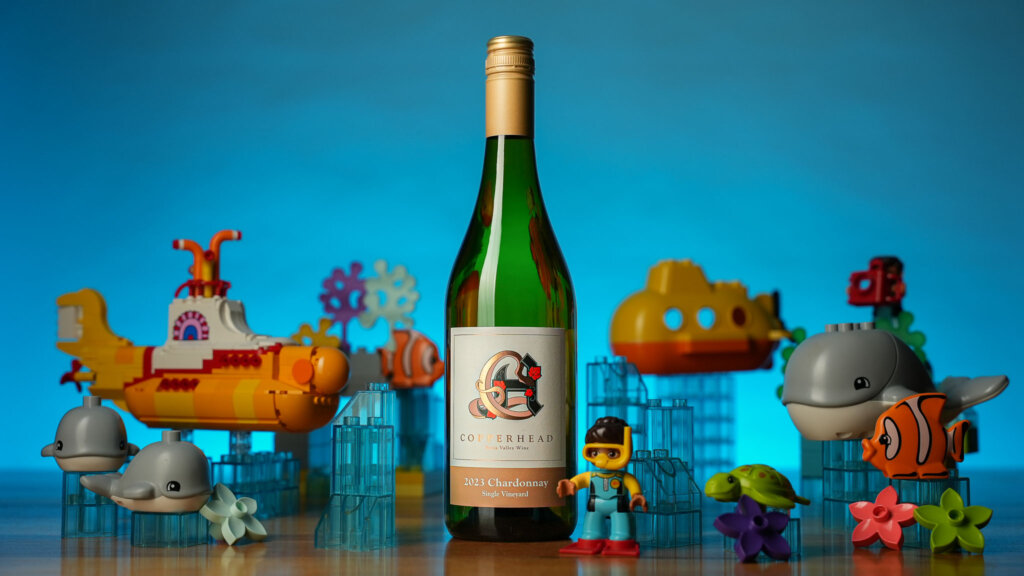
2023 Copperhead Chardonnay, $28 RRP

Selected in their top six by Maltby, Lange and Pritzker. Maltby called it “an aromatic powerhouse” she kept coming back to, opening with “playful peach fuzz” that evolved to “plush, fleshy stone fruits, preserved lemon and a hint of honeysuckle,” with “real presence, punchy weight, pulpy texture and little licks of orange oil bringing freshness.” She described it as “intriguing and delicious, with an elusive crushed herb character” and even imagined it with “a Reuben sandwich in one hand and a glass of this chardonnay in the other.” Lange described it as “subtle, elegant and refined,” with “Kaffir lime leaf, lime pith and blanched almond meal” and lees work that gave aromas of “baked pastry shell, almond butter, shortcrust pastry and hazelnut meal.” She noted “a slight reductive note, hinting towards gunflint,” and oak-derived “nutmeg and nougat,” calling the palate “fuller side with supporting acidity and very good persistence,” with “juicy white peach and nectarine front and centre.” Pritzker found it more restrained, with “hints of lemon zest and green apple,” a “crisp, lean and linear” style with “an elongated palate and building leesy, mealy texture,” finishing “long and flinty, with flecks of lemon” – “a subtle, restrained style with impressive structural balance.”


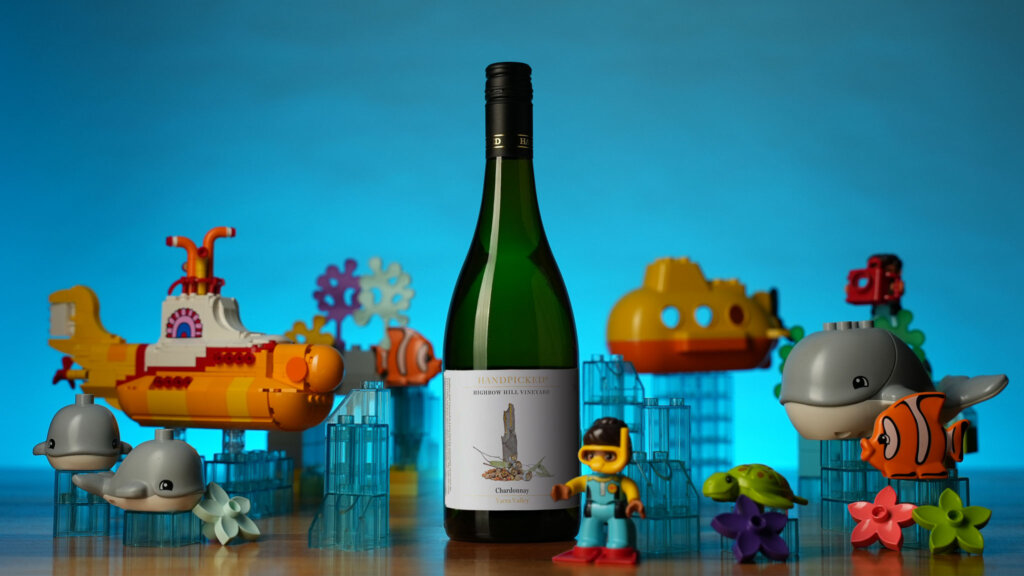
2021 Handpicked ‘Highbrow Hill Vineyard’ Chardonnay, $90 RRP

Included in their top selections by Johnson and Lange from the blind tasting. Johnson admired its “complexity, concentration and balance,” with a “beautiful perfume of citrus and jasmine, followed by flavours of juicy nectarine and white peach,” all tied together with “racy acidity and some well-integrated, classy oak.” Lange found the nose brimming with “lemon oil, lemon verbena and lemon myrtle,” plus “popcorn aroma reminiscent of classic Californian chardonnays” alongside “fresh pine, lemongrass, savoury pastry, toast, and cedar.” She noted “hazelnut and ground ginger spice,” and a citrus-driven palate of “lemon zest and lemon thyme” balanced by “supporting acidity, great texture, chalky grip, and excellent length,” though she thought “the oak sticks out somewhat” with “youthful notes of pencil shavings.”


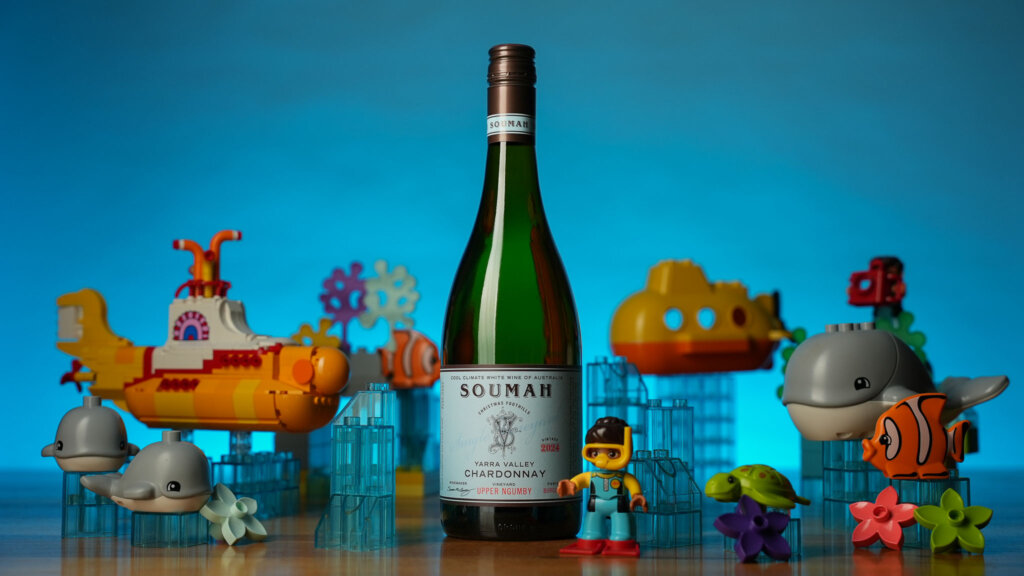
2024 Soumah ‘Upper Ngumby’ Chardonnay, $52 RRP

Chosen in their top six by Meyer and Nielsen. Meyer described it as “very welcoming and almost exotic,” with “cornflakes, fresh milk, finger lime, white and orange floral notes,” calling it “very bright and lively, with a grainy texture – very elegant, supple, and well put together.” Nielsen was effusive, writing “yummmm” in her notes, praising its “beautiful yellow vibrancy in the glass” and “powdery sherbet nose, pollen-like, redolent of ripe peach, apricot nectar, and grassy notes of elderflower.” She loved the palate’s “lemon and lime curd, butterscotch, toffee and caramel, pastry, brioche, yellow peach, yellow nectarine, mango, macadamia and vanilla cream,” all “soft and integrated with the fruit,” with acidity that “bounces up and off the tongue to create a lip-smacking journey.” For her it was “so gorgeous it could be turned into blanc de blanc sparkling,” and definitely “calls for seafood.”


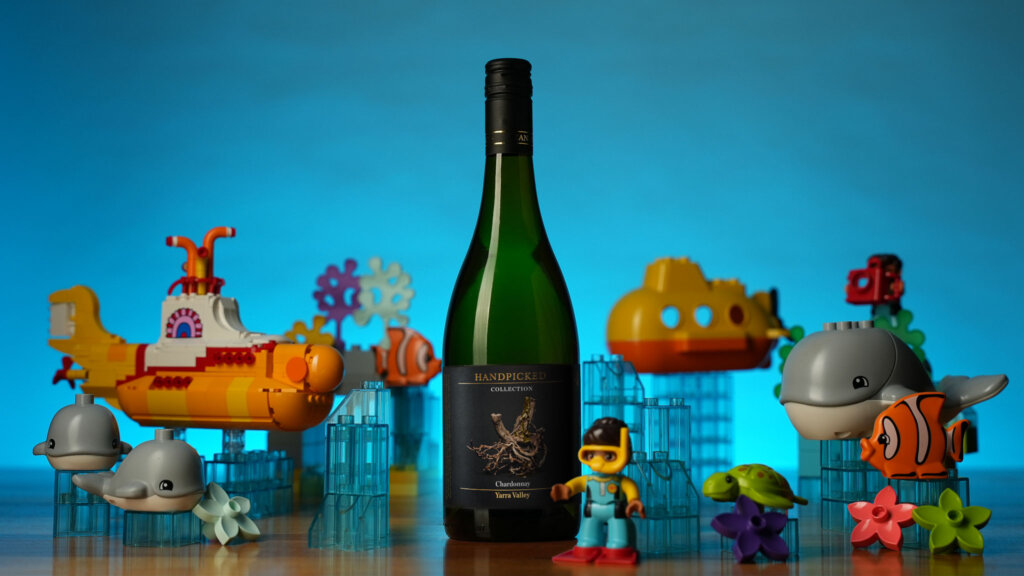
2022 Handpicked ‘Collection’ Yarra Valley Chardonnay, $60 RRP

Nielsen selected this wine in her top six from the blind tasting, praising its “lemon-drop colour with a flicker of gold” and a nose that was “fresh, toasty, zesty” and “immediately engulfed by the smell of fresh peaches.” She described “toasty aromas of oak” underpinned by “the power of the fruit,” which she likened to “white Burgundy.” Flavours included “peaches, baked apple, pear tart tatin and a little lime curd,” with a palate “fresh and smooth at the same time, with tongue-tingling acidity – electricity humming.” She found it “texturally full and round, with a richness that lingers,” finishing with “hazelnuts and macadamia flesh, persistent acidity, and a whisper of ripe peach,” summing it up as “actually a meal on its own.”


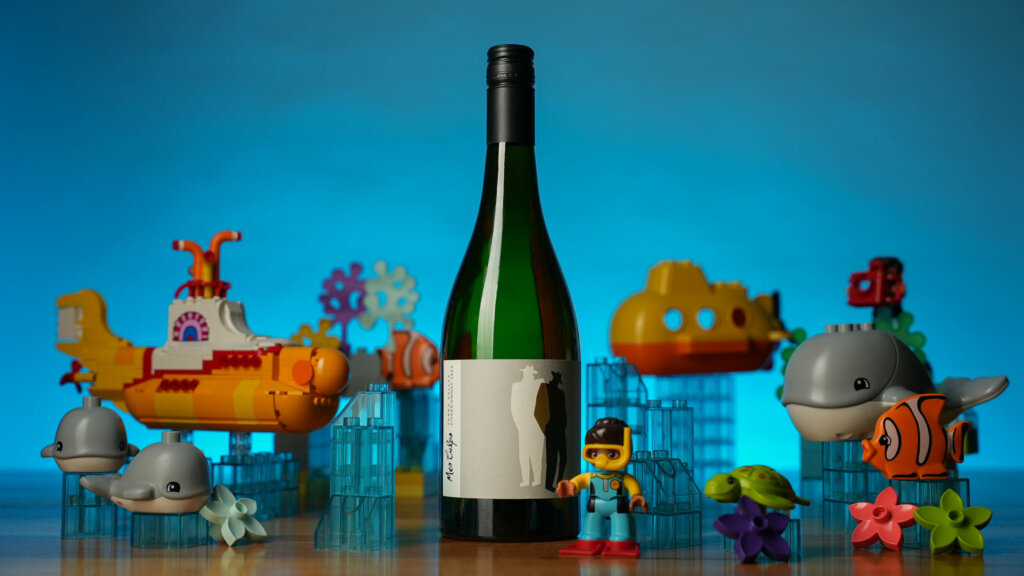
2024 Innocent Bystander ‘Mea Culpa’ Chardonnay, $49 RRP

Maltby had this in her top six, captivated by “aromas of zesty grapefruit and ethereal florals” that “take me straight to lazy summer days watching bees in the garden.” She noted “a little bit of nervy energy, supported well by flavours of just-ripe peach and lemon curd,” with “snazzy architecture that coats the palate” and “fun interplay of silty structure and pithy phenolics,” which she felt struck “that balance between heady fruits and the savoury, sulfide-y, salivating chardonnay magic.”


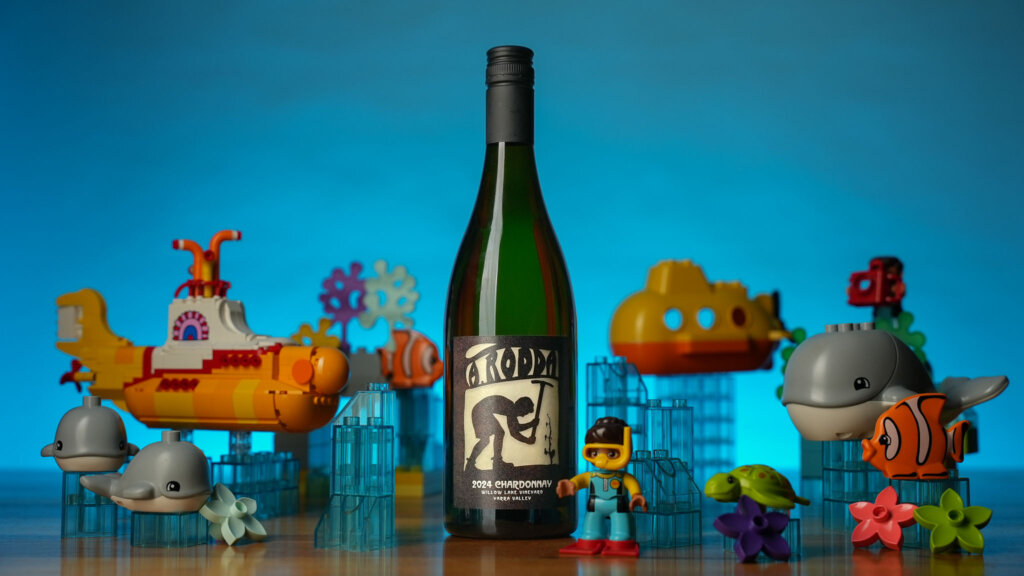
2024 A. Rodda ‘Willow Lake Vineyard’ Chardonnay, $60 RRP

Johnson placed this in his top picks, noting “a fair whack of oak” but admitting he can “be easily seduced by some sexy wood, especially when it’s well-paired with a powerful wine.” He highlighted “flavours of grapefruit and nectarine” supported by “focused acidity that provides a long, lingering finish,” calling it “a powerful wine of great complexity.”


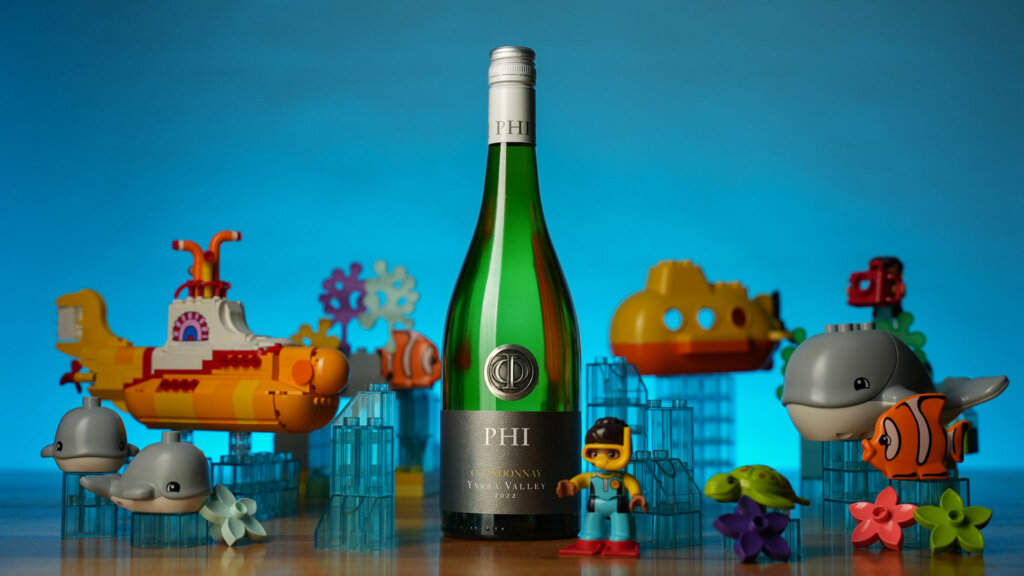
2022 De Bortoli ‘PHI’ Chardonnay, $30 RRP

Selected by Nielsen in her top picks, who enthused: “This Chardonnay is vibrant!” She described its “pale lemon colour, which belies the depth of the wine on the nose and palate,” and a bouquet that “makes you want to sip before you even contemplate aromas – all white peach skin and cloth-bound cheddar.” On the palate she found “elderflower, gooseberries, pineapple, blood orange, and grapefruit – it keeps unfolding in the glass.” She praised its “tension straight away on the palate – the acidity dances all around the mouth, with a wet-stone minerality,” and thought it demanded oysters immediately.


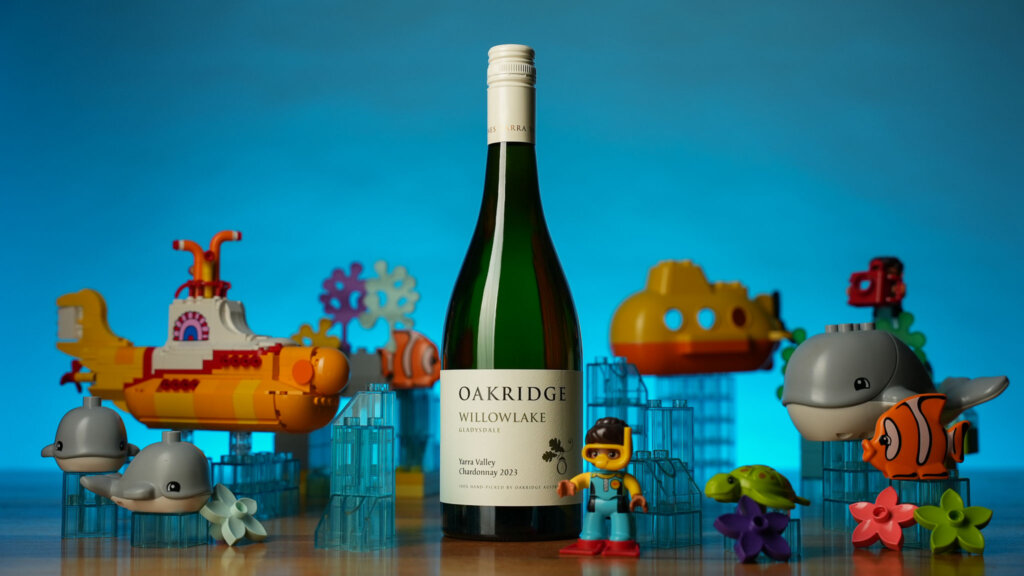
2023 Oakridge ‘Willowlake’ Chardonnay, $60 RRP

Pritzker highlighted this wine in her top six from the blind tasting, praising its “lifted floral bouquet of honeysuckle and apricot blossom.” She found it “fresh and crisp, with superb mid-palate intensity of white peach that builds,” noting it as “layered and textural with hints of toast and grilled bread lending delicious complexity.” For her, it “finishes long with beautiful persistence.”


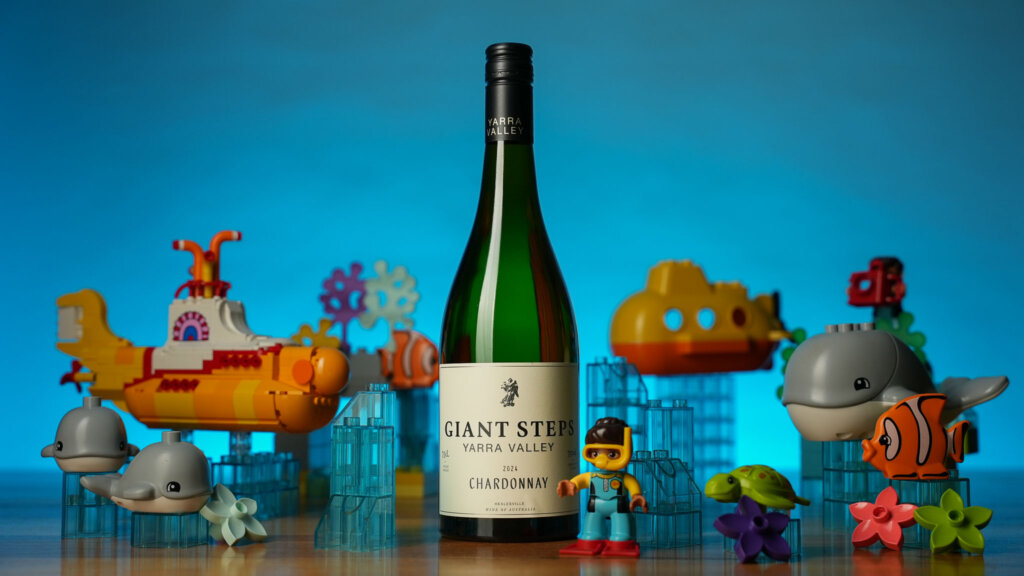
2024 Giant Steps ‘Yarra Valley’ Chardonnay, $45 RRP

Both Johnson and Maltby rated this highly in their top six. Johnson described it as “a wine of great purity from the first whiff onwards,” with “a perfume of pink grapefruit, white flowers and crisp apples,” noting that on the palate “the fruit profile is juicy, and the acidity lingers … a fresh, vibrant, fruit-driven style of chardonnay.” Maltby called it “a fun little number,” with “orange pith and lemon rind, with an edge of freshly crushed wild thyme,” adding that it was “so bright and pure on the nose, but a bit of unexpected allure on the palate.” She saw “herbaceous lemon balm leading to honeysuckle with just a touch of nougat,” praising its “great length and tone – well composed, but not too tricksy. Yum!”


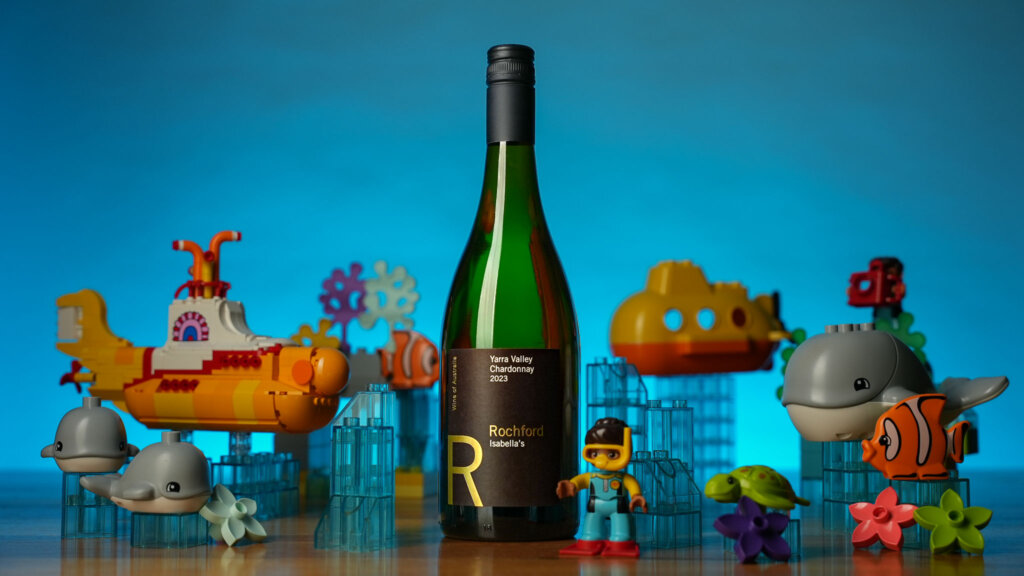
2023 Rochford ‘Isabella’s Chardonnay’, $75 RRP

Johnson listed this among his favourites, describing “gunsmoke, grilled nuts, pithy citrus, and ripe orchard fruits” that “come together to make a complex wine of great concentration.” He felt it had “an intense amount of flavour packed in,” with “an acid profile that drives the long finish,” and noted “subtle oak use and a hint of reduction” for added complexity.


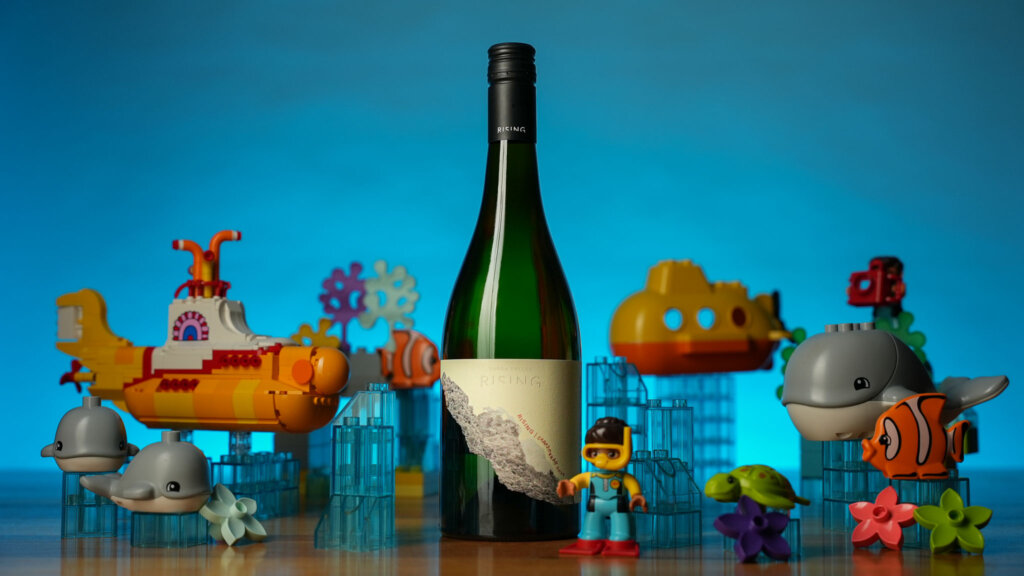
2024 Rising Chardonnay, $38 RRP

Maltby put this in her top six, calling it “vibrant, crisp and oh-so-pretty, flaunting seductive white florals and fresh red apple skin, unfurling in the glass to reveal moreish, juicy red grapefruit.” She admired its “chewy phenolics with a tightly wound core of zesty citrus fruit that would stand up well to the most elaborate of picnic cheese platters,” and summed it up as “a bright and savoury style of Yarra Valley chardonnay … always such a joy to explore.”


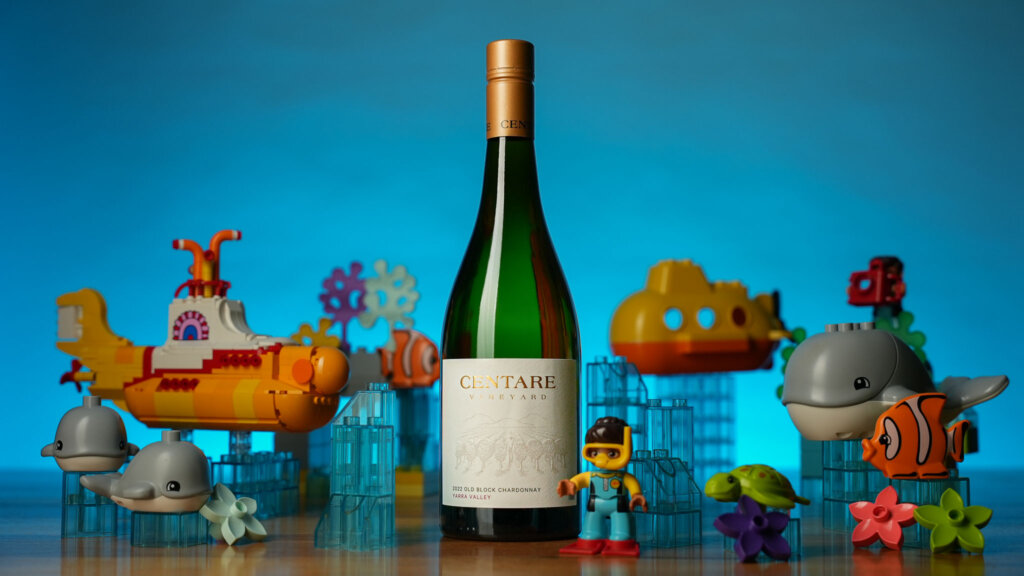
2022 Centare ‘Old Block’ Chardonnay, $130 RRP

Pritzker selected this wine in her top six, noting it “opens with noble reduction – a hint of struck match, gunflint, toast, and smoke.” She admired its “excellent backbone of grapefruit acidity, supporting an elongated palate structure offering layers of white peach, nectarine and lemon curd.” For her it was “beautifully balanced, finishing long, with accents of lemon zest and fresh white peach.”


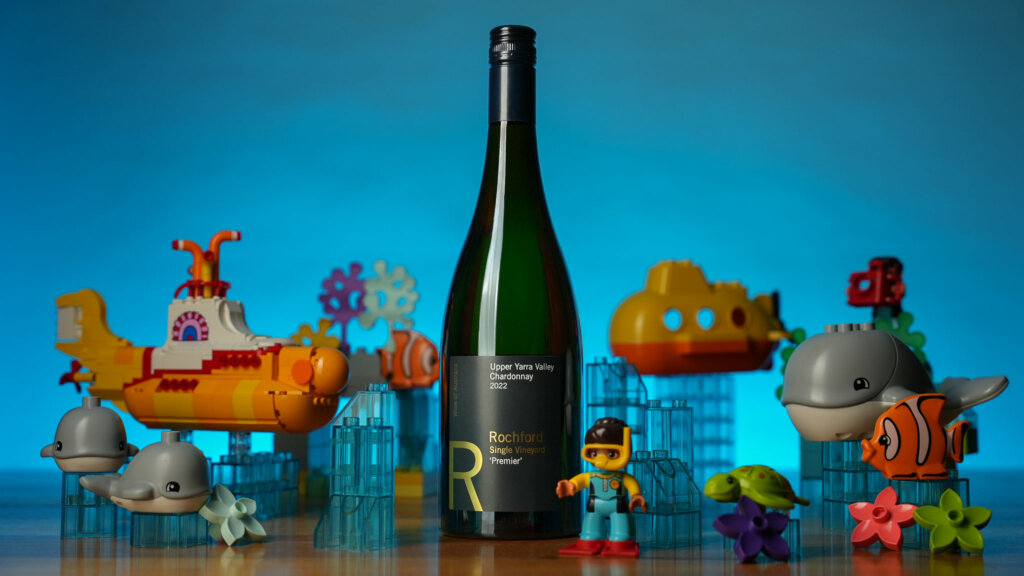
2022 Rochford ‘Premier’ Chardonnay, $100 RRP

Nielsen had this in her top six, immediately struck by “hazelnuts” on the nose. She described “the ever-present oak” as “alluring and comforting,” with “subtle coriander leaf … white peach skin, jasmine flowers, and elderflower” underneath. She found the balance “absolutely beautiful: the soft oak supports the fruit, almost holding it in place, while the acid lifts all the fruit’s sweetness and the texture directs the journey.” Flavours for her included “blossom, juniper, lime curd, baked apples and pears,” with a finish of “pronounced length.” She thought it “glyceric, ripe, cool, leesy, and cheesy – yet it still remains fresh,” praising the wine’s “intense” weight and saying it “develops a lemon biscuit aroma over time.” Her final verdict: “I love the complexity of this wine – a real testament to what Chardonnay can do. I could eat a steak with this wine!”


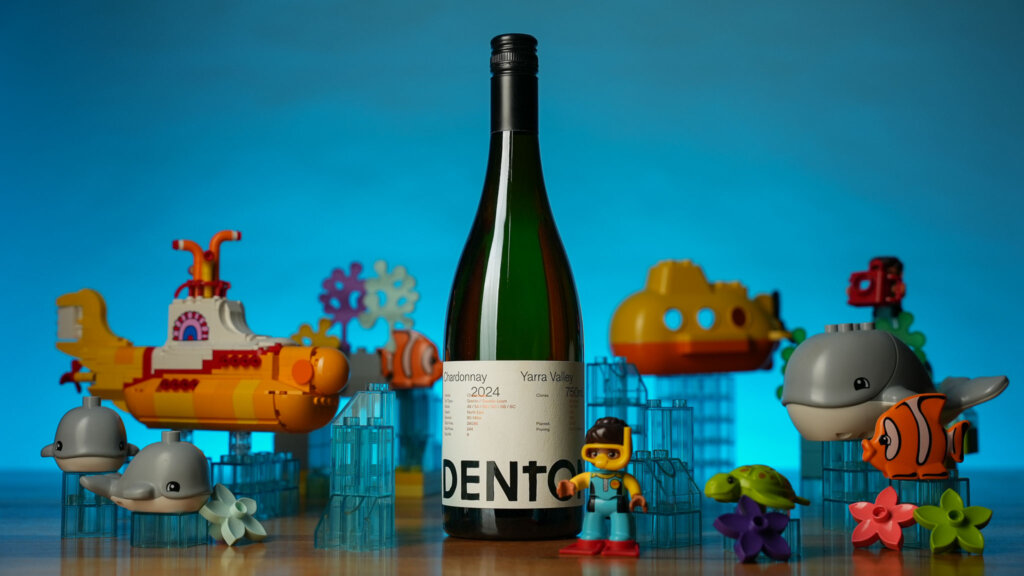
2024 Denton Chardonnay, $48 RRP

Maltby selected this wine in her top six, exclaiming, “What a delight!” She noted “aromas of sun-kissed peach skin and orange blossom leap from the glass,” with “pulpy clingstone peach continuing on the palate, bright and succulent, with a delicate touch of bitter bush honey cutting through to balance the ripe summer fruits.” She praised its “mealy structure” that “holds all the elements together in the core – evoking memories of Gran’s peach crumble, in the best possible way.” She called it “profoundly charming and utterly hedonistic … a perfect Chardonnay for sharing on a Sunday afternoon.”


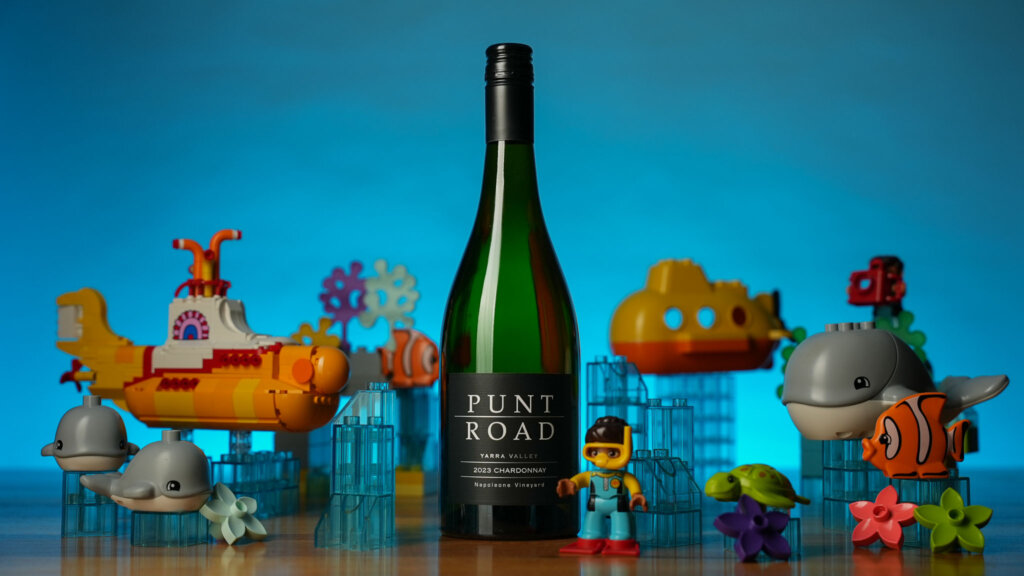
2023 Punt Road ‘Napoleone Vineyard’ Chardonnay, $55 RRP

Meyer listed this as one of his top wines, describing himself as “a sucker for a well put-together ‘fruity’ wine – and this is one!” He found “Allen’s banana lollies on the nose – very nostalgic – with confected peaches and cream, vanilla bean, custard, and peach pit.” On the palate, he admired its “full-flavoured, mouth-coating texture that feels balloon-like in shape,” finishing with “spicy, almost numbing French oak to close out – so much fun!”


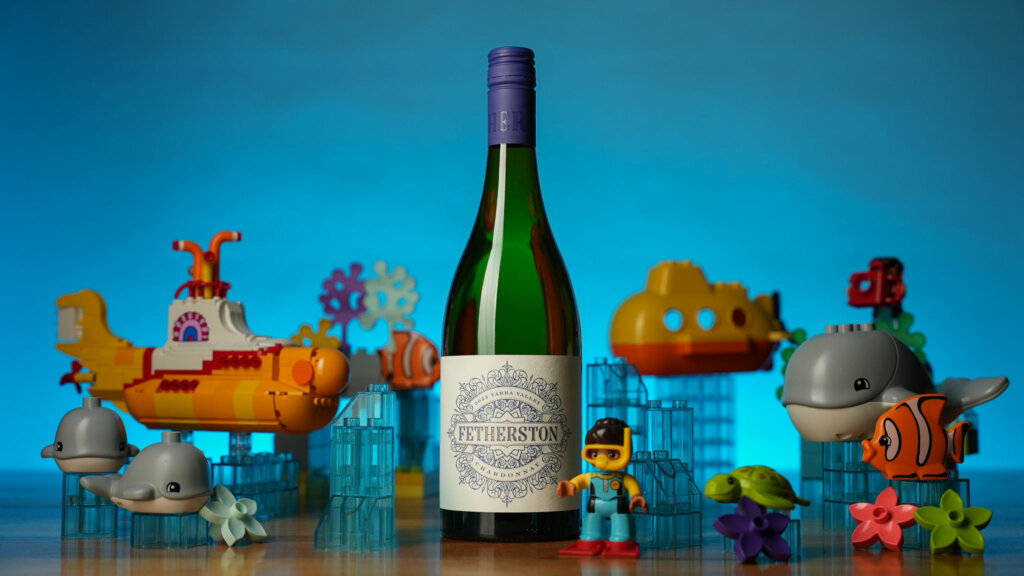
2022 Fetherston Chardonnay, $42 RRP

Pritzker put this in her top six, noting its “attractive floral accented bouquet of honeysuckle and jasmine with overtones of toast and brioche.” She described it as “ripe and round, displaying superb mid-palate intensity with bright white peach, balanced by a lively cut of crisp, mineral acidity.” She found it “finishes bright, long and flinty with excellent balance.”


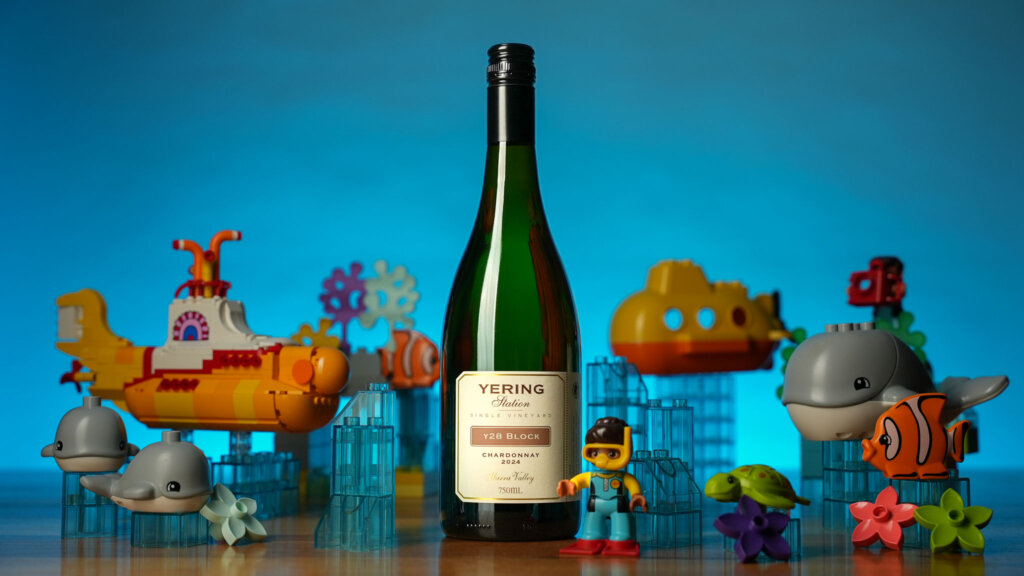
2024 Yering Station ‘Y28 Block’ Chardonnay, $70 RRP

Maltby chose this wine in her top six, calling it, “Hello chardonnay, my old friend … familiar, comforting and all kinds of appealing.” She loved its nose that “dances with zippy citrus oil and crunchy white peach,” and its palate that was “soft and supple … with a silty structure that draws you in and teases with a hint of nuttiness flitting around the edge.” She found “custard apple and salted lemon for days – so long and luscious,” summing it up as “a wine to get lost in.”


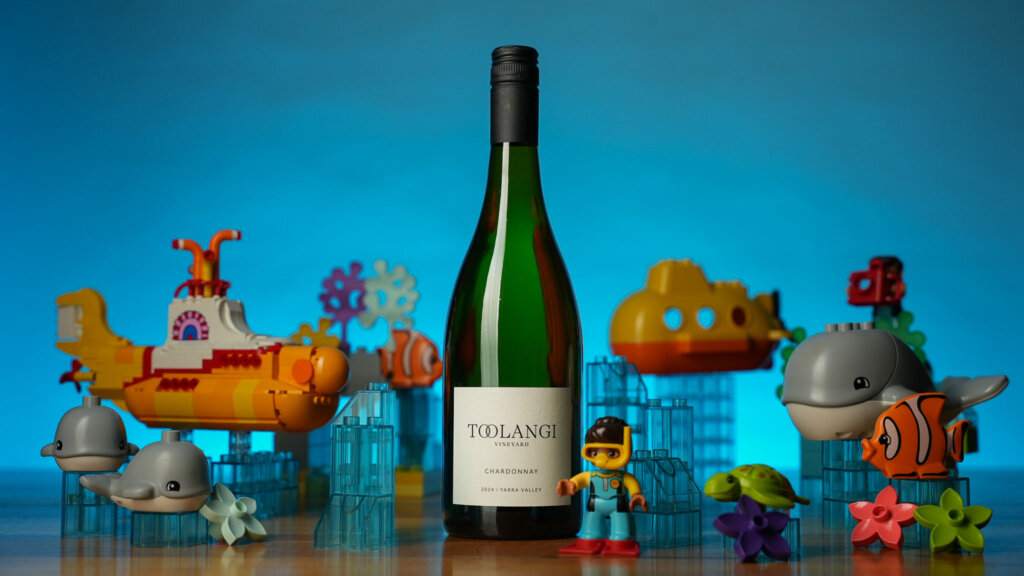
2024 Toolangi Chardonnay, $36 RRP

Johnson included this among his top wines, where “balance” was “the first word that comes to mind.” He highlighted “flavours of citrus, white peach, and nectarine combine with some high-quality oak, lively acidity, and generous fruit weight to make a wine of great harmony.”


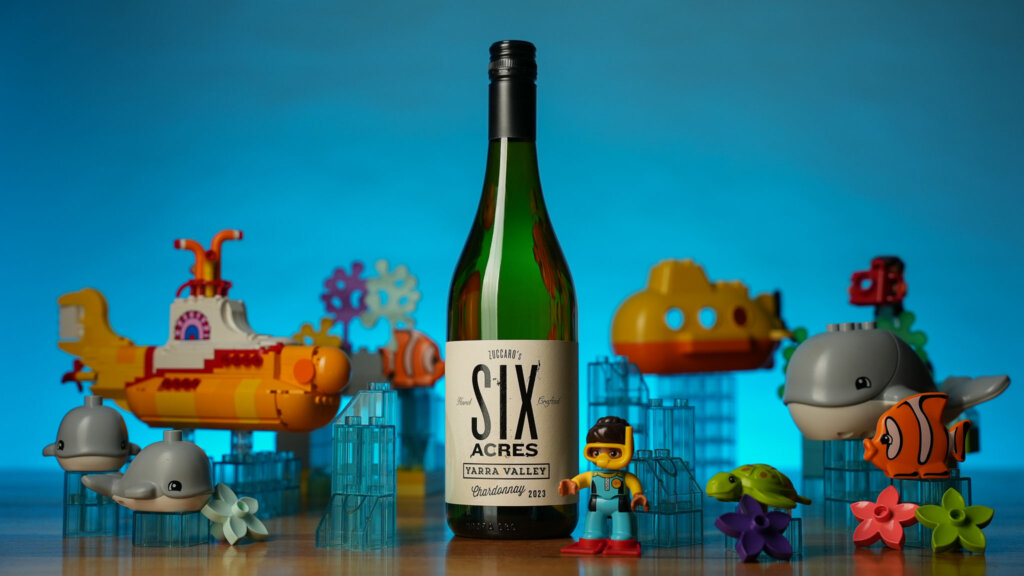
2023 Six Acres Chardonnay, $32 RRP

Meyer picked this as one of his top wines, exclaiming, “Ooooooh! We’re in that famed ‘sea spray’ saline territory here, and it’s a touch oxidative – woohoo!” He described aromas “redolent of chamomile tea, lemon myrtle, and Nashi pear,” with a palate that was “fleshy … with powdery talc- and chalk-like textures.” He called it “a banging wine at a nice stage in its evolution – length and complexity in spades whilst maintaining restraint,” and thought it “fine-grained and fine-tuned: a bit of a Rolls Royce, so elegant and so cool.”


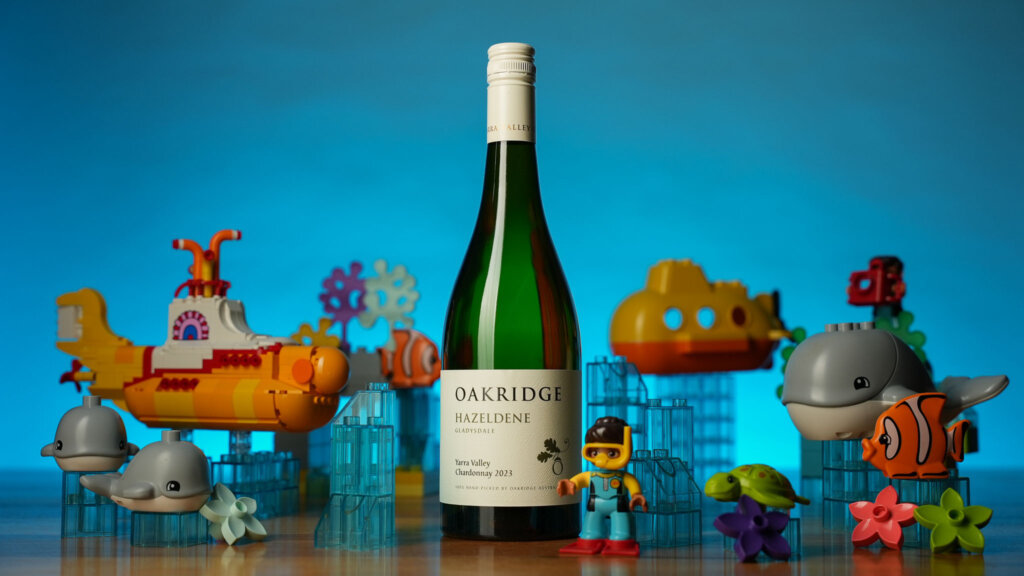
2023 Oakridge ‘Hazeldene’ Chardonnay, $48 RRP

Lange selected this wine among her top six, calling it “a herbaceous chardonnay with alpine herbs, fresh pine needles and lemon myrtle.” She described the nose as “elegant, but subtle, with pale nougat and gunflint,” with fruit notes of “cumquat, lemon oil and firm white peach,” balanced by “pale pastry cream.” On the palate she found it “supple and sophisticated, with excellent length … tart citrus, white peach, lemon pith and grilled nuts glide across the palate.”


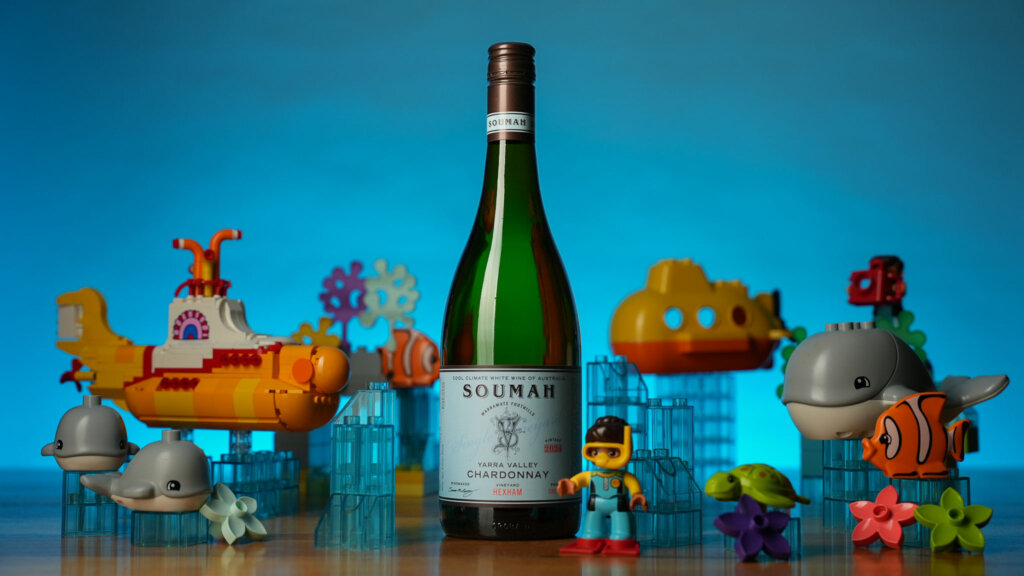
2024 Soumah ‘Hexham’ Chardonnay, $52 RRP

Nielsen placed this in her top wines of the day, exclaiming, “What an explosive chardonnay!” For her, “the nose is abundant with power and intensity – rich lime zest and pineapple,” while the palate revealed “a searing, Margarita-like acid – then comes the yellow peach skin, yellow nectarine flesh, white flower blossom, yellow pollen, honeysuckle, finger lime.” She thought “each fruit characteristic is pure, and unfolds perfectly on its own … fresh cream and little licks of vanilla fill the mouth.” Though pale in colour, she said, “drinking this wine feels like you’re bathing in sunlight on a warm day … it hints at being a little confected – but I’m pretty down with it.”


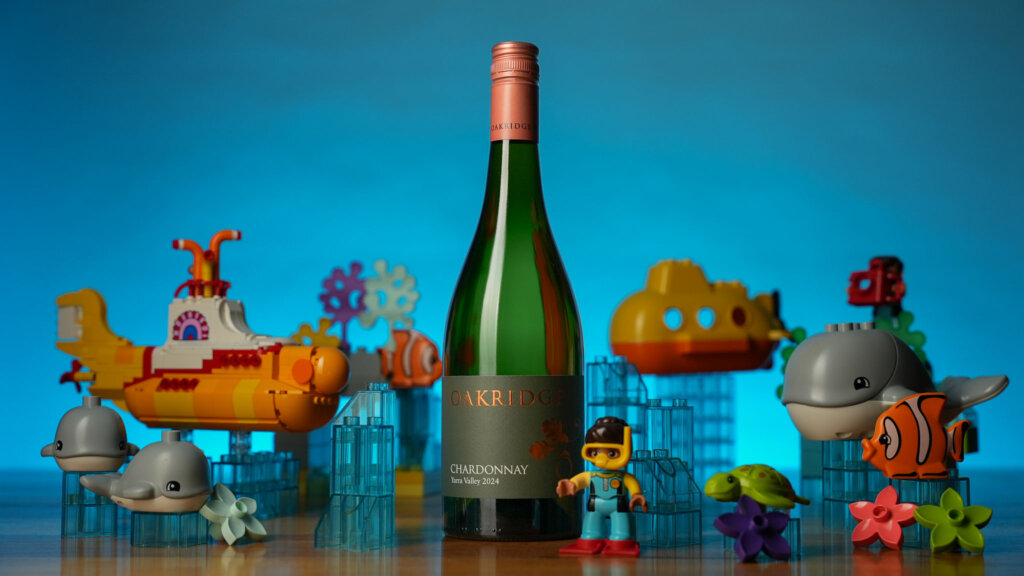
2024 Oakridge ‘Yarra Valley’ Chardonnay, $30 RRP

Johnson had this wine in his top six, calling it “an excellent example of modern Yarra Valley chardonnay.” He praised its “bright, vibrant acidity” that “provides great drive,” while “great use of oak and lees round out a complex glass of wine.” On the palate he described “a creamy palate of white peach and citrus … complemented with spice, char and nuts. Classic.”


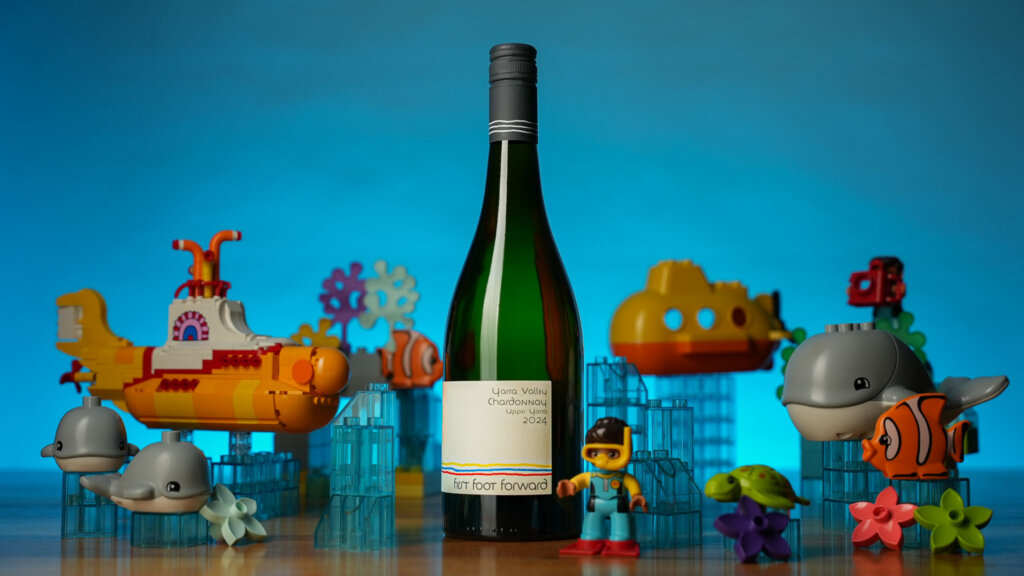
2024 First Foot Forward ‘Upper Yarra’ Chardonnay, $38 RRP

Meyer included this wine in his top picks, noting “richness and ripeness here, with a bit of a cheese-rind thing going on.” He described “green stemmy herbaceous notes on the nose – or ‘pyrazines’ if you’re feeling fancy – alongside green mango skin and flesh.” For him, it was “really interesting to see a riper rich wine with these green notes – makes it a bit of a sexpot, really.” He found it “full-flavoured and balanced, with lots of things going on, but all of them getting along together very nicely.”


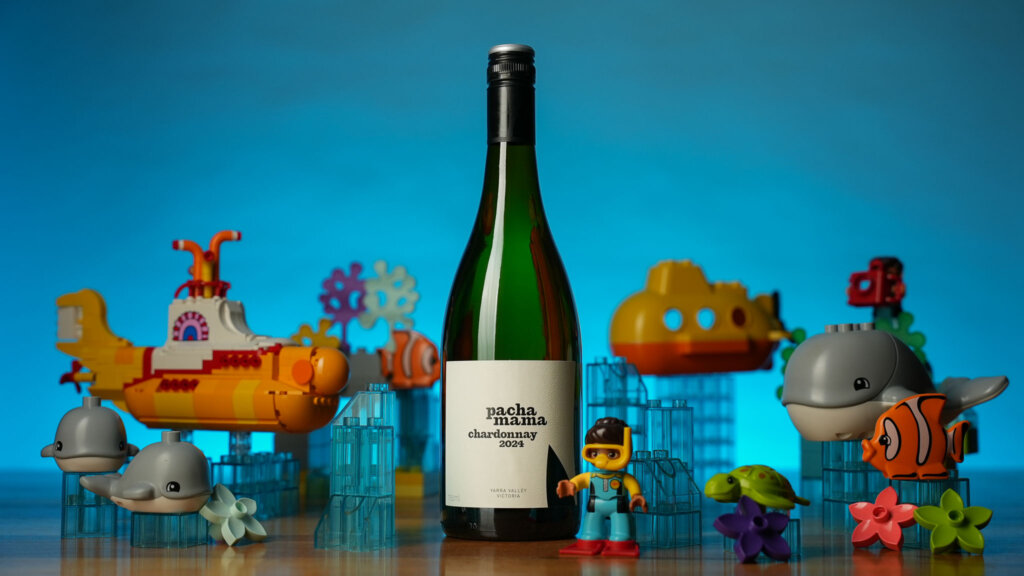
2024 Pacha Mama Chardonnay, $35 RRP

Lange rated this wine highly, praising its “pure, fresh and clean aromas of lemon mint, baked nutmeg, pastry cream and crème anglaise.” She found “lime zest and lime pith mingle with white peach and sugared almonds,” with the palate “citrus-driven, with searing acidity and notes of tart yellow nectarine.” A “smattering of saline minerality, reminiscent of salted tinned peaches,” added to what she called the intrigue of the wine.


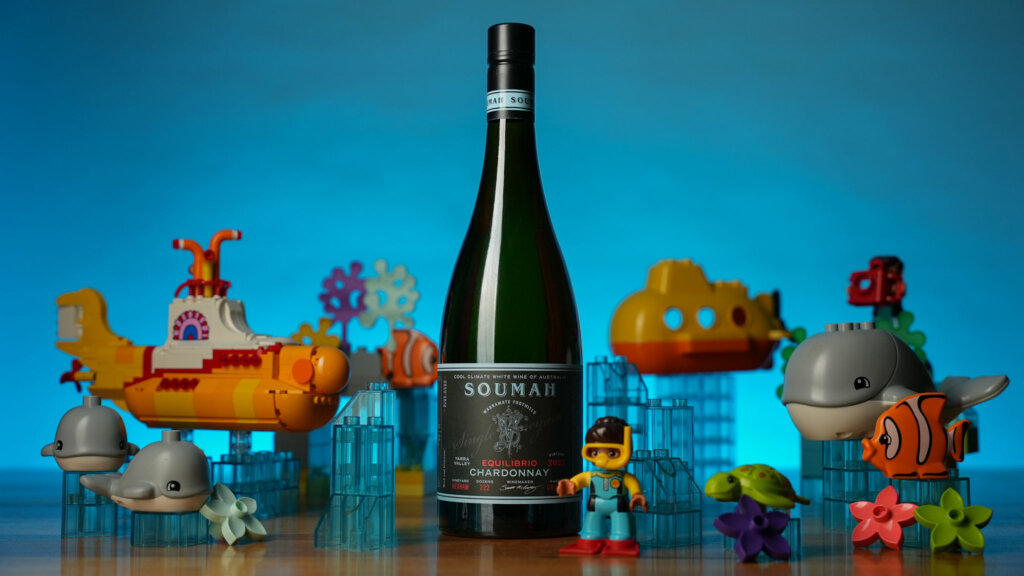
2023 Soumah ‘Equilibrio’ Chardonnay, $92 RRP

Nielsen picked this as one of her standouts, saying, “I adore this chardonnay – super-unique within the line up.” She described the nose as “straight-up curry leaf and Moroccan spices, with a Meyer lemon twist backed by earthy tones … lifted and saline – lean in its fruit, but the intensity is direct, bold, and driving.” On the palate, she found “orange blossom and juicy rockmelon, alongside a savoury, saline character reminiscent of oysters, mussels, and seawater.” She added that it “evolves to lime zest, chamomile flowers, fennel seeds, and orange rind in the glass, maintaining its vibrant freshness throughout,” closing with “a hint of cheddar cheese on the finish.”

 

The Backstory

Australian chardonnay in general has never been better, with growers and makers dialling in their work in a never-ending quest for precision and balance. The variety is beloved by winemakers not only for its malleability in the cellar – but also because it excels at transmitting a sense of place in the glass.

Chardonnay is Australia’s white wine variety of choice, at least as far as plantings are concerned, taking up 44.2% of Australia’s total vineyard area dedicated to white varieties at the time of the last survey in 2015. It dominates the league tables of the annual grapevine harvest by weight, being the most-harvested white grape variety in Australia for the previous ten years. Internationally, Australia’s reputation for white wines rests almost solely on chardonnay, with the variety comprising 23.4% of our exports by volume. While we Australians actually drink more sauvignon blanc than we do chardonnay, there is no shortage of ardent chardonnay lovers here – our winemakers included, many of whom have fallen head over heels for its paradoxical ability to both express terroir and act like putty in the hands of the winemaker.

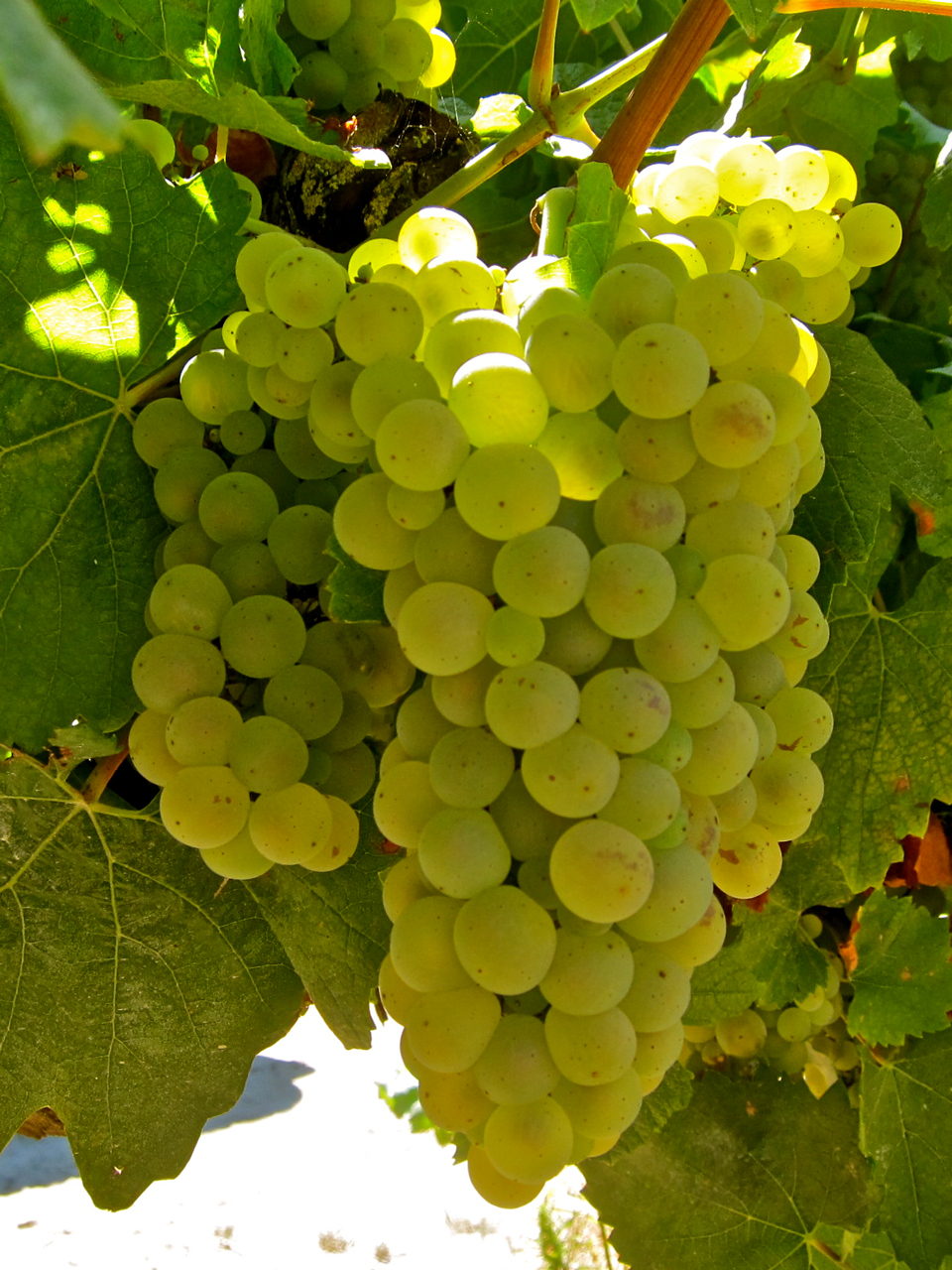
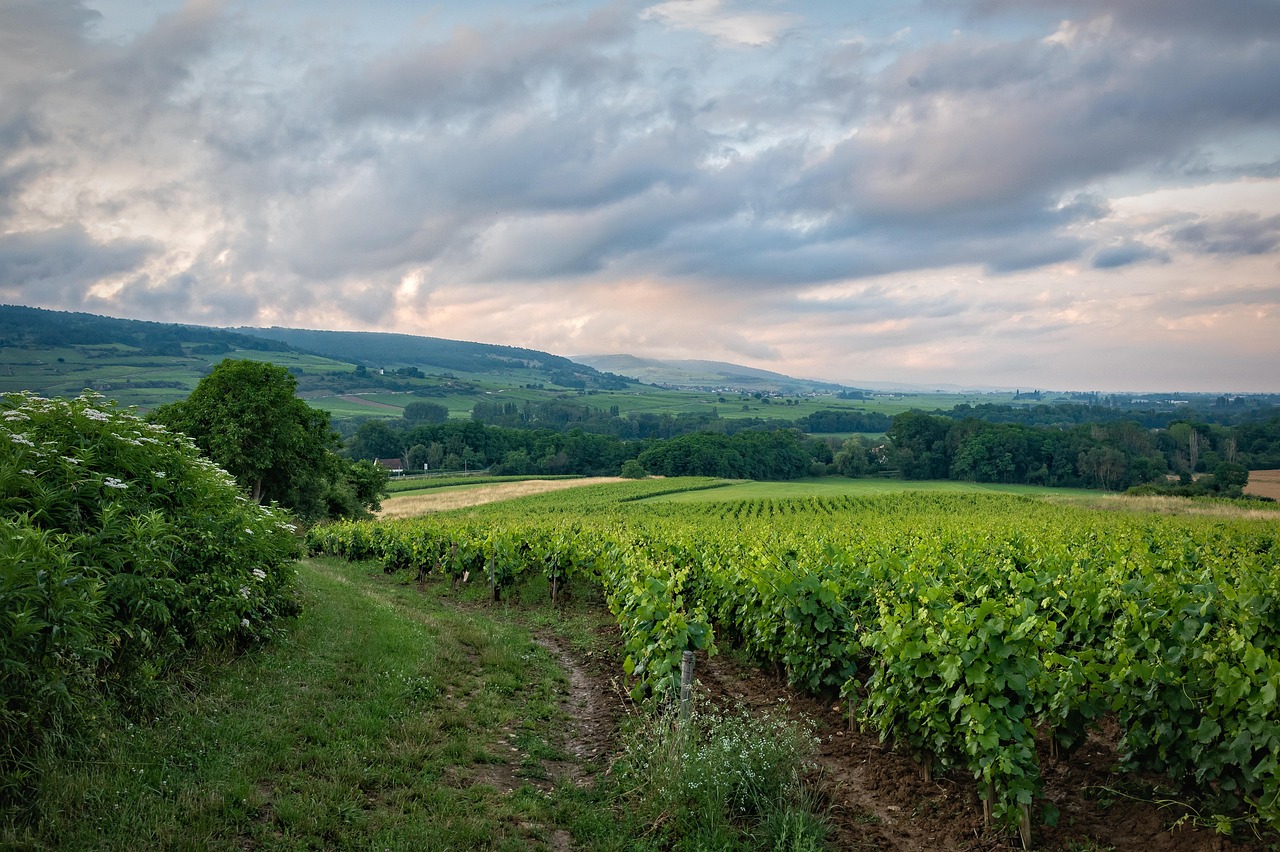
Opposite: Chardonnay grapes on the vine. Above: A vineyard in Burgundy, France – the birthplace of chardonnay.

Given the extent to which white wine in Australia is defined by this one grape variety, it might be somewhat surprising to discover that chardonnay’s ascendancy in Australia is a relatively recent phenomenon. Chardonnay itself is a natural cross between pinot noir and gouais blanc – now a very rare variety, but one that is the parent of at least eighty-one other varieties. (For this reason, ampelographers and other grapevine experts like to joke that gouais blanc is the ‘Casanova of varieties’.) Chardonnay emerged in the 1600s around the village of La Roche-Vineuse in the south of Burgundy, where it now dominates the plantings of white grape varieties. That association with Burgundy proved to be a boon for the variety in the second half of the twentieth century, as a wide increase in vineyard area globally coincided with a craze for white wines, and chardonnay became, as Jancis Robinson, Julia Harding and José Vouillamoz put it in their book Wine Grapes, “virtually synonymous with white wine.” (Alanis Morisette even sang about it in her 1995 hit ‘Ironic’.)
While it’s not known with certainty when chardonnay first landed in Australia, owing to its confusion with pinot blanc by early Australian winegrowers and patchy record-keeping, it’s possible that the variety has been in the country since 1830. Despite some early flickers of recognition and interest – including a “novelty Australian chardonnay” shown in London in 1936 by Leo Buring – the variety remained of little interest to the broader Australian wine community until the release of the 1971 Tyrrell’s ‘Vat 47 Pinot Chardonnay’ – which came complete with the legendary tale of a young Murray Tyrrell hopping the fence of Penfolds’ Hunter Valley Distillery vineyard to ‘liberate’ some cuttings from what are now believed to be the oldest productive chardonnay vines in the world. While wine historians may argue over whether other varietal chardonnays (particularly those of Mudgee vigneron Alf Kurtz, or Murrumbidgee producer Rosetto) may have beaten ‘Vat 47’ to the punch as the ‘first’ varietal Australian chardonnay, it was, and remains, a landmark in Australian chardonnay – one responsible for igniting the country’s interest in the variety.
Above: Penfolds’ former Hunter Valley Distillery vineyard, planted in 1908. Now fully owned by Tyrrell’s, it is believed to house the oldest chardonnay vines in the world.

Where Tyrrell’s went, others soon followed, and by the mid-’80s Australian chardonnay had developed its first identity – ripe and rich “sunshine in a bottle”, best exemplified by Rosemount’s ‘Roxburgh’ and ‘Diamond Label’ bottlings. Winemaking practices were aimed squarely at producing this style, with late picking dates leading to generosity of fruit character (featuring marked tropical notes of melon, pineapple and guava), malolactic conversion reducing acidity and giving buttery overtones, and lashings of new oak adding another layer of toasty richness.

This style had an international inspiration – it was explicitly modelled on California chardonnays – and soon found an international audience, especially in the United Kingdom. In short time, a flood of big, buttery Australian chardonnay was leaving these shores. As is often the case when a style of wine becomes too much of a good thing, a generation of wine drinkers found themselves repulsed by the excesses of this style by the late ’90s and early 2000s, and sought crisp, fresh white wines made from any other variety. This informal consumer movement was swiftly dubbed ‘ABC’ – for “anything but chardonnay” – and it made successes of both Marlborough sauvignon blanc and Australian pinot grigio. Ever since then, the big-picture story of Australian chardonnay has been one of producers dialling back on ripeness, oak usage, and the buttery flavours of malolactic conversion, to instead seek balance and finesse.


A region reborn

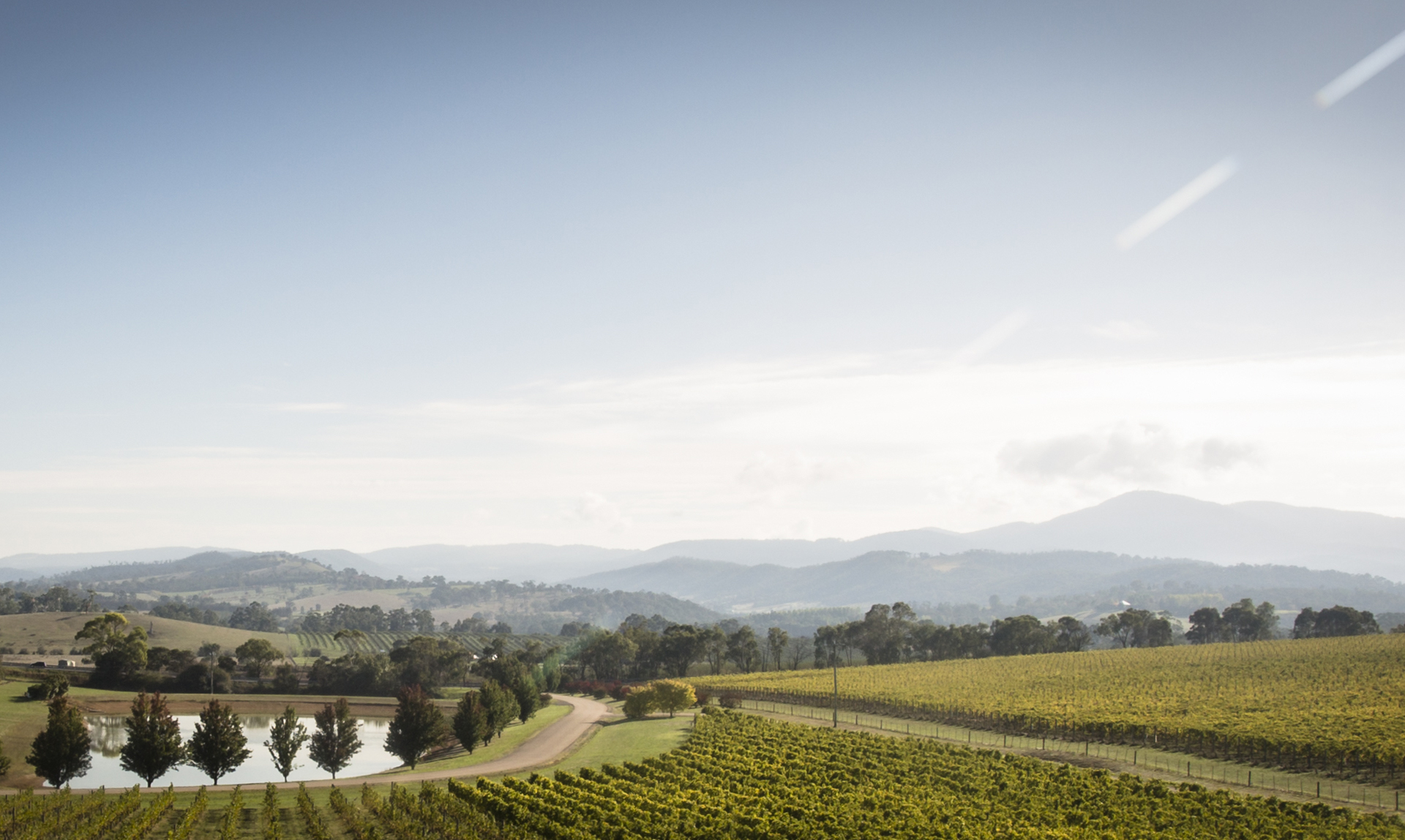
The Yarra Valley’s viticultural story shares a lot of similarities with those of other cool-climate Australian wine regions such as Tasmania or Adelaide Hills: an early boom, followed by a bust, followed by a fallow period, then a revival. In the case of the Yarra, vines were first planted in 1838 at a large property called ‘Yering’ – one that was swiftly subdivided into a number of smaller estates including what are now St. Huberts, Yeringberg, and Yering Station. (This history explains the otherwise perplexing preponderance of Yarra Valley winery names featuring the word ‘Yering’ in some form.) The valley’s early wineries shortly found an appreciative audience in Melbourne, which had become a bustling metropolis in the 1850s owing to the Victorian gold rush, and the region’s vineyards expanded dramatically throughout the 1860s and ’70s. Not all of the production was destined for Melbourne, either, with a wine from Château Yering (now Yering Station) winning the grand prix at the 1889 Paris Exposition Universelle – the only wine from the southern hemisphere that has ever done so.

Opposite: Yeringberg, where the last vintage of the Yarra’s first flowering as a wine region took place in 1921, and which became an important player in the region’s resurrection. Above: Wantirna Estate, the vineyard whose planting in 1963 kickstarted the Yarra’s second act.

This initial boom was followed by a bust: money from the goldfields dried up, economic depression took hold, and Australians shifted away from drinking table wines in favour of fortified wines (mostly produced in the warmer climes of South Australia). While the Yarra somehow managed to dodge the bullet of the grape louse Phylloxera at this time – a remarkable feat, given that it first landed in Australia in the nearby Geelong region – this good luck couldn’t save the region’s wine industry, and the last vintage of the Yarra’s first age occurred at Yeringberg in 1921.

Just over forty years later, in 1963, the Yarra Valley commenced its second act when Bertina and Reg Egan planted Wantirna Estate in the far south-west of the Yarra Valley. (Wantirna is still going strong today – even as Melbourne’s suburban sprawl has practically surrounded it on all sides.) Others swiftly followed suit, with St. Huberts re-planted in 1966, followed by Yeringberg in 1969, and the establishment of Yarra Yering in the same year, Mount Mary in 1971, and Seville Estate in 1972 (the first in the Upper Yarra). Yarra Yering’s first release in 1973 stands as a historical landmark – the first commercially released wine of the Yarra’s modern era. The quality of wine the Yarra produced throughout the ’70s swiftly turned heads, and by the 1980s a host of new producers had invested in the region – most notably TarraWarra (planted by philanthropists and Burgundy lovers Marc and Eva Besen in 1983), Coldstream Hills (founded by wine writer James Halliday in 1985), Domaine Chandon (set up by Champagne juggernaut Moët et Chandon in 1986) and the De Bortoli family (who acquired the former Chateau Yarrinya in 1987).

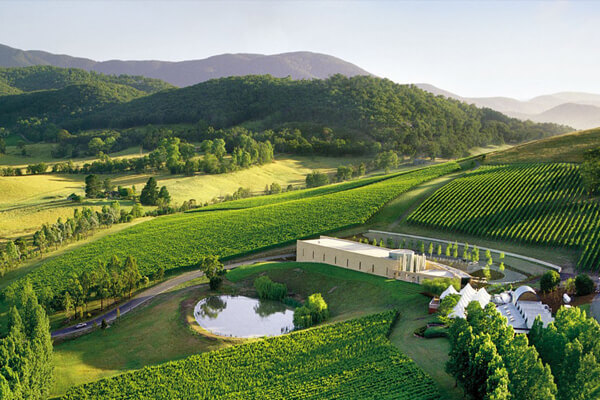
Above and opposite: Coldstream Hills (left) and TarraWarra (right), two of the producers drawn to the Yarra in the ’80s in the wake of trailblazers such as Yarra Yering and Mount Mary.

Those pioneers of the modern Yarra commenced their plantings by focusing on Bordeaux varieties such as cabernet sauvignon – a decision driven less by climate suitability (the Yarra is notably cooler than Bordeaux) than by the international prestige of Bordeaux at the time. White varieties were more of a grab-bag, with the Spanish fortified grape variety pedro ximénez amongst the original plantings at Wantirna. Despite this, the Burgundian varieties chardonnay and pinot noir – far better suited to the Yarra’s cooler climate – were included in the original 1969 plantings at Yarra Yering, and throughout the course of the 1980s became the region’s dominant varieties. While the Yarra now hosts a truly cosmopolitan mix of grape varieties suited to its diverse climatic conditions, the region’s stars are undoubtedly pinot noir and chardonnay, which currently account for 76% of the total harvest by weight (43% pinot noir, 33% chardonnay).


Pushing the dial

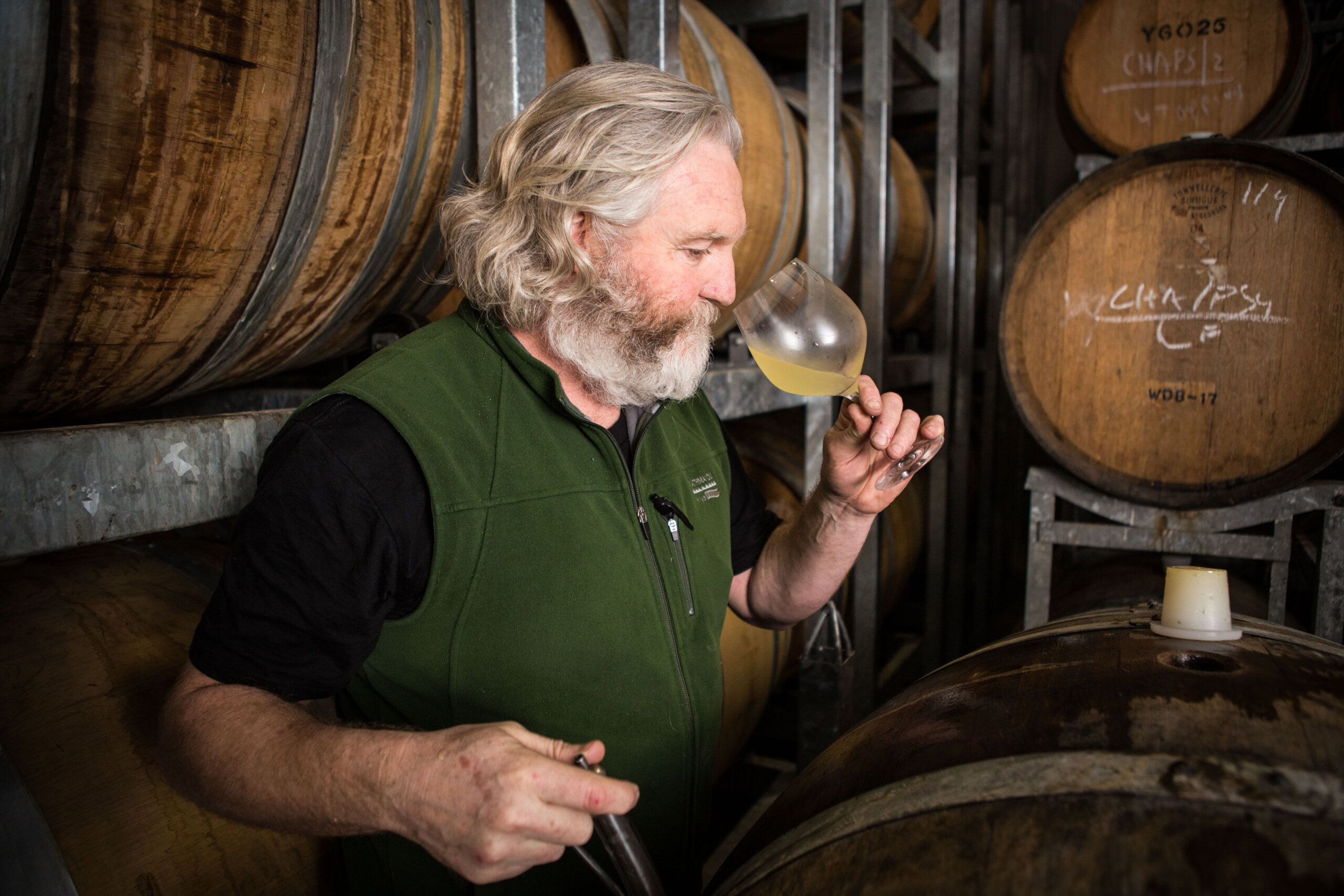
Winemaker Steve Webber arrived in the Yarra in 1989, alongside wife Leanne De Bortoli, to take the reins at the former Chateau Yarrinya, which the De Bortoli family had acquired in 1987. “I came here just as a young winemaker, thinking that I knew everything about chardonnay – and really I didn’t know anything about chardonnay,” he says. Reflecting on the ripe, rich style of chardonnay that was in vogue at the time, he says, “Our first wines were always pretty oaky, and of course they had a cork in them at that stage – none of them aged particularly well.” For him, “It probably wasn’t until around 2002 that we started to realise that we didn’t need to pick late –waiting for sugar levels to get up – that perhaps things are physiologically ripe earlier here in the Yarra.”

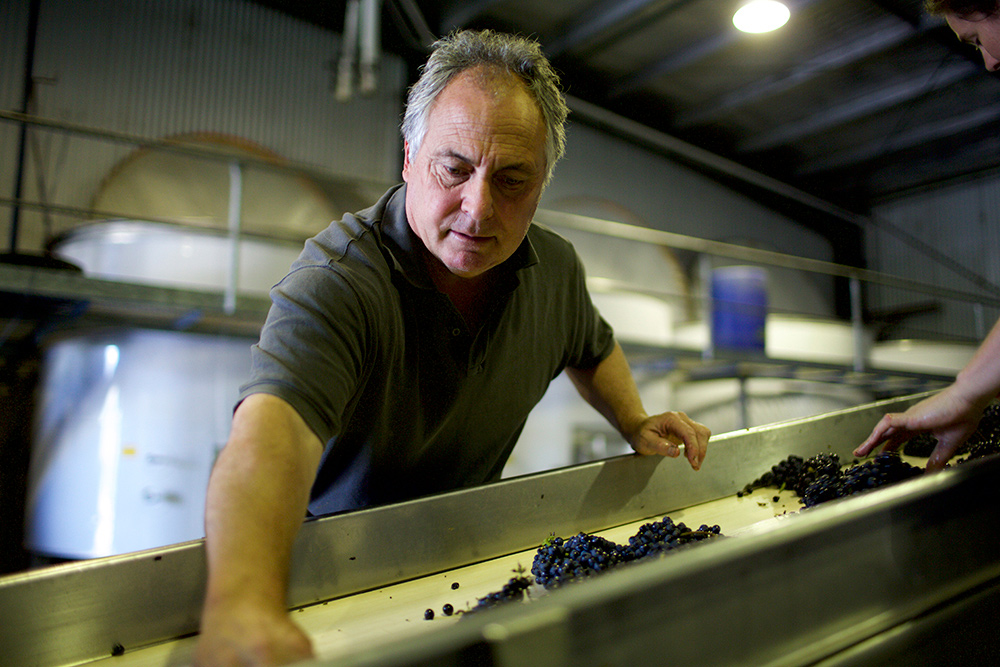
Above: De Bortoli winemaker Steve Webber at work. Opposite: De Bortoli’s Lusatia Park vineyard, the source of some of its premium Yarra Valley chardonnay fruit.

Webber credits “a really interesting group of people” working at De Bortoli in 2005 – including Tom Belford (now of Bobar), Sarah Fagan (now at TarraWarra), William Downie (now operating his eponymous pinot-only label out of Gippsland), and Paul Bridgeman (now at Levantine Hill) – with the rest of the change in De Bortoli’s approach to chardonnay making. Beyond picking earlier, the team experimented with malolactic conversion (not for buttery flavour, but to take the sharp edges off their early-picked chardonnay) and other techniques such as including portions of crushed whole bunches in the ferment to create new and interesting flavours and textures in De Bortoli’s chardonnays. Looking back on this period of fervid experimentation, he says “We were sort of sitting at ten o’clock – and if we didn’t move the dial around to one, and then come back to twelve, we weren’t trying hard enough or we weren’t pushing hard enough,” he says. “You’ve gotta go a bit too lean to realise where ‘too lean’ is, I suppose.”

Part of the shift, too, was an engagement with Burgundy – the homeland of chardonnay and pinot noir – that had commenced in the 1990s and reached its apex in 2003, when De Bortoli made its own red Burgundy from grapes sourced from the Combe du Bas lieu-dit in Gevrey-Chambertin. “We didn’t learn much about winemaking,” Webber says of the team’s time in Burgundy, “but we really did learn something about how to cultivate the land and the fact that we needed to express place – that was the most important thing that we learned, that you have to understand the land that you cultivate … unless you’ve got fabulous vineyards, it’s very difficult to make extraordinary wine.” This also meant moving away from making chardonnay to a style dictated by the whims of the market (whether that’s richer or leaner as fashion dictates), but rather seeking to express the terroir of the Yarra: “It might seem strange, but we almost don’t want too much chardonnay character in our chardonnays. We’d rather them speak of place and be a little variety-incidental sometimes, just as you would see in the better wines of Chablis – they’re more about the flavour of soil and minerality and white flowers rather than some of the obvious fruity notes.”

“It might seem strange, but we almost don’t want too much chardonnay character in our chardonnays. We’d rather them speak of place and be a little variety-incidental.”

For Webber, the process that has occurred at De Bortoli and across the Yarra Valley more generally since that experimental period in the early to mid-2000s is one of gradual refinement – pushing the dial incrementally back and forth to hone in on the twelve o’clock of perfect balance while expressing the region’s terroir. “I think the Yarra’s found a quite a nice balance in terms of fullness,” he says. “At the moment, I think there’s a feeling that we need a bit more flavour in our wines – whether it be chardonnay or pinot – and so I think we’ll probably go ever so slightly higher in alcohol again, looking for a bit more ripeness and depth of flavour.” This isn’t a return to the days of ‘sunshine in a bottle’ ripeness, but rather another small tweak in an overall movement to make wines with what Webber characterises as a “sense of place – wines with purity and with detail.”


Beyond Burgundy

While David Bicknell had left De Bortoli around the time that Webber identifies as its most fervent creative period for chardonnay, his is another name in the list of impressive De Bortoli alumni who were protégés of Webber’s. Bicknell’s tenure at De Bortoli began in 1992, and somewhat by accident. Fresh from visiting nearby St. Huberts to secure a post-graduation job offer, Bicknell decided to pop in to De Bortoli with some friends to check in on the status of his job application there. “Steve said, ‘Yeah, nah, you can have a job,’” Bicknell recalls. “He showed us all these wines, and we went up to the restaurant, where he opened all these other bottles. Then he said, ‘Oh, I gotta go – the wife’s about to have a baby. Can you guys shut the door on the way out?’” Bicknell didn’t need much in the way of persuasion from his friends (who included Steve Flamsteed, another key figure in the Yarra’s chardonnay renaissance) to accept Webber’s job offer over the position at St. Huberts.

During his time at De Bortoli, Bicknell travelled to Burgundy and Beaujolais (in 1994 and 1995) to gain vintage experience. Like Webber, he found that he didn’t learn much about winemaking techniques – but rather the real education was in the importance of understanding how to express the place the grapes were grown. “We’d ask questions, and the French would just tell us what we wanted to hear,” Bicknell says. “We came back with these ideas about how to make things … when I look at it in hindsight now, we were making Frankenwines – they were just like body parts stitched together to make it some kind of animal, and it just didn’t work.” Bicknell shortly realised that Burgundian winemaking couldn’t be applied whole cloth to the Yarra because, as he puts it, “everything we have in this country and this region is different to a place like Burgundy. The light’s different, the sunshine hours are different, the hydrology’s different, the soils are different – everything’s different. You can’t apply a winemaking recipe and expect it to work.”

Opposite: David Bicknell of Oakridge. Above: Oakridge’s estate vineyards in Coldstream, Yarra Valley.

When Bicknell left De Bortoli in 2002 to take on the role of chief winemaker at Oakridge, he therefore approached chardonnay making as “a giant experiment”: “We know that if we make wines in the same way from different varieties they’ll taste differently – like we know that chardonnay tastes differently from sauvignon blanc,” he says. “If we use that same rule across the same variety but different sites, then the wines will taste different. That’s the whole concept of terroir, or site-specific wines.” Thus the work that Bicknell has done with chardonnay at Oakridge has focussed on single-vineyard expressions – a patchwork of wines that each, in their own different way, transmit various facets of the Yarra.

Working at Oakridge – which does not have extensive vineyard holdings of its own, and instead mostly sources fruit from external vineyards that it manages – has allowed Bicknell the freedom to chase exceptional sites. “From the vineyards I inherited when I went to Oakridge in 2002 to where we are now, there’s only one survivor – and that’s the one around the winery,” he says. “We really sort of lucked in, as well. There was fruit available in the vineyards that we took to – known names now, but they probably weren’t so well known back then. Applejack – we used to take most of that vineyard before Giant Steps bought it. We used to take all the chardonnay back in the day from Lusatia Park and Willow Lake.”

“Everything we have in this country and this region is different to a place like Burgundy. You can’t apply a winemaking recipe and expect it to work.”

While he has had to part ways with a few cherished fruit sources as ownership has changed hands, that flexibility has allowed him to find promising sites that are developing in their potential as the climate warms. “A lot of these old vineyards with chardonnay in the Valley, they were all planted for sparkling base, so they’re all in that upper Yarra catchment,” he says. “When I came over to Oakridge, nobody really wanted it, and sparkling was starting to decline out of the valley, so we kind of feasted on it. We picked them up and applied our experiment to the whole thing.”

If Bicknell’s site-specific experiment sounds a bit Burgundian, there is no doubt some inspiration there – but there are important differences, too. “Because we don’t have carved up, legislated, designated villages or sub-regions, I don’t think that really applies to us – the sites do, but different parts of the valley, perhaps not so much,” he says of the perhaps inevitable comparisons to Burgundy. “And that’s a good thing, because it keeps the whole valley open and able to do these things without any form of discrimination. ’Cause if you’re in Burgundy you’re making a wine in Mercurey, it’s sort of looked down on more than wine that’s made in Gevrey.” By contrast, he sees the current Yarra Valley focus on single-site chardonnays without reference to sub-regionality as “a bit more democratic, in a lot of ways.” For him, this focus on small, individual sites is a logical consequence of the regions varied aspects, soil types, and elevations: “It’s a patchwork – we don’t have any large consistent areas that are totally populated by vineyards … we don’t have those large, broad vineyard areas like Bordeaux or Marlborough. It’s just not like that – so I think that’s informed us to worry about the site more.”


Cool chardonnay in a warming future

While the collective focus in the Yarra on site specificity and terroir makes it something of a beacon for those who believe that the Australian wine industry should focus less on winemaking style and more on how and where grapes and grown, the region faces more than a few challenges. While the region somehow dodged the bullet of phylloxera in the early 20th century, the devastating louse was discovered in the Yarra in 2006 – causing afflicted vineyards to be grubbed up, and not all of them replanted.

“We have so many young people who actually want to come to work in the Yarra Valley because there's a there’s a real wine community here.”

There’s also the ever-present threat of climate change, which has started to bite in the Yarra. “The issue with climate change is about variability,” Bicknell says, pointing to the unpredictable (and not always warmer) vintages of the past few years as examples. His solution is to “live in the moment” and be responsive to the season: “We set ourselves up for the worst-case scenario, and hope it ends up being the best-case scenario in terms of what the vintage gives us.”

Bicknell sees the Yarra Valley’s collaborative culture as one of its strongest assets for an uncertain future. “We have so many young people who actually want to come to work in the Yarra Valley because there’s a there’s a real wine community here – and not just old fuckers like me,” he says. “There’s a real culture that’s grown in the Valley here, and I think that’s really healthy. And we tell each other everything.” For him, this stream of new talent is “like a blood transfusion, having all these young people here – it’s fantastic.”

“We never think we’ve got all the answers. We’re just still trying to experiment, still trying to make better wine every year, still trying to improve our viticulture and understand the land that we cultivate a bit better.”

It’s a sentiment that Webber agrees with. “We’ve got some young winemakers here that want to some different things,” he says. “It’s just a living thing – we’re learning as we go. We never think we’ve got all the answers. We’re just still trying to experiment, still trying to make better wine every year, still trying to improve our viticulture and understand the land that we cultivate a bit better.” He adds: “Hopefully it’s a bit transitional – that we can pass that knowledge through to the next people that are making the wine here.”

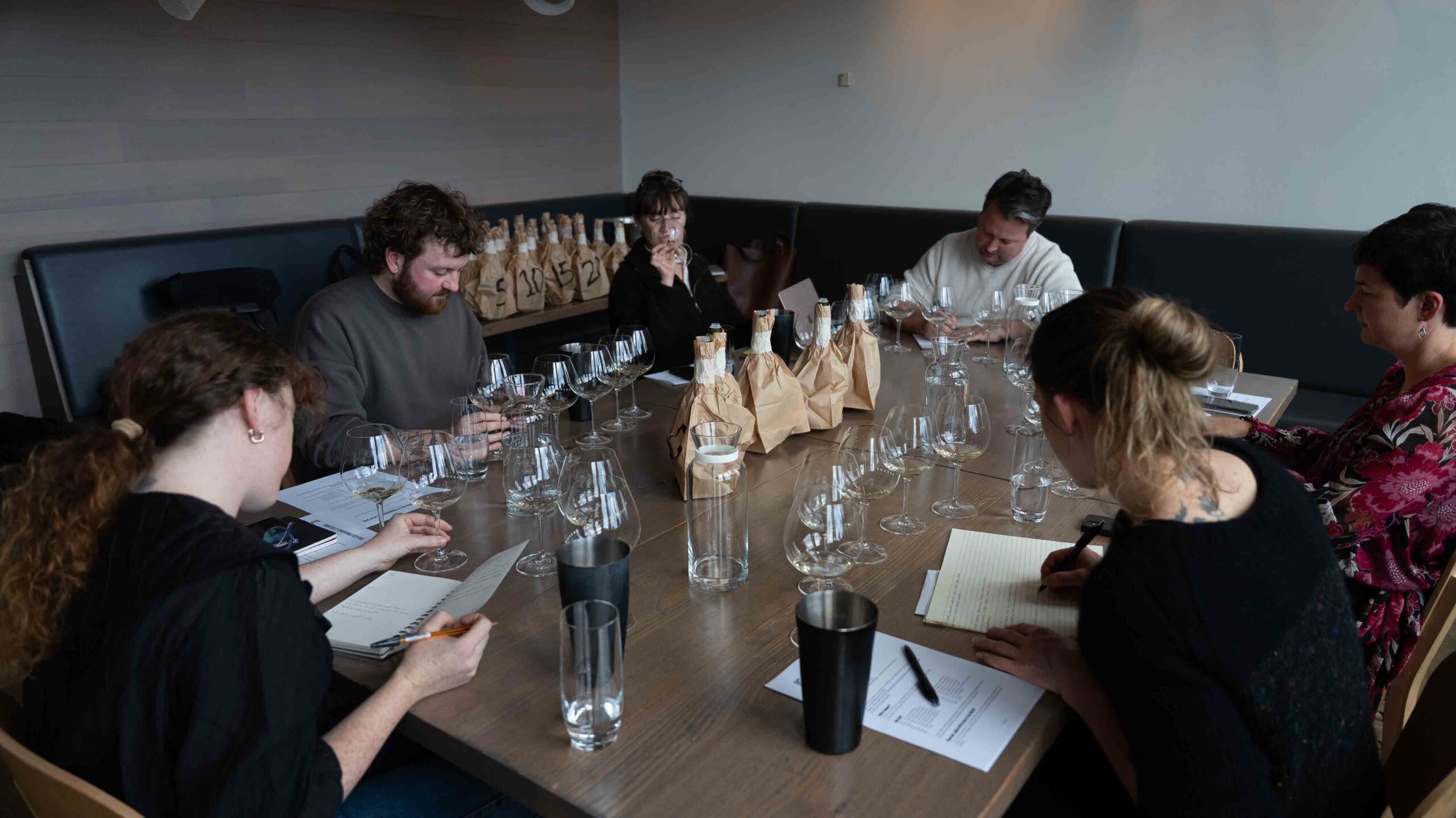
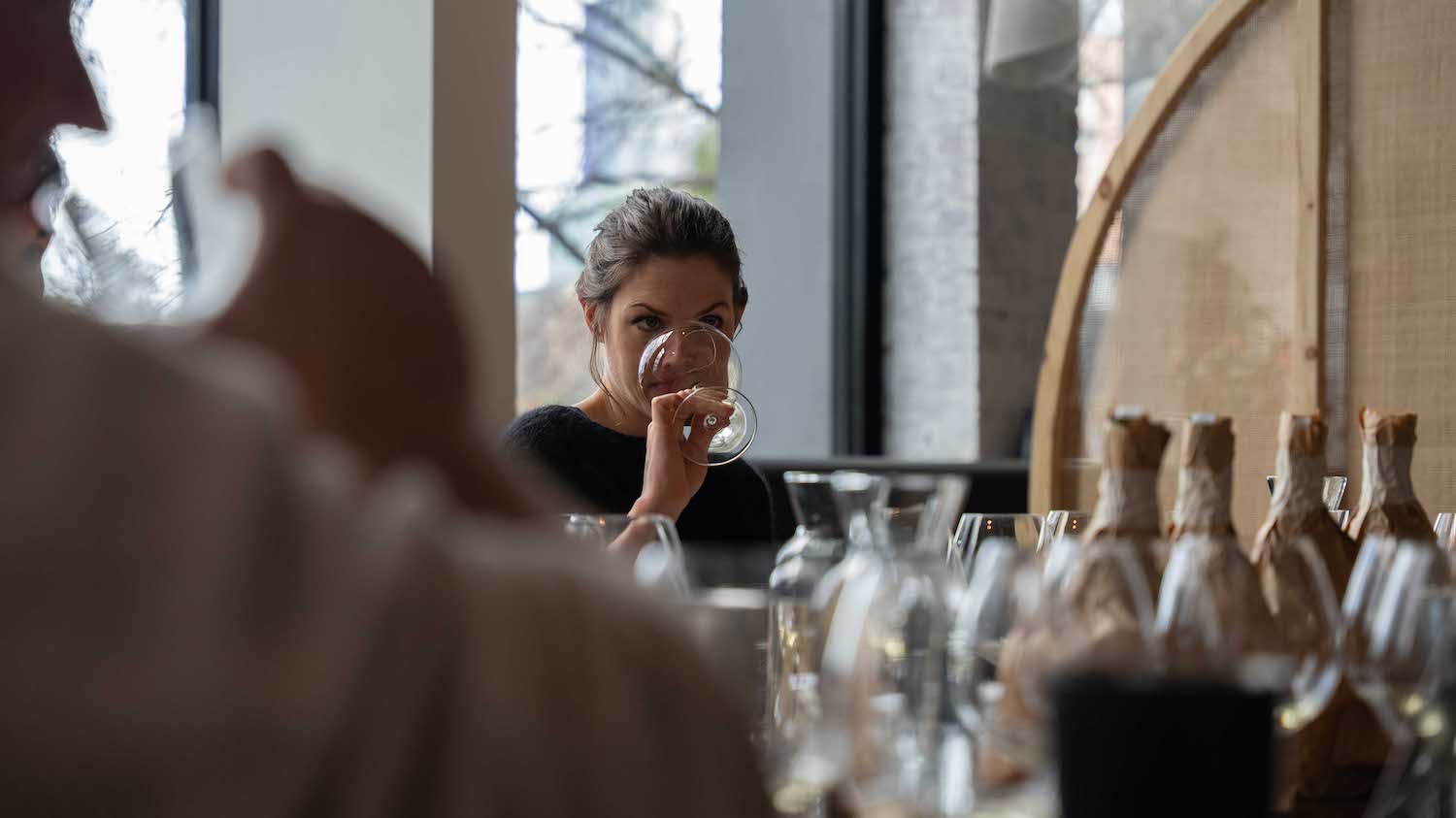
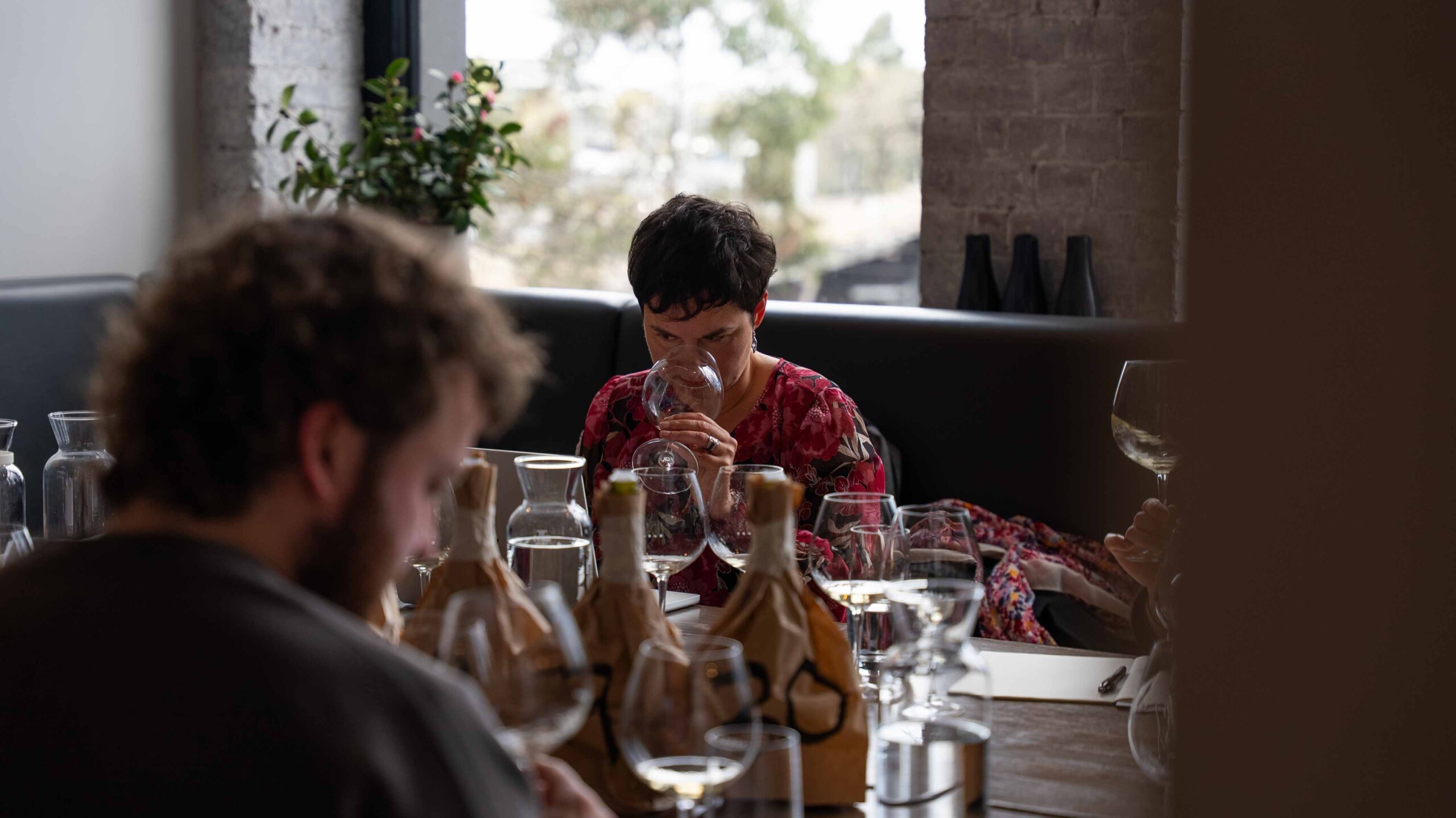
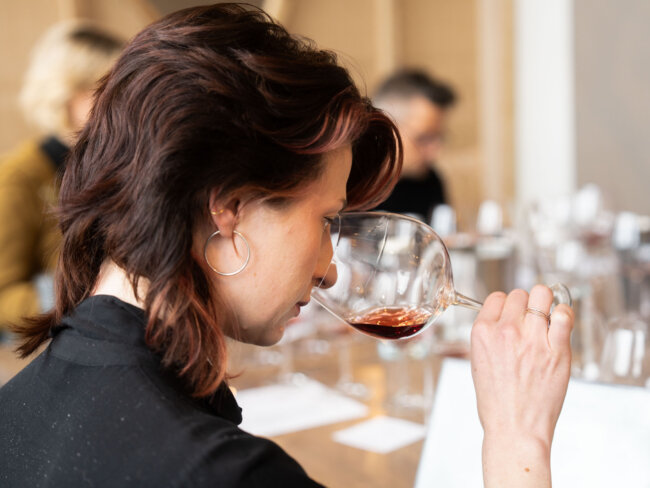
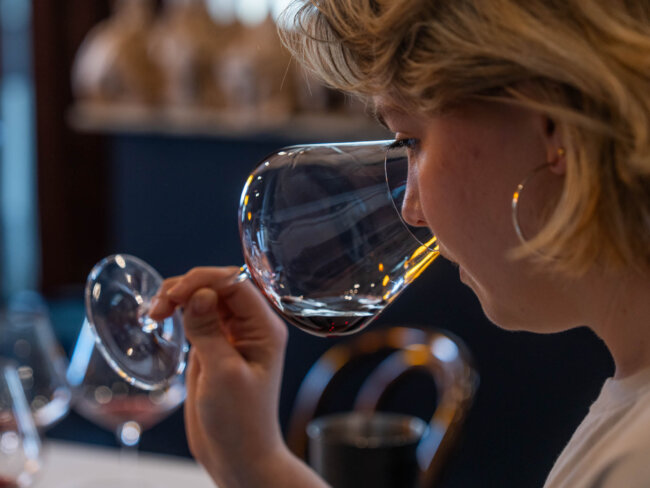
Above: Our panel of experts gathered at Tonka, Melbourne.

Outtakes from the tasting

We gathered every chardonnay from Yarra Valley we could find and set our expert panel the task of finding the wines that compelled the most. All wines were tasted blind, and each panellist named their top six wines. Below are the wines that made the panellists’ top-six selections from the tasting.

Our panel: Andrea Pritzker MW, wine educator, Wine inTuition; Jarrod Johnson, winemaker, Punt Road; Hannah Maltby, winemaker, Mac Forbes Wines; Blake Meyer, wine buyer, Reed House; Katarina Lange, head sommelier, Botanical Hotel; Michelle Nielsen, sommelier, City Wine Shop.

Johnson kicked off proceedings by noting that there was a lot of diversity in the lineup, despite the fact that it consisted of only one grape variety from one wine region. “The diverse styles right across the range shows the versatility of the Yarra,” he said. “You can make wines in whatever fashion suits your vineyard or your style. Some of those expressions were really good, some of them not so good – but I think overall, it was of high quality.” He added: “What I always love about Yarra Valley chardonnay is the natural acid and the flavour that comes with that acid. There’s a beautiful tension and concentration of flavour in that acid that starts at the front of the palate that goes through the finish that I think is why Yarra chardy works so well, whether it be from the valley floor or from from the Upper Yarra.”

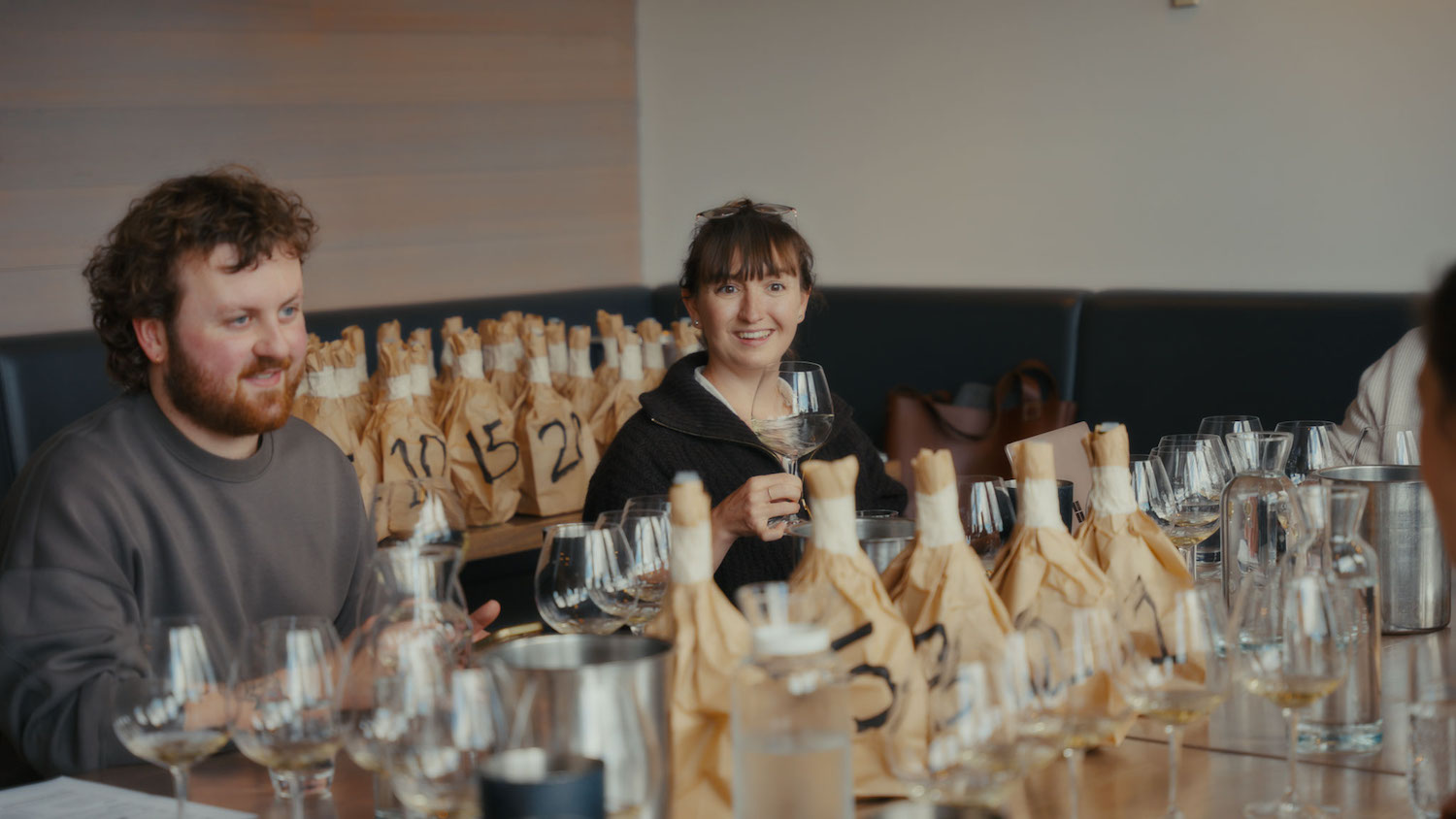
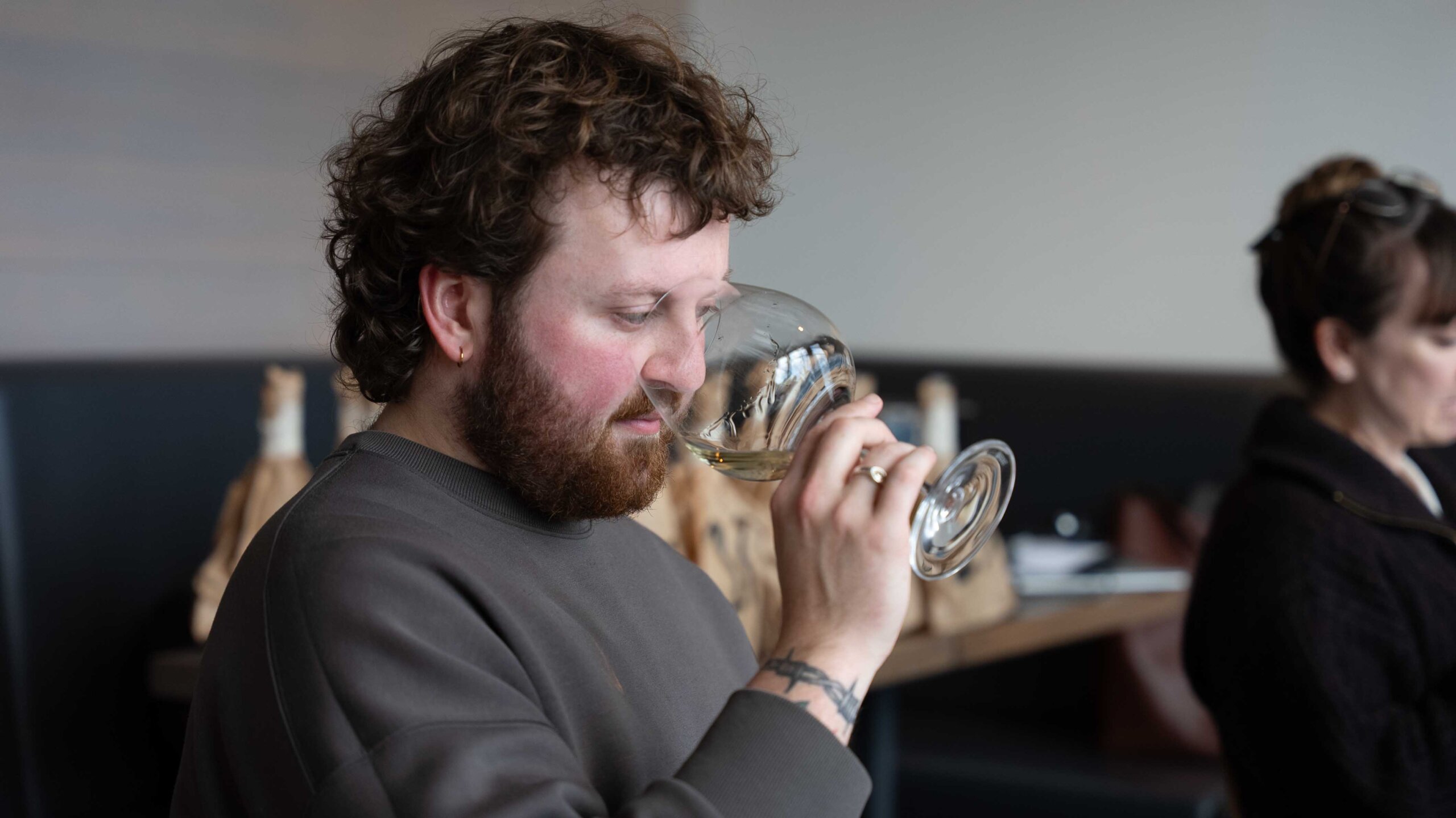
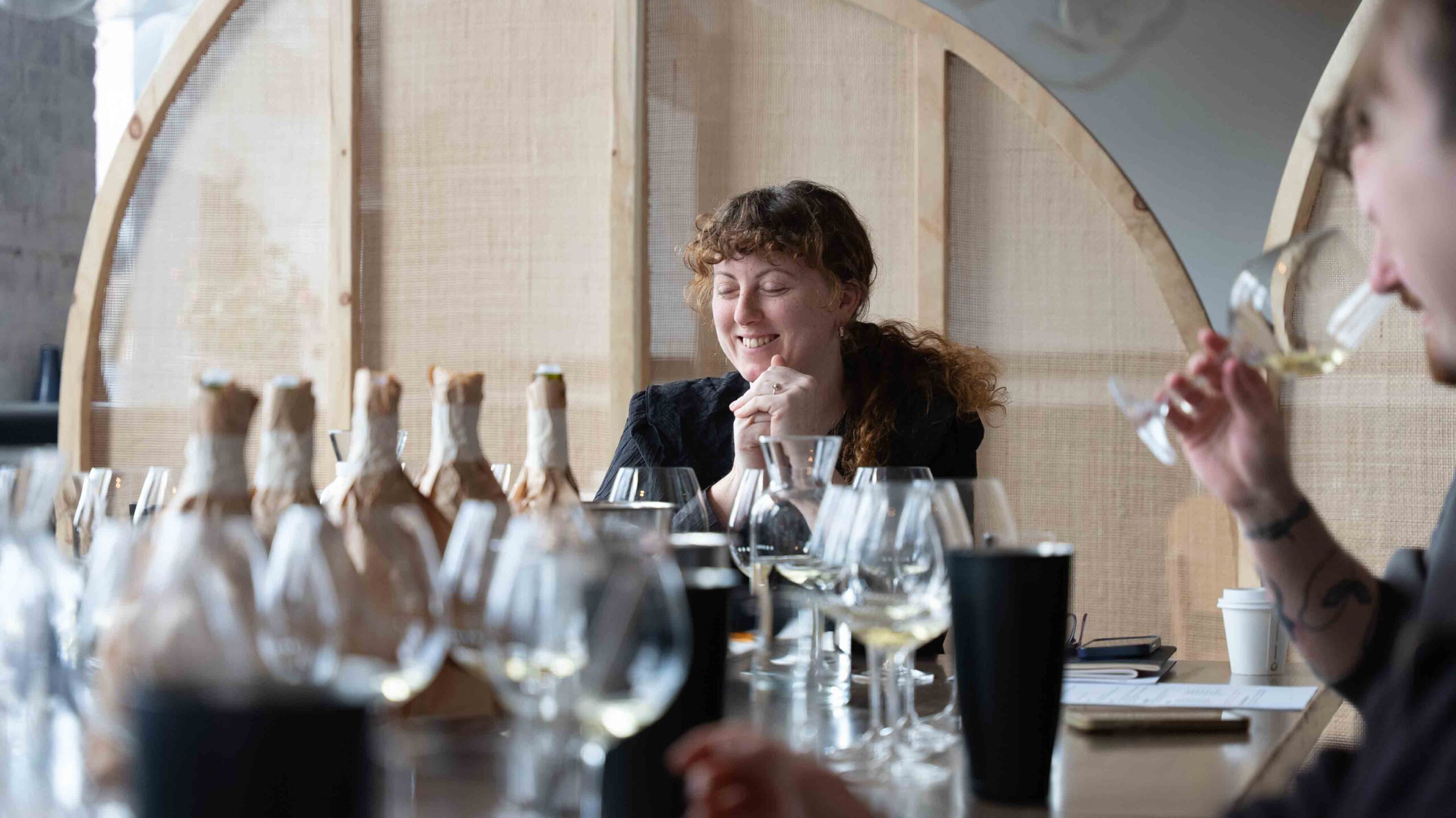
Above: Jarrod Johnson. Opposite: Blake Meyer and Hannah Maltby.

Maltby concurred with Johnson, adding that she thought she could see clear terroir differences across the lineup that reflected the expansiveness and diversity of the Yarra as a wine-growing region. “The distinctions between the fruit profiles were quite clear,” she said. “There wasn’t a lot of winemaking artifice in here. You’ve got the peachy versus the citrus – those distinctions are really clear.” She added that the mix of vintages on show added another dimension to the tasting – especially as a Yarra winemaker whose experience might be prejudice her against specific vintages. “Knowing that there were different vintages in here but not knowing what they are is kind of helpful as well, because you’re not biased against a certain vintage,” she said. “Looking at these glasses and saying, ‘That looks like ’24 … ’24 looks amazing’ – it’s kind of nice to be able to see that standing out, and to see that people in the Yarra are embracing vintage variation.”


“Chardonnay is one of those wines that has to be Goldilocks in a glass – nothing sticks out.”

For Lange, in her words, “It’s that balance that’s really important.” She elaborated: “Because if the acidity sticks out too much, or the oak sticks out too much, I don’t really find the wine that appealing. But if there’s a backbone of acidity, which drives the palate, but then you have more things going on flavour-wise towards the end of the palate, you kind of think, ‘Oh! That’s a bit more interesting.’” She added that she thought the region’s use of various winemaking techniques to achieve balance in the finished wine was somewhat inspired by the great chardonnay-based wines of Burgundy in France.

Opposite: Katarina Lange. Above: Andrea Pritzker MW.

Pritzker said that she was pleasantly surprised by how little reduction was present in the finished wines, and saw this as proof that, in the Yarra, there’s been a shift away from making chardonnay to a pre-defined style. “I don’t mind reduction, actually – I’m quite happy with it – but I was expecting to see more,” she said. Referencing a Burgundy producer famous for their reductive style of chardonnay, she added: “There was at one point a sort of Coche-Dury groupthink – not just in the Yarra but across Australia – with this really strong obsession with reduction and those gunflint, struck-match characters. Winemakers were almost trying to fit chardonnay into a box, when the vintage or the vineyard or the style just didn’t actually work. And there were reductive wines that were really attractive in this lineup today – but there were also some really open, fruit-driven, fruit-pure styles as well. So it was really nice to that shift away from groupthink.”

“There was at one point this really strong obsession with reduction and those gunflint, struck-match characters. Winemakers were almost trying to fit chardonnay into a box.”

Meyer highlighted that, while the wines on show were quite diverse, there was some work to be done in getting that message of diversity out to consumers: “A lot of people think of the Yarra Valley in a narrow way – they look at it as one place that’s pretty similar, when it’s really so diverse and massive,” he said. He added, though, that consumers are “confident in Yarra chardonnay. The price points are usually pretty good … they’ll come back for it, because they know it’s there and they know it’s good. It’s reliable.”

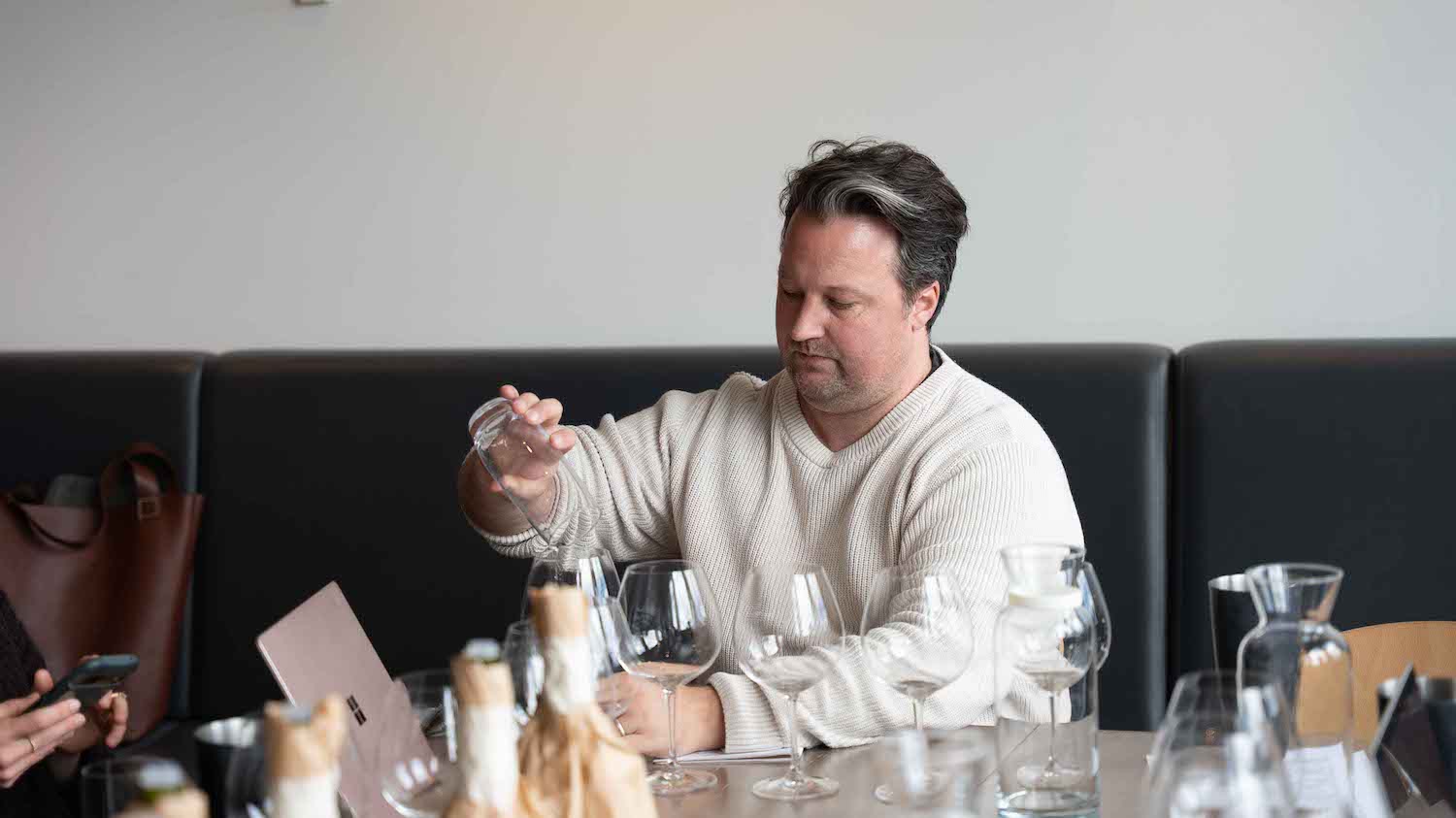
Above: Meyer. Opposite: Michelle Nielsen.

Pritzker wrapped up the discussion by looking at how the Yarra Valley fits into not only Australia’s chardonnay landscape, but the global landscape for the variety. “To echo Hannah’s point about chardonnay-making being a Goldilocks operation, I think the Yarra Valley might find itself in a Goldilocks position,” she said. “Because of the diversity of climate and aspect, but also this long history and really attuned clonal selection – all these factors over the years have contributed to Yarra Valley chardonnay being a recognised brand domestically, then into the export markets. From a style point of view, that fresh, bright acidity – when you pair it with that wonderful white peach fruit spectrum, it becomes a really balanced, beautiful glass of wine that people can gravitate to. In a global context, that’s what all wine-lovers really want, so I think the Yarra’s in a really strong position stylistically – and there seems to be more confidence in the winemaking … and that’s really heartening to see.”

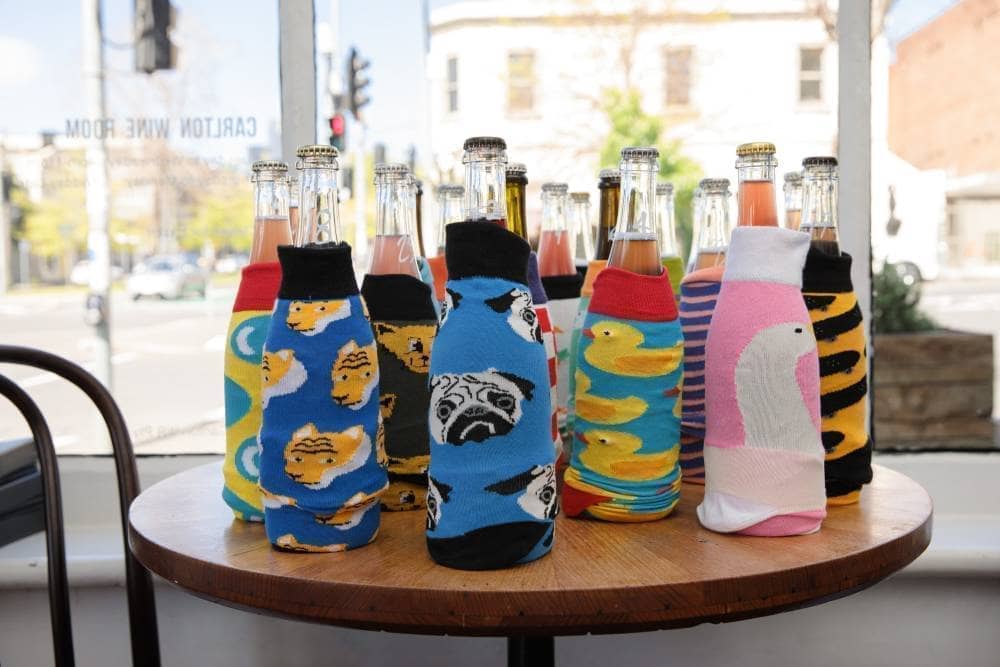
Opposite: The tasting in full swing at Tonka, Melbourne. Above: All wines tasted ’blind’.

Bookmark this job

Please sign in or create account as candidate to bookmark this job

Save this search

Please sign in or create account to save this search

create resume

Create Resume

Please sign in or create account as candidate to create a resume