Some wines exist to be finished before the year is out. Others are made as a statement of ambition – proof that a winery believes in its own future enough to lock a portion of every vintage away and wait. That’s the quiet culture behind Australia’s best museum-release wines: not just wine styles built to age, but a philosophy about what wine is for. And few varieties put that philosophy to the test as directly as cabernet. It’s one of the most age-worthy red wines in the world – and in Australia, a market that mostly drinks it young rarely gets to see what all that patience actually delivers. Museum release programs offer a rare workaround: a chance to taste a winery’s ambition already paid off, exactly when its makers believe it’s ready, without needing a cellar – or the patience – of your own. With so many excellent cabernets available via museum programs, we took a Deep Dive to find the best of the best …
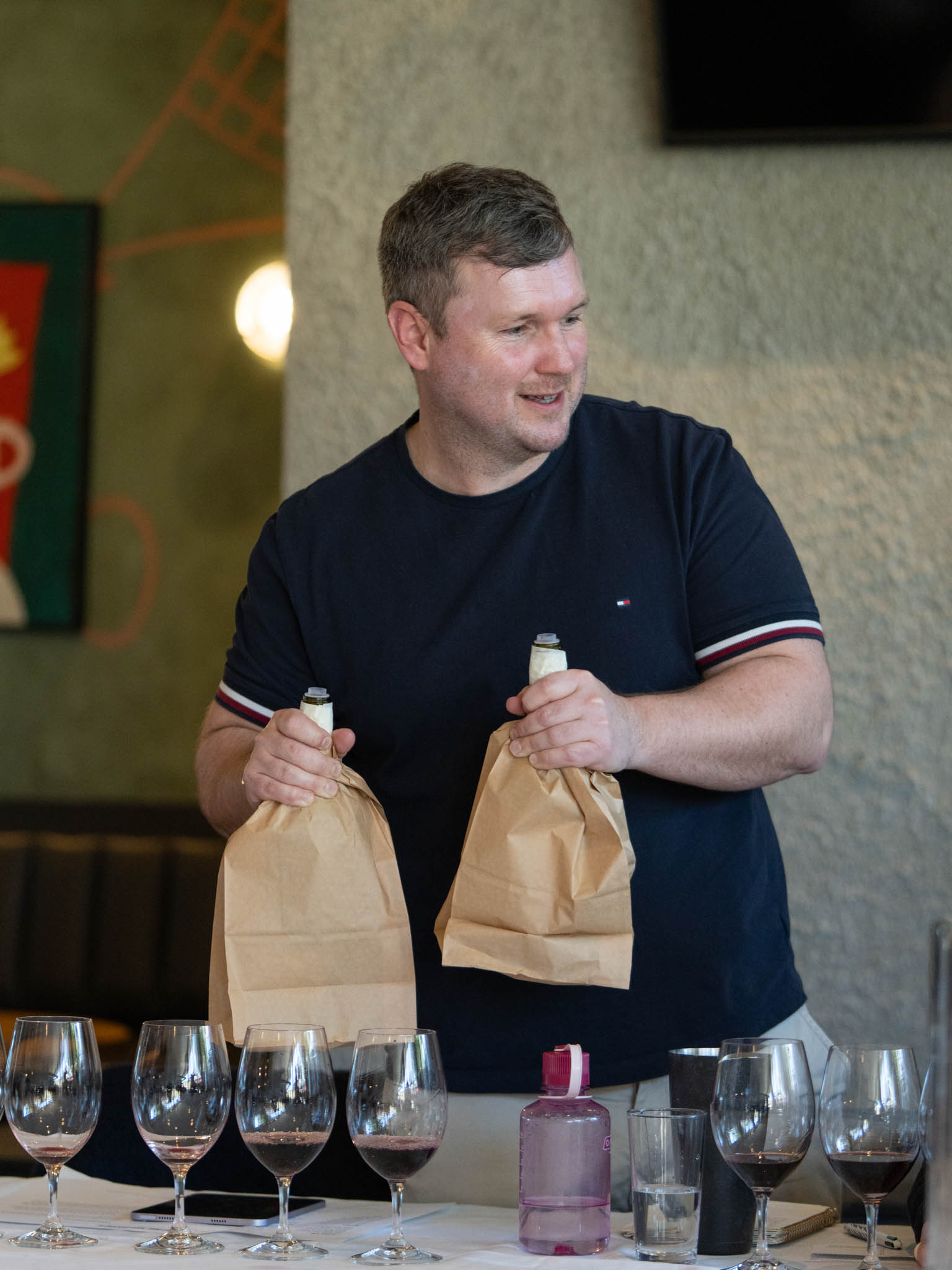
We gathered every museum-release ‘cabernets’ we could find – aged stock still available for purchase directly from the winery, whether labelled cabernet sauvignon, cabernet franc, or a red blend built from the classic Bordeaux grapes (cabernet sauvignon, cabernet franc, merlot, malbec and petit verdot) – and set our expert panel the task of finding the wines that compelled the most. All wines were tasted blind, and each panellist named their top six wines. Below are the wines that made the panellists’ top-six selections from the tasting.
Our panel: Sue Hodder, senior winemaker, Wynns Coonawarra Estate; Eden Walpole, senior winemaker, Blue Pyrenees Estate; Emma Raidis, vigneron, Raïdis Estate; Patrick Wood, winemaker, Harbinger and Kyneton Ridge; Rhiannon Lahatte, brand ambassador, Voyager Estate; Evan Heisz, wine consultant, MW Wines; Terina Davies, wine merchant, Seddon Wine Store and Union Wine Store.
The Top Wines
This isn’t an ordered countdown. There’s no ranking – just the top six wines each panellist found most compelling from the blind tasting, in all their different ways. Everyone’s palate is different, and that’s the point.
Hodder and Wood both claimed this for their standout six picks. “A deep red colour with a brick red hue indicating a wine with some age.” Hodder began. “This is a mature cabernet that combines savoury bottle development with freshness. Flavours of fruit bun with raspberry jam. A bigger-shouldered version of well-balanced cabernet wine that’s ready to drink.” For Wood, the wine moved seamlessly between two acts: “Deep and alluring, this one leads with freshness – graphite, blueberry and apple cake, some vanilla and baking spice framing a nostalgic raspberry lolly nose that is as playful as it is complex. Front of stage is the raspberry and blackcurrant, bright and immediate, before quickly making way for the second act: oak tannin chew as a closer, backed by talc-like acidity, brilliant length and perfectly integrated oak. A wine that seamlessly moves between two halves: fruit-forward entry, structured exit.”
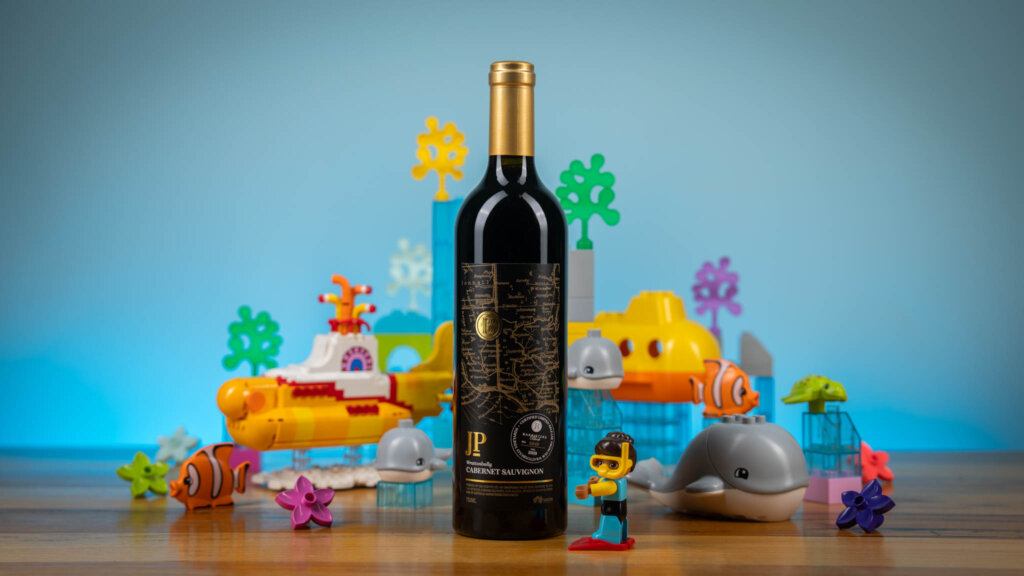
2018 Lévrier Wines by Jo Irvine ‘Grand Lévrier’ Single-Vineyard Cabernet Sauvignon, Barossa Valley $280 RRP
This wine made it into both Heisz and Raidis’s top six selections. The age-defying nature struck Heisz immediately: “Just hits the mark in terms of freshness and age-worthiness. The earthiness balances with the savoury notes, and freshly crushed blackberries enter the mix. There is a slight salinity to all of this – root beer and rooibos tea. The texture has transformed into a silky balanced attack that brings you back into the wine. Complexity in spades. A real joy to experience.” Raidis found it appealing and refreshingly honest: “Deep red, delicious and dangerously drinkable. Black cherry and blackcurrant roll into cedar, cigar box, tobacco leaf and freshly brewed coffee, while ripe plum brings generosity to the palate. There’s plenty to unpack, but honestly, I’d rather stop analysing and pour myself a proper glass. This is the sort of wine I’d very happily drink – and then wonder where the bottle went.”
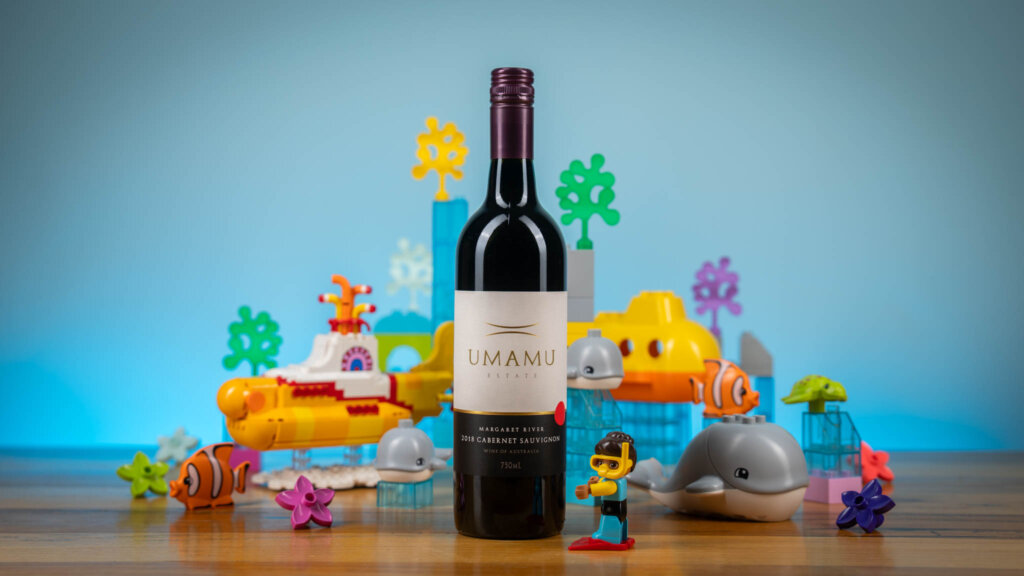
2018 Umamu Estate Cabernet Sauvignon, Margaret River $86 RRP
Both Raidis and Heisz counted this among their finest six selections. This wine sang to Raidis with its unapologetic opulence: “Deep red in the glass and unapologetically plush, with blackcurrant, red cherry, mint, dark chocolate and a lick of eucalypt. The palate delivers exactly what the nose promises – juicy blackcurrant, cooling mint and rich chocolate, all wrapped up in generous, delicious fruit. Not one for overthinking. The official tasting note? ‘Fuck yeah!’” Heisz discovered delicacy beneath the apparent boldness: “A bit more delicate than others in this lineup – it doesn’t scream or shout, but talks a big game all the same. That classic Aussie mint and eucalyptus pushes out of the glass and onto the palate, mingling with the blackberries and blackcurrants. So much velvety rounded texture and balance as a whole. There is so much pleasure in the drinkability here – the balance never wavers, and before you know it you’re back at the glass again. A lovely wine.”
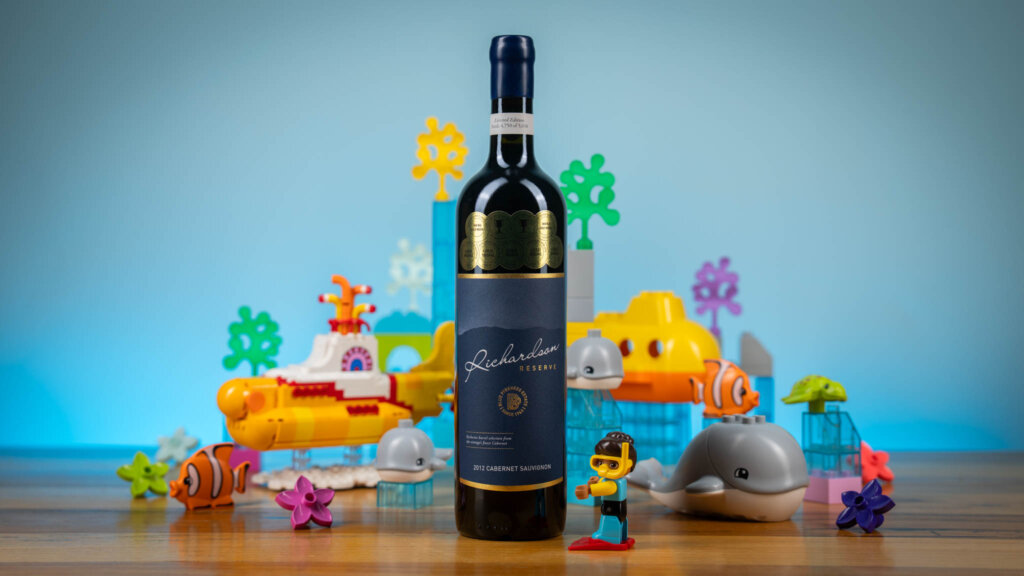
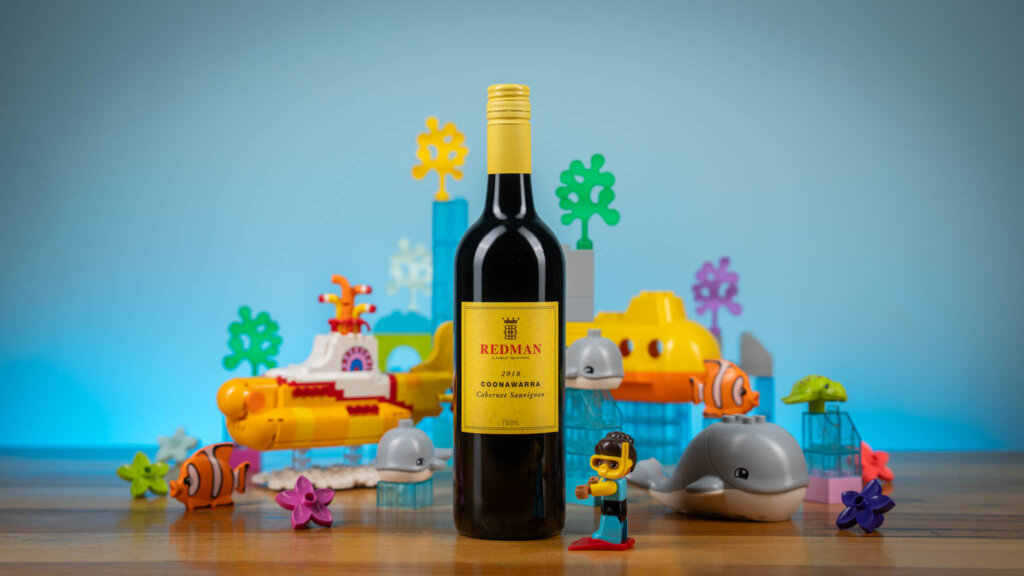
Walpole and Heisz both brought this into their standout six picks. “Really nice fresh cedar wood and spice,” Walpole noted. “Lovely cassis note that just jumps out of the glass and is very even. Very good tight cabernet fruit and structure. Very nice length. Beautiful redcurrant and satsuma plum fruit, mocha and five spice. So powerful and layered with a freshness and vitality that demands another glass. This is a very complex wine with an underlying umami quality that is beautifully layered.” The classical composition impressed Heisz: “A total knockout in the most savoury way. Olive tapenade and brine, hard herbs, garrigue and intrigue. Earthy and gamey, this wine rolls through with a brooding but beautifully balanced stride. A real stunner. Best enjoyed with something overly fatty on the table – a large cut of lamb, too much butter perhaps, maybe even some peas and mint.”
Lahatte and Walpole featured this among their top six wines from the blind tasting. The bouquet dominated Lahatte’s first impression: “Red cherry, dried rose petal, basalt, barbecued parsnip, dried thyme – elegant, fresh and complex. A bouquet of roses – pink, orange and red. So perfumed! Concentrated on the palate – blackcurrant, cassis, blood plum, lots of lifted floral herbal notes, backed by a lovely stark sanguine iron minerality. Great acidity that gives life and length. Black plum, dark cherry – still so fresh.” Walpole’s reading focused on classical structure and multilayered complexity: “Very fragrant with nice spicy oak. Very rich plum and five spice. Great core of fruit with dense cabernet tannin that is starting to unfurl. Very good length. Multilayered complexity. Bay leaf lift. Classic style with wider tannin architecture. Undergrowth and dried herb complex the wine and express themselves beautifully folded into the wine.”
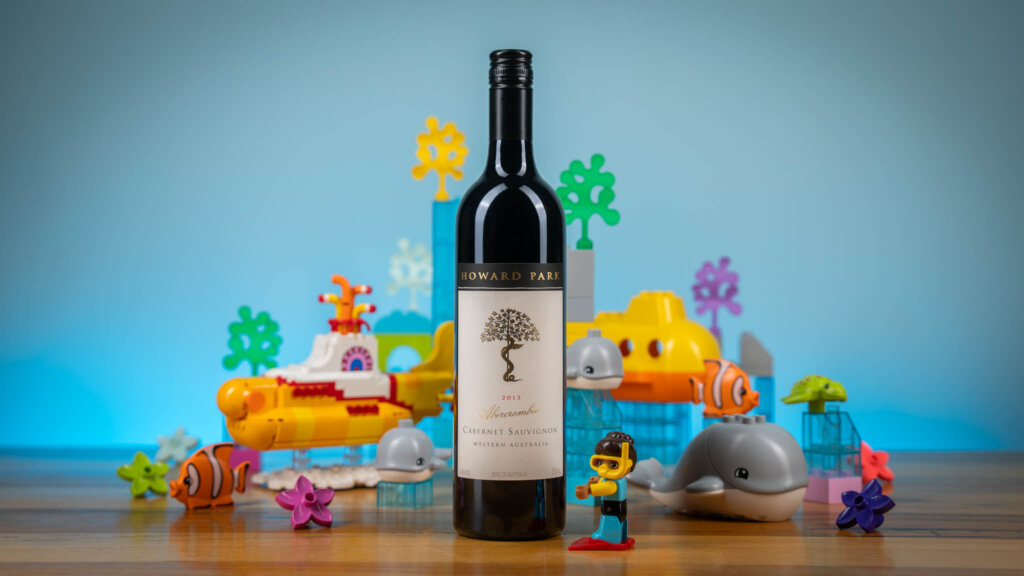
2013 Howard Park ‘Abercrombie’ Cabernet Sauvignon, Margaret River $210 RRP
This wine made the cut as one of the standout sixes for both Hodder and Lahatte. “A dusty medlar nose,” Hodder began. “Savoury mature flavours of grilled red peppers. Nicely done oak frames the palate, which has good weight and good length. Crying out for a plate of gnocchi!” Lahatte’s voice carried surprise at the wine’s freshness. “Yes! This jumps out of the glass – crunchy cherry, rosehip, pomegranate, hibiscus. Elegant and complex, with a flinty mineral note. Candied sage leaves, cooked in brown butter with a bright, cherry red plum combo with a delicious graphite finish with lingering acidity. Very fresh. Amazing to see something with age look so young.”
This wine landed in both Wood and Hodder’s top six selections. Wood experienced this as pure presence: “Power, right from the outset – this wine doesn’t ease in, it announces itself. Blackcurrant and super-cassis lead, joined by black forest chocolate and cherry for a lusciousness that stays remarkably in balance throughout. Caramelised fig, raspberry and vanilla are framed by subtle, well-judged oak tannins, giving structure without ever crowding the fruit. There’s a real generosity here, without ever tipping into the overstated. A saline, tannic edge courses through to the finish, fine and talc-y with fresh plum lingering long after the glass is empty.” Hodder found aromatic appeal in the violets and cherries: “Smells like red cherries and crushed violets – very appealing! The palate is reminiscent of satsuma plums poached with rhubarb. A high quality winner at any dinner!”
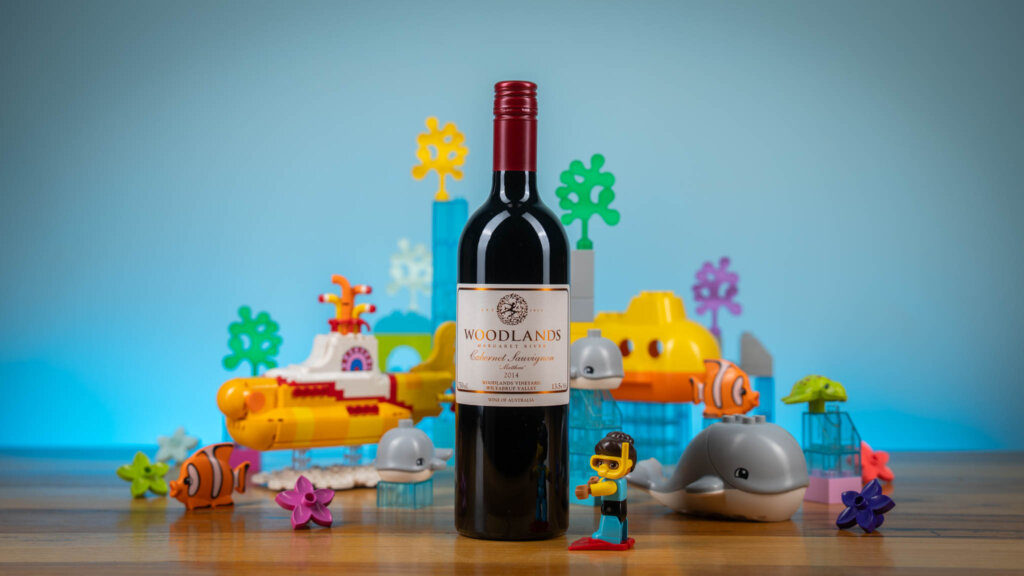
2014 Woodlands ‘Matthew’ Cabernet Sauvignon, Margaret River $330 RRP
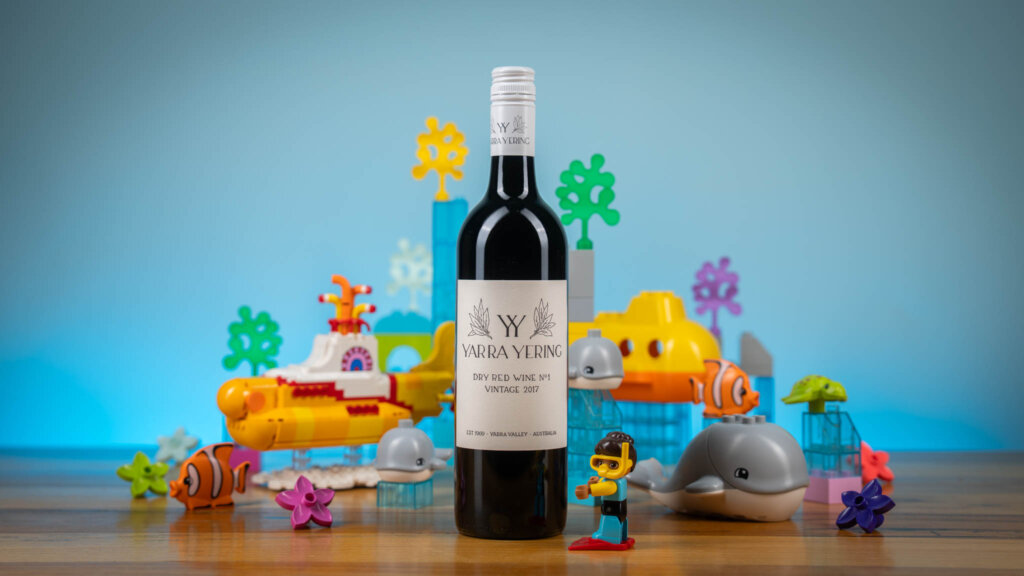
Raidis, Wood, and Walpole all championed this as part of their top six wines of the day. This wine invited Raidis to settle in for the evening: “Deep red with a vibrant purple hue, this is all black cherry, earth, rosemary and mint, with blackcurrant, bay leaf and dark chocolate. Plush and generous, but bright acidity keeps it lively. Lovely stuff – the sort of wine I’d happily settle into for the night and be quietly disappointed when the bottle ran dry.” Wood found it perfectly composed: “Fresh and integrated – this does cabernets exactly as it should. Deep ruby purple, it opens with blackberry, a slight touch of aniseed, leather notes and dark chocolate. The palate keeps evolving – dried cherry, tobacco and cassis unfolding in turn, carried by super fine tannin. It finishes with a mineral, acid-driven crunch with classy lingering oak. It’s the experience of walking into a chocolate shop, but bottled.” Walpole appreciated the classic balance: “Good colour, more classic, oak rich but still driving the fruit well. Really nice carry and sweet developing fruit. Good cedar lift and length. Chocolate-mint qualities along with dark chocolate and cassis.”
2017 Yarra Yering ‘Dry Red Wine № 1’, Yarra Valley $235 RRP
Both Walpole and Raidis rated this among their standout six wines. “Good colour, pure red fruits with some spicy lift,” Walpole began. “Very good tannin layering and multi dimensional palate. Even flow. Very good fruit purity and freshness. Extremely lifted redcurrant and violet florals that engage all the senses. Such a vital and pure thing. Very open knit architecture that keeps evolving in the glass. So supple and polished.” Raidis appreciated the wine’s directness and energy: “Deep red with a purple hue, this is fresh, bright and really easy to like. Blackcurrant leads the way, with a bit of cedar, thyme and mint in the mix. It’s not as complex as some of the others in the lineup, but that’s what makes it so good – fresh fruit, loads of energy and nothing getting in the way. You don’t need to sit around overthinking this one. Just pour a big glass and enjoy it. I’d happily drink plenty of this.”
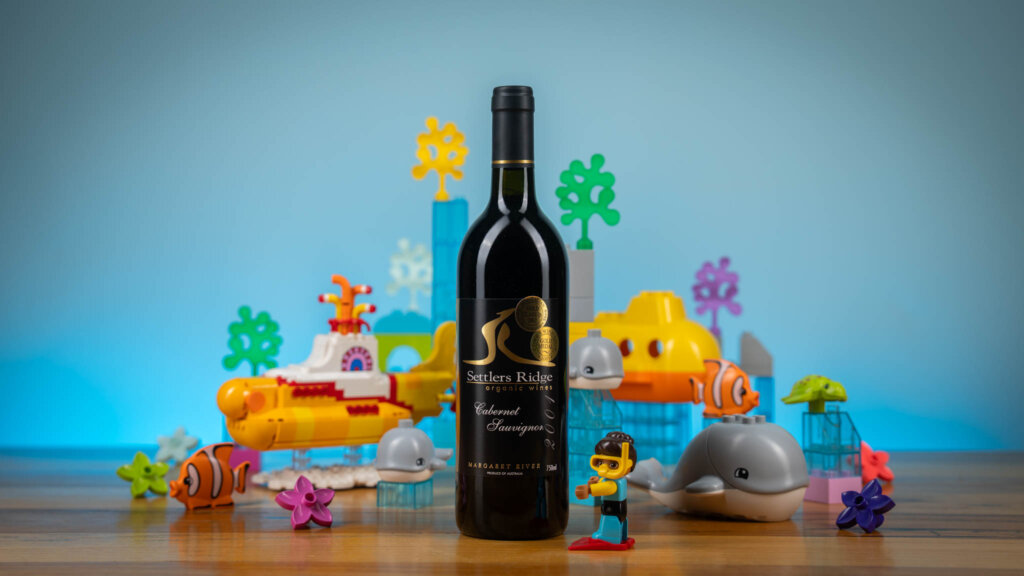
2001 Settlers Ridge Organic Wines Cabernet Sauvignon, Margaret River $180 RRP
Heisz selected this among his top six wines from the lineup, finding it a perfect example of cellar-aged excellence: “What aged cabernets is all about – such beautiful aromatics. Dried earth and cherries mingle in the air above the glass, with that soft gentle oak that has beautifully softened into the background mingling with the wine, integrated and balanced. This is cabernets without edges – at the tannin and structure has moved into the wine, bringing it together as a whole. The softness is so well-balanced now – this is peak aged cabernets drinking. Something to convert non-believers!”
Lahatte selected this among her top six selections, her attention captured by its savoury refinement: “Dark chocolate-coated cherry, red plum, dried rose and hibiscus. Developed yet still elegant, it reminds me of a kitchen with dried herbs and flowers hanging and some bresaola aging in the pantry. A savoury, lifted and beautifully perfumed expression – I kept returning to this wine. Alpine spice, garam masala, orange rind, morello cherry, mulled-wine spice and baked apple skin. Powder-fine tannins, lifted herbaceous garrigue, terracotta minerality and a bright lick of iron-tinged salt character on the finish.”
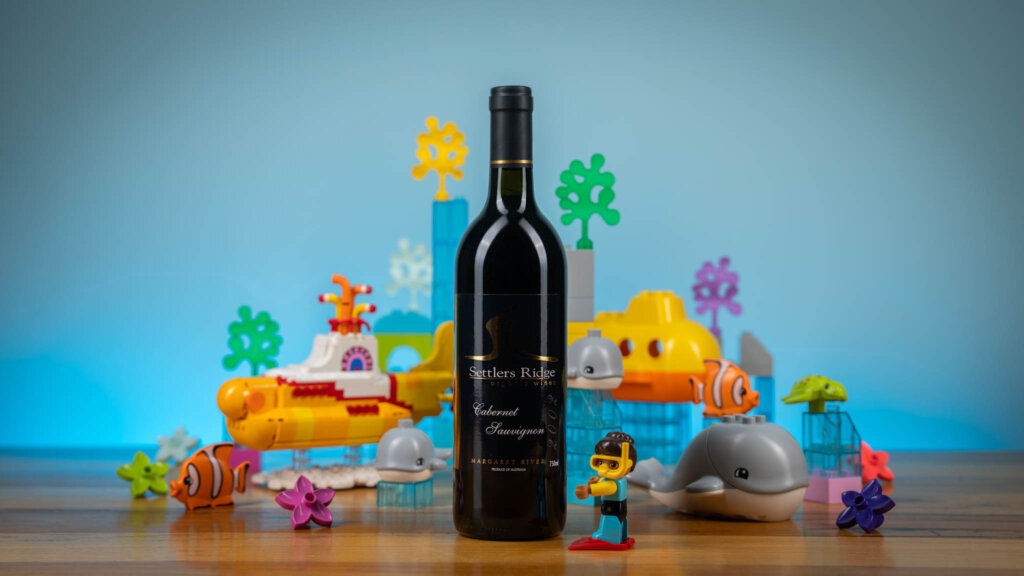
2002 Settlers Ridge Organic Wines Cabernet Sauvignon, Margaret River $180 RRP
Davies selected this among her top six picks, immediately struck by its aromatic complexity: “A nose of intense pedro ximenez–like aromas – soaked raisins and salted vanilla. This is accented by notes of smoke from the last embers of a wood fire, salty nori sheets, wet tobacco leaves and mahogany – like opening a humidor. The palate is rich with flavours of oak-aged rum, driven by bright acidity. Undeniable power here – fruit sits back, and tones of black olive, leather, blackcurrant leaf emerge. Cassis on the finish, with cinnamon bark and wood smoke. This is very developed, and doesn’t hold its shape for very long after the bottle is opened – but it looks beautiful in the fleeting moments that it’s in the glass.”
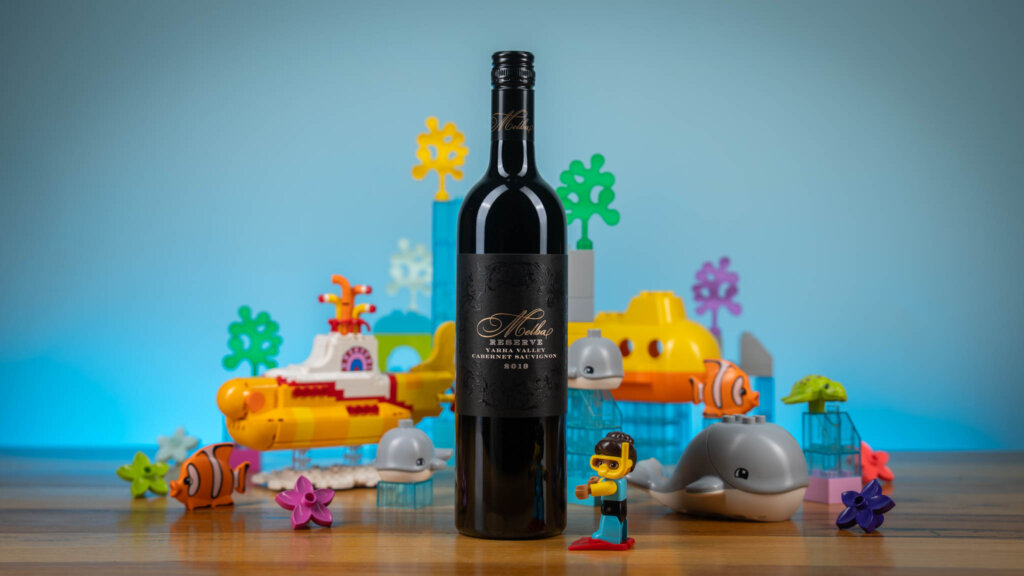
2013 DeBortoli ‘Melba’ Reserve Cabernet Sauvignon, Yarra Valley $75 RRP
Both Lahatte and Hodder brought this into their finest six selections. Lahatte’s reading focused on elegance and the wine’s evolving complexity: “Floral, with black plum – very elegant to go back to. Charred capsicum, clove, dried coriander, black liquorice and smoke. Silky mouthfeel – robust, structurally all there. There’s something on the palate that makes me keep wanting to go back. Tightly woven cassis, currants, cherry, dusty long fine-grained tannin. Subtle chocolate notes really wind the spice, fruit and oak together. All I want is a steak – this would open beautifully and hold over the evening.” “Aromas of fennel salami – meaty yet herbal,” Hodder noted simply. “Strong flavours that finish with framing acidity and creamy, balanced oak.”
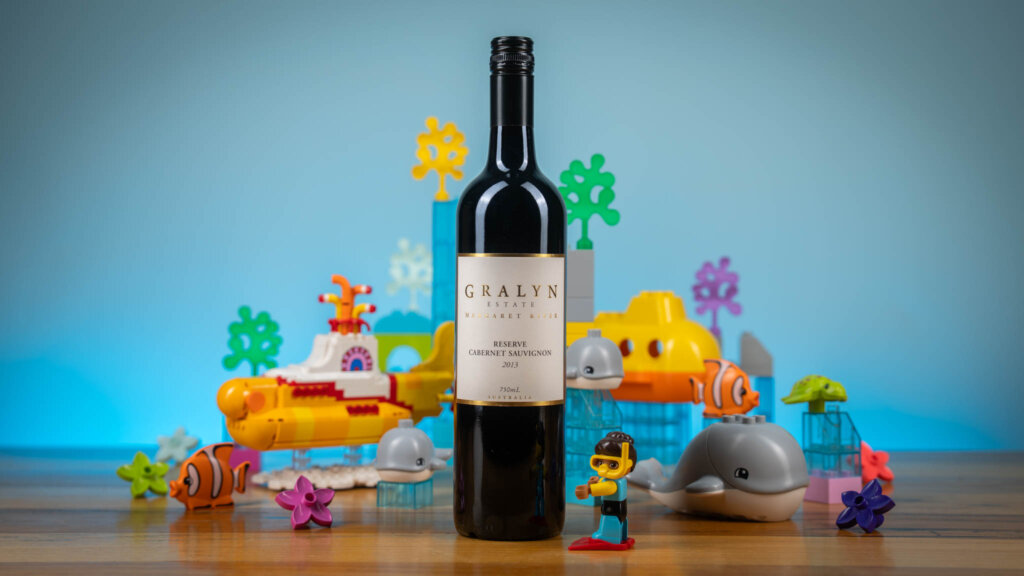
2013 Gralyn Estate Reserve Cabernet Sauvignon, Margaret River $200 RRP
The morning rain character and winter savour drew Wood to select this among his top six wines from the tasting. “Garnet at the core with some amber on the rim,” he began. “Wet stone, like morning rain before a winter’s day – a savoury earthy start before the fruit arrives. Cardamom, tomato reduction sit alongside blackcurrant and cherry pie, all tied in with cedar-like oak, while dried fig and clove spice signal a wine settling in nicely. The palate delivers, with broad and persistent tannins framed by crunchy acidity – old-world savour meets new-world finesse and polish. Finishes tannic, broad and lingering. Dried fig and spicy oak are the last to leave. Honestly, this is a wine that wants a cold night, a wood fire, and a hearty stew on the stove.”
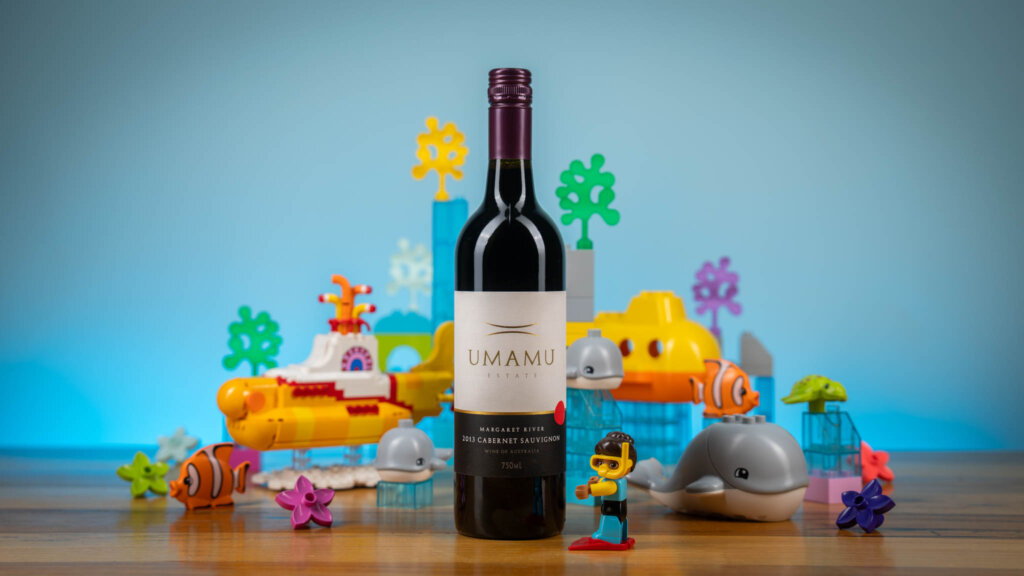
2013 Umamu Estate Cabernet Sauvignon, Margaret River $88 RRP
Raidis selected this wine for her top six, drawn by its layered vivacity. “Blackcurrant and black cherry lead the charge, before cigar box, tobacco leaf, worn leather, graphite and pencil shavings join the party,” she declared. “There’s forest floor, bay leaf, mint, dark chocolate and a good shake of savoury spice, too. Complex, delicious and still beautifully alive, with silky tannins, bright acidity and a long, confident finish. Plenty going on, but nothing fighting for attention. Would have been absolutely cracking with the minute steak I just demolished at the Bleakhouse Hotel – which I thoroughly recommend for a good feed!”
Davies selected this expression for her top six, finding herself compelled by its brisk liveliness despite its age: “A nose of minted freshness – sea spray, wet black rock lashed by waves, tomato dust, stewed blackberry, red earth, dripolator coffee, woody spice, eggplant skin. The palate is silken and ethereal – wild cherry and strawberry, cherry wood, blackberry compote. This is drinking beautifully now, but will hold on for years to come.”
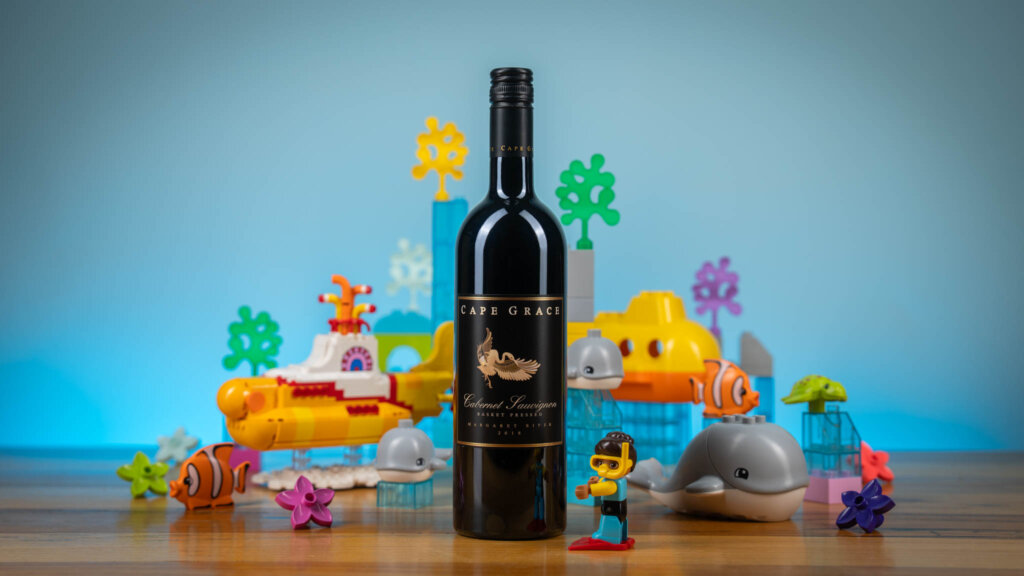
2018 Cape Grace Cabernet Sauvignon, Margaret River $88 RRP
Heisz selected this among his top six selections, struck by its freshness at this point in its lifespan: “So fresh at this point, with just the right amount of age here. So much forest amongst the fruit – sarsaparilla and cola, pine needles and forest floor. So well integrated and considered – this wine has the balance you are looking for in aged cabernets. The tannins have the kind of grip that begs to be placed on the table, and you are better for it. This looks like a wonderfully balanced wine, but promises more in the future – an excellent drink now, or something to pull out of the cellar down the line.”
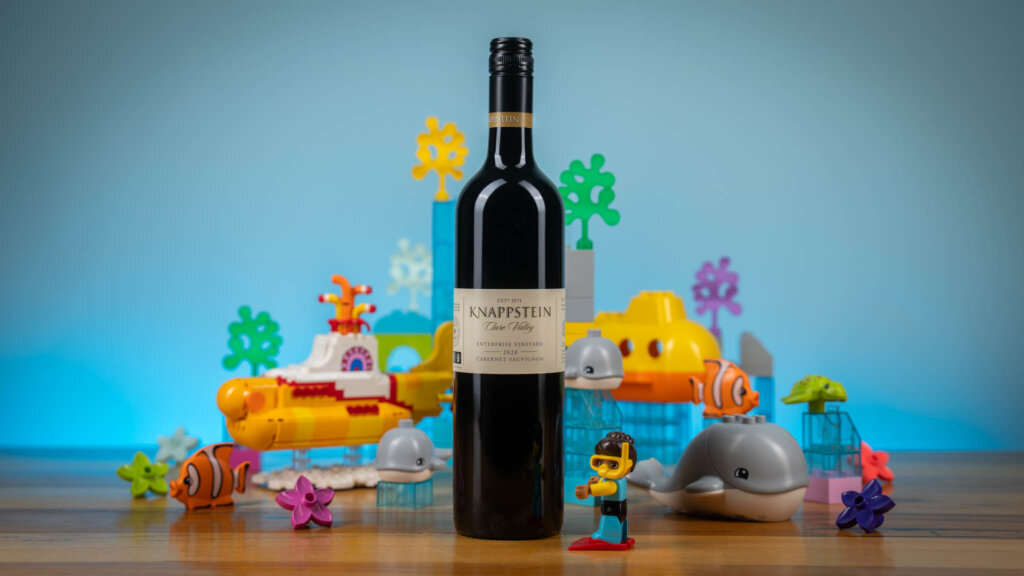
2020 Knappstein ‘Enterprise Vineyard’ Cabernet Sauvignon, Clare Valley $53 RRP
Davies claimed this for her top six picks, captivated by the balance of sweet and savoury notes: “Liquorice root, wild berry, freshly turned earth, new leather, wet rock, seawood, nori wrapper, and red cherry on the nose. The palate is dominate by cassis, driven by incredible mouth-watering acidity and framed by woody, firmly gripping tannins. Gorgeous fruit notes here, accented by salted Kalamata olive notes – a fine balance of the sweet and savoury.”
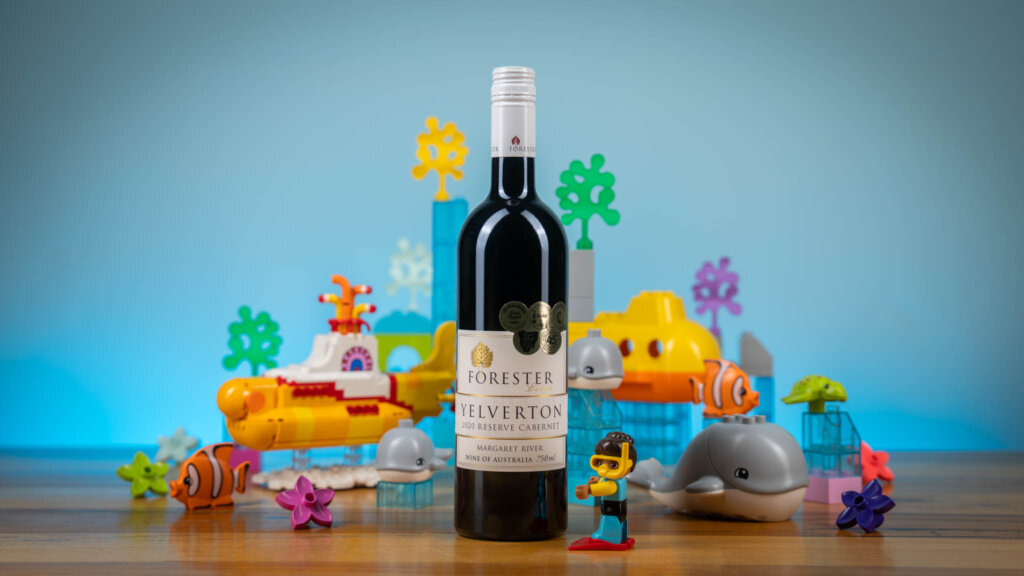
2020 Forester Estate ‘Yelverton’ Reserve Cabernet, Margaret River $85 RRP
Walpole’s top six wines from the tasting included this finessed expression. “Good freshness and vitality,” he noted. “Long, drawing tannins and pure red currant fruit. Medium weight style with lots of spice and flair. Very nice. Graphite and coal tar, a very good savoury spice element that underpins the fruit and adds an extra dimension. So much structure but very fine and even, and really carries the fruit through in a very elegant way. Really splendid length and detail to this one.”
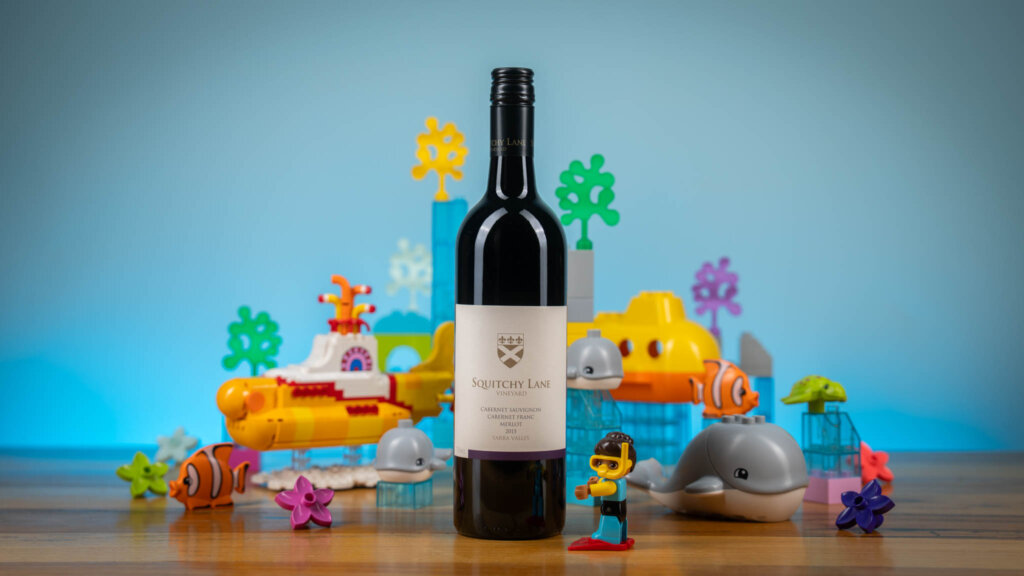
2015 Squitchy Lane Vineyard Cabernet Sauvignon/Cabernet Franc/Merlot, Yarra Valley $50 RRP
Hodder included this cool-climate take on aged cabernets in her top six selections. “A lighter and enticing colour,” she noted. “Juicy maraschino cherries, just-ripe mulberry, blood plum and redcurrants on the nose, with fresh raspberries emerging on the palate. A medium-weight palate driven by vibrant acidity and framed by very soft, powder-fine tannins. Would be absolutely refreshing with a Lebanese mezze platter.”
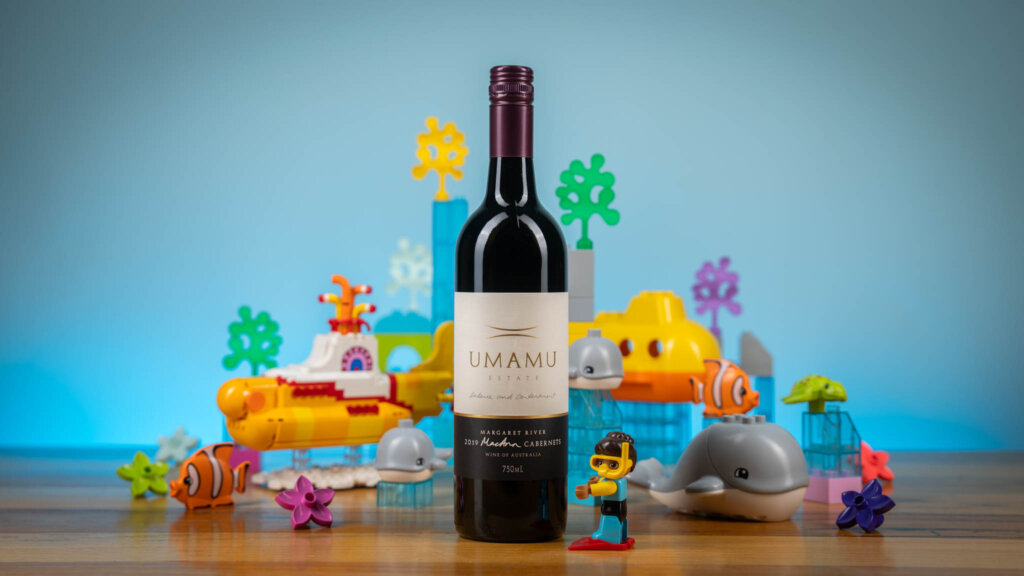
2019 Umamu Estate ‘MacAnn’ Cabernets, Margaret River $52 RRP
Davies claimed this for her top six selections, drawn to its intricate interplay of fruit and savoury notes: “Red plum, dehydrated tomato dust, tomato leaf, dried sage, blackcurrants and blackcurrant leaf on the nose, alongside a buttered almond tone reminiscent of friands or marzipan, and a Campari-like touch of Italian aperitivo bitters. The palate is weighted and slippery in texture, with lithe tannins. Cassis fruit is balanced with a waft of roasted game, oxtail stew, and pan-roasted brown mushrooms. Complex and compelling stuff!”
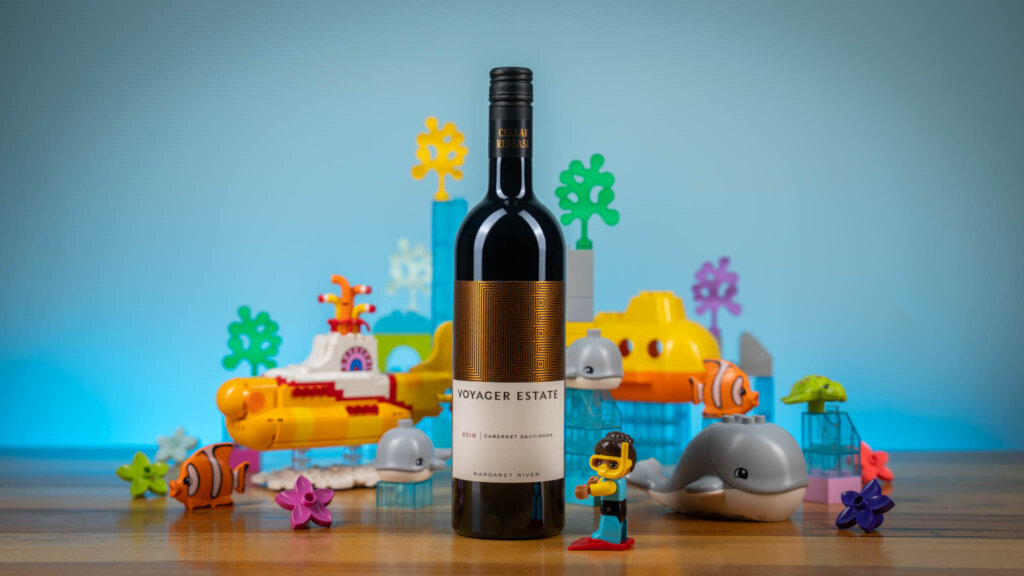
2016 Voyager Estate Cabernet Sauvignon, Margaret River $140 RRP
Both Davies and Raidis championed this as part of their top six selections. Davies focused on the fruit’s richness and texture: “Nose of dark chocolate, rum and raisin, very ripe cherry, fresh-cut cherry wood, and roasted figs. Gorgeous fruit on the palate – quince paste, roasted figs on an open fire, toasted hazelnuts, blueberry, wet river stone, and pops of acidity.” Raidis appreciated its drinkability and effortless elegance: “Deep red in colour and full of juicy blackcurrant, with tobacco leaf, pencil shavings and a little woody rosemary in the mix. Loads of yummy dark fruit rolls across the palate, wrapped in fine, elegant tannins that give it just enough shape. It’s not wildly complex, but who cares when it’s this easy to drink? Nothing heavy, nothing hard – just a really pleasant wine I’d happily pour into a big glass and keep sipping all night.”
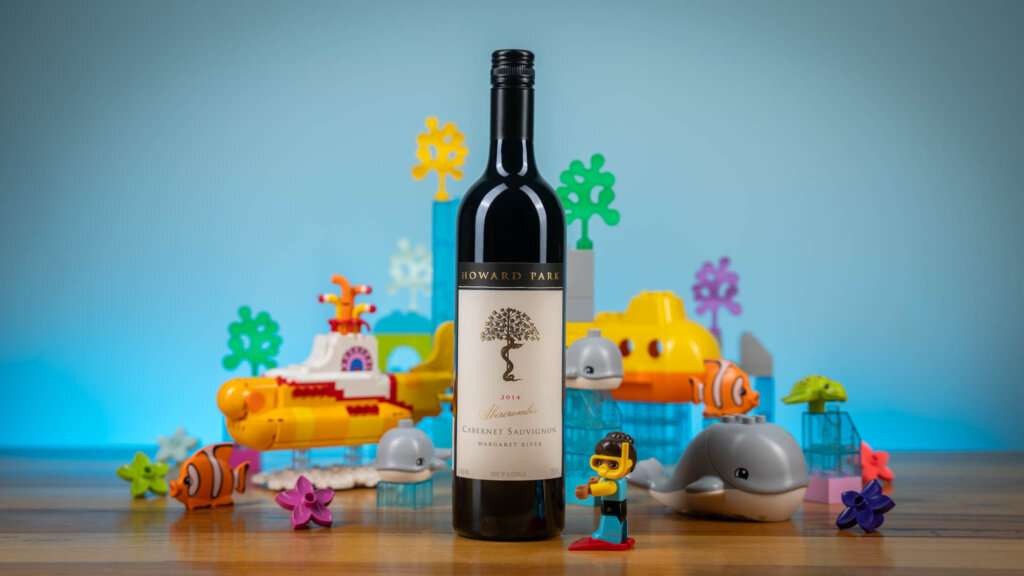
2014 Howard Park ‘Abercrombie’ Cabernet Sauvignon, Margaret River $210 RRP
Lahatte selected this among her top six wines of the day, drawn to the way it continued to evolve in the glass. “A nose of brooding dark plum, black currant, clove, salted burnt caramel, and toasted vanilla,” she began. “Lots of sanguine, iron-rich tones here – black current and black cherry with hints of pomegranate and morello cherry. Cinnamon brings the spice, reminding me of mulled wine aromatics. Plush chewy tannins, mouth coating roundness of the palate that spirals around the palate. A cardamom spice tone, with a tang of oak, and salty brined sundried tomato overtones. Complex! On revisiting, the tannins are more rich and velvety, a lick of alcohol brings warmth, touch of alpine herbs and a basalt mineral note that dances with volcanic, almost scorched earth–like complexity. Candied orange peel, Sicilian vermouth, and red terracotta minerality. A touch of cocoa and cedar and old vanished wood emerge on the finish.”
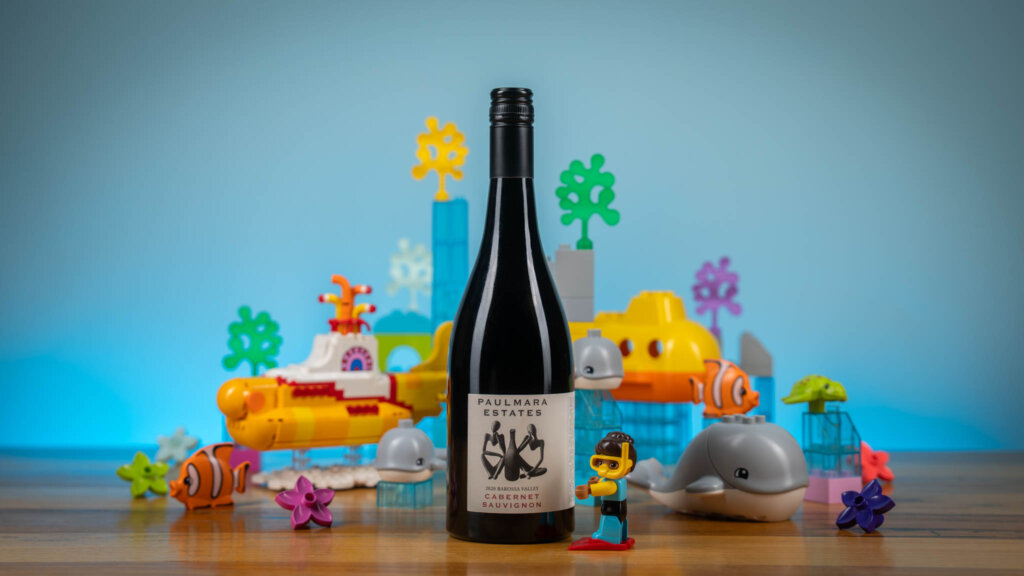
2020 Paulmara Estates Cabernet Sauvignon, Barossa Valley $30 RRP
Wood selected this wine in his top six for its ability to age further in the cellar. “One for the ages – this wine holds plenty back,” he observed. “Black tea, blackcurrant, fennel and cherry lead the way, but it’s clear this wine isn’t showing all its cards just yet. Subtle cardamom and mocha emerge from well-placed oak – here for structure, not impact. Cassis concentration carries right through the palate, layered with bramble fruits and a touch of molasses depth. Patience will be rewarded here – so much more promise!”
Walpole chose this wine for his top six, impressed by the powerful structure and fruit presence: “Dark and dense, satsuma plum and fresh mint,” he noted. “Sage and bay leaf. Nice spine and flow to the structure. The tannins feel evenly poised although powerful, a real iodine lift that evokes feelings of the coast. Can almost smell the sea spray. So much layering to the structure, but the fruit is intense enough to sit in harmony.”
Heisz claimed this among his top six from the lineup, drawn to its unusual bouquet and structure. “This has a very different profile from the rest of the lineup – it seems to move at a different speed aromatically and structurally, but that’s what is so pleasing about it. It has that Campari-like tang – all orange pith and pleasing bitterness. There is softness here despite all of that – a lingering sense of fresh-cut jasmine, not initially visible, that emerges as you sip. The wine closes with piles of minerality and length – you’re left with the footprint way after the encounter. Something to draw you in over and over again.”
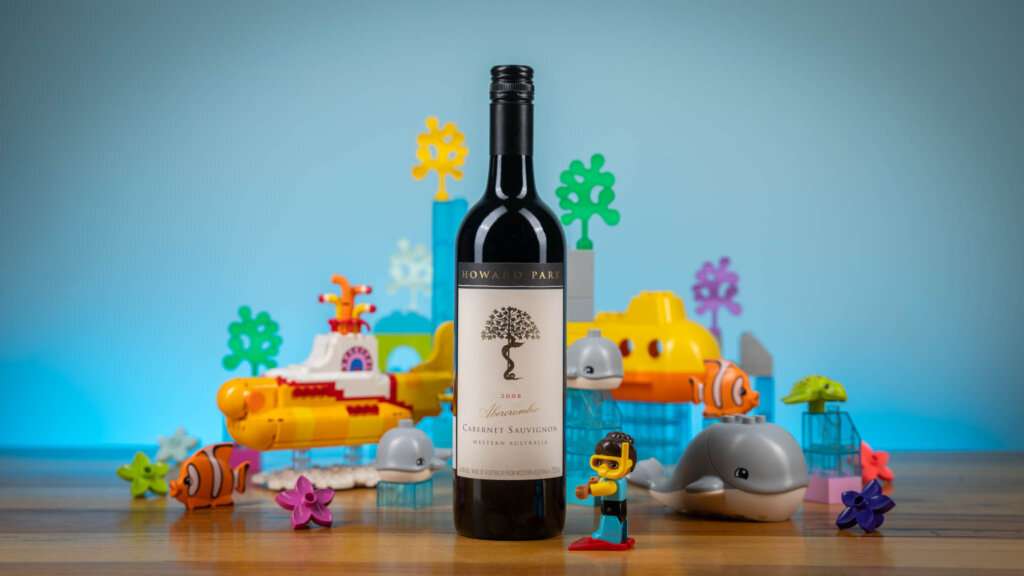
2008 Howard Park ‘Abercrombie’ Cabernet Sauvignon, Margaret River, $210 RRP
Lahatte championed this among her top six selections, finding grace and lightness: “Elegant red fruit comes through on the nose, with dried florals, herbaceous notes, graphite, redcurrant, strawberry, plum and a hint of orange peel,” she observed. “The subtlety and delicacy of fruit here is just beautiful. A true expression of how cabernet doesn’t have to be heavy. Tannins that ride between silky and fine grained, alcohol is in check with some warmth that adds but doesn’t over pour. Still so much acid giving life to this aged beauty. Plum, and currants delight with a herbes de Provence–like garrigue note that melts into a chocolate and cedar finish that’s long and pleasant.”
Davies featured this wine as one of her top six from the day, intrigued by its multifaceted nature. “An intense and savoury nose – beef jus, tart sumac, mineral notes, crushed rose petal, tomato dust, and romesco sauce,” she began. “The palate contrasts this savouriness with beautiful fruit – freshly plucked blackberry, blackberry leaf, crushed dried forest leaves, and cooling star anise. The contrast between the nose and the palate might catch some off-guard – but if you’re feeling adventurous, it’s well worth getting aboard this ride.”
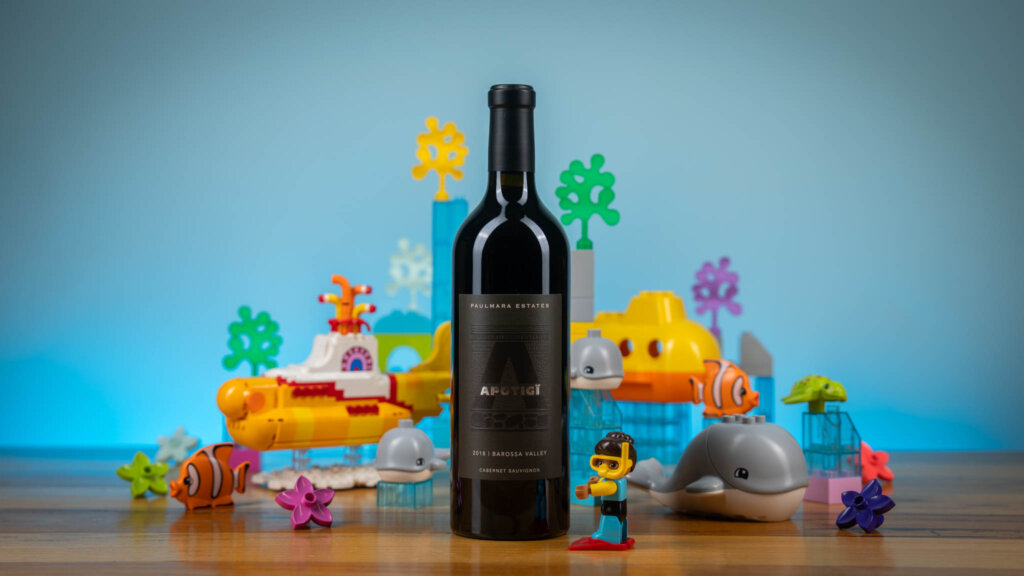
2018 Paulmara Estates ‘Apotigï’ Cabernet Sauvignon, Barossa Valley, $135 RRP
This wine made the cut for Wood’s top six wines from the lineup for its thought-provoking nature. “Hmm! I love a wine that invites a good ponder,” he began. “Beautiful oak integration here, balanced tomato stem and cherry liquor sitting alongside blueberry, stewed plum with vanilla bean. Bright but alluringly deep, this wine carries a real sense of tension between freshness and richness. Equal parts relaxed and sophisticated – this is the cabernet that warmly welcomes you into the world of aged wines.”
Hodder brought this wine into her top six, her attention drawn by the balance between tannin and fruit. “A deep red colour,” she began. “A juicy nose redolent of figs, raisins and deep black plums. Medium-weighted on the palate, with bright acidity – but the tannins have yet to yield their grip. Coffee-like oak gives a good clean finish to the palate. This would be delicious at an izakaya, starting with gyoza and then moving onto chicken karaage and beef brisket – this wine wouldn’t dominate the food, and the fine tannins will offset chili and umami beautifully. It is so pleasing to see the current interest in mature wine – and, not surprisingly, many of them are cabernets. Well-made and well-cellared cabernets from good makers are perfect for drinking less and better.”
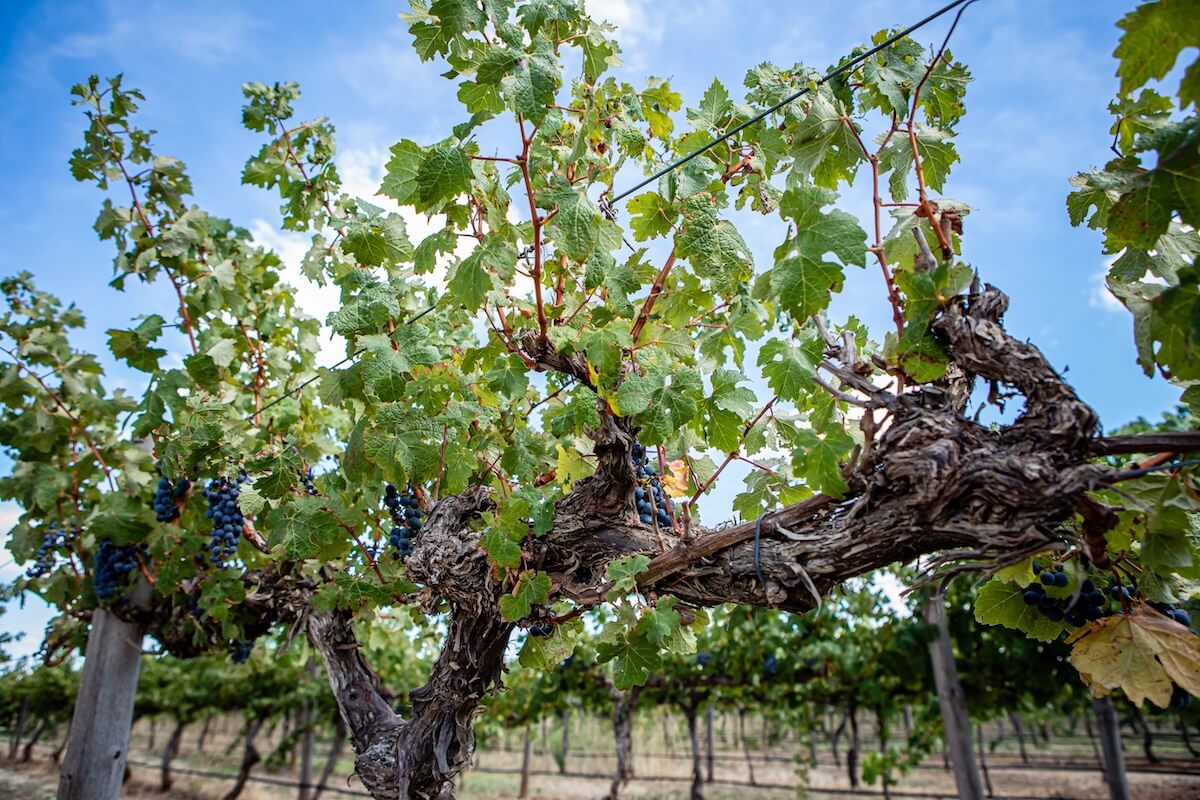
Above: Cabernet Sauvignon grapes.
The backstory
Some wines exist to be finished before the year is out. Others are made as a statement of ambition – proof that a winery believes in its own future enough to lock a portion of every vintage away and wait. That’s the quiet culture behind Australia’s best museum-release wines: not just wine styles built to age, but a philosophy about what wine is for. And few varieties put that philosophy to the test as directly as cabernet. It’s one of the most age-worthy red wines in the world – and in Australia, a market that mostly drinks it young rarely gets to see what all that patience actually delivers. Museum release programs offer a rare workaround: a chance to taste a winery’s ambition already paid off, exactly when its makers believe it’s ready, without needing a cellar – or the patience – of your own.
A blend, imported
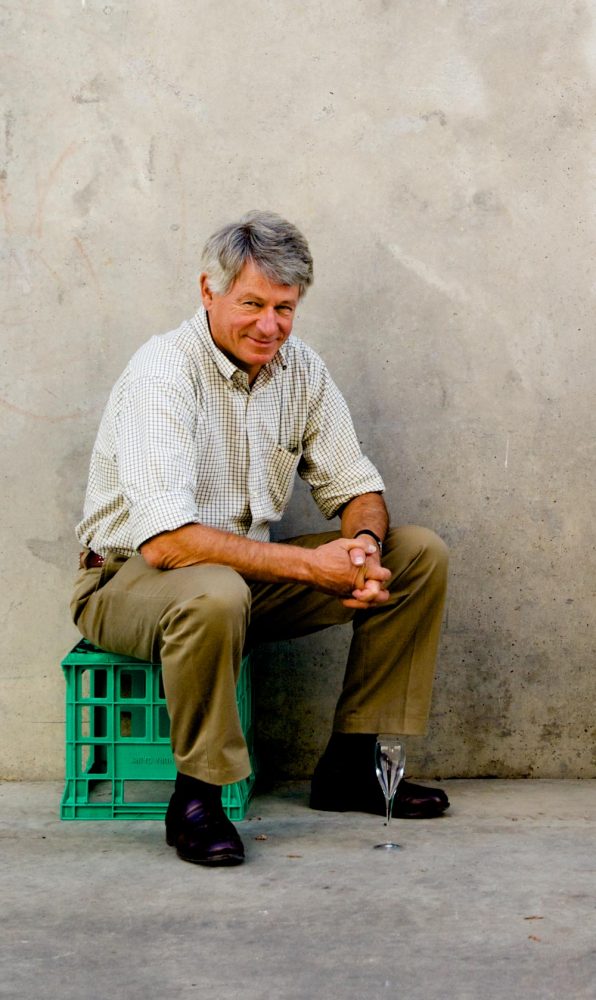
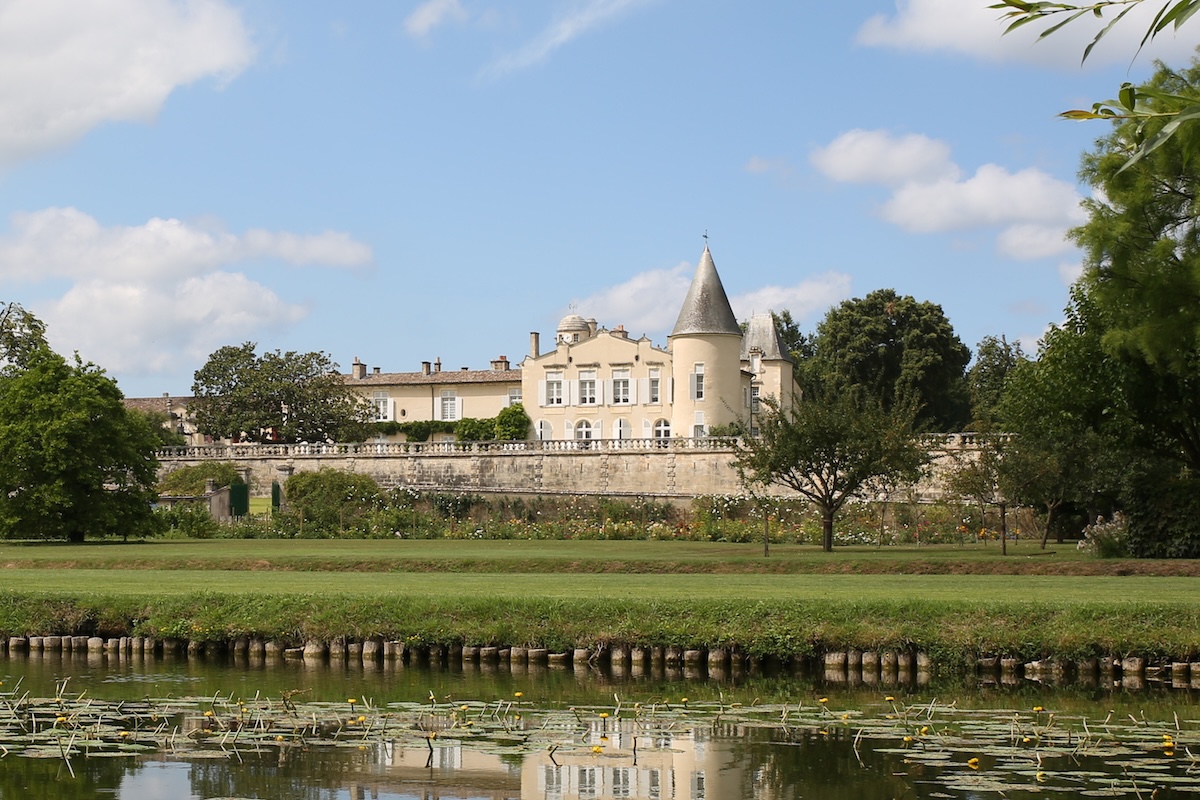
Dominique Portet did not set out to become an evangelist for Australian cabernets. He was born into it, in a manner of speaking on the wrong continent: the ninth generation of a Bordeaux winemaking family, raised at Château Lafite-Rothschild, where his father André served as régisseur (general manager). By the time Portet arrived in Australia in 1976 to help launch Taltarni in Victoria’s Pyrenees, he had already spent time in California’s Napa Valley working alongside his brother – but it was a bottle, not a region, that convinced the family backing Taltarni to take the leap in the first place. “The idea was, if those people can make wine like that, so [could] I,” Portet recalls of tasting a startlingly good 1965 Mildara. “So we could do the same. And we did that.”
Opposite: French-Australian winemaker Dominique Portet. Above: Château Lafite-Rothschild in Bordeaux, France – the famous wine estate that Portet grew up on. (Cropped from a larger photo by PA, CC BY-SA 4.0.)
Taltarni’s first vintage, in 1977, was made by a winemaker in his twenties who now admits he “did not know very much [about] Australia at all.” Portet’s approach was simply to give the fruit its best shot, without worrying too much about local convention. Almost fifty years later, that instinct has been vindicated more than once over. Portet recently tasted a bottle of his 1977 Taltarni cabernet around two years ago with an old colleague from those early vintages – Philippe Blanc, who now runs Château Beychevelle in Bordeaux’s Saint-Julien. “It was substantial,” Portet says. “It really was ageing very well.”
“The idea was, if Mildara can make wine like that, so could I. And we did that.”
It’s a fitting way into the subject: a Frenchman raised inside one of Bordeaux’s grandest addresses, staking his career on a belief that Australia could make cabernets worth cellaring – and finding out, half a century later, that he was right.
From claret to cabernets
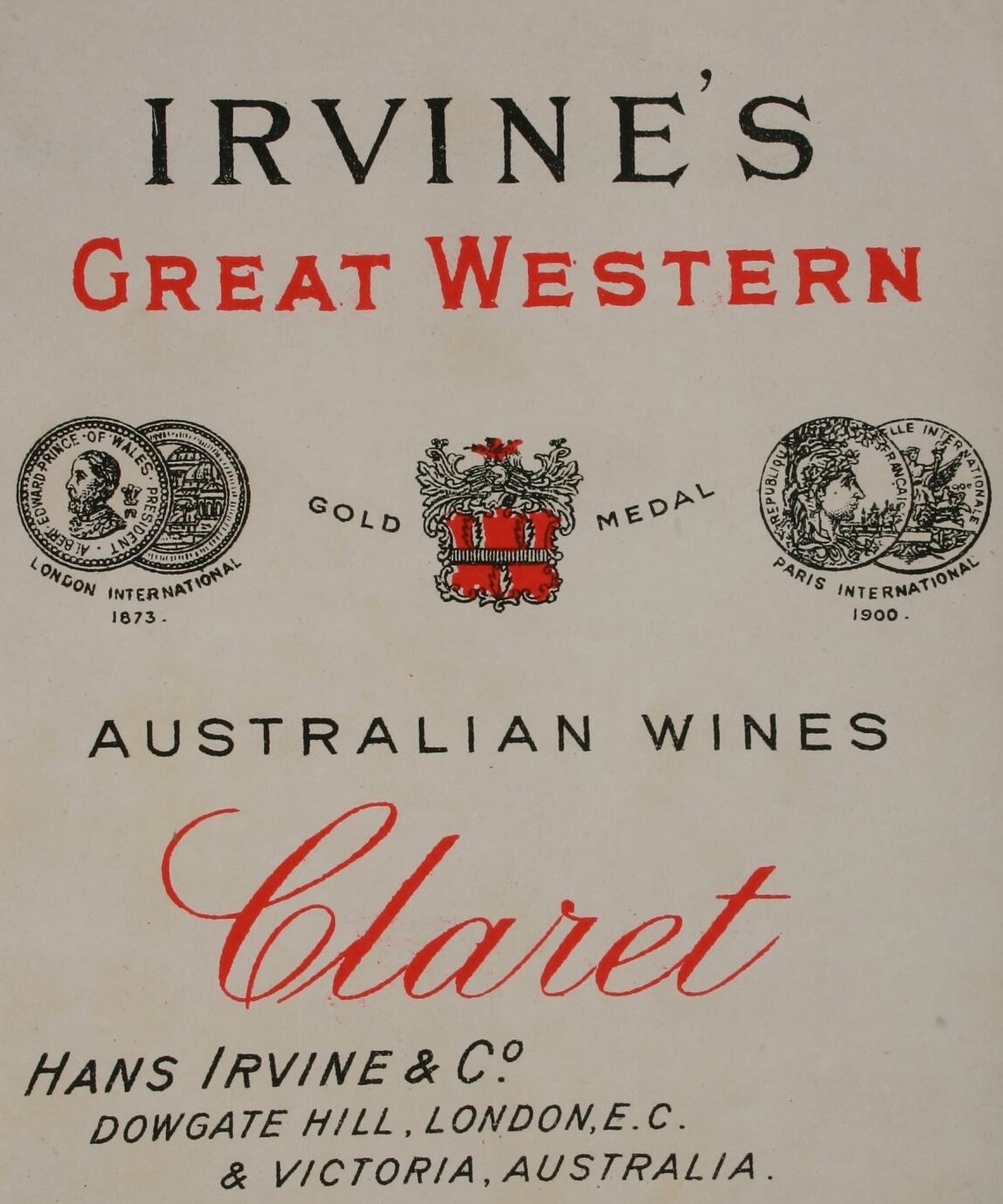
‘Cabernets’ is a modern Australian name for a long habit. For most of Australia’s wine history, the bottle rarely said “cabernet” at all. Dry reds for the table were sold as “claret”: a style word, borrowed from the British name for Bordeaux, that here could mean cabernet, a Bordeaux mix, cabernet with shiraz, or even shiraz on its own. The ambition was often a Bordeaux-shaped wine. The fruit in the vat was whatever would get you there.
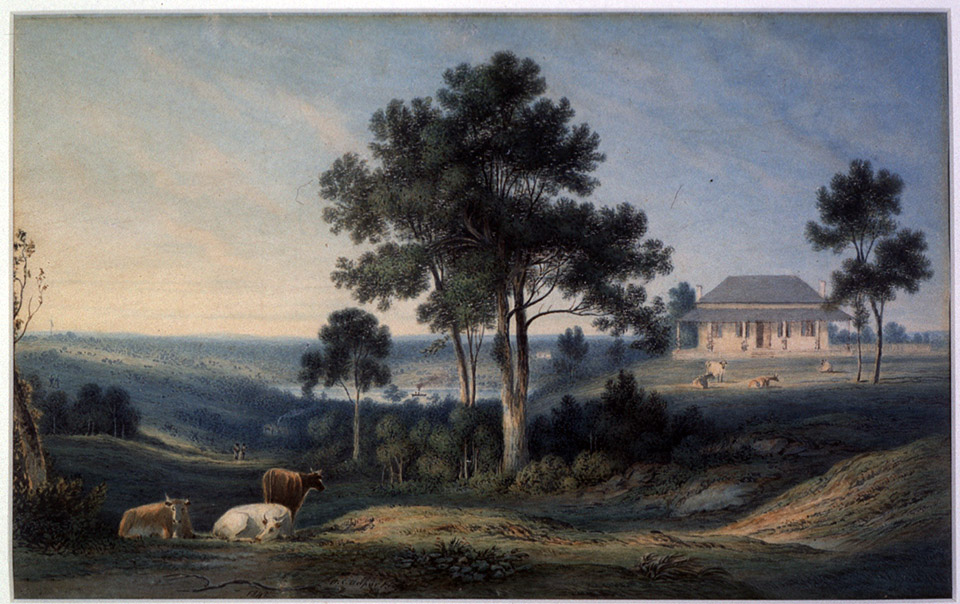
Australian growers have been working with cabernet sauvignon, and with malbec and petit verdot, since the late 1830s. Merlot joined the set much later. The cuttings that counted arrived in 1837, Andrew Caillard – Master of Wine and the author of the definitive history of Australian wine, The Australian Ark – told us when we sat down to talk about this Deep Dive. William Macarthur, whose family were early pastoralists and nurserymen south-west of Sydney, had ordered Bordeaux vines from Barton & Guestier, a well-known Bordeaux wine house. They came out with a Frenchman, Didier Numa Joubert, and were planted at the Macarthurs’ Camden Park. From the early 1840s, Camden nurseries became – in Caillard’s words – “a major vector for vine-stock transmission during colonial times,” sending cuttings across the colonies; cabernet sauvignon, malbec and petit verdot were in that early mix, though merlot only became a serious partner in Australia in the 1960s.
Above: Camden Park, as depicted in an 1842 painting by Henry Curzon Allport. Opposite: An example of Australian wine from the early twentieth century labelled as ‘claret’.
Through the rest of the nineteenth century, the goal was still claret, not a bottle that said ‘cabernet sauvignon’. Cabernet was the glamorous grape and the unreliable one: in a good year it could be superb, in others the crop was thin, so growers pulled it out. The Barossa once had more cabernet than it does now. Some of those old vines survived. A root-louse called phylloxera destroyed vineyards across Europe and parts of eastern Australia in the late 1800s, but never established in South Australia – which is why a handful of South Australian cabernet plantings from the 1880s still bear fruit today, among the oldest of their kind in the world. That old material matters for more than curiosity’s sake: Caillard argues this heirloom, pre-phylloxera stock “underpins the quality and the narrative” of Australia’s finest examples today. A related old Western Australian selection, later called the Houghton clone after the Swan Valley vineyard where it was kept, became the vine behind much of Margaret River’s early cabernet sauvignon – the same plant, in effect, that helped make that region famous.
Old vines, unbroken lines
After the Second World War, Australian drinking changed. For decades the trade had leaned on fortified wine – sherry and port styles that travelled and kept – with dry, unfortified “table wine” a smaller habit. New migrants, restaurants and a growing middle class shifted the market, and claret came back into fashion. But there still wasn’t much cabernet in the ground. Max Schubert at Penfolds first imagined Australia’s great red as a cabernet wine in the Bordeaux mould; unable to source enough reliable cabernet, he built ‘Grange’ on shiraz instead. In 1954, at the newly purchased Wynns estate in Coonawarra, Norm Walker made that region’s first wine from cabernet sauvignon alone. Schubert’s 1962 ‘Bin 60A’ – Coonawarra cabernet blended with Barossa shiraz – is still spoken of as perhaps the finest red Australia has made. By the 1970s, the region’s reputation had reached well beyond Australia: English critic Hugh Johnson, visiting Coonawarra, famously described it as “the Medoc of the southern hemisphere.” The old style name “claret” was still on Australian bottles through the 1970s and 1980s. Meanwhile, in the Yarra Valley, John Middleton at Mount Mary put the family on the label instead: his Bordeaux-blend red was known as ‘The Cabernets’, and as ‘Quintet’ because it uses all five of those grapes. ‘Quintet’ stuck as the wine’s name. ‘Cabernets’ later became an official Australian term for that kind of blend in order for Australian labels to harmonise with European Union labelling laws.
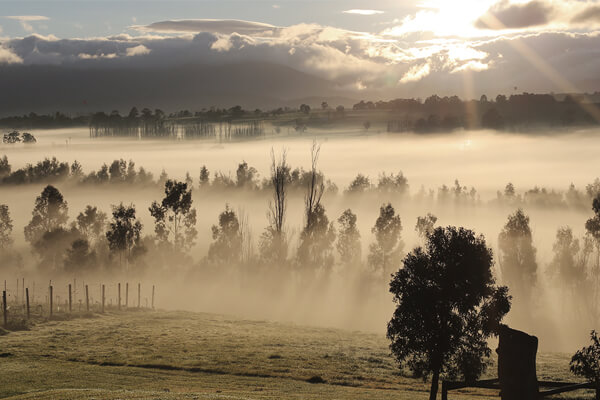
Above: Penfolds winemaker Max Schubert – who would have made his famous ‘Grange’ with cabernet sauvignon were enough available. Opposite: The Mount Mary vineyard in the Yarra Valley – the source of some of the country’s most revered wines modelled on the traditional Bordeaux blend.
From 1967, Margaret River – and a revived Yarra Valley – built reputations on these grapes, their founders seeing something of Bordeaux’s left bank in the climate and the gravel or clay, fairly or not. Cabernet was also among the first vines planted in the modern revivals of cooler places that aren’t considered cabernet country today. In Tasmania, Claudio Alcorso put cabernet in at Moorilla in the late 1950s; Graham Wiltshire planted it at Legana in the mid-1960s and released a cabernet that helped put the island back on the map. On the Mornington Peninsula, the 1972 restart at Elgee Park included cabernet sauvignon vines beside riesling, with early climate data even pointing pioneers toward Bordeaux varieties. Pinot noir and chardonnay later took over in those regions – but the early plantings still show how central cabernet sauvignon was to Australia’s idea of a serious red.
What those generations shared, and what Dominique Portet in the Yarra still argues, is that cabernet sauvignon is usually better with company. For Portet, it’s closer to painting than to a recipe: a small addition of cabernet franc, merlot, malbec or petit verdot – often as little as 2–5% – finishes a wine in the same way a touch of blue finishes a particular shade of pink.
“Through every decade of Australia’s wine history, cabernet sauvignon plays an important part in the story.”
It’s a history that helps explain why patience comes so naturally to this category. Cabernet, Caillard says, has been “part of Australia’s fine wine story since 1837” – and “through every decade of Australia’s wine history, the variety plays an important part in the story.” Long before anyone here was talking about museum releases, cabernet had already survived a plague that wiped out vineyards across entire countries, and weathered a century of growers planting it, doubting it and pulling it out again. A style with that much history behind it is always going to reward a bit more patience in the cellar, too.
The chemistry of patience
Ask why cabernet ages so well, and the short answer sits somewhere between hard science and open question. Caillard, who is also the co-founder of the Langton’s auction house and one of the country’s foremost authorities on fine wine’s secondary market, puts it plainly: cabernet sauvignon is “probably one of the, if not the most age-worthy of all red grape varieties” – a consequence of its naturally high anthocyanin content and tannin structure. “The tannin quality, the colour, the aromatics and the flavours all lend to ageing,” he says. In the best examples, that structure isn’t just tolerant of age – it demands it. “You really need to give them age to allow the tannins to soften out and for the flavours to develop,” Caillard says, “and they become some of the most beautiful wines you could have a drink.”
Opposite: Wine historian and auction expert Andrew Caillard MW. Above: Wynns winemaker Sue Hodder.
Sue Hodder, chief winemaker at Wynns Coonawarra Estate since 1998, has spent over three decades trying to pin down exactly what separates a cabernet that merely survives from one that actually rewards the wait – and she’s refreshingly honest about the limits of that knowledge. “That is still a bit of an unknown,” she says. What she and her colleagues believe, based on wines going back to the 1950s and ‘60s still emerging from good cellars today, comes down to a combination of site and balance: Coonawarra’s limestone, its cold nights, and the way the region’s phenolic compounds sit “in balance with the flavours” from the outset. None of Wynns’ famous 1960s vintages were expected to age as gracefully as they have – some are still turning up at auction, sixty-odd years on – and Hodder doesn’t hedge when it comes to how good they can be. Drawing on heritage bottles pulled from good cellars, she rates the best examples “parallel or better than many in the world”. “Age slowly. Mature slowly,” she says. Beyond terroir, she points to more measurable fundamentals – tannin quality, moderate alcohol, and good acidity – as the attributes that give a cabernet-based wine its long runway.
Holding your nerve
Knowing a wine can age is one thing; deciding to sit on stock for years or decades while it does is another. For Caillard, that decision reflects something more than commercial strategy. “These enterprises are not only businesses, they’re a way of life,” he says of wineries that run museum programs. Buying direct from a producer’s own cellar carries a value that reputation alone can’t fake: “You’re buying wines for when they should be drunk. The winery has done the job for you as a consumer” – stored, matured, and released with a provenance no secondary-market bottle can quite match. That security comes at a cost: storage isn’t free, and some wineries price accordingly, feeling they’ve got something “very scarce, very rare.” Even so, buying direct from a winery “will always offer better value” than an aged bottle on a restaurant list.
Dominique Portet’s own museum program is a case study in that philosophy at a human scale. Since founding his eponymous Yarra Valley label in 2000, he has set aside between twenty and fifty cases from every vintage – “like you do in the French château,” he says – and today, on request, still sells bottles from that very first release, now twenty-six years old, to a small list of loyal customers. It isn’t designed as a trophy exercise: “It is not all about putting a very high price for a wine which is nearly inaccessible,” he says. “It is more to have people to enjoy your wine at a perfect time.”
“You’re buying wines for when they should be drunk. The winery has done the job for you as a consumer.”
At Wynns, the approach is less formalised but arguably just as telling: Hodder describes a “regular ad hoc” program rather than a rigid release schedule, built around placing single-vineyard museum wines – largely from the 2000s – into restaurants around the country, and watching mature Coonawarra cabernet get taken up with genuine enthusiasm. She’s been struck, in particular, by independent tasting groups in Melbourne, Brisbane and Sydney who pull old Wynns bottles from their own cellars just to compare notes – evidence of a museum culture that now exists well beyond the winery’s own gates. Next year marks seventy years of Wynns’ ‘Black Label’ Cabernet, and Hodder is already planning a full vertical tasting to mark the occasion.
The reward of waiting
Talk to enough people who’ve spent decades holding cabernet in their cellars, and one thing becomes clear: most Australians drink it too young. Portet places the ideal window for the Bordeaux-style wines he most admires – from Coonawarra, the Yarra Valley and Margaret River among them – somewhere between four and ten years, sometimes stretching to twelve. He sees the opposite habit play out on wine lists here more than almost anywhere else. Even at quality restaurants, he says, the cabernets on offer are usually from a current or near-current vintage – 2022, 2023, 2024 – rather than anything carrying real age. In Europe, by contrast, he regularly finds reds on the list with five, ten, even twelve years in bottle. Those wines aren’t cheap. But they’re better for the wait, and the difference in what’s considered a normal age to pour a bottle of red says something about two very different drinking cultures.
Above: Rows of cabernet sauvignon vines at Lirica – Hutton Vineyard in Margaret River. Opposite: Cabernet sauvignon grapes on the vine at Wynns in Coonawarra. Both regions have established themselves as sources of excellent, age-worthy cabernets.
What changes in that gap of years starts well before the bottle is ever filled. “Before you do it in a bottle, you have to age it in barrel,” Portet says – typically twelve to eighteen months, sometimes closer to two years, the stage at which he first gets a sense of whether a wine has the potential he’s after. Once it’s in bottle, the transformation keeps going on its own schedule. “The primary characters are slightly changing,” he says, “because they’re getting so subtle” – colour softening, tannin resolving, the aromatics on the back palate building toward what he calls “this delightful structure,” typically somewhere between five and ten years in. A wine at two or three years old, in his view, simply hasn’t had the chance to get there yet.
Hodder’s own preference sits in a similar zone to Portet’s – an “eight to twelve years” sweet spot – though she’s quick to acknowledge that the best examples can comfortably go decades longer. For her, the pleasure of an aged cabernet isn’t fixed at the moment of pouring; it keeps changing across the length of the glass, and the evening. “Every sip can be different, because the wine opens up,” she says. There’s also a kind of trust involved in reaching for an older bottle – one that, she argues, only wines of real quality can earn. “I love that it rewards its place in your cellar,” she says. Pull a disappointing bottle from your own cellar, she points out, and the frustration isn’t just the wine itself – it’s the nagging thought of what else you could have opened instead. Good cabernet from a respected maker, she says, “will rarely” put you in that position. It’s exactly that trust a winery’s own museum release is designed to hand you ready-made: the waiting, the selecting and the risk of disappointment already taken care of, so all that’s left for you is the reward.
“I love that good cabernet rewards its place in your cellar.”
That patience pays off in less obvious ways, too. Hodder recalls blind verticals in which cabernets from difficult, anxious vintages – wet years, or seasons marked by uneven fruit set – turn out to taste like the wine of the bracket, once tasters unburdened by a vintage’s reputation are left to judge the fruit on its own terms. “People that haven’t got the knowledge of those vintages are less worried about it,” she says. “And they’re good.” It’s a small but pointed argument for tasting wine on the evidence in the glass rather than the story attached to the label.
None of this is theoretical for Portet, either – he’s still working through his own cellar in real time. Right now, he says, he’s drinking Mount Mary’s 2018s, and finds the label’s 2015s “very good,” alongside a few expensive but “super good” 2010s. The appeal, for him, has never really been about optimising a drinking window on a spreadsheet. “It’s part of the enjoyment,” he says. “The pleasure of opening a bottle, decanting it, looking at it, and having a taste of it – that is the pleasure.”
Fashion, in hindsight
Looking back at Wynns’ own history, Hodder is careful to separate the fortunes of a style from those of a variety. In the 1990s, as the wine world fell hard for bigger, riper reds, Wynns’ medium-bodied, red-fruited house style found itself out of step with the moment – not because cabernet itself had fallen from favour, but because their particular expression of it had. “It was about the style,” she says, not the grape. It’s a useful corrective to the easy narrative that cabernet periodically goes in and out of fashion; more often, it’s a particular interpretation of it that rises or falls, while the variety’s underlying capacity for greatness sits patiently in the background, waiting to be rediscovered.
“The pleasure of opening a bottle, decanting it, looking at it, and having a taste of it – that is the pleasure.”
Caillard sees a second, less obvious kind of fashion at work – one driven less by taste than by who controls the shelves. Having spent years inside the machinery of Australian wine retail, he’s blunt about who actually decides which categories get taken seriously. “It’s not only about demand,” he says of the broader market. “It’s also about who are the custodians of fine wine quality in this country – and they’re not always wine experts. They’re often just factotums, to be quite honest.” For Caillard, the fate of a whole category can turn on a handful of major retail buyers deciding, collectively, to get behind it – and he’s watched it happen before. “I saw that happening with Margaret River chardonnay,” he says, “and I don’t see why it can’t happen with Australian cabernet.”
Hodder is similarly wary of crediting region above all else. Reviewing her notes from this Deep Dive blind tasting, she was surprised to find she’d rated a clutch of wines from Victoria’s Pyrenees – a region she doesn’t specialise in – among her favourites, made by a single producer she admires. “The maker is more profound than the region or the vineyard,” she concludes – a reminder, in a category so often defined by soil and site, that skill and patience in the cellar still count for just as much.
“The maker is more profound than the region or the vineyard.”
For Caillard, the case for caring about any of this ultimately runs deeper than provenance or resale value. Museum releases, he argues, reflect something bigger than any single winery’s bottom line: ambition, culture, “this kind of desire to make something special for people to drink.” Wine is, in the end, something to enjoy – but for Caillard it’s also one of the very few products in the world that generates this much attention, this much comparison and conversation, because “it’s so much a part of living a good and meaningful life.”
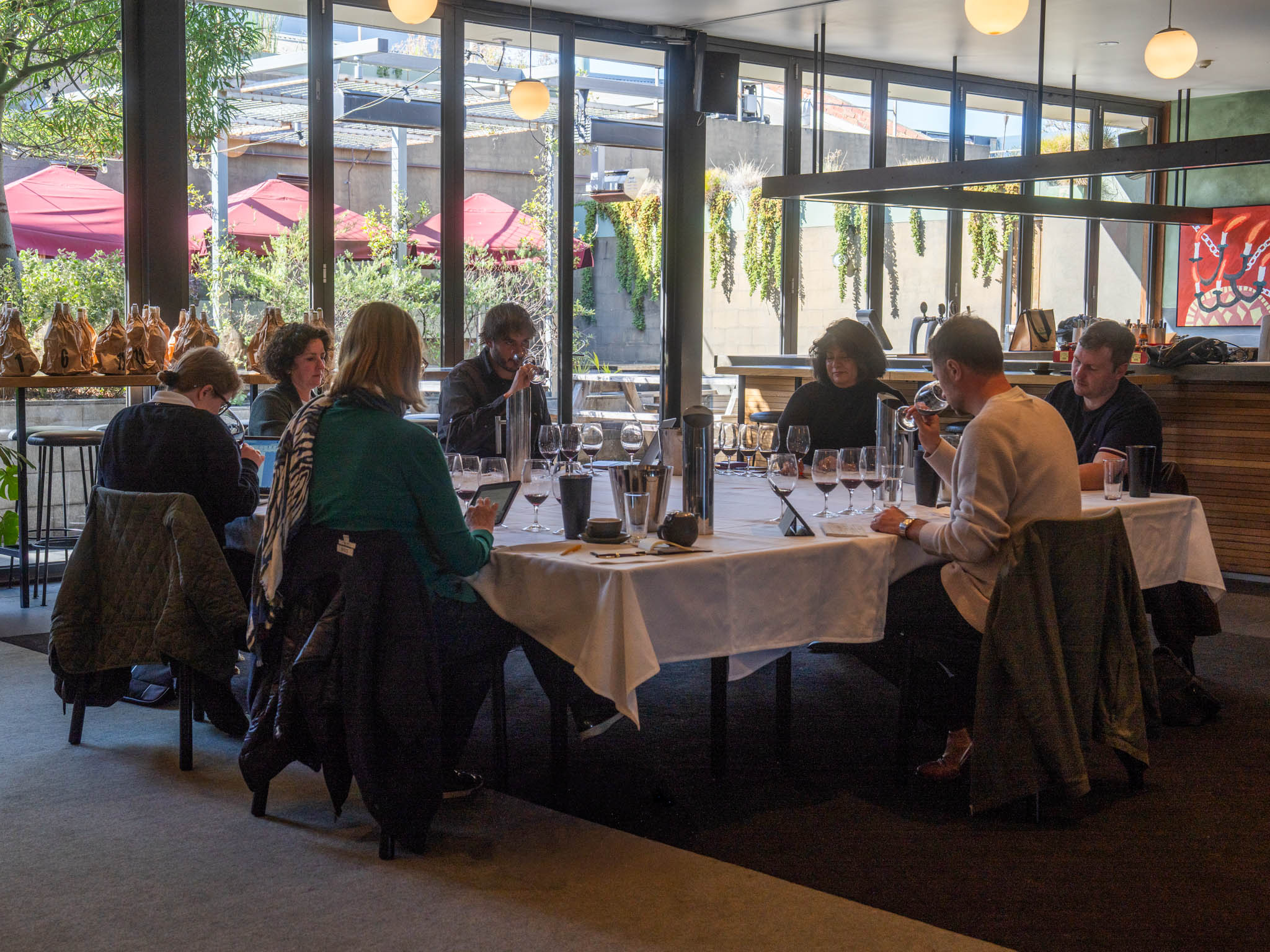
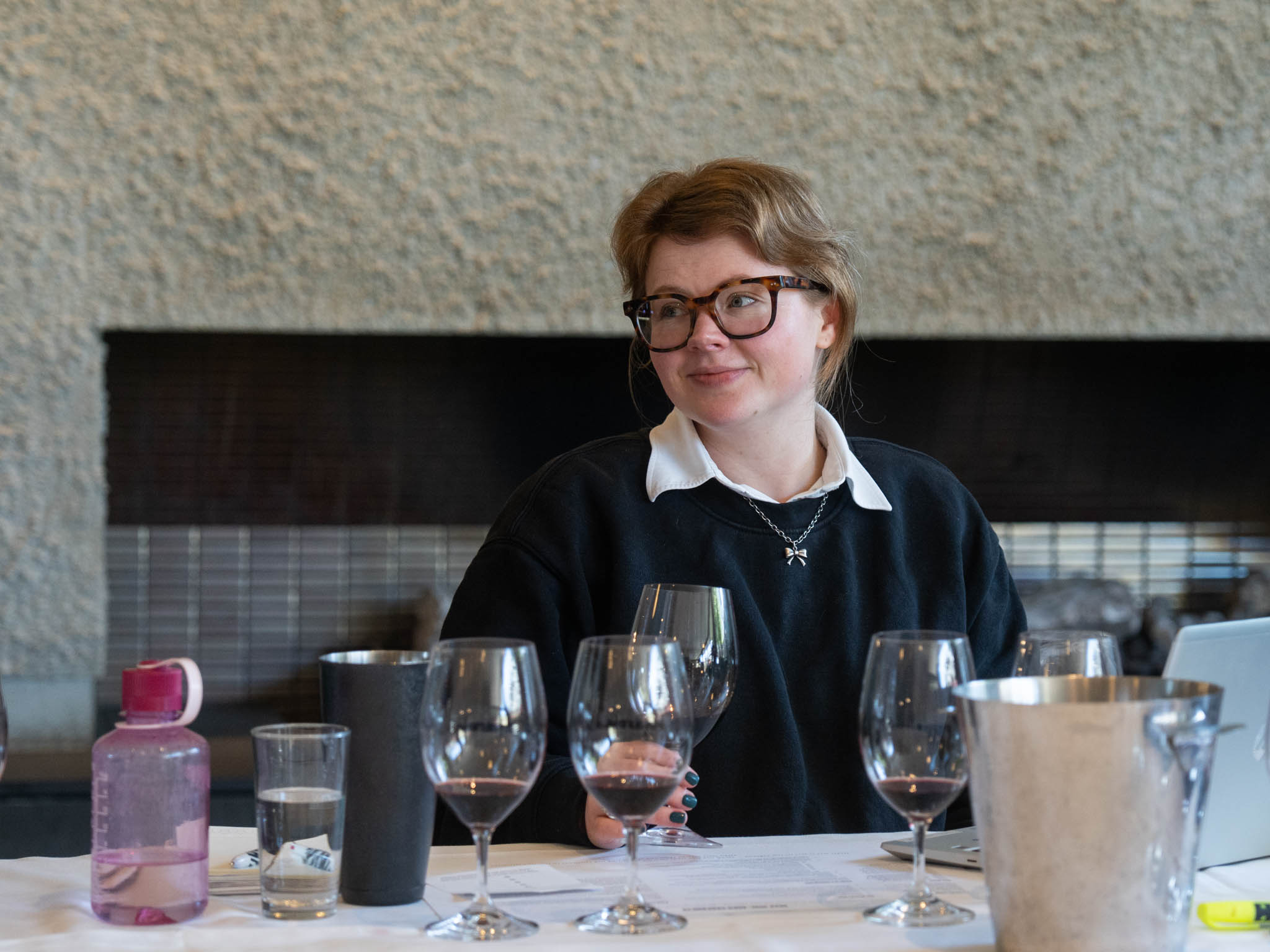
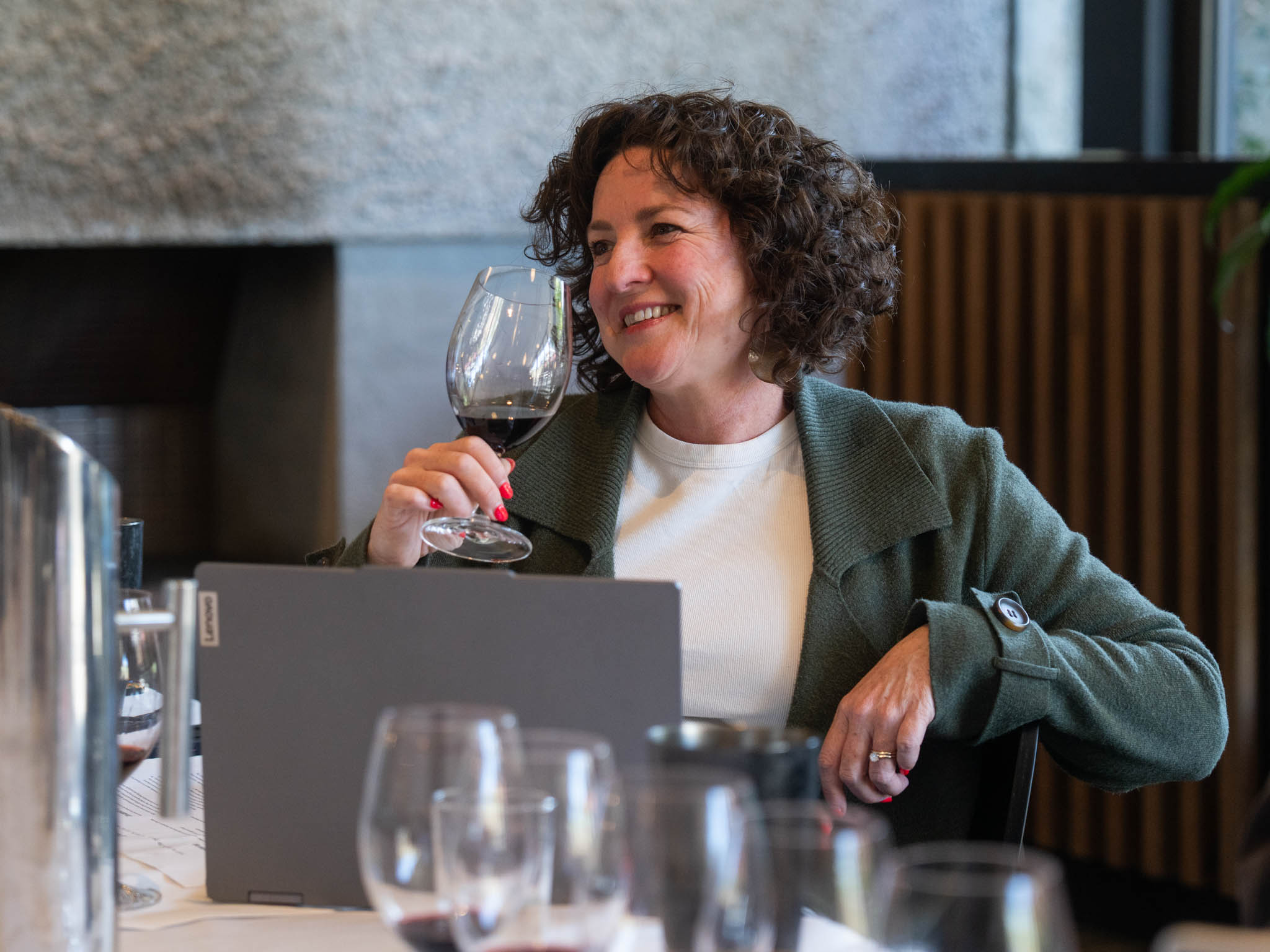
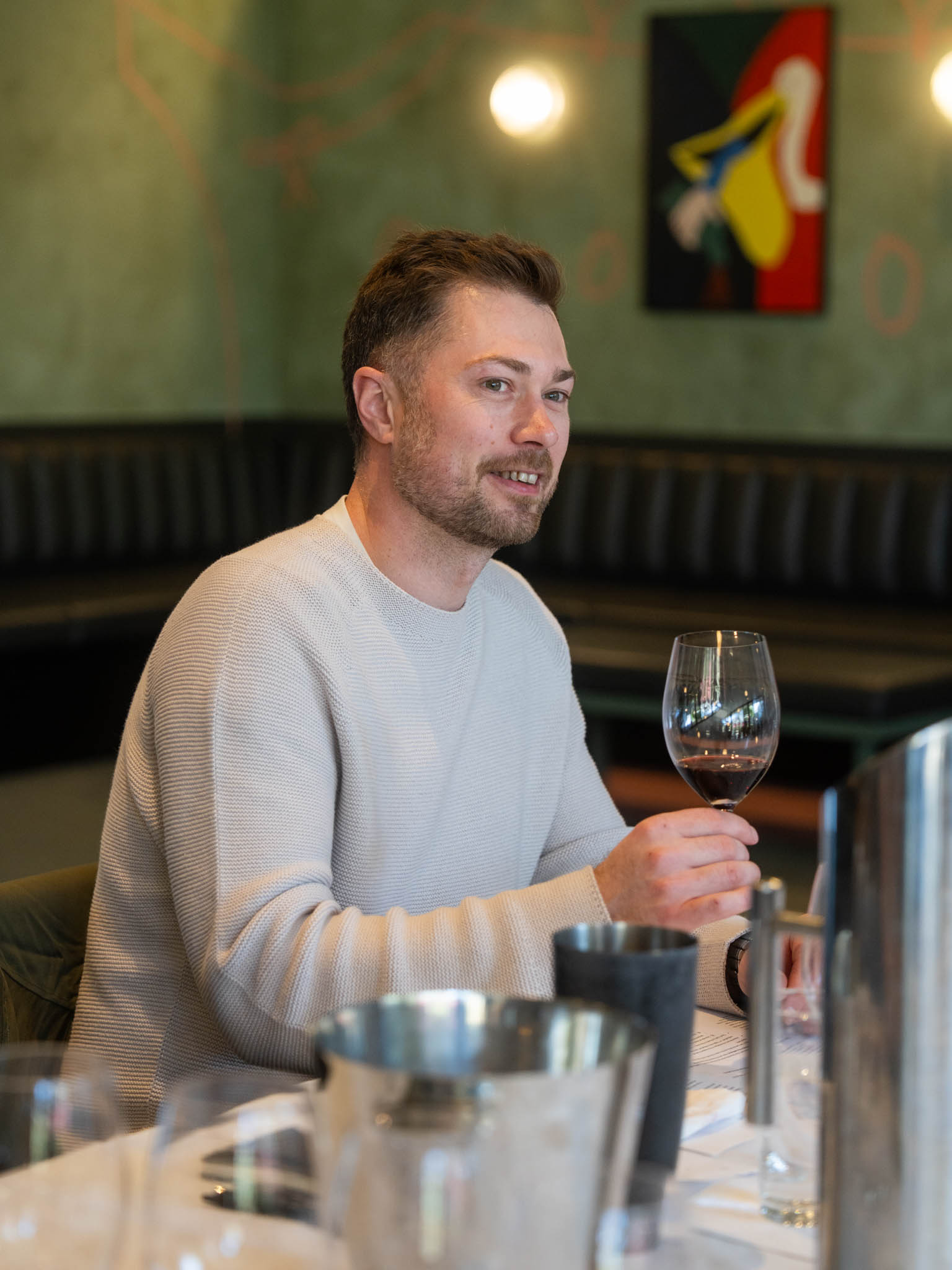
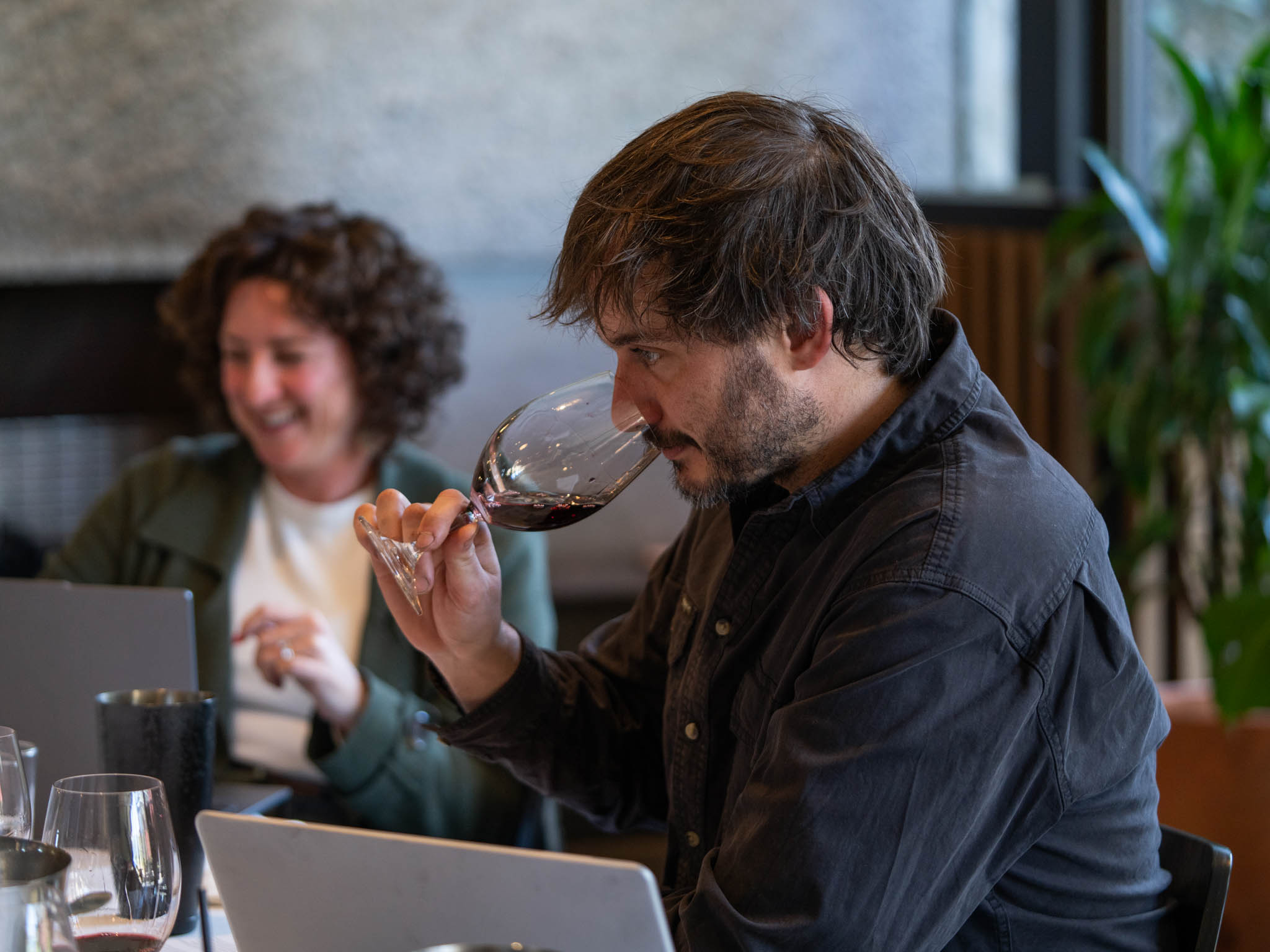
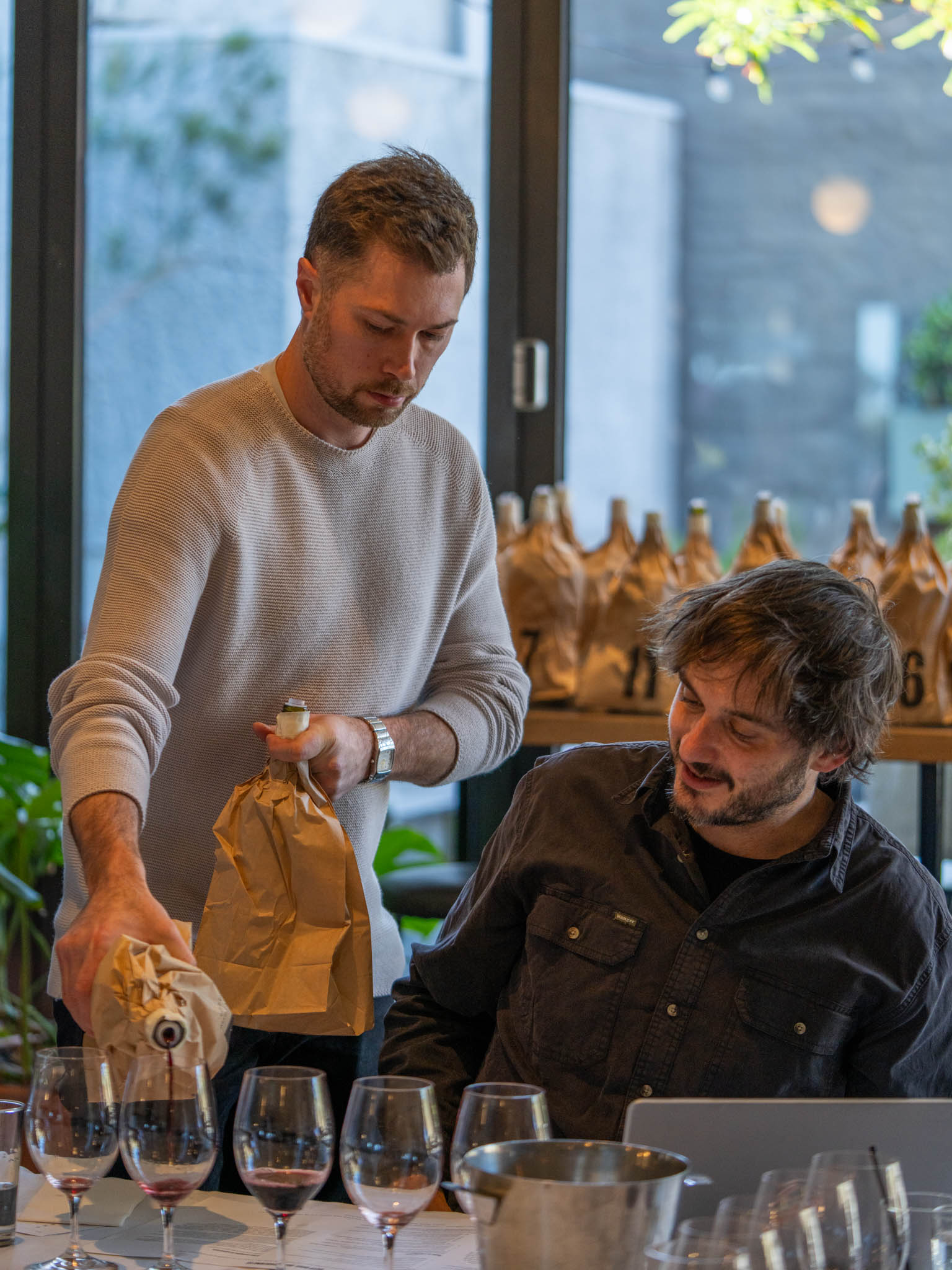
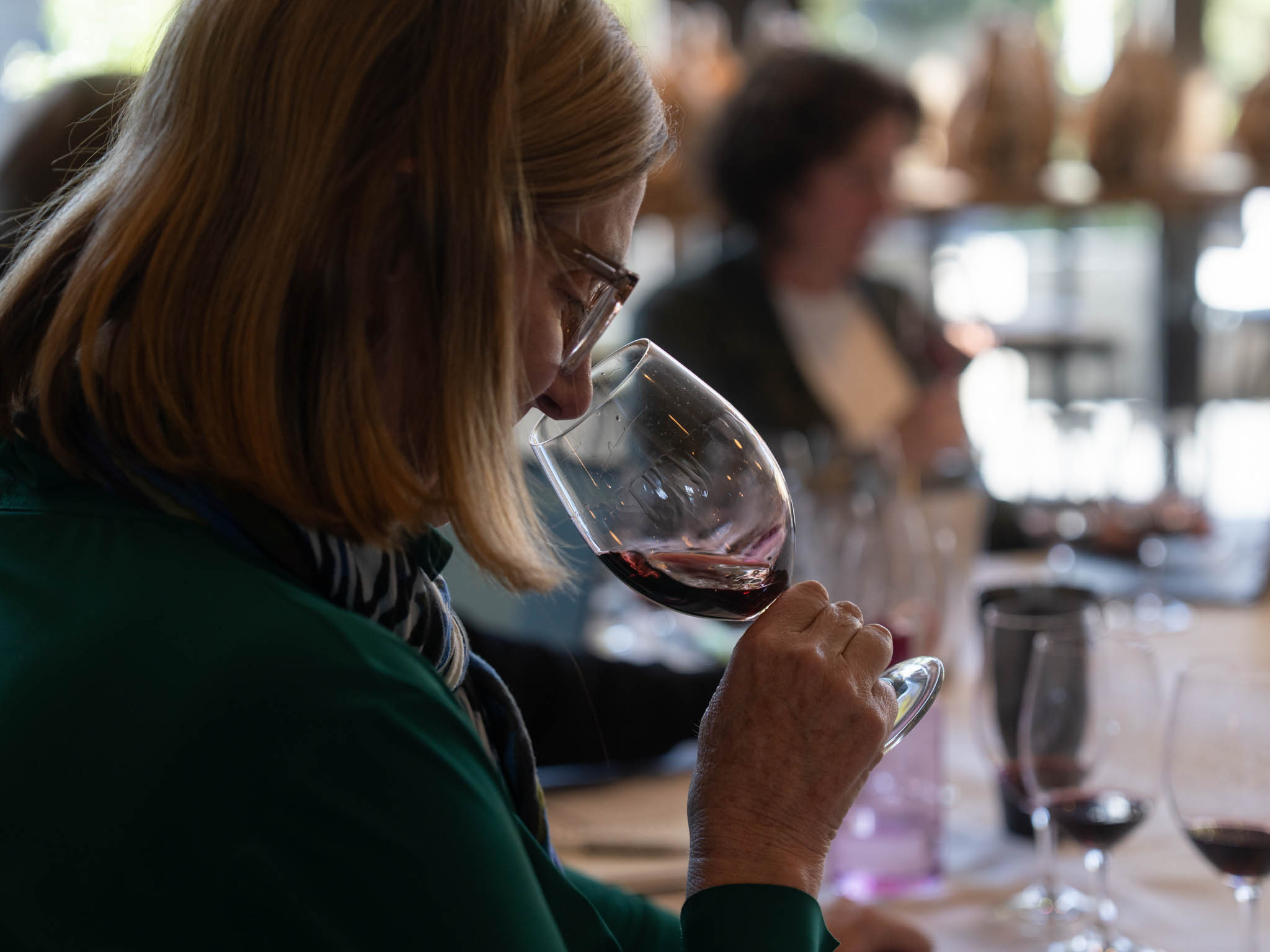
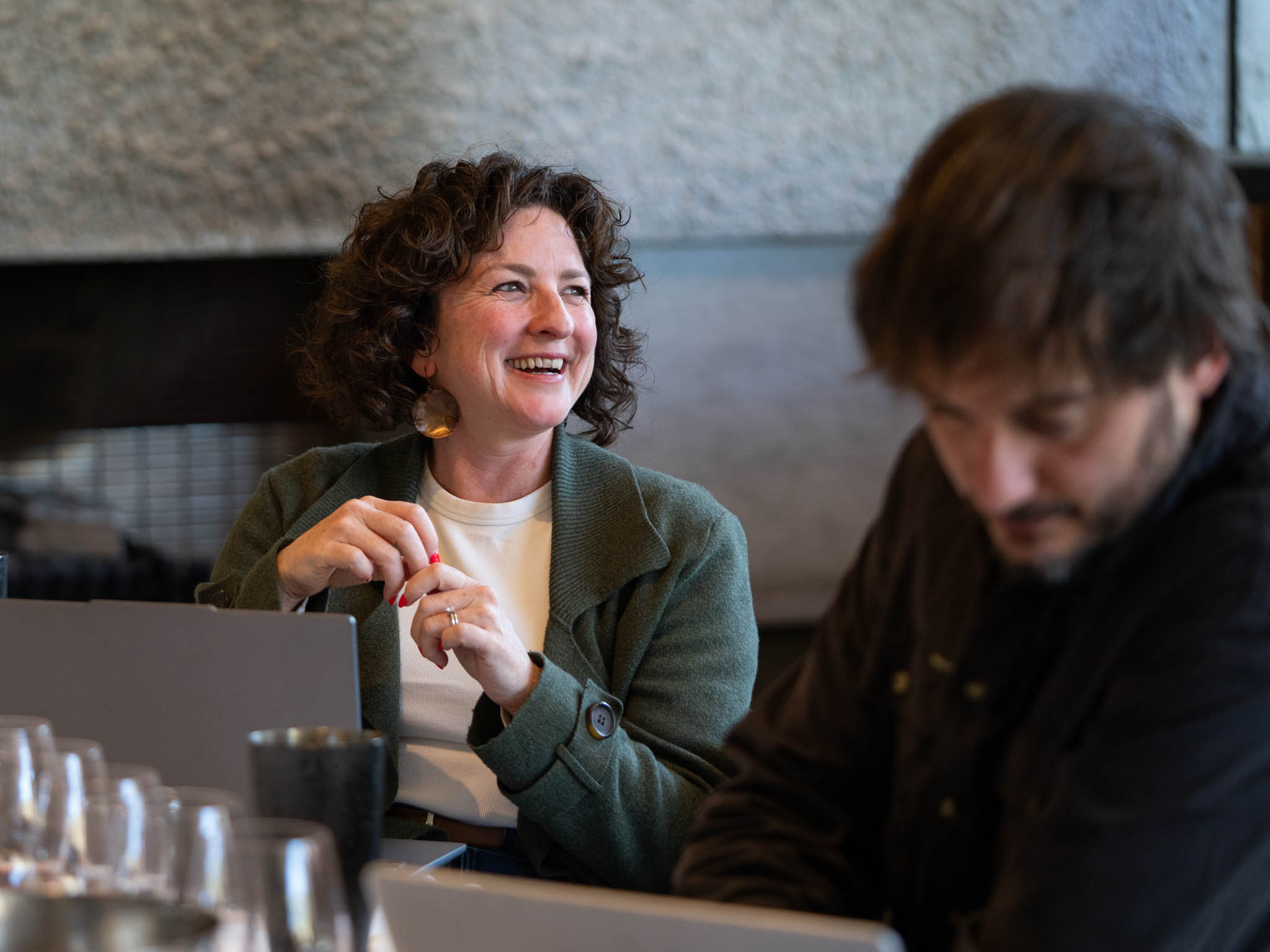
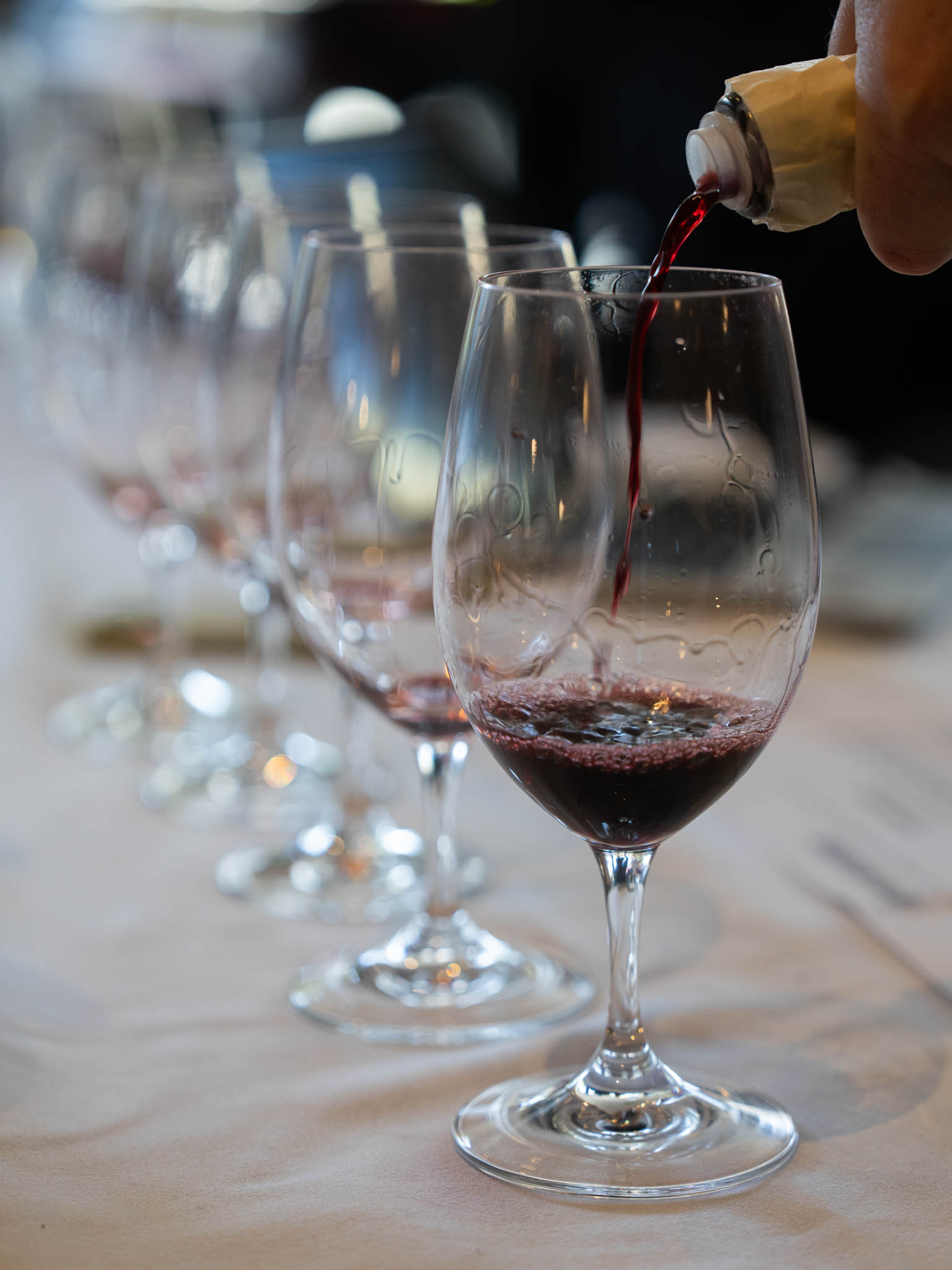
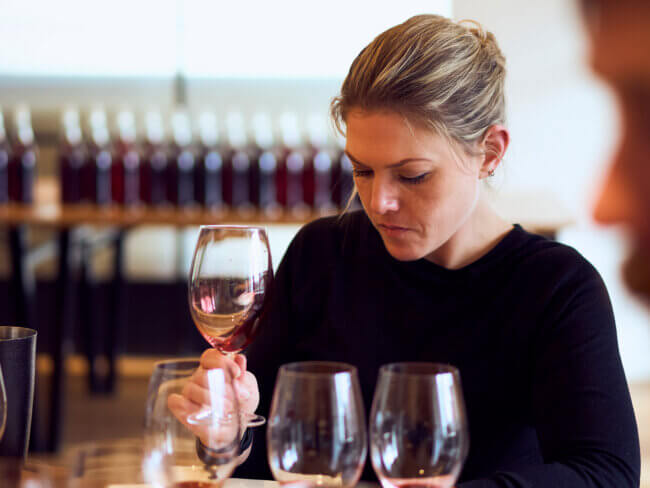
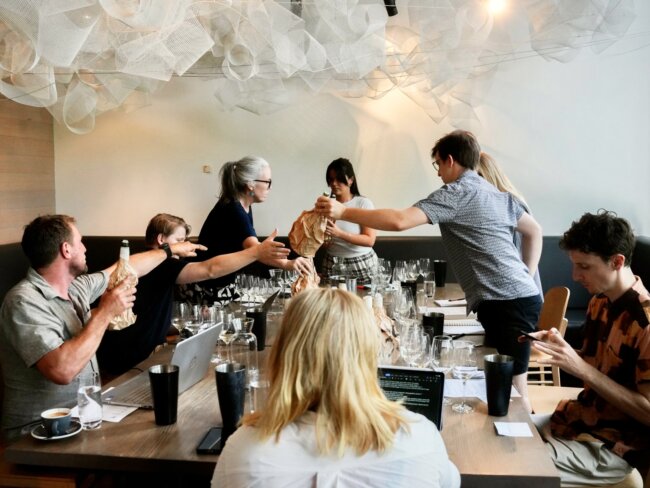
Above: Our tasting panel in session at the Bleakhouse Hotel, Albert Park (Melbourne).
Outtakes from the tasting
We gathered every museum-release ‘cabernets’ we could find – aged stock still available for purchase directly from the winery, whether labelled cabernet sauvignon, cabernet franc, or a red blend built from the classic Bordeaux grapes (cabernet sauvignon, cabernet franc, merlot, malbec and petit verdot) – and set our expert panel the task of finding the wines that compelled the most. All wines were tasted blind, and each panellist named their top six wines.
Our panel: Sue Hodder, senior winemaker, Wynns Coonawarra Estate; Eden Walpole, senior winemaker, Blue Pyrenees Estate; Emma Raidis, vigneron, Raïdis Estate; Patrick Wood, winemaker, Harbinger and Kyneton Ridge; Rhiannon Lahatte, brand ambassador, Voyager Estate; Evan Heisz, wine consultant, MW Wines; Terina Davies, wine merchant, Seddon Wine Store and Union Wine Store.
Asked what they were actually hunting for in an aged Cabernet, the panel converged on the same idea from different angles. “I was trying to find mature Cabernets that had both savoury characters from a bit of age, in the best possible way, but still fruit – the combination of the two,” Hodder said.
Walpole described it as “that seamlessness of structure folding into the fruit” – a harmony he looked for regardless of whether a wine was eight years old or fifteen.
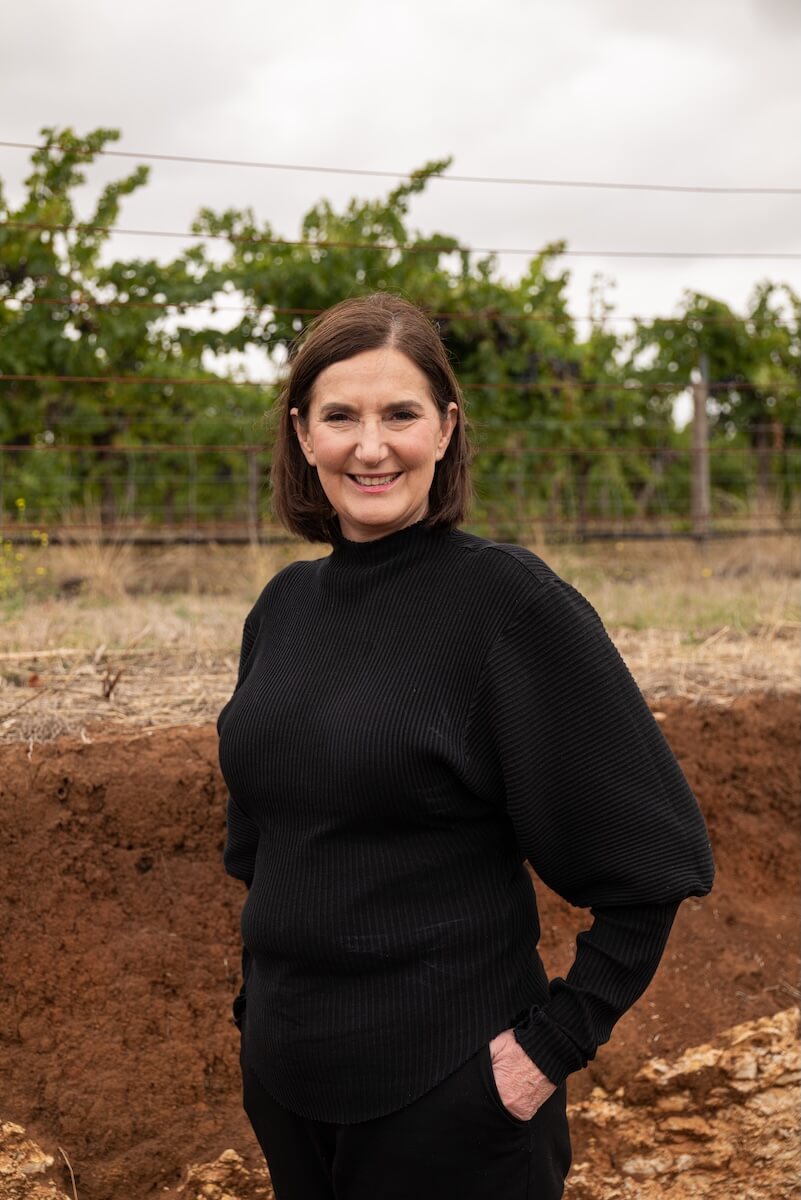
Above: Sue Hodder. Opposite: Eden Walpole.
Heisz put it more simply: the best aged cabernets “fold into themselves – they don’t fall over, they become something better.”
Lahatte pushed the idea further, almost philosophically: “When you drink a concentrated young cabernet, it’s almost an affront to the senses. With time in bottle and some time in barrel, the tannin, the acid, the mineral backbone all come into harmony, and then nothing screams so much. It just rides and rides and rides.”
“When you drink a concentrated young cabernet, it’s almost an affront to the senses. With time in bottle, the tannin, the acid, the mineral backbone all come into harmony.”
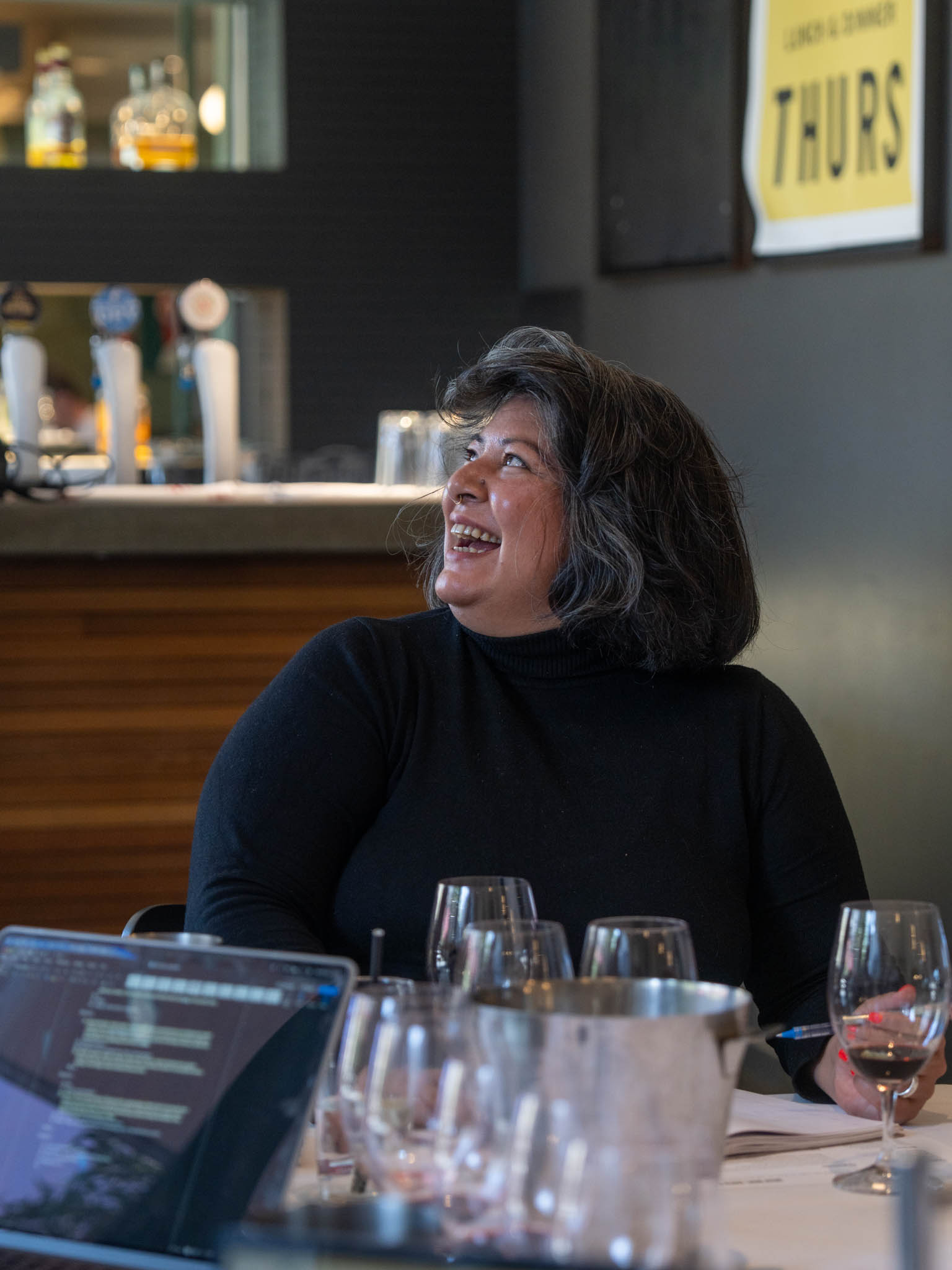
Davies reached for something more tactile to describe the feeling: “It’s like the difference between wearing a fresh crisp linen shirt and a shrunken-in woollen jumper – you just feel a bit more comfortable.” She traced the instinct back to her own father: “He used to always talk about young cabernets as all legs and elbows, and then you get the aged ones and they’re just a little bit softer.” It’s an instinct Davies has turned into a practical framework for tasting: “These are my top six for what I’d drink now – but I could have given another top six for what I’d lay down, or another top six for ‘drink it with nothing’.”
Above: Rhiannon Lahatte. Opposite: Terina Davies.
Regionality proved a genuinely divisive question. Walpole was candid that it simply wasn’t part of his process: “I wasn’t looking for region, and it certainly didn’t sway where I was going.”
Heisz found the occasional exception – “I’ve had a couple that stuck out where I thought, this looks like this place” – but agreed that, mostly, “it was more of an integration.”
“It’s like the difference between wearing a fresh crisp linen shirt and a shrunken-in woollen jumper – you just feel a bit more comfortable.”
Raidis pushed back hardest, drawing on years spent living inside a region rather than simply visiting it: “There were definite standouts where I was like, that is hands-down Coonawarra cabernet. I don’t have to know which year it is, I don’t know who made it – but that’s Coonawarra cabernet.”
Not every standout wine was the most complex one in the room. “I picked one wine where I was like, this is a really simple wine, it’s not complex like the others – but God, it was good,” Raidis said.
Above: Emma Raidis. Opposite: Evan Heisz.
It’s a tension Wood returned to when reflecting on what actually separates the truly great aged wines from the merely well-made: “Cabernet isn’t forgiving. It wants to show itself in its purest form. The wines that have imbalance in the first instance – as they age, those imbalances become more obvious, and they sort of fall out of balance. It’s its own form of truth. The truth will out. It does, eventually.”
“The wines that have imbalance in the first instance – as they age, those imbalances become more obvious, and they sort of fall out of balance. It’s its own form of truth. The truth will out.”
That theme of honesty carried into a sharper conversation about winemaking style over time. Raidis was unsparing about a particular era: “In the late nineties it was just oak everywhere, and they weren’t delicious. They were over-oaked then, and they’re still over-oaked now – I don’t think a lot of those wines are looking better with time.” Her own approach is built around the opposite bet: “If it’s well made, it shouldn’t be hard-edged even when it’s young. You could have our 2024 cabernet and think, ‘That’s delicious!’ – then have it in ten years and think, ‘That’s still delicious’. That’s how we make wine.”
Above: Patrick Wood. Opposite: Our Deep Dive panel tasting in action at the Bleakhouse Hotel, Albert Park (Melbourne). All wines tasted ‘blind’.
There was also real candour about the category’s image problem. “I think we’ve all started self-prophesying that cabernets are unfashionable,” Raidis said, before admitting that a recent wine fair tasting showed her how out of touch her own perception of fashion is. “There’s these twenty-two-year-olds coming up to me, going, ‘Oh, have you got a cabernet?’ I’m like, ‘What do you mean, have I got a cabernet? You’re meant to be drinking seltzer or spritzes or some bullshit!’”
“There’s these twenty-two-year-olds coming up to me, going, ‘Oh, have you got a cabernet?’ I’m like, ‘What do you mean, have I got a cabernet? You’re meant to be drinking seltzer or spritzes or some bulls**t!’”
Part of the solution, the panel agreed, is simply better storytelling around access. Davies pointed to a generational shift in who even has the option to age wine at home: “We’re renters, and we’ll be renters for life – we don’t have the space to age our own wines. It hadn’t really occurred to me that someone else can do the ageing for us.”
Raidis backed that up with a concrete example from the trade: a retailer who stopped running standard current-release tastings altogether in favour of pouring the same wine young and ten years older, side by side. “The aged wines had double the sales of the current releases,” she said. “Because no one sees them anymore.”
Above and opposite: Our Deep Dive panel tasting in action at the Bleakhouse Hotel, Albert Park (Melbourne). All wines tasted ‘blind’.
Asked to close on a broader thought, Heisz offered the line that best summed up the room’s mood: “Same as the thing about people saving wines for celebrations – but the best time to have them is because it’s Tuesday. If I drink an amazing bottle on some random Tuesday, I’ll always remember that.”
Davies agreed, tying it back to the whole premise of the tasting: “To know these wines are available for purchase now is amazing. Drink it now – we’ve aged it for you. It’s fine.”
Above and opposite: Our Deep Dive panel tasting in action at the Bleakhouse Hotel, Albert Park (Melbourne). All wines tasted ‘blind’.
The panel
Sue Hodder is the senior winemaker at Wynns Coonawarra Estate. She has been a wine judge for over twenty-five years, including three years as chief judge of the Adelaide Show from 2012. She has collaborated on a number of Australian and international wine projects, and was guest speaker at the International Cabernet Symposium in Napa in 2012. In 2016, she and fellow Wynns Winemaker Sarah Pidgeon were jointly awarded the Australian Society of Viticulture and Oenology (ASVO) Winemaker of the Year for their work on setting cabernet for the future. She remains an enthusiastic promoter of Wynns, Coonawarra, and Australian wine in general.
Born and bred in the Hunter Valley, NSW, Eden Walpole cut his teeth working for established brands such as Brokenwood and Thomas Wines, as well as completing vintages abroad in California and New Zealand. After a brief stint in wine retail, in 2023 he joined Blue Pyrenees Estate in the Pyrenees region of Western Victoria as Senior Winemaker. Here he oversees winemaking for the Blue Pyrenees Estate and Glenlofty Estate brands, with a specific focus on red wines. He is an active wine show judge and is driven by the continued pursuit of crafting wines that allow each vineyard site to express itself, honestly, in the glass.
Thomas Ward began his wine journey in the vineyards of Central Victoria, developing a hands-on understanding of site before moving into the winery. His early roles at Coldstream Hills and St. Hubert’s Winery, along with the Tahbilk Group Graduate Program and now a degree in Wine Science, he has built a broad foundation across vineyard, cellar, and operations. He is assistant winemaker at e’Stellar Estate, where he brings a true vine-to-wine perspective – helping to grow the fruit and then seeing it through in the winery on its way to the bottle – and acts as the estate’s Swiss Army knife.
Emma Raidis co-owns and runs Coonawarra wine label Raïdis Estate – fifty acres made up of cabernet sauvignon, shiraz, merlot, sauvignon blanc, riesling, and the region’s only pinot gris – with her husband, Steven. Both she and Steven believe that great wine is made in the vineyard, and so make their wine styles clean, fruit-bright and contemporary, crafted to be enjoyed with food and friends. She wears many hats within the business, but is happiest at work when chatting with customers or being outside in the vineyard in the sun.
Patrick Wood’s early exposure to wine at his family’s property, Kyneton Ridge Estate, and retail experience sparked an interest in travelling harvest and vintage roles, which he commenced in 2014 at Castillon in Bordeaux. Production opportunities in the Yarra Valley followed, and mentorships with the teams at Punt Road, Helen’s Hill Estate and Soumah helped shape his winemaking foundations, followed by the formal training of a bachelor degree in viticulture at Charles Sturt University. In 2022, he moved to the Macedon Ranges to take on a vigneron role, focusing on elevating the label’s wine offerings and establishing a contract winemaking operation. During this time he and his partner, Greta Darling-Filby, brought to life the concept for their own label, Harbinger Wines, from the ground up. An affinity for cool-climate viticulture, a love of Bordeaux varieties, and a focus on environmental sustainability drives his search for alternatives to convention.
Rhiannon Lahatte currently works as the Victoria brand ambassador for Margaret River producer Voyager Estate.
Born and raised in Newfoundland, Canada, Evan Heisz has spent most of his adult life in the service industry – first as a chef for over a decade before moving into front of house and wine. He commenced his formal education with the Wine & Spirit Education Trust (WSET) after moving to Toronto, and started his first sommelier role upon arriving in Melbourne, where he quickly completed his Court of Master Sommeliers (CMS) Certified Sommelier training. During the COVID pandemic he started purchasing wine at auction and fell down the rabbit-hole of aged wine. When the opportunity to work at auction house MW Wines came up, he jumped at the chance, and has been geeking out over old and rare wines ever since. When he’s not obsessing over wine details you can find him enjoying the many amazing venues around Melbourne, playing or watching basketball, at home cooking with his wife, enjoying great wines with close friends, or hanging out on the couch with his wonderful dog, Fiano.
Terina Davies grew up in Gippsland surrounded by vineyards, sparking an early fascination with expressive wine. After completing a Bachelor of Business at RMIT, she spent formative years with the European Group before travelling and working vintages at Gaja and Taittinger, and in the dining room at Paris’s L’Arpège. Back home, Terina has held roles across top venues including Vue de Monde and wineries on the Mornington Peninsula. Now based in Melbourne, she combines her love of wine with inclusive hospitality, working at Seddon and Union Wine Stores, teaching people with disabilities, and studying for her Wine & Spirit Education Trust (WSET) Level 4 Diploma in Wines.
GET FIRST ACCESS TO THE NEXT WINE ICONS – DELIVERED
For those held in its thrall, nebbiolo holds a grip like no other grape. Nebbiolo is a paradox, a combination of elements that shouldn’t make sense. But they do. Set against profound tannins, it can be fragrantly pretty and floral, as well as ruggedly mineral and dry toned – and often simultaneously so. Five years after our inaugural Deep Dive into Nebbiolo, it’s an apt time to again cast our eyes across the landscape.
Heathcote is a relatively young region, which saw an explosion of growth in the 90s, driven by the trend towards powerful shiraz. But Heathcote is very different today, wth shiraz finding myriad expressions, and other varieties increasingly taking the lead. This year’s Top 50 features Bart van Olphen from Italian variety specialist Chalmers.
Great Southern is an aptly named region full of superlatives – not only Australia’s largest wine region by area, but also one of the world’s most remote, with 2,545 hectares of vineyards scattered across 1,713,100 hectares of land. And while it’s a latecomer as far as Australia’s wine regions go, it’s a pioneer of subregionality – not only was it the first Australian wine region to register an official subregion, but with five now on the books it remains at the top of the league table. With such a focus on the specifics of place, it’s perhaps no accident that riesling – a grape variety renowned for its ability to transmit a sense of terroir – is the leading white grape variety here. With a host of small makers producing brilliant rieslings despite the tyranny of distance, the region feels full of possibility – just the kind of situation that warrants a Deep Dive …
Subscribe to our newsletter
Young Gun of Wine is your shortcut to cutting edge wines, the places to go, and the people behind it all.
Subscribe to be amongst the first to know of our latest discoveries in wine.
We'll bring you the inside running from the growers, the makers, the wholesalers, the retailers and the sommeliers, too.