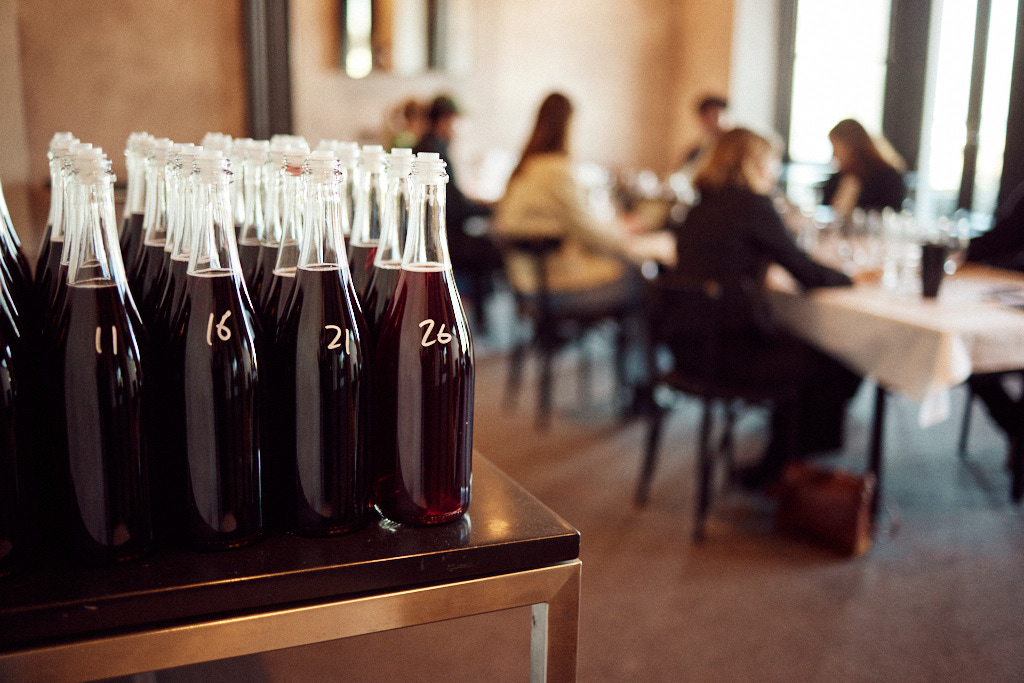
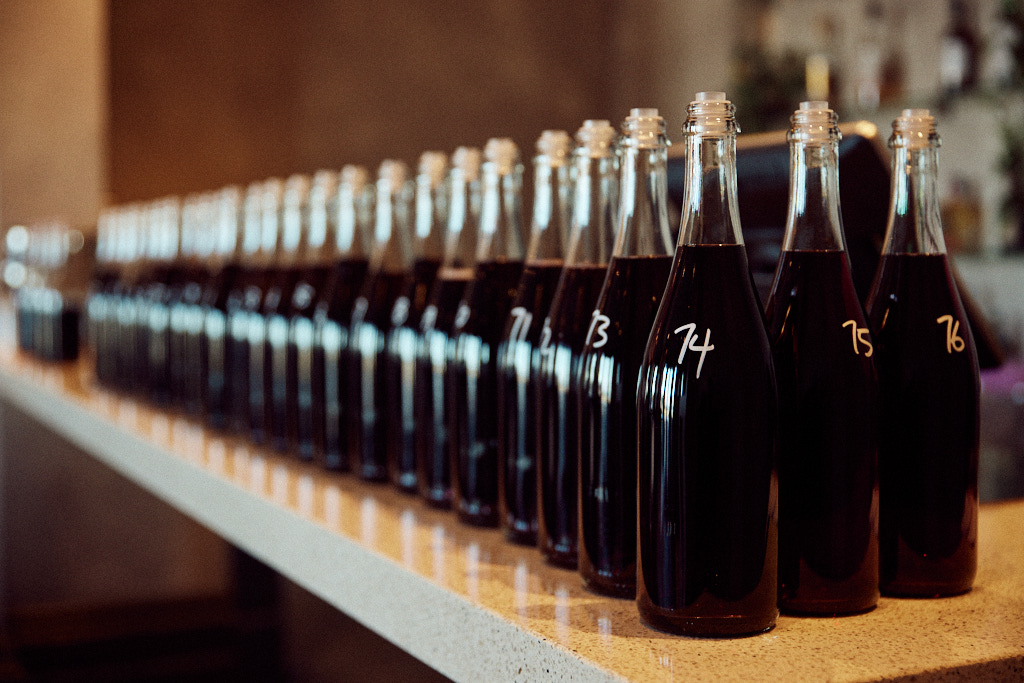
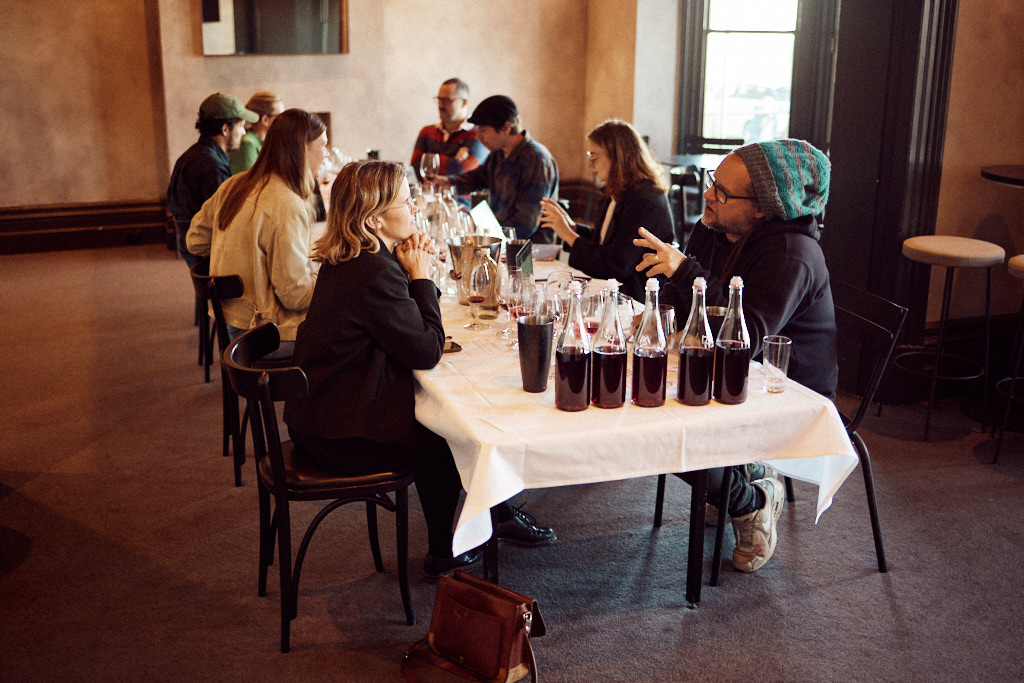
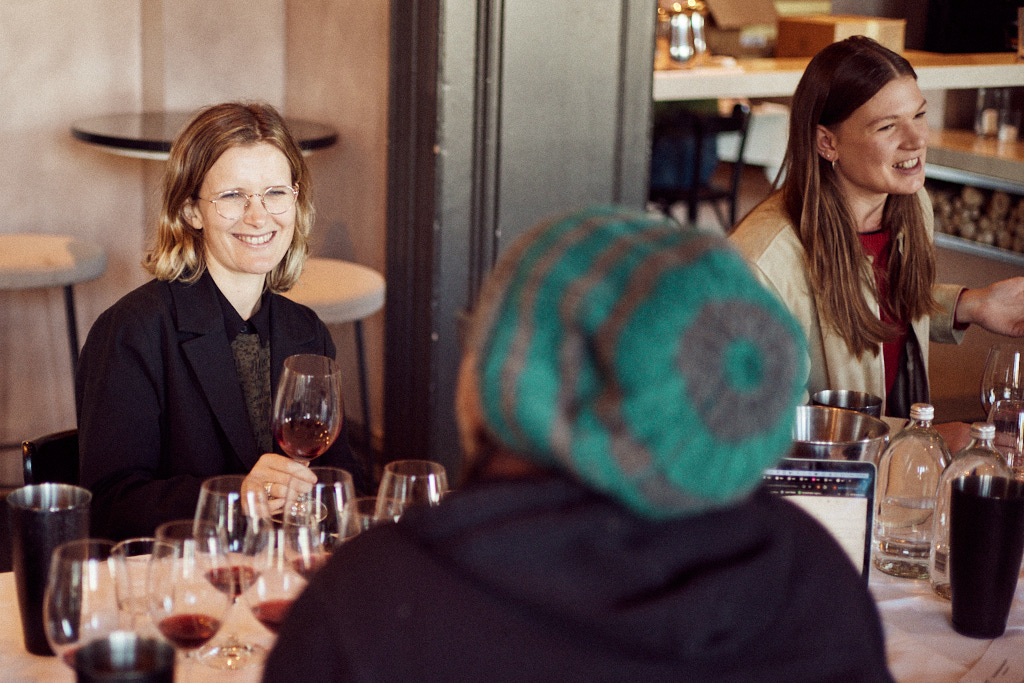
The top wines
![]()
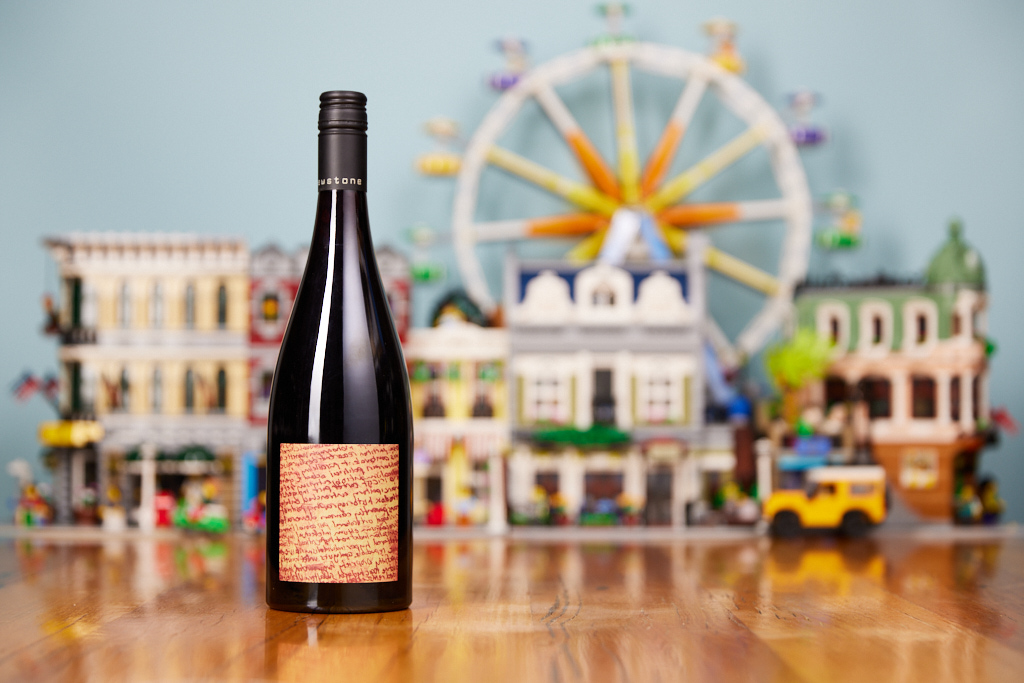
Selected by Briese, Holloway, Gelot and McCullough in their top wines of the tasting, this pinot made a strong impression for its savoury complexity and sense of poise. “This was like time travel … reminds me of small batch ferment single barrel wines we were making,” said Holloway. “Spicy light maraschino cherry, delicate savoury fruit, with oak notes that are on the verge of dominating the palate.” Gelot was intrigued by its ambiguity: “Is it pinot? Is it nebbiolo? Who knows? Pot-pourri, dried petals, cinnamon bark … I like that peppery, alpine amaro vibe about it – that dry citrus peel and a touch of bitterness from the clever use of stalks.” McCullough called it “mouthwatering, evocative and quietly arresting … red fruits out the gate – strawberry and raspberry – but the palate leans savoury, with echoes of shotgun cartridge, iron filings and a touch of game blood … There’s delicacy to the structure, a weightless concentration.” Briese highlighted its elegance and harmony: “It had herbal notes such as sage and thyme, a pleasant dried leaves aroma, and just a hint of coffee and toasty oak. The acidity, fruit and oak were well-balanced, with silky tannins and a lasting finish.”
![]()
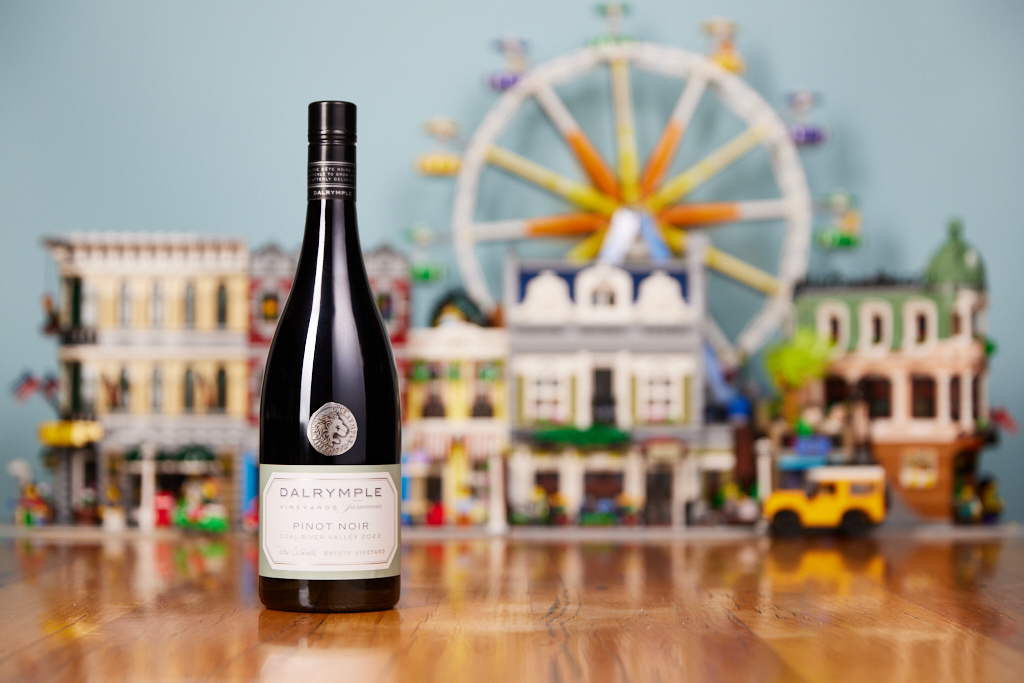
2022 Dalrymple ‘Estate Vineyard’ Pinot Noir, Coal River Valley $70 RRP
Chosen as a standout by Holloway, Gelot and Briese, this pinot was praised for its brightness, layered complexity and sheer drinkability. “It was the brightest, most inviting, and generous aroma of the group,” said Gelot. “Raspberry, wild strawberries, and blueberries. Soft-bodied with a beautiful acid line … approachable, delicious, and leaves you salivating for more.” Briese noted “woody herbs like sage and thyme whilst maintaining the ripe cherry and plum fruit profile,” with oak that was “prominent but well integrated,” and a touch of cola rounding things out. “This wine had slightly more prominent chalky tannins.” For Holloway, it was a wine to linger over: “All the classic ripe earthy forest floor red berry notes and luscious ripe fruit … but it was the layers of spice and the tannin that had me intrigued. The structure was what made me keep going back … a wine I could sit and contemplate.”
![]()
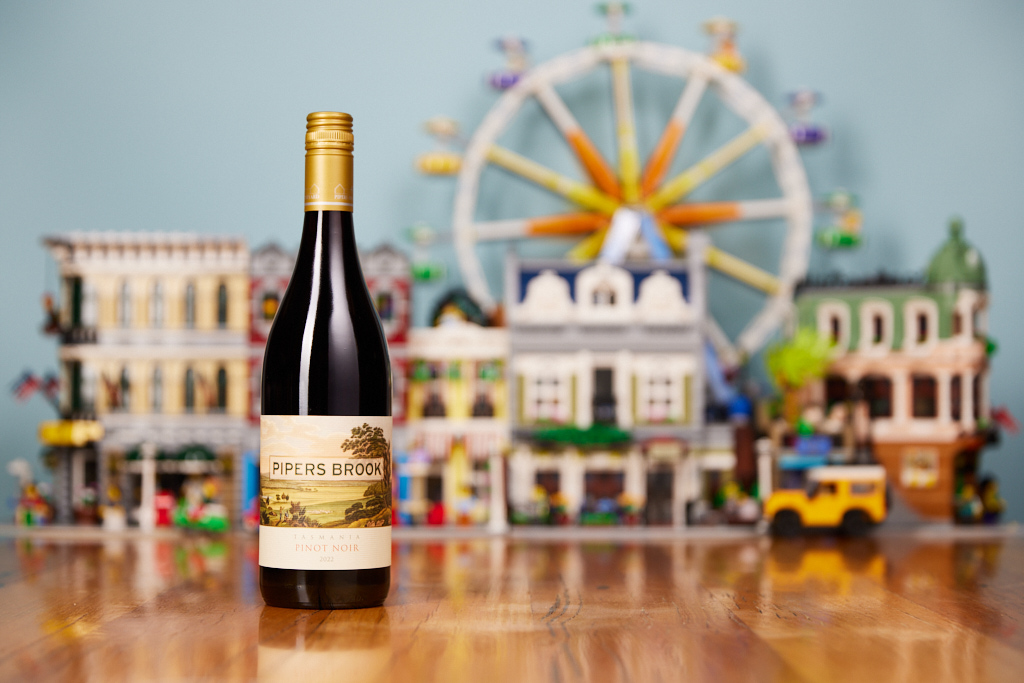
2022 Pipers Brook Pinot Noir, Pipers River $50 RRP
Holloway, Gordon and Bird each selected this wine in their top picks, celebrating its distinctiveness and elegant detail. “This wine stood out for being almost polar opposite to those around it,” noted Holloway. “Light, luscious, delicate, elegant … the cherry-cola notes hint at a generous hit of whole bunch, and the savoury creamy palate reminds me of those older D-clones, not the wave of new fruit-driven ones. This wine would be polarising to a new pinot drinker but was a great example of how different they can be.” Gordon called it “an enchanting nose, with the alluring presence of oak that frames the rich aromas of black brambles, blackberries and mulberries, all accented by toasty spice. The palate is ethereal … pretty and enticing, with concentrated complexity and a smooth, refined structure.” For Bird, it offered “soft raspberry with black olive brine on the nose – almost like capers? There’s a spicy side palate from stems … fresh oregano, rocket, maybe chocolate mint too.”
![]()
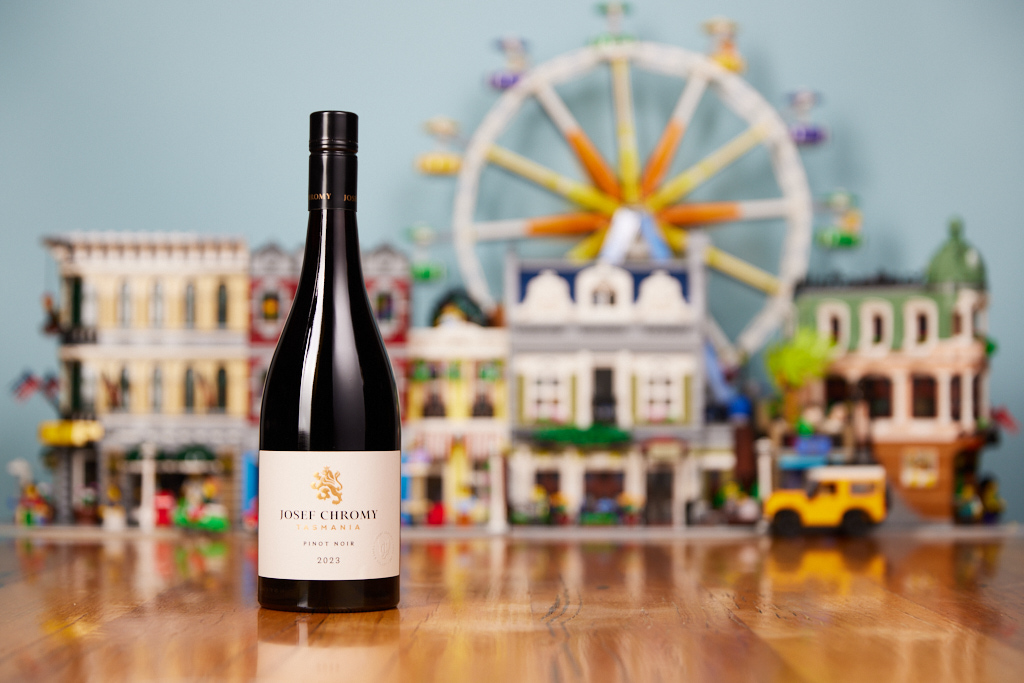
2023 Josef Chromy Pinot Noir, Tamar Valley $45 RRP
Briese, Gelot, Holloway and Bird ranked this wine among their top six, each impressed by its aromatic depth and seamless balance. “A lovely crimson colour with a slight brick hue, possibly hinting at some early development,” said Gelot. “There’s great balance and harmony here – oak, lift, acid and concentration all working together. It shows autumnal notes, forest floor, gentle oak frame and warm baking spices. The tannins are soft and tea leaf–like, adding to the wine’s earthy, ethereal feel.” Briese picked up “forest berries in abundance, complemented by damp autumn leaves, mushroom and charcuterie for depth, and a lifted petrichor note. Smooth, silky tannins.” Holloway praised its poise: “Where other wines today dominated my palate, this one allowed for some time to think … bright vibrant fruit, soft silky tannins … you could savour this over duck ragout – a wine that resets the palate.” Bird noted “a dense wall of flavour … raspberry and black cherry, loganberry, mulberry … the wine finishes with a persistent red fruit line and a touch of spice. It wants charcuterie and a good Iraty cheese.”
![]()
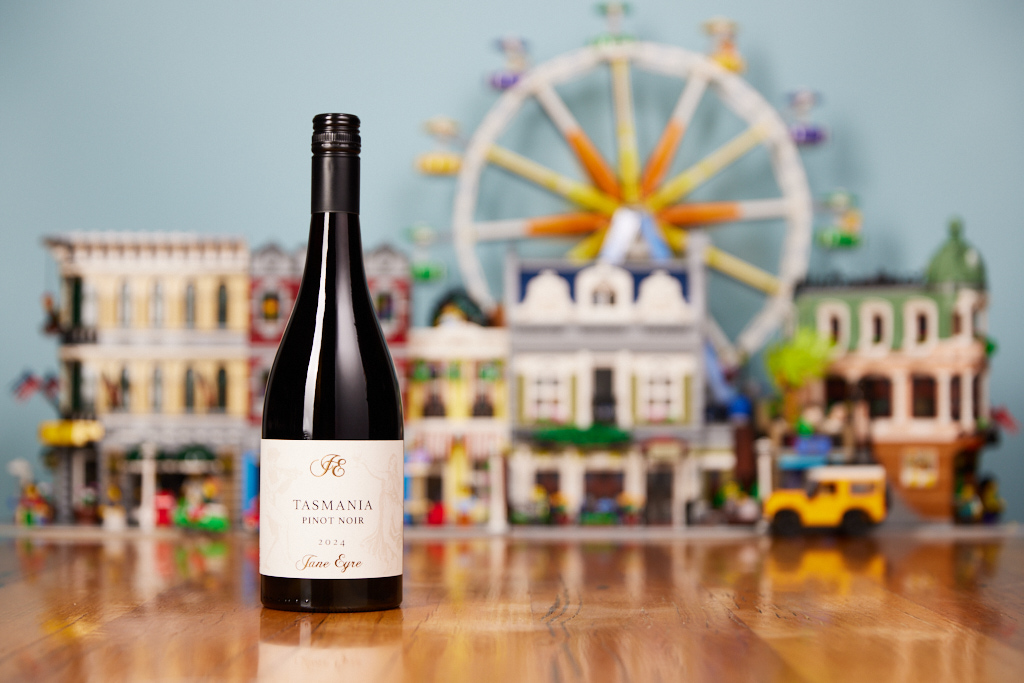
2024 Jane Eyre ‘Tasmania’ Pinot Noir, Tasmania $94 RRP
Chosen by Gordon and Bird, this wine impressed with its poise and expressive perfume. “With delicate aromatics of pretty red fruits, brambles and raspberry leaves, this pinot noir invites a captivating first impression,” said Gordon. “On the palate, it delivers a well-balanced, mouth-filling concentration of flavours, with bright, soft tannins and a superb acid line. The finish is long and persistent, leaving a graceful impression.” Bird found it “beautifully lush and giving, like being in some exotic garden with roses and pomegranates … juicy nose, lush red fruits with a woodsy cedar undercurrent. Pomegranate and cranberry meld with woodland loganberries and a foresty scent… the finish lands with a gentian root and poppyseed bitterness – rather gastronomic.”
![]()
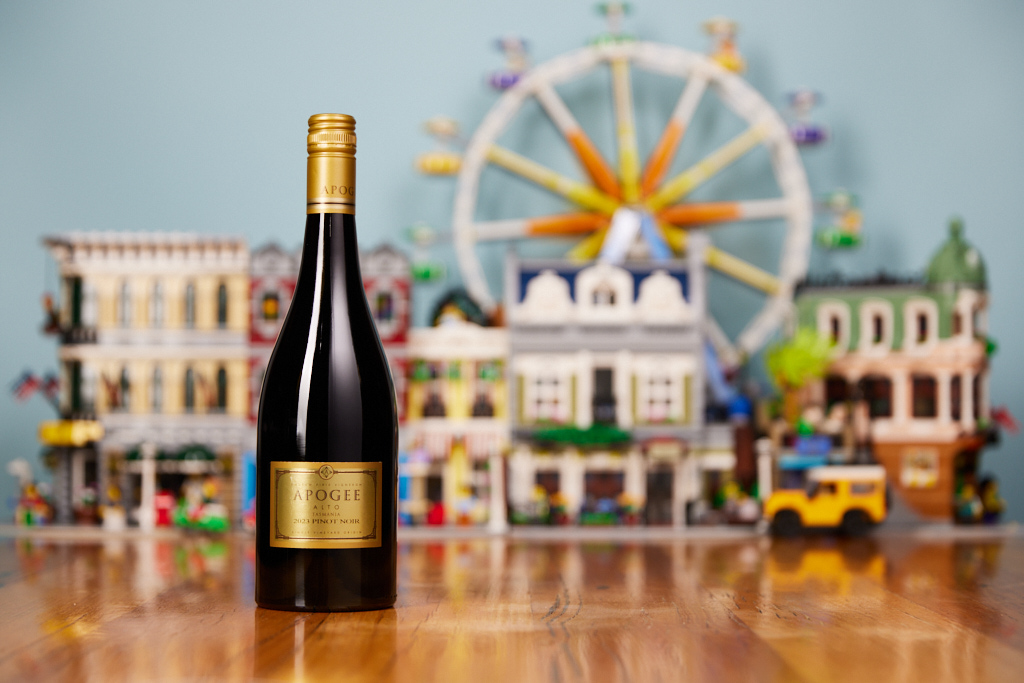
2023 Apogee ‘Alto’ Pinot Noir, Pipers River $75 RRP
Briese and McCullough each selected this wine among their top six of the tasting, highlighting its deep savoury character and ripe fruit expression. “This showcased a deeper, riper fruit profile,” said Briese, “with plum, dark cherry and some charcuterie notes. There were also hints of orange oil and baking spices such as clove and what could be some bunchy spice. It had a beautiful vibrant ruby colour and complementary oak.” McCullough found it “dark and savoury – this opens with the scent of mushroom shoyu and broken nori sheets, laid gently over blue-fruited poach and high-toned amaro-tinged red fruit. The wine initially felt agricultural, almost bucolic, but it has this exotic intrigue … The palate is dialled into serious concentration zone. There’s textural richness, edging into the realm of prosciutto fat – silky, salty and mouthcoating. It stirs the appetite. Very much here for it.”
![]()
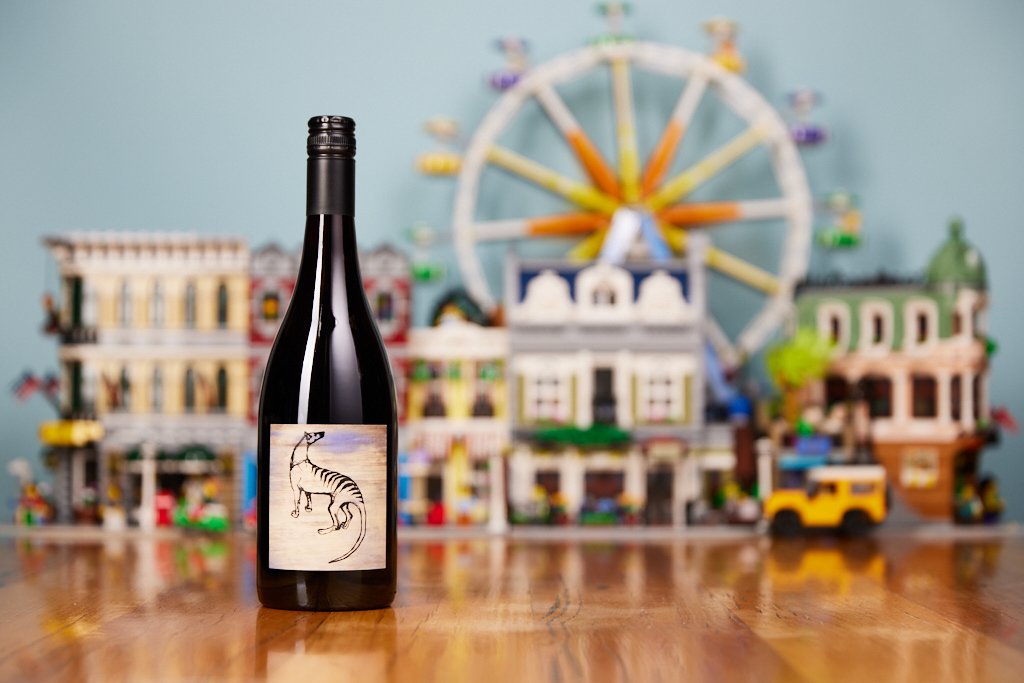
Lubiana and Gordon both ranked this wine in their top picks of the day, admiring its clarity, perfume and structural poise. “Perfumed nose of violets, rhubarb, cola, cardamom, bergamot,” said Lubiana. “Palate shows smooth, smooth tannins, long length of cherry, kola nut, cranberry, star anise – well made, drink now or hold.” Gordon was equally impressed: “An aromatic nose of graphite and fresh red fruits sets the stage for a beautifully balanced palate. Soft yet luscious, the wine showcases vibrant, savoury raspberries and light red cranberries, with a purity of fruit intensity. Polished, chewy tannins lend structure, and the finish is meticulously constructed – leaving a lasting, harmonious impression.”
![]()
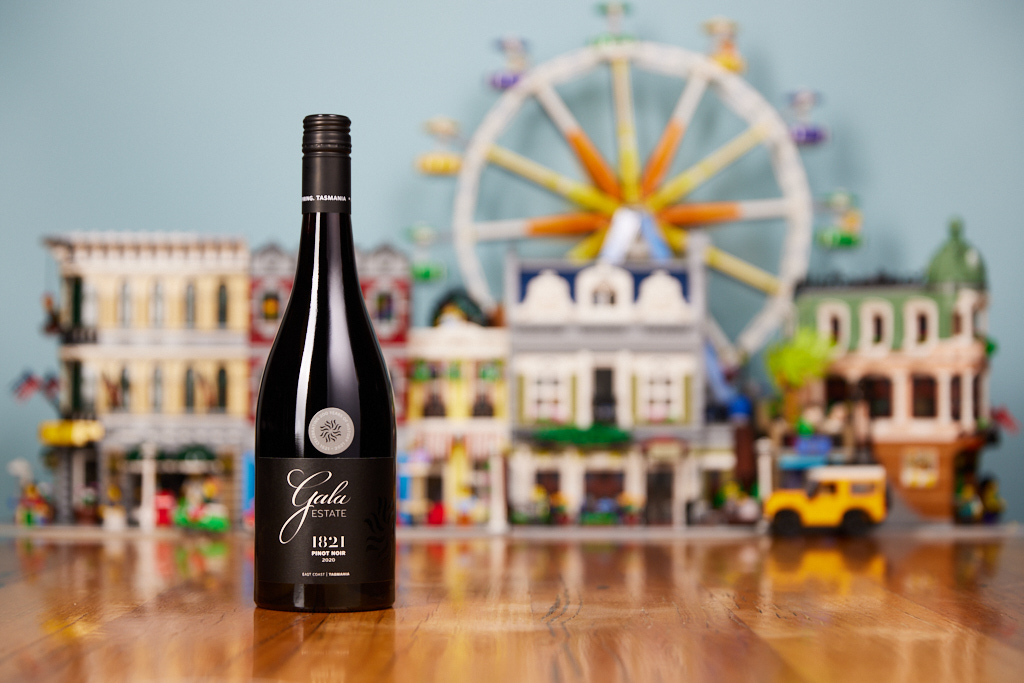
2020 Gala ‘1821’ Pinot Noir, East Coast $65 RRP
Bird and Gelot selected this wine among their top six, both drawn in by its floral perfume, spice and age-worthy structure. “Super-ethereal nose, with lots of florals – hibiscus, rose, violet,” said Bird. “A soft, plush palate with a chocolate and orange rind spice. Lovely complexity, opens up well on the palate. A slightly Burgundian slant, from a warmer region perhaps? Beautiful spice on the side palate, like red peppercorns. I want a red pasta with this, with plenty of olives, or a chicken cacciatore.” Gelot found it “an interesting number, the kind of wine that doesn’t leave you indifferent. It started a bit reductive, so I made sure to come back to it again and again … Savoury and mouth-watering, with clear whole-cluster use. Mushroom, forest floor, dry autumn leaves. A gentle tartness – pomegranate, redcurrant, poached rhubarb – layered with Campari-like bitter orange and amaroesque spices. Built to last, and I’d love to see where it goes in a few years.”
![]()
Gordon named this as one of her top wines of the day, praising its complexity, generous fruit and balanced oak. “On the nose, there’s a slight reductive character that adds intriguing complexity,” she said, “layered with notes of beetroot and cooked rhubarb pie. Judicious use of spiced oak enhances the aromatic profile without overwhelming the fruit. The palate is deliciously generous, with ripe, sweet red cherry fruits balanced by soft, velvety tannins. The wine shows excellent length, supported by a chewy tannin structure that adds depth and persistence. There’s a mouth-watering complexity that makes this wine thoroughly enjoyable — one that invites a full glass and another sip.”
![]()
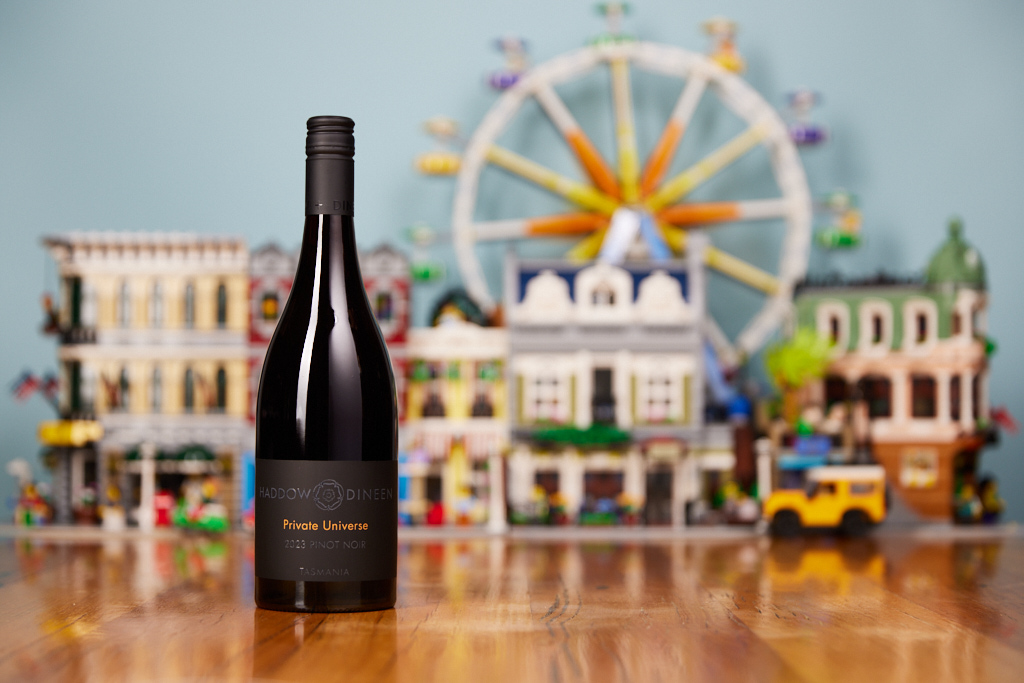
2023 Haddow & Dineen ‘Private Universe’ Pinot Noir, Tamar Valley $60 RRP
Gordon and McCullough each selected this wine among their top six of the tasting, praising its balance of ripeness and structure. “The nose is a captivating bouquet of ripe cherry and vibrant red fruits,” said Gordon, “intertwined with subtle spice and a whisper of oak, adding depth and complexity. On the palate, the wine unfolds with soft, generous fruit, balanced by smooth, silky tannins that create a glossy texture … A beautifully composed pinot with impressive length and finesse.” McCullough described it as “bright and finely cut … so herbaceous and savoury. There’s a freshness to it, like digging around in the garden early in the day – clean air, damp earth, so much soft green herb garden – sage, tarragon … The palate is all tension, though. Fruit sits forward without being showy, held in check by fine structure and grip… A sharp, well-built wine with real character. Rate it.”
![]()
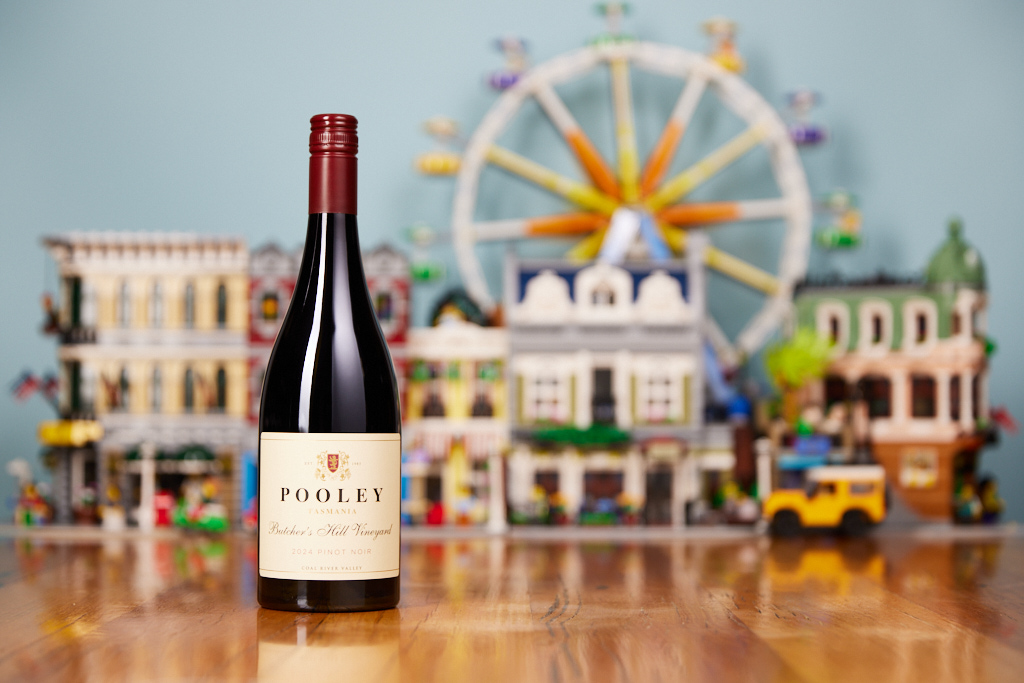
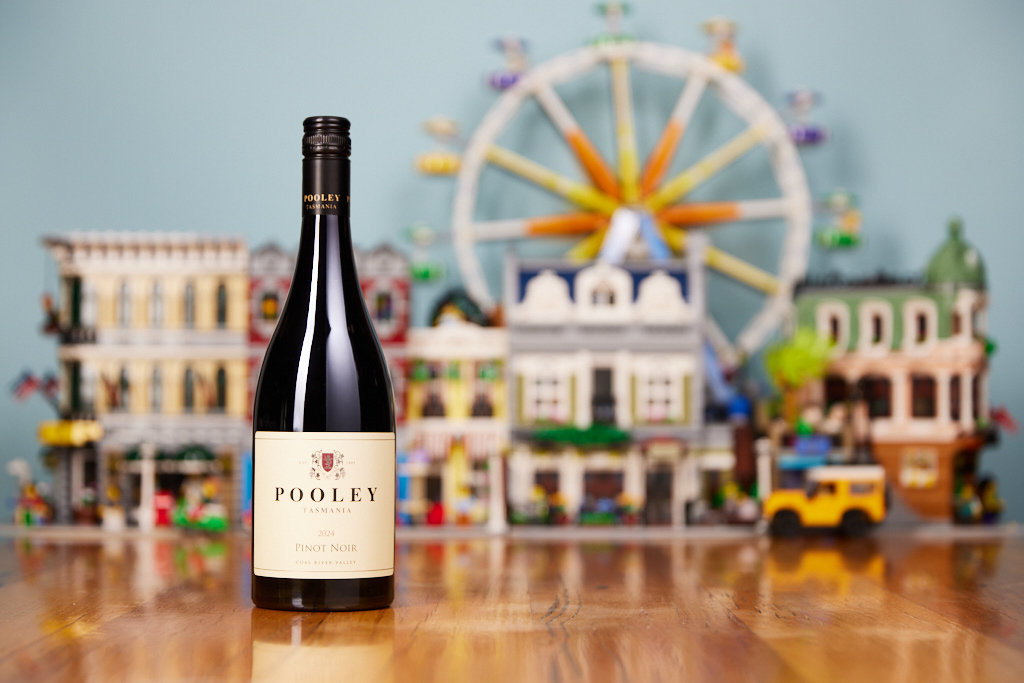
2024 Pooley ‘Butcher’s Hill Vineyard’ Pinot Noir, Coal River Valley $80 RRP
Lubiana rated this wine in his top six of the day, admiring its expressive aromatics and powerfully elegant style. “Lots of interest here,” he said. “Lifted nose of wild strawberries, morello cherry, wild raspberries, mushroom and game. Dense, powerful palate full of ripe cherries, cranberry, Christmas spice and mulberries … This is a well-balanced wine with a strong core of complex red fruit and freshness. It has more concentration than its counterparts while still being very elegant and drinkable – which is hard to come by. Can be consumed now but will be even better with some time in the cellar.”
![]()
McCullough included this among his top wines of the tasting, captivated by its wild and savoury complexity. “Smells like a hunt!” he said. “A wine that opens with the scent of autumn – fallen leaves, undergrowth and the faint trace of gunsmoke … There’s a savoury edge reminiscent of roasted game and tilled earth, with glimpses of truffle and forest floor. At its core, a pretty vivid line of raspberry fruit brings lift and clarity, balancing the deeper, more brooding elements. Sappy, unctuous and alive with energy – this has it all for me today.”
![]()
Scarcebrook selected this as one of his top wines, describing it as a benchmark expression of Tasmanian pinot. “Complex at first,” he noted, “but slowly opens up to ripe red cherries and raspberries, some spicy sweetness from mature oak, finishing with Indian spices. Though supple and rich with waves of ripe red fruits and velvety tannins, this is a fresh and crunchy pinot noir that should get even better with age. Fantastic balance – absolutely textbook.”
![]()
Lubiana and Holloway both ranked this wine among their top six of the tasting, praising its complexity and textural generosity. “Plums, ripe cherry, smoky, mushroom, all spice,” said Lubiana, noting a “palate … long, driven by spice and bramble fruits, tobacco, rhubarb – complex and long, lots of interest.” Holloway was taken by the wine’s texture and balance: “Sometime yeast does a funny thing and converts sugar in a way that gives an amazing glycerol character – luscious, verging too sweet, and almost overwhelms the palate. Marry this with generous oak and lingering tannins and you have a great afternoon … The weight of fruit and texture this wine showed stood out.”
![]()
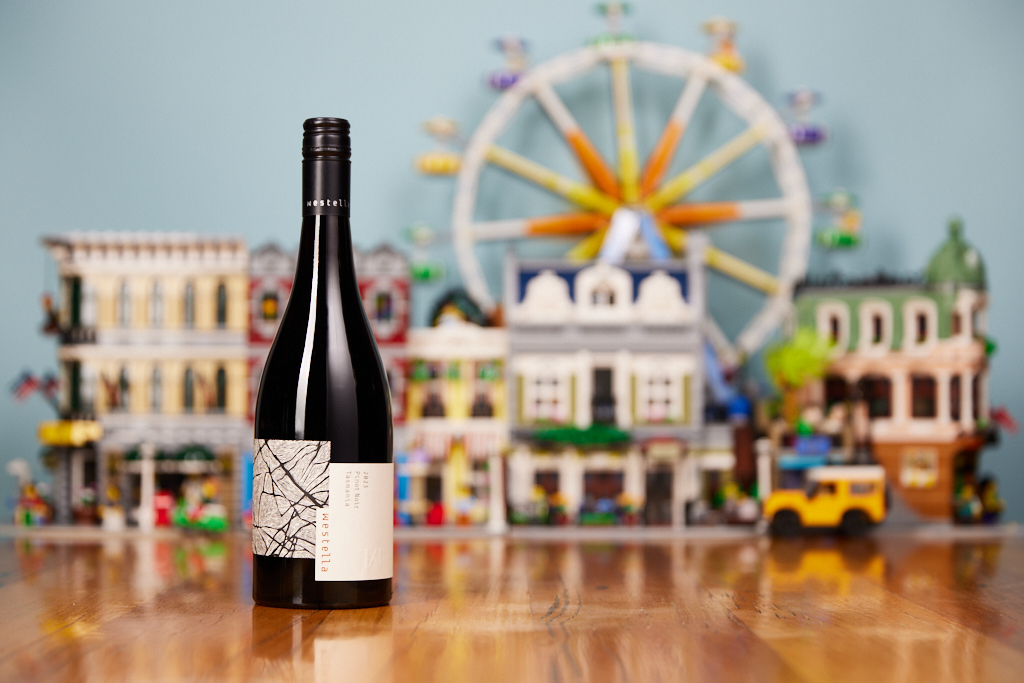
2023 Westella Pinot Noir, Tamar Valley $48 RRP
Scarcebrook selected this wine as one of his top picks from the blind tasting, admiring its elegance and balance. “Mature toasty oak over dark red fruits, subtle and fine. Very elegant,” he said. “Has some high tones in a very floral, perfumed way. On the palate, breadth and depth – good maturity of tannin and structure but soft enough to be accessible, more in the red fruit spectrum than black – red cherries.”
![]()
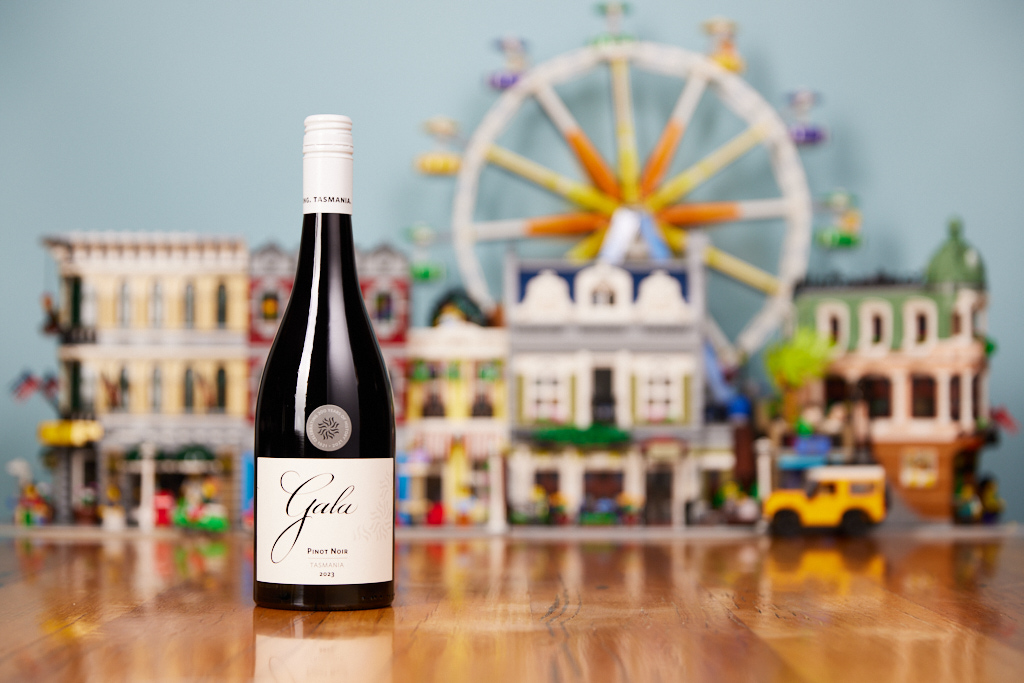
2023 Gala ‘White Label’ Pinot Noir, East Coast $37 RRP
McCullough counted this wine among his top six of the day, captivated by its vivid fruit and fine texture. “Gee, this wine feels vivid – raspberry and cherry for days, wrapped in a perfume of floral essence and a more exuberant fuzzy peach skin character. Fruit factor dialled hard,” he said. “There’s a primal energy thing here, something unpolished in the best way – wild but measured. The savoury detail is finely etched: subtle, nuanced and beautifully integrated into the fruit … The texture really grabs me – ample concentration and a structure that carries everything with ease, almost lacy. Bright, layered and delicious. I’d drink it again without hesitation.”
![]()
Briese named this wine among her favourites of the tasting, highlighting its lifted aromatics and bright fruit profile. “A beautiful representation of the ethereal style of Tasmanian pinot,” she said. “It had lovely lifted aromatics of rose and violet petals, with a plush and juicy, sweet-fruited forest berry core. There were also nuances of blood orange… Supportive oak, fresh acidity and a subtle earthy flavour on the palate.”
![]()
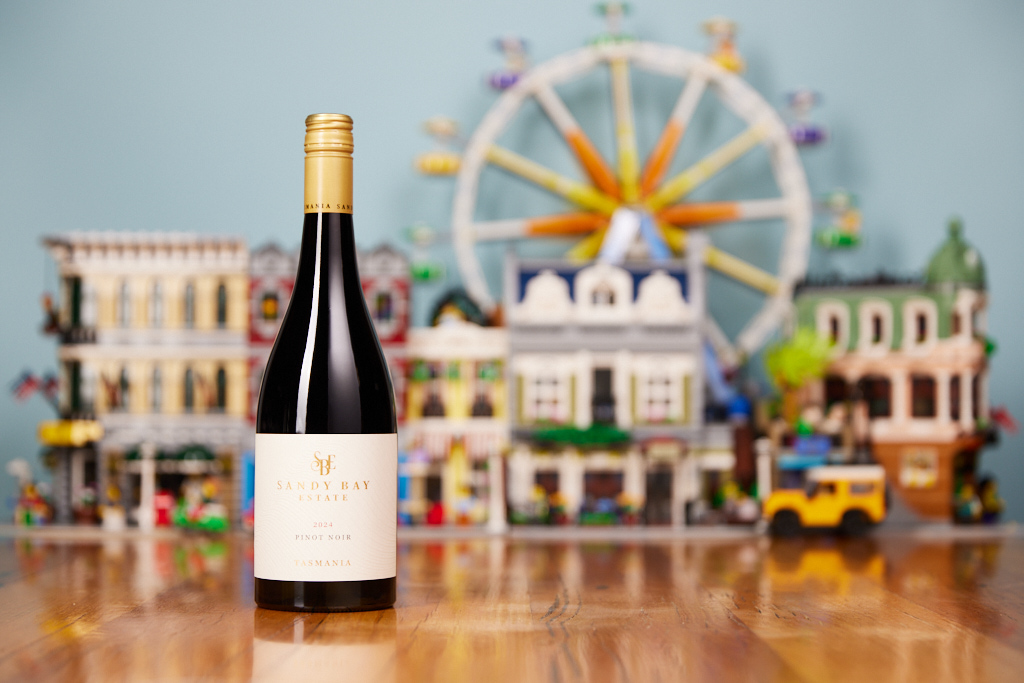
2024 Sandy Bay Estate Pinot Noir, Tasmania $30 RRP
Bird included this among her top wines of the day, appreciating its unique savoury character. “Smells like puffed brown rice. Dried seaweed,” she said. “It’s lighter bodied, with the spice, but a bright umami note. Something a little different, but not a dramatic departure from familiar pinot noir territory. A wine worth trying.”
![]()
2022 Woodlawn ‘Waverley Vineyard’ Pinot Noir, Tamar Valley $75 RRP
Lubiana included this powerful and age-worthy wine among his top picks of the tasting. “A striking nose which has a lot to unravel. Density is the word,” he said. “Wild game, forest mushrooms, red and yellow plums and pickled cherries come to mind. The palate shows cloves, nutmeg, star anise, dried herbs, prunes, ripe cherries and raspberries. This is a powerful pinot with the bones to age – tannin is present but not overwhelming. The complexity and concentration is there, but time will deliver an even smoother pinot with layers of interest that will reward any pinot aficionado.”
![]()
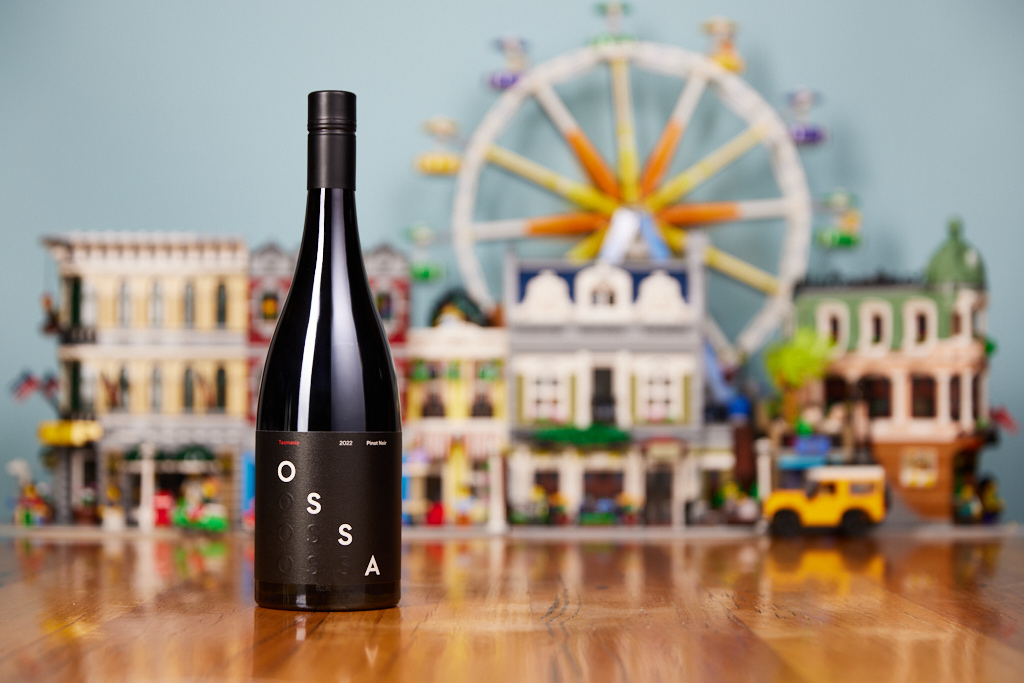
2022 Ossa Pinot Noir, East Coast $120 RRP
Gelot named this wine in her top six of the blind tasting, drawn to its vibrant charm and purity. “It had the most inviting, beautiful cherry colour. Light, perfumed, fragrant,” she said. “On the palate, it delivered soft red berry compote and juicier, riper cherries. Not marked by oak, with soft tannins and a really fresh, juicy feel. This is gourmand and straight-up delicious pinot at its best, especially if you lean toward the prettier, fruitier side of the pinot spectrum.”
![]()
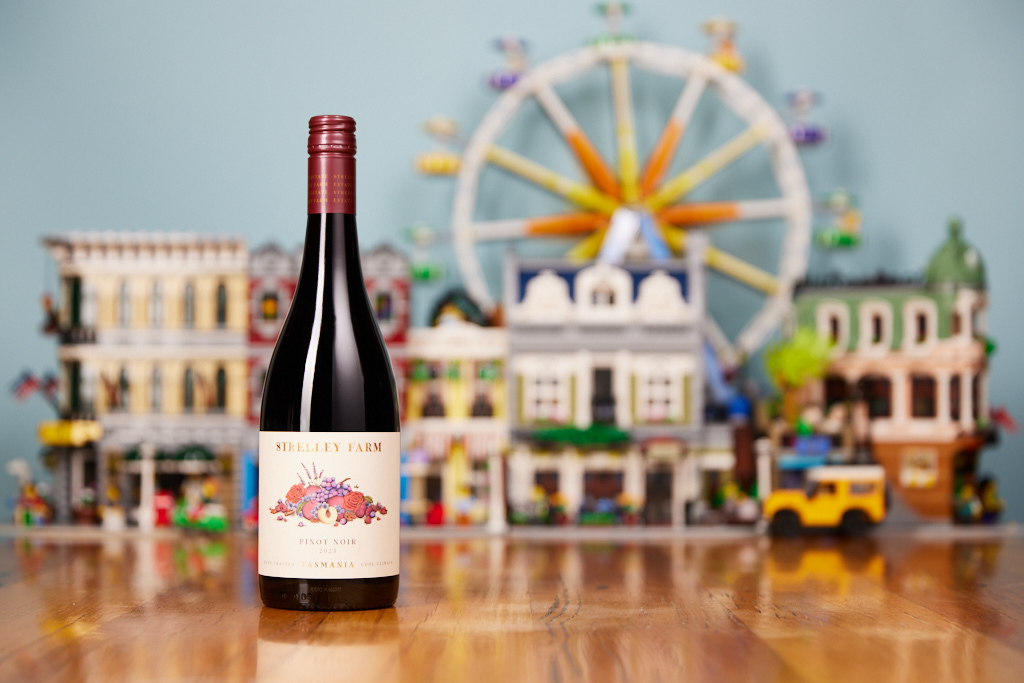
2023 Strelley Farm Pinot Noir, Coal River Valley $30 RRP
Lubiana and McCullough both selected this wine among their favourites, citing its depth and impressive structure. “Lovely nose of fruit, wild berries, mushrooms – well made, dense and long, lots of fruit. Should age well,” said Lubiana. McCullough was equally taken: “There’s an intensity of morello cherry and sherbet – lifted and bright – before settling into a beautiful savoury nuance. The palate is mouth-filling yet architectural, built on a focused line of tannin that gives the wine shape and poise. The fruit feels coiled and concentrated … tension and sinew, a constant push and pull that keeps the wine alive. Possibly one of the more balanced and complete wines tasted today. Deeply satisfying.”
![]()
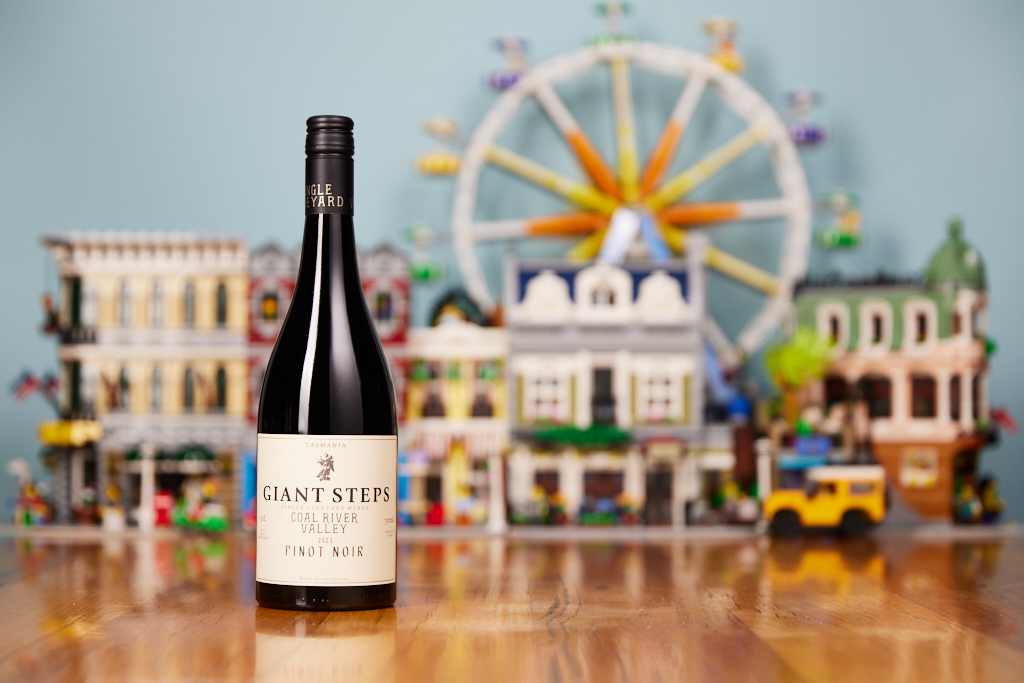
2023 Giant Steps ‘Coal River Valley’ Pinot Noir, Coal River Valley $100 RRP
Scarcebrook ranked this wine among his top six for its balance of ripe fruit and freshness. “Pretty, subtle but lifted red fruits of red cherries and macerated strawberries, and a bit of five spice and curry powder,” he said. “Supple but dense tannins, fresh and balanced, juicy with a bit of bite, mouth-filling but not bomby. I like the ripeness of fruit that doesn’t come at the sacrifice of freshness.”
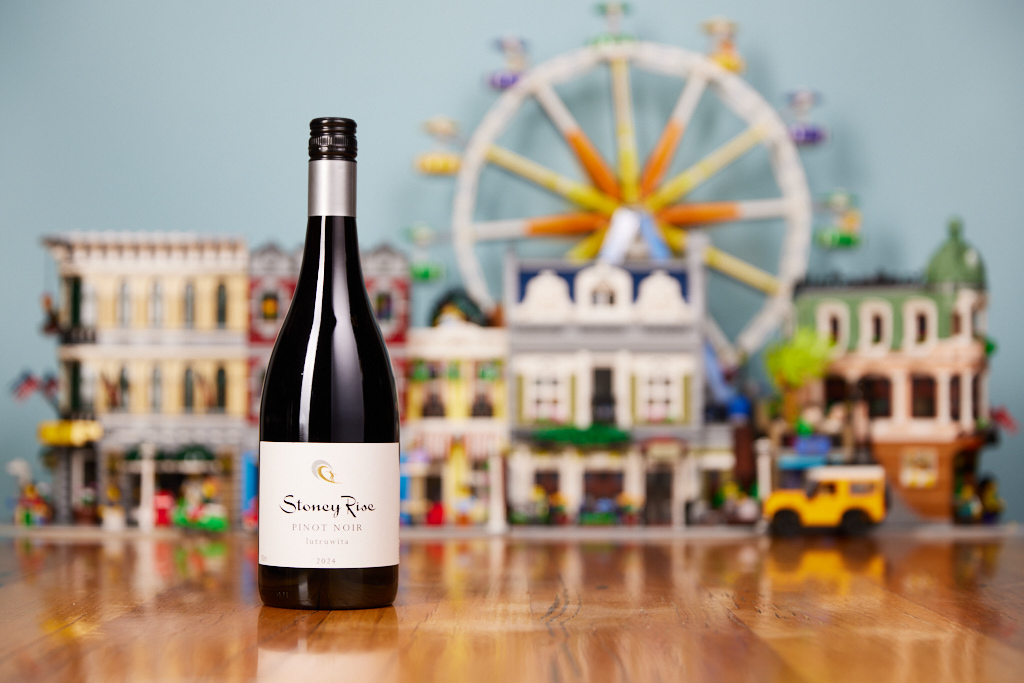
![]()
Scarcebrook also selected this wine as a highlight of the tasting, noting its subtle depth and savoury complexity. “Closed, clovy, earthy and a bit stinky. Good density and depth,” he said. “Oak concentration. Very subtle and complex on the nose, tight bright small black fruits, some almost Ribena-like blackcurrant candy notes. Dry and fresh, but just enough suppleness and softness. Mellow without being overly fruit or jubey, fresh with plenty of depth and complexity – just enough fruit with some savouriness.”
![]()
2024 Dr. Edge ‘Pinot Rain’ Pinot Noir, Tasmania $40 RRP
Briese included this wine in her top six of the day, celebrating its lifted, floral expression and tactile charm. “Another lifted, floral, ethereal pinot,” she said. “There were abundant violet and rose petals/potpourri on the nose and sweet red berry fruit notes on the palate. Also complimentary notes of earl grey tea and a little sour cherry… hints of confectionery – think red lollies – possibly from cold soaking. It had a purple ruby hue and gorgeous suede tannins – often seen in Tasmanian pinots.”
![]()
Bird named this among her top six wines of the day, drawn to its foresty charm and depth of flavour. “Spice, black and red fruit – blueberry, mulberry, raspberry, boysenberry, cranberry – plus spice like cinnamon and fresh garden herbs,” she said. “It’s got a homely, woodsy note as well, with a subtle undercurrent of black truffle. It makes me feel like I’m walking through a woodland. Soft red fruits coat the mouth on the finish. Impressive concentration.”
![]()
Selected by Lubiana in his top wines of the tasting, this wine impressed with its energy and structure. “Wild berries and peppery spices provide an edgy nose that keeps you coming back for more, with each whiff providing intrigue,” he said. “The palate explodes with fresh red fruits – raspberries, mulberries, wild strawberries – with hints of herbs in the background. The fruit profile is built around a supportive structure that leaves your palate dry and wanting more after each sip. The tannins are smooth but present and will help this wine develop into a complex, delicious pinot with time. Fantastic.”
![]()
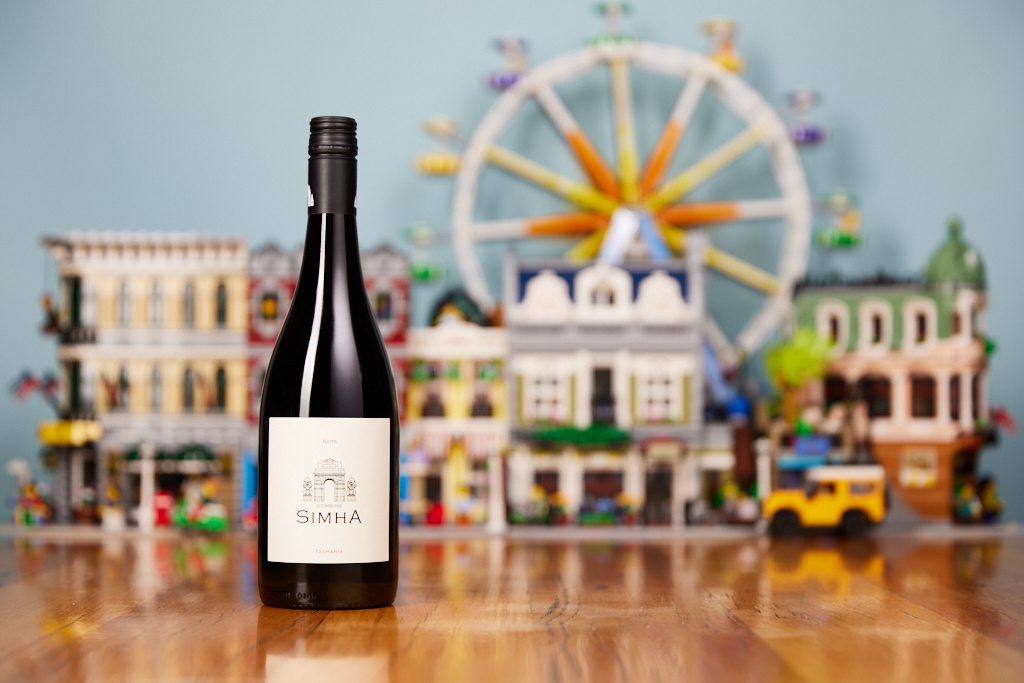
2024 Domaine Simha ‘Rama’ Pinot Noir, Derwent Valley $99 RRP
Scarcebrook highlighted this wine as a standout, admiring its poise and aromatic complexity. “Initially quite closed, showing dried florals and hints of menthol,” he noted. “Opens up with violets and blackberries – really intense focus aromatically. Palate is brisk and tight with some great mouth-puckering zippiness. Dark fruits but not super ripe. I like that this wine is distinguishing itself and commanding attention.”
![]()
Gelot included this wine in her top selections of the tasting, praising its seamless delivery and drinkability. “This is just downright delicious,” she said. “It’s pretty, soft in colour and super elegant on the nose, but don’t let that fool you! It really delivers on the palate. There’s gorgeous, concentrated red fruit at the core – think raspberry, cherry, a touch of cranberry – all wrapped up in fine oak and a gentle hit of spice. Everything feels in sync: the tannins are firm but polished, the acidity is bright but not sharp, and the texture is silky with just the right amount of grip. That’s my pick for people-pleasing pinot!”
![]()
Also among Scarcebrook’s top picks, this pinot offered a vibrant and engaging style. “Nice interplay – really good for a lighter and more accessible style of pinot noir,” he said. “Just enough interest and depth to complement the crunchiness and bright fruits. Really lifted and bright, potentially some carbonic maceration brings a lifted candied note – cassis and blackcurrant but not in an overripe spectrum.”
![]()
Holloway named this wine in his top six, captivated by its length and balance. “Balance … the eternal struggle of a pinot grower – how to balance fruit weight with structure, ripe fruit notes without the heat of ethanol,” he reflected. “This wine had amazing light red berry notes and soft, silky tannins … but that finish – silky, luscious tannins for miles. I went back to this wine and just could not grapple with the way it finished. One day I might get it.”
![]()
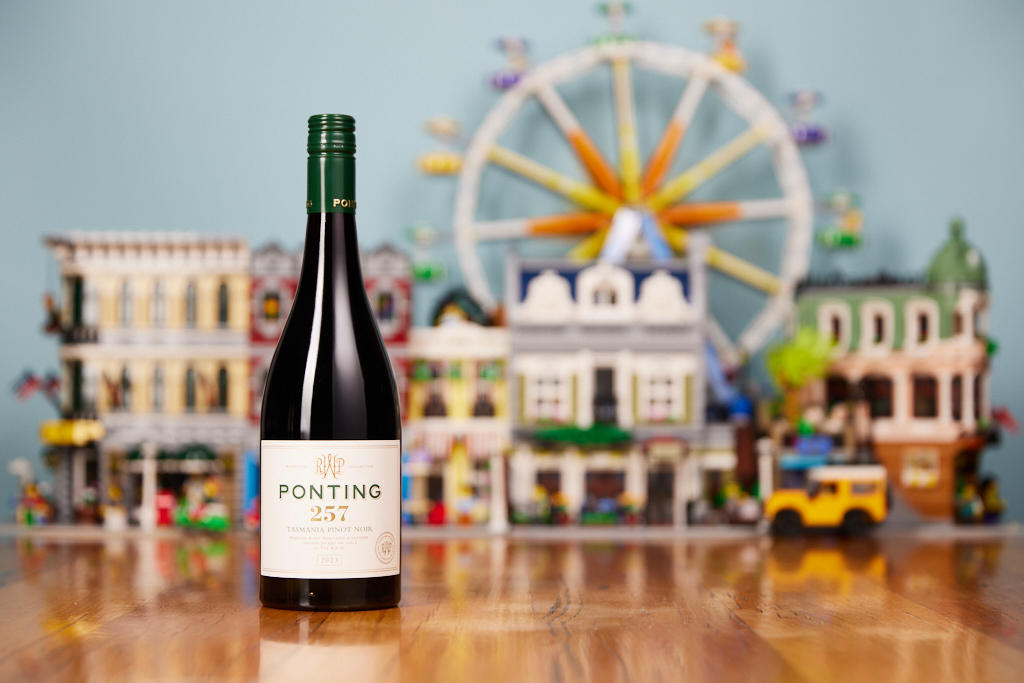
2023 Ponting ‘Milestone Collection 257’ Pinot Noir, Derwent Valley $59 RRP
Gordon highlighted this wine – the fruit for which is sourced from Meadowbank – for its poise and layered complexity. “The nose reveals inviting oak characters that harmonise beautifully with creamy strawberries and red berry fruits,” she said. “On the palate, there’s a great balance, with fruit at the forefront, subtly underlined by sweet oak. The finish is rounded, with a delicate savoury intensity that adds depth. The wine is gracefully poised, showcasing a finely tuned balance and a lingering, elegant length.”
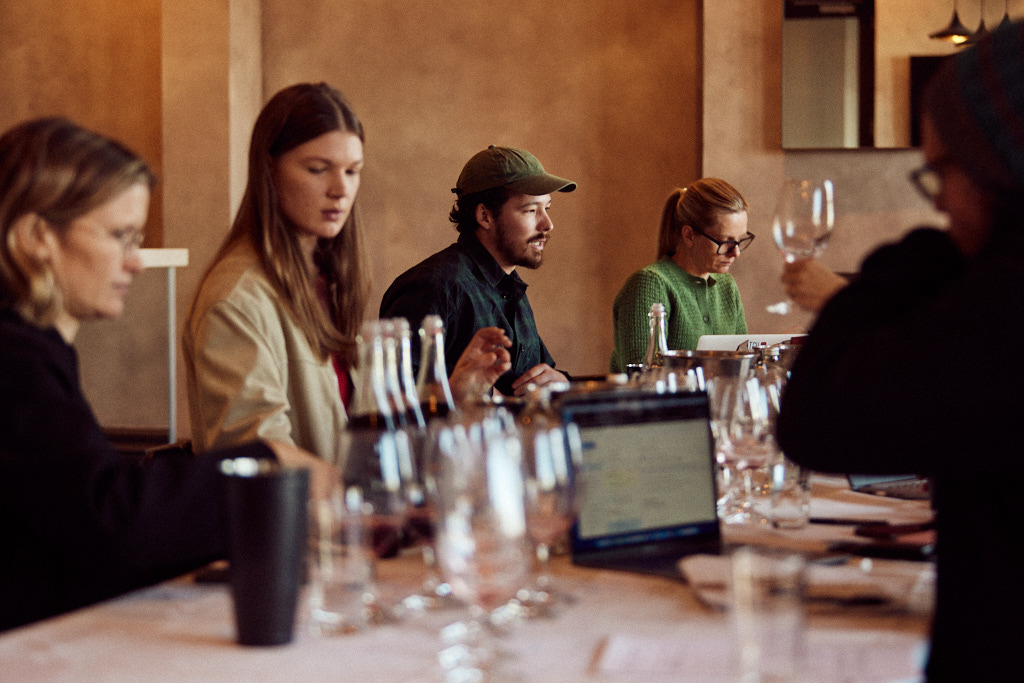
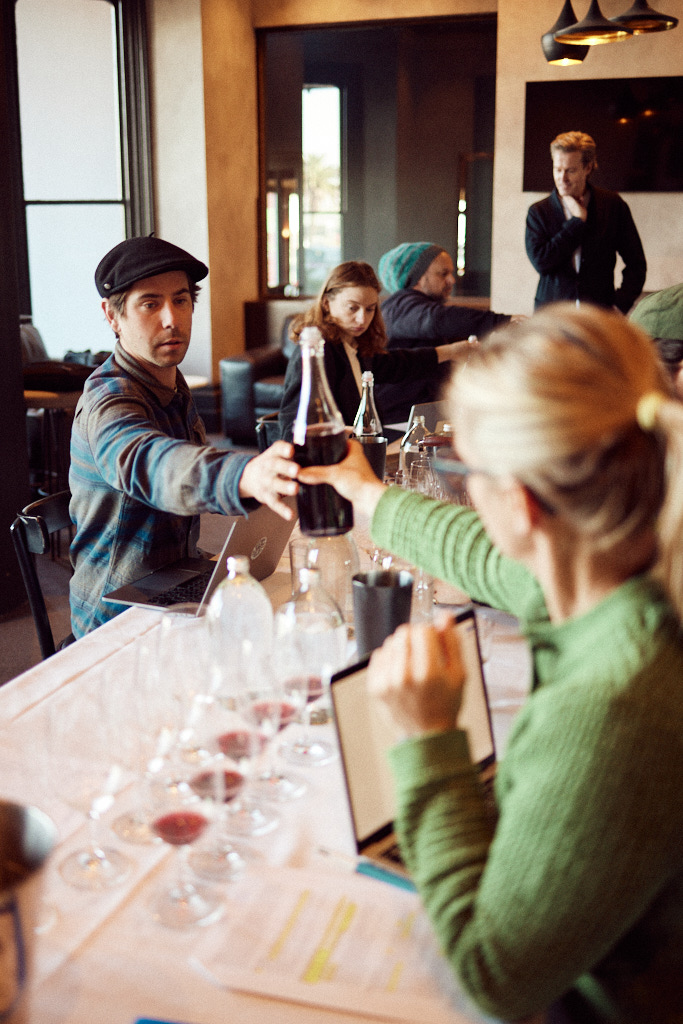
The panel
Shane Holloway’s official foray into winemaking took place in 2001, although the seed was planted many years earlier when his family established their Adelaide Hills vineyard. A previous career path (marine biology and aquaculture) brought him to Tasmania where he took up a vintage cellarhand position to help pay the rent whilst undertaking post-graduate research – two weeks into harvest and he was hooked. From his new home base in Tasmania, Shane completed the Adelaide University post-graduate degree in winemaking and embarked on vintages in the Adelaide Hills, Yarra Valley and Oregon (USA). The passionate and dynamic winemaking community in Tasmania, and the enormous potential for discovery, lured him back. He currently owns and operates Delamere with his wife and fellow winemaker, Fran Austin.
Coralie Gelot grew up in food and wine with her parents both restaurateurs in her home of France. She came to Australia in 2015 on a hospitality visa, and worked her way through varying roles around the country, from cellar doors to retail, to vintage work, and gaining her WSET Level 3 Certificate along the way. Following a role at Bibendum Wine Co, in 2022 she joined the Hotel Windsor Group where she is now Beverage Manager, responsible for wine buying and training across their venues.
Marco Lubiana is the latest of his family to take up winemaking. The Lubianas have made wine in Italy since the 1800s, with Marco’s father Steve founding his acclaimed biodynamic wine label, Stefano Lubiana, in Tasmania in 1991. Marco has a degree in Oenology and Viticulture, and biodynamic farming is in his blood. His wines are carefully farmed and brought to bottle with a mostly natural methodology. His industry accolades include the 2024 Young Gun of Wine trophy.
Originating from Queensland, Jordyn Briese has always had a passion for food and wine and the combination of science and art that the wine industry offers. After a vintage at Bannockburn in the Geelong Region as part of her university studies, she discovered her love for cool climate winemaking, leading her to make the move to Tasmania in 2021. Jordyn joined the Tasmanian Vintners team in 2021, where she began working in the cellar and managing the lab. Jordyn is now a proud member of the Tasmanian Vintners winemaking team, which she has been a part of for the past four years. In this time, she has worked on wines for Lowestoft and Ossa, and worked with clients such as Bream Creek and Bangor, producing pinnacle Tasmanian wines. Whilst at Tasmanian Vintners, she has also had the opportunity to travel to Canada to work at esteemed wineries Martin’s Lane and Checkmate, continuing her focus and education on cool-climate winemaking.
Clementine Bird is a Melbourne-based wine professional, writer, and educator with a background in wine buying, sommelier roles, and content creation. A WSET Diploma candidate and Certified Sommelier, she currently works as a senior sommelier at Reine & La Rue and runs Wine with Clementine, a digital platform focused on accessible wine storytelling. With experience spanning Domaine Chandon to editorial roles, Bird combines deep industry knowledge with a flair for communication. Her writing explores everything from producer profiles to trade insights, and she remains actively involved in the wine community through projects like Women and Revolution and Rootlings.
Kirilly Gordon grew up in the Macedon Ranges, where her love for agriculture and the natural world took root. A pivotal moment in her journey came during a university work placement with Bill Dhillon at Bindi, a renowned vineyard in her home region. There, she discovered her passion for nurturing vines and crafting wine, guided by Dhillon’s mentorship. After earning degrees in Agricultural Science and Wine Science, Kirilly honed her skills at wineries across Victoria, France, and Italy, immersing herself in diverse winemaking traditions and techniques. In 2016, with two young boys and a wealth of experience, Kirilly launched Bowerbird Wines. Her winemaking philosophy is driven by intuition, curiosity, and a deep respect for the land. Bowerbirds are known for collecting things they find beautiful or curious to share with others – a sentiment Kirilly carries into her wines. Today, she crafts each bottle with the hope that it brings people together, sparking joy and conversation in the sharing.
George McCullough is a sommelier-turned-winemaker and the founder of Gum Wine, launched in 2022. With a career rooted in hospitality, McCullough has worked at some of Melbourne’s most celebrated venues, including Grossi Florentino, Coda, and Tonka, and is currently based at King & Godfree in Carlton. Drawing creative inspiration from the gastronomic wines of the Old World, McCullough has spent extensive time exploring iconic wine regions such as the Loire Valley, Champagne, Burgundy, and the Rhône. His hands-on experience includes assisting with harvests and visiting influential estates, deepening his understanding of site and tradition. McCullough’s winemaking journey has been shaped by mentorship under Adam Foster of Syrahmi, with no formal studies but a focus on craftsmanship. His wines reflect a love for whole bunches, phenolics, and texture, inspired by the wines of Burgundy and both the Northern and Southern Rhône. With Gum Wine, McCullough is crafting wines that bring his sommelier’s palate and winemaker’s vision to life.
James Scarcebrook graduated from The University of Adelaide as a Master of Wine Business before a 16-month global wine adventure saw him visit ten wine-producing countries, including working two vintages in Germany. Scarcebrook has worked in fine-wine retail, as a representative for two leading importers, both with a focus on Italian wines, and now makes wine full-time under his Vino Intrepido label. That label is centred on Italian varieties and a quest for finding Victorian sites where they excel, teased out in a way that reflects on Italian tradition but seen through a new lens.