&noscript=1"/>

Deep Dive:
The Best ‘New Wave’ Barossa Shiraz

Wines Of Now
22 September 2025. Words by YGOW.

The Barossa has long been the source of Australia’s most revered red wines, drawing on a proud viticultural and winemaking history to present the wider world with a well-defined regional style of shiraz. But every region has its rule-breakers and iconoclasts – and the Barossa is no exception, with a cohort of young and emerging winemakers seeking to craft wines that are lighter, fresher, and lower in alcohol than the regional norm. With so many producers looking to expand the range of possibilities for the Barossa’s signature variety, we thought a Deep Dive was in order to get to the bottom of what ‘new wave’ Barossa shiraz might mean.

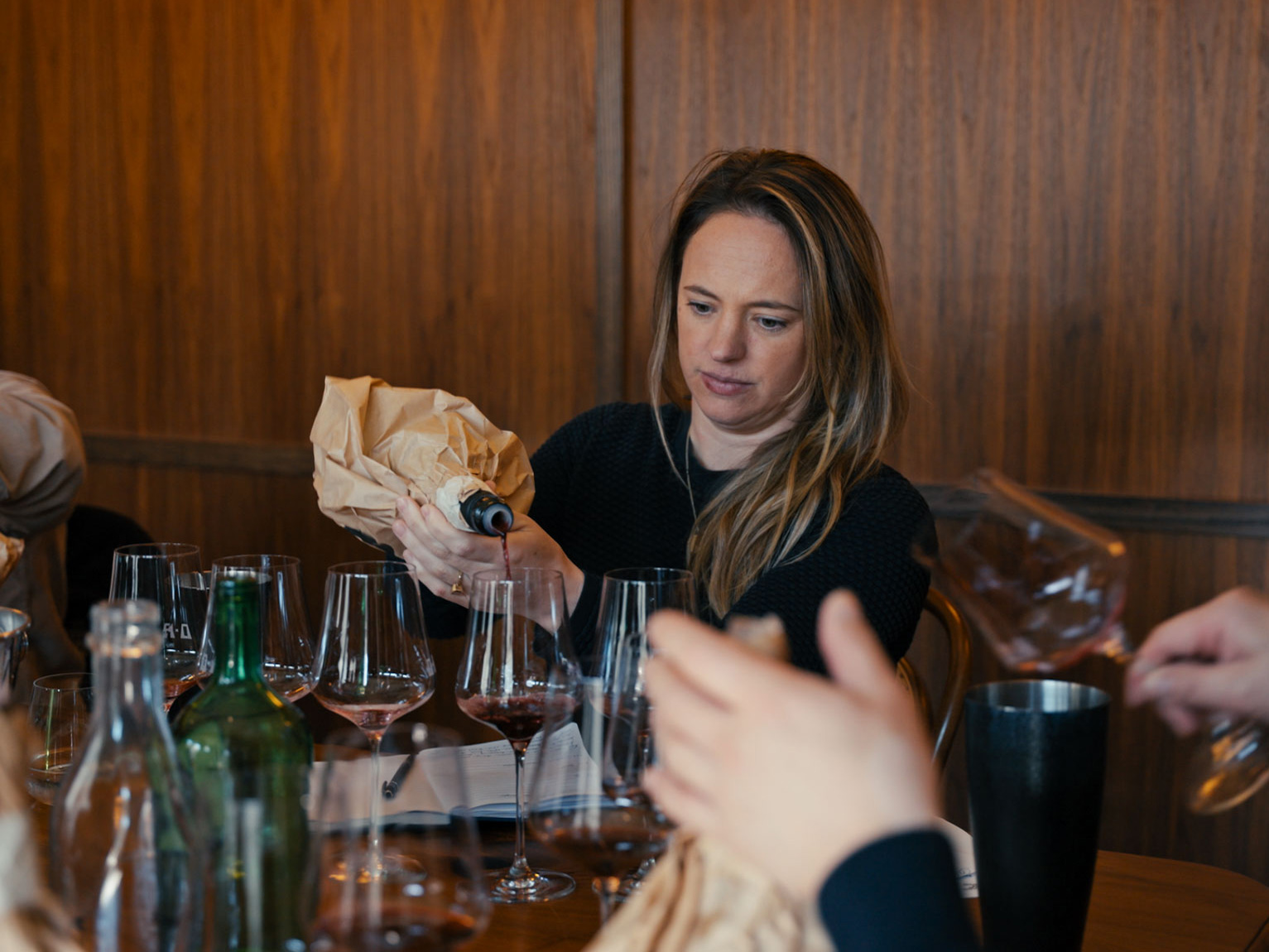
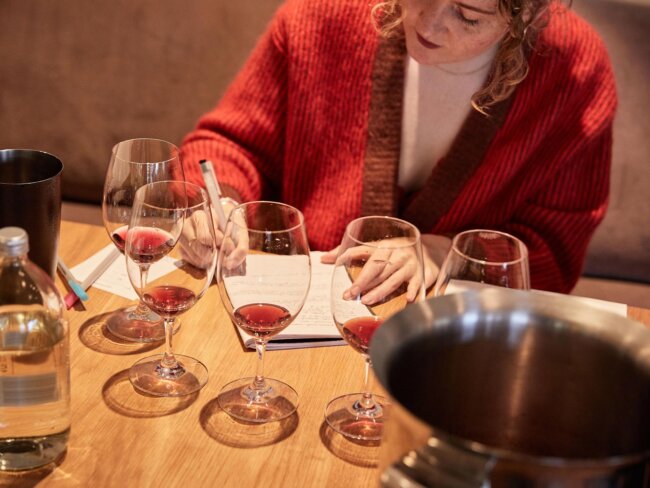
We gathered every example of ‘new wave’ shiraz from the Barossa (including the Eden Valley) that we could find and set our expert panel the task of finding the wines that compelled the most. All wines were tasted blind, and each panellist named their top six wines.

Our panel: Indra Nadeson, winemaker, Lethbridge; Rohit Singh, winemaker, Avani; Callie Jemmeson, winemaker, Pacha Mama; Jim Mullany DipWSET, wine retailer, Atlas Vinifera; Masahiko Iga, head sommelier, Victoria Racing Club; Andrea Infimo, sommelier, Osteria Renata; Maxence Gueritot, sommelier, Brae.

From the Deep Dive

The Top Wines

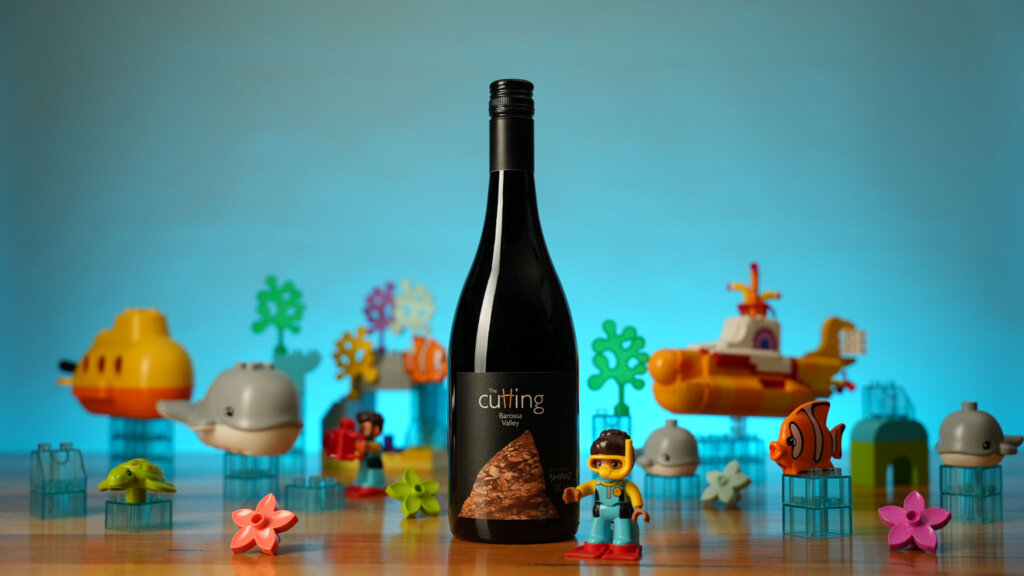
2023 The Cutting Shiraz, $60 RRP

Singh, Mullany, Nadeson, and Jemmeson all selected this wine in their top six from the blind tasting. Singh found “the nose is quite expressive: plum and dark cherries, hints of cherry-cola, candied fruits, liquorice, and dried herbs. Medium- to full-bodied, with a tight structure and palate shape, alongside good acidity that holds the fruit together. Fine and elegant tannins on the finish. A shiraz showing restraint and poise.” Mullany described it as “refined like a jewel on the nose: there’s red plum infused with orange oil, rose, blackberry conserve, church incense, pepper, and a touch of wild game. On the palate, the wine is round and silky, with a vitality that I associate with the ‘new wave’ of Barossa shiraz.” Nadeson noted “an immersive nose – the fragrance of dried thyme and oregano instantly transports me to a herb garden in the dying days of late summer. Time in the glass brings out a previously-unseen and attractive vanilla note, alongside a pleasant dried cranberry character – the wine is suddenly lush and silky, transformed from disciplinarian into quite the temptress.” Jemmeson found “blackberry, blackcurrant and juicy blueberry forming the heart of this shiraz, layered with hints of ripe plum. The palate is plush and brooding, yet vibrant – with fresh acidity and a gentle mineral snap adding shape and energy. It’s a wine that balances richness with brightness.”


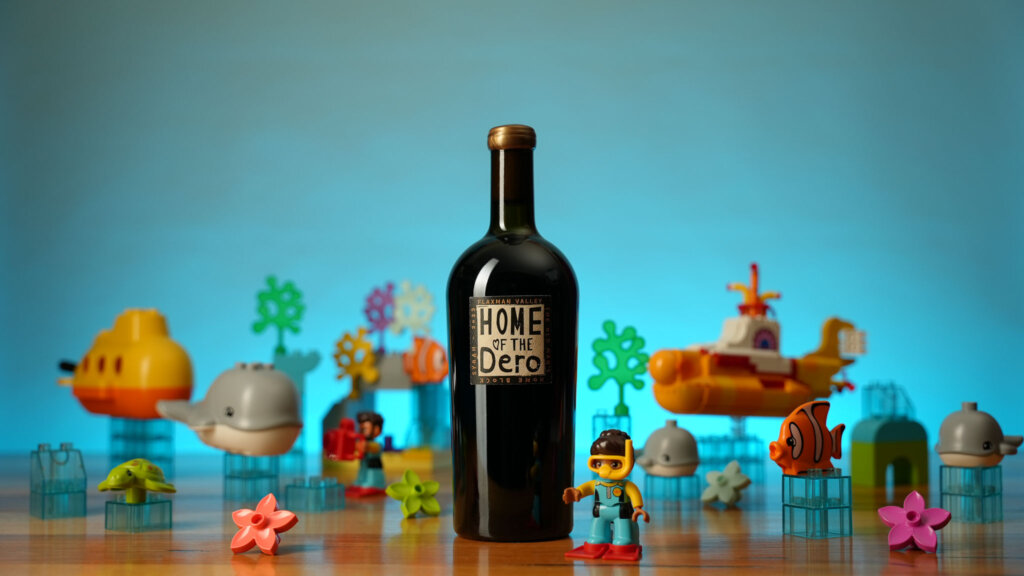
2023 Phase Three ‘Home of the Dero’ Syrah, $65 RRP

Infimo, Mullany, and Iga all included this wine in their top six from the blind tasting. Infimo observed “a vivid deep ruby colour in the glass, flecked with purple. Heady and perfumed at first whiff: violets and lavender, cassia and nutmeg, a hint of stalky spice. Underneath the spice and florals, there’s pure, juicy fruit notes: black cherry, loganberry, blackcurrant, blood plum. It’s silky on the palate, with fine tannins and a whisper of glycerol weight.” Mullany noted “three hallmarks of the ‘new wave’ are perfume, elegance, and poise – and this wine has them in spades. Its aromatics are exuberant, with red plum, blood orange, blackberry, cinnamon and lavender, as well as a savoury liquorice root note. The lively palate has a fine tannic grip, reflecting a deft touch in the winery.” Iga found “a bouquet of violets and hibiscus rising vividly, joined by cinnamon, clove, and bitter orange peel. There’s stalky freshness that adds lift here, indicative of a touch of whole-bunch fermentation. The palate brims with crushed strawberry, cherry, currant, and cranberry – it’s juicy yet textured.”


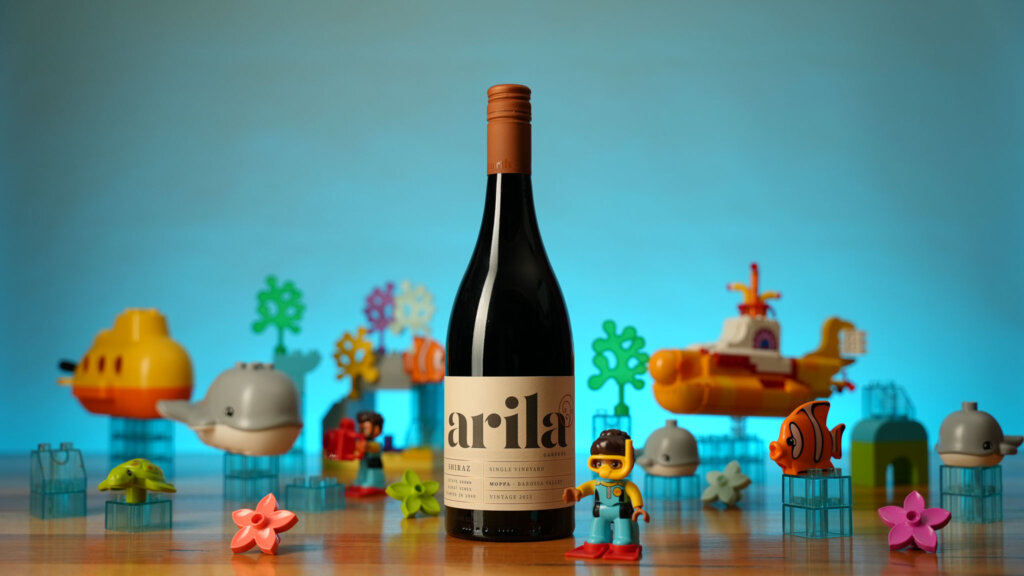
2023 Arila Gardens ‘Moppa’ Shiraz, $45 RRP

Singh, Jemmeson, and Gueritot all chose this wine in their top six from the blind tasting. Singh described “the nose is layered and complex – crunchy plum, dark cherries, black olives and a mineral note reminiscent of graphite. A medium- to full-bodied wine with red fruits that are held together beautifully by a great backbone of acidity. Tight and refreshing with fine elegant tannins.” Jemmeson called it “a showstopper that keeps evolving. It bursts with bright raspberry, fresh blackberry and even a hint of crunchy redcurrant, threaded with pepper, clove and star anise. On the palate, mocha and red frogs meet darker notes of blueberry crumble, chocolate ganache and spiced plum compote. It’s vibrant and persistent, a crowd-pleaser at any dinner party.” Gueritot noted the wine “shows very good intensity and concentration in its fresh and pleasant raspberry fruit profile, while avoiding any sign of over-ripeness. The fruit character shows significant freshness alongside a gentle ripe character, suggesting that the fruit is sourced from one of Barossa’s higher altitude sites.”


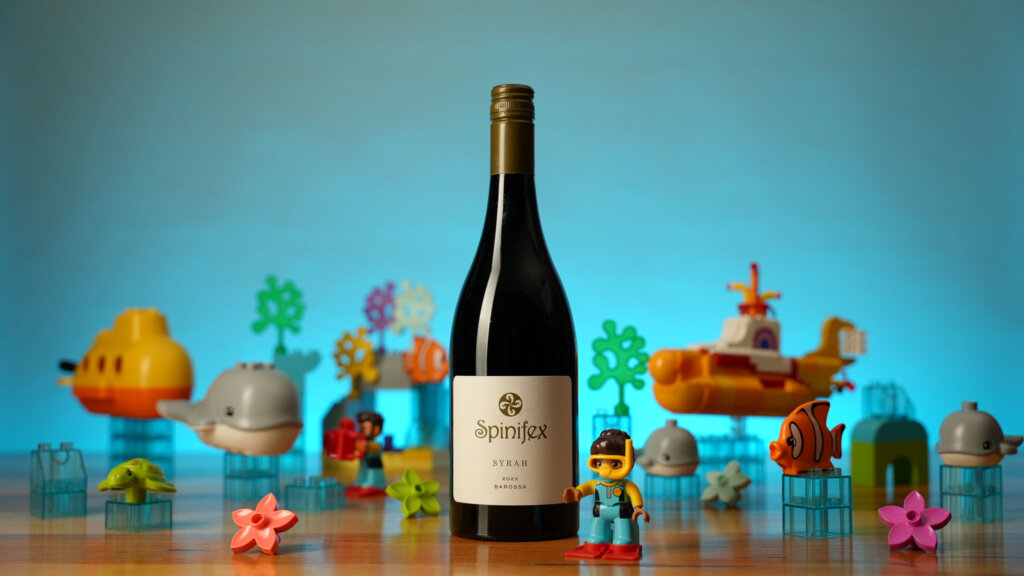
2022 Spinifex Syrah, $30 RRP

Nadeson and Infimo both featured this wine in their top six from the blind tasting. Nadeson was enthusiastic: “My gosh, is there some serious complexity here! The nose is initially so enticing – with its notes of Chinese five-spice, peppercorn, and plum sauce, the fragrance has many of the trimmings of a ‘succulent Chinese meal.’ The palate is equally compelling, with a deep, rich luxuriousness to the mouthfeel that’s cushioned in meaty savouriness. While this is most definitely a full-bodied shiraz, the oak is in harmony with the compact core of black cherry and bramble fruit. This is serious shiraz, demonstrating the winemaker’s appreciation for the dense core of the region’s fruit while also opting to pursue rustic savouriness.” Infimo noted “ripe blue and red plums, rhubarb compote, morello cherry and hibiscus meeting black pepper, woodsmoke, and spicy paprika. Softly-textured on the palate, with a generosity of fruit weight and supple tannins, and just enough acidity to keep things fresh. A seductive example of ‘new wave’ Barossa shiraz.”


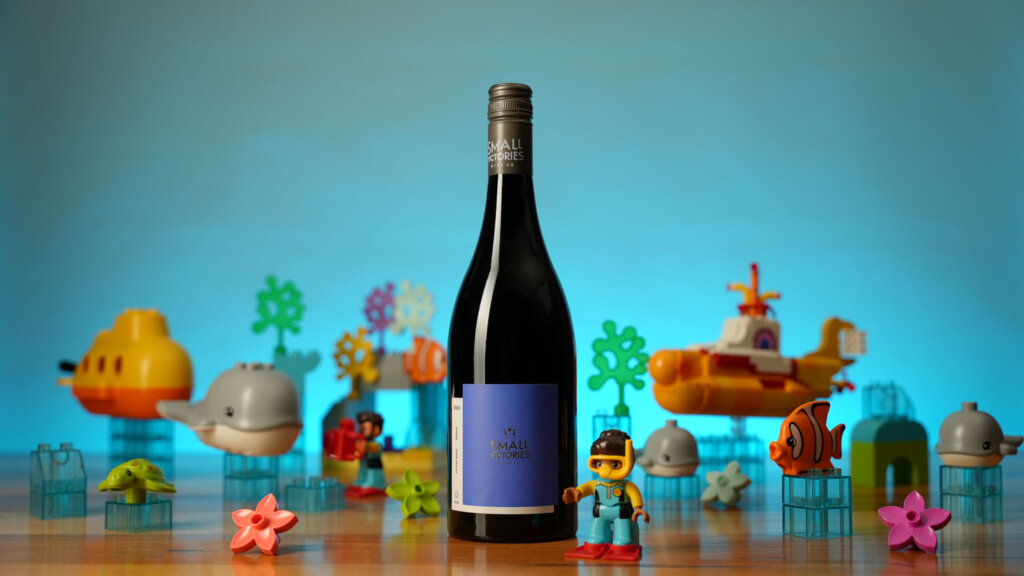
2023 Small Victories Shiraz, $29 RRP

Singh and Mullany both had this wine in their top six from the blind tasting. Singh found “the nose is dark, brooding and gamey – it starts with olive tapenade, tobacco leaf, and hints of liquorice, then opens up to reveal ripe cherries and blackcurrant. A medium- to full-bodied wine, expressing refreshing acidity and good concentration, with gentle silky tannins holding the structure together.” Mullany described it as “calm and composed. First there’s fresh blackberry, blueberry, fig and hoisin. Then subtle hints of bay leaf and terracotta. From the first sip, the wine is bright and juicy, with red and black brambly fruit, pressed flowers, cedar and garrigue. It radiates energy and is so, so drinkable, gliding across the palate like a flying fox.”


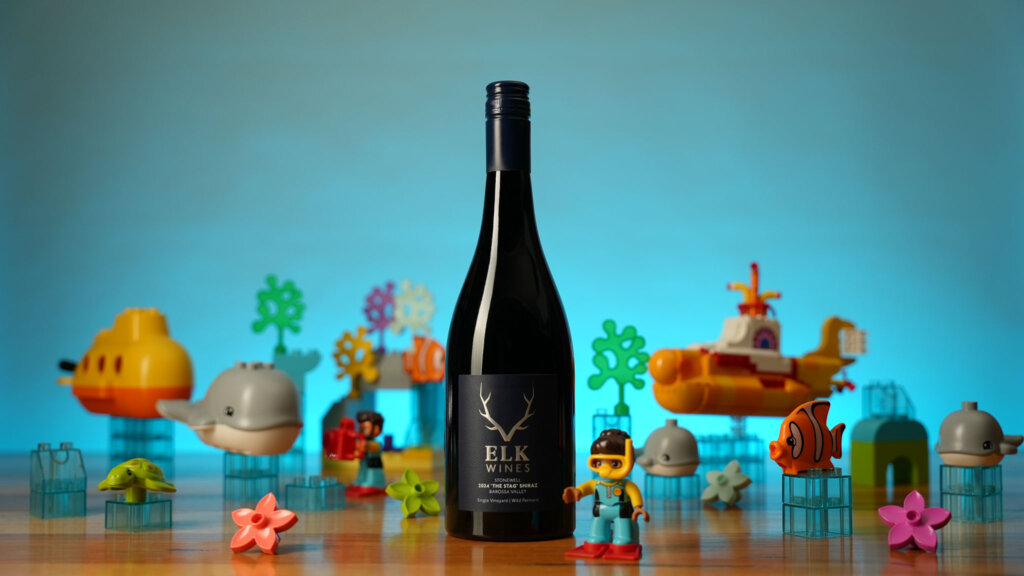
2024 Elk Wines ‘The Stag’ Shiraz, $60 RRP

Infimo and Iga both chose this wine in their top six from the blind tasting. Infimo found “inky concentration of colour in the glass. Blackcurrant, blackberry and blueberry fruit lead on the nose, with an earthy bass tone of liquorice underneath. On the palate there’s lovely concentration, with fine, graphite-like tannins framing the generous fruit profile and fresh acidity providing balance. A wine that deftly balances Barossa concentration with vibrancy.” Iga described “crushed strawberry and blueberry leaping from the glass, lively and bright, yet underpinned by earthy, soil-driven complexity. A subtle peppery edge meets tea leaf and even a matcha-like umami note. Smooth tannins carry dense savoury depth, enriched by blackcurrant and ripe plum. A wine of calm joy – best opened on a sunlit day with friends in the house garden.”


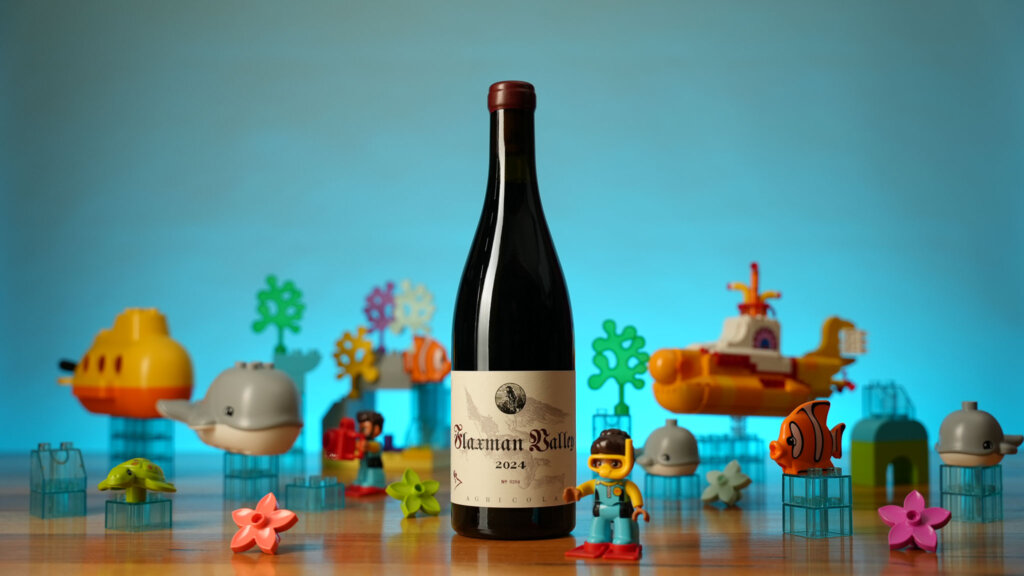
2024 Agricola ‘Flaxman Valley’ Shiraz, $80 RRP

Jemmeson and Infimo both selected this wine in their top six from the blind tasting. Jemmeson found “a vibrant, perfumed shiraz that opens with waves of blackberry and spiced plum, lifted by a burst of fresh raspberry and hints of lavender and violet. As it stretches out, there’s a touch of blackberry compote and mulberry richness, layered with savoury black olive, tobacco leaf, and a whisper of dark chocolate. This is a wine that swings between pretty florals and savoury depth – perfect with grilled lamb cutlets or a rustic Sunday roast.” Infimo noted “a deep ruby hue, inky in the glass. Dense, brooding nose of satsuma and blood plums, morello cherry, blackberry, smoked paprika, olive tapenade, lifted by redcurrant and violet. Power on the palate without weight, vibrant acidity and detailed tannins that frame the fruit. Deeply complex, yet compellingly subtle.”


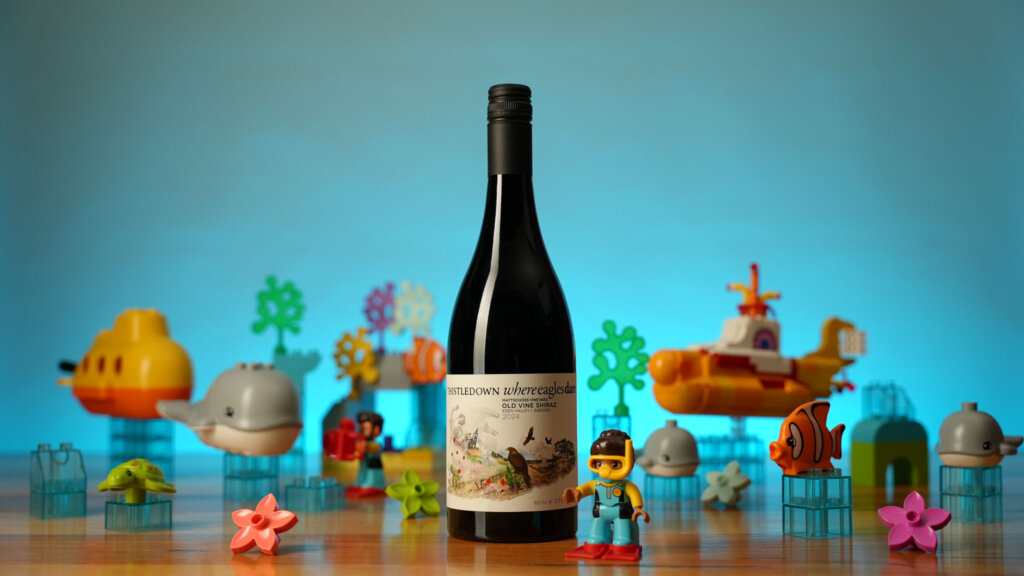
2024 Thistledown ‘Where Eagles Dare’ Old Vine Shiraz, $95 RRP

Nadeson and Jemmeson both included this wine in their top six from the blind tasting. Nadeson observed “the aroma here is bright and so much fun, an intoxicating gamut of confectionary – think red frogs and blackcurrant fruit pastilles. The palate itself is, surprisingly, almost antithetical to this playful nose. While still fresh and lively, there are layers upon layers of complexity here: a core of baking spices and red plums, framed with subtle tannins. This is the kind of wine I think about when I think about ‘new wave’ Barossa – a wine that shows the maker’s deliberate dedication to techniques that ensure freshness and vibrancy.” Jemmeson found it “delicate and aromatic, this lighter-framed shiraz shows off violets, fresh raspberry, cherry, and just-ripe plum, underpinned by a ripple of raspberry jam and blackcurrant pastille. The palate is finely structured, with chalky tannins and a savoury twist of cured meat, olive tapenade and dried herbs. The kind of wine that carries a picnic from laying down the blanket to eating the last slice of salami.”


2022 Phase Three ‘Dero’ Syrah, $55 RRP

Infimo, Gueritot, and Iga all had this wine in their top six from the blind tasting. Infimo described “deep and inky in the glass. Black cherry, blackberry, raspberry and redcurrant on the nose, with exotic spice characters of sandalwood, star anise, and a tiny minty hint of eucalyptus. There’s power and concentration on the palate, but also freshness and buoyancy, with acidity and crushed gravel minerality keeping the wine vivid and lively. A wine of tension and precision.” Gueritot noted “good intensity from the fruit concentration, with a slightly more pronounced sweetness in its character. The tannins are dry, and underline a wine built for the long run, while the vibrant acidity suggests great care in the picking window to preserve freshness.” Iga found “a lively perfume rising immediately, with strawberry, pomegranate, and ripe cherry forming a crushed-berry core. Freshness comes from mint and herbs, while ripe fruit adds warmth and depth. Bright, fresh, and joyful, it’s a wine that sparkles with energy.”


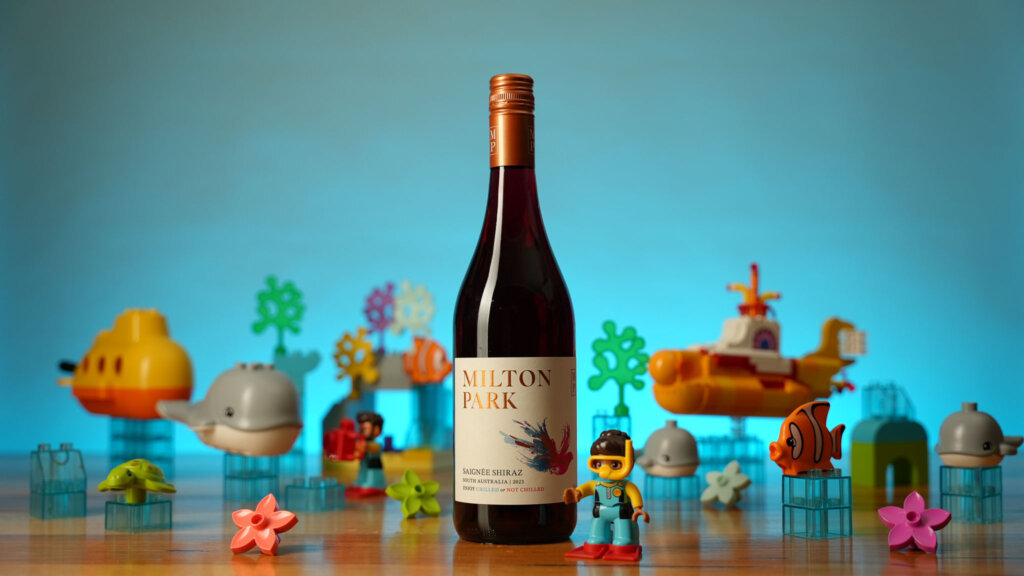
2023 Milton Park ‘Saignée’ Shiraz, $20 RRP

Gueritot and Infimo both selected this wine in their top six from the blind tasting. Gueritot called it “maybe the most obviously ‘new wave’ or non-traditional example from the tasting in terms of colour and fruit profile. The light colour indicates a shorter maceration period and less extraction, but the wine nonetheless maintains an intense and infused juicy red fruit character – a candied fruit profile that maintains a certain natural sweetness, similar to a cranberry or strawberry liqueur. One of the few wines of the day that doesn’t necessarily call for the balance of food, and can be enjoyed on its own.” Infimo found it “exceptionally light and bright in the glass, with a vivid, jewel-like purity. Aromatics of raspberry, strawberry, pomegranate, rosewater, white pepper and a hint of bramble leaf spice. Very light, fresh and juicy on the palate, with a crunchy zip and energetic drive. A slurpy, very drinkable vin de soif–style wine that joyously disregards Barossa tradition.”


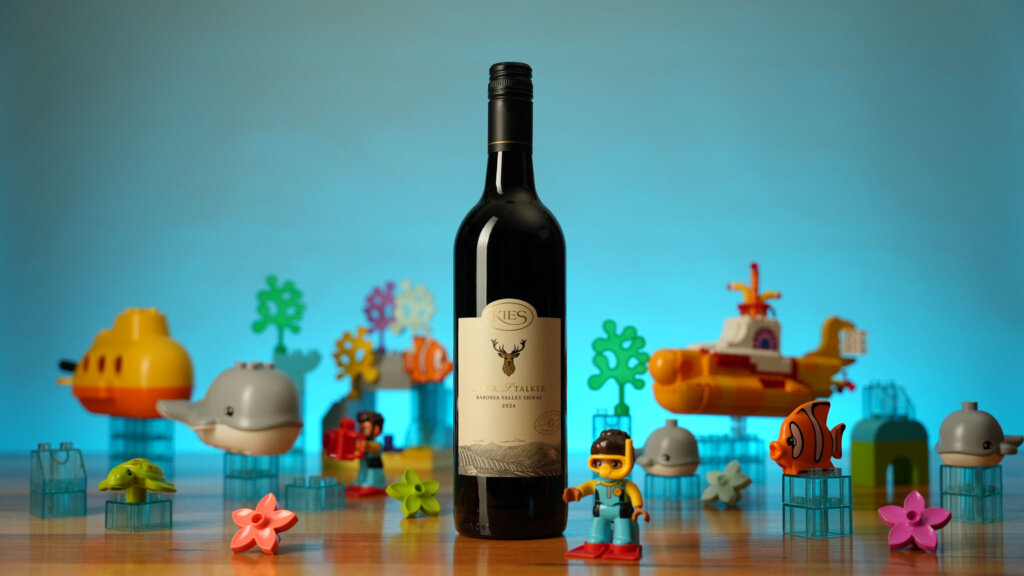
2024 Kies Family Wines ‘Deer Stalker’ Shiraz, $35 RRP

Iga had this wine in his top six from the blind tasting. “Powdery, mineral-tinged aromatics create a savoury undertone, lifted by tea leaf, dill, and oregano,” he described. “Violet adds brightness, while crushed red berry notes – raspberry foremost – bring a vivid freshness. On the palate, the wine is plush and delicious, its juiciness and spice balanced by fine acidity and gently ripe fruit. Strawberry, ripe plum, and mulberry mingle with a touch of milk chocolate and even chestnut purée, finishing with a pleasant bite of tannin. A violet-hued delight for a bright day.”


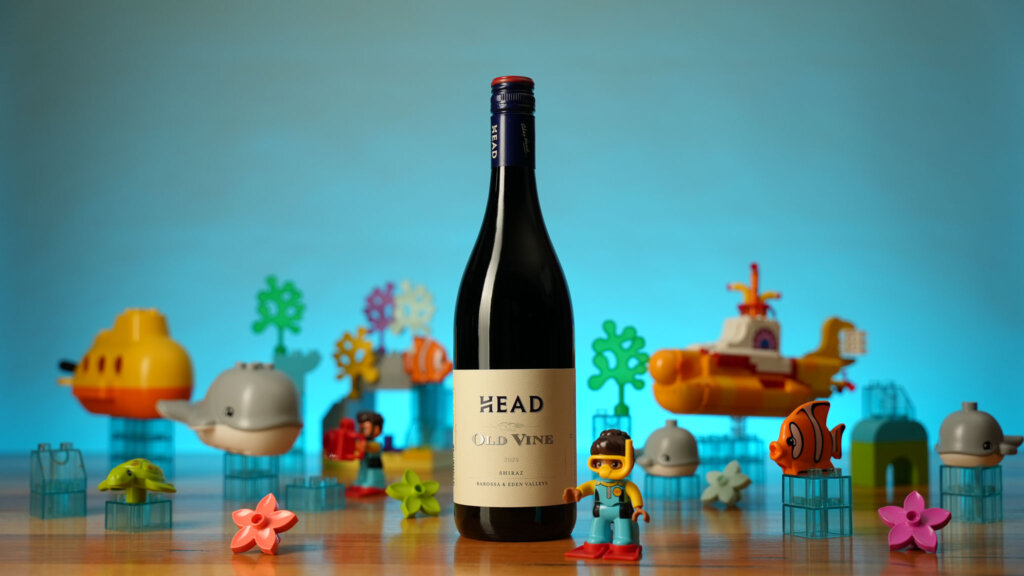
2024 Head Wines Old Vine Shiraz, $40 RRP

Gueritot chose this wine in his top six from the blind tasting. “Possibly the most balanced wine in the day’s tasting, combining a lot of freshness in the fruit profile with intensity of flavour,” he observed. “The fruit profile mixes crushed strawberries with hints of raspberry coulis and a herbaceous character that suggests a combination of earlier picking to balance the fruit with enough freshness and acidity and/or higher altitude vineyard sources. The wine offers good length, showing judicious élevage, and develops into the glass further with notes of mint chocolate and a darker, inky fruit element. This is a richer style of the ‘new wave’, with a slightly wider mouthfeel – one that seems to combine elements of the Barossa’s past with the current need to preserve freshness.”


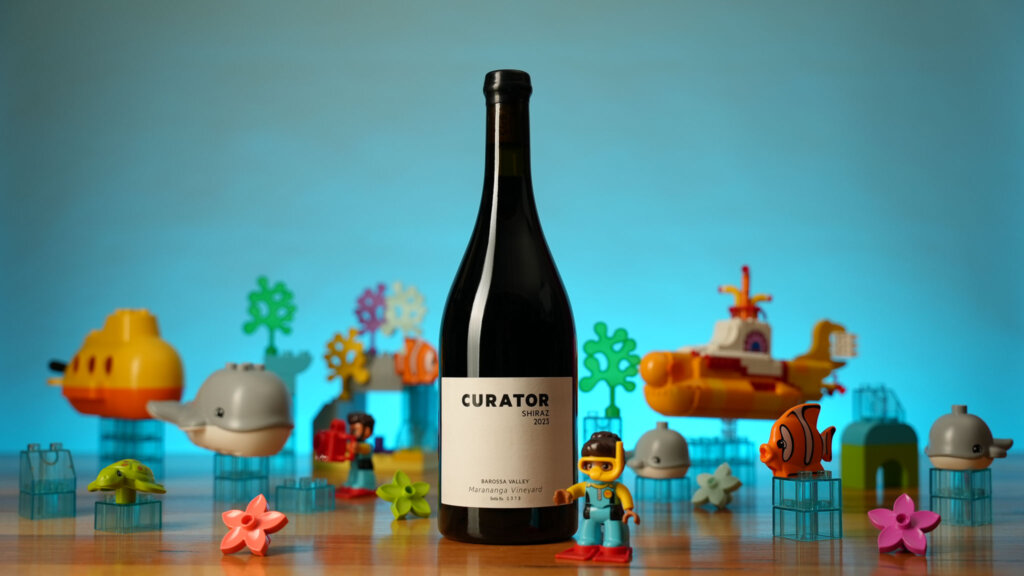
2023 Curator Wine Co. ‘Curator – Marananga Vineyard’ Shiraz, $65 RRP

Iga featured this wine in his top six from the blind tasting. “Bright, smooth, and elegant, this wine harmonises redcurrant and red cherry fruit with herbal notes of green pepper and thyme, adding lift and freshness,” he noted. “The palate continues with generous red fruit, framed by gentle sweetness and ripe acidity. Tannins are beautifully integrated – perhaps a touch of time in large-format oak vats lending polish and composure. Perfectly balanced, it embodies a ‘new wave’ sensibility while still expressing the quality fruit given by the Barossa’s soils and climate.”


2023 Forage Supply Co. ‘Rib Tickler’ Shiraz, $40 RRP

Jemmeson included this wine in her top six from the blind tasting. “All brightness and energy, this wine shows the playful side of Barossa shiraz,” she observed. “Raspberry, redcurrant and pomegranate burst from the glass, joined by jubey red lollies, ripe strawberries, and a little blueberry and plum skin for extra depth. There’s a twist of white pepper and dried thyme adding a savoury edge, keeping the wine from tipping into pure fruit sweetness. Light, juicy and seriously fun, it could be served with a slight chill alongside wood-fired pizza – or at a backyard party where the bottle will disappear quickly and happily.”


2023 Wonderground Shiraz, $35 RRP

Nadeson chose this wine in her top six from the blind tasting. “This wine smells almost exactly like my favourite perfume, Diptyque’s ‘34 Boulevard Saint Germain’ – in which spices of cinnamon, clove, and cassis meet a bouquet of iris and geranium flowers, all of which is grounded in woody vanilla,” she described. “Past the intoxicating nose, red plums and cherries burst in the mouth – I love the summer fruit charm. I’m also very much into the focused acid line here – it gives the wine dazzling vivacity. A real star of the show!”


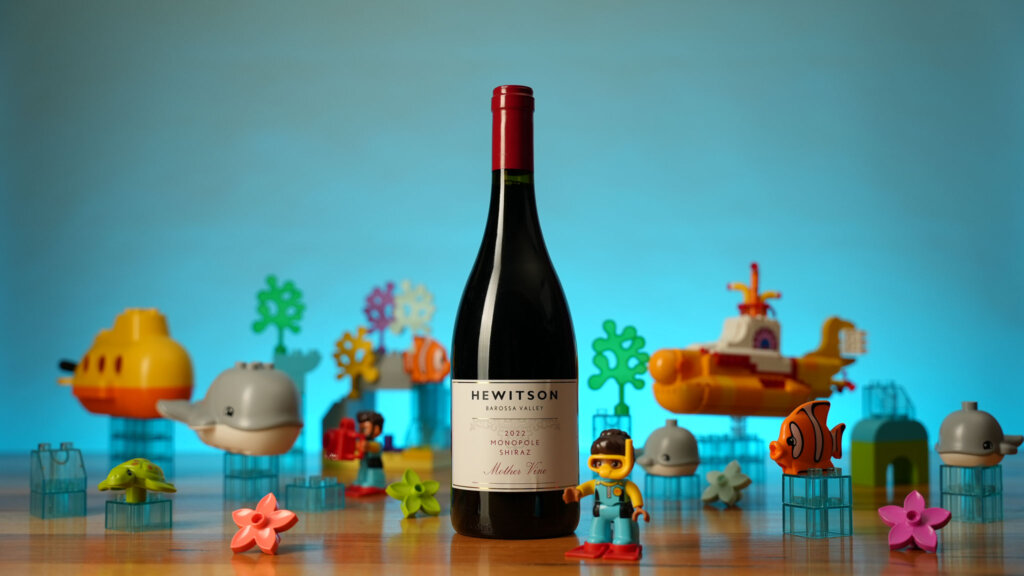
2022 Hewitson ‘Monopole – Mother Vine’ Shiraz, $90 RRP

Gueritot selected this wine in his top six from the blind tasting. “Shows much more evolution – a wine ready to drink,” he noted. “While the colour of the wine remains vibrant and does not show signs of age, its fresh and delicate mouthfeel, combined with tertiary notes of tomato leaf, cigar box, tobacco leaf and fresh forest mushroom offers a fairly contrasting view in between the other expressions. Dark plum and black raspberry fruit on the palate, with a touch of soft baking spice notes that suggest the possible use of French oak barrels, which help maintain the balance of fruit and tannin in the wine. A singular example of ‘new wave’ Barossa with a touch of the Rhône about it.”


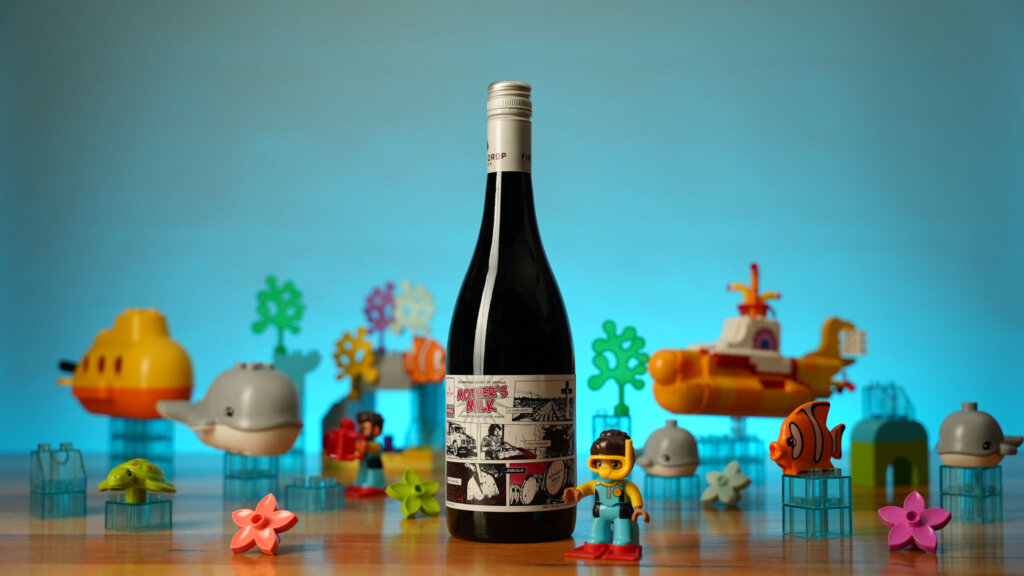
2022 First Drop Wines ‘Mother’s Milk’ Shiraz, $28 RRP

Singh and Mullany both had this wine in their top six from the blind tasting. Singh found “notes of cherry cola, black olives and graphite gradually revealing underlying fruit characteristics of crunchy plum and cherries. On the palate, plush red fruit notes are held together well by a mouth-filling, juicy acidity. There’s a minerality here which is alluring. Fine tannins on the finish. Elegance with some fruit power.” Mullany described “alluring aromas of violet, blueberry and blackcurrant. Then comes the signature syrah notes of cracked pepper, olive and game. Add in charcoal and linseed, and you have one captivating wine. The new wave is on display here with the refined fruit power and juicy acidity, energising the palate and carrying the violet and plum flavours all the way to your front door.”


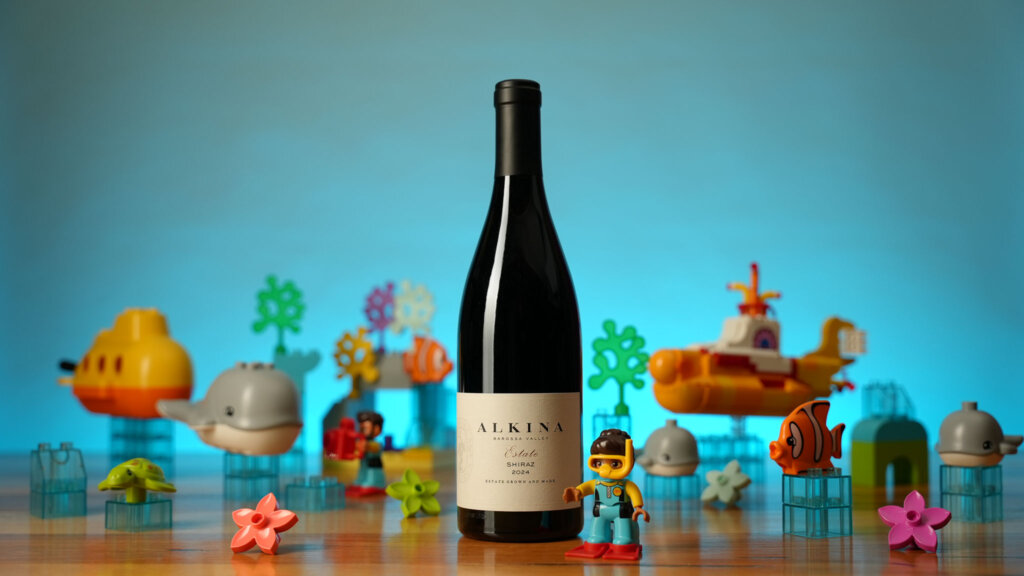
2024 Alkina ‘Estate’ Shiraz, $55 RRP

Nadeson featured this wine in her top six from the blind tasting. “There’s a real brooding quality to this wine,” she observed. “I’m partial to some stalk in shiraz – and this has it in bunches! Evident on the first sniff, the whole-bunch fermentation here offers both a pepperiness and bitter amaro-like quality. This spicy character feels genuinely boundary pushing, and it does drive the wine’s profile right to the far edge, risking imbalance – but the winemaker’s hand pulls it back from the brink. Firm tannins coat the mouth, and nice tart acidity carries flavours of stewed blackberries. I would love to see this with some more age so I could track how these powerful elements will further integrate.”


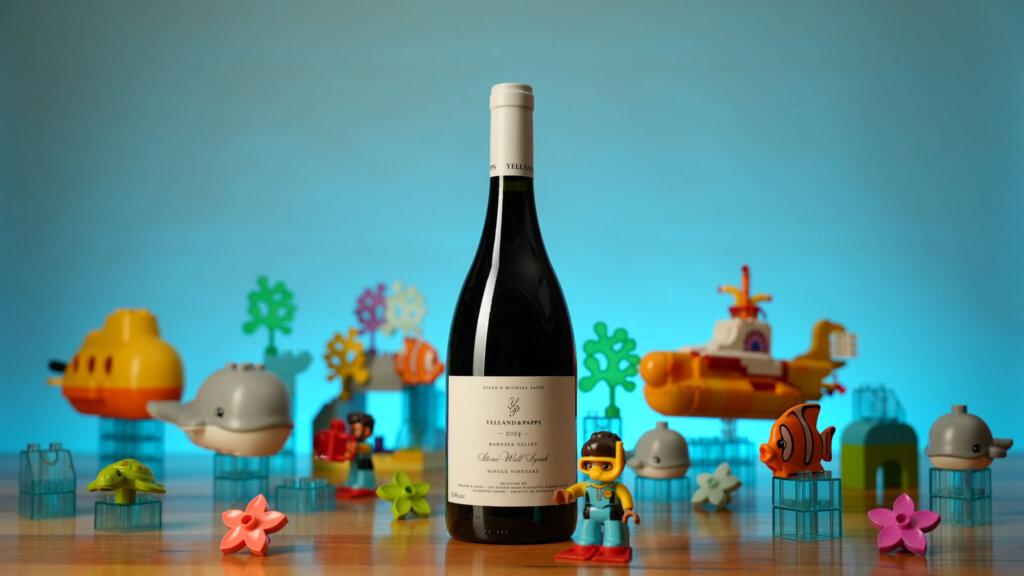
2024 Yelland & Papps Wines ‘Stone Well’ Syrah, $49 RRP

Iga included this wine in his top six from the blind tasting. “A luminous ruby with violet hues, this wine offers vivid aromas of raspberry and redcurrant, carried by sleek acidity, ripe fruit, and firm, balanced tannins,” he described. “Lavender, thyme, white pepper, and even red shiso notes add aromatic intrigue, with a gentle smokiness in the background. On the palate, the sweet-edged fruit profile softens the wine’s structure, the texture lively and appealing. Perfect with glazed yakitori skewers – smoky grilled chicken brushed with a savoury-sweet soy glaze – where the char and caramelised sweetness echo the wine’s balance.”


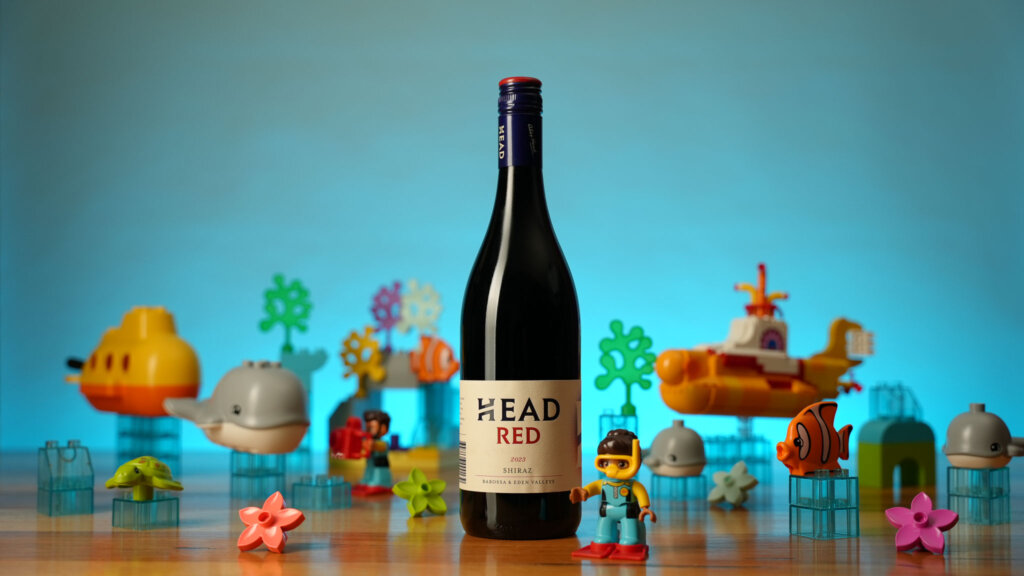
2023 Head Wines ‘Head Red’ Shiraz, $30 RRP

Mullany had this wine in his top six from the blind tasting. “A beautiful and elaborate nose, like a Baroque window-frame,” he described. “Shining through are blueberry and plum fruits, fragrant pot pourri, crushed granite, camphor, cedar, and Tasmanian pepperberry. A herbal lift in the nose reveals an exemplary ‘new wave’ use of whole bunch fermentation. The palate has a suave, chalky mouthfeel with black plum and fig coming to the fore, together with cinnamon and bay leaf. Make space in your cellar for this one.”


2021 Smallfry ‘Vine Vale’ Shiraz, $36 RRP

Nadeson featured this wine in her top six from the blind tasting. “I really like this wine,” she noted. “Dark garnet in colour, and equally deep and inky in flavour: there’s a twirling interplay of just-ripe blackcurrant, blackberry pips, all bright and lifted with toasted cardamom spice. This wine showcases the type of richness that feels generous and indulgent without overwhelming the palate – an oftentimes difficult thing to get right in the cellar, but one made to look easy here.”


2023 Standish Wine Co. ‘The Schubert Theorem’ Shiraz, $150 RRP

Jemmeson chose this wine in her top six from the blind tasting. “This is ‘new wave’ Barossa shiraz in a darker, denser mood,” she observed. “Blackberries, mulberries and blueberries come in waves – some fresh, others more like thick, ripe compote, laced with a touch of cassis and black cherry. A smoky, charry oak note and dark herbal edge of rosemary and bay leaf add a savoury counterpoint, while lively acidity keeps all that richness in check. There’s power, weight and depth here, but also balance – making it the perfect match for smoky barbecued meat, sticky beef ribs, or chargrilled eggplant. A bold, generous Barossa shiraz that still knows how to stay fresh.”


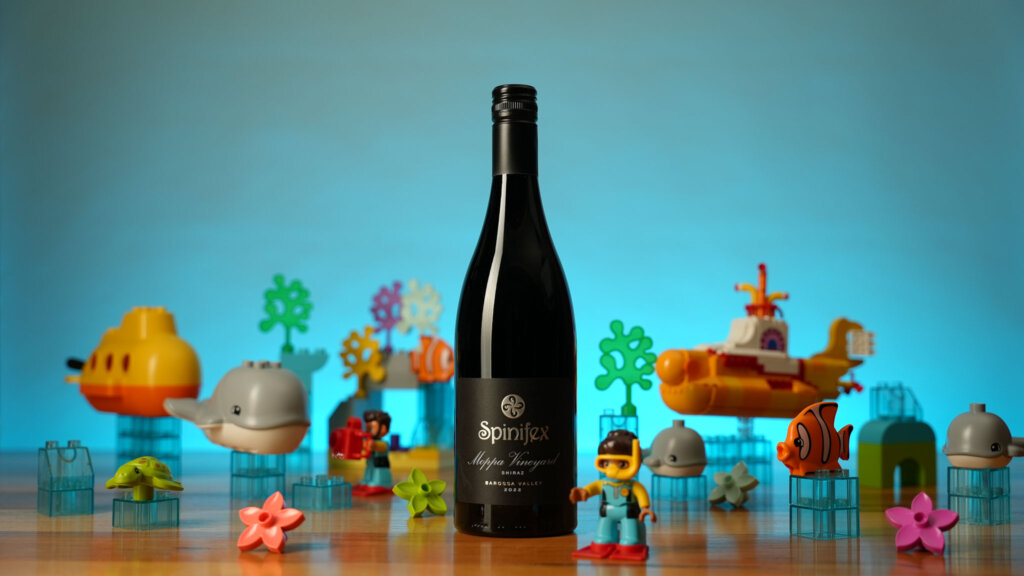
2022 Spinifex ‘Moppa Vineyard’ Shiraz, $65 RRP

Singh selected this wine in his top six from the blind tasting. “Layers of sage, dried herbs, chrysanthemum, ripe plums, and dark cherries,” he noted. “Plush and silky tannins hold the red fruits together on the palate – there’s a concentration of fruit which is balanced by the wine’s tannin structure. The finish is elegant and savoury.”


2022 White Gate Syrah, $34 RRP

Mullany chose this wine in his top six from the blind tasting. “A savoury rockstar of a wine – comfortably in the ‘new wave’ camp,” he described. “Lifted aromatics of rosehip, tea leaves, red plum, kirschwasser, oregano, and fresh new leather. The palate is silky, with a fine, stony tannic grip – showing juicy red plum, blackberry, baked earth, frankincense and rosemary. Its herbal quality and vibrant, medium-bodied palate are a welcome addition to the Barossa conversation. Delicious by itself, or pair it with a ragù.”


2023 Frederick Stevenson ‘Syrah & Friends’, $40 RRP

Singh selected this wine in his top six from the blind tasting. “On the nose there are elements of dark cherry, mushrooms, truffle and dried herbs – think rosemary and sage – with the overall bouquet leaning into those darker elements,” he observed. “An elegant palate here, with good fruit weight, refreshing acidity, and fine tannins.”


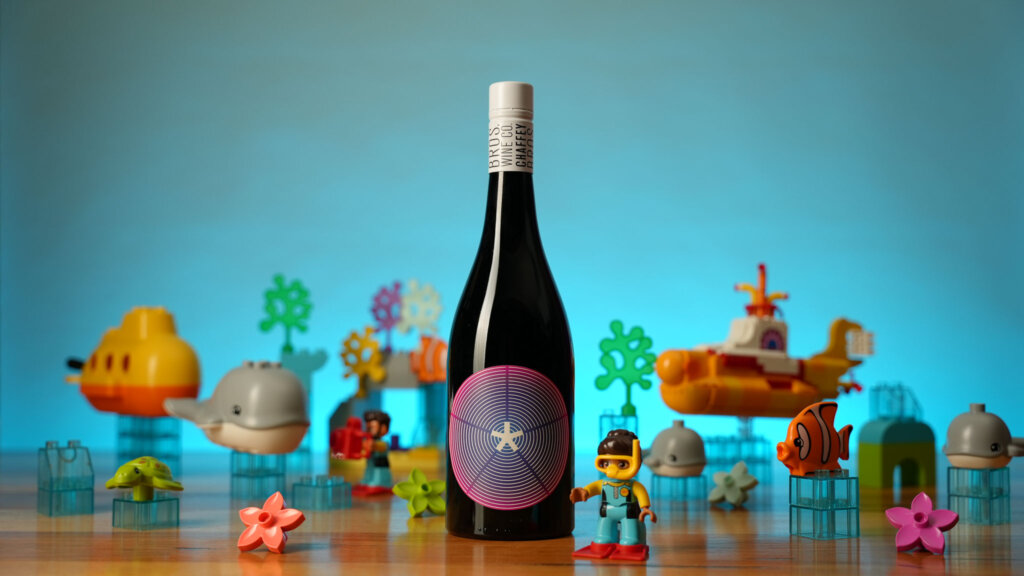
2023 Chaffey Bros. Wine Co. ‘Omnia Nova’ Old Vine Syrah, $34 RRP

Gueritot had this wine in his top six from the blind tasting. “A nice wine to appear early in the lineup, speaking directly to the theme of the tasting,” he noted. “At first, there are signs of early picked fruit that come through via a fresh, green, herbaceous character. With time in the glass, fresh red fruit characteristics of cranberry and red plum appear. The light-weight texture on the mid-palate gets progressively broader, suggesting an interplay of sand and clay soil profiles in the vineyard. The true ripeness of the fruit appears further with aeration, which shows a light sweetness in its notes of blackberry and morello cherry, as well as a touch of liquorice on the finish.”

The Backstory

The Barossa has long been the source of Australia’s most revered red wines, drawing on a proud viticultural and winemaking history to present the wider world with a well-defined regional style of shiraz. But every region has its rule-breakers and iconoclasts – and the Barossa is no exception, with a cohort of young and emerging winemakers seeking to craft wines that are lighter, fresher, and lower in alcohol than the regional norm. So what exactly might or should ‘new wave’ mean in the context of Barossa shiraz?

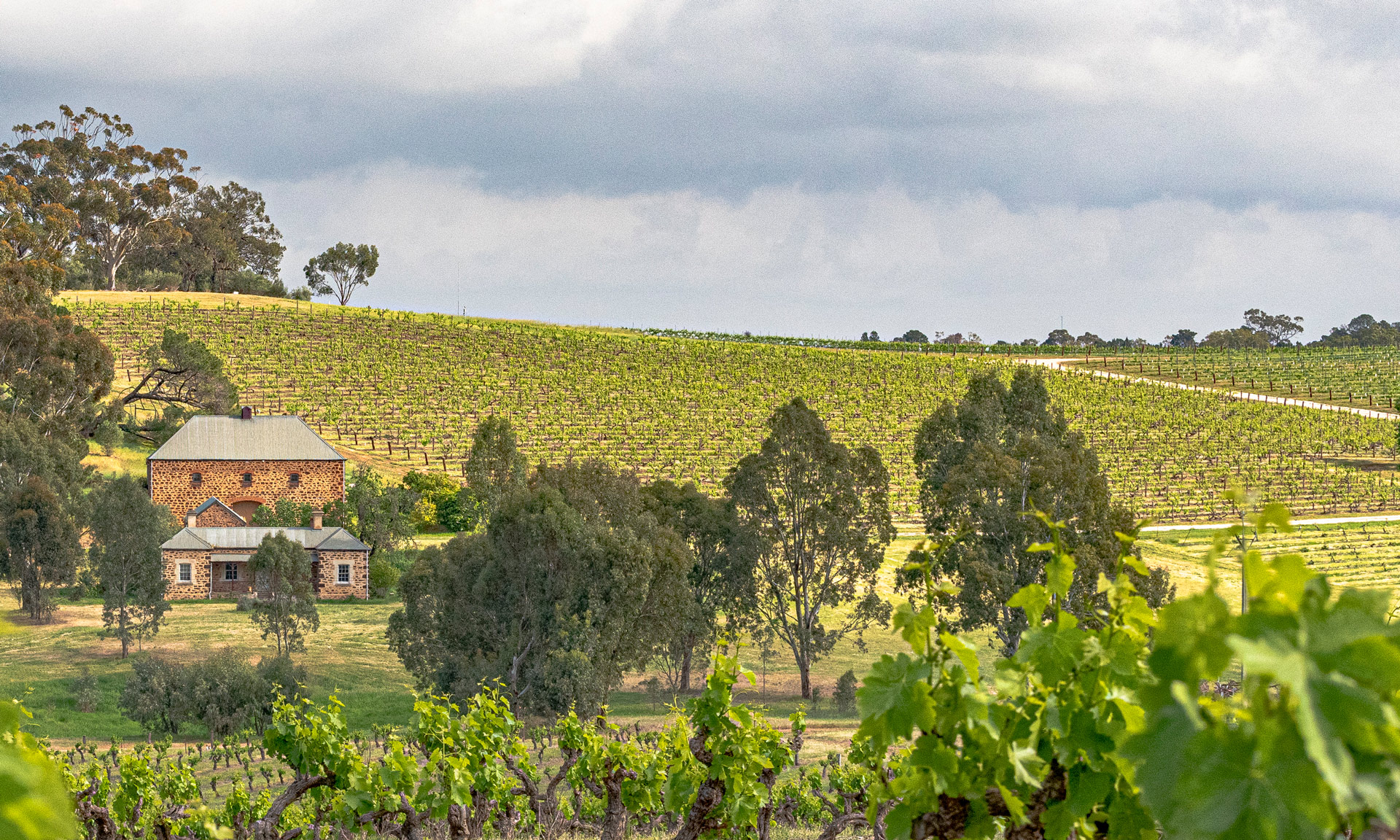
Australian wine drinkers have long loved shiraz, and no wine region or zone enjoys such a close relationship with the country’s signature red variety as the Barossa. Within the domestic market, the phrase ‘Barossa shiraz’ stands for a reliable style of shiraz – powerful and ripe, often relatively boozy owing to the region’s warm and dry climate, and usually enveloped in a comforting robe of new oak (usually American rather than French). Within the international market, Barossa shiraz is considered the Australian wine, leaving other iconic combinations of region and variety or style such as Hunter semillon, Margaret River chardonnay, Yarra Valley pinot, Coonawarra cabernet or Tasmanian sparkling wine to play second fiddle. In no other major wine region in Australia does a single grape variety so comprehensively dominate – clocking in at just over 38,000 tonnes, shiraz comprised a whopping 63.5% of all grapes harvested within in the Barossa in 2025. And while those grapes only accounted for 2.4% of Australia’s total harvest by weight, Barossa shiraz comprised 5.2% of the value of Australia’s wine exports in the 2024–25 financial year.

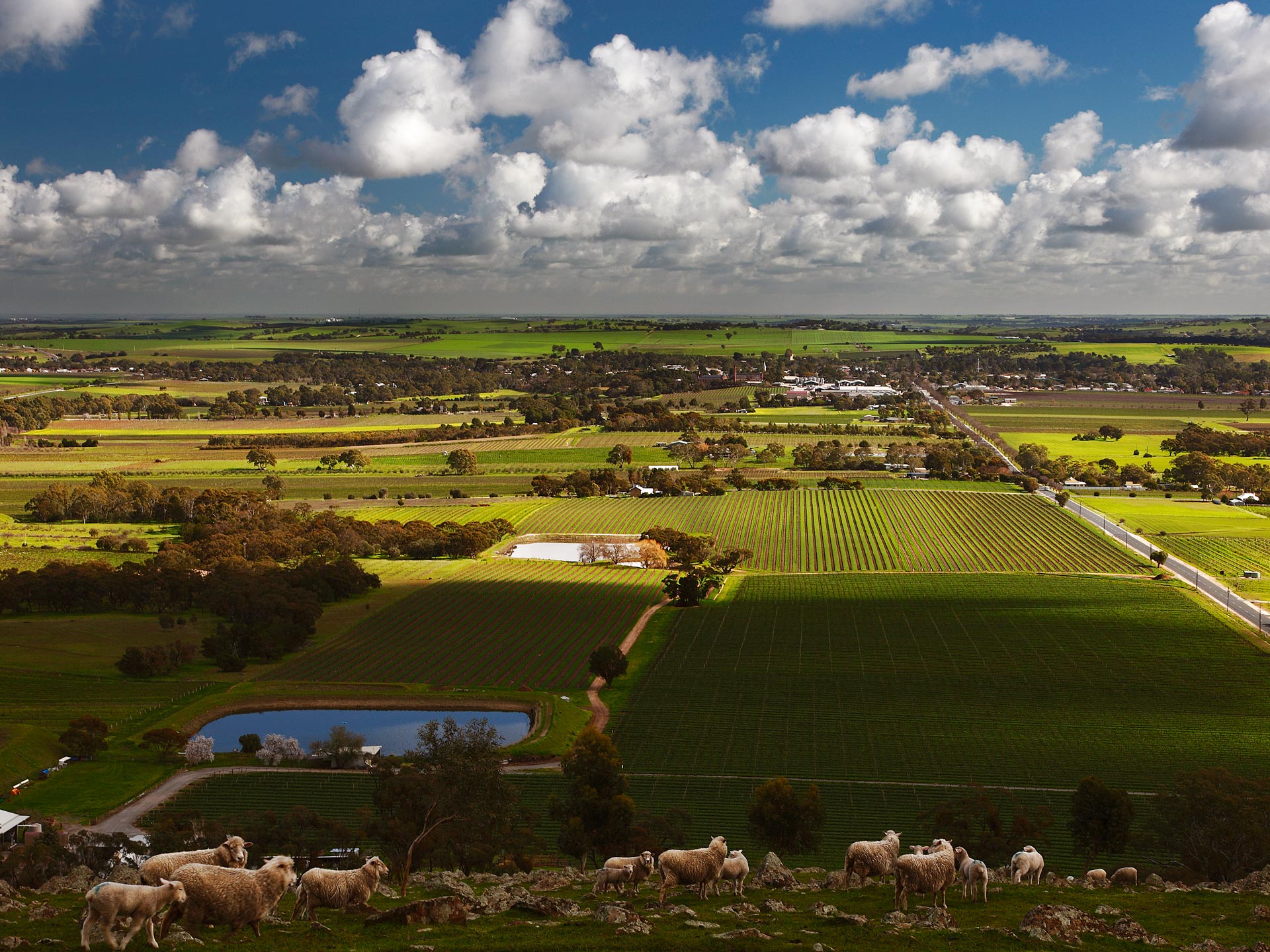
Opposite: A panoramic view of the Barossa. Above: Torbreck’s Hillside vineyard – a typically Barossan scene.

For these reasons, Barossa shiraz may currently seem unassailable – so much of a stalwart that it’s almost part of the furniture of the Australian wine industry. But this has not always been the case historically, and with domestic and international consumers starting to show signs of falling out of love with Australian shiraz in general, it may not be the case in the future. Fortunately, a talented group of young and emerging wine producers are currently looking to craft shiraz wines from Barossa terroirs that are lighter, fresher, and more elegant than the regional norm – a new wave of shirazes that challenge preconceptions of what the region’s iconic variety can and should taste like.


Building the Barossa

The Barossa is an ancient region, with its geological history stretching back to the formation of the Adelaide Superbasin over 900 million years ago, when Australia was part of a larger supercontinent known as Rodinia – the first supercontinent to have formed on earth, and significantly older than both Pangaea and Gondwanaland. The traditional owners of the region are the Kaurna, Peramangk and Ngadjuri peoples, with most of the modern Barossa area being Kaurna country. The current name for the area itself is a misspelling – when surveyor William Light first encountered the region in 1837 he intended to name it after the Barrosa ridge of Andalucía, Spain (where he had fought in the Peninsular War 26 years prior), but a clerical error gave it the name it has today. Many of the first colonists were German-speaking Silesian Lutherans, who arrived in 1842 after fleeing religious persecution in modern-day Poland – described by John Beeston in his Concise History of Australian Wine as “solid god-fearing folk, prepared to pass the weekday hours in honest toil and the sabbath in worship of their creator.” As such, Barossa family, winery, and town names often have a distinctly Germanic flavour.

“Discourage by every means spirit shops and public houses – encourage the growth of vineyards and the use of wine.”

Early vine plantings here were sporadic, but in 1847, George Fife Angas – an English absentee landholder who was instrumental in the settlement of South Australia – had written to his son John Howard Angas, who was then in South Australia overseeing his fathers’ interests, that he must “discourage by every means spirit shops and public houses – encourage the growth of vineyards and the use of wine”. Following his father’s orders, the younger Angas promoted viticulture within South Australia not merely as an economic activity, but also as a moral good that could battle the perceived horrors of ‘ardent spirits’ and beer. South Australia’s settlers took up Angas’s call to arms, and by the 1860 and early 1870s several prominent wine dynasties and brands that remain active today – including Samuel Smith’s Yalumba, Pewsey Vale, Seppeltsfield, Henschke, and Orlando – had been established in the Barossa. By the 1880s, thanks to changes in British import duties, South Australia had began to send large quantities of wine to England, with the Barossa producing the lion’s share of exports.

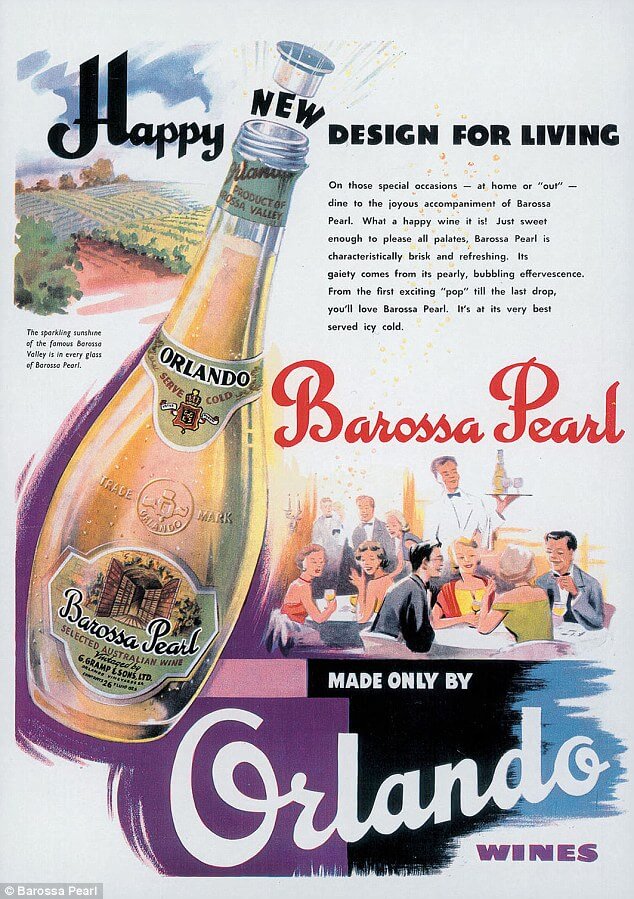
Opposite: Cyril Henschke at work in the Henschke winery, 1950s. Above: An advertisement for Orlando’s ‘Barossa Pearl’ – a wine that did much to introduce the Australian public to the joys of non-fortified wines.

Changing tastes both at home and abroad meant that the ‘ardent spirits’ so despised by Angas became, somewhat ironically, the Barossa’s lifeline during the first half of the twentieth century,  when Australian wine production switched largely to fortified styles. With large swathes of New South Wales and Victoria having been devastated by Phylloxera, South Australia became the source of the majority of Australia’s wine – and by 1927, the Barossa alone accounted for 60% of the country’s total wine production. The region weathered the many crises of the early twentieth century (driven largely by war and economic depression) until the second half of the 1950s, when Australian palates slowly started to shift away from sweet fortified wines and towards table wines. These were typically off-dry, lower alcohol sparkling wines such as Orlando’s (in)famous ‘Barossa Pearl’ – although a few connoisseurs had discovered the delights of full-bodied, shiraz-based wines modelled on the pioneering work of Orlando’s ‘Special Reserve’ Claret, Max Schubert’s ‘Grange’ project at Penfolds, or Cyril Henschke’s single-vineyard ‘Mount Edelstone’ and ‘Hill of Grace’ shirazes from the Barossa’s Eden Valley subregion. But it would take yet another viticultural crisis in the Barossa for its signature style of shiraz to really hit its straps.


A high-stakes gamble

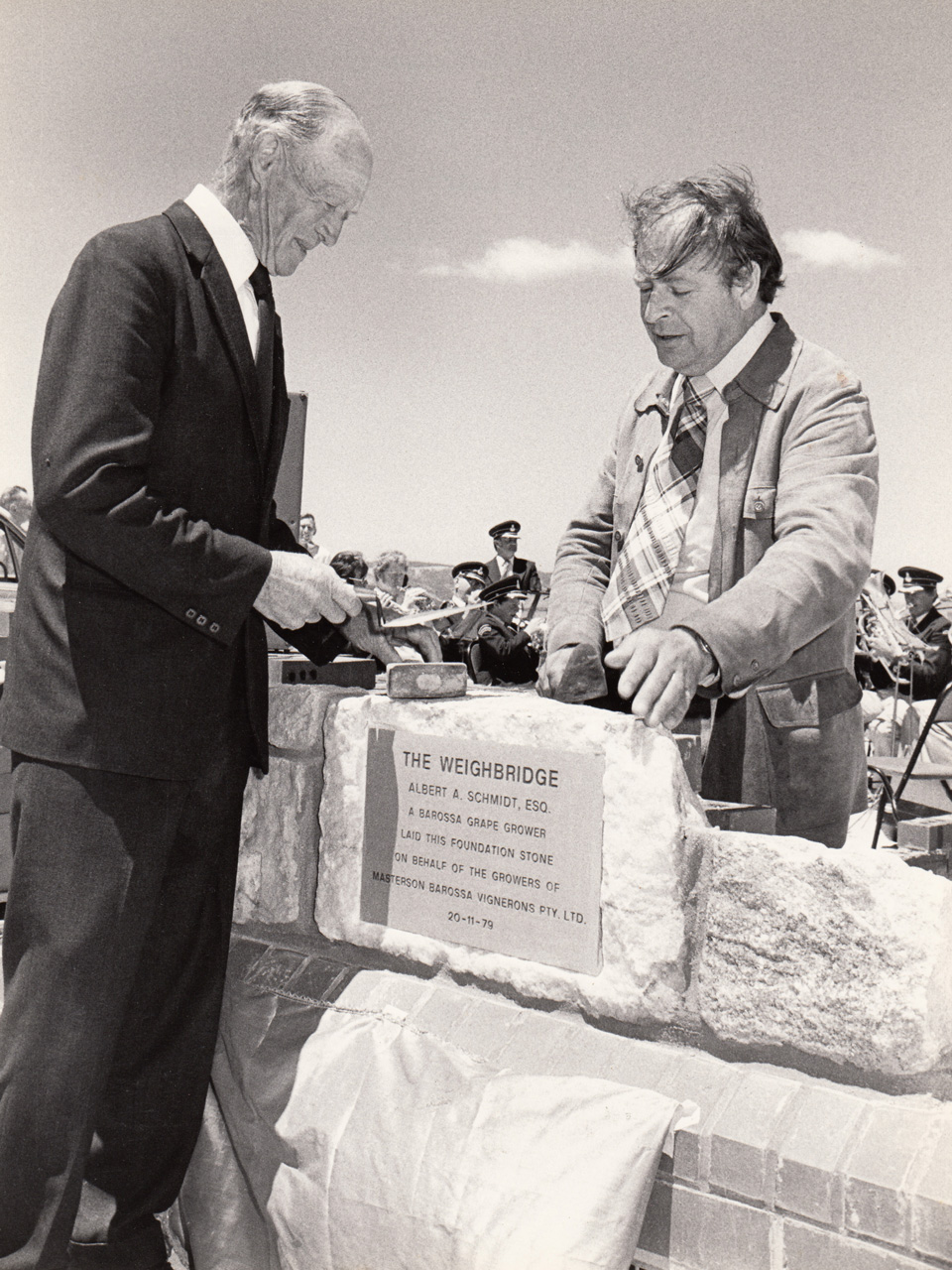
As the Australian public slowly became more acclimated to drinking table wines throughout the 1970s, a structural problem within the Australian wine industry began to become apparent. Demand was high for white table wines, particularly riesling, but the country’s plantings were dominated by red wine varieties that had formerly been dedicated to fortified wine production – and the large corporations that had acquired many wine brands in the early ’70s were ready to cut their losses. The issue came to a head in late 1977 when Barossa-based Dalgety Pty Ltd, owners of the Krondorf, Saltram, and Stonyfell labels, announced that they would not be purchasing any grapes from the upcoming 1978 vintage. Enter Saltram’s chief winemaker Peter Lehmann, who enlisted support from influential Barossa figures for an ambitious plan: to purchase the fruit that would otherwise have not been harvested on a consignment basis, with growers agreeing to be paid when the wine was sold, and Dalgety agreeing to provide the winemaking facilities for free. Appropriately, Lehmann named the venture Masterson, after the character Sky Masterson from the musical Guys and Dolls – a lucky gambler who takes on an extremely risky wager.

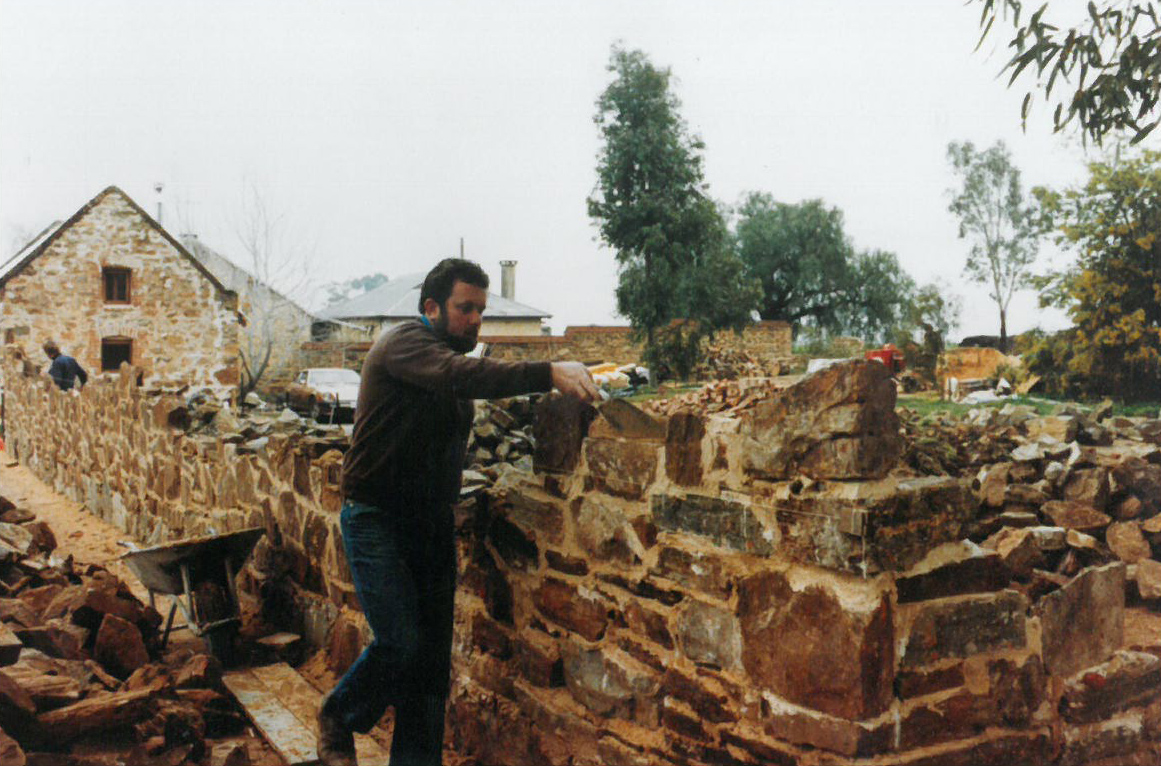
Opposite: Peter Lehmann (right) laying the foundation stone of the Masterson weighbridge with grape grower Albert Schmidt (left), 1979. Above: Robert Callaghan working on the Rockford winery building, early 1980s.

Lehmann’s wager paid off: the wine was sold more swiftly than anticipated (much of it to the bulk market), the growers got paid for fruit that would otherwise have rotted on the vine, and Dalgety’s largesse in allowing Lehmann to use their facilities for the Masterson wines salvaged their damaged reputation. Masterson itself went on to become the basis for what turned into Peter Lehmann Wines – the first of a brace of new wineries that defied the doom and gloom of the time and set the template for the modern Barossa wine industry. These wineries included Elderton in 1980, Bethany Wines in 1981, Rockford and Charles Melton in 1984, and Grant Burge in 1988. While the infamous South Australian vine pull scheme of the mid-’80s brutally worked on the supply side of the Barossa’s structural imbalances via bulldozer – sometimes claiming centenarian shiraz, grenache and mataro vineyards in the process – these wineries worked on the demand side of the problem by creating a market for ripe, rich red wines from the Barossa (usually, but not exclusively, made from shiraz). By the late ’80s and early ’90s, Barossa shiraz had become a well-defined and sought-after style domestically – and a few years later it found a willing international audience via influential American wine critic Robert M. Parker, Jr., who became a staunch advocate of Barossa shiraz.

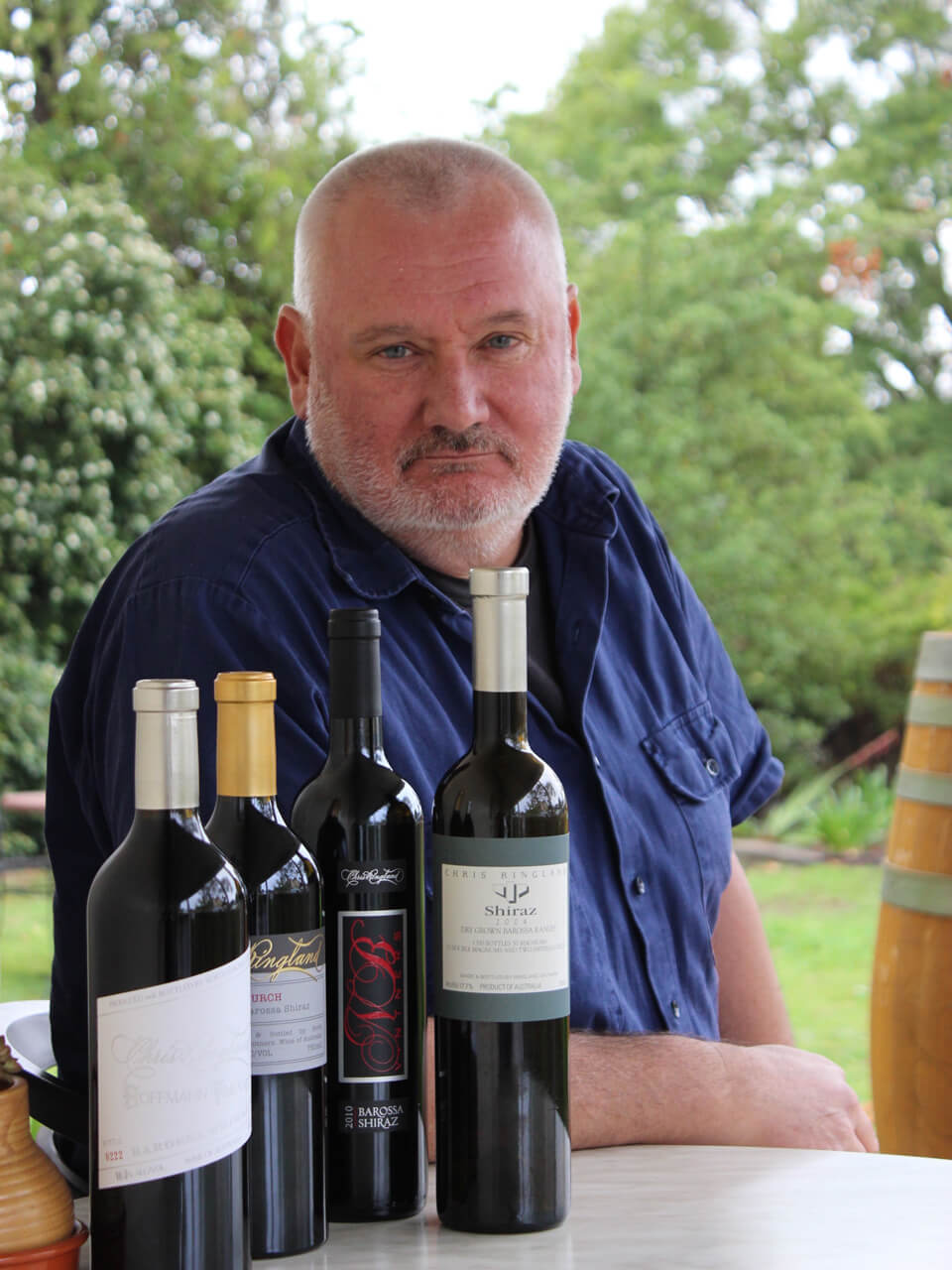
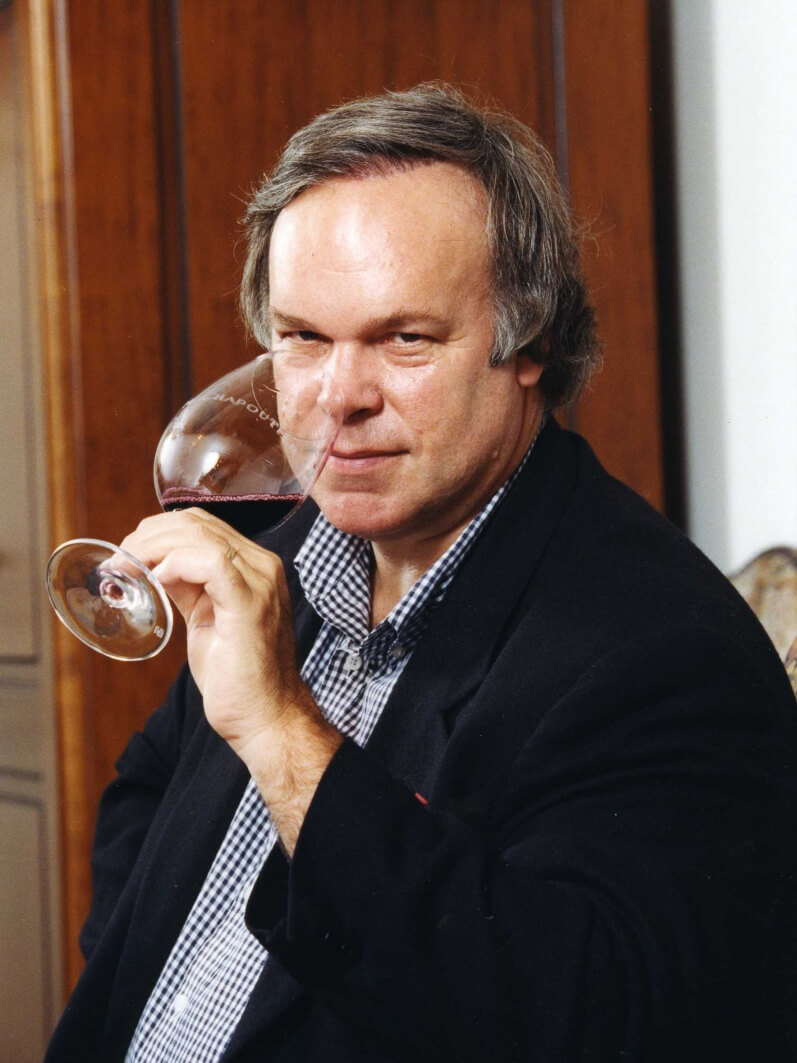
Above: Wine critic Robert M. Parker, Jr. Opposite: Chris Ringland – one of the first Barossa-based winemakers to benefit from Parker’s ability to turn wines into sought-after ‘cult’ collectable commodities.

As Barossa shiraz became more popular, it also began to change. Examples of Barossa shiraz from Lehmann’s time as the chief winemaker at Saltram in the mid-’60s and early ’70s were relatively low in alcohol, usually made with lo-fi equipment such as hydraulic or basket presses, and often raised in neutral oak – surprisingly lithe wines for a region currently renowned for bruisers. Towards the end of the ’80s, as this generation of Barossa winemakers raised the profile of the region, external investment started arriving – leading to an infatuation with (expensive) new oak, often American. And while it’s unfair to blame just one man for the extremes of ripeness and extraction that Barossa vintners started chasing in the late ’90s, Parker’s well-known palate preferences certainly didn’t skew towards freshness. By the mid-2000s, the Barossa found itself the home of some seriously expensive and seriously high-octane shirazes such as Chris Ringland’s ‘Three Rivers’, Torbreck’s ‘RunRig’ and ‘The Laird’, Kaesler’s ‘Old Bastard’, Greenock Creek’s ‘Roennfeldt Road’ and Magpie Estate’s ‘The Malcolm’. These shirazes proved popular with an international collector community obsessed with rare and expensive ‘cult wines’ – but their bombastic style was falling out of favour at home, where a backlash was brewing.


A wave in search of a place

Callum Powell occupies a privileged position in discussions about ‘new wave’ Barossa shiraz. Not only is he a maker of fine, elegant shirazes for his own Agricola label that are often held up as paragons of ‘new wave’ sensibilities in the Barossa – but he is also the son of Dave Powell, who was the head winemaker at Torbreck during that label’s late 1990s and early 2000s heyday. “Mum and dad started Torbreck in the ’90s, and our house is now the cellar door, so I literally grew up at the business,” Powell says. “There was high demand, a lot of interest, there was a lot of energy … that was a hell of a time.” He emphasises that the Barossa labels that exemplified the ‘international style’ in vogue at the time were “small-scale winemakers rather than the businesses in the area that were a lot bigger,” and that one of the reasons for the style’s success was that those small-scale operators had tapped into the “incredible resource” that is the Barossa’s old shiraz vines. He’s also quick to note that the Barossa was hardly alone in its shift towards blockbuster wines at this time, pointing to well-known examples of ripe, plush, and boozy reds from the McLaren Vale and Clare Valley as part of a broader zeitgeist.

Above: Callum Powell of Agricola. Opposite: Callum and father Dave Powell at Torbreck in the late 1990s.

“A criticism with wines like that – as much as they might tick all the boxes as far as having concentration and having a lot of everything – is that sometimes the fruit profile wasn’t particularly lively,” he says. “It could get into that sort of stewed fruit spectrum, which can be nice in the depths of winter while you’re sitting by the fire … but I think these days people are looking for more freshness of fruit – and more authenticity and transparency. I think that when you pick a bit fresher, you get a sense of place in a more transparent way.” He argues that while those riper styles with more obvious oak influence can be delicious, the style can often obscure the signature of terroir: “It could be from the Barossa or it could be McLaren Vale or the Clare – it’s much of a muchness, there’s a bit of a sameness to them,” he says. By contrast, he argues that earlier picking means “you pull the nuance out of the fruit a little bit better – different aromatics and different profiles. You can see the difference between Greenock or Marananga or Flaxman Valley or Eden Valley.”

“These days people are looking for more freshness of fruit – and more authenticity and transparency. I think that when you pick a bit fresher, you get a sense of place in a more transparent way.”

For Powell, the question of picking dates and ripeness is central to understanding the ‘new wave’ of Barossa winemakers. “This idea of the new Barossa is really being curious about what this idea of terroir and provenance means – and what’s really an appropriate level of ripeness if you really are seeking out provenance,” he says. He draws a distinction between wines that are stylistically ‘new wave’ such as Tom Shobbrook’s famous ‘Poolside’ – “bang-on 12% or 11.5% alcohol, really high acid, really juicy, really smashable … people are gonna love it, and I really like it, too” – and the wines of place that he sees as at the heart of what ‘new wave’ means for the Barossa. For Powell, the fact that the latter tend to skew lighter and fresher is less about a predetermined style and more about transparency: “If you’re not using a huge amount of new oak – if you’re using something that’s very neutral like a large clay vessel or concrete – then you’re definitely going to be seeing what the fruit has to offer, rather than what the Forest of Tronçais in France has to offer.”


Growing the new wave

Picking dates are likewise of key importance to Susan and Michael Papps, the married couple behind Barossa label Yelland & Papps Wines. “We like to pick when the vine is at its healthiest and in balance,” Susan says. “That’s what we’re looking for in flavours and natural acidity as well … we think natural acid is the best for the wine.” Seeking that balance in the vines at harvest means that the couple have jettisoned the idea that lower yields necessarily means higher quality fruit: “We don’t mind a little bit heavier cropping – that way we get that nicer, slower ripening of the fruit,” Susan says. Slowing down the ripening process also means that they manage their canopies to ensure their fruit is shaded more than the Barossa norm. “We’re not afraid of having shade,” Michael says. “For us, it gives you a little bit more spice in the wines.”

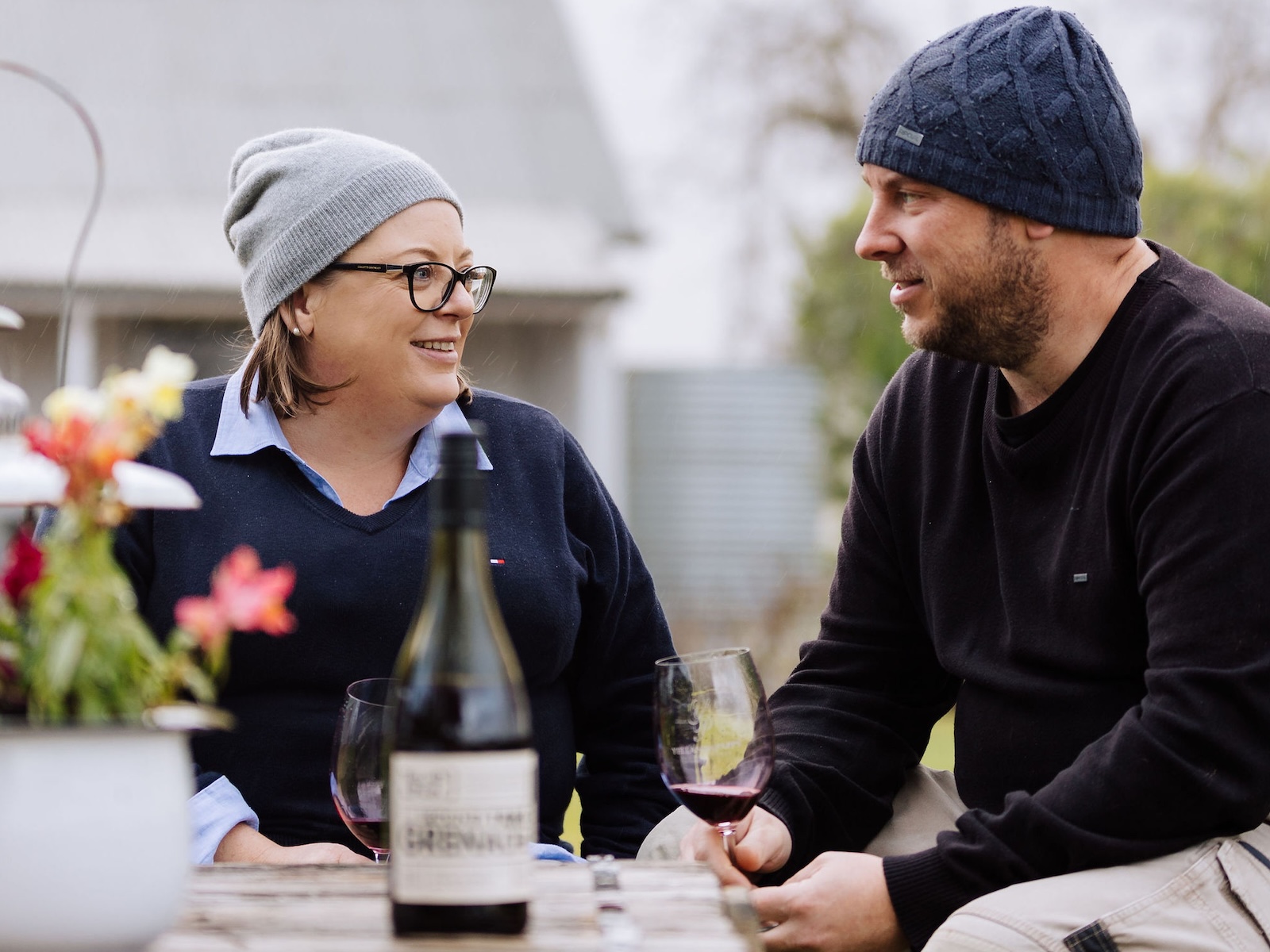
Opposite: Susan and Michael Papps of Yelland & Papps Wines. Above: Susan and Michael in the vineyard.

The couple haven’t always taken this approach to their viticulture and winemaking. “When we started, we were picking at fifteen-plus Baumé, we were using American oak – and that’s the style that we drank a lot of back in the early 2000s,” Michael says. He credits the 2011 vintage in the Barossa – a colder, damper year where growers had to pick earlier than usual to avoid fruit being damaged by Botrytis – with a change in their thinking. “The spice and elegance and structure that came from those wines was amazing … those wines look exceptional now.” In the following year’s vintage, Michael says, “we tried to replicate some of those characteristics – that’s we when started using whole bunch for the first time, tried to pick earlier, and tried to generally emulate the ’11 vintage.” Michael also credits figures such as Peter Schell at Spinifex and Corey Ryan and Simon Cowham of Sons of Eden – “people that are producing quite elegant, fruit-driven styles of wine” – for “showing us that this can be done – you’ve just got to work out how you do it yourself.”

“When we started making wine, we were typical Barossa. We were picking at fifteen-plus Baumé, we were using American oak – and that’s the style that we drank a lot of back in the early 2000s.”

Because their journey to ‘new wave’ Barossa shiraz was largely self-taught, Susan and Michael aren’t interested in drawing strict boundaries around the category, or creating rules to differentiate ‘new wave’ producers from traditionalists. “I think ‘new wave’ for the Barossa isn’t about a rulebook,” Susan says. “It’s just the concept of looking at shiraz from a different angle. I don’t think we’d like to say we’re definitely ‘new wave’, or that others who aren’t making their wines in a certain way aren’t ‘new wave’ … the more different styles of shiraz we have, the better. If we can get everyone drinking it by making it in different styles, that’s the best thing for the wine industry, to be honest.”


Whose Barossa is it, anyway?

Steve Crawford of Frederick Stevenson argues that there’s an element of “defiance” in the producers who are making ‘new wave’ Barossa shiraz. “In some ways it’s stubbornness – saying ‘We can do things differently!’” he says. “When you’re starting your own label, there’s a huge abundance of wines out there in the cosmos – so why make another one? You’ve gotta ask yourself that question, particularly when it comes to Barossa Valley shiraz.” For Crawford, that process of individuation came about as a result of global winemaking experience – “spending a little while overseas, hearing about people’s understandings of Barossa Valley shiraz from an outsider’s perspective” – which informed his approach when starting to make Barossa shiraz (down to his choice of ‘syrah’ as the variety name) for his own label, Frederick Stevenson. “After being in Europe for a bit, my palate had changed, my mind had changed,” he says, recalling the experience of revisiting the Barossa’s shirazes on his return. “I found it difficult to find subtleties and nuances between vintages of certain vineyards or areas …  so I sought to make something that would show a bit of vintage variation and subtleties of sub-regions.”

Opposite: Steve Crawford of Frederick Stevenson. Above: Crawford harvesting grapes in the Barossa.

Like Powell, Crawford thinks that the ‘new wave’ of the Barossa is therefore less about stylistic decisions in the winery, and more about attempting to capture the nuances of the Barossa’s varied terroirs: “‘New wave’ Barossa is probably looking for vineyards that show something a little bit special, rather than trying to make a classic shiraz,” he says. “And let’s be honest, there’s a heap of classic shiraz drinkers out there as well – you can’t shift them all towards ‘new wave’ Barossa producer kinda wines.” He adds that discussions about matters such as stylistic preferences or the popularity of certain varieties has a human impact, too: “You’re literally talking about people’s livelihoods,” he says. “Barossa shiraz has been a stalwart. It’s been a flag-bearer for so long – and not without good reason, as there’s been some amazing wines to come out of it.”

With the Wine Australia 2025 vintage report highlighting an oversupply issue for red wine grapes, particularly shiraz, across the country, Crawford argues that the most important thing is “to have different and diverse voices and styles actually exhibited out of the region, to show people there is depth here.” While that diversity is a laudable goal, it sometimes creates some friction in the tightly-knit Barossa community – as Powell’s experiences with picking dates for Agricola wines illustrates. “There have been interesting conversations over the years when I’m picking – it’s maybe early April, which isn’t that early, but the fruit’s at thirteen Baumé and my neighbours are going to leave it out for another month, and they think I’m crazy,” he says. “Now that we’re pulling things back to something that’s more appropriate if you’re looking for authenticity out of the Barossa, then it kinda looks strange compared to what we’ve all gotten used to doing in the early 2000s.”

“When you’re starting your own label, there’s a huge abundance of wines out there in the cosmos – so why make another one? You’ve gotta ask yourself that question, particularly when it comes to Barossa Valley shiraz.”

Informed by his childhood experiences at Torbreck, Powell takes a longer-term view of the upset that sometimes accompanies generational changes and shifting tastes in the Barossa: “I remember being a kid and hearing those kinds of conversations about these wines that were quite ripe,” he says. “Back then, the traditionalists were the people that might not have been looking to make wine in that way. It’s all swings and roundabouts.” It’s a sentiment that both Crawford and Michael Papps concur with. For Crawford, “In the current context I guess what I started doing was something pretty different – but maybe if you look back a few more years than that there was nothing that new about my approach at all,” he says. “It’s sort of borrowing something from the past and reinventing it a little bit.” Papps says, “When you pick up an ’80s Barossa shiraz it’s 12.5% alcohol. It’s this cycle – the trend of bigger, ballsier wines has gone past, and now we’re back to the way it used to be, maybe.” He adds: “This ‘new wave’ is old. I mean, this is the way the French have been doing it for centuries … it’s just going back to the way things used to be done.”

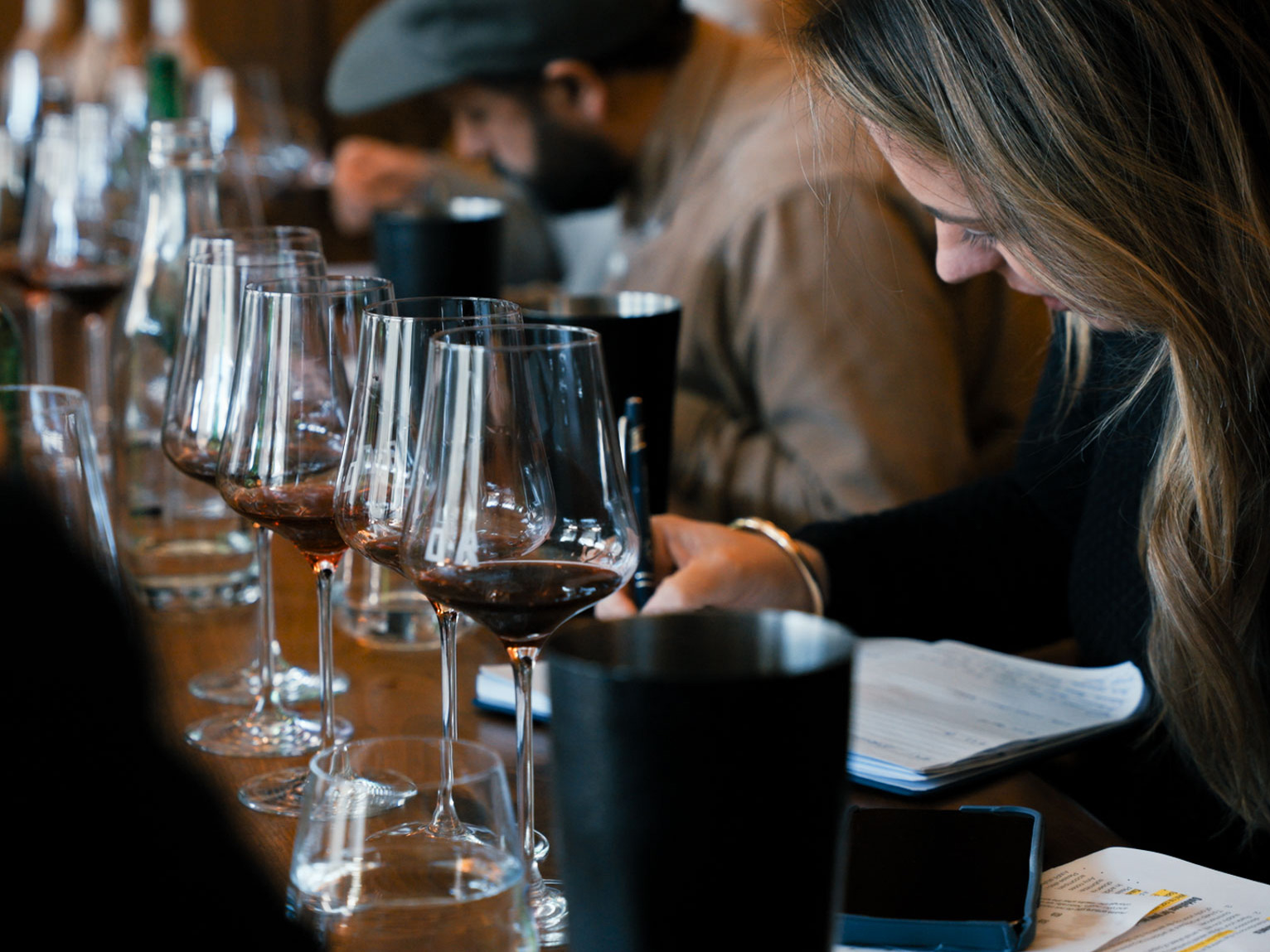
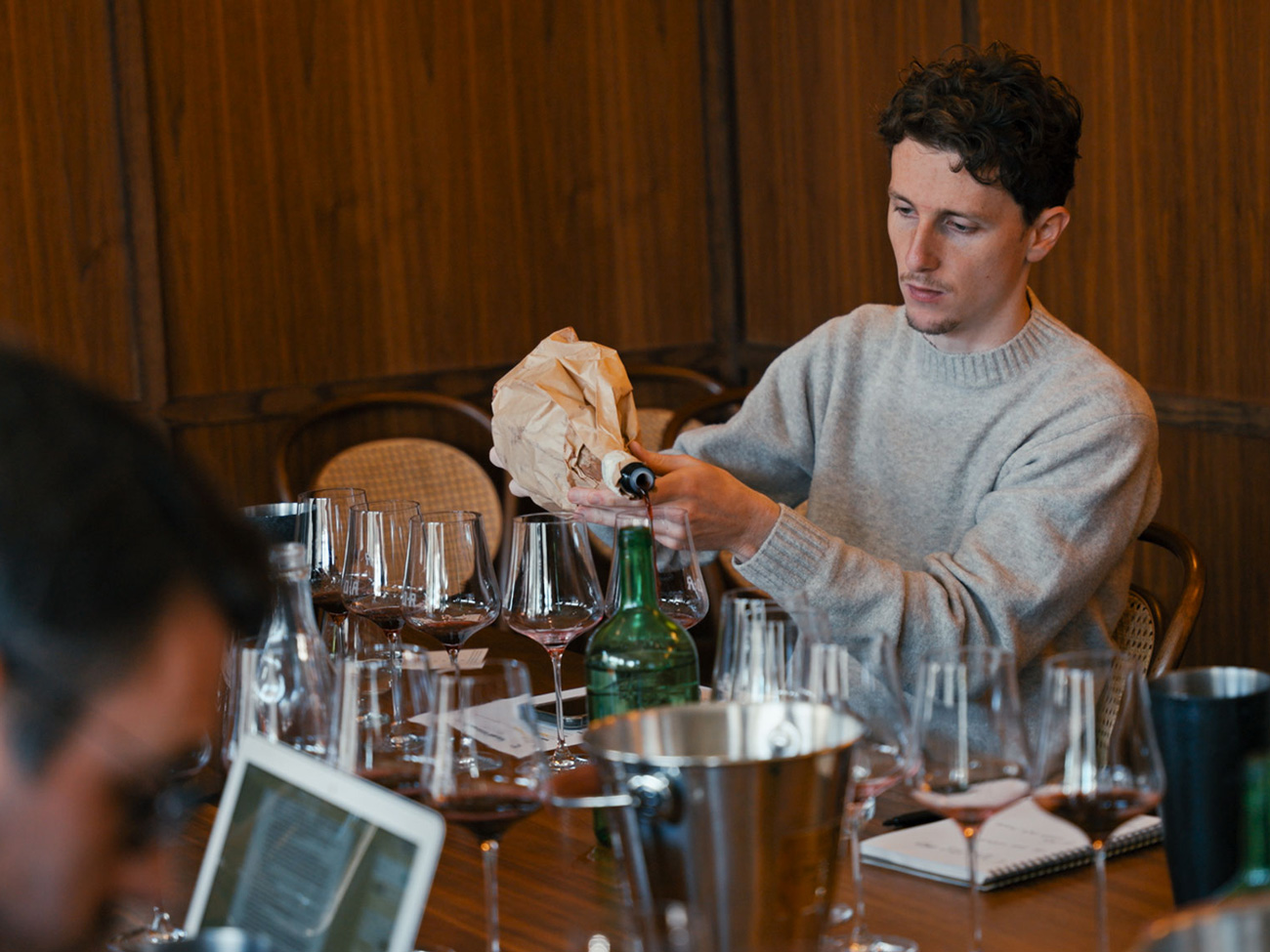
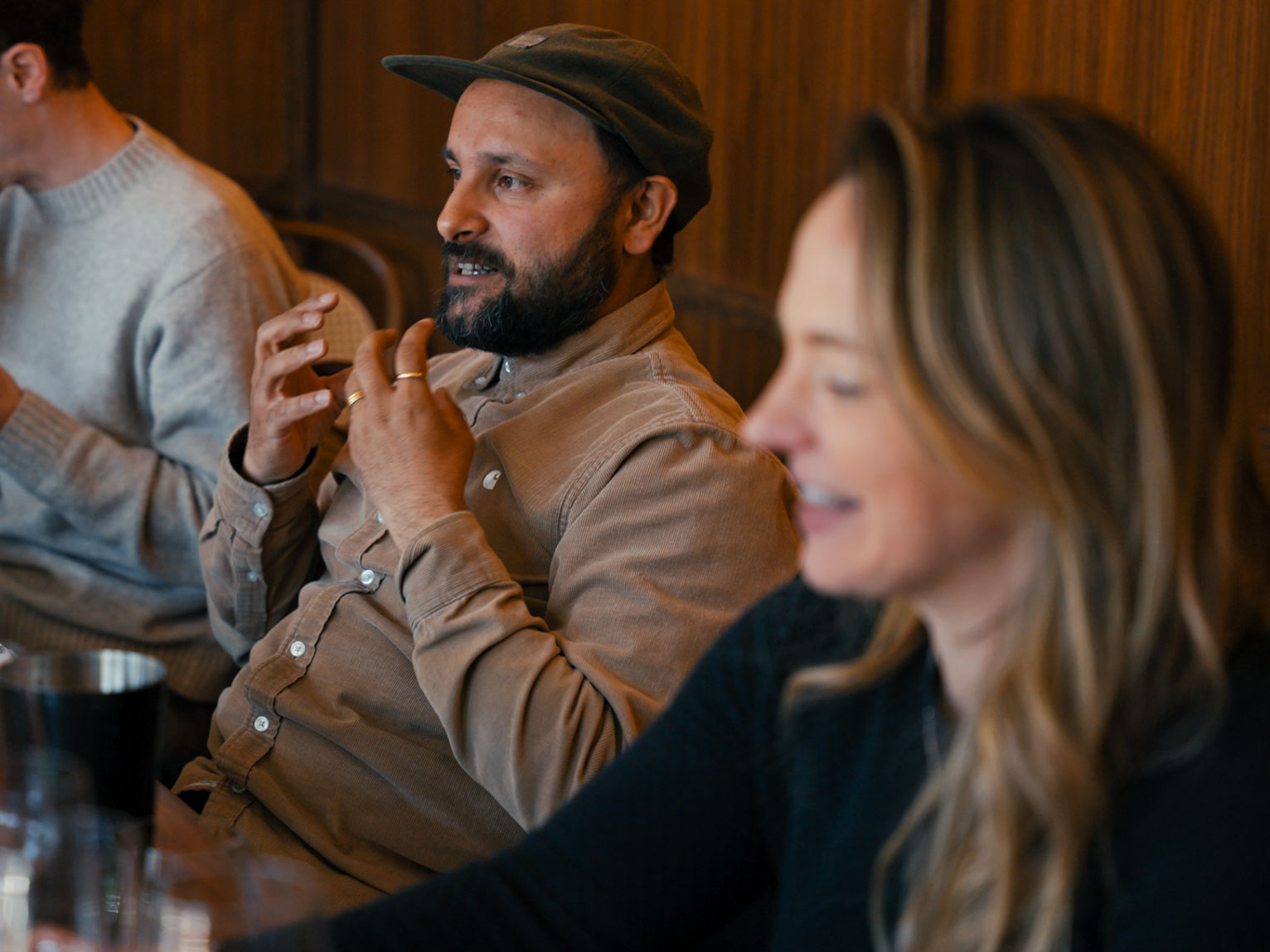
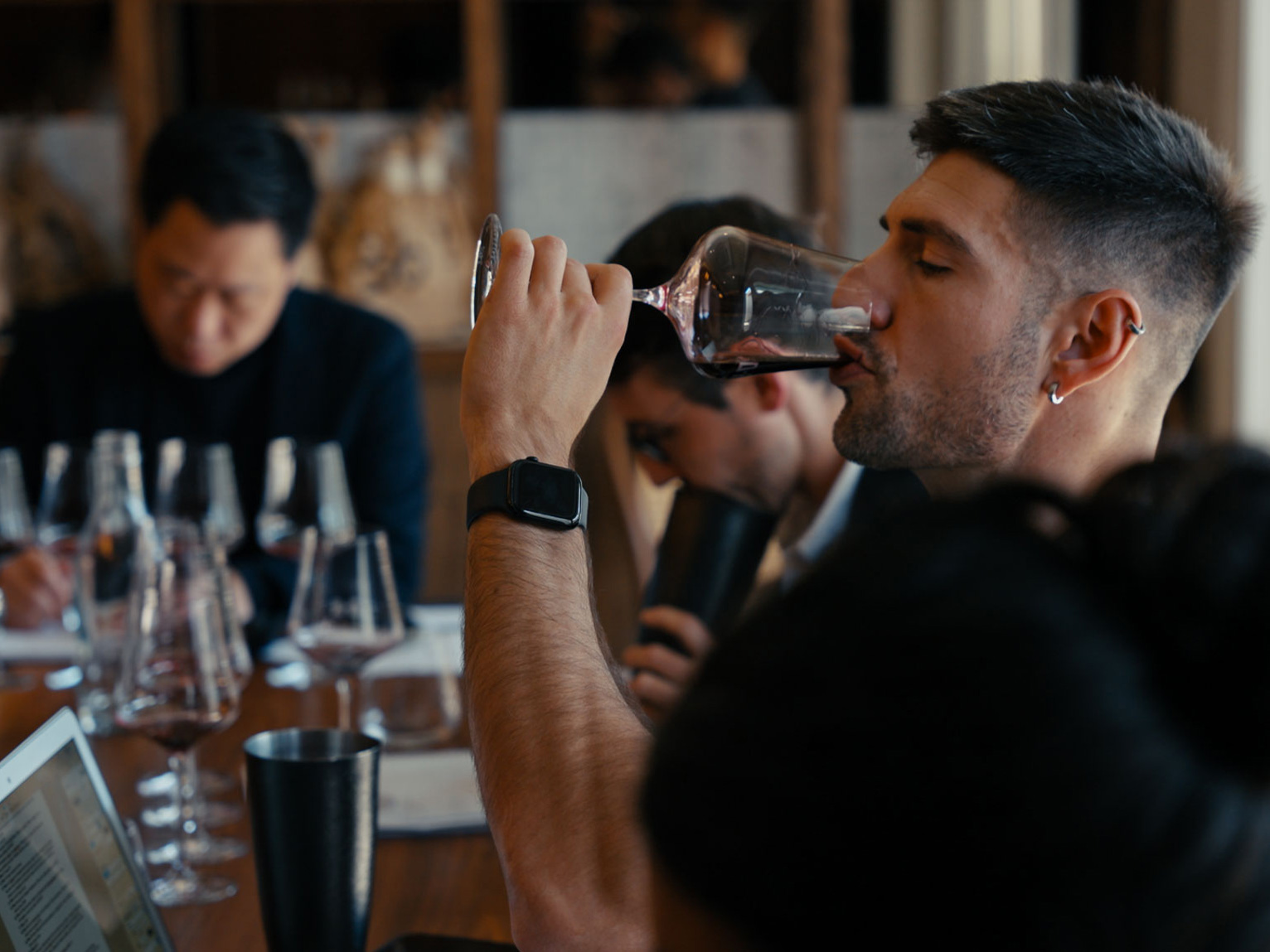
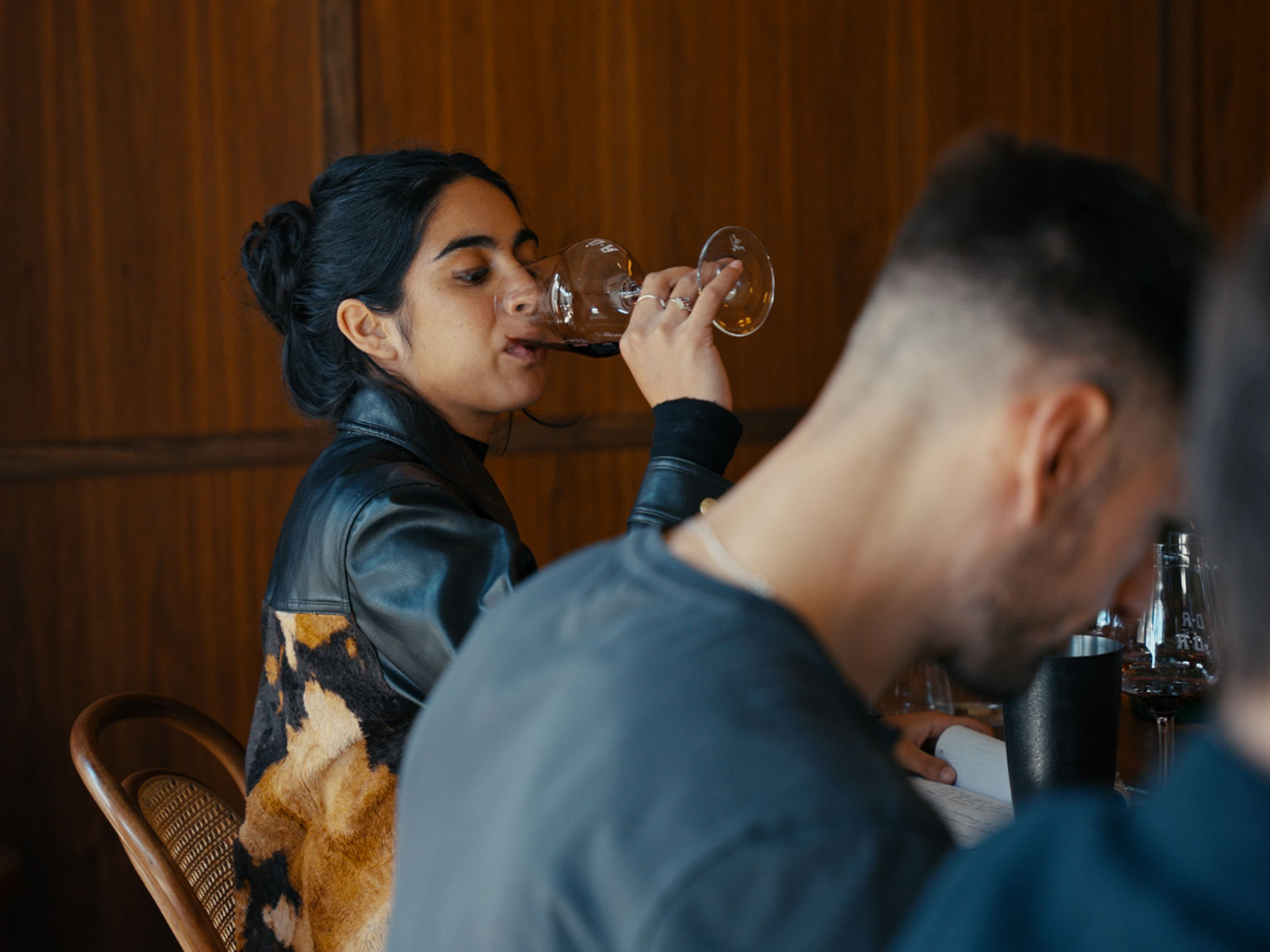
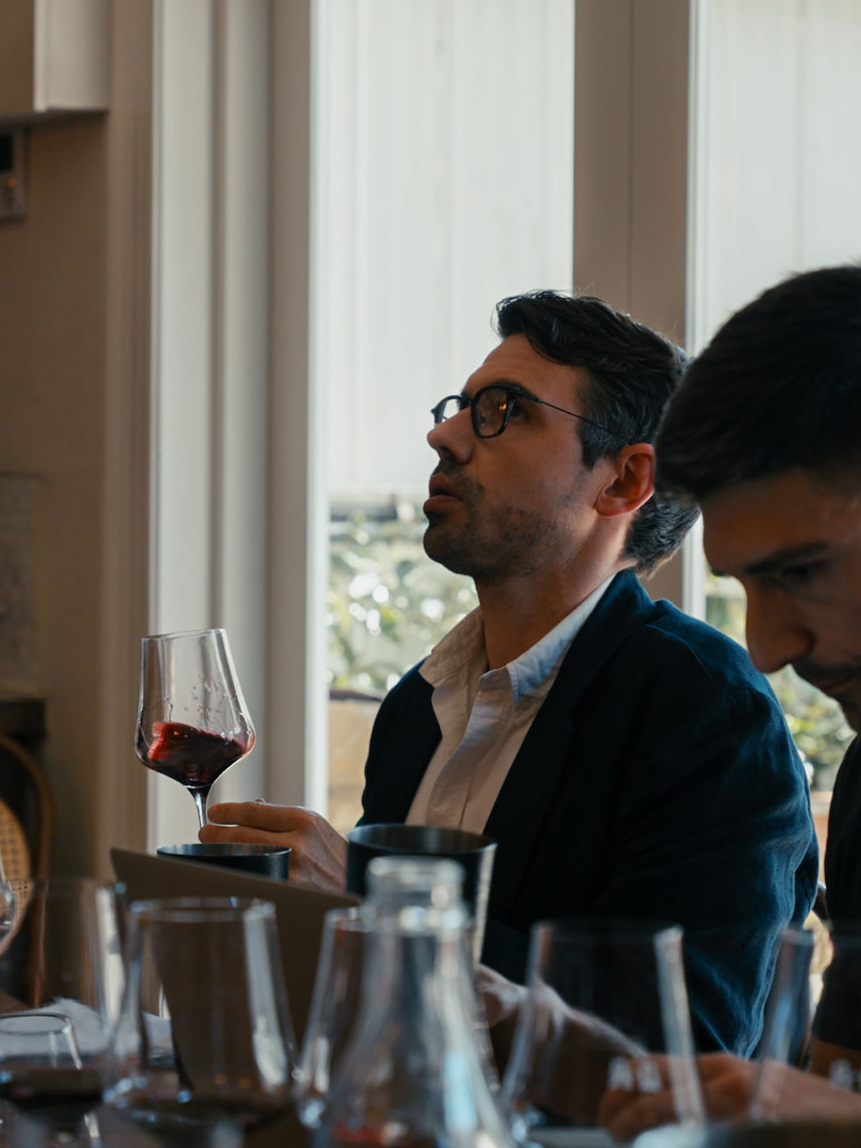
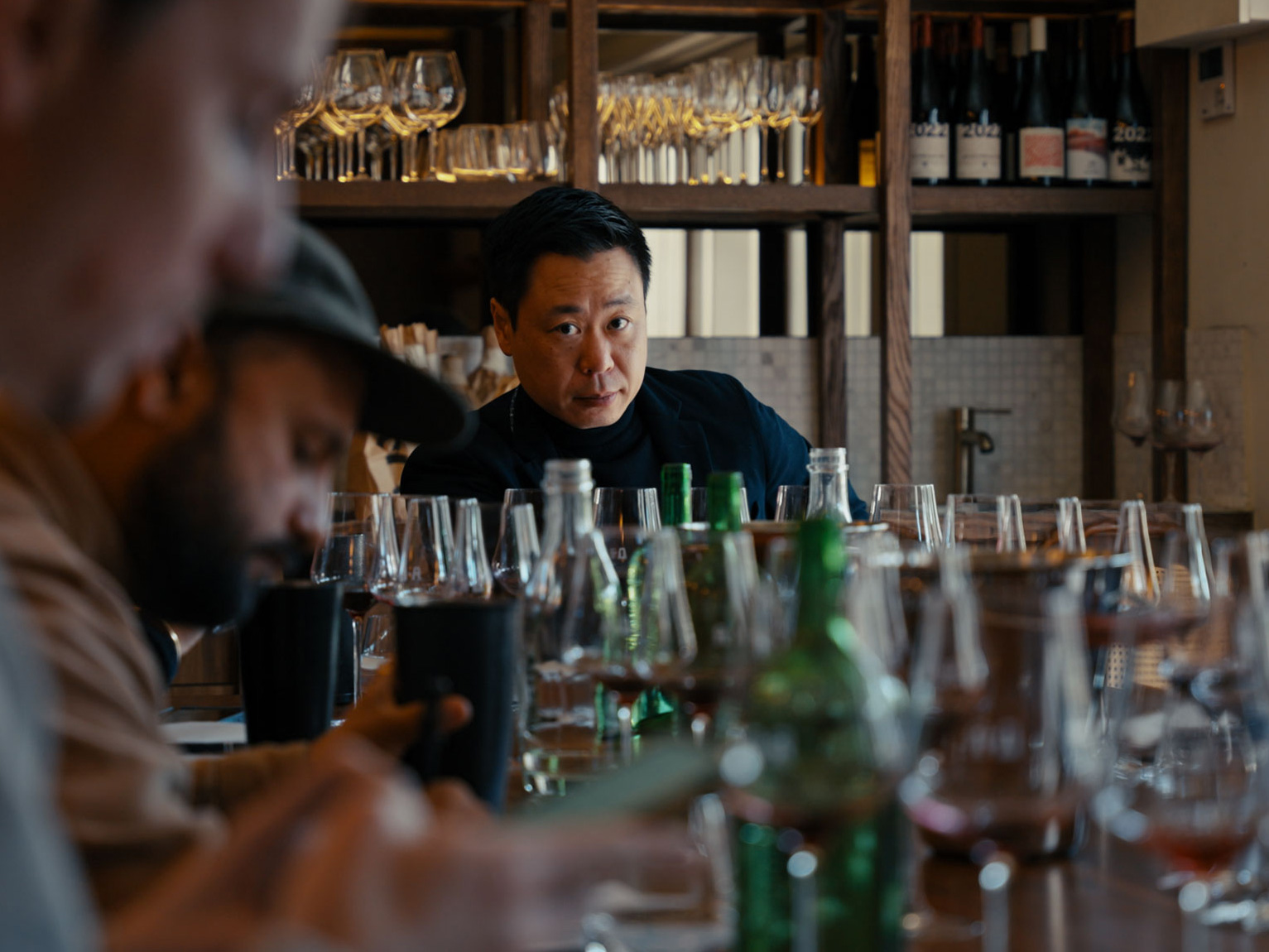
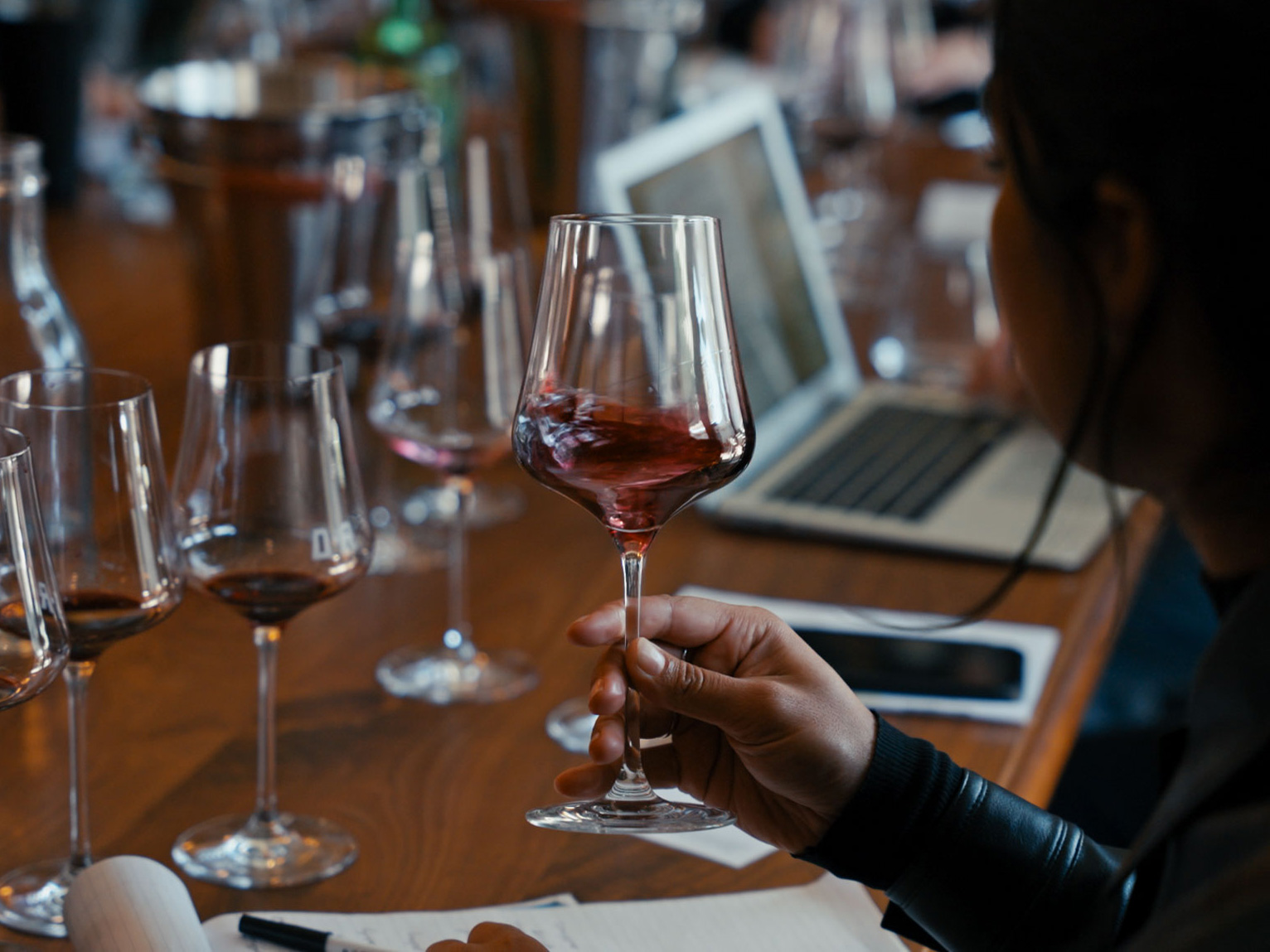
Above: The panellists gathered at Osteria Renata, Prahran (Melbourne).

Outtakes from the tasting

We gathered every example of ‘new wave’ shiraz from the Barossa (including the Eden Valley) that we could find and set our expert panel the the task of finding the wines that compelled the most. All wines were tasted blind, and each panellist named their top six wines.

Our panel: Indra Nadeson, winemaker, Lethbridge; Rohit Singh, winemaker, Avani; Callie Jemmeson, winemaker, Pacha Mama; Jim Mullany DipWSET, wine retailer, Atlas Vinifera; Masahiko Iga, head sommelier, Victoria Racing Club; Andrea Infimo, sommelier, Osteria Renata; Maxence Gueritot, sommelier, Brae.

Gueritot kicked off proceedings by noting that many of the wines in the tasting didn’t completely reinvent Barossan traditions or seek to upend what consumers might expect from Barossa shiraz. “It feels like we had a lot of wines that had a component of a ‘new wave’ element, but tasted very classic in some way as well,” he said. “Most of these wines were nuances of the ‘new wave’, rather than strong statements of the ‘new wave’.” For him, those ‘new wave’ elements were, in his words, “Balance of the ripeness and the sweetness being expressed in the fruit; doing as much as possible to preserve acids; and extracting maybe a bit less than what was done twenty years ago.”

Opposite: Maxence Gueritot. Above: Rohit Singh.

Singh concurred, saying “We were finding that delicate acidity coming through in some of the wines which you kind of gravitate towards.” He added: “We were looking for that element of lightness, acidity, natural acidity, savouriness – and the wines were representative in different forms.” He was surprised at the small number of wines that showed evidence of whole-bunch fermentation as a technique to add freshness: “There was less whole bunch than I thought was going to be there,” he said. “That was one thing I was kind of looking out for – more whole-bunch, more savouriness. There were a couple, but not many amongst the group.”

“I think the future trend will be towards more balance. Definitely more freshness than what we are accustomed to from the definition of traditional Barossa shiraz – but nothing as green and slight and too-crunchy as what we’ve seen in the past three or four years.”

Infimo argued that the tasting showed that the key difference between ‘new wave’ Barossa shiraz and its predecessors is oak use. “‘New wave’, as opposed to traditional, old-school Barossa shiraz, means less oak – newer, different ageing vessels that aren’t new oak barriques,” he said. “So it could be larger format oak, it could be ceramic eggs, it could be cement, sometimes stainless steel – but I think that doesn’t do a lot of justice to shiraz.” He added that while ‘new wave’ producers may have overcorrected in the past in the quest to avoid jamminess or over-ripe characteristics – creating wines that were “a little bit too crunchy, a little bit too bunchy and green” – he thought the tasting showed that these makers were moving towards balance: “After the audience has tried almost the opposite side of the spectrum, I think the future trend will be towards more balance. Definitely more freshness than what we are accustomed to from the definition of traditional Barossa shiraz – but nothing as green and slight and too-crunchy as what we’ve seen in the past three or four years.”

Above: Andrea Infimo. Opposite: Callie Jemmeson.

Jemmeson agreed, arguing that the fact that makers in the lineup had achieved that freshness without compromising the Barossan character of their fruit sources was a plus: “It looks like Barossa fruit, mostly across the board,” she said. “I was worried that – in trying to steer too far away from the overripe, quite jammy styles – we would see a little bit more of the underripe style, which I was happy not to see too much of today.” For her, Barossa shiraz is “going to just naturally have more fruitfulness. I think that’s been shown off in a really lovely way.” She applauded the makers who “experimented with some techniques that are going to provide a bit more of that savouriness, a bit more structure as a whole – and keep it lighter, fresher.”

“Barossa shiraz is going to just naturally have more fruitfulness. I think that’s been shown off in a really lovely way.”

For Nadeson, that experimentation was key. She argued that there were virtues to the wines that might have lacked balance or that other panellists might have considered as pushing the envelope too hard in the direction of lightness and freshness: “I wanted to reward where you could see a little bit of experimentation,” she said of her selections from the tasting. “Maybe they weren’t in perfect balance as full wines – but you could see the intention of the maker, and they were trying to bring something in that added interest and character to the wine. I found these often really interesting – but sometimes they didn’t feel complete.”

Above: Indra Nadeson. Opposite: Jim Mullany.

Mullany argued that the most successful examples of the day had nailed the picking dates. “I think some of the best examples had that balance of picking a little bit earlier – so you’d have a bit more freshness and a bit more of a lively and brighter palate – but at the same time, still having a good fruit intensity, so a balance between the two,” he said. He added that picking earlier not only imbued the wines with freshness, but also expanded the range of possibilities for the variety within the region. “I think with the ones that got it right, there was a wider range of aromas and flavours than you typically see with traditional, classic Barossa – I was definitely seeing some blood orange, amaro-like characters and a little bit more red fruit, which was excellent, and added complexity.”

Opposite: Masahiko Iga. Above: The panel tasting in action at Osteria Renata, Prahran (Melbourne).

For Iga, wines of the day showed that there was an ongoing dialogue between Barossan tradition and innovation within the ‘new wave’. “Even those winemakers calling their wine ‘new wave’ still respect tradition and take advantage of that Barossa character,” he said. “They respect the foundation of quality from the grape variety and the region.” He added, “I don’t want to say ‘new wave’ is just something funky, different, or unique – there’s still that foundation of quality. I think these winemakers are doing both.”
Bookmark this job

Please sign in or create account as candidate to bookmark this job

Save this search

Please sign in or create account to save this search

create resume

Create Resume

Please sign in or create account as candidate to create a resume