Whether you call it by its Australian, French, or Spanish name, this grape variety makes intensely flavoured wines that are sometimes challenging – but always intriguing. Mataro is often relegated to the role of a bit-player as the ‘M’ in Australia’s favourite red blend, GSM, and has a long history of discreetly working its magic in the background of some of Australia’s most popular fortified wines. But in Australia’s warming climate, and with a new generation of viticulturists and winemakers ready to tackle this variety’s sometimes-difficult traits in order to make wines of unique complexity and character, mataro is finally stepping out of the shadows. With so much potential to be found in Australia’s mataro-based wines, we thought it was time to go on a Deep Dive into the heart of this mysterious variety.
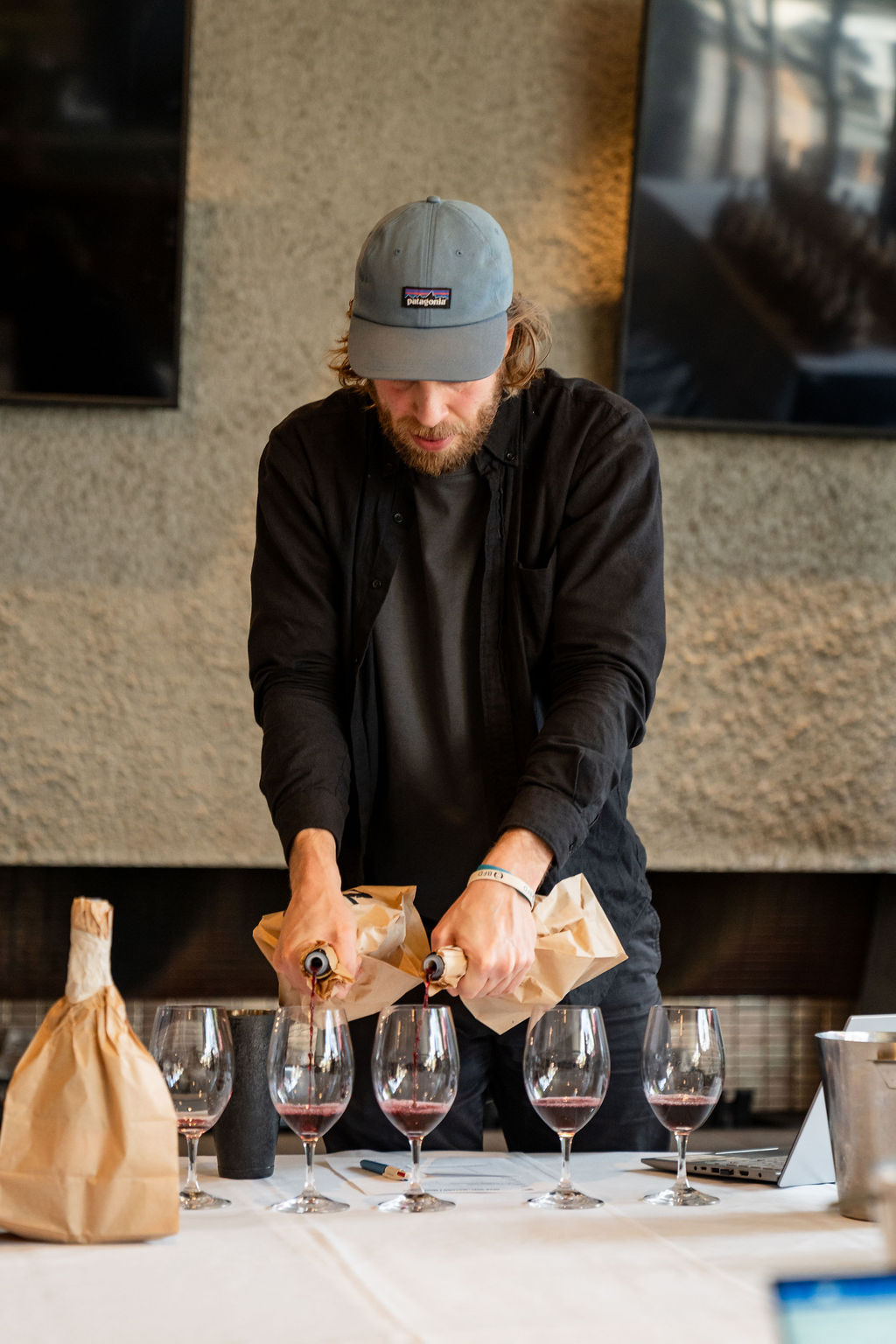
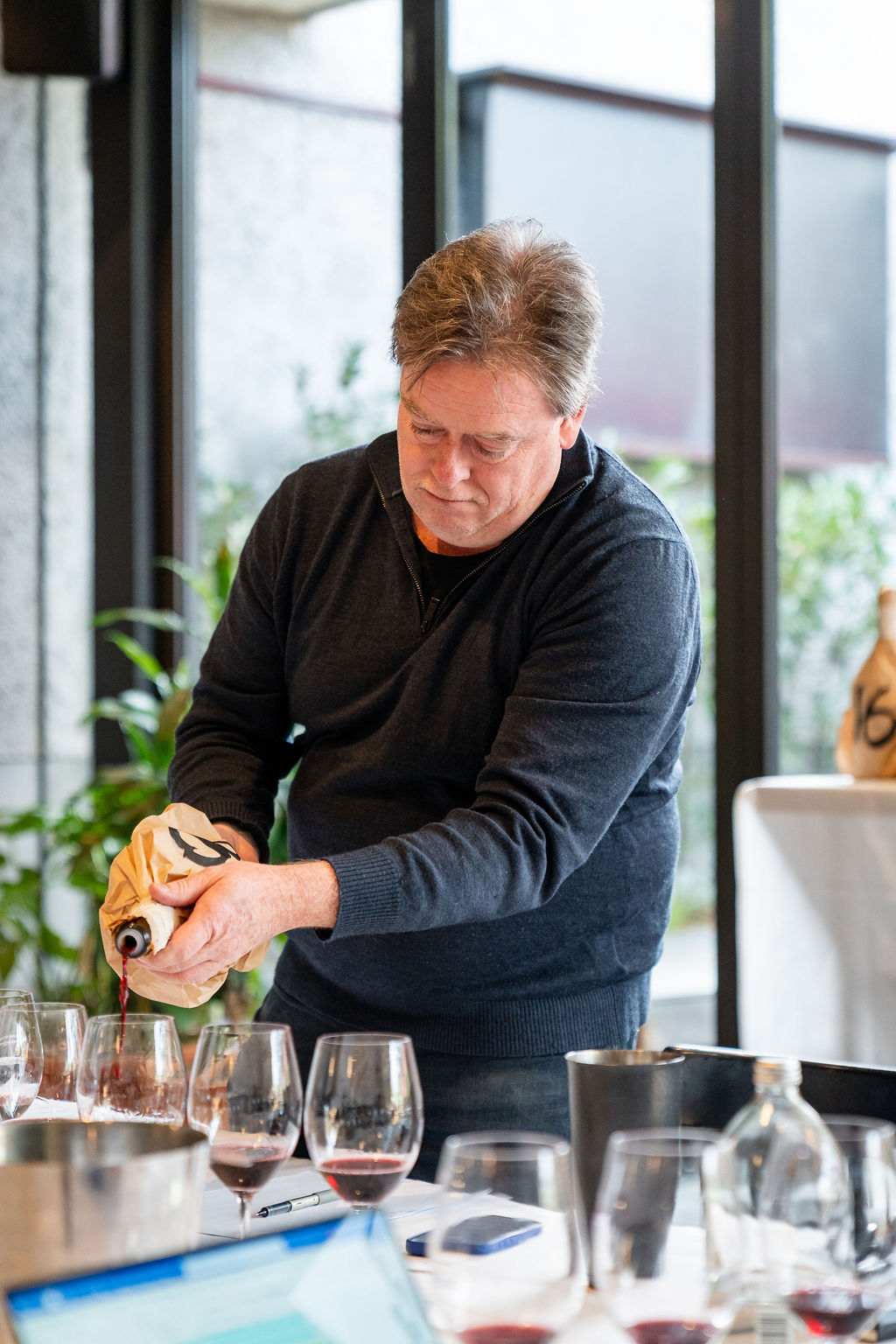
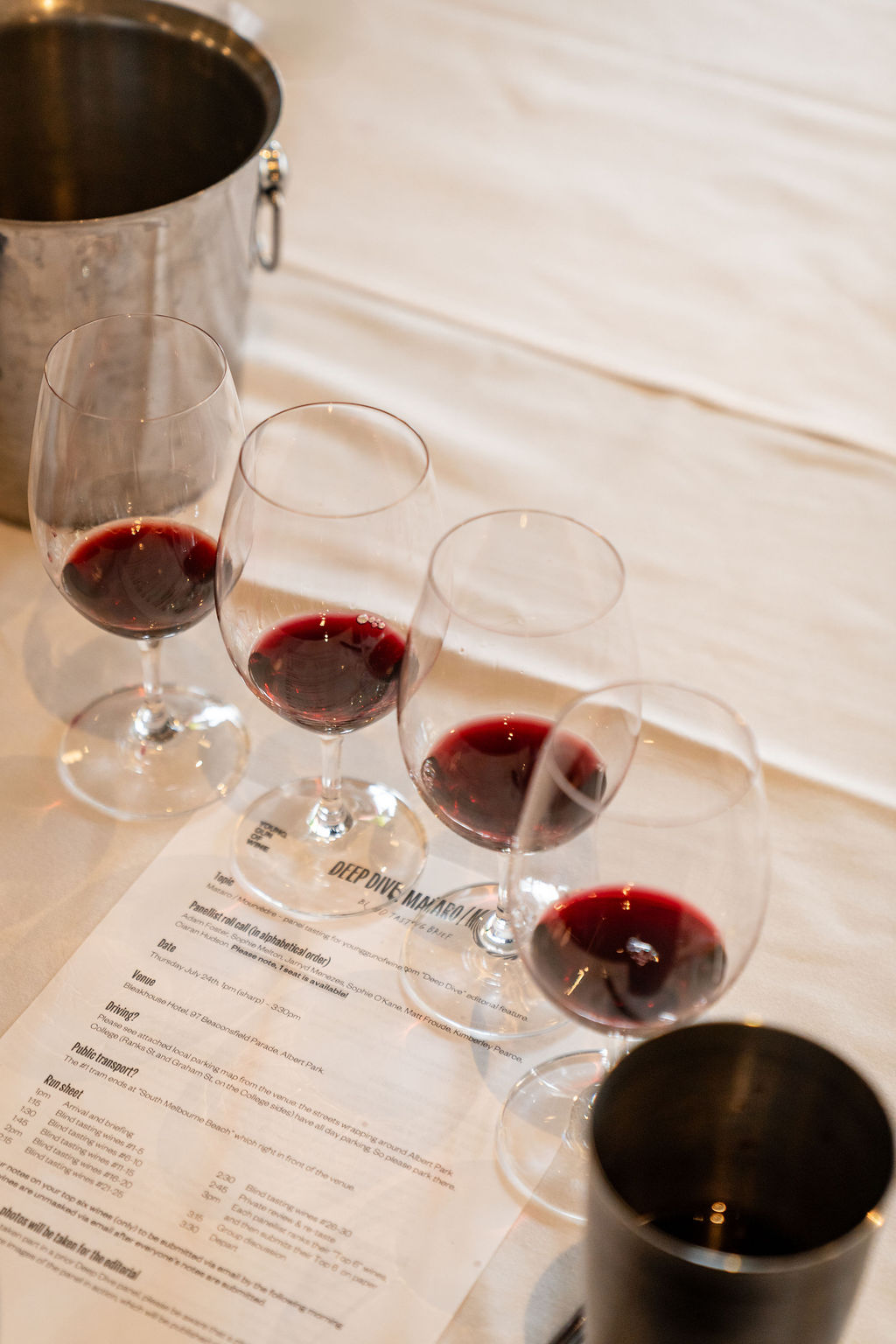
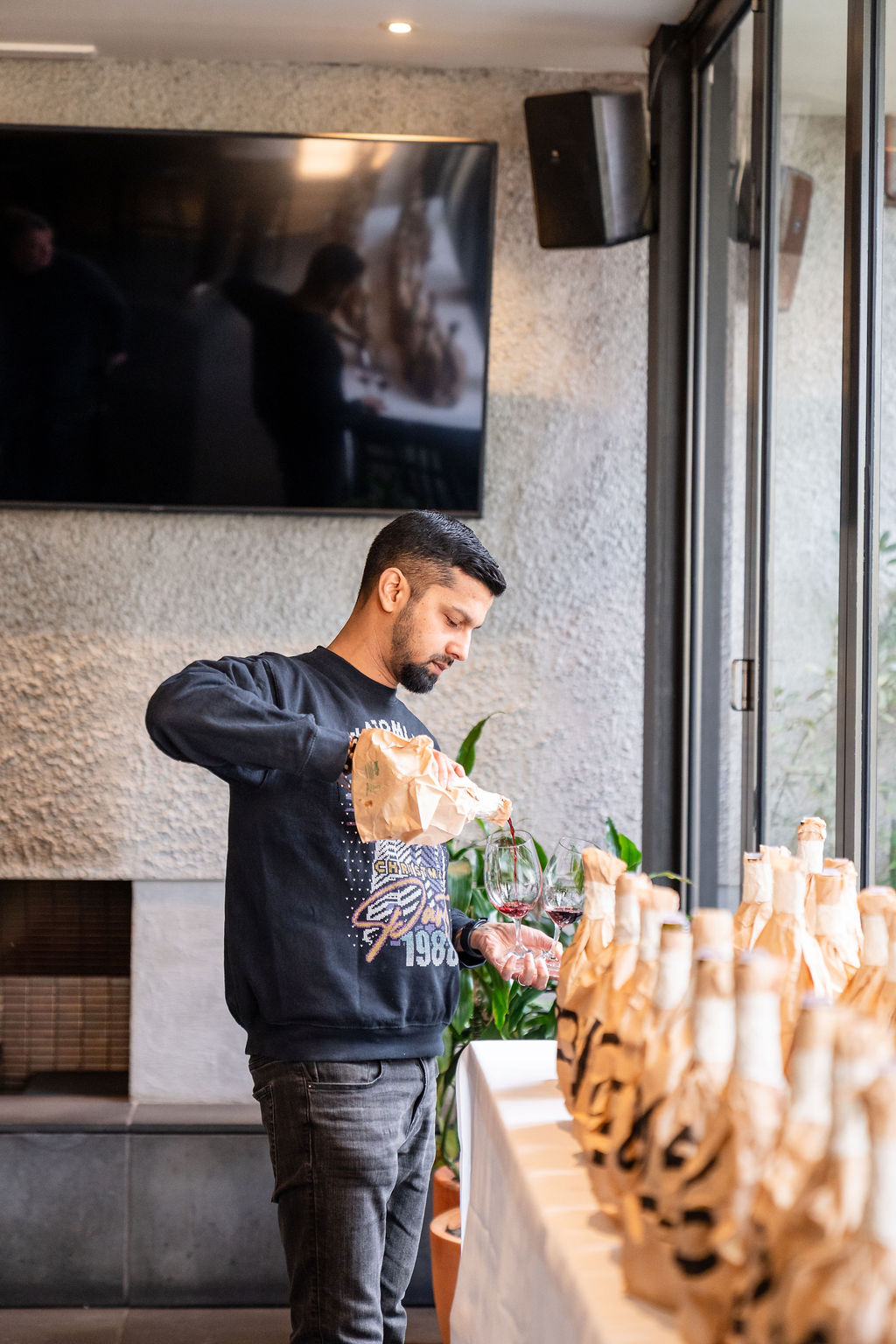
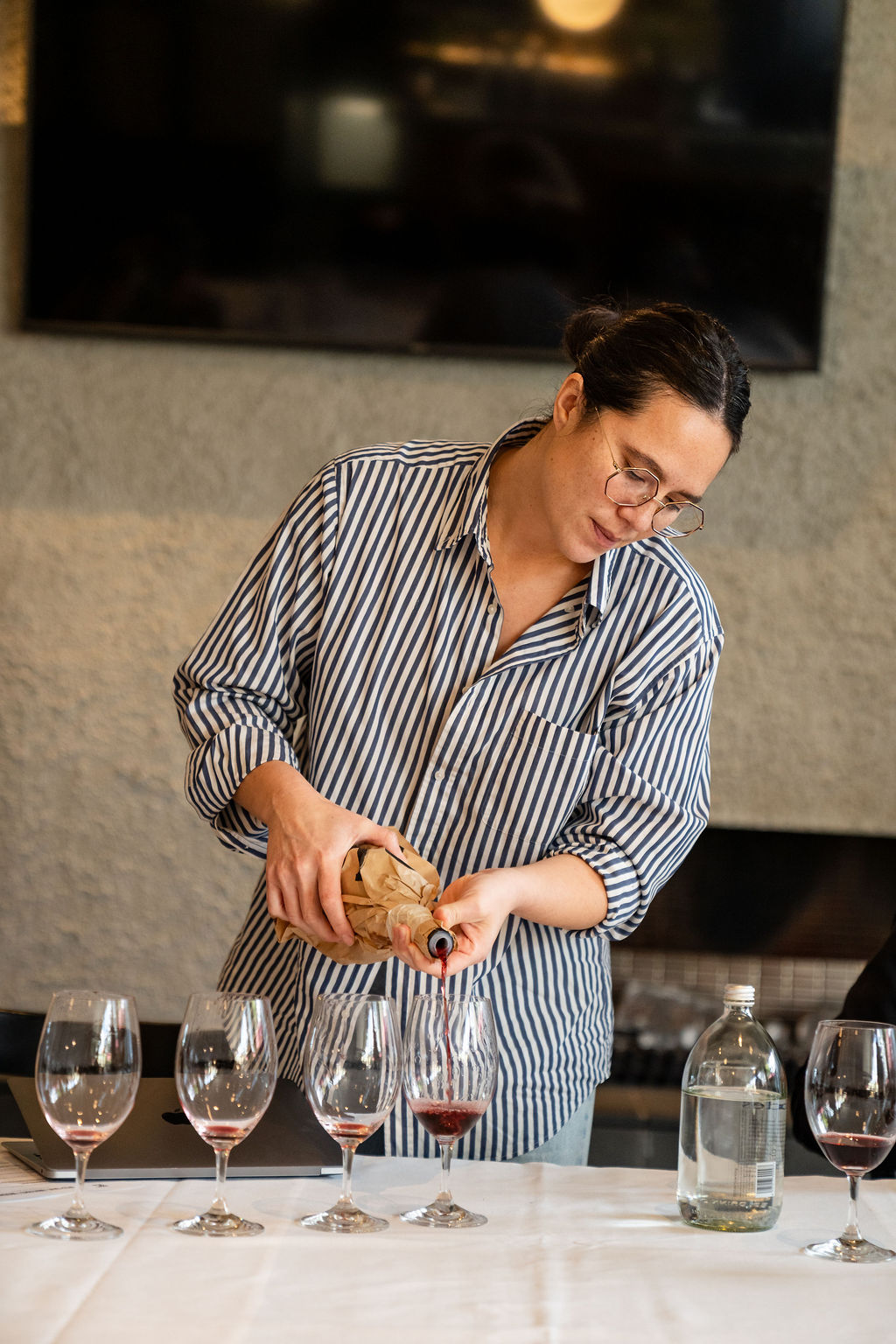
We gathered every example of Australian mataro that we could find – no matter which of its synonyms is used on the label – and set our expert panel the task of finding the wines that compelled the most. All wines were tasted blind, and each panellist named their top six wines. Below are the wines that made the panellists’ top-six selections from the tasting.
Our panel: Adam Foster, winemaker, Syrahmi; Sophie Melton, winemaker, Charles Melton Wines; Ciarán Hudson, winemaker, Beyond the Glass; Sophie O’Kane, head sommelier and venue manager, Julie Restaurant; Matt Froude, winemaker, Municipal; Kimberley Pearce, consultant, Wine Brain; Jarryd Menezes, sales representative, Alimentaria.
From the Deep Dive
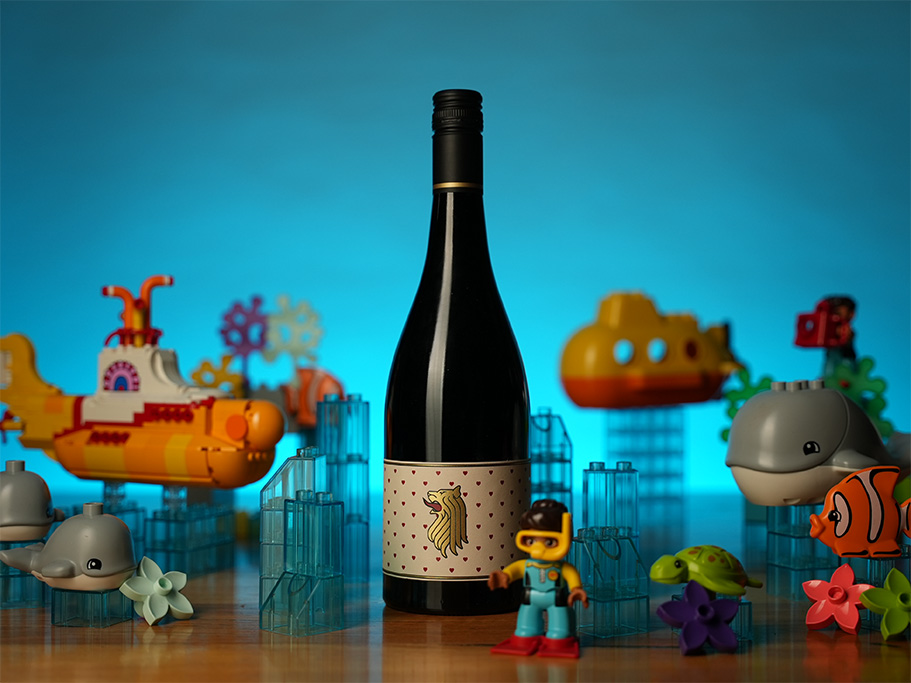
Discover more in The Outtakes below.
Discover more in The Outtakes below.
Discover more in The Outtakes below.
Discover more of The Top Wines below.
The Top Wines
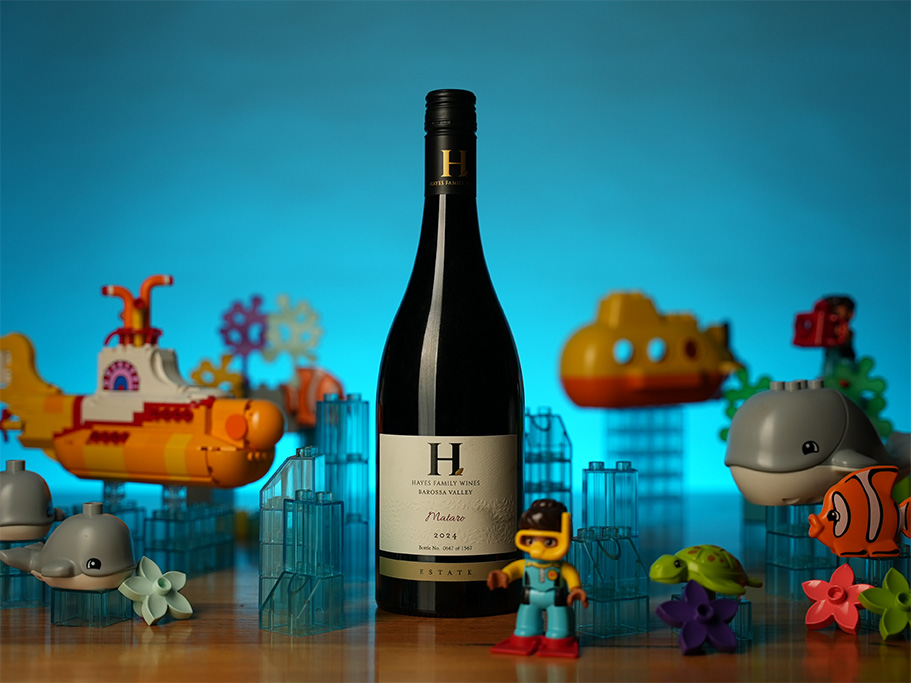
2024 Hayes Family ‘Estate’ Mataro, Barossa Valley
Chosen in the blind tasting by Melton, Foster, Froude, Menezes and O’Kane, this mataro shows breadth and poise. Melton found it “quite a juicy expression of mataro… a flicker of sweet violets and a savoury, umami fish sauce edge,” with “soft, sweet boysenberry, intertwined with a fine tannin structure… a wine with great balance – simply a lovely drink.” Foster noted “floral red fruits, meaty, slight reduction, blueberries… lots of appeal, subtle fruit weight and balance, fine tannin, easy glide finish; has medium plus alcohol with dark fruit, savoury midweight balance… warmth of alcohol but has great finish.” For Froude, there were “lovely, lifted red and blue fruits, including cherry and blueberry, as well as a jubey red note reminiscent of grenache,” with “sweet spices such as cinnamon and clove,” and “a palate… long and complex, with nice ripe tannins… confected raspberry lolly and red jube notes” that “provide lovely relief from the wine’s formidable tannins.” Menezes called it “the new kid at school: quiet, reserved, and almost a bit shy,” urging a decant as “the savoury palate erupts with notes of forest floor, leather and meat,” while “the blackberries and liquorice sit in the back of the palate and say a quick hello… The acid is lively… A true ‘meditation’ wine.” O’Kane loved the “more tart, crisp and crunchy fruits on nose… cranberry, pomegranate,” plus “a gravelly character, like slippery wet rocks in a stream,” before “a more generous” palate with “licks of leather and tobacco… hints of pepper,” and “red fruits: cranberries, plums, almost even blood orange… This is an intriguing wine!”
2022 Langmeil ‘Resurrection’ Mataro, Barossa Valley
Chosen by Menezes, Foster, Hudson, O’Kane, and Froude among their top six wines of the blind tasting, this brooding take on monastrell “beats with a storm of wild blackberries, crushed blueberries, and a hypnotic perfume of black plums,” said Menezes, noting “layers of clove, aniseed, dark cherry, and forest fruit – all couched in a plush, velvety embrace. This wine is untamed, brimming with life and luscious fruit intensity. Bust out the slow cooker. Get a lamb shank in there. Thank me tomorrow.” For Foster, it was “bright and fresh colour youthful, red salted licorice, and slight confectionery chewy bright fruit, savoury mountain herbs, fine tannins long and firm aromatic and mouth balanced and well made a real joy.” Hudson called it a “super pretty approach – a little bit of violet and lavender, then into red liquorice and Chinese five-spice. Well-integrated tannins glide with intensity through the palate, hand in hand with the warmth of spicy acidity. A leathery earthiness appears on the finish.” O’Kane found “sweet sour cherries, fresh thyme and oregano jump out of the glass into your nose. Dark, sweet, juicy cherries are hiding underneath some leather and moss. The tannin hits your gums, but there’s vibrancy here. Go for a well-cooked classic steak, or a gamey pheasant.” Froude described it as “complex and interesting, with vibrant red and dark cherries, cloves, some very attractive hints of undergrowth, and slight reductive notes adding complexity and indicating that the wine will only improve with some age. The palate has good length, with drying tannins and a strong, tar-like cherry fruit character that coats the mouth.”
2023 Bondar Monastrell, McLaren Vale
Selected by O’Kane, Foster, and Melton in their top six from the blind tasting, this wine impressed O’Kane for its “effortless balance… not mindlessly, but just in a way that works,” noting “a mellow tannin profile (for the variety), with just enough earthy spices like black pepper and clove to make you recognise it as mataro,” plus “the crunchy acidity of a fresh red plum, countered by dried oregano and thyme.” Foster found “bright purple layers of blueberry and red fruit perfume lift, savoury elements of roasted meat and salami, round tannins complex medium body palate… long and fine lasting length.” Melton described “a lovely and interesting blueberry and strawberry yoghurt note, paired with fresher boysenberry characters,” with “a crunchy acid line… and a little bit of phenolic grip,” plus “a slight balsamic and soy sauce–like undertone” giving depth to the primary blackberry fruit.
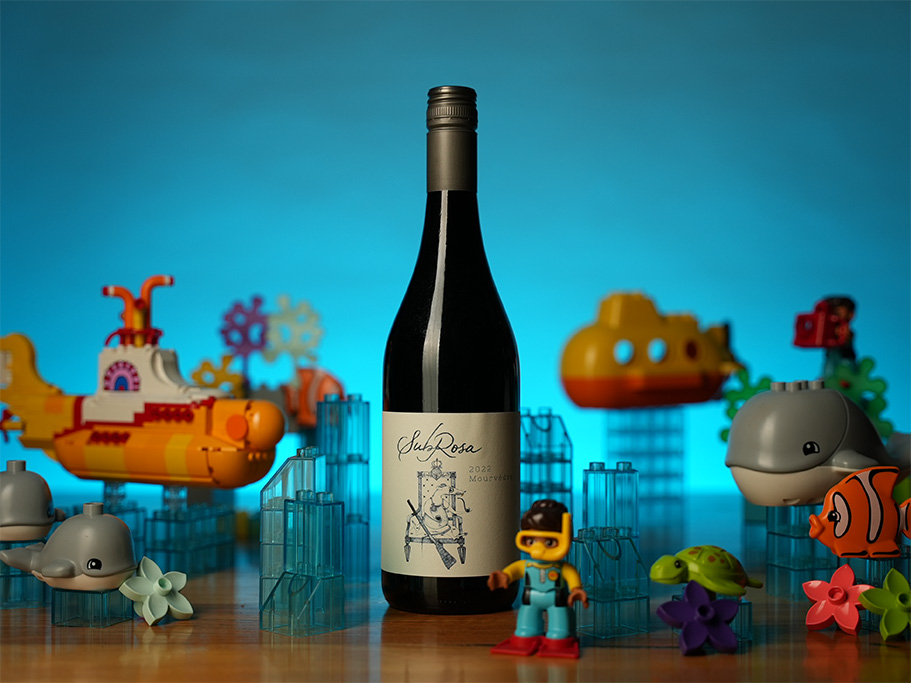
2022 SubRosa Mourvèdre, Bendigo
Chosen by Pearce and Froude in their top six from the blind tasting, Pearce called it her “fave of the day,” praising how “the variety’s wild notes, spice notes, berry notes, and meaty notes all [sit] in balance” — “shiny blackberry and cassis, earthy five-spice, then vibrant black cherry and umami notes of lap cheong,” with “chewy tannins, energy, and length.” She recommended pairing with “yum cha or Korean barbecue.” Froude described “a fruity expression of mataro, with vibrant dark red fruits including cherry and plum, as well as nice spice notes of pepper and clove,” the palate showing “obvious fruit characters of strawberry and stewed plum, backed up with good length of flavour and powdery tannins.”
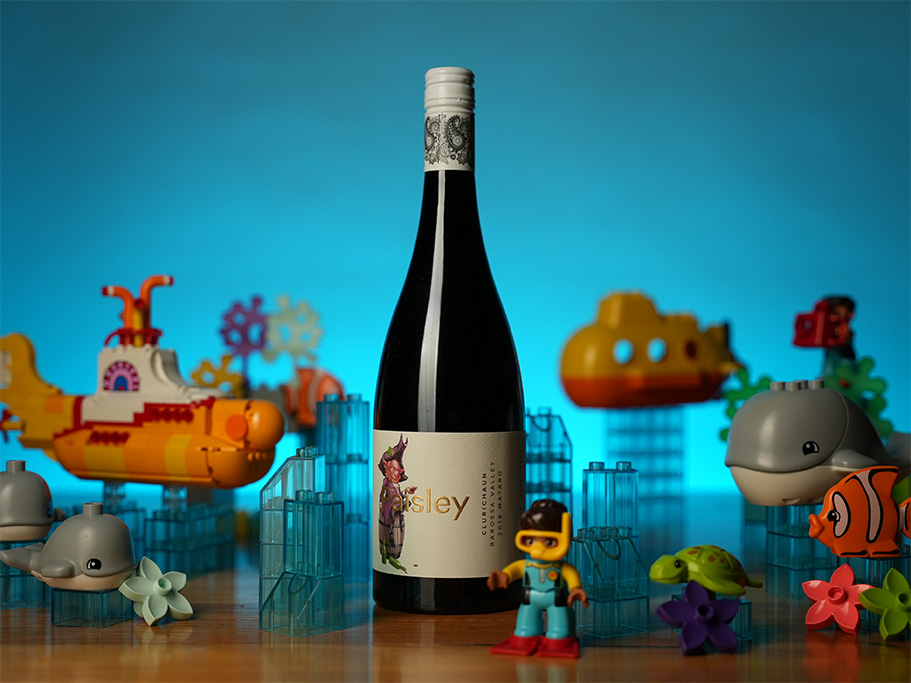
2018 Paisley ‘Clurichaun’ Mataro, Barossa Valley
Hudson and Pearce both included this in their top six from the blind tasting, with Hudson noting “nose of violet and lavender, baking spices and a dose of gamey leatheriness,” alongside “charred fennel, Chinese 5 spice, Negroni-like bitterness and chocolate tannin,” plus “warming acidity and generous tannins” with “a kiss of blackcurrant and black pepper” before ending “very savoury, with earthy, dry freshness.” Pearce found it “on the elegant end of the spectrum,” with “wild strawberry, blackberry, tomato stem that turns to snappy pomegranate, white pepper, animale notes and turned earth” — all “bright and balanced, with lively acidity and grip.”
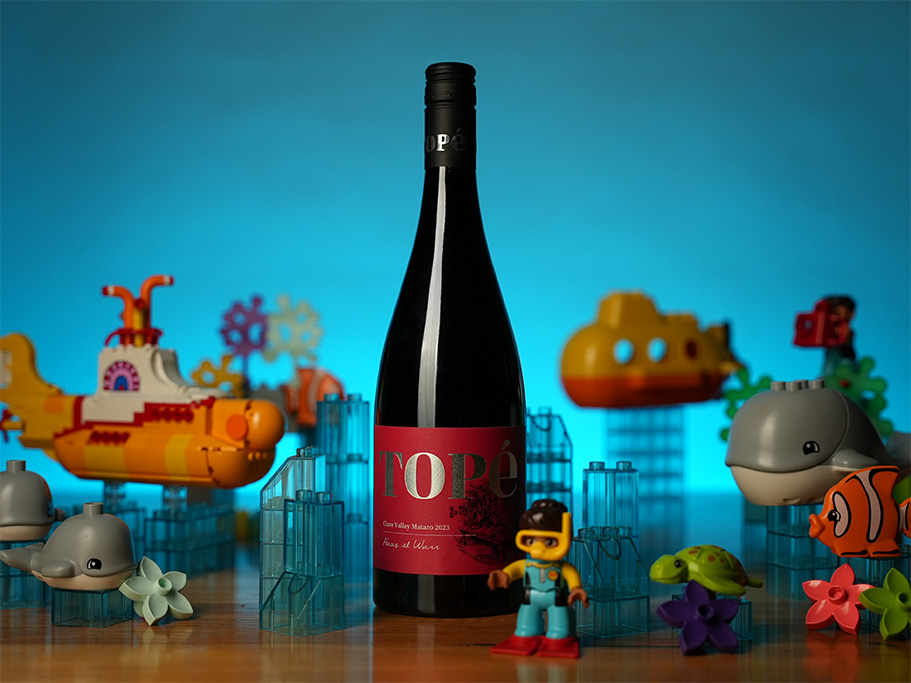
2023 Topé ‘Haus of Warr’ Mataro, Clare Valley
Selected in the top six from the blind tasting by Menezes, Pearce, and Hudson, this was “monastrell at its most exuberant,” according to Menezes — “a carnival of ripe blackberries and juicy plums… accompanied by violets and rose hip,” with “pure, fruit-forward joy… energetic by the richness of the variety.” Pearce picked up “warm bakery aromas: strawberry, redcurrant, and red cherry fruit, with earthy dried thyme and rosemary sprig and haybale,” supported by “a lively drive of acidity and tannic grip.” Hudson described “a pretty, red-fruited nose with currants and violets and some dried lavender,” with “pepperiness, clove spice, and some stewed game character” alongside a “less savoury rendition of a usually savoury grape.”
2021 Paisley Mataro, Barossa Valley
Chosen in their top six from the blind tasting by Hudson, O’Kane, and Pearce. Hudson found “Vegemite and tart black cherry, mouth-watering acidity. Right on the edge of wanting to ask this wine for relief from some more roundness and fruit – but it’s really moreish, actually. Alcohol level makes it quite warm on the exhale, but it’s very comforting.” For O’Kane, there were “little hints and hidden nuggets of everything you’d want in a mataro. Sweet plums and dark cherries, herbs, a wet forest, backed with a shapely coating tannin that seems round and curved. This wine makes me want to have food – it hits two marks in that it’s a great drink, but would equally go well with food due to its flavour profile being a hint more savoury.” Pearce described it as “earthy and wild, with violets, musk, and animale notes on the nose. On the palate, these turn to concentrated blackcurrant, baked rhubarb, white pepper, and dusty tannins. The untamed, gamey vibes folding into black fruit on show in this wine would be great with a lamb souvlaki or roast duck.”
2023 Soul Growers ‘Defiant’ Mataro, Barossa Valley
Selected in their top six from the blind tasting by O’Kane and Pearce. O’Kane noted “this wine has hints of age – brown hues around the edges in the glass, softened tannins, and a more savoury and earthy profile. The fruit characters are stewed: plum and blackberry jam, balanced with bay and thyme. There’s persistence and elegance here.” Pearce loved “the depth of this wine. Savoury, broody, with concentrated blackcurrant, sun-dried tomato, scraped vanilla bean, and roast meat notes. Shows ripe fruit tannins and good structure. Cries out for a bit of smoky, char-grilled meat.”
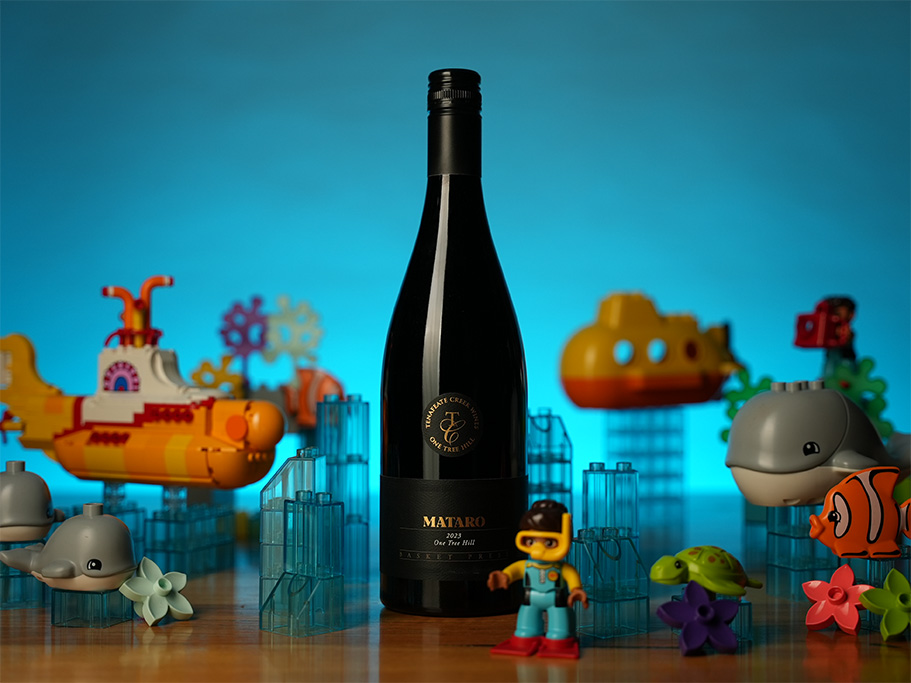
2023 Tenafeate Creek Wines Mataro, Mount Lofty Ranges
Picked in their top six from the blind tasting by Menezes, Foster, and Melton. Menezes found “it’s not often that you can call monastrell a playful variety – so it’s always a pleasant surprise when you get the chance. This wine is bursting at the seams with raspberries, cherries and redcurrants that vividly dance across the palate with energy. Every sip is exuberant and juicy, like a sun-embraced orchard in summer. A real joy, and definitely one that would be great for the spring barbecues that feel just around the corner.” Foster described “perfume sweet red fruits, hint of reduction chewy blue and black fruits. Modern well-made style has grip and tannins fine need some more time to gel.” Melton observed “a lovely purple hue in the glass. A lifted, bright, and aromatic wine. Aromatically, the usual suspects of a mataro – blueberries – are at the fore, followed by a lovely violet tone. The palate is quite structured, supporting the lovely fruit profile of blackberry and spiced fig.”
2021 Rusden ‘Full Circle’ Mataro, Barossa Valley
Chosen in their top six from the blind tasting by Melton, O’Kane, Hudson, and Pearce. Melton saw “medium depth of colour, the edges hinting towards some garnet tones. A lovely, rich style of mataro here, showing aromatics of slow-roasted quince accompanied by wild strawberries and some bramble, plus a delightful herbal undertone of sage and oregano. The palate is lovely and rich: further notes of quince, and a hint of smoked paprika. The tannins are silky and refined, backed with an acid balance that is spot-on.” O’Kane described it as “perfumed with ripe strawberries into blueberries, cherries and sweet plums. Hints of tobacco and leather on the nose. The palate has a brightness and just like Goldilocks’s porridge – the tannin feels just right. Savoury smoke and earth and underbrush, with a bit of dried oregano. I want smoked sausage or a fatty porchetta!” Hudson found “Bloody Mary–like vegetal nose, with fennel seed, celery and tomato juice. Savoury vegetables and herbs, redcurrants and Aussie Christmastime red cherries. Some warming oak comfort with baking spice notes. Long on the palate – tannins stay around to haunt you. Shows the mild side of mourvèdre, but this wine does it justice with the duality between savouriness and fruit.” Pearce added that “this wine is all about the exotic spice and aromatics: pretty rose petals, gingerbread, gamey notes, with raspberry, cherry, and dried orange peel. Smoky notes and depth of flavour here suggest a bit of age on the wine. I’d love to try it with cumin or paprika-spiced dishes – maybe modern Indian, or classic Spanish tapas.”
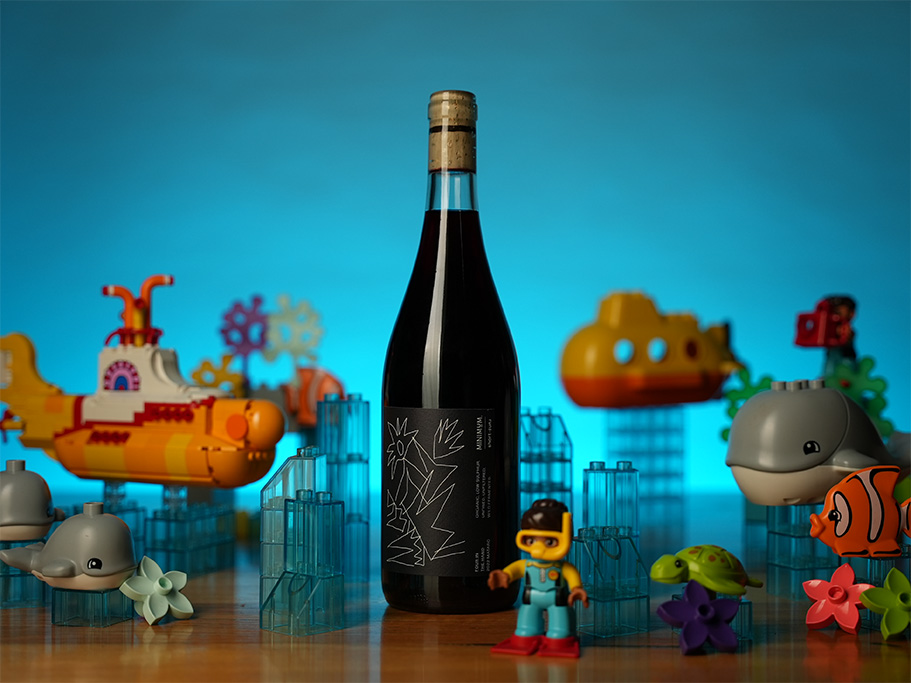
2022 Minimum ‘Four in the Hand’ Mataro, Goulburn Valley
Selected in their top six from the blind tasting by Froude. He found it “vibrant and complex, with an almost mencía-like floral note. Lots of red fruits here, including strawberry, cherry, and red liquorice, plus nice dried herb characters including sage, clove, cinnamon, and forest floor. The palate is restrained, but has excellent length, with plush tannins. On the palate it shows dark cherry and pomegranate flavours, while retaining its fresh and bright character. This wine would pair exceptionally well with wild meat/game dishes.”
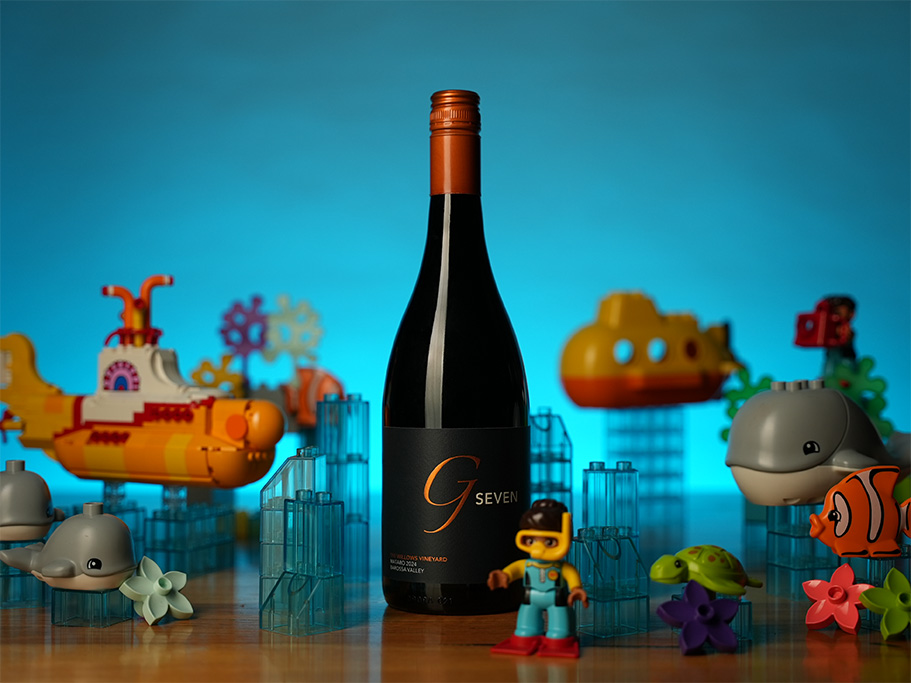
2024 The Willows ‘G-Seven’ Mataro, Barossa Valley
Chosen in their top six from the blind tasting by Melton. She described it as “what I would describe as a ‘pretty’ wine aromatically: elevated notes of morello cherry and blackcurrant at the fore, followed by some really generous fruit – dried figs and juicy blackcurrant – on the palate. The acidity is bright and crunchy, which gives lovely definition to the wine. The generous upfront fruit is tempered by a tannic drive to finish.”
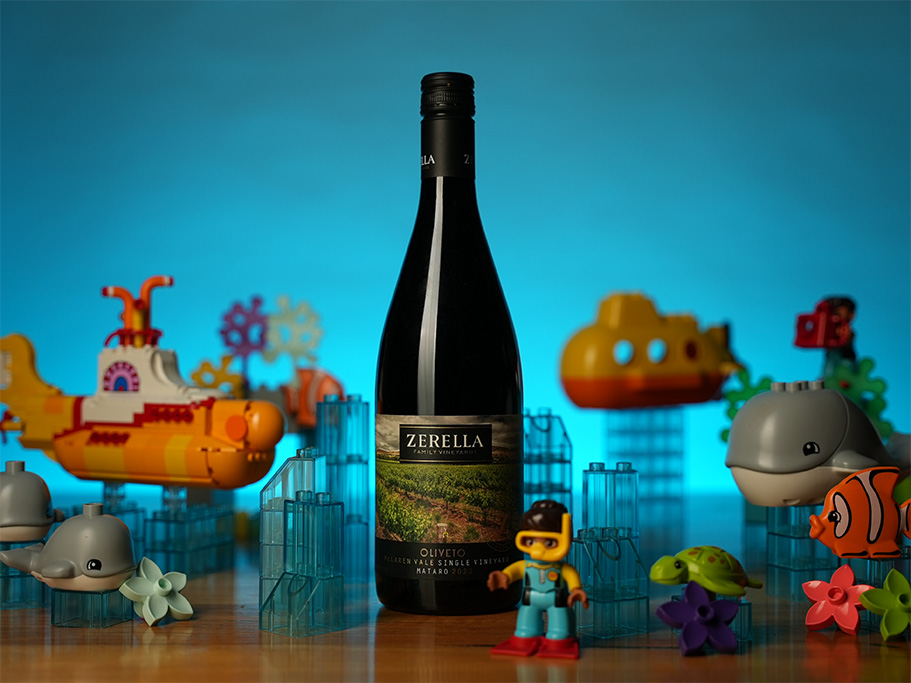
2020 Zerella ‘Oliveto’ Mataro, McLaren Vale
Picked in his top six from the blind tasting by Menezes. He called it “monastrell in velvet slippers – clove and cardamom draping the deep, saturating flavours of blackberries and plums. Blueberry compote glides through, with the variety’s hallmark weight and alcohol beautifully integrated beneath the fruit’s plush, juicy core. One of those wines where you wish it were given to you completely blind, just so you can proudly tell everyone it’s monastrell!”
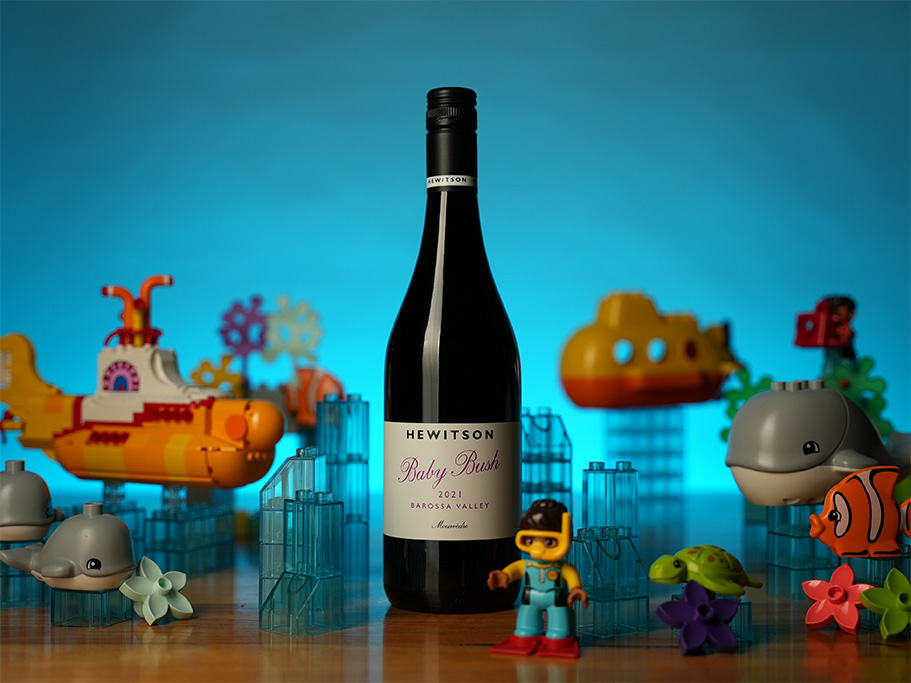
2021 Hewitson ‘Baby Bush’ Mourvèdre, Barossa Valley
Selected in his top six from the blind tasting by Froude. He noted it was “spicy, complex and lifted, with dark cherry, pomegranate, forest herbs and sweet spices of cinnamon and nutmeg. The palate is more savoury than fruity, showing meaty notes and dried herbs, but retaining a core of cherry compote character. The tannins are slightly grainy, and the finish drying – however, with time to soften in bottle, this wine should come together nicely. The savoury notes and drying tannins would lend themselves to pairing with strongly flavoured red-meat dishes.”
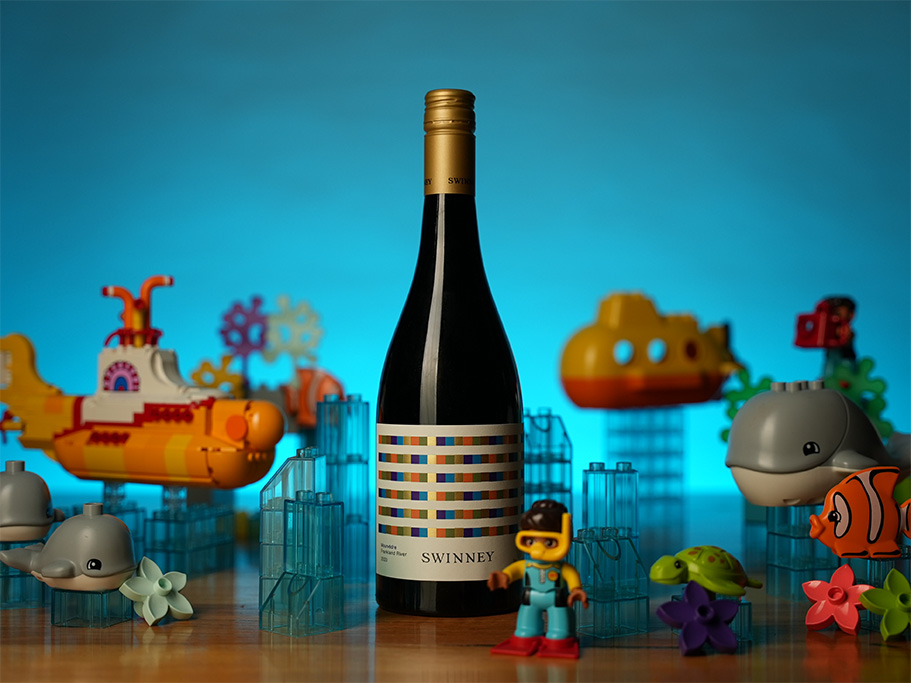
2023 Swinney Mourvèdre, Frankland River
Chosen in his top six from the blind tasting by Hudson. He found it “smells like game gently smoking on a fire. Warming and embracing in the mouth – warm driving heat, spice, and gentle acidity lifting the heavier, darker flavours: sour black cherry and black pepper with a hum of vegetable broth rolling through. Burnt molasses, sour cherry, and red and black pepperiness grips your gums. Lengthy departure through a very savoury pathway: coriander seed, citrus pith. Not too long on the palate, but not overpolite, either. A nice battle between savouriness and sweet fruit, with savoury flavours winning the duel hands down. Very moreish and bright, pretty and lifted – this would suit a pinot drinker, even …”
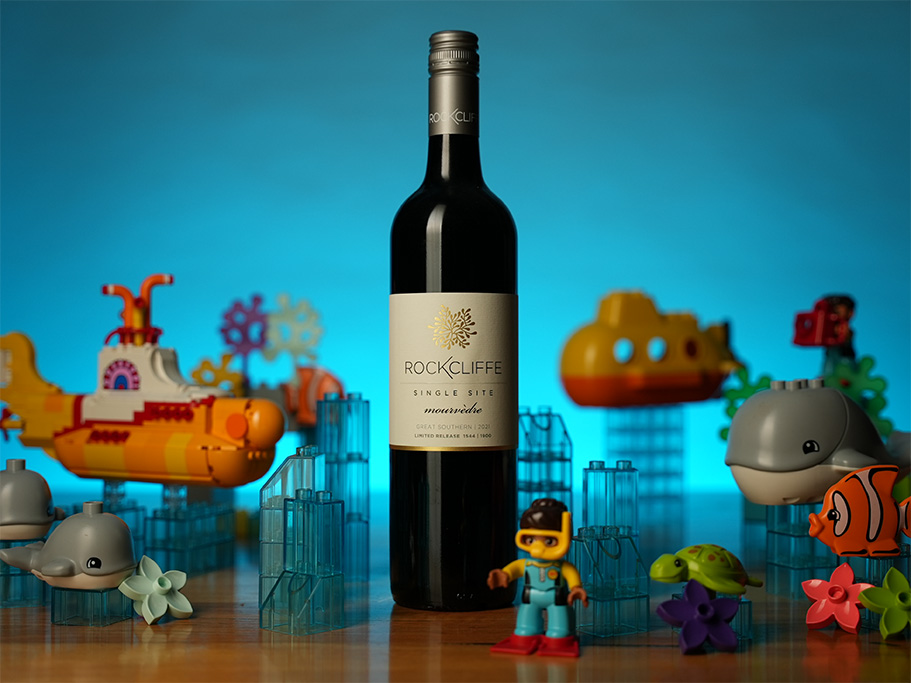
2021 Rockcliffe Mourvèdre, Great Southern
Selected in his top six from the blind tasting by Foster. He found it “bright lifted red cherries spice sweet earth, fine but powdery tannins long fine texture some whole bunch gives rounded mouthfeel with extended fine grip. Should be a great match for Roasted quail with mushroom sauce!!”
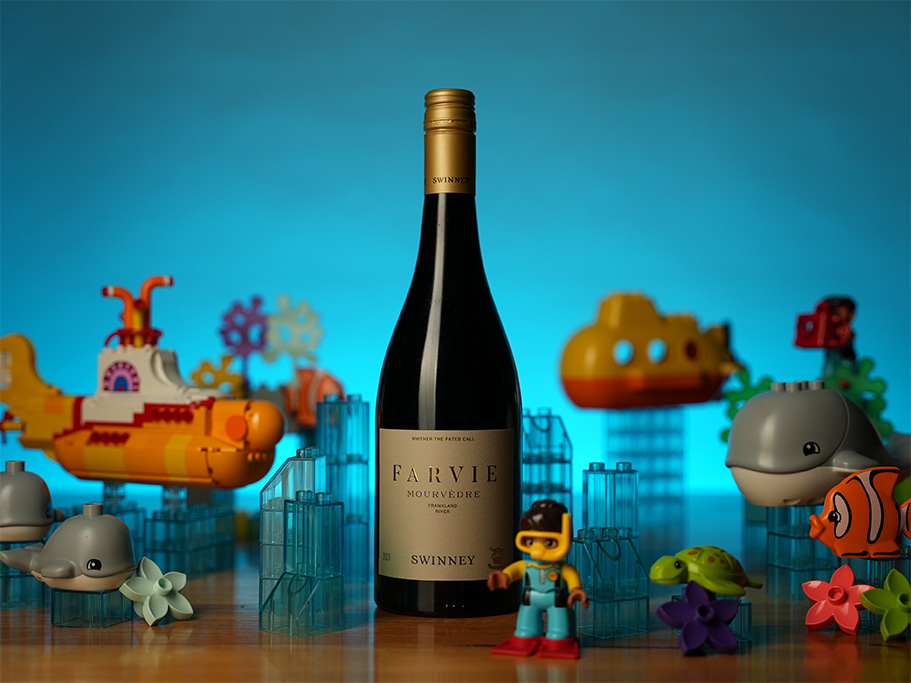
2023 Swinney ‘Farvie’ Mourvèdre, Frankland River
Chosen in their top six from the blind tasting by Foster and Menezes. Foster described it as “wild game stew blue and dark fruits to the fore again reduction fine structure very chewy tannins that need food and time for this to come together 4+ years.” Menezes added: “When you type ‘monastrell wine’ into your search engine, a picture of this bottle should be on show. This is monastrell unleashed – weighted, muscular, brimming with Black Tartarian cherries, stewed plums, and waves of blackberry jam. The variety’s chewy, powerful, almost angular tannins frame the intensity – yet the fruit never lets up, saturating every corner of the palate. Decadent and forceful, this is monastrell at its most commanding. It’s also a wine that deserves time: while enjoyable now, I’d love to let this sit in the cellar for a few years to see how that tannin integrates and where the fruit will take you – I suspect dark chocolate and leather notes. A wine that I had to come back to a few times over the day as I kept discovering new things about it that I liked. I’ll be grabbing a bottle of this for my next steak night!”
2021 Lienert Mataró, Barossa Valley
Picked in her top six from the blind tasting by Melton. She found “a nice mid-depth colour, with garnet hues progressing. A dark and brooding nose: dried prunes, pot pourri perfume, and satsuma plum. The oak peeks through on the nose, providing a vein of old cedar character that adds interest without overpowering the fruit. The palate is generous and mouth filling, and the tannins integrate beautifully.”
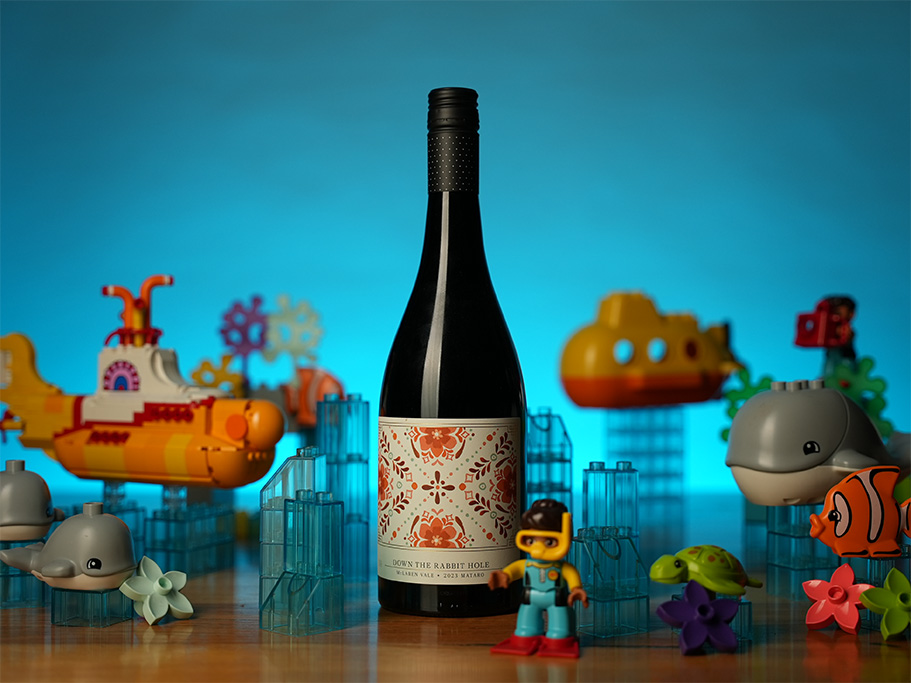
2023 Down the Rabbit Hole Mataro, McLaren Vale
Selected in his top six from the blind tasting by Froude. He noted “vibrant red fruits, including cherry and raspberry candy, hints of sweet spices such as cinnamon and clove. The palate shows ripe cherry and dark plum characters, as well as slightly candied notes that give the perception of fruit sweetness – balancing the firm tannins and providing good length.”
The backstory
Whether you call it by its Australian, French, or Spanish name, this grape variety makes intensely flavoured wines that are sometimes challenging – but always intriguing. Mataro is often relegated to the role of a bit-player as the ‘M’ in Australia’s favourite red blend, GSM, and has a long history of discreetly working its magic in the background of some of Australia’s most popular fortified wines. But in Australia’s warming climate, and with a new generation of viticulturists and winemakers ready to tackle this variety’s sometimes-difficult traits in order to make wines of unique complexity and character, mataro is finally stepping out of the shadows.
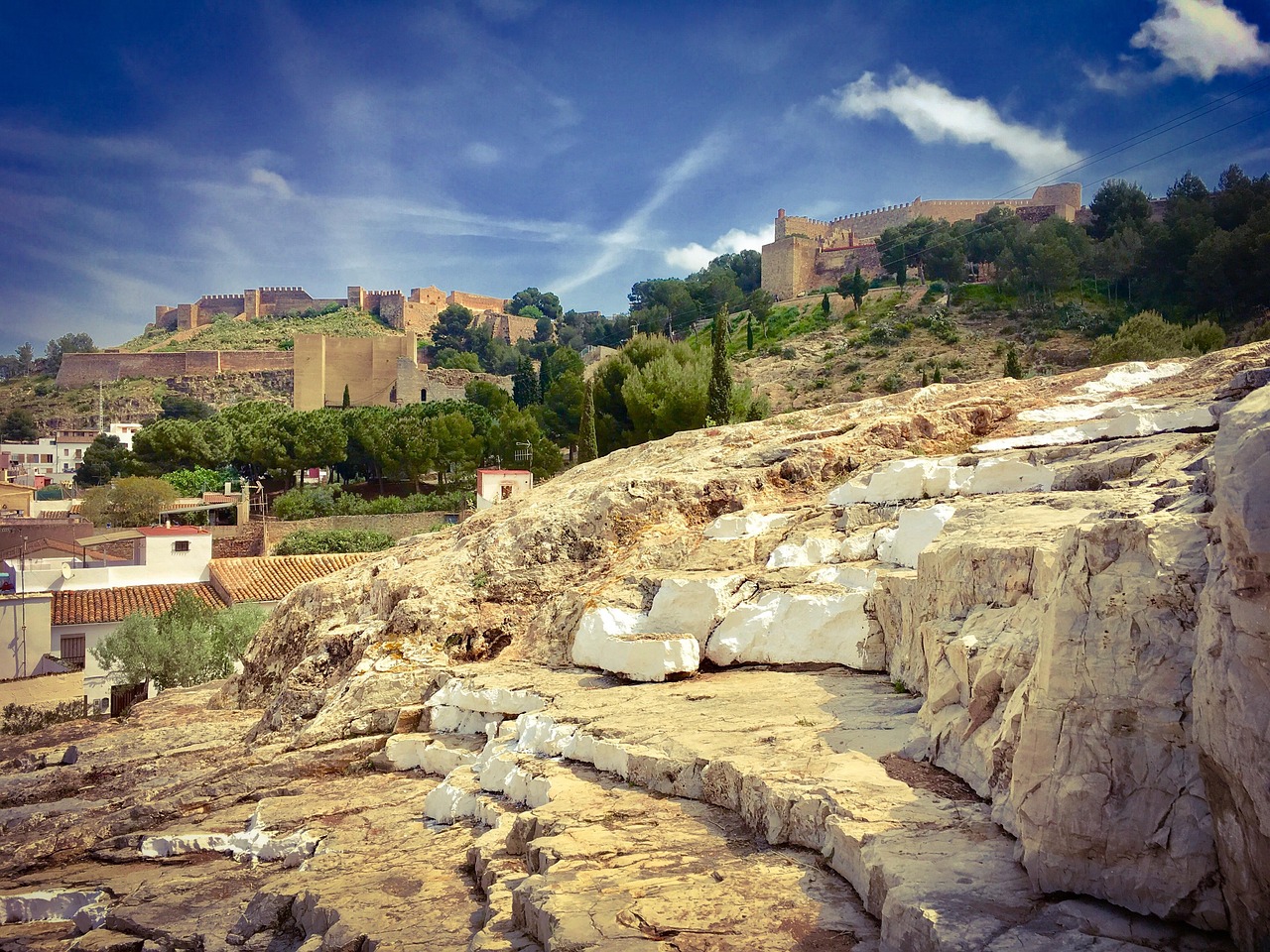
Mataro goes by a wide variety of names, having over 125 different synonyms listed in the wine grape industry’s botanical database, the Vitis International Variety Catalogue. Its likely origin is in the in the Camp de Morvedre area of Valencia, Spain, where the variety is known as monastrell (derived from the Latin monasteriellu, or ‘little monastery’). As mataro has spread outward from this home base, its most common names have been based on the names of towns on Spain’s Mediterranean coast, where the source cuttings were likely to have been acquired – thus in France’s Provence region it’s known as mourvèdre (from the town of Morvedre, now known officially as Sagunto) and in the Roussillon region it’s known as mataró (from a town of the same name just north of Barcelona). The cuttings that first arrived in Australia were collected from the Roussillon region, so mataro (minus the accent) is the name that has stuck to it here – although, as in the case of shiraz and syrah, some Australian producers are now choosing to label their wines with either the Provençal or Valencian synonym in order to communicate the style they hope to achieve in the bottle.
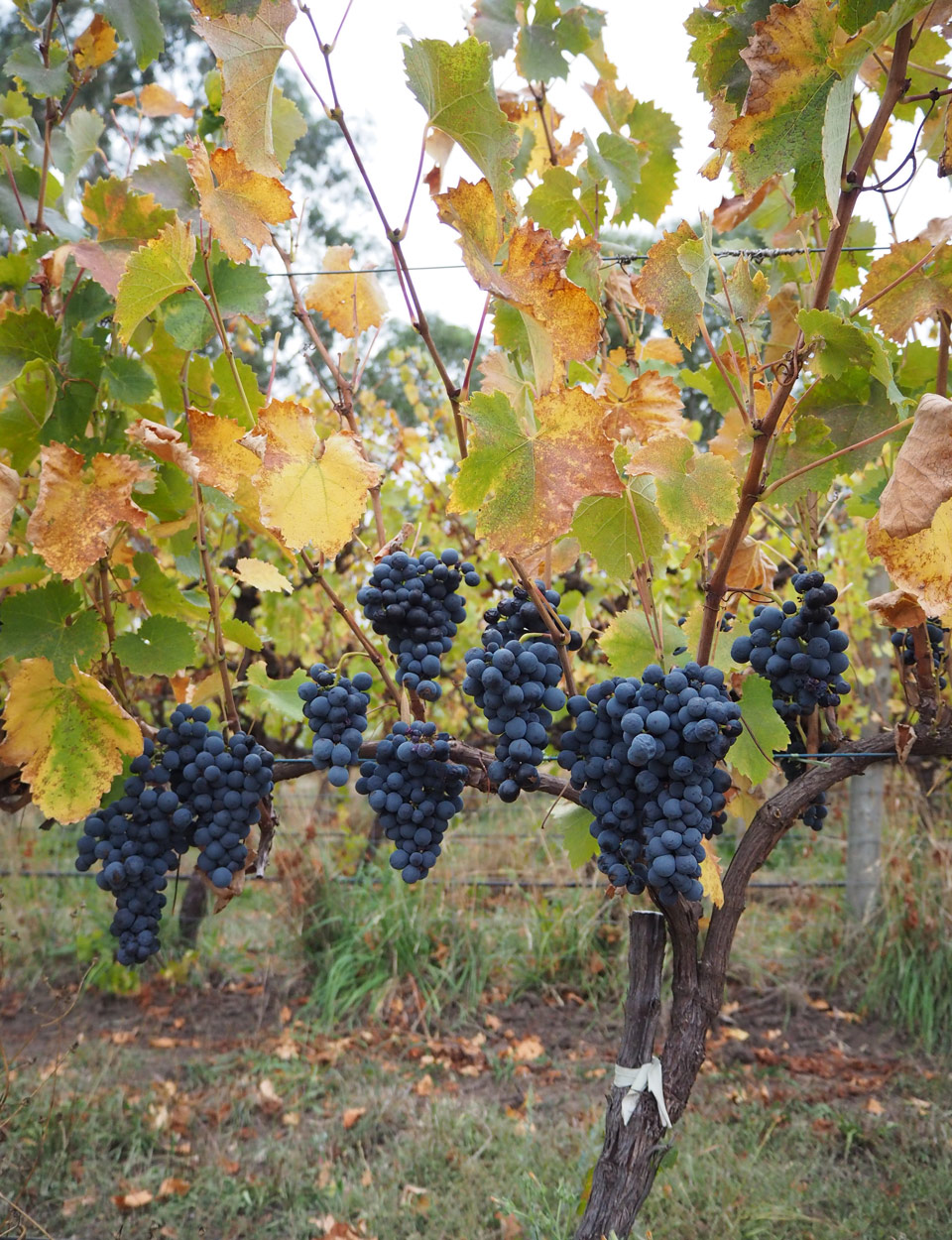
Above: Sagunto, Valencia, Spain – the source of one of mataro’s many names, and its likely origin. Opposite: mataro grapes on the vine.
It’s not just the variety’s many names that can be a bit of a mouthful. When turned into a table red wine, mataro can be challenging indeed – high in alcohol and tannins, but without the comforting palate weight of other high-octane varieties like shiraz. It’s prone to reduction in the winery, which can lead to sulphurous smells in the finished wine – ideally a pleasant ‘struck match’ or smoky aroma that can add complexity, but if the wine is not exposed to enough oxygen before bottling that reduction can smell like rotten eggs, cabbage, or rubber. While it has plenty of fruit flavour – usually reminiscent of blackberries and other dark berry fruits – it also comes with some potentially more challenging savoury aspects: a meaty, charcuterie-like or gamey flavour politely called ‘animale’ by wine professionals; a green, herbal characteristic reminiscent of bramble leaves and canes; or a barnyard-like flavour that is easy to confuse with the unwanted and unpleasant effects of the average winemaker’s least-favourite yeast genus, Brettanomyces.
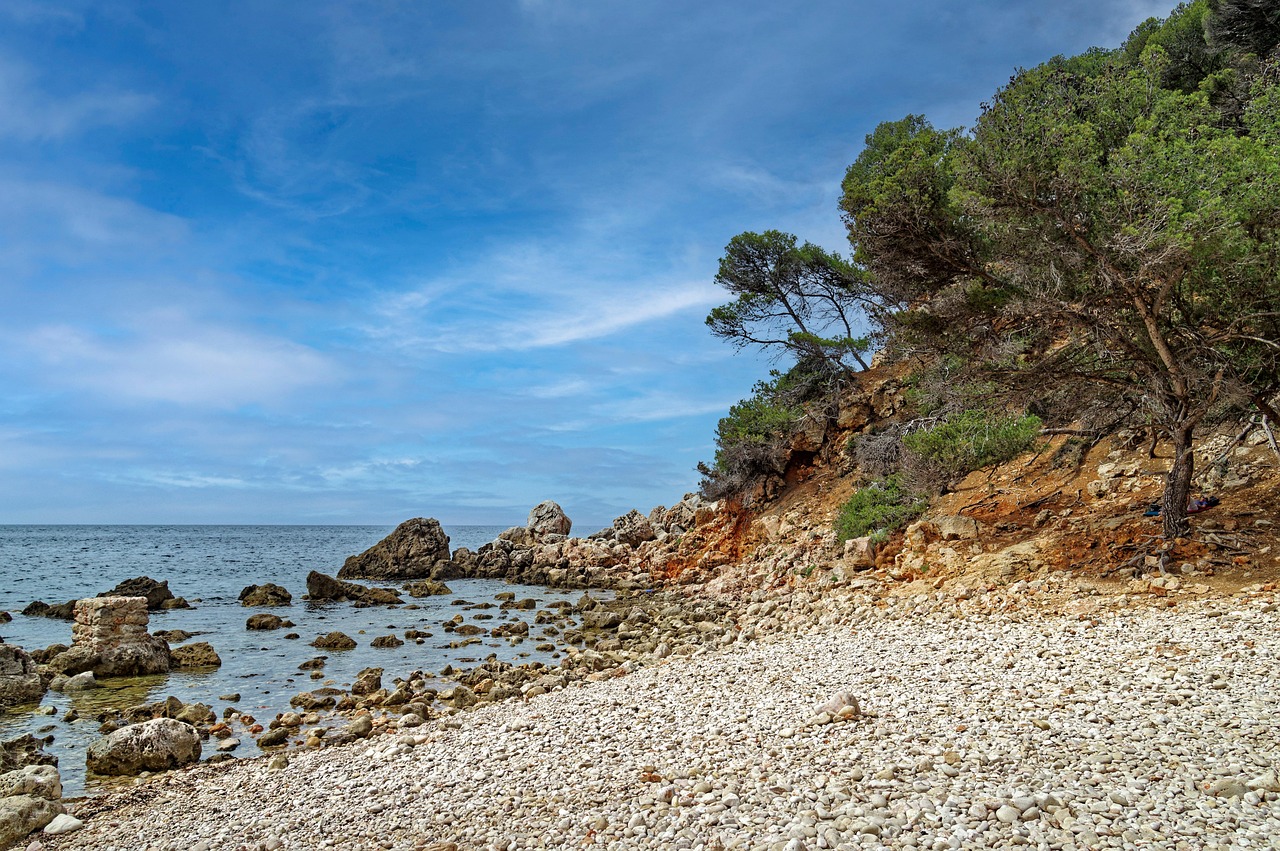
Opposite: The Mediterranean coastline at Bandol – the source of some of the world’s most profound mataro-based wines. Above: Mataró, Catalunya, Spain – the origin of the Australian name ‘mataro’.
In the best examples of mataro-based wines from around the world, such as those made in Provence’s Bandol or Valencia’s Jumilla, these characteristics all meld together to form a wine of wild and untamed beauty. But this complexity demands an appreciative palate, a deft hand in the winery and, importantly, time – either in élévage before bottling, or in the cellar after bottling. (Bandol producers also have the luxury of being able to blend in large portions of other varieties to soften mataro’s harder edges, whereas Australian producers of varietally labelled mataro wines must legally use at least 85% of this challenging variety.) As such, in many parts of the world, the variety is seen as one best used to add a little spice and character to blended red wines. As detailed in our recent Deep Dive into GSM blends, this includes not only Australia’s GSMs, but also the French original on which they were modelled, Châteauneuf-du-Pape, and in Rhône-inspired blends from California (which, like Australia, has a treasure trove of old-vine mataro). Owing to the difficulties of working with it, there are very few examples of straight varietal wines made from mataro anywhere in the world, with the exception of Spain – and a small, but growing, cottage industry of Australian producers ready to take on the challenge of making delicious wines primarily from this tough customer of a variety.
The boom and bust of ‘black Spanish’
Mataro was one of the most popular varieties for planting in the early development of the Australian wine industry – and perhaps appropriately, it travelled under a wide range of names here, including ‘lambruscat’, ‘esparte’, and the very British and admirably straightforward ‘black Spanish’. The first records of the vine’s importation to Australia place its arrival as part of the famous Busby Collection of 1832, although its wide geographical spread in the early days of Australian viticulture leads Australian wine expert Andrew Caillard MW to argue, in his book The Australian Ark, that its presence here possibly predates Busby. Under the name mataro, it flourished particularly in the Barossa Valley and McLaren Vale regions of South Australia, whoserelatively hot and dry climates closely matched its native Valencia. The Barossa Valley currently hosts the world’s oldest mataro vineyard, the Old Garden, planted in 1853 by Friedrich Koch and currently under the custodianship of vigneron Dean Hewitson – although there are nine rogue mataro vines in Cirillo’s 1848-planted Grenache vineyard that potentially pre-date those in the Old Garden.
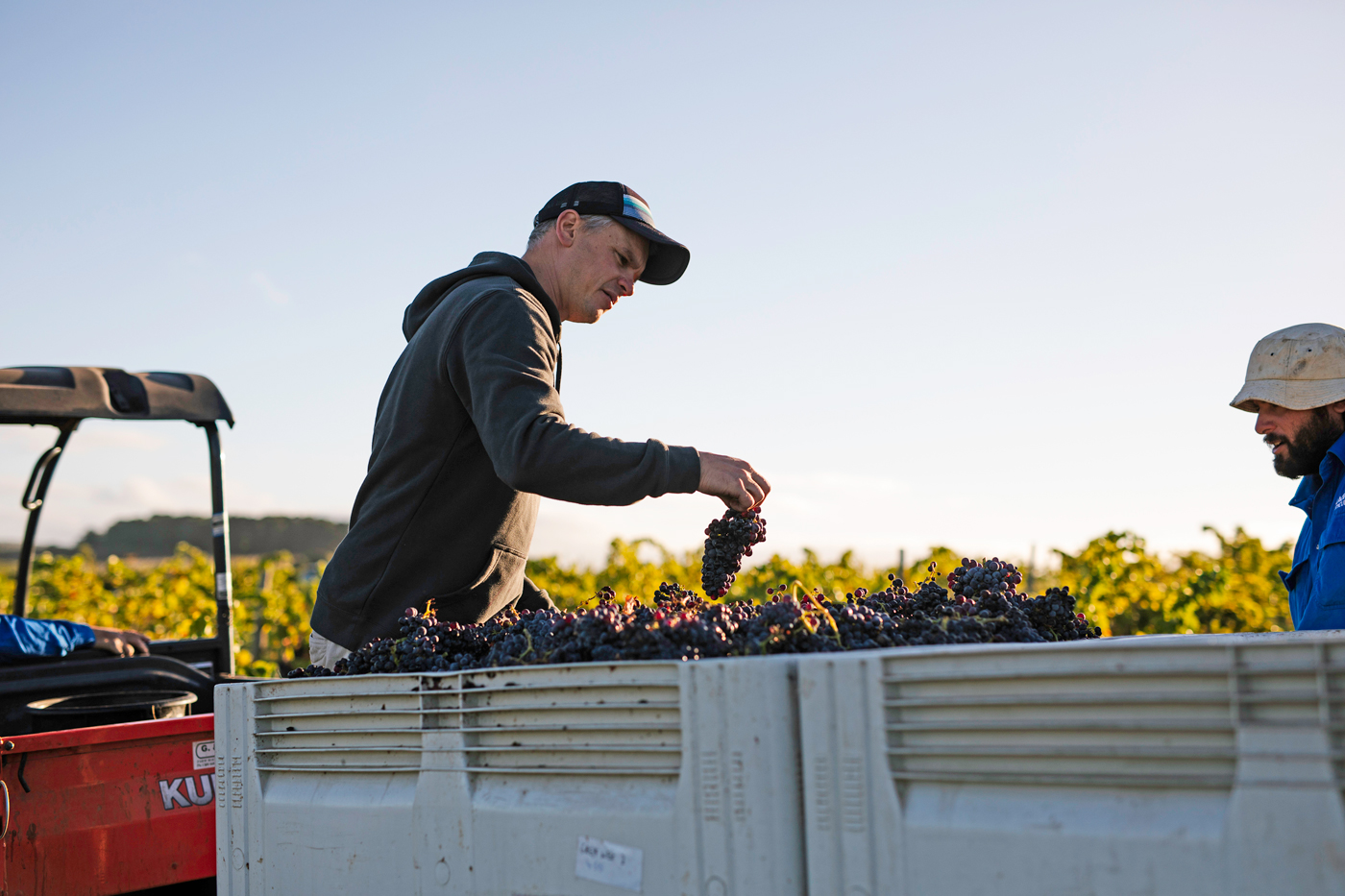
Opposite: old-vine mataro at Hewitson’s Old Garden vineyard in the Barossa – likely the oldest mataro vines on earth. Above: mataro grapes being hand-harvested at the Old Garden.
Not long after these vineyards were planted, in the early 1870s, a small scandal erupted in England on the subject of Australian wine. Observing the alcohol content of Australian wines sent to European exhibitions, the German-born Dr. Johann Ludwig Wilhelm Thudichum – now best remembered as a pioneer of the concept of ‘brain chemistry’, but at the time also considered an expert on viticulture – reasoned that they must have been fortified with distilled spirits. It was at this stage widely believed that no wine could naturally achieve an alcohol content of more than 14.86% ABV (or, to use the measurements of time, “26° of proof spirits”), and this figure was used as a benchmark by the British government when calculating duties on imported wines. The Australian vigneron James Fallon and British wine importer Peter Bond Burgoyne (who by this time had already started importing wines from McLaren Vale’s Tintara) vigorously defended Australian winemakers against this charge – which eventually lead to the British government changing the way they calculated import duties in 1882. That administrative change would properly open up the British market to Australian wine, thus creating the conditions for Australian wine’s first – but unfortunately not final – boom-and-bust cycle.
While South Australia’s winemakers scrambled to create enough wine to send to a thirsty England, mataro remained a popular choice of planting matter, with planning documents relating to the Kay Brothers vineyard in McLaren Vale, planted in 1892, showing it as taking the lion’s share of both the overall vineyard area and the rows in the on-site nursery for propagating cuttings. (The Kays dedicated 69 rows to the task of propagating mataro; the second most important variety for them, shiraz, received just short of 40.) Bust quickly followed boom, though – and by 1893 Burgoyne noticed diminishing demand for Australian wines in the English market, for which he blamed a general lack of quality in Australia’s bulk wines. In turn, Australian winemakers sheeted home the blame for this lack of quality to late-ripening mataro, and many growers either pulled out their mataro or grafted it over to shiraz, malbec, or cabernet sauvignon.
“Were wine to become the national beverage, good sound mataro wine might be sold here in abundance.”
In February 1896, the viticultural expert Arthur Perkins, a proponent of mataro’s suitability to South Australian growing conditions, published an article titled ‘The Mataro Question’ in the Adelaide Observer. In it, he exhorted stubborn winegrowers who wanted to cling to their mataro to create local demand for table wines made from the variety – or else follow the trends and replace it. “Were wine to become the national beverage,” he wrote, “good sound mataro wine might be sold here in abundance.” By 1903 it was clear that Perkins’s hopes for mataro were wishful thinking, with the price of mataro grapes from the McLaren Vale having dropped from 70 shillings per tonne the previous year to an unsustainably low 30 shillings per tonne. As a vintage report in the Adelaide Advertiser of Thursday April 16, 1903, dryly noted, “Consequently, a much larger quantity than usual will pass through the distilleries.”
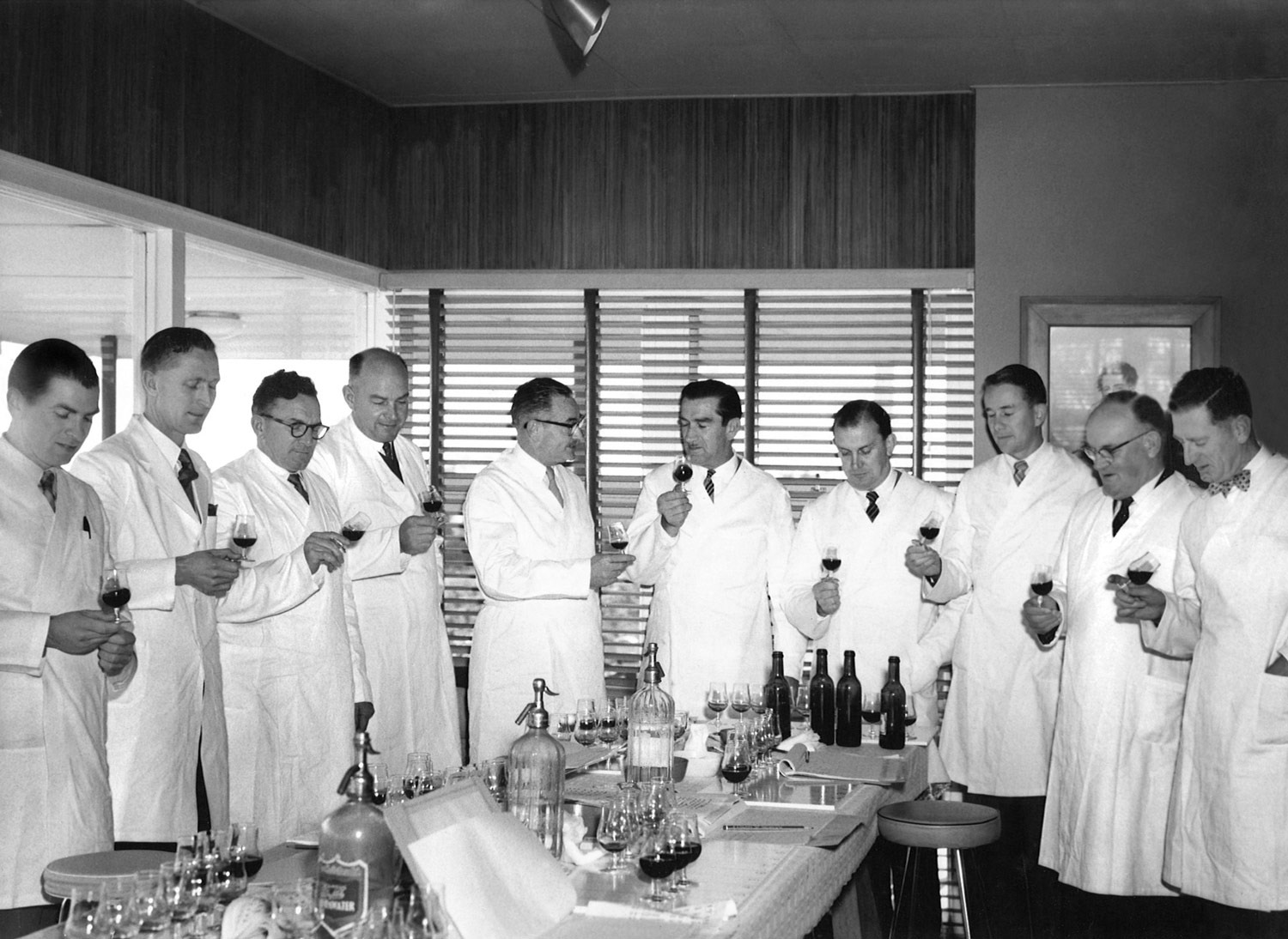
Above: the Penfold’s winemaking team at work in 1950 – a time when over 80% of all Australian-made wine was fortified.
Those same distilleries would become mataro’s lifeline throughout the early twentieth century. While England rejected Australia’s mataro-based table wines – and Australian drinkers refused to be part of the change in taste that Perkins argued was necessary to save the variety – much of Australia’s mataro crop found its way into some of Australia’s iconic fortified wines, including Seppeltsfield’s ‘Para’ and Penfolds’ ‘Great Grandfather’. While many in the wine trade now see the era of fortified popularity as a dark time for Australian wine in general, the widespread use of mataro in these wines allowed some of those old vines to stay in the ground. As table wines slowly regained some popularity in Australia, fruit from those same old mataro vines would find its way into some of the pioneering dry table wines of the 1950s, especially those from Penfolds. Despite this, it was arguably only the arrival of the GSM blend, pioneered by Charles Melton Wines’ ‘Nine Popes’ in the early 1990s and popularised by Rosemount shortly thereafter, that truly brought the variety back from the brink in Australia.
Getting mataro’s mojo back
For Brett Hayes, owner of Hayes Family Wines, this history of using mataro as a blending agent or for fortified wines means that there’s still much to be learned about the extant old-vine mataro in the Barossa and what it might be capable of. “Particularly in the Barossa, shiraz has been so central to our thinking for the past thirty or forty years that you tend to find that people know where the best shiraz blocks are,” he says. “They know why they’re the best, and the money has been pretty much worked out.” He argues that, while grenache might not have been as important to the Barossa as shiraz in recent history, with its current in-demand status “people are getting to know the best grenache blocks.” By contrast, in the Barossa “the best mataro blocks may well still be going to big companies and being blended away, which was the case for grenache ten to fifteen years ago.” (Under Australian labelling law, only 85% of a varietally labelled wine needs to be made from that single variety – so many of the ‘shirazes’ on the market are potentially actually shiraz-mataro blends.)
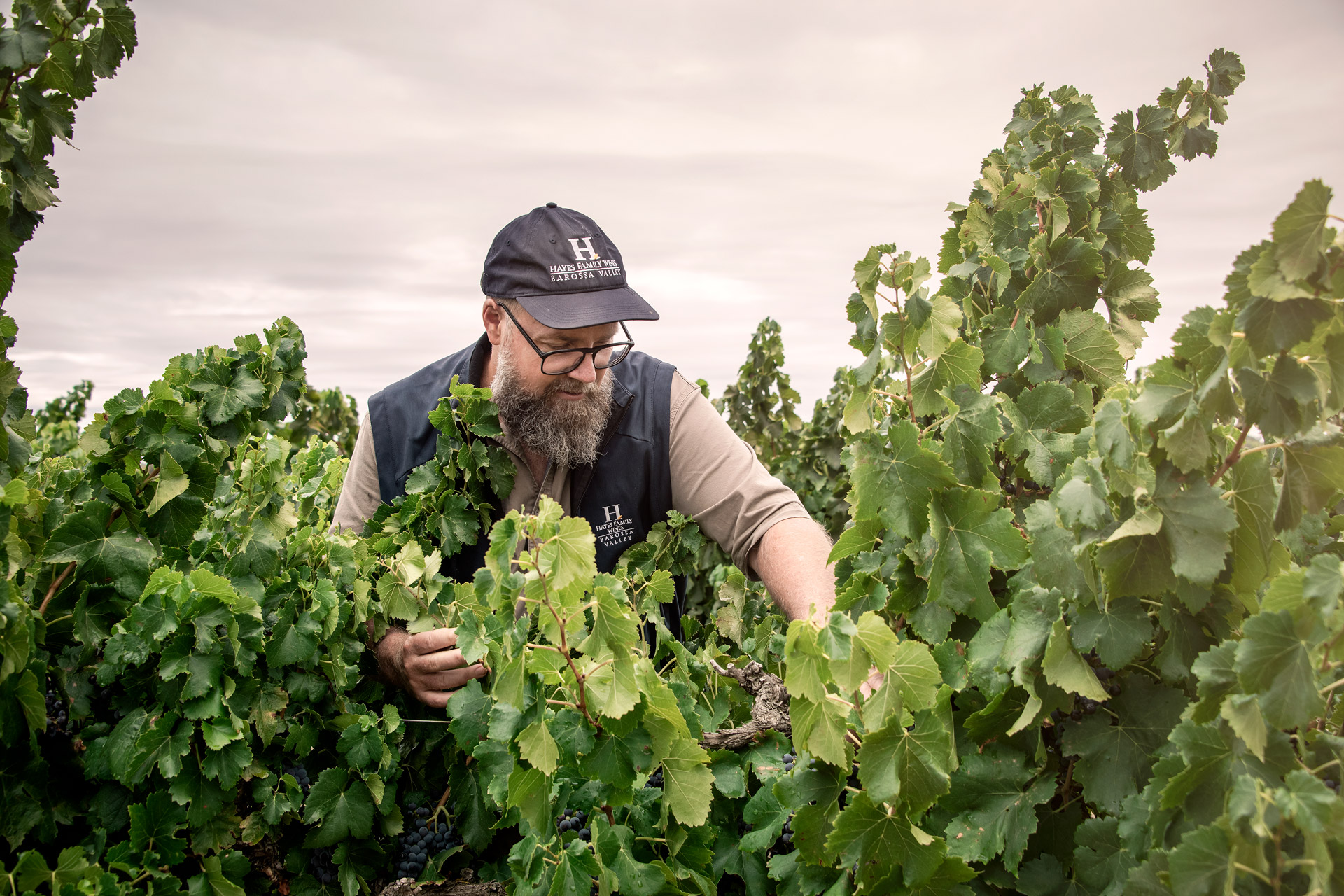
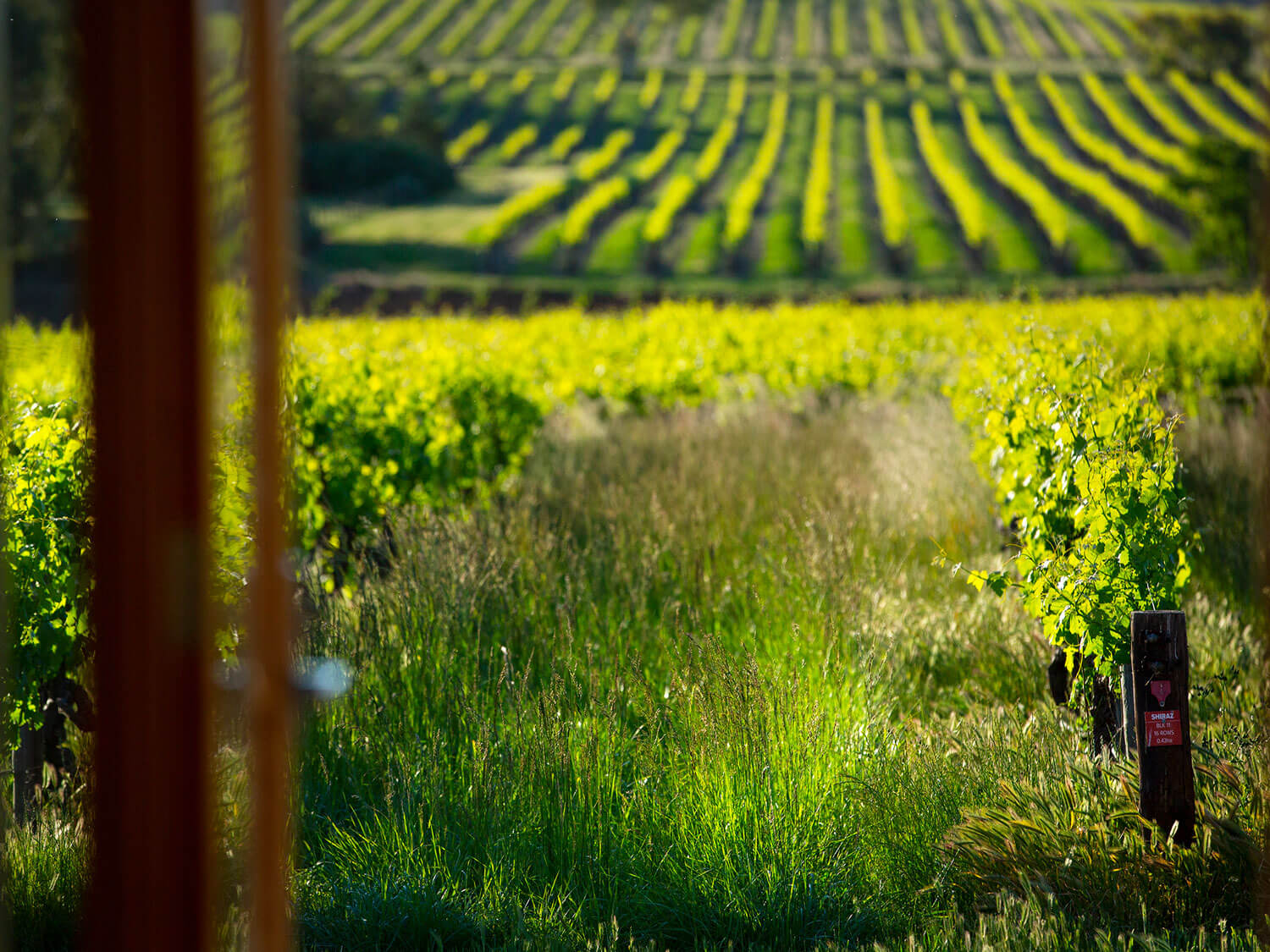
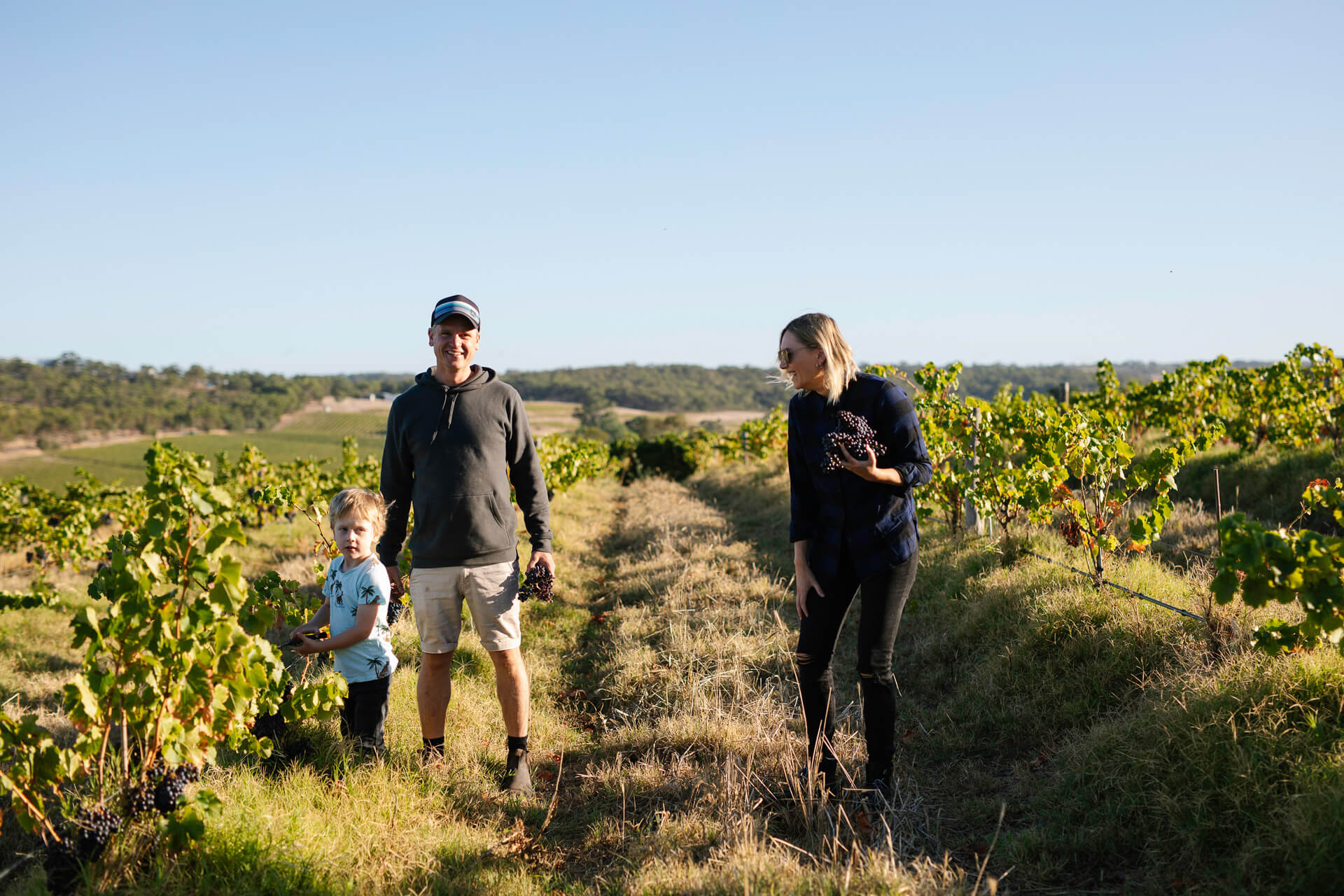
Opposite: Brett Hayes. Above: the Hayes Family Wines estate vineyard in the Barossa.
As the owner of some blocks of old-vine mataro – planted in 1948 – and producer of two varietal mataro wines, he clearly thinks that the variety itself is capable of greatness. “I think mataro – from the best soils, with some vine age, and well handled in the vineyard – does tend to produce really good fruit. It’s just that we probably haven’t taken the time to discover that, like we have with shiraz and more recently grenache.” In his opinion, mataro’s potential success hangs on soil profile: “The site that does well for mataro is not the same site as shiraz or grenache. There’s a saying that mataro needs heat on top and wet feet, and essentially that means that you’ve got to have clay or rock or something down there that captures the water, but you want a hot drought year on top.” Thus he credits the underlying bed of clay soils – “quite different soils than you look for for grenache or shiraz” – underneath his mataro vines for the slightly plusher flavour profile they produce compared to other mataro plots in the Barossa, as well as a characteristic floral violet note. These attributes mean that he’s “often accused of having a little bit of shiraz” in the bottled estate mataro – “but it is 100% mataro, and it always is 100% varietal.”
For Hayes, working with mataro poses its own unique viticultural challenges. “It doesn’t produce quantity as consistently – or at least we don’t find it does – as perhaps some of the other varieties,” he says. He also adds that its late-ripening nature means that even in the heat of the Barossa it needs to be harvested significantly later than other varieties: “You’ve got to wait for ripeness with mataro, and often that’s well into autumn, when a lot of the wineries are trying to shut up shop,” he says. “A lot of wineries, particularly if they’ve got casual staff, are not particularly keen to stay open for mataro when it’s a relatively small component of the crop. So therefore they pick it earlier – and of course, when they pick it earlier, it can tend to have some green characteristics to it.” (As the late-1890s debates about mataro demonstrate, early picking by impatient growers and makers is by no means a new issue for the variety.)
“There are so many factors that make it a bit more challenging to work with than some of the other varieties, but that doesn’t mean we shouldn’t put the effort in. It’s just a bit different to the others.”
Growing mataro well is one issue – another is selling the resulting wine. “Mataro is definitely a food wine, more so than shiraz or grenache,” Hayes says. “Most of our cellar doors here don’t have food, so therefore mataro’s being served without food. And, unlike grenache – which excels by itself, because it’s nice and fruity and juicy and everyone loves it – mataro’s a bit more savoury, a bit more earthy, and really needs food. So it should excel in a restaurant forum, but because people haven’t necessarily loved it at cellar door, they tend not to order it.” For Hayes, the secret to selling his mataro is therefore to serve food alongside it any time it’s poured – which means mataro is a fixture at any winemaker dinners that Hayes Family Wines are involved in. The effort of working alongside the variety’s viticultural quirks and ensuring that the resulting wines are shown in the right context is one that he finds rewarding overall, though: “There are so many factors that make it a bit more challenging to work with than some of the other varieties, but that doesn’t mean we shouldn’t put the effort in,” he says. “It’s just a bit different to the others.”
What’s in a name?
Andre Bondar’s difficulties selling a varietal mataro didn’t cause him to cease making the wine – but it did lead him to change its name. “The grapes are sold to us as mataro,” he says of the McLaren Vale fruit source that goes into Bondar Wines’ monastrell. “This parcel normally goes to our ‘Junto’ GSM blend – but I always loved it, I thought it was a brilliant wine. So it needed its time in the limelight by itself. So we bottled it as a single cuvée in 2017, labelled it as a mataro, and took it to market. People expected it to be kind of inkier, deeper, richer, darker, and more tannic than it was. And that vineyard just doesn’t really do that … so there was a bit of a disconnect between what people expected and what the wine was.”
Opposite: Andre Bondar with partner in life and wine, Selina Kelly. Above: Bondar harvesting grapes at Bondar Wines’ Rayner vineyard.
The solution to this problem came about somewhat unexpectedly – from a sales representative at Bondar’s wholesale distributor, Bibendum. “His name is Marcel Bellenger, and he has Spanish heritage – he was born there, actually,” Bondar recounts. “And he would always say to me, ‘This is not mataro, this is monastrell’.” According to Bondar, Bellenger explained that in Spain, the monastrell-based wines of Jumilla are known for being “more medium-bodied, slightly softer. People think about having it with pizza – it’s a bit less serious … and he’s like, ‘Yours is definitely more of a monastrell.’ So I was like, ‘Okay, well, perhaps we’ll give it a try.’” Without the baggage attached to the name ‘mataro’, Bondar’s monastrell has since gone on to have “a pretty nice little niche cult following” – one helped by the fact that Bellenger continues to sell the wine “with conviction” owing to his connection with its naming.
”People expected our mataro to be kind of inkier, deeper, richer, darker, and more tannic than it was. And that vineyard just doesn’t really do that, so there was a bit of a disconnect between what people expected and what the wine was.”
Like Hayes, Bondar believes that the site from which he sources the mataro fruit for his monastrell wine makes all the difference – and it’s that difference, rather than winemaking technique or him imposing a certain style on the fruit, that makes the monastrell name more fitting than mataro. “It sits on this rocky clay, which can, if it’s exposed to a lot of sun, create wines that are quite deep and rich and tannic,” he says. “But its just in this little bit of a valley, so the vineyard actually gets a reasonable crop on it and it’s kind of protected from the sun and the wind … so therefore it tends to create a bit more ethereal and aromatic wine, more in the medium-bodied frame.” Bondar’s winemaking decisions are lead by the site – he can include whole bunches in his monastrell ferments because “on that rocky clay, you don’t get a huge amount of canopy. So you get a good amount of natural light hitting the actual stem itself during the growing season, which helps with ripeness of the stem.” Picking dates follow suit, too – even though Bondar is “an early picker in the region”, the fruit for his monastrell often comes off the vine “seven, eight weeks later than our shiraz” – “I’m battling with the grower often on this wine because he wants to go fishing, and it always comes in around Anzac Day!”
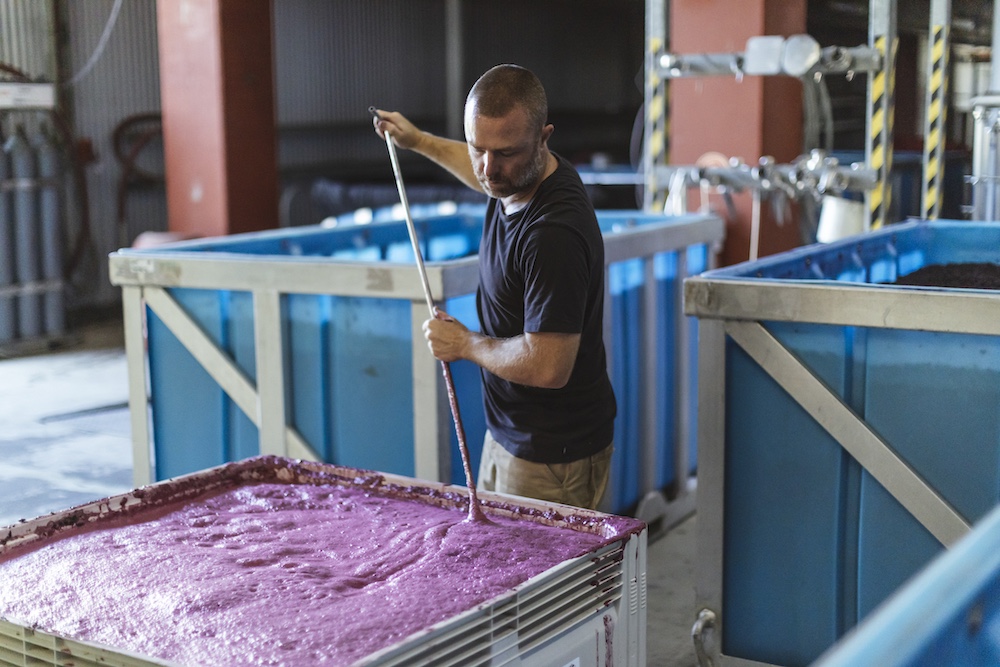
Opposite: Adam Louder with partner in life and wine, Nancy Panter. Above: Louder in the winery.
Like Bondar, Adam Louder of SubRosa has a similar struggle with the grower for the fruit that goes into his mataro-based wine, which he labels as mourvèdre. “A lot of growers just want to get the fruit off,” he says of mataro. “He was really pushing me to pick it, but I just said, ‘Yeah, we’ve got to hang out because it’s not ripe – and we really need to get it ripe.’” That extra time on the vine means that the fruit gets as ripe as it possibly can in the Bendigo appellation – an area that’s much cooler on average than Bondar’s McLaren Vale. “I’ve got it as ripe and I thought I possibly could, in terms of trying to get the tannins ripe and get rid of that green character,” he says. The vineyard he sources from is in a warmer pocket of the Bendigo area – right on the Campaspe River, abutting the border between Bendigo and Heathcote – but white it’s “pretty warm for Victoria”, Louder credits the slightly cooler climate here for the “not overtly masculine or big and brawny” character of the finished wine: “The major thing is that because you’re inland quite a way,it does get really cold at night,” he says. This helps not only to maintain acidity, but also to create an “interesting fruit profile, with a nice little lick of spice – and it’s quite floral as well.”
Louder doesn’t present the fact that he labelled the resulting wine as a mourvèdre as a marketing tactic – but it hasn’t hurt the wine’s sales, either. “Nancy, my partner, does all of the sales, and she’s actually found it relatively easy,” he says. “I thought it would be very challenging. It piques people’s interest. People are interested to try something else – something that perhaps they haven’t heard of, or have never had the opportunity to taste alone.” He adds: “It seems like the Barossa and McLaren Vale have the lion’s share of single bottlings of this variety, but I think it could be a really positive thing for Central Victoria to embrace. I think it’s basically about being prepared to have a go and see how consumers respond to it. I think if people have a crack at it, they’ll be pleasantly surprised by how well people respond.”
”It piques people’s interest. People are interested to try something else – something that perhaps they haven’t heard of, or have never had the opportunity to taste alone.”
Despite labelling his wine as a monastrell, part of the appeal in the variety for Bondar is its lengthy history here in Australia – as mataro. “I think it can look beautifully Mediterranean,” he says of the variety. “And I think that’s the way these warmer climates are going with their reds. So there’s no reason why these wines can’t grow and be important here. It ticks all those boxes: it’s got great natural acidity; it’s ripe late; it has beautiful natural complexity, so there’s no need for oak; it has great tannin; and you can age it in bigger vessels and release it earlier – and it’s beautiful wine. And these are all the things that people are looking for when they’re looking at these new Italian varieties that they are saying are appropriate for our warm climates – but here we already have one.”
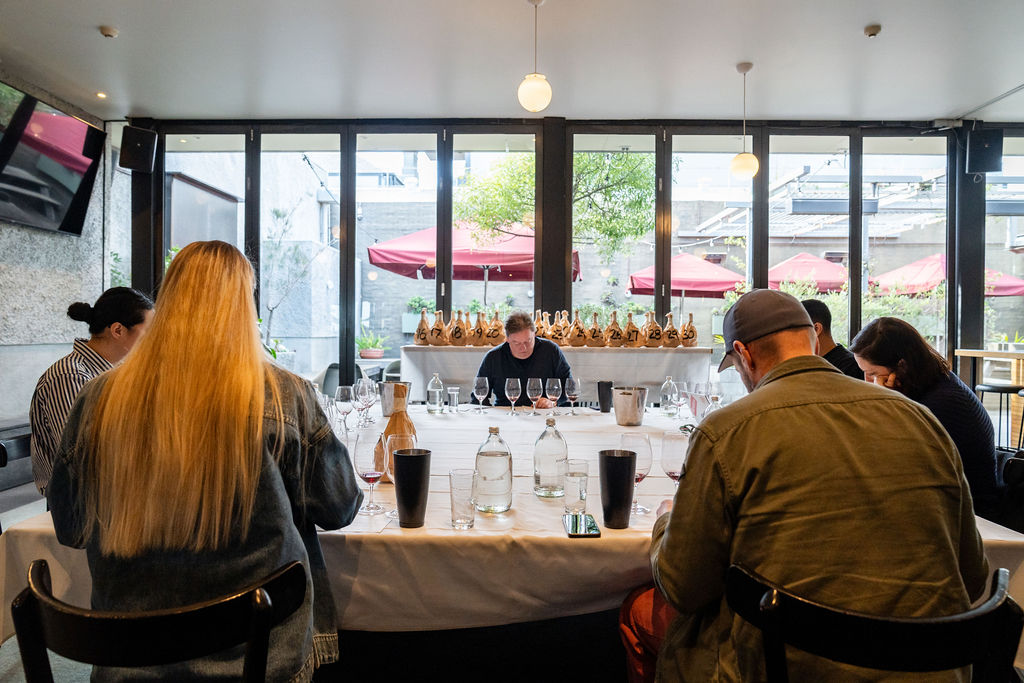
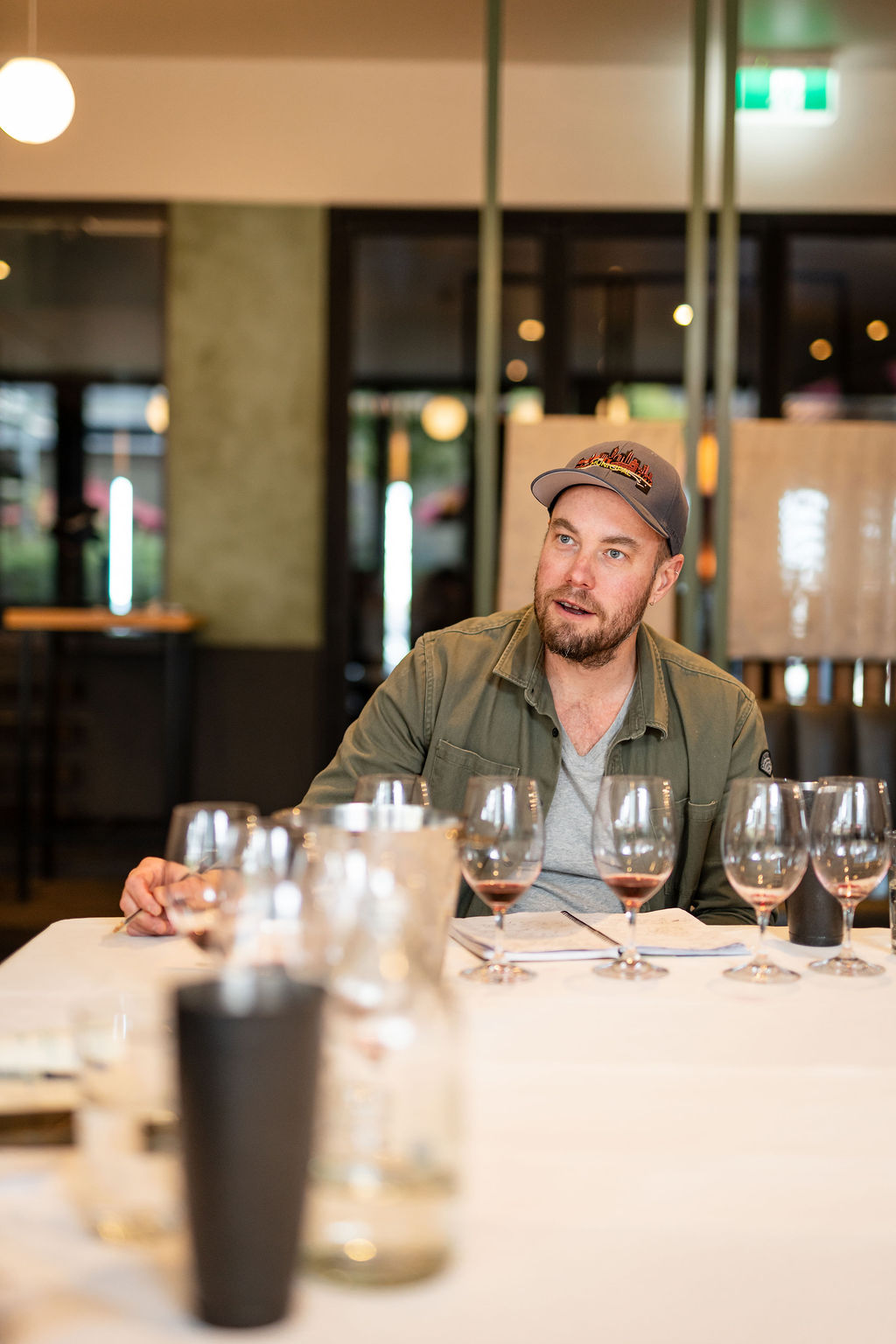
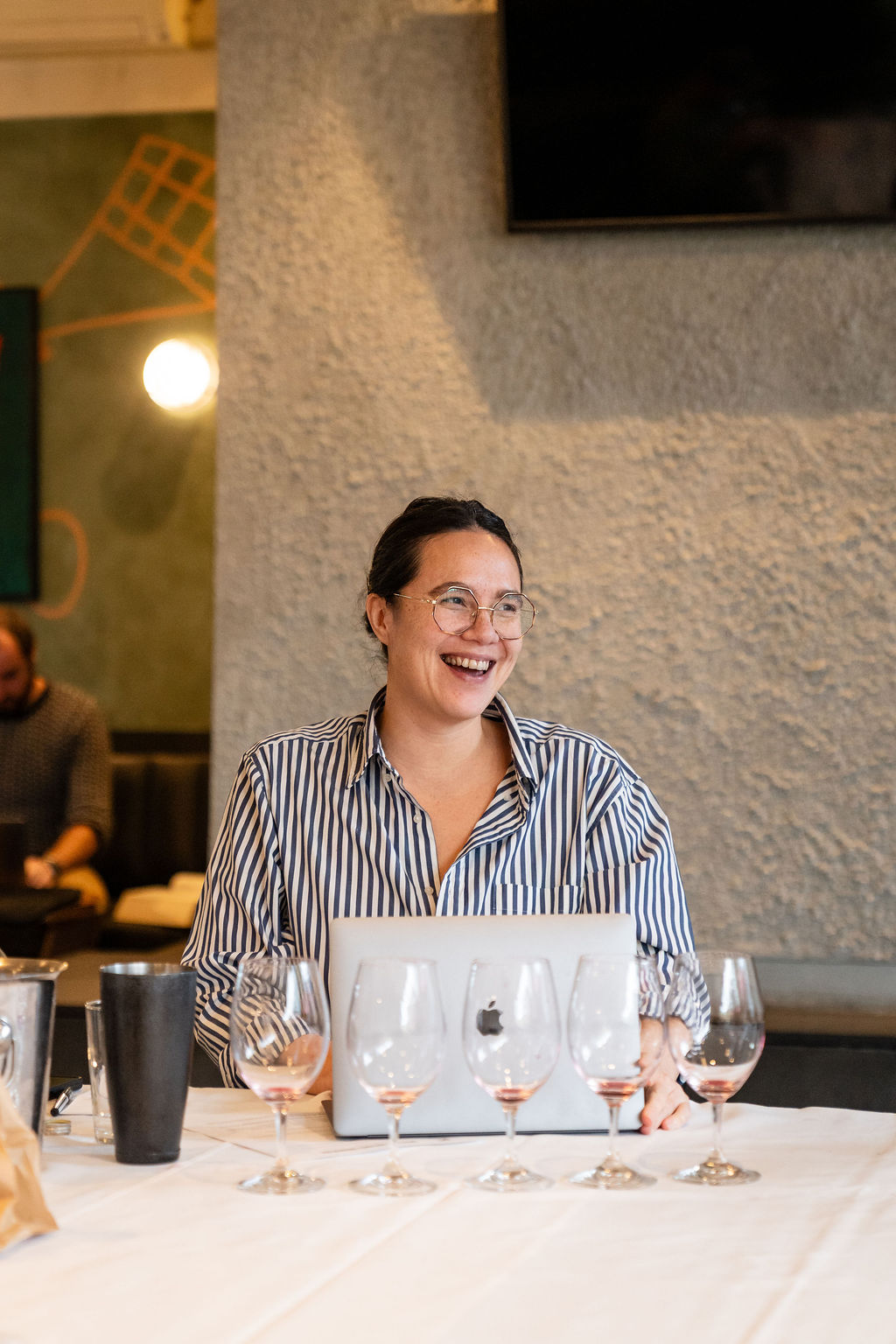
Above: Our Deep Dive panellists gathered at the Bleakhouse Hotel, Albert Park (Melbourne).
Outtakes from the tasting
We gathered every example of Australian mataro that we could find – no matter which of its synonyms is used on the label – and set our expert panel the task of finding the wines that compelled the most. All wines were tasted blind, and each panellist named their top six wines. Below are the wines that made the panellists’ top-six selections from the tasting.
Our panel: Adam Foster, winemaker, Syrahmi; Sophie Melton, winemaker, Charles Melton Wines; Ciarán Hudson, winemaker, Beyond the Glass; Sophie O’Kane, head sommelier and venue manager, Julie Restaurant; Matt Froude, winemaker, Municipal; Kimberley Pearce, consultant, Wine Brain; Jarryd Menezes, sales representative, Alimentaria.
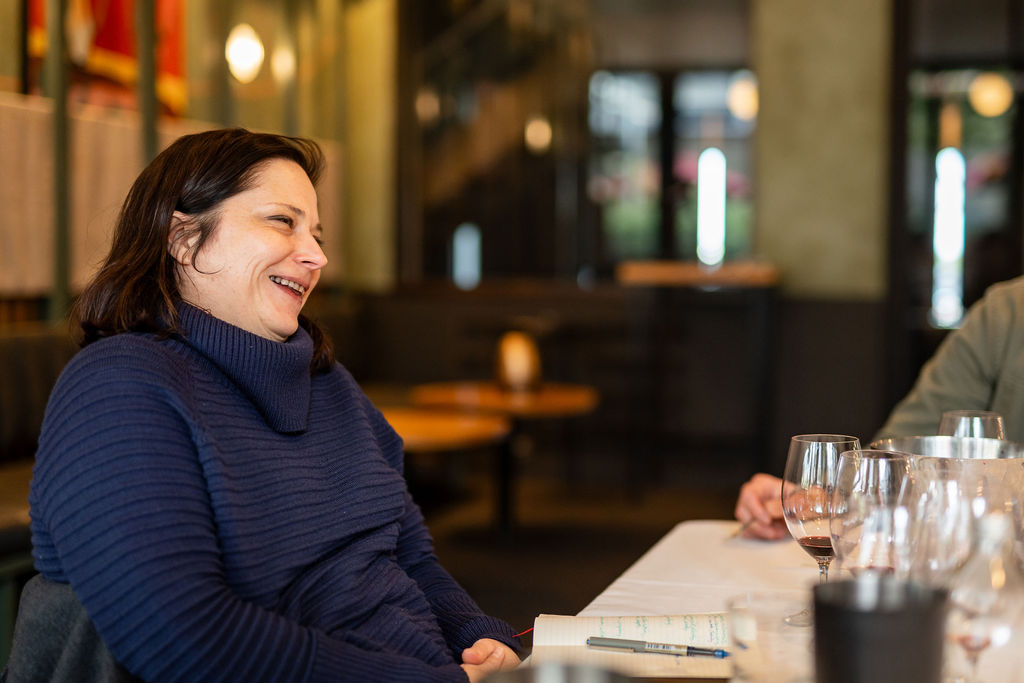
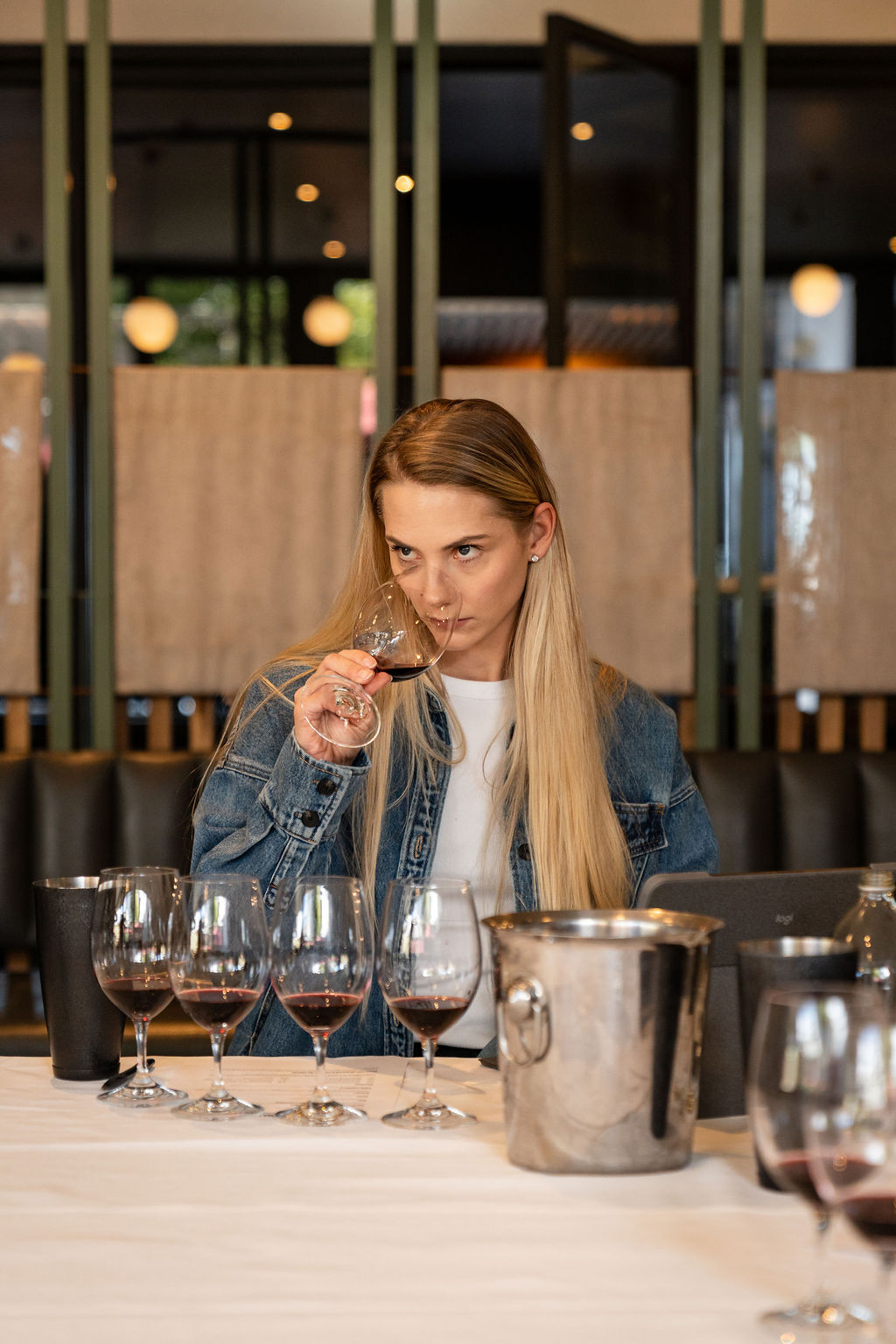
Pearce commenced the discussion by observing a thread or throughline of varietal character in the wines on show, despite their obvious differences. “I loved the kind of wild, pheromonal kind of character that was present in most of them, to a lesser our greater degree,” she said. “I just think it was really interesting. There were maybe a couple of more natural winemaking examples there that have been the black sheep in this line-up – but I just love that character in this kind of red wine. It kind of balances out the tannin strength, doesn’t it? So you have a little bit of interesting character.” Hudson concurred, adding that for him the interest in his top-rated wines was about “the balance, and the battle, between savoury and fruit profiles.”
Above: Kimberley Pearce. Opposite: Ciarán Hudson.
Talk of tannin prompted Foster, who makes his own mataro-based wine using Heathcote fruit, to observe the interplay of tannin derived from fruit and tannin derived from new oak. “It’s a very tannic variety,” he said. “I found in quite a few of the wines that the oak tannin really dominated on top of the fruit tannin, so it made really stripping. Like it was a lot of wines that felt really stripped, like the oak tannin just sort of took over it.”
“I found in quite a few of the wines that the oak tannin really dominated on top of the fruit tannin, like the oak tannin just sort of took over it.”
For him, the wines that impressed most were the ones that didn’t feel manipulated with either oak or acid additions to create a specific profile, but where the winemaker had “let it be its thing”. The wines that impressed him “had depth on the palate, as opposed to width”, and he found what he called “modern style, quite fresh” wines where “the acid just got in the way.”
Above: Adam Foster. Opposite: Sophie Melton.
For Melton, who makes mataro-based wines as blending components (not released as single varietal wines) at her family’s Barossa winery, the quality of tannins present in the wine potentially showed their age. “There were a couple that potentially had a little bit of age on them, and they was really starting to find their balance,” she said. “I think the tannins had really softened and that fruit profile had come to the fore a little bit more.” She added: “I want a wine that’s enjoyable to drink – like, that’s what it comes down to at the end of the day for me. And if something is outrageously tannic – for me, I don’t necessarily enjoy that as a complete drink. Some of the slightly aged ones in there, I think, had found some balance with their tannins.”
”If something is outrageously tannic – for me, I don’t necessarily enjoy that as a complete drink. Some of the slightly aged ones in there, I think, had found some balance with their tannins.”
Froude elaborated on this point: “I really value wines that are released when they’re ready, and so it was nice to see certainly some of them were released at the right time,” he said. “You’re looking at some of the others saying, ‘If that was released in two years, this might be an amazing wine – but it’s not there yet.’ So it’s more a question of have they done everything they can to get the wine into the bottle and into the glass in the best possible condition.” While he was sympathetic to the idea that the realities of running a business and cashflow may prohibit some wineries from holding back their mataro-based wines until ready, he added, “Sometimes you’ve just got to say, ‘Yes, business is important, but we have to bite the bullet – selling wines when they’re ready to consume is also important.’”
Above: Matt Froude. Opposite: Sophie O’Kane.
O’Kane concurred, but added that, “from a consumer perspective, it’s important to just acknowledge that it’s not one of those very consistent varieties.” For her, finding the right mataro for any given wine drinker is about being able to calibrate the variables of producer, vintage conditions, and bottle age to ensure that the right style of wine at the right maturity is reaching the glass: “Is it going to be lighter and more perfumed? Or is it going to be one of those really animale, earthy styles?” she said. “That then will allow either restaurants or a sommelier or a consumer to go, ‘Well, this is one I’ll tuck away’, or ‘This is one that will go with whatever’s on the menu or whatever I’m cooking up’, or ‘I’m just not going to think about this or touch this for a few years’. Or as the winemaker you hold it back and go, ‘I don’t want this to be released yet’.” While this means that mataro is perhaps a more difficult category to understand than most, the inherentchallenge “makes it fun.”
“From a consumer perspective, it’s important to just acknowledge that it’s not one of those very consistent varieties.”
Menezes observed that the stylistic diversity on display reflected a global lack of certainty as to best practices for dealing with this old, but often rather tricky and not always well-understood variety. “We’re still figuring it out,” he said. “One of the best producers of monastrell in Spain, Casa Castillo in Jumilla – until 2009 or 2010, they were using new oak, and then they stopped. They stopped buying new oak for any of their single vineyard-wines, and everything’s being aged in neutral oak. And that was part of a changing of the guard from father to son, so now they’re re-introducing new oak slowly, but it’s very much marginal gains – looking at how much is too much. So if a family that has been producing that grape variety since the ’40s is still figuring themselves out, there’s still a lot to learn.”
Opposite: Jarryd Menezes. Above: the tasting in progress at the Bleakhouse Hotel, Albert Park (Melbourne).
He added that even the legendary Domaine Tempier of Bandol – one of the key producers of the variety internationally – still occasionally misses with it: “When Tempier’s on point, it’s like, one of the best wines you’ve ever had – but when it’s not, you can feel like you’ve been cheated.” He concluded: “There’s no magic formula for making this variety, I guess.”
GET FIRST ACCESS TO THE NEXT WINE ICONS – DELIVERED
The Barossa has long been the source of Australia’s most revered red wines, drawing on a proud viticultural and winemaking history to present the wider world with a well-defined regional style of shiraz. But every region has its rule-breakers and iconoclasts – and the Barossa is no exception, with a cohort of young and emerging winemakers seeking to craft wines that are lighter, fresher, and lower in alcohol than the regional norm. With so many producers looking to expand the range of possibilities for the Barossa’s signature variety, we thought a Deep Dive was in order to get to the bottom of what ‘new wave’ Barossa shiraz might mean.
It’s not so long ago that the mere idea of grape tannin and skin-derived colour – let alone a hazy appearance – in white wine would have winemaking lecturers and show judges frothing at the mouth in horror. Noticeable grip in white wine was seen as a fault, a failure of process. Today, the script has had a new chapter added, with a big payoff in terms of texture and flavour complexity. From wines with the faintest of complexing grip to those that are made like red wines with ample chew and deep colour, and everything in between, are now an accepted part of the wine landscape. Anita Goode (Wangolina), Sven Joschke (Sven Joschke Wines), Matt Purbrick and Leigh Ritchie (Minimum), Raquel Jones (Weathercraft), Marcus Radny (Gonzo Vino), Chad Connolly (White Gate Wine Co.), James Scarcebrook (Vino Intrepido), Peta Kotz (Sabi Wabi), Sam Renzaglia (di Renzo), Richard Burch and Nic Bowen (Mon Tout) are all pursuing textural styles.
Geelong is best known within Australia for its industrial heritage, its deep love of the AFL, and proximity to the Surf Coast, while international visitors flock to it as the gateway to the Great Ocean Road. But the area around the city also has a rich history as one of Australia’s most promising cool-climate wine regions, with a coterie of small-scale wineries and labels turning out compelling chardonnays that range from the elegant and saline to the concentrated and powerful. With a new generation of makers stepping in to give the region’s internationally revered icons a run for their money, there’s never been a better time to discover Geelong’s chardonnays – in fact, it’s just the kind of situation that warrants a Deep Dive …
Subscribe to our newsletter
Young Gun of Wine is your shortcut to cutting edge wines, the places to go, and the people behind it all.
Subscribe to be amongst the first to know of our latest discoveries in wine.
We'll bring you the inside running from the growers, the makers, the wholesalers, the retailers and the sommeliers, too.