&noscript=1"/>

Deep Dive:
Australia’s Best Aged Shiraz

Wines Of Now
22 August 2025. Words by YGOW.

Shiraz is Australia’s most widely-planted variety, and we produce millions of litres of wine from it every year. While much of this wine is designed to be consumed relatively young and fresh, Australian producers also make shiraz-based wines of impressive structure that have the ability to agree gracefully in the cellar for years – and in some cases decades – slowly gaining layers of complexity and earthiness while losing some of their tannic grip. The good news is that you don’t have to inherit a cellar or jostle for wines at online auction sites to experience the beauty of aged shiraz – many producers hold back portions of their stock to sell as a ‘museum release’ when the wines reach maturity. As Australian shiraz approaches a crossroads, with too many vines in the ground and not enough buyers, can these museum programs help reignite our love affair with this quintessentially Australian variety? We felt that a Deep Dive was in order to find out.

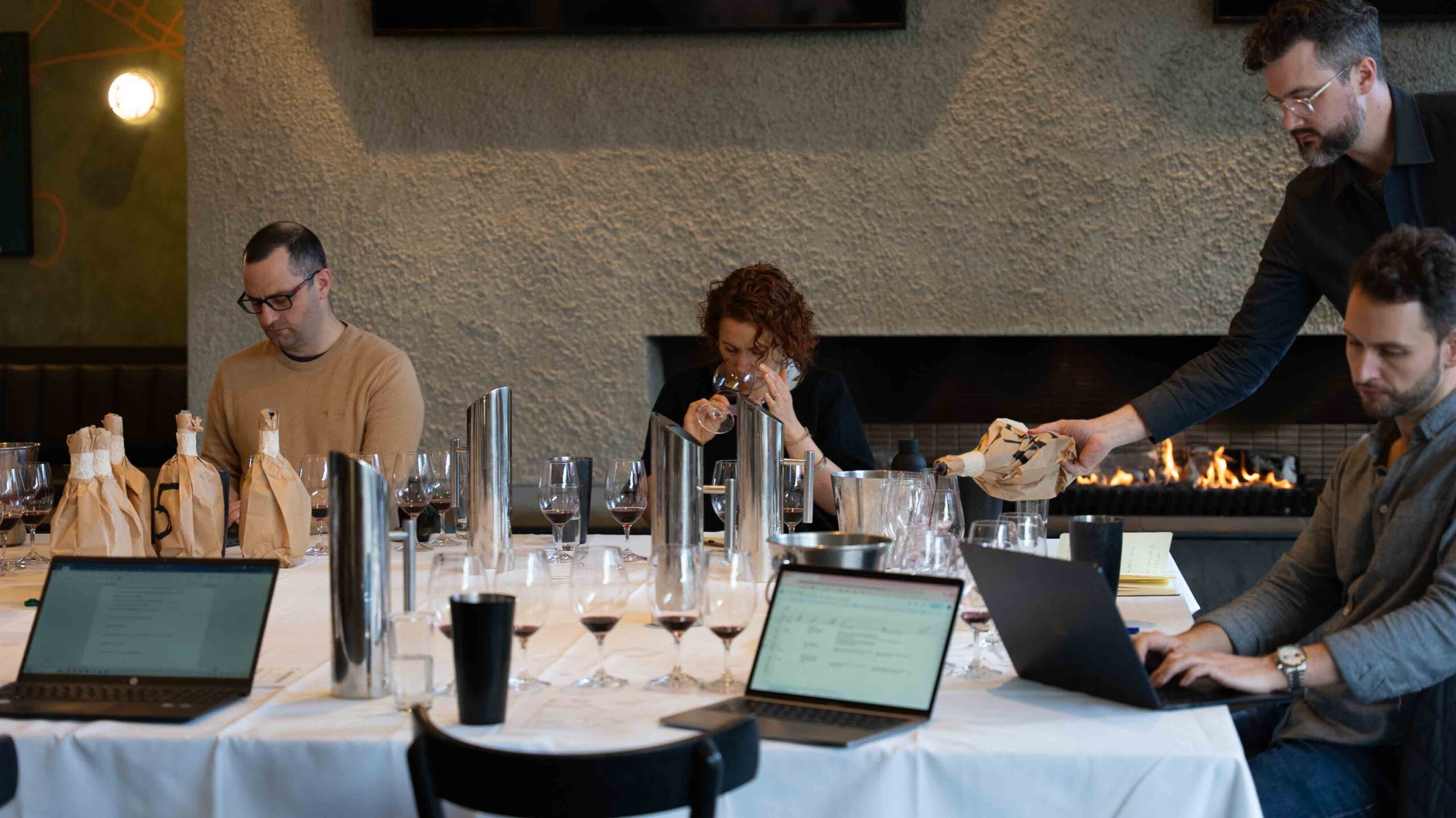
We gathered every example of museum-release Australian shiraz that we could find – that is, aged stock that is available for purchase directly from the winery in some form – and set our expert panel the task of finding the wines that compelled the most. All wines were tasted blind, and each panellist named their top six wines. Below are the wines that made the panellists’ top-six selections from the tasting.

Our panel: Rory Lane, winemaker, The Story Wines; Andrea Roberts-Davison, lecturer in viticulture and winemaking, Melbourne Polytechnic; Mitchell Tiller, sommelier, Circl Wine House; Tully Mauritzen, wine buyer, Vinomofo; Tom Robertson, general manager, Alimentaria; James Scarcebrook, winemaker, Vino Intrepido; Stuart Dudine, winemaker, Alkimi; Alec Gribble, sommelier, Marion and Cutler & Co.

The top wines

2018 Spinifex ‘Rostein Vineyard’ Shiraz, Barossa Valley $125 RRP

Roberts-Davison and Tiller both selected this as one of their top wines from the blind tasting. Roberts-Davison described it as “a total thrill-ride of a shiraz: like diving into a berry patch then getting whacked with a clove-scented velvet pillow – and loving every second of it. There’s so much going on here: boysenberry, blackberry, plus plums stewed with cloves, liquorice and vanilla. It’s full-bodied and fabulous, with a plush, silky mouthfeel that glides … until those chewy tannins grab you mid-palate like a surprise bear-hug. It’s rich, layered, and just so extra in the best possible way. I kept going back for more. Seriously moreish, with potential to further evolve.” Tiller added, “an unapologetic and commanding wine – its firm and rugged tannins frame a core profile of brooding black plums and blueberries, which are accompanied by notes of bay leaf, sage and wild thyme. I was impressed by the wine’s ability to have such density and power in its primary flavours, without ever moving into a jammy or stewed fruit profile. A wine that undoubtedly will keep adding layers as the years go by.”


2013 La Pleiade Shiraz, Heathcote $90 RRP

Chosen by Gribble, Tiller and Robertson in their top six, this was a wine that impressed across the board. Gribble found “aromatics of florals, both fresh and dried, with hints of rendered bacon fat. Slightly softened fruit and spice characters show themselves on the palate. A quiet wine that shows itself through length and subtlety, rather than bombastic flavours.” Tiller reflected that “this wine feels like it is entering a wonderful stage of its lifespan. There is still a freshness and vibrancy to its fruit profile of fresh blackberry and black plums, however savoury notes of charred wood and turned earth were also unfolding, alongside touches of aniseed and eucalyptus. A powerfully structured wine, with tannins that are firm and build on each other with each sip. It was one that I would love to revisit again every five years.” Robertson called it “great density – it’s meaty and leathery, but backed with blood plums, fresh herbs, and a lovely umami twist. This is still incredibly primal and structured – such a powerful wine that could go for so much longer, but has evolved into a stunning stage. Rock and roll vibes!”


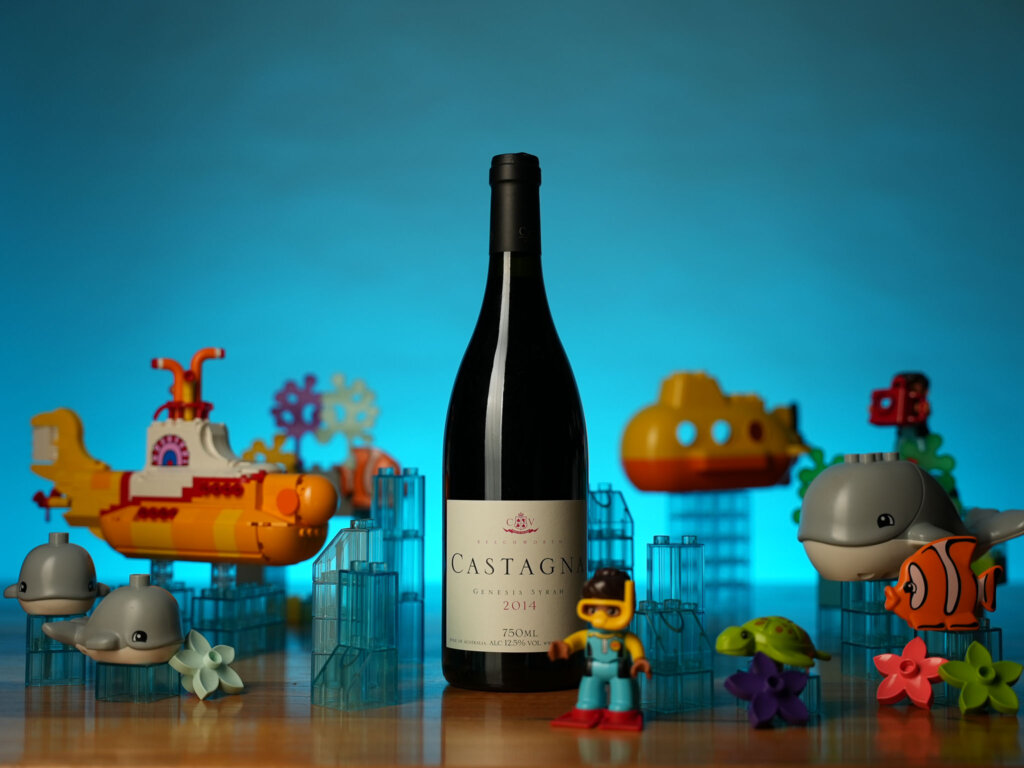
2013 Castagna ‘Genesis’ Syrah, Beechworth $130 RRP

Gribble and Dudine each placed this wine in their top six of the blind tasting. Gribble said, “Savoury and ferrous nose, with a crystalline core of tart red fruit. Game meat and desiccated florals abound on the back end, complemented by a bright acidity and layered complexity.” Dudine added, “Vivid red colour. The aroma of this wine is like walking into a fancy restaurant with great lighting where all the food is cooked over coals: there are notes of charred-grilled wallaby, kale, and fig jam. The palate exhibits truffle, leather and white pepper, alongside blue fruits and dried red berries. The finish shows a sweet Valencia orange citrus note, cleansed by fresh and wonderfully lively acidity.”


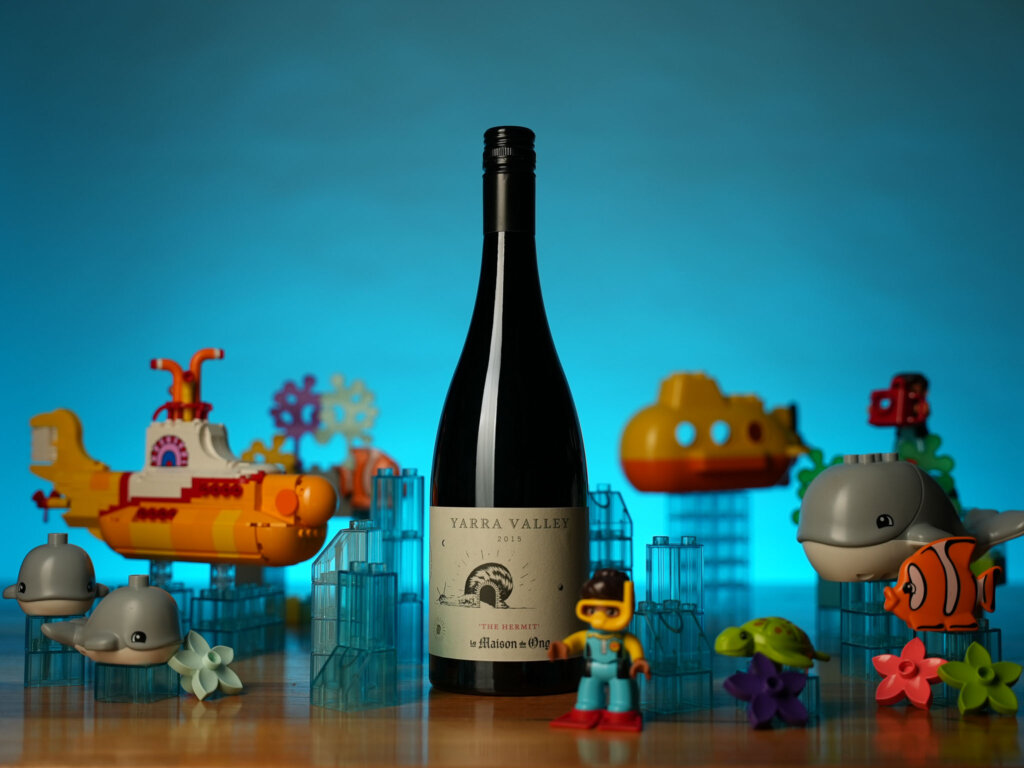
2015 La Maison de Ong ‘Hermit’ Syrah, Yarra Valley $68 RRP

Selected in their top six from the blind tasting by Scarcebrook, Robertson and Lane, this wine struck Scarcebrook as “possibly one of the most aromatic of the whole tasting, not to mention one of the most compelling,” with “wild green peppercorns, kelp – vibrant and spicy, dense and exotic.” He admired its “lovely violets and roses … black pepper crushed in a mortar and pestle,” supple at first then exploding mid-palate with “spice and dark cherry balsamic character,” very long and with “heaps of aging potential.” Robertson also loved its floral lift – “dried violets and licks of sour cherry” – and found it “powerful, yet delicate – maybe a sumo wrestler in a tutu?” He noted its “core of black plum and red cherry” finishing with savoury black olive and old leather, “wonderfully complex.” Lane called it “another personality-plus wine,” with pepper “in the blackest of spades,” raspberry leaves, cool-climate “dark, rocky mountains or volcanic basaltic stuff,” pine-needle freshness, and plenty of tannin. He described it as “flavours jostling for position in the confines of a tight, elegant suit … a few sharp edges – but they make for a great ride.”


2011 Pepper Tree ‘Coquun’ Shiraz, Hunter Valley $140 RRP

Chosen as one of their top six wines of the blind tasting by Scarcebrook, Gribble and Mauritzen, this impressed Scarcebrook for its balance of “density of fruit and secondary winemaking characteristics – still showing some new oak” and “medium dark red fruits – cranberries, pomegranate, and Red Ripperz – opening to show tertiary museum notes of earthiness and biltong jerky,” with alcohol “balanced and integrated” and tannins softened without losing structure, “in a perfect drinking window now.” Gribble noted “surprisingly fresh red fruit, with purple florals such as violet alongside green and pink peppercorns,” underpinned by “a lovely tannin structure that gives the spice and florals a lengthier platform on which to strut their stuff.” Mauritzen revelled in its “tertiary notes … leather, char, tobacco, cedar, blackberry leaf,” calling the profile “deep and serious, yet lifting proudly from the glass.” On the palate, she found “an impressive mixture of savoury aged characters melded beautifully with a marked ‘green’ tinge – green peppercorn, blackcurrant leaf, and slightly underripe wild berries,” with tannins she described as “just delicious … like graphite – adding a gutsy element … Beautiful from start to finish.”


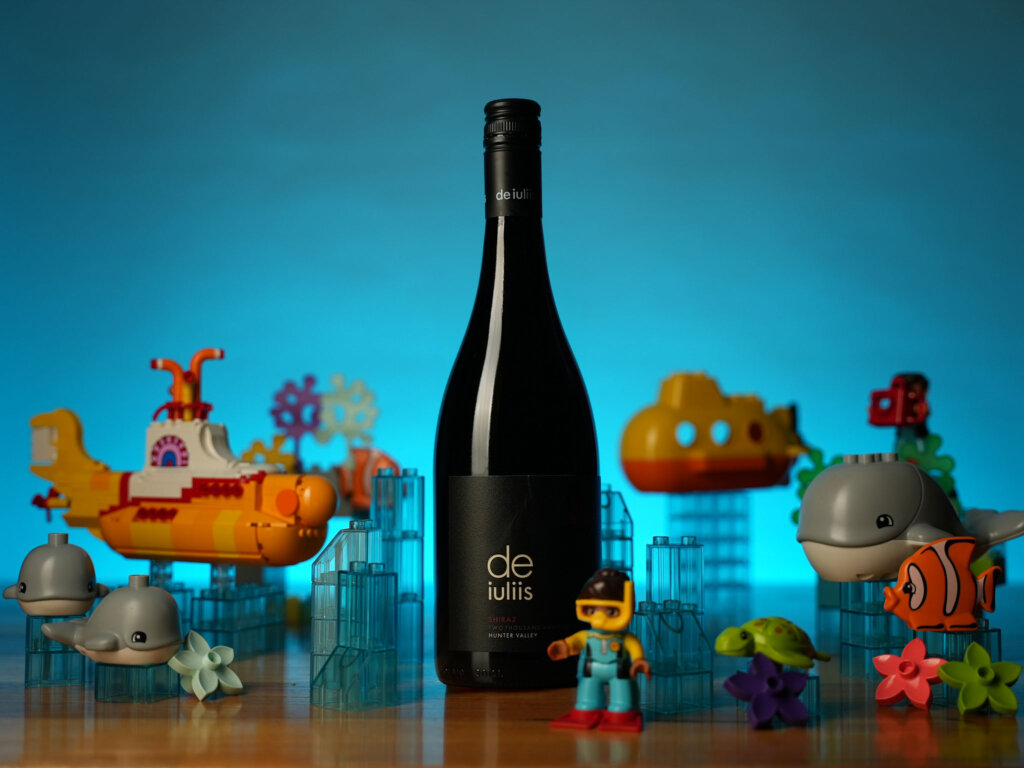
2014 De Iuliis Shiraz, Hunter Valley $175 RRP

Chosen in their top six from the blind tasting by Lane, Mauritzen and Roberts-Davison, this was a wine that Lane described as “such a hit of spice! Milk chocolate and eucalypt, nutmeg and five-spice, cherry-red fruit driven by fresh cooling acidity, all resonating and building to a bell-clear finish,” noting its lighter weight but harmonious maturity, “like best friends singing classic songs.” For Mauritzen, it was “completely different to what I was expecting,” perhaps not instantly identifiable as shiraz, but all the more captivating for it, with “burnt sugar and maraschino cherry notes” layered with raspberry, violet, rose and aniseed – a wine that “feels like one you want to eat rather than drink,” terroir-driven, concentrated and youthful, “a shining star … with concentration for days.” Roberts-Davison admitted it made her “do a double take,” picking up black pepper, raspberry, cedar and chocolate, with savoury spice leading into juicy fruit, “plush, youthful, and totally addictive … vibrant acidity, silky tannins, and just enough chocolate and tobacco to suggest it’s only just starting to think about ageing. Long, luscious, and definitely worth hoarding.”


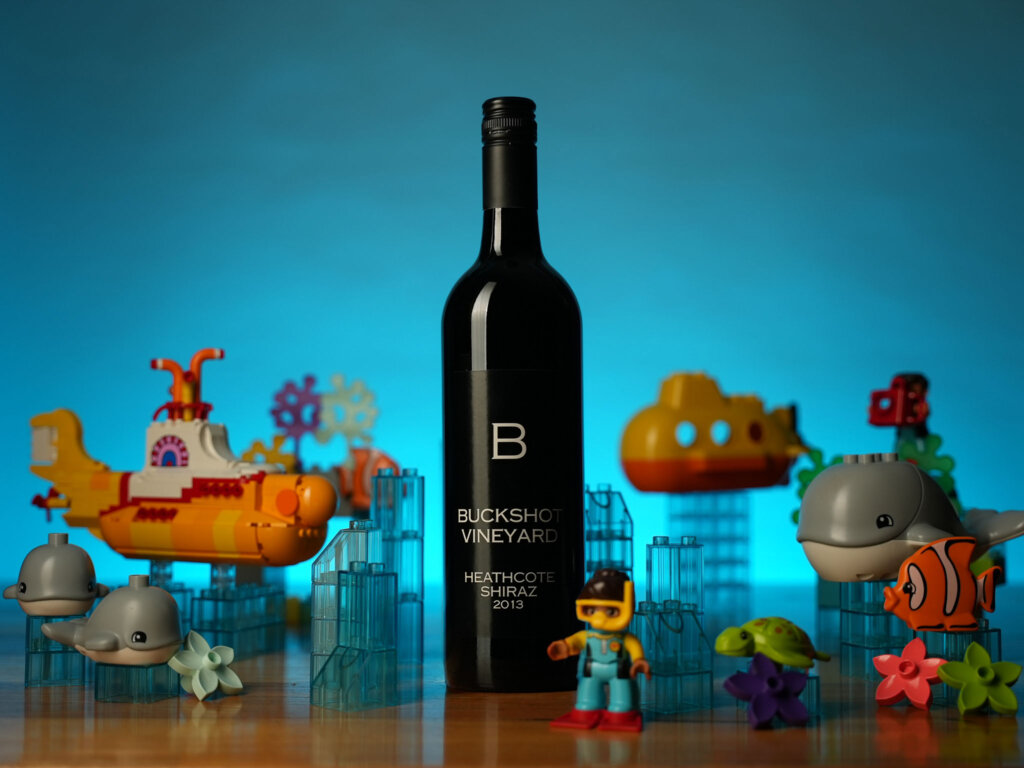
2013 Buckshot Shiraz
, Heathcote $30 RRP

Included amongst their top six wines by Dudine and Lane, this was one that Dudine praised for its vivid colour and “impressive aromatics” of white pepper, truffle, nutmeg, clove, forest floor, black olive tapenade and candied lollies. The palate, he said, offered “beautiful freshness with concentration: dark cherry, red plum and bramble fruit … as well as developed notes of leather and cured meats,” with gravelly tannins perfectly melted in. “A real pleasure to drink right now.” Lane agreed, remarking it “could easily have been higher up my list,” noting its “preservation of strawberry and rose petal aromas at such an advanced age, in such a light-weight frame.” He admired that it remained “graceful and strong, with bright hue and clarity, and an honest fragility. Beautiful.”


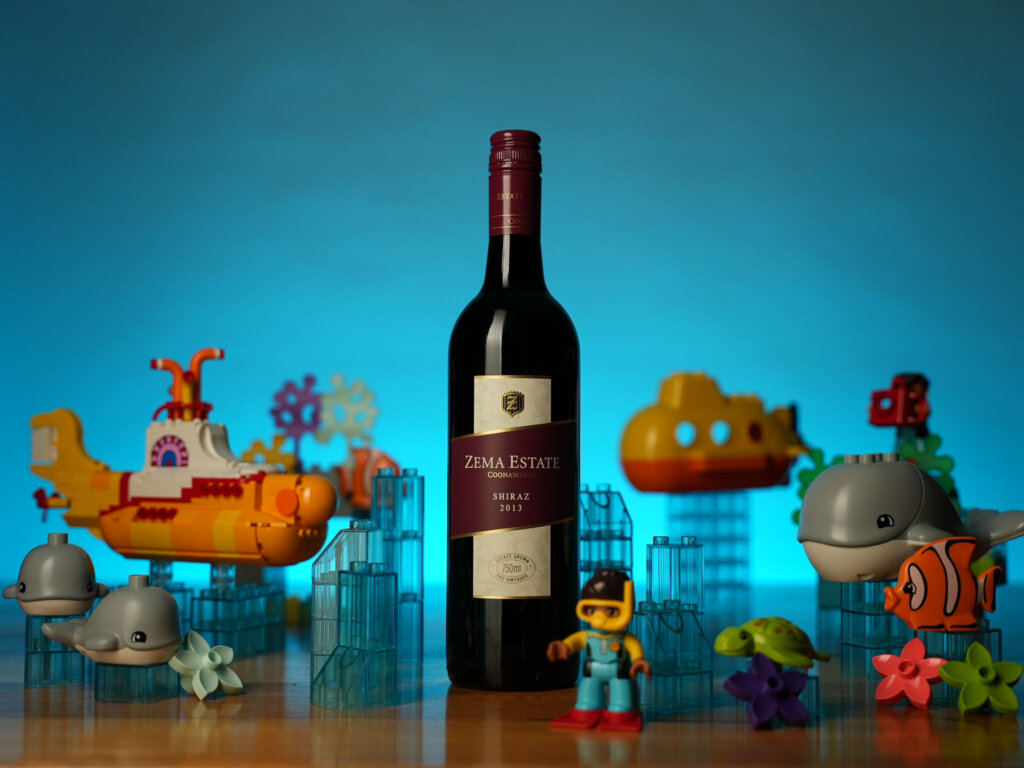
2013 Zema Estate Shiraz, Coonawarra $50 RRP

Picked in the top six by Dudine and Roberts-Davison, this was for Dudine a wine layered with “aromas of white pepper, alongside oak spices of cinnamon, clove, and nutmeg,” with deep cherry, dehydrated strawberry and amaretto notes. On the palate, he found sweet fruit – “cherries, red rose, plums and prunes” – underpinned by “earthy characters of forest floor and sautéed mushrooms,” with “good concentration and length … great tannin presence and raspberry jam on the finish. Drinking very well.” Roberts-Davison likened it to “a Black Forest fairy tale: blackberries, black cherries, and fluffy vanilla marshmallows getting roasted over a liquorice bonfire.” She felt it delivered on those aromatic promises, “juicy and lush on the palate … with a decadent dark chocolate finish,” and tannins that were “silky-yet-chewy … velvet with a backbone,” a “plush armchair-in-winter kind of wine – comforting, classy, and just a little bit indulgent. A treat.”


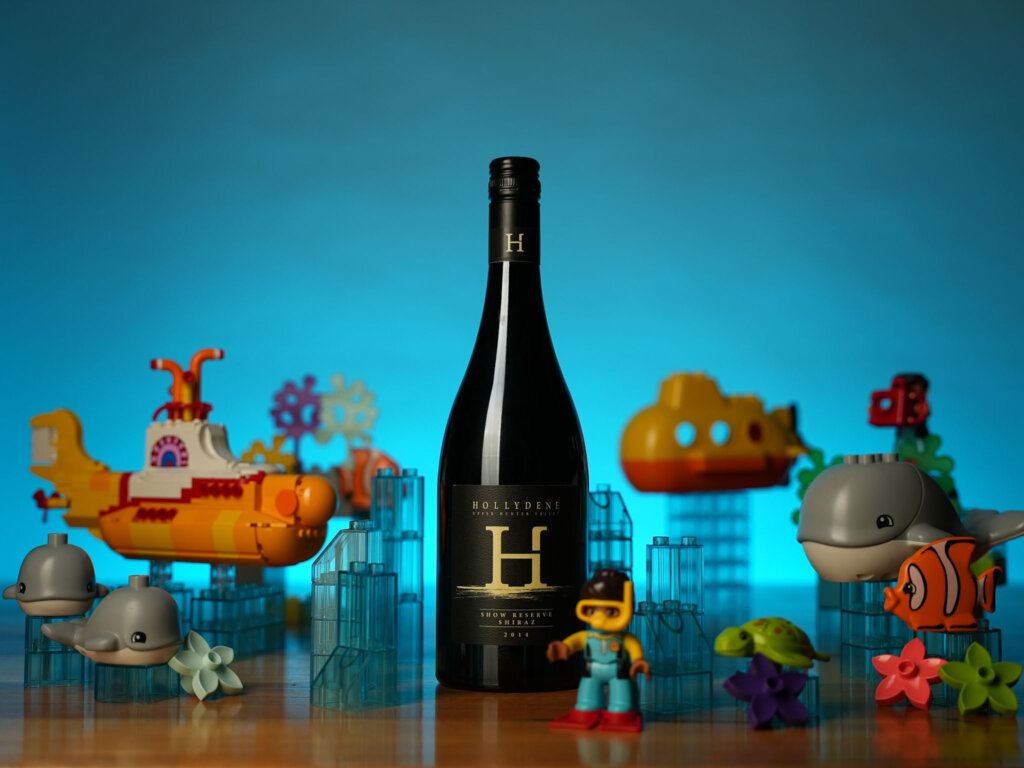
2014 Hollydene ‘Show Reserve’ Shiraz, Hunter Valley $50 RRP

Chosen by Mauritzen and Gribble in their top six from the blind tasting, this wine had them leaning in. Mauritzen said, “This really shows off the goods. Immediately expressive and intriguing on the nose – one of those wines that has you sitting forward in your seat and asking for more. It’s all about the umami notes here: a rich line of salty cured meats and roasted capsicums, while a vanilla and tobacco–scented candle burns in the background. The palate delivers on the promise of the nose tenfold – when you’re looking at aged wines it’s not uncommon to feel like some elements of the wine have fallen away over time, but this still has it all. The salty umami line continues in the front of the palate, with a creamy, meaty backbone that feels akin to digging in to a really good beef tartare. I feel like I can still taste this so viscerally!” Gribble noted, “The nose shows savoury spice and slightly developed/dried fruit characteristics. On the palate, the fruit shows a bit fresher, coupled with a lovely tart acid line. The gamey and meaty aromatics come back around at the end, lingering on the finish alongside delightfully powdery tannins.”


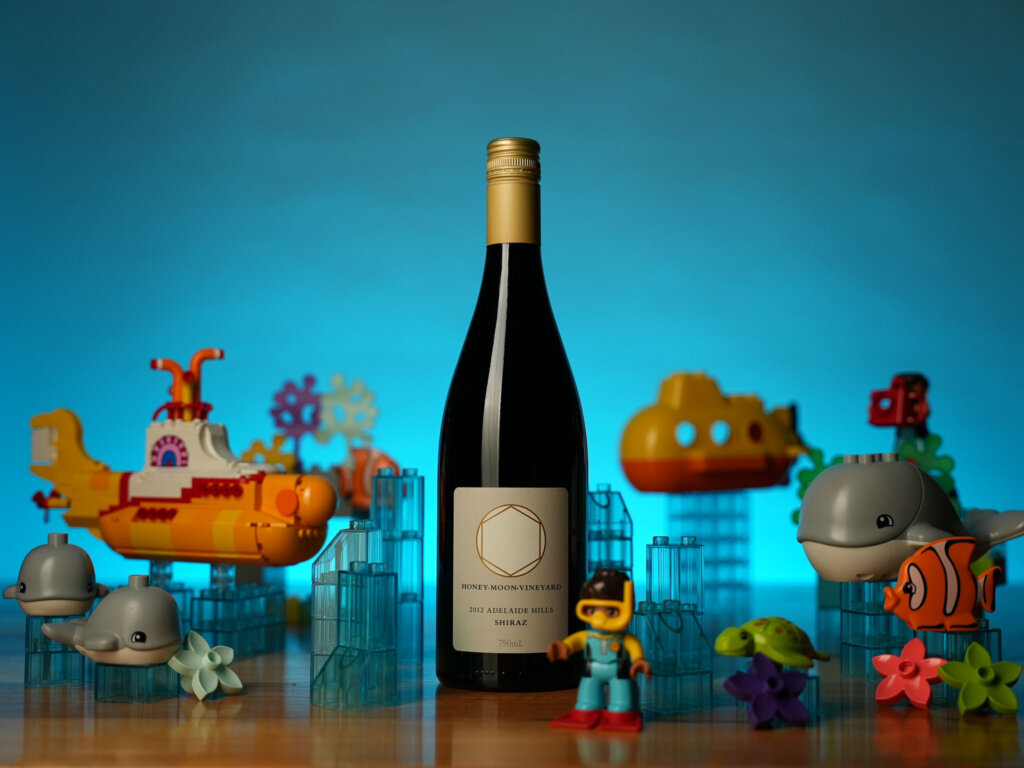
2012 Honey Moon Shiraz, Adelaide Hills $73 RRP

This was highlighted by Roberts-Davison and Dudine in their top selections from the blind tasting. Dudine remarked, “Amazing vivid red colour. Aromas of chestnuts and dried blueberries, with some truffle and charred-oak characters that play subtly and add depth. The palate is elegant and complex: notes of leather give way to dark spices of star anise and clove. Elegant floral notes – violets and incense – show alongside white pepper and more dark spices on the finish from what seems like well-integrated oak. Yum – this wine is sitting in a great spot right now!” Roberts-Davison added, “Intriguing – complex, intense and a bit mysterious. First whiff? Blackberries and plums straight off the tree, followed by sticky plum jam and a shake of cedar spice. Wait … is that cardamom? Yes, please. On the palate, it’s like fruit salad with edge: cherries, raspberry and boysenberry roll through, then bam – a cheeky twist of tobacco. The structure is taut and elegant, with an acid-line backbone and tannins like silk. Drink now, or age it into velvet.”


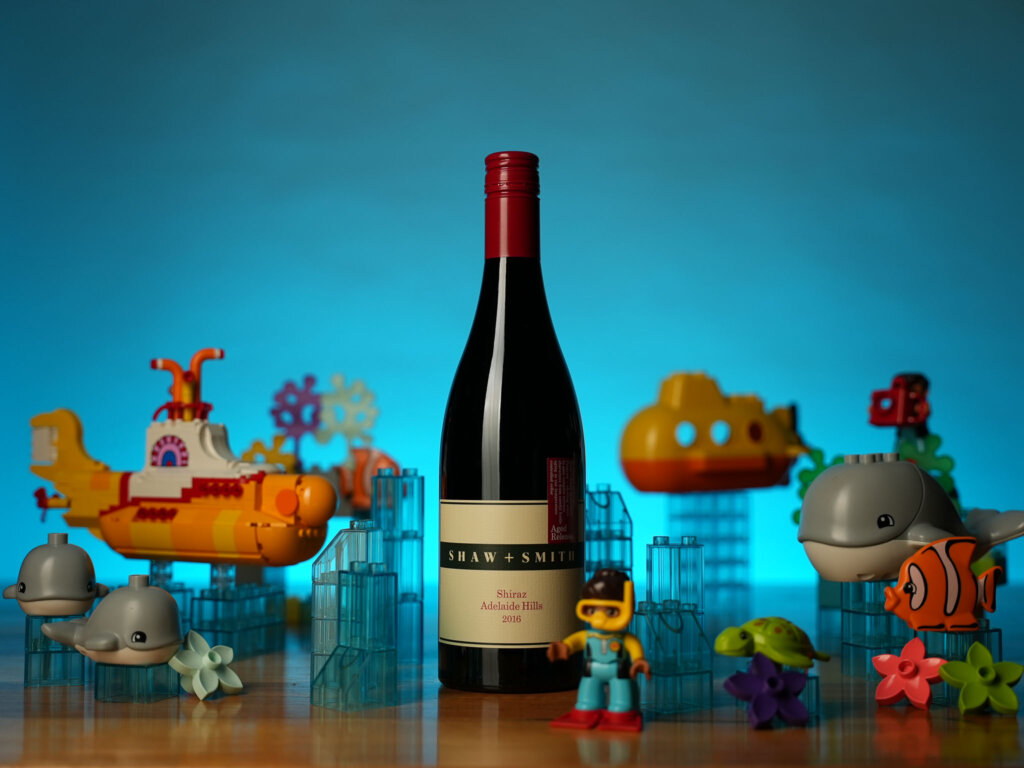
2016 Shaw & Smith Shiraz, Adelaide Hills $78 RRP

Named among the top wines by Tiller, Lane and Robertson, this stood out in the blind line-up. Tiller said, “From the entire line-up, I feel that this wine is the best expression of shiraz made with whole-bunch fermentation: its herbal notes of Earl Grey tea and wild fennel are woven perfectly among black plums and ripe mulberries. There is a softness to the wine’s tannic structure and freshness of acidity that make this wine almost too smashable, despite its evidently contemplative and cerebral nature.” Lane thought, “One of the more pinot-esque wines in this line-up – not especially light, but with an autumnal, leafy, forest-floor sappiness that felt luxurious and relaxed, woven together with well-ripened redcurrant and glacé cherry fruit on the palate. It seemed like the wine’s tannin firmness had broken, and it was right in the spot for drinking now. Real complexity and interest on show at this stage of its life.” Robertson commented, “This shows so classily in the glass – dark blueberries, bramble fruits and blackcurrants, surrounded by a great frame of oak and tannin. It’s just starting to soften with age – but it has a chalky edge which is so intriguing that I kept coming back to it throughout the course of the tasting.”


2018 Byrne Winemakers ‘Trawalla’ Shiraz, Ballarat $36 RRP

Both Robertson and Tiller picked this wine in their top six of the blind tasting. Robertson said, “Delicate, herbal, savoury yet wonderfully lifted – this feels more like new wave Aussie syrah, yet still with that oomph of archetypal Aussie shiraz. Shows dark plum, cured meats, blackcurrants, brown mushrooms, delicate cherry notes and a lovely alpine herbal twist. A driving undertone of spice and a mineral rocky vibe show this wine has so much more to give in the years to come – but it’s so enjoyable now, too.” Tiller added, “This wine stood out amongst the line-up with flavours that are less ‘dark and brooding’ and more about red plums, boysenberries, hibiscus, Turkish delight and cinnamon. A joyous and boisterous wine, with plushness and approachability.”


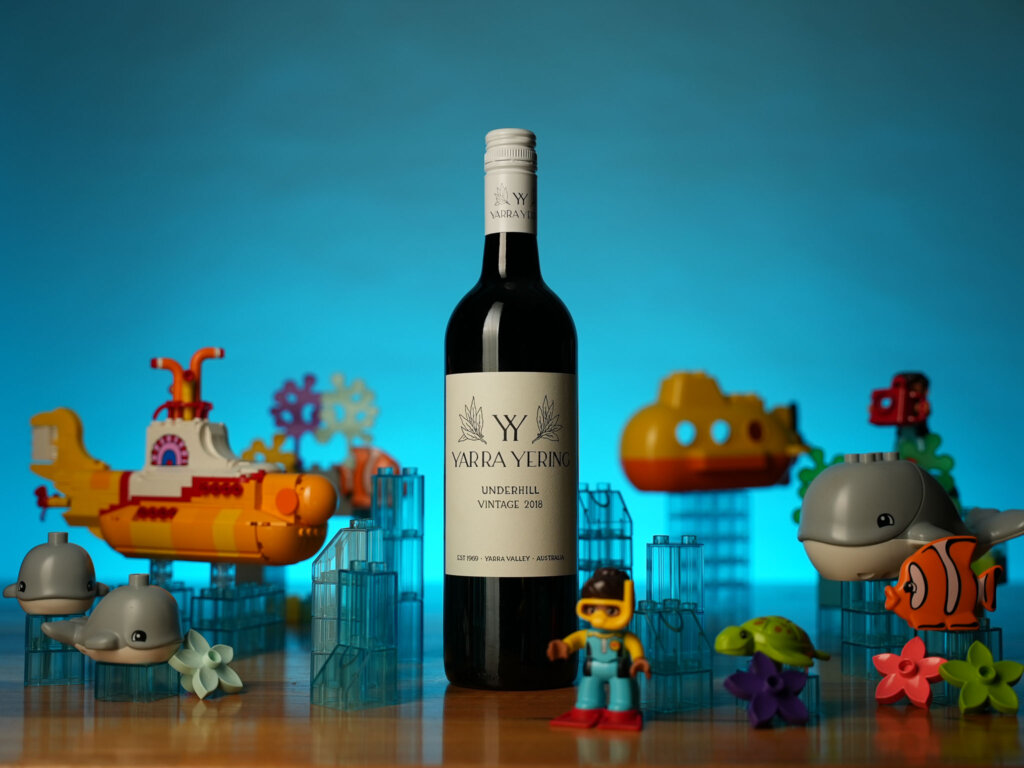
2018 Yarra Yering ‘Underhill’ Shiraz, Yarra Valley $160 RRP

This wine was a standout for Lane and Scarcebrook, who each picked it in their top six. Lane said, “This wine stood out for its high-definition framework – all flavours on display with pristine clarity, nothing obscured. No sulphide-y stink, no heavy flavours, no smudgy oak over the top – just pure raspberries and cherries, violet florals, and pure spring mountain refreshment. Youthful for its age, and statuesque – presence and poise, tannins filigreed and fanning outwards, yet holding the wine firm. Balletic – how shiraz was born to age!” Scarcebrook found it “Very subtle and complex – Bounty Bar–like chocolate and coconut notes, black olive, boysenberry, and hints of graphite pencil shavings. Some brightness and juiciness here – stewed strawberries and some Cherry Ripe notes. Deep, bold, and savoury in flavour, but not aggressive or heavy on the palate. Good, mellow structure and texture – tannins are a good balance of roundness and firmness. Shows some oak, which will benefit from a bit more time in bottle.”

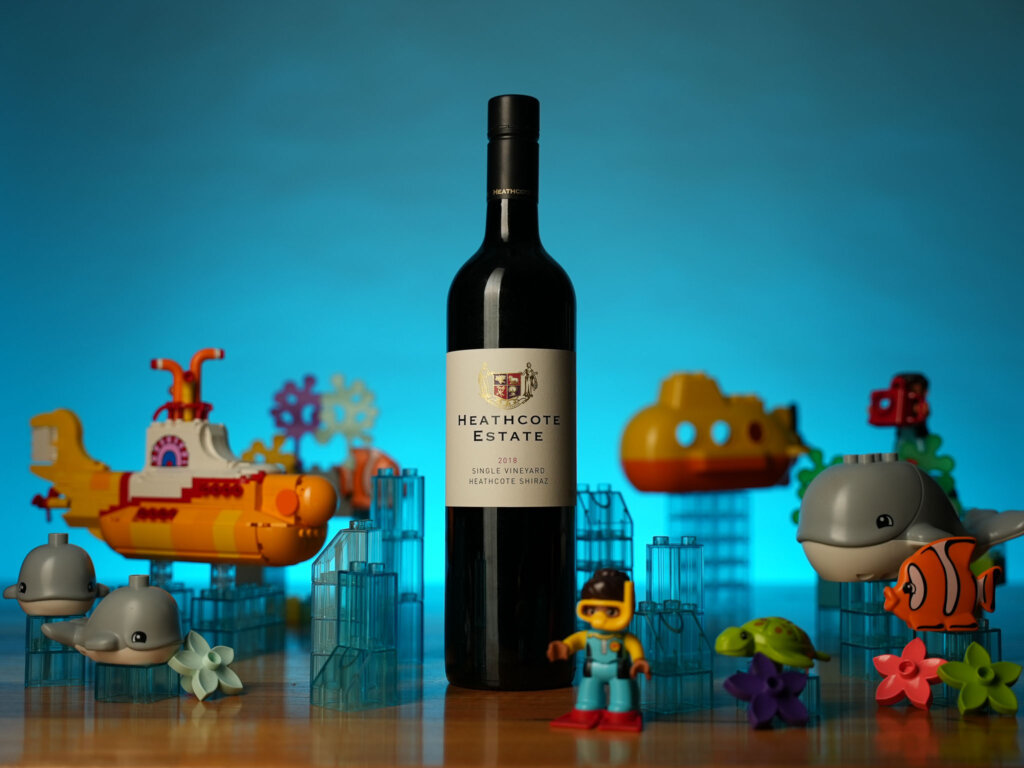
2018 Heathcote Estate ‘Single Vineyard’ Shiraz, Heathcote $58 RRP

Mauritzen included this wine in her top six from the blind tasting, saying, “I’ll admit, I had to come back to this wine a few times. There’s something that felt so familiar in this wine, matched with so many unique elements – I must say that I enjoyed trying to put the puzzle together. Seeing this develop in the glass over a matter of minutes really was a joy. A pronounced kalamata olive tapanade note meshes with olive brine, while red plums dances with cherry cola. This looks impressively youthful, giving only a hint of its age in the form of just-dried blackberries. This shows real potential to continue its ageing journey – I’d love to see how that black olive tinge continues to unfurl. ‘Pretty bloody good’ were some of my exact tasting notes on the day!”


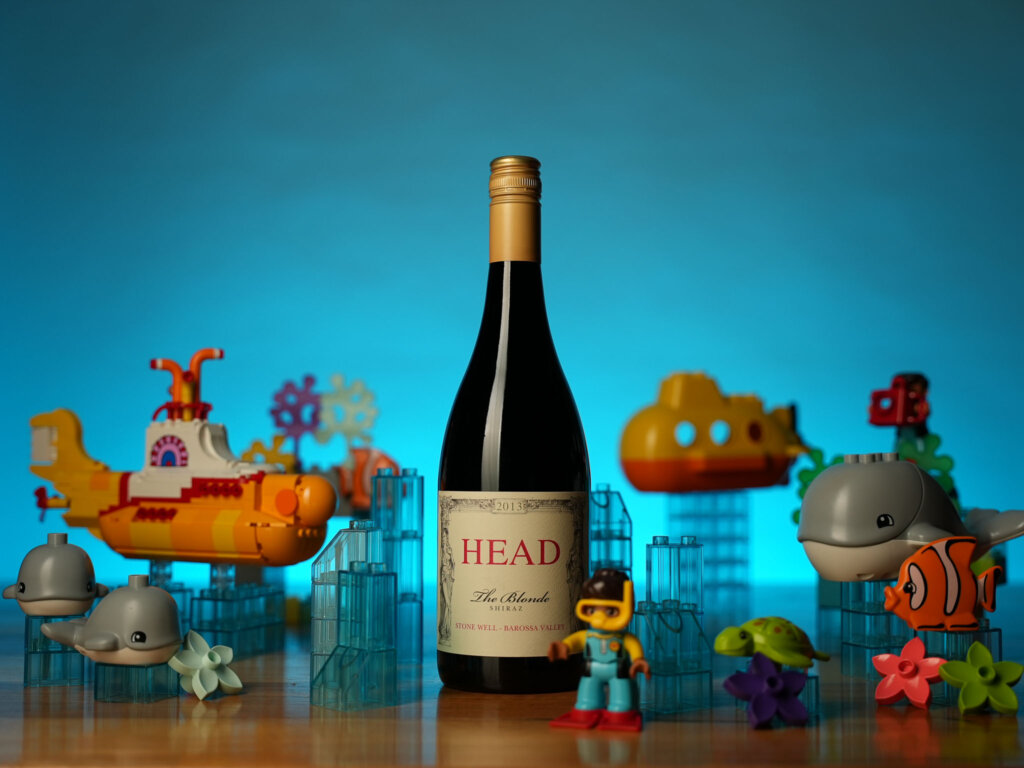
2013 Head Wines ‘The Blonde’ Shiraz, Barossa Valley

Scarcebrook listed this among his top wines of the blind tasting, noting, “Sitting in a great spot between fruitiness, savouriness, and secondary and tertiary characteristics – funky but not faulty. Blood plums, stewed rhubarb, morello cherries. Hints of some sweet black pepper tonkatsu sauce – very subtle and complex. Still plenty of vibrancy on the palate, has a good balance of density and lightness – fills the mouth and tannins are soft enough without missing structure. Showing some age, but still plenty of fruit balanced with bottle-aged character.”


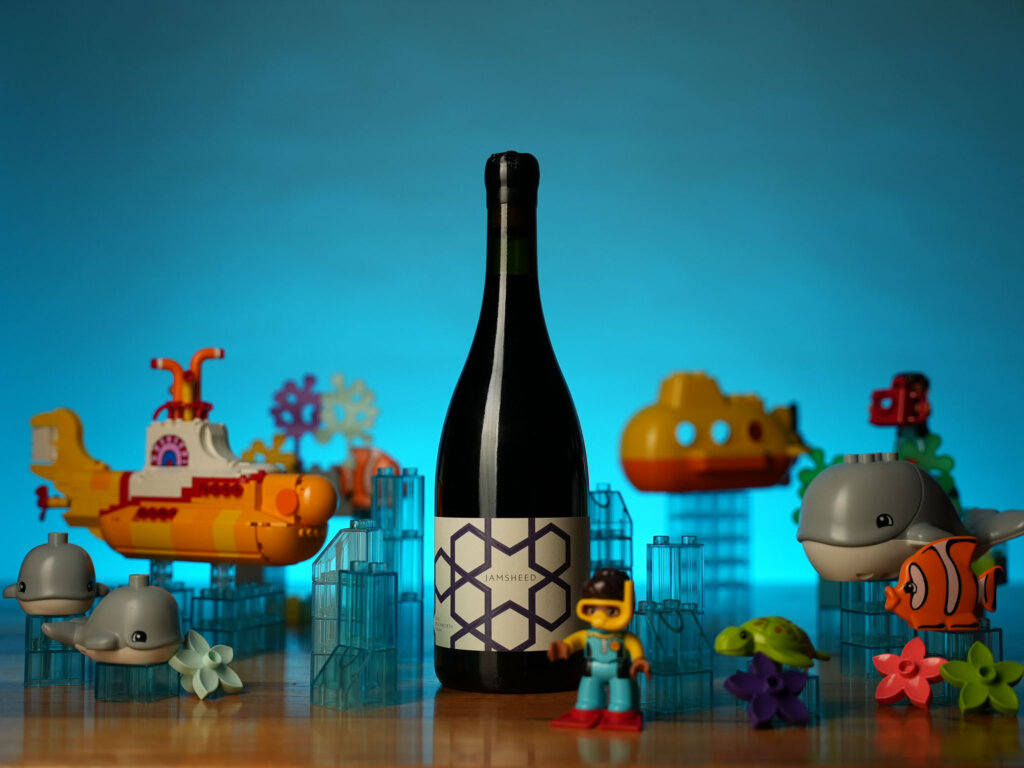
2012 Jamsheed Syrah, Beechworth $120 RRP

Robertson placed this wine in his top six from the tasting, describing it as, “Dark and brooding – black plums, tar, and roses are all whipped back into line by a spicy herbal lift. This is showing its age, but in such a stunning way – the texture has become so luscious, yet it doesn’t feel rich. Marvellously balanced, with an almost salty acidity that drives a very long finish here.”


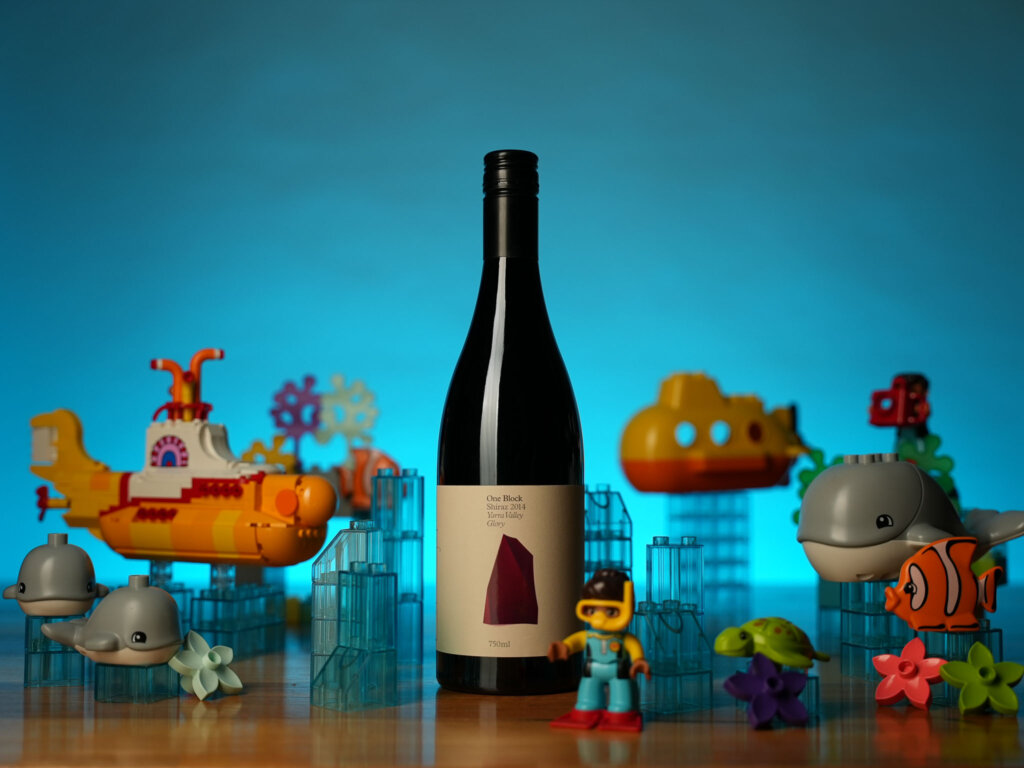
2014 One Block by Jayden Ong ‘Glory’ Shiraz, Yarra Valley $68 RRP

This wine was chosen in Mauritzen’s top six of the blind tasting. She said, “On the day of tasting, I wrote down that this is ‘the definition of balance’: a perfect synergy between bright, crunchy notes of green peppercorn, blackcurrant leaf, red plums and sage, mixed with notes of earth and leather. This wine has a distinctive ‘old world’ style to it, with a delicious meaty, animalistic line through the mid-palate that heightens the aromatic profile. Very expressive – and really intriguing.”


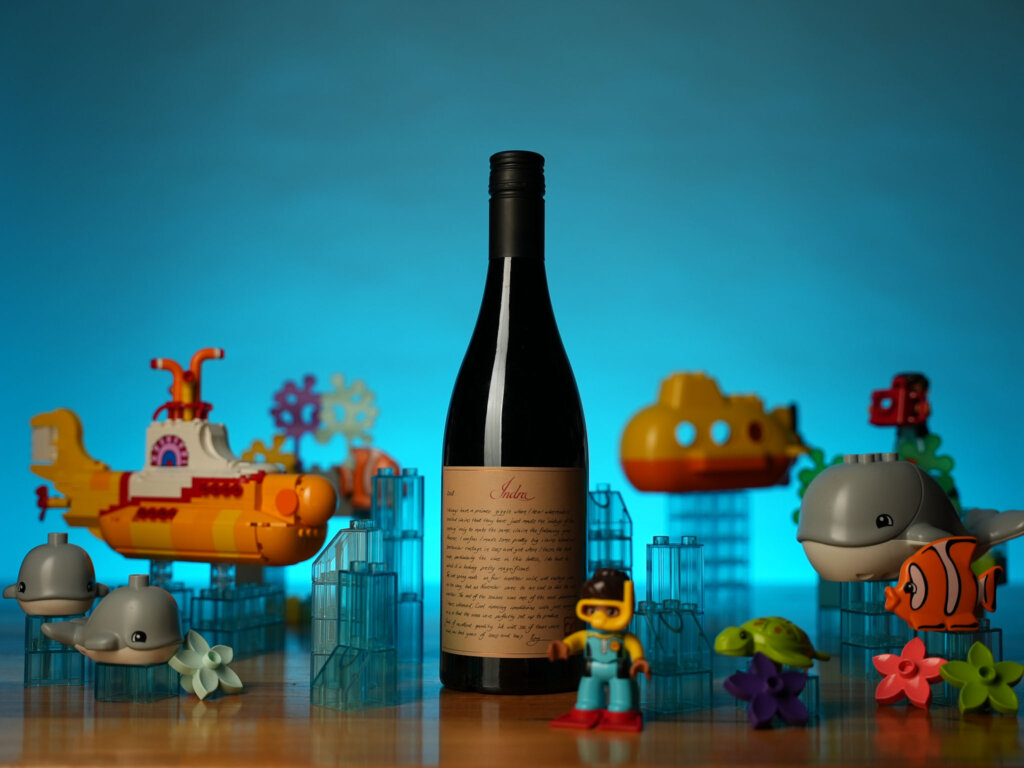
2018 Lethbridge ‘Indra’ Shiraz, Geelong $120 RRP

Robertson also highlighted this wine in his top six from the line-up. “Shows fennel, blue plum, and a sour cranberry edge. This has a soft, delicate nature in the glass – very delicious. Savoury pops of pepper, dried herbs and leather show that this wine is in a wonderful drinking window, too. The velvety nature of this wine and stunning perfume continue to draw you back in. Super wine!”


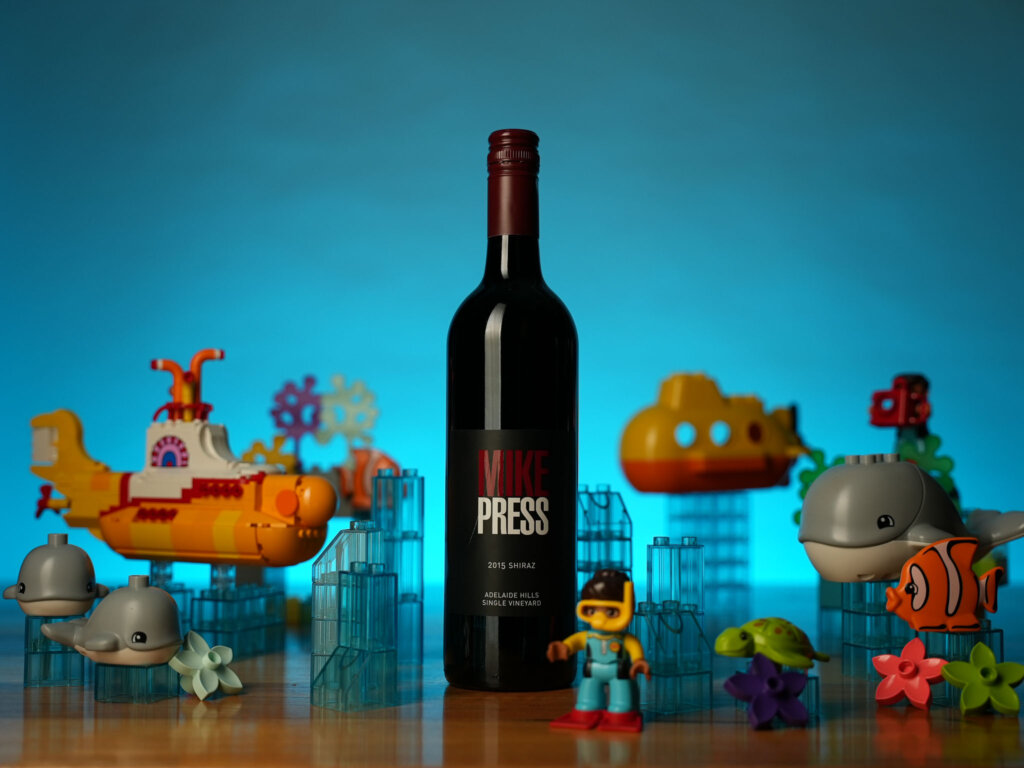
2015 Mike Press Shiraz, Adelaide Hills $25 RRP

Gribble and Roberts-Davison both selected this wine in their top six from the blind tasting. Gribble noted, “Black olives and darker, more purple florals on the nose. Excellent balance here between the acid, tannin, and oak components of the wine. A few more savoury characteristics on the palate, verging towards pan-fried bacon and kalamata olive tapenade alongside darker fruit – think plum and blackberry.” For Roberts-Davison it was a wild-card pick: “Quiet on the nose – but when it speaks, you listen. There’s this dreamy graphite minerality, like licking a HB pencil, then boom – blackberries, cherries and plums come in swinging. There’s a whisper of alcohol heat and balsamic acidity at first – but these actually amp up the juicy, mouthwatering fruit. Elegant, interesting, and kind of rebellious – this one doesn’t scream museum shiraz, and that’s exactly why I love it. Give it a few more years and it’s going to be a star.”


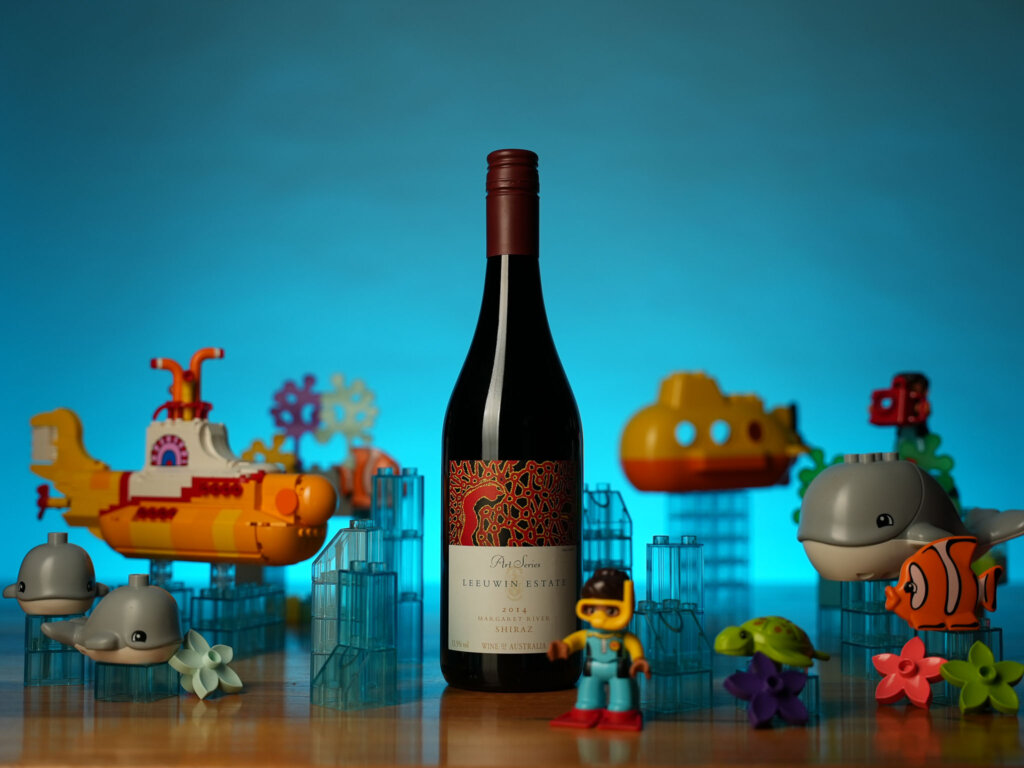
2014 Leeuwin Estate ‘Art Series’ Shiraz, Margaret River $72 RRP

Dudine listed this among his top six, writing, “Vivid ruby hue. Sweet, freshly-baked oatmeal raisin cookies are apparent on the nose, with notes of leather, black olive, spices and incense, as well as dried lavender, herbs and violets. The palate is showing good fruit intensity, with blueberry and bramble jam, alongside savoury tones of iodine, black olives and leather. This lively wine has tannins that melt into the wine – helping to give good intensity and length to its finish.”


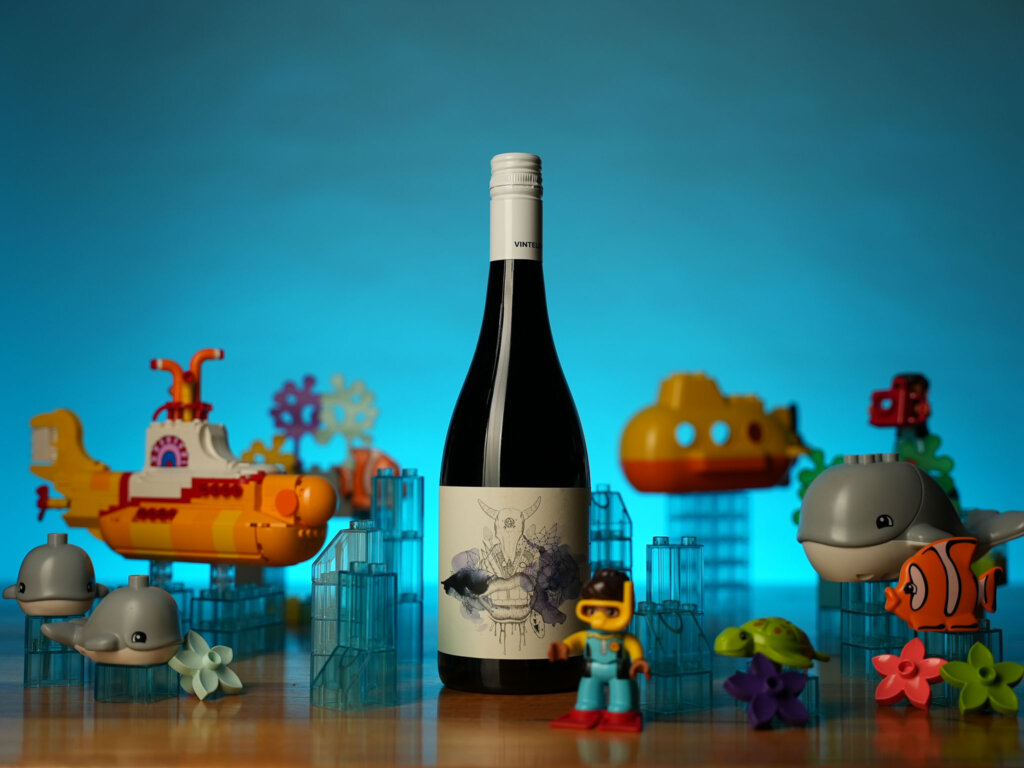
2015 Vinteloper Shiraz, Adelaide Hills $135 RRP

Tiller placed this wine in his top six from the line-up, saying, “This is one of a few wines in the lineup that really leapt from the glass and compelled me to keep on returning. Its aromas feel like they all could have been found on a walk through the woods: there’s wild blackberry and mulberry with herbal touches of sage and lavender. A more elegant and mid-weighted wine than most of the line-up – however there’s a firmness and persistence to the wine’s tannic structure that contrasts with the delicacy of its flavours.”


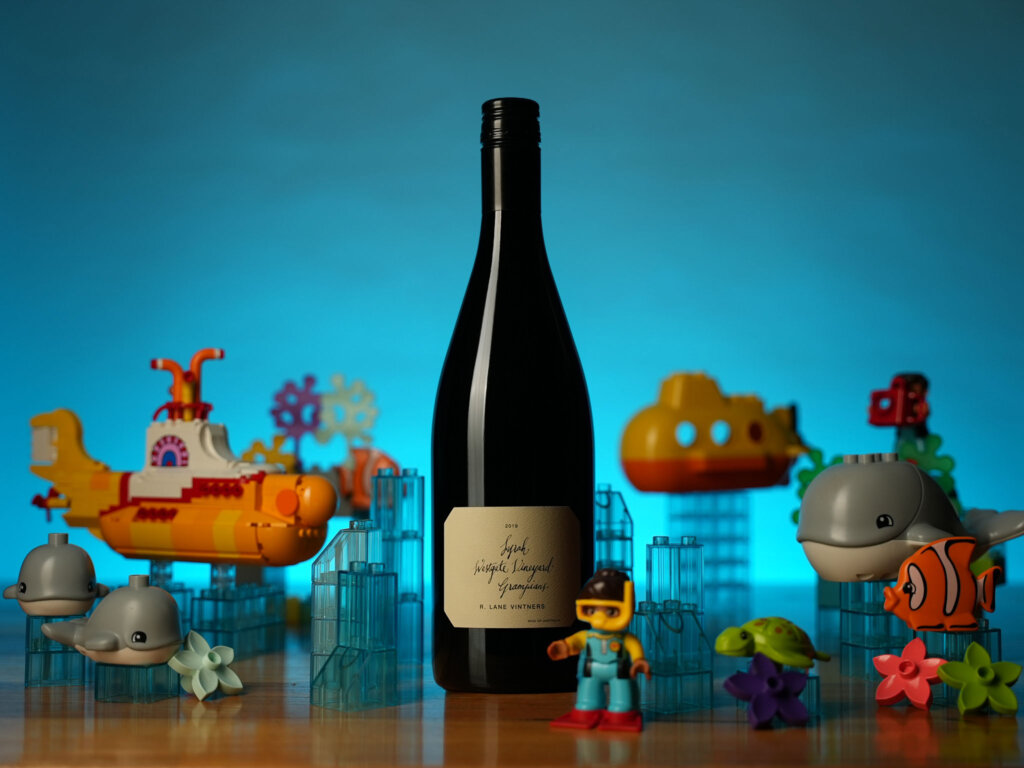
2019 R. Lane Vintners ‘Westgate Vineyard’ Syrah, Grampians $75 RRP

Roberts-Davison included this in her top six picks from the blind tasting, describing, “Cherry pie filling vibes – this wine is all plush violets, juicy cherries, and lifted red plum aromatics, with a hint of sweet spice like a cinnamon-sugar rimmed cocktail. A whisper of balsamic-like acidity gives it that zingy high note that makes everything else pop. It’s got structure for days, and a line of acid that keeps the whole thing under control. There’s a kind of nostalgic richness to the fruit – red cherries, plums, chocolate and tobacco rounding it out. This one lingers, and you don’t want it to end.”


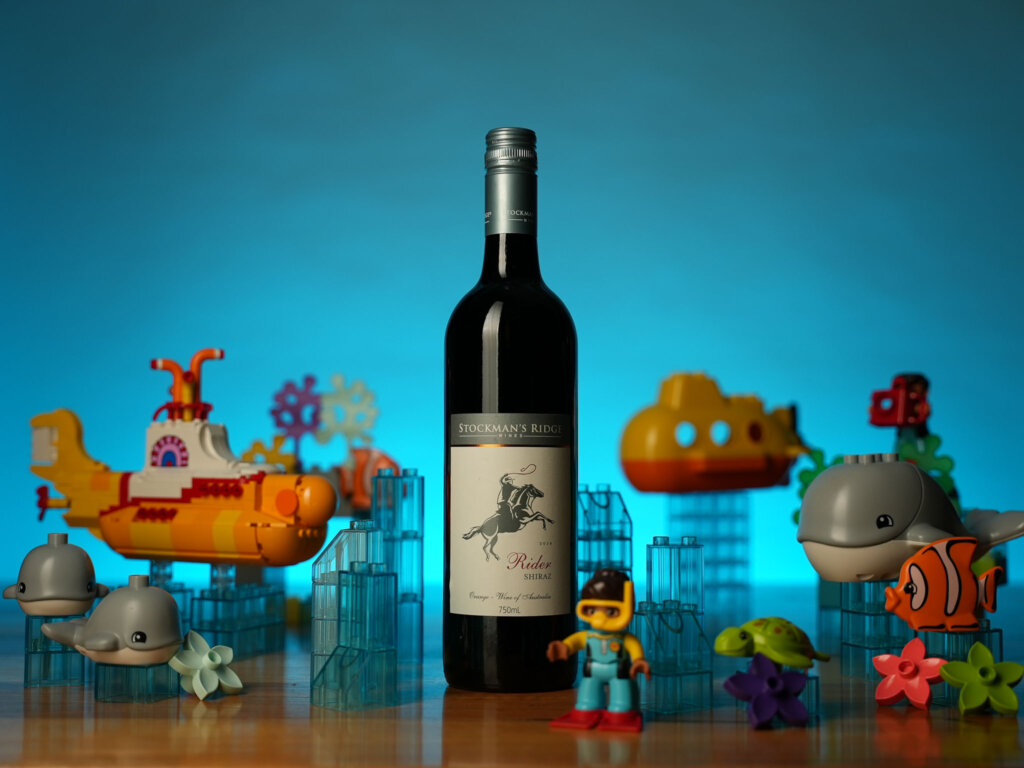
2014 Stockman’s Ridge ‘Rider’ Shiraz, Orange $80 RRP

Scarcebrook was drawn to this wine, choosing it in his top six from the tasting: “Earthy, wild, savoury, tight and lean – very Rhône-like, in fact. Quite subtle and complex – Black Forest fruits, almost like a smoked red velvet cake, moving into some pancetta territory. It’s a bit angular and uncooperative, but in a really compelling way. It’s lively – lots of personality for a wine that’s so light on its feet, with a glyceric fattiness that coats the mouth.”


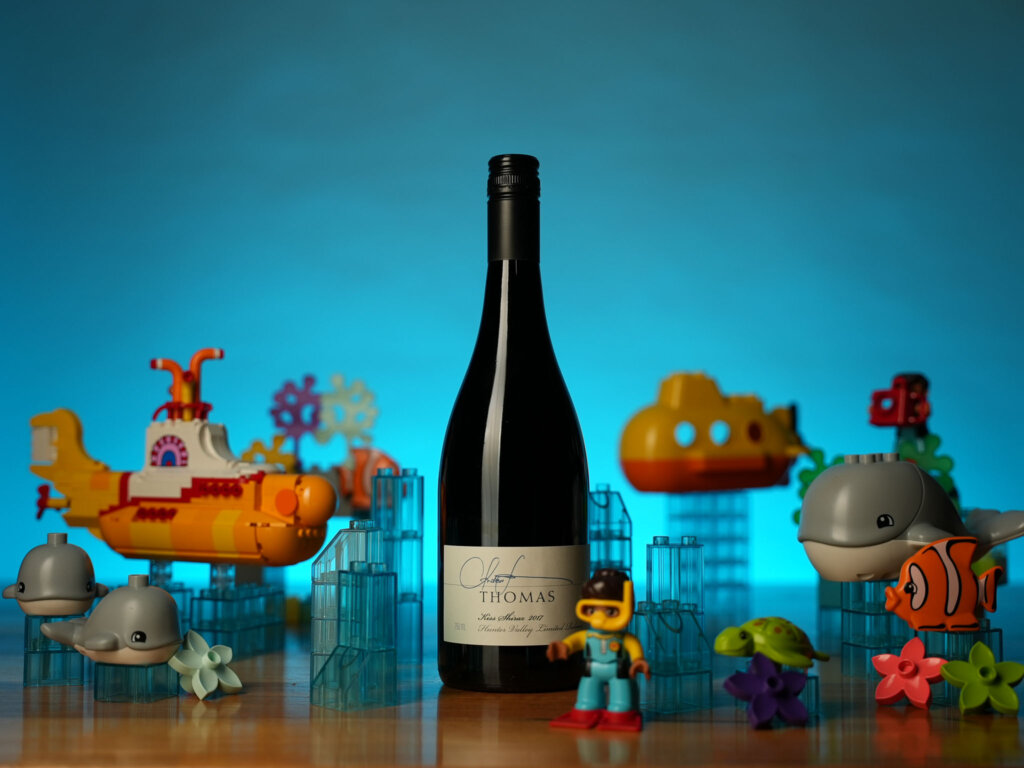
2017 Thomas Wines ‘Kiss’ Shiraz, Hunter Valley $200 RRP

Dudine also had this in his top six, saying, “Vivid ruby in colour. The aroma is seriously fresh, showing red berry and white summer fig fruit notes. Underneath this fruit lurk white pepper, black olives, and oaky notes of cinnamon and nutmeg. The palate walks a fine line of being both syrupy and long, showing brown figs, truffle, and loads of white pepper. The oak notes of mahogany and crème brûlée, alongside the gravelly tannins, help to provide great texture and length to the finish.”


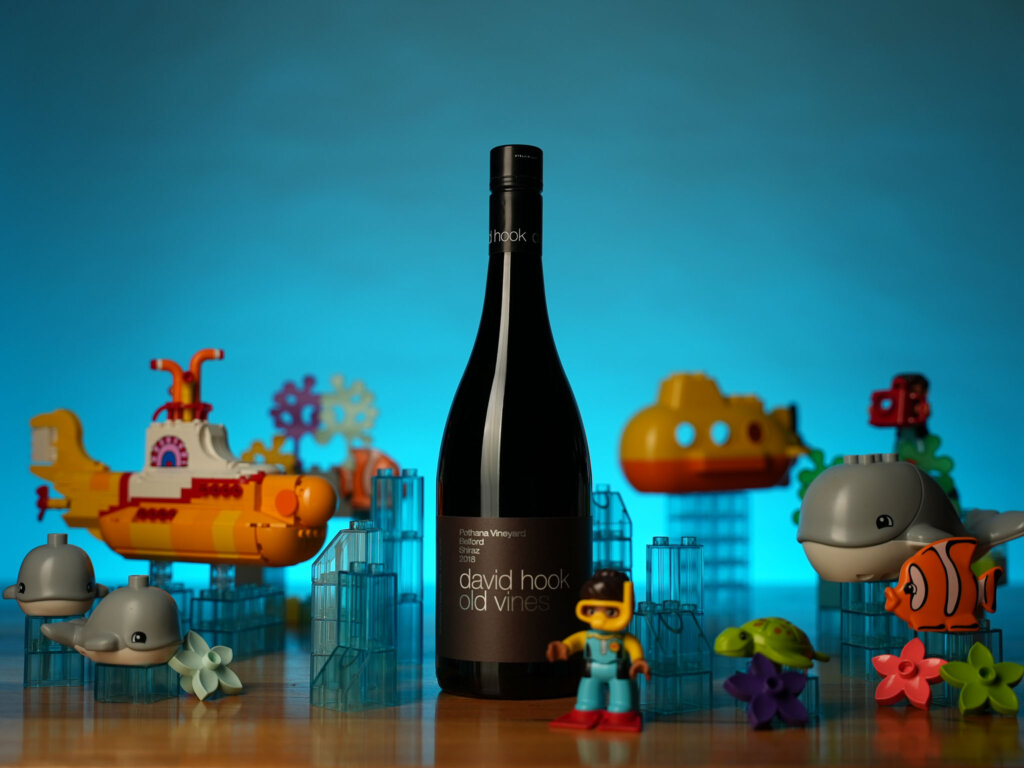
2018 David Hook ‘Pothana Vineyard’ Shiraz, Hunter Valley $65 RRP

Lane found plenty to admire here, picking it in his top six. “Striking for its prettiness, delicacy, openness and well-earned wrinkles. Raspberry yoghurt and lactic creamy strawberries on the palate alongside savoury and dry, but not oppressive, tannins. Excellent length. Many wines of this lightness tend to fall into caramels and wet earth as they age, but this wine grew and changed in the glass, becoming something altogether more intriguing as it opened up. A nuanced shiraz with quirks and quavers.”


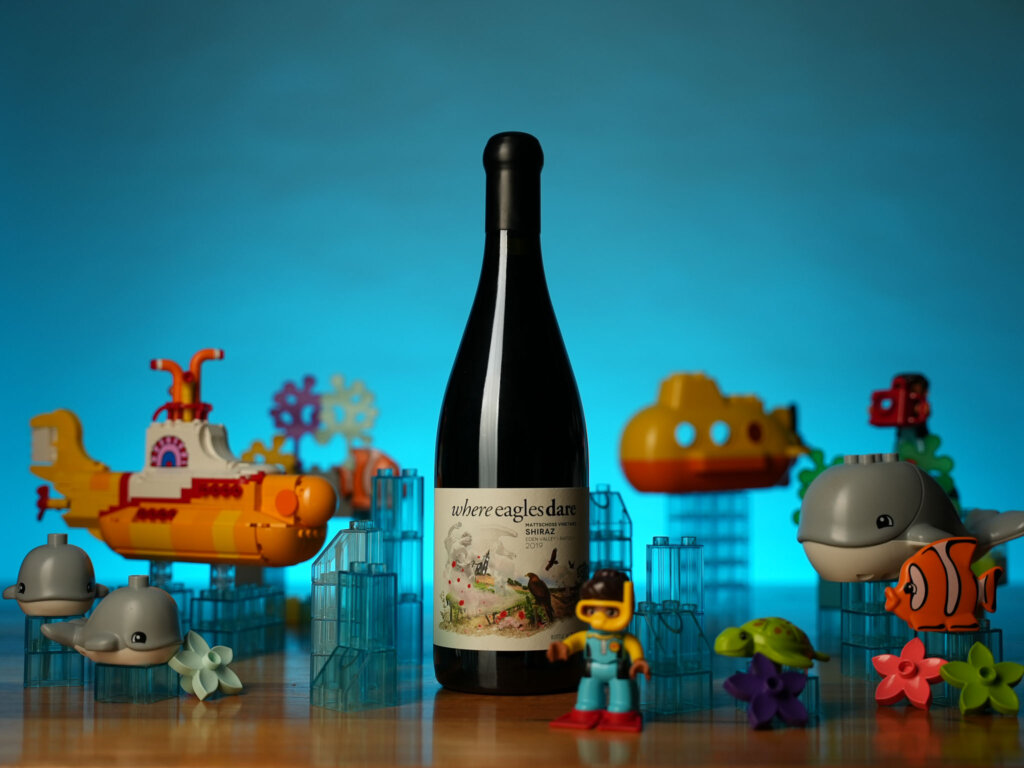
2019 Thistledown ‘Where Eagles Dare’ Shiraz, Eden Valley $95 RRP

Scarcebrook picked this among his top six in the blind tasting, noting, “Lots of density and structure – still quite youthful. Decent amount of vanilla-like oak character that is developing nicely and will soften with some more cellaring. Very tightly focused fruit – all blackberries and dried black cherry – that fades in a nice way on the finish. Fantastic balance for a big wine. Big, bold, juicy, generous, and luscious – the tannins are still quite prominent and mouth coating, so I’d be having this with a juicy steak.”


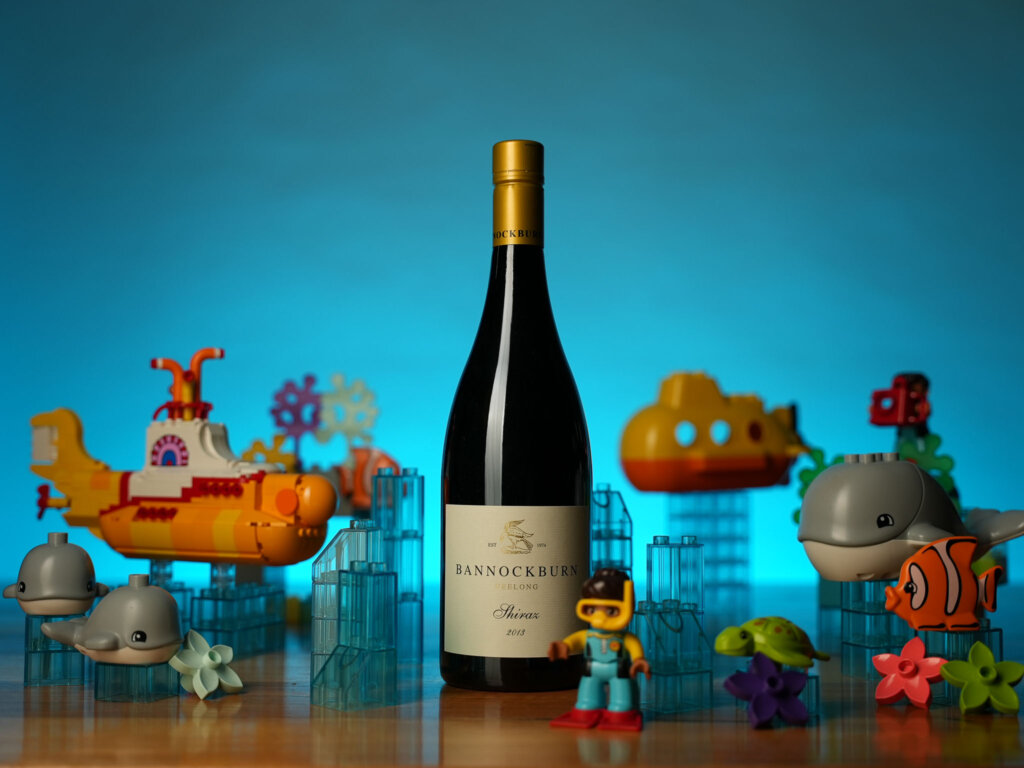
2013 Bannockburn Shiraz, Geelong $50 RRP

Gribble selected this in his top six, describing it as “Wildly savoury! Olives and a whole damn charcuterie board on the nose here, alongside loads of freshly cracked green and black peppercorns. The palate shows dark plum and deep berry flavours – blackberry, black cherry, mulberries – with a hint of red liquorice. Heady and enveloping in its aromatic spice. This is a fully-developed wine – here for a good (and meaty) time, not necessarily a long time – but right now it’s a delightfully wild ride for those brave enough to hop on board.”


2013 Peter Lehmann ‘Stonewell’ Shiraz, Barossa Valley $140 RRP

Mauritzen included this in her top six wines from the line-up, saying, “Serious, sophisticated, and properly luxurious. This wine stood out from the line-up for me in terms of the notable care that had been taken in the winemaking – prominent notes of vanilla, clove, tobacco, cocoa, and cedar show off what I suspect to be some very expensive oak work that has certainly paid off in kind. This wine’s generosity on the palate isn’t just an experience of taste, but also one of velvety texture. The mouth-coating sensation is entirely welcome here, considering the harmony of flavour that is on show: this wine is all about that dark plum, chocolate, cedar, vanilla, and hints of cracked pepper that feel oh so shiraz-y.”


2014 Box Grove ‘The Weaver’ Syrah, Nagambie Lakes $48 RRP

Tiller was also impressed, selecting it in his top six: “I loved the savouriness of this wine – there is this persistent note of olive brine and bay leaf which counteracts the sweetness of new-oak spice and its fresh blackcurrant fruit profile. A touch lighter on its feet than some of the others, with a strong acid line and firm tannins. I believe this wine will have a lot more to offer in the years to come!”

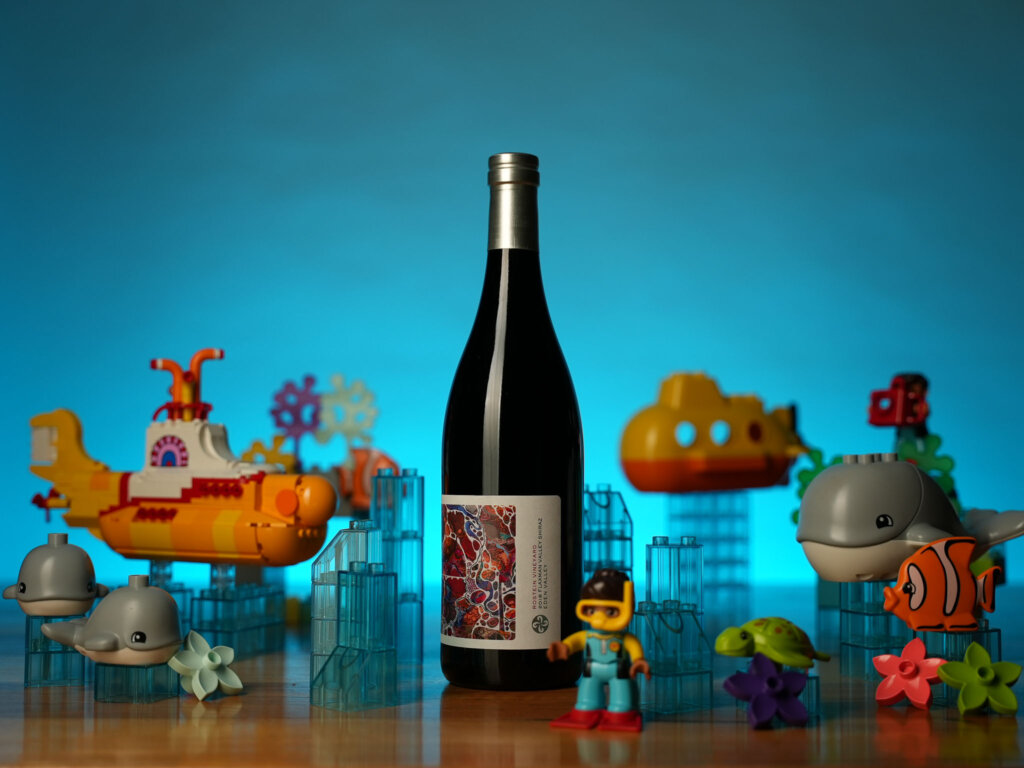
The backstory

Shiraz is Australia’s most widely-planted variety, and we produce millions of litres of wine from it every year. While much of this wine is designed to be consumed relatively young and fresh, Australian producers also make shiraz-based wines of impressive structure that have the ability to agree gracefully in the cellar for years – and in some cases decades – slowly gaining layers of complexity and earthiness while losing some of their tannic grip. The good news is that you don’t have to inherit a cellar or jostle for wines at online auction sites to experience the beauty of aged shiraz – many producers hold back portions of their stock to sell as a ‘museum release’ when the wines reach maturity. As Australian shiraz approaches a crossroads, with too many vines in the ground and not enough buyers, can these museum programs help reignite our love affair with this quintessentially Australian variety?

It’s practically impossible to overstate just how important shiraz is to Australian wine culture. Despite the growth of so-called ‘alternative’ varieties over the last decade, shiraz was the most-harvested wine grape variety by weight in Australia for nine out of the past ten years, with chardonnay briefly snatching its crown in the 2024 vintage. Four out of five Australian wineries currently makes shiraz, and the variety represents nearly half of all of our planted red-wine grapes, and nearly a quarter of the country’s total wine production. We’re also number two in the global production league table for the variety, behind only its homeland of France. Shiraz is therefore practically synonymous with Australian wine – and not just because most of the rest of the world calls it ‘syrah’. (Some producers in South Africa also call the variety shiraz – but only because it first arrived there from Australia, rather than from France.)

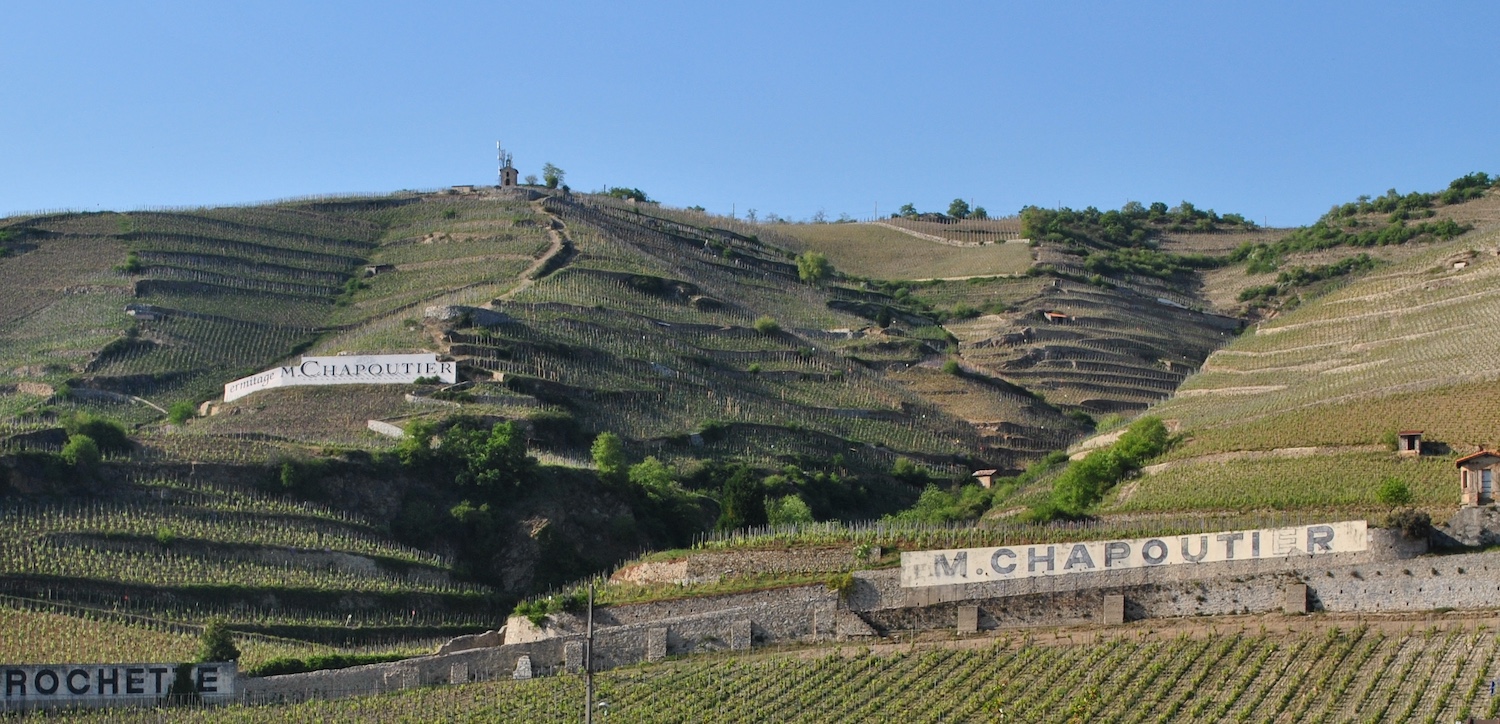
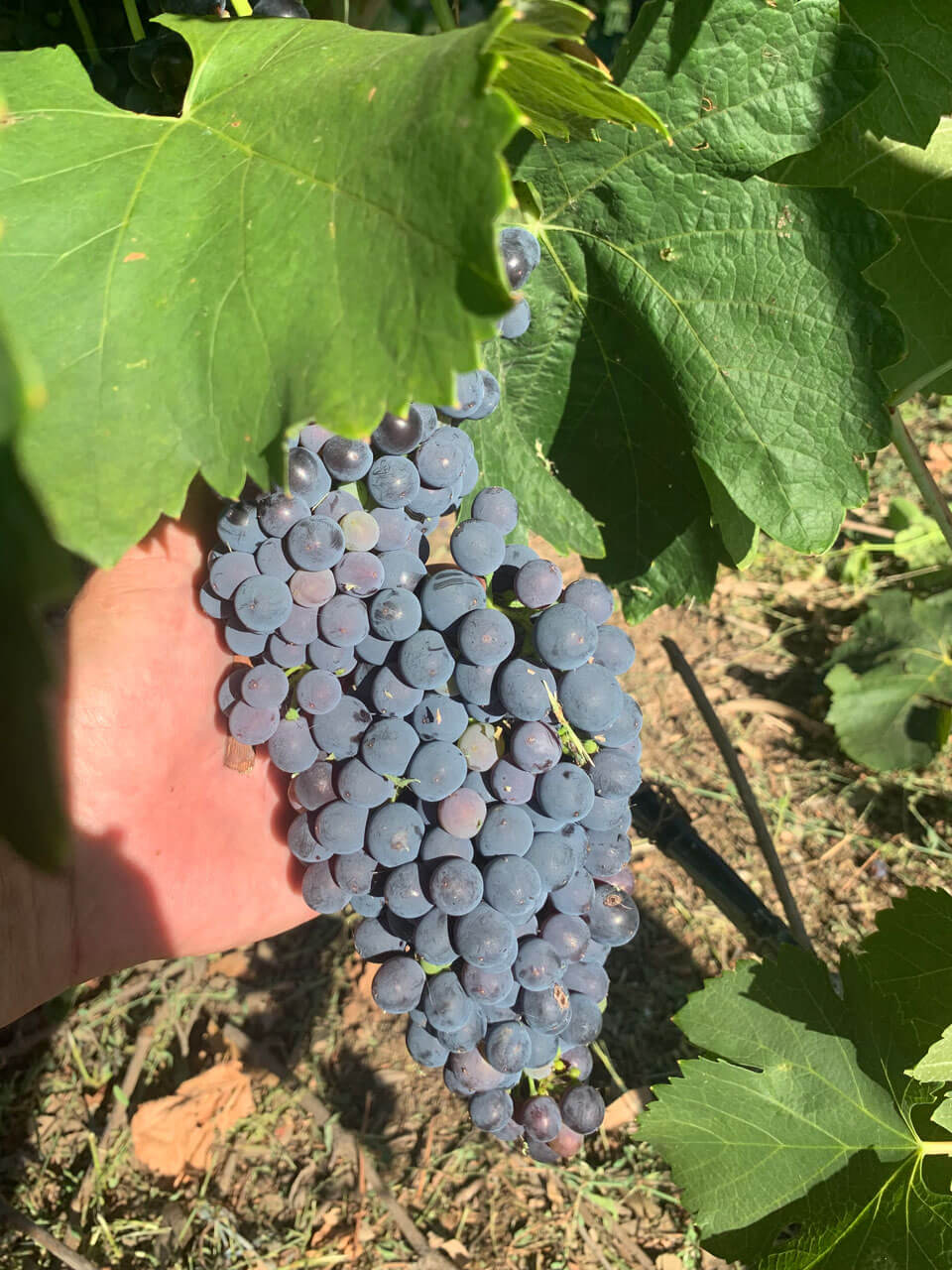
Above: The hill of Hermitage in the Northern Rhône region of France – not shiraz’s origin, but its spiritual home. (Photo by Ed Clayton, CC BY 2.0.) Opposite: shiraz grapes on the vine.

Syrah itself probably emerged in the mountainous Isère region of France, located roughly halfway between Monaco and Geneva, but it found its spiritual home a little further west and further downhill, in the northern half of the Rhône valley. Here the variety is turned into a spicy, medium-to-full bodied – but very rarely plump or overblown – style of wine that can be both hauntingly beautiful and slightly feral or animalistic. (‘Bacon fat’ and ‘black pepper’ are common tasting notes.) It likely arrived in Australia in 1830 on the ship Lady Blackwood – but, thanks to poor cataloguing and other miscommunications, the historical record is unclear on this point. In fact, the Australian name for the grape variety predates the variety itself on these shores, with Hunter Valley winegrowers recording plantings of a white grape variety called ‘shiraz’ in 1827 – which was, in the 1970s, discovered to be the Italian variety trebbiano.

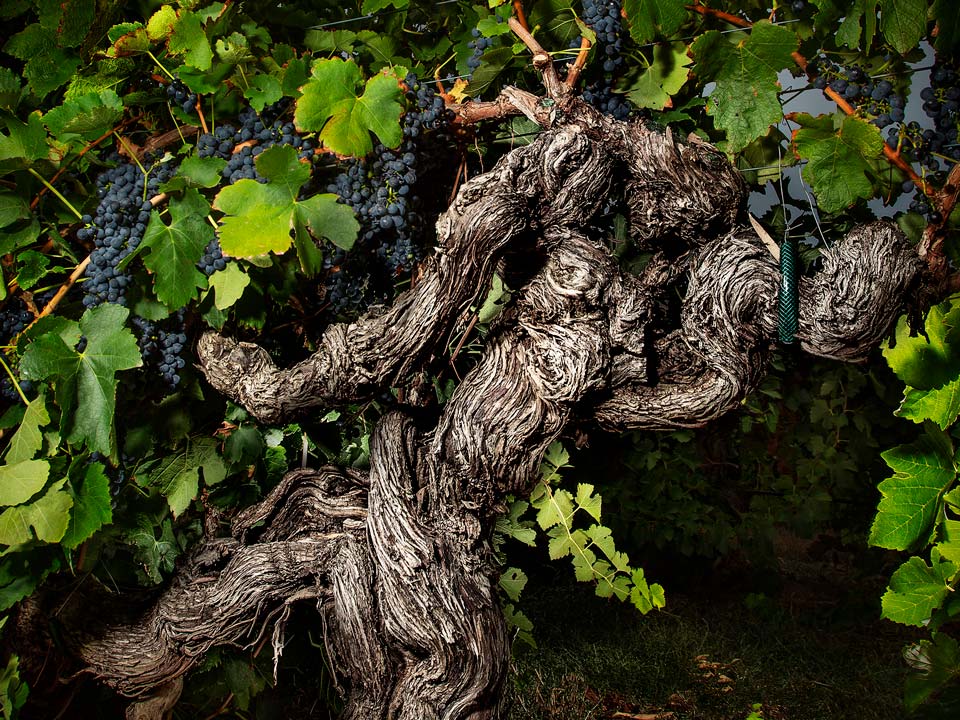
Above: Langmeil's Freedom vineyard – home to (arguably) the world’s oldest shiraz vines.

Quite how ‘syrah’ became ‘shiraz’ remains something of a mystery, complete with just-so stories about drunken Aussies slurring the name or fanciful tales of the variety’s supposed Persian origins. But once in Australia and labelled with the ‘shiraz’ moniker, it spread relatively quickly, landing in nearly all of our nascent winegrowing areas. Thanks to this early spread – not to mention the sandy soils of the Barossa Valley, which are resistant to the grape louse phylloxera that demolished nearly all of Europe’s vineyards in the 1860s and ’70s – Australia now hosts the world’s oldest shiraz vines, in Langmeil’s Freedom vineyard, first planted in 1843. (There is some dispute amongst Australian wine experts about whether or not the nearby Moorooroo or Turkey Flat vineyards rightfully deserve this accolade instead of Langmeil.) The wide spread of shiraz vines across the country from pre-phylloxera sources means that French viticulturists and vine scientists now, ironically, often make pilgrimages to Australia to investigate the wealth of shiraz genetic material here from mid-19th century plantings such as Best’s 1868 Concongella vineyard.


Goodbye, mataro … hello, shiraz

The age of Langmeil’s vines might imply that shiraz has been the king of grape varieties since pretty much the birth of Australian viticulture, but this is not exactly the case. As detailed in our recent Deep Dive on mataro, that variety was a significantly more popular choice for early South Australian vineyards – until an 1890s slump in British demand for Australian table wine. This was blamed on lazy vignerons making dilute wines from mataro that had been picked too early, causing growers to graft over or replant to the more popular (in England) shiraz and cabernet sauvignon. These fashionable grape varieties couldn’t save Australian wine’s reputation in this crucial export market, though, and without a robust domestic demand for wine – we were at the time a nation that largely drank beer, ‘ardent spirits’, and tea – most of Australia’s vineyard area became dedicated to the production of domestically popular sweet fortified wines. At their peak, these wines represented 80% of the entire Australian wine industry’s output.

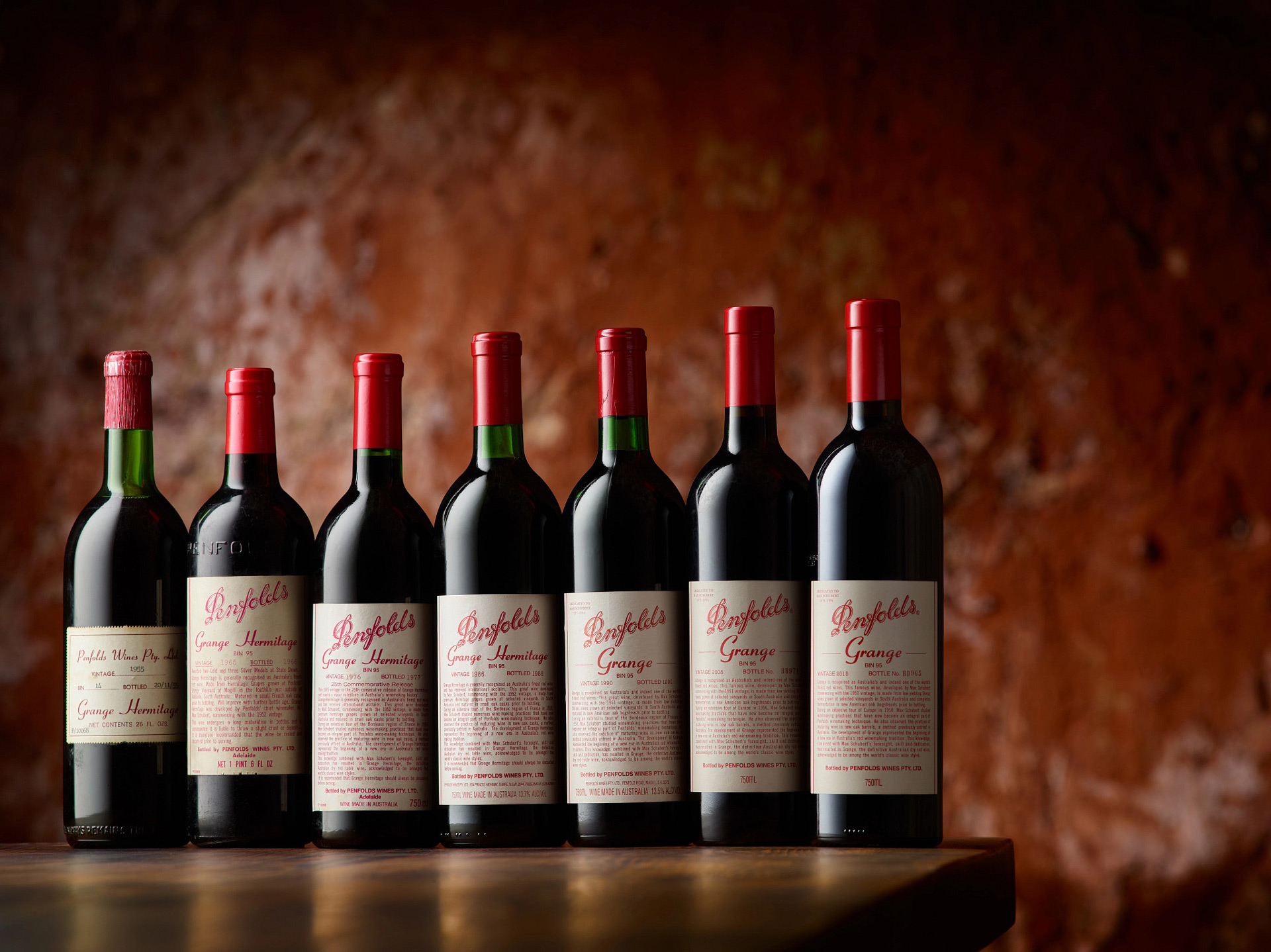
Opposite: Max Schubert – the winemaker who started Australia’s love affair with shiraz. Above: A selection of vintages of Penfolds’ ‘Grange’.

Much ink has been spilled regarding the pioneering winemakers who helped Australians rediscover table wine – often written with no small amount of mythologising self-interest. Despite the PR puff, though, it remains hard to overstate the importance of Penfolds winemaker Max Schubert to the Australian wine story, especially when it comes to shiraz. Sent to Spain and Portugal in the latter half of 1950 to learn about fortified wine production methods, Schubert took a detour to Bordeaux, where he was inspired to create a table wine of his own capable of “living for twenty years” in bottle. With the permission of the Penfolds board of directors, Schubert embarked on the ‘Grange’ project in secrecy – so furtively, in fact, that the Australian wine industry believed the first vintage of ‘Grange’ was 1952 until the mid-’80s, when Penfolds started to discreetly offload bottles of the actual first vintage, 1951, onto the auction market to cash in on its cult status. (Schubert had set the first vintage aside as he felt it wasn’t up to the standard he’d set for the project.) To cut through a few myths, though: Schubert’s use of shiraz as the sole variety for early vintages of his pioneering ‘Grange’ was not so much the product of Northern Rhône inspiration on his  European study trip, but rather dictated by practicalities regarding available fruit sources – there was simply not much cabernet sauvignon available in South Australia at the time from which to make a Bordeaux-inspired wine. Likewise, his decision to label it as ‘Hermitage’, rather than shiraz, was not so much a nod to great European traditions as a canny marketing move designed to, in his words, “pander to the snobs in New South Wales”.
Regardless, Schubert’s ambition to create Australia’s first truly fine table wine of the twentieth century was a seismic moment for the Australian industry – even if it’s also fair to say that other producers were releasing wines with such ambitions around the same time or earlier. (Andrew Caillard MW, in his three-volume history The Australian Ark, points to the 1951 Mildara ‘Bin 21’ Cabernet Shiraz – actually bottled without a drop of cabernet sauvignon in it – as a now-forgotten predecessor to ‘Grange’, alongside the pioneering work of Hunter vigneron Maurice O’Shea.) With ‘Grange’, Schubert not only showed the wider world what Australian wine was capable of – he also ignited a local love affair with shiraz that built slowly over the following decades before reaching a peak in the late 1980s and early ’90s thanks to the work of pioneering Barossa winemakers such as Peter Lehmann, Grant Burge, Rockford’s Robert O’Callaghan, and Elderton’s Neil and Lorraine Ashmead.

“Schubert, I congratulate you. A very good, dry port, which no-one in their right mind will buy – let alone drink.”

The wider world took notice of Australian shiraz not long after, too, thanks to a combination of influential wine critic Robert M. Parker Jr.’s admiration for supercharged (and soon-to-be super-expensive) cult Australian shirazes such as Chris Ringland’s ‘Three Rivers’ – and, at the other end of the scale, a flood of cheap, fruity ‘critter wines’ destined for the world’s supermarkets lead by the (in)famous Yellow Tail. In response, shiraz plantings boomed, and the annual crush rocketed up from 81,700 tonnes in 1996 to 192,000 in 1999, peaking at an immense 500,938 tonnes in 2017 – a shiraz gold-rush that has set the scene for the variety’s woes today.


No wine before its time

While ‘Grange’ might have been the wine to make Australia fall in love with shiraz, it’s worth noting that the bottle of ‘Grange’ that got its foot in the door was, in an inadvertent way, a museum release. Schubert’s early vintages of ‘Grange’ received almost universally negative reviews when first shown to the Australian wine trade, with one unnamed wine writer apparently telling him in 1957, “Schubert, I congratulate you. A very good, dry port, which no-one in their right mind will buy – let alone drink.” In response to such criticism, Penfolds officially mothballed the project, and it was only when the 1955 vintage was hailed as a success at the 1962 Sydney Royal Wine Show – that is, after a period of roughly six years in bottle – that ‘Grange’ really began to acquire its longed-for reputation as a properly fine wine. Reflecting on that initial negative feedback in an interview with Young Gun of Wine, Penfolds’ current chief winemaker, Peter Gago, said “I suspect [Schubert] simply showed these youthful, full-bodied red wines too early – too young and raw, without adequate bottle maturation.”

Opposite: Matt Holmes of Bannockburn. Above: Bannockburn’s estate vineyards in Geelong – the soils of which Holmes credits for the estate shiraz’s remarkable longevity.

Over time in the bottle, certain unavoidable chemical reactions take place in all red wines – regardless of how they’re sealed. Tannin molecules clump together and fall out of solution, forming sediment and creating a smoother, less grippy mouthfeel in the wine. Colour molecules called anthocyanins are bound to those tannins, so the wine becomes paler and less vibrantly hued. Small amounts of oxygen enter via the cork (if there is one) and kickstart complicated chemical reactions. The aroma and flavour changes, too, with layers of earthy depth – leather, truffles, decaying leaves or ‘forest floor’ – building in the wines. Catch the right wine at the exact right time, and those extra ‘tertiary’ flavours and textures will be perfectly balanced against the ‘primary’ fresh fruit flavours the wine had in its youth, alongside any ‘secondary’ spice notes it may have acquired from time in oak barrel – creating a mind-blowing balance of freshness and depth. There’s risk involved here, unfortunately – a lot hinges on how the wine has been stored, corks can fail over time, and sometimes you might just miss the boat and open a wine that is either not yet where it could be, or well past where it should have been. For this reason, connoisseurs of aged wine have a saying, “there are no great wines – only great bottles”.

It’s commonly accepted that both the quality of the fruit going into the wine and the winemaker’s choices during the vinification process determine whether a wine can go the distance – or if it’s here for a good time, rather than a long time. In the average educational piece about ageing wine, there’d be a line here about the necessary presence of higher levels of tannin or acidity (and potentially alcohol by volume – although this latter is somewhat more controversial) for durability as the wine ages. But for winemaker Matt Holmes of Geelong’s Bannockburn Vineyards, the secret to durability is in the soil beneath the vines’ feet. “We’ve actually participated in studies to measure the tannin concentration in our wines, and we’re not remarkable in that sense at all – we’re very average,” he says. “I always just would go back to the soil in our case. We have limestone soils, and across the entire range the wines just have this ability to age – it’s not deliberate.” Instead, he argues that this age-worthiness is happy byproduct of the estate’s hands-off approach to winemaking: “That’s what winemaking is,” he says. “It’s making good decisions in the vineyard and in the picking process, so then you don’t have to worry too much about anything afterwards.”

“We have limestone soils, and across the entire range the wines just have this ability to age – it’s not deliberate.”

Holmes looks back at the wines in stock in Bannockburn’s museum program as a case of wines that have defied the odds: “The 1982 shiraz still has primary fruit and still looks great,” he says. “I don’t know if that’s a famous vintage – it’s a bit before my time. It’s not true that all of the vintages look like that – but there’s some that do.” A shift to bottling nearly all of the estate’s wines under Stelvin screw-cap is another fact that helps keep them fresh – and reduces variations between bottles as they age. “There’s always gonna be some variation,” he says. Speaking of doing wine events with museum stock under cork, he says “I would be at the front talking about the wine that was in my glass, and a portion of the room would have that same wine – but there’d be other people that would have a different experience with a different bottle. So the bottles going in different directions under cork is definitely very true. The best bottle is terrific, and the worst bottle is cork-taint affected – or if it’s not, then it just has aged prematurely.” While sealing their premium wines under Stelvin has set a few of their customers’ noses out of joint, even within Australia, Holmes can only see positives with the technology: “Regardless of when you buy and how you buy it, we want to be sure you’re getting something that you’re gonna enjoy,” he says.


The money side of the museum

For David LeMire MW, one of the managing directors of Adelaide Hills producer Shaw & Smith, having a museum program for their wines (including shiraz) flows on logically from their general mission. “One of the things that we believe is that, as ambitious producers in quality terms, we want to make really top-end wines and hang our hats on the potential of sites and regions and varieties to really fulfil their potential,” he says. “This requires, in our view, the ability of the wines to age.” He adds: “It’s something that’s always on our minds – in our viticulture, in our wine making – so to go to all that effort, and then sell all of the wine and have the vast majority of it consumed young, feels like a bit of a shame.”

To ensure that Shaw & Smith’s wines get to be appreciated with age, a museum program has long been part of the producer’s strategy. “It’s really hard for a lot of the trade to invest a lot of money in buying the wine, and then storing the wine in the right way for five to ten years and beyond,” he says. “It’s just not realistic – for a lot of restaurants, particularly, but even for retailers. So that’s the principal behind [the museum program].” He notes that winery visitors are often curious about the ageing process: “That’s one of the questions we get asked the most: ‘How will this wine age?’ ‘When will it be drinking at its best?’ ‘How will it change?’ People have a great curiosity about it.” The upside of Shaw & Smith taking on the storage of that wine and releasing it when ready is that it’s “hopefully adding something to the experience – and we know that, as wineries, we need to be adding value for our trade customers and for our end consumers.”

Opposite: David LeMire MW of Shaw & Smith. Above: Shaw & Smith’s Balhannah vineyard in the Adelaide Hills – one source of fruit for Shaw & Smith's museum-release shirazes.

Part of the value add here is establishing the providence and storage conditions of the wine, which Shaw & Smith accomplish via a small “aged release” sticker that is laid over the wine’s existing label and bottle, and is integrated with the existing label design. “It’s important everywhere, but particularly in overseas markets,” LeMire says. “If I’m in in London and I’m looking at a 2016 Australian shiraz on the shelf, I don’t know if that wine has been knocking around London for eight years, or if it’s been cellared at the winery at the right temperature, and shipped specifically as an aged release. They’re two very different things.”

“To go to all that effort, and then sell all of the wine and have the vast majority of it consumed young, feels like a bit of a shame.”

That added value at the end consumer does come at a cost for the winery, which needs to be passed on in some way. “You’ve got all the all of the cost of producing the wine in the vineyard and the winery, and the packaging – all of that is a significant cost,” he says. “Then you’ve got the cost of the finances – the money that could be earning interest rather than being tied up in stock. You’ve got inflation. If you had sold that wine as a young wine and put the money in the bank, you’re appreciating it with interest. And this is before you think about the cost of cold storage, and there are tax implications.” He adds, “If you were going to pass on the costs in full, it could easily become too prohibitive, and not attractive enough for people, or for the trade, to be able to embrace it.” Thus the winery takes a smaller margin on their museum release program, but does apply a markup to cover these additional costs: “They are valuable, and we’re not gonna let people steal them,” LeMire says.

The overall rationale for the winery taking a hit on their profit margins to offer museum release wines is to help end consumers appreciate what’s special about aged wines – especially shiraz. “Australian Shiraz – whether it be cool-climate more savoury styles like ours, or from the more traditional warmer-climate regions – the best examples can age really well,” LeMire says. “So I think I think [museum programs have] got a marketing role to play in helping people realise shiraz is pretty special – it’s really, really cool to see it with some age. Don’t forget that there’s a reason why we’ve got a lot of it in the ground – because it does perform really well in a lot of different environments and regions in Australia. So I think this is part of shiraz’s potential – one of the strings it’s got to its bow.”


Rekindling an old flame

LeMire’s comments speak to a moment where shiraz, once the poster-child for Australian wine’s boom times, finds itself in what Darren DeBortoli, managing director of one of Australia’s largest wine brands, DeBortoli Wines, calls “a diabolical situation”. Demand for shiraz both at home and abroad  has fallen – which can be attributed to, variously, trade difficulties with China, a general trend towards white varieties and sparkling wines, and dropping wine consumption levels globally – with a subsequent drop in prices across the board. The worst-affected regions are the inland areas, where most of the grapes are grown for Australia’s mass-market shirazes (such as Yellow Tail), with the price of Riverland shiraz grapes dropping 67% since 2020. In this context, the news the news earlier this year that shiraz is back on top of vintage league table in terms of weight harvested hasn’t been exactly welcomed with hosannahs by the Australian wine industry. Peter Bailey, manager of market insights for Wine Australia, notes somewhat dryly that “The significant increase in red varieties this year could exacerbate the challenges facing the sector in terms of excess stocks of red wine, and might further reduce demand for these varieties next vintage.” Or to put it another way – there’s currently too much shiraz in the ground in Australia, and people aren’t buying as much of it as they used to.

“We should be using museum-release shiraz to recruit new customers – and to get other customers to revisit shiraz and fall in love with it again.”

It took an aged example of ‘Grange’ to get Australia’s wine cognoscenti to change their minds about shiraz-based table wines – could aged examples of higher-end shiraz rekindle our now-fading love affair with the variety? LeMire doesn’t think of museum programs as a cure-all for shiraz’s current oversupply woes – he notes that much of oversupply issue is “at the low end” of the market, of wines that “need a market for them when they’re young and their best – they’re not really destined for age”. Despite this, he does think that the age-worthiness of Australia’s best examples of shiraz is a selling point: “We should be using this to recruit new customers – and to get other customers to revisit it and fall in love with it again,” he says.

It’s a sentiment echoed by Holme, who sees that “inevitably” people exposed to delicious examples of matured wines via a museum release program would consider purchasing current-release examples from the same producer for their own home cellars. “The proof is right in front of you – these wines are meant to age. So when people try a 1982, it’s not a speculative thing – it’s a fact that’s right in front of you, that the wine does age well.” Despite this, he doesn’t see the fundamental purpose of Bannockburn’s museum program as a means to help move the winery’s stock of current releases – rather, it’s a celebration of the magic that can happen when wines are given the luxury of time. “It’s not a sales pitch for us,” he says. “It’s a reflection of what our founder liked to drink, and what the generations of the family that still own the business like to drink … it’s just as simple as that.”

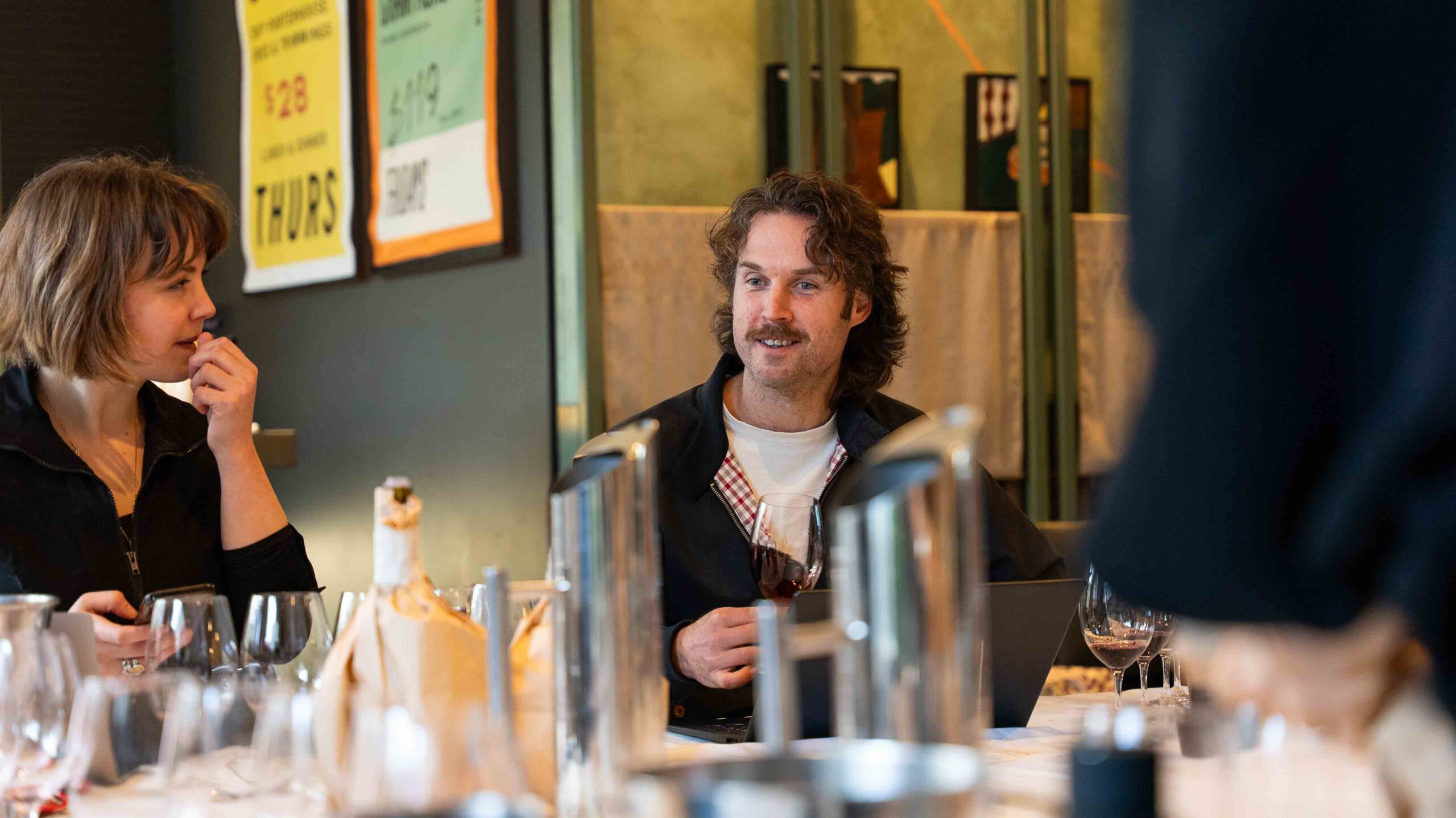
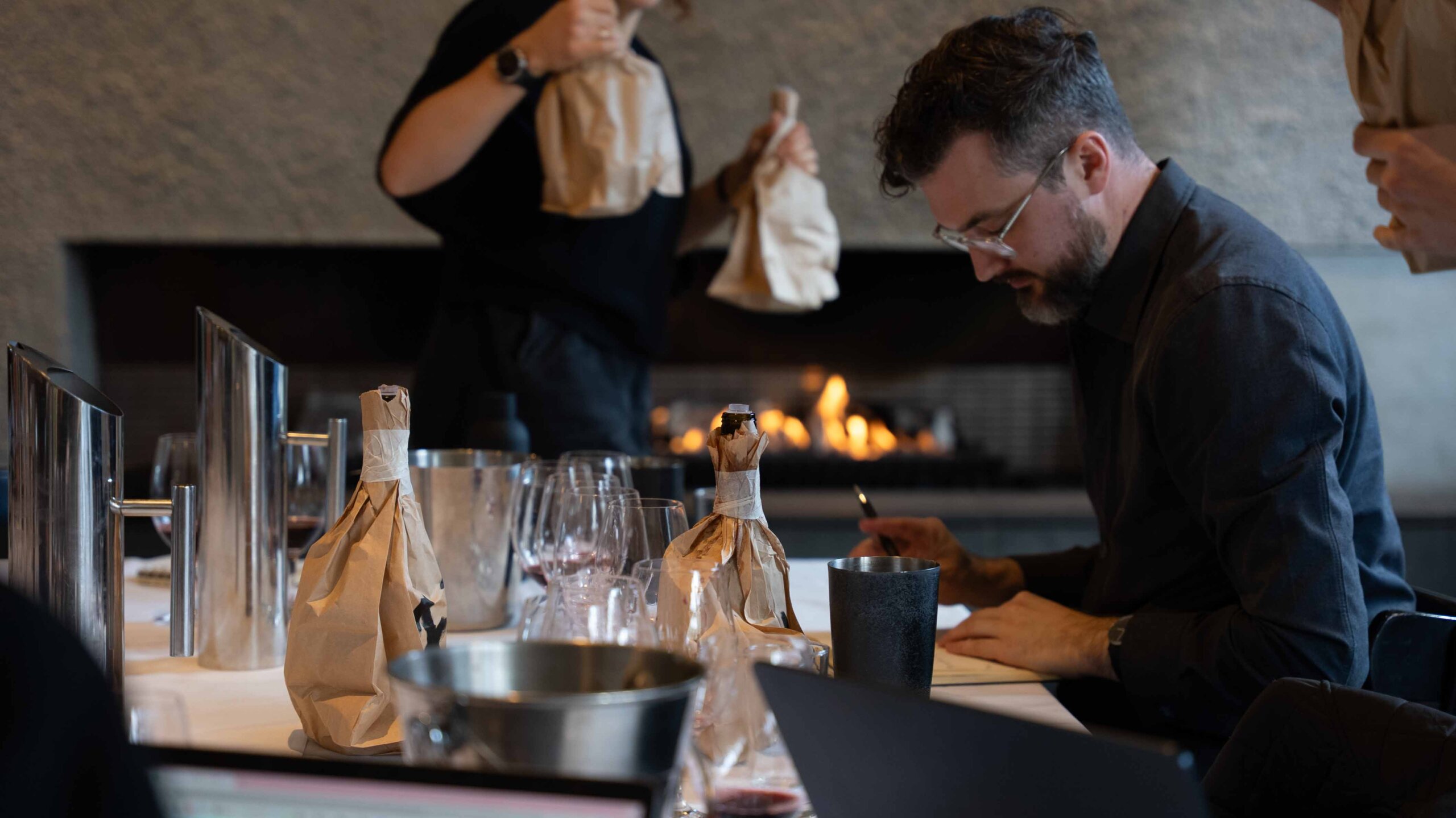
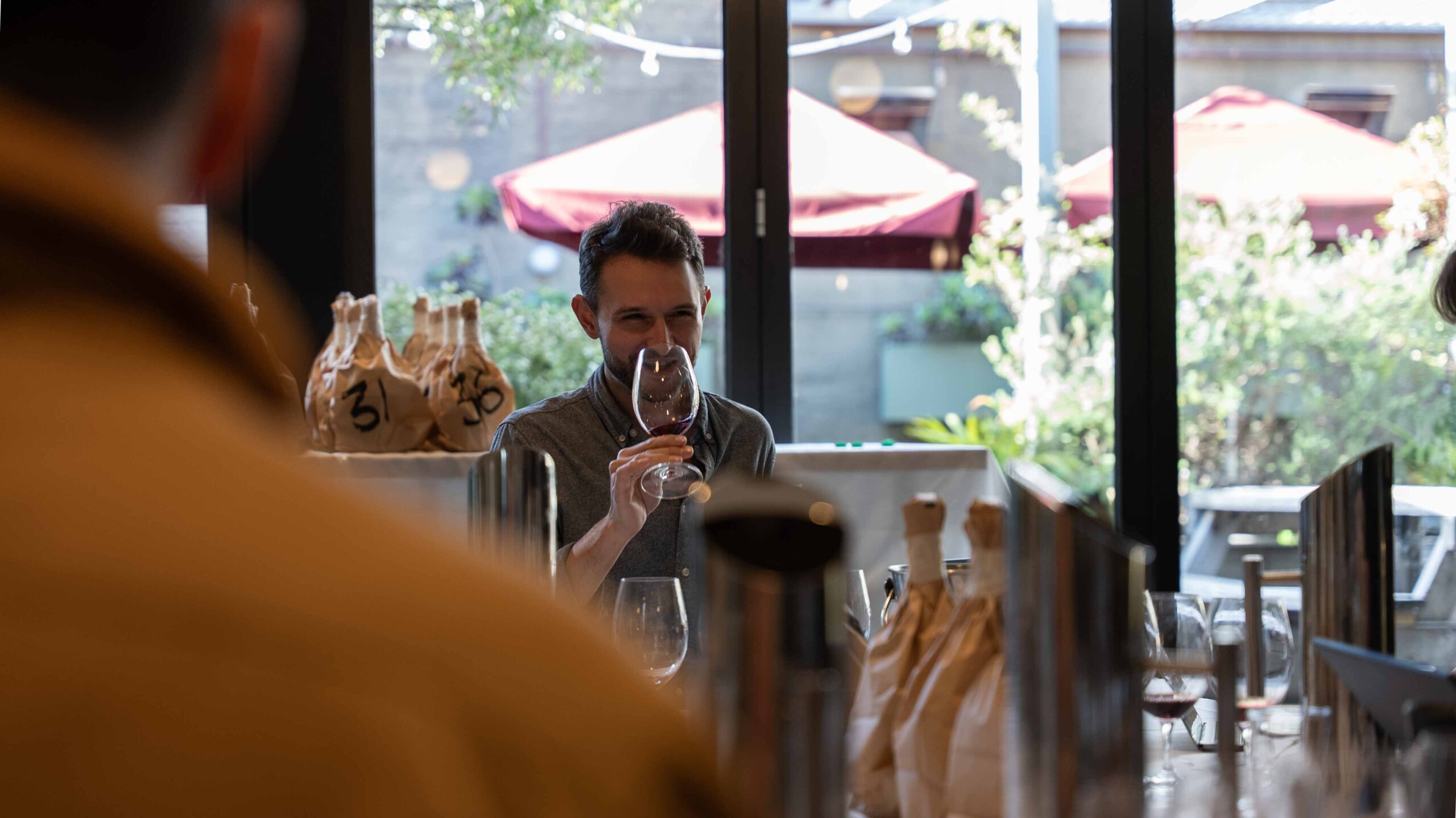
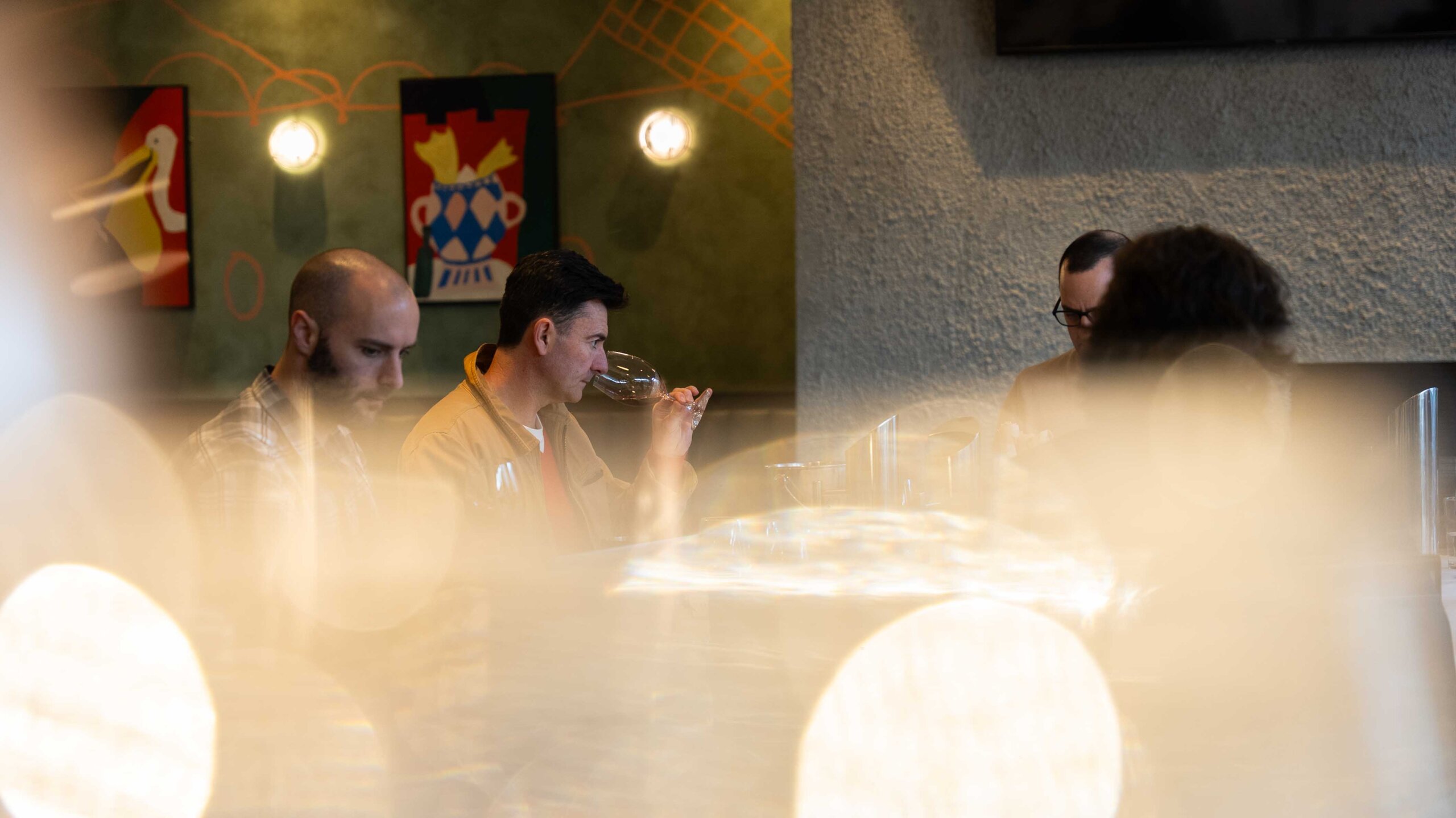
Above: Our Deep Dive panellists gathered at the Bleakhouse Hotel, Albert Park (Melbourne).

Outtakes from the tasting

We gathered every example of museum-release Australian shiraz that we could find – that is, aged stock that is available for purchase directly from the winery in some form – and set our expert panel the task of finding the wines that compelled the most. All wines were tasted blind, and each panellist named their top six wines. Below are the wines that made the panellists’ top-six selections from the tasting.

Our panel: Rory Lane, winemaker, The Story Wines; Andrea Roberts-Davison, lecturer in viticulture and winemaking, Melbourne Polytechnic; Mitchell Tiller, sommelier, Circl Wine House; Tully Mauritzen, wine buyer, Vinomofo; Tom Robertson, general manager, Alimentaria; James Scarcebrook, winemaker, Vino Intrepido; Stuart Dudine, winemaker, Alkimi; Alec Gribble, sommelier, Marion and Cutler & Co.

Scarcebrook commenced the discussion by noting that the age of the wines in the lineup meant that different regional characteristics and a sense of terroir were more evident the wines than would have been the case if the panel were assessing younger shirazes. “With the varying ages here, you start being able to identify things a lot easier,” he said. “There’s not so much ‘fluff’ around the wine – that’s started to fall away – so you can pinpoint what you do or don’t like, and how the wine is sort of revealing itself. So it was great to see that diversity.” He added: “There were wines that were sitting in a perfect drinking window now, and there were some that still could do with more cellaring. But having cut my teeth on shiraz in the early days of my wine career, it was lovely to come back to it after many years and go ‘Oh! Yeah, I get the appeal of cellared shiraz.’”

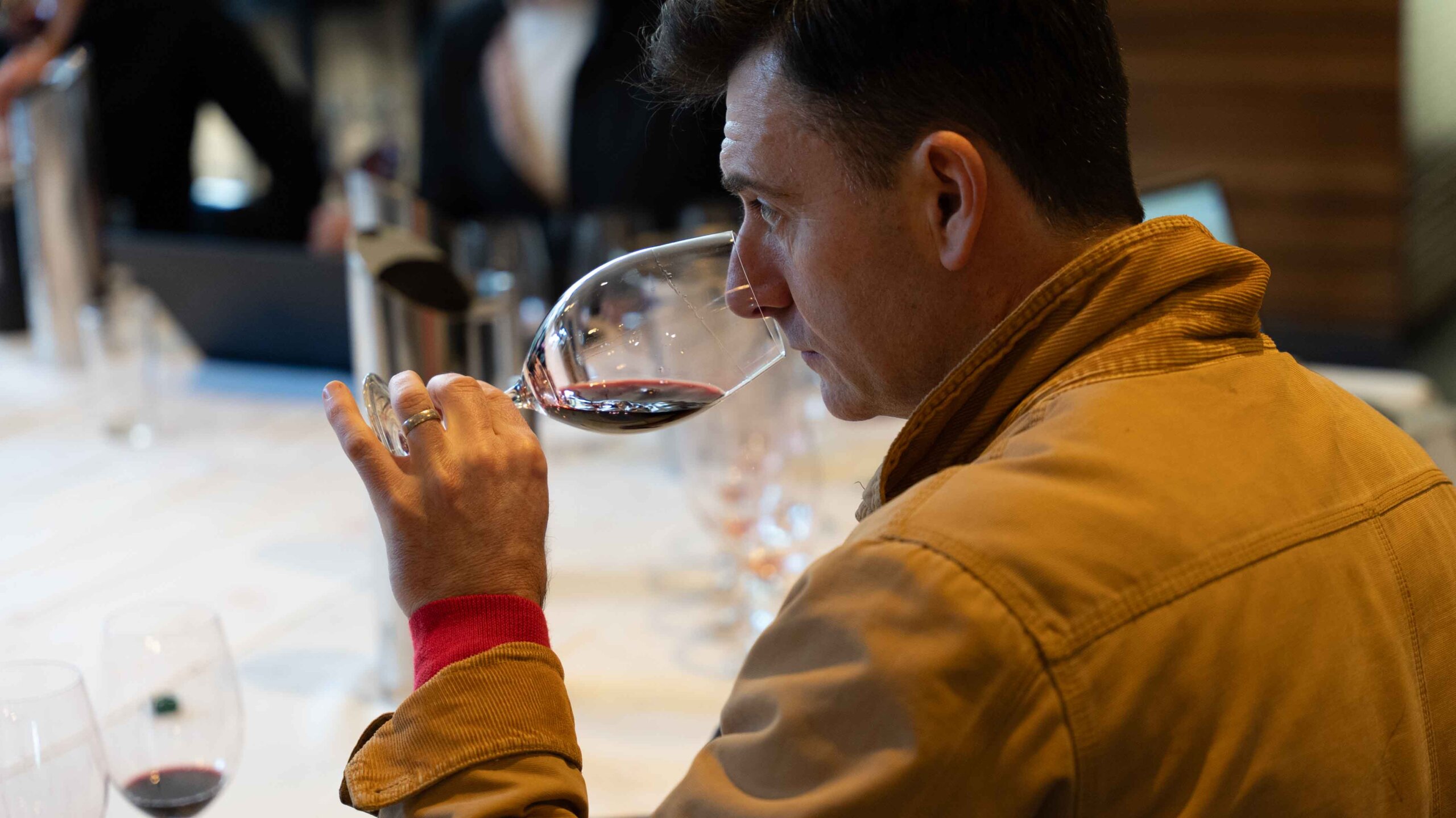
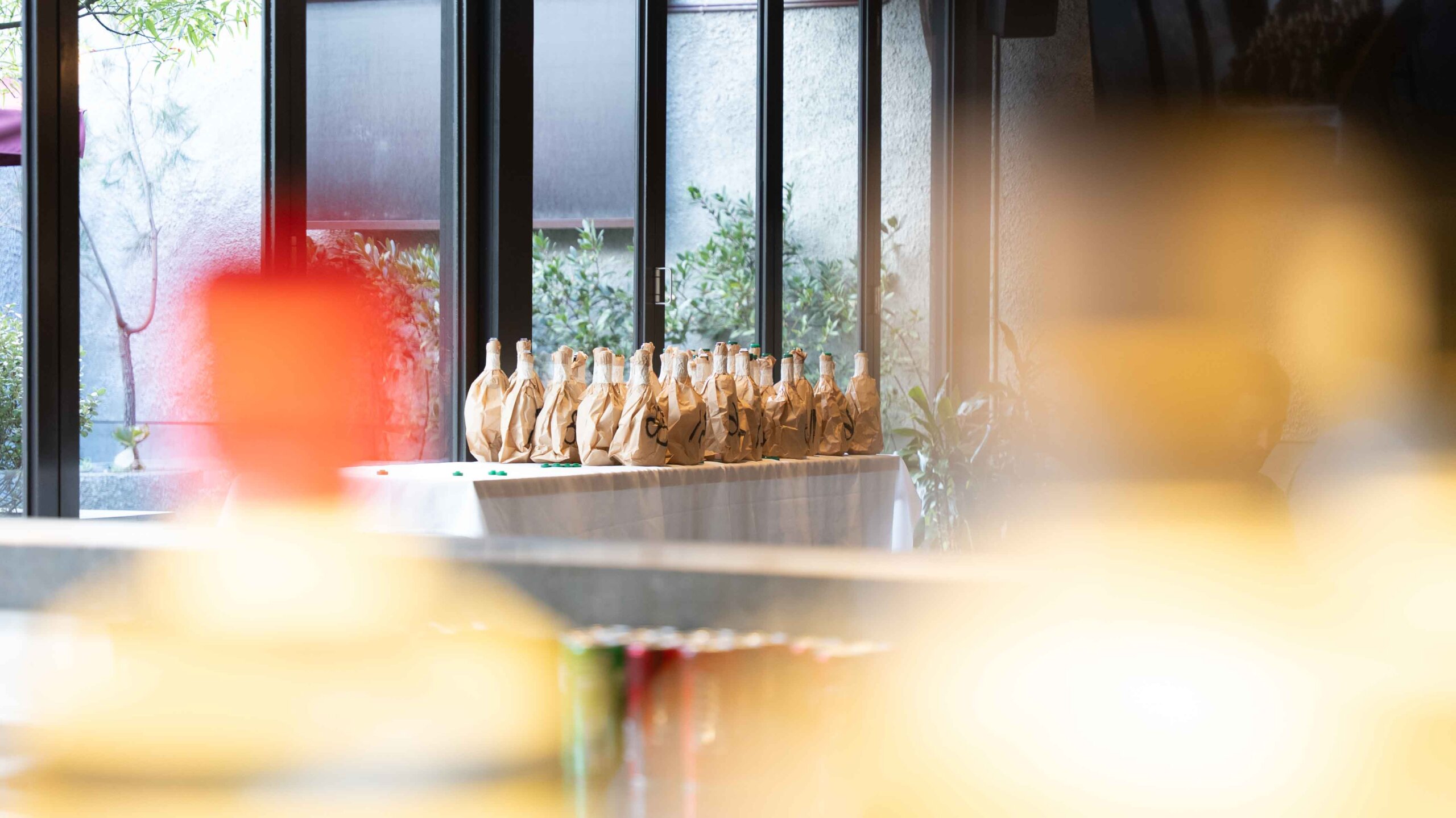
Above: Rory Lane. Opposite: All submissions were tasted blind.

Roberts-Davison picked up on the ‘drinking window’ theme by noting that there was a large diversity in the lineup (which was tasted by age, oldest to youngest) in terms of development of tertiary characteristics. “We knew, obviously, they were going from older to younger as we tasted – but the flavour spectrums didn’t look like that,” she said. “There were clearly some really good years, and really well put-together wines, in the older brackets – and some wines that were looking pretty much older and were showing lots more tertiary flavours in some of the younger brackets. So it was a really nice cross-section, I thought.” She added that this range of development was a good thing for consumers, as the wines could appeal to “that demographic of people that really love aged wines, and also to people that want them to be still reaching their peak.”

“As a retailer, you might go, ‘That looks really good for twenty years!’ – but it is still a twenty-year-old wine. Then people buy it from you and they’re like, ‘Oh, I can’t deal with all this umami, all these tertiary notes.’”

Mauritzen observed that the more obviously tertiary examples, while potentially delicious for those who have a taste for aged wine, could be the source of consumer frustration if sold without context – “even with wines that look as old as they are.” She said, “Say you’re selling a twenty-year-old wine. As a retailer, you might go, ‘That looks really good for twenty years!’ – but it is still a twenty-year-old wine. Then people buy it from you and they’re like, ‘Oh, I can’t deal with all this umami, all these tertiary notes.’” Conversely, she also noted that there is a demographic of aged wine drinkers used to seeing wine “that’s over the hill – that just kind of tastes like nothing. It actually doesn’t have a real concentration of those tertiary characteristics – rather it’s just linear and palatable.” She thought that the weaker examples in the lineup had reached this plateau of bland maturity – “no virtues, no vices” – whereas the stronger examples impressed with a liveliness and freshness despite their age.

Opposite: Tully Mauritzen and Stuart Dudine. Above: Andrea Roberts Davison.

For Lane, the fact that some of the wines looked a little tired demonstrated the virtues of ageing wine, as it can act as a test to reveal the underlying quality or lack thereof. “There’s nowhere to hide, usually,” he said. “When wines are in their flushes of youth, they’ve got that fruit weight, that power, that’s going to possibly hide a few minor faults – but once that starts to recede and potentially the faults start to get a little bit worse, then they’re going to stick out.” He emphasised the difficulty of making wines built to last: “Most wine doesn’t age well.”

“When wines are in their flushes of youth, they’ve got that fruit weight, that power, that’s going to possibly hide a few minor faults.”

Robertson concurred that the ageing process might bring technical issues with any given wine to the fore, but added that those technical issues can also add character and interest. “You might see that some of those older wines with flaws would be more prized by a consumed because they can gravitate towards a flavour,” he said. “They’re not at that ‘past it’ stage with the monotone flavour.” He added that in such panel settings, “sometimes we pick apart a wine because it’s got a little bit of a flaw – but did that add a little bit of interest? Yeah, maybe it did, actually.” This meant that the line-up, for him, contained “super-interesting things – there were some things that were a little bit bizarre, as well.”

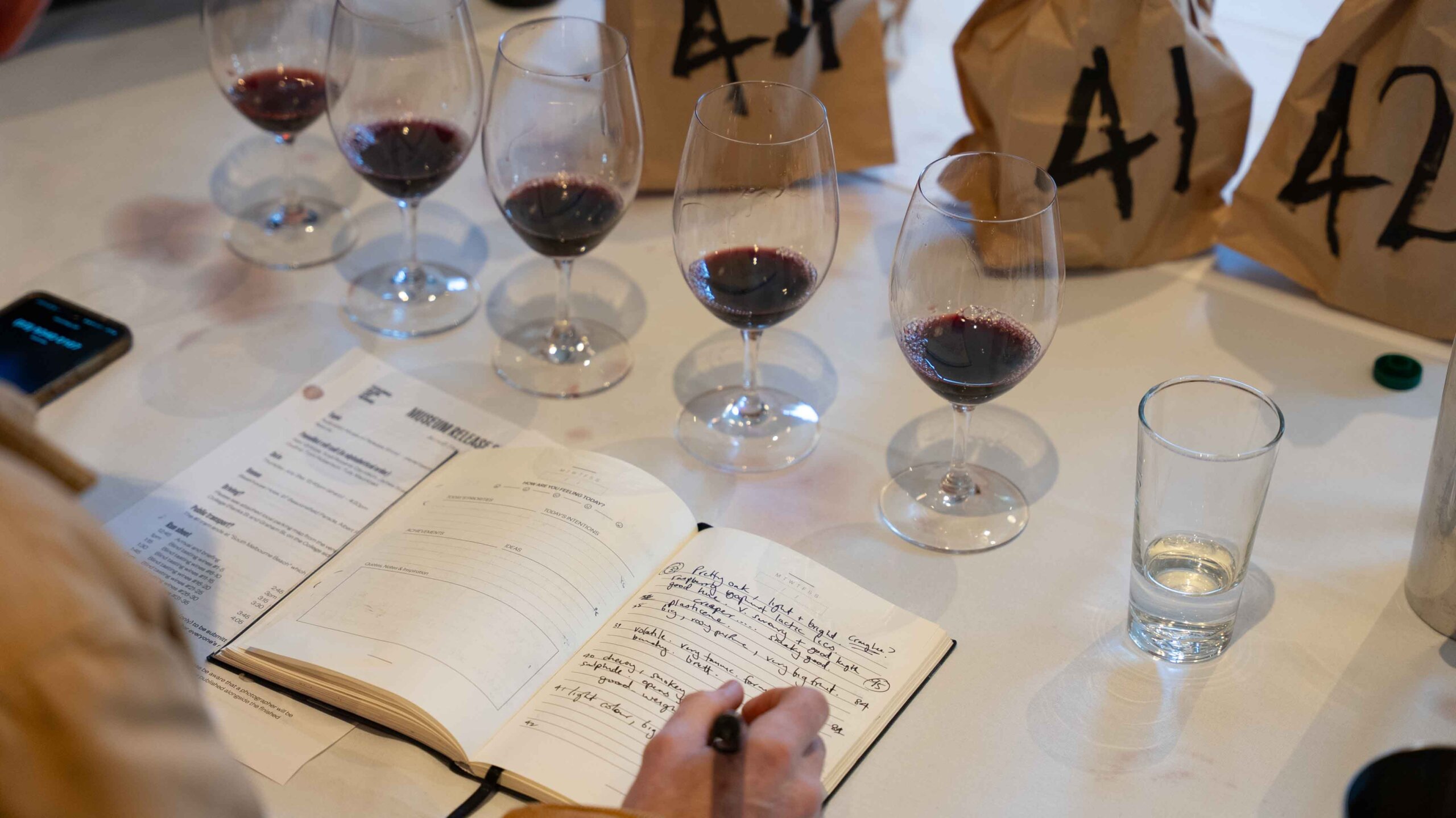
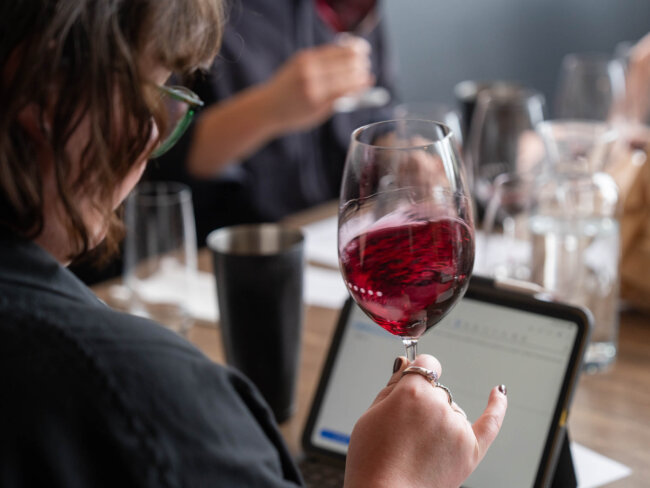
Studious note taking at our aged shiraz blind tasting.

Gribble pondered whether the discussion of these ‘flaws’ in aged examples of wine was a culturally Australian phenomenon. “We’ve talked about how the more aged examples of shiraz can show a little bit more volatile acidity and Brettanomyces, which can be quite confronting to the modern Australian palate,” he said. “Age strips away everything else, so if it’s there in a small amount you can see a lot more of it.” Referencing the traditional wine styles of the Northern Rhône – which are not always squeaky clean – he added, “You could make an argument that, where syrah comes from, these are a very integrated, and arguably essential, part of the wine.”

“Maybe we need to hold back our wines for two years before release, or maybe we need to hold back a half a pallet for a museum release down the track?”

For Dudine, the tasting demonstrated the virtues of aged wine in general – and proved that Australia is as capable of making long-lived wines as any ‘Old World’ country. “I think generally we’re drinking wine far too early in Australia,” he said. “There were some real beautiful wines in that lineup – which means that Australian wine can age, and Australian shiraz can age.” He added that producers might want to ask themselves if “maybe we need to hold back our wines for two years before release, or maybe we need to hold back a half a pallet for a museum release down the track? That will do wonders for our industry – to make people aware that we’re not just some flash-in-the-pan, easy-drinking, wine producing country that makes wines that are bought and sold within, you know, twelve months after their bottling date.”

Above: Alex Gribble. Opposite: Tom Robertson.

He summed up the day’s tasting by saying: “Ultimately, for me, that’s part of the beauty of wine – to be able to see that photograph in time. Like, ‘Wow, this is what that vintage did, and this is the producer that did it.’ And there’s nowhere to hide – so we can see the beauty in the wine with age.”

Above: Mitchell Tiller and Rory Lane.

Bookmark this job

Please sign in or create account as candidate to bookmark this job

Save this search

Please sign in or create account to save this search

create resume

Create Resume

Please sign in or create account as candidate to create a resume