&noscript=1"/>

Deep Dive:
Australia’s Best Savagnin

Wines Of Now
10 July 2025. Words by YGOW.

Savagnin is an underdog of a variety: perennially mistaken for sauvignon blanc by consumers, accidentally brought to Australia by the CSIRO who had ordered another variety from their Spanish supplier, and genetically intertwined with the deeply unfashionable gewürztraminer. Fortunately, Australians love barracking for an underdog – and savagnin is an underdog worth betting on. With its mistaken-identity era now firmly behind it, and with a small but dedicated collective of winemakers crafting exciting wines from it using a number of interesting techniques, it’s savagnin’s time to shine. As Australian savagnin finally comes of age, we thought it was time to take a Deep Dive into the subject.

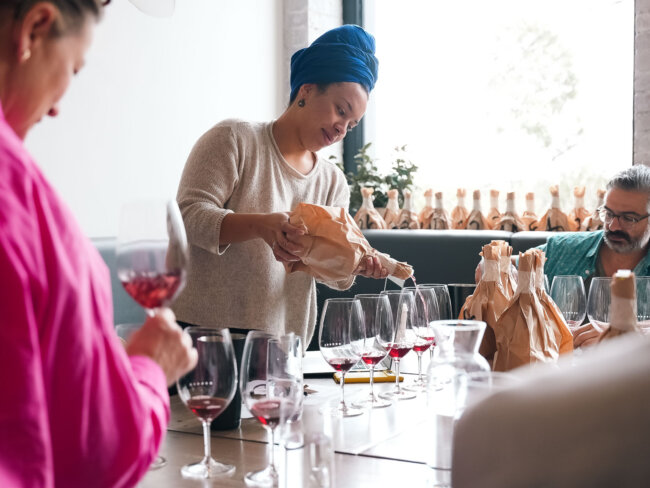
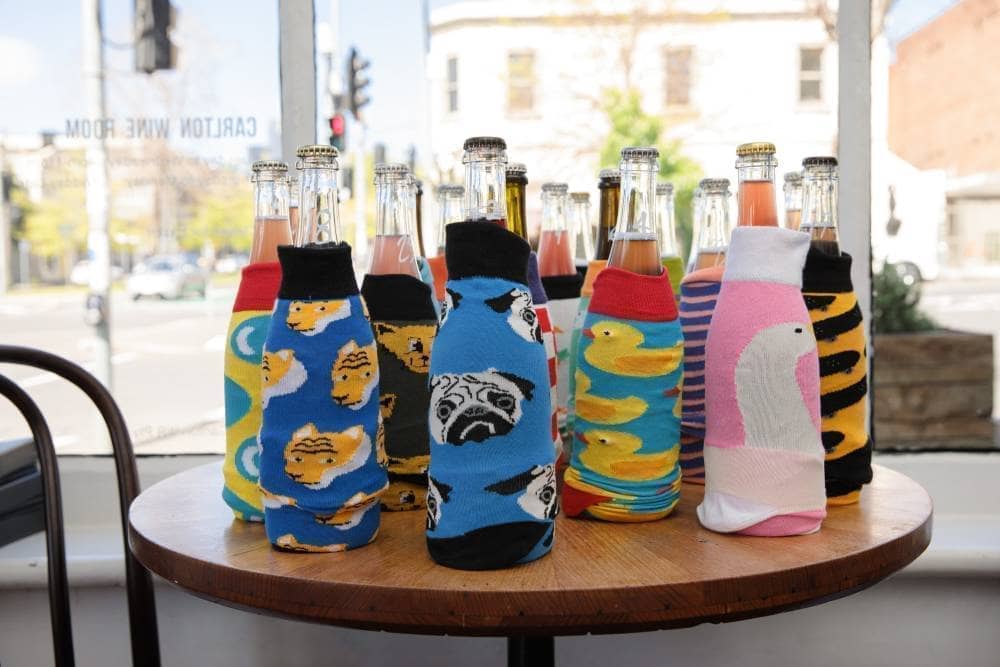
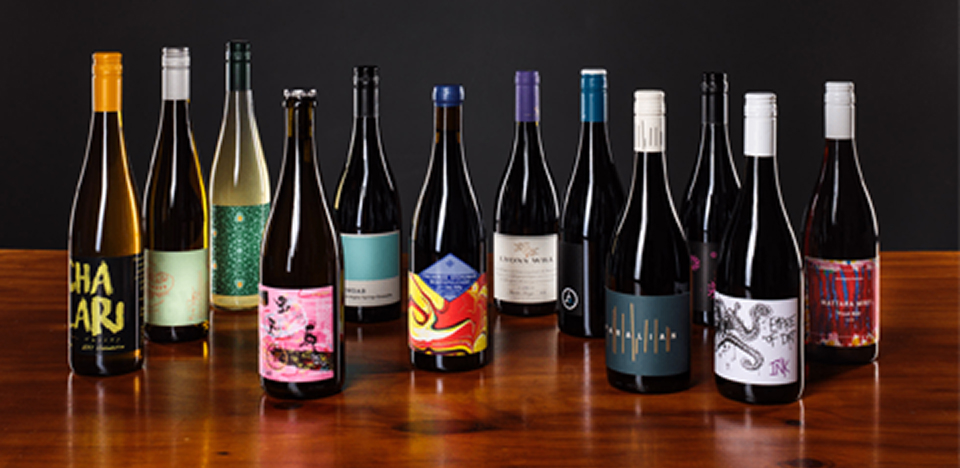
We gathered every Australian savagnin we could find (excluding gewürztraminer-based wines) and set our expert panel the task of finding the wines that compelled the most. All wines were tasted blind, and each panellist named their top six wines. Below are the wines that made the panellists’ top-six selections from the tasting.

Our panel: Ryan Ponsford, winemaker and vigneron, Entropy; Hélène Laffitte, sales representative, Imbibo; Matt Froude, winemaker, Municipal; Angela Strickland, owner, Independent Wine Store; James Cooper, wine buyer, Mount Erica Hotel; Clementine Bird, writer, Wine With Clementine; Micah Hewitt, winemaker, Defialy.


The top wines

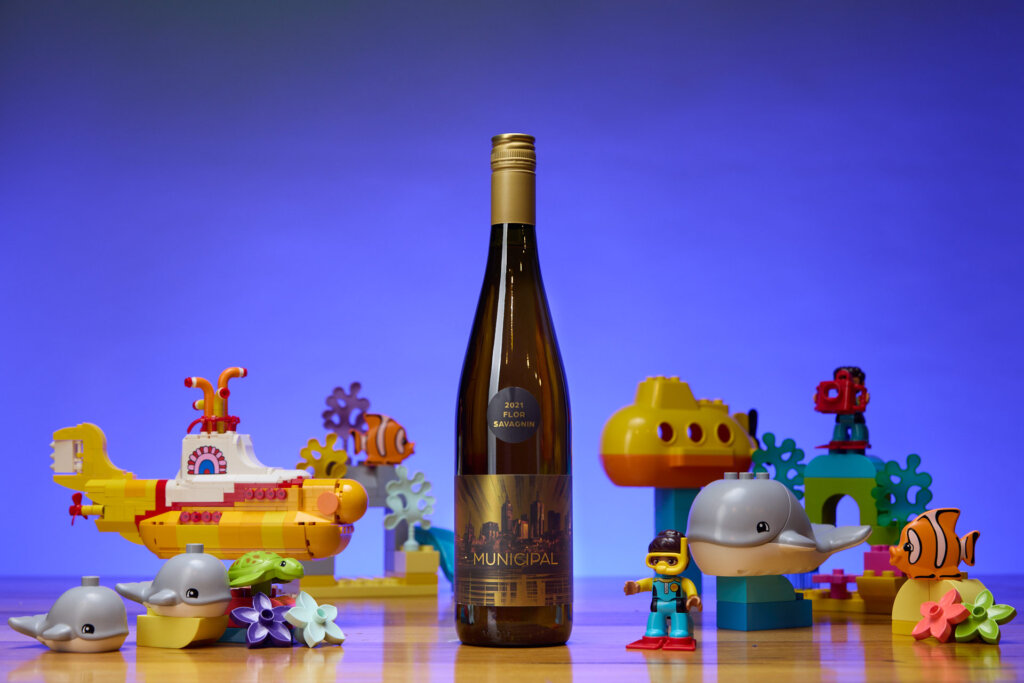
2021 Municipal Flor Savagnin, Strathbogie Ranges $50 RRP

Selected as a top-six wine by Cooper, Bird, Strickland, Lafitte, Hewitt and Ponsford, this was the most intensely oxidative expression of the lineup – and one of the most distinctive. “There’s some intense flor character here… curry leaf, cumin, cardamom and nigella seed dropped in ghee,” said Cooper, who described the wine’s richness and spice as “bound up in smoke and rising out of the pan.” Bird called it “sherry-like,” noting its bone-dry nature with flavours of “fleur de sel, green olive, oyster juice, dried hay and chamomile” – a wine she said could pair with “anything from lemony fish to smoked almonds.” Strickland admired the golden hue and “grilled nuts, pastry, fresh dough, baked apple and light caramel,” all refreshed by “zippy saline minerality.” Lafitte called it a “classic expression aged under flor,” likening it to vin jaune with its “walnut, hazelnut, honeycomb and fresh morels,” while suggesting it for “carrot cake or creamy poultry dishes.” Hewitt found it “powerful and rich, but fresh,” with “ginger, stewed green apples and cinnamon,” and Ponsford compared it to “great fino,” praising its acid line and wild personality. A show-stopper of a wine that pushes the boundaries of Australian savagnin with confidence and flair.


2022 Borachio Savagnin, Fleurieu Peninsula $43 RRP

Selected as a top wine of the tasting by Hewitt and Lafitte, this was a standout for its balance of delicacy and savoury drive. “Wine of the day for me,” said Hewitt, praising its “silky richness perfectly in balance with its savoury notes of roasted nuts,” as well as its tight acid line, white peach character, and “lovely oyster-shell minerality.” He noted that, blind, he could have mistaken it for a Jura savagnin. Lafitte was equally taken: “Pure and precise, bright and electric – those are the four words I’d use to describe it.” She found crunchy green apple, lemon zest, and unripe quince, all delivered with a saline backbone and natural tension that suggested minimal intervention. “It seduces you instantly,” she said, calling it a beautiful aperitif wine, ideal with anchovies, fresh cheese or delicate white fish with beurre blanc. A wine that slowly unfolds with poise, precision, and compelling energy.


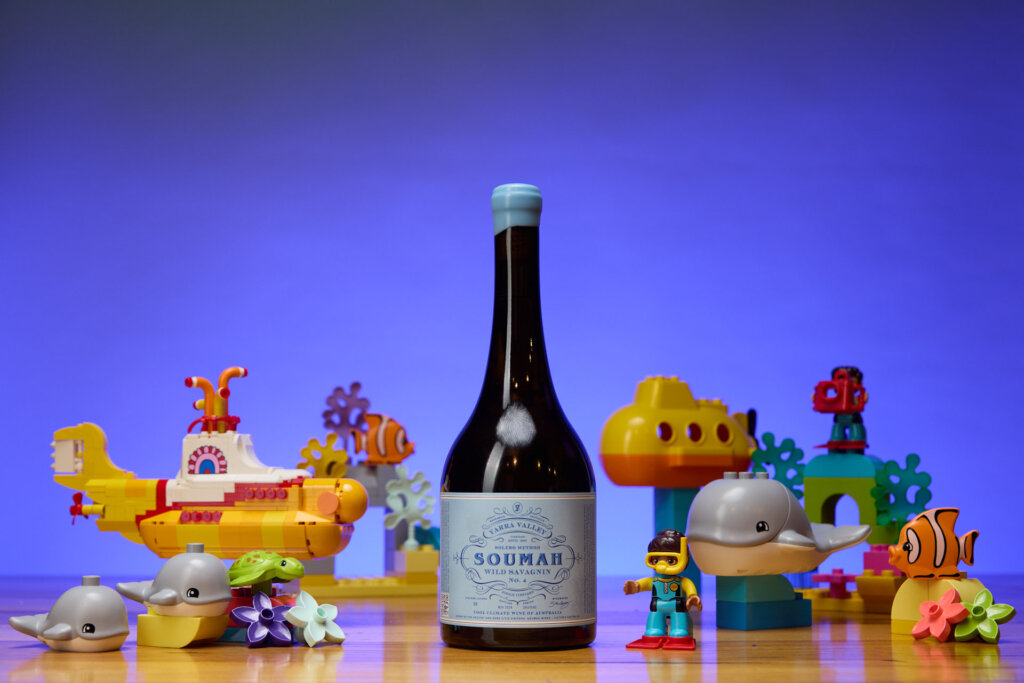
NV Soumah ‘Wild Savagnin № 4’, Yarra Valley $110 RRP

Froude and Ponsford both highlighted this wine’s balance of freshness and savoury nuance, with Froude noting its “delicate aromas of white plum blossom” and a palate layered with citrus, light texture, and a “delicate-yet-zippy mouthfeel.” He called it an easy choice for sunny-day refreshment. Ponsford found it more contemplative – salty and fresh on the nose with manzanilla-like character and a “nervy” aromatic mix of blanched almond, preserved lemon, sourdough mother, and citrussy curry leaf. He described the palate as driven and linear, with Williams pear and creamy starfruit shaped by bright acidity and finishing long with fennel seed and sea salt. He admired its harmony: “Balancing the acid, the alcohol, and the density of the variety is tricky, but this wine holds everything together quite well.” An accomplished and expressive take on savagnin’s more exaggerated traits, all handled with a deft touch.


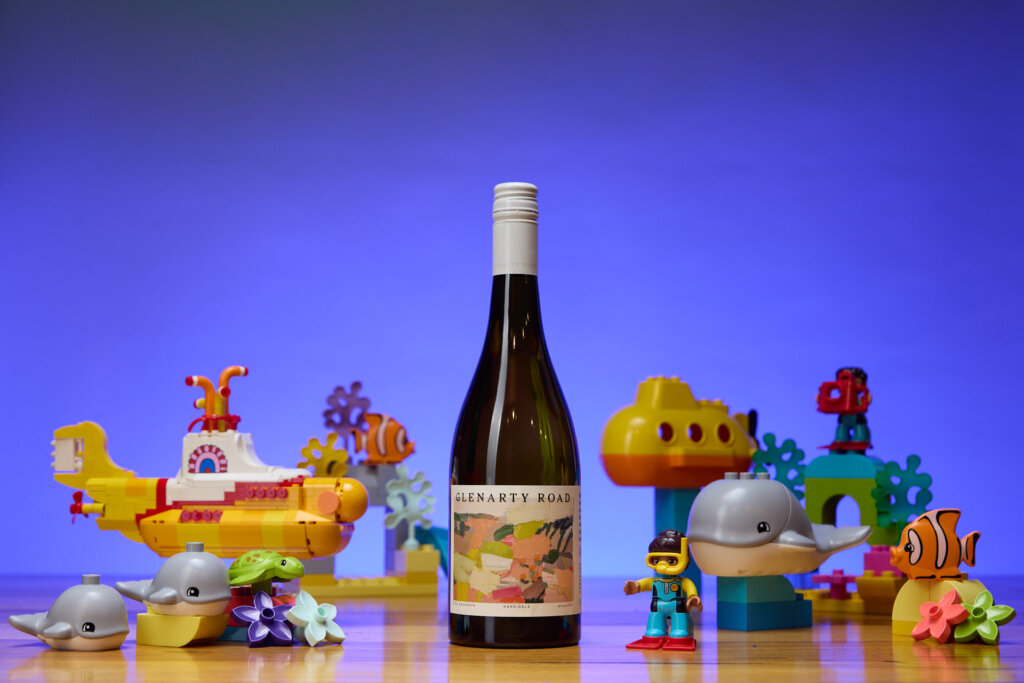
2024 Glenarty Road ‘Wildlings’ Savagnin, Margaret River $45 RRP

A compelling wine of power and precision, the Glenarty Road Savagnin impressed for its generosity and structure. Lafitte found a deep and energetic nose, brimming with Granny Smith apple, white stone peach, star anise, fennel flower and honeysuckle. “Captivating,” she said, wondering if the aromatic intensity might come from low yields or old vines. Bird was equally taken by the lush fruit – ripe red and yellow apples, nectarine, peach – and a palate that made her immediately reach for another sip. “Complex, delicious,” she said, noting orange blossom water and briny chamomile tea notes, with salted biscuits on the finish. Ponsford praised its density and richness – “savagnin with power,” he called it – noting waxy texture, newer oak influence and a savoury tension akin to lemon peel and red apple skin. Froude, meanwhile, drew comparisons to riesling, with jasmine, lime, and a granitic mineral core that made it “clean and bright” with “lovely texture and weight.” A dynamic, complex and multidimensional wine that pulls you back for more.


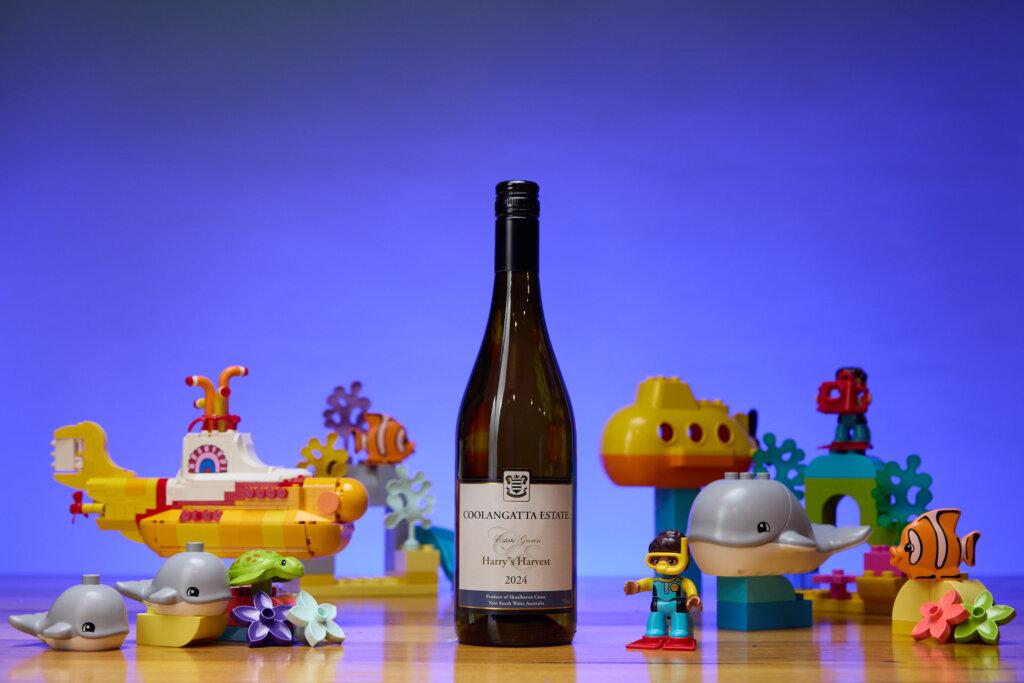
2024 Coolangatta Estate ‘Harry’s Harvest’ Savagnin, Shoalhaven Coast $35 RRP

Striking a balance between playful charm and serious mineral structure, ‘Harry’s Harvest’ was described by Bird as “just so yummy … in the sweet spot.” She celebrated its zesty energy – yellow kiwi skin, unripe mango, yellow nectarine – all wrapped in an appealing mix of acid, body, and texture, with a nostalgic note of peaches and cream and “a wine which needs no occasion, yet fits all of them.” Cooper called it “succulent and driven,” filled with saline lift – rock salt, oyster shell, and ozone – paired with fleshy stone fruit and a dash of candied lemon peel and smoked panna cotta. Strickland noted a more savoury angle: “smoky jalapeño, mezcal and wood-fired pineapple,” with citrus and pineapple fruit riding a “prickly line of acid” that had her dreaming of ham pizza or chicken tacos. Lafitte described the nose as a slow burn – initially reserved but ultimately revealing layers of stewed apricot, vanilla, cinnamon and rum-and-raisin warmth. On the palate, she found a creamy texture wrapped in peach and apricot, lifted by acacia blossom, buttered pastry and a finishing mineral thread. A generous, sunny expression of savagnin, but one that still hums with freshness and finesse.


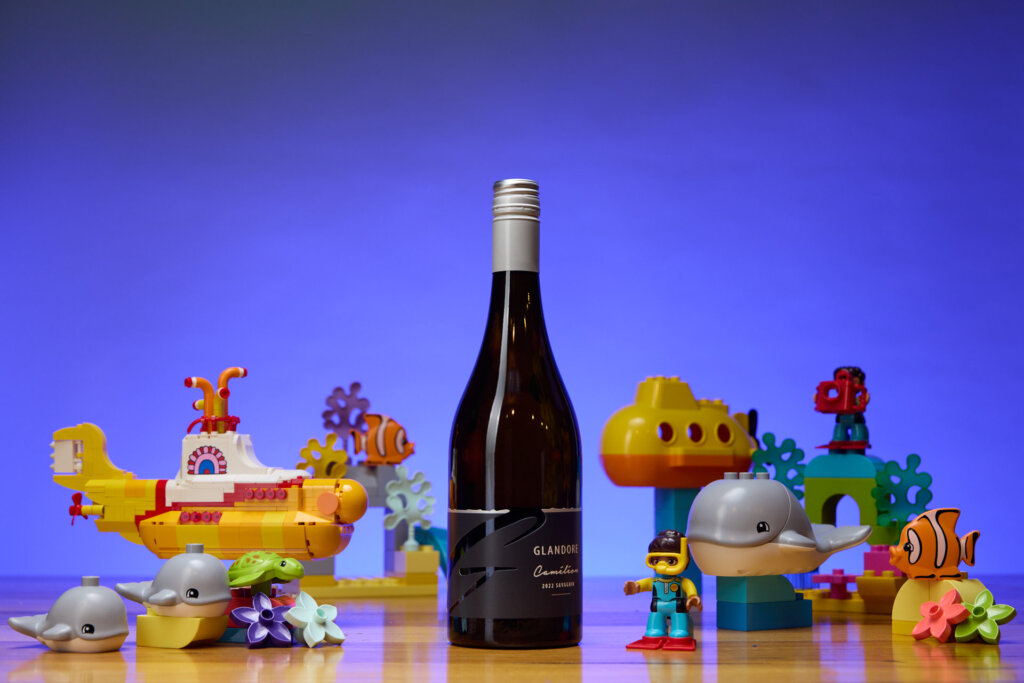
2022 Glandore ‘Caméléon’ Savagnin, Hunter Valley $59 RRP

A bold, unexpected take on savagnin, the ‘Caméléon’ surprised and impressed with its reductive styling. “Savagnin made with reduction – literally the opposite of what everyone expects from the variety – and I’m here for it,” said Ponsford. He described the wine as “flinty as all hell,” with reduction giving it both aromatic tension and creamy weight on the palate, while still delivering hallmark savagnin traits: high acid, elevated alcohol, and a subtle grip that some might confuse for skin contact. “Weighty, but with driving acid that keeps it fresh,” he said. Bird found it “opulent, perhaps excessive,” with notes of roasted nuts – hazelnut, walnut, toasted almond skin – as well as soft spice, parmesan rind, jackfruit and white mushrooms. “It’s a savagnin for chardonnay drinkers,” she added, imagining it paired with chicken and a delicate mushroom velouté. This wine may challenge expectations, but it backs its swagger with style.


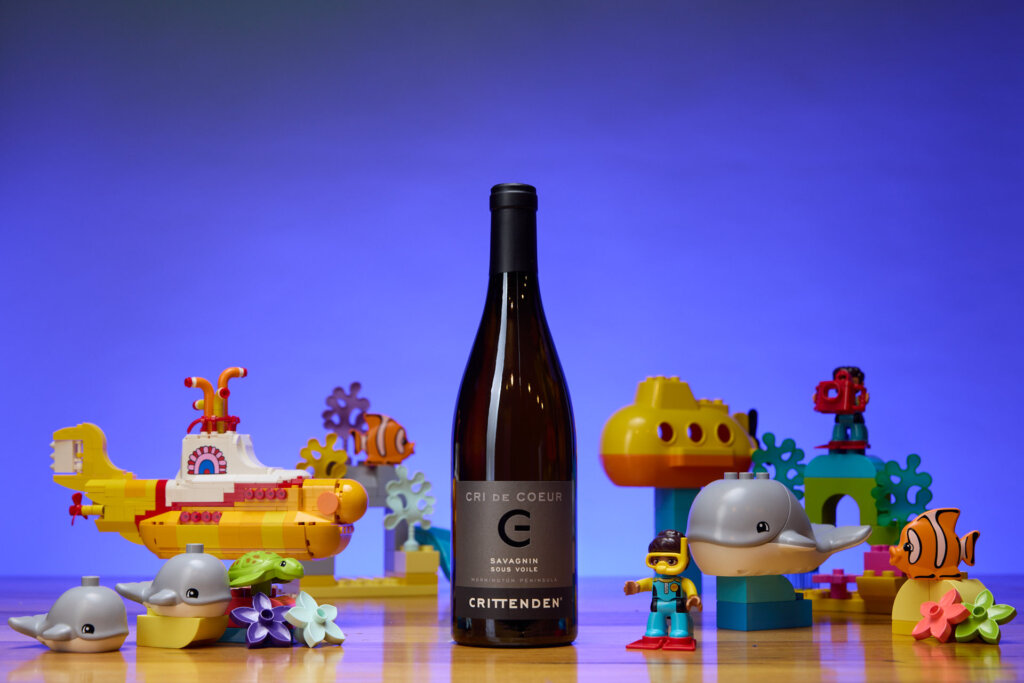
2019 Crittenden ‘Cri de Coeur’ Savagnin Sous Voile, Mornington Peninsula $95 RRP

A benchmark example of Australian oxidative winemaking, the ‘Cri de Coeur’ had Ponsford recognising its class and identity immediately. “Powerful and oxidative, but also restrained,” he said. “The oxidative aromas are deep, caramelised and nutty – think roasted almonds – but with preserved lemon freshness that keeps it from ever feeling heavy.” He praised its balance and drinkability, noting that while it’s “wild,” it’s also “approachable,” making it an ideal starting point for those new to oxidative wines. “It feels like the establishment,” he added. “I would guess this is Crittenden savagnin – and if it’s not, bravo to whoever made it.”


2023 Defialy ‘Pale Blue Eyes’ Savagnin, King Valley $42 RRP

Flor character can often dominate a wine, but here it’s used with finesse, said Cooper, praising the way savoury spice and pure fruit interlace. He noted aromas of nigella seed, mulato pepper, mesquite and curry leaf wrapped around juicy yellow peach and lemon, with the palate exploding and evolving with every sip. “Pretty special stuff,” he said. “Highly commendable.” Bird found the wine “just bloody delicious” – bursting with aromatic joy. She described notes of peach syrup, honeycomb, beeswax, Meyer lemon, and the faint kiss of leatherwood honey, all underpinned by a mineral core of salt rock and quartz. She saw it as “clear, mineral, but with emergent fruit,” and noted a herbal layer of thyme, tarragon, and preserved lemon. “Simply a delight to drink – anywhere, any time,” she said, calling for goat cheese salad or Mediterranean dishes to match its charm. “So compelling each time… I love it.”


2024 Foreign Friends Savagnin, King Valley $37 RRP

A complex and expressive wine that reveals more with each swirl of the glass. Froude found it initially delicate and light on the nose, with hints of ginger spice, before unfurling into white florals, lime, and creamy barrel-ferment characters. He praised its “excellent mouthfeel” and “lovely light, creamy finish that belies the high acidity.” Cooper was equally taken, calling it “opulent and very exotic,” with ripe stone fruit, melon and jasmine florals leaping from the glass. As it opened, he noted “little whispers of smoked cream” emerging beneath the glossy fruit. “The purity and intensity just keep building,” he said, describing its amplitude as “wild.” He imagined it alongside fish and chips, where the wine’s acidity and richness would play beautifully with both batter and fish.


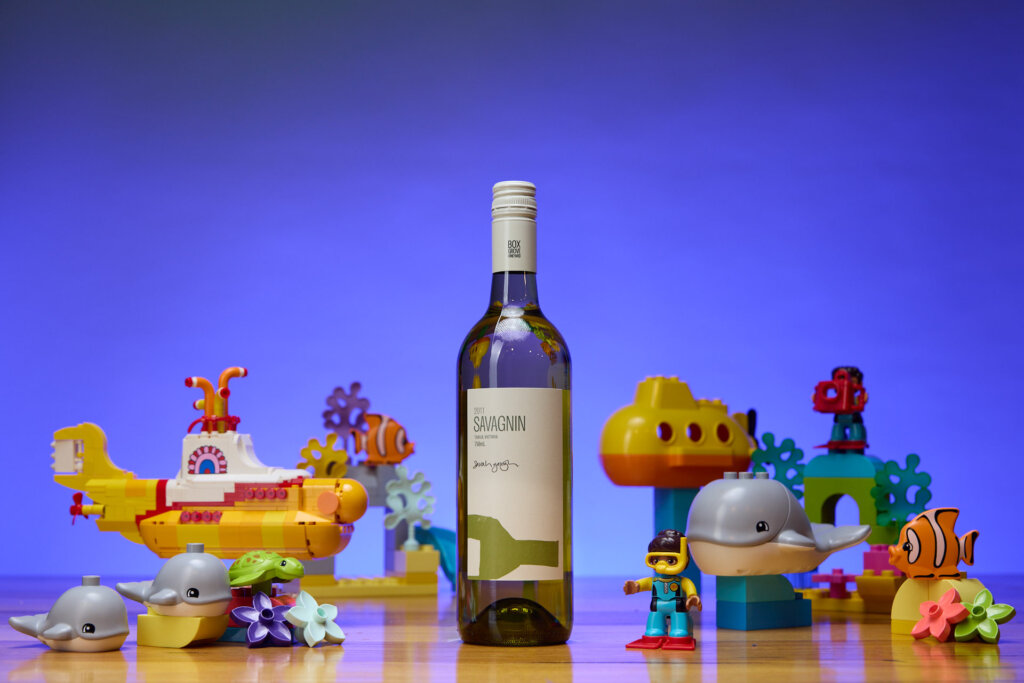
2011 Box Grove Savagnin, Nagambie Lakes $24 RRP

A wine with remarkable energy and savoury complexity, even at over a decade old. Strickland was immediately drawn in by aromas of curry leaf and fresh celery, followed by a palate that was “fresh and bright,” yet underpinned by savoury nuance and balance. She highlighted its “prickly minerality,” whole raw almonds, exotic brown spices, Meyer lemon, kaffir lime and green apple, all carried by a hit of salinity that “makes you salivate.” This is a wine, she said, that begs for food – “perhaps a nice warming dhal.”


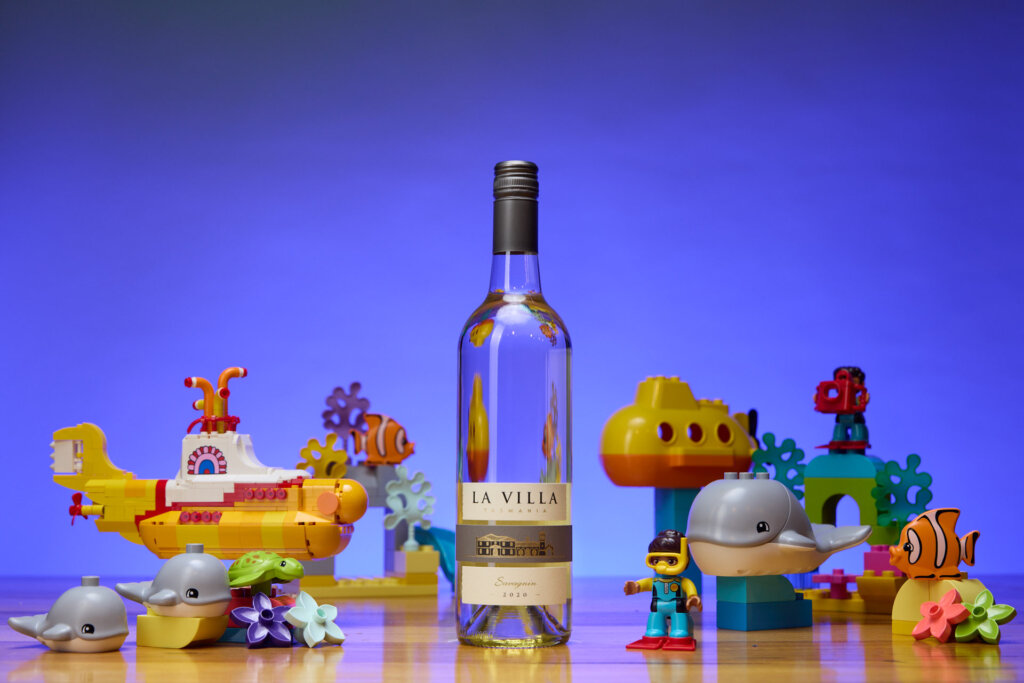
2020 La Villa Savagnin, Tasmania $34 RRP

A more restrained take on savagnin, this wine charmed with subtlety and finesse. Bird described it as “less intense, more subtle” than some in the lineup, but still “so good.” She admired its soft fruit spectrum – white nectarine, white peach, and delicate apple flesh – with a silky texture that held through to the finish. Though the finish carried a hint of pithiness, it stopped short of bitterness, rounding out a wine that is quietly compelling and immensely drinkable.


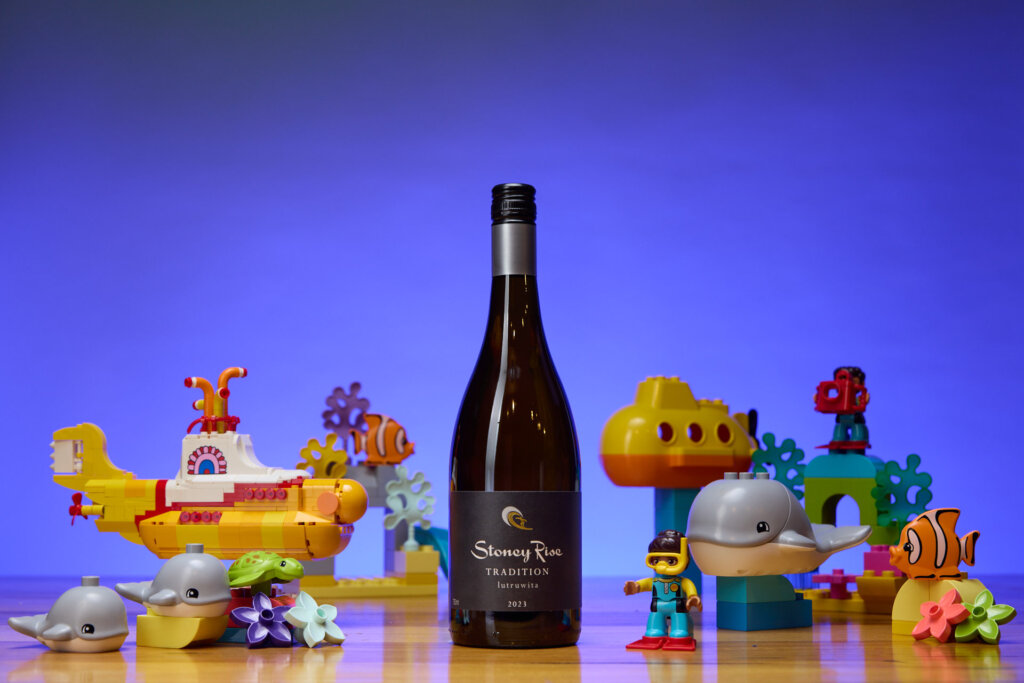
2023 Stoney Rise ‘Tradition’, Tasmania $63 RRP

With layers of complexity and texture (complemented by some chardonnay in the ferment), the ‘Tradition’ is a wine that rewards thoughtful drinking. Froude was struck by its expressive barrel fermentation notes, from “flinty sulphites” and matchstick to slatey mineral tones, set against a familiar core of lime and green apple. “Complex on the palate with excellent length and weight,” he said, adding that the creamy finish and overall textural depth make it a wine suited to “quiet contemplation.”


2023 Entropy ‘Willow Grove’ Savagnin, Gippsland $55 RRP

Pure, precise and evocative, Entropy’s savagnin transported Hewitt with its clarity of expression. “Lovely lifted aroma of lemon blossoms leap from the glass,” he said, noting a “real sense of fruit purity” with flavours of green apple and a vivid, pithy lemon acidity that made him salivate. “Another wine that has me dreaming of the Jura,” he added, imagining it alongside roast chicken and morels – a pairing to match the wine’s elegant power.

2024 Stoney Rise Savagnin, Tasmania $42 RRP

A beautifully-balanced and compellingly energetic take on the variety. Ponsford described this as a “really balanced expression of savagnin,” noting its golden hue and signature grip – a subtle, skin-contact-like texture that carries a rush of bright, freshly squeezed lemon juice. Cooper was struck by the interplay of “sexy reduction” – creamy, smoky and slightly funky – layered over ripe stone fruits and white chocolate. He found the palate “taut, racy and hyper energetic,” with a “killer line of salty, mineral-laced goodness.” He suggested it as a savvy alternative for lovers of chardonnay, pointing to the shared charm both varieties exhibit in Jura and in this wine. Strickland was equally impressed, highlighting the wine’s toasted oak, grilled nuts and florals on the nose, with a mouthfeel that was “rich yet restrained,” lifted by “lively acidity” and finishing “tightly focused, a little salty, and with great length.” Her pairing pick: wood-fired sardines on rye.


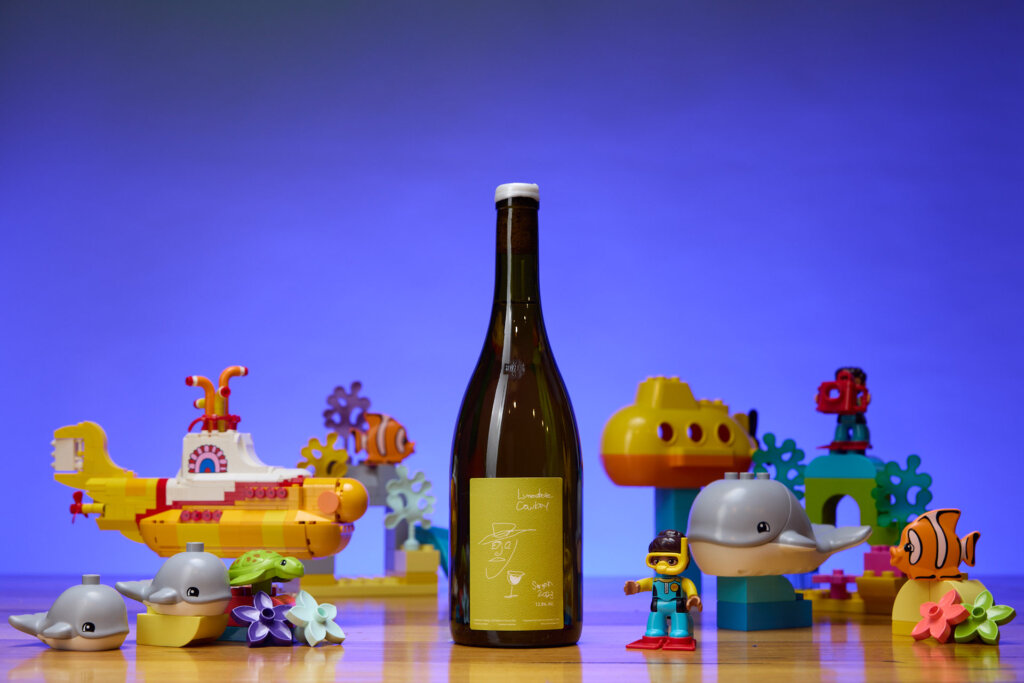
2023 Limestone Cowboy Savagnin, Limestone Coast $50 RRP

Complex and characterful, this wine captivated with its interplay of freshness and subtle oxidative detail. Strickland admired its “lovely rich, nutty, complex nose,” and a palate that carried the same layered complexity, with grilled nuts, ginger spice, fresh citrus and green apple. She found it structured yet fresh, with a long, mineral finish, and recommended pairing it with hibachi quail or mushrooms. Lafitte described it as “truly intriguing,” opening with vibrant green apple and sour lemon before revealing a savoury spectrum of walnut, roasted almond and dried dates, all underpinned by a saline, subtly oxidative edge. Lifted by hints of honey, floral spice and a leesy texture, she found it versatile at the table – but a standout aperitif in its own right.


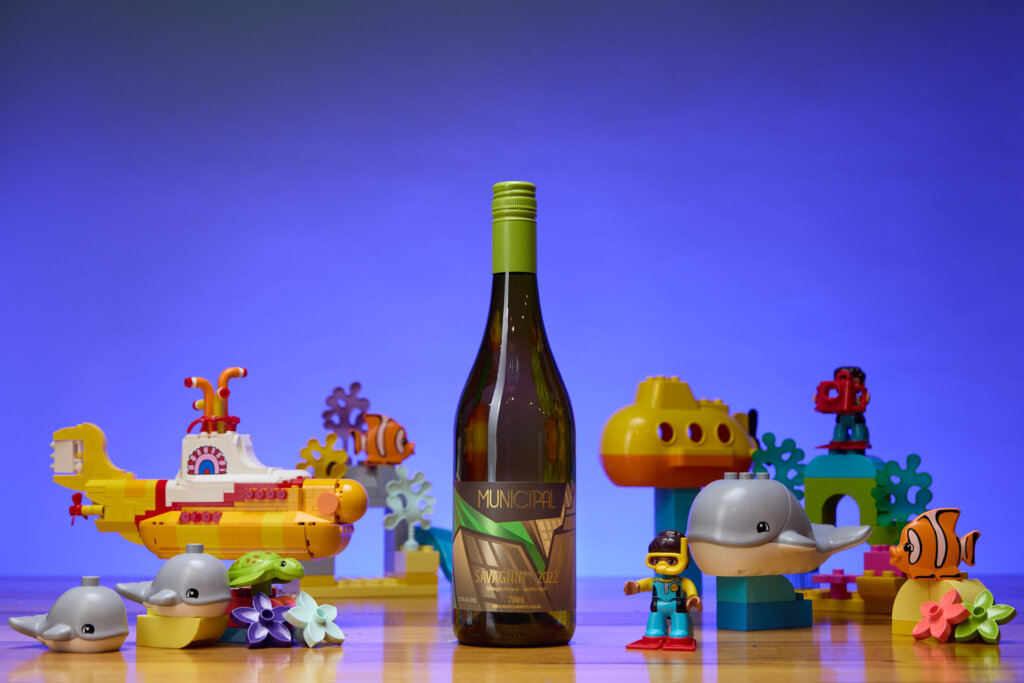
2022 Municipal Savagnin, Strathbogie Ranges $45 RRP

A harmonious and gently oxidative expression, this wine balanced poise with generosity. Strickland noted aromas of “grilled nuts, a little honey, fresh white blossoms and honeysuckle,” supported by stony minerality and oak spice. Walnut and citrus elements deepened the profile, with lemon peel, lemon curd, and a creamy complexity wrapped in briny minerality. She praised its “great balance and length,” calling it a wine of “tension and poise,” perfect with roast poultry or hard cheeses.


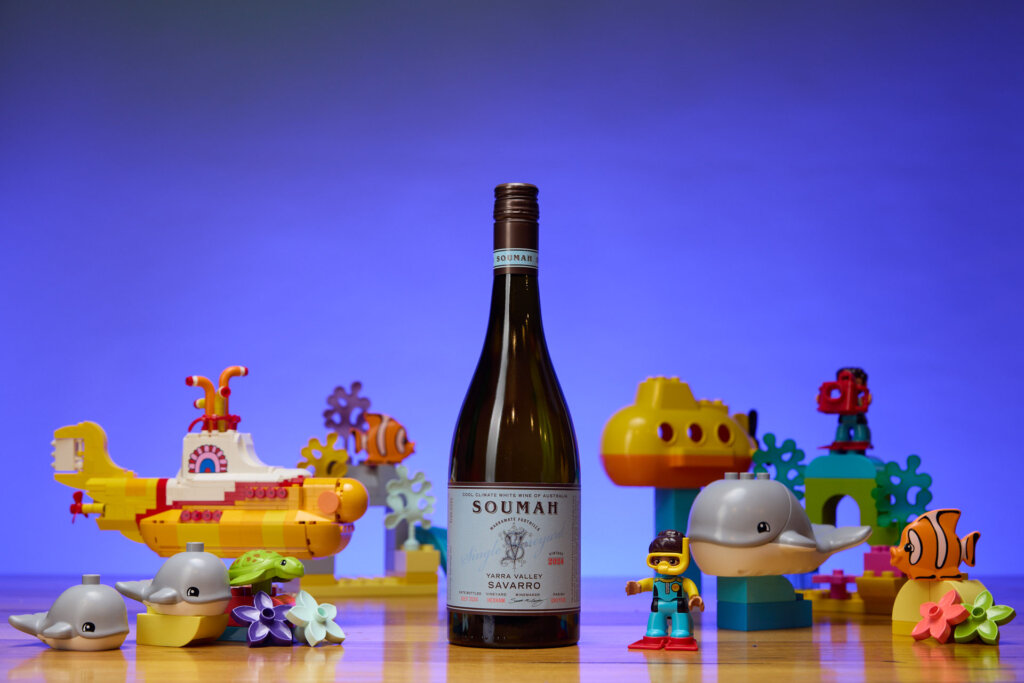
2024 Soumah ‘Hexham Vineyard’ Savarro, Yarra Valley $34 RRP

A proudly Australian take on savagnin, bottled under the obscure synonym ‘savarro’, showing both clarity and character. Hewitt found it “a wine style I’ve come to recognise as a great Australian version,” praising its high acidity, warming mouthfeel and balance. Bright notes of “lemony acidity, ripe green apples and jasmine blossom” led to a long, lingering finish. Simple pleasures were in mind with his pairing recommendation: “Drink this with fish and chips on the beach.”


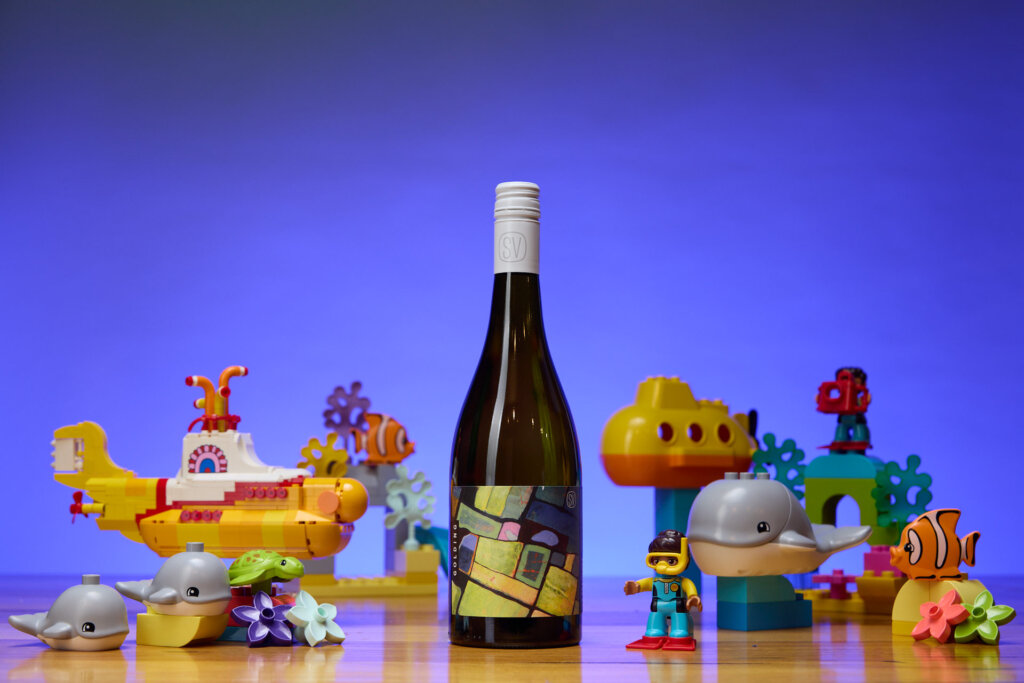
2023 Golding ‘La Francesa’ Savagnin, Adelaide Hills $26 RRP

Opulent and tightly wound, this wine impressed with its combination of fruit richness and structure. Cooper highlighted “ripe peaches, lashings of cream and marzipan,” joined by almond blossom and a whiff of sea spray. He described a wine that remained fruit-forward – “peachy, with yellow nectarine emerging” – yet underpinned by “a long and salty acid line,” reminiscent of Jura’s finest. A compelling wine of energy and texture.


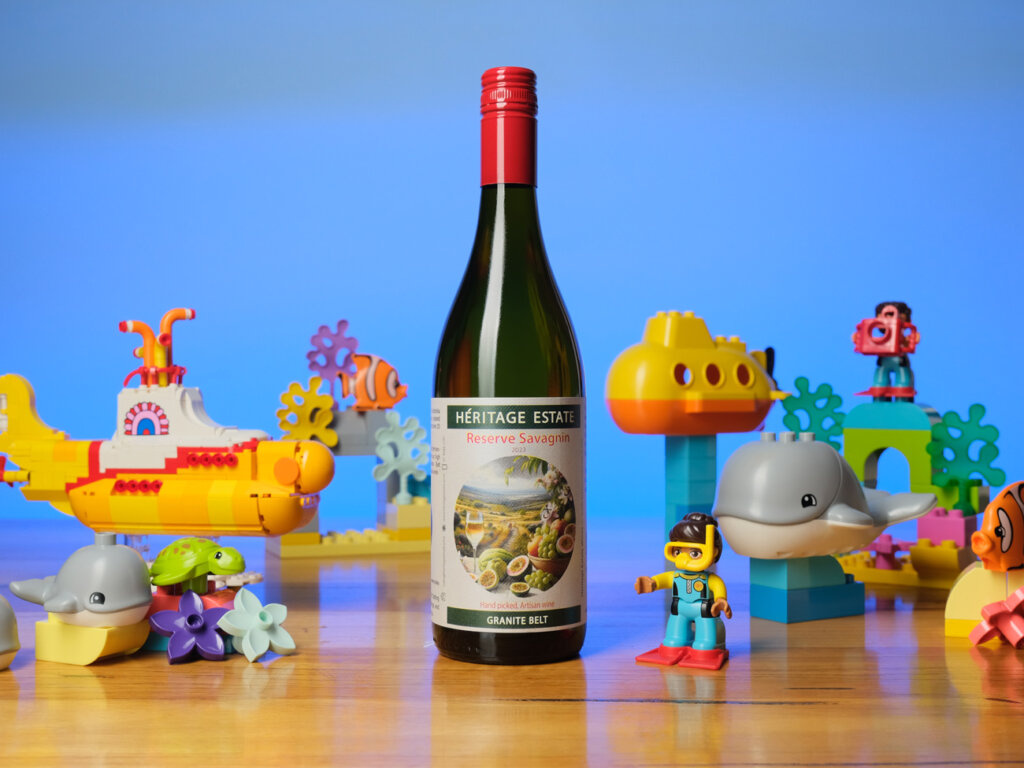
2023 Héritage Estate ‘Reserve’ Savagnin, Granite Belt $33 RRP

A vibrant and aromatic expression that Lafitte described as “bursting with intense aromatics,” with an almost perfumed lift of “ripe peaches, white tea, jasmine and candied ginger.” She found the palate equally engaging, led by zesty acidity and flavours of “sour candied green apples and lemon sherbet,” grounded by apricot custard tart richness. A touch of sweetness rounded the wine beautifully, making it, in her words, “a joyful, youthful expression full of energy and personality.” She saw this as a perfect aperitif and a brilliant match for spicy, fragrant curries.


2023 Cooke Brothers Savagnin, Langhorne Creek $30 RRP

A richly textured and intricately layered wine, praised for its complexity and savoury appeal. Froude described “delicate apricot blossom aromas, peach, mineral notes and a creamy leesy character with hints of smoky oak.” On the palate, he found “richness, roundness and plenty of texture,” with stone fruit, mineral drive, and a long finish. “The rounded acidity, creamy notes, and slight funk demonstrate some lees work,” he said, suggesting this wine would shine alongside strongly flavoured dishes like a parmesan-laden risotto.


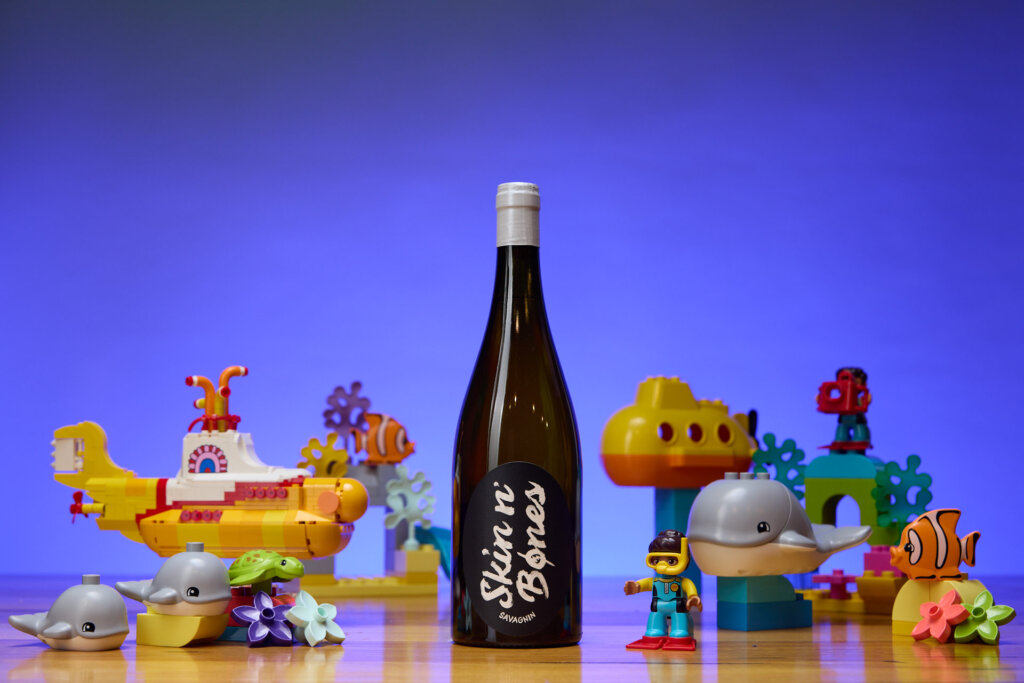
2024 BK Wines ‘Skin n’ Bones’ Savagnin, Adelaide Hills $42 RRP

This modern Australian take on the variety stood out for its balance of oxidative lift and freshness. Hewitt noted “a gentle aroma of roasted almonds” suggesting subtle oxidative handling, alongside “lemon pith and zest, white peach, and lemon blossom.” Unfiltered and textural, he praised its leesy mouthfeel and “saline acidity bringing refreshment and a sense of minerality.” A compelling and contemporary expression.


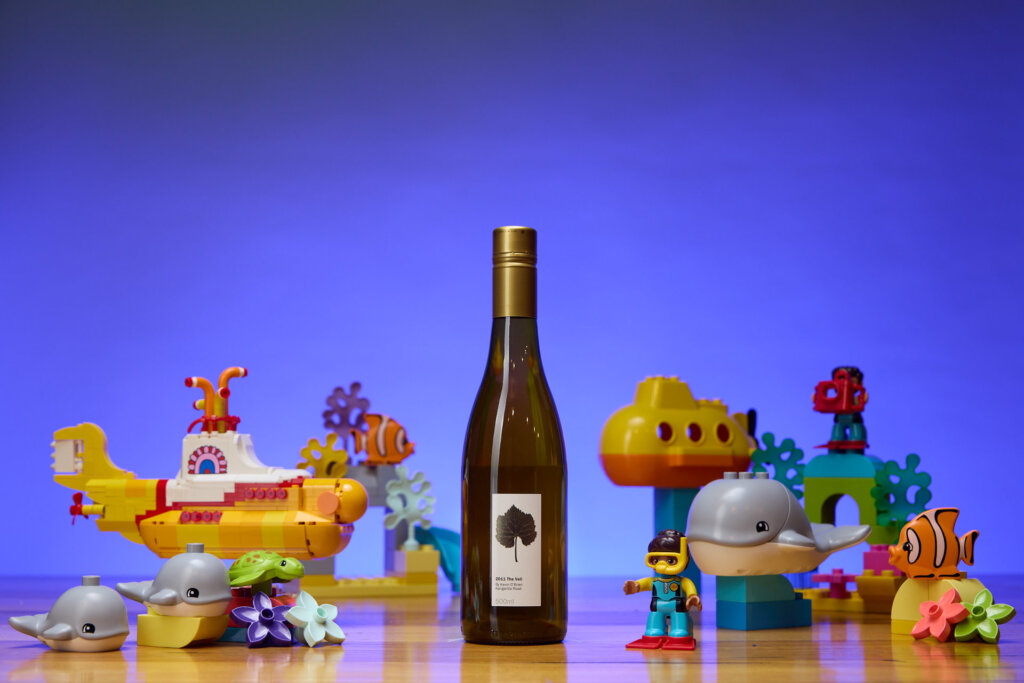
2011 Kangarilla ‘The Veil’ Savagnin, Adelaide Hills

A wine that evolved beautifully in the glass, revealing layers of funk, fruit and savoury nuance. Froude found it “a touch subdued on the nose initially,” but said it opened up into “a complex blend of funky reduction, limestone minerality, and ripe yellow peach,” with top notes of white balsamic. The palate was “full bodied and rich with good length and mouthfeel,” concluding with “an unusual but compelling finish.” Not a wine for all, he noted, “but one that will be loved by its fans.”


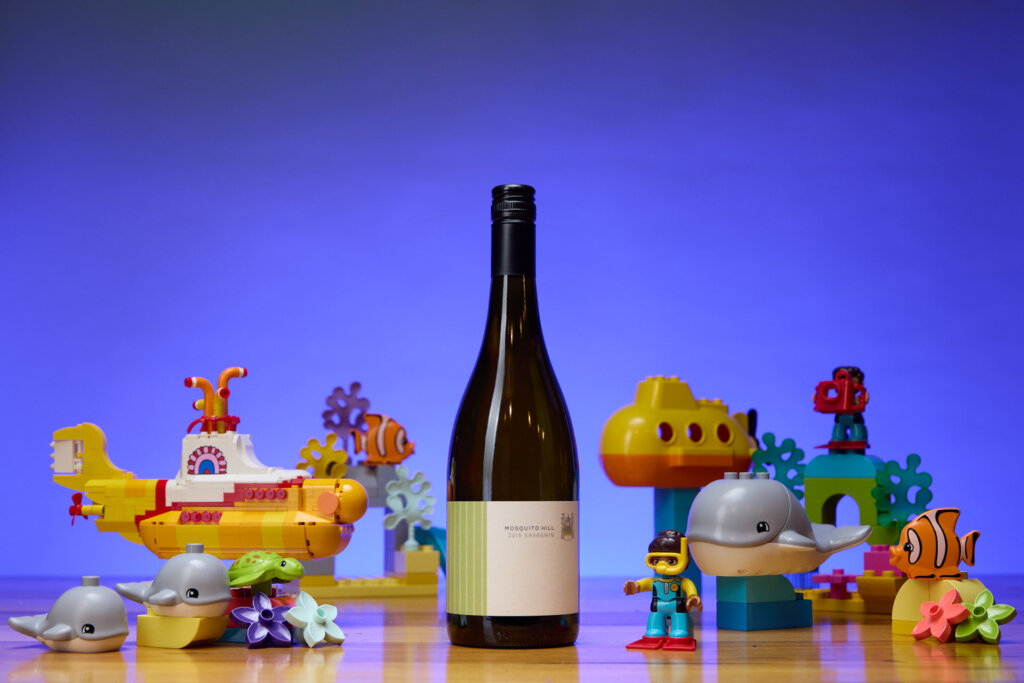
2015 Mosquito Hill Savagnin, Fleurieu Peninsula $25 RRP

A graceful and gently oxidative expression, showing finesse and drinkability. Hewitt found “roasted almonds and jasmine blossom” on the nose, with “light oxidative handling” suggested in both aroma and feel. “Unfiltered, with that leesy textural mouthfeel,” he said, praising its balance of “green apples, sea spray, and lemony acidity bringing freshness.” A wine, he concluded, “it would be easy to finish the bottle” of.

The backstory

Savagnin is an underdog of a variety: perennially mistaken for sauvignon blanc by consumers, accidentally brought to Australia by the CSIRO who had ordered another variety from their Spanish supplier, and genetically intertwined with the deeply unfashionable gewürztraminer. Fortunately, Australians love barracking for an underdog – and savagnin is an underdog worth betting on. With its mistaken-identity era now firmly behind it, and with a small but dedicated collective of winemakers crafting exciting wines from it using a number of interesting techniques, it’s savagnin’s time to shine.

Savagnin is a very old grape variety – so old, in fact, that its precise origins and genetic pedigree haven’t been fully unravelled, even with the advent of DNA analysis. One compelling hypothesis is that it is a domesticated version of a wild grapevine, which may explain its common French name (after the French sauvage, ‘wild’). But wherever it first emerged and however it came to exist, there is no denying that it is one of the three key parent grape varieties of European viticulture, alongside its equally ancient peers pinot noir and gouais blanc (the latter of which is very rarely grown these days). Its child grape varieties include some of the wine world’s heavy-hitters, such as sauvignon blanc, chenin blanc, grüner veltliner and verdelho, and it is (via sauvignon blanc) a grandparent of cabernet sauvignon, the world’s most widely planted wine grape variety.

As with other very old varieties, savagnin has developed a mind-bogglingly complex array of clonal diversity as spontaneous genetic mutations in individual plants have been reproduced via cuttings – which means that wines made from this one variety can exhibit an extraordinary diversity of flavour profiles, from lean and mineral to rich and exuberantly floral. One such mutation is known as gewürztraminer, and is so distinct as to look completely unrelated to most other clones of savagnin. (With its easy-to-spot Turkish delight and lychee aromatics, sometimes backed with a hint of ginger spice, gewürztraminer is often used as a training aid for blind tastings.)

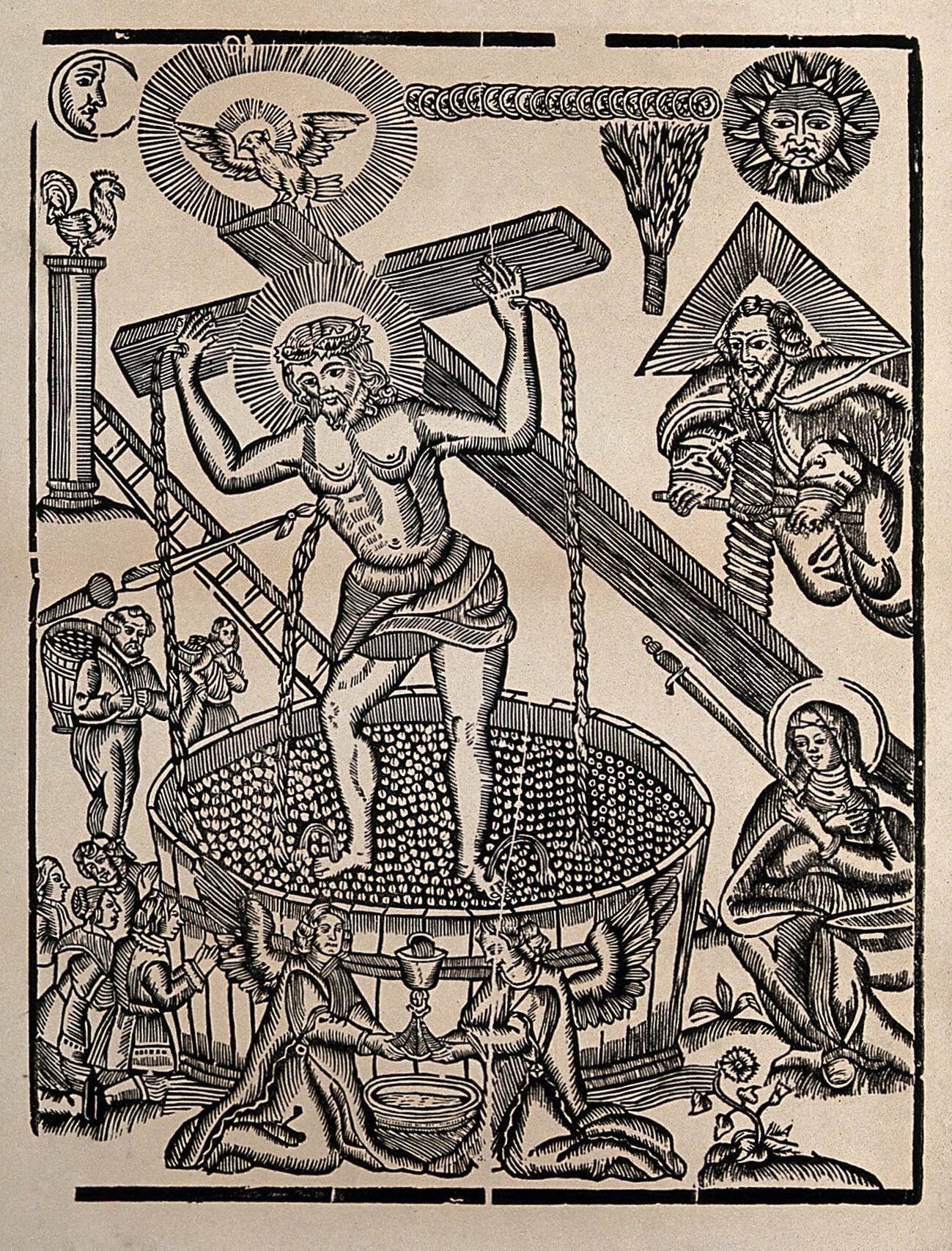
Above: a woodcut of Christ at the winepress, circa 1700. Savagnin is an ancient variety, and was already very old when this image was carved.

As a result of its clonal diversity and its wide geographical spread, savagnin goes by a telephone book’s worth of names across Europe and the rest of the world – often ‘traminer’ in German-speaking areas, and ‘fromenteau’, ‘gentil blanc’, and ‘klevner’ in various parts of France. The fact that each of these French names is also used as a synonym for one or more other grape varieties (pinot gris/roussane, chardonnay/pinot blanc, and pinot blanc, respectively) means that it’s impossible to track savagnin through historical records, as there is no certainty regarding what variety any given name actually refers to. Savagnin’s chequered history of assuming other aliases and identities also foreshadows how Australian winegrowers suddenly found that they had the variety in their vineyards – without knowing that they’d planted it.


The impostor arrives in Australia

Depending on your perspective, savagnin either has a relatively long history in Australia or a remarkably short one. The aromatic gewürztraminer variant of savagnin likely arrived in Australia in the 1830s as part of the hugely influential ‘Busby Collection’, which formed the basis for most Australian viticulture until the middle of the twentieth century. Wines made from this particular savagnin variant – often blended with some riesling to add acid and spine, and usually lightly sweet – were quite popular in the 1960s and 1970s, and were often labelled as ‘traminer’. (This is another source of name confusion, as ‘traminer’ without the ‘gewürz’ in the rest of the wine world refers only to the group of older, non-aromatic white-grape savagnin clones.)

Plantings of gewürztraminer in Australia have declined significantly since its swinging sixties heyday – yet with 6,920 tonnes harvested in 2025, it still squeaks into the top ten white varieties by volume here. But if you treat gewürztraminer as a separate variety to savagnin – as the broader wine industry in Australia and the governmental regulatory agency Wine Australia does – then savagnin’s presence in this country is much more recent, and much more nefarious.

“I was trying to come up with good descriptions of albariño to then pass on. I couldn’t figure out how it was different from traminer.”

In 1989 the Commonwealth Scientific and Industrial Research Organisation (CSIRO) imported eight cuttings of what they thought was the Iberian white variety albariño (also known in Portugal as alvarinho) from Spain. These cuttings, which arrived in labelled as albariño, became the source for nearly all ‘albariño’ planted in Australia. As Australian wine consumers started to get turned on to varietal albariño wines imported from Spain’s Rías Baixas region in the early 2000s, demand for local offerings grew. In turn, so too did plantings propagated from the CSIRO material, which reached approximately 150 hectares at its peak. A small cottage industry of Australian ‘albariño’ happily flourished until, in 2008, Australian grapevine expert Libby Tassie had a closer look at some of the CSIRO-sourced vines.

“I was trying to come up with good descriptions of [albariño] to then pass on,” she says – a practice known as ampelography, where vine experts examine physical specimens of different varieties to find out what characteristics are unique to each. “I couldn’t figure out how it was different from traminer.” Tassie turned to visiting French ampelographer Jean-Michel Boursiquot, who then took a close look at some ‘albariño’ vines in the Barossa and suspected that they might in fact be savagnin. While Tassie notes that she was by no means the only person who had observed issues with some of the ‘albariño’ vines around the world and in Australia, her hunch and Boursiquot’s involvement lead to DNA testing, conducted in France in 2009, which confirmed the mistaken identity – and set in motion some turmoil in the Australian wine industry.

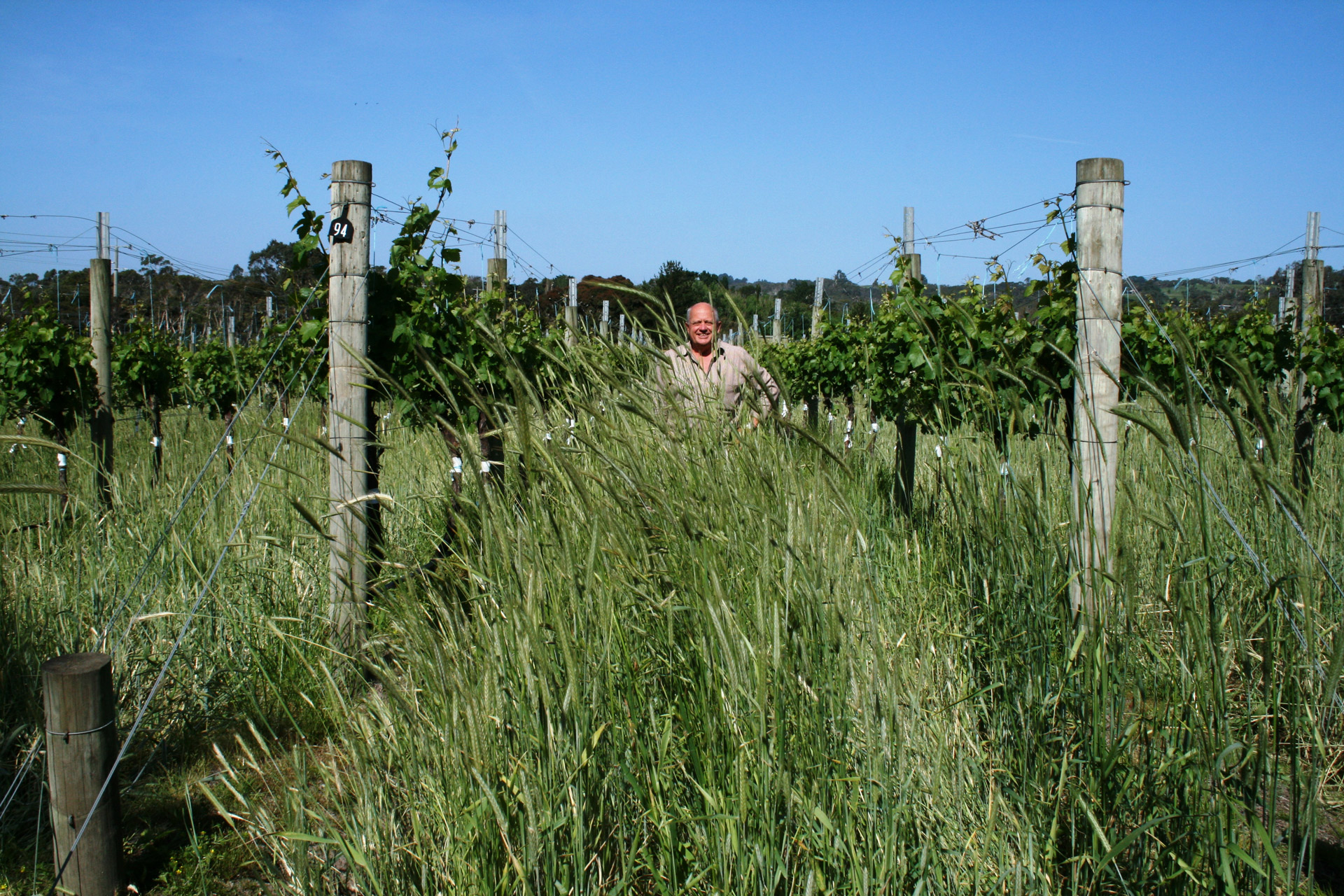
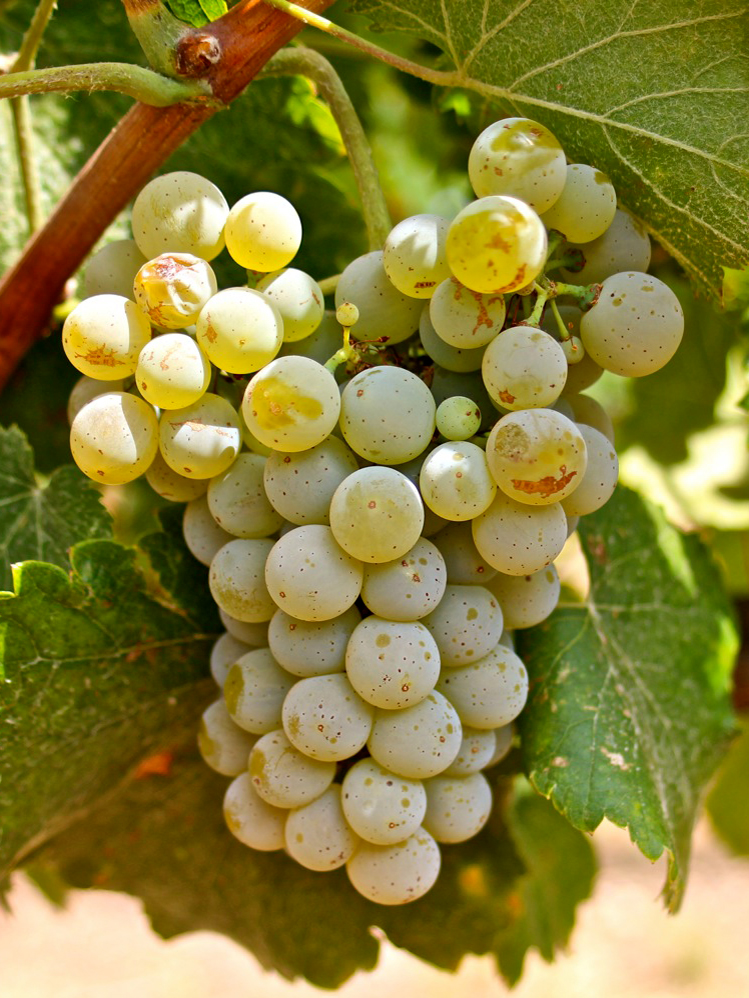
Above: savagnin grapes at Crittenden Estate. Opposite: the vineyard at Crittenden.

The grape clusterf**k

While this discovery might seem like something of a storm in a teacup, it had a profound impact on Australian producers who thought they were making albariño. Once the CSIRO had identified its vines as savagnin, Wine Australia (then known as the Australian Wine and Brandy Corporation) immediately reached out to producers to let them know that it would be illegal to label any wine made from the CSIRO vines as ‘albariño’. “It’s actually a big deal when you bottle it,” Tassie says. “The label says it’s albariño and it’s not albariño. Wine label integrity is the challenge once it gets into the bottle.” It also had repercussions for the growers who had sold their grapes to winemakers under a false name, and the nurseries and grape-growers who had sold mislabelled cuttings. “Where does the buck stop?” Tassie says. “The wine growers were trying to get some of their money back, saying, ‘Well, I was sold this in good faith.’ That goes back down the chain.”

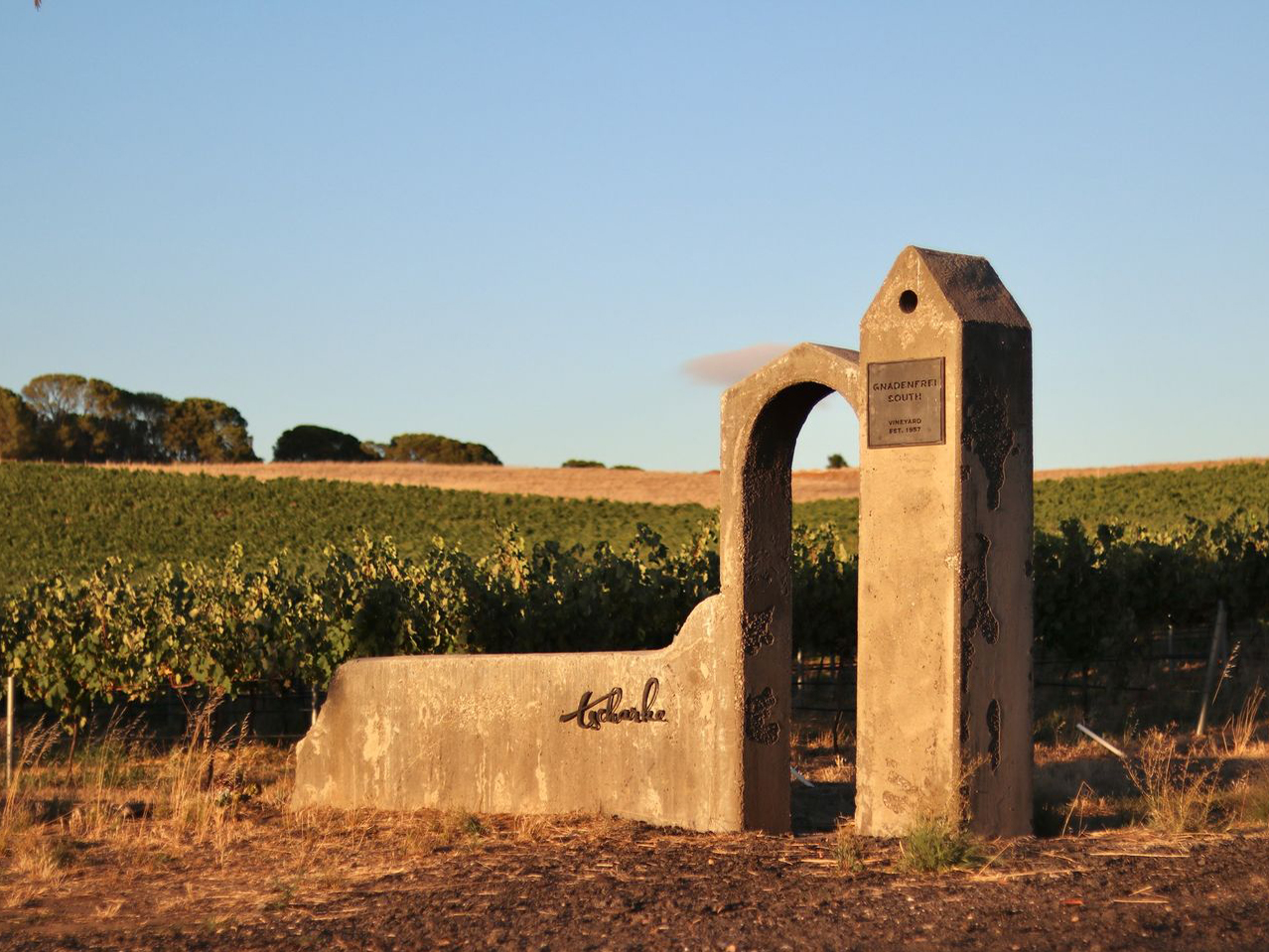
As many winemakers (including Tscharke from the Barossa Valley, then Australia’s largest producer of ‘albariño’) had already bottled and labelled their savagnin-based wines at the time, they would have to incur the not-insignificant expense of testing their wines to confirm their contents and relabelling them before they could be released. The affected producers also would have to contend with the hassle of trying to market wines made from a variety that was practically unknown to the Australian public – not to mention one whose official name could be easily confused with the then incredibly popular sauvignon blanc. Vigneron Garry Crittenden, who had grafted ‘albariño’ over some chardonnay vines at his Mornington Peninsula property just prior to the discovery of the labelling mix-up, spoke for many Australian winemakers when he said to British wine writer Jancis Robinson: “One can not underestimate the contribution of the name of course, and the thought of calling it savagnin fills me with dread, as it does my colleagues.”

“The thought of calling it savagnin fills me with dread, as it does my colleagues.”

Looking back at what he calls the “albariño fiasco,” Garry Crittenden’s son Rollo Crittenden describes it as “a bit of a crisis – we didn’t know what to do.” Crittenden Estate had released an ‘albariño’-based wine a few years prior as part of its Spanish-inspired ‘Los Hermanos’ range; they were now in an invidious position of either removing the wine from the range and giving it a new home, or figuring out how to sell the very un-Spanish savagnin variety in that range. “We’d invested heavily in our branding, and were making a mad scramble to try and keep the brand alive,” Crittenden says. He flew to Adelaide for a crisis meeting of affected winemakers – “probably about twelve producers that got together in a pub near the airport” – where they reluctantly agreed to use the term ‘savagnin’ for their savagnin-based wines over less-attractive officially sanctioned synonyms as ‘traminer’ (too laden with historical baggage in Australia), ‘christkindlestraube’ or ‘feuille ronde’. Crittenden’s own short-term solution was to keep their savagnin-based wine in the ‘Los Hermanos’ range with a cuvée name of ‘Tributo a Galicia’ – a Spanish phrase that pays homage to Galicia, a powerhouse of albariño production.

Above: Tscharke vineyard in the Barossa – in 2008 Australia’s largest (inadvertent) producer of savagnin. Opposite: albariño (not savagnin) grapes on the vine.

The fallout was not limited only to wine labels, and not only to Australia. In the wake of the scandal, both the CSIRO and the South Australian Research and Development Institute shut off wine industry access to their grapevine collections – a move that severely restricted wine growers’ access to new varieties and different clones of established varieties. (Both collections still exist, but as of 2025 are still closed to the industry.) “To their credit, [CSIRO] have got all their varieties DNA-checked, and we’ve referenced it,” Tassie says. “So a huge amount of money has gone into making sure that what they have is what they’re meant to.”

Meanwhile, the mixup revealed that a portion of the ‘albariño’ planted in Spain is in fact savagnin – an issue that was first raised in 1983 by French ampelographer Paul Truel. While the issue was discreetly resolved within the official national Spanish grapevine collection, El Encín, it had not been sorted out within other collections in Spain and France until the Australian experience exposed the issue – which means that rogue quantities of savagnin are potentially still included in ‘albariño’-based wines throughout the wider world.


Jurassic spark

In 2010, not long after Australian ‘albariño’ producers started collectively gnashing their teeth at the prospect of having to figure out how to sell their savagnin wines, three slightly unkempt winemakers – James Erskine, Tom Shobbrook and Anton van Klopper – walked into Sydney’s Vaucluse Cellars to showcase their wares. The shop attendant, Sam Hughes, quickly took a shine to the trio, and over drinks that evening the trio became a quartet – one with a plan to revolutionise Australian wine.

“To their credit, CSIRO have got all their varieties DNA-checked, and we’ve referenced it. So a huge amount of money has gone into making sure that what they have is what they’re meant to.”

The group, eventually dubbed ‘Natural Selection Theory’ after the title of an early newspaper article about their press-worthy exploits, were the thin edge of a natural wine wedge that profoundly changed the types of wine that many Australians drink and the ways in which many winegrowers and makers (whether they identify as ‘natural’ or not) go about their work in the vineyard and cellar. Like previous generations of Australian wine groundbreakers, they were inspired by European traditions, but rather than looking to the luminaries of the mainstream wine world – regions such as Bordeaux, Burgundy, and Barolo – they sought inspiration instead from less well-travelled corners of Europe such as Georgia, Italy’s Friuli region and the vineyards across its border with Slovenia, and France’s Jura region.

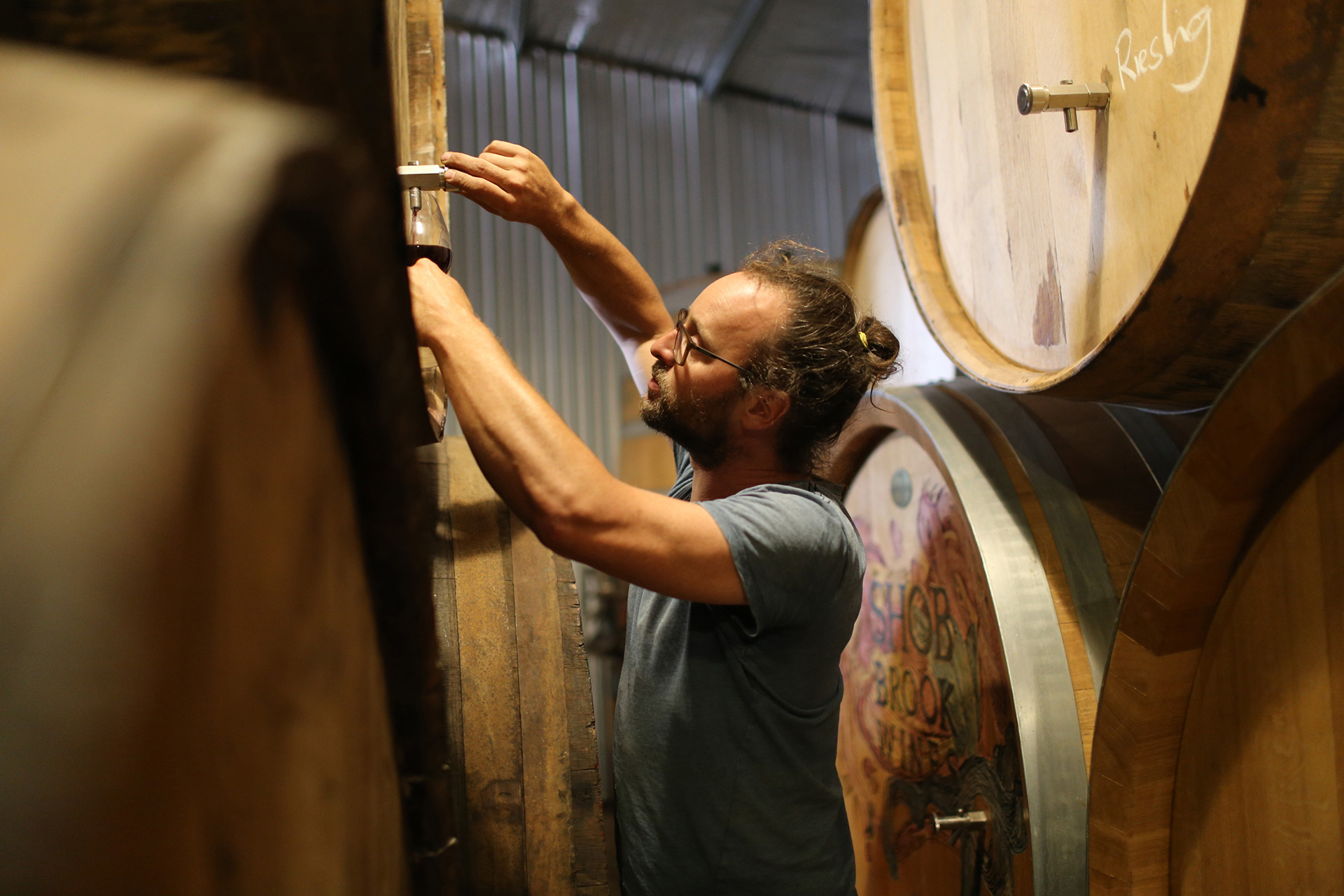
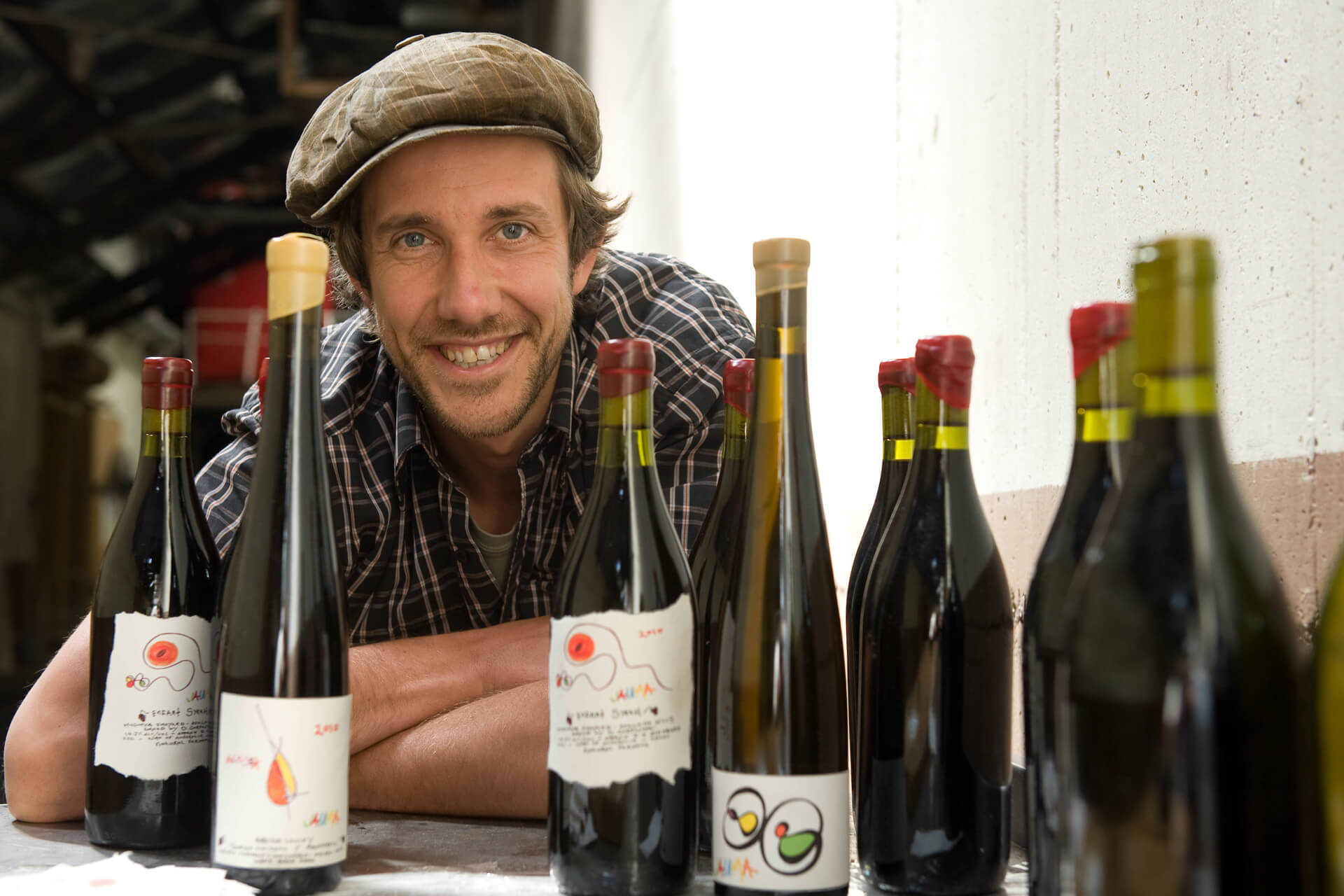
Above and opposite: Tom Shobbrook and James Erskine, two of the members of Natural Selection Theory – a collective that changed the trajectory of Australian wine.

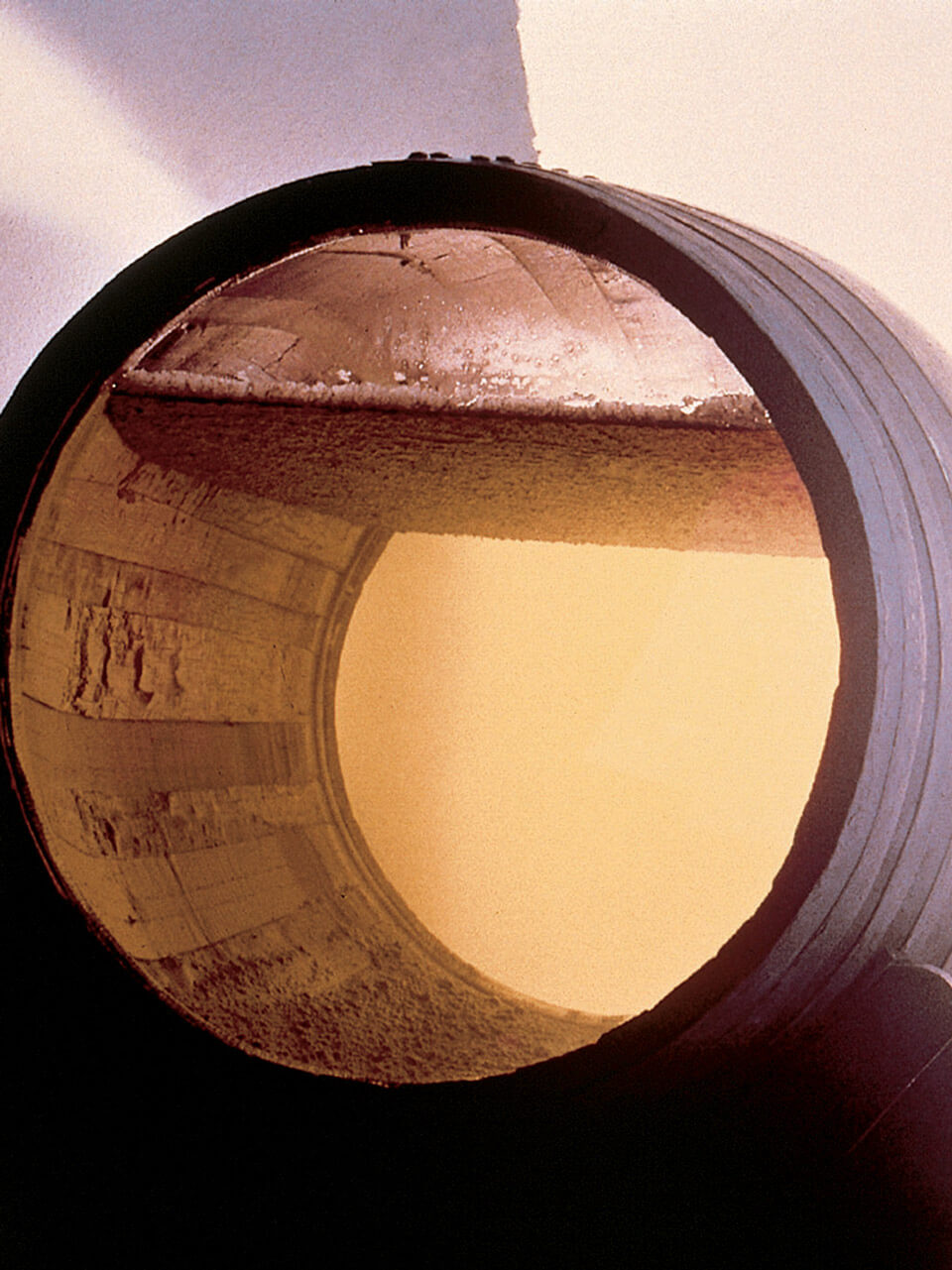
The Jura is famous for its cheeses (especially the crumbly, nutty and sharp Comté), for being the source of the geological adjective ‘Jurassic’ – and, thanks to the work of natural wine proselytisers, for its distinctive wines. It’s also one of the few parts of France where savagnin is still grown in quantity, and one of the few parts of the world where the older, non-aromatic clones predominate over the aromatic gewürztraminer variant. Here savagnin is made into a variety of wine styles – some made much like traditional chardonnays, with barrel ageing and potentially some lees contact. More interestingly, though, savagnin is also turned into a wine known as vin jaune – literally ‘yellow wine’ – which ages sous voile, ‘under veil’, of flor yeast. These wines develop nutty characteristics from complicated biological processes in the yeast itself from and partial oxygen exposure (depending on the thickness of the veil). And just as Australian wine producers were despairing over how to sell wines labelled with the confusing term ‘savagnin’, the pioneers of the natural wine movement, alongside specialist natural wine importers such as Living Wines and Ryan Larkin, were building an audience for the many-faceted savagnin-based wines of the Jura here in Australia.

Rollo Crittenden had the good luck of working with assistant winemaker Matt Campbell, who had previously had vintage experience in the Jura. Campbell set aside a single barrel of the 2011 ‘Tributo a Galicia’ to age sous voile. “This was the first foray for us into that process,” Crittenden says. “We’ve since become really invested in it, and have become quite intrigued by the flor ageing of savagnin and the amazing effects it can have.” After realising that he was on what he calls a “hiding to nothing” with trying to shoehorn their fresh, crisp savagnin into the ‘Los Hermanos’ range – and with a detour via another favourite technique of the natural wine set, skin contact – Crittenden went all-in on Jura tradition, extending the period of sous voile ageing to layer in complexity.

Opposite and above: wine ageing in barrel under a layer of flor.

‘Cri de Coeur’ is now the only savagnin-based table wine that his estate makes (they also make a fortified wine based on the traditional macvins of the Jura). While it’s not a cheap bottle to purchase, Crittenden emphasises that “it’s not the most profitable – it’s borderline. We lose money on it by the time you have the evaporation, and we lose the odd barrel. You’re dancing with the devil when it comes volatile acidity, Brettanomyces, excessive oxidation, all those sorts of things.” While annual production is about 1,100 bottles, it is a wine that consistently gathers positive press and has a loyal following – an icon of Australia’s small-scale savagnin renaissance.


Australian savagnin comes of age

In a retrospective on the savagnin/albariño debacle five years after the fact, Australian wine authority Max Allen wrote that “when we all (makers and commentators) thought [savagnin] was albariño, the wines were better. It’s as if, when they discovered it wasn’t albariño, makers lost their confidence in the fruit and made safe but non-committal, bland wines. Either that or we were all suffering from mass delusion …”

That was ten years ago – and in the intervening decade the Australian savagnin landscape has changed dramatically. “It was an awful thing to go through,” Tassie says of the identity crisis. “Really, though, it’s better to have discovered it then than when more people would have planted [savagnin].” In response, many of the growers who had savagnin in the ground have removed it. “They just could not move it,” Tassie says of these growers’ savagnin-based wines. “It was a real loss to them.” She views the reduction of Australia’s savagnin vineyard area as a “double-edged sword” as the producers who have kept it have had to focus their energies on mastering the variety. “If we’re making good savagnin wines – great. A great outcome.”


“I don’t think that Hardy’s are going to put out flor-aged savagnin any time soon. It’s not gonna be that big commercial offering.”

For Crittenden, the small amount of ‘Cri de Coeur’ he makes annually is “enough”. “We sell out every year, and it’s become a very sought-after wine – and that’s fantastic,” he says, “but I don’t think that Hardy’s are going to put out flor-aged savagnin any time soon. It’s not gonna be that big commercial offering.” He looks at the diversity of Australia’s savagnin landscape – a mixture of fresh, vibrant stainless-steel styles, more traditional European-inspired barrel-aged styles, and a small but sought-after range of sous voile savagnins. “I think there’s huge scope for it,” he says. “And I do think we have a little leg-up in Australia by virtue of this identity crisis with albariño – we do have some plantings. I can’t imagine anyone would have been going out of their way to plant savagnin back in the day.” He concludes: “It’s given us a little head-start, and I think we should be running with it. I think the future is very bright – albeit on a very small scale.”

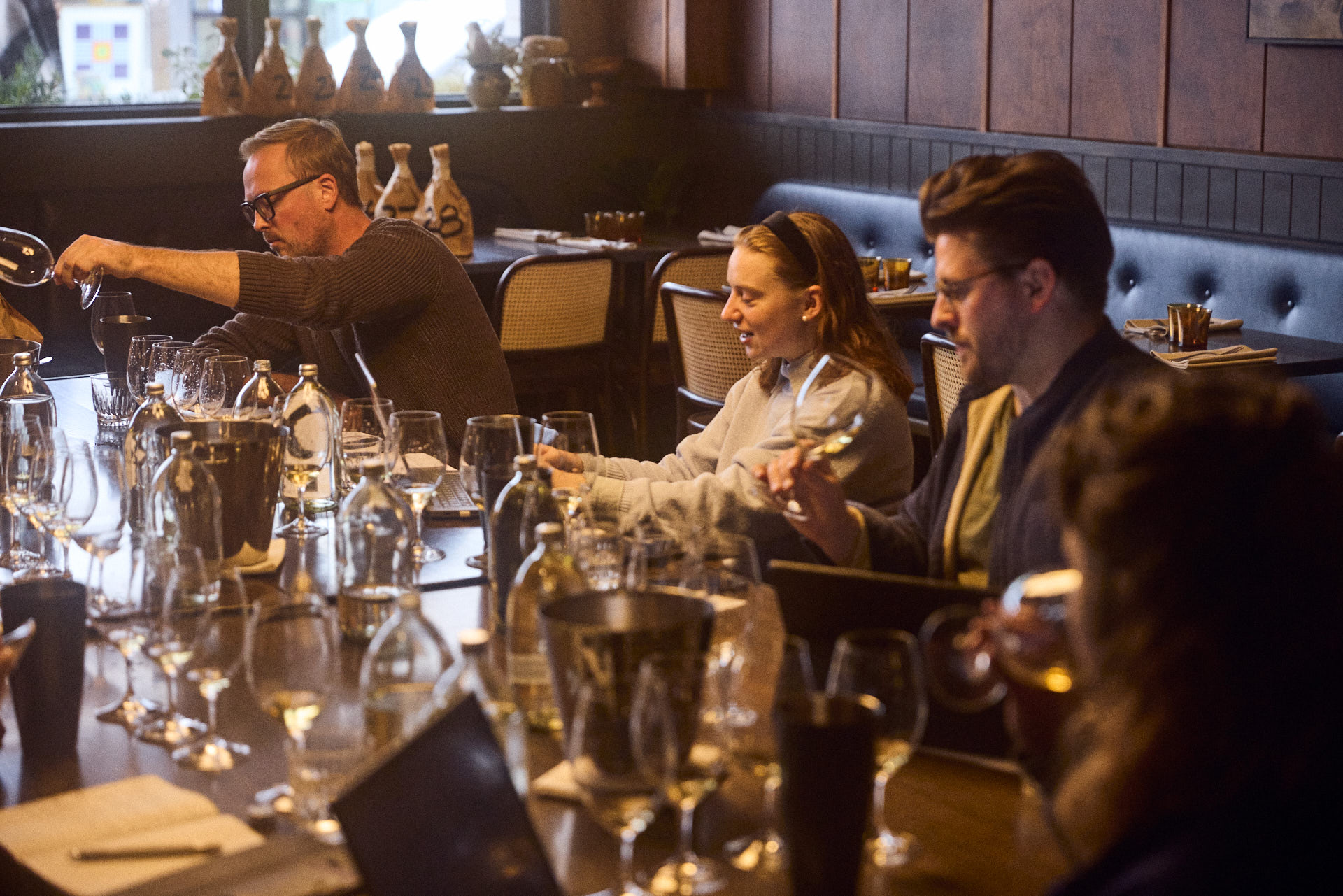
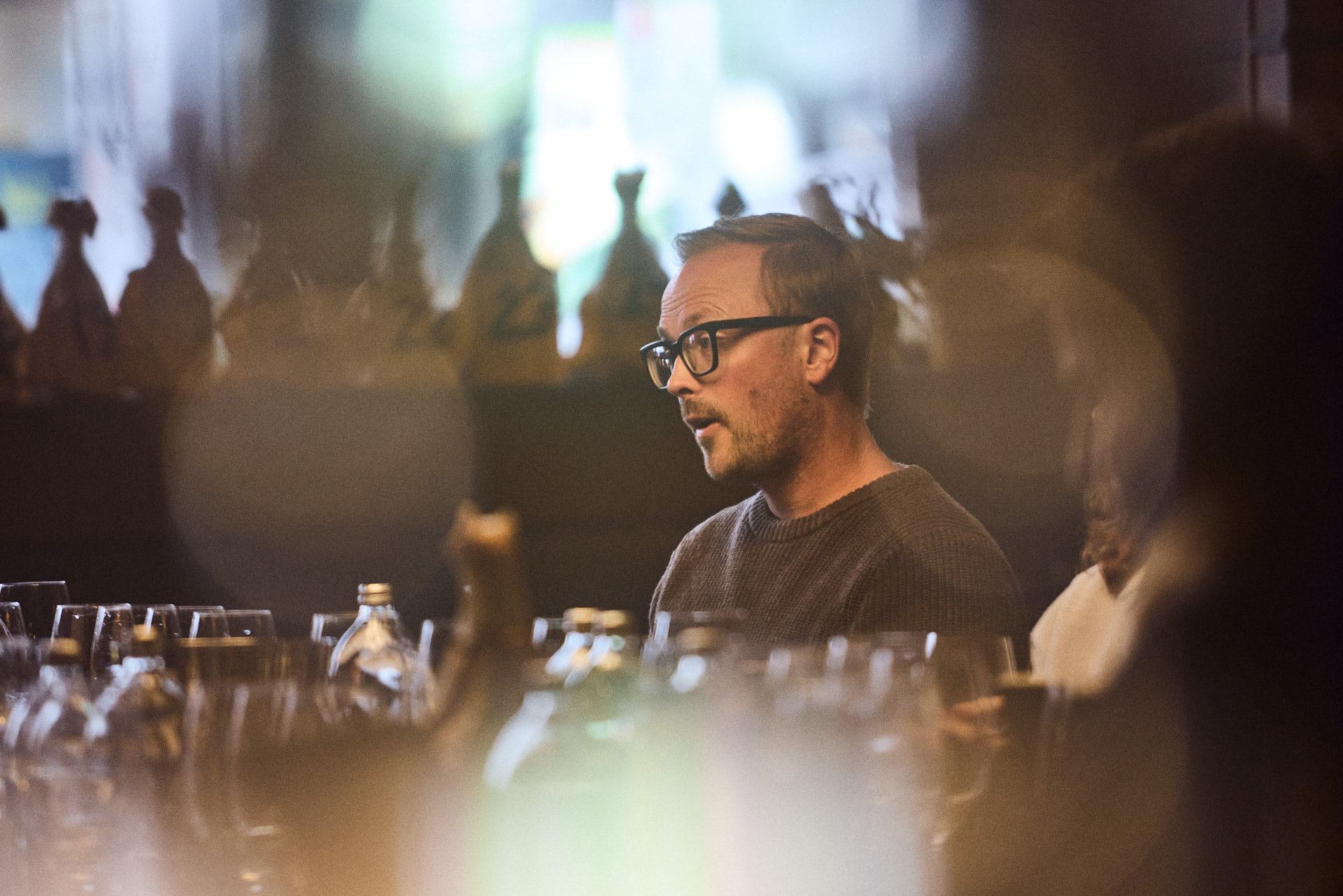
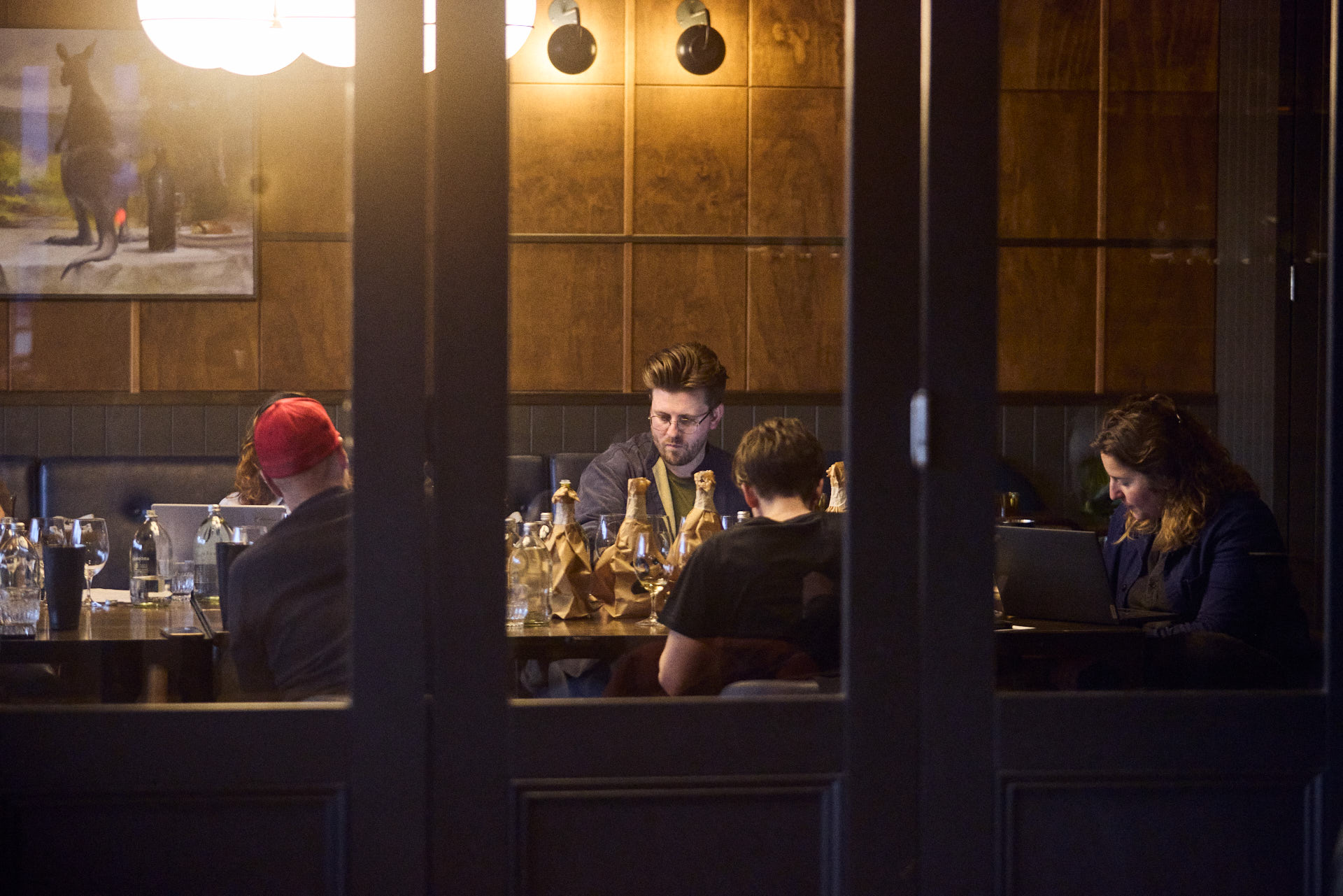
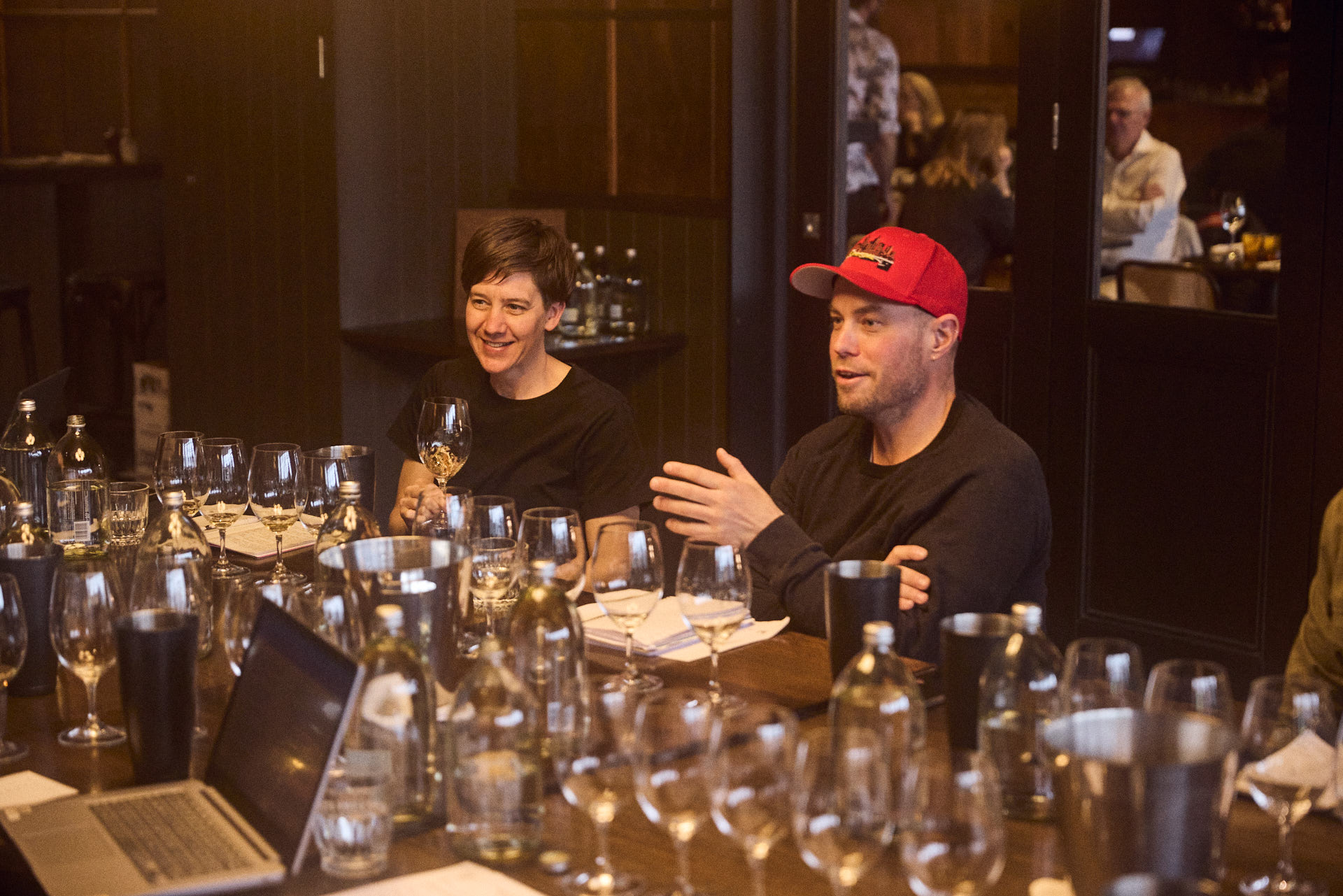
Above: Our Deep Dive panellists gathered at the Mount Erica Hotel, Prahran (Melbourne).

Outtakes from the tasting

We gathered every Australian savagnin we could find (excluding gewürztraminer-based wines) and set our expert panel the task of finding the wines that compelled the most. All wines were tasted blind, and each panellist named their top six wines. Below are the wines that made the panellists’ top-six selections from the tasting.

Our panel: Ryan Ponsford, winemaker and vigneron, Entropy; Hélène Laffitte, sales representative, Imbibo; Matt Froude, winemaker, Municipal; Angela Strickland, owner, Independent Wine Store; James Cooper, wine buyer, Mount Erica Hotel; Clementine Bird, writer, Wine With Clementine; Micah Hewitt, winemaker, Defialy.

Bird commenced the discussion by noting the strength of this relatively small category of Australian wine. “I was super impressed,” she said. “I’d very happily drink any of these.” Froude added that even the wines that stood out from the rest of the lineup in terms of relative quality were “not even bad wines, just completely different.” Froude emphasised the diversity of the lineup. “There was plenty of tank fermentation there. There was equally barrel fermentation – plenty of that barrel-fermented sulphite character in some of the wines, in addition to some minerality.”

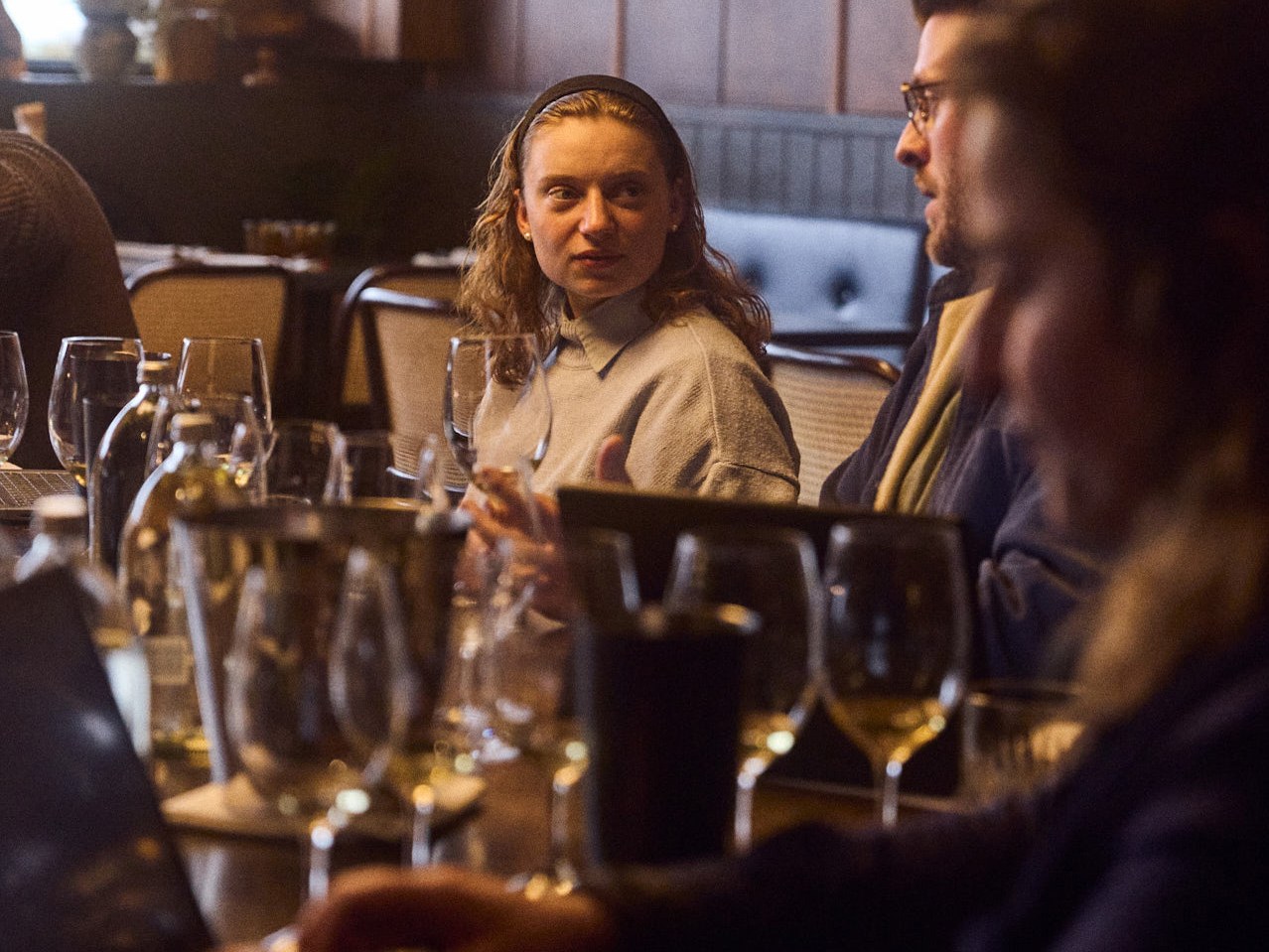
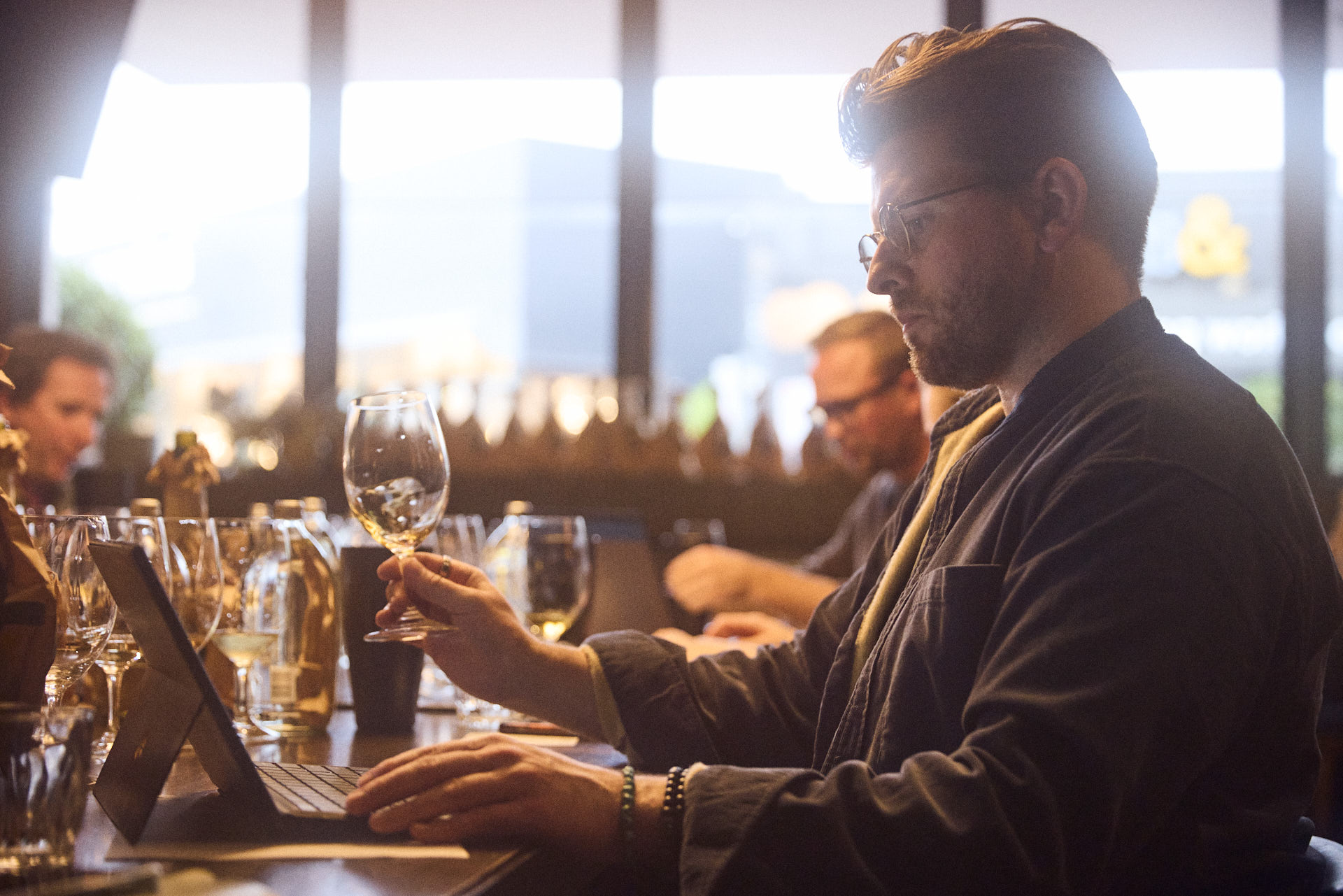
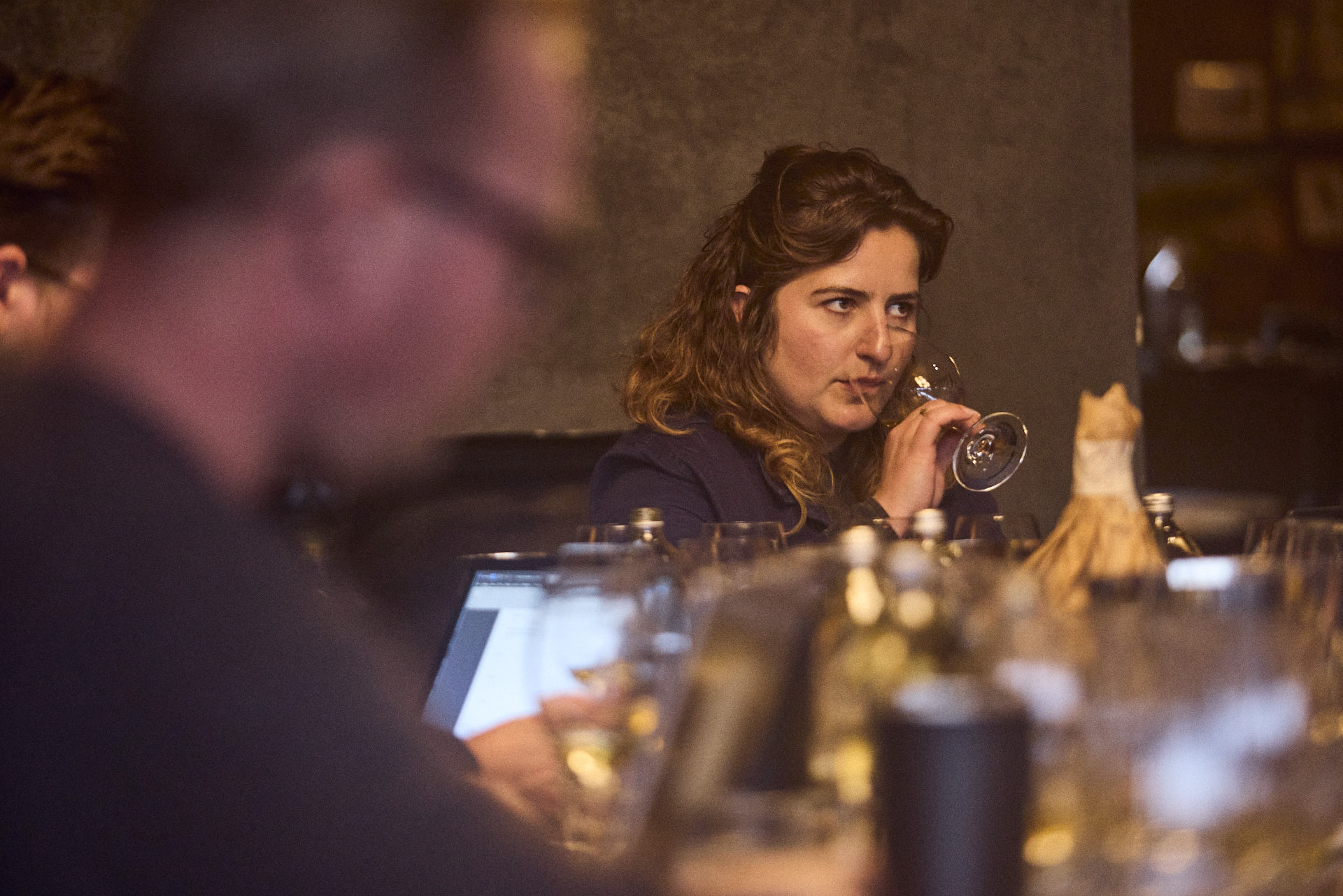
Above: James Cooper. Opposite: Clementine Bird.

For Cooper, one of the surprises of the panel tasting was how certain wines made very explicit the connection between savagnin and its aromatic variant, gewürztraminer. “You saw that kind of peachy, slightly floral character, with lots of aromatics and richness, a fleshy kind of thickness on the palate,” he said. “That was quite curious.”

Ponsford, who both grows savagnin and makes wine from it, added that the line between the non-aromatic and aromatic clones of the original variety might not be as rigid as many wine professionals would like to think. “When you ferment savagnin, you can see all of those traminer characters in the ferment – every single time, even if they don’t stay in there,” he said. “My savagnins always go through malo [i.e. malolactic conversion], but pre-malo you often see all of those gewürz-y things going on. Post-malo, obviusly, that characteristic changes completely.”

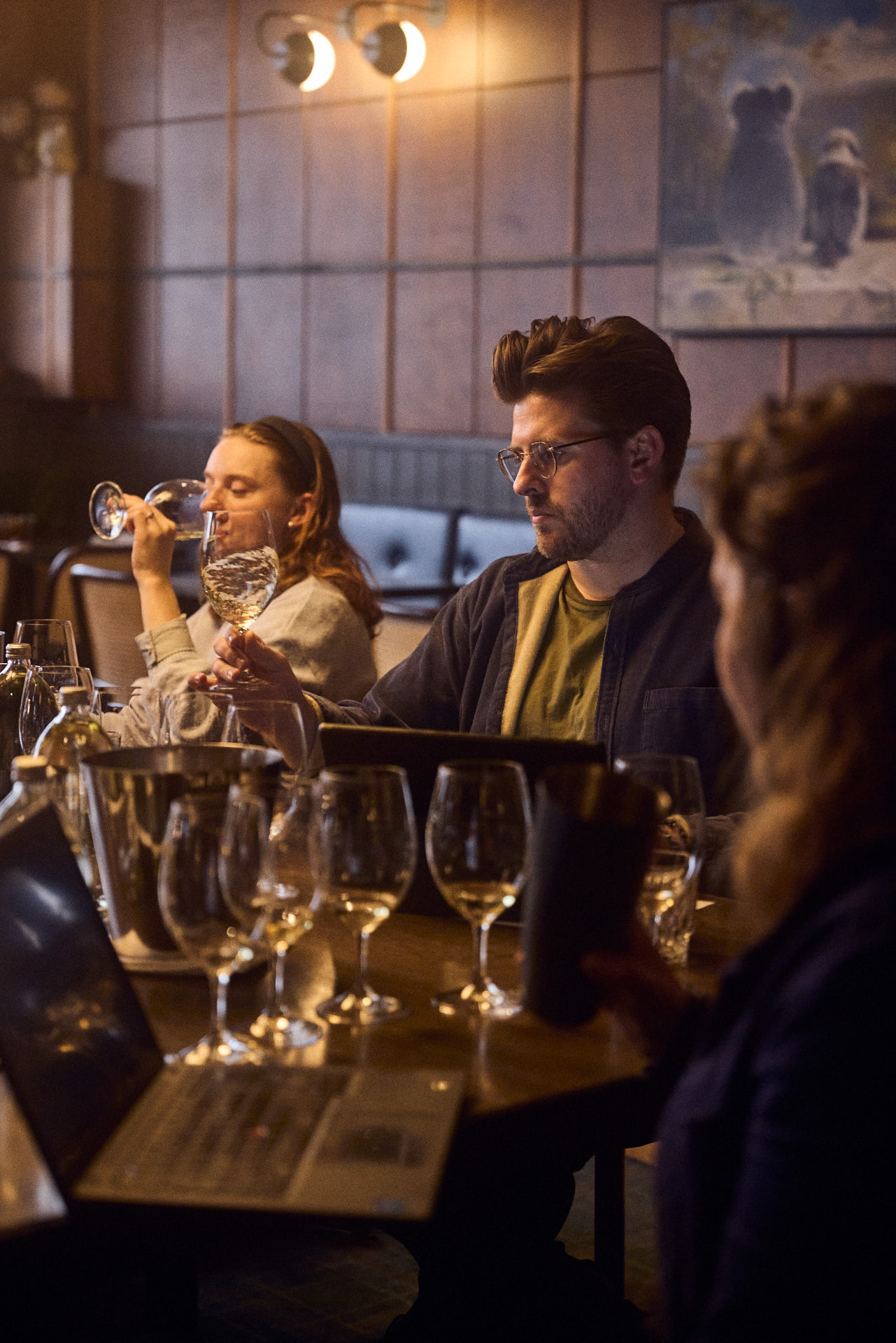
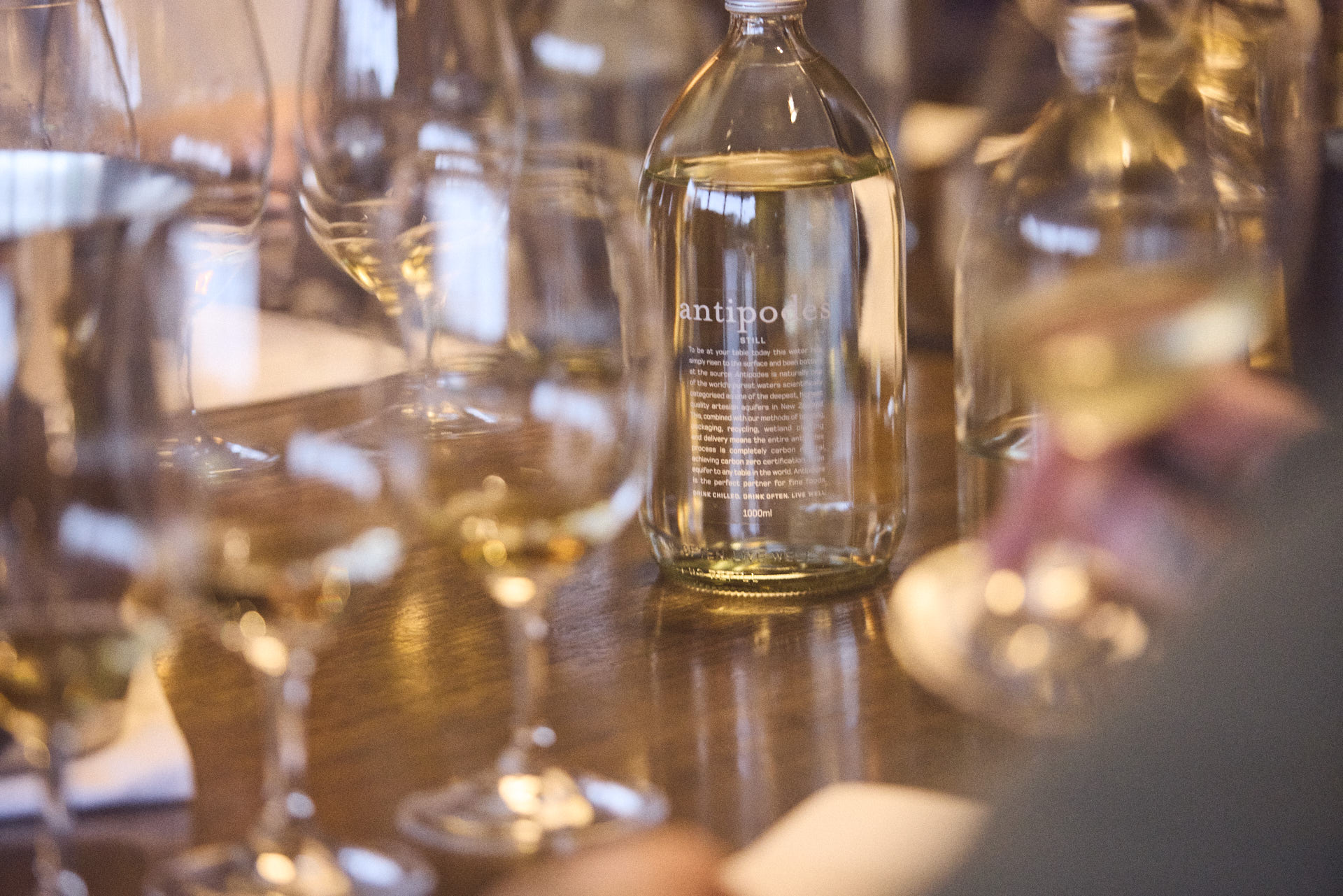
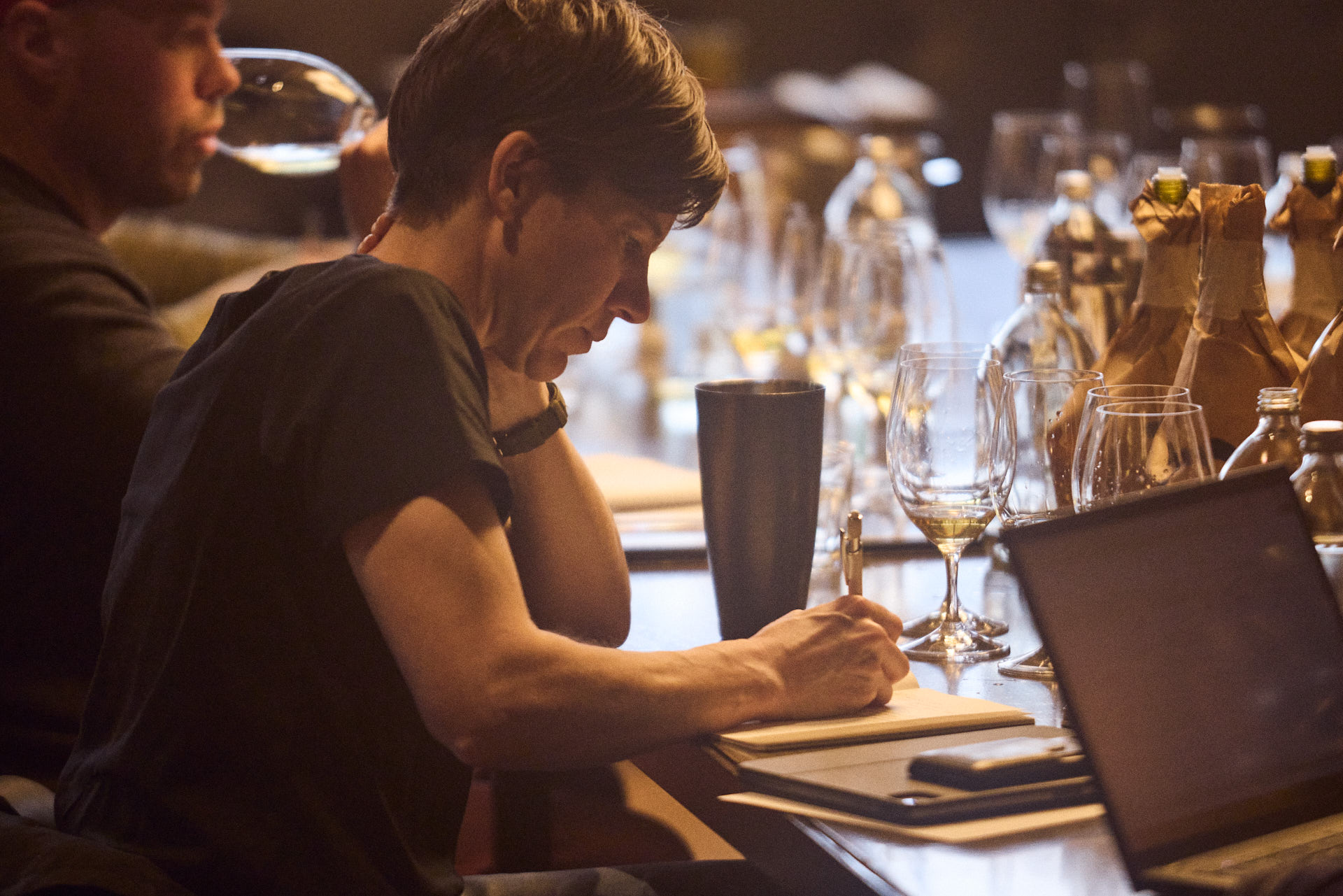
Above: Ryan Ponsford. Opposite: The panel tasting. All wines tasted ‘blind’, with palates cleansed thanks to Antipodes.

The number of lighter, fresher and more aromatic examples of the variety meant that, for Ponsford, “most of them didn’t look like Jura savagnin – which I think is a good thing.” Froude concurred: “Very Australian,” he said of the line-up in general. Hewitt added that many were “made more like chardonnay.” Bird agreed: “‘Savagnin for chardonnay drinkers’ is a note I wrote a multiple times,” she said, “but in a good way, because it didn’t taste like chardonnay. You could see that the fruit was a little more opulent, there was a little bit more involvement in the winery.”

“‘Savagnin for chardonnay drinkers’ is a note I wrote a multiple times – but in a good way, because it didn’t taste like chardonnay.”

For Laffitte, who cut her teeth as a wine taster on Jura wines, one of the salient differences between the Australian examples and savagnin from the Jura was a textural one. “There’s definitely a creaminess to a lot of these wines,” she said, “that shows the sunshine exposure that we get here, and the heat. They look quite similar to the Beaujolais Blanc style of chardonnay.” Reflecting on the mix of fresh and light examples and the more overtly Jurassic-styled wines, she said “The diversity was quite cool.”

Above: Hélène Laffitte. Opposite: The panel tasting. All wines tasted ‘blind’, with palates cleansed thanks to Antipodes.

Ponsford, who purchased an existing plot of savagnin, drew a parallel between the terroir of the Jura and his own home base in Gippsland. “It was planted by accident, of course,” he said. “But West Gippsland is rolling green hills, old dairy country – and the Jura is rolling green hills, old dairy country. It’s great that this accidentally happened – it’s a great match.”

“West Gippsland is rolling green hills, old dairy country – and the Jura is rolling green hills, old dairy country. It’s great that this accidentally happened.”

Froude added: “It seems to me that the vineyards that did survive the post-albariño period were cool-climate, which obviously suits savagnin, given how high the alcohols can get. You need a long growing season.” As someone who makes a sous-voile savagnin, he said he was “surprised not to see more of the flor kind of ageing.”

Above: Angela Strickland and Matt Froude.

This kicked off a discussion about the rewards and risks of ageing under the veil, with Froude noting that “the flor we have in Australia is a kind of sherry flor. We don’t have the ability to access that Jura-style flor, which is slightly different.” For this reason he prefers to use naturally developing, spontaneous veils whenever possible, rather than inoculating with commercially-available yeasts. “The ones that grow naturally where I am are just barely a layer, just kind of a slick on top of the wine.”

”I think it’s just getting stronger – it’s an exciting variety to drink in Australia right now.”

The idiosyncratic nature of flor-aged savagnin opened up a discussion about the difficulties of selling savagnin-based wines to the general wine-consuming public. Strickland saw the lighter, fresher styles as a great gateway into the variety in Australia. “There’s some really lovely ones that would be quite easy to sell to customers,” she said. “They’re super food-friendly, super-enjoyable wines.” She added: “It’s really lovely to see what Australia’s doing with the variety … after seeing the line-up today, I think it’s just going to get easier for us to expose this variety to customers. I think it’s just getting stronger – it’s an exciting variety to drink in Australia right now.”

Opposite: Strickland. Above: All wines tasted ‘blind’, with palates cleansed thanks to Antipodes.

The panel

Ryan Ponsford’s Entropy label is the result of him being diverted from a successful artistic career to making wine in Gippsland’s Baw Baw Shire. With a focus on organic growing and minimal-intervention winemaking, learnt working alongside Bill Downie, Ponsford has resurrected a derelict vineyard and rejuvenated another in parlous health. He was the Young Gun of Wine Award winner in 2020.

Hélène Lafitte grew up in Marseille and moved to Australia in her teens to study agriculture, eventually specialising in wine. With hands-on experience in French wine regions including Languedoc, Chablis, and Jura, she developed a deep passion for biodynamic farming and telling its story through wine. After a decade in Melbourne’s wine scene – working in sales and purchasing for importers and restaurant groups – she now represents leading Australian wine distributor Imbibo. She spends her time celebrating the origins, land, and labour behind every bottle of wine.

Matt Froude is so passionate about wine and sake it’s hard to imagine him doing anything else. However, he has had multiple vocations from environmental engineer and tour guide to managing English schools in Asia – all of which have influenced his taste and winemaking philosophy. In 2009, after almost ten years of living in Asia, Matt returned to Australia to study winemaking and follow his passion for wine. Matt currently makes the Municipal wine range in the picturesque Strathbogie Ranges, and produces two Municipal sakes at Matsuse Sake Brewery in Shiga, Japan.

Angela Strickland has been working in the hospitality industry for 25 years, starting her career in Hobart before moving to Melbourne in 1999. With experiences gained at some of Melbourne’s most respected wine bars, Walter’s Wine Bar and Punch Lane, she later moved into retail during the heyday of Randall the Wine Merchant in Albert Park. Strickland opened here own store, Independent Wine Store, a decade ago in Rye, Mornington Peninsula. Recently she opened Banksia Wine Room in McCrae as a co-owner. She was a judge for the 19th annual Young Gun of Wine Awards.

James Cooper got his start at a neighbourhood Vintage Cellars, before making his bones at Cru Bar & Cellar in Brisbane, where he was on the buying team for four years. He moved to Melbourne, working stints at City Wine Shop before becoming Assistant Head Sommelier at Society under the mentorship of Yuki Hirose, MS. After some travel, he took on the opportunity from Mount Erica Hotel to become that venue’s wine buyer, and develop the wine program there into what he thinks might just redefine what a pub wine list can be.

Clementine Bird is a Melbourne-based wine professional, writer, and educator with a background in wine buying, sommelier roles, and content creation. A WSET Diploma candidate and Certified Sommelier, she currently works as a senior sommelier at Reine & La Rue and runs Wine with Clementine, a digital platform focused on accessible wine storytelling. With experience spanning Domaine Chandon to editorial roles, Bird combines deep industry knowledge with a flair for communication. Her writing explores everything from producer profiles to trade insights, and she remains actively involved in the wine community through projects like Women and Revolution and Rootlings.

Micah Hewitt is the mastermind behind the Defialy label – an acronym for “Don’t ever forget I’ll always love you”. When a winemaker is so acutely aware of how lucky they are to be in such a position, absolutely nothing is taken for granted. His is a story of hard work and perseverance – thankfully, it’s paying off. He describes his wines as handmade, no-tech, and minimal fuckery. The idea is to start with great fruit and let it take centre stage in an honest representation of time and place.

Bookmark this job

Please sign in or create account as candidate to bookmark this job

Save this search

Please sign in or create account to save this search

create resume

Create Resume

Please sign in or create account as candidate to create a resume