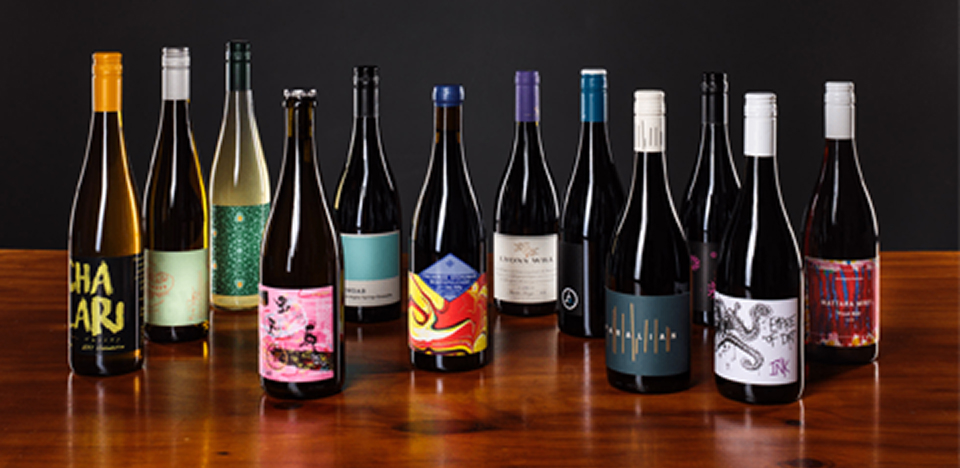
Coonawarra’s thin, cigar-shaped strip of red clay soil over limestone is one of Australia’s most hallowed vineyard areas – and one of its most singular. Nowhere else in the country does a wine region feel so completely, unrelentingly planted. Vines run straight up to the road’s edge; fences are a rarity, as if giving up even a metre of that famous terra rossa to anything other than cabernet would be sacrilege. Property lines blur into one another, one vineyard bleeding into the next with barely a gap to mark where ownership changes hands. It’s a density of purpose you don’t find anywhere else in Australian wine.
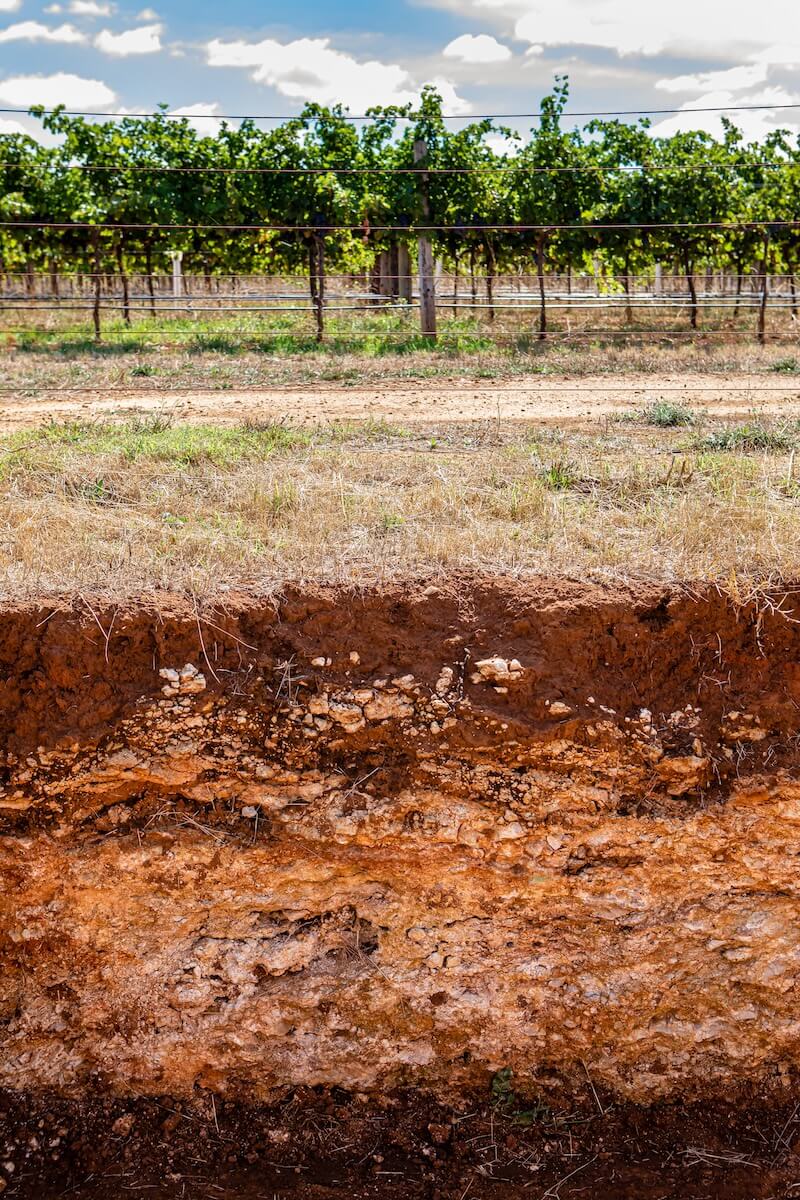
Perhaps because Coonawarra sits so far from any capital city, that intensity – the sheer preciousness of the ground itself – is lost on all but the most dedicated. For those willing to make the trip, a handful of vineyards have cut pits into the earth, laying bare the thin band of red soil sitting over stark white limestone: the whole story of the region, told in a single cross-section. It’s a sight worth the pilgrimage alone.
What started as a utopian dream of a self-sufficient farming community eventually generated some of Australia’s most iconic wines, built an international reputation for excellence, and created some messy legal dramas when the boundaries had to be drawn. Despite this storied history, the region’s cool climate lends itself to a unique style of medium-bodied cabernets that feels almost shockingly contemporary – fresh and elegant, driven more by acidity and red fruit than by heavy-handed oak or the power of ripeness and alcohol content. Is it time for the world to rediscover the joys of Coonawarra’s signature cabernets? We took a Deep Dive to find out …
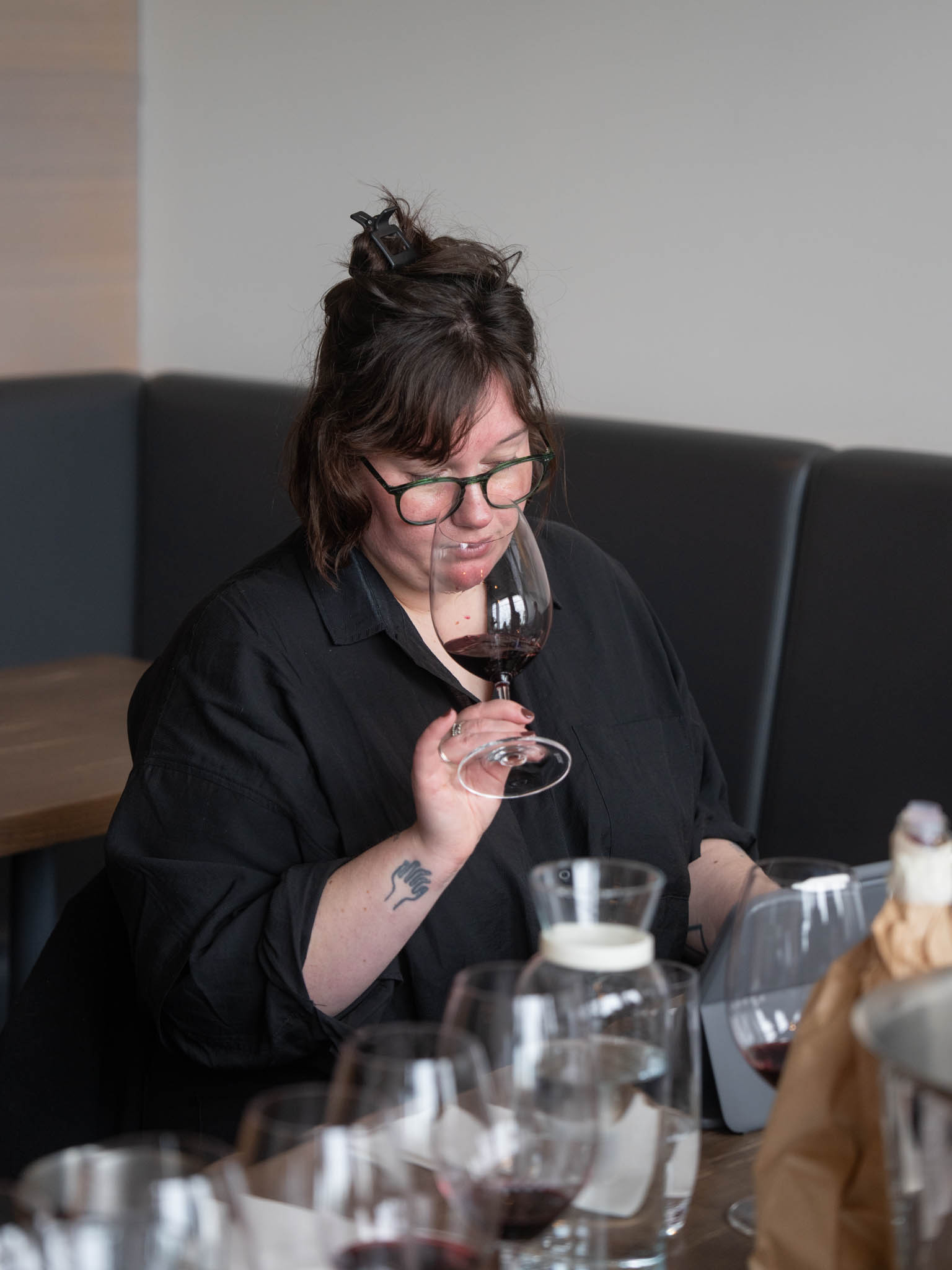
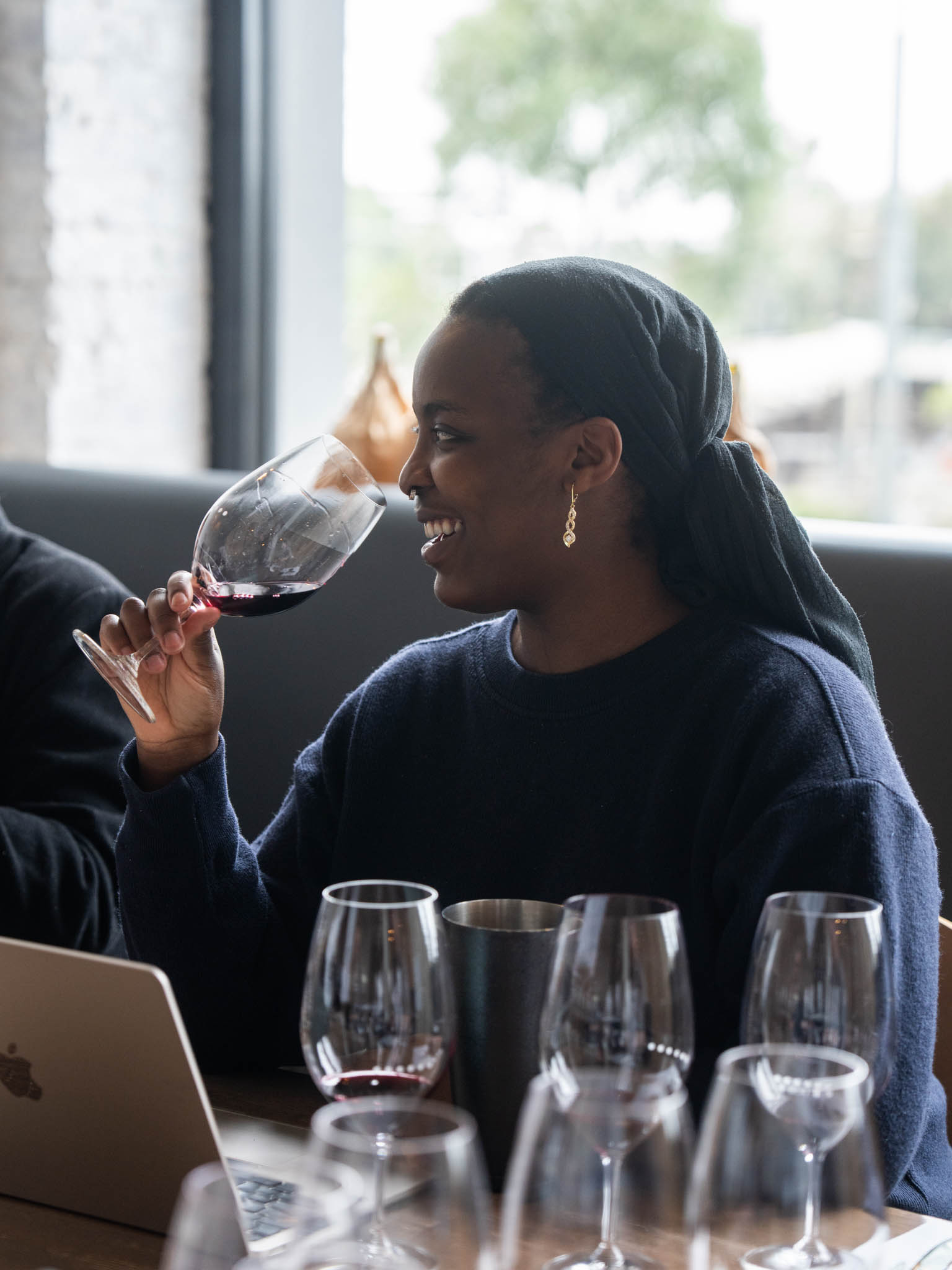
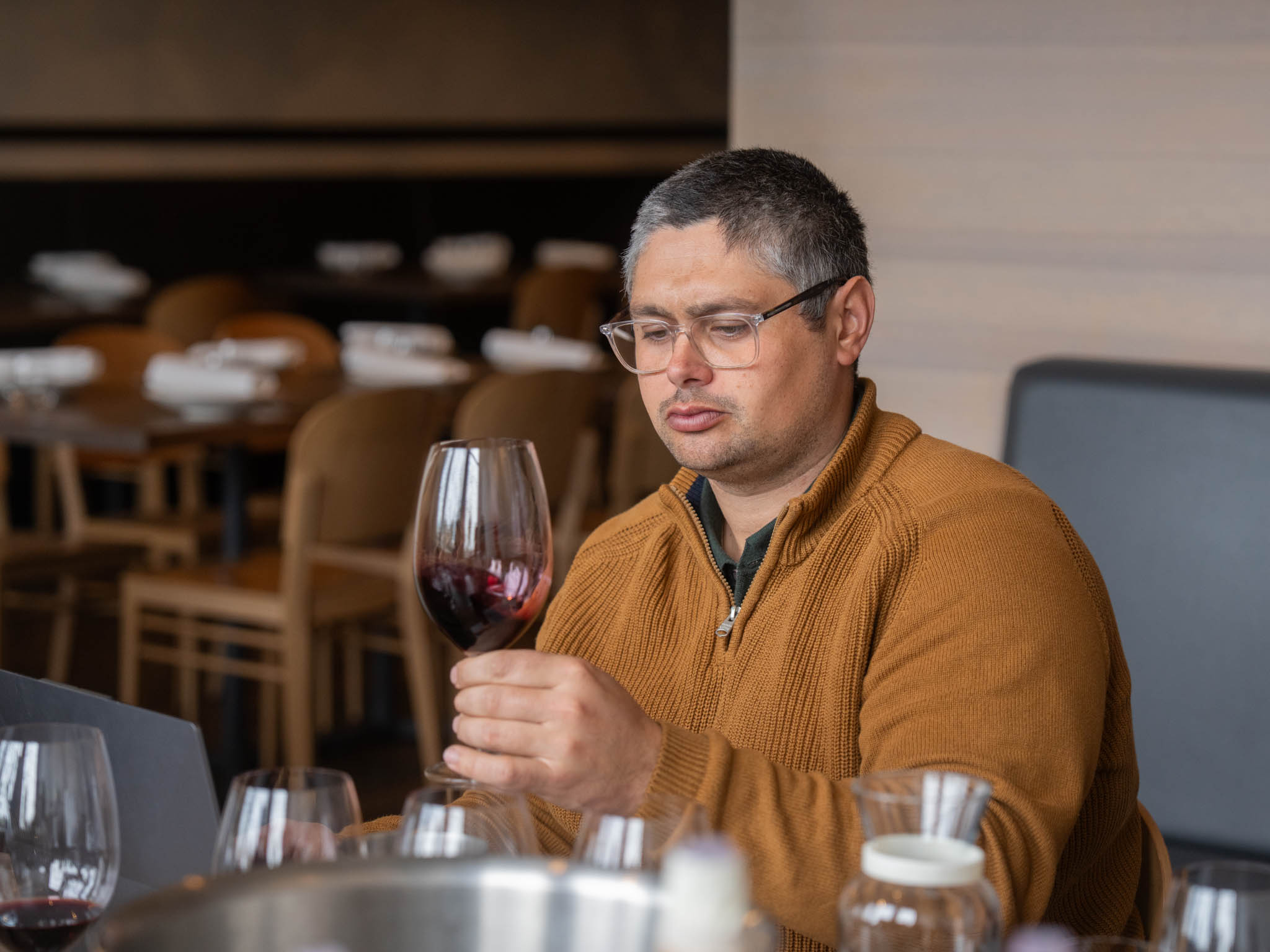
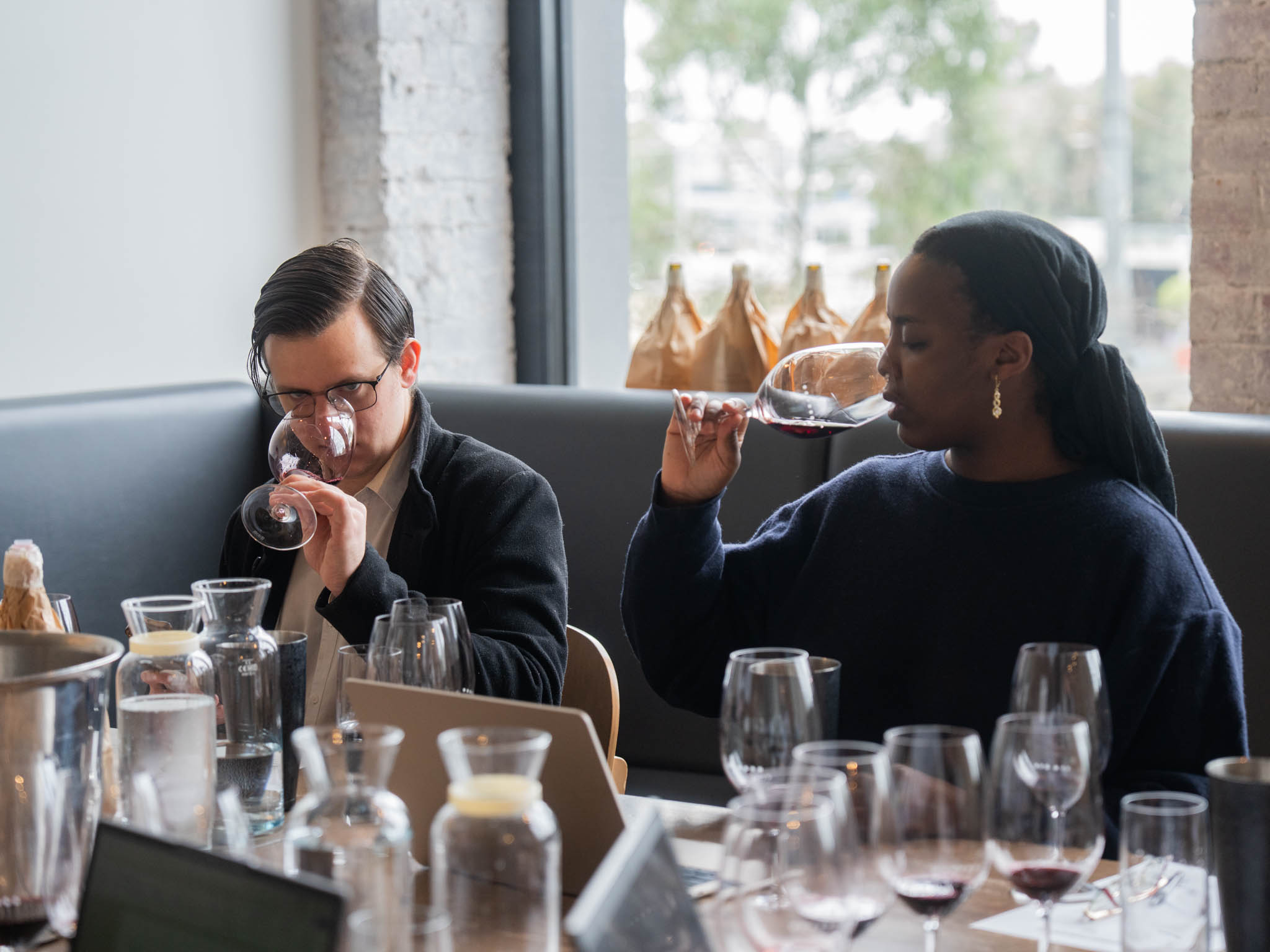
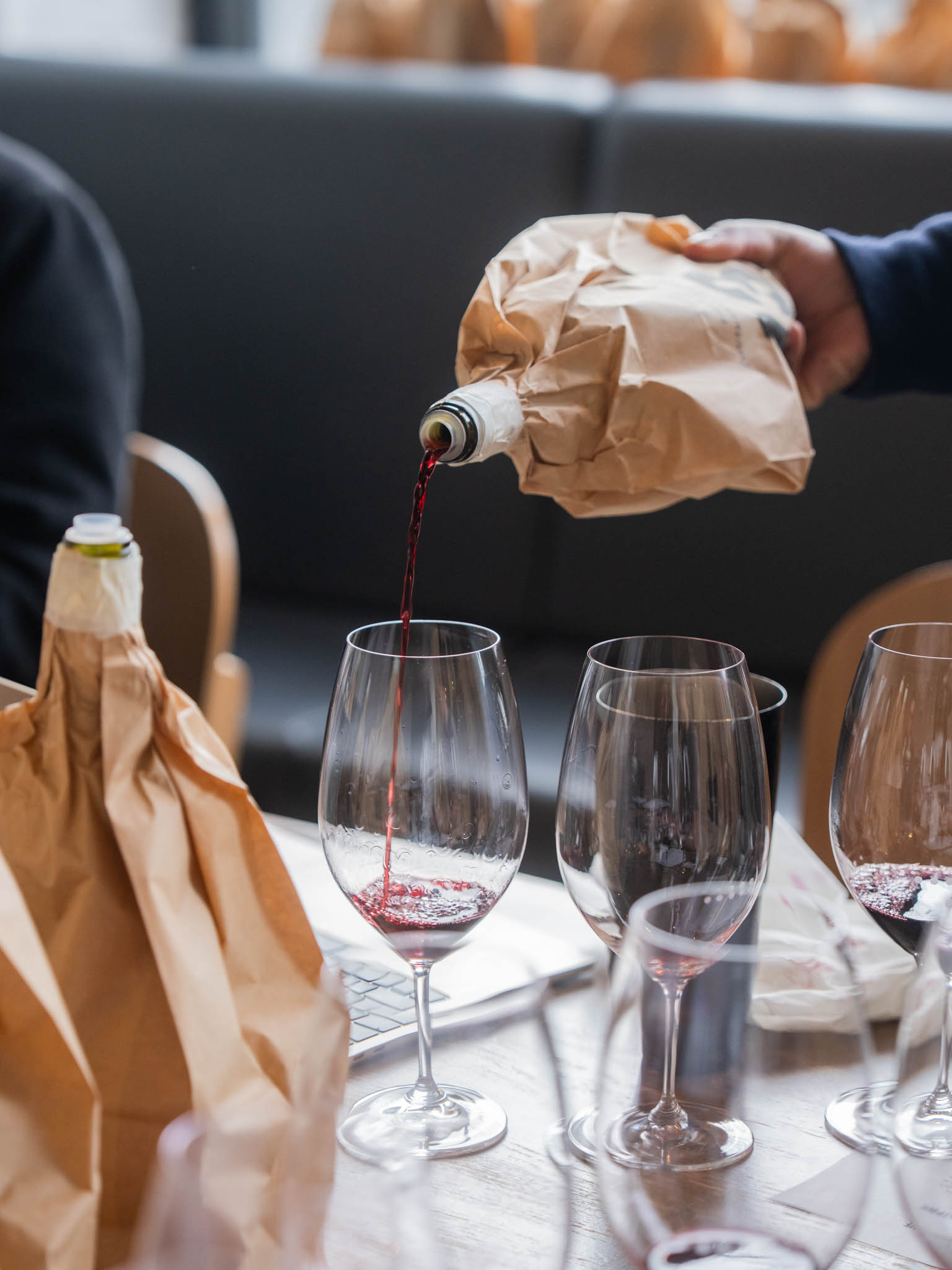
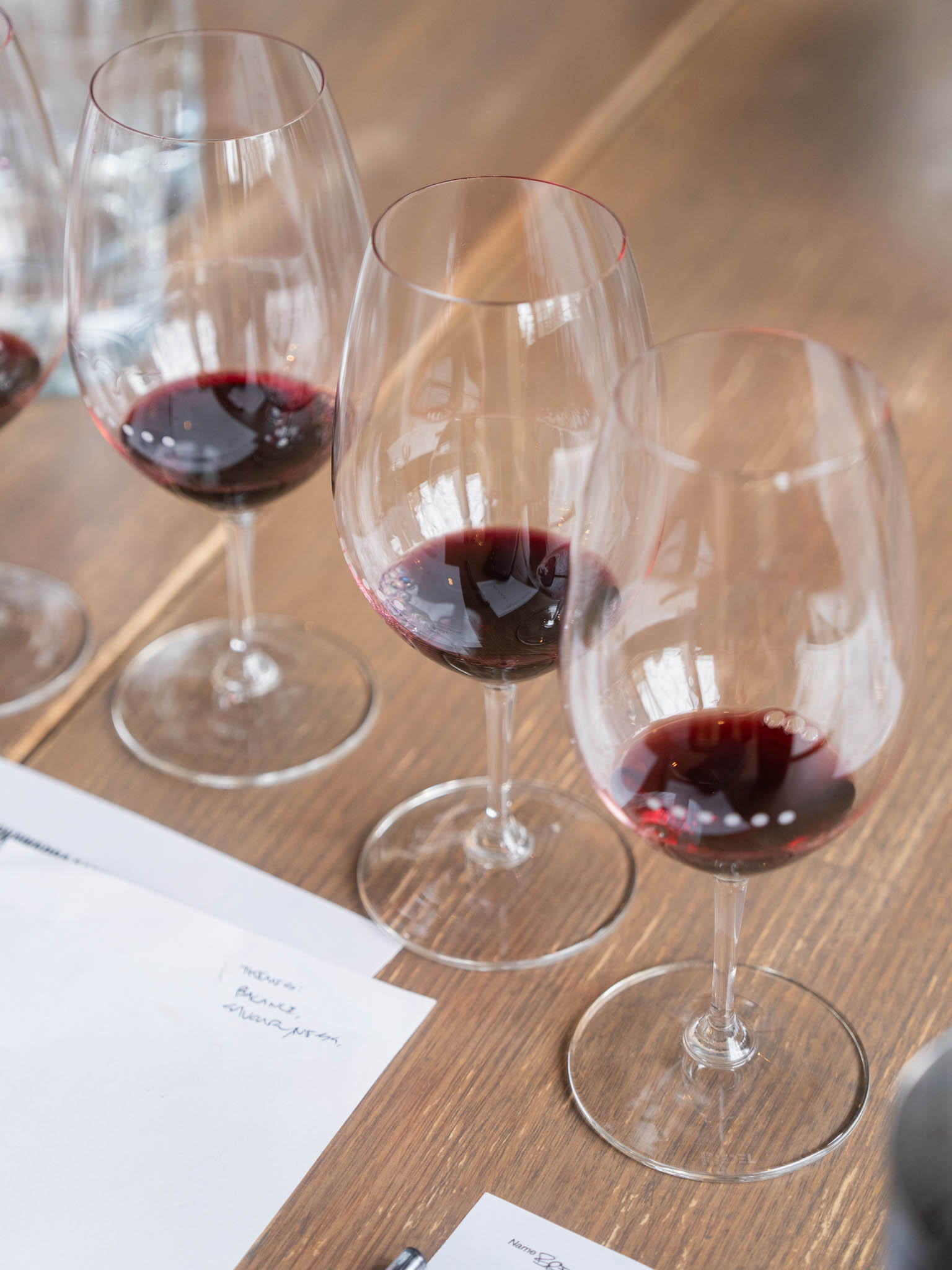
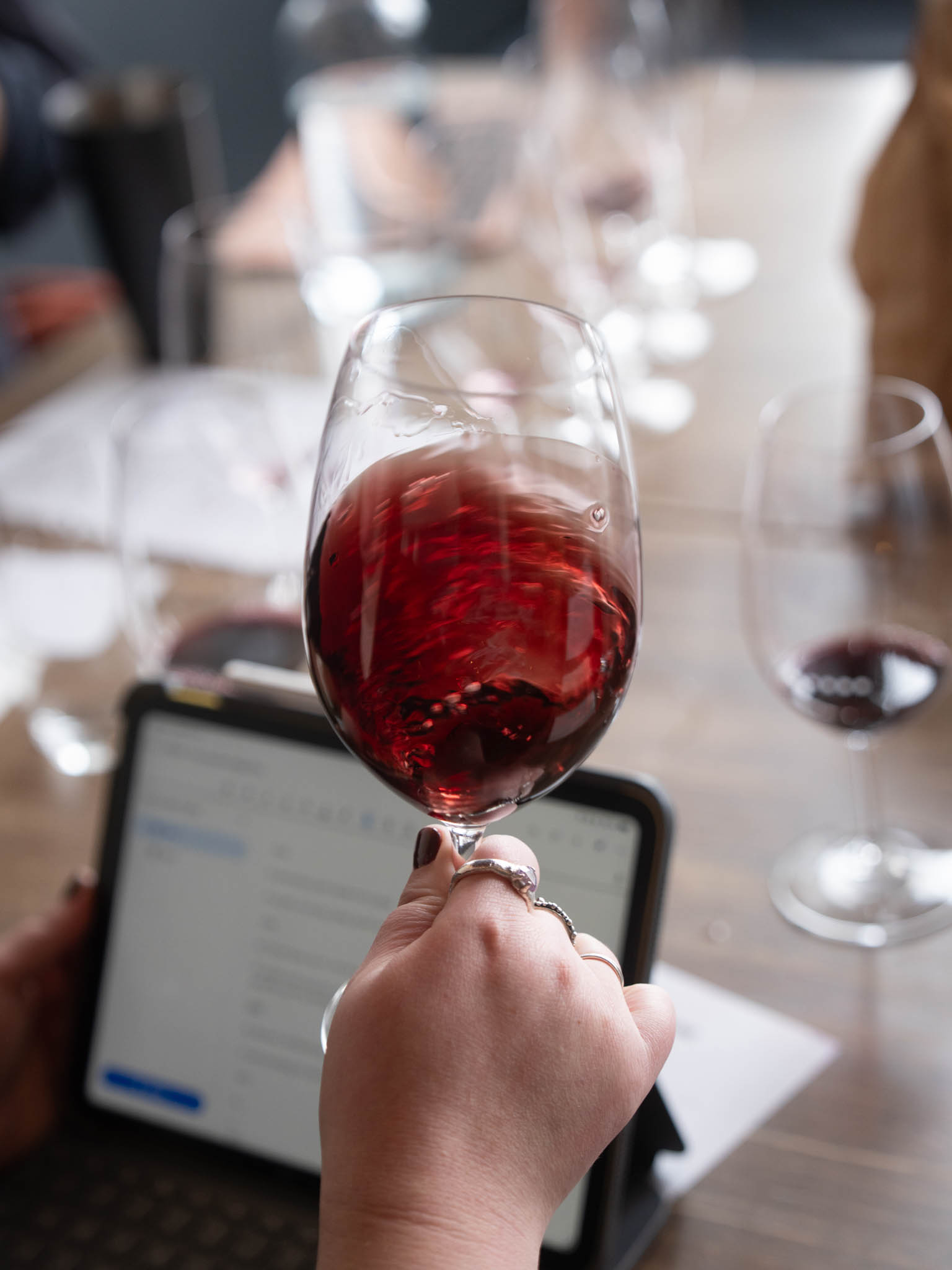
We gathered every example of cabernets from Coonawarra that we could find – that is, either varietally labelled cabernet sauvignon, varietally labelled cabernet franc, or blended wines made from the traditional suite of Bordelaise varieties – and set our expert panel the task of finding the wines that compelled the most. All wines were tasted blind, and each panellist named their top six wines. Below are the wines that made the panellists’ top-six selections from the tasting.
Our panel: Matilda Innes, winemaker, Taschini and Ottelia; Luke Broadbent, winemaker, Parker Estate; Sarah Robinson, sommelier, Cumulus Inc.; Sam Baxter, sommelier, Victor Churchill; Charlie Redmond, wine merchant, Seddon Wine Store; Brendan Cannon, sommelier, Carlton Wine Room.
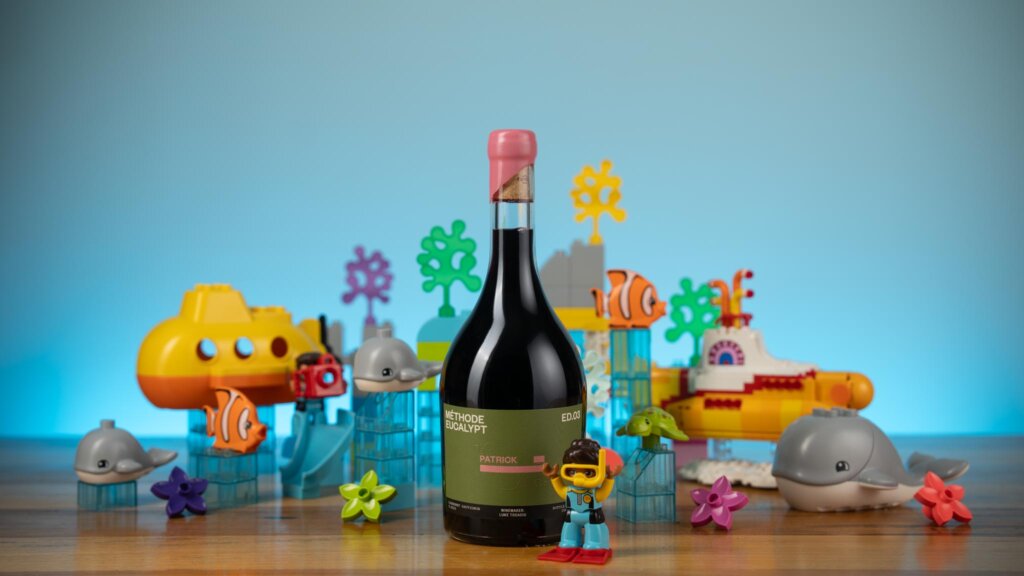
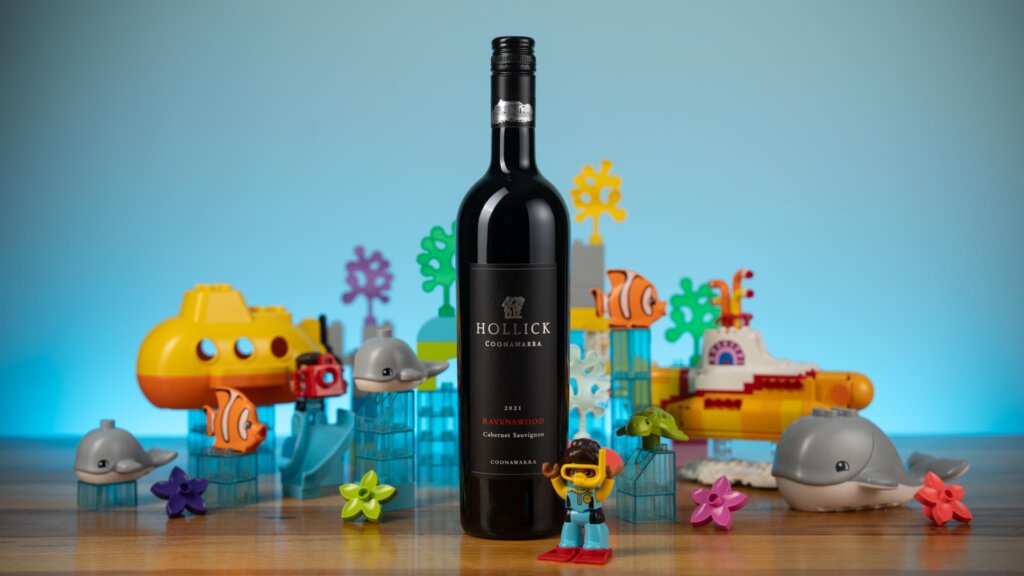
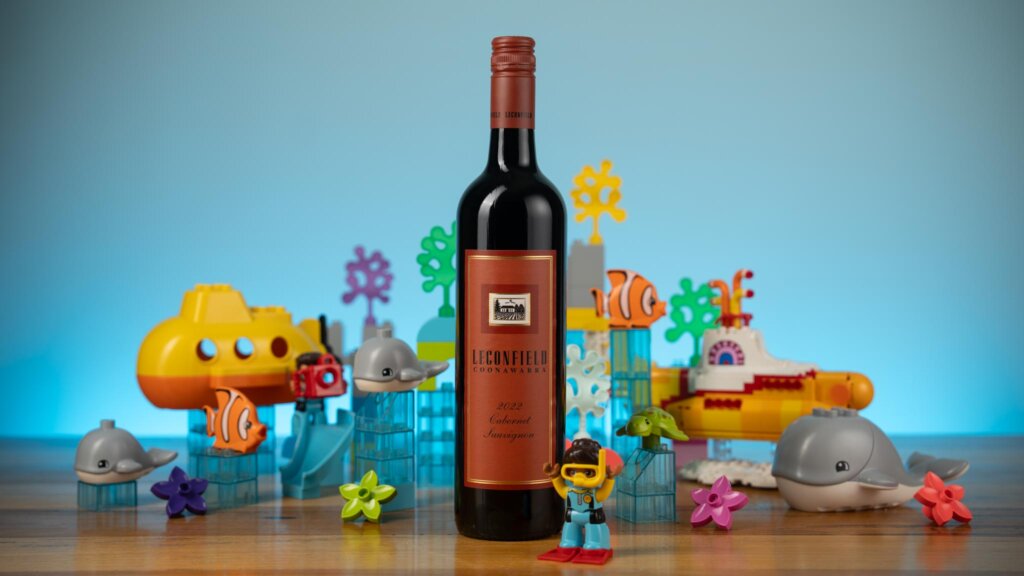
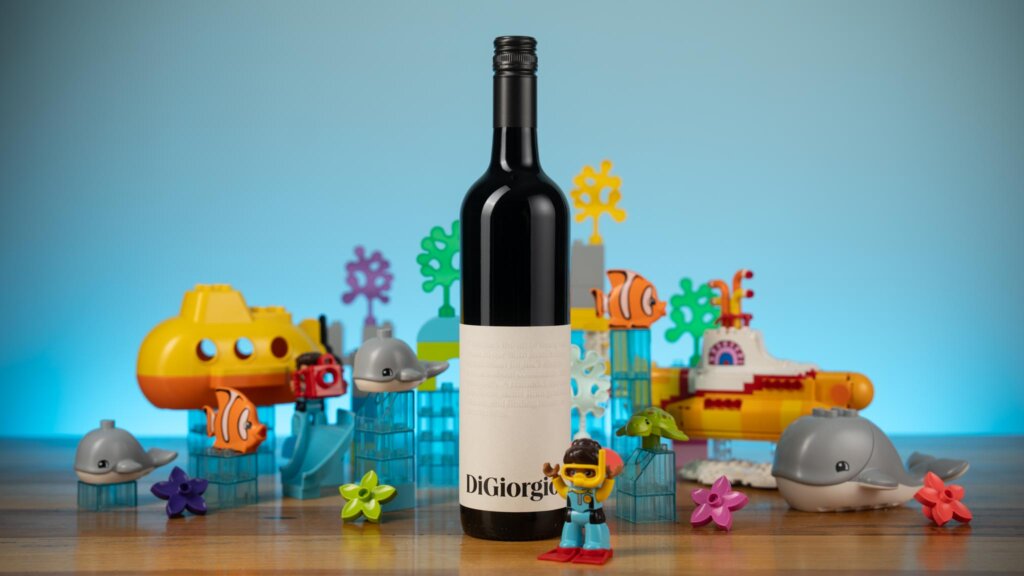
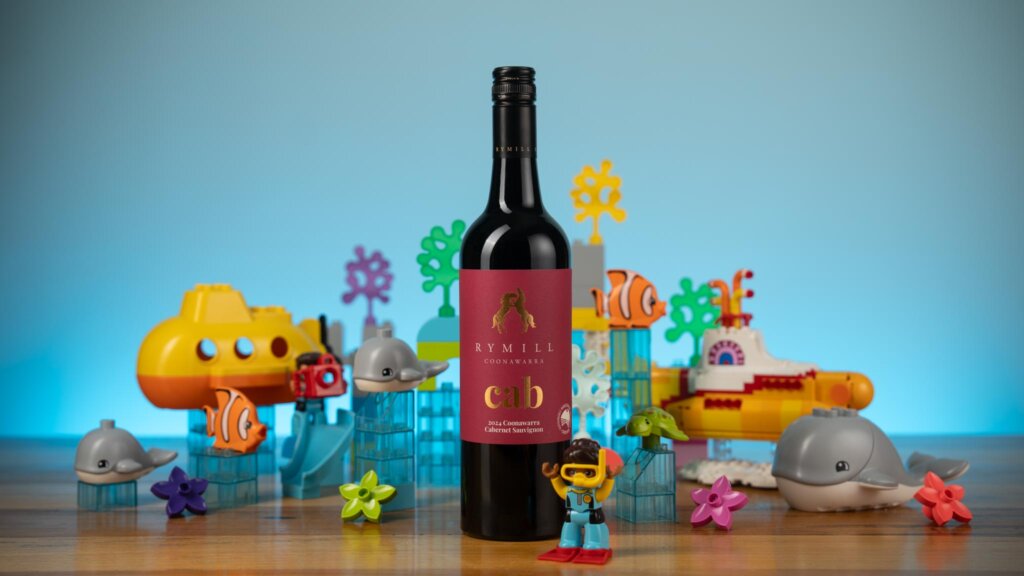
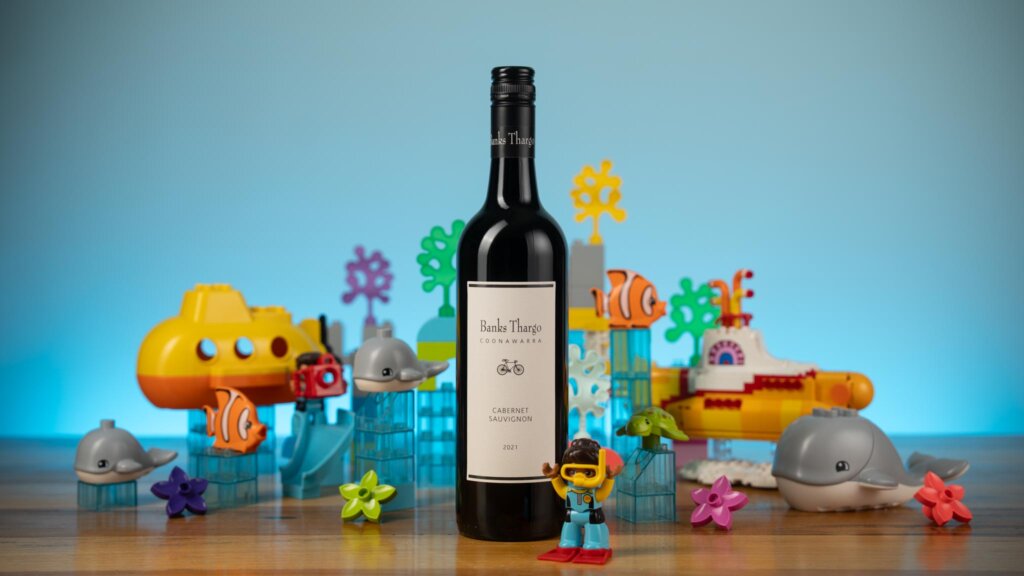
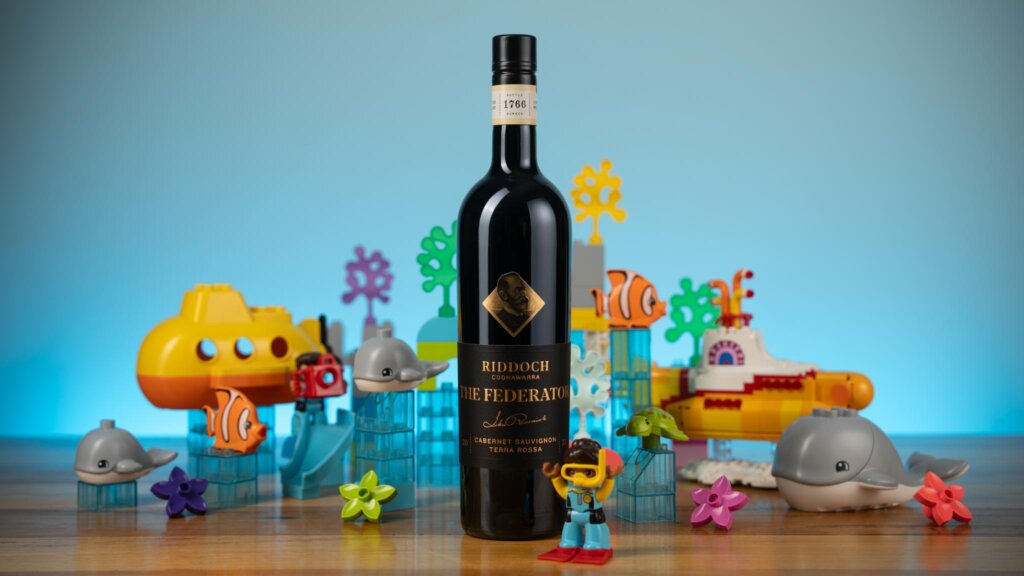
Robinson, Baxter, Redmond, and Cannon named this wine among their top six picks from the blind tasting. “Like taking a deep breath from a mountaintop – eucalyptus and spearmint set the tone for a fresh, botanical Cabernet,” Robinson opened. “Underneath the herbaceous edge, black plums and raspberry jam add sweetness against tart acidity.” Baxter called it “a reflection of terra rossaterroir – intensely concentrated blackcurrants and damson plums accompany gum trees and charcoal spice reminiscent of cocoa by campfire. A true-blue feeling! The palate is rich and dense with graphite structure. Great as an accompaniment to slow-roasted lamb.” Redmond described it as “complex and savoury – blackberries and blueberry pulp open with classic anise spices, then take an umami turn with tomato paste, celery seed and mint. Beautiful ethereal aromas, drying and broad tannins.” Cannon added: “A coppery rim. Nose of cassis, black pepper, fat marbling, pine and amaro. So detailed – mature and rustic characteristics shown in lovely clear relief.”
2021 Zema Estate ‘Cluny’ Cabernet/Merlot $24 RRP
Baxter and Cannon selected this wine – comprised of 71% cabernet sauvignon and 15% merlot alongside 7% malbec and 7% cabernet franc – among their standout six wines of the day. “If I were to showcase a true-blue Coonawarra cabernets, it would be this beauty,” Baxter declared. “A rich, dark ruby core explodes with plush blackcurrants, cassis, damson plums, violets and smoked Irish tobacco. The palate is everything great about Cabernet – extremely floral, densely blackcurrant-forward, surrounded by a peppery, charcoal-like tanninstructure maintaining precise balance. It finishes smoky, almost as if roasting brazil nuts or leather. Perfect for a hearty winter stew or lamb shoulder.” Cannon described it as “something that will hold up next to a grand rib eye under glossy bordelaise as well as it will next to a humble Reuben from your neighbourhood deli. Vibrant acidity drives this wine along, pushing an awesome current of wild strawberry, pickled lime, gremolata-like parsley and a punctuating note of iron down the palate.”
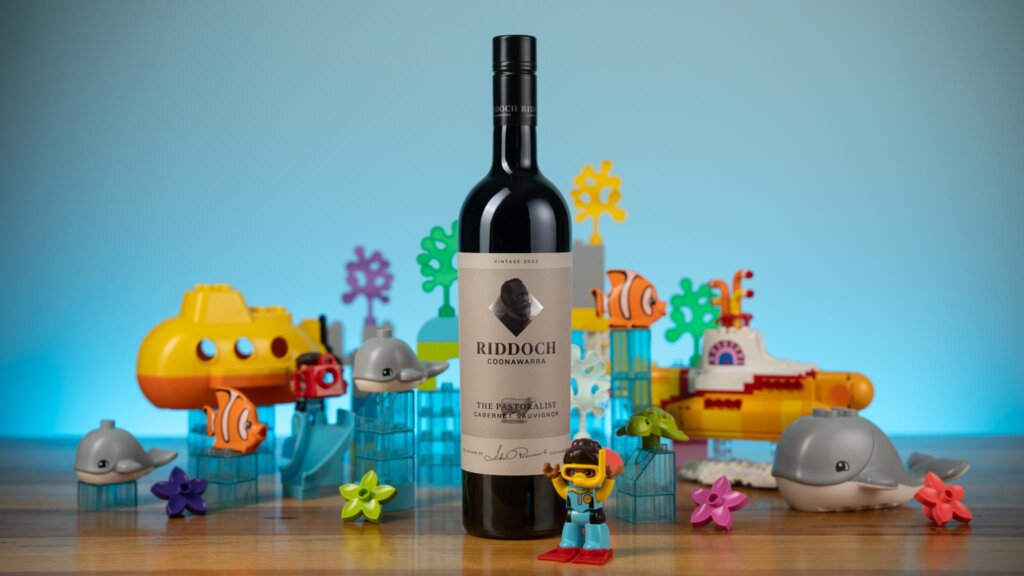
Redmond, Robinson, and Cannon picked this as part of their top six selections in the blind tasting. “Cabernets with time in bottle loosen those tight tannins and tense acidity into a relaxed, complete wine,” Redmond began. “Alongside leather, tobacco and gamey meatiness, there’s plenty of youthfulness – muddled strawberries, figs and wild forest berries. Sweet spices of nutmeg, cinnamon and anise sit with dusty gravel, smoke and root vegetables. This wine covers all bases – drink it now!” Robinson noted: “This wine has a glossy feel – rich and deeply textured. Black plum and baking spice on the palate, with almost Italianate tannins – dusty and filled with warm earth tones. Deeply autumnal – perfect on the deck with roast chicken and great company.” Cannon observed: “Grilled peppers, bouquet garni and confit garlic speak loudly without creating its full identity. Turkish delight, anise, underripe blackberry and plums layer in with savoury depth. A well-defined and striking tannic feel bridges the dimensions of fruit and savouriness.”
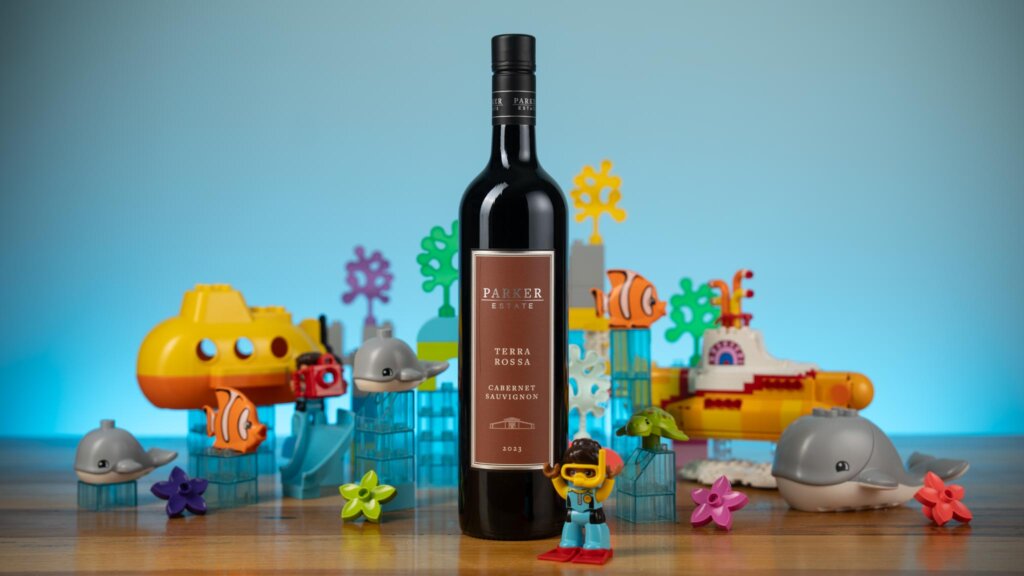
Innes and Broadbent both included this among their top six wines in the blind tasting lineup. “A nose of bramble, forest floor, damp clay, paprika, graphite, plum sherbet, plum skin, bready toast,” Innes opened. “Sugar plum fairy and green bean dancing together on the palate – all minty lift, graphite, and structuraltannins.” Broadbent added: “This is serious cabernet. Complex dark fruits on the nose – blackberry, cassis, deep purple plums, overlaid with briar branches and a hint of cigar box. It’s got such a lovely line on the palate – long, elegant, and super-complex. Such a nice wine!”
Robinson and Innes named this among their top six selections of the tasting. “Smelling this wine’s bouquet reminds me of a barbecue at dusk – savoury tomato leaf, charred red capsicum, and smokiness,” Robinson opened. “It’s ever-evolving in the glass with savoury notes giving way to blackberries, a touch of cassis, and bramble. Velvety tannins and graceful acidity weave through. A wine worthy for sharing over a hearty potluck, or pondering over in front of the fire.” Innes described “a savoury yet pretty nose – green bean crunch, red brick dust, and a little violet lift. The palate shows generosity beyond the green bean tones – there’s sweet, rich sugar plum fruit structured by a green coffee bean crunch.”
Robinson selected this as one of her top six wines of the blind tasting. “Like biting into a black plum and feeling the juice dripping down your chin – this wine is seductive,” she declared. “It draws you in with a trace of cassis and a drop of lavender. On the palate, the fruit is dark with notes of black cherry and blackcurrant driven by biting acidity, while the tannins are so fine they’re almost undetectable. This is a wine to introduce sceptics to the beauty and elegance of Coonawarra cabernets – let it seduce you!”
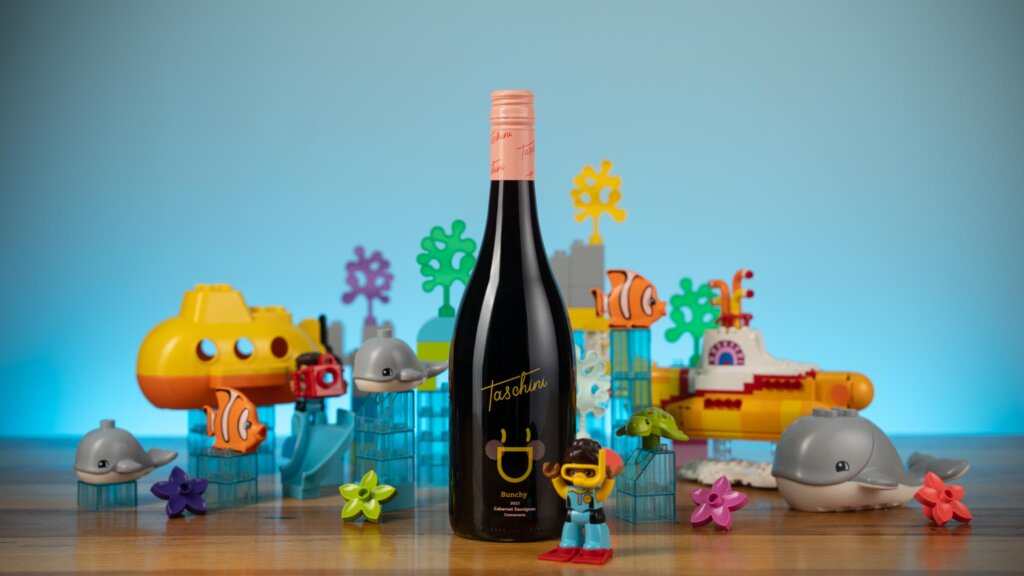
Innes included this among her standout six selections from the blind tasting. “Pretty as a picture! A nose of plum cordial, blueberry confectionary, wet slate, crushed rose, and graphite,” she enthused. “Crunchy, opulent and bright on the palate with pretty blueberry jube flavours. Beautiful palate weight with a gentle Velcro-like tannic grip. Incredibly elegant, and a brilliant reflection of contemporary Coonawarra cabernets.”
Broadbent selected this as one of his top six wines in the blind tasting. “This is lovely – the nose is alluring with dark and brooding notes of cassis, dried herbs, and a hint of spice, yet it has a lovely lift that keeps you wanting to come back,” he observed. “Those aromatics aren’t a trick – the palate has dark-fruited cassis with underlying notes of olive tapenade and graphite. Firm tannins hold the fruit in lovely balance. Constantly changes in the glass, and you’ll want to keep your eyes on its every move.”
Redmond picked this among his standout six wines from the blind tasting. “Wow, this is a lot of fun! Super-fresh and spicy, full of black cherries and strawberries – maybe just ever so slightly stewed,” he exclaimed. “Oak use gives tones of cedar, clove, smoke and coffee beans – like a fresh espresso shot. These oak characters alongside fruit sweetness puts me in the sarsaparilla zone – delicious. I suspect this is a wine trying to stand out as a fresh and modern take on this classic region. But despite that freshness, it has all the hallmark cabernet characters of mint and tomato leaf with dusty gripping tannins and high acidity – so I really want to see what this wine looks like after five years in the cellar!”
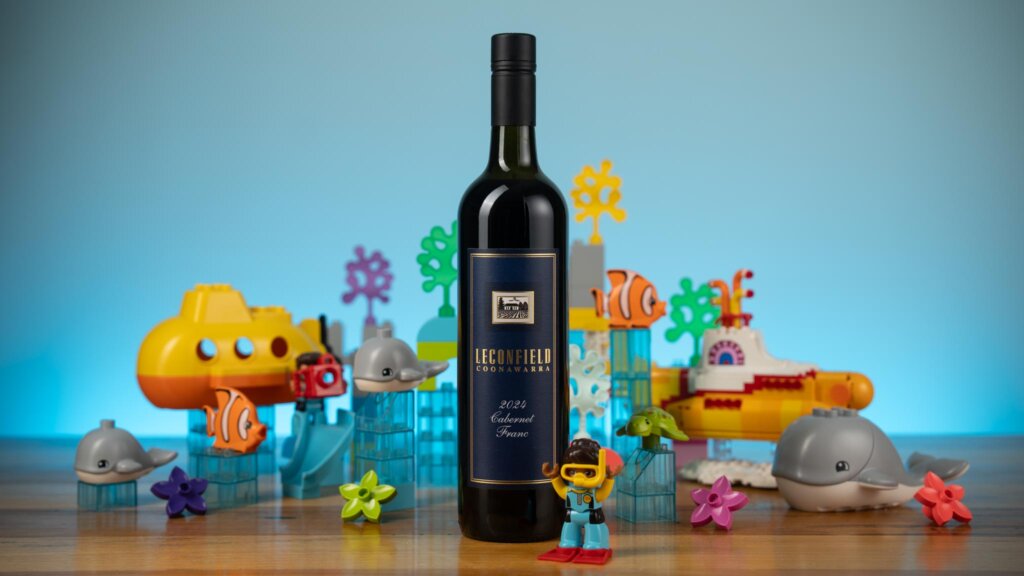
Cannon chose this among his top six selections in the blind tasting lineup. “Smelling this wine makes me feel as though I’m standing over a tagine or poking my head in a pantry somewhere in the eastern Mediterranean,” he declared. “There’s a captivating aromatic core of orange blossom, torched blood orange rind, cardamom, and shades of anise. On the palate, a lithe, lightly oily texture is elegantly broken by some fine but insistent tannins. The sparing use of oak in favour of the fruit articulates exceptional winemaking choices here – we’re very lucky to see this wine at such a special stage in its story.”
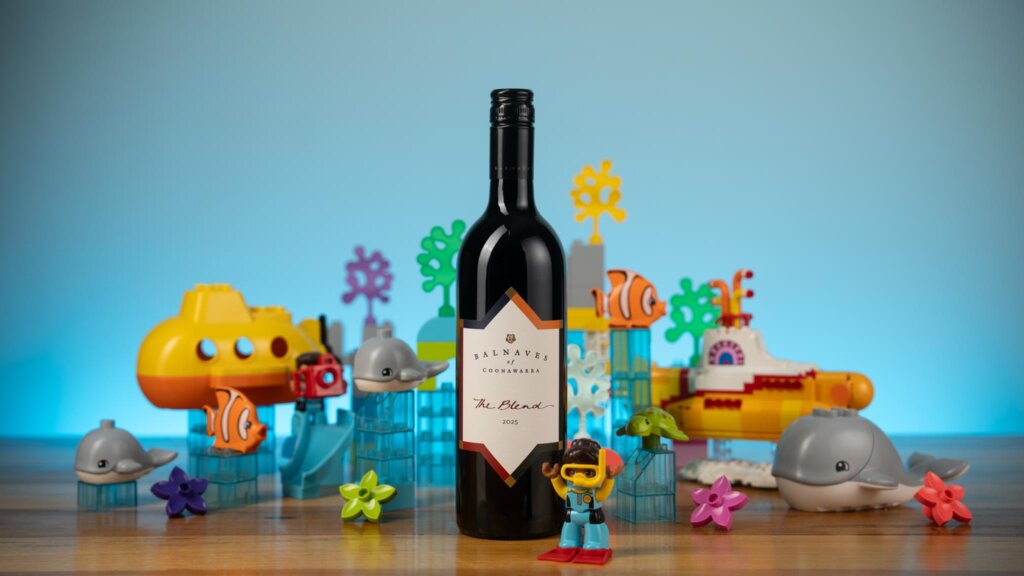
2025 Balnaves of Coonawarra ‘The Blend’ $19 RRP
Broadbent selected this among his top six wines of the tasting. “This is fun from the get-go,” he declared. “Bright red fruits on the nose – think blood plums, deep red cherries and redcurrants – accented by deeper tones of cassis and a lift of nutmeg spice. The palate is as seductive as the nose, with a lovely soft tannin structure and bright acidity. There’s no pretension or artifice on the palate – this is a wine that lets the fruit do the talking. And it’s a wine that wants you to come back for the rest of the bottle – it’s easygoing, open-knit, and moreish.”
Baxter picked this as one of his top six picks from the day. “This is an incredible wine that effortlessly walks the line between winemaker flair and expression of its site and viticulture,” he observed. “On the nose, fresh-picked ripe blackberries, blackcurrants, red clay dust and spring forest earth after a night of rain dance with lavender, campfire smoke and freshly cut cigar. The palate contrasts that fruit with the oh so recognisably addictive menthol heat of Coonawarra, backed by black pepper spice. It warms the soul, giving way to a wild, rustic savoury leather and grilled capsicum element that makes your mouth water for more. A bottle of this, some lamb chops, and maybe some roo, and you have yourself a feast!”
Redmond named this among his standout six wines in the blind tasting. “Big, brooding, brutish and broad – this is an extracted, deep and full-on wine that nonetheless manages to balance freshness and intensity,” he declared. “This wine is all blackberries for me – a little cooked or stewed, but still budding and full of life. The use of oak is intriguing – a good hit of new oak and extended time in barrel gives the wine these broad and chewy oak tannins that balance out the fruit very well, alongside notes of vanilla, dill and a lot of clove. Structurally, it’s rich with dusty broad tannins and powerful acidity. Some balsamic lift on the palate adds complexity. What’s exciting is how intense and strong this is – it’s uniquely Australian and completely unapologetic. This wine reminds you that Coonawarra cabernets are one of our benchmark styles for good reason. Steaks and lamb chops all around!”
Innes chose this as one of her top six selections of the blind tasting. “An incredibly savoury nose – all umami tones of soy sauce, paprika, charcuterie, and red gum embers,” she opened. “By contrast, the palate presents a fruit-driven prettiness that belies the savoury edge – cassis, dried blueberry, pouch tobacco and cigar box, sandalwood, black pepper and dried mint, with only a hint of charcuterie linking the palate to the nose. Gravelly tannins provide grip and structure. An intriguing study in contrasts that demonstrates the broad range of Coonawarra cabernets.”
Cannon selected this among his standout six picks in the tasting. “The might of this wine comes in its second act – there are so many captivating notes that come after the fruit that it could stop a group conversation,” he observed. “Gossamer tannins, striking graphite minerality, as well as a super interesting iron note that would be great mates with prime rib in the hands of a well-heeled barbecuer. Give it a few whips and spins in the glass and you’ll see what makes it a complete wine: some plush blueberries as well as pomegranates, bay leaf, pinches of soaked cedar. This is all somehow straddled in a casual and lean-feeling palate weight.”
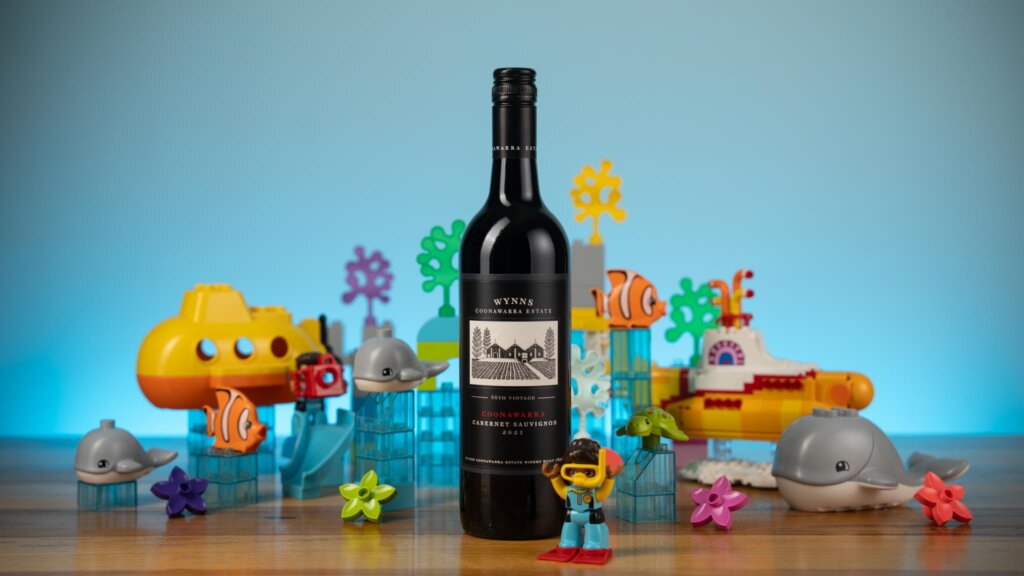
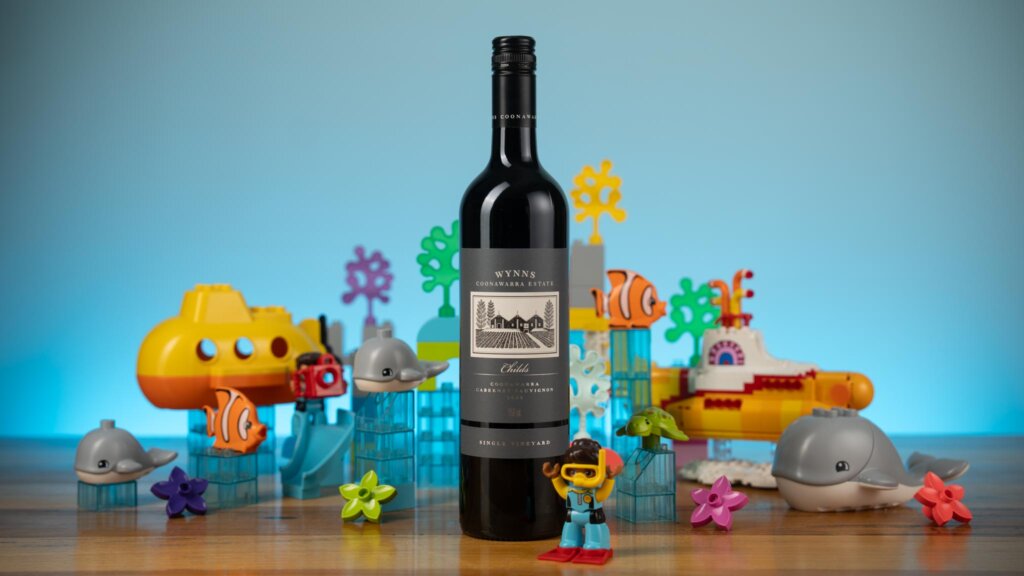
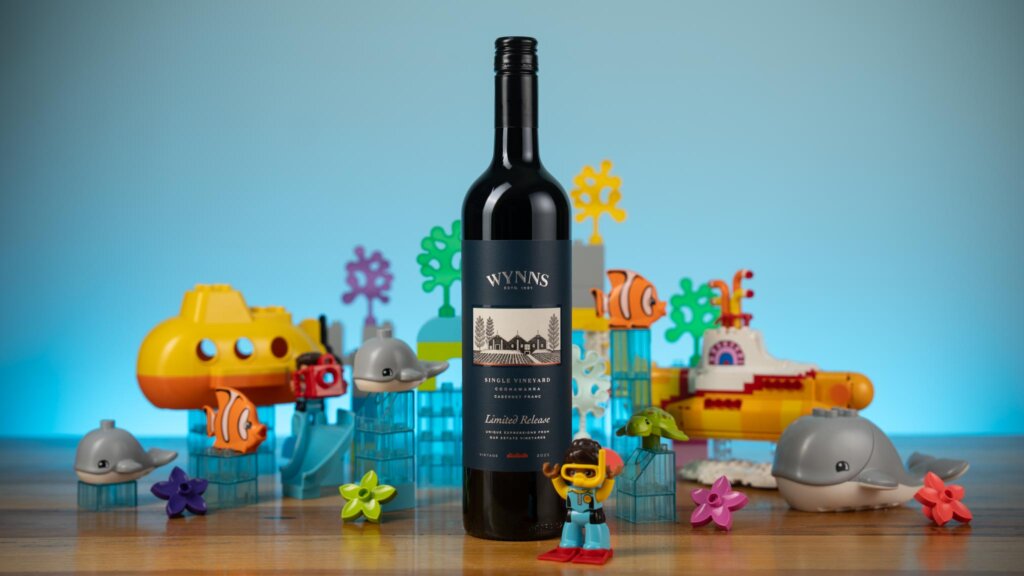
2025 Wynns ‘Limited Release Collection’ Single Vineyard Cabernet Franc $80 RRP
Robinson included this among her top six wines from the day’s blind tasting. “A nose of sour raspberries, salted plum and mint, with a slight tone of confected blackberry,” she noted. “There’s almost an alpine feel to the bouquet – it’s fresh and lively, with a hint of spice. The palate is bright, with tart red berry flavours punching through, supported by fine tannins and long-lasting acidity. A wine that showcases what the new era of Coonawarra cabernets looks like – it’s approachable and very much ready to drink now.”
Redmond picked this among his top six picks in the blind tasting. “Opulence comes to mind here – a broad and dense nose of weighty red cherry and blackcurrant presented with great clarity,” he declared. “The fruit profile is so fresh, as though those cherries and blackcurrants had been picked moments ago and muddled to express their full aroma. The oak is rich – lots of cloves alongside cocoa nibs and smoke. It’s an iron fist in a satin glove because there are still some rough edges – but that’s what makes it so intriguing. The tannins are huge, the alcohol appears high, and I love the old jacket/cigar-box character. There’s even a little damp funk – but the fruit is so pristine. The perfect wine for a dinner with friends and family – enjoyable for drinkers of all levels of wine knowledge.”
Cannon selected this as one of his standout six selections of the day. “This has all the charms that we love about a wine with age – but with energy, gallop and youthful momentum on the palate,” he observed. “There’s bristling energy in the form of acidity folded beautifully into fruit notes of dried dark currants and cranberries. It’s also wonderful to look at visually – garnet in the glass with coppery hues and a broken black core that begs for contemplation. This wine will only gain mass next to venison or any other game meat – throw in some blackberry jelly and potatoes as you like them.”
Broadbent included this among his top six wines in the tasting. “A nose of redcurrants, raspberry, and syrupy cassis, lifted with a hint of baking spice,” he noted. “It’s quite subtle and leafy on the palate, but has lovely length and line, with fine tannins framing the fruit and holding the wine through to a lengthy finish. A well put-together, medium-bodied cabernet – and a refreshing rebuttal to the idea that Coonawarra’s cabernets are all big bruisers.”
Baxter chose this as one of his standout six picks from the blind tasting. “A true wild card in the tasting – the nose explodes with fresh picked and tart wild strawberries and blackberries, black finger grape skins, and a marketplace’s worth of spices,” he enthused. “The dynamic nose gives way to a palate of plush blackcurrants, red Christmas cherries, and dried mulberries, with a smoky texture and drying cedar-like tannins that finish long and strong. This is a wine built for big-boy steaks and smoked Texan brisket – it will cut through protein like butter and show its true potential on the dinner table.”
Redmond named this among his top six wines of the blind tasting. “When cabernets get this minty or piney resinous character in conjunction with cherry fruits and oak influence, the wines always remind me of Italian amaro – and this wine does that in spades,” he declared. “It’s super-bright and fresh – all black cherries, strawberries and blackcurrants – but layered with tertiary characters like fig, dried leaves, and wood lacquer. There’s also a confected Concorde grape note, grounded by some charcuterie-like meatiness. What helps make the wine so compelling is its balance – thoughtful oak use brings lovely spices of nutmeg, cinnamon and anise with cedar notes. The tannins on show are still fruit tannins, not oak tannins – this wine represents its dense core of fruit first and foremost. Delicious and compelling.”
Innes included this among her standout six wines from the blind tasting. “Shy on the nose – but complexity comes to those who wait,” she observed. “With time and oxygen the nose blooms open to show a complex bouquet of boot polish, leather, bramble, orange rind, Black Forest cake, cocoa powder and dried mint. The palate is bright and elegant – jubey and juicy, yet structured with round, dusty earth tannins. These tannins drive the impressive length of the lingering finish, where a savoury tobacco leaf note emerges. There’s a beautiful play between the fruit here and the structure – classic Coonawarra.”
Broadbent and Robinson picked this among their top six selections in the tasting. “Floral, herbal and bright – it’s fun and energetic,” Broadbent opened. “The palate is lovely and fresh with chalky tannins that mop up the wine’s sweet fruit notes. Modern in style and simply delicious, this is a good-time wine – but it also offers enough intrigue to justify coming back for a second glass.” Robinson added: “Delicate red fruit notes of slightly confected strawberry, ripe raspberry, and dark cherries, supported by vanilla-forward oak and baking spice. This delicate, nouveau approach to Coonawarra cabernets – with its mouth-puckering acidity, like biting into a just-ripe plum, and incredibly soft tannins – makes you want to pick up the glass again before you’ve finished the sip. A perfect wine for cabernet babies and jaded veterans alike.”
Baxter chose this as one of his standout six wines from the blind tasting. “This wine initially practices restraint and delicacy – a true hallmark of Coonawarra cabernets’ potential,” he declared. “The nose is elegant, dancing with rich damson plums, ripe mulberries, red and black roses, menthol cigarettes, and red earth. The palate is soft at first, pushed forward by a vegetal Italian savoury element – imagine cooking with red capsicum and eggplant – spiced with dried rosemary, oregano and thyme. The mouthwatering acidity builds slowly but tremendously as fine-boned tannins persist and become rich and charcoal-filled. This combination shouldn’t work but does, punching through until almost too much. It absolutely needs food – kangaroo loin, lamb shoulder, dry-aged rib eye, wagyu prime cuts, venison haunch. Pair it well, and it’ll shine.”
Broadbent selected this as one of his top six picks of the blind tasting. “This is a lovely wine – red-fruited and bright,” he declared. “All blood plums, cherries and redcurrant, but has a lovely undertow of darker fruits like cassis and mulberry. The tanninstructure is chalky and suitably grippy, but not drying. The drinkability is through the roof on this wine – a very enjoyable and approachable example of Coonawarra cabernets.”
Innes named this among her top six wines selected from the day’s blind tasting. “Savoury pepper, dried blueberry fruit leather, fennel and black liquorice on the nose,” she observed. “The palate feels like eating blueberries dipped in black and white pepper from the shaker – there’s a spicy draw to the fruit profile. Super savoury notes of cardamom, terracotta and fire ash build structure here. The wine ultimately walks a tightrope between jubey fruit and savoury tones. It’s a thrilling performance to watch!”
Baxter selected this as one of his standout six selections in the blind tasting. “This is a wine that rewards patience,” he declared. “Initially, it’s full-throttle Coonawarra – almost too intense – with taut fruit and fierce tanninstructure. But give it a moment, a pause, a breath – and it settles. Like a just-tamed wild dog, it needs time to adjust, then heels, and its playful, graceful personality unfurls. Dark wild strawberry and sun-dried wild blackberries play along the nose, accented by fresh bramble, Virginia tobacco, cigar box, pressed black rose oil and dried vine leaves. The palate is strong with firm, cigar-like smoky tannins and powerful blackcurrant notes punching through. As it settles they integrate to something so wildly in balance it almost defies explanation, and yet it works. Definitely a dinner wine for a cold night – crack it, decant it, and leave it, remembering it only when the slow-cooked meat is ready.”
The backstory
Coonawarra’s thin, cigar-shaped strip of red clay soil over limestone is one of Australia’s most hallowed vineyard areas – and one of its most singular. Nowhere else in the country does a wine region feel so completely, unrelentingly planted. Vines run straight up to the road’s edge; fences are a rarity, as if giving up even a metre of that famous terra rossa to anything other than cabernet would be sacrilege. Property lines blur into one another, one vineyard bleeding into the next with barely a gap to mark where ownership changes hands. It’s a density of purpose you don’t find anywhere else in Australian wine.
Perhaps because Coonawarra sits so far from any capital city, that intensity – the sheer preciousness of the ground itself – is lost on all but the most dedicated. For those willing to make the trip, a handful of vineyards have cut pits into the earth, laying bare the thin band of red soil sitting over stark white limestone: the whole story of the region, told in a single cross-section. It’s a sight worth the pilgrimage alone.
What started as a utopian dream of a self-sufficient farming community eventually generated some of Australia’s most iconic wines, built an international reputation for excellence, and created some messy legal dramas when the boundaries had to be drawn. Despite this storied history, the region’s cool climate lends itself to a unique style of medium-bodied cabernets that feels almost shockingly contemporary – fresh and elegant, driven more by acidity and red fruit than by heavy-handed oak or the power of ripeness and alcohol content. Is it time for the world to rediscover the joys of Coonawarra’s signature cabernets?
Although South Australia’s Coonawarra region is approximately fifty kilometres inland from the coast, the ocean has a profound influence on the wines grown and made here. Part of that influence is climatic – thanks to the relatively flat topography of that fifty kilometre stretch of land, cooling breezes from the Southern Ocean can easily find their way to Coonawarra’s vineyards. But that influence also goes into the land itself, which rests on a base of limestone that was formed by marine sediments when the region was part of the Southern Ocean – a process that commenced approximately forty million years ago. Tectonic forces later pushed this limestone bed up and out of the ocean to form the broader Limestone Coast area. Winds then deposited silts from nearby plains over a ridge of limestone that lies underneath Coonawarra, which decomposed over the last million or so years to form a thin layer of iron-rich red soil – the region’s famous terra rossa.
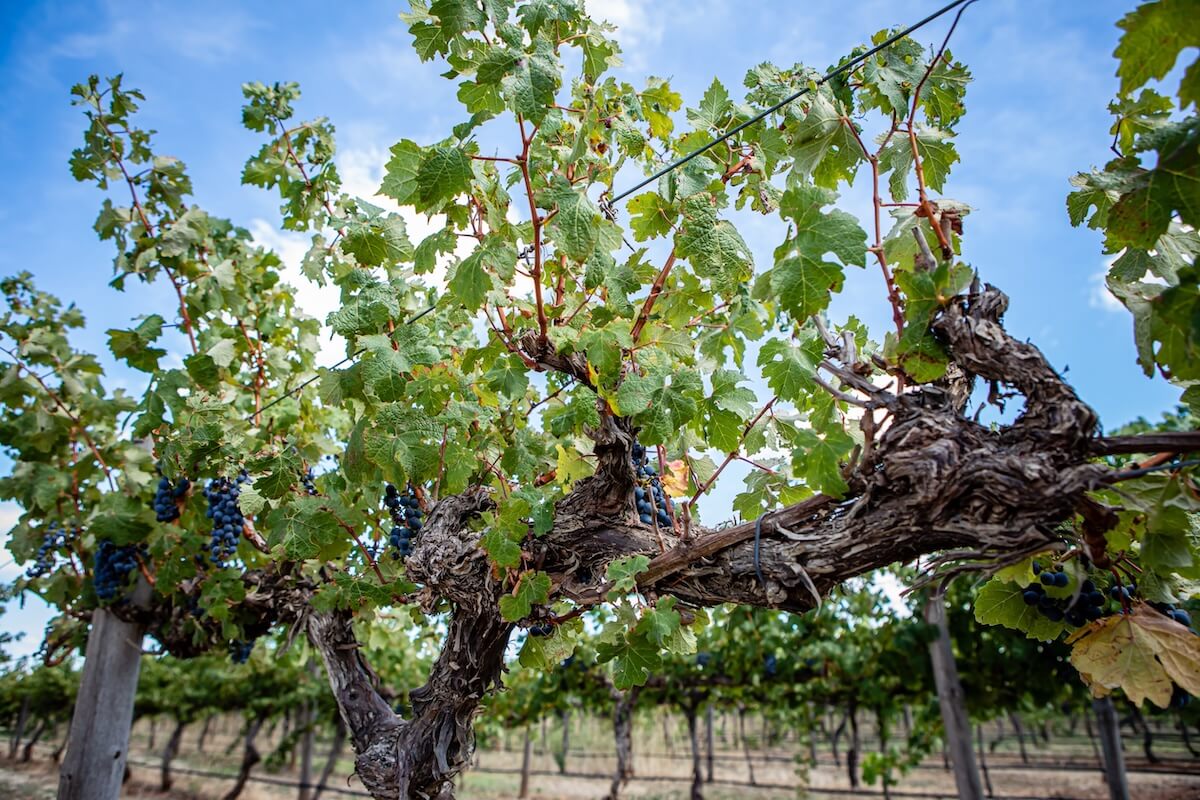
Opposite: A soil pit at Wynns Coonawarra Estate, showing the thin layer of red ‘terra rossa‘ soil above limestone subsoils – one of the key factors that shapes the region’s distinctive cabernets. Above: Cabernet sauvignon on the vine at Wynns Coonawarra Estate.
This combination of cooling maritime breezes and oceanic geology has created a unique environment for growing a distinctive take on cabernet sauvignon and its Bordelaise co-travellers (merlot, cabernet franc, malbec and petit verdot). The soil itself is high in calcium, which restricts the availability of other nutrients to the region’s grapevines. It’s also relatively thin – only fifty centimetres deep, on average – and a rock-hard layer of calcrete stands between the topsoil and the limestone underneath, so vines find it difficult to form deep root systems here. Thus while Bordeaux’s traditional red varieties are typically known for their vigorous growth and relatively generous yields, here the land itself puts a handbrake on growth, forcing the vines to produce less fruit with greater flavour concentration.
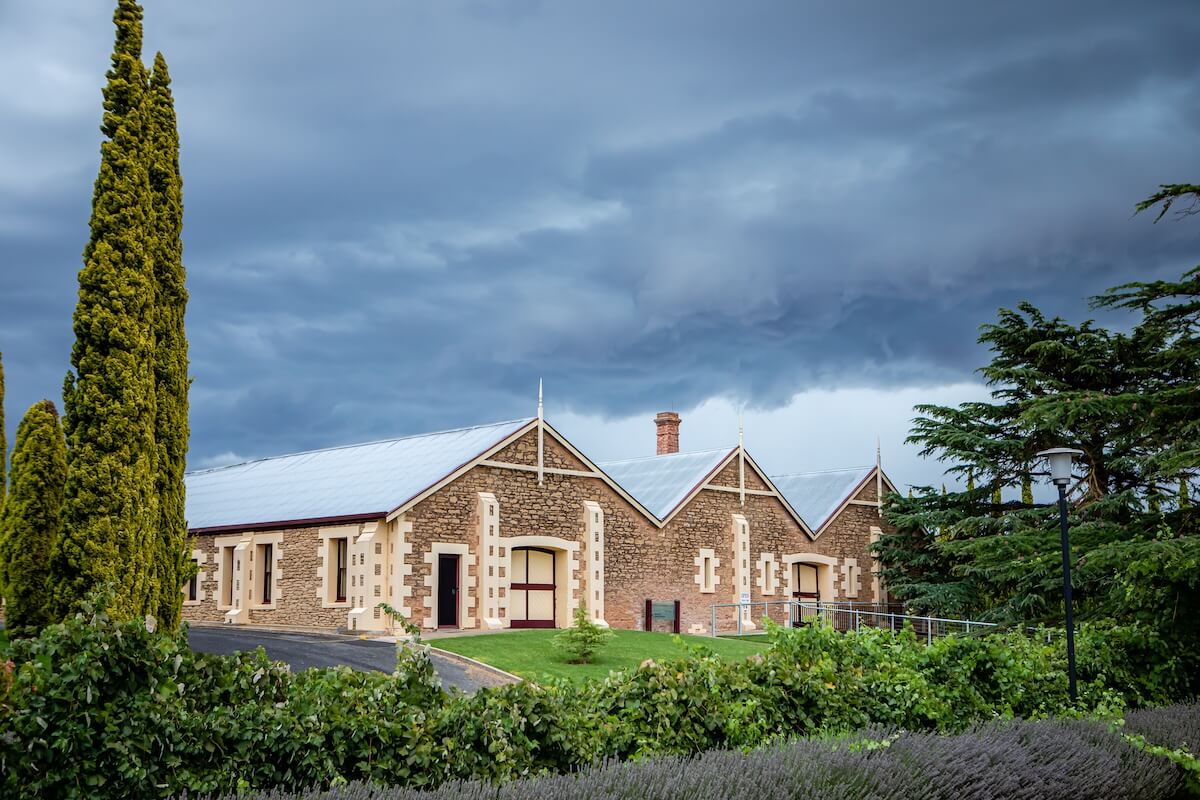
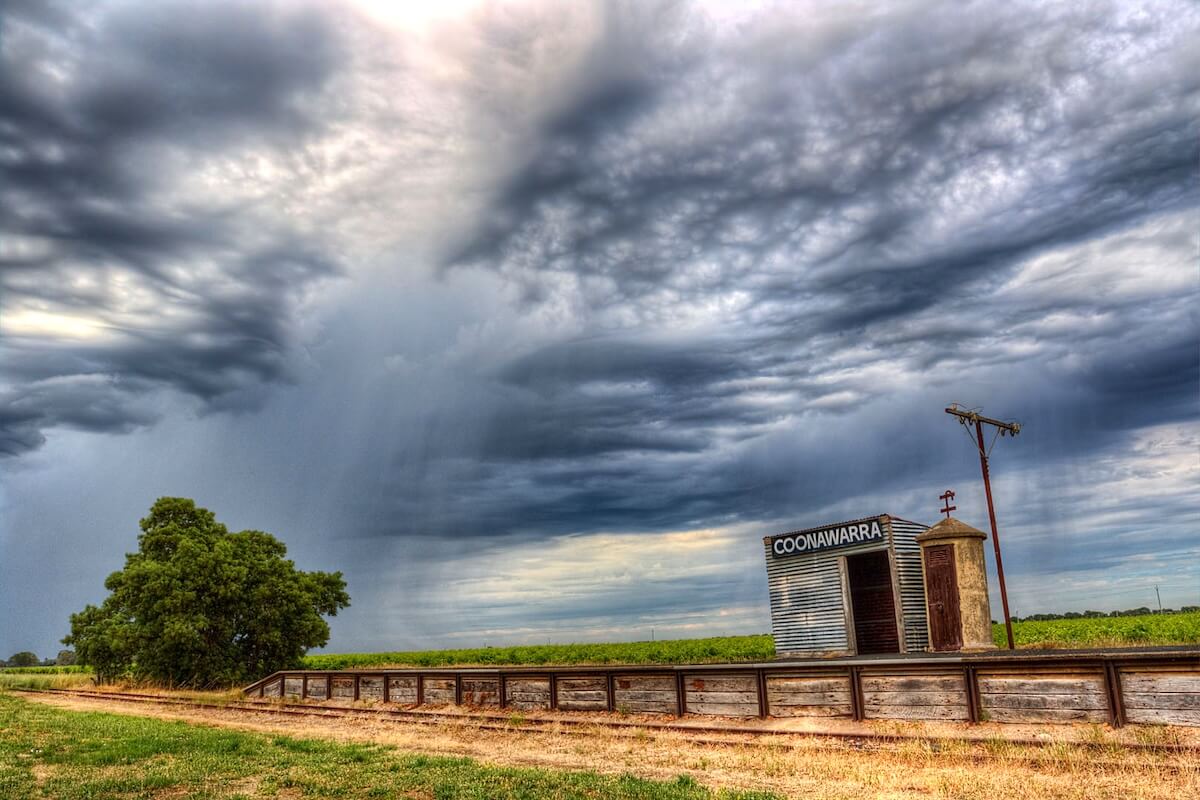
Above: The original 1896 Coonawarra Fruit Colony winery building constructed by John Riddoch – now the home of Wynns Coonawarra Estate. Opposite: Rain clouds loom behind the iconic Coonawarra train siding. (Photo by shipley43, CC BY 2.0.)
In addition, an annual oceanic event known as the Bonney Upwelling draws ice-cold water from depths of the Southern Ocean to the surface from November to May of each year. This adds extra cooling power to the breezes that find their way to Coonawarra just as grapes ripen on the vine – in fact, it’s rare for temperatures here to exceed 20 °C during the growing season, and the overall climate remains a touch cooler than Bordeaux itself has been historically. This in turn slows down sugar accumulation in the grapes, allowing more flavour to build across an extended ‘hang time’, and assists in acid retention. All of this combines to make for wines with intense, deep flavours of blackberry, blackcurrant and chocolate – yet unlike the blockbuster wines of the Barossa, they’re also wines blessed with high natural acidity, medium palate weight, and moderate alcohol levels.
No doubt about it
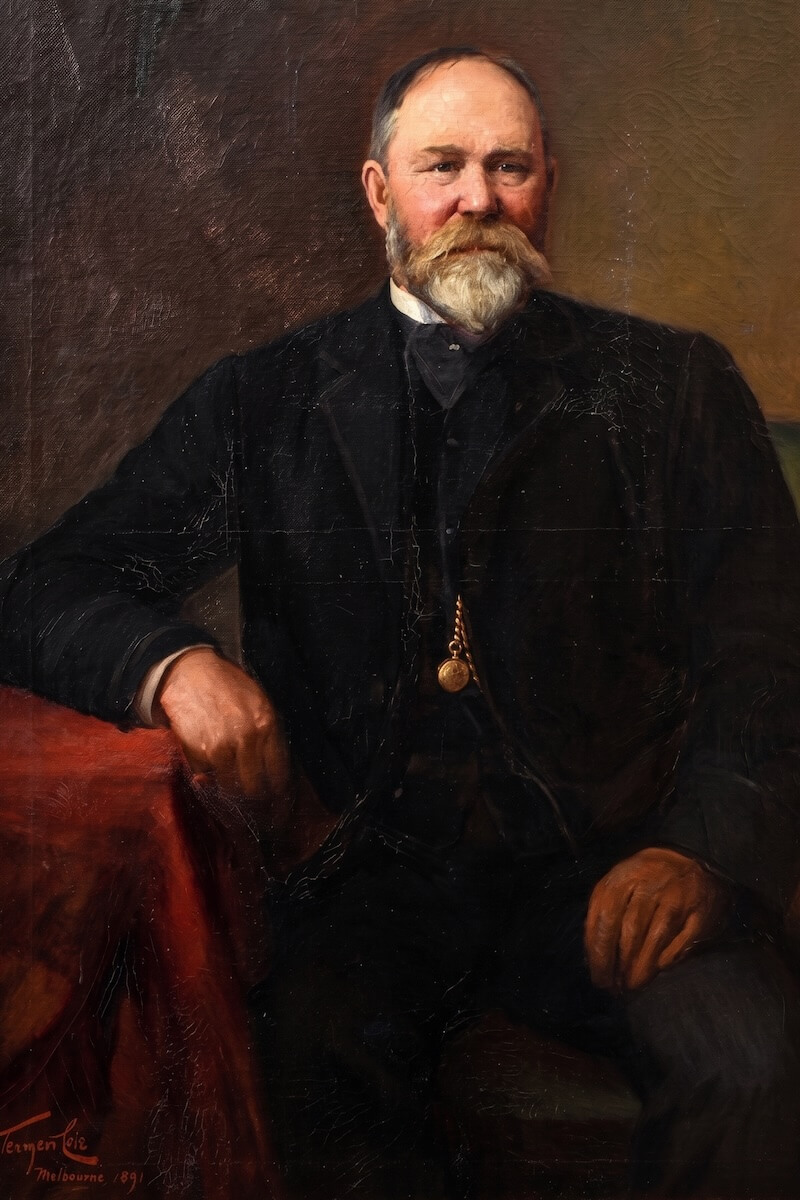
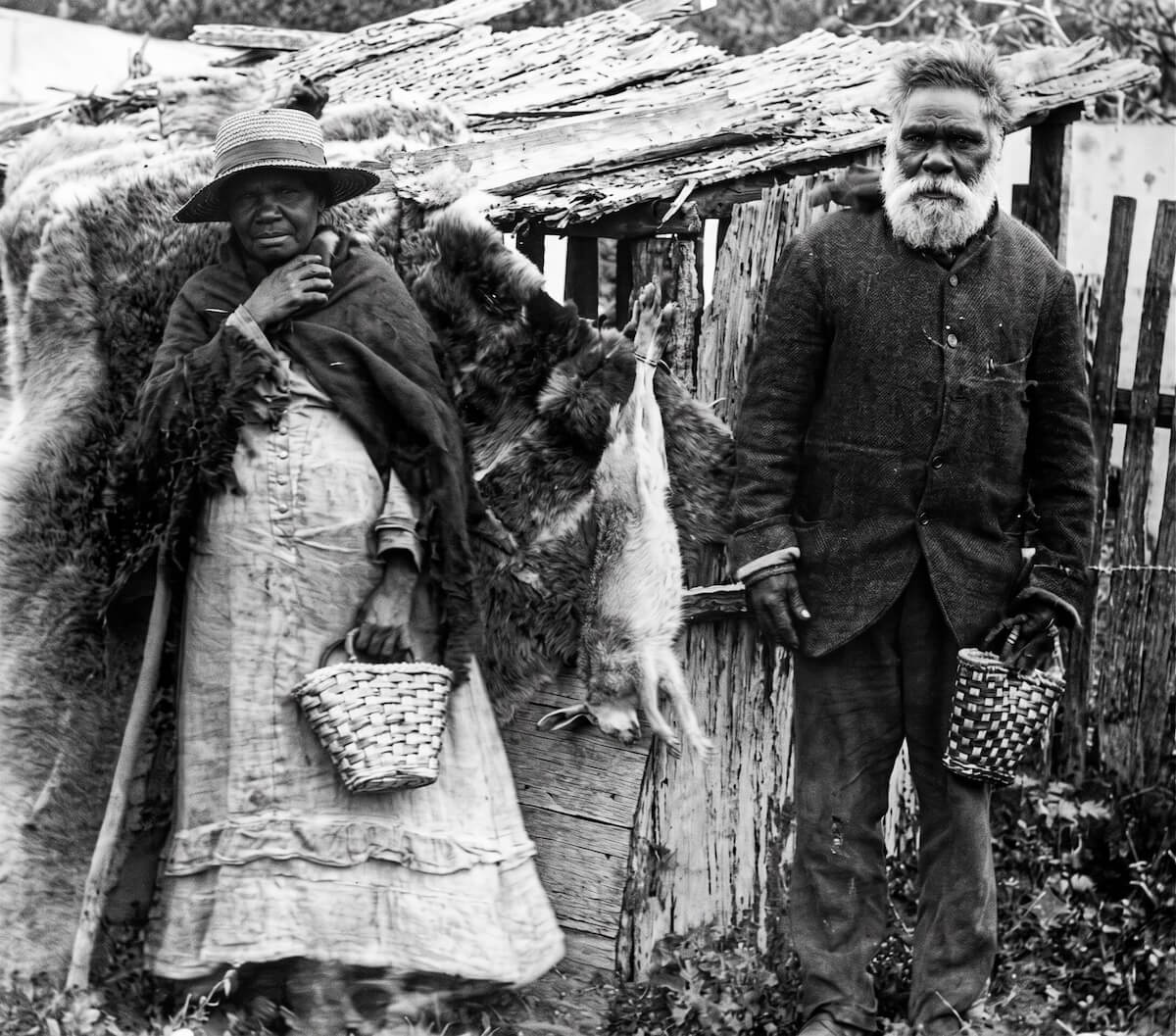
The word Coonawarra itself, meaning ‘honeysuckle’, comes from the region’s traditional owners, the Pinjunga people. European settlement commenced in 1845, when Scottish-born pastoralist Alexander Cameron began squatting in the region. Within five years he had founded the town of Penola, which attracted settlers from the Victorian goldfields, including the Scottish-born gardener William Wilson. Impressed by the quality of fruit he could grow on the region’s terra rossa soils, Wilson advised John Riddoch, a fellow Scot who had arrived in the region in 1861, to invest in horticulture. Riddoch soon developed a vision of a community of small-scale tenant farmers growing apples and wine grapes that he dubbed the ‘Coonawarra Fruit Colony’. Aided by his long-term Pinjunga employee Werrieotinna, he went on to plant the first grapevines – mostly shiraz and cabernet sauvignon, with smaller parcels of malbec and pinot noir – in the region in 1890.
Opposite: A digitally enhanced reconstruction of an 1891 oil portrait of John Riddoch by artist Tennyson Cole, based on a photograph of the original. Above: A digitally enhanced reconstruction of a photograph of Werrieotinna and his wife, Kitty circa 1880, based on a scan of the original.
Early assessments of the region’s potential for wine production were glowing. Professor Arthur Perkins, in his role as the South Australian state government viticulturist, visited the region shortly before its first grape harvest in 1895, and wrote, “I am persuaded that in time some of the wines of the highest quality yet made in South Australia will emanate from this district. It has everything in its favour – soil, climate, and varieties of vines best suited for the purpose.” Likewise the journalist W Catton Grasby ardently supported what was then known as ‘Coonawarra Claret’, writing in 1899 that the wine “promises to have a very high and wide reputation – indeed, there is no doubt but that it will be a beautiful wine of good body, fine colour, delicate bouquet and low alcoholic strength.” The general optimism for the region’s future is reflected in the grand, triple-gabled winery building made from local limestone that Riddoch finished constructing in 1896.
“There is no doubt but that it will be a beautiful wine of good body, fine colour, delicate bouquet and low alcoholic strength.”
That optimism turned out to be somewhat premature. Riddoch’s death in 1901 spelled the end of the Fruit Colony dream, and the executors of his estate brought in a still to turn the Colony’s wine stockpile into more commercially usable brandy. The death of Werrieotinna the following year marked the end of the Pinjunga people, whose numbers had been diminished through introduced diseases and what local priest Julian Tenison-Woods euphemistically called “the vices of civilisation”. And Coonawarra would not be immune to the challenges that faced all of Australian wine at the beginning of the twentieth century, when producers turned away from table wines in favour of fortified wines. Yet unlike many other cool-climate Australian wine regions (such as the Yarra Valley, Adelaide Hills, Geelong and Tasmania), Coonawarra’s vines were not grubbed up – thanks almost entirely to Bill Redman, who had arrived to work for Riddoch’s Fruit Colony in 1901. Redman tirelessly worked his own small plot of vines and made wines that were often sold in bulk to wine merchants and other labels. While the word ‘Coonawarra’ was more often than not omitted from the labels, the quality of the wines – especially the internationally lauded 1933 Woodley’s ‘St. Adele’ Claret – kept Redman and Coonawarra’s winegrowers employed through the lean years before the 1950s, and kept the region itself on the radar within the industry as a promising prospect for future development.
Close, but no cigar
Coonawarra’s fortunes lifted sharply in 1951 when David Wynn, then working for his father’s successful Melbourne-based wine distribution business, purchased Riddoch’s original winery building and the surrounding vineyards to create a winery he called Coonawarra Estate (now known as Wynns Coonawarra Estate). Not long after starting this new venture, he told local growers “My prime aim is an extensive advertising campaign in Melbourne to make Coonawarra famous.” He also had the advantage of employing a young winemaker named Ian Hickinbotham, who had become interested in the subject of malolactic conversion – the process by which bacteria turn hard-edged malic acid into softer lactic acid – while an oenology student at Roseworthy agricultural college. Hickinbotham’s experiments on the subject at Wynns saw him dramatically reduce the amount of sulphur dioxide added to the wines, which allowed malolactic conversion to proceed and made the finished wines not only more approachable for their drinkers but also more stable in the bottle. Hickinbotham didn’t stay long at the job, but his successor, Norm Walker, followed his approach to malolactic conversion, and pioneered the region’s first 100% cabernet sauvignon-based wine in the 1954 vintage. Thanks to Wynn’s advertising campaign around his new label’s wines, the name ‘Coonawarra’ became rapidly associated with quality red table wine.
“My prime aim is an extensive advertising campaign in Melbourne to make Coonawarra famous.”
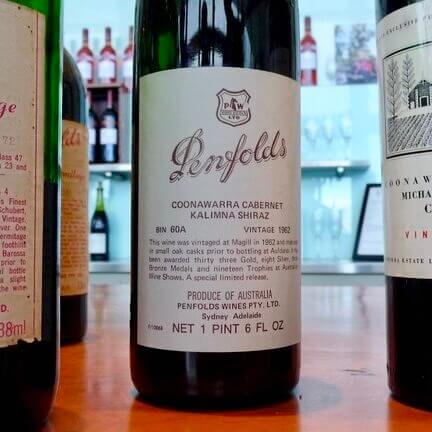
Wynn’s early investment in the region kicked off a renaissance for the region. In 1952, the Redman family launched their own premium wine label, Rouge Homme – an unwitting mistranslation of ‘Redman’ into the French after they were advised to choose a more exotic name. (They discovered only after the labels were printed that the more appropriate translation would have been Homme de Rouge.) A few years later, in 1955, Ron Haselgrove of Mildara sought Redman’s assistance in setting up a new vineyard, using prime terra rossa land sold at £100 per acre. Buying vineyard land turned into something of a gold-rush as companies sought a slice of the cachet Wynn created for Coonawarra – by the time Penfolds bought into the region, two years Mildara, that same terra rossa land cost £350 per acre. Their investment paid off handsomely in 1962, when winemaker Max Schubert created the legendary ‘Bin 60A’, a blend of two-thirds Coonawarra cabernet sauvignon and one-third Barossa Valleyshiraz, which went on to become the company’s most successful show wine and an internationally recognised icon – the only New World wine named by the influential British wine magazine Decanter in its list of the ten greatest wines in all history. The following year Haselgrove at Mildara created another legendary Australian wine entirely from Coonawarra cabernet sauvignon – which went on to acquire the nickname ‘Peppermint Pattie’ owing to its strongly minty flavour (reminiscent of the chocolate of the same name), and the fact that it was a favourite wine of Pattie Menzies, the wife of then–Prime Minister Robert Menzies. These bottles and others from the same period, such as Rouge Homme’s 1959 Claret, quickly cemented Coonawarra’s reputation as one of the country’s most important premium wine regions, a reputation it continued to enjoy throughout the rest of the twentieth century.
Above: Australian wine pioneer, and creator of Penfolds’ ‘Bin 60A’ bottling, Max Schubert. Opposite: Schubert’s vaunted ‘Bin 60A’ that boldly fused Coonawarra’s signature cabernet sauvignon with Barossa shiraz – and is now revered as arguably Australia’s greatest-ever red wine. (Photo by Jamie Goode, wineanorak.com.)
That sense of Coonawarra’s significance caused serious headaches in the region in the 1990s as the Australian Wine & Brandy Corporation – now known as Wine Australia – set about legally delimiting the region’s boundaries as part of Australia’s then-new Geographical Indication (GI) system. Prior to this time, Australian regional labelling relied on implied common-law understandings of what constituted any given wine region; however, a free-trade agreement with the European Union required the development of a more rigorous system so that Australian regional names could be protected in the European market in the same way that European appellations such as Champagne are protected here in Australia. While most of Australia’s official wine regions came together relatively organically, defining Coonawarra was a much more difficult process, with a large number of stakeholders who were upset at where the boundary around the region was drawn. While all agreed that the heart of Coonawarra is the fifteen-kilometre long ‘cigar’ of terra rossa soil on limestone that extends northwards from Penola, the debate centred around which vineyards on the periphery of this strip were in or out – a matter of some commercial significance, given the region’s reputation. Lawyers were summoned, and the issue played out in a bruising series of court battles that was eventually resolved in 2003.
Keeping it cool-climate
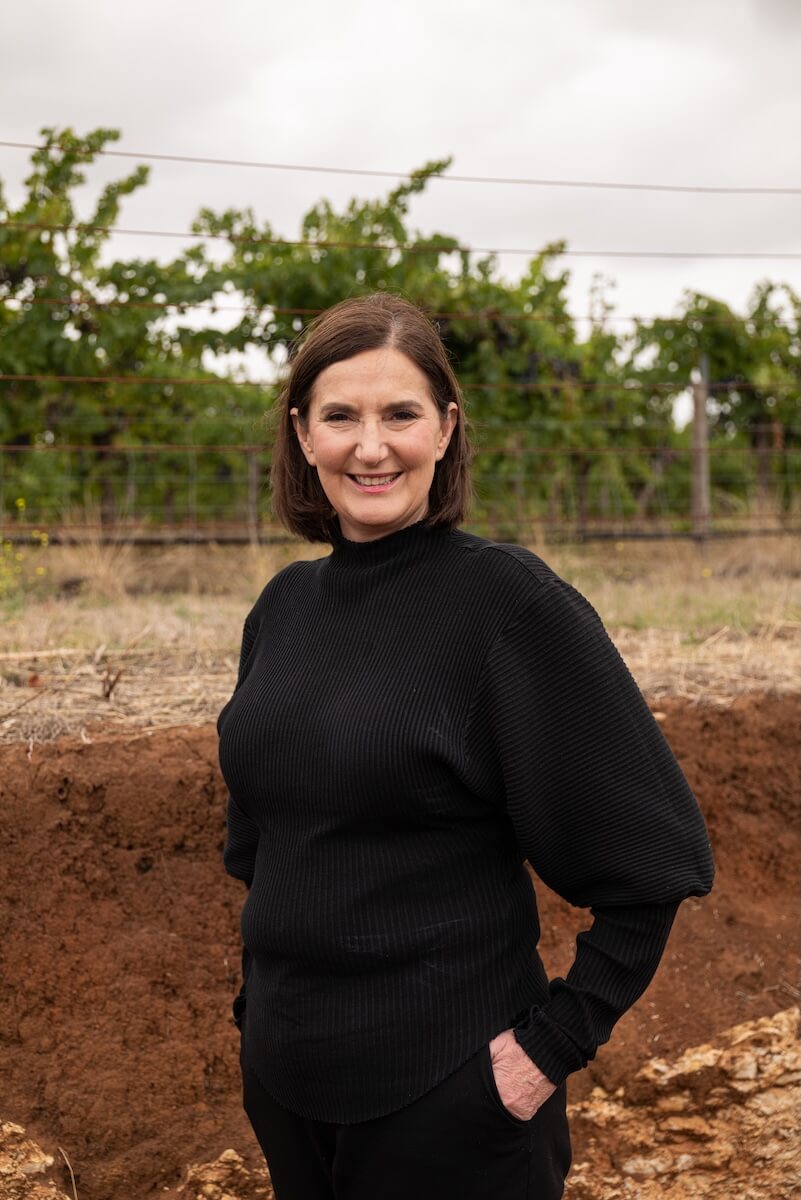
Winemaker Sue Hodder arrived in Coonawarra to work at Wynns in 1992, drawn to the region by the quality of its distinctive cabernets-based wines. “As a winemaking student, I did always love Wynns wines – I love the structure and flavour of them,” she says. “So I was delighted to come here for the vintages of the early ’90s. And since that time I’ve had the privilege of tasting a lot of the winery museum, and also at private cellars.” Reflecting on Wynns ‘Black Label’ cabernet sauvignon in particular, she adds, “It’s a milestone wine, because it’s known for its ability to age slowly – and, in most cases, gracefully. Stylistically, we make a medium-bodied cabernet, and we’ve generally, in the last fifteen years, been more focused red fruits.” That lighter, more elegant house style of cabernet sauvignon is one that, as Hodder acknowledges, hasn’t always been fashionable, especially in the late 1990s and early 2000s as the world fell for the riper, rounder ‘international style’ reds championed by the influential wine critic Robert M. Parker, Jr.: “The preference was for cabernets – but not only cabernets, even just red wines from around the world – in more full-bodied styles, so we were a bit out on a limb,” she says. “We want wines that have a nice lightness to them, that have red fruits, and that are harmonious with food – they go with food, not dominate it. And we think that the alcohol needs to be in check for that.”
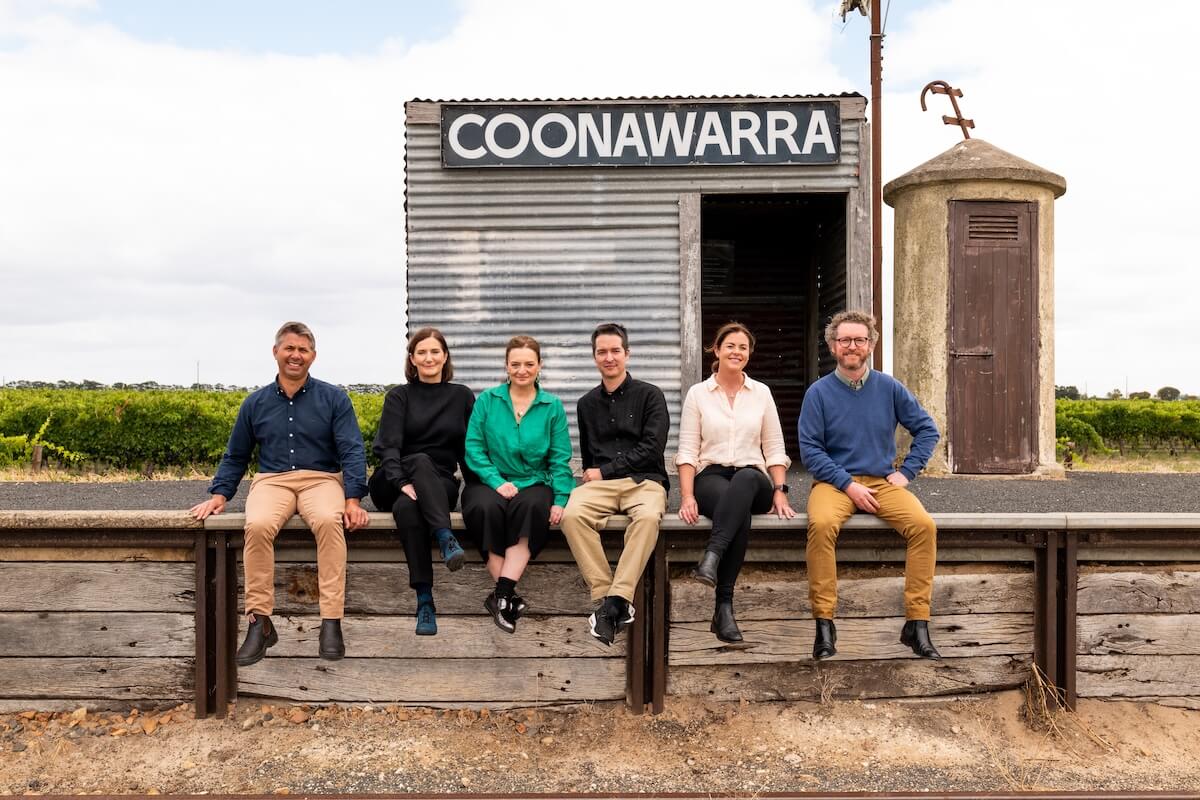
Above: Sue Hodder at Wynns Coonawarra Estate. Opposite: Wynns Coonawarra Estate staff at the Coonawarra railway siding.
Hodder emphasises that the style she seeks to make for Wynns is mostly determined by the growing conditions of the Coonawarra region, rather than by winemaker inputs. “Of course, not every region is suited to make great cabernet – like any grape variety,” she says. “There’s a lot of cabernets [from other regions] that I don’t want to drink, and I love the variety.” For her, what makes the region special is its combination of soil and climate – a combination that leads to concentration without overripeness thanks to an extended hang time and late harvest dates. “We’re often the latest wine region picking for reds – mainly because of cabernets, that’s a bit of varietal thing – but also we’re a lot cooler and later than many other regions, not just in South Australia, but Australia in general,” she says. “That’s good for acid retention – and, in the reds, anthocynanin synthesis for colour.” And while those cooler conditions have their benefits, she also acknowledges that they come with their own downsides, including reduced yields in cooler years when frost damages the delicate flowers that will turn into grape bunches. “We have frosts coming through,” she says. “Our biggest risk is a cold spring, where we get uneven flowering and fruit set – that’s what we don’t like.”
“We want wines that have a nice lightness to them, that have red fruits, and that are harmonious with food – they go with food, not dominate it. And we think that the alcohol needs to be in check for that.”
It’s impossible to discuss Coonawarra’s identity for cabernets without talking about the mint note that often appears in the wine – which raises a surprisingly vexed question about the link between this particular flavour and the enormous River Red Gum trees that are dotted throughout the region. Research by the Australian Wine Research Institute (AWRI) has indicated that wines that taste exceptionally ‘minty’ show increased levels of a chemical compound called eucalyptol, which is responsible for the characteristic smell and taste of eucalyptus. Some of this flavour is unavoidable in grapes grown near gum trees, as aromatic oils from the trees’ leaves settles on the skin of the grapes – but the research suggests that the wines that have the strongest mint character are fermented with higher quantities of what winemakers term ‘MOG’ (matter other than grapes, i.e. gum leaves or bark). “We do like freshness, with a bit of fresh mint character,” Hodder says of the Wynns house approach to this question. “But our vineyards are not surrounded by trees, and we have a lot of older vines, which are more open anyway” (and therefore less likely to trap falling leaves and bark within their bunches). “Sometimes people come here expecting more mint in our wines,” she adds. “And we measure the compounds. We’re generally on the lower end of all that – but we do like a red-fruited style, rather than blue or dark fruits, and often that style is associated with a bit of mint.”
Minty fresh
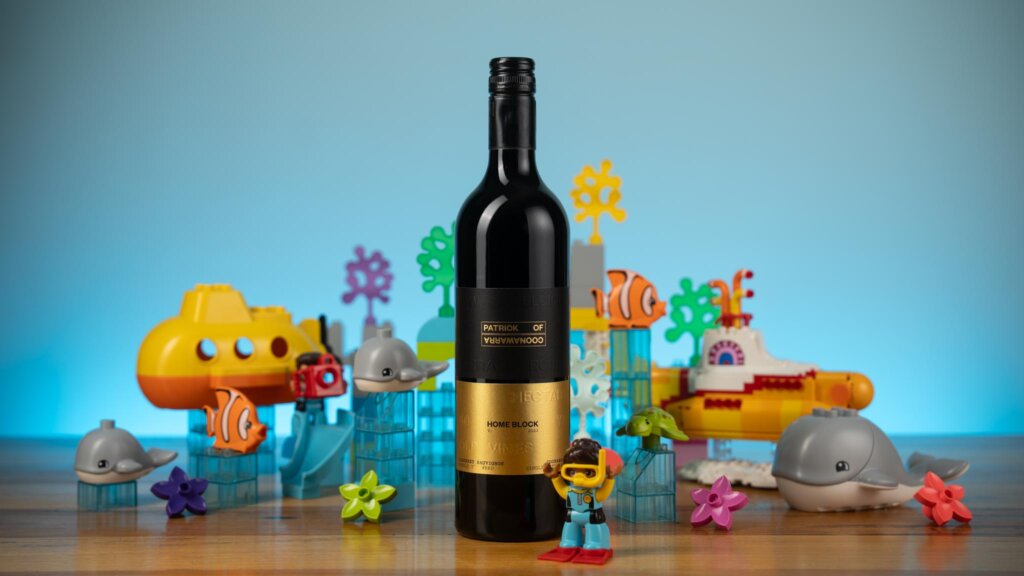
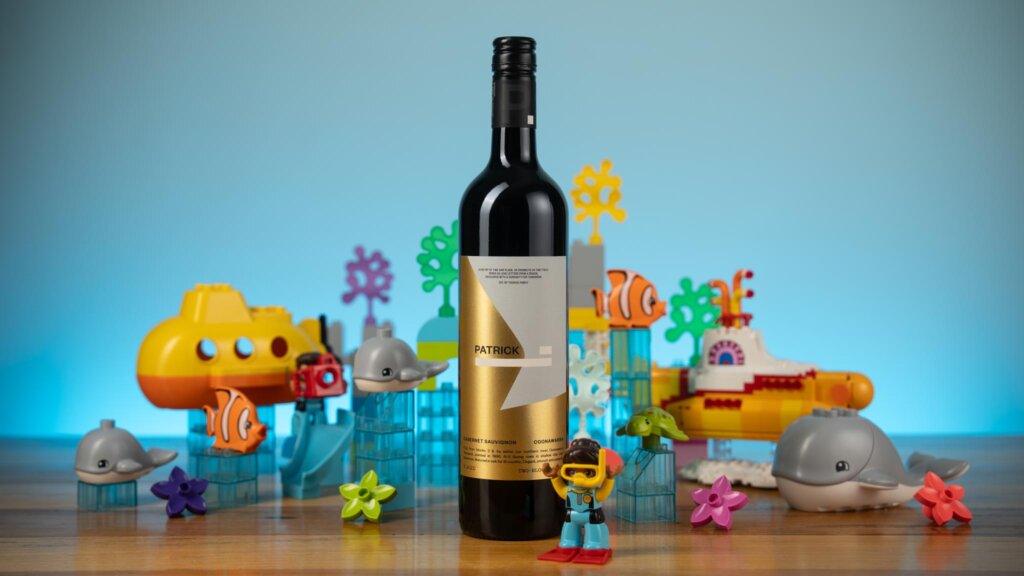
While Hodder prefers to make a less-minty style of wine for Wynns, winemaker Luke Tocaciu leans into that eucalyptol character for one of the wines he makes for family’s wine label, Patrick of Coonawarra. The story of this wine, ‘Méthode Eucalypt’, starts with a family tragedy: “I was happy just doing vintages for other people and travelling the world, as a young winemaker does,” Tocaciu says of his early career. “But dad was sort of needing a bit of help in the business, and the vineyard was growing then – so, fortunately, I came back to the business in 2009. I had a couple of vintages working with my dad, making wine together – and then, unfortunately, he got cancer and passed away in 2013. So I found myself running the business and making the wine at twenty-nine years old.” Having been thrown into the deep end of operating a traditionally styled Coonawarra wine label – “the labels and the winemaking were pretty similar” to others in the region, he says – Tocaciu’s energies were initially focused on understanding his father’s modus operandi. But an unanticipated break gave him a moment to pause and reflect: “Over Covid – 2020, 2021 – we had a lot of time to reflect on the business thing,” he says. “We were all in lockdown and the cellar door wasn’t open. So we came up with a plan to redesign all the labels and do some things differently – and part of that was to release some more experimental, fun, interesting wines that I had made in the background, but they never really saw the light of day. It was just really about doing things differently in Coonawarra and experimenting with two varieties that I love, which are cabernet and riesling.”
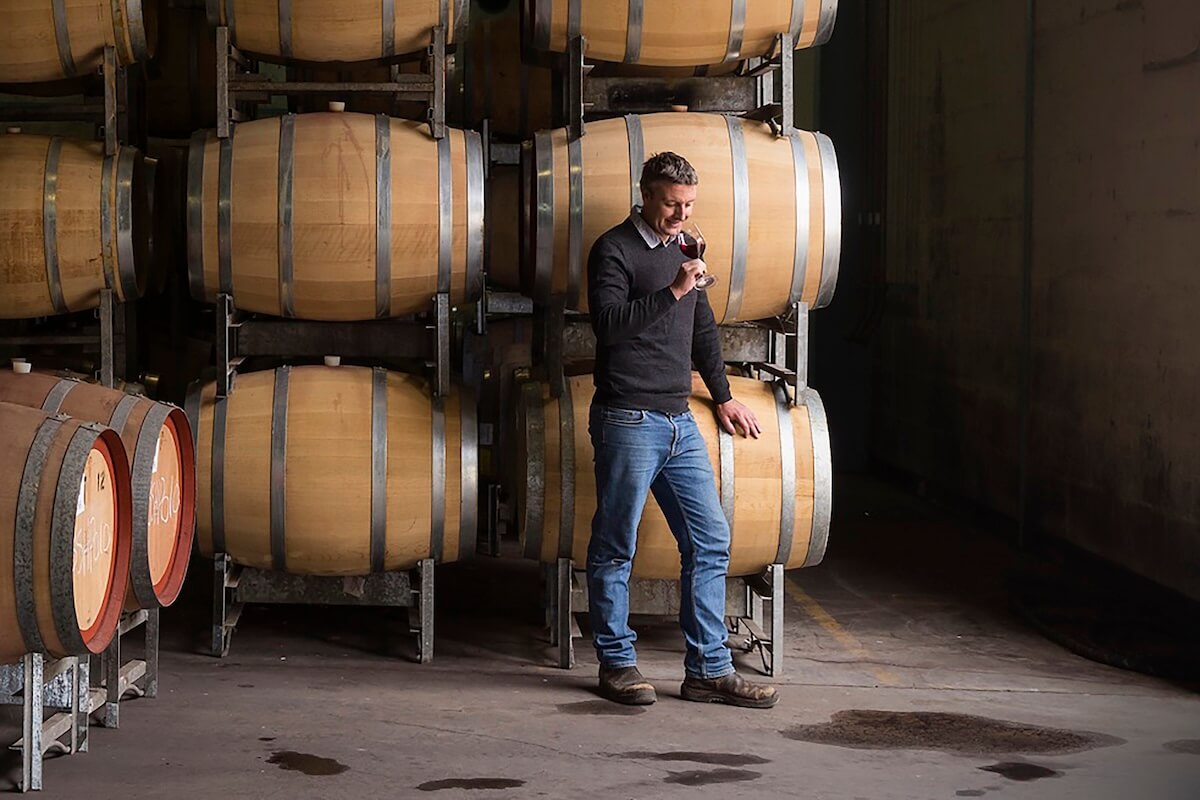
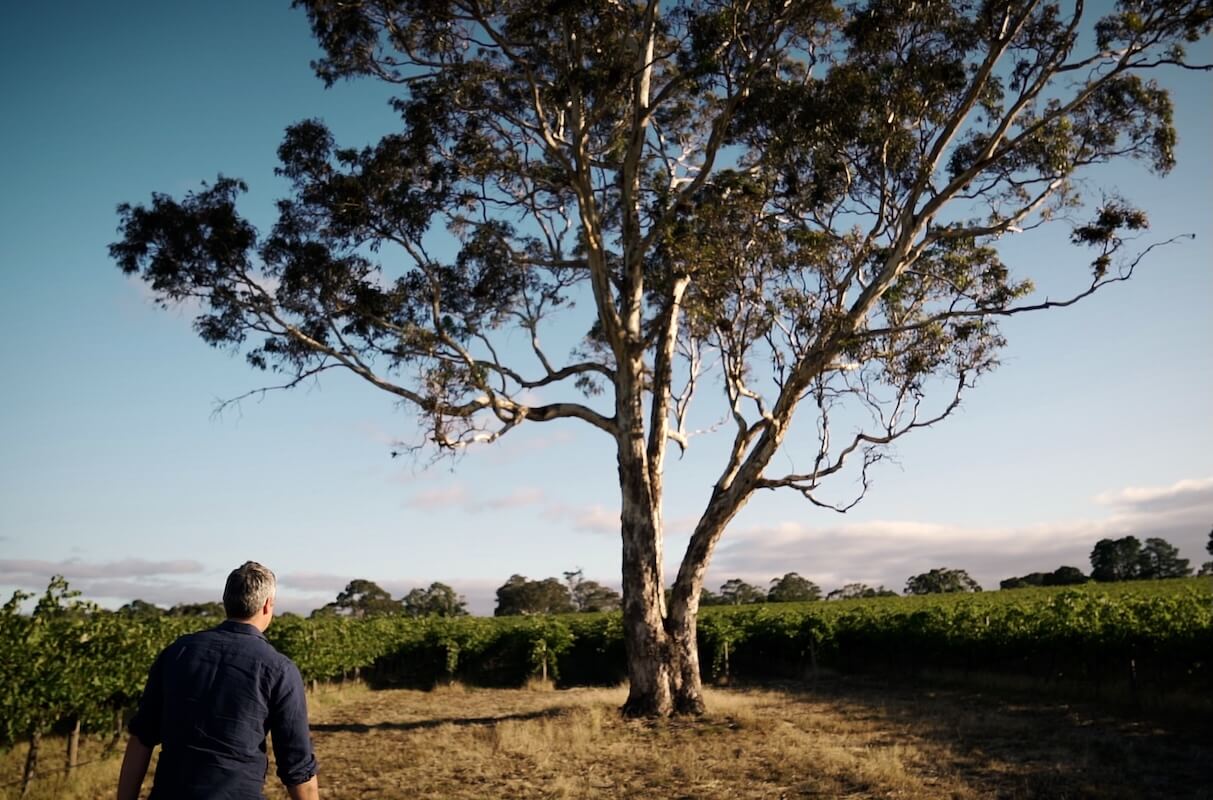
Opposite: Luke Tocaciu in the Patrick of Coonawarra winery. Above: A river red gum stands in the middle of Patrick of Coonawarra’s ‘home block’ of cabernet sauvignon – the source for their ‘Méthode Eucalypt’ wine.
One of those experiments with cabernet sauvignon was to embrace the region’s minty, eucalyptus-driven character – rather than seek to minimise it, as many winemakers have. “Some of the bigger companies – I won’t name names – were rejecting [other growers’] fruit because of its proximity to gum trees and this eucalypt flavour,” Tocaciu says. “It was certainly not in the style that they would like for some of the wines. And I was in the opposite camp, saying, ‘This is our Coonawarra terroir. We’ve got gum trees dotted throughout vast vineyards along this unique terra rossa strip. That’s something that we should be embracing’.” So for the ‘Méthode Eucalypt’ wine he sought out cabernet sauvignon fruit grown within a fifty metre radius of gum trees within his own vineyards – exactly the type of fruit that the other companies were refusing to purchase from growers. “It’s machine-picked on purpose to get all that MOG – bark and sticks and stalks and all those sort of things – into the ferment,” he says. “All the research points to the reason that [eucalyptol] is in wine is because of leaves and sticks and things getting into the ferment.” Owing to the small scale of the batches for this wine compared to the larger ferments of the more mainstream cabernets that Tocaciu makes, the making process is relativity lo-fi: “It’s foot-stomped and hand-plunged, and when the ferment’s done we spend the whole day shovelling it into my little, ancient, one-tonne basket press,” he says. “It’s very hands-on and gets my hands dirty as a winemaker, which you don’t get to do all the time.” And because the fruit is crushed by foot, rather than run into a more efficient crusher/destemmer, many of the berries remain intact in the ferment – making it a semi-carbonic wine, technically speaking. “You do get a bit of carbonic maceration in there,” Tocaciu says. “It’s pretty lazy winemaking from my perspective. Sometimes it only gets plunged once a day when I’m busy – it’s ‘when I remember’ rather than the regular process. So it does end up being a bit lighter in style.”
“This is our Coonawarra terroir. We’ve got gum trees dotted throughout vast vineyards along this unique terra rossa strip. That’s something that we should be embracing.”
While the winemaking style may have initially been determined by the constraints of making a small-batch wine in a larger winery setting, the response to the wine has been so positive that Tocaciu is not at all tempted to finesse the process. “When I first made the wine, I thought, ‘Oh, this will be a bit of fun and get a bit of media attention – it might change the perceptions of eucalyptus in cabernets a little bit’,” he says. “Then I took a bottle of the first vintage to a dinner with my family, and they actually really liked the wine, and really liked the style. So I thought, ‘Oh, okay, this is not just a gimmicky kind of wine – it’s something that people actually like.’ The reactions we get in the cellar door – it just blows people away. The story is so simple – it’s picked around the gumtrees, and you can smell this eucalypt character before you even taste it – that people are confident telling that story to their friends.” So while the wine has more than achieved the initial goal Tocaciu set for it – it was awarded the Danger Zone trophy at the 2022 Young Gun of Wine awards, and has gone on to become a reference point often invoked in the same sentence as the infamous 1963 Mildara ‘Peppermint Pattie’ in Australian wine media – it has also been successful as a wine in and of itself. Tocaciu puts this down to the fact that, while the eucalyptol character is strong, it’s also well integrated into the flavour and structure of the wine: “You get used to the eucalypt flavour after a couple of sips – and then it develops into this sort of jubey, blackcurrant kind of cherry fruit, which I think is a little bit of that carbonic maceration coming through,” he says. “It’s really soft – not a big, tannic young wine. It’s soft and juicy and really interesting. A lot of people walk away with a bottle to take to their dinner parties, or to blind tastings at Beefsteak & Burgundy clubs – which I didn’t think would be interested in a wine like that. It’s got a diverse following.”
Hitting the refresh button
Tocaciu sees his ‘Méthode Eucalypt’, alongside the other small-batch experimental wines of his ‘Méthode’ series, as a means of shining new light on Coonawarra’s strengths as a region. “I was getting sick of the negative press about cabernets – ‘That’s what my dad used to drink’ and all those sort of comments,” he says. “Or that cabernets are tannic and you need to lay them down for a lot of years. Or that Coonawarra was getting overshadowed by Margaret River’s younger, fresher, fruit-driven styles – which wasn’t really true, that’s just a media hook that got people talking. Things have changed quite a lot here in Coonawarra since the ’80s and ’90s – those mass-produced cabernets that were probably overdone and overripe from today’s perspective. We work pretty hard as a region to promote this new, more modern style of cabernets – they’re medium-bodied and they don’t need to have ten years in the cellar. They can if you want them to, but they don’t need it to be enjoyed as a standalone drink.”
“The region is quite dominated by some big companies. Unfortunately, with the terra rossa soil and the control of the vineyards, all the good sites have been planted out – so there hasn’t been a lot of opportunity for small producers to come along and take a bit of fruit or do something a little different.”
Tocaciu points to the relatively concentrated nature of corporate ownership – a consequence of the 1950s vineyard goldrush – within the region as a factor that can sometimes hold its image back: “The region is quite dominated by some big companies,” he says. “Unfortunately, with the terra rossa soil and the control of the vineyards, all the good sites have been planted out – so there hasn’t been a lot of opportunity for small producers to come along and take a bit of fruit or do something a little different. Coonawarra hasn’t had all these small voices talking to lots of different people about the region, because we are quite limited with twenty-five or so producers.” He emphasises, though, that the region’s independent producers are often much smaller in scale than outsiders assume. “I grew up with the Redman boys and the Hollicks and families like that,” he says. “They’ve got lots of history behind them, but in reality, they’re actually quite small businesses. Big reputations – but they don’t produce a huge amount of wine.” The fact that the Redman family has recently purchased the Rouge Homme label back from its former large corporate owner, Lindemans, therefore comes as a refreshing change for the region.
“Tradition needs to be celebrated, not just reinvented with every new fashion that comes along – if everyone goes down the same path of contemporary labelling and abandoning heritage, it will all look the same.”
For her part, Hodder prefers to avoid direct comparisons between her work at Wynns and the work of other producers in the region. “There are different styles made within Coonawarra – inevitably,” she says. “People pick later than us, or they have different viticultural techniques, winemaking approaches, use of oak – all the things that contribute to the style of a winery or a house, and how they interpret the region … there is no master plan. Everyone’s doing their own thing. Redman is not doing the same as Bowen or Balnaves or us.” She cautions that the quest for novelty in a well-defined region can also perversely lead to a monoculture: “Bowen have just celebrated fifty years – that tradition needs to be celebrated, not just reinvented with every new fashion that comes along,” she says. “We’re one of the regions that’s survived climate change to this point, and with wines that have aged well – and if everyone goes down the same path of contemporary labelling and abandoning heritage, it will all look the same.” Beyond this, though, she’s quietly optimistic that the time has come for Australian consumers – especially young wine consumers – to begin rediscovering the joys and virtues of the more medium-bodied and restrained style of cabernets that initially put Coonawarra on the map. “Parker Points was a long time ago now,” she says. “A lot of the winemaking students at the university of Adelaide are interested in cabernets, and are making them for their student wines. It’s really pleasing. At the cellar door, people are coming in looking for cabernets. I went to Sydney last week, and a young collector asked me to join their group for dinner, and they all bought their wines along – including quite a few Wynns wines – and they’ve got a hundred people in their online tasting group. They’re interested in cabernets … we’re very pleased that there’s genuine interest in medium-bodied wines again.”
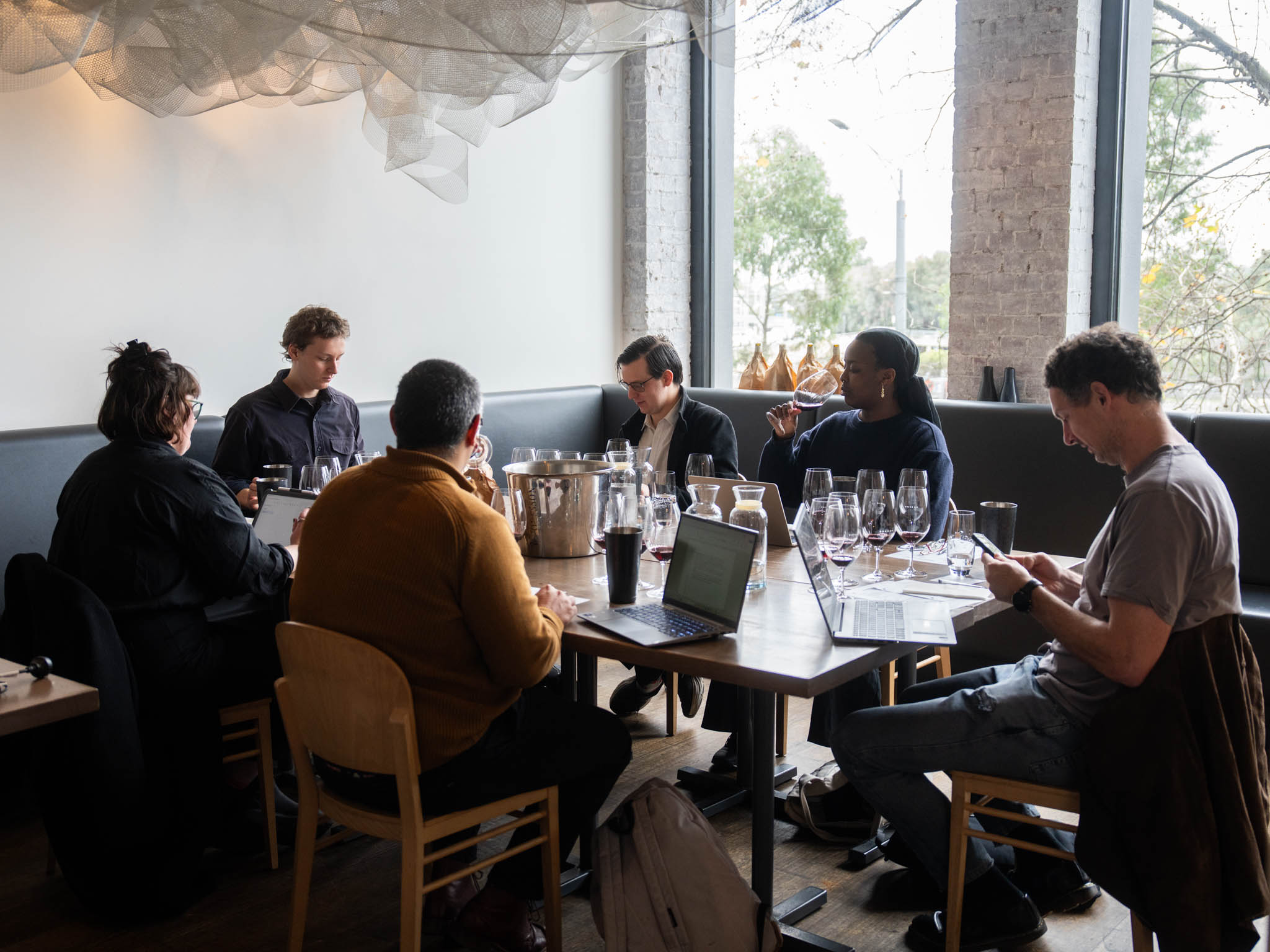
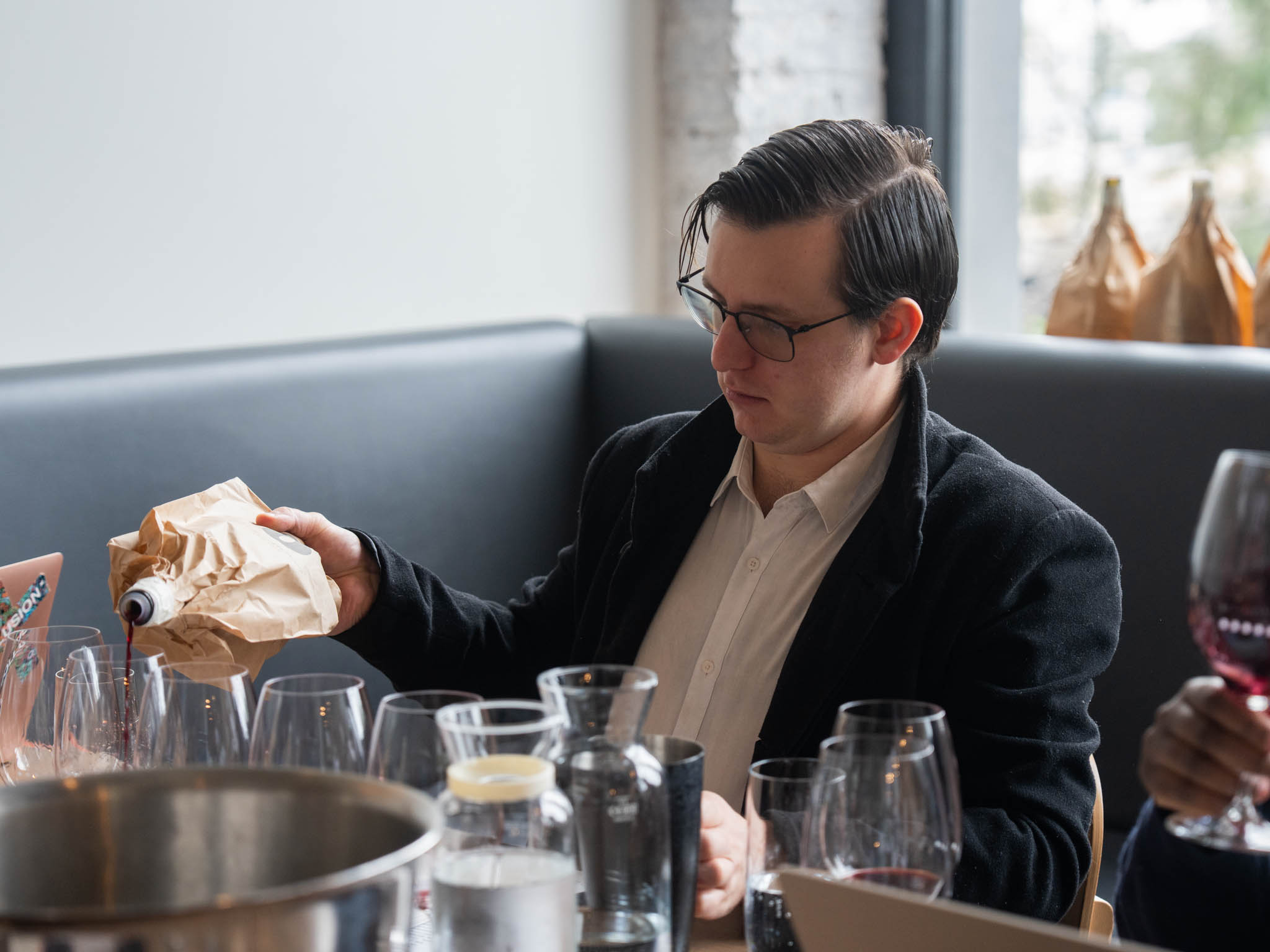
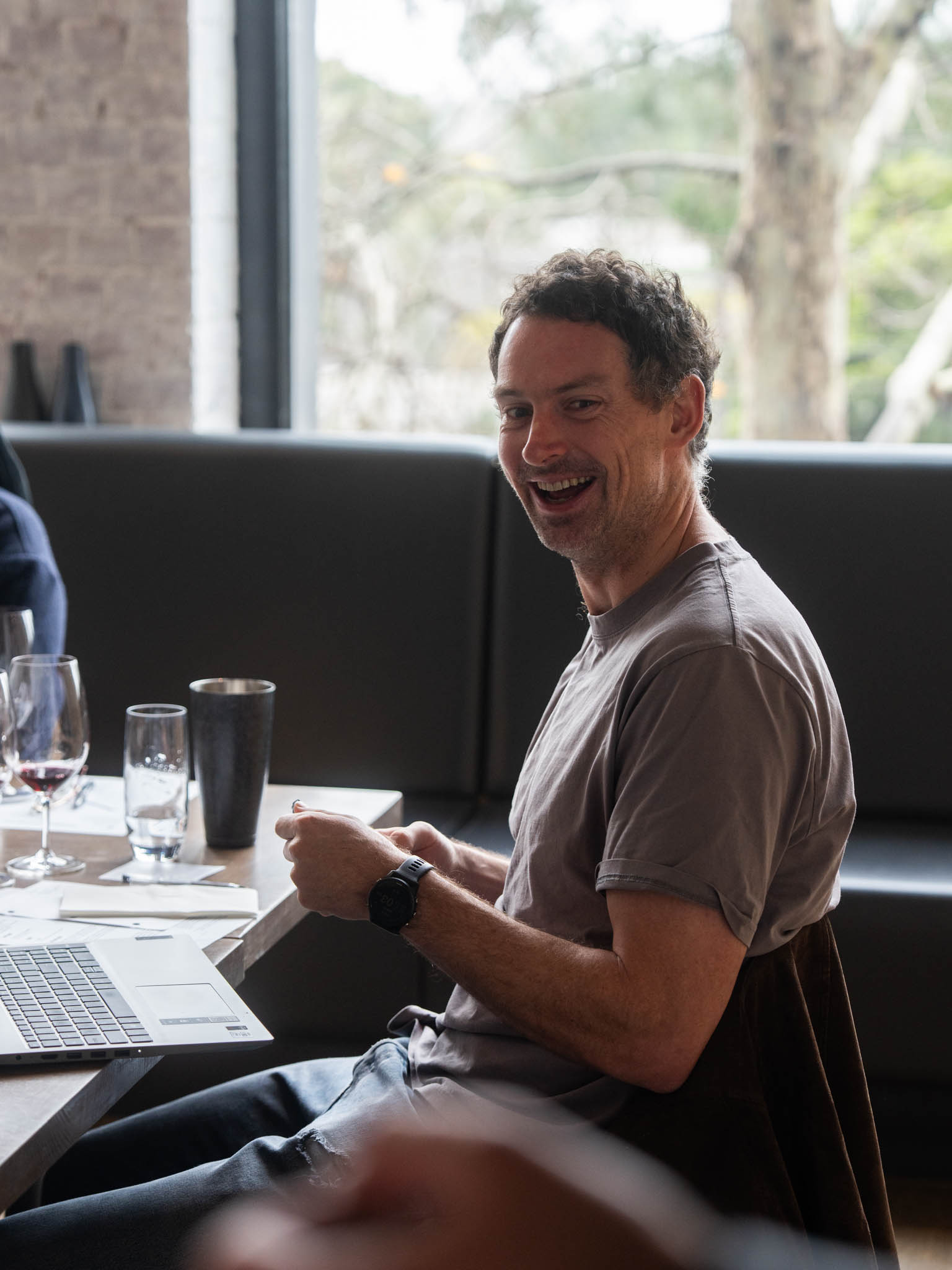
Above: Our expert panel gathered at Tonka, Melbourne CBD.
Outtakes from the tasting
We gathered every example of cabernets from Coonawarra that we could find – that is, either varietally labelled cabernet sauvignon, varietally labelled cabernet franc, or blended wines made from the traditional suite of Bordelaise varieties – and set our expert panel the task of finding the wines that compelled the most. All wines were tasted blind, and each panellist named their top six wines.
Our panel: Matilda Innes, winemaker, Taschini and Ottelia; Luke Broadbent, winemaker, Parker Estate; Sarah Robinson, sommelier, Cumulus Inc.; Sam Baxter, sommelier, Victor Churchill; Charlie Redmond, wine merchant, Seddon Wine Store; Brendan Cannon, sommelier, Carlton Wine Room.
Redmond kicked off the discussion by noting that the wines in the lineup showed a strong regional signature, despite obvious differences in winemaking techniques and varietal composition. “It was certainly a consistent – and unique – lineup in terms of style,” he said. “Nothing felt like it wasn’t similar to the previous wine I just tasted. There were a few curveballs, in a way, but I definitely felt like everything had an underlying consistency to it. It felt like there was an identity to the region, which is good.” He added that part of that regional identity might come down to time in barrel or bottle before release: “It felt like everything had a bit of time on it as well,” he said. “Maybe that’s because there’s a bit more extended time in oak. But it definitely felt like everything was softened out – it felt a bit more relaxed and a bit less tightly wound in comparison to a lot of other current-release cabernets from other regions, I think.”
Above: Charlie Redmond. Opposite: Matilda Innes.
Innes agreed with this observation, and argued that a little extra age before release was a part of the region’s winemaking culture. “I’d say there’s definitely an intention for a lot of producers to hold back wines purposefully,” she said. “A lot of them do two to three years in bottle before being released – that’s par for the course. And in this day and age, not many people can afford to cellar their wine, so to have some of that being done for you is a nice thing.” While she appreciated the intent behind this extra age, she also added that it might mean that Australia’s drinkers may missing out on the joys of tasting these wines in their youth. “I actually think that Coonawarra cabernets can be drunk a lot younger than people think – especially with modern winemaking styles. There are some super, super, pretty one-and-a-half or two-year-old Coonawarra cabernets – I think they’re some of the prettiest wines you can look at, in some ways. And that’s something that’s not often considered.”
“I actually think that Coonawarra cabernets can be drunk a lot younger than people think – especially with modern winemaking styles. There are some super, super, pretty one-and-a-half or two-year-old Coonawarra cabernets – I think they’re some of the prettiest wines you can look at.”
Broadbent concurred, and added that he thought a shift towards lighter and fresher styles of cabernets that are more accessible in their youth was evident in the line-up. “I reckon you can see that shift in the lineup,” he said. “There were some more youthful, brighter wines – more in that red fruit into cassis area. I was probably expecting to see a bit more of that jammy fruit – there wasn’t a lot of that plum conserve or strawberry jam sort of note, which is good. If you go back five or six years ago, probably – if we were going through the 2010 to ’15 vintage range – ‘jammy’ would have been on everyone’s mind.But now there’s more of these bright red fruits, and there’s crunch … you’re getting these really lovely wines.” For him, part of that shift came down to a broader range of varieties that winemakers were working with under the ‘cabernets’ umbrella – a move away from strictly varietal cabernet sauvignon. “I think everyone down there is playing around with ‘cabernet et. al.’ sort of stuff now – it’s not just, ‘Yeah, let’s make the biggest cabernet [sauvignon] we can make’,” he added. “It’s a lot more thoughtful; there’s a lot more experimentation. I think there’s a lot more people making with [cabernet] franc, there’s a lot more people making with petit verdot, malbec, putting these through blends.”
Above: Luke Broadbent. Opposite: Sarah Robinson.
While Robinson saw some stylistic changes in the wines, she argued that there was a good deal of continuity with historical styles as well: “I think Coonawarra’s in a great place for these fresher styles, because they can do it quite easily,” she said. “The wines were never extra-heavy to begin with. Trying to do less extraction, or maybe add a bit of carbonic in there – none of these things are complete opposites to what Coonawarra has been doing since the beginning.So I feel that if you’re trying to make cabernets appeal to a younger audience, Coonawarra is beautiful place to start.” She compared Coonawarra favourably in this regard to South Australia’s other marquee red wine region: “I don’t think the region has to pivot too much,” she said. “Think of the Barossa, for example – going from being an older style Barossa producer to a newer style Barossa producer is night and day. I feel there’s so much that you have to do to be able to change the way that you express the wine. But in Coonawarra, it’s like, ‘What can I adjust slightly? How am I able to tailor this to a new audience?’”
“The wines were never extra-heavy to begin with. Trying to do less extraction, or maybe add a bit of carbonic in there – none of these things are complete opposites to what Coonawarra has been doing since the beginning. So I feel that if you’re trying to make cabernets appeal to a younger audience, Coonawarra is beautiful place to start.”
Innes observed that the region’s makers had broadened the palette of winemaking techniques they were utilising. “There’s definitely a bit of whole-bunch use in the region now,” she said. “I mean, it’s not something that you see very often. I just really like the way that it plays around the tannin structure – it really softens it. You see this really lovely Hubba-Bubba–like grapey character too, which I really like.” She added that while whole-bunch fermentations added a layer of difficulty to the making, she felt it repaid the investment: “It’s all about making sure that you’re picking based on ripeness – and flavour ripeness, not just the [laboratory] numbers – then treating it gently and gradually,” she said. “I think it’s fun to see cabernets with a slightly different personality.”
Above and opposite: The tasting in action at Tonka, Melbourne CBD. All wines tasted ‘blind’.
Broadbent argued that this shift towards fresher, more vibrant styles of cabernets had just as mucin to do with the vineyard as it did with winemaking techniques. “We had a really good Coonawarra cabernet symposium back in the start of ’24,” he said. “There was a lot of work on shaded canopies and crop levels, and what that does to methoxypyrazine – those green characters in cabernets. The head winemaker from [leading New Zealand producer] Te Mata Estate came over for it, and we all had a good chat about what they do over there for the ‘Coleraine’ – how they expose the fruit zone. It’s about crop levels and not shading canopies – really getting those tannins ripe. I think you’re seeing that more, and you’re seeing less of those like real minty green notes, like the pea-pod stuff – there’s not a lot of that any more.”
“It’s really nice to see that even the old-school wines have taken a step back. They’ve dialled in on what makes Coonawarra great. Having everything reined in slightly, while still exposing the greatness of the terroir, is an insane feat.”
Cannon agreed, although he argued that a certain herbaceous note was part of the region’s flavour profile. “I don’t think greenness is a featuring characteristic here,” he said. “You do see it in the form of gremolata, or something like hard, woody herbs – but nothing as intense as that freshly cut green capsicum note. There’s a kind of piney amaro flavour to the wines sometimes, too.” This kicked off a robust discussion about the role of eucalyptus in the region’s wines, with Broadbent observing that a single gum leaf in a grape bin can impart that minty character, and Redmond arguing that this characteristic mint note can be integrated into a wine’s style. Cannon observed that while those minty wines don’t always find favour with wine critics, show judges, and winemakers themselves, they are quite popular with Australian wine consumers. “I think it gets people really interested at the same time – it shows them a different dimension to beverages that they don’t expect, so they get really fascinated,” he said. “We sell the Pyren wines, out of Avoca in the Pyrenees, and they’ve got a fair bit of eucalypts surrounding that vineyard. So we’ll have guests saying ‘We’ll come back for the gum leaf wine’. And some of the somms are like, ‘Ah, fuck – we thought that was a fault’, but I’m like, ‘Okay, cool, that’s great.’ It starts a conversation.”
Above: Sam Baxter. Opposite: Luke Cannon.
Baxter wrapped the discussion by arguing that the day’s wines showed that the region was truly honing in on what makes it unique – even amongst more traditional producers. “It’s really nice to see that even the old-school wines have taken a step back,” he said. “Everything today has actually felt quite structured, quite restrained, instead of just doing what would have been done in the past – overdoing the oak, overdoing the extraction, trying to build weight. Now they’re actually working with the climate, they’re working with the grape varieties, they’re working with the soils. It’s good to see that they’ve dialled in on what makes Coonawarra great. Having everything reined in slightly, while still exposing the greatness of the terroir, is an insane feat.” Pondering the question of how sommeliers bring some excitement back to a category that a lot of consumers might perceive as somewhat dated, he added, “Get it on a list. Get something cool. Get something that breaks a mould a little bit, and basically put something in front of people that is so recognisable, and yet also so different to what they know. Give it to them with lamb. Give it to them with steak. Or if you’re at home – get a bottle of it, get a barbecue on. Have a good time. These are food wines, and that’s what makes them so special.”
Above and opposite: The tasting in action at Tonka, Melbourne CBD. All wines tasted ‘blind’.
The Panel
Matilda Innes believes fiercely in two things: that the Limestone Coast is South Australia’s best undiscovered gem – and that mortadella sucks. Born and raised in Coonawarra, she was destined for wine but took the long way around. After a half-hearted crack at university, she swapped lecture halls for Melbourne’s hospitality scene, and it was there, cutting her teeth at venues like Supernormal, that her passion for the industry truly took hold. She returned home in 2017, stepping into her role at the family winery, restaurant and tasting room, Ottelia. These days she’s the ‘Wearer of Many Hats’, working across wine, brand, events, and everything in between alongside her parents and partner. And because she’s not already busy enough, she has created her own project label Taschini, as an outlet for untraditional spins on Limestone Coast wines.
Luke Broadbent works as one of the two lead winemakers for The Usual Suspects Collective, where he crafts wines for labels including Hesketh, Parker Estate, Vickery, and Mezzo.
It’s no wonder that Sam Baxter fell into the sommelier lifestyle – between his childhood spent in WA’s Swan Valley and his priestly grandfathers secretly passing him sips of Port, it was a done deal. He found his love for wine working at a wine merchant in the UK, and once back in Perth decided to pursue a career in wine. Since moving to Melbourne, he has become a familiar face to the CBD’s diners, popping bottles at Hazel, Coda, Rockpool and Maha. You can find him slinging bottles and premium steaks at Victor Churchill Melbourne in Armadale.
Sarah Robinson grew up in beautiful Aotearoa New Zealand before moving to Melbourne in 2023. With a passion for hospitality and a deep love for wine, she’s worked through pubs and restaurants around Melboume until finally settling at Cumulus Inc. on Flinders Lane. Here she works as a sommelier, guiding guests through food and wine of provenance.
CharlieRedmondcurrently works as a wine merchant for Seddon Wine Store.
Brendan Cannon currently works as a sommelier for Carlton Wine Room.
GET FIRST ACCESS TO THE NEXT WINE ICONS – DELIVERED
Today’s broad stylistic diversity of shiraz (or, syrah) in Australia is increasing at a rapid rate. The 2021 YGOW Awards Top 50 features Charlotte Dalton Wines, Minimum, White Gate Wine Co., The Stoke, Silent Noise, Weathercraft, Made by Monks, Dirt Candy and Wangolina, who are all championing new expressions of shiraz. Tasting notes appear at the end of the article.
Saperavi hails from Georgia – the very cradle of winegrowing and making – and its genetics make it supremely adaptable to a wide range of Australian climate conditions. What role will this ancient variety play in Australian wine’s future? Inside: the full backstory, plus the top wines to emerge from our blind tasting panel.
Today, grenache can be brooding or it can be lithe and vibrant, it can be silky, or it can be arrestingly grippy – it is versatile, characterful and reflects where it is grown with stunning clarity. Greg Clack and Kate Horstman (XO Wine Co.), James and Kimberly Cooter (Cooter & Cooter/Hedonist), Andrew Kenny (Kenny Wine), Louis Schofield (Worlds Apart Wines), Riley Harrison (Harrison Wines), Jean-Paul Trijsburg (Wines by Jean-Paul), Jack Weedon (Rollick), Tom Daniel (Chouette), Koen Janssens (Bink), Skye Salter and Charlie Seppelt (Paralian) are all pushing grenache’s ample possibilities.
Subscribe to our newsletter
Young Gun of Wine is your shortcut to cutting edge wines, the places to go, and the people behind it all.
Subscribe to be amongst the first to know of our latest discoveries in wine.
We'll bring you the inside running from the growers, the makers, the wholesalers, the retailers and the sommeliers, too.