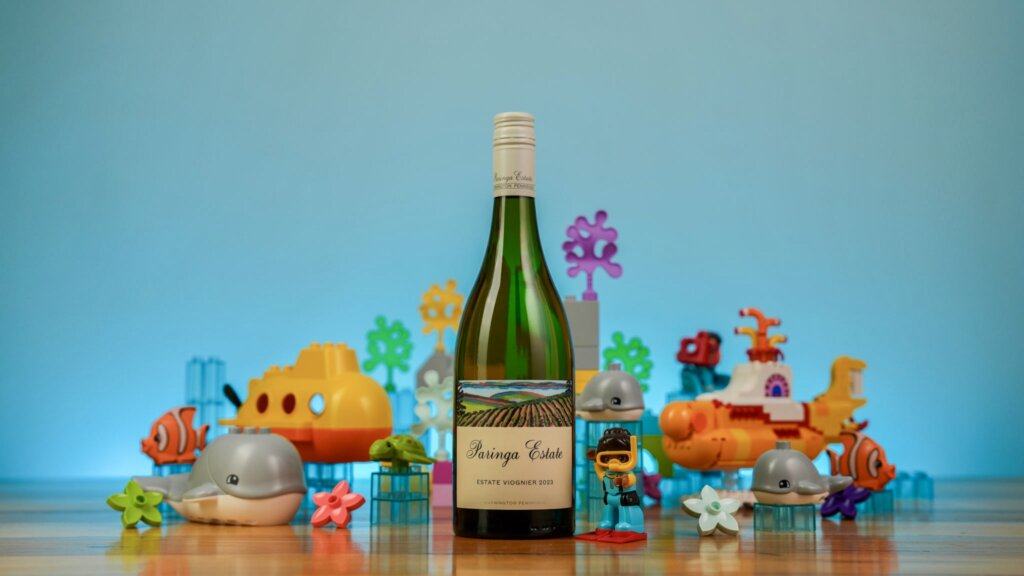
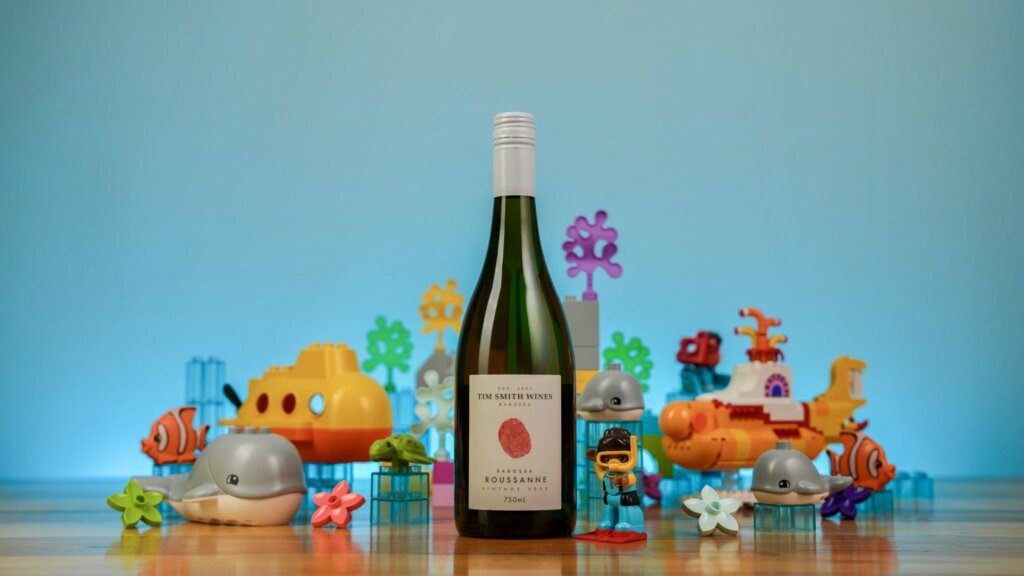
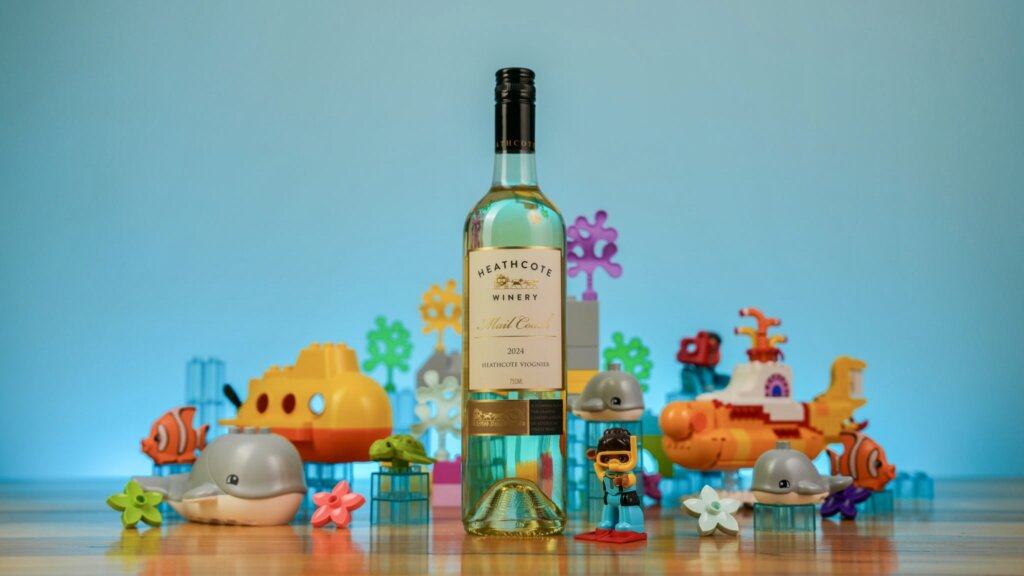
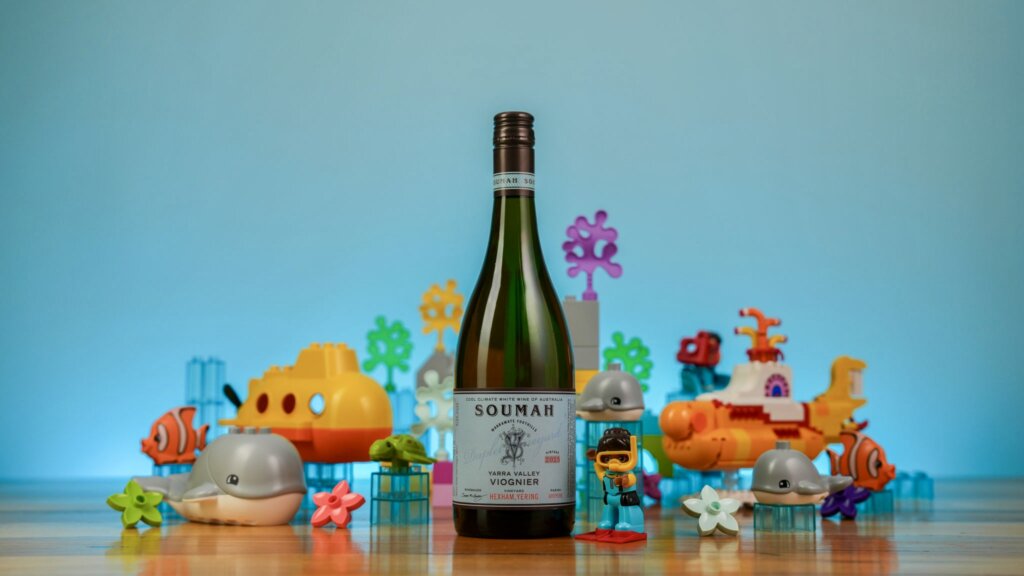
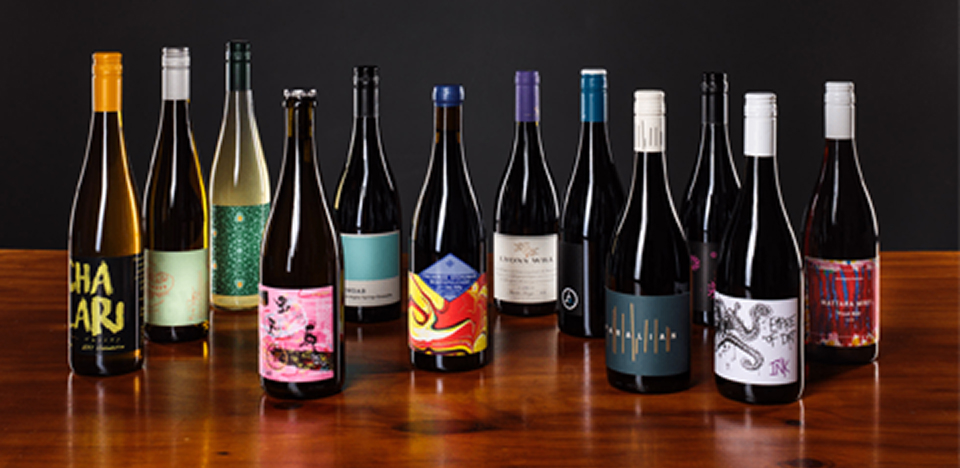
This trinity of white varieties calls France’s Rhône Valley home, where they are traditionally made both as varietal wines and blends in various permutations. They’ve also flourished in Australia’s climates – and we’ve played an important role in keeping two of them – marsanne and viognier – both alive and on the global wine world’s radar. Australia now makes a delicious array of wines, whether blended or varietal, from these three grapes – most of them showing deep textural interest, and many of them seriously age-worthy despite their usually modest price tags. With so much to love about these three varieties, blended together or not, we thought it was time to take a Deep Dive.
We gathered every example of Australian marsanne, roussanne, and/or viognier – either as single varietal wines, or any combination of the three varieties – that we could find, and set our expert panel the task of finding the wines that compelled the most. All wines were tasted blind, and each panellist named their top six wines. Below are the wines that made the panellists’ top-six selections from the tasting.
Our panel: Rory Lane, proprietor and winemaker, The Story Wines; Sez Robinson, sommelier, Cumulus Inc.; Stuart Dudine, proprietor and winemaker, Alkimi; Tully Mauritzen, freelance wine consultant and sommelier; Eden Walpole, senior winemaker, Blue Pyrenees Estate and Glenlofty Estate; Gus Gluck, business operations and beverage manager, Neighbourhood Group.
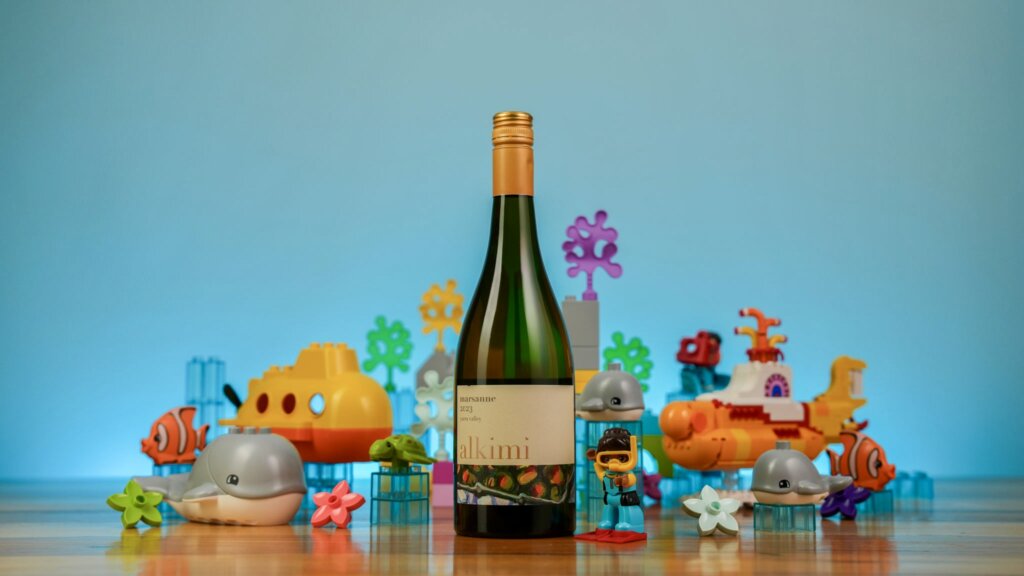
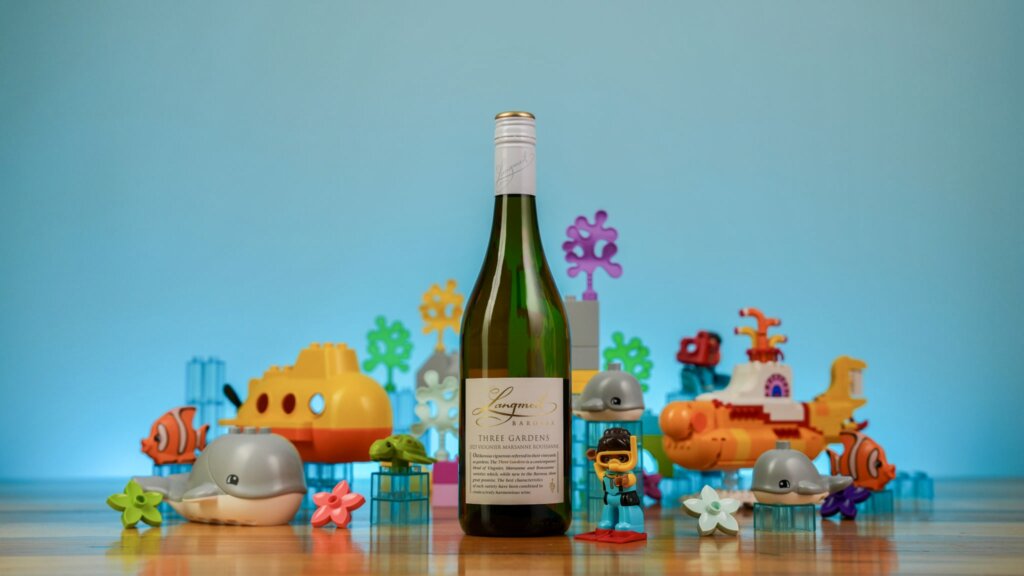
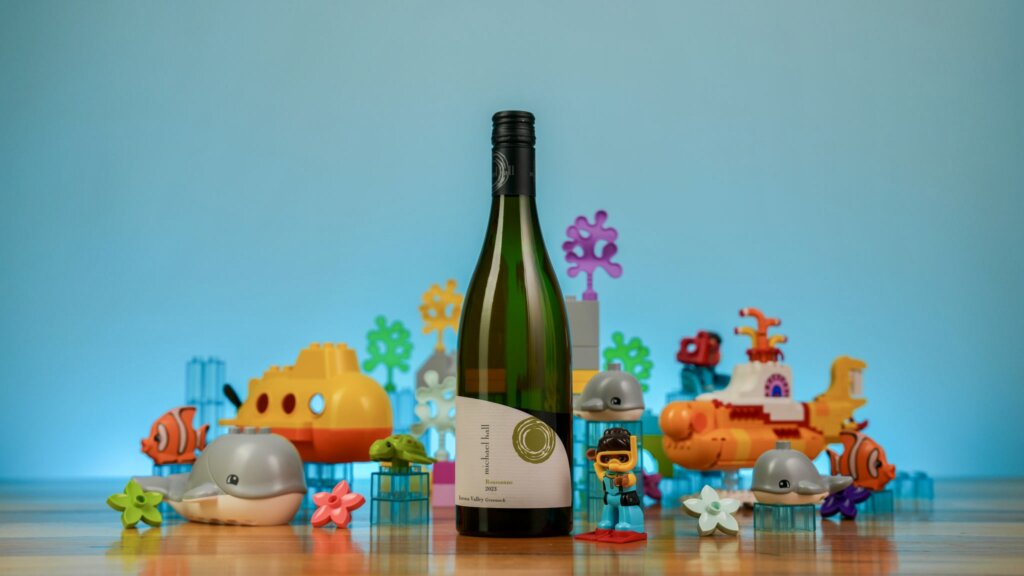
This wine appeared in the top six wines of the day for Lane, Walpole, and Robinson. Lane described “an unctuous, toasty, and mellow iteration clearly showing the influence of malolactic conversion. Orange marmalade, buttered toast, grilled cashews, more butter – butter on your toasty toast! Some some new oak is evident here, but there’s enough weight and concentration in those rich, dried, gingery/orangey fruit characteristics on the mid-palate to carry it. It has the energy!” Walpole noted “a nose dominated by very classy oak and baked pear, accented with flinty/smoky aromas – woodsmoke and char through to white nectarine. Lovely clarity and savoury depth of flavour in the glass – very layered and nuanced. Shows measured evolution with time in the glass as it comes up in temperature and sees some oxygen. The finish is held together with a saline spine that integrates perfectly with the oak and the rich texture.” Robinson found it “like listening to a classical composition, each sip of this wine plays in perfect synchronicity. Savoury notes of sea spray, Thai lime leaf, and dried bay leaf act as the brass instruments. Dried mango, candied ginger, and dried apricot are the string section, adding life and lift. Hints of chamomile and black tea–like acidity work as the conductor. A perfect symphony – from first sip to the last.”
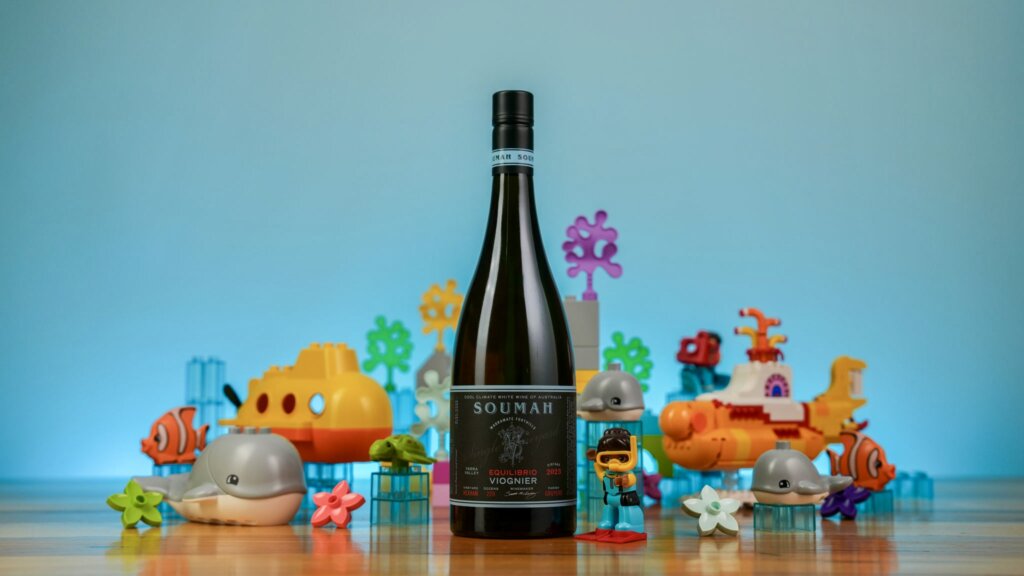
Lane and Gluck both selected this wine among their top six from the blind tasting. Lane described “a beautiful blend of all the textures and flavours: purity of yellow nectarine fruit character alongside hints of papaya; richness and weight on the palate showing perfect ripening in the vineyard without being too dense; and just the right balance between its easy softness and enough tangy acidity to hold it all together. It tastes mellow yet fresh, if that’s conceivable – like a well-played vinyl record. I’d happily drink this one all evening.” Gluck noted “a golden haze in the glass, showing guava and fresh, table grape-like aromas. Full flavoured and very forward on the palate, opening with a whoosh of fruit character that washes down the tongue, accompanied by a light grip of phenolictannins and finishing with real chew. This take on the skinsy approach is really inviting and very refined – a gourmand style with an inherent seriousness to it, despite its looser, more counter-cultural guise. A wonderful wine to show a group of sommeliers. I’d happily devour this myself, too – it’s lemon thyme, roast chicken, and melted butter in a glass.”
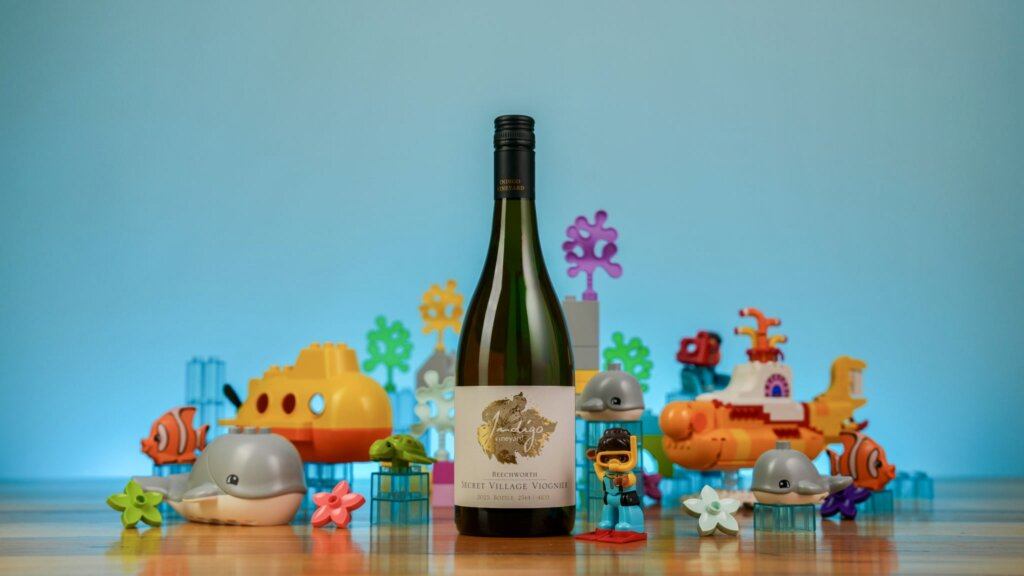
Robinson and Lane included this wine in their top six wines of the tasting. Robinson described “an absolute delight to drink. This wine boasts ripe oranges and fresh nectarines on the nose, with a beautiful spicy clove kick. Juicy mosambi/Iranian sweet lemon fruit adds body on the palate, but there’s still a steely backbone with some puckering acidity to frame everything – plenty of fruit character present, but it treads lightly. A hint of smoke, a dash of flint – this is a wine perfect for an autumn dinner party. I’m imagining barbecue chicken, a fresh salsa, and a splash of this wine – a match made in heaven.” Lane noted “a wildcard pick for me. This shows the benefit of some age for these varieties – it’s darker and yellower in the glass than most of its companions, and you can taste toffee, pears, crème brûlée crust, and even some earthy, rusty, complex marmalade notes as well. This wine has personality-plus – and even if it isn’t the freshest or brightest, it’s just so much fun to sip on. I’m thinking this could work brilliantly as a digestif!”
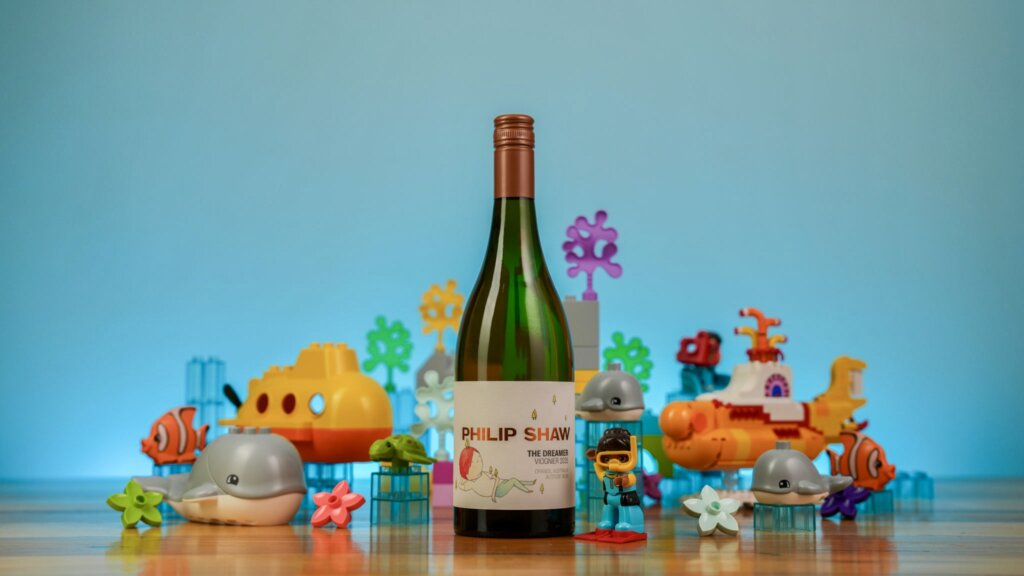
This wine made the top six selections for Mauritzen, Dudine, and Robinson. Mauritzen said, “It’s incredibly hard to identify the variety/ies of a wine like this in a blind tasting, and that’s the true skill of making them. At first glance, this feels as though it could be riesling owing to its aromatics, but the weight and power balanced by acidity feels akin to chardonnay, while the oily texture evokes pinot gris. This wine should please anyone you hand it to – it has a great lime-juice backbone with a grippy lemon rind character. This would be perfect on a late summer’s day, served alongside a bowl of fried calamari and no particular place to go.” Dudine noted that it is “a wine that shows both freshness and depth. It leads with pristine and layered aromas of vibrant white rose, vanillin, and hints of mango-like tropical notes. The palate is soft and creamy, with notes of preserved lemon on the finish, which lead into a complimentary phenolic bitterness.” Robinson found it “whispers its beauty, and encourages you to discover it slowly. Beautifully gentle tropical notes lead – fresh mango, passionfruit pulp, and a hint of papaya. The winemaker has done a fantastic job of allowing the wine to be juicy and luscious while still showing restraint.”
2025 Philip Shaw ‘Character Series – The Dreamer’ Viognier, Orange $25 RRP
Mauritzen selected this wine among her top six wines on the day, saying “I knew from the moment I tried this wine that it would be my number one pick of the day. There’s an undeniable presence to this wine, although it’s far from the flashiest examples of this style – instead, it commands with elegance and poise. It meets you with aromas of green apple, green almond, and young pineapple that hint at the energy in the glass. The palate delivers on the typical oiliness of these varieties with restraint, matching it in equal parts with a gorgeously saline acidity that feels like the finishing touch of sea salt on a good meal. There’s a striking umami depth here, made complex by whispers of vanilla and cardamom. This shows meticulous decision-making all along the winemaking process – colour me impressed with the result!”
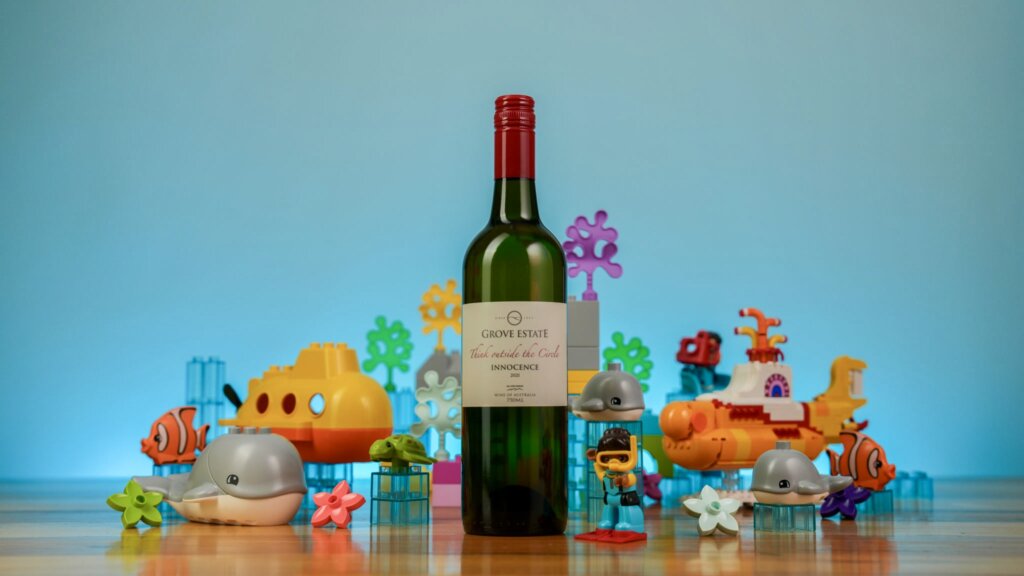
Dudine chose this wine for his top six picks from the blind tasting, saying, “Whoa – what a wine! It instantly hits you with its presence and command. Aromas like stewed apricot, Chinese five-spice, and a smoky/spicy/meaty note akin to semi-cured Hungarian salami leap out of the glass. The palate gets quite interesting, with bold aromas of quince paste, blood oranges, and apricots with cream. The wine has layers underneath, with elegant citrus notes of orange blossom, white pepper and chamomile. The texture on the palate is akin to the sensation of rubbing your fingers on smooth polished concrete. It’s a wine with lovely phenolic weight and drive – the acidity drives the wine, but the power and character of the wine hold that acid in check.”
2021 Grove Estate ‘Think Outside the Circle – Innocence’ Viognier, Hilltops $28 RRP
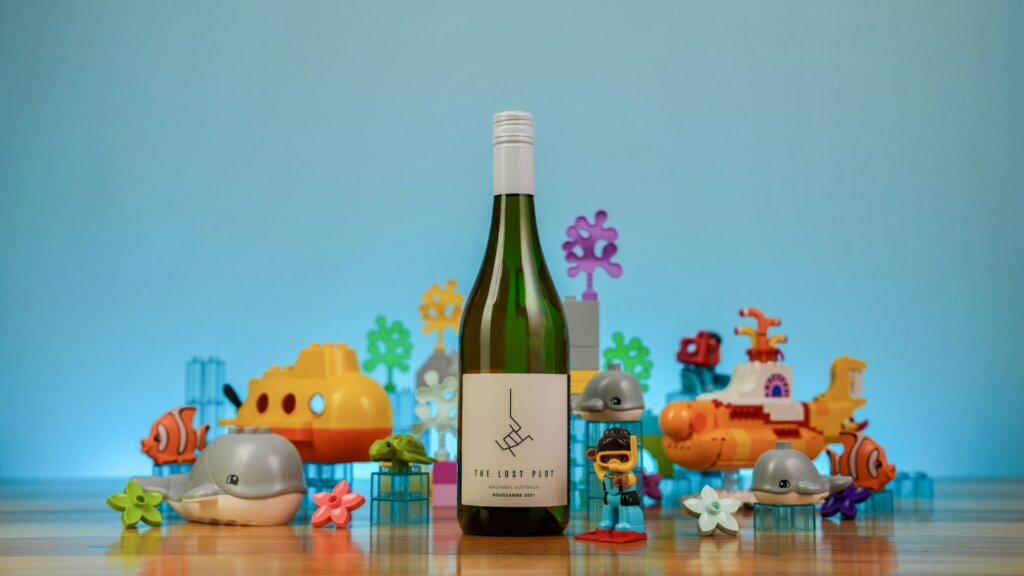
Walpole selected this wine among his top six wines from the tasting, noting “beeswax, honeysuckle and lightly buttered toast on the nose, alongside an incredible sweet core of honeydew melon fruit character. This succulent fruit forms the structural core of the wine on the palate, accented by a lick of phenolics, giving it an amazing grace and zest. The flavours are beautifully layered, showing intricacies of flavour along with a youthful spiciness and pithiness. This is a classic example of how complex these Rhône white varieties can be – a wine that commands attention.”
2021 The Lost Plot Museum Release Roussanne, Nagambie Lakes (Goulburn Valley) $38 RRP
Gluck chose this wine for his top six wines of the day, describing “a pure apricot nose with a dusting of dried ginger spice. Slinky texture on the palate – lots of dry extract in the fruit and a softening use of solids in the making. It lacks overtly fruity flavours, but has texture in bounds – think chalk meets lemon sorbet. Has a pleasant bitterness on the back of the palate that makes you want to go back for more. It feels like winter Muscadet, or a watchmaker’s take on the whites of the Rhône – it has an understated power, the kind that only needs to utter a single word to be seen and heard.”
Gluck and Walpole included this wine in their top six selections. Gluck described “a fleshy, grape-like, and distinct wine. Smells of individually-plucked muscat grapes fresh off the vine – buoyant, perky and youthful. On the palate, it’s full-flavoured and typical of these Rhône varieties: all apricot, white peach, and honeysuckle. There may be a serious wine underneath that easygoing, vibrant façade – it has a surprising amount of length. I’m looking forward to getting my hands on a bottle and giving it a good decant to better understand its complexities.” Walpole noted “the aromatic profile is one of ginger snap cookies, apricot kernel, beeswax and honeydew melon. Very good structural depth, with a succulent acidity driving the glossy yellow-fleshed stone fruit characteristics down the palate. I see this as a very expressive example of ripeness done well – everything is measured, nothing is out of place.”
Mauritzen selected this wine among her top six wines from the blind tasting, noting “you expect wines in this category to have weight and power, but that doesn’t always mean finesse. In this case, it was so easy for me to return for another tasting pour, which is a rare thing to say about powerful white wines. The ripe fruit shows fleshy personality by way of apricots, yellow peach, dried ginger, and roasted pears – a complexity that feels homely and inviting. The balance really comes into play with the arrival of flecks of white jasmine and honeysuckle, all backed by a powerfully saline line of acidity. It feels like this wine’s genuine personality embraced me, and held my attention so carefully. From the aromatic nose to the ripe palate and the fresh finish, there’s nothing in this wine that I don’t enjoy.”
Dudine chose this wine for his top six wines on the day, describing “a little powerhouse of a wine. Apricots, fresh peach and quince lead here, alongside herbal and spicy notes of wood sorrel/oxalis and acacia. A bit of meaty reduction helps to keep the wine tight and fresh. The palate shows a great mix of big flavour and big texture – intense ginger spice, apricot Danish, and white roses. The glycerol-laden texture washes all over the palate, but is kept in check by a tight phenolic character. The complexity and intensity here make this a wonderful food wine – I’m thinking roast chicken with green herbs, a pine nut and apricot stuffing, roast veg, and blanched peas with gravy.”
Robinson selected this wine among her top six picks from the tasting, saying “like stepping into a forest just after a rainstorm, this wine is lush and brimming with life. An explosion of green mango, hazelnuts, and dried honeycomb take centre-stage, supported by mouth-watering notes of double-cream brie, ripe apricot, and orange rind. It would be easy for the rich flavours to make the wine lose its structure, but a line of yellow jasmine and sea spray keeps the richness in check. It’s exciting to think about what this wine will look like in a decade – but it’s also just a delight to drink young. A wine for people who like to ponder over their evening tipple!”
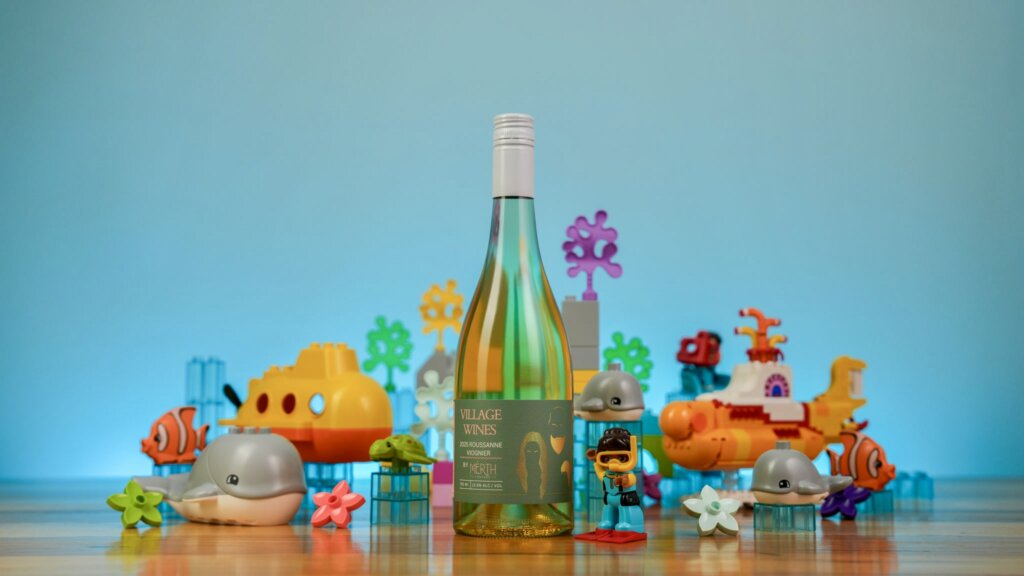
Dudine included this wine in his top six wines from the blind tasting, saying “this little number is layered with character – aromas of chamomile and apricots, accentuated by fresh herb notes such as tarragon and chives. The complex and elegant aromatics really drew me in for more! The palate is very summery, with the flavours – notes of freshly picked white peach, cucumber and creamy tones akin to whipped feta and chives – perfectly integrated into the acid balance. It’s a wine in that Goldilocks zone these varieties excel at – not too heavy, but not too light. The warmth of the alcohol content helps to intensify the flavours, which works harmoniously with the wine.”
2025 Village Wines by Merth Vineyard Roussanne/Viognier, Heathcote $32 RRP
Walpole selected this wine among his top six wines of the day, noting that it is “quite a ripe and extremely flavoursome expression of what these varieties can be – intense nectarine character on the nose, with grapefruit lift and apricot-kernel definition. The ripeness of the fruit here gives the wine an elevated alcohol content that can be felt on the palate, but this sits incredibly well with its judicious use of phenolics and its fresh line of acidity. Balance is the key – although this is a wine that has lots going on, nothing here is overdone.”
Gluck chose this wine for his top six selections from the tasting, describing “a subtle nose of peach and nectarine – lightly but gorgeously fragranced, like a well-dressed denizen of the Byzantine empire. The full-fruited palate shows a fine, cloth-like texture – almost wooly. There’s a nice intensity of fruit character here that’s framed by a refreshing factor that doesn’t come from acidity, but rather from savouriness. This is a wine that’s clearly indebted to the whites of the Northern Rhône, and could indeed pass for one in a blind tasting – but it’s also one that looks better than the ‘real thing’.”
Lane selected this wine among his top six wines from the tasting, noting “this is so pretty and delicate! Perhaps a young viognier from a cooler climate – it’s more about highlights, flashes, and pops than unctuous softness. Tangerine, orange oil and spices – a little white pepper, some nutmeg – on the palate, with lovely length and a thirst-slaking acidity that keeps you coming back. This is the ballet dancer of the bunch – quite captivating.”
Walpole chose this wine for his top six wines on the day, describing “an especially flinty expression of these varieties on the nose, with baked pineapple fruit, jasmine blossom and talc to be found underneath its robe of smoky, slightly vegetal funk. The ever-evolving aromatics here show a high level of complexity. Intense flavour generosity and depth on the palate, with zesty but not forceful acidity and a lovely medium-rich palate weight. A really graceful play on phenolics drives the finish here – a pure and expressive example of what makes this category so appealing.”
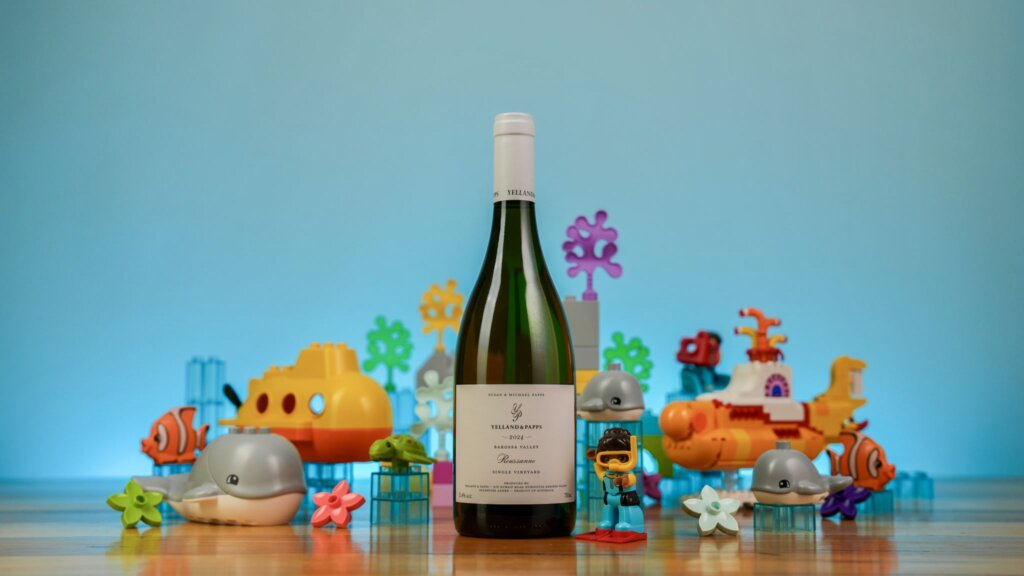
2024 Yelland & Papps Single Vineyard Roussanne, Barossa Valley $49 RRP
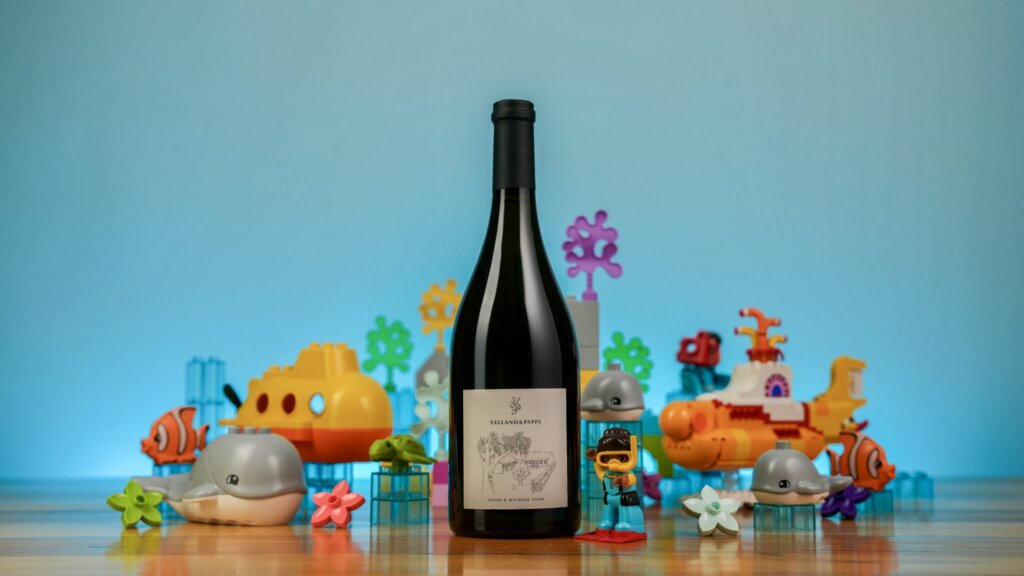
Gluck included this wine in his top six picks from the blind tasting, describing “a nose that reminds me of the Petit Filous yoghurts of my childhood – notes of apricot conserve, fromage frais, and creamy toffee. A wine defined by its ripeness, this is like old-skool white Hermitage in style and intensity – it moves slowly through the palate like an oil tanker through the Strait of Hormuz. That hulking intensity has been successfully weaved and tamed, though. A wine for those who like their whites big and larger than life – or a successful dessert wine replacement for those who don’t like anything with residual sugar in it.”
Dudine selected this wine among his top six wines from the tasting, noting “this feels like a well-made wine. It leads with orange marmalade and gingerbread notes, in conjunction with aromas of honey and light spices such as white pepper and saffron. Yeasty and leesy tones hum nicely underneath. The palate is slippery and mouthcoating – yum! Intense notes of peaches and cream, blood orange, and lemon balm demand attention. Further than this, there are more herbal notes like mint, spicy Thai basil, and yarrow, which give the wine character and freshness. This wine has intensity and power with elegance – viva!”
2023 Pankhurst Wines Marsanne, Canberra District $25 RRP
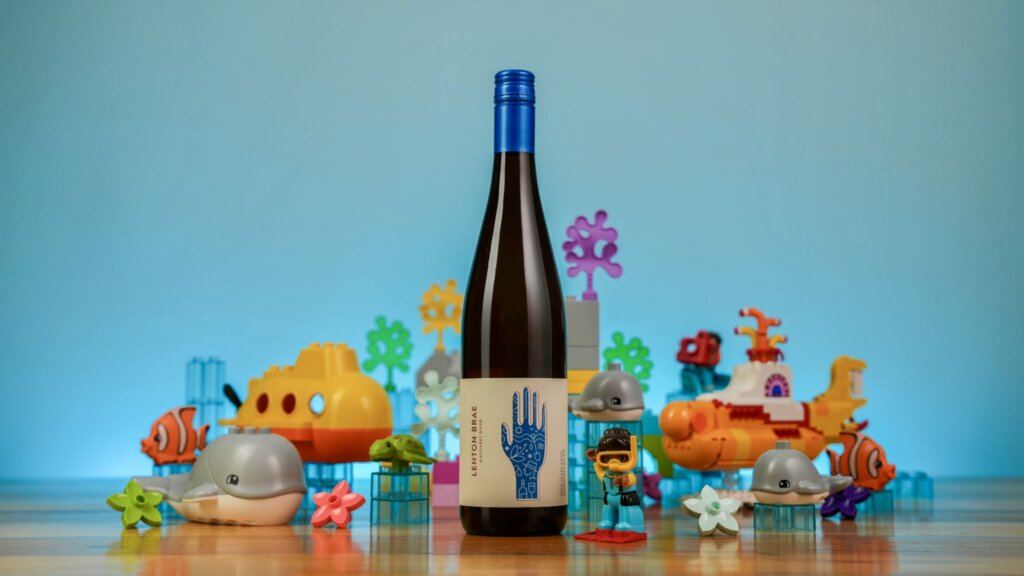
Lane selected this wine among his top six wines from the tasting, noting “I could well be wrong – given that this was a blind tasting – but this seems like a younger, more marsanne-dominant wine to me. It has that fleshy white pear and white nectarine quality that’s a bit pinot gris–like, but then comes the flinty, rocky, stony stuff to bring tension to the palate and drive real interest. This is likely to age a treat, I think – but even in its relative youth it has enough softness through its waxy mouthfeel to be eminently enjoyable.”
2024 Lenton Brae ‘In Good Hands’ Marsanne, Margaret River $36 RRP
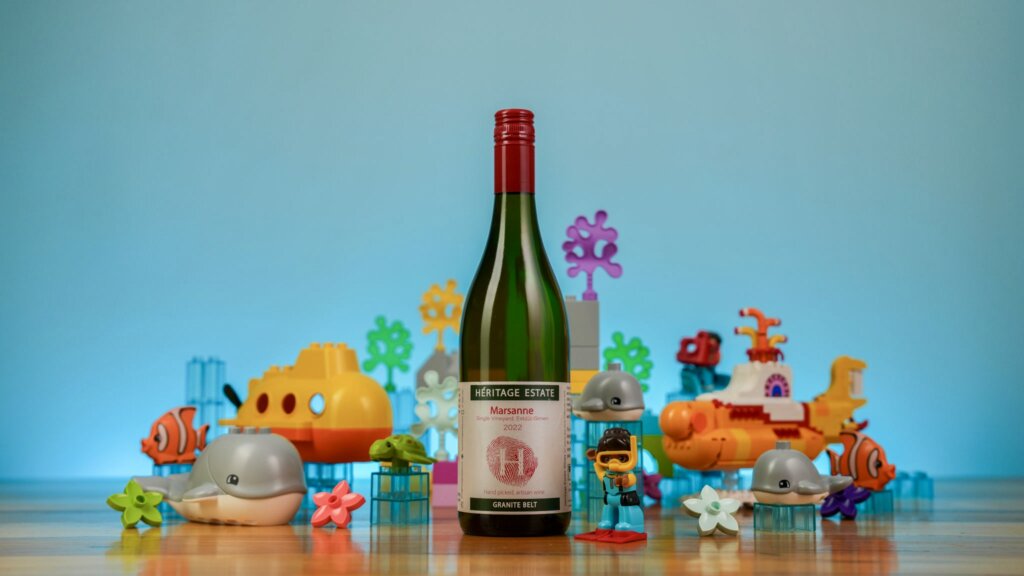
Walpole chose this wine for his top six wines on the day, saying “this wine’s nose opens with high-toned notes of flint and struck match that open up and evolve into baked nectarines and preserved peaches, with a hint of floral honeysuckle. Very good flavour depth and layering on the palate – there’s a talc-driven phenolic play that lengthens the flavours and builds complexity. The seamless integration of the various components in this wine make it simply a joy to taste as it evolves in the glass. Some very measured winemaking intent behind this one – impressive.”
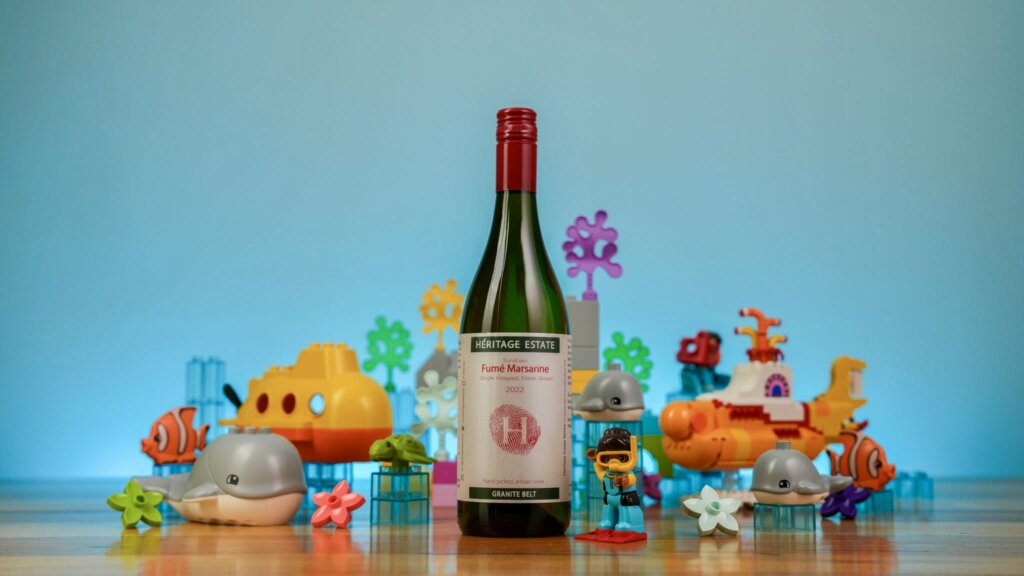
2022 Héritage Estate Marsanne, Granite Belt $35 RRP
Mauritzen selected this wine among her top six picks from the blind tasting, saying “this feels like eating a custard tart or crème caramel, and comes with all the same joys – a creamy, plush texture, and all the tasting notes you’d expect to follow. Vanilla bean, cinnamon and cardamom spice, roasted nuts, and caramel lead, followed by a gentle lemon and pear character that brings a sense of balance. It might sound heavy and rich, but the acidity is perky enough to keep this wine’s excesses in check. If you ever feel like an after-dinner treat, but don’t possess a sweet tooth, this wine will certainly do the trick – at the tasting, I simply wanted to take a spoon and keep digging in!”
2022 Héritage Estate ‘Sundown’ Fumé Marsanne, Granite Belt $55 RRP
Lane and Mauritzen included this wine in their top six wines of the day. Lane described it as “commanding and classy, clearly showing a French oak influence. It has that gunsmoke/struck-match sulphide character that Chardonnay-heads swoon over – anyone who loves white Burgundy would be locked-in here. There weren’t many wines in the lineup that have an almond meal texture like this – and it’s combined with a surprising clarity and precision of ripe peach and pear fruit character. It’s just straight up yummy – impressive work!” Mauritzen noted “the winemaking here seems to be reductive in technique, with notes of curry leaf and mustard seed that make me instantly hungry for a rich Indian curry. This is a unique wine in the category, and I have to applaud it for bringing personality and nuance to the super-savoury style.”
Gluck and Robinson both selected this wine among their top six wines from the tasting. Gluck described “like a lemon sherbet, all citrusy and fresh with the oil from the skins. Full- flavoured on the palate, with real grip. Stylistically it achieves everything these varieties are supposed to achieve, just in a more avant-garde way. It may have some unkempt hair, but it’s balanced and composed really well – exceptionally moreish, in its own unique way.” Robinson noted “this drop feels like the remnants of summer – think passionfruit pulp, fresh-cut rockmelon sprinkled with salt, and a hint of key lime. Clean and saline, with just enough fruit ripeness to give it body, this wine is a breath of fresh air for the dinner table – when no one can decide between a pinot gris or a riesling, turn to this bottle for the answer to all your prayers. It’s approachable for any type of drinker and any occasion.”
Mauritzen chose this wine – a blend of marsanne, roussanne, and viognier alongside a touch of grenache blanc – for her top six wines on the day, describing it as “sunshine in a glass! A notable exception within a category of wines that can feel so weighed down by notes of dried fruits and nuts, this is instead all about more lifted, vibrant flavours and aromas – juicy mandarins, fresh apricots, guava, green almond, and zesty lemons and limes. All of that is overlaid with a gentle vanilla- and potpourri-like spiciness that layers in extra complexity. If you’ve ever wanted to introduce your friends to these varieties, but don’t want to throw them right in the deep end, then the youth and vigour of this wine creates the perfect opportunity.”
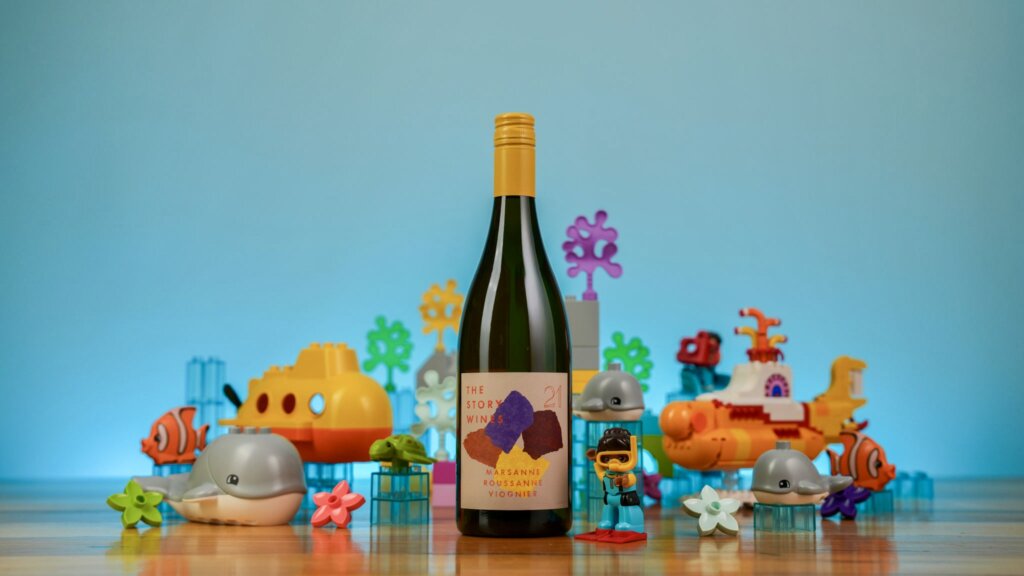
2021 The Story Wines Marsanne/Roussanne/Viognier, Grampians $36 RRP
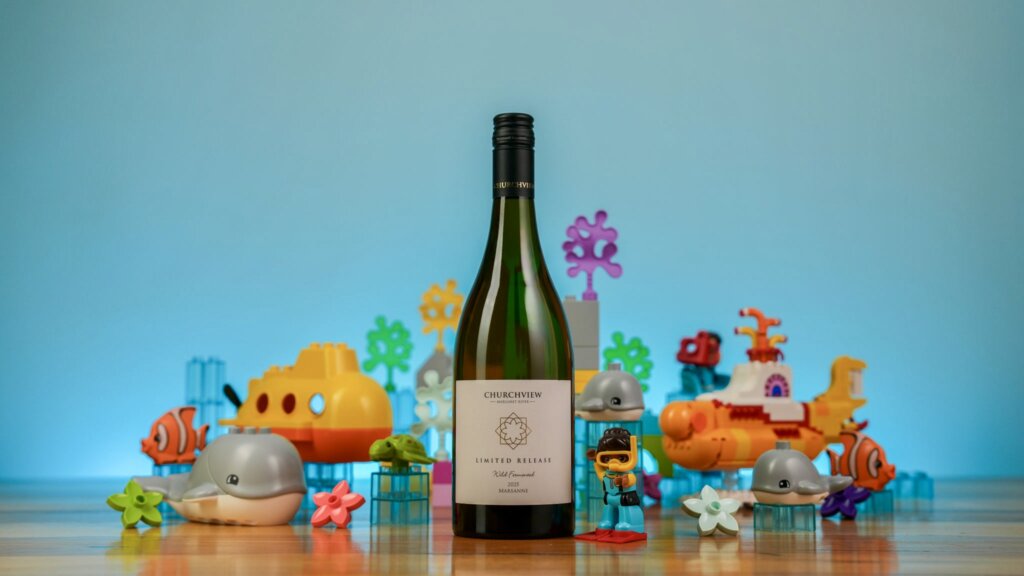
Robinson selected this wine among her top six picks from the blind tasting, describing it as “energetic drop opens with notes of tangerine and fresh gold grapes. Yellow plum–like acidity grips the back of the palate, making way for notes of ripe lemon. The winemaker here has done a superb job at demonstrating that bright acidity doesn’t mean that the wine needs to be lean and green. As it warms up in the glass, it relaxes but doesn’t lose its integrity – it only shows further notes of jasmine and orange marmalade. I can imagine this wine pairing beautifully with a fresh summer salad of roquette, grilled apricot, and halloumi.”
2025 Churchview Limited Release Marsanne, Margaret River $32 RRP
Dudine included this wine in his top six wines from the tasting, describing “an elegant yet complex wine here, showing some flinty reduction alongside black tea, tangerine, and lemon sorbet notes on the nose. The palate shows honeysuckle and star jasmine, as well as more black tea notes, with a glossy, soft acidity akin to lemon sorbet. The finish could go for days – it has freshness, depth, elegance and an almost-chewy texture. The dough and apricot notes throughout this wine make me want to grab a glass and an apricot Danish and sit in the autumn sun – what a mid-afternoon pick-me-up!”
The backstory
This trinity of white varieties calls France’s Rhône Valley home, where they are traditionally made both as varietal wines and blends in various permutations. They’ve also flourished in Australia’s climates – and we’ve played an important role in keeping two of them (marsanne and viognier) both alive and on the global wine world’s radar. Australia now makes a delicious array of wines, whether blended or varietal, from these three grapes – most of them showing deep textural interest, and many of them seriously age-worthy despite their usually modest price tags.
An easy way to think about marsanne, roussanne, and viognier is to imagine them as the white counterparts to grenache, shiraz and mataro – that is, as varieties that can make compelling wines when kept separate in the winery, but also as a trio that simply works well together and has a long history of being blended. All three are likely to have emerged in the northern half of France’s Rhône Valley – marsanne and roussanne from the village of Marsanne, just north of the traditional dividing line between the northern and southern Rhône, and viognier from either the village of Condrieu or nearby Ampuis.
Genetically speaking, all are part of the Serine family of varieties, which also includes shiraz/syrah and partially descends from pinot noir – although the relationships between marsanne and roussanne and the rest of the group are still being investigated, as is the relationship between marsanne and roussanne themselves (they have a parent-child relationship, but it’s as yet unclear which is the parent and which is the child). Cuttings of either marsanne or roussanne – or both, as they are frequently confused in the vineyard – were likely to have arrived in Australia in 1830, labelled as ‘white Hermitage’. By the late 1840s, wines made of this ‘white Hermitage’ were winning local accolades, with one described as “a very superior wine of rich flavour, strong body, and fine aromas.” Viognier would arrive on the Australian scene much later, in 1968 – but our role in the history of this variety would prove to be of global importance.
Age and beauty
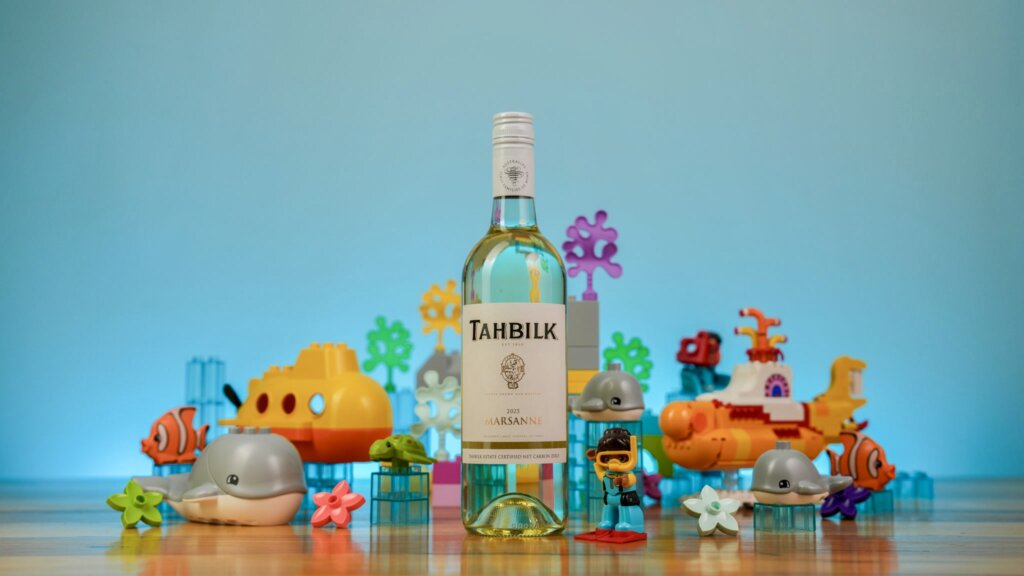
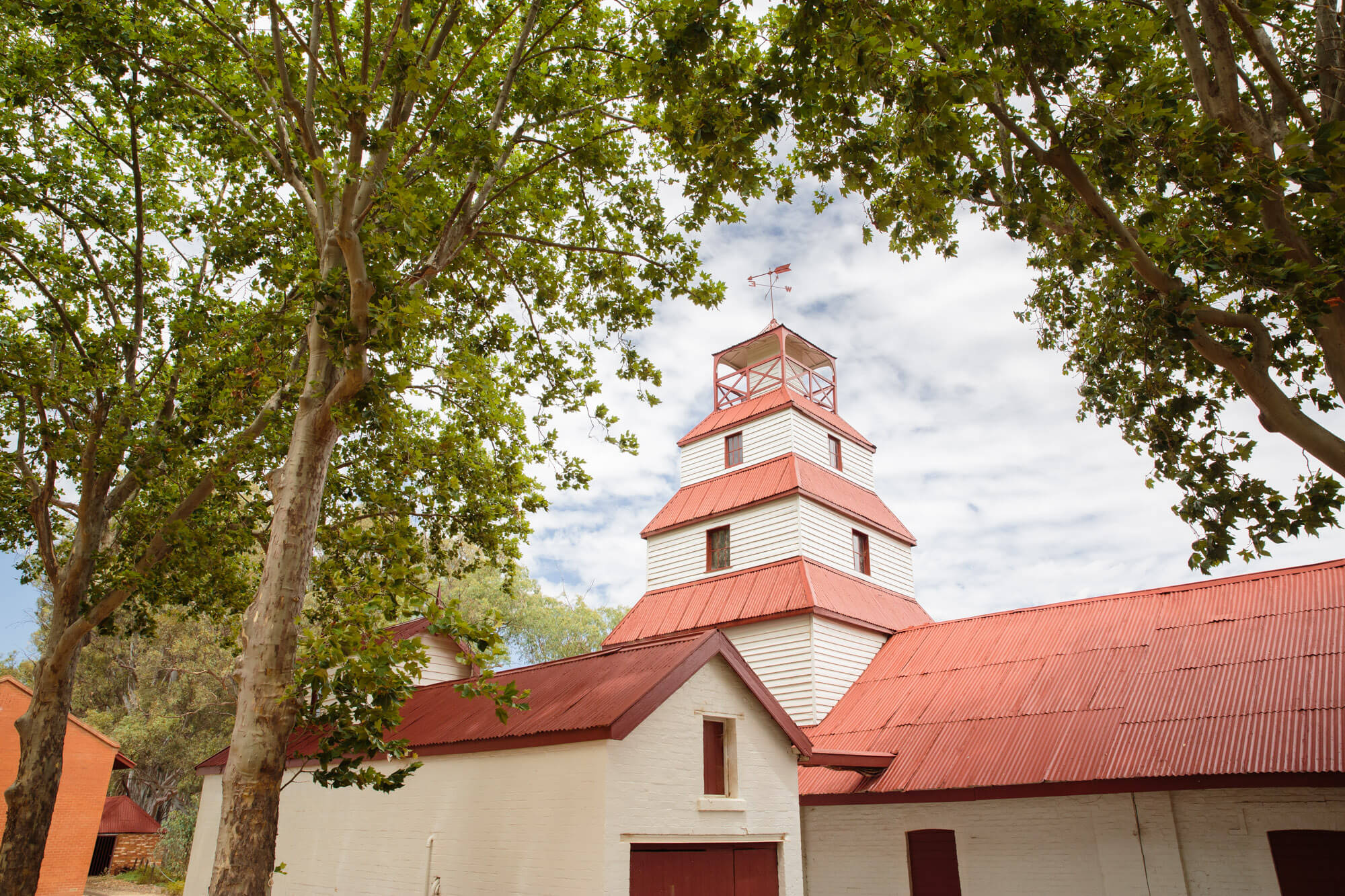
As with many other grape varieties, Australia can boast the world’s oldest commercial plantings of marsanne – in this case at Tahbilk, in the Nagambie Lakes subregion in central Victoria. Tahbilk was established in 1860 by a consortium of investors, including prominent local politicians and both the Swiss and Argentinian consuls in Melbourne. Their plans were wildly ambitious, and they launched the project by publicly calling for over one million vine cuttings – enough material to plant out 200 hectares of vineyard. In the end, the consortium received 850,000 that they felt were of sufficient quality – amongst which were cuttings of ‘white Hermitage’ sourced from Hubert de Castella’s St. Hubert’s vineyard in the Yarra Valley. Under the name Château Tahbilk, and the direction of French immigrant vigneron François de Coueslant, Tahbilk built a thriving wine export business, sending vast quantities of wine to the United Kingdom throughout the 1880s and 1890s, and necessitating the construction of an impressive winery building with vast underground cellars and an imposing pagoda-like tower.
Opposite: Tahbilk winemaker Jo Nash in the world’s oldest marsanne vineyard, planted in 1927. Above: The distinctive pagoda-like tower of Tahbilk’s nineteenth century winery building.
Unfortunately, as with many other large-scale wine producers of the late 1800s, Tahbilk’s success was not to last, and the winery fell into disrepair as global attitudes towards and demand for Australian table wine shifted. This coincided with the arrival at the estate of the vine pest phylloxera, which decimated Tahbilk’s vineyard area – although certain blocks, planted in sandy soils, proved to be a form of natural protection. Those blocks included Tahbilk’s famed 1860 shiraz vines, which are still productive today – but did not include its ‘white Hermitage’, which succumbed to phylloxera. London-based entrepreneur Reginald Purbrick purchased Tahbilk in 1925, after tasting its brandy and learning that the property was on the market. He commissioned François de Castella – Hubert de Castella’s son, and at the time a leading figure in Australian viticulture – to report on its prospects as a vineyard and guide its future direction, although he also was mulling over the possibility of ripping out its vines entirely.
“Tahbilk is very well suited to the production of a class of wine that is becoming less plentiful in Australia as time goes on.”
Australian wine is fortunate that François de Castella could make a compelling argument for the restoration of Tahbilk’s vineyards. “Château Tahbilk has in the past been a profitable vineyard property and can be so again,” he wrote to Purbrick. “Tahbilk is very well suited to the production of a class of wine that is becoming less plentiful in Australia as time goes on.” On that basis, Purbrick approved a replanting program, designed by de Castella and based on the original 1860 plantings, which was commenced in 1927. That program included a block of marsanne – now the oldest commercial marsanne vineyard in the world, and the source of Tahbilk’s lauded ‘1927 Vines’ Marsanne. That wine – which resembles a typical Hunter Valley semillon in the way it requires age to truly show its character – forms the centrepiece of Tahbilk’s range of marsanne-based wines. The Purbrick family now not only own the world’s oldest marsanne vineyard, but also the most extensive plantings of this variety worldwide in terms of area.
Back from the brink
When viognier arrived in Australia in 1968, via the CSIRO, the variety was at its historical lowest ebb. As grapevine experts Jancis Robinson, Julia Harding and José Vouillamoz write in their 2011 reference work Wine Grapes, “It is extraordinary to think that this world-famous variety, now planted in virtually every wine region around the globe, including on 4,395 hectares of vineyard in France in 2009, could be found only on fourteen hectares of vineyard as recently as fifty years ago.” (The three authors argue that poor genetic material that reduced yields and made the vines susceptible to disease is the likely cause of the decline.) The situation had barely improved in 1980, when Peter Wall of Yalumba pushed for the company to plant viognier in the Vaughan vineyard in the Eden Valley. “Peter had spent a fair bit of time travelling in Europe, and he’d also stumbled across Condrieu at the time, in the 1970s,” says Yalumba winemaker and head of sustainability, Louisa Rose. “So viognier was one of those varieties that, when he came back, he had a look around for and said, ‘Oh, yeah, there are a few vines at Nuriootpa Research Station, let’s take some cuttings and let’s plant this vineyard’.”
Rose is quick to point out that other producers had already taken an interest in the variety – half a dozen vines had already been placed in the ground at Heathcote Vineyard in Victoria, and Sidney Baillieu Myer of Mornington Peninsula’s Elgee Park was establishing his own plantings – but argues that Yalumba’s success with the variety was in matching the climate of the Northern Rhône: “This is a very loose analogy, but, in France, the Northern Rhône Valley is home to syrah and viognier – as well as roussanne and marsanne,” Rose says. “And the Southern Rhône is very much also home to syrah, but also grenache and mourvèdre. Now, shiraz, grenache, and mourvèdre were all planted in the Barossa Valley back in the 1840s. Shiraz grows in the Eden Valley, too – also planted back in the 1840s or ’50s. So it made sense, even though it hadn’t been planted all those years ago, that viognier might have done well in the Eden Valley … I think that was the extent of that logic.” The plantings also aligned with Yalumba’s commercial interest in developing markets for new varieties to sell to third party growers from their nurseries: “We’re always looking at what other varieties are on the horizon – or maybe not on the horizon, but might be interesting to have a look at,” Rose says. “Over the years we’ve tried small plantings of lots of varieties – some of which have gone on to be quite exciting, and others of which no-one continues to hear of.”
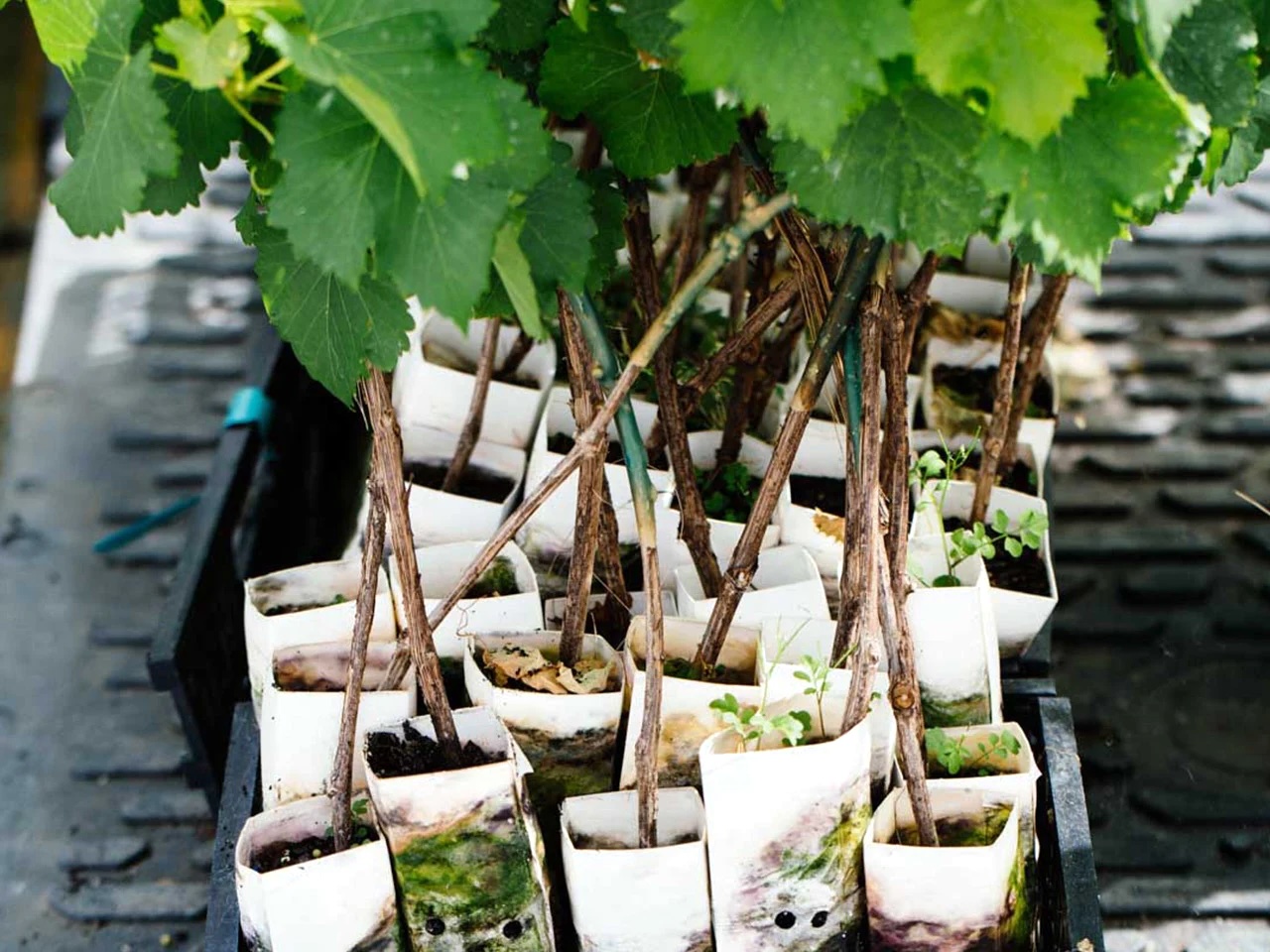
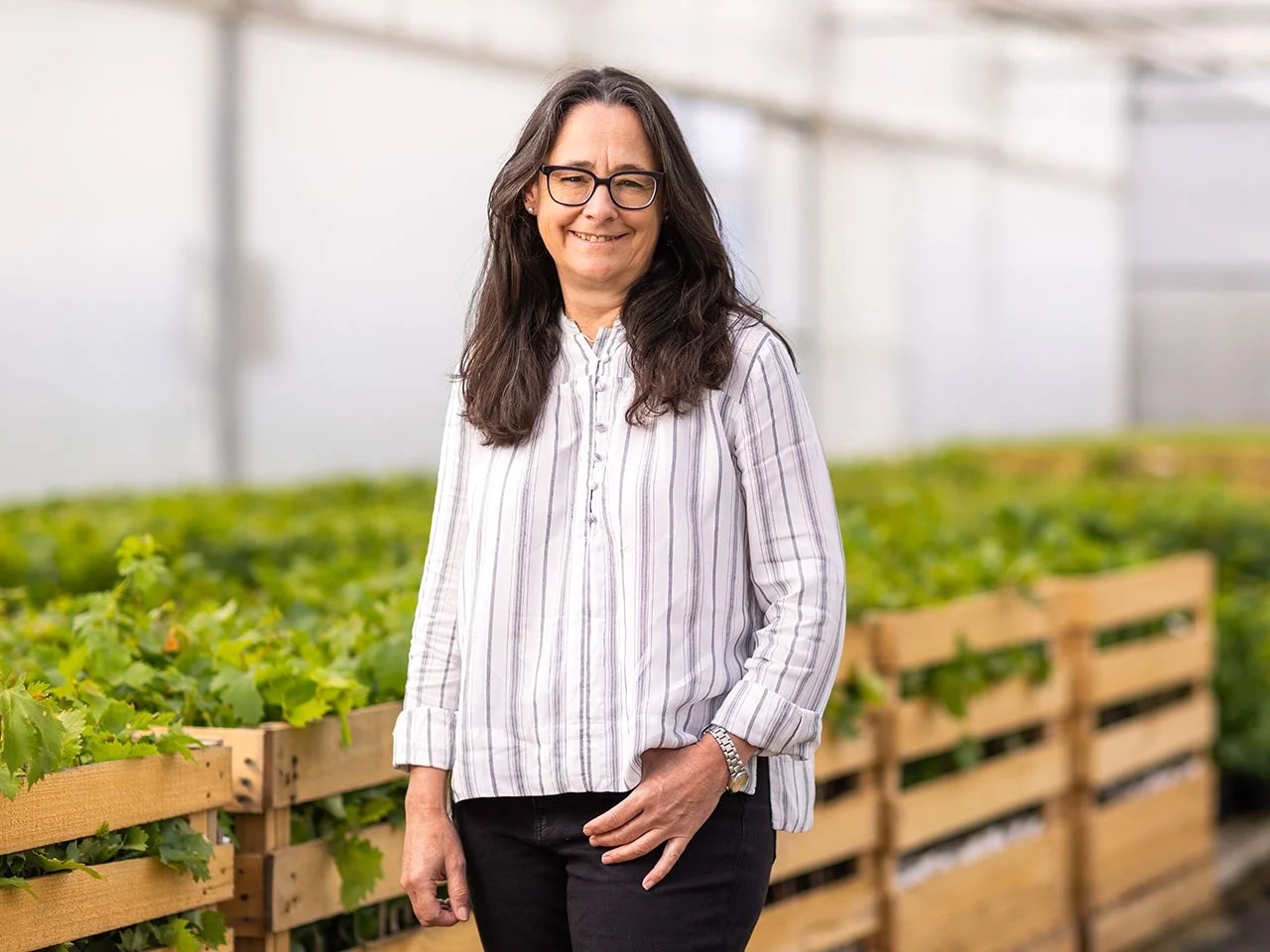
Opposite: Yalumba winemaker Louisa Rose. Above: Vine cuttings being propagated at Yalumba’s nursery.
Rose herself arrived at Yalumba in 1992, fresh out of the winemaking school at the Roseworthy Agricultural College – and completely unfamiliar with viognier, which was starting to come into the Yalumba winery in volume. “I was thinking I’d heard about every variety that there possibly was to know,” she says. “I came here and came across viognier and thought, ‘Well, I’ve never even heard of viognier; I’m sure I’ve never tasted one’.” As such, her early attempts at making wine from the variety were less than impressive: “We started making it like we made any other white wine at the time, which for us was basically riesling – so we were picking it early, keeping the juice cold, clarifying the juice, adding yeast, and making wine that was really quite unattractive,” Rose says. “At best it was bland – and at worst bitterly phenolic, with lots of elbows and things pointing out.” She adds that this approach was largely a product of the very different winemaking conditions of the time: “There was no internet, and not a lot of viognier wines that we could taste from anywhere in the world – even Condrieu,” she says. “There were a few makers there, of course, but the wines just weren’t that available.”
Making good, drinkable viognier wines turned out to be a process of trial and error for Yalumba – a process that fundamentally changed the way the company looks at growing and making wine. “We realised that viognier had to get riper than what we were used to for white whites,” she says. “The grapes actually got better flavour when they were sitting out in the sun, which is not what you sort of think about for white grapes typically … that’s when all of a sudden you get these amazing flavours.” Waiting for flavour ripeness meant having to shift mindsets about acidity, too: “We had to respect the fact that viognier is naturally very low in acidity – and let’s not try to change that,” she says. “If you do, then the whole wine becomes unbalanced. So how do you make a white wine from a variety that’s low in acidity, but that’s still in balance – that’s not sort of oily or flabby? We came to realise how important the fine phenolics – that ultimately come from the skins – are in balancing the wine. These give it a refreshing character that acidity may do in a different variety.”
“So how do you make a white wine from a variety that’s low in acidity, but that’s still in balance – that’s not sort of oily or flabby? We came to realise how important the fine phenolics – that ultimately come from the skins – are in balancing the wine.”
Once the problems of ripeness and balance were solved, the Yalumba team made a final quantum leap in terms of complexity by switching to indigenous yeasts for fermentation: “We started with literally one barrel, letting the juice just do its thing, and another barrel that we clarified and added yeast to,” she says. “And it was chalk and cheese. We just loved how integrated, how complete, and how beautifully complex those wines with the wild ferments were.” Switching to wild ferments entailed paying far more attention to growing conditions to ensure a healthy and biodiverse microbial population in the vineyard: “You can only use wild ferment techniques and maintain consistency as long as your vineyards are really healthy, and have really healthy biodiverse yeasts,” Rose says. “And that doesn’t happen by accident – that happens through years of encouraging biodiversity into vineyards, and not using synthetic insecticides, and letting nature really balance itself.” Yalumba’s entire range of viognier-based wines – from the widely available (and very modestly priced) ‘Y Series’ through to the top of the line ‘Virgilius’ – are now based on wild ferments, as are nearly all of their other wines. “That’s very much the way that we work,” Rose says. “It’s not just, ‘Oh, let’s do a couple of barrels of wild ferment’. It’s more like, ‘If we’re going to do it, we’re going to do it with the lot’.”
A fresh take on traditional styles
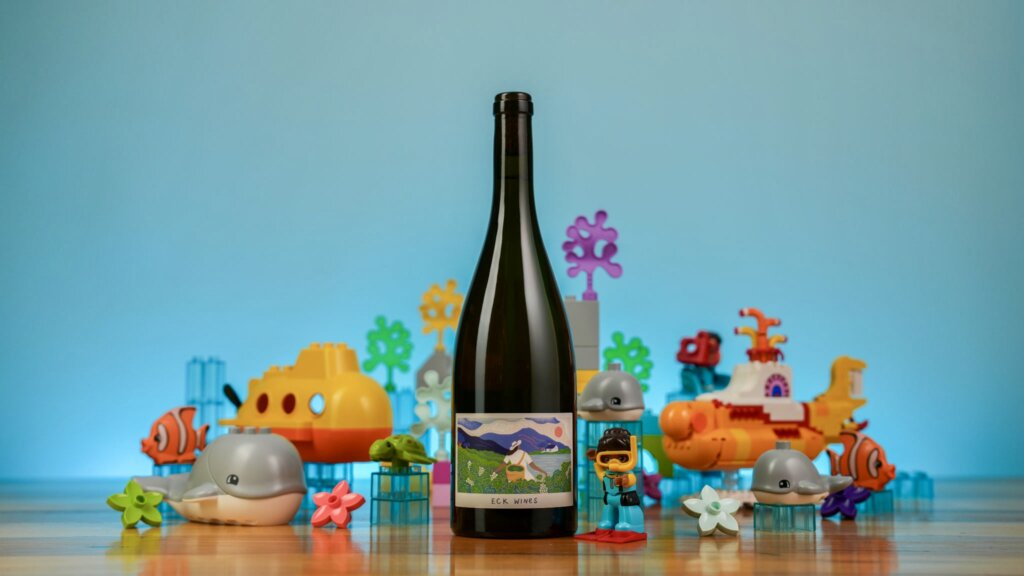
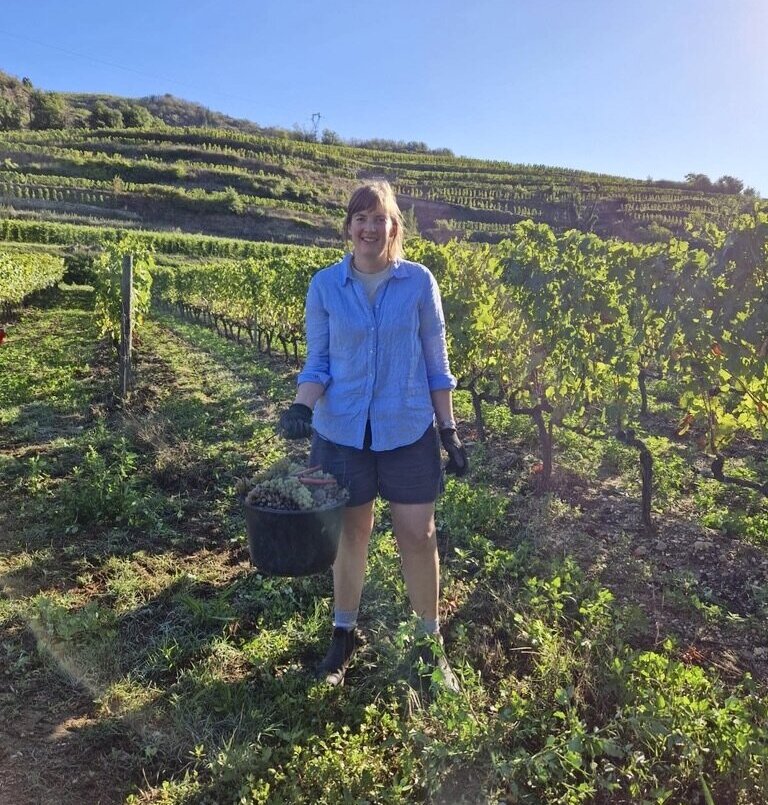
Winemaker Emily Kinsman came to love marsanne after taking over a vineyard and wine label in Heathcote with her husband, which she ran for a few years before launching her own label, ECK Wines. “When we took over our property in 2017 in Central Heathcote, the people before us were making marsanne,” she says. “It wasn’t a variety I drank a lot of then or really knew much about, but we sort of came to love it by just continuing to buy the fruit from a grower – someone we’ve now worked with for a long time, but before that the vigneron who owned our property also bought fruit from this same site up in Colbinabbin. We just came to really love it because it’s such a textual and interesting variety. It’s a bit left of field from your well-known chardonnay or a sauv blanc – everyone seems to know those – but it’s not so left of field that it’s completely out there and really strange and bizarre. It’s also a really good food wine.” That slow-building love for marsanne saw Kinsman head to the northern Rhône in the second half of 2025 to work a vintage and learn more about traditional French approaches to making wine from it – and source a new supply of marsanne fruit when her original grower pulled out their vines.
While marsanne wines have a reputation for being rich and unctuous, albeit in a savoury rather than fruit-sweet mode, Kinsman seeks to find a freshness and aromatic interest in the variety that she sees as being largely overlooked. “It can be really fruit forward and fresh, if picked correctly,” she says. “Otherwise, it can be really big and bulbous, which is kind of nice in its own way – because it has richness and body, but without having to have oak or other influences in the wine.” She argues that capturing freshness and fruit character in the wine requires nailing the picking dates: “It’s a hard grape to pick because it loses acid very quickly as it ripens,” she says. “So it can become a little bit more – it’s not an elegant word, but ‘flabby’ is the best way I can describe it. It can become too rich quickly on the vine. But if you can pick it while it’s still holding onto that acid, it’s really floral and aromatic. It’s still got those rockmelon and honeysuckle characteristics which are so typical in marsanne, but it’s much fresher.” She adds that she has been concerned in the past that she might have picked too soon – “I was a little bit worried it wouldn’t have the richness in the wine” – but that marsanne’s textural character still shone through. “It’s not heavy, though,” she says. “And it’s lower in alcohol, which is quite nice, too, because I think people are trending in that direction.”
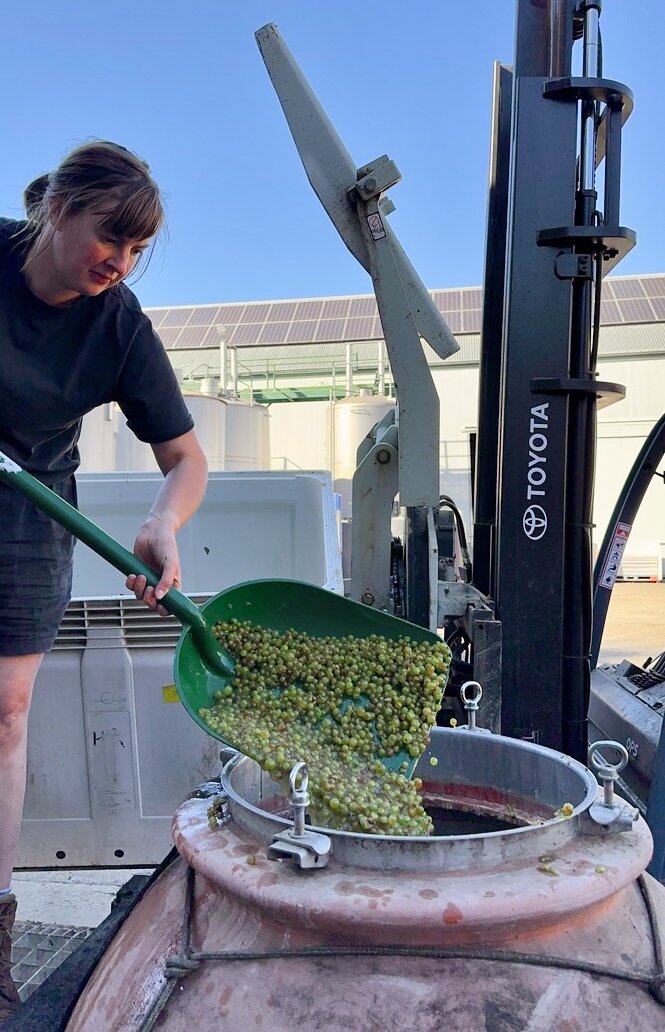
Above: Emily Kinsman at vintage in the Northern Rhône in 2025. Opposite: Kinsman making the skin-contact component of her Heathcote marsanne in an amphora.
Finding her own unique take on this variety has entailed some trial and error. “I did a little trial in ’21 when I first bought a few amphoras to work with the marsanne,” she says. “I did do a whole-bunch component, but it was just too tannic – the stalks just bought too much grippy green character into the wine. So I actually excluded that from the final blend.”. She’s now settled on an approach that layers in a touch of phenolic texture yet maintains that overall freshness: “A small portion – about 10% – is a destemmedskin-contact component fermented in amphora over about three or four weeks,” she says. “The rest is whole-bunch pressed to barrel for ferment, and then barrel- and amphora-aged for about four months. It has varied, though, sometimes I do a little bit longer, more around the eight month mark – that just depends on the vintage; every year is a little bit different. Then I blend it up and bottle it.” The skin contact component, to her mind, gives her approach the necessary edge for a variety that’s known for being otherwise quite soft. “I found that the skin contact adds a lot of interest,” she says. “But only being 10%, just gives a little bit more body and a little bit more phenolics, but not in an overbearing way.”
This approach is one that she sees as sitting somewhere between respect for the traditions of the Rhône and the postmodern, anything-goes methodology of many young Australian winemakers. “I’m not a trained winemaker,” she says. “I’ve learnt everything on the job and I’ve worked in places to see what they do hands-on, more than a formal wine study. And I don’t come from a wine family, and neither does my husband. Together we don’t feel stuck by tradition and the way things should be done. I definitely saw no skin-contact marsanne when I was in the Rhône.” On the other hand, she says, “I do like tradition and history. So I suppose that’s why I keep some of my juice a little bit more classic in that I do a barrel ferment.” And while part of European winemaking tradition is the use of indigenous yeasts rather than inoculated commercial strains bred for specific purposes and outcomes, her Rhône experience has changed her mind on that subject: “The whites I saw in the winery I was working at were all inoculated – I’ve often done wild ferments, but I quite like the delicate aromatics that an inoculation can bring into the wine because it’s a little bit more of a consistent, steady ferment,” she says. (While wild ferments can be slowed down using refrigeration lines in stainless steel vessels, inoculation is one of the few levers that winemakers can pull to ensure a slow, consistent fermentation in barrels.) “So I’m planning to inoculate my marsanne juice this year with a delicate yeast – just to bring out those aromatics.”
“Someone who’s trying marsanne for the first time, unless they’re a really avid wine drinker, probably will sway more to a fruit-forward, aromatic style because it’s a bit more of a friendlier approach.”
Kinsman argues that maintaining that aromatic delicacy is vital to ensure that the finished wines speak to modern consumers. “I think a fruit-forward, aromatic marsanne is a little bit more approachable, perhaps, than an oily, heavy, full-malo marsanne in that richer style,” she says. “I mean, everyone drinks differently – but I coming from a consumer’s perspective, someone who’s trying marsanne for the first time, unless they’re a really avid wine drinker, probably will sway more to a fruit-forward, aromatic style because it’s a bit more of a friendlier approach.” This is an especially important consideration for Kinsman, given that her marsanne forms the cornerstone of the ECK Wines white wine range: “I do make a few other whites – a riesling and chardonnay – but I haven’t made them consistently every year because I haven’t got a reliable fruit source,” she says. “So, for me, marsanne’s been my consistent white, year-in, year-out.” Thus while she tries to keep her winemaking approach for the marsanne as consistent as possible between vintages, in order to highlight the positive differences between each growing season, she will sometimes alter her approach if necessary to maintain stylistic consistency: “My ’24 marsanne didn’t go through any malo, whereas my ’25 went through partial malo, just to soften that acid,” she says. “In ’24 I stopped it from going through malo because it would have been much too rounded and too heavy.”
Retro-futuristic
Beyond the viticultural difficulties inherent in working with these varieties – all three can lose acidity quickly as they ripen, and each has their own quirks, such as roussanne’s weak canes, which are liable to snap in windy conditions – the hardest part of working with them is simply selling them to consumers. “It’s a variety that is really delicious, and I think a lot of people would really like it, but it’s not necessarily well known – so people sort of steer clear of it because it’s not riesling, chardonnay, or sauvignon blanc,” Emily Kinsman says of marsanne. She argues that, if made with contemporary stylistic preferences in mind, these wines don’t need to be ponderous. “It’s almost like a good ‘Saturday afternoon in the sun’ wine,” she says. “It doesn’t have to be a food wine in that in that respect.”
“Viognier is not the wine that you’re going to open a bottle of, icy-cold, and sit out on the lawn in the middle of Sunday afternoon and enjoy. But there’s no food that I can think of that doesn’t go with viognier.”
Similarly, Louisa Rose notes that viognier hasn’t quite taken off in the domestic Australian market in the way that Yalumba had hoped. “Everyone kept asking me, ‘Is viognier going to be the next chardonnay?’ and I’m going, ‘Well, I hope not!’, because I didn’t want it to become a flash in the pan and then become unpopular,” Rose recalls of the variety’s mid to late-nineties heyday – when it was an exciting new presence in Australian wine, and when consumer tastes started moving away from big, bombastic chardonnays. “I wish it had become a little bit more popular, though. To be honest, we’ve had much more success with viognier outside of Australia than we have inside Australia … the ‘Y Series’ was, in 2024, the single biggest imported viognier into the United States, and it probably still is.” She argues that this overseas success is likely down to the fact that viognier is a wine more at home on the dining table than it is as a by-the-glass option at the pub or consumed in the park. “Viognier is not the wine that you’re going to open a bottle of, icy-cold, and sit out on the lawn in the middle of Sunday afternoon and enjoy,” she says. “But there’s no food that I can think of that doesn’t go with viognier. It appeals to red wine drinkers that don’t usually drink white wine. It goes beautifully with red meats if you want it to. It goes beautifully with cream. It goes beautifully with spices. It goes with weird vegetables like artichokes that apparently are hard to match with wine. So it really has an incredibly versatile place in the culture of many different cuisines. … It’s been more successful overseas than it has been in Australia because Australians probably don’t spend as much time thinking about food and wine pairings as other countries do.”
“Marsanne’s a variety that is really delicious, and I think a lot of people would really like it, but it’s not necessarily well known – so people sort of steer clear of it because it’s not riesling, chardonnay, or sauvignon blanc.”
While both Rose and Kinsman can see the benefits of blending these varieties together to compensate for their idiosyncrasies – the relative lightness and slightly higher acidity of roussanne can freshen marsanne and viognier wines, while marsanne’s traditional savouriness can take the edge off viognier’s sometimes exuberant fruit profile, and viognier can add floral intrigue to both marsanne and roussanne – they’re both believers in the varietal approach. “For us ay Yalumba, viognier is not about blending it – apart from a few percent into some shiraz, for a whole different reason,” Rose says. “Viognier has got so much character that I would say, ‘Why would you blend it?’ And the same with roussanne. Why would you blend them when they’re so beautiful on their own?” Kinsman’s Rhône experience has taught her the tradition of blending marsanne and roussanne, which often begins in the vineyard: “Often they’re just planted together – it’s actually quite hard to just do a straight marsanne,” she says. “There are a few producers, but usually they’re together.” Despite this, she’s planning on sticking to making varietal marsanne only. “I haven’t blend with marsanne, but I have made other wine blends – and, for me, I like just the purity of the single variety. So I’ll continue just to do marsanne, I think – unless I fall in love with roussanne or viognier, too!”
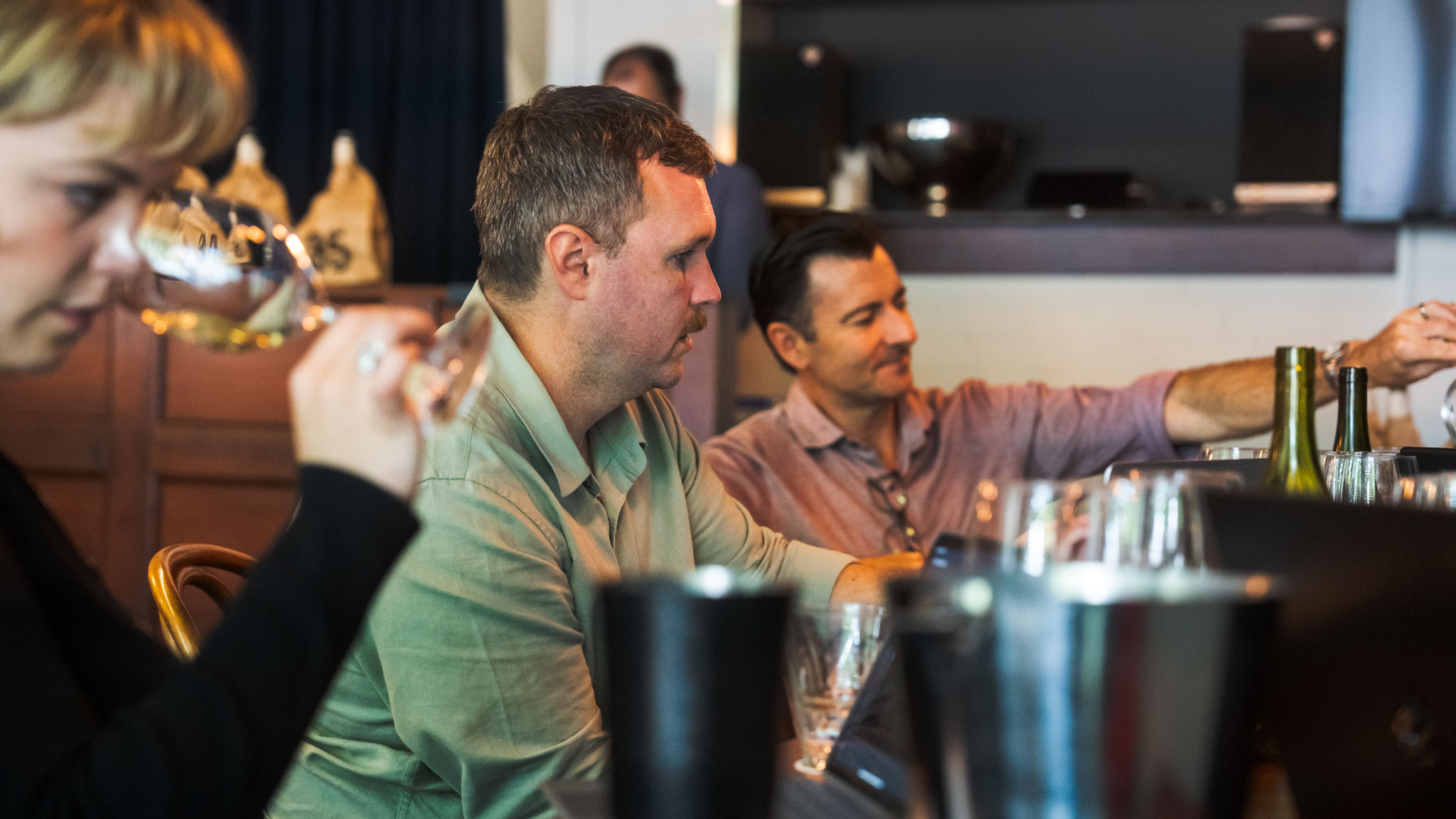
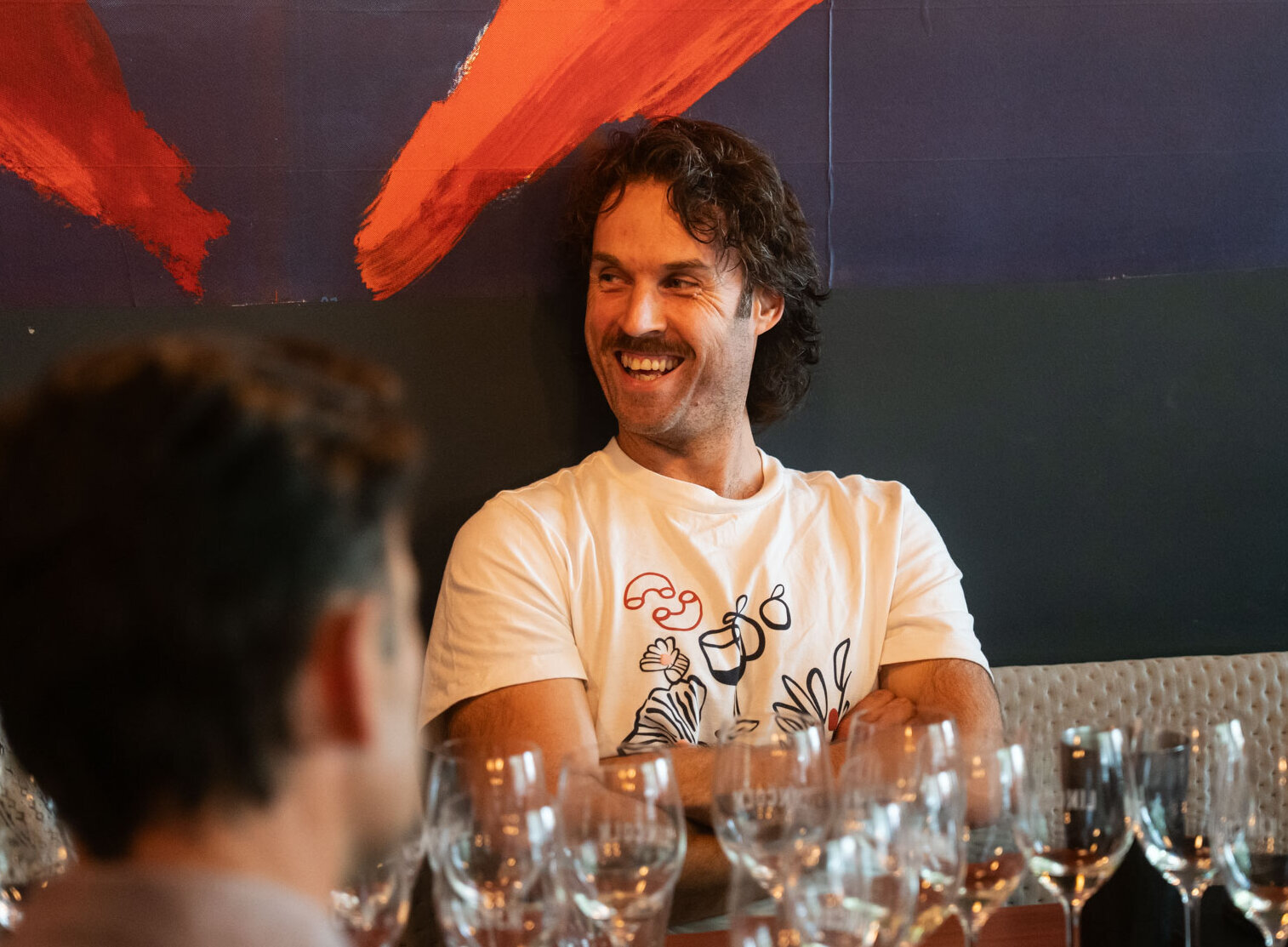
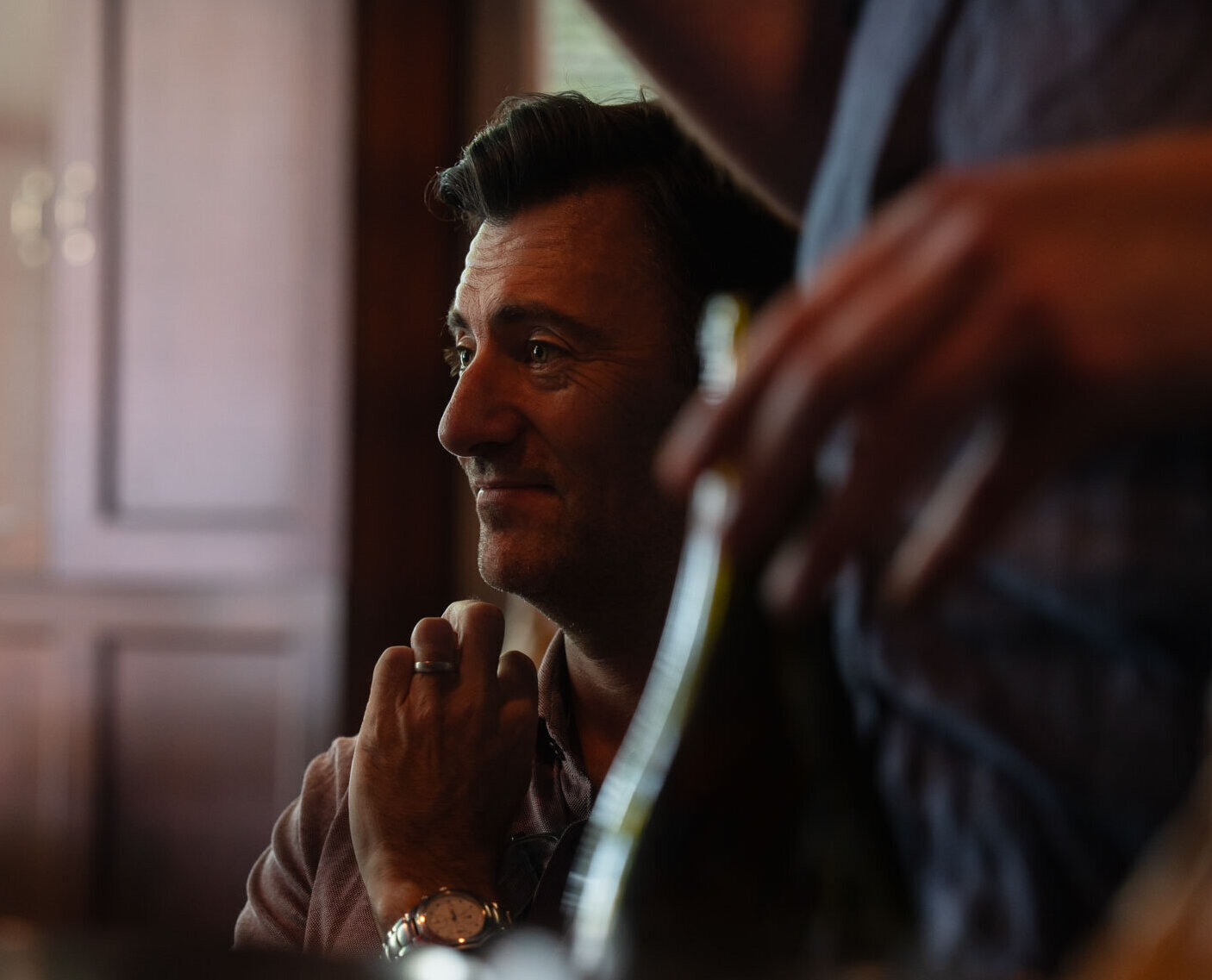
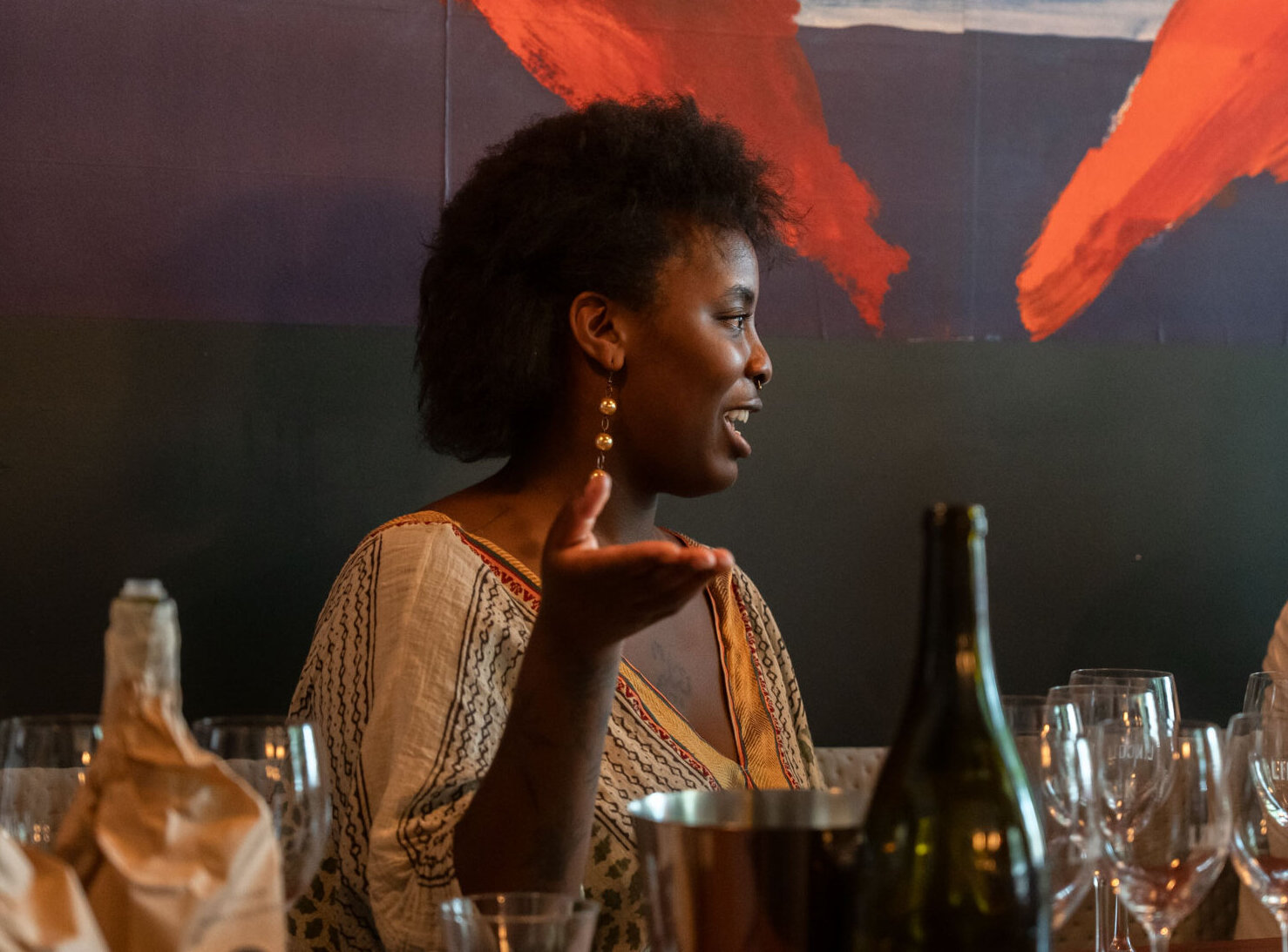
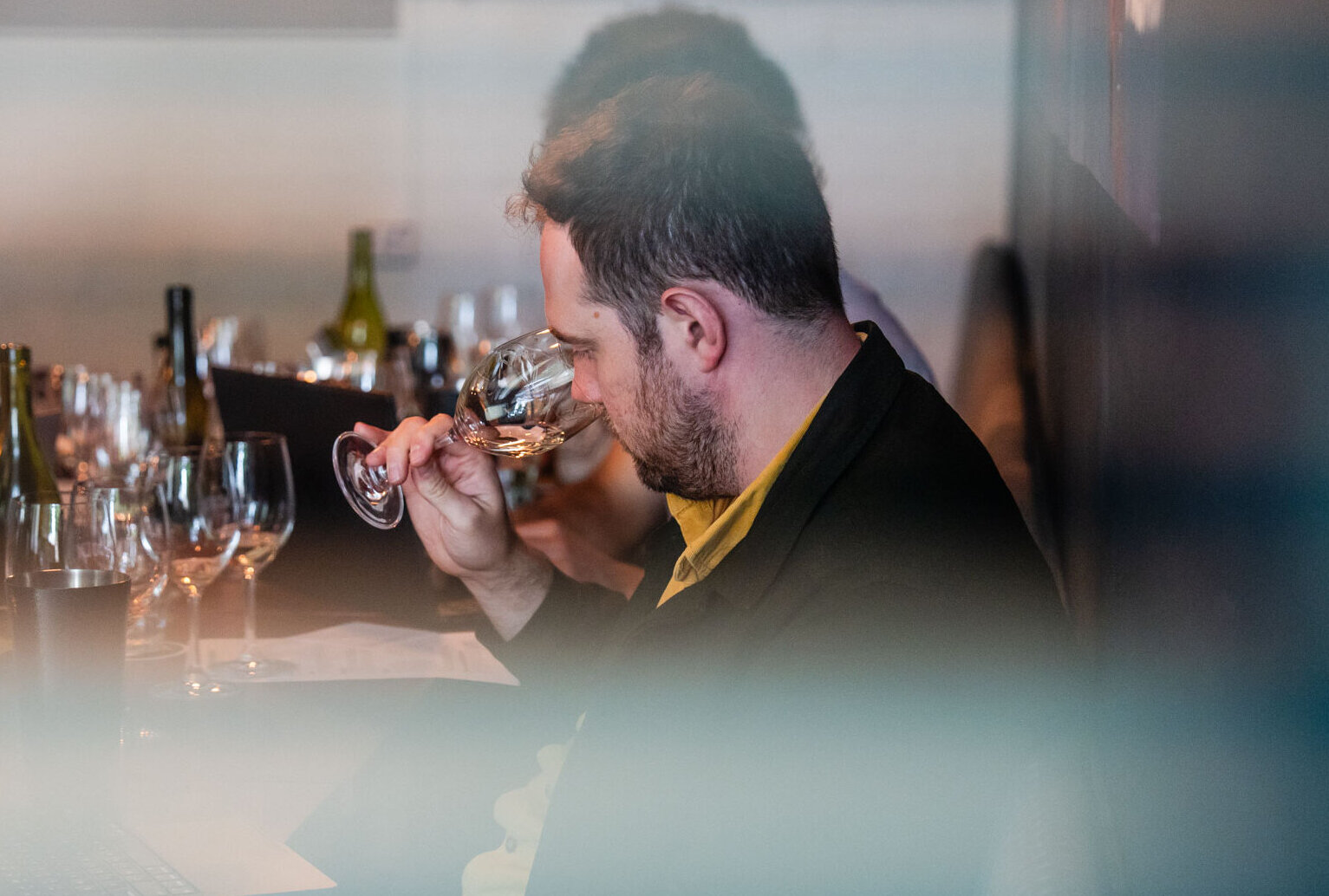
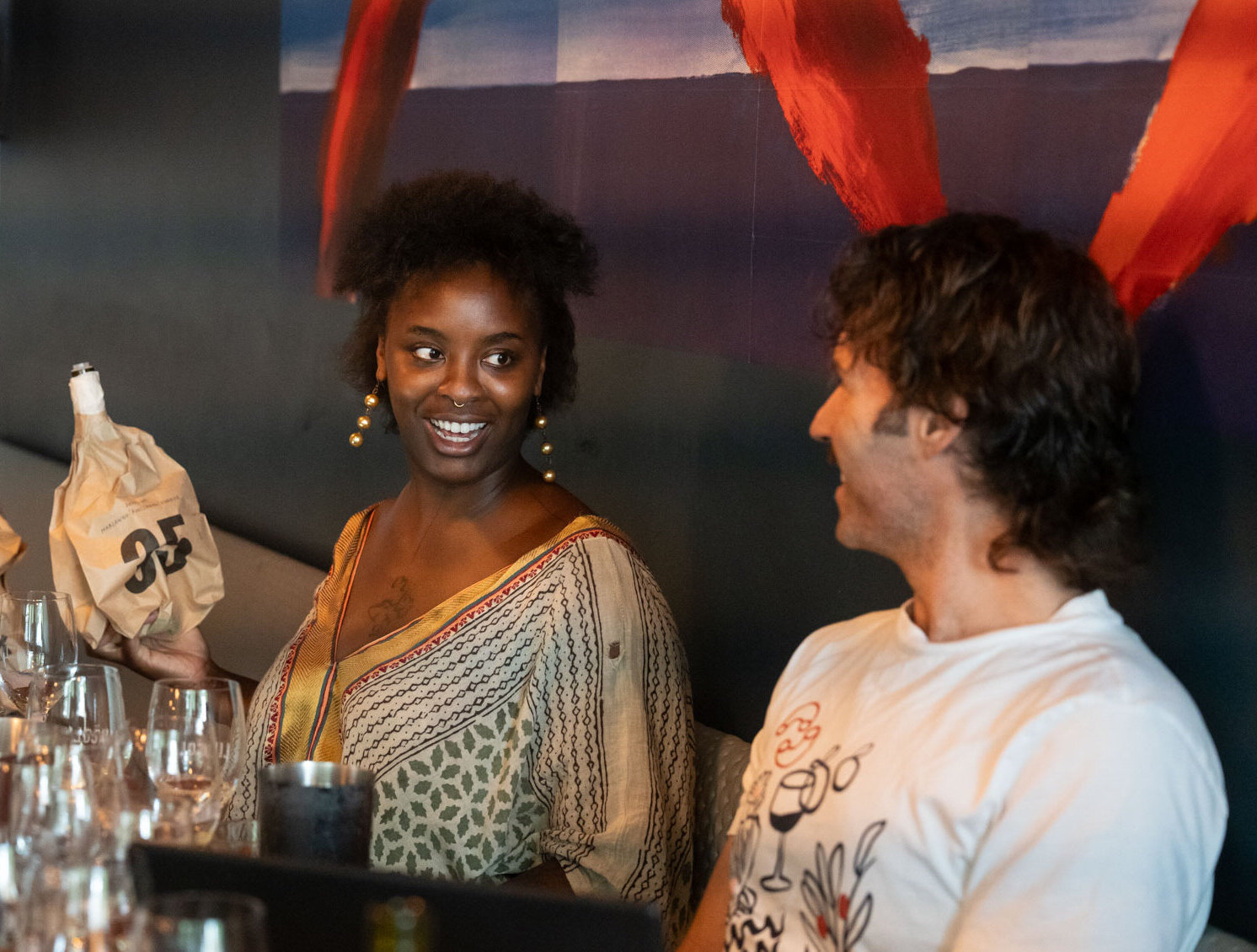
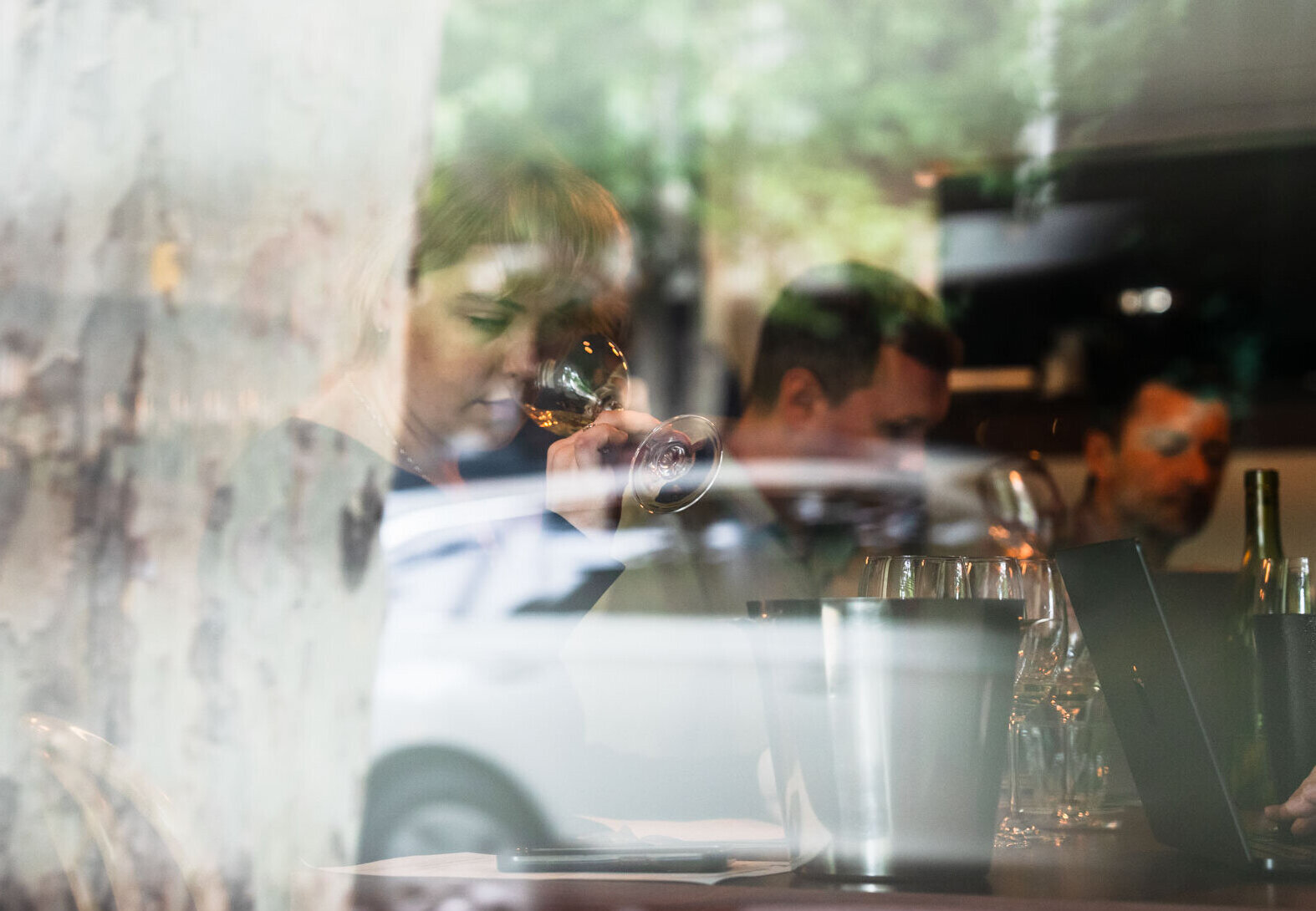
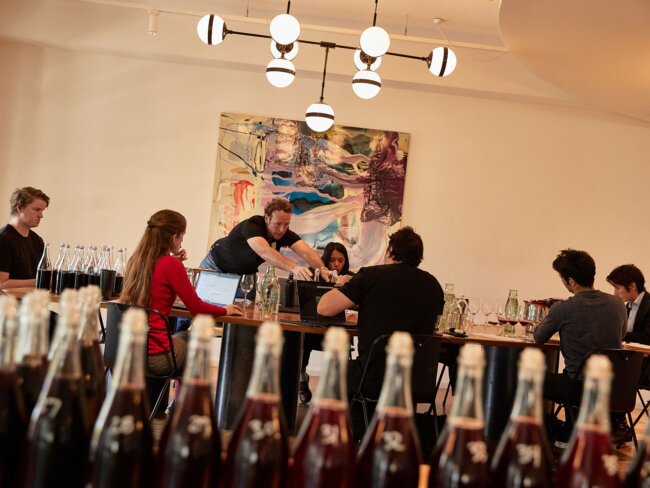
Above: Our Deep Dive panellists gathered at The Lincoln, Carlton (Melbourne).
Outtakes from the tasting
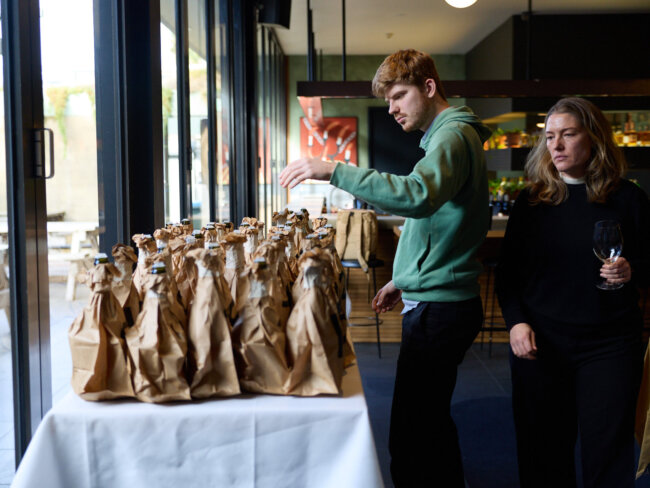
We gathered every example of Australian marsanne, roussanne, and/or viognier – either single varietal wines or blends of at least two of the three – that we could find, and set our expert panel the task of finding the wines that compelled the most. All wines were tasted blind, and each panellist named their top six wines.
Our panel: Rory Lane, proprietor and winemaker, The Story Wines; Sez Robinson, sommelier, Cumulus Inc.; Stuart Dudine, proprietor and winemaker, Alkimi; Tully Mauritzen, freelance wine consultant and sommelier; Eden Walpole, senior winemaker, Blue Pyrenees Estate; Gus Gluck, business operations and beverage manager, Neighbourhood Group.
Mauritzen kicked off the discussion by observing the diversity within the category, and the surprising level of freshness in the wines, despite their reputation as richer, oilier styles. “I was very impressed,” she said. “There were certainly a few in there that looked very old-style – flabby or richer. It could have also just been that ones with age are hard to maybe distinguish from those richer styles. But across the board, they all kind of had a character that felt – whether it was a winemaking story, or a terroir story – like they were all entirely unique. I kept saying to myself across the day that, at certain points, it’s hard to even see them as being in the same category of wines – because there was just so much difference between them all. Which is really cool.”
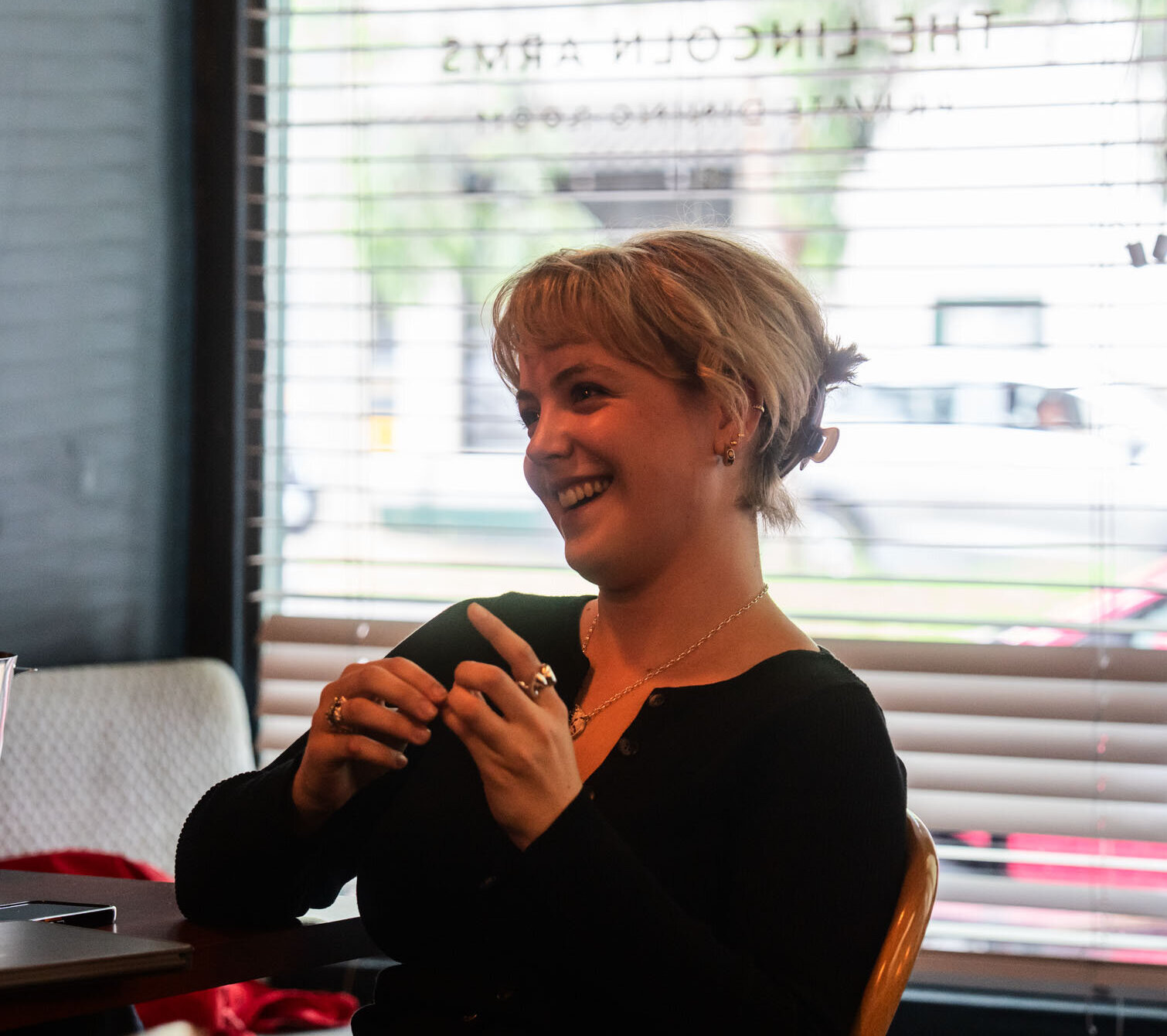
Above: Eden Walpole. Opposite: Tully Mauritzen
Walpole added that this broad spectrum showed a diversity of approaches to the question of ripeness and picking dates by the winemakers. “There’s variety in that spectrum of ripeness, too, whether it’s a blend or a single variety – there some leaner wines in there, maybe on the cusp of green,” he said. “But where the grower-slash-winemaker got it right – those finer styles, for me, were really intense and really special.” He added that the wines were eminently worthy of cellaring – even the ones that already had some bottle age. “If they are young wines or not, I think they’ll age really well,” he said. “There’s a drinkability to the wines now, but I think as well that there’s a tension in some of those wines that will set them up really well for age. On the opposite end of that spectrum, with the wines that are pushing that ripeness – the ones that are done well – there’s still a finesse about them. They might be ripe, and they’re pushing maybe thirteen and a half to fourteen per cent alcohol, but that acid backbone is – whether it’s added or not – keeping things fresh in the good examples.”
“I awarded and really make note of the phenolic tension in the wines that can carry the wine through and give it tension. That’s better than just going, ‘Oh, fuck, I need to add acid – boom, I’m going to add a gram of acid powder’. Then the wine is just tart – it’s too sharp, and the added acid almost thins it out a bit as well.”
Dudine added, “It’s interesting talking about acid balance, because I think in varieties like this – which are, for me, low-acid varieties – where you don’t have acid to rely on, as you would with riesling or sauvignon blanc or whatever, the question is, what else can you do to balance the wine? And in my mind these varieties are best picked when they’re a bit riper, when they’re teetering on that edge of being full-bodied white wines. So what do you do when you’re when you’ve potentially lost your acid?” Dudine’s personal answer to that question, as a maker, is to “lean into other things that the wine can give you rather than shy away from it. So I awarded and really make note of textual characters in these wines – the phenolic tension in the wines that actually, in part, can almost melt into acid, and carry the wine through, and give it tension. That’s better than just going, ‘Oh, fuck, I need to add acid – boom, I’m going to add a gram of acid powder’. Then the wine is just tart – it’s too sharp, and the added acid almost thins it out a bit as well.” He added that there was no one right way to build that tension without acidity: “Use of oak, use of wild ferments, lees texture, skin contact – those kind of things can really tighten the lineup and they have their benefits as well. And I think that’s part of why maybe these varieties aren’t necessarily well understood – because sometimes they lean into techniques that aren’t cookie-cutter or easy to comprehend, like this question of phenolic balance.”
Above: Stuart Dudine. Opposite: Rory Lane.
For Lane, one of the useful techniques in getting that phenolic tension in the wine is to press the grapes harder than he would for other varieties. “In my experience, you can get a lot of good stuff from pressing a little bit harder, but then you will be starting to drop even more acid, when the varieties might not have much acid to start with,” he said. “So you’ve just got to be careful with that. And usually, it’s an instinctive choice – you say, ‘All right, well, that’s starting to look a bit yuck, so I’ll stop’.” He added, “I think acidity – or the lack of acidity – is one of the hallmarks of these wines. And as you were saying, Stu, you’ve got to lean into that. Like, embrace the softness – and the idea of softness in white wine is something that can set these varieties apart and be really attractive for the consumer, I think. People might not necessarily always look for it on a wine list – but once they try it, and they can see that it’s kind of cuddly and goes well with food, they’re like, ‘Oh, gee, this is good’. And it’s not sharp; it’s not aggressive. I think that’s something that we can really highlight and steer people towards as a point of difference.”
“That ‘anything but chardonnay’ movement against those super-overripe, really oaky styles of chardonnay made a lot of people almost afraid of bigger, more ‘retro’ styles of white wine. So what I really love about marsanne, roussanne and viognier is that it plays into some of that, while still having restraint – almost like they can guide people back to these styles.”
This talk of texture and softness made Gluck reflect on the kinds of wine that might be selected in a blind tasting like this – and what worthy wines might not make the cut owing to the nature of the process. Responding to a comment by Dudine that some of the wines looked like relatively neutral chardonnays that had seen serious winemaking work to build texture, he said, “I saw those more as similar to Muscadet from a distinctive cru like Clisson – a quality place for growing melon de bourgogne. They felt neutral, but they had expanse. And those are truly wonderful wines to drink – not to smell, but just to be like, ‘Oh, I just want to drink more of that. This is going to go somewhere, but I have no idea where it’s going to go’. It might go somewhere truly interesting – or it also could have been a boring wine in the end. But those wines could have been missed in this tasting, because they’re wines you need to sit with and consume, not just taste.” He added that with these wines’ softer textures, lower acidity, and higher alcohol, a touch of bitterness in the wine could act as a balancing agent. “You can see Alsace in some of these wines – higher alcohol, lower acid, it really feels like it,” he said. “And that’s where bitterness becomes such a useful ingredient in the wines – just to freshen them up, and make them digestible.”
Above: Gus Gluck. Opposite: Sez Robinson.
Robinson argued that these wines sometimes suffered from being tarred with the same brush as the now-unfashionable ‘big buttery chardonnay’ style: “That ‘anything but chardonnay’ movement against those super-overripe, really oaky styles of chardonnay made a lot of people almost afraid of bigger, more ‘retro’ styles of white wine,” she said. “And as someone who froths that style of wine – Kendall-Jackson and I, we’re best friends – I definitely love that almost banana-like tropical flavour spectrum within it. But I also understand that if that style is all you’re being fed, after a while you’re just like, ‘Mate, I can’t do it anymore’. So what I really love about marsanne, roussanne and viognier is that it plays into some of that, while still having restraint – almost like they can guide people back to these styles. I’m not saying that you need to drink a banana in a glass – I’m just saying that you don’t have to only have acidity in your white wine. There is so much beauty in that broadness those fleshy orchard fruits.” She added that drinkers who might have been scarred by the excesses of the ‘bigger is better’ approach to white wines in the 1990s and early 2000s should understand that modern marsanne, roussanne, and viognier wines are fundamentally different. “You can trust that winemakers are very aware of what people like to drink, and what they don’t like to drink,” she said. “They take a lot of time and effort to try and be typical of place, and of variety, and still have their own stamp on it – but also to be aware of what the market looks like today.”
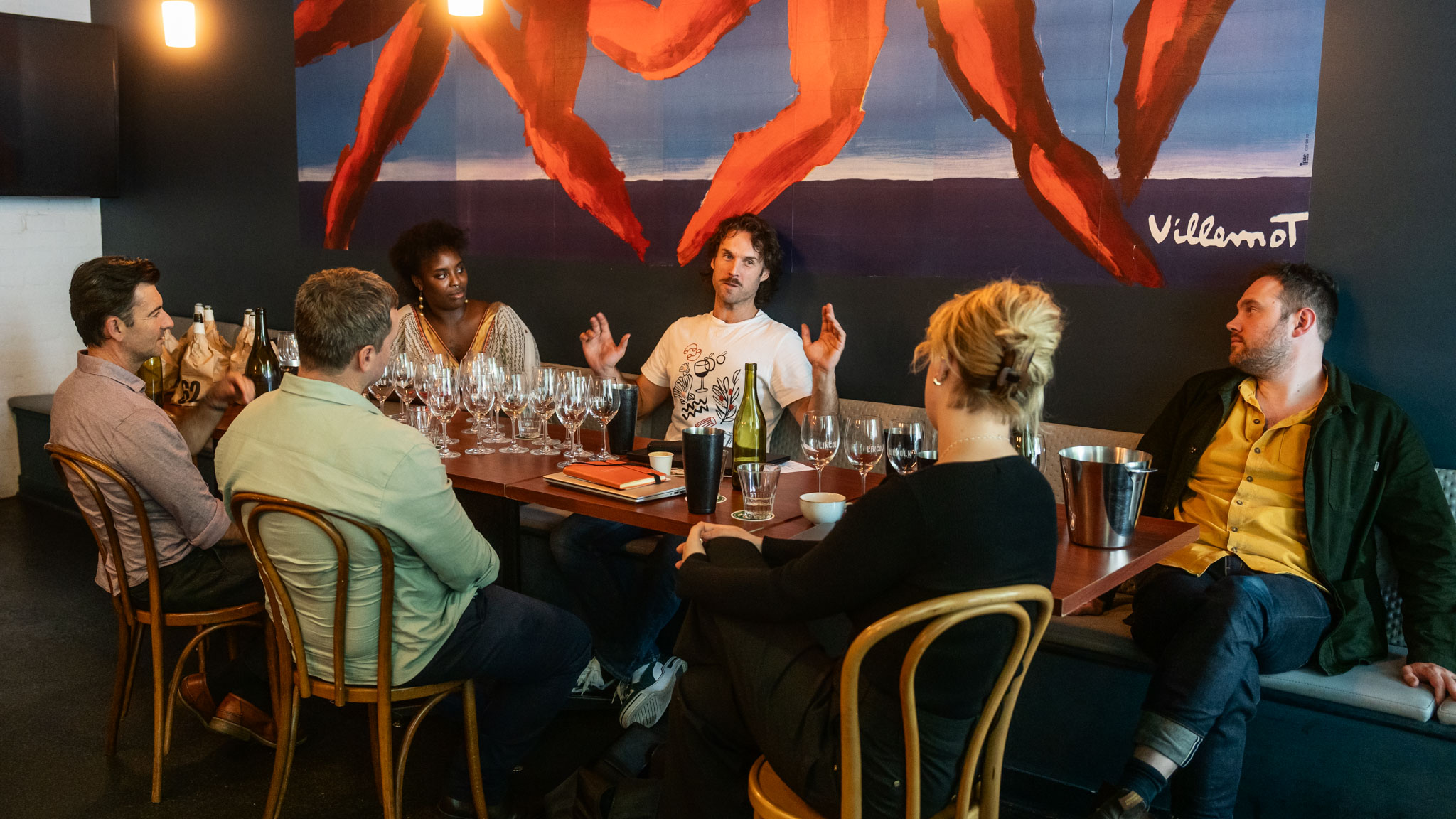
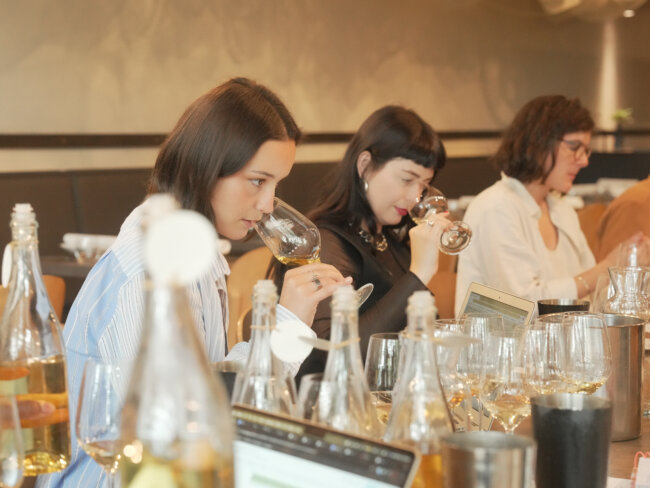
Above and opposite: Our expert panel in action at The Lincoln, Carlton (Melbourne). All wines tasted ‘blind’.
The Panel
Rory Lane started making wine with no family background in the industry, and a questionably vocational degree in ancient Greek tragedy, comparative literature and politics. In wine he finally discovered the sciences, and found he actually enjoyed it! He founded The Story Wines, a boutique winery based in the suburbs of Melbourne, making wines from a collection of Victorian regions, in 2004. Since then he has focused his energy on the Grampians, and coaxing new expressions of various Rhône varieties from this Shiraz-dominated region. His wines are built on balance and brightness, with sense of place at their core. Lane was the Young Gun of Wine People’s Choice winner for 2011.
Sez Robinson grew up in beautiful Aotearoa New Zealand before moving to Melbourne in 2023. With a passion for hospitality and a deep love for wine, she’s worked through pubs and restaurants around Melbourne until finally settling at Cumulus Inc. on Flinders Lane. Here she works as a sommelier, guiding guests through food and wine of provenance.
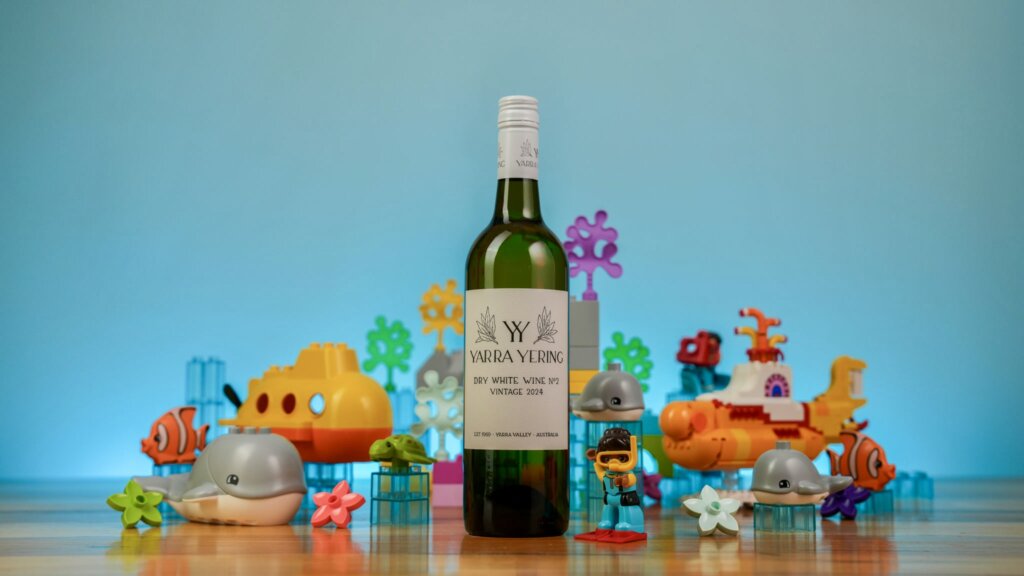
Stuart Dudine’s winemaking is an alchemical process, where nature, intuition, and time transform grapes into liquid gold. With twenty years of experience across Australia, France’s Rhône Valley, Austria, and Italy, Stuart has spent his career working at some of the world’s most respected estates— including Henschke, Yarra Yering, Mac Forbes, and cellars throughout Europe. Along the way, he’s been the quiet hand behind award-winning wines for other producers, shaping their reputations from behind the scenes. He founded his label Alkimi in 2014, and has been a three-time finalist in the Young Gun of Wine awards. He now farms his own Marsanne vineyard at Mount Evelyn in the Yarra Valley, while continuing to support other wineries as a trusted senior winemaker.
Tully Mauritzen is a freelance wine professional who developed a love for wine through her time in hospitality. Since then, she has worked her way through sales and buying roles while undertaking the WSET Diploma, and is now chasing her passion for Australian wine through harvest and winemaking experience. She is an enthusiastic advocate for Australian wines, and has a passion for communicating the quality and value of these wines on an international scale.
Born and bred in the Hunter Valley, NSW, Eden Walpole cut his teeth working for established brands such as Brokenwood and Thomas Wines, as well as completing vintages abroad in California and New Zealand. After a brief stint in wine retail, in 2023 he joined Blue Pyrenees Estate in the Pyrenees region of Western Victoria as Senior Winemaker. Here he oversees winemaking for the Blue Pyrenees Estate and Glenlofty Estate brands, with a specific focus on red wines. He is an active wine show judge and is driven by the continued pursuit of crafting wines that allow each vineyard site to express itself, honestly, in the glass.
Gus Gluckis the business operations and beverage manager for Neighbourhood Group, which encompasses some of Melbourne’s most-loved inner north venues: Neighbourhood Wine, Old Palm Liquor and Bahama Gold. To date, Gluck’s twelve-year career has cemented him as an acclaimed global figure in wine and hospitality, named by Drinks Retailing Magazine in 2021 as one of the ‘100 most influential people in the UK wine trade’. Hailing from London, his career commenced with the city’s esteemed wine bar group Vinoteca. Swiftly moving through the ranks, he went from a young bartender to opening manager, launching three of the group’s restaurants in King’s Cross, Chiswick and Soho. He first arrived in Australia in 2016 to work as a cellar hand at Mac Forbes, and at the end of the vintage, Melbourne’s burgeoning hospitality scene drew him in and he shortly found himself working as an assistant general manager and sommelier at Neighbourhood Wine. In 2018 he moved back to his home country to co-found the award-winning London wine bar, restaurant, and bottle shop Quality Wines. He went on to co-found the London-based wine importer and distributor, GB Wine Shippers, buying and selling European and Australian wines globally. In 2022 he moved back to Melbourne and rejoined the Neighbourhood Group, where he now consults on the wine lists for the group’s 1300 bin–strong cellar and is responsible for marketing and business development.
GET FIRST ACCESS TO THE NEXT WINE ICONS – DELIVERED
For a wine that’s supposed to be all about easy-going fun, prosecco can be a seriously divisive topic – upsetting snobs, alienating sommeliers, and becoming the source of a bitter trade dispute between Australia and Italy. Despite these controversies, Australian prosecco is currently thriving – and with retail shelves groaning under the weight of so many options, we felt a Deep Dive into the subject was in order.
McLaren Vale – arguably the finest Australian territory for the grape – now leading the charge for making grenache in a considered way, with many of the wines of the past – which were often dry and rustic or were dominated by confected raspberry notes – being replaced with wines that can be fragrantly pretty. These expressions broke new ground in Australia, and are fast building a global reputation for this variety, from this region. We gathered every McLaren Vale Grenache we could find and set our expert panel the task of finding the wines that compelled the most. All wines were tasted blind, and each panellist named their top six wines.
Australian dessert wines, sometimes called ‘stickies’, offer more than just sweetness – they’re finely balanced wines that offer bright acidity to balance their sugar content, alongside intensely concentrated flavour. They’re also wines that require no small amount of skill and bravery from their makers, who run their grapes through risky processes in the vineyard and winery to concentrate the luscious nectar within. With an incredible diversity of grape varieties on offer and a number of techniques for winemakers to play with, there’s an Australian dessert wine out there to suit anyone and everyone – so we felt it was time to take a Deep Dive into the subject.
Subscribe to our newsletter
Young Gun of Wine is your shortcut to cutting edge wines, the places to go, and the people behind it all.
Subscribe to be amongst the first to know of our latest discoveries in wine.
We'll bring you the inside running from the growers, the makers, the wholesalers, the retailers and the sommeliers, too.