Hunter Valley semillon is one of Australia’s great vinous treasures – but it needs time in bottle to truly reveal its brilliance. Traditionally styled Hunter Valley semillons are bright, fresh, and relatively simple wines on release, but after a few years in bottle they start to develop layers of complexity and intrigue, building rich notes of honey, toast, lanolin, and nuts. The best news is that you don’t need either a personal cellar or a large fortune to drink properly aged Hunter Valley semillon – many producers hold back portions of their stock to sell as a ‘museum release’ when the wines reach maturity, and these wines generally remain reasonably priced. With so much value ready to be found in this misunderstood region’s unique aged semillons, we thought a Deep Dive was called for.
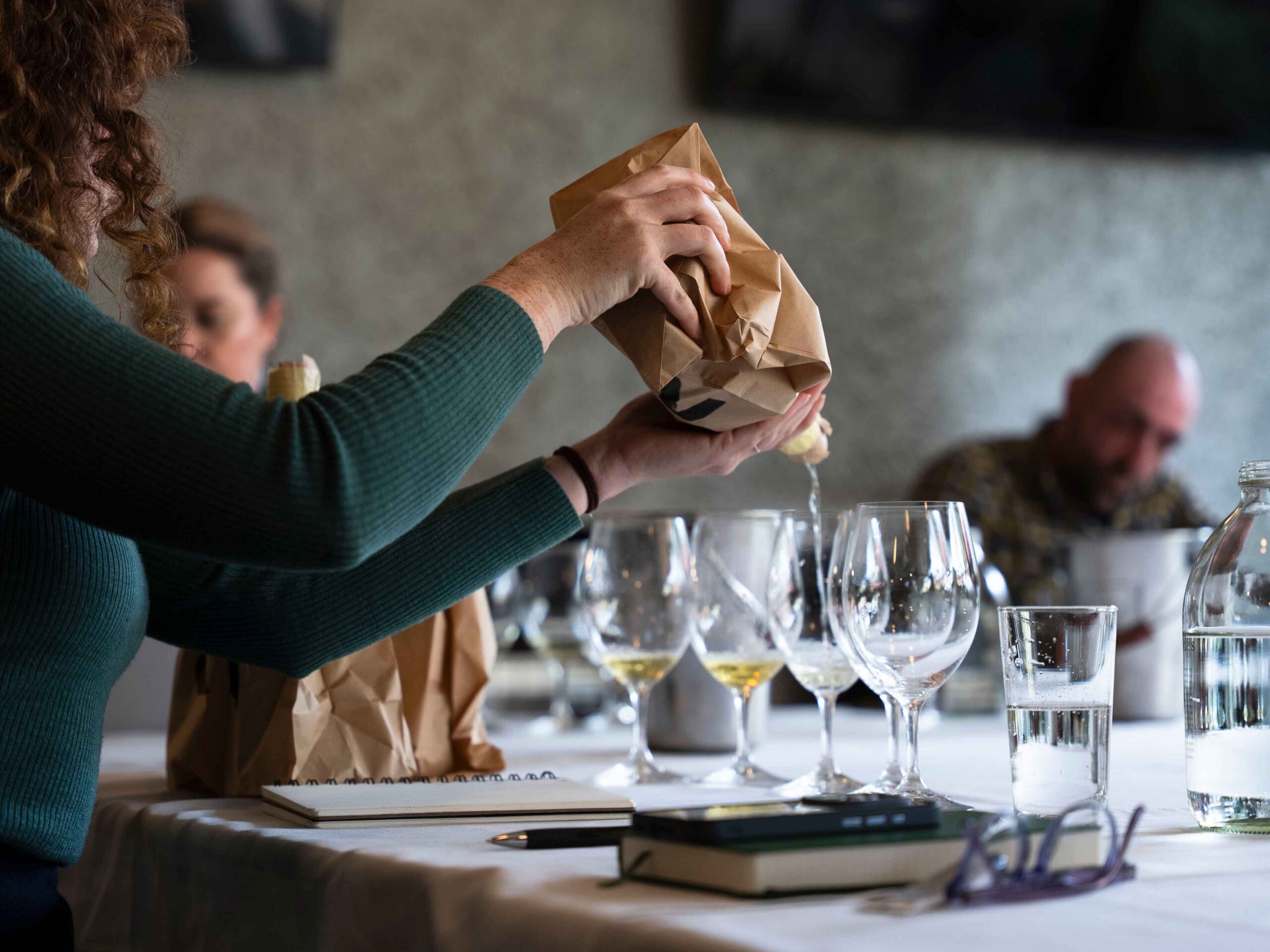
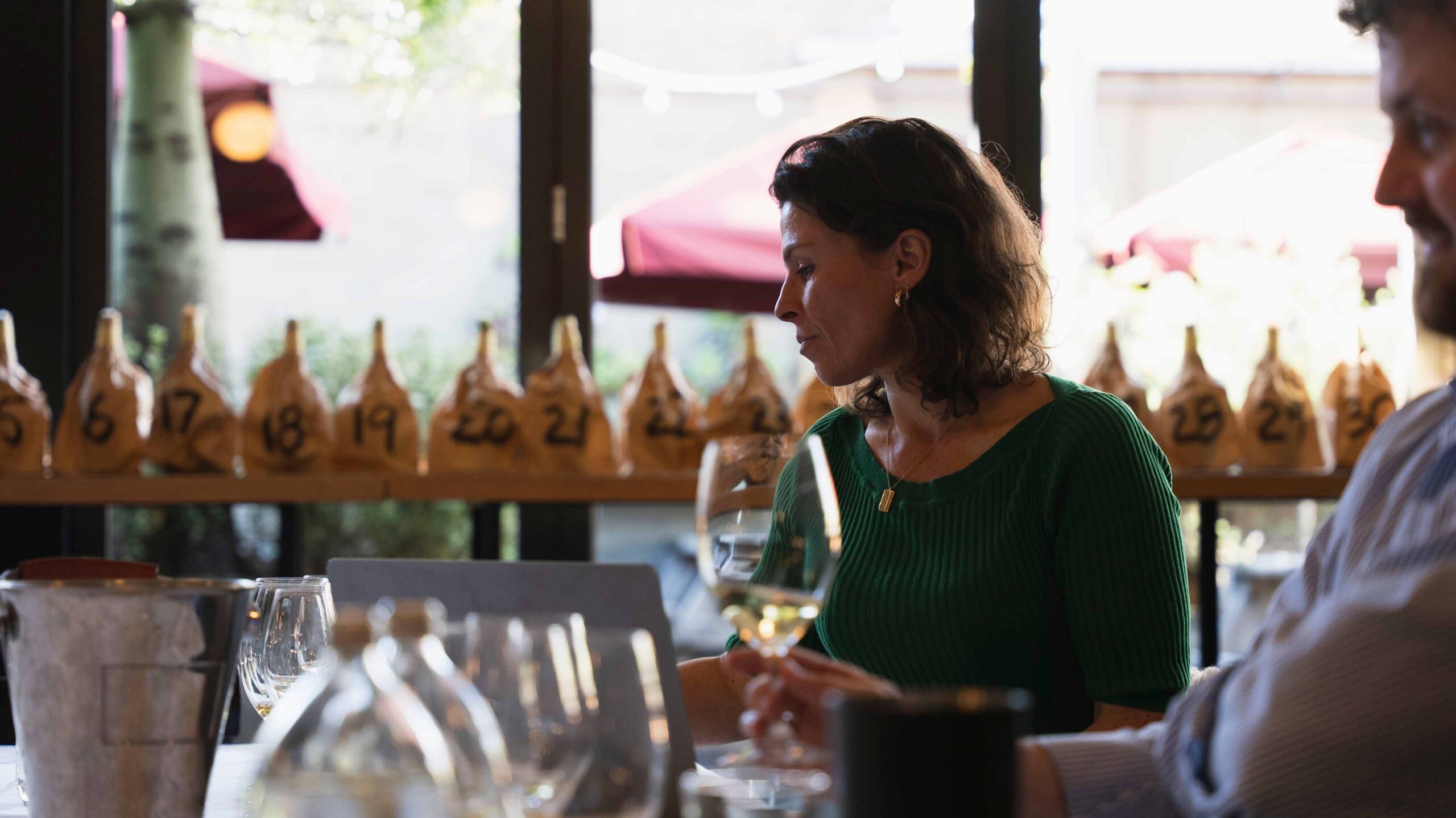
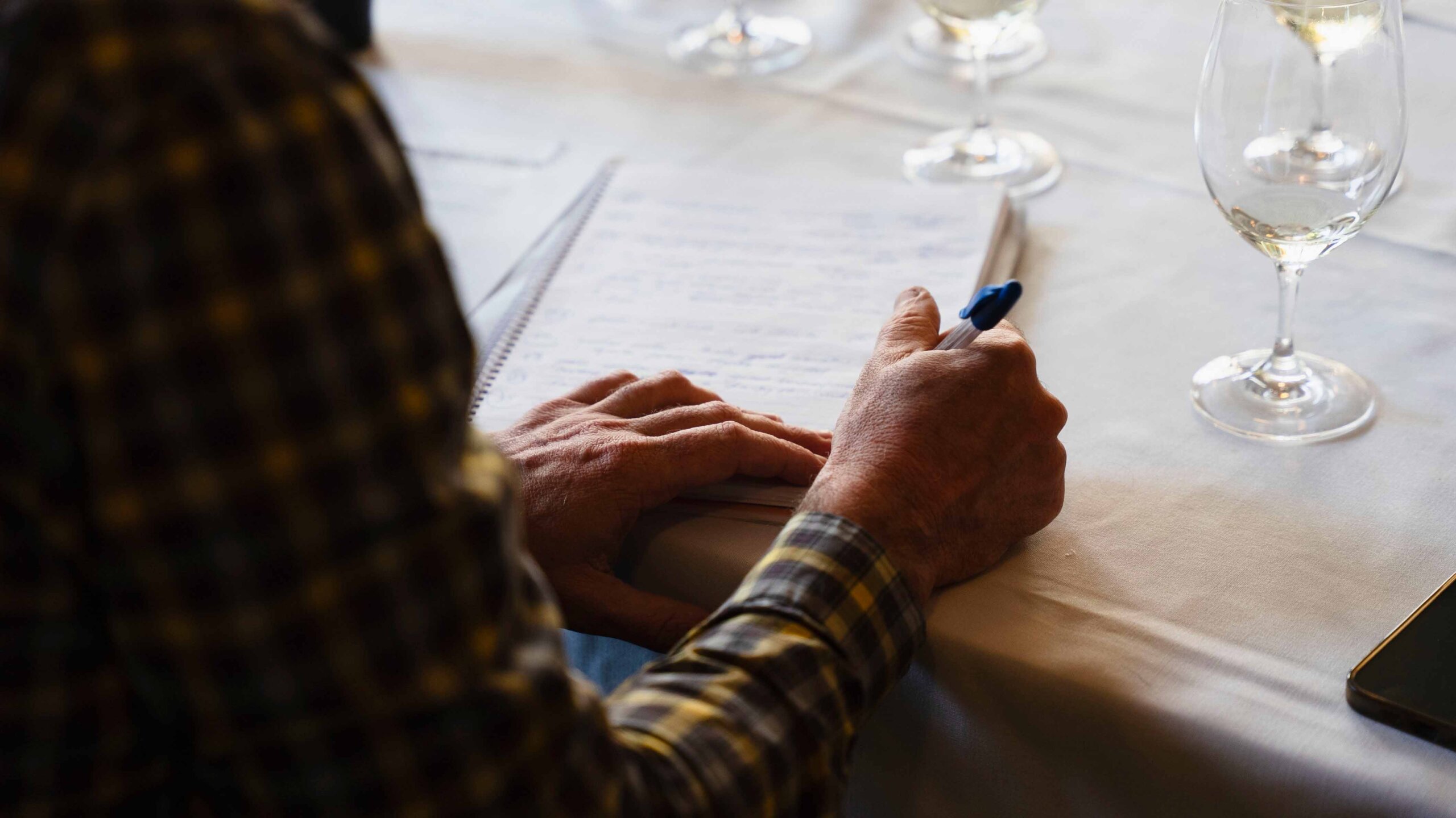
We gathered every example of museum-release semillon – that is, aged stock that is available for purchase in some form – from the Hunter Valley that we could find, and set our expert panel the task of finding the wines that compelled the most. All wines were tasted blind, and each panellist named their top six wines. Below are the wines that made the panellists’ top-six selections from the tasting.
Our panel: Andrew Ling, winemaker, Pepper Tree and Carillion; Belinda Thomson, winemaker, Crawford River Wines; Luke Campbell, sales representative, Domaine Wine Shippers; Beatrice Checkley, sales representative, Joval Wines; Blake Meyer, wine buyer, Reed House; Michelle Nielsen, sommelier, City Wine Shop.
From the Deep Dive
Discover more in The Outtakes below.
Discover more in The Outtakes below.
Discover more in The Outtakes below.
Discover more of The Top Wines below.
Discover more of The Top Wines below.
The Top Wines
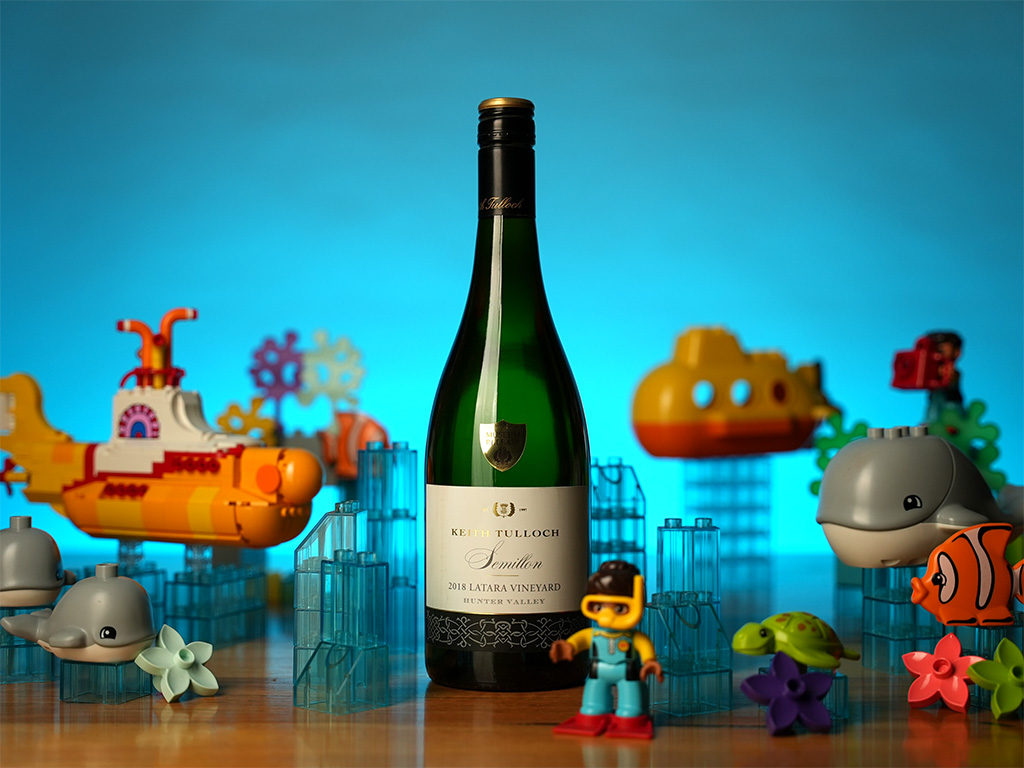
2018 Keith Tulloch ‘Latara Vineyard’ Semillon
Campbell, Ling and Nielsen all named this in their top six wines from the blind tasting, praising its richness, detail and evolution. “Boom! This wine has more magic than David Copperfield,” said Campbell. “Aromas of honey on toast, honeycomb and bees wax … it evolves in the glass to cashew and hazelnut flavours … brioche on the finish. Wine of the day contender.” Nielsen found “confected lime candy and green ants … jasmine and lime zest” on the nose, and a palate of “apple-flavoured boiled lollies, Werthers Original, tarte tartin and toffee apple … it’s soothing and making a cosy home in my mouth.” Ling described it as “lemon yellow in colour” with “a well-balanced nose of kerosine and toasted marshmallow.” The palate was “rich and complex … a mineral tension holds all this together beautifully,” with “little pops of lemon pith” carrying through to the finish.
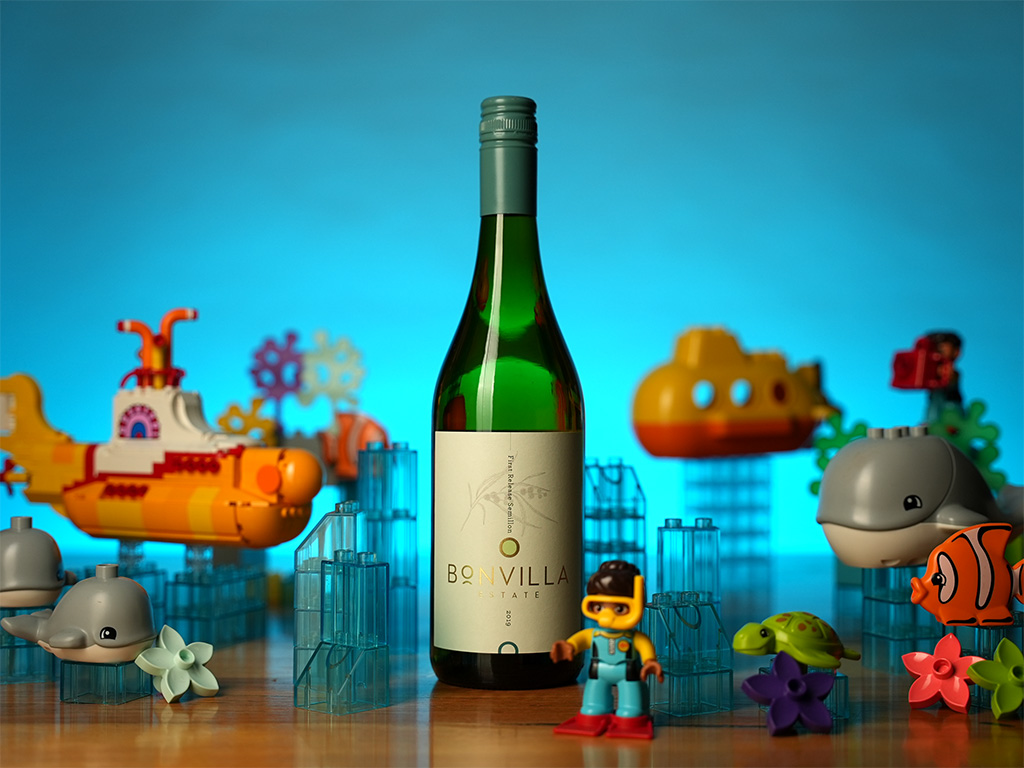
2019 Bonvilla ‘First Release’ Semillon
Nielsen, Checkley, Meyer and Campbell all selected this wine among their top six from the blind tasting, each struck by its energy, complexity and open-knit style. “Golden yellow in the glass, green hues when you swirl,” said Nielsen. “The nose smells fresh – it wakes your senses up … peach nectar, bush honey, apricots … lemon tart wraps it all up. The weight of the wine feels like a little parcel sitting firmly on the centre of my tongue.” Meyer declared it “another banger!” with “sherbet-y brightness in tandem with a fancy honey character,” plus nashi pear, grapefruit, bruised apple and orange blossom. He loved the wine’s “tonic water grip” and “open, expressive style.” For Campbell, this was “Norsca-fresh,” with lemongrass, pink grapefruit and cucumber skin, likening it to Chablis in structure: “Serve it up with a smile and a spicy Thai beef and basil salad. Boom!” Checkley admired how the wine was “only just beginning to reveal its true colours … lemon juice acidity, citrus blossom, native honey … a nostalgic whisper of Werther’s Original and a soft caramel glide.”
2014 Tyrrell’s ‘HVD Vineyard’ Semillon
This aged Tyrrell’s wine was picked in the top six by Checkley, Nielsen and Campbell, who each celebrated its texture, detail and age-defying freshness. “A delightful Hunter Valley semillon that leapt from the glass like an eager puppy – ready to please,” said Checkley. “Think fresh cloudy apple juice, lime cordial, lemon curd … creamed honey, waxy honeysuckle … just enough golden-honey weight to leave your lips smacking.” Nielsen was “blown away by the texture … grippy, crunchy and gritty,” with a nose of “sherbet, aged comté, thyme, sage, lemon myrtle.” On the palate, she noted “fresh apricot … wet stones and raw tea.” Campbell described it as “all lanolin, wool, and honeycomb on the nose … nuts and kumquats, white spices, ginger, vanilla.” He concluded it was “in beautiful shape … really rich and long,” and a wine that “will showcase the Hunter Valley’s most famous export for years to come.”
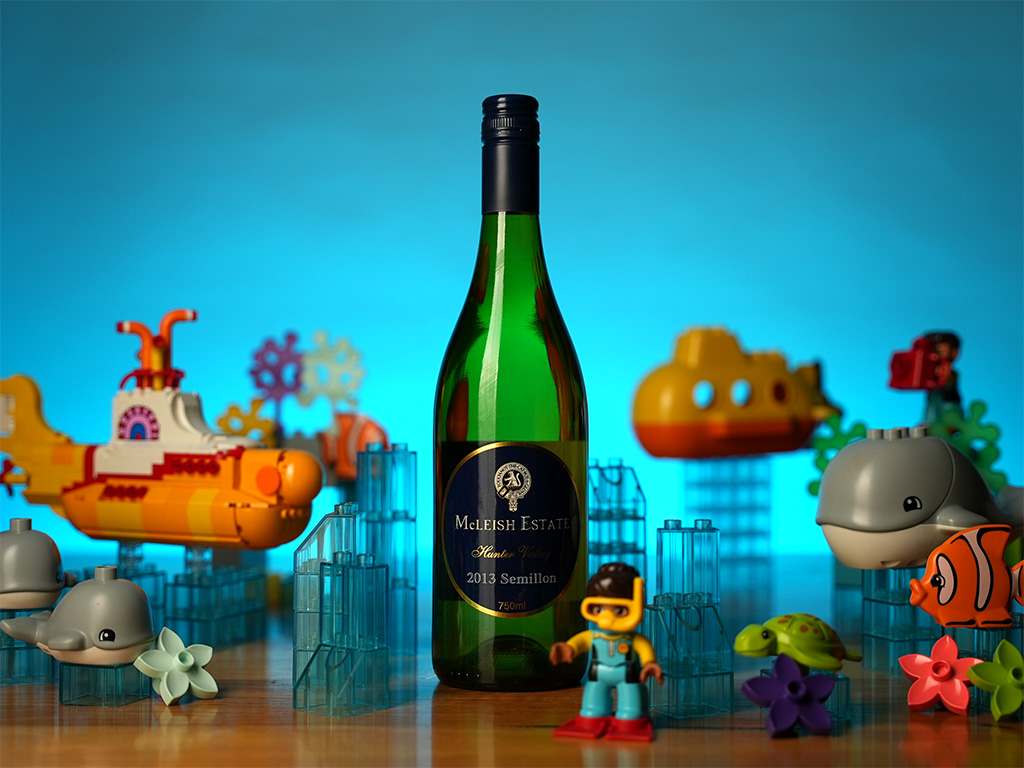
2013 McLeish Estate Semillon
This wine was selected in the top six by Ling, Thomson and Meyer, who each responded to its complexity, freshness and aged character. “This was my wine of the day,” said Ling. “Ever-so-complex aromatics: imagine overcooking your toast by thirty seconds or so, then smearing it with loads of butter and lime marmalade. Sensational. Loads of umami goodness on the palate, cuddled by sherbet-y acidity that is still pinging.” Thomson was similarly charmed, noting “lovely toasty notes aromatically, together with lemon curd in the mid-palate and fresh green melon in the background.” She praised the integration of fruit weight, texture and acidity, adding, “in spite of the years I suspect this might have, it’s still really fresh. I could drink a lot of this!” Meyer found “gravelly minerality … baked nuts and toast … Meyer lemon, Fuji apple, grilled nectarines, cashew, pecorino cheese,” describing the texture as “an open weave, with plenty of fleshiness” and a coppery mineral finish.
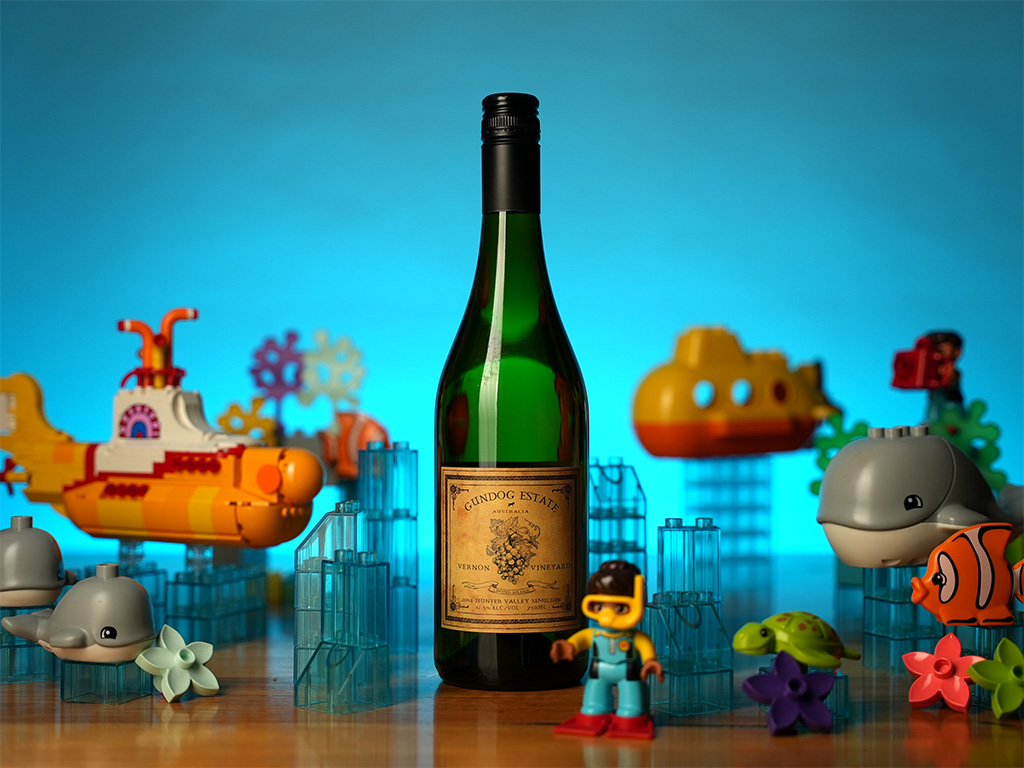
2014 Gundog ‘Vernon Vineyard’ Semillon
Campbell, Meyer and Checkley each included this in their top six, praising its originality, texture and complexity. “Pale lemon in colour, with green flecks,” said Campbell. “Sherbet and Wizz Fizz on the nose, hints of celery salt … peach cobbler, vanilla, and fresh peach. Rich mouthfeel with a good acid backbone. This wine smells like a pinot grigio, yet has the mouthfeel of a chardonnay.” He loved its drinking window and playful appeal: “Give me some fried bar snacks – this would give any Italian fiano a run for its money!” Meyer was also intrigued: “Hits you with jalapeño on the nose … creamy, salty, oceanic core … green apple skins and red apple flesh … slatey minerality and a talc-like texture.” He saw food pairings everywhere: “Absolutely screaming for South-East Asian food, spicy ceviche, Mexican food …” Checkley found it utterly alluring: “The lanolin texture on the palate is entirely sensual … acidity rides just close enough to the edge to keep things exciting.” She noted marzipan, melba toast, thyme stalks, lemon drop tea and honey, summing it up as a wine that “beckons for quiet enjoyment, demanding the respect that only patience and contemplation can give.”
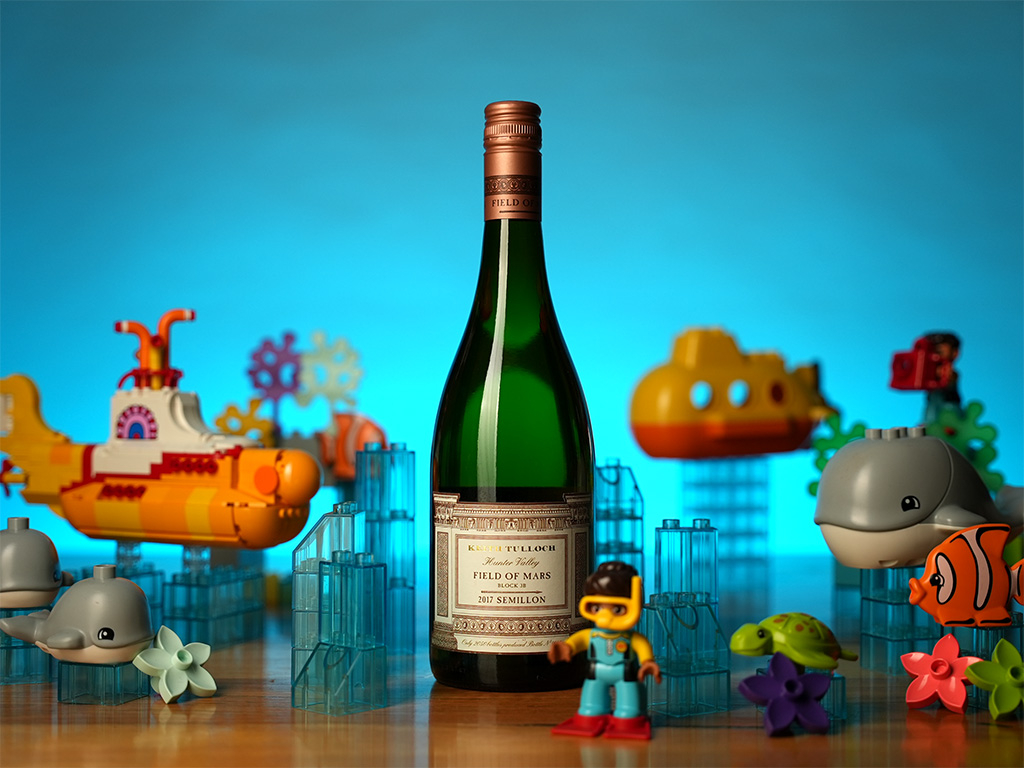
2017 Keith Tulloch ‘Field of Mars’ Semillon
Thomson and Checkley both selected this wine in their top six for its balance, elegance and compelling tension. “Beautiful, honeyed entrance with lemon curd and green melon,” said Thomson. “A chalky, delicate structure is a defining feature … acid is present without being overbearing, drawing a long line that carries the wine from start to finish … and beyond.” Checkley noted how the wine resolved a key question: “Can a wine be both textural and so full of acidity that it finishes clean and refreshing?” Her answer: a resounding yes. “On the nose, it’s delicate yet expressive – meadow flowers, red apple skin, and sun-warmed beeswax … lees work builds a fabulous cashew cream character … tongue-tingling lemon pith brings tension and freshness … clean and fun – delicate and perfumed, with just enough winemaking to carry it through to a long, beautiful finish.”
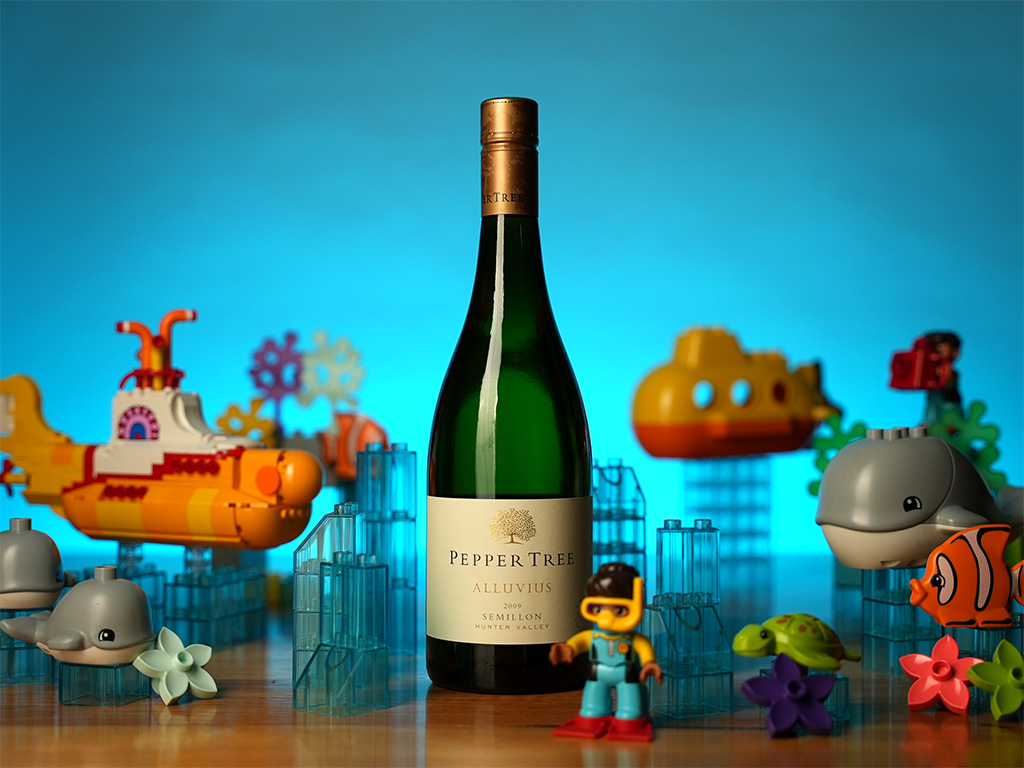
2009 Pepper Tree ‘Alluvius’ Semillon
Both Checkley and Thomson picked this wine in their top six, struck by its richness, energy and elegance. “This semillon demands to be enjoyed on its own – it’s a masterclass in the variety,” said Checkley. “Think ’90s lemon slice: creamy, with lemon curd and subtle coconut notes. Floral chamomile and dried clary sage … a compelling balance between richness and restraint … this wine has a message, and it’s clear: drink me now, or drink me later, but enjoy me always.” Thomson described it as “toasty on the nose alongside lemon curd,” with a “delicate honeyed angle” and “a lot going on between the fruit and mouthfeel – it’s complex and layered.” She found the palate “soft, integrated, balanced … easy and enjoyable” yet with undeniable presence.
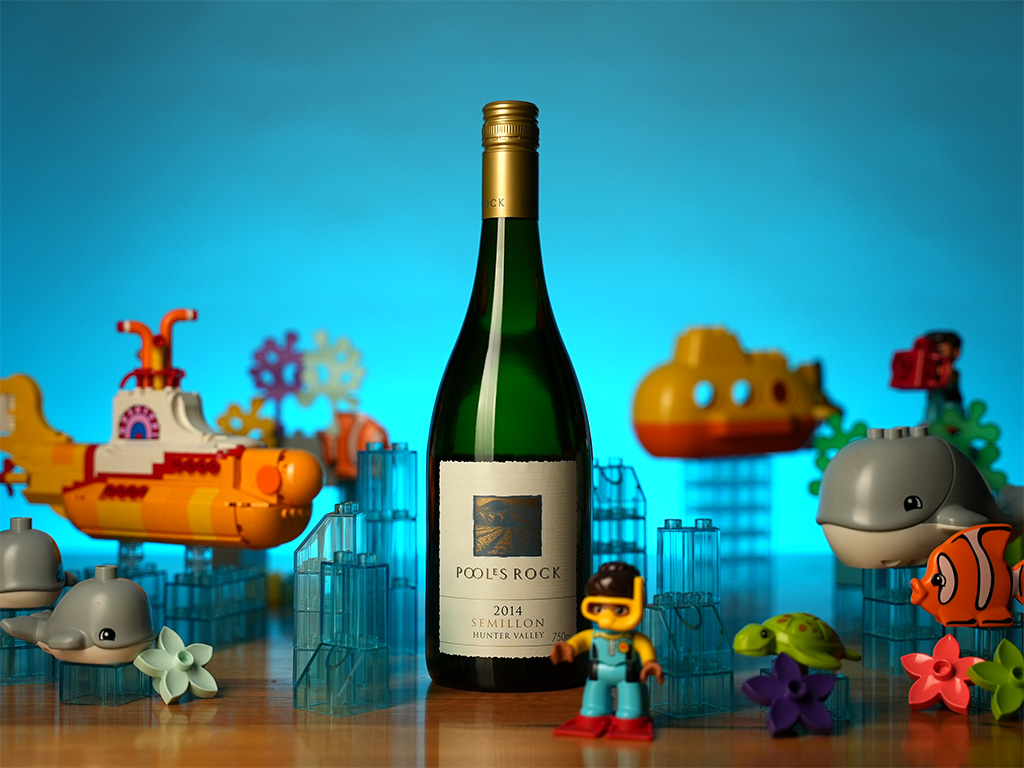
2014 Pooles Rock Semillon
Thomson singled this wine out in her top six selections for its poise, length and layered appeal. “Floral and pretty – think orange blossom water and pink grapefruit,” she said. “An edge of toasty character that provides depth and interest, along with a mellow, very soft mid-palate. Balanced acidity and a chalky quality that lengthen the shape of the palate from start to finish – it just keeps going in a really good way. Delicious and very poised, textural and still youthful, although complex. It’s subtle – it lingers and wraps around your palate, and then stays.”
2009 Krinklewood Semillon
Meyer included this wine in his top picks, calling it “one of those wines you always hear about from your dad … when people speak on the quality and beauty of wines with age.” He described it as a wine that gives you “an a-ha! moment” – a “pleasure” to drink. The fruit was “very vibrant and rich,” with flavours of barley sugar, candied ginger, Cognac and lemon meringue pie bringing a distinctly “Christmassy feeling.” Notes of unsweetened nut butter, baked apple, fresh pastry and elderflower rounded out the palate, while a leesy, almost yeasty quality brought depth. Despite the decadence, Meyer noted that the wine was lifted by its refreshing acidity and classic Hunter semillon tension.
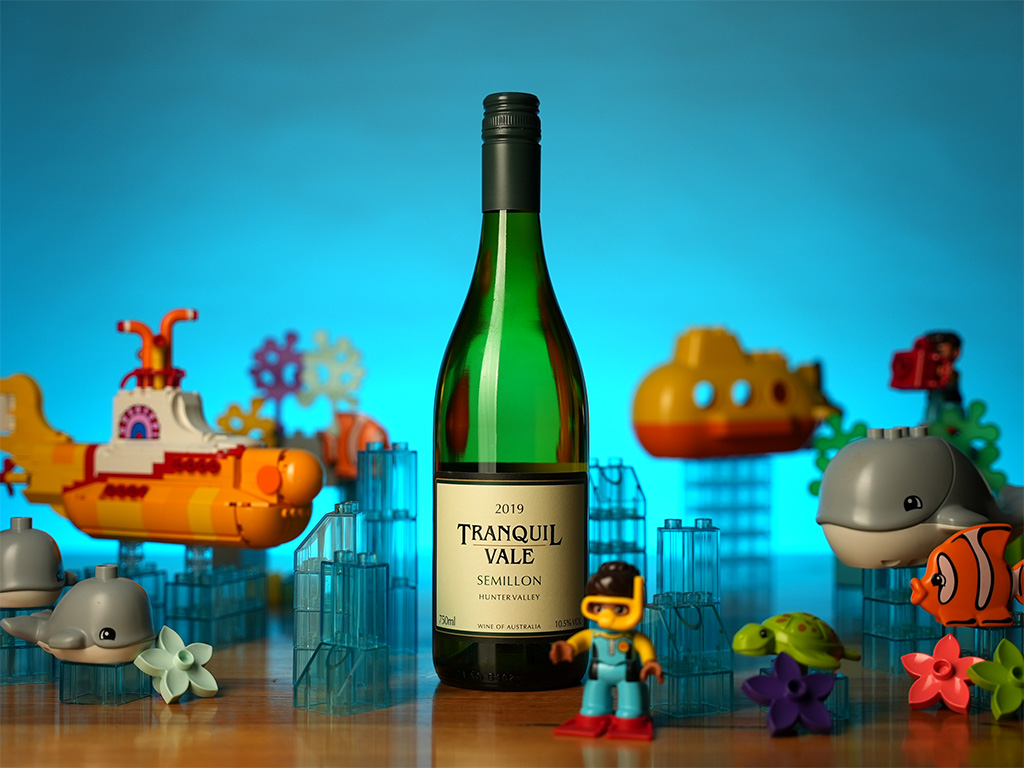
2019 Tranquil Vale Semillon
Chosen by Nielsen, Checkley and Ling as one of their top wines of the tasting, this semillon impressed with its complexity, vibrancy and poise. “From the first smell,” said Nielsen, “I could sense it was going to be a journey.” She noted the wine bounced from “wet stones to starfruit, apple core to bush honey, peaches to chamomile,” with the acid like a “pinball bouncing around your mouth,” finishing with a silky texture reminiscent of raw pu-erh tea. Checkley highlighted its zesty drive and waxy florals, saying it “abounds in the citrus spectrum” and shows “that unmistakable waxy-yet-fruity aroma left on your hands after biting into a red apple.” She praised its balance between high-acid tension and expressive fruit, calling it “clean and fresh” with space for “every exuberant lemon note to shine.” Ling saw a wine “right on the cusp of transformation,” noting grassy lime zest and nutty aromatics, with flavours of grapefruit, passionfruit, and brioche. He called it “the best of both worlds” – fresh and evolving, with a tempo-setting acid line.
2009 David Hook ‘Pothana Vineyard’ Old Vine Semillon
Ling selected this wine among his top six, calling it “super fresh” and “subtle but serious.” The Biscoff and Lemon-Lime Splice notes leapt out of the glass, followed by delicate chamomile and honey that “oozes across the palate.” A leaner style, it carried a silky texture with a crisp, tart line of acidity that “provides all the structure.” He noted that it improved throughout the tasting – “so savour slowly (if you can…).”
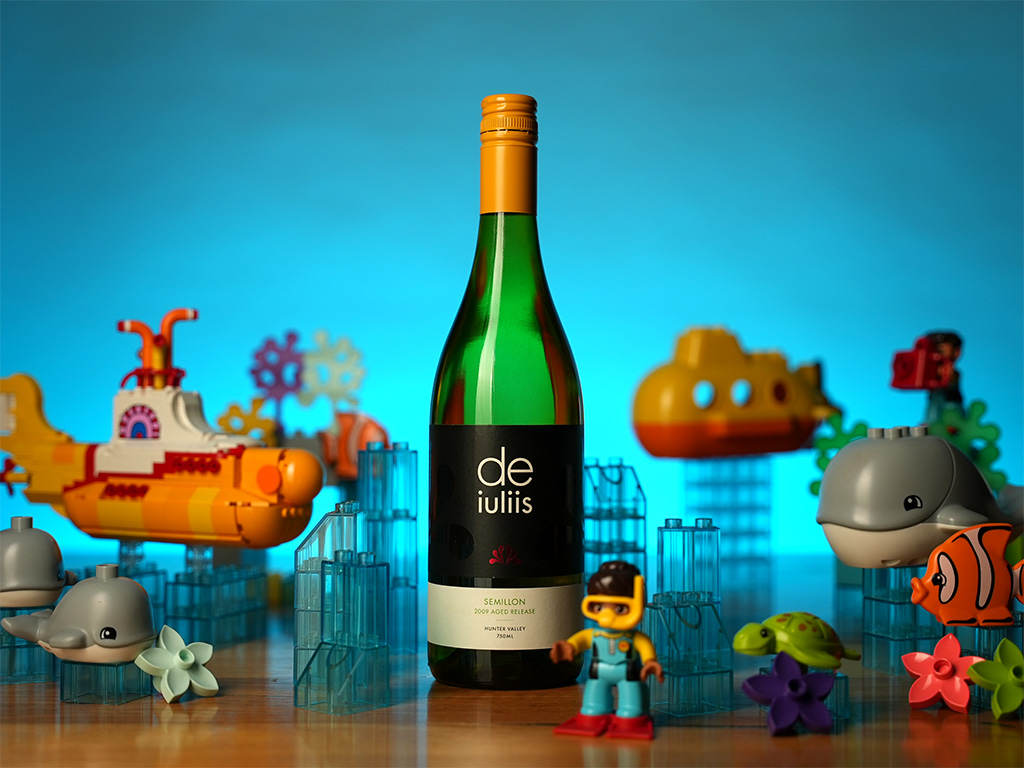
2009 De Iuliis Aged Release Semillon
Nielsen and Ling both rated this in their top wines, praising its structure, depth, and sense of place. “So much going on here,” said Ling. “Freshly baked bread and a touch of struck match flood the nose and mouth.” He highlighted its chalky texture, precision winemaking, and grilled lime flavour that held the wine in tight focus. Nielsen described it as a wine with presence and progression, opening with “tea, ironbark honey, gum leaf, and toffee,” before drifting into floral tones of elderflower and jasmine, then finishing “silky, like a fine tea.” She noted its “lightness and delicacy,” with flavours of white peach flesh, white strawberries and cloth-bound cheddar, concluding: “A wine that can stand up alone, but calls for partnership – and you’re the chosen one.”
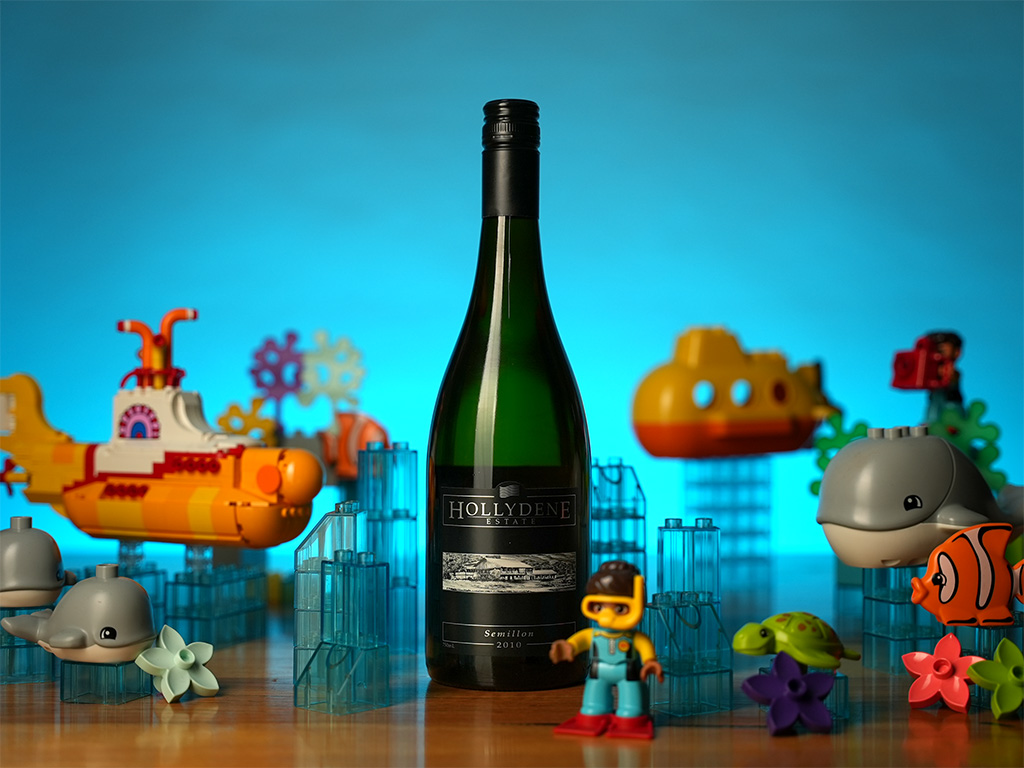
2010 Hollydene ‘Estate’ Semillon
Campbell singled out this wine in his top six, saying, “this is the style I was expecting all day.” Classic in structure and tone, he likened it to “Sunday mornings at home with the paper and a croissant.” Aromatically, it showed “mixed seeds, nuts, and churned butter” from bottle age, with a medium-bodied palate that had “great texture” and “intensely long” length. He described it as tasting like “ripe Valencia oranges, cut Nashi pear and grapefruit marmalade, all garnished with salt flakes.” Praising its balance between fruit and acid – “like the agility of a tightrope walker” – he called it “a blockbuster on its way to Hollywood stardom,” with “the star power of Scarlett Johansson and the unmistakable poise of French sémillon.”
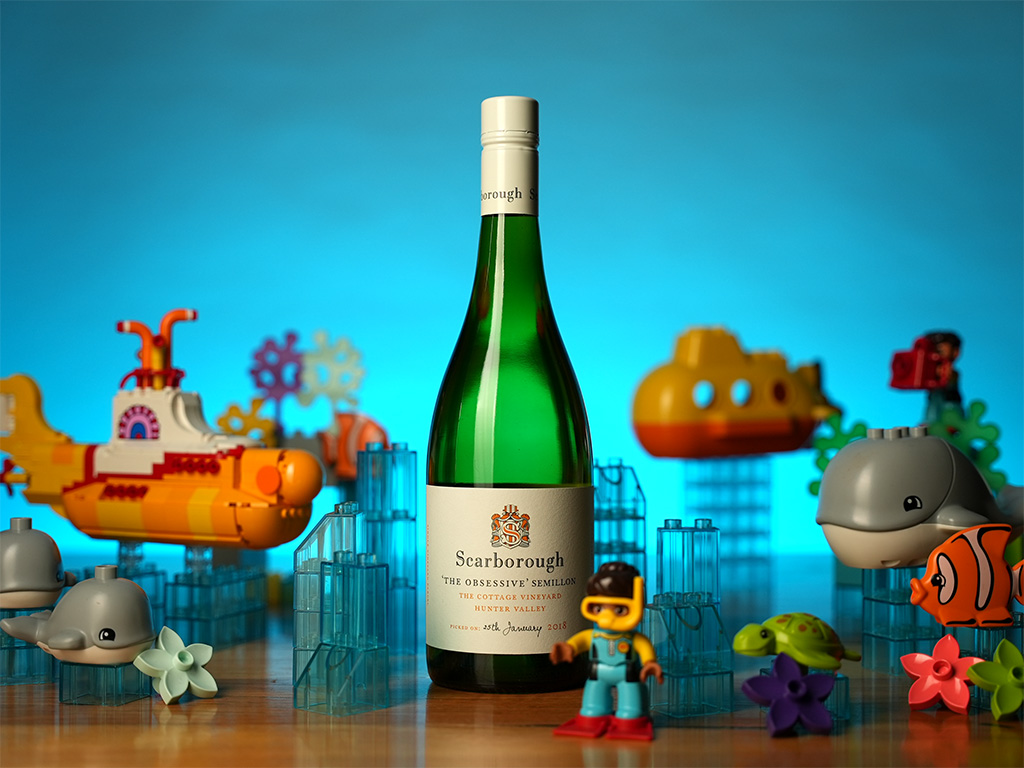
2018 Scarborough ‘The Obsessive’ Semillon
Campbell and Thomson both selected this wine among their top picks in the blind tasting. For Campbell, it was “bright, zesty, and still youthful,” with “a roquette-like spiciness” and a palate filled with “honeydew melon,” “poached pear,” “white flowers everywhere” and a “silty, sandy, bath salt–like flavour.” He added, “Flat out, it’s almost gin and tonic–like!” with minerality, complexity and “dried sage and vanilla notes,” while describing the acid as a “mild tickle” and the wine as “so tasty.” Thomson found a “slightly more savoury take on a fresh style,” with “preserved lemon and flint notes,” and a “chalky” and “clean” palate, shaped by “very well-integrated acid” and “pithy, textural elements.”
2004 Mount Eyre ‘Three Ponds’ Semillon
Nielsen nominated this as one of her top wines, drawn in by its “glowing gold” colour and balance of “green apple, baked pears, and grassy notes.” She noted a nose of “wet stones” that “reminded me of running water and sunshine in spring,” and a saline, almond-fleshed palate with “golden kiwifruit and honeydew melon with salt sprinkled over the top.” She added, “There is tension here still, even with the wine’s evident age,” concluding that the wine’s “rich, ripe and dense pears and apples” are given focus by the “salty texture” that “puts all that flavour into a little basket on your palate.”
2019 Thomas Wines ‘Braemore’ Cellar Reserve Semillon
Thomson was impressed by the “elegant and fresh” style here, nominating it in her top six of the day. She praised the “honeydew melon and white stone fruit aromatics” with a “little spice thrown in,” and a palate that was “vibrant, fresh, zesty, and even.” Noting that it was “not simple though,” she found “plenty of shape from start to finish,” with “good texture,” “pithy phenolic characteristics,” and “yuzu elements.” “Yum,” she concluded.
2013 Hollydene ‘Estate’ Semillon
Meyer selected this wine among his top picks from the blind tasting, calling it “musky, mysterious and alluring.” He found honeyed fruit notes of “dried apples and pears,” plus “a distinct Bickford’s lemon cordial note,” along with “fresh ripe Golden Delicious apple and unripe pear acidity,” a touch of “lemon myrtle savouriness” and “some oceanic salinity.” The texture was “silky and sun-kissed,” with “a trail mix–like element” that reflected aged complexity. “A compelling and contemplative sip,” he said, imagining it served with “some soft cheeses, salted nuts and warm bread.”
2016 Mount View Estate Reserve Semillon
This wine was chosen in Ling’s top six of the day. He described it as “lemon meringue pie” in a glass, saying it “took me back to my childhood.” With “toasty and sweet” notes, he found “lemon curd and finger limes” alongside “hints of toasted sourdough.” The creamy texture was a highlight, and his ideal match? “Get some fresh bread, seafood sauce, and a bag of prawns. You won’t regret it.”
2019 The Vinden Headcase ‘Somerset Vineyard’ Semillon
Meyer named this one of his top wines, finding a style that was “concentrated yet delicate,” with that hallmark “Hunter semillon tension.” He praised the “really vibrant citrus fruits – lemon, lime, and pink grapefruit pith,” adding that the complexity brought it “into that gin and tonic realm really nicely.” Other notes included “cashew nut, golden nectarine, blooming white blossoms,” and “a lemon verbena element” that gave “that sting of warmth from the sun.” He concluded, “I think that’s where this wine would be best enjoyed: outside, on some grass.”
The Backstory
Hunter Valley semillon is one of Australia’s great vinous treasures – but it needs time in bottle to truly reveal its brilliance. Traditionally styled Hunter Valley semillons are bright, fresh, and relatively simple wines on release, but after a few years in bottle they start to develop layers of complexity and intrigue, building rich notes of honey, toast, lanolin, and nuts. The best news is that you don’t need either a personal cellar or a large fortune to drink properly aged Hunter Valley semillon – many producers hold back portions of their stock to sell as a ‘museum release’ when the wines reach maturity, and these wines generally remain reasonably priced.
The Hunter Valley holds a unique position in both the history of Australian wine and in the contemporary Australian wine landscape. While it was not the site of the very first wine grapevines planted in Australia – that distinction goes to what is now Sydney’s CBD – it can lay claim to being the first wine region in Australia, with plantings dating back to 1823. These plantings occurred at the same time as English colonists, drawn to the region by its evident suitability to agriculture and the discovery of coal, were deploying brutal and violent means to dispossess the area’s traditional owners and custodians, the Wonnarua people, of their lands – a sorry history that several of the region’s winemakers are seeking to reckon with in collaboration with the Wonnarua people.
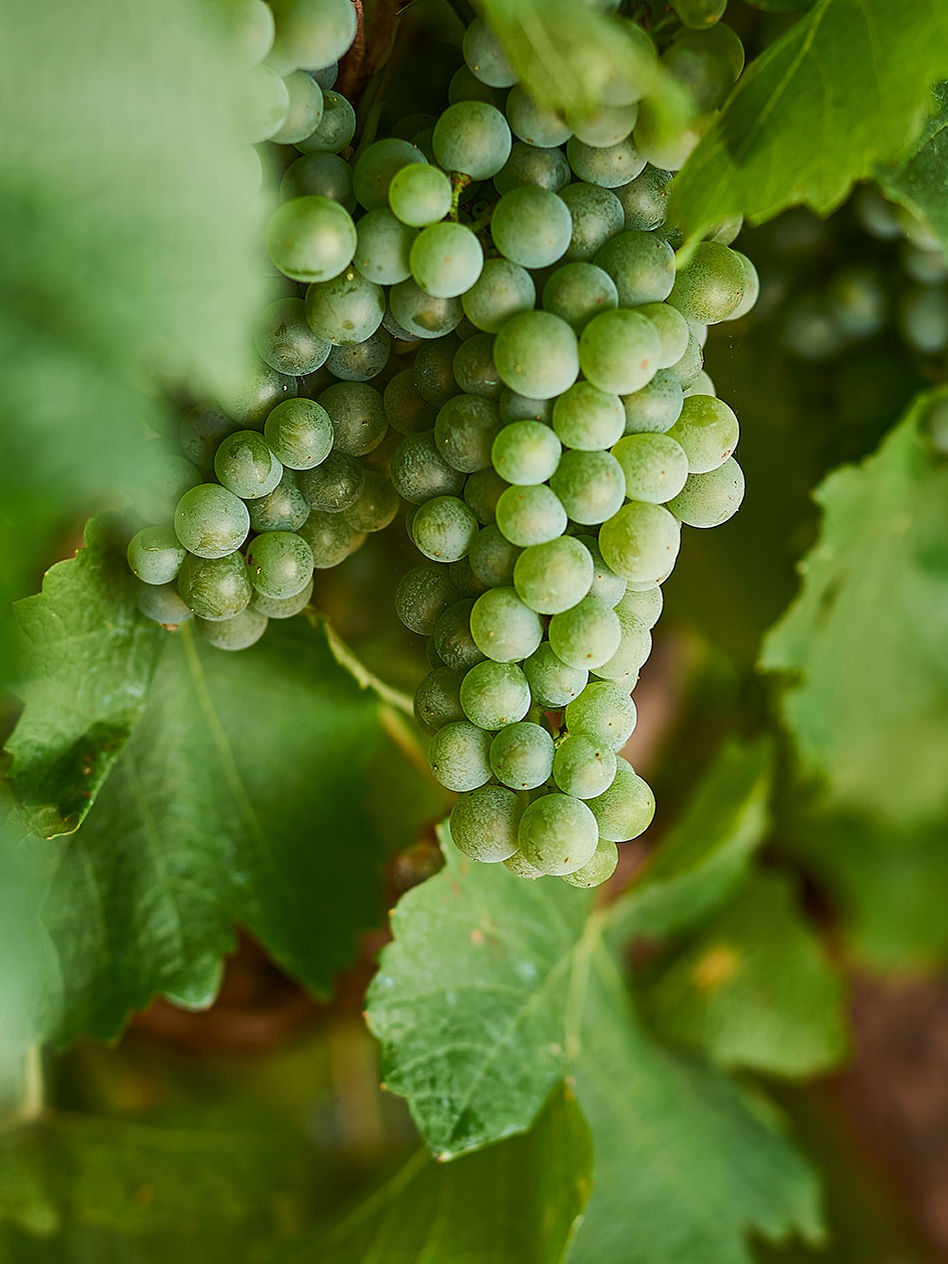
Opposite: semillon grapes on the vine. Above: an aerial view over the Hunter Valley.
The natural abundance that drew European settlers to the area has proven to be a mixed blessingfor the Hunter as a viticultural region. The Hunter sits at the very northern edge of the band of latitudes (50° to 30° south) considered suitable for quality wine production, and is therefore quite warm in wine terms, practically sub-tropical, although that warmth can be moderated by ocean breezes coming off the Pacific and cool air coming down off the Brokenback Range. It’s a wet place, too, with elevated humidity and summer storm fronts that can roll in at picking time and swiftly ruin any grapes remaining on the vine, and the weather conditions can vary wildly from year to year – making each vintage both unique and, potentially, uniquely challenging. As Jim Chatto, former chief winemaker at Hunter estate Mount Pleasant, puts it in Jane Lopes and Jonathan Ross’s book How to Drink Australian, “if you started from scratch, looking at a map and looking at climate, you probably wouldn’t plant grapes in the Hunter today.”
“If you started from scratch, looking at a map and looking at climate, you probably wouldn’t plant grapes in the Hunter today.”
On paper, the combination of humidity and heat would lead you to assume that the region’s wines are big and ripe, but this is not so – Hunter Valley wines are, more often than not, light in body and fresh. Much of this is down to harvest dates, with growers seeking to get fruit off their vines before summer storms arrive, which in turn necessitates clever viticulture to ensure that there’s enough flavour in the grapes before they are picked. Winemaking follows on from the fruit profile, creating both white and red wines that are naturally lower in alcohol and higher in acidity than those from other regions – light on their feet, not typically fruit-forward, and restrained. A combination of these factors lead to the development of what British wine authority Jancis Robinson MW calls “Australia’s unique gift to the wine world”: Hunter Valley semillon.
The rise of ‘Hunter riesling’
The French variety semillon was amongst the first to be planted in the Hunter Valley region – and, in contrast to the histories of most grape varieties in Australia, its origins here predate the famous Busby Collection of the 1830s. At some stage in the late 1820s Thomas Shepherd, the proprietor of Sydney’s Darling Nursery, had observed a grapevine “gratifying the eye with its greenness and health” in front of a nearby house and propagated a cutting from it; this vine went on to become the source of much of the genetic material used to establish Shepherd’s three-acre vineyard named Kinross in the Hunter, established in 1833, and was propagated widely in the region from there. Based on the belief of another Hunter grower that the variety in question was “the large riesling of the Rhine”, the variety often went by the name ‘Shepherd’s riesling’, although it was still referred to as a “hardy, good-bearing grape, without a name” as late as 1896.
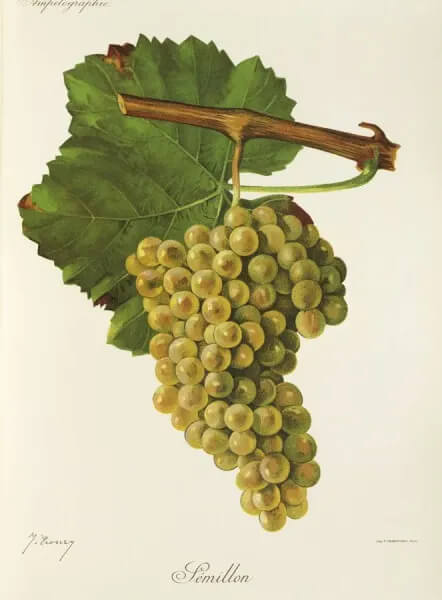
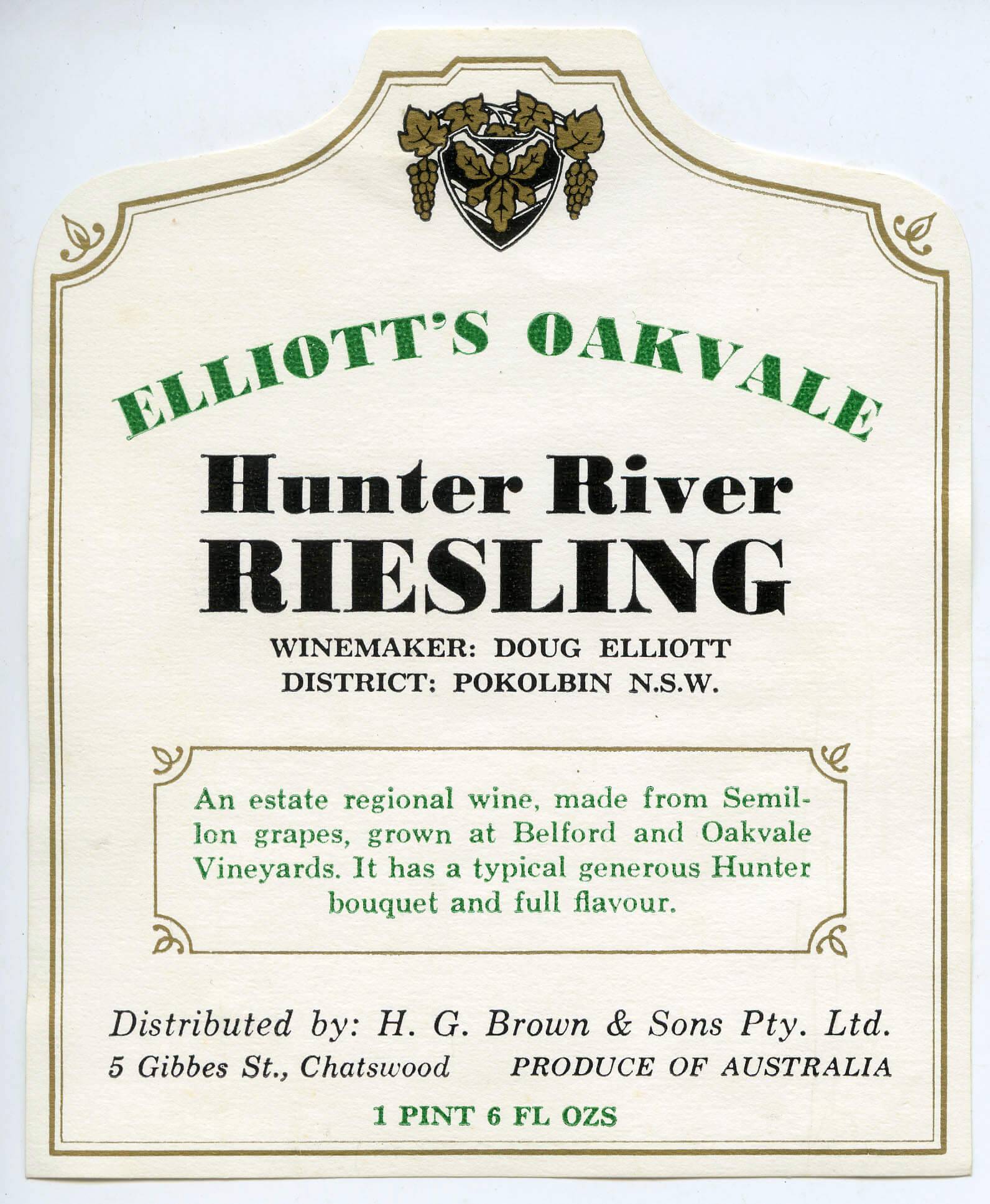
Opposite: an engraving of sémillon from Jules Troncy’s 1901 book Traité Général de Viticulture: Ampélographie. Above: a mid-twentieth century label for a so-called Hunter River Riesling “made from semillon grapes” – demonstrating the looser labelling norms of the time.
By the 1920s, thanks to the development of ampelography (grape vine identification) as a science, it was widely known within the Hunter that Shepherd’s mystery variety was, in fact, semillon – knowledge that was later confirmed in the 1970s by visiting French ampelographic experts. Shepherd’s original vine had likely arrived in Sydney in the late eighteenth century as a cutting sourced in South Africa, where the variety (known in Afrikaans as groendruif – literally ‘green grape’) was once widely grown. Despite the knowledge that the variety was no form of riesling, it was common for Hunter producers to label their white wines as ‘Hunter River riesling’ until the mid-1980s – and also, confusingly, as ‘Hunter River Chablis’, ‘Hunter River White Burgundy’, and ‘Hunter River Hock’. The fact that all of these were predominantly made from semillon, with perhaps small percentages of verdelho and gewürztraminer in the mix, caused little angst to anyone except ampelographers. In 1942, a frustrated François de Castella, one of Australia’s leading twentieth-century wine experts, bemoaned of semillon: “That this excellent, but entirely distinct grape should ever have been assimilated to riesling passes comprehension.”
“That this excellent, but entirely distinct grape should ever have been assimilated to riesling passes comprehension.”
While the Hunter producers making these mislabeled wines didn’t have viticultural accuracy on their side, they did have a reason to persist with the ‘riesling’ name. In its native Bordeaux, sémillon (which receives an accent in the French) is largely used as the basis for botrytised sweet wines, with a smaller portion being blended with sauvignon blanc and muscadelle to make dry white Bordeaux – traditionally a rich style of white wine that gains much of its texture from barrel fermentation and ageing. By contrast, Hunter winemakers, following in the footsteps of the legendary Maurice O’Shea of Mount Pleasant, had perfected a style of semillon that was practically the opposite of a traditional white Bordeaux – crisp, fresh, and lean, with racy riesling-like acidity. (This elevated acidity is not only down the variety, but also, as noted above, the picking time.)
Time in a bottle
The real intrigue of the Hunter Valley style of semillon only occurs with time. In their youth, those crisp and fresh semillons are usually quite drinkable thanks to their thirst-quenching and food-friendly acidity – but they’re often a little underwhelming in the flavour department, tasting of fresh citrus and green apples and little else. (This is slowly changing as an increasing number of Hunter producers seek to craft semillons that are more appealing to drink immediately on release.) Over time, though, a remarkable transformation takes place: after an interim period (during which the wines taste remarkably awkward and disjointed), they start to develop rich flavour notes such as buttered toast, grilled nuts, and honey, alongside a deeper, more interesting texture that often fools people into thinking that the wines have been aged in oak. (Nearly all Hunter Valley semillon is made without any oak influence.) The Hunter Valley style of semillon is built for the long haul, too, with iconic examples of the style such as Tyrrell’s ‘Vat 1’ and Mount Pleasant’s ‘Lovedale’ able to look remarkably fresh after decades of ageing owing to their high acidity. It therefore makes sense that many Hunter winemakers hold back at least a portion of their semillon to age in their own cellars and sell later as a museum release.
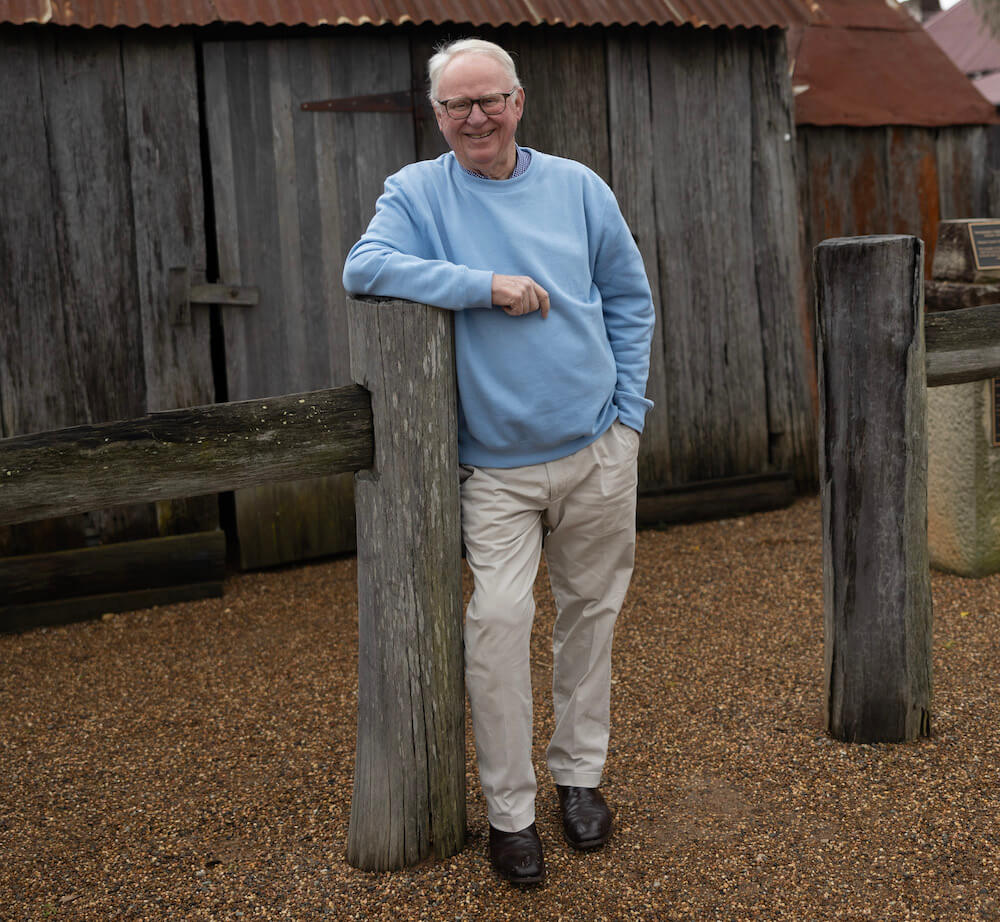
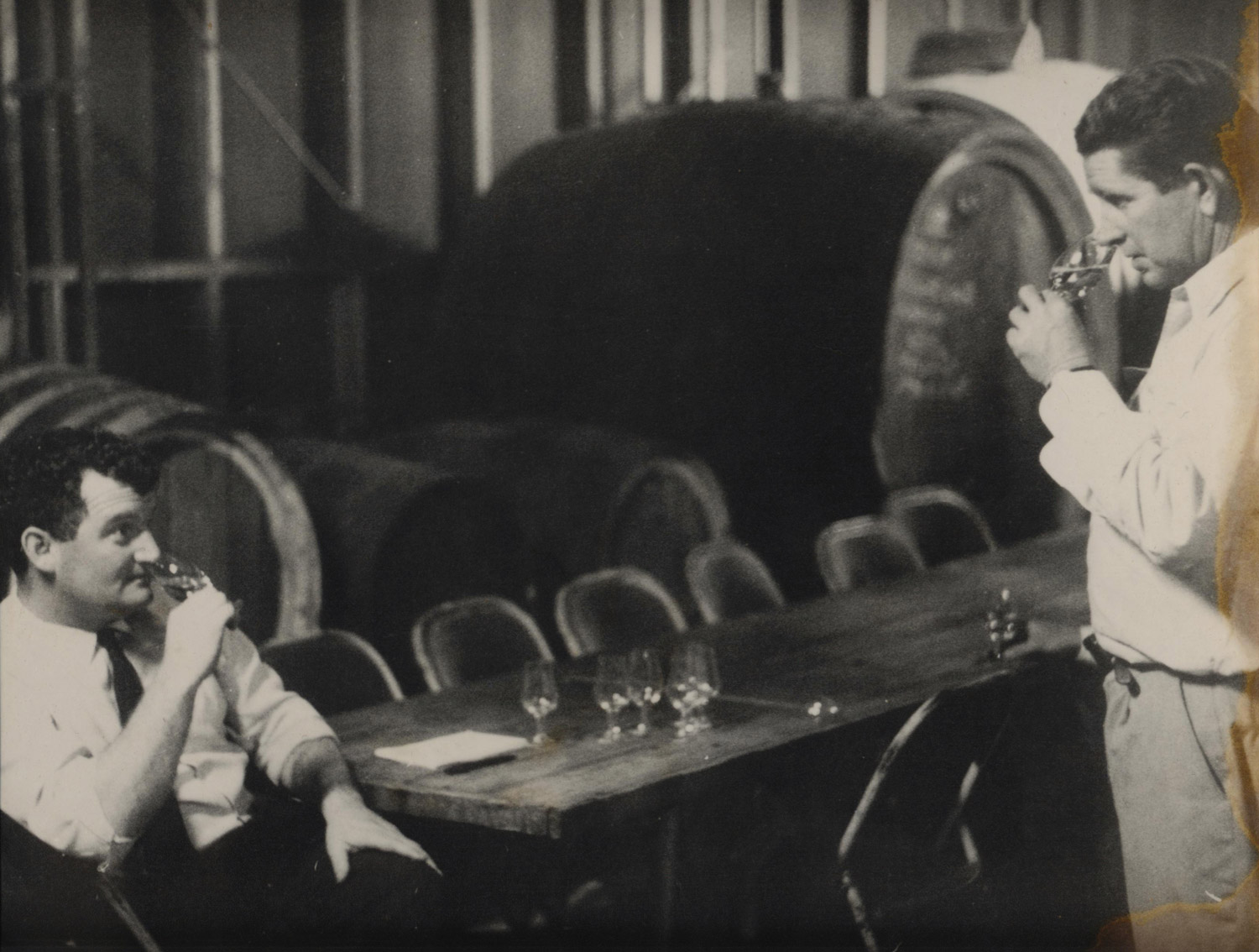
Opposite: Bruce Tyrrell. Above: Murray Tyrrell (right), maker of the first ’Vat 1’ semillon, tasting wine with Australian industry icon Len Evans (left).
Bruce Tyrrell, the fourth-generation custodian of his family’s Hunter winery, recalls how Tyrrell’s came to start delaying the release of their semillons. “Up to the ’70s and early ’80s, everything got released early because we needed the money!” he says. Tyrrell credits an off-hand comment by Graham Gregory, a wine show judge and friend of his father, Murray, for a shift in the family business’s thinking about releases: “He was here late one afternoon, and they’re going through tasting young wine out of casks,” he recalls. “The young semillon came out and Gregory, who was fairly direct in his approach, said ‘Jesus, Murray, there’s enough acid in that to take the bloody enamel off your teeth!’ I have never forgotten that line, because that’s what changed us with semillon.”
Gregory’s comment not only changed the winemaking approach at Tyrrell’s – convincing the family to pick their semillon later and riper to add a little extra body and dial back its piercing acidity – but also their release schedule, thanks to a little skullduggery from Bruce Tyrrell. “A production boss of the day and I came in on the weekend and we shifted, or we swapped, two stacks of wine,” Tyrrell said. “One was a red that supposed to be kept on, but I swapped it with a semillon – so no-one was going to go near the red and realise it was the wrong wine for five years.” That stack of wine – the 1989 ‘Vat 1’ semillon – would eventually see release in 1996, and is credited with introducing the concept of aged Hunter semillon to a wider audience of wine drinkers than wine show judges and collectors. Tyrrell’s now only releases all but its most entry-level semillons with significant bottle age on them.
“The young semillon came out and Gregory, who was fairly direct in his approach, said ‘Jesus, Murray, there’s enough acid in that to take the bloody enamel off your teeth!’”
For Tyrrell, there have been very few changes in winemaking approach or philosophy since the early 1960s, when Murray Tyrrell first made ‘Vat 1’. “The big change was when we got electricity, and then got refrigeration,” he says. “So we could control the temperature of the ferments more effectively than chucking half a tonne of ice in the ferments every night … I think when all the wineries in the Hunter got refrigeration, the local iceworks went broke.” Having temperature control in the fermentation tanks means that “there’s not a lot of reason to fiddle around. I always reckon if a young winemaker comes in and wants to fiddle with the semillons, the first thing you should do is take them round the back of the winery and shoot them.” He also credits machine harvesters for the ability to very quickly get semillon off the vine at peak ripeness and just before summer storms arrive with a significant increase in quality. “We got modern gear and it just took the handcuffs off us,” he says. Tyrrell’s single-site semillons, including ‘Vat 1’ and ‘HVD Vineyard’ are widely seen as standard-bearers for the region – and they’re not released to the public or shown to the wine trade until they’ve started showing signs of maturity.
Expressing terroir through time
For Alasdair Tulloch, who grew up in one of the Hunter’s prominent wine families, the age-worthiness of Hunter Valley semillon is “something I’ve known my entire life”. For him, the great virtue of aged Hunter semillon is not just that the wines develop complexity in the bottle, but that, in the case of single-vineyard wines, over time they become more expressive of their terroir. “Even as a young wine, there’s real nuance between the different sites, the different vine ages, the different aspects – just because there’s so much beautiful detail, even in a restrained light white wine,” he says. “Those nuanced differences just become really amplified over time. The Latara vineyard semillon that’s on clay soils tends to have a little softer acid, a little broader flavour – it’s actually more flavoursome as a young wine. And the Field of Mars semillon that we make from sandier soils and slightly older vines has more of that classic Hunter Valley style – super-lean, super-driven, with freshness and citrus acidity. Over time you just see it carry on with this extra freshness and brightness in the bottle.”
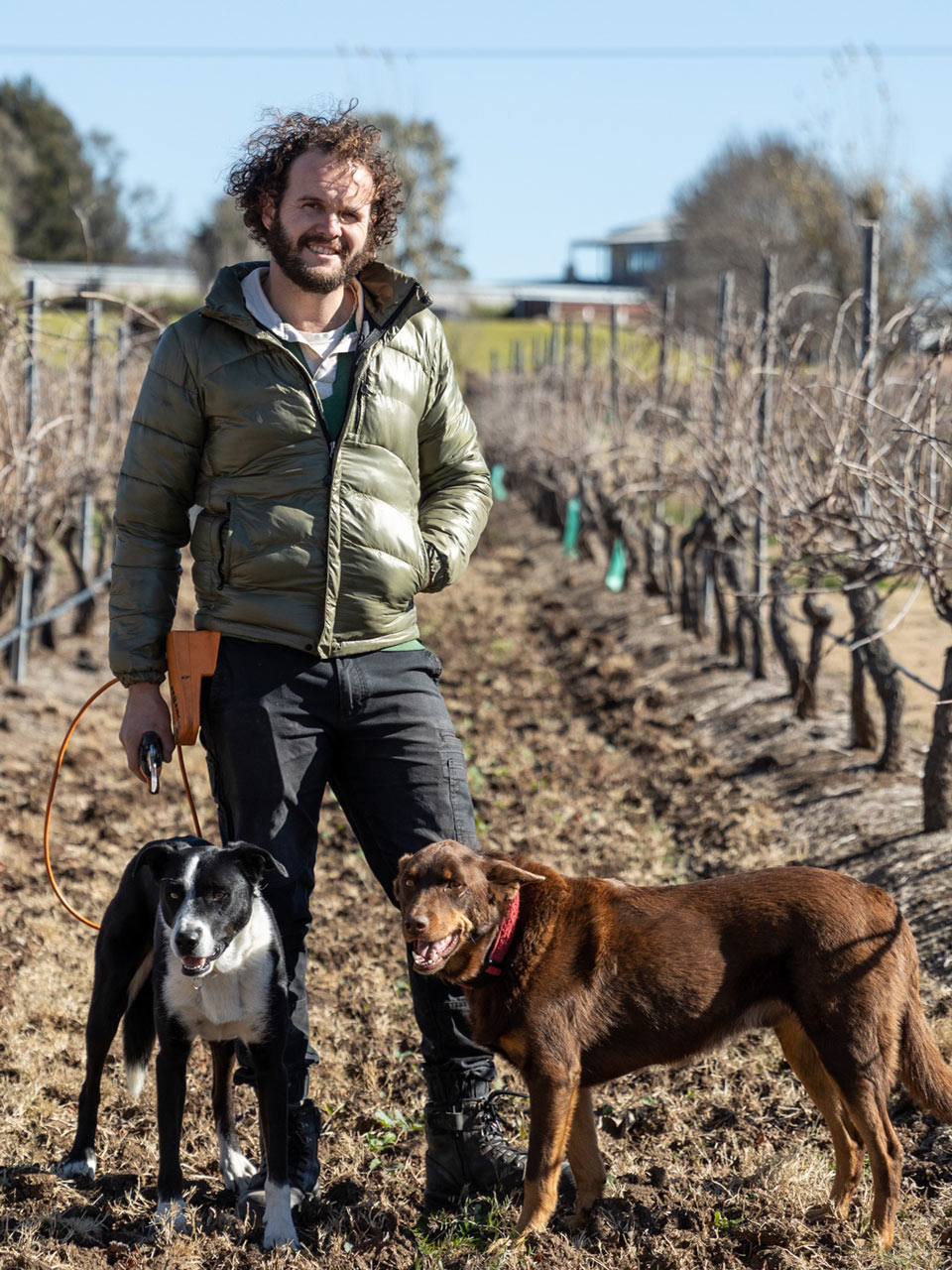
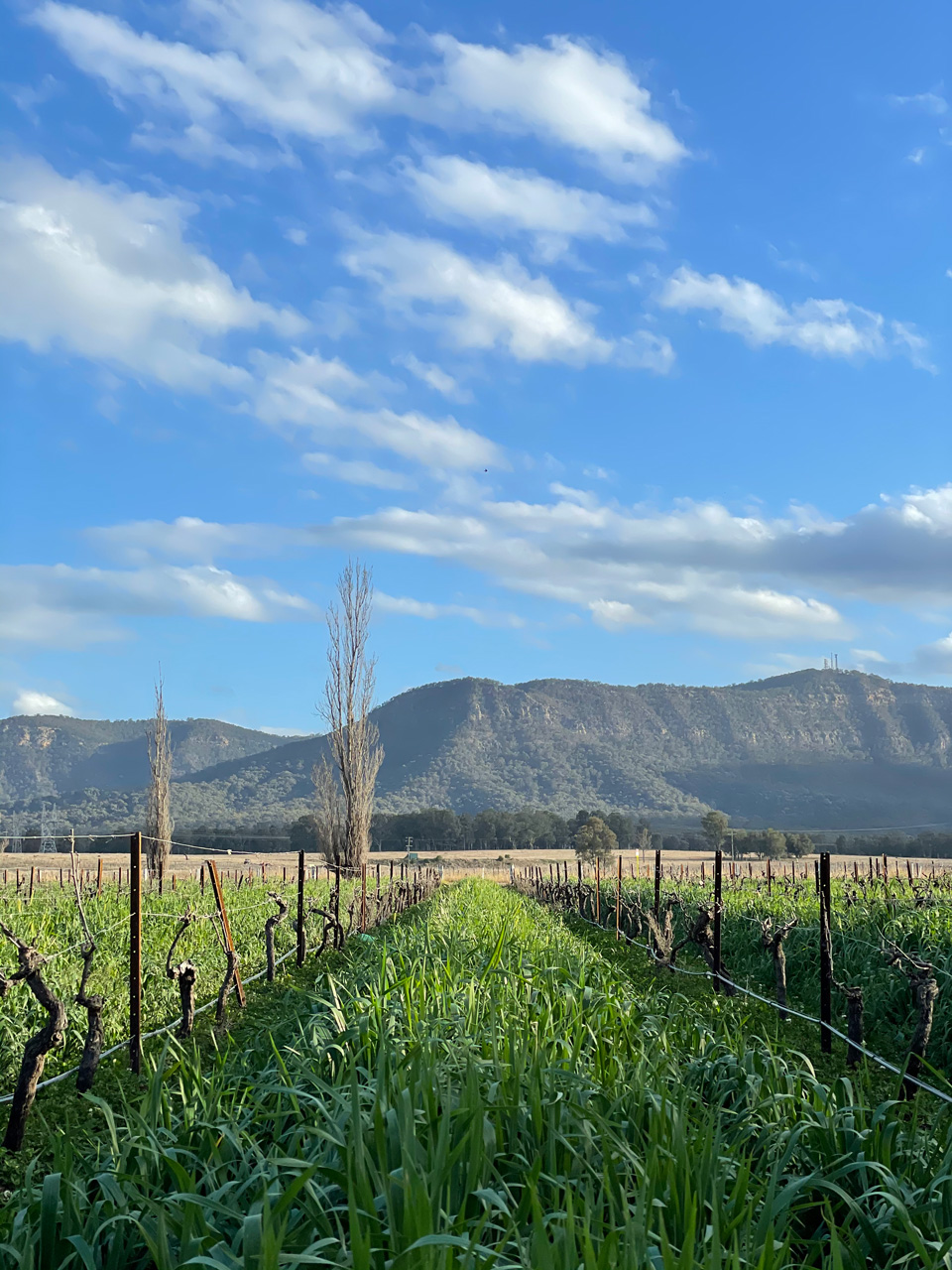
Opposite: Alasdair Tulloch of Keith Tulloch wines in the Field of Mars vineyard. Above: the Field of Mars vineyard.
While detractors may point to the relatively standardised approach that winemakers in the area take to their semillon – pressed off skins quickly, fermented in temperature-controlled stainless steel with inoculated yeasts, bottled shortly afterwards – as a downside of the classic Hunter style, he sees this winemaking uniformity as a means to see the differences between vineyards without having to look through layers of winemaking artifice. “I think that the expression of the fruit from the vineyard is so much more important than anything we do in the winery anyway,” he says. He’s also quick to point out that Australian winemakers are relatively free to operate as they see fit compared to Europe – “I’ve worked in areas with appellation control where the government literally tells you when to pick your grapes” – so, for him, any stylistic uniformity comes from an organic, ad-hoc process.
“We do really big industry tastings in the Hunter Valley where we’ll get everyone from the young up-and-coming viticulturists and winemakers and the fundamentally established brands with the really famous vineyards,” he says. “We all stand in a room and go across all of these wines and talk about improvements in winemaking and handling … and come to some kind of consensus around the way that Hunter Valley semillon should be handled, and share information. So I think that convergence is to do with people sharing techniques and sharing ways that they think they can get the best out of their fruit. It’s fundamentally not like a copy-paste situation.” (This kind of supportive knowledge-sharing seems to be a trait of the Hunter: Bruce Tyrrell recalls that during the late 1960s, when many new vineyards were being set up in the region, “you’d come to the front verandah of the winery at about five on Friday night and there be a dozen people drinking beer, talking about planning their vineyards.”)
“I think that the expression of the fruit from the vineyard is so much more important than anything we do in the winery anyway.”
While Tulloch sees the virtues of having this “convergence” of style as a region, he also emphasises the importance of the renegades and rebels who do things differently. “I think that every region fundamentally needs young, fresh winemakers who are willing to show a different expression of a region’s existing traditional varieties or styles,” he says. “The region flourishes more, and Hunter Valley semillon reveals more with what those winemakers are doing.” To that end, he points to younger makers such as Sabi-Wabi’s Peta Kotz, The Vinden Headcase’s Angus Vinden, and Usher Tinkler as important players in the Hunter ecosystem who can breathe new life into the region’s industry. While his family’s wine business, Keith Tulloch Wines, makes very traditional Hunter semillon, he has embarked on a as-yet-unnamed project making a Hunter semillon “where I am barrel-fermenting and using solids and making a style which is more approachable and drinkable when young.”
Back to the future
Peta Kotz of Sabi-Wabi attributes her interest in wine to Hunter semillon – a staple on the table during her childhood as she was growing up in a non-wine family the Hunter Valley. “Semillon was always a beverage at the dinner table,” she says. “Occasionally, like someone’s birthday or a special event, my grandparents might’ve pulled a bottle out and it might’ve had a bit of age. But there was always a young Mount Pleasant ‘Elizabeth’ semillon on the table – that’s what they like to drink.” Thus when she started Sabi-Wabi, semillon was always going to be a key part of the project – but not in the traditional Hunter mould.
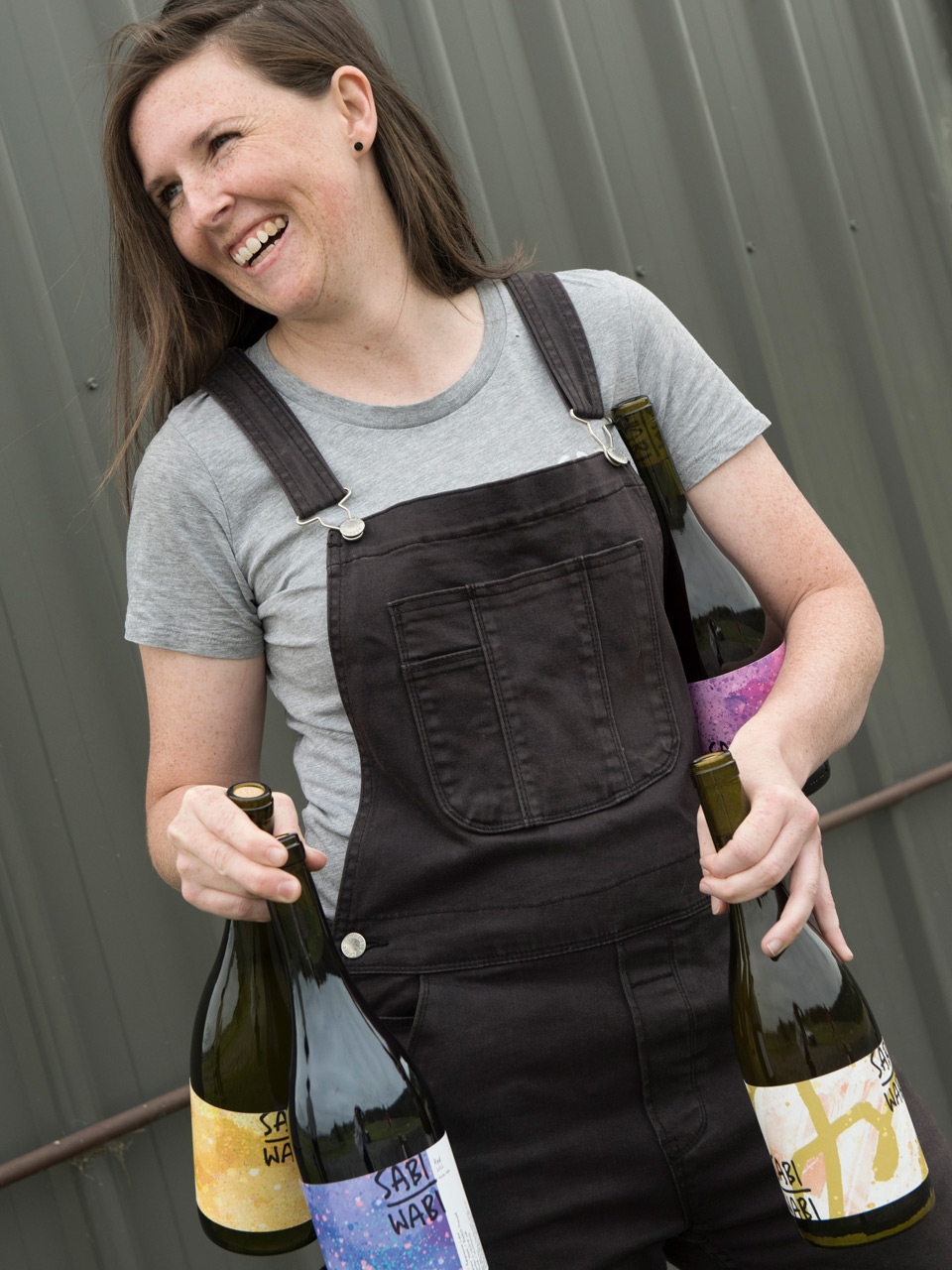
Above and opposite: Peta Kotz of Sabi-Wabi.
“Talking with people at cellar doors that aren’t necessarily drawn to the variety … they all loved the characters in the aged semillon,” she says. “A lot of of those aged characters are about getting more texture, so I’m wanting to make those characters in a young fresh wine – and a lot of that comes down to not stripping the wines back.” Like Tulloch, she uses barrel work and solids to build texture in her semillon wines made from Hunter fruit – alongside other unconventional techniques such as wild yeast fermentation, skin contact, and bottling before primary fermentation is complete to create a pét-nat. “I’m still wanting to respect the fruit in the vineyard but bring that texture forward,” she says, “bringing those characters that everyone loves in twenty-plus-year-old semillon into a young, approachable wine.”
Kotz doesn’t have a museum program for her Sabi-Wabi wines – and not just because they are designed to be approachable on release. “I think more people are wanting to try new things, and are wanting to drink wine a lot younger now than they have in the past,” she says. “They’re buying things to drink now rather than to pop away in the cellar” – a capital-intensive hobby that she thinks many people can’t do because they have “priorities elsewhere”. (Tulloch echoes this sentiment, saying that the idea that consumers should cellar wines themselves is “perhaps a bit out of line with the realities of people’s lives in this moment.”) Her unconventional approaches in the cellar mean that she’s been able to successfully sell her wines in markets outside of the Hunter’s traditional strongholds of Sydney and (to a lesser extent) Brisbane. “I don’t know if that’s because I’m making a pét-nat and it might be a trendy thing that these restaurants are looking for – or the skin contact,” she says. In this regard she sees her work as part of a general movement in the Hunter, for both traditional and non-traditional producers, to make their wines more approachable on release – whether that’s by releasing with age on them already, or through winemaking techniques.
“I’m still wanting to respect the fruit in the vineyard but bring that texture forward, bringing those characters that everyone loves in twenty-plus-year-old semillon into a young, approachable wine.”
While Bruce Tyrrell wouldn’t agree with either Tulloch or Kotz on the subject of oak use – reflecting on his past experiments with oak at Tyrrell’s, he calls it “a waste of good semillon, and a waste of good wood” – he does agree that traditional Hunter semillon’s laser-sharp texture needs to be tamed in some way before it’s shown to wine drinkers who are unfamiliar with it. “I think that’s the secret,” he says. “There are only so many people who want to chew on an underripe lemon – it’s not that attractive.” He’s not sympathetic to the argument that markets outside of Sydney, Brisbane and the Hunter itself aren’t able to understand the appeal of Hunter semillon. “You have to get out and put a glass in people’s hands,” he says. “We could be a lot further up the tree if we could get a lot more people off their bums and into the market.” He takes a long view on this, remembering the difficulties of getting consumers to drink any form of table wine at all: “In 1984 my biggest selling product was blackberry nip,” he says, referring to a once-popular style of sweet, flavoured fortified wine. “Oblivion for $1.90 a bottle.”
For Tulloch, Hunter semillon, especially with some cellar age, are bargains. “Hunter Valley semillons can be found for twenty-five or thirty bucks,” he says. “So even after we’ve kept them for four or five years, we’re still selling them for a reasonable price.” He argues that the style, naturally fresh and low-alcohol, is in line with consumer preferences, despite its somewhat dated image. “People are drinking lower-alcohol wines, lighter wines, fresher wines,” he says. “For me, Hunter Valley semillon is just straight down the bullet points of things people say they want to drink.”
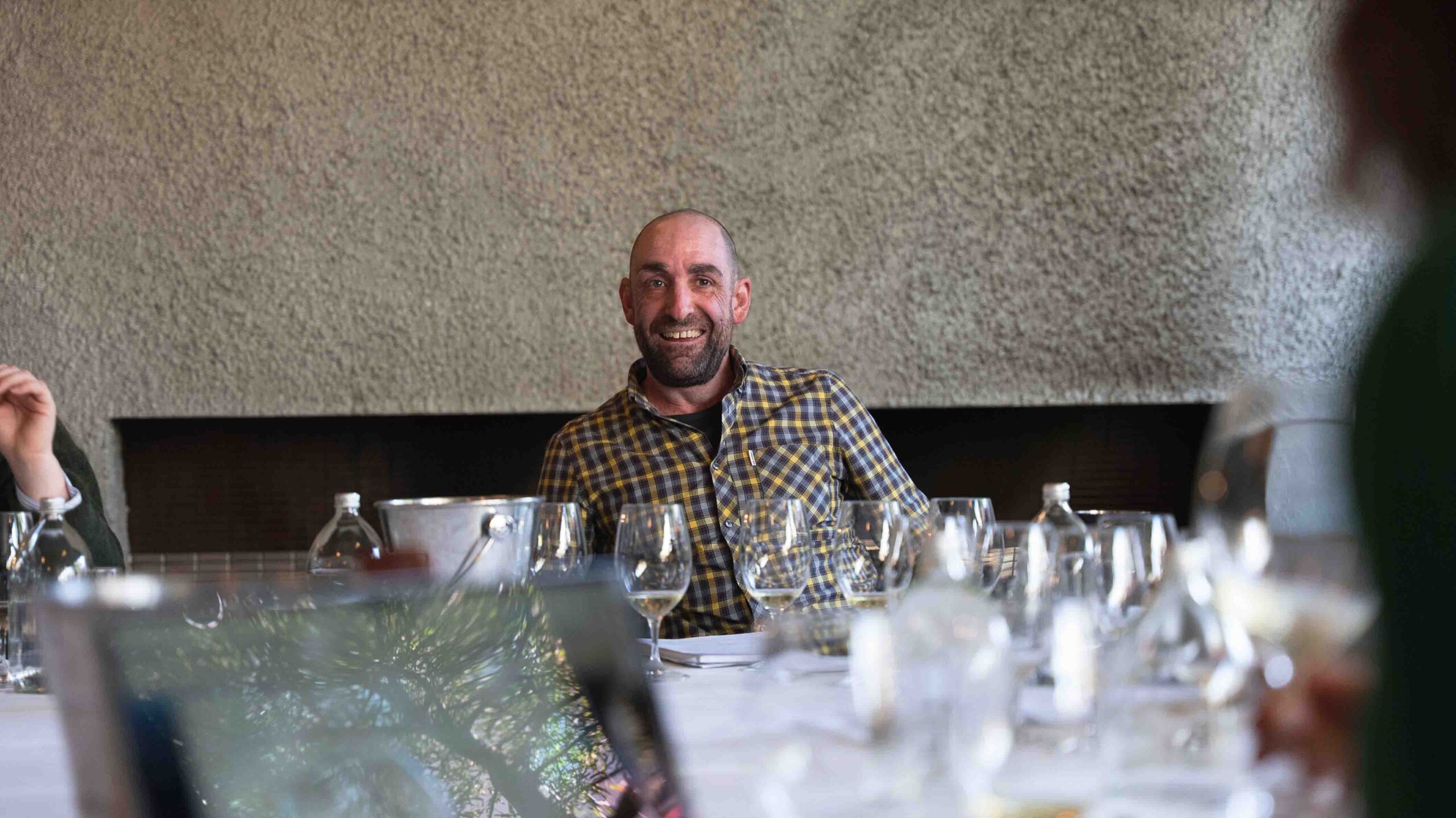
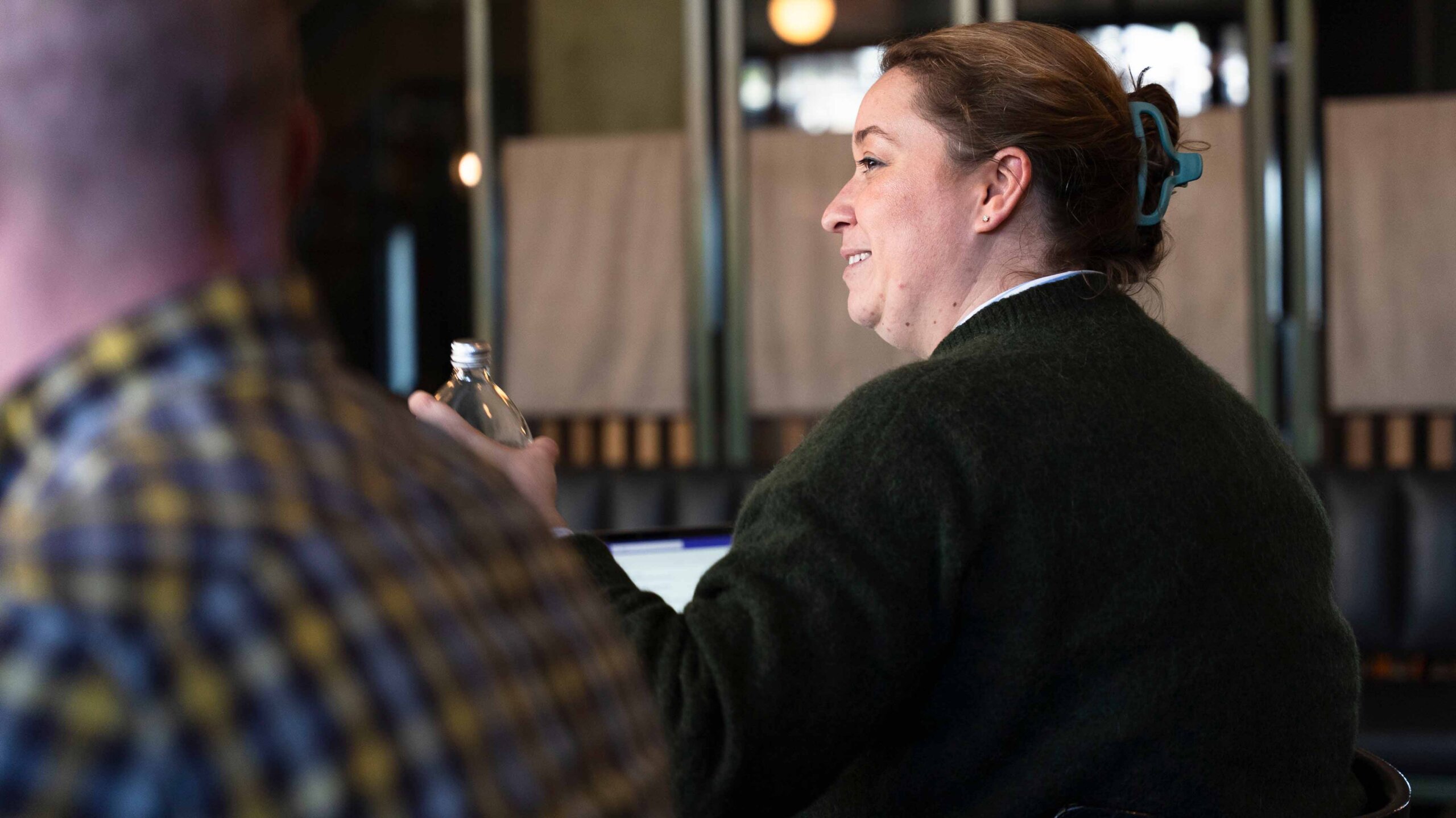
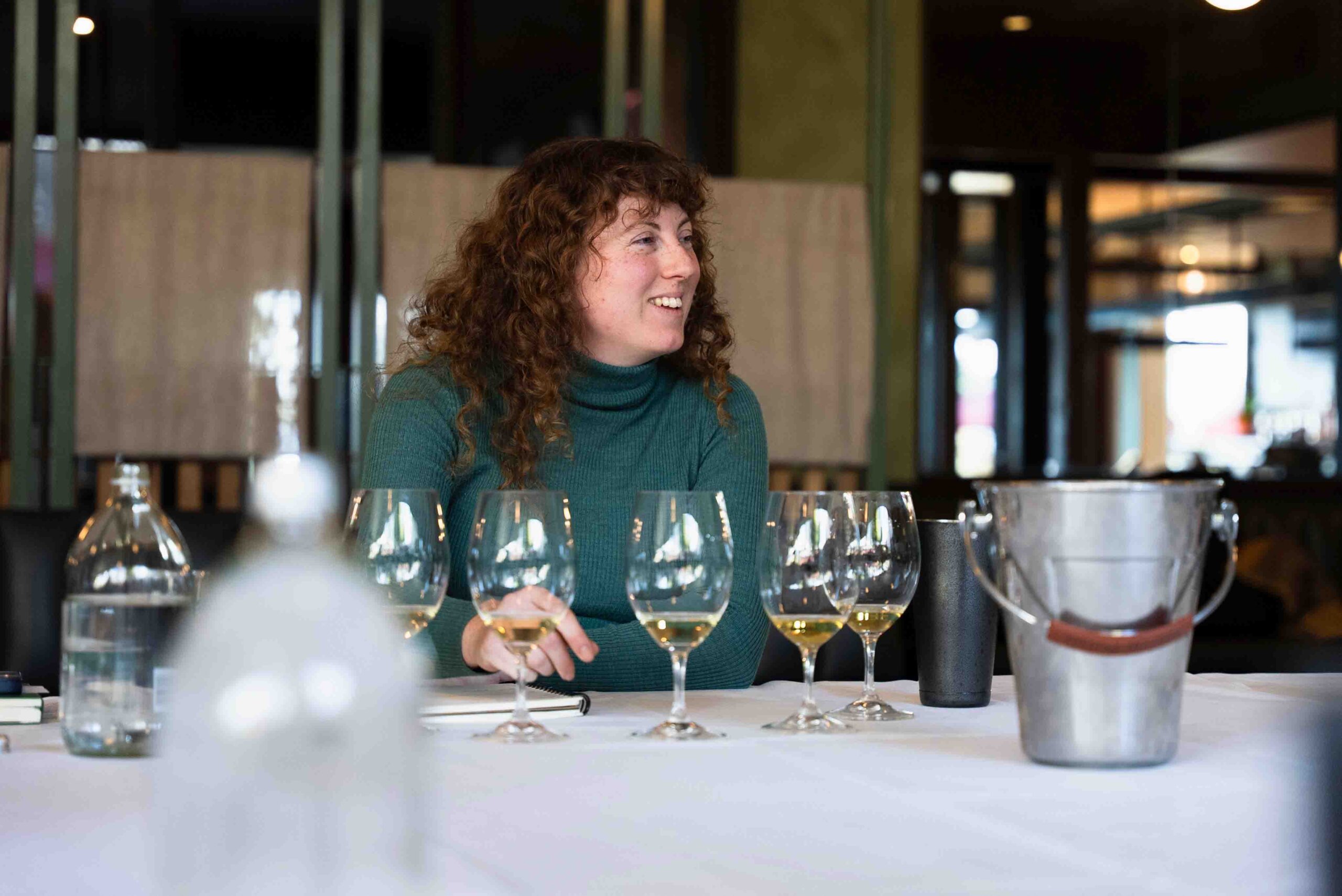
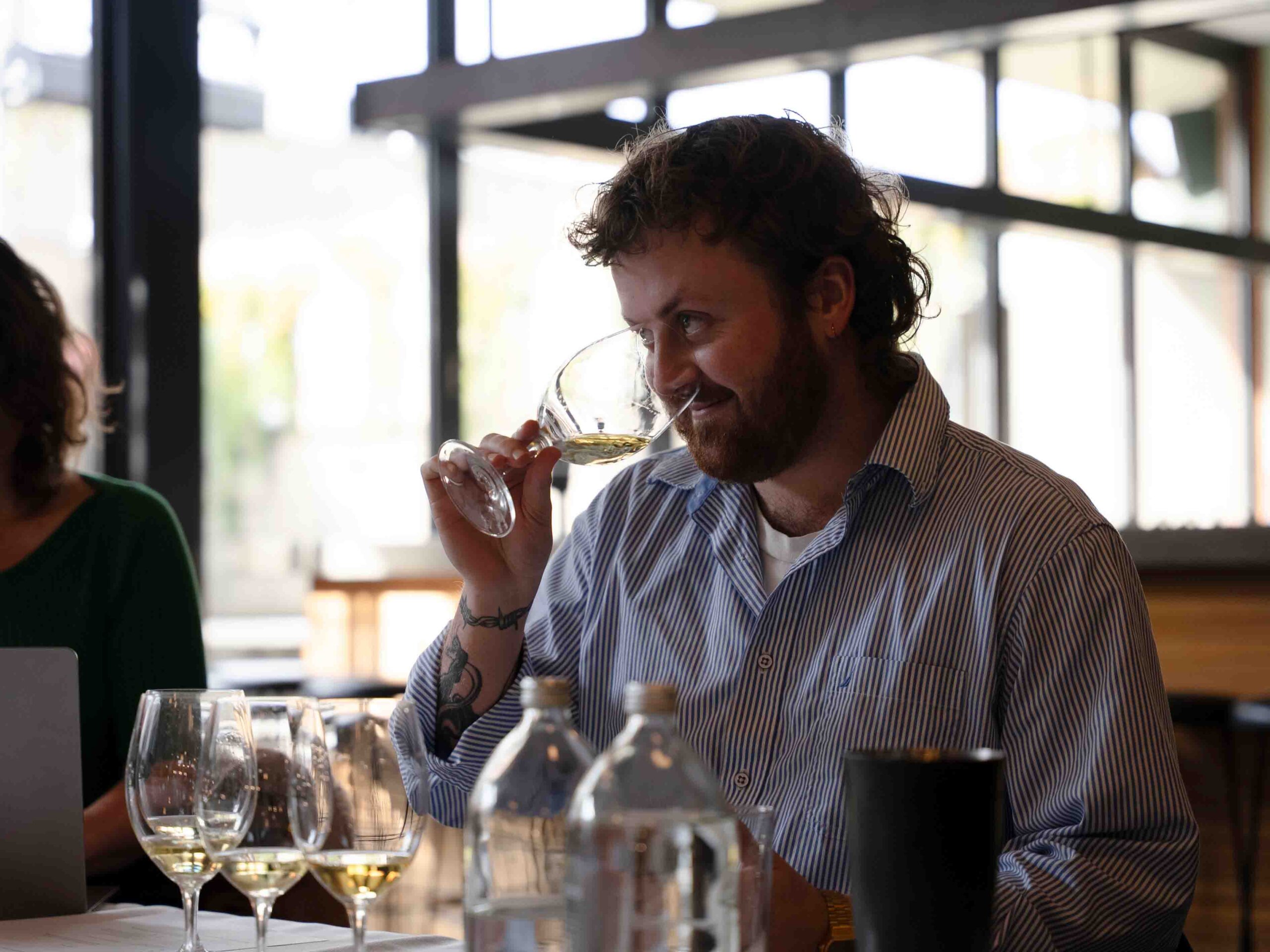
Above: Our Deep Dive panellists gathered at the Bleakhouse Hotel, Albert Park (Melbourne).
Outtakes from the tasting
We gathered every example of museum-release semillon – that is, aged stock that is available for purchase in some form – from the Hunter Valley that we could find, and set our expert panel the task of finding the wines that compelled the most. All wines were tasted blind, and each panellist named their top six wines. Below are the wines that made the panellists’ top-six selections from the tasting.
Our panel: Andrew Ling, winemaker, Pepper Tree and Carillion; Belinda Thomson, winemaker, Crawford River Wines; Luke Campbell, sales representative, Domaine Wine Shippers; Beatrice Checkley, sales representative, Joval Wines; Blake Meyer, wine buyer, Reed House; Michelle Nielsen, sommelier, City Wine Shop.
Campbell kicked off the discussion by observing the significance of the day’s tasting. “Aged Hunter semilion is Australia’s gift to the wine world,” he said. “It’s versatile when matching it to a meal, it’s always low in alcohol, usually unoaked, it’s vibrant with flavour, and the great ones are still nervous with energy.”
Opposite: Belinda Thomson. Above: Luke Campbell.
He noted that aged Hunter semillons “are also awesome alternative to chardonnay – with food or without”. He added: “All of my top wines had retained their acids or were developing a richness that sings aged semillon. You could liken them to great aged Chablis from France. They didn’t call it ‘Hunter River Chablis’ for nothing!”
“You could liken my top wines to great aged Chablis from France. They didn’t call it ‘Hunter River Chablis’ for nothing!”
For Thomson, the diversity of the grape variety’s expression on display in the line-up was impressive. “I just love the spectrum,” she says. “You see everything of semillon in there – from the jalapeño-y end of the spectrum through to the ripe white stone fruit and green melons.”
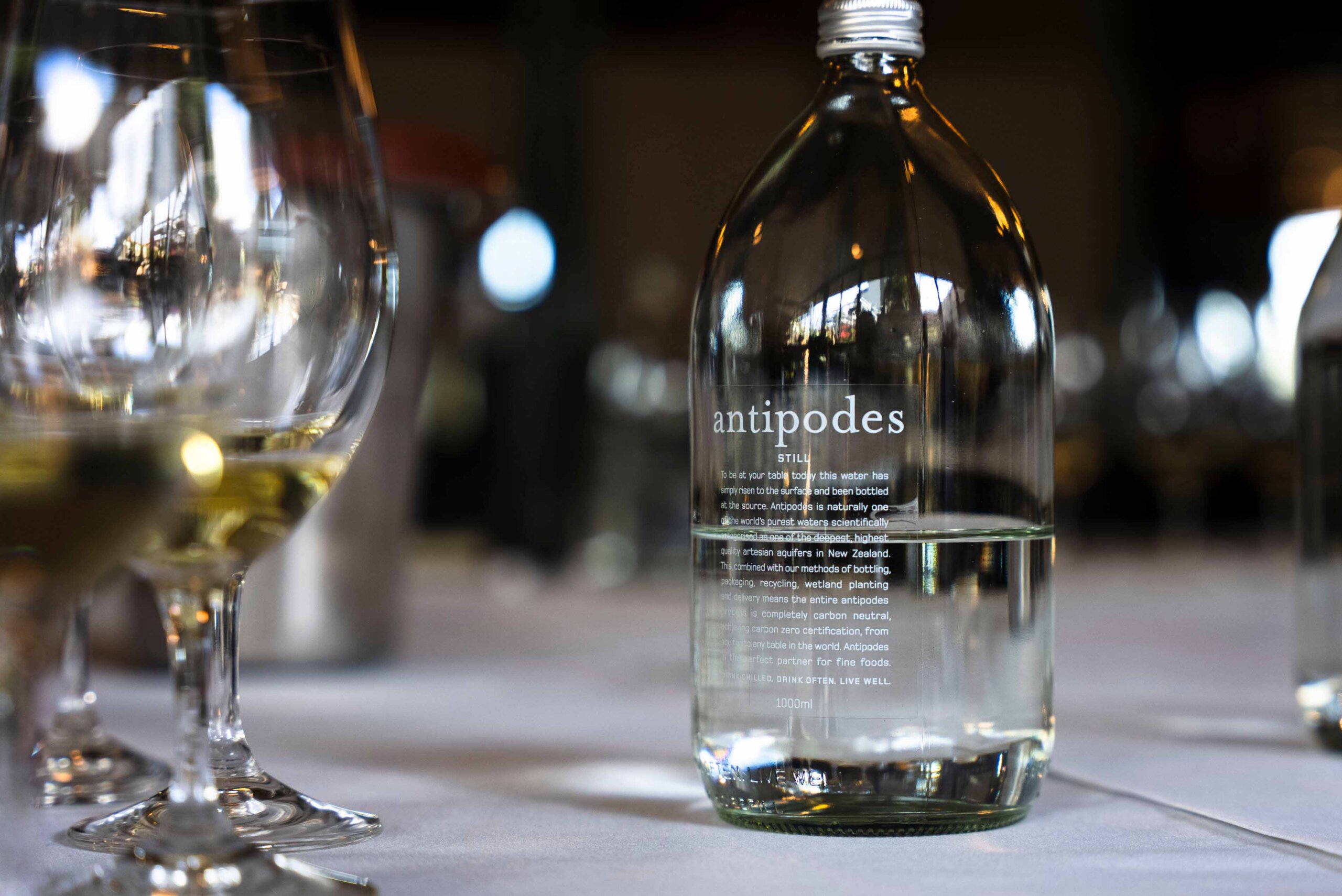
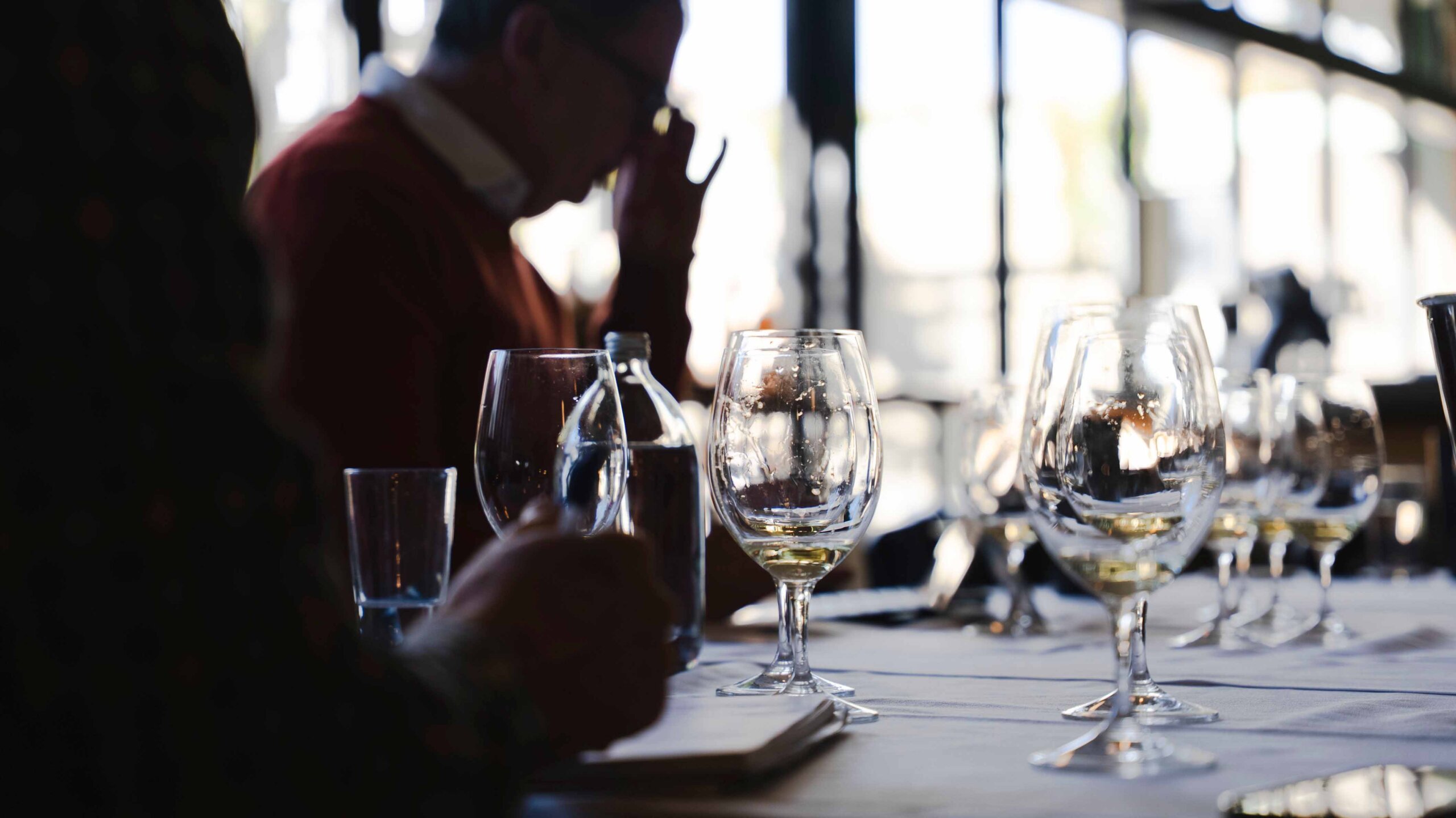
Opposite: Andrew Ling. Above: All wines tasted ‘blind’, with palates cleansed thanks to Antipodes.
She also noted that the winemaking on display was of a near-uniform high standard, especially when it came to the issue of managing the acidity that the region and the variety produce in tandem. “I only had about two wines where I thought the acid just didn’t work, maybe three – where I just thought the acid was really just poorly integrated,” she said. “Not in terms of acid level, just in terms of integration – lack of balance.” She added that, given the size of the lineup, having so few wines show those issues is “really lovely”: “I think that says a lot for both the region and the variety,” she concluded.
“We pretty much all make it the same way. Mainly free-run juice, fresh and clean. We all use the same yeasts, we all do a little bit of lees stirring, and we bottle around the same time.”
Ling, who currently makes semillon in the Hunter for both Pepper Tree and Carillion, argued that the region’s relatively standardised winemaking style meant that the differences between wines was “a lot to do with site, and clone, and vine age.” He added: “We pretty much all make it the same way. Mainly free-run juice, fresh and clean. We all use the same yeasts, we all do a little bit of lees stirring, and we bottle around the same time. So there’s not a lot of difference in terms of winemaking.” For him as a winemaker, the biggest challenge in making that style is “picking – getting that right, getting the balance right, then getting to bottle as soon as possible.”
Opposite: Beatrice Checkley. Above: Our Deep Dive panellists gathered at the Bleakhouse Hotel, Albert Park (Melbourne).
For Checkley, the fact that the Hunter style of semillon, especially with age on it, is not as popular as its quality would imply came down to a mismatch of perspectives from different groups: “You’ve got the perception of the wine nerds – we love the fact that it’s such a historical region – and you have the perception of the wine from perhaps older generations, and also the perception of people who are an hour and a half away, who come as tourists.” She added: “So you get those people in, and you get that tourism generated from that, but they’re not necessarily talking about the Hunter Valley’s wines when they get back home.”
”There were particular wines that were standing out, saying, ‘Should you be drinking me now?’ They were so delicious that I’d happily drink the 2024!”
For Nielsen, part of the appeal of tasting the lineup was seeing how delicious the younger examples of museum-release semillon were – wines that potentially only had five or so years in the cellar, as opposed to some of the ten to twenty-plus year old wines that were on show: “My perception is that I should be waiting to drink semillon, because drinking it too early is not going to give me the experience that I’m paying for or looking for. And then with a little bit of knowledge about the region, I can say, yeah, if I drink it early, I’m not getting not getting it at its best. But going through that line-up, I was enjoying the young stuff, too.” She added: “But there were particular wines that were standing out, saying, ‘Should you be drinking me now?’ They were so delicious that I’d happily drink the 2024!”
Above: Michelle Nielsen. Opposite: Blake Meyer.
Meyer concurred, adding that, as a young wine buyer and consumer, he’s happy to drink unaged Hunter semillon. “I drink the young stuff,” he said. “I don’t give a f**k. I love it.” He added that part of the style’s appeal is its rich history as a uniquely Australian expression of a grape variety that is seen widely across the world. “It’s Australian history for me,” he said. Reflecting on the difficulties of selling the category outside of its traditional markets, he said, “Maybe history’s the thing we’re missing, but maybe that’s a nerdy thing that a lot of people don’t care about.”
”People drink Barossa shiraz, whether they actually like it or not – they don’t even think about it, because it’s Australian history. And that’s how I got into Hunter semillon.”
He added: “But people drink Barossa shiraz, whether they actually like it or not – they don’t even think about it, because it’s Australian history. And that’s how I got into Hunter semillon. I was like, ‘Yeah, it’s great – it’s the best white wine we make.’” Addressing the people in the room from the Hunter, he said, “Maybe you’re just too quiet about your achievements … You’re just doing a good thing quietly.”
Opposite: The panel in action. Above: All wines tasted ‘blind’, with palates cleansed thanks to Antipodes.
GET FIRST ACCESS TO THE NEXT WINE ICONS – DELIVERED
We look at Australian wine in the 2000s, attack of the critter wines, winemaking’s counter to the ‘anything but chardonnay’ movement, the rise of younger winemakers and biodynamics, new varieties and skin contact wines. It was a turbulent but exciting decade, where market challenges forced the industry to innovate, which started the contemporary new wave of Australian wine felt today.
Shiraz is Australia’s most widely-planted variety, and we produce millions of litres of wine from it every year. While much of this wine is designed to be consumed relatively young and fresh, Australian producers also make shiraz-based wines of impressive structure that have the ability to agree gracefully in the cellar for years – and in some cases decades – slowly gaining layers of complexity and earthiness while losing some of their tannic grip. As Australian shiraz approaches a crossroads, with too many vines in the ground and not enough buyers, can aged shiraz released via museum programs help reignite our love affair with this quintessentially Australian variety? We felt that a Deep Dive was in order to find out.
The 2024 YGOW Awards Top 50 features Alkimi Wines, Allevare, Aunt Alice, GUM, Guthrie Wines, J & S Fielke, Little Frances, M&J Becker Wines, Marco Lubiana, Mountadam Vineyards, Musical Folk, Parley Wine, Port Phillip Estate, Portsea Estate, Sabi Wabi and Utzinger Wines. These chardonnay makers are as intent on flavour as they are elegance, with no single recipe for success, but rather a site-specific approach that is seeing the chardonnay landscape becoming an increasingly exciting one.
Subscribe to our newsletter
Young Gun of Wine is your shortcut to cutting edge wines, the places to go, and the people behind it all.
Subscribe to be amongst the first to know of our latest discoveries in wine.
We'll bring you the inside running from the growers, the makers, the wholesalers, the retailers and the sommeliers, too.