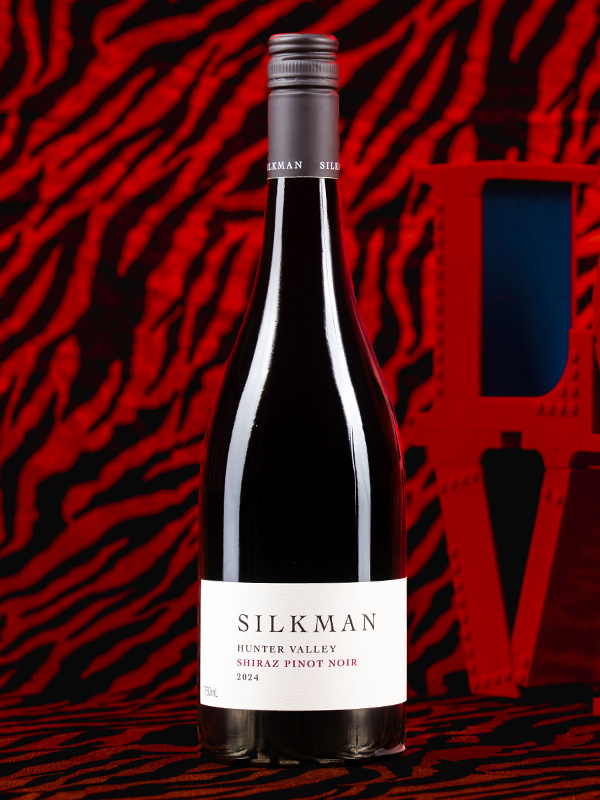
2024 Silkman Shiraz Pinot Noir Hunter Valley

Read more
2024 Silkman Shiraz Pinot Noir
An Australian original reborn — dark-fruited yet light on its feet, with an utterly unique and captivating savoury profile — built on a blend Maurice O'Shea invented in the Hunter Valley eighty years ago.
  • Producer

    Silkman Wines

  • Region

    Hunter Valley

  • RRP

    $35

  • Vintage

    2024

  • Variety/Varieties

    Pinot noir Shiraz (Syrah)

  • Alc./Vol.

    13.8%

This is a Hunter classic cast anew, and proof the original odd couple ain’t so odd in practice when coupled this deftly. Dark fruit, but shockingly light in body — no teeth-staining here. Savoury, a little smoky, and genuinely unlike most other reds in your glass. A unique one, in the best way.

The blend of shiraz and pinot noir is a genuine Australian invention, pioneered in the Hunter Valley through the 1940s and ‘50s by the legendary Maurice O’Shea at Mount Pleasant. O’Shea’s “Light Dry Reds” — medium-weight, savoury, fragrant wines built for drinkability rather than power — culminated in ‘Mount Henry’, his blend of the two varieties, named for a friend rather than any real place. The style faded after O’Shea’s death in 1956, buried for decades under the region’s old “Hunter River Burgundy” labelling, before European trademark law forced Australian wine onto varietal labels and, eventually, cleared the way for winemakers to call the blend exactly what it is. Mount Pleasant revived it from 2011, Meerea Park followed in 2013, and a wave of Hunter producers — Silkman among them — have carried the style forward since.

Liz and Shaun Silkman founded Silkman Wines in 2013 as a passion project, a place to make small-batch wines exactly the way they wanted. Shaun grew up immersed in the Hunter wine industry, and his focus has always been on the connection between vineyard, winery and the people drinking the wine; Liz built her own path through years working some of the region’s most sought-after vineyard sites, developing a sharp instinct for picking decisions, balance and structure along the way. Together they focus on tiny parcels of the best Hunter fruit they can source, centred on the region’s classic varieties — semillon, chardonnay and shiraz.

Hunter shiraz is naturally mid-weight and elegant, shaped by the region’s warm, humid climate into something closer to a “shiraz for pinot drinkers” than the bigger, more tannic styles found elsewhere in Australia. That affinity is deepened by the particular character of Hunter pinot noir, most of it descended from the MV6 clone — one of the more robustly fruited, structurally generous pinot clones available, first propagated from vines O’Shea himself planted at Mount Pleasant in 1921. Rather than diluting the shiraz, that pinot lends real structure and depth. It’s exactly this interplay that’s seen this wine from Silkman perform consistently well across every Pinot-Shiraz Deep Dive blind tasting we’ve run over the years, including landing in the most recent line-up’s top six picks.

Tasting note

Beautiful blackberry fruit leads the nose, combined with a savoury edge of smoky bacon — that pairing is really the heart of this wine, along with a lightness and approachability that catches you off guard given the depth of flavour on offer. From there, more nuance unfolds: smoke and seaweed alongside jammy blackberry and black cherry coulis, lifted by vibrant violet. On the palate it’s super-vibrant and almost (but not quite) light-bodied, with a surprisingly lean, energetic texture given the richness of the fruit underneath — juicy and generous, with zesty acidity and super-fine tannins offering real structure to the decadent fruit. There’s a beautiful tang on the finish, alongside a gentle vanilla-marshmallow sweetness from the oak that keeps you coming back for more. A wine of genuinely interesting contrasts.

When to drink

If you’re in the mood to crack a red with nothing else on offer except good conversation and a friend across the table, this is a great pick — or pour it while you rewatch reruns of [insert your comfort show here] and let the wine do the entertaining. This isn’t a wine that needs food to be enjoyed. And honestly, we don’t worry too much about food and wine pairing around here — that’s exactly the kind of thing that turns a casual glass into a stressful exercise. But if that’s your thing, sling this at some pulled pork tacos with chipotle salsa and life looks prett-y damn good, thank you kindly, until that bottle’s evaporated. That duality of fruit and savoury profile makes this a natural bridging wine, one that can pull double duty across a whole meal. It’ll also happily pull double duty at the table, from a starter of steak tartare or smoked beetroot through to something heartier like beef Wellington. This is a wine built to take you from point A to point B, and back again.

Themes of this wine

Pinot Noir & Shiraz blends

This particular pairing has no real precedent in France, where pinot noir and shiraz’s ancestral homes — Burgundy and the Northern Rhône — sit close enough geographically to almost touch, yet the two varieties are never traditionally blended together. It took an Australian, Maurice O’Shea, working in the Hunter Valley through the 1940s and ’50s, to prove the combination could work, using pinot’s early ripening and natural tannin to add structure and depth to shiraz rather than diluting it. After decades in the shadows, the style has become a genuine calling card for a handful of Hunter producers embracing both the history and the versatility it offers.

Hunter Valley

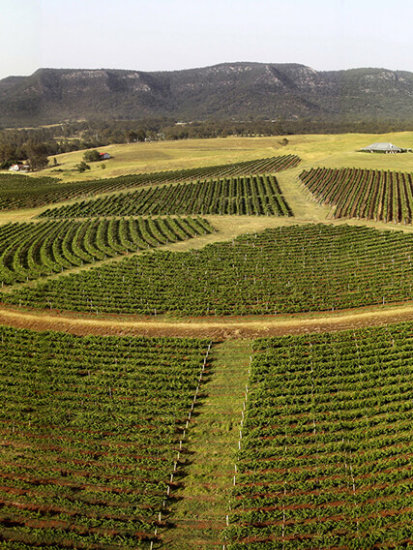
The Hunter Valley, just north of Sydney, is one of Australia’s oldest wine regions and a genuine outlier climatically — warm and humid, almost subtropical, conditions that would seem hostile to fine wine in most parts of the world. Yet it’s precisely this climate that shapes the region’s shiraz into something mid-weight and elegant rather than big and jammy, and, perhaps more surprisingly, that made the Hunter the unlikely cradle of Australian pinot noir as we know it today.

The MV6 clone

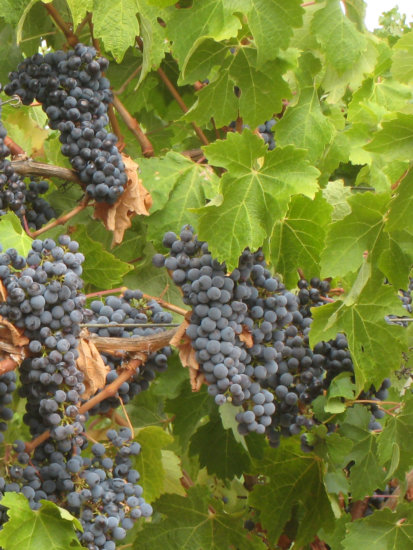
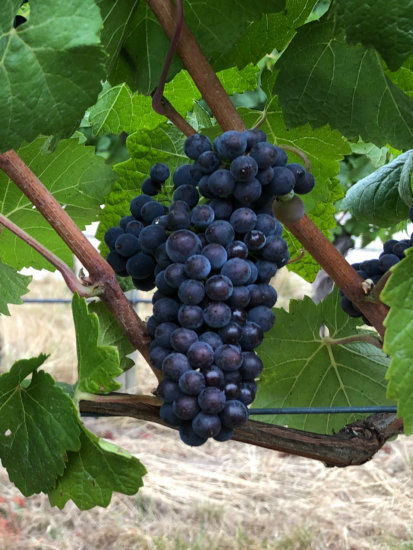
Most Australian pinot noir traces back to a single source: two rows of vines planted at Mount Pleasant in 1921 by Maurice O’Shea, themselves said to descend from a cutting James Busby brought from Burgundy’s grand cru Clos de Vougeot vineyard in the 1830s. From the late 1960s, the CSIRO began propagating cuttings from those vines to supply growers across the country, and the resulting MV6 clone remains the backbone of Australian pinot noir production today, particularly in Victoria. It’s a comparatively robust, well-tannined clone by pinot noir standards — one of the reasons Hunter pinot pairs so naturally with shiraz rather than being overwhelmed by it.

Explore Further
2024 Silkman Shiraz Pinot Noir

GET FIRST ACCESS TO THE NEXT WINE ICONS – DELIVERED

Find out more

Each month, get 3 bottles of our freshest discoveries. We taste thousands to bring you the best.

Join us and support emerging winemakers, sustainable vineyards, and the development of young professionals.

Find out more
“One of the highlights of my drinking year.”
— Max Allen, Wine Writer
“The future of wine in Australia.”
— Broadsheet
“The cutting edge of Australian wine.”
— The Australian
2025 Yelland & Papps ‘Stone Well’ Syrah
From one of the poster children of new-wave Barossa, forget everything you thought you knew about shiraz from this region. This is a mind-bending, paradigm-shifting expression of the variety — incredibly svelte, and utterly its own thing.
  • Producer

    Yelland & Papps

  • Region

    Barossa Valley

  • RRP

    $54

  • Vintage

    2025

  • Variety/Varieties

    Shiraz (Syrah)

  • Alc./Vol.

    13.3%

Black cherry, ripe plum and blackberry, with a cooling herbal edge and a savoury dash of white pepper and tobacco running underneath. The tannins are fine and so silky. The wine feels refreshing on the palate, but delivered with substance to the fruit. From the warm climes of Barossa, this is something that will please cool climate wine lovers.

Yelland & Papps has become one of the defining names of new-wave Barossa, the loose movement of producers reworking a region long associated with big, ripe, oak-driven shiraz into something fresher, lighter-framed and more site-specific. This single-vineyard release comes from grower Pete Sonntag’s block in Stone Well, planted in 2000 on heavy loam over red clay scattered with quartz — a small, half-hectare parcel.

The fruit is entirely hand-picked and fermented with a healthy portion of whole clusters, then left on skins for a patient thirteen days before ageing for ten months in seasoned French oak — oak chosen deliberately for its neutrality, so it frames the wine rather than flavours it. The result leans into restraint over power: gentle handling throughout, aimed at letting the Stone Well site speak clearly rather than layering the wine with winemaking artifice. Production is tiny, at just 540 cases.

Tasting note

Inky, earthy aromas sit beneath black cherry, perfectly ripe black plum and blackberry leaf, with a savoury edge of white pepper and tobacco leaf running through the middle. The gentle handling in the winery is obvious from the first sip — tannin is coating and fine, giving real lift and mouthfeel alongside blackcurrant, raspberry and plum on the palate, all grounded by a earthy, mineral thread. It’s a wine that trades power for precision, svelte and composed where so much Barossa shiraz reaches for size. You’ll be forgiven for forgetting this wine is from the Barossa at all.

When to drink

This wine offers good cause to slowly contemplate over the course of an afternoon, as it challenges your prejudices about the Barossa. Or maybe you’ve spent the whole bloody weekend making that short rib ragu, and your folks are on their way. Relax. Open this wine. The gnocchi’s done, the house is passably clean, and they’re going to love every mouthful — and you too, for spoiling them.

Themes of this wine

Syrah, or shiraz

Same grape, two names — syrah in its French homeland and much of the world, shiraz in Australia and South Africa, where it built its reputation on power, ripeness and generous oak. Increasingly, Australian producers making leaner, fresher, more site-driven versions of the variety are choosing to label it syrah instead, a small but deliberate signal that the wine inside is reaching for something different to the Barossa blockbuster stereotype.

Barossa Valley

The Barossa Valley is Australia’s most famous red wine region, built on old vines, a warm continental climate and a long tradition of powerful, full-bodied shiraz. Some of the country’s oldest producing vineyards, planted well over a century ago, still bear fruit here, giving the region a depth of vinous history few places in the world can match.

New-wave Barossa

Alongside its old guard, the Barossa has in recent years become home to a growing cohort of producers rethinking what the region’s wines can be — favouring earlier picking, whole-bunch ferments, neutral oak and single-vineyard sites over ripeness and power. The movement doesn’t reject the Barossa’s history so much as widen it, proving the region can produce wines of real freshness and finesse alongside its more traditional style.

Whole-bunch fermentation

Rather than removing every grape from its stem before fermentation, some winemakers choose to ferment a portion of the fruit as whole clusters, stems included. Handled well, this technique lifts savoury, peppery and herbal characters and lends a fine, textural grip to the tannins, adding a layer of complexity beyond straightforward fruit. Here, a healthy portion of whole clusters plays directly into the wine’s white pepper and tobacco leaf character, and its notably fine, coating tannin.

Explore Further

2025 Yelland & Papps ‘Stone Well’ Syrah

GET FIRST ACCESS TO THE NEXT WINE ICONS – DELIVERED

Find out more

Each month, get 3 bottles of our freshest discoveries. We taste thousands to bring you the best.

Join us and support emerging winemakers, sustainable vineyards, and the development of young professionals.

Find out more
“One of the highlights of my drinking year.”
— Max Allen, Wine Writer
“The future of wine in Australia.”
— Broadsheet
“The cutting edge of Australian wine.”
— The Australian
2012 Seppelt ‘Show Sparkling’ Limited Release Shiraz
An Australian classic, and an Australian Christmas Day classic wine, too. Dark fruits and spice are buoyed by the fizz, making for a luxurious, heady wine but one that boasts ample freshness.
  • Producer

    Seppelt

  • Region

    Grampians

  • RRP

    $100

  • Vintage

    2012

  • Variety/Varieties

    Shiraz (Syrah)

  • Alc./Vol.

    13%

This is Australia’s most lauded sparkling shiraz, and a wine only released infrequently when vintage conditions suit. It also sees an extra-long slumbering on lees before disgorging. This one saw nine years of bottle conditioning, which is extraordinary when you consider how bright, lively and vibrant the end product is.

Tasting note

Released in June 2023, this is the latest edition of this much-loved classic. Tarry dark fruits and spiced plum notes, with baked blackberry Danish, dark cherry and blackstrap licorice. There’s a refreshingly crisp balance to this, with fruit weight naturally having its say but the sugar supporting rather than overriding the experience. A Christmas Day drink? Well, this is the way to do it right.

Themes of this wine

Sparkling shiraz

Sparkling shiraz, formerly called sparkling burgundy, is a uniquely Australian thing. Some link the origins to Edmund Mazure in South Australia, while others to Seppelt Great Western in the Grampians when Hans Irvine started making some of the first traditional method sparkling wines in the country. Whoever was first, both played with the style in the late 19th century, likely independently discovering it. The Seppelt winery still arguably produces the leading example of the style in the late released Show Reserve. Today, sparkling shiraz has waned somewhat in popularity, but it is still regarded as a traditional Christmas wine – in Australia at least.

The Grampians

The wine zone of Western Victoria contains the three major regions of the Grampians, the Pyrenees and Henty, with Great Western a subregion of the Grampians. The Grampians and the Pyrenees share a little in common, with the elevation of their attendant mountain ranges contributing to their subregional character, as well as a specialisation in red wines. Being further inland to the north-east, the Pyrenees is more continental in climate with warm days and cold nights, while the Grampians feel the influence of the Southern Ocean, with sea breezes doing the cooling at night. In the Grampians, the kingship of shiraz (and riesling for white grapes, though whites in general account for only about 15 per cent of the total plantings) goes back some time. In Great Western, Seppelt was founded in 1863, while Best’s followed in 1865, and both have made and cemented significant reputations for producing shiraz.

Syrah/Shiraz

Shiraz dominates the Australian wine industry, accounting for nearly a third of this country’s vines. The grape’s traditional home is in France’s Northern Rhône, with wines that combine elegance and power, while Australia is perhaps best known for the muscular styles from warmer areas. Today, drinkers of Australian shiraz are spoilt for choice with expressions ranging from the elegant and spicy to the monumental.

2012 Seppelt ‘Show Sparkling’ Limited Release Shiraz

GET FIRST ACCESS TO THE NEXT WINE ICONS – DELIVERED

Find out more

Each month, get 3 bottles of our freshest discoveries. We taste thousands to bring you the best.

Join us and support emerging winemakers, sustainable vineyards, and the development of young professionals.

Find out more
“One of the highlights of my drinking year.”
— Max Allen, Wine Writer
“The future of wine in Australia.”
— Broadsheet
“The cutting edge of Australian wine.”
— The Australian
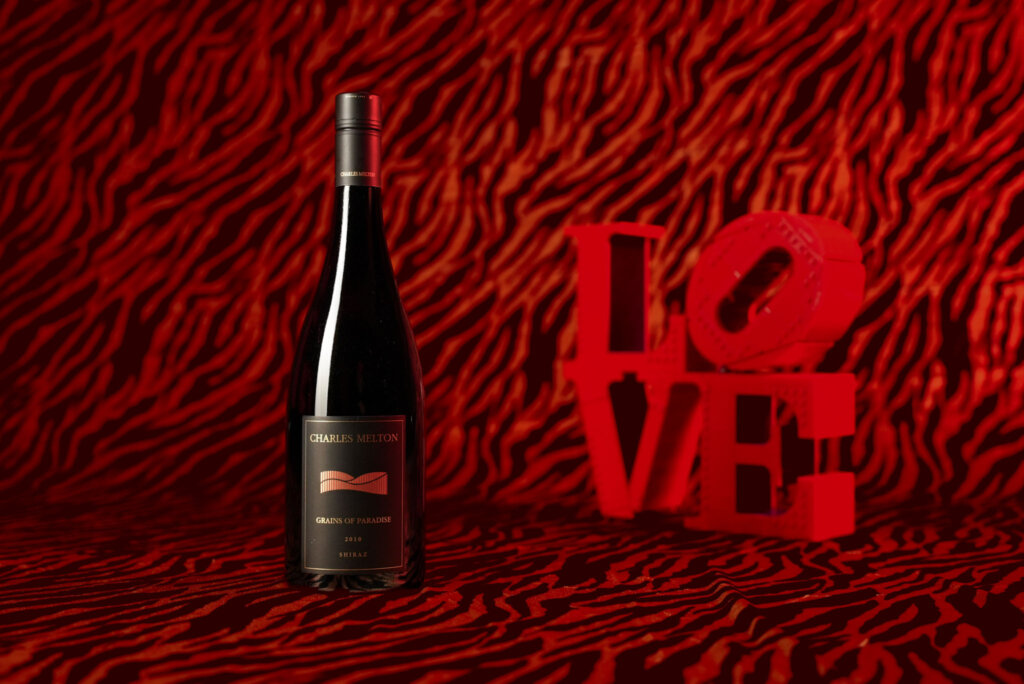
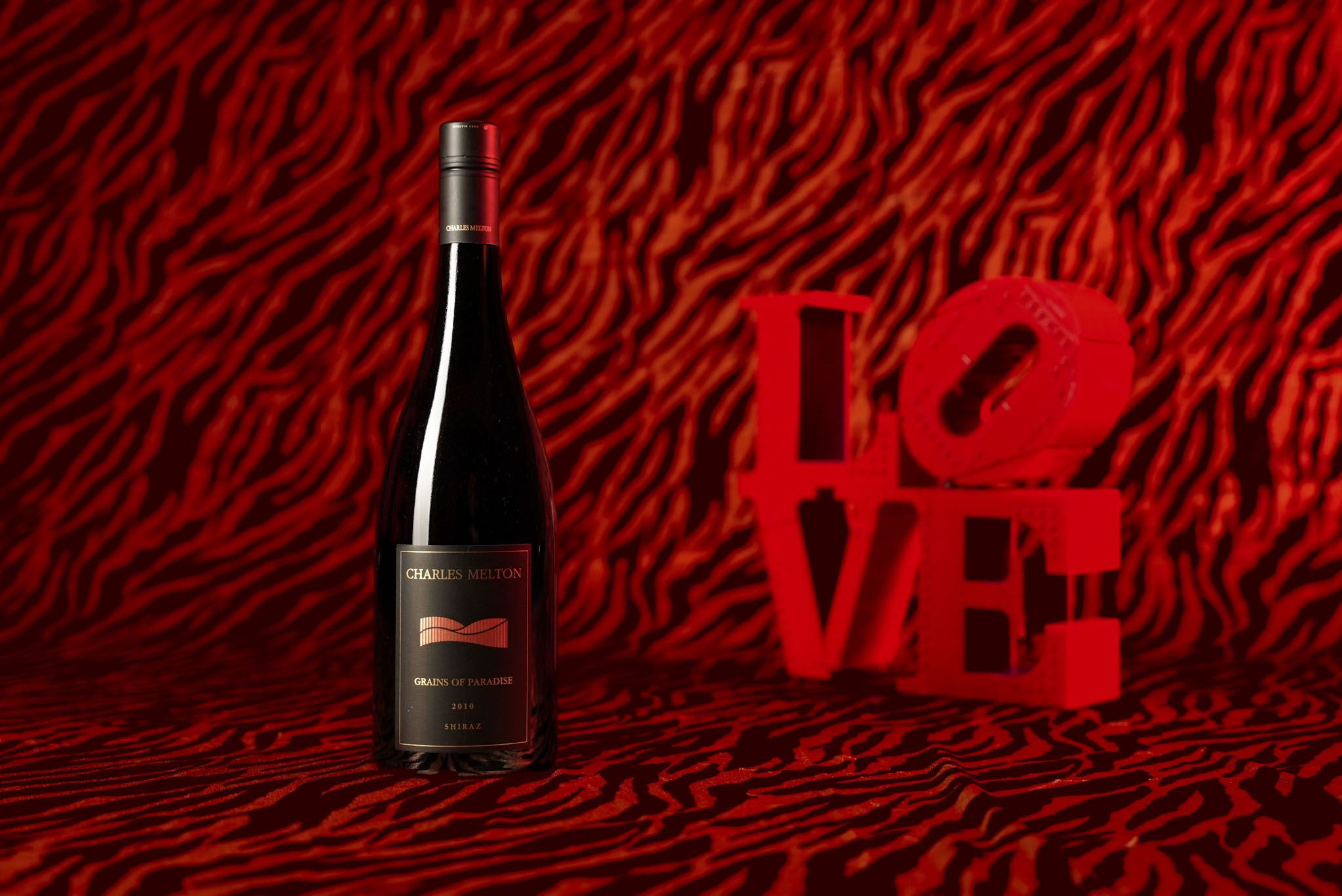
2010 Charles Melton Wines ‘Grains of Paradise’ Shiraz
An aged example of top-end Barossa shiraz, this svelte beast of a wine proves that the region’s power can be harnessed in service to finesse – and that not every ‘cult’ producer makes stereotypically boozy, brash wines.
  • Producer

    Charles Melton Wines

  • Region

    Barossa Valley

  • RRP

    $216

  • Vintage

    2010

  • Variety/Varieties

    Shiraz (Syrah)

  • Alc./Vol.

    14.5%

The Charles Melton label is perhaps best known for its ‘Nine Popes’ – the wine that not only created the GSM blend template within Australia, but also lead to a resurgence of interest in the previously maligned grenache variety. On the back of ‘Nine Popes’ and admiration from the influential American wine critic Robert M. Parker, Jr., the winery has become known as something of a ‘cult’ producer – and therefore unfairly tarred with the brush of producing big, boozy bruiser wines. But as this museum-release 2010 vintage shiraz – made well before the Parkerised ‘international style’ became uncool amongst Australia’s wine cognoscenti – shows, the Charles Melton label has always been one of power married with elegance, and their top-end reds only get better with age.

Tasting note

The nose here is more savoury than fruity – a dense, unfurling spectrum of smoky charcuterie meats (think bresaola, speck, and smoky bacon), mocha, freshly-roasted Ethiopian coffee, hot tarmac, and bitter cacao nibs. Underneath this savoury spectrum lurk rich, deep fruit flavours –ripe blackberries, unctuous black cherries, and blood plums – and a hint of dried fruits steeped in brandy, ready to be deployed in Christmas cake. Despite its relatively elevated ABV and its aromatic intensity, this isn’t a bruiser on the palate – the body is medium-weight, more sleek than the nose might indicate, and driven by a surprising amount of freshness and vitality. Shiraz’s tannic structure has been tamed by age here, polished to fineness without relinquishing all of its grip. A long and vibrant finish brings out some latent red fruit notes – think boysenberry and tart Morello cherry – and invites another sip. Let this one stretch its legs with a bit of oxygen – even after fifteen years, it’s only just started to hit its stride. 

Themes of this wine

Shiraz/syrah

Shiraz dominates the Australian wine industry, accounting for nearly a third of this country’s vines. The grape’s traditional home is in France’s Northern Rhône, with wines that combine elegance and power, while Australia is perhaps best known for the muscular styles from warmer areas. Today, drinkers of Australian shiraz are spoilt for choice with expressions ranging from the elegant and spicy to the monumental.

Barossa Valley

The Barossa Valley (including its sibling region the Eden Valley) is arguably Australia’s most revered wine region. It dwarfs many other fine wine regions for scale, while firmly maintaining a quality profile, with its distinctive style and character recognised worldwide. It is dripping in history, has far and away the largest resource of old and ancient vines in the country, and fifth- and sixth-generation growers and makers proliferate. It is fair to call it the cornerstone of Australian wine. It is the home of powerful red wines, established names making established styles, but there are also makers finding new meaning in the territory.

‘Cult’ wines

It took the influential American wine critic Robert M. Parker, Jr. a little while to discover Australian wine, but in the late 1990s and early to mid-2000s he had a profound impact on the local industry. Small producers that made wines that appealed to Parker’s palate – rich reds that were big on ripe fruit character, with elevated alcohol levels and lashings of new oak flavour, often low in acidity and subtlety – suddenly found themselves minor celebrities in the United States, with bottles that had sold for less than $100 locally suddenly changing hands for over $1000 USD, leaving local wine industry doyennes wringing their hands about the potential bad influence of this American outsider. Now that the fad for Parker’s favoured ‘International Style’ wines has abated in favour of wines that show more finesse and elegance (not to mention better value for money), many of the producers swept up in the moment are dialling back their wines – and others who were lumped into the moment are seeking to show that they’ve always produced wines that couldn’t be reduced to “bigger is better” clichés.

2010 Charles Melton Wines ‘Grains of Paradise’ Shiraz

GET FIRST ACCESS TO THE NEXT WINE ICONS – DELIVERED

Find out more

Each month, get 3 bottles of our freshest discoveries. We taste thousands to bring you the best.

Join us and support emerging winemakers, sustainable vineyards, and the development of young professionals.

Find out more
“One of the highlights of my drinking year.”
— Max Allen, Wine Writer
“The future of wine in Australia.”
— Broadsheet
“The cutting edge of Australian wine.”
— The Australian
2020 ECK Wines ‘The Matilda’ Reserve Shiraz
What happens when you take a talented young winemaker and get them to tackle the very traditional place/variety combination of Heathcote shiraz? You get something like this – a joyously rich, dark-fruited and gently spicy shiraz that cleverly talks to Australian winemaking tradition while blazing its own trail.
  • Producer

    ECK Wines

  • Region

    Heathcote

  • RRP

    $60

  • Vintage

    2020

  • Variety/Varieties

    Shiraz (Syrah)

  • Alc./Vol.

    15.6%

Heathcote shiraz occupies an interesting position in the firmament of Australian wine. Yes, there are rightly-lauded pioneers such as Jasper Hill with their ‘Georgia’s Paddock’. And yes, there are cult wines such as Wild Duck Creek’s ‘Duck Muck’ – one of the wines sent into the stratosphere by American wine critic Robert M. Parker, Jr. But it’s also a combination of place and grape variety that’s somewhat still in search of its identity, with a new wave of makers such as Syrahmi and Place of Changing Winds seeking to dial back the force while maintaining character and flavour. Now enter Emily Kinsman’s ECK Wines, with a delicious ‘reserve’ shiraz that speaks to Heathcote winemaking tradition – without blindly copying it.

Tasting note

This is a gorgeously sumptuous wine – dense and comforting, without veering into the realm of the over-ripe or over-oaked. The nose has a bewitching Black Forest cake vibe about it, full of blood plums, blackberry, kirsch-soaked cherries, cacao nib and a hint of exotic tonka bean character that draws you back for another sniff (and another …). Those characteristics come through on the palate, alongside a tiny little hint of minty eucalyptus – a strangely comforting nod towards the eucalypt-inflected Australian red wines of yore, without seeking to emulate the “koala juice” flavour that sometimes dominated them. This is more medium-bodied than rich, with a bright acidity that feels soft-focus, a floodlight rather than a laser beam. The tannins here are soft and velvety, despite the wine’s relative youth – plush, but not polished to a sheen by the patina of age. You wouldn’t be able to guess its alcohol volume in a blind tasting – it doesn’t feel at all hot or overdone. This is a smart, modern take on an old-school style of shiraz, opulent without being overbearing, and the perfect wine to take to your parents’ place next time you’d like to bridge some generational gaps.

Themes of this wine

Shiraz/syrah

Shiraz dominates the Australian wine industry, accounting for nearly a third of this country’s vines. The grape’s traditional home is in France’s Northern Rhône, with wines that combine elegance and power, while Australia is perhaps best known for the muscular styles from warmer areas. Today, drinkers of Australian shiraz are spoilt for choice with expressions ranging from the elegant and spicy to the monumental.

Heathcote

Heathcote is rugged country, a tinder-dry landscape of rusty iron-rich soils littered with sculpturally stacked granitic boulders. It’s mythical territory, ancient land, and home to some of the world’s oldest viticultural soils. But as a wine region, it is a relatively young one, which saw an explosion of growth in the 1990s. Shiraz led the charge, and it became Victoria’s answer to the Barossa or McLaren Vale, producing wines of significant power. But Heathcote is very different to both those places, and it is not that easily defined. Today, shiraz finds myriad expressions, and many other varieties are taking a firm grip, especially those suited to dry and warm climes.

Oak

Most of the wood used in wine barrels comes from the oak tree. Two species are preferred, Quercus robur, aka French or European oak, and Quercus alba, aka American oak. The difference between these two types of oak is that the American variety grows much faster and is consequently more porous, therefore (usually) imparting more wood flavour into the wine. As with other wine topics, the devil here is in the detail, with winemakers able to wax lyrical about their favourite cooperages, toast levels, and wood sources. A vogue for very obviously oaked wines in the 1990s and 2000s gave rise to a backlash against oak use, but now winemakers are increasingly using oak as judiciously as skilled chefs use salt – as seasoning, not as the main flavour.

2020 ECK Wines ‘The Matilda’ Reserve Shiraz

GET FIRST ACCESS TO THE NEXT WINE ICONS – DELIVERED

Find out more

Each month, get 3 bottles of our freshest discoveries. We taste thousands to bring you the best.

Join us and support emerging winemakers, sustainable vineyards, and the development of young professionals.

Find out more
“One of the highlights of my drinking year.”
— Max Allen, Wine Writer
“The future of wine in Australia.”
— Broadsheet
“The cutting edge of Australian wine.”
— The Australian
2024 Brash Higgins ‘Ripple’
This is a decidedly smashable and crunchy light red, all vibrant fruit with a little spicy herbal edge – but there’s some seriously clever winemaking technique at work under the hood here.
  • Producer

    Brash Higgins

  • Region

    McLaren Vale

  • RRP

    $35

  • Vintage

    2024

  • Variety/Varieties

    Nero d'avola Shiraz (Syrah)

  • Alc./Vol.

    13.2%

The way Brash Higgins winemaker Brad Hickey tells it, this wine came about when fellow winemaker Tom Colman pulled him aside at the end of a long day of spruiking their wares and said, “Brash, you should pick some whole-bunch nero d’avola and flood it with direct-pressed shiraz juice, and let it ferment.” So, a few years later, that’s just what he did. The very pale pink shiraz juice – with only the skin contact from pressing – completely covers the nero d’avola clusters, meaning that the nero component undergoes carbonic maceration while the shiraz ferments normally. The end result is a compellingly crunchy and vibrant red, light enough to take a chill but equally at home at a traditional serving temperature.

Tasting note

A brightly red-fruited and slightly confected nose: all kirschwasser, cranberry, wild raspberry, sour morello cherry, and the sugary pop of proper maraschino cherries – the expensive Italian kind –and Allan’s Red Frog lollies. Underneath this juicy abundance of fruit, there’s a faint sandalwood spice, a hint of freshly turned earth, a touch of woodsmoke and slight meaty note reminiscent of pastrami. The palate is high-toned, with bright and crunchy acidity, a light and fresh palate weight, and gentle tannins reminiscent of rooibos tea. Great length here as the wine gradually dissipates off the palate, alongside a lovely bit of green bramble-leaf bitterness on the finish. Chill it down a bit if you feel like it – but it doesn’t lose its focus at a traditional ‘cellar-cool’ temperature – and use it to wash down a lamb-based burger, a pissaladière, a smoked tomato tartelet, or just some slices of nice jamón serrano.

Themes of this wine

Shiraz/syrah

Shiraz dominates the Australian wine industry, accounting for nearly a third of this country’s vines. The grape’s traditional home is in France’s Northern Rhône, with wines that combine elegance and power, while Australia is perhaps best known for the muscular styles from warmer areas. Today, drinkers of Australian shiraz are spoilt for choice with expressions ranging from the elegant and spicy to the monumental.

Nero d’avola

The principal red grape of Sicily, nero d’avola is incredibly resilient to the hot and dry climate, primarily producing mid-weight berry-scented wines with racy acidity. It’s no wonder, then, that the grape is gaining very firm traction in some of Australia’s warmer viticultural zones, with now over fifty wineries making their take on nero.

McLaren Vale

While it couldn’t feel any more removed from city life, the McLaren Vale wine region is inside Adelaide’s metropolitan area. And although the township itself is only forty minutes by car from central Adelaide and vineyards brush up against ever-encroaching housing, McLaren Vale remains unaffected by the urban sprawl. With deeply etched history, the Vale has a slow-paced sense of calm and an extraordinary wealth of untrammelled beauty. It is home to some of this country’s most beautifully pristine beaches, as well as some of the world’s most forward-thinking grape-growers and winemakers. And with over eighty cellar doors, it is an essential destination for wine lovers – and anyone else, for that matter.

‘Wet’ carbonic maceration

A clever technique that allows winemakers to ferment part of a wine as whole bunches and part of it more traditionally, without the need to use separate fermentation vessels or the hassle of blending the components together. The stems add more tannin, and tannin with a slightly different feel in the mouth to grape skin or oak tannin. You’ll also get those submerged berries fermenting more or less whole, which yields a brighter fruit profile alongside a raft of spices. If you’re talking to a winemaker about this, it’s important to know that this isn’t quite the same thing as semi-carbonic maceration, which is where whole bunches are left to crush themselves under their own weight, eventually filling most of the vessel with their own fermenting juices.

2024 Brash Higgins ‘Ripple’

GET FIRST ACCESS TO THE NEXT WINE ICONS – DELIVERED

Find out more

Each month, get 3 bottles of our freshest discoveries. We taste thousands to bring you the best.

Join us and support emerging winemakers, sustainable vineyards, and the development of young professionals.

Find out more
“One of the highlights of my drinking year.”
— Max Allen, Wine Writer
“The future of wine in Australia.”
— Broadsheet
“The cutting edge of Australian wine.”
— The Australian
2021 Sigurd Reserve Syrah
Modern Barossa is perhaps an abused term, but it couldn’t be more apt here. A wine of impeccable elegance and balance, but with weight and earthy, spicy intent.
  • Producer

    Sigurd

  • Region

    Barossa Valley

  • RRP

    $72

  • Vintage

    2021

  • Variety/Varieties

    Shiraz (Syrah)

  • Alc./Vol.

    14.2%

From the great 2021 vintage, this is one of a trio of inaugural reserve releases from Sigurd, coming off a block of shiraz farmed by Dan Graham near Williamstown.

Tasting note

There’s a brooding quality to this that is at once Barossa and simultaneously something refreshingly new. There’s depth, so much of it, and an earthy, ferrous growl, but there’s also a transparency, a lightness of expression, a suppleness. This has spent 16 months in 2-year-old oak, which has eased the edges of the wine, and it sits in that Barossa vein of plushness, but it has weight without heaviness, succulent fruit without overt sweetness, and spice that dips into fennel seed and star anise. It’s a modern Barossa expression that feels old but also utterly new.

Themes of this wine

Syrah/shiraz

Shiraz dominates the Australian wine industry, accounting for nearly a third of this country’s vines. The grape’s traditional home is in France’s Northern Rhône, with wines that combine elegance and power, while Australia is perhaps best known for the muscular styles from warmer areas. Today, drinkers of Australian shiraz are spoilt for choice with expressions ranging from the elegant and spicy to the monumental.

Barossa

The Barossa is arguably Australia’s most revered wine region. It dwarfs many other fine wine regions for scale, while firmly maintaining a quality profile, with its distinctive style and character recognised worldwide. It is dripping in history, has far and away the largest resource of old and ancient vines in the country, and fifth- and sixth-generation growers and makers proliferate. It is fair to call it the cornerstone of Australian wine. It is the home of powerful red wines, established names making established styles, but there are also makers finding new meaning in the territory.

2021 Sigurd Reserve Syrah

GET FIRST ACCESS TO THE NEXT WINE ICONS – DELIVERED

Find out more

Each month, get 3 bottles of our freshest discoveries. We taste thousands to bring you the best.

Join us and support emerging winemakers, sustainable vineyards, and the development of young professionals.

Find out more
“One of the highlights of my drinking year.”
— Max Allen, Wine Writer
“The future of wine in Australia.”
— Broadsheet
“The cutting edge of Australian wine.”
— The Australian
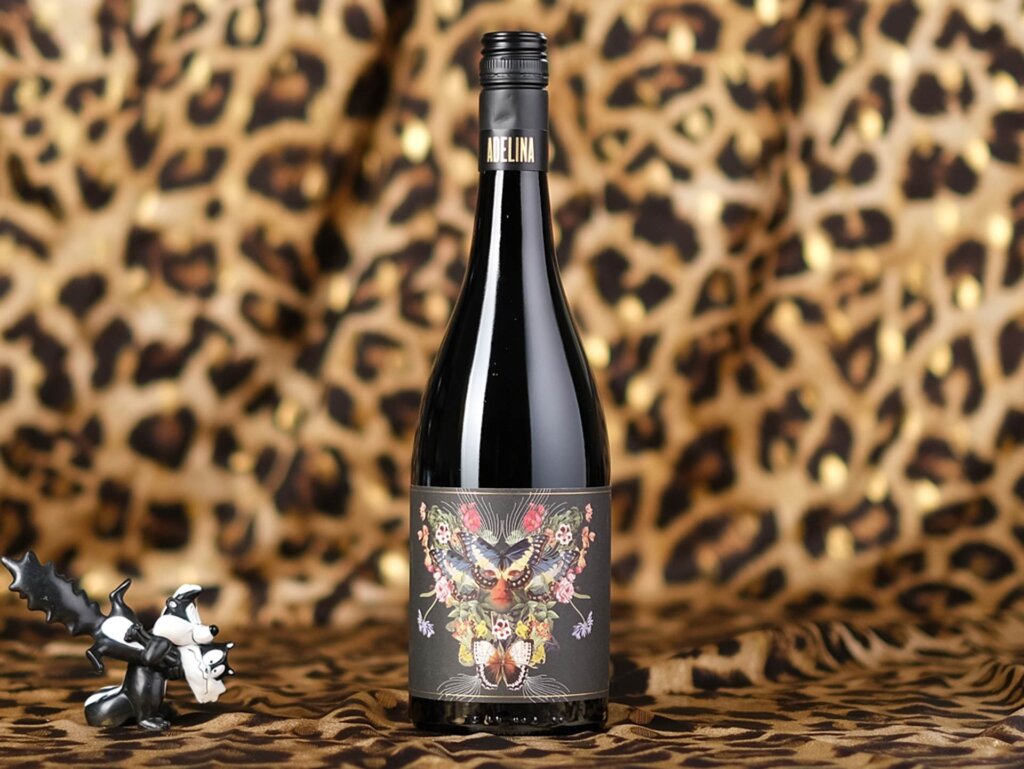
2022 Adelina Shiraz Mataro
From the 2009 Young Gun of Wine Award winner, and the 2022 Vineyard of the Year Award winner, this is Col McBryde’s take on a classic blend, featuring vivid red fruits, dusty earthiness and dried laurel.
  • Producer

    Adelina

  • Region

    Clare Valley

  • RRP

    $40

  • Vintage

    2022

  • Variety/Varieties

    Mourvèdre Shiraz (Syrah)

  • Alc./Vol.

    14.3%

The Adelina Vineyard – awarded the 2022 Vineyard of the Year – abuts the venerable Wendouree, and Col McBryde is a devotee of the wines, but he’s no mimic, bringing his own sensibilities to this classic blend made famous by Wendouree, with an ever increasing clarity of both fruit purity and site-reflectiveness in the wines. And this is no exception.

Tasting note

This comes both off the Adelina Vineyard and a famous neighbouring site (not Wendouree), with young mataro and very old shiraz vines, respectively. Zesty but ripe red fruit notes and sour black cherries are accented with a puff of regional dried mint and laurel leaf, bedded in a rugged kicked earth minerality. There’s weight here, but poise, too, a seamless blend of the pair.

Themes of this wine

Syrah/Shiraz

Shiraz dominates the Australian wine industry, accounting for nearly a third of this country’s vines. The grape’s traditional home is in France’s Northern Rhône, with wines that combine elegance and power, while Australia is perhaps best known for the muscular styles from warmer areas. Today, drinkers of Australian shiraz are spoilt for choice with expressions ranging from the elegant and spicy to the monumental.

Mourvèdre/mataro

Mourvèdre has been in this country as long as any variety, but it has often been sunk into blends, playing a vital role but rarely grabbing the mic. And while that remains the destination for most of this darkly fruited and tannic grape, it can play a pivotal role in those wines, and gets the occasional outing solo in both red and rosé wines. As with many grapes typically used for blending, mourvèdre has a distinct personality. It is a variety that is often strong in tannic structure, quite dark fruited and spicy, often with an almost animal and wild herb aroma. This will naturally depend a little on site and winemaking, with the grape commonly made into rosé that shows none of that wildness, instead typically displaying red berry notes, though the wines are often still blends.

Clare Valley

A couple of hours north of Adelaide, the Clare Valley is home to some of Australia’s most famous riesling vineyards, with the grape accounting for almost 40 per cent of the plantings, with shiraz a close second, though cabernet sauvignon is also made to good acclaim. The soils vary across the five subregions, from terra rossa over limestone, to grey loams over slate, to fertile alluvial soils in the north. With a continental climate, the warm conditions benefit from the cool nights, retaining acidity in the grapes while the ample sunlight pushes the fruit to ripeness during the day.

2022 Adelina Shiraz Mataro

GET FIRST ACCESS TO THE NEXT WINE ICONS – DELIVERED

Find out more

Each month, get 3 bottles of our freshest discoveries. We taste thousands to bring you the best.

Join us and support emerging winemakers, sustainable vineyards, and the development of young professionals.

Find out more
“One of the highlights of my drinking year.”
— Max Allen, Wine Writer
“The future of wine in Australia.”
— Broadsheet
“The cutting edge of Australian wine.”
— The Australian
2022 Adelina Shiraz Mataro

The Next Wine Icons – Delivered

Each month, get 3 bottles of fresh discoveries.
We taste thousands to bring you the best.

Bookmark this job

Please sign in or create account as candidate to bookmark this job

Save this search

Please sign in or create account to save this search

create resume

Create Resume

Please sign in or create account as candidate to create a resume