McLaren Vale is arguably the finest Australian territory for grenache, and now leading the charge for making the variety in a considered way. While many of the wines of the past were often either dry and rustic or dominated by confected raspberry notes, these are now being replaced with supple and complex wines that can land anywhere on the spectrum between ‘earthy and savoury’ and ‘fragrantly pretty’. These more modern expressions have broken new ground in Australia, and are fast building a global reputation for what the variety can do in this region. With world-class wines waiting to be found – and at relatively modest prices – we thought it was time to revisit McLaren Vale’s grenache scene via another Deep Dive …
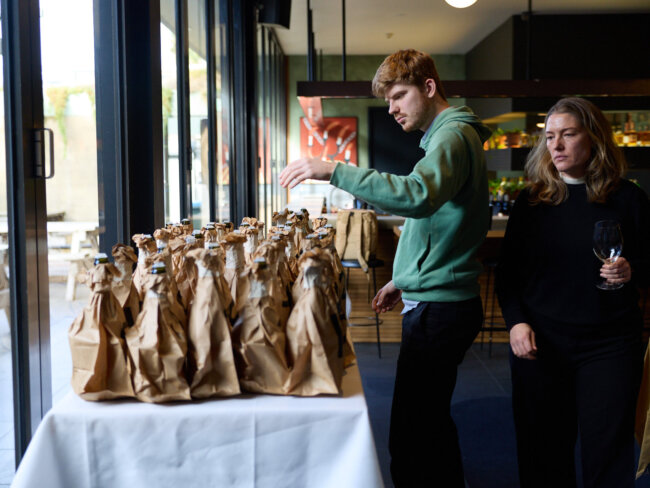
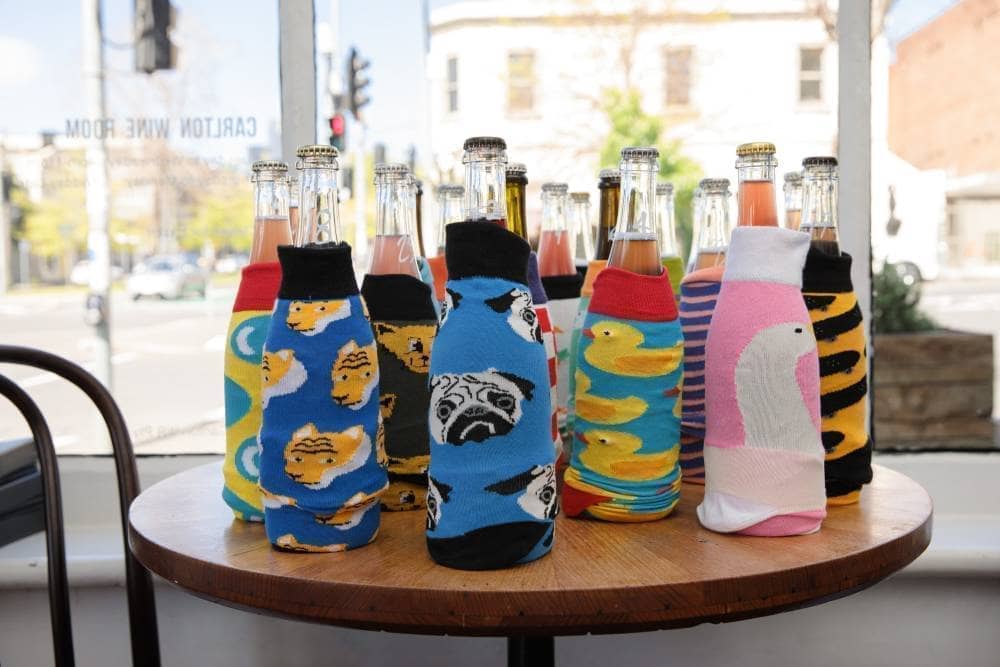
We gathered every example of grenache from McLaren Vale that we could find and set our expert panel the task of finding the wines that compelled the most. All wines were tasted blind, and each panellist named their top six wines. Below are the wines that made the panellists’ top-six selections from the tasting.
Our panel: Andrew Williams, co-proprietor and winemaker, Pare Wine; Gemma Neil, head sommelier and wine buyer, Geralds Bar; Chris Webb, head sommelier, Cumulus Inc.; Tully Mauritzen DipWSET, freelance sommelier; Noah Ward DipWSET, wine communicator, Bottle Shock; Terina Davies, wine merchant, Seddon Wine Store and Union Wine Store; Tom Robertson, general manager, Alimentaria.
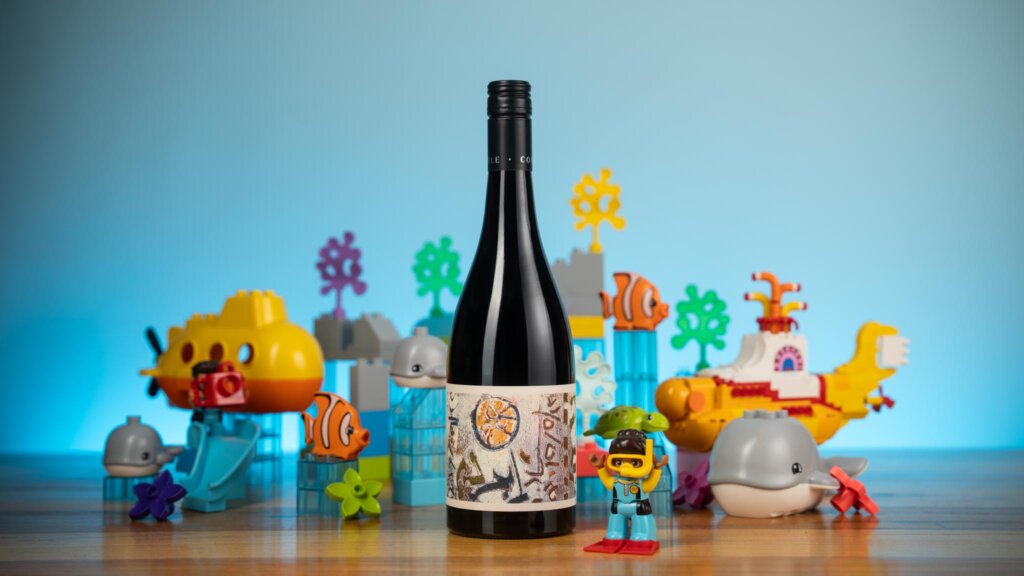
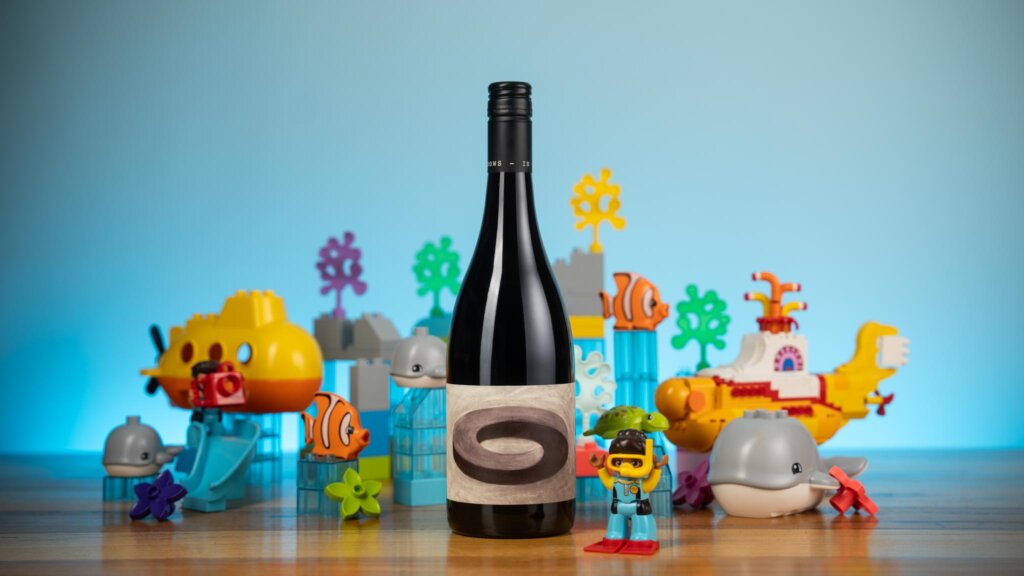
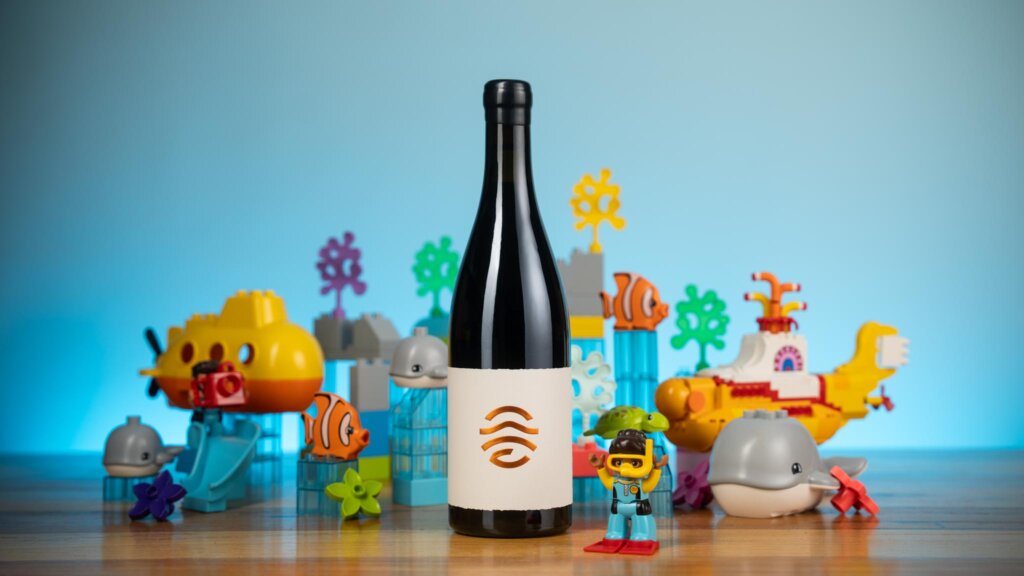
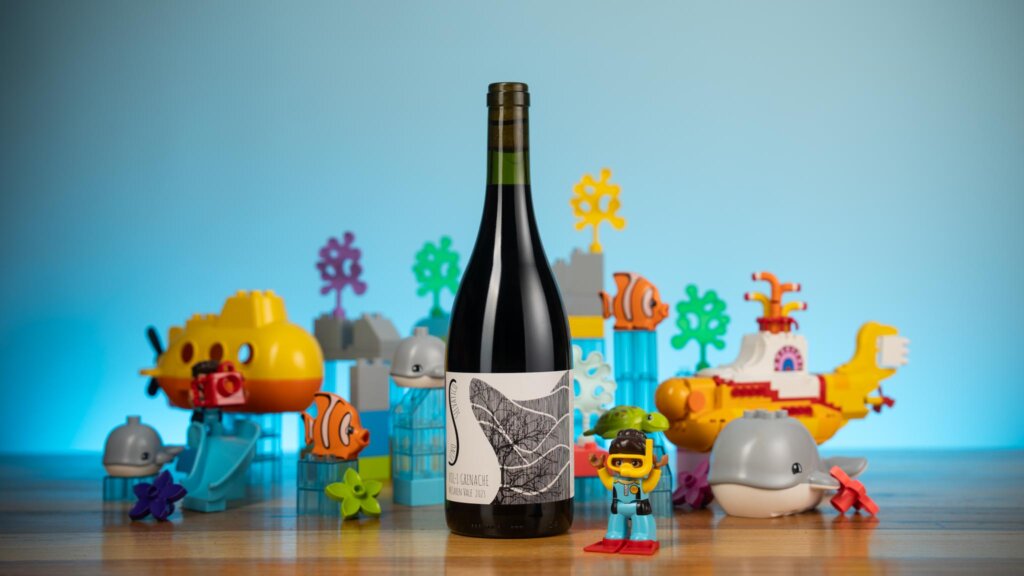
Webb, Mauritzen, and Ward selected this among their standout six wines of the day. “Engaging aromas of liqueured raspberries – there’s a ripe yet saline alpine strawberry aroma wrapped with rosehip that really draws you into the glass,” Webb opened. “On the palate, that liqueured raspberry note develops into more brooding bramble fruits alongside roasted fennel bulb, star anise and turned earth. There is such depth and mid-palate concentration of fruit here, driven by a salty burnt-citrus finish. This is such a compelling wine – I’d love to sit with it across an evening and watch it evolve.” Mauritzen observed: “Bright raspberry, complex salinity, cured pork and game on the nose. The palate explodes with a really umami-packed acidity, all mushroom and herbs. The length is outstanding – honestly, if I was drinking this at home I would never want the bottle to end. It’s like eating capocollo and sundried tomatoes, then finishing off with a palate cleanser of sour cherries in liqueur.” Ward added: “Glimmers of purple in the glass. A nose of sour cherry and big raspberry energy – great lift of cinnamon spice and apple blackcurrant juice-box confection. Amazing sandy tannins on the palate, with great vibrancy of fruit – hitting all those summer berry notes, leaning towards blackberries and great red plum characteristics. Great tension here – acidity plays second fiddle but doesn’t go missing so the wine doesn’t fall apart. Wow, brilliant wine – I’m all over this. Would love some chorizo with this!”
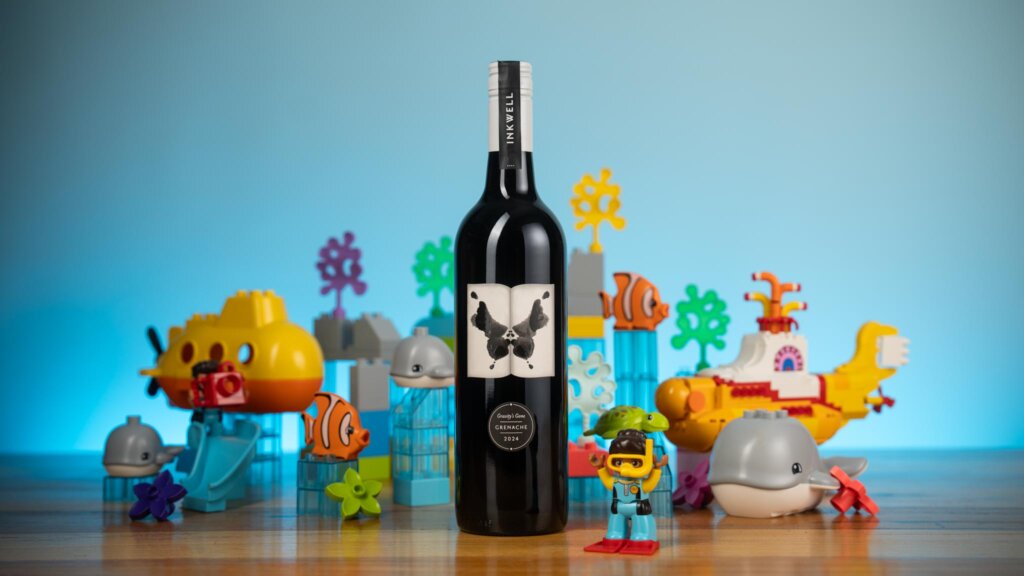
2025 In Praise of Shadows Grenache, $30 RRP
Ward, Neil, and Webb named this wine among their top six picks from the blind tasting. “Whoa! So much confectionary on the nose – someone call Willy Wonka!” Ward exclaimed. “Red liquorice, cranberry, raspberry – red, red, red. And oh what a delicious drink – oak use present but not intrusive, adding that lovely madagascan vanilla, allspice and nutmeg. Holds such a great line of tension, with broken-glass tannin and well-maintained acidity too. What McLaren Vale Grenache does better than anywhere else in the world. Fruit driven but not simple. Off the top shelf. Treat like pinot and have with some duck.” Neil noted: “I immediately thought of Luxardo’s ‘Sangue Morlacco’ cherry liqueur when I picked up this glass – a riot of concentrated sweet dark stewed cherry notes, almost bubblegum-like. That stewed cherry carries through to the palate, but here it’s not so sweet, showing more of spiced and sour character. Dried rosemary and thyme add some complexity, followed by some cardamom and nutmeg spice. The tannins are grippy, with a sandy feel, giving the wine a serious edge that contrasts with the sheer fun of the confected cherry nose. The contrast here between dark spices, sweet cherry and green herbs is super-enjoyable – it really makes me want to keep coming back!” Webb assessed: “Perfumed violets and dark rosehip drive the nose, alongside pomegranate molasses, vibrant maraschino cherries and fennel fronds. There’s a delicacy to the aromas but do not let them fool you – this grenache has plenty of vibrancy on the palate, which leans more towards pomegranate juice and freshly crushed raspberries. This wine is defined by its berry juice freshness, which is wrapped around fine-grained tannins reminiscent of pomegranate seeds. Out of all the grenaches in the line-up, this is the one I would most love to drink alongside a roasted duck breast – maybe with some warming roasted beetroots on the side.”
Davies and Robertson included this among their top six wines in the tasting. “An intriguing cloudy brick colour in the glass,” Davies began. “An exotic mélange of aromas – raspberry, orange oil, pandan leaf, green tomato pickle, and juniper berry. The palate is immediate and refreshing, with electric acidity carrying flavours of blood orange, raspberry leaf and toasted hazelnuts, given layered complexity by tones of red earth, iron, and game meat.” Robertson observed: “Great detail and drive on the nose – stunning red fruits and orange rind notes accented with sweet spice, vanilla and liquorice. A vibrant palate of red fruits – ripe red plum, cranberry, ripe red apples, and cranberries, accented by truffle, forest floor, ironstone, liquorice, anise and cherry-style spice. Dusty tannins, reminiscent of red soil, frame proceedings. This has an almost ethereal nature to it, very long finish that pulls everything back in. Nice meaty tone on the finish that creates another dimension. Feels almost old-world in style – a delicious take on McLaren Vale grenache.”
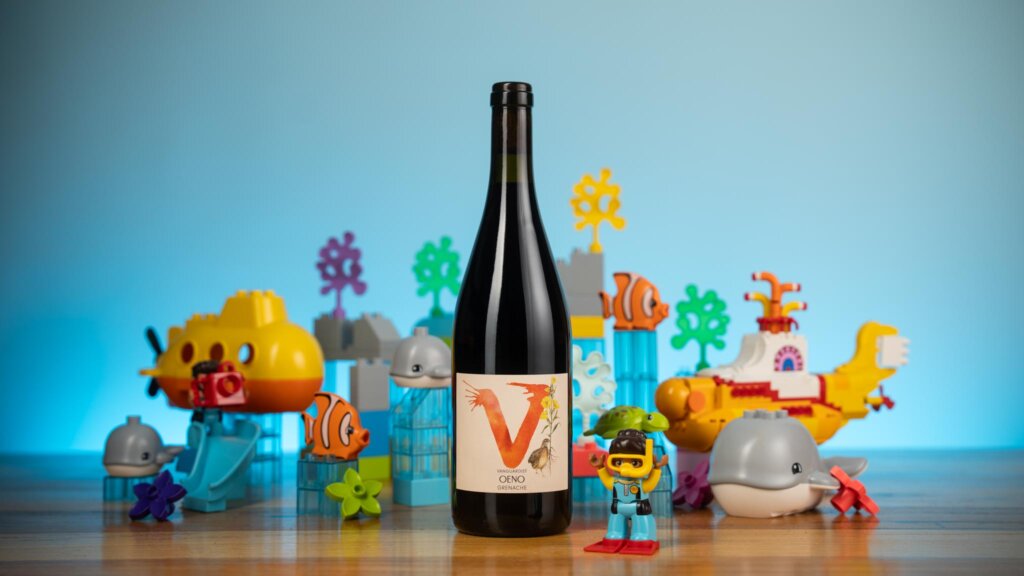
Webb, Williams, and Ward each picked this wine – made by the late Peter Fraser – as one of their top six selections from the blind tasting. “Lifted and bright aromas of crushed raspberries, pomegranate juice with burnt blood orange rind,” Webb declared. “There’s an immediacy of vibrant yet ripe berry fruit that I just love. This is not just a park wine, however, with fresh fennel fronds and turned earth oozing complexity here. That burnt orange rind wraps around the palate, building into a fresh bitter amaro finish. There’s so many applications for this wine – I would love to serve it alongside roasted pork cutlet with a kumquat dressing to really highlight that burnt citrus note.” Williams noted: “Lifted aromas of red cherry and redcurrant are accented by hints of just-ripe raspberry and warm brown spice. The palate opens with vibrant, freshly crushed raspberry fruit, unfolding into layers of subtle amaro-like herbal spice that add savoury complexity. The fruit gains richness and generosity through the mid-palate while retaining freshness and balance, creating an engaging, approachable expression of McLaren Vale grenache with excellent drinkability.” Ward observed: “Really deep into the baking spices and caramel on the nose – but plenty of red berries and blueberries come with it, alongside some violet florals that jump form the glass. Beautiful, Italianate tannins – reminiscent of good Barbaresco or Chianti – frame flavours of deep ripe strawberry and red cherry, as well as some vanilla from some gentle oak use. A great little wine here – such elegance, all well pieced. I can’t explain why, but I want some panacotta and mixed berries alongside this!”
2024 Pare ‘Trott Family Vineyard’ Grenache, $70 RRP
Ward and Robertson picked this among their standout six picks from the day. “Deeper purple in colour, and that colour is backed up by the aromatics – deep blackberry, violets, and baking spices, a touch of red liquorice,” Ward began. “A little bit of balsamic lift carries some lovely alpine herbal characters as well. Amazing breadth of primary fruits on the palate – black cherry, blueberries, blackberry. Lovely supple tannin, with excellent acidity for a variety that can often lack it. Beautiful stuff overall – no doubt an outstanding drink. Can handle some richer meals. Steak and kidney pie comes to mind.” Robertson added: “A nose of brooding black plum, musk stick, and black cherry with a savoury edge. This feels a bit more ‘old-school’ in its power on the palate – medium-bodied with dusty tannins and a darker more savoury edge. Luxardo cherry, liquorice and bramble lead to a lovely oak spice. It’s exuberant and delicious – a great example that tows the line between powerful grenache of the past with the freshness of the new styles.”
Davies and Mauritzen named this wine among their top six selections in the blind tasting. “A pretty, high-toned nose – dehydrated strawberry, redcurrant dust, dried rose petals and lavender, deepened by a touch of red earth,” Davies opened. “The ‘dried’ theme continues on the palate – dried red berries, dried pomegranate, and hibiscus tea, with an undertone of dried forest floor. Incredible acidity – delightfully fresh and lithe. An amaro-like note of bitter herbs emerges and frames the flavours on the long finish.” Mauritzen observed: “Really austere and svelte, cocoa nibs and bay leaf. Incredible power in the dark notes of this wine, has a inky, iron rich tone that feels rugged while being so gentle in its approach. Fine, magnetic tannins that envelope your mouth. A bloody banger.”
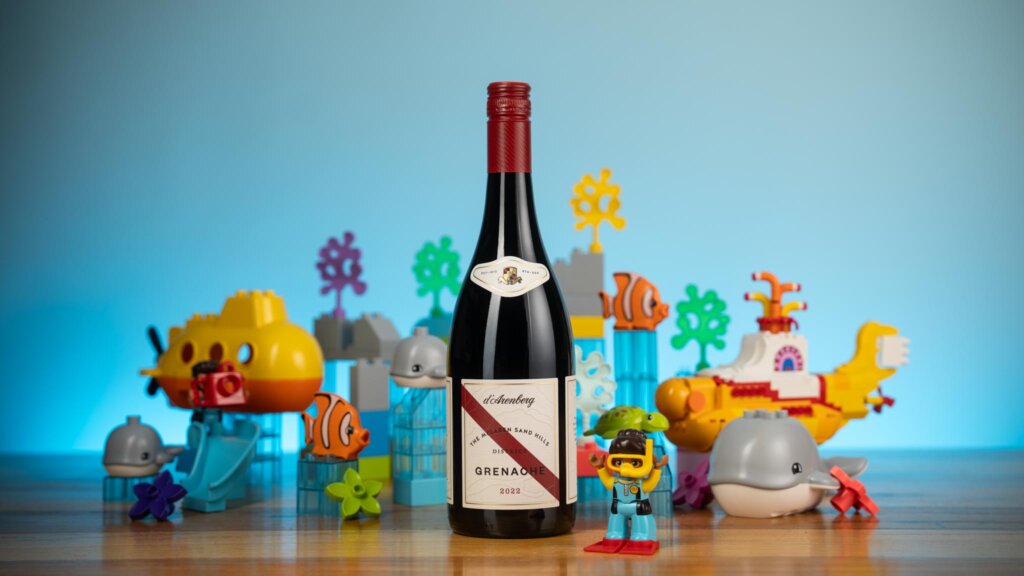
2022 d’Arenberg ‘The McLaren Sand Hills’ Single District Grenache, $50 RRP
Williams and Robertson included this among their top six wines of the tasting. “The deeper colour of this grenache immediately hints at the power and structure to come,” Williams noted. “Despite its concentration, the wine opens with cool, lifted floral aromatics that bring elegance and restraint. The palate is both powerful and finely structured, with ripe fruit framed by firm, savoury, beautifully woven tannins that evoke the shape and persistence of Barolo. Built on both power and elegance, this is a compelling expression of Grenache that speaks to the remarkable ageing potential of the variety when grown in thus wonderful region rapidly announcing itself one of the world’s great grenache regions.” Robertson observed: “Smelling this wine is like stepping into a dark, rich and luxurious hotel room – all graphite, oak and power, with brooding blood plum and blackcurrant. The first impression on the palate is of the wine’s very powerful, savoury tannins – this should have a wonderfully long life in the cellar. A lively acidity cleans up those tannins and carry rich flavours of black plum, blackcurrant and herbal notes of thyme. Another great example of the diversity of McLaren Vale’s hero variety.”
Webb, Ward, and Robertson selected this as part of their standout six selections from the blind tasting. “Freshly picked red cherries are met with a savoury edge – dusty cumin and crushed bay leaf add a ferrous feel to the nose here,” Webb declared. “Those spices carry through to the palate, but the fruit underneath evolves into ripe mirabelle plums and baked strawberries with a kirsch-like edge. Despite the depth and concentration of fruit there’s a weightlessness to the finish here – a twist of naval orange zest intertwined with delightful sappiness.” Ward assessed: “A bit quiet on the nose initially, driven by baking spices. With time and air, this wine opens up beautifully, revealing secrets of perfectly ripe strawberry and raspberry compote. Lean, alpine, and fresh on the palate – such a delicate little drink. So fresh and lithe that it’s verging on sour (in a pleasant way), with some just-ripe glassy tannin. This is a wine to set down in the cellar for five or so years – and then crack open with a damn good red-sauce pasta.” Robertson noted: “Bright and lifted on the nose – kirsch and plum. On the palate, blue plums, cherries, strawberries are all tightly wound up in salty acidity and soft, sandy tannins. There’s a lovely push and pull to this wine’s sweet and sour fruit – it will pair wonderfully with such a wide range of food. Part of the emerging fresh and light style of McLaren Vale grenache – incredibly drinkable!”
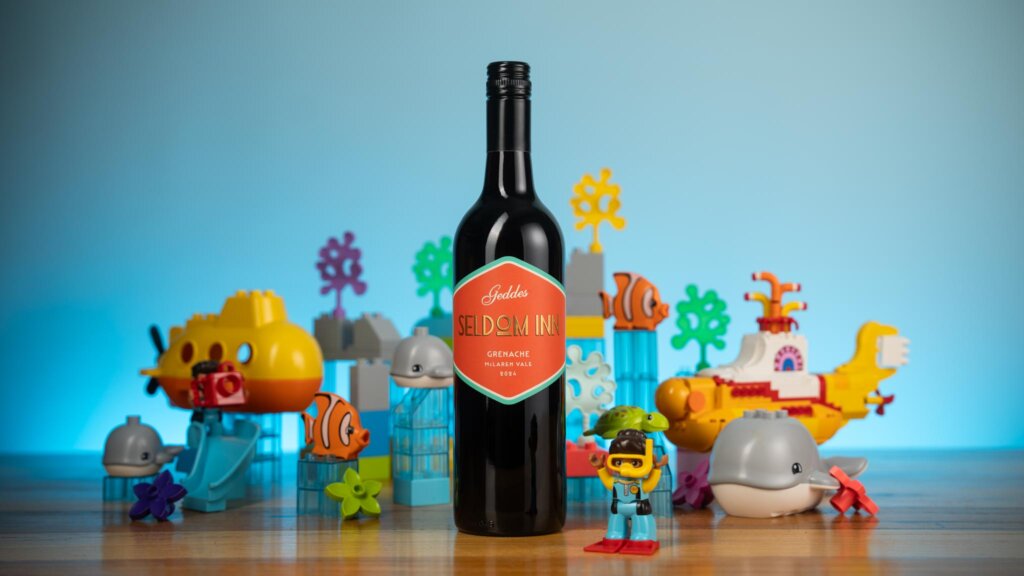
2024 Geddes ‘Seldom Inn’ Grenache, $28 RRP
Mauritzen and Neil chose this wine among their top six picks from the tasting. “Oh yeah – this is sick,” Mauritzen enthused. “Fresh blueberry on the nose, accented with raspberry leaf, menthol, and green peppercorn. The crunchy acidity on the palate meets a graphite-like tanninstructure to create a wine that’s so freaking delicious. There’s a seriously iron-rich kind of kick to the finish – this would be absolutely elite with a kangaroo tartare.” Neil observed: “This wine leapt out of the glass with violets and cherries mixed into sandalwood. Sandalwood notes often make me feel like I’m standing in a barrel room – and when I think of that note, I know I’m on to a winner. This grenache has it all for me – sweeter jubey raspberry fruit contrasted with black tea tannins, and whispers of orange oil and dried bay leaf to add complexity. Lovely tannins, both mineral and grippy, give structure to complete the picture. This is a serious grenache – with enough weight, punch and complexity for even a shiraz drinker – that feels like it was made by someone who clearly loves the variety.”
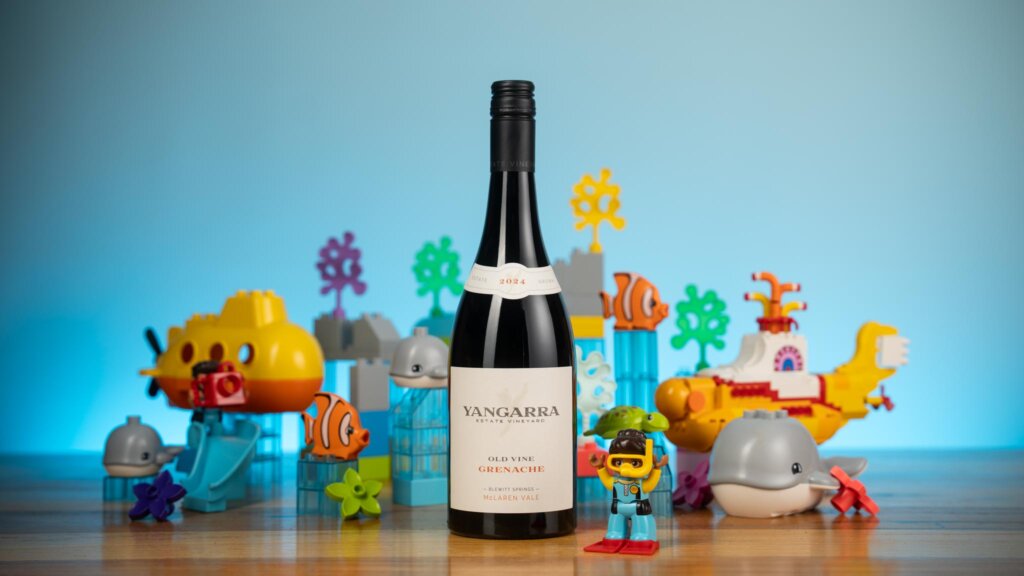
Williams selected this as his standout wine among his top six selections from the blind tasting. “A standout grenache and my wine of the day,” he declared. “Effortlessly combining concentration with elegance, it has the quiet presence that often comes from mature vines. There is an unmistakable sense of place, eliciting the cooler elevated sites around McLaren Vale and the ancient Maslin sands of the Blewitt Springs sub-district. Layers of redcurrant, dehydrated raspberry, brown spice and Sicilian herbs intertwine with a subtle amaro-like complexity typical of these older vines from this special place. The palate is finely etched and vibrant, its delicate frame carrying remarkable intensity, finishing long, savoury and beautifully composed.”
2025 Land of Tomorrow Grenache, $35 RRP
Neil named this wine – made by 2023 Young Gun of Wine Award winner Lauren Langfield – among her top six wines from the blind tasting. “My dad used to eat wine gums on long car trips – and this wine’s aroma instantly returned me to the back seat of my parents’ car, asking ‘Are we there yet?’” she recalled. “That sweet red wine confectionery flavour carries through to the palate too, but not in a too-sweet or cloying way. A lick of new oak spices and tannins provides structure to the fruit. There’s a lovely play between bay leaf and lavender in this wine – not to mention a savoury, meaty finish reminiscent of roasted pork – that makes me think it would great with food. I’m imagining this with veal saltimbocca – or any other dish where delicate meat is accompanied by a slightly sweet and decadent sauce.”
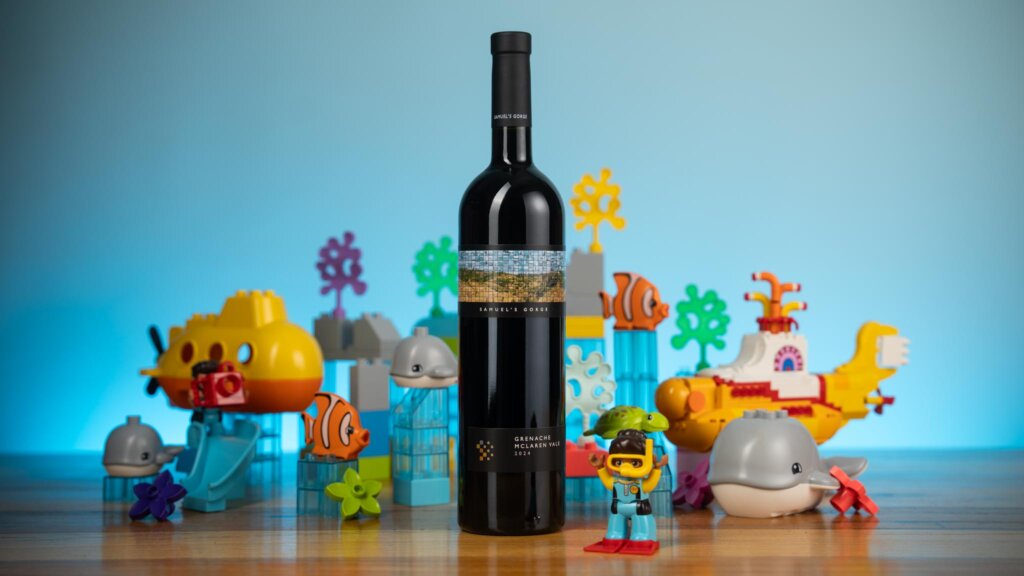
2024 Samuel’s Gorge Grenache, $45 RRP
Williams included this among his top six picks in the blind tasting. “My second favourite wine of the tasting for its sheer drinkability,” he observed. “Wonderfully approachable, it balances elegance with vibrant, fruit-driven appeal. Fresh raspberry and blue fruit are complemented by lifted floral aromatics, while the palate is juicy, energetic and beautifully expressive. Bright, freshly squeezed blueberry juice–like acidity provides freshness and precision, bringing balance and a mouth-watering finish. Lifted, vibrant and immediately engaging, this is a delicious expression of premium McLaren Vale grenache that captures the variety’s generosity without sacrificing finesse.”
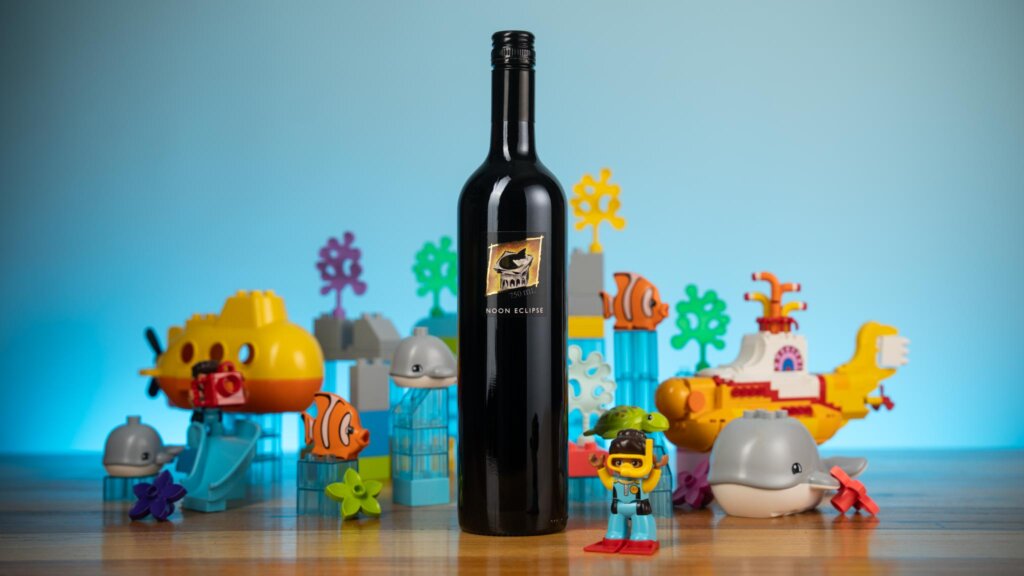
2024 Noon ‘Eclipse’, $30 RRP (at Cellar Door)
Robertson chose this wine – in this vintage, a blend of 92% grenache, 4% shiraz and 4% graciano – for his top six wines from the tasting. “A nose of delicate and lifted fresh blueberry and blue plum, with notes of ironstone and blackcurrant too,” he noted. “On the palate, those blue-fruited notes are all bound up by great tension from a salty acidity and the savoury finish. It’s a powerful expression of McLaren Vale grenache – but done with a velvet delicacy.”
2023 Curtis Family Vineyards Small Batch Grenache, $80 RRP
Davies picked this among her standout six wines from the blind tasting. “This wine’s nose promises some serious business – bloody and ferrous in tone, with bitter herbs, cherry wood, leather, tobacco leaf, nori, and rosewood,” she enthused. “But then, on the palate … whoa, I didn’t expect that fruit sweetness! Concentrated red fruit flavours explode on the tongue – all redcurrant and blood plum, given complexity by the tang of iron. Lacy acidity and fine tannins make this an elegant drink. A wine of intriguing contrasts – and one that demonstrates the breadth of possibilities in McLaren Vale grenache.”
Neil selected this among her top six selections of the day. “I knew I’d find raspberry liquorice in this tasting, as I associate that flavour with McLaren Vale grenache – and this wine has it in spades,” she enthused. “The jubey fruit on the nose and the palate make this grenache as smashable and moreish as a bag of my personal favourite raspberry liquorice from Darrell Lee. This is a crowd-pleaser – easy to drink, requiring no effort in the best possible way – but it’s also still a clearly well-made wine, with hints of dried seaweed and clove to balance the sweet fruit. The tannin grips at the cheeks and gums, indicating a serious wine underneath all that pure, joyous fruit – unpack its complexities if that’s your thing, or simply drink it and enjoy the ride.”
Mauritzen named this as one of her top six wines in the blind tasting lineup. “Whoa – there’s outstanding acidity here,” she exclaimed. “Tasting this wine is like crunching on redcurrants and red cherries – it’s fresh and tangy, with grippy tannins that carry the wine through to a long finish that you chew on. Dark salted liquorice tones blend in with herbal top notes of iodine and bay leaf and those red fruits to give a full spectrum of flavour and aroma complexity. Despite this freshness and crunchiness, there’s a viscosity on the palate that is enticing and draws you back for another sip. This would be an incredible pairing with game meats, or even just a lovely high-quality steak.”
Davies selected this as one of her standout six wines in the blind tasting. “This is a really pleasant wine to drink – one that demonstrates the pure hedonistic pleasure you can find in McLaren Vale grenache,” she declared. “A complex and herbaceous nose – all crushed dried leaves, blood orange–flavoured amaro, Campari, and thistle flower. On the palate, intense fruit flavours of bitter orange, red plum and Amarena cherry, accented by warm baking spices and given some savoury complexity by purple Kalamata olive. A crackle of acidity drives the wine down the palate, alongside graphite minerality and just enough tannin to keep the flavours holding through the amaro-like finish. It’s old-school in its density, but in the best possible way.”
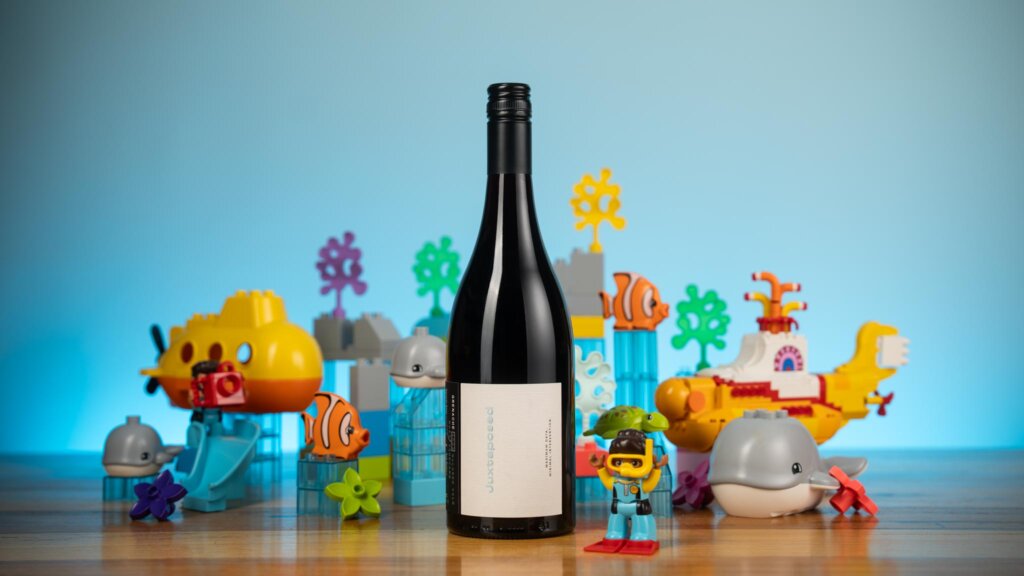
2024 Juxtaposed ‘Wait Vineyard’ Grenache, $50 RRP
Neil picked this for her top six selections from the blind tasting. “Dried petals of orange and purple roses came to mind when I first put my nose to the glass, mixed in with cedar and bergamot,” she noted. “Bergamot carries into the flavour of the wine, too, along with black cherry skin. I enjoy the tannins in this wine – they have a pristine clawing effect that doesn’t dry out the cherry and roses. A well-made wine with some very appealing aromas – one that’s been made seriously without losing sight of the drinkers’ enjoyment.”
Neil and Davies chose this wine among their top six picks from the tasting. “My initial notes on this wine genuinely read ‘Potpourri nose – whoa, the palate is crazy!’” Neil opened. “I’m not sure if I could drink vast quantities of this – but I am just fascinated by its Spanish rojo vermouth character. Orange oil and toasted orange peel folds into cardamom and bay leaf. Lots of dried European herbs like rosemary and thyme. The potpourri note – mix of dried roses and sandalwood – weave through both the palate and the nose. This is so aromatic – I can’t wait to read about the wine making technique and terroir to find out why this wine is so much more perfumed than the rest of the pack.” Davies observed: “What a fascinating nose – tomato chutney, mustard seed, pink and black peppercorns, a slight tinge of turmeric. A strong salinemineral streak frames the unorthodox flavours on the palate – all leafy herbaceousness, mulberry wood, nettle, nori, and camphor. Savoury and unusual – this isn’t going to be everyone’s cup of tea, but if you like adventurous wines, you’re in for a treat.”
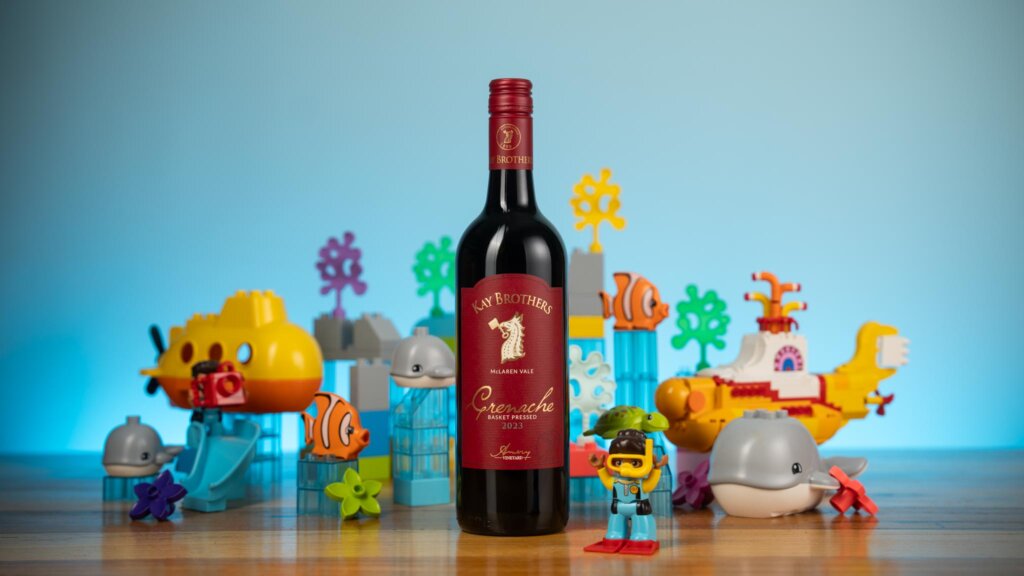
2023 Kay Brothers ‘Amery Vineyard’ Basket-Pressed Grenache, $33 RRP
Davies and Ward named this among their standout six wines of the blind tasting. “A nose of dark cherry clafoutis, blood orange, cacao nib, and red wood – as this sits in the glass, it looks more and more like tempranillo,” Davies began. “Slightly luscious on the palate, those cherry flavours accented by decadent tones of cacao nib, dark chocolate, and plunger coffee. Great acidity – you can feel it rise from under the tongue – keeps things fresh.” Ward added: “A head-turner of a wine – really medicinal and, well, extracted in its feel. We’re dealing with the blackcurrant and blackberry spectrum of grenache here – deep intensity of colour and flavour, firm and ripe tannins. It’s got this blackberry Soothers character in its pleasant medicinal complexity. Good damn wine with great length – well pieced together. The tannins really resolve well with time and oxygen – give this a little decant and it will drink particularly well later on. Gamey meat would kill with this, lamb, goat, kangaroo – take your pick.”
Mauritzen included this among her top six wines in the tasting. “Incredible tension – a benchmark wine,” she enthused. “Soft, graphite-like tannins embrace your palate and lead you into a wonderland of subtle yet powerful complexity: potpourri and raspberry meets roast duck and soured cherries. There’s some gentle spice indicative of either oak or stems from whole-bunchfermentation – some vanilla and clove – but nothing that overpowers the delicacy and intricacy of the wine’s primary fruit character. I love the layered complexity of this wine, which just reveals more with each sip – a winner.”
2024 In Praise of Shadows ‘Akira’ Grenache, $60 RRP
Robertson selected this as one of his top six selections in the blind tasting day. “This shows such a lovely style for the region – fresh and forward – without overthinking it,” he observed. “Super aromatic – an explosive nose of pink peppercorn, fresh herbs, and underripe cherry. A textural edge on the palate brings you back to the glass to explore – more savoury than the nose, yet still showing lovely notes of cherry, cranberries and sour alpine strawberry. Those pink peppercorns reappear on a spicy, fragrant, and long finish. It’s a delicate, light and fun wine – but one with real complexity behind it.”
Williams selected this among his top six wines from the blind tasting day. “This grenache captivated me with its understated confidence and cool, restrained charm,” he observed. “It’s the sort of wine that doesn’t demand attention but quietly earns it – a bottle that would disappear effortlessly among friends. Initially shy, it opens with time in the glass, offering lifted florals, elegant blue fruits and the faintest suggestion of whole-bunch spice and herbalcomplexity. The palate is precise and vibrant, its bright acidity carrying the fruit with ease, while fine, lightly savoury tannins frame the wine without interrupting its flow. More than anything, it is a wine of poise and purity, revealing its beauty gradually rather than all at once – elegant, fresh and thoughtfully composed.”
Webb picked this wine – made by the late Peter Fraser – as one of his standout six selections from the blind tasting. “A lifted and aromatically enticing style here, showing more warming spice than berry fruits on the nose – cinnamon bark, ripe red plums, and macerated raspberries in crushed black pepper,” he noted. “That spice-before-fruit focus flips on the palate – there’s a deeply concentrated core of cooked raspberries and burnt strawberries that creates plenty of excitement. I love how that core of fruit character just continues to build to the finish – it really shows the potential of McLaren Vale grenache.”
2024 Pare ‘Jericho Family Vineyard’ Grenache, $50 RRP
Webb chose this wine among his top six picks of the day. “A more brooding expression of grenache – deeper tones of crushed red earth, anise, clove and cardamom spice wrap around a core of crushed strawberries and ripe red plums,” he declared. “Those spices build onto the wine’s firm back-bone, building depth and complexity on the palate. While there’s plenty of enjoyment to be had in this wine right now, I feel that a few years of cellaring will provide real reward here – if you have the patience!”
Williams named this as one of his top six wines in the blind tasting. “This grenache stands out for its savoury, autumnal complexity and layered aromatics,” he enthused. “An intriguing combination of maraschino cherry, fresh raspberry, roasted beetroot and stewed rhubarb creates a wine of real character and depth. Beneath the fruit lies a familiar subtle Negroni-like thread of orange peel, amaro herbs and gentle spice sitting quietly in the background. The palate is approachable yet nuanced, balancing vibrant red fruits with savoury detail and fine structure. A thoughtful, food-friendly expression that beautifully showcases why McLaren Vale has become one of the world’s great homes for grenache.”
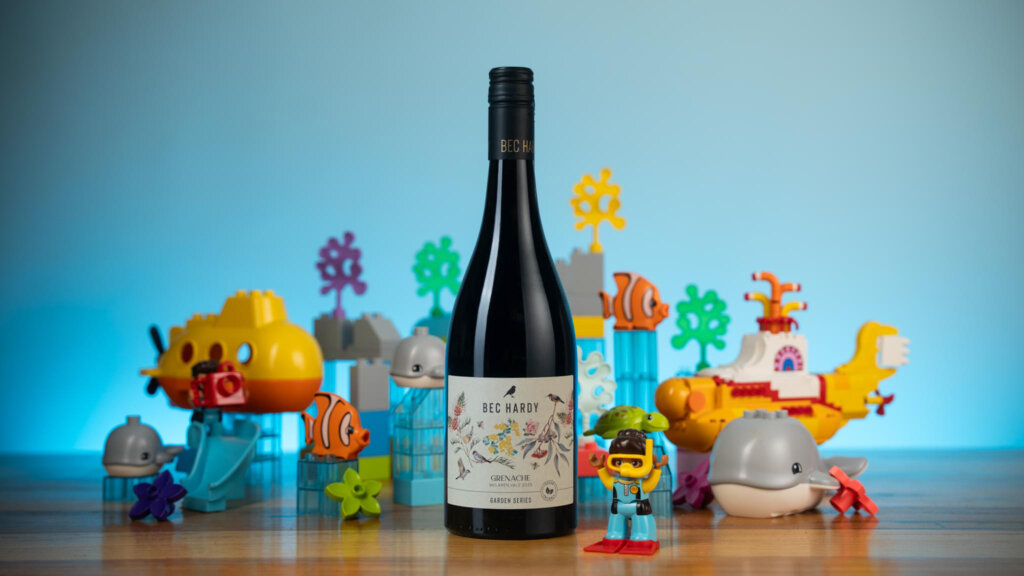
2025 Bec Hardy ‘Garden Series’ Grenache, $30 RRP
Mauritzen included this among her standout six selections from the blind tasting. “God, this is delicious!” she exclaimed. “Fresh acidity, generous fruit weight, and an exciting mix of cherry, cranberry, raspberry and cola notes on both nose and palate. These flavours are framed by dark, intense and firm tannins that remind me of the best of the Northern Rhône. There’s beautiful length and tension here – it’s brooding yet lithe. A delightful study in contrasts.”
The backstory
McLaren Vale is arguably the finest Australian territory for grenache, and now leading the charge for making the variety in a considered way. While many of the wines of the past were often either dry and rustic or dominated by confected raspberry notes, these are now being replaced with supple and complex wines that can land anywhere on the spectrum between ‘earthy and savoury’ and ‘fragrantly pretty’. These more modern expressions have broken new ground in Australia, and are fast building a global reputation for what the variety can do in this region.
Grenache is tough. Ruggedly so. Under extreme duress, in baking heat, with little water, it survives. Thrives even. But this kind of dogged persistence is not the stuff of glamour. Grenache hasn’t had the ethereal cachet of pinot noir. And even in its most famous vinous expressions such as Châteauneuf-du-Pape or Australian ‘GSM’ blends it is often chaperoned by other varieties, including those perceived to be somewhat more and somewhat less noble. But grenache is far more than just a reliable workhorse. And in South Australia’s McLaren Vale, it has found a home where it can become a style of wine found nowhere else on earth.
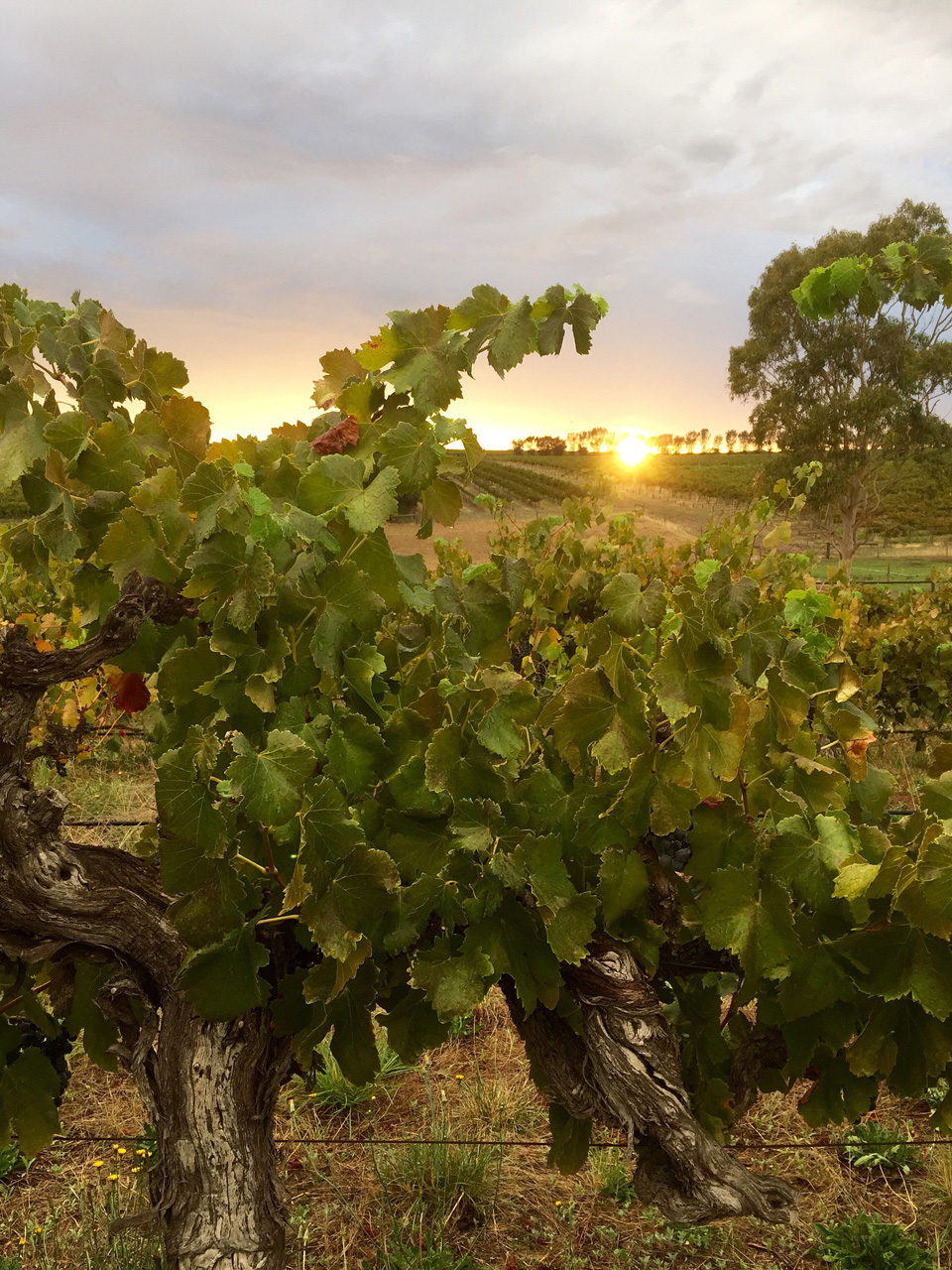
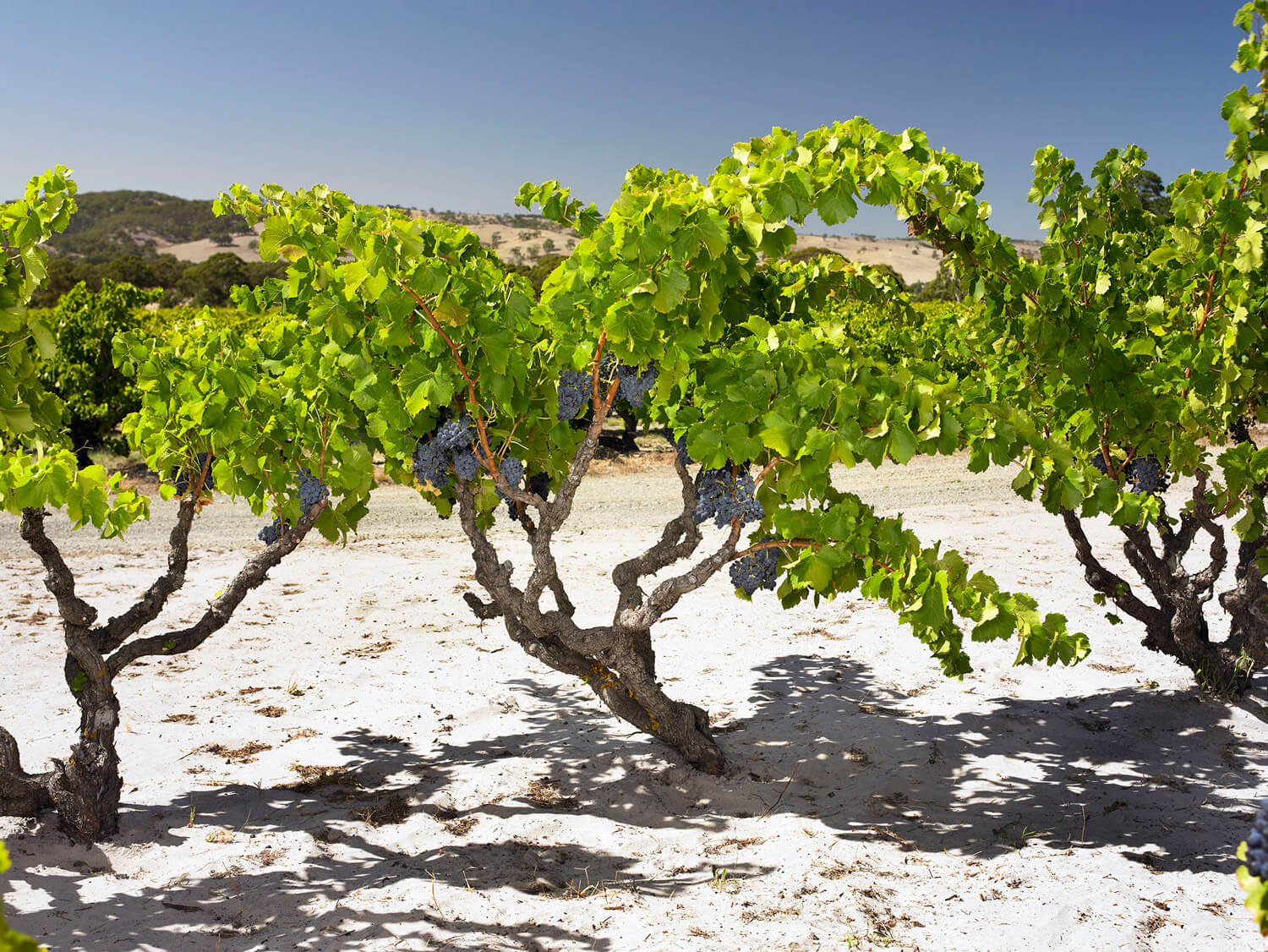
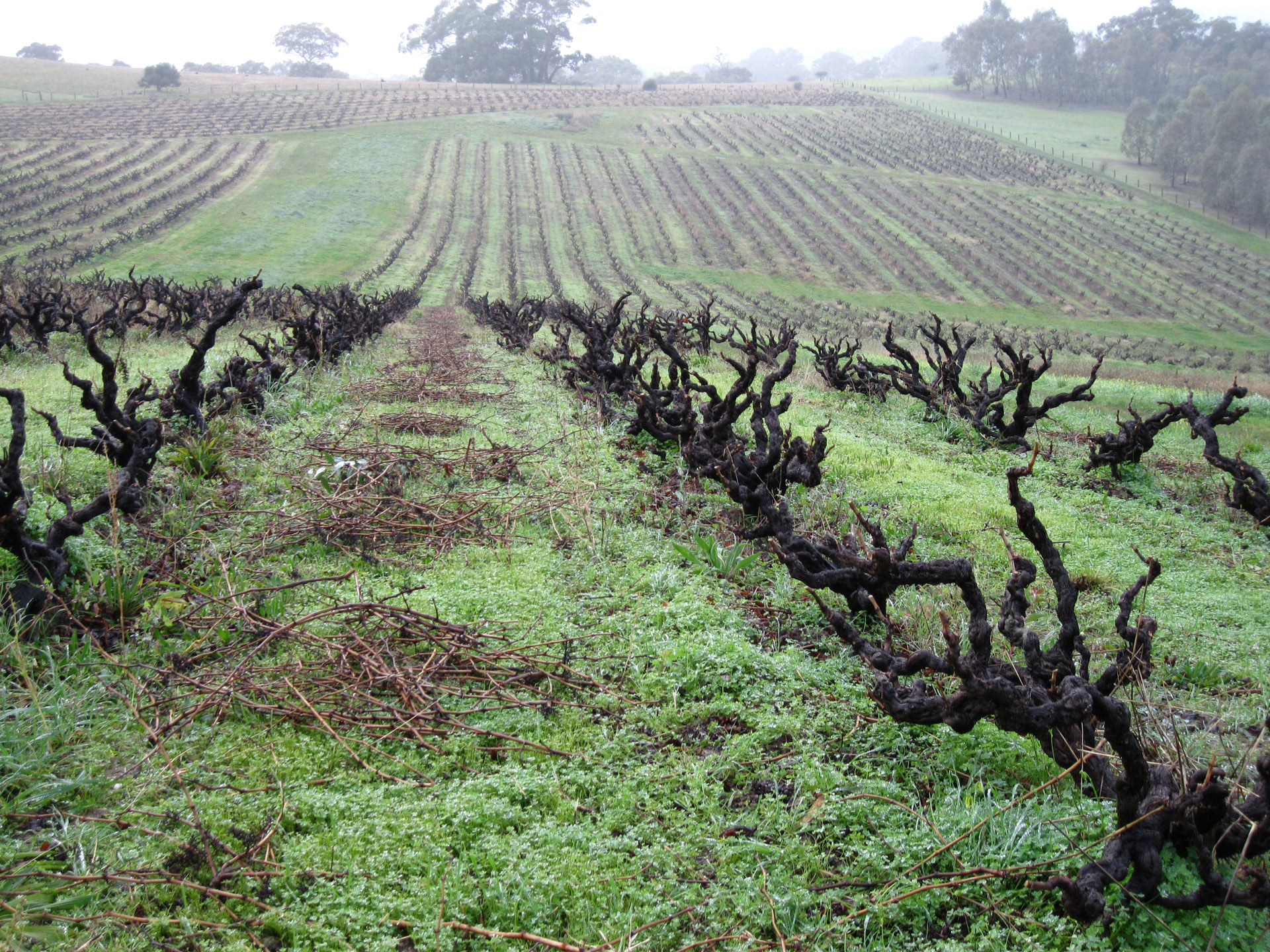
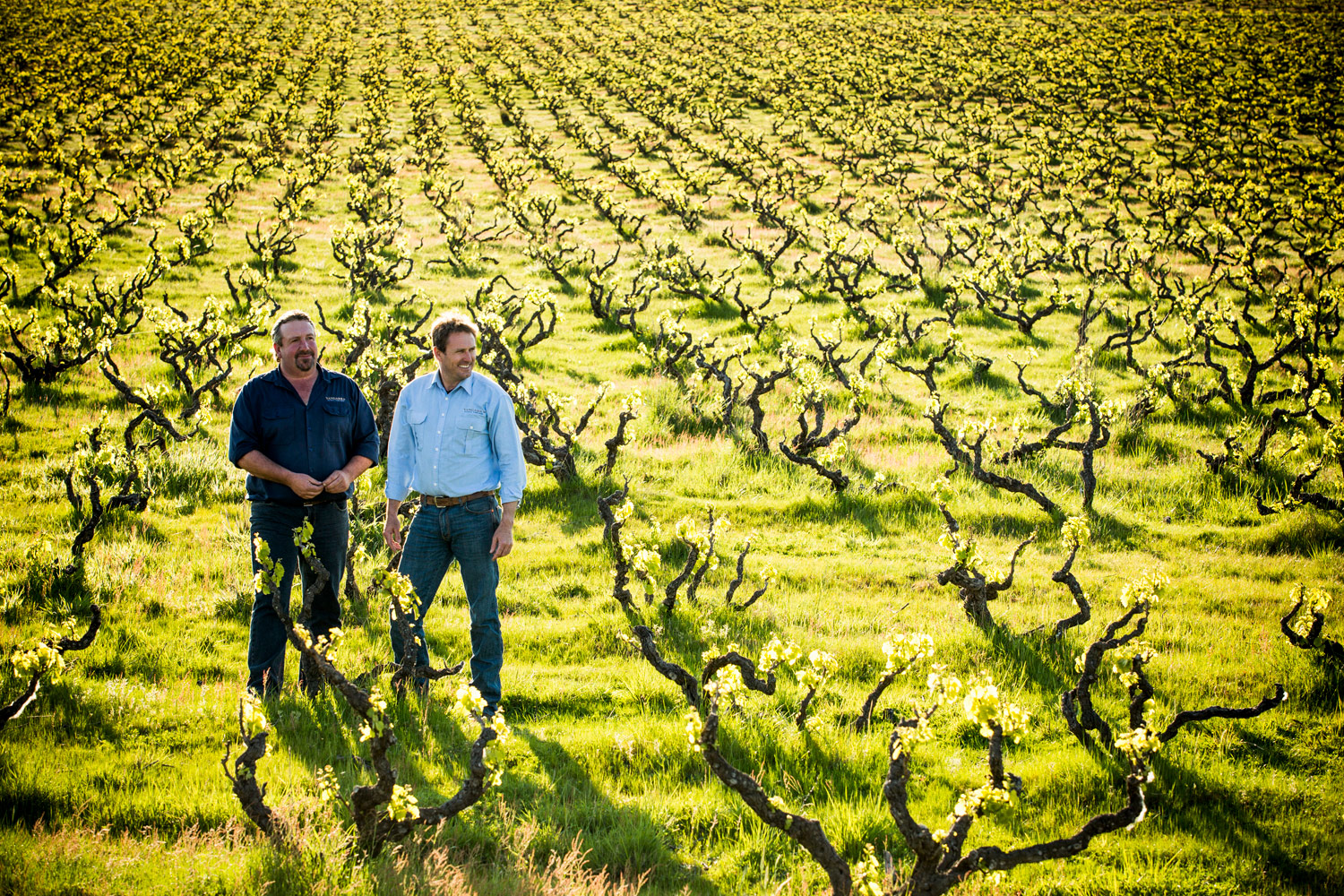
Opposite: Old grenache vines at Oliver’s Taranga in McLaren Vale. Above: A view across McLaren Vale from the Orbis vineyard.
Grenache has quite large berries with relatively thin skins, and given the warm areas it is grown in, it often reaches ripeness quite readily, meaning the wines can be pale in colour, with high alcohol and lowish or moderate tannins. But as with any other grape variety, much of the way the wine looks in the glass is determined by the viticulturist and maker behind the wine – where and how the grapes are grown, when they’re picked, and how they’re made into wine.
Detour de France
Grenache’s home territory is split between France and Spain, with the former perhaps having the most international recognition, but the latter being its rightful birthplace. It’s thought to have emerged from the Aragón region of Spain’s north-east corner, and it has gone on to serve as a reliable workhorse grape across Spain since, often being blended with tempranillo – indeed, it wasn’t until the 1990s resurgence of the Priorat wine region, southwest of Barcelona, that Spain’s old-vine garnacha/garnatxa was given its proper due. From Spain it spread into France, radiating up through the country’s warm southern Languedoc-Roussillon region to the Southern Rhône, where it found its most recognised home. Grenache is the main driver of the wines of the Côtes du Rhône region and its named villages (including Gigondas and Vacqueyras), but it arguably reaches its height in Châteauneuf-du-Pape, where it is sometimes used solo – most famously by Château Rayas – but is typically blended, principally with mourvèdre, cinsault, syrah and counoise. Aside from often powerful blended red wines from the south, grenache is also the main variety for French rosé, both in Provence and the Rhône.
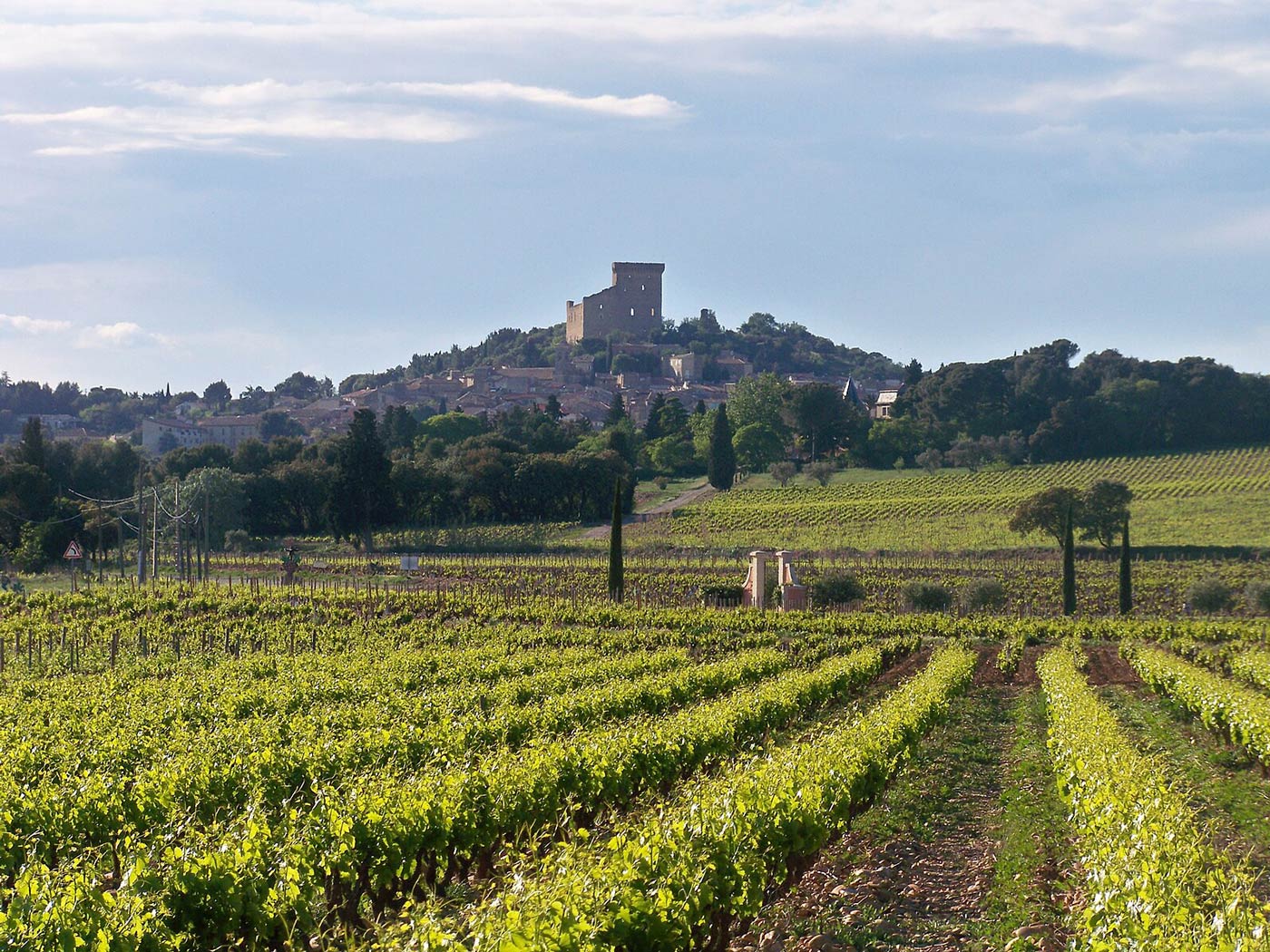
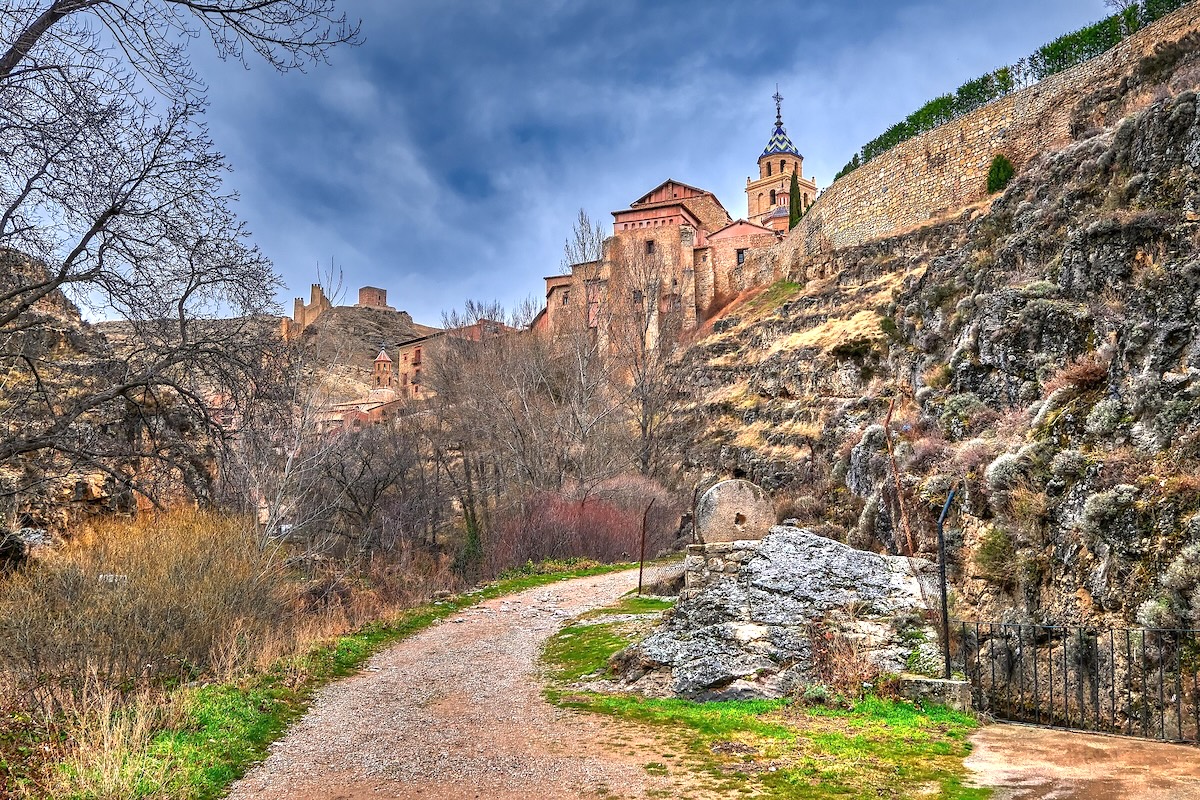
Opposite: Vineyards in Châteauneuf-du-Pape, with the (now very old) ‘new castle‘ that gives the region its name in the background. Above: The village of Albarracín in Aragón – the Spanish region that grenache likely emerged from.
Grenache was one of the first varieties planted in Australia, coming across the seas in 1832 as part of the Busby Collection – and some of those earlier vines from the 1840s and ’50s are still producing commercial crops today, making them the oldest grenache vines in the world to do so. It’s no wonder that grenache vines were popular then, given that the variety had already proved that it thrives in warm, dry environments. South Australia certainly fit that bill, with grenache becoming somewhat of a staple – although often its durability and willingness to provide generous crops was more celebrated than its personality. These traits made it a most suitable canvas for fortified wines, which were the dominant force in the Australian wine industry during the first half of the 20th century.
“We weren’t going to put out a wine in 1988 called ‘Barossa grenache shiraz’. People would have fallen over with indifference, to be honest.”
It wasn’t until the 1950s and ’60s that Australian consumers began to tentatively turn back towards table wines – but this gradual reversal of tastes didn’t see grenache emerge from the shadows, even though it was the nation’s most widely planted variety at the time. Indeed, as Australians discovered a taste for unfortified red wines, grenache declined considerably, shrinking from a near-monopoly to somewhat of a bit player. Many old or even ancient grenache vines were grubbed out as part of the infamous South Australian vine-pull scheme of the 1980s, with next to none planted to replace them, while the area devoted to more popular varieties – especially shiraz – skyrocketed. At this time, the very name ‘grenache’ was on the nose with Australia’s wine drinkers – as winemaker Graeme ‘Charlie’ Melton of Charles Melton Wines recalled in an interview for our Deep Dive on GSM blends, “We weren’t going to put out a wine in 1988 called ‘Barossa grenache shiraz’. People would have fallen over with indifference, to be honest.” That’s far from the case now – and much of Grenache’s current cachet within Australian wine has to do with the expressions coming out of McLaren Vale.
The McLaren Vale identity
McLaren Vale, located just south of Adelaide and fringed by its suburban sprawl, is characterised by a Mediterranean climate with hot summer days and low rainfall in the growing season, making vines growing there particularly resilient to disease pressure. Those warm days are ameliorated by cooling sea breezes from the Gulf of St Vincent, and so-called ‘gully breezes’ filtering down from the flanking Mount Lofty Ranges and Adelaide Hills. The Vale is said to have over forty distinct geologies, with the oldest dating back 500 million years, and the youngest a mere 15,000-year-old pup. Red-brown sandy loams, grey-brown loamy sands, distinctly sandy soils, patches of red or black friable loams and yellow clay subsoils interspersed with lime are all part of the picture. Between these different geologies and range of climatic influences, it’s little wonder that the region’s producers often reference specific subregions – such as Blewitt Springs, McLaren Flat, Seaview, Sellicks and Willunga – but these are not enshrined in law.
Opposite: Yangarra’s High Sands vineyard was named ‘Old Vineyard of the Year’ at the 2022 Vineyard of the Year Awards. Above: the Smart vineyard, first planted in 1922. Today, that fruit goes to the likes of S.C. Pannell, Thistledown and Willunga 100.
While Australia’s oldest grenache vines are located in the Barossa, the variety’s presence in the Vale stretches right back to some of this country’s first forays into viticulture. This history means today there is an enviable resource of mature, significantly old, and even ancient vines to work from. And while grenache is being planted again – meaning the quite lowly 1,500 hectares nationally (2015 data) is on the up, the older material is by far in the majority, with much fruit from venerable vines ending up in some very accessibly priced bottlings.
Grenache has been an emblematic variety of McLaren Vale for some time, but this perceived position has in reality been far eclipsed by Australia’s dominant variety, shiraz. Indeed, despite the recent popularity and visibility of McLaren Vale grenache, shiraz still accounts for 53% of the region’s total wine harvest, red or white, while grenache itself only accounts for just over 7.5%, according to Wine Australia’s 2026 vintage report figures. As such, while it was loved locally, grenache had long been in practice an afterthought here, often relegated to blends – not that there’s anything wrong with blends – or just dealt with in a way, both in the vineyard and winery, that didn’t do full justice to the fruit. But much has changed in the last ten to fifteen years. The wines seen now are more lithe and vibrant, more elegant and a far more detailed side has been given voice. The wines can be silky, or grippy – it’s a versatile, characterful variety that reflects where it is grown with stunning clarity.
Disrupting the fruit bombs
It was around fifteen or so years ago that new takes on McLaren Vale Grenache emerged. The late Taras Ochota won the Young Gun of Wine in 2013, with his Fugazi vineyard grenache from McLaren Vale playing a core part in wowing the judging panel. Then Luke Growden of Year Wines won the Best New Act trophy in 2015 for his label that included a pair of grenache wines from the Vale. These were the early outliers for lighter expressions of grenache in this country – and, looking back today, Growden references that Ochota Barrels wine as reference point or inspiration for the sort of grenache he wanted to make. “I remember theirs – it was great!” he says. “Super ‘bunchy’, crunchy fruit, lovely nose. Definitely lighter on its feet. That’s what I enjoy about grenache from here: pretty aromatics but good tannin and acid line.”
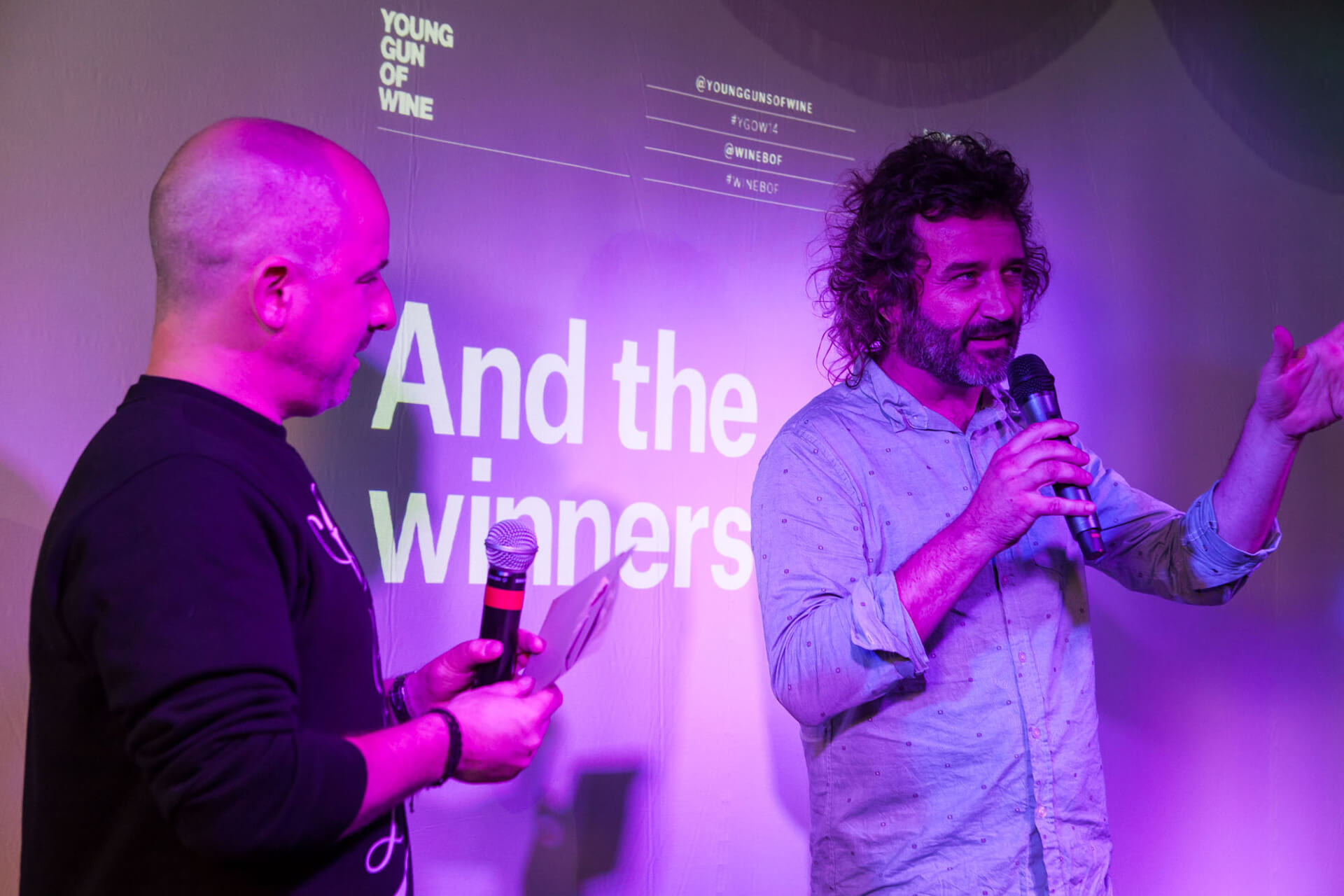
Opposite: The late Taras Ochota at the Young Gun of Wine Awards. Above: Luke Growden of Year Wines.
Growden casts his mind back to his first few vintages around 2012. “Grenache didn’t have hype around it. It was unsung. There were great old vineyards that you could get access to – growers couldn’t sell their fruit. Our first vintage was from a 50+ year old vineyard. No one wanted it. We bought fruit at around $800 per tonne: fruit that’s costing around $3-5k today. We looked at grenache as the hero, rather than as a blending component. We looked at techniques like ‘whole bunch’ and earlier picking to bring structure and interest without the palate weight.”
“Grenache didn’t have hype around it. It was unsung. There were great old vineyards that you could get access to – growers couldn’t sell their fruit. Our first vintage was from a 50+ year old vineyard. No one wanted it. We bought fruit at around $800 per tonne: fruit that’s costing around $3-5k today.”
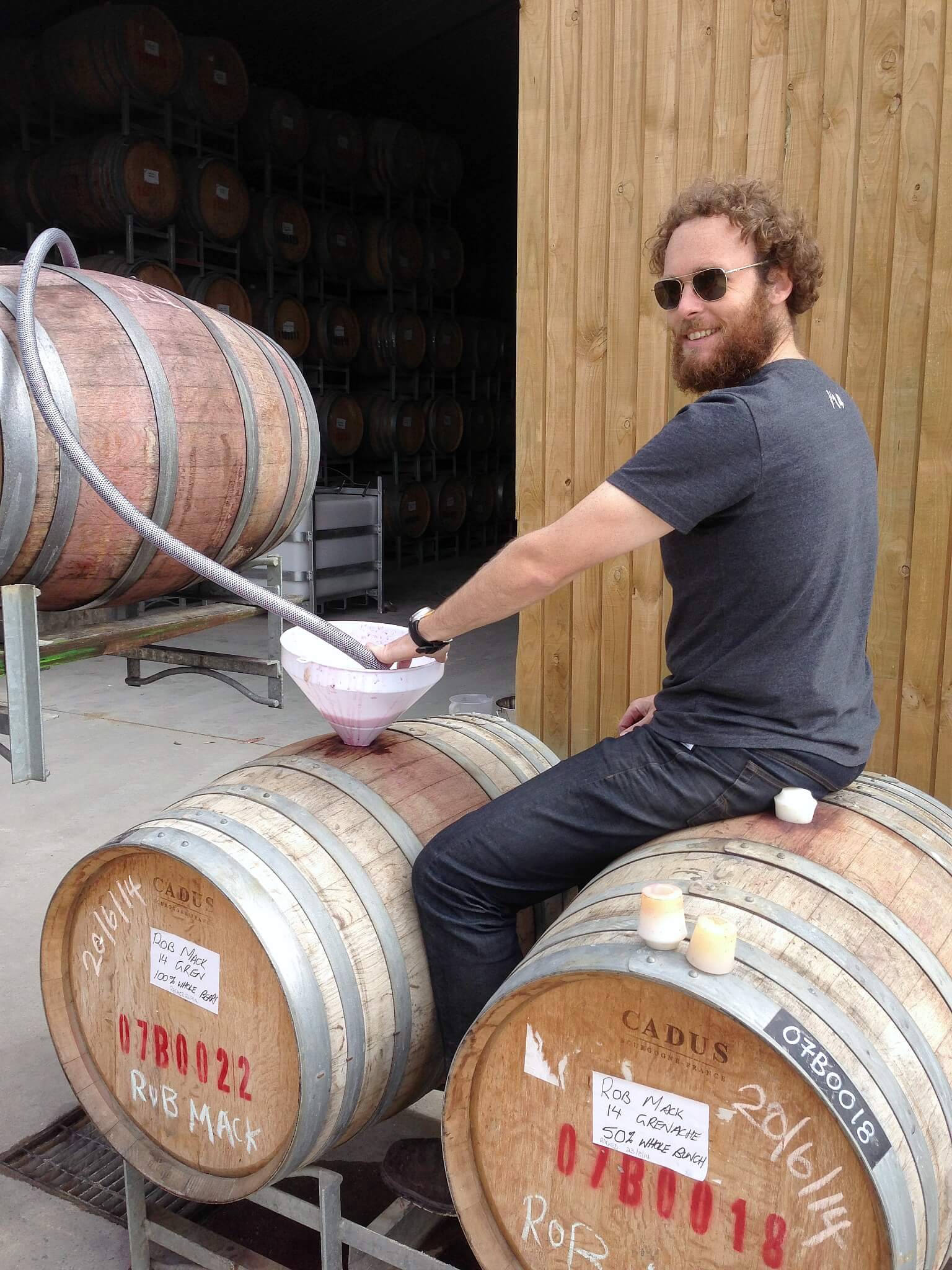
Rob Mack of Aphelion then won the best New Act in 2017, followed by the Young Gun of Wine in 2018, with a cluster of progressive grenache wines. His label has evolved to focus predominantly on the variety today. However, Mack points to the wines of Yangarra as his reference point, signalling the nuance in the spectrum of these light- to medium-bodied grenache wines – whereas producers of the Ochota Barrels ilk may push the envelope a little further in relation to earlier harvest dates and a hands-off approach in the winery to chase crunchy and fresh wines, Mack is chasing a more medium-bodied, aromatic style. He wants to build age-worthy wines – and argues that the conventional wisdom of utilising new oak when making something to be cellared doesn’t apply to grenache as it does to varieties like cabernet sauvignon. “I reckon the best thing about ageing grenache wines is that it doesn’t need to rely on winemaking artefact,” he says. “If we can get good structure, good balance and good persistence out of time on skins and whole bunch, then we’re probably more than halfway there.”
Creating an icon
The wines from Mack’s reference point, Yangarra, had evolved themselves, becoming progressively more elegant as the team there, lead by viticulturist Michael Lane and winemaker Peter Fraser, dialled in on a style that expressed the vineyard best. In an interview before his untimely passing in 2025, Fraser recalled how this change in style was in fact a response to Mother Nature. “2011 forced our hand where we had a very wet cold vintage, and we were forced to pick early and ended up shocking ourselves,” he says. “2011 was written off in the early stages, but it was the vintage that gave us the most excitement for what could be achieved. We didn’t immediately understand what we had.” For Fraser, it took until the warm 2015 vintage – by which stage they had two vintages of making wine with amphora under their belt – to really apply the lessons of 2011: “We started to understand how to finesse the tannins of our grenache. The big change and the big move for us, was longer, more gentle maceration.”
Opposite: Rob Mack making his Aphelion wines. Above: Viticulturist Michael Lane with Yangarra’s former winemaker, the late Peter Fraser, amongst ‘bush vine’ grenache at Yangarra Estate.
Since 2017, there has been a complete absence of smaller oak barriques at Yangarra, replaced with more ceramic eggs/amphoras, and only larger ‘old oak’ puncheons and foudres – vessels that don’t have the flavour imprint of new oak barrels, and instead that benefit the wine’s sense of texture. Those changes in winemaking went hand in hand with vineyard decisions – according to Fraser, “In the early 2000s, our view of physiological ripeness of fruit on the vine was probably two weeks too late for what we now know.” Together, those changes would ensure that Yangarra’s grenaches became some of Australia’s most highly-regarded red wines – particularly ‘High Sands’, from the property’s oldest vines, planted in 1946 by the legendary Bernard Smart. That wine is now considered one of Australia’s finest, and remains a valuable commodity amongst collectors. Yet while Fraser received many plaudits for Yangarra’s grenaches, he would always give equal credit for the quality of the wines to the viticulture program (then run by his long term colleague, Michael Lane) and the benefits of organic practices and greater green grass cover under the vines. “The most important part is the picking window, and understanding that it’s very, very tight,” he said. “And this fine line between acid and sugar ripeness. And I know it probably sounds very simple, but it’s actually quite a juggling act.”
“The most important part is the picking window, and understanding that it’s very, very tight. And this fine line between acid and sugar ripeness. And I know it probably sounds very simple, but it’s actually quite a juggling act.”
That generosity of spirit extended to how Fraser talked about the culture and camaraderie amongst McLaren Vale’s grenache producers: “There’s been a fabulous collaboration of winemakers in McLaren Vale that have worked together to understand where we’re all trying to go – and we’re all doing something slightly different – but we’ve all got a similar goal of brightness, tannin, acidity, but then how does the site express itself with the slight differences, that’s really contributed to the confidence of producing ‘that’ style.”
While its most prominent maker may no longer be with us, McLaren Vale grenache’s future is bright indeed. It possesses a wealth of old vine material, supplemented by exciting newer plantings, and a community of makers who are now truly committed to expressing the nuances of an incredible multitude of sub-regions and sites. And, remarkably, many of the region’s wines are still exceptionally well-priced given the age of the vines and the attention lavished on their making. There’s never been a better time to dive in and discover what makes this combination of region and variety quite so special.
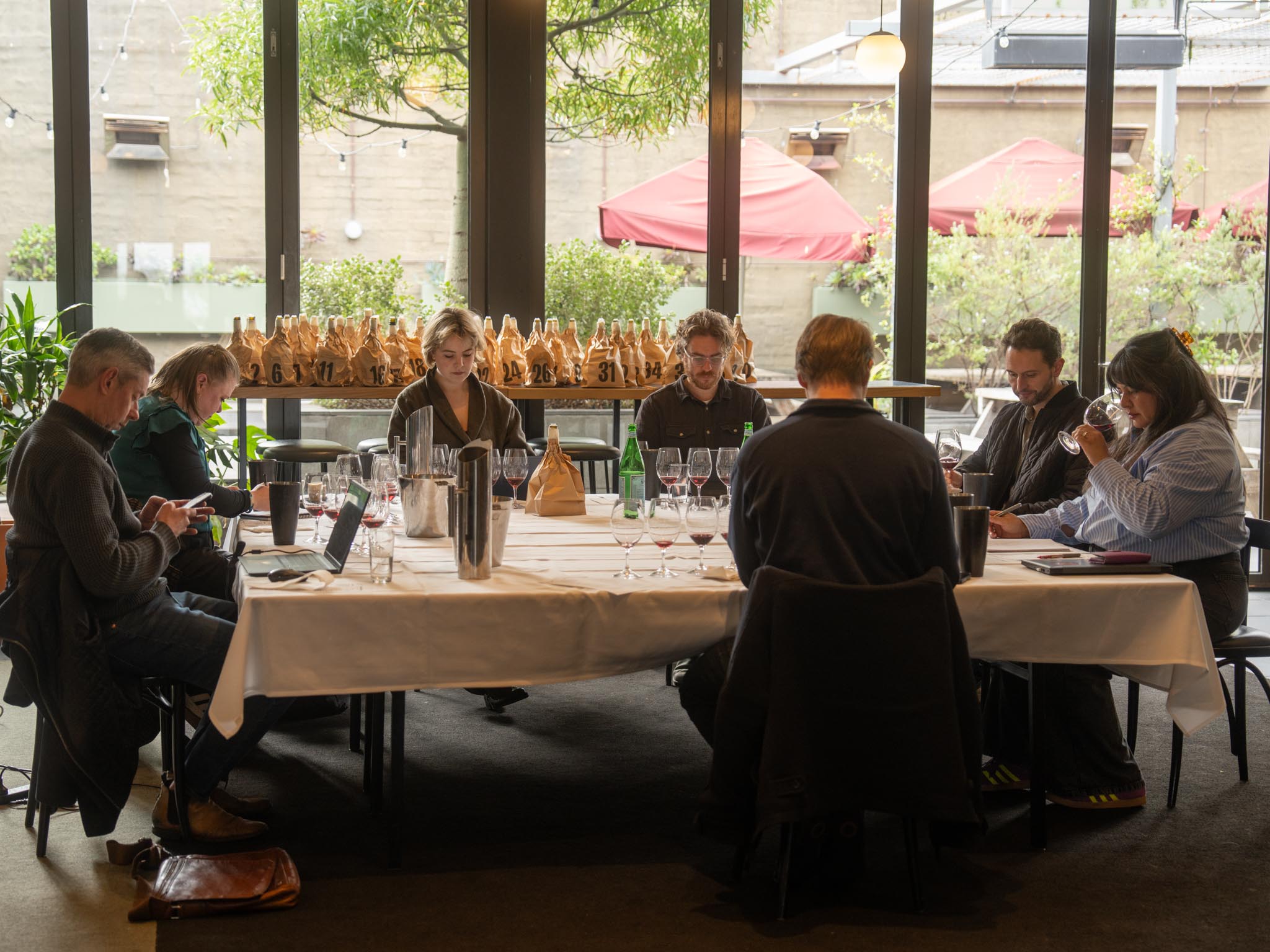
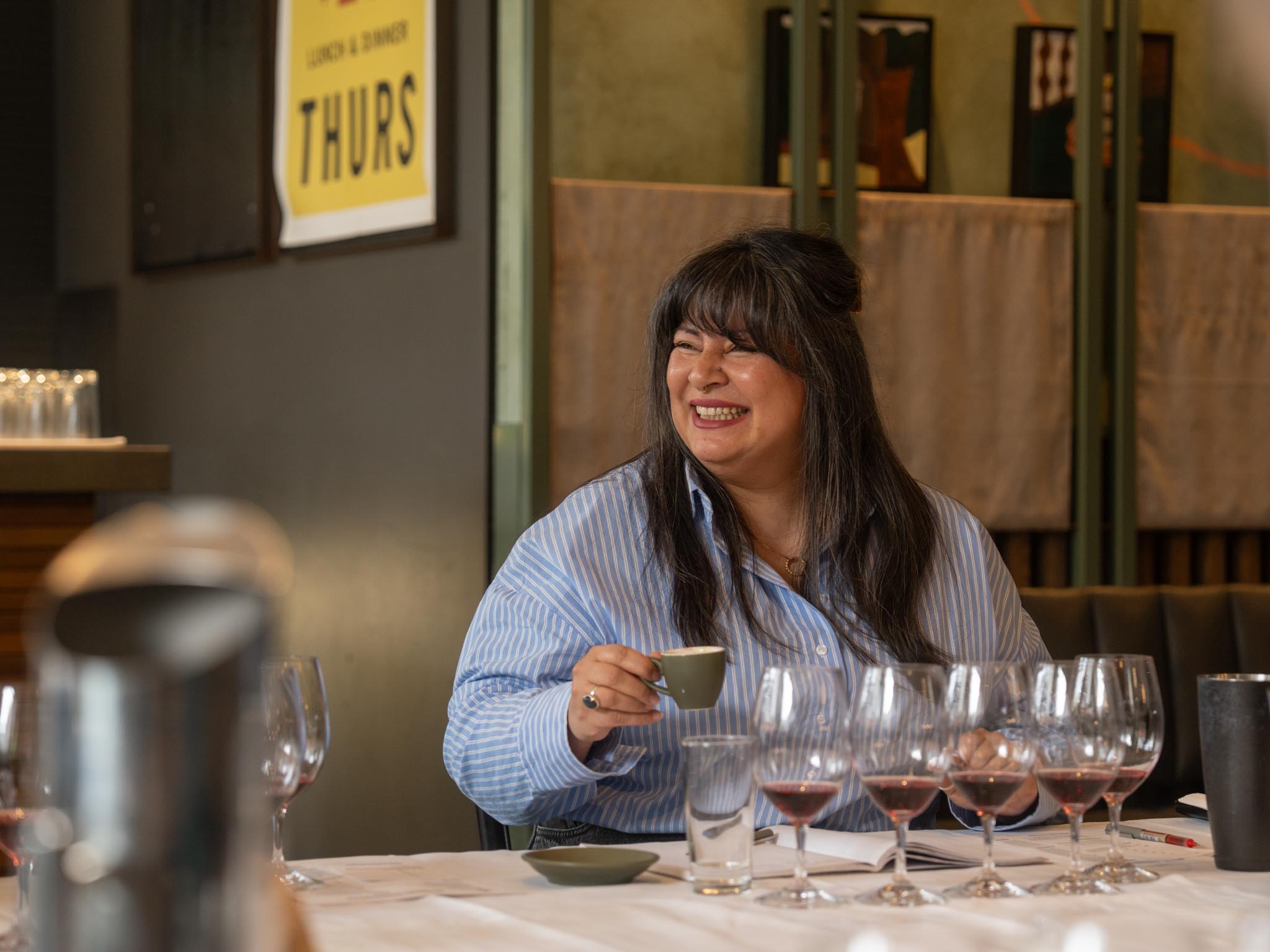
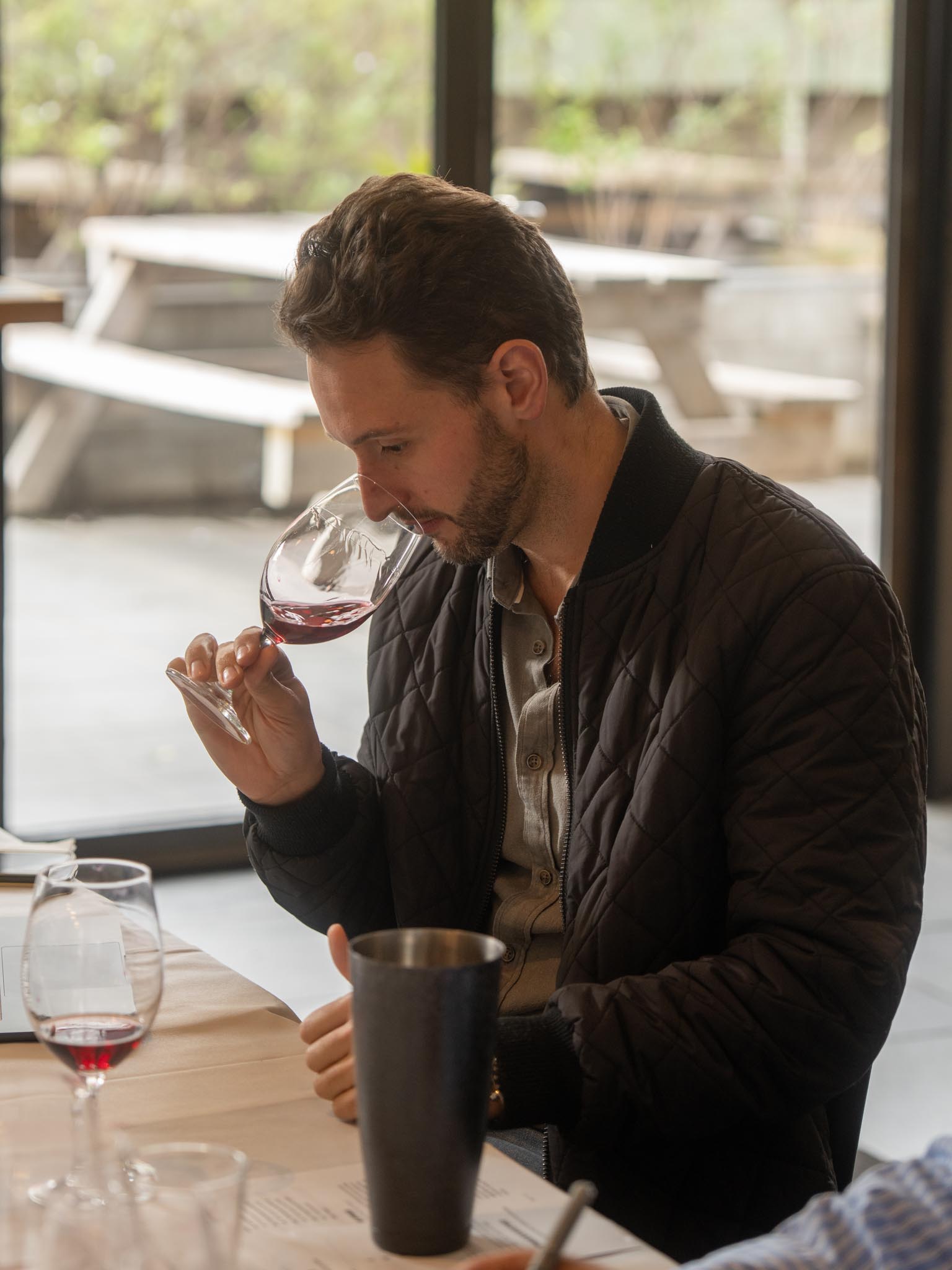
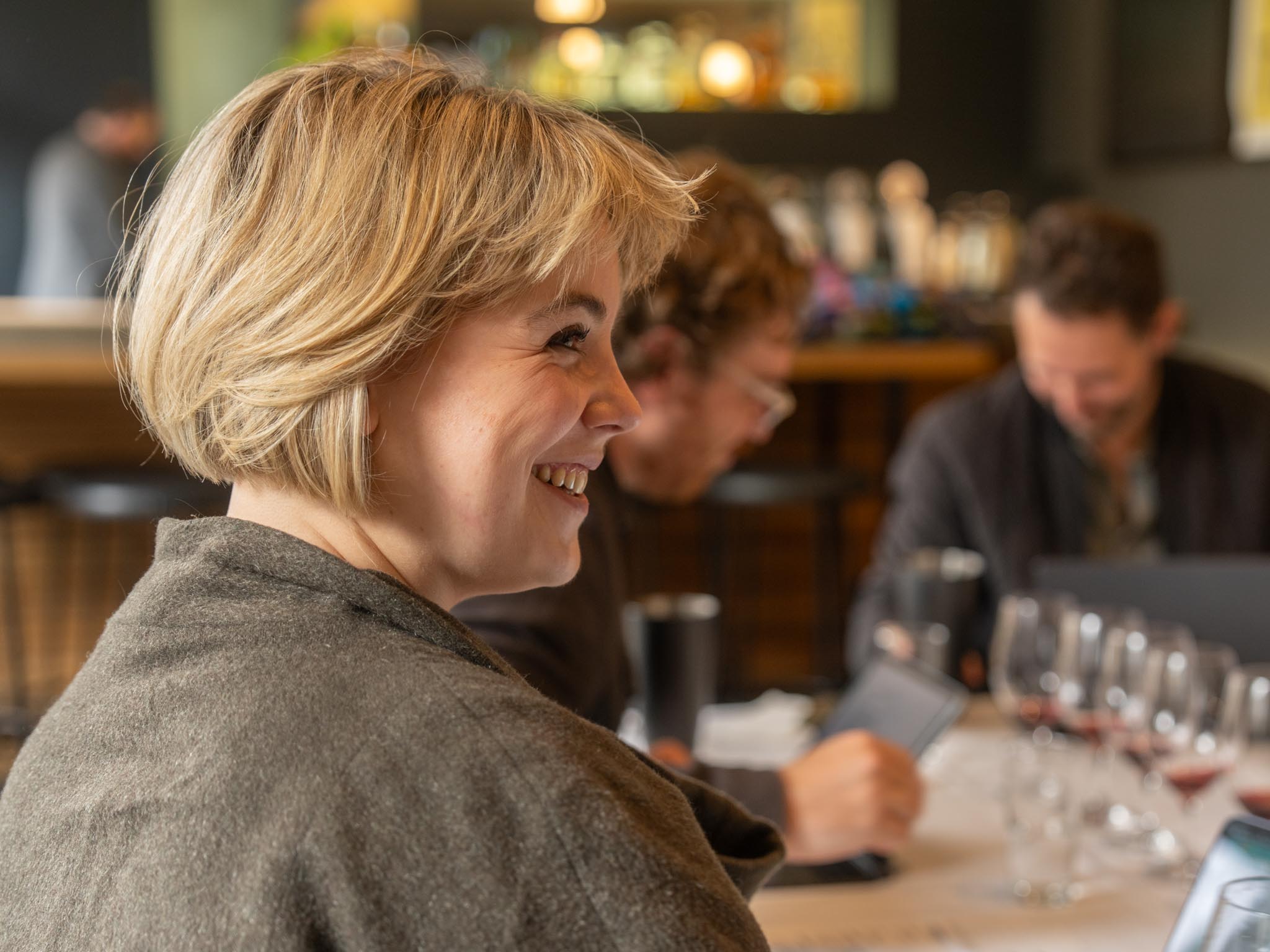
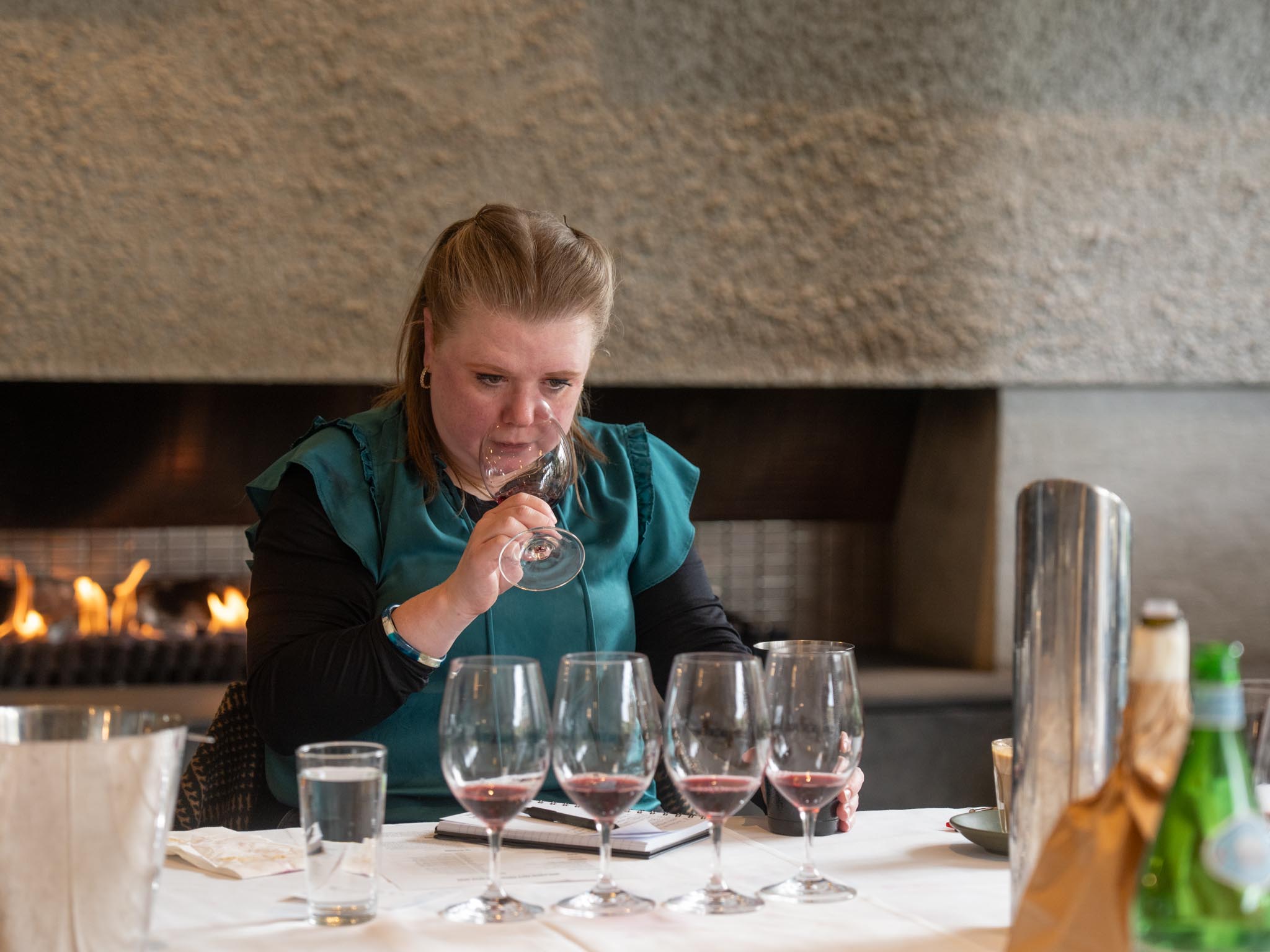
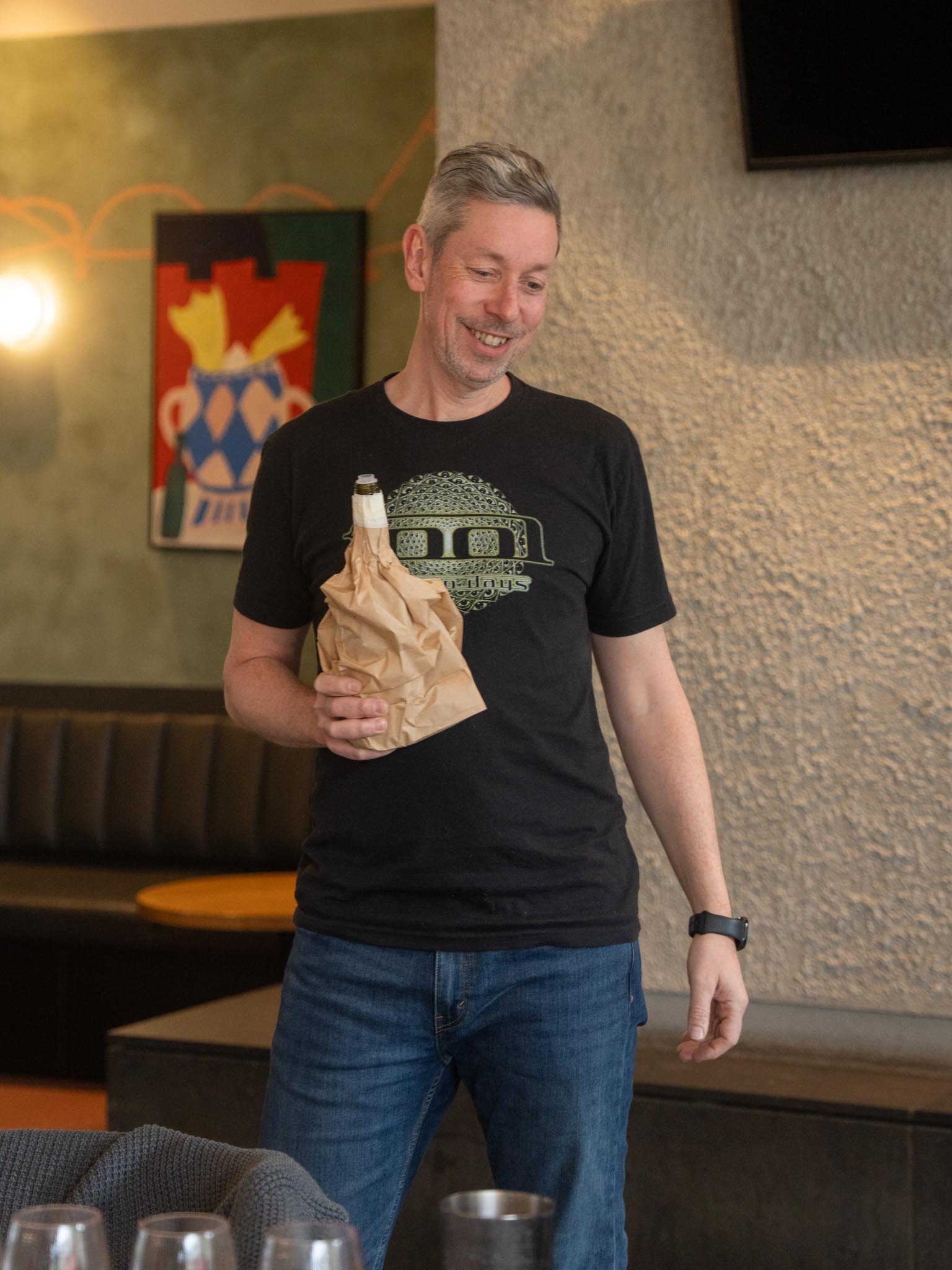
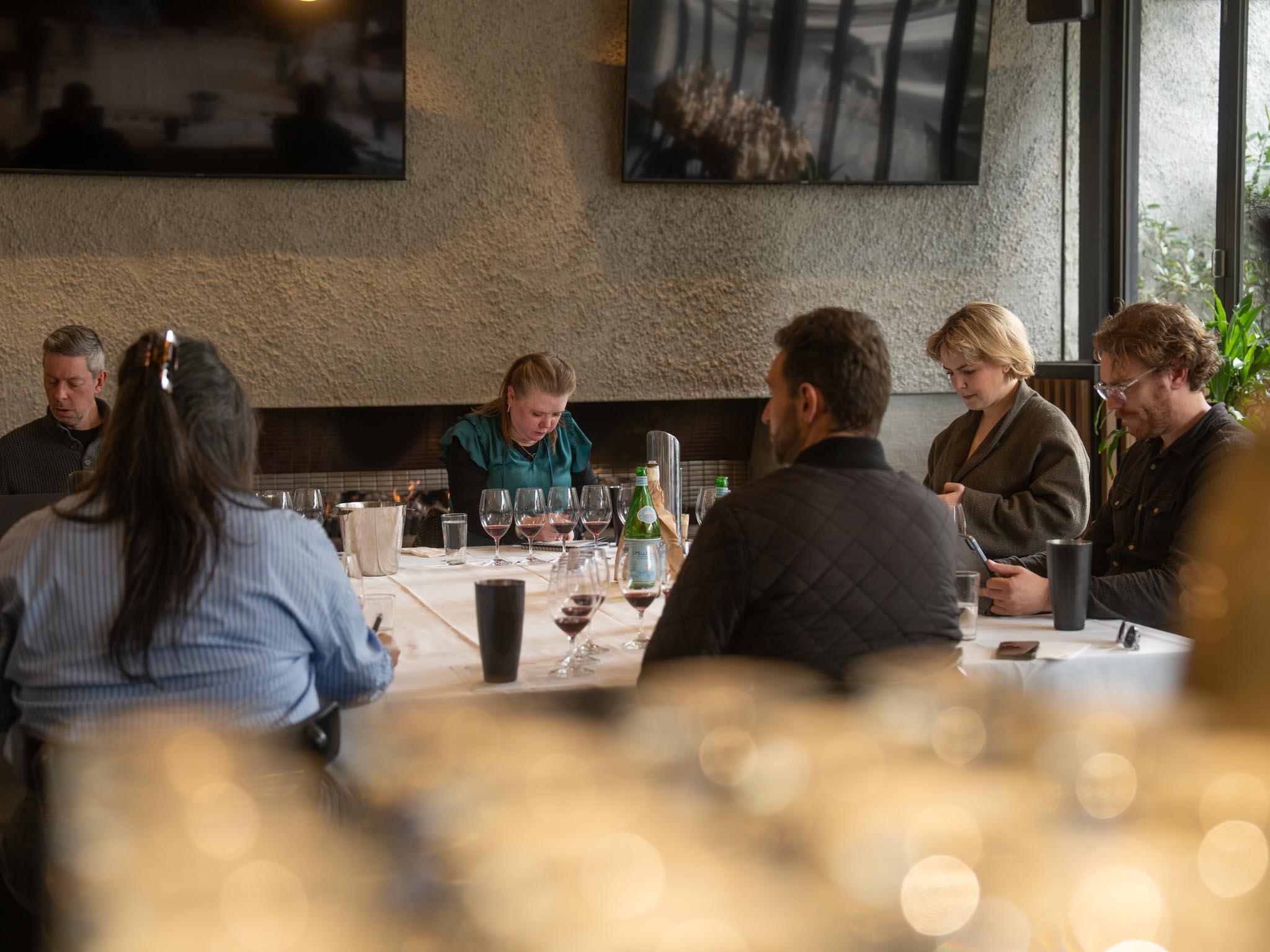
Above: Our tasting panel in session at the Bleakhouse Hotel, Albert Park (Melbourne).
Outtakes from the tasting
We gathered every example of grenache from McLaren Vale that we could find and set our expert panel the task of finding the wines that compelled the most. All wines were tasted blind, and each panellist named their top six wines.
Our panel: Andrew Williams, co-proprietor and winemaker, Pare Wine; Gemma Neil, head sommelier and wine buyer, Geralds Bar; Chris Webb, head sommelier, Cumulus Inc.; Tully Mauritzen DipWSET, freelance sommelier; Noah Ward DipWSET, wine communicator, Bottle Shock; Terina Davies, wine merchant, Seddon Wine Store and Union Wine Store; Tom Robertson, general manager, Alimentaria.
Davies commenced the discussion by noting the strong regional identity that came through the line-up. “McLaren Vale’s really distinct, I think,” she said. “It’s hard to compare it to other grenaches or garnachas from around the world – that was really apparent to me in this tasting.” For her, that unique nature extended through to the question of colour in the glass: “When you look at these wines in the glass, you still don’t have any clue about what it’s going to taste like – something can just look so light in the glass, and then you taste it and it’s super-powerful – it can probably take a little bit of that new oak spice. Which is funny for me, because as a taster you’re always assessing just by looks at the start – it’s such a key component of how we approach wines. But for McLaren Vale grenache suddenly you have to throw that out the window.”
Above: Terina Davies. Opposite: Chris Webb.
Ward agreed, and added that this distinctiveness was supported by quality winemaking in general. “I think the quality level was pretty solid, but you can see the cream rise to the top,” he said. “I think the best wines were clearly the best wines – and then there were some wines on the bottom where it was like, ‘Oh, okay, this is clearly a little bit separated from where everything else is’. But at the top end, these aren’t just the best of the region – they’re also world-class wines.” He added that while the quality of the region’s best was clearly evident, the key challenge in promoting these wines in a global context would be to overcome the general reputation of Australia’s red wines as big, bruising wines with lots of fruit, oak, and alcohol: “The future is probably convincing the rest of the world,” he said. “We need to go, ‘Hey, Australian wine as a whole entire category has been diminished, because you’ve just been burned by the critter wines and ‘cult’ shirazes of the past’. And if they then say, ‘Well, show me what good, contemporary Australian winemaking looks like,’ we should show them this. This is such a unique style, from a variety and a place, and it would be one of the first things that I would show someone in that situation.”
“At the top end, these aren’t just the best of the region – they’re also world-class wines.”
Williams concurred with Ward on the quality of the wines. “Choosing my top six was really tough – I feel bad for the four or five that missed out,” he said. “You were saying earlier, Noah, that it was ‘brutal’ – and I think that’s the ultimate compliment for this category, or this variety and this region. So I was really proud of McLaren Vale. Honestly, I feel like McLaren Vale is leading the charge for grenache. I think there’s some amazing grenache from the Barossa and Eden Valleys, even the Clare Valley – and we know those producers – but I really think that McLaren Vale has a great community momentum and unity, particularly behind the variety of grenache.” He added that he could see subregional themes emerging across the line-up: “There were some wines that I saw consistently that were that lighter strawberry kind of character, which I think comes from the valley floor in McLaren Vale, where it’s a bit hotter,” he said. “Then there were a lot of these beautiful old-vine wines from Blewitt Springs, where you get this dense, darker black cherry note and an amaro character – a Negroni kind of character, orange and pure spice richness. Sometimes with that comes a confusing element of warmth where you might be like, ‘Oh, this is just a bit too ripe’. But, having made wines from these sites for a few years now, I actually think that’s a spice character that can be confused with alcohol warmth.”
Above: Tully Mauritzen. Opposite: Tom Robertson.
Webb likewise saw subregional themes emerge, and argued that this was a sign of the high quality of the lineup in general. “There’s amazing subregional diversity in terms of style,” he said. “And only great varieties, from a great place, create that – where you feel like a wine can only come from this one spot.” He added that the variety seemed tailor-made to the growing conditions of the McLaren Vale. “There’s that bit of coast, so there’s a bit of that maritime influence that the variety likes,” he said. “Warm climates like the ones we have in South Australia are looking for a variety that provides freshness – and grenache, as a variety, provides that intuitively and weirdly, which is amazing. It’s a sunny spot, but there’s still this lovely freshness. So the wines from McLaren Vale, and Blewitt Springs in particular, are pretty singular in terms of where they come from.”
“The pendulum has swung in the right direction. These are wines of place, and the winemaking imprint here is all about shining a light on the vineyard or fruit.”
Robertson was pleasantly surprised by the diversity of winemaking techniques on display in the line-up. “I was a little bit concerned going in that it might have all been tutti-frutti – that light, carbonic, lots of whole-bunch, let’s make this light and fresh, let’s try and make pinot style,” he said. “And yeah, there are examples like that, and those were delicious, but there were not as many of them as I thought there might be.” Reflecting on changes in the way the wines have been made, he added, “The pendulum has swung in the right direction. These are wines of place, and the winemaking imprint here is all about shining a light on the vineyard or fruit and the complexity behind it. I think there were definitely some wines today, that showed more winemaker than terroir – but the terroir was still there. And I think that’s just the general mark now for great wine globally – to make wines from place first, and then you have your winemaker’s thumbprint laid above that.”
Above: Gemma Neil. Opposite: Andrew Williams.
Mauritzen agreed with Robertson, and placed this change of making style in historical perspective. “There’s been a resurgence of respect in the last decade or so for McLaren Vale,” she said. “Up until then, McLaren Vale grenache was – like all grenache in Australia – hard to sell, so people just made it into a style that was akin to shiraz. It was just big and oaky and ballsy and ripe. And it’s not that those weren’t good wines, or they weren’t enjoyable wines for their audience – but they didn’t actually pay respect to how unique McLaren Vale grenache is specifically. So, coming back to what we see now, there’s a real terroir-driven mix of styles – it’s identifiably McLaren Vale grenache, through and through and through. It’s aromatic, and it’s elegant, and it’s got these fine tannins.” She added that, for her, the biggest tell for this shift in winemaking practice is reduced alcohol levels: “I think what’s really notable is a pull-back on alcohol,” she said. “You know, grenache can get really alcoholic, really big, and just kinda flabby. So we’re seeing that there’s a little bit of a pull-back just in favour of aromatics and more structure.”
“McLaren Vale grenache was – like all grenache in Australia – hard to sell, so people just made it into a style that was akin to shiraz. It was just big and oaky and ballsy and ripe. And it’s not that those weren’t good wines, but they didn't actually pay respect to how unique McLaren Vale grenache is specifically.”
Like Williams, Neil saw an amaro character coming through in some of the wines. “There were definitely a couple of flavour notes that kept coming up in the line-up that I found really interesting and didn’t expect,” she said. “Like those amaro notes – that sort of toasted orange oil or orange peel note. They were the wines that definitely captured my interest. Lots of interesting red florals – almost some potpourri. Those are aspects that I don’t necessarily associate with grenache, but I did keep seeing them, which I thought was really interesting.” She added that she thought the region’s shift away from the big, boozy wines of yesteryear towards a more-terroir oriented focus had come about as part of a broader engagement with the wine world. “There are people here who are serious about grenache, with experience in countries that take grenache seriously,” she said. “And you’re definitely seeing that they’re trying to make McLaren Vale grenache look not look like Barossa something, or not look like Barossa grenache even, but also not to emulate international examples. Take Pete Fraser – he fell in love with grenache as a winemaker in La Mancha, and when he came back to Australia from that trip, that’s when he shifted his focus from shiraz. And we’re seeing that approach and that international engagement now in other regions of Australia, too – Dylan Grigg spent time in Priorat, and the Alkina ‘Polygon’ grenache project works with Pedro Parra. We’re not looking to emulate other wines, but using international knowledge and experience to better express our own regions’ unique sense of place through this variety.”
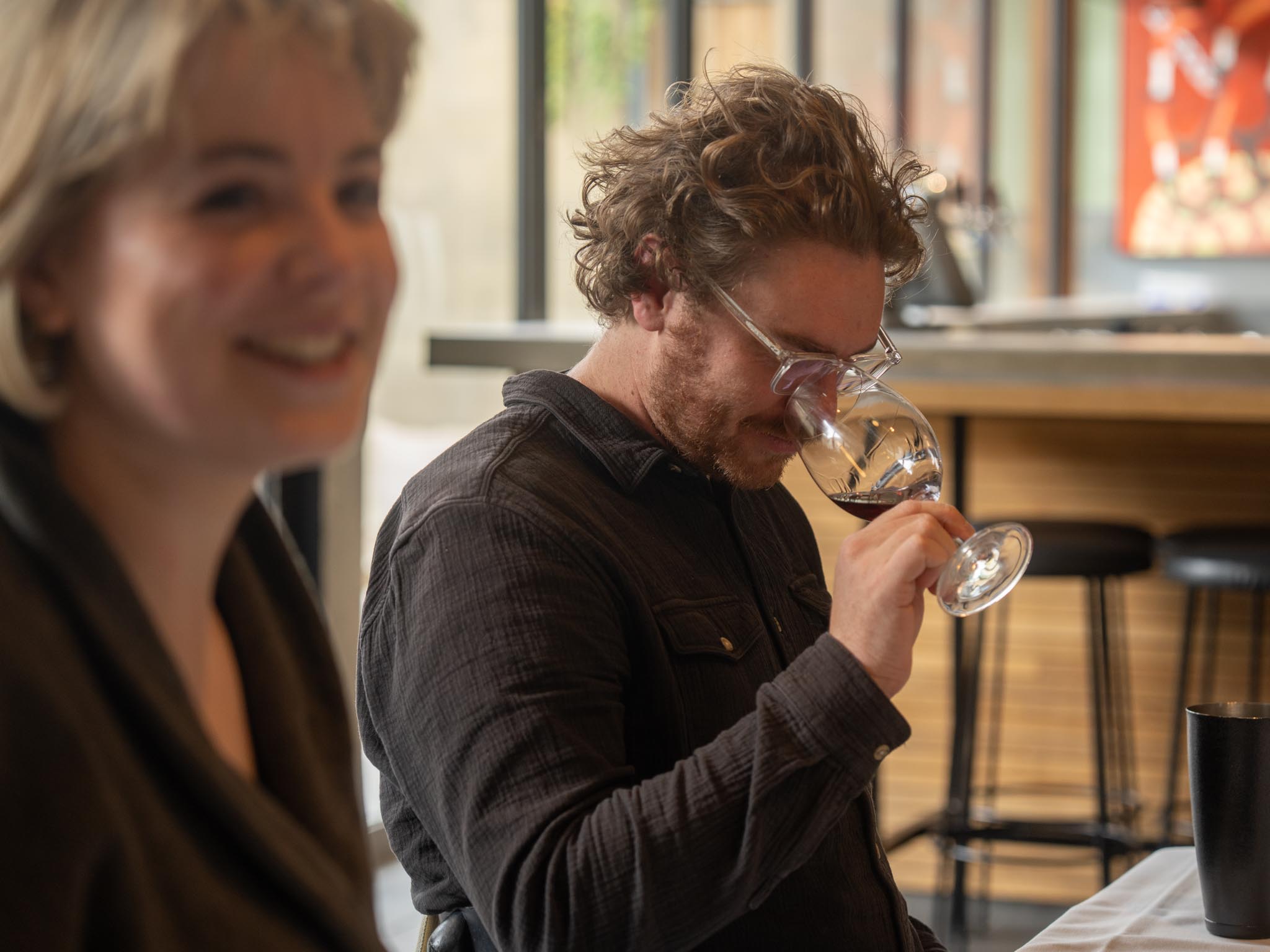
Above: Noah Ward. Opposite: Our Deep Dive panel tasting in full swing at the Bleakhouse Hotel, Albert Park (Melbourne). All wines tasted ‘blind’.
The panel
Andrew Williams has spent twenty-five years in the wine industry, including stints at restaurants and cellar doors, as well as in winery marketing, wine distribution, and winemaking, for a diverse roster of employers including Pertaringa, Coriole, K1 Wines, and O’Leary Walker. For the past eighteen years he has worked as an agent and wholesale distributor in the Adelaide market for a number of boutique, quality-focused wineries including Coulter, CRFT, Commune of Buttons, Piccadilly Vineyards, and Varney. He started Pare Wines, a collaboration with fellow winemaker Ansel Ashby, in 2022, with a focus on single-site expressions of Chardonnay from the Adelaide Hills and Grenache from Blewitt Springs in McLaren Vale – a project that aims to highlight variety, vintage and site through detailed and delicious wines. He possesses a diploma in wine marketing from the University of Adelaide and a Wine & Spirits Education Trust (WSET) Level 3 Award in Wines (with distinction). When not working in wine you’ll find him spending with his wife and two daughters or cycling through the Adelaide Hills.
Gemma Neil is the head sommelier and wine buyer for Geralds Bar in Carlton, Melbourne, as well as the manager of its fine-dining room, The Parlour. Originally from Canberra, she relocated to Melbourne in 2007 and began her hospitality journey at The Italian, where an early interest in wine saw her step into a junior sommelier role. Following further wine study, including Wine and Spirits Education Trust (WSET) Level 2 and 3 qualifications, she joined the team at Ezard in 2013. Over five years, she progressed into restaurant management while continuing to deepen her wine knowledge, commencing the WSET Diploma in 2017. In 2019, she helped open Lagoon Dining in Carlton, and in 2023 she became the head sommelier and wine buyer for Melbourne institutions Coda and Tonka. She commenced at Geralds Bar in late 2025, assisting the team in moving to its new, much larger venue and setting up its fine-dining room, The Parlour. In this role she balances both wine leadership and team management, bringing a thoughtful, inclusive approach to hospitality and list-building.
Chris Webb grew up on his family’s vineyard – Camerons Estate, near Bacchus Marsh – but his passion for wine really kickstarted when he joined the floor team at Flinders Lane institution Cumulus Inc. in 2018. By October of that year he had been promoted to junior sommelier, since then he has worked through the ranks to become the venue’s head sommelier in 2022. He possesses a Level 3 Award in Wines from the Wine & Spirit Education Trust (WSET) and Advanced Sommelier certification from the Court of Master Sommeliers (CMS) He has a strong passion for riesling, which he considers one of the most site-driven and versatile Vitis vinifera varieties in the world.
Tully Mauritzen DipWSET is a freelance wine professional who developed a love for wine through her time in hospitality. Since then, she has worked her way through sales and buying roles while undertaking the Wine & Spirit Education Trust (WSET) Level 4 Diploma in Wines and Spirits, and is now chasing her passion for Australian wine through harvest and winemaking experience. She is an enthusiastic advocate for Australian wines, and has a passion for communicating the quality and value of these wines on an international scale.
Noah Ward DipWSET joined Unico Zelo in 2017, when they first opened their cellar door in Gumeracha. Since then, he’s worked in pretty much every aspect of the business – at the cellar door, in the winery, on social media, and in marketing and sales. He now looks after global distribution of Unico Zelo’s wines, alongside a burgeoning portfolio of imports – in addition to being one of the hosts of Bottle Shock, Unico Zelo’s YouTube channel dedicated to wine education. He completed his Wine & Spirit Education Trust (WSET) Level 4 Diploma in Wines and Spirits in 2025.
Terina Davies grew up in Gippsland surrounded by vineyards, sparking an early fascination with expressive wine. After completing a Bachelor of Business at RMIT, she spent formative years with the European Group before travelling and working vintages at Gaja and Taittinger, and in the dining room at Paris’s L’Arpège. Back home, Terina has held roles across top venues including Vue de Monde and wineries on the Mornington Peninsula. Now based in Melbourne, she combines her love of wine with inclusive hospitality, working at Seddon and Union Wine Stores, teaching people with disabilities, and studying for her Wine & Spirits Education Trust (WSET) Level 4 Diploma in Wines.
Tom Robertson is the general manager of Alimentaria, the wine importation and wholesale branch of Spanish restaurant group MoVida. Prior to this role, he worked for over seven years as a wine importer, key accounts manager, and Wine & Spirits Education Trust (WSET) educator for Samuel Smith & Sons/Negociants Australia. He cut his teeth in wine as a sommelier at Sydney venues Bennelong Restaurant (at the Sydney Opera House) and Intermezzo Ristorante (at the GPO Grand precinct).
GET FIRST ACCESS TO THE NEXT WINE ICONS – DELIVERED
Pinot noir currently rules the roost when it comes to red wine varieties in the Yarra Valley – but the region earned its reputation with cabernet sauvignon and cabernet-based blends modelled after the wines of Bordeaux. With a small but dedicated band of producers keeping the flame of cabernets alive and well in the Yarra – and warmer vintages making these varieties more climate-apt than ever before – is it time for Australian wine drinkers to rediscover the virtues of one of our most under-appreciated regional styles? We felt that a Deep Dive was in order to find out.
For a wine that’s supposed to be all about easy-going fun, prosecco can be a seriously divisive topic – upsetting snobs, alienating sommeliers, and becoming the source of a bitter trade dispute between Australia and Italy. Despite these controversies, Australian prosecco is currently thriving – and with retail shelves groaning under the weight of so many options, we felt a Deep Dive into the subject was in order.
Three years after our inaugural Deep Dive into chenin blanc, it’s an apt time to again cast our eyes across the Australian chenin blanc landscape. With a new wave of Australian producers dedicated to elevating the grape, a Deep Dive was called for, so we gathered as many bottlings as we could find and enlisted the help of eight of this country’s finest palates to check in to see just where Australian chenin blanc is at.
Subscribe to our newsletter
Young Gun of Wine is your shortcut to cutting edge wines, the places to go, and the people behind it all.
Subscribe to be amongst the first to know of our latest discoveries in wine.
We'll bring you the inside running from the growers, the makers, the wholesalers, the retailers and the sommeliers, too.