Australia’s Best Cabernet Franc
Cabernet Franc can be rarefied, but it is typically accessible, both in style and cost, and the engaging variety of expressions that are now appearing on top wineslingers shelves is deserving of our attention.
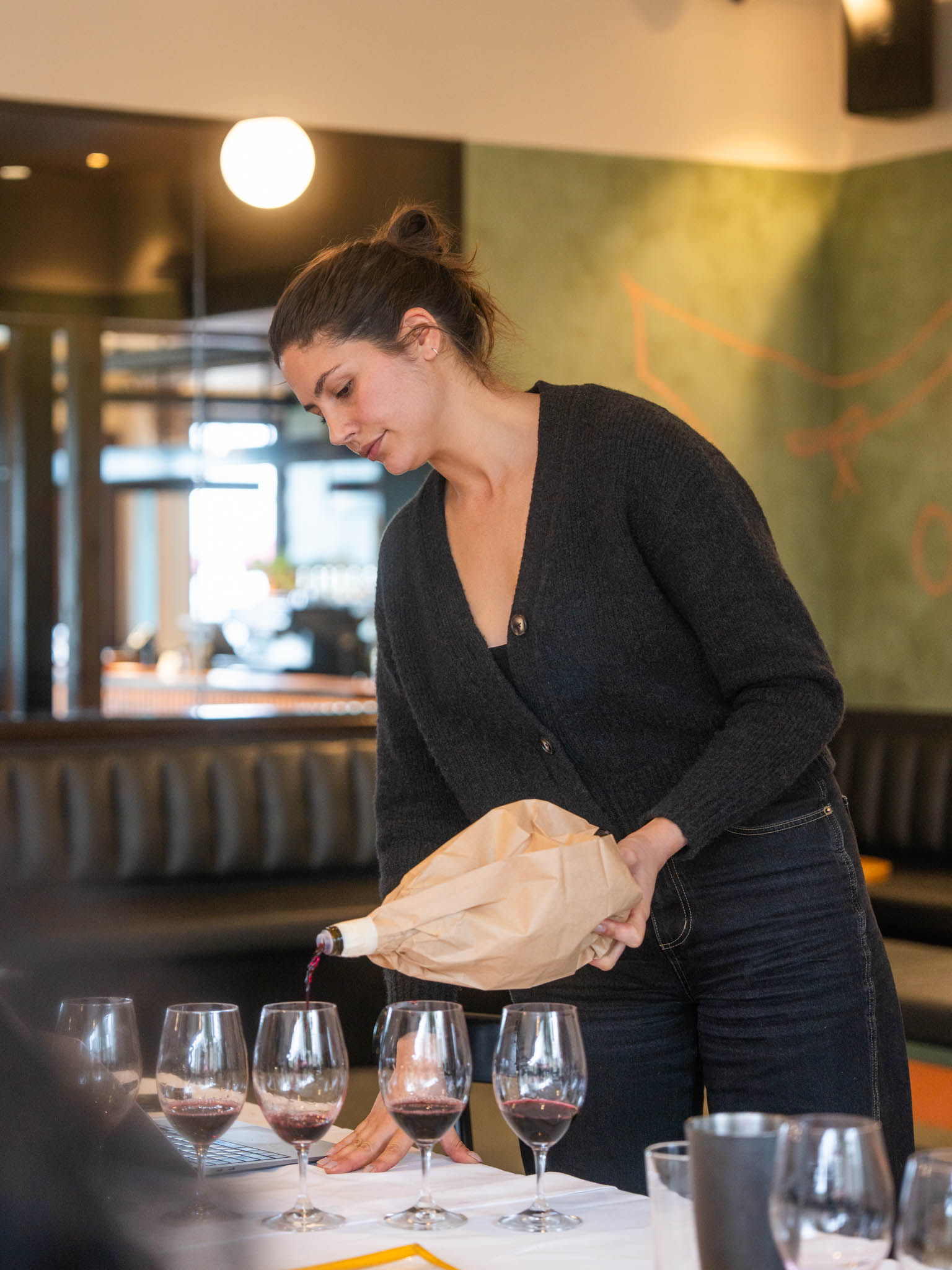
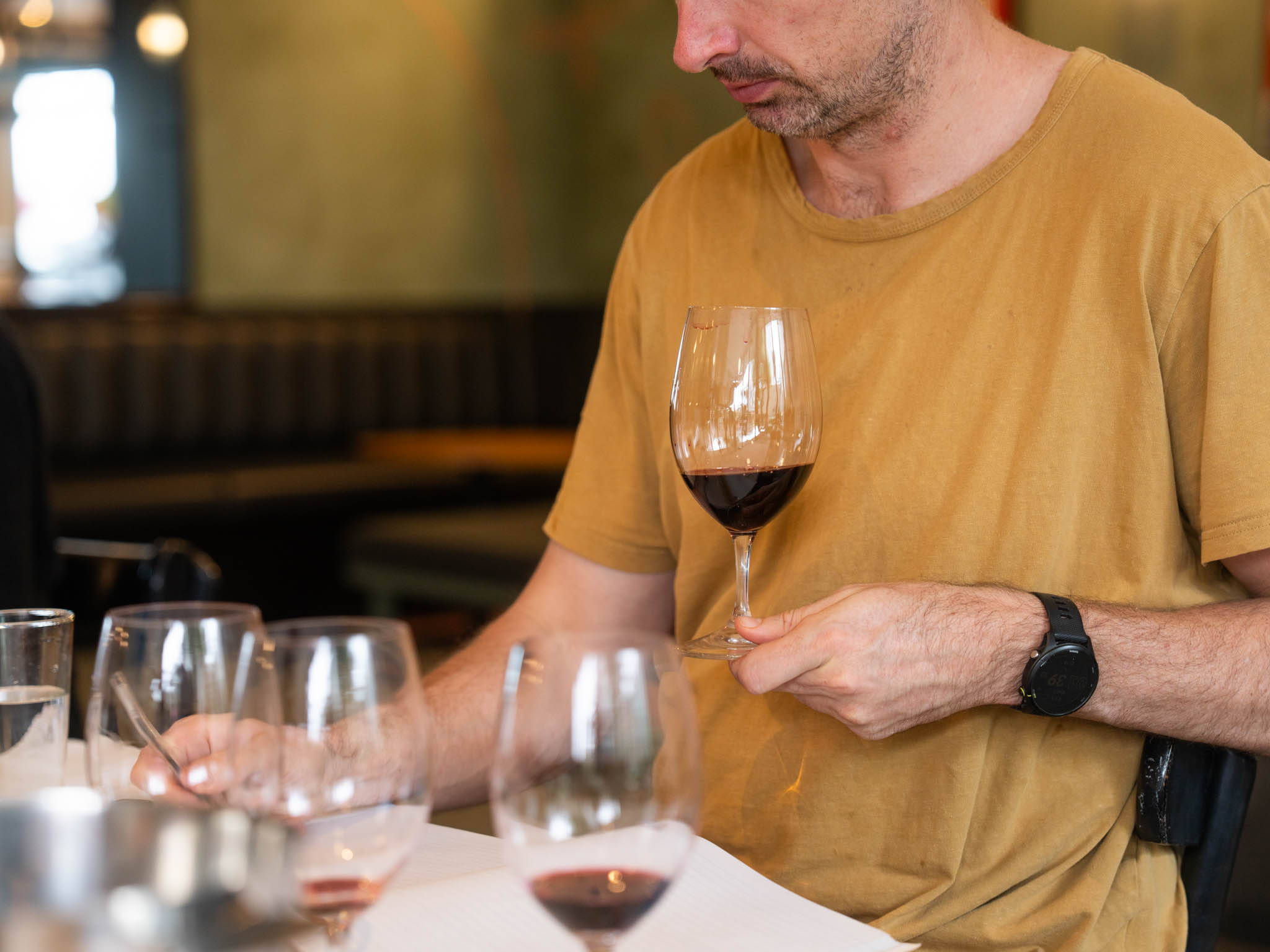
We gathered every example of cabernets from Margaret River that we could find – that is, either varietally labelled cabernet sauvignon, varietally labelled cabernet franc, or blended wines made from the traditional suite of Bordelaise varieties – and set our expert panel the task of finding the wines that compelled the most. All wines were tasted blind, and each panellist named their top six wines. Below are the wines that made the panellists’ top-six selections from the tasting.
Our panel: Sarah Pidgeon, winemaker, Wynns Coonawarra; Evan Heisz, wine consultant, MW Wines; Morgane Pavri-Rieme, winemaker, Mac Forbes Wine; Brendan Cannon, sommelier, Carlton Wine Room; Jenny Polack, wine educator, Bacchus Wine Academy; Charlie Redmond, wine merchant, Seddon Wine Store.
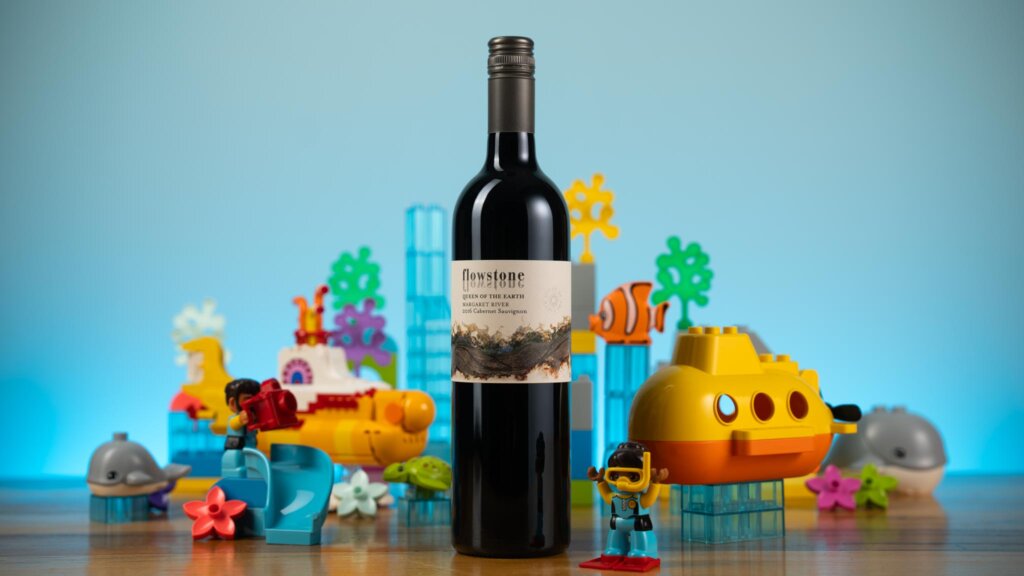
Evan Heisz, Charlie Redmond, and Brendan Cannon selected this among their standout six wines of the day. “This one is a brute!” Heisz exclaimed. “Classic Margaret River style on the nose – all berry bushes and stems, underbrush with tea tree oil and eucalyptus scents scattered about. This has to be one of the most densely packed wines in the lineup. It’s big and brooding but with freshness in tow bringing it all together. A little coiled up at the moment – a cabernet with time to wait – but absolutely a sleeper. This would right at home on the table with a grilled rib-eye, putting those wonderful tannins to good work. Like most good things, this will need some patience – but it will reward you for it.” Redmond, observing a wine balancing multiple tensions: “Managing the balance of region, variety and identity all while keeping a wine fun, easy and unique is a marvel of winemaking. The rich tannins and spices, lovely hits of eucalyptus, high acidity, deep blackcurrants and a strong structure are all classic tells of good old Aussie cabernet in your grandfather’s cellar and this wine has plenty of it, but I don’t feel like I’m drinking something that’s conventional or potentially dated which the style can unfortunately be associated with. There is a playful and fun vibrancy to the fruit of this wine, like it’s the most mature box of Ribena I have ever had. I love the herbaceous lift, its eucalyptus and pine needles, its undoubtably cabernet and undoubtably unique. I don’t think this is a super complex wine or a wine that needs to be aged, I even think the alcohol is a little high, but I do think it’s a wine full of character that is interesting and unique with a real personality. Margaret River cabernets are serious wines with pedigree and expectation, so it’s great to see a wine manage to do that while still being down-to-earth.” Cannon assessed: “Underripe plums and a whisper of green capsicum on the nose. These notes follow to the palate, where some crushed-granite mineral tones also appear. There’s so much coiled ripeness, fine-boned tannins and measured acidity here – I suspect this wine will mature very handsomely.”
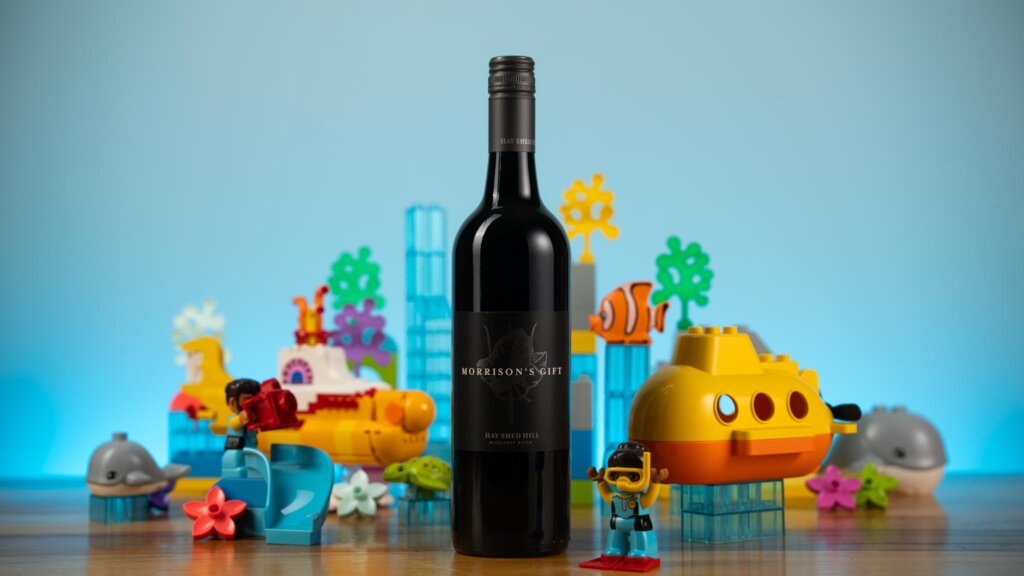
Morgane Pavri-Rieme selected this among her top six wines of the day. “A wine that one could, by all standards, call ‘pretty’,” she noted. “On the nose, there’s a graphite/pencil shaving thing going on, followed by cherry and cranberry. A dusting of orange zest mixed with vanillin (from subtle oak) calls sarsaparilla to mind. The tannin and acid have this wine tightly wound – it changes so much between every taste. It feels like the picking window on this was bang-on – the wine is in such great balance that it’s really hard to resist going back to it and peeling back another layer of what it has to offer. All I want with this is duck – a classic preparation such as à l’orange would work a treat, but I wouldn’t shy away from an Asian-style lacquered iteration either. A great ode to great cabernets, and Margaret River showing off once again why it’s one of the best places in the world for these varieties.”
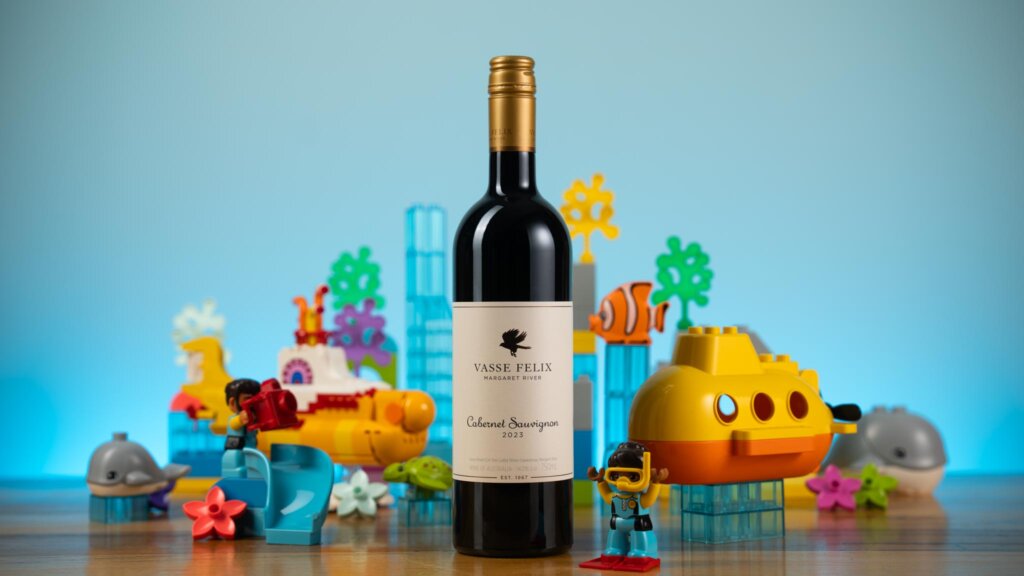
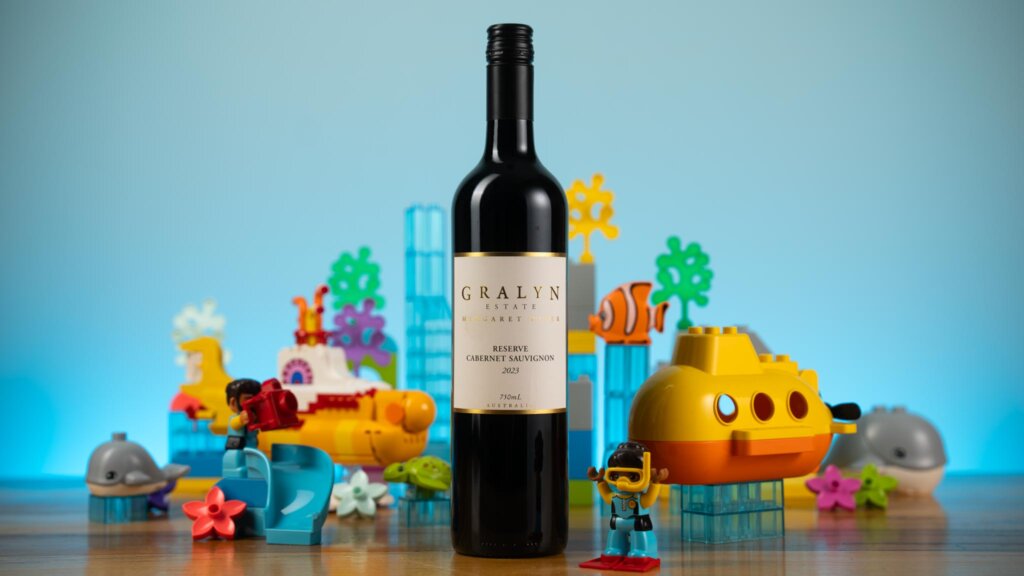
Morgane Pavri-Rieme and Brendan Cannon included this in their top six wines of the blind tasting lineup. “While this shows off a deep ruby hue, it starts off coy – but a little air and persistence reveal quite a singular wine,” Pavri-Rieme began. “The nose is initially dominated by a meaty animale note, which soon blows off and reveals blood plum and sweet tobacco. The aromatics are heady – what I imagine an opium den straight out of Flowers of Shanghai to smell like, in the best way possible. Pure hedonism! The density of the darker fruit profile on the palate is supported by silty tannins, and the acidity plays an important supporting role in keeping it lifted. A wine to be drunk whilst sitting in a Chesterfield by the fireplace, with feet up – a cigar wouldn’t go amiss, either.” Cannon observed: “A compelling case for simplicity and celebrating the strengths of the cabernets family of varieties – body, energy and big fruit presence. There’s a broad and comforting middle palate of fruit weight sitting under a measured dose of acidity and a snappy tannic finish – not a hair out of place!”
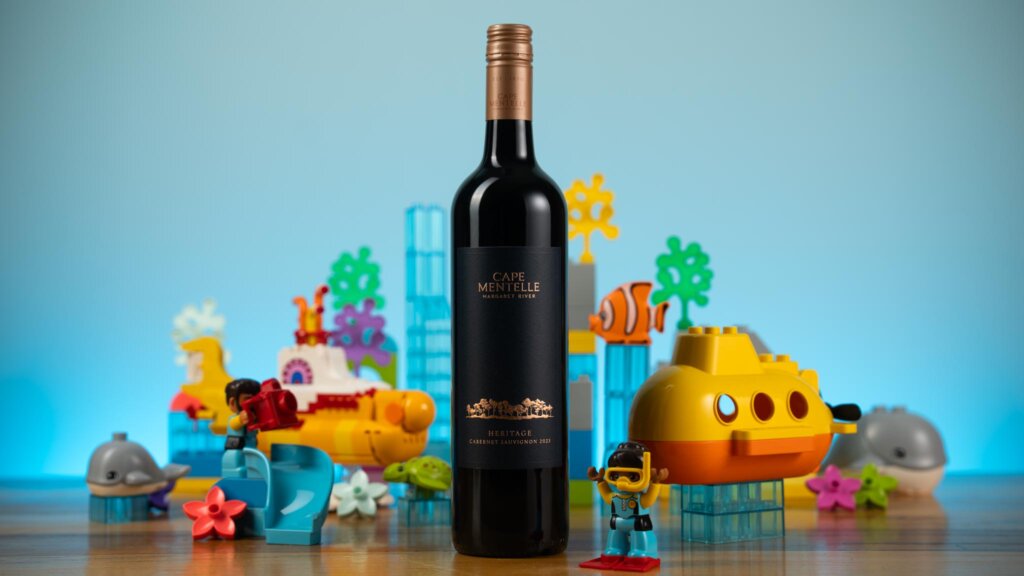
Sarah Pidgeon chose this wine for her top six wines in the blind tasting. “Light garnet in colour, showing the first signs of evolution while retaining impressive vitality,” she opened. “Charry notes give way to magnolia, crushed rose, leather and cedar as the wine opens in the glass. The palate is savoury and composed, with velvety, chamois-like tannins providing a supple texture. Succulent acidity drives the wine and keeps it focused, while a subtle sweetness from the oak emerges on the finish. There is an appealing sense of maturity, yet the wine remains vibrant and energetic. Quietly powerful, it combines freshness, complexity and persistence in a seamless, elegant style.”

Brendan Cannon picked this wine as part of his top six selections in the blind tasting. “This wine calls for food!” he declared. “On top of its aromas and flavours of wild strawberries, there’s a finely tuned dimension of turned red earth and a parsley-like herbaceous note reminiscent of Italian gremolata. There’s a grand feel of body and weight to this wine that will make it look right at home next to roast lamb, grilled eggplant, or anything cosy and rich. It boasts a balance of power and presence against freshness and energy – a quality that makes the best Margaret River cabernets so distinctive.”
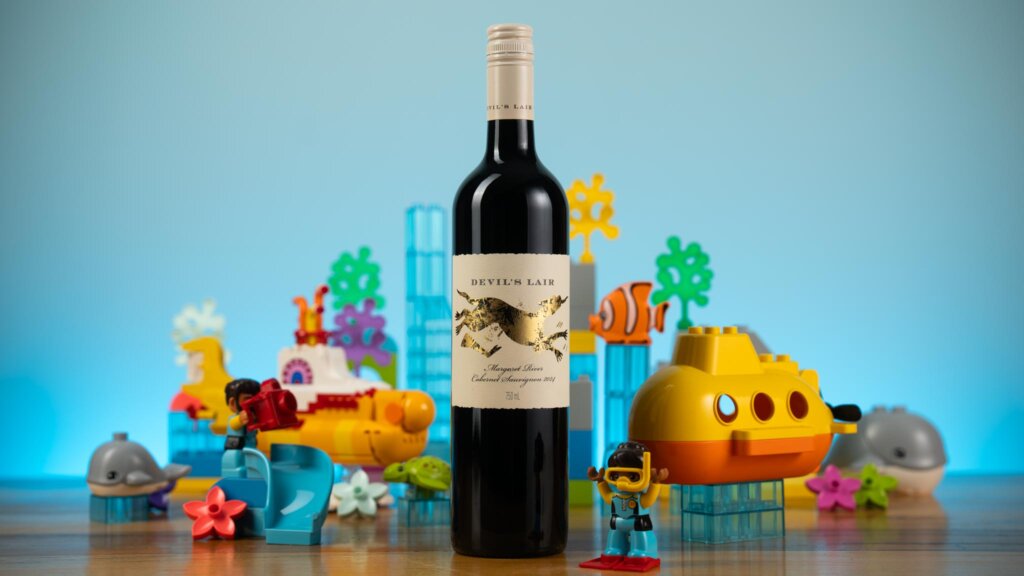
Jenny Polack and Morgane Pavri-Rieme picked this as one of their top six wines of the day. “Such a beautiful baby of a wine, showing so much promise,” Polack enthused. “Heaps of black fruits jump out of the glass – blackberries, blackcurrants and black cherries. This is a riper style, with fantastic structure – fine-grained tannins with medium grip and balanced acidity. Those darker berry fruit notes shine out on the palate, alongside a touch of red plums and chocolate. This is drinking beautifully now but it will only gain in complexity with some cellar time.” Pavri-Rieme observed: “Structure reigns supreme here – but the fruit, even its supporting role, is singing loudly. It still has a lot to give with time, but this wine is all about presence, and it’s hard to ignore: cherry, spice, and everything nice. A touch of blackcurrant darkens the fruit profile, and a welcome green tone on the edges tying it all together. It already has so much presence, but I’d love to see it in 5 – 10 years, curious to see how it might grow into itself. Pleasant, front palate dominant pucker. A wine for therapeutic slow cooking, both you and the wine unwinding.”
Charlie Redmond named this among his standout six selections from the blind tasting. “When you get your hands on an example of Margaret River cabernets that has been set aside to mature properly you should be very happy with yourself indeed. Showing a rich garnet core with some slight orange flecks towards the rim of the glass, this has a defined nose of dried figs, quince paste, potpourri florals, orange essence, and sweet baking spices, followed by rosemary, thyme, and bay leaf. The taste is pleasantly surprising – rich and densely packed with juicy figs, dried blackcurrant, cacao nibs, cedar wood, molasses, and a savoury finish reminiscent of cured kangaroo meat. The wine’s tannins are still present, but time has resolved them well and they’re sitting broad and silky. What a treat – this is in the perfect drinking window and all elements are singing in harmony right now. A great example of why more wine producers should have a museum-release program – we get to see their hard work and patience expressed in a bottle. Best enjoyed with duck breast and roasted potatoes cooked in too much oil.”
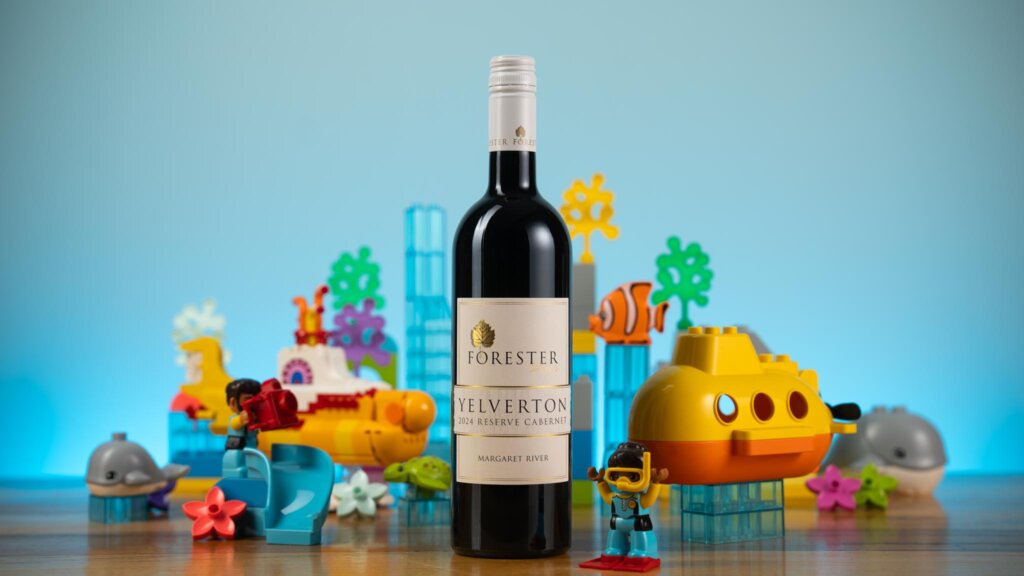
Sarah Pidgeon and Jenny Polack named this wine among their top six picks from the tasting. “Light crimson in colour with an understated yet captivating aromatic profile,” Pidgeon opened. “Leafy notes are present but beautifully controlled, sitting alongside brambly blackberry, wild herbs, mint and rosemary. The palate is finely drawn and sinewy, emphasising line, tension and length over power or richness. Despite its relatively light frame, there is a quiet concentration at its core that suggests considerable potential for future development. Fresh acidity and finely integrated tannins provide shape and persistence. The wine feels tightly coiled rather than fully expressive at this stage, offering a deceptive lightness that masks impressive depth and structure beneath.” Polack added: “Another well-made wine, showing notes of classic ripe blackcurrants and blackberries – both fresh and lightly cooked – with some herbal notes behind. Fine-grained tannins with bright, lively acidity will see this wine keep its vitality for at least five years in the cellar – but if you don’t have the patience for ageing, it’s drinking beautifully now.”

Evan Heisz included this among his standout six wines from the day. “A darker and denser side of cabernets, with so much going on aromatically,” he said. “Tea (green and black), bramble and earth, blackberries in all forms. Despite the density and earthiness the wine is so bright and still remains fresh. This wine has such agreeability and pull. The texture is soft but grippy, lingering on for so long – this wine has been made for the long haul while retaining its earlier drinkability along the way.”
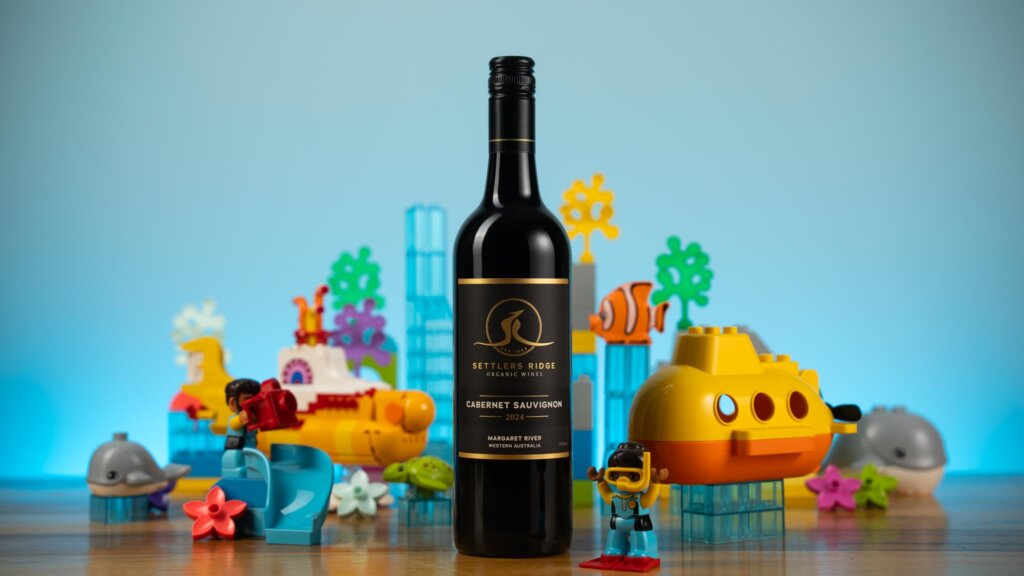
Evan Heisz and Charlie Redmond selected this among their top six wines in the tasting lineup. Heisz: “Youthfulness and freshness play the biggest role in this wine, a testament to just how early-drinking and vibrant cabernets can be in the right hands. The fresh fruit character is framed by that classic cabernet greenness that reminds us that we are in Australia here. The crisp raspberry and just ripe blackberry scents work well together and play with the beautifully rounded structure of the wine, a testament to the stylish winemaking. When I revisited this wine at the end of the tasting, it was hard to keep my nose out of the glass – it’s the kind of wine that just pulls me back in over and over again.” Redmond: “‘Clear’ and ‘clean’ are two words that perfectly describe this wine. Fruit notes of black cherries and blackberries explode from the glass, followed by wet stones and a mineral edge that back up the fruit, alongside vegetal characters of raw sweet potato and fennel bulb. All of these flavours work together to show a fresher, cleaner and more playful – yet elegant – expression of Margaret River cabernets. What really captivates me is this little twinkle of orange peel and amaro-like spice that flows through the top of the aromatics, and the detail in each of the attributes of the wine – it feels like a complete picture. The winemaker has managed the tannins well – they’re a present and defined attribute of the structure, but don’t take away from the easy flow of the wine. Likewise, the use of oak to work in some spice is noticeable, but it doesn’t wash away the subtleties here – a refreshing approach. Drink this at the park with your friends – or sample it at home and appreciate its complexities.”

Jenny Polack included this in her top six wines in the tasting. “I love the finesse of this wine! Full of minty, leafy and Provence-style herbal notes with bramble and blackberry sitting behind. The tannins are fine, firm and only lightly grippy – perfectly balancing the mainly savoury flavours on the palate. A classic medium-bodied style with soft acidity on the finish – this would make a great lunch wine alongside rillettes and roasted veggies.”
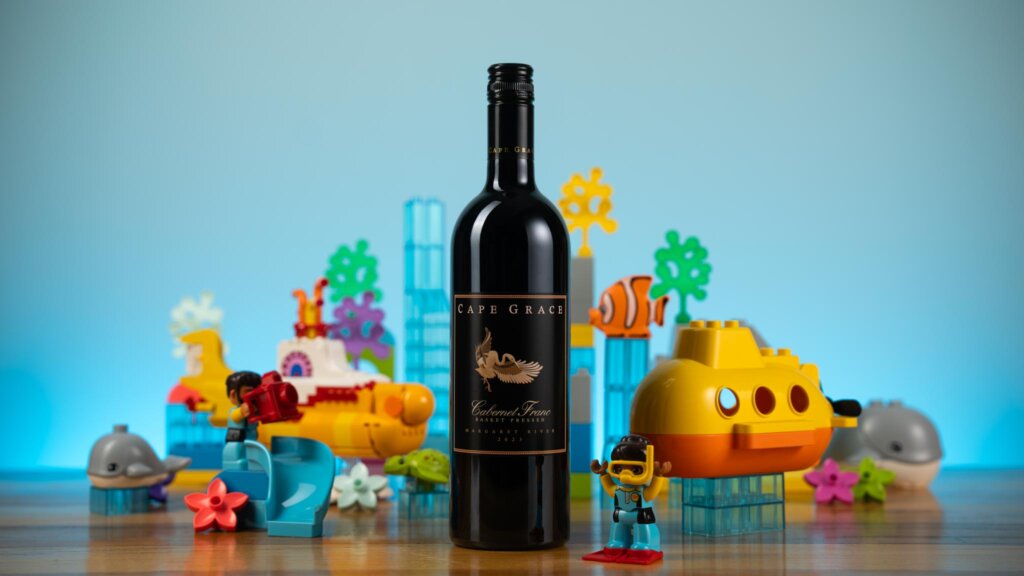
Morgane Pavri-Rieme and Jenny Polack included this among their standout six wines of the day. “A dark horse, shy on the nose and palate to start,” Pavri-Rieme noted. “It slowly unfurls itself to reveal a complex matrix of ripe brambles, cranberry, and anise, with delicate oak spice lifting the back-palate. The undulating acidity keeps you reaching for more, the tannins sitting pretty on the sides of your mouth. The nose evolves into something far more inviting than initially presented – I’m a sucker for pastis, so anything that has a hint of aniseed ensnares me instantly. If you happen to have a little wheel of Corsican Fleur du Maquis cheese lying around, this would make a wicked pairing.” Polack concurred: “A super-complex, complete wine. A perfumed nose with violets, black and red currants with mint and thyme behind. High-quality oak sits behind the brilliant fruit, making for a really pretty wine with a great underlying structure. Maybe the tannins are a touch grippy at present, but these will resolve with time. Tasting this wine is like watching a talented young gymnast – they’re very good now, but you know that in ten years’ time they will be doing great things!”
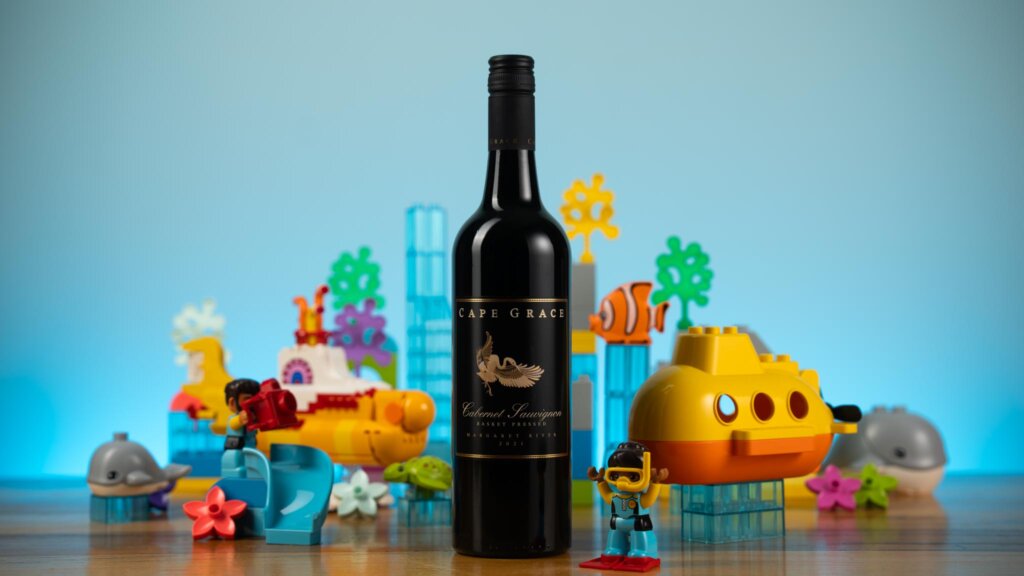
Brendan Cannon picked this as one of his top six wines from the blind tasting. “There are elements in this wine that will delight the analytical drinker – as well as anyone else lucky enough to be around when a bottle is opened. There’s cranberries, toasted walnuts, bouquet garni, and even a hint of lardons. There’s immense volume, and many facets of structure and flavour that jostle for attention – a sign of quality fruit and a winemaker excited about what’s coming off the vine. Sure, there’s a whisper of oak in there, too – but it’s been handled in a judicious way to bring all of the wine’s components into clarity and form. Crack open a bottle for yourself and get your geek on.”
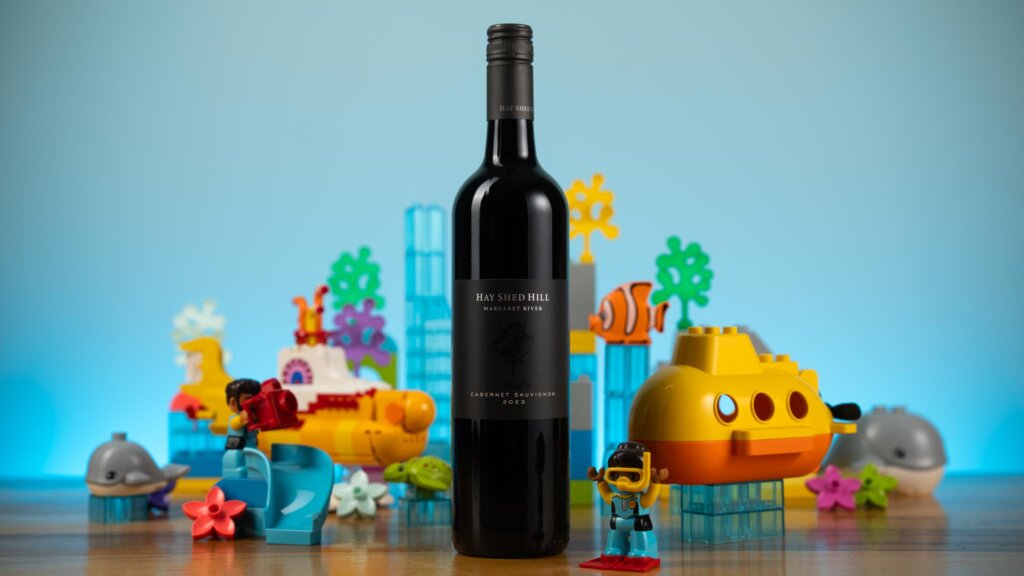
Charlie Redmond selected this among his top six wines in the tasting. “Wow, this one’s tasty!” he exclaimed. “This is a wine you could drink loads of very easily – it has a very expressive, easy-to-love core of fresh ripe fruit backed by strong, grippy tannins and refreshing acidity. Australia excels at this style of wine, so it’s no surprise that when it’s done in Margaret River with cabernets and a lashing of oak we get an elevated and elegant expression of the style. On the palate, blueberries and black cherries are up the front, alongside cinnamon spice and strong wormwood-like herbal notes that give it an amaro-like aromatic top note, followed by wet stones, petrichor and mint. The tannins are a massive anchor point here, bringing all these ethereal and bright aromatics and flavours down to earth – it’s still a serious and grounded wine. This wine makes sense – it’s the full package, and I really want another glass!”

Sarah Pidgeon named this wine among her top six wines in the blind tasting lineup. “Bright red in colour and immediately expressive, with aromas of orange blossom, orange peel and vibrant red cherry fruit. Beneath the fruit lies an attractive savoury character that adds depth and intrigue. The palate is layered and energetic, driven by mouthwatering acidity and a seamless flow from entry to finish. Oak becomes more apparent with air, revealing finely polished, nutty tones that complement rather than dominate the fruit. Freshness is the hallmark here, yet there is ample concentration and complexity beneath the surface. Long and persistent, the wine unfolds gradually, leaving a refined impression of restraint and detail.”

Sarah Pidgeon named this wine among her top six picks from the blind tasting. “Medium garnet in hue with an attractive aromatic profile of red cherry, cedarwood and baking spices. Notes of violet and a gentle leafy edge add freshness and complexity. The palate is bright and crunchy, carried by lively acidity and superfine, polished tannins that give shape without weight. Air reveals the beginnings of tertiary development, with subtle game, roasted meat and pan juice nuances beginning to emerge. Still youthful in spirit, it balances freshness and complexity beautifully. There is an effortless flow to the wine, combining precision, energy and elegance while hinting at further complexity to come with time.”
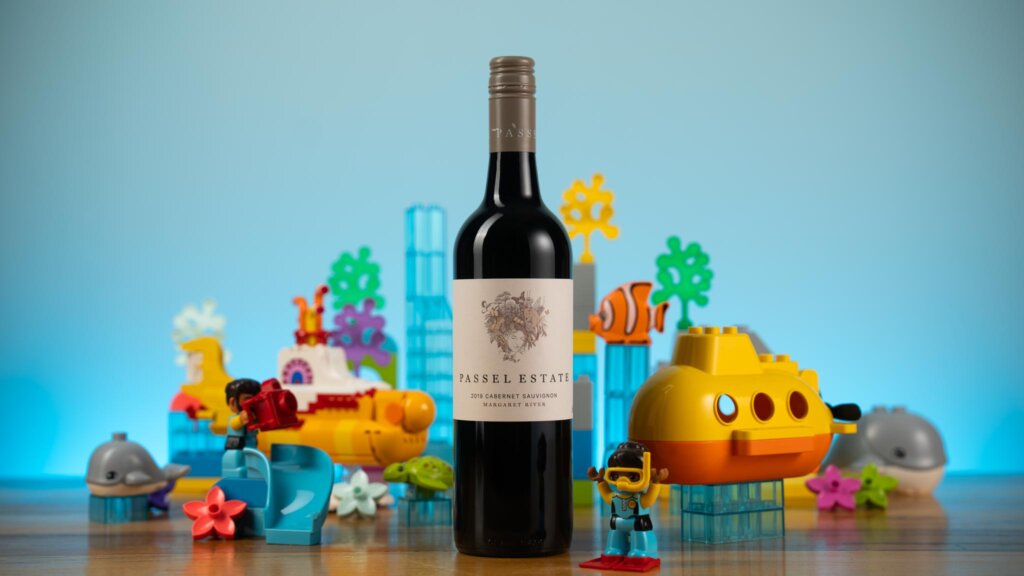
Brendan Cannon included this among his standout six selections of the day. “World class cabernet can sleep soundly for years in the bottle, then still greet the patient drinker with the charms of youth. This wine’s faintly brick-coloured rim indicates some age, but in the glass it’s all fresh and pure fruit flavours – redcurrants, red plums, and mulberry – alongside soft notes of freshly plucked marjoram, parsley and dill. A fine line of acidity drives the wine to a long finish, framed by filigreed tannins. This wine nails a rare balance between the sophistication of cellar age and sheer fun drinkability – a balance that feels especially apt for Margaret River cabernets.”
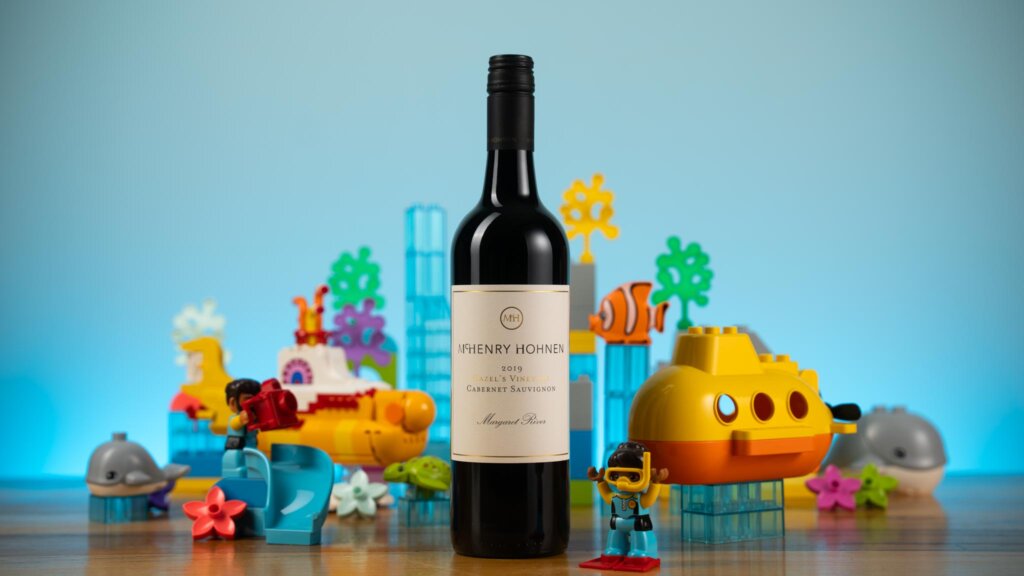
Morgane Pavri-Rieme included this among her standout six wines of the blind tasting. “This smells and tastes like a perfectly ripe black cherry that you’ve just bitten into, plucked straight off its tree. I don’t want to do a disservice to the purity on display here by muddying it with other generic red fruit descriptors when, for me, this just screams of perfect cherries. The acidity has you hungering for more, and the tannins are present – curt, but not overbearing. Pure and bright initially, with some time and air this turns into a more brooding iteration of itself, with whispers of nutmeg, clove and chamomile. There’s a really beautiful balance to this wine, all poise and power – it makes you want to fly to Margaret River, get the fruit straight from the vine into your mouth, and experience that intensity in its raw form.”
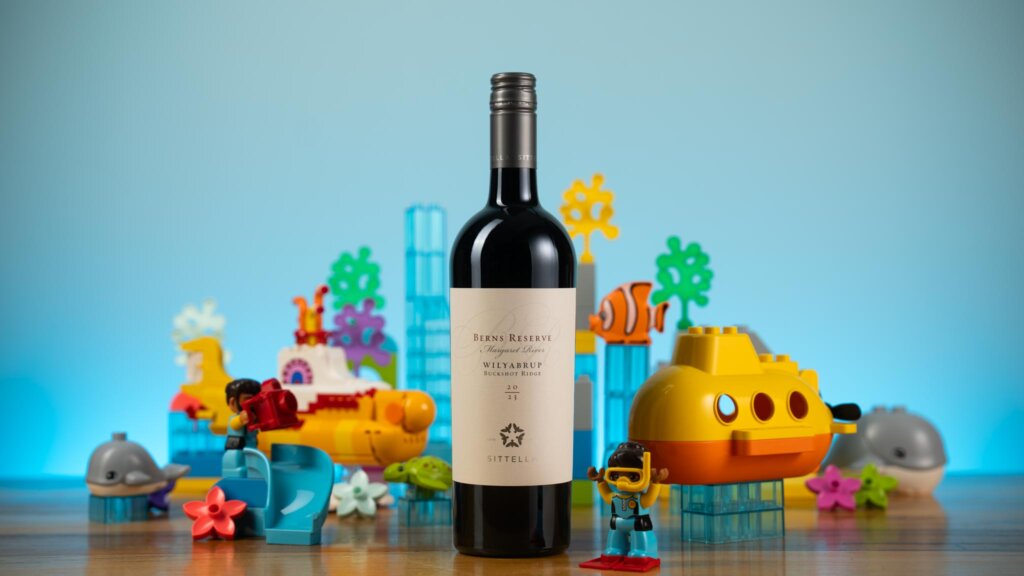
Charlie Redmond picked this as one of his top six selections from the blind tasting. “Subtlety and detail can sometimes be easy to miss in a blind tasting – and honestly, I’m still somewhat confused by this wine, but a couple of details just kept me coming back for more. First, the spice notes: nutmeg, clove, and anise, very reminiscent of Chinese five-spice. Next, juicy blackcurrants and black cherries, with fine acidity, a little sweetness, and a medicinal edge reminiscent of cherry cola. A little smoky reductive funk peeks out from underneath all of that – a very tasteful amount – alongside some woody herbs such as rosemary and thyme, complimented by faint violet tones and licks of Earl Grey tea. Finally, these flavours are washed away by a pleasantly chewy and meaty savoury finish – it’s a whole meal in a glass. All of this detail kept me engaged and interested as I tried to wrap my head around this – I need to know what this wine is!”
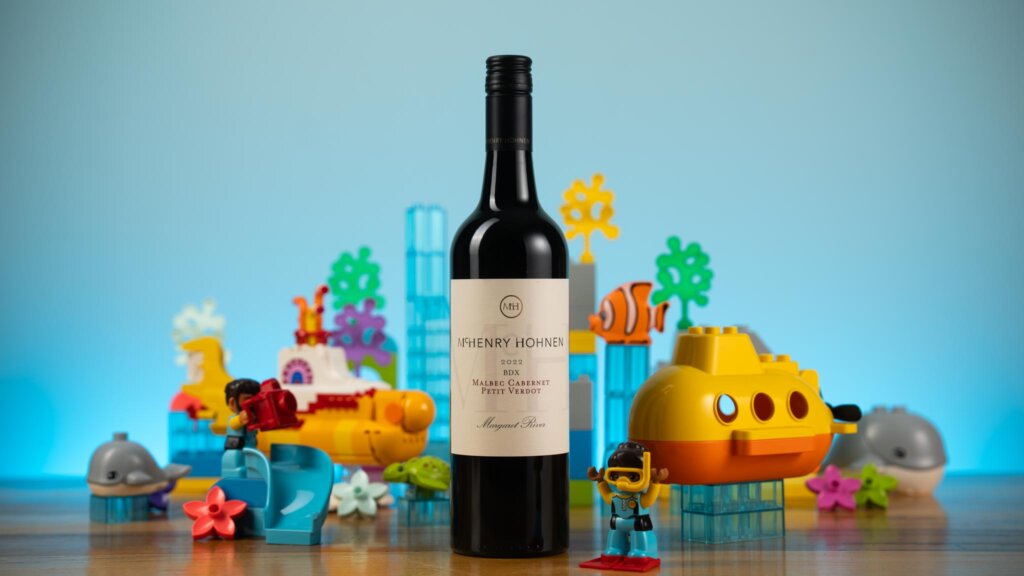
Evan Heisz named this as one of his top six wines of the day. “Time has been kind to this wine – the exciting and integrated vanilla cola and spice box notes leap out the glass brining along with it dried blackberry and currants pulled straight from the bush, leaves and all. The plush and enveloping texture makes this a pleasure to drink, more interesting with every sip. It lingers on, keeping the texture rolling through long after the flavours have gone. A bold, regal and unapologetic wine.”
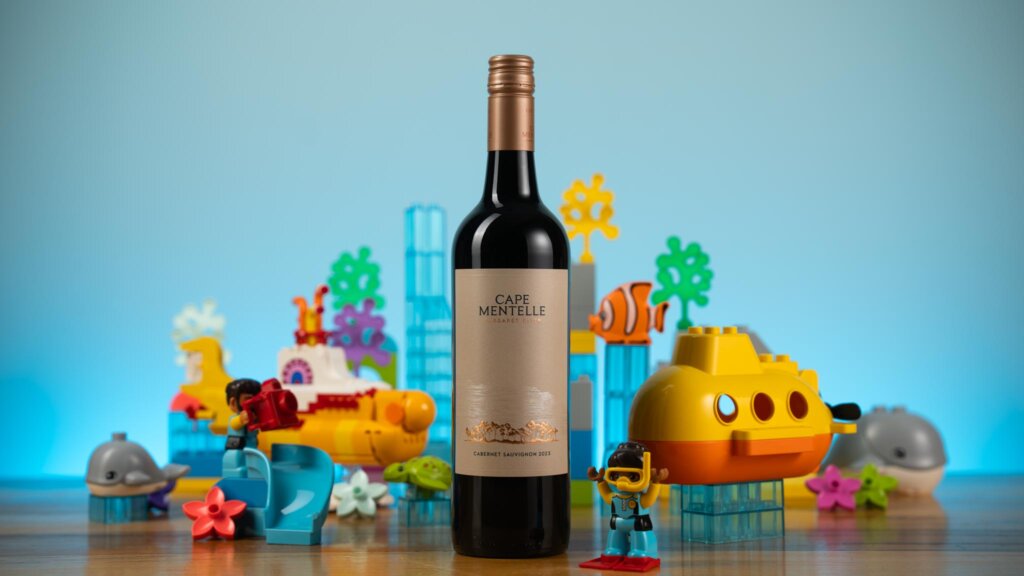
Jenny Polack chose this wine among her standout six from the tasting. “Another baby of a wine! Medium-purple in colour, with blackberries, blackcurrants and lovely Provençal herbs on the nose. These notes follow through to the palate, where some red and black plum notes also appear for good measure. I love the bright acidity and the fine tannins that clean up the luscious mid-palate. This would be brilliant with a rack of lamb or a veggie moussaka!”
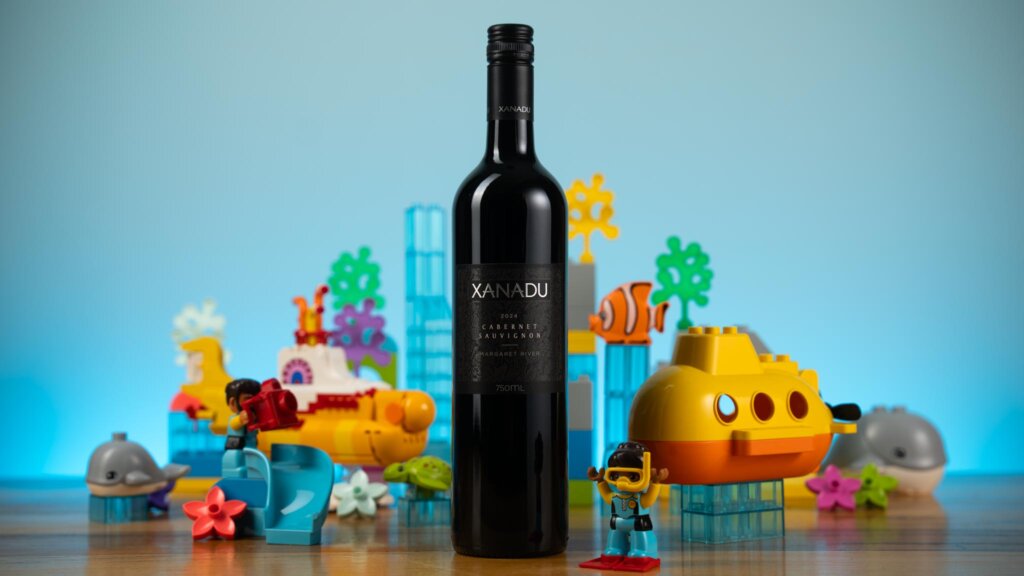
Morgane Pavri-Rieme included this among her top six wines in the blind tasting. “This wine is brimming with energy – it’s hard not to smile with this in your mouth. There’s nothing wine people love more in their glass than acidity and freshness, and this wine has both in spades. Tart cranberries, pomegranates, and blackcurrants pop out on both the nose and palate, although the wine never strays into leafy or vegetal territory. A lick of sweet baking spices add some depth to the fine boned fruit palate. It feels like those tempering Indian Ocean and Southern Ocean sea breezes are really working their magic in the vineyard here. I’d love to be drinking this with friends on a sunny spring day, surrounded by trees with all their new buds bursting – a wine of promise and optimism.”
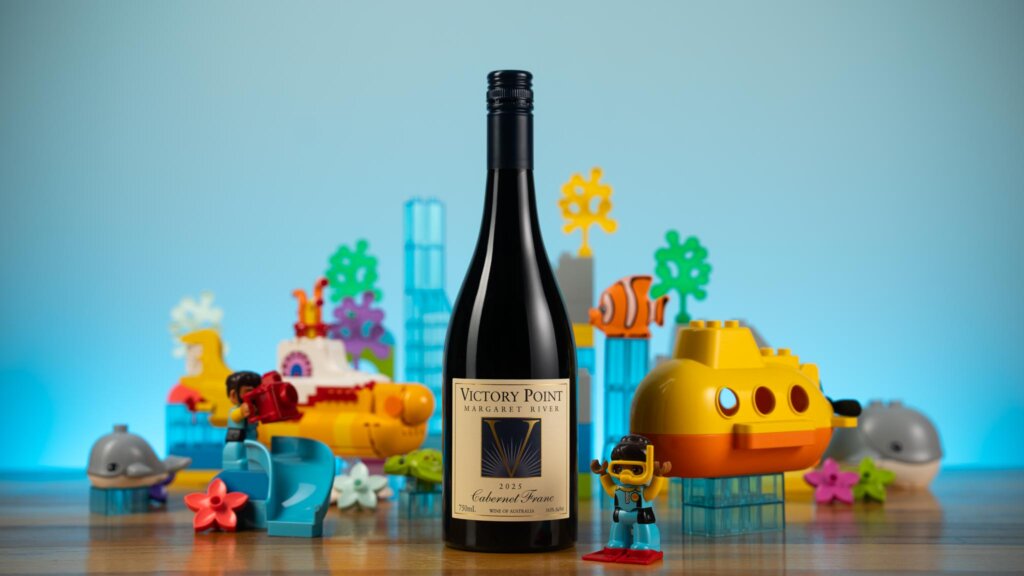
Sarah Pidgeon selected this among her top six wines in the tasting. “A pale pink-red hue introduces a wine of brightness and finesse. Aromatically, it displays lifted whole-bunch perfume, with stem-derived complexity adding freshness and detail without veering into green or herbal territory. The palate is soft, vibrant and finely textured, defined by a sinewy structure and excellent energy. There is an appealing purity to the fruit, complemented by subtle savoury nuances. A hint of vanilla oak provides gentle richness, though it remains disciplined and beautifully integrated. Light on its feet yet persistent, the wine combines fragrance, freshness and precision, delivering a refined and harmonious expression with considerable charm.”
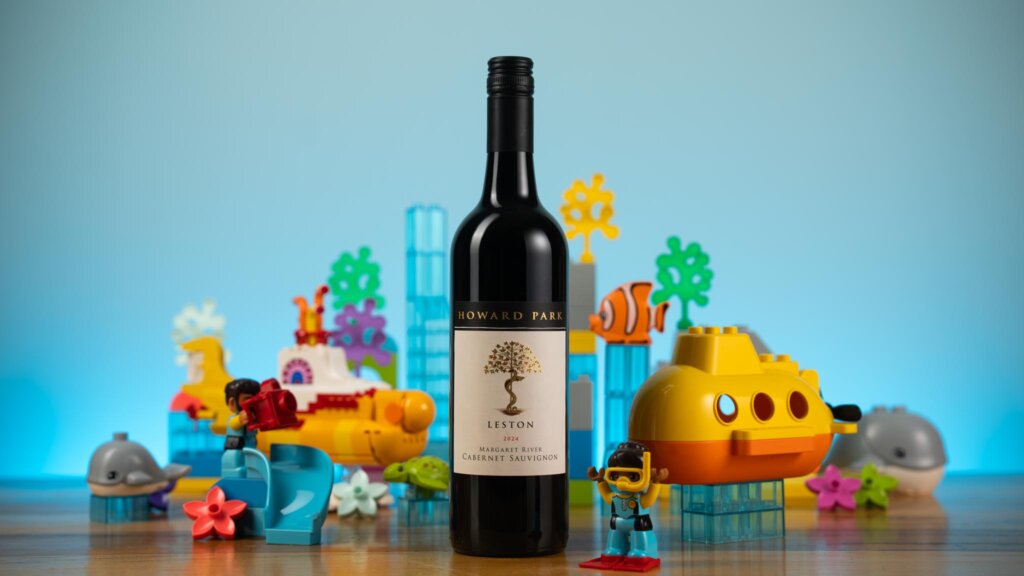
Evan Heisz selected this as one of his top six wines from the tasting. “A bright, vibrant and vivid example of Margaret River cabernets. Freshly picked crisp blackberries tasted next to black currents that have been knocked around in the warm soil. River stones and a slight salinity playing quietly in the background. You could spend a whole evening in the glass here flirting with its complexities. The winemaking influence is here, smartly shown through the pull of the palate, chalky tannic grip all refreshed by the beautiful acidity that draws you back into the glass. Complexity and balance reigns here!”
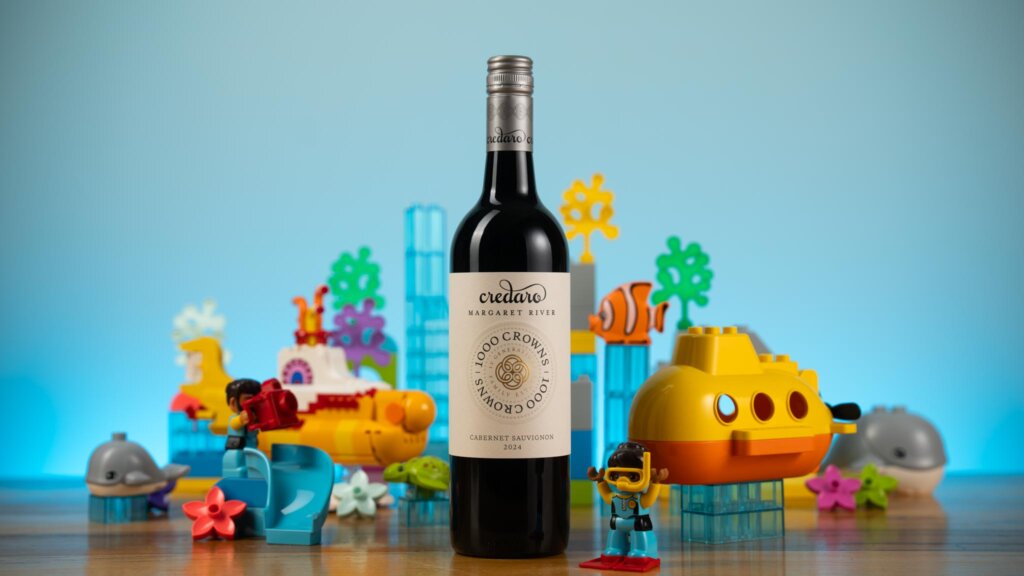
Jenny Polack and Sarah Pidgeon chose this wine among their top six in the blind tasting lineup. “A wine with just the most beautiful structure enveloping some gorgeous fruit!” Polack declared. “The elegant nose shows classic blackcurrants and redcurrants with mint, thyme and oregano, combined with some highly toasted bread notes. It’s medium-bodied on the palate, but it has intense fruit presence balanced by bright acidity and long, fine-grained tannins. The red plums and blackcurrants hang in the mouth for ages. Would love this with a confit duck leg and greens.” Pidgeon added: “Deep purple in colour and noticeably darker than many of its peers, signalling a more powerful style. Aromas of crushed cherry compote and ripe dark fruit are layered with dusty cedar oak and subtle savoury complexity. The palate is full-bodied and generous, offering abundant fruit concentration and impressive intensity. Large, firm tannins provide a robust framework, though they remain fine and succulent rather than aggressive. Despite its scale, the wine retains freshness and balance, with bright fruit carrying through the finish. A bold, confident expression that combines richness, structure and energy, promising a long future ahead.”

Brendan Cannon picked this among his standout six selections from the day. “The Margaret River trademark freshness and potential for ageing really marches across the palate with this wine. A firm chord of acidity lines the wine’s flavours of slow-roasted plums, alongside some pistachio-like nuttiness and a fragrant suggestion of fennel seeds hitting a pan lined with extra virgin olive oil. It’s such a fun drink now – but that acidity and its grippy tannins set it up to provide lofty experiences for the drinker later in its life. There’s many a meal and social occasion that this wine would suit well – but it would really shine for me on my balcony, around sunset, on an evening where home is the only place I need to be.”

Charlie Redmond chose this among his top six wines in the blind tasting lineup. “Savoury expressions of Cabernets are always fun. In the glass, the deep and brooding crimson fading into terracotta around the edges indicates some time spent maturing in bottle. Smelling this wine reminds me of opening a fresh pouch of rum-and-raisin flavoured rolling tobacco in the park full of eucalyptus trees next to my high school during misspent lunch breaks. This is broad and unapologetic, showing clearly defined bay leaf, fig jam, sweet nutmeg, clove and Birdseye chilli notes wrapped around bottle-aged characters of hoisin sauce and molasses. This is a wine that is ready to drink today – the tannins are broad but resolved, and the acidity has certainly softened with time. You can only enjoy these flavours in a wine that has spent time in bottle – and while some might argue that it may be a little too developed, anything that needs to be aged to bring back memories of youth is certainly something special.”
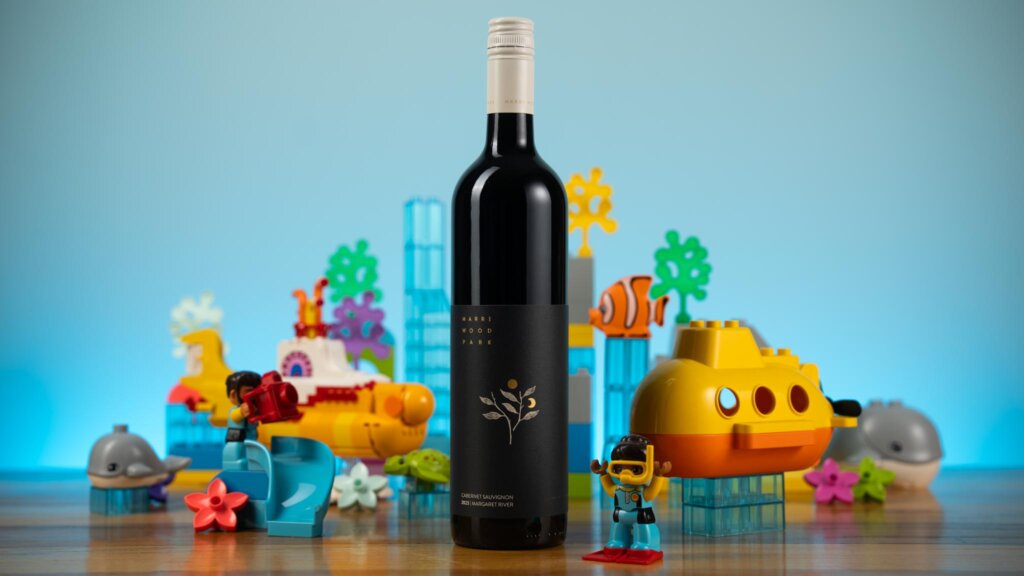
Evan Heisz named this wine as one of his top six picks of the day. “A lot going on here – this is deep and serious style of Margaret River cabernets but with a playful side. Fresh blackberries on top of vanilla greek yogurt, raspberry jam on cinnamon toast. This wine show such depth of flavour effortlessly, keeping it fresh and easily incorporating all of those beautiful well crafted oak characteristics, adding seasoning with the fruit, showcasing winemaking style without being flashy. Fun and impactful without being over the top – a Margaret River cabernets with personality, and an absolute ripper to boot.”
Margaret River itself is a relatively long and narrow strip of land located three hours’ drive south-west of Perth, stretching roughly 95 kilometres between Cape Leeuwin in the south and Cape Naturaliste in the north. It’s surrounded by deep oceanic waters on three sides – the Indian Ocean to the west and north, and the Southern Ocean to the south, the two oceans meeting off Cape Leeuwin – with the continental bulk of the south-west corner of Western Australia on its fourth side. Aside from making the region a surfing hotspot, the ocean here also provides a moderating influence that creates a relatively consistent climate – lots of rain in winter and spring, followed by relatively warm and dry summers and autumns. Geologically, the region itself is split in two along a roughly north-south axis by the Dunsborough Fault, with significant changes in soil types and topography on either side of this line. All of this adds up to a pretty special place for plant growth and biodiversity, with 80% of the region’s native plant species found nowhere else on earth. And while Vitis vinifera isn’t a native species here, these conditions are pretty much tailor-made for grape growing – especially for cabernets.
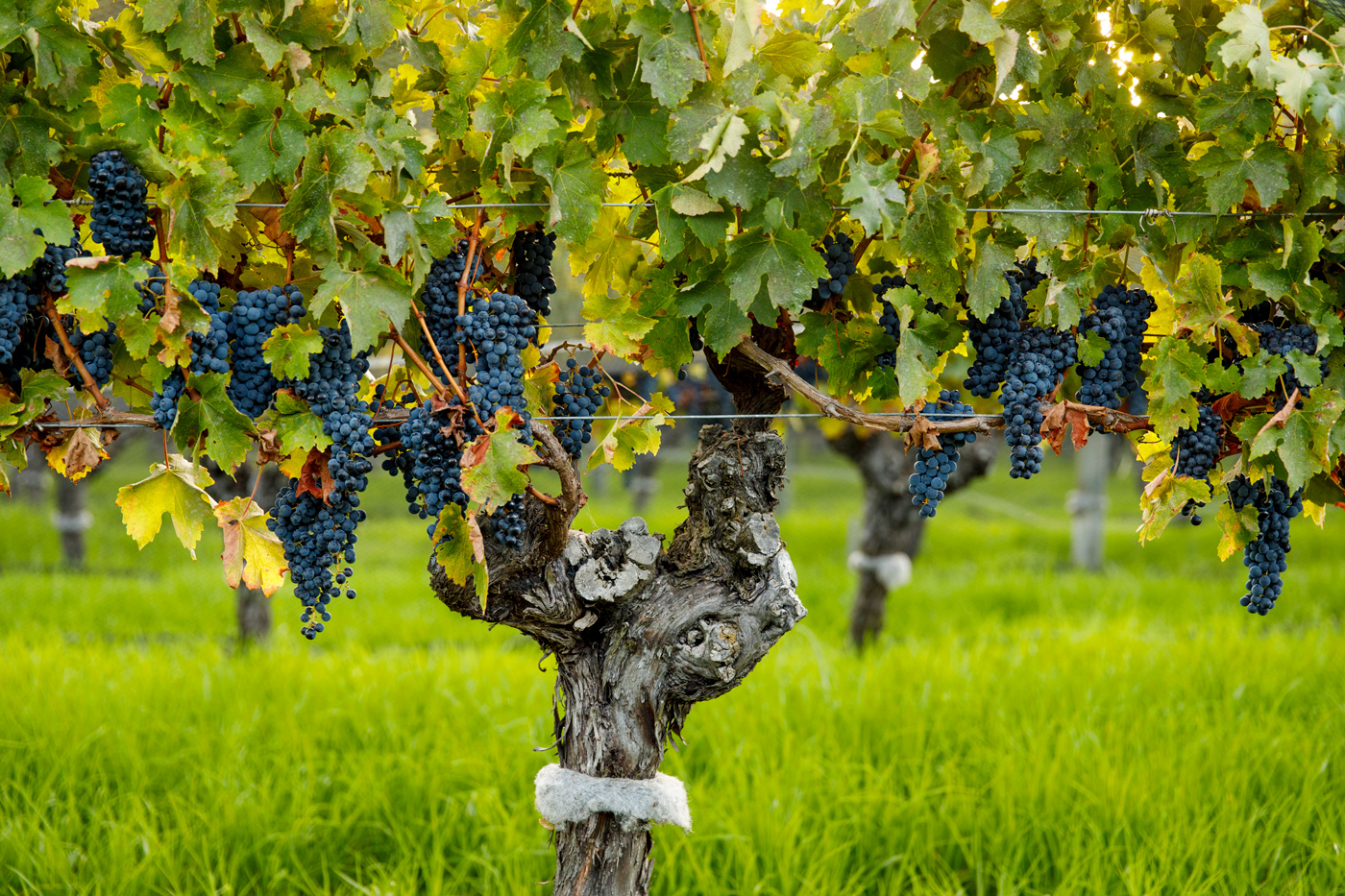
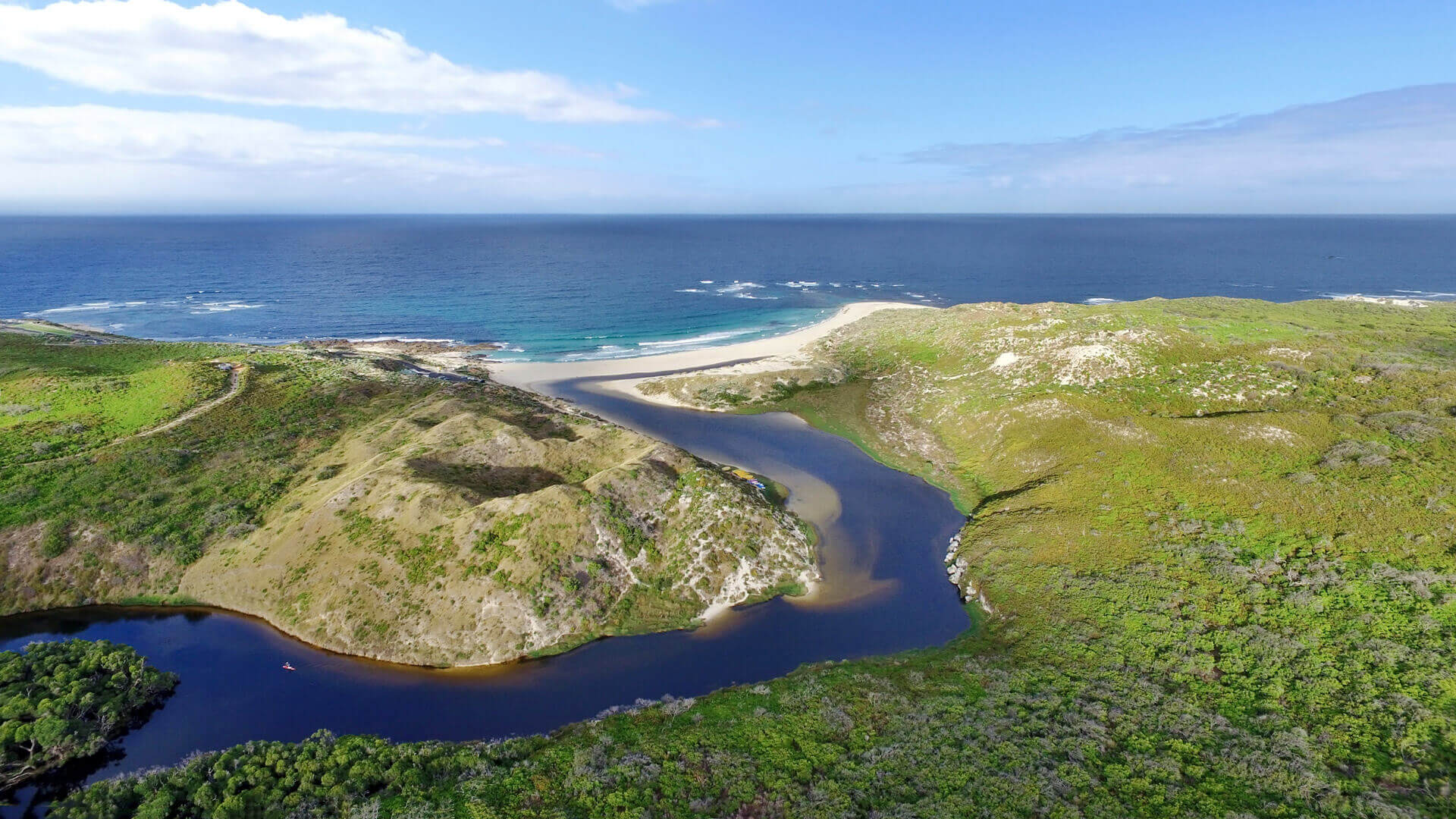
The early advocates of the Margaret River region’s potential as a viticultural region – figures explored in more depth in our Deep Dive on Margaret River chardonnay – readily saw the connection between the area’s climate and cabernets. The legendary Houghton winemaker Jack Mann persuaded his friend Harold Olmo of the merits of both Great Southern and Margaret River as viticultural areas as Olmo was preparing his course-setting report on Western Australia’s winegrowing future for the state government; Mann was also of the belief that “the greatest grape is the noble cabernet”, calling it “the only variety that would be tolerated in heaven.” Tom Cullity, founder of Vasse Felix, the region’s first modern commercial vineyard, likewise saw the connection between Margaret River’s maritime climate – surrounded on three sides by water, similarly to Bordeaux’s left bank – the red gravel soils of the Wilyabrup subregion – not dissimilar to the gravelly soils of Bordeaux’s Pauillac and Pessac-Léognan – and the Bordelaise hero varieties. Thus the first vines planted at Vasse Felix in 1967 were own-rooted cabernet sauvignon and malbec sourced from the Swan Valley – likely from Mann’s own experimental plantings – alongside a failed experimental plot of riesling and some ‘Hermitage’ (shiraz). Since then, the region has doubled down on cabernets, developing its own style based on rich, ripe fruit flavour – usually blackcurrant and black cherry – and an appealing herbaceous note often described as ‘bay leaf’, which sometimes veers into mintiness.
Lee Haselgrove, the viticulturist behind Lirica – a new single-vineyard Margaret River cabernet sauvignon project, whose Hutton Vineyard was a finalist in Young Gun of Wine’s 2025 Vineyard of the Year Awards – argues that the region’s biggest challenge when it comes to cabernets is, perhaps perversely, that it’s too well-suited to these varieties. “We’re right in the range of where cabernets should be,” he says. “It just seems that cabernet sauvignon has really found its home here … we’ve got a maritime climate, which cabernet loves.” In contrast to the notoriously fickle climate of Bordeaux – where in cooler years cabernet sauvignon has historically struggled to achieve ripeness, although this has been changing as climate change hits home – the slightly warmer baseline and sheer consistency of Margaret River’s climate means that “ripeness is not that hard to get”. For him, this means that the region has, in his words, “got to learn how to harness that generosity of climate. I think some people probably don’t do that as well as others – like everything else – but that’s our challenge. We don’t have climatic limitations, really. People often say that Margaret River’s never had a bad vintage, and it’s sort of true – I mean, ’06 wasn’t very good, but there’s still great ’06 wines twenty years later, they were just not very good for the first twenty years. But really, we don’t have bad vintages – and that’s a bit of a problem, to be honest, because great regions generally do have bad vintages.”


While the breezes coming in from the chilly depths of the Southern and Indian Oceans help to moderate the otherwise relatively warm, Mediterranean climate of the region, Haselgrove argues that they do not provide quite enough relief from the warmth to always ensure vibrant acidity and freshness in the finished wine: “If we had a choice, we’d probably have a little bit more diurnal variation than Margaret River has – so that’s a challenge for us to manage,” he says. Likewise, the general propensity towards high yields across the suite of varieties, but for cabernet sauvignon in particular, means that they need to be diligently managed in the vineyard to show their best. “Cabernet [sauvignon] can rub itself out because it’s a reasonably generous producer – it can be a victim of its own capabilities,” Haselgrove says. “It really needs someone to maybe try and understand its personality a bit more, and work with it to get something really unique.” He adds, “ I remember a colleague of mine, a Bordeaux guy, saying that cabernet’s the easiest variety to grow, but the hardest to grow well.”
“We don’t have climatic limitations, really. People often say that Margaret River’s never had a bad vintage, and it’s sort of true – and that’s a bit of a problem, to be honest, because great regions generally do have bad vintages.”
Haselgrove circles back to the concept of restraint when discussing where he would like to see Margaret River’s cabernet producers and growers focusing their attention. “Some of the great wines of Australia from the ’60s and ’70s were almost all picked around 12° Baumé,” he says, referring to a measure of sugar content in grapes that winemakers use to estimate the rough alcohol level of the finished wine. “I’ve drunk really great Australian wines from the ’60s and ’70s that have 11.5% or 12% alcohol on the label … also great Bordeaux wines from the ’70s and ’80s that, again, have 12% or 12.5% on the label.” He adds, “They’re just restrained, beautiful cabernet wines – and that’s all been buzzing around in my head for years and years. I’ve been like, ‘Well, what’s going on? Why are we picking grapes at 14.5° Baumé? Is that the ripeness that we actually need, or is it the ripeness that we think we need? Have we forgotten something along the way?’” He argues that the lush canopies of artificially irrigated cabernets vineyards lead to grapes accumulating sugar content faster than they can accumulate flavour: “You need a certain amount of time to ripen,” he says. “It’s time-based, whereas sugar accumulation is photosynthetic based … we’ve become too good at producing photosynthetically active and capable canopies.” He concludes, “It’s a safe, generous region. But that should allow us to think about other challenges. We’re not freaking ourselves out about losing 30% of our fruit to frost. We’re more trying to figure out how to work on some nuance somewhere else, because we’re not trying to hedge the big risks.”
Boutique producer Cape Grace’s vineyard – a ten minute drive south of Lirica’s Hutton Vineyard – was planted in 1996, which makes it a relative newcomer within the region. But if Vasse Felix’s Tom Cullity had gotten his way, it might instead be one of the region’s oldest. “John Gladstones, who came and and identified the first planting areas in the region, identified this piece of land,” says Conrad Tritt, Cape Grace’s current winemaker and viticulturist. “The story goes that Tom [Cullity] tried to buy it, but the farmer at the time wasn’t interested.” When the land became available, Robert and Karen Karri-Davies developed it into a small vineyard – surrounded on all sides by Karri and Marri wood forest. “You’ve got to drive down a little dirt road to get there,” Tritt says. “It’s always stayed the same size. It’s always been really true to itself. It’s about 5.3 hectares in total – and we don’t buy any fruit. Everything’s sourced and made on site.”
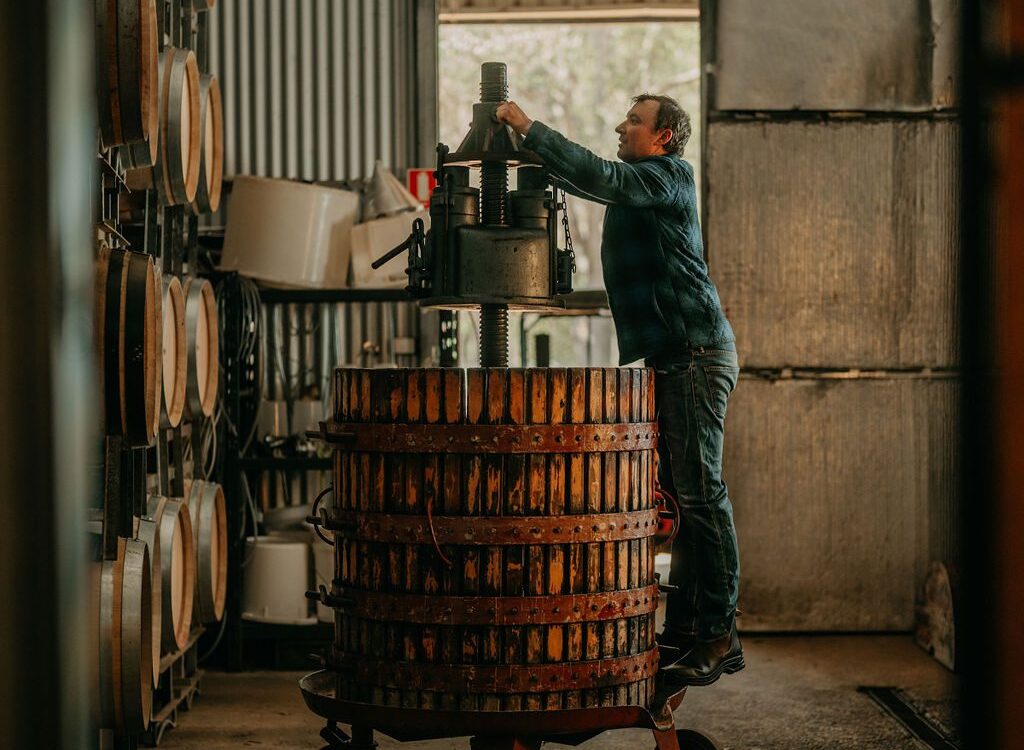
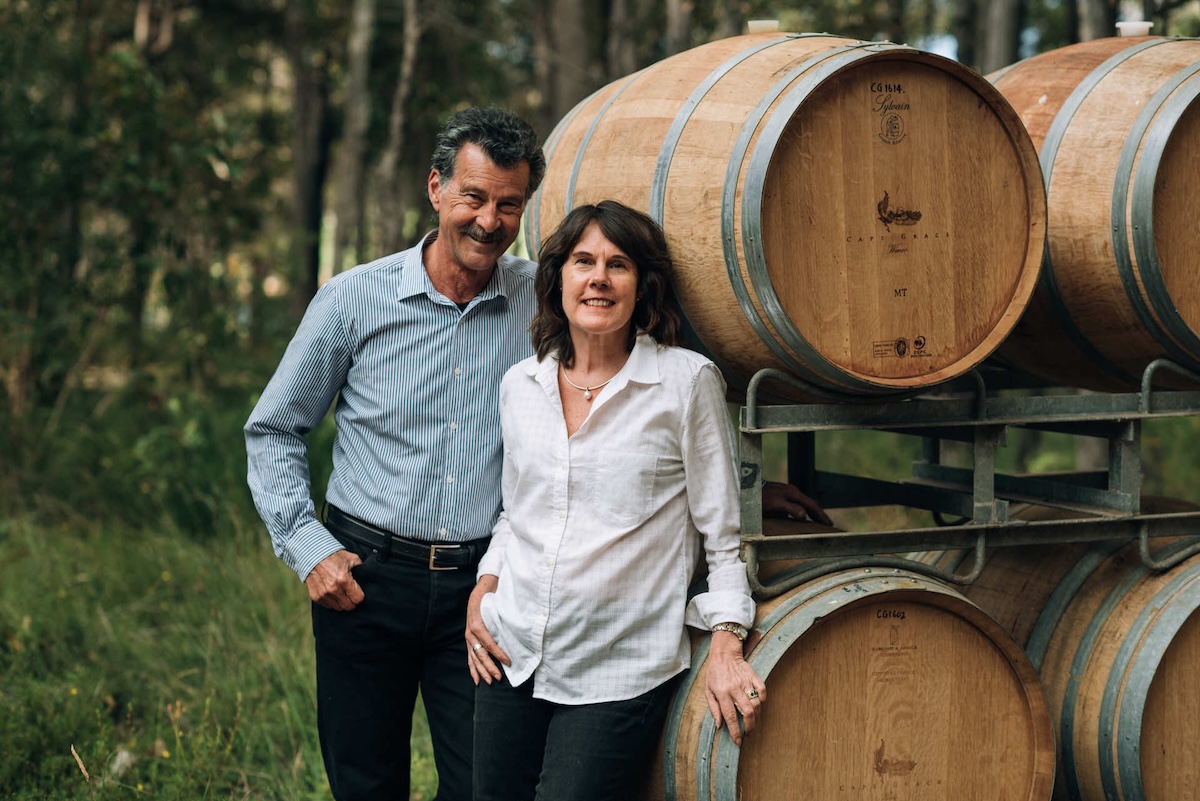
For Tritt, what makes the site such a special place for growing cabernets starts in the ground. “We’ve got those lovely gravelly loam soils, but within the cabernet block itself, there’s also a lot of granite cap rock in there – so even though the vines are thirty years old, there’s a lot of struggling vines in there still,” he says. “That boney soil really kind of brings lovely tannin structures into the wines, and that kind of graphite characteristic that we get at Cape Grace.” He adds that the site’s access to cooling breezes from the nearby Indian Ocean allows for an extended ripening period. “For us it’s normal to to stretch cabernets’ ripening out all the way through to April,” he says. “It’s quite a cool site, with it getting a lot of wind from the south-east over the growing season. And so it really elongates that ripening. We find that we burn a lot of those methoxypyrazine ‘green’ characteristics out of cabernet franc, which can be quite predominant, and we’re always left with those lovely raspberry and violet kind of florals. And that kind of carries through the cabernet sauvignon as well.” He adds, “We have a lot of neighbours that have a lot of herbaceous notes within their their wines. We seem to miss all of that as well – we’re getting these reasonably medium-bodied cabernets that we can build structure with through fermentation and also judicious use of French oak.”
“As a winemaker, I’d love to mix things up and blend – to try and create something better than the standalone varietal wine. But I think by being 100% pure in terms of variety, it gives that true expression of the piece of land that it’s coming from.”
Once the fruit is in the winery, Tritt lets the results of the growing season dictate the winemaking approach. “There’s no set recipe – it’s based on vintage,” he says. “So any time from ten to to thirty days on skins, depending on the season, and the oak usage is similarly determined by every season.” Cape Grace’s cabernet franc tends to use less new oak in its maturation than their cabernet sauvignon – the former might see 50% new oak in what Tritt calls “a really good season,” while the latter tends to get 50% new oak as a minimum, “because the fruit’s really strong – it’s pretty consistent, so I can push it to that level.” And in a region where Bordeaux-style blends are common, Cape Grace’s commitment to single-varietal cabernet sauvignon, cabernet franc, and malbec wines stands out. “Karen and Rob have been behind that that drive of keeping everything 100% varietal, Tritt says. “As a winemaker, I’d love to mix things up and blend – to try and create something better than the standalone varietal wine. But I think by being 100% pure in terms of variety, it gives that true expression of the piece of land that it’s coming from – it’s a true sense of a cabernet sauvignon coming off the Cape Grace vineyard, and there’s nothing diluting it with any other variety or characteristic.”
Like Haselgrove, Tritt acknowledges that the Margaret River region is almost preternaturally blessed as a place to grow wine grapes. “I’m from New Zealand originally – so I’ve seen some bad vintages in my time, and nothing comes close here to what I’ve seen there,” he says. “To put things in perspective, 2021 was probably the trickiest vintage in Margaret River since 2006 – and look, it wasn’t that bad. If you taste the wines, you’d think it was pretty good.” While he’s quick to add that birds eating the crop can be a major issue, and that there’s often not quite as much chardonnay fruit on the vine as he would like, these are minor quibbles: “I think as far as quality is concerned, there’s no other place that I’ve worked where it’s so consistent and so easy,” he says. “Definitely blessed land here.”
“As winemakers, we need to make wines that are drinkable now, but also have the ability to age – and that’s a little bit of a contradiction in terms. It’s really, really tricky to do. So it’s only those really, really good sites that can do that.”
For his part, Haselgrove would like to see more attention being paid to single site wines in Margaret River, rather than larger-scale wines that blend from multiple vineyard sources. “All of us viticulturists have seen wine brands grow based on the work that’s been done and the site that’s supported them – and then that’s not really appreciated along the way,” he says. “The most obvious outcome of this is that all of our vineyards are worth about the same, no matter where they are and what they grow. They’re all just between fifty and one hundred grand a hectare – there’s no vineyards that are worth $3,000,000 a hectare, like there is in Piedmont.” Having said this, he’s quick to acknowledge that his own Lirica project – focused on wines from a single, tiny vineyard, farmed meticulously – wouldn’t be possible without the established labels that created the region’s reputation: “The only reason Lirica can exist is because of the work that Moss Wood, and Cullen, and Leeuwin Estate and others have done for the last fifty years,” he says. “They’re the ones that have brought Margaret River’s reputation to the world – we’re so lucky that they’ve done that.” He also points to the work of Julian Langworthy on his Nocturne side-project as an example of a high-profile Margaret River winemaker investing in the notion of site specificity, and credits Cloudburst’s Will Berliner for ‘shaking up’ Margaret River with a “high-density, dry- farmed, 100% organic vineyard on a site that nobody would have even contemplated putting grapes on – and then he turns up with a fucking amazing wine four or five years later.”
Tritt sees site-specific wines are part of the solution to some key structural issues that have been plaguing Australia’s wine industry. “There’s an equalisation of the industry – and we’re feeling it here in Margaret River as well,” he says. “The vine-pull here is not as dramatic as what it is in South Australia, but there’s a whole heap of vines getting pulled out here, too. But it’s not the small guys that are pulling out, generally – it’s that $10 to $15 range of wines, where vines were planted on rich soils for high crops and very little margin. I think we’ve got some really special sites here in Margaret River which make great wine – and those wines are easy to sell, because people can identify them and they have kind of cult following.” He also argues that cabernets from these special parcels are more likely to appeal to a younger audience than larger-scale projects in terms of the wines themselves. “Cabernet sauvignon isn’t attractive to the younger generation – it’s more savoury in its aspect and its flavour profile, and it’s a wine that benefits from ageing in a consumer world where people want to buy a wine and drink it as soon as they pick it up off the shelf,” he says. “As winemakers, we need to make wines that are drinkable now, but also have the ability to age – and that’s a little bit of a contradiction in terms. It’s really, really tricky to do. So it’s only those really, really good sites that can do that.”
“We’ve got all the regional attributes to climb the charts. Everything’s there to make it happen, or to support your quest. If you try, you’re probably not going to fail – so it’s just about how hard you want to work.”
Despite all of the challenges ahead for the industry as a whole, Haselgrove is bullish about the possibilities for Margaret River cabernets. “Cullen have shown that, if you work hard, you get a lot more,” he says. “We’ve got all the regional attributes to climb the charts – but too many people don’t try hard enough, and they just end up playing an average game of cabernets. Whereas if you actually want to try harder, everything’s there to make it happen, or to support your quest. If you try, you’re probably not going to fail – so it’s just about how hard you want to work.”
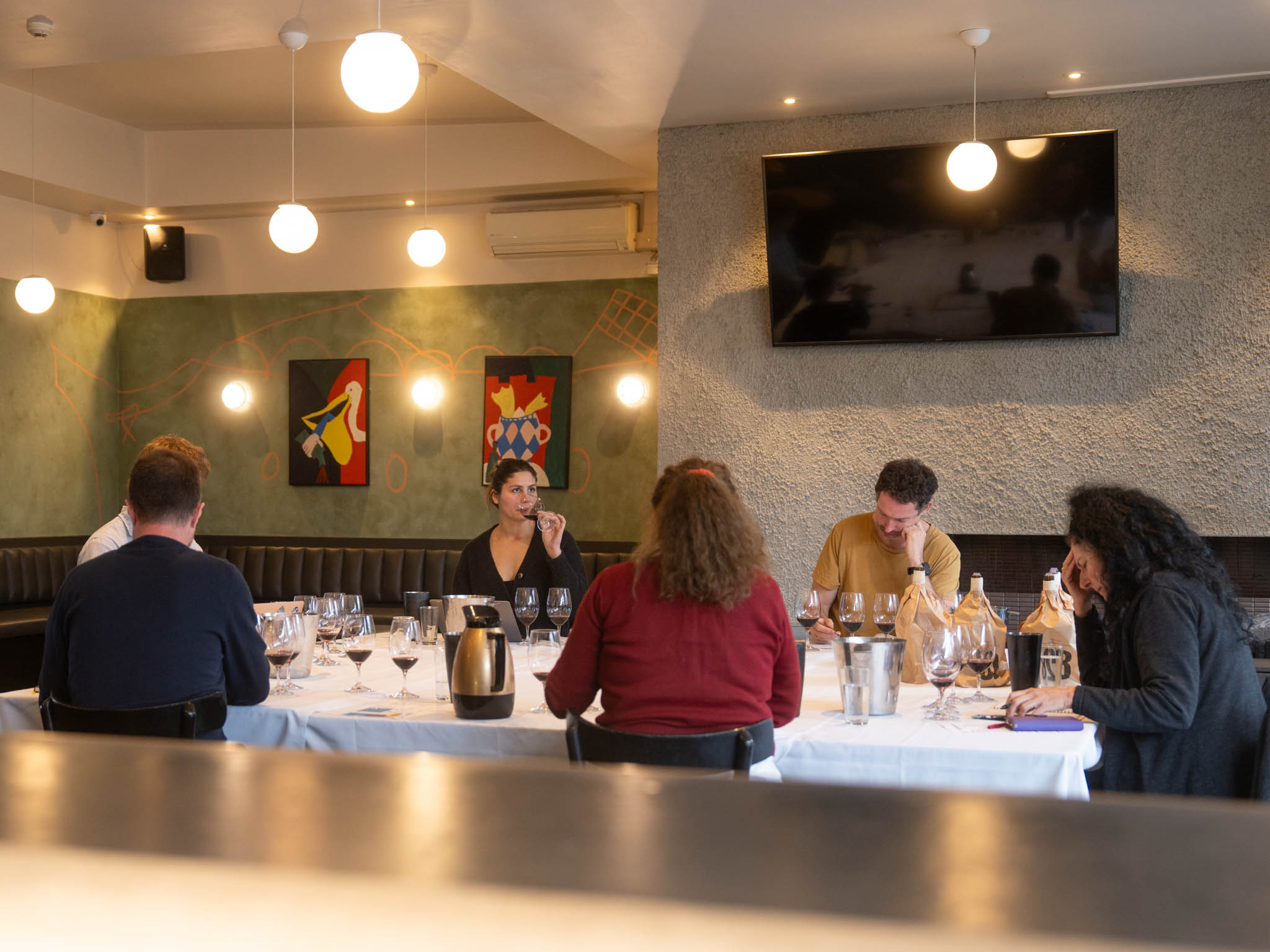
Our panel: Sarah Pidgeon, winemaker, Wynns Coonawarra; Evan Heisz, wine consultant, MW Wines; Morgane Pavri-Rieme, winemaker, Mac Forbes Wine; Brendan Cannon, sommelier, Carlton Wine Room; Jenny Polack, wine educator, Bacchus Wine Academy; Charlie Redmond, wine merchant, Seddon Wine Store.
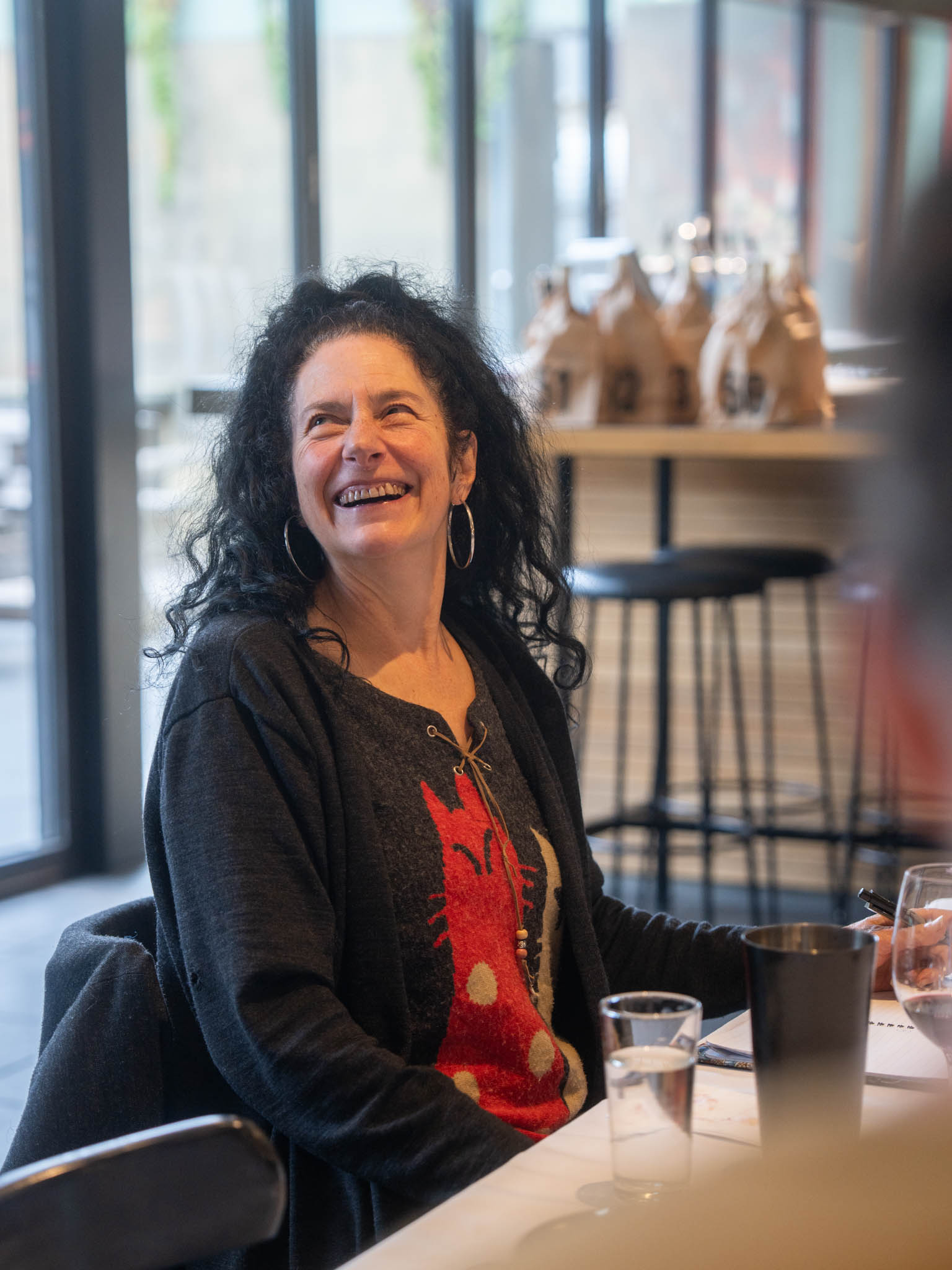
Polack kicked off the discussion by observing that the wines on display lived up to the region’s reputation for quality. “Cabernets from Margaret River, I think, are still up there in terms of quality,” she said. “There were a couple where I questioned whether that was cabernet franc, or that was malbec dominant – some different fruit flavours coming in – but basically, Margaret River cabernets generally have tended to be on the good to very good spectrum, and I think they’re still on the good to very good from this representation.” She added that while she was looking to reward the wines in the lineup with the structure to age well – “I expect some longevity in my cabernets for them to be high-quality wines,” she said – that didn’t necessarily mean that the wines she chose from the lineup were big bruisers. “It doesn’t need to be a big, gutsy, full-bodied, ‘hit you in the mouth’ wine – which none of them were, thankfully,” she said. “But it does need to have that structure.”
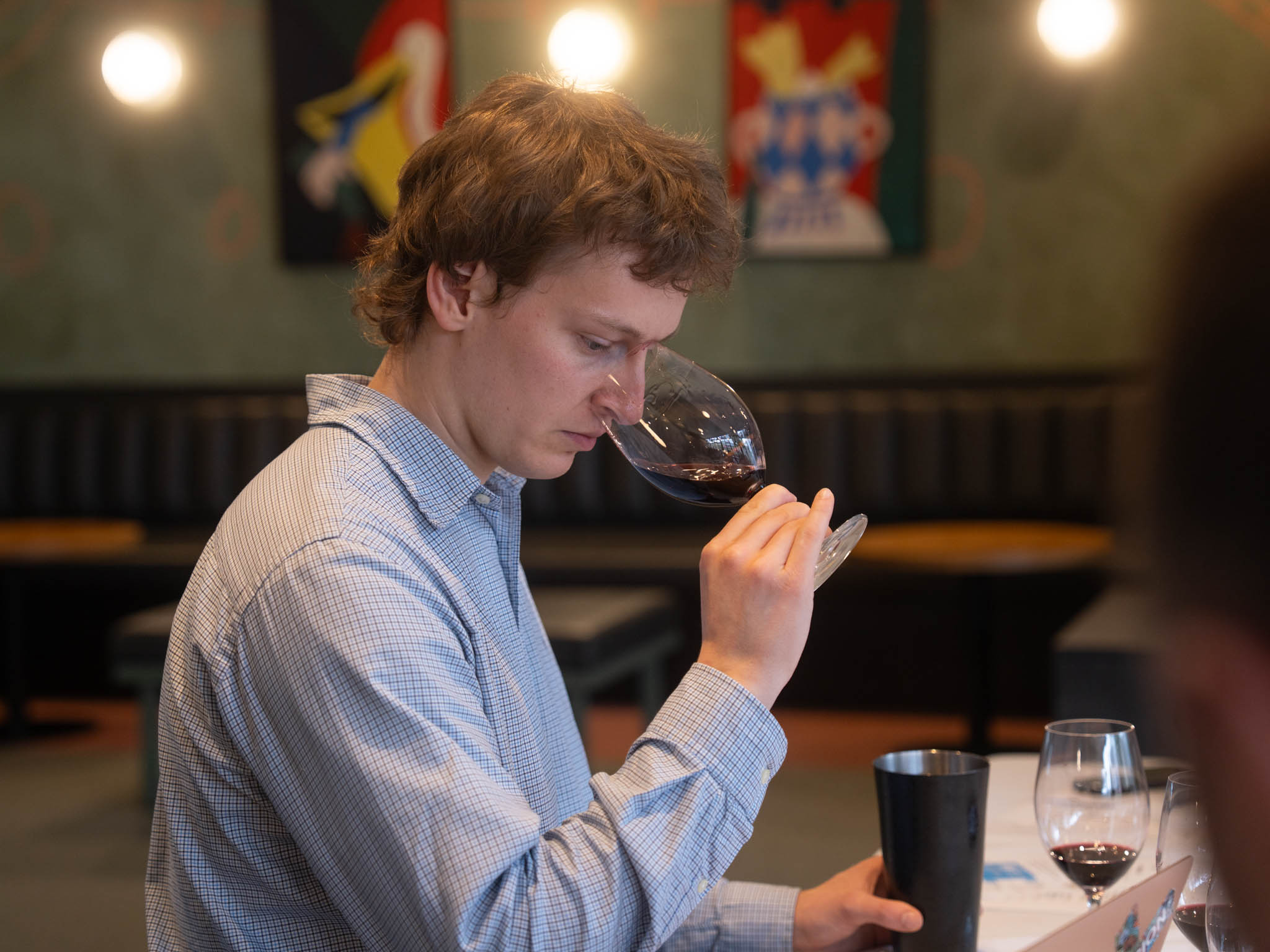
Redmond observed that the wines in the lineup had a thread of freshness running through them. “I’m surprised by how fresh everything was,” he said. “You don’t usually associate this region’s style of cabernets with being fresh and really approachable. But nothing was too ripe, and nothing was underripe – everything sat well in that middle ground. Everything was very easygoing.” He added that this more open-knit approach to cabernets winemaking didn’t seem to have harmed the wines’ ability to age. “And it showed well with those couple of museum releases that were scattered in there as well,” he said. “They had aged really, really well. They had plenty of tertiary characters, but also enough primary fruit going on there. Everything just felt really clean and fresh, which was nice.”
“You don’t usually associate this region’s style of cabernets with being fresh and really approachable. But nothing was too ripe, and nothing was underripe – everything sat well in that middle ground. Everything was very easygoing.”
Pavri-Rieme agreed, and put this freshness across the lineup down, at least in part, to clever handling of new oak. “I think I definitely expected more heavy hand with new oak,” she said. “I was pleasantly surprised. I think I’m more sensitive to oak because of where I work – we don’t use any new oak at Mac Forbes, so when it pops up I sometimes find it overwhelming. But I don’t think there’s anything in that really put me off.” She added, “There was nothing that felt like the winemakers were just throwing oak at it to try and make an expensive wine.”
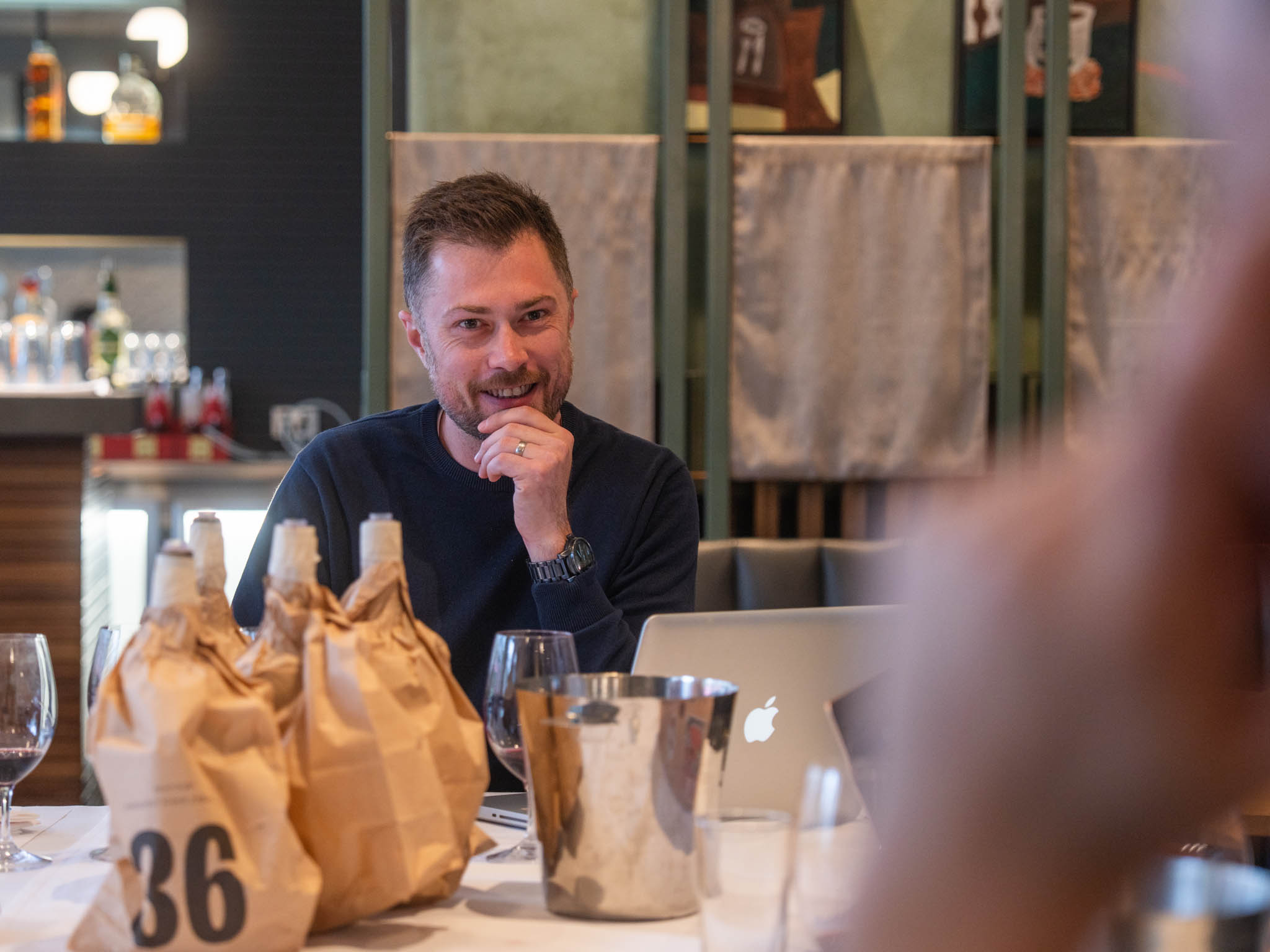
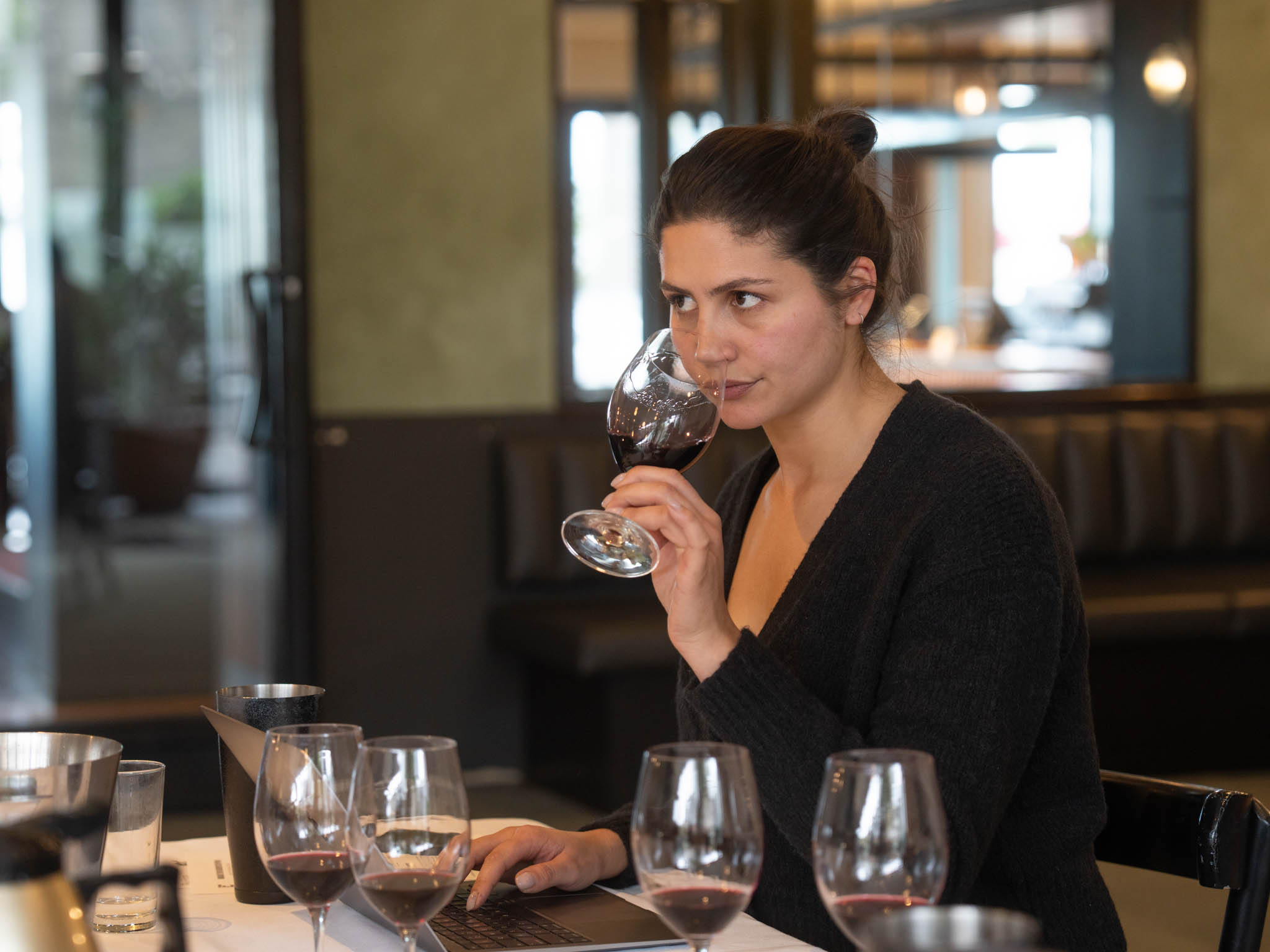
Heisz put this shift toward more considered use of new oak within a global context. “A lot of disappointing wines from certain eras and different parts of the world definitely had a lot more of that new oak use,” he said. “But we’re moving away from that – which is really great, because it’s not something that I think that works really well for all wines, although some fruit can handle it.” He added that while consumers and wine professionals alike often talk about ‘new oak’ as a monolith, the reality of oak use in cabernets is more complicated. “It also depends on the type of oak, and the oak source, and the cooperage, and stuff like that,” he said. “If you’re using a blanket formula, it’s never really going to work … but the propensity for people to no longer over-oak things nowadays is very nice.”
“Cabernet needs oak. And I think these all actually had oak in some form. But I think there was a lot of very controlled usage of it here.”
Pidgeon took the opposing stance, and argued that oak shouldn’t be seen as a good thing or a bad thing, but rather as a tool that winemakers can use well or poorly. “Cabernet needs oak,” she said. “And I think these all actually had oak in some form. I think I actually wrote down for one wine, ‘This could actually do with more oak’. But I think there was a lot of very controlled usage of it here.” She added that wines that had seen a little too much oak influence didn’t necessarily shout that fact when tasting for the first time. “I was being careful about this, because sometimes wines can look fruity at first, and then the oak rises,” she said. “So I was definitely going back to make sure that I didn’t get tricked into putting forward something with too much oak-driven creaminess backing it up.” She also argued that the general quality of oak barrels had increased dramatically in recent years, which made their impact on the finished wines less overt. “I’ve got high respect for good coopers and for good oak – and I’m always looking for it, because I think it’s powerful,” she said. “It’s expensive – and it should be … there are very few bad barrels in the world now. Coopers – they’re hot. They’re on it. They have to be.”
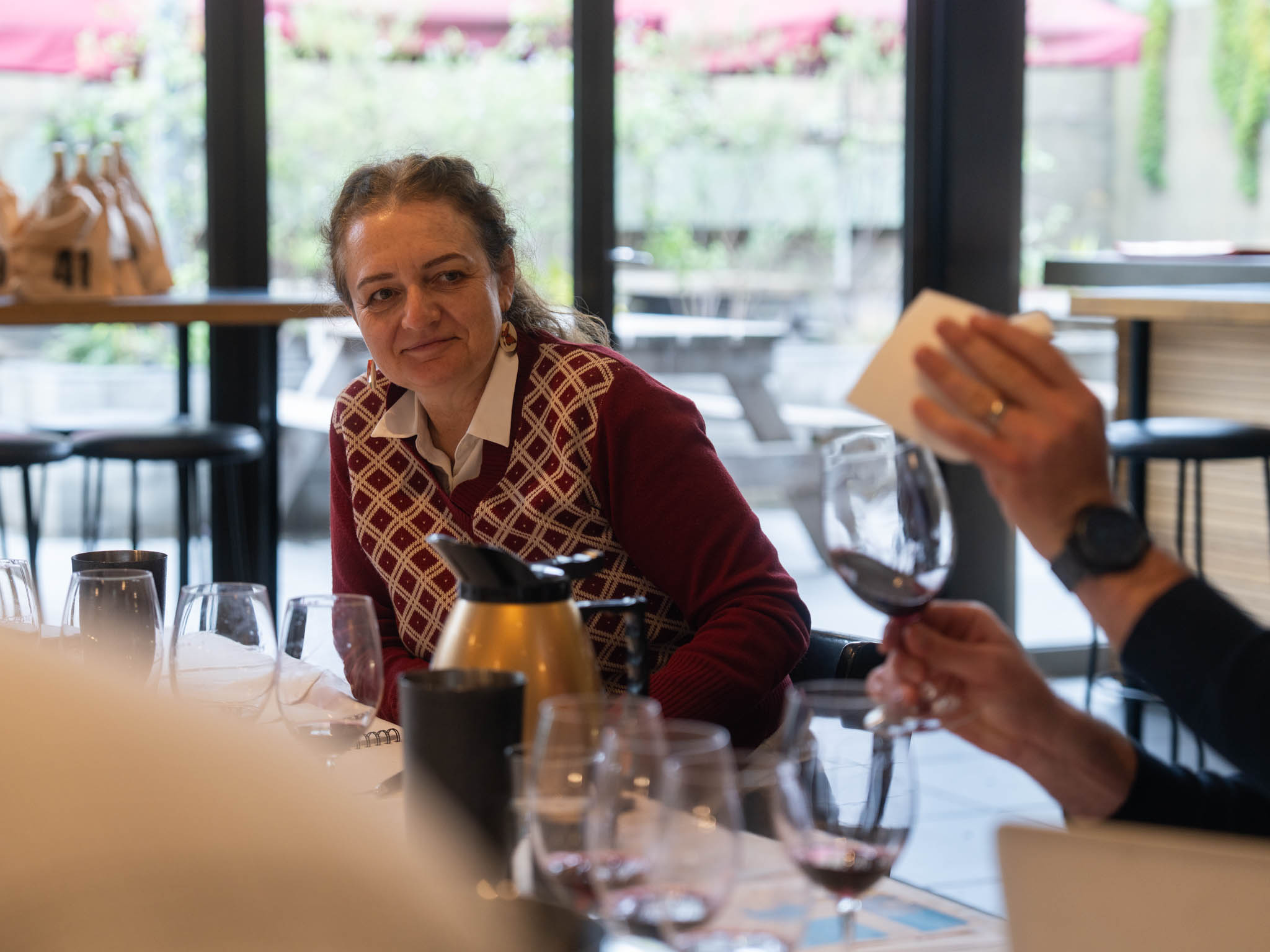
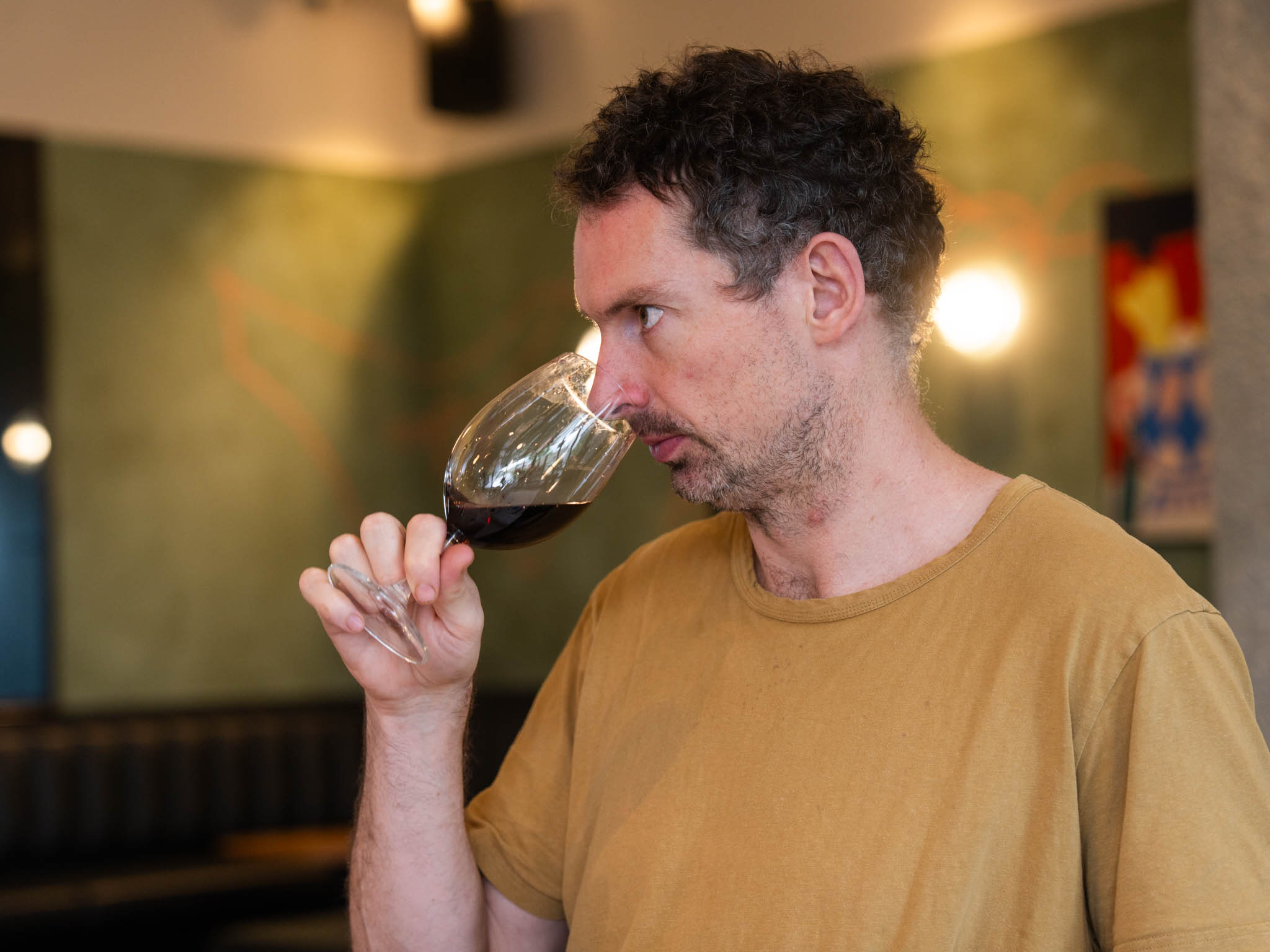
Talk of oak moved on to a discussion about tannin and extraction, and the wines that were built for the long haul. “I could see lots of potential in a lot of these wines,” Cannon said. “Some wines were like, ‘This is a good wine – but I can’t wait to see it in six years. It feels ripe, extracted, nicely punched.’ Those wines are like cloaked beasts – they just need some time. And when I say that I don’t mean to detract from their quality – they just feel like they’ve got all of this stuff that’s going to be a little late to show up.” He added, “I had one in my top six that just didn’t look all that interesting – not a wine I’d drink right now, but there wasn’t a hair out of place. It had just the right amount of acid, just the right amount of oak, and serious fruit extraction. It’s a banger – it’s categorically excellent. It’s not what I want to drink right now, but it will be very, very good.”
“Nice and easy, goes with everything on the table – beautiful wines. I think that’s going to break people’s perception of cabernets – maybe drink something like that, introduce more people to those styles. Maybe it’s a gateway into a different cabernet – or maybe they’ll just like that style.”
This point raised the issue of style, and whether cabernets should be made in a more traditional, cellar-worthy manner, or a more open-knit, approachable style. “There’s lots on this table today that I had put down as great wines that were maybe not in my top six,” Heisz said. “But I thought they were wines that if someone handed them to me at a party or a barbecue, if they just handed it to me, I’d think, ‘Man, that’s great.’ Like, it’s fresh, it’s easy, sun’s out – I’m drinking this, no problem. Nice and easy, goes with everything on the table – beautiful wines. I think that’s going to break people’s perception of cabernets – maybe drink something like that, introduce more people to those styles. Maybe it’s a gateway into a different cabernet – or maybe they’ll just like that style.”
Redmond agreed, and added, “Certain varieties get treated with this reverence – like they’re meant to be super, super complex,” he said. “I think cabernet get treated in that way where it’s expected to be an extremely complex and structured wine – but it’s also okay if it isn’t. There’s a spot for that as well – a good, easy drinking, well-priced cabernet.” He added, “The average person is drinking wine that is current release – and wine should be probably made to be consumed as current release as well.” Pidgeon concurred, saying “And honestly, so am I, actually. I love the occasional old cabernet – but that’s not what I want to drink a whole bottle of, though. It’s something I want to share a glass of – and then move on.”
GET FIRST ACCESS TO THE NEXT WINE ICONS – DELIVERED
Find out moreEach month, get 3 bottles of our freshest discoveries. We taste thousands to bring you the best.
Join us and support emerging winemakers, sustainable vineyards, and the development of young professionals.
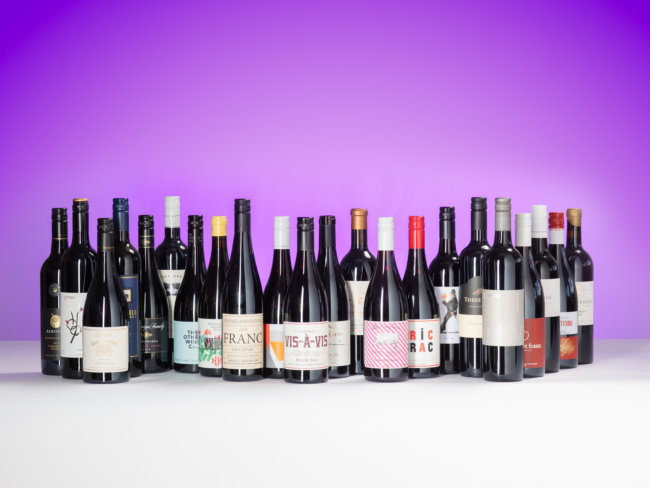
Cabernet Franc can be rarefied, but it is typically accessible, both in style and cost, and the engaging variety of expressions that are now appearing on top wineslingers shelves is deserving of our attention.
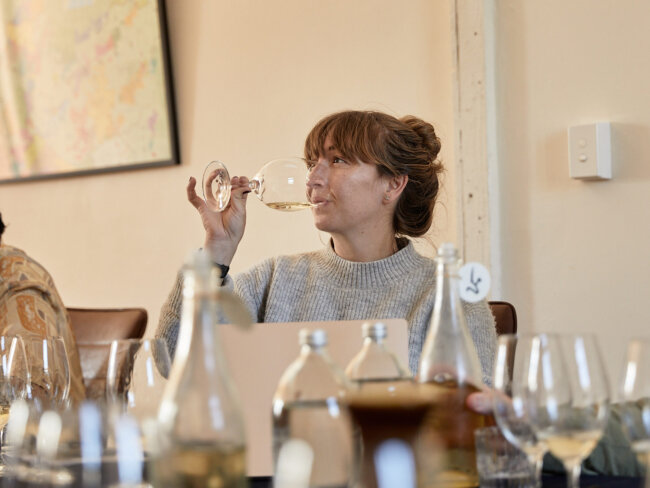
Four years after our inaugural Deep Dive into Grüner Veltliner, it’s an apt time to again cast our eyes across the Australian Grüner landscape. We gathered every Australian wine labelled Grüner Veltliner we could find and set our expert panel the task of finding the wines that compelled the most. All wines were tasted blind, and each panellist named their top six wines.
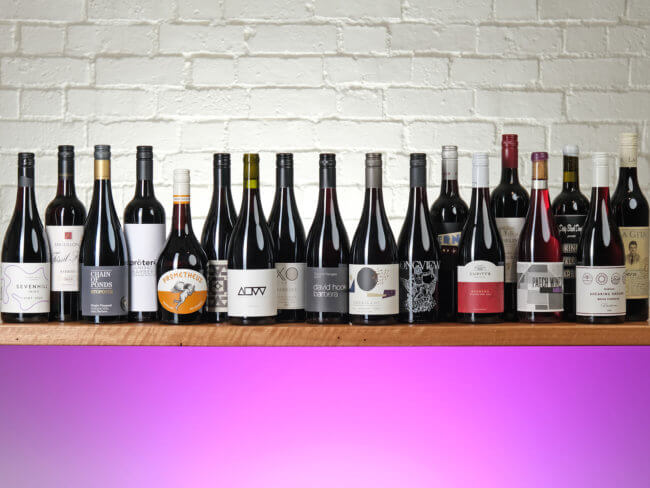
Barbera is a fine prospect for our broad range of climatic conditions, and makers are getting to grips with fashioning a range of interesting expressions across the spectrum. We gathered every Australian barbera that we could find and set our expert panel the task of finding the wines that compelled the most. All wines were tasted blind, and each panellist named their top six wines.
The Next Wine Icons – Delivered
Each month, get 3 bottles of fresh discoveries.
We taste thousands to bring you the best.
Please sign in or create account as candidate to bookmark this job
Please sign in or create account to save this search

Please sign in or create account as candidate to create a resume