&noscript=1"/>

Deep Dive:
Margaret River’s Best Chardonnay

Wines Of Now
12 September 2025. Words by YGOW.

Margaret River stands apart among Australia’s chardonnay regions – remote, relatively young, dominated by a single chardonnay clone, and paired with cabernet sauvignon rather than pinot noir. This sense of exceptionalism has translated into international recognition: for many wine buyers outside of Australia, Margaret River chardonnay represents Australian white wine at its finest, rivalling Barossa shiraz in status and importance. With this upstart region making compelling claims to producing some of the world’s best chardonnays, we thought it was time for a closer look via a Deep Dive.

We gathered every chardonnay from Margaret River we could find and set our expert panel the task of finding the wines that compelled the most. All wines were tasted blind, and each panellist named their top six wines. Below are the wines that made the panellists’ top-six selections from the tasting.

Our panel: Meg Brodtmann MW, wine educator, Prince Wine Store; Tom Robertson, general manager, Alimentaria; Madeleine Horrigan, wine writer and MW student; Cyndal Petty, wine writer and consultant sommelier; Tully Mauritzen, wine buyer, Vinomofo; Blake Meyer, wine buyer, Reed House.

From the Deep Dive

The Top Wines


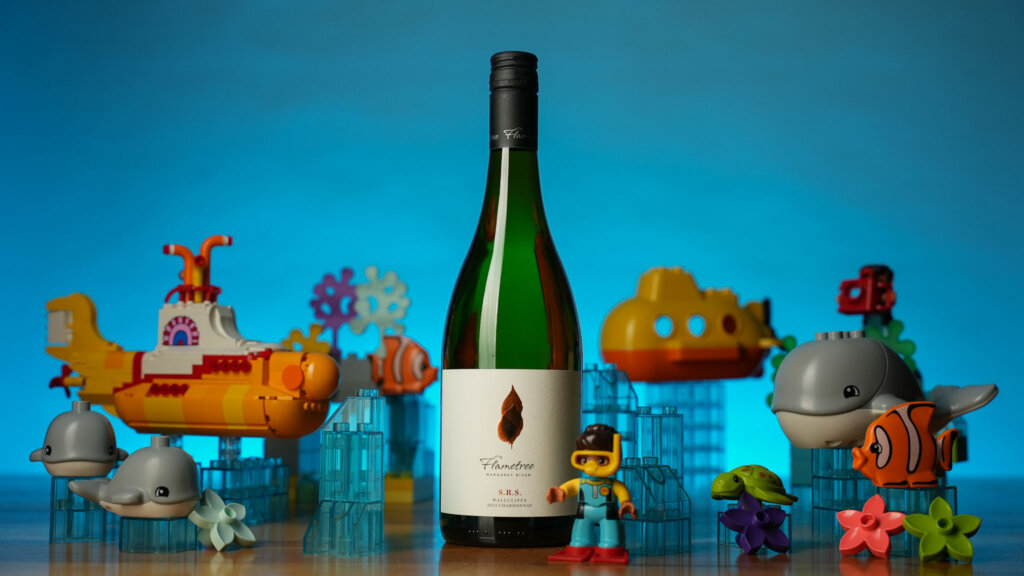
2023 Flametree ‘S.R.S. Wallcliffe’ Chardonnay, $95 RRP

Robertson and Petty both included this wine in their top six from the blind tasting. Robertson found “a wine of stand-out balance, powerful fruit, integrated oak, and poise all at once. This wine starts with a lovely reductive lift, with sea spray and a herbal twist. The stone fruit is wonderfully pure, and the ripe citrus is crisp without being sour. Oak use is subtle – so harmonious!” Petty was equally enthusiastic: “Power, restraint, freshness, and pure steez – this is a stunnin’ wine. Lime sorbet, flint, pencil shavings. It feels wise, but still full of youthful bounce – its personality still stretching into itself. Grapefruit juice, tangerine zest, cumin, seablite, samphire, curry leaf, mandarin oil, tree wax, schist, salt, magic dust … a lot is going on, and I’m into it. Finishes long, with a nostalgic note of tiny Italian mandarins.”


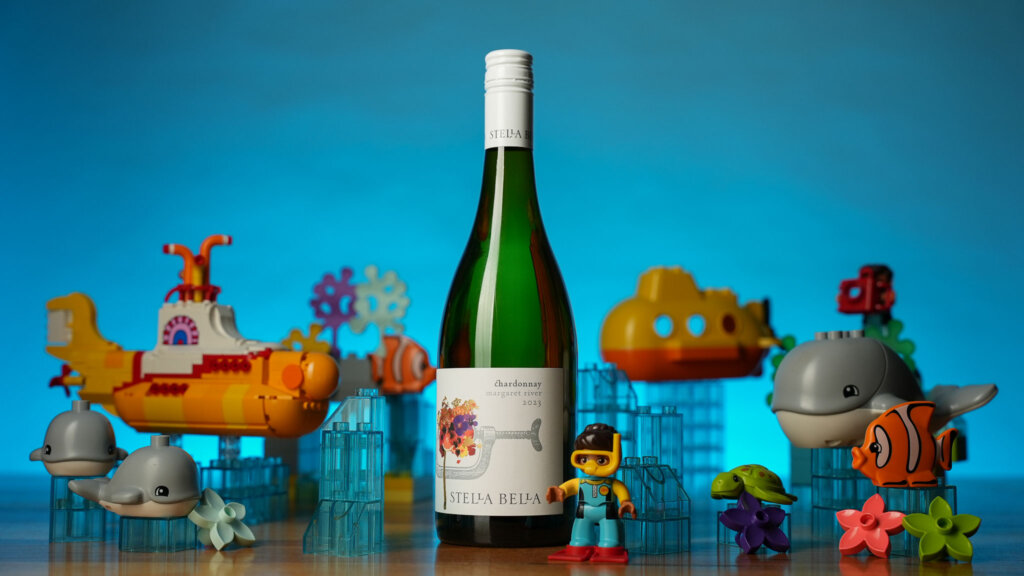
2023 Stella Bella Chardonnay, $43 RRP

Brodtmann, Petty, and Mauritzen all selected this wine in their top six from the blind tasting. Brodtmann found “a beautifully put-together wine with aromas of grapefruit, mango, and some reserved oak notes. The raw cashew nut and just-ripe nectarine elements suggest we’re looking at either a cooler vintage or subregion. The texture is layered, making the wine elegant and fine-lined. A really lovely wine, representing what Margaret River does best with chardonnay.” Petty described it as “tight, taut and tender-framed – you could easily miss this cheeky little number. Lemons for days, in so many ways: Meyer lemon, salted lemon, preserved lemons, lemon pith, and some lemon that went to Europe and came back with ‘-cello’ on the end. The acidity here is strong enough to tow a caravan – the wine has depth, energy, and freshness.” Mauritzen noted how “this wine really brings the spice, like walking into a kitchen with spiced apples bubbling on the stove: vanilla, clove, and grapefruit are so abundant on the nose. It’s certainly the way that I want to drink chardonnay: a wine of abundance, that makes even the dullest of weeknights feel romantic.”


2023 Duke’s Vineyard ‘Invitational’ Chardonnay, $66 RRP

Mauritzen and Brodtmann both had this wine in their top six from the blind tasting. Mauritzen was captivated: “There are some wines that take some time to wrap your head around – not because they’re difficult to enjoy but because picking apart their nuances is a long, slow joy in itself. This has the most incredible tension – a balance of zesty, chalky acidity with the texture of musk sticks. The aromas of white peach and a hint of toasted sourdough bring me so much joy – it feels like a breakfast table on a late summer morning after you’ve just brought everything home from the market. The oak feels expensive without being flashy: just a perfect seasoning for what already feels like a perfect wine.” Brodtmann appreciated how “the variety, rather than the winemaker, is allowed to shine. Grapefruit pithiness on the palate adds a touch of texture and phenolic grip. Some stone fruit and restrained, toasty oak add complexity. There’s a touch of curry leaf on the finish, with a flinty minerality and an almost salty, briny character.”


2023 Dormilona ‘Clayface’ Amphora Chardonnay, $75 RRP

Meyer selected this wine in his top six from the blind tasting. “Real depth and development here: musky in a good way, starting to show some walnut-skin character,” he noted. “The green pear and apple notes here are drying out in the sun. There’s plenty of texture on show – it’s best described as ‘luscious’. So much warming, nutty spice, brittle, rusty minerality, roasted peaches, and some lanolin for good measure – really decadent, and densely packed with flavour. There are many, many years still left in this wine, but don’t let that stop you from opening a bottle now!”


2019 Umamu Chardonnay, $60 RRP

Horrigan and Robertson both chose this wine in their top six from the blind tasting. Horrigan found “a wine that captures your attention from the first sniff, with tantalising notes of tangy lime, zippy green apple, and beautifully ripe apricots. But the magic of this wine really comes through in its layered hints of sour cream and oatcake, creating an intriguing Key lime pie profile. Interwoven among the riot of flavours, the palate delivers zesty acidity that plays beautifully with those savoury, lactic notes.” Robertson noted “a wonderful savoury nature to this wine that is so driven by seaside herbs, citrus, and floral notes. A great lighter-framed expression, bristling with freshness and a savoury driving force that wraps around the spice and stone fruits on the palate. It’s energetic, and full of potential!”


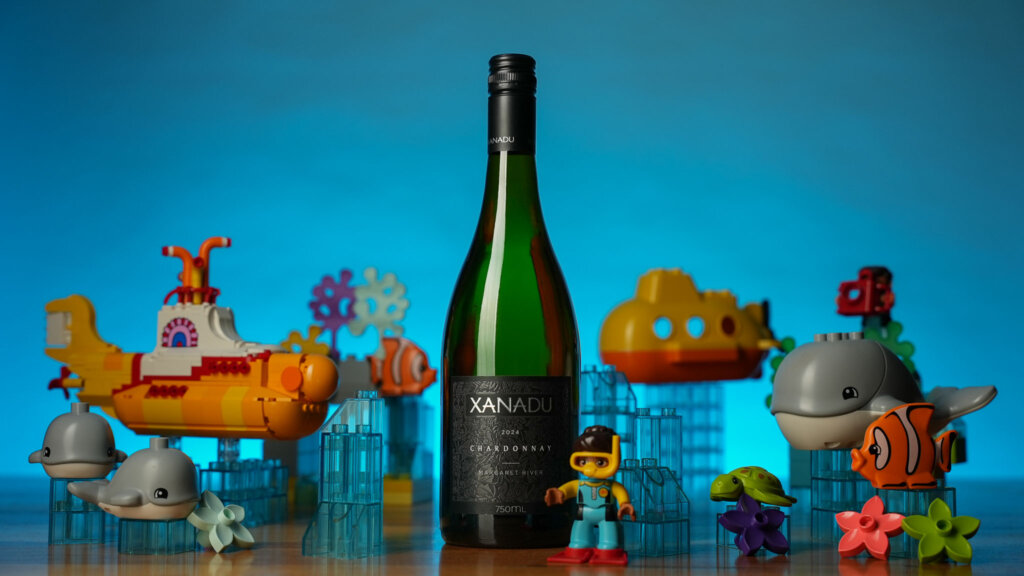
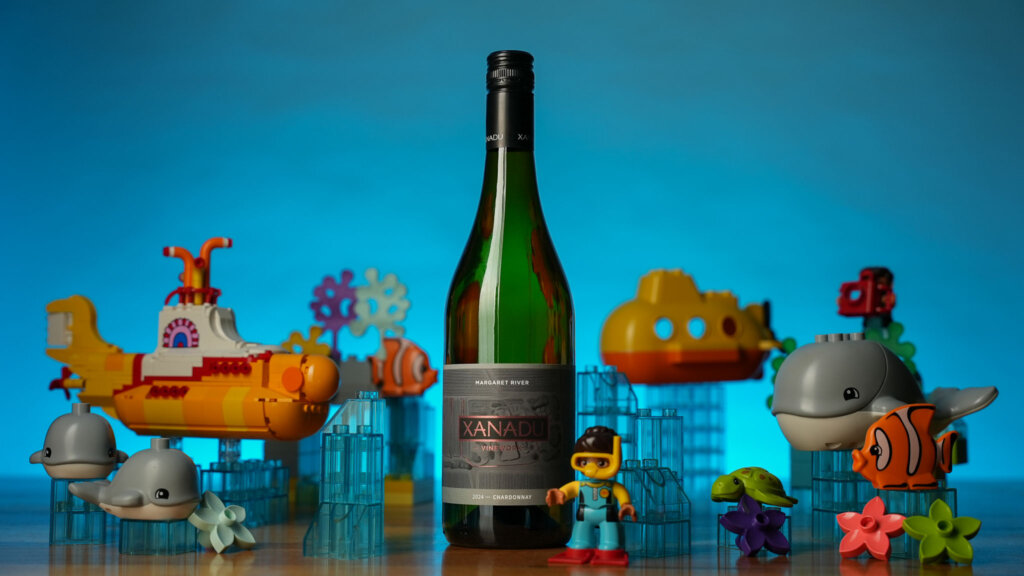
2024 Xanadu Chardonnay, $40 RRP

Robertson, Petty, and Mauritzen all featured this wine in their top six from the blind tasting. Robertson found “great pops of ripe citrus, white flowers, and stony minerality on the nose. That ‘struck match’ reductive note brings you back to a lovely saline drive on the palate, then the wine’s beautifully built oak frame puts everything in its place. A spicy finish with white peach, green apple and fresh herb characteristics.” Petty described it as “fresh, crisp, and a touch wholesome – yoghurt, pencil shavings, preserved lemon. These notes blow off to unveil lime sorbet and creek water notes underneath. Tart acidity that makes you pucker, stand tall, salute – then walk it off, wondering why you saluted your boss. Almost riesling-like, but without the theatrics.” Mauritzen was enthusiastic: “The aromas on this are truly outstanding: freshly squeezed grapefruit juice meets freshly baked lemon pie. There is a distinct smell of perfectly made crème pâtissière in that rich cream and vanilla pod kind of way, with definite notes of hazelnut essence sneaking through. The balance between the spicy oak seasoning and fruit driven flavours is a perfect push-and-pull.”


2023 Vasse Felix ‘Single Plot – DHJ1’ Chardonnay, $80 RRP

Horrigan had this wine in her top six from the blind tasting. “This wine opens with striking citrus aromatics – pithy grapefruit, lemon, and lime – along with pops of ripe nectarine and yellow apple,” she described. “A touch of char and baking spice (nutmeg and clove) peeks through, but sits nicely alongside the fruit. Vibrant acidity drives the palate, where tart green apple – think tangy apple sour straps – dances with firm yellow peach and briny sea spray notes. The mouthfeel is textural, while maintaining freshness throughout. A long, concentrated finish with genuine persistence that keeps drawing you back.”


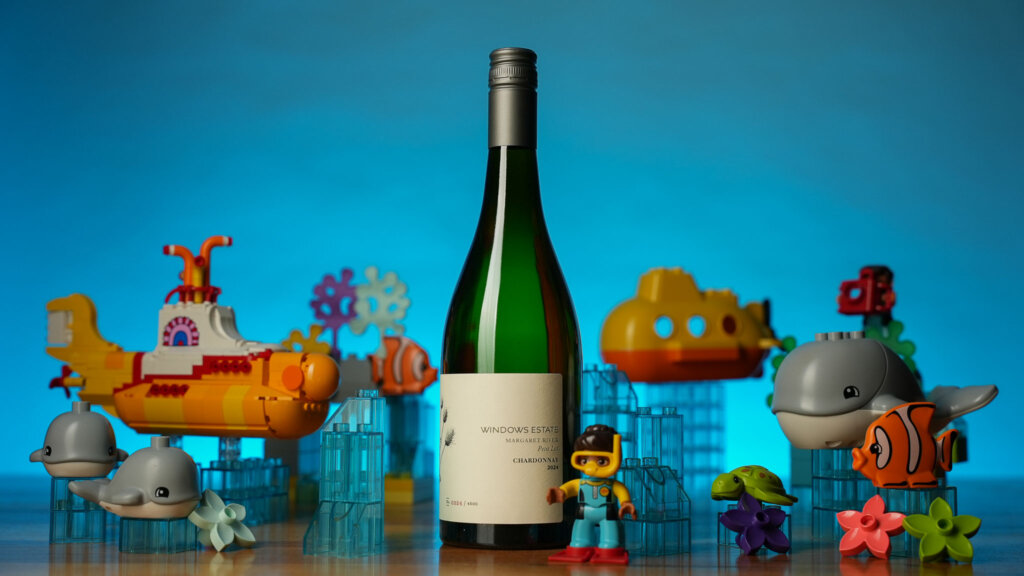
2024 Windows Estate ‘Petit Lot’ Chardonnay, $65 RRP

Horrigan and Petty both included this wine in their top six from the blind tasting. Horrigan found “if you’re into a lean, mineral-driven style, this is your wine. On the nose, fragrant Tahitian lime and Granny Smith apple are quickly followed by a gorgeous smoky minerality of flint, wet stone, and oyster shells. The palate delivers on the savoury promise, with earthy minerals dancing alongside zesty grapefruit, green apples and apricot. Hints of biscuit and oatcake line the palate, giving texture and saline intricacy, while electric acidity drives through to a long, lime-inflected finish.” Petty described it as “clever, mischievous, and balanced: like a ballerina who could also land a punch – and bite an ear. Salty nectarine, orange oil, seablite. Bouncy acid, concentrated-but-playful fruit. It sparks child-like giddiness. Very textural. Gentle bitterness on the finish, reminiscent of Italian aperitivi such as Campari and Aperol.”


2024 Xanadu ‘Vinework’ Chardonnay, $30 RRP

Brodtmann and Mauritzen both chose this wine in their top six from the blind tasting. Brodtmann noted it’s “definitely on the leaner side, but not showing the underripe, dilute characteristics seen in some leaner chardonnays. The mouthfeel and slightly reductive aromas suggest that the winemaker used a higher portion of solids during fermentation, which adds to the complexity. Grapefruit and yellow peach fruit is supported by a touch of vanilla-like oak character, while an acacia character adds interest.” Mauritzen found “there’s almost something elusive about this, like a mystery I can’t solve but also don’t want to – I just want to sit and enjoy it. It feels like the equivalent of a black silk dress – incredibly elegant but ready to party at a moment’s notice. The acidity is reminiscent of grapefruit pith, and a chalky texture comes in to match, alongside slate and sea spray. Tasting it, I feel like I’m at the beach in a formal gown – kinda epic!”


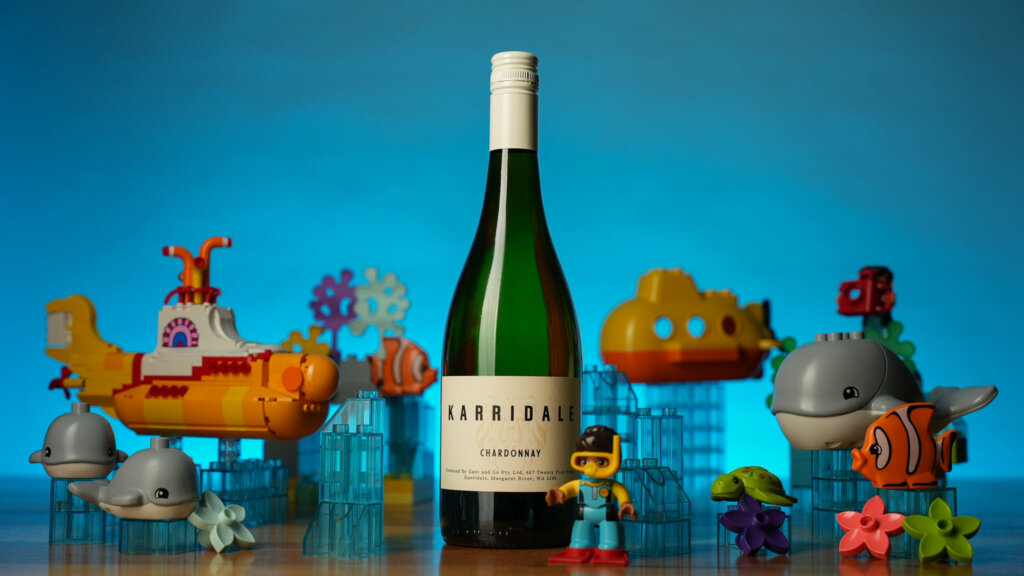
2023 Gant and Co. ‘Karridale’ Chardonnay, $60 RRP

Robertson selected this wine in his top six from the blind tasting. “Toasty toast! Stone fruit dominates on the nose, which opens up wonderfully in the glass,” he noted. “Super fresh on the palate, with a chalky balance that leaves you thinking of lemon pith and sour lollies. That toasty oak character is not out of place – it’s wonderfully measured and showcases how excellent the fruit is here: green apple, stone fruit and a sour edge of yuzu citrus. Young and tender, but with great oak backing.”


2023 Dormilona Chardonnay, $58 RRP

Robertson and Petty both had this wine in their top six from the blind tasting. Robertson found “funky ‘struck match’ reduction on the nose – but also floral, with yellow and white peaches with their furry skin, almonds, and creamy lees character. There is a delicious core of yellow citrus fruits, stone fruit and crisp pear on the palate, driven by vibrant acidity and a light, high-toned body. Another wonderful expression that should just be drunk!” Petty described it as “raw and wound up tight at first, but loosens up once you give it a minute to unfurl in the glass. Aromas of concrete, peach tea, and lemon thyme. Rough around the edges – like all the greats. Terracotta texture on the palate, with notes of creek-water, Satsuma plum, and cloudy grapefruit juice. The acidity is rugged, the tension is high, the vibe is intriguing.”


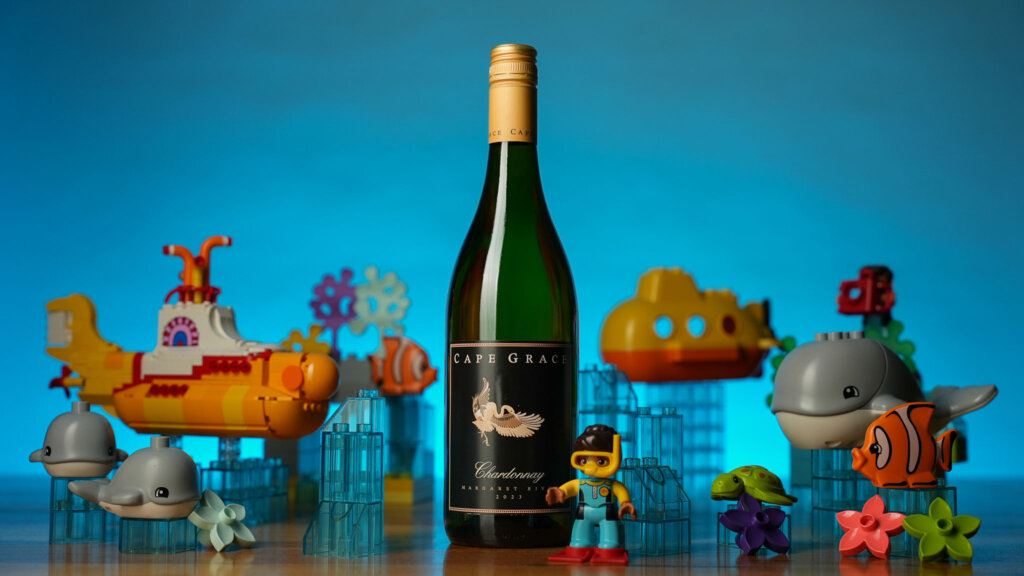
2023 Cape Grace Chardonnay, $45 RRP

Meyer featured this wine in his top six from the blind tasting. “An absolute flavour bomb – freshly-made buttered popcorn straight away on the nose alongside peach pits and nutmeg,” he described. “On the palate, this wine is bright and salty, with a generous yet balanced texture, showcasing grapefruit pith, green walnut, and buttered toast. A really well put together wine!”


2024 Howard Park Chardonnay, $69 RRP

Meyer and Brodtmann both selected this wine in their top six from the blind tasting. Meyer noted the “tell-tale Gingin clone spice character here – a touch of curry leaf, cinnamon stick and mandarin oil, flecks of white and green peppercorns, all encased in fleshy fruit flavours of green apple, mango, and rockmelon. There’s an awesome acidity reminiscent of an unripe and sour pear that drives the flavour down the palate to a lingering finish – very moreish!” Brodtmann found “grapefruit, mango pith and yellow peach aromas that all scream ‘chardonnay!’ There are definite oak flavours of vanilla and clove, but they are well integrated with the stone and citrus fruits on the palate. Some oily texture and a phenolic grip holds everything in place.”


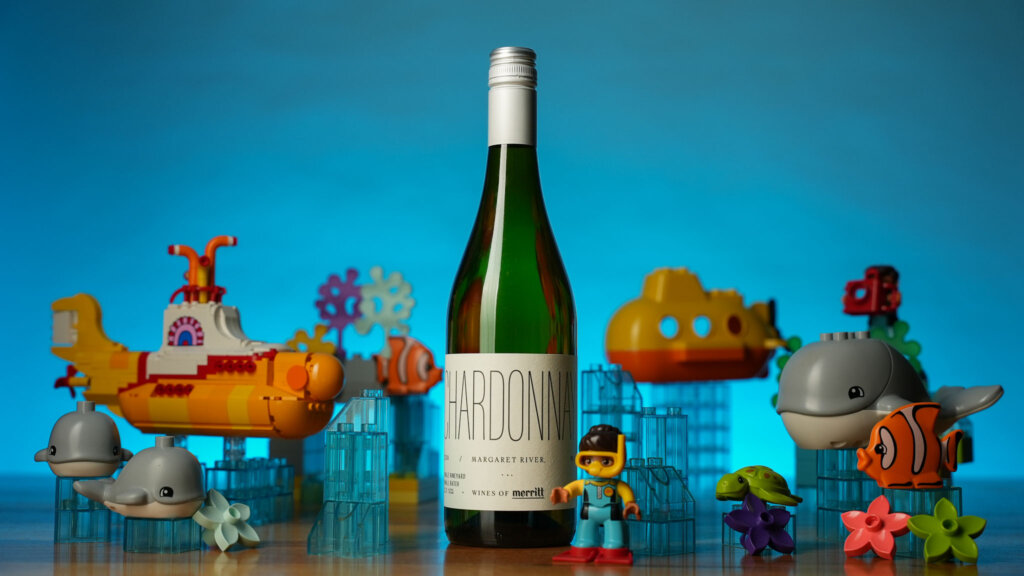
2024 Wines of Merritt Chardonnay, $45 RRP

Mauritzen had this wine in her top six from the blind tasting. “From the moment I stuck my nose in this wine, I could tell it was going to be elegant and refined,” she noted. “It isn’t super show off-y in the way that chardonnay can be, and often is – instead, it’s delicate and warm, with a woodsy spice note akin to spruce and baking spices that plays with a lemon meringue pie creaminess. This wine has an incredible saline note that not only feels expressive of this seaside region, but enhances the already incredibly bright and fresh style of the wine. When we talk about ‘zippy’ wines, we’re talking about wines like this – not without depth and generosity of richness, but balanced by an incredible freshness in the way of minerality and saltiness.”


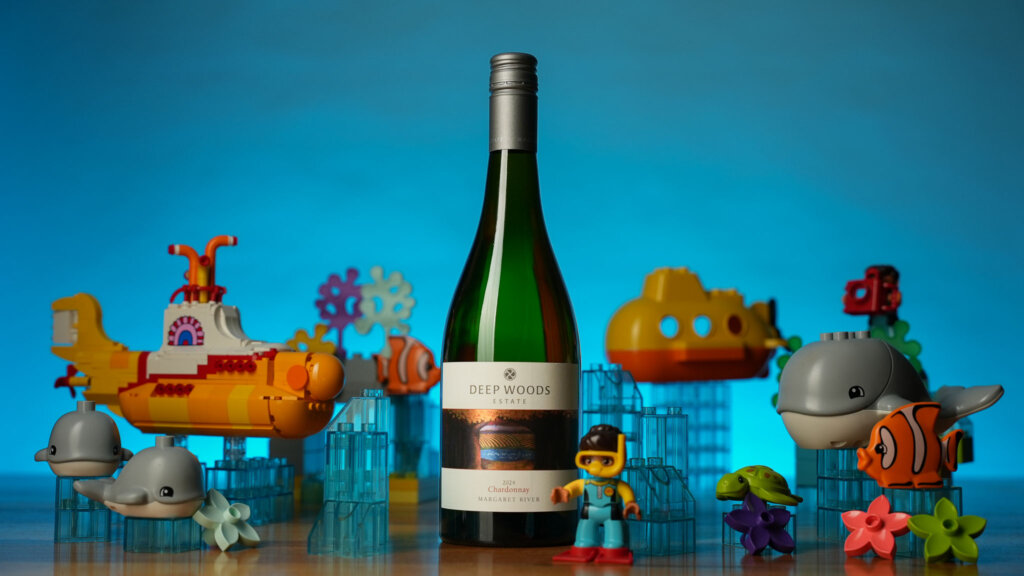
2024 Deep Woods Chardonnay, $24 RRP

Meyer chose this wine in his top six from the blind tasting. “Quite pretty and delicate – melons, sherbet, and nougat,” he described. “It’s quiet on the nose, but the palate shows the wine’s hand with a fanning texture that feels like it really spreads out. There’s a crystalline acidity that makes me salivate, driving notes of lemon zest and a touch of white-soy savouriness to a crescendo. You can really feel that famous maritime influence here – this would absolutely rock with a well-cooked pork chop and lentils.”


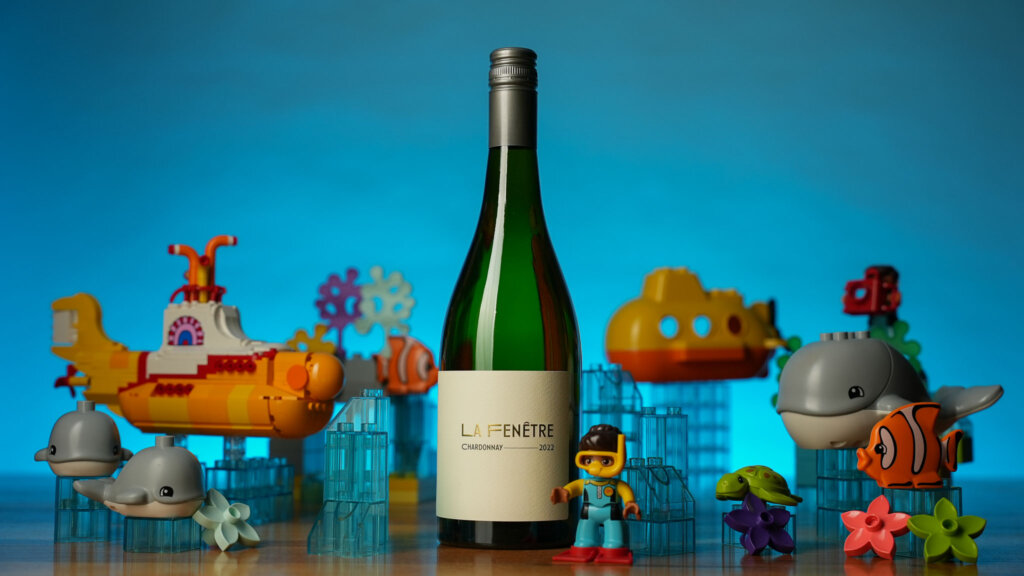
2022 Windows Estate ‘La Fenêtre’ Chardonnay, $95 RRP

Horrigan included this wine in her top six from the blind tasting. “Sophisticated toasty vibes meet bright fruit in this beautifully balanced number,” she observed. “The nose gives you juicy grapefruit, tangerine, and yellow nectarine, with buttered toast and sweet oak spice providing depth. The palate maintains freshness with punchy fruit – echoing the nose, but with a touch more breadth and ripeness. What sets this wine apart, however, is the textural complexity: lithe and creamy, with a subtle chewiness that keeps things interesting. The oak is definitely present, but enhances rather than dominates the fruit.”


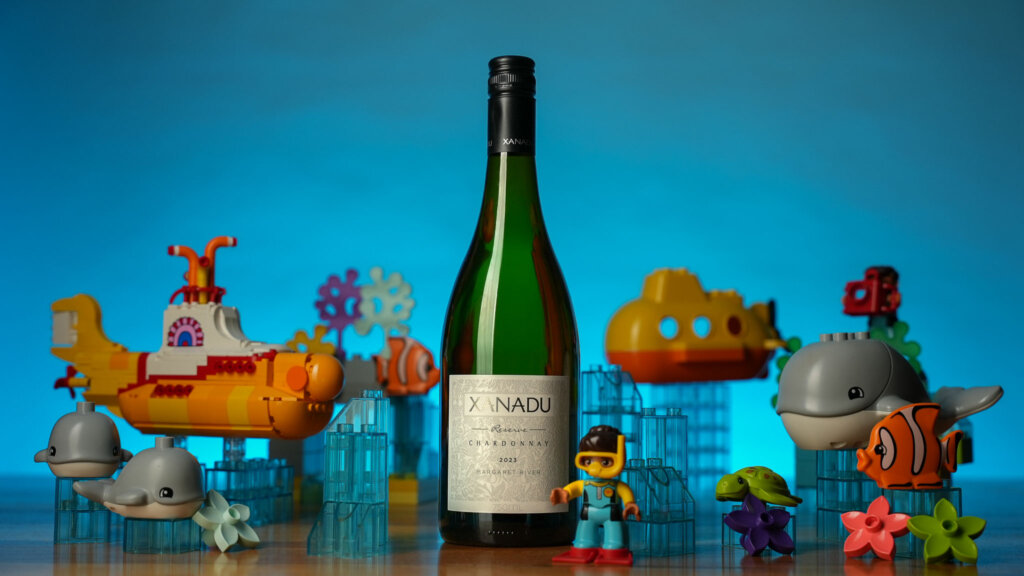
2023 Xanadu Reserve Chardonnay, $130 RRP

Mauritzen featured this wine in her top six from the blind tasting. “This wine immediately evokes fresh French chèvre cheese on the nose: lightly tangy and citrusy, with a whiff of fresh goat’s cheese curds and freshly picked green apples,” she described. “That lift on the nose promises a wine that is fresh and ready to be embraced in its youth, but also with so much potential to develop and grow in complexity. The palate delivers that same experience, dialled up to eleven: it packs a real punch of brightness, rather than anything flabby or creamy. I loved this wine for being unashamedly fruit-driven, and its nod to the likes of riesling, which can be so versatile and show immense potential to develop over months and years in bottle. This might not be what everyone expects from Margaret River – those typical notes of oak, butter, curry leaf, and roasted nuts – but I love that it sits proudly as a high-quality chardonnay without needing to rest on classic ideas of richness.”


2023 Stella Bella ‘Luminosa’ Chardonnay, $110 RRP

Petty chose this wine in her top six from the blind tasting. “Volcanic drama – and by that I mean salty smoke, like Mt. Etna in June,” she described. “Dank, sticky-icky grapes, lime cordial, orange skins, green mango. On the palate, the wine is coating, getting into every nook and cranny, and shows tangerine, salty samphire and tart guava. The acidity’s bright, and brings freshness, tension, and poise. Long, pleasant finish.”


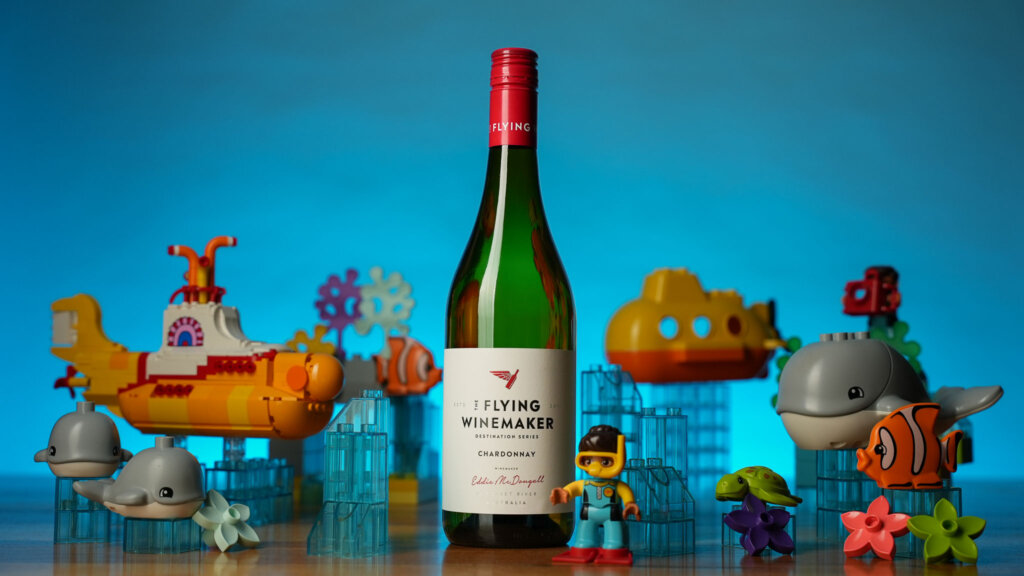
2023 The Flying Winemaker ‘Destination Series – Margaret River’ Chardonnay, $28 RRP

Brodtmann had this wine in her top six from the blind tasting. “A super-intriguing wine,” she noted. “On first taste, it appears as a more mineral style, with some prominent reductive solids character on the nose. However it opens up on the palate, showing lifted white florals, grapefruit, and lemon pith. Another example of a shift in style from the classic Margaret River chardonnays of yesteryear, with the fruit here being highlighted. Loads of minerality, with an oyster shell note and a slightly resinous oak profile. Bloody lovely!”


2023 South by South West Chardonnay, $55 RRP

Meyer selected this wine in his top six from the blind tasting. “A very comforting smell to this wine – just that fresh, cold, salty air married to a touch of warming oak influence,” he observed. “Really svelte and even-keeled on the palate, starting to hit that yellow fruited spectrum, backed up by an unripe green pear acidity and heaps of pithy lemon character. Really salty – like, impressively salty. Present and giving on the palate – this wine feels awake and alive.”


2021 Juniper ‘Cornerstone’ Chardonnay, $65 RRP

Horrigan included this wine in her top six from the blind tasting. “This wine comes out swinging with an evolving array of aromatics to keep you on your toes,” she described. “To start, notes of spicy pear skins, white peach and nectarines mingle with hints of underripe guava that add an exotic twist. Then white blossom florals emerge, weaving through the fruit like a gentle breeze, with pops of toasted almond bringing richness without being heavy-handed. The palate is a softer, riper style that wears its concentration like a well-tailored suit. Even with that generous fruit weight, its bright acidity keeps everything singing in harmony. With its lush texture, layered flavours and lively acidity, this is the kind of wine that belongs on a sun-drenched terrace with good friends – and even better seafood.”


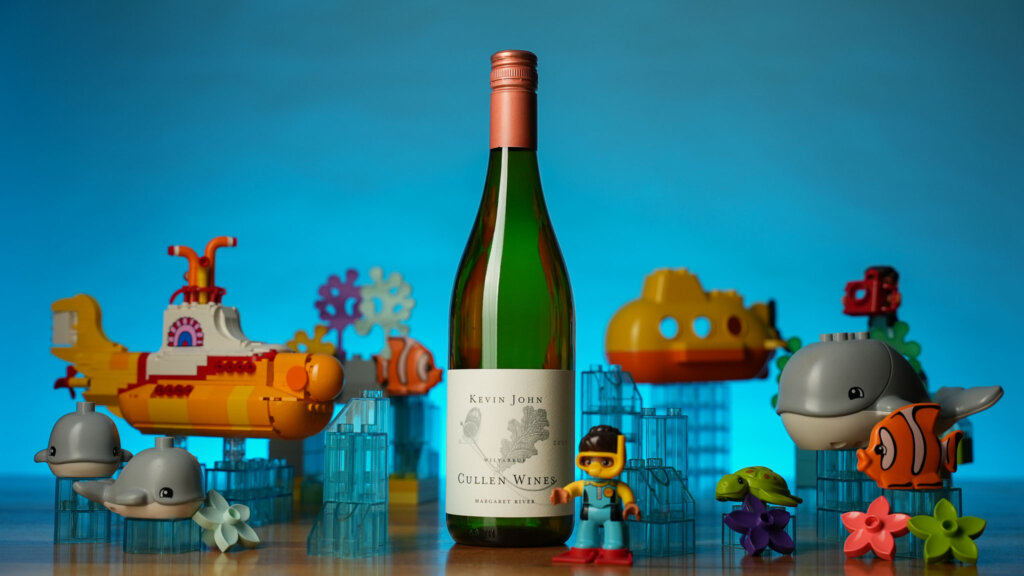
2023 Cullen ‘Kevin John’ Chardonnay, $195 RRP

Robertson featured this wine in his top six from the blind tasting. “Sour and ripe apples alongside peaches and herbal tones on the nose, leading into a comforting oak note,” he noted. “It might initially seem almost tutti-frutti, in a playful way – yet there’s a serious edge that soon overtakes, and swiftly reveals the wine to be intensely layered and complex. Super length on the palate, and so enjoyable – a textural, ripe, full-bodied and old-school chardonnay that nods to modern approaches. A delightful showcase of how chardonnay can be deeply serious, yet seriously delicious – and, most importantly, a joy to drink.”


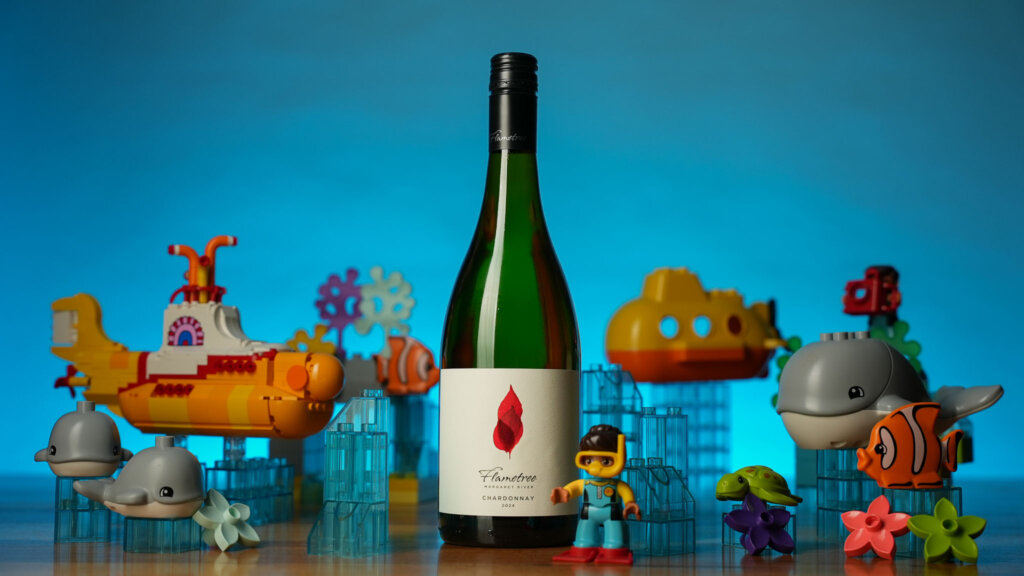
2024 Flametree Chardonnay, $40 RRP

Meyer had this wine in his top six from the blind tasting. “Superbly sweetly fruited on the nose – all golden peach and nectarine, really pleasing and giving,” he described. “On the palate, there are three really distinct layers to this wine – a sweet stone fruit character; a spritzy, salty, grapefruit-y acidity; and a warming, enriching, comforting oak spice note – all working in tandem for the sake of drinking pleasure. Yum!”


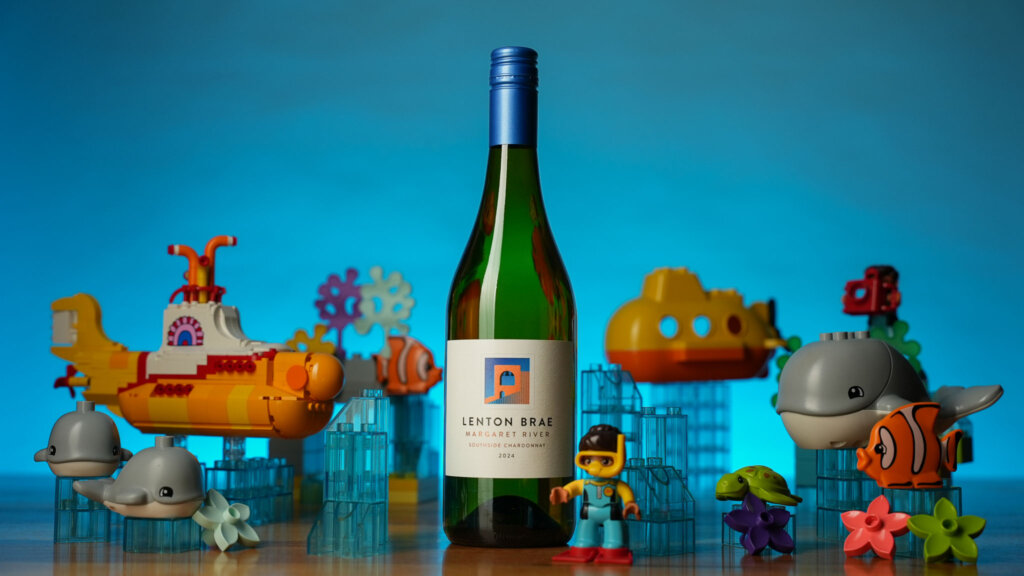
2024 Lenton Brae ‘Southside’ Chardonnay, $40 RRP

Horrigan chose this wine in her top six from the blind tasting. “Generous fruit on the nose, with concentrated yellow and white peach, nectarines, and apricots leading the aromatics,” she noted. “Golden delicious apples and fragrant mandarin peel provide brightness, while sweet almond, vanilla, and toast notes add luxurious depth. The palate strikes an impressive balance – bright acidity cutting through the riper fruit profile while maintaining refreshing structure. Subtle texture and savoury elements add intrigue without overwhelming. A complete, compelling wine with fruit, freshness and savoury depth in harmonious proportion.”


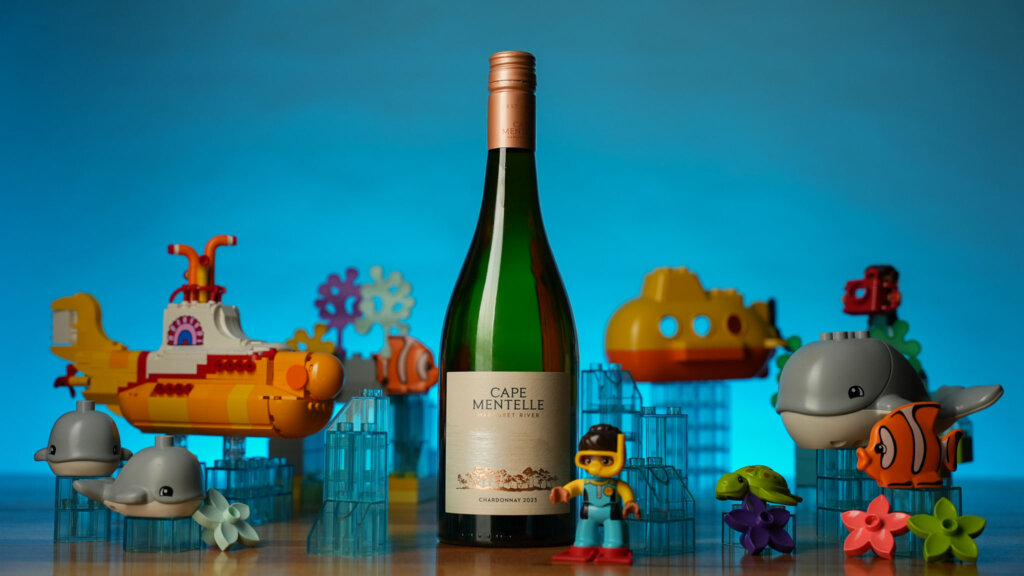
2023 Cape Mentelle Chardonnay, $60 RRP

Brodtmann selected this wine in her top six from the blind tasting. “This is like a ‘Goldilocks’ style – poised between the two camps of richer and more mineral styles of Margaret River chardonnay,” she observed. “It’s super refreshing, with some oak tannin grip, lots of pithy grapefruit, a touch of just ripe nectarine, and some added savoury spice on the palate. Quite a complex wine, with some raw cashew nut and hazelnut characters. This would be the ultimate food-pairing chardonnay, as it has plenty of acidity to support richer, fattier food.”

The backstory

Margaret River stands apart among Australia’s chardonnay regions – remote, relatively young, dominated by a single chardonnay clone, and paired with cabernet sauvignon rather than pinot noir. This sense of exceptionalism has translated into international recognition: for many wine buyers outside of Australia, Margaret River chardonnay represents Australian white wine at its finest, rivalling Barossa shiraz in status and importance.

The four decade long love affair international buyers and wine critics have had with Margaret River chardonnay is a significant accolade, given that the region represents only 4% of the national vineyard area, 2.2% of the country’s chardonnay harvest by weight, and 0.4% of Australian wine exports by volume. In fact, and in stark contrast to the national norm, the region grows more sauvignon blanc than it does chardonnay. The statistics paint a remarkable picture – given that it is one of Australian wine’s calling cards in the global arena, there really isn’t all that much Margaret River chardonnay to go around.

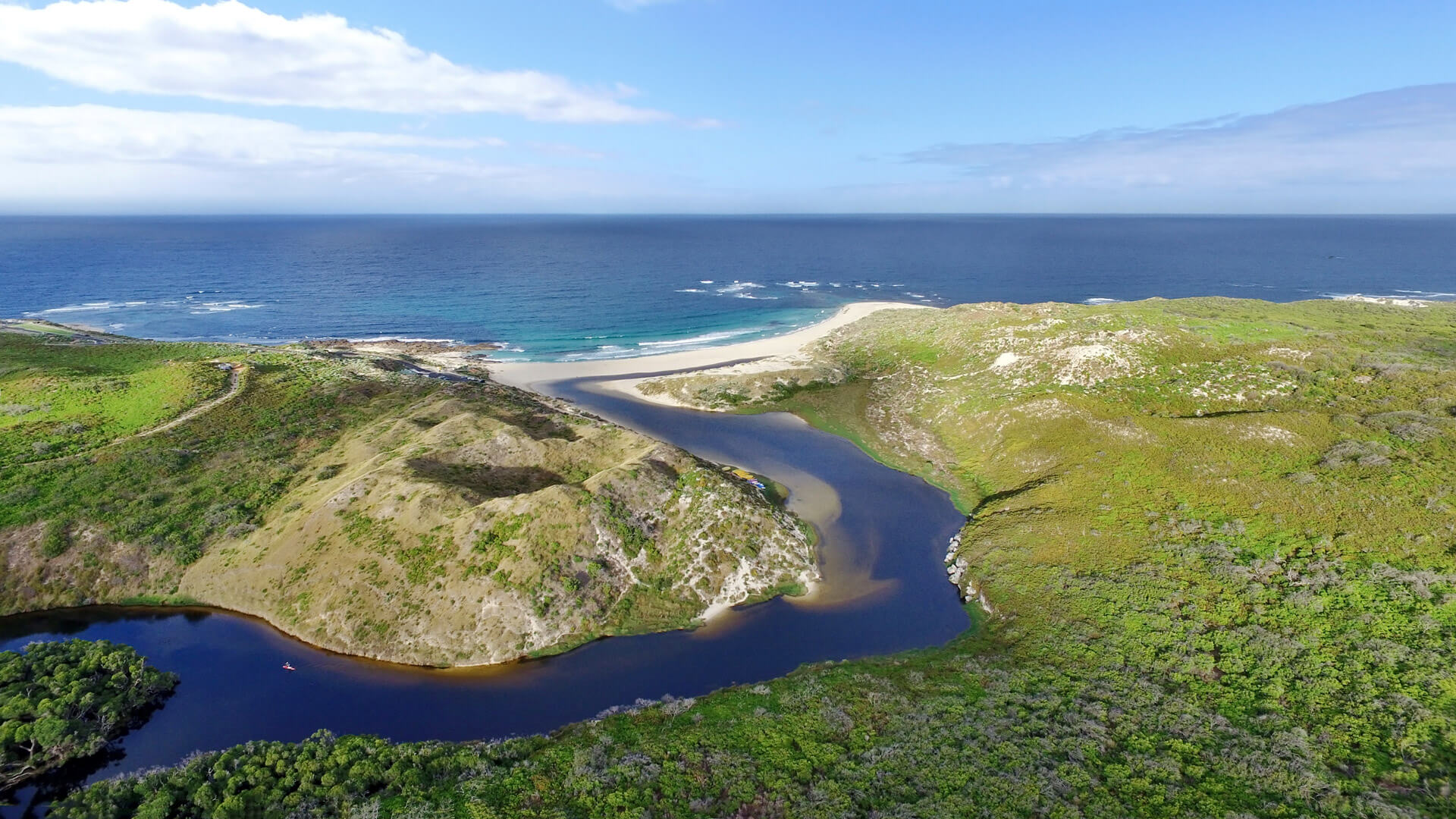
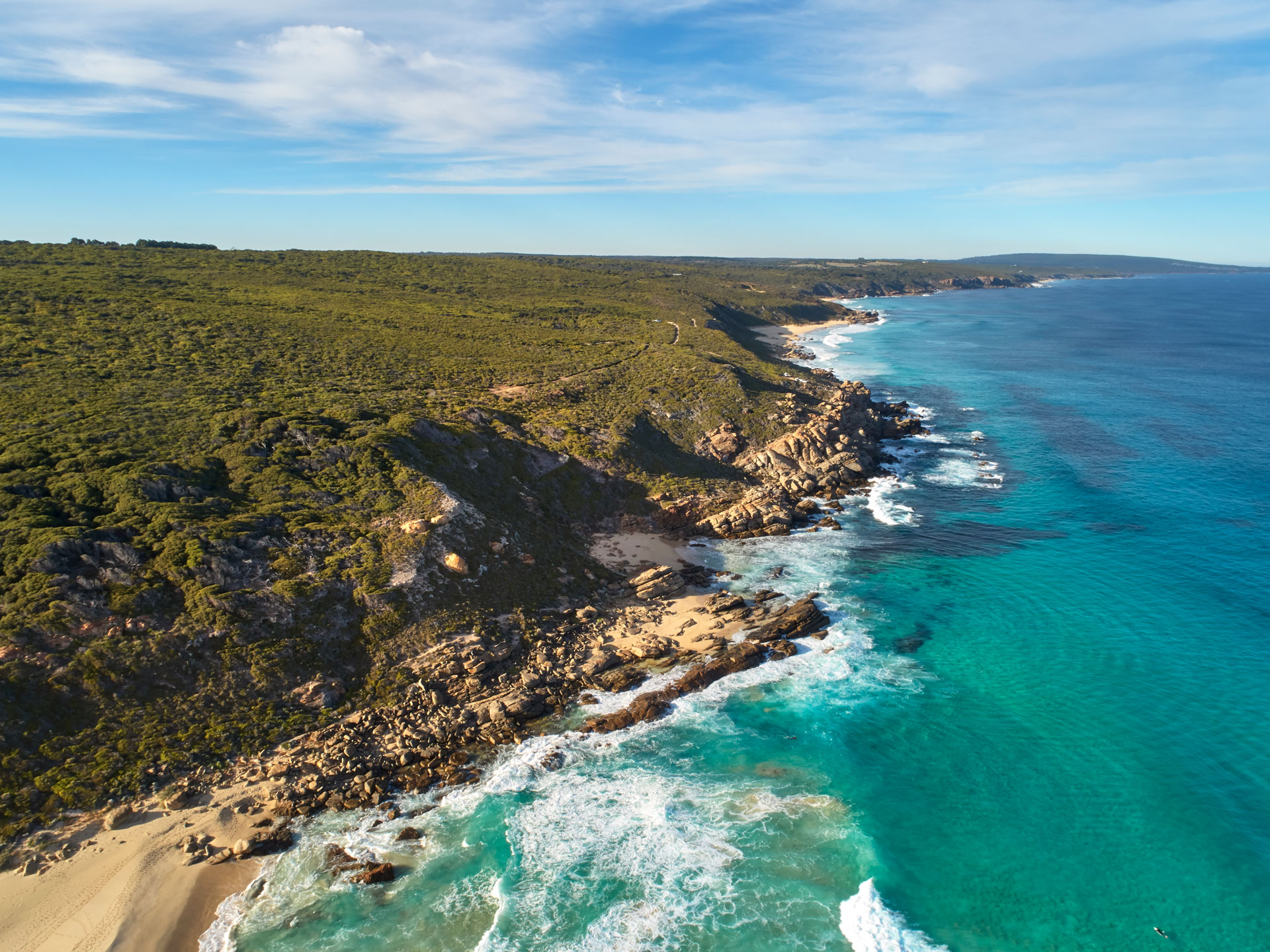
Above and opposite: The natural beauty, surf beaches, and Mediterranean climate of the Margaret River are a major tourism draw – the quality of the local wine doesn’t hurt, either.

The region itself is a relatively long and narrow strip of land located three hours’ drive south-west of Perth, stretching roughly 95 kilometres between Cape Leeuwin in the south and Cape Naturaliste in the north. It is surrounded by deep oceanic waters on three sides – the Indian Ocean to the west and north and the Southern Ocean to the south, with the two oceans meeting off Cape Leeuwin – with the continental bulk of the south-west corner of Western Australia on its fourth side. Aside from making the region a surfing hotspot, the moderating influence of the ocean here also creates a relatively consistent climate – lots of rain in winter and spring, followed by relatively warm and dry summers and autumns. Geologically, the region itself is split in two along a roughly north-south axis by the Dunsborough Fault, with significant changes in soil types and topography on either side of this line. All of this adds up to a pretty special place for plant growth and biodiversity, with 80% of the region’s native plant species found nowhere else on earth. And while Vitis vinifera isn’t a native species here, these conditions are pretty much tailor-made for grape growing – which makes the region’s near-total absence of viticultural history prior to the 1960s something of a head-scratcher.


The American connection

The first vines plated in the Margaret River region were placed in the soil by the Bussell family in the 1830s – not long after English colonists commenced violently dispossessing the region’s traditional owners, the Wadandi and Bibulman peoples of the Noongar nation – but these vineyard plantings were small, and reserved exclusively for the use of the family. Other early vineyards, such as those established by Elijah Dawson in the 1850s and the Meleri family in the 1920s, were consistent with this theme and mostly kept for family and friends, although evidence suggests that Dawson may have traded wine with passing American whaling ships.

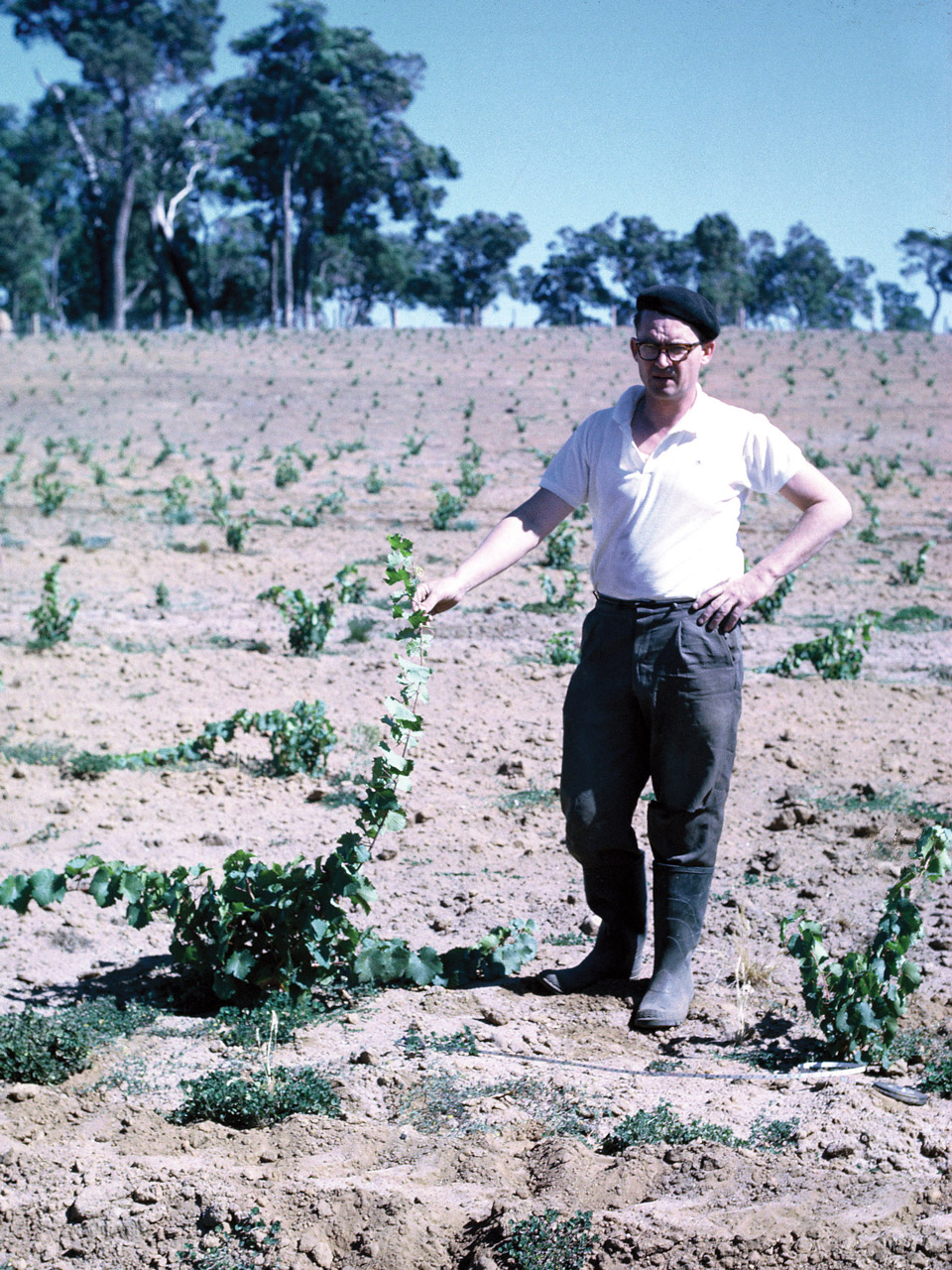
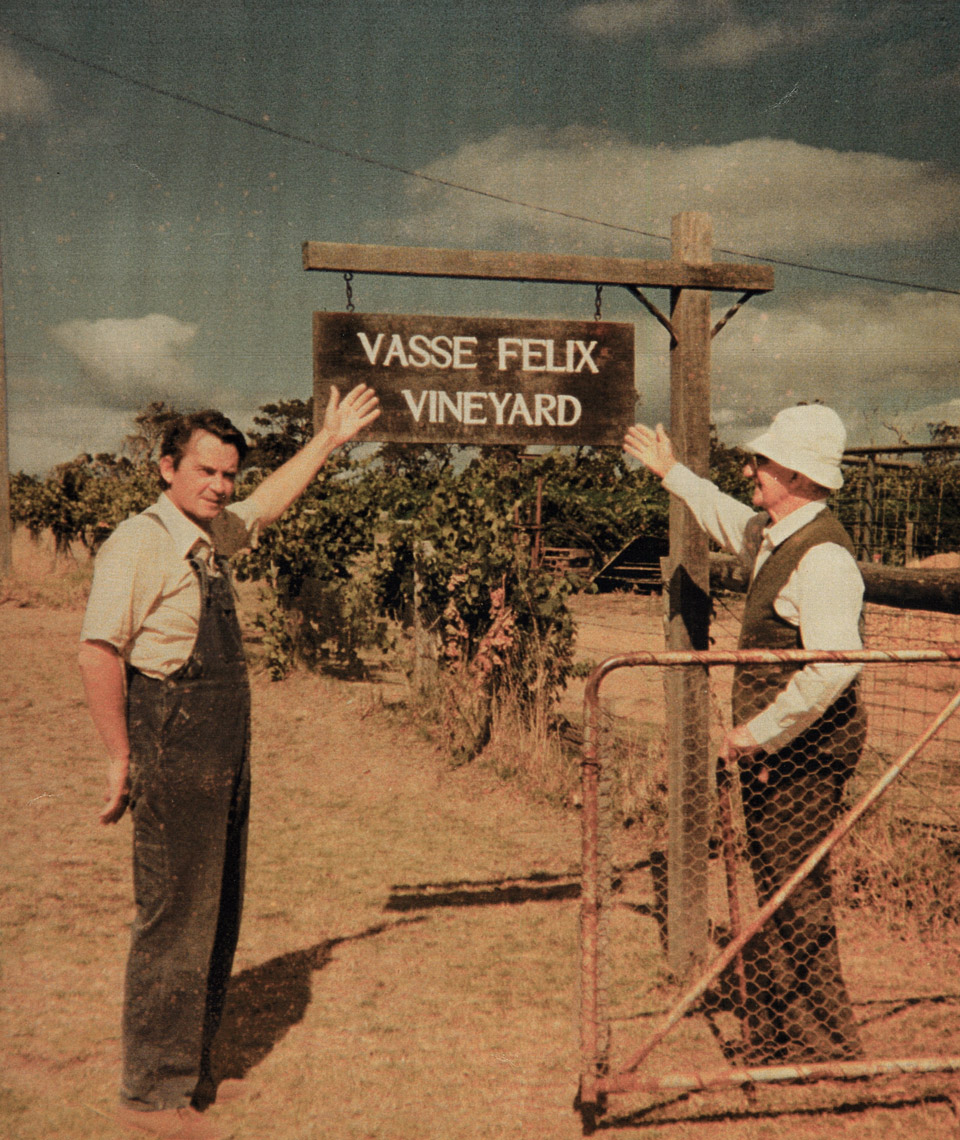
Above: Dr. Tom Cullity with the first Vasse Felix grapevines, planted in 1967. Opposite: Jack Mann (left) and Dr. Tom Cullity (right) at Vasse Felix.

Margaret River’s viticultural story proper commenced elsewhere: in 1952, at the University of California’s Davis campus. Here, the chairman of the recently established Western Australian Vine Fruits Research Trust, Walter Ashton, met with Dr. Harold Olmo, a professor of viticulture at Davis, and invited him to visit Western Australia to investigate viticultural challenges the Swan Valley region, just outside of Perth, was experiencing. Olmo took a sabbatical from his role and arrived for a nine-month visit in 1955, where he struck up a friendship with the legendary Houghton’s winemaker Jack Mann. While Mann worked out of the Swan Valley, he had an inkling – gained from his time as a touring cricketer – that Western Australia’s vinous future lay in regions further south, not in the hot and flood-prone Swan. Olmo travelled to the Frankland River area and concurred, eventually producing a report for the Trust that revealed structural issues in Swan Valley viticulture and suggested that Western Australia’s southwest was “equivalent or better than” the “quality districts of Australia or California” – a report that the state government of the time promptly ignored.

“Margaret River will, with time, become one of the world’s great wine regions.”

While Olmo’s report didn’t have immediate impact, it captured the attention of Dr. John Gladstones of the University of Western Australia, who dedicated more attention to the conditions for viticulture in the Margaret River region. (The official eastern border of the Margaret River wine region, ‘The Gladstones Line’, is named in his honour.) By 1966, he had gathered enough data to confidently predict that “Margaret River will, with time, become one of the world’s great wine regions”. It didn’t take long for others to listen. In 1967 Perth cardiologist Dr. Tom Cullity, with the support of Mann, purchased the land for and planted the original Vasse Felix vineyard in Wilyabrup, the first vineyard of the region’s professional viticultural era. Inspired by the gravelly soils and maritime climate shared by Bordeaux and Margaret River, he planted cabernet sauvignon for reds, and riesling for white. Others soon followed, with a roll-call of the region’s icons establishing themselves shortly after Vasse Felix: Moss Wood in 1969, Cape Mentelle and Sandalford in 1970, Cullen Wines in 1971, and Woodlands and Leeuwin Estate in 1973.

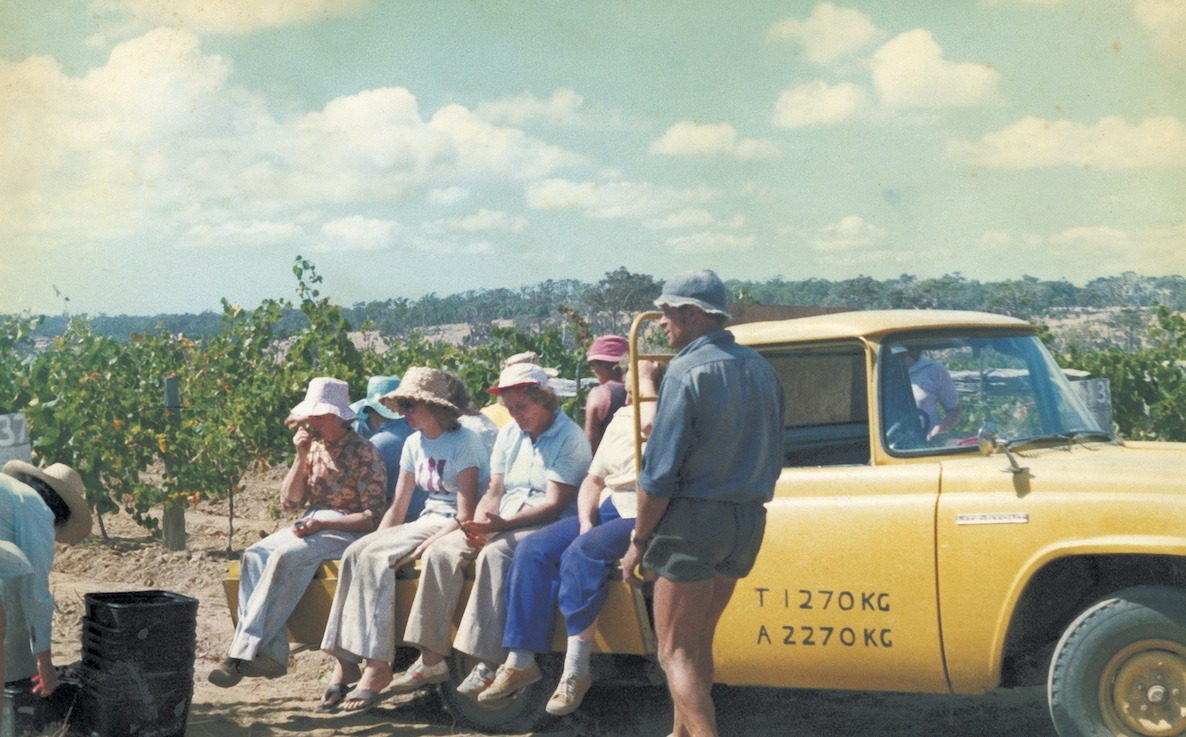
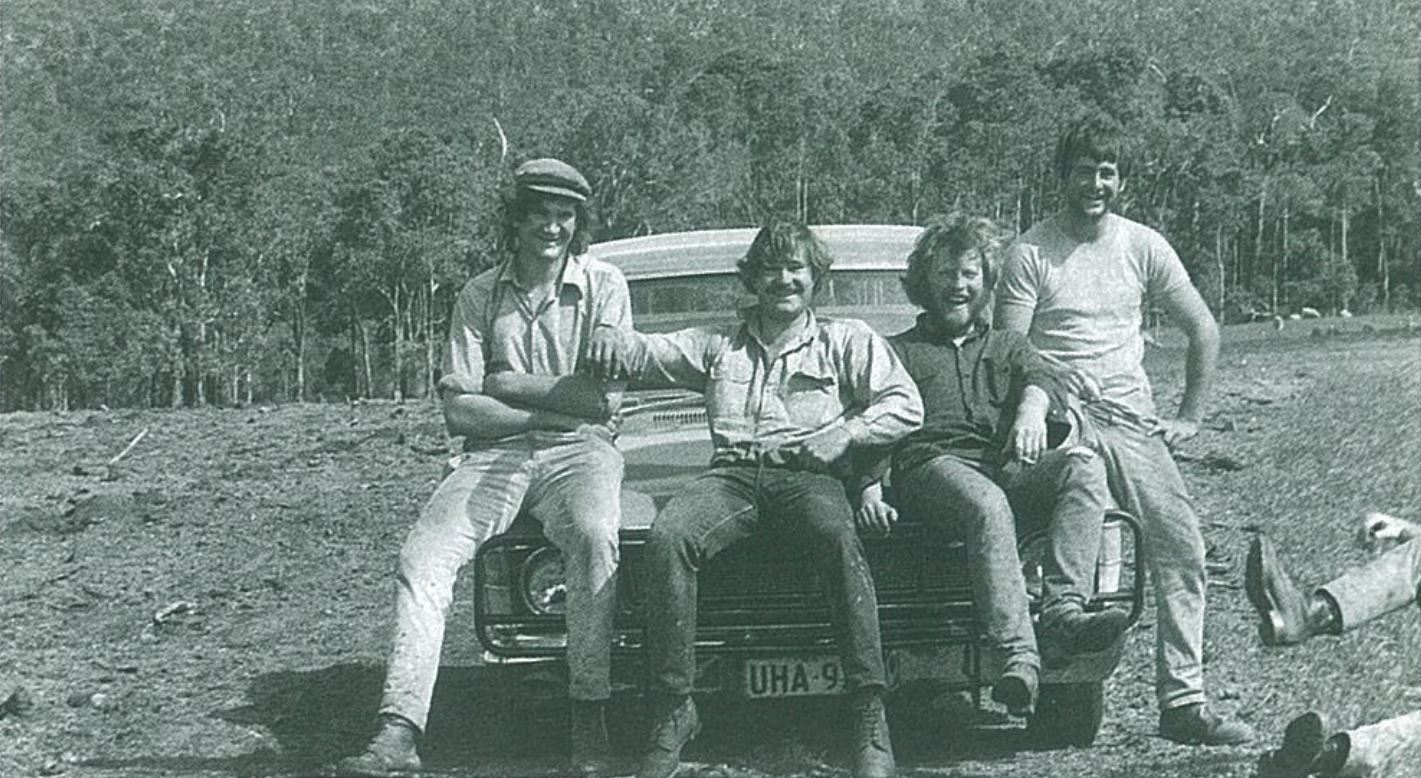
Opposite: The Cullen family and vineyard workers in the early years of the estate. Above: David Hohnen and friends planting the first vines at Cape Mentelle, 1970.

The last of these, Leeuwin Estate, had another American connection in the form of famous California vigneron Robert Mondavi, a pioneer of the Napa Valley and its rich chardonnay. Mondavi collaborated with Denis and Tricia Horgan on the establishment of Leeuwin Estate, and at his insistence the Horgans sought chardonnay cuttings from the Western Australian state government agriculture department. The fruit from those cuttings, planted in 1976, were first turned into a varietal chardonnay wine in the 1980 vintage – and that same vintage of what is now known as the ‘Art Series’ chardonnay catapulted both Leeuwin Estate and the region in general into the international spotlight when the U.K.-based wine publication Decanter recommended it highly in a blind tasting of chardonnays from the entire world. ‘Art Series’ remains an icon of Australian chardonnay in general, and blazed a trail in the international market for other producers to follow.

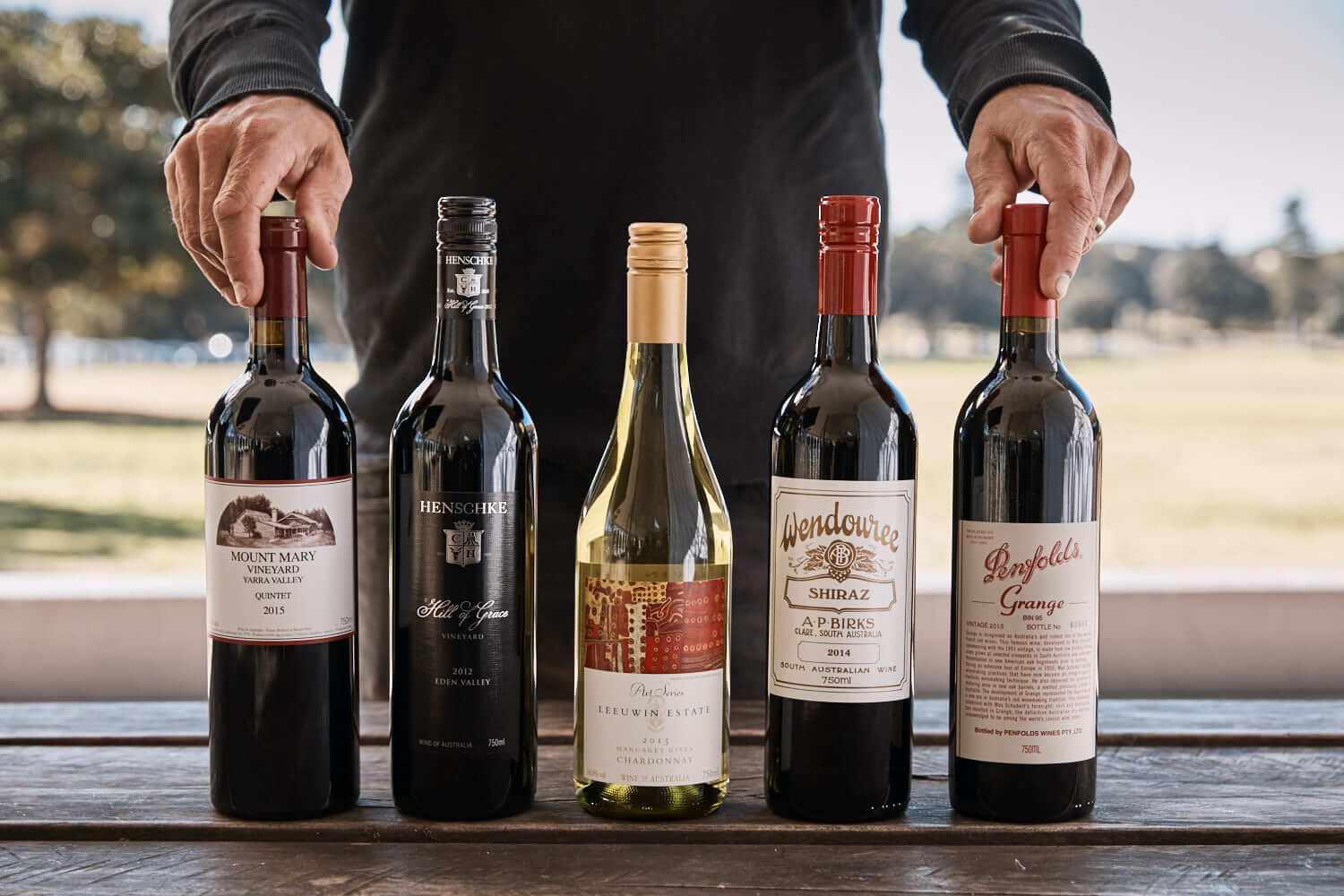
Above: Leeuwin Estate’s ‘Art Series’ Chardonnay (centre) – regularly ranked amongst the most important wines Australia has ever produced, alongside other icons such as Penfolds’ ‘Grange’ and Mount Mary ‘Quintet’.

California clone dreaming

Olmo’s contribution to Western Australian viticulture didn’t cease with his 1955 report – two years later, he sent a package of twelve vines, simply labelled ‘pinot chardonnay’, to Bill Jamieson at the Western Australian government agricultural department. Those cuttings were propagated at the Swan Research Station and then planted at Valencia Wines in Gingin, to the north of Perth – thus chardonnay vines from these cuttings are known as ‘Gingin clone’. Unbeknownst to Olmo and Jamieson, the vines suffered from a fruiting issue known as millerandage or ‘hen and chick’, possibly caused by a viral infection, which leads to the development of bunches with a mix of normal-sized berries (the ‘hens’) and very small, seedless berries (the ‘chicks’). This issue obviously reduces the quantity of juice the berries yield – but the ratio of skin to flesh on the small berries leads to deeply concentrated fruit character in the finished wines.

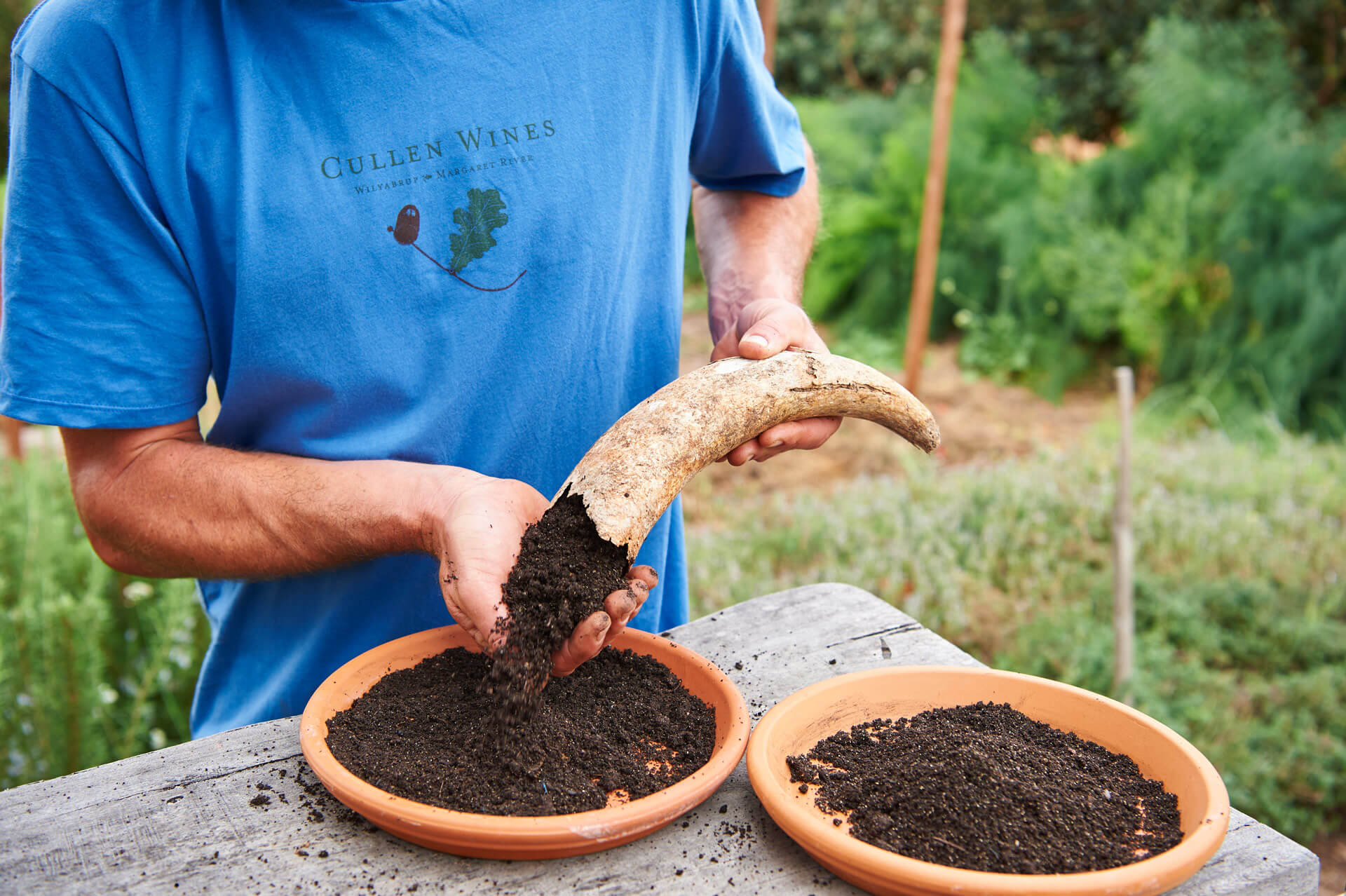
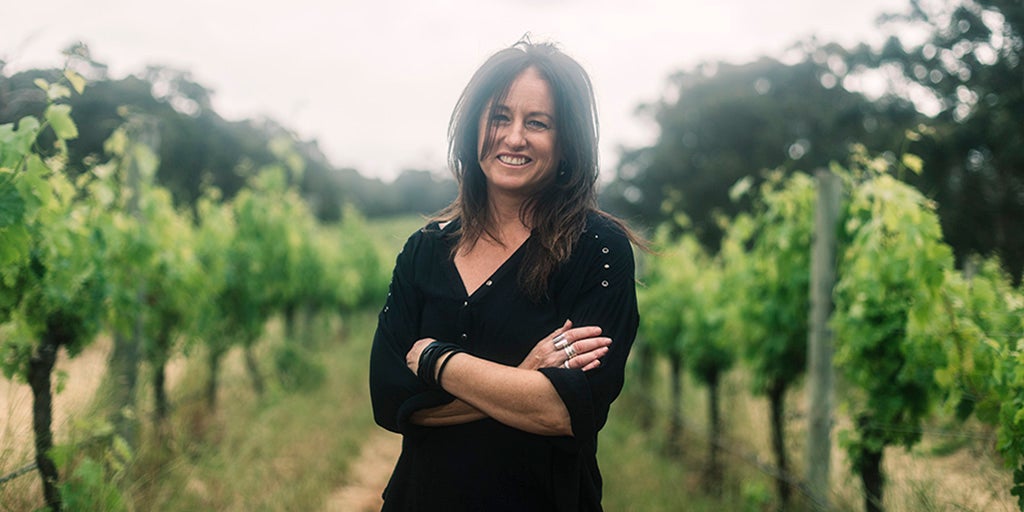
Opposite: Vanya Cullen. Above: A biodynamic treatment (the infamous ‘Preparation 500’) being prepared at Cullen.

Cullen Wines’ winemaker, Vanya Cullen, explains that chardonnay was always intended to be included in the plantings at Cullen’s estate vineyard. “Dad [Dr. Kevin Cullen] wrote a letter in 1967 requesting chardonnay cuttings from the agriculture department,” Cullen says. “We couldn’t get chardonnay cuttings when we planted in 1971 – we could only get cabernet sauvignon and riesling.” For Cullen, this availability issue, in her words, “reflects that Australia was a red-wine drinking culture at the time. When we planted, we planted two-thirds red and one-third white, because everyone was drinking reds.” The Cullens, alongside Leeuwin Estate, were finally allowed to purchase and plant in chardonnay cuttings sourced from Valencia’s Gingin block in 1976, and they made their first varietal chardonnay wine in 1980 – making them co-pioneers of the region’s chardonnay style.

For Virginia Willcock, the current winemaker at Vasse Felix, the accidental dominance of the Gingin clone in Margaret River’s chardonnay plantings is a blessing. “We ended up with the chardonnay clone here in Margaret River that just serendipitously goes beautifully in this climate,” she says. “If you talk to anyone from Burgundy, they would say there’s just no chance that we would make a decent chardonnay. Yet we’ve got this clone that’s hen-and-chick – super-concentrated, super low–yielding, and quite retarded in acid degradation. So we hold good acid, even though we don’t have a massive diurnal range in temperature.” The suitability of clone to climate means that, for her, the powerful fruit produced here allows winemakers to produce a wide range of different styles. “It’s really powerful, and it’s full of beautiful phenolic skin thickness and flavour – you can actually play with it,” she says. “You can let it have a lot of character – high solids, wild ferments, it just takes everything on … if it’s powerful fruit, let it be dirty and let it be wild, and you’ll end up with layers and layers within.”

“Australia was a red-wine drinking culture at the time. When we planted, we planted two-thirds red and one-third white, because everyone was drinking reds.”

Regarding the seeming mismatch between the region’s two hero grape varieties – the Burgundian chardonnay for whites and the Bordelaise cabernet for reds – Willcock takes a somewhat sacrilegious approach. “Who says Bordeaux is right? And who says Burgundy is right?” she says. She chalks up the ability of both varieties to flourish in Margaret River to the region’s cooling oceanic breezes, which moderate the otherwise Mediterranean climate and give a cool-climate gloss to the fruit without impeding physiological ripeness. “We can do both,” she says. “They both look like cool-climate expressions of their varieties here, but consistently and persistently ripe.” She adds: “We’re braggers here in Margaret River because what we end up putting in the bottle is inevitably absolutely beautiful. But what goes unsaid on a regular basis is the cost of production and yields – sometimes shitty yields.”


Burgundy versus Bordeaux

It’s not just in the mismatch of varieties that Burgundy meets Bordeaux in Margaret River. The historical dominance of Bordelaise red varieties, combined with the prestige with which the region’s chardonnay wines are held in the international market, leads to what might be broadly categorised as a ‘Bordelaise’ mindset for the region’s chardonnays, with producers often making a relatively expensive and powerfully-flavoured ‘grand vin’ from their best sites, followed by a ‘second wine’ and potentially an entry-level ‘third wine’. It’s an approach that seems to stand in stark contrast to the Yarra Valley’s love affair with single-vineyard expressions of chardonnay.

Willcock, who makes three chardonnays along these Bordelaise lines as well as a single-site chardonnay from a block of Gingin clone vines whose fruit is “powerful, but doesn’t like oak at all,” argues that the Margaret River is just as conscious of site specificity as the Yarra – it just doesn’t emphasise this aspect as much in labelling and marketing. “You have to remember also that there’s 160 producers in Margaret River, and probably a hundred to 150 of them are actually single-site producers,” she says. “They’ve only got one block of chardonnay. So there’s a lot of singularity in some producers.” She lauds Nocturne’s Julian Langworthy and McHenry Hohnen as leaders in site-specific chardonnay in the region, but also defends the virtues of blending wines from multiple sites to create a single, complex wine. “Our ‘Heytesbury’ chardonnay is from two sites – very unique grand cru sites – that we bring together to make a highly complex, amazing wine,” she says. “I could make those two sites into five different batches. And when you’re a winemaker, you look at the micro-nuances and go, ‘Shit, I could probably make about thirty-eight chardonnays if I wanted to show the differences of little plots.’ But it’s much better if we can make something by putting the grand cru plots together that more than a hundred people can have a bottle of.”

Opposite: Virginia Willcock at Vasse Felix. Above: Vineyards at Vasse Felix.

For her part, Cullen says that she has, in her words, “always looked at our vineyard as a Burgundian model, not a Bordelaise model.” As such, she takes a parcellaire approach in the winery when making the Cullen Wines’ flagship ‘Kevin John’ chardonnay: “We hand-harvest small batches and bring it into the winery on the flower and fruit days – the biodynamic harvesting days,” she says. “Then it’s a decision at that point about whether it goes into amphora for a couple of days on skins, or whether it gets pressed to a concrete egg, or whether it gets pressed straight to biodynamic flower-day puncheons.”

“I could make those two sites into five different batches. But it’s much better if we can make something by putting the grand cru plots together that more than a hundred people can have a bottle of.”

While Cullen is happy to support a more Bordelaise approach to winemaking – she thinks the diversity of thought in the region is a “good thing” – she does believe that it was a “tragedy” when a 2018 proposal to officially enshrine subregions identified by Dr. John Gladstones within the Margaret River GI was defeated. “I think that’s the way you build – if you can acknowledge what all winemakers already know about where the subregions are,” she says. “If you have the land and the subregions, then you can zero down to the wines that are the super-icons, that are really relevant and worthy … you can’t say South Australia or Victoria or Burgundy or wherever has a place for those wines, but Margaret River doesn’t.”

It’s a sentiment that Willcock shares. “I calls us the modern-day Margaret River monks,” she says. “It’s our job to discover the grand cru terroir. It’s our job to discover the premier crus. We need to give everything the most love we can – give every block the greatest opportunity so we can discover all of those incredible sites.” She notes that only 1% of Vasse Felix’s chardonnay vineyard area goes into the ‘Heytesbury’, 20% goes into their regular chardonnay, and the rest goes into the entry-level ‘Filius’ – a mathematical breakdown not dissimilar to Burgundy’s breakdown of approximately 2% grand cru sites, 10% premier cru sites, and 40% village-level sites. (The rest of Burgundy’s vineyard area, just shy of half, goes into generic Bourgogne wines, for which Vasse Felix has no analogue.) “I didn’t design it that way,” she says. “We certainly didn’t construct it. It was just one of those really weird mathematical things I did at the end of one day and went ‘Oh, that’s weird, I wonder if the monks found it the same way …’”


Viticultural blessings in an uncertain future

It’s almost a cliché to say that viticulturists from other regions look with envy at Margaret River’s relatively stable climate and idyllic growing conditions, with lots of winter rainfall to supply vines with their water needs and dry, warm summers keeping disease pressure low as fruit develops. Willcock says that the Margaret River is “a very unique environment, and that’s how we end up doing it so well.” Despite this, she points to several viticultural challenges: flowering issues in spring can dramatically reduce yields – not helped by the millerandage already present in Gingin clone chardonnay – and hungry birds are a persistent threat, requiring extensive netting to protect the fruit. “You’ve got this up-and-down cost effect, but reliable high quality. I know we sound like we’re bragging all the time, but we go through our ups and downs, that’s for sure.” The logistics of getting vineyard labour in to, and wine out from, one of the world’s most remote viticultural areas poses it’s own challenges, too. “Everyone’s go to have something to whinge about!” Willcock says, with a laugh. “But the pressure of things isn’t always easy.”

“You’ve got this up-and-down cost effect, but reliable high quality. I know we sound like we’re bragging all the time, but we go through our ups and downs, that’s for sure.”

For Cullen, “People in Margaret River have disease issues, too – if they don’t manage their vineyards very well.” She has little time for the argument that others in the wine industry sometimes make that the region’s idyllic climate makes it easier for Cullen to operate according to biodynamic principles, as opposed to more marginal regions. “I’d counter that by saying Burgundy has the greatest number of biodynamic producers of just about anywhere in the world,” she says. “And their climate is much worse than Tasmania, or the Yarra Valley. They have far more challenges.” She argues that the way biodynamic practices build soil health can help make the region more resilient in the face of climate change, which, for her, “is a global problem – and it’s going to affect everyone. It’s just something which people have got their heads buried in the sand about.”

“People in Margaret River have disease issues, too – if they don’t manage their vineyards very well.”

Despite these challenges, both Cullen and Willcock are bullish about the future of Margaret River chardonnay, and the stylistic diversity the region is capable of – from lean, mineral-driven styles to opulent, rich statement wines such as ‘Art Series’, and every point in between. “I don’t think there’s any limit to how much the world is just going to want to keep drinking Margaret River chardonnay, because it’s so reliable,” Willcock says. “I think it hasn’t even reached its maximum potential in the world yet.” Cullen concurs about quality: “If you look at Margaret River chardonnay, it’s incredible,” she says. Her ideal for the future is for the region’s stylistic diversity to be an extension of its viticultural diversity – in her words, “going back to the vineyard, looking at the fruit, and making a decision from there. That means people understanding their vineyard and the subregions and what makes the best wine from that site – which gives you diversity and individuality.” She points to the existing diversity of styles from the region’s makers, both well-known and lesser-known, and says, “Whatever you’re after, you name it – you’ve got wine styles there that can to fit in with the particular style of chardonnay that anybody really likes.”

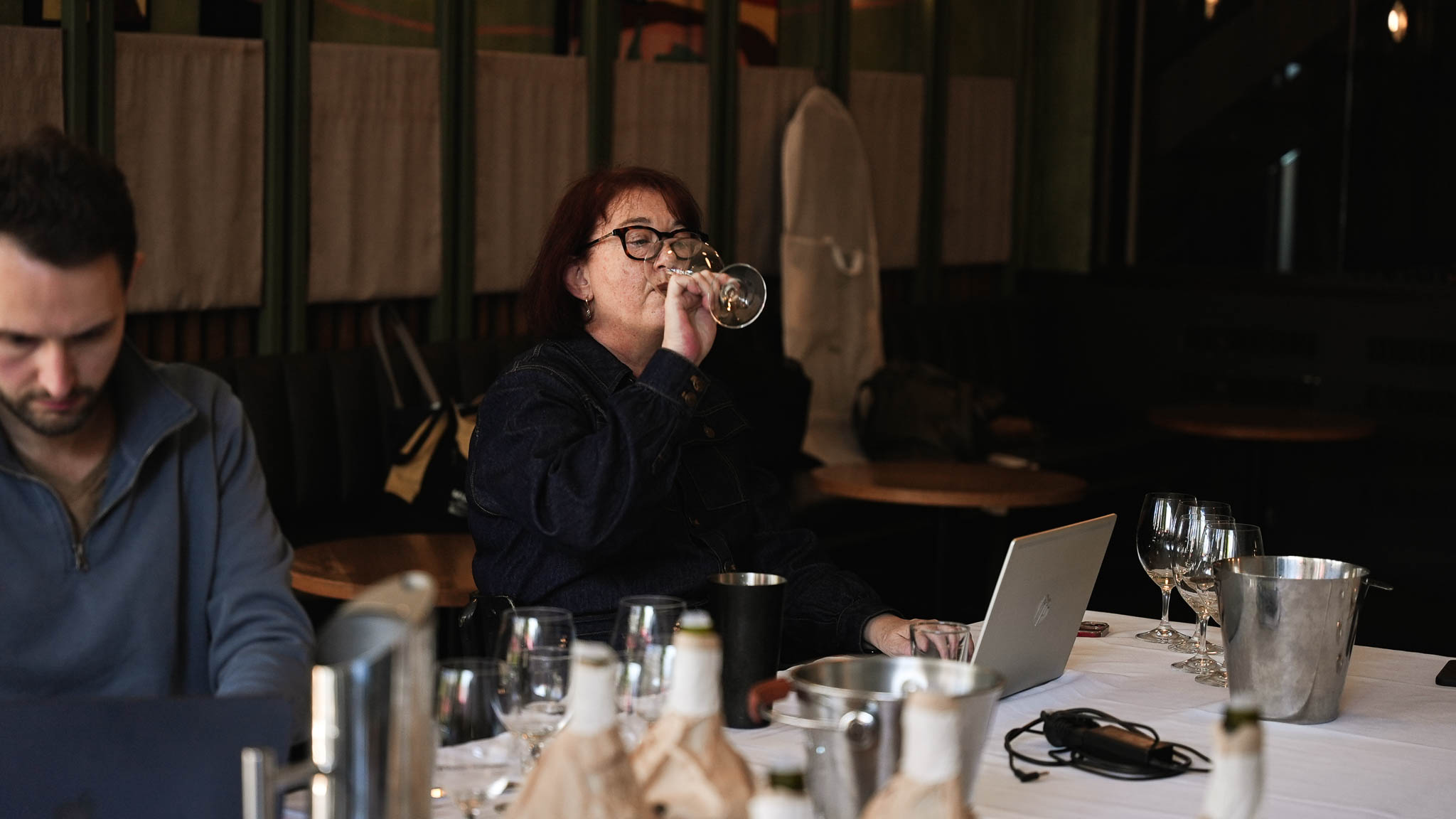
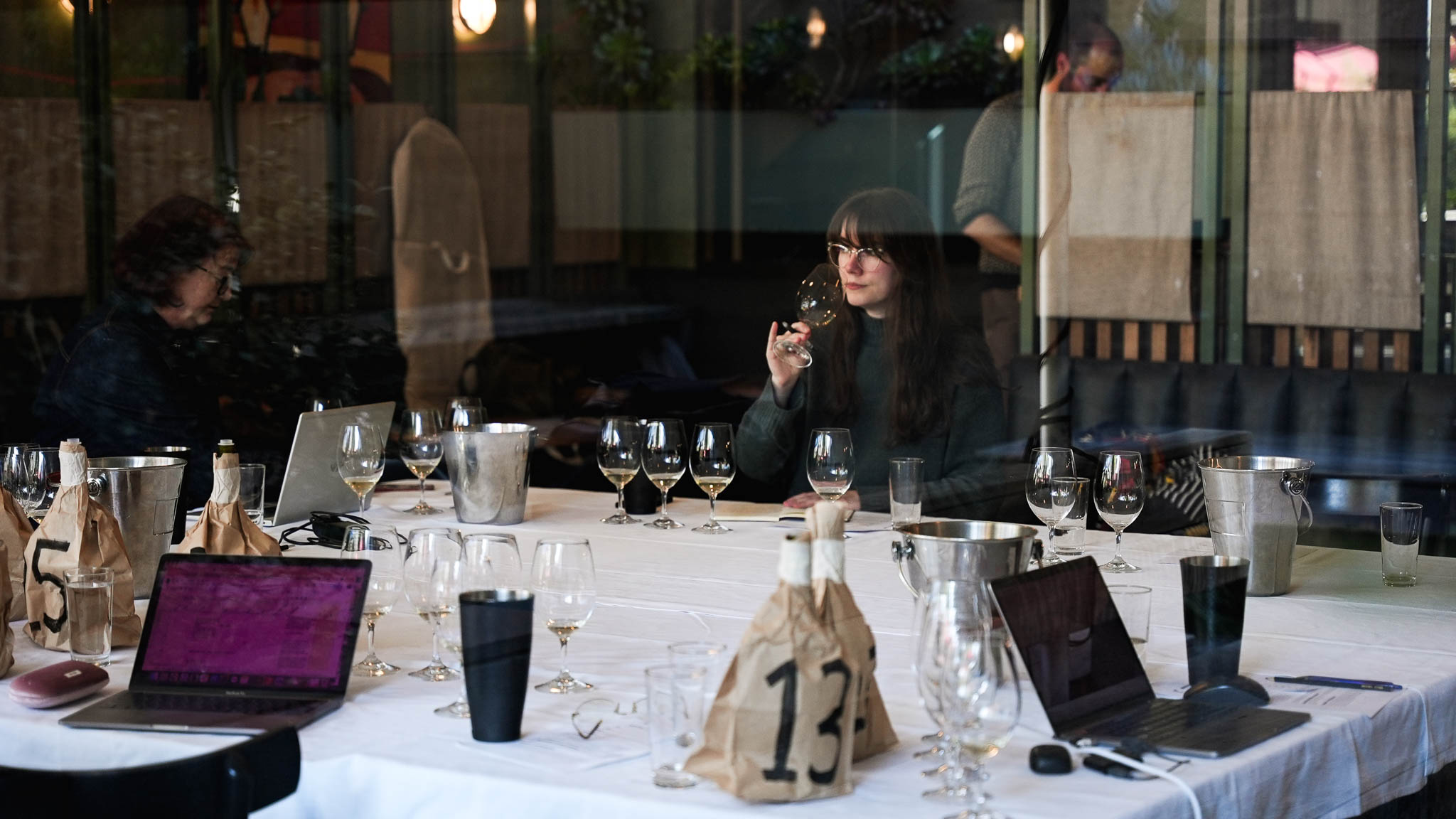
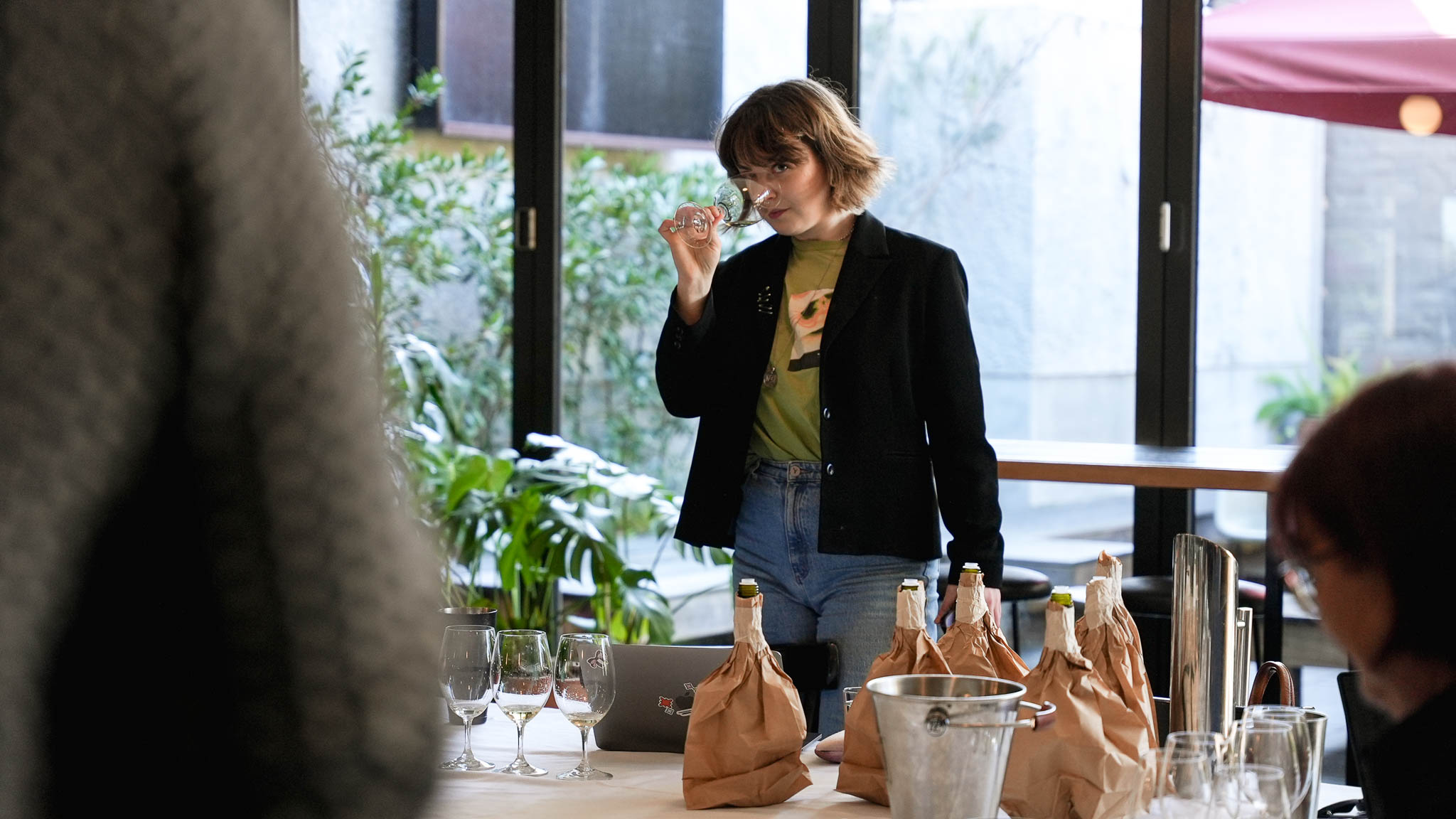
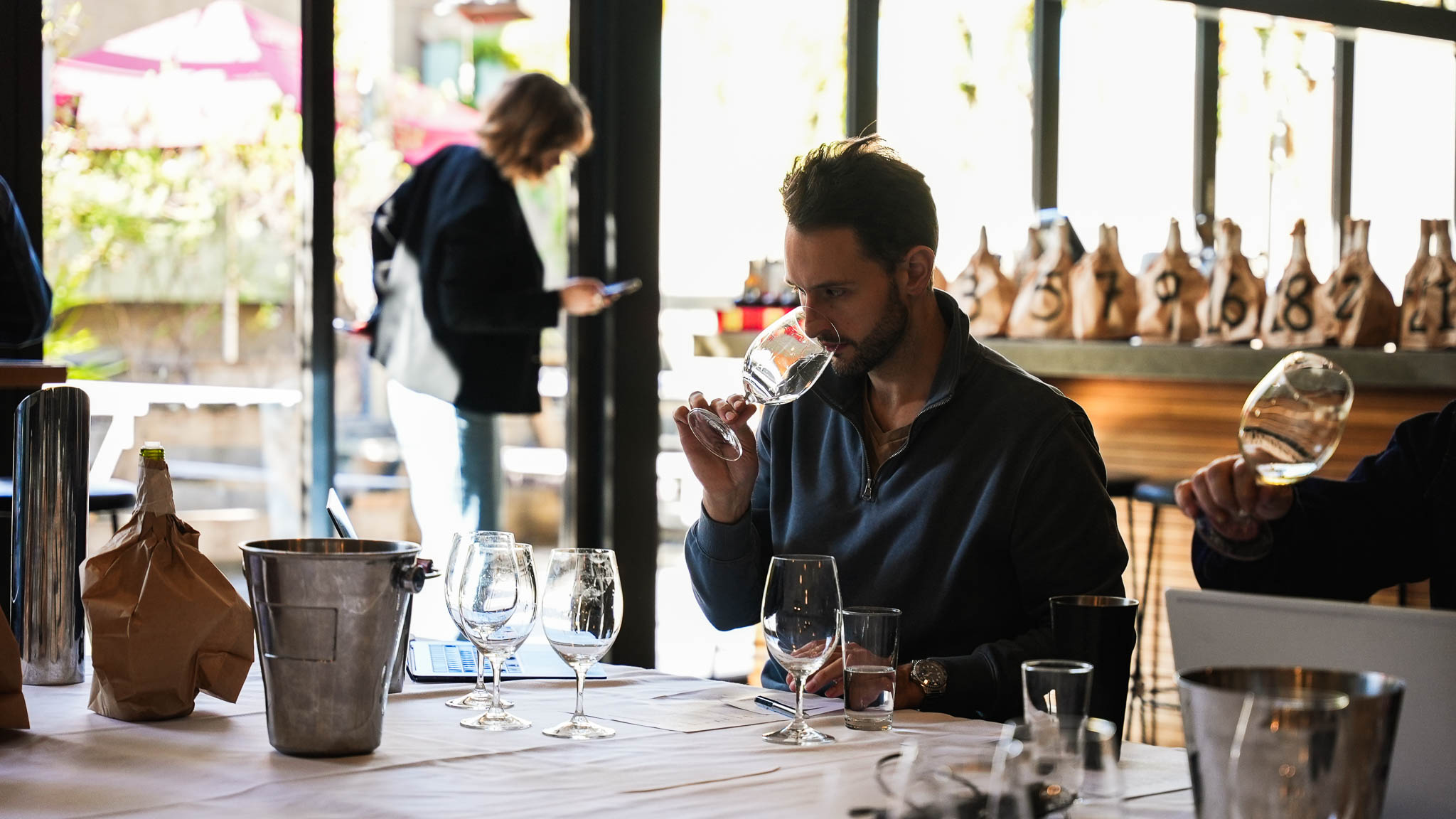
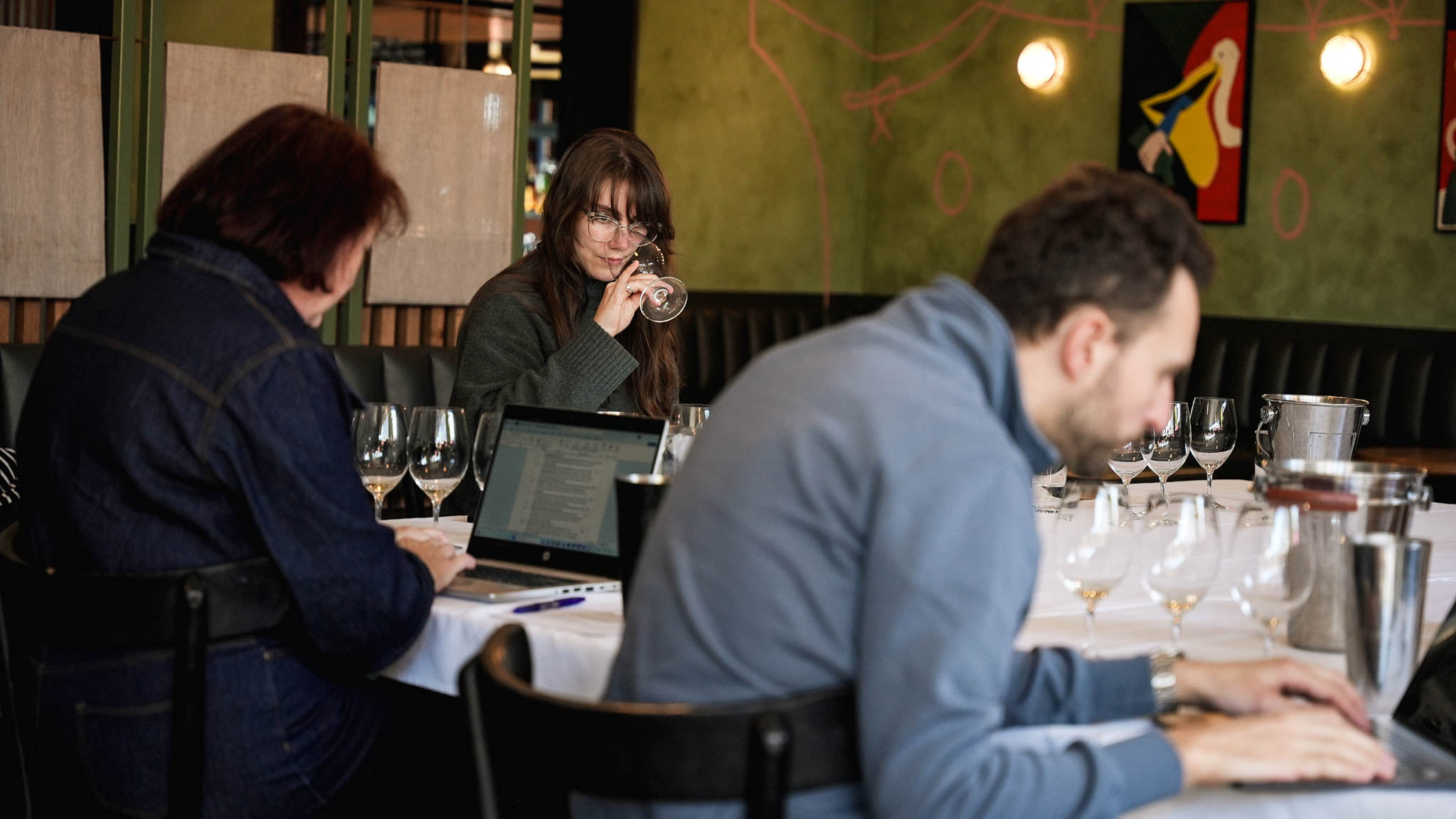
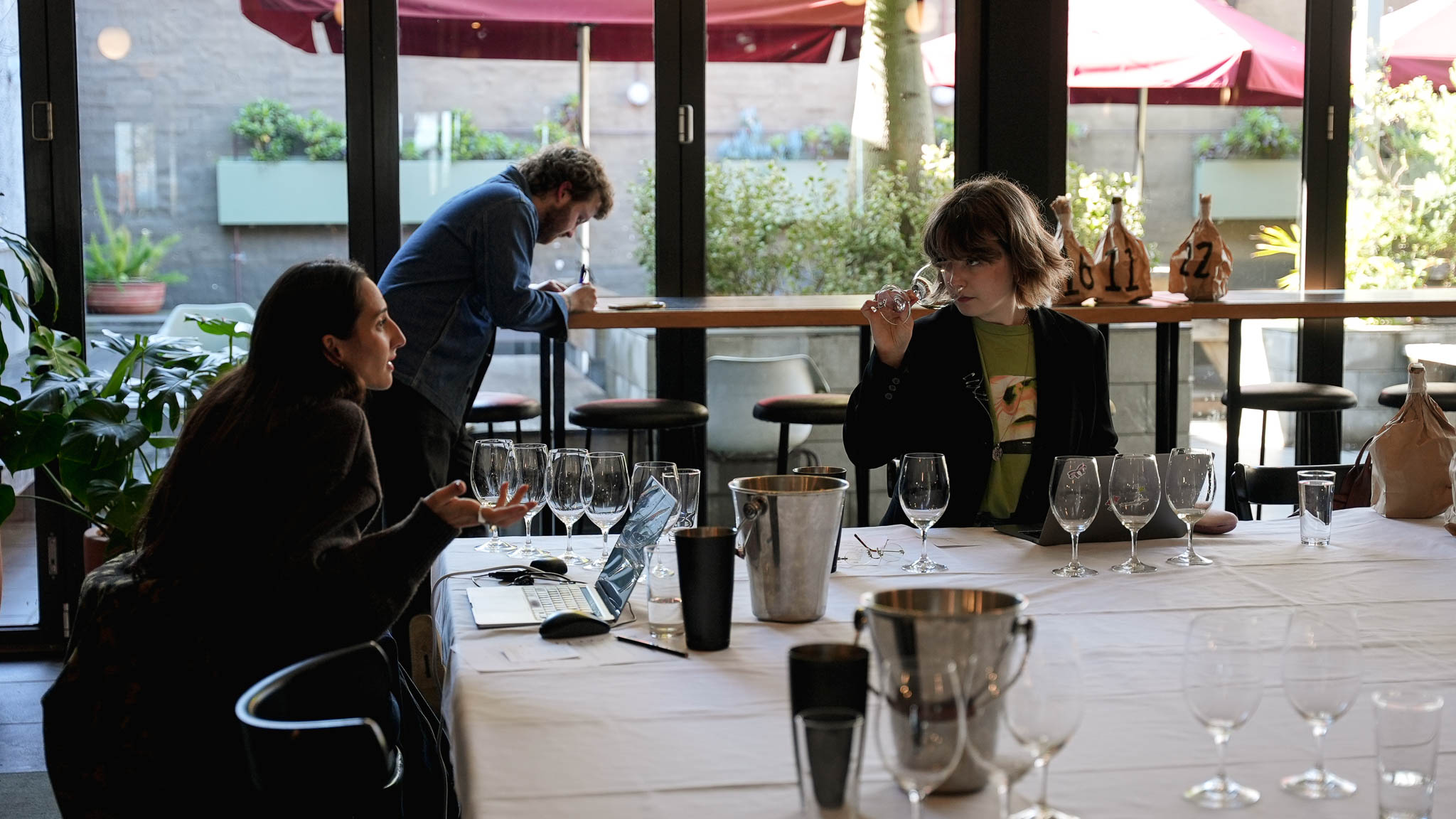
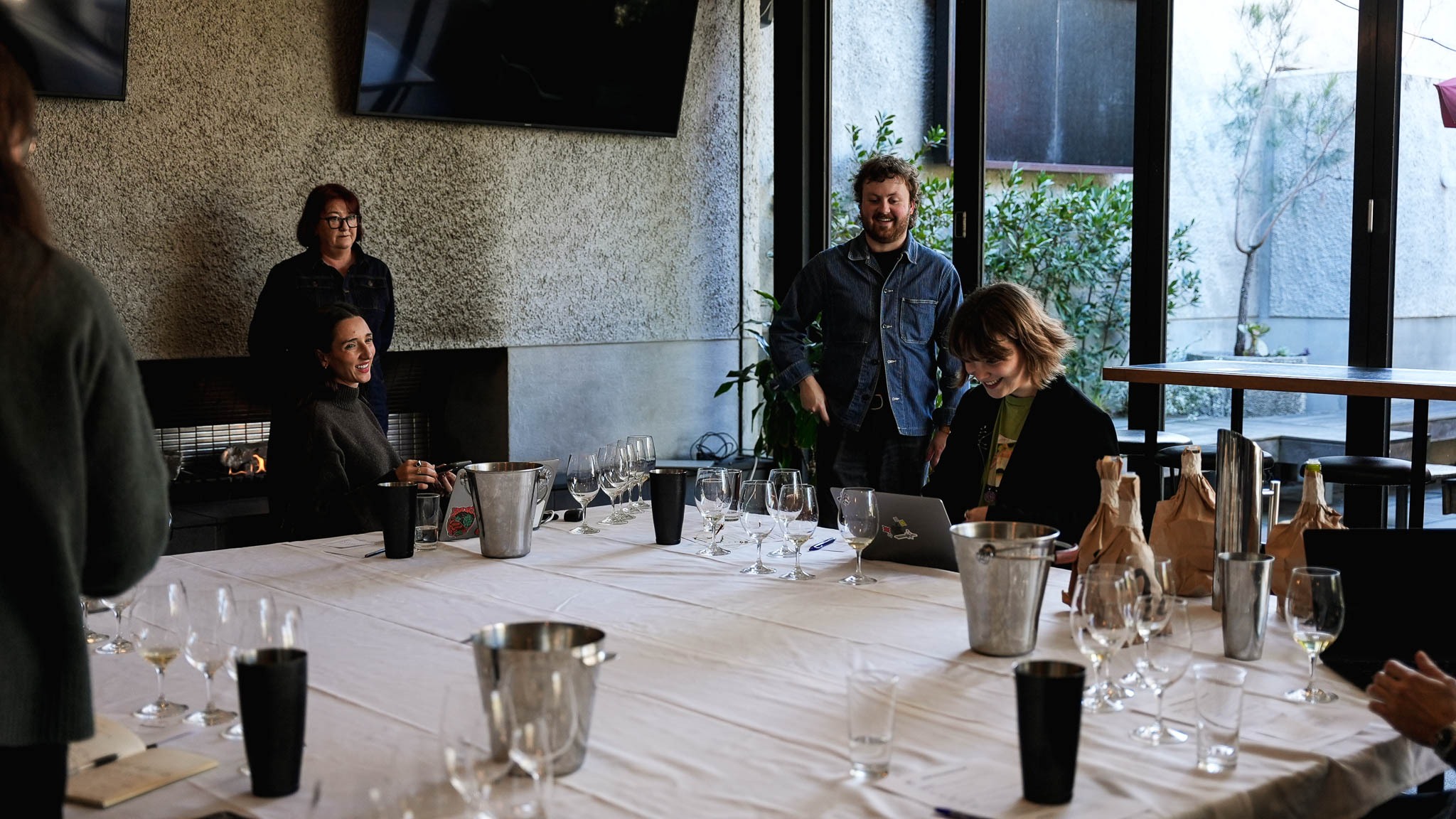
Above: Our panel of experts gathered at Bleakhouse Hotel, Albert Park (Melbourne).

Outtakes from the tasting

We gathered every chardonnay from Margaret River we could find and set our expert panel the task of finding the wines that compelled the most. All wines were tasted blind, and each panellist named their top six wines. Below are the wines that made the panellists’ top-six selections from the tasting.

Our panel: Meg Brodtmann MW, wine educator, Prince Wine Store; Tom Robertson, general manager, Alimentaria; Madeleine Horrigan, wine writer and MW student; Cyndal Petty, wine writer and consultant sommelier; Tully Mauritzen, wine buyer, Vinomofo; Blake Meyer, wine buyer, Reed House.

Meyer commenced the discussion by noting the regional consistency between the wines, despite their obvious stylistic differences. “It’s really consistent bracket, I thought,” he said. “There were key differences between all the wines, but they felt like they were from the same place – I think we’d be able to see that, even if we hadn’t been told.” He added: “They’re all mates – I think you can kinda tell. They’re all quite friendly.”
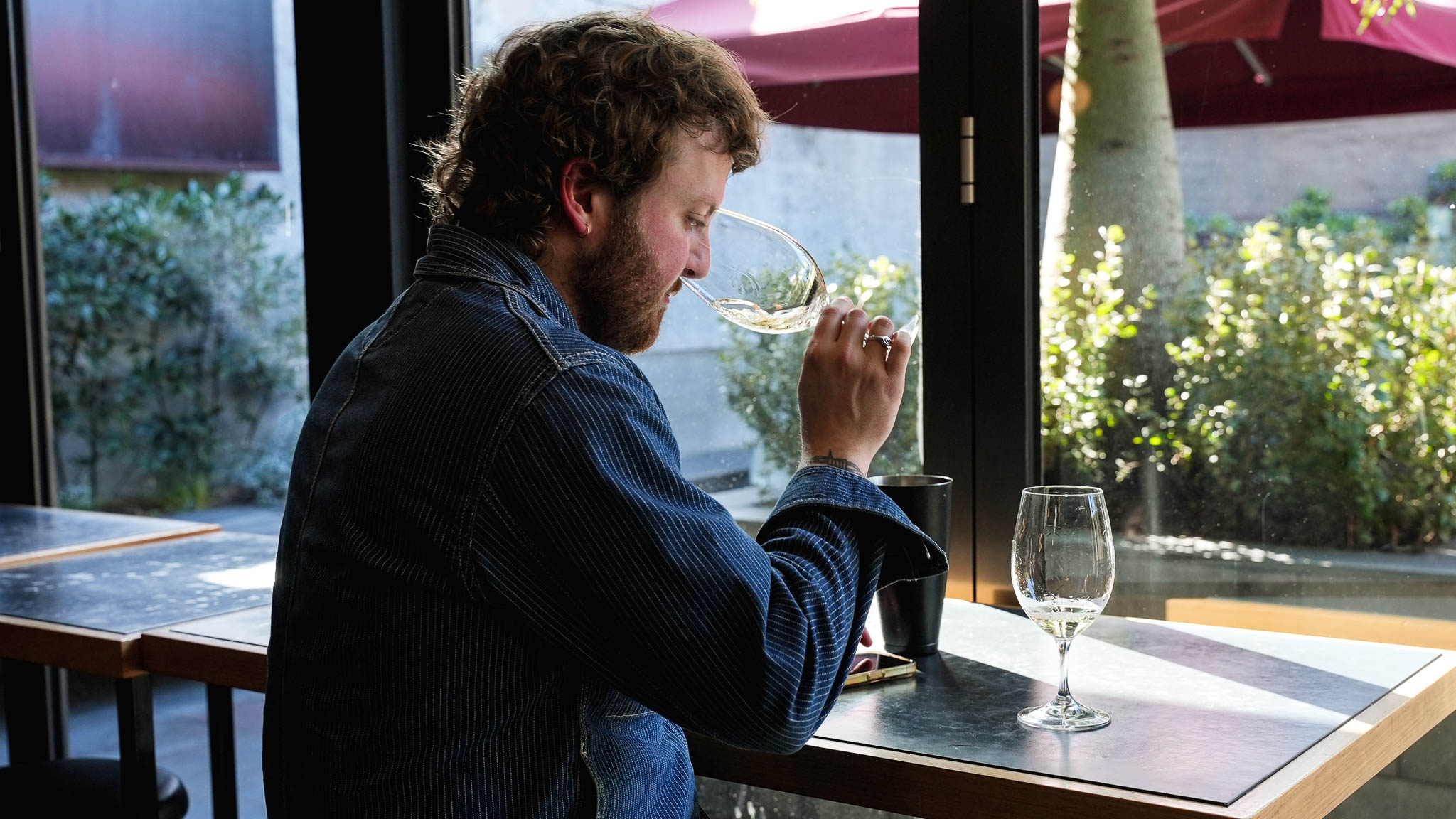
Opposite: Cyndal Petty. Above: Blake Meyer.

Petty noted that part of the consistency on show in the days wines could be put down to the dominance of the Gingin chardonnay clone in the region. “That dank, concentrated, real sticky mandarin kind of character – that’s Gingin clone,” she said. “And that’s normally matched with really lovely linear acidity, because you have these small berries in with the large berries. So the smaller berries essentially are tighter – they have more acid and more drive to them – and the larger berries are riper, so you have more flesh and juice in them.” She added: “If you had just that concentrated fruit, that tropical character, it would be too much without the acidity. I think that’s that beauty of Margaret River – that you have this concentrated, dense dankess, but that’s matched with this really beautiful acid drive through it, and it can hold 30% new oak and still look balanced.”
“I think that’s that beauty of Margaret River – that you have this concentrated, dense dankess, but that’s matched with this really beautiful acid drive through it, and it can hold 30% new oak and still look balanced.”

Horrigan observed that while there were similarities in terms of fruit, the winemaking style tended to fall into one of two camps. “I feel like we’re dealing with two schools,” she said. “There’s a sort of richer, ‘big whack of oak’ style, and then there was this emergent, leaner style. And I feel like maybe there’s been a push towards the leaner.” She added, too, that new oak barrels are an expensive capital investment for emerging winemakers to purchase – which might explain why the category seems to be moving away from oak use somewhat.

Above: Meg Brodtmann, MW. Opposite: Madeleine Horrigan.

Brodtmann argued that there were dangers for makers going this more austere and mineral-driven path. “There’s a distinct ‘Yarra’ edge coming through,” she said, referring to the very lean styles of chardonnay that the Yarra Valley pioneered in the early- to mid-2000s. “And I think, like the Yarra, they’re fucking it up a little bit, because it goes super-lean. It’s fine to go down that minerality, full-solids or high solids, reductive, early-picked style of geeky winemaking – but you need to have fruit weight to back it up. There were some stunning examples of getting that winemaking style right in the line-up, but there were also some that were not so great.” She added that, because Margaret River’s chardonnays have such a strong export market, stylistic changes shouldn’t be made lightly: “Margaret River chardonnay is an internationally well-recognised style – probably the style of Australian chardonnay. That’s why messing around with the style is slightly concerning, unless there’s messaging behind those changes.”

“Margaret River chardonnay is an internationally well-recognised style – probably the style of Australian chardonnay. That’s why messing around with the style is slightly concerning, unless there’s messaging behind those changes.”

It’s a sentiment that Mauritzen agreed with, adding that it is also true of the domestic wine market. “Speaking from a very commercial standpoint, we know that people who buy Margaret River domestically, all across Australia, expect and want rich, bigger, oakier styles – and they’ll pay more money for it. Whereas people who buy Yarra, they’re seeking something that’s more elegant, leaner, higher in acid. … But in saying that, I think that people are more willing, no matter what, to pay more for Margaret River chardonnay, because they’re always expecting it to be bigger – more expensive, more premium.”


Opposite: Tully Mauritzen. Above: Tom Robertson.

Robertson drew a distinction between the wines on show that had what he called “a really beautiful oak frame” and the wines that were “domineering with oak”: “You could see with some wines, the winemaker has thought, ‘Maybe I didn’t get enough fruit weight, but I want to make a really powerful wine, so I’ll put more oak in and do this sort of structure,’ but the balance wasn’t there.” Looking at the wider Australian wine market, he argued that, as much as some Margaret River makers were taking inspiration from other regions such as the Yarra, the region is more likely to influence other regions than be influenced. “I actually think more producers are trying to emulate what’s happening in Margaret River outside of my Margaret River,” he said. “And the reason I say that is because Margaret River sort of found its little place before everybody else …There’s regions that are still trying to find their style of chardonnay, because there’s so much diversity. And now maybe they’re sort of going, ‘Well, Margaret River’s found that, should we just try doing what they’re doing?’”

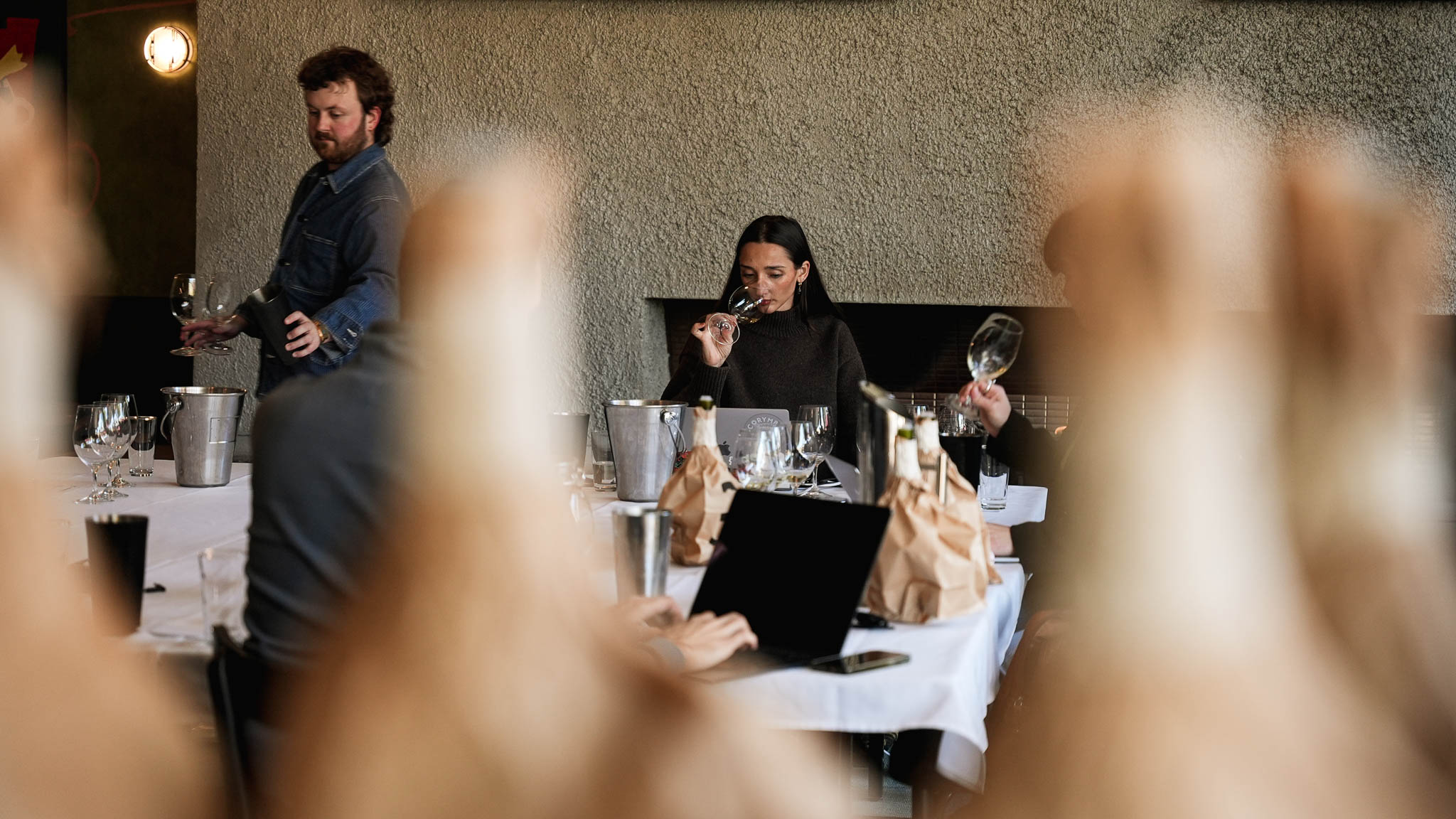
Above: The panel in action at Bleakhouse Hotel, Albert Park (Melbourne). Opposite: All wines tasted ‘blind’.

Correction (15/09/25)

An earlier version of this editorial feature named a colonial figure in connection to the Wonnerup massacre that took place in the Margaret River region in 1841. The inclusion of the colonial figure’s name in that context was not intended to upset or to ostracise the descendants of that person, and we unreservedly apologise for any distress or offence that this inclusion has caused to those descendants and their families. The copy of this editorial feature has been updated to remove this name.

At Young Gun of Wine, our mission statement is to share the joy of wine – to engage with makers, viticulturists, and wine consumers by creating informed content that provides insight on the subject of Australian wine. The intent of including this information in the editorial was to provide detail and context about the colonial history of the region, as it is impossible to discuss the history of viticulture in the region without providing context regarding how Vitis vinifera, as an introduced species, came to be present in that region. We regret if the inclusion of this information has caused any distraction from this core mission.

Bookmark this job

Please sign in or create account as candidate to bookmark this job

Save this search

Please sign in or create account to save this search

create resume

Create Resume

Please sign in or create account as candidate to create a resume