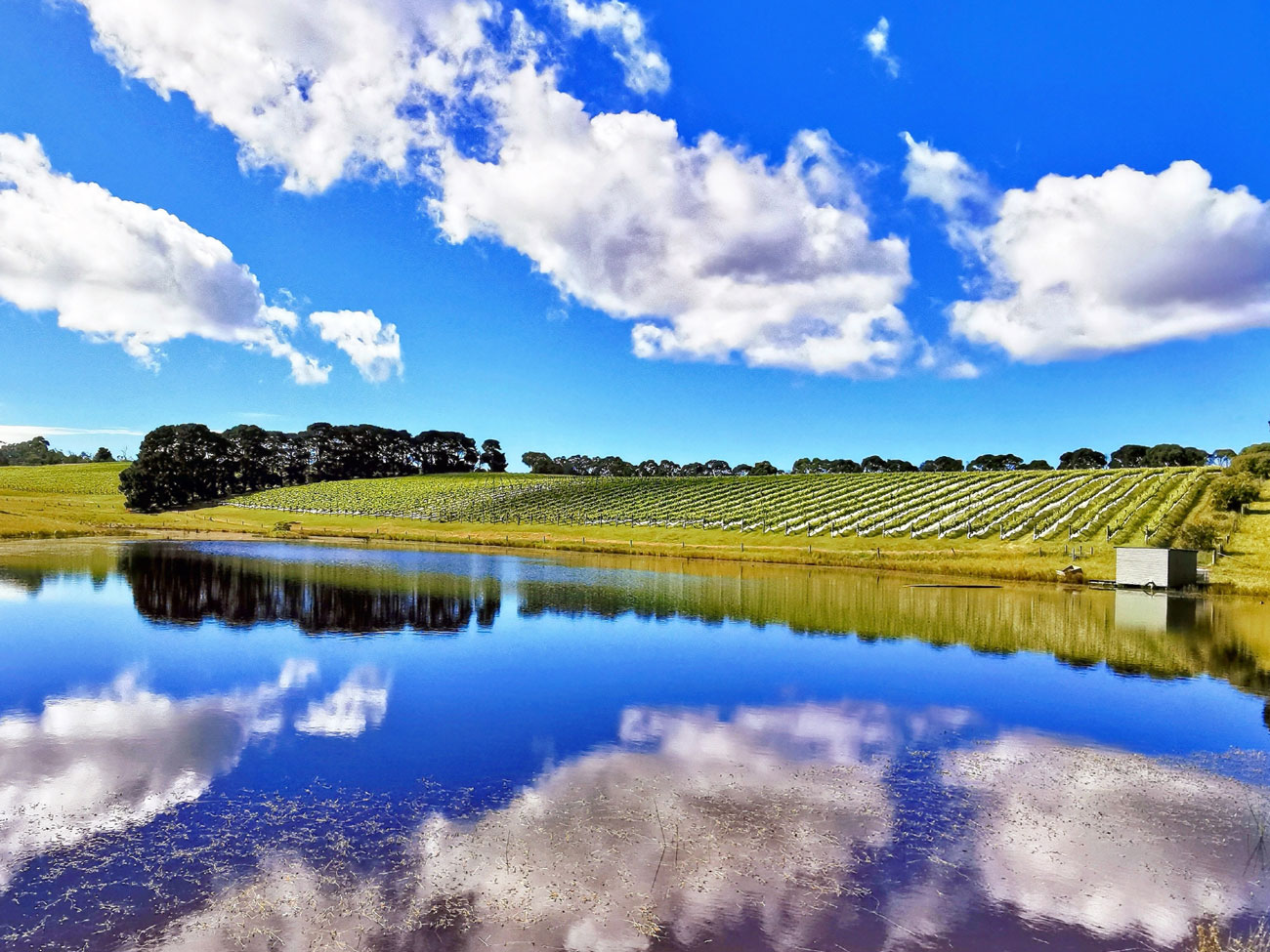
Pinot noir’s roots in the Geelong region run deep, with the first vines going into the ground here in the 1840s. While a lot has changed since then – the region’s early boom was followed by Australian wine’s most dramatic and decisive bust –Geelong’s pinot noirs have nonetheless carved out a global reputation for excellence, with the most famous examples sought after by sommeliers the world over. With a small but dedicated band of winemakers and labels turning out fascinating wines – ranging from the earthy and muscular through to the perfumed and ethereal – and a wave of emerging talent on the scene, Geelong’s pinot noir scene feels poised on the verge of greatness. So why are these wines so rarely spotted on restaurant wine lists and retail shelves outside of Geelong itself? We took a Deep Dive to find out …
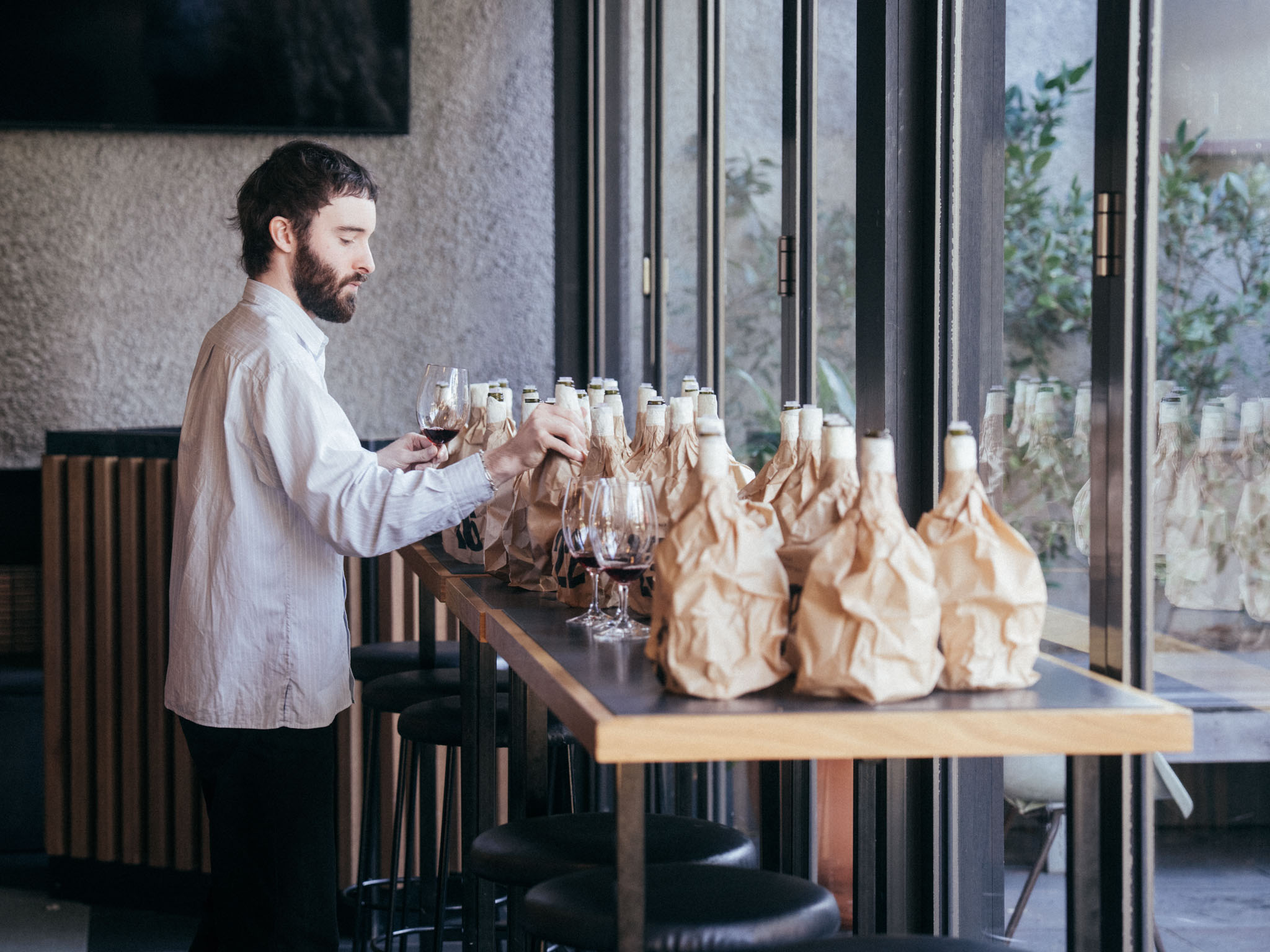
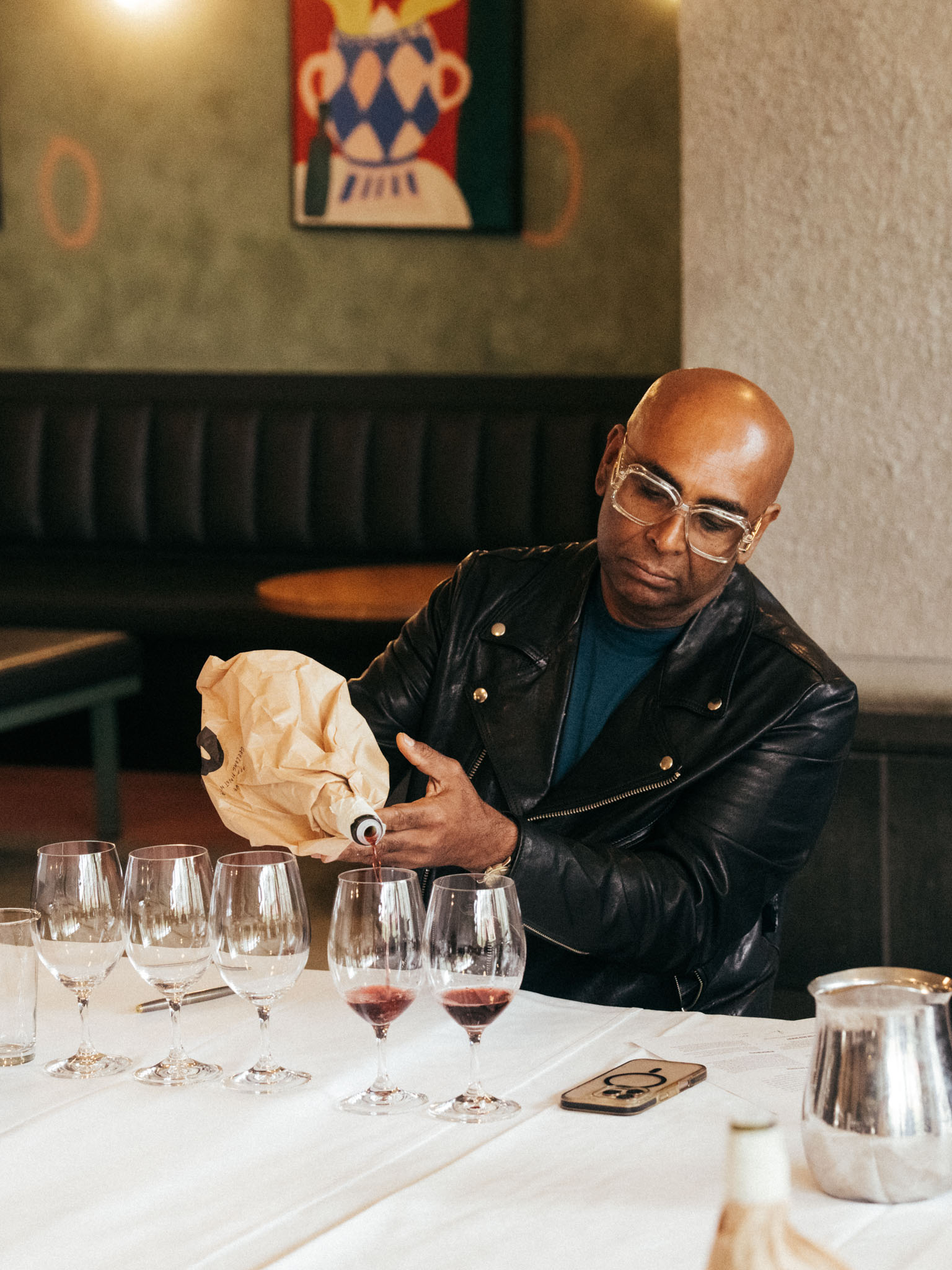
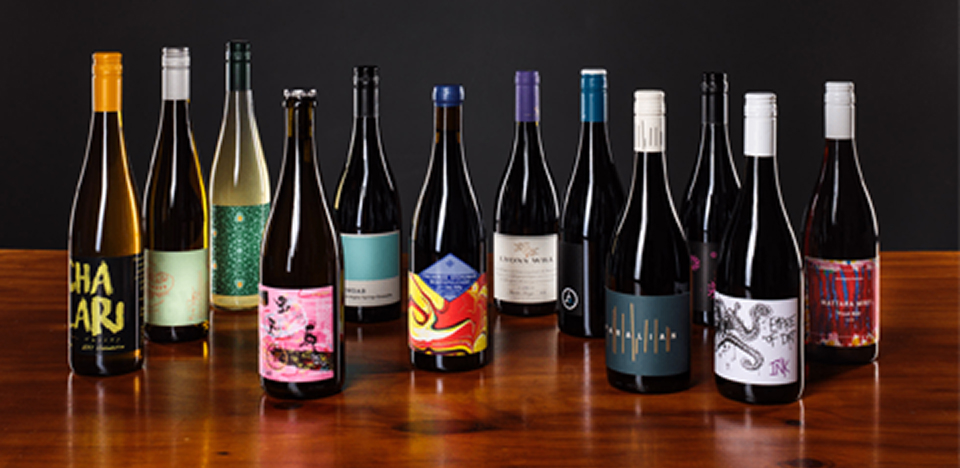
We gathered every example of pinot noir from Geelong that we could find, and set our expert panel the task of finding the wines that compelled the most. All wines were tasted blind, and each panellist named their top six wines. Below are the wines that made the panellists’ top-six selections from the tasting.
Our panel: Dr. Ray Nadeson, co-owner and head winemaker, Lethbridge; Gill Sykes DipWSET, freelance wine consultant and educator; Steven Paul, general manager and director, Oakdene; Jenny Polack DipWSET, wine educator, Bacchus Academy; James Thomas, co-owner and winemaker, “Heroes” Vineyard; Terina Davies, wine merchant, Seddon Wine Store and Union Wine Store; Dan Buckle, owner and winemaker, Utopies; Eddie Lange, venue manager and sommelier, Tonka.
From the Deep Dive
Discover more in The Outtakes below.
Discover more in The Top Wines below.
Discover more in The Outtakes below.
Discover more in The Outtakes below.
The Top Wines
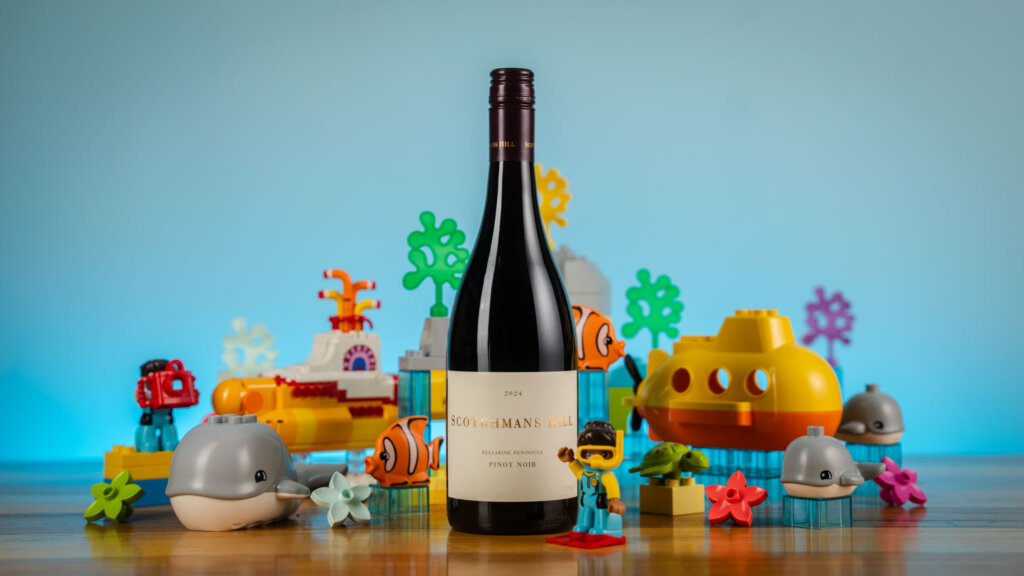
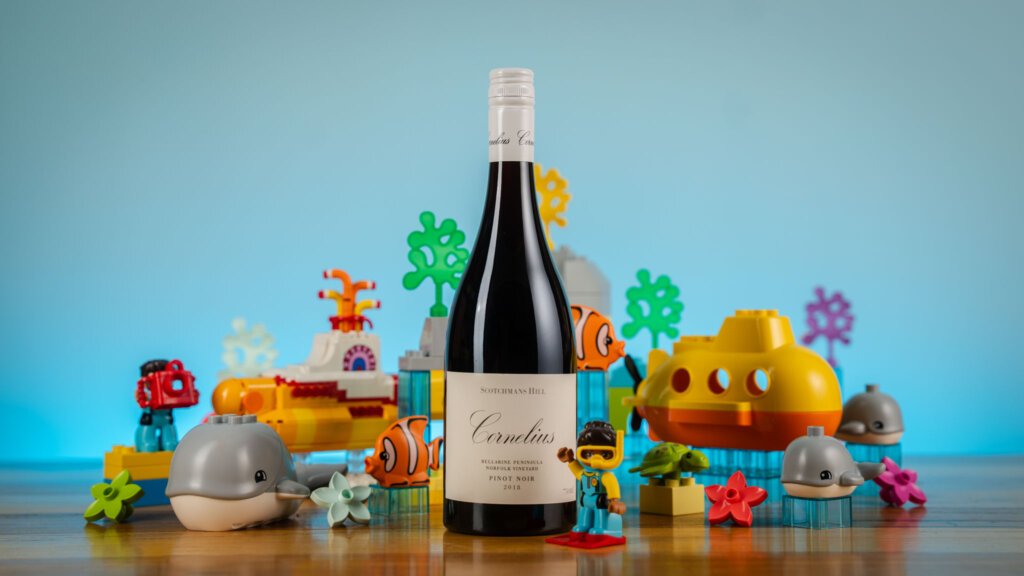
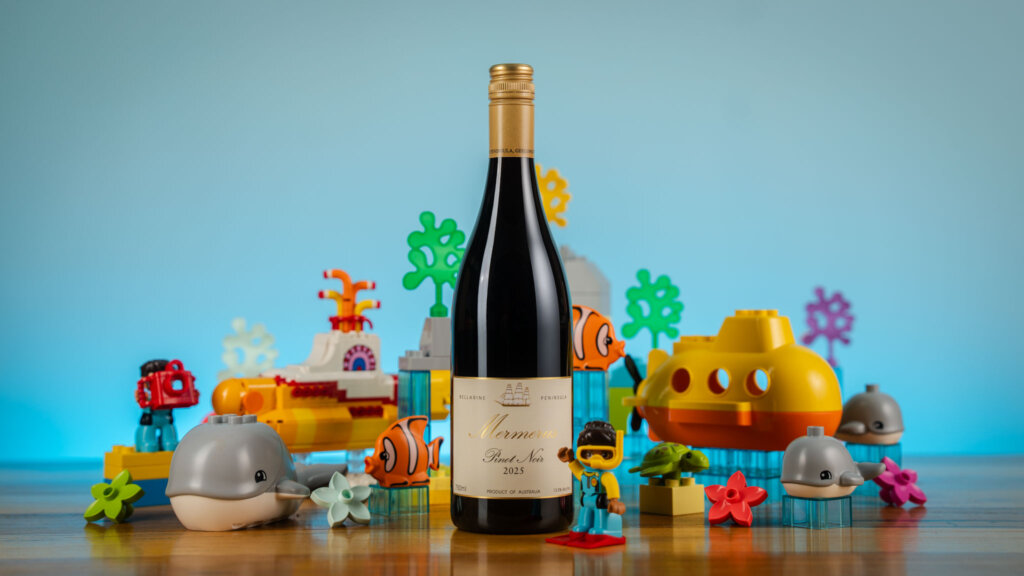
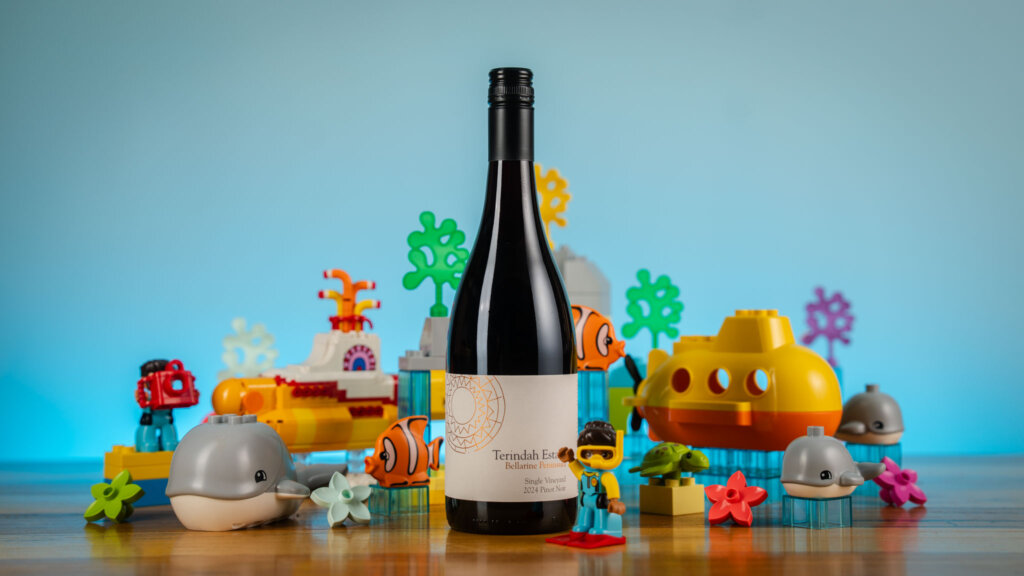
2024 Scotchmans Hill ‘Bellarine Peninsula’ Pinot Noir $46 RRP
This wine appeared in the top six wines of the day for Nadeson, Sykes, Paul, and Lange. Nadeson described “red cherry gives way to something darker and richer: plum, dried fruit, the warm spice of Christmas cake without any of the heaviness that phrase might suggest. Cinnamon, clove, a hint of anise threading through. The wine is unambiguously full but it carries itself well: plush without softness, complex without confusion. The tannins are fine and present, the acidity doing quiet structural work beneath the fruit. This is not a wine I would have chosen from a list, but in the glass it makes its case with conviction. There is a discipline inside the richness that earns respect. A serious wine wearing its weight lightly.” Sykes noted “a beautifully fruit filled pinot noir! Cloves and cinnamon, bright cherry, goji berry and apple skin sat nicely over sweet spice and all things nice. In the mouth this wine was lip smackingly juicy. The acid was fresh and well integrated, soaked up by the concentration of flavour and supple palate weight. Hints of pepper and underbrush ensures no jubiness. Powdery tannin completed this well made seamless wine.” Paul found “youthful bright deep garnet colour. Slightly sappy red fruit drive with some complexing sulphides. The palate holds with dark plum notes, great texture adding a lovely grippy note, which demands food. Good length and fresh driving acidy keep the wine balanced and fresh. Needs time.”
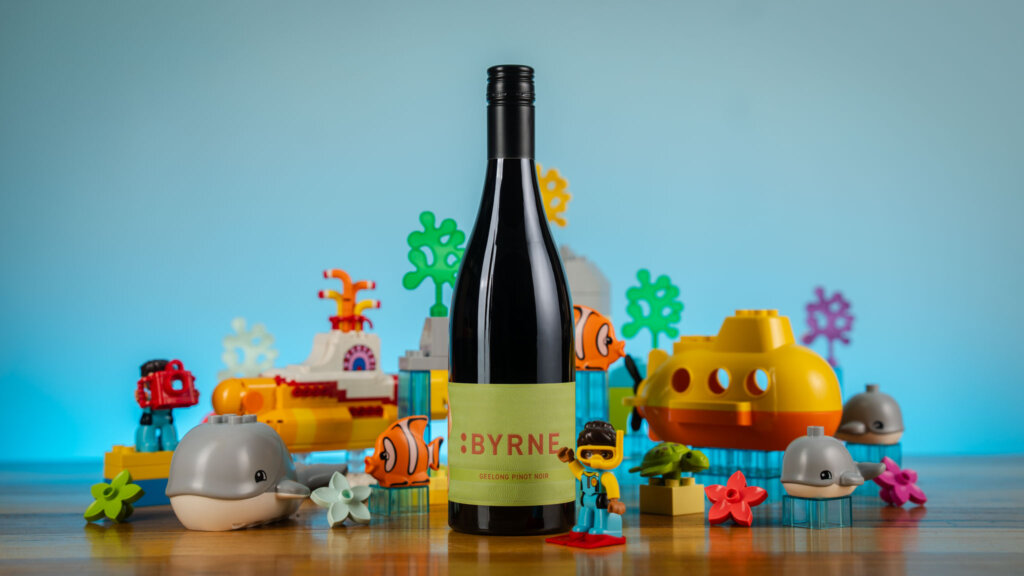
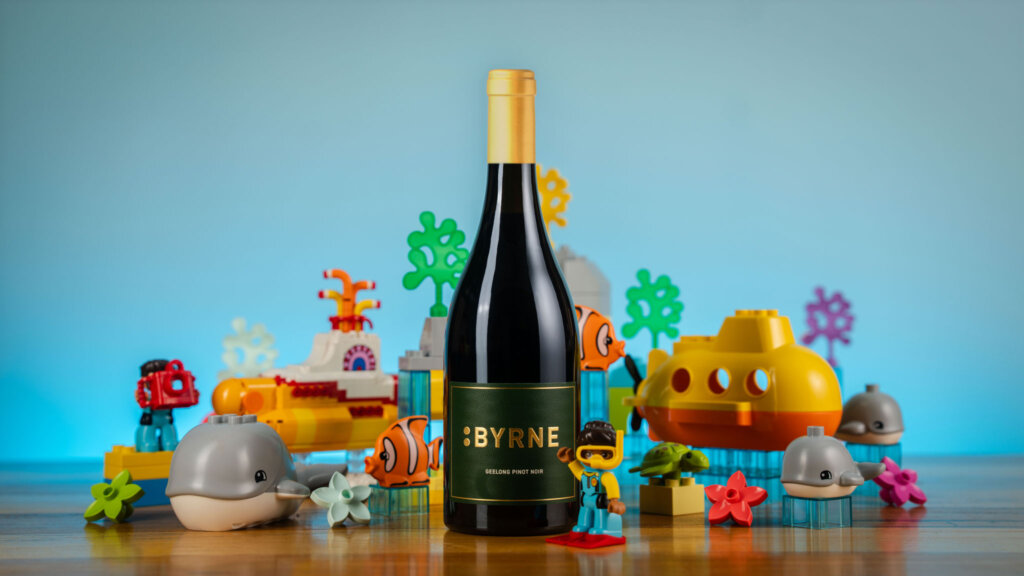
2024 Byrne Pinot Noir $44 RRP
Nadeson, Thomas, Davies, and Lange selected this wine among their top six from the blind tasting. Nadeson described “red cherry opens it, then something cooler and more precise: white cherry, green raspberry, a faint suggestion of dried violets. A spice box sits underneath, unhurried. The texture is the thing: chalky tannins that grip without gripping too hard, a sappy acidity that keeps everything moving. There is real composure here, a wine that knows what it is. It asks something of you: patience, attention. And returns it with interest. The kind of bottle you reach for when the evening deserves more than conversation.” Thomas noted “quite wild this one, but enticing wine. Oak evident, yes, but has intrigue. Pulls me in. Forest floor, wild, a little reduction but all in place. Might not be technically perfect – but who cares? It works. On the palate it is a structured, powerful wine. Iron/minerals. Good fruit weight but maintains enough elegance. Whole-bunch, but done well. There’s a little balsamic lift, there’s lots going on – but it works. If I was to say what ‘typical’ Geelong pinot is, it might look something like this.” Davies found “there’s that ham hock note again! Underneath sits a familiar Geelong earthiness – damp soil, brown mushroom – alongside a concentrated mix of forest berries: wild strawberry, blueberry, mulberry, and a dusting of dried sumac. The palate carries that intensity of wild strawberry and cherry, edged with cedar and a lift of sun-warmed lavender. The acidity cuts through with precision, giving a kind of tightrope tension. With velvety tannins supporting it, the structure stretches the wine out beautifully. This is exactly what I’d hope for from a Geelong pinot; wild, complex, and structured.” Lange noted “this wine really got my attention with its interplay of dark, tart fruits with a beautiful forest floor savouriness. Morello cherries and Davidson Plum lead the charge before chanterelle mushrooms and black earth make up the savoury element of the wine. There’s real depth here, reminiscent of a Cru Beaujolais from Moulin-à-Vent.”
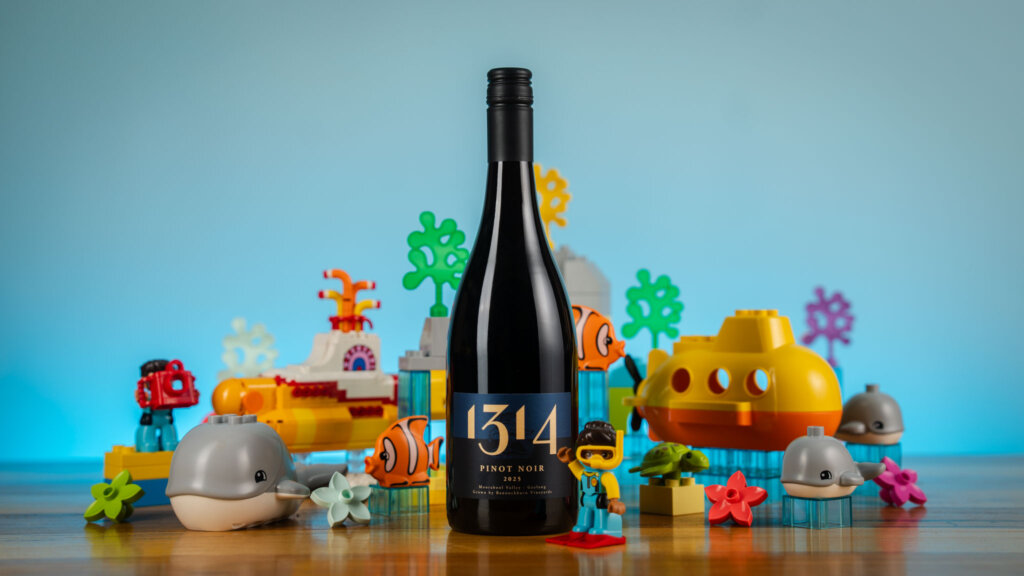
2025 Bannockburn ‘1314’ Pinot Noir $37 RRP
Sykes, Polack, and Buckle included this wine in their top six wines from the tasting. Sykes described “this wine had the whole package. Lots of heady eastern spice, Turkish Delight aromas, uplifting vanilla and strawberry, red currant with bramble bush and leafy edges. Initially quite fruit forward on the palate, but who doesn’t love a delicious whack of fruit? It is a thinking drinker’s Pinot Noir with harmonious structure and silky texture. The fruit was augmented with subtle hints of nutmeg and cinnamon spice, touches of dried herbs. Lovely freshness to it. Travels beautifully across the palate finishing long but quietly with some dark choc notes. Nothing flashy here. A subtle yet intriguing wine.” Polack noted “black plums, red cherries with some complexing light herbal and vanilla notes on the nose. The palate has a lusciousness in the middle with bright red cherries. Finely structured and ready to drink like a young athlete about to begin a gym competition.” Buckle found “nice purple hue, good density. Red cherry, dark plum fruits. Varietal if a little charred reduction. A little prickle of carbon dioxide on the palate gives the tannin a furry edge. Oak adds length and grip. Weighty and muscular builds the length. Complex note of Campari and orange rind.”
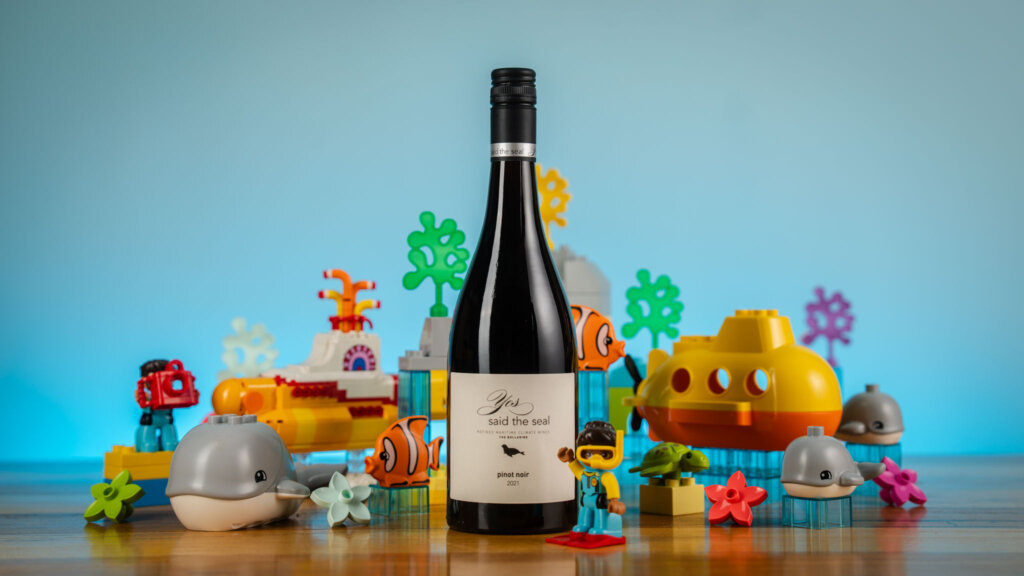
2021 Yes Said the Seal Pinot Noir $50 RRP
Lange, Thomas, and Nadeson selected this wine among their top six from the blind tasting. Lange described “wow! This wine strikes a beautiful balance between brightness and savoury depth. Freshly picked, crunchy red cherries bring an energy that is contrasted by deeper layers of breasola and duxelles. These well defined notes of taut fruit and moorish umami seamlessly carry through to the palate where they are framed by delicate tannins and just the right amount of acid. A confident yet delicate pinot with layers of complexity. A masterful level of attention to detail and restraint. BYO to have alongside some Peking duck. Delicious.” Thomas noted “much more compelling here. One of the more fragrant wines. I’m guessing some WB influence here, but of those in the lineup that lean towards the more savoury style this wine does it very well. There’s floral notes, graphite, forest floor. Lots happening. The oak is clearly evident but it works for me. The palate has complex red fruits and then dry but sweet herbs, violets some ferrous like minerality and lots of complexity. a lick of savoury oak on the finish.” Nadeson found “light in the glass and nervous on the nose: savoury, mineral, fruit present only as a rumour. What it offers instead is complexity of a more austere kind: earth, dried herb, something iron-edged and unresolved that keeps drawing you back. The palate is sinuous, the tannins slippery rather than grippy, moving with a bony acidity that gives the whole thing its backbone. This is not a wine that announces itself or seeks approval. It is adult, uncompromising, and not for everyone. May scare the horses but I love it.”
Davies, Sykes, Polack, and Buckle included this wine in their top six wines of the day. Davies described “the nose opens on black and red cherry, laced with cinnamon, clove and nutmeg. With a little air, it shifts into something more savoury – pork braised with root vegetables and woody herbs – before lifting again with a flash of morello cherry. The palate commits to dark, rich purple fruit, with cherry and plum at the core, while ribbons of raspberry acidity weave through and keep everything moving. There’s a gentle grip on the tooth that suggests some whole bunch, which might also explain the generosity of fruit. Overall, it’s an incredibly seductive wine, driven by its plush fruit and warming brown spice.” Sykes noted “this wine possibly stood out as it was super flavoursome with concentrated red and black cherry at its core surrounded by beautiful hints of cedar. A richer, bigger style of Pinot Noir retaining freshness. A streak of minerality through the palate elevating the drinking experience. This is an instant gratification wine! Complimenting the plush fruit the wine finished with baking spices and black pepper notes. Quite delicious. Light tannins. Juicy in a compelling way with that hint of minerality making the wine shine.” Polack found “just classic good drinking! Youthful looking with a ruby core and purple edge. Quite a big wine with herbal leafy notes sitting under the wonderful black plums and red cherries. Loved the balance and the lovely lingering ripe fruit on the finish. Try it with a Moroccan tagine.” Buckle noted “nice purple hues. Dark cherry, cinnamon. Good density and balance. Long and compelling. Good assembly of dark cherry Pinot with some spicy complexity.”
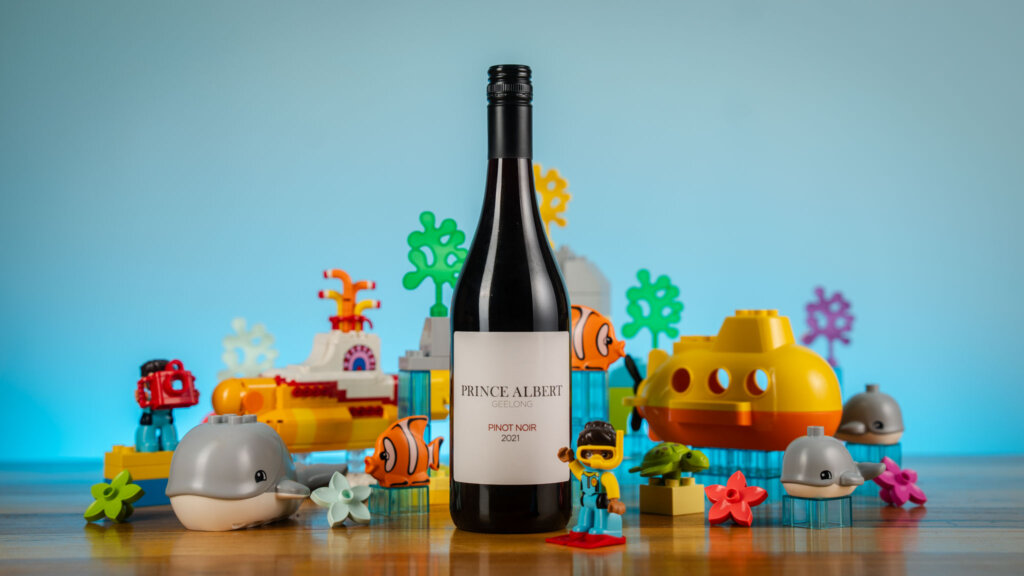
2021 Prince Albert Pinot Noir $60 RRP
Davies and Lange chose this wine for their top six wines from the tasting. Davies described “immediately herbaceous and a little medicinal on the nose, almost amaro-like, with a deep well of dark spice and a fistfull of woody herbs or a bouquet garni. As it opens, it softens into wild roses and violets, with a spike of toasted pink peppercorn and stewed rhubarb. The palate follows suit, led by a pomegranate molasses-like acidity, before those savoury herbal notes roll into braised tomatoes with lardons, finishing on a gorgeous bitter edge of coffee and amaro. It’s an impressive wine that feels deliberately crafted. Layered, complex, and very much one for the table.” Lange noted “this pinot leans into the darker, more commanding side of the variety but with a perfumed nose. Tinned black plums and crème de violette with a hint of allspice. This aromatic and ripe wine is shaped by a texture of almost chalky tannins that cling to your mouth. This wine intrigued me, almost feeling like it’s dressed up as one of its thicker skinned cousins. Wintery.”
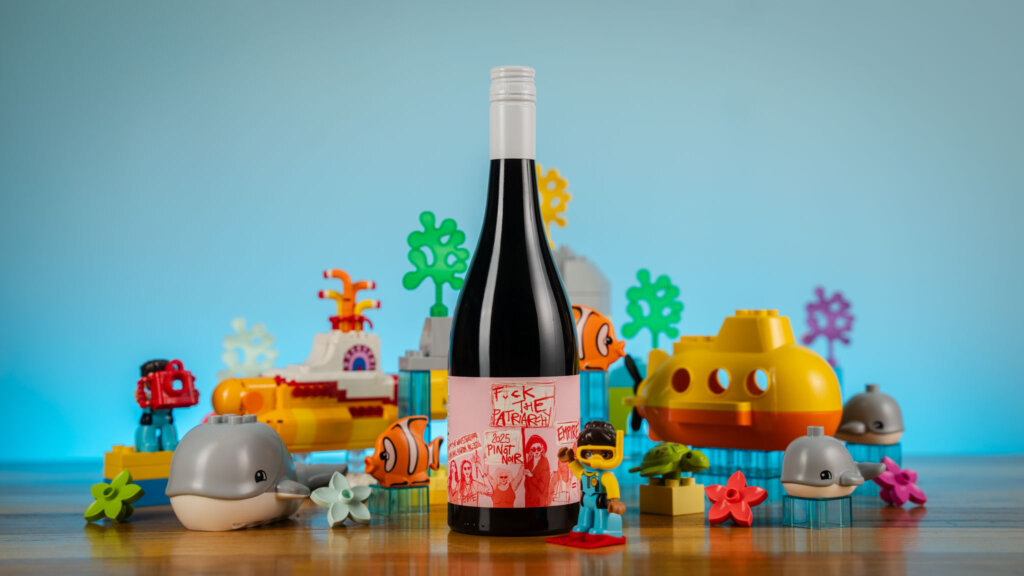
2025 Empire of Dirt ‘Fuck the Patriarchy’ Pinot Noir $45 RRP
Paul, Thomas, and Davies selected this wine among their top six from the blind tasting. Paul described “very deep bright colour. Lifted spice leads to dark ripe fruit, in a fuller spectrum. The palate weight and texture are a feature here, with dark fruit at the core drawing you in. Length and palate shape are driven by ripe long tannins.” Thomas noted “nice. Quite straightforward on the nose, with dense fruit. A structured, robust, and serious palate. Could open up, and be interesting with time. This wine feels straight down the line. A little sweet on the mid-palate and not screaming varietal pinot but solid.” Davies found “I had to go back to this wine but on the revisit it was gregarious. Rhubarb, rosehip and hibiscus tea, with dried blood orange and a dusting of red earth. On the palate, those dried floral and red citrus notes carry through before giving way to a savoury edge of white miso – bringing both salinity and nuttiness. The acidity sits a little softer here, but it’s perfectly judged, holding everything in balance without overshadowing the detail. It felt quite distinct from the rest of the lineup, fascinating in its dried floral and herbal profile. I’d love to see it with a light chill to really sharpen it into focus.”
Polack and Davies included this wine in their top six wines of the day. Polack described “this wine was just good drinking! With lovely fresh, ripe black cherries, black plums and light kirsch like character. The light tannins envelope the beautiful fresh ripe fruit and giving a long finish. No need to put any food with this – great drinking by itself.” Davies noted “geez, this wine is not shy. I love wines that invoke a feeling or memory rather than just being the sum of its parts. The nose immediately took me to a place where I’m walking into the house of a good home-cook. There’s damp earth, warm earthenware and cast-iron, caramel, nori, a pot of spiced cherry compote bubbling away, and tea steeping in the background. The palate is remarkably soft and elegant, with a silken texture, a touch of bacon fat, and a bright, almost freeze-dried raspberry acidity that kicks through and keeps everything lifted. Altogether, it’s a completely captivating wine; comforting, immersive, and the kind you instinctively reach for when you want to feel warm.”
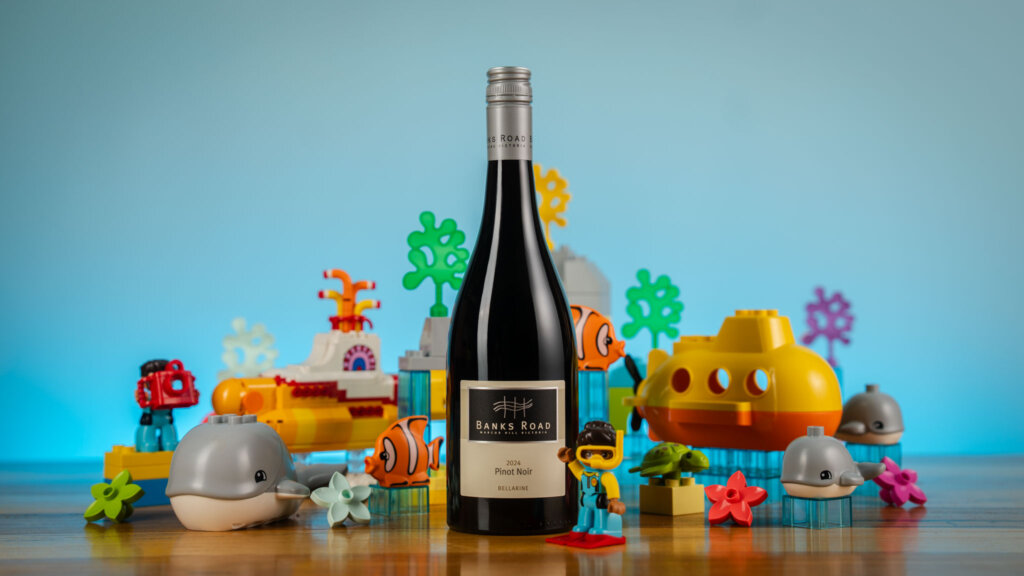
2024 Banks Road ‘Bellarine’ Pinot Noir $48 RRP
Paul, Polack, and Thomas chose this wine for their top six wines from the tasting. Paul described “bright garnet colour, with a pale edge. Inviting bouquet of ripe cherry, strawberry, balanced by spicy oak. Good fruit weight, just on the edge of savouriness, but still ample. Fine tannin drive, acid adding freshness and length.” Polack noted “slightly polarising, potentially, with some fresh black cherries as well as a burnt cherry note on the aromas. The palate has soft tannins with a bright acid and integrated fruit and a long finish. Perfect with some confit duck.” Thomas found “more subtle and composed on the nose, but still enticing. A spectrum of fruit reminiscent of cherry and pomegranate, some subtle complexity. Great balance of tannin and acidity, good flavours. Nothing too out of place here. Good wine.”
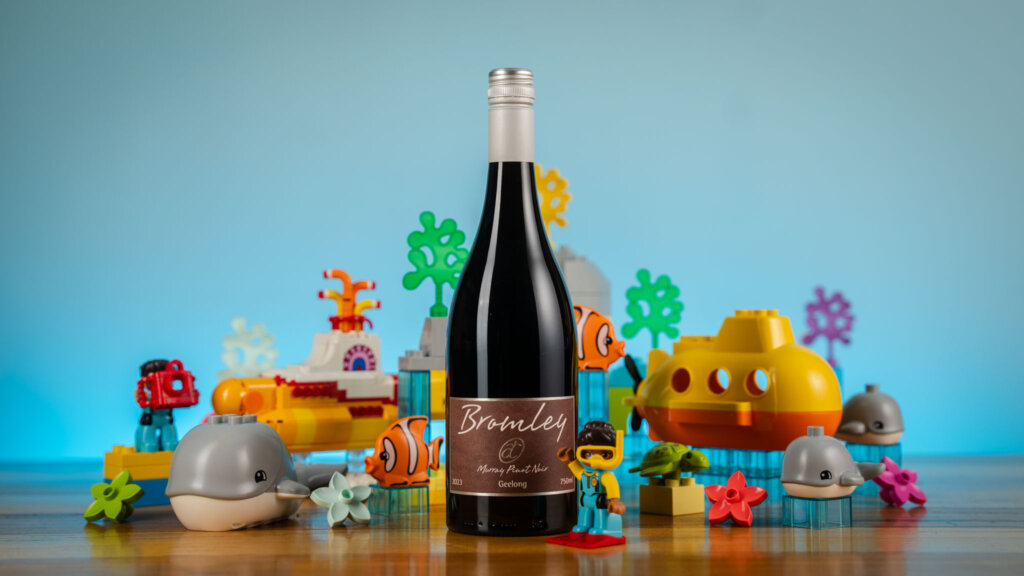
2023 Bromley ‘Murray’ Pinot Noir $45 RRP
Buckle and Sykes included this wine in their top six wines from the blind tasting. Buckle described “colour and density set the scene. A subtle whiff of musky pheremonal perfume – elusive. Dark cherry flavours on palate, oak presence adds spice and complexity on the long and persistent finish. Everything in its right place.” Sykes noted “a whiff of rosehip and lilac florals combined with hedgerow berries. A clean, bright wine with a minty freshness to it. The wild strawberry and red berry fruit is concentrated and a dusting of powdery tannin coiled around well woven acid making this wine effortless to drink. The supple satin texture immediately gives a gentle, classy impression. A lovely long finish of juicy fruit and pink peppercorn. Well crafted, impressive wine.”
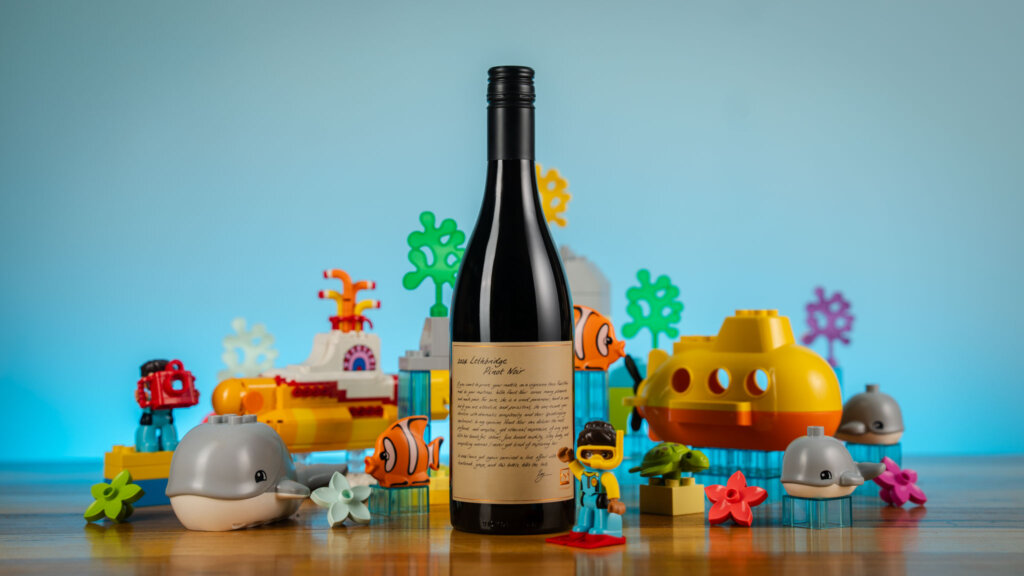
2024 Lethbridge Pinot Noir $60 RRP
Buckle and Sykes chose this wine for their top six wines of the day. Buckle described “dark dense colour. Bunchy, almost reduction, sense of compression. This wine has a life ahead of it. Compacted energy. Perfume and Persian spice box, rose petal and jasmine, cinnamon and sandalwood in background. Very compelling version of bunchy winemaking. Dense and long. Shows some sense of gravel soils, firm tannins with some dark cherry and mulberry fruits. Opens more and more with time. Not all whole bunch wines hit this level. Love this. Sort of wine that launches many more versions of style.” Sykes noted “visually a dark berry red giving an impression of rusticity. Some sweeter florals lavender and rosehip aromas are challenged by wet fallen autumn leaves all surrounded by red plum and wild strawberry fruit. Tasting this wine gives an overall sense of an autumn evening in a glass. A mouth filling journey of Raspberry and Rhubarb coulis with cloves and cinnamon slides into a more savoury profile with distinct beetroot and tomato leaf. A smooth, lively, vibrant wine. A great ambassador for the Geelong region.”
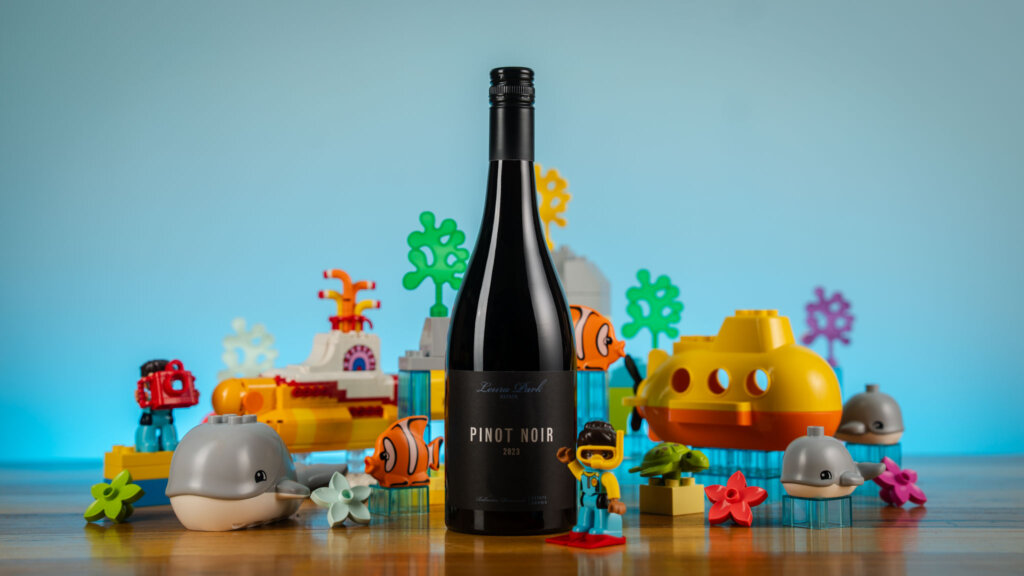
2023 Leura Park Estate ‘Bellarine Peninsula’ Pinot Noir $50 RRP
Thomas selected this wine among his top six wines from the blind tasting, describing “restrained and tidy nose – red fruited, showing notes of raspberry coulis, Morello cherries and maraschino syrup, with nice complexity of rose petals, sandalwood, cinnamon and nutmeg. A confident-looking wine! Structured on the palate, with good balance between acidity, tannins, and flavour – a wine that flows without peaks or troughs. Quite forceful and powerful, but it holds it together well. The tannins are grippy and firm on the finish but really lovely, and give the wine great length. The way the wine opens with time in glass and oxygen bodes well for some nice development in the cellar, too.”
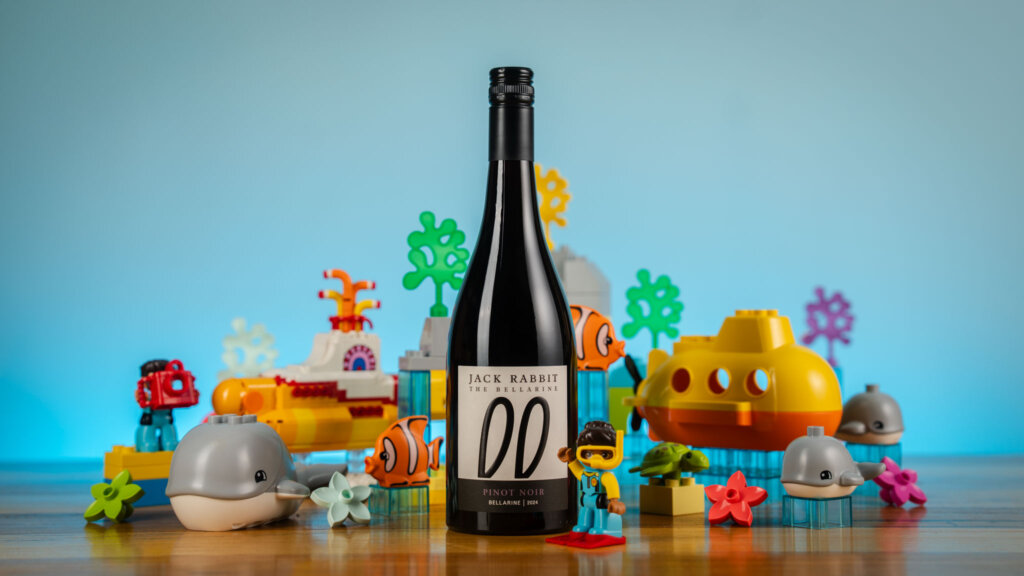
2024 Jack Rabbit ‘Bellarine’ Pinot Noir $55 RRP
Lange, Nadeson, and Paul included this wine in their top six wines from the tasting. Lange described “there was something beautifully simple about this wine. A super bright expression of pinot noir, driven by clarity and tension rather than weight. Crunchy fresh cranberries and red cherry skin give an energy and lift. The crisp texture and perfectly balanced acidity add quiet complexity. Nothing feels exaggerated here. Freshness and finely detailed red fruits speak clearly for themselves. It’s wonderfully transparent, a pinot that reminds you just how compelling simplicity can be when every element is done right.” Nadeson noted “dense and polished, the cherry fruit at the centre of everything: ripe, confident, unhurried. Savoury notes and spice work around it without crowding it, the acid and tannin in easy conversation with the fruit rather than in tension with it. There is a generosity here that some of the other wines in this flight withheld. It asks nothing difficult of you, and that is not a criticism. It is a different kind of intelligence. The most approachable of the wines I chose, and in this case quality wears a friendly face.” Paul found “very pale garnet colour, leading to lifted whole bunch notes. Quite sappy and hedgy palate yet balanced by cherry and red currant fruits. Clearly a deliberate style here, which will have its fans. Good drive and freshness, needs food, lighter style done well.”
Paul chose this wine for his top six wines of the day, describing “garnet colour, but complete and youthful. Inviting lifted wood spice, leading to savoury dark fruit, black cherry and plum with well-handled oak adding a spicy cedar note. Quite moreish palate, again due to the ample savoury fruit spectrum. Fine but ripe tannin frames the wine nicely, adding structure and interest. Long and balanced finish to close. Roast chicken comes to mind here, with Dijon mustard of course!”
Polack selected this wine among her top six wines from the blind tasting, noting “looking more developed than the other wines in the line-up, with its pale garnet colour and savoury notes of tar and freshly-turned earth on the nose. Some light strawberries and cranberries emerge from underneath. Delicate and fine in body, but with medium flavour intensity. Like a delicate older fine boned person who is elegant and immaculately dressed. Perfect drinking now – no aging required.”
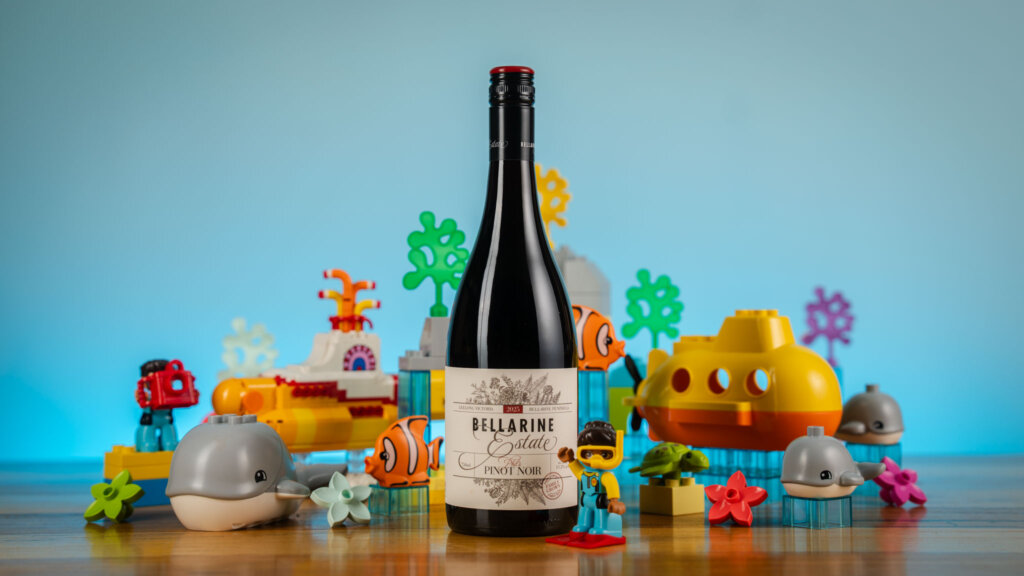
2024 Bellarine Estate ‘Phil’s Pinot Noir’ $45 RRP
Buckle included this wine in his top six wines of the day, describing “vibrant purple hues. Raspberry, bright and clear red berries – raspberry, red currant, strawberry. Like Summer Pudding in a bottle. Lovely clarity of fruit and Pinot noir purity. No overdone oak or bunches or winemaking trickery here! Length too, tannin presence and berry flavours last for days. Love the raspberry note, and the evenness of ripe pinot shows good vineyard homogeneity and winemaking confidence.”
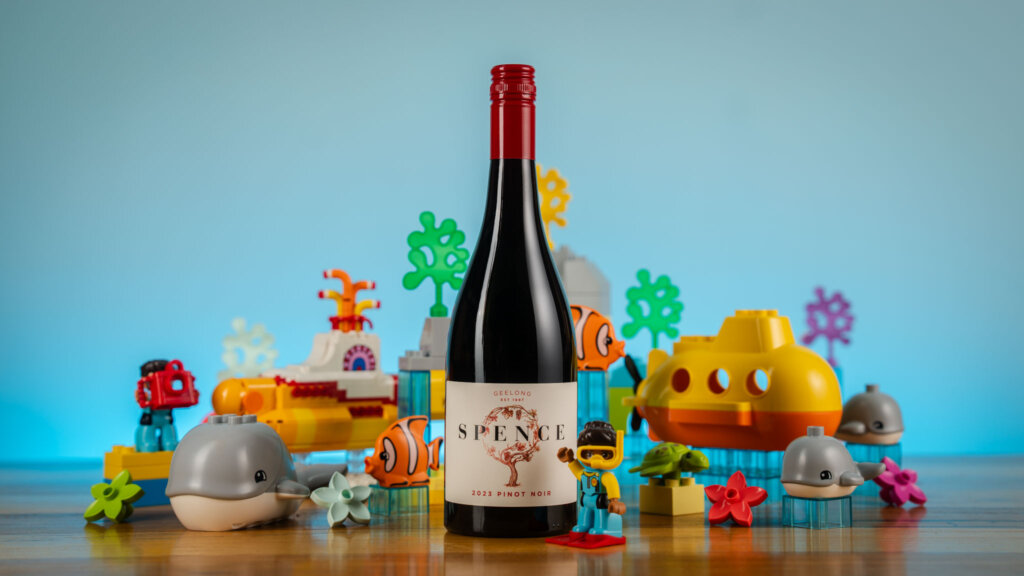
2023 Spence Pinot Noir $35 RRP
Thomas and Lange selected this wine among their top six from the blind tasting. Thomas described “a well put-together wine. Perfumed nose of strawberry with nice savoury nuances and subtle vanilla oak – sweet and pretty with subtle complexity. The palate is really balanced, as is the structure, and that subtle complexity carries throughout. The tannins are soft, but they carry and give nice length.” Lange noted “approachable and fresh! All the hallmarks of a bright, ready to drink pinot. Primaries take charge here – ripe red cherries, a bit of pomegranate but also a slightly nostalgic mix of red frogs and musk sticks. Keeping the fruit in check is a gentle sweep of powdery tannins and a dusting of cinnamon. This wine is not overly complex, but hits all the right notes for me – a bottle that could disappear quite quickly.”
Buckle and Polack included this wine in their top six wines from the tasting. Buckle described “vibrant purple hues. Has a sense of very well managed grapes, evenness of ripe berry and cherry fruit flavours, very nicely composed. Dark cherry compote, mulberries, blueberries and dense plum. Great sense of Pinot noir identity and intensity of flavours. Oak sings a song of background spices, subtle nutmeg and cinnamon weave into the long persistent finish. A complete wine in the sense that nothing pokes out. Long and persistent on the palate. Very compelling.” Polack noted “a very complete wine – savoury notes with black and red cherries on the nose. Lots of raspberries and red cherries on the palate integrated with the other fruits. The soft tannins are beautifully integrated with some light savoury notes. The tannins hold onto flavours long after swallowing the wine. So complete that it does not need any food to go with it!”
2024 Byrne ‘Golden’ Pinot Noir $69 RRP
Nadeson chose this wine for his top six wines of the day, describing “lean and purposeful, this wine refuses easy comfort. The nose is cool and precise: red berry notes of Morello cherry, tart raspberry – almost raspberry vinaigrette – held at a distance, earth and sous bois closer in, a faint florist’s shop note that comes and goes. The palate has that quality of seeming almost too fine, too reticent, until you realise the restraint is the point. The tannins are silk over stone, the acidity long and nervy. It does not shout its origins. But I was certainly thinking of the B word.”
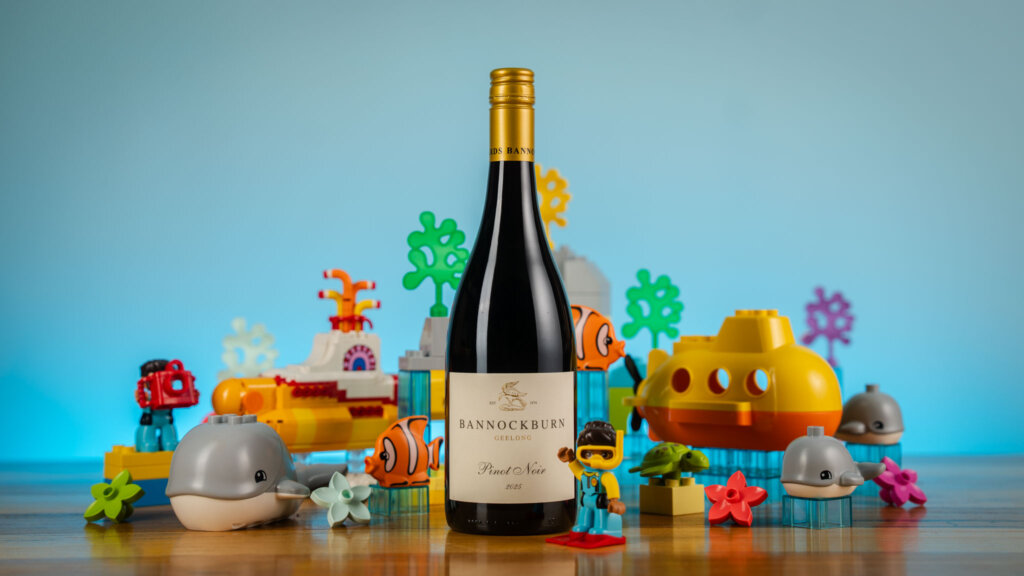
2025 Bannockburn Pinot Noir $75 RRP
Paul selected this wine among his top six wines from the tasting, describing “very deep bright garnet colour of the fuller spectrum. Intense dark plum and almost cranberry note, which balances out the ripeness. Some lifted oak spice adding balance. Very good fruit weight across the palate, spicy and dark. Richer style done well, with very good length and drive, a style of Pinot Noir the Geelong region can achieve with great balance. Match to Roast Pork Belly, the wines ample acidity providing a great balancing act!”
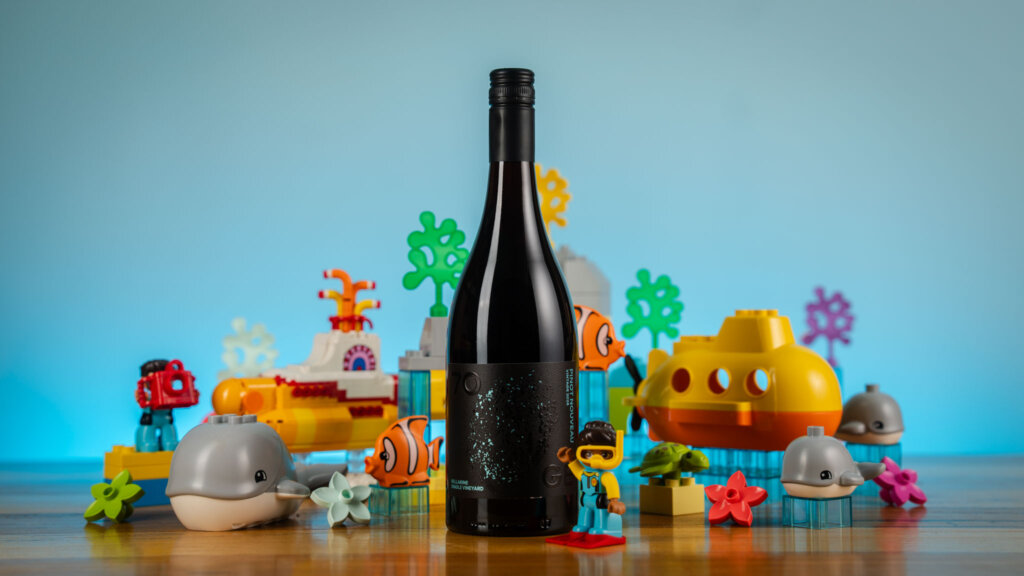
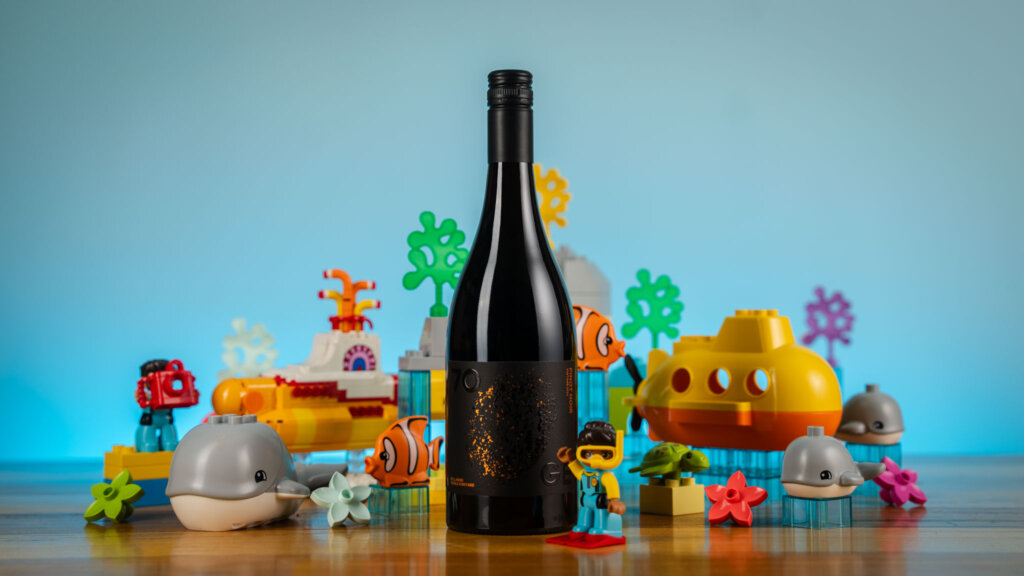
2025 Seventy Greenhills Estate Pinot Nouveau $50 RRP
Sykes included this wine in her top six wines of the blind tasting, noting “a little lighter on its feet but nonetheless beguiling! Cherry, berry fruit merrily interspersed with mediterranean herbs of rosemary and thyme. Plenty of delicious fruit flooding through the palate with a touch of chalky tannin. Just a hint of the infamous Geelong vegetative notes sitting in the background giving a cheeky glimpse into the wine’s heritage. Crisp fresh acid underpins the wine nicely with a lingering finish of pomegranate and cherries. A detailed, precise wine.”
2024 Seventy Greenhills Estate Pinot Noir $50 RRP
Davies chose this wine for her top six wines from the tasting, describing “unbelievably savoury and exotic on the nose – like wandering through an open-air spice market. There’s a powerful mix of curry leaf, dried tomato powder, cumin and turmeric, alongside dried sumac, dried cherry and a waft of smoked cherrywood. The palate doubles down on those toasted brown spices, with a turmeric-like earthiness wrapped around dark fruits – black plum, cherry, ripe mulberry – all carried by a rich, balsamic acidity. It’s weirdly wonderful. The kind of wine that feels like it would be deeply loved in some remote, regional pocket, but maybe a bit too specific for the uninitiated. That said, I kept coming back to it – and now I really want to know exactly how it was made.”
Nadeson selected this wine among his top six wines from the blind tasting, noting “whole-bunch announces itself immediately: stalky, a whisper of dill, something green and deliberate threading through the fruit. Rose petal and red cherry beneath, but carrying themselves lightly, almost tentatively. This is a wine that asks a question before it offers an answer. The palate is fine-boned and precise, tannins like pressed silk, an acidity that lifts without pushing. Not a wine for distracted drinking, it demands a little from you, and in a good food pairing will return something close to perfection.”
The backstory
Pinot noir’s roots in the Geelong region run deep, with the first vines going into the ground here in the 1840s. While a lot has changed since then – the region’s early boom was followed by Australian wine’s most dramatic and decisive bust –Geelong’s pinot noirs have nonetheless carved out a global reputation for excellence, with the most famous examples sought after by sommeliers the world over. With a small but dedicated band of winemakers and labels turning out fascinating wines – ranging from the earthy and muscular through to the perfumed and ethereal – and a wave of emerging talent on the scene, Geelong’s pinot noir scene feels poised on the verge of greatness. So why are these wines so rarely spotted on restaurant wine lists and retail shelves outside of Geelong itself?
As outlined in our recent Deep Dive on chardonnay from the Geelong GI, there’s a depth of winemaking history in the area around Geelong that often surprises outsiders – who might know the area better as the gateway to the Surf Coast and Great Ocean Road, or associate it with the city’s industrial heritage. And while chardonnay is a relative latecomer to the region, first appearing only in the 1970s, pinot noir has been in Geelong since the get-go – the region’s very first vineyard, named ‘Neuchâtel’, was planted by Swiss vinedressers David Pettavel and Frédéric Breguet in 1842 with a mixture pinot meunier and pinot noir.
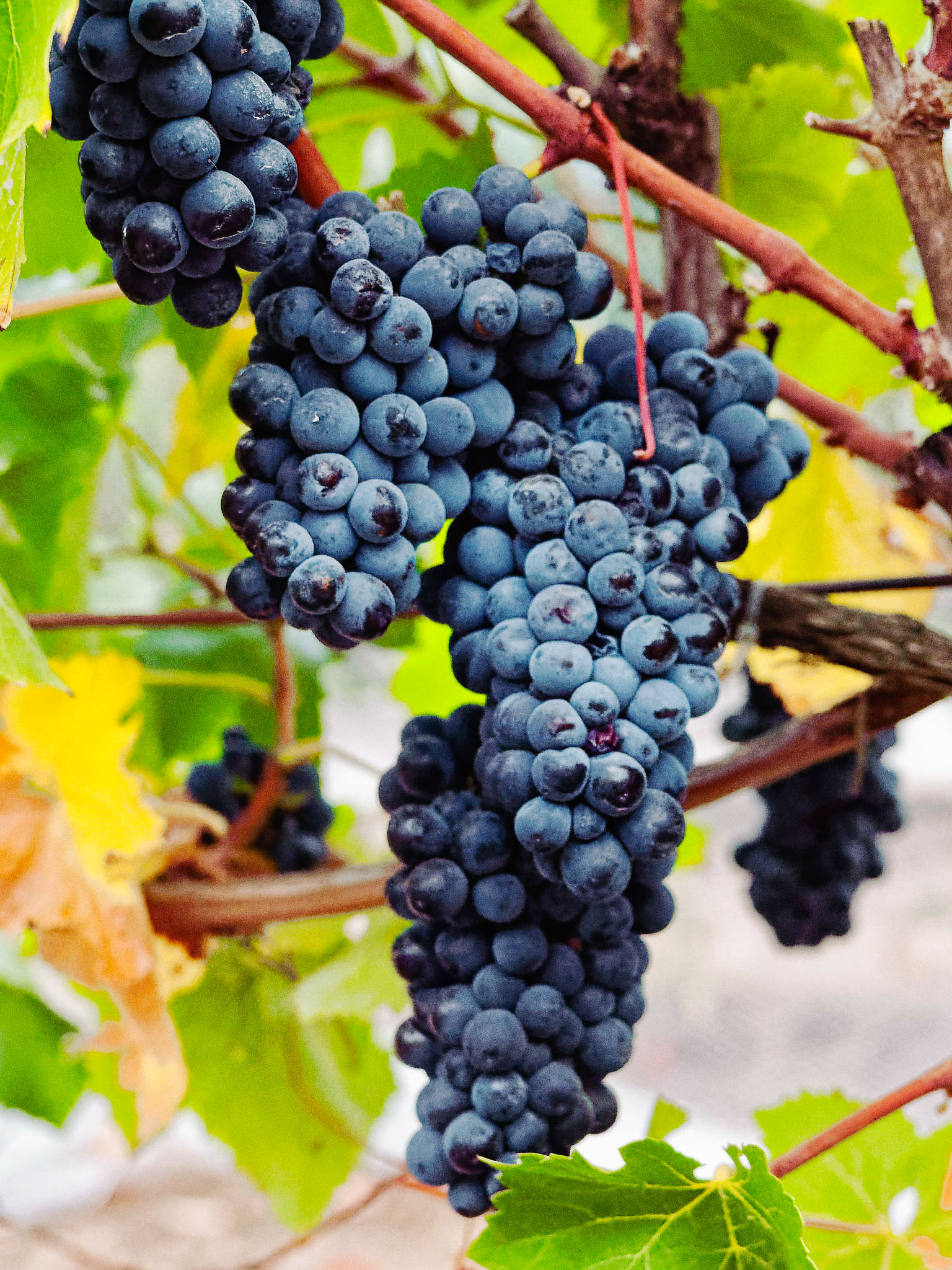
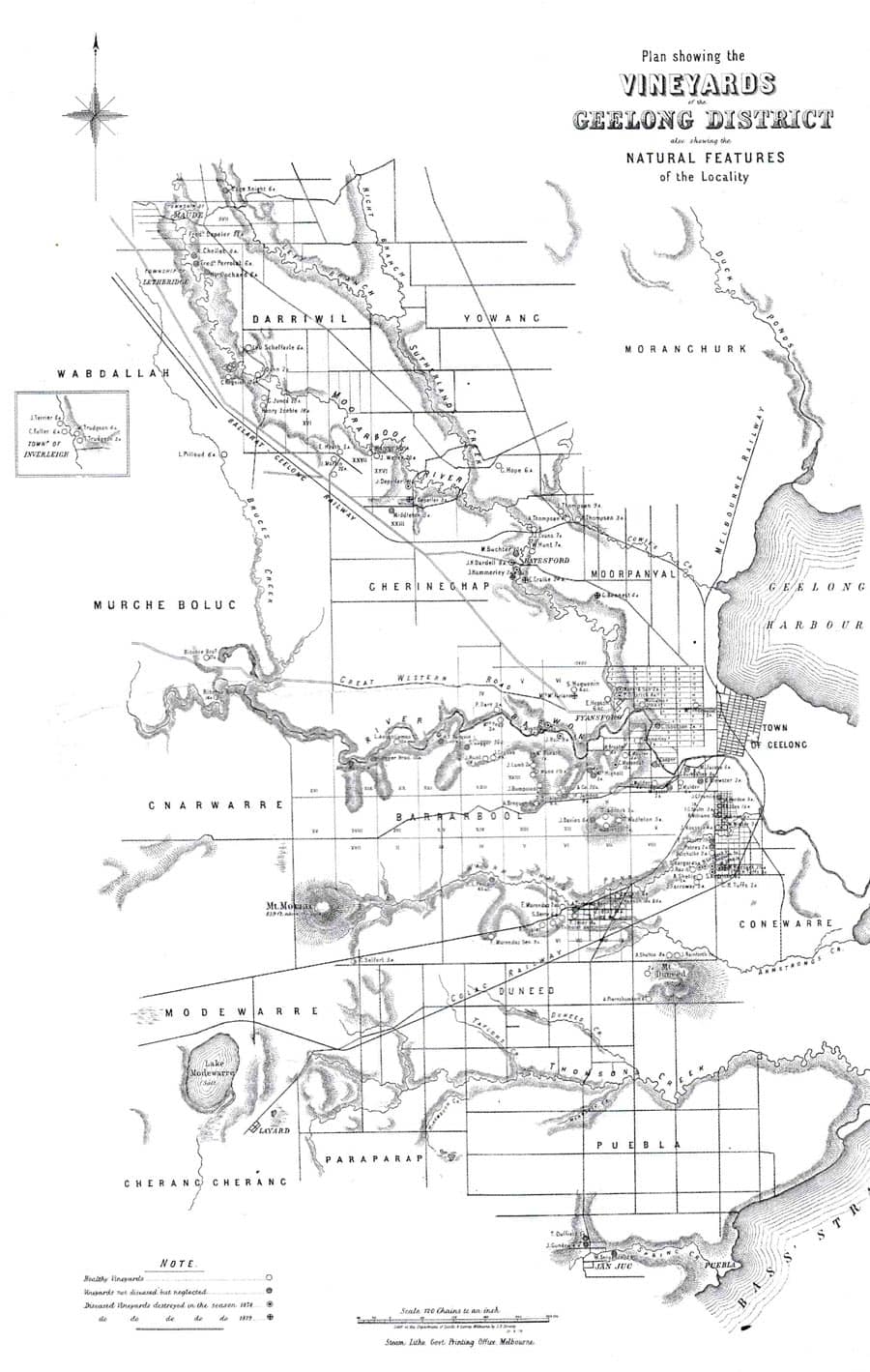
Above: Pinot noir bunches on the vine at Circulus Wines in the Geelong region. Opposite: A nineteenth-century survey of vineyards in Geelong.
What followed was a spectacular boom that saw the area around Geelong become the largest wine growing area in the fledgling state of Victoria, with 226 hectares of land under vine in 1861 – more than half of the state’s total. Unfortunately, though, it was followed by an equally spectacular bust after the discovery of the notoriousgrape vine louse phylloxera in the region in 1875 – which in turn provoked a dramatic vine-pull scheme in an attempt to stop the pest from spreading throughout the state. Within ten years of that discovery, every single vine in the region, except for one lone ornamental survivor, had been pulled out. As Geelong-based Swiss vinedresser Charles Louis Tétaz wrote in a letter to his family in 1893, “When the vineyards in this district were destroyed, it was a terrible blow to us. We were the first and now we’re at the end of the queue.”
Magic Dirt
Tétaz’s home base in Geelong was at Gundry’s Farm – now known as Bellbrae Estate, in the (unofficial) Surf Coast subregion. Simon Steele, Bellbrae’s winemaker and viticulturist, highlights that history of the region when discussing the estate’s approach to growing and making pinot noir. “The farm at Bellbrae Estate did have vines on it [in the mid-1800s],” he says. “A guy called Charles Louis Tétaz lived here and grew a lot of vines – and it was a fair bit of orchard as well. The Geelong region, including the Surf Coast, was a huge resource for Melbourne – not only for great wine grapes, but other things, too.” Like Pettavel, Breguet, and other viticultural pioneers of the region, Tétaz came from the Swiss canton (region) of Neuchâtel, which is famous for its ochre-yellow limestone known as pierre d’Hauterive, which creates freshness in the region’s wines– and as in the vineyards of Neuchâtel, Tétaz was working with limestone soils at Gundry’s Farm. “We’ve got limestone and ironstone not far underneath this moderate-fertility sandy loam,” says Steele. “Some of the ironstone comes up in buckshots, and some of the limestone you can see come up as well.”
Opposite: Winemaker and viticulturist Simon Steele of Bellbrae Estate. Above: Blue skies above the vines at Bellbrae Estate.
Bellbrae’s second incarnation as a vineyard commenced in 1999, when an ironstone-rich parcel of the property was planted to pinot noir. More pinot noir was planted in 2015 in a parcel on limestone, which posed its own logistical difficulties. “The limestone’s pretty close to the surface – about forty centimetres – and we had problems putting the posts in, because the posts would break on the limestone when we planted,” Steele says. Referencing a famous story about the Burgundian vigneron Henri Jayer having to use dynamite to plant his limestone-rich Cros Parantoux vineyard, Steele adds, “We didn’t dynamite – we just had a very grumpy farmer trying to help us put the posts in. He didn’t like it – he still talks about it.” For Steele, the results were worth the effort: “Because of this moderate fertility and the limestone, we have a pretty small canopy, and small crops, which helps increase the intensity of flavour,” he says. “We want to push the roots down into the limestone, so that minerality comes through – it’s bandied around a lot, that word, but limestone is an important piece of that puzzle. It’s actually hard to measure – it’s more a mouth feel and a flavour. But we all know it and we see it, don’t we?”
For Steele, the magic of Bellbrae and wines from the surf coast in general doesn’t just come from the soil, though. “We’re about six kilometres inland from the coast,” he says. “So we do have a coastal influence, which is fantastic as far as cooling down the vineyard on those hot days.” He contrasts this coastal freshness with the warmer Moorabool Valley, another of the region’s unofficial subregions, and the Bellarine Peninsula, which sees similar maritime influences from the shallower (and therefore warmer) Port Phillip Bay. “We pick around the same time as the Coal River Valley in Tasmania – much later than the Yarra (Valley), and I think it’s mainly due to that cooling sea breeze,” Steele says. “If we have a thirty-five degree day, that heat will sit all day in the Yarra, whereas here we’ll get a cool sea breeze kick through, and it’ll only be that hot for a few hours – then it’ll cool right down by ten degrees. That’s really beneficial for having longer hang time – and longer hang time means generally you’re gonna have riper tannins at lower alcohol. So you can have this intensity of skin and seed tannin, which is so important to the structural qualities of a wine, and the longevity of a wine.” This extended ripening, combined with the small bunch size generated by the moderate fertility of the region’s soils and the fact that, in Steele’s words, “it’s quite windy and dry,” means that “you’re never gonna crop very high – and that just gives us such intensity.”
“We want to push the roots down into the limestone, so that minerality comes through – it’s bandied around a lot, that word, but limestone is an important piece of that puzzle.”
In the winery, Steele’s approach is to let the fruit do the talking. “My whole thing is to try and get myself – or my ego, or my print on the wine – out of the picture as much as possible, and actually listen to the vineyard and the fruit, then deliver that to glass somehow,” he says. “Too much whole-bunch, or too much new oak, or too much reduction can really hide where the wine’s from. So to try and express where it’s from, and to try and express its ‘pinosity’, we try to not use too much of anything.” This entails gently de-stemming most of the fruit – although he leaves anywhere between 10–30% as whole bunches, placed at the top of the ferment because “the top seems to produce wines that have more fragrance and look a little bit less muddled or reductive” – and commencing the ferment with indigenous yeasts cultivated through “microferments” of pinot fruit picked in advance. (This technique, popular in Burgundy, is known as pied de cuvé.) “We want the flavours to come from the vineyard,” he says. “I’ve got nothing against people using packaged yeast, and I have a lot [in the past] … but really, we’re so close to the vineyard. It’s such a small operation. I’ve really got a handle on the health of the vines, the health of the fruit. The longer I’m here, the more confidence I have in the indigenous populations of yeast. So far, so good – fingers crossed!” That confidence, combined with the fact that he lives close to the winery itself, means that he can take some calculated risks with the winemaking approach to best express the site’s terroir – such as placing the whole bunches on top of the fermenter, where there’s a higher risk of vinegar-like volatile acidity developing. “I live five minutes from the winery, so I’m here seven days a week,” he says. “I know what the risks are, but I know I have to be here – because if the plane’s steering into a mountain, I can pull it up, you know?”
Adult tastes
At Lethbridge Wines, in the upper reaches of the Moorabool valley – sixty kilometres by road away from Bellbrae – head winemaker Dr. Ray Nadeson is chasing that same complexity in his pinot noir. “Fruit is for children – I don’t make wine for children,” he says, bluntly. “I’m making wine for grown-ups. And the true sophistication of a grown-up wine is that it should be intriguing. It should draw you in. It should be of the body – it should be visceral.” Having fallen in love with pinot noir through exposure to the wines of Burgundy – “at a time when you could buy a bottle of grand cru for $60 or $70 as opposed to $600 or $700,” he adds, somewhat ruefully – he and his partner Maree Collis set about trying to find an appropriate site to grow and make wine from it. “Geelong, with what was happening at Bannockburn – I guess it was very clear to me that it had potential,” he says. “What made it even more interesting was, when we actually started doing the research, we found the soils and the climate – in my opinion, anyway – most conducive to producing the types of pinot noir that I enjoy.”
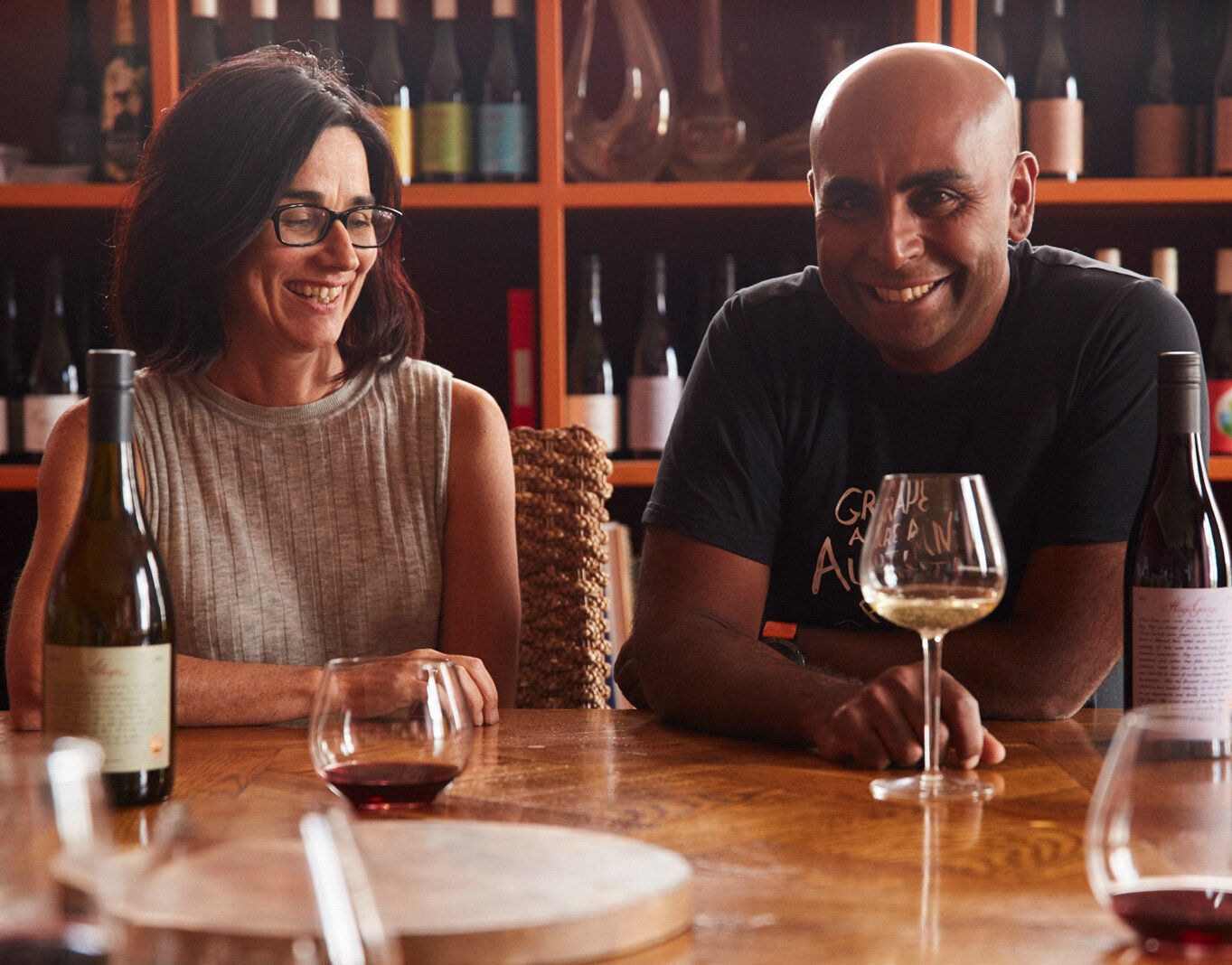
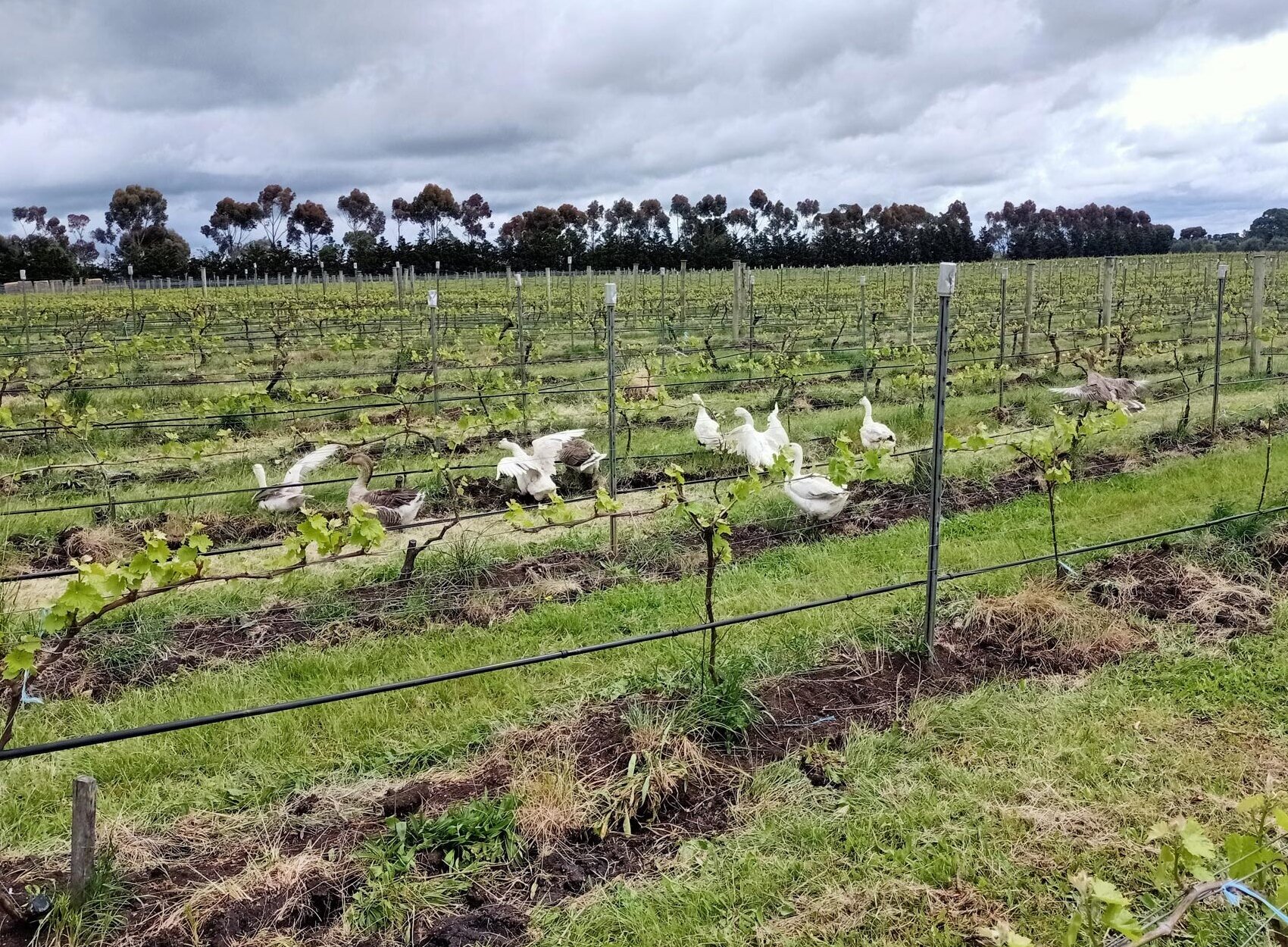
Above: Lethbridge co-founders Dr. Maree Collis and Dr. Ray Nadeson. Opposite: Ducks frolic through the vines at Lethbridge’s estate vineyard in the upper reaches of the Moorabool Valley.
While Nadeson grows his own fruit at Lethbridge’s home vineyard in the Moorabool, he also sources fruit from across the region to make his suite of Geelong GI pinot noirs – currently nine single-vineyard expressions from across the Moorabool Valley, the nearby town of Anakie, and the farther-flung Bellarine Peninsula, as well as a blended wine made from five of those sources. “The lovely thing about Geelong is that it’s quite a big region,” he says. “It’s got the Bellarine, it’s got the bit that I love the most up in the Moorabool, but it’s also got the Surf Coast … these subregions are so different. They are so outrageously different that they could, in fact, be separate places.” He emphasises that even within these unofficial subregions there’s a diversity of climates: “On the Bellarine, you have two microclimates as well – you have the stuff that’s on the Portarlington side, which is much more affected by the bay. And you have the stuff on the other side towards Queenscliff, which is affected by the ocean. So, two quite different climatic areas.” Add to that matrix of climate a diversity of soil types – like the granite-heavy soils of Anakie, which makes pinot that “looks somewhat more like Beaujolais because of this sort of granitic blueness” – and the result is a region that seems tailor-made for a parcel-by-parcel approach to winemaking. “These multiple sub-regions can produce very different wines,” Nadeson adds. “That’s why we end up making ten different Geelong pinot noirs at Lethbridge – it’s not only because I’m insane, although that certainly helps, but it’s because each of these places has their own voice.”
Working across this diversity of fruit sources – as well as with pinot noir from outside the boundaries of the Geelong appellation for other wines – allows Nadeson to zoom out from the specifics of any given vineyard to see the common threads running through Geelong’s pinot noir: “There’s quite a lot of different soil types and climates, but what Geelong pinot noir can produce is extremely savoury,” he says. “I want to see that sous bois – I want to see that forest floor. I want to be feeling umami. I want to feel length and tannin, and I want to see more than just simple fruit. So the lovely thing about pinot in Geelong is that this comes with the territory.” He adds, “I think pinot noir should be compelling. If it isn’t compelling, it’s just another red wine … I feel this sense of excitement – the hairs on my arms sticking up – when I taste a great wine. That is, in my opinion, particular to only a few varieties, and pinot noir is one of them.”
“The lovely thing about Geelong is that it’s quite a big region. It’s got the Bellarine, it’s got the bit that I love the most up in the Moorabool, but it’s also got the Surf Coast … these subregions are so different. They are so outrageously different that they could, in fact, be separate places.”
While it’s clear that Nadeson’s ambition – like that of many other Geelong producers – is make great pinot noir from a region that seems to have all of the building blocks for greatness in place, he argues that there’s a tension between that approach and the region’s general reliance on enotourism. “The intention of the maker can override all that terroir can bring,” he says. “The yields here are low. So Geelong doesn’t really bring the big companies out to play so much. And then the producers here tend to be tourism businesses, and that means that they’re all about local production. Now, how does that shape the wine? I think the intention often is to make wines that are easily palatable. They are aiming for a market that wants to spend $35 – and there’s nothing wrong with this, it’s absolutely fine. But great wine, especially in pinot noir, doesn’t happen at $35. It’s tragic, but true.” He adds that the economics of making premium wine don’t add up for producers focused on enotourism: “Biodynamic or organic farming – I feel that that is really important – good use of oak,judicious choices in the making, time in bottle – all of these things are components that I think don’t actually make sense if you’re a tourism business.” While he’s quick to note that “if everyone drank like me, we would have a very boring landscape of very savoury, somewhat skeletal, somewhat high-acid, somewhat stalky wines,” he also argues that making an simple, fruit-forward pinot noirs in Geelong is something of a missed opportunity: “There’s not many places in Australia where you can make a wine that’s savoury and stalky and needs to be left for five years before you drink it,” he concludes. “So if you can, in my humble opinion, you should.”
Selling Geelong
Nadeson’s reservations about the role of enotourism in the Geelong GI raises one of the key paradoxes of the region – despite the global reputation that some of Geelong’s vinous pioneers have built, the region as a whole doesn’t seem to have a coherent narrative, nor much of a presence in wine markets outside of the city of Geelong itself. For Robert Guerrini, the national sales and marketing manager for Bellarine Peninsula winery Scotchmans Hill, this partly comes down to the economics of local pride. “If you’re born in Geelong, or you’ve lived there for a period, you barrack for the Geelong Cats,” he says. “People from Geelong are very, very parochial, and they love to support local … I know that there’s wineries out there, small ones, that sell everything they make within Geelong and the Surf Coast. They don’t bother going to Melbourne because they sell everything within the region.” He adds, “But it is our backyard – and if we’re not selling in our backyard, then we’re doing something wrong.”
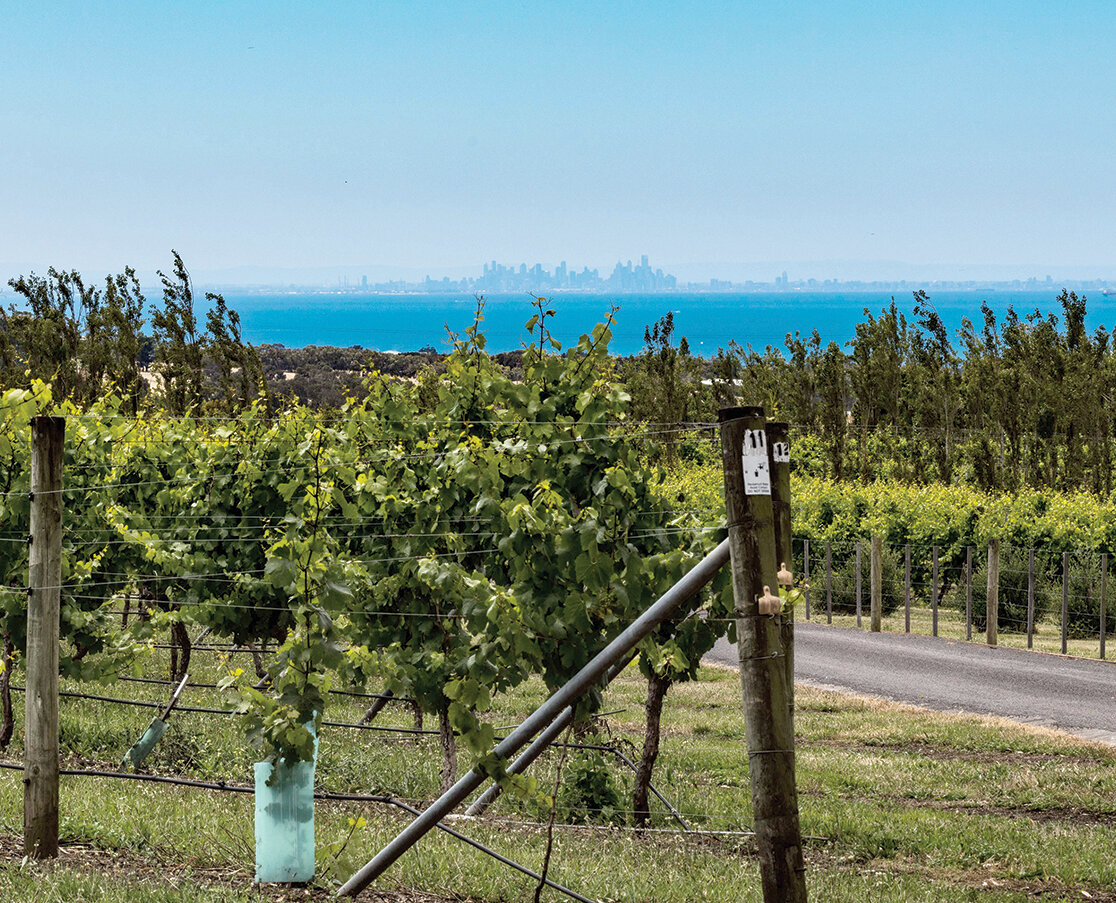
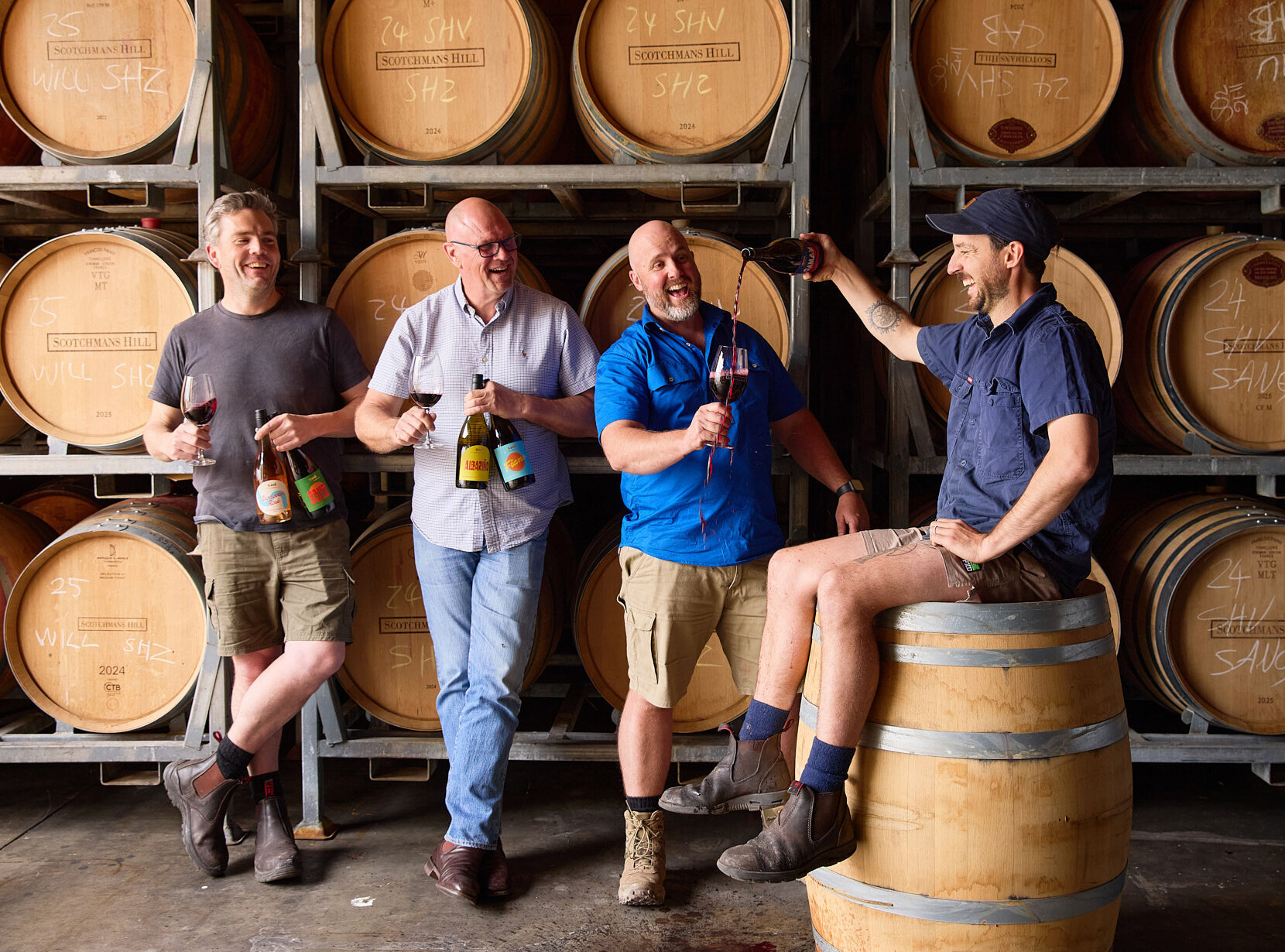
Opposite: The vineyards at Scotchmans Hill under the distant gaze of the Melbourne CBD across Port Phillip Bay. Above: The Scotchmans Hill winemaking team.
While smaller-scale producers can focus on supplying the demand generated by the city of Geelong itself, alongside the tourist trade that accompanies the region’s proximity to the Great Ocean Road, the scale of operations at Scotchmans Hill – hardly a behemoth by Australian wine standards, but larger than most other producers in the region – means that Guerrini has to look to the broader Australian market to ensure the winery remains viable: “We look for different sales avenues all the time, because Robin [Brockett, head winemaker at Scotchmans Hill] and his team make 𝑥 amount of cases of wine per year, and me and my team, our job is to make sure that we sell those,” he says. “If we’re just going to keep going to the same bottle shop, the same restaurant, then the best we can hope for is to tread water – and that’s not going to do it.” As such, he actively seeks partnerships with organisations outside of Geelong to help publicise Scotchmans Hill’s wines – in his words, “everything from the Melbourne Theatre Company, to the Werribee VFL club.” Likewise, he’s invested in finding new audiences for a label that he admits “historically has been a fairly conservative brand” – which sometimes means jettisoning the regional stalwarts of pinot noir and chardonnay to focus on alternative varieties, as the winery’s new sub-label, Solé, does. “These are really aimed at a newer audience for Scotchmans Hill, as opposed to perhaps, you know, our typical constituents, who are people of my age – fifty and upwards. These labels, they’re fresh, they look fantastic and the wines are amazing.”
“If we’re just going to keep going to the same bottle shop, the same restaurant, then the best we can hope for is to tread water.”
Importantly, the approach taken by Scotchmans Hill emphasises not the Geelong geographical indication – which is officially sanctioned and regulated by the government agency Wine Australia – but the unofficial subregion of the Bellarine Peninsula. They’re hardly alone in this regard – many other wine labels from the Bellarine follow suit – and the country’s largest retailers seem to be taking notice. “Part of my role is to do submissions for the national retail chains – and, a few years ago, the Bellarine Peninsula was not an option [in their system back-ends],” Guerrini says. “When you’re entering the region in the drop-down box, the Bellarine wasn’t an option – it was only Geelong, so we would put Geelong. But the Bellarine now is an option. Which I find interesting – perhaps the national retailers might actually be a step or two ahead of the rest of us.” Like Nadeson, he emphasises that even breaking the region down into three (or more) unofficial subregions doesn’t fully capture the complexity of winegrowing and making here. “Geelong’s a massive GI, and there are subregions within that,” he says. “But you can look beyond that. Even Oakdene – they’re in Wallington, fifteen or twenty minutes’ away from where we are – they’re nowhere near the water, like we are. So it’s different – there are some subtle changes within that bigger subregion.” Guerrini demurs as to whether or not this diversity means that the official boundaries should be reconsidered, or that official subregions should be set up – “that’s above my pay grade and my scope of influence” he says – but adds that the Bellarine is “becoming more popular, though, and much more recognised … we’re very proud to put ‘Bellarine’ on our labels.”
Putting it all together
Looking at the landscape of Geelong’s pinot noir, it’s not hard to see the region’s enormous potential to make distinctive wines that express a sense of place – and also not hard to feel somewhat frustrated by the fact that the region hasn’t always been able to tell that story coherently to outsiders, or to reliably get its wine into their glasses. “It’s illustrious history and proven track record bode well for the region,” write Jane Lopes and Jonathan Ross in their book How to Drink Australian.“The potential for excellence and innovation is vast in Geelong; the conditions just need to arise for those who would be capable of executing it to do so.”
“There’s only a very small percentage of people who can actually afford to drink, or who want to drink, those pinnacle wines – and you have to meet other people where they are. That’s not a bad thing.”
Reflecting on the region’s relative insularity, Nadeson says, “There’s a sad indictment on this as a strategy – it’s a strategy that means we will never be able to show the best of the region, because it’s about intention. Maybe this is ego, but when we talk about Burgundy, people don’t talk about the greatest Bourgogne rouge they’ve ever drunk. They talk about that great wine that they’ve had – it’s the pinnacle that drives Burgundy through.” He adds, “People say, ‘Oh yeah, Burgundy’s cool’ – but they’re actually talking about that wine that was the one moment that they changed their whole idea about pinot noir. That’s what you need in each region – that’s why you need those pinnacle wines, because that is what makes regions great. It’s not the average – it never has been.” Having made the argument for the importance of the top of the pyramid, Nadeson understands that not everybody can afford to either make or buy those wines: “We talk about sustainable farming practices, but that also means sustainability as a business – which means you need to be realistic,” he says. “There’s only a very small percentage of people who can actually afford to drink, or who want to drink, those pinnacle wines – and you have to meet other people where they are. That’s not a bad thing, and I understand and admire other producers who can do it. It’s just not my ambition.”
“I firmly believe that we’re going to get there. It’s just perhaps taking time for it to occur. All the ingredients are there, but they just seem to be scattered a little bit at the moment.”
Guerrini is more bullish about the region’s ability to come together, although he acknowledges that there’s still some way to go. Reflecting on a prior sales role he held with a Yarra Valley winery, he says, “They’ve been doing it a lot longer than we have – they’re much more established. But it also seems that, when I was there, everybody was sailing in the same direction, to promote the region. I firmly believe that we’re going to get there. It’s just perhaps taking time for it to occur. All the ingredients are there, but they just seem to be scattered a little bit at the moment.” He points in particular to the work that one of Scotchmans Hill’s closest competitors in terms of scale, the Sharp Group (owners of the labels Leura Park Estate, Yes Said the Seal and Jack Rabbit), as beneficial for all in the area: “I think Lyndsay Sharp is nothing short of amazing with what she’s been able to do for the region,” he says. “Do I like the fact that she’s a competitor of ours? Not at all. But do I admire what she’s doing? Absolutely. I think she’s unbelievable, really, in the amount of energy and resources that she’s put in to the area.” For him, the region’s larger wineries are working towards a common goal: “We want people to, when they pick up a bottle from the Bellarine or the Geelong region, know what they’re gonna get. They may need to pay a couple of dollars more, but they’re not going to be disappointed by doing that.”
“We have people driving past who just want to drink an entry-level wine and have a pizza and don’t really want to talk about terroir. But my aim is to make sure those people can go up the scale.”
Steele’s strategy for telling the story of the region begins by engaging with visitors – and with the Bellbrae Estate’s prime location close to Bells Beach and the start of the Great Ocean Road, he’s not lacking for them – at their own level via the entry-level ‘Longboard’ range, then moving those who are interested in learning more up the scale to Bellbrae’s more premium offerings: “We’ve got an acre or two out the front where families can come and have a wood-fired pizza, drink a couple of glasses of our entry-level pinot, and have the best time of their life – and have no idea about this incredible vineyard I’m helping grow,” he says. “And that’s okay … we have people driving past who just want to drink a ‘Longboard’ and have a pizza and don’t really want to talk about terroir. But my aim is to make sure those people can go up the scale – we can show them these wines and they can see the difference in quality, and it might pique their interest in wine. We might make the difference – because people aren’t necessarily coming here as wine connoisseurs or wine tourists. They might just be general tourists, but we’ve got an opportunity to teach them a bit more.”
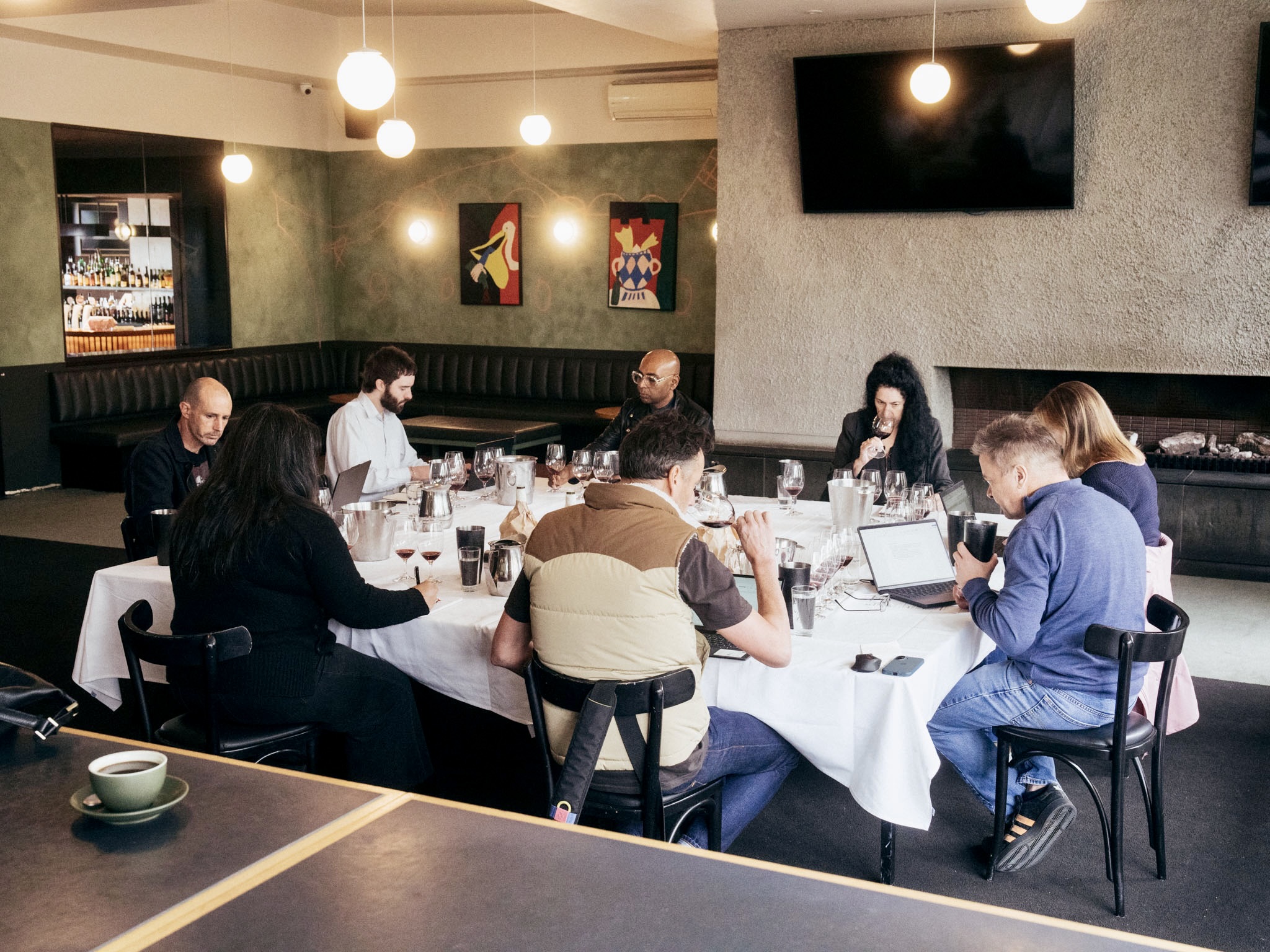
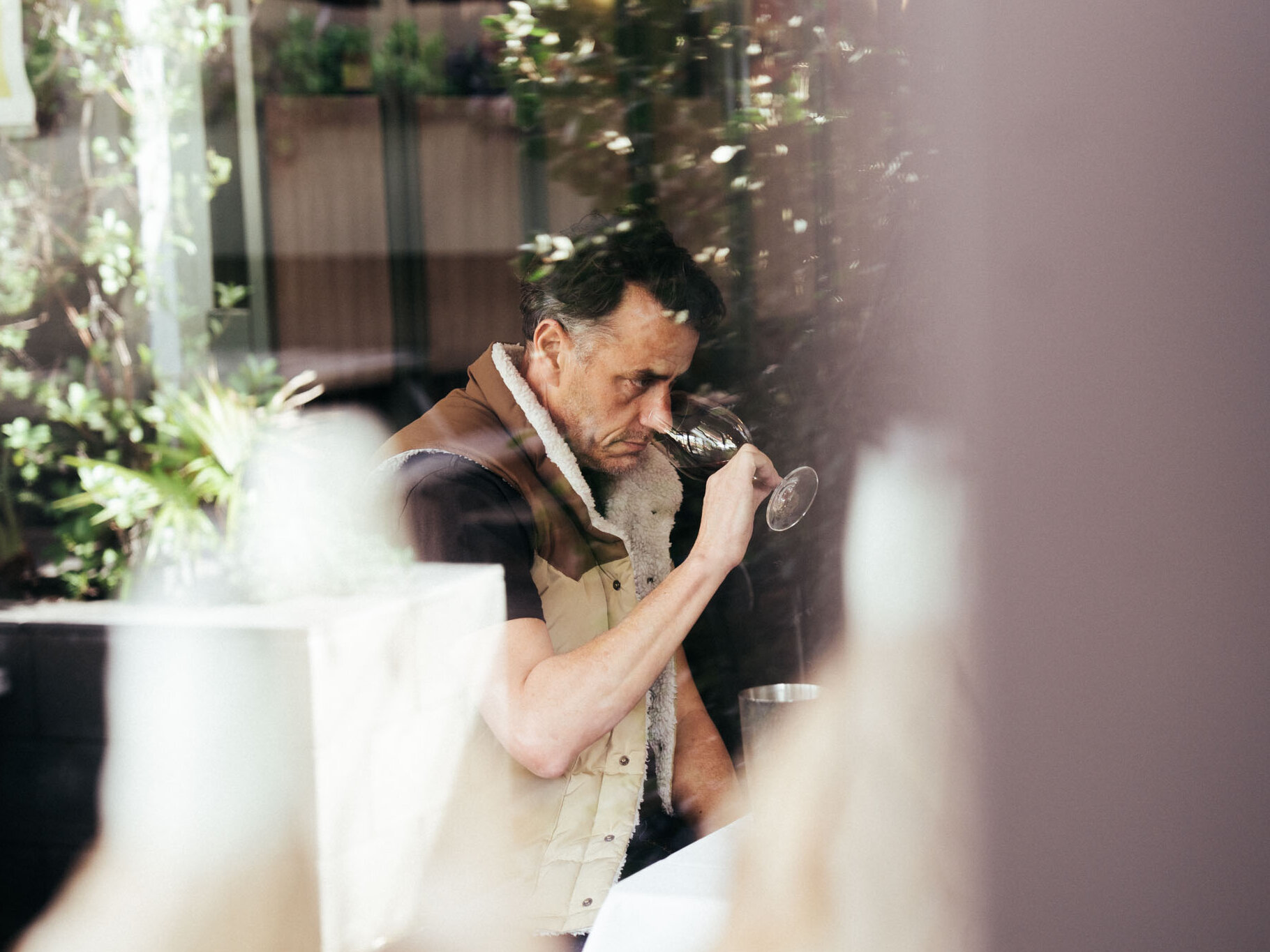
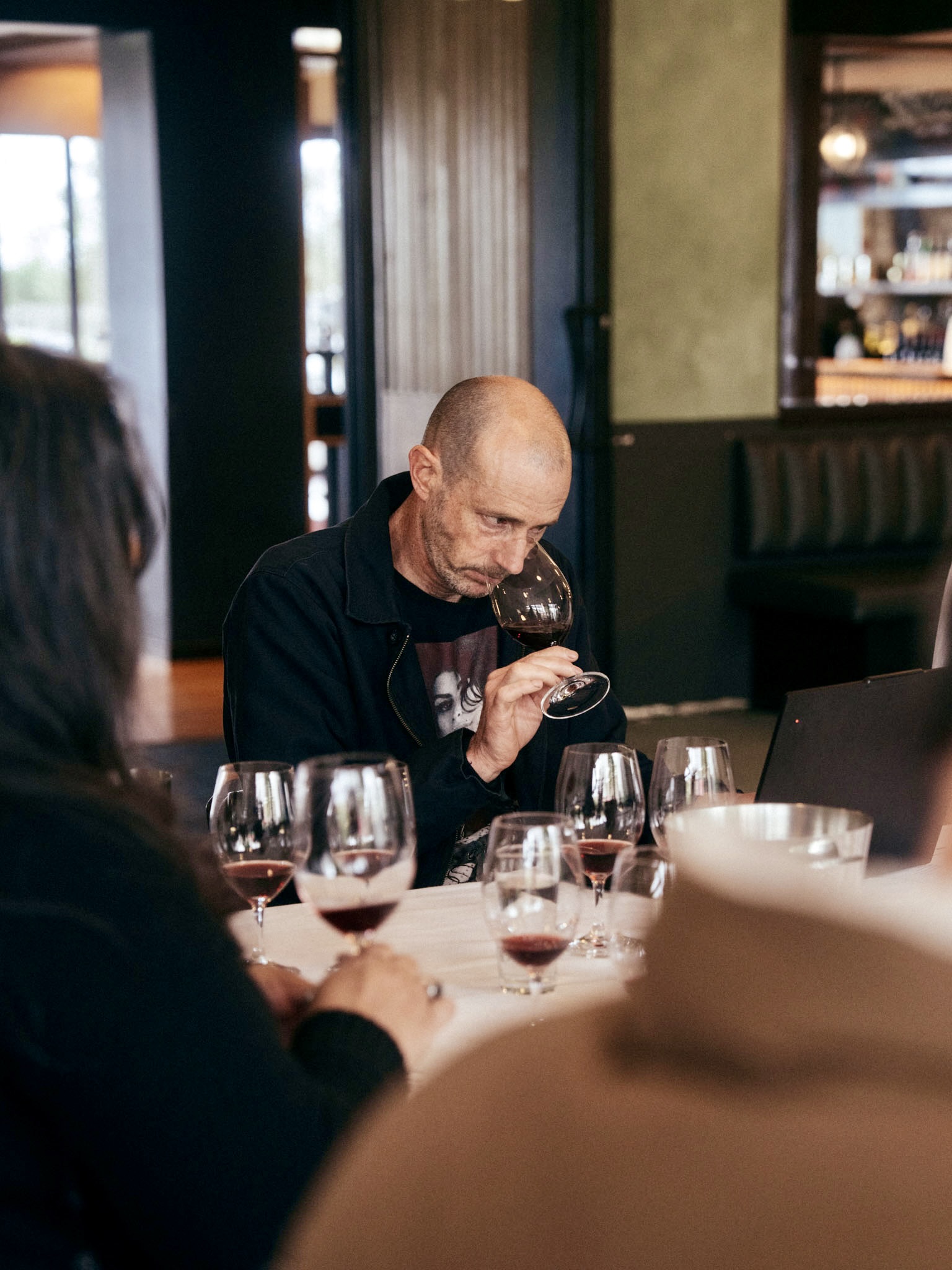
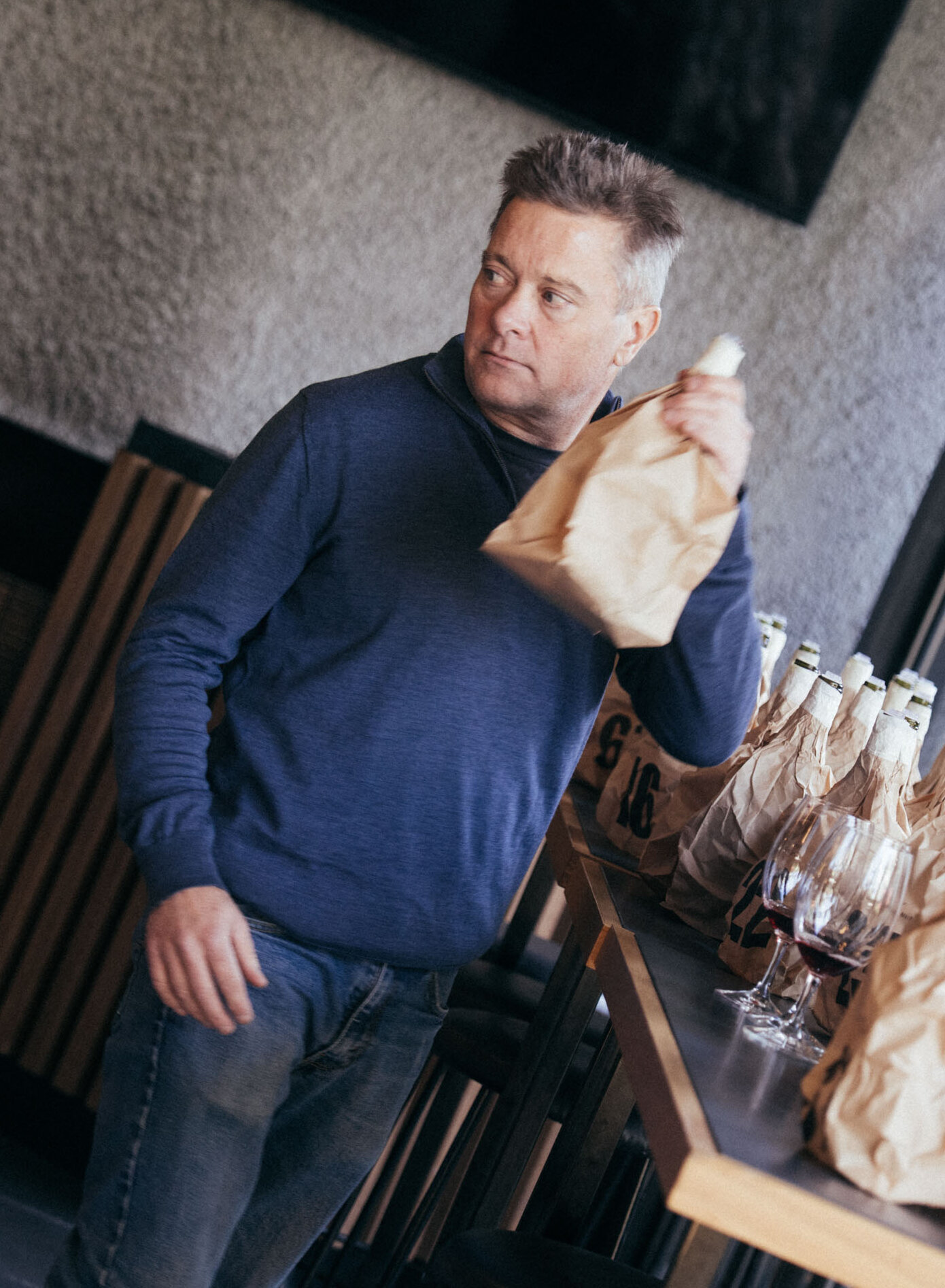
Above: Our tasting panel gathered at the Bleakhouse Hotel, Albert Park (Melbourne).
Outtakes from the tasting
We gathered every example of pinot noir from Geelong that we could find, and set our expert panel the task of finding the wines that compelled the most. All wines were tasted blind, and each panellist named their top six wines.
Our panel: Dr. Ray Nadeson, co-owner and head winemaker, Lethbridge; Gill Sykes, freelance wine consultant and educator; Steven Paul, general manager and director, Oakdene; Jenny Polack, wine educator, Bacchus Academy; James Thomas, co-owner and winemaker, “Heroes” Vineyard; Terina Davies, wine merchant, Seddon Wine Store and Union Wine Store; Dan Buckle, owner and winemaker, Utopies; Eddie Lange, venue manager and sommelier, Tonka.
Sykes kicked off the discussion by noting that, despite their diversity, the wines on display had a common through-line. “I thought it was a great tasting,” she said. “It showed the diversity of the region – but it also, I think, showed one thing that all the wines have in common is they were not boring. Lots of very nuanced wines.” For her, that level of interest inherent in the wines was sometimes a bit too much: “I thought there was one bracket that was a bit challenging – the wines weren’t compelling for me, they felt like wines that I probably just wouldn’t drink – but other than that, I thought it really showed the quality in the diversity of the region.”
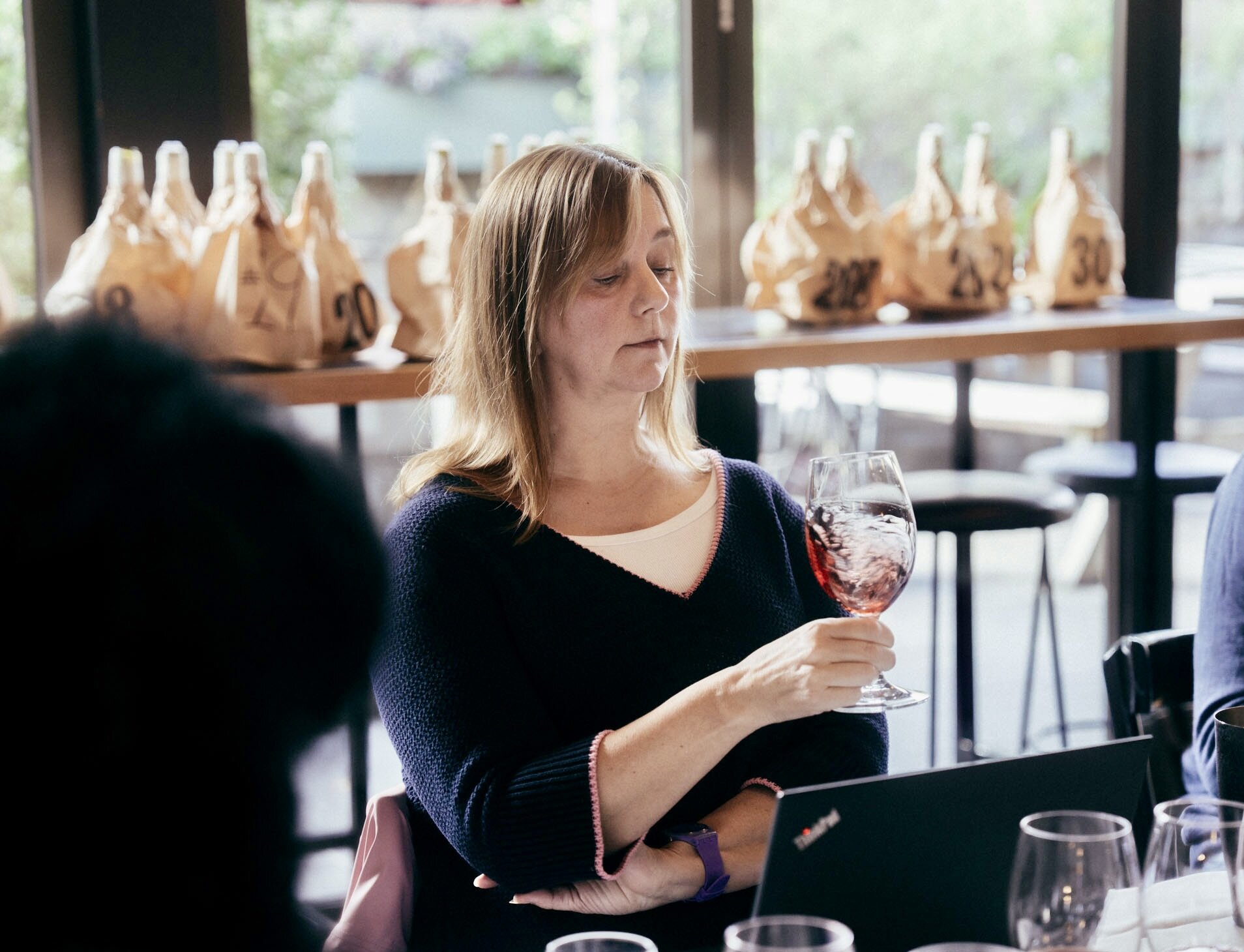
Opposite: Gill Sykes. Above: Jenny Polack.
Polack observed that several of the wines in the tasting showed herbal, savoury notes – as well as some volatile acidity. “There were a lot of herbally notes, which could be underripe fruit, or could be stalkiness,” she said. “And a couple of wines were just too high in VA for me – but I’m not coming at this from a winemaking point of view, so that VA might be a separate issue.”
“One thing that all the wines have in common is they were not boring. Lots of very nuanced wines.”
This comment generated some discussion about the relationship between that wine flaw and the region’s signature use of whole-bunch fermentation for pinot noir. “I didn’t see a link in the lineup between whole-bunch and VA,” Thomas argued. “More likely this is a link between cold-soaking and VA, because those wines were often a bit sticky and sweet.”
Above: Steven Paul. Opposite: James Thomas.
Nadeson argued that the panel may be assessing the wines through a lens that regular wine consumers wouldn’t. “There were definitely levels which perhaps I found challenging, but not necessarily terrible,” he said. “And most people don’t taste like we did – let’s be frank about that. Most people would find that lifted character in some of these wine appealing. The difficulty is that we, as professionals, see this as a flaw as opposed to a characteristic.” He added, “With the whole-bunch thing – I think we can get away with it more than most other wine regions. Maybe because it’s cooler – the Bellarine, not so much, but in the Moorabool and further inland, it’s properly cold. That allows that sort of tannin lignification in the stalk, and the tannin development in the skin, to allow you to do whole-bunch work without it going too crazy. It has a density, it has tannin, and these cool-climate sites are particularly high in acid as well, so that balances the tannin. You can make these wines which are much more umami much more savoury … If I was awinemaker from the floor of the Yarra Valley, there’s no chance I would use the amount of whole-bunch that I do now.”
“Those cooler vintages really showed that slightly sort of hedge-y character. And look, it can be appealing – I don't think it detracts from the wine, it just shows a very different style.”
Paul added that the effects of whole-bunch would depend on the vintage in question. “I’m tasting with a with an open mind and an ample glass – and I’m looking for interest here,” he said. “I think the whole-bunch character for me really shows vintage more than anything else. Those cooler vintages – where the wine had that paler colour – really showed that slightly sort of hedge-y character. And look, it can be appealing – I don’t think it detracts from the wine, it just shows a very different style.” He added, “I think there’s a classic structural component to Geelong pinot, that I don’t think you see across the water in Mornington – which, you know, offer more generous fruit, and are probably more immediately appealing wines.”
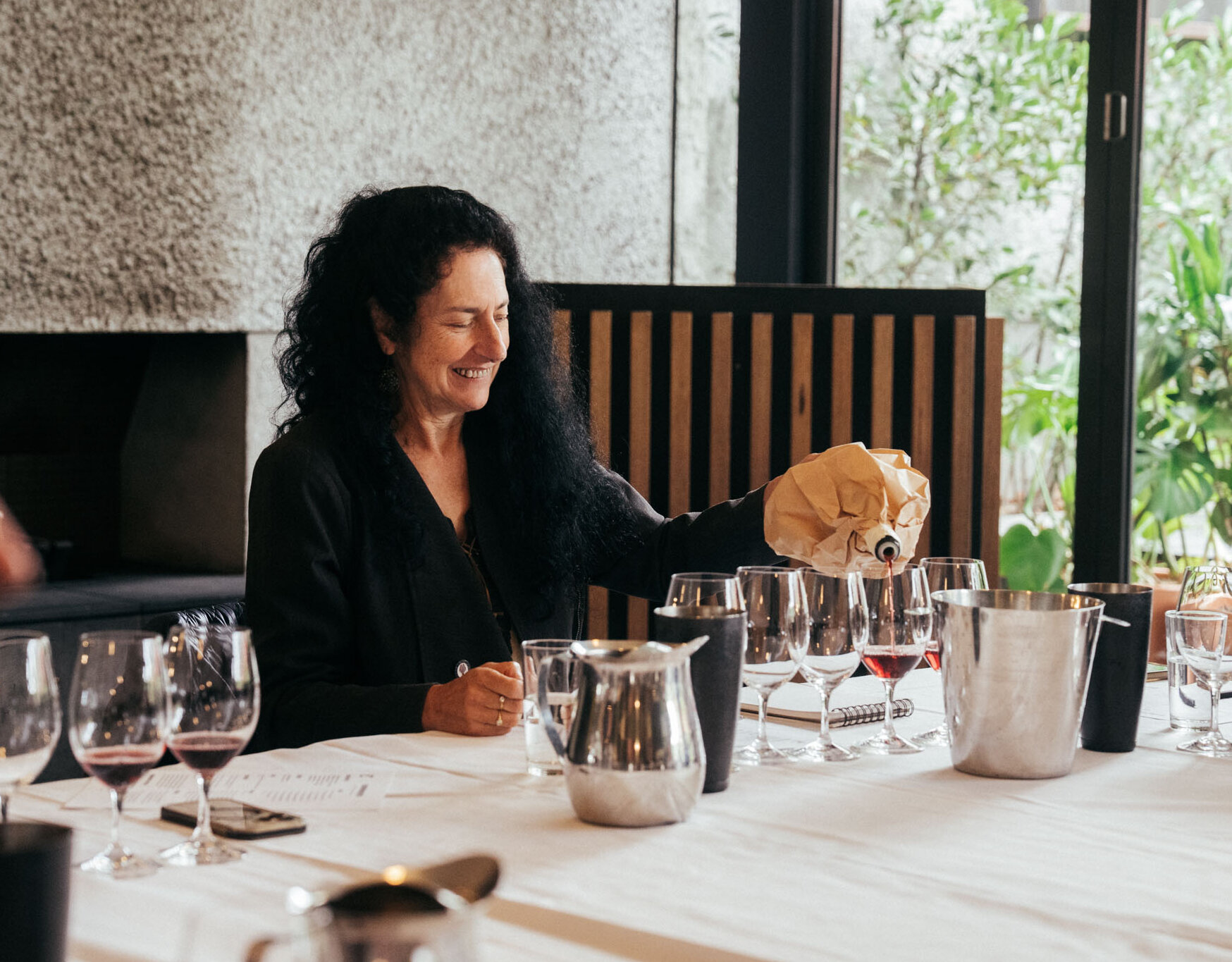
Above: Terina Davies. Opposite: Dan Buckle.
Buckle disagreed with Paul on the subject of green, vegetal notes in whole-bunch pinot. “There are some ones that are very amazingly well done with the whole bunches and there are some that are not,” he said. “And that vegetal thing’s unattractive – it’s very hard to pitch to people who don’t understand wine. I think it’s probably a reflection of how comprehensively the winemakers understand their vineyard and their fruit – and the homogeneity of ripeness of their fruit – compared to winemakers saying, ‘I’m going to do whole bunches because I’ve had whole-bunch wines that blew my head off, they were that good – I want to do that’.” He added, laughing: “And I’m guilty of that! I’ve made a lot of stalky whole-bunch wines that shouldn’t have existed.”
“It’s nice to have wines like these that are really savoury, or have really exotic spice notes in there. It’s such an easy reach to say with these wines, ‘Well, if you don't want a fruit bomb …’ This is an easy sale for me.”
Davies argued that those more savoury and spicy elements in the wine made them exceptionally good food wines. “All the questions at a neighbourhood wine store are ‘How much do you want to spend?’, ‘What kind of variety do you want?’, and ‘What are you cooking?’,” she said. “Because it’s nearly always people coming in because I’ve got to buy something for dinner – that’s always in the mix. And so it’s nice to have wines like these that are really savoury, or have really exotic spice notes in there. It’s such an easy reach to say with these wines, ‘Well, if you don’t want a fruit bomb, and if you don’t want something that’s hard to approach or something that you’re gonna have to lay down for a little bit …’ This is an easy sale for me – and the price point is usually pretty good as well.”
Above: Eddie Lange. Opposite: Dr. Ray Nadeson.
Lange concurred with Davies on the question of price point for the quality. “I find myself quite often steering people actually from the ‘Red Burgundy’ page onto some local pinots – because the price of entry-level red burgundies doesn’t represent value for money,” he said. “I say, ‘Go up the road and have some of these incredible wines that have those kind of tertiary characteristics that people look for in Burgundy for far cheaper’. I think the value proposition is there with these wines. So I find myself quite often saying to guests, ‘Hey, you can have a very average Burgundy – or you can look in your backyard and have that spice and savouriness’. Some of the wines we had here had these kind of really incredible savoury, tertiary-looking notes that were coming through – I was like, ‘Wow, I think they would hold up’.”
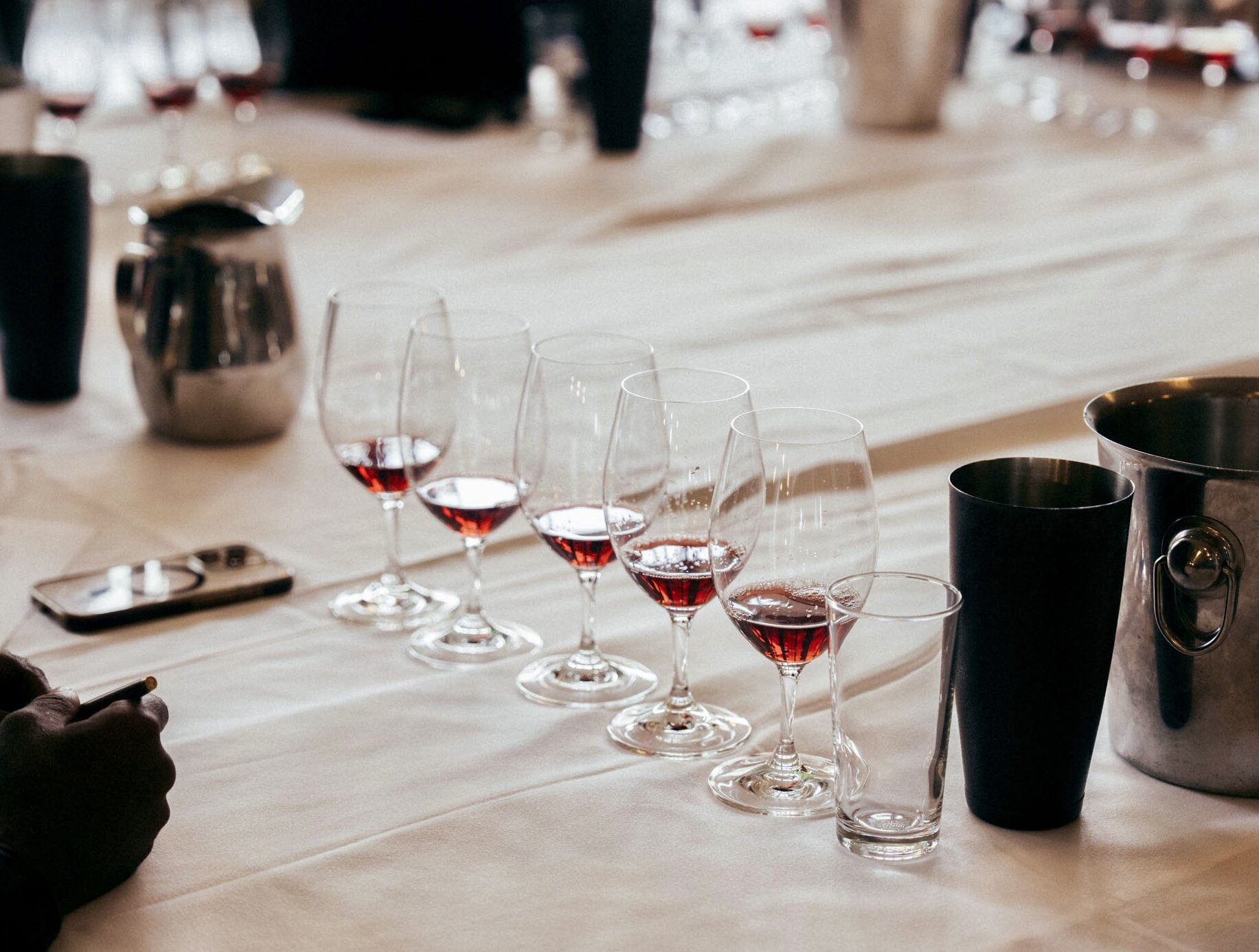
Above and opposite: Scenes from the panel tasting at the Bleakhouse Hotel, Albert Park (Melbourne). All wines tasted ‘blind‘.
The Panel
Dr. Ray Nadeson is the head winemaker and co-owner of Lethbridge Wines. During a career researching and teaching neuroscience at Monash University, Nadeson founded Lethbridge Estate with his partner Maree Collis. He also managed to squeeze in a winemaking degree in his spare time. Since 2003, Nadeson has been focused solely on the estate, farming with biodynamic principles and making wine from Lethbridge’s estate vines, select local vineyards, and as far afield as Heathcote, the Pyrenees, Henty, the Barossa Valley and Beaujolais, France.
Gill Sykeshas twenty-plus years of experience in the wine industry including many years managing a wine retail outlet and wine education centre – a role that saw her take on wine buying, importing, marketing and orchestrating wine courses and events. She is a certified wine educator, holds a Level 4 Diploma in Wines from the Wine & Spirit Education Trust (WSET), and is an accredited French Wine Scholar. She currently works as a freelance consultant and runs the wine program at The Chandlery, Port Melbourne, whilst teaching at both Cardwell Cellars and Armadale Cellars. She is an experienced wine show judge who has sat on judging panels at the Decanter World Wine Awards and The London International Wine Competition. She also currently sits as a committee member for both Sommeliers Australia and Femier Cru.
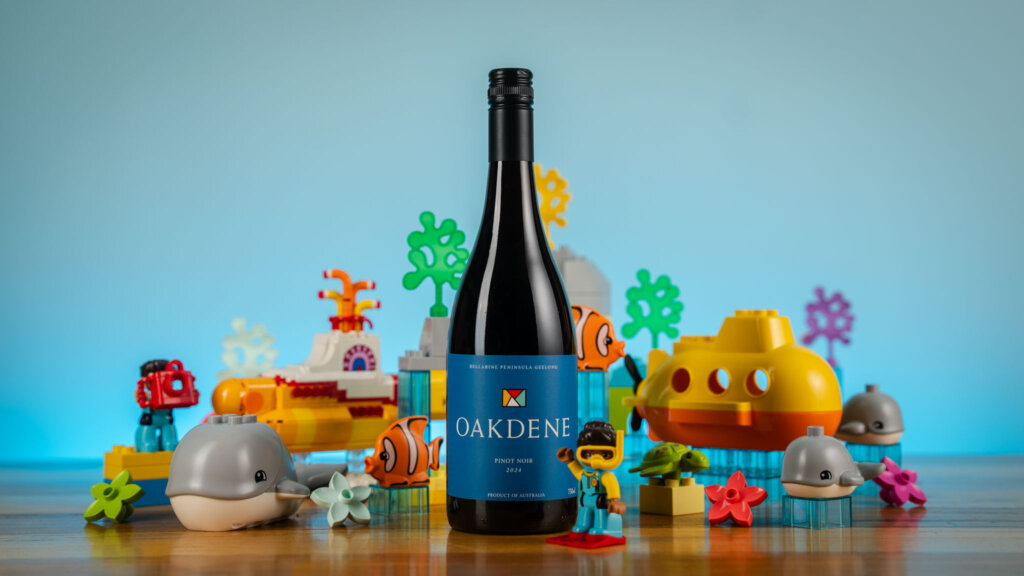
Steven Paul is the general manager and director of Oakdene Wines, based on the Bellarine Peninsula, in the Geelong region. He is a graduate of the Australian Wine Research Institute (AWRI) Advanced Wine Assessment course, possesses a Wine & Spirit Education Trust (WSET) Level 3 Award in Wines, was a Len Evans Tutorial Scholar in 2018, and was selected for the Wine Australia Future Leaders program in 2023. He has contributed to the Australian wine show system as a judge for many years, including at the Melbourne Royal, Sydney Royal, Hunter Valley, McLaren Vale, Margaret River, Rutherglen, Yarra Valley, Mornington Peninsula and Heathcote wine shows. He is a former president of the Geelong Wine Growers Association, and the current committee chair of the Geelong Wine Show.
British-born James Thomas was previously assistant winemaker at Geelong’s groundbreaking Bannockburn Vineyards, and then head winemaker at Clyde Park. In 2016, he found a mature vineyard, well off the beaten track in the Otways. Outside of any official wine region – situated in the Port Phillip Zone, between the Geelong and Henty GIs – taking it on was a risky move, but the vineyard showed remarkable promise: a warm site in a very cool climate, the vines showing healthy, balanced canopies and yields. Recognising its potential, James and his wife Eloise took a long-term lease on the vineyard and renamed it “Heroes” after David Bowie’s anthem of hope, struggle, and freedom. From that beginning, every decision made in the vineyard and winery has been to pursue excellence and faithfully convey the site’s terroir.
Terina Davies grew up in Gippsland surrounded by vineyards, sparking an early fascination with expressive wine. After completing a Bachelor of Business at RMIT, she spent formative years with the European Group before travelling and working vintages at Gaja and Taittinger, and in the dining room at Paris’s L’Arpège. Back home, Terina has held roles across top venues including Vue de Monde and wineries on the Mornington Peninsula. Now based in Melbourne, she combines her love of wine with inclusive hospitality, working at Seddon Wine Store and its sibling venue Union Wine Store, teaching people with disabilities, and studying for her Wine & Spirits Education Trust (WSET) Level 4 Diploma in Wines.
Dan Buckle is the owner and chief winemaker at Utopies. His roots are in the Mornington Peninsula, having grown up on the family vineyard there, and as a teenager in 1986 he helped plant the first vines in the Yarra Valley for what would become sparkling wine producer Chandon Australia. After jumping into the restaurant and bar world, he then studied for a Bachelor of Applied Science in Wine. Winemaking experience at Coldstream Hills under James Halliday, as well as vintages worked in Bordeaux, Burgundy and Champagne, led him to a winemaking role at Yering Station, then a celebrated stint at Mount Langi Ghiran. He arrived at Chandon Australia in 2012, where he became viticulture and winemaking director while running his own side-project label, Circe. He recently left Chandon Australia in order to establish his new venture, Utopies, which will focus on Tasmanian chardonnay and pinot noir.
Eddie Lange is the venue manager of modern Indian restaurant Tonka, where he also performs sommelier and wine buyer duties. His hospitality background is as a bartender, but as he moved into hatted restaurants, the importance of wine became apparent. His love of wine and appreciation for it has been nurtured through mentorship with the sommelier team at Tonka and sister restaurant Coda, education programs with Jay Bessell of Glass Half Full, and completing the Wine & Spirit Education Trust (WSET) Level 2 Award in Wines. He plans to commence the WSET Level 3 Award in Wines shortly, and continues to be inspired by wine’s powerful role in guest’s enjoyment of meals, the challenge of finding the right bottle for the table, and the way that wine’s history is so deeply intertwined with human history.
GET FIRST ACCESS TO THE NEXT WINE ICONS – DELIVERED
The Canberra District is firmly established as a source of elegant and spicy shiraz, racy riesling and is expanding promisingly into Italian varieties, mainly sangiovese. It is also home to pioneering plantings of grüner veltliner. Makers like Mallaluka’s Samuel Leyshon – from this year’s Top 50 – are also pushing the boundaries of experimentation, and with exciting results.
While shiraz rules the roost in most of Australia’s wine regions, cabernet sauvignon and its offsiders remain the kings of Margaret River’s reds – making distinctively delicious wines of surprising freshness. Inside: the full backstory, plus the top wines to emerge from our blind tasting panel.
Tasmania has long been somewhat of a promised land for Australian wine, a place of immense potential. With accolades coming from traditional international markets for Champagne, there is little doubt that Tasmanian sparkling has well and truly arrived. And that means a Deep Dive is called for. We gathered every Tasmanian traditional method sparkling that we could find and set our expert panel the task of finding the wines that compelled the most. All wines tasted blind.
Subscribe to our newsletter
Young Gun of Wine is your shortcut to cutting edge wines, the places to go, and the people behind it all.
Subscribe to be amongst the first to know of our latest discoveries in wine.
We'll bring you the inside running from the growers, the makers, the wholesalers, the retailers and the sommeliers, too.