&noscript=1"/>

Deep Dive:
Australia’s Best Sparkling Blanc de Noirs

Wines Of Now
3 December 2025. Words by YGOW.

Blanc de noirs – literally ‘white of blacks’ – is the enigmatic counterpart of blanc de blancs, the yin to its yang. Crafted from the white juice of red grapes, traditionally pinot noir and pinot meunier, it’s a style that favours depth and beguiling complexity over brightness and immediacy. This makes it brilliantly versatile at the table, capable of accompanying a meal from start to finish – a sparkling wine style that’s just as gastronomic as it is celebratory. With a small but dedicated band of small makers crafting deliciously complex blanc de noirs in Australia, we felt it was time to come to grips with this dark horse of a wine style via a Deep Dive.

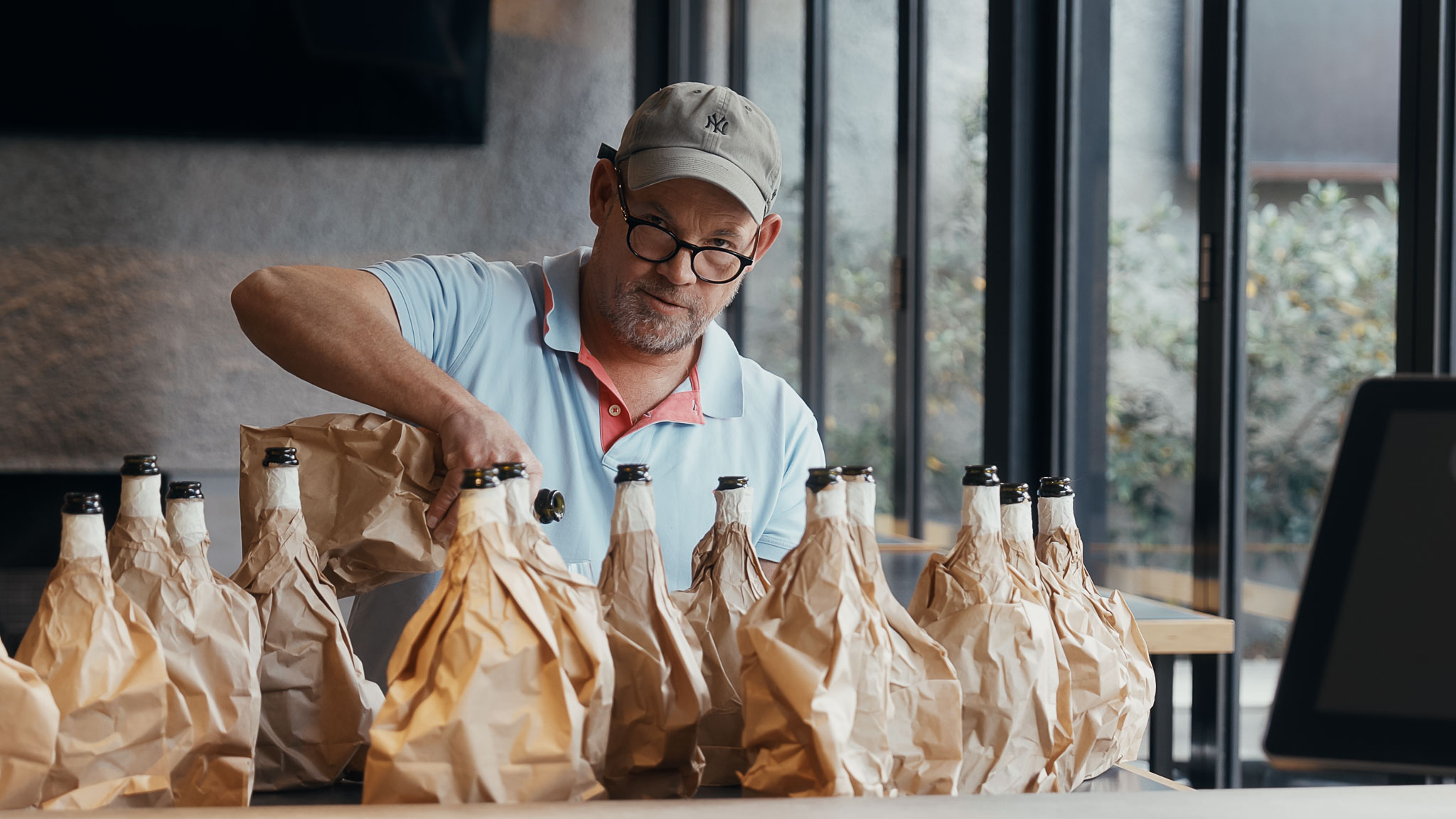
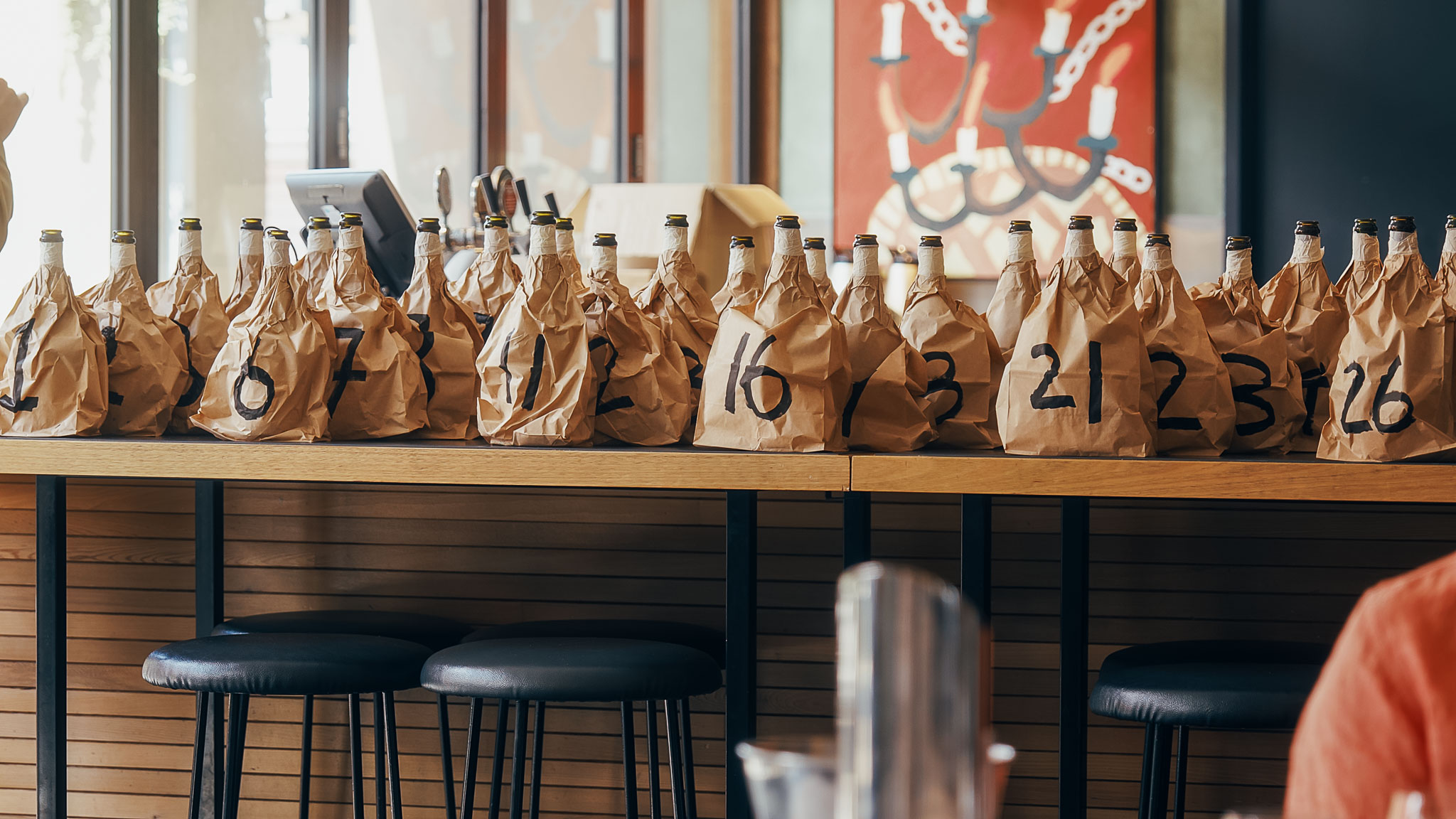
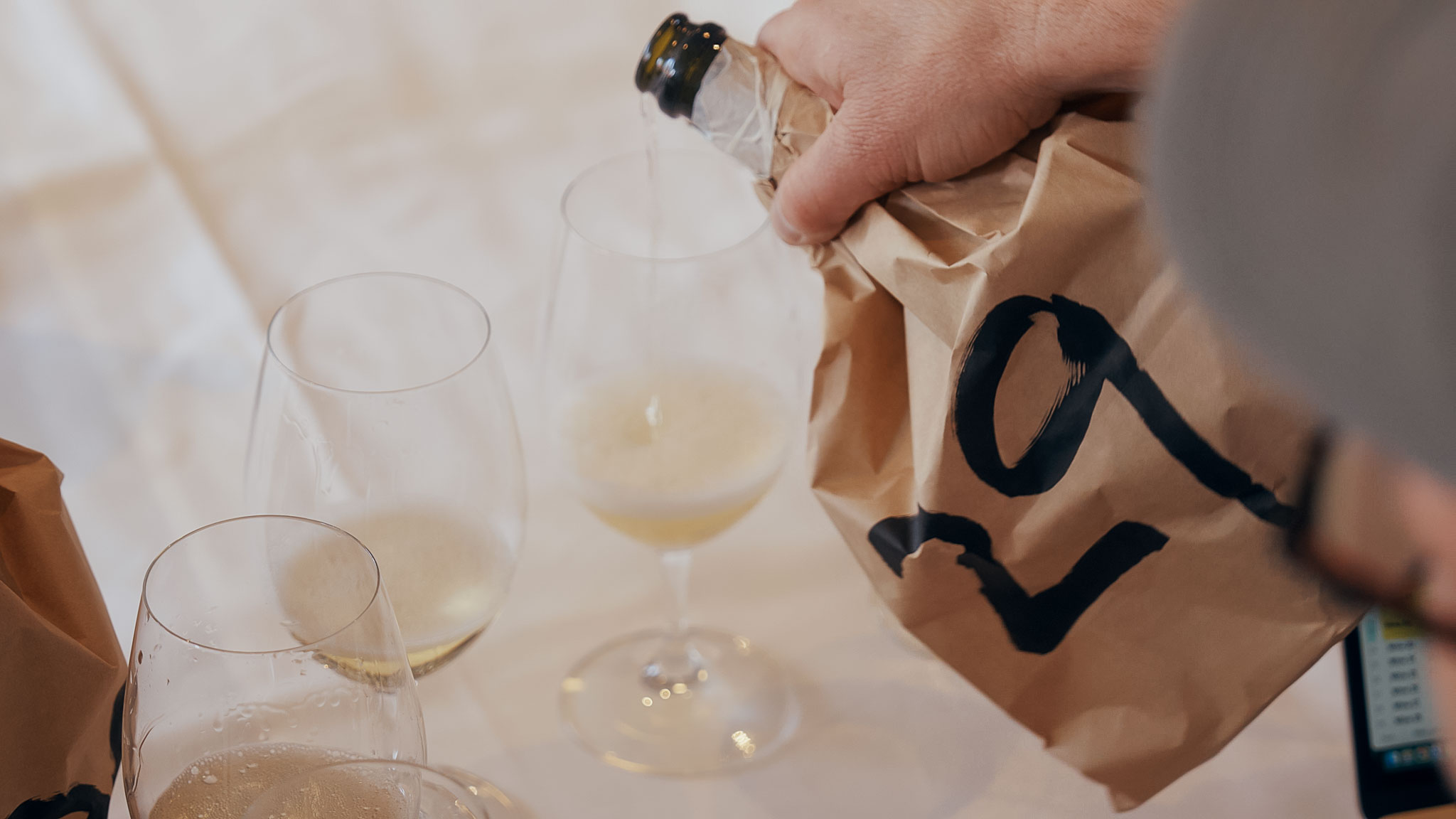
We gathered every Australian example of blanc de noirs sparkling that we could find – made only via the traditional method, and only with pinot noir and pinot meunier – and set our expert panel the task of finding the wines that compelled the most. All wines were tasted blind, and each panellist named their top six wines. Below are the wines that made the panellists’ top-six selections from the tasting.

Our panel: John Harris, winemaker, Blue Pyrenees Estate; Bonnie Spain, senior sommelier, Marmelo; Étienne Mangier, winemaker, North by Étienne Mangier; Hayley Williamson, owner and wine buyer, Nina’s Bar & Restaurant; Ciarán Hudson, winemaker, Beyond the Glass; Tom Robertson, general manager, Alimentaria.

The Top Wines

2019 Sambar Hills Late Disgorged Sparkling Pinot Noir, King Valley $38 RRP

This wine appeared in the top six wines of the day for Harris, Spain, Hudson, and Mangier. Harris described it as “bright and vibrant light green straw in colour. Smoky, complex, and creamy, with a subtle dusty custard-powder nose. Lands soft and pillowy on the front palate, with fine and soft tannins and seamless acidity. Awesome balance, drive and complexity. Tremendous persistence. Dare I say it, a real Champagne-like presence! Long, layered, creamy, and seamless. Perfect focus and flow. Well-grown and beautifully crafted – classy stuff!” Spain called it “the epitome of a savoury blanc de noirs – my personal favourite style. A really intriguing dynamic on the palate here, as there is a sweet fruit note – like key lime pie, pink lady apple and apricot – but then the wine’s savoury drive has just such an edge to it, almost like a red bean sweet bun or even adzuki mochi. This is something I haven’t quite seen before – and I can’t explain why, but I really enjoyed it. I reckon a roast duck wouldn’t go too far astray with this wine.” Hudson found it “playful and gently fresh on the nose, showing candied Fuji apple skin and savoury lemon rind notes. On the palate, this wine has a shiny, silky, honeyed texture – gentle, but very much present on the palette. A lovely fine bead on the bubbles, and a gentle yeasty doughiness on the finish.” Mangier noted it was “crystal clear in the glass: a light yellow colour with some green flecks. The nose opens with some sweet green leafy notes, and a hint of floral jasmine. The palate is soft and creamy, with flavours reminiscent of a beautifully made apple crumble. While the finish is a bit sweet, it’s still well-balanced overall.”


2022 Hayes Family Wines Brut Blanc de Noirs, Adelaide Hills $60 RRP

Hudson and Williamson both selected this wine among their top six from the blind tasting. Hudson described “a fresh and fun wine – buttered sourdough, candied lemon skin, lemon curd, honeysuckle. Silky bubble integration on the palate – crisp and refreshing. I can taste the developed flavours from extended time in solids – notes of bread and butter – but these are handled with admirable restraint.” Williamson found “pronounced nose of balsamic-laced strawberry and chamomile, layered with stony gravel notes, and a hint of honey. On the palate, it’s creamy, yet bright and zippy – Fuji apple, red plum, sherbet, a little ginger warmth, and roasted tomato. It has a lightning bolt energy: electric, fresh, and engaging.”


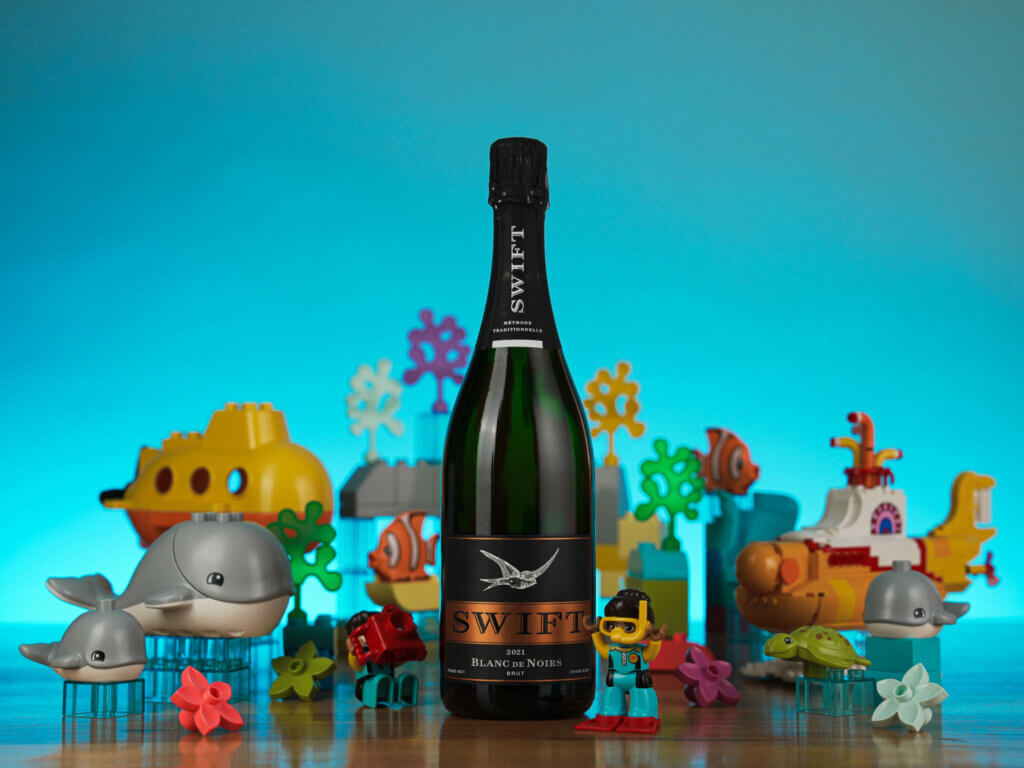
2021 Printhie ‘Swift’ Blanc de Noirs, Orange $95 RRP

This wine made the top six wines of the tasting for Hudson and Harris. Hudson described “a very silky, sleek and moreish wine, offering a nose of nose of cinnamon and muscovado sugar. On the palate, it shows makrut lime leaves, white flowers, jasmine, and a gentle buttering from oak. A little bit of tightness in the aroma and palate makes it refreshing – it’s bright and thirst-quenching.” Harris noted “a deeper, green-tinged straw colour. Enticing and open, with smoky and savoury autolysis notes backed up by ripe and sugar-dusted grilled peach flavours. The structure on the palate offers a surprising contrast – both ultra-fine and tightly coiled yet long and even. Layered in complexity through the middle palate, with a finely chiselled, slightly sour, but ultimately refreshing kick of brisk acidity on the tail. An super example of lovely reductive complexity married with finesse.”


2019 Gippsland Wine Co. ‘Premier Release’ Zero Dosage Blanc de Noir, Gippsland $60 RRP

Williamson and Mangier included this wine in their top six selections from the tasting. Williamson described “on the nose: biscotti, fresh sponge cake, buttered toast with creamed honey, and honeysuckle florals. The palate opens with sweet fuji apple and ripe nectarine, moving into a gently savoury umami note of roasted cherry tomato and the faintest hint of chicken broth. A touch of white pepper spice lifts jasmine and thyme aromatics. Rich and chewy in texture, yet still wonderfully drinkable.” Mangier found “a clear, crisp yellow colour in the glass. The wine opens with a perfumed nose of soft and creamy vanilla. On the palate it offers some rich apple and silky meringue flavour and texture – yet it’s still crisp and bubbly, with a long, toasty finish with some strawberry flower notes. A wine of elegance.”


NV Henschke ‘Johanne Ida Selma’ Mature Disgorged Blanc de Noir, Adelaide Hills $70 RRP

This wine appeared in the top six picks for both Robertson and Harris. Robertson noted “bready, cheesy, and wonderfully secondary aromas – the maker is pushing a savoury style here. Despite the savouriness, though, there’s a delicate nature to this wine as well – lifted fresh herbs, crunchy red apple, peach, and a touch of stoney minerality show on the complex and driven palate. It’s vibrant and long – a wonderful expression of how these wines can be both so immediate, and also so serious.” Harris described it as “bright in the glass, a yellow-green straw colour. Aromas are dusty, slightly herbal, toasty, fresh and bright. Great freshness and line of acidity – it’s mouthwatering, juicy, long and super-fresh. Great volume and finesse. Slightly sour on the finish, yet with a nice chalky acid and tannin interplay. It might have perhaps a bit less complexity than others in the line-up – but ultimately this is a well-made wine, fresh and persistent, and it would look great on the dinner table.”


2021 Small Wonder Blanc de Noirs, Tasmania $52 RRP

Robertson and Harris both selected this wine among their top six wines on the day. Robertson described “stunning red and white florals jump out of the glass – then a clear alpine strawberry lift, followed by more serious red apple and herbal notes. An incredible balance of acidity and dosage stretches the flavours out along the palate – a wonderfully linear example of blanc de noirs.” Harris noted “super bright yellow straw colour. Lovely smoky reduction, showing yeasty autolysis notes and toasty spice. This is ultra-fine and very tightly coiled – perhaps a touch tart and a little skinny at the moment, but this is just a baby. With its great finesse and power, there should be a long life ahead of it – if you have the patience.”


2020 Dr. Edge ‘P. J. Dredge’ Brut Nature Blanc de Noirs, Tasmania $70 RRP

This wine made the top six wines from the blind tasting for Williamson and Spain. Williamson found “nostalgic aromas of Madeira cake and Fuji apples. The palate is creamy and lightly oily, with yellow peach, a whisper of basil, gentle umami notes, and a touch of salinity. Fun, bright, easygoing – generous but fresh.” Spain described “delicate bubbles in the glass. Wonderfully concentrated fruit on nose and palate: white peach, Beurré Bosc pear, and hints of cranberry on the finish. Really enticing florals as well – strawberry blossom being a big one – and the palate is wonderfully structured with tannin and texture resembling oolong and white tea throughout. The most subtle hints of sweet coconut and clotted cream give it such a lovely richness as well, once it really opens up in the glass. I would love to have this as simply an aperitif, as the florals and freshness really make it a super-sippable wine.”


2020 Oakdene ‘Matilda’ Blanc de Noirs, Geelong $60 RRP

Williamson and Spain included this wine in their top six selections from the tasting. Williamson described “a nose that recalls aged Sherry, with lifted violet florals. The palate shows ripe peach, tomato, strawberries and cream, a drizzle of honey, and nostalgic Uncle Toby’s strawberry yoghurt muesli bar vibes – plus a soft strawberry jam character that doesn’t overwhelm. A fascinating wine – it would be excellent with aged cheese and buttery lavosh.” Spain called it “bright, fun and flirty! Rhubarb, yellow pear, orange rind and yuzu flesh really stand out out here. Some more developed fruit characters, such as quince paste and dried fig, poke through as well, which gives it some complexity. I just love the vibrancy of this wine – it feels super-inviting, and not at all fussy nor wound-up. This is a wine I can imagine drinking with some friends – or as a fun little solo treat on a spring day.”


2016 Sitella ‘Avant Garde Series’ Blanc de Noir, Pemberton $80 RRP

This wine appeared in the top six wines of the tasting for Spain and Williamson. Spain noted “a roasty-toasty number right here! Brazil nuts and roasted pine nuts really jump out at me, alongside a note reminiscent of cashew butter and a herbal savouriness – think rosemary flowers, oregano, and purple Thai basil. These flavours are all married together by a lovely mushroom-like gaminess in the wine, as well as a salty note. Rich charcuterie is what I want to complement this – a creamy blue cheese, some anchovies, and definitely some oysters too.” Williamson described how “the nose leans toward an Oloroso-like aged Sherry profile: toasted honey, almond, yellow apple compote, and violet florals. The palate is rich, creamy, and quietly complex, with gentle spice, sage, and earthy undertones leading to a long, composed finish. A wine to savour slowly across an evening.”


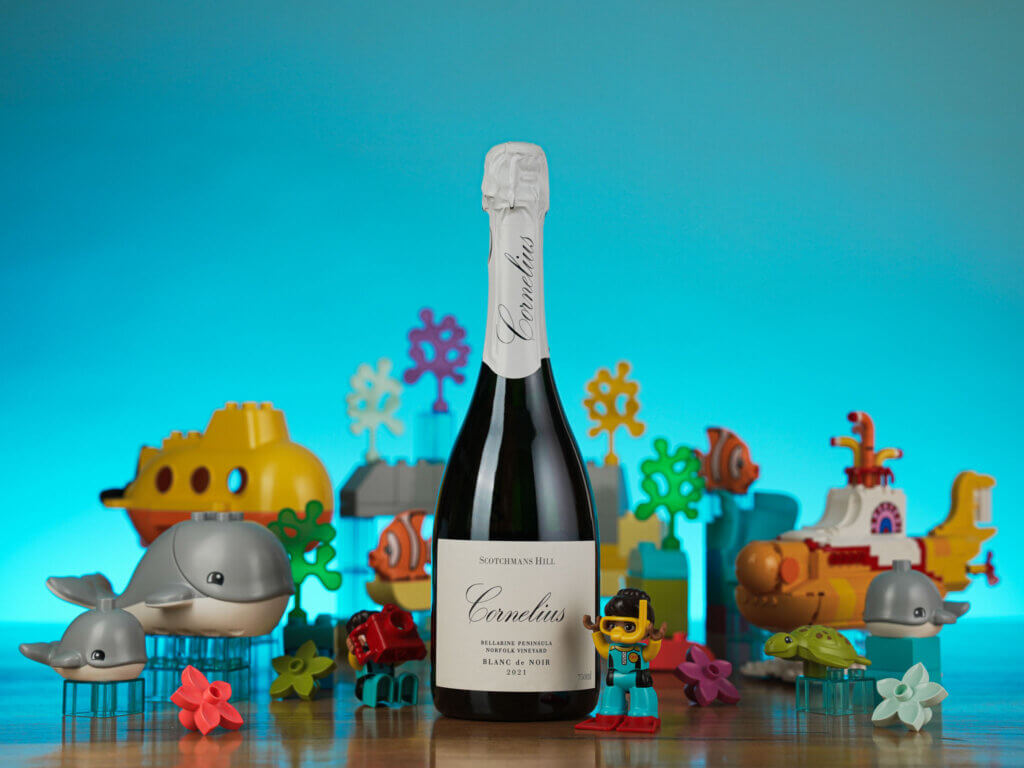
2021 Scotchman’s Hill ‘Cornelius’ Blanc de Noir, Geelong $75 RRP

Mangier selected this wine among his top six picks from the tasting, noting “a beautiful clear yellow colour. On the nose, it presents an elegant bouquet of white floral notes – think fresh jasmine and cherry blossom. A long and dry palate, crisp in texture, with notes of Pink Lady apple and orange blossom. The finish is richly fruity, with soft bubbles, but still a bit of vivacity. This would be perfect as an aperitif alongside canapés or fresh crudo tapas.”


2008 Mt. Moriac Estate Blanc de Noirs, Geelong $40 RRP

Robertson chose this wine for his top six wines of the day, describing it as feeling “like absolute luxury! Powerful and boisterous, there is a brightness and lightness to this as well. The balance is pure and joyful – but it’s so serious that you’ll need food. Fresh red apple, stone fruit, dried herbs, dried lemon, great depth and a wonderful balance of lees aging. The winemaking is so studious and measured – brilliant!”


2021 Sambar Hills Sparkling Pinot Meunier, King Valley $25 RRP

Mangier included this wine in his top six selections, noting “a beautiful light pinkish colour in the glass – just a blush of skin contact. A superbly soft palate, driven by strawberry fruit character – reminiscent of French tartelettes aux fraises, with some nice toasted notes. A note of creamy flan aux pommes lingers on the finish, with some hints of baking spices. A beautifully long and dry finish – all in all, a really well-made blanc de noirs.”


2018 Dirty Three ‘The Dirty Fizz’ Blanc de Noir, Port Phillip $60 RRP

Harris featured this wine among his top six wines from the tasting, describing it as “medium yellow straw in the glass. Leads with intriguing and subdued reductive smoky notes, alongside ripe lemon citrus. On the palate, it shows tightly coiled yellow stone fruits, with smoky charcuterie tones and an odd, yet compelling, hint of marzipan-like autolysis notes in the background. The acidity here is a gorgeously tight carpentry, with fruit and yeast filling the gaps – a classy and restrained style, dry and fine. Very long, with great focus and drive, and endless persistence.”


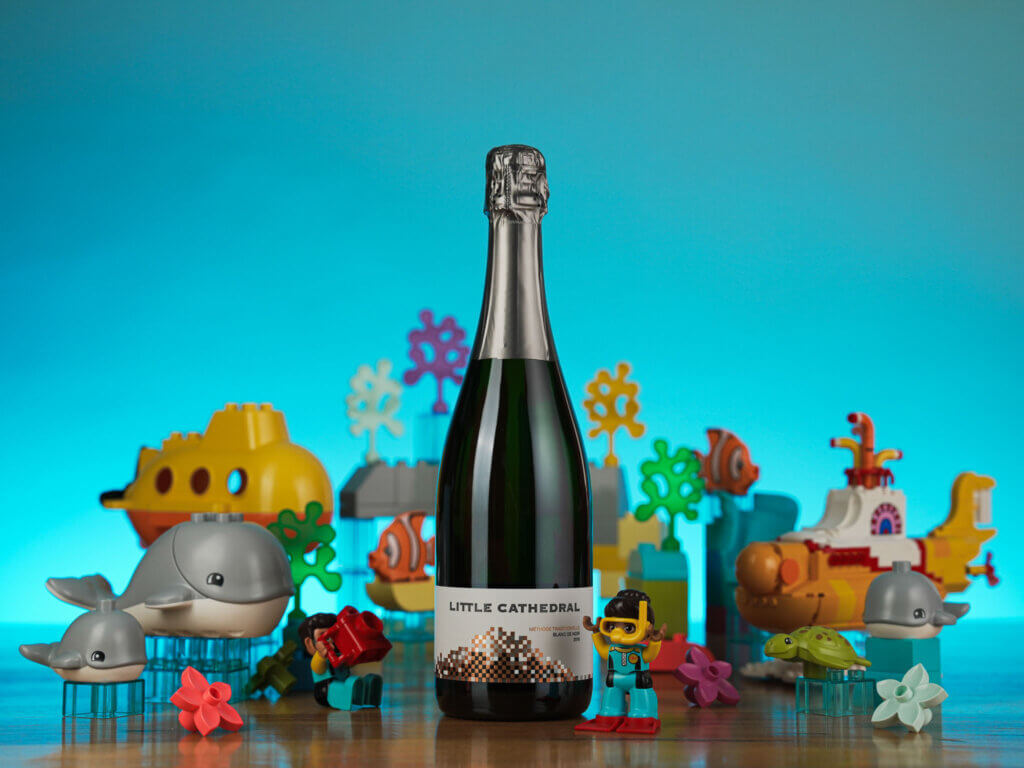
2018 Little Cathedral Blanc de Noir, Upper Goulburn $34 RRP

This wine made the top six list for Robertson, Hudson, and Spain. Robertson described “a nose of red apples and fresh bread, with a lovely twist of spice. This is a super-fresh example of blanc de noirs – straightforward and delicious. Give me some fatty cured meats, pickles, a picnic basket, and a bottle of this, then let the good times roll!” Hudson found “honeysuckle and candied lime skin on the nose, with buttery brioche and a white flowery freshness. Big, rich, honeyed texture on the palate – almost leaning towards an oily richness – but the floral freshness in the aromatics and bright acidity works to tame the excesses of the texture very nicely. Tart like fresh lemon juice at the end – a lovely interplay of richness and freshness.” Spain noted “a nose that’s immediately reminiscent of lemon cheesecake bars – lemon curd, sweet cream cheese, and digestive biscuits. A very tropical fruit profile on display here, with notes of fresh kiwi and pineapple on the palate, alongside the most subtle hints of ginger. Definitely one of the riper styles in the day’s line-up, but I like its openness. I also just really love lemon cheesecake – so any wine that shows that character as beautifully as this one gets my vote!”


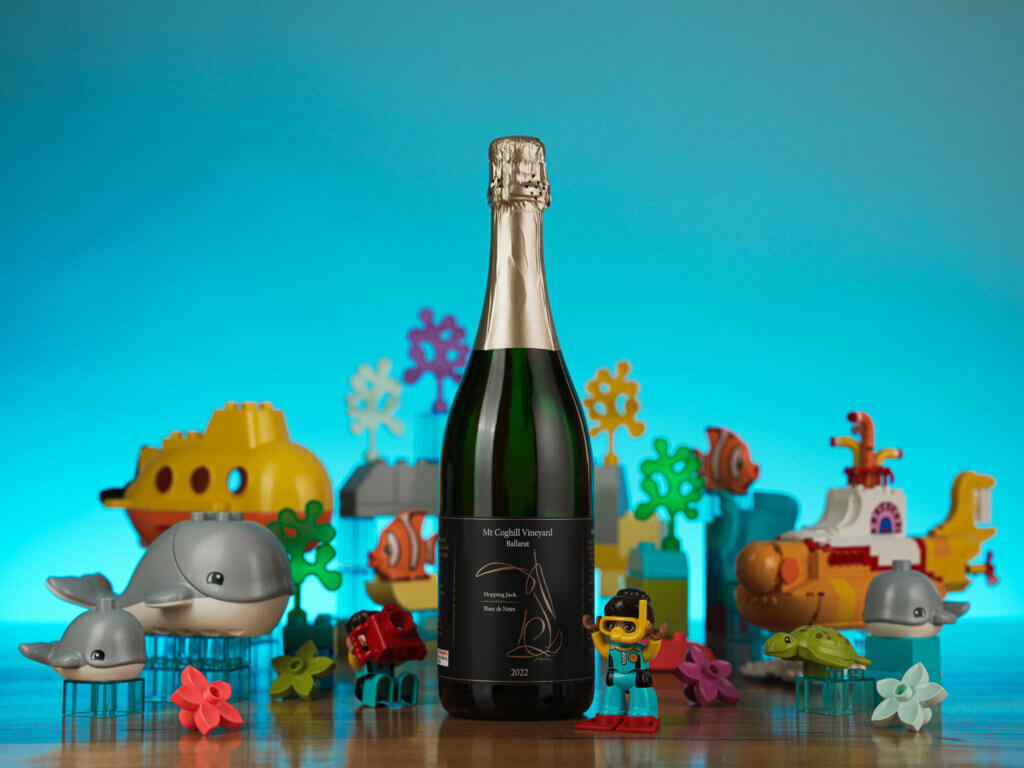
2022 Mt. Coghill Vineyard ‘Hopping Jack’ Blanc de Noirs, Western Victoria $55 RRP

Mangier selected this wine in his top six wines on the day, describing “beautiful appearance in the glass – a soft touch of pink in its colour. Starts with an interesting nose showing some waxy honeycomb notes. The palate is quite complex, creamy and toasty, with some hints of fresh quince and wild strawberries, alongside white spring flowers. Closes with a nicely long and dry finish, with lingering notes of apple tart, and soft bubbles on the tongue. Imagine this at Saturday morning brunch with the crew, alongside croissants and eggs Benedict – it’s going to be a great day.”


2020 Rahona Valley Blanc de Noirs, Mornington Peninsula $60 RRP

Spain chose this wine – made for Rahona Valley by Bellebonne’s Natalie Fryer – for her top six picks from the blind tasting, noting “a more developed and tertiary style of blanc de noirs initially, with upfront notes of dried peach, orange marmalade and marzipan on the palate. There is an earthen note as well, similar to roasted golden beetroot, that compliments those sweeter notes nicely. On revisiting after letting the wine really breathe – and I’m glad I did – the wine allows a lot of its underlying freshness to make itself known, starting to show some fresh green apple, cantaloupe and honeysuckle flavours, with some Meyer lemon poking through as well. The interesting and evolving combination of freshness and development in this wine really made it a standout on the day – a wine that I can really see myself sinking my teeth into.”


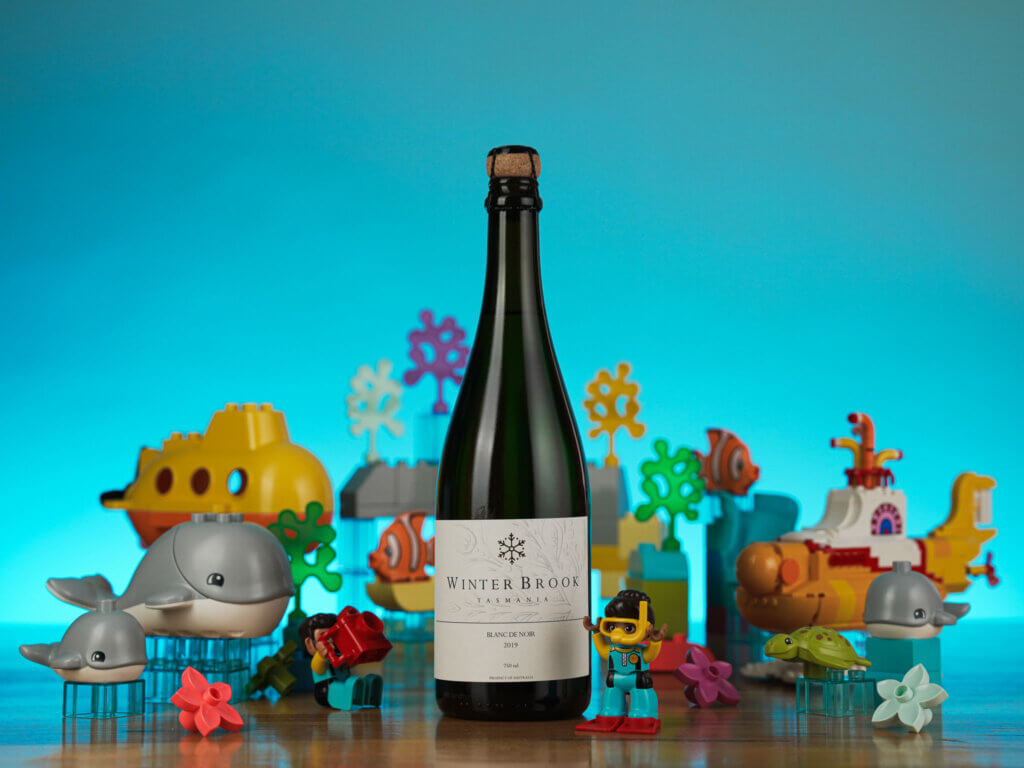
2019 Winter Brook Blanc de Noir, Tasmania $58 RRP

Hudson included this wine among his top six selections from the tasting, describing “an aromatic profile reminiscent of red lollies here: a spectrum of apples from Pink Lady into Royal Gala here, juxtaposed with a little hint of blackberry and bramble kiss. A savoury note of heirloom yellow tomato skin shows on the palate alongside the vibrant fruit characters. This fizz flirts with both savoury flavours and sweet notes – a complex and interesting example of Australian blanc de noirs.”


2018 Iron Pot Bay Vineyard ‘The Pearl’ Blanc de Noir, Tasmania $60 RRP

Mangier featured this wine in his top six wines of the tasting, noting “a nice strawberry blonde colour, slightly amber. On the nose, apple brandy and lightly bruised apples. Nice and dry on the palate, slightly tart, showing beautiful rose petals notes, light cardamom spice, and a hint of green almond bitterness. A slightly sweet finish, redolent of peach blossom and marzipan. Perfect for a Sunday afternoon late lunch with the family, to go alongside grandma’s delicious tarte tatin just as the light is fading – what a way to wrap up the weekend!”


2016 Hesketh Wines ‘Madeleine Alice’ Blanc de Noir, Adelaide Hills $60 RRP

Robertson selected this wine among his top six wines from the blind tasting, describing “a nose of crunchy green apple, delicate red florals, confected cranberry and sour raspberry. A distinctive chalky energy on the palate – it’s very tightly wound, with a salivating and racy finish, even as the fruit profile is luxurious and layered. It’s powerful and creamy, yet shows an underlying salinity reminiscent of green coastal herbs, and is driven by lovely acidity. More aperitif in style than most of the wines in the day’s line-up, the freshness of the finish pulls you back in for another taste – and begs to be paired with freshly shucked oysters!”


NV Wombat Forest Vineyard Blanc de Noirs, Macedon Ranges $60 RRP

Williamson chose this wine for her top six selections, describing “a creamy, buttery nose with musk and delicate rose notes. Rich, waxy, and textural on the palate, with pink Gala apple, sweet white peach, light tomato savouriness, honeydew melon, and nostalgic notes of jam-drop biscuits. A crowd-pleaser of a wine – ready for a day on a sunny balcony.”


2021 Meadowbank Blanc de Noirs, Tasmania $75 RRP

Robertson included this wine in his top six wines of the day, noting that “this wine draws you into the glass with its seductive balance of confected red berry and savoury brioche notes. On the palate, red apple, brown pear, and confected red berries meet a lovely thread of acidity that leans into the wine’s dried herb notes, arriving at a balanced finish where delicate red florals come through. A super-textural style of blanc de noirs – it’s enjoyably bright and crunchy, but with some underlying serious tones.”


2019 Trofeo Estate Blanc de Noir, Mornington Peninsula $82 RRP

Harris featured this wine among his top six picks, describing “a bright medium yellow straw colour in the glass. Creamy, mealy, and dusty dough-like autolysis aromas. On the palate, it’s remarkably light, bright, and fresh – super-fine and linear, with an acid profile reminiscent of zippy fresh strawberries. Slender and crisp on the tail-end, with a dusty, slightly bitter phenolic finish. Overall it’s fine and firm, but flows nicely from the front to the back. What’s not to like?”


2014 Centennial ‘Grande Réserve’ Blanc de Noirs, Southern Highlands $50 RRP

Hudson selected this wine in his top six wines from the tasting, describing “a rich and voluptuous honeyed nose. Granny Smith apples on the palate, tight and fresh across the tongue – maybe even a little saline. There’s nice minerality on show here – a light and fresh, wet rock kind of taste – alongside notes of candied lime peel. This is the flavour profile I dream of when I think of méthode traditionelle Champagne – and it’s lovely to see it in an Australian sparkling!”

The Backstory

Blanc de noirs – literally ‘white of blacks’ – is the enigmatic counterpart of blanc de blancs, the yin to its yang. Crafted from the white juice of red grapes, traditionally pinot noir and pinot meunier, it’s a style that favours depth and beguiling complexity over brightness and immediacy. This makes it brilliantly versatile at the table, capable of accompanying a meal from start to finish – a sparkling wine style that’s just as gastronomic as it is celebratory.

Like blanc de blancs, the term blanc de noirs comes from France’s Champagne region, with the term first appearing on the label of the 1957 vintage of Palmer & Co.’s ‘Brut Intégral’. There’s a striking conceptual neatness to its emergence only a few years after Taittinger debuted the phrase ‘blanc de blancs’ on their 1952 ‘Comtes de Champagne’ bottling – almost as though blanc de noirs was the necessary and logical counterpoint to the invention of blanc de blancs. In reality, though, it’s highly likely that a large number of Champagnes produced throughout the region’s early history would merit the name – by 1860, pinot noir had become the region’s most widely planted variety, and chardonnay was a relative rarity. Even today, roughly 69% of Champagne’s vineyard area is dedicated to either pinot noir or pinot meunier.

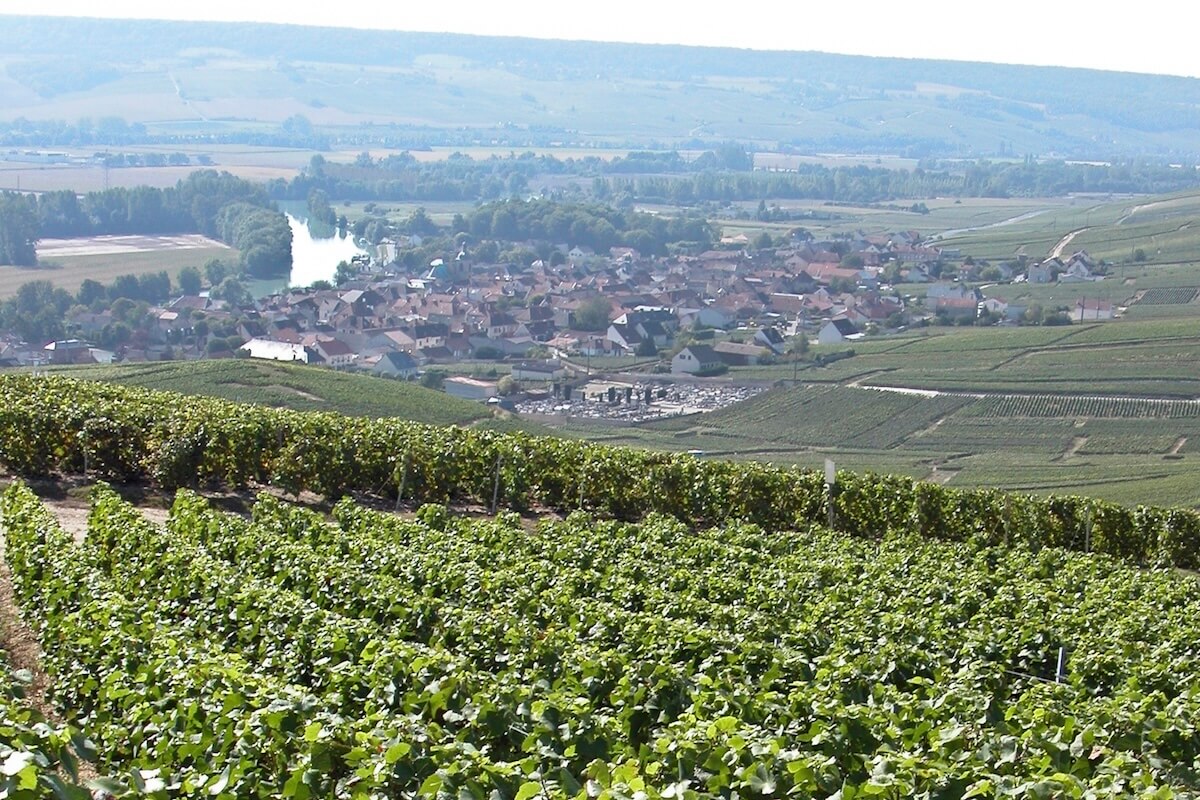
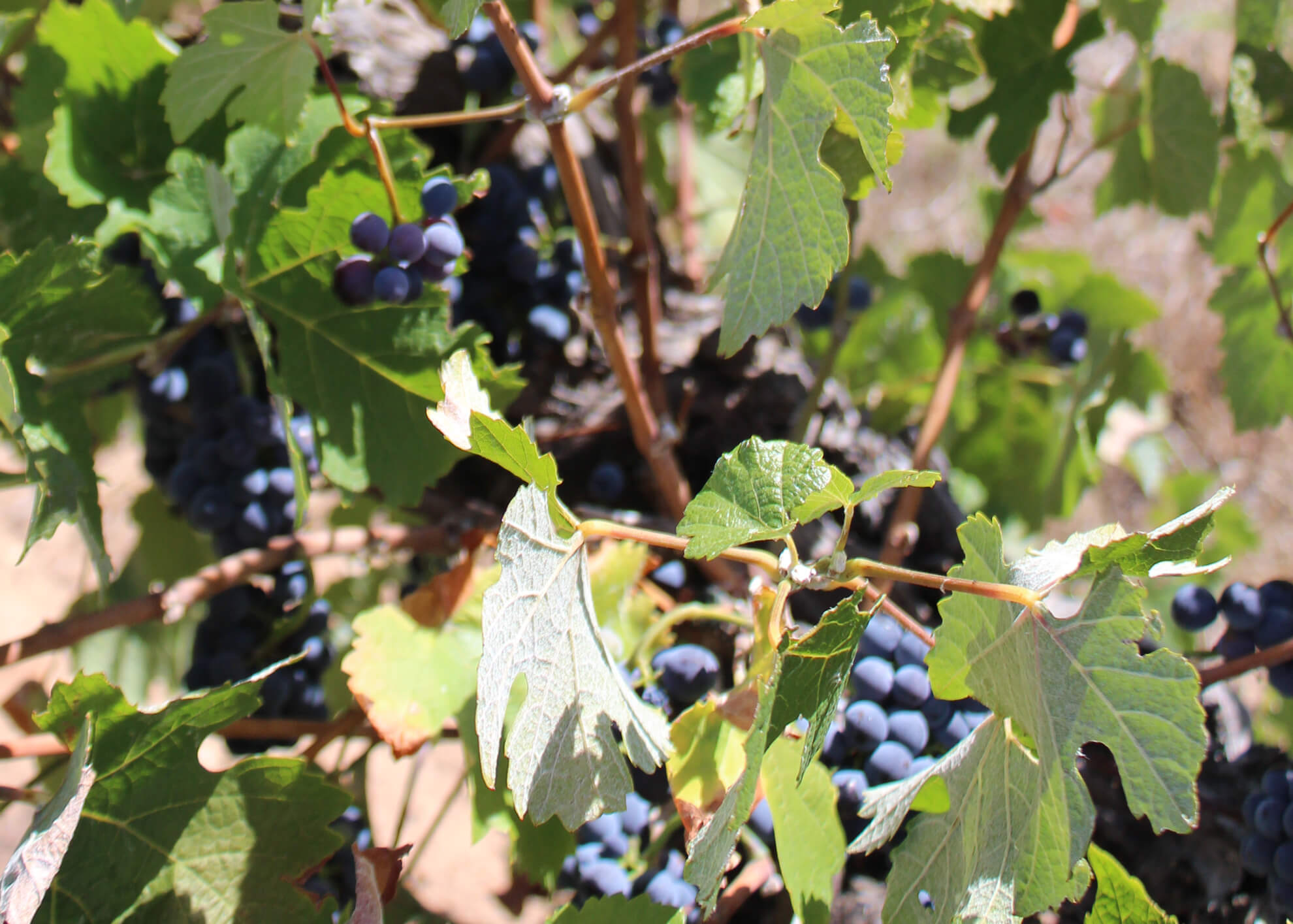
Opposite: The village of Cumières in Champagne, France – an important source of (red) pinot noir grapes for the region’s (white) wines. (Photo by Jean Weber, CC BY-SA 2.0.) Above: Pinot meunier on the vine.

While Australians have swiftly latched on to blanc de blancs – which only commenced production in the 1990s here and is now an $8.2 million category within Australian wine – blanc de noirs remains a much smaller category here. And in stark contrast to blanc de blancs, which is made by a wide range of producers from small-scale independent vignerons through to corporate Goliaths, blanc de noirs producers are, on average, resolutely small-scale operations. This feels appropriate to the style – while blanc de blancs wines possess an easily comprehensible purity of both concept and style, blanc de noirs are somewhat counterintuitive, and layered with intrigue and depth.


Skin in the game

At the core of blanc de noirs’ counterintuitive nature is their colour – as the name suggests, these are white wines made from dark-skinned grapes. This is possible owing to a quirk of grape physiology: in nearly all cases, the chemical compounds responsible for the colour of red wines (called ‘anthocynanins’) are located in the grapes’ skins, not the flesh. If a winemaker chooses to gently press red-wine grapes and quickly remove the juice from the skins – a task made significantly easier by the modern pneumatic presses usually used for white wine – they can generate white juice, or at least juice just barely tinted with a hint of pinkness, ready for fermentation. There are, of course, complications: the colour development that comes along with ripeness is an important factor, and some grape varieties are better suited to this treatment than others. (It can be exceptionally difficult, if not impossible, to get white juice from thick-skinned and darkly-hued varieties such as malbec – but much easier to acquire it from thin-skinned varieties with less inherent colour, such as pinot noir.) Despite these issues, Champenois winemakers eventually discovered this quirk of grape physiology, and, by the middle of the 1600s – well before they were making deliberately sparkling wines, and without the assistance of modern pneumatic presses – they were producing vins gris (‘grey wines’) from red-wine varieties that were almost white in the glass. (These varieties were probably the now-obscure morillon noir and gouais noir, alongside the pink-to-purple skinned pinot gris.)

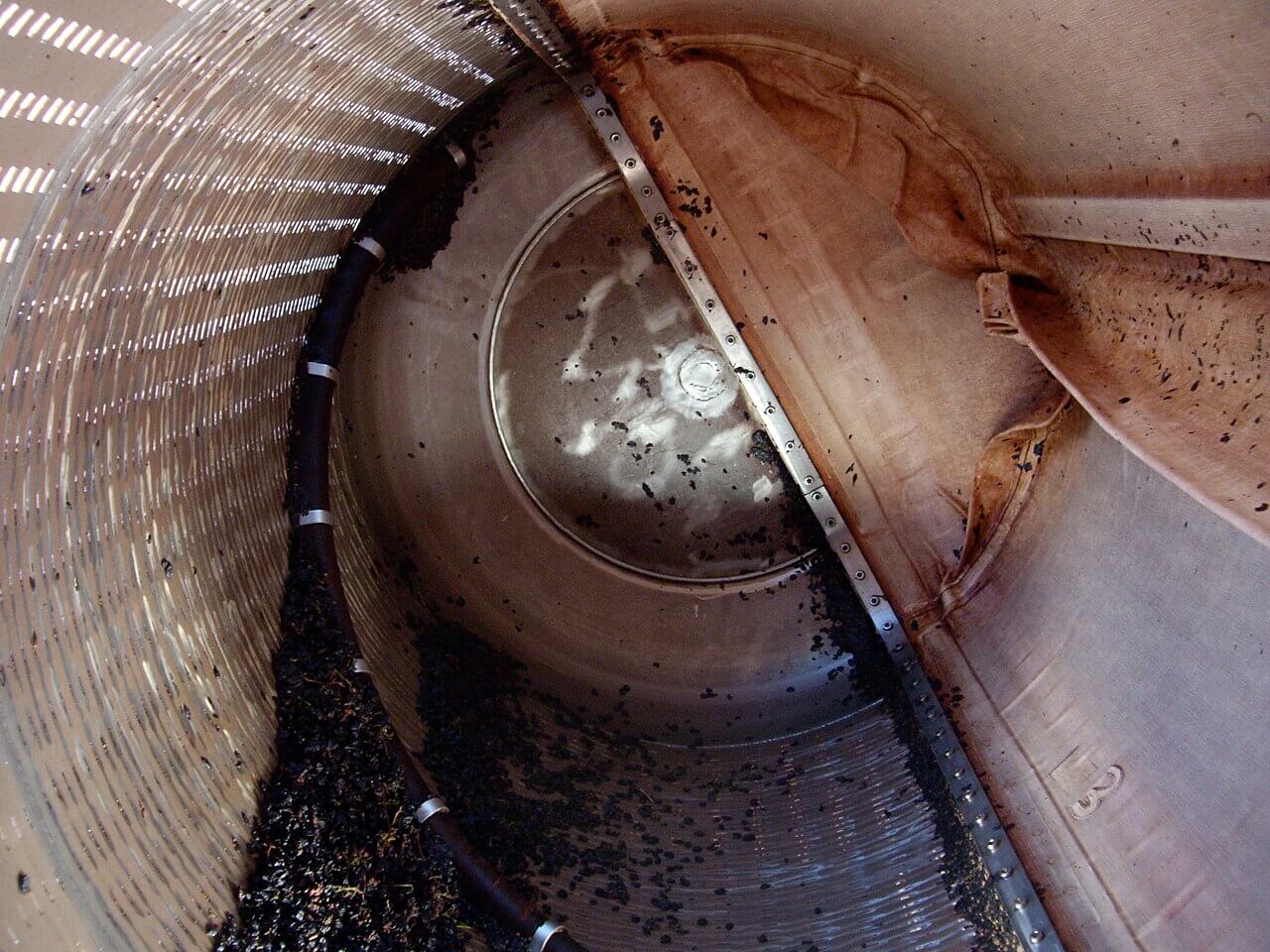
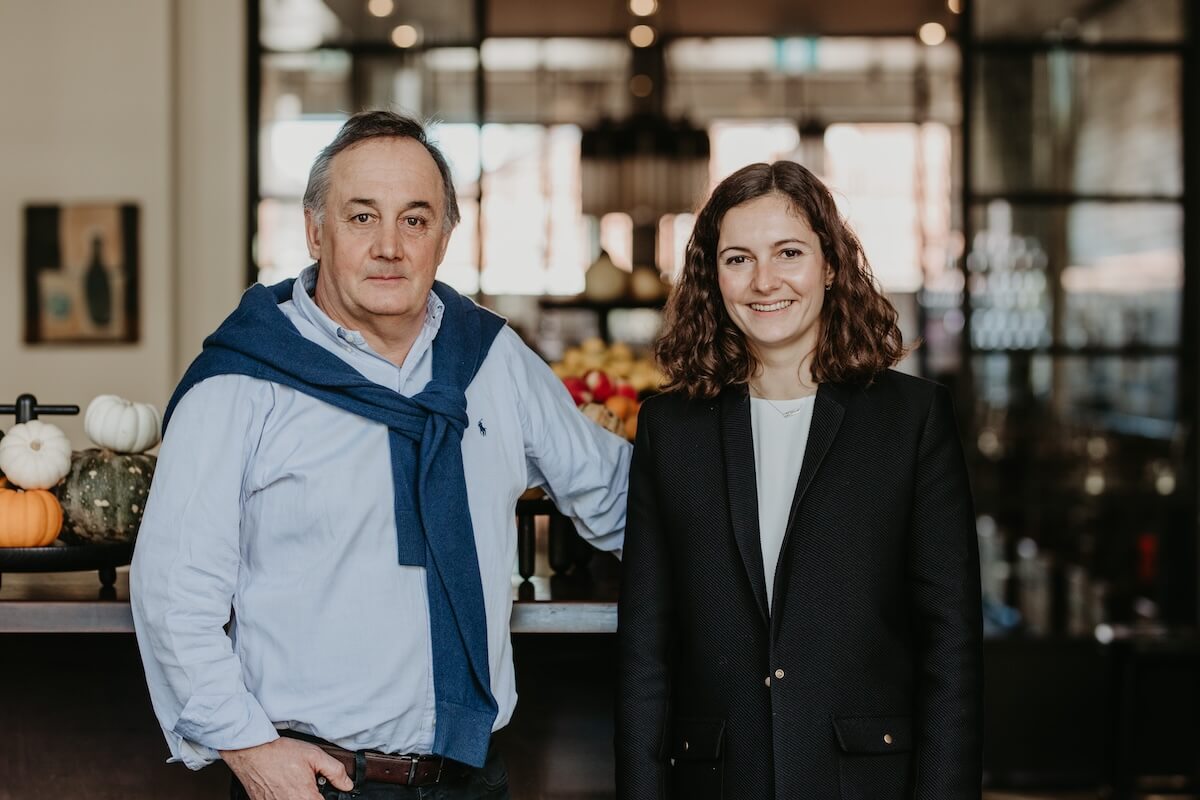
Above: The interior of a modern pneumatic wine press, showing the skins of pinot noir berries, freshly separated from the juice. (Photo by Robert Pitkin, CC BY-SA 2.0.) Opposite: Francis Egly (on left) with his daughter Clémence in Melbourne.

So when Champagne’s winemakers began producing deliberately effervescent wines – using technological advances developed by the English – in the early 1700s, some of those producers no doubt would have used the region’s traditional vins gris as the base for their wines. It’s therefore highly likely that many of the first sparkling Champagne wines would have been what we would now call ‘blancs de noirs’ – but they would not have been labelled as such, because the practice of making white wine from dark grapes was considered neither exceptional nor noteworthy. It would take the development of the ground-breaking ‘blanc de blancs’ style in the early 1900s – and its eventual appearance on labels commencing in the 1950s – to snap the peculiarity of making white wine from dark grapes into conceptual focus. Not long afterwards, blanc de noirs Champagne received a further boost when the style became the basis for a new ultra-premium cuvée from Bollinger, ‘Vieilles Vignes Françaises’, which first appeared in 1974 with the 1969 vintage. ‘Vieilles Vignes Françaises’ is produced from two small parcels of pinot noir grown on its own rootstocks (a rarity in phylloxera-ravaged Champagne), and showcases the power of Champagne made exclusively from pinot noir.

“Bettane was amazed and told me I should bottle Les Crayères separately. But I explained to him that it was only pinot noir – at the time, straight bottlings of pinot noir were almost unheard of. He said, ‘And? So you bottle a blanc de noirs. There is no problem with that.’ So we did it.”

While ‘Vieilles Vignes Françaises’ was a landmark moment in the development of the blanc de noirs style, much of the interest in the category now comes from much smaller-scale producers than Bollinger, and goes hand-in-hand with a movement towards single-village and -vineyard wines in Champagne. In an interview with Robert Walters for Walters’s book Bursting Bubbles: A Secret History of Champagne, the grower-producer Francis Egly of Egly-Ouriet recalls how he came to produce blanc de noirs wines: “On one occasion, [French wine writer Michel Bettane] visited and tasted wine from Les Crayères in the barrel,” Egly says. “He was amazed and told me I should bottle this wine separately. But I explained to him that it was only pinot noir – at the time, straight bottlings of pinot noir were almost unheard of. He said, ‘And? So you bottle a blanc de noirs. There is no problem with that.’ So we did it”. That blanc de noirs went on to become the basis of Egly’s fame as one of the two prime movers of Champagne’s grower-producer movement, alongside Anselme Selosse (whose reputation was forged, perhaps appropriately, by blanc de blancs). In a further movement, a second generation of grower-producers such as Jérôme Prévost are expanding the possibilities for blanc de noirs Champagne by crafting exceptional wines from 100% pinot meunier – a variety that was considered, until recently, best used only as a blending component to add fruity palate generosity.


From Reims to the Derwent

As in Champagne, it’s very likely that the first Australian blanc de noirs was not labelled as such, nor its appearance heralded as a break from the norm. While chardonnay’s presence in Australian vineyards was considered highly exotic until the 1970s, when nascent consumer interest in the variety triggered a planting boom, pinot noir and pinot meunier have both been staples of Australian viticulture since they were first brought to the country as ‘small black cluster’ and ‘black cluster’ on pre-1800 colonial fleets. Early Australian sparkling wine projects were explicitly modelled on Champagne, and in fact often called their product ‘Champagne’ – something that became a sore point for relations between the two countries at the 1900 Exposition Universelle in Paris, when the wine jury made a last-minute decision to refuse to judge New World wines they felt carried a false declaration of origin. That sticking point over nomenclature persisted for some time, although most Australian wine producers abandoned the term throughout the 1980s, well before it became officially outlawed on Australian labels in 2010. By this time, the Champenois had their eyes set on more than Australian labelling law: in the late 1980s, a string of high-profile new sparkling wine collaborations commenced across Australia’s cool climate regions, backed by Champenois money and know-how – Moët et Chandon’s Domaine Chandon in 1985, spearheaded by influential consultant winemaker Tony Jordan; Jansz in 1986, a collaboration between Heemskerk and Louis Roederer; and Croser in 1987, a collaboration between Petaluma and Bollinger. While it took a little while for Australia’s sparkling winemakers to cotton on to the phrase ‘blanc de blancs’ – with Seaview beginning to use the term from the mid–90s onwards – Domaine Chandon was an early adopter of ‘blanc de noirs’, labelling their ‘89 – 3’ cuvée, a 100% pinot vintage wine from 1989, with the term.

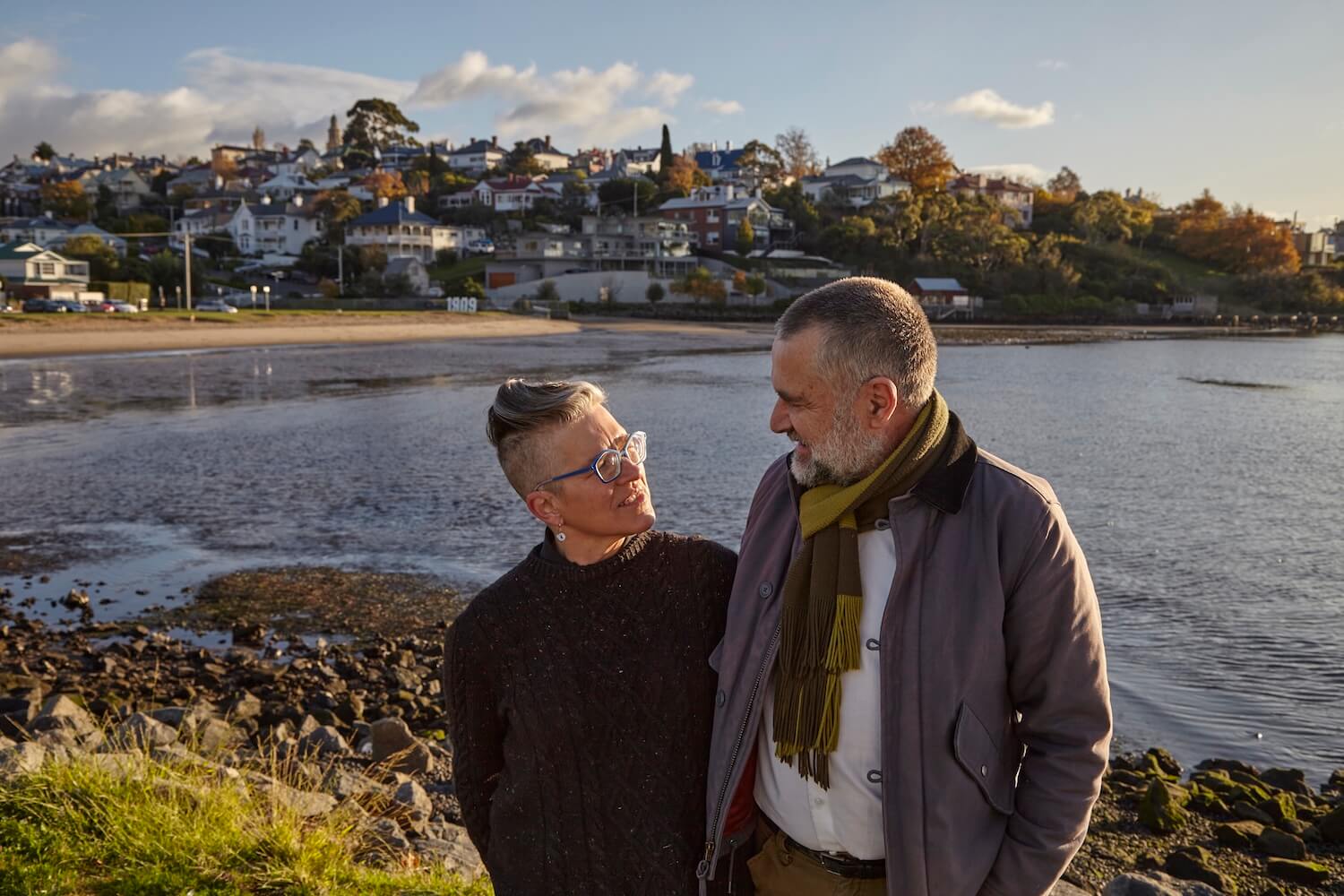
Above: Frieda Henskens (on left) and David Rankin of Henskens Rankin. Opposite: The 1989 vintage Domaine Chandon ‘89 – 3’ Blanc de Noirs – quite probably the first Australian wine to use the term on its label.

It’s appropriate, then, that much of the inspiration for Tasmanian sparkling house Henskens Rankin’s as-yet-unreleased non-vintage blanc de noirs came from Champagne. “When I was last in Champagne, I found plenty of blanc de noirs that I really loved,” winemaker Frieda Henskens says. “To me, the one that really stood out was Serge Mathieu’s non-vintage ‘Brut Tradition’, from down in the Aube. I really loved it – it was just like the quintessence of autumn, lovely and bright and delicate.” There were also more practical reasons for Henskens Rankin – currently best known for their traditional three-variety sparkling blends and late-disgorged blanc de blancs – to expand their production to include more pinot-based wines: “It was a project between myself and my son, Kilian,” Henskens says. “He’s been helping me make wine since he was about four … he’s been basically my unofficial assistant winemaker for quite some time time.” The timing was fortuitous – Henskens Rankins had just picked up fruit from an additional pinot vineyard, Dalness Estate, which meant that, in Henskens’ words, “either I made a small amount of another wine, or just make a heck of a lot more rosé.” In collaboration with Kilian, as she puts it, “We decided that we wanted to make a blanc de noirs, and we discussed styles – he wanted to make something really sort of light and pure and delicate – then we discussed ways of achieving that … it’s an apprenticeship sort of thing.” She adds, laughing, “Young men being young men, he got a new girlfriend towards the end of that, and I had to finish it!”
“We just wanted to play with that and keep that lightness to it, rather than making it something big and serious. It’s charming – and I think blanc de noirs can be particularly charming.”
Winemaking decisions for Henskens Rankins blanc de noirs follow the desire to make a lighter style of blanc de noirs, similar to that made by Isabelle Mathieu (who now runs the operations at Champagne Serge Mathieu). “So many of the blanc de noirs that I’ve had in Australia have been quite heavy and that didn’t really interest me,” Henskens says. “We were working with two vineyards that didn’t give you heavy base wines – plenty of texture, but not too heavy.” A small portion of the wine was wild-fermented in barrel for texture and interest, with yeasts gathered via ‘pied de cuve’ from Kinvarra, the older of the two vineyards. The rest of the base was fermented in stainless steel with a commercial yeast strain to keep things light and clean. Unlike Henskens Rankin’s other traditional-method sparkling wines – which often see extended time on lees – their blanc de noirs has only two or so years on lees before disgorgement. “We made that in 2023,” Henskens explains. “The reason we called it non-vintage is simply because our normal vintage stuff is mature and spends much longer on lees. And we wanted to make it very distinct from those.”

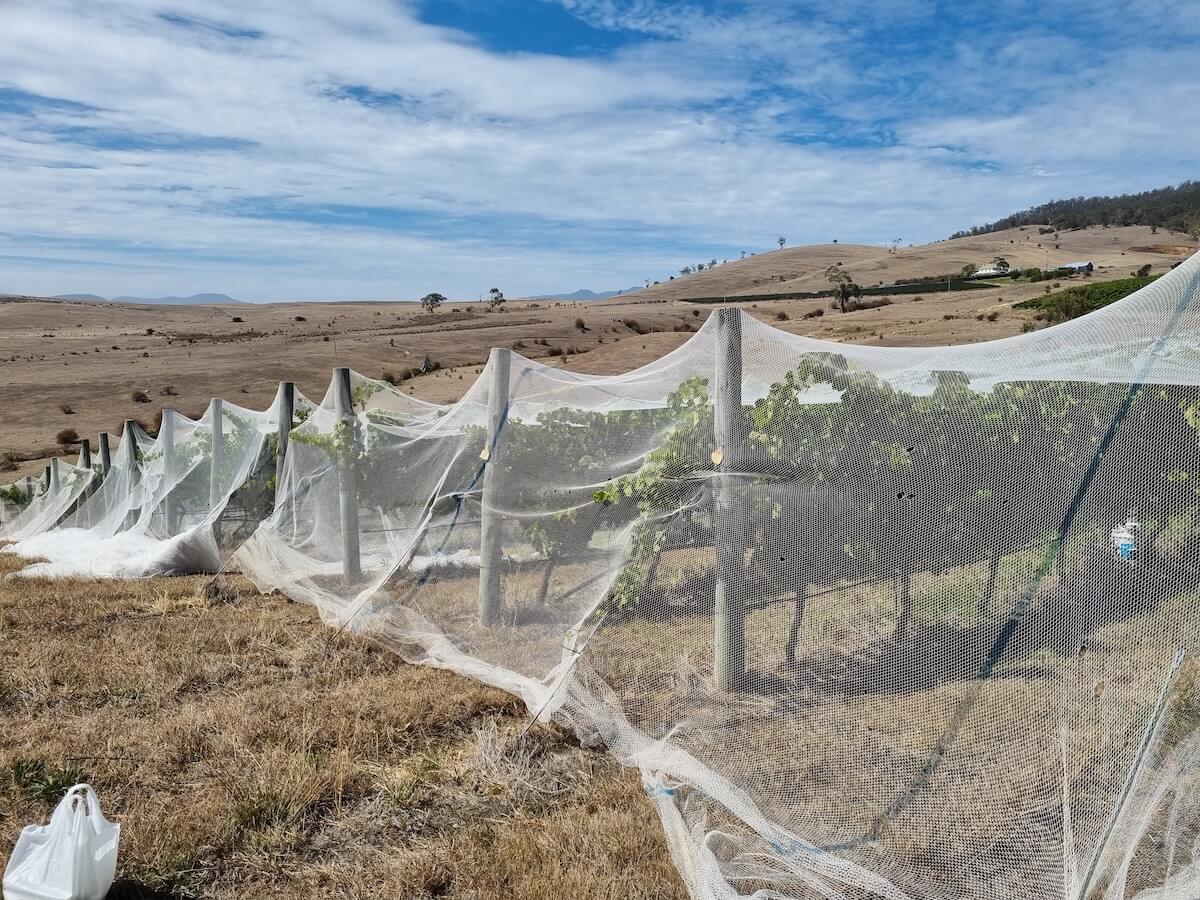
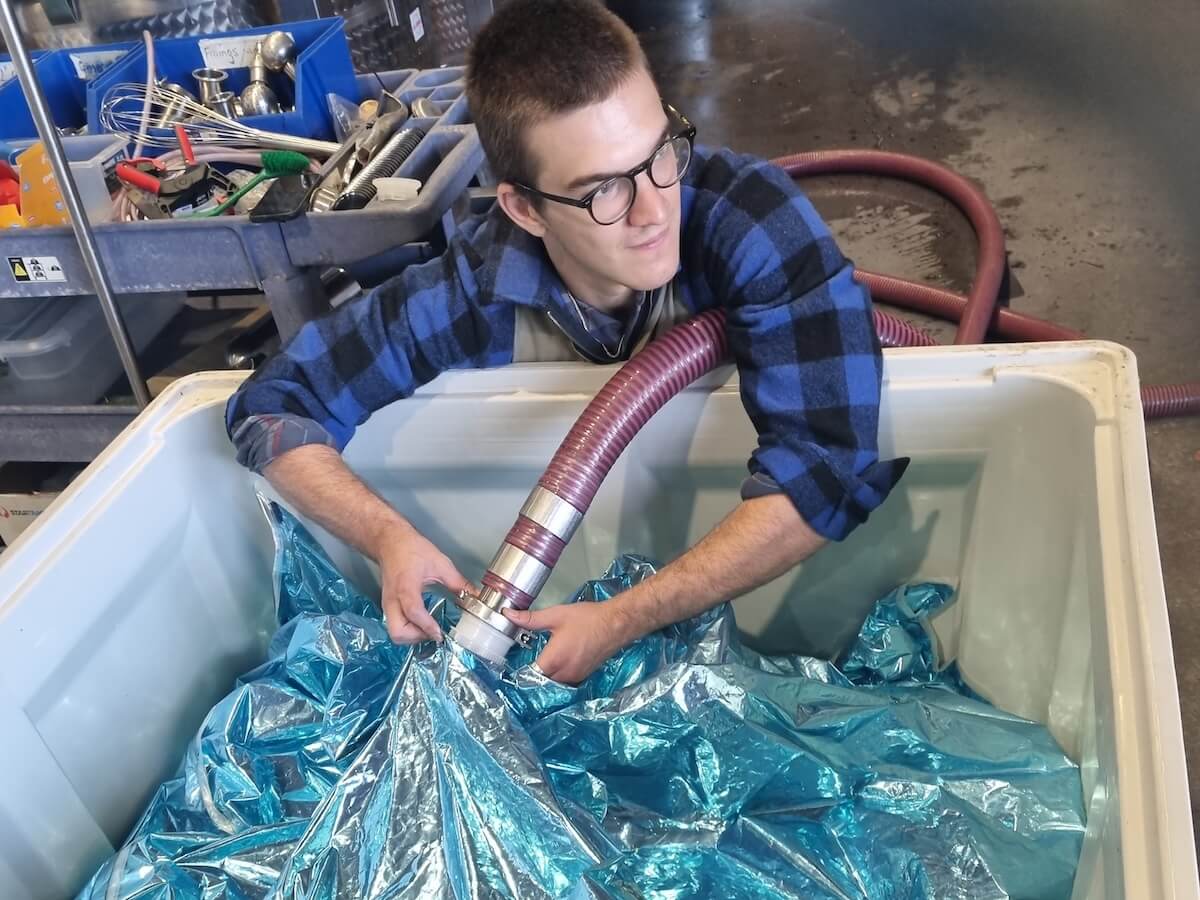
Above: Kilian Henskens-Rankin of Henskens Rankin in the winery. Opposite: The Kinvarra vineyard in the Upper Derwent Valley – the source of some of the pinot noir fruit that goes into Henskens Rankin’s blanc de noirs.

Avoiding lengthy lees ageing not only means that the resulting wine is lighter and fresher, but also makes its production significantly less expensive – an important consideration for a wine that is destined for the restaurant trade. “Earlier this year a restaurant approached us for a non-vintage project,” Henskens says. “And we thought, ‘That blanc de noirs is looking pretty spiffy’ … we did a trial disgorgement, and we all liked it – Kilian described it as ‘An absolute banger’!” The finished wine’s relative lightness on the spectrum of blanc de noirs abets its food-friendliness: “It’s something that will go with absolutely everything,” Henskens says. “We just wanted to play with that and keep that lightness to it, rather than making it something big and serious. It’s charming – and I think blanc de noirs can be particularly charming.”


Blanc de noirs at the table

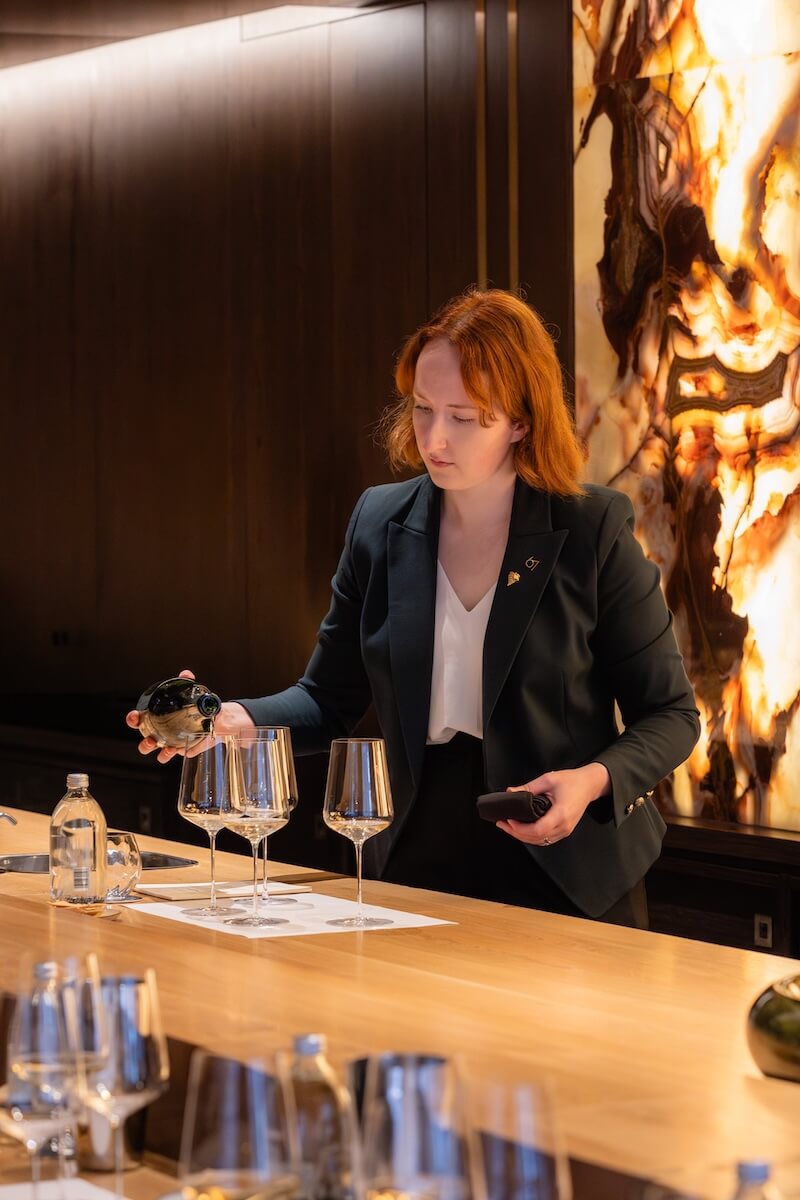
It’s appropriate that Henskens Rankin’s foray into blanc de noirs is destined to be exclusive to restaurants – of all of the styles of traditional-method sparkling, it is the one that has the most potential uses at the table. “I used to, when I worked in restaurants, have blanc de noirs ready for people who didn’t drink red wine, in place of a red wine,” says Christina Kaigg-Hoxley, the wine development manager for wine-focused members’ club 67 Pall Mall’s soon-to-be-opened Melbourne outpost. “It’s a really interesting way of creating a pause, and a refresh, and a drama moment in a main course … injecting a little bubbles halfway through the meal can be really fun and exciting and unexpected.” And where the linearity and austerity of a blanc de blancs wine might not suit more substantial fare, blanc de noirs – whether from Champagne or Australia – can offer a perfect foil, especially if the food might otherwise pair well with a still pinot noir. “There’s a natural sweetness and fattiness to pork. So especially if you’re working with a roast or a belly – anything that has that beautiful sort of lip-smacking, crispy kind of fatty character – [blanc de noirs] can come through and create this wonderful contrast, and refresh the palate in a way that means that every single mouthful that you have is the same.” She likewise recommends the style with duck dishes: “There’s so many different classic pairings with duck, and classic preparations for duck, that work spectacularly well with [blanc de noirs] Champagne.”

Opposite: Christina Kaigg-Hoxley, sommelier and wine development manager, 67 Pall Mall. Above: The village of Les Riceys in the Côte des Bar subregion of Champagne – a subregion that Kaigg-Hoxley believes is challenging traditional Champenois understandings of what blanc de noirs should be. (Photo by Lucie2beaugency, CC BY-SA-4.0.)

For Kaigg-Hoxley, the key to successfully pairing traditional-method sparkling wines throughout the course of a meal is understanding the differences in flavour profiles and acidity between blanc de noirs, blanc de blancs, and the traditional three-variety blends. “[Blanc de blancs] has more of that citrus and green apple. It translates more mushroom, and more of that ‘chalky’ cellar character. It can be more crystalline, and quite austere … Blanc de blancs classically has a lot of power, but is lighter,” she says. By contrast, “Blanc de noirs often has a slightly more hard to pin down profile for a lot of people – people say, ‘Yeah, you can taste the red fruit,’ but the strawberry doesn’t necessarily translate as ‘red fruit’ to everybody. Sometimes it translates as really sweet red apple. You can get mushroom, but it’s more of an umami quality. You can get more hazelnut characters as well from the interplay with lees, too.” With that understanding in place, pairing becomes significantly easier: “The classic rules of food and wine pairing that we use in still wines also apply to [sparkling wines] in a lot of ways. If you’ve got something that needs acidity, that needs that really fresh vibrant style, blanc de blancs is possibly your better call. If you need something with more texture and a little bit more richness and roundness on the palate in particular, a blanc de noirs is probably where you sit … classically, blanc de blancs would be my first point of call for your seafood and your lighter dishes, and blanc de noirs tends to take a little bit more consideration.” She adds, though, that “there’s a lot of variants within each of those categories” – so it’s best to be familiar with the characteristics of any given wine before pairing it.

It’s a really interesting way of creating a pause, and a refresh, and a drama moment in a main course – injecting a little bubbles halfway through the meal can be really fun and exciting and unexpected.”

Kaigg-Hoxley argues that one of the virtues of blanc de noirs is that they tend to be more approachable than blanc de blancs. “I often find blanc de blancs in their youth, especially in a brut nature style, incredibly challenging,” she says. “And I think sometimes we [sommeliers] sell them because we think that that’s exciting. And we actually sell them a little bit too early, when they actually need a little bit of time to relax in the bottle because there is so much precision.” By contrast, with “a blanc de noir from a producer that’s got a real emphasis on fruit ripeness, the roundness and the flavour concentration of that fruit is super-intense. It’s quite densely packed and it does taste ripe. It really has a vinous [i.e. table wine-like] quality to it in a way that blanc de blanc doesn’t necessarily have.” For that reason, she’s not at all opposed to blanc de noirs that show a judicious amount of dosage (added sugar) at bottling: “Often pinot noir has to be riper,” she says. “It’s left on the vine for longer, it’s more of a challenge to grow – why would you want to show a mean version of that? Why would you not want to show it at its best? I feel like the flavour profiles and the flavour ripeness of pinot noir often show better when dosage is added. And it doesn’t have to be a lot. But there’s something to be said for the idea that the wine has already got some really structural bones – so help it to fill out, help it to flesh out.”


Finding a niche for Australian blanc de noirs

While both blanc de blancs and blanc de noirs are on roughly equal footing in the Champagne region, where they are regarded as relatively prestige wines that are advancing the discussion of site-specificity in a region where blending is the norm, there is a marked difference between the two categories in the Australian wine industry. Large players such as Treasury Wine Estates and Vinarchy happily make Australian blanc de blancs (under their 19 Crimes and Croser labels, respectively), while there are markedly fewer producers of blanc de noirs, and those who do make it tend to be small-scale and independent. For Christina Kaigg-Hoxley, this discrepancy can be sheeted home to Australians’ thirst for still pinot noir: “We have such a huge, huge appetite for good pinot noir in this country. It’s extraordinary,” she says. “Why would a winemaker decide to make a blanc de noirs unless they were super, super passionate about it, when most people cannot make enough pinot noir?” She adds that this tension is particularly salient in Tasmania, where “they can make more money producing high quality table pinot.” The finicky nature of pinot noir in the vineyard also makes chardonnay, by contrast, a more attractive proposition for growers across the country: “You can crop higher,” she says of chardonnay. “It’s slightly cheaper to grow. It’s slightly less finicky. It works in more regions.”

“Why would a winemaker decide to make a blanc de noirs unless they were super, super passionate about it, when most people cannot make enough pinot noir?”

Kaigg-Hoxley argues that the light blush tinge that sometimes accompanies blanc de noirs means that many wines that might fit the category end up being marketed as rosé sparkling wines rather than blancs de noirs. “Meadowbank blanc de noirs and Hentley Farm blanc de noirs are two examples that I can think of that have always had a pretty strong blush to them,” she says. “They’re not quite rosé, but they’re not exactly white either. … potentially we spend, or could spend, more time looking at rosé sparkling as being part of the use for pinot in sparkling here in Australia as well.” She adds that it’s not just colour that comes from the skins: “the amount of flavour you get from the skin is is extraordinary.” It’s a sentiment that Henskens echoes: “You see quite a few blanc de noirs and they’re not that blanc,” she says, “but it’s not a rosé.” She sees plenty of fertile ground in the space between these blanc de noirs and sparkling rosé, a grey area she appropriately calls ‘gris de gris’ – “trying to express some of those pinot noir characteristics without making it a rosé, but not making it pure white, either.”

“You see quite a few blanc de noirs and they’re not that blanc – but it’s not a rosé.”

The indeterminate boundary between blanc de noirs and rosé sparkling seems somewhat appropriate for a style defined in opposition to the conceptually pure and somewhat austere blanc de blancs. The style is also somewhat hard to pin down because it can be made from either one of pinot noir or pinot meunier, or a blend of both. Kaigg-Hoxley points to a new wave of grower Champagnes out of the Côte des Bar subregion that further complicate the picture of what blanc de noirs is or should be: “We’re talking about relatively cheap land – for Champagne – modern producers that have purchased sites that they’re farming, on Kimmeridgian limestone compared to chalk, and then making single-varietal blanc de noirs [from pinot meunier],” she says. “It’s a whole different style. Traditionally, when we talked about blanc de noirs, often when we were talking about big houses and richer styles and like these really powerful, rounded kind of palates.” She points out that this developing interest in single-varietal blancs de noirs in France has meant that the term has lost some of its salience there – and that this could likewise happen in Australia. “Blanc de noirs has as much potential as Australians want to give it,” she says. “If blanc de noir as a category and as a term means something to people, there is potential for that space to grow … the term just needs to figure out what it is in the future.” In the meantime, after seeing the quality of their first blanc de noirs, Henskens Rankin is leaning in to pinot noir-dominant sparkling wines: “We’ll keep on playing,” Henskens says, “although it really revolves around having the right fruit. We’ll keep on developing the non-vintage – that’s not always going to be a pure blanc de noirs, I think – but it has become a departure. We’re starting to look at things that are pinot-dominant – it’s a new paradigm.”

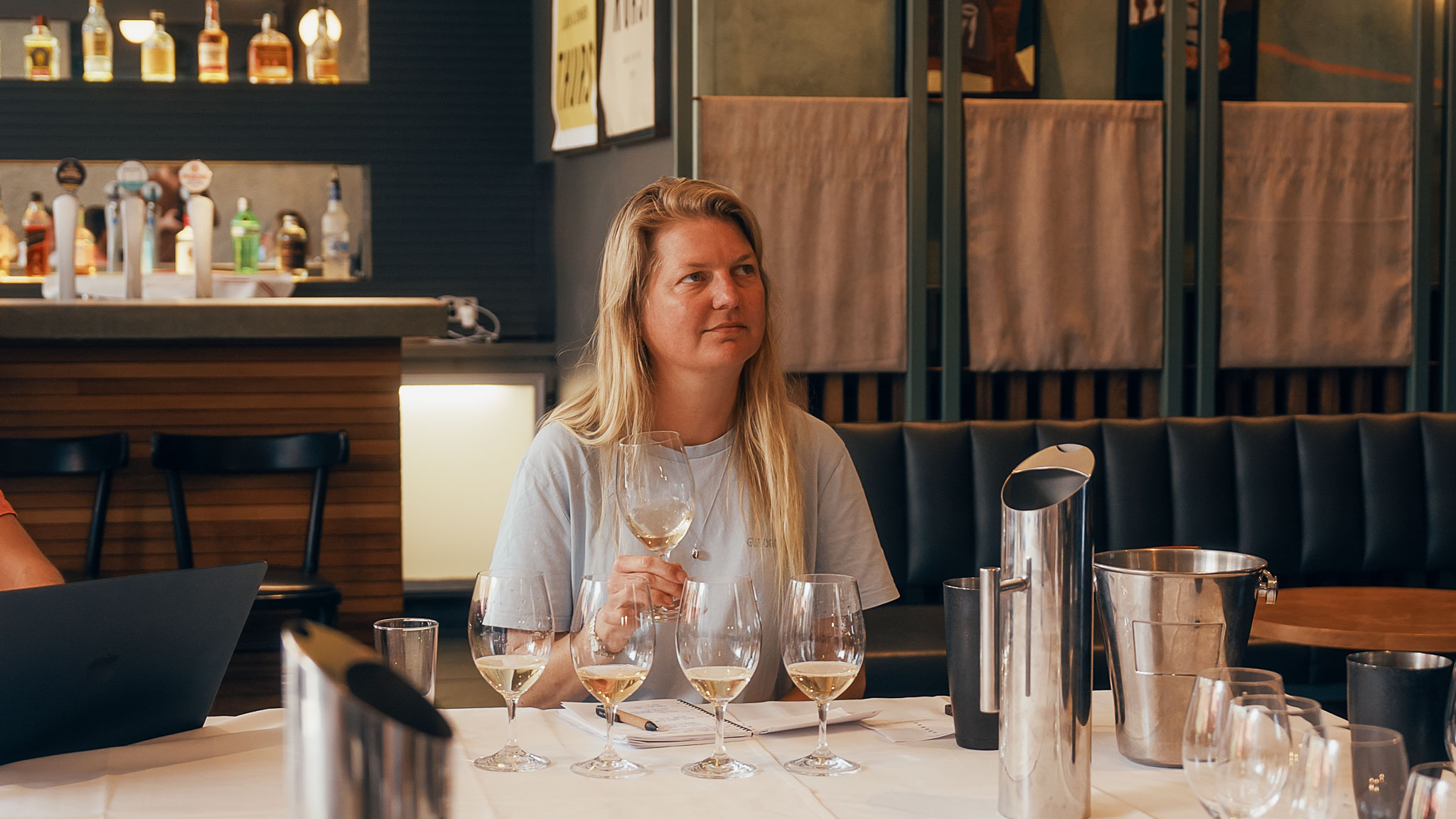
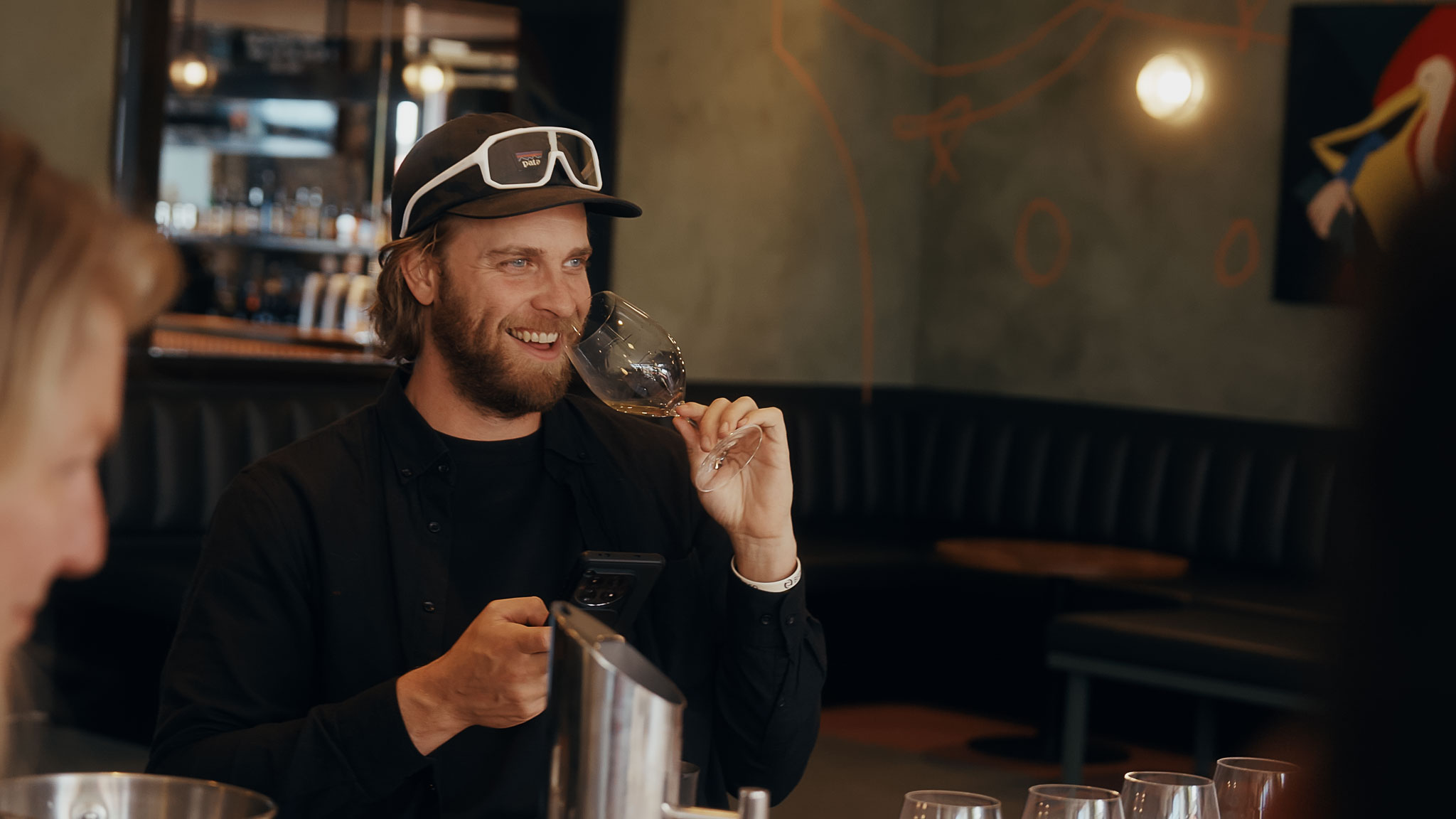
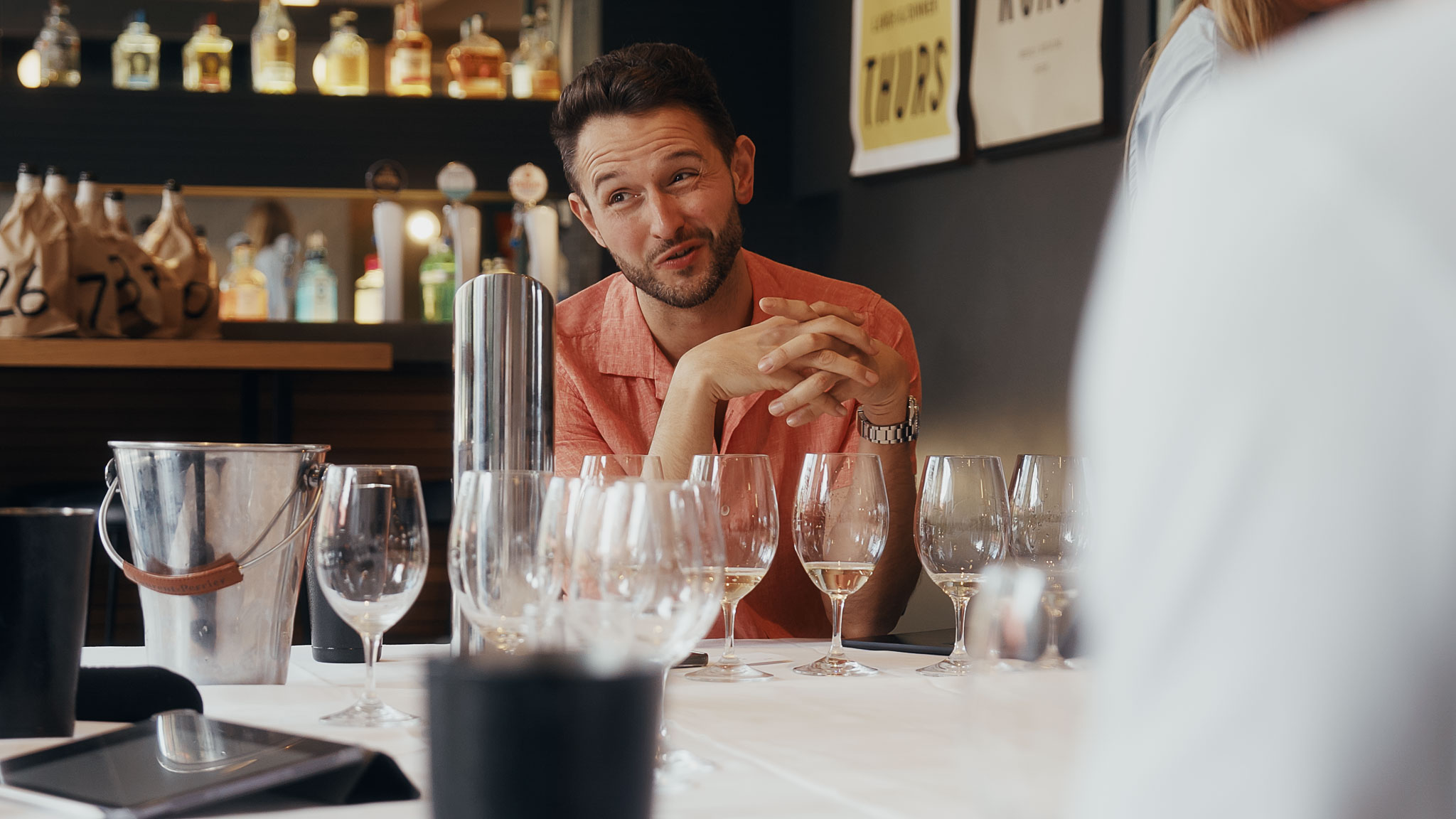
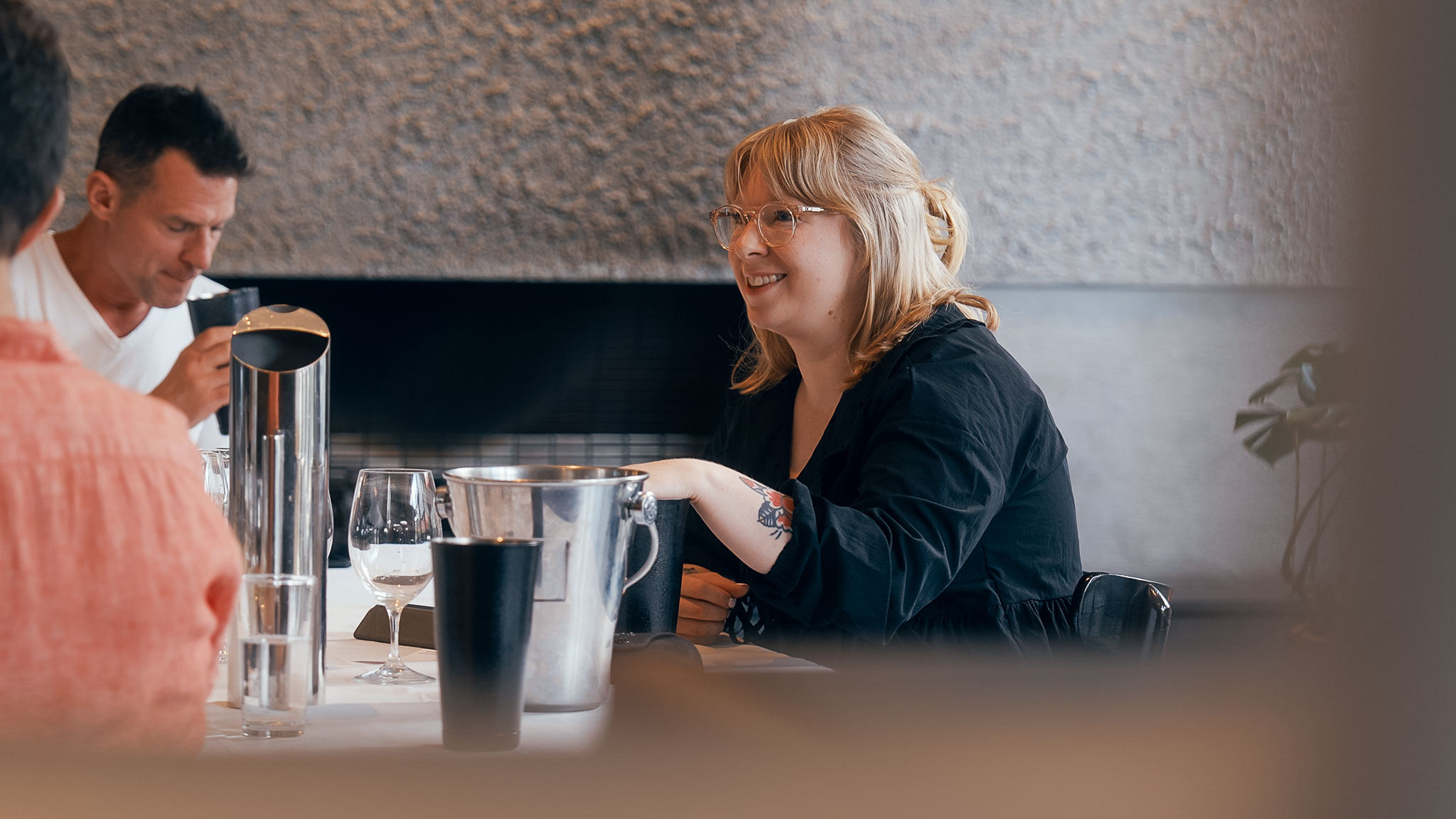
Above: Our expert panel gathered at Bleakhouse Hotel, Albert Park (Melbourne).

Outtakes from the Tasting

We gathered every Australian example of blanc de noirs sparkling that we could find – made only via the traditional method, and only with pinot noir and pinot meunier – and set our expert panel the task of finding the wines that compelled the most. All wines were tasted blind, and each panellist named their top six wines. Below are the wines that made the panellists’ top-six selections from the tasting.

Our panel: John Harris, winemaker, Blue Pyrenees Estate; Bonnie Spain, senior sommelier, Marmelo; Étienne Mangier, winemaker, North by Étienne Mangier; Hayley Williamson, owner and wine buyer, Nina’s Bar & Restaurant; Ciarán Hudson, winemaker, Beyond the Glass; Tom Robertson, general manager, Alimentaria.

Spain commenced the discussion by observing that the category’s relatively small size compared to blanc de blancs is a bit puzzling. “It’s such a massively accessible style from Champagne,” she said. “It’s either blanc de blancs or blanc de noirs – my list is very evenly split.” In response, Williamson observed that economies of scale were likely at play: “While we do have a lot of Australian sparkling producers, there’s nowhere near as many as there are in Champagne,” she said. “So the choice to make a blanc de noirs might not make sense, necessarily, from a sales perspective.” Robertson added that pinot noir’s famously finicky nature in the vineyard didn’t necessarily help, either: “It’s pretty easy to grow chardonnay in this country with good ripeness and good acidity, even with the warm climate,” he said. “Pinot noir, in a lot of regions – not so much. Or pinot meunier – not so much.” Spain added, “As a country we don’t have much meunier being grown at all!”

Above: John Harris. Opposite: Hayley Williamson.

Harris had a more positive spin on the size of the line-up on the day. “I’m positively surprised that there were this many!” he said. “I’m glad there were this many, too. Those of us who are winemakers, we all want to grow pinot noir and make fascinating table wine out of it. I wonder if some of these, sadly, were born from conversations saying ‘This isn’t giving us great table-wine pinot noir – the wine isn’t getting to the lofty heights that I’d hoped – so I wonder what it’s like as a blanc de noirs?’ I don’t mean to be sceptical.” Despite the potentially less-than-pure motivations for winemakers to dabble in the category, and the vexed issue of separating it from rosé sparkling, he very much enjoyed getting an overview of Australian blanc de noirs. “It’s fascinating to see where blanc de noirs is at,” he said, “and I’m glad there are so many examples that are pretty good.” He added, “I see blanc de noirs and rosé sparkling styles as really quite similar – one just has a bit more colour than the other … I was expecting to see deeper, more pink hues – but these were actually genuine blanc de noirs. There wasn’t anything that made you say, ‘Well, hang on, that’s rosé – that’s out of style’.”

“I was expecting to see deeper, more pink hues – but these were actually genuine blanc de noirs. There wasn’t anything that made you say, ‘Well, hang on, that’s rosé – that’s out of style’.”

Williamson agreed with Harris on the overall quality of the category: “There were obviously a few different styles, and you could tell where there one variety may have been a bit more heavily used than the other, but overall, I think it’s looking pretty good,” she said. “There was potentially a bit too much reduction in a few of them, I thought, which is the same thing I found in the blanc de blancs tasting – which is interesting. And maybe some fruit was a bit unbalanced on the palate – like there was a bit too much savoury character, or too much sugar added at dosage.”

Above: Tom Robertson. Opposite: Bonnie Spain.

Spain saw a correlation between the general lack of pink hues across the lineup and a tendency within some of the wines to not fully commit to the inherent depth of the style. “There were a couple where it was like, ‘Okay, cool, we’re doing blanc de noirs – but I feel like if the consumer opens this and they don’t see citrus on the palate, they’re going to be disappointed’,” she said. “There were a few that maybe just went too far, into almost lemongrass – really grassy notes. I think these were possibly picked too early, like the winemaker’s gone, ‘I know I’m working with pinot here, or meunier, but I’ve got to try and get as little extraction as possible, and get almost no red wine flavour notes. And a few of those, if I tasted in a genuinely blind setting where I didn’t even know the category, I would have said, ‘This is straight blanc de blancs’ … I don’t expect to see green apple in blanc de noirs, but I did see a lot of green in some of these wines.” She added that she was sympathetic to the commercial imperatives that meant producers might shy away from the depth and savouriness of blanc de noirs. “I did a tasting at a winery recently with my partner, who is not a wine person, and they showed us their blanc de noirs,” she said. “He was like, ‘This is disgusting’. And I was like, ‘I’m buying two of this – this is incredible.’ There’s a divisiveness about blanc de noirs, which I think comes from a lack of education in the nuances of those more rich and complex and savoury styles.”


“There’s a divisiveness about blanc de noirs, which I think comes from a lack of education in the nuances of those more rich and complex and savoury styles.”

Robertson concurred with Spain, adding that the wines that stood out in the lineup were clearly wines made with passion for the category, including all of its quirks. “The enjoyable wines were just so enjoyable – and the serious ones were so serious,” he said. “I think the stark difference was that the people that really attempted it, and really went for it, have accomplished fantastic things.” He added that this was likely exacerbated by the small scale of production – not only of the producers, but also the limited quantities of the wines themselves: “It’s still emergent, so it’s also still pretty small production. They’re probably mostly single site-specific wines as well.” Of the wines that weren’t successful, he argued that they demonstrated why the Champenois traditionally used a blend of three varieties: “They’re attempting to do blanc de noirs, but maybe they should have done a full on brut sparkling – a proper blend – because they felt they needed to add too much sugar here, or whatever. In one way or another, the balance wasn’t quite right in some of them.”

Above: Ciarán Hudson. Opposite: Étienne Mangier.

Mangier argued that the technically challenging nature of traditional method sparkling wine production – as well as the investment of time required and the difficulty of growing pinot noir – meant that it was a real commitment to make blanc de noirs wines. “That’s maybe why some people don’t do it – it’s just too expensive to make,” he said. “You have to wait so long, and you don’t really know what it’s going to look like. You make the base wine, you put all your thought and your money in the vineyard – and you’re happy with that – but you don’t know what you’re going to get after one year or two years of tiraging, until you disgorge. You can control it a bit, but you can’t really control it.” For this reason, he encouraged consumers to understand why the wines in this category are more expensive than other sparkling options. “You have to say to people, like, ‘This should be expensive’. You can find some cheap blanc de noirs, but you’re maybe better off to get prosecco at that price point. It’s not at all the same – but if you just want the bubbles, get a prosecco.”


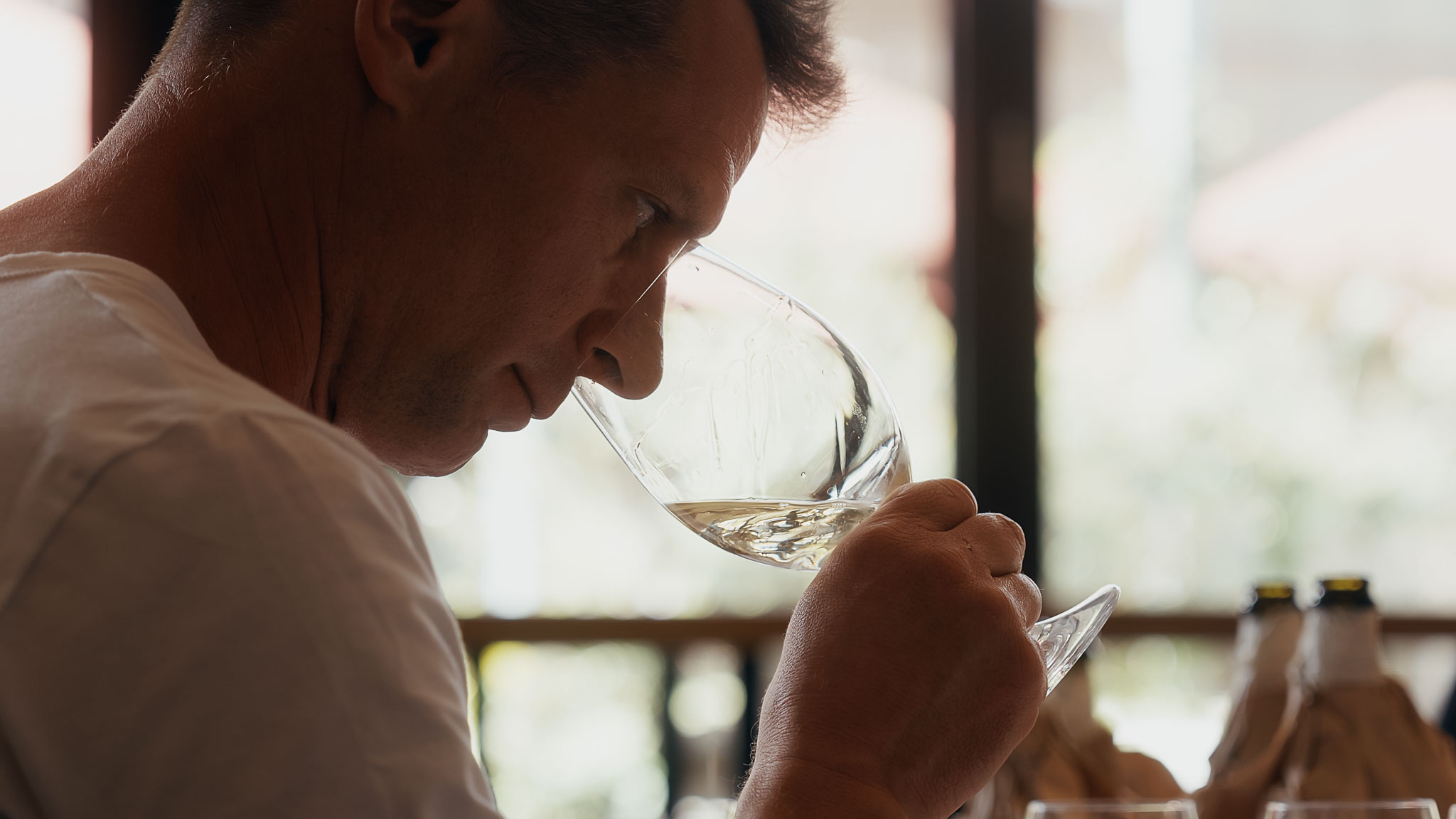
Above and opposite: Our expert panel in action at Bleakhouse Hotel, Albert Park (Melbourne). All wines tasted ‘blind’.

Bookmark this job

Please sign in or create account as candidate to bookmark this job

Save this search

Please sign in or create account to save this search

create resume

Create Resume

Please sign in or create account as candidate to create a resume