Blanc de blancs – literally ‘white of whites’ – is a style of sparkling wine defined by its conceptual and literal purity. It’s traditionally made from one grape variety only – chardonnay – and it nearly always possesses a racy, linear acidity that makes it ultra-crisp and refreshing. But beyond these basics, there’s an impressive diversity of flavour to be found in the category, with winemakers utilising all manner of fruit sources and techniques to build layers of flavour and intrigue. It’s an exciting category for Australian wine – so exciting, in fact, that we felt a Deep Dive was required.
We gathered every Australian example of blanc de blancs sparkling that we could find – made only via the traditional method, and only with chardonnay – and set our expert panel the task of finding the wines that compelled the most. All wines were tasted blind, and each panellist named their top six wines. Below are the wines that made the panellists’ top-six selections from the tasting.
Our panel: Lilian Carter, winemaker, The Flying Winemaker and consultant, Vinemark; Mike Aylward, winemaker and owner, Ocean Eight; Georgia Dale, winemaker and owner, Georgia Dale Wines; Stuart Dudine, winemaker and owner, Alkimi; Indra Nadeson, winemaker, Lethbridge; Hayley Williamson, owner and wine buyer, Nina’s Bar & Restaurant; Hayley Farquar, wine merchant and sommelier, City Wine Shop.
From the Deep Dive
Discover more in The Outtakes below.
See more of The Top Wines below.
Discover more in The Outtakes below.
See more of The Top Wines below.
The Top Wines
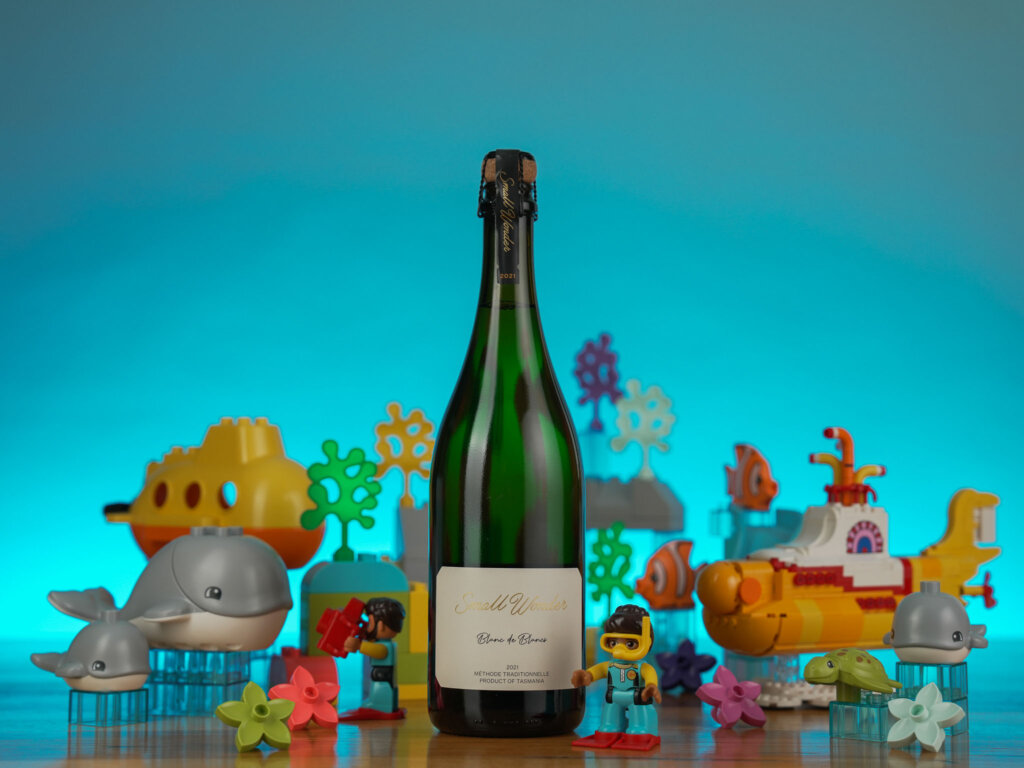
2021 Small Wonder Blanc de Blancs, Tasmania $52 RRP
This wine appeared in the top six wines of the day for Dale, Carter, Farquar, and Aylward. Dale described it as showing up “with a beautiful golden hue in the glass, complemented by a lovely toasty almond meal characteristic on the nose, alongside pretty notes of white flowers – lemon and orange blossoms, as well as a touch of jasmine. The palate is fresh, with bright and racy acidity driving notes of citrus fruits and barely-ripe stone fruit – think apricots and nectarines that are almost too toothsome to eat – to an impressively long finish. With its lower dosage, this is a truly delicious and impressive example of Australian blanc de blancs.” Carter found it “so tight and so fresh, filling the palate with pure flavours of crisp Granny Smith apple and zesty lemon – but that tightness and freshness is balanced by lots of pastry-like autolytic complexity. Feels very much like a cool-climate wine – driven and bright.” Farquar noted that “this wine is easy-drinking – but that doesn’t mean it is in any way simple. In the glass, it’s brightly coloured, with an excited bead. Notes of orange peel, citron, and green leaves on both nose and palate create a refreshing classic sparkling flavour profile. Slightly nutty and creamy notes on the palate indicate that the winemaker has used lees work and malolactic conversion, but the fruit concentration still stands strong behind this winemaker overlay. There’s a touch of smoky reduction in this wine, too, which adds to the complexity.” Aylward called it “a lively blanc de blancs, full of grapefruit zest and sherbet tingle. Classic chardonnay character shines through here, making it a pure and joyful expression of the style – and another excellent partner for oysters.”
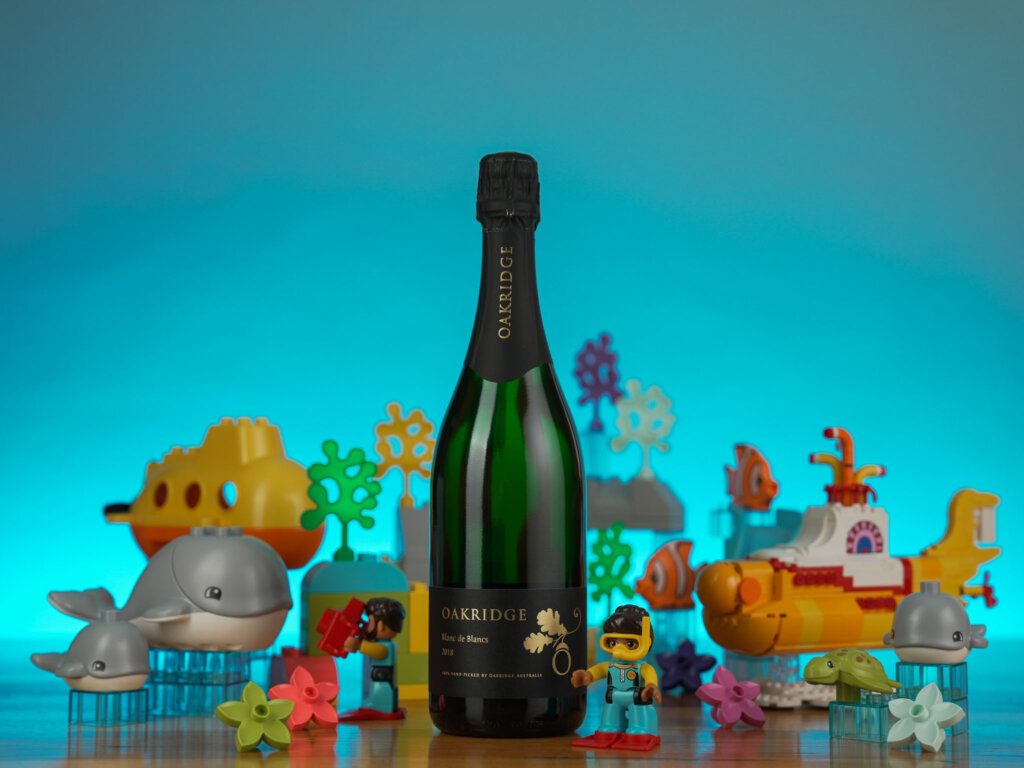
2018 Oakridge Blanc de Blancs, Yarra Valley $65 RRP
Aylward, Dale, and Williamson all selected this wine – which was disgorged in July 2024 after spending five years and eight months on lees – among their top six from the blind tasting. Aylward called it his “top wine of the tasting. Beautifully defined lemon sherbet and lime aromatics, with an acidity that lifts the flavours rather than dominating them. The chardonnay fruit character and subtle oak integration are exceptional – exactly what you want in a blanc de blancs. Layers of nutty lees notes and gentle yeast complexity complete the picture. A wine that could easily stand beside those of top Champagne houses – and a perfect match for oysters!” Dale noted that “this wine initially offers a slight aroma of savoury Vegemite, before open up into a pretty floral bouquet of honeysuckle, acacia, fresh-cut grass, lemongrass, and lemon verbena – all underpinned by a distinctly yeasty character. The palate is well-structured, with prominent citrus notes of ripe lemon and lime, alongside more exotic tones of white grapefruit and yuzu. The lower dosage here allows that ripe citrus fruit character to be balanced against the broad, sherbet-like acid line and the chalky mineral drive, leading to a lengthy finish.” Williamson found that “the nose offers honey-roasted nuts and caramel, while the palate is both zippy and savoury, showing umami depth and a toasted, waxy character. Mineral and steely with a hint of salinity, this is redolent of green almonds and honeysuckle. One of the more distinctive wines in the day’s lineup – full of intrigue and personality.”
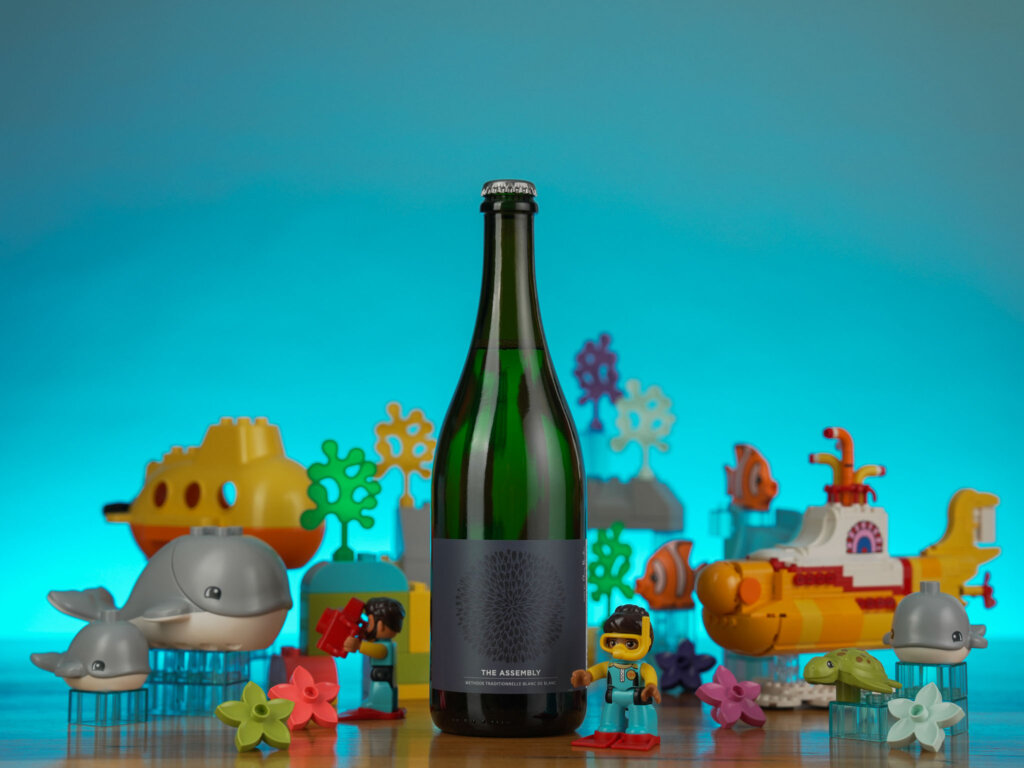
2022 Eminence ‘The Assembly’ Blanc de Blanc, King Valley $45 RRP
This wine – which spent two years on lees – made the top six wines of the tasting for Carter, Dale, and Williamson. Carter described “a nose of brioche and citrus, with apple pie–like autolytic notes. This autolytic complexity is balanced by a very tight line of citrusy acidity – creating delicious, moreish, ongoing flavour with everything in balance. Long and lingering.” Dale noted that “this wine presents a consistent mousse, which lifts out of the glass a delicate and pretty bouquet of white florals – think acacia, jasmine, jonquil, and narcissus – alongside herbal and citrusy tones of fresh-cut grass, river mint, spearmint, Vietnamese mint, lemon peel, and lime marmalade. Light and fresh on the palate, with racy acidity, notes of almonds, and a distinctly toasty brioche character. A wine of delicacy and finesse.” Williamson found “aromas of fresh sourdough, biscuits, and peach skin. The palate is bright and tangy, showing sweet green apple, ginger, and white pepper spice, with a touch of yoghurt-like acidity. It’s a little weird, but also wonderfully interesting, standing out amongst the line-up for its bready, sour-edged character.”
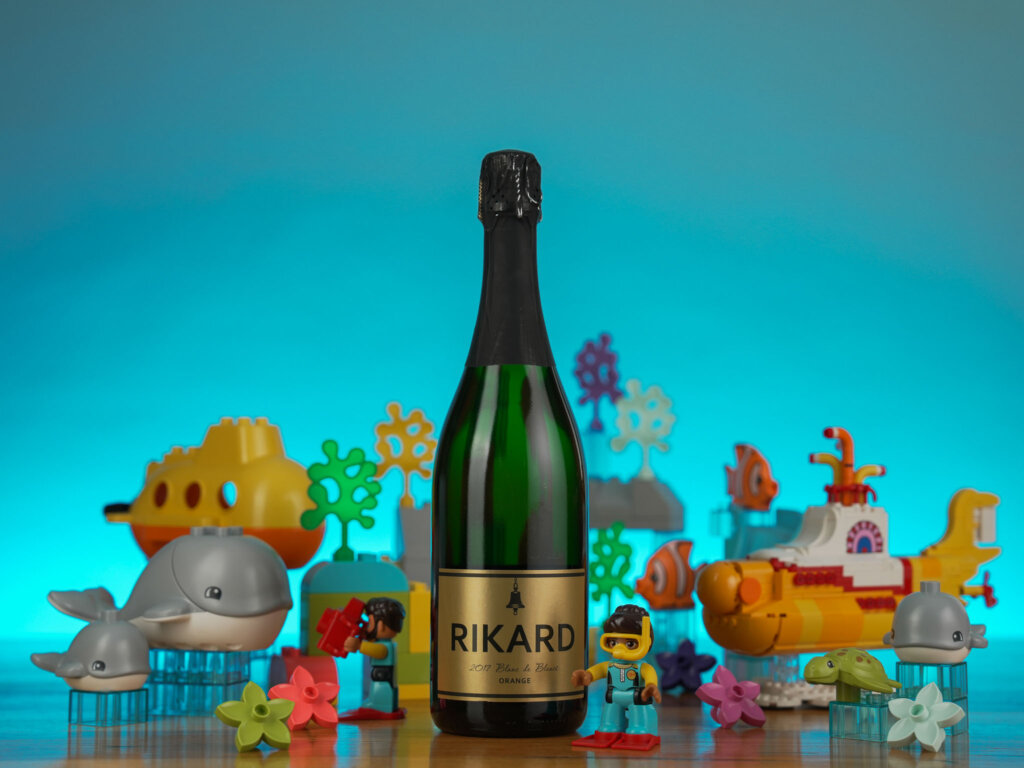
2017 Rikard Wines Blanc de Blancs, Orange $70 RRP
Farquar and Nadeson both included this wine – which was disgorged in November 2022 after spending five years and ten months on lees – in their top six selections from the tasting. Farquar observed that “this wine opens in the glass from the moment it is poured, showing different facets even over a short few minutes. Golden in the glass and highly aromatic, this wine takes my number one spot based on its sheer loveliness and balance, showing notes of crisp apples and pears, and lemon and lime juice. The palate is full and textured, with a creamy, yoghurt-like consistency, and a delicate mousse that nonetheless cuts through the creaminess easily.” Nadeson noted that “this wine drew me right in with its intoxicating aroma of freshly baked lemon tart. This lifted nose is followed by a biting and focused palate of citrus pith flavours that reminded me of a fine limoncello – a perfect dance of zestiness, with a delicate herbaceous edge. This is a well-balanced wine that offers something interesting for all lovers of Australian sparkling.”
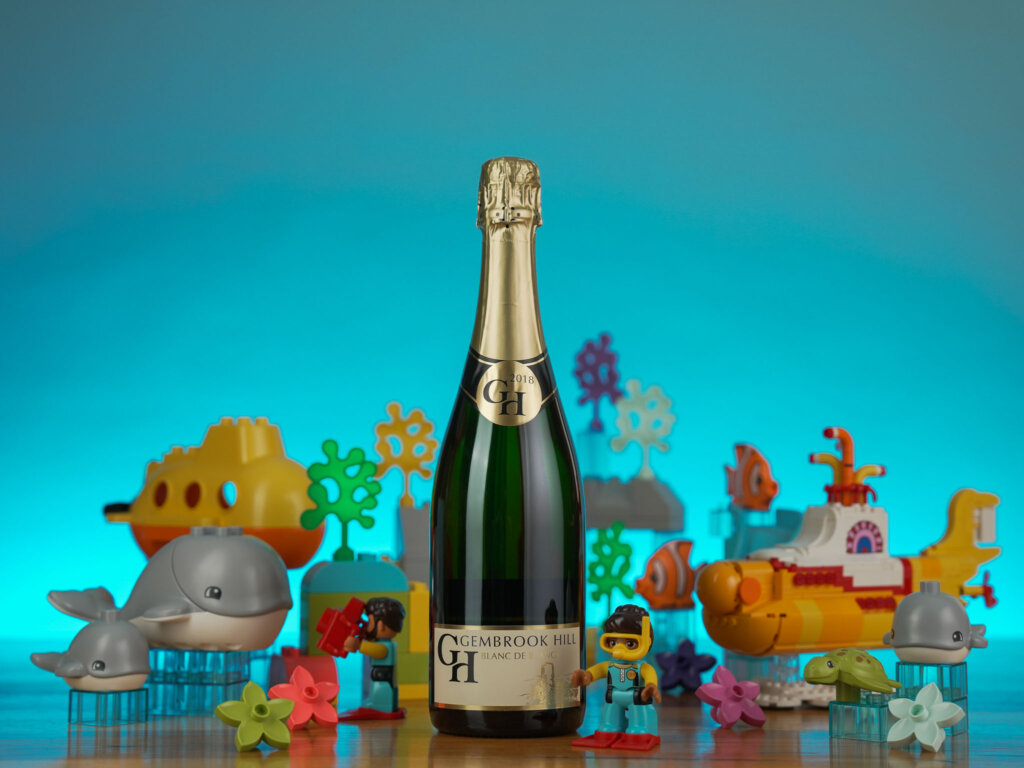
2018 Gembrook Hill Blanc de Blancs, Yarra Valley $62 RRP
Nadeson and Farquar both selected this wine – which was disgorged in April 2024 after spending six months on lees – among their top six picks. Nadeson called it her “pick of the day – a beautiful expression of blanc de blancs sparkling that demonstrates a commitment to crafting wine more in the style of grower Champagne. An extremely complex nose of oatmeal with a lively citrus lift. Concentrated green apple character shines on the palate – there’s an austerity here, the acid cutting through with precision, creating structure and drive. A masterclass in tension, resulting in incredibly complex wine.” Farquar described it as opening “with aromas of honey, lemon juice, green apples, and limes. The bead is delicate in the glass, yet energetic on the palate. The honeyed notes here hint at some form of extended aging, but the wine itself remains delightfully fresh. A textural and classic style – absolutely delicious, and a perfect aperitif wine.”
This wine appeared in the top six wines on the day for Williamson and Farquar. Williamson noted that “the bubbles here are lively and fine, with an elegant, creamy nose that shows jasmine florals, musk sticks, crushed pineapple, and peaches with ice-cream. On the palate it’s chalky and textural, with flavours of Granny Smith apple skin, peach-pit nuttiness, toasted nuts, and hints of white chocolate – finishing savoury and clean. Fresh yet complex, it would be perfect for a beachside afternoon with a seafood platter – or a watermelon sashimi for me, since I’m vegan!” Farquar described it as “gold and green in the glass, and bubbly and vivaciously young on the palate. The bead is persistent – it remained clearly present throughout the duration of the tasting, even while revisiting the wines at the conclusion. On the palate, it’s nutty, salty, and buttery – think peanut butter and Anzac biscuits. This nutty character suggests a significant amount of lees contact in this wine – an interestingly overt show of winemaking that pushes the fruit flavours into the passenger seat and lets savoury texture drive. With its texture and bold flavour, it might not be for drinking by itself – but it would absolutely shine as a food wine.”
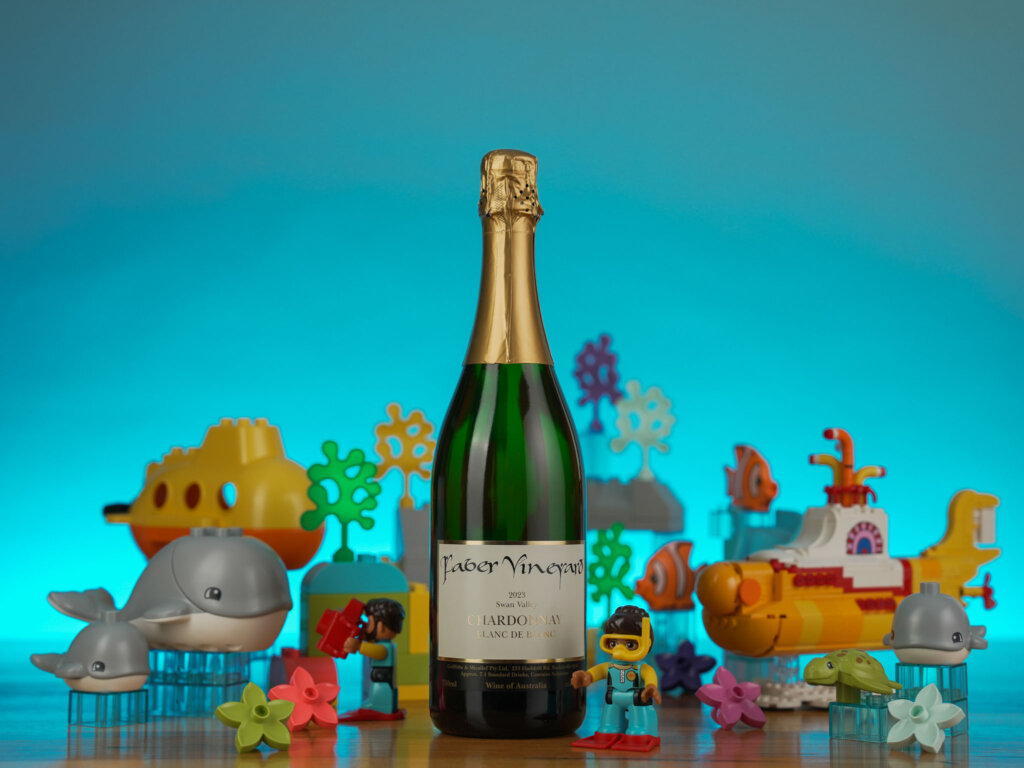
2023 Faber Chardonnay Blanc de Blanc, Swan Valley $43 RRP
Dudine and Nadeson included this wine in their top six wines from the tasting. Dudine noted that “the vegemite notes and nuttiness of this wine’s nose shows loads of yeast-aged development, alongside aromatic tones of rosemary and spiced crouton. The palate is layered, juxtaposing savoury notes of brioche against bright, lemony citrus tones. It’s a complex wine, but also just a great drink – get me some anchovy toast, ASAP!” Nadeson found that “this wine’s aroma is at an attractive intersection where warm nuttiness meets sweet brioche character. It’s a full-flavoured sparkling that shows the benefits of extended lees time in delivering layers of flavour complexity – unripe stone fruit and melon juxtaposed with cashew cream. This wine is definitely on the richer side for a blanc de blancs – and it leaves you with plenty to talk about.”
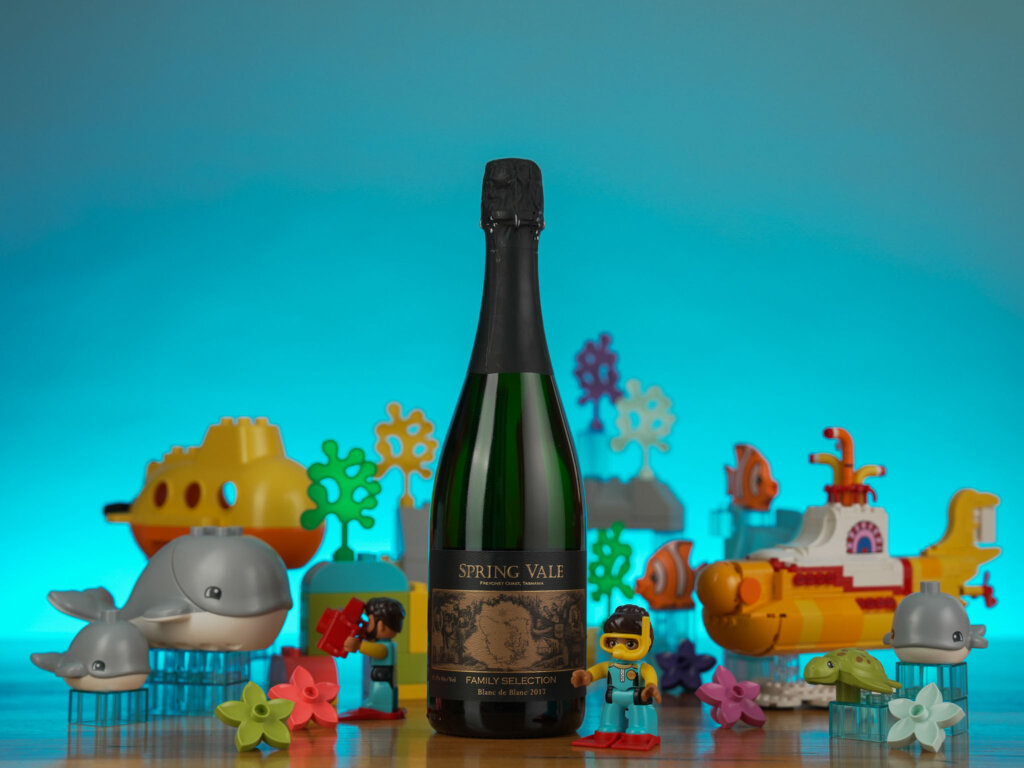
2017 Spring Vale ‘Family Selection’ Blanc de Blanc, Tasmania $85 RRP
This wine – which spent five years on lees – made the top six selections for both Aylward and Nadeson. Aylward described it as “elegant and restrained on the nose, showing citrus blossom and grapefruit notes that carry through to the lean, focused palate. The varietal flavour of chardonnay is subtle here, supporting just a whisper of oak. A wine of less weight than many in the line-up, but more perfume – a delicate, classical expression of blanc de blancs.” Nadeson noted that “there’s a creamy salinity to this wine that I find particularly enjoyable – a sea spray character partnered with just-squeezed Meyer lemon. This wine’s linearity on the palate is stylistically classic blanc de blancs – and this is a wine that celebrates that famous restraint and focus beautifully. Of the day’s wines, this is the one I would be ordering to wash down a dozen oysters on a restaurant balcony overlooking the ocean.”
2021 Bremerton ‘Wiggy’ Sparkling Chardonnay, Langhorne Creek $38 RRP
Carter and Williamson both featured this wine among their top six wines of the day. Carter found it “tightly structured, with zippy acidity driving a joyously straightforward palate of primary fruit characters – fresh-cut lemons, lemon-drop candy, and juicy nectarines. There’s a delightful almond-like hint of aldehyde that adds just enough complexity to this wine – but the main virtue of this wine is its delicious and endearing simplicity.” Williamson described it as “floral on the nose, with a subtle nuttiness. The palate shows white peach, white chocolate, and juicy lemon, all given a sherbet-y lift. There’s a creamy lemon meringue pie–like richness to this wine, balanced by a zippy yet waxy texture. This isn’t a wine to overthink – but delicious nonetheless.”
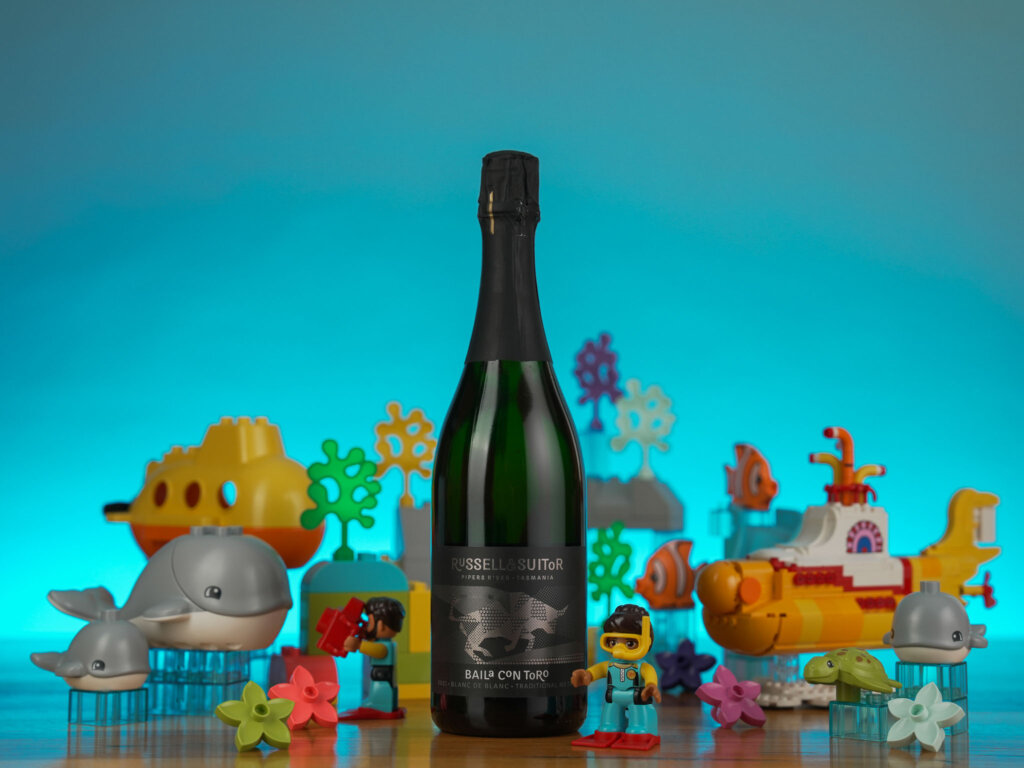
2021 Russell & Suitor ‘Baila con Toro’ Blanc de Blanc, Tasmania $50 RRP
Dudine selected this wine in his top six from the blind tasting, noting “interesting aromas of Geraldton wax, stewed peaches, dried white flowers, and some of that really cool reductive flintiness. The palate shows brioche and toast notes, alongside Seville orange marmalade – breakfast in a glass! The finish is fresh and citrus-driven, with a gently developing nuttiness. Some very clever winemaking on display here – a impressive balancing act between age, acidity, and dosage.”
Williamson chose this wine for her top six wines of the tasting, describing how “the nose bursts with brioche and biscuit notes, golden apple, ripe peach, honey roasted nuts, and toasted muesli. On the palate, sweet pineapple and mint notes are lifted by a mineral line and zesty lime sherbet character, and complemented by sugared almond and toasted nut notes that echo the complexity of the nose. Fresh yet layered, it’s a wine to linger over and drink slowly through the evening.”
2021 Georgia Dale Wines ‘XI.XI’ Blanc de Blancs, King Valley $60 RRP
Farquar included this wine – which spent three years on lees – among her top six selections, calling it “a wine that sticks pleasantly in the memory, full of delicate and ripe fruit character – green apples and lime juice, warming up to yellow apples and white nectarine. The white floral notes on the nose and hint of saline on the palate here pair well with a slightly reductive element – think green leaves and freshly struck matches – which adds a pleasant depth and complexity of flavour. The slightly creamy texture matched with the delicate yet persistent mousse reminds me of gelato – bellissimo!”
2019 Rahona Valley Blanc de Blanc, Mornington Peninsula $60 RRP
Nadeson featured this wine – made by Natalie Fryar of Tasmania’s Bellebonne – in her top six picks, describing “this beautifully golden wine opens with a rich aroma of toasty bread and hazelnuts, amplified by subtle oak. On the palate, there’s umami savouriness matched with an interesting oxidative bruised red apple flavour. This is a sparkling made as a wine first – it would be just as appropriate to drink it with some roast pork and crispy crackling as it would alongside oysters as an aperitif. A distinctive and exciting example of the style that highlights the potential of Australian blanc de blancs.”
2019 Helen & Joey Estate ‘Re’em’ Blanc de Blanc, Yarra Valley $80 RRP
This wine made the top six list for both Farquar and Dudine. Farquar noted that “this wine feels like a very classic example of Old World–style blanc de blancs. In the glass, it’s gold-flecked, with a delicate yet present pétillance that continues on the palate. The fruit profile is all high-acid citrussy flavours – lemon, lime, and Granny Smith apple – backed by a sherbet-like acid line. A slight touch of nutty and creamy character suggests that the winemaker has tamed that brightness with judicious lees contact and malolactic conversion. A wine of restraint and elegance.” Dudine described how “the nose opens with notes of heady star jasmine, quince, and orange pith. There are some nicely nutty yeast tones on the palate, alongside orange sherbet. A dryer style, this feels very complex, with beautiful tension and length – a great balance between texture, acidity, flavour development, and dosage.”
NV Howard Park ‘Petit Jeté’ Blanc de Blancs, South West Australia $33 RRP
Carter and Aylward both selected this wine among their top six wines from the tasting. Carter described “a fine and delicate wine, showing toasty lemon curd aromas and flavours. There’s subtle complexity on the palate, alongside a pleasantly pithy texture – more structural than usual for a blanc de blancs, and offering excellent length on the finish.” Aylward found “a wine of fine, persistent bubbles that enliven a wonderfully balanced and fresh palate showing lemon zest, white nectarine, and faintly-spiced biscuits. Slightly more sweetness than most in the line-up – which is welcome, as it plays harmoniously with the acidity and the bead. Subtle, bright, and beautifully integrated.”
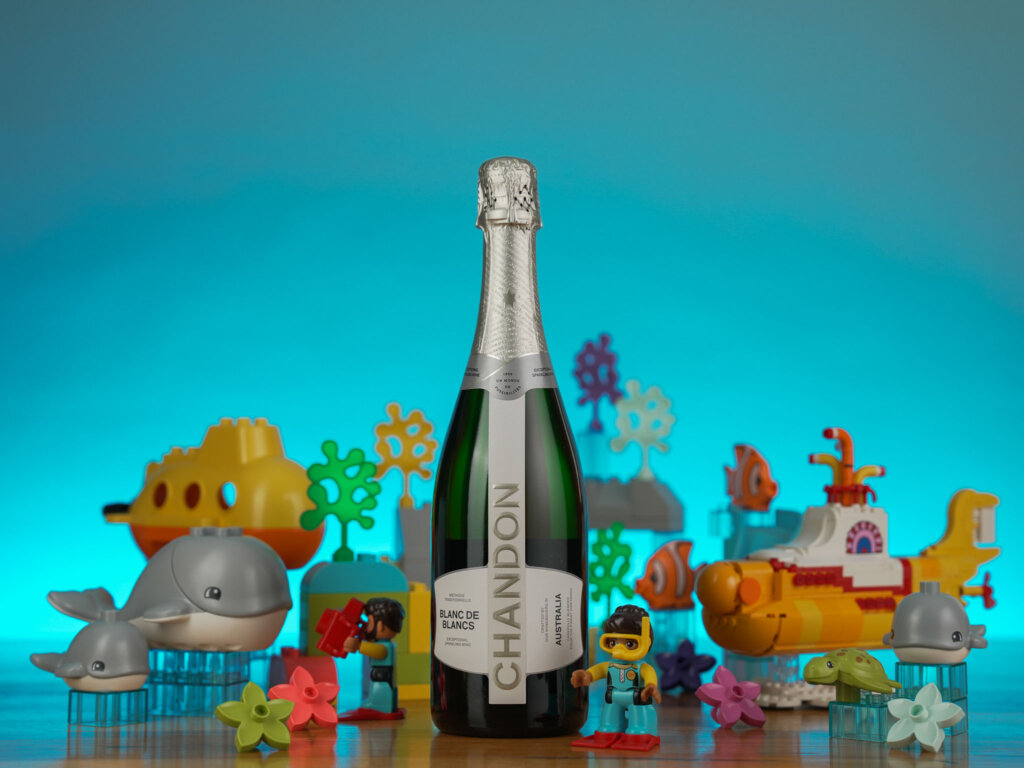
NV Chandon Blanc de Blancs, Yarra Valley $30 RRP
Aylward included this wine in his top six picks, calling it “a wine showing beautiful tension and verve. On the richer side, with some lees complexity evident, while the flavours are still anchored in the lean citrus spectrum. There’s a little more apparent oak notes here, alongside some depth of varietal chardonnay flavour, and an unmistakable signature of yeast autolysis – a great sign in the top Champagnes of the world, and something that bodes very well for this wine, too.”
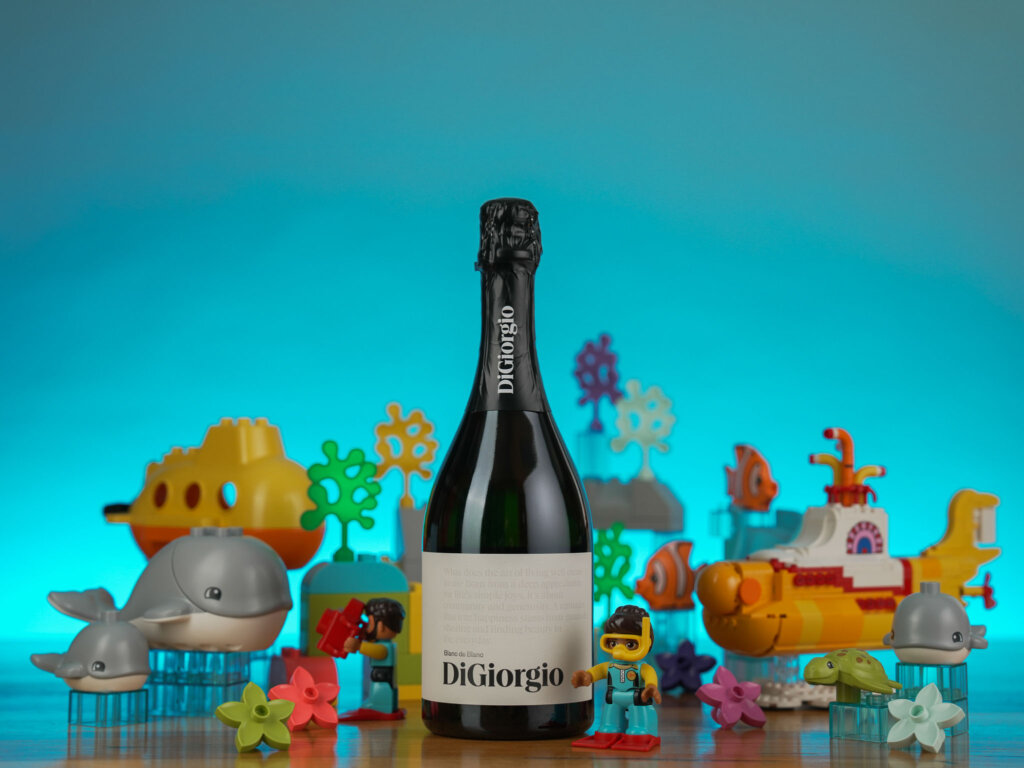
2023 DiGiorgio Family Wines Blanc de Blanc, Mount Gambier $39 RRP
Dale chose this wine for her top six selections from the blind tasting, noting that “this wine displays a fine mousse and a nice golden hue, with a ripe, almost tropical nose of Williams pear, red papaya, jackfruit, rockmelon, and Honey Dew melon, alongside a tiny hint of confected banana. On the palate, the fleshy character of the nose is balanced beautifully by bright acidity and fresh Granny Smith apple notes, with pleasantly toasty autolytic characteristics on the finish. The vibrant and expressive fruit aromas, brought to life by higher dosage, make this wine particularly enjoyable – showcasing beautiful overall balance.”
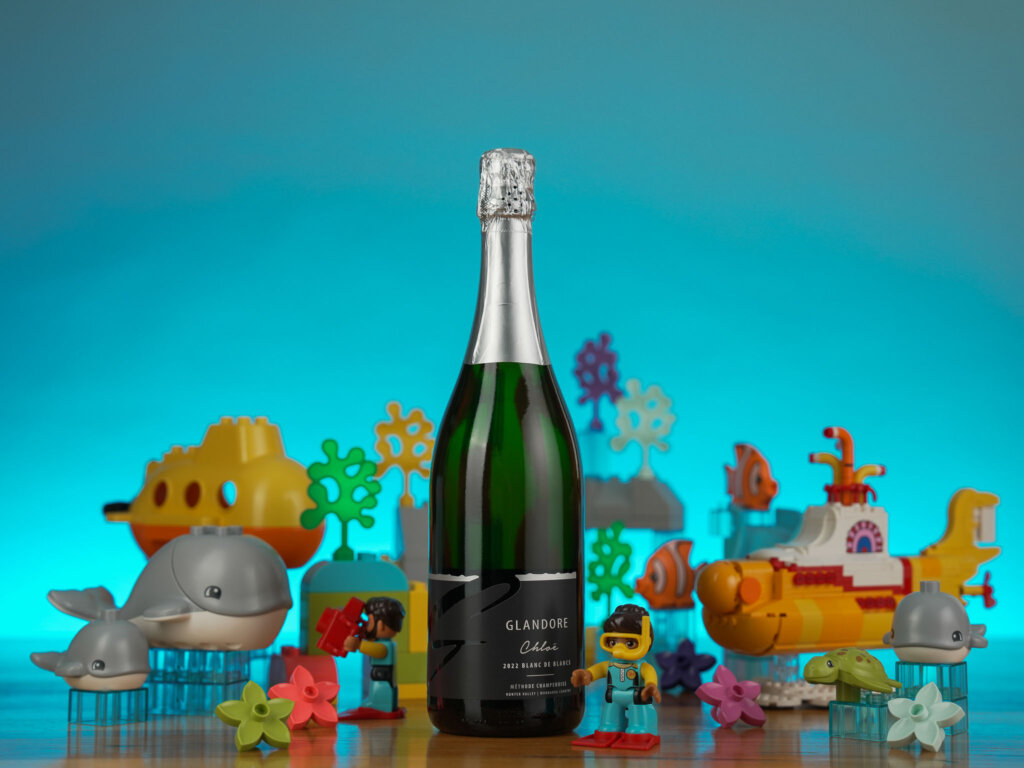
2022 Glandore ‘Chloë’ Blanc de Blancs, Hunter Valley $65 RRP
This wine appeared in the top six wines of the day for both Aylward and Carter. Aylward described it as “taut, energetic, and precise. This wine is driven by bright lemon and grapefruit sherbet notes, carried down the palate by firm, clean acidity. The minimal yeast character here suggests youth and a relatively short period of time on lees before disgorgement – but the structure and clarity on the palate point to serious quality. A standout blanc de blancs that delivers both refreshment and finesse.” Carter found “honeysuckle depth on the nose, alongside Granny Smith apple, lemon curd, and faint hints of shortbread. On the palate, this is all about intensity and drive, with crisp green apple acidity pushing the flavours down the palate towards a pleasantly sweet finish.”
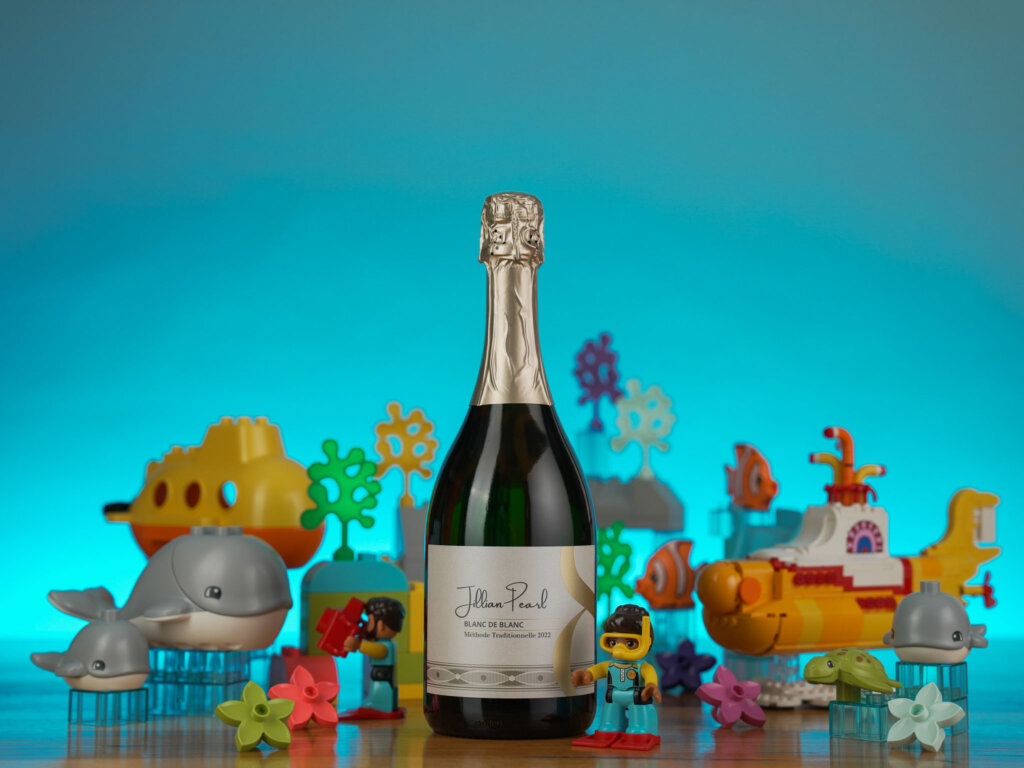
2022 Eight at the Gate ‘Jillian Pearl’ Blanc de Blanc, Wrattonbully $80 RRP
Williamson featured this wine among her top six wines on the day, describing how “aromas of fresh mango, biscuits, and a touch of butterscotch lead into a rich, creamy palate. The wine shows papaya, pineapple, and sweet basil flavours, alongside soft floral tones of fresh violets. The tropical fruit profile here plays beautifully against the freshness of the bubbles – making this the kind of wine that will disappear fast at your next celebratory occasion.”
2014 Delamere Late Disgorged Blanc de Blanc, Tasmania $150 RRP
This wine – which spent ten years on lees – made the top six selections from the tasting for both Nadeson and Dale. Nadeson noted that “this wine has just the right touch of funk to really pique my interest, with a nose that opens with an appealing apple cider character. Ultimately, though, this wine really showcases why chardonnay is the benchmark grape variety for quality sparkling wine. Bright orchard fruits meet crisp dancing acidity here, all wrapped in beautiful palate weight and flavour concentration. Sunshine in a bottle – I will absolutely be tracking this one down for a picnic this summer.” Dale described how “this wine shows a nice bead and distinct Vegemite toast character on the nose, alongside a boulangerie’s worth of pastry notes – think almond croissants, roasted hazelnuts, brioche toasted until it’s almost burnt, and beurre noisette. The palate features a sweeter dosage, which is beautifully balanced by fresh acidity, prominent lemon and lime flavours, and a core of austere white-stone minerality. A wine of savoury depth and layered complexity.”
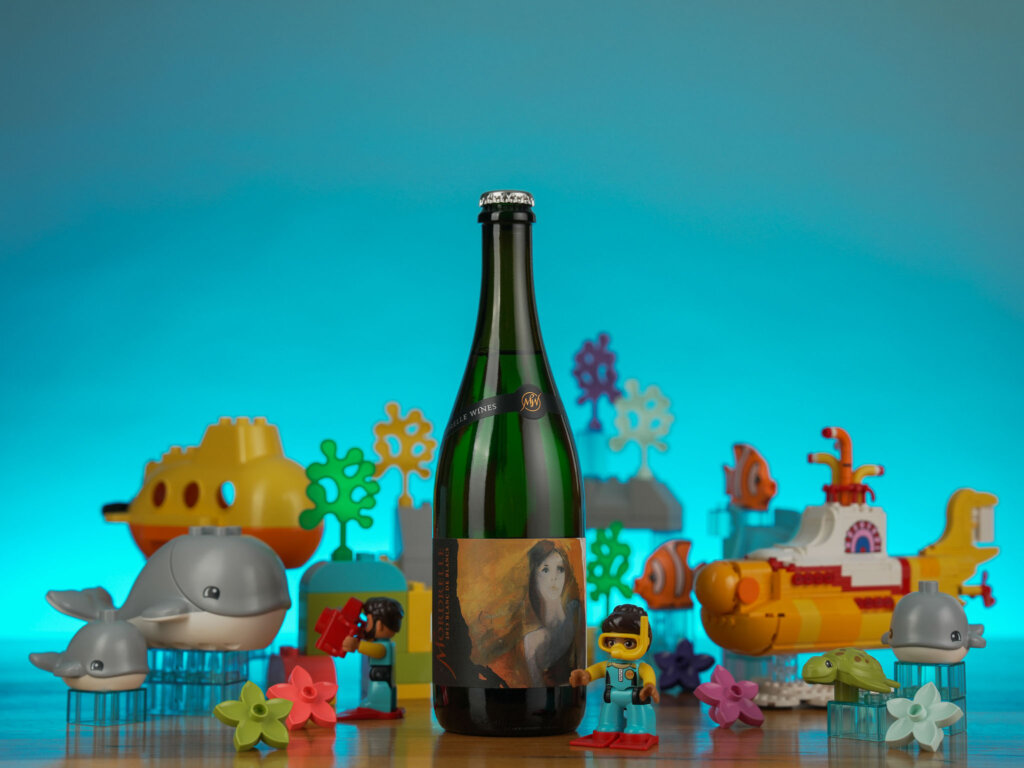
2013 Mordrelle Late Disgorged Blanc de Blancs, Adelaide Hills $125 RRP
Dudine selected this wine – which spent ten years on lees – in his top six wines of the day, noting that “this wine shows elegant white floral notes and some corn kernel on the nose, alongside some flintiness and nuttiness. The palate is really appealing showing peaches, quince and Clementine orange. The palate has great presence, show fragrant stone fruit, with black tea and brioche from yeast ageing. The wine has a pronounced shebert-acid drive. Wonderful balance of texture and freshness.”
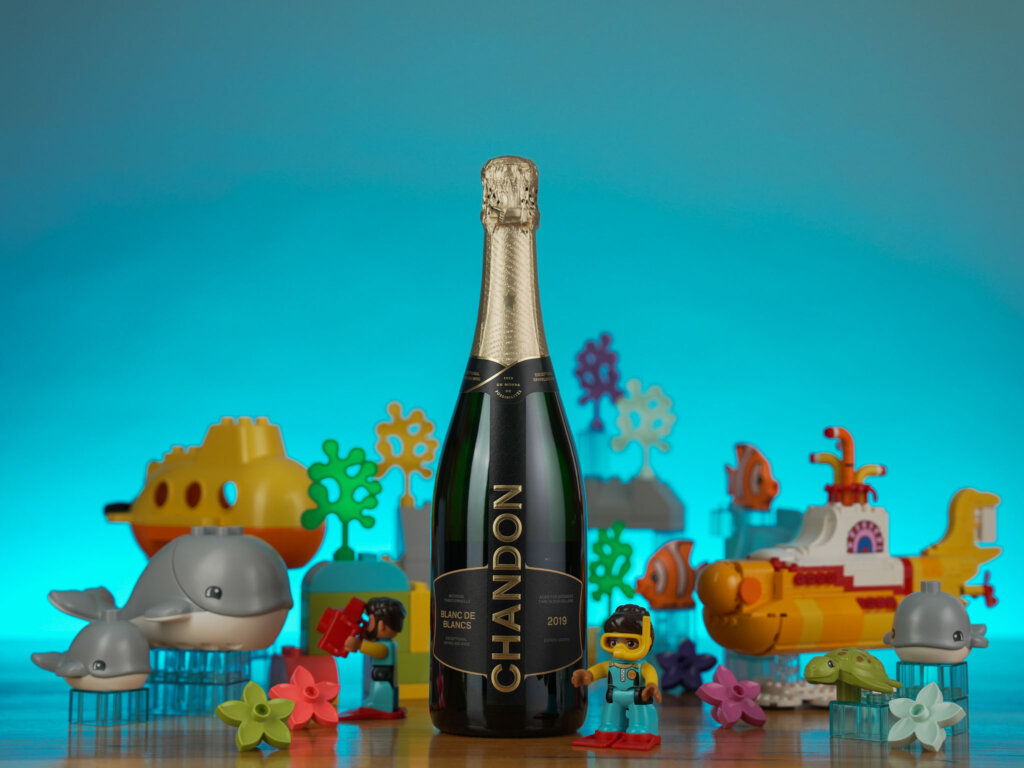
2019 Chandon Vintage Blanc de Blancs
Carter chose this wine for her top six picks from the blind tasting, describing “all the hallmarks of a very classy traditional method sparkling wine – pale straw colour, fine persistent bead. Aromas of brioche and almond indicate some autolytic complexity. Pithy, lemony citrus acidity on the palate, with a lovely creamy edge – a fine and tight acid line all the way through. A zinger with complexity. There’s a slight waft of reductive character to this wine, which adds intrigue. I’d love to enjoy this with a ceviche dish, or a kingfish crudo.”
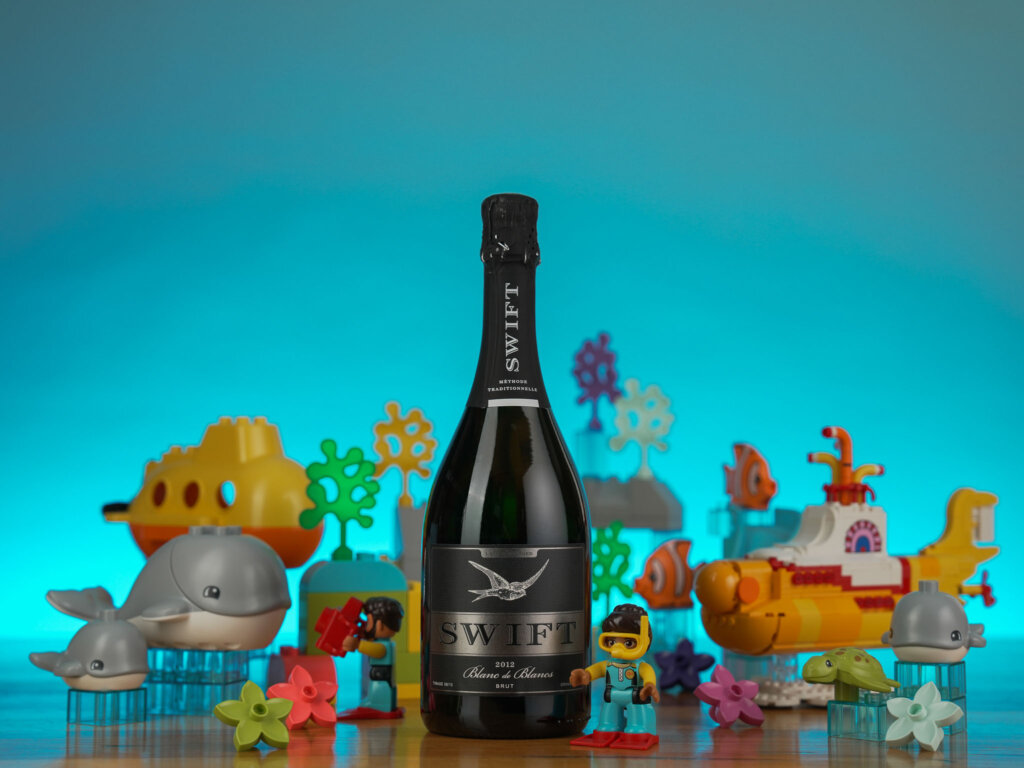
2012 Printhie ‘Swift’ Late Disgorged Blanc de Blancs, Orange $150 RRP
Dudine included this wine – which spent ten years on lees – among his top six wines from the tasting, describing how it “opens with toasty brioche, alongside white floral notes and clementine oranges. The palate is fresh, yet with layered with complexity and depth – showing notes of hazelnut with cream and sweet lemonade fruit. The layered intensity of the brioche and hazelnut characters here suggest a wine that has been aging on yeast lees for some time, and these savoury characters have been deftly balanced with a judicious dollop of sugar at dosage. This wine’s flavour profile indicates that it’s no spring chicken – but I also suspect that the best is yet to come for it.”
Dudine featured this wine in his top six selections, noting that “this wine is very fruit-forward, in a good way – showing aromas of white peach, nectarines with cream, and grapefruit-y citrus, alongside some elegant floral notes. Alongside the stone fruits suggested by the nose, there’s a refreshingly salinity on the palate, as well as a hint of mandarin pith and a flinty finish. The acidity is wonderful here – taught, yet perfectly integrated, giving the wine drive and length. A beautiful example of a young, fresh, and fruit-driven style of blanc de blancs.”
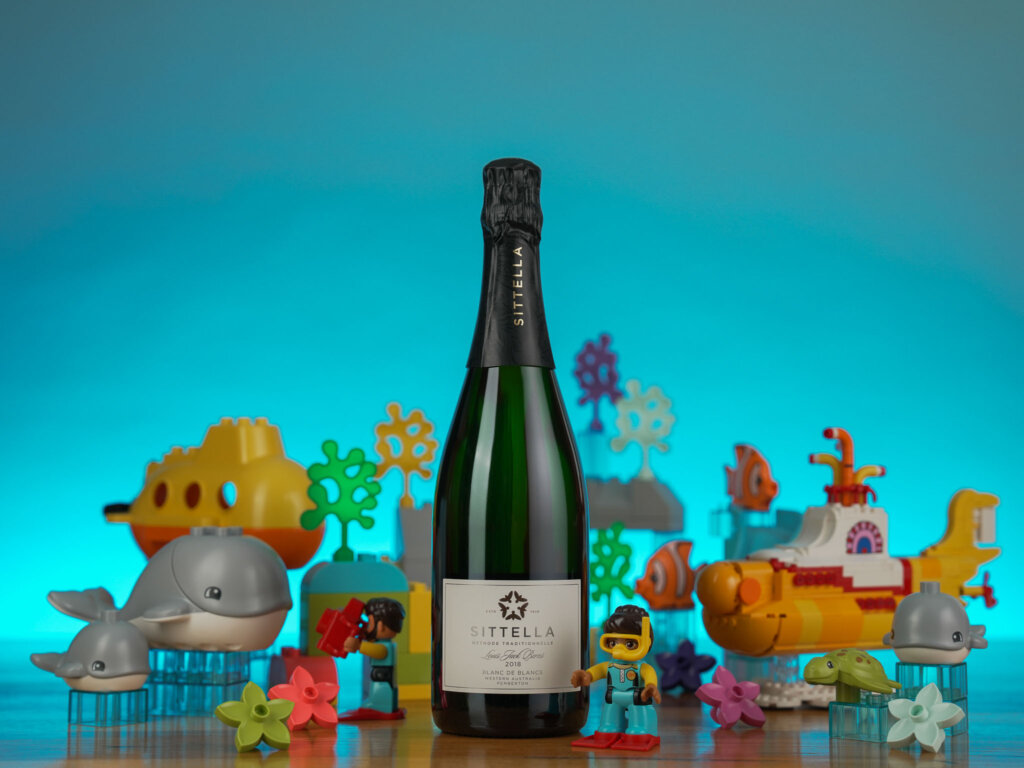
2018 Sittella ‘Louis Jack Burns’ Blanc de Blancs, Pemberton $60 RRP
Dale selected this wine – which spent six years and nine months on lees – among her top six wines of the tasting, noting that “the nose of this wine is dominated by toasty characteristics – toasted almonds, cheesy lees funk, the slight bitterness of heavily toasted bread. There’s a pleasant creaminess on the palate, balancing a fresh acidity that carries notes of bright fresh lemon, tart underripe mandarin, and white peach. The finish is quite austere, with a slightly developed and slightly bitter phenolic note that suggests some age. This is an idiosyncratic wine that wears its character on its sleeve – it isn’t here to win popularity contests, and it’s all the better for it.”
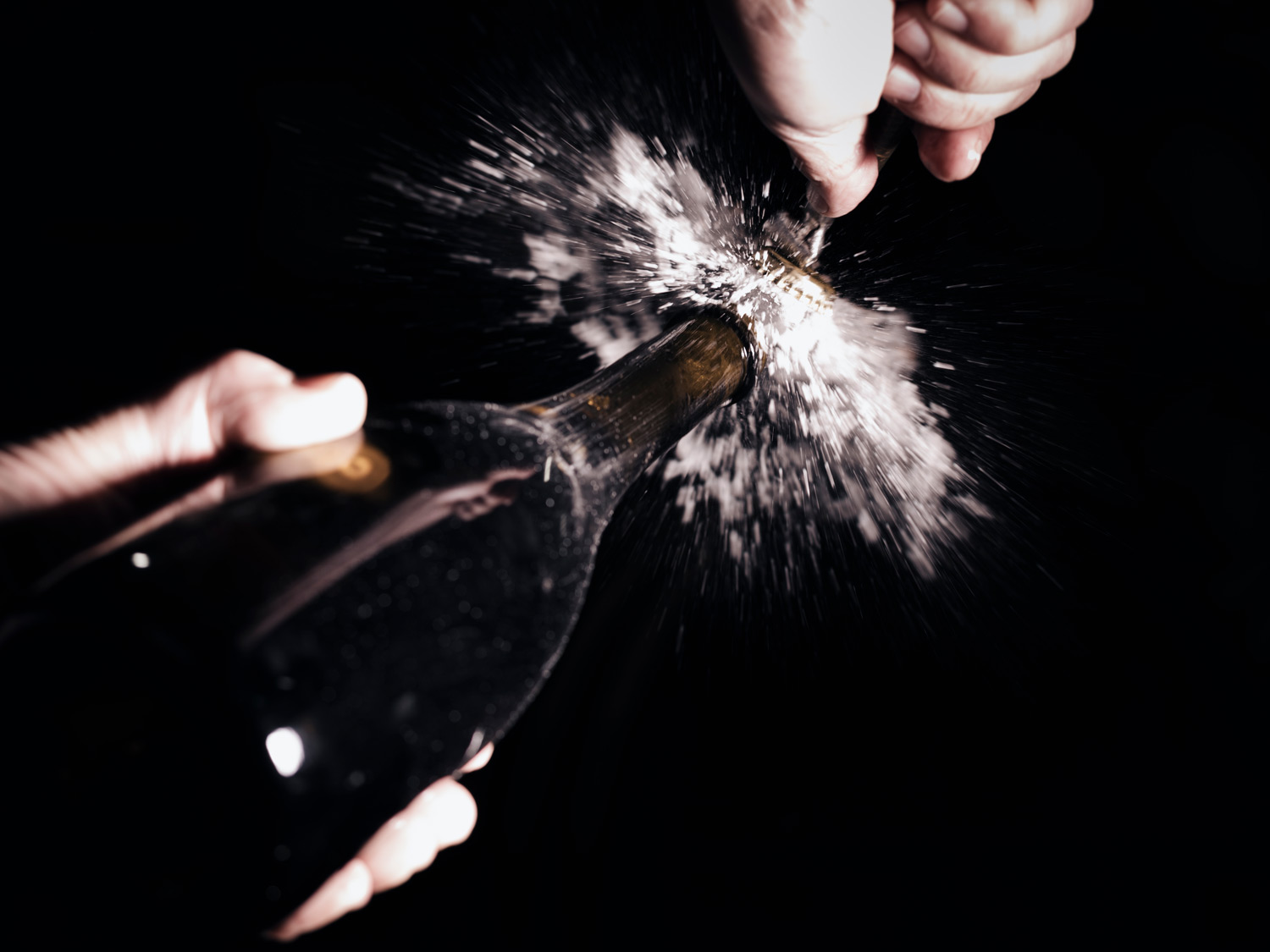
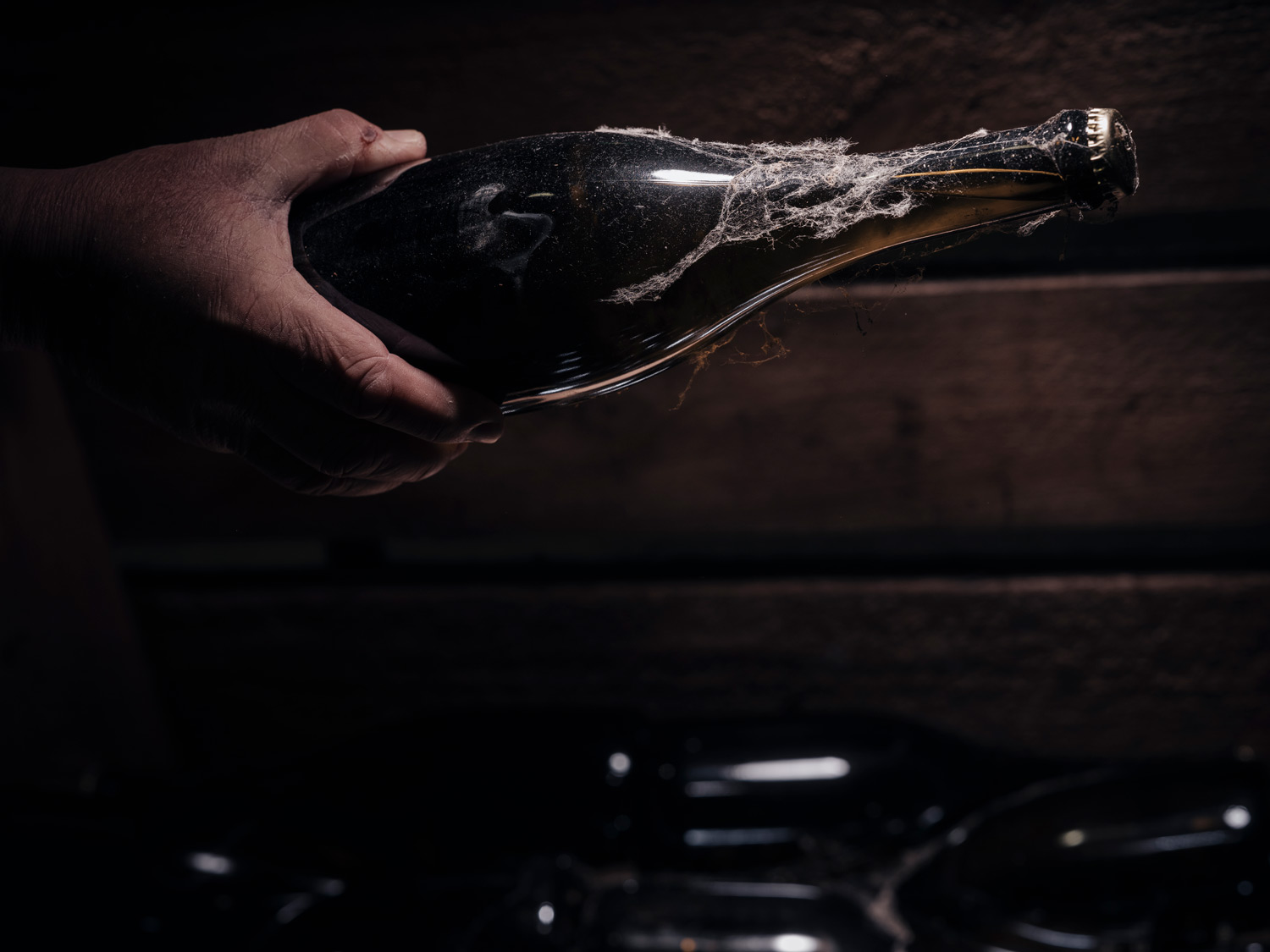
Above: Disgorging a bottle of traditional-method sparkling wine at House of Arras – one of the final stages of production for this famously technically difficult means of carbonating wine.
The Backstory
Blanc de blancs – literally ‘white of whites’ – is a style of sparkling wine defined by its conceptual and literal purity. It’s traditionally made from one grape variety only – chardonnay – and it nearly always possesses a racy, linear acidity that makes it ultra-crisp and refreshing. But beyond these basics, there’s an impressive diversity of flavour to be found in the category, with winemakers utilising all manner of fruit sources and techniques to build layers of flavour and intrigue.
As its très français name and bubbly nature indicates, blanc de blancs sparkling wines originated in the Champagne region of France – although it took the Champenois a surprisingly long time to come around to the idea. While they’ve taken to the idea with enthusiasm since the 1970s, it remains a niche within Champagne – only roughly 31% of the area under vine in the region is dedicated to chardonnay, and the lion’s share of that is destined to be blended with pinot noir and pinot meunier. What it lacks in volume it more than makes up for in prestige, though, with iconic examples of the style currently retailing for thousands of dollars per bottle in Australia.
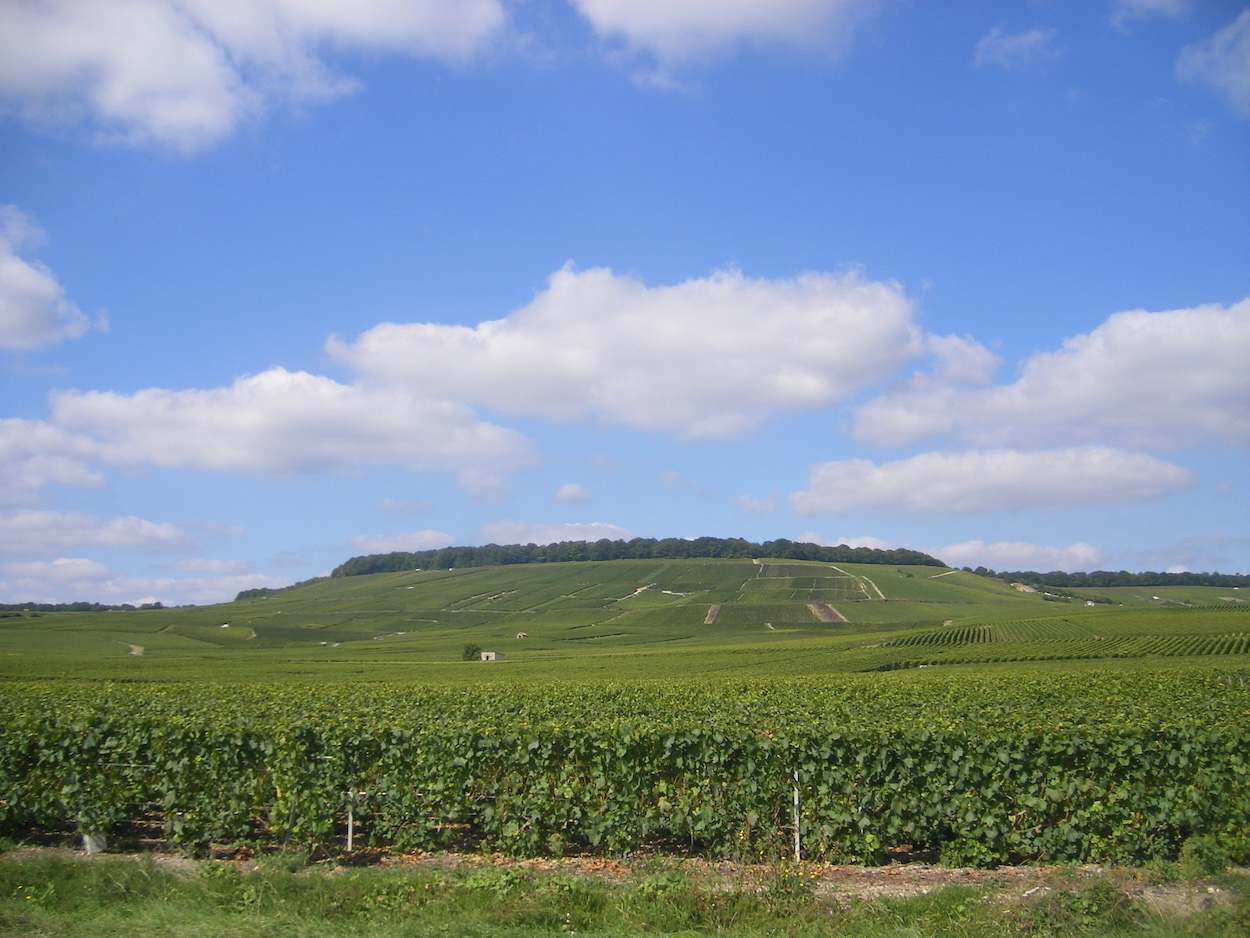
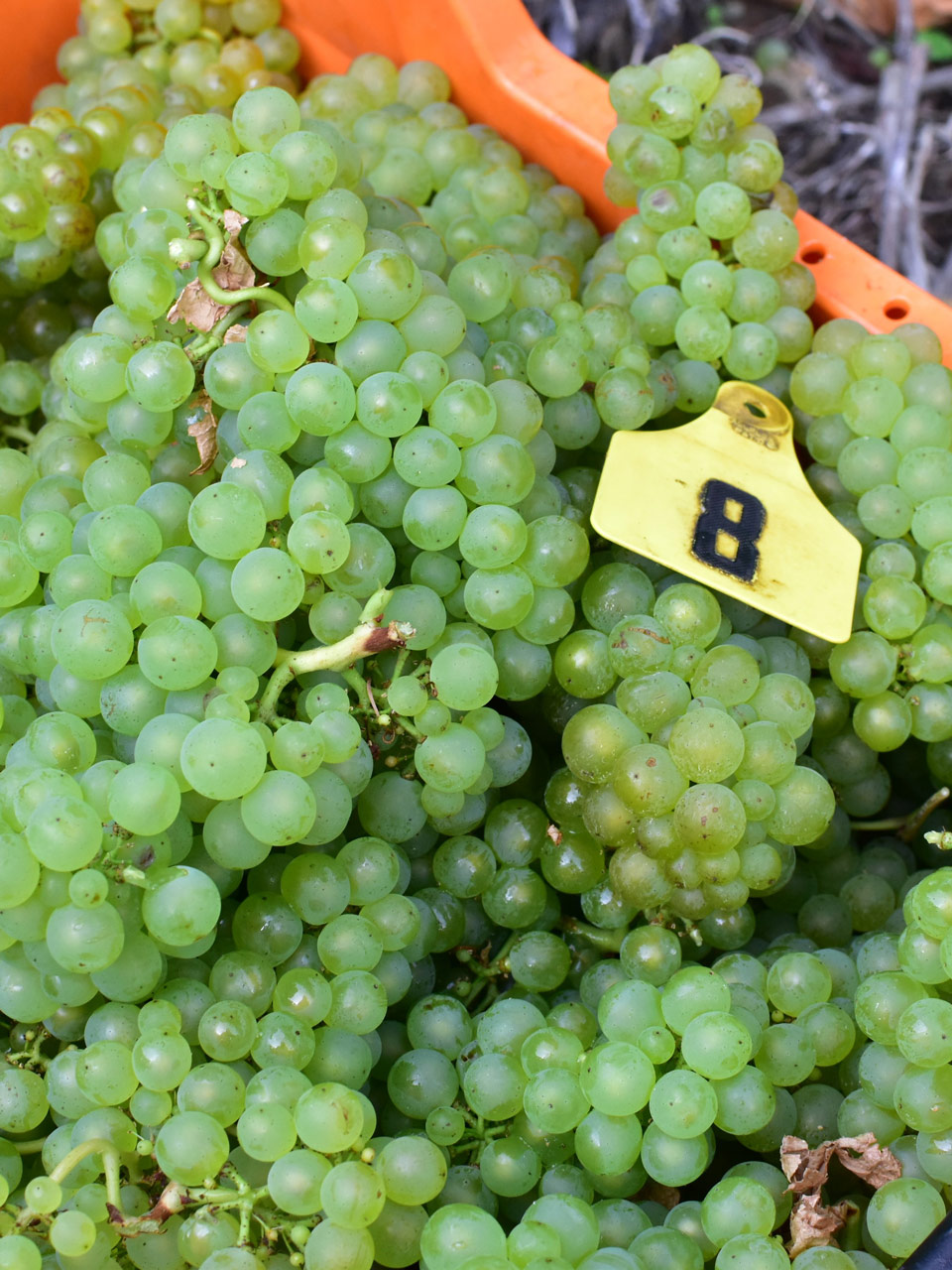
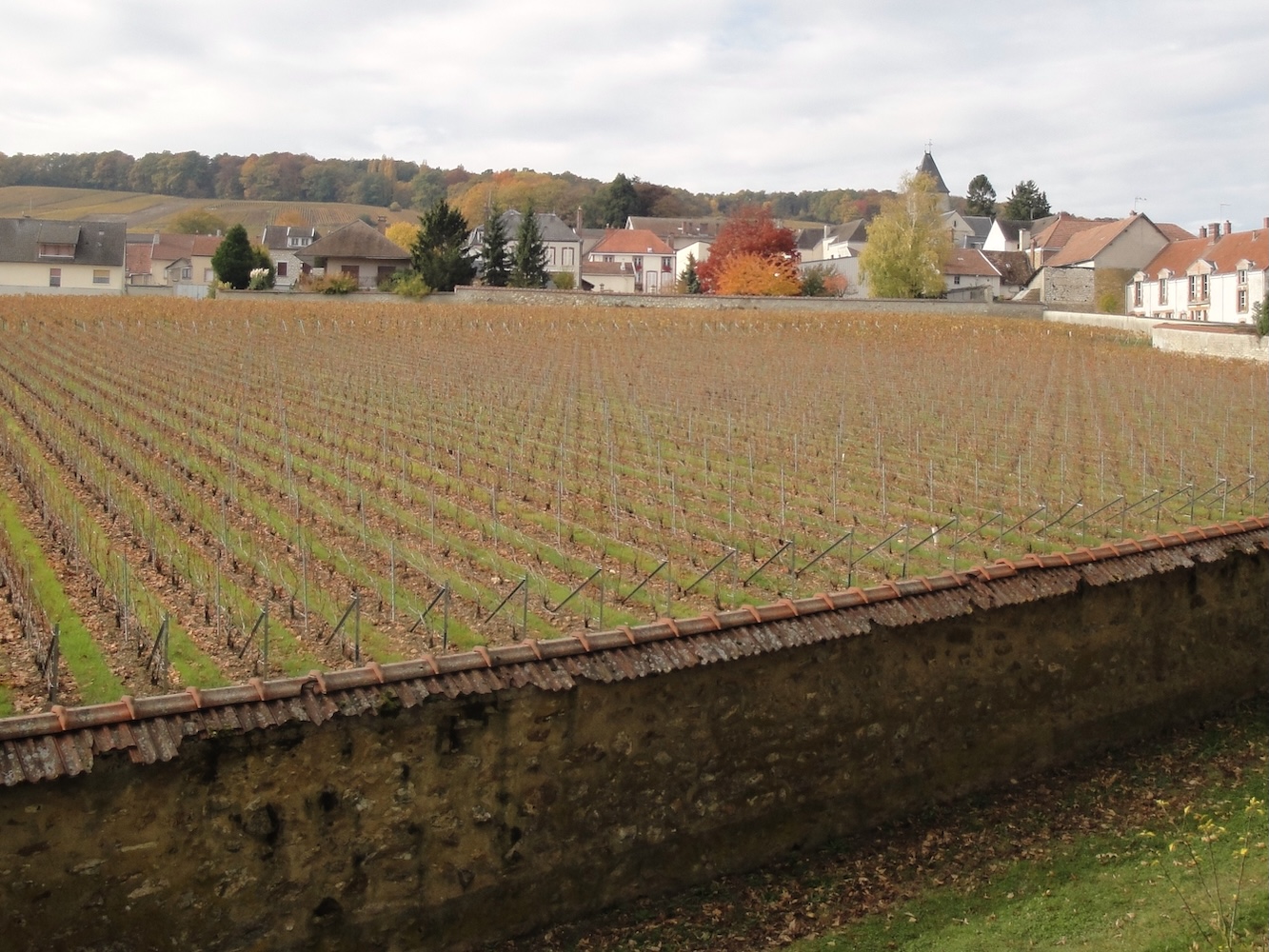
Above: Vineyards in the Côte des Blancs in Champagne, France – hallowed ground for the blanc de blancs style. Opposite: Freshly picked chardonnay grapes, destined to be turned into sparkling wine by House of Arras.
Like Champagne itself, it took Australia a little while to latch on to the idea of blanc de blancs sparkling – but since the first domestic examples of the style appeared around the turn of the millennium, it has become an $8.2 million category within Australian wine. With a broad diversity of regions growing chardonnay for blanc de blancs production – most of them on the cooler end of the climatic spectrum – and a wide range of winemaker techniques that can be used to soften and balance out the inherent austerity of the style, Australian blanc de blancs is only just starting to hit its stride.
‘The world’s first mass-market party drug’
The Champagne region of France is known as the spiritual home of sparkling wine for good reason – even if many of the claims about the region turn out to be self-serving mythology that crumbles under the faintest hint of historical investigation. We’ll put two persistent myths to bed. Champagne not the home of the first deliberately sparkling wine in the world – that honour belongs to Limoux, a southern French region a stone’s throw from the Spanish border. And sparkling wine was not invented by a Benedictine monk named Dom Pérignon, who supposedly remarked “Come quickly, I am tasting the stars!” when sampling his fizzy wares – in fact, most wine historians believe Pérignon worked tirelessly to get the sparkle out of Champagne’s wines. Even worse for France’s national honour, one of the leading innovators of sparkling wine production was an Englishman, Christopher Merret, who wrote down the fundamentals of the Champagne method thirty years prior to Pérignon’s supposed discovery (quelle horreur!). But the Champenois deserve credit for two remarkable developments – the refinement of a method of consistently imparting carbonation into wines, and the creation of a marketing juggernaut that has set the template for much of how we now think about and sell wines of all kinds.
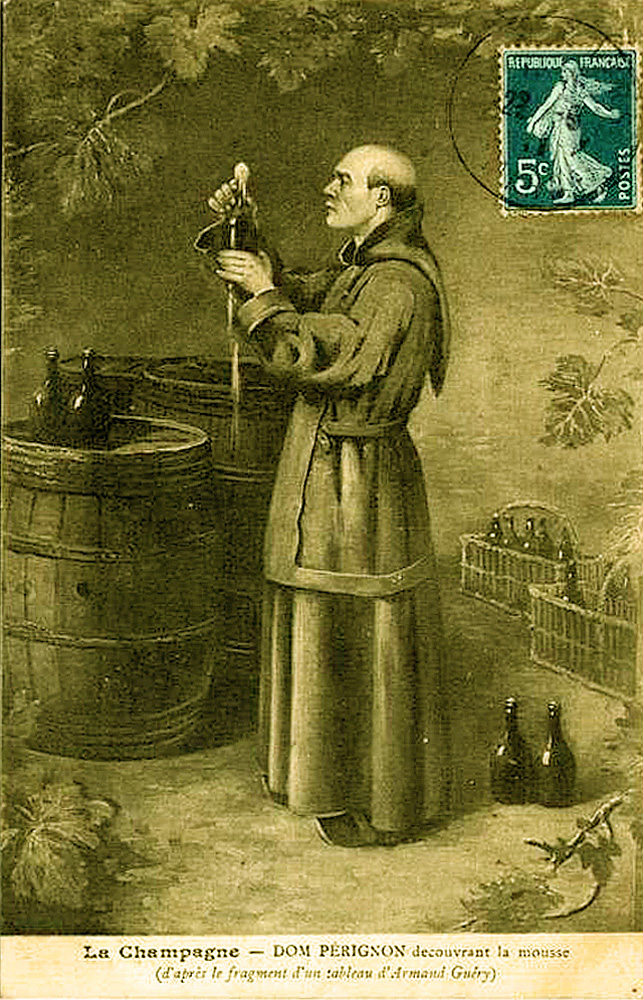
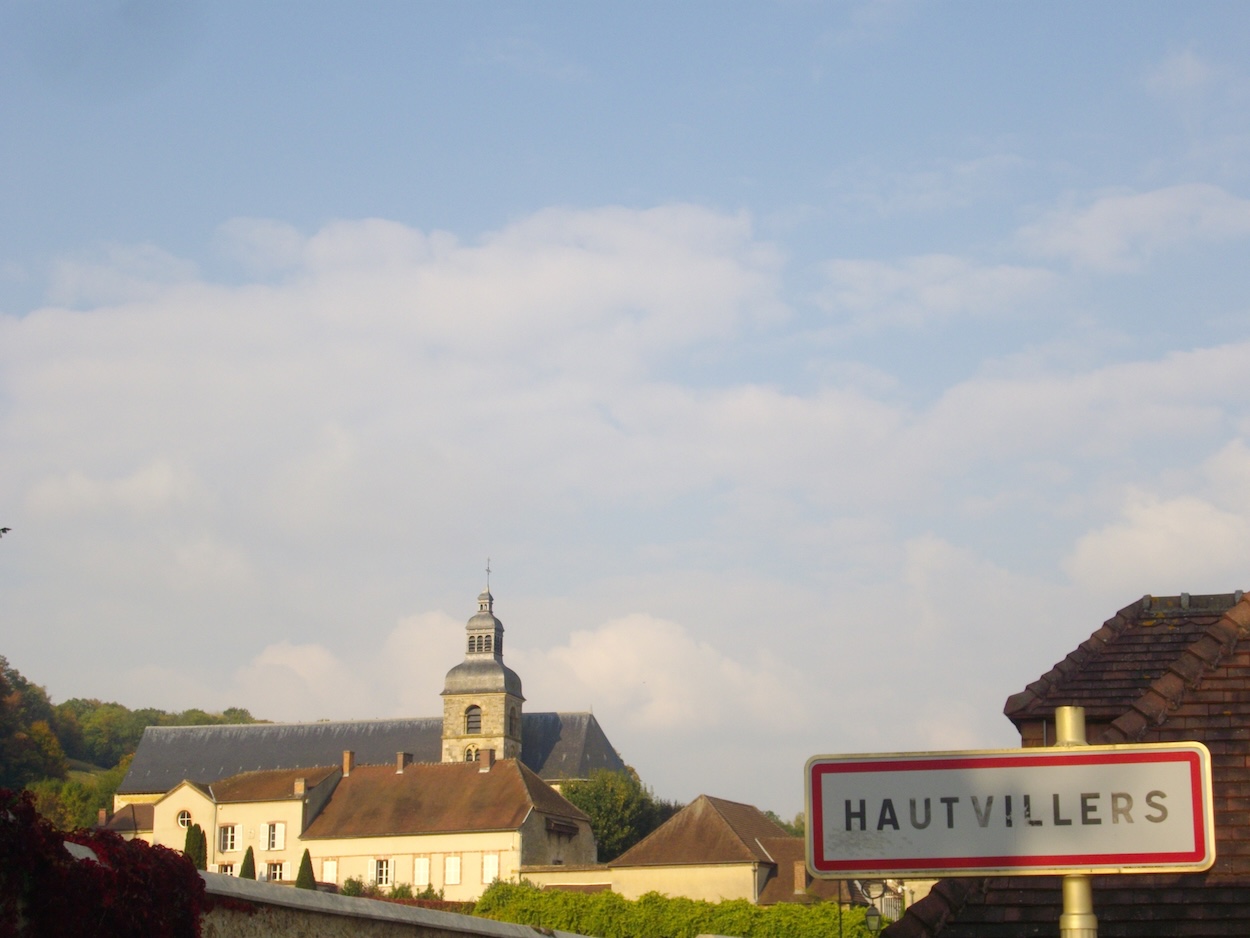
Opposite: The Abbaye Saint-Pierre in Hautvillers, Champagne, France – where Dom Pérignon served as cellar master, but definitely not where sparkling wine was invented. (Photo by Fab5669, CC BY-SA 4.0.) Above: A postcard depicting the (fictional) moment that Dom Pérignon ‘discovered’ sparkling wine.
Let’s start with the bubbles, which entails a little detour into Winemaking 101. As many casual drinkers will already know, the alcohol content in wine is created by yeast fermentation, where microorganisms convert the sugars present in grape juice into ethanol. But ethanol is not the only major byproduct of this process – it also generates carbon dioxide. Under normal circumstances, that carbon dioxide will eventually remove itself from the wine and enter the atmosphere, but if the fermenting wine is in a sealed vessel such as a bottle, that carbon dioxide will have nowhere to go and will instead dissolve into the wine, making it fizzy. This is all well and good if the bottle in question is robust enough to withstand the pressure generated by that carbon dioxide – this is essentially how pét-nats are made – but has explosively dire consequences if you accidentally put an unfinished wine into a weaker glass bottle. And, back in the 1690s, when Dom Pérignon was serving as the cellarmaster of the Abbaye Saint-Pierre in the village of Hautvillers, those robust bottles were not readily available. This was terribly inconvenient in a relatively cold region where chilly winter temperatures could put the brakes on a ferment, leading winemakers to believe the wines were ready to bottle, only for them to turn into vinous hand-grenades in spring.
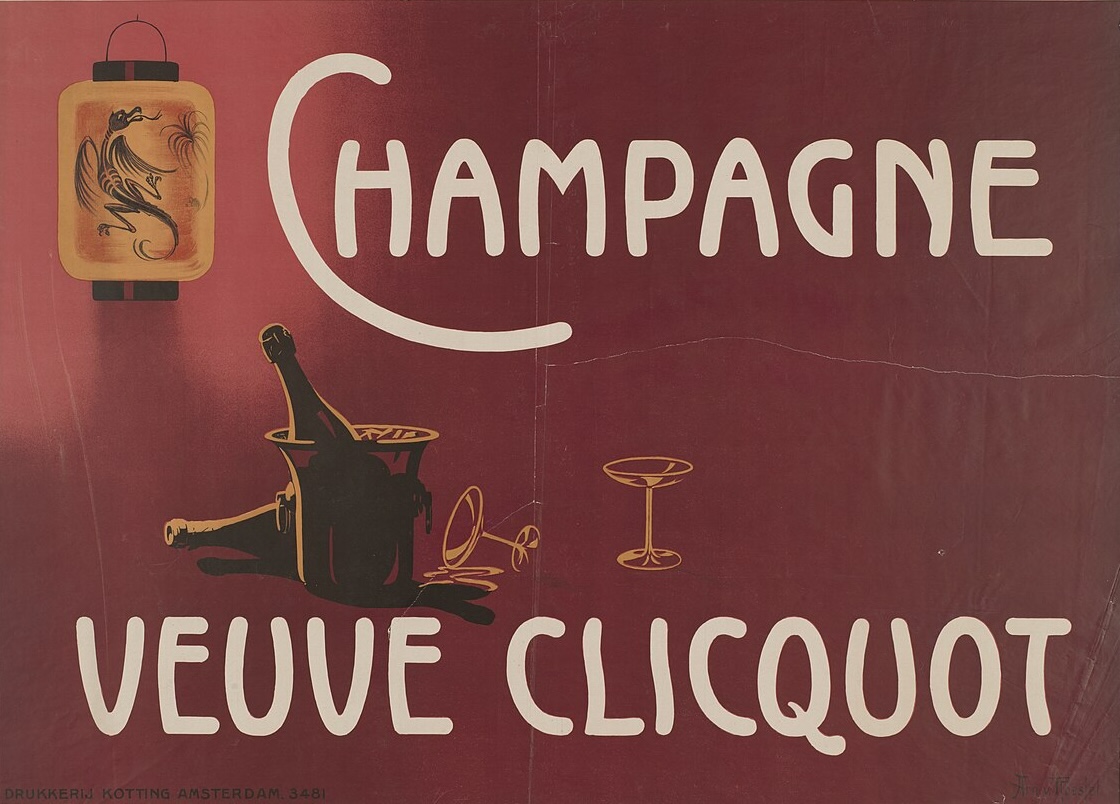
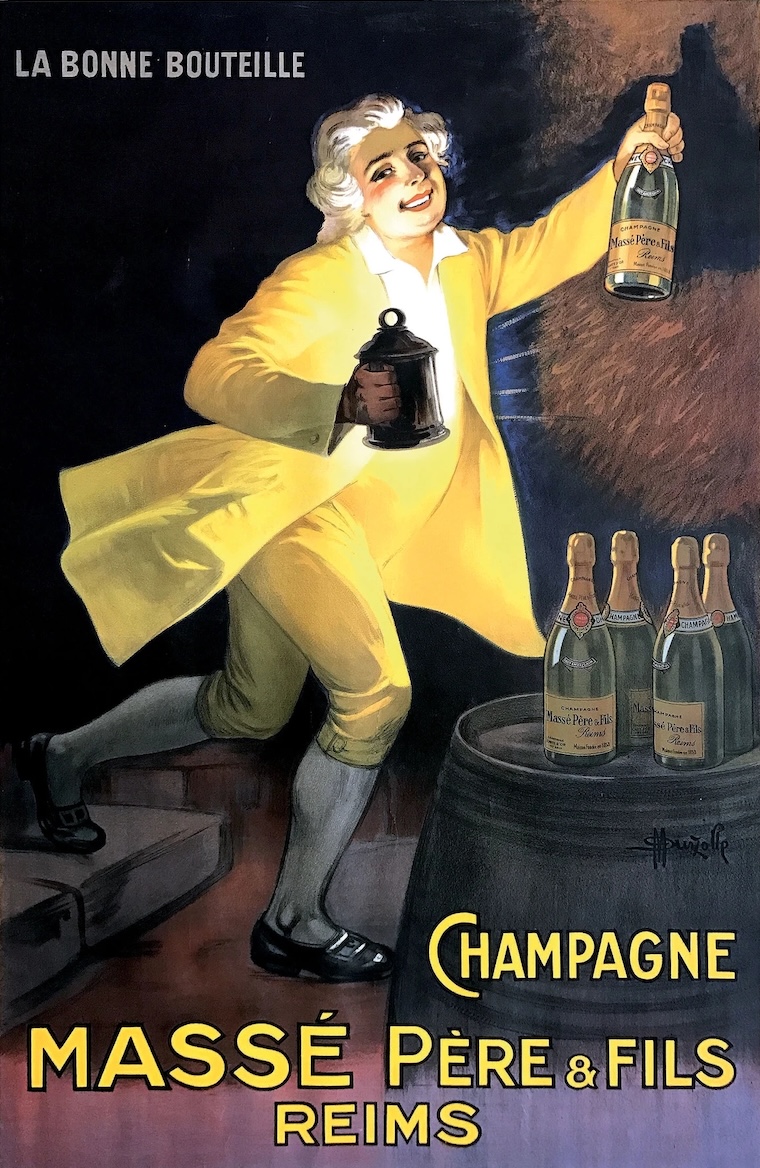
Above and opposite: Champagne advertisements from the late 1800s and early 1900s – brand identity and marketing has always been front and centre in the region.
The great innovation that the Champenois came up with, much later in the piece and in response to declining demand for their still wines, was to ferment sparkling wines in two stages to better control the outcome. Champagne is made first as a still, or ‘base’ wine, then that wine is put in a suitably sturdy bottle alongside a dose of yeast and sugar to kickstart a second fermentation that generates the bubbles. They also perfected the method of removing the spent yeast from the bottle – a process known as dégorgement, or ‘disgorgement’ – leaving the finished wine perfectly clear and strongly effervescent. Once these technical barriers had been overcome towards the end of the 1700s, the wines of Champagne became a sensation amongst Europe’s elites. They were novel, being far fizzier than the gently carbonated wines of Limoux; they were expensive, owing to the amount of work they required; and they were exclusive, as winemakers from other regions didn’t yet have the technical savoir-faire to make them. They were, in short, the pitch-perfect drink for kings, tsars, and members of the world’s aristocratic classes – or, as the wine importer and author Robert Walters puts it in his book Bursting Bubbles: A Secret History of Champagne, they were “the world’s first mass-market party drug”. And because this new method of sparkling wine production was (and remains) so technical, it was concentrated in the hands of a relatively small number of big négociant firms who purchased still wines from a large pool of makers and then made them fizzy – which, in turn, means that brand identity and marketing has always been front and centre in Champagne.
White wine, white grapes, white soil
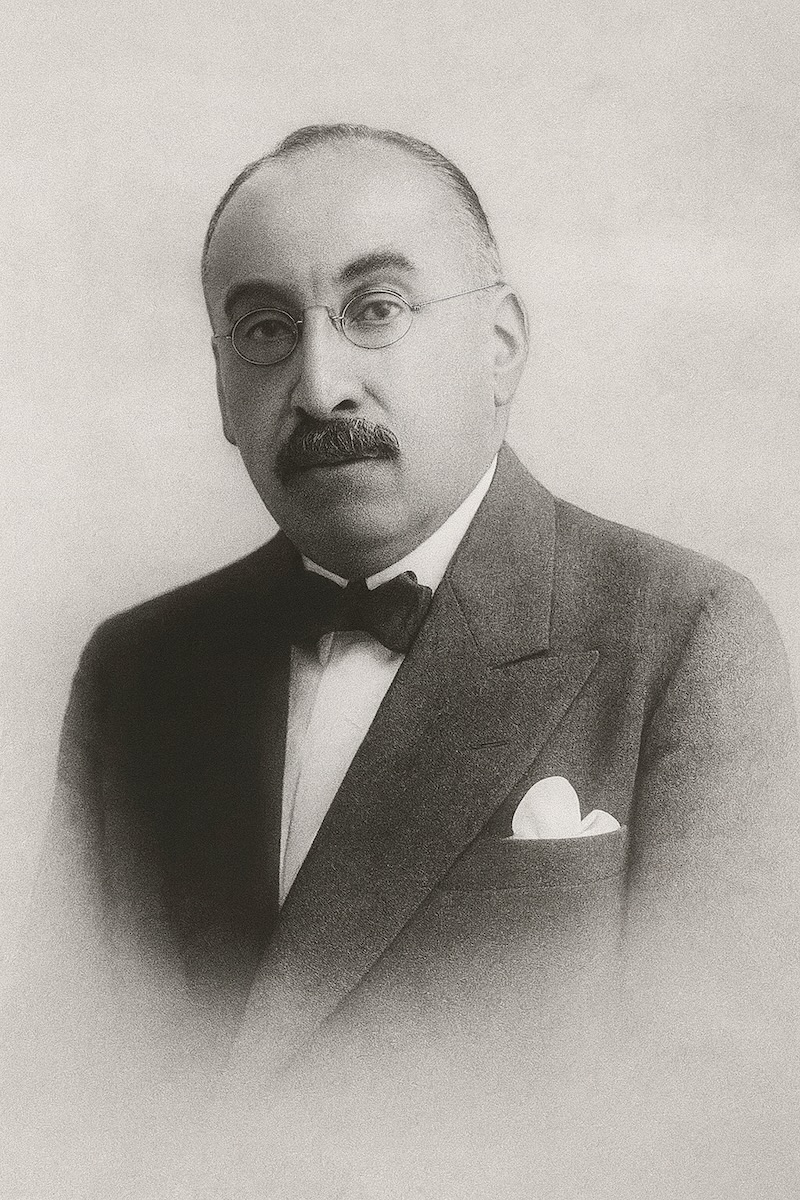
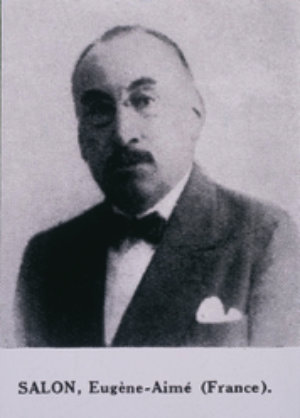
Given this importance of brand identity in Champagne, it’s somewhat ironic that the first known example of blanc de blancs Champagne was initially made strictly for private consumption. The Parisian fur trader Eugène-Aimé Salon was a native Champenois, born in the village of Pocancy in the Côte des Blancs subregion of Champagne in 1867 – and by the early 1900s he was wealthy enough to begin purchasing vineyards in order to realise his dream of a personal and deeply exclusive Champagne that he could share with his friends in the upper echelons of Parisian society. Assisted by his brother-in-law Marcel Guillaume, a Champenois winemaker, he produced the first vintage of Salon in 1905 – and it was a wine that broke the region’s mould in several significant ways.
Opposite: A digitally enhanced reconstruction of the only known photo of Eugène-Aimé Salon, based on a scan of the original. Above: The Clos du Mesnil vineyard in the village of Le Mesnil-sur-Oger in the Côte des Blancs, Champagne, France – formerly a fruit source for Salon’s Champagne, and now dedicated to Krug’s fearsomely expensive ‘Clos du Mesnil’ single-vineyard wine.
To understand the extent to which Salon broke the Champenois mould, we need to take a little detour into the art of blending. The Champagne region has historically been a very chilly one for viticulture – although that is currently changing rapidly in the face of global warming – where grapes often struggled to achieve ripeness and vintage conditions varied dramatically year by year. For the big-brand houses that drove the region’s success with sparkling wine, that variability was a major inconvenience – they wanted consumers to be able to purchase their favourite Champagne brand year-on-year with the confidence that the product would taste exactly the same as last time. So to combat this natural variability, the big houses swiftly developed highly detailed blending processes that take place before the secondary fermentation commences – mixing not only base wines made from different grape varieties, but also wines grown from different villages across the breadth of the (surprisingly large) region, and across different vintages to achieve consistency. So, if the chardonnay from Avize this year is a little too bright, you can balance it with some of last year’s fruity pinot meunier from Festigny – and if that needs a bit of structure or depth you can add a splash of older pinot noir from Bouzy. If each wine is like a paint colour on an artist’s palette, then a blender at a contemporary Champagne house has a dizzying number of hues to paint a consistent picture with: for example, Jean-Baptiste Lécaillon of Louis Roederer currently has access to wines from 410 separate vineyard parcels – and that’s before you count the house’s cache of reserve wines from previous vintages.
By contrast to the region’s standard approach, Salon’s Champagne was the model of conceptual purity. He set out to make single-vintage wines from only one village of the Côte des Blancs, Le Mesnil-sur-Oger, and from only one grape variety, chardonnay. (The choice of variety likely followed from the choice of village – the chalky white soils of the Côtes des Blancs are eminently suited to growing racy, mineral-driven chardonnay.) As for the region’s fickle vintage conditions – well, a man of Salon’s substantial means could afford to make wine only in the best years, especially since the wine was only destined for his personal cellar. He could likewise afford to let it age on the lees from its secondary fermentation for years in order to round the edges of its chalky intensity. The resulting wine – tautly mineral and with laser-focused acidity, although hardly lacking for flavour depth – soon found favour among Salon’s friends, who encouraged him to make it publicly available from the 1921 vintage onwards, although it’s fair to say that it wasn’t exactly an overnight success. While its association with the cream of Parisian society saw Champagne Salon become the house pour at Maxim’s throughout the 1920s – at the time, the city’s most famous and exclusive restaurant – it suffered from serious neglect in the hands of multiple corporate owners after Salon’s death in 1943. Throughout the 1980s, when the house was owned by French beverage monolith Pernod-Ricard, bottles of Salon were routinely given away to restaurant accounts as a bonus for purchasing other Pernod-Ricard Champagne brands – a fact that drops jaws now, given its consistent rarity and its current retail value of AU$2500 per bottle. As Didier Depond, the current president of Champagne Salon puts it, Pernod-Ricard “had no idea what a jewel it had in its portfolio.”
“Pernod-Ricard had no idea what a jewel it had in its portfolio.”
But if Pernod-Ricard had no idea what a jewel it had in its portfolio, a similar accusation could be levelled against the house itself, which took quite some time to realise the appeal of the conceptual purity inherent in Salon’s original idea. One white wine, from one white grape variety, grown in the chalky white soils of the best vineyards of one specific village, made only in the very best years – that’s a marketing hook. Salon himself likely came up with the term ‘blanc de blancs’ to describe his wine, and a 1928 menu from Maxim’s shows that it was listed there under that name, but it wasn’t until the 1971 vintage that the term first appeared on the Champagne Salon label. By then, other Champagne houses had cottoned on to the appeal of the concept, with Taittinger using it on the label of the first vintage of their ultra-premium ‘Comtes de Champagne’ bottling (1952) and Ruinart following suit with their first vintage of ‘Dom Ruinart’ (1959). Thanks to the rarity and exclusivity of Salon’s wine, and the tête de cuvée (best of the blend) positioning of Taittinger and Ruinart’s blancs de blancs, the term carries an aristocratic aura inside Champagne – one taken to the extreme by Krug’s ‘Clos du Mesnil’, a blanc de blancs sourced from a single walled vineyard in Le Mesnil-sur-Oger that originally went into Salon, the most recent release of which retails in Australia for $3500 for a single bottle. Fortunately for the wallets of wine lovers the world over, a generation of Australian winemakers would soon bring a more democratic touch to blanc de blancs.
Méthode Tasmanoise
Sparkling wine of some sort or another has been produced in Australia for a very long time – an article in the early Sydney newspaper The Monitor discusses the 1835 vintage of “Burgundy, Claret and Champaigne [sic] or effervescing wines, all made in the colony, and all of sound quality.” Despite the international acclaim for the wines produced at Hans Irvine’s Great Western winery in the late 1800s, though, the tradition of Australian sparkling wine dwindled alongside other those of other table wines at the start of the twentieth century – and serious interest in sparkling wines would only be restored in the mid–1980s, kickstarted by some investment from Champagne houses seeking to diversify their holdings: Moët et Chandon commenced work on their Yarra Valley outpost, Chandon, in 1985; Louis Roederer partnered with Tasmanian vineyard Heemskerk to commence the first Tasmanian sparkling wine project, Jansz, in 1986; and Bollinger invested in Petaluma to bring their expertise to the Adelaide Hills–based Croser label in 1987. While both the Yarra Valley and Adelaide Hills remain the homes of some compelling producers of traditional-method sparkling wines, much of the interest since that time has gravitated towards Tasmania – and in turn much of the interest in Tasmania has been generated by House of Arras, a sparkling project commenced by Ed Carr for Australian wine behemoth Hardy’s with the 1995 vintage.
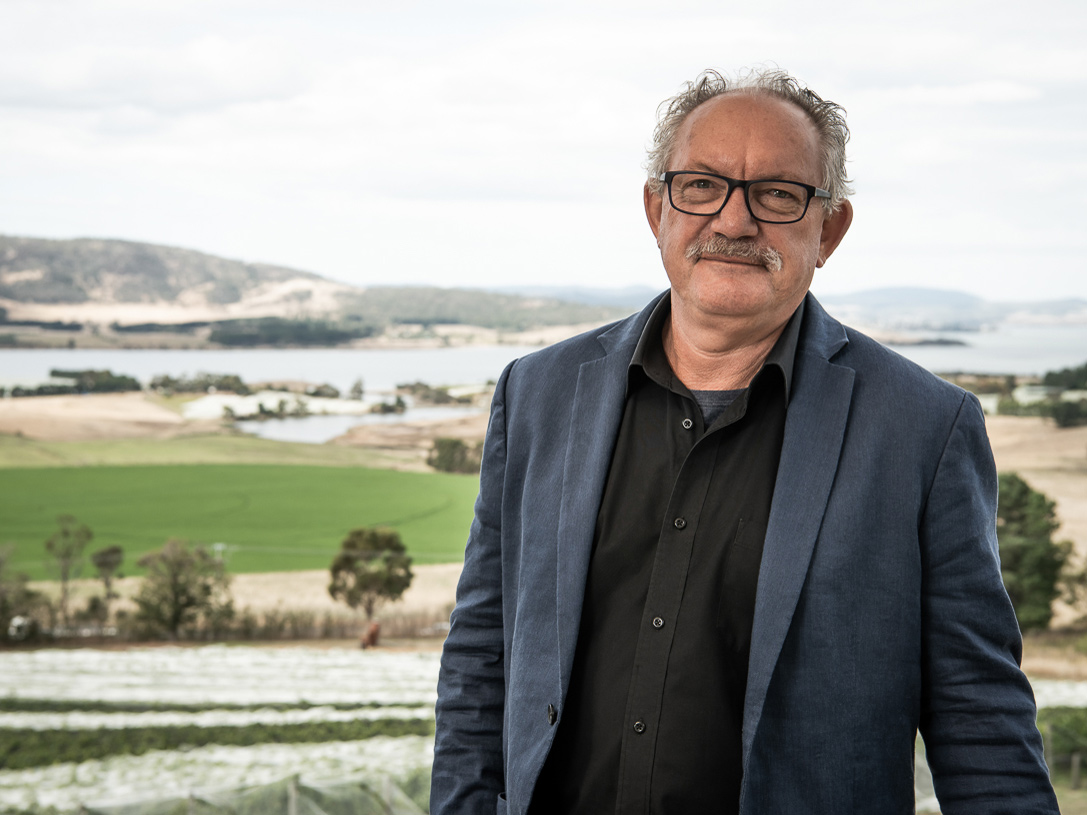
Opposite: House of Arras winemaker Ed Carr – the maker arguably responsible for the current interest in blanc de blancs. Above: Wine ageing on its lees at Arras.
“Personally, I’ve always been a fan of chardonnay-predominant sparkling – and of course, blanc de blanc [Champagne] is all chardonnay, generally,” Carr says. “When we started making sparkling wine in Tasmania, part of our policy was really to investigate a lot of areas, the subregions, as to how they performed with each of the three [traditional Champenois] varieties. And we certainly found we had some excellent chardonnay options.” Given the quality of the fruit available in Tasmania, Carr produced the first House of Arras blanc de blancs with the 2001 vintage. While this wine was not Australia’s first blanc de blancs (Carr credits Seaview with that distinction), it arguably put the style on the agenda for Australian sparkling makers – especially after the 2006 vintage won the Len Evans Memorial Trophy at the National Wine Show of Australia in 2015, the first time a sparkling wine had done so. Since then, Carr says, “we’ve just been refining the vineyard resource – we haven’t changed the [base] winemaking much.”
“We find that that extra age just builds the complexity and the depth – but the chardonnay always keeps that real brightness about it, which is part of the style that we’re after.”
While the approach for base winemaking hasn’t changed significantly since Carr first started making blanc de blancs – mostly fermented in stainless steel, with a small portion (4–10%) that varies depending on vintage conditions fermented in new oak to give, as Carr puts it, “that oak lift in a spicy sort of sense, but also just the tannin structure and to build the palate” – the biggest change in the cellar has been extending the amount of time that the wine spends on the lees from its secondary fermentation. “When we started in ’95, we released a our first wine after four years [on lees], and thought that was a long time,” he says. “We’ve extended our time on lees for the vintage wines to be seven years, and set aside museum stock as well – we started to see how well chardonnay evolved, so we actually do a museum release blanc de blanc, which is held for minimum fifteen years on lees.” As the wine rests on those lees – the spent yeast cells from the carbonation-generating second fermentation – the lees start to break down via a process called autolysis, incorporating their flavours into the wine and adding layers of toasty, brioche-like complexity with sometimes even a hint of Vegemite-like savouriness. “Chardonnay seems to evolve more slowly, maybe, than the red [variety] blends,” Carr says of its time on lees. “So we’ve just really been patient with chardonnay, and find that that extra age just builds the complexity and the depth – but the chardonnay always keeps that real brightness about it, which is part of the style that we’re after.”
Keeping it fresh
Brightness is something that Clare Burder of Eminence doesn’t struggle to achieve in the wines sourced from her family’s vineyards in the Whitlands High Plateau – an elevated, twelve-kilometre-long ridge that runs alongside the western boundary of Victoria’s King Valley. Viticultural conditions here are quite cold – creating excellent fruit for sparkling wine production. Rather than being compelled to make a blanc de blancs for its own sake, Burder was lead to the style by the quality of the fruit from her 2022 vintage. “It’s the first blanc de blancs we’ve ever done,” she says of the 2022, Eminence’s current release, “and it was purely on the strength of the base wines that we pursued it. In my view, 2022 for us [on the Whitlands High Plateau] was an exceptional year for sparkling and it was terrible for our table wines – we didn’t actually produce any. That gives you an idea of how cold and wet and horrible it was.” Burder was fortunate that the season’s rains arrived after the chardonnay for sparkling base had been picked – but the coolness of the growing season extended the amount of time the chardonnay needed to hang on the vine to achieve the appropriate level of sugar content for sparkling base wine, meaning that the grapes had plenty of time to develop flavour. “When we’re making [sparkling] wine or we’re picking grapes, we don’t necessarily have a product in mind,” she says. “Once [the base wines are] finished and we start looking at them in the following summer, then we decide what kind of wine we’re going to make. So the blanc de blancs was a product born out of quality, essentially, and it didn’t need pinot to round it out.”
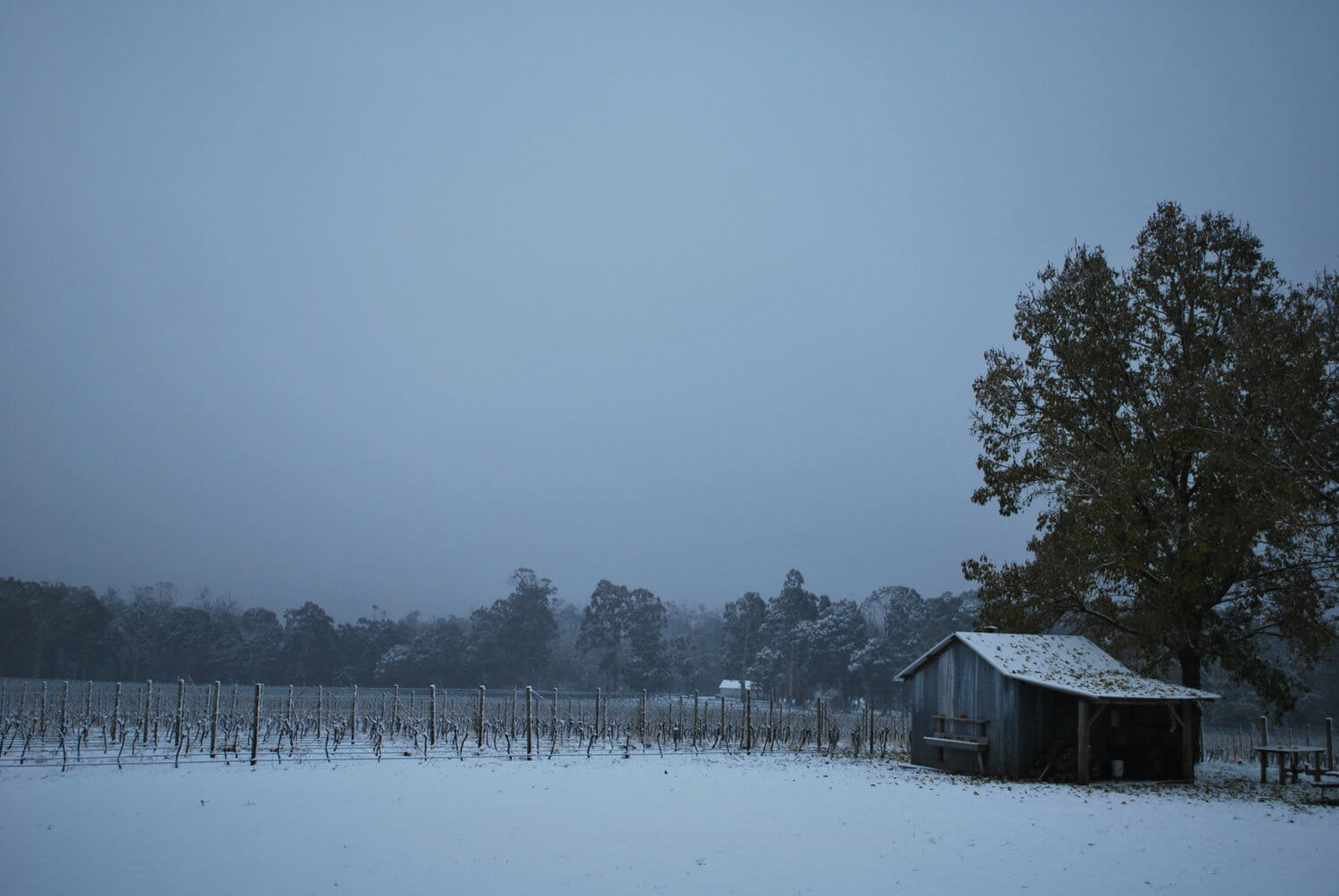
Opposite: Clare Burder of Eminence. Above: The chilly Whitlands High Plateau in winter.
As a small maker, Eminence doesn’t have the luxury of storing its sparkling wines on lees for extended periods of time – something that Burder has embraced, especially for blanc de blancs. “We think that our [sparkling] wines should taste like grapes and some background autolysis,” she says. “So we are, as a producer, moving away from long lees ageing on purpose.” She argues that this approach works well with the conceptual purity of blanc de blancs as a category: “Blanc de blancs, in that context, is the ultimate expression of a place – because there is no artifice. And it’s pure,” she says. “Although when I say ‘pure’, that’s in inverted commas, because one of the crucial things that I think people need to understand about méthode traditionelle sparkling wine is that it is fundamentally a high intervention process. There is no ‘natural’ way to produce something that ferments in a bottle with no oxygen and under pressure – you need a very robust yeast culture, which requires additives and nutrients, and you need an adjuvant to get the yeast out. So there are no ‘natural’ Champagnes … [but blanc de blancs are] pure from an expression perspective.” As such, she prefers to let the fruit, rather than the lees, speak loudest: “My gut feeling is that if your blanc de blancs needs autolysis, then it’s not a good one,” she says. “Like, if that’s what it needs to feel complete, then your fruit isn’t up to scratch.” (She’s quick to clarify that the inverse isn’t necessarily true: “long ageing can produce some absolutely spectacular wines.”) In order to maintain that purity of flavour and concept, she likewise avoids adding any sugar to the wines after they have been disgorged – a common technique known as dosage used to take the edge off the sometimes-jarring acidity of sparkling wines both in Champagne and elsewhere around the world, including Australia.
“Blanc de blancs is the ultimate expression of a place – because there is no artifice. And it’s pure.”
The practical advantage, too, is that the wines don’t incur the (not insubstantial) expenses of long-term storage: “We can release them a little bit younger,” Burder says. “There are also practical motivations behind that, which is about warehousing and disgorging schedules. It fits with us to try and get them out a little bit earlier.” The demands of the traditional-method process ensure that, even with the shortest possible time on lees, making these wines requires a good deal of foresight: “It’s really hard to plan ahead for sparkling, because to read the demand in the market, you’re looking at a three-year lag rather than an eighteen- or a twelve-month lag,” she says. “The approach of a lot of the sparkling houses is that they’ve invested in storage so that they can disgorge to demand, basically. And it’s that fantastic paradox – the longer you keep it, the more you can charge, which is completely in opposition to 90% of table wines.” She adds, “I can pretty much guarantee you that there are no sparkling wine producers who have a line item on their accounting, or their cost of goods, that shows warehousing costs. It’s too ambiguous; it’s too hard to calculate … if we actually learned how to account for warehousing and storage properly, we’d probably be quite surprised to find that we’d all be making a loss.” The logistics of storage are further complicated by Eminence’s policy of avoiding sugar additions at disgorgement: “Zero-dosage is all well and good, but you must let the wines rest for about eight months plus before they’re ready to release,” she says. “We just find that, when wines have sugar added at disgorging, it seems to cover up bottle shock.” While the resulting wines are perhaps more brisk than what many sparkling wine drinkers are used to, Burder is playing the long game: “Zero-dosage has got a lot to do with courage and trust in the site,” she says. “So we really feel that it suits our approach – and we’re working on the assumption that we’ll just find our people. We don’t need hundreds of thousands of customers.”
A sparkling future
Based on blanc de blancs sales, it would seem that Eminence is indeed finding its people. “Having seen the reaction and the demand for that blanc de blancs, we are absolutely upping our production,” Clare Burder says. “When I say upping, though, we’re going from three tonnes to maybe four or five – it’s not 150.” It’s an observation that Carr echoes: “I think blanc de blancs is definitely growing,” he says. “It’s certainly got a lot of market acceptance. I think people like the style – and maybe they like the name, too.” He adds that while finding the right chardonnay fruit to go into the wine means blanc de blancs will always be a relatively small portion of what House of Arras produces, the style nonetheless “has really been successful, actually. It’s to the point where we don’t generally have enough of it and we could always sell more. We make with Arras three levels of blanc de blancs – a non-vintage, which is about $38 retail, which is a younger style than the vintage at $135 or so, and then a museum at $500 a bottle. But all of those have been accepted by the market really well.”
“I think people like the style of blanc de blancs – and maybe they like the name, too. It’s to the point where we don’t generally have enough of it and we could always sell more.”
For his part, Carr is bullish about the possibilities for blanc de blancs production across a wide variety of different regions – not just Tasmania. “Chardonnay is very adaptable – and then you get distinct styles from cold-climate regions in basically every state,” he says, “Just think of the Upper Yarra Valley, Piccadilly, the Adelaide Hills. There’s good blanc de blanc coming from Western Australia, in Pemberton and Manjimup. And pushing altitude to maybe the extreme is the wines coming out of Orange – they tend to be very fine, and elegant, and quite racy. I can think of examples of good blanc de blancs from each of those regions, all very different styles – they all show both their regionality and their house’s, or their brand’s, winemaking style.”
“We want to be Australian, and we want to use Australian language – but we would be crucified in the market if we didn’t use ‘blanc de blancs‘. It does really bother me that we are reliant on French terminology to sell and market Australian wine.”
Burder sees the growing interest in Eminence’s blanc de blanc as part of a bigger consumer trend towards sparkling wine – a small glimmer of hope in an industry hit hard by falling levels of wine consumption globally. “I have seen some data recently showing that sparkling wine is one of the few categories in Australian wine that is showing growth across the board,” Burder says. “What I would love to see happen is the reverence for, and the impressive range of, table wine chardonnays trickle down into or influence how we perceive blanc de blanc. We can use all the things that we know about growing chardonnay and apply them into sparkling, and build that category.” She even goes as far as to argue that the Australian blanc de blancs category will have finally come into its own when we no longer use the term ‘blanc de blancs’: “I think there’s a huge amount of confusion still around the name,” she says. “We really struggle with that, because we want to be Australian, and we want to use Australian language – but we would be crucified in the market if we didn’t use that terminology … it does really bother me that we are reliant on French terminology to sell and market Australian wine.” She adds, “In twenty years, I’d love to see ‘sparkling chardonnay’. Can you imagine someone paying, you know, seventy bucks for a bottle of ‘sparkling chardonnay’?” She laughs. “Never happening, is it? It just sounds so bogan and cheap!”
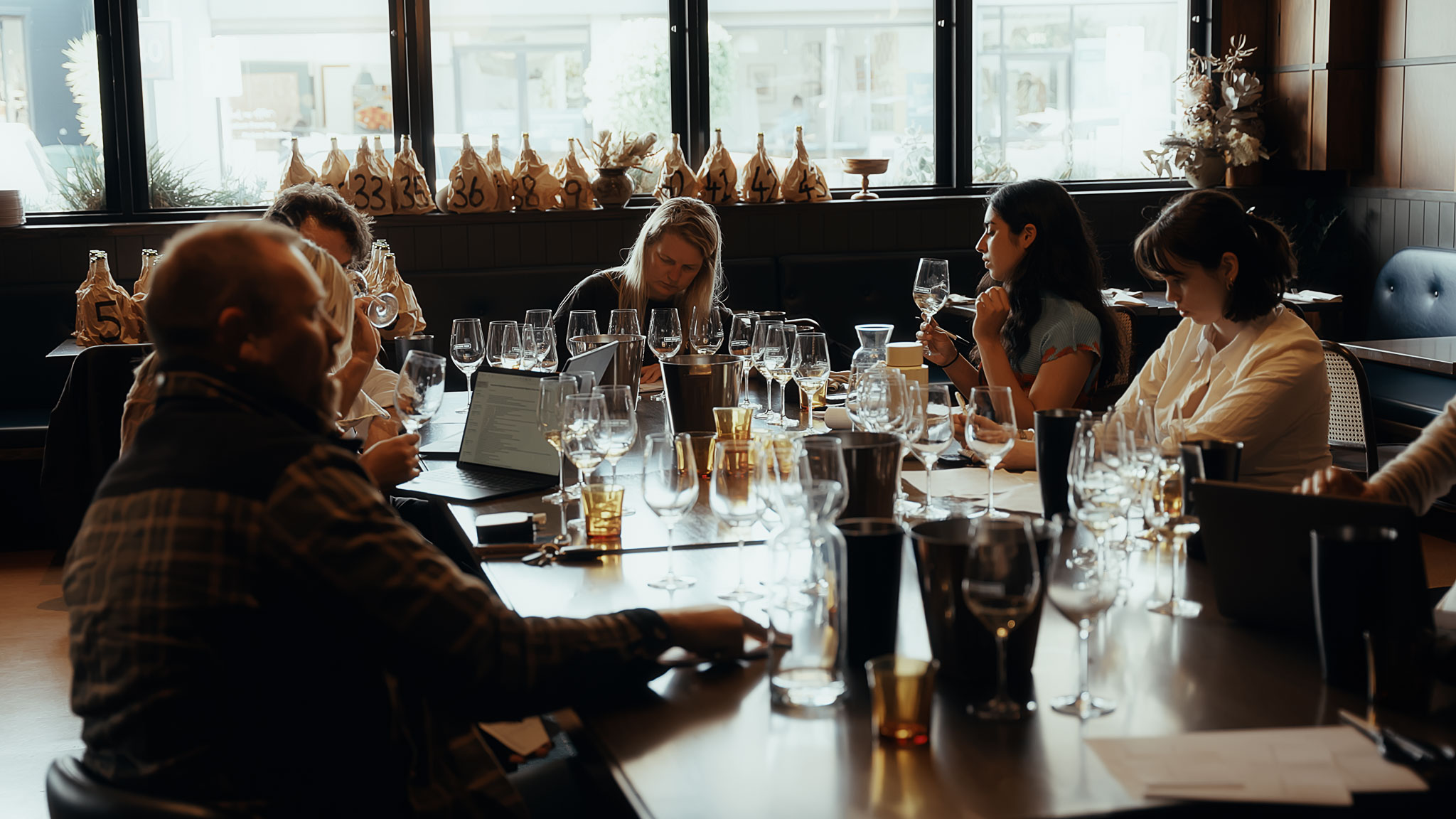
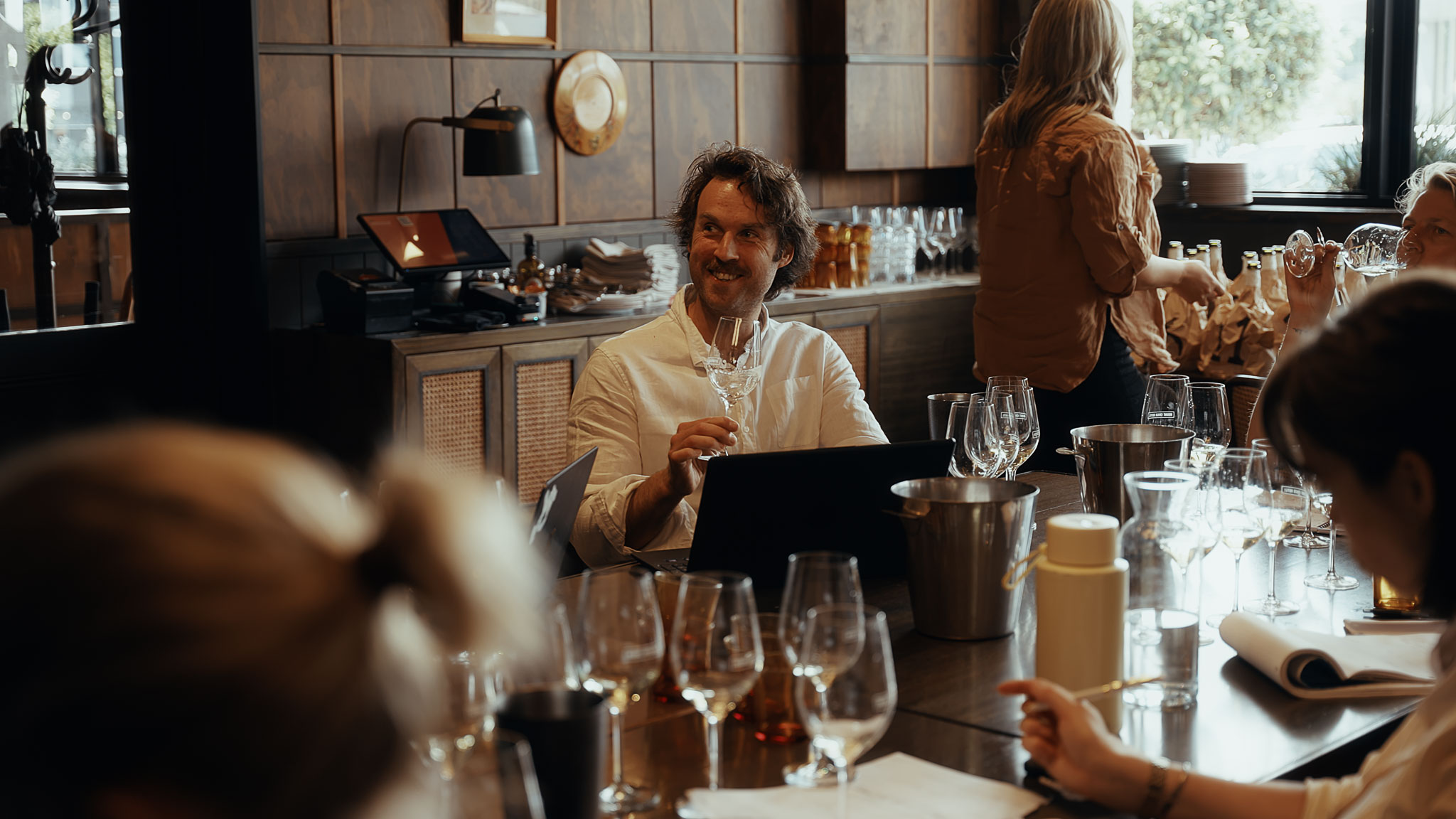
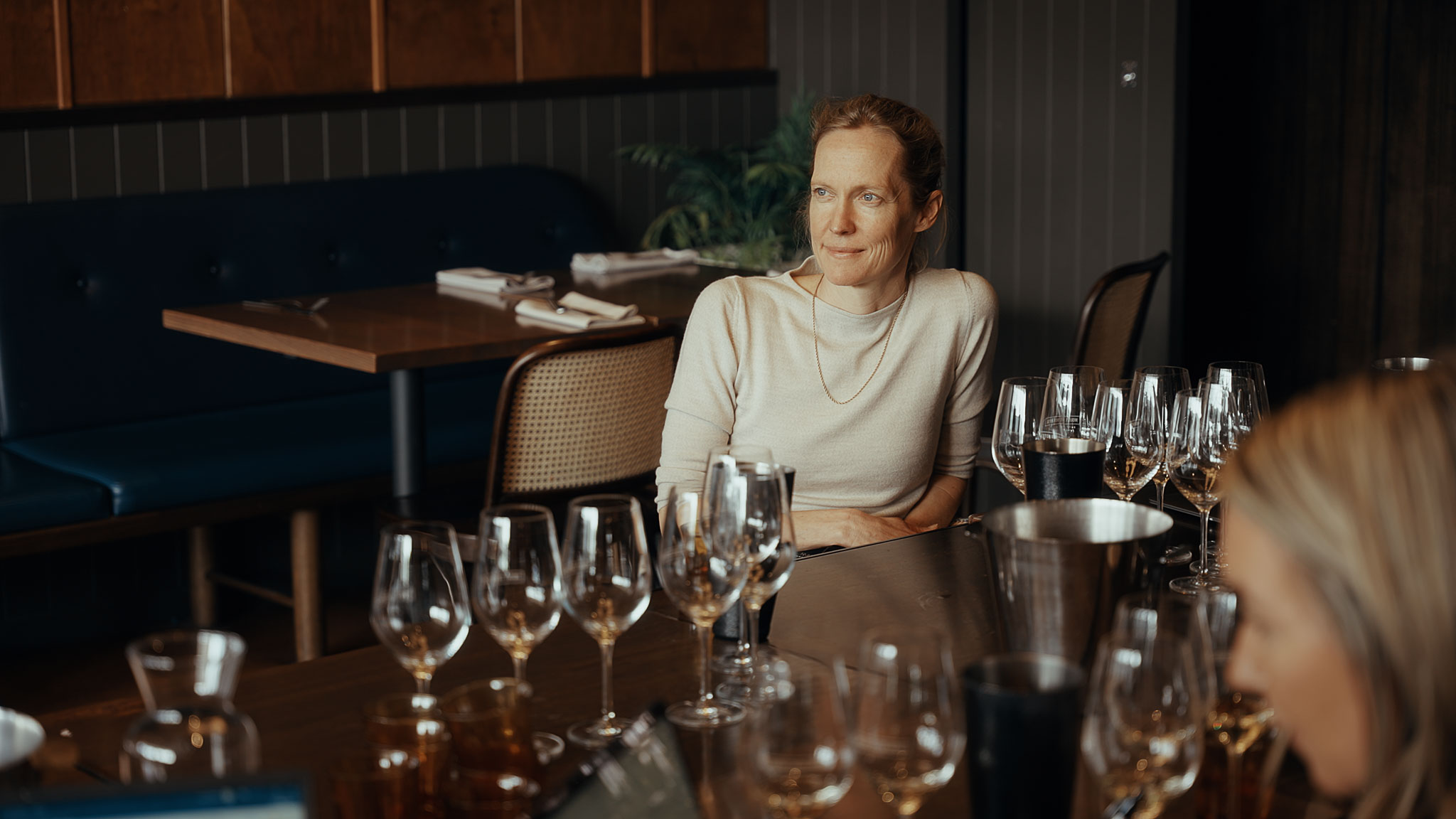
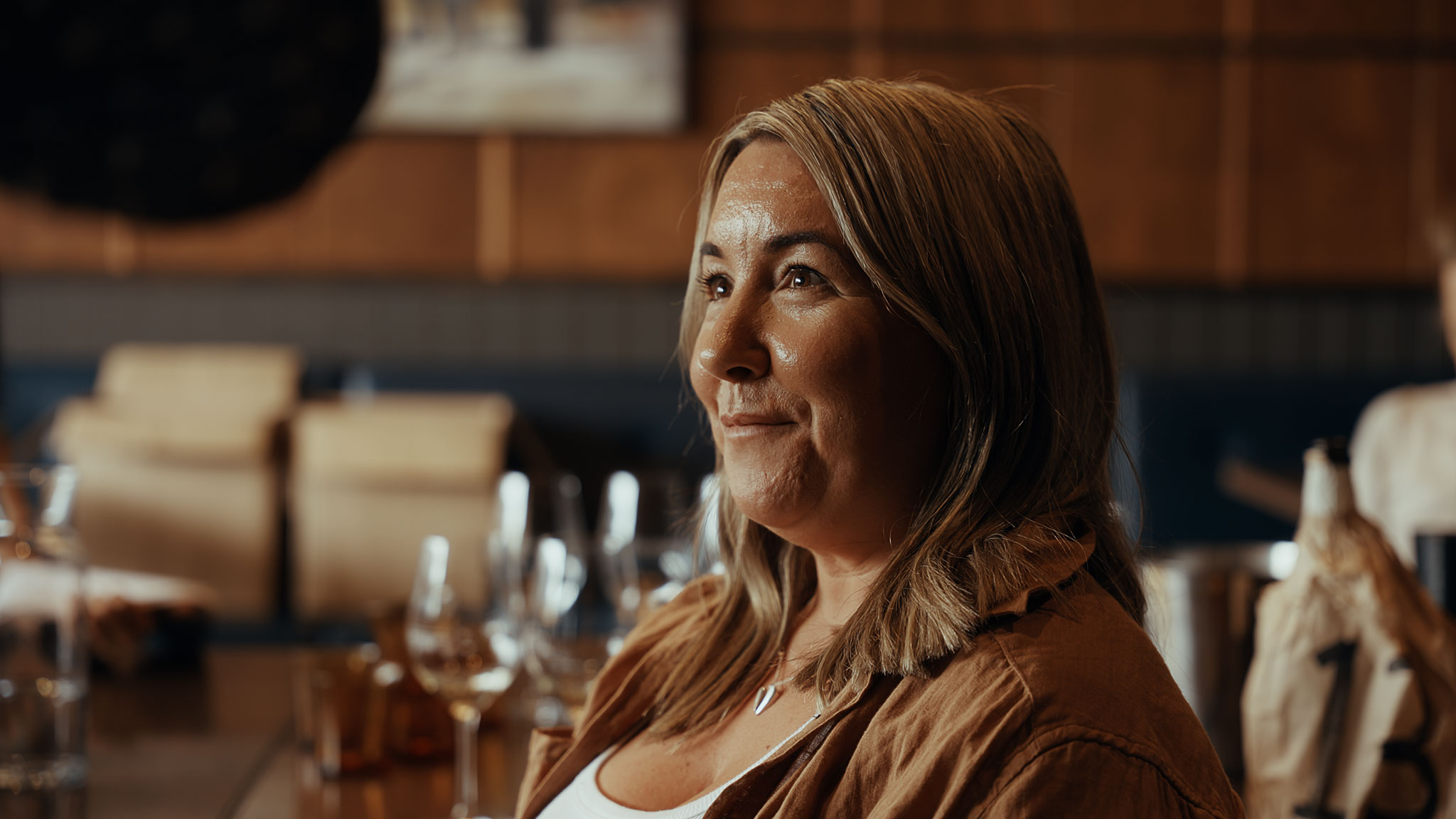
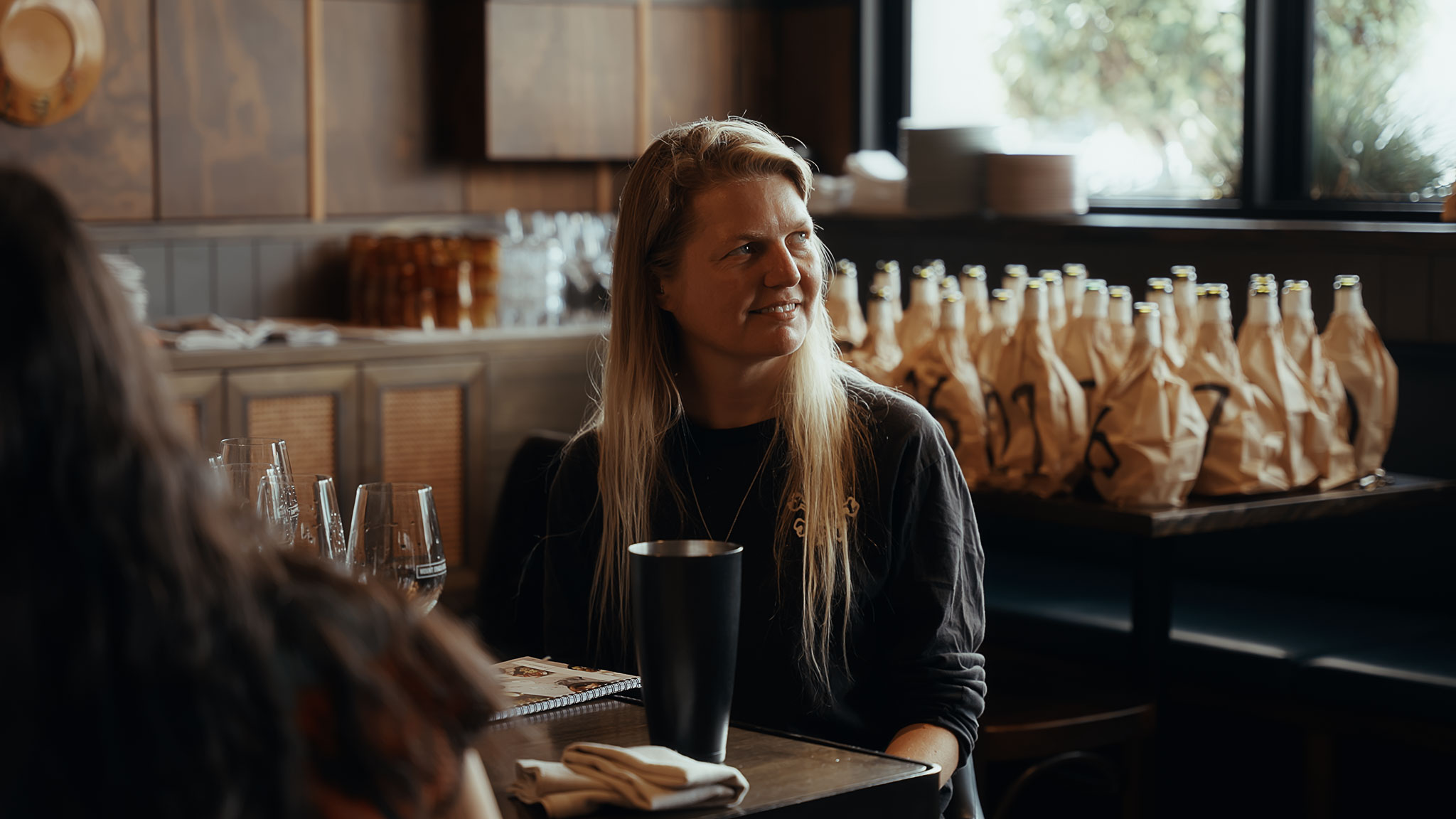
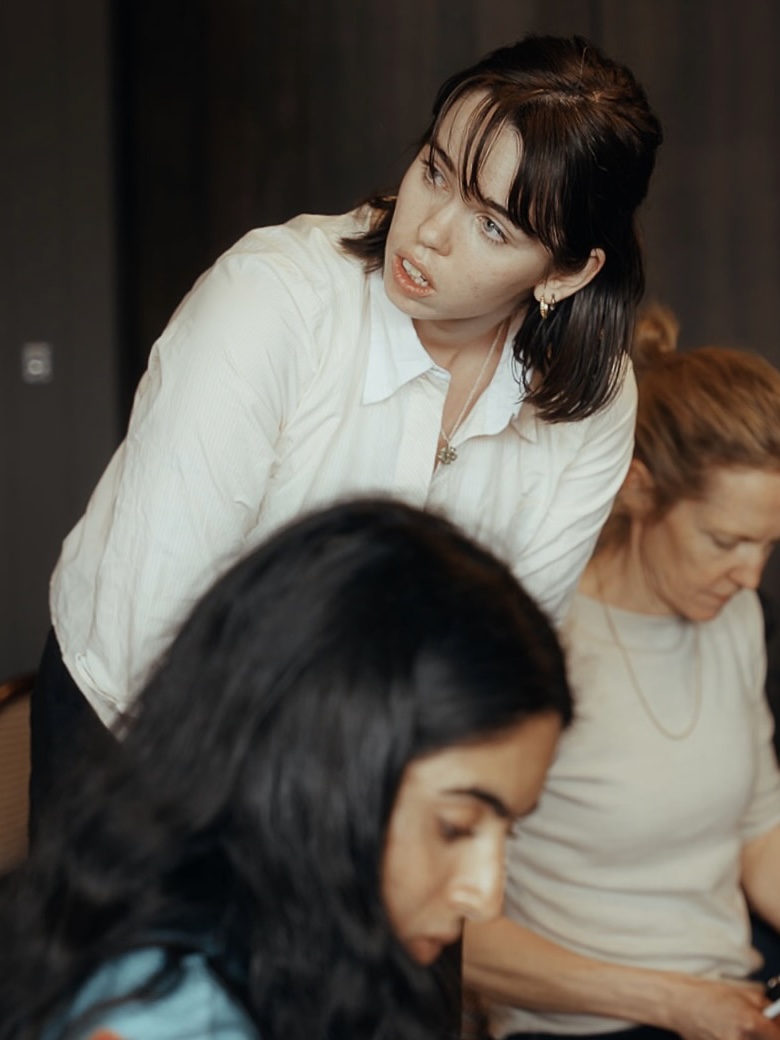
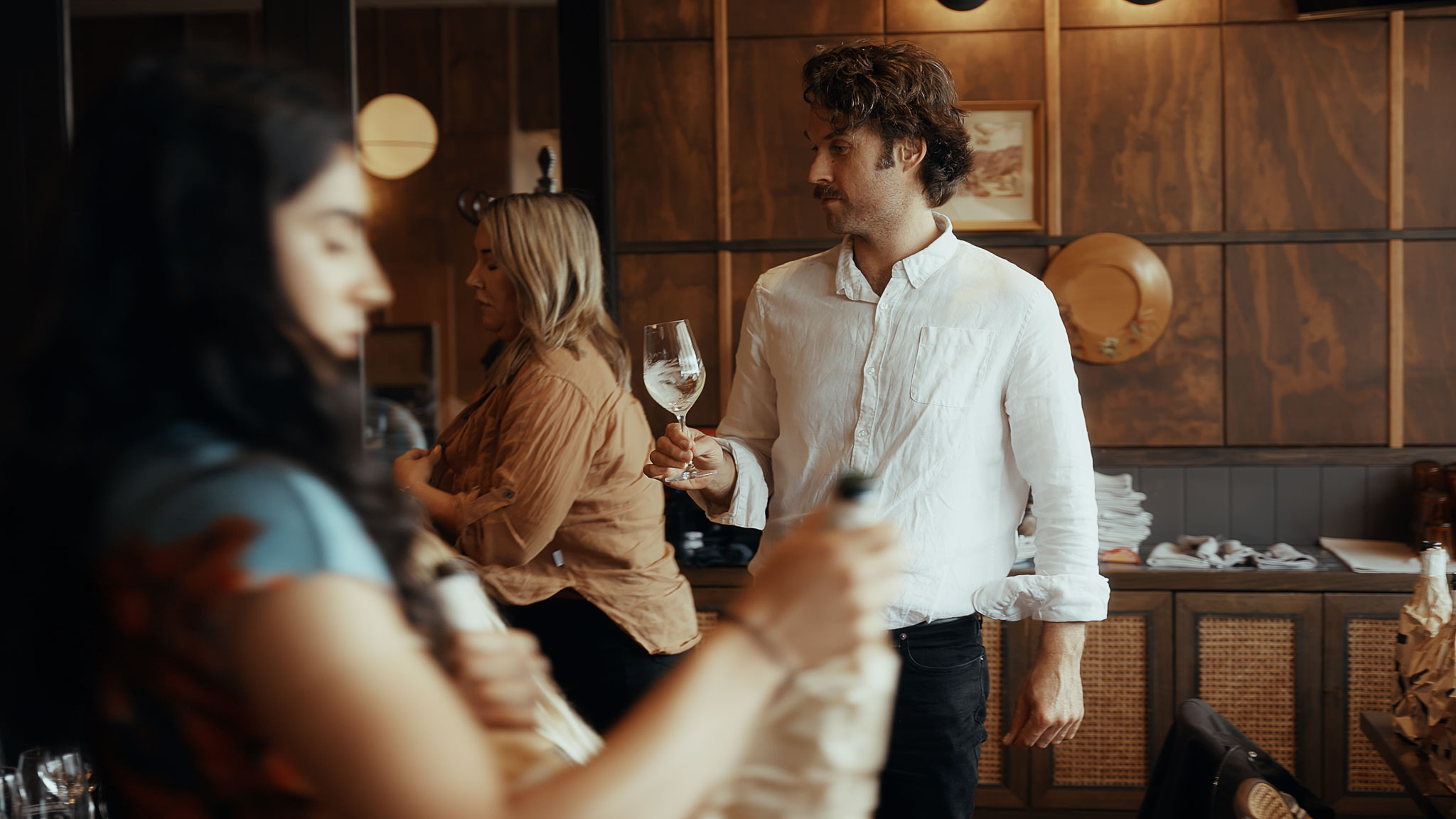
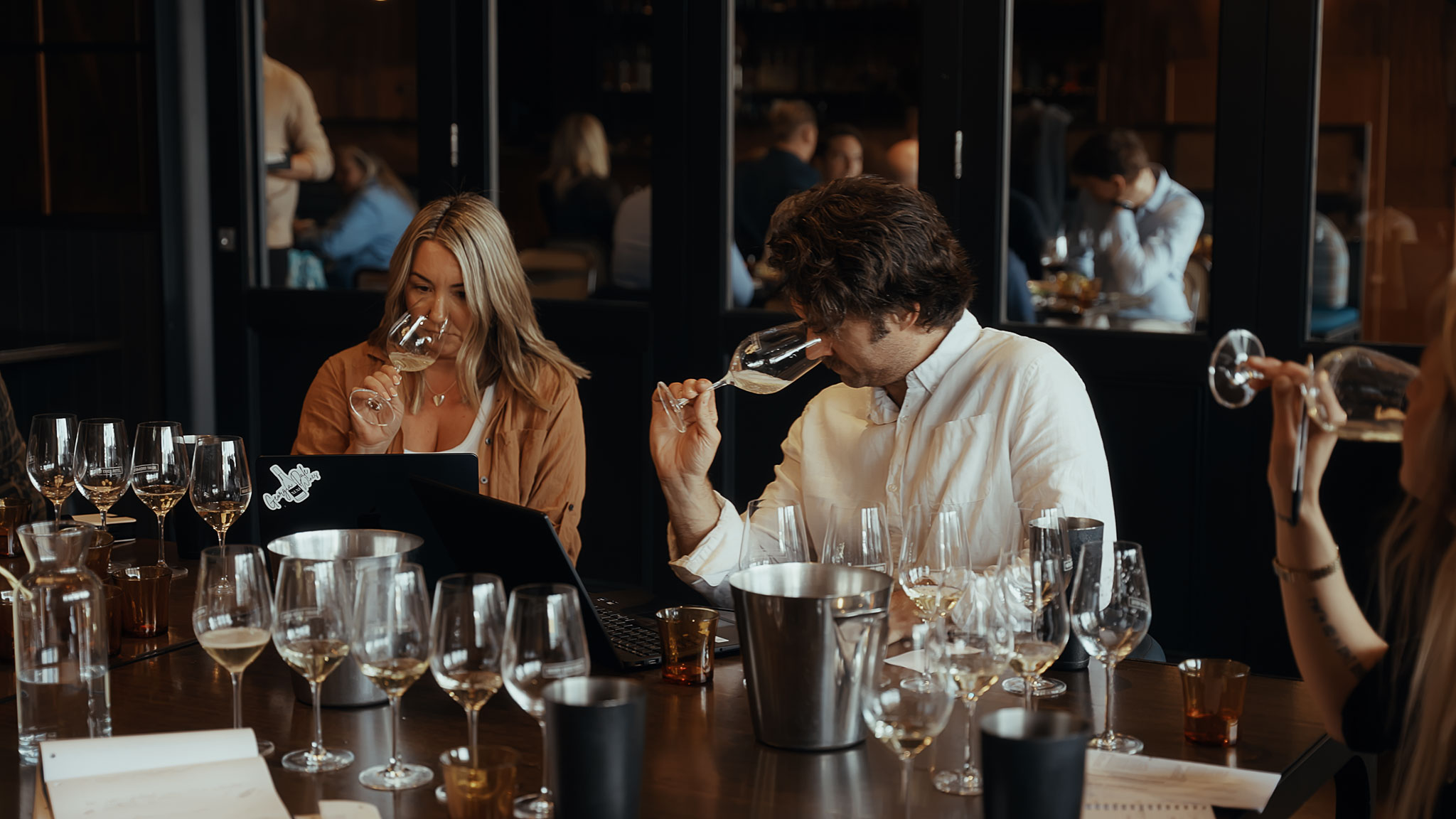
Above: Our expert panel gathered at Mount Erica Hotel, Prahran (Melbourne).
Outtakes from the Tasting
We gathered every Australian example of blanc de blancs sparkling that we could find – made only via the traditional method and only with chardonnay – and set our expert panel the task of finding the wines that compelled the most. All wines were tasted blind, and each panellist named their top six wines. Below are the wines that made the panellists’ top-six selections from the tasting.
Our panel: Lilian Carter, winemaker, The Flying Winemaker and consultant, Vinemark; Mike Aylward, winemaker and owner, Ocean Eight; Georgia Dale, winemaker and owner, Georgia Dale Wines; Stuart Dudine, winemaker and owner, Alkimi; Indra Nadeson, winemaker, Lethbridge; Hayley Williamson, owner and wine buyer, Nina’s Bar & Restaurant; Hayley Farquar, wine merchant and sommelier, City Wine Shop.
Aylward commenced the discussion by noting the high quality of the line-up in general. “For me, this tasting has reinforced just how far Australian sparkling wine has come,” he said. “These blanc de blancs show finesse, restraint, and character – they’re wines that can comfortably sit beside their French peers. I think think Australian winemakers are making great use of the autolysis flavours you get from time on lees to get more of those brioche characters that people love in the great Champagnes of the world. Making traditional-method sparkling is difficult – it’s a huge lesson in patience and attention to detail – but I think this line-up shows that we are, on average, really good at it.”
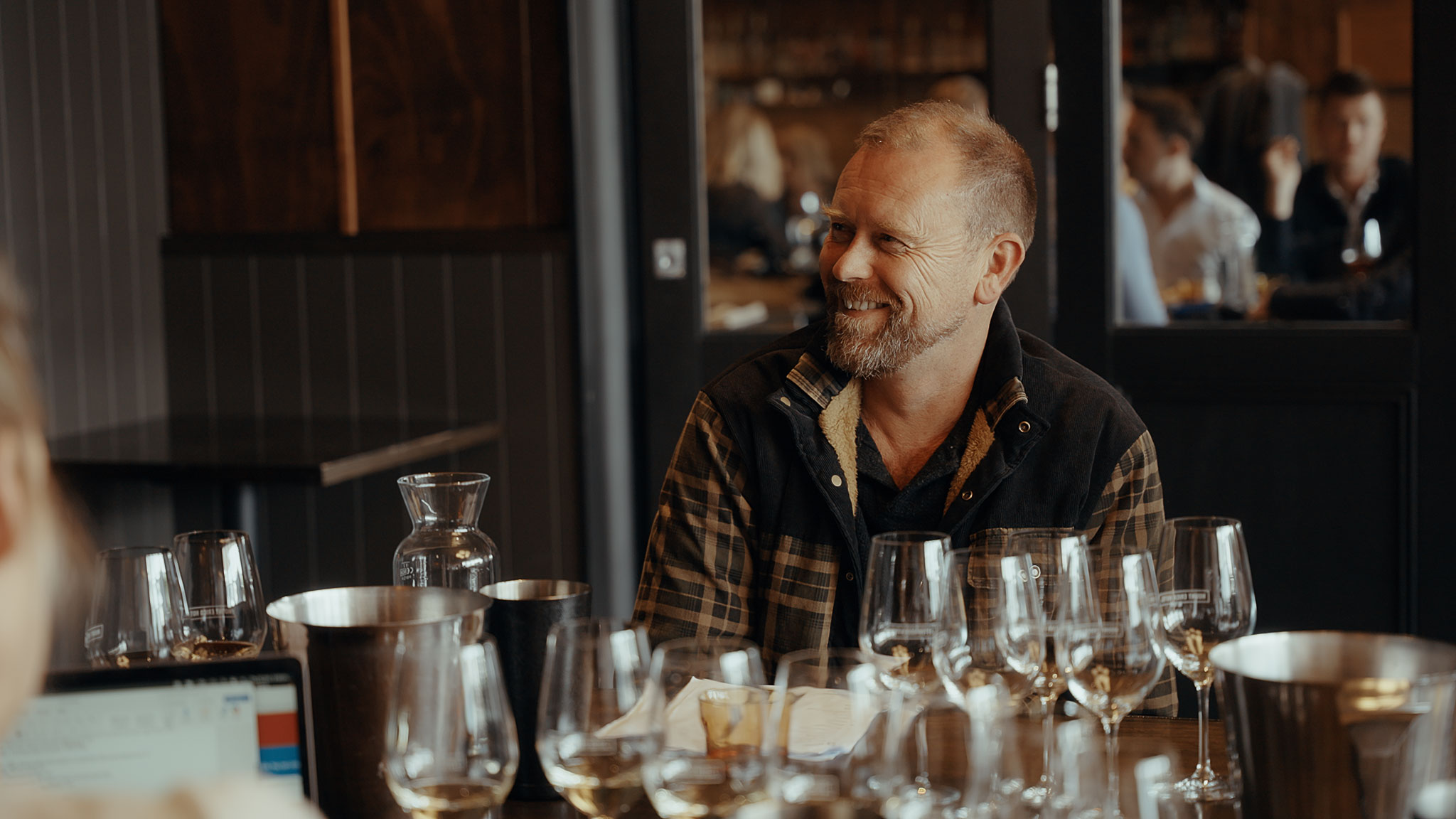
Above: Mike Aylward. Opposite: Indra Nadeson.
He added that while there was a diversity of flavour profiles on display in the line-up, his top-six selections were all cut from a similar cloth: “I found myself consistently drawn to a particular style of blanc de blancs today,” he said. “I naturally gravitated towards those that expressed clear varietal chardonnay character, often enhanced by subtle oak. The wines that showed brioche notes and lees complexity that supported the fruit, rather than masking it – those were the ones that stood out as the most complete and compelling for me. I was looking for balance: every element integrated, and nothing overstated. They’d all be pretty great alongside some oysters!”
“Making traditional-method sparkling is difficult – it’s a huge lesson in patience and attention to detail – but I think this line-up shows that we are, on average, really good at it.”
Dudine agreed with Aylward on the importance of lees ageing: “Lees ageing is that x-factor that still wines don’t necessarily get, and really does change the complexity of the wine,” he said. “If it hasn’t had much lees ageing, it looks quite fruit-driven and maybe quite angular and zesty – in the citrus spectrum. And then when you get some lees ageing, then it becomes a little bit more complex – you get a bit more savouriness, and you get those Vegemite and brioche notes coming in. The bead gets finer as well.” He argued, though, that lees ageing was only a part of a more complex whole that makes Australian blanc de blancs such high quality in general. “I think it might be cliché to say this, but when you dive down, you really have to attribute the great wines to great vineyards and great grapes,” he added. “It’s not just the lees ageing – but also the winemaking for the base wine, the viticulture, and the site. They’re all so important. So regionality is really important as well.” Reflecting on the blind nature of the tasting, he added, “We’re not trying to pick the region in these tastings, but there were wines where I made a mental note to say, ‘Oh, that has the brininess of Tasmania,’ or ‘That has the citrus pithiness of the Yarra’.”
Above: Stuart Dudine. Opposite: Lilian Carter.
Carter argued that many of the differences between the wines on display boiled down to regional differences and the expression of terroir rather than radical differences in winemaking techniques: “It was all generally high quality – some variation, but not a lot of stylistic variation,” she said. “Consistently balanced complexity and acidity – probably showing more regionality than differences in winemaking style. There weren’t a lot of weird things, or heavy and overblown wines, or extreme age. Instead it was, stylistically, traditional and solid – good fruit and an element of appropriate winemaking.” For her, the regional ‘tell’ in any given wine was what she called “the shape of the acid” – “that’s where I may have picked up that the wine comes from a cooler region, like Macedon, versus a warmer region.”
“There weren’t a lot of weird things, or heavy and overblown wines, or extreme age. Instead it was, stylistically, traditional and solid – good fruit and an element of appropriate winemaking.”
Dale saw in the wines a technical sophistication that she argued was equally driven by winemaker know-how and recent technological advancements. “There’s a real precision you can see in how the base wines are handled,” she said. “Many of the wines felt as though they employed reductive press methods, and cleaner juice fractions – which I would argue comes down to precise picking times and short transport times from vineyard to winery. We’re also seeing more neutral oak fermentations, larger oak formats, and precisely controlled contact times. Some producers even go so far as to use oak only for the dosage wine, which can give complexity without any overt oak flavour – although I personally prefer barrel fermentation for complexity.” She added that blanc de blanc winemakers in general had a nuanced understanding of how to use the multitude of techniques available to them. “Every intervention has a point where it stops adding complexity and begins to obscure chardonnay’s precision, tension, and purity,” she said. “Likewise, if there’s a high degree of processing or blending, regionality gets blurred. I think we’re fortunate that blanc de blancs, as a category, emphasises purity of fruit and therefore terroir expression. It aligns nicely with shifting consumer preferences towards fresher, more precise styles of sparkling that show greater tension – specifically lower-dosage styles – and are more ‘transparent’ expressions of sparkling wine.”
Above: Hayley Williamson. Opposite: Georgia Dale.
For Farquar, that transparency and purity is the key to understanding the appeal for of blanc de blancs for Australian consumers. “The whole concept of a ‘white of white’ sparkling wine becomes especially popular over that lovely Christmas period and as the weather gets warmer, because it’s so versatile – you can have it with food, or you can drink it as an aperitif,” she said. She argued that one of the virtues of choosing an Australian blanc de blanc over the Champenois original is that there’s a broader diversity of flavour on display in Australian offerings. “With Old World blanc de blancs, you’re seeing a lot more of the flavour of the méthode traditionelle – that lees work alongside that really crisp fresh fruit that comes in the orchard fruit spectrum, or lemon-lime,” she said. “But in the New World, you can get something a lot riper and a lot more food-friendly, given it’s not restricted by the traditional requirements in terms of growing area. People love chardonnay, and for good reason – it’s so versatile, and so reactive to climate and vintage. So from one site, you can get a myriad of different expressions across the years. And blanc de blanc is a really accessible, easy way of drinking it, because it has this complexity from the winemaking in that it’s carbonated via the traditional method, but also that really lovely viticulture side where the fruit quality is still so important.”
Opposite: Hayley Farquar. Above: Our expert panel in action at the Mount Erica Hotel, Prahran (Melbourne). All wines tasted ‘blind’.
While Farquar still sees plenty of guests who prefer to stick to Champagne for their blanc de blancs – “just because those are recognisable names, and people are able to trust them” – she’s also seeing a growing confidence amongst Australian consumers in our own sparkling production: “Especially since Tasmania has been in the spotlight over the last few years, people are recognising the quality of Australian sparkling production,” she said. “Demand is really increasing, and we’re seeing a lot more variety of producers in terms of what people are willing to reach for.” In response, Carter argued that the growth of the category within Australia demonstrated that there was a small but growing base of consumers who were becoming engaged with the finer details of sparkling wine production: “If you compare blanc de blancs with the traditional three-variety blend, it’s more interesting – it’s a different style,” she said. “It’s really interesting to someone like me, but it can also be interesting if you want to become a bit of a sparkling aficionado – if you’re really delving into it. Or maybe you’re just trying to work out the style that you love. It’s a good thing if it’s encouraging consumers to delve a bit deeper.”
Above and opposite: Our expert panel in action at the Mount Erica Hotel, Prahran (Melbourne). All wines tasted ‘blind’.
GET FIRST ACCESS TO THE NEXT WINE ICONS – DELIVERED
The Mornington Peninsula has become firmly entrenched as an epicentre of chardonnay and pinot noir, duelling with the Yarra Valley for top billing in Victoria. The 2020 Young Gun Top 50 features some makers anchored in the Mornington Peninsula, as well as those that have roamed there from other regional bases, with micro makers and some of the most established names.
Pinot noir is now a leading variety in many cooler Australian regions, and with increased vine age, better clones, a lot of new vineyards, better winemaking and understanding of sites, today’s makers are turning out expressions that square up with the best in the world.