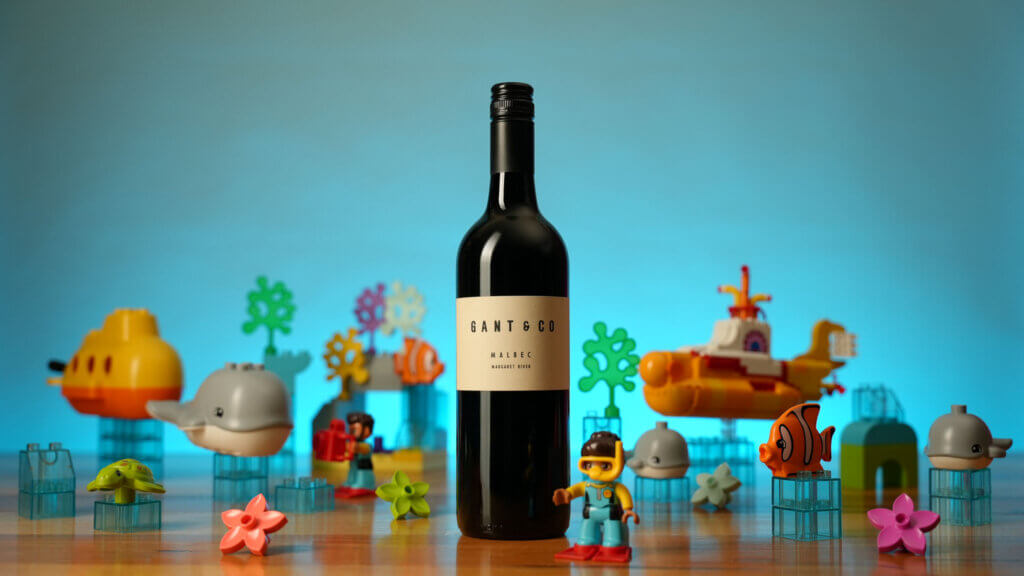
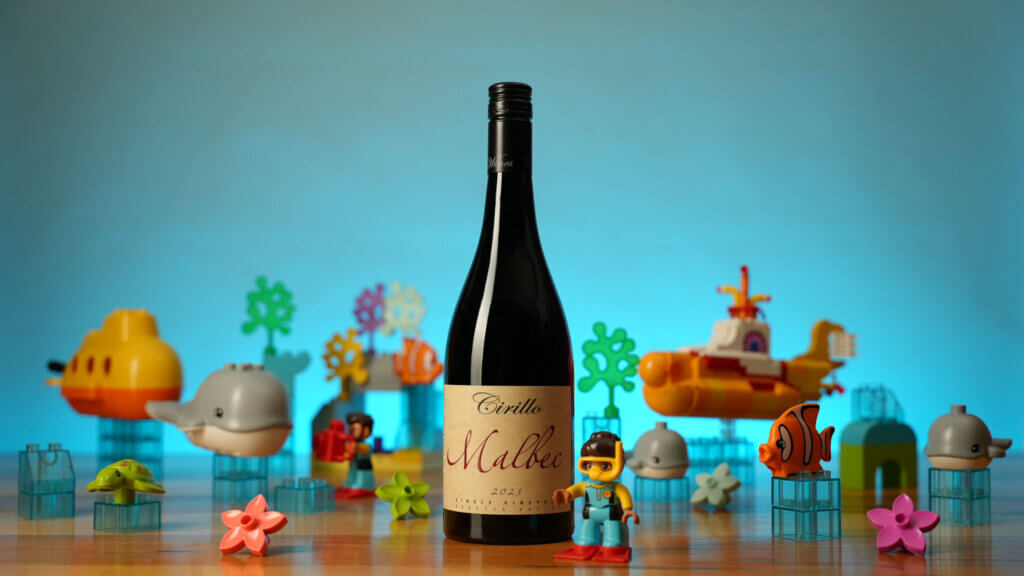
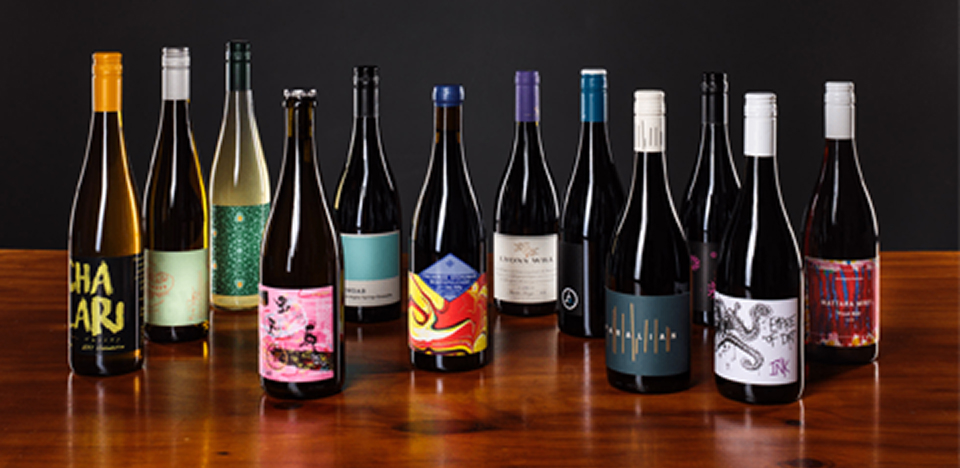
Malbec has taken a long and winding path from its birthplace in the Cahors region of France to becoming a globally popular varietal wine in its Argentinian form. Yet Australia actually beat Argentina to the punch on malbec by thirty or so years, and the variety has played a small but important role in Australian viticulture ever since. With a passionate collection of winemakers and winegrowers seeking to understand what this variety can do in the Australian context, we thought it was time to take a Deep Dive.
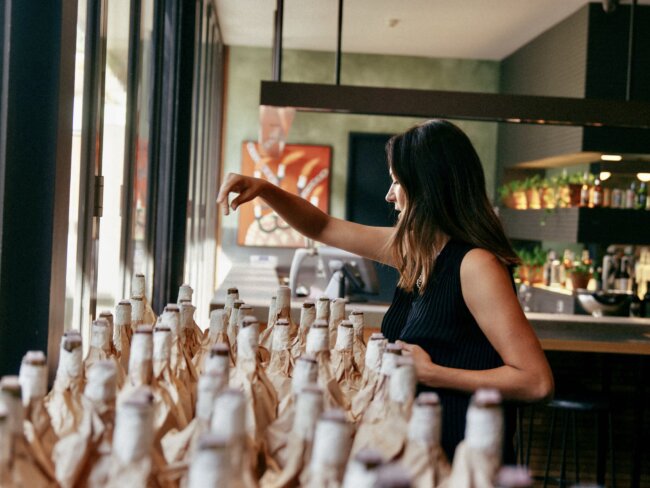
We gathered every example of Australian malbec that we could find and set our expert panel the task of finding the wines that compelled the most. All wines were tasted blind, and each panellist named their top six wines. Below are the wines that made the panellists’ top-six selections from the tasting.
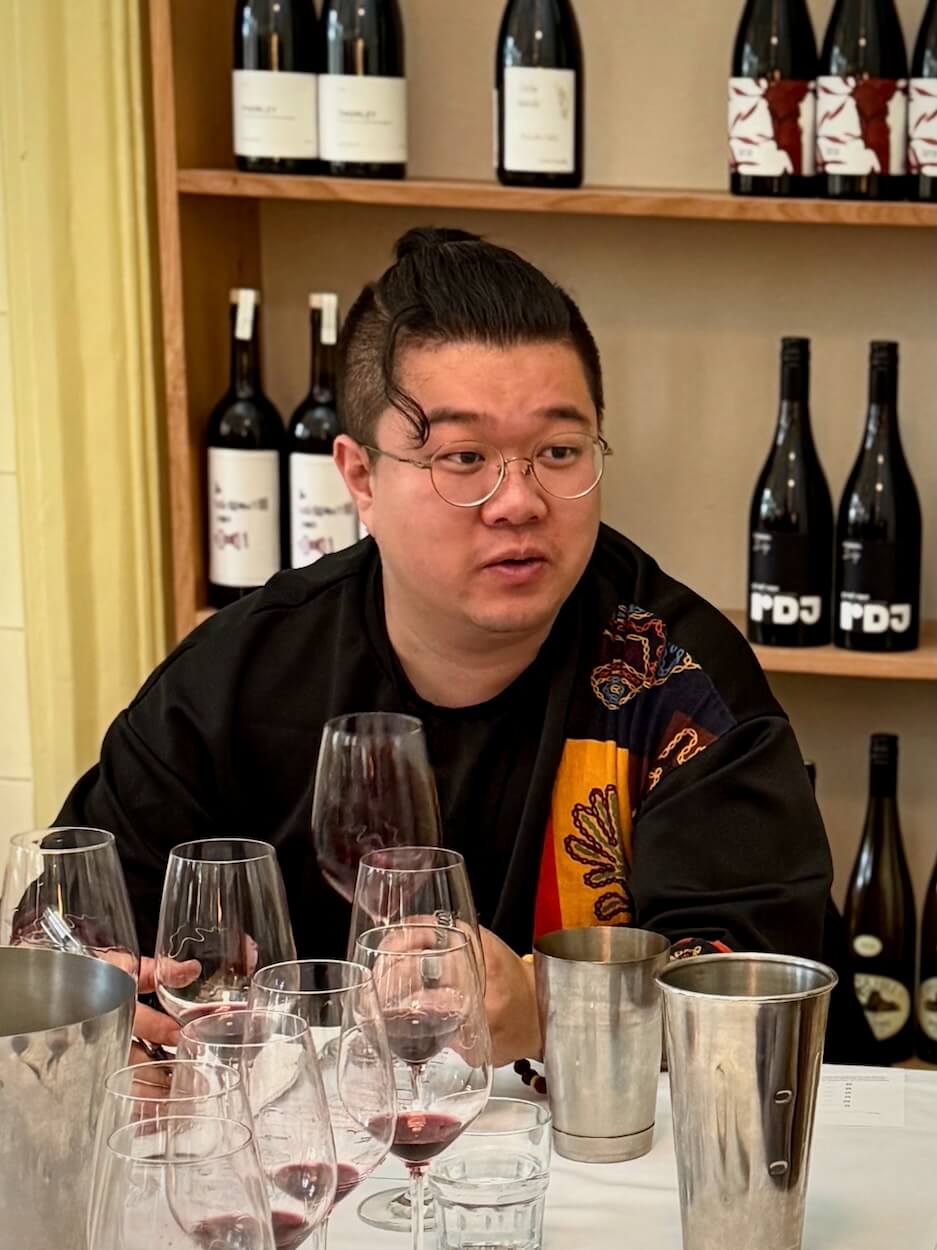
Our panel: Brendan Hawker, chief winemaker, Yering Station; Katarina Lange, wine buyer, Botanical Hotel; Maxence Gueritot, sommelier, Brae; Charles Duan, sommelier, Gaea; Hayley O’Heare, brand manager, Joval Family Wines.
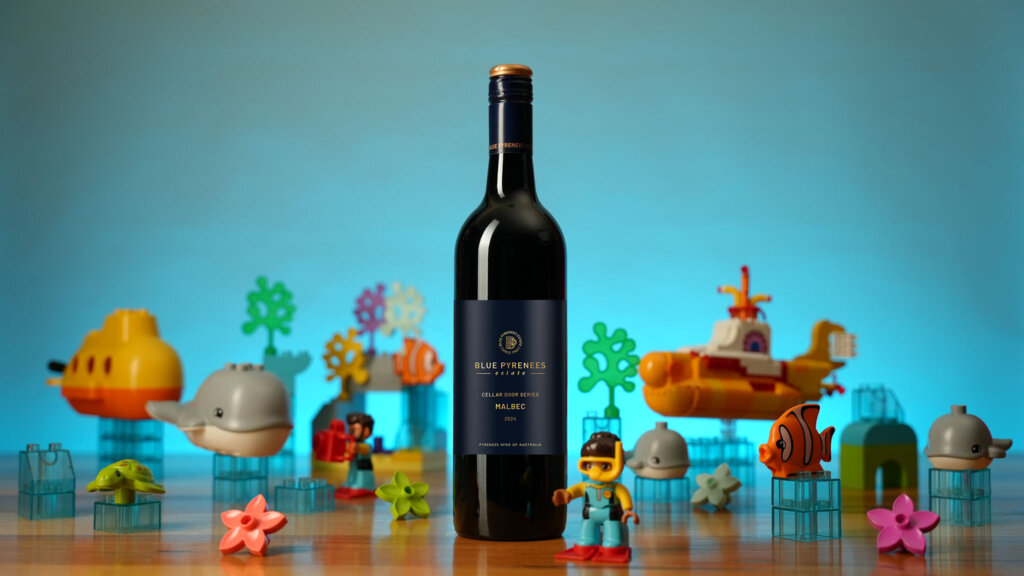
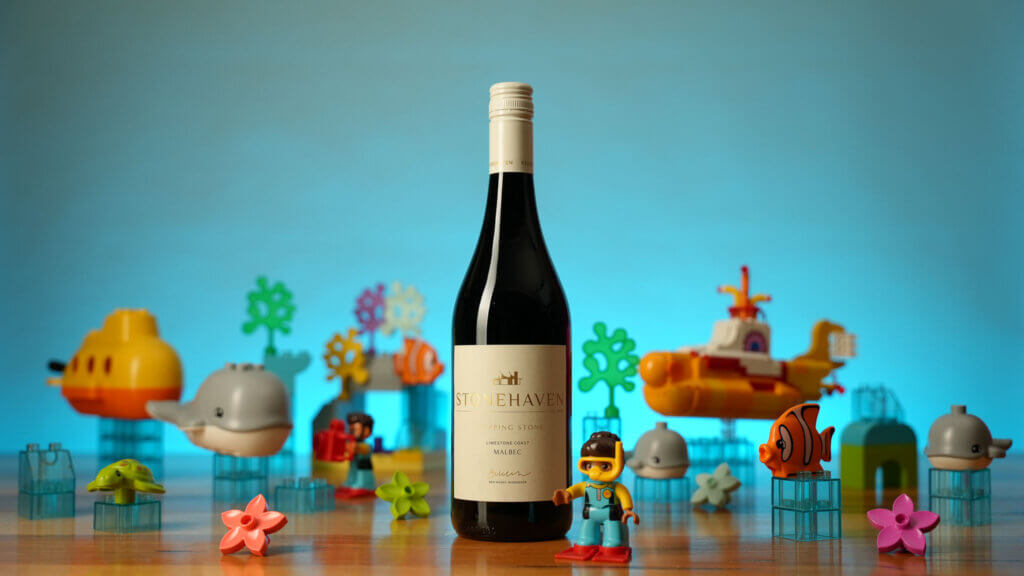
Hawker, Gueritot, and Duan all selected this wine in their top six from the blind tasting. Hawker found “inky depth to black berries and mulberry fruit, black olives and bone broth. Lovely bright spark with crushed thyme and milk chocolate across mid palate which brings freshness to the deep black fruit profile. The tannin is plush and mouth coating and surprisingly elegant in all its extract. A great glass to fall into in front of an open fire.” Gueritot called it singular across the line-up due to its higher proportion of new oak. “The vessel has a positive influence as it does not overwhelm the fruit and preserve its sweet yellow plum character,” he described. “It adds another layer of oak derived aromas like dark chocolate and a light empyreumatic component as well as more strength and density on the palate. A different style, more suited for the table with drier tannins.” Duan noted it was quite aromatic with a perfumed bouquet of fresh cherry, magnolia, rose, and lavender. “The perfumed character carries over to the palate – juicy, well-structured, with bright acidity and smooth tannins,” he observed. “The perfumed nature of this wine might be a little overwhelming for those who don’t love highly aromatic reds – but it’s a dream for lovers of floral characters in wine.”
2024 Blue Pyrenees ‘Cellar Door Series’ Malbec, Pyrenees $37 RRP
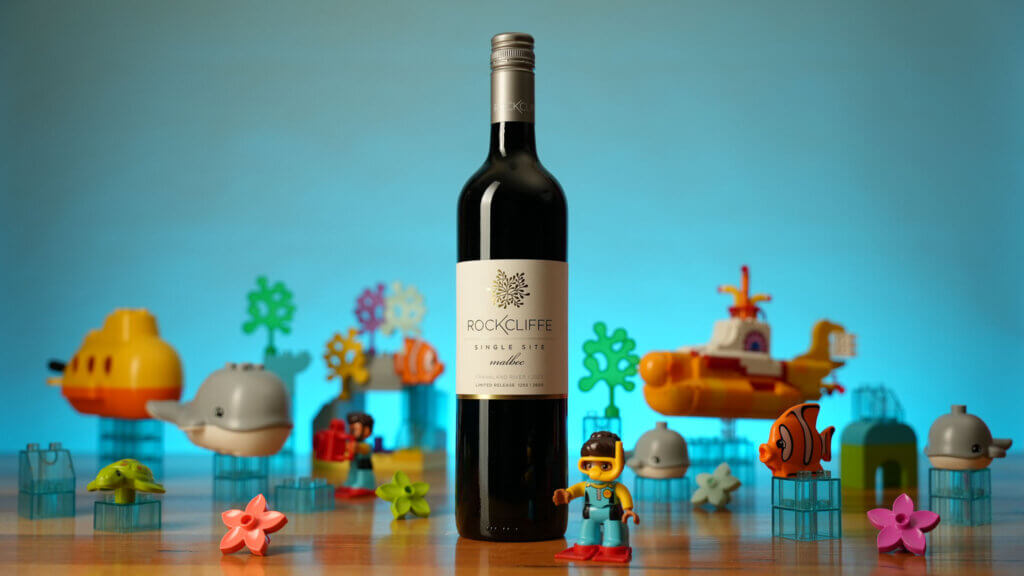
Duan and Gueritot both selected this wine in their top six from the blind tasting. Duan found bright acidity balanced by savoury character and sweet spice notes. “Lots of cinnamon, star anise, and pepper on the nose, but quite subtle on the palate – even a touch meaty,” he noted. “Sweet-fruited finish.” Gueritot called it singular across the range due to its savoury and meaty profile. “The nose is reminiscent of dishes like ratatouille or eggplant stew due to the influence of savoury herbs like marjoram, sage and rosemary on its character,” he described. “It is also dominated by a significant and contrasting ripe crushed plum expression that hints towards the sweeter side. The wine seems to offer an honest expression of the grape with priority given to the expression of the fruit without over-extraction.”
2023 Rockcliffe ‘Single Site’ Malbec, Great Southern $60 RRP
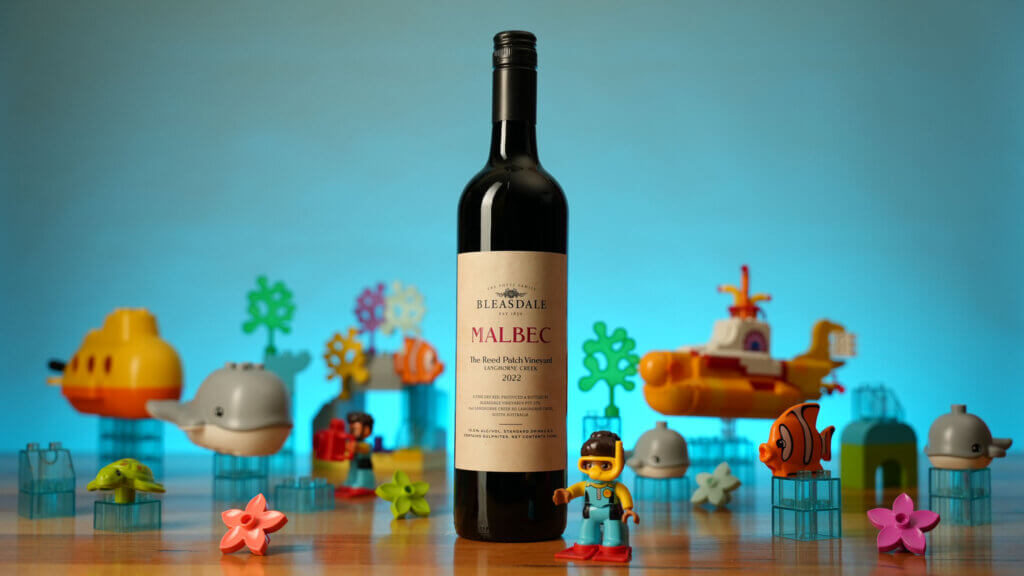
Duan, Lange, Hawker, and O’Heare all included this wine in their top six from the blind tasting. Duan described a very earthy and savoury nose with fennel seed, anise, hints of leather and sandalwood. “Some umami on the palate in the form of a salty kombu note, alongside an anise spice that balances well with the wine’s tannins,” he noted. “A very interesting mix of spice, tertiary, and umami characteristics on show here.” Lange found this a dense and inky wine with aromas of slightly bruised black plums, blackberry and blueberry. “The oak is evident on this one with displays of graphite and dark roasted almonds,” she described. “On the palate, there are saline minerals cascading across the tongue with flavours of liquorice, kirsch and cassis. Overall, this is a wine of power and structure enabling pairings with charred beef and richer stews.” Hawker called it a lovely balanced medium bodied wine. “Satiny black plum and fresh blueberries with subtle dried herbal undertones,” he noted. “Not overly complicated or complex but great purity.” O’Heare found it quite an intriguing, complex wine that walked the line between delicacy and power. “My first impression was of an underlying ironstone minerality, layered with subtle game characters and a melange of fruits – raspberry, wild strawberry, and cassis – topped off with seductive violet florals,” she described. “It wasn’t too shouty – it felt like a quietly confident wine.”
2022 Bleasdale ‘Reed Patch Vineyard’ Malbec, Langhorne Creek $39 RRP
Lange and O’Heare both chose this wine in their top six from the blind tasting. Lange called it her top wine based on its vibrancy and sheer complexity. “Red plum, kirsch, red cherry and a delicate note of red apple skin all feature,” she described. “There is a curious sweet and savoury combination of milk chocolate and salted beef in the background. Dried bramble bush, rosehip, cherry blossom and hibiscus add to the complexity of the nose, all beautifully balanced. The body is medium with supporting acidity and excellent persistence on the palate, driven by a fine network of sappy tannins. An elegant and more delicate Malbec which could work well with steak tartare as well as grilled pork chops.” O’Heare found this malbec covered all bases. “Aromas of terracotta pot, warm earth and a touch of eucalyptus immediately drew me in,” she noted. “The palate was lighter on its feet and more floral than I expected, with violet and iris lifting the otherwise sweet-fruited palate dominated by wild strawberry and raspberry. This wine didn’t make me think too hard. It ticked all the boxes.”
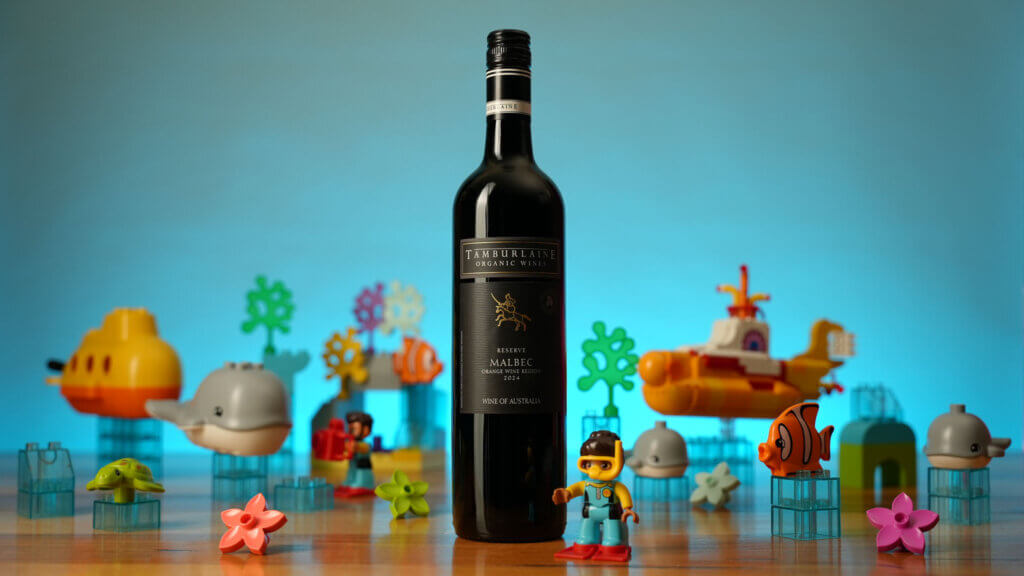
O’Heare chose this wine in her top six from the blind tasting. “This was a malbec with a distinctly Australian twist!” she observed. “It was reminiscent of a bush walk on a hot day when all the fresh, woody scents are wafting through the air. A good dose of eucalyptus was the first thing that hit me, and its minty, citrusy perfume lifted the other aromas up and out of the glass. Aromas of violet and tobacco leaf were beautifully layered with the densely concentrated flavours of blueberry, wild blackberry and cassis on the palate, framed by ripe, chalky tannins. This was a polished wine but with plenty of personality! Drink with wallaby tartare and crisps.”
Lange and Hawker both chose this wine in their top six from the blind tasting. Lange found another vibrant and lifted wine with an explosion of concentrated fruits on the nose. “Attractive aromas of mulberry, boysenberry and redcurrant preserve spring from the glass with an herbaceous floral note of wild heather,” she described. “Charred meats, bone broth and rosemary blossom give an inviting savoury edge bringing up thoughts of a juicy steak on the bone. The body is supple with refreshing acidity and a superfine, delicate tannin structure. Fruits and sappy herbs are in perfect balance on the palate, giving an overall pleasant drinking experience.” Hawker noted beautiful deep, dark magenta colour with perfume of chamomile and baking spices over dark black berry and white chocolate. “Plush and vibrant in its youthfulness,” he observed. “The tannin gives a great velvety structure coating the ripe plum and blackberry jam fruit. Not overdone, just fresh and energetic.”
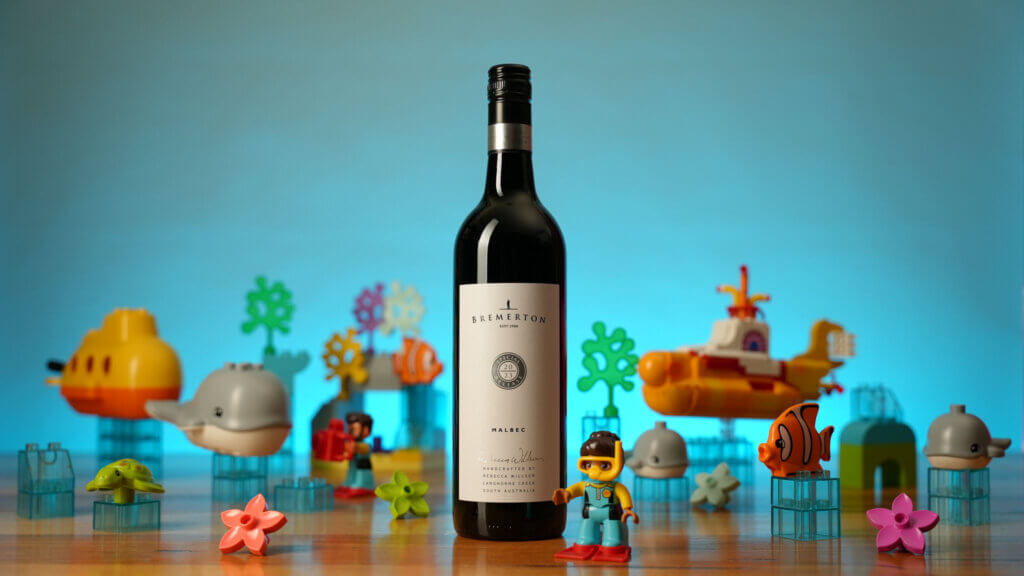
2023 Bremerton Malbec, Langhorne Creek $26 RRP
Lange and Hawker both chose this wine in their top six from the blind tasting. Lange described a much more subtle nose to start, but one that unfurls in the glass. “Fresh blackberries, undergrowth, forest floor and a curious note of white pepper are all evident,” she noted. “There is a slight balsamic streak of sappy pine and medicinal herbs reminiscent of wormwood. Again, a medium bodied Malbec with an elevated acidity cleansing the palate. There is notable alcohol, but this only adds to the experience as it is kept in check by the acid and tannin structure.” Hawker found ripe plum with just turning blueberries. “Cedary, herbal lift adds depth and elegance,” he observed. “Palate has a refined warmth like a pot belly stove in the morning. A wine of familiarity and comfort. Graphite like minerality to finish brings another layer of elegance.”
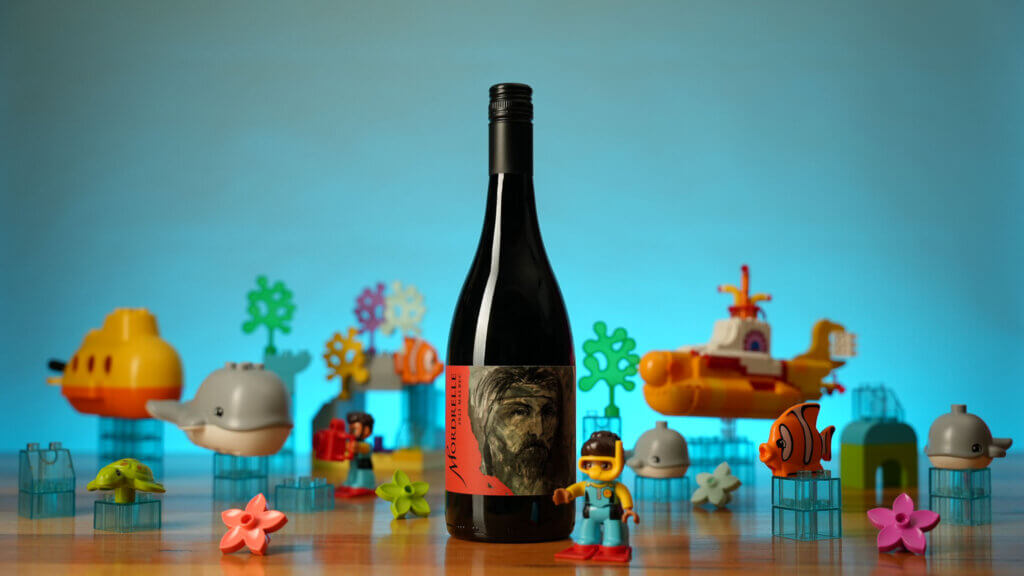
2023 Mordrelle ‘The Gaucho’ Malbec, Langhorne Creek $40 RRP
O’Heare chose this wine in her top six from the blind tasting. “I thought this wine just had so much going for it!” she noted. “It had an incredible perfume, initially opening up with violet, iris, fennel and coriander seed, and fresh tobacco leaf, before making way to plush fruits and a more savoury, meaty character which I found particularly appealing. The palate unfolded with red apple, raspberry lolly, blueberry, and warm earth, and is lifted by vibrant acidity and fine-grained tannins which completed the picture. A thought-provoking wine which I would drink on any occasion but preferably only sharing the bottle with one other!”
Gueritot included this wine in his top six from the blind tasting. “Very much a well-made example of an Australian malbec in its fruit character,” he described. “The nose is dominated by Davidson plums and a secondary expression of savoury herbs and crushed ripe raspberries. Quite attractive in its balance, as nothing seems to be going over the top – it’s well–put together. The palate shows interesting flesh and texture while remaining balanced again. A very juicy character of fresh plums softly supported by a delicate acid structure which makes you naturally salivate and look for another sip.”
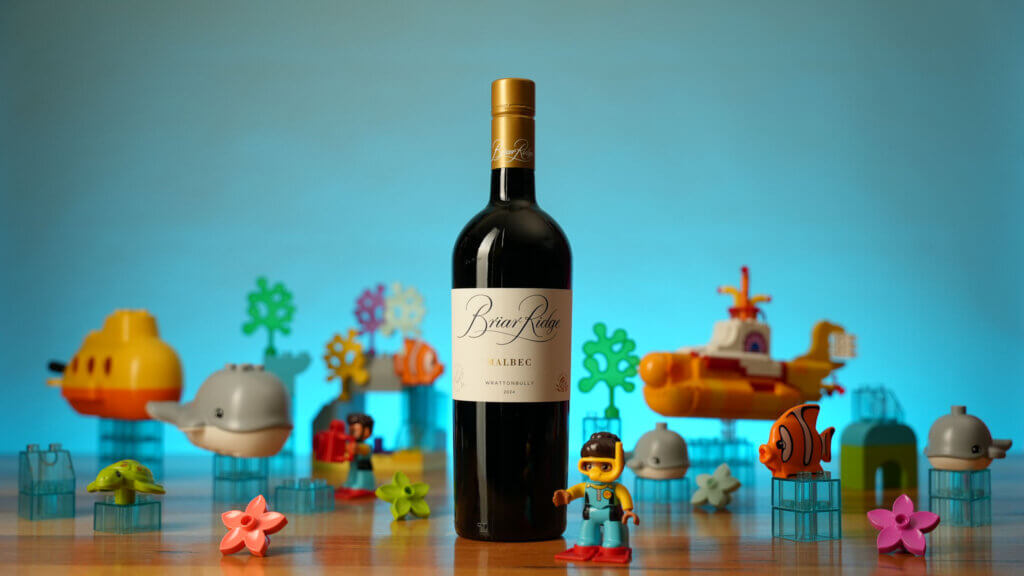
2024 Briar Ridge Malbec, Wrattonbully $40 RRP
Hawker had this wine in his top six from the blind tasting. “Lifted aromatics of purple flowers and crushed violets with hints blossoming rosemary and crushed herbs,” he described. “The palate is satiny in texture, layered with ripe plums and just-ripe blackberries – lush, brambly fruit that remains bright and focused rather than jammy. Beneath the fruit sits delicately spiced oak, offering gentle hints of clove, cedar and warm toast that accentuate rather than overwhelm. Bright, mouthwatering acidity and a deliciously salivating minerality keep the profile lively and precise, adding tension to the wine’s depth.”
2023 Zonte’s Footstep ‘Violet Beauregard’ Malbec, Langhorne Creek $30 RRP
Duan had this wine in his top six from the blind tasting. “One of the most interesting wines of the tasting – very complex and savoury,” he noted. “On the nose: prune, blood orange, kumquat jam, even some tomato, nicely backed by a lightly smoky cedar-like wood tone. Very spiced palate, showing dried mint, hay, and caraway seed, alongside very ripe plum as well. The high-toned, lifted acidity may skew the wine’s balance a little, but the savoury and spiced elements here would be very fun to play with in food pairings: think chou farci, pancetta, or braised lamb shank. While it’s not technically perfect, this wine’s abundance of character and charming idiosyncrasies make it a stand-out.”
Lange and Duan both selected this wine in their top six from the blind tasting. Lange called this the most meaty example of her top six wines with distinct aromas of beef stock and pastrami studded with fennel seeds. “Black cherry, blackberry and bruised red apple skin make up the fruit profile, whereas sage, alpine herbs and spearmint give a lift to the nose,” she described. “Dried fenugreek, Campari, and black tea are all in harmony with the fruits, completing the aroma profile. Again, the tannin and acidity are in very good balance, driving the length on the palate. I’d think this would a great wine with game or lamb, paired with lingonberry jam.” Duan found spiced sour cherry syrup and some cherry blossom on the nose. “Juicy and well-balanced, with nice structure and a fresh, clean palate,” he noted. “Blood orange note on the finish.”
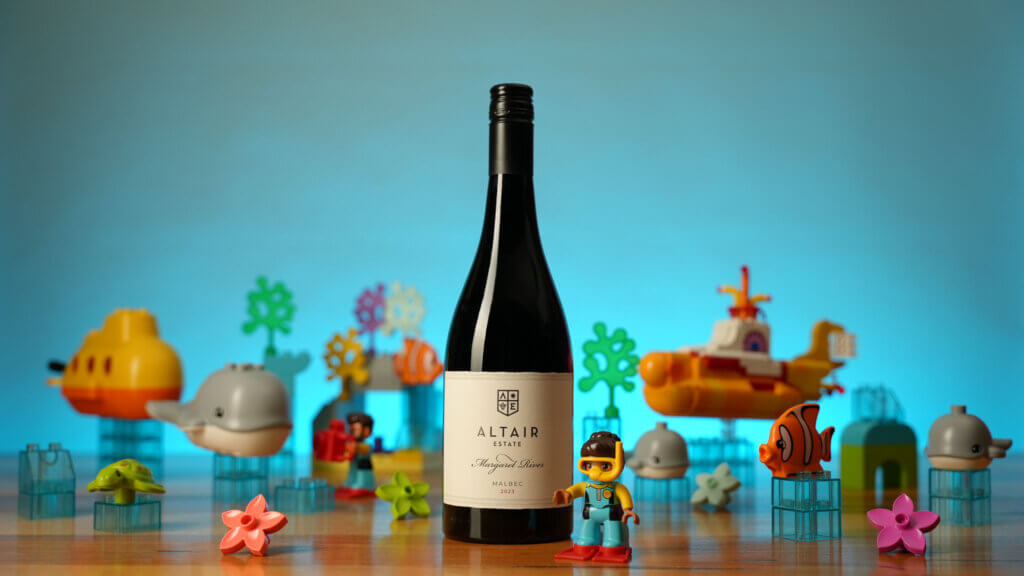
2023 Altair Malbec, Margaret River $46 RRP
Gueritot selected this wine in his top six from the blind tasting. “This wine offers a different expression in its fruit character, focused around fresh blueberries and fresh dark plums,” he noted. “There is a confectionary element on the nose, most likely expressing the nature of the oak vessel used for vinification. An odd raspberry chewing-gum and coca-cola feel on the nose which can translate the impact of the oak on a relatively delicate fruit expression. Probably a wine from a lower elevation site which lacks a touch of acidity, but benefits from the roundness of the oak regime in intensity and concentration.”
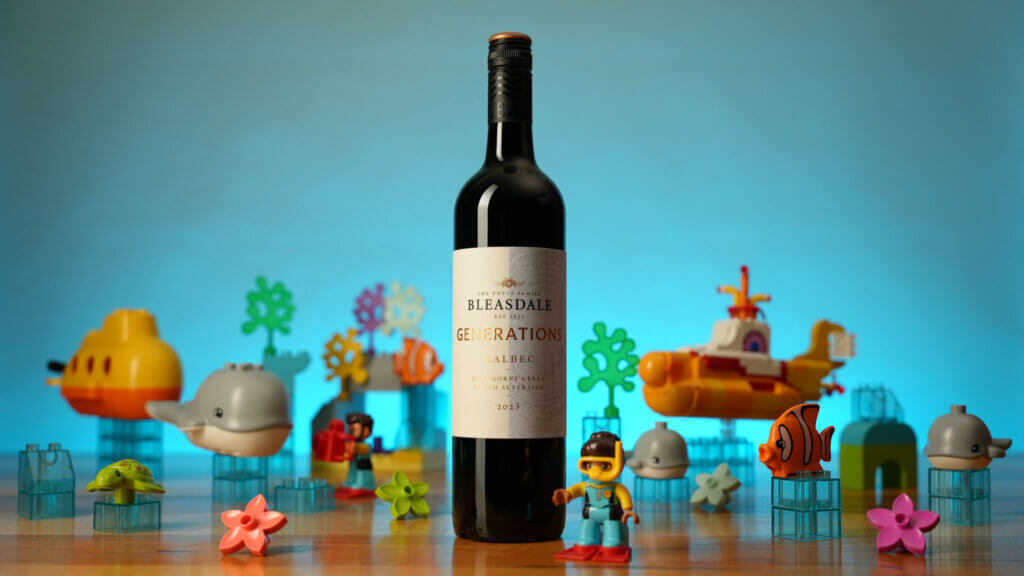
2023 Bleasdale ‘Generations’ Malbec, Langhorne Creek $39 RRP
O’Heare had this wine in her top six from the blind tasting. “An incredibly bright and lifted wine, showing pressed raspberry, violet florals, and pink peppercorn,” she described. “Subtle hints of more savoury characters like white pepper and cured meats were woven through and well-integrated adding a nice complexity to the mix. The palate had lovely fruit concentration and a freshness reminiscent of freshly picked raspberries. This wine was a no-brainer for me – I’d have a glass any night of the week, with or without a meal. If you’re partial to a chilled red in the warmer months, this would do well in the fridge for fifteen minutes before pouring.”
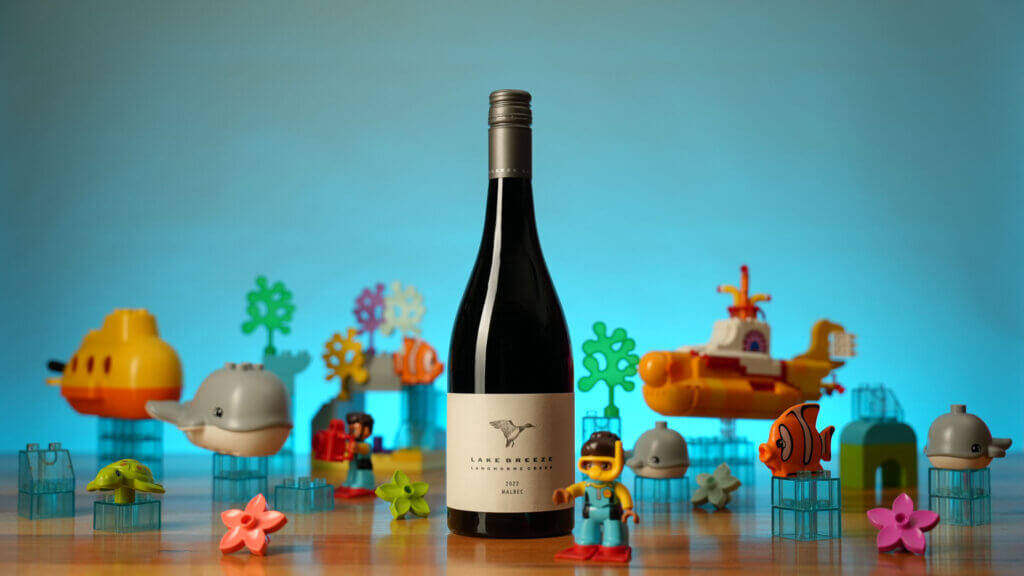
2022 Lake Breeze Malbec, Langhorne Creek $30 RRP
Gueritot featured this wine in his top six from the blind tasting. “A wine based around the singularity of its oak vessel once again,” he observed. “Tightly framed around baking spices that are quite pronounced – all-spice, cinnamon stick, liquorice and cassia bark. The fruit profile adopts an expression aligned with that identity, showcasing a character of dried raisins and cinnamon plums. It maintains a plush and juicy texture that offers enough ripeness to balance the spicy oak influence, and brings that full texture into the realm of finesse and balance. It maintains its freshness with an expression of fresh green olives and tomato leaf after aeration.”
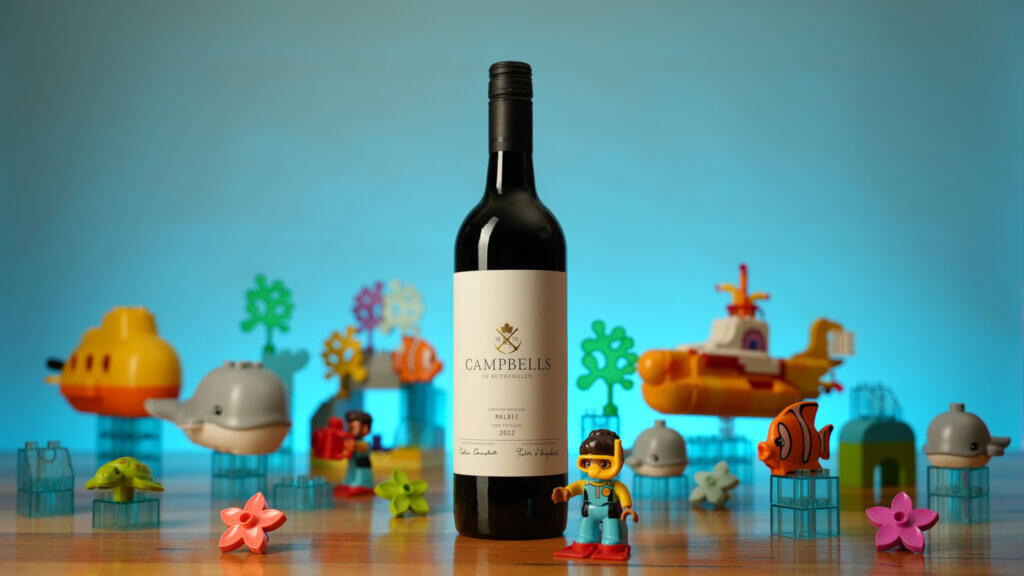
2022 Campbells of Rutherglen Malbec, Rutherglen $30 RRP
O’Heare featured this wine in her top six from the blind tasting. “Exotic and spice driven, this is kind of wine I’d choose to drink on a cold night, outside by the fire, with meats and hearty vegetables smoking and slowly roasting over the coals,” she noted. “Star anise, cardamom, and clove were nicely woven through the concentrated, fruit forward palate which was led by raspberry, blueberry and juicy plum. Super fine, furry tannins – which were also spicy! – gave nice structure to a wine that overall had a great energy to it.”
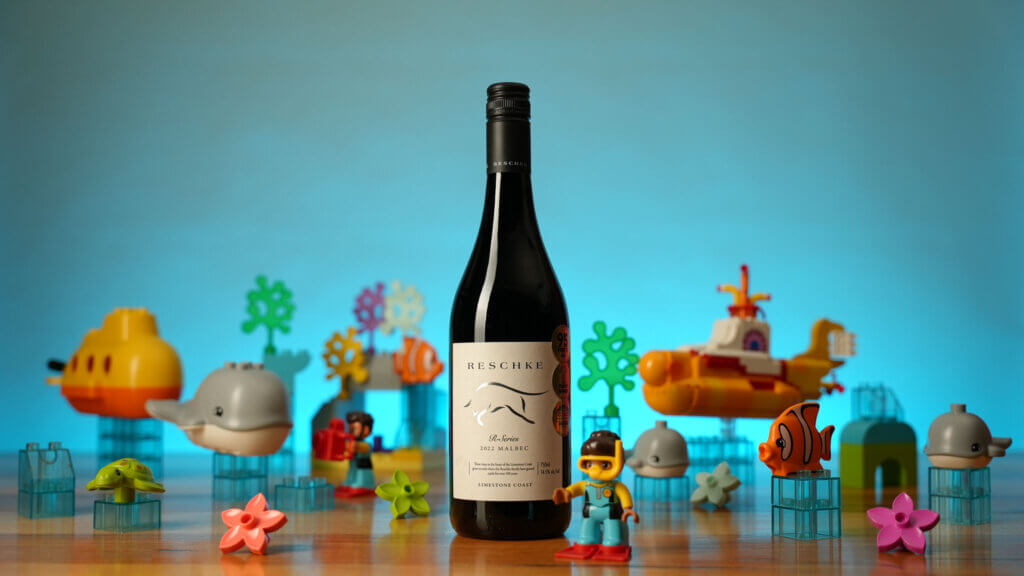
Gueritot had this wine in his top six from the blind tasting. “As close as Australia would get to Argentina from the different wines tasted today, which means still relatively far,” he noted. “The wine offers a lot of freshness. There is a gentle fresh bush expression to support the fullness in the texture of the wine which is balanced by this fresh herbal character. The organoleptic profile is also focused around a meaty profile with dried and savoury herbs to balance the natural sweetness in the fruit. Tannins are fine but dry and would offer an interesting counterpart to a lean steak on the grill with a pepper sauce.”
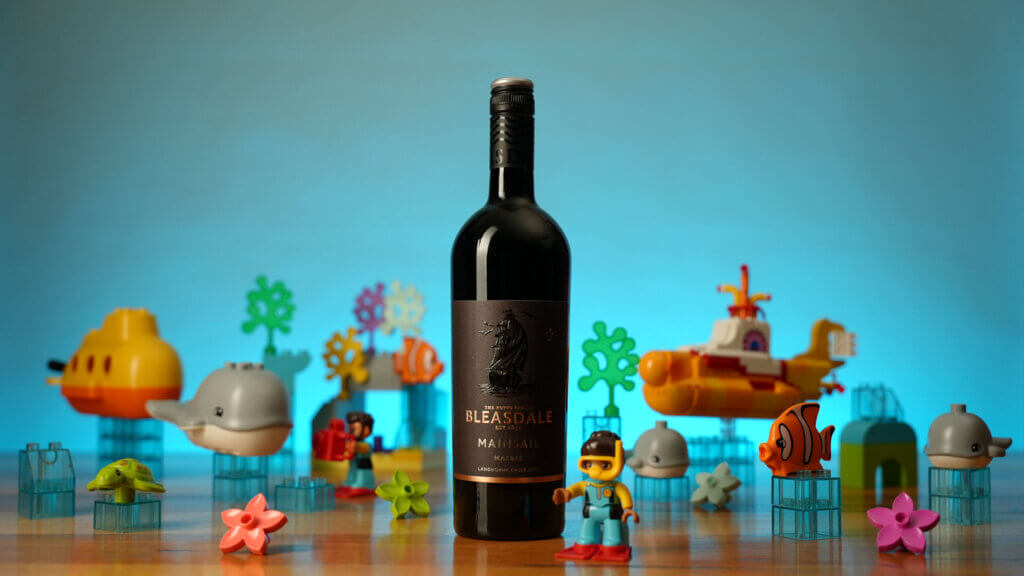
2022 Bleasdale ‘Mainsail’ Malbec, Langhorne Creek $99 RRP
Hawker included this wine in his top six from the blind tasting. “Concentrated black-cherry and blackberry reduction framed by savoury vegemite-stock umami,” he observed. “There’s an old-world air – like soaking up the splendour of its architecture while standing in a damp laneway – with a subtle animalic hook of tanned leather and cured game that demands attention. The palate is seductively soft, tannins velvety at first then building to a substantial, long flavoursome finish resplendent with blackberry and blood plum fruit. This wine screams a flank steak grilled over an open fire with a chimichurri sauce.”
Lange selected this wine in her top six from the blind tasting. “Probably the most distinct and exotic wine of the selection,” she noted. “Earl Grey comes to mind with dried bergamot peel and lavender aromas. Wild strawberry, quince paste and redcurrant preserve demonstrate the brightness of the fruits. There is also a note of dried muscatels and fresh pine needles. One of the most curious wines, in my opinion, with a lighter body and moderate acidity. The tannins are elevated and sappy, framing the palate and driving the length. Given the flavour profile, this would be a great wine with stronger flavoured cheese such as aged Manchego or Epoisses.”
The Backstory
Malbec has taken a long and winding path from its birthplace in the Cahors region of France to becoming a globally popular varietal wine in its Argentinian form. Yet Australia actually beat Argentina to the punch on malbec by thirty or so years, and the variety has played a small but important role in Australian viticulture ever since.
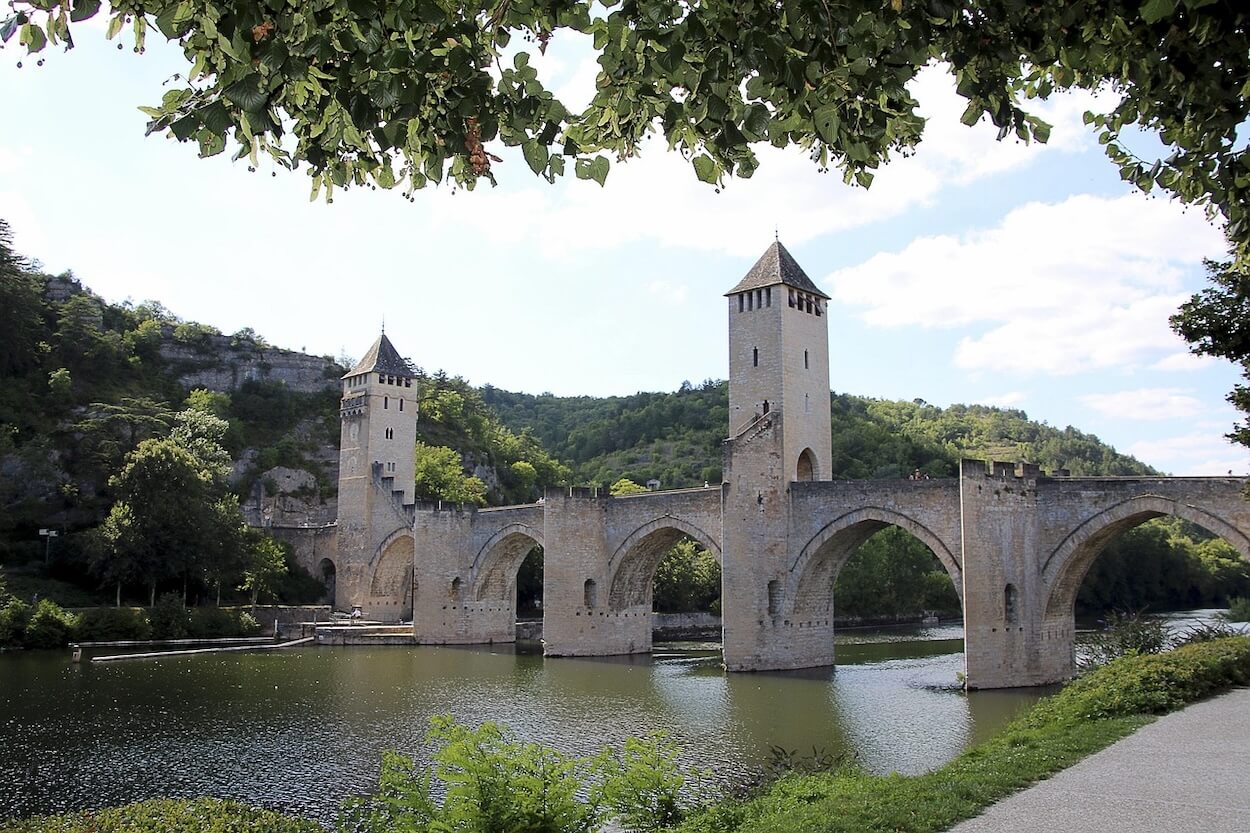
While malbec is now best known as Argentina’s national grape variety, its origins are resolutely French. The variety first emerged in or near the Cahors wine region in France’s south-west, where it is called cot or côt, and is traditionally turned into dense, earthy wines with notably chewy tannins and high acidity that need some time in bottle to become approachable. (‘Cot’ is itself a contraction of ‘Cahors’ – as are many of its other synonyms across France.) DNA profiling reveals malbec to be a half-sibling of merlot – although unlike merlot, it is not part of the cabernet family, genetically speaking. It shares many of merlot’s viticultural qualities – specifically vigorous growth that needs to be carefully managed and a sensitivity to frost. It also shares with merlot the status of being something of a latecomer to the Bordeaux region, which lies to the west of Cahors, arriving there around 1760 (roughly twenty years before merlot first appeared).
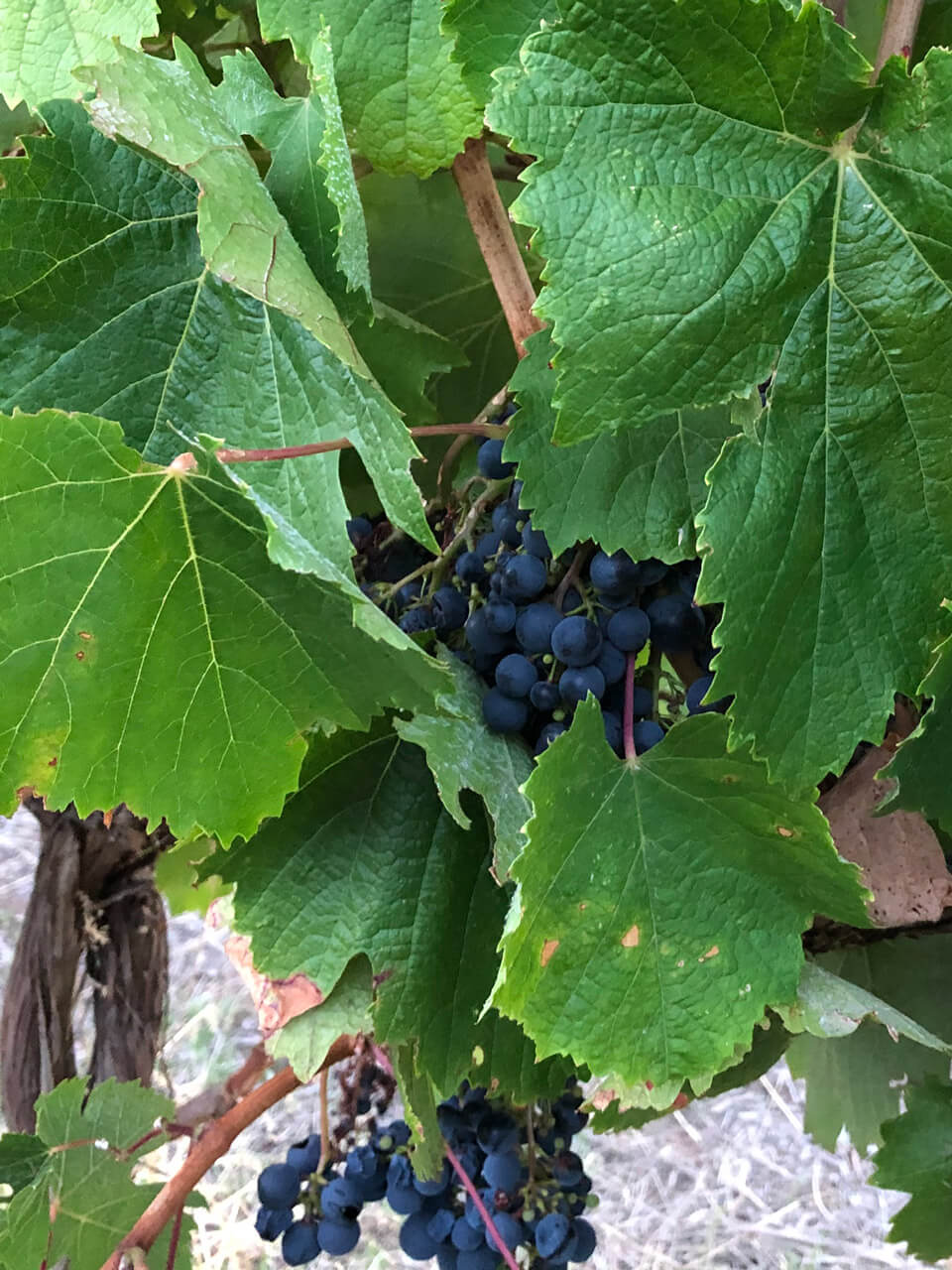
Opposite: Malbec grapes on the vine. Above: The Valentré bridge in Cahors – the ancestral home of malbec (or, as it is called there, cot).
While malbec is currently a bit player at best in Bordeaux’s vineyards, its time in that region has profoundly impacted its development as a variety. First and foremost, Bordeaux is where the variety acquired its current name – after a monsieur Malbeck, who cultivated it in the Entre-Deux-Mers subregion of Bordeaux and propagated it throughout the vineyards of the Médoc. It had become widely planted in the region by the 1780s, becoming a co-equal of cabernet sauvignon, and a major component of the wines of such famed châteaux as Latour and Cheval Blanc. The arrival of the the grape vine louse phylloxera in Bordeaux in 1866 decimated plantings of all grape varieties, and unfortunately for malbec – in contrast to its half-sibling merlot – it did not take well to early grafting processes, so it soon fell out of favour as Bordeaux’s vignerons replanted on American rootstocks. A terribly harsh frost event in 1956 killed much of what remained in Bordeaux, and most of what was lost was replanted with earlier-ripening merlot. Malbec now comprises less than 3% of Bordeaux’s vineyard area, where it is officially lumped in alongside petit verdot and carménère in the category ‘other red varieties’ – although those numbers may be set to increase as the region’s producers look to later-ripening varieties to mitigate the effects of climate change.
Don’t cry for malbec, Argentina
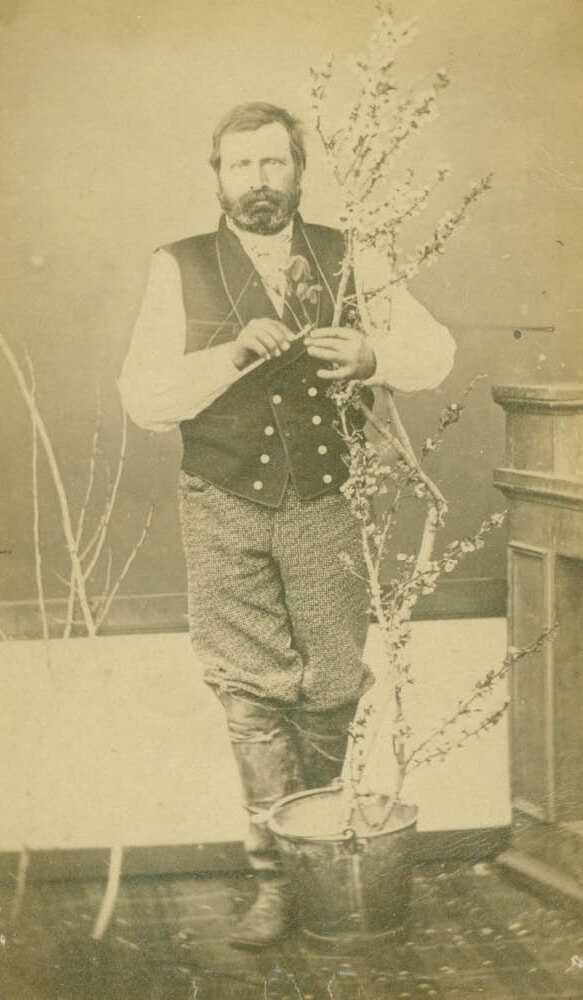
Malbec’s moment of supremacy in Bordeaux may have been brief, but it set the stage for the variety’s remarkable second act on the other side of the world. In newly independent Chile, the ruling class looked to France for inspiration in forming the nascent country’s wine industry – and a cadre of French agronomists, many of whom had been exiled by the coup d’état of Napoleon III, were happy to answer the call. One such agronomist was Michel Aimé Pouget, who arrived in Chile around 1840 with French vine cuttings, including some malbec that was likely sourced from Bordeaux. A decade or so later, in 1853, Pouget was enticed over the border to Argentina to work for that country’s newly-established ministry of agriculture, again bringing malbec with him. The variety eventually thrived in Argentina, particularly in the mountainous and arid Mendoza region – where the long growing season and intense sunlight leans into the variety’s late-ripening tendencies, and the dry, sandy soils prevent phylloxera (thus eliminating the need to graft).
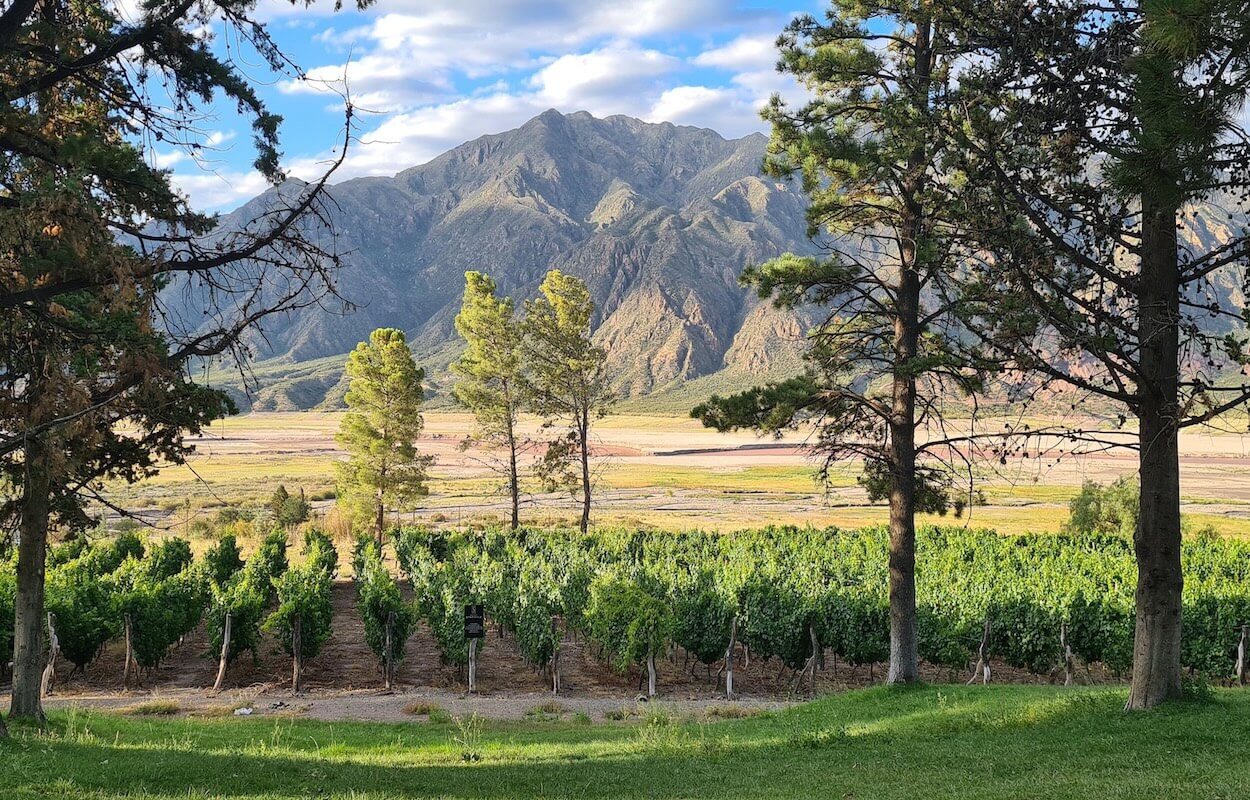
Opposite: Michel Aimé Pouget – the man who brought malbec to Argentina. Above: The Mendoza wine region of Argentina, with the Andes in the background.
While this marriage between grape and place may seem, in hindsight, to have been pre-ordained, the reality is that Argentina’s wine industry, including its malbec grapes, got off to a rocky start. As waves of immigrants from Italy and Spain arrived in Argentina in the late 1800s, demand for wine outstripped local supply – much of which was built around sacramental wines – which lead to Argentina becoming the world’s second-largest importer of wine throughout the 1870s. In response to increased domestic demand, and aided by the development of national railroads, local plantings boomed – and malbec, with its deep purple colour, became a favoured variety for these plantings because wines produced from it could be more easily ‘baptised’ (i.e. watered down) by unscrupulous merchants. By the early 1900s, Argentina had become a country that produced large quantities of uninspiring wine – not only from malbec, but also from a number of high-yielding and undistinguished varieties such as criolla grande, criolla chica, and bonarda. Mismanagement of the country’s wine industry by the fascist military junta and its democratically-elected successors meant that, by the end of the 1980s, Argentinian wine was in a relatively sorry state – and its growers were happy to rip out their malbec and replace it with either more modish varieties such as cabernet sauvignon, or the more reliable workhorse of bonarda.
It would take an American outsider, Paul Hobbs, to show the world what Argentinian malbec was capable of. Hobbs visited Mendoza in 1988, brought there by his UC Davis classmate Jorge Catena – the younger brother of Bodegas Catena Zapata’s general manager, Nicolás Catena. Hobbs moved to Mendoza the following year to work for Catena Zapata – who were, at the time, focused on the potential of chardonnay in the region, and relatively uninterested in malbec. Despite this, and inspired by an old-vine malbec vineyard he’d discovered by the Mendoza river, Hobbs convinced Nicolás Catena to allow him to trial some changes to malbec viticulture. His innovations – including opening up the fruiting zone, decreasing irrigation, and installing netting to mitigate against the region’s ever-present hailstorms – radically improved the quality of the malbec fruit that could be grown in Mendoza, with a corresponding increase in wine quality.
“Malbec is just supple and smooth on the palate, and the way it was being made – I was using American oak – gave you vanillin, black cherries, and vanilla ice cream.”
The timing of Catena and Hobbs’s foray into what was at the time a deeply unfashionable variety was exceptionally lucky. With less irrigation came smaller, more concentrated berries, which could be turned into the kind of inky, concentrated wines that were finding a dedicated global audience in the early to mid-1990s. New American oak barrels gave vanilla overtones to the variety’s inherently luscious fruit flavours – “black cherries and vanilla ice cream” as Hobbs describes it. Finally, the higher levels of ultraviolet light in Mendoza, courtesy of the region’s elevated altitude, means that the tannins in the berries’ skins are partially polymerised before they arrive the winery – leading to a significantly smoother tannin profile than the variety can achieve in either Cahors or Bordeaux. The end result were wines that were rich, dense, fruity, and supple – exactly in line with global consumer tastes in the ’90s, and completely different from the traditional cot-based wines of Cahors. Catena Zapata’s overhauled malbecs launched in 1994, and their success (particularly in the United States of America) was remarkably swift. By the late ’90s and early 2000s Mendoza’s malbecs had become to Argentina what bold Barossa shirazes were to Australia, or rich Napa Valley cabernets were to the States – an internationally renowned calling card. Malbec now comprises 23.5% of Argentina’s total vineyard area, and has become its most widely cultivated variety.
Argentina’s High-Altitude Malbec Secret – Found in Australia
Malbec down under
While malbec’s return to global consciousness can be sheeted home to those mid-1990s Argentinian wines, Australia has its own rich history with the variety – one that in fact predates Argentina’s. The variety first arrived in Australia in May 1837, ferried from Bordeaux to Sydney by the young French trader Didier Numa Joubert, who had been sent to Australia by the Bordelaise négociant company Barton & Guestier. Barton & Guestier had in turn been engaged by the botanist and vigneron William Macarthur, who had sought “a collection of the best sorts cultivated in the Médoc”. (Joubert also brought with him Australia’s first cabernet sauvignon and petit verdot – as well as a mysterious white variety labelled ‘sauvignon cendré’.) From here it spread fairly rapidly throughout colonial-era Australia, becoming a popular planting choice across a wide range of climatic conditions – similar in this regard to the once-ubiquitous mataro.
While several regions in particular have since staked their claims on Australian expressions of malbec – particularly Margaret River, Clare Valley, and Padthaway – the variety has a particular historical association with Langhorne Creek. Much of this historical association is driven by Bleasdale, Australia’s second-oldestfamily-owned winery, which has operated out of the region since 1858 – and, with sixdifferent bottlings of varietal malbec wines currently available, is Australia’s leading proponent of the variety. “It’s a major component of a lot of our other blends,” says Bleasdale winemaker Sam Rowlands. “We do our Bordeaux blends, and a little bit of malbec usually finds its way into those wines.”
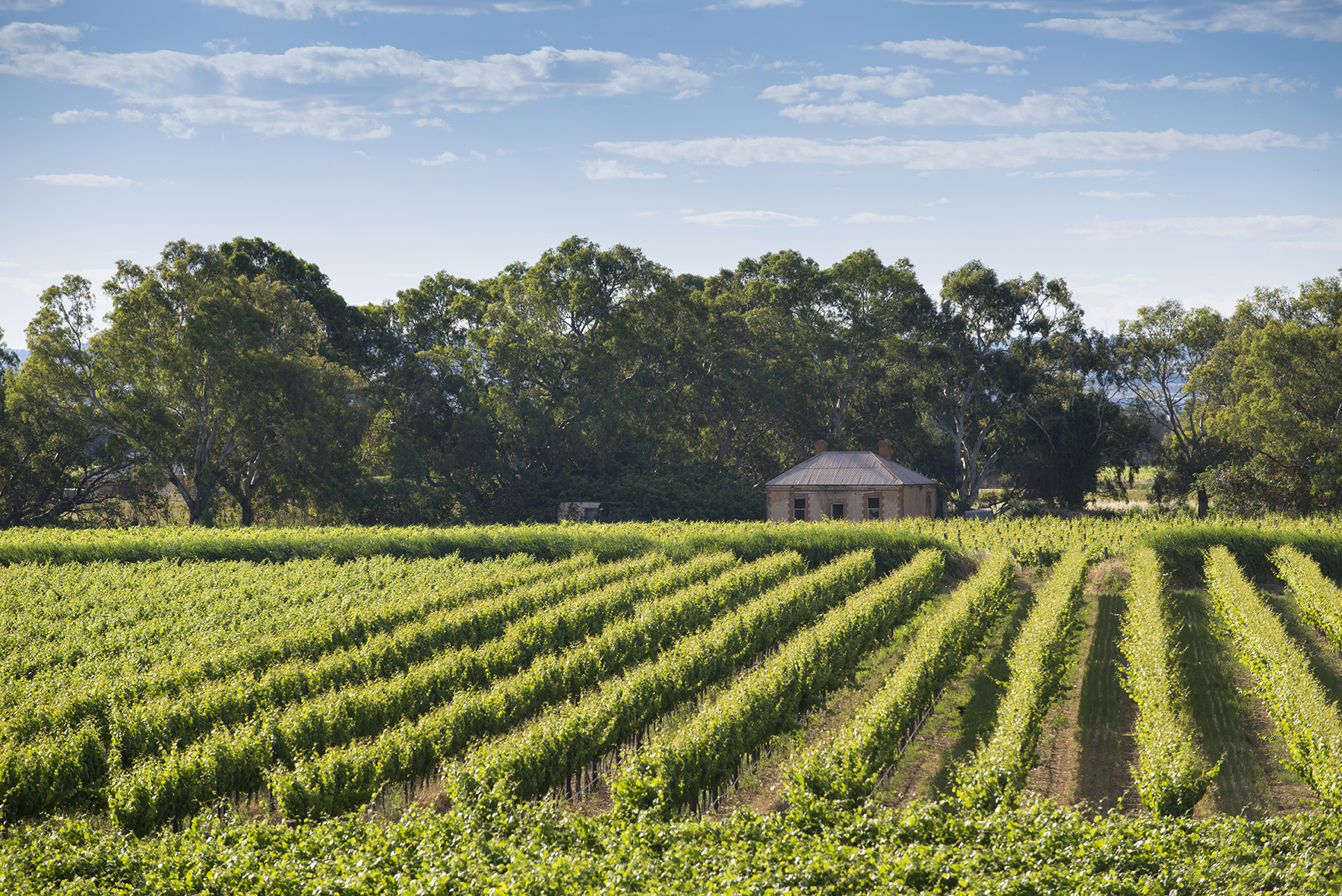
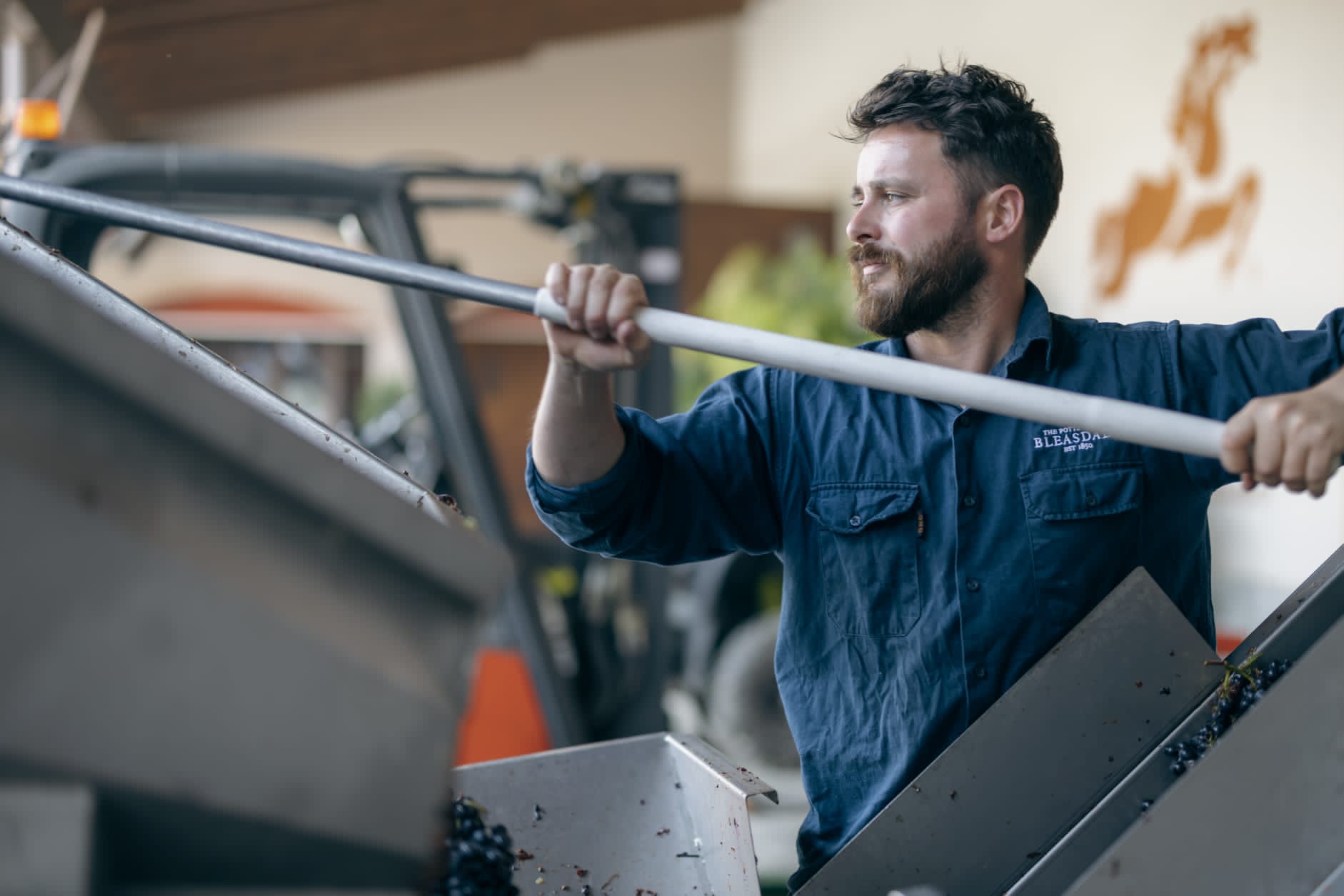
Opposite: The historic Bremer Hut nestled amid Bleasdale's 'Reed Patch' malbec vineyard. Above: Sam Rowlands, winemaker at Bleasdale.
Bleasdale’s records of malbec plantings date back to the 1890s, although it is likely that the winery was working with malbec earlier than this. (Bleasdale’s founder, Frank Potts, made red gum vats for the neighbouring Montura Vineyard, which had malbec planted at some stage before 1862.) The variety’s famously strong pigmentation – a deep, vivid purple – meant it was a valued component in the Port-style fortified wines of the late 19th and early 20th centuries. “Its really strong colour takes a long time to crack into becoming a tawny,” Rowlands says. He adds that malbec grown in Langhorne Creek has other virtues that make it equally useful for dry table reds, which Bleasdale has produced from malbec since 1961. “It just does really well down in this region as far as aromatic lift and fruit intensity go,” he says. “We’ve got a pretty hallmark tannin structure down here for malbec as well – probably a little more silky than a lot of the other regions, but we still get that lovely, slightly grainy, dark chocolate–like mid-palate tannin.” With malbec having been in the region for so long, there is naturally a wealth of diverse genetic material available – some clones appear to be unique to the region, and one is named after the Potts family. “We’ve had the same material down here for 150 years,” he says. “It’d be interesting to see if there’s still any of it left over in France.”
“I like the aromatic influence that you get from the wines of Argentina. It’s probably more the oak profile that we stray away from.”
While the variety seems especially suited to Langhorne Creek, it’s not always an easy one to grow in the vineyard. While malbec is known to react badly to frost – one of the reasons it’s now relatively obscure in Bordeaux – it can also react poorly to heat. “It’s quite a fickle variety,” Rowlands says. “In those years where we do get a couple of consistent quite warm days in a row, our yields can be reduced by up to 80% – so it’s definitely a bit of a labour of love for us.” To mitigate this issue, Bleasdale has installed sprinklers in the vineyard. “We’re not using them for irrigation,” Rowlands clarifies. “We actually use them for evaporative cooling, so if we get a bit of a heatwave – and it gets to, say, thirty-seven, thirty-eight, thirty-nine degrees – we’ve got these sprinklers that sit over the vine … so we don’t get those really high temperatures in the canopies.” During flood years, when water in the Bremer River is plentiful, the team can use a system of levees, weirs and locks set up by Frank Potts to irrigate their vineyards in a manner not dissimilar to the way producers in Argentina’s Mendoza use melted snow from the Andes to flood-irrigate their vineyards. “It helps leach all of the salt buildup out of the soils and gives us a really good base soil moisture as well for the growing season,” Rowlands says.
When it comes winemaking, Rowlands looks more to the traditions of Cahors than he does to the fruit-forward, easy-going style that is the norm in Argentina. “I’ve got a big map on the wall of my office of Cahors,” Rowlands says. “We definitely take a lot of inspiration from those wines.” That doesn’t mean that Bleasdale disregards everything about the Argentinian approach: “I like the aromatic influence that you get from the wines of Argentina,” Rowlands says. “It’s probably more the oak profile that we stray away from – especially compared to those top-tier Argentinian malbecs. We lean more towards second-use and older, and we use puncheons and water-bent barrels” – a technique that minimises the caramelisation of sugars in the wood – “for everything as well. So we’re really looking to dial back the oak influence – we need the oxygen to soften those tannins out a little bit, but we’re looking to dial back the new oak flavour.”
Planting malbec in Tasmania is brave. Building an entire label around it is audacious.
From secret agent to cameo star
While malbec has always been a workhorse in warm Langhorne Creek, at Blue Pyrenees Estate in the cooler Pyrenees region of Victoria, malbec’s role has changed from a supporting player in blends to its finding its own identity as a valued cameo performer. The variety was first planted here as a nod to French tradition: “We were started by [French Cognac house] Rémy Martin in the 1960s, and it wasn’t too long before they started planting out a fair bit of Bordeaux varietal mix,” Blue Pyrenees Estate winemaker Eden Walpole explains. “A lot of our cabernet is still from the ’60s, but with the malbec, we worked out that it was probably in the wrong spot – so we replanted out in the 1990s and we’ve had a lot better success with it since then.” Small quantities of fruit from the estate’s relatively small plot formerly went into the winery’s flagship cabernet sauvignon and shiraz-based wines: “Traditionally we’ve utilised between three and five per cent,” Walpole says, “just to give them a bit more intensity of colour and a bit more tannin layering.” Recently, however the estate has turned its attention to making single-varietal wine from this plot – “a medium-bodied, fresh and vibrant style of malbec”.
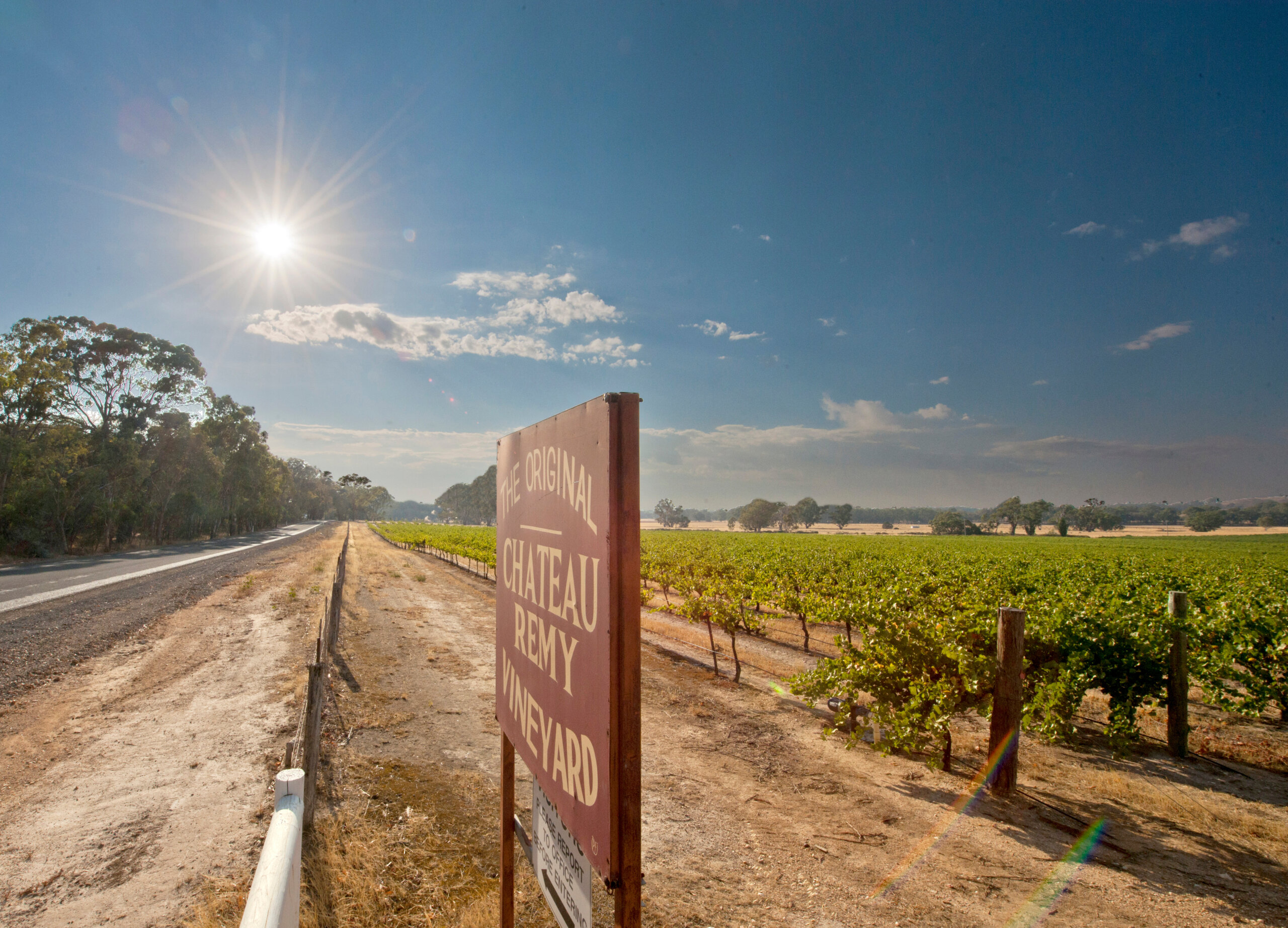
Above: The original Chateau Rémy vineyard at Blue Pyrenees Estate. Opposite: Chief winemaker at Blue Pyrenees, Eden Walpole.
While the viticultural conditions at Blue Pyrenees Estate are markedly different to those at Bleasdale, Walpole uses an eerily similar term to Sam Rowlands’s ‘fickle’ to describe malbec: “It’s a pretty finicky variety,” he says. While the soil profile at Blue Pyrenees isn’t entirely dissimilar to the variety’s second home in Bordeaux – “very rugged country up there, shallow topsoil over rocky quartz and gravel”, as Walpole puts it – the cooler weather poses its own challenges: “We’re susceptible to frost through the early- to mid-season,” he says. “Malbec can traditionally be poor setting variety, so often we can suffer the effects of that.” If fruit set is successful, other challenges follow: “If it does set well, there can be quite a vigorous canopy,” he says. “We can go through and sort of thin that out, but some years we’ll also go through and fruit-thin … we put a little bit of work into it.” The malbec block is fortunately small enough that the extra work isn’t a huge impost – and, as luck would have it, “it sits right next to our best block of shiraz, so we’re often up in that part of the vineyard.”
“I’m certainly not trying to emulate Cahors, and I don’t think we’re necessarily trying to emulate Argentina either.”
Walpole likes to pick slightly earlier than others might in order to retain acidity: “In terms of when it’s ready to pick, as long as I can see that lifted blue fruit and violets, I’m not averse to quite a prominent acid profile,” he says. “One of the challenges with malbec is that it’s mid- to late-ripening, so you’ve gotta get that right, but I like that lifted perfume and that lovely blue-fruited lusciousness.” When the malbec fruit arrives in the winery, Walpole likes to work with what he calls “a fairly light touch” to tame the variety’s fruit intensity and tannins: “I don’t really play around with any whole-bunch, but I do like to keep predominantly whole berries,” he says. “I usually only leave them on skins for six to seven days – it’s a very short maceration period.” The cumulative effect is, as he puts it, “about retaining that lovely purity of fruit. Tannin is a thing – I think malbec should have a degree of tannin, as it’s a natural part of that variety – but for me it’s more about that lovely acid line … I’m certainly not trying to emulate Cahors, and I don’t think we’re necessarily trying to emulate Argentina either, because most years I’ll pick around thirteen Baumé – they’re not big, robust wines.” And while the resulting varietal malbec is a relatively niche product, currently only sold via the estate’s cellar door, Walpole notes that it is one that is slowly growing in popularity.
Finding a way out of no-man’s land
Malbec occupies a relatively unusual position in the Australian wine landscape. While the variety has a rich history here in Australia, that history is largely unknown to consumers – as is its traditional identity as the basis for the wines of Cahors. (These wines are not commonly exported to Australia – and many of the region’s producers have attempted to emulate the success of Argentinian malbec by using varietal labelling and moving away from traditional Cahors winemaking.) The variety’s association with the opulent style of Argentinian red wines popularised by Catena Zapata and their imitators in the late 1990s means that it doesn’t have quite the same ‘cool factor’ as other alternative varieties – ones that have arrived on our shores more recently, and with less stylistic baggage in tow. Despite this, Australian expressions of malbec seem to be slowly and somewhat stealthily building in popularity as winemakers figure out how to get the best from this somewhat fickle variety – and find their own vernacular somewhere between Cahors and Mendoza
“I think it’s just great for us to have a variety that isn’t necessarily the norm, but is definitely something that Langhorne Creek can hang its hat on.”
While Sam Rowlands acknowledges that malbec currently occupies what he calls “that no-man’s-land” between an established variety and an alternative one, he argues that this liminal identity is part of the variety’s charm – and by extension Langhorne Creek’s charm, too. “We’ve been well-known for that variety that’s slightly out of the norm for a long time,” he says. He points to the Project 5255 initiative – in which producers from outside of the region are gifted two tonnes of Langhorne Creek fruit, including malbec, to turn into wine so they can discover its charms – as a innovative way to expose Langhorne Creek malbec to a wider audience: “Seeing the guys like Riley [Harrison] and BK [Brendon Keys of BK Wines] and Lauren [Langfield] coming down and making some really interesting and different stylistic takes on wines that we already do down here is pretty cool,” he says. “I think it’s just great for us to have a variety that isn’t necessarily the norm, but is definitely something that Langhorne Creek can hang its hat on.”
“The style we make – being a savoury, spicy style – has a good future in the mix of making more food-friendly red wines.”
For his part, Eden Walpole says that while malbec is unlikely to ever reach “the heights of some other established varieties in Australia” owing to its viticultural difficulty, he sees cooler-climate expressions of the variety as part of a broader trend towards more elegant and savoury reds that work well at the table. “We’re certainly not trying to emulate some of the other areas that do it well, like the Clare, or the Barossa, or Langhorne Creek,” he says. “But the style we make – being a savoury, spicy style – has a good future in the mix of making more food-friendly red wines.” He cautions that if growing conditions are too cold, “it’s just gonna have that real herbal edge to it”, but argues that the best cool-climate expressions “can have spice and fragrance and flair”. “I’m surprised there’s not more of it planted in the Pyrenees,” he concludes. “I think it has a real future in the Australian wine landscape.”
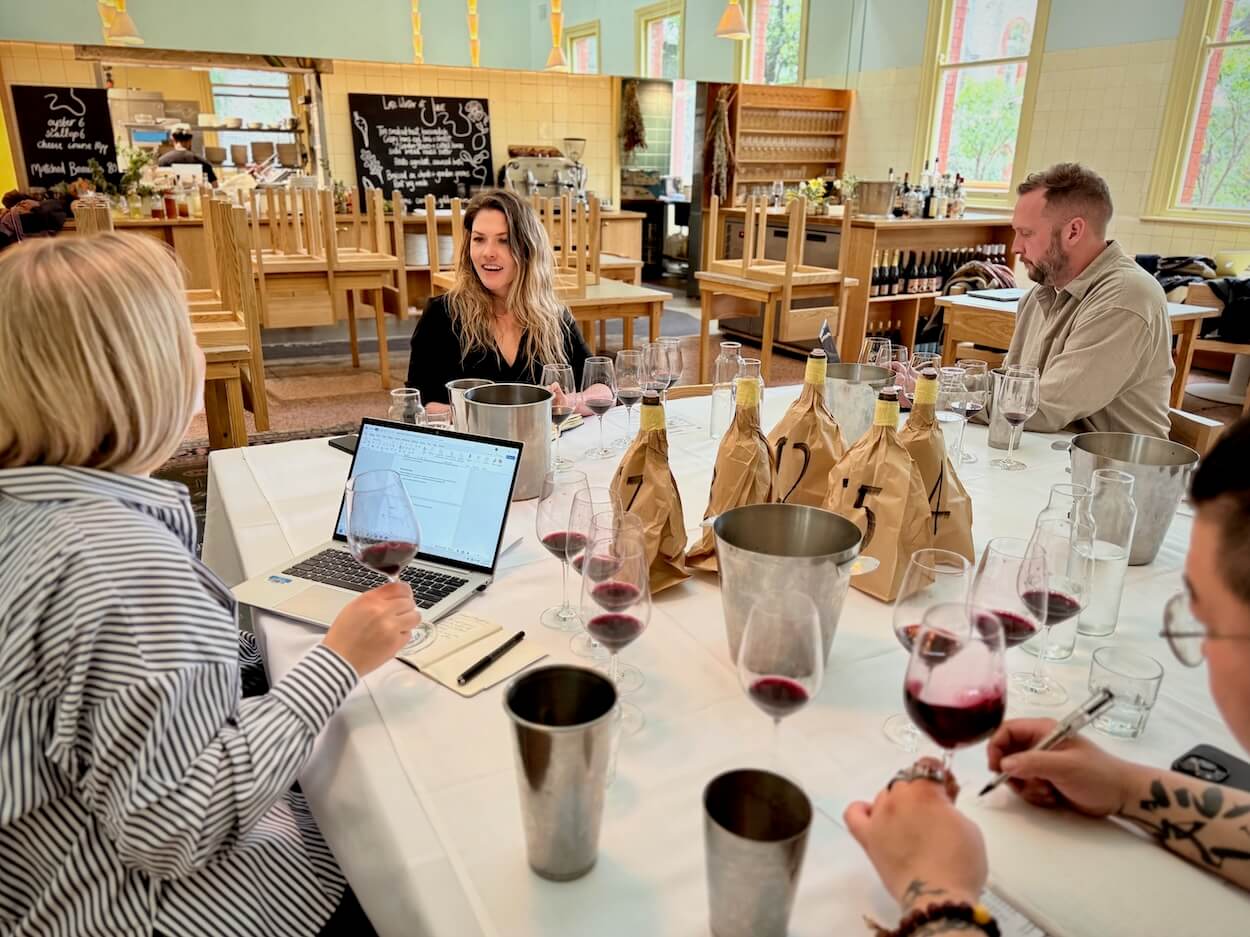
Above: Our panellists assembled at Julie Restaurant, at the historic Abbotsford Convent (Melbourne).
Outtakes from the Tasting
We gathered every example of Australian malbec that we could find and set our expert panel the task of finding the wines that compelled the most. All wines were tasted blind, and each panellist named their top six wines. Below are the wines that made the panellists’ top-six selections from the tasting.
Our panel: Brendan Hawker, chief winemaker, Yering Station; Katarina Lange, wine buyer, Botanical Hotel; Maxence Gueritot, sommelier, Brae; Charles Duan, sommelier, Gaea; Hayley O’Heare, brand manager, Joval Family Wines.
Hawker commenced the discussion by noting the diversity of expressions of malbec in the lineup. “I found there’s quite a spectrum,” he said. He noted that the wines at the far ends of the spectrum didn’t always work for him, saying that some “were really extracted – amazing colours and depth and all – but sometimes if they didn’t have that extra push of energy and freshness through them, even if they were youthful still, they sort of fell off a bit for me. Whereas some were a bit too angular, and a bit too acidic and elbow-y.” For him, the most successful examples “sat in the middle – having that really plush, satiny fruit profile and heavy tannins, but really light and graceful. A number of of them that had that really Aussie bush spice – gum nuts and blossom, you could almost hear the lorikeets just squawking around it. When there was just that little lick of that character in there as well, it brought this other layer of interest to it as well that I really liked.”
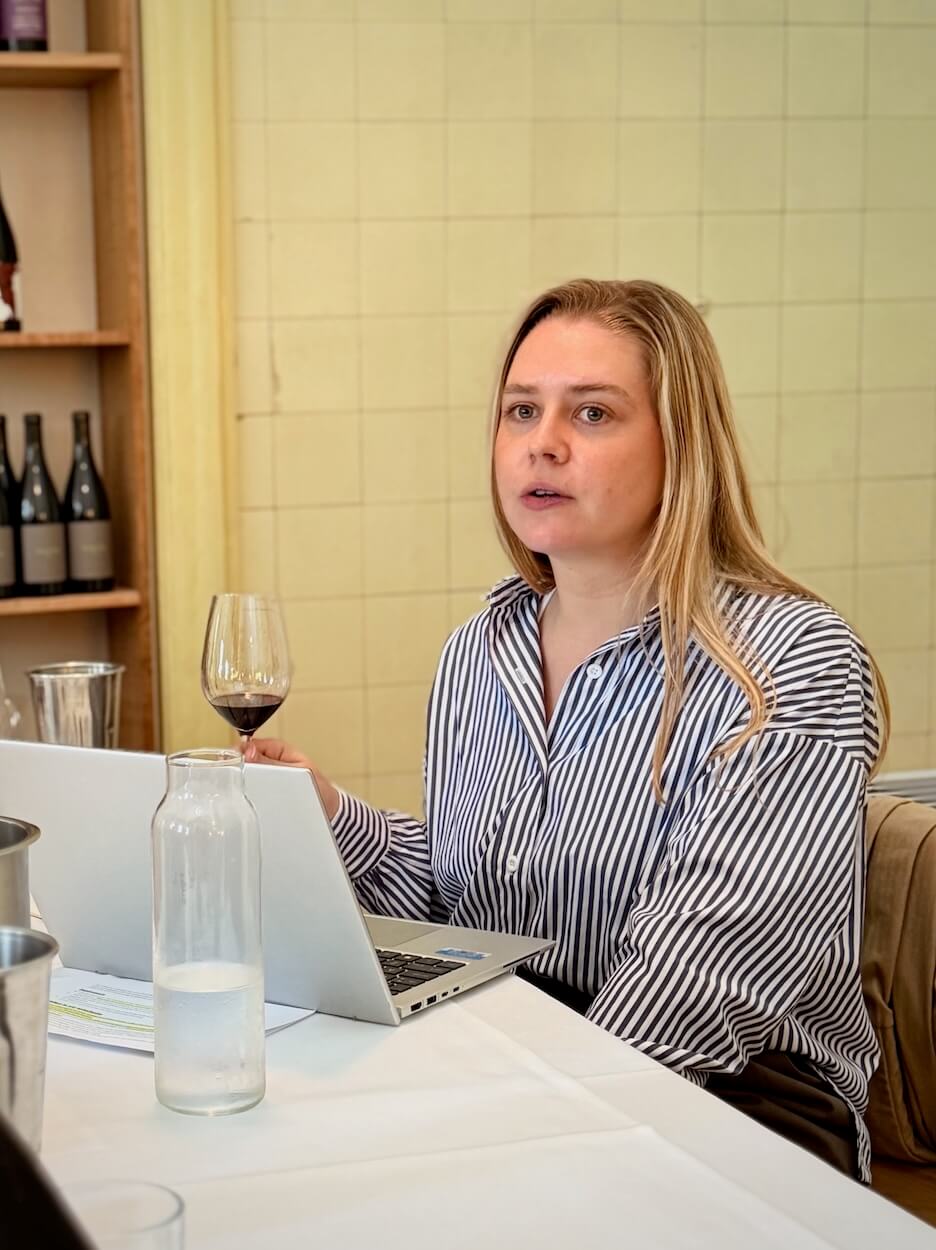
Opposite: Hayley O'Heare. Above: Brendan Hawker.
Gueritot agreed, noting that despite the array of different regions represented in the tasting, there was a thread of Australian identity that connected the wines. “There’s this Australian expression of the grape – a fruit-driven expression, with very subtle nuances here and there. This could be higher-altitude sites, or picking a little earlier to preserve that herbaceous acidity, or hints of earthiness – but very gentle, very different to the European expression of malbec.” He added that oak use was largely in check: “There were different subtle nuances depending on the type of oak used – whether that was French or American oak – that showcased different things around the fruit, but still preserving the fruit as much as possible – keeping the fruit expression the dominant theme across the lineup.”
“There’s this Australian expression of the grape – a fruit-driven expression, with very subtle nuances here and there – but very gentle, very different to the European expression of malbec.”
Lange noted the diversity of flavour in the lineup. “The spectrum was really broad,” she said. “There were lighter, more ethereal expressions with sandalwood and cardamom and nutmeg – then you have the wines with the celery salt, the bay leaf, the bone broth, and all these meaty nuances to them.” She added that, for her, managing the variety’s often-formidable tannins was key to getting the best out of it: “Some of them were so extracted, and it was just a bit too much – the tannins were kind of getting in the way of the expression on the palate. But you had some that have a really nice balance, with the typical high tannins – which is what you expect from malbec – very fresh acidity, and also a good density of fruit.”
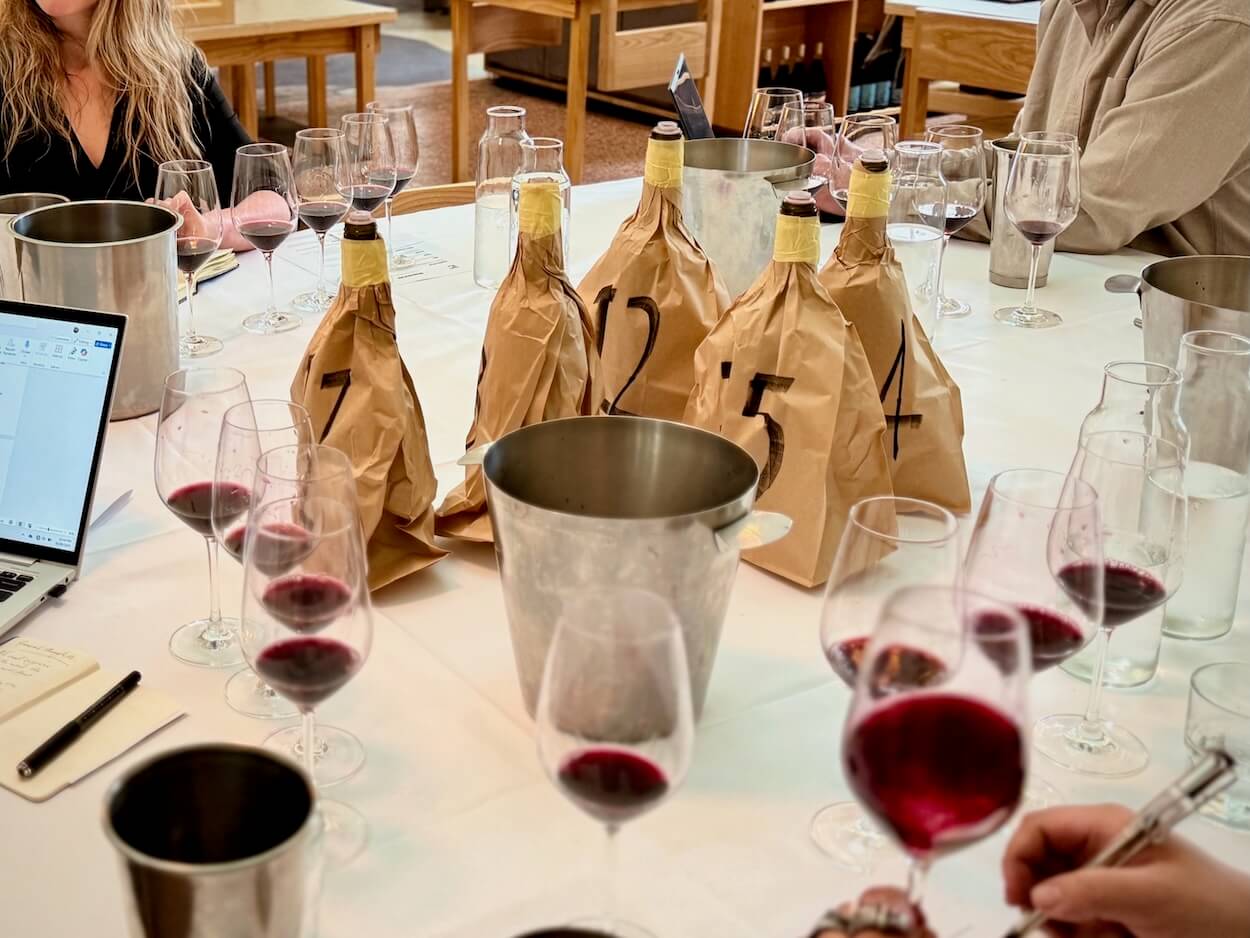
Above: Katarina Lange. Opposite: All of the Malbec.
For Duan, many of the wines in the lineup simply “work for Australian palates.” “People who used to drink those really big-bodied Barossa shiraz are now moving forward to more fruit-driven, lighter-bodied styles of syrah, and these wines would definitely tick the boxes for them,” he said. He noted that the more successful examples in the lineup had mastered the variety’s sometimes-challenging levels of acidity: “For some of them, that’s really bright and refreshing. For others, there’s either too much acid or it’s just kind of overwhelming. You have your really high acid in contrast to sweet, ripe fruit and the heavy tannin – sometimes it fell off the edge, and felt like a bit too much.”
“People who used to drink those really big-bodied Barossa shiraz are now moving forward to more fruit-driven, lighter-bodied styles - and these wines would definitely tick the boxes for them,”
O’Heare noted that the wines on display were not attempting to imitate either the wines of Cahors or Argentina. “I think it was quite nice to see that any of them were particularly trying to be something other than an Australian malbec,” she said. “I really like a French style – I like a really savoury malbec – but I wasn’t expecting to see much of that. The lineup was sitting around my expectations of being fruit-forward, having medium tannins – that’s very much what I expected of Australian malbec.” Within those parameters, though, she found serious diversity: “Everything from a natural wine approach – this juicy, slightly savoury style – all the way through to styles that I thought were very polished and had quite expensive oak, and everything in between, from mineral to juicy to fruit-driven. I just think it was really nice to see such a spectrum of different kinds of malbec.”
Opposite: Charles Duan. Above: Maxence Gueritot.
GET FIRST ACCESS TO THE NEXT WINE ICONS – DELIVERED
Over the past three decades, the Aylward family has been perfecting their craft of growing pinot noir across two vineyard sites in the region. We catch up with Ocean Eight winemaker Mike Aylward to discuss this notoriously finicky grape and the artistry of making wines that capture a true sense of place.
Tempranillo is unarguably Spain’s most recognisable variety, forming the bedrock of its most famous red wines. It’s also a variety that has seen recently seen explosive global growth, with more hectares of tempranillo vines planted since 2000 than any other variety, and by a big margin. In Australia, it has made a meaningful mark – and with plantings increasing and a host of new producers working with the variety, there’s a palpable sense that it’s poised to become our next mainstream red wine variety. But what does, or should, Australian tempranillo taste like? And is it as well suited to Australia’s climatic conditions as we’d like to think? Two years after our last Deep Dive on the topic, we thought it was an apt time to come to grips with how this Spanish icon is faring in Australian soil …
We asked Max Allen, one of this country’s finest wine scribes and a champion of the organic and the un-messed with, to write a piece with a one-word inspiration. That word was dogma. Take any angle, we said. Make it short, or make it long. Rant if you like. Just have at it. This is…
Subscribe to our newsletter
Young Gun of Wine is your shortcut to cutting edge wines, the places to go, and the people behind it all.
Subscribe to be amongst the first to know of our latest discoveries in wine.
We'll bring you the inside running from the growers, the makers, the wholesalers, the retailers and the sommeliers, too.