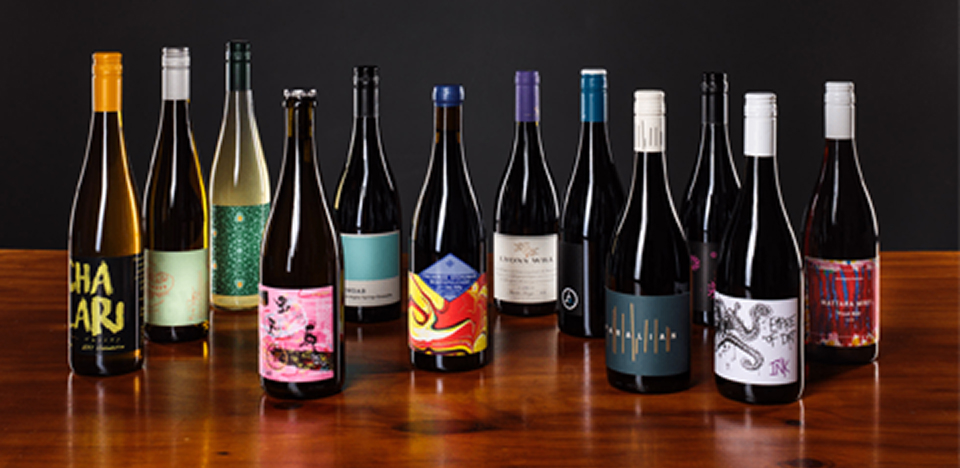
The Top Wines
![]()
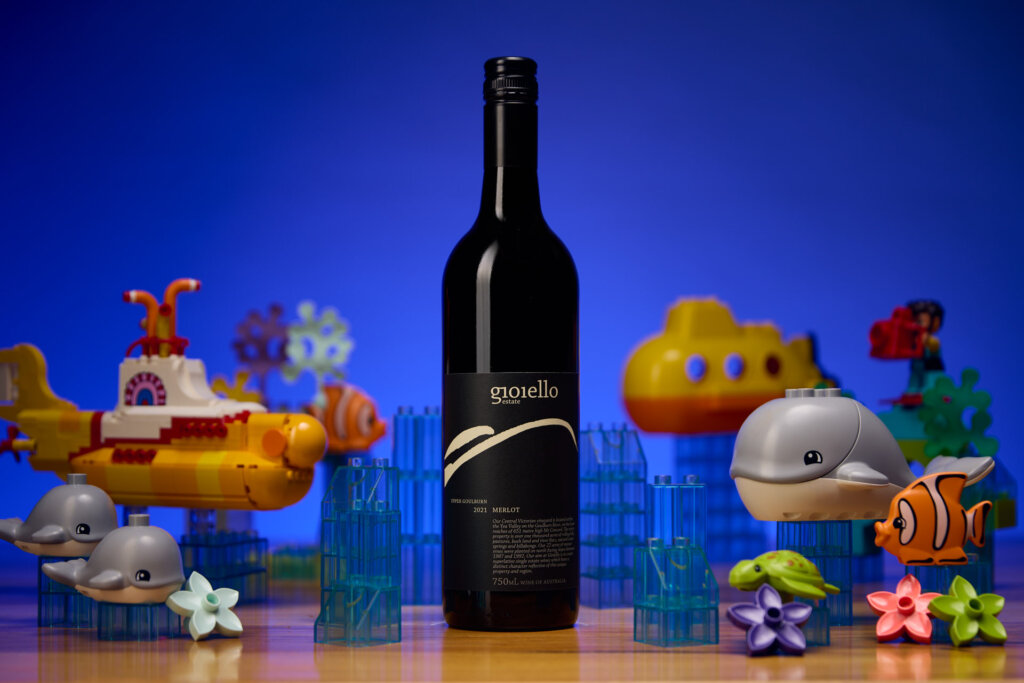
2021 Gioiello ‘Estate’ Merlot, Upper Goulburn $30 RRP
This wine was picked in the top six of the blind tasting by Luker, Strong and Silva Prades Villela. Luker called it “a great example of pure, unadulterated drinkability,” highlighting its delicate violet perfume and moreish palate of fresh raspberries. Strong praised it as “a delicious old-school style of merlot,” with a nose of dark cherry, dried cranberry and sultana, plus deeper notes of sarsaparilla, chinotto, cedar and iodine. On the palate, he found richness and tannic grip, with red fruit density and lingering structure: “Certainly not one for the cellar – but brilliant for drinking now, with good company and deep conversation.” Silva Prades Villela was also drawn to its darker, bolder style, noting aromas of cooked plum and raspberry jam with a smoky twist, and flavours of soft, ripe plums and clove spice. “I could see myself enjoying it with some snacks on a cloudy Sunday afternoon.”
![]()
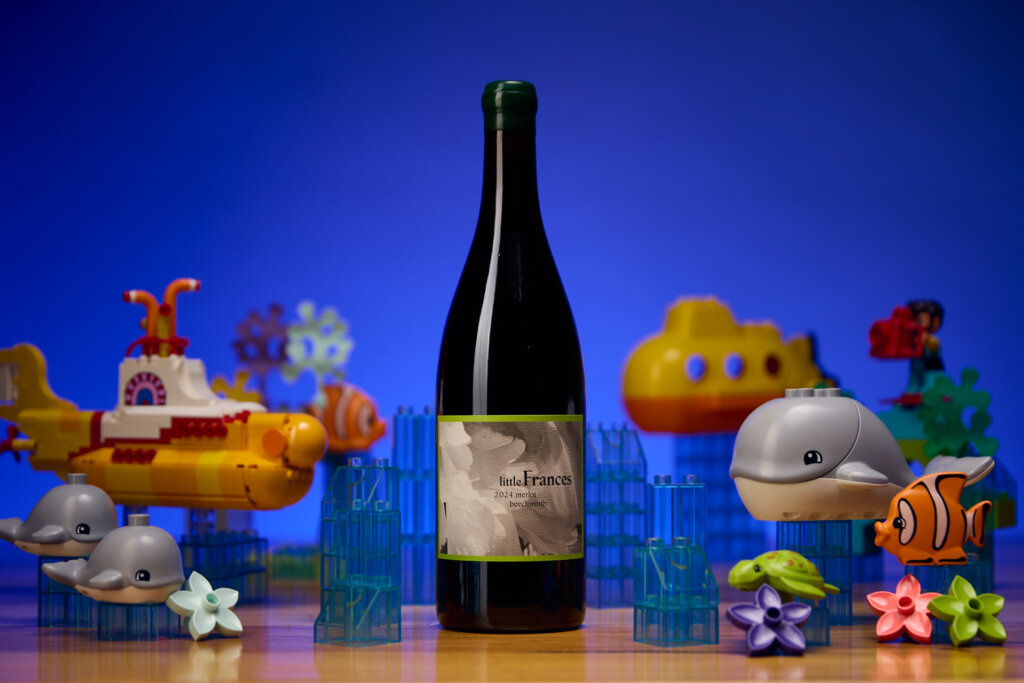
2024 Little Frances Merlot, Beechworth $32 RRP
Chosen by Donegan, Strong, Lee and Silva Prades Villela in their top six wines of the blind tasting. Donegan described it as “the deeper, darker and more hedonistic end of the merlot spectrum – but in a bloody impressive way,” with meaty, umami tones, chewy black cherry skins, ripe plum and slippery mid-palate texture. He found the wine medium-bodied and superbly structured, suggesting it would be a knockout with “a slow-cooked dish made from a rich cut of meat and plenty of cloves – or just a hefty slice of black chocolate.” Silva Prades Villela noted jammy plum aromatics and a rich, comforting mouthfeel of vibrant red fruits – “perfect for a Sunday roast … best enjoyed on a cloudy day in a cosy, warm place.” Lee selected it for the way its smooth texture wrapped around bold vegetal and spice notes: tomato leaf, thyme, clove, cardamom and nutmeg. She saw it as a wine “with more personality on the nose,” but harmonious on the palate, ideally suited to Mediterranean pairings. Strong found it “an expression of a lighter merlot style,” noting violet, cranberry and Turkish delight aromas, with a fresh berry palate, soft tannins and “good length drawn out by subtle oak.”
![]()
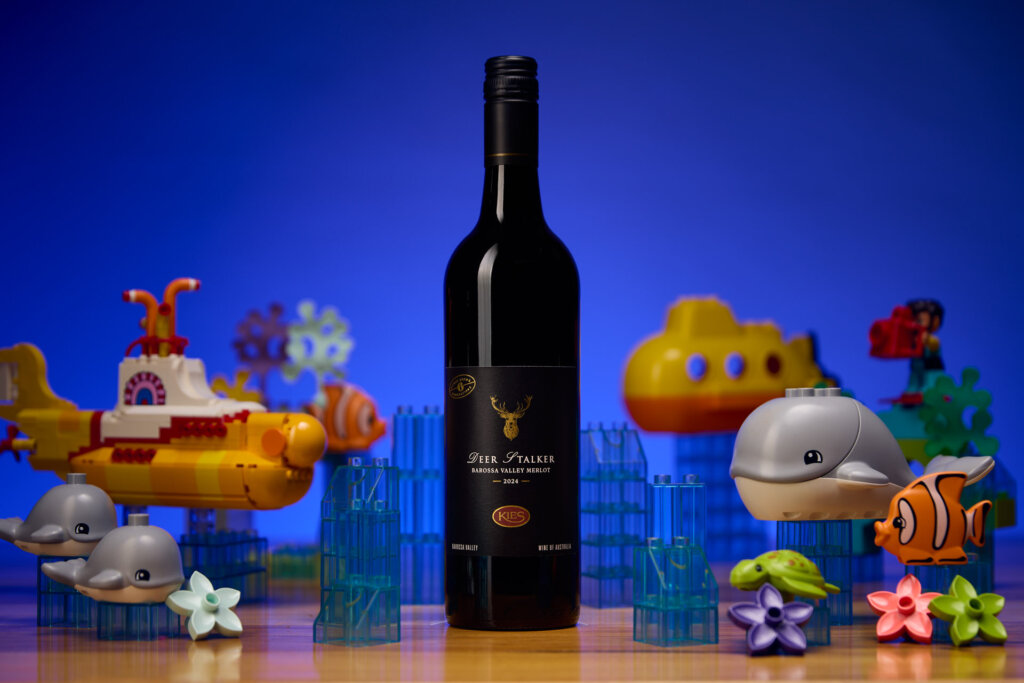
2024 Kies Family ‘Deer Stalker’ Merlot, Barossa Valley $20 RRP
Selected in the top six by Johansson, Luker and Strong, this wine made a strong impression for its lighter, fresher take on the variety. Johansson described it as “fresh and lively,” driven by red fruits – sour cherry, rhubarb and red plum – with amaro-like bitterness, spicy red liquorice and zippy acidity: “A new generation of merlot … fun and youthful with great food pairing versatility.” Luker noted the lifted aromatics of violets and red jubes (not cloying), with a juicy, raspberry-driven palate and a touch of strawberry jam. Strong saw it as a refreshing, nouveau-style wine, full of kirsch, confectionery and Red Ripper-like aromas, with a fleshy, high-acid palate that makes it “an approachable, friendly introduction to merlot.”
![]()
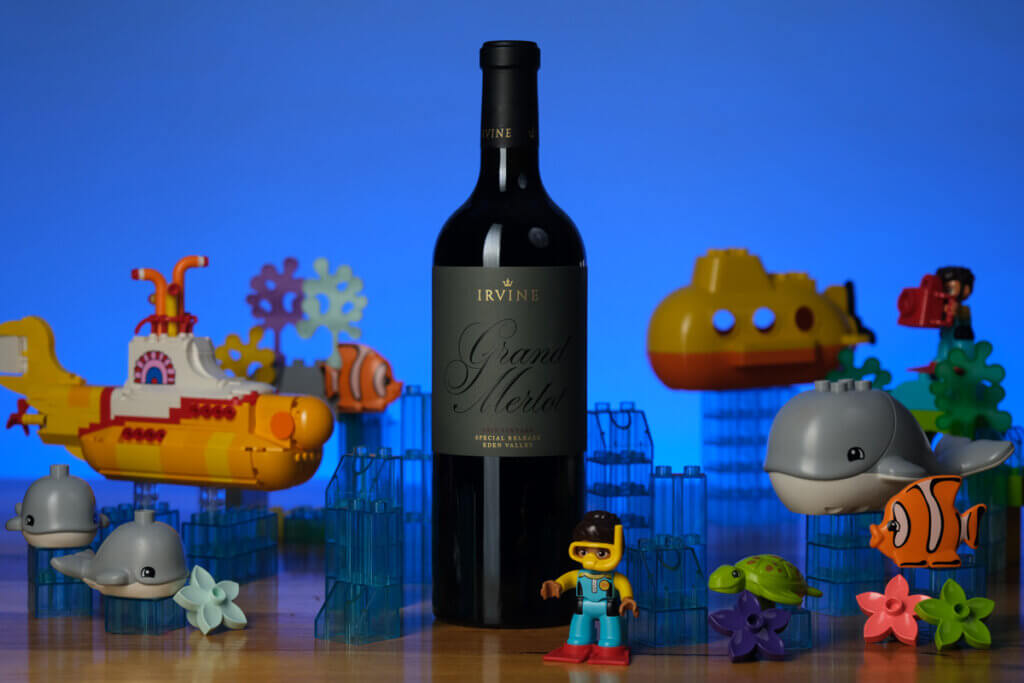
2019 Irvine Wines ‘Grand Merlot’, Eden Valley $150 RRP
Selected as a top wine in the blind tasting by Lee and Payseno, this merlot struck a balance between classic varietal markers and a more contemporary freshness. Lee was hooked from the first sniff, loving its bright red fruit – cranberry, raspberry, and wild berries – with herbaceous flecks of blackcurrant leaf, oregano and dill. Mocha and soft chocolate emerged with air, and she found the wine continually evolved with time, each element arriving in balance. “Fun, charming, and super-easy to enjoy – a perfect wine for a young couple on a first date.” Payseno praised its plushness and polish, with juicy blackberries, Ribena and grape soda flavours, framed by cocoa, coconut oak and a touch of mint on the finish. “A well-balanced and complex wine that is desperately seeking a steak with peppercorn sauce.”
![]()
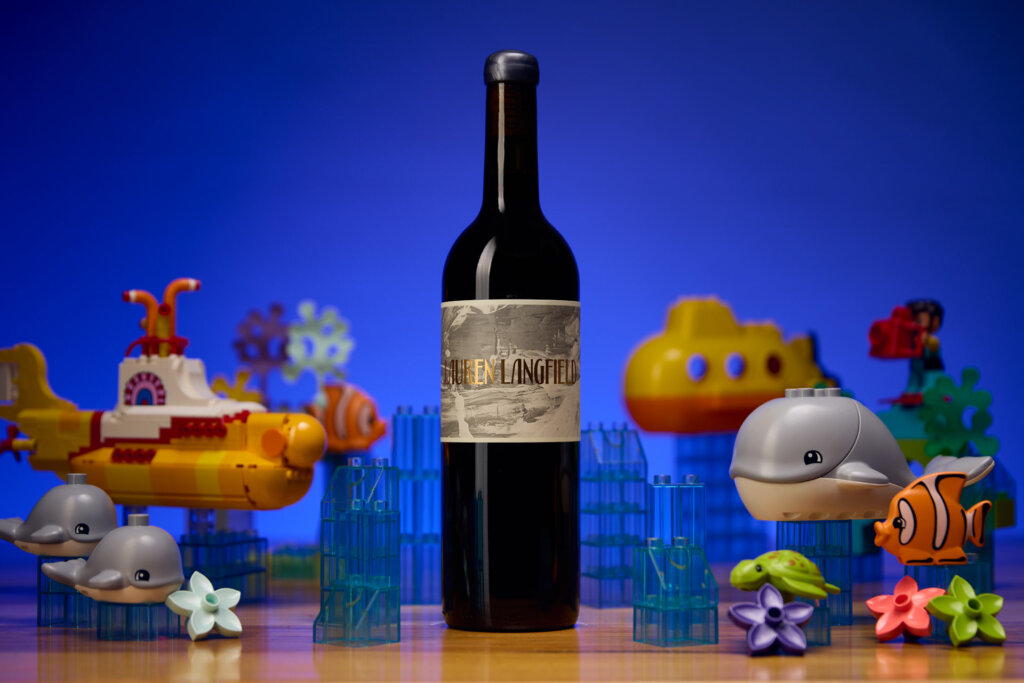
2023 Lauren Langfield Wines ‘Macfield’ Merlot, Limestone Coast $36 RRP
Donegan and Strong both chose this as one of their top wines, drawn to its classic structure and savoury intrigue. Donegan praised its balance of freshness and depth, with raspberry coulis, red cherry, herbs and sea spray aromatics, leading to a medium-bodied palate with cedar, sandalwood and fine-boned structure. “Crying out for food – roast meats with dried garden herbs would be ideal.” Strong found himself returning again and again, intrigued by its complexity: tamarind, allspice, five-spice and red fruits, lifted with vanilla and mahogany. “Umami and moreish,” he said, with juicy fruit and brightness – the perfect match for a charcuterie board.
![]()
2022 Leconfield Merlot, Coonawarra $28 RRP
Picked in the top six by Lee, Payseno and Donegan, this wine offered a plush, generous take on the variety while remaining approachable and food-friendly. Lee found its soft, rounded mouthfeel and ripe cranberry–blueberry fruit character reminiscent of “St Dalfour jam – my favourite!” Oak brought mocha, toast and coffee to the palate, complementing the fruit and making it a perfect candidate for guests new to wine: “So welcoming in the glass.” Payseno described it as “enchanting,” with elegant floral lift and spice – jasmine, violet, orange peel and sandalwood – over red and black berries. “Plenty of elegance, but still has enough meat-and-potatoes to hold attention.” Donegan noted a reductive funk that added intrigue, with dark fruit density, spice, aged balsamic and liquorice-allsorts sweetness. “Decadent and warming – a throwback done well, ideal with a meaty stew of lamb or rabbit.”
![]()
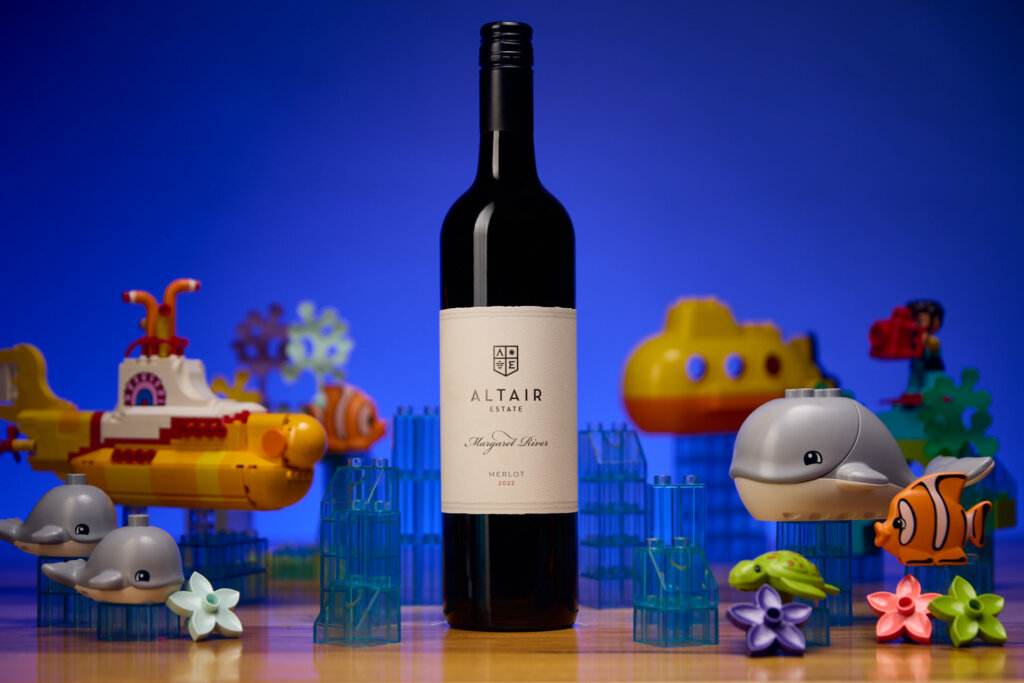
2022 Altair Merlot, Margaret River $44 RRP
Chosen by Johansson and Silva Prades Villela, this wine stood out for its harmony between bright fruit and brooding depth. Johansson noted red plum and raspberry alongside darker blackberry and black plum tones, with savoury vanilla, mocha and clove from oak, and plush tannins kept lively with biting acidity. “Not too heavy, not too light… a wine made for a buffet table.” Silva Prades Villela also admired its bold profile: ripe plums, candied purple fruits, and soft tannins on the palate, with a curious popcorn note adding character. “I can imagine drinking this on a rainy afternoon, sitting next to a fireplace with a good book.”
![]()
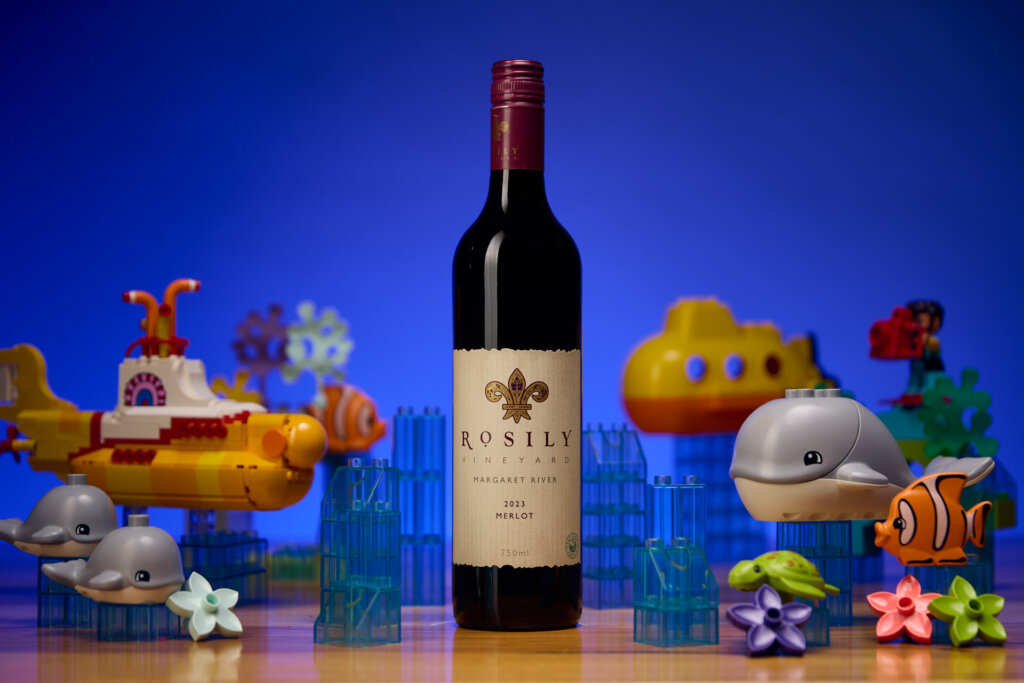
2023 Rosily Merlot
Luker and Donegan both included this in their top six selections from the blind tasting, each finding appeal in its balance of richness and poise. Luker praised it as “a great representation of a heavier, richer style,” with dense mulberries and ripe blackberries wrapped in a warm hug of baking spice. “Great concentration and generous tannins, with rich flavour that lingers.” Donegan was drawn to its lifted, old-world intrigue: fresh garden herbs, raspberry liquorice, even a touch of boot-polish, framing a fresher, high-acid style with framboise, wild strawberry and red cherry on the palate. “Pencil shavings and cinnamon lend a nice woody complexity… a modern classic of the variety, well-suited to the modern drinker.”
![]()
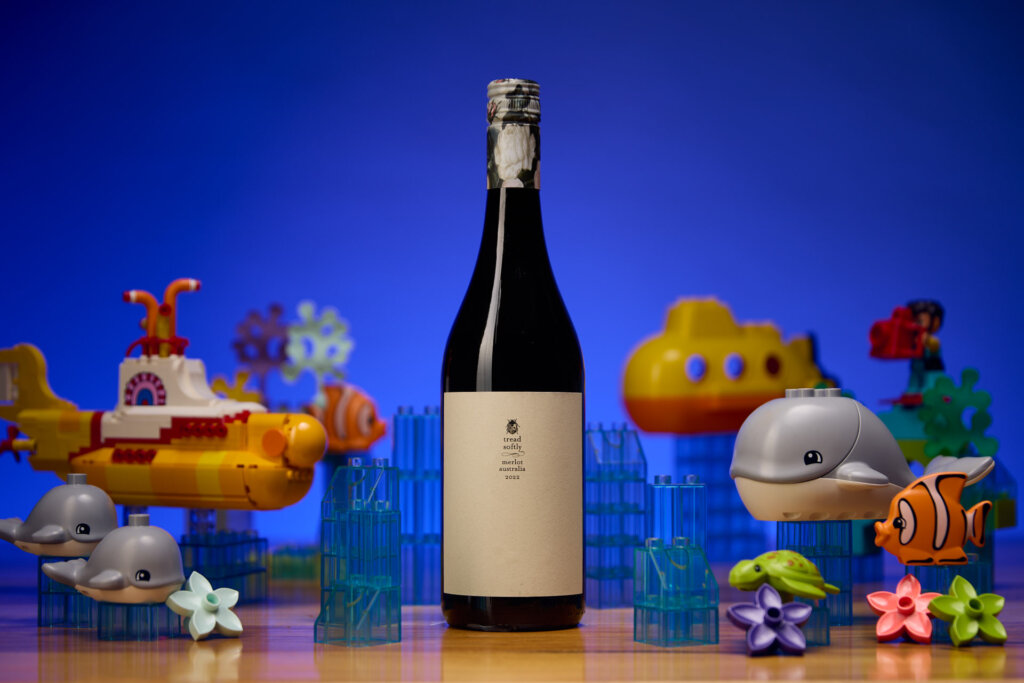
2022 Tread Softly Merlot, South Australia & Victoria $16 RRP
Silva Prades Villela included this wine in her top six from the blind tasting, admiring its approachable profile and crossover appeal. “Lighter in colour, showing smoky, sweeter cherry and cassis fruits on the nose,” she said, while the palate brought fresher, just-ripe raspberries and cherries, with a lightly acidic plum jam character. It’s a merlot that “balances bright acidity with flavour depth, and would appeal to someone who likes a pinot noir but is willing to branch out and taste something new.”
![]()
2023 Blue Poles Reserve Merlot, Margaret River $50 RRP
This wine earned a top-six spot from Payseno, who was instantly struck by its vibrancy and charm. “What a delightful little wine,” he said, noting the energy created by the interplay of fruit and acid. “Freeze-dried strawberry and blueberry, Red Rippers and confected raspberry, orange and poppyseed loaf,” all lifted by a touch of volatile acidity that integrated into the wine’s overall brightness. Tannins played a gentle supporting role, and the finish kept him coming back for more.
![]()
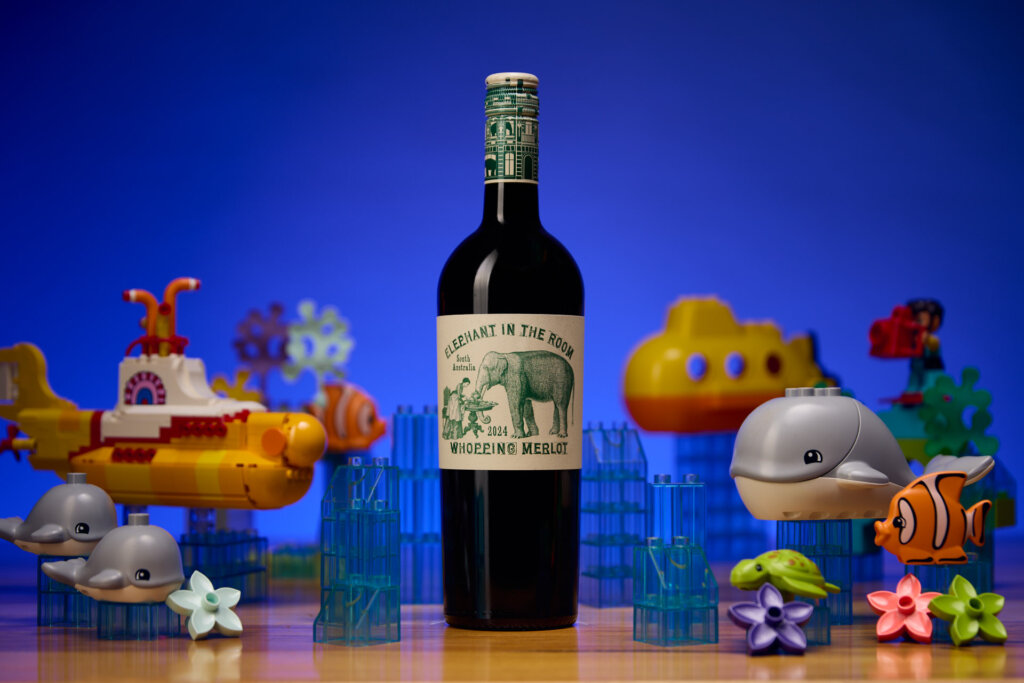
2024 Elephant in the Room ‘Whopping Merlot’, Limestone Coast $16 RRP
Johansson and Silva Prades Villela each picked this wine in their top six, impressed by its generosity and polish. Johansson described it as slightly riper in profile than many others in the line-up, with berry compote flavours of pomegranate, black cherries and red plums. Christmas spices – clove, cinnamon, orange peel and vanilla – were subtle and well-integrated, the plush tannins balanced by refreshing acidity. “A well-made, well-balanced merlot.” For Silva Prades Villela, the wine opened with “sweet ripe red cherries” and a smooth, rich mouthfeel. “This is a wine that doesn’t need food – the perfect accompaniment to a nice lazy afternoon.”
![]()
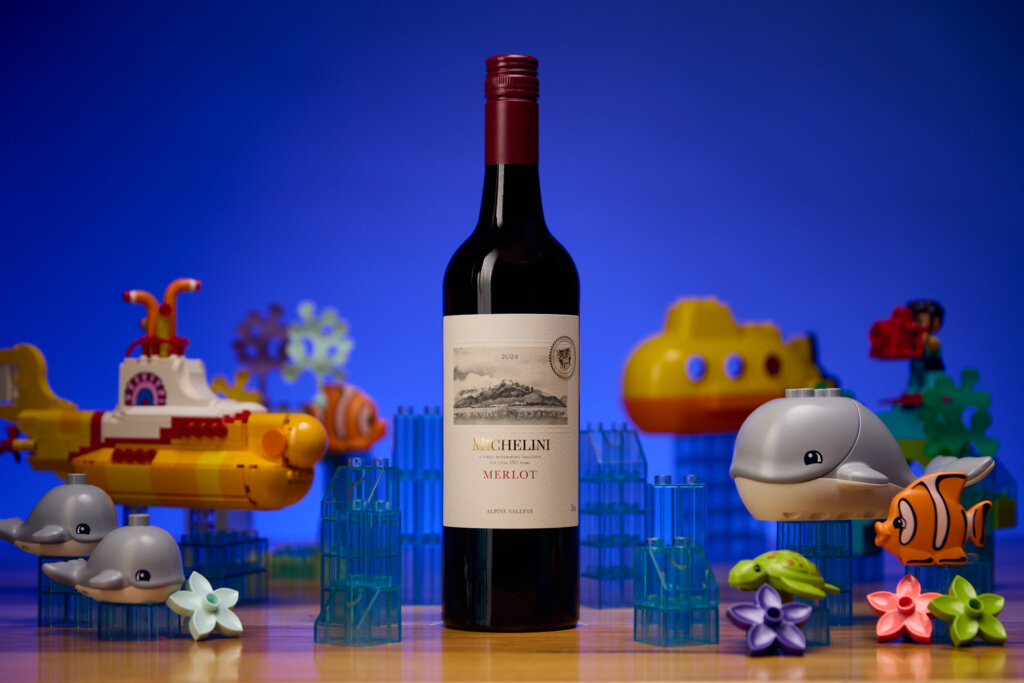
2024 Michelini Merlot, Alpine Valleys $25 RRP
Luker included this in his top six, impressed by its balance of brightness and savoury complexity. The nose showed “fresh, bright blackcurrant with a touch of rose,” while the palate carried darker berry fruit – “think cooked blackberries” – with a refined structure that “balances length with lightness of touch.” A wine bridging the gap between immediate appeal and thoughtful detail.
![]()
2023 Mullet ‘Hard Merlot’, South Australia $16 RRP
Payseno highlighted this in his top six as the most unconventional and surprising wine in the tasting. Full-bodied and plush, it showed a “fruits basket” of cranberry and Christmas plum alongside tropical notes of pineapple skin, green mango and papaya. “Structurally sound … with just enough tannin and phenolic grip to bring you back to reality.” Whether it’s the vineyard or the winemaking, he concluded, “either they’re growing merlot next to the pineapples in Queensland, or some very clever winemaking went into this wine!”
![]()
2022 Grant Burge ‘Hillcot’ Merlot, Barossa Valley $27 RRP
Lee nominated this wine in her top six for its clarity and classic charm. “Sweet red plum and red cherry aromas come straight out of the glass,” she said. “It feels like cranberry chocolate turned to wine – but nothing here is overdone.” Ripe red fruits were complemented by gentle herbal tones of oregano and bay leaf, while milk chocolate–like oak rounded things out. “So smoothly and comfortably put together … a wine I’d love to bring to a potluck party with my girlfriends – easy to share, easy to enjoy.”
![]()
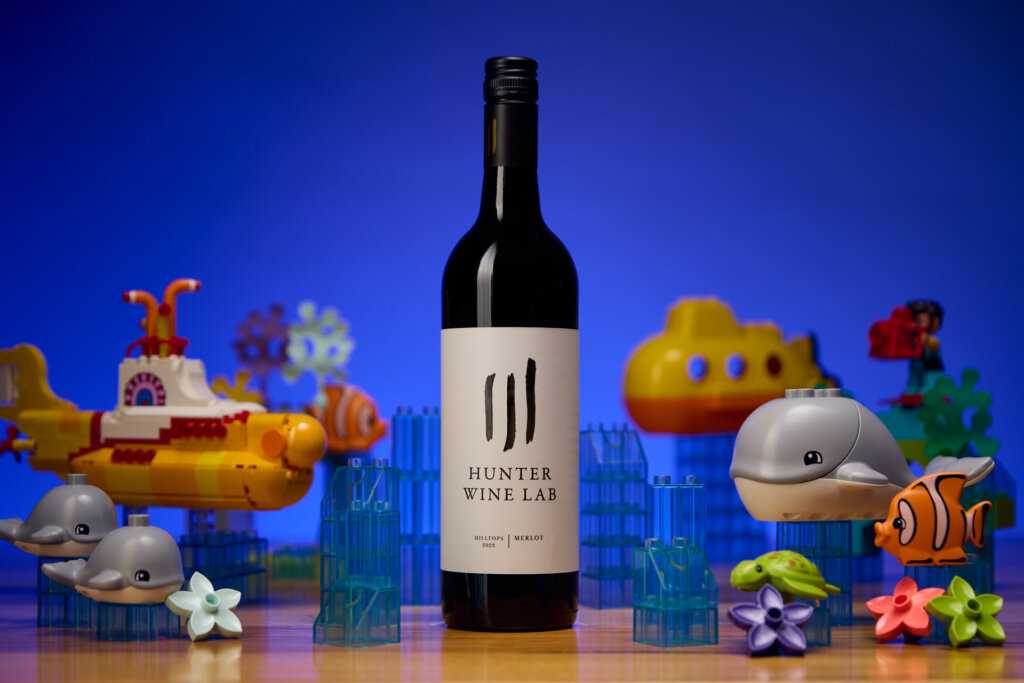
2023 Hunter Wine Lab Merlot, Hilltops $35
Selected by Strong in his top six wines from the blind tasting, this was, for him, “the most herbaceous expression of merlot in the line-up.” Mint and dried herbs leapt from the glass, joined by red cherry fruit and chocolatey, toasty notes from oak ageing – “think Mint Patties and Cherry Ripe!” The palate followed through with medium body, bright acidity and juicy fruit, all kept in harmony with modest oak. “It certainly carried some weight on the mid-palate but was light on its feet.”
![]()
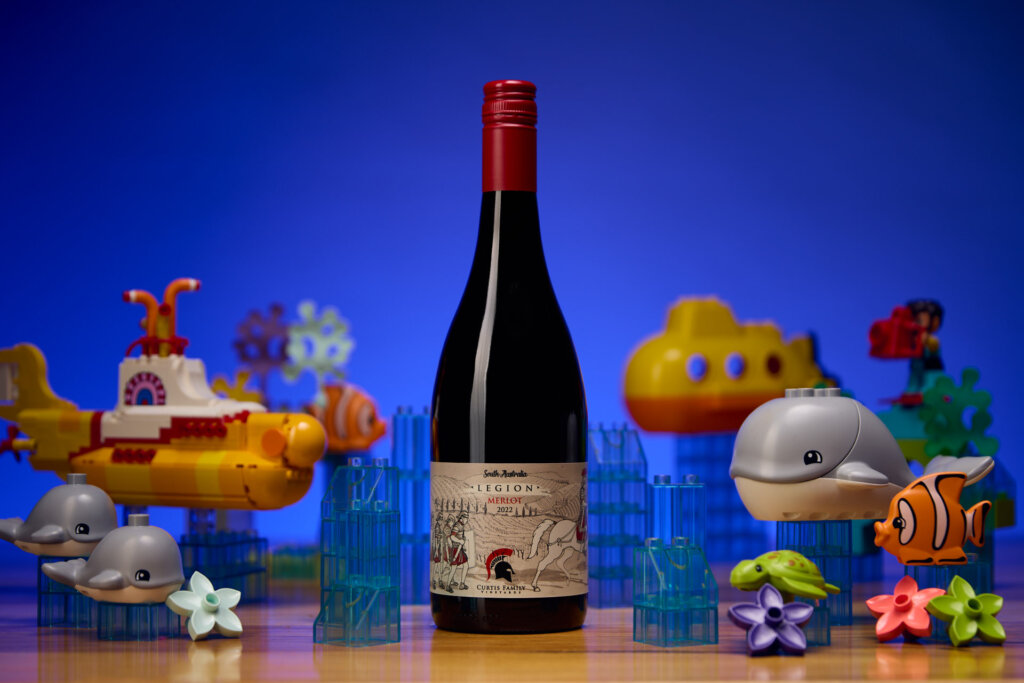
2022 Curtis Family Vineyards ‘Legion’ Merlot, McLaren Vale $35 RRP
Chosen by Johansson, Strong and Payseno among their top wines from the blind lineup, this merlot impressed for its complexity and layered identity. Johansson noted it initially appeared closed and slightly spritzy, but with air revealed itself as a wine that “balances the two sides of merlot: red-fruited and bright, while also having some darker, spicier characters.” Sour cherry, plum and ripe strawberry met orange zest and amaro tones, with a bitter orange finish that begged another sip – “a more modern take on merlot,” she said. Strong admired its old-school depth, calling it “a big wine” built for steak and jus. Blackcurrant, dark cherry, tobacco and cigar box aromas led into a palate of jammy richness, clove and nutmeg complexity, and a long, satisfying finish. Payseno celebrated its kaleidoscopic personality: “a little bit juicy, plush and soft; a little bit animal and savoury; and a little bit pretty and floral.” Notes of overripe plum, raisin, blood, ironstone and spice rolled across a structured palate with grippy, black-tea tannins to clean up the finish.
![]()
2022 K1 by Geoff Hardy Merlot, Adelaide Hills $45 RRP
Johansson counted this among her top six picks from the blind tasting, praising it as “the most classic example of what I would have associated with merlot,” yet with impressive finesse. “It was the last wine tasted in our Deep Dive and could have been very easily overlooked, but I kept coming back to it.” Red cherry, raspberry and pomegranate were joined by layers of liquorice and tobacco, with integrated oak and fine, dusty tannins. “Remarkable structure, really good length … one of the more age-worthy wines of the day.”
![]()
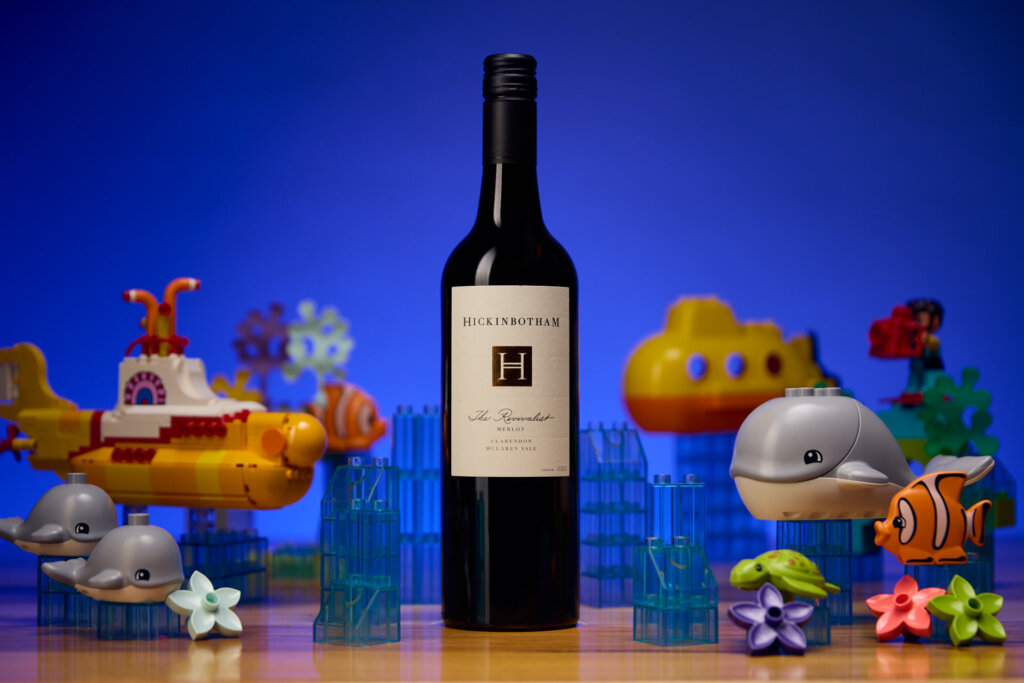
2022 Hickinbotham ‘The Revivalist’ Merlot, McLaren Vale $90 RRP
Both Luker and Silva Prades Villela selected this in their top six wines of the blind tasting. Luker said it was the “heaviest example in my top six,” but beautifully done, with a floral nose of rose, violet and cherry leading into a dense, structured palate “chock-full of blackberry and blackcurrant, with chalky tannins that provide length and structure.” For Silva Prades Villela, this wine evoked an entire meal: “It smells and tastes like toast made from dark rye bread with a fancy blackberry and raspberry jam made with a touch of cinnamon, that’s been topped with a smear of burrata or another creamy cheese.” Her verdict: “Perfect brunch wine!”
![]()
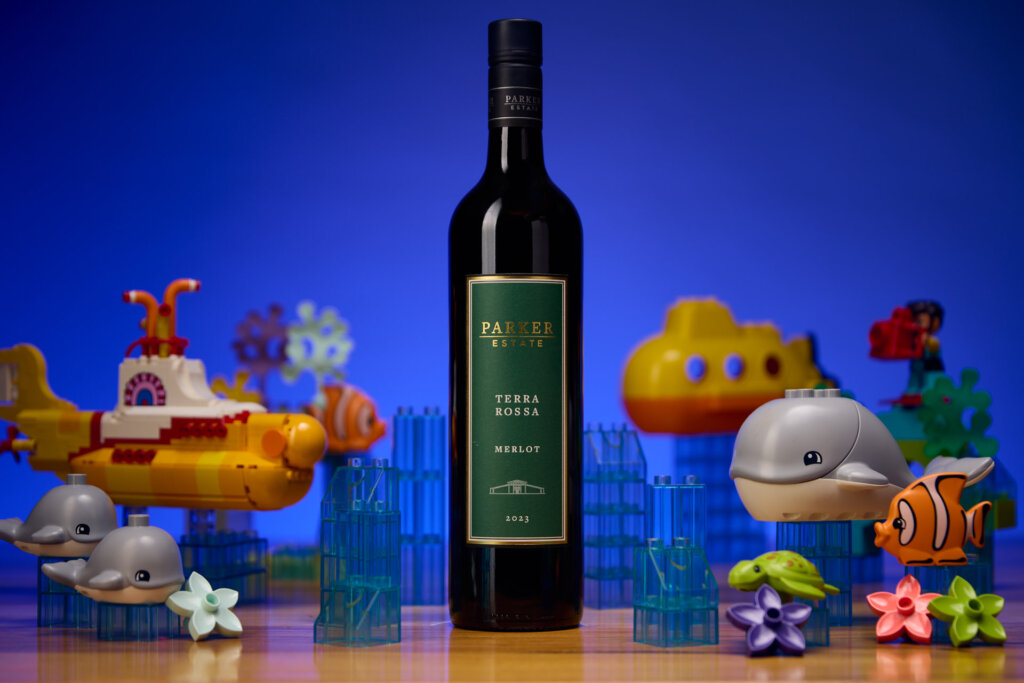
2023 Parker Estate ‘Terra Rossa’ Merlot, Coonawarra $34 RRP
Lee included this wine in her top six from the blind tasting, highlighting its appeal for a younger, modern audience. “This wine really represents a style which is very popular right now for younger wine drinkers: fresh and vibrant,” she said. Tart berries, wild cherry and orange peel joined floral aromatics of violet and lavender, while the palate showed slightly pronounced acidity, “fruity and fragrant” with layers of vanilla and cinnamon. “The finish is dry … This could be served as a chilled red, alongside brunch or as a happy hour drink.” Her recommendation? “Charcuterie in the late afternoon. A very modern and attractive wine!”
![]()
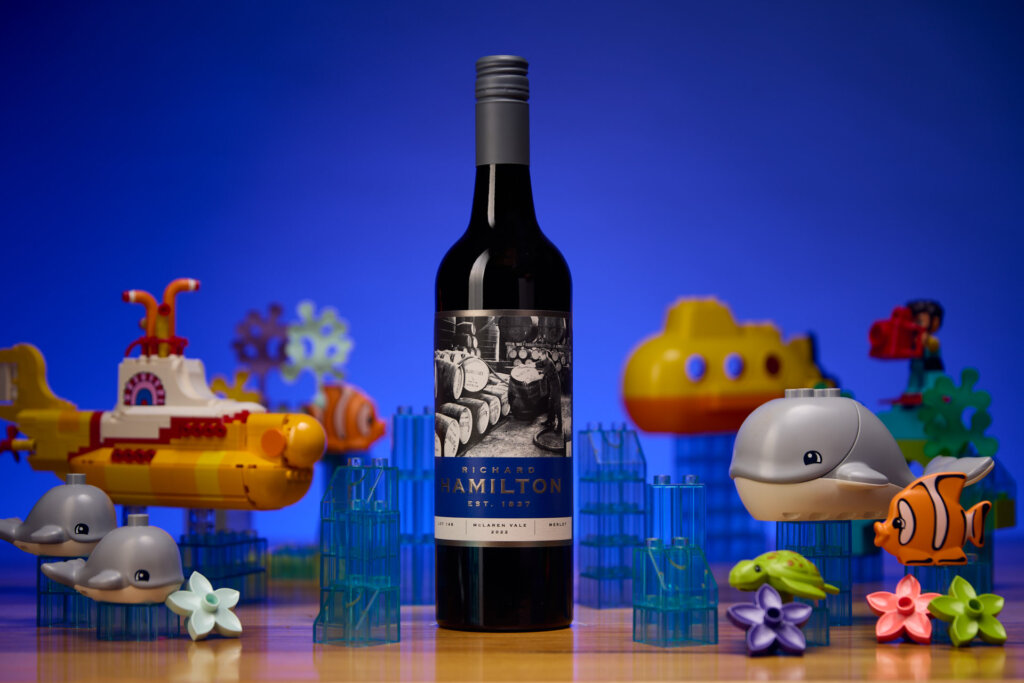
2022 Richard Hamilton ‘Lot 148’ Merlot, McLaren Vale $28 RRP
Donegan included this wine in his top six picks from the blind tasting, praising it as “light, elegant, fine, lifted” – a fresh, cool-climate merlot that felt like it could “make merlot cool again … literally.” He noted the fruit may be simpler than others due to a cooler season, but found plenty to admire: raspberry drops, Cherry Ripe, sage and fresh thyme. “You could tell me this is Langhe nebbiolo or Rossi di Montalcino and I wouldn’t be surprised.” A palate of restraint, finesse and genuine individuality made this a standout for him.
![]()
2024 Timo Mayer Merlot, Yarra Valley $55 RRP
Among the top selections of Payseno, this merlot was all power and personality. “Rich, robust, powerful – a merlot you can really sink your teeth into.” He found it savoury and herbal, with “tomato leaf, iodine and ironstone – almost like drinking a Bloody Mary.” Though the fruit sat back, bright red cherry and ripe red plum came through when needed, alongside plenty of acid and tannin to match the intensity. “Very food friendly – if you give it some fattiness to cut through.”
![]()
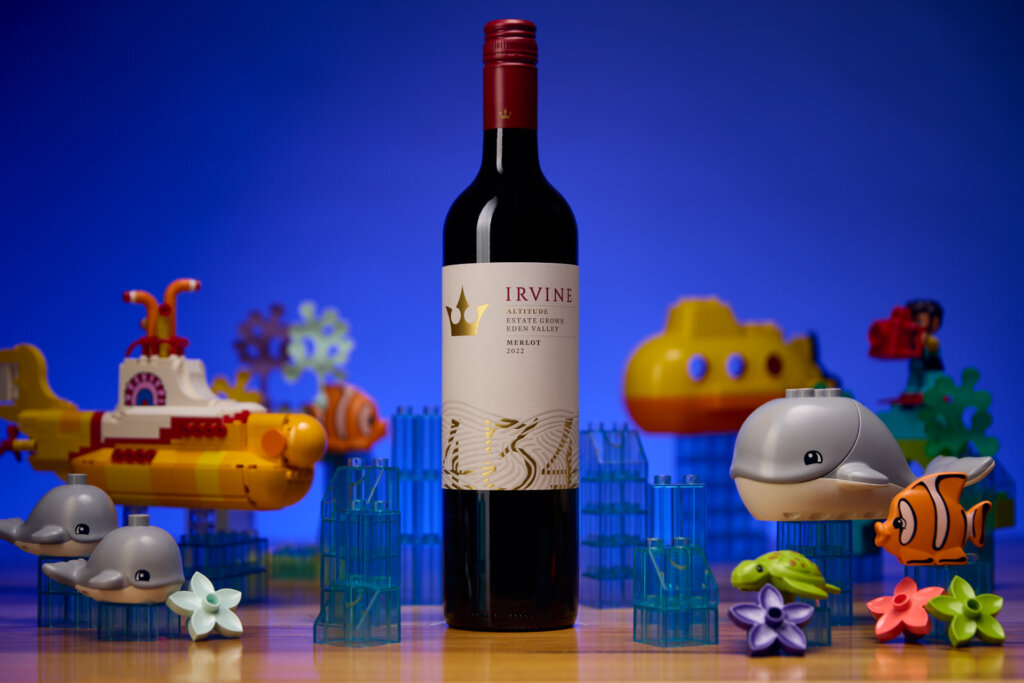
2022 Irvine Wines ‘Altitude’ Merlot, Eden Valley $35 RRP
Both Johansson and Lee counted this wine in their top picks from the blind tasting. For Johansson, it was her “wild card” selection – standing out for being on the “dark and broody” side of merlot: “black plums and blackberries with hints of rum and raisin, mocha, vanilla, dark chocolate, and coffee.” Plush, rich, with impressive concentration and length, it left an aftertaste of rum and raisin chocolate. “This is the wine for a barbecue, or to accompany a selection of hard cheeses … not for everyone, but perfect for those seeking a riper style.” Lee felt it wasn’t the most complex in the line-up, but admired its balance and honesty: “Nothing stands out too much, and everything feels so harmonious … ripe red fruits, very delicate dried herbs, and sweet oak spice such as vanilla and toast.” It was, she said, the kind of wine she’d reach for after a Friday night shift – “straightforward, honest, and delicious” – that would also be perfect with homemade tomato pasta over a weekend lunch.
![]()
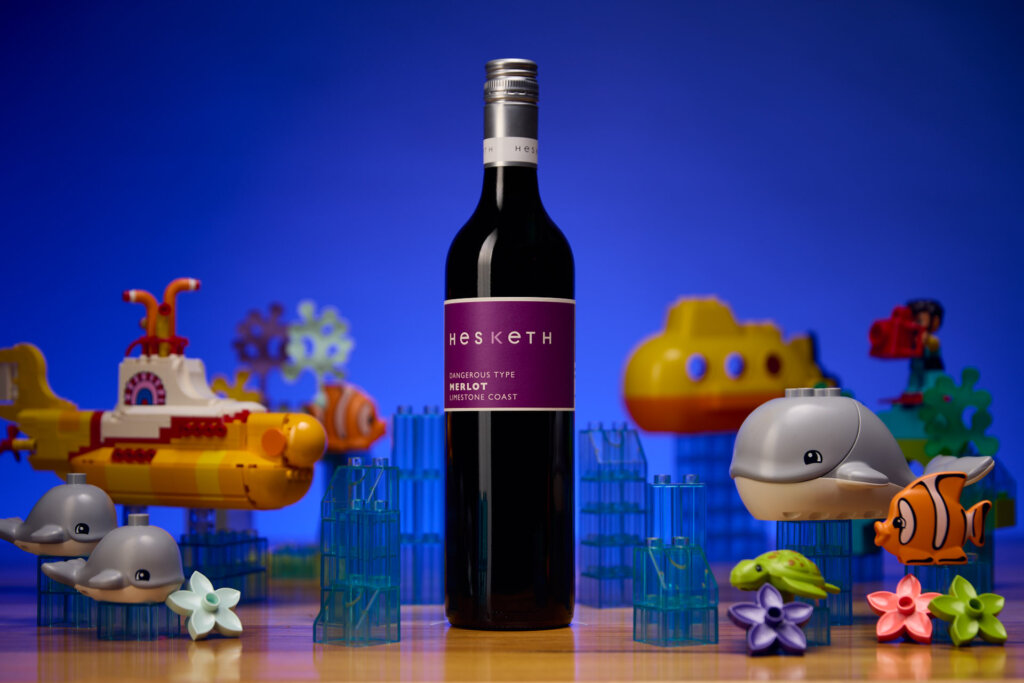
2022 Hesketh ‘Dangerous Type’ Merlot, Limestone Coast $16 RRP
Donegan ranked this wine among his top six, pointing to its “warm-climate” richness and character. He noted possible development and “a whiff of volatile acidity” – but in a way that added lift and complexity. “Black plums, black cherry, Chambord liqueur and dark chocolate” were joined by herbal elements of lavender, thyme and garrigue. The palate was “plush: all velvet- and velour-like textures,” with brooding depth, ultra-fine tannins and well-managed oak. “This is for the drinker that wants it all… including a warm hug to finish!”
![]()
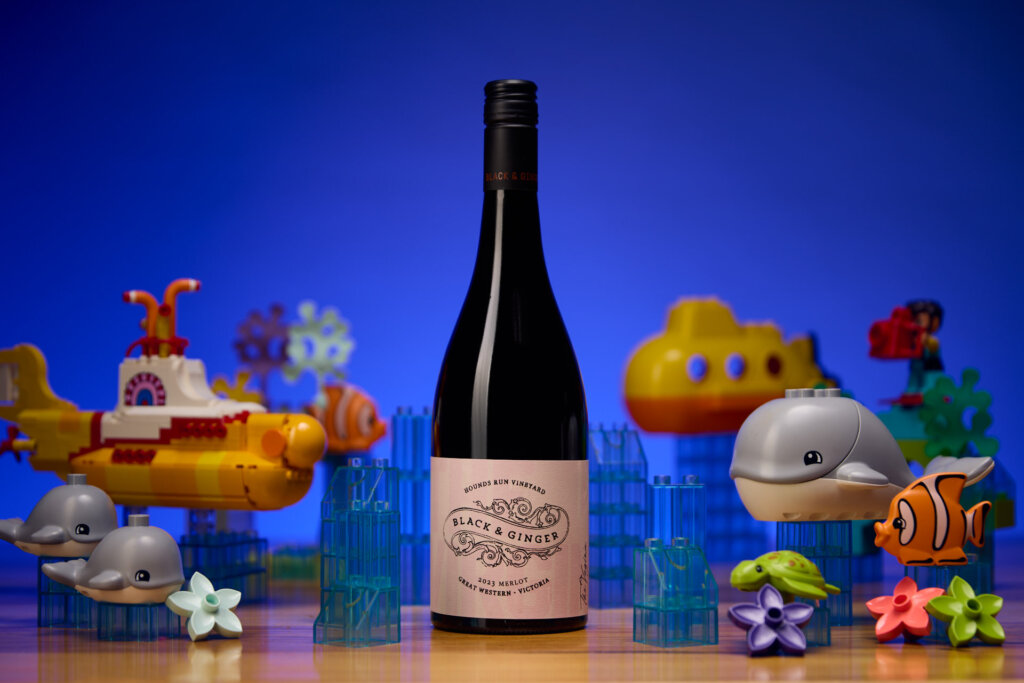
2023 Black & Ginger ‘The Virginia – Hound’s Run Vineyard’ Merlot, Grampians $65 RRP
Luker nominated this wine in his top six from the blind tasting, noting it was the one he “continued to revisit to get my head around.” He described the nose as “incredibly interesting,” with a delicate floral quality, “almost pot pourri-esque, but not that overwhelming stuff you find at your grandmother’s house.” The palate was “all linear and bright, with crunchy cranberry fruit and Campari-like bitterness.” A distinctive style, but one that clearly kept calling him back.
The variety’s Bordelaise background and its association with cabernet sauvignon – currently the world’s most-planted wine grape variety with 341,000 hectares under vine – means that merlot isn’t far behind its step-sibling in terms of global area planted, taking second place in the league table at 266,000 hectares. As Jancis Robinson, Julia Harding and José Vouillamoz’s authoritative reference book Wine Grapes notes somewhat dryly, “It would be quicker and easier to say where merlot is not grown than to list the many regions and countries in which it has been planted.”
Unlike many of Australia’s mainstream grape varieties, merlot did not arrive in Australia with the famous Busby Collection of the 1830s – instead, it reached our shores much later, in 1965. Importantly, the cuttings were not from a Bordelaise source, but from the University of California’s Davis campus grapevine library – a fact that would much later become the source of some angst and controversy for Australian merlot growers. Merlot had a relatively slow start in Australia, with total production not even recorded in our official annual vintage reports until 1987 and languishing behind the relatively minor variety mataro in terms of tonnes harvested until 1992. But as the Australian wine industry boomed in the mid-90s to mid-2000s – fuelled by an international love affair with our modestly-priced ‘sunshine in a bottle’ wines such as Yellow Tail, as well as a then-thriving market for more high-end ‘cult’ wines that had been nurtured by influential wine critics such as Robert M. Parker, Jr. – merlot became the belle of the Australian wine industry’s ball, with tonnes harvested rising from just over 6000 in 1995 to a peak of 112,000 in 2016. (For context, in 2025 Australia harvested just under 80,000 tonnes of the variety, making It our third most-popular red variety, at least in production terms.)
From Bordeaux hero to Hollywood villain
Nearly every introductory guide to Bordeaux will say something like the following about merlot: grown more on the right bank than the left bank, where cabernet sauvignon dominates; used to add softness and fleshiness to Bordeaux blends to counteract the stern tannins and acidity of straight cabernet; very rarely makes great wines by itself (with the exception of Petrus and Le Pin). While this can be true for some producers, it dramatically undersells what the variety can do – and why it dominates the plantings of the region.
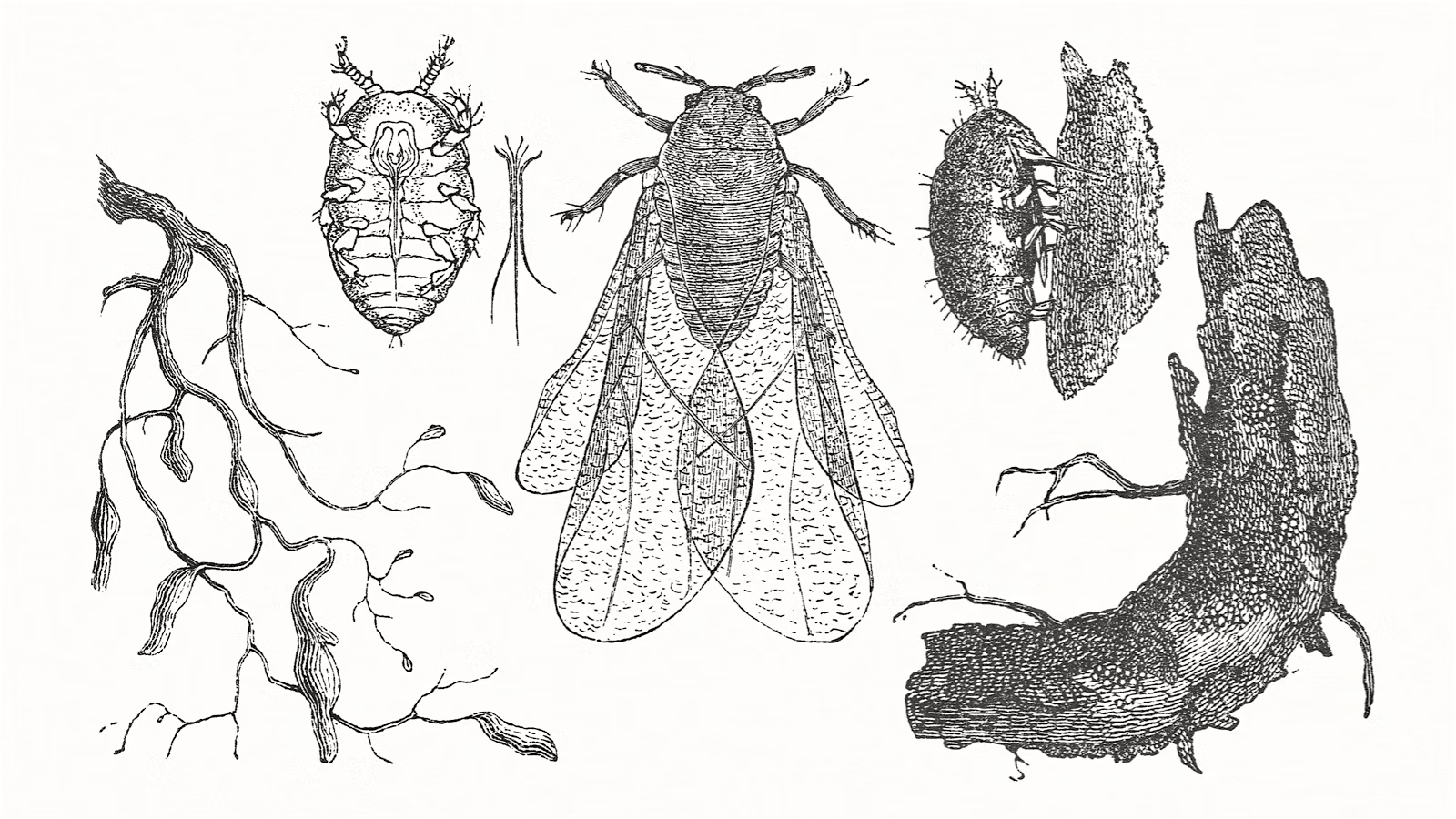
As previously mentioned, merlot became widespread in Bordeaux in the wake of the phylloxera epidemic, because it was an easier variety to graft onto American species of rootstocks. The art and science of vine grafting has progressed a long way since that time – most of the world’s vineyards, including the majority of Australia’s, are planted on these rootstocks – but merlot has plenty of other viticultural advantages to recommend it. It ripens earlier than other Bordeaux varieties (especially useful in an area when harvest-time rains can force estates to either harvest slightly underripe grapes or release dilute wines) and can achieve ripeness in a variety of climatic conditions (which helps even out the effects of Bordeaux’s notoriously variable vintages), although it is susceptible to both frost and drought. It doesn’t require as high a planting density as other Bordeaux varieties, making it economical to plant, and it has natural resistance to many of the vine diseases that are common in the region. And if it is planted on the right type of soil – such as, but not limited to the famous sticky blue clay of the Pomerol plateau – it is capable of producing wines so great that they rank among the world’s most expensive and sought-after.