The Top Wines
![]()
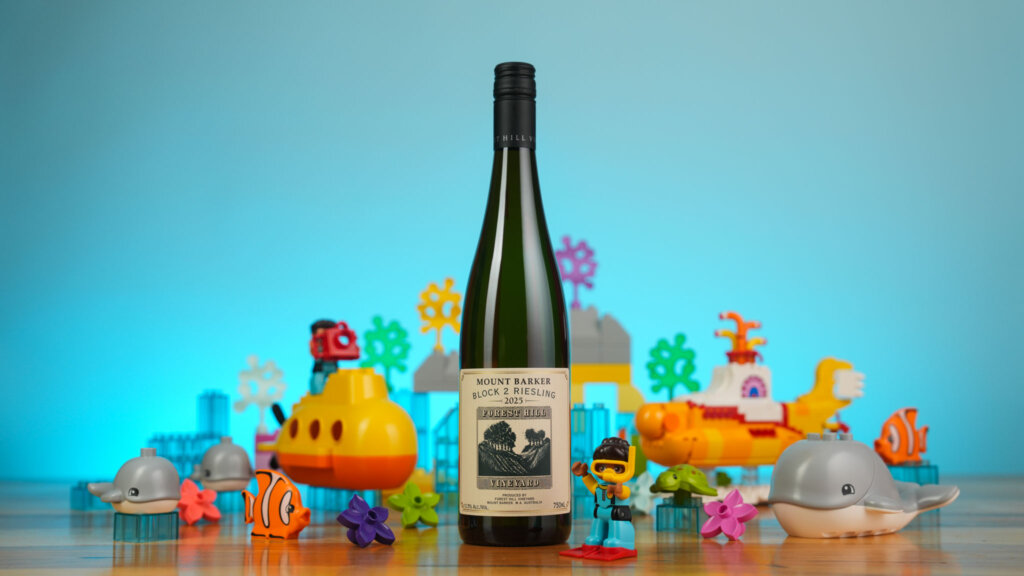
2025 Forest Hill Vineyard ‘Block Two’ Riesling, Mount Barker $40 RRP
This wine – made from fruit grown at the region’s first vineyard site – appeared in the top six wines of the day for Williamson, Bilcich, Ladyman, and Webb. Williamson described “the nose leads with yellow peach and golden apple, edged with a hint of tea biscuit. On the palate, it opens into seashell minerality, sweet apple and honeydew melon. The wine’s texture is gently waxy, with lemon juice acidity cutting cleanly through. A touch of ginger spice, white pepper, and crushed-pebble minerality adds complexity, finishing with a delicate sprinkle of salt. The acidity is intense, yet beautifully supported by generous fruit weight. This would pair exceptionally well with a spicy Indian curry.” Bilcich noted “aromas of white peach, lemon curd, and a whisper of lime blossom, with a subtle talc-like mineral quality. On the palate, those citrus notes firm up – Meyer lemon and green apple appear, with a clean, slate-like finish. What I love about this wine is its broad appeal – it has enough structure and mineral drive to please a classic riesling lover, but the softer aromatic profile and textural ease make it just as welcoming to someone who usually reaches for pinot grigio.” Ladyman found “beguiling notes indicating some development on the nose – baked quince and baking spices. Layer upon layer of chalky texture on the palate. Fine acidity laced with a hint of tart berry notes contributes to the overall grippy and salty mineral mouthfeel.” Webb noted “riper aromatics upfront – white rose petal, Meyer lemon and lemon sorbet. Salinity really kicks in on the palate – salted lemon and more lemon sorbet flavours.”
![]()
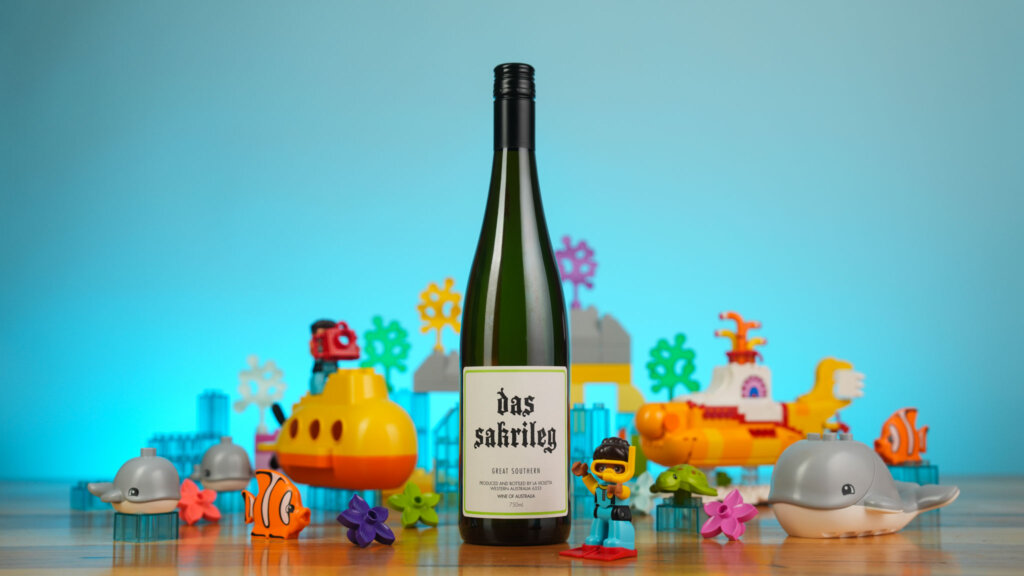
2024 La Violetta ‘Das Sakrileg’, Denmark $44 RRP
Guéritot and Baxter both selected this wine – which includes a small addition (less than 1%) of gewürztraminer grapes, is fermented with indigenous yeasts in barrel, and is matured on lees – among their top six from the blind tasting. Guéritot called it “my personal favourite wine of the tasting by quite a margin – a wine that showcased an exceptional balance between the influence of ripe, concentrated riesling fruit and the hand of the winemaker. That ripeness shows itself as stone fruit characters – think golden plums and Mediterranean nectarines at their peak of ripeness, or freshly cooked apricot jam – that add depth to the aromas of Nashi pear. That ripeness also expresses itself in the wine’s rounded mouthfeel. The wine’s impressive concentration on the front of the palate and the graininess of its acidity indicates that it might come from a granite-rich site. This wine will age beautifully in the cellar – but it’s very much enjoyable right now.” Baxter described “this wine is a practice in balance! Intense on the nose – brimming with Key lime flesh, Makrut lime pith, sorrel flowers, riverbed stones, raw almonds, macadamia nut, and honeysuckle. The palate is textured and waxy, centred around a core of fresh white peach, brioche, and hay flavours. It finishes hauntingly long – the kind of wine that makes you need to revisit the entire bracket as the finish distracts you from the other wines.”
![]()
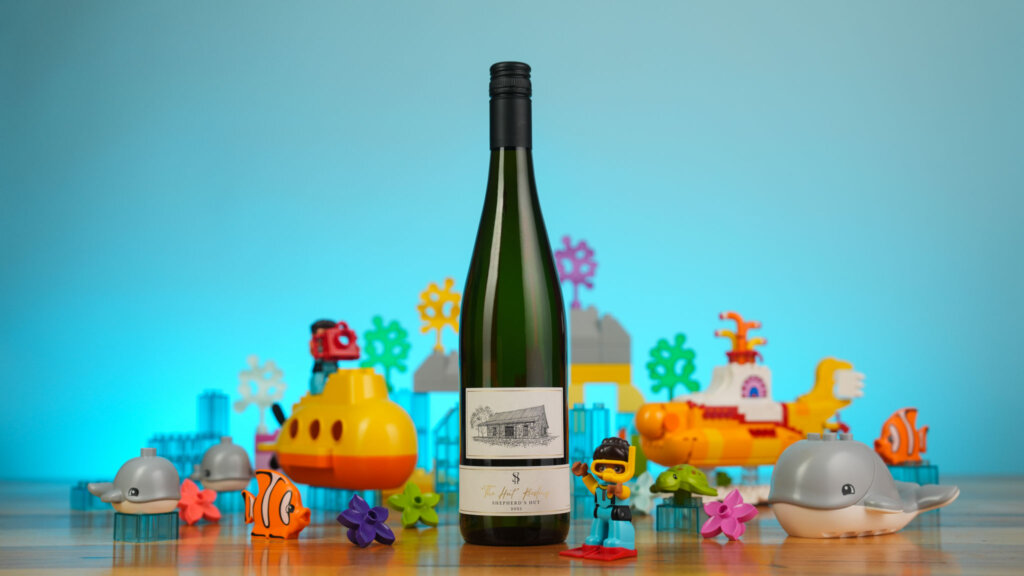
2025 Shepherd’s Hut ‘The Hut’ Riesling, Porongurup $45 RRP
Williamson and Spain included this wine – made by Rob Diletti of Castle Rock Estate – in their top six wines of the tasting. Williamson described “a sweet, biscuity nose reminiscent of jam drops – although ones made with apricot marmalade rather than raspberry jam. Pear and apple notes sit alongside tropical hints of pineapple and mango. The palate has a pleasing chalky grip, with salty lime, green mango and papaya. A subtle sourdough tang and crushed rock minerality add depth. A wine with plenty happening – best paired with something simple and subtle. Fresh bread and good butter would be perfect!” Spain noted “phenolics are where this wine really sings – allowing a real interplay between savouriness and ripeness. Flavour-wise, think white tea, lemon leaf and grape skin – then compliment it with apricot kernel, yellow apple and bergamot. On tasting this wine, you just want to unwrap and unravel all of its different layers. There’s also great tension and notable concentration on show, alongside an acidity that feels present but not jarring.”
![]()
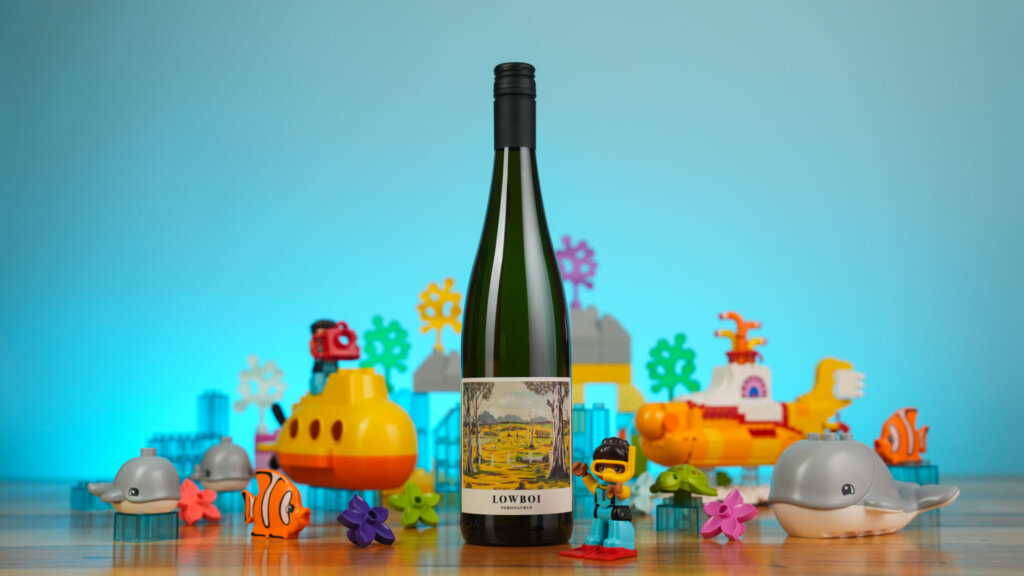
2025 Lowboi Riesling, Porongurup $40 RRP
Ladyman and Webb included this wine – made by Guy Lyons of Forest Hill Vineyard – in their top six selections from the tasting. Ladyman described “this wine took me on such a journey – and had me wondering about site, terroir, and the magic of winemaking. Aromas of mandarin skin and pulp, nutmeg spice and a gentle lift of rosemary – a savoury, ‘grown-up’ bouquet with the delicate mineral perfume of wet earth after rain. On the palate, it shows wonderfully mouth-filling texture, with subtle tannin-like grip, bright detailed acidity, and such seamless balance. A surprising wine that stood out from the field.” Webb noted “on the nose, apple blossom and ripe lemon skin are met with a confected lemon character that builds excitement. This excitement is rewarded with a softer palate of crunchy white nectarine flesh and a long, refreshing finish. This riesling showcases everything I love about this variety – put simply, it just makes me smile.”
![]()
2024 Frankland Estate ‘Isolation Ridge’ Riesling, Frankland River $60 RRP
Ladyman selected this wine among her top six selections from the tasting, describing “a complex and developed nose of curry leaf, celery frond, jasmine and lime blossom. Bright detailed acidity, salty texture and concentrated fruit character of quince and yellow nectarine on the palate – this wine has the balance, great character and persistence that I was looking for in the lineup. The savoury herbaceous and citrus notes of this wine would be so wonderful alongside kingfish ceviche or sashimi – my mouth is watering at the thought! Riesling from the Great Southern should be a go-to for delicate fish, or seafood dishes layered richly with a complex collection of spices and herbs – as this wine proves.”
![]()
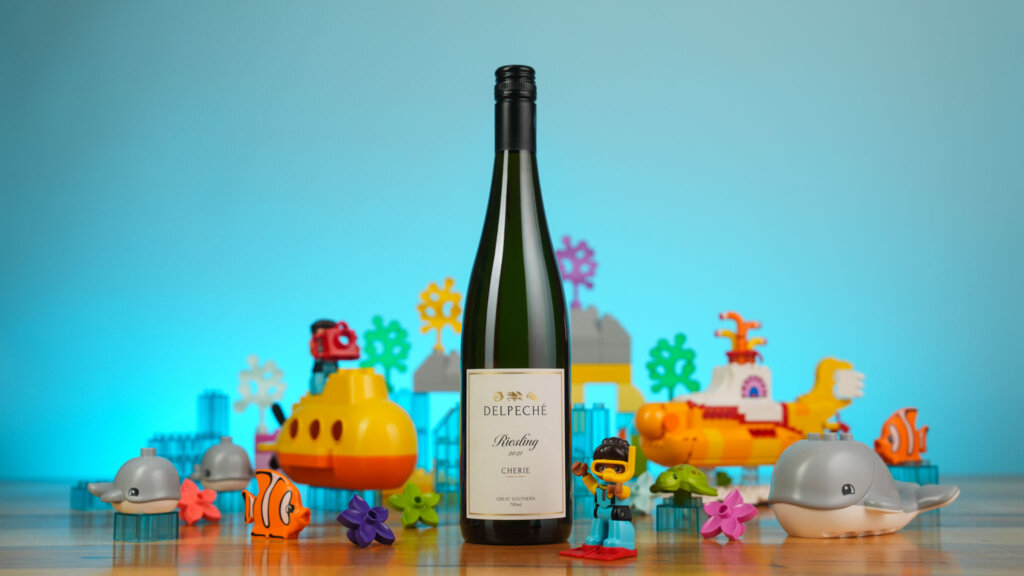
2021 Delpeché ‘Cherie’ Riesling, Mount Barker $28 RRP
This wine appeared in the top six wines on the day for Baxter, Diletti, and Guéritot. Baxter described “this is a taste of December in the Western Australian bush – the notes of wet river stones, wild river flowers, and Marri tree leaves blend seamlessly with tones of fresh-cut tomatillos, ripe green pear, and white peach. The palate bursts with a finger-lime acidity, ridged by an accented gunpowder-tea texture and the juiciness of a ripe white peach. It finishes soft and long – delicious.” Diletti noted “leads with a bouquet of sweet florals and high-toned fruits – jasmine, acacia, just-ripe apricots and yellow nectarines, crunchy Granny Smith apples. The wine is nonetheless fresh and vibrant on the palate, with a refreshing lime-juice tang cutting through its weight and power.” Guéritot found “a pleasant touch of sweetness in this wine to balance its lime-driven acidity. On the palate, the broad mouthfeel shows that the winemakers are playing the softness card. A slightly more soothing and appeasing style of riesling – calmness in a glass, and a welcome reprieve when your tongue is asking you to turn off the electricity.”
![]()
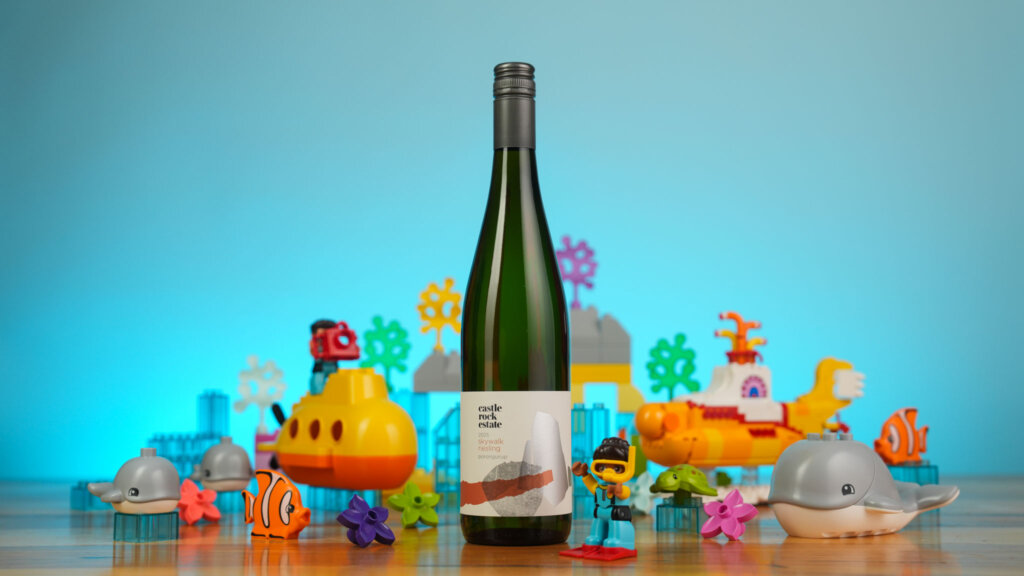
2025 Castle Rock Estate ‘Skywalk’ Riesling, Porongurup $28 RRP
This wine made the top six wines of the tasting for Spain and Baxter. Spain described “this feels classic in all the best ways. Apple blossom florals and subtle hints of wet stone minerality on the nose, with lemon zest and ripe lime flesh taking centre stage – the hints of fruit sweetness kept perfectly in check by the fresh zestiness. It hints at some riper tropical fruits – think papaya, guava and just-ripe cantaloupe rind. Proof that fruit sweetness and character is not the enemy here – in fact, a wonderful display of how it can elevate and season Great Southern’s rieslings.” Baxter noted “the wine’s bouquet opens with ripe Arctic nectarine, fleshy Clingstone peaches, Italian limonata, white Normandy pear and Granny Smith apple, all in perfect balance. The palate is unctuous and fruit-driven with white grapefruit zest, Tahitian lime peel, and clingstone peach dancing alongside a river-stone minerality. It finishes long and juicy – a beautiful example of fruit expression and subtle depth that the Great Southern can bring.”
![]()
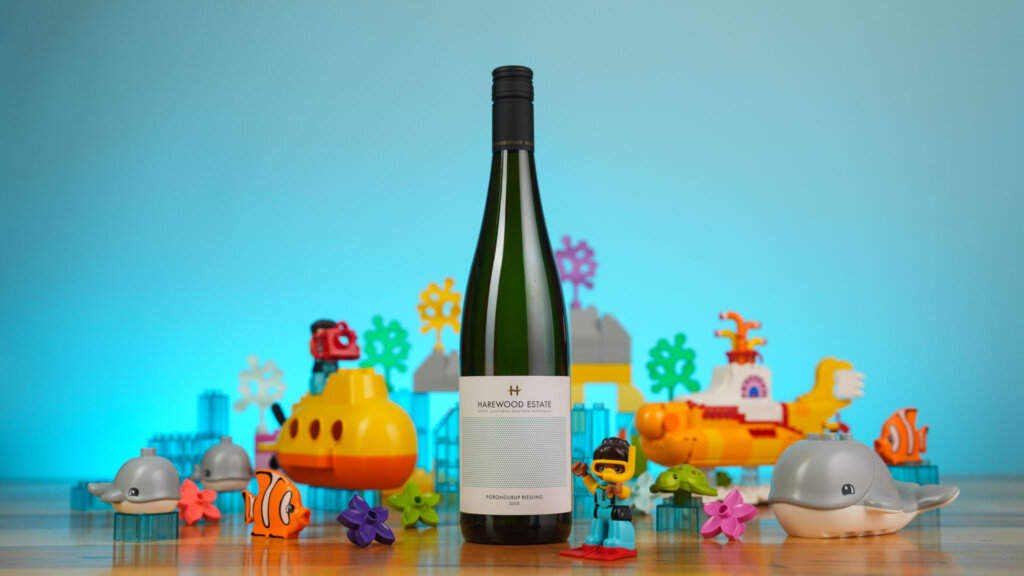
2025 Harewood Estate Porongurup Riesling, Porongurup $28 RRP
This wine made the top six selections for both Bilcich and Williamson. Bilcich described “just-underripe Nashi pear leads on the nose – bringing a firm, crisp edge that’s echoed on the palate. Alongside this, there’s a suggestion of white peach, green melon, and a faint squeeze of yuzu, all cool-fruited and restrained. A light chalky quality threads through the finish, keeping things taut and refreshing. The acidity is persistent and mouth-watering – delivering the kind of natural juiciness you get from biting into actual fruit. This wine’s appeal is texture and acid, understated rather than showy – composed, precise, and clean.” Williamson noted “a wonderfully savoury opening – almost like hot chips with chicken salt. Immediately intriguing! The palate bursts with zingy lemon-juice acidity and sea-spray salinity. Notes of aromatic musk sticks, Granny Smith apple, pineapple, mango and papaya are layered with a gentle umami tone. Playful yet complex – perfect with a cucumber sandwich courtside at a summer’s day at the tennis.”
![]()
2025 Cherubino ‘Ad Hoc – Wallflower’ Riesling, Great Southern $24 RRP
Webb selected this wine among his top six wines on the day, noting “a riesling bursting with so much concentrated citrus flavour – every sip is a cocktail of assorted orange varieties, Meyer lemon and mandarin. Some pithy texture builds towards the finish, adding length and spicy complexity. That pithiness builds a long and thought-provoking finish – and suggests that this is a riesling that could be cellared for many years.”
![]()
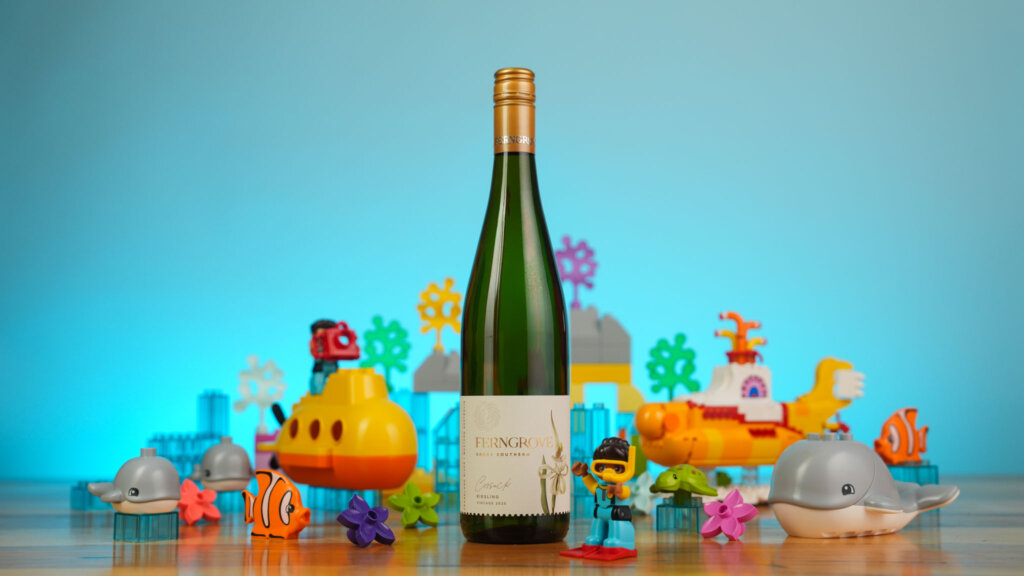
2025 Ferngrove ‘Orchid Series – Cossack’ Riesling, Frankland River $30 RRP
Ladyman and Webb included this wine in their top six picks from the blind tasting. Ladyman described “a flinty, mineral nose showing notes of Granny Smith apple skin, lime zest and flesh. A firm, structured line of acidity, together with layers of saline mineral texture and concentrated green and yellow citrus flavour, drives the length of this wine relentlessly across the palate. Seamless balance, power and precision – you have my attention!” Webb noted “a nose of Meyer lemon and underripe green pineapple – alongside hints of rosewater, salinity, and curry leaf spice that build aromatic complexity. Bursts with energy on the palate, with concentrated flavours of citrus wedges well-framed by that saline mineral note. This is textbook Great Southern riesling.”
![]()
2025 West Cape Howe ‘Regional Range’ Riesling, Mount Barker $22 RRP
Spain and Diletti selected this wine among their top six wines from the tasting. Spain described “a wonderful aromatic wash of so many different elements – watermelon rind, Cotton-Candy grapes, white peach, the list goes on! This is a style of riesling that I really like – it still has a lovely acid drive that washes everything through, but showcases a real symphony of different elements, both fruit and herbaceous freshness. There is a hint of sourness and saltiness there as well – almost like a salted pink grapefruit or Paloma cocktail vibe – that creates a real moreish character to the wine as well.” Diletti noted “fresh aromatics on the nose – lemon zest and juice, lemongrass, kumquat, and crunchy Granny Smith apple, alongside a hint of white peach. On the palate, there’s some richness and generosity. The wine remains light on its feet thanks to its bright, green-apple and lime-juice acidity. A soft, creamy note of lemon curd appears on the impressively long and fine finish.”
![]()
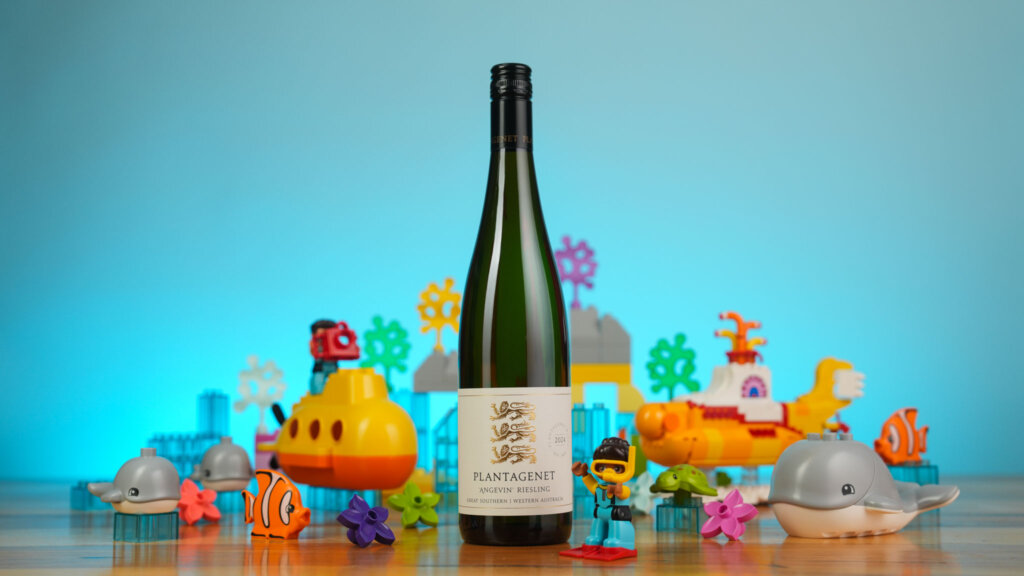
2024 Plantagenet ‘Angevin’ Riesling, Mount Barker $34 RRP
Guéritot chose this wine for his top six wines of the day, noting “this wine impressed from the get-go, showcasing ripe yet focused fruit alongside a balancing and refreshing line of acidity that begs you to take another sip. Aromas of ripe orchard fruit – think golden pears – are layered with a stony note of wet flint. On the palate, the exceptional balance between fruit ripeness and fresh acidity suggests that picking times have been handled with precision here. The ripeness and weight of the wine make this exceptionally versatile at the table – it’s the kind of wine you could employ when your guests don’t drink red wine and the main course is a rich meat dish, but it would also be equally at home on its own in the park.”
![]()
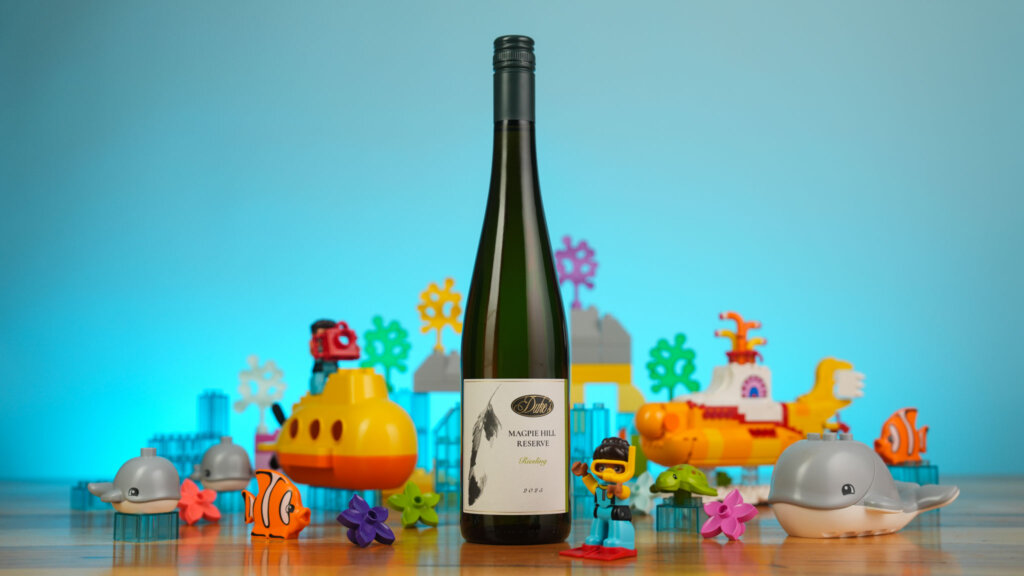
2025 Duke’s ‘Magpie Hill’ Reserve Riesling, Porongurup $48 RRP
Diletti included this wine in his top six selections from the blind tasting, describing “a delightfully floral nose of acacia, lemon blossom, orange blossom, alongside a high-toned sweet note akin to Yellow Box honey. Some grassy, green tones give weight to the aromatics – think lemongrass, Vietnamese mint, and freshly-mown lawn. Crystalline on the palate, with bright, linear acidity that’s neither racy nor forceful, and a slate-like mineral note lending persistence and power to the finish. A tiny pinch of sea-salt character frames the long and powerful finish, where a hint of nutty umami character emerges. A very charming wine.”
![]()
2022 Alkoomi ‘Cultivated Collection’ Riesling, Frankland River $80 RRP
Bilcich selected this wine among her top six wines on the day, describing “bitter pink and yellow grapefruit pith drives the aromatic profile here, with preserved lemon rind, white flowers, and a flinty, almost smoky mineral edge following in its wake. There’s a dried-herb quality to the flavours on the palate, almost like dried thyme – a tone that adds complexity without softening the wine’s angular drive as its waves of acidity roll through. There’s real power, impressive length, and a mouthfeel that builds and holds here. This is Great Southern riesling at its most uncompromising – a wine that makes the case for the region’s ability to produce whites with genuine structural ambition.”
![]()
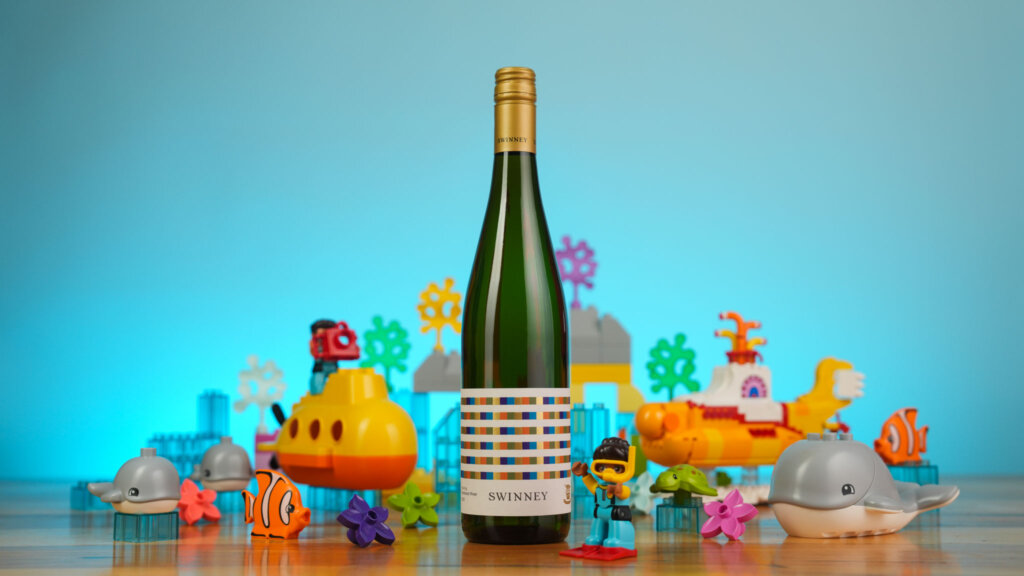
2025 Swinney Riesling, Frankland River $40 RRP
Ladyman chose this wine for her top six wines from the tasting, noting “a pretty and detailed nose showing lime zest and blossom, talc, cut flowers, ginger and cardamom. Complete and concentrated on the palate, with a chalky texture and finely structured acidity balanced nicely with citrus-spectrum fruit richness. Powerful and arresting, yet also simply a delicious glass of wine on its own or with some richly resonant South East Asian fare – a red duck curry with lemongrass and kaffir lime leaf springs immediately to mind. The citrus, floral, talc and spice notes are so classic for Great Southern riesling – and it’s wonderful to see them showcased in such a detailed way here.”
![]()
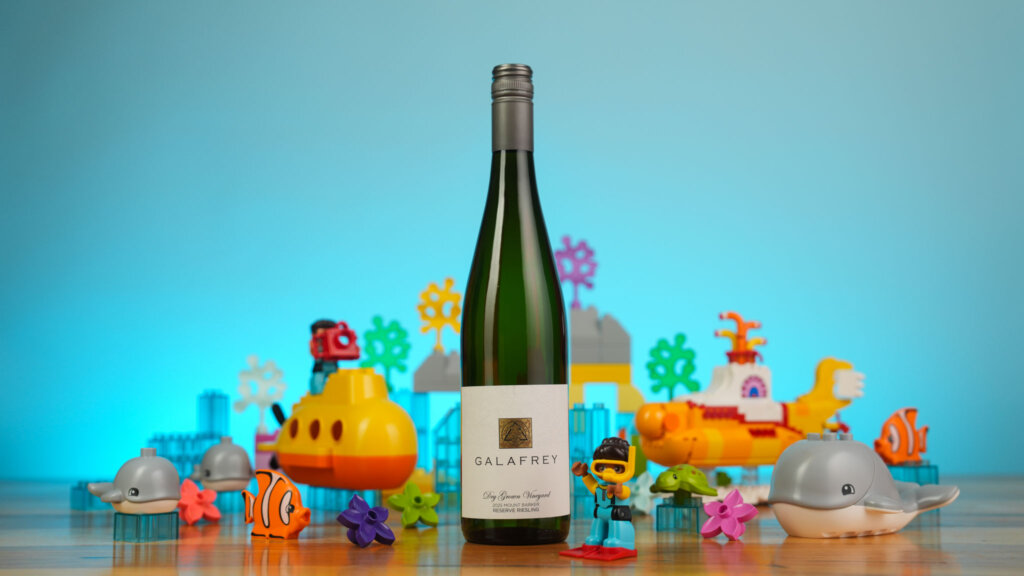
2025 Galafrey Dry Grown Vineyard Reserve Riesling, Mount Barker $32 RRP
Diletti selected this wine among his top six picks from the blind tasting, describing how it “opens with a thoughtful and composed bouquet that leads with deeper tones of citrus – blood orange zest and pith, pink grapefruit zest, and a touch of leafy kumquat – alongside an intriguing lavender floral note. On the palate, the high acidity is more fresh than piercing – it’s not in a hurry to race down the palate, but mouth-puckering nonetheless. There’s a good amount of fruit weight and power in the mid-palate, redolent of lime cordial, which balances the acidity, leading to a lengthy finish where a pleasing touch of phenolic grip and bitterness emerges. A wine of verve and bracing freshness – and one that showcases the power riesling can achieve in Great Southern.”
![]()
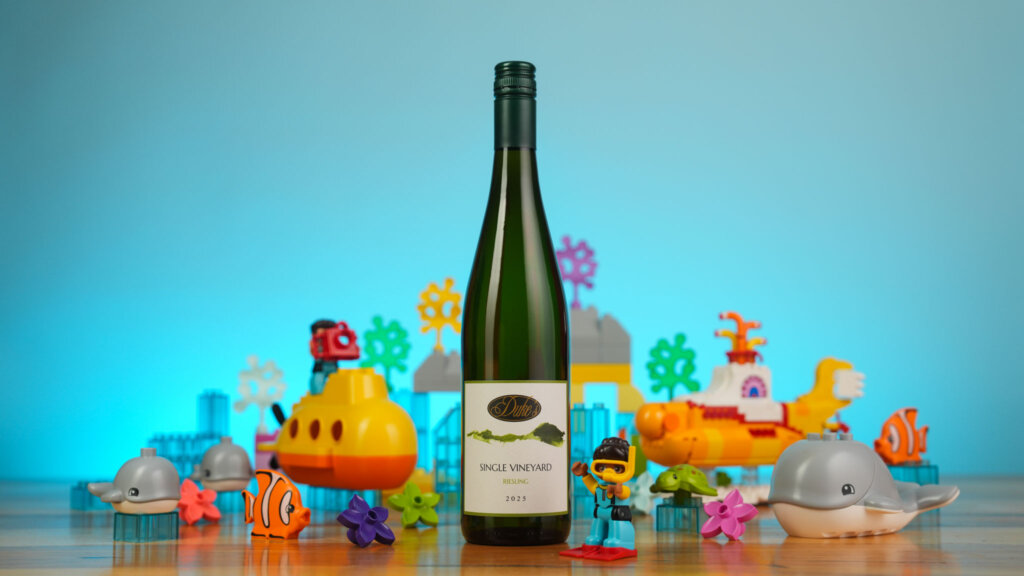
2025 Duke’s Single Vineyard Riesling, Porongurup $29 RRP
Bilcich included this wine in her top six selections, describing “subtle Earl Grey tea and apricot notes unfold gently on the nose, alongside dried chamomile, a hint of beeswax, and a delicate suggestion of white cherry. The palate mirrors this restraint – light, supple, and quietly expressive, with delicate acidity. Its gentle texture would make it perfect alongside lightly seared scallops, fresh ricotta on warm toast, or a simple almond tart. Quietly assured and unhurried, this is a wine for those who know that restraint can be its own kind of generosity – and a beautiful argument for the virtues of Great Southern riesling’s more contemplative side.”
![]()
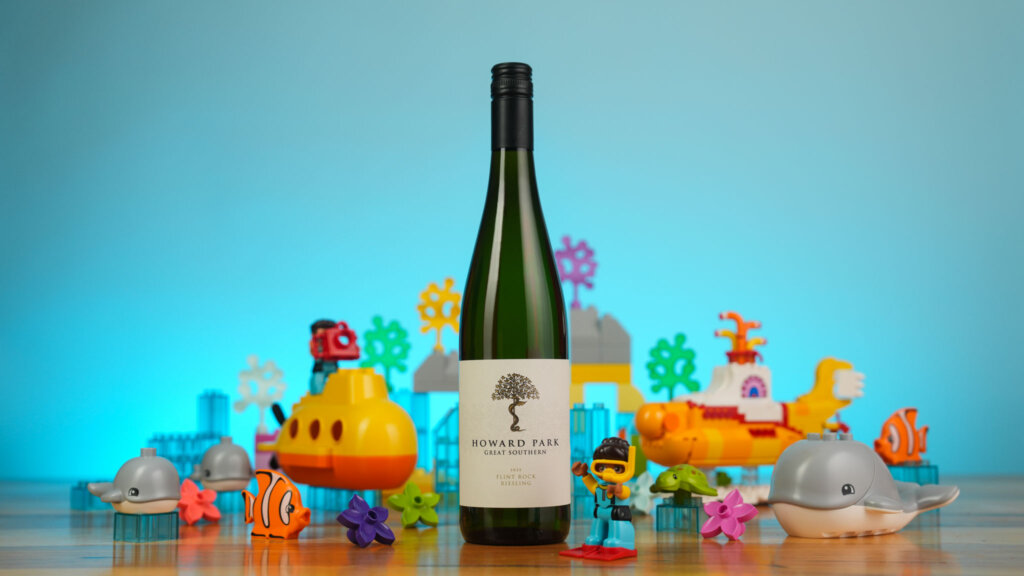
2025 Howard Park ‘Flint Rock’ Riesling, Great Southern $30 RRP
Williamson selected this wine among her top six wines of the day, describing “the nose opens with bruised apple, musk sticks and buttercream, edged with jasmine and a touch of biscuit. On the palate, there’s a pleasingly chalky texture that frames notes of ripe peach and brioche, with a whisper of oyster shell minerality. Zingy and electric, yet balanced, this would sit beautifully alongside a roasted celeriac dish served by the fire. This is an example of how textured and nuanced Great Southern rieslings can be – proof that they can compete on the world stage.”
![]()
2025 De Vesé ‘Shadforth Estate Vineyard’ Riesling, Denmark $35 RRP
Webb chose this wine for his top six wines from the tasting, noting “a focused aromatic profile of lemon verbena, lemon blossom, and lime zest, with a subtle curry leaf and fennel-seed spice edge. That spicier edge continues on the palate alongside lime and orange segments. The palate has a distinct feeling of biting into orange wedges – a sense memory that really dials up the feeling of excitement you get while tasting this wine.”
![]()
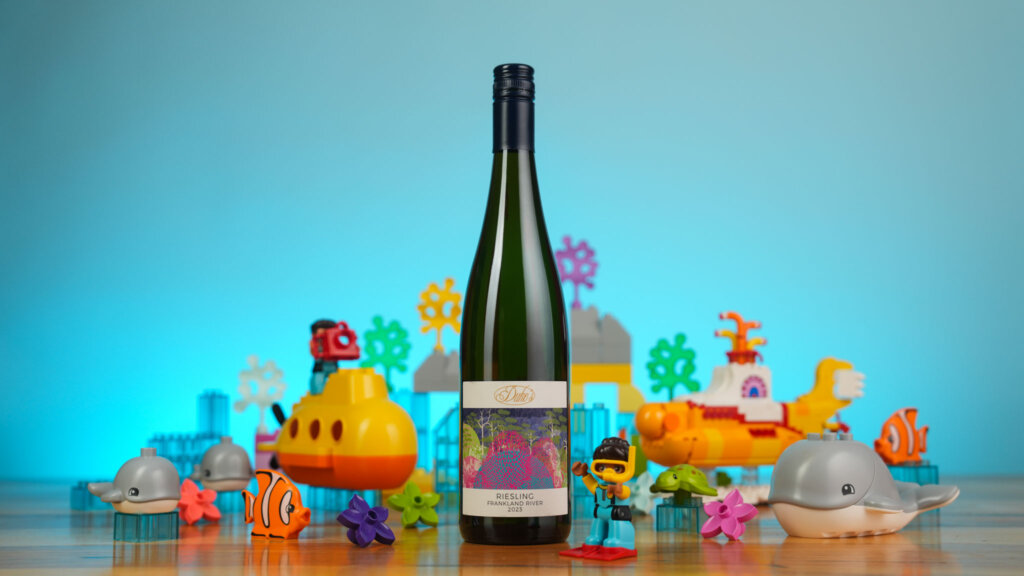
2023 Duke’s ‘Invitational Series’ Riesling, Frankland River $38 RRP
Baxter selected this wine among his top six wines from the blind tasting, describing “this wine is a beautiful representation of how expressive and delicately complex a bone-dry style of Great Southern riesling can be. The nose explodes with granny smith apples, capsicum, fresh cut wallaby grass, tomatillos, and the Marri tree’s leaves and its honky nuts. The palate balances a bright ripe Tahitian lime acidity with green pear texture – it’s driven, linear, and finishes long. A beautiful match for ceviche, prawns, pork belly, and spring vegetables.”
![]()
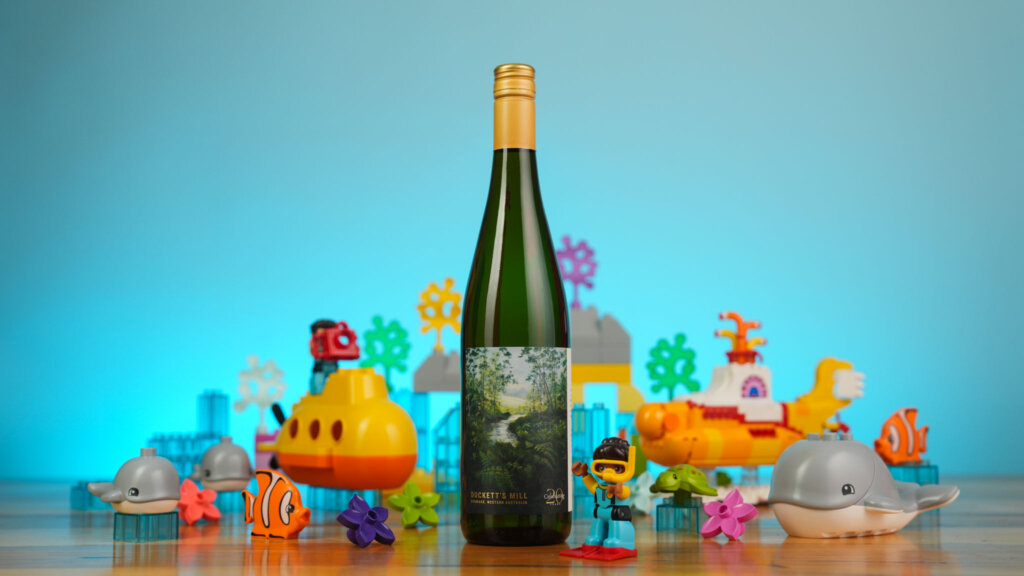
2024 Duckett’s Mill Riesling, Denmark $28 RRP
Spain chose this wine – which features a label by Great Southern-based artist Leah Hannant celebrating Duckett’s Mill’s twentieth anniversary – for her top six picks, noting “this is a guilty pleasure wine for me – maybe not for everyone, but this is a riesling I just want to sip away at for an entire evening. It’s not overly complex in terms of layers of flavours, but the judicious amount of residual sugar on display here really makes the palate refreshing and moreish. It’s a slightly creamy, in a Key lime pie sort of way, where the the lime zest really pulls together those pastry flavours and subtle lemon curd–like sweetness. This is a wine I can imagine bringing to my local Thai place – it would stand up wonderfully to some chilli, green papaya, and maybe a whole fried fish.”
![]()
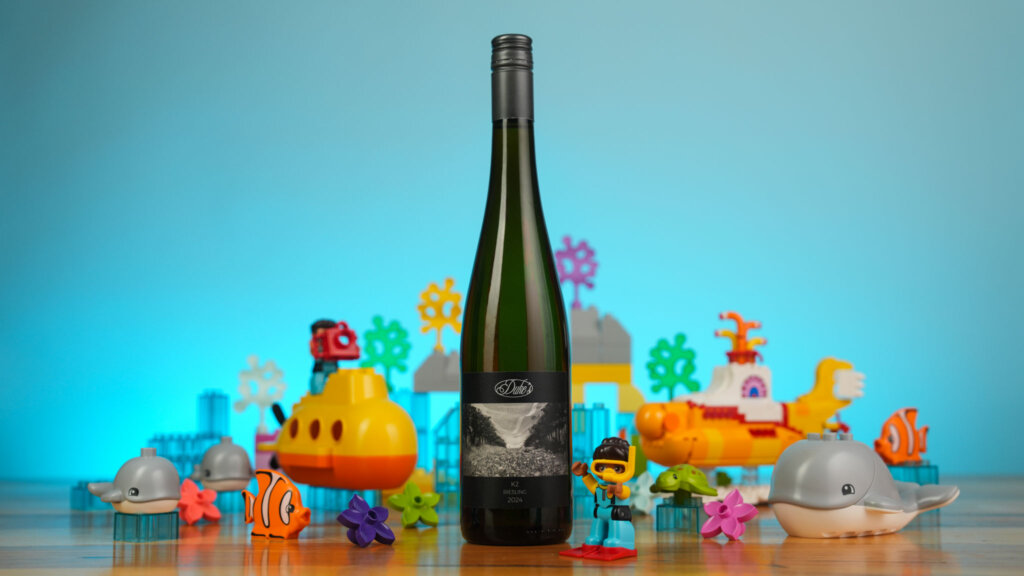
2024 Duke’s ‘Halo Range – K2’ Riesling, Porongurup $85 RRP
Guéritot included this wine in his top six wines of the day, describing “a different style to most of my selections, with a leaner cast to its fruit profile – a wine where the hand of the winemaker, rather than fruit ripeness, provides balance against the bracing freshness of its acidity. The wine leads with notes of fresh lychee, lime zest and a touch of ginger spice. There’s a softness to the mouthfeel and a spiced weight to the structure. Those techniques take the edge off the wine’s acidity and minerality – and suggest that Great Southern’s biggest point of difference from other Australian riesling regions is, or at least should be, the willingness of its producers to venture away from the clean, all-stainless winemaking norm.”
![]()
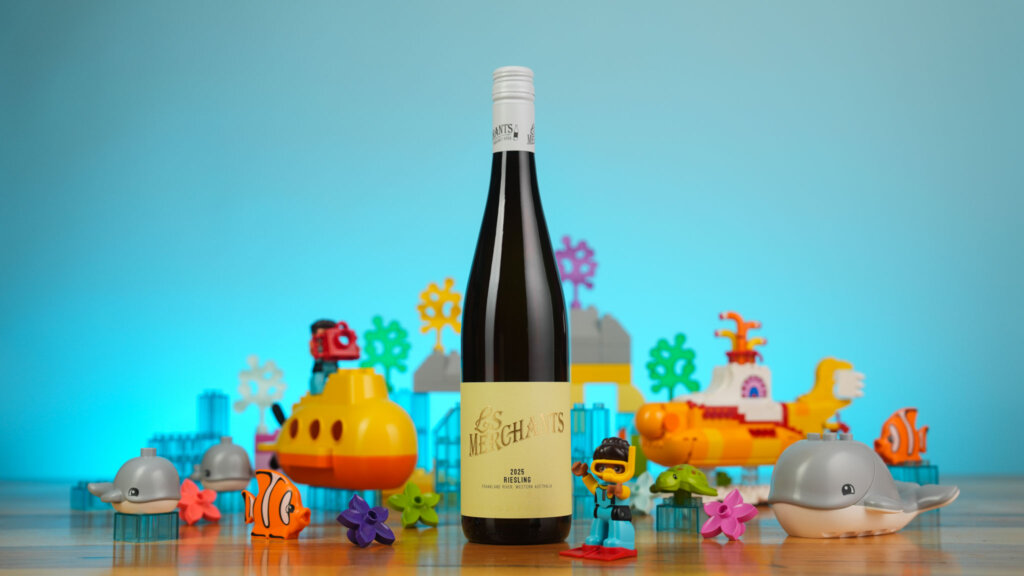
2025 LS Merchants Riesling, Frankland River $35 RRP
Baxter and Bilcich included this wine in their top six wines from the blind tasting. Baxter described “this wine is the perfect fruit-driven introduction to rieslings from Western Australia’s South-West. The bouquet explodes with a complex layering of white grapefruit rind, white peach core, fresh-cut white pineapple, green honeydew melon, and white orchids. The palate is driven by plush, juicy white nectarine and clingstone peach characteristics. You can almost imagine the juices staining your mouth as you did when you were a kid! Get a wine-hating friend, open this wine, maybe crack out a li’l brie, and watch them fall in love.” Bilcich noted “the nose of this wine is rich and generous – layered with ripe stone fruit, gentle citrus peel, and orange blossom. The palate mirrors this generosity – it’s rounded and supple, with soft acidity. Ideal for sharing on a relaxed evening at home – best served alongside roasted chicken, creamy cheeses, or lightly spiced autumnal dishes.”
![]()
2024 Gilberts ‘Three Devils’ Riesling, Mount Barker $25 RRP
Guéritot chose this wine for his top six selections, describing “a complex aromatic profile of elderflower, fresh jasmine, rocky flint-like tones, and lightly tropical fruit notes – think custard apple, feijoa, and just-ripe passionfruit. On the palate, the wine’s vibrant line of acidity balances the ripeness of that tropical-skewing fruit profile, and the subtle sweetness of the floral aromatics adds an extra layer of depth and interest. The wine’s combination of palate weight and refreshing brightness calls out to be paired with foods that likewise balance freshness and richness – think decadently fatty cuts of high-quality sashimi, such as beni toro or hamachi.”
![]()
2025 Battles Riesling, Denmark $38 RRP
Diletti selected this wine among his top six picks from the tasting, noting “this wine leads with fine and relatively subdued aromatics – lemon and lime pith, alongside a touch of white grapefruit, orange blossom, and a hint of crushed white stones. Tight, linear, and high-toned on the palate, showing notes of white nectarine and a lemonade fruit tang, with jasmine florals on the impressively long finish. Delicate crystalline texture, bright acidity, and a hint of chalky minerality – a beautifully pure and very pretty example of Great Southern riesling.”
![]()
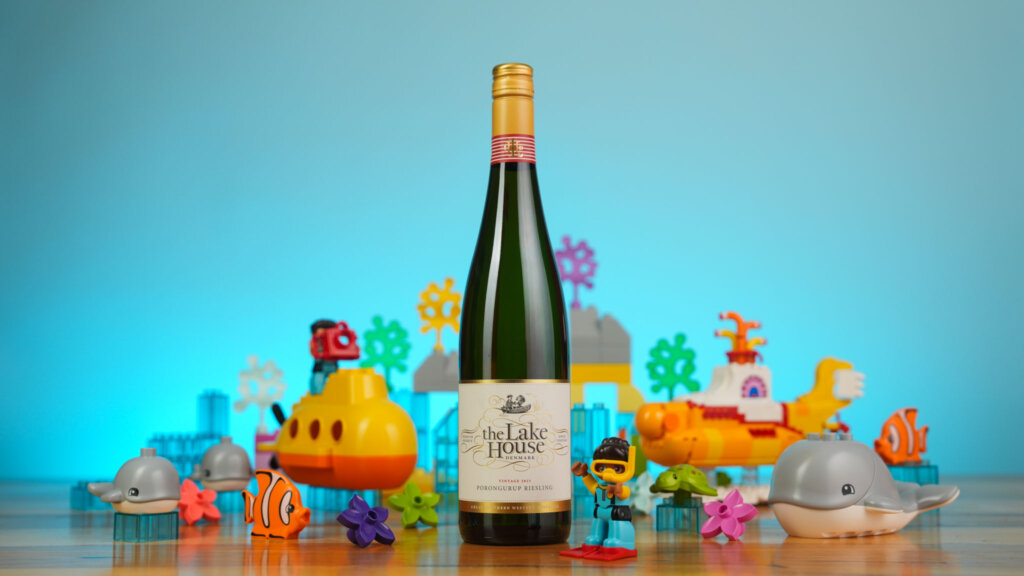
2023 The Lake House Porongurup Reserve Riesling, Porongurup $45 RRP
Bilcich chose this wine for her top six wines of the day, describing “an intriguing herbal edge lifts the nose and follows through to the palate – there’s a shy hint of dill and mustard seed, giving a lightly vegetal, gently grassy tone not unlike sauvignon blanc. That tone overlays fruit characteristics of white-fleshed nectarine and crisp green apple, with a squeeze of finger lime adding a subtle citrus pop. A wine with real versatility, this would shine wherever Sancerre is traditionally called for – think pairings like goat’s cheese and asparagus, or keep it simple with fresh oysters and a squeeze of lemon. This makes a compelling case that Great Southern riesling has more to say than just following traditional Australian riesling’s citrus-and-mineral script.”
![]()
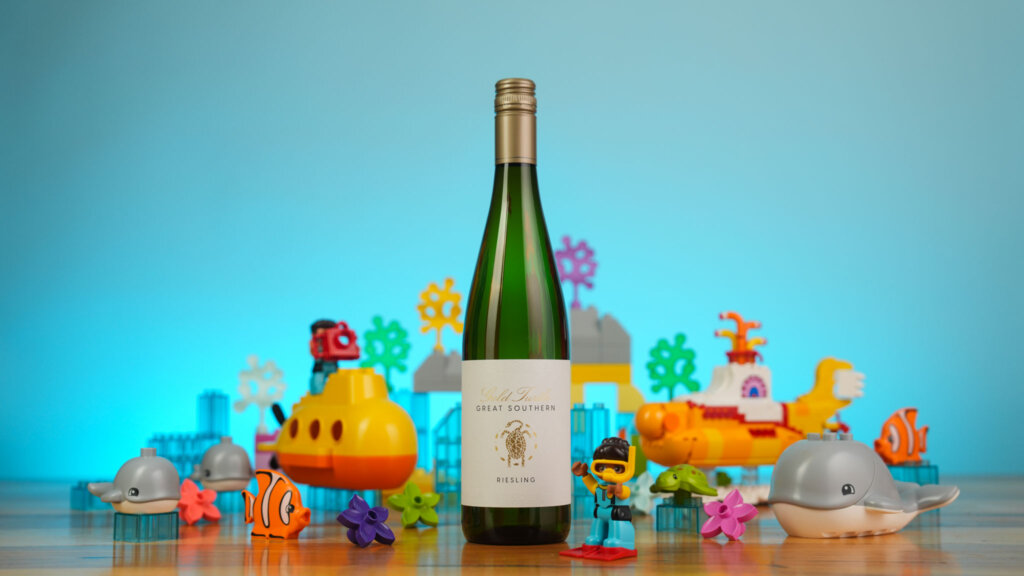
2025 Gold Turtle Riesling, Great Southern $22 RRP
Williamson included this wine in her top six wines from the tasting, describing “a very pretty nose, led by jasmine, white peach and brioche. The palate is invitingly tropical – mango and papaya with a touch of ginger, sourdough, and yoghurt creaminess. Honeysuckle florals meet crushed rock minerality, while unmistakably juicy lemon-like acidity drives the wine forward. The texture is slightly oily, adding a sense of generosity to the wine. Bright, layered and highly approachable – the kind of wine best enjoyed on an outdoor table beside a small fishing port, alongside generous portions of flatbread and tzatziki.”
![]()
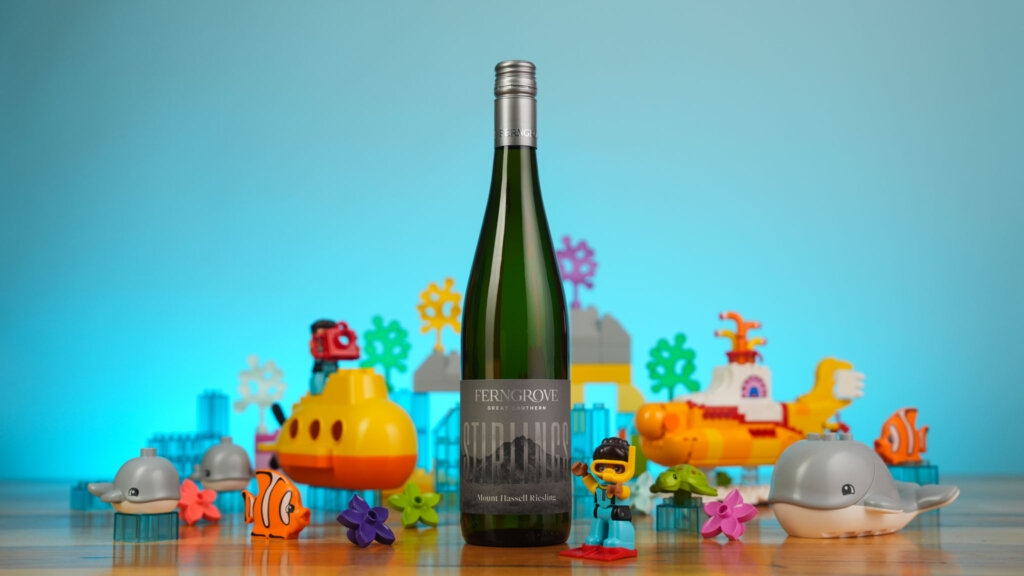
2025 Ferngrove ‘The Stirlings – Mt. Hassell’ Riesling, Frankland River $50 RRP
Webb and Guéritot both selected this wine among their top six wines on the day. Webb described “a riper profile here, with notes of orange oil and fleshy yellow nectarines that are met with some leesy driven salted almonds. On the palate this riesling shows plenty of orange flesh though the length and intrigue is built by a chalky and mineral finish. A more thought-provoking example of Great Southern riesling – best consumed over the course of the meal to ponder its many complexities.” Guéritot noted “this wine is dominated by a savoury, spicy character – notes of curry leaf, white pepper and mustard seed – that give it a refreshing point of difference. In this regard it reminds me of the mid-tier riesling cuvées of some of the best producers out of Austria’s Kamptal region – not necessarily profoundly complex, but exceptionally effective in its balance between its citrus and spice elements.”
![]()
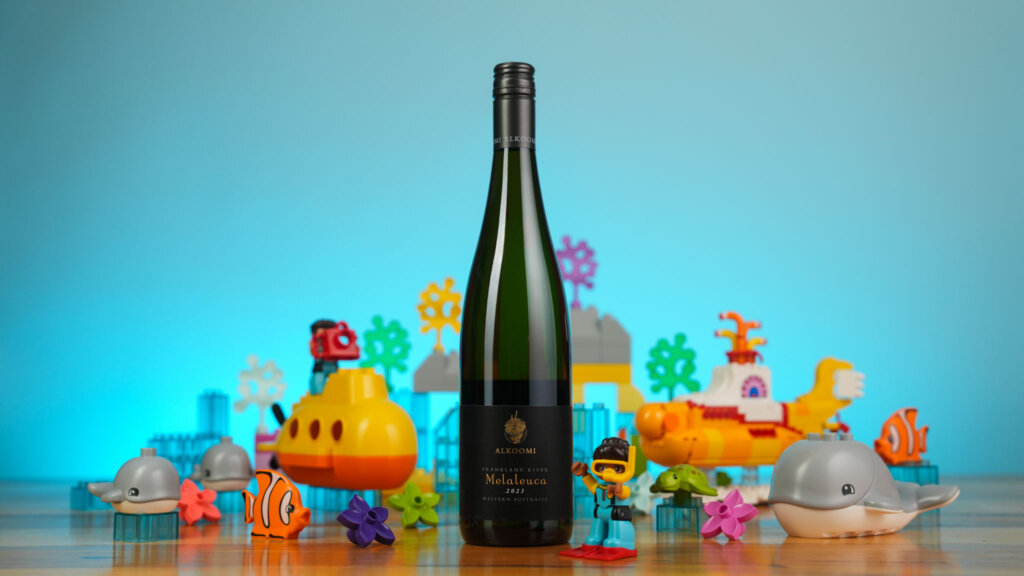
2023 Alkoomi ‘Melaleuca’ Riesling, Frankland River $32 RRP
Diletti and Spain included this wine in their top six selections from the tasting. Diletti described it as “clearly a serious wine – balancing aromatic delicacy with powerful intensity of flavour and driving fresh acidity. A full spectrum of citrus on the nose – delicate orange blossom, a slightly smoky note of burnt mandarin peel, kumquat compote, alongside notes of gum blossom, Karri honey. Layered and complex on the palate, with impressive fruit weight and powerful flavour, driven down the palate in a broad sweep by bright and fresh acidity. Some charming bitter phenolics on an impressively long finish that’s framed by a moreish saline mineral note.” Spain noted, “Oh hello – a little spicy number over here! It opens with this really great aromatic punch of kaffir lime, fresh curry leaves, and green cardamom, which is then complimented and deepened really beautifully with riper notes of marmalade-like orange, ripe green pear, and fresh apricot. Very much sings out as a food wine for me.”
![]()
2025 Harewood Estate Denmark Riesling, Denmark $28 RRP
This wine appeared in the top six picks for Spain and Ladyman. Spain described “a more textural, phenolic style, with a bit more of a pithy character to it – think yellow grapefruit and kumquat. There is an underlying talc-like texture on the palate – a very fine, almost powdery core to the wine that really elongates its fruit length. The flavour profile on the palate skews slightly more towards the orange end of the citrus spectrum – think fresh Navel oranges and mandarin skin – which allows the acid to feel a touch more mellow and approachable. Makes for a real sipper!” Ladyman noted “such an appealing perfume of mandarin, cut grass, fennel leaves, and the lift of cardamom spice. Concentrated fruit and crushed-rock mineral acidity drive the lengthy and textured palate – this wine has the kind of presence and persistence that is hard to ignore.”
![]()
2025 Shepherd’s Hut Riesling, Porongurup $30 RRP
This wine – crafted by Rob Diletti of Castle Rock Estate – made the top six wines of the tasting for Williamson and Baxter. Williamson described “brioche rises immediately on the nose, followed by aromatic musk stick, almond, and Anzac biscuit – as well as ripe yellow nectarine, peach, and golden apple, adding warmth and generosity. The palate carries salted lime zest and that pretty musk-stick character again, layered with yeasty umami tones. There’s a gentle chalkiness here, alongside notes of preserved lemon and creamed honey on toast, and impressive length on the finish. Best enjoyed in the garden, with a generous bowl of salted pistachios.” Baxter noted “this wine took me on a trip down memory lane – the bouquet sings of the Western Australian bush and seaside. Nostalgic notes of sweet juicy pears, honeydew melon and white nectarines alongside beach sand and granitic rock. A soft Key-lime acidity drives a warming palate, which shows a pithy texture, delicate grassy florals, and a zesty finish. This is one to chuck in the esky – hit the beach, catch a fish or some mussels, and drink next to the campfire. A true taste of Western Australia.”
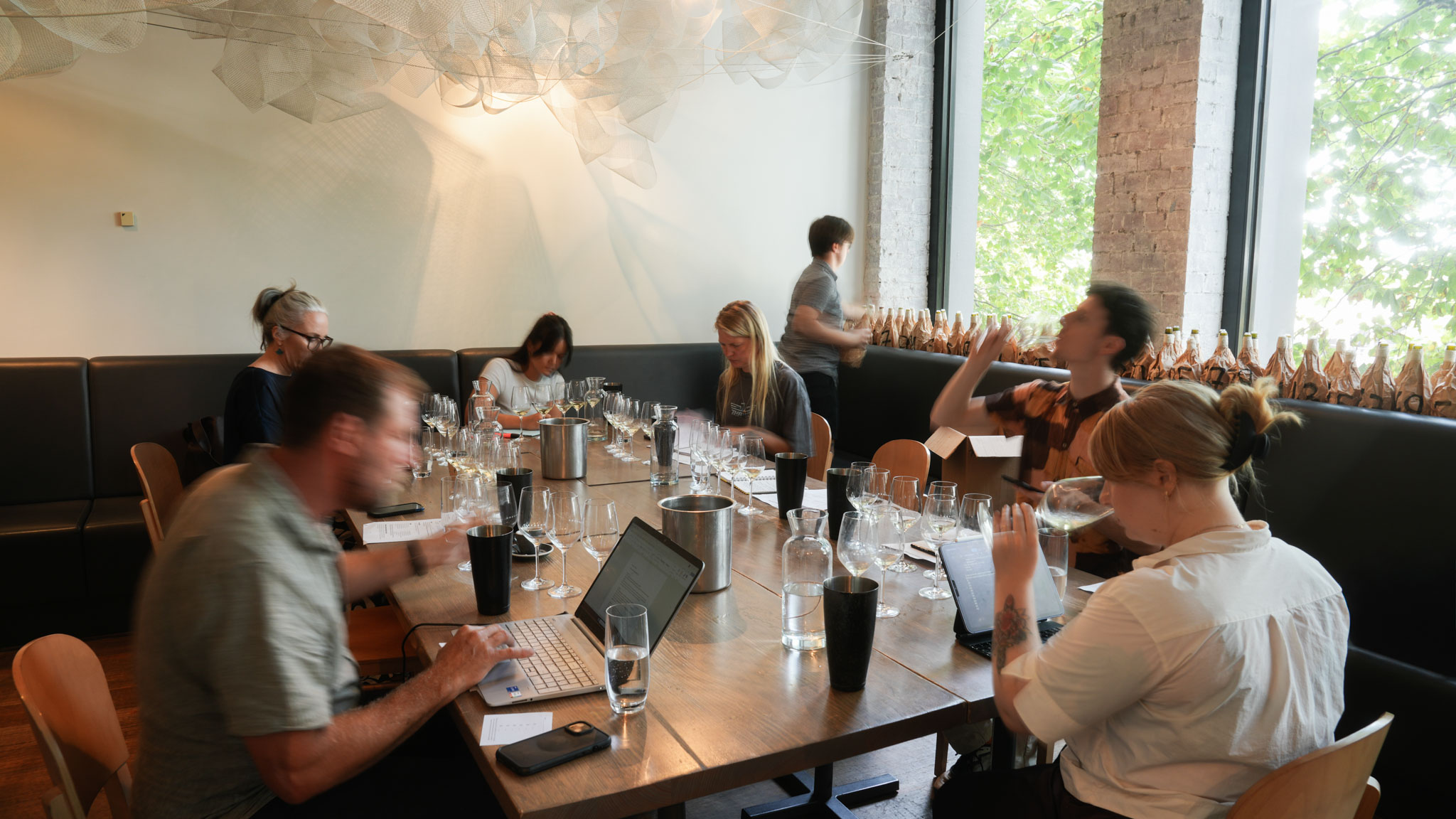
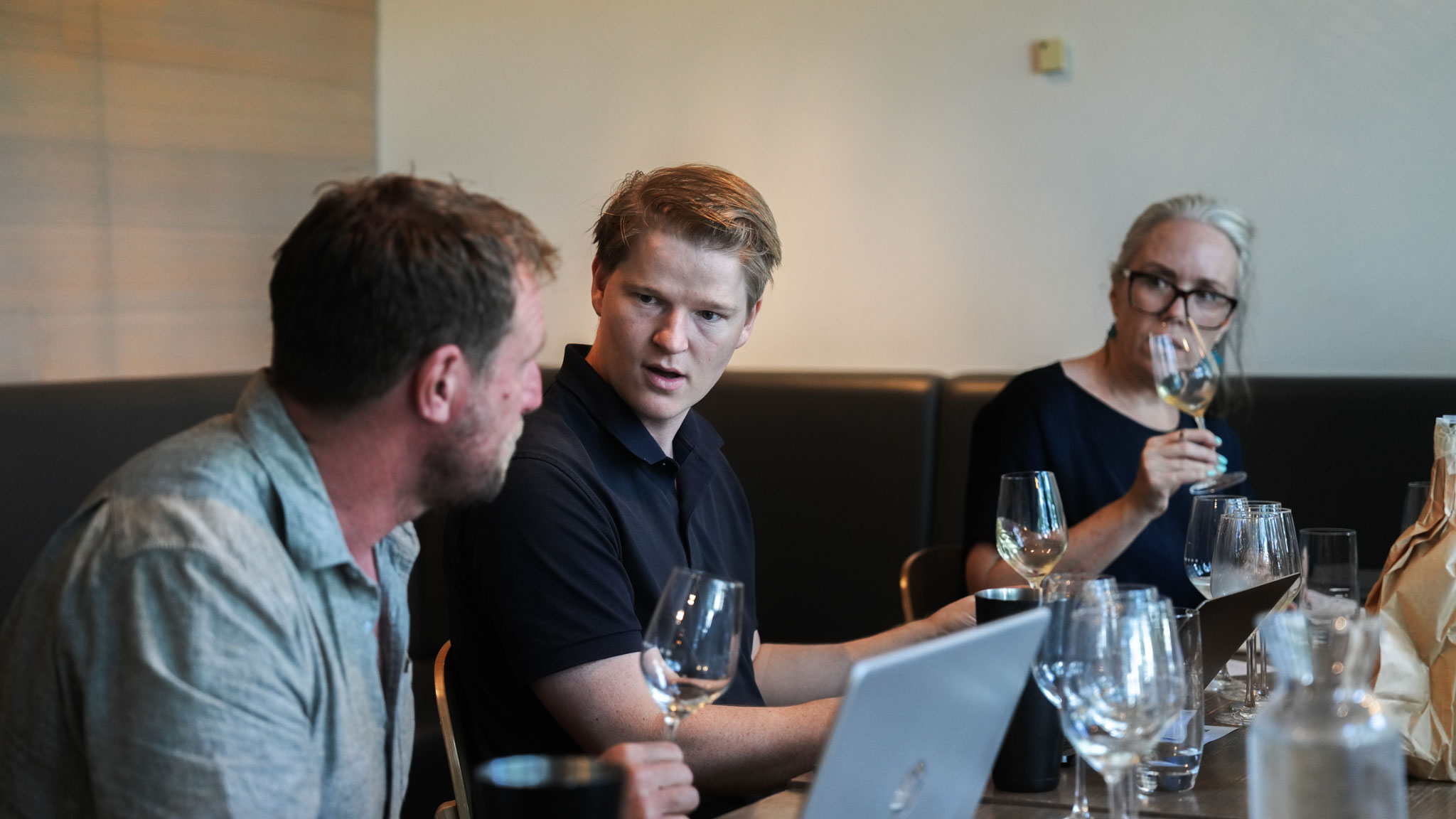
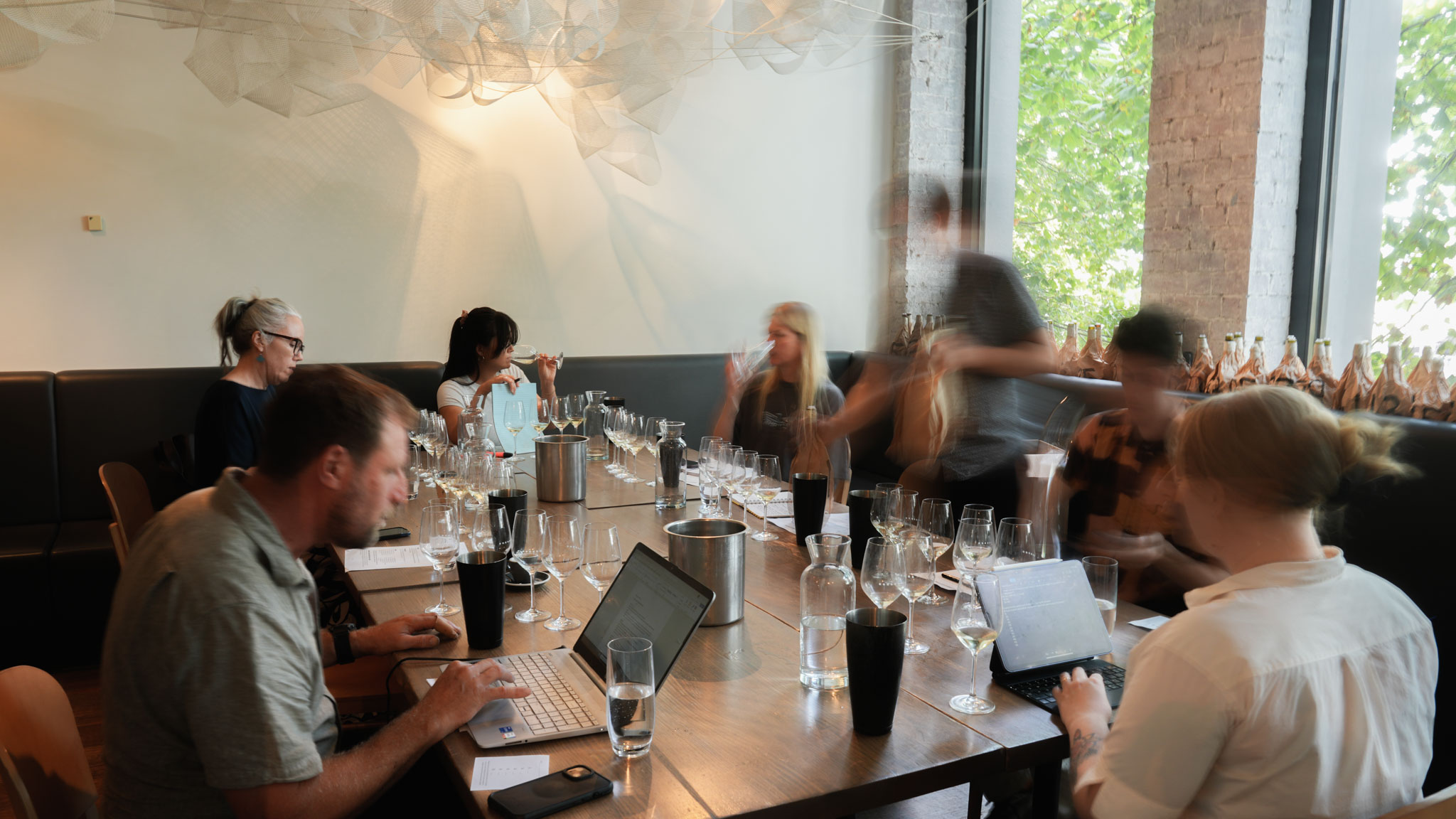
The Panel
Rob Diletti is the son of Castle Rock Estate founders Angelo and Wendy Diletti. During his formative years, Rob worked in the family’s vineyard, developing a keen interest in grape-growing. After graduating from Charles Sturt University with a wine science degree, Rob gained experience at Mountadam Wines, Grosset Wines, Plantagenet Wines, Alkoomi Wines and with Alsace vigneron Jean Grenier prior to returning home to Castle Rock Estate. In 2001 he co-designed the Castle Rock Estate winery, a facility capable of processing 200 tonnes of fruit, set within the family’s vineyards. His accolades include the Tony Smith Scholarship, the Wine Industry Association of Western Australia’s Young Achiever of the Year award, Wine Selectors’ Young Winemaker of the Year, and, in 2015, the inaugural Halliday Wine Companion Winemaker of the Year.
Zoë Ladyman has been exploring the wine industry from all sides since 1998. She worked as a sommelier and wine buyer for fourteen years, including three years at Bibendum Restaurant in London and eight years running the restaurants Libertine and Le Traiteur with her chef-husband Nick Creswick. She moved her family to New Zealand in 2017 to manage domestic and export distribution partners for Akarua winery, a role which took her all over the world to share the story of Central Otago. She has worked in distribution for seven years – firstly with Vinous Solutions (now Goodstock Wine), introducing the wines of Georgia to the Victorian market, and most recently as Victorian state manager for Bibendum Wine Co. She’ll also tell anyone who’ll listen that she did vintage in Bordeaux in 2002 at La Fleur de Bouard in Lalande de Pomerol – an experience she will never forget. She is immensely proud of her teenagers Beatrix and Griffin, who show no interest in wine – yet. She will embark on her newest adventure as national business development manager for Primavera Selections in March 2026.
Chris Webb grew up on his family’s vineyard – Camerons Estate, near Bacchus Marsh – but his passion for wine really kickstarted when he joined the floor team at Flinders Lane institution Cumulus Inc. in 2018. By October of that year he had been promoted to junior sommelier, since then he has worked through the ranks to become the venue’s head sommelier in 2022. He possesses a Level 3 Award in Wines from the Wine & Spirit Education Trust (WSET) and Advanced Sommelier certification from the Court of Master Sommeliers (CMS) He has a strong passion for riesling, which he considers one of the most site-driven and versatile Vitis vinifera varieties in the world.
Hayley Williamson is the co-owner of and wine buyer for Nina’s Bar & Restaurant, Brunswick. She has been in the hospitality industry for over two decades, starting as a bartender and then – after tasting a Remi Jobard Meursault in 2015 that opened her eyes to the world of fine wine – working her way up to becoming a sommelier at some of Sydney and Melbourne’s best restaurants, including Cirrus Dining in Sydney and Bar Romanée and Nomad in Melbourne. In 2023 she decided to take the leap away from working for someone else and now co-owns Nina’s Bar & Dining in Brunswick. In just under two years, it has become a thriving part of the local community – celebrated for its welcoming atmosphere, thoughtful food and wine, and genuine hospitality. Here she runs everything front of house – including curating all the beverages!
Maxence Guéritot grew up in France and possesses a Masters degree in Social Science from the University of Molde in Norway. He has worked as a sommelier at a number of fine-dining restaurants across the world, including La Chèvre d’Or (Èze, France), Pearl Morissette (Jordan, Canada), Koks (Ilimanaq, Greenland), La Dame de Pic (Megève, France), Amisfield (Queenstown, New Zealand), Alchemist (Copenhagen, Denmark), La Colombe (Constantia, South Africa), and as head sommelier at Riviera (Ottawa, Canada). Alongside these roles, he has done vintage work at Domaine Guiberteau (Saumur, France), Clos Saint-Vincent (Bellet, France), Zenkuro Sake (Queenstown, New Zealand), Domaine Hauvette (Alpilles, France), and Heroes Vineyard (Port Philip Zone, Victoria). He is currently a sommelier at Brae in Birregurra, Victoria.
Bonnie Spain is a Melbourne-based sommelier with a particular expertise in Victorian and Iberian wine. After over ten years working as a waiter in hatted restaurants and various cellar doors in the Geelong region, she decided to hone her knowledge of wine and soon found herself at The Spanish Acquisition, working with Spanish and Iberian producers for over three years. Yearning to return to the restaurant floor, she spent time as a sommelier at Tonka before becoming a senior sommelier at the Iberian-focused Marmelo. She has recently commenced a new senior sommelier and wine buyer role with the two-hatted Restaurant Navi in Yarraville.
It’s no wonder that Sam Baxter fell into the sommelier lifestyle – between his childhood spent in WA’s Swan Valley and his priestly grandfathers secretly passing him sips of Port, it was a done deal. He found his love for wine working at a wine merchant in the UK, and once back in Perth decided to pursue a career in wine. Since moving to Melbourne, he has become a familiar face to the CBD’s diners, popping bottles at Hazel, Coda, Rockpool and Maha. In November 2025 he helped reopen Geralds Bar at its new Lygon St home, where he works as a sommelier within its new restaurant space, Parlour by Geralds Bar, slinging booze and serving cheese.
Sayaka Bilcich’s interest in wine began during her time living in Japan – a passion that eventually led her to Melbourne to explore it further. She found her home at The Carlton Wine Room, where she’s spent the better part of a decade growing into her role as senior sommelier and looking after the beverage program. Along the way she picked up a Level 3 Award in Wines from the Wine & Spirit Education Trust (WSET) and Certified Sommelier accreditation from the Court of Master Sommeliers (CMS) – although what matters most to her is making wine feel welcoming and enjoyable for everyone who walks through the door.