&noscript=1"/>

Deep Dive:
Australia’s Best Albariño

Wines Of Now
29 July 2025. Words by YGOW.

Australian wines made from the Iberian grape variety albariño were the cause of a worldwide wine scandal in 2009 when our ‘albariño’ vines were discovered to be an impostor variety. That fiasco may have set back Australia’s albariño industry by about a decade, but you can’t hold a good variety down – and albariño’s versatility, approachability, and freshness make it an appealing proposition for winemakers and consumers alike. With the identity crisis behind it, and a host of new bottlings set to land on the market – not to mention an unavoidable upcoming price spike for Spanish albariño – there’s never been a better time to take stock of Australian albariño, which is why we felt a Deep Dive was in order.

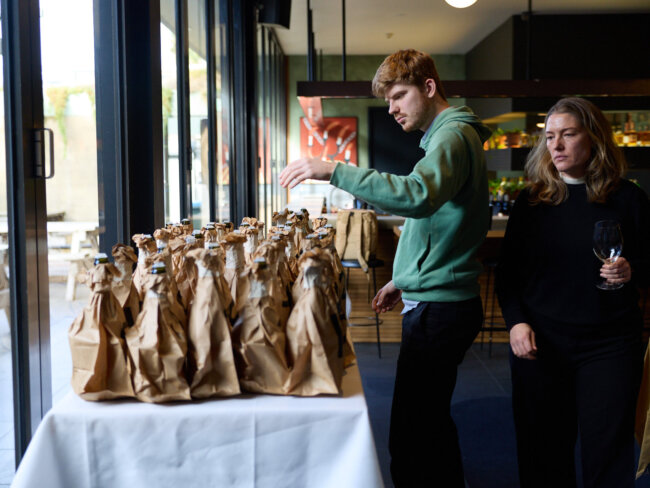
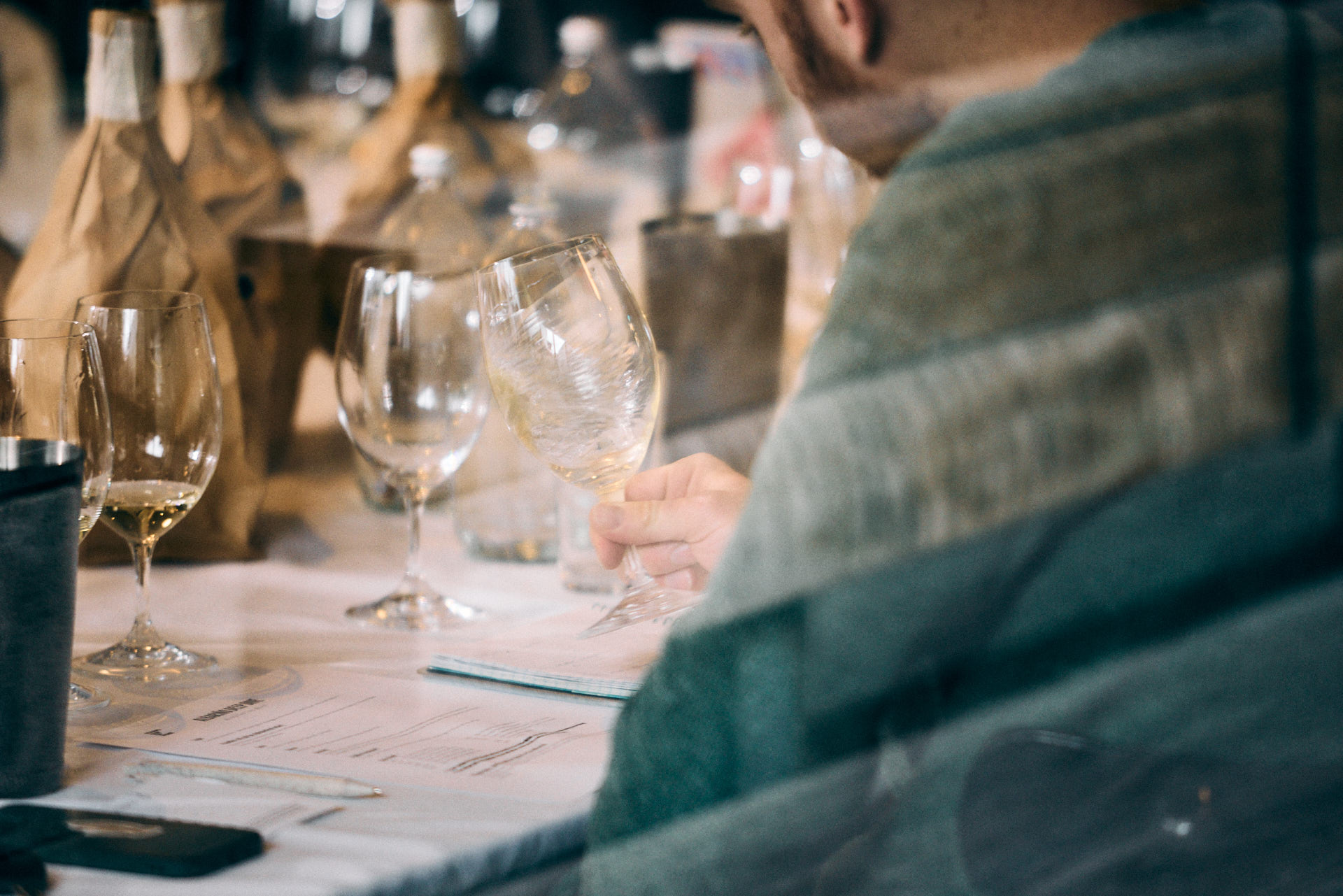
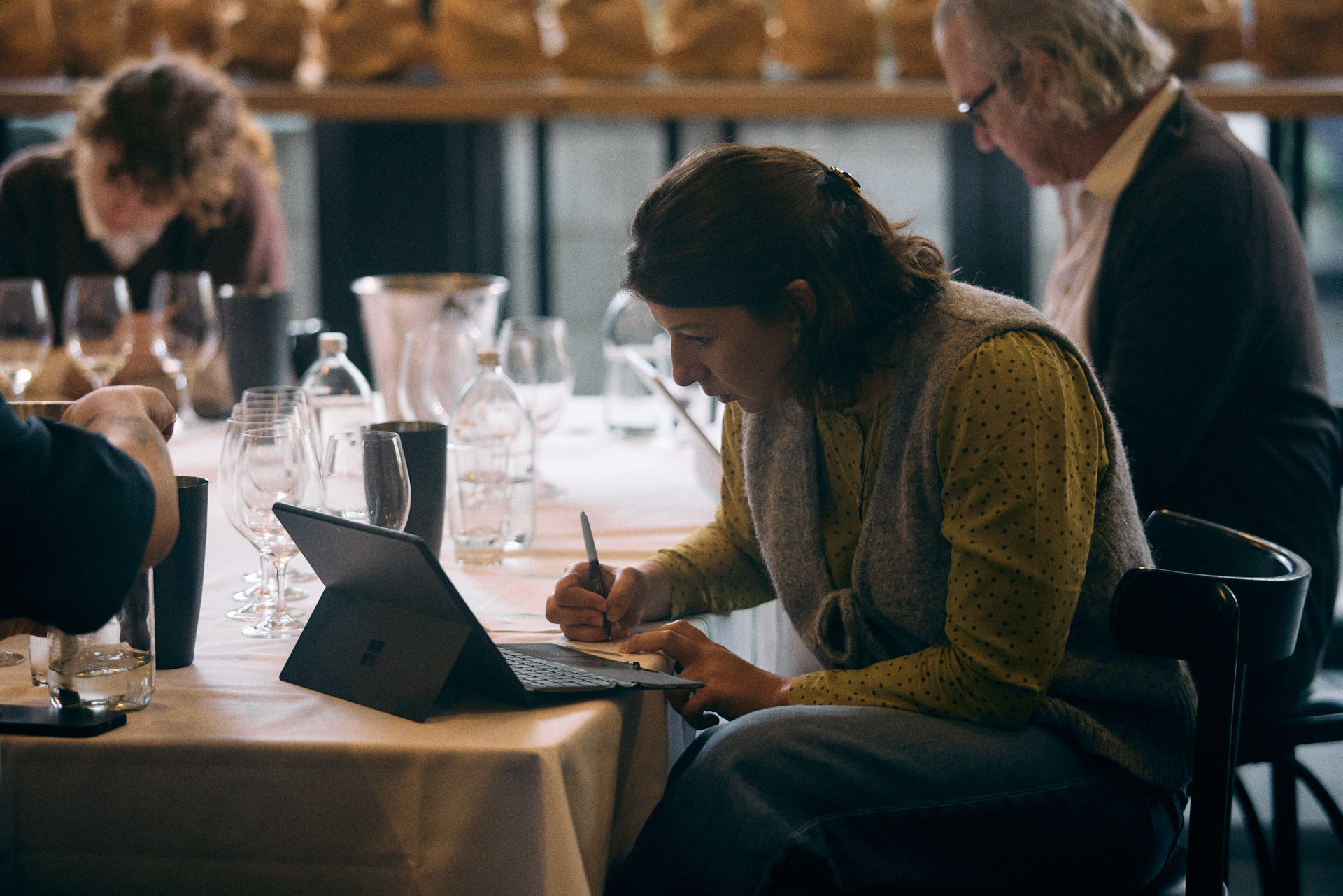
We gathered every Australian albariño (or alvarinho) we could find and set our expert panel the task of finding the wines that compelled the most. All wines were tasted blind, and each panellist named their top six wines. Below are the wines that made the panellists’ top-six selections from the tasting.

Our panel: Raquel Jones, winemaker, Weathercraft; Scott Wasley, wine importer, The Spanish Acquisition; Nicola Reid DipWSET, executive officer, Sommeliers Australia; Jarryd Menezes, sales representative, Alimentaria; Bonnie Spain, senior sommelier, Marmelo; Charles Duan, sommelier, Gaea; Michelle Nielsen, wine retailer, City Wine Shop; Luciano Desimone, sommelier, Marmelo.

From the Deep Dive

The Top Wines

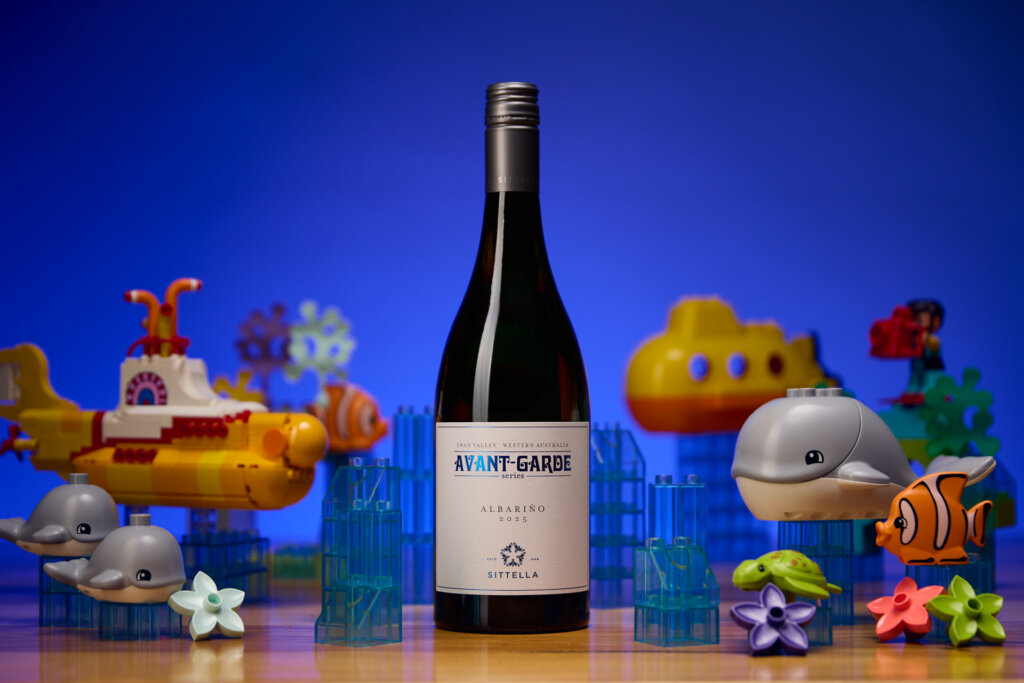
2025 Sittella ‘Avant-Garde Series’ Albariño, Swan Valley $33 RRP

This wine was selected in the top six by Reid, Jones, Wasley and Duan during the blind tasting. Reid found it “sharp and precise,” carrying “a beautiful array of grapefruit skin, orange blossom, and pear flesh,” with “a green olive brine edge which brings brightness and lift.” She noted a “subtle textural profile,” with “an attractive saline thread weaving in and out,” imagining pairing it with “a plate of anchovies.” Jones described “a lean, focused albariño that trades fruit-forward charm for precision and intent,” with “a fine and understated” nose of “mellow guava, soft pear and white nectarine,” and a palate where “grapefruit pith and melon rind lend texture and snap.” She admired its “architectural” build, its “clean line of cucumber skin and green almond,” and its “gentle waxiness” from lees contact, calling it “effortlessly elegant, restrained but readable… albariño with intellect and charm.” Wasley declared “delicacy is the watch-word here,” noting “talcum, spiced white apple, linseed, jasmine flowers,” with a “lovely palate… softly textural, with beautifully controlled phenolics and a terrific hint of cut apple seed and gourd bitterness,” concluding with “a sweet-sour long and lip-smacking finish.” For Duan, this albariño explored “a different territory of freshness,” with “fresh leaves, cucumber and aloe with some Saturn peach,” alongside “more savoury and nutty notes” perhaps from neutral oak. The wine evoked flavours of “mungbean – either a northern Chinese sweet mungbean pastry, or a mungbean-filled savoury Vietnamese rice dumpling,” and finished with “almond praline.” “How interesting!” he said.


2023 Artwine ‘Spanish Queen’ Reserva Albariño, Adelaide Hills $45 RRP

Chosen by Spain, Jones, Nielsen, Wasley and Reid as one of their top six wines of the blind tasting, this was a standout expression of a richer style. Spain saw it as “a riper style of albariño done right,” with “ripe green pear and fresh apple on the nose,” hints of “freshly cut cantaloupe and sweet white blossom,” and a palate “packed with fresh tropical fruits: pineapple, feijoa and mango nectar.” She praised how “great acid and length” balanced the ripeness, and found “hints of cumin, bay leaf and rosemary on the finish.” Jones described it as “the sea in autumn – bracing, restrained and a bit mysterious.” She noted a “whiff of reduction – smoky, iodine, even a brush of petrol,” unravelling into “pink grapefruit zest, chervil and wet stone.” The palate was “all structure and salinity,” with “seaweed, ginger root and a trace of quince,” and a finish marked by “quinine-like bitterness,” “tonic water over granite.” She concluded: “This is cerebral, salt-framed albariño made for those who want their whites lean, long and full of quiet tension.” Nielsen observed “light yellow in colour, straw and morning light,” with a nose of “ripe pears and Royal Gala apples” that was “really lifted and pretty.” The palate “touches every part of my mouth… energetic and alive,” with “Royal Gala apple,” “poached quince, fresh white peach, nashi pears and macadamia nuts.” She found the wine “moreish and lip smacking,” saying: “The phenolics are forming structures in my mouth, creating caves and encouraging my brain to explore them… Brain-buzzing wine!” Wasley noted it “gets away with having ‘a bit of work done’,” with tropical funk “towards durian,” plus “baked apple skins, cooked Buerre Bosc pear, a touch of bitter seed, and some delicate talc relief.” He found the palate “full, spicy… tending a touch towards caramel – but gets away with it and finishes neatly balanced.” Reid found it “pure-fruited,” with “lemon cheesecake richness,” softened by “gentle lees influence,” showing “lemon and grapefruit,” “green olive brine,” and “fresh mint.”


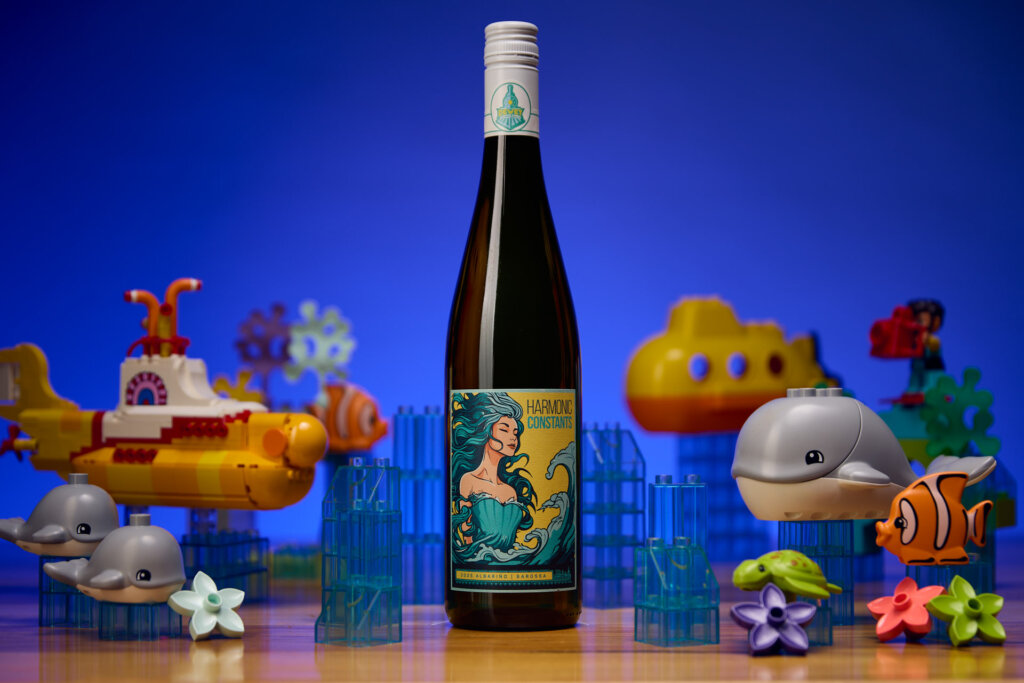
2025 Dewey Station ‘Harmonic Constants’ Albariño, Barossa Valley $30 RRP

This was named in the top six wines of the blind tasting by Duan, Jones, Spain and Desimone. For Duan, it was “another example of a really well-balanced wine,” led by “green or young tropical fruits … guava, starfruit, and young jackfruit,” layered with “sweet lemon curd, ginger syrup, and fresh lemongrass and Vietnamese mint.” He noted that “a bit of residual sweetness came in as the final puzzle piece to bind everything together masterfully,” and imagined it paired with “a creamy Thai red curry with roasted duck.” Jones said the wine “pours like golden hour – grilled nectarine, ripe peach and orange peel,” with a “wink of complexity: green olive brine, sea salt and a twist of dry vermouth.” She found the texture “chewable and rich from extended lees contact,” with “a lively hit of pink grapefruit sherbet,” plus “a hint of chamomile” that added “floral lift, like someone threw herbs into the fruit bowl.” For her, this was “albariño for aperitivo hour – bright, juicy and best served under string lights with grilled peaches and salt-crusted cheese.” Spain picked up “lots of sweet vegetal and spiced notes” – “sweet fennel, lemon balm, preserved lemon, cardamom and celery seed,” alongside “fruit in the nectar realm: apricot and peach,” with a “big punch of salinity… on the nose and on the finish, which rounded the wine out super-well.” Desimone praised it as “uncomplicated and straightforward albariño – like that first glass you need after a long day.” He found “sweet aromas of orange blossom, white peach, lime sorbet,” with “a subtle hint of just-ripe pineapple.” On the palate, it showed “electric yet harmonious” balance, with “fleshy melon roundness” and “vibrant acidity.” He summed it up as “a really well-done albariño that proves you don’t need complexity to deliver pleasure – just clarity, balance, and charm.”


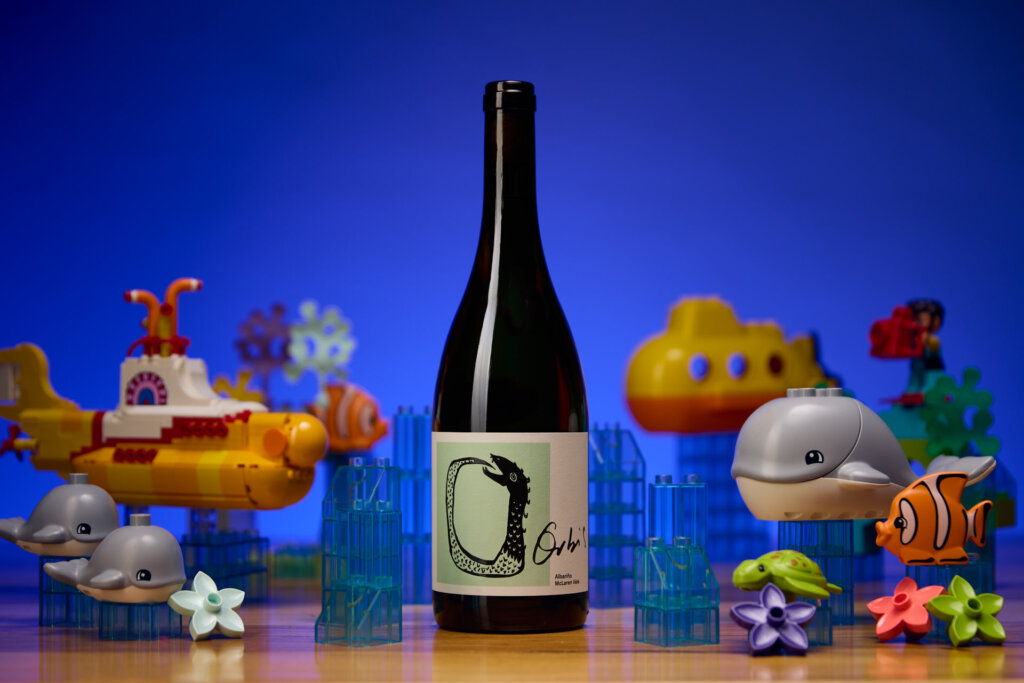
2025 Orbis Albariño, McLaren Vale $40 RRP

Nielsen, Reid, Desimone and Wasley each selected this wine in their top six of the blind tasting. Nielsen was captivated by the “balance of fruit purity and salinity,” calling it “a nose that is soft like a breeze, but it carries loads of information,” with aromas of “chamomile, white peach skin, lemon myrtle, nashi pears … and hints of salty air.” The wine “feels energetic straight away,” she said, “gliding up my cheeks and landing on the roof of my mouth. A complete circle of movement.” She described it as a wine that “feels alive – or I feel more alive drinking it,” with flavours of “white peach flesh, chamomile, lemon myrtle, green apple acidity,” and a finish of “silky and salty pear,” comparing its texture to “the velvet feeling sparkling water can have when the bubbles are just right.” Reid found the wine “very finely detailed,” evoking “an orchard, with notes of greengage, pear (ripe to bursting), crisp green apple, and quince.” She appreciated the “gentle lees work” that “softens the acidity without muting its brightness,” and identified “delicate herbal layers of mint, dill, curry leaf and tarragon” that “weave through bitter green leaves and snow pea.” Desimone praised the wine as “elegant and subtle … lifted and sensual, leaning more toward savoury than fruity.” As it opened, he noted “delicate layers of parmesan cheese rind,” “crisp green apple, lime zest, and the delicate skin of Nashi pear,” with a palate that offered “a subtle interplay of acidity, salinity, and minerality,” making it perfect with “Galician octopus or freshly shucked oysters.” He called it “a wine that doesn’t need to shout – just quietly fills the mouth with tension, clarity, and that gentle urge to take another bite, another sip.” Wasley summed it up as “vinous and full-throttle,” redolent of “German-style apple pie,” with “clove, pastry and baked apple galore,” plus “ripe yellow pears” and a “multi-cultural guava voice.” He found the palate “full, waxy, and lined with plenty of phenolic bitters … soft, open and nicely detailed with spice and bitters to finish.”


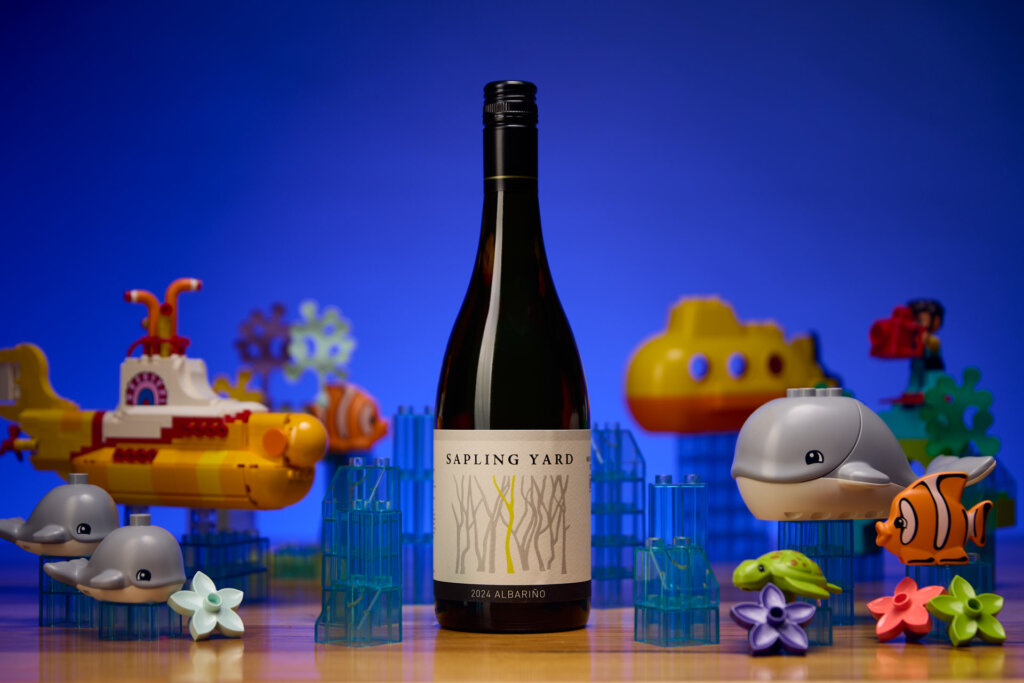
2024 Sapling Yard Albariño, Hilltops $35 RRP

Wasley and Duan both included this wine among their top picks from the blind tasting. For Wasley, this this wine “has flavour and texture complexity in spades.” He found “mentholated feijoa, cool spicy guava, waxy melon, green lime jelly, and a combo of apple – both flowers and seeds, ripe and bitter,” with “an agrodolce flutter in an otherwise savoury palate.” He described the wine as having “a decent amount of palate weight,” “perfectly trimmed with fine white powdery tannin laced with delicate spice,” and a mouthfeel that is “flat-out delicious and interesting to boot,” remarking that “if it’s not actually laced with saffron, it certainly makes you want to eat something that is.” Duan called it “one of the most compelling albariños I had on the day,” with “so much complexity alongside simple joys.” The nose gave “fresh white tea-leaf aroma combined with white lily and jasmine flower, plus a splash of young almond,” while the palate “tastes just like a big Honey Murcott mandarin,” with “that zesty and slight astringent character from the peel, juicy but quite weighty bite, perfect balance of sweet honey scent and tangy mandarin flavour.” He noted that “some presence of residual sugar … brought [it] to a level of excellent balance,” calling it “a versatile wine to go with lots of different types of food – from a warm crab chawanmushi to a smokey wood-grilled pork chop with crackling … Or just enjoy it under the afternoon sun in the backyard with a few friends.”


2025 Craft vs. Science Albariño, Barossa Valley $30 RRP

Jones and Nielsen both named this wine in their top six selections from the blind tasting. For Jones, it was “aromatically expressive from the get-go – jasmine, orange blossom, white peach and fresh, warm apricot, all carried on a breeze of yellow apple skin and fresh melon.” She noted it was “plush but not pushy – like fruit picked at perfect ripeness, not a day over.” The palate had “a soft, rolling texture – lanolin, almond meal and creamy lees-derived richness,” with “a savoury edge of fennel fronds and oyster shell” bringing “lift and contrast, like sea air cutting through sun-warmed stone fruit.” She described the acidity as “gentle – more of a kefir-like tang than a jolt – refreshing, cultured, quietly alive,” summing it up as “albariño at its most relaxed – generous, polished and mellow, with just enough edge to keep you coming back.” Nielsen said this wine helped her “understand the great capacity albariño has to be complex.” It “compels me to think more about how the wine is made and shatters the expectations I initially had for the grape’s flavours.” She found “almond meal, almond croissants, nougat, marzipan… wet stone, grassy lift and light herbaceousness,” while on the palate: “ripe quince, white peach flesh, a baked pear flavour and a little lick of pastry.” She admired “a sense of power and drive … despite how subtle the flavours are, they are lingering,” and the wine’s “strong length, balanced weight and matching acid,” concluding: “this wine feels bold and that translates to exciting for me.”


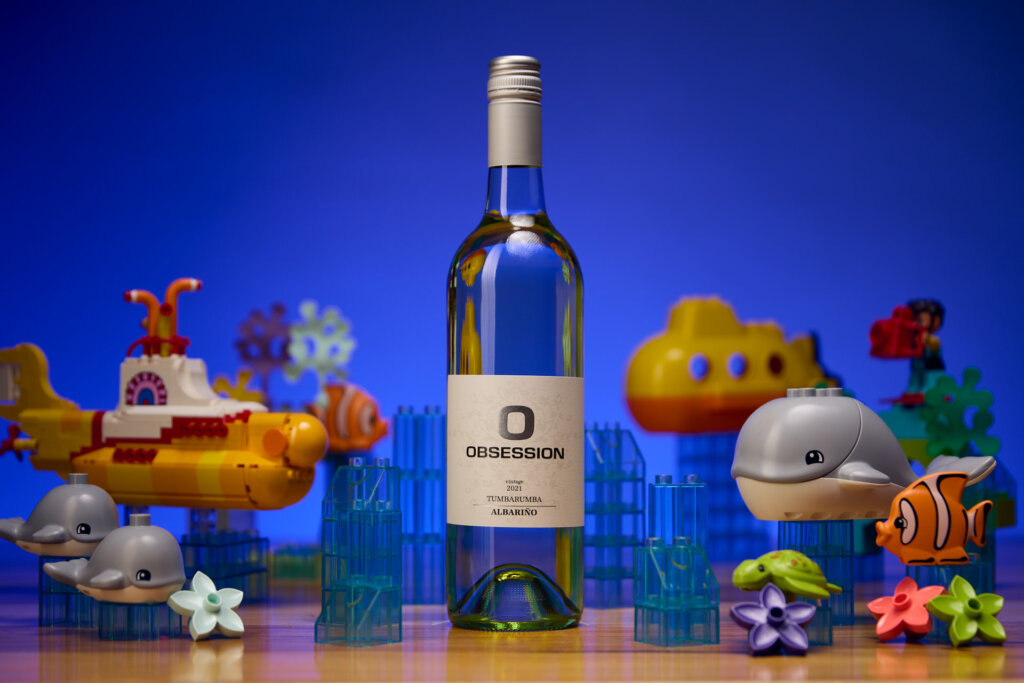
2021 Obsession Albariño, Tumbarumba $30 RRP

This wine was selected among the top wines of the day by both Menezes and Duan. Menezes called it an “absolutely enamouring wine,” likening it to “stepping into a bright green orchard in early spring.” He noted “a sharp hit of Granny Smith apple, tangy gooseberry, and just a bit of that steely, underripe plum vibe,” with “a little white pepper and grated cucumber” on the nose, and a palate of “gooseberry, green mango, and starfruit, with acidity that really wakes you up.” He praised its balance, remarking that while “some albariños… lean into the floral aromas a bit too much to combat its natural sharpness,” this wine “is anything but that – it leans into the acid and keeps it fresh. It’s electric.” He summed it up as “poolside, sunshine, fresh seafood (oysters if that’s your thing) and this wine. Dreamland!” Duan found it “perhaps one of the most complex, yet still balanced, wines in the line-up.” For him, the style was “very much into the earthy and vegetal” – “think kale, seaweed, even radish” – balanced by “juicy mandarin and pomelo.” He highlighted the role of malolactic conversion in creating “some honeyed yoghurt texture and flavour.” For Duan, it was “definitely more of a food wine rather than a sipping wine,” ideal with “roasted chicken with golden jus, butter barbequed prawn, sautéed mushroom with garlic and herbs.” He concluded, “Yum! It would be very interesting for different restaurants to play with this wine and pair it with some amazing dishes.”


2024 Stanton & Killeen Alvarinho, Rutherglen $35 RRP

This wine was chosen among the top six by both Menezes and Spain in the blind tasting. Menezes found it “pure fruit exuberance,” with a nose of “ripe honeydew melon drizzled with wildflower honey, joined by sun-ripened apricots and the delicate perfume of lemon blossom.” The palate, he said, “explodes with fresh Nashi pear, crisp green apple, and juicy Anjou pear,” all driven by “seamless, zingy acidity,” with “lemon zest [that] lingers, sharp and invigorating,” and a finish that “glows with a subtle note of white peach.” His ideal pairing: “ceviche or some tuna tartare would be a dream.” Spain, meanwhile, noted “lots of savoury layers in this wine: sencha, chrysanthemum, ginger skin, pineapple rind and a sweet white pepper note.” A “subtle leafiness that reminded me of fig leaf on the finish” complemented fruit that was “plush and generous, with lots of white peach and Nashi pear at the front of the palate, and a lovely creamy, shortbread-like finish that rounded everything out.”


2024 Wines of Merritt Albariño, Margaret River $36 RRP

This wine stood out in the blind tasting and was selected in the top six by Nielsen, Jones and Menezes. For Nielsen, the colour alone – “lemon yellow in the glass, clean, crisp” – sparked excitement. “The nose is lifted,” she said, “sherbet comes to mind,” followed by “white flowers… elderflower and a hint of freshness of daffodil or fresh green grass.” She imagined “wet stones, running water and dew in the morning,” and found that “crunchy green apple acidity coats the mouth… matched by fresh yellow peach and apricot but just their flesh, not their nectar.” She described the evolution as “bouncing back to fleshy and salty… there’s a subtle minerality, and it makes me want oysters!” Jones described it as a wine that “speaks in a low voice – but listen closely, and there’s plenty to hear.” She found a “restrained and mineral” nose with “lemon pith, white nectarine, grilled peach and lime leaf,” and a palate of “chalky texture, creamy lees influence and gentle grip.” With “crushed marzipan, white pepper and orange oil” and a savoury undercurrent of “toasted almond and crushed shells,” she called it “albariño for thinkers and solo drinkers – saline, serious and layered.” Menezes found “a heady rush of crushed Meyer lemon and tangy yuzu,” joined by “green apple skin and a burst of white nectarine,” with a palate of “zesty lime pith, a snap of gooseberry” and “piercing acidity from start to finish.” He summed it up simply: “bottled summer.”


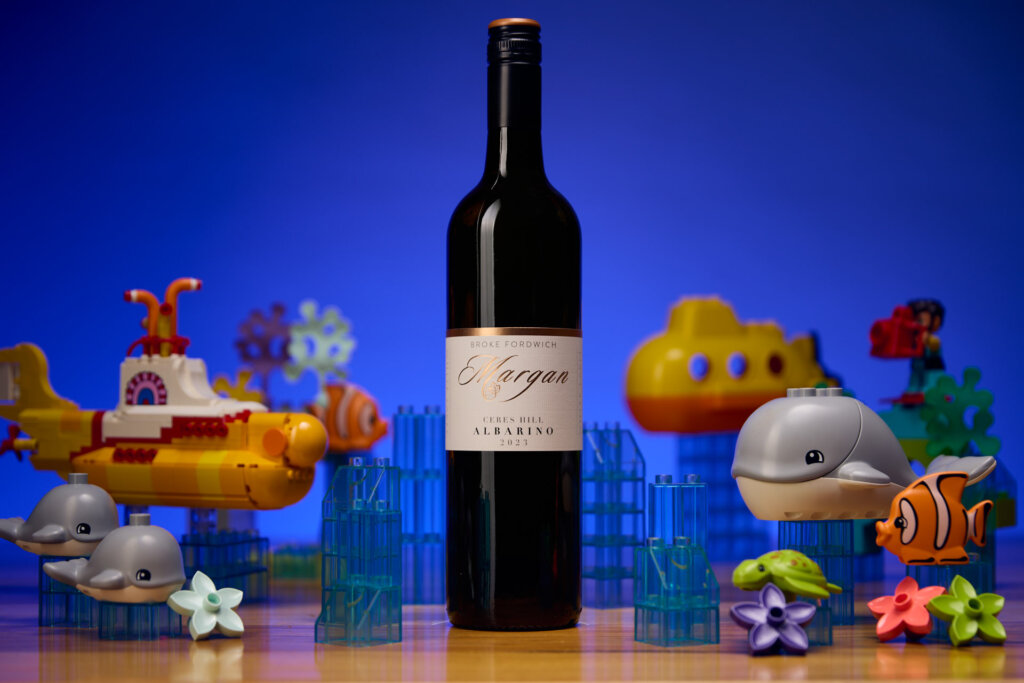
2023 Margan ‘Ceres Hill’ Albariño, Hunter Valley $40 RRP

This wine was named in the top six of the tasting by both Menezes and Nielsen. Menezes praised its “aromatic blast of fresh lime zest and candied lime peel,” accompanied by “tart green apple… white grapefruit and crushed gooseberry.” He noted “a wisp of petrol” grounding the fruit, while the palate was “awash in waves of citrus: lemon ice, grapefruit pith, and green apple skin,” with “acidity [that] stretches on endlessly.” Nielsen was similarly captivated by its tension, saying it “pushed another boundary of the fruit spectrum.” She found “finger lime, Nashi pear, starfruit, custard apple, golden kiwi, green papaya,” and “fresh baked biscuits on the nose, leaning into a oolong tea lift.” On the palate: “lemon myrtle, key lime pie, oolong tea again,” and a texture that felt “as though I’m sipping from a smooth terracotta vessel.” She described the wine as “lifted and silky,” with “lingering acid” and a finish that was “bouncy on the palate.” While it seemed “lighter on the palate despite some oak handling,” Nielsen reflected that “complexity isn’t always about weight, but the length of journey in the glass.”


2024 Briar Ridge Albariño, Hunter Valley $40 RRP

Reid and Menezes each picked this wine in their top six of the tasting. For Reid, it sat “in a lovely space within a slightly riper expression,” offering “a generous display of orchard and stone fruits – with quince, peach skin, and almond taking the spotlight.” She noted that “well-pitched acidity brings gentle leanness and balance,” calling it “textural, savoury, and incredibly moreish… this is crying out for a big bowl of pipis.” Menezes appreciated how the wine leaned into albariño’s floral nature, describing “a bouquet of white florals and honeysuckle [wrapped] around ripe cantaloupe and juicy honeydew melon.” The palate, he said, was “crystalline – green melon and snow pear, with a whisper of crisp Fuji apple,” cut by “laser sharp” acidity and leaving the impression “of biting into perfectly chilled fruit at peak ripeness.”


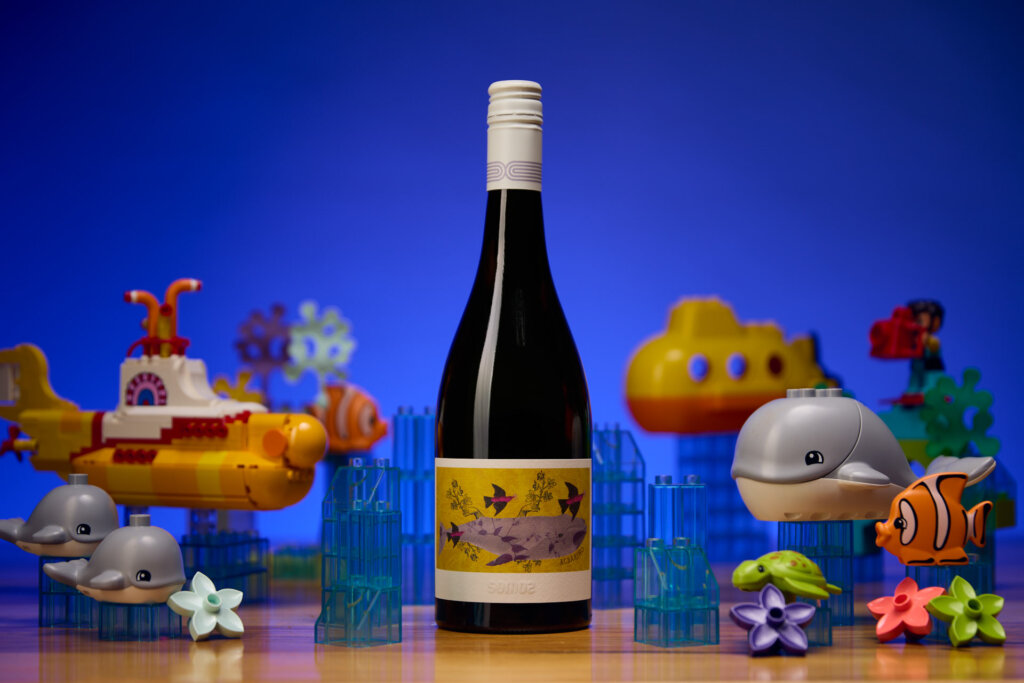
2024 Somos Albariño, McLaren Vale $38 RRP

This wine was selected in the top six of the blind tasting by both Wasley and Reid. Wasley described the nose as “fresh … cucumber jelly, green nectarine, apple flower, menthol and mint,” and praised how it was “very well-composed in the mouth,” with “sweet–sour acid spread, juicy cut green apple/white nectarine” and “really classy mouthfeel, all shiny and briny with plenty of texture despite its ‘pretty little thing’ vibes.” The finish showed “excellent herbal bitter definition.” Reid found the nose “delicate and slow to reveal itself,” gradually showing “grapefruit and mandarin skin alongside crisp nashi pear and fuji apple.” She described “textural contours [that] gently complement the marked acidity, without overwhelming the wine’s fresh, vibrant character.”


2024 Mallee Estate ‘Kãti Ãllo’ Albariño, Riverland $37 RRP

Desimone named this among his top six of the tasting, describing it as “undeniably one of the most aromatic of the tasting – a vibrant bouquet that instantly captivates.” It reminded him of “spring days in my grandmother’s garden, full of flowers and bees,” with aromatics of “lime zest and crisp green apple … freshly cut lemongrass … jasmine … gardenia and white rose petals.” On the palate, he found it “fresh and bright, with a gentle texture from lees ageing that adds softness and subtle complexity – notes of fine yeast bring elegance without dulling the wine’s energy.” He likened it to “a vibrant Mosel riesling, full of life and multi-dimensional movement.”


2023 Fetherston ‘Magnolia’ Albariño, King Valley $28 RRP

Desimone and Spain both named this wine in their top six. For Desimone, it was a wine that revealed “not only the grape variety but also the winemaker’s hand,” with subtle barrel work bringing together “delicate aromas of chamomile and linden flowers” with “brighter notes of bergamot, yellow grapefruit, and sweet pastry.” The palate, he said, was “rounded and smooth, with acidity gently softened by subtle hints of butter and cedar,” though “these notes remain neutral, allowing the wine’s true character to come forward.” Spain found “an endearing simplicity … just a real sipper of a wine,” with “honeydew melon, mandarin and a whack of elderflower and sweet white florals.” On the palate she noted “yellow pear and apple … and lemon verbena on the finish,” with length that “goes on and on, and just keeps you wanting to go back.”


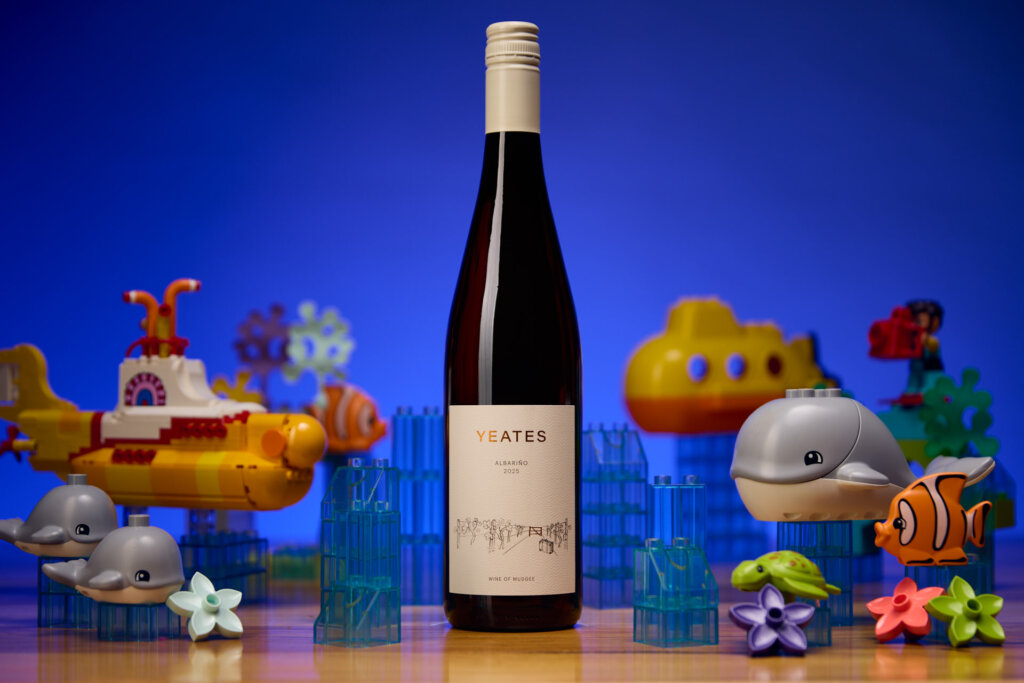
2025 Yeates Albariño, Mudgee $42 RRP

Desimone selected this wine in his top six, drawn in by its aromas of “candied orange, honeysuckle, and fresh yellow peaches with their soft, velvety, fuzzy skin.” He described how it “evokes warm, sunny days and the sweet scent of trees heavy with ripe fruit.” On the palate, the wine echoed the aromatics “with juicy yellow peaches and fresh apricots alongside an intense, persistent acidity that carries the fruit all the way through the finish.” He admired the “lively and mouth-filling” texture, underpinned by “fine notes of raw walnut and subtle phenolics” – a wine that showed how albariño “can be both generous and precise.”


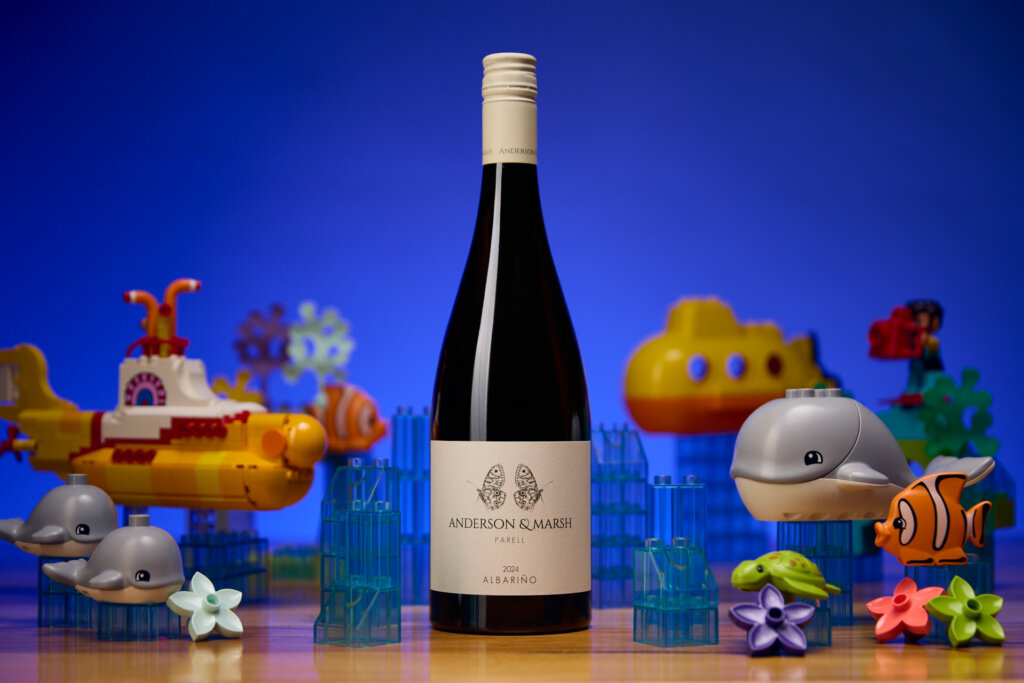
2024 Anderson & Marsh ‘Parell’ Albariño, Alpine Valleys $45 RRP

Spain placed this wine in her top six, describing “a really nice balance between sweet fruit and herbal notes throughout the palate.” She noted “lots of dried spice on the front like fennel and coriander seed, with this lovely fresh green almond note that was rather surprising.” On first sip, she found those herbal notes dominant, but on revisiting, “a whole new realm” opened up, with “baked quince, red apple skin, and a really nice salty chalkiness that felt very albariño.”


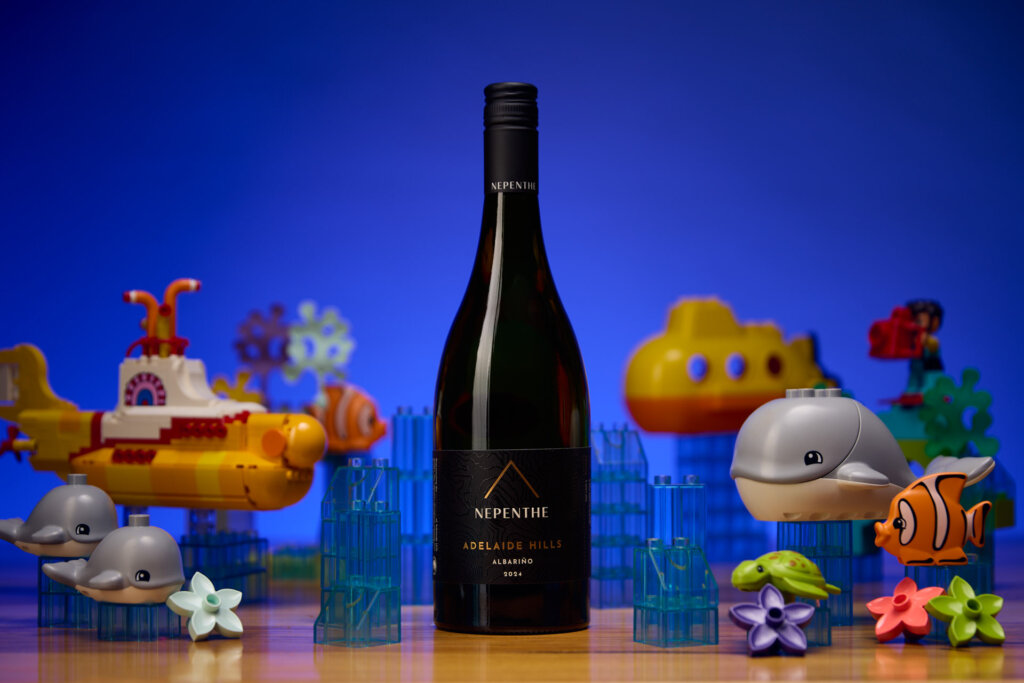
2024 Nepenthe ‘Pinnacle’ Albariño, Adelaide Hills $35 RRP

Duan selected this wine as one of his top six from the blind tasting, praising its “very aromatic and refreshing” nature, filled with “juicy lime, sweet white peach, bit of young strawberry and fresh mint.” He said it “tastes like a mojito” and imagined it as “a perfect wine to enjoy on a sunny day at the beach,” with high acidity offering a “refreshing edge” and “zesty lime notes” lifted by “phenolic depth and fresh herbal minty characters.” A “touch of salty limestone at the end wraps up all the flavour.” He hoped this kind of style “really opens the Australian market to its own albariño – just as much as consumers love a refreshing riesling, this wine can be an amazing alternative for the picky palates who want to explore a bit more.”


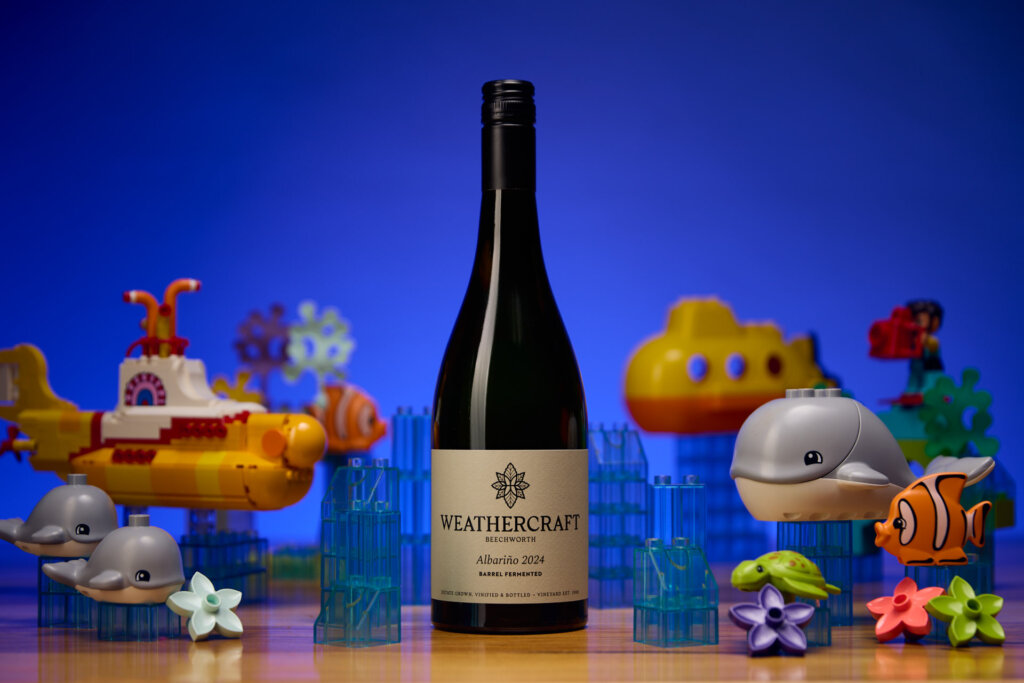
2024 Weathercraft ‘Barrel Fermented’ Albariño, Beechworth $45 RRP

This wine made Wasley’s top six, noted for being “powdery, floral, talc-y (think white linen), with a hint of salinity and bitterness à la brined apple juice (a bit like that silly Brooklyn Pickle brand, but in a nice way).” He described “sliced green papaya” and “minted feijoa jelly” on the nose, and while the palate “might lack a little tension,” he appreciated that there was “no sense here of ‘doctoring’ to make the wine what it’s not.” Instead, he saw it as a versatile food wine: “Here’s a wine that lets us use albariño’s flavour and delicacy in moments where acid briskness might otherwise get in the way – Sri Lankan fish curry, for example… Any pizza with pineapple on it would be a legitimate contender, too!”


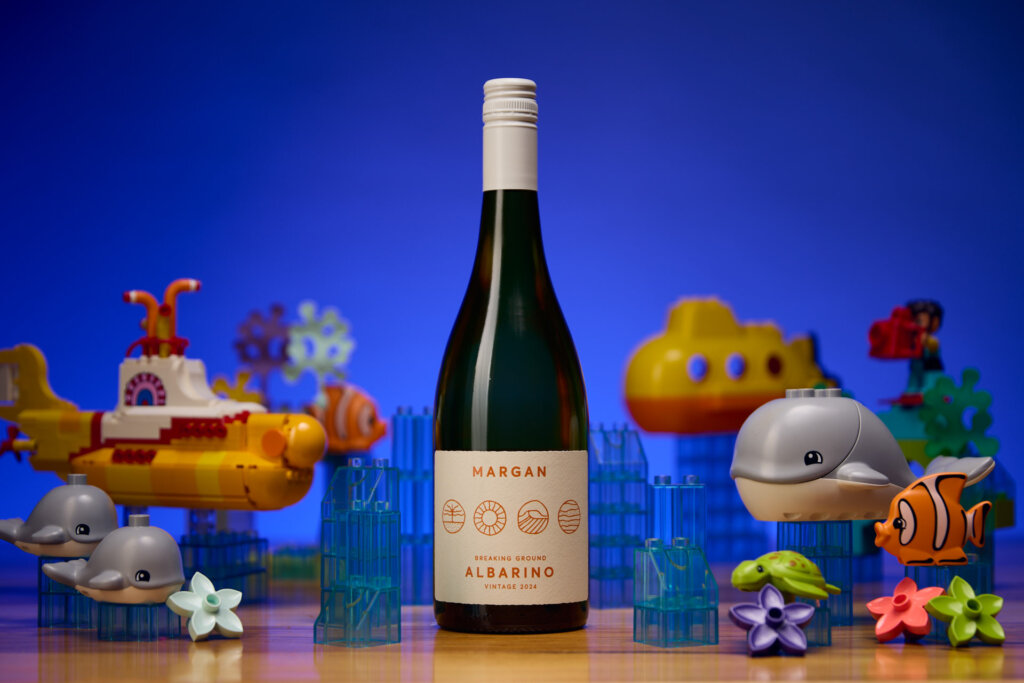
2024 Margan ‘Breaking Ground’ Albariño, Hunter Valley $34 RRP

Menezes ranked this among his top wines of the tasting, calling it “serious wine” where “fruit and savoury notes interplay like a chess board.” He described “toasted hazelnuts envelope golden quince, beeswax-dipped kumquat, and preserved Meyer lemon,” alongside “white flowers [floating] above a core of ripe pear.” Acidity, he noted, “slices through, clutching at green papaya and yellow apple,” with “length… astonishing, with every nuance of orchard and citrus fruit stretched out and amplified.” His serving suggestion? “Have it with a roasted chook and you’ll be tasting it while you’re doing the dishes after.”


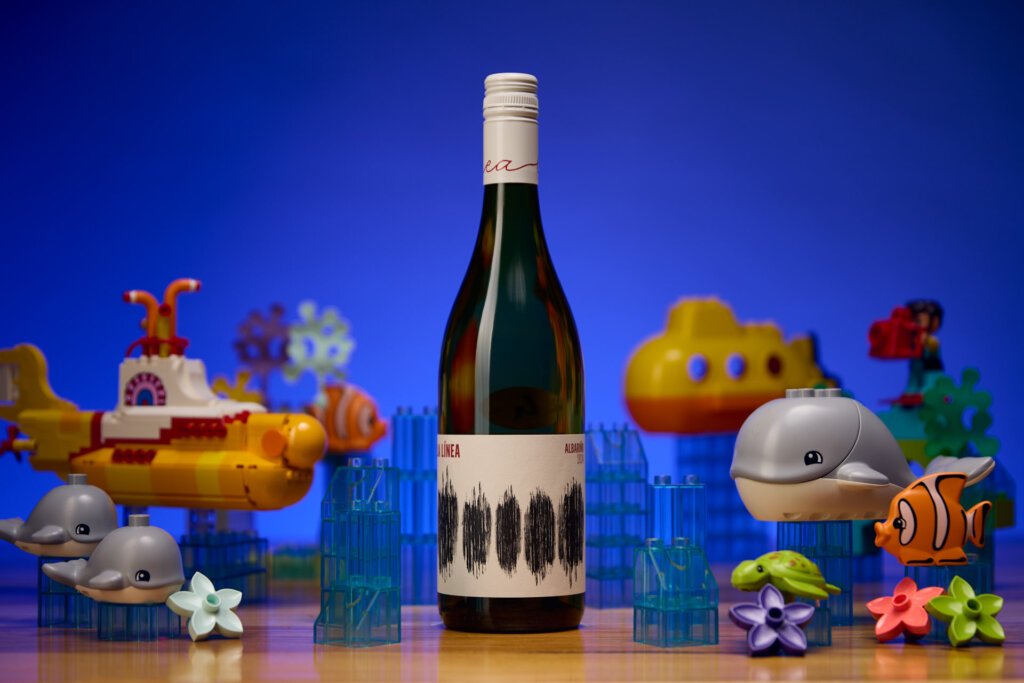
2024 La Línea Albariño, Adelaide Hills $32 RRP

Chosen in Reid’s top six, this wine was described as “fresh and light,” unfolding with “white peach aromas, layered with bright grapefruit, nashi pear, honeydew melon, lemongrass, and papaya.” She praised how “vibrant acidity balances the textural weight of the wine,” making it “an easy-going, effortless go-to” that would “lend itself to grilled prawns or fish tacos.” For Reid, it showed “the beauty to be found within the riper spectrum of albariño – joyous.”


2025 Tahbilk Albariño, Nagambie Lakes $22 RRP

This wine – sold exclusively at Tahbilk’s cellar door – was selected in the top six by both Desimone and Spain. Desimone found “blood orange, mandarine, and lemon blossom lead the way,” layered with “delicate summer jasmine and white peach,” noting how it was “elegant and slightly fleshy, but never overripe.” He was especially taken by “one of the most beautiful acidities of the day,” describing it as “a shower in the mouth” or like “those candies that crackle and pop – creating a tingling, fizzy sensation that lifts everything.” Despite its candied clarity, the wine “remains dry, vibrant, and mouthwatering.” It was, he said, “a wine that calls for a terrace and sun – maybe the ocean in the background, why not? – and a few good friends or someone you love to enjoy it with: fully and without rush.” Spain loved the “very big, lush style of albariño – it’s huge, and almost feels like a treat,” yet the “acidity remains fresh and vibrant and helps to keep the ripe fruit from getting out of hand and flat.” She noted “a lovely touch of sweet aloe and fresh mango,” finishing with “fresh yuzu to tighten everything up.”


2025 Little Wine Co. Albariño, Hunter Valley $30 RRP

Jones included this wine in her top six selections from the blind tasting, appreciating its gentler register of albariño expression. She described notes of “peach, yellow apple and soft melon” with florals that “feel more garden than bouquet – chamomile, linden and dill flower drifting over ripe fruit.” A “hint of baobab-like tartness adds something unexpected – zippy, pulpy and textural,” while the palate remained “calm but not dull.” She praised the “crisp acidity” that lent “quiet structure,” with “white spice and citrus oil” flowing through the finish, and “lees ageing gives it a silky weight, like clean linen on warm skin.” For Jones, it was “a wine that rewards your full attention – or none at all,” perfect with “grilled zucchini, fish tacos or a moment of stillness at dusk.”


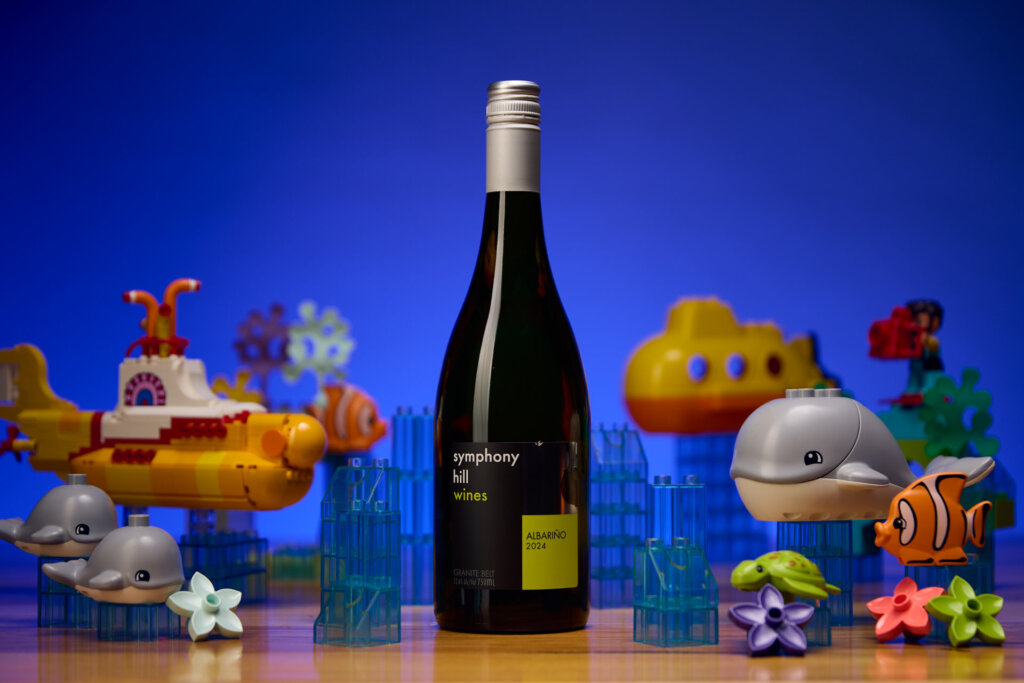
2024 Symphony Hill Albariño, Granite Belt $65 RRP

Selected by Duan as one of his top wines of the tasting, this albariño stood out for its “amazing aromas: lots of ripe mango, jackfruit, some blood orange,” and “a floral bouquet of jasmine flower, white lily, and a touch of clover flower.” The palate, he said, contrasted the sweet tropical lift with “very prominent herbaceous root flavours like wormwood or angelica root – think Italian amaro vibes,” finishing long and intriguing. He noted that this wine shows how “Australian albariño is still finding its way in dealing with the balance of fruit characteristics and bitter phenolic qualities,” but considered it “a great wine for anyone who has a more adventurous palate and can appreciate its bittersweet herbal characteristics.”


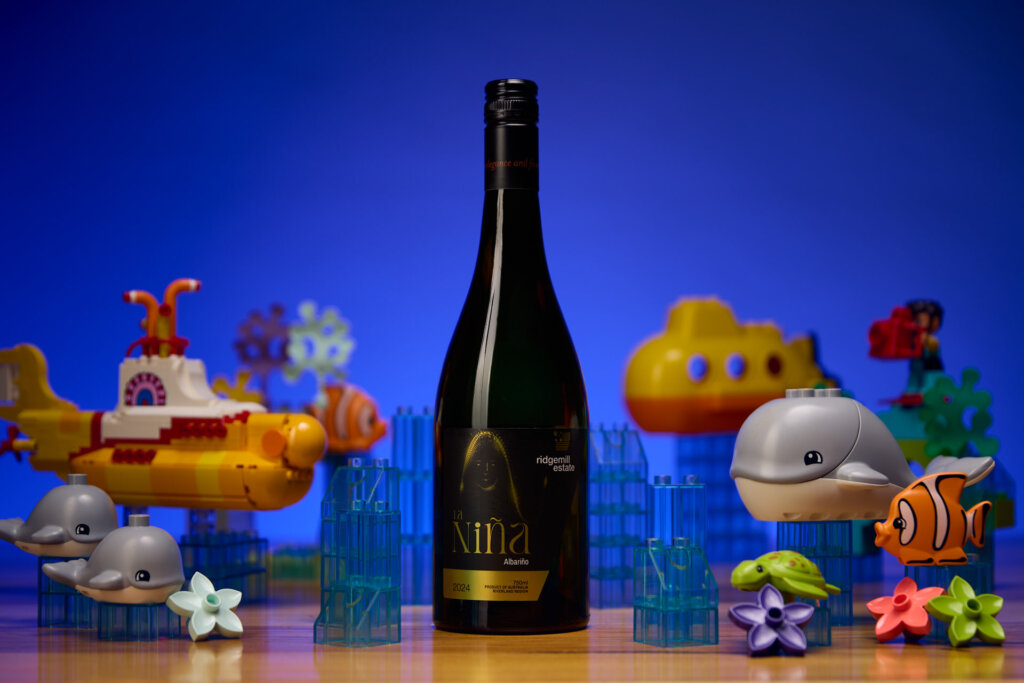
2024 Ridgemill Estate ‘La Niña’ Albariño

Nielsen chose this as one of her top six wines, noting that the nose was layered with “almond flesh, ripe finger lime, wet stone lift,” and “a sense of zestiness” that felt unique in the lineup. She highlighted its “pale yellow” hue and “cool climate sense,” evoking “tonic water botanicals,” and said the wine had an “ultra lifted” energy. “Slight olive brine on the palate” gave way to “the silky, velvet feeling a martini can give you when it hits right.” The acidity was described as “a band pulling the lips together for a smile or a kiss,” and it left her “craving white fish, rockling, white anchovies, kingfish crudo.” Delicate and evocative, it was “the energy of the wine” that stood out – “magical, ethereal, because of its fragility and softness.” She concluded, “it finishes with a fresh butter, fresh cream pastry flavour and I’m left with the thought that I will miss this wine when it’s all gone from the glass.”

The backstory

Australian wines made from the Iberian grape variety albariño were the cause of a worldwide wine scandal in 2009 when our ‘albariño’ vines were discovered to be an impostor variety. That fiasco may have set back Australia’s albariño industry by about a decade, but you can’t hold a good variety down – and albariño’s versatility, approachability, and freshness make it an appealing proposition for winemakers and consumers alike. With the identity crisis behind it, and a host of new bottlings set to land on the market – not to mention an unavoidable upcoming price spike for Spanish albariño – there’s never been a better time to take stock of Australian albariño.

Albariño – or alvarinho as it is called in Portugal – is a native of the rain-drenched north-western corner of the  Iberian peninsula, where the Spanish province of Galicia meets the northern end of Portugal. While there is still some debate as to which country the variety first emerged in, with genetic analysis suggesting that Portugal is the more likely answer, there’s no debate that Spain leads the world in terms of plantings with over 5,000 hectares under vine, virtually all of them in Galicia. Here the variety dominates the Rías Baixas wine region – a relatively cool (for Spain) and humid area of river estuaries that empty into the Atlantic.

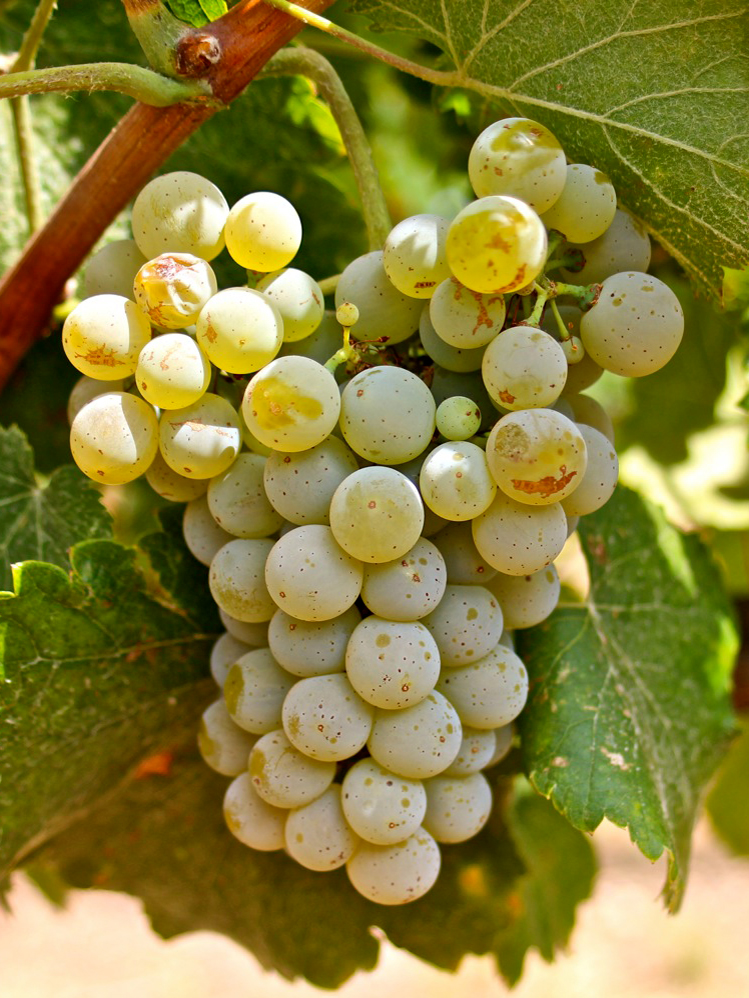
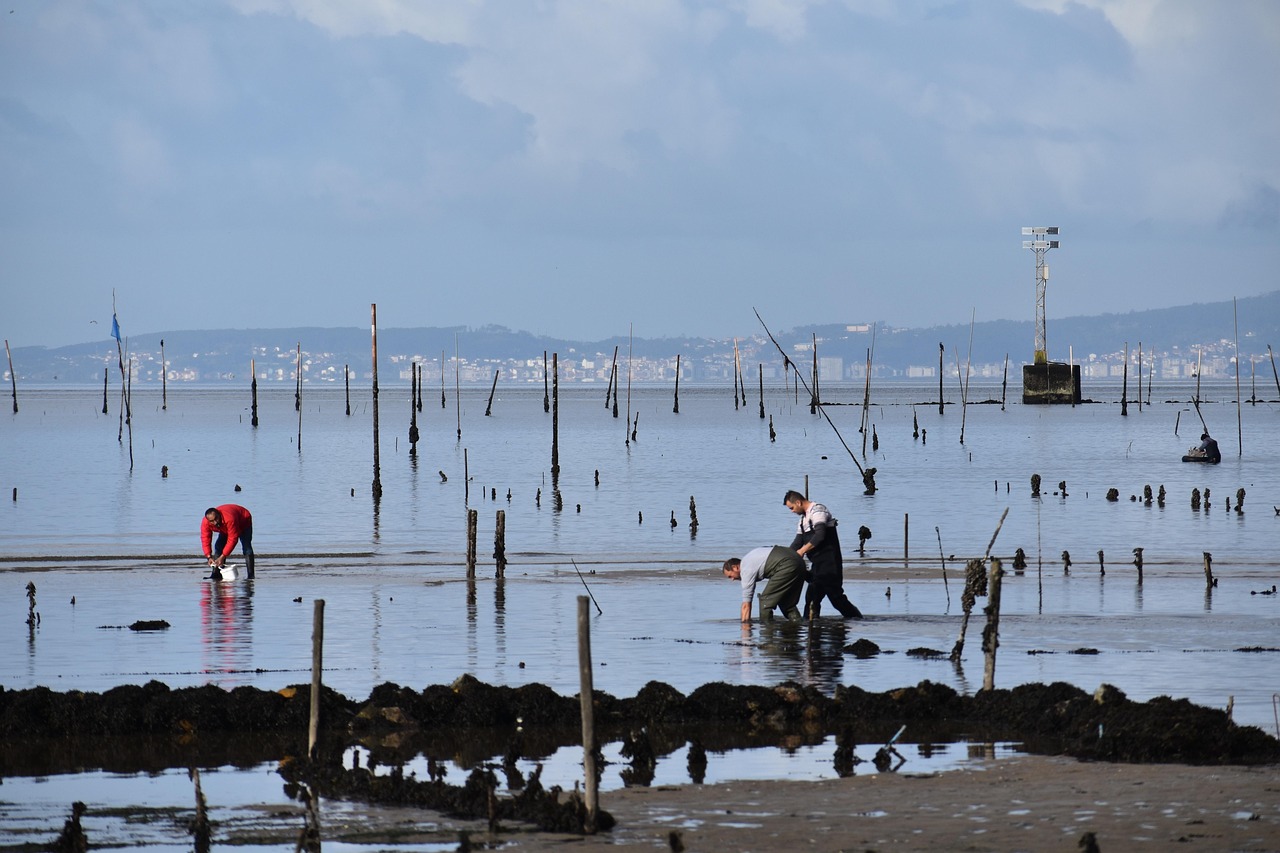
Opposite: albariño grapes on the vine. Above: the estuarine Rías Baixas region in Spain's Galicia province – home to the world’s most extensive plantings of albariño.

In its Spanish home, albariño makes a diverse array of wines – from fresh, crisp and aromatic quaffing wines perfectly suited to washing down Galician seafood dishes, to more ‘serious’ textural and savoury examples that have seen barrel ageing and lees work. However they’re made, these wines usually display a pleasing hint of salty minerality reminiscent of their coastal origins. In Portugal’s Norte region, it plays a minor but important role in the mix of varieties used in  the local specialty vinho verde (literally ‘green wine’), and it has a special dispensation to be turned into a varietal wine in the subregions of Monção and Melgaço, where it usually displays a more herbal flavour profile than the exuberantly peachy or stone-fruited character its Galician counterparts often show. As with planted area (Portugal has just under half of Spain’s), though, Spain dominates the public perception of this grape variety, with significantly more examples of varietal albariño than alvarinho exported around the world.

While albariño is a relatively old variety, it was one that was of little interest to the wider world outside of Spain until the late ’90s and early 2000s. Similarly to mencía, whose Spanish history is outlined in our recent Deep Dive on the variety, albariño suffered from the same socio-economic forces that drove Spanish wine down a path of quantity over quality. To add insult to injury, in Galicia the higher-yielding palomino grape variety – an Andalusían native variety best known as the basis of Sherry wines, and not one especially suited to Galicia’s warmer climate – was often planted over former albariño vineyards. By the 1970s, as Franco’s regime started to unravel, only 200 hectares of albariño remained in the Rías Baixas.

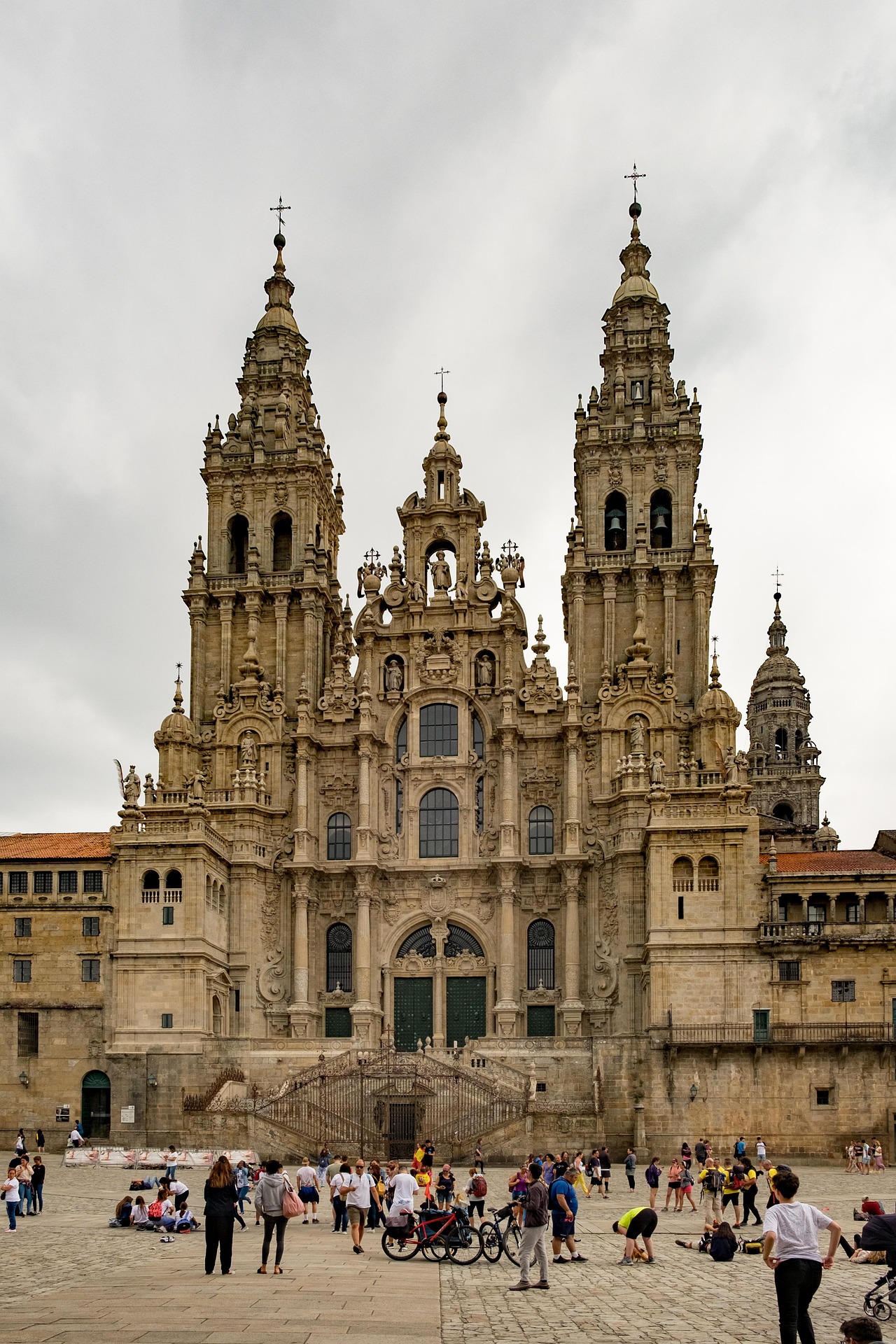
Above: The cathedral of Santiago de Compostela, Galicia – the endpoint of the Camino de Santiago, photographed here on a typically Galician overcast day.

But in the post-Franco era, as Spain’s winegrowers rediscovered and replanted their local indigenous varieties, and as Spanish winemakers modernised their practices to suit the global market, albariño emerged as the star white grape variety of a revitalised industry. The Spanish government saw albariño’s potential in 1980, and created an appellation specifically for the variety – making it one of the first Spanish wines to be varietally labelled. While that appellation had its name changed to Rías Baixas in 1988 when Spain joined the European Union (so as not to fall foul of EU regulations separating varieties from geographical appellations), the link between albariño and Rías Baixas had already been cemented. Production of albariño in Rías Baixas has increased tenfold since 1990, driven by global consumer demand for fresh, aromatic styles of white wine (no doubt helped by Spain’s increasing profile as a tourism destination and the international drawcard of the Camino de Santiago). While Galicia’s wine landscape has historically been one of small landholders and family bodegas, some big players in the Spanish wine industry have recently set up Galician operations, keen to take a slice of the albariño action.


The heartbreak grape

As global consumer interest in albariño grew, enterprising Australian winemakers and growers started to plan their own local renditions of the variety. Early adopters of albariño in Australia included Barossa’s Tscharke Wines and McLaren Vale’s Chapel Hill – both of whom planted their albariño in 2001 from cuttings sourced from the Commonwealth Scientific and Industrial Research Organisation (CSIRO) grapevine collection. CSIRO had, in turn, sourced their albariño cuttings in 1989 from a Spanish vine collection – but an error in vine identification meant that the cuttings sent to Australia were in fact an ancient but relatively obscure variety called savagnin. As detailed in our recent Deep Dive editorial on savagnin, this issue was first raised in 2008 by viticultural expert Libby Tassie, and early the following year by DNA testing.

“I really don’t give a s**t if it’s albariño or savagnin – whatever it is it’s performing really well, consumers love it, so we’re going to stick with it.”

The repercussions for Australia’s producers of ‘albariño’ were severe and immediate. The government wine regulator, the Australian Wine and Brandy Corporation (now known as Wine Australia) immediately reached out to any producers who had released wines labelled as ‘albariño’ to let them know that any further releases of these wines would legally have to bear a different varietal name. (They handily included a list of 64 legally acceptable synonyms for savagnin, including ‘christkindlestraube’, ‘weisskloevner’, and ‘dreifpeennigholz’.) The memo arrived too late for several producers, including the Tscharke – then the country’s largest producer of ‘albariño’ – who had already labelled their latest vintages and had to incur the not-insignificant expense of testing and re-labelling the wines. While some in the industry saw the issue as a storm in a teacup – an anonymous grower at the time was quoted by wine writer Tyson Stelzer as saying, “I really don’t give a s**t if it’s albariño or savagnin – whatever it is it’s performing really well, consumers love it, so we’re going to stick with it” – in the longer term the issue proved to be a painful one for several growers and producers, many of whom have pulled out their savagnin vines and/or incurred the cost of replanting with true albariño.

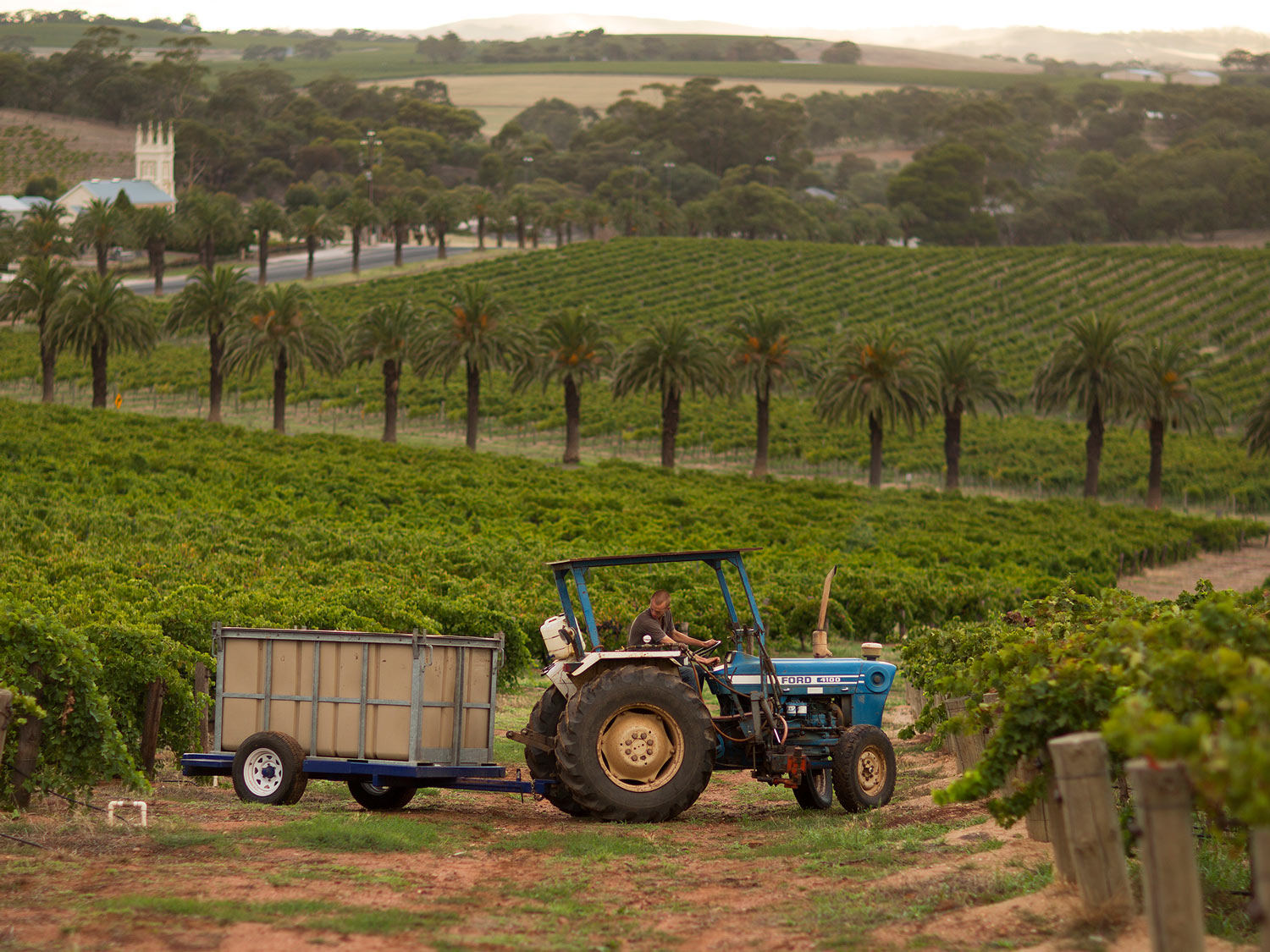
Above: Tscharke Wines’ Barossa vineyards – once home to Australia’s most extensive plantings of ‘albariño’. Opposite: savagnin (not albariño) grapes at Crittenden Estate.

While the fallout from what Mornington Peninsula savagnin producer Rollo Crittenden now calls the ‘albariño fiasco’ was bitter for many in the industry, it had a few unexpected upsides. It gave varietal savagnin a leg-up in Australia at a time when interest in the savagnin-based wines of France’s Jura region was starting to build – and while many winegrowers removed their savagnin and replaced it with true albariño as soon as they could, others kept their vines and helped create a small but thriving cottage industry of Australian savagnin. It also put a spotlight on some of the issues in the global supply chain for grapevine genetic material. In the wake of the scandal, other misidentifications in Australia’s vineyards have been found, such as ‘petit manseng’ vines that are in fact gros manseng. It’s an issue that has prompted CSIRO to fully investigate and DNA-test their vine collection against international references – a project that will help ensure that Australian winegrowers can know with certainty what they have planted.


A new way

Winemaker Ollie Margan of Margan Wines in the Hunter Valley credits the commercial success of this first wave of Australian ‘albariño’ – “coupled with doing the Camino de Santiago walk a couple of times, drinking a lot of wine from that part of the world” – for his parents’ interest in planting true albariño in their family’s Ceres Hill vineyard. “I guess they saw some similarities to the wines we were producing here in the Hunter Valley anyway – being that high natural acidity, that earlier ripening, et cetera et cetera,” Margan says. “On the back of the savagnin issue there was an effort to import true albariño into Australia, and we just put our names on a list of expressions of interest. There were, I believe, around ten producers given cuttings on that first release at the end of 2013, start of 2014.” While Margan is unsure whether his family winery was the first producer in Australia to have true albariño in the ground, the relatively warm climate and consequent earlier harvest dates of the Hunter mean that Margan Wines can claim to be “the first to market with true albariño in Australia.”

“The Hunter Valley actually has the same climate as Galicia, being classified warm maritime, with that almost tropical influence of high rainfall in the warmer months.”
For Margan, the connection between the Hunter Valley and Galicia’s Rías Baixas is more than stylistic. “We actually have the same climate as Galicia, being classified warm maritime,” he says, “with that almost tropical influence of high rainfall in the warmer months.” (Anyone who has visited Galicia will likely have first-hand experience of just how rainy that part of Spain can be, with some areas of the region receiving up to three times as much rain as London per annum.) Having emerged in this relatively warm (in viticultural terms) and humid region, it thrives in the equally warm and humid Hunter: “Viticulturally, it’s been a fairly brilliant,” Margan says. “It has very low nutritional requirements and is a particularly vegetative variety naturally, so it grows really well in free-draining soils. In the Hunter there’s quite a lot of old sea bed soils that are nutritionally poor, which limits your capacity with a lot of other grape varieties to get that mid-palate weight in there.” 
He continues, “It’s an aromatic variety, so you’re able to build flavour and texture working with the skin, so it offers opportunities that semillon or chardonnay don’t in that regard. The thick skin and loose bunches means that botrytis isn’t a thing with albariño – it’s obviously a huge thing with something like semillon.” But for Margan, the variety’s chief virtue is that “the high level of natural acidity gives you some resilience vintage to vintage, making sure that you can still make something that’s quite driven and crisp.” All of these virtues, he says, make it “a great in-betweener for us in the Hunter. I mean, historically, verdelho would be that aromatic ‘other’ white wine in the Hunter, but the marketability of verdelho as a table wine versus albariño as a table wine – I’ll take albariño any day of the week.”

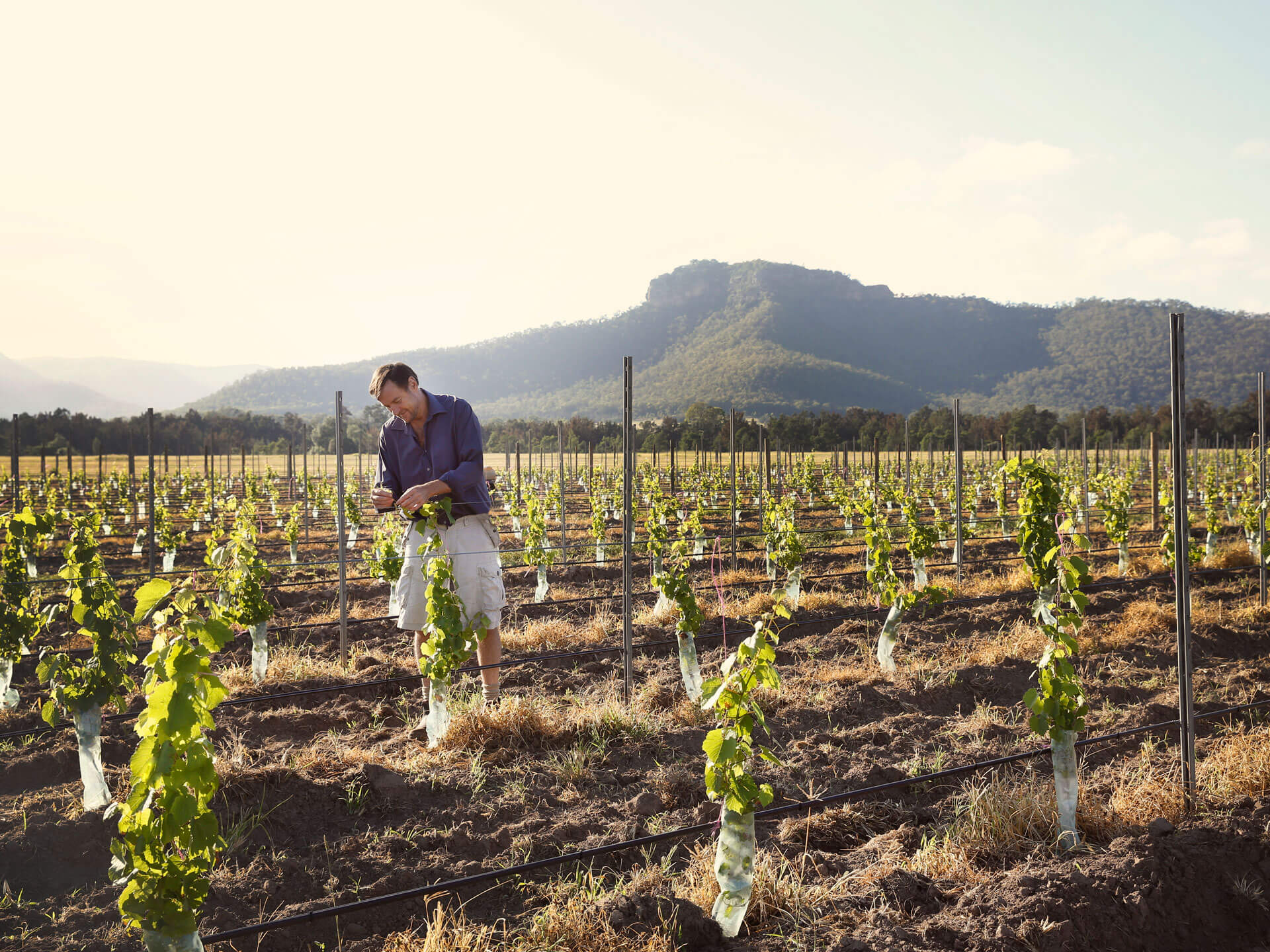
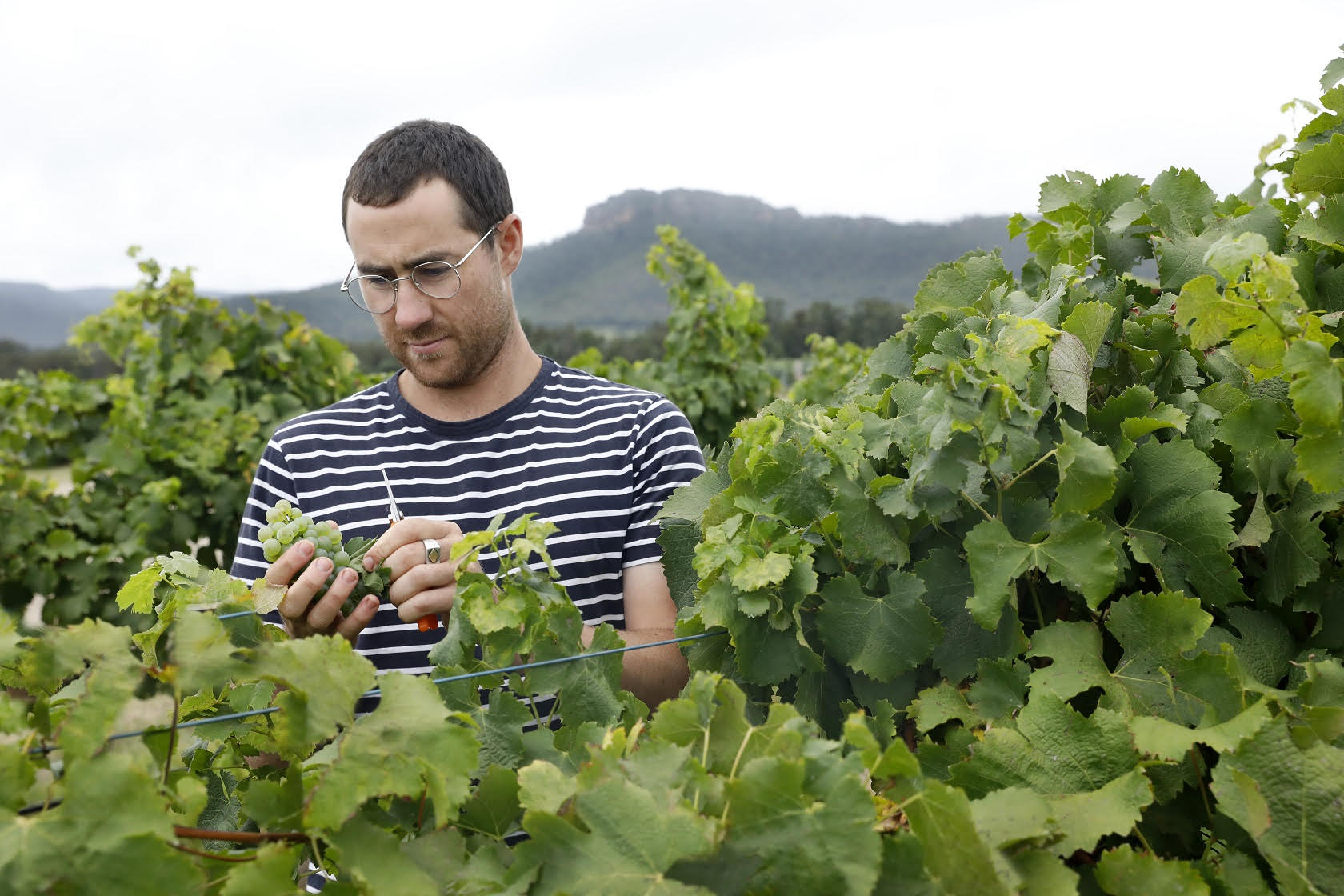
Above: Ollie Margan at Margan Wines’ Ceres Hill vineyard. Opposite: Andrew Margan planting in true albariño vines at Ceres Hill, 2014

Margan emphasises that albariño is a far more versatile grape variety in the winery than its fruity, aromatic profile and reputation as Spain’s answer to sauvignon blanc might suggest. “If you look at albariños from Spain, there’s a lot of producers who make several different cuvées because it does give you that bit of artistic license to work with technique and different vessels,” he says. “You have styles that are really tight and acidic, then got those broader, more oily fruit-forward styles – so it does have quite a range of capacities, I think.” To this end, Margan makes two different styles of albariño – a crisp, fresher style labelled as with a smidge of added texture from light skin contact prior to fermentation and some lees work (labelled as ‘Ceres Hill’) and a deeper, richer style from the same vineyard that sees some barrel fermentation and fermentation on skins (labelled as ‘Breaking Ground’).


No rain, no pain

Since Margan Wines debuted their albariño, a slew of wines made from true albariño have hit the Australian market, with more slated to arrive over the course of the next few years. And not all of these have been made from fruit grown in climates that match the Rías Baixas as closely as that of the Hunter Valley. One such producer of albariño is Orbis in McLaren Vale – a decidedly drier and warmer address.

“It’s not the same at all – but it’s definitely working for us,” Verity Cowley of Orbis says of this climatic difference. She is quick to point out that Orbis’s position within McLaren Vale – “one of the most northerly vineyards” within the region – means that “we do get a lot of cooling breezes coming down from the mountain ranges” and a diurnal temperature drop at night “which is really important for varieties like albariño.” Orbis also planted its thirsty albariño vines on water-retaining heavy clay soils, so although they need to irrigate in dryer years, there is a natural water reservoir beneath the vines’ feet. Despite these caveats, it’s fair to say that Orbis’s climate is – to put it in Spanish terms – more Mediterranean than Atlantic: warmer and dryer, with a present but less palpable moderating influence from the Southern Ocean.

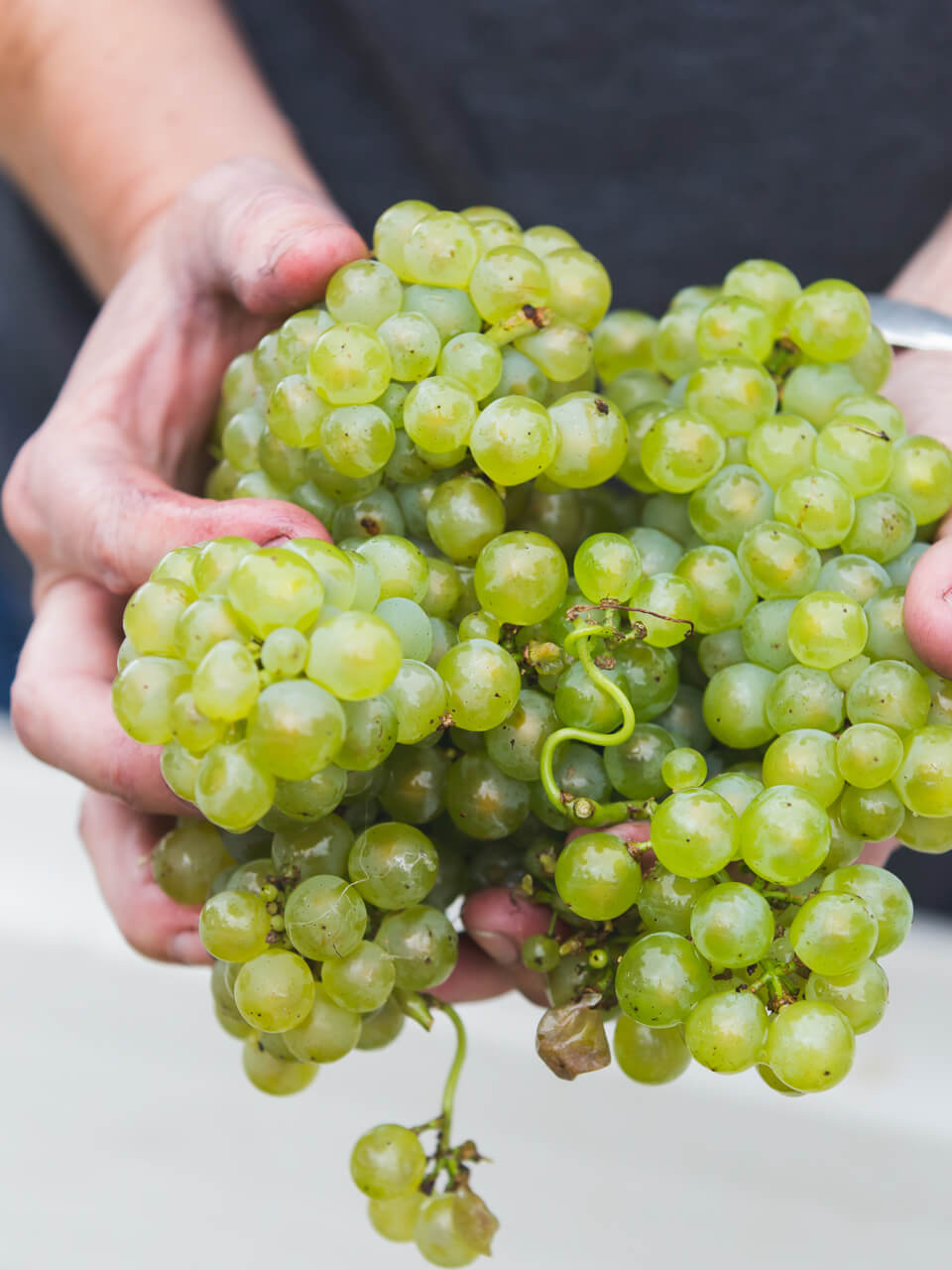
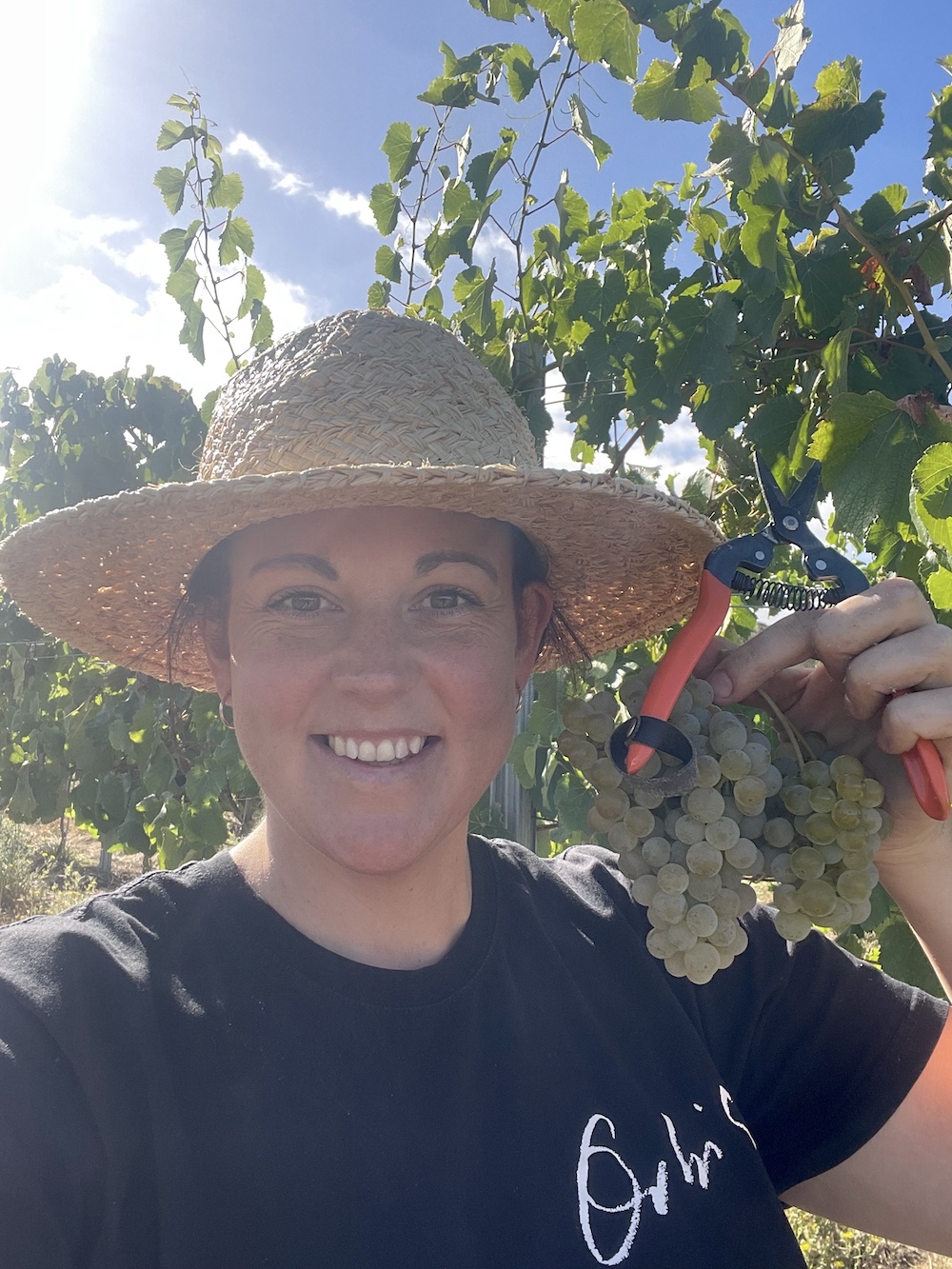
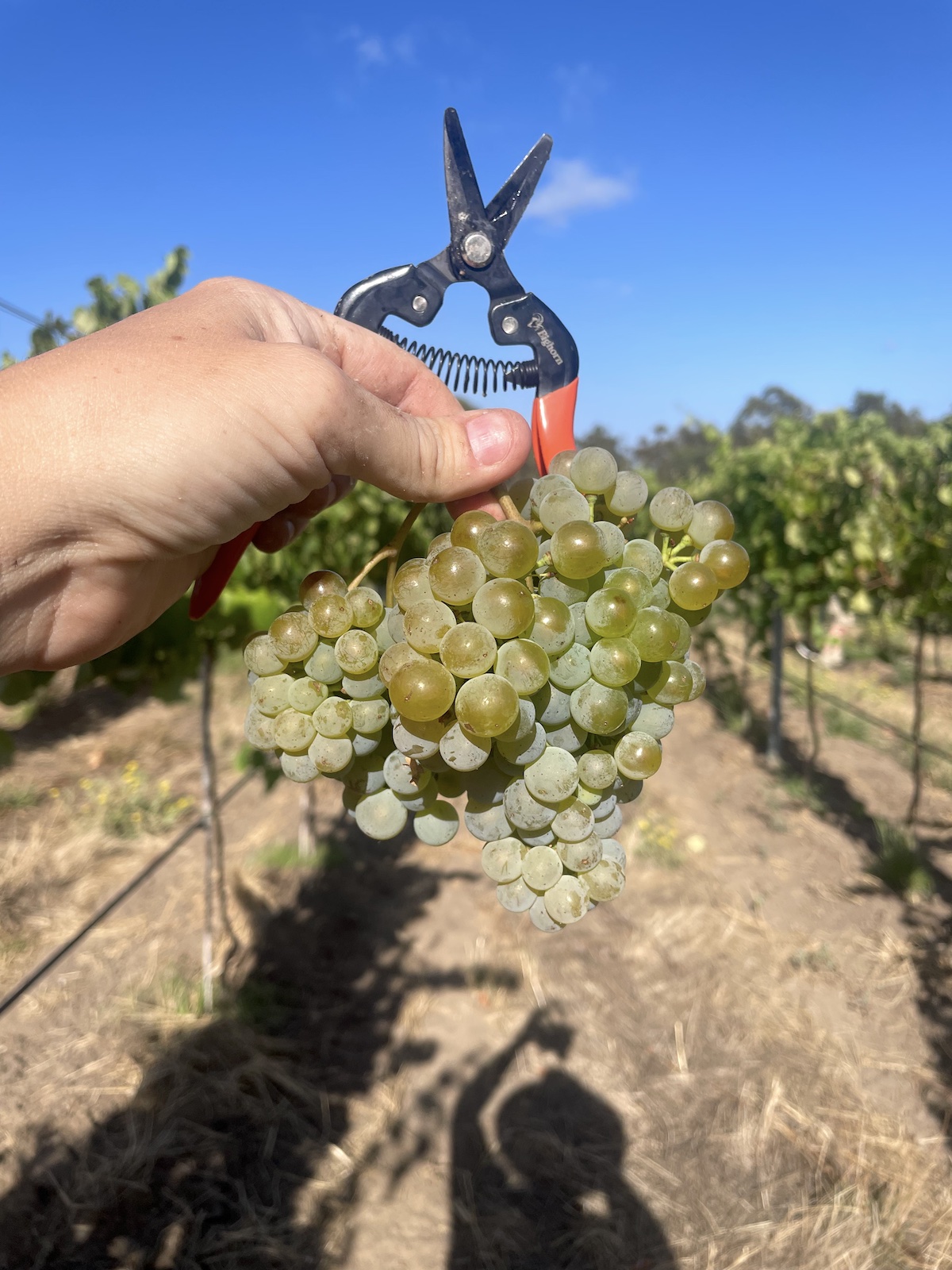
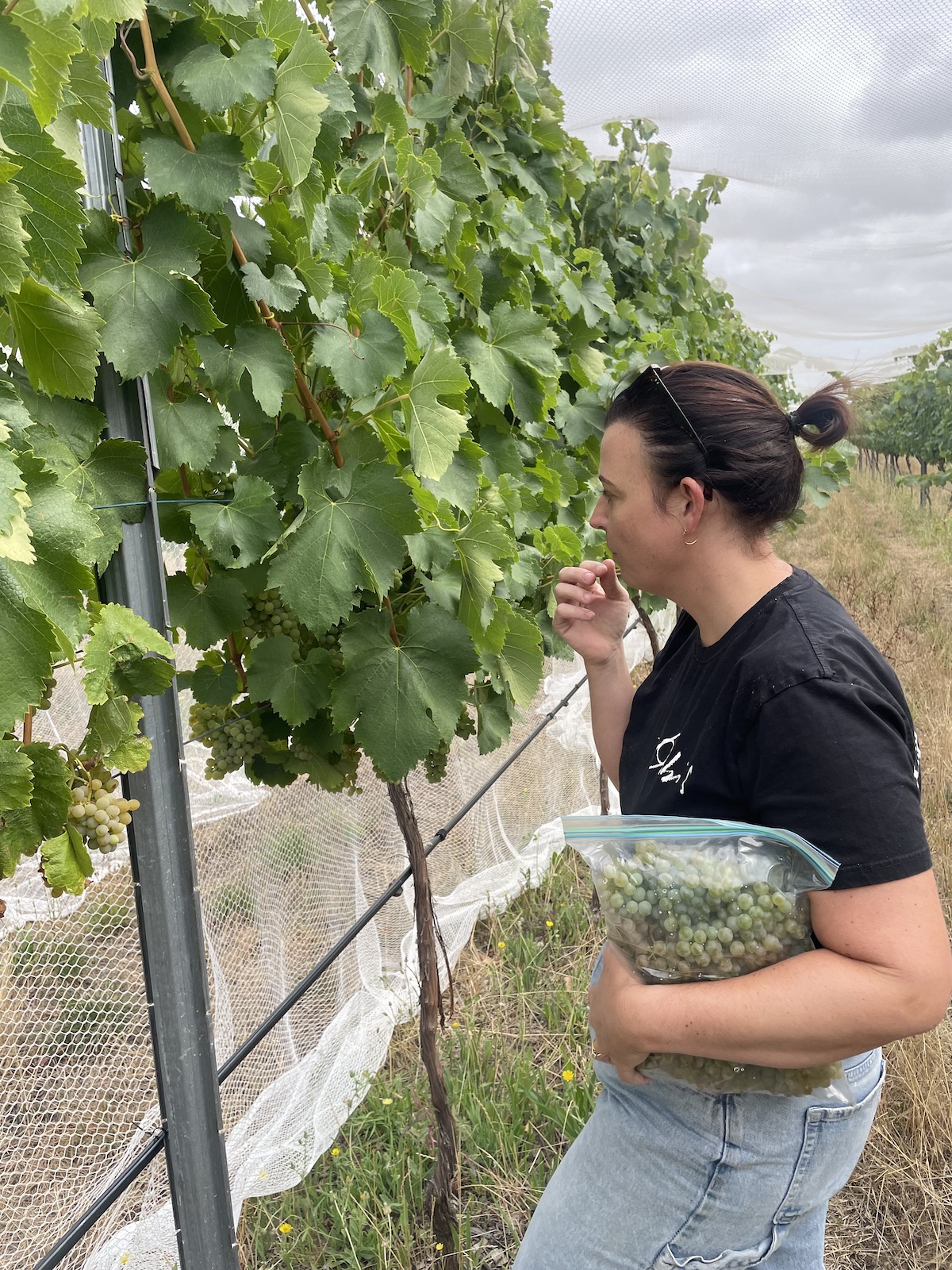
Opposite: Verity Cowley hand-picking albariño in Orbis’s McLaren Vale vineyards. Above: freshly-picked albariño grapes at Orbis.

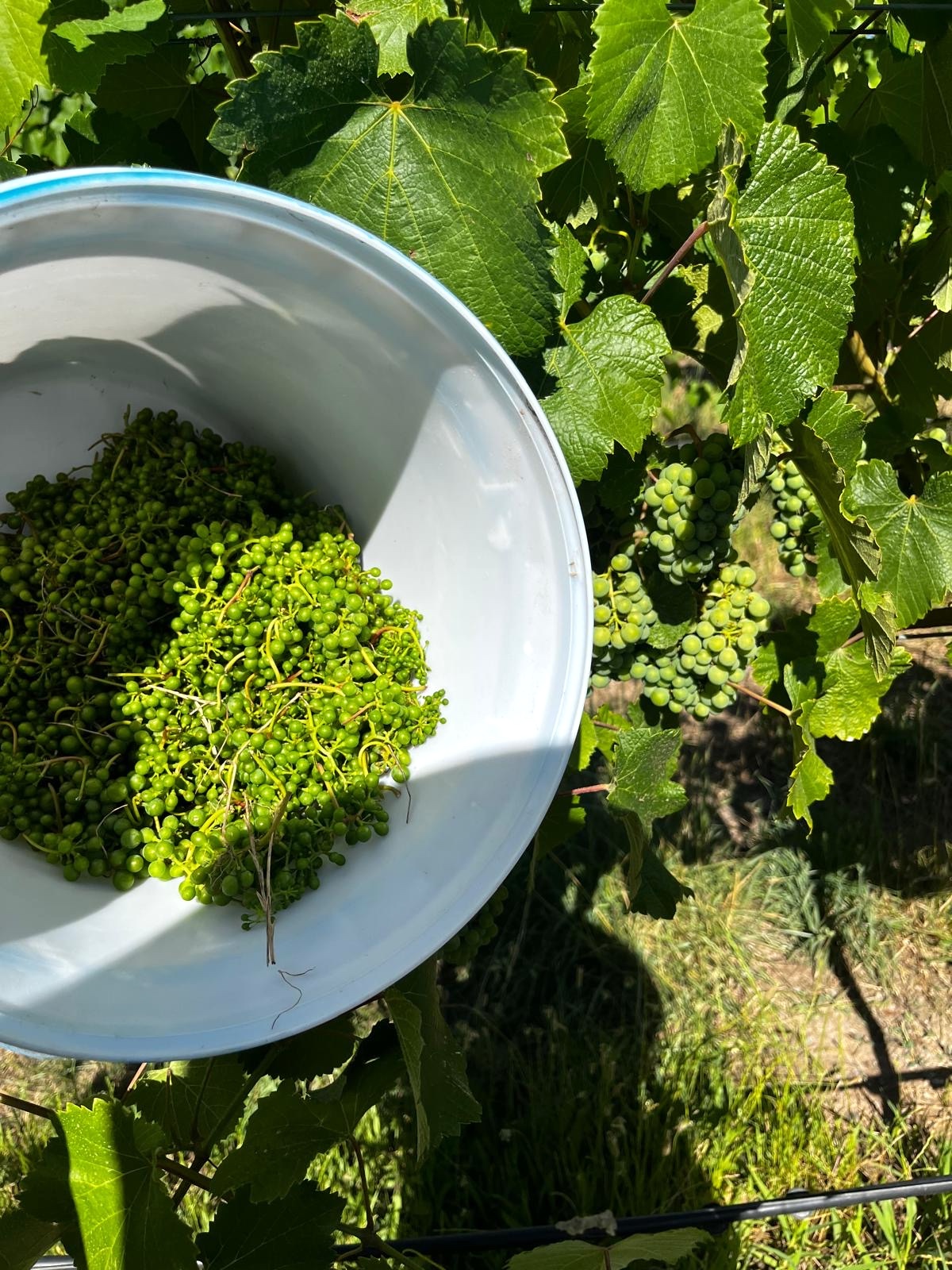
As it does in the Hunter, albariño thrives here – and managing its vegetative excesses poses logistical challenges for the Orbis team. “Albariño has really long canes that can easily snap in the wind,” Cowley says. “The second challenge is that it throws a second crop – it does for us, where we are, anyway.” (This is in contrast to the Hunter – when asked, Margan states that he doesn’t see a second crop in his family’s albariño.) Managing this second crop – which is difficult to visually distinguish from the primary crop at harvest time, and which would substantially raise the wine’s acidity and add bitter phenolic characters to the wine if crushed alongside – means that Cowley and the Orbis team have to perform multiple thinning passes throughout the year: “late November-ish and then prior to picking … I went out there and I could still see some, so Brad [Moyes, co-owner of Orbis] and I were picking with torches to get it out the day before.” Cowley says that this work – which involves tasting a berry from each bunch to check for ripeness and acidity – is “a really tedious job” that left her and Moyes feeling “really crook afterwards, because we had to taste so many berries – and they were obviously the underripe ones with super-high acid.” The benefit of the work is that they can trust that their hand-picking team is only taking perfectly ripe bunches: “I personally think it’s really important to get [the second crop] out ’cause I don’t love any green notes in albariño.”

“I’ve been getting it out in the trade, both on- and off-premises, and people are absolutely loving it.”

Once that first, ripe crop of albariño is in, Cowley’s approach in the on-site, off-grid winery is relatively simple: a relatively light pressing to get the juice out of the berries and off skins, into stainless steel tank for primary fermentation followed by malolactic conversion – which in this case doesn’t so much add creamy lactic notes, but rather takes the edge off the variety’s steely acidity – and three months on lees, with “really light lees stirring” to add a hint of texture. The result is a crisp and bright albariño full of varietal character, with just enough texture and depth from its conversion and lees work to “lift the fruit and give it a slight little savoury edge, too”. The end result isn’t exactly a replica of the Galician original, but it is very much informed by those wines, and tastes far lighter on its feet than its McLaren Vale origins might lead you to believe.


Peachy potential

For Cowley, the potential of albariño extends beyond its surprising adaptability to hotter and drier climes than its north-western Iberian origins and the diversity of styles it can be made in. For her it’s also an alternative variety that already has strong consumer and trade recognition thanks to the popularity of Spanish (and to a lesser extent Portuguese) imports. “I’ve been getting it out in the trade, both on- and off-premises, and people are absolutely loving it,” she says. “They’ve heard about it, which is exciting – it’s such a famous variety, but we just don’t happen to have heaps of it here. People are loving that now we’re growing it.”

Opposite: Cowley checking bunches of albariño at Orbis – “a really tedious job”. Above: the second, unwanted crop of albariño at Orbis.

For Margan, albariño’s strengths as a variety are very closely aligned to where he sees general wine consumers’ tastes moving. “I’m seeing people wanting to drink red wine that resembles white wine in terms of being lighter and more aromatic, and white wines that are interesting and structured, but not rich and super-full,” he says. While he cautions that the success of albariño in Australia in general hinges on careful viticulture to ameliorate its sometimes bitter phenolics and to make sure that it doesn’t get overripe, he’s bullish about the possibilities for the variety otherwise. “It’s nice,” he says. “It’s a fun variety to say. It’s quite good with our food style – great for aromatic food, spicy food, which is inherent in our dining culture – so it has a spot. I hope it’s as successful as possible, clearly.”

The vicissitudes of international commerce are also favouring Australian albariño – at least in its domestic market. The Australian dollar is still relatively weak against the Euro, which means that wines purchased in Spain or Portugal (not to mention the rest of Europe) cost more to buy for Australian importers, which in turn puts upward pressure on the prices they have to charge the wholesale market. In addition, the Spanish wine group Familia Torres have recently turned their attention to Rías Baixas, expanding their existing holdings in the region and offering higher per-kilo grape prices to local growers – which in turn means other wineries have to pay more to their growers or risk losing access to fruit. All of this means that Spanish albariño wines in particular will shortly become more expensive in Australia – just as a raft of new growers and producers are starting to bring new Australian albariño offerings to the market. The future for this peach-scented variety here, therefore, looks pretty peachy indeed.

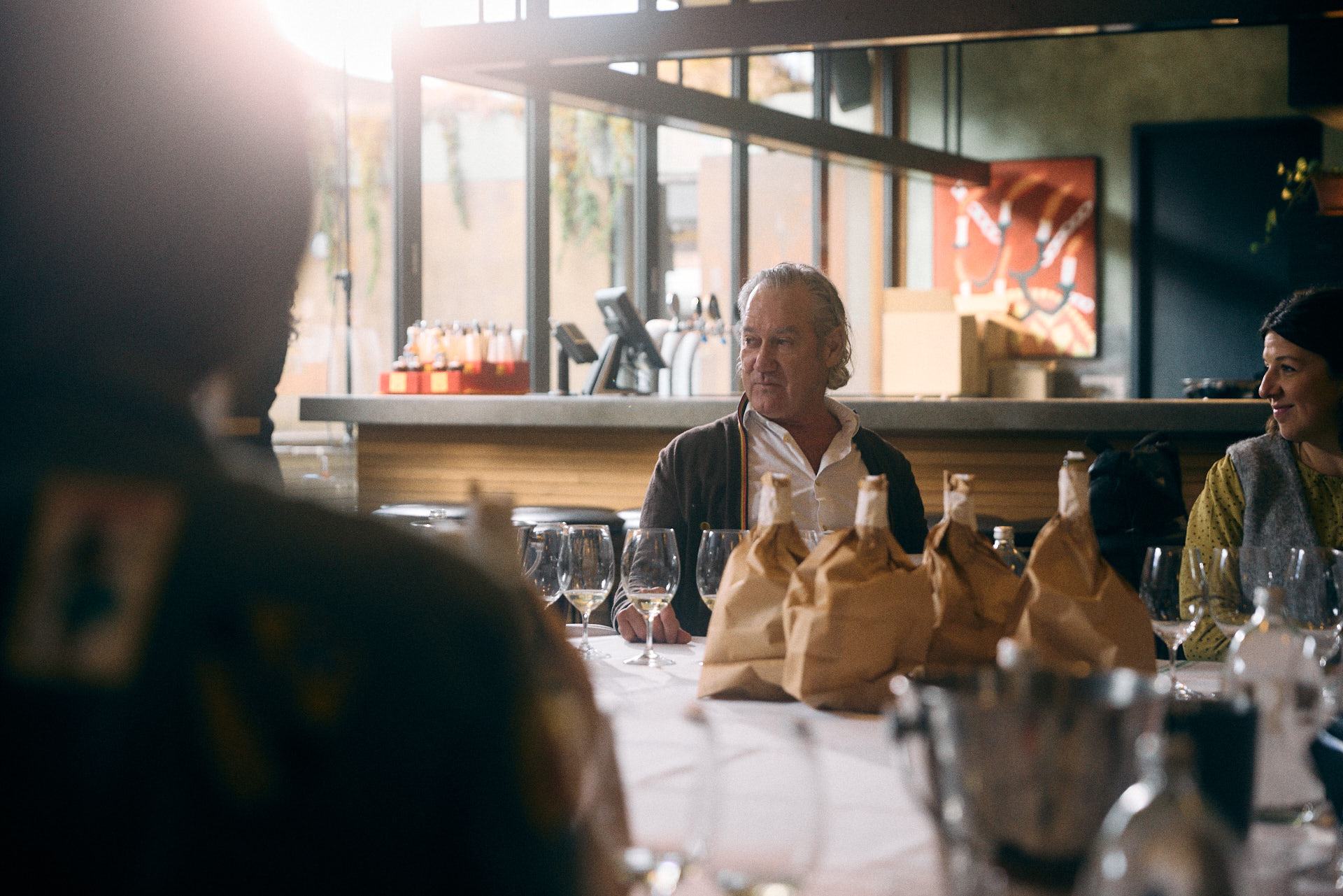
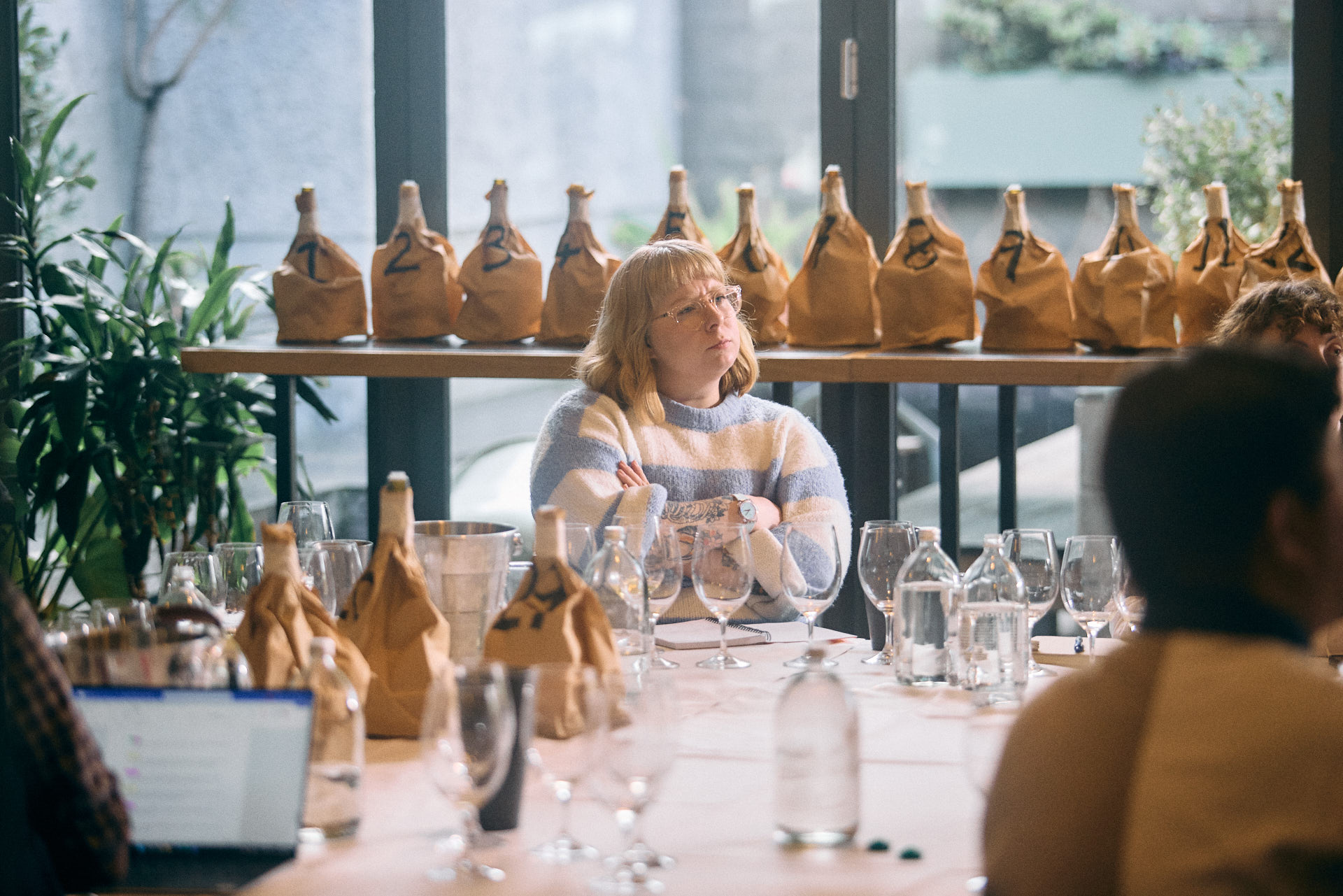
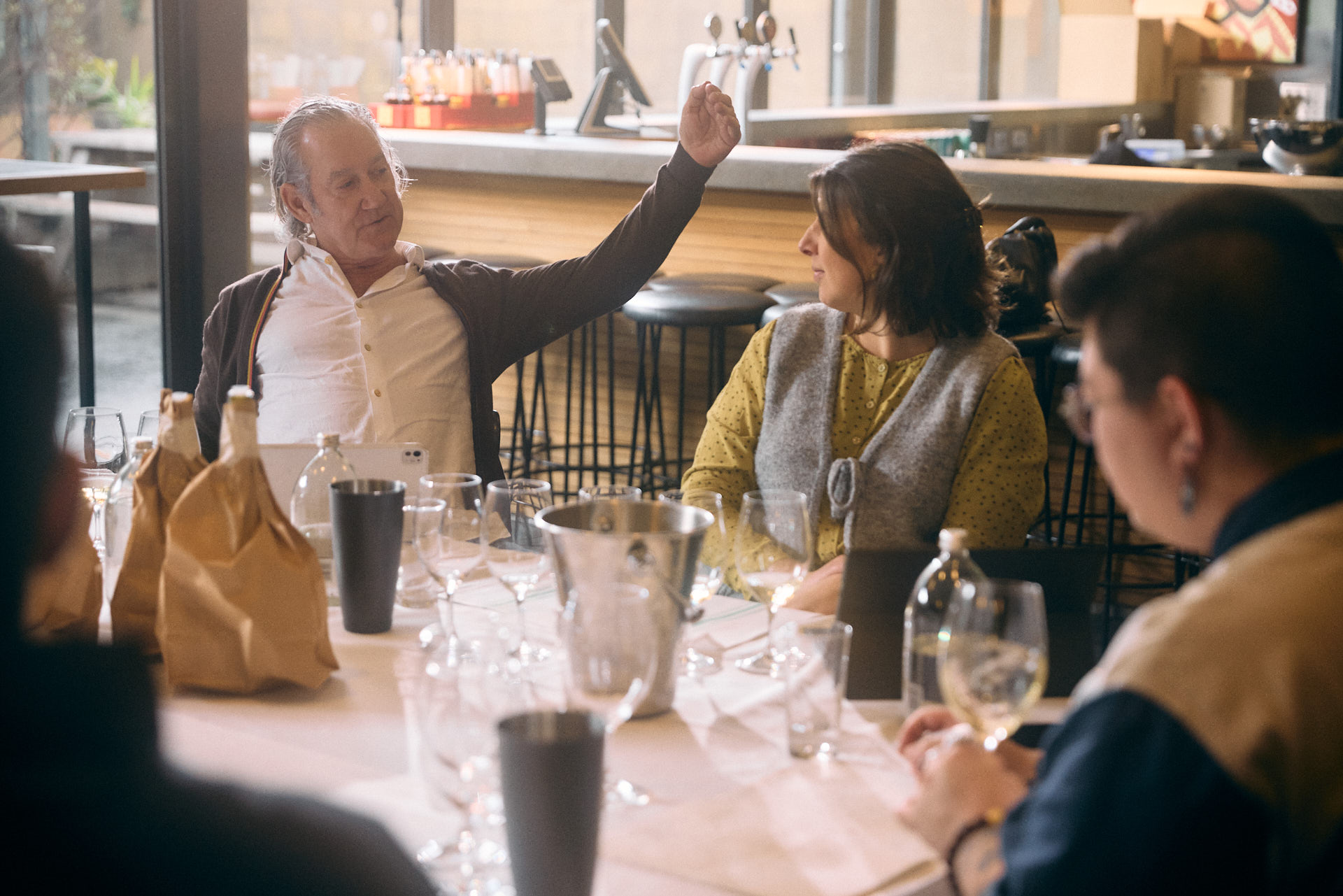
Above: Our Deep Dive panellists gathered at the Bleakhouse Hotel, Albert Park (Melbourne)

Outtakes from the tasting

We gathered every Australian albariño (or alvarinho) we could find and set our expert panel the task of finding the wines that compelled the most. All wines were tasted blind, and each panellist named their top six wines. Below are the wines that made the panellists’ top-six selections from the tasting.

Our panel: Raquel Jones, winemaker, Weathercraft; Scott Wasley, wine importer, The Spanish Acquisition; Nicola Reid DipWSET, executive officer, Sommeliers Australia; Jarryd Menezes, sales representative, Alimentaria; Bonnie Spain, senior sommelier, Marmelo; Charles Duan, sommelier, Gaea; Michelle Nielsen, wine retailer, City Wine Shop; Luciano Desimone, sommelier, Marmelo.

Menezes commenced the discussion by noting how well-made the wines in the line-up were – an impressive feat given the variety’s short history in the country. “Just about every single wine today was really, really well made – the base level was quite high,” he said. He added that the stylistic diversity on display that reminded him of the varied nature of the Spanish albariño category: “We have so much diversity across the different regions that we have. I don’t think that there is one stylistic direction that we necessarily need to go towards – we can just appreciate what we have, and how we can let the grape express itself. So I think it’s promising, we’ve done pretty well considering the variety’s only been here for ten years.”

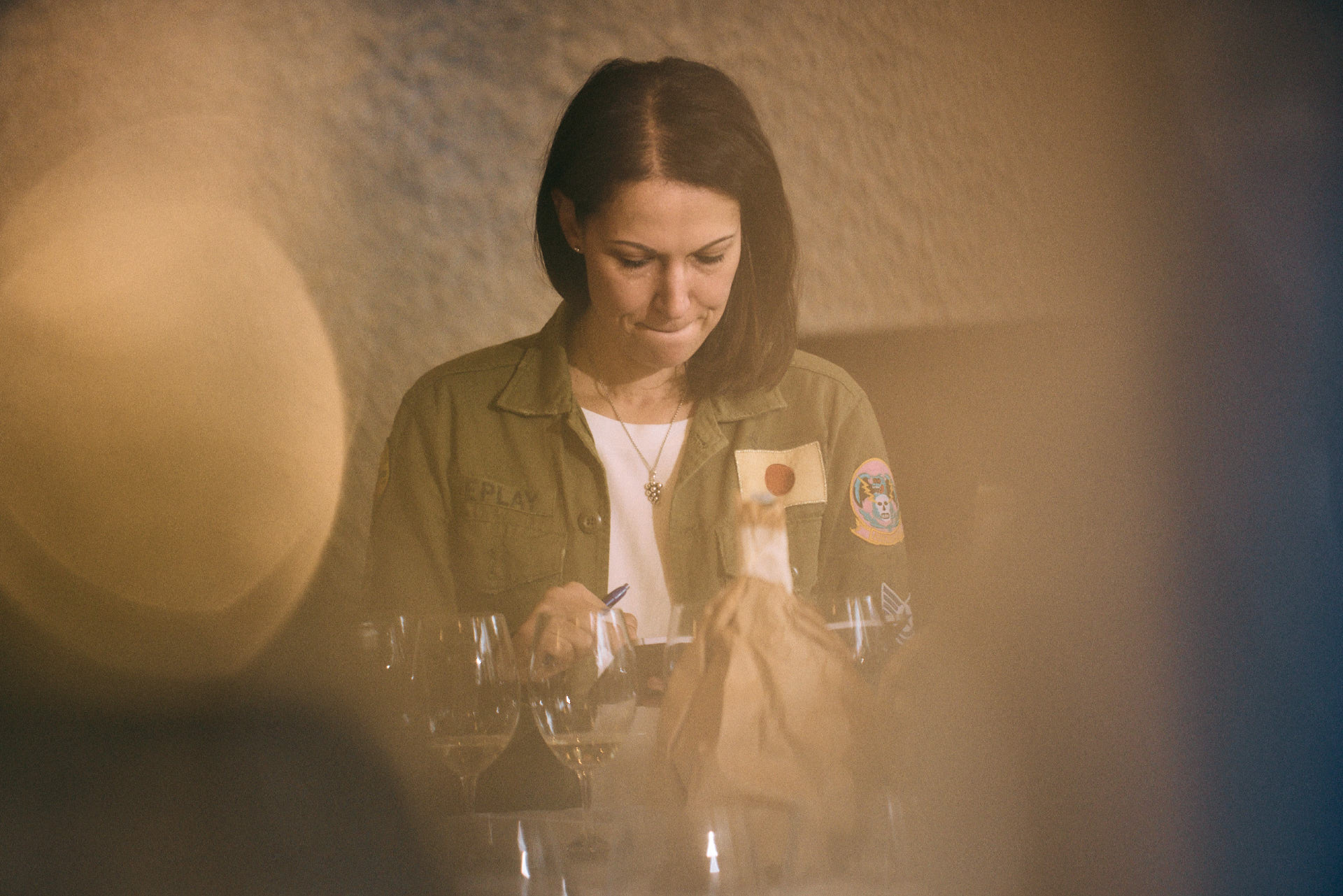
Opposite: Jarryd Menezes. Above: Nicola Reid.

Reid concurred, but noted that she found certain examples to work better than others. “So much variety, so much to offer,” she said. “On the whole, I thought it was a really strong cohort.” She added, “There was some really nice diversity of those that sat in the more green-fruited spectrum,  and maybe moved into orchard fruits, and then moved into like the sort of lower end of stone fruit in a greengauge spectrum – that’s not an Aussie fruit, but it was really reminiscent for me of the British fruit. And then some tropical examples – and to be honest, for me, those examples didn’t work, because it just felt like the acidity was worked … the acidity just didn’t marry.” Spain agreed on this point, saying that for her the tell that a wine had been acidified was “that malic acidity with really yellowed peaches and nectarines, and they just very much fought against each other.” 


Above: Scott Wasley. Opposite: Raquel Jones.

Wasley, who has spent over two decades importing some of Spain’s best albariño into Australia, said that “A recurrent note in tasting the wines today was ‘apple seeds’, and I thought it was a distilling point for me about fruit or vine maturity and winemaking – where the bittersweet character of apple seeds either worked or didn’t work.” He added: “Some of the wines I didn’t like because they were just blousily phenolic or unproductively bitter, but where the bittersweet characters became textual and harmonic, then you ended up with really lovely wines.” 


“Some of the wines I didn’t like because they were just blousily phenolic or unproductively bitter, but where the bittersweet characters became textual and harmonic, then you ended up with really lovely wines.” 

Jones, who makes albariño for her Beechworth-based Weathercraft label, said that she was pleasantly surprised by the complexity on display. “I didn’t want to get one dimensional wines – just tank fermentation, early bottling, and away you go,” she said. She was impressed with “the use of lees, in particular, for that sort of creaminess and palate weight in the mid-palate,” adding that examples that didn’t see lees work could potentially be “quite one-dimensional.” She was happy to see so many makers trying their hands at the variety, but added that “it is a very unique variety. It’s not like fiano – it’s not like other alternative varieties when it comes to making, and it does have a spectrum of making.”


Above: Bonnie Spain. Opposite: Charles Duan.

For Spain, the tasting demonstrated that “There’s an interesting play of people trying to find the authenticity behind the variety, because you could very clearly see some barrel work and some lees work,” she said, adding that these techniques aren’t unknown in the Spanish and Portuguese contexts. “But there were some people who went a little too far with it, or not quite far enough with it – or said, ‘Okay, cool, let’s do this to mellow out the acid’ – but then that weird kind of bitterness was still there, but it was not interplaying with the riper fruits as much. So I think there is an identity still to be found with the variety. You can very clearly see which winemakers have got confidence in the variety – and which people maybe are dabbling their toes in it at the moment, and are still discovering the variety and what that variety means to them.”


”You can very clearly see which winemakers have got confidence in the variety – and which people maybe are dabbling their toes in it at the moment, and are still discovering the variety and what the variety means to them.”

Duan emphasised the distinctiveness of Australian albariño. “I wouldn’t compare the line-up to all the Spanish stuff that we’re normally used to,” he said. “Lots of the characteristics in these wines are very Australian. For me, this is what Australian palates want – green fruits, but also something really savoury. I find those vegetal, green notes interesting – in my notes I kept writing ‘mung bean’ … lots of wines actually have so much of those mung bean characters. I was like, ‘Oh, this is interesting, this is cool.’” He noted that a few examples seemed to show a touch of residual sugar, potentially to balance the variety’s bitterness, something he thought was a “great addition” and an area that Australia, untethered to European tradition, could explore further.


Opposite: Michelle Nielsen. Above: Luciano Desimone.

Nielsen said that albariño was in a relatively unique position as an emerging variety that didn’t need much explaining to the general wine-consuming public owing to the popularity of imported examples. “It doesn’t feel like this is a variety that I have to greatly explain to people,” she said. “I think that people are across it, and they understand where to apply it in a food setting. It’s really a food wine – if I’m drinking albariño, it’s because I really care about what I’m eating.” She argued that, for the average albariño drinker, “they want tension, they want it to be complex – but they don’t want it to be too overpowering.”


Desimone concurred, saying that albariño as a variety, whether Iberian or Australian, “is really gastronomic.” He added: “For a wine bar, for me, it’s perfect – it’s the best wine to have by the glass. High acidity, zesty, easy drinking – sometimes quite aromatic, sometimes with the lees a bit more full-bodied – but it’s really playful; it’s really nice.” 


The panel

After more than a decade of success in Melbourne’s legal industry, Raquel Jones returned to her true passions: wine, cooking, and science. Co-founding Weathercraft allowed her to combine these passions, producing wines that reflect her deep respect for old-world methods and her dedication to knowing where your food comes from. She has returned to further study, researching European wines and exploring new ways to elevate both the vineyard and winery. Her natural palate for subtle flavours and textures helps bring an old-world sensibility to the wines, emphasising elegance and complexity.

Scott Wasley is the founder and owner of The Spanish Acquisition, Australia’s premier importer and wholesaler of Spanish and Portuguese wines and spirits. A writer, educator and all-round wine guy, Wasley observed a void in the market and set out to become Australia’s first and resident expert in all things Spanish-and-wine. The birth of The Spanish Acquisition coincided with the emergence of modern Spanish wine as a prominent feature of the international wine scene.

Nicola Reid teaches WSET levels two, three, and four (diploma) at Prince Wine Store, and serves as the executive officer at Sommeliers Australia. After earning a politics and Spanish degree from the University of Bristol, she worked as a sommelier at Hampton Manor in the UK, before gaining her Yachtmaster qualifications and working on luxury sailing yachts across the globe. Nicola has completed four vintages as a cellar hand in England and Australia, and spent six years with the Spanish Acquisition, a leading Australian importer of Iberian wines. She is a WSET Diploma graduate, and was awarded the John Avery Vintners’ Bursary.

Jarryd Menezes is an Indian-born Kiwi sommelier who now proudly calls Australia home. With nearly twenty years of experience in the hospitality industry – fifteen of which were as a sommelier in fine dining – he has honed his craft in some of the world’s best restaurants. His journey includes esteemed establishments such as London’s The Ledbury, Copenhagen’s Restaurant Studio, and iconic Melbourne venues including Vue de Monde, Navi, and Amaru. In early 2023, Jarryd transitioned into the wholesale sector, seizing the opportunity to work with one of his favourite portfolios, Alimentaria. With a deep appreciation for the wines of the Iberian peninsula, both in terms of quality and incredible value, he is committed to enhancing their representation in the Australian market.

Bonnie Spain is a Melbourne-based sommelier with a particular expertise in Victorian and Iberian wine. After 10+ years working as a waiter in regionally based, hatted restaurants, as well as various cellar doors in the Geelong region, she decided to hone her knowledge of wine and soon found herself working for The Spanish Acquisition, working with Spanish and Iberian producers for over three years. Yearning to return to the restaurant floor, she is now the Senior Sommelier at the newly established Marmelo Restaurant in the CBD.

Charles Duan is the sommelier and wine buyer for Melbourne restaurant Gaea.

Michelle Nielsen is a wine retailer at City Wine Shop.

Luciano Desimone is a sommelier at Iberian restaurant Marmelo.

Bookmark this job

Please sign in or create account as candidate to bookmark this job

Save this search

Please sign in or create account to save this search

create resume

Create Resume

Please sign in or create account as candidate to create a resume