The Iberian red wine variety mencía is a recent arrival to Australia, first landing in our vineyards just over a decade ago. But in that short amount of time it has made quite a name for itself as a leading candidate for ‘next big thing in alternative varieties’ status, thanks to its medium body, its balance of fruit and spice characteristics, and its food-friendly nature. Interest in the variety from winemakers and sommeliers is trickling through to Australian wine consumers, too, who are slowly finding themselves beguiled by the variety’s slightly chameleonic and mercurial nature. With a host of new Australian mencía wines set to be released onto the market over the course of the next year, we thought a Deep Dive was required to take stock of where this variety stands locally – and what could be next for it.
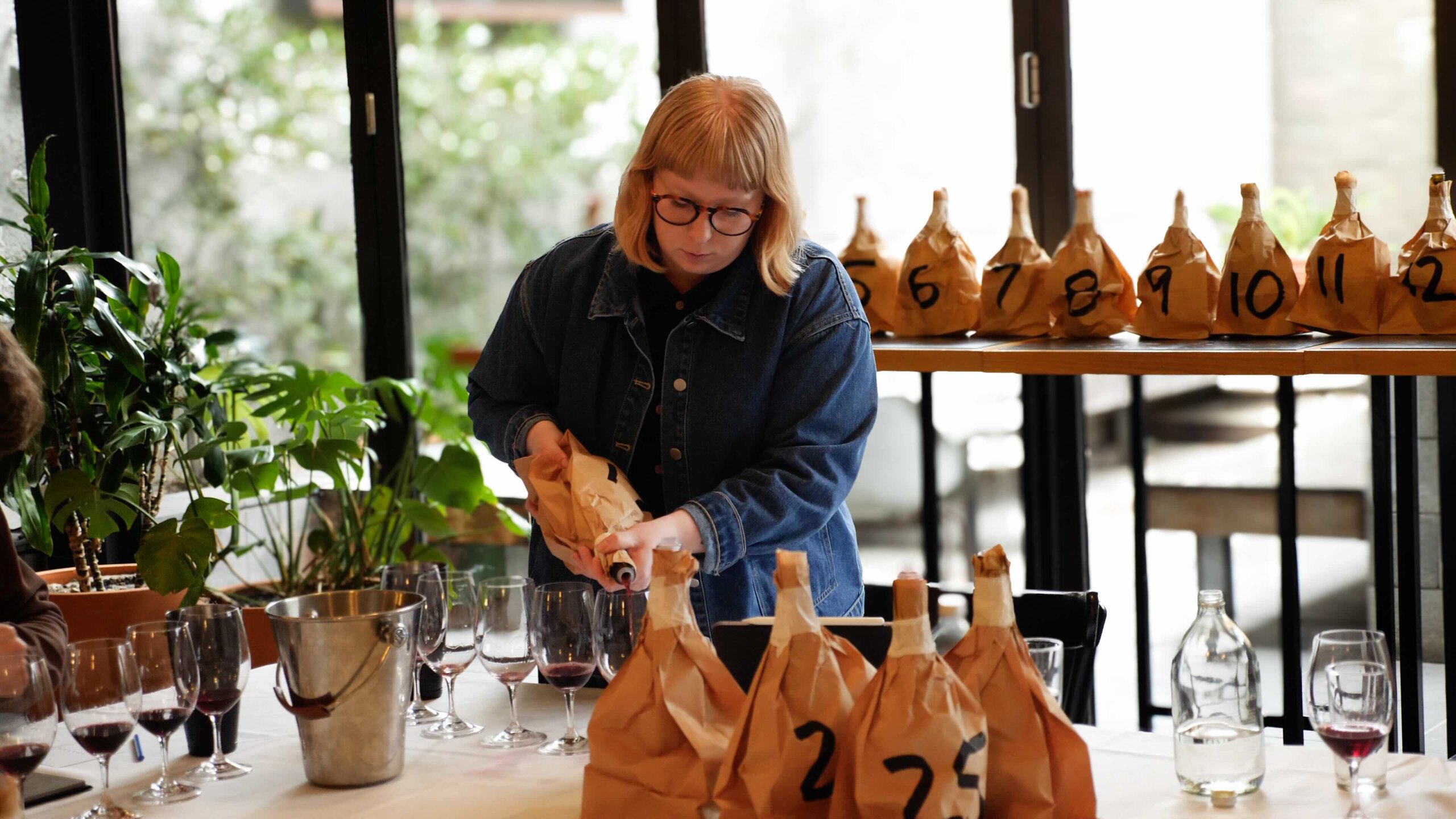
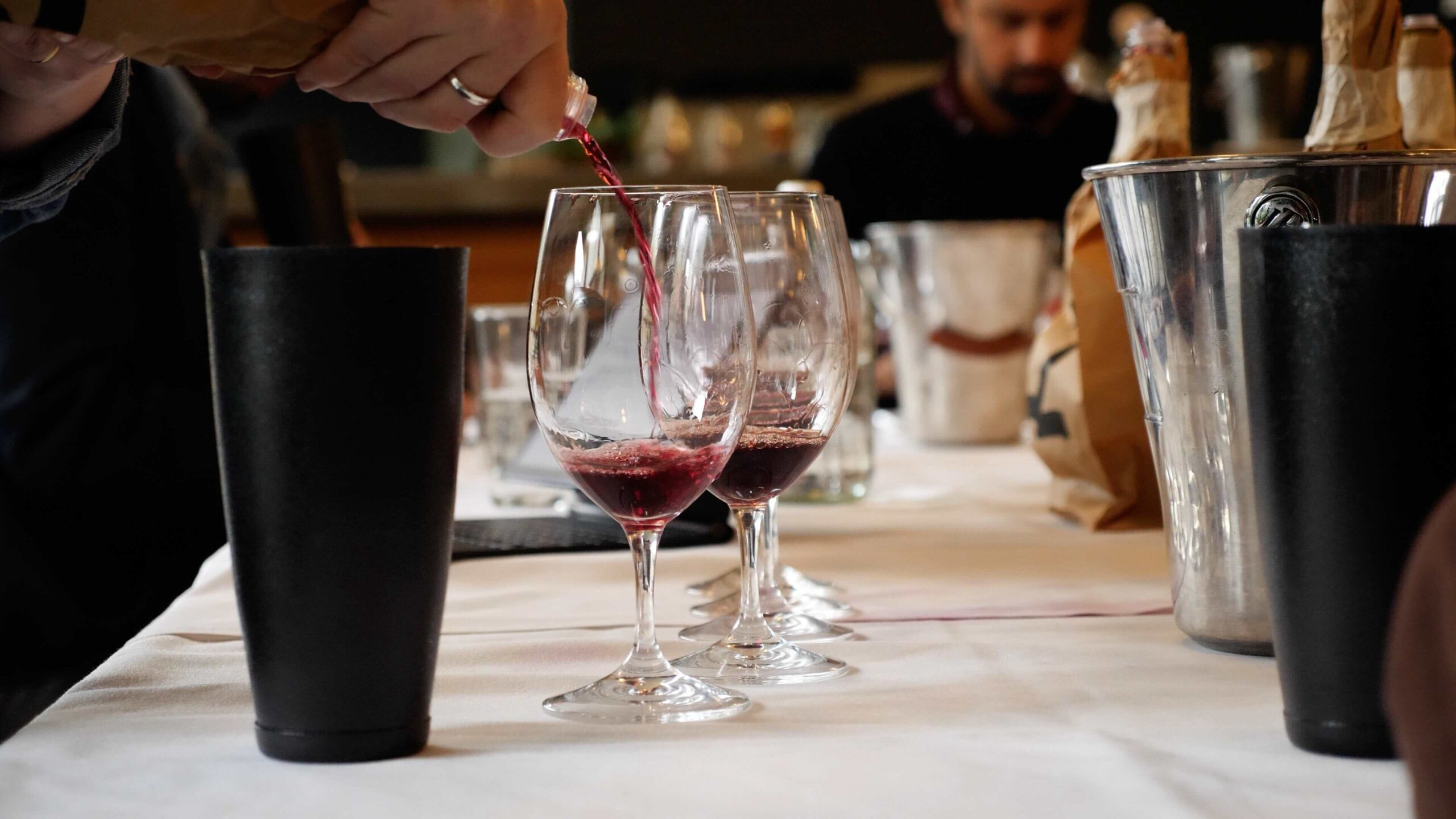
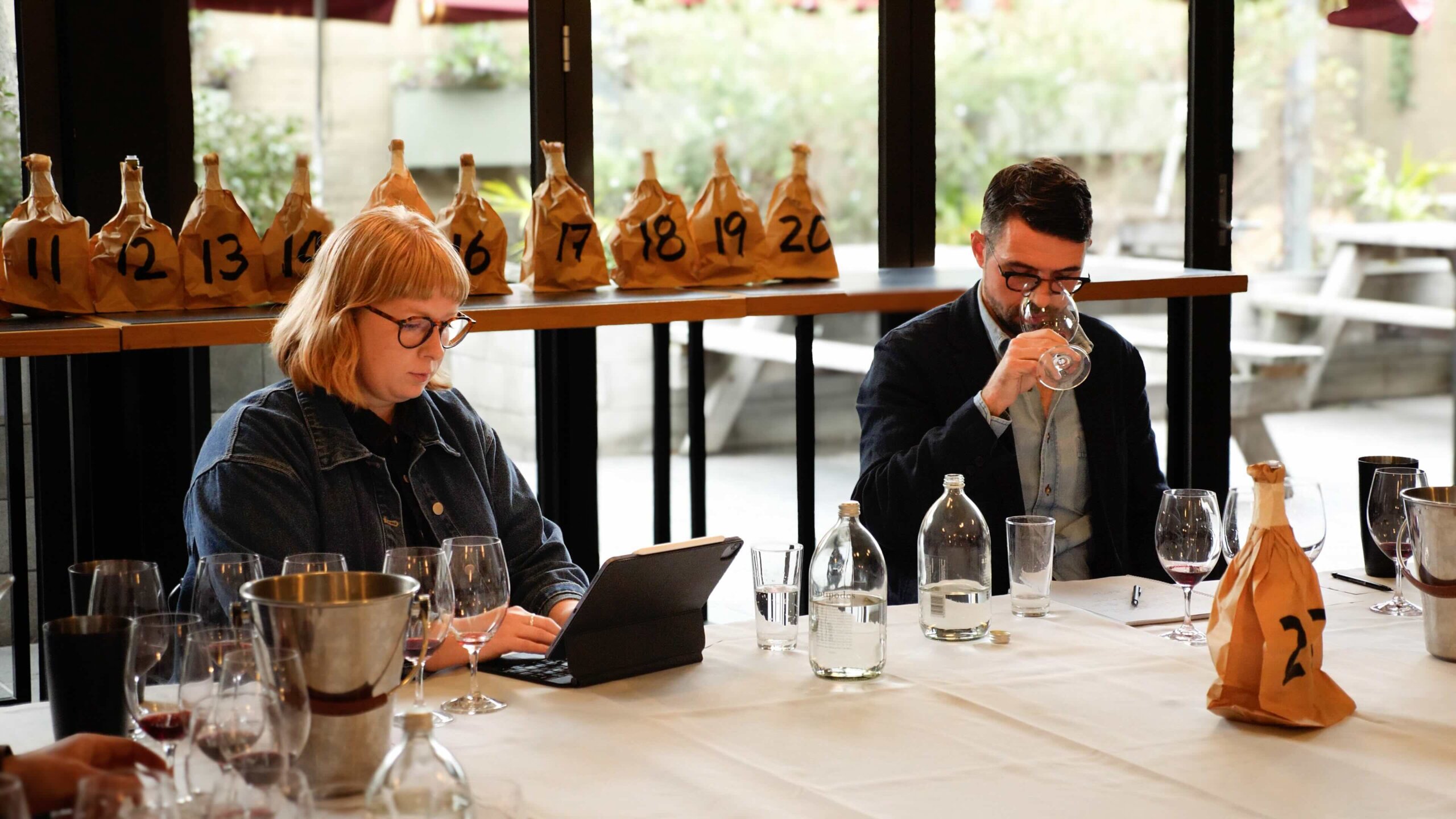
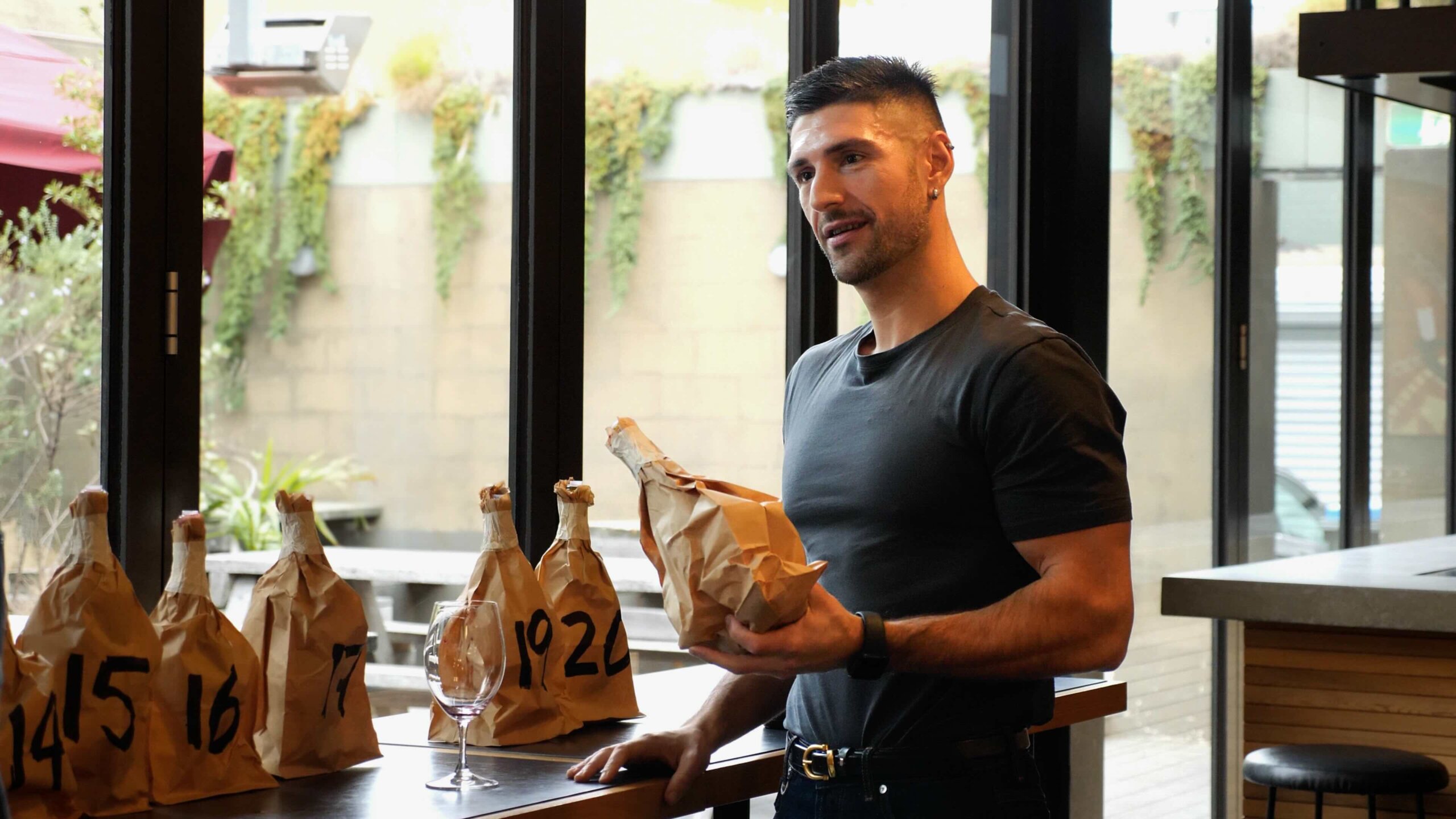
We gathered every Australian mencía we could find and set our expert panel the task of finding the wines that compelled the most. All wines were tasted blind, and each panellist named their top six wines. Below are the wines that made the panellists’ top-six selections from the tasting.
Our panel: Peter Leske, winemaker, La Línea; Nicola Reid DipWSET, executive officer, Sommeliers Australia; Jarryd Menezes, sales representative, Alimentaria; Bonnie Spain, senior sommelier, Marmelo; Andrea Infimo, sommelier, Osteria Renata; Elisa Perissotto, area business manager, Red & White; Alexander Gaffey, vineyard operator, Mac Forbes Winery; Jim Mullany DipWSET, wine retailer, Atlas Vinifera.
From the Deep Dive
See more in The Outtakes below.
See more in The Outtakes below.
See more in The Outtakes below.
See more of The Top Wines below.
The Top Wines
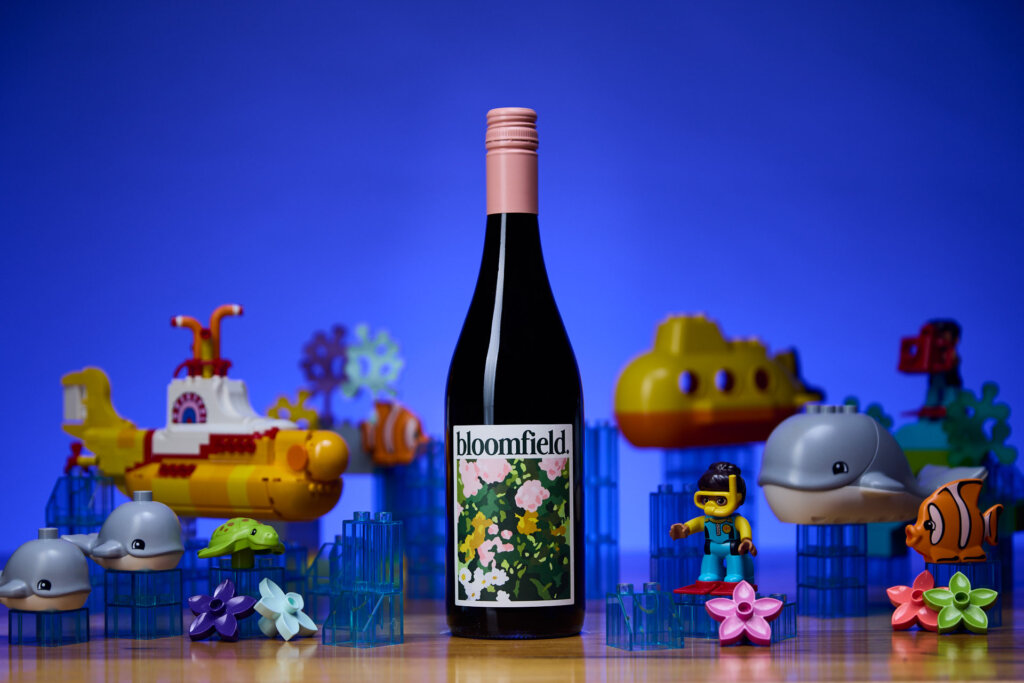
2024 Bloomfield Mencía, Limestone Coast $38 RRP
Selected in the top six by Leske, Spain, Menezes, Gaffey and Mullany, Bloomfield’s 2024 Mencía wowed with its layered fruit, florals and structure. Leske noted its “aromatically powerful” nose of raspberry and Red Ripper lollies, with darker fruit like satsuma and dried plum rounding out a “fleshy and perfumed” palate that lingered impressively. Spain was struck by floral lift – “plum blossom and rose” – and a salivating palate of pink honeysuckle, umeshu, and bright citrus. Menezes praised its complexity, with blackberries and cherries layered over red liquorice and pomegranate leather, elevated by “fresh acidity” and a touch of oak spice. Gaffey was impressed by its true varietal character and fine tannin structure, calling it “medium-bodied joy.” Mullany called it “vivacious,” full of sour cherry, mint, and blueberry, evolving beautifully with each swirl.
2023 Muto Mencía, Riverland $22 RRP
This was a favourite for Menezes, Infimo, Spain and Gaffey, each praising its elegance and playful vibrancy. “If wine could be bottled as perfume, this would be the one,” said Menezes, struck by a seasonal arc of flavours from summer cherries to autumn plums and earthy winter beetroot, all wrapped in a velvety, savoury frame. Infimo found it delightfully pretty and light, with “roses, poppy, pomegranate and redcurrant” meeting Aperol-like bitters and white pepper. A gentle sourness brought charm rather than flaw, with Infimo calling it “a wine of prettiness rather than structure – a winner.” Spain highlighted a mix of dried fig and apricot over strawberry and cranberry freshness – a “very delightful mid-afternoon style,” ideal for a park wine. Gaffey picked up bunchy whole-bunch notes of raspberry and strawberry with a eucalyptus edge, describing it as “delicate, light to medium-bodied,” and “so easy to drink.”
2023 Ministry of Clouds Mencía, McLaren Vale $38 RRP
Perissotto, Reid and Leske all found something quietly profound in this wine, which was selected in their top six. For Perissotto, it was a springtime explosion of roses and violets with vibrant acidity and a savoury layer of olive, green pepper and peppery spice – “the perfect binomial of savoury and supple fruit.” Reid admired its restraint, with savoury tones of sarsaparilla and bitter leaves woven into blueberry skin tannin – “a graceful navigation of mencía’s hallmarks.” Leske appreciated how it unfolded over time, revealing redcurrant and garrigue over peppery hints, calling it a “palate” wine that was “ripe yet cool in unison,” and ultimately “beautifully balanced, long, fine, and dry.”
Selected in the top six by Infimo, Spain, Leske and Mullany, this wine – one of the two first Australian mencías on the market – was a standout for its depth and generosity. Infimo described it as “inky and stainy,” with ferrous and earthy notes giving way to rose petals, dark plum and juicy boysenberry. “Ripe and plush,” he said, “with dusty tannins, fresh acidity and a hint of chocolate on the finish.” Spain praised the interplay of fresh and rich fruits, noting “tangerine, blackberry and cracked pink pepper” on the nose, and “poached rhubarb, quince and blood plums” on the palate. Leske called it “one of the more generous wines of the day,” full of cherry and plum compote, yet balanced by savoury acidity and gritty tannins. Mullany loved its “alluring and rich nose” of blackberry, wine gums and sarsaparilla, with velvety tannins and freshness. “A warm, plush and welcome expression of the variety.”
2024 Hither & Yon Mencía, McLaren Vale $33 RRP
Selected in the top six by Leske and Perissotto, this wine – the inaugural mencía release from Hither & Yon – stood out for its harmonious blend of ripe fruit and savoury detail. Leske was drawn in by its “beautiful purple hues” and a complex bouquet of “vanilla spice, dried herbs and earthy hints,” calling it “fresh and bright, yet complex.” He praised the palate as “dense and dry, in all the good ways,” with gritty tannin supporting sweet fruit and delivering impressive length. Perissotto highlighted “blueberry lifted by vibrant acidity,” with tannins that were “beautifully integrated – present and persistent, yet never overwhelming.” She loved its “graceful transition from fruit to meatier layers and leather,” concluding, “you only realise how easy it was to drink when the bottle is empty.” Spain took a moment to unpack the wine’s “wild journey,” starting with sweet, confected notes reminiscent of “wine gums,” then finishing with rosehip tea, sumac and coriander seed. “A mencía for all seasons,” she said – equally suited to charcuterie or poolside sipping with a chill.
2023 CRFT ‘Schmidt Vineyard’ Mencía, Barossa Valley $33 RRP
Spain, Gaffey and Infimo all found plenty to admire here. Spain called it “my style of mencía” – savoury, structured and reminiscent of her favourite Spanish examples. “The mid-palate complexity blew me away,” she said, with “blood orange, mandarin rind, black plum and red apple skin,” balanced by fresh herbal notes. Gaffey found the nose “reserved at first,” but it unfurled with cherry, strawberry, clove and anise, and he enjoyed the palate’s “delicate, silky” texture and “drying talc-y tannic finish.” A hint of volatile acidity didn’t distract from its bold finish of wild game and iodine. Infimo noted “a very appealing bouquet” of pot pourri and sour red plum, praising its light-to-medium palate for its “balance between freshness and decadence, and between sweetness, sourness and savouriness.” “An imperfect wine that is a joy to drink,” he said.
2020 Quartz Hill Mencía, Pyrenees $35 RRP
Infimo and Gaffey both placed this older example – made for Quartz Hill by Young Gun of Wine Award winner Owen Latta, and their current release – among their top wines. “The slight garnet tinge gave it away,” said Infimo, who loved the “subtle balance between tertiary decadence and freshness.” Notes of dried rose, white pepper, charcuterie and white truffle joined sloe berry and mountain herbs, with a palate of both “fresh and dried” fruit. “Remarkable acidity keeps it lively – a wine of elegance and delicacy.” Gaffey admired how it wore its age, saying it “balanced deep blueberry and blackberry with classic stewed strawberries.” He noted that the oak “complemented the violet florals and added earthy undertones,” and praised its green, fine tannins for providing extra length. “A great reflection of Australian mencía,” he said – “I kept revisiting this wine.”
2024 Berg Herring Mencía, McLaren Vale $37 RRP
Selected in the top six by both Mullany and Reid, this was praised for its balance and harmoniousness. “Returning to the glass, time and again, this strikes me as a wine of harmony,” said Mullany, who saw notes of red cherry, alpine strawberry and rose petals in the wine alongside “hints of eucalyptus, amaro and clove.” He praised the wine’s “mouth-filling and round” fruit and its “fine powdery structure” with a “long, fine finish”. For him it was “A Goldilocks wine – wonderful.” Reid tasted notes of violets, morello cherry, red apple skin, and figs, with “a delicate amaro-like edge”. She praised the wine’s “bright and well-harnessed” acidity, its “gliding tannins” and “elegant flow” across the palate: “Expressive, balanced, and joyous.”
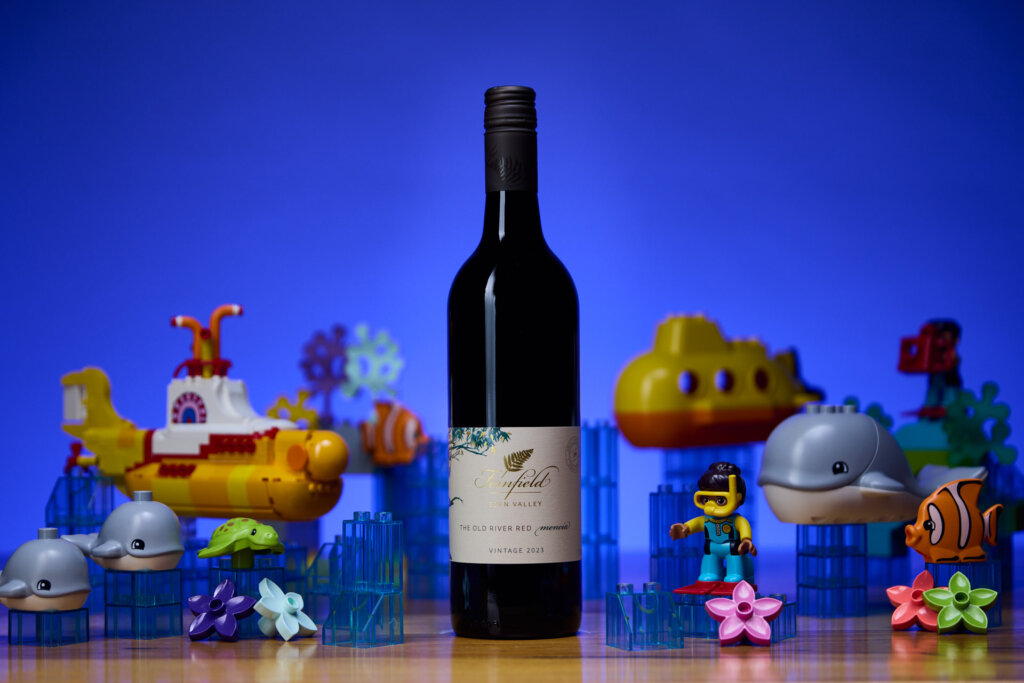
2023 Fernfield Mencía, Eden Valley $41 RRP
Leske, Spain and Mullany each selected this wine in their top six of the day, praising its vibrant charm and savoury structure. “One of my favourite aroma descriptors for tempranillo is ‘cola’, and here it is in mencía,” said Leske, who also noted lifted raspberry, fresh cherry and spice, with firm tannins driving a savoury finish. Spain highlighted a peach tea quality, with sweeter fruits of stewed rhubarb, yellow peach and mandarin balanced by dried oregano and a “lovely length and intrigue.” Mullany described a “lively mouthfeel,” with “delicate cranberry, red cherry, Lorraine Lee rose and sea salt,” recommending it lightly chilled on the beach: “Happy days.”
2021 Bassham Mencía, Riverland $30 RRP
Menezes and Gaffey both named this among their top picks from the blind tasting. “It’s basically an adult fruit salad in a glass,” said Menezes, calling out juicy blackcurrants, ripe damsons, velvety boysenberries and red cherries, all dusted with spice and carried by vibrant acidity and supple tannin. “I’ve got a roasted rack of lamb with this wine’s name on it.” Gaffey found it slightly more developed than others, with florals, spice and leather in balance. “The oak use wasn’t heavy-handed,” he said, noting plum, blueberry and strawberry with anise spice and a pleasing touch of volatile acidity: “So moreish.”
2023 Wangolina Mencía, Limestone Coast $30 RRP
Perissotto and Gaffey both included this in their top six selections. “It’s the kind of red that defies convention,” said Perissotto, praising its grace and intrigue, with aromas of candied cherry, ripe plums and violets, plus fine tannins and pungent black pepper. “You’d happily enjoy it with grilled prawns or smoky octopus – the perfect Galician lunch.” Gaffey agreed on its charm, calling it “so smashable” with dark cherries, tart raspberry, clove and nettle. “The acid gives great length,” he said, with a drying finish and floral-spiced nose that “keeps luring you back for more.”
2022 La Línea Mencía, Adelaide Hills $32 RRP
Mullany placed this wine – one of the two first Australian mencías on the market – among his top six wines of the tasting, drawn to its clarity and character. “A nuanced and pretty mencía,” he said, with “redcurrant, red cherry, crushed rock and cinnamon.” He praised its savoury edge from a sage-like character, vibrant acidity, and texture: “It strikes that important chord between ripeness and vitality … a testament to mencía’s deserved place in the Australian landscape, drawing energy from the soil. Bravo!”
Reid rated this as one of the standout wines in her top six, describing it as a “compelling reason” for mencía’s hopeful rise in Australia. “Unfolds with morello cherry, blood orange, pomegranate and blueberry,” she said, highlighting its herbal complexity from tomato leaf, balsamic and olive brine. “Fresh and earthy, with ripe tannins and finely tuned acidity.” She added, “This wine makes me want to slow-roast a pork shoulder – or, at the right time of year, go foraging for some pine mushrooms … mencía and mushroom are a perfectly earthen pair!”
Menezes counted this among his top six, describing it as a wine that “captures the vibe of camping in summer rain.” He noted a brooding, earthy personality with “aromas of wet forest floor and underbrush” mingling with “black cherries, lush mulberries, and dark elderberries,” all lifted by gentle spice and smoke. “Cozy, grounded, and just a little bit wild,” he said. “A wine that invites you to slow down and take it all in.”
2022 Somos Mencía, Adelaide Hills $33 RRP
Both Reid and Menezes placed this in their top six from the blind tasting. Reid called it “quietly captivating,” with “finely captured acidity bringing lift and precision,” alongside savoury elements, redcurrant and cranberry skin, and gentle floral highlights of violet and lavender. Menezes praised its transparency and wild fruit expression – “blueberries, bramble berries, black figs and blackcurrants” – wrapped in a gamey, savoury profile. “Almost begs for a slow-cooked lamb shank or confit duck,” he said. “There is still brightness … like the Yakuza gangster in The Simpsons – silent, until it hits. And when it hits, it hits perfectly.”
2024 La Línea Mencía, Adelaide Hills $32 RRP
Infimo and Menezes both featured this, the younger of the two La Línea wines, in their top wines of the day. For Infimo, it was “gently aromatic, fresh and vivacious,” with hibiscus, iris and rose florals over wild berries, a sloe-berry-meets-aniseed edge, and “filigreed tannins and lively acidity” giving it “a very enjoyable lighter, fresher” profile. Menezes admitted a “huge soft spot” for it: “This is my kind of picnic wine – juicy and fruit-forward, but with structure and intrigue.” He highlighted “sun-ripened strawberries, juicy redcurrants, and tart raspberries,” calling it “confected, almost glossy,” and dubbing it “the most smashable wine of the day.”
2024 Varney Wines Mencía, McLaren Vale $35 RRP
Mullany ranked this in his top six, praising it as “an ethereal wine” with “perfumed ripe strawberry and bouquet garni.” He was especially taken with the silky tannins and seasoning of rosemary and allspice that framed the fruit. “This one’s for pinot drinkers looking for a new Australian classic,” he said. “Drink outdoors in dappled light with jamón ibérico and figs.”
2024 University of Adelaide Mencía, Adelaide Hills $15 RRP
Reid and Perissotto both picked this wine – made by the staff winemakers at the University of Adelaide’s Waite Campus winery – in their top six, impressed by its aromatic lift and clarity of fruit. Reid found it “vibrantly floral,” with “damson plum, blueberry, and morello cherry underscored by a savoury beetroot earthiness” and a herbal note of “mint, rosemary and bay leaf.” Perissotto praised its “seductive blueberries and black fruits” and described it as “ethereal-yet-dense,” with a focus on “freshness, fragrance and a thoughtful hand in the winery.” She summed it up as “very fruit-focused … a warm, expressive style where simplicity lets mencía’s varietal character speak clearly.”
2023 Olive Farm Mencía, Swan Valley $42 RRP
Perissotto and Reid both ranked this among their top wines of the tasting, noting its balance of familiarity and intrigue. “This one really hit home for me,” said Perissotto. “The exotic cola character alongside the traditional dark fruit of mencía is so distinctive… It has its own unique bouquet, but it’s still so unmistakably mencía.” She noted layers of dark red fruits and cola, a lift of rhubarb, and a meaty savouriness framed by significant tannin and a lingering smoky depth. Reid highlighted its “savoury and earthen profile” and “rustic complexity,” finding bramble fruit, tomato leaf, olive brine, and pepper laced with eucalyptus. “Lifted acidity” pulled the wine together into a complex, compelling expression.
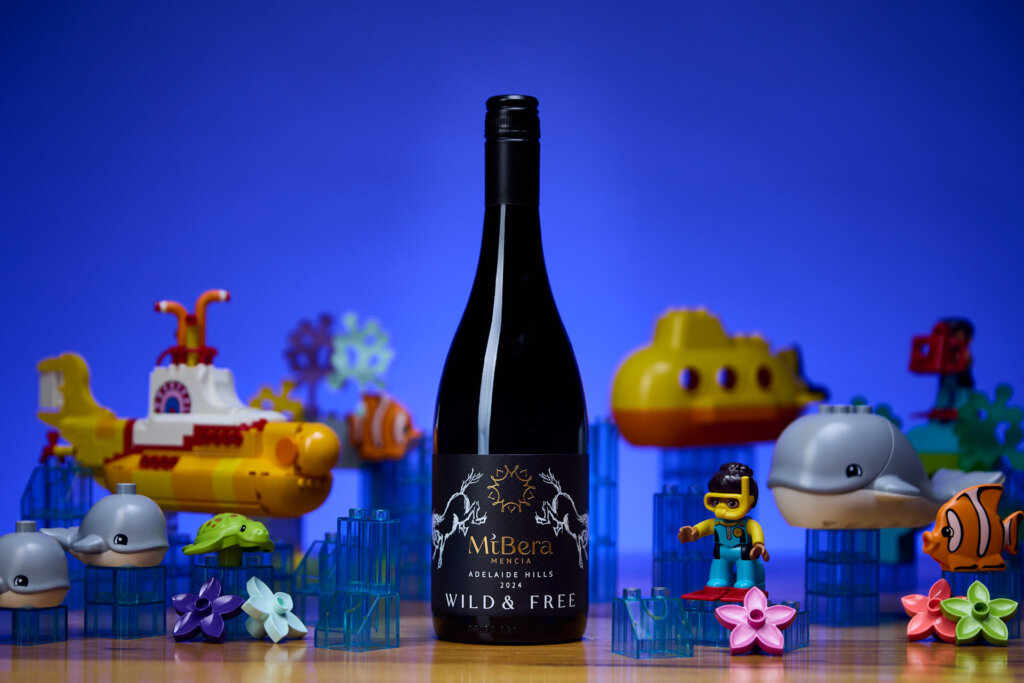
Perissotto nominated this wine – the inaugural mencía release from Mt Bera Heritage Estate – as one of her top picks, describing it as a quintessential introduction to the variety: “It’s the perfect ‘business card’ for the variety – the wine to pour for someone who’s never tried mencía before. They’ll absolutely fall in love!” She praised its concentrated core of black cherry and blackberry compote, framed by a subtle meaty edge and an earthy, ashy graphite lift. Savoury and muscular yet vibrant and approachable, this wine delivered a bold, clear statement of purpose.
2023 CRFT ‘Wild South’ Mencía, Barossa Valley $33 RRP
Infimo singled this out as one of his top six, captivated by its old-world echoes. “We don’t want to make comparisons,” he said, “but this wine is very much reminiscent of a mencía from Bierzo or a syrah from Saint-Joseph.” Florals of crushed violets and iris were layered with mountain herbs, bay leaf, and a reductive, mineral edge – wet rock and mica. Fruit sweetness was subtle, letting freshness and savouriness take the lead. With chewy, fruit-coated tannins and a structured, medium-bodied form, this was a wine of texture and tension.
2023 Red Edge Mencía, Heathcote $50 RRP
Leske included this among her top wines of the day, proving that charm doesn’t require complexity. “It proves the point that neither size nor complexity are necessary for quality and enjoyment,” she said, noting its peppery hints and “cool in feel yet sweet-fruited” nature. Aromas of black tea, garrigue, and fresh raspberry led into a restrained yet flavourful palate that built to a persistent peppery finish. A lively, food-friendly style, he pictured it with a dish of salmorejo topped with jamón ibérico – simple, satisfying, and spot-on.
The backstory
The Iberian red wine variety mencía is a recent arrival to Australia, first landing in our vineyards just over a decade ago. But in that short amount of time it has made quite a name for itself as a leading candidate for ‘next big thing in alternative varieties’ status, thanks to its medium body, its balance of fruit and spice characteristics, and its food-friendly nature. Interest in the variety from winemakers and sommeliers is trickling through to Australian wine consumers, too, who are slowly finding themselves beguiled by the variety’s slightly chameleonic and mercurial nature.
Mencía’s ancestral home is in the north-west of the Iberian peninsula, in the broad region around the northern end of Spain’s border with Portugal (where the variety is known as ‘jaen’). While DNA analyses by different groups of researchers offer competing arguments as to which country should own the variety’s precise origin, it’s fair to say that in terms of volume it’s more Spanish than Portuguese, with over 10,000 hectares of mencía planted in Spain (mostly in the regions of Bierzo, Valdeorras and Ribeira Sacra) and just over quarter of that figure planted in Portugal (chiefly in the Dão region).
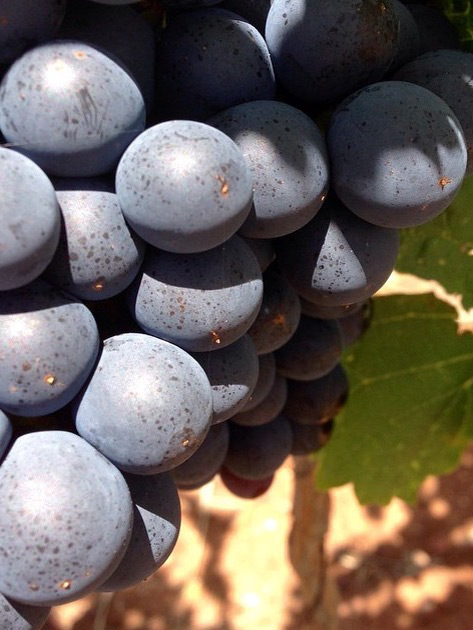
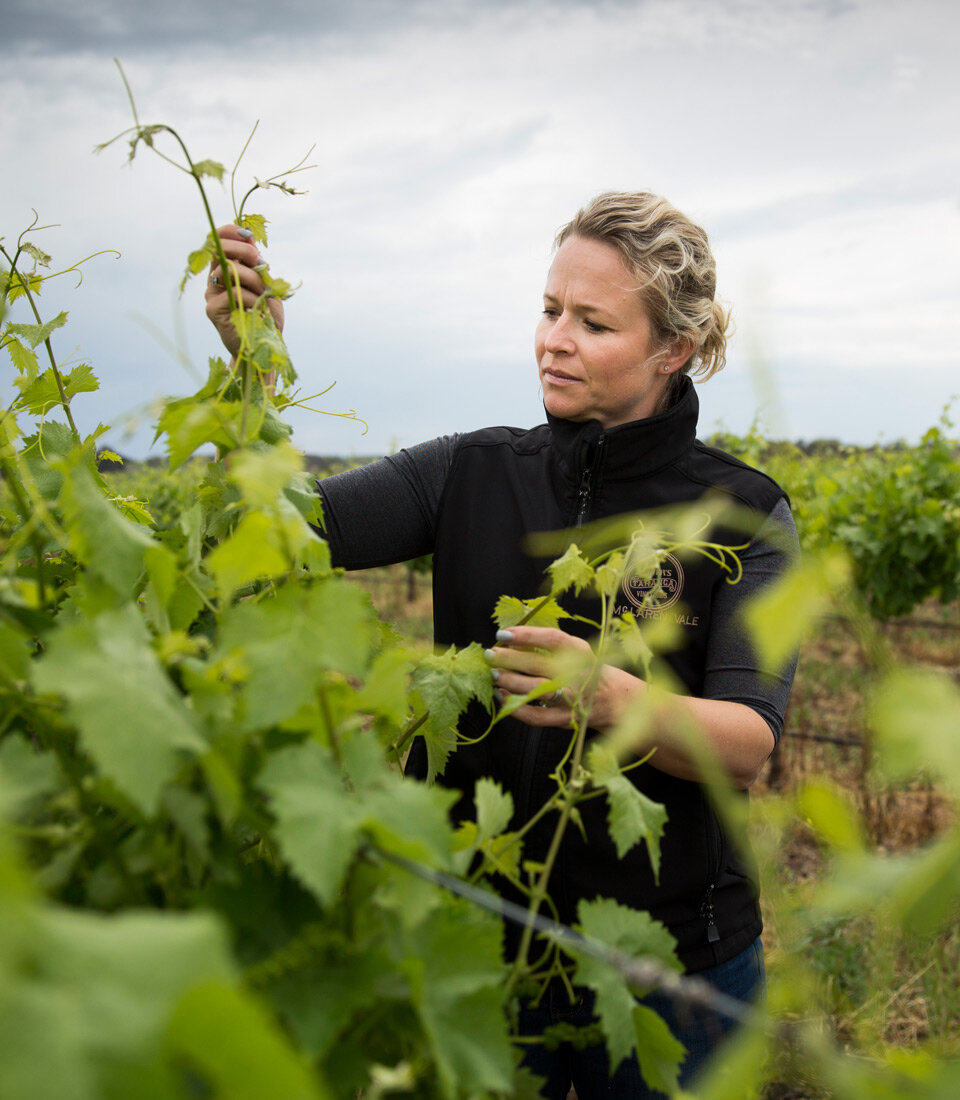
Above and opposite: mencía grapes at Oliver’s Taranga vineyard, McLaren Vale – the first vineyard in Australia to plant this variety.
Although mencía has been growing in the Iberian peninsula for quite some time, and now makes some of Spain’s most highly-regarded wines, it hasn’t always had an easy time of things, and came close to being relegated to the status of local curio best used in jug wines. How mencía lost its mojo, then regained it, is a tale of war and redemption – one that takes in some pivotal moments in twentieth-century history and has been shaped by many of the most important trends in wine culture over the past four decades.
A not-so-civil war
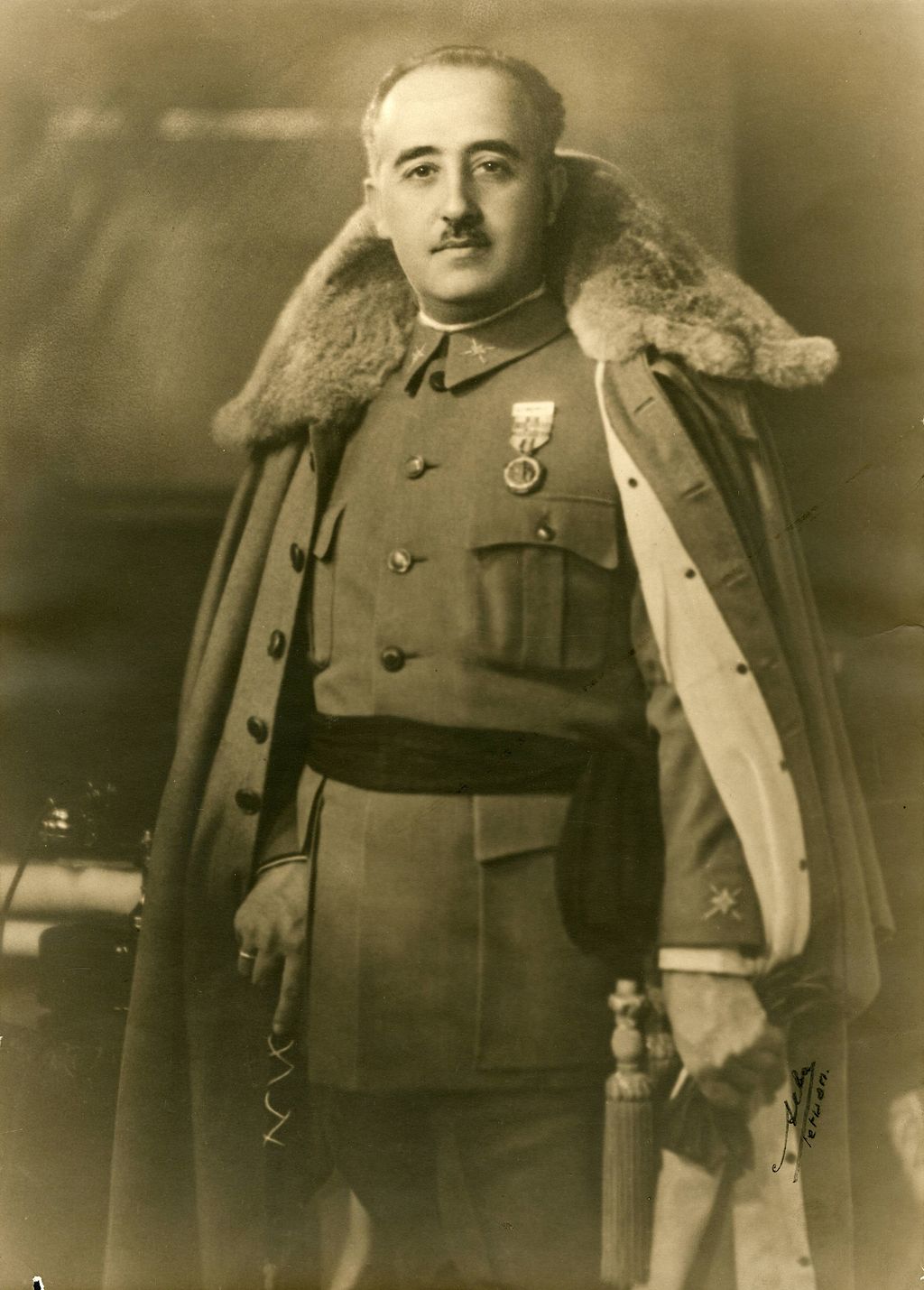
The Spanish general Francisco Franco Bahamonde probably didn’t intend to profoundly change Spain’s wine industry when he met with a group of right-wing military conspirators in a forest on the island of Tenerife to plot the downfall of the second Spanish Republic in June 1936. His aim was more mundane, and deadly – to wrest control of Spain from the ruling left-wing government, which he saw as the agents of a conspiracy lead by Bolsheviks, Freemasons and Jews to destroy Christian Europe. An attempted coup lead to a protracted and bloody civil war, in which Franco’s Nationalists – backed by military forces supplied by Nazi Germany and Fascist Italy – eventually prevailed. Having installed himself as ruler at the end of the war in April 1939, and with very little to mitigate his power, Franco set about remodelling Spanish society to suit his ultraconservative, nationalist vision – killing approximately 200,000 political enemies in the process.
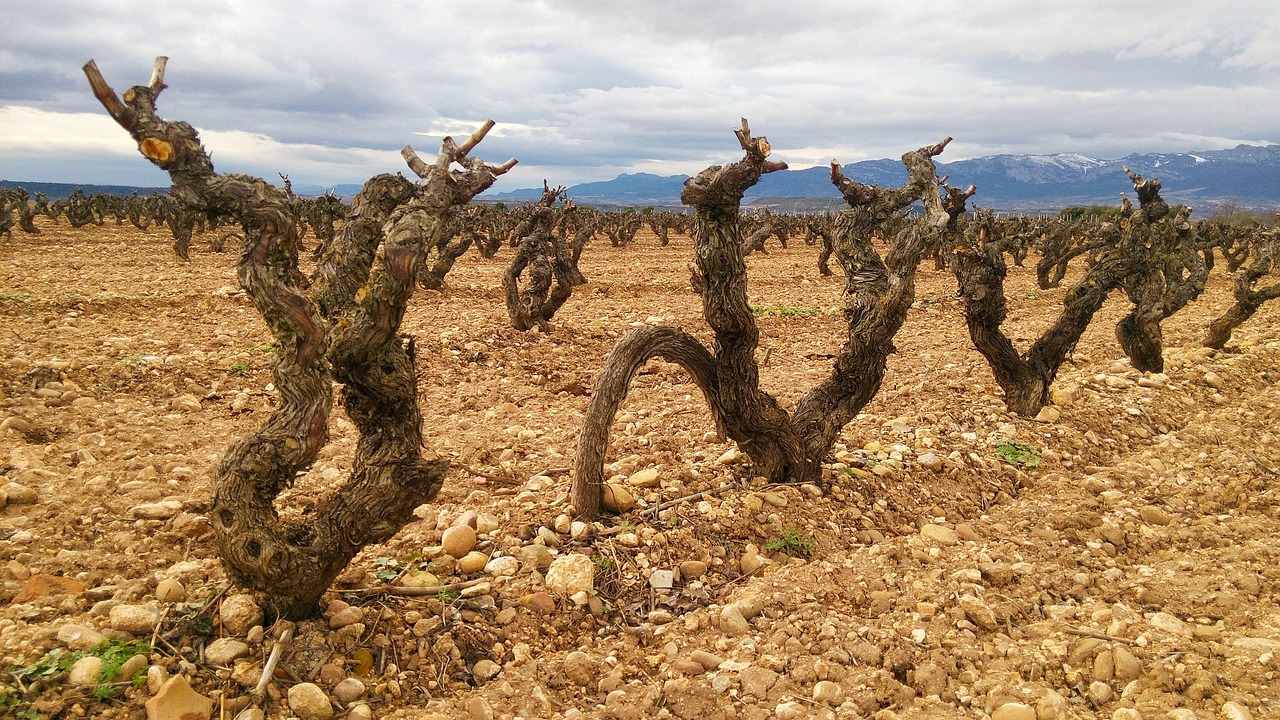
Opposite: Francisco Franco Bahamonde, whose policies decimated the Spanish wine industry, and who is responsible for the deaths of hundreds of thousands of people. Above: gnarled old vines in Rioja – the Spanish wine region least affected by Francoism.
Any dictatorship as brutally repressive and ideologically minded as Franco’s would have to impact just about every sphere of human activity within the country – and Spain’s wine industry was no exception. The fighting in the civil war had been all-consuming, and lead to many vineyards being neglected or becoming collateral damage, in turn halving Spanish wine production over the course of the war, and reducing wine exports to one-sixth of their pre-war levels.
The outbreak of World War II shortly after the cessation of the Spanish Civil War further dampened the industry, even though Spain was officially a neutral party in this conflict. (Franco famously offered to join the Axis alongside Hitler and Mussolini, but asked for more material support in return than they were willing to give.) After the conclusion of World War II, a cadre of conservative bureaucrats installed by Franco planned to revitalise the wine industry by forcing producers to join local co-operatives, which had strict production quotas that strongly favoured quantity over quality in nearly all wine regions (except for Rioja).
“The best-quality local varieties, including mencía, most often were not the most productive, so out they went.”
“Viticulture went, quite literally, downhill,” writes Spanish wine expert Scott Wasley of the Spanish Acquisition regarding this period of Spanish wine history. “Where the best local varieties had always been grown in poor soils on hill-slopes, now vines were re-planted in the fertile soils of the valley floor. Qualitative considerations bent the knee to the quantitative. The best-quality local varieties” – including mencía – “most often were not the most productive, so out they went.” It was a sorry state of affairs that persisted from the fifties until long after Franco’s death in 1975, only beginning to change once Spain joined the European Union in 1986.
Parker comes to Priorat
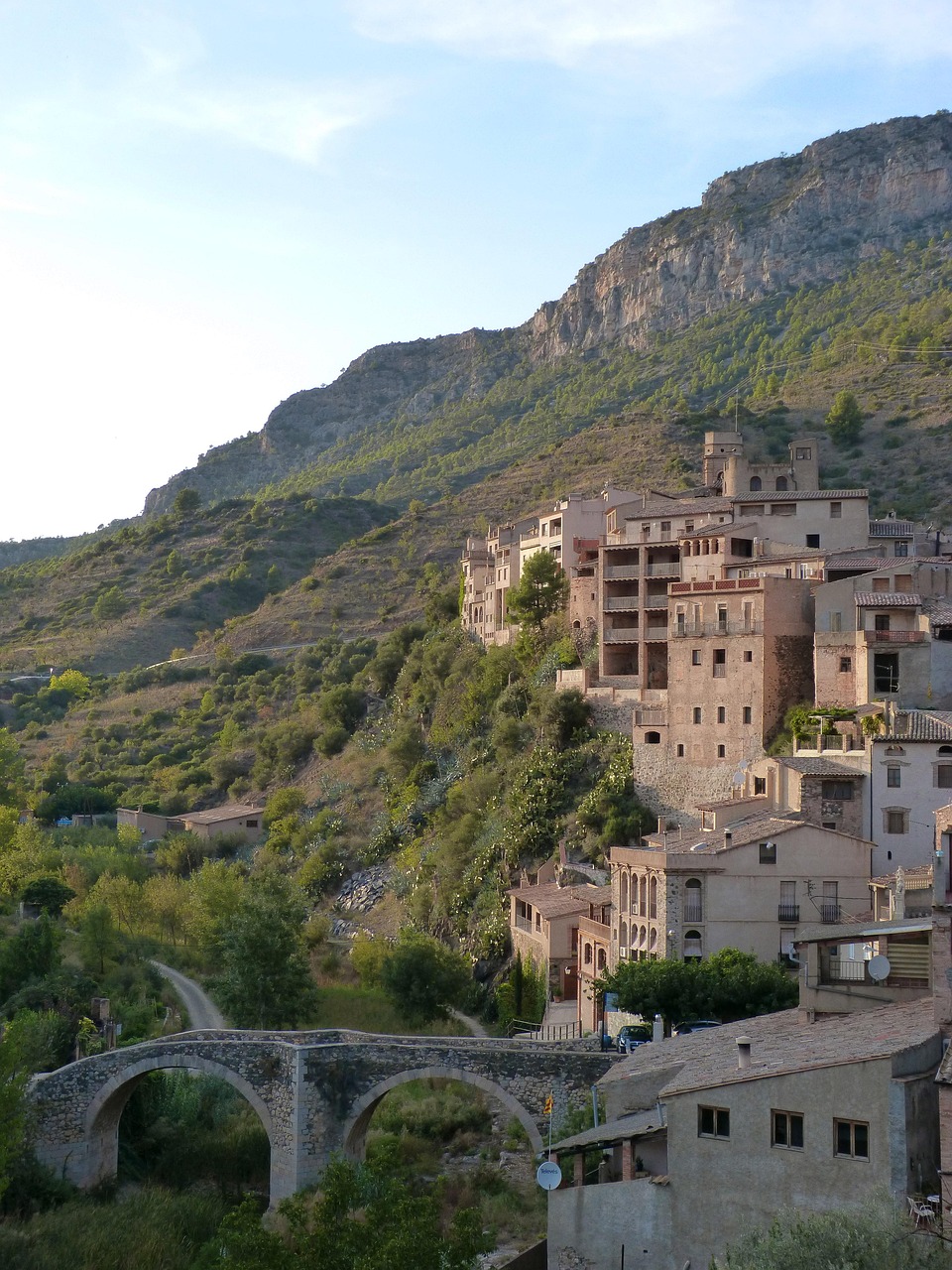
Álvaro Palacios had some experience in resurrecting obscure Spanish wine regions when he arrived in Bierzo to investigate an old parcel of mencía vines in 1999. Just over a decade prior, Palacios had arrived in Priorat, a then-unknown and practically deserted wine region with only 750 hectares under vine and three extant producers located roughly two hours’ drive southwest of Barcelona. Here he had joined forces with a group of likeminded winemakers – Priorat’s ‘Gang of Five’, alongside René Barbier, Álvaro Palacios, Daphne Glorian, Carles Pastrana, and José Luis Pérez – to make, with the 1989 vintage, the first modern wine in Priorat. That’s ‘wine’, singular – so little of Priorat’s original vineyard area was left, and resources there were so scant, that in both 1989 and 1990 vintages the five winemakers collaborated on a single wine and sold their individual portions of it under five different labels.
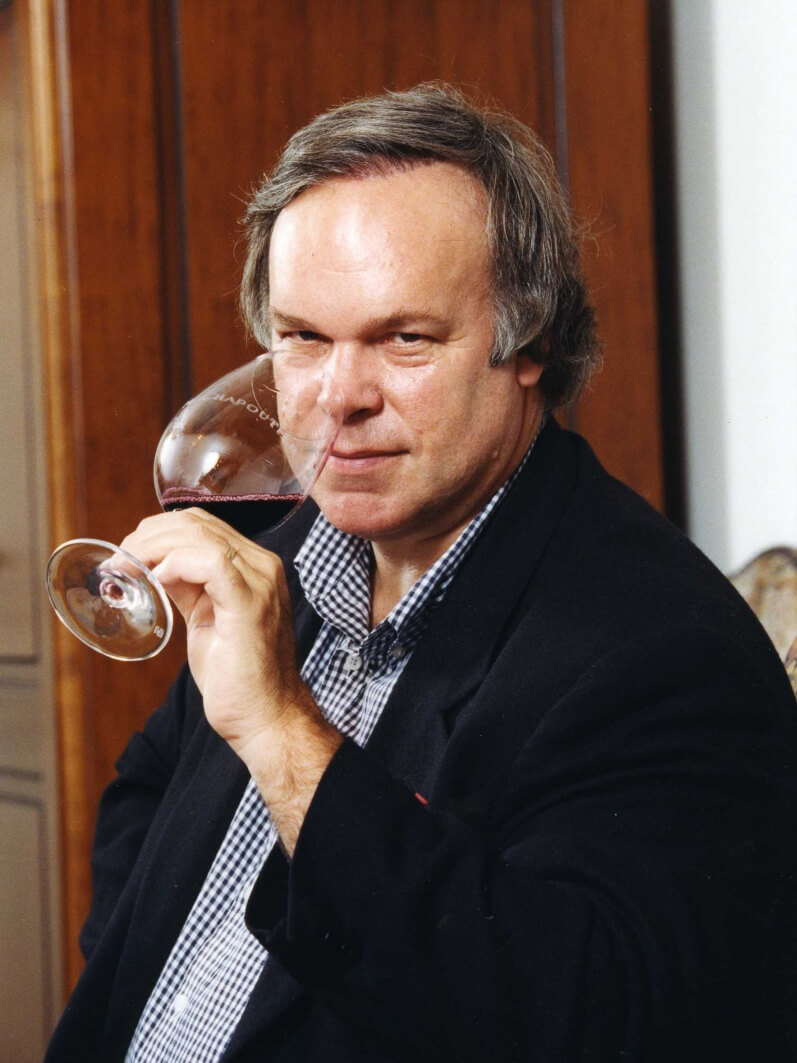
Opposite: Robert M. Parker, Jr. – the man who put Priorat on the map for global wine consumers. Above: Vilella Baixa in Priorat.
It didn’t take the wider wine world long to notice the potential for greatness in Priorat – especially once it was discovered by influential American wine critic Robert M. Parker Jr. While Parker and his publication Wine Advocate had yet to reach the height of their power to make (or break) wine regions for American consumers, he nonetheless had pedigree in elevating certain then-underappreciated regions, such as France’s Rhône Valley, to iconic status – with prices subsequently rising to match the region’s new cachet. After Parker’s early-1990s discovery of Priorat, prices went through the roof, and a gold rush swiftly followed. As Jurgen Wagner of Celler Capçanes in neighbouring Montsant puts it, “By the late 1990s, the football stars, the singers, Gerard Depardieu – all the people nobody needs – were in Priorat because it was hip and they could show off that they could afford to buy a winery”. New vineyards were planted – many to French varieties and clones (including cabernet sauvignon) rather than the local garnatxa and carinyena (region-specific clones of grenache and carignan).
“By the late 1990s, the football stars, the singers, Gerard Depardieu – all the people nobody needs – were in Priorat because it was hip and they could show off that they could afford to buy a winery.”
So when Palacios received a call from his nephew, Ricardo Pérez Palacios, to come and inspect a plot of old-vine mencía in Bierzo, he was therefore in a position to not only recognise and invest in the region’s potential – but also equipped from experience to see the pitfalls of raising a region’s profile without also raising the prestige of its indigenous varieties. Ricardo and Álvaro quickly decided to go all-in on the potential of both Bierzo and mencía, and started releasing small batches of wines from the region with the 1999 vintage. Alongside other pioneers of the variety such as Raúl Pérez (who had been making wine at his family’s Castro Ventosa since 1994 but made his name after striking out as an independent winemaker in 2005), Telmo Rodríguez and Pablo Eguzkiza (who had purchased old mencía vineyards to rehabilitate in neighbouring Valdeorras in the late ’90s), and Pedro Pérez (who took over his family’s estate in neighbouring Ribeira Sacra in 2000), their wines raised the profile of mencía both in Spain and internationally.
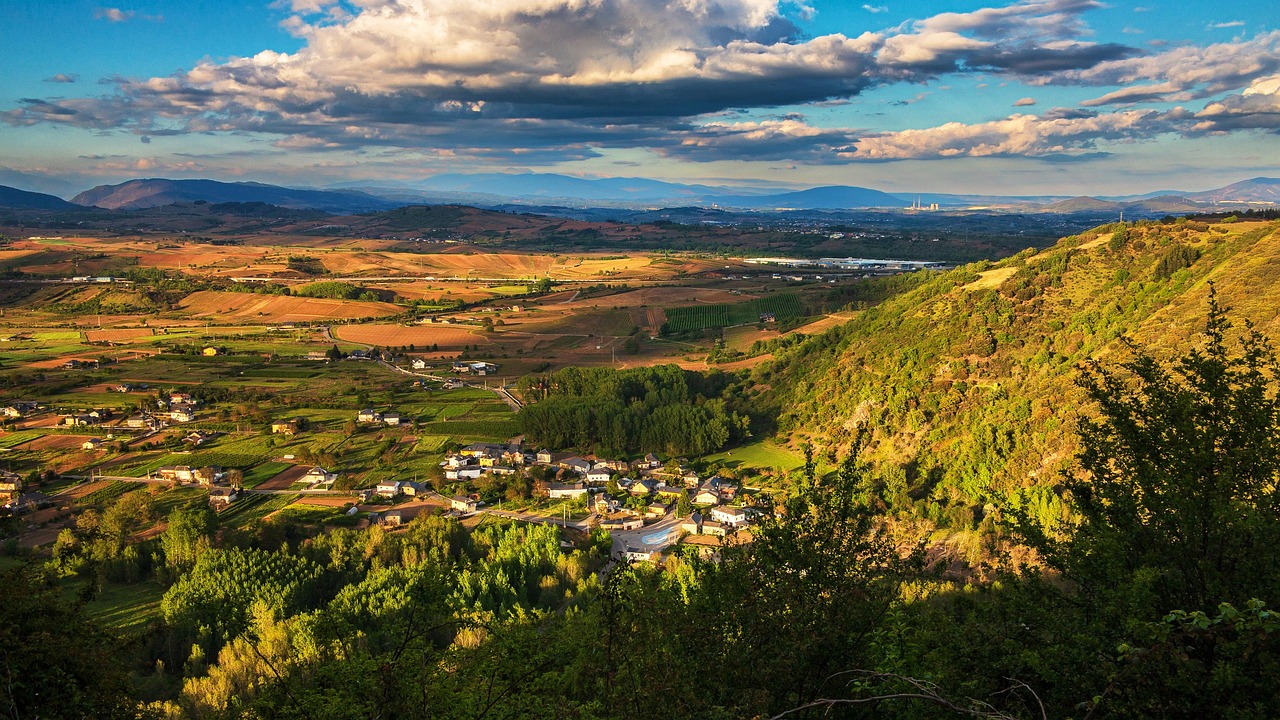
Above: Bierzo, Spain: ground zero for mencía’s revival.
The timing was fortuitous. As a supple, medium-bodied red wine made from an obscure variety, mencía in many ways represented the opposite of the bold, ripe ‘international style’ made from well-known varieties that Parker had popularised – and these wines soon found an appreciative global audience of wine consumers, including Australians, looking for nuance and subtlety rather than power.
Mencía lands in Australia
One such consumer was Corrina Wright of Oliver’s Taranga (and 2007 Young Gun of Wine finalist) who came to plant Australia’s first mencía vines in her family’s McLaren Vale vineyard in 2011. “I had been tasting some Spanish mencías and really enjoyed them,” she recalls. “I think I might have popped them on socials or the like, and then Nick Dry, who was then at Yalumba Nursery, rang me and said ‘We have the first mencía cuttings coming out of quarantine. I saw you like mencía and we don’t have anywhere to plant them out – would you be interested?’. I said yes. We had just pulled out some old chardonnay on some of our most ironstone-rich soils – I knew it wasn’t the same slatey soils or the altitude that made the good wines in its homeland, but thought it would be good to have a crack!”
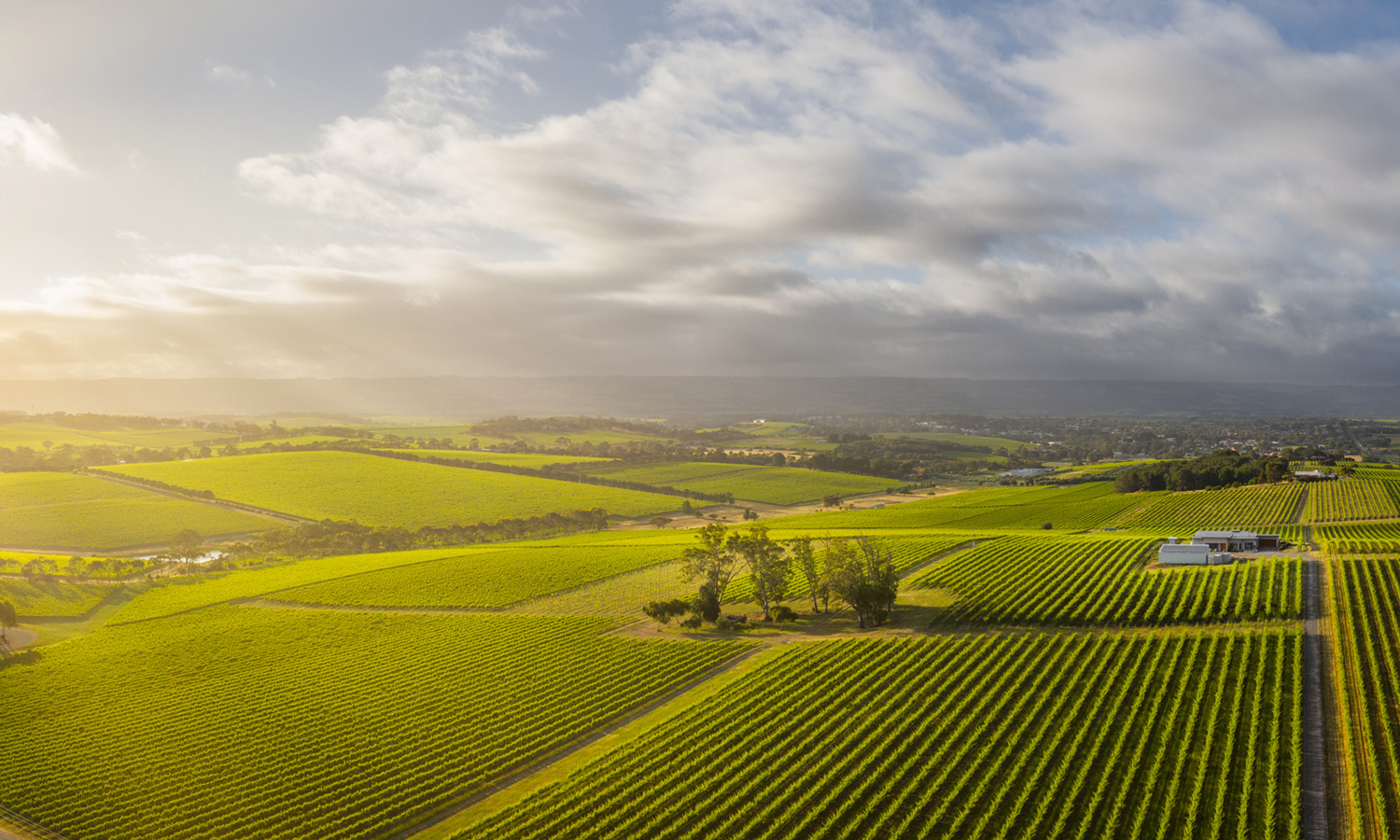
Opposite: Corrina Wright at Oliver’s Taranga vineyard, McLaren Vale. Above: aerial view of Oliver’s Taranga.
Wright’s interest in mencía as a variety stemmed from the balanced profile that the Spanish examples showed. “We were interested in a variety that perhaps sat between the light-to-medium body of grenache and the fully body of shiraz,” she says. “The mencías that I had tasted certainly sat in that space. We had no idea how it would go viticulturally, but we were keen to have a go.” Planting in the variety proved to be logistically challenging, given just how little of it there was in the country. “We had to plant it out over a couple of years, because there isn’t much material to propagate from that you get back from quarantine,” she says. Oliver’s Taranga is now the source block for most of Australia’s mencía plantings.
“We had no idea how mencía would go viticulturally, but we were keen to have a go.”
While Wright first vinified her mencía as a rosé, using carbonic maceration to capture the floral exuberance of the young vines’ first fruit, she soon added a red varietal mencía to the Oliver’s Taranga range, first released with the 2016 vintage – the equal-first Australian varietal mencía wine on the market, alongside Peter Leske and David LeMire MW’s 2016 La Línea mencía. “I leaned into the joven style to begin with – making a bright a juicy style, enhancing the florals, bit of whole berry cab-mac as well,” says Wright. “As the vines aged, the skins got thicker and the tannins stronger, so it is a bit more of a hybrid now between a joven and more traditional red wine style.”
An exciting future
Since those first 2016 wines emerged, mencía has rapidly built a reputation in Australian wine circles as an alternative variety to watch. Wine writer Max Allen captured this zeitgeist in a 2021 article for the Australian Financial Review, writing that “Mencía is perfect for both cellaring and making the ‘drink now’ wine that is so of the moment. That versatility could make it as wildly successful as tempranillo.” While plantings of mencía in Australia are currently very small – so small, in fact, that they are not currently recorded by Wine Australia in their annual vintage reports – interest is growing in the possibilities for the variety in Australia, especially amongst winemakers and sommeliers.
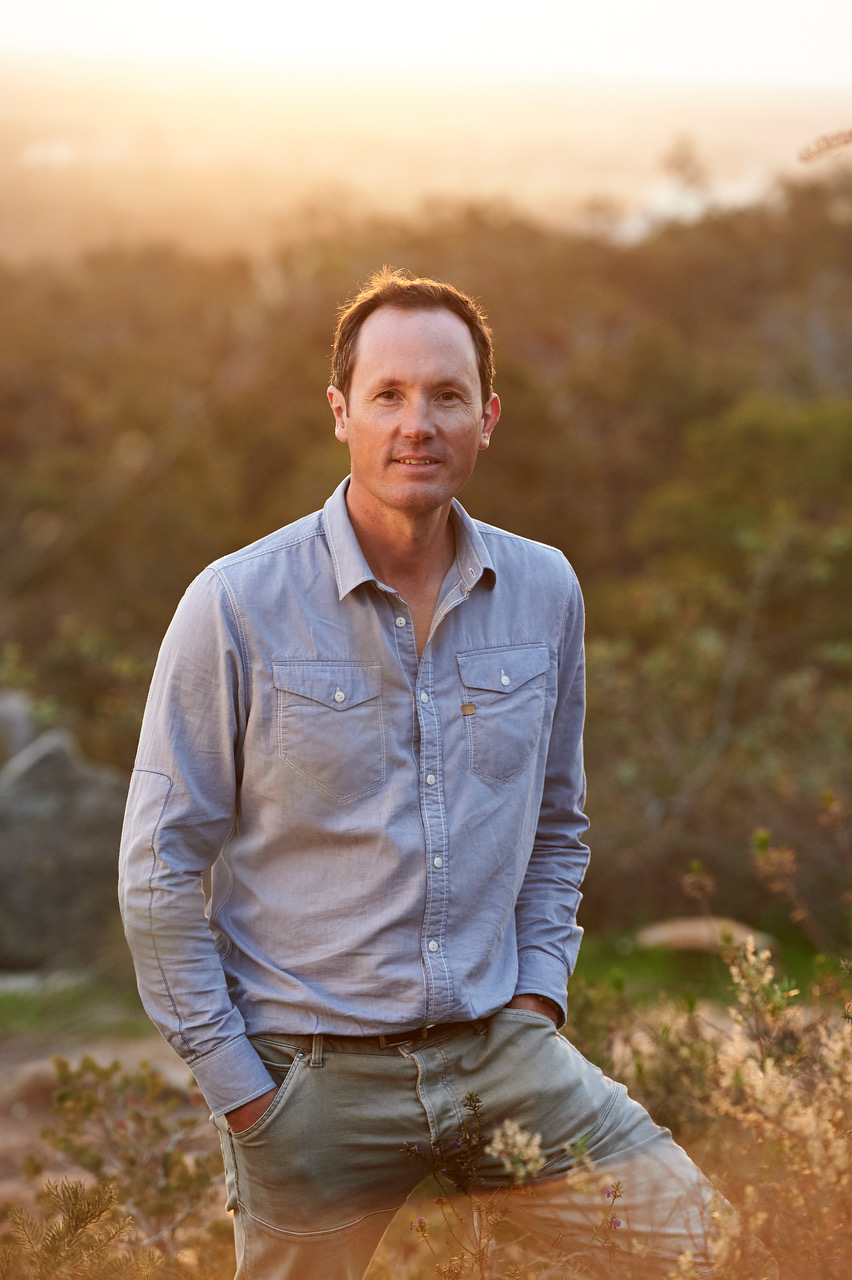
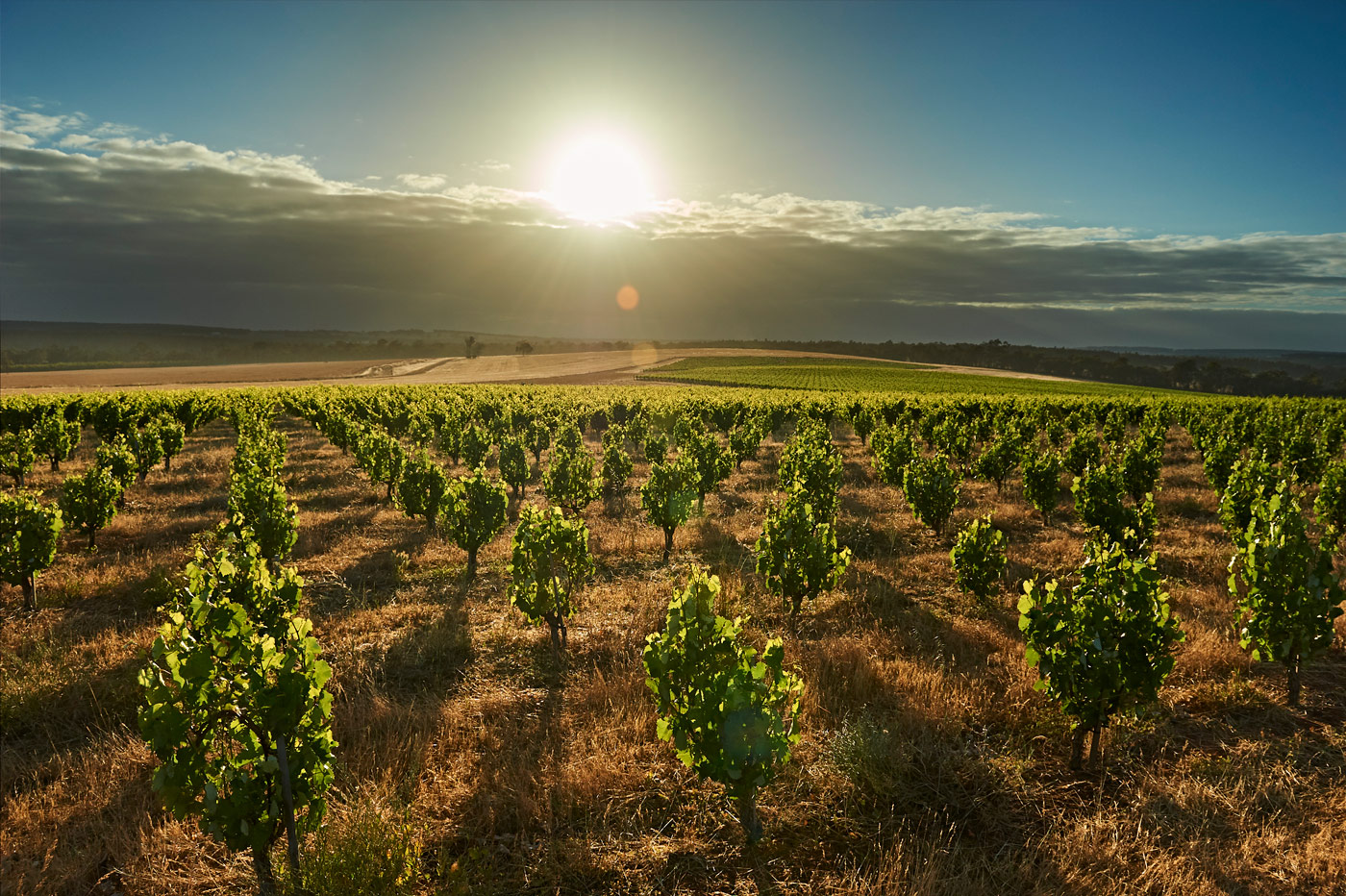
Opposite: Rob Mann. Above: the vineyard at Swinney, Frankland River.
Rob Mann of Swinney, in Western Australia’s Frankland River, is one such winemaker. “When we would sit down and do benchmark tastings of our wines, we would see more in common the wines from Spain than we would from France or Australia,” he says. “So the grenache looked like Priorat, for example, and the mourvèdre looked like monastrell from cooler parts of Spain. So we thought, ‘Well, maybe Frankland has more in common with the wine regions of Spain than those other parts of the world … if that’s the case, what other wines is Spain doing that may well be suitable for Frankland?’” It’s a thought process that lead the Swinney team to investigate mencía as a complement to their extensive existing plantings of tempranillo.
The Swinney viticultural team went on to graft over a single row of shiraz vines to mencía in 2019 – a small number that has since gone on to provide propagation material for more extensive plantings that are currently maturing and should see their first fruit in the next few years. For now, quantities of their mencía remain strictly limited – a single 300 litre hogshead barrel’s worth of wine is produced every year.
“In our groundwork, trying lots of Spanish mencía and Australian examples, I felt that it sits somewhere between syrah and pinot – the spicy blue and darker fruits of syrah, and some of the more perfumed, elegant and textural things you might associate with pinot,” Mann says. “So when we went to make Frankland River mencía, we said ‘Let’s make it, grow it, and harvest it more like the pinot examples than the syrah. We don’t want another lookalike shiraz’.” Despite their intentions, the resulting wine was anything but light – and not all that much like the higher-toned examples from Spain. “The wine had this incredible sort of glossy, vibrant purple fruits and spice and freshness. So it was a bit of a surprise … from our vineyard, we do have this rusty, ferrous mineral line through all of our reds, and we see that in the mencía as well. So I’d like to think it captures a bit of the variety and a bit of the region, as well as the way we’re making it.”
“Picking early to retain acidity and freshness and perfume, still using all the whole bunches, is key – we want to maintain the natural acid that we get.”
For Mann, the challenge with mencía is retaining its acidity. “We’ve found it’s a generally low-acid variety,” he says. “So picking early to retain acidity and freshness and perfume, still using all the whole bunches, is key – we want to maintain the natural acid that we get.” He adds: “We’re cool but not cold – I think that’s why we get a lovely expression of the variety in our wine … I think the future for mencía could be quite interesting in cold parts of Victoria and Tasmania.”
Wright’s experience with the variety in McLaren Vale – a much warmer region than Frankland River – diverges with Mann’s on this point. “The things I am learning from other winemakers who buy our mencía at the moment is how long it can hang on the vine,” she says. “Another customer left it to hang almost a month after I had picked, and it was super-interesting to see the resultant wines. It turns out that mencía can get to a good sugar level pretty quickly, but it doesn’t continue to race higher and higher – it seems to plateau.” She adds that in her experience the acidity management problem may not be as difficult as others would have it: “Yes, it does lose acidity – but less so than tempranillo. I don’t always have to add acid.”
Mann sees mencía’s current position in the Australian wine landscape as one of intense interest – at least from winemakers and members of the trade. “The core business of Swinney’s Frankland River vineyard is supplying grapes to other winemakers,” he says. “We have quite a lot of interest in the variety from other producers … people wanting to take little bits and pieces and experiment with it. That’s exciting in itself – to see what other winemakers can do with the variety.” For her part, Wright is seeing that interest grow in wine consumers, too. “It has a solid future,” she says. “It sits in a great space given its floral, jube-y characters – like how floral touriga Nacional can be, but with a lovely supple tannin and lots of complexity. I think it’s yummy! And our customers seem to think so, too.”
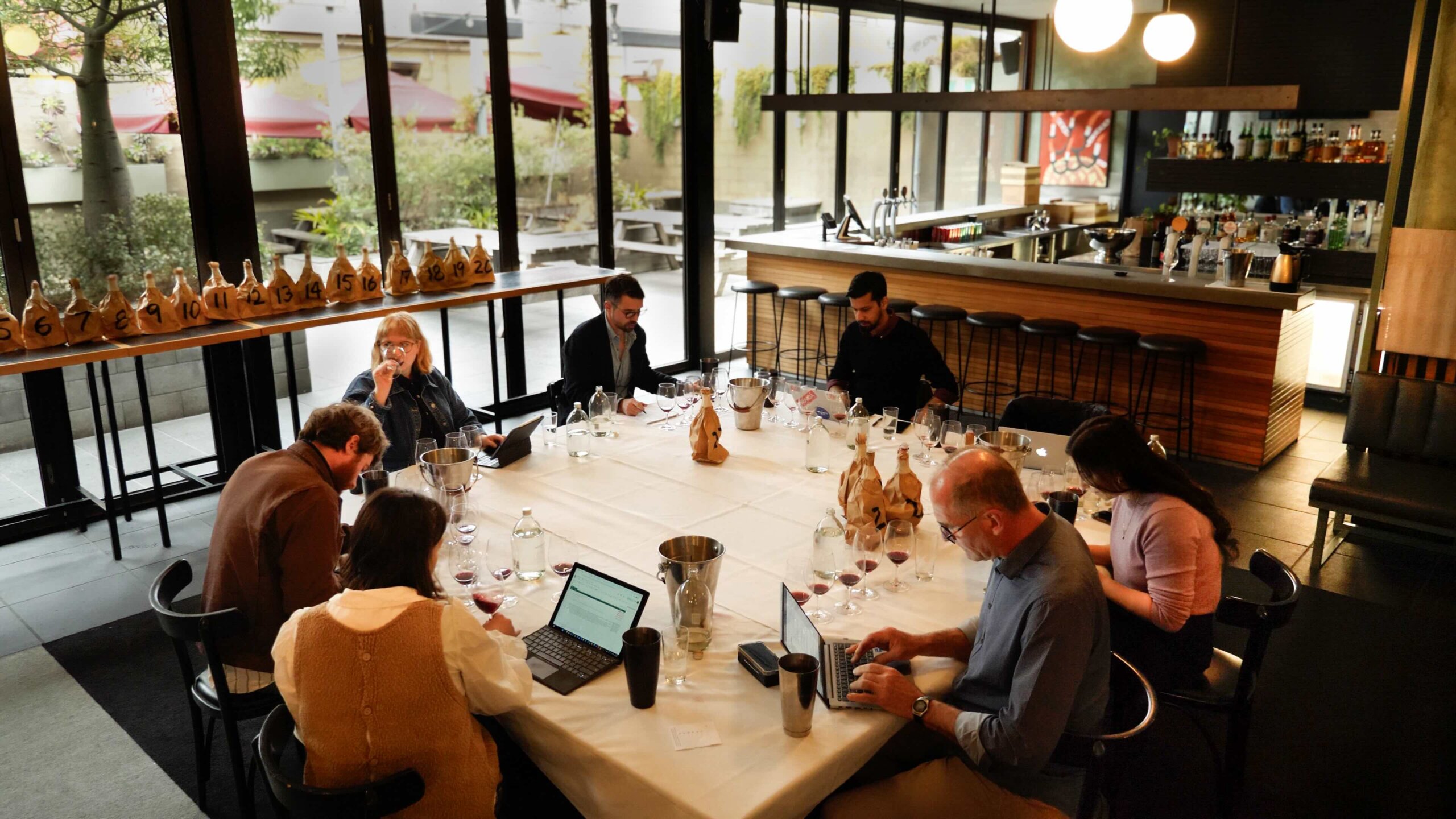
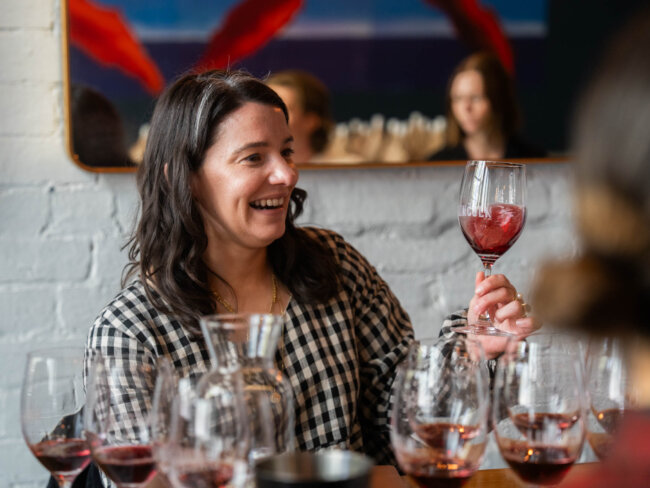
Above: Our Deep Dive panellists gathered at the Bleakhouse Hotel, Albert Park (Melbourne)
Outtakes from the tasting
We gathered every Australian mencía we could find and set our expert panel the task of finding the wines that compelled the most. All wines were tasted blind, and each panellist named their top six wines. Below are the wines that made the panellists’ top-six selections from the tasting.
Our panel: Peter Leske, winemaker, La Línea; Nicola Reid DipWSET, executive officer, Sommeliers Australia; Jarryd Menezes, sales representative, Alimentaria; Bonnie Spain, senior sommelier, Marmelo; Andrea Infimo, sommelier, Osteria Renata; Elisa Perissotto, area business manager, Red & White; Alexander Gaffey, vineyard operator, Mac Forbes Winery; Jim Mullany DipWSET, wine retailer, Atlas Vinifera.
The panel commenced by noting the size of the lineup, with Leske commenting that, as a pioneer of mencía in Australia, he hadn’t seen this many examples in the same room at the same time. In this context, and given the variety’s relatively recent arrival in the country, the overall quality of the lineup was especially impressive. “There were not many bad wines,” Infimo said. “When you do tastings like this of alternative varieties, there’s often some very bad examples.” He added: “I was surprised to see what I actually expect from [Iberian] mencía, which is versatility. There were examples at all ends of different spectrums, and in-between – which I think is what mencía is about.”
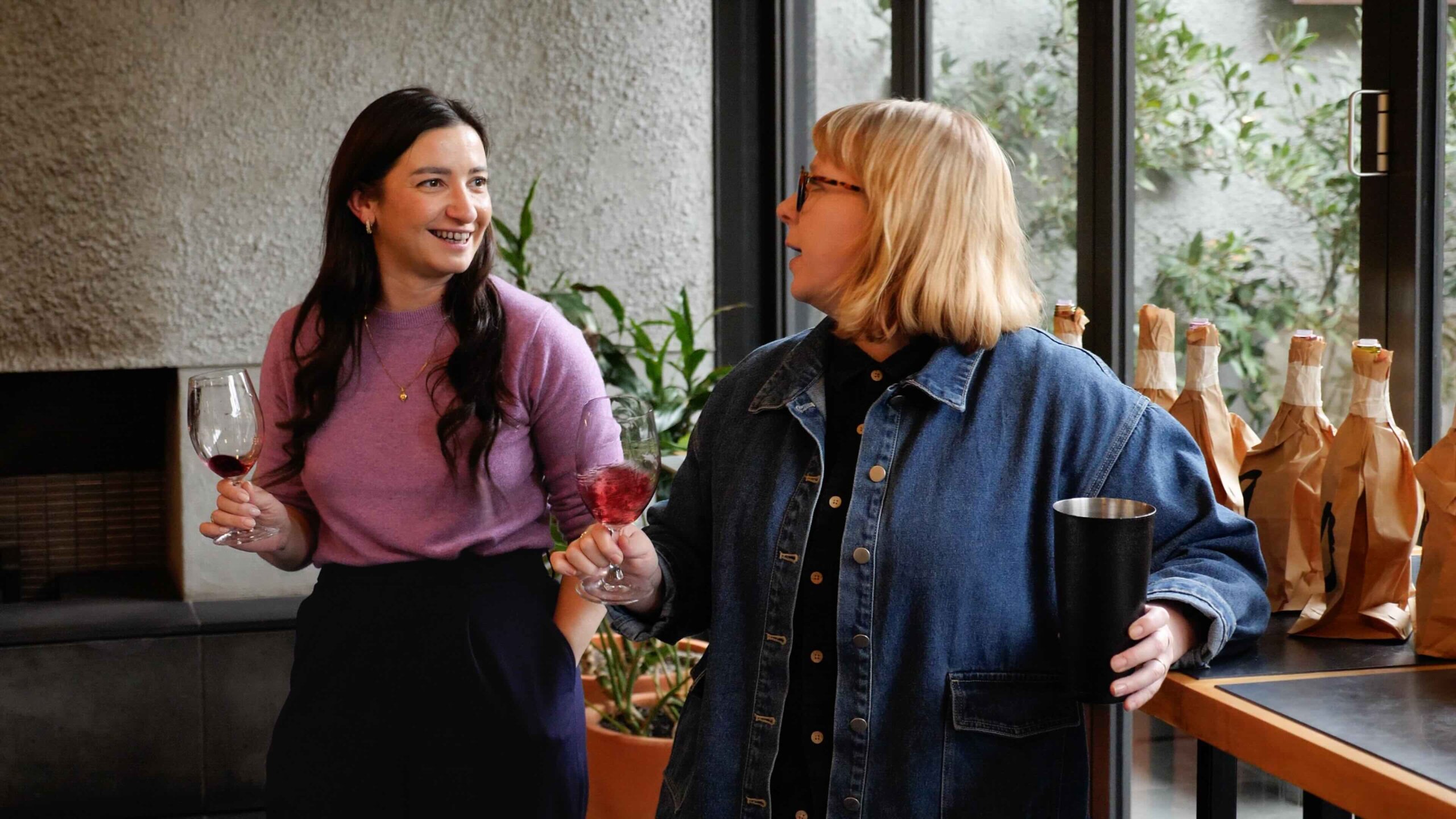
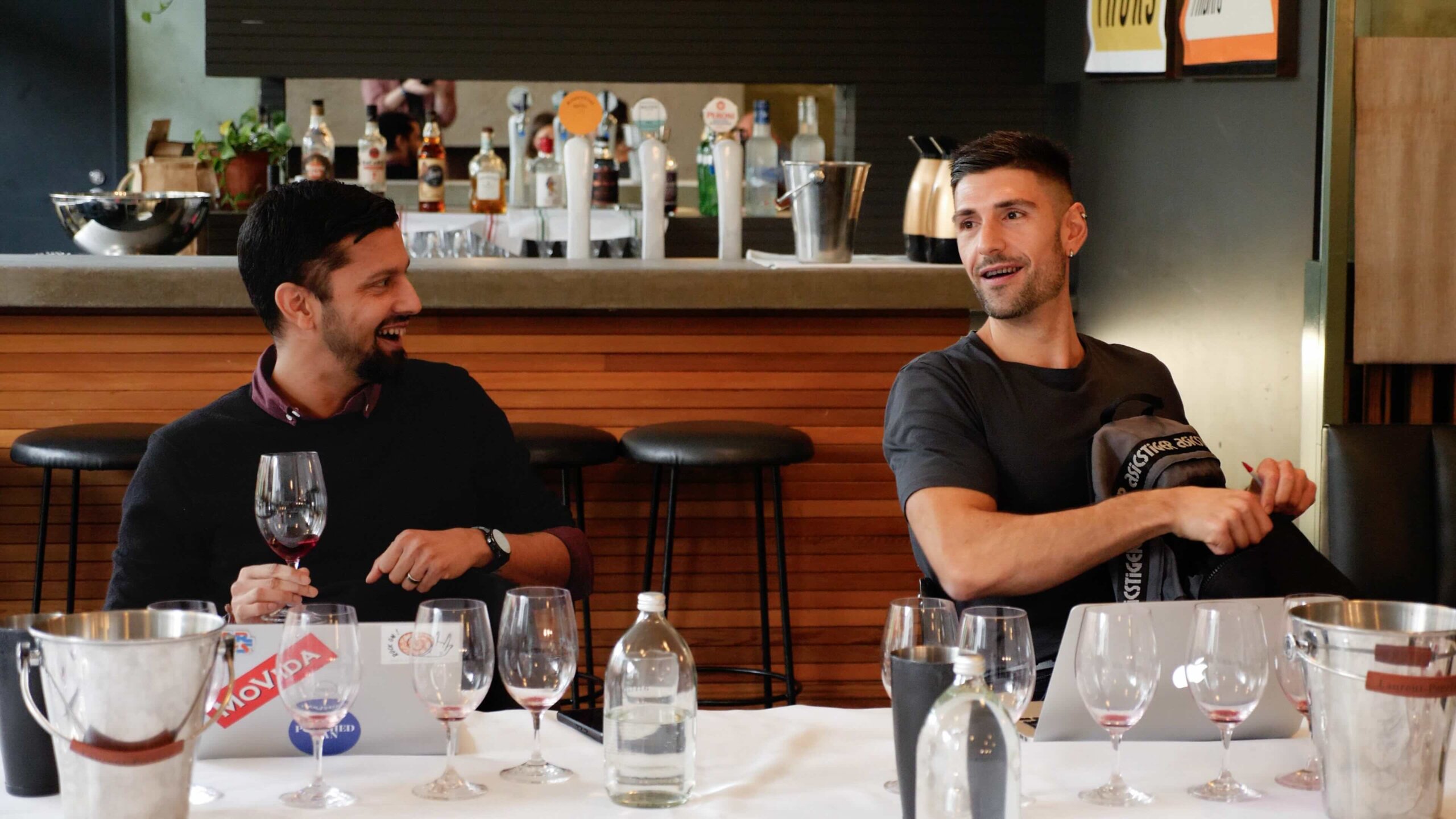
Opposite: Elisa Perissotto and Bonnie Spain. Above: Jarryd Menezes and Andrea Infimo.
For Spain, despite the diversity on display, the recurring theme of the tasting was the palate weight the variety displayed. “I find mencía, straight down the line, medium-bodied,” she said. “If you want a textbook example, if you want to understand what medium-bodied wine is – that’s mencía. There’s dark fruit, there’s structure, but there’s lightness and there’s prettiness.” Leske added that, for him, part of the variety’s appeal is a sense of ‘rawness’: “There’s a rawness to it that can be savouriness,” he said.
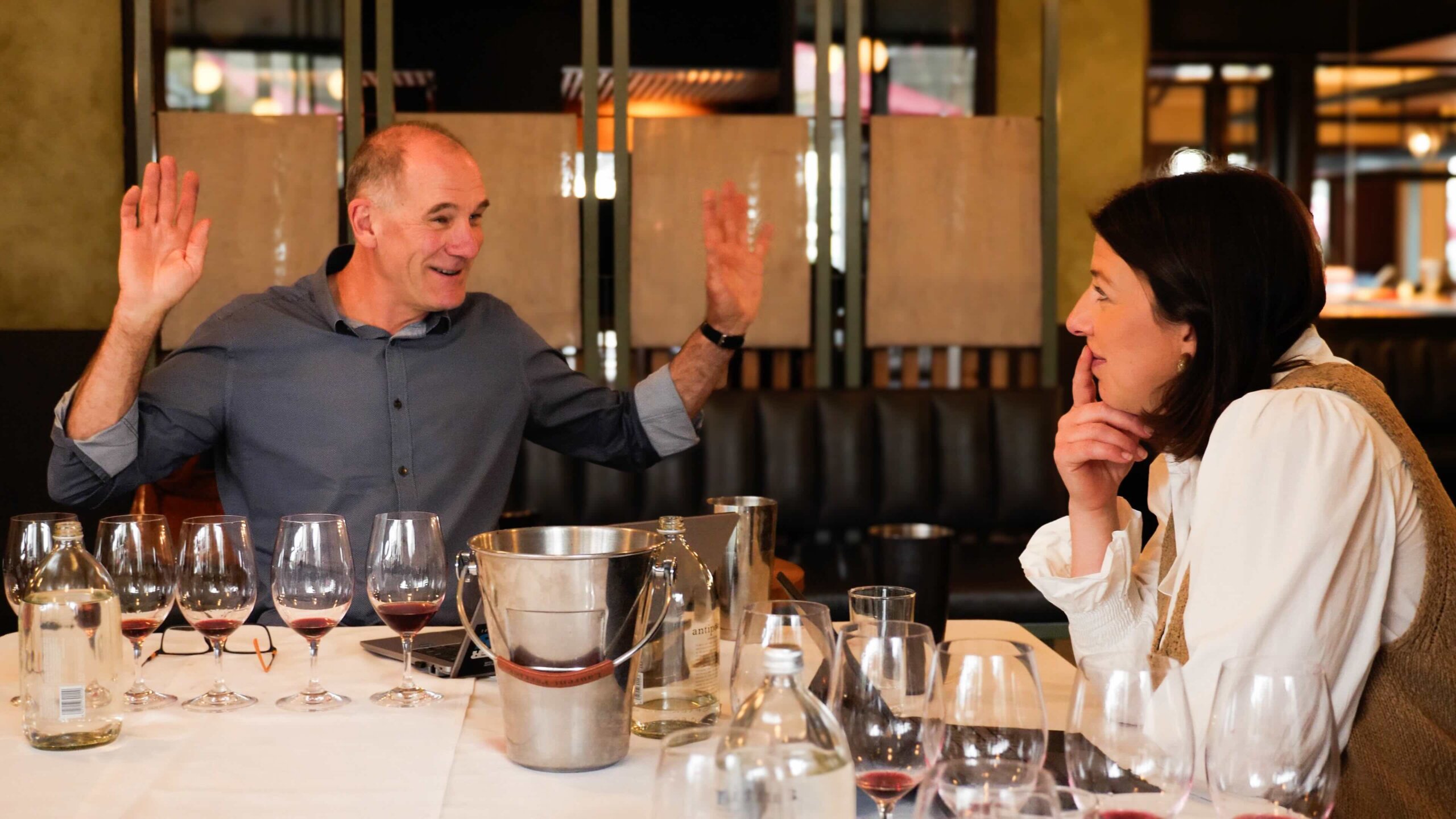
Opposite: Peter Leske and Nicola Reid. Above: Alexander Gaffey.
For Gaffey, who has vintage experience in Galicia making mencía-based wines, the key difference between the Australian examples and the Galician ones comes down to philosophy: “The new world approaches it as a straight varietal wine,” he said. “Whereas in the old world you’ve got all these other things in there. You’re getting an inkiness that’s coming from garnacha tintorera or something like that giving it a fuller body and fuller colour.” He added: “It’s interesting seeing just solo mencía, as opposed to something that’s got other varieties like sousão playing a part. But I think in Australia it’d be cool to see those other varieties come in and play their little part as well.”
“If you want a textbook example, if you want to understand what medium-bodied wine is – that’s mencía.”
Reid, who has travelled extensively in Spain’s wine regions while working for an Australian importer of Spanish wines, added that Spanish examples of mencía are really “like a field blend – and it’s almost an entirely different beast.” She added: “What I’m really fascinated by is its identity in Australia – what are the hallmarks of the different regions? I haven’t quite worked that out yet.”
Opposite: Spain. Above: Menezes.
The panel noted that many of the wines on display showed obvious use of carbonic maceration – which perhaps lead to wines that were a little fruitier and more simple than they would otherwise be. For Menezes, judicious use of carbonic maceration isn’t necessarily a bad thing. “One of my standouts was a pretty heavily carbonic wine, and I was like, ‘This is just delicious’,” he said. “It wasn’t the most exciting wine that I had, or the best wine that I had – but it was just so interesting to look at, and I kept going back to it over and over again.” For him, examples like this show that Australian winemakers are still finding their way. “We’re still leaning so much about it, and there’s so much more to discover about this variety in Australia,” he said.
“We’re still leaning so much about it, and there’s so much more to discover about this variety in Australia.”
Leske, who makes mencía for his own La Línea label and as a contract winemaker for others, didn’t mind these carbonic-maceration wines, but objected to their lack of varietal typicity. “Some of those whole-bunch wines are really quite delicious,” he said. “But my personal view is, if you put mencía on the label, don’t make it just taste like whole bunches … because somebody who comes in and orders a glass of mencía – bypasses pinot, bypasses shiraz, bypasses whatever – they’re wanting something different. So if we give them a winemaking artefact – personally, that’s not the direction I think we should go. Let them appreciate the variety for what it is.”
Mullany noted that the wines were in general light and fresh – perhaps too much so. “I was expecting maybe there would be a few more wines showing more heat, like alcohol,” he said. “But the variety can lose its acid, so people are really playing it safe – maybe it’s sometimes too safe, so we’re seeing these stemmy, high-acid wines.”
Above: Infimo. Opposite: Spain and Jim Mullany.
Infimo concurred with Mullany, but added that this might be part and parcel of the variety: “You really have to play it safe, especially in Australia, because mencía’s one of those varieties that drops its acid so quickly.” Menezes added that “In Spain, there’s a three-day window to get mencía in that sweet spot.” Leske’s experience with another Iberian variety, tempranillo, gave him a different perspective: “As a tempranillo maker, mencía’s a joy,” he said.
“You really have to play it safe, especially in Australia, because mencía’s one of those varieties that drops its acid so quickly.”
Perissotto felt that a general lack of awareness about the variety meant that it was something of a blank slate for both Australian makers and consumers – which meant that it is full of possibilities. “I guarantee you that nine out of ten people who are going to have a glass have never had one before,” she said. “And they’re going to say, ‘Actually, I really like it’.”
Above: Our Deep Dive panellists gathered at the Bleakhouse Hotel, Albert Park (Melbourne)
The panel
Peter Leske graduated from Roseworthy in 1983 with a degree in oenology. Since his first vintage in the Hunter Valley, he has worked in a wide variety of production winemaking roles in Australia and overseas: with Mitchelton in the Goulburn, Grosset Wines in the Clare Valley, in California, and with a host of prestigious French estates including Domaine Dujac, Alain Graillot, and Domaine de l’Arlot. He also spent a decade as Chief Winemaker for Nepenthe in the Adelaide Hills, where he led the small team which built the winery and made the wines which established its reputation. Between winemaking roles, Peter spent five years as manager of the Technical Services Group at the Australian Wine Research Institute. He is the co-founder of La Línea wines alongside David LeMire, MW.
Nicola Reid teaches WSET levels two, three, and four (diploma) at Prince Wine Store, and serves as the executive officer at Sommeliers Australia. After earning a politics and Spanish degree from the University of Bristol, she worked as a sommelier at Hampton Manor in the UK, before gaining her Yachtmaster qualifications and working on luxury sailing yachts across the globe. Nicola has completed four vintages as a cellar hand in England and Australia, and spent six years with the Spanish Acquisition, a leading Australian importer of Iberian wines. She is a WSET Diploma graduate, and was awarded the John Avery Vintners’ Bursary.
Jarryd Menezes is an Indian-born Kiwi sommelier who now proudly calls Australia home. With nearly twenty years of experience in the hospitality industry – fifteen of which were as a sommelier in fine dining – he has honed his craft in some of the world’s best restaurants. His journey includes esteemed establishments such as London’s The Ledbury, Copenhagen’s Restaurant Studio, and iconic Melbourne venues including Vue de Monde, Navi, and Amaru. In early 2023, Jarryd transitioned into the wholesale sector, seizing the opportunity to work with one of his favourite portfolios, Alimentaria. With a deep appreciation for the wines of the Iberian peninsula, both in terms of quality and incredible value, he is committed to enhancing their representation in the Australian market.
Bonnie Spain is a Melbourne-based sommelier with a particular expertise in Victorian and Iberian wine. After 10+ years working as a waiter in regionally based, hatted restaurants, as well as various cellar doors in the Geelong region, she decided to hone her knowledge of wine and soon found herself working for The Spanish Acquisition, working with Spanish and Iberian producers for over three years. Yearning to return to the restaurant floor, she is now the Senior Sommelier at the newly established Marmelo Restaurant in the CBD.
Andrea Infimo grew up in Naples, coming to Australia as an environmental science graduate in 2013. He began working at Movida Sydney on what was meant to be a sabbatical year, but there he fell in love with wine. After Movida, he worked at Sydney’s iconic 121 BC wine bar, then under Annette Lacey MW for the Lotus Group. A move to Melbourne saw Infimo reconnect with Movida in 2018, where he is the Group Beverage Operations Manager, as well as the Head Sommelier for the original restaurant. Infimo completed his WSET Diploma in August 2022. He currently works as a sommelier for Osteria Renata.
Elisa Perissotto is a Venetian native who first travelled to Australia in 2014, settling in Melbourne in 2016 after a stint in Sydney. Having worked in hospitality since she was young, Perissotto had a keen interest in wine, taking on a role at Grossi Florentino where she remained for a couple of years while studying WSET and gaining CMS certification. A role under Loïc Avril at Dinner by Heston followed, followed by a stint as a sommelier at Gimlet at Cavendish House. She now works as an area business manager for wine distributor Red & White, and holds a Court of Master Sommeliers Advanced Certification.
Alexander Gaffey currently works as a vineyard operator in the Yarra Valley for Mac Forbes Winery, with a keen interest in restoring soil health with regenerative and biological farming. Here he engages in dry-farming with organic practices in an attempt to best explore site expression in the wines. He is currently studying a degree in wine science part-time at CSU, and recently received an Executive Dean’s Award for recognition of outstanding academic performance.
Jim Mullany worked in the legal profession before his fascination with wine ultimately led him to complete his WSET Diploma and become involved in the industry. He is now an educator with WSET, as well as pouring wines by the glass at Atlas Vinifera wine bar in Melbourne. Jim has worked as a stagiaire at Lethbridge Wines, and is a judge at the Eltham Wine Show. He’s delighted to be a scholar in the 2025 Sommeliers Australia Education Scholarship.
GET FIRST ACCESS TO THE NEXT WINE ICONS – DELIVERED
Malbec has taken a long and winding path from its birthplace in the Cahors region of France to becoming a globally popular varietal wine in its Argentinian form. Yet Australia actually beat Argentina to the punch on malbec by thirty or so years, and the variety has played a small but important role in Australian viticulture ever since. With a passionate collection of winemakers and winegrowers seeking to understand what this variety can do in the Australian context, we thought it was time to take a Deep Dive.
The northern Italian grape variety barbera has been a resident of this country since the 1960s, arriving here via a detour in California. A serious attempt to get some traction in the 1970s by a fabled Italian winemaker didn’t quite get the kettle boiling, but some steady growth at the end of the century – followed by a little bit of decline – has seen the grape chip out its own niche in the local wine landscape. While its home is the relatively cool region of Piedmont, its ability to thrive and retain acidity in hotter areas makes it a fine prospect for Australia’s wide range of climatic conditions. With makers continuing to explore a wide range of possibilities for this variety, we thought that a second Deep Dive into the subject was in order.
Sangiovese is Italy’s most widely planted grape variety, and the source of some of its most famous wines – yet it had a relatively slow start in Australia. But now, as interest in Italian varieties is booming, the ‘blood of Jupiter’ is finally hitting its stride here. Inside: the full backstory, plus the top wines to emerge from our blind tasting panel.
Subscribe to our newsletter
Young Gun of Wine is your shortcut to cutting edge wines, the places to go, and the people behind it all.
Subscribe to be amongst the first to know of our latest discoveries in wine.
We'll bring you the inside running from the growers, the makers, the wholesalers, the retailers and the sommeliers, too.