-
Producer
Rongo Wines -
Region
Murray Darling
-
RRP
$34
-
Vintage
2025
-
Variety/Varieties
Aglianico
-
Alc./Vol.
13%
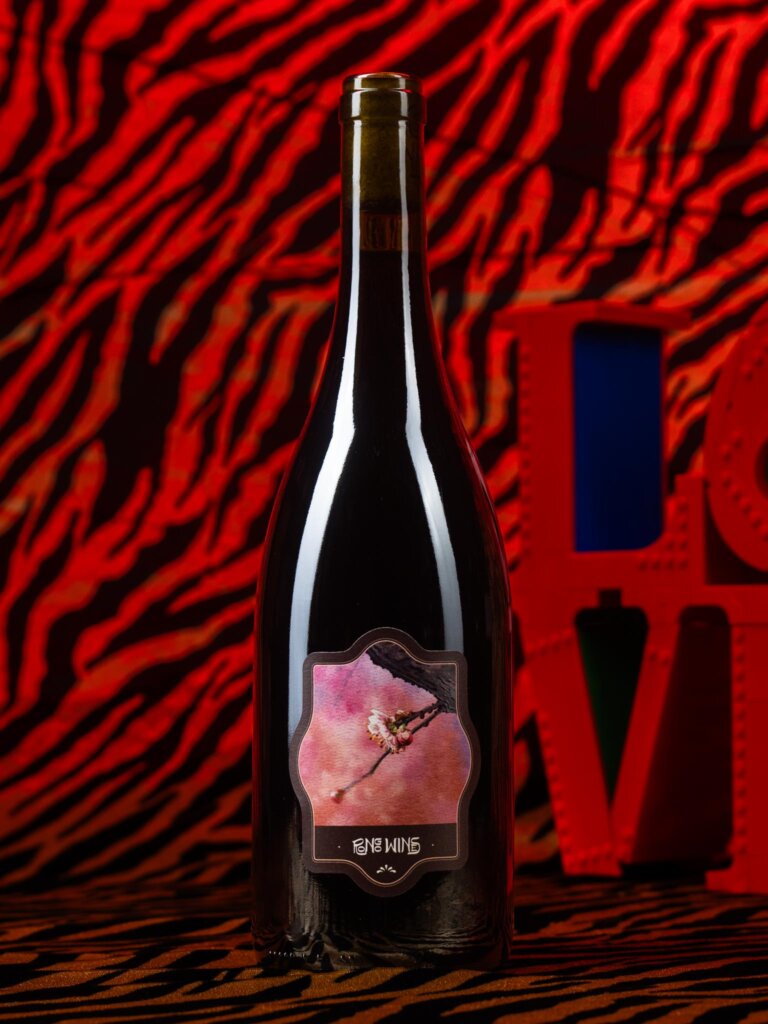
Tastes like a cross between Ribena and sarsaparilla: exotic, silky and juicy, with a luminous purple haze in the glass and a herbal bitter edge to keep things interesting. Light, fun and very easy to drink.
Rongo Wines is owned and made by Ray Chen, a New Zealand-trained winemaker who studied viticulture and oenology at Lincoln University, then wine science at Cornell, and has worked vintages in New Zealand, the US, France and Australia. The name comes from Rongo, the Māori god of cultivated food, and it points to the idea behind the label: wine made with the food she grew up eating in mind. Ray sources grapes from vineyards across Victoria, and her range sits at the adventurous, avant-garde end of the spectrum, including a skin-contact riesling. She was a finalist in our 2026 Young Gun of Wine Awards.
The Prelude Aglianico, a newer addition to the range from 2024, comes from the Chalmers Merbein Vineyard in the Murray Darling. The Chalmers family were among the pioneers of alternative Italian varieties in Australia, and aglianico was one of the grapes they helped bring in. It’s a good fit for the site: it ripens late and steadily under heat and dry conditions, which is exactly what Merbein delivers.
Aglianico is traditionally structured, tannic and full-bodied. Ray takes it in a lighter, more approachable direction, a juicy, sessionable version of a serious grape. The grapes are hand-picked in late April, fully destemmed, and wild-fermented after a short maceration on skins. The wine then spends six months in neutral barrels before being bottled unfined and unfiltered. It did extremely well in our blind Deep Dive into Australian aglianico.
Tasting note
Ribena meets sarsaparilla, with a sweet doughy note, like pancake mix, hovering behind it. The nose is perfumed and slightly exotic: glossy maraschino cherries, rosewater, umeboshi, sumac, vanilla pod and a dusting of cracked black pepper, a bit like a walk through a Moroccan spice market. The palate is glossy and plush but light and fresh nonetheless, big on flavour and texture but light on its feet, with cleansing acidity, barely-there ultra-fine tannins and a long finish. A pronounced herbal bitter edge keeps it honest. It’s a pure pleasure-seeker of a wine, and a reminder that aglianico doesn’t always have to be brooding.
When to drink
Pour it into a tumbler with some friends and be reminded of how beautiful life can be. This is a party wine and a gateway red, the one to hand to friends who say they don’t really like red, and a gentle reminder that wine isn’t all about cellaring, point scores and food pairing. Chill it down on a warm day and let it do its thing. It doesn’t need food to be enjoyed, and we don’t get precious about pairing anyway. But if that’s your thing, it’s brilliant with anything handheld and wrapped in some kind of dough: pork belly or chicken tacos, something in a bao bun, or Peking duck (but then, what doesn’t go with Peking duck?).
Themes of this wine
Aglianico
The Murray Darling wine region runs along the Murray River in north-west Victoria and south-west New South Wales, centred on Mildura. It’s one of Australia’s warmest and driest wine regions, and for a long time it was best known as a workhorse source of grapes. That hot, dry climate suits heat-loving Mediterranean varieties, and a growing group of growers and makers, the Chalmers family among them, are showing that it can produce wines with real character.
Chilled reds
Red wine doesn’t always have to be served at room temperature. A light chill brings out freshness and acidity and softens the feel of tannin, which is why it works so well with lighter reds that have bright fruit and gentle tannins, from gamay and pinot noir to a juicy, light-handed aglianico like this one. It’s an easy way to make a red more refreshing, especially on a warm day.
Explore Further


GET FIRST ACCESS TO THE NEXT WINE ICONS – DELIVERED
Find out moreEach month, get 3 bottles of our freshest discoveries. We taste thousands to bring you the best.
Join us and support emerging winemakers, sustainable vineyards, and the development of young professionals.
— Max Allen, Wine Writer
— Broadsheet
— The Australian