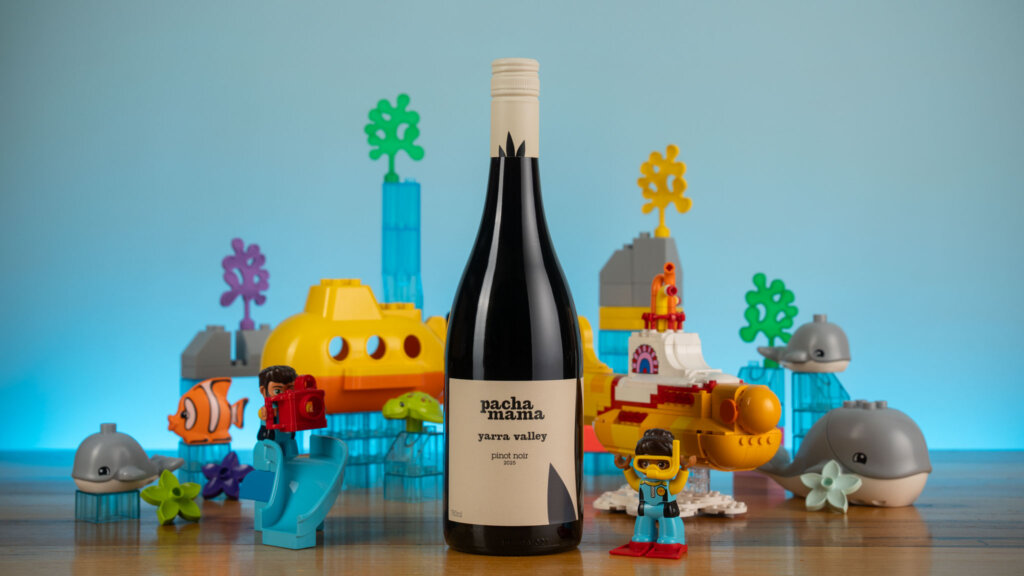
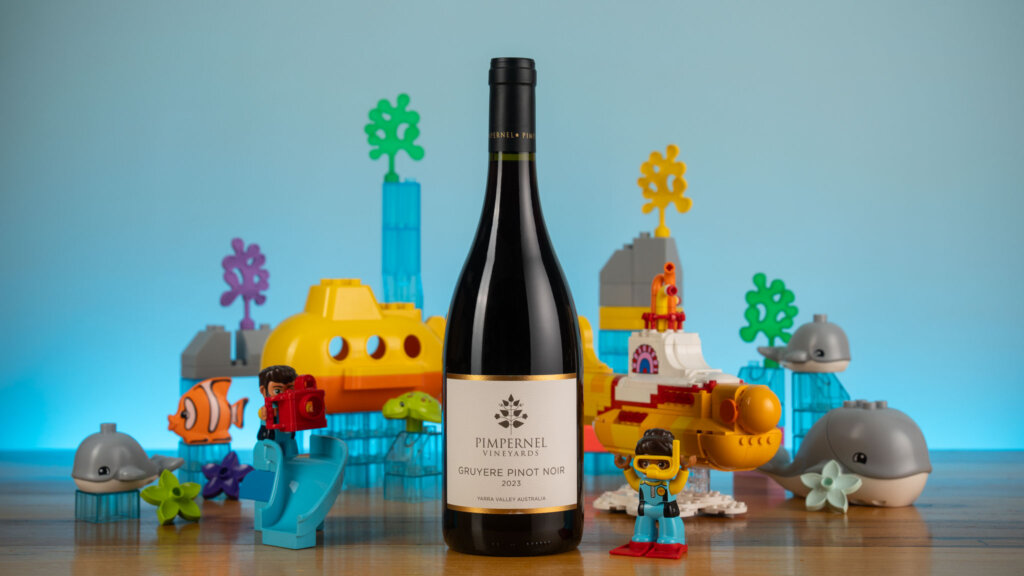
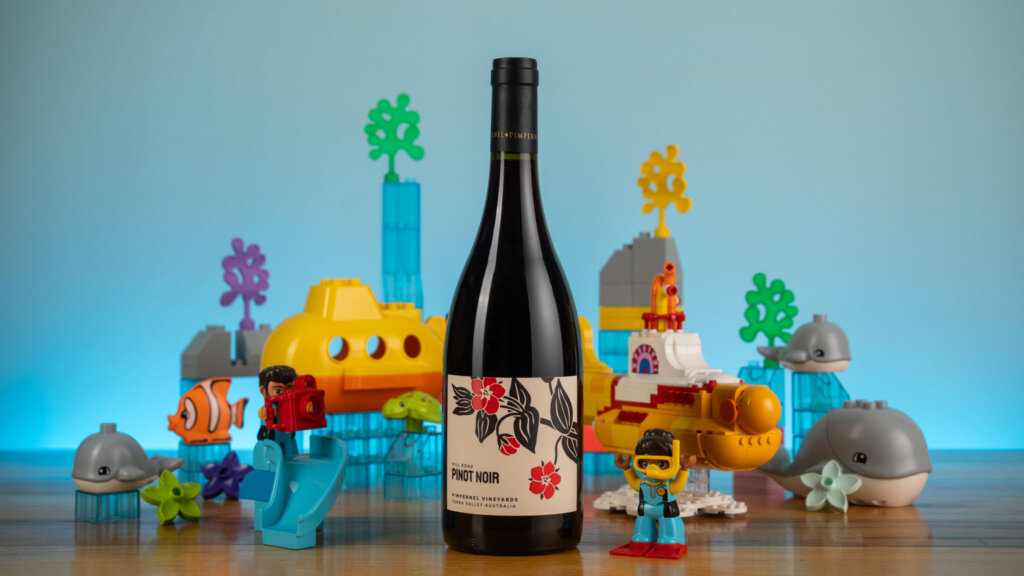
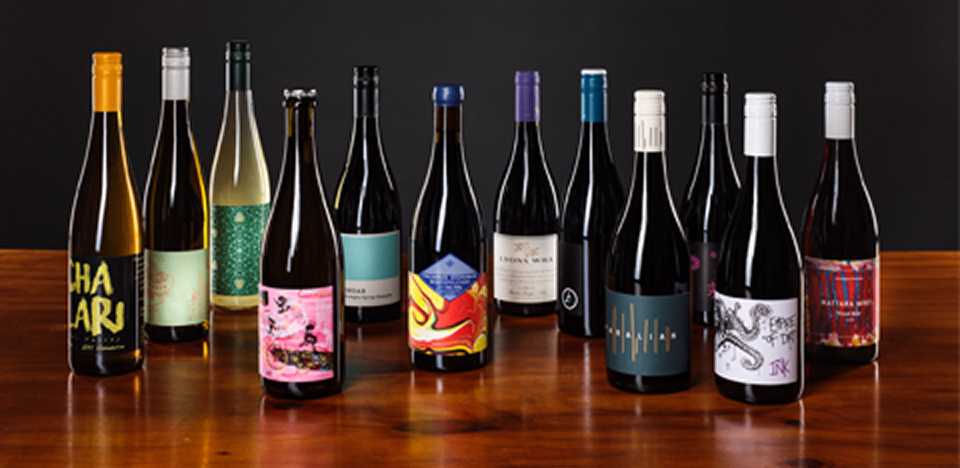
Pinot noir is undoubtedly the hero red variety of the Yarra Valley. The first vines in the ground in the region were pinot noir, and the wine made from them in the early 1800s – judged “better than Pommard” – saw a blitz of development that made the region globally famous. And while cabernet sauvignon lead the Yarra Valley’s twentieth-century renaissance, it didn’t take long for the region’s growers and makers to circle back to the variety that started it all. Now with a large roster of high-quality wines from makers both large and small, the region makes a compelling case for being Australia’s prime territory for pinot noir. Do the wines live up to the region’s vaunted reputation? We took a Deep Dive to find out …
We gathered every example of pinot noir from the Yarra Valley that we could find and set our expert panel the task of finding the wines that compelled the most. All wines were tasted blind, and each panellist named their top six wines. Below are the wines that made the panellists’ top-six selections from the tasting.
Our panel: Stuart Dudine, owner and winemaker, Alkimi; Sarah Hilliker, sommelier, Vespa Pasta & Vino; Doug Neal, winemaker, Altera Terra and Gaffy & Neal; Terina Davies, wine merchant, Seddon Wine Store and Union Wine Store; Isaac Coleman, sommelier, Supernormal; Eddie Lange, sommelier, Tonka; Charlie Redmond, wine merchant, Seddon Wine Store.
From the Deep Dive
Discover more in The Outtakes below.
Discover more in The Outtakes below.
Discover more in The Outtakes below.
The Top Wines
This isn’t an ordered countdown. There’s no ranking — just the top six wines each panellist found most compelling from the blind tasting, in all their different ways. Everyone’s palate is different, and that’s the point.
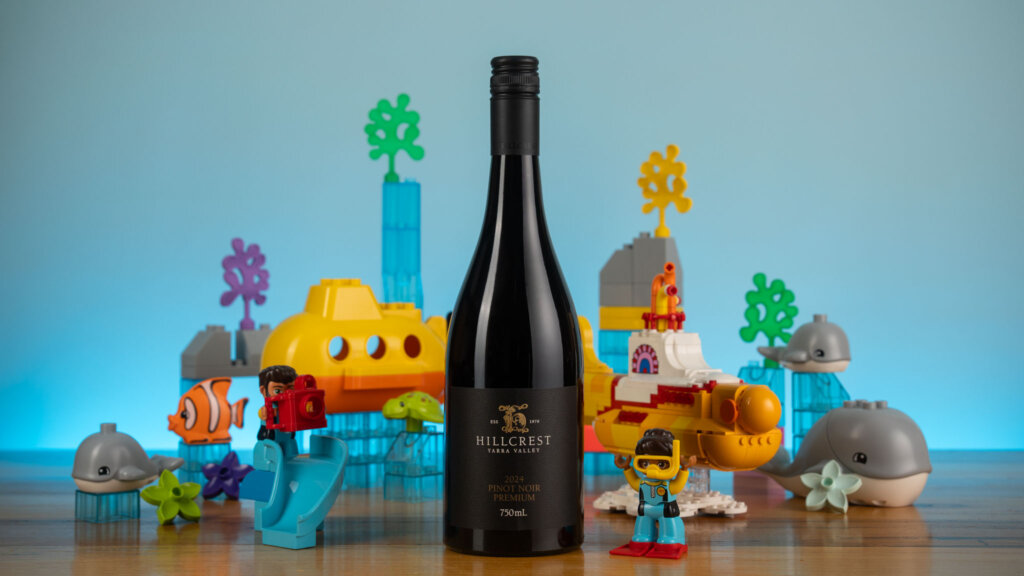
2024 Hillcrest Premium Pinot Noir, $75 RRP
Redmond and Hilliker selected this among their standout six wines of the day. Redmond was immediately captivated by the duality: “This wine was slick, cool and smart. Bottle age turning fresh strawberries and cherries into rhubarb, fig, cherry jam and sarsaparilla alongside decent oak use – sweet baking spices of cinnamon and nutmeg with cocoa nibs, very Christmasy. A little leather, smoke and char with gamey meat popping out. I love the tannins here – silky and balanced with energetic acid holding the structure. The duality is compelling: serious characters next to bright structure. Lots of finesse but above all delicious and moreish.” Where Redmond found structural elegance, Hilliker appreciated the aromatic expression. “In spite of being the first wine after lunch, it was very expressive,” she noted. “Oaky but not overpoweringly so, with bitter cocoa and lightly roasted coffee beans. Maybe a little aromatic lift of volatility? Sweet dried red and purple peony petals, subtle vegetal notes of beetroot and rhubarb. Assertive structure, good power in the tannins – thanks to well-integrated whole bunch. Great length and I expect it will age beautifully over the next few years.”
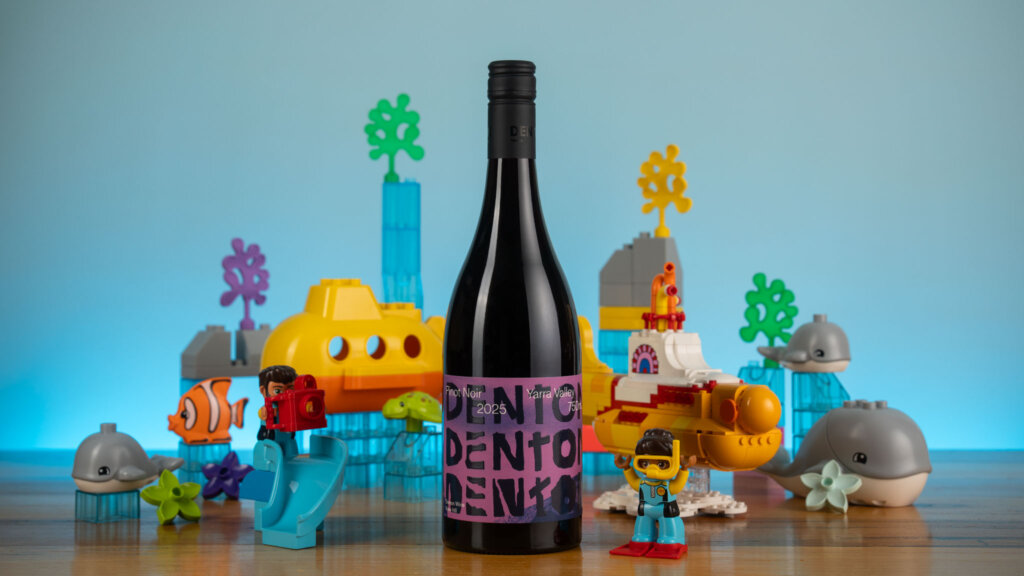
2025 Denton ‘View Hill’ Pinot Noir, $34 RRP
Davies and Dudine included this among their top six selections in the blind tasting. Davies seized on the wine’s immediate energy: “This one arrives with energy. Freshly sliced red apple, charred grapefruit and blood orange sit alongside red liquorice and warmed cherry, giving immediate lift. The palate bursts open with firework crackle of acidity before settling into a stream of flavour. There’s deliberate bitterness that feels both cleansing and structural, pulling the wine into firmly savoury space – screams for a rack of lamb roast with blackberries.” Dudine focused on the textural elegance: “The aromas of plush and ripe cherry and strawberry fruits fill the glass, with liquorice root and vanillin underneath. Some herbal/citrus notes akin to amaro also show. The palate shows red fruits with blueberry, spice and confected coke bottle lollies. The tannins are wonderful – they melt into the body of the wine. It’s a great Yarra Pinot and just a great drink.”
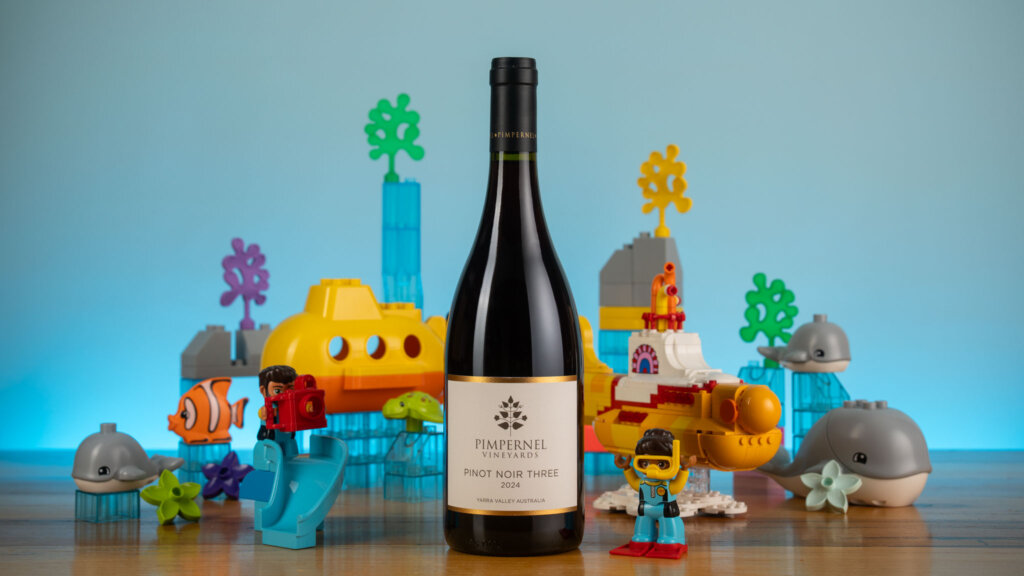
Hilliker and Davies chose this as one of their top six wines from the day. Hilliker’s enthusiasm was immediate: “Ohhh yeah, that’s it. Spice, fruit, acid, tannin. Yes. Tick tick tick tick!” she exclaimed. “Savoury spice with cumin powder and dried bay leaf, subtle purple hyacinth and lilac flowers, raspberry compote, stewed yet tart strawberries with rhubarb. The tannins don’t feel particularly grippy but they’ve got great staying power – their dryness balancing the mouthwatering acid and tart fruit. Despite the fruit and floral notes, my lasting impression is the savoury tones here. Gorgeous.” Davies brought composed assessment: “There’s real honesty and composure here. Aromatically, it leans into pomegranate, fresh fig and allspice, with gentle savoury depth that hints at ham hock – like it was cooking in the next room over a wood-fired stove. The palate is supple and seamless, moving through quince, mulberry and ripe cherry, lifted by pineapple sage and lilacs. It feels complete and considered.”
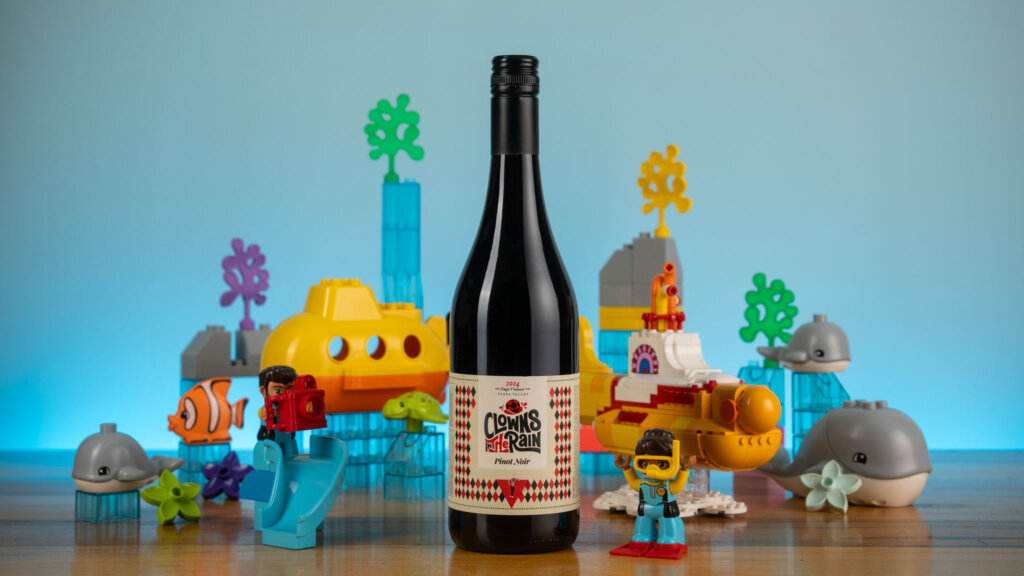
2024 Clowns in the Rain Single Vineyard Pinot Noir, $50 RRP
Lange and Coleman named this among their top six picks from the blind tasting. Lange found subtle maturity: “Nice – obviously a bit of age has softened the acidity but it’s still definitely there. Gorgeous spice, white pepper, liquorice. Slight damp forest floor character, green olive. Still super bright, crunchy but more persistent tannin.” Coleman approached it from a different angle entirely. “A savoury expression of dried florals, guanciale and new leather with black cherry and iodine,” he observed. “One for those looking for a more left of centre expression. The palate is intriguing with lots of fruit concentration, lovely fine tannins but with just enough mouth-watering acidity to tie everything up beautifully.”
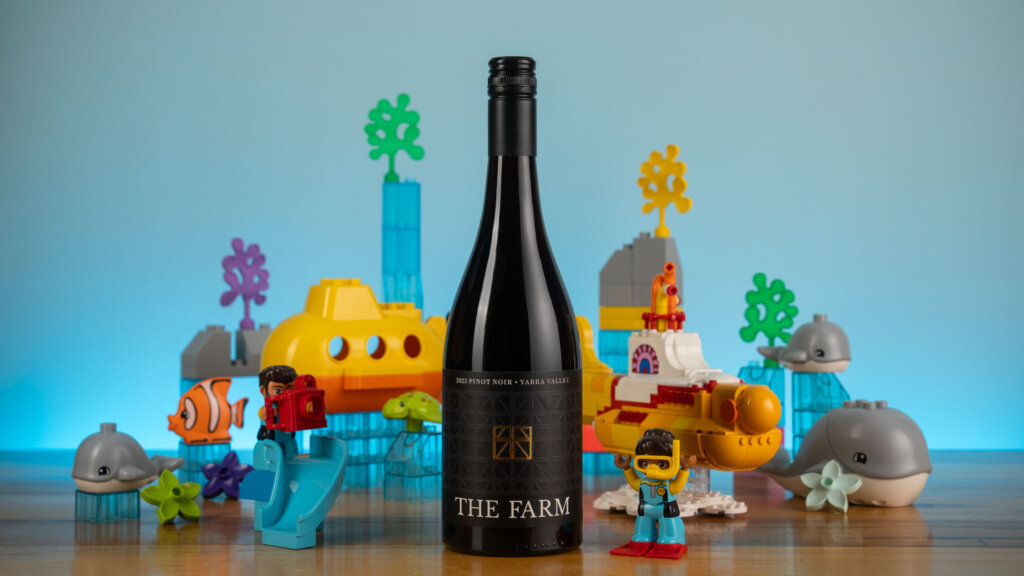
2025 The Farm ‘Grown’ Pinot Noir, $40 RRP
Redmond and Neal selected this among their standout six selections of the day. Redmond found youthful energy with hidden depth: “A wine full of youth and freshness – maraschino cherry, strawberries and raspberry with cola, mint and resin. What was most apparent is the spices: so much cinnamon, vanilla and cloves, like spiced rum. Not only easy drinking fun, there’s serious complexity and length with strong acid line. To balance the dense fruit there’s savoury olive brine mineral qualities and classic pinot funk. This wine has strong Aussie pinot identity – approachable but with quality fruit and quality work put into it.” Neal appreciated the winemaking precision: “Whole bunch, sappy and lifted carbonic tones show in this wine infused with raspberry coulis. A more vibrant expression of pinot where the winemaking has worked beautifully with the fruit. Love the vibrancy, balance and wild walk down a path delivering both freshness and complexity – gives a more vibrant drinkability to pinot noir.”
Lange and Davies selected this among their top six picks in the blind tasting. Lange seized on the meaty character immediately: “Meaty boy – tomato vine, red bramble and forest floor. Fully integrated tannin, only detectable once the fruit and acid have finally left the palate. Elegant red fruit, lovely bright acidity lingers. Quite overt oaked spice that lingers but isn’t green.” Where Lange found integration and elegance, Davies discovered deliberate structure. “A more savoury, slightly wild expression,” she observed. “Tart persimmon, blood orange, ripe red cherry and blood plums sit alongside gamey and dusty terracotta. The palate is driven by a firm bbq’d ruby grapefruit bitterness that stretches the wine out, moving into toffeed walnut and hibiscus tea. A wine that feels deliberately shaped with its salivating bitterness acting as the spine.”
Hilliker and Lange selected this among their top six picks of the day. What struck Hilliker immediately was the balance. “Fresh red and pink rose, a little blueberry, fruits of the forest, tart raspberry, cranberry and a green herbal note of rosehip. So pretty but also a lot of structure from the chalky tannins, and a lovely mineral edge of crushed river stones,” she noted. “This wine strikes a wonderful balance between fun and serious.” Lange found something more savoury in the glass. “Smoked black pepper, guanciale, compelling for sure. Bright, well-defined cranberry, bit of sour cherry. Black tea, lapsang souchong.”
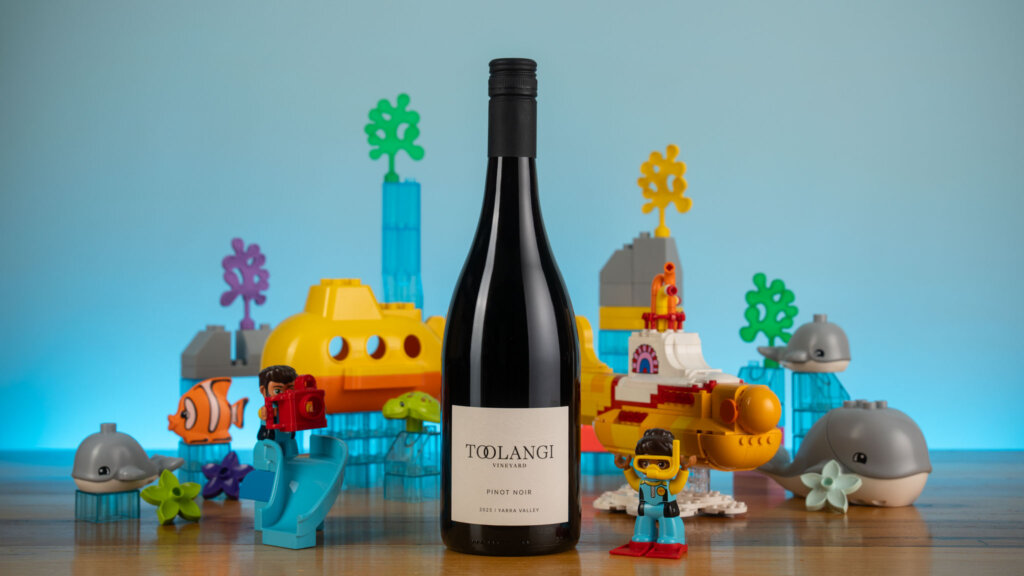
2025 Toolangi Vineyard Pinot Noir, $37 RRP
Dudine included this among his top six selections in the blind tasting. The aromatic evocation was immediate: “The aromas are just like walking into Bamboo House restaurant in Chinatown – five-spice, hoi sin, and delicious glazed duck,” he enthused. “We also have confected ripe raspberry notes and red florals. The palate shows blueberry, blackcurrant and cherry tones subtly in the background. Oak notes of cinnamon and fresh smoke give depth alongside cola and dark spices. The tannin is gravel-esque and slots into the wine so well. This wine has presence and depth, but the best part – it’s light on its feet.”
Coleman and Redmond named this among their standout six selections in the blind tasting. Coleman appreciated the youthful poise: “A really lovely youthful purple with lifted nose of bramble fruit, Davidson plum and violets. The palate has an impressive density with contrasting layers of tannin and acid in beautiful succession. Great for a summers day, winters eve and everything in between.” Redmond found himself captivated by the ripeness and complexity. “I loved how ripe and dense this wine is – it was almost purple in colour. Maraschino cherries and fresh black cherries that are very chewy and rich,” he enthused. “A little stem use on show but they are ripe and integrated, giving us more floral lift. Plenty of earthy funk and a tomato paste-like umami character. There’s liberal oak usage too – vanilla, sweet cinnamon and nutmeg spice, a little oaky tannin which is broad and drying. Above these intense flavours there are pretty and bright florals of pot pourri, violets and cracked black pepper. Lay this one down for a little while and you will be massively rewarded.”
Neal and Redmond selected this among their standout six picks of the day. Neal’s structural assessment was clear: “A dark compote of exotic spiced black cherry and plums, almost plum liqueur chocolate. It has depth and power with a penetrating palate of deeply spiced plum fruit framed by controlled and assertive structural oak and fruit tannin. Robust but with finesse – gob smacking silky fruit encased in a structural cocoon. A keeper.” Redmond found opulence in every dimension. “Its very expressive and intense,” he enthused. “Liberal oak use which may even be too much, but it felt right and on theme. Lots of juicy red cherries, morello cherry and raspberry bursting out with white truffle and earth. Oak brings sweet vanilla pod, chocolate, cinnamon, cardamom and smoky cedar. Rich oaky tannins are big and dominant, but acid keeps it in line. Ripe stem use adds fresh snow pea vegetal lift. This epitomises a denser, broader, dialled-up expression of the Yarra – exactly what I love to see.”
Davies and Lange selected this among their top six selections of the day. Davies captured the wine’s elegant unfolding: “Initially quite closed, this wine slowly opened into a gorgeous balance of perfumed fruit and savoury texture. Lavender, rose soap and nutmeg layered with a hint of rhubarb danish and a brush of fresh sage,” she observed. “The palate snaps it into focus: tart rhubarb, freshly plucked raspberry and a crunchy cranberry acidity that gives it real definition. Finishes with cooling star anise and salt-baked cherry, creating a compelling push and pull between bright fruit and savoury restraint.” Lange found immediate pleasure in simplicity. “Yum. Bright red cherries. Tomato leaf, dried herb, bramble. Super super fine tannin. Savoury leaning, sweet cherry tomatoes, balsamic.”
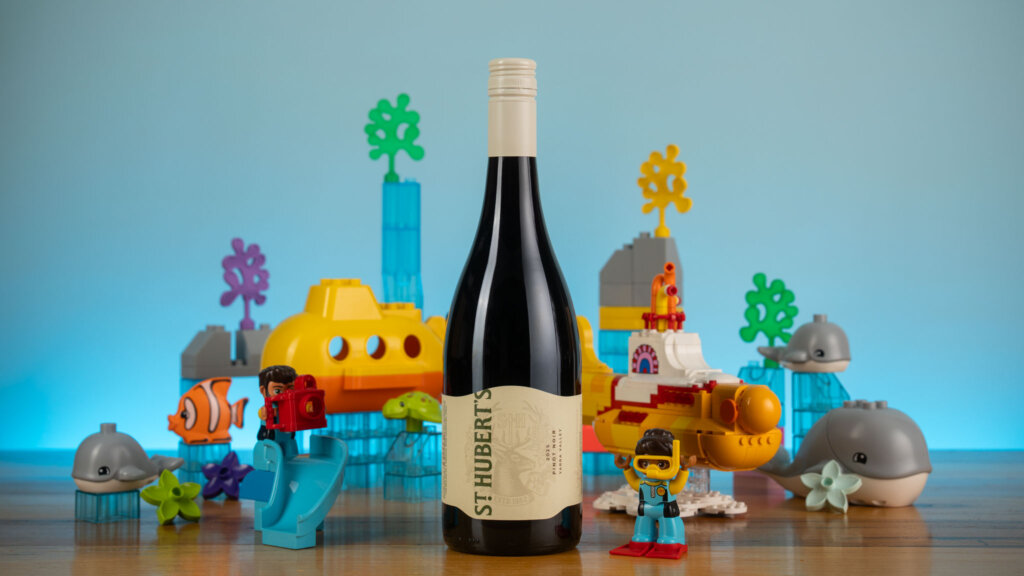
2025 St. Hubert’s Pinot Noir, $50 RRP
Coleman included this among his top six wines in the blind tasting. The wine’s dark intensity seized his attention immediately: “This is dark and brooding in both appearance and aromatics. Leaping from the glass with perfectly ripe plum, blackcurrant, dried thyme and a subtle ferrous note,” he noted. “The palate is seductive with upfront fruit encasing layered high-quality tannin, a hint of cinnamon spice rounding things out.”
Davies picked this among her standout six wines in the blind tasting. Her assessment captured the wine’s restrained power: “This opens in a restrained register; rosehip tea, dried rose petal and enoki mushroom, with a dusting of sumac and Amaretti-soaked cherry coming through after a little air. There’s a quiet power to it, nothing forced,” she noted. “The palate is silken, plush, held in place by a fine, prickly acidity that keeps everything taut. Mulberry, gooseberry and lavender move through a savoury undercurrent of enoki mushrooms and toasted chestnut, finishing with a sense of precision and composure.”
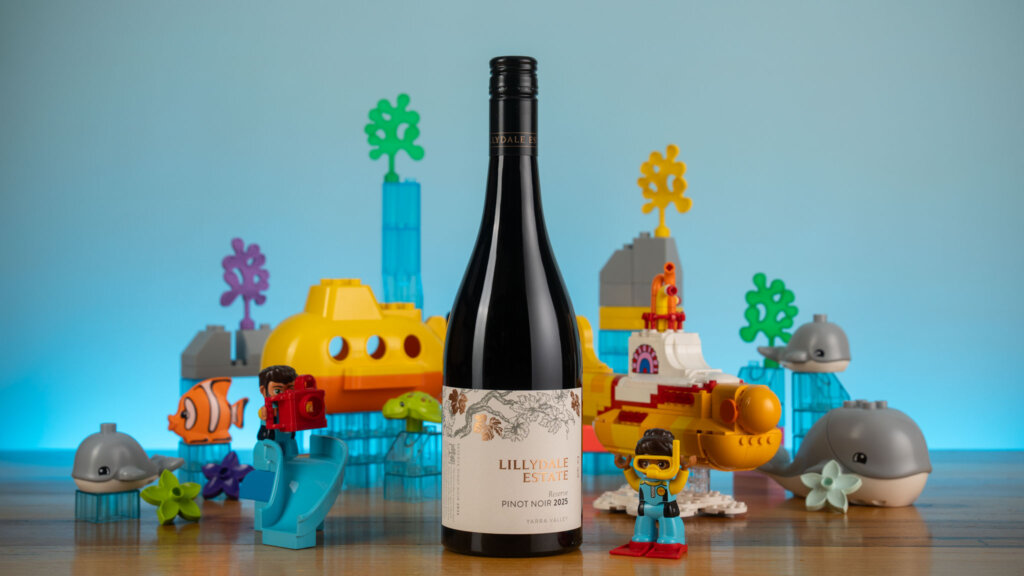
2025 Lillydale Estate Reserve Pinot Noir, $80 RRP
Neal selected this among his standout six picks of the day. The meaty richness captured his attention: “A delicious meaty red dark cherry to roasted beetroot infused pinot that is rich, silky and moving to red plum fruit on the palate,” he noted. “Infused with slightly chewy savoury oak that in time will slip into the wine like a hand in a velvet glove. It is plush yet savoury and destined for a long haul given the power and depth of fruit that pushes this wine to a tremendously long finish.”
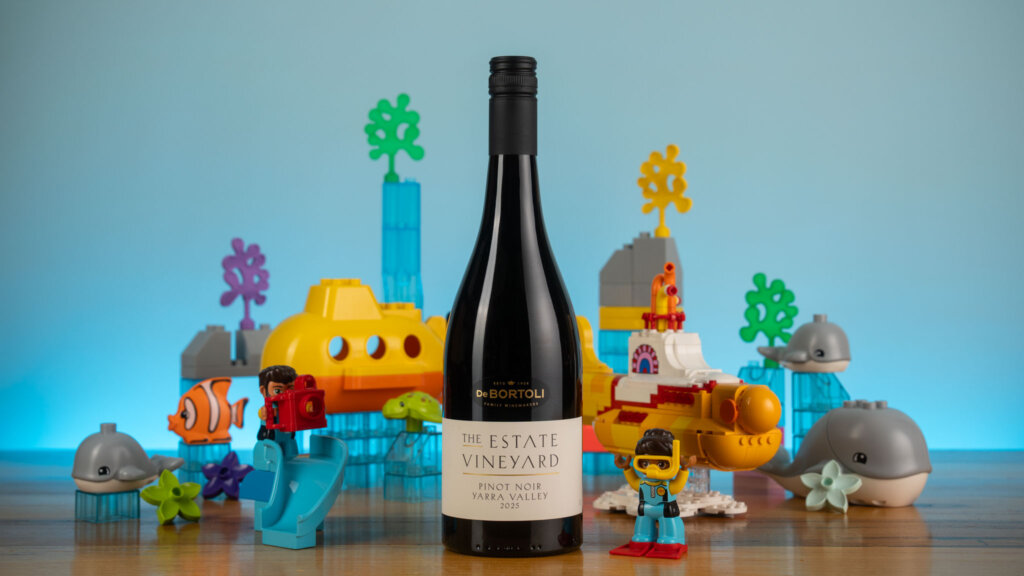
2025 De Bortoli ‘The Estate Vineyard’ Pinot Noir, $30 RRP
Dudine selected this among his top six picks in the blind tasting. His assessment was one of rightness. “This wine feels so correct with red fruit notes of strawberry, cherry and rhubarb,” he noted. “Subtle dark spices from oak are present with red rose florals. The palate has great concentration, yet is light on its feet. The tannins are polished around red fruit notes of raspberry and strawberry and Yarra bracken bush scrub.”
Redmond and Coleman selected this among their top six wines of the day. What drew Redmond immediately was the wine’s complex duality. “This wine stuck out for a few reasons – the dark and brooding fruit profile of black cherries and brambly forest berry jam, ripe and juicy,” he began. “Most of all I was compelled by the savoury profile: brown Swiss mushrooms, roasted lamb – seriously – and charred broccolini, like a meal in a glass. On the opposite side of the spectrum, an array of floral characters emerge – jasmine, green tea, early grey and orange peel. This is why pinot is fantastic – its ability to hold and present so much complexity and a varied range of flavours. This wine had it all on display.” Coleman found immediate charm in simplicity. “Lovely was the first word that came to mind,” he noted. “A wide swath of aromatics including raspberry, orange peel, desiccated rose, thyme and sea spray. A supple palate of concentration with waves of acidity, finishing with a hint of fresh juniper.”
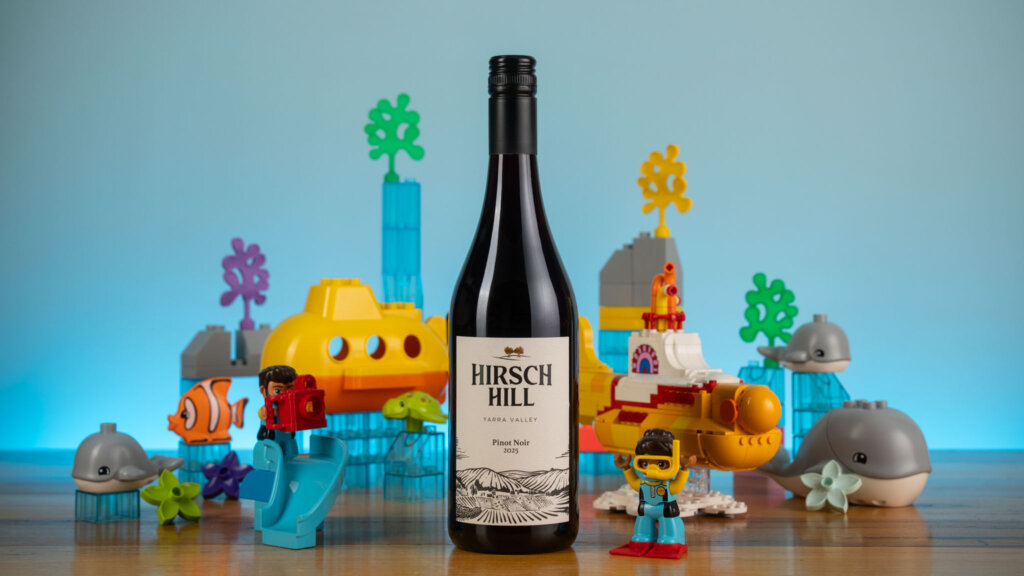
2025 Hirsch Hill Pinot Noir, $30 RRP
Coleman included this among his standout six selections of the day. The wine’s wild character intrigued him. “The appearance presents with a slight ruby orange reflection,” he observed. “An intensely aromatic nose of just-ripe riberry, rose petal and subtle sage leaf, with a fresh line of acidity driving the wine and finishing with a subtle saline edge. A wilder expression that delivers intrigue and complexity without sacrificing outright pleasure.”
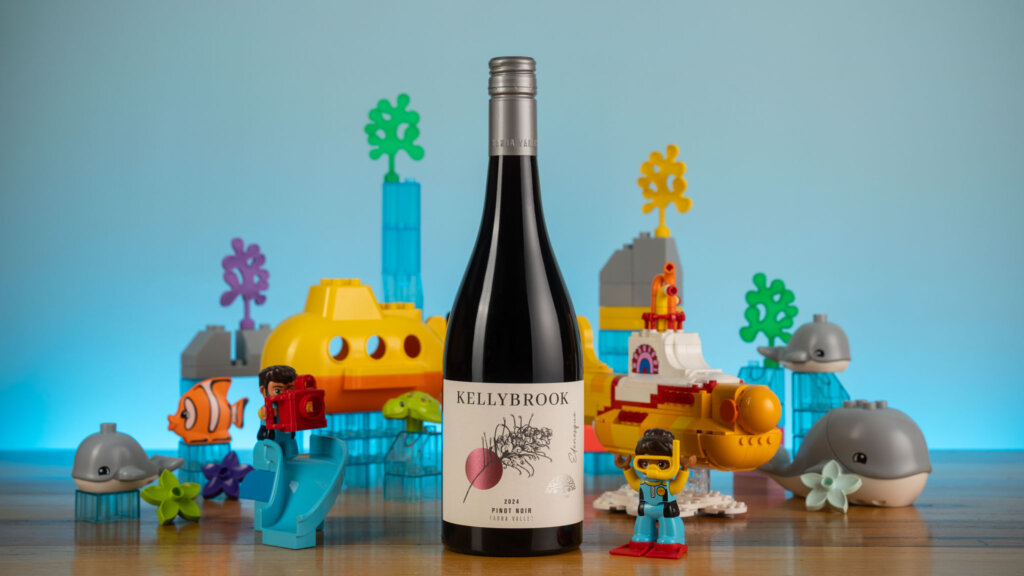
2024 Kellybrook ‘Edenesque’ Pinot Noir, $35 RRP
Lange selected this wine – made by Young Gun of Wine finalist Stuart Dudine – among his standout six picks of the day. The wine’s completeness struck him immediately. “Big yes! This wine immediately felt complete, conveying all of its character clearly and with measured restraint,” he enthused. “Beginning with gentle green olive savouriness before revealing dense, crunchy red fruits – fresh cranberries and ripe red cherry. A lovely balance of fruit and savouriness before the first sip. The palate follows through beautifully with the same vibrancy, quickly joined by subtle savoury complexity – sweet cherry tomatoes and forest floor. The tannins feel completely integrated, subtly weaving everything together in the background. A perfectly judged acidity is the metaphorical cherry on top. All the elements I love in Pinot with nothing feeling forced or over-worked. This wine feels elegant, whole, and deeply satisfying.”
Hilliker and Coleman named this among their top six selections in the blind tasting. Hilliker’s sensory immersion was immediate: “On the nose curry leaf and fallen autumn leaves, a little potting soil, and fresh bay leaf. The texture is so silky smooth and plush. Violet flowers, honeysuckle and hibiscus, spicy nasturtium leaf and flower as well as fresh grape leaf and sweet, freshly dried hay. Super fine tannins but persistent. A nice pop of dragon fruit and stewed pink lady apples brightens the finish.” Coleman approached the wine’s enigmatic character with equal fascination. “A lifted nose with savoury mix of curry leaf, riberry, lemon myrtle, struck match,” he noted. “The palate is fine-boned, driven by a beautiful latticework of acid and svelte tannin. A wine I could not stop coming back to – an enigmatic expression that evolved with every passing moment.”
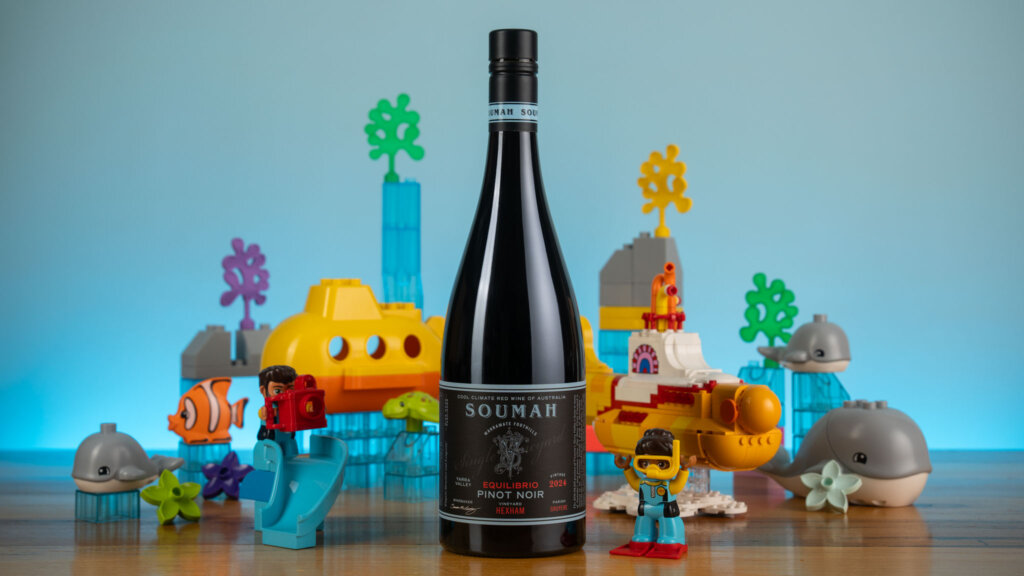
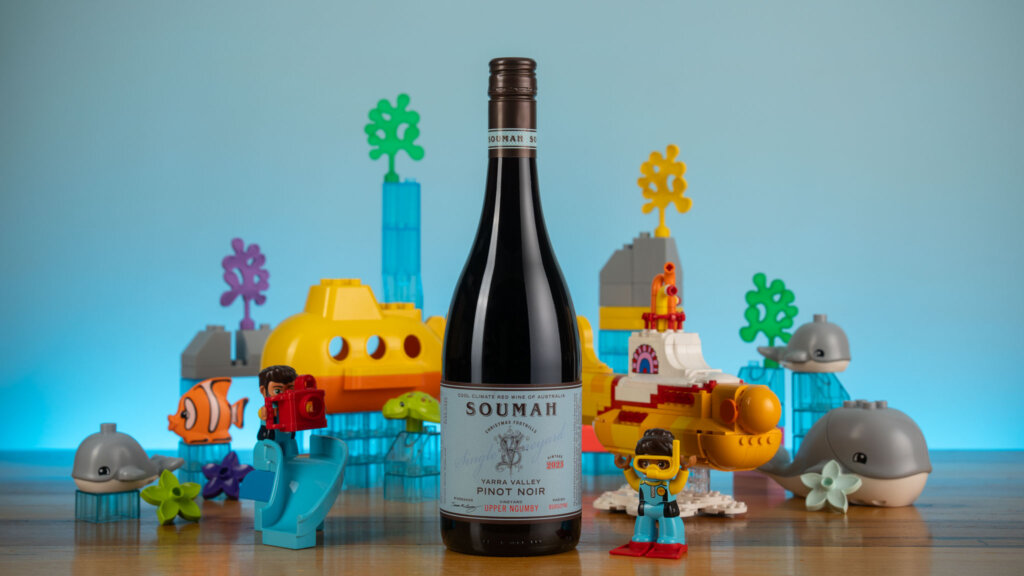
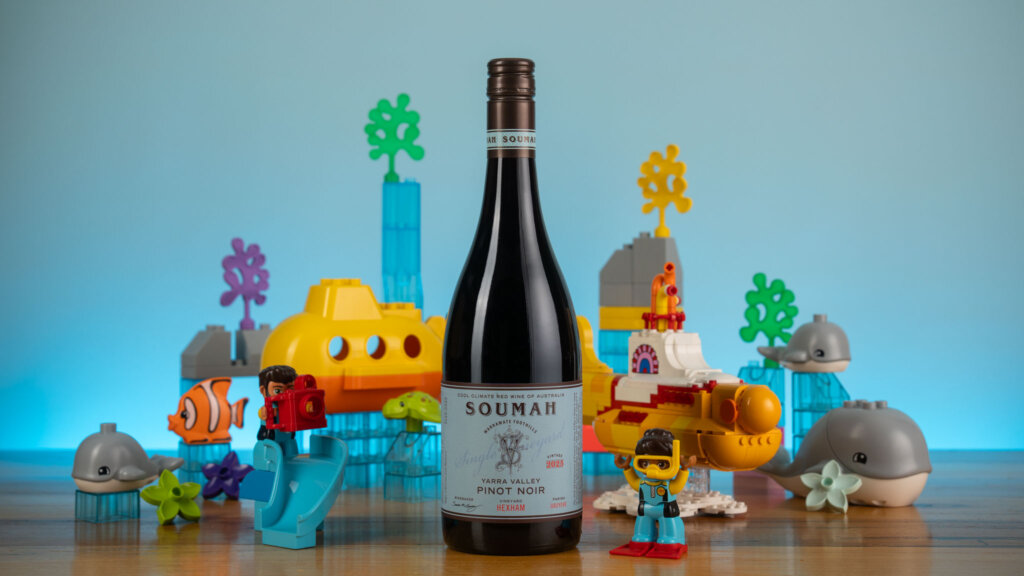
2025 Soumah ‘Hexham Vineyard’ Pinot Noir, $54 RRP
Neal included this among his top six wines in the blind tasting. The crowd-pleasing character captured his enthusiasm: “A true crowd pleaser – plummy, silky and plush with a vibrant red cherry to raspberry fruit punch,” he noted. “Fine-boned tannins combined with a slightly sappy twist give a lot of structural input that sits under the red plums and cherry-raspberry-like fruit. A gobful of flavour balanced with the structural elements that make this a moreish delight.”
Hilliker selected this among her standout six selections of the day. The wine’s vibrant character and aging potential impressed her immediately. “Vibrant nose, nice oak influence: fresh vanilla pod, espresso grounds, with cocoa nib and a little toffee sweetness,” she noted. “Fine-grained but powerful tannins and acid will lend this wine to ageing nicely. Tart red fruits – lingenberry, loganberry and pomegranate – and purple florals of iris and violet, balanced by a hint of salinity and a core of cracked granite.”
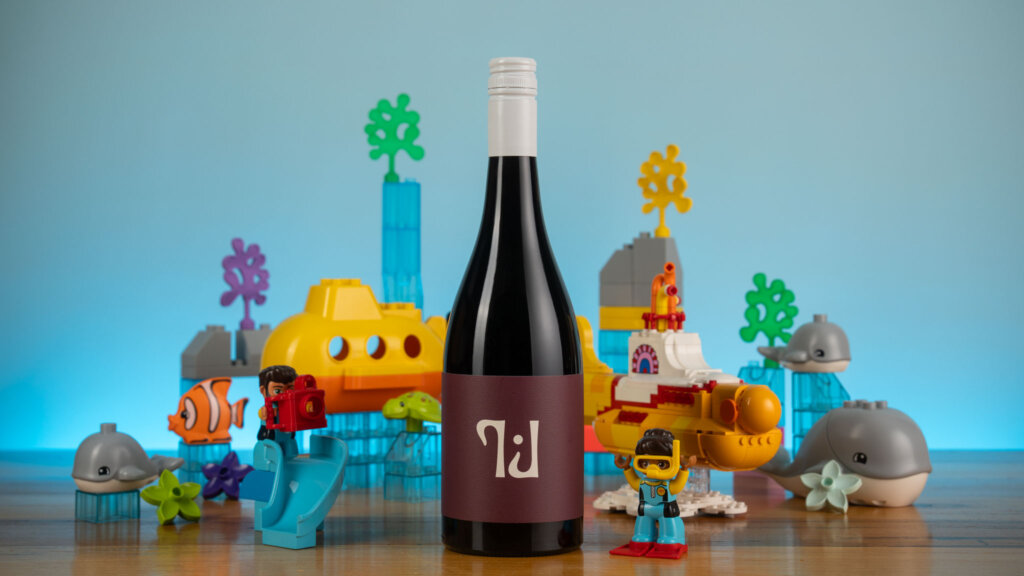
2025 Tillie J. Pinot Noir, $45 RRP
Dudine picked this among his top six picks of the day. The aromatic lift and culinary precision captured his attention. “This is an aromatically lifted little number with floral notes of jonquil, black liquorice and raspberry giving way to spice notes like ground ginger and celery salt,” he observed. “The palate is quite deep with more raspberry notes, caramel and early notes akin to pan-seared carrots with roasted mushroom.”
Redmond included this among his standout six wines in the blind tasting. The wine’s equilibrium between oak and fruit seized his attention. “This wine displayed a fantastic balance of oak and fruit – the fruit was of great quality and giving it healthy oak treatment acted as an accompaniment, not a separate aspect,” he enthused. “Firstly, the layered fruit: after you sip, the wine changes from black cherries into red cherries into bright strawberries. Bunches of roses, green beans and brushy herbs emerge. Next, oak in the form of sweet nutmeg and cinnamon with vanilla. Oaky tannins are strong but silky. Classic pinot funk – mushrooms, crushed wet leaves, earth and crushed rocks. I love the balance, complexity and length. Really impressive.”
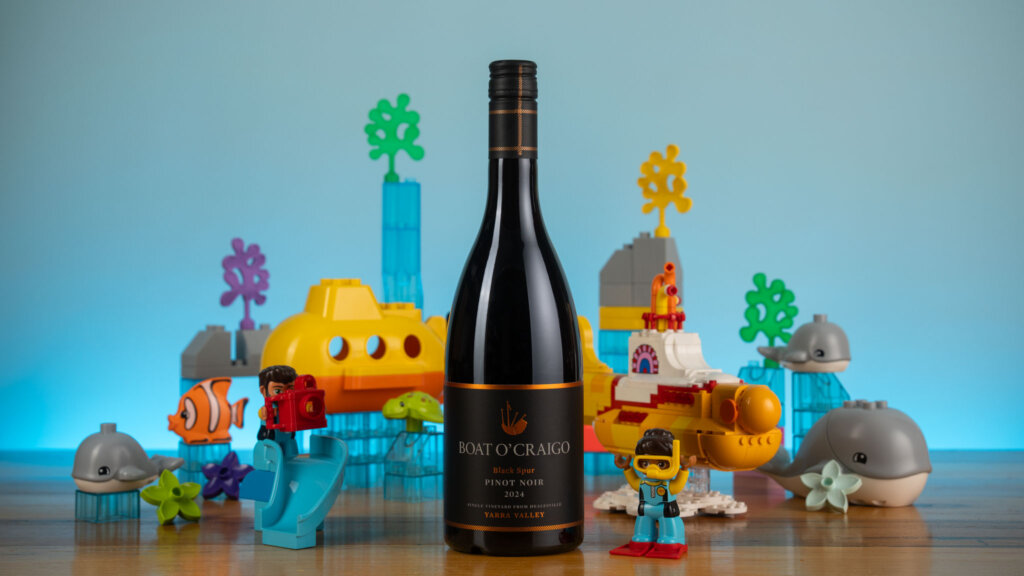
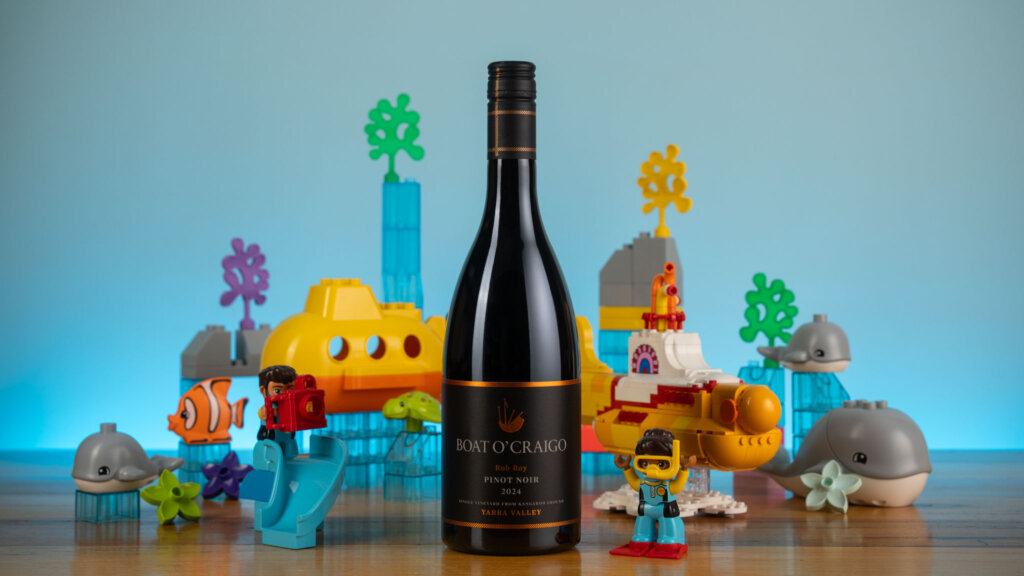
2024 Boat O’Craigo ‘Rob Roy’ Pinot Noir, $45 RRP
Davies selected this among her top six picks from the day. The wine transported her in deeply personal ways. “Maybe this wine stood out for its nostalgia more than anything,” she reflected. “Sometimes I like wine because they’re tasty, sometimes because they transport you. I think this was the latter. On the nose, old lacquered mahogany, Baharat seven-spice, rose candle wax and almond croissant – I could’ve been sitting at my Gran’s old vanity bureau trying on her jewels. The palate tasted like Gran’s cooking: roasted quail with blackcurrant sauce, rhubarb tart for dessert. There’s weight here, but it’s carried effortlessly by velvety tannins and a ribbon of acidity, creating a wine that feels both generous and a bit whimsical.”
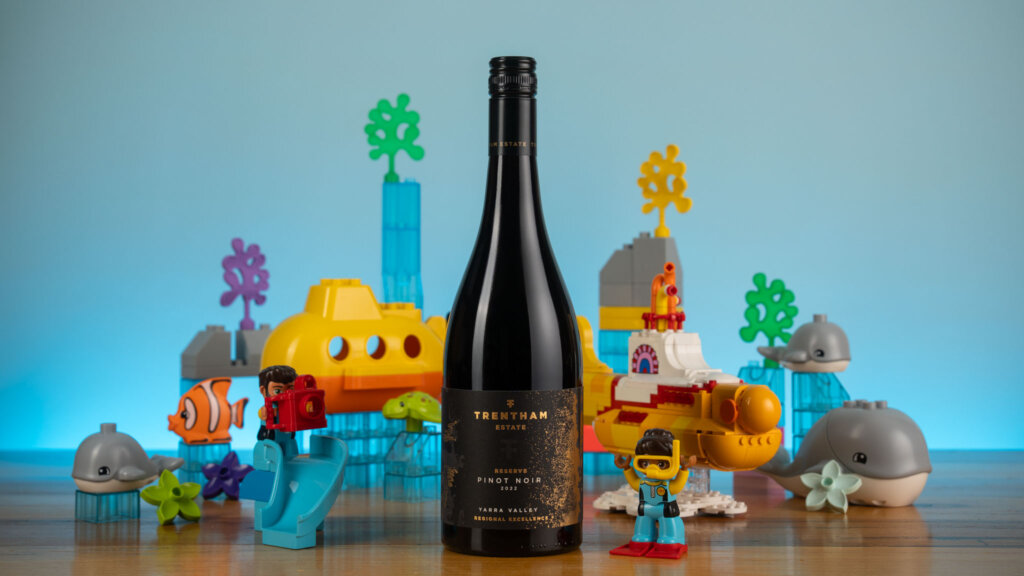
2022 Trentham Estate Reserve Pinot Noir, $32 RRP
Neal included this among his standout six wines from the blind tasting. The wine’s elegant framework captured his attention: “Plums, cherries and exotic wood spice, lifted earth salts wrapped in a creamy textured, spicy and silky framework with lots of finely tuned tannins to create a delicious savoury finish,” he noted.
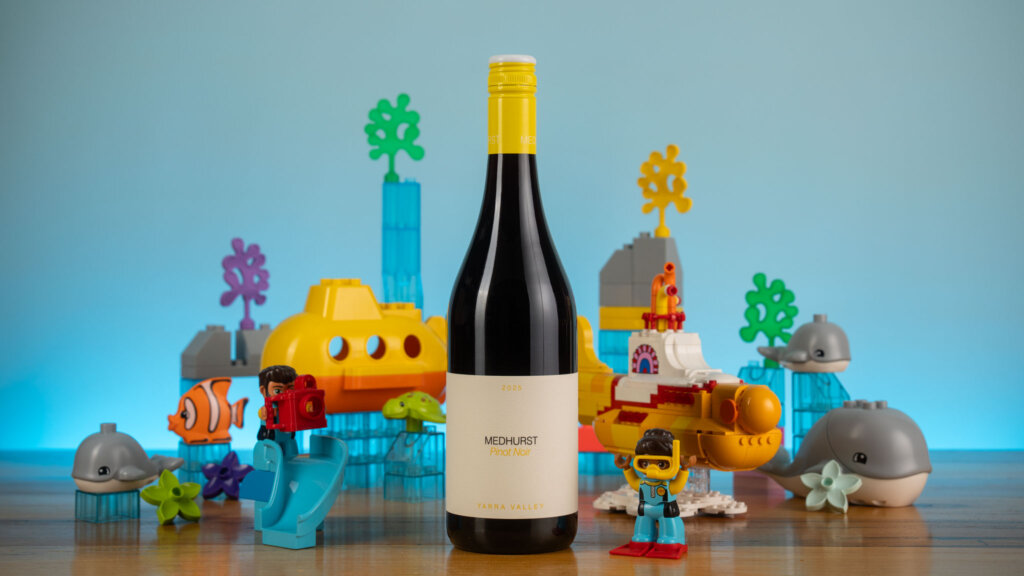
2025 Medhurst Pinot Noir, $40 RRP
Dudine selected this among his top six selections from the blind tasting. The textural elegance of the tannins captured his imagination immediately. “Notes of red apple skin, squishy ripe red fruits such as strawberry are immediately present, with subtle riper notes of red division plum,” he observed. “Layered in are floral notes of pot pourri with hints of fresh tarragon and simmering shallots in sherry. The palate shows more red fruits – blueberry with cola spice, pot pourri. The tannin sucked me right in; so lacy and effortlessly integrated, like wearing a suede jacket.”
Lange’s attention was captured by this wine’s gradual reveal, selecting it among his standout six picks from the day. “This wine revealing itself slowly, a more subtle savouriness on the nose – pastrami and smoked spice, pepper,” he noted. “Beautifully composed dense dark fruits. Black cherry and blackberry bramble are concentrated without being heavy or overripe, sitting comfortably alongside the savoury counterpart. The palate is generous yet composed, with the same beautifully defined fruit forming the heart of the wine. Acid is softer. A gentle tingle of baking spice lingers, adding warmth and intrigue rather than overt sweetness. Subtle and fine tannins. A wonderfully layered wine with impressive complexity.”
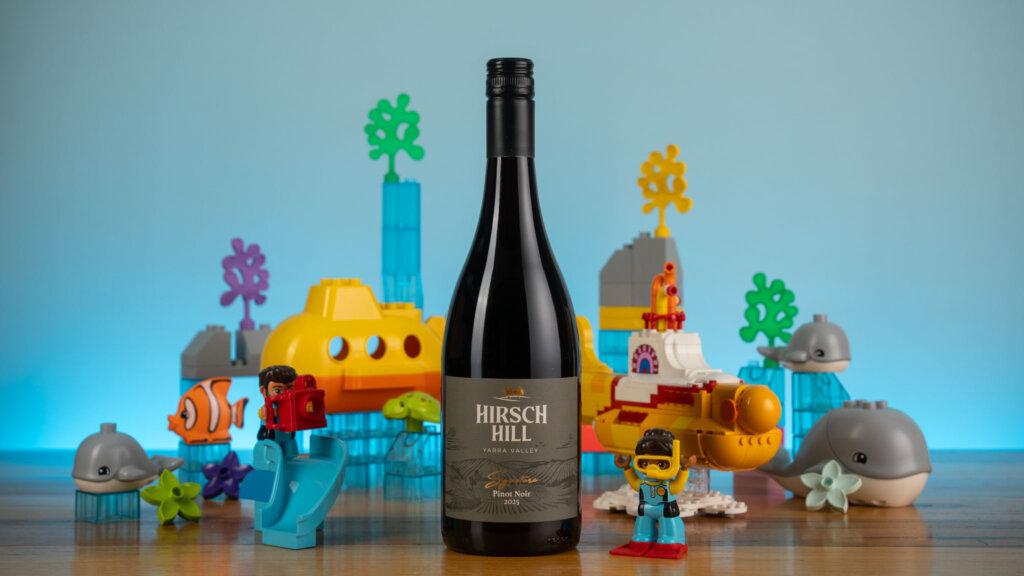
2025 Hirsch Hill ‘Signature Pinot Noir’, $45 RRP
Neal picked this among his top six wines in the day. The wine’s meaty appeal and textural balance captured him immediately. “Meaty with an infusion of dried pot pourri-like aromatics melding with raspberries and strawberries, wrapped in a fine silky tannin spine,” he noted. “Fleshy and appealing for its roundness, flavour profile and balance. A gentle yet appealing expression of pinot.”
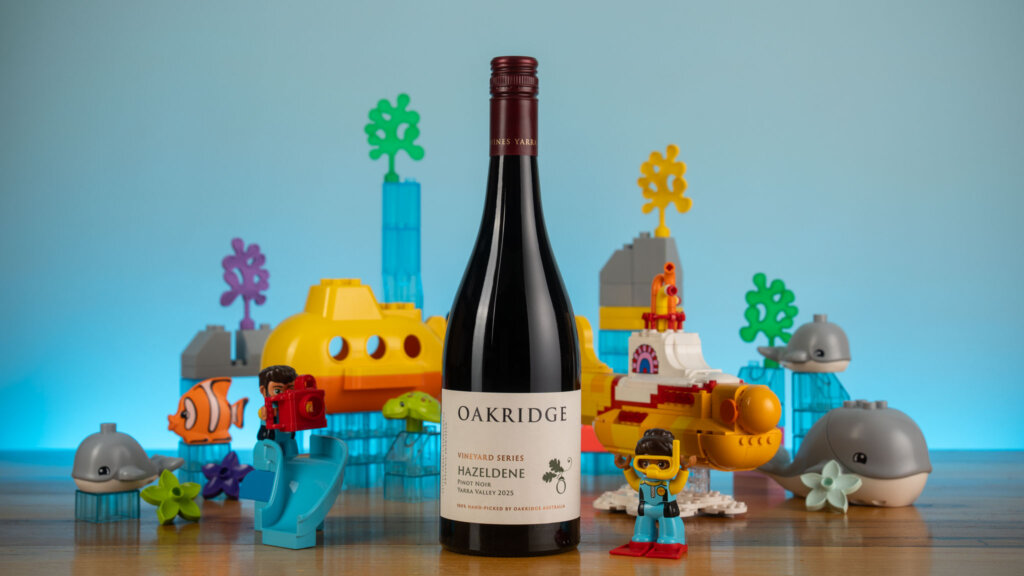
2025 Oakridge ‘Vineyard Series – Hazeldene’ Pinot Noir, $48
Hilliker selected this among her standout six selections in the day. The unique fruit profile seized her attention. “An initial yeasty hit of sourdough starter and slightly undercooked shortcrust pastry, followed by a stunning floral bouquet – magnolia, geranium, peony, rose. Even a little cactus flower and fruit,” she observed. “A really unique fruit profile of pureed red apple, blackcurrant and raspberry. The fruit expression really made this wine stand out in the lineup for me. It’s just so damn approachable!”
Dudine included this among his standout six picks of the blind tasting. The wine’s layered complexity and book-friendly character delighted him. “Showing yeasty wafer cone notes with red ripple ice cream, damson plum and an exotic fruit note akin to rambutan,” he enthused. “Confected Red Ripperz, red peonies and orange citrus tones on the palate. Underneath are five-spice powder notes and earthy mushroom notes. The tannins are well integrated into the wine, leading to a sweet and juicy finish with a herbal/citrus aromatic amaro-esque character. This helps balance the sweet fruit, giving it interesting complexity. It’s the kind of wine I’d take home and enjoy while reading a good book.”
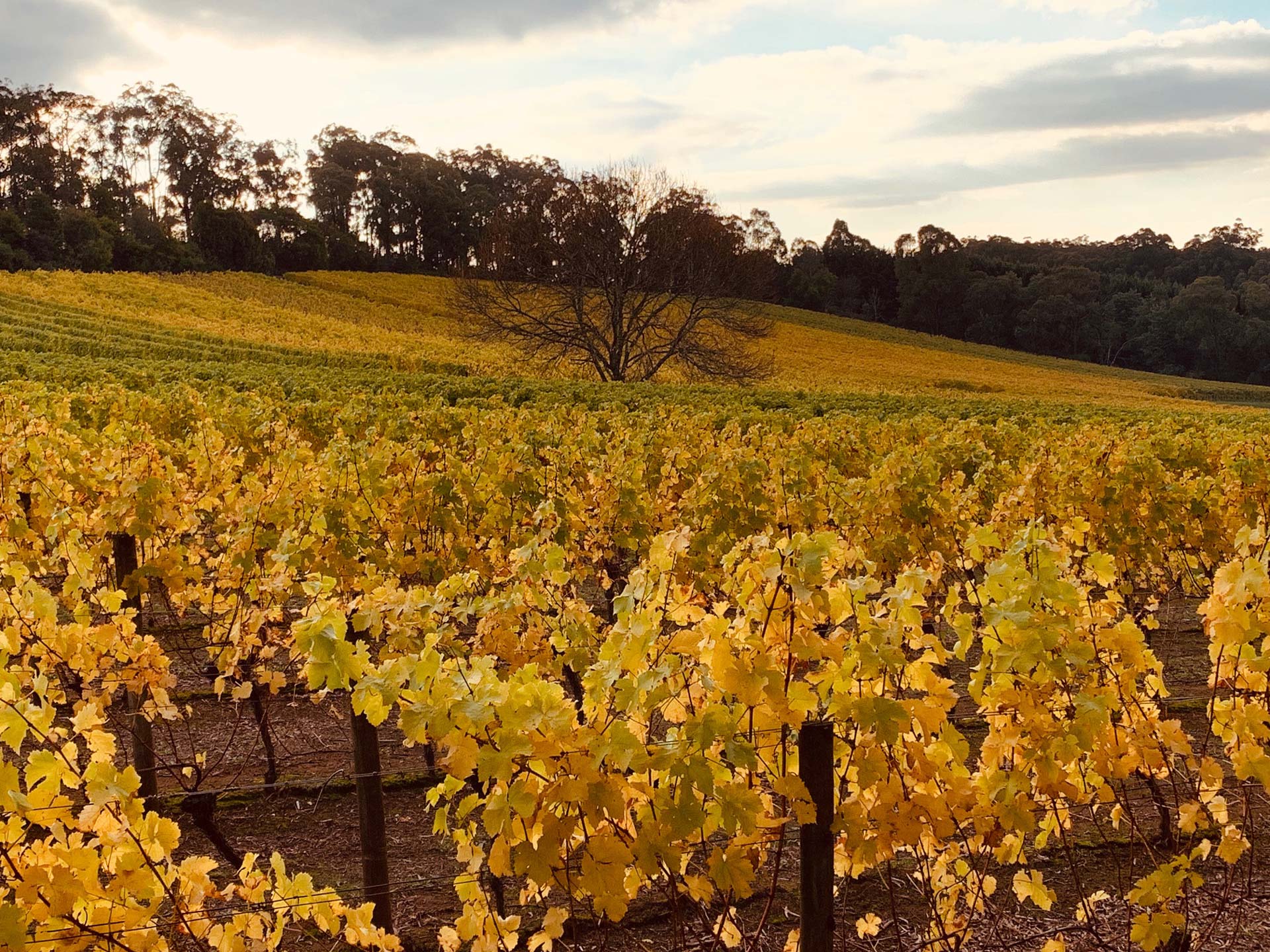
Above: The Gembrook Hill vineyard in the Upper Yarra.
The Backstory
Pinot noir is undoubtedly the hero red variety of the Yarra Valley. The first vines in the ground in the region were pinot noir, and the wine made from them in the early 1800s – judged “better than Pommard” – saw a blitz of development that made the region globally famous. And while cabernet sauvignon lead the Yarra Valley’s twentieth-century renaissance, it didn’t take long for the region’s growers and makers to circle back to the variety that started it all. Now with a large roster of high-quality wines from makers both large and small, the region makes a compelling case for being Australia’s prime territory for pinot noir. Do the wines live up to the region’s vaunted reputation?
With a wealth of iconic names on its roster, the Yarra Valley is arguably Victoria’s marquee region. It has an aura of permanence, of deep history. In reality, while it was a pioneering region in the 1800s, it was sparsely planted for much of the twentieth century – and bereft of vines for a time – only seeing a glimmer of a renaissance from the late 1960s, with some momentum in the ’70s, but only really crystallising in the ’80s and ’90s.
Opposite: Whole bunches of pinot noir destined for a Tillie J. wine. Above: Pinot noir grapes on the vine.
From boom to bust to boom again
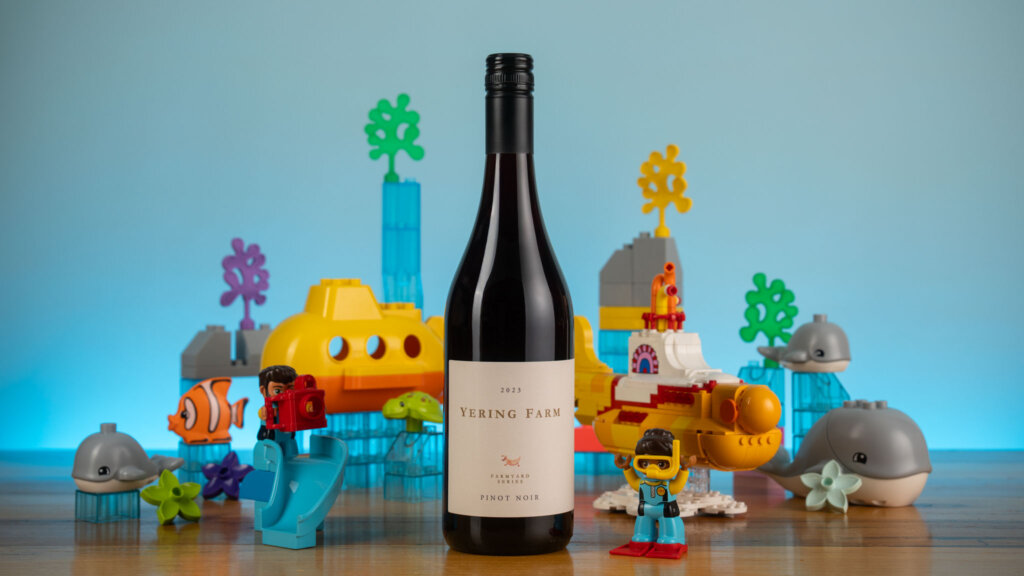
The first Yarra Valley vines were pinot noir – planted at a large estate called ‘Yering’ in 1838 by the Ryrie brothers. That vineyard plot remained strictly small-scale at only one acre (0.4 hectares) until 1856, when the estate’s new owner, Swiss nobleman Paul de Castella, served his guests a Yering pinot noir from the early 1850s. The assembled guests declared that this wine was “better than Pommard” – a village in Burgundy renowned for its powerful pinots – and de Castella was inspired to expand the vineyard and produce commercial quantities of wine. Many others swiftly followed in de Castella’s steps, establishing Yering Farm, St. Hubert’s and Yeringberg (the de Pury family still work from the original Yeringberg winery, if from younger vines). The late nineteenth century was productive, and the wines received both local and international acclaim.
Decline followed, however, and the economic strain of WWI and the Great Depression saw commercial production halted in the 1920s and all recorded vines removed by 1937. The Yarra became grazing and farming land for the next couple of decades, before Reg and Bertina Egan put a flag in the ground for its vinous renaissance when they first planted in 1963, establishing Wantirna Estate.
What followed is a roster of names that are going strong to this day: Mount Mary, Seville Estate, Yarra Yering … along with the rebirth of Yeringberg and St. Hubert’s. The ’80s saw James Halliday pursue his love for pinot noir and chardonnay, founding Coldstream Hills after his earlier foray in the Hunter Valley at Brokenwood. De Bortoli and Tarrawarra also hung out their shingles in the ’80s, though the former rebranded the established Chateau Yarrinya.
Varietal tendency
Today, around 80 wineries represent the Yarra Valley, with the biggest growth in plantings coming in the ’90s. Chardonnay and pinot noir are now far and away the leading varieties, accounting for 74% of all grapes harvested in 2026, with pinot noir accounting for 44% of the region’s total yield. That wasn’t always the way, with cabernet sauvignon – and attendant Bordeaux varieties – once being the region’s prime movers and claim to fame.
Above: De Bortoli’s home vineyard in the Yarra Valley. Opposite: De Bortoli’s Lusatia Park vineyard, as viewed from the tractor.
Those Bordeaux varieties still contribute to some of the Yarra’s most fabled wines, but with cabernet sauvignon now sitting at 5% of the region’s total yield, it’s a relative footnote. The growth of pinot noir has ridden largely on the back of a thirst for still red wines, but many of the plantings, particularly in the cooler Upper Yarra where sites were seen as marginal in achieving ripeness, were originally intended for sparkling wine production.
Those sites are now seen as some of the best vineyards for premium pinot noir table wine. That’s due to a combination of factors, which includes advancing vine age and a warming climate, but it’s also because of experience of growing and making, along with changing tastes for more elegant wines.
“I personally love the pinots from the volcanic soils of the Upper Yarra. Pinot from the better sites in the Lower Yarra are plumper, darker fruited, still lovely aromatics, soft texture. The Upper Yarra is certainly more ethereal, slightly lighter in colour, but with lots of power and length.”
“I personally love the pinots from the volcanic soils of the Upper Yarra,” says De Bortoli’s Steve Webber. “Pinot from the better sites in the Lower Yarra are plumper, darker fruited, still lovely aromatics, soft texture … the Upper Yarra is certainly more ethereal, slightly lighter in colour, but with lots of power and length.”
A complex web
De Bortoli is based in Dixon’s Creek, but they also own the Lusatia Park vineyard in the Upper Yarra. “It’s important to note that there is not a lot of altitude difference between the Upper and Lower Yarra,” says Webber, noting the upper and lower designates refer to the flow of the Yarra, rather than elevation. “For example, Lusatia Park is at around 230 metres and some of our Dixons Creek vineyards are at 130–200 metres. The real differences are in rainfall and the cool air coming from the seas to the south.”
Above: Steve Webber. Opposite: The red volcanic soils of the Gembrook Hill vineyard in the Upper Yarra.
Those weather patterns along with aspect and macroclimatic nuances create a lot of diversity outside the general upper and lower division. Additionally, varying soil types – which are broadly broken into low-nutrient grey soils and more fertile rich, red volcanic soils, but the underlying bedrock varies, with clay, siltstone, mudstone and small areas of granite all featuring – complex the matrix further.
Melanie Chester is Head of Winemaking and Viticulture at Giant Steps, farming six distinctly different Yarra vineyards. “An interesting comparison is Applejack and Primavera vineyards,” she says. “Same elevation at 300 metres but in Gladysdale and Woori Yallock [both Upper], and different soils, old grey clays and red basalts, respectively. The Applejack wines are savoury, umami, spicy with exotic red fruits and so much perfume. Primavera, the most sweet and succulent wines – pomegranate, rosehip, purple flowers, lighter, more lithe.”
Strength in diversity
Stylistic differences aside, the diversity is something that Mac Forbes, who farms three leased sites and has planted a fourth for his eponymous label, believes will help ride the waves of more turbulent seasons: “For a region I’d always criticised for being too complicated … too many soil types, aspects, elevations … et cetera, we now find ourselves incredibly well placed to cope with future weather fluctuations. Excitingly, we are seeing sites that previously have never been planted to vines now showing real promise if seasons get warmer and drier.”
Opposite: Giant Steps winemaker Melanie Chester – who highlights the differences the soils make on the characters of their wines across their six sites in the Yarra. Above: Mac Forbes – who argues that the region’s climatic diversity can help it mitigate the effects of a warming planet.
That coin flips the other way, too, says Webber. “For top-end pinot, I am sure that the profound wines will come from the best sites in the upper reaches of the Yarra River in most seasons. There are, however, some terrific pinot noirs from the lower reaches of the Yarra in the more moderate seasons.”
De Bortoli have removed some pinot noir in their warmer sites, betting on gamay among other varieties, but Webber notes that in other sites working with different vine material is yielding exciting results. “The newer clones – Abel, Pommard, 943, 667 – are giving brighter, more perfumed wines in both the Lower and Upper Yarra, but particularly in the Lower Yarra where MV6 can be a bit savoury on the warmer sites.”
Upsides of the louse
That replanting is often done due to the threat of phylloxera – an American pest that kills all vines not grafted onto resistant rootstocks. While the Yarra Valley had successfully avoided this pest on its arrival to Australia in the late 1800s, the region’s luck ran out when the so-called ‘pox’ was discovered here in 2006. “The ‘pox’ is a blessing and a curse – but mainly a curse!” declares Chester. “The silver lining is that it does allow you to rethink your vineyards and make changes for the better. A lot of what we know now about growing great pinot is different to the late ’80s and ’90s when much of the Yarra Valley was planted.”
When the Yarra was first experimenting with pinot noir, there simply wasn’t much of a history of the variety in this country. The regions we now recognise as leaders for the grape – Mornington, Macedon, Tasmania, Geelong, Adelaide Hills etc. – are essentially modern winegrowing regions. It has taken time for the grape to be properly understood, both in the vineyard and the winery.
“An interesting comparison is Applejack and Primavera vineyards. Same elevation at 300 metres, but different soils – old grey clays and red basalts, respectively. The Applejack wines are savoury, umami, spicy with exotic red fruits and so much perfume. Primavera, the most sweet and succulent wines – pomegranate, rosehip, purple flowers, lighter, more lithe.”
“No doubt, the cost of phylloxera will be felt for generations,” says Forbes. “However, with the knowledge that we have built over the decades, we can go about planting or replanting with greater sensitivity towards our duty to the land, as well as choice of …density, clones, farming practices and even location that can set up the Yarra to continue to produce fine-boned, fresh, medium-bodied wines. It comes down to us now… we have a region that can deliver so much. We just need to do the work.”
Premium position
That is a long and ongoing project, with the need to balance having enough productive vines while new plantings mature. So, the results of that cumulative knowledge will take time to bear fruit, but Webber believes that what’s in the glass already displays that experience amply.
“I think the Yarra has developed quite a unique style of pinot noir: fragrant, light to medium in weight, with texture, length and purity,” says Webber. “I think we are now making as good top-end pinots as we are top-end chardonnay in the Yarra … I would not have said that three years ago. As basic Burgundy becomes unrealistically expensive, the Yarra surely is in a pretty good place for global sales of premium pinot.”
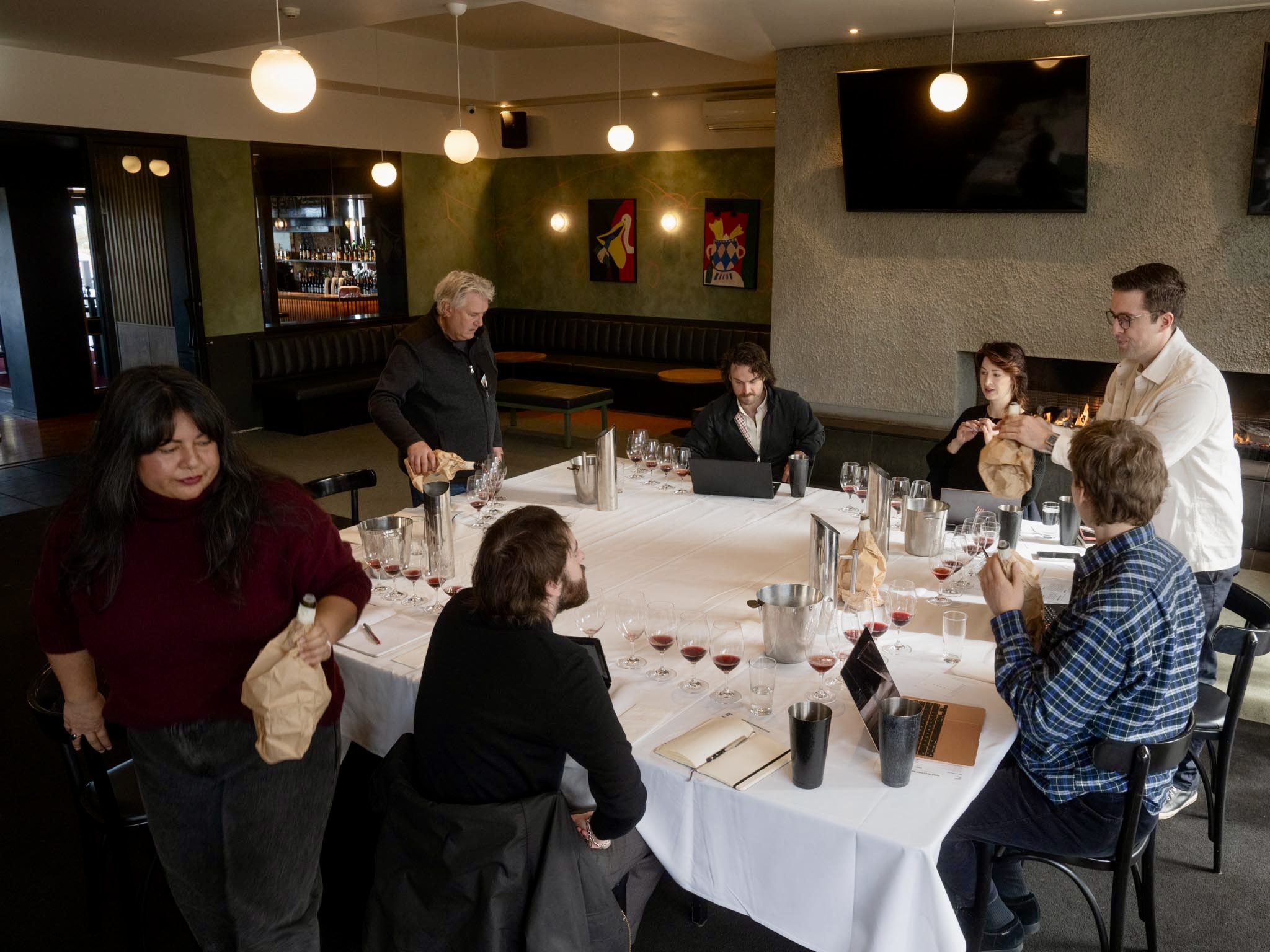
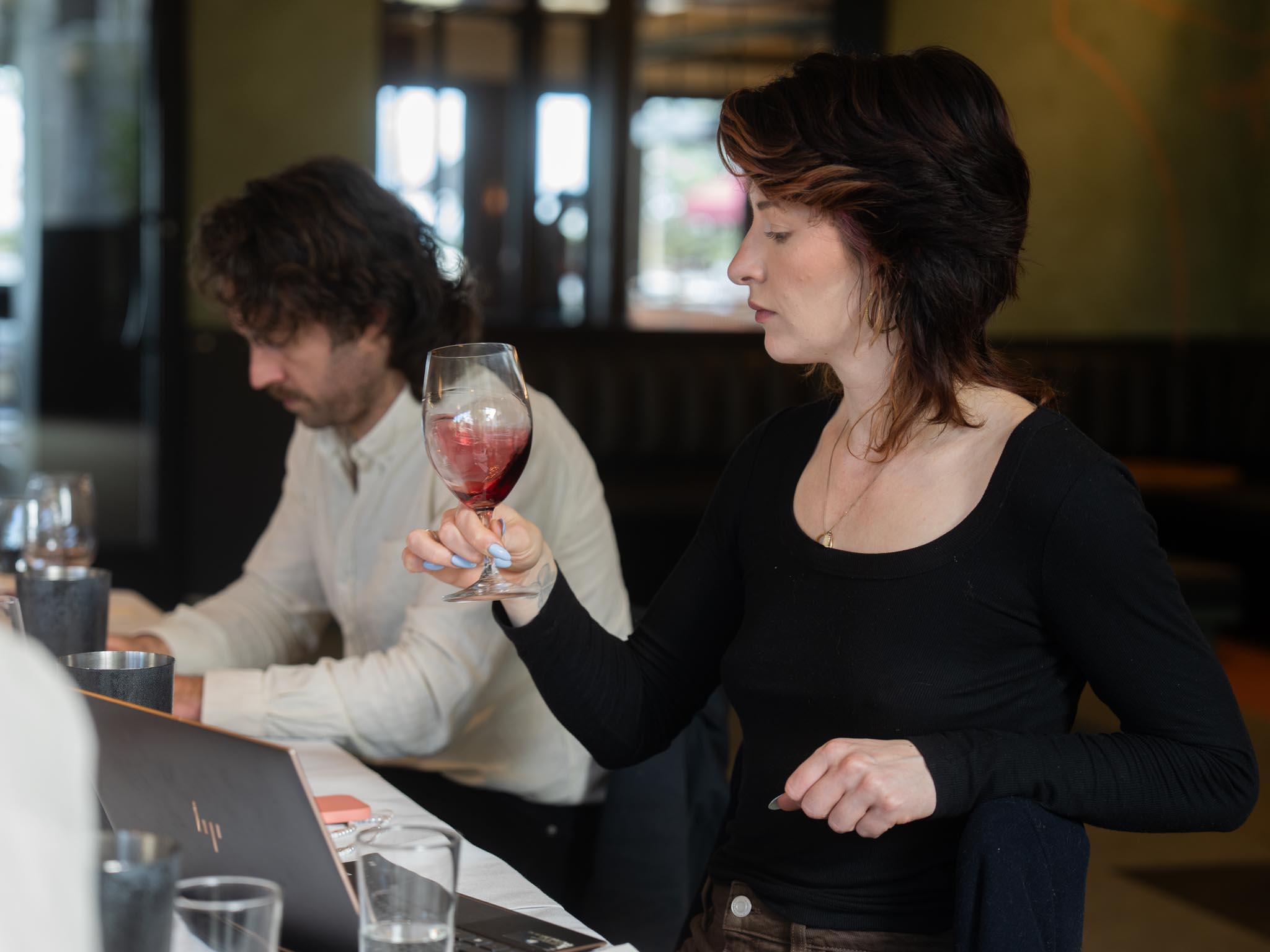
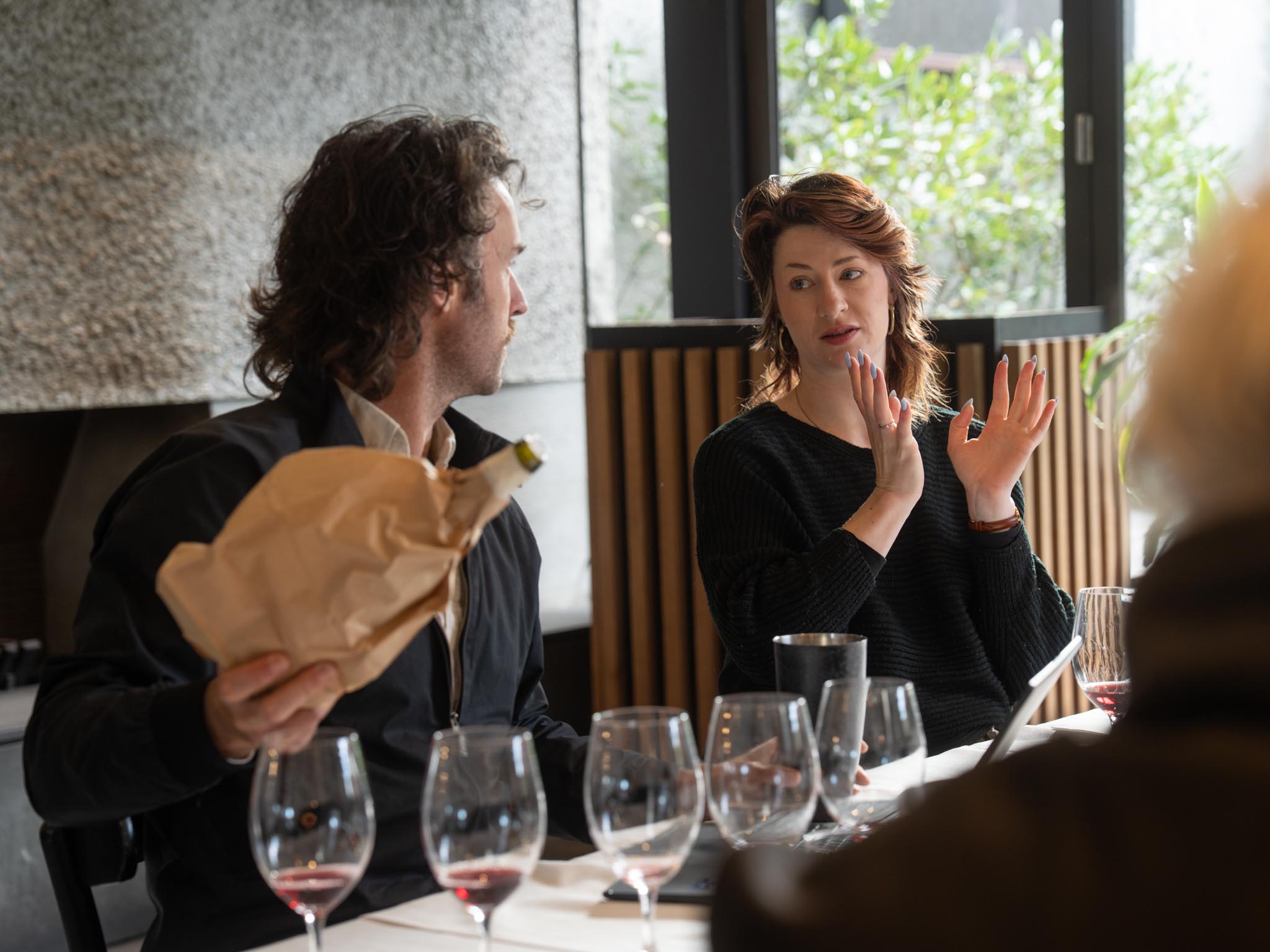
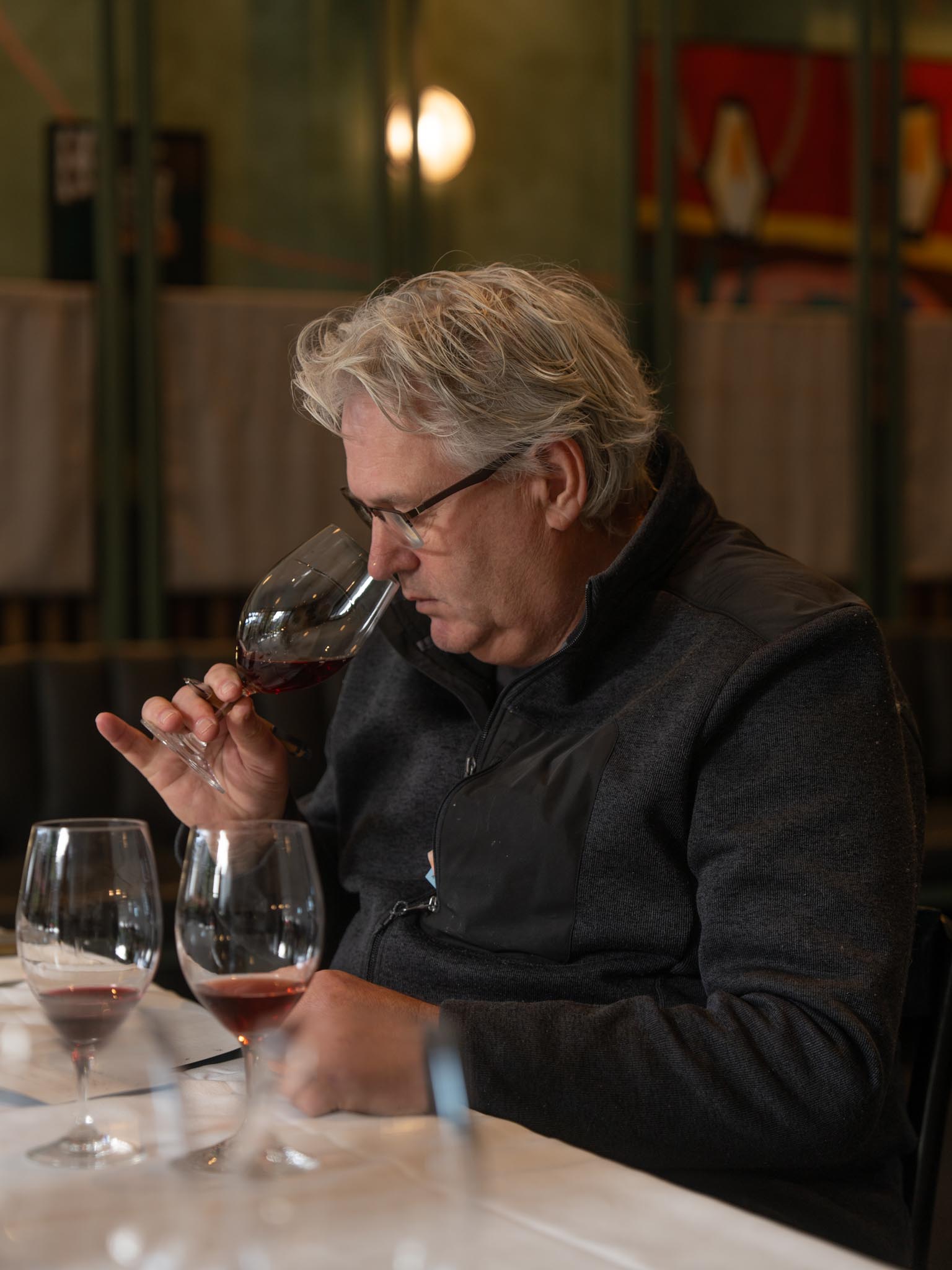
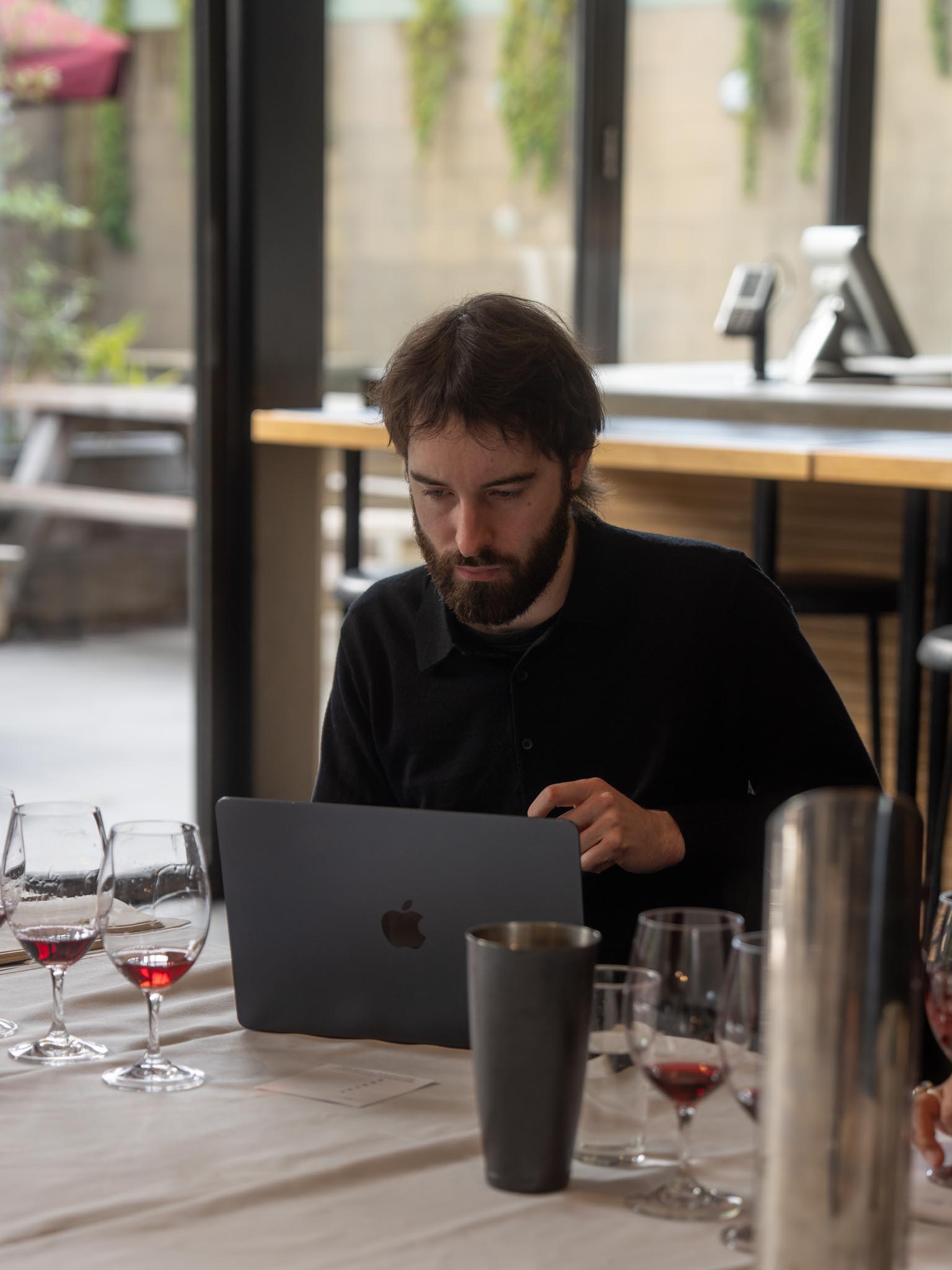
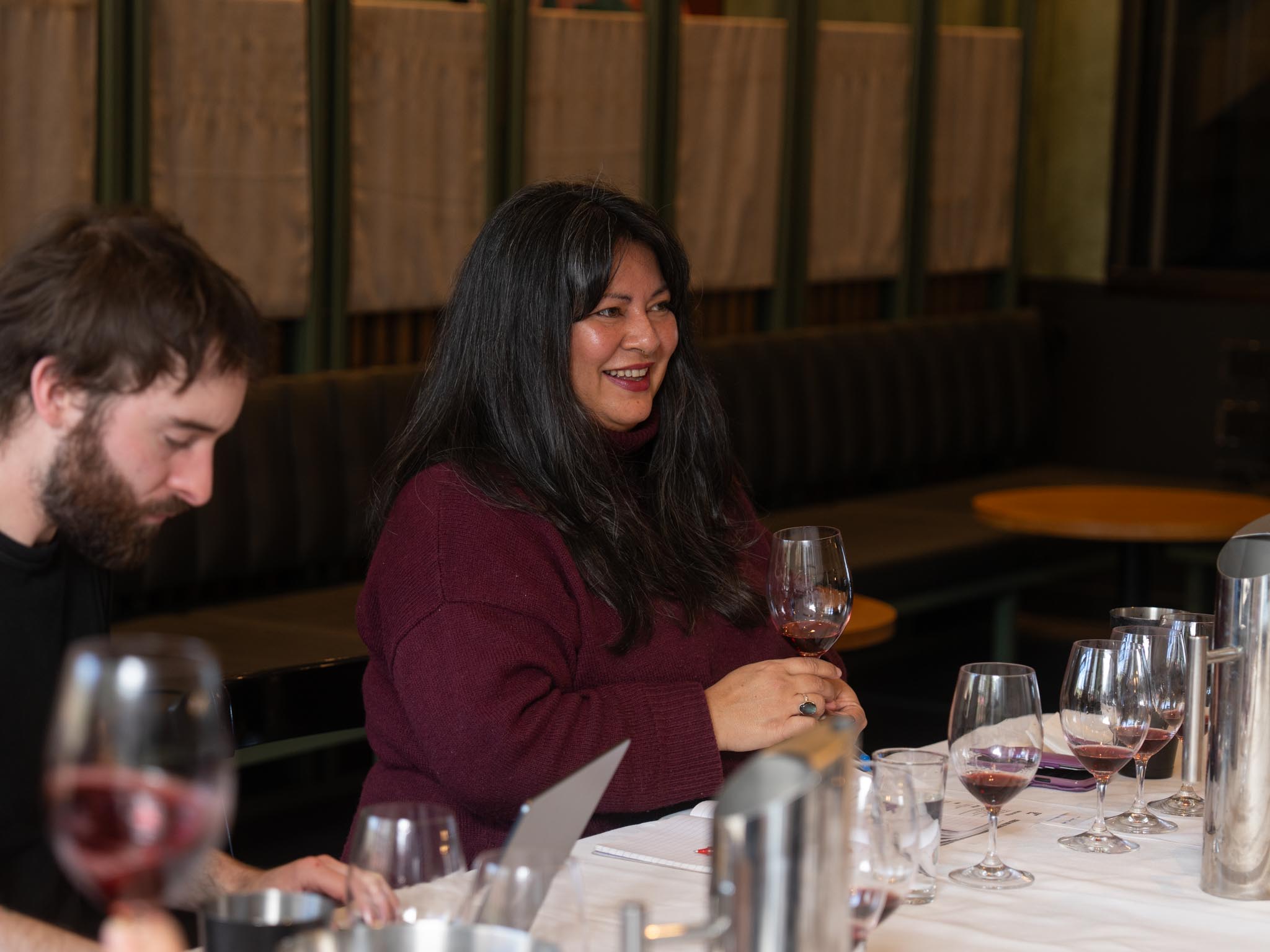
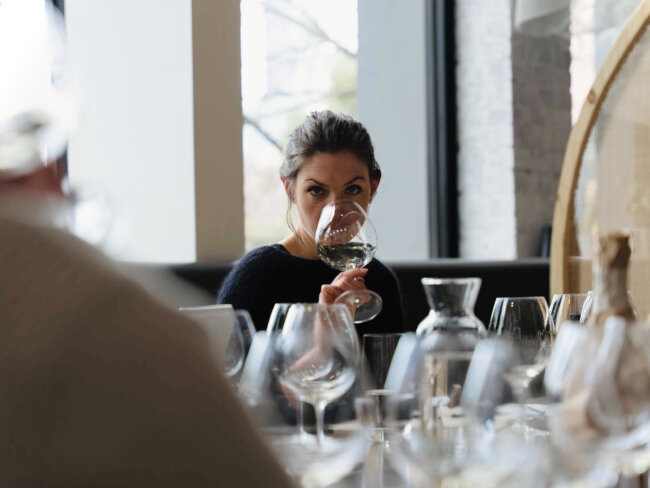
Above: The panel gathered at the Bleakhouse Hotel, Albert Park (Melbourne).
Outtakes From The Tasting
We gathered every example of pinot noir from the Yarra Valley that we could find and set our expert panel the task of finding the wines that compelled the most. All wines were tasted blind, and each panellist named their top six wines.
Our panel: Stuart Dudine, owner and winemaker, Alkimi; Sarah Hilliker, sommelier, Vespa Pasta & Vino; Doug Neal, winemaker, Gaffey & Neal; Terina Davies, wine merchant, Seddon Wine Store and Union Wine Store; Isaac Coleman, sommelier, Supernormal; Eddie Lange, sommelier, Tonka; Charlie Redmond, wine merchant, Seddon Wine Store.
Coleman commenced the discussion by observing the diversity of winegrowing and winemaking approaches within the region. “What I really appreciate about the Yarra Valley is the diversity of people and approaches to a relatively limited number of varieties,” he said. “So throughout the tasting, you’re not looking at flights and flights of wines that are similar in terms of appearance, similar use of whole bunch, similar use of oak, similar answers to the question of, ‘Are we crushing, or are we keeping whole berries?’. It was really stark.” He added that this diversity was reflected in his top-six selections: “My top six were a real even distribution of lighter, fresher examples, maybe some whole-bunch wines, some savoury examples, some more fruit-driven examples. I think that there are definitely some regions around Australia that have honed in on a very specific and particular regional style. I definitely think that’s not the Yarra Valley – but to its credit, that probably reflects the individual sites, and also the backgrounds of the people making the wines.”
Above: Charlie Redmond. Opposite: Isaac Coleman.
Redmond argued that this diversity of winemaking approaches was exemplified by the region’s differing takes on two of the most important tools in a red wine maker’s arsenal. “I found the biggest diversity was in whole bunches or oak use,” he said. “You could taste how selective the winemakers were – because the wines that had a lot of new oak, I felt, also had enough fruit to back it up. It didn’t feel like either was out of balance – there were maybe one or two wines where I thought they were – but in general it felt like the oak use was relative to the quality of the fruit.”
“Even in the wines with a lot of new oak, that oak was well-integrated, even at this early age – and it’s only going to become better integrated as time goes on in the bottle.”
Hilliker agreed with Redmond on the question of oak use in the lineup, but added that time in bottle would only see the wines become better balanced. “The wines that I did feel more new oak on, I also felt a much bigger presence of tannins and acidity, and maybe slightly higher alcohols,” she said. “I was like, ‘Okay, maybe this is designed for age. They want this to integrate. They want people to drink this in two to three years rather than right now.’ So for the most part, even in the wines with a lot of new oak, that oak was well-integrated, even at this early age – and it’s only going to become better integrated as time goes on in the bottle.”
Above: Stuart Duding. Opposite: Sarah Hilliker.
Coleman added that, in his opinion, the region’s use of whole bunches in fermentation was likewise very thoughtful, regardless of where individual makers landed on the question. “I think there was judicious use of whole-bunch,” he said. “There were very few wines where I thought, ‘I can’t get past the whole-bunch’. It’s there. It adds to the complexity. It adds lift. It adds a sort of a mezcal-y, smoky spice – but I like it, and there’s enough other things going on around it.And that shows the development of the region and the winemaking, right? They understand that you need to know when to use what.”
“We are a very technical region. We’ve really honed in on and refined how we make pinot noir. And I think we’ve come to realise that handling in the winery is as important as the conditions that the fruit is grown in.”
Dudine was pleased that the other, non-winemaker panelists could perceive the meticulous nature of the Yarra Valley’s winemaking culture. “It’s been good sitting back and just listening to some of these comments, because they resonate with how I feel,” he said. “Being entrenched in the Yarra Valley, I can’t help but come along with some preconceptions – and I think we are a very technical region. We’ve really honed in on and refined how we make pinot noir. And as we can all appreciate, pinot is very much a site-specific variety – it really shows those nuances of where it’s grown.So when the sites are great, the wines are amazing – and when they’re not great, you get wines that are pretty clunky and muted, or a neutral ‘dry red’ style. But I think we’ve come to realise that handling in the winery is as important as the conditions that the fruit is grown in. So, as someone who’s in it, seeing examples of judicious whole-bunch use, with ripeness of stems, and judicious use of new oak – these are all examples of that technical analysis that we’ve really gone into in the Yarra.”
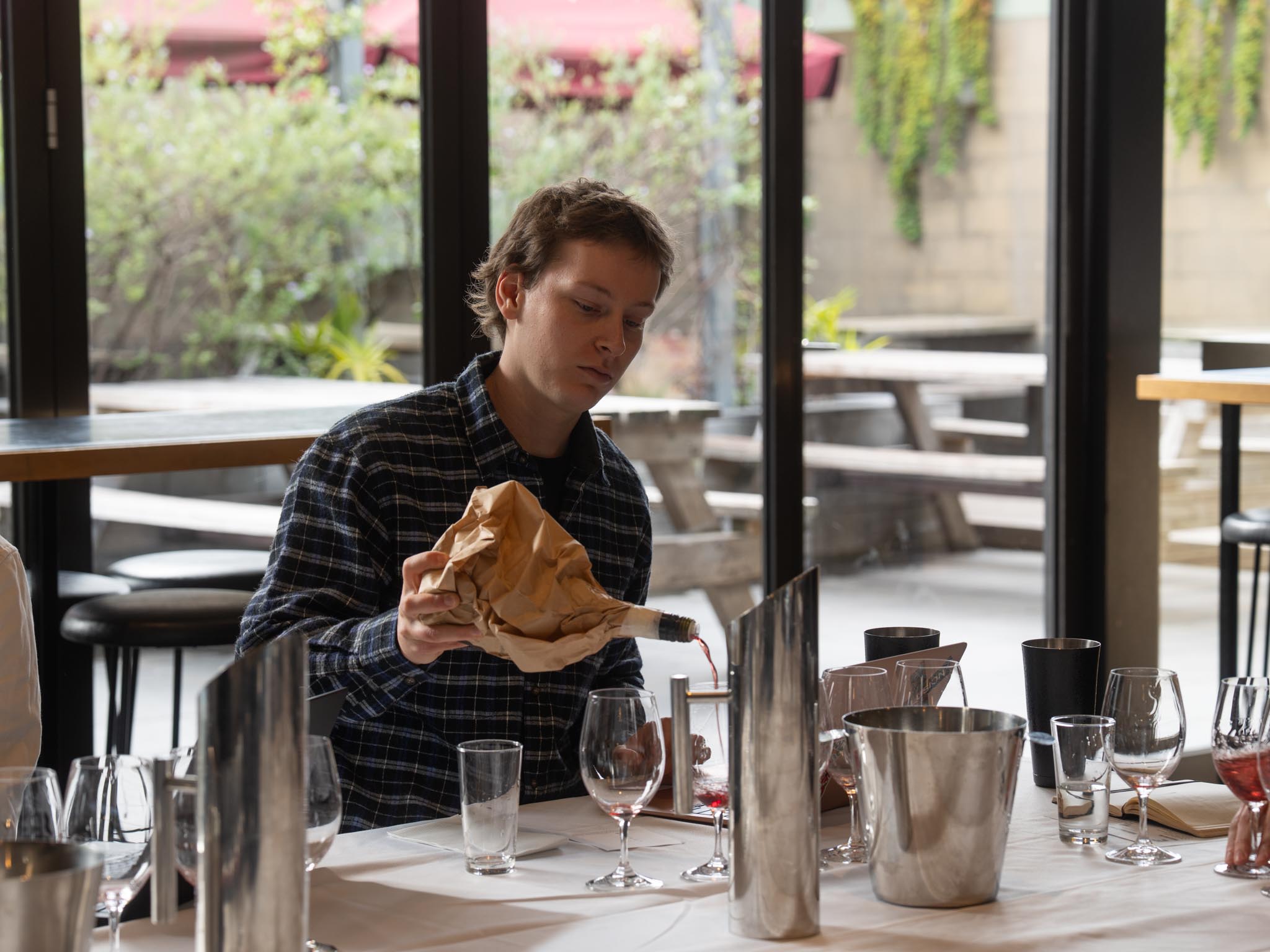
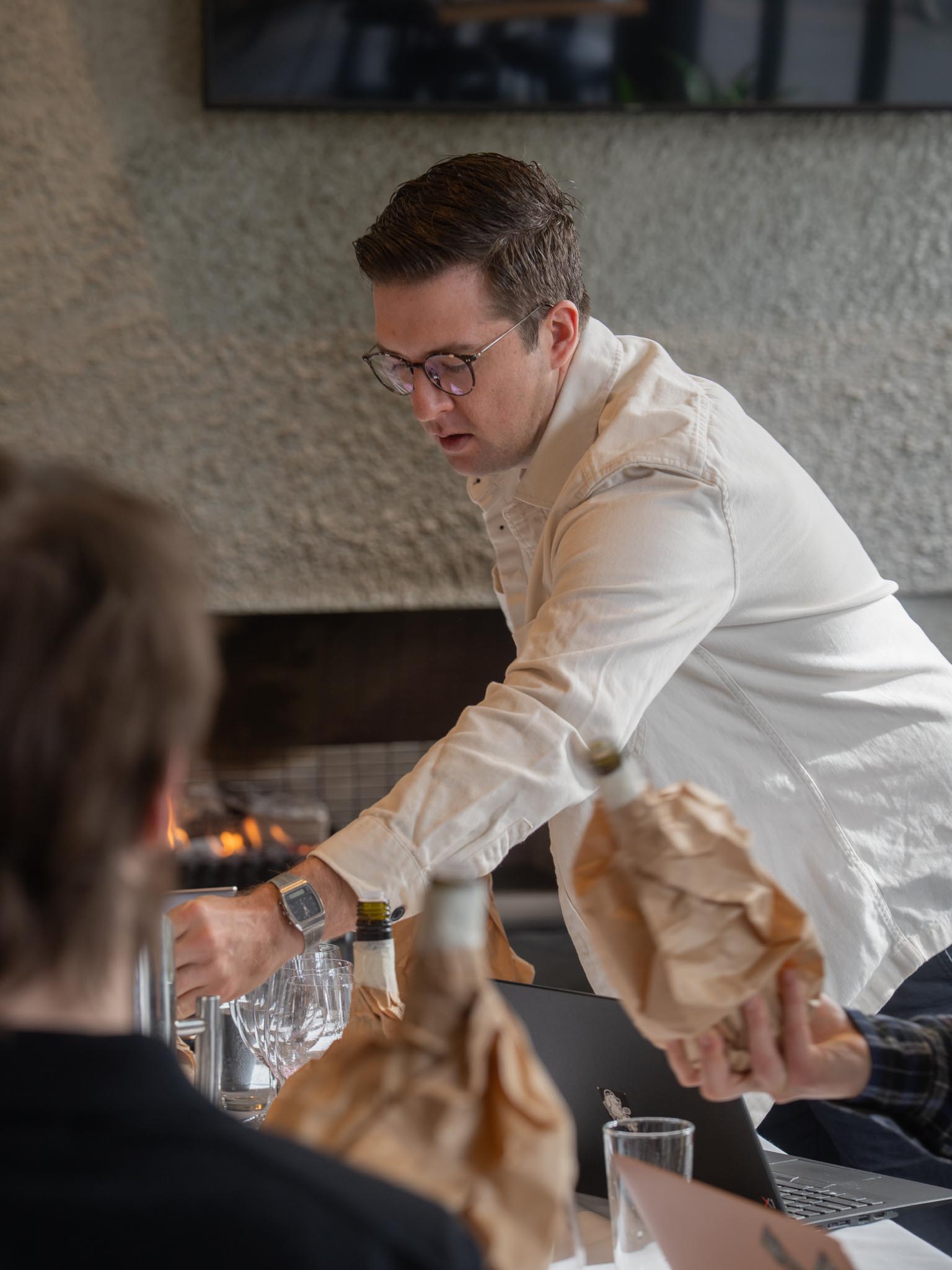
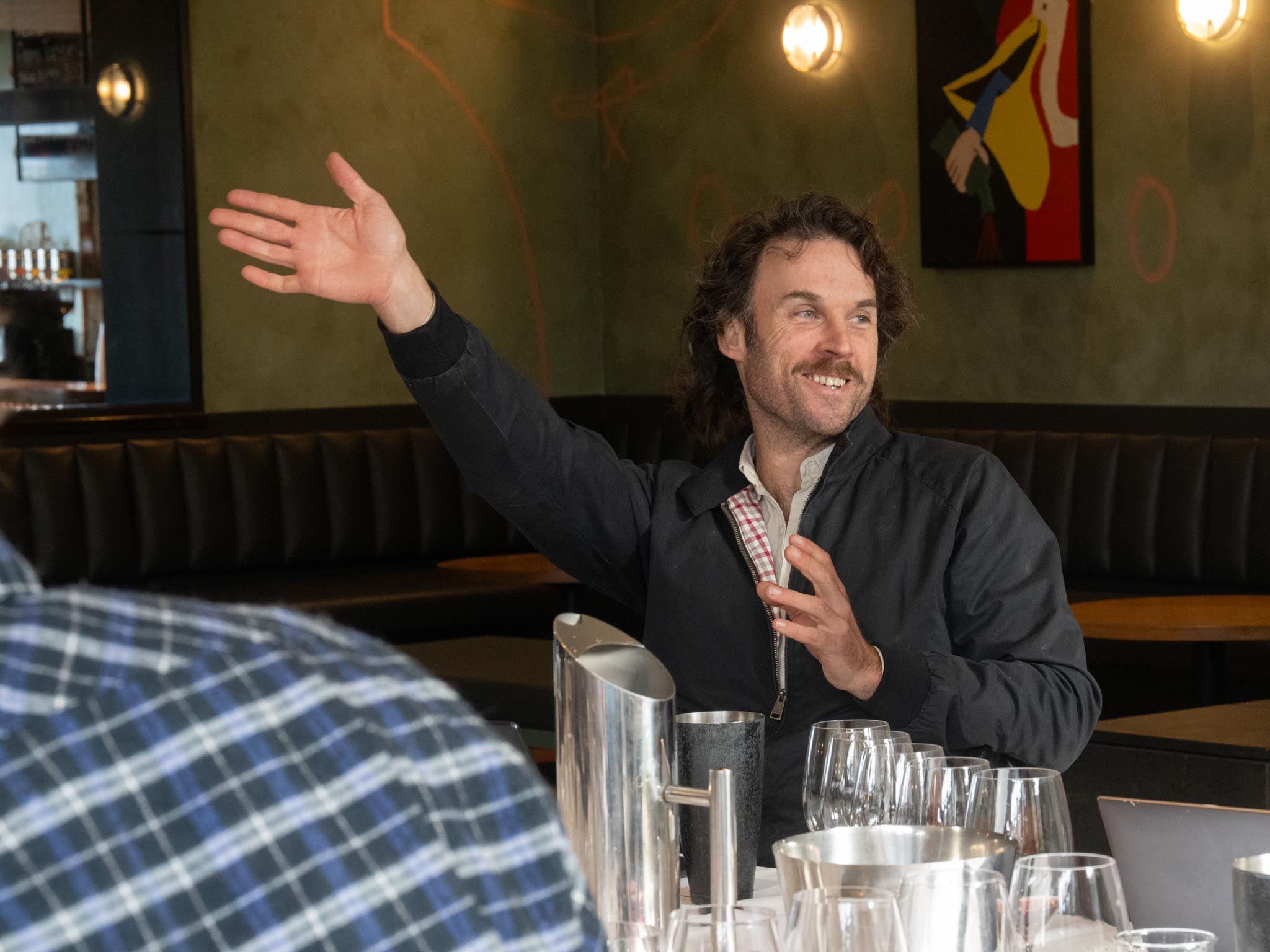
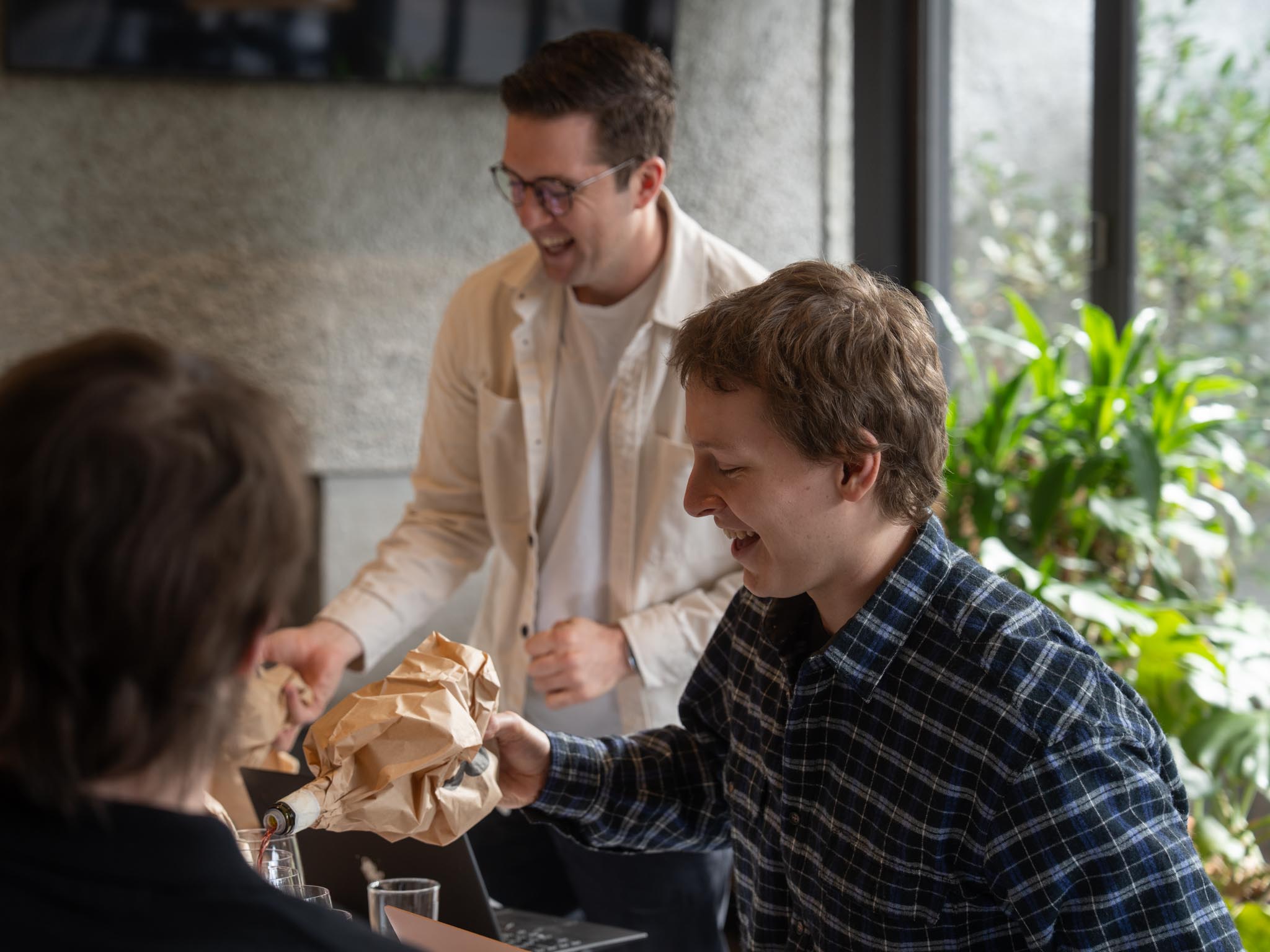
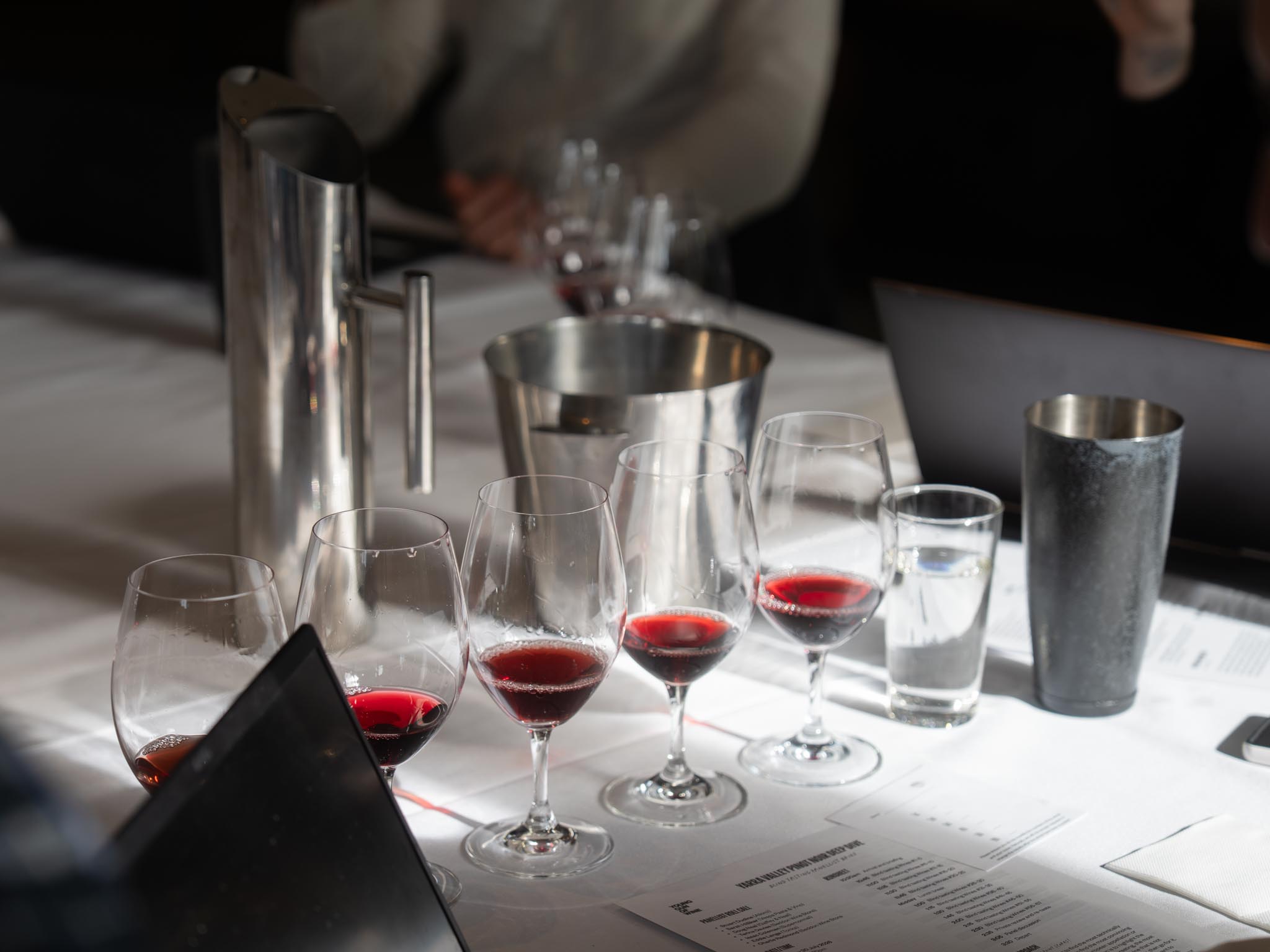
Opposite: Doug Neal. Above: The panel tasting in action at the Bleakhouse Hotel, Albert Park (Melbourne). All wines tasted ‘blind’.
Dudine added that the wines in the lineup demonstrated the value of blending multiple components made using different techniques to form a complete wine – even if those blending components all are made with the same grape variety, or even come from the same vineyard. “The real understanding in the Yarra Valley these days is that the sweet spot is a bit of a mix – is a bit of a judicious blend,” he said. “And a judicious blend, I think, is done on the bench rather than during the vintage. So I’m seeing wines with whole-bunch – the smokiness from the ripe stalks, that green-bean character that I associate with a whole bunch, and even some lightness and fruit pop that can come with whole-bunch – but I’m seeing that layered in as a component, and not an overwhelming component.” He concluded by observing that this use of considered blending might help the Yarra Valley’s producers shift their pinots into a deeper, more serious register. “The Yarra Valley does prettiness and elegance so well – I think that’s what defines our region. And the challenge that I see – at least for me as a winemaker – is layering in the concentration and the depth to complement that prettiness, and make a full ‘grand wine’.”
“Know your site, understand what your site can do, and make the best possible wine from that. And price accordingly – they can’t all be grand cru vineyards.”
Mention of a ‘grand wine’ spurred Neal to argue that the Yarra Valley’s makers sometimes suffered from a mismatch between winemaking ambition and the quality of the pinot fruit that they had access to. “I saw some wines here where I said to myself, ‘No way – that’s not gonna get in my top six’, so I put a line through it,” he said. “But as I was tasting those, I was thinking, ‘You could make something decent from this fruit if you’d just been honest about where your fruit’s at – the age of your vines, where your vineyard sits in the pecking order of the region – and then made the wine to suit’.” He added, “This is not Yarra–specific. Know your site, understand what your site can do, and make the best possible wine from that. And price accordingly – they can’t all be grand cru vineyards.”
Above: Terina Davies. Opposite: Eddie Lange.
Talk of pricing shifted the conversation to the market for the Yarra Valley’s pinots. Davies argued that the region’s identity and spread of price points made it an easy sell in a retail setting. “It’s funny that we’re comparing it to Burgundy,” she said. “More often than not, I steer away from that comparison because I think that the Yarra Valley has such a reputation of its own – and that’s an easy sell for me. And with Yarra pinot I’ve got all those price-point options, so I can recommend something that’s $30, and I know the customer is going to be very, very happy with it. Or, if they want to splash out, then they can go a little bit higher. But unless I really have to hand-sell a premium bottle, then I will probably avoid making comparisons to other parts of the world. Because I do think that the personality of the Yarra Valley should stand on its own – and I think it does.”
“With Yarra pinot I’ve got all those price-point options, so I can recommend something that’s $30, and I know the customer is going to be very, very happy with it.”
Lange concurred, although he added that the region’s strong identity sometimes obscured its diversity. “I don’t think the Yarra Valley needs much selling in Melbourne – but it maybe requires some steering,” he said. “There are people who just see it as local – like, ‘It’s from my backyard, I want it, I’ve had it before, I know what it’s going to look like’. But today’s lineup showed us that any given Yarra pinot might not necessarily look like what we think Yarra Valley is meant to look like. It might be more diverse within the region than what people are expecting.”
Above and opposite: The panel tasting in action at the Bleakhouse Hotel, Albert Park (Melbourne). All wines tasted ‘blind’.
The Panel
Stuart Dudine’s winemaking is an alchemical process, where nature, intuition, and time transform grapes into liquid gold. With twenty years of experience across Australia, France’s Rhône Valley, Austria, and Italy, Stuart has spent his career working at some of the world’s most respected estates – including Henschke, Yarra Yering, Mac Forbes, and cellars throughout Europe. Along the way, he’s been the quiet hand behind award-winning wines for other producers, shaping their reputations from behind the scenes. He founded his label Alkimi in 2014, and has been a three-time finalist in the Young Gun of Wine awards. He now farms his own Marsanne vineyard at Mount Evelyn in the Yarra Valley, while continuing to support other wineries as a trusted senior winemaker.
Sarah Hilliker has worked in hospitality since 2011 – but didn’t find wine until 2019, while at Treviso Bar & Dining, where she worked as the bar manager and also eventually became the wine buyer. During her four years at Treviso, she completed both the Wine & Spirit Education Trust (WSET) Level 2 Award in Wines and Level 3 Award in Wines. She landed her first sommelier position at Kisumé in 2023, and completed the Introductory Sommelier Certificate and Certified Sommelier Certificate with the Court of Master Sommeliers (CMS) during her time there. She took the position of Venue Manager at Bijou bottle store at the start of 2025, where she also headed up the wine program and ran training sessions for the four venues in the Gin Palace hospitality group. She has recently moved to a new Yarra Glen venue, Vespa Pasta & Vino, where she works as the venue manager and hopes to curate an Italian- and Yarra Valley–focused wine list.
Doug Neal’s passion for wine started at uni, when he preferred Jimmy Watson’s to the pubs around Melbourne University, as he wasn’t a beer drinker. After teaching, he started working part-time at Armadale Cellars in Toorak. It was here that he started to sell the first release of Giaconda’s wines, made by Rick Kinzbrunner. Kinzbrunnner invited him up to Giaconda in 1988, and he never left – Kinzbrunner mentored him in winemaking, and then asked him to be involved in the agency that continues to import and represent French barrel manufacturer Tonnellerie Sirugue for the Australia and New Zealand markets. The barrel business has provided him with the opportunity to spend extensive time working with winemakers in Bordeaux, Burgundy, the Rhône, South Africa, New Zealand and Australia over the past twenty-seven years. Apart from making his own wines, he also consults to a small number of wineries regarding oak use, blending, and development of their brand in terms of wine style. Today, he makes expressions of shiraz under the Altera Terra label and chardonnay with his long time friend and fellow winemaker Darrin Gaffy under the Gaffy & Neal label, with an intent to offer complex, elegant and refined wines that show true structure and energy, complexity of aroma and flavour, and the personality of the great sites he works with.
Terina Davies grew up in Gippsland surrounded by vineyards, sparking an early fascination with expressive wine. After completing a Bachelor of Business at RMIT, she spent formative years with the European Group before travelling and working vintages at Gaja and Taittinger, and in the dining room at the three-Michelin-starred fine dining institution L’Arpège in Paris. Back home, Terina has held roles across top venues including Vue de Monde and wineries on the Mornington Peninsula. Now based in Melbourne, she combines her love of wine with inclusive hospitality, working at Seddon and Union Wine Stores, teaching people with disabilities, and studying for her Wine & Spirits Education Trust (WSET) Level 4 Diploma in Wines.
Isaac Coleman currently works as a senior sommelier at Supernormal. He has recently completed vintage work as a cellar hand at Tasmania’s Frogmore Creek and Austria’s Domäne Wachau. He possesses a Level 3 Award in Wines from the Wine & Spirit Education Trust (WSET) and a Bachelor of Commerce (Finance) from Griffith University.
Eddie Lange is the venue manager of modern Indian restaurant Tonka, where he also performs sommelier and wine buyer duties. His hospitality background is as a bartender, but as he moved into hatted restaurants, the importance of wine became apparent. His love of wine and appreciation for it has been nurtured through mentorship with the sommelier team at Tonka and sister restaurant Coda, education programs with Jay Bessell of Glass Half Full, and completing the Wine & Spirit Education Trust (WSET) Level 2 Award in Wines. He plans to commence the WSET Level 3 Award in Wines shortly, and continues to be inspired by wine’s powerful role in guest’s enjoyment of meals, the challenge of finding the right bottle for the table, and the way that wine’s history is so deeply intertwined with human history.
Charlie Redmond currently works as a wine merchant at Seddon Wine Store.
GET FIRST ACCESS TO THE NEXT WINE ICONS – DELIVERED
Ever since the early 2000s, the Yarra Valley has been determined to go against the grain of Australian chardonnay – pioneering crisp, vibrant, and mineral-driven styles of wine that expanded the range of what many of us thought was possible with the variety. Yarra producers have also been on a mission to change how we think as well as how we drink, with the region as a whole leaning in on single-vineyard wines inspired by the great chardonnay-based wines of Burgundy. With a new generation of producers seeking to further balance the Yarra’s chardonnays with a little extra fruit generosity and potentially a kiss of new oak, there’s never been a better time to take the pulse of this region’s prestige white wine with a Deep Dive.
Where did sulphur in wine actually come from? Why did a small group of French growers turn its absence into a philosophy? And why do the terms ‘no added sulphur’, ‘natural wine’ and ‘preservative free’ – three related but genuinely different things – keep getting sold as one? Inside: the full backstory, plus the top wines to emerge from our blind tasting panel.
Not all wines are built to last – but those made from cabernet sauvignon and its fellow Bordeaux varieties can age very gracefully indeed. Australia’s cabernets are no exception, and many of our makers have already done the heavy lifting for their customers by ageing them in the winery. Inside: the full backstory, plus the top wines to emerge from our blind tasting panel.
Subscribe to our newsletter
Young Gun of Wine is your shortcut to cutting edge wines, the places to go, and the people behind it all.
Subscribe to be amongst the first to know of our latest discoveries in wine.
We'll bring you the inside running from the growers, the makers, the wholesalers, the retailers and the sommeliers, too.