-
Producer
Hayes Family Wines -
Region
Barossa Valley
-
RRP
$50
-
Vintage
2024
-
Variety/Varieties
Mourvèdre
-
Alc./Vol.
14.7%
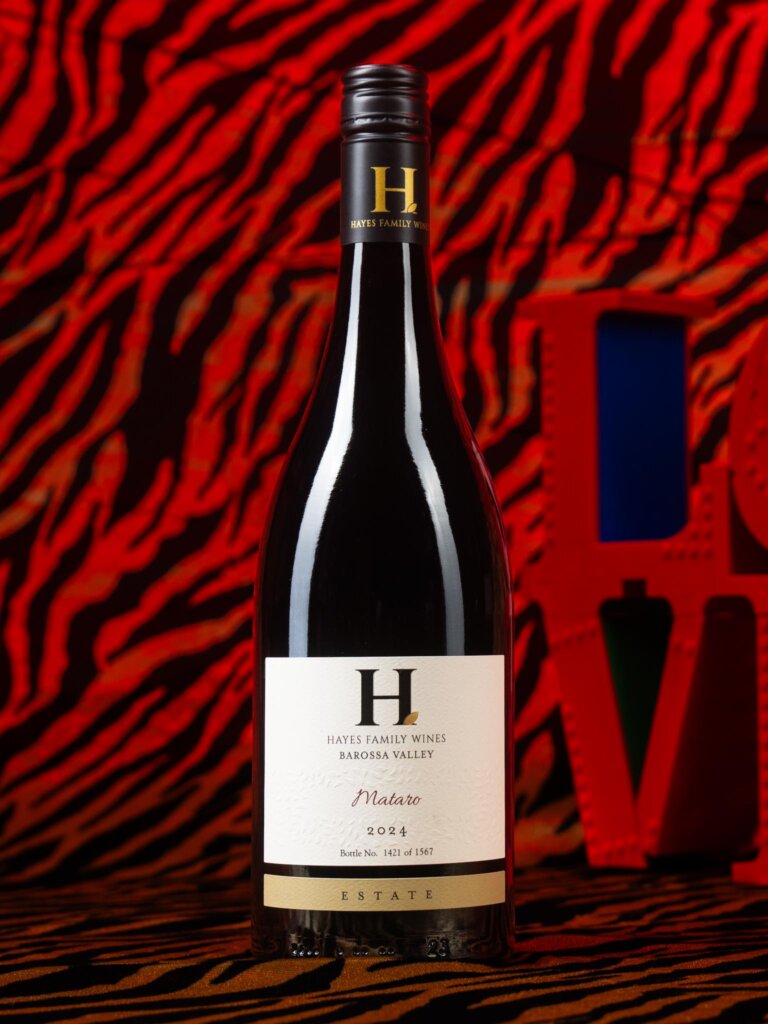
Juicy dark plums and pretty florals, with a savoury, earthy edge. Serious red that doesn’t weigh you down.
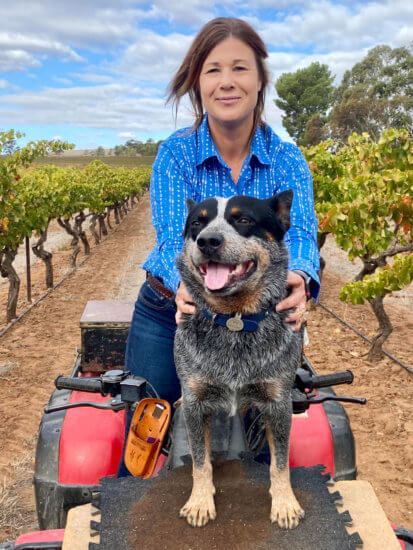
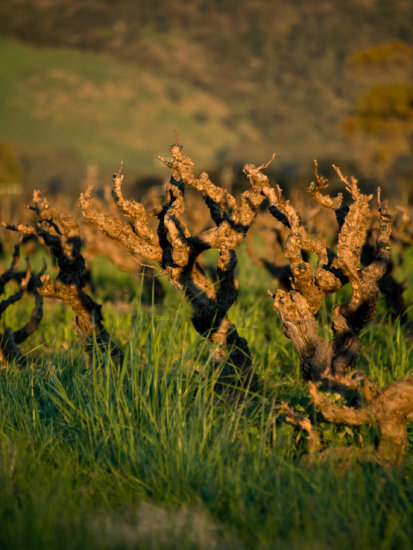
Brett Hayes bought the Stone Well vineyard in the heart of the Barossa to form the basis of Hayes Family Wines, launching the label in 2014. The vineyard is a modest 4.5 hectares, mostly planted in 1948, and today it’s certified organic, as is the onsite winery. Brett and vineyard manager Amanda Mader farm it with full grass cover, Indian runner ducks on snail patrol, bat boxes, raptor perches and more than 500 native plants. It’s a big part of why the site has been a finalist in our Vineyard of the Year Awards multiple times.
What makes the vineyard special is the instinct of its original planters. Without the soil science we have today, they put shiraz on the more fertile ground, grenache on the tough, rocky patches and mataro on the heavy clay. Mataro likes “heat on top and wet feet,” as Hayes puts it: a hot, dry growing season above and clay below that holds onto water. He credits that clay for the slightly plusher fruit and violet perfume of his mataro. That character has him regularly accused of slipping some shiraz into the bottle. He hasn’t. It’s 100% mataro, every year.
The Estate Mataro is a blend of two old bush-vine blocks. Block 3, on heavy east-facing clay, gives concentrated, austere fruit with formidable tannin. Block 4, from the same 1948 planting but with rows running a different direction, gives a more fruit-forward wine. Together they make a mataro with more breadth and generosity than either block alone, without losing the site’s backbone. Winemaker Andrew Seppelt works with a low-intervention approach. In 2024, an early start, damaging spring frosts and an early-March heatwave meant small berries and reduced crops across the region, which shows in the wine’s concentration. Just 1,567 bottles were made.
Tasting note
Tar and violets, freshly turned earth and juicy black plums, smoke and blackberry jam: this wine offers a compelling contrast of aromas. The palate is powerful and packed with flavour, but never heavy or short on energy. Bright acidity drives it along, framed by firm tannins that hold their grip without clamping down. Plum jam, black olive tapenade and a whisper of crème de violette follow. It’s broody and dark in flavour but elegant and deft in structure. Float like a butterfly, sting like a bee.
When to drink
This is a wine with gravitas but no pomposity. It’s one for a slow evening when you want something to think about, or for a long table conversation that runs well past dessert. Despite mataro’s reputation as a food wine, the fruit weight of the 2024 vintage means it stands up beautifully on its own, and you don’t need to plan a meal around it. Matching wine and food is more stress than it’s worth.
That said, if that’s your thing, this wine has a soft spot for open flames: lamb chops straight off the barbecue, rump cap seared on the hibachi, or portobello mushrooms grilled with thyme and garlic. Or take it to your shiraz-loving dad’s place and show him something new. Dads dig shiraz. Duh. But there’s an excellent chance they’ll dig mataro too, especially one built this beautifully.
Themes of this wine
Mataro
Mataro goes by many names: monastrell in its likely Spanish homeland, mourvèdre in France, and mataro in Australia, after the Catalan town the first cuttings came from. It arrived here in the 1830s and was once among the most widely planted red grapes in South Australia. Then it fell from favour and survived for much of the 20th century mostly in fortified wines and, later, as the “M” in GSM blends. On its own it can be a tough customer: high in tannin and alcohol, late to ripen and prone to gamey, meaty or barnyard characters. In the right site, with old vines and patient hands, it makes wines of wild complexity and Mediterranean charm. A growing band of Australian producers are now proving what it can do solo.
Old vines of the Barossa
The Barossa is home to some of the oldest vines on Earth, including the world’s oldest known mataro vineyard, planted in 1853. South Australia never suffered the phylloxera outbreak that wiped out vineyards across Europe and much of the rest of Australia, so many vines here still grow on their own roots, some for well over a century. To protect this heritage, the Barossa Old Vine Charter classifies vines by age, from “Old Vine” (35+ years) to “Ancestor” (125+). Old vines generally produce smaller crops of more concentrated fruit, and their deep roots help them cope with drought and heat. Many growers say they give wines a sense of place that younger vines can’t match.
Certified organic
Certified organic wine is made from grapes grown without synthetic herbicides, pesticides or fertilisers, with farming audited by an independent body such as Australian Certified Organic (ACO). Growers build healthy soils and rely on natural pest control instead, such as cover crops, native plantings for beneficial insects, and birds, bats or even ducks to keep pests in check. Certification also covers what happens in the winery, limiting additives and processing aids. The result isn’t just a label. For many growers it’s a long-term investment in vineyards that are more resilient and better able to express their site.
Explore Further

GET FIRST ACCESS TO THE NEXT WINE ICONS – DELIVERED
Find out moreEach month, get 3 bottles of our freshest discoveries. We taste thousands to bring you the best.
Join us and support emerging winemakers, sustainable vineyards, and the development of young professionals.
— Max Allen, Wine Writer
— Broadsheet
— The Australian