-
Producer
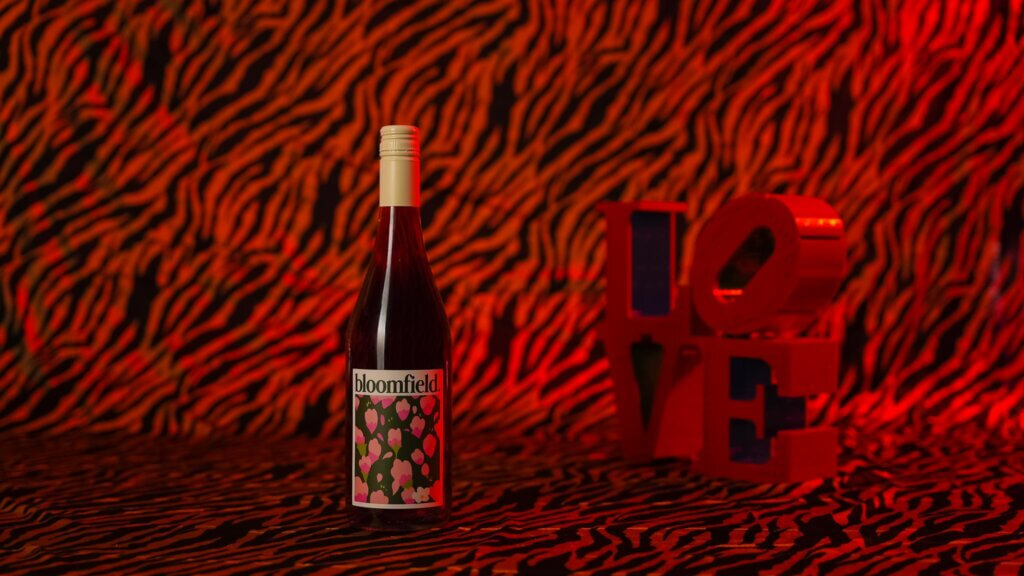
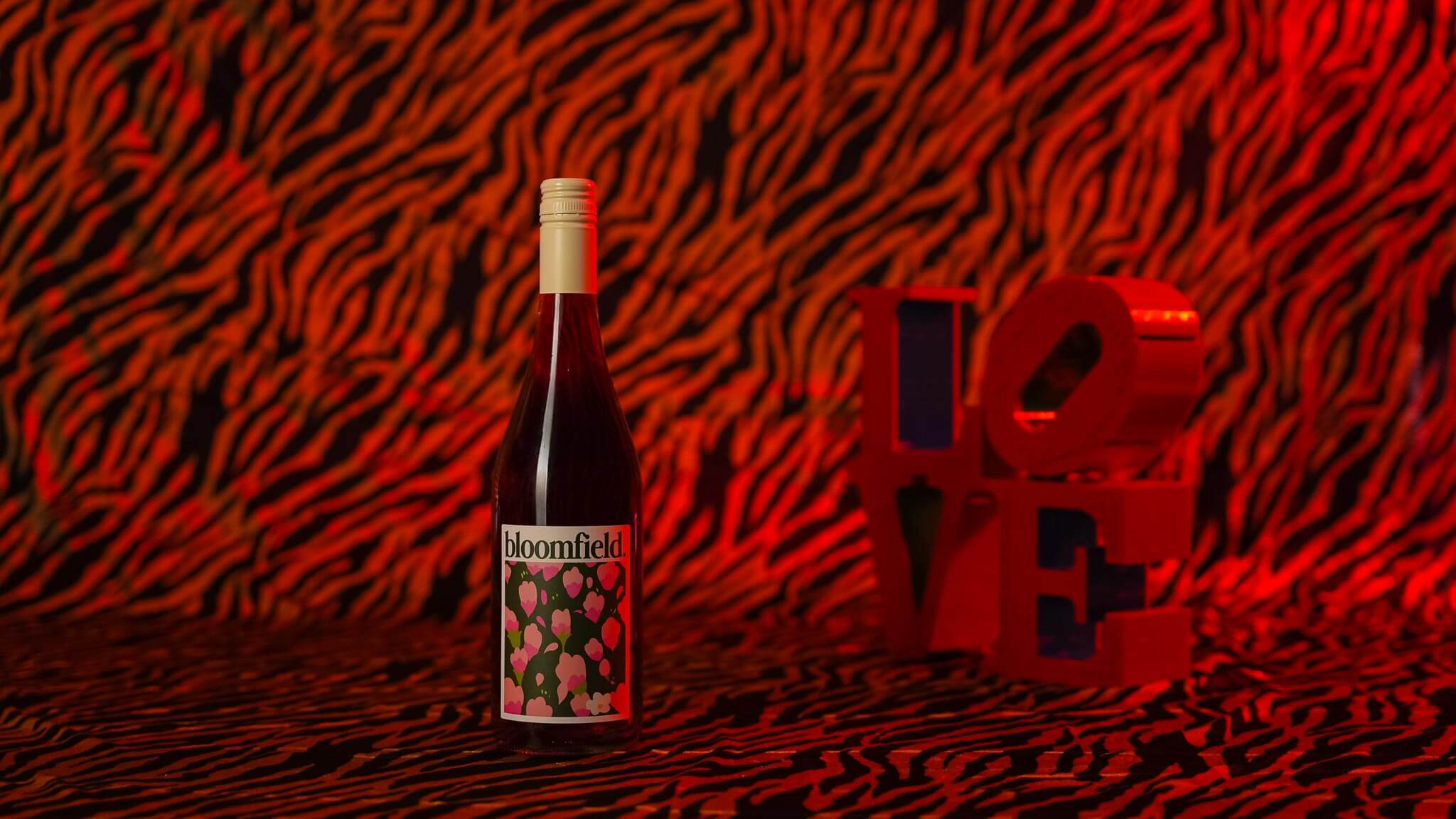
Bloomfield -
Region
Limestone Coast
-
RRP
$38
-
Vintage
2024
-
Variety/Varieties
Petit verdot
-
Alc./Vol.
13.5%
You have to feel pity for poor old petit verdot. While its Bordelaise blending partner cabernet sauvignon still remains the world’s most widely planted wine grape variety, and cabernet’s BFF merlot slides into second place, petit verdot remains a resolutely minor player both in Bordeaux and elsewhere around the world. That role isn’t helped by its viticultural quirks, or by the fact that its firm tannins and dense fruit profile make it a hard sell as an unblended varietal wine. Thank goodness for Bloomfield’s Lauren Hansen – winner of the 2025 Young Gun of Wine Best New Act trophy – who uses carbonic maceration and reduced skin contact to turn this typically ponderous variety into a joyous, vibrant affair that’s begging for a quick spin in the esky before you crack it on the picnic rug.
Tasting Note
This wine is Violet Beauregard’s demise in a glass – purple-fruited, round on the palate, and surprisingly buoyant. It opens with a little dill-like hint of something savoury and vegetal, alongside a tiny whiff of struck-match smokiness, before its vibrant fruit profile leaps out of the glass – blueberry in all of its forms (pie filling, fresh fruit, compote, even blueberry chewing gum), juicy purple plums, sloe berries, freeze-dried açai, Pascall wine gum lollies, and American grape soda. The sheer joyousness of the fruit notes make it hard not to crack a smile. It’s bright and vibrant on the palate, with a rounded mouthfeel made bouncy and lifted by the crunchy freshness of its acidity – a beautiful use of carbonic maceration to create a slurpy, eminently drinkable wine. The herbal savoury note first seen on the nose kicks back in on the finish to add extra layers of nuance. Like a vinous Willy Wonka, Hansen has done something crazily inventive here – this is a brilliant example of how clever techniques can create compelling wines from an under-appreciated variety that might otherwise be forever destined to the role of adding a bit of spine to weak cabernet blends. Serve lightly chilled for best results.
Themes of this wine
Petit verdot
A late-ripening and low-yielding variety, petit verdot is a thick-skinned grape, which translates to plenty of tannin and colour, allied with bright acidity and deep flavour. These characteristics that have made it popular as a minor blending component in Bordeaux, but never as the star of the show; if the traditional Bordeaux varieties are all members of the Beatles, then petit verdot is the region’s Pete Best. Arriving in Australia via Busby’s collection of the 1830s, petit verdot has a long history here, but its presence had always been a modest one until the 1990s. That was when Bill Moularadellis of Kingston Estate took a shine to the variety, appreciating the intensity and freshness it can produce in warm climates, thanks to its very late ripening cycle and relatively low natural vigour. Moularadellis’s championing of the variety saw Australian plantings grow to eclipse those of the variety’s native France four times over by the early 2000s, with Kingston Estate itself making up the lion’s share. Those plantings have receded a little, but Australia still has over 1,100 hectares of petit verdot, making us a leader in arguably the most obscure of the ‘mainstream’ red wine varieties.
Limestone Coast
The Limestone Coast is a large South Australian viticultural zone that hugs the state’s border with Victoria, encompassing six separate official regions. The regions of Mount Benson, Robe, and Mount Gambier sit like pearls on a string along the coast of the Southern Ocean, then extending inland along the Victorian border from Mount Gambier is the most famous of the regions, Coonawarra, followed by Wrattonbully, then Padthaway, which points like a narrow peninsula in the general direction of Adelaide. With its large size and diversity of microclimates, it’s not the easiest zone to make generalisations about, but the biggest clue is in the name – the limestone bedrock that can be found underneath the region’s soils often lends a freshness, elegance, and minerality to the wines that is unmistakeable.
Carbonic maceration (cab-mac)
This technique was made famous by France’s Beaujolais region. It’s basically a ferment of whole bunches in a fermenter or tank that is closed up, allowing the grapes (practically always red-wine varieties) to ferment as whole berries. This gives the finished wines a really vibrant and bright fruit expression – but it can also make them look a bit confected, too, with a characteristic Hubba Bubba–like flavour note that can be a bit too much if the process hasn’t been judiciously handled. In skilled hands, though, it’s a technique that can create deliciously ‘slurpy’ red wines, perfect to go alongside casual meals, whether you’re dining at a Parisian bistro or having a picnic at an Australian beach. The wines usually reward a little chill to give them a little extra energy and focus in the glass, too.
GET FIRST ACCESS TO THE NEXT WINE ICONS – DELIVERED
Find out moreEach month, get 3 bottles of our freshest discoveries. We taste thousands to bring you the best.
Join us and support emerging winemakers, sustainable vineyards, and the development of young professionals.
— Max Allen, Wine Writer
— Broadsheet
— The Australian