&noscript=1"/>

Deep Dive:
Australia’s Best Chilled Reds

Wines Of Now
14 November 2025. Words by YGOW.

Until relatively recently, Australian wine drinkers had a pretty simple approach to serving temperature. Whites, rosés, and sparkling wines came straight out of the fridge – and reds were served strictly at room temperature. While this approach was admirably unfussy, it didn’t do many favours for the reds, especially during an Australian summer heatwave, or in a well-heated room in the depths of winter. Fortunately, times have changed – not only is a quick chill acceptable for reds once the ambient temperature broaches the 20 °C mark, but there is an ever-growing category of red wines that drink very well at half that temperature, or even colder. Some are reds designed to be enjoyed at (mild) room temperature that happen to respond well to a spin in the fridge; others are designed from the get-go to only be served cold. With ‘Chilled Red’ headings now a mainstay in Australian restaurant wine lists, and more reds living in fridges at bars, retailers and homes alike, we thought it was time to take a second Deep Dive into this exciting category …

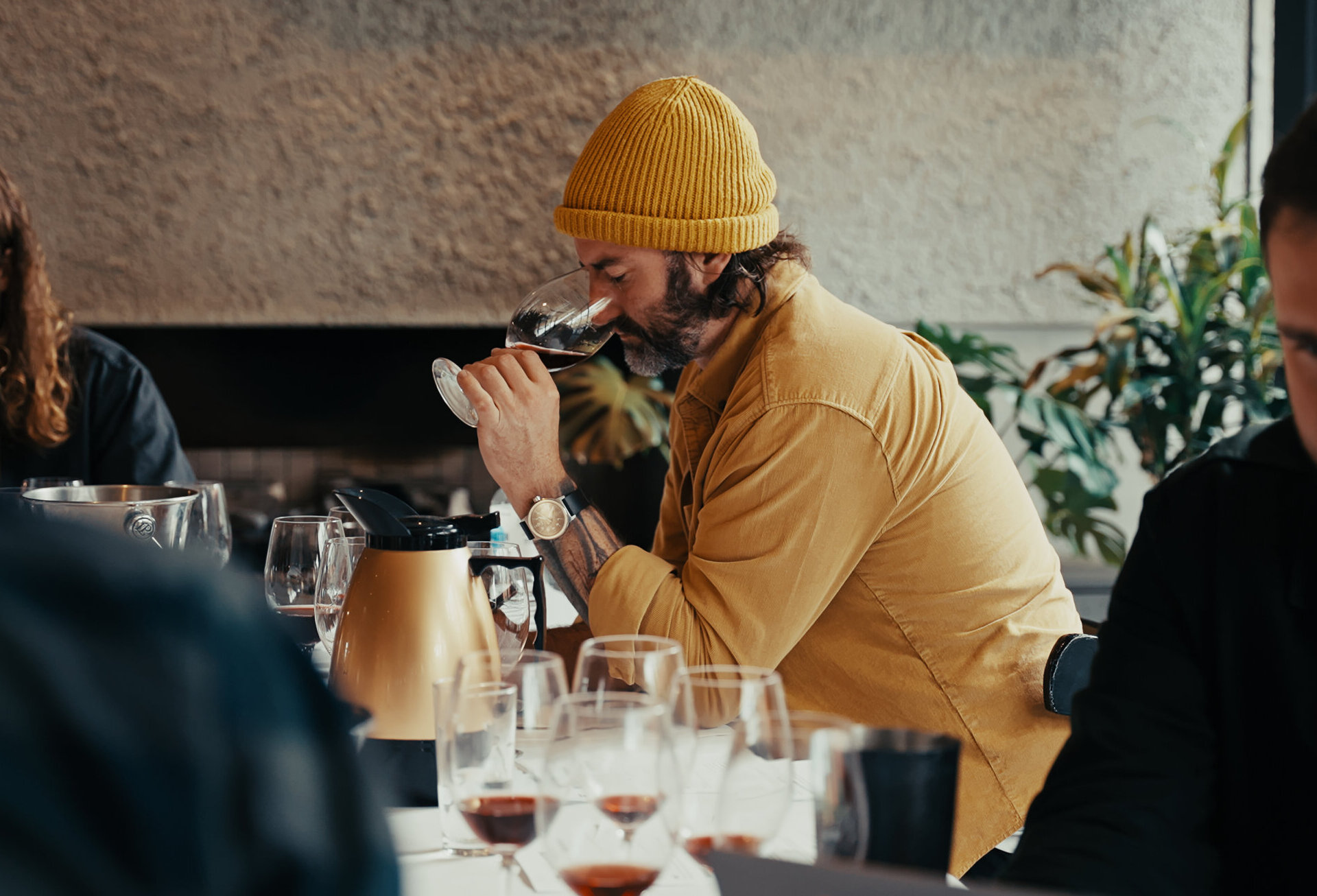
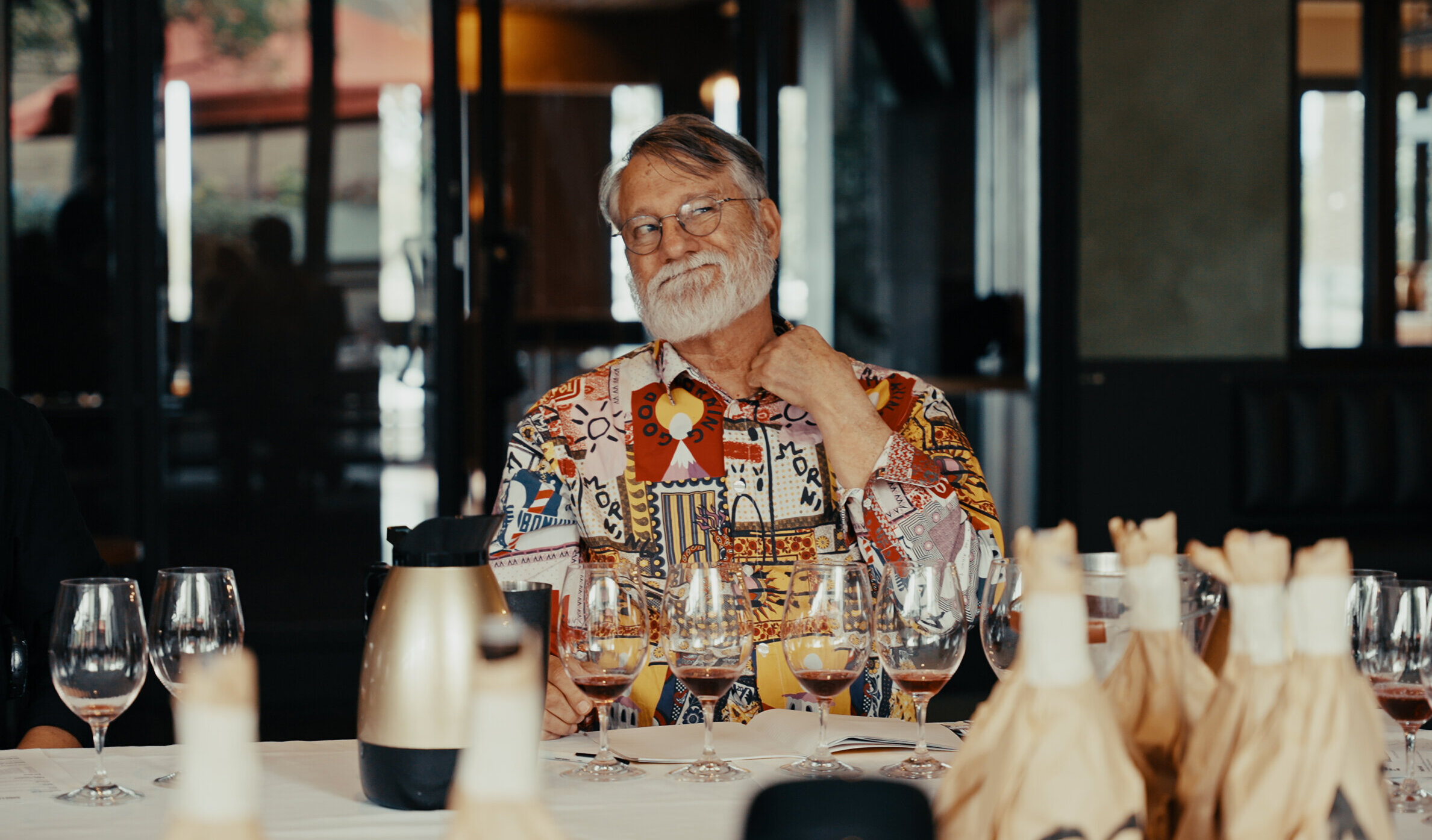
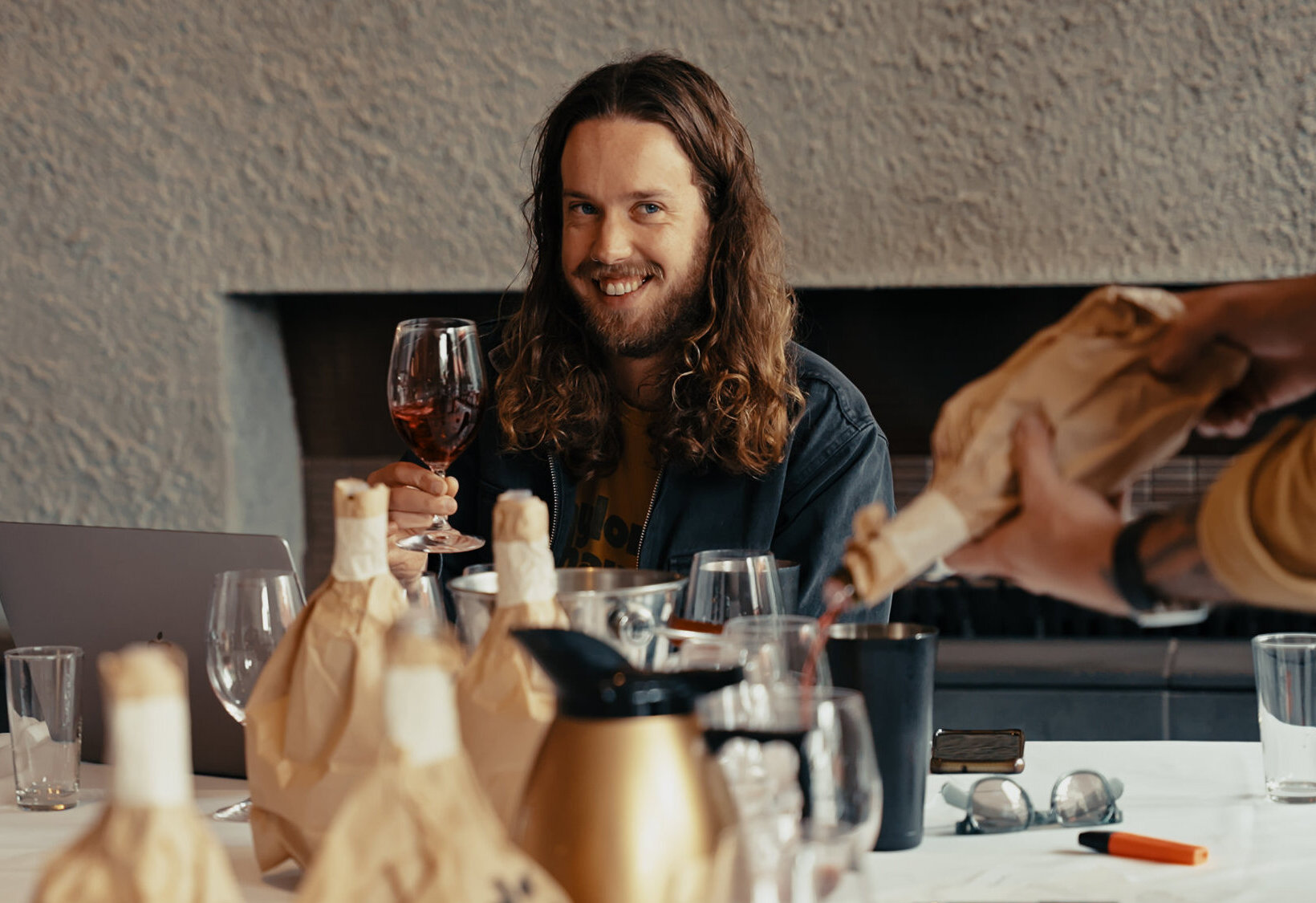
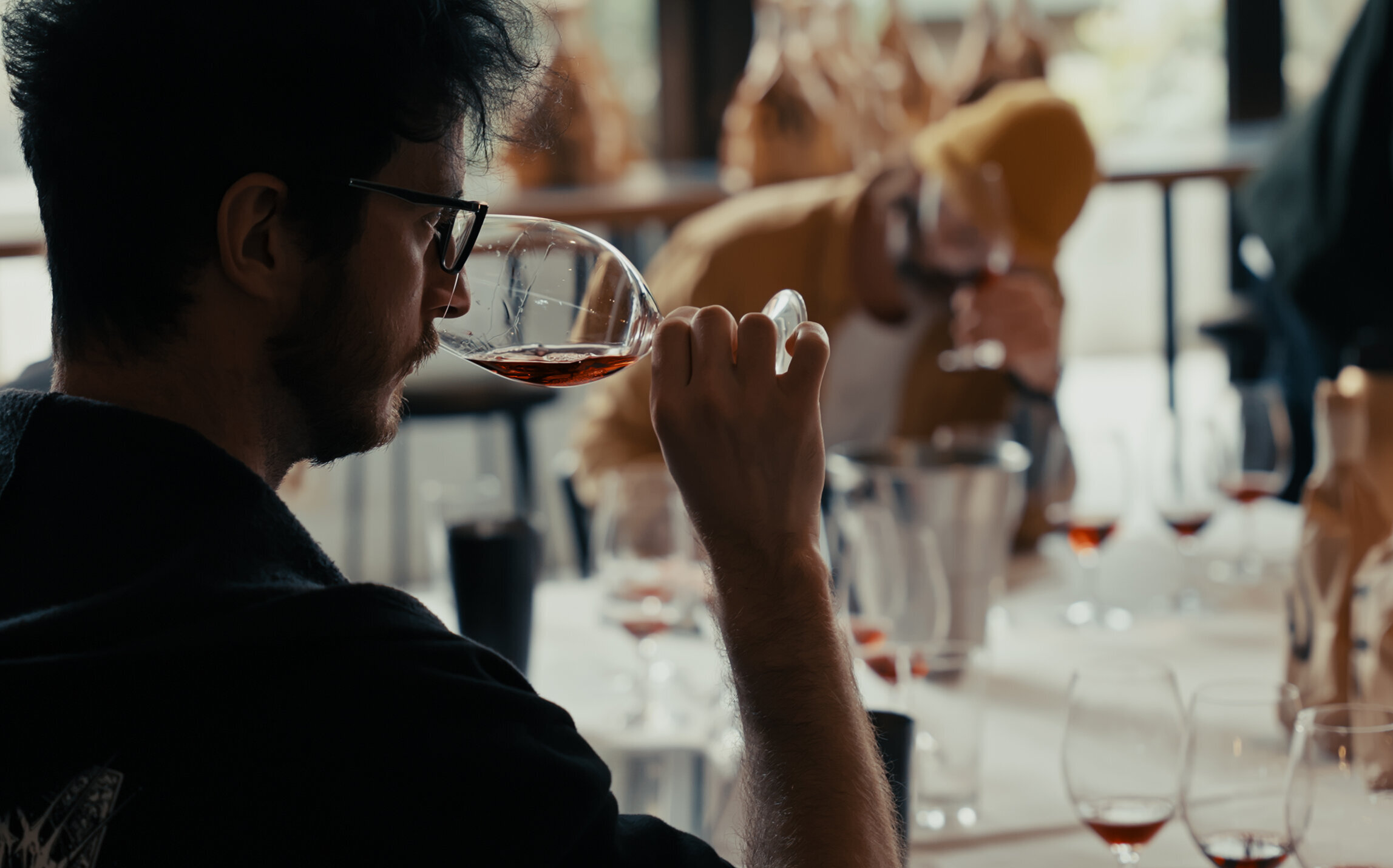
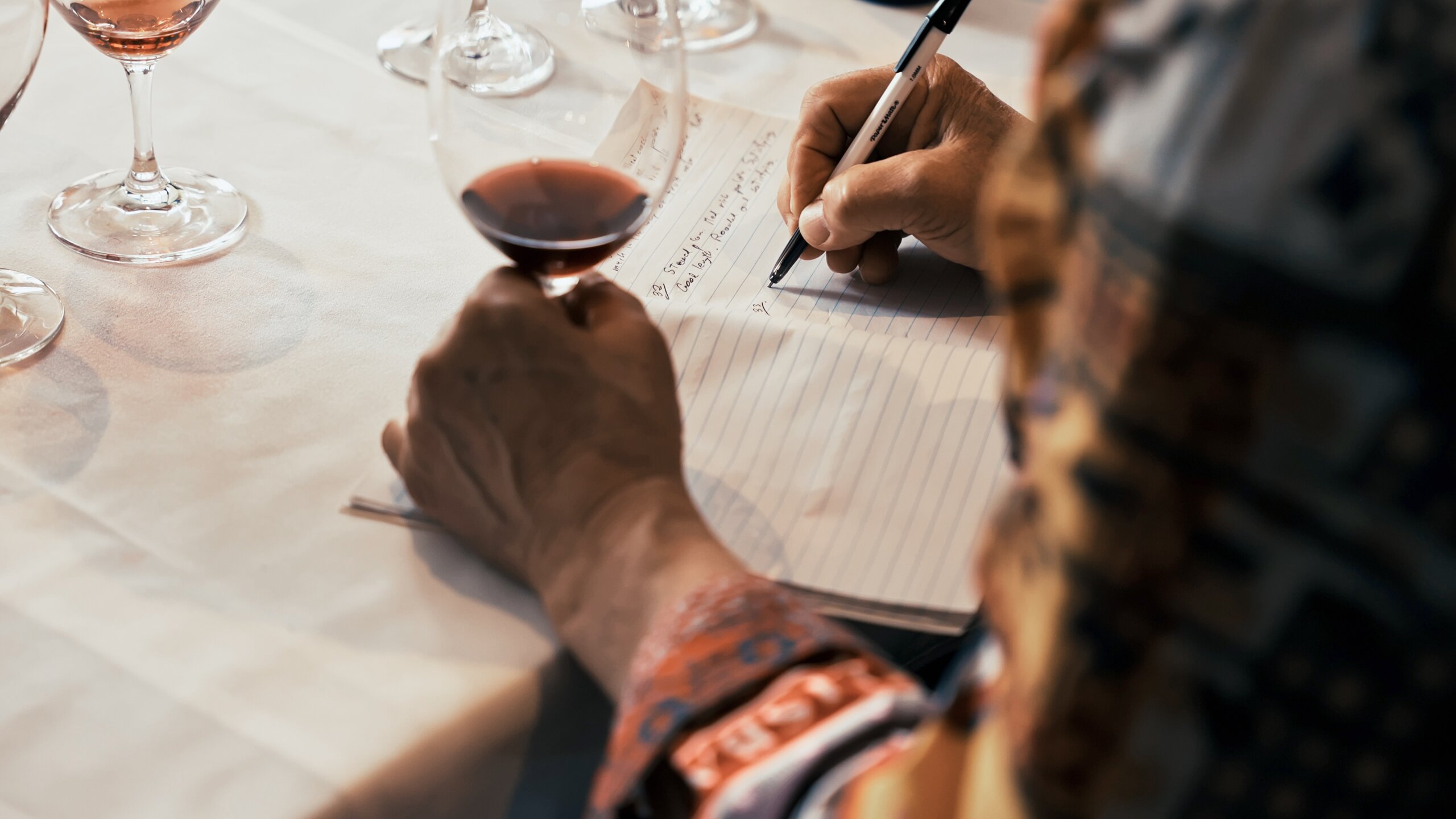
We gathered every Australian example of chilled red – that is, red wine that the maker recommends serving below traditional cellar temperature – that we could find and set our expert panel the task of finding the wines that compelled the most. All wines were tasted blind, and each panellist named their top six wines. Below are the wines that made the panellists’ top-six selections from the tasting.

Our panel: Louis Schofield, winemaker, Worlds Apart; Lawrence Scanlon, winemaker, Dirty Black Denim and restaurateur, Magnolia; James Becker, winemaker, Musical Folk and Southern Light; Doug Woodward, winemaker, Wedded to the Weather; Simon Dacey, sommelier and manager, Bottle Shock; Gus Gluck, wine buyer, Neighbourhood wine; Loic Rajaonarivony, head sommelier, The Atlantic; Shane Buckland, wine buyer and sommelier, Lilac Wine.

From the Deep Dive

The Top Wines

2025 La Violetta ‘Lounge Chill’, Geographe $30 RRP

Woodward and Buckland included this wine among their top six selections from the blind tasting. Woodward found “gorgeous rich colour in the glass. An intriguing nose that inspires curiosity – quite complex, including cherry compote, strawberry, and blueberry, with a suggestion of meaty pastrami. Rich, viscous and mouth-filling texture – quite sumptuous. Lovely length – I wanted to drink it, not just taste it!” Buckland described “a vibrant reddish-purple hue, with macerated strawberry, maraschino cherry, plum compote, berry coulis, sweet blackberry, and an almost berry Icy Pole–like vibe – it screams summer and fun to me. It has a vibrant acidity, great energy, good length – and, despite its sweeter fruit profile, is fruit-forward without being overly simplistic. It has everything most consumers want from this category. This is very much pop music in chilled red form – playing all of your summer hits.”


2025 Meredith ‘New Tricks’ Grenache, Grampians $31 RRP

This wine made the top six lists of Dacey, Woodward, and Scanlon from the blind tasting. Dacey described “the nose is a complex mix of dark fruits and cinnamon, clove, and chocolate spice – perhaps indicating some oak use, contrary to the conventional wisdom of this category – and comes off like a freshly baked blackberry tart, pastry and all, with a little green leafy character to offset the sweetness. On the palate, stewed red fruits and fresh raspberries dance along lines of green apple and mandarin acidity – sweetly fruited, but fermented completely dry. A dusting of tannin around the edges is drying and somewhat refreshing. Elegant and balanced, it’s everything you would expect of a chilled red, elevated by the complexity of the spice and underlying pastry notes.” Woodward found “pretty colour. Lifted joyful nose. Candied and viscous palate showing raspberry lollies, crunchy red apple, and cola. Nothing bland or neutral here! A satisfyingly dry finish, gently astringent.” For Scanlon, “this was probably the most complex and serious of my picks. It jumps between riper red fruits such as cranberry and cherry, but also has lovely darker notes of cassis and black cherry hiding behind that – as well as a lot of anise and dried herb notes that mesh well with the surprisingly prickly tannins and tight acid line. That combination of acidity and tannin leaves the finish quite long and relatively bitter – but in a way that makes it very moreish. This wine’s complexity and seriousness comes at the cost of a bit of its drinkability – I’m not dying to take a magnum of it to Golden Plains, or to Edinburgh Gardens to cure a hangover. However, it would be the kind of thing that would work beautifully by the glass at my restaurant, Magnolia, or alongside a bit of charcuterie before a long lunch.”


2024 Charles Oliver Wines ‘Jus D’Amour’ Grenache, Pyrenees $45 RRP

This wine appeared in the selections of Becker, Gluck, and Buckland. Becker noted “jalapeño spice, cherry-cola, and a fun Negroni with orange liqueur on ice vibes. Vin de soif and glou-glou – thank you very much. A bit of paprika and clove spice in there too. Raspberry cordial, the first lick of a strawberry Zooper Dooper on a balmy evening, and the white rind of a watermelon all play out on the palate. Out of the Esky, in the glass, and go forth – a wine of great refreshment and interest.” Gluck found it “brick-coloured, showing dusty crushed raspberry notes on the nose. On the palate, it’s refreshingly whole-bunchy and herbal – a wine with a few angles and anarchistic tendencies, edgy and counter-cultural. It’s not a technically flawless wine, but it feels charmingly artisanal. Something about it tells me it’s made with red muscat, or another variety used for fortified wines. An unusual character of a wine – but one well worth talking to if you end up sitting next to it at a bar.” For Buckland, it was “a tad funky on the nose – a bit wild, this one. I love it! Super interesting character here – it has that kind of wild intrigue like a good light red from the Jura, and is a bit rough around the edges. Wild herbs, wild strawberry, wild raspberry, fresh mulberries, sweet spices and a touch of black pepper. Maybe a slight oxidative character, in a good way, with great acidity and good length. Very precise.”


2025 Troppo Grenache, Riverland $24 RRP

Buckland, Scanlon, and Becker all selected this wine in their top six from the blind tasting. Buckland described it as “beautifully perfumed, with delicious sweet red fruits, crunchy red cherries and a touch of tomato leaf leaping from the glass. The perfect balance of sweet and savoury characters on the palate, with a mouth-watering, crisp acidity. Very pretty and perfumed, light and ethereal – but with this delicious silkiness to it that coats the palate with a super long finish. This wine just felt very alive – so much energy, so seductive, and such a pleasure to drink! It’s this balance of immediate pleasure and energy that sums up everything I want from a good chilled red.” Scanlon noted, “I really love that whole-bunchy, forest floor/sous-bois character in lighter reds – pinot noir, gamay, grenache, etc. – and this character is really evident aromatically in this wine. Perhaps this has been made from one of those varieties, with some whole bunch work or stems left in the ferment? On the lighter side, like ‘rosé and a half’. There’s a good amount of redcurrant and early-season strawberry going on, but also some refreshing watermelon juice and oolong tea notes that cleanse the palate. Really refreshing.” Becker found “strawberries and cream, a big fresh glass of guava juice, and watermelon spritz vibes – just add a mint garnish and you’d be set. A frisky palate akin to a Negroni, showing some strawberry juice and fresh-cut red apple notes. Pretty fun and delicious – what chilled reds should be, really. Nails the brief!”


2024 Pikes ‘Luccio Novello’, Clare Valley $27 RRP

Dacey and Becker both featured this wine in their top six selections from the blind tasting. Dacey called it “head and shoulders above its compatriots – choosing it was the easiest decision I made all day. Visually beautiful – a gorgeous purple-tinted ruby with a charming warmth seems to leap out of the glass, alluring and exciting. A complex nose – on first approach, jammy redcurrant, blackberry and ooray – aka Davidson plum – all make themselves known. A second inhalation reveals a sudden burst of well-mannered savoury elements: fresh cherry tomatoes, native thyme, a little sea spray. And beneath it all lies a tickle of the tropics – when was the last time you saw lychee in a red wine? On the palate, the unmistakable zest and juice of green and purple Fruit Pastilles dominates. The palate is relatively weighty, with a bright line of Red Delicious apple–like acidity driving the candied aromas down the tongue. The faintest whisper of tannin lends structure to the wine, ensuring that the abundance of fruit and acid is kept in check, and the wine doesn’t overstay its welcome on the finish. A masterclass in poise and balance, this wine encapsulates a vision of creating something fun, delicious, and unique – while still showcasing a sense of place and the flavour impact of grape varieties and process. I cannot express how excited I am to revisit this wine with friends and family this summer.” Becker described “super bright and confected red cherry and raspberry fruits – almost as though someone’s chucked a bunch of Allen’s Red Frogs and blackberry sugar pastilles in the glass. Wowza. Pretty full-on, but I like it for its intensity and distinct identity. The palate is stained with raspberry lemonade notes and refreshing acidity – you’d want to drink this icy-cold, with condensation beads on the outside of the glass. A nicely tight, talc-y tannin structure will help it match up with a snag off the barbecue.”


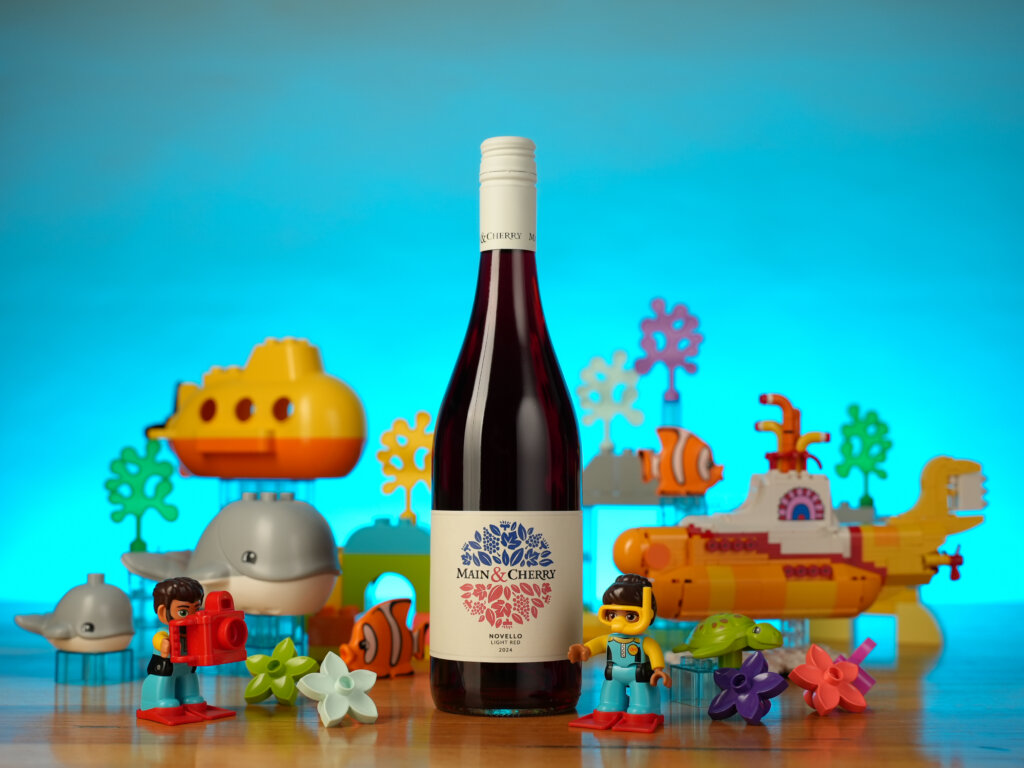
2024 Main & Cherry ‘Novello’ Light Red, McLaren Vale $30 RRP

Schofield and Woodward both selected this wine for their top six from the blind tasting. Schofield called it his standout: “This was the rockstar for me from go to whoa. While not being hugely aromatic at cooler temperatures, the purity and quality of the fruit was so clear – and that tension was just too good. Colour- and weight-wise, this sits right in the zone for chilled reds for me. Visually it’s so sexy – it just entices you in. That perfectly just-ripe fruit profile walks the line somewhere between sun-ripened tomatoes and fresh raspberries picked on a cool summer’s morning. There’s also some faint papaya, and more tropical stuff, too, and just loads of watermelon – it’s restrained, not screaming at you, but so beguiling. This would absolutely disappear at an outside table filled with snacks and good friends.” Woodward described “a translucent light red that shines in the glass – very pretty. Aromas of cranberry, pomegranate, Allens raspberry lollies, and tomato leaf. More richly fruited and viscous than most of the lineup – lots of palate weight. A hint of green olive tapenade on the finish – good length.”


2024 Chalari ‘Great Southern Land’ Chilled Red, Great Southern $25 RRP

Dacey and Rajaonarivony featured this wine in their top six selections from the blind tasting. Dacey asked, “When does a chilled red cross the line into a rosé? This wine is very light in colour – a faded brick-red rather than the deep purples often associated with this style. There is a distinct furry gooseberry characteristic – almost sauvignon blanc–like – that sits over the nose of this wine, invigorating the senses, while a plethora of citrus – mandarin, lime, lemon – and a suggestion of underripe redcurrant lie beneath. The palate of the wine is very consistent with the nose, with rhubarb and citrus – lemon, grapefruit – dominating, a hint of cranberry, and just a tickle of tannin on the back-palate to offset the bright acidity and complement the pithy nose. If it weren’t for the colour, I suspect the average drinker would think this was a white rather than a red – and I applaud a winemaker who is prepared to stretch the boundaries in the pursuit of excellence.” Rajaonarivony called it “another highlight for me – light, fresh and vivid, it felt like a breath of pure energy amongst the lineup. It opens with aromas of pithy grapefruit and fresh-cut grass, accompanied by gentle herbal notes of parsley and dill. The palate is clean and bright, carrying those flavours through to a sweet, lemony finish. It’s playful and joyful – a wine that feels made for warm afternoons and good company.”


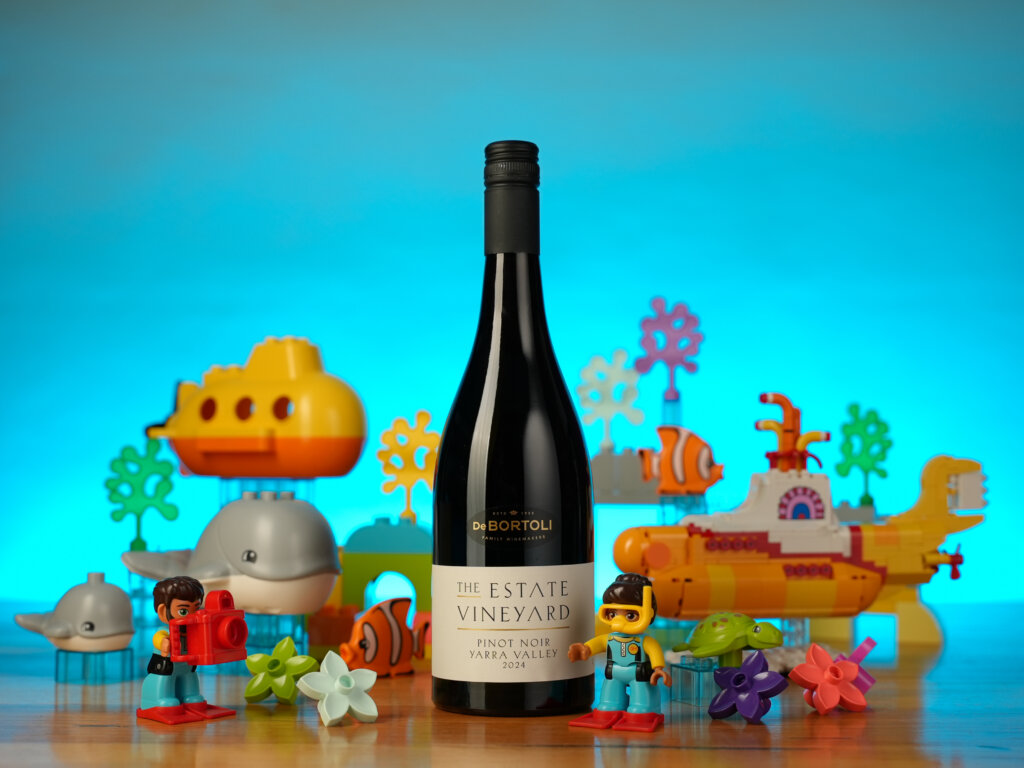
2024 De Bortoli ‘Estate Vineyard’ Pinot Noir, Yarra Valley $25 RRP

This wine made the top six lists of Rajaonarivony, Scanlon, and Schofield. Rajaonarivony called it “one of my favourites of the tasting. It opens with delicate cranberry aromas edged with soft spice – then the palate gives richer mid-weight strawberry fruit, balanced by savoury hints of tomato leaf and blackcurrant stalk. There’s an earthy freshness that hangs beautifully here. When served chilled, it feels refined, inviting and delicious.” For Scanlon, “we’re getting closer to traditional red wine country here. The fruit character here is in the black-fruit zone: mostly plum, salted plum, and blackcurrant, with a bit of vanilla pod, lavender and cedar wrapped around it. On the palate, it’s really generous, and has a lovely richness which I find relaxing and welcoming. It’s kind of over-the-top, silly and fun – like everything has been dialled up to eleven – but that’s really the charm of this wine.” Schofield found it “sweet and sour – somehow showing apricots and summer plums while remaining tart and zippy. The tannins are reminiscent of firm grape skins. A long, mouthwatering finish redolent of pomegranate juice.”


2025 Musical Folk ‘Les Grappes!’ Carbonic Pinot Noir, Yarra Valley $32 RRP

Gluck and Woodward included this wine among their top six selections from the blind tasting. Gluck described it as “red-fruited, showing cranberry notes alongside original recipe cola spice and a light Italian amaro character – not overpowering the fruit. The fruit profile may be a little simple, but this wine isn’t lacking in refreshment. It has chewy tannins and a burst of energy, leaving it to finish fresh. It reminds me of Sicilian or Greek reds of its ilk – firm-shouldered, a heavy lifter.” Woodward noted, “This wine shows some satisfying savoury notes, without crossing over into the realm of the underripe or green. It’s light-bodied – very pleasant and pretty on the palate. This wine is really more about the structure and sensation than the fruit flavours – it shows a touch of reduction with gunpowder and ferrous, blood-like characters, plus woody tomato-stem notes.”


2024 Brash Higgins ‘Ripple’ Nero d’Avola Shiraz, McLaren Vale $35 RRP

Woodward and Buckland both selected this wine for their top six wines of the blind tasting. Woodward found “lovely nose – gently seductive. I could be satisfied with a sniff between sips and not feel cheated. Something funky here – jackfruit, or Port Wine magnolia? – alongside strawberries, raspberries, and an essence of Italian Amaro. The wine possesses flavour presence and persistence, and has a lovely weight for a chilled red.” Buckland described “black cherry, juicy blood plum, morello cherry, amaro, and rhubarb, with a touch of dried blackberry. Super crunchy acidity and a touch of vanilla on the finish. Such a crowd-pleaser, this one! I think this is a pretty textbook example of a good chilled red that will satisfy the hordes – the sort of wine that as a wine buyer, you can see moving two or more cases per week in the right kind of venue. It’s just juicy and fun – and what’s not to love about that?”


2023 Chaffey Bros. Wine Co. ‘Not Your Grandma’s Red’ Grenache Mourvèdre, Barossa $25 RRP

Rajaonarivony selected this wine in his top six wines of the blind tasting, describing it as opening “with ripe cherry and raspberry aromas – bright and inviting, with a soft hint of sea-salt freshness. On the palate, it feels medium-weight, the juicy red fruit giving it some gentle richness. There’s a touch of black tea–like tannin and dried-herb character that makes it interesting, without making it heavy. Chilling this wine keeps it lively and balanced – making it perfect for relaxed drinking.”


2023 M & J Becker Wines Pinot Meunier, Tumbarumba $40 RRP

Gluck selected this wine for his top six wines of the blind tasting, calling it “very compelling. A botanical garden of aromatics – rosehip and juniper framed by raspberry silk. Earthy, pure and silky on the palate, and quite long. Almost more of a red wine than a chilled red, this has a nebbiolo-like energy and complexity to it. Quite a lot of drama here – which means lots of value, too. It has a gorgeousness to it – a smile of a wine, the most refreshing of them all.”


2023 Fin ‘Yay!’ Pinot Noir, Yarra Valley $32 RRP

Becker featured this wine in his top six wines of the blind tasting, noting “plum skins, frozen blueberries and raspberries, strawberry tops and watermelon rind. Pretty complex and compelling for a chilled red! A bit of eucalyptus – or, as they say, ‘Aussie bush spice’ – in there too, I reckon, which makes this apt for drinking in thongs while still damp from a dip in the ocean. A palate reminiscent of raspberry tonic water – refreshing and thirst-slaking. You’d be hard-pressed to stop quaffing this out of the Esky if you had a keen thirst!”


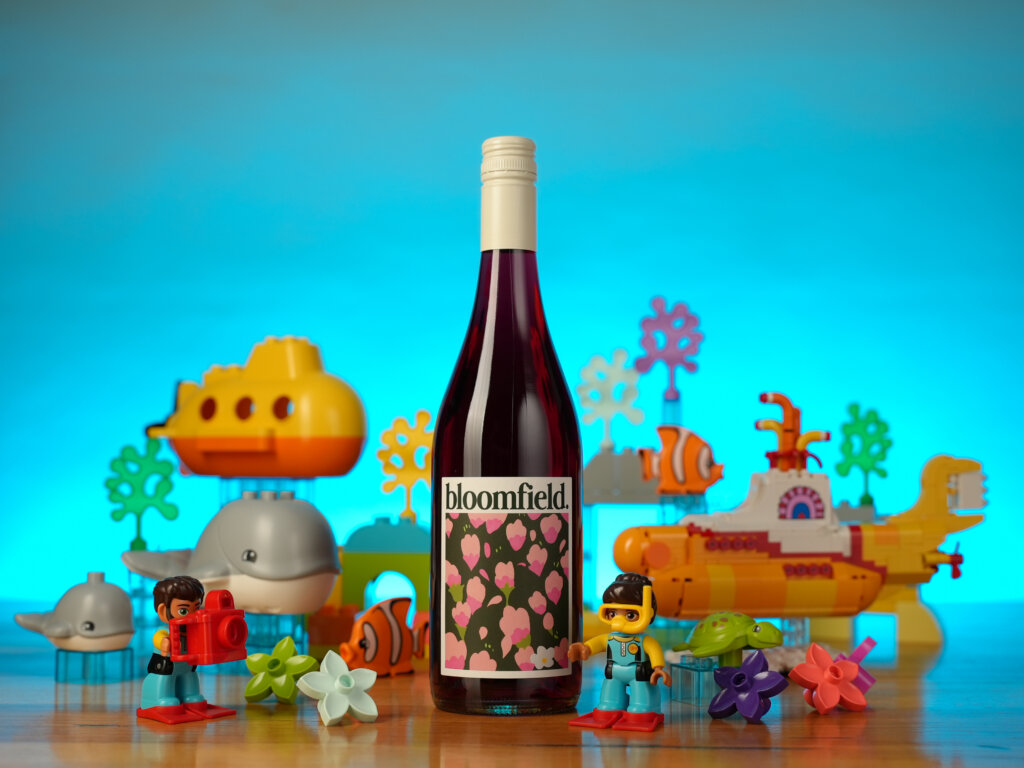
2025 Bloomfield Petit Verdot, Wrattonbully $38 RRP

Scanlon included this in his top six selections, describing it as “red Powerade for grown-ups. This is a pretty simple wine – but I kept coming back to the thought that these wines should be fun, joyous and somewhat frivolous. This style of wine isn’t about pontificating over climats, ageability, winemaking techniques, or any other pseudo–deep thinking – it’s purely about joy. Vin de soif, thirsty wine … this is a glass of redcurrant and red liquorice, with a little bit of fresh herbs hiding in the periphery. There’s enough tannin to keep the creamy, almost-rich palate weight in check, but it doesn’t show any astringency or bitterness, and the acidity is neither tart nor overtly evident. I originally had this wine towards the lower end of my favourites, but I kept coming back to how enjoyable it was – and maybe simplicity is the enjoyment, as it is for Muscadet, Picpoul, central Italian vini da tavola, and most Chablis? There’s no pressure or work required here – just drink and enjoy.”


2023 Ox Hardy Grenache, McLaren Vale $30 RRP

Schofield featured this wine in his top six wines of the blind tasting, noting “this is a really slick wine – it could easily pass for just a really good glass of lighter-bodied pinot noir. Bright bright bright, so pure and pretty, with a nose of crushed freshly-picked roses and lilacs. The acidity isn’t super high, and neither is tannin a pronounced part of the wine – but it’s just such a pleasurable thing to drink. There’s been real effort and thought put into the making of this and it’s paid off.”


2024 Trutta ‘Streamside’, Bendigo $33 RRP

Buckland chose this wine for his top six wines of the blind tasting, describing it as “a super fragrant and well-balanced wine, with plenty of bright red cherries, juicy bramble berries, and an earthy beetroot-like character adding complexity and interest. Such a lively wine, with almost a slight spritz on the tongue as it rolls across the palate. It’s very pretty and perfumed, with a moreish and crunchy fresh acidity to it that makes it very refreshing. So much energy in this wine – I love it! It’s the sort of wine you want to drink with reckless abandon in a park with friends – it smells and tastes like summer in a glass.”


2023 Frederick Stevenson ‘Pinata’ , Barossa Valley $32 RRP

Scanlon selected this wine among his top six wines of the blind tasting, observing it was “going more down the darker fruit spectrum on this one – and it did feel a bit more ‘made’ compared to some of my other picks. Cassis and mulberry compote doing most of the work aromatically – it was maybe a touch reduced, which I liked, as the reduction lends a kind of roundness to the fruit profile. Some lovely black pepper and nutmeg spice is vaguely evident aromatically, but those spice notes merge into a black tea note on the palate. There’s also a bit of sandalwood/cedar going on, which hints at some time in wood. There’s a nice black cherry and salted black liquorice thing happening on the finish. I know this sounds like a review for amarone, but it was definitely in the chilled red zone, juicy, light and vibrant. Just maybe more on the riper side.”


2024 Scion ‘Daylight Red’ Durif, Rutherglen $34 RRP

Schofield selected this wine in his top six wines of the day, observing, “This would be called rosé if you were looking at it from spitting distance, but it has this density of fruit on the palate that just elevates it to the red wine world. A slight spritz at first helps give it a pop and feeling of freshness. It feels like thin-skinned or low-colour grape variety made like a proper red wine – it takes me on a nostalgic journey to the OG chilled red, Tavel’s L’Anglore, and I’m here for it.”


2025 Vinteloper ‘Neonoir’ Pinot Noir, Adelaide Hills $39 RRP

Buckland chose this wine for his top six, describing it as “such a joyful and youthful wine here, bursting with freshness and life. Light-bodied, energetic and fun, with vibrant red cherries, poached rhubarb, rhubarb danish, poached plums and tart cranberry juice – all kept in check by a salivating acid line and a slight grip on the finish with some super-silky tannins. It’s practically bursting out of the glass, it’s kind of electric, with a primary fruit-forward pleasure to it that energises the palate. It’s the sort of wine you want to go dancing with – and it has the moves to match. Ultimately, it’s everything I’m looking for in a good chilled red.”


2024 Silent Noise Uva di Troia, Riverland $35 RRP

Dacey and Woodward included this wine among their top six selections. Dacey noted, “The nose is predominated by citrus tones of lemon and lime, with a little confected raspberry playing along too. Underneath these lies something inherently tropical – alluringly sweet notes of hibiscus, dragonfruit and pomegranate. On the palate, it is first and foremost a confected, jammy experience – but which finds its own balance remarkably quickly. The cutting acidity cleanses the palate and reveals more delicate floral characters, this time of jasmine and violet, with an undertone of fresh redcurrant and a hint of gooseberry furriness. There’s no apparent tannin in this wine, but the finish carries a tea-like character with a depth and complexity that more than makes up for the lack of traditional red-wine structure. A unique drinking experience for wine lovers of all persuasions.” Woodward described it as “translucent, glowing – very pretty. Enchanting nose: orange sherbet, blood orange, and some bitter Italian aperitivo character. On the palate, the fruit is light, but present. A lovely savoury finish makes for quite a serious wine – and one that would also be ideal if you are nibbling on snacks.”


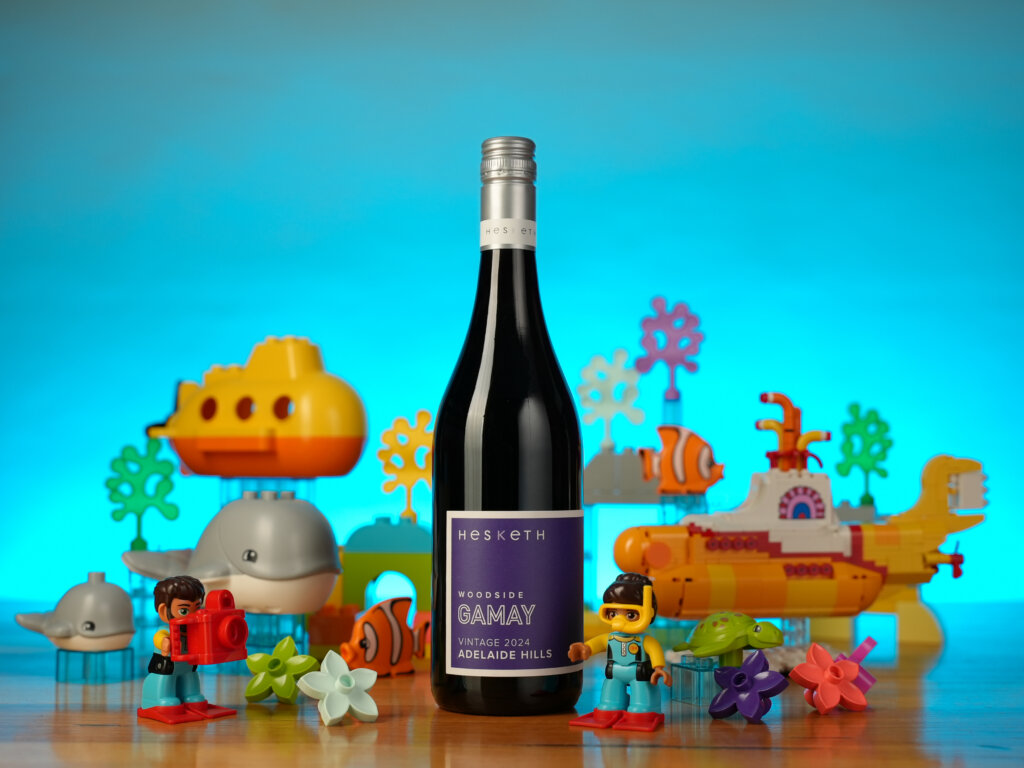
2024 Hesketh ‘Woodside’ Gamay, Adelaide Hills $32 RRP

Schofield and Rajaonarivony both selected this wine in their top six wines of the day. Schofield found “red ripe mulberries straight off the tree, with some dried herbs too. This travels so nicely across the palate – it has great shape, with a tight, clean finish that’s more about acid than tannin. The ripeness is absolutely in the pocket here – this feels effortless in the making, and is effortless drinking too. It has complexity, interest and balance – a wine that really plays in three dimensions.” Rajaonarivony described it as opening “with fruity, pastry-like aromas of cherry and strawberry tarts – soft and inviting. The palate is deeper and richer, with ripe red fruit wrapped in gently savoury complexity. A touch of black forest cake on the finish makes the wine exceptionally moreish. Medium in weight and layered with character, it deserves to be sipped slowly – especially if it has been properly chilled. A good companion for a warm evening!”


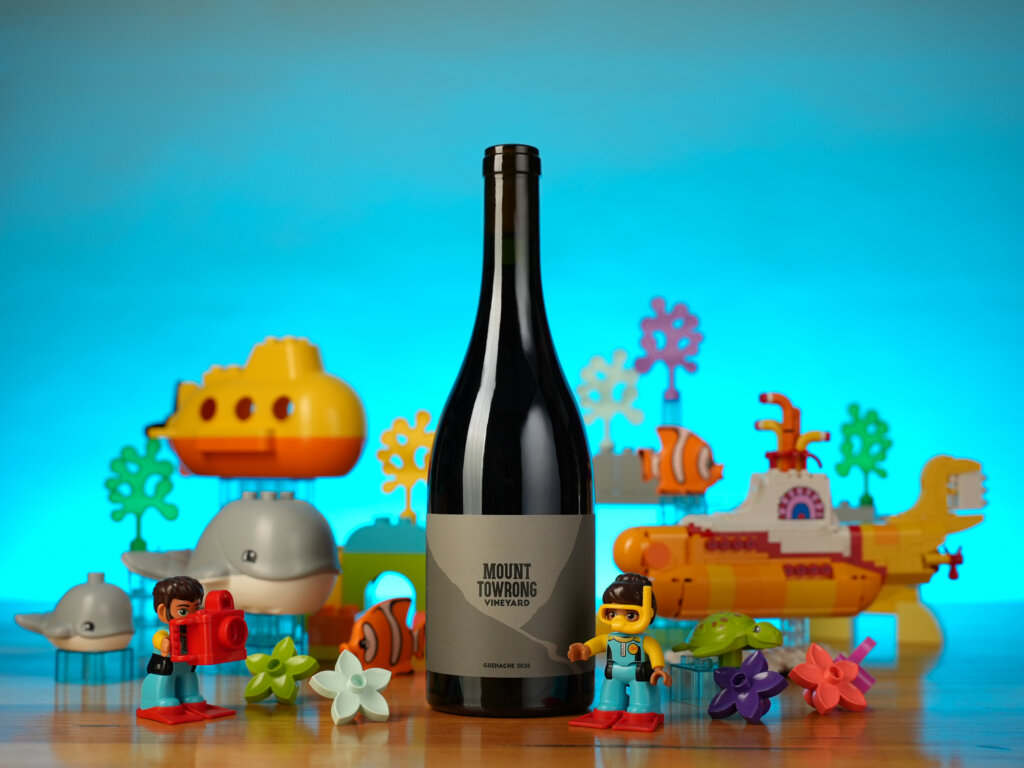
2024 Mount Towrong Vineyard Grenache, Murray Darling $45 RRP

Rajaonarivony featured this wine in his top six wines of the day, noting “the nose gives sweet strawberry and raspberry – bright and playful, like opening a jar of jam. The palate is simple and charming, carrying those candied red berry notes through to a soft, toffee apple–like finish that lasts. Light but generous, chilling this wine adds lift and freshness, making it an approachable, easy-drinking wine.”


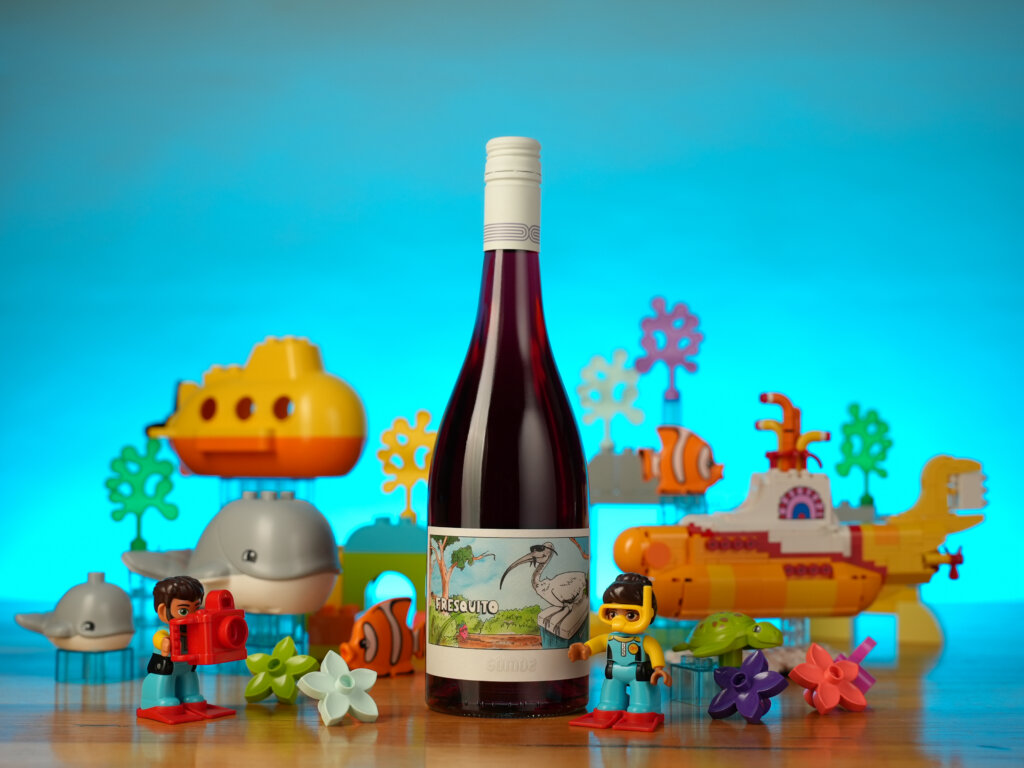
2025 Somos ‘Fresquito’ Barbera Grenache Nero d’Avola, McLaren Vale $33 RRP

Schofield chose this wine for his top six wines of the day, observing it was “pale – just one peg above rosé. Really perfumed: black cherry and heliotrope flowers with wisps of aniseed and blackcurrant cough syrup. Dense and ripe flavours on the palate: plums and maraschino cherries. While it’s beautiful chilled, this would also be okay to drink closer to room temperature. Slightly lower acid, with some fine powdery tannin just hinting through on the finish.”


2023 Rusden ‘Wildwood’ Cinsault, Barossa Valley $30 RRP

This wine appeared in the top six lists of Gluck and Dacey. Gluck called it “a rollercoaster of a tasting experience – the technocrats won’t like this! Herbal and juicy-fruited on the nose – likely indicating carbonic maceration and some stem inclusion – with a gamey, meaty note. The palate is refreshing and juicy, but with nice length. This feels like a taverna/bistro wine in a quality European holiday destination, in the best possible way – it has a great body, with some hair under the pits. Wild but compelling – a real avant-garde wine.” Dacey described “a vibrant brick red, with a clearly savoury and red-toned nose of tomato, lightly roasted capsicum, olive tapenade, a little leafy tarragon complexity, and a bright balsamic character reminiscent of southern French wines. The drinking experience is equally savoury, and in stark contrast to the confected nature of most chilled reds on the market, although the savouriness is offset by a red cherry acidity that builds gently throughout the drinking experience. A tickle of tannin coats the cheeks and acts to refresh the palate. It’s like a boozy consommé stuffed with layers of complex savouriness – how good!”


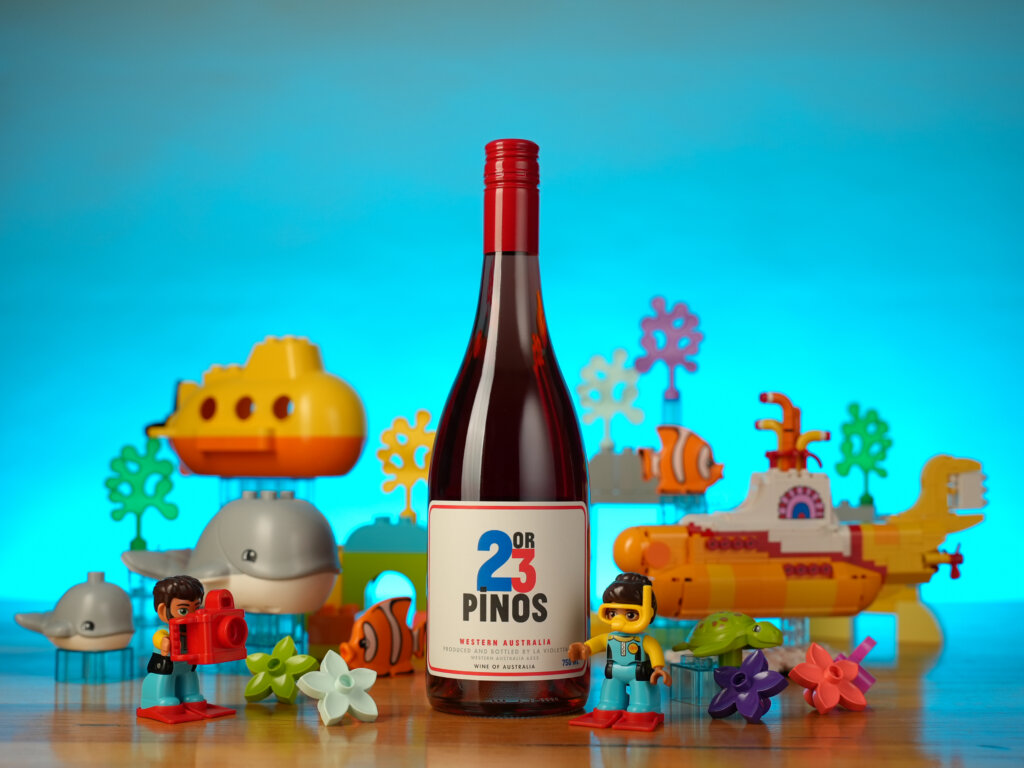
2023 La Violetta ‘Two or Three Pinos’, Great Southern $30 RRP

Becker selected this wine in his top six wines of the day, noting “almost a ramato vibe here – a coppery orange tinge in the glass. Smells like Campari and Aperol with some blood orange squeezed through it. Delicious and thirst-slaking blood orange and Aperol on the palate, too. Probably more suited to pairing with a summer salad rather than barbecued meats, as it leans to the lighter, friskier side – straddling somewhere between a darkish rosé and chilled red. Regardless, drain the bottle with a friend on a balmy Friday evening, and you’ll have a great time doing so. It’s fun, it’s easy, it’s the wine equivalent of cheesy pop music – an all-round crowd pleaser.”


2024 Saeke Wines ‘Light Dry Red’, Pyrenees $44 RRP

Scanlon included this wine among his top six selections, noting “blueberry is a fruit characteristic I love in red wine – I don’t see it enough, and that’s a shame. This wine has it in spades – it has both an under-ripe and over-ripe blue-fruit thing happening, which is really fun, and also a bit of flinty gunpowder reduction, which I think aids in making that fruit character a bit more complex. A nice lick of rosewater adds refreshment, whilst minty herbs – think genepy and peppermint – and some white pepper add some savoury elements to keep it all interesting.”


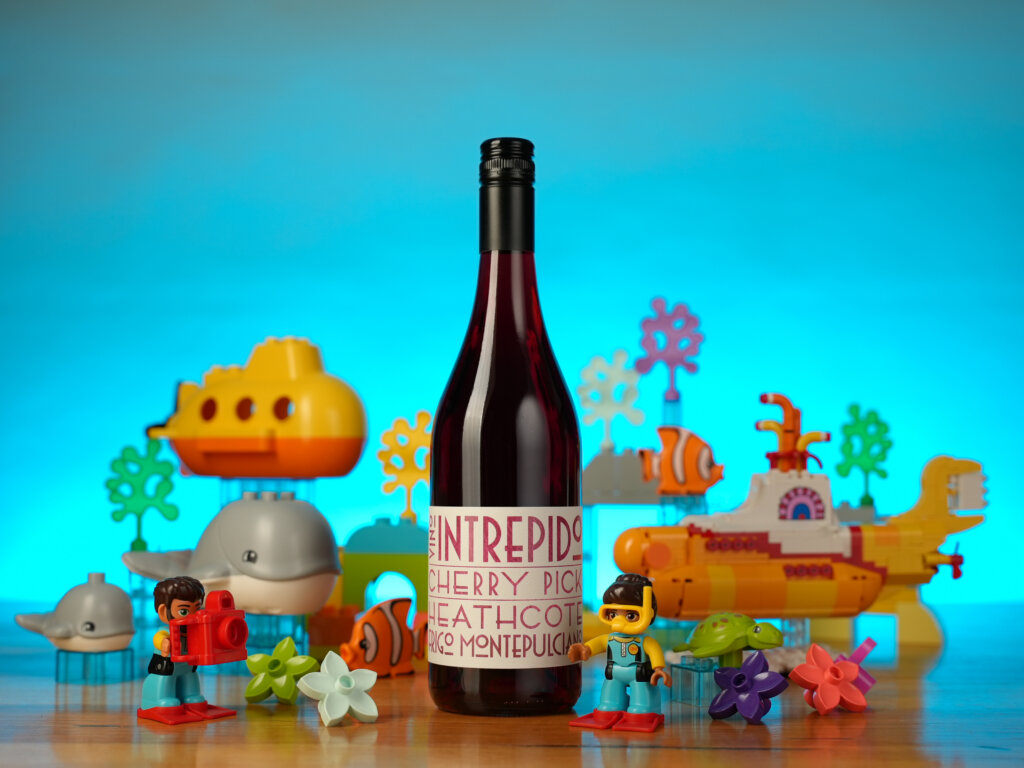
2024 Vino Intrepido ‘Cherry Pick’ Frigo Montepulciano, Heathcote $33 RRP

Gluck featured this wine in his top six wines of the blind tasting, describing “raspberry jelly, orange oil and roses on the nose – a kid’s birthday party in a glass. The full-flavoured palate has a real start, middle, and end – a more serious wine than most in the lineup, and therefore one with a few more edges to it. Those edges don’t make it any less likeable, though! Ultimately, this is a wine that speaks of its terroir – it tastes of quality fruit grown in sandy soils.”


2022 Hoffmann Family Vineyards Grenache Carignan, Barossa Valley $40 RRP

Dacey chose this wine for his top six wines of the day, describing “the deep colour of this wine is in contrast to its initial bright cherry aroma – but this is then deepened with blueberry and blackcurrant, along with a touch of vanilla and nutmeg and a whisper of violets. It’s a joy to smell, and a joy to taste – the palate delivers on everything that the nose promises, with a sweet honeyed character that’s offset by a mild, sherbet-like acidity. While this wine may not be as structured or brightly acidic as many of its compatriots, that doesn’t make it any less fun to drink – served fresh from the fridge or chilly-bin, this will bowl everybody over with its juiciness.”


2024 Sven Joschke ‘La Rouge Clair’ Shiraz, Barossa Valley $32 RRP

Buckland picked this as one of his top wines of the blind tasting, saying that it “leaps from the glass – highly aromatic! Sour red and ripe black cherries, blackberry, raspberry, and blackcurrant, underpinned by a hint of baking spice and dried rose petals. Pinot-like in many ways – light in both colour and mouthfeel, with silky tannins and elegant palate weight defined by fruit lift and bright acidity. A pleasing amount of tannic grip at the finish. Wherever this is from and whatever varieties it is made of, it reminds me of some compelling natural-wine examples of Gippsland pinot noir – delicious and interesting stuff.”


2025 Fin ‘Le Vin du Rosier’ Garnacha Zinfandel Negroamaro, Nagambie Lakes $32 RRP

Rajaonarivony selected this wine in his top six wines of the day, describing it as “pure energy – bright cherries and fresh red fruits leap from the glass. The palate feels lively and invigorating, while a zesty finish with a hint of sweet bitterness keeps its character sparkling-fresh. Light in body, but full of personality, this wine makes you just want to keep sipping, and sipping, and sipping …”


2023 Gant & Co ‘Nouveau’ Semillon Merlot Touriga, Margaret River $32 RRP

Becker included this wine in his top six wines of the blind tasting, noting it “smells like a cabernet-based wine here, which is cool with me – cabernets are cool again! Lifted blueberry fruit on the nose, with a pleasing fresh tobacco and fresh sage vibe going on, alongside a bit of rhubarb, pomegranate juice, and blueberry sugar pastilles. A frisky palate, with a nice acidity that quenches appropriately – think raspberry lemonade and fresh blood plums. Another chilled red for your barbecue, with some slip and thrust – this would be good fun out of a tumbler in the park.”


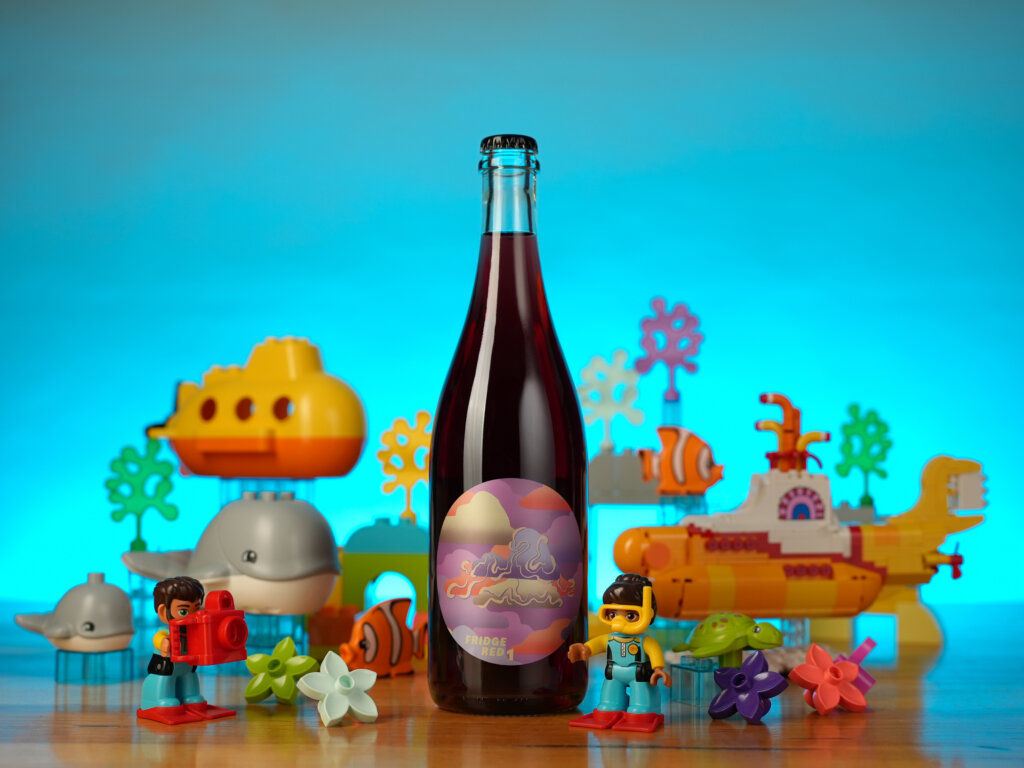
2025 Wedded to the Weather ‘Evening Breeze – Fridge Red #1’ Montepulciano, Riverland $26 RRP

Gluck chose this wine for his top six wines of the day, describing “Dr. Pepper energy – confected cherries, herbs, kola nut and black pepper on the nose. Silky-smooth on the palate, with a lot of chew in the body. It’s got that Aussie ‘Sunshine in a bottle’ thing going on, but the UV factor has been tamed with a little bit of sensible slip-slap-slop. Quite refreshing – undemanding, simple, and uncomplicated. I certainly wouldn’t be too upset if it was served as the house pour in my favourite pub!”

The Backstory

Until relatively recently, Australian wine drinkers had a pretty simple approach to serving temperature. Whites, rosés, and sparkling wines came straight out of the fridge – and reds were served strictly at room temperature. While this approach was admirably unfussy, it didn’t do many favours for the reds, especially during an Australian summer heatwave, or in a well-heated room in the depths of winter. Fortunately, times have changed – not only is a quick chill acceptable for reds once the ambient temperature broaches the 20 °C mark, but there is an ever-growing category of red wines that drink very well at half that temperature, or even colder. Some are reds designed to be enjoyed at (mild) room temperature that happen to respond well to a spin in the fridge; others are designed from the get-go to only be served cold. ‘Chilled Red’ headings are now a mainstay in Australian restaurant wine lists, and more reds are winding up in fridges at bars, retailers and homes alike.

The Australian wine landscape has transformed radically over the last couple of decades. A phalanx of emerging grape varieties, new sites, new makers, and new styles have added extra layers of detail and complexity to our already rich wine culture. Today, no-one shrugs at skin-contact white wines with tannin and deep colour, or ultra-light red wines that sit just a blush up from rosé (even if darker styles of rosé remain something of a hard sell). From our contemporary vantage point, it’s therefore hard to imagine that there was ever a time when putting a red wine in the fridge could be seen as the height of unsophistication – but for most Australian wine drinkers in the twentieth century, doing such a thing was a serious faux pas unless you happened to live in the tropics.

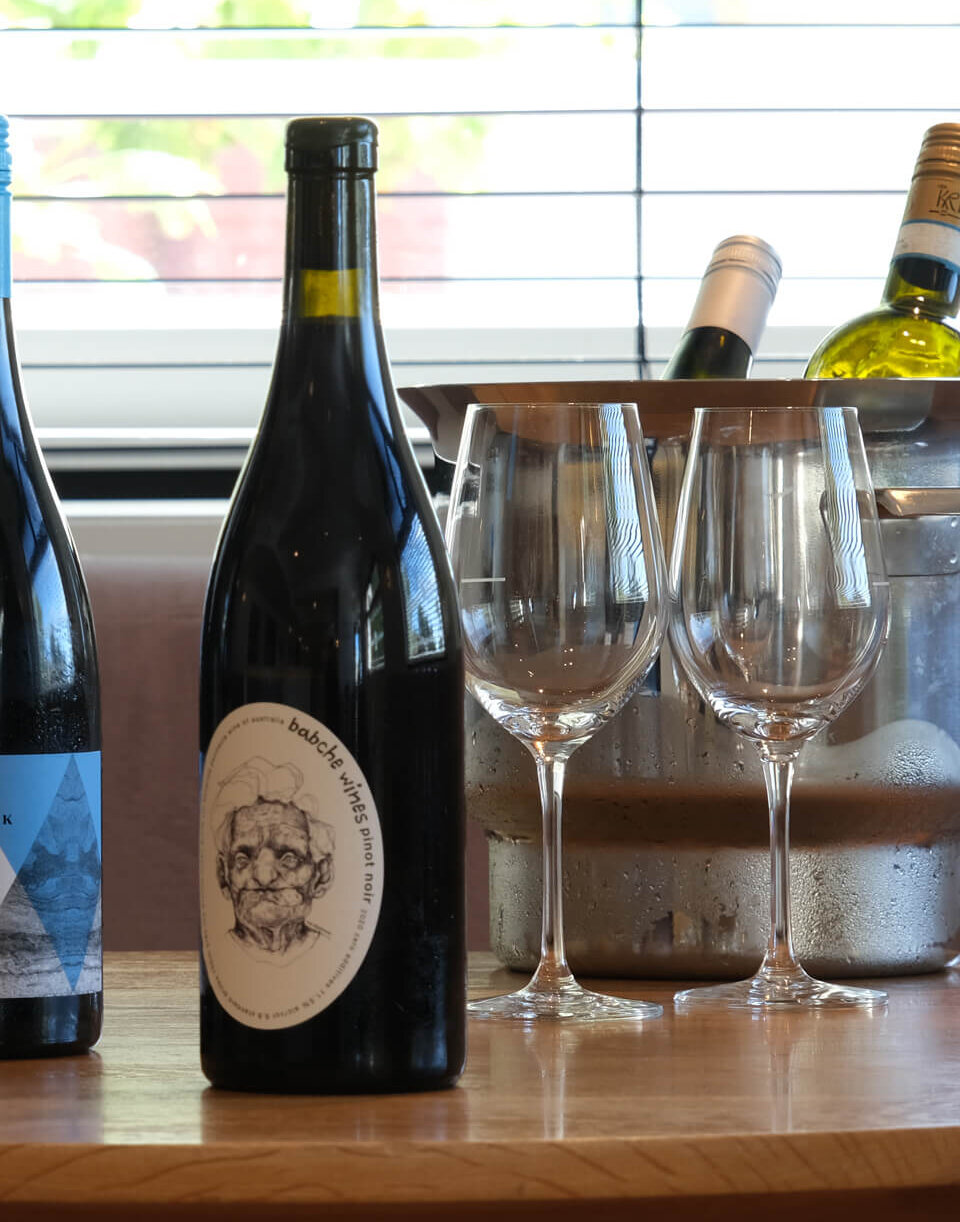
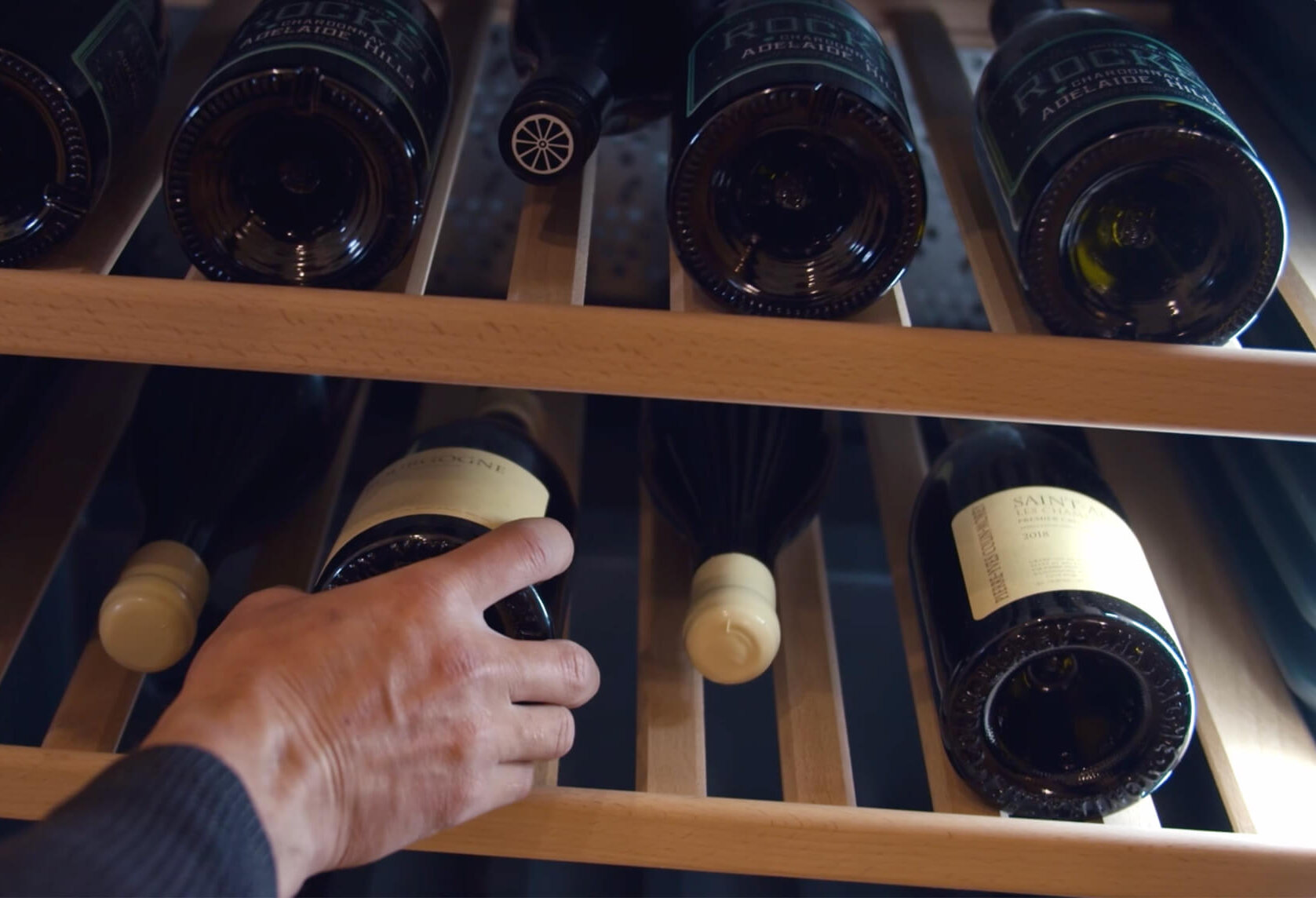
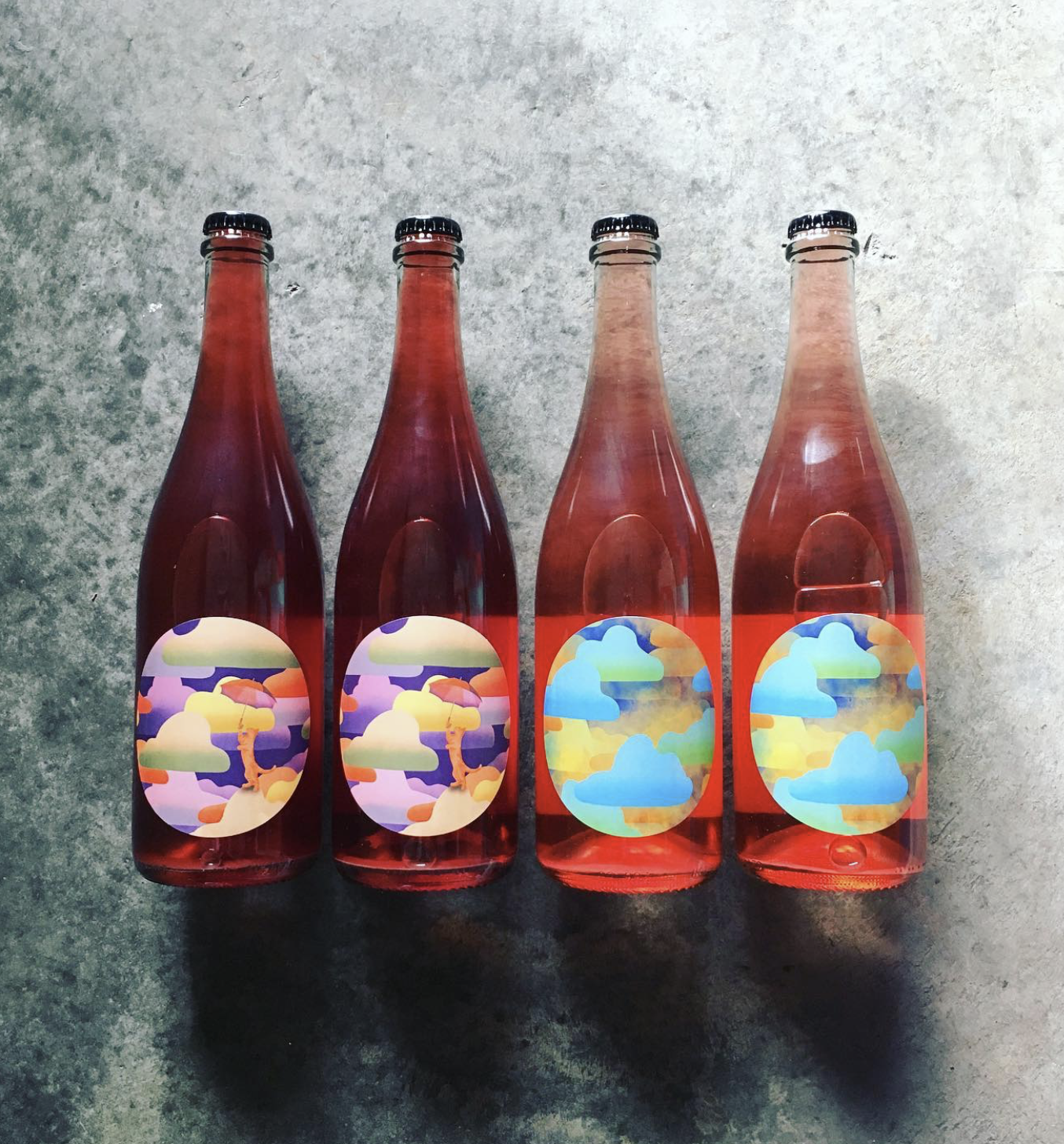
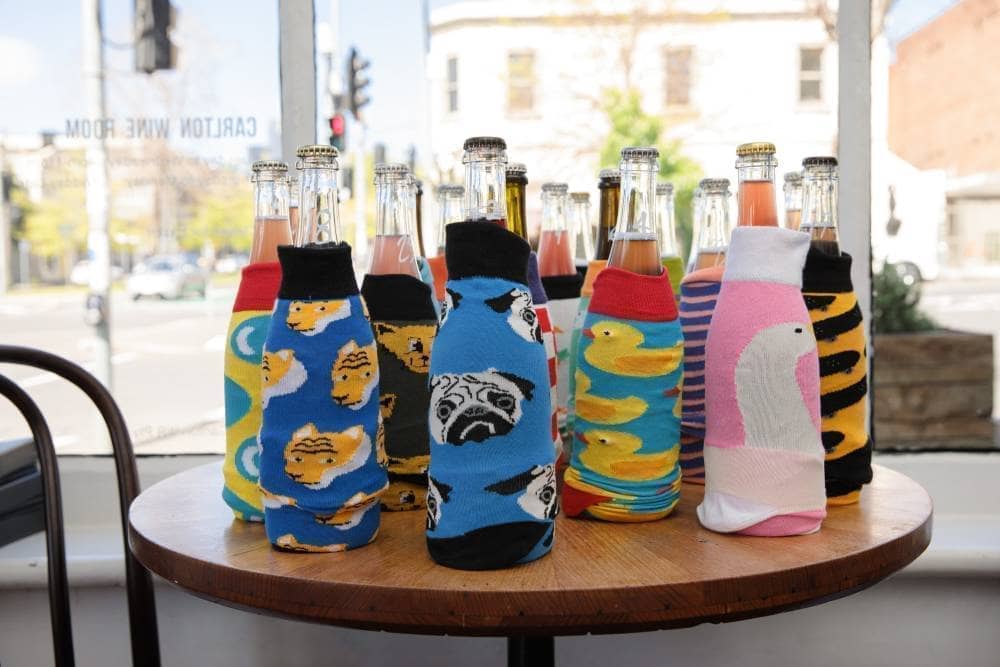
Above and opposite: Chilled bottles of red wine. While a common sight now in progressive wine bars and restaurants, in the not too distant past serving a red wine at anything other than ambient temperature would be considered a faux pas.

Thankfully, Australia’s wine-drinkers have generally become much more open-minded since then, and the spectrum of colour intensity and palate weight across our red wines has likewise broadened. It’s certainly no coincidence that these lighter styles of red wine also work with a broad range of cuisines and a lifestyle that takes us out into the open at the merest glimmer of sunshine. Perhaps the peak of this shift is the advent of chilled reds: red wines designed to be served cold that offer both refreshment and red wine flavours in happy harmony. These are wines built for modern times – but if we look back to the traditions of the European wine world, we’ll discover that red wine was often served much colder than many of us would imagine.


From cool beginnings to a hot mess

Serving red wine cool or cold is not such a radical idea – in fact, it would have been the European norm historically. Even in warmer regions, cool underground cellars that retained their temperature over summer were common. In winter, the temperature of wine would have plummeted with the mercury – although in some parts of Europe, those cool cellars would have actually been warmer than the above-ground ambient temperature. And those relatively low and stable temperatures happen to be perfect for long-term wine storage. As any high school chemistry student should be able to tell you, chemical reactions tend to happen faster at higher temperatures – molecules move around more easily, and there’s more energy in the system. So when a bottle of wine gets hot, chemical reactions that damage its quality occur more quickly – fruit flavours go from fresh to stewed or raisiny, acidity becomes less pleasantly bright and more acrid or sharp, and colour shifts from vivid shades of red to brickish brown. These increase exponentially as the wine gets hotter – the same negative effects created by twelve months of storage at 30 °C can happen in mere days at 40 °C. To add insult to injury, in extreme cases the wine inside the bottle can physically expand and compromise the seal of the cork, thus letting oxygen come to the party and kick off its own series of damaging chemical reactions.

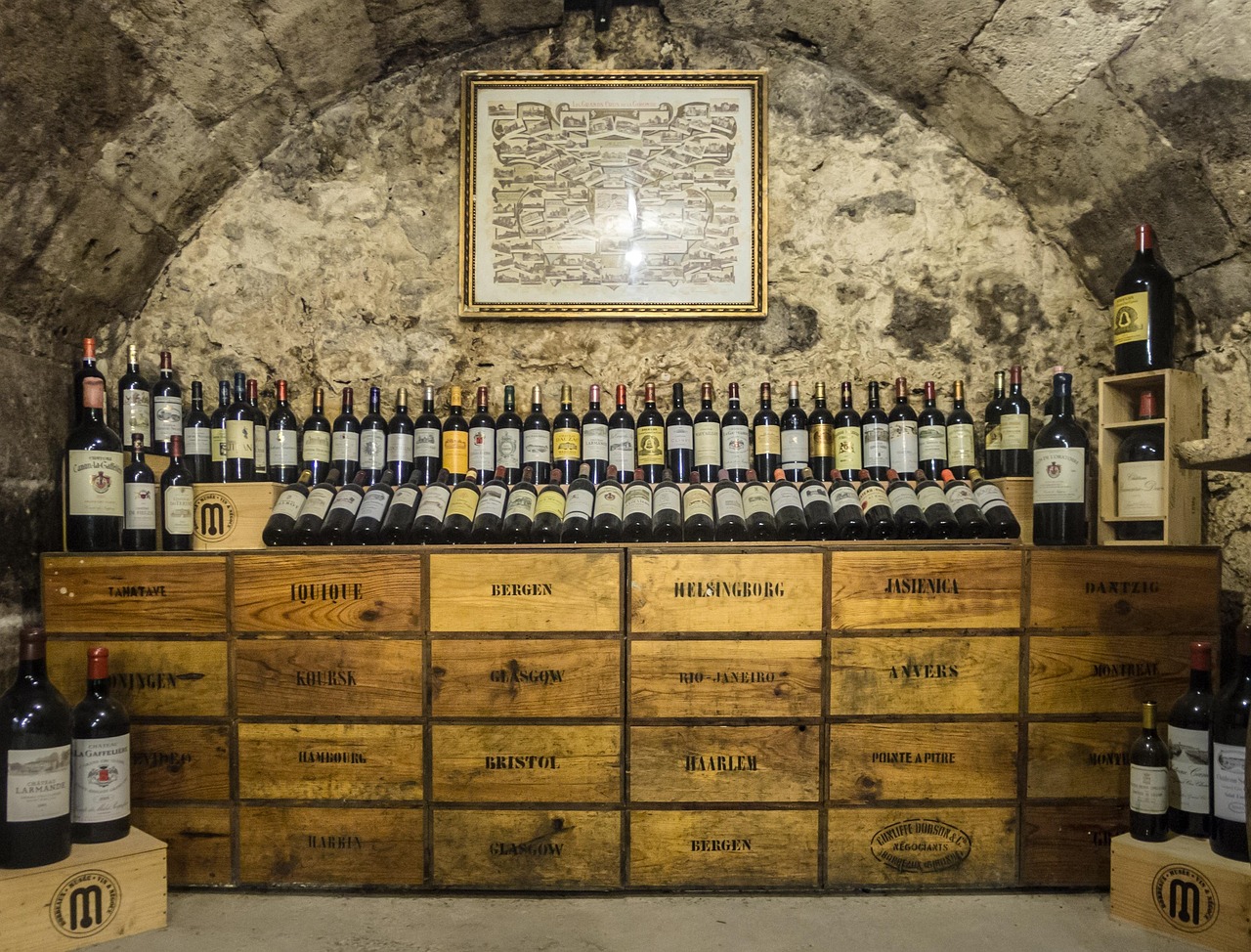
Opposite: An archetypal European underground wine cellar. Above: A modern purpose-built wine cabinet, offering refrigerated storage at precise temperatures.

Keeping wine in cool cellars therefore makes sense – it puts the brakes on those harmful chemical reactions.  And in circumstances where cool storage aligns with freshness of flavour, it’s not hard to see how that cool cellar temperature can become the preferred serving temperature for many wines. Some traditional cellars are cooler than others, but somewhere around 12–15 °C offers both a great temperature for storage and a handy way to serve most wine – bigger reds can come up to ambient room temperature relatively quickly, and, thanks to readily available ice and refrigeration, it now doesn’t take long to drop the temperature of crisper whites and sparkling wines. Unfortunately for Australians, underground cellars aren’t exactly common here – and while sophisticated wine-specific refrigerators with multiple temperature zones have recently become available, such devices were unheard of throughout the second half of the twentieth century, as Australian drinkers rediscovered the joys of table wine.

As such, the reality is that we’ve become accustomed to drinking red wine too warm – and whites too cold, but that’s another matter – with the average indoor room temperature in this country too toasty for getting the most out of red wines, let alone that of a sweltering day in the backyard with the barbecue firing. As the serving  temperature of a red wine rises, its alcohol content becomes more apparent – meaning that any delicacy of fragrance will be lost. A similar thing happens on the palate – the flavour detail becomes somewhat smudged and the alcohol generates a ‘hot’ feeling on the back of the palate. (That ‘hot’ feeling is, as far as our brains are concerned, literally hot. Ethanol, the key alcohol in wine, activates the TRVP1 pain receptor – the same one that responds to both physical heat and capsaicin, the chemical that makes chillis spicy.) That heat is naturally more apparent with higher-alcohol wines, while low-alcohol reds will just become less appetising – lacking in freshness and out-of-balance. And while not everyone is looking for the same type of refreshment in red wines that they do whites, a red becomes stodgy and unpleasant when warm – put simply, not what the winemaker intended. A hot minute in the fridge or freezer is a good way to bring a bottle of red back into line – but just as reds can suffer from being served too warm, reds that haven’t been expressly designed for a chill can likewise suffer from being served too cold.


Chill out – and get a grip

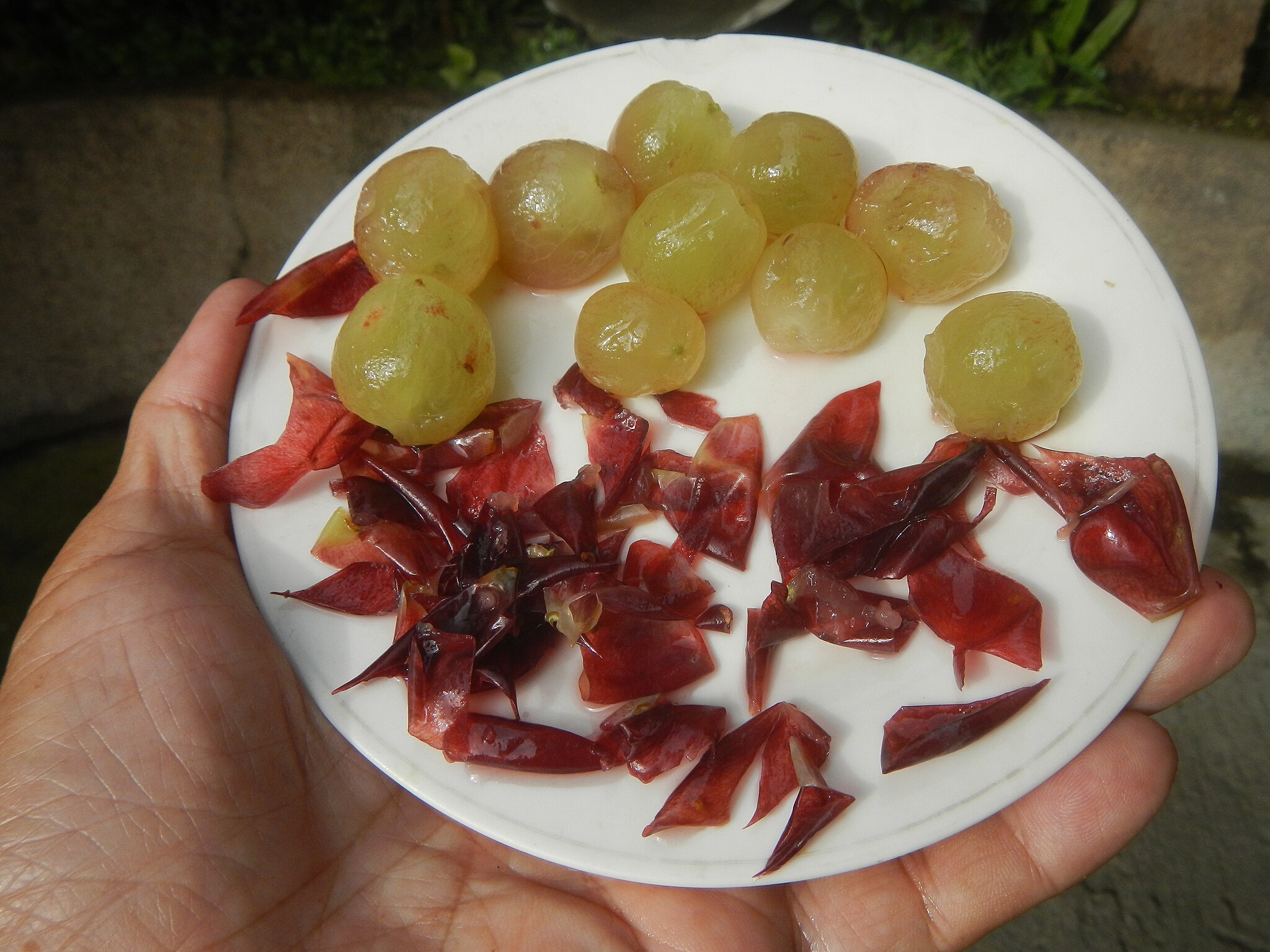
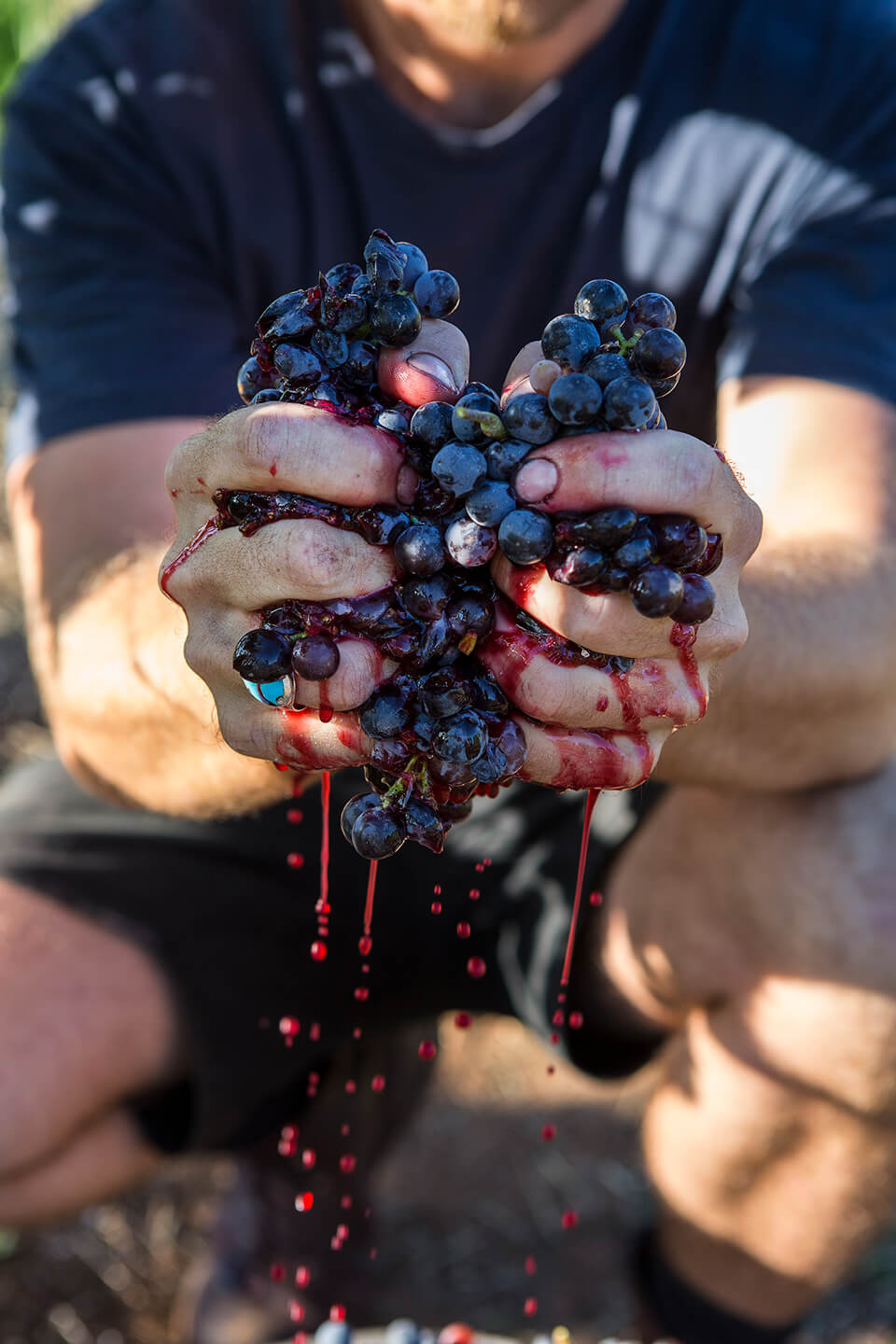
To understand why this is the case, we’ll need to cover a little winemaking 101. Nearly all grape varieties – red or white – will make a white wine if the juice from the clear flesh inside is pressed off before it has any time to come in contact with the skins. (There are some red-wine varieties, called ‘teinturier’ grapes, that have red flesh to go with their dark skins – but they’re quite uncommon.) Those skins are where much of a red wine’s character and interest come from – they hold the colour-making anthocyanin molecules, as well as plenty of flavour, and they are also partially responsible (along with the seeds and, sometimes, the stems) for the ‘grippy’ character in red wines. That grip is due to tannins, which are an important structural element in red wines – they balance out the fruit and cinch it in, and giving the wine shape.

Above: Peeled red grapes, showing the white flesh inside – in nearly all cases the skins contain all of the finished wine’s colour, as well as much of its ‘grippy’ tannins. Opposite: Squeezing alicante bouschet grapes to – a dramatic demonstration of the unusual red colour of the flesh of this ‘teinturier’ variety.

While it’s not easy to generalise about what makes a red wine an ideal candidate for being served properly cold, the basic rule of thumb is that they should be relatively fruit-forward and not possess too much tannin. A robust red wine with plenty of those tannins – think a traditional cabernet sauvignon, or an inky-black shiraz – is about the last wine you want to serve properly cold,  because the drop in temperature will pull the fruit character down, in turn snapping those tannins into focus and turning the wine’s structure inside out. So while such wines can absolutely benefit from a brief detour in the fridge before being cracked open, especially if its a scorcher outside, it’s clear they shouldn’t live there, either – otherwise they’ll taste hard and flavourless when opened. By contrast, bright-fruited, crunchy and vibrant reds relish the chilly temperatures. As a bonus, the same structural elements that make those wines suitable for life in the fridge mean they’re also brilliant foils for spicy food – with the plusher textures, sweeter fruit and lower tannin the right recipe to combat the heat, not to mention the pure refreshment factor of their lower temperature.

That’s not to say that reds that are built to chill should be drunk at the standard home refrigerator temperature of 4 °C – but most of us don’t have multiple temperature zones in our fridges, or those specialised multi-zone wine fridges, to accommodate the ideal serving temperatures of various varieties and styles. The average home fridge is a one-size-fits-all deal – as, for that matter, is an Esky for a picnic on a sweltering day – and very few wines, white or red, are best enjoyed at the near-freezing temperatures required to keep food safe and milk from turning. Fortunately, it’s easy to tell if a wine is too cold – a splash in the glass (where it will warm up more quickly than the bottle) will tell you if it needs to sit for a little while to come up a few degrees, or if it’s good to go. If the wine seems a bit muted in fragrance and the palate feels a bit too grippy or tannic, set it aside for ten minutes or so, then check again. If you’re feeling especially impatient, you can cup the bowl of your glass in your hands and let your body temperature gently bring the wine up a few degrees.


Retail check

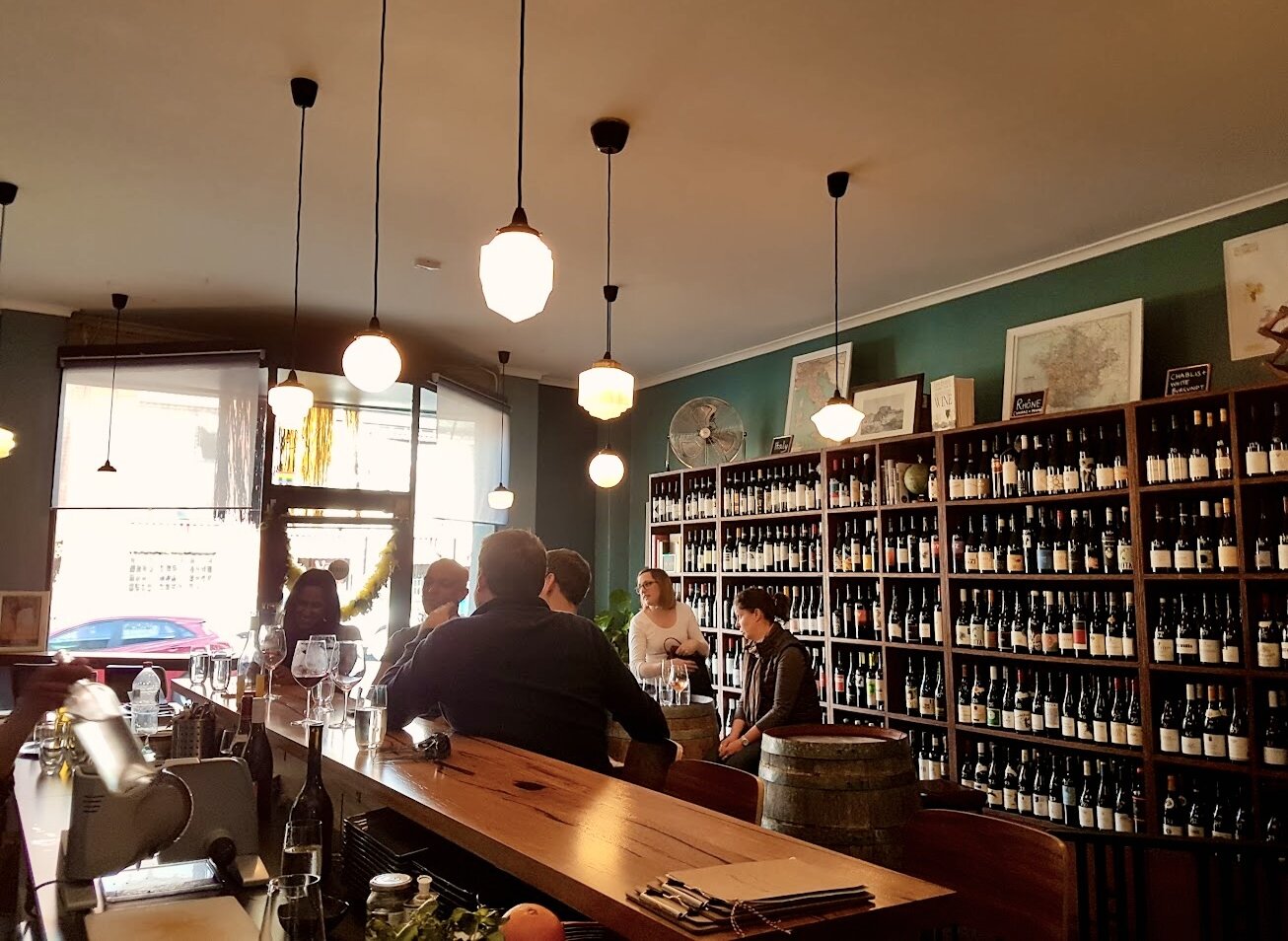
In Carlton’s leafy Rathdowne street, Isabelle Szyman works as a wine buyer and communications manager at local independent fine wine store, Rathdowne Cellars. And while Rathdowne Cellars has long been a progressive wine merchant, with a deep list of imported selections along with lots of small local makers, it’s probably not the first place you’d think of to shop for zeitgeist-y chilled reds, skin-contact whites, or ‘park wines’ – but amongst the store’s classic riesling and Chablis, zippy Spanish albariño, and pale rosé, you won’t go short of options if a chilled red’s on your shopping list.

Above: Isabelle Szyman, wine buyer at Rathdowne Cellars. Opposite: A vivid glimpse of the category courtesy of panellist and winemaker Doug Woodward under his Wedded To The Weather label.

“It’s definitely a category I spend more time in my week thinking about than I ever thought I would have,” Szyman says. “We’ve gone from no reds in the fridge to a shelf full of them, with more on rotation. It’s growing – though not booming in the cold weather – and there’s certainly enough turnover to keep a section dedicated to them in the shop.” For Szyman, the wines that make the fridge aren’t those that drink better with a small temperature drop, but rather ones made with the intent to be chilled. “The better ones, I find, are those purpose built. I don’t know that I’ve ever tried a great chilled red that was a real ‘wine of place’ type,” she says. She notes that while certain varieties like nero d’avola, grenache and gamay tend lend themselves to the style, these purpose-built chilled reds can be made from just about any red variety. In fact, one of their most popular chillable reds – and one that sells better out of the fridge than on the shelf – is made from the most unlikely candidates for this treatment, cabernet sauvignon.

“We’ve gone from no reds in the fridge to a shelf full of them, with more on rotation. It’s growing, and there’s certainly enough turnover to keep a section dedicated to them in the shop.”

“The appeal of chilled reds isn’t far off what people liked about really structured orange wines when that was all the cool kids would drink,” Szyman says. “They’re often versatile wines with enough structure and fruit weight to chill down and still match the pared-back style of dining I see a lot of in Melbourne right now – simple ingredients with intense flavours.” And that food friendliness helps explain why you’re just as likely to see chilled reds on the by the glass list at your local wine bar, or under their own heading in a restaurant wine list, as you are to see bottles of red in the fridge at your favourite wine retailer.


Taking the temperature at wine bars and restaurants

Abby Moret is the owner operator of Atlas Vinifera in Richmond’s Church Street, which is in the much-loved enoteca mould of wine bar/store that Melbourne does so well. Moret’s collection of wines is broad-ranging, from the familiar to the esoteric – and the list of chilled or chillable reds has grown recently in response to demand. “Interest in chilled red has been growing exponentially for us over the last couple of years,” Moret says. “Especially during COVID, when a lot of people moved more of their life outdoors, white wine just wasn’t going to cut it for a lot of people. So, as more people found out about chilled red as a category, the sales shot up. Picnics in the park could now include some bubbles, some white, some rosé and some light chillable red.”

Above: Abby Moret of Atlas Vinifera. Opposite: Richmond’s Atlas Vinifera, where interest in chilled reds has been steadily growing.

For Moret, this development is a long-overdue extension of Australia’s famously outdoors-focused lifestyle. “Aussies realised that their outdoor lifestyles during summer – think beaches, picnics, parks, barbecues, Christmas in the backyard – wasn’t conducive to a glass of 15% Barossa shiraz consumed on a 35-degree day in the sun!” she says. And as Australian drinkers adopt chilled reds, she’s seeing a corresponding increase in awareness of the role temperature plays in the enjoyment of all red wine styles: “We often get requests for reds that are chillable – though not necessarily consumed at the temperature of white wine,” she says. “Even a few degrees colder works a treat. I think we have finally worked out that room temperature in France is not the same as room temperature in Australia.” Changing winemaking philosophies have also had a big influence: “Varieties like grenache, gamay, pinot noir and even syrah are being made in increasingly ‘user friendly’ styles – less tannin, more juicy fruit, lighter alcohol,” says Moret.
“Cold wine is good with hot food, but it’s the fruit sweetness that really balances the heat, and the chilli and intense spicing enhances some of the fruit flavours on the palate, rather than dulling them.”

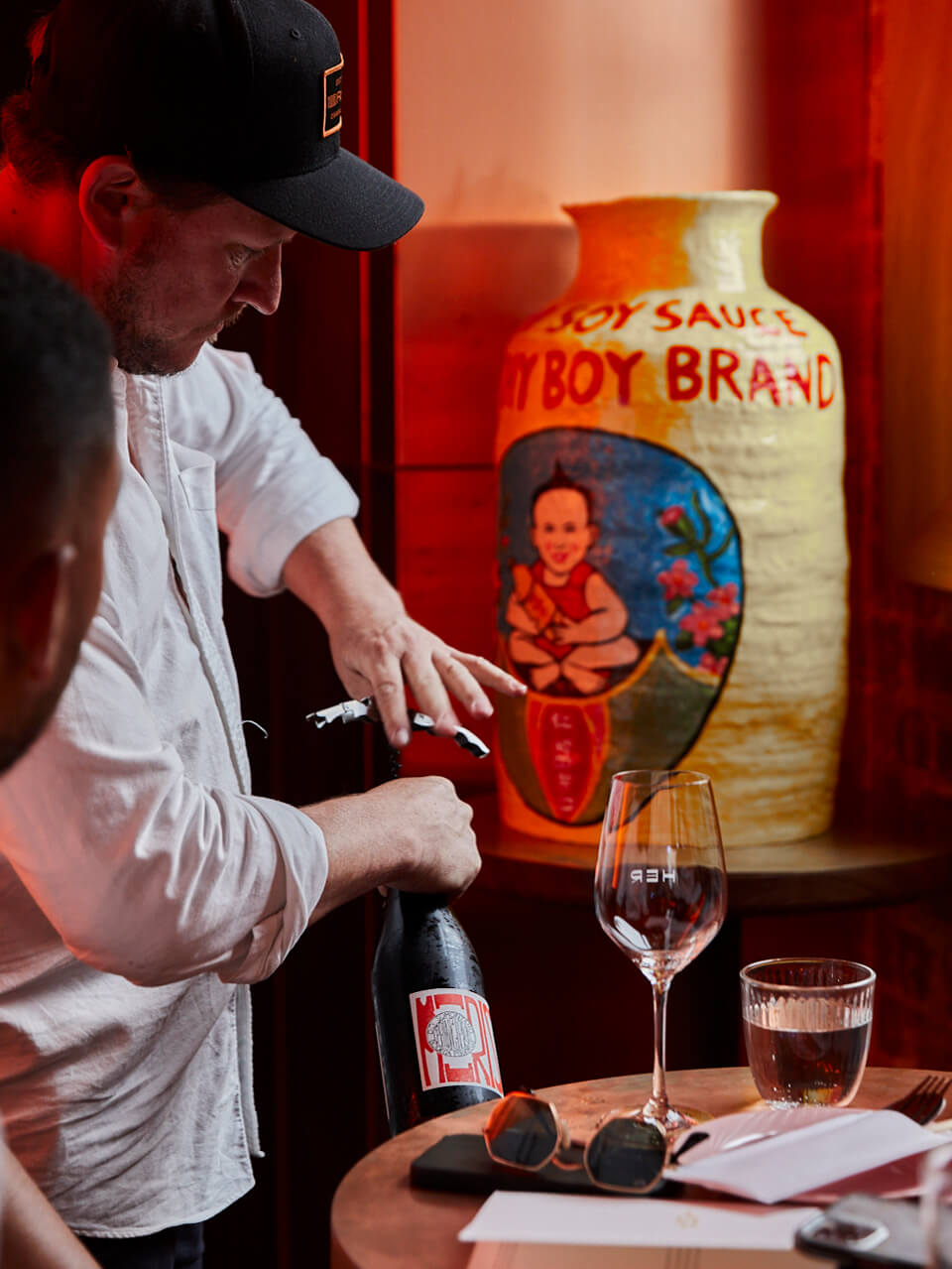
That ‘user friendliness’ also happens to translate well to the broader array of cuisines that the average Australian now eats.  Matt Thomas is the Head of Product for the five-level venue HER in Melbourne’s Lonsdale Street, where the the street food of Bangkok is celebrated across both the third-level restaurant BKK and the rooftop bar. While the kitchen employs some modern spins, that food is faithful to the hot, spicy and sour qualities that you’d find on the streets of the Thai capital – not an easy partner for wine, in other words. “We’ve found that chilled reds work incredibly well with the menu, along with off-dry and textural whites,” says Thomas. “It was a bit of a surprise, but some of them are about the only thing that stand up to some of the properly hot dishes.”

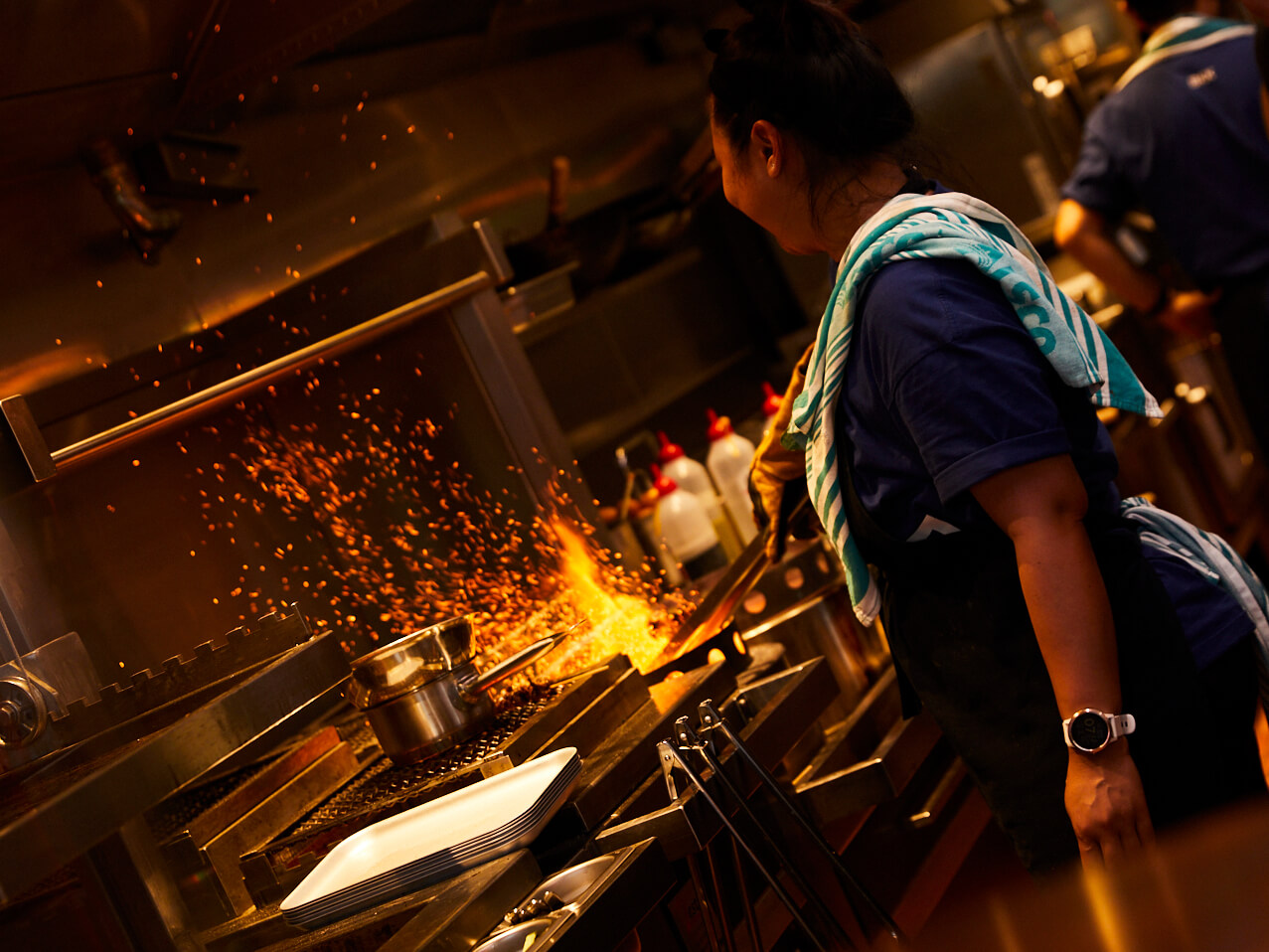
Opposite: Matt Thomas opening a bottle of chilled red (in this case a Spanish import made from the rare variety moristel) at BKK. Above: The kitchen at BKK.

While pure refreshment is a significant factor, Thomas believes than some of the wines come into their own with the heat. “Cold wine is good with hot food, but it’s the fruit sweetness that really balances the heat, and the chilli and intense spicing enhances some of the fruit flavours on the palate, rather than dulling them,” he says. He also notes that some wines that can look a bit lightweight and confected when served at ambient temperatures can snap into focus when chilled. He argues that the key attributes for chilled reds to succeed with spicy food are low-ish tannins combined with good acidity: “There needs to be some freshness in the wines to chill them down, and too much tannin is a non-starter with spicy food,” he says.


The future looks pretty chill

There’s definitely an aura of generational change about the chilled red phenomenon. While the category has been booming at Rathdowne Cellars, the more conservative local palates aren’t necessarily the ones swinging open that particular fridge door. “As far as the old guard of Carlton are concerned, chilled reds don’t exist,” Isabelle Szyman says. “I think they would lump them in the same category as darker rosés – that is, they should be illegal. We just have to make sure no one tells them what sparkling shiraz is!” Despite the cold-shoulder treatment these wines can sometimes receive, Abby Moret’s experience at Atlas Vinifera shows that they’re not only for the young and trendy: “A younger generation is certainly leading the charge, but as chilled red became a permanent option on our menu over summer, more customers were curious to try it,” she says. “More traditional drinkers used to a glass of shiraz or cabernet were opting to try a chilled style. It became such a large part of our sales over summer that we had a regular rotating option that we changed weekly, as well as a dedicated shelf in our fridge.”

“A younger generation is certainly leading the charge, but as chilled red became a permanent option on our menu over summer, more traditional drinkers used to a glass of shiraz or cabernet were opting to try a chilled style.”

It’s pretty clear that chilled reds – whether they’re wines purpose-built for serving cold, or what we might call ‘chillable’ lighter styles that can be enjoyed either chilled or at the cooler side of room temperature – are here to stay. Alongside rosés, and skin-contact whites or amber/orange wines, they’re expanding the diversity of Australia’s vinous colour spectrum – and they knit seamlessly into a lifestyle that makes the most of the being out and about when the sun shines. Even when the weather drives us indoors, chilled reds have just as important a role at the table, lending themselves to many cuisines, including hot and spicy food, and being general all-rounders for our love for shared-table dining. And in a country where there are currently signs of a worrying structural imbalance between supply and demand for red wine grapes, the growth of this category is surely heartening news for winegrowers.

“What I look for in a chilled red is sheer smash-ability, which sounds simple but that’s part of the fun of the category,” says Moret. “Cheerful, fun wines that don’t break the bank or your head during daytime hangs. There’s a plethora of different styles and flavour profiles out there, and it’s an exciting category to explore as both a buyer and a consumer.”

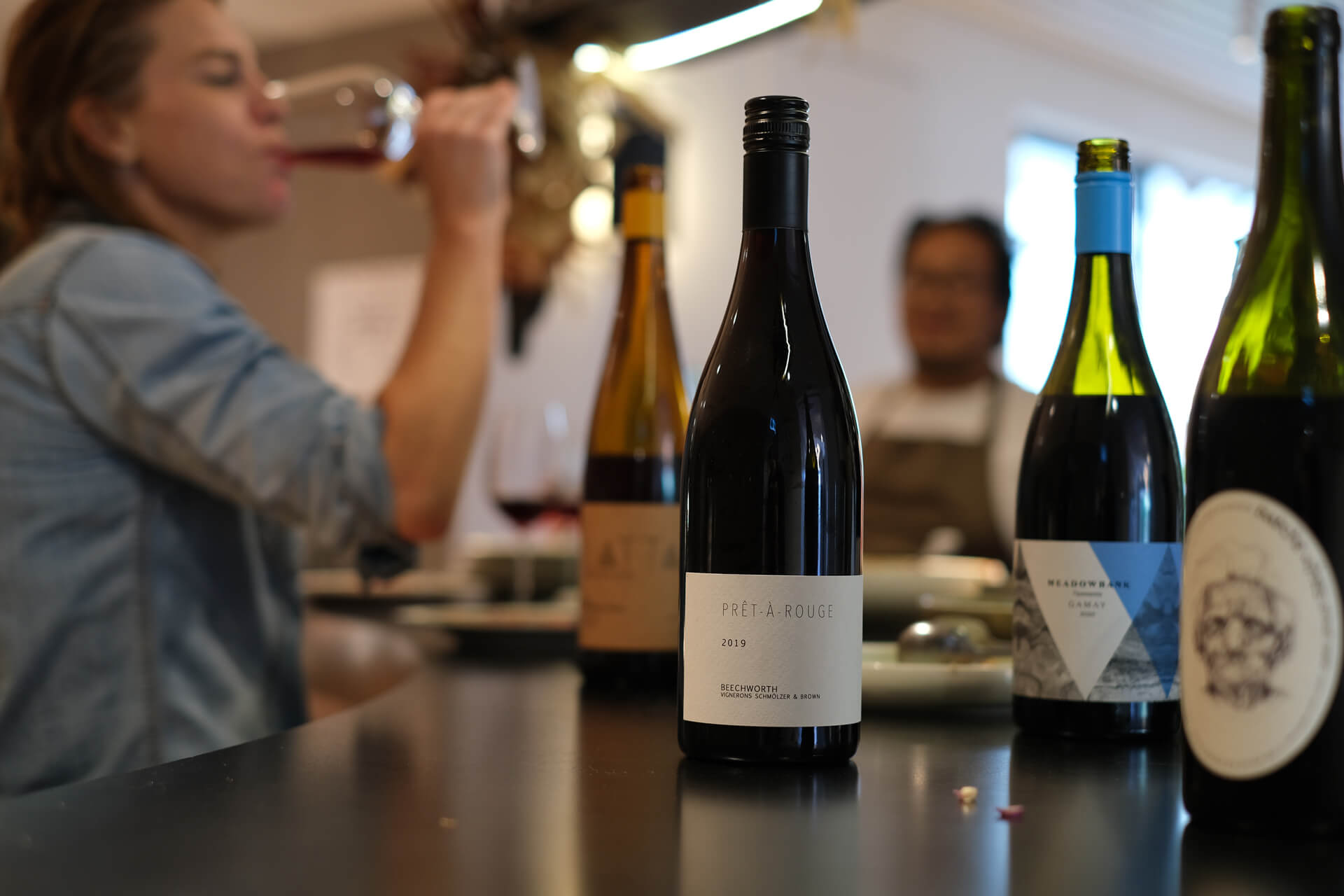
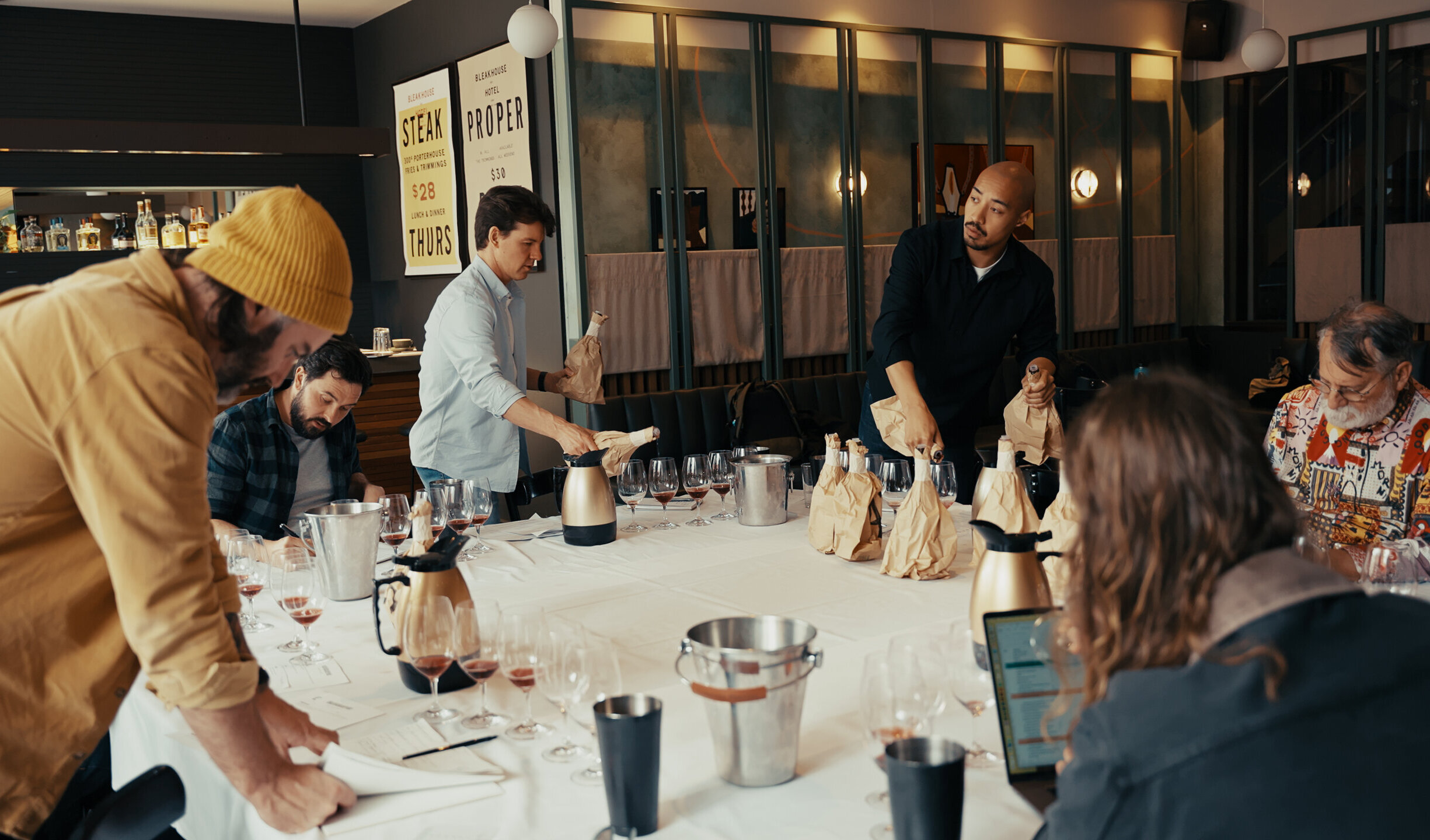
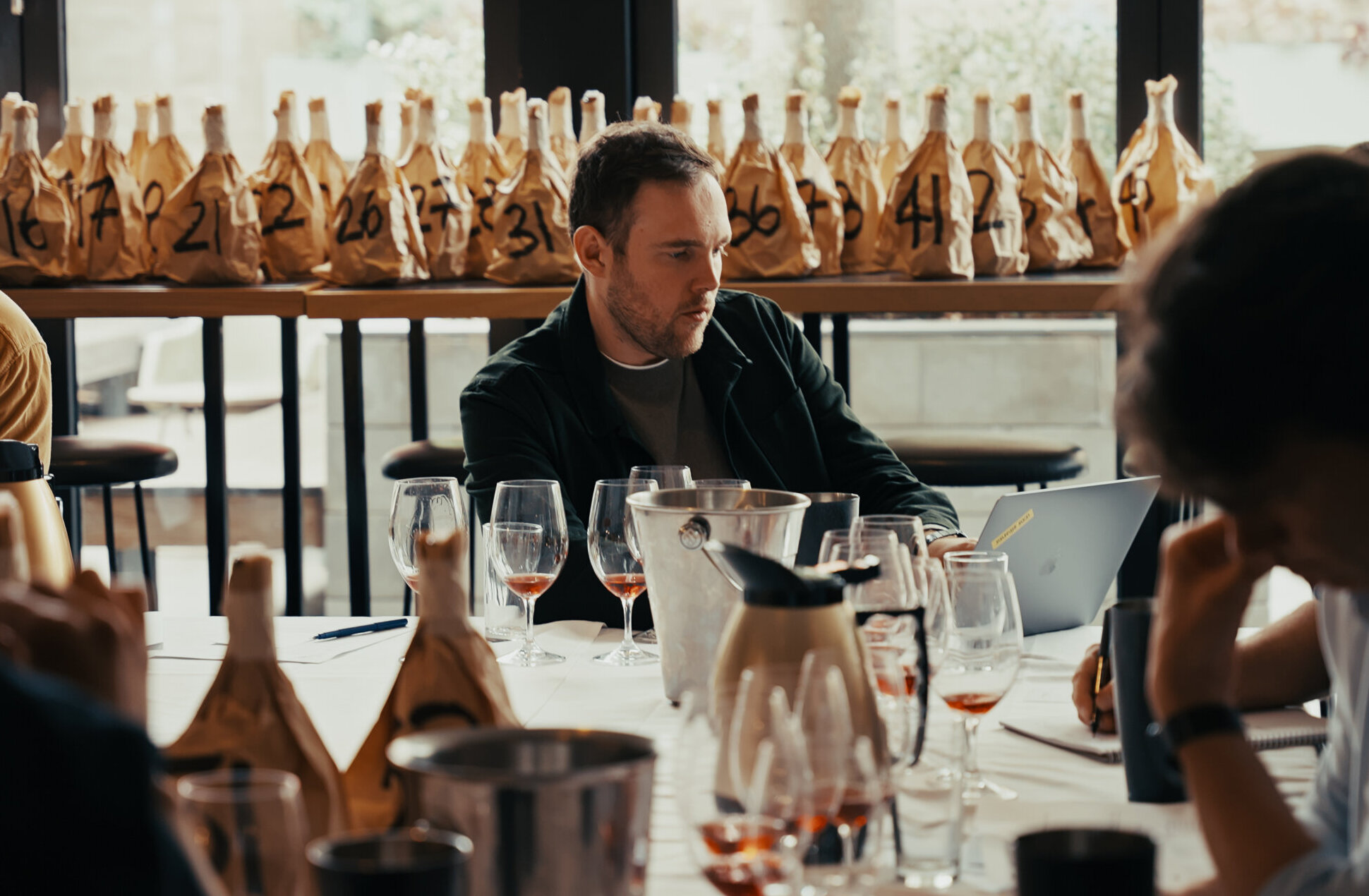
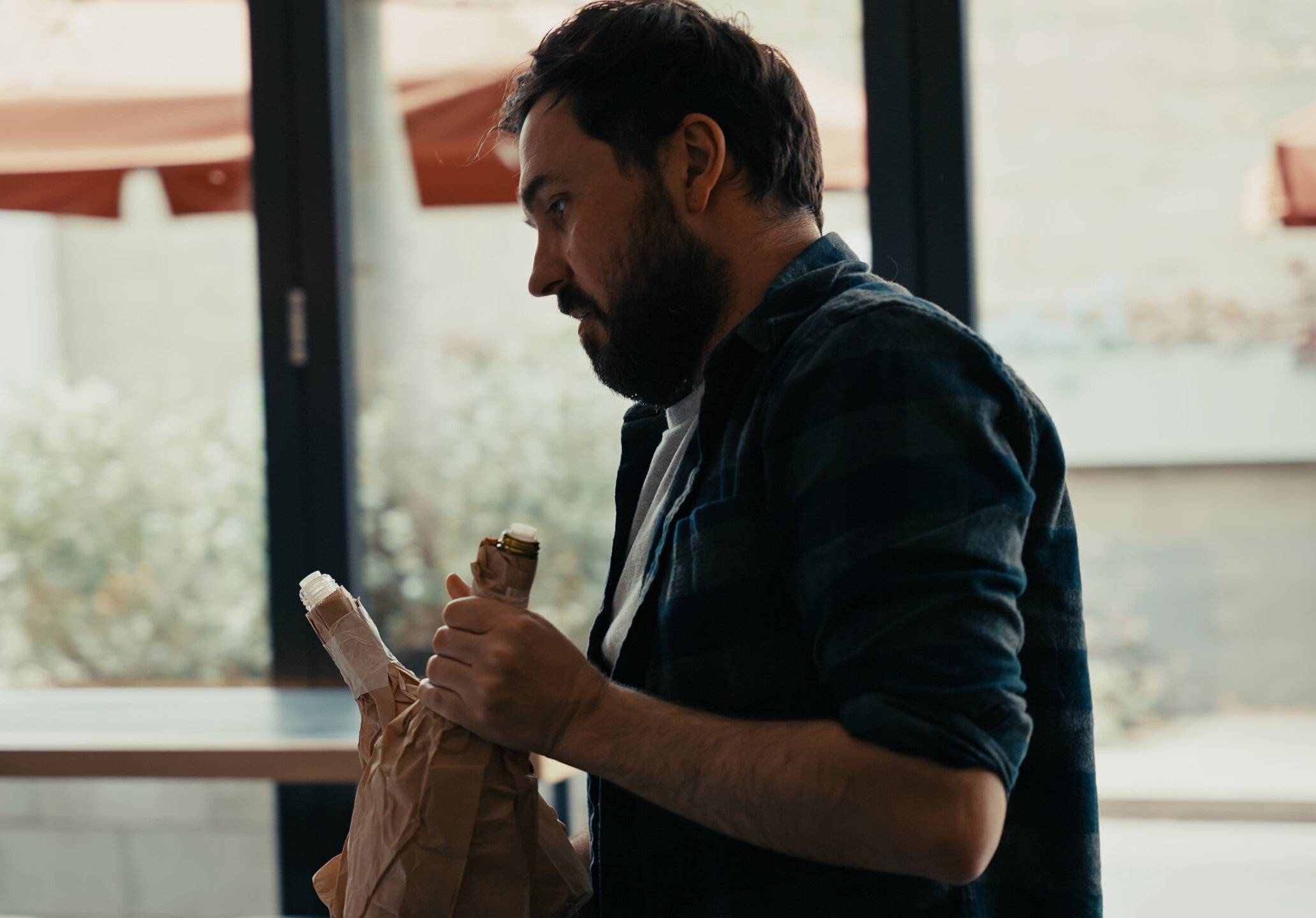
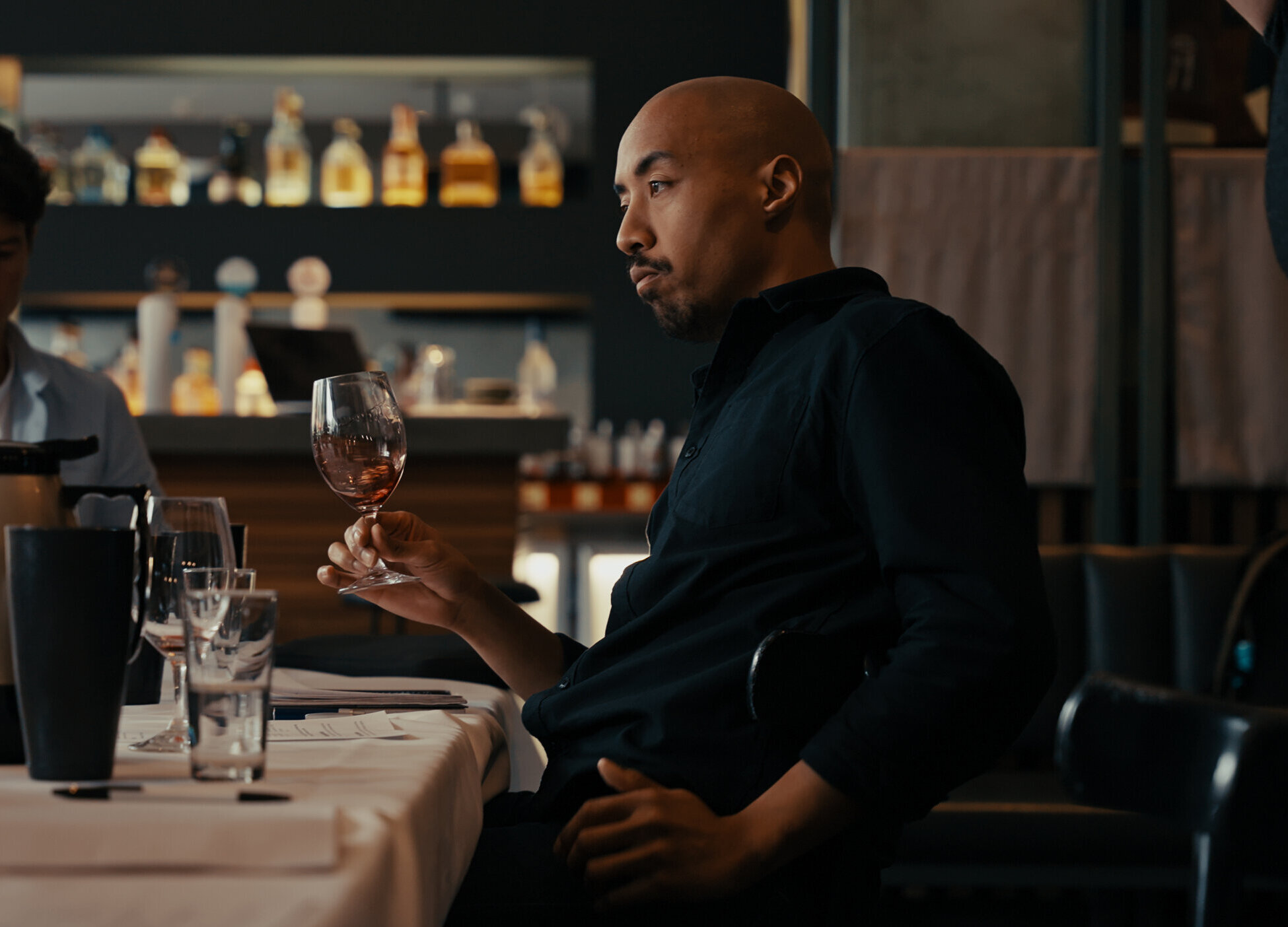
Our tasting panel convened at the Bleakhouse Hotel, Albert Park (Melbourne). All wines sampled ‘blind’.

Outtakes from the Tasting

We gathered every Australian example of chilled red – that is, red wine that the maker recommends serving below traditional cellar temperature – that we could find and set our expert panel the task of finding the wines that compelled the most. All wines were tasted blind, and each panellist named their top six wines. Below are the wines that made the panellists’ top-six selections from the tasting.

Our panel: Louis Schofield, winemaker, Worlds Apart; Lawrence Scanlon, winemaker, Dirty Black Denim and restaurateur, Magnolia; James Becker, winemaker, Musical Folk and Southern Light; Doug Woodward, winemaker, Wedded to the Weather; Simon Dacey, sommelier and manager, Bottle Shock; Gus Gluck, wine buyer, Neighbourhood wine; Loic Rajaonarivony, head sommelier, The Atlantic; Shane Buckland, wine buyer and sommelier, Lilac Wine.

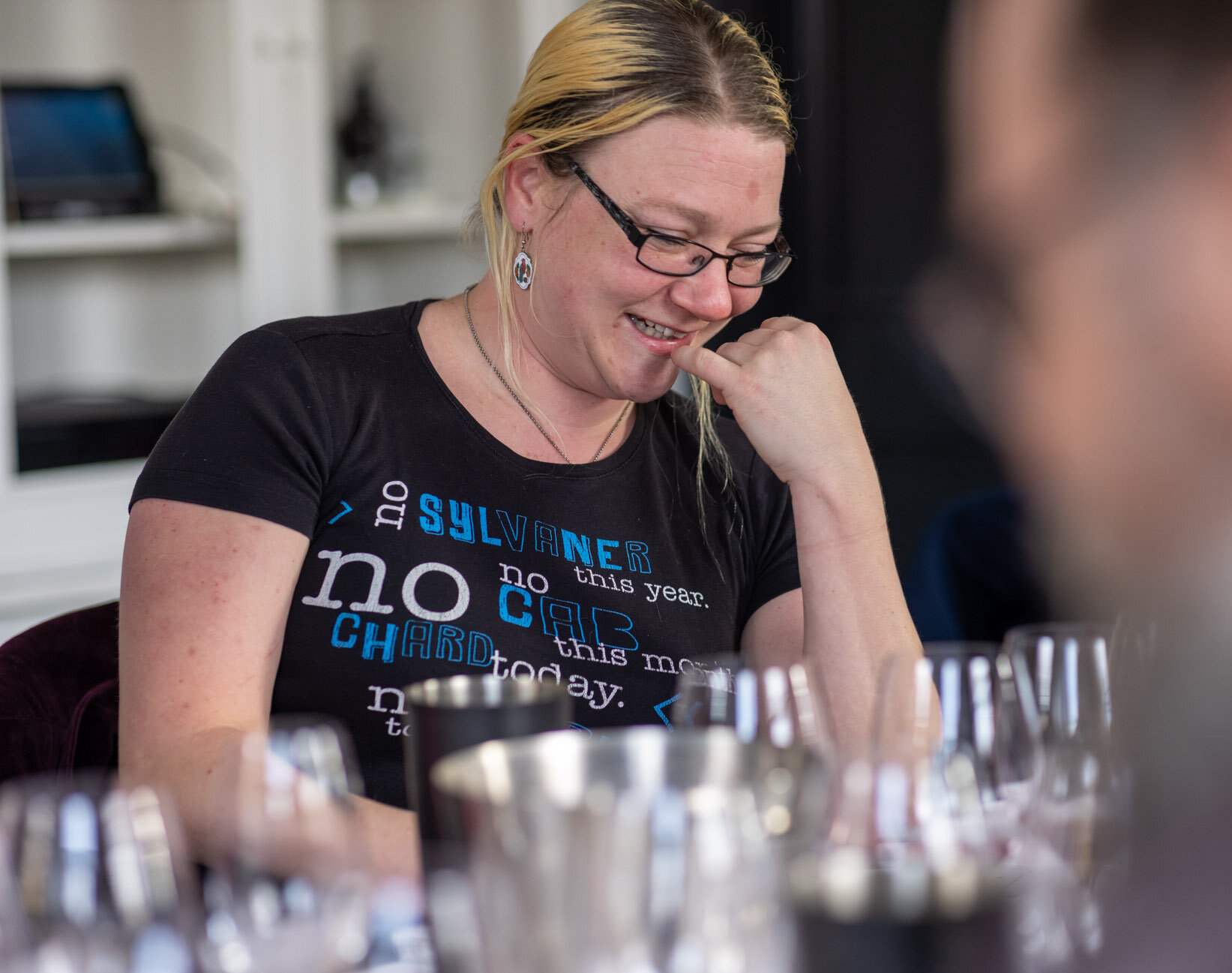
The panel commenced the discussion by noting that there was a surprising diversity within the category – something that indicates its development within the last few years. “There’s much bigger range of styles than I think I was anticipating to see,” said Dacey. “I was expecting a lot of ‘fruity yum-yums’ – a lot of light or grenache-y kind of styles – but there was a lot of stuff that was quite savoury, and there was a lot of stuff that was quite herbaceous.” Scanlon agreed, noting that he saw “More wines of structure than wines without, which I was quite shocked by … there was quite a lot of slightly bitter, structured things.” Schofield added that the winemaking on display in the lineup showed that the category had matured significantly: “They didn’t feel like cowboy wines,” he said. “There were only maybe two or three genuinely faulty wines there, which I think is pretty good for this category.”

Opposite: Gus Gluck. Above: Louis Schofield.

While Gluck appreciated the development of the category, he argued that the level of technical soundness across the board in the wines might indicate that winemakers were playing it safe. “I did think that there was a  certain risk-averseness to some of the wines in general,” he said. “I feel like some of the wines that maybe did showcase a few more technical faults were actually potentially more worthy – because at least they were risking something to create something more compelling. But sometimes the wines moved to the middle instead of pushing it.” On the other hand, he noted that the general cleanliness of the wines allowed for some to clearly express their variety and region: “There were two wines that were bang-on McLaren Vale, sandy soil, grenache,” he said. “That was quite beautiful to see – because typicity of place is always hard to do with chilled reds, since you’re trying to bring lots of components together to make a better whole.”

“If you’re a commercial winemaker and your brief is to make a chilled red, the temptation's going to be, ‘Let’s leave five grams of sugar and appeal to seventeen-year-olds’, or whatever. I think it was a good thing that we didn’t see a lot of those.”

Schofield agreed that slightly conceptually safer wines were “a trade-off” for fewer technical flaws, but argued that this also meant that the wines were more drinkable: “If there’s a reason why you wouldn’t have a second glass of it, the reason is generally because there’s a flaw with the wine,” he said “You might not know that it’s VA or a pH issue or whatever, but you do know that you’re not going to have a second glass.” He added that, despite the general technical proficiency on display, not many of the wines felt over-worked or over-engineered: “On the flip side, there weren’t too many that felt like, ‘This is constructed, it’s got RS, it’s had a heap of tricks and stuff thrown at it to try and make it sexy as a chilled red’,” he said. “If you’re a commercial winemaker and your brief is to make a chilled red, the temptation’s going to be, ‘Let’s leave five grams of sugar and appeal to seventeen-year-olds’, or whatever. I think it was a good thing that we didn’t see a lot of those.”

Opposite: Lawrence Scanlon. Above: Loic Rajaonarivony.

For Rajaonarivony, talk of faults and flaws misses the fact that wines that are not technically perfect can, in fact, be very attractive to consumers. “I always think about customers at the end of the day,” he said. “I think with those faults – often  people love them. There are wines that I try, and I’ll smell them and say, ‘Not happy about that – but my guests are gonna love that’. Some of the wines today looked very sauvignon blanc-esque – very pyrazine-y – but that’s what people like.”

“Picking early, with low fruit ripeness and high amounts of acid, to me, is abrasive.”

For Scanlon, the key to making a good chilled red came down to intent. “When we started doing this, twelve years ago, from buying fruit all the way to bottling, it was designed to be chilled red,” he said. “We labelled it like that – that was the whole point.” He also argued against the common perception that reds needed to be picked early to make a chilled red: “Picking early, with low fruit ripeness and high amounts of acid, to me, is abrasive,” he said. “There’s nothing approachable and friendly about high amounts of acid and under-ripe tannin.” To keep the finished wines bright, he prefers to work with varieties that are naturally higher in acid: “Looking at dolcetto, barbera, those kind of grape varieties that have heaps of acidity. So you can get lots of fruitfulness and fruit potential, having a nice time, whilst holding the balance.” (Becker, by contrast, argued for the virtues of early picking to retain acidity.)

Opposite: Doug Woodward. Above: Shane Buckland.

Woodward honed in on the philosophical difference between red wines that happen to be able to take a chill, and wines that had been designed to be served chilled – or indeed properly cold. “I worked part time in a wine store in Brisbane, and for years we would put light reds in the fridge. The truth is that they’re good when they warm up to twelve – but those first six to eight degrees …” he said. “So some of the more savoury wines I thought were too much – if it was properly chilled, and not just, you know, a bit chilled, they would be very astringent.” He added, “It depends on what temperature you call ‘chilled’. Because I’m from Queensland, probably, I tend to go cold.” For his own chilled red wines, he designs them to be able to take a vigorous chill, and deliberately labels them as ‘fridge reds’ to make the point that they should be served as cold as a crisp white.

“I feel like there were a lot of wines today that were lighter pinot noirs, et cetera. But that’s not what the consumer wants from a chilled red.”

Buckland noted that for a wine to be commercially successful in the category, it had to be able to perform at a wide range of temperatures – including very low ones. “Unless you’re looking at a higher-end venue that can say, ‘Okay, this would taste better at ten degrees, or eight degrees’, the majority of venues are pouring these wines at four to six degrees,” he said. “It’s chilled red – it’s straight from the chilled fridge. It’s a completely different situation to how we tasted these wines today.” He noted a sharp contrast between the structure of a blind tasting, where industry experts are looking for nuances in wines to differentiate them, and therefore need the wine to come up in temperature to show those differences, and the ways in which these wines tend to be actually consumed. “I’ve managed venues where for years chilled red is the number one drink, and at the majority of venues, you’re pulling it out at four to six degrees and that’s what you’re pouring … I feel like there were a lot of wines today that were lighter pinot noirs, et cetera – like, ‘Oh yeah, we can categorise this as a chilled red’. But that’s not what the consumer wants from a chilled red.”

Above: James Becker. Opposite: Simon Dacey.

Dacey agreed, summing it up as “the difference between ‘chilled red’ and ‘chillable red’.” He argued further that the category was still trying to find its way between consumer-focused frivolity and considered making: “When you have an a new or an emerging trend, say with something like chilled red, no matter what step you take as a winemaker or as a producer, you’re going to piss somebody off,” he said. “Because you’re either going to make a wine that suits the people who don’t care that much about the wine itself – it’s a fruity yum-yum to drink at the barbecue – which is going to upset all the wine nerds, or you’re going to make a hyper-focused, really concentrated wine for the wine nerds that is perfect and is expensive, and that’s going to upset the people who just want some wine for their barbecue … the two kinds of wine drinkers in general are people who drink wine because it’s cheap and it’s fun, and then there’s people who drink wine take it incredibly seriously, and do it for the pure love of wine. Making those two ends of the wine drinking spectrum meet is very, very hard.”

Above and opposite: The panel tasting in action at the Bleakhouse Hotel, Albert Park (Melbourne). All wines sampled ‘blind’.

By contrast, Schofield thought there was a virtue in the unfussy, democratic nature of chilled reds. “It puts all the power into the drinker’s hands,” he said. “The person who’s paid the thirty bucks or whatever for that bottle of wine – they can then do whatever they want with it. They can take it as seriously as they want or not. It’s removing all of that pretence, all of the industry talk about ‘You should do this, and you should drink it like this. It’s more like, ‘I’ve made it, this is why I like it – and you can go nuts and do whatever’.”

Bookmark this job

Please sign in or create account as candidate to bookmark this job

Save this search

Please sign in or create account to save this search

create resume

Create Resume

Please sign in or create account as candidate to create a resume