-
Producer
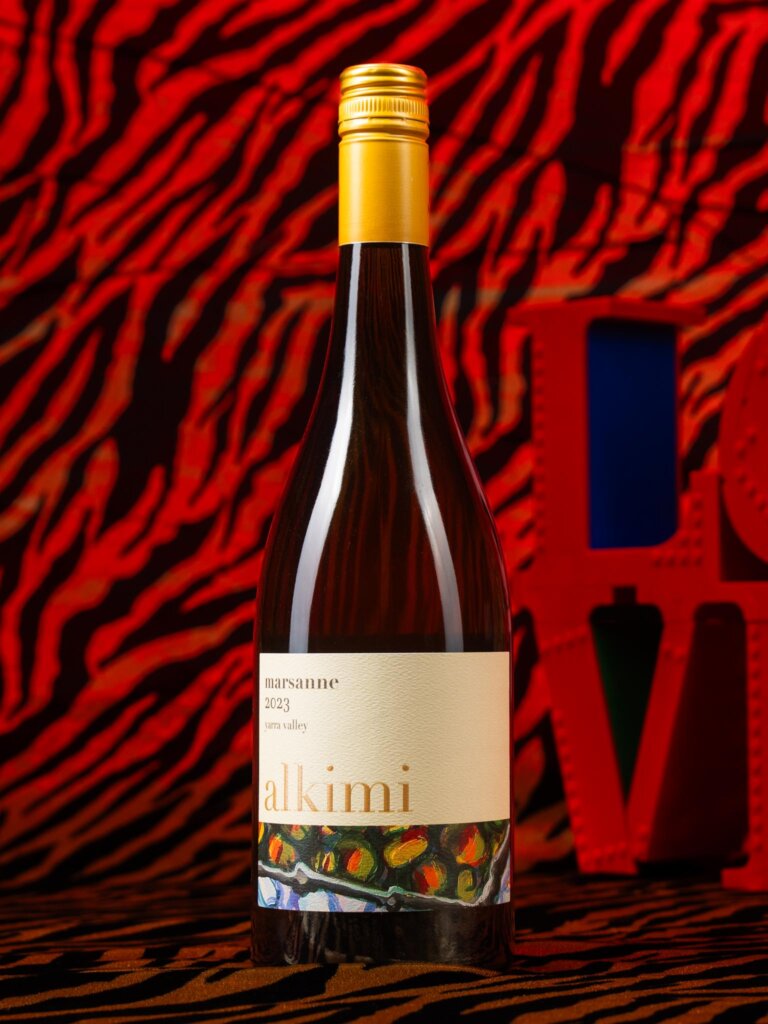
Alkimi -
Region
Yarra Valley
-
RRP
$40
-
Vintage
2023
-
Variety/Varieties
Marsanne
-
Alc./Vol.
12.8%
Lemon curd on the palate and a toasty finish, like marmalade on toast. Silky and generous, with a little grapefruit-peel bite to keep it fresh, and it gets richer as it warms up.
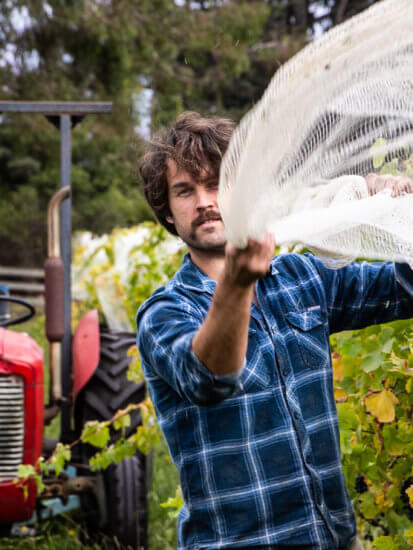
Alkimi is a phonetic spelling of alchemy, and it suits Stuart Dudine, who has turned a love of both the Yarra Valley and the grapes of the Rhône into a label that’s been quietly building for around a decade. He has more than 20 vintages behind him, including stints at Henschke, Yarra Yering and Mac Forbes, and four in Europe. A formative vintage in Côte-Rôtie in 2013 convinced him he could put it all together, and the first Alkimi wines followed from the 2014 vintage, just months after he got home. His vision is simple: high-quality wines from Rhône varieties in the Yarra Valley, a region best known for pinot noir and chardonnay. He’s been a finalist in our Young Gun of Wine Awards multiple times since 2021.
This marsanne comes from the Wattle Glen Vineyard at Mount Evelyn, a one-acre block of unirrigated vines more than 30 years old, sitting at the base of the Dandenong Ranges, where Mount Dandenong is an extinct volcano some 373 million years old. Stuart has made this wine every year since 2016, but 2023 was the first vintage in which he also grew the grapes himself. That gave him a say in how the vines are looked after, from softer pruning to caring for the soil. He’s a vigneron in the full sense: growing the grapes and making the wine, and seeing the whole process through from end to end.
2023 was a mild vintage, which let the fruit ripen gently, and in the winery it was whole bunch pressed to French oak and wild-fermented. Marsanne is naturally low in acidity, so rather than chasing acid, Stuart leans into texture and phenolic tension to give the wine its balance and drive. It’s a style pitched at the elegant end of the spectrum, and it did exceptionally well in our blind Deep Dive into Australian marsanne, roussanne and viognier.
Tasting note
Lemon curd is the star on the palate, with a finish that brings characters of marmalade on toast. The nose is restrained and fragrant: white florals, apple blossom and apricot kernel, a nice savoury edge, a whisper of black tea, and an undercurrent of beeswax and honey, with a lick of crème brûlée from the oak. There’s good weight and length, a silky texture, and richer notes of apricot and peaches and cream beneath the citrus. A welcome edge of phenolic bitterness, reminiscent of pink grapefruit peel and pith, adds freshness and tension to all that generosity. And it keeps changing. Served with a chill, the freshness sharpens and the focus tightens; as it warms in the glass it turns richer and more unctuous, and the texture and aromas reveal different shades with every pour.
When to drink
This one’s a choose-your-own-adventure. Drink it straight from the fridge for freshness and focus, or leave it out a little longer and take it at chardonnay temperature if you like your whites on the richer side. Either way, it’s a treat whenever you’re in the mood for a white wine, with a generosity of flavour wrapped in a lightly framed, mellow body. Think in front of the fire on a cool night, or kicking your heels up on the verandah on an afternoon, watching the sun go down. It doesn’t need food to be enjoyed, and we don’t get precious about pairing anyway. But if that’s your thing, try it with roast chicken, or fish in a rich, buttery sauce like sole meunière.
Themes of this wine
Marsanne
Marsanne is a white grape from the northern Rhône, named for the village of Marsanne, and it’s usually made into rich, textural wines with honeysuckle, pear and almond character and a waxy feel in the mouth. In the Rhône it’s often blended with roussanne and viognier, and in Australia it’s often treated as a blending grape too. Relatively speaking, there aren’t many winemakers that make it as a single varietal wine here. But Australia has a long history with the grape: marsanne, along with its close relative roussanne, likely arrived here in 1830 labelled ‘white Hermitage’, and Tahbilk in Victoria’s Nagambie Lakes is home to the oldest commercial marsanne vines in the world, planted in 1927. Naturally low in acidity, it loses what acid it has quickly as it ripens, so the picking date shapes the style, from leaner, early-picked wines to richer, more mellow ones.
Yarra Valley
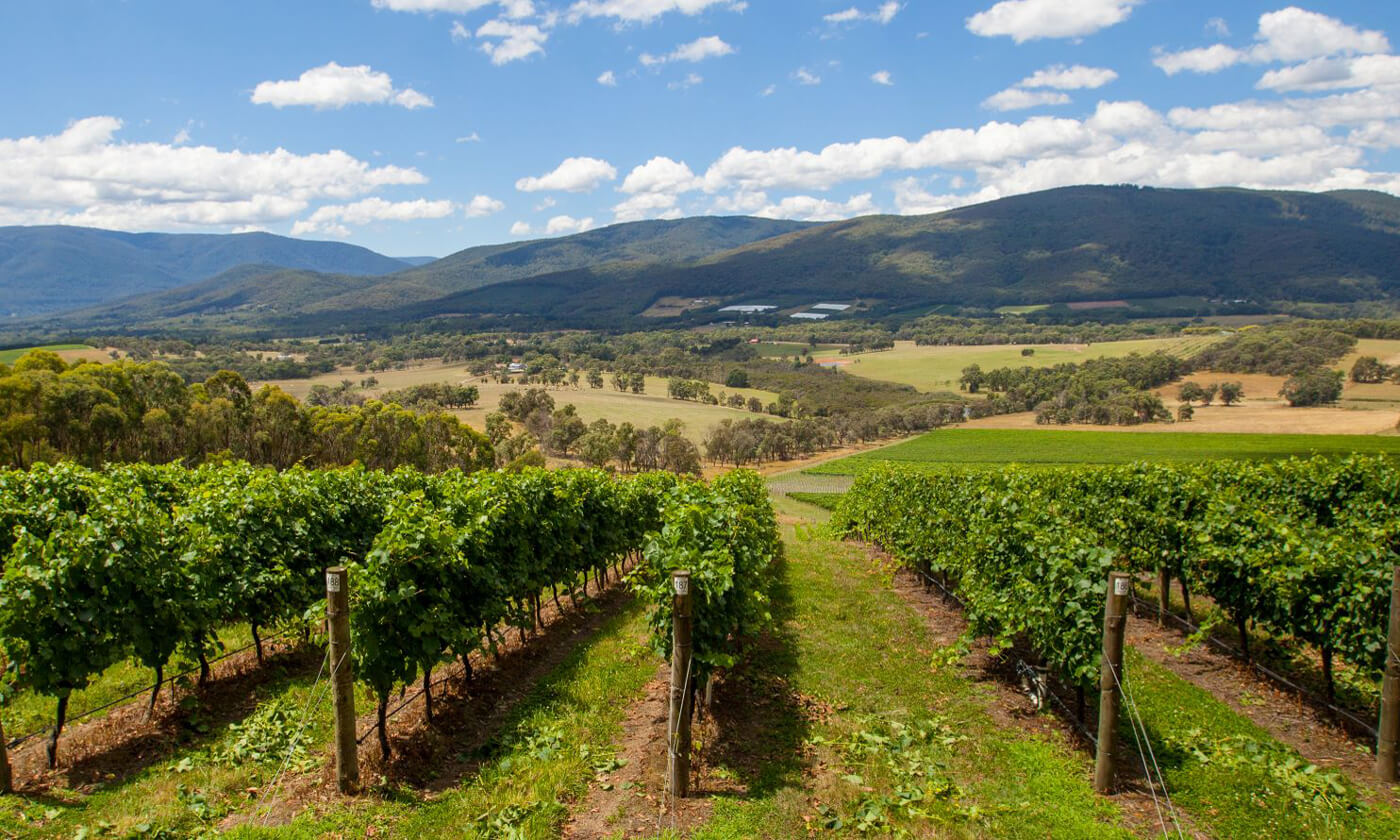
The Yarra Valley, about 50 kilometres north-east of Melbourne, is one of Australia’s premier wine regions and one of its coldest viticultural zones. It’s also one of the country’s oldest, with vines first planted in the 1830s. Rolling hills, varied elevations and a mosaic of soils create a range of microclimates, so the same variety can express itself in distinctly different ways from site to site. Chardonnay and pinot noir are the regional champions, with cabernet and shiraz in more than able support, and Stuart himself calls the cool climate close to perfect for the first two. But the Yarra has a history with marsanne too: some of the earliest ‘white Hermitage’ cuttings sent to Tahbilk came from Hubert de Castella’s St Hubert’s vineyard here. And Stuart is making the case for Rhône varieties in the Yarra, arguing that diversifying plantings in warmer parts of the region will help it stay relevant in a changing climate.
Vigneron
Vigneron is the French word for a winegrower: someone who both farms the vineyard and makes the wine. It’s a simple idea with big consequences. When one person is responsible for everything from pruning to bottling, the decisions in the vineyard and the decisions in the winery are made as one, and the wine tends to speak more clearly of its place. It’s the thinking behind the old line that great wine is grown, not made.
Explore Further

GET FIRST ACCESS TO THE NEXT WINE ICONS – DELIVERED
Find out moreEach month, get 3 bottles of our freshest discoveries. We taste thousands to bring you the best.
Join us and support emerging winemakers, sustainable vineyards, and the development of young professionals.
— Max Allen, Wine Writer
— Broadsheet
— The Australian