Higher Plane Vineyard, Margaret River Ianto Ward and Dan Stocker

Read more
  • Higher Plane Vineyard, Margaret River

    Tucked at the southern end of Margaret River in Karridale, Higher Plane Vineyard sprawls across 15.9 hectares of gravelly loam. Its vines – planted between 1997 and 2018 – average 18 years of age, and are tended to by head growers Ianto Ward and Dan Stocker. Chardonnay, sauvignon blanc, fiano, tempranillo, shiraz and more thrive here, with the fruit going on to make Higher Plane Shiraz and the single-site Juniper Cornerstone Karridale Chardonnay – a standout wine in a region of 215 wineries known for their bold cabernets and plush chardonnays. While the northern Margaret River basks in the sun, this cooler southern pocket requires grit to farm regeneratively, with the wines shaped by the influence of two oceans meeting and a hands-on push for balance.

  • Fighting Gully Road Vineyard, Beechworth

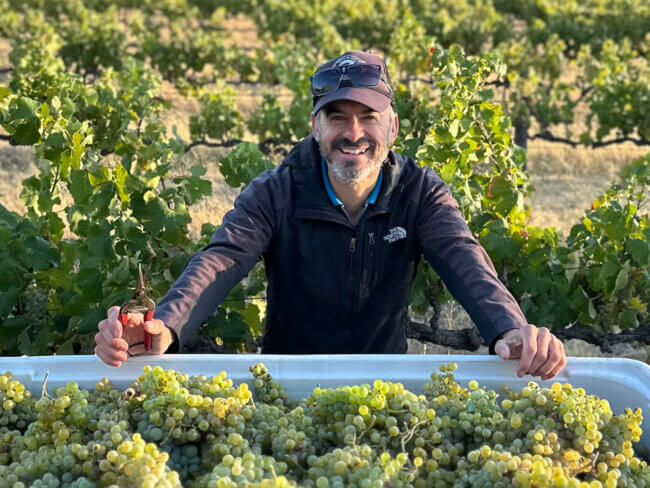
    Perched at 550 meters elevation in Beechworth, Fighting Gully Road spans 12 hectares, tended to by visionary vigneron Mark Walpole. This windy, low-humidity site has evolved from 1997 through to 2019 and is now planted to sangiovese, tempranillo, chardonnay, verdicchio, and grenache. Walpole’s low-input approach blends pragmatism with sustainability: cane pruning for longevity, drip irrigation as needed, and a permanent sward of clovers and grasses to boost biodiversity. Wines grown in this vineyard include Fighting Gully Road’s Sangiovese, Chardonnay, Tempranillo, Syrah, Grenache, Verdicchio, Gros Manseng, and Rosé bottlings, while a portion of the tempranillo is sold to winemaker Adrian Rodda for his Aquila Audaux Tempranillo. The x-factor here lies in the vineyard’s north-east slope, with a microclimate of cooler days and warmer nights alongside a unique geology offering Walpole a brilliant canvas on which to paint his own take on Beechworth.

  • Eperosa – Magnolia Vineyard, Barossa Valley

    Nestled in a Barossa Valley gully at 305–335 meters, Eperosa’s Magnolia vineyard, spanning 5.5 hectares, is tended by sixth-generation viticulturist Brett Grocke, with vines planted from 1896 to 2017. Its deep granitic sands, fed by three winter streams, support dry-grown shiraz, semillon, grenache noir, and grenache blanc, mostly on own roots. Grocke’s organic (not certified), regenerative approach – featuring permanent swards, winter sheep grazing, and minimal copper – enhances soil health and vine longevity. Wines include Eperosa’s Magnolia 1941 Semillon, NV Magnolia Blanc Semillon, Grenache Blanc, 1950 Grenache, Shiraz, 1965 Shiraz, and 1896 Shiraz. Magnolia defies Barossa’s bold stereotype, delivering finesse and minerality from its cool microclimate and sandy terroir. Grocke’s climate-ready tactics, like planting drought-tolerant grenache blanc and reworking old vines, bolster resilience. A family-run operation with deep community ties, this vineyard channels all fruit into Eperosa’s wines, blending heritage and innovation to craft a refined counterpoint to the region’s norm.

  • De Bortoli Wines – Lusatia Park Vineyard, Yarra Valley

    Tucked into the red volcanic soils of the Upper Yarra, Lusatia Park is a 18.7 hectare vineyard that helped shape modern cool-climate viticulture in the region. First planted in 1985 and now stewarded by Rob Sutherland, the site is an archetype of precision farming in one of Australia’s most exciting fine-wine regions. Once a proving ground for canopy trials, today it supplies some of the country’s most respected winemakers – and remains a beacon for Yarra Valley chardonnay and pinot noir, grounded in a deep respect for soil structure, site-matched vine material and seasonal adaptability. Among the Yarra’s 80-plus wineries, famed for cool-climate poise, this site’s altitude and lean soils carve a crisp, elegant line against the valley’s lusher lowlands.

  • Best’s – Sugarloaf Creek Vineyard, Great Western

    In the spice-driven heart of Great Western, the Sugarloaf Creek Vineyard is a 124-hectare estate under the steady hand of Ben Thomson. Planted in 1998, with recent additions in 2022 and 2023, its 26-year-old vines – grown across four soil types – yield a vibrant lineup: shiraz, cabernet, merlot, riesling, dolcetto, and chardonnay. Thomson’s approach blends tradition with high-tech agriculture, while 6,000 trees enhance waterways and biodiversity. Fruit quality drives it all – handpicked rows for premium bottlings and surplus sold to other wineries reflect the site’s pedigree. Sugarloaf Creek Vineyard balances innovation with the region’s classic character.

  • Berrigan – Shining Rock Vineyard, Adelaide Hills

    At 400 meters above sea level in Nairne, Adelaide Hills, the Shining Rock Vineyard spans 15.1 hectares of rocky mica-schist. Its vines – planted from 1999 to 2023 –average 18 years of age, and have found new life under viticulturalist Dan Berrigan. Shiraz, sangiovese, grüner veltliner, viognier, and chardonnay thrive here, fuelling the wines of Berrigan’s eponymous label, in addition to supplying fruit for other producers such as Chain of Ponds, d’Arenberg, and La Prova. In a region of 90-plus wineries known for their cool-climate zip, this bowl-shaped site – dryer than its neighbours – delivers concentrated reds and taut whites.

  • Attwoods – Mon Climat Vineyard, Ballarat

    Tucked in at 500 meters elevation in Ballarat, Victoria, the Mon Climat Vineyard crams one hectare of pinot noir into quartz-strewn Ordovician soil, a 2015 planting now nine years young under Troy Walsh and Luke Poulson. Its debut wine, the 2023 Attwoods Mon Climat Pinot Noir ($120), landed last year – a remarkable single-site flex from a region of 20-plus wineries making a name for themselves in Australia’s cool-climate wine scene. It’s a site designed to make wines with a tight, vibrant thread, born from a high-density setup – 1.2m by 0.85m spacing – that chases elegance over volume by betting on competition between a sprawl of vines. Ballarat’s warm days and frigid nights stretch out the growing season – and Walsh and Poulson are here for it, chasing elegance in a place most wouldn’t dare.

  • Alkoomi Vineyard, Frankland River

    Set high in the Frankland River subregion of WA’s Great Southern, Alkoomi has been a quietly influential presence since 1971. Spread across 102 hectares and now stewarded by viticulturist Tim Penniment, the vineyard is one of the region’s largest and most diverse, supplying fruit to a host of makers while anchoring a legacy label in its own right. Its old vines, expansive varietal palette and proactive approach to soil health and sustainability have helped define the modern face of Frankland River – one built on freshness, balance and regional fidelity.

Alkoomi Vineyard, Frankland River

The Next Wine Icons – Delivered

Each month, get 3 bottles of fresh discoveries.
We taste thousands to bring you the best.

Bookmark this job

Please sign in or create account as candidate to bookmark this job

Save this search

Please sign in or create account to save this search

create resume

Create Resume

Please sign in or create account as candidate to create a resume