
Styling Chardonnay at Ocean Eight
Mike Aylward from Mornington Peninsula’s Ocean Eight was one of the pioneers of a fresher chardonnay style, unencumbered with overt winemaking tricks.
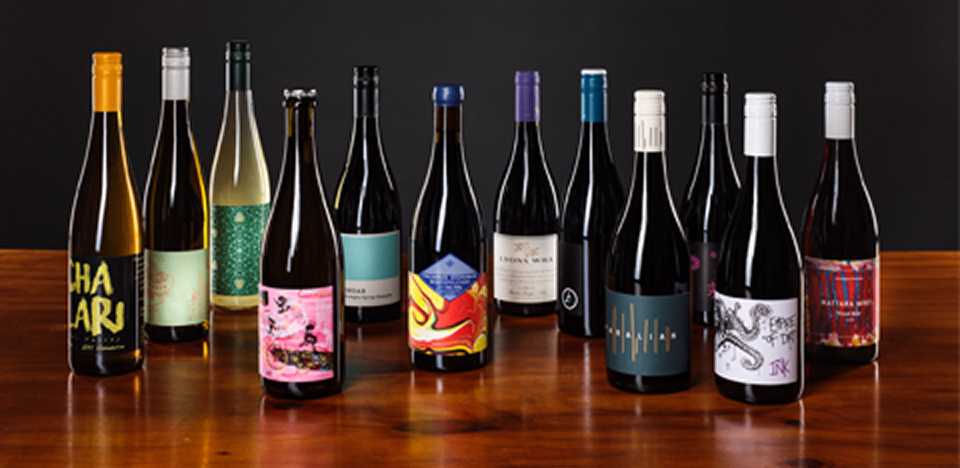
We gathered every example of pinot noir from Gippsland that we could find and set our expert panel the task of finding the wines that compelled the most. All wines were tasted blind, and each panellist named their top six wines. Below are the wines that made the panellists’ top-six selections from the tasting.
Our panel: Marcus Satchell, vigneron, Dirty Three Wines; Mia Park, sommelier, Aru; Alastair Butt, head winemaker, Lightfoot Wines; Clarissa Lorenzato, sommelier, From Here by Mike; Dominic Kearton, winemaker, Purple Hen and owner and winemaker, Triffids; Chia-Wei Shen, wine merchant, Balgownie Estate; Stephen Ammann, head sommelier and wine buyer, Farmer’s Daughters; Jenny Polack DipWSET, wine educator, Bacchus Academy.
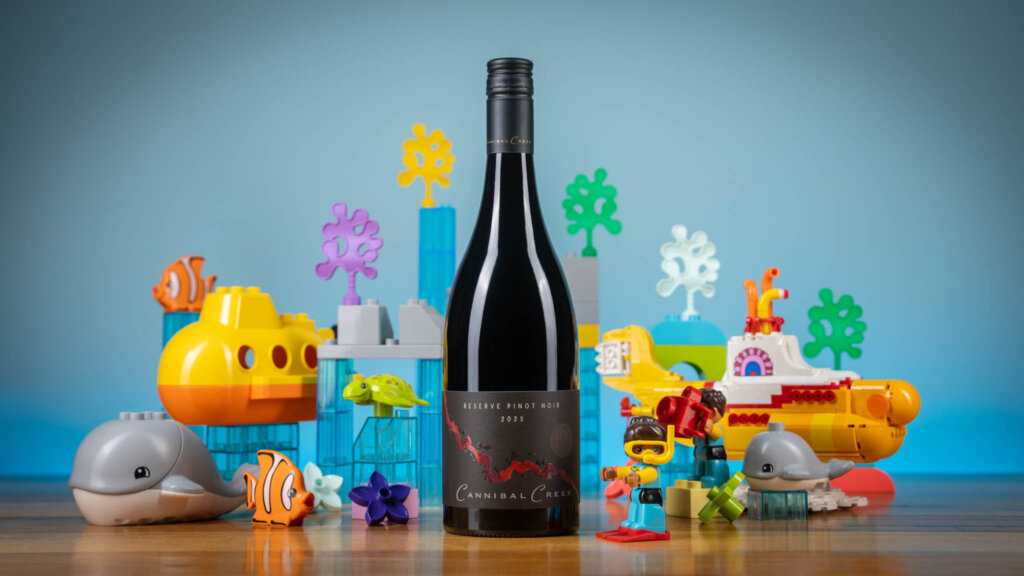
Kearton, Polack, Butt and Satchell all placed this within their top six wines from the blind tasting. Kearton, who called it a real standout, described “a really interesting oceanic feel – lots of seaweed and umami character, backed by notes of salted preserved plums, and very refreshing on the palate. The sea-spray character keeps all the savouriness feeling so fresh and vibrant.” Polack found “a classic Gippsland pinot noir! Very aromatic and quite savoury, with leafy notes that blow off to reveal pure fruit tones of red cherry, raspberry and cranberry.” Butt noted a “musky and mineral nose, showing notes of clay, dried herbs and cherry fruit. It’s bright and textural on the palate – light, fresh, with appealing juicy fruit.” Satchell called it “bright and fresh, opening with a touch of stinky reductive character that fortunately blows after a few shakes of the glass to reveal beautiful dark cherry fruit and some complex herbal notes. It’s a very primary, fruity wine, with nice flow and crunch – youthful and engaging.”
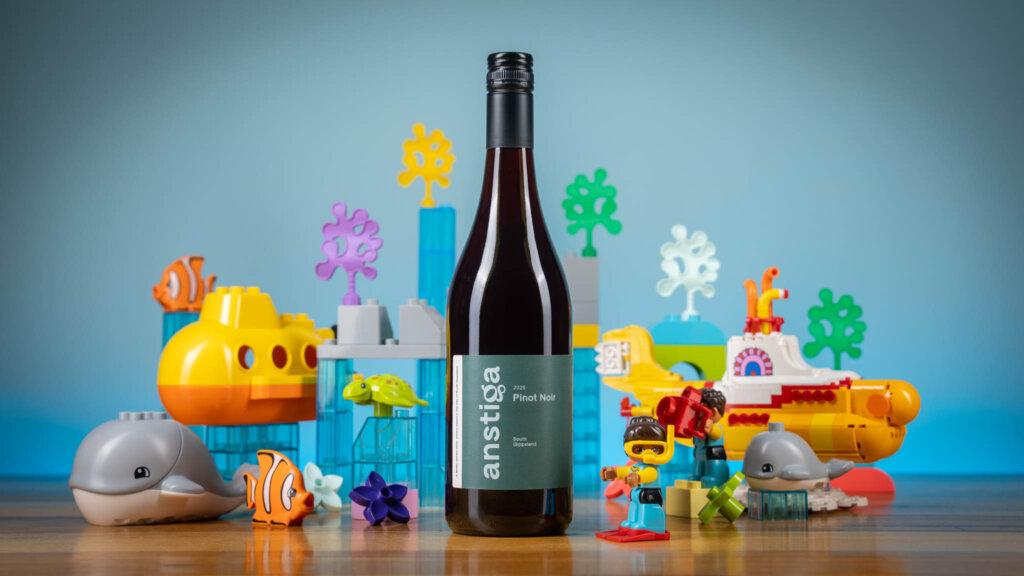
Kearton, Ammann and Polack all counted this among their top-six selections from the blind tasting. Ammann called it “a beautiful wine to look at – and happily it follows through when drinking! A seductive, luscious ruby colour in the glass, with a slightly ferrous, iodine-like character on the nose. Drinking it is like gorging on the best wild strawberry you’ve ever had.” Polack described “a brilliant ruby with a purple edge. Quite a floral nose, with red cherries, raspberries and a slightly meaty character lurking underneath. The tannins are a touch grippy, but balanced, and the acidity is bright and seamless.” Kearton described it as “incredibly floral on the nose, as though there’s lavender growing in the vineyard. There’s plenty of acidity and stemmy muscle to fill the wine out, giving form to its darker fruit profile of mulberry, black cherry and blood plum. It really shows that Gippsland pinot can be quite muscular and powerful!”
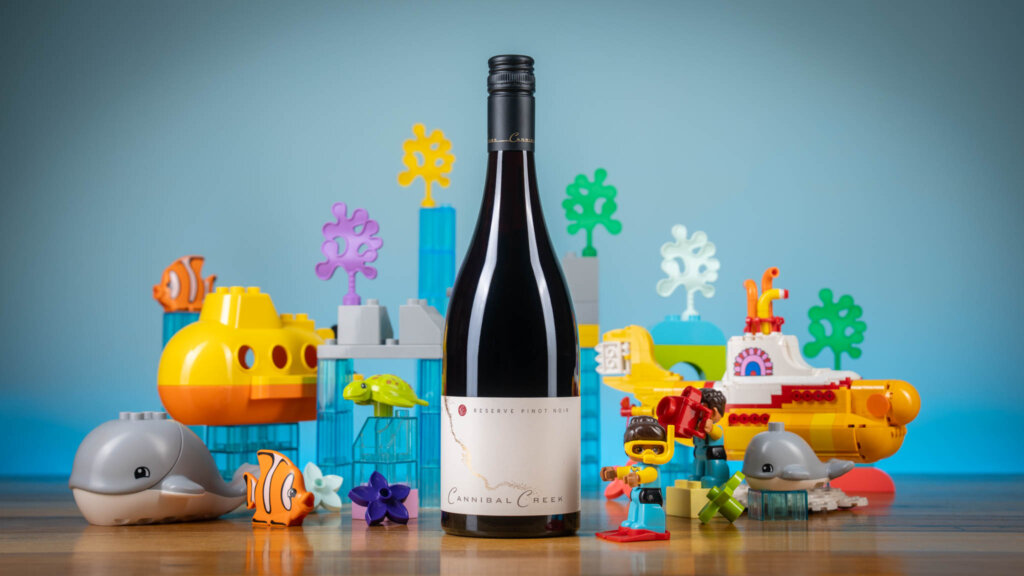
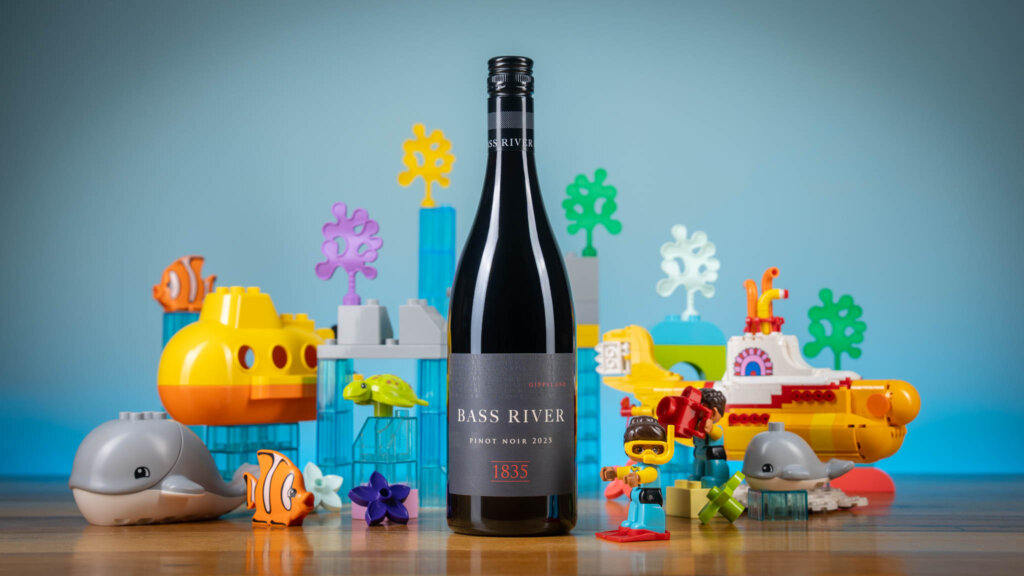
Park, Shen, Ammann and Polack all selected this as part of their top six from the blind tasting, with all four panellists drawn to its aged complexity. Park saw “pale orange colour in the glass – obviously showing a bit of bottle development. Tart red cherry notes with dried roses or potpourri on the nose, with great minerality and savouriness.” Ammann said, “this wine is showing some age, but beautifully so. The nose opens with notes of caramel, candied nuts and dried orange zest. On the palate we’ve got jowl-filling tannins sitting large in the back pocket – all that’s missing is a haunch of lamb!” Shen praised “a spicy and nicely developed nose – nutmeg, crushed rose petals, leather and an exotic hint of rosewater. Age has integrated the wine and polished the tannins to an almost-imperceptible sheen.” Polack called it “very classically-styled Gippsland pinot noir, and just lovely drinking. The acid and tannins have softened with time, giving it a lovely integration and serious drinkability.”
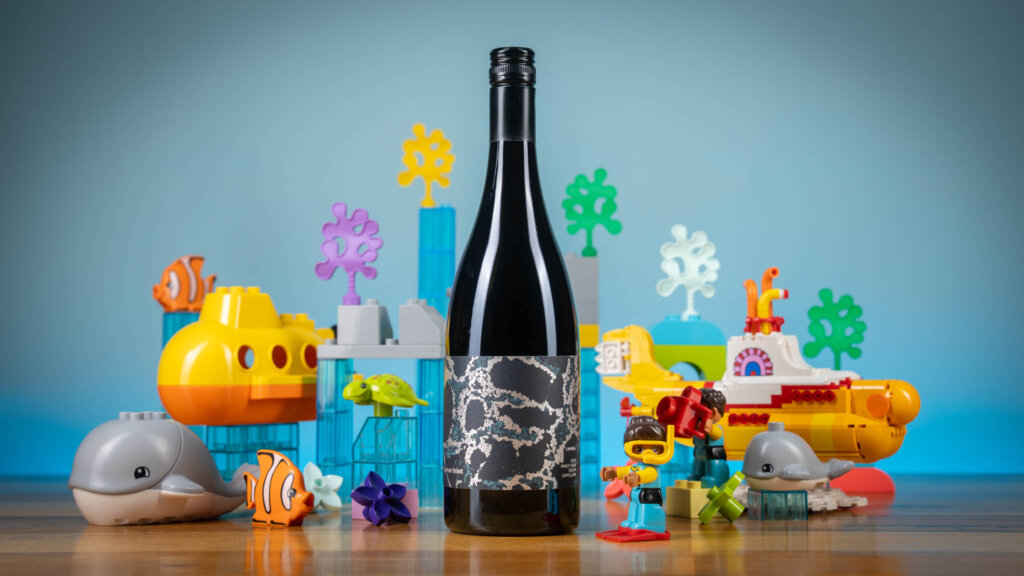
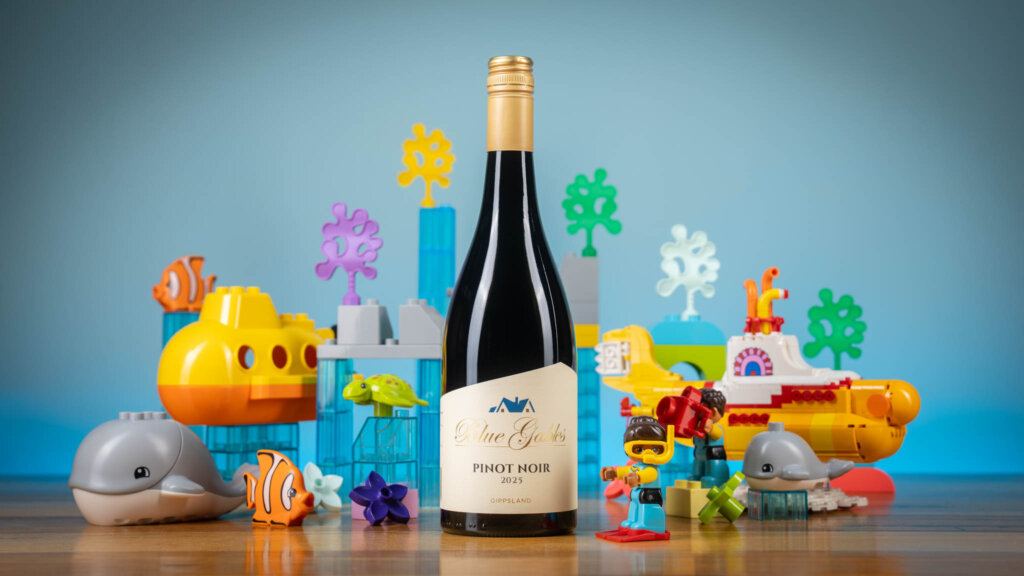
Satchell, Butt and Lorenzato all placed this amongst their standout six from the blind tasting. Satchell described flavours of “earth, mushroom, herbs and spice coupled with dark berry and cherry fruits. It has a beautiful flow – a silky palate, generous and soft, with supple tannin. There’s a decent whack of oak, but it’s integrated, complex and interesting. Bloody delicious.” Lorenzato was transported to “a forest – it gently beckons you to step into a little forest garden where the perfume of roses blends with the wet soil, wood and refreshing fern aromas. The wine’s minerality breaks through on the palate – it’s slightly savoury and incredibly fresh, with very gentle yet still astringent tannins.” Butt focused on its varietal character: “definitely pinot! A perfumed nose of cherry jam, fresh mulberries, raspberry coulis, earthy forest notes and gamey cured meats. A lovely and complete palate, with bright acidity that drives the wine to a finish that tastes of toast with strawberry jam.”
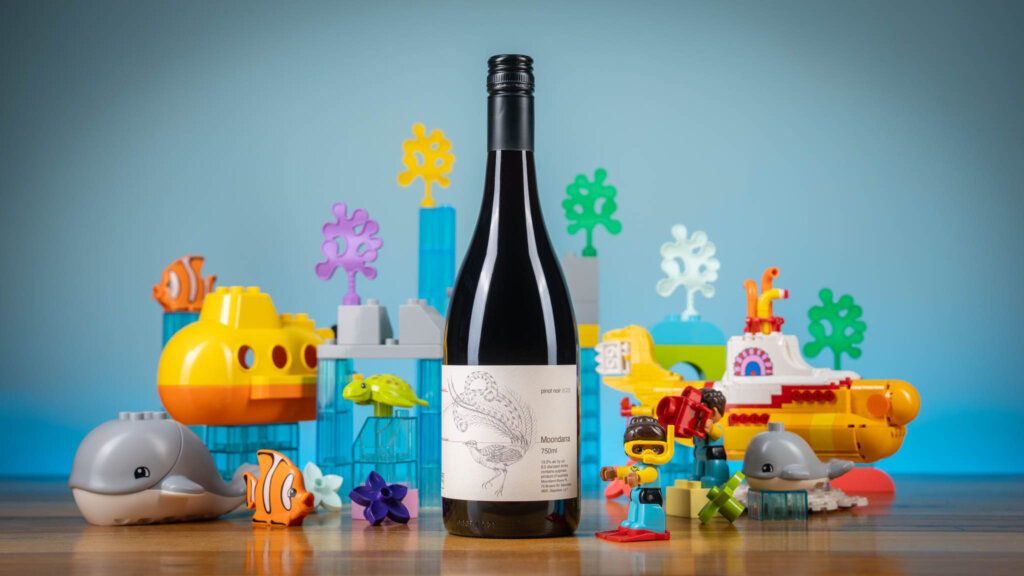
Park and Lorenzato both chose this for their top six from the blind tasting. Park found it “soft and round, with very perfume-like florals on the nose – think white rose and elderflower – and white strawberry. On the palate there’s pretty red fruits, red cherry, redcurrant, candied strawberry and zesty orange peel, super juicy and fresh.” She added that its acidity “would also cut beautifully through the fattiness of roast pork.” Lorenzato noted that “the nose is surprising – at first a note of strawberry jam, but a second after one of peach iced tea, then roses and potpourri. I like how the wine’s profile moves from jammy berries to ripe red and pink citrus on the palate – it makes for very easy drinking, as the citrus brings out the freshness of the wine. The tannins are very, very light, and the texture feels very gentle.”
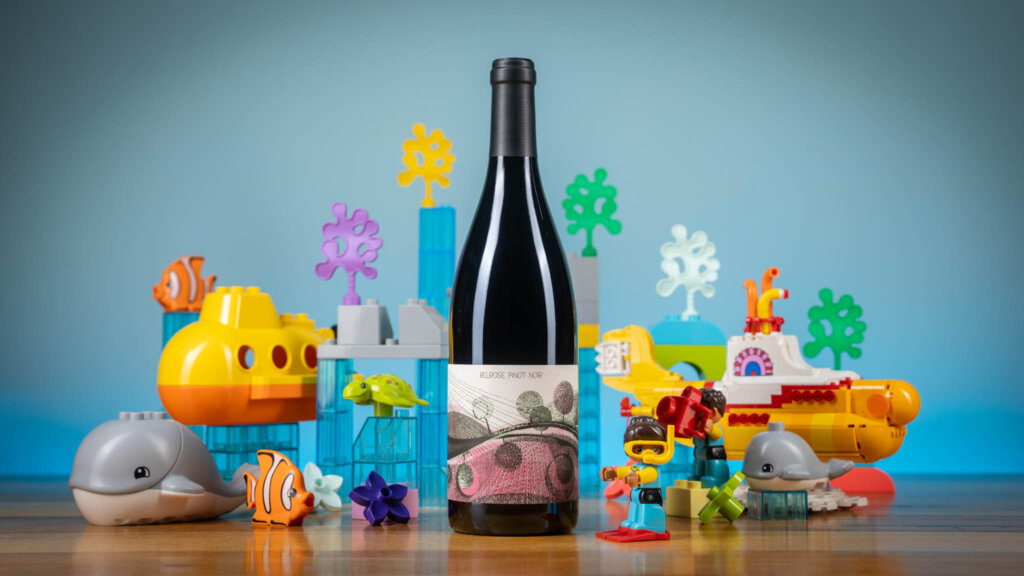
Kearton and Polack both found room for this in their top six from the blind tasting. Kearton said, “no obstructions to flavour here – it’s all ripe strawberry, pithy cranberry skin, Morello cherry and a sea spray purity. The mid-palate has an almost yogurt-like softness to it, and there are lovely dusty tannins running the whole way through. A slightly bitter amaro twist frames the finish, giving the wine loads of character. Such an enjoyable drink!” Polack called it “a really pretty and modern style of pinot, driven by fruit character. Bright pink in colour, with a nose of light red fruits – redcurrants, raspberries and white cherries – overlaid on a hint of meaty character that adds depth and complexity. Approachable, fresh and delicious.”
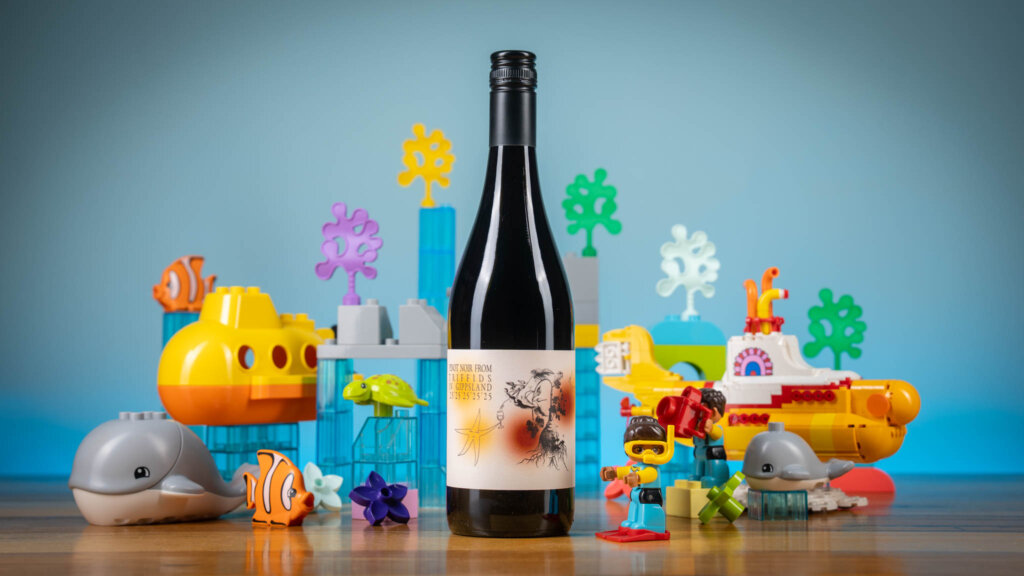
Satchell and Ammann both slotted this into their top-six selections from the blind tasting. Ammann argued that it “speaks with a deep, booming baritone voice on the nose, opening with a salvo of aroma that smells like vanilla yoghurt that has been soaking with plums and dark cherries for hours. Despite the depth of the nose, the palate is surprisingly refined – the fruit is kept well in check by a harmonious blend of tannins and acidity.” Satchell praised “a beautiful alluring purple hue that leads into a wine with notes of earth, dense dark cherries and plum. It has wonderful intensity and plushness. It’s very primary in character and deeply flavoured – the kind of wine that will unfurl with time. I look forward to seeing it in a few years, once its youthful energy gives way to more complex flavours. Fantastic wine!”
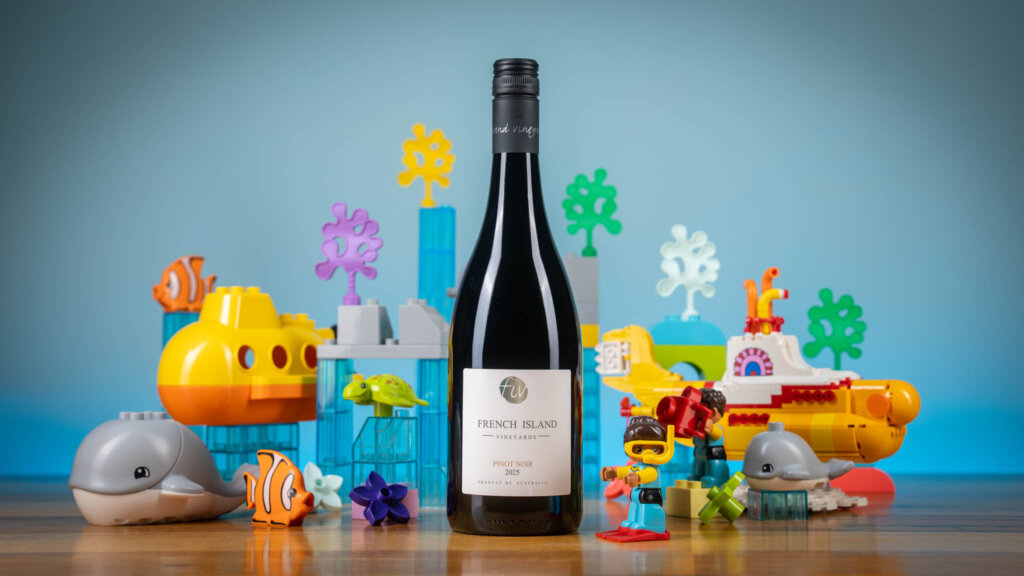
Lorenzato and Shen both ranked this within their favourite six wines from the blind tasting. Lorenzato described it as “deep purple in the glass. Warm vanilla notes lead the nose, followed by plummy and jammy fruits and warmly aromatic herb notes, like smelling a herb garden while the leaves are still warm from the afternoon sun. There’s a freshness on the palate that brings out the fruit in a more crunchy way than the nose might suggest – the plum becomes tart raspberry. A wine of intriguing contrasts.” Shen called it “dark ruby in the glass, with a lightly candy-like nose of floral incense, rose perfume and liquorice spice. The palate leans towards fruitier flavours – maraschino cherries, strawberries dunked in balsamic and greengage plums. Bright acidity keeps the wine fresh, and I’d love to pair this with the traditional Taiwanese comfort food dish of braised pork rice!”
Satchell and Park both placed this among their top six picks from the blind tasting. Satchell described it as “a crazy deep alluring purple colour which sucks you in to its vortex. It has ripe dark cherry and blackcurrant fruits, but lots of other things going on too. There’s some lovely earthy and beguiling oak, making it plush and spicy, as well as graphite tannin. There’s also a little lifted ‘ping!’ on the palate, which helps give the wine life and freshness. It’s a ripping good drink – it reeks of Gippsland! Delicious.” Park called it “bright pale ruby colour, fresh juicy sweet-toned red fruits like redcurrant, red cherry and plums, perfumed with a hint of eucalyptus, thyme and sage. Good structure, medium bodied, with a touch of vanilla and cloves at the end. Great complexity, so much bouquet going on at the same time.”
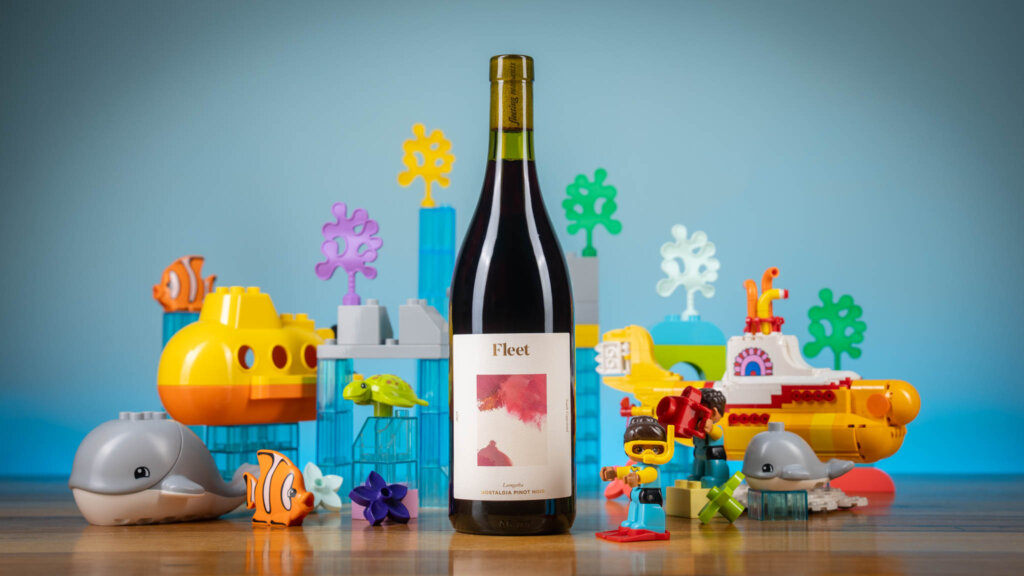
Butt and Shen both gave this a place in their top six selections from the blind tasting. Butt described it as “deep ruby in colour, with a beautiful aroma – fragrant musk, talc and ripe cherry. A real journey! A rich and elegant palate shows flavours of sour cherries, crunchy pomegranate arils and watermelon rind. It’s soft, silky and balanced, with fine structural tannins that lend the finish a little kick.” Shen said “a heady bouquet of sweet cherry candy, strawberry ice cream and rose perfume on the nose. The palate is plush and generous, where blood orange notes emerge – perhaps a little high in acidity for me, but balanced by soft tannins that give the finish impressive length. The richness of the fruit makes me think this would be delicious paired with Japanese gyudon.”
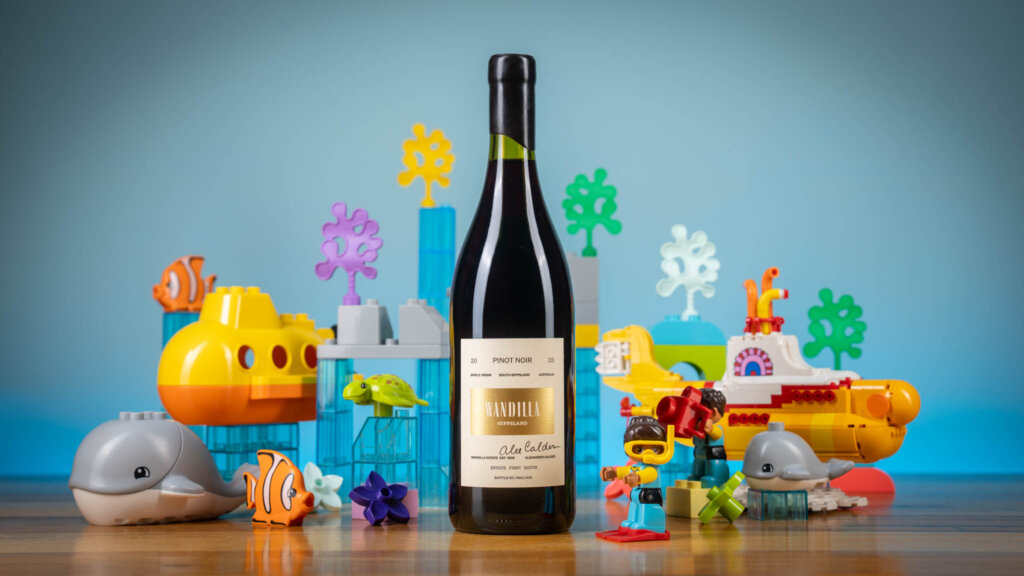
Butt included this in his top six from the blind tasting, finding layers of flavour and interest in its herbal and red-fruited profile. “Lovely complexity here,” he said. “Fully ripe grapes lead to a toasty, herbal palate – specifically herbes de Provence – underpinned by red fruit notes of Morello cherry, cranberry juice and Turkish pomegranate candies. Lovely balance and weight on the palate, with a textural, creamy or cheesy component I found very appealing. Definitely pinot!” He added that he could “happily match this wine with umami-rich, gamey char-grilled meats – in fact, I might grab a few bottles of this and dust off the hibachi for upcoming summer evenings!”
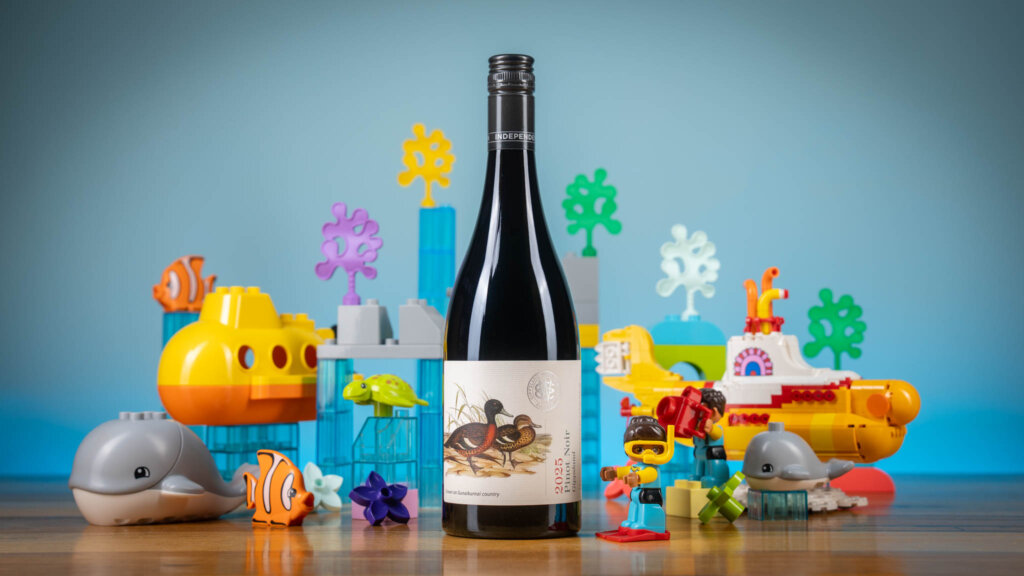
Kearton singled this out among his favourite six from the blind tasting, arguing that its sheer ease of drinking made it stand out. “The word ‘drinkability’ gets thrown around a lot – but this has it in spades,” he said. “Nothing weighs this wine down – it’s as light as a feather and flows like water over river stones. It’s like a strawberry granita, über-refreshing and a delight to drink, accented by hints of watermelon rind and red apple skin. I’d love to see some chill on this, but it has plenty of muscle at room temperature too. Such a great showcase of quality fruit!”
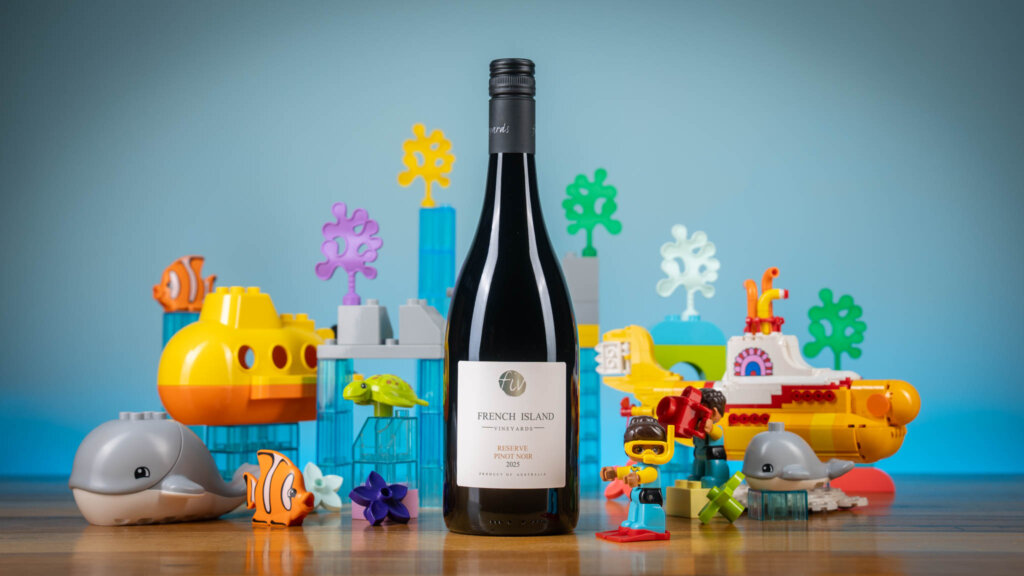
Park and Lorenzato both shortlisted this as one of their top six wines from the blind tasting. Park found it “light purple in colour and pleasant on the nose – juicy and perfumed with violets and blue and red fruits like red cherry and blueberry. It shows a ripeness on the palate almost like plum jam, but elegant and balanced, with silky tannins and rounder structure. Spicy notes like coriander seeds, cloves, nutmeg and pink peppercorn emerge to give more complexity on the finish.” Lorenzato described a “deep purple colour, with a jammy nose of cherries – specifically the Amarena Fabbri cherries, dense, syrupy and sugary. When you taste it, all these aromas are confirmed, alongside a savoury beetroot-juice note. It’s mineral and fresh, with tannins that have a medium grip and blend into the texture nicely. It’s a wine that keeps you interested, and keeps you going back to see what’s next.”
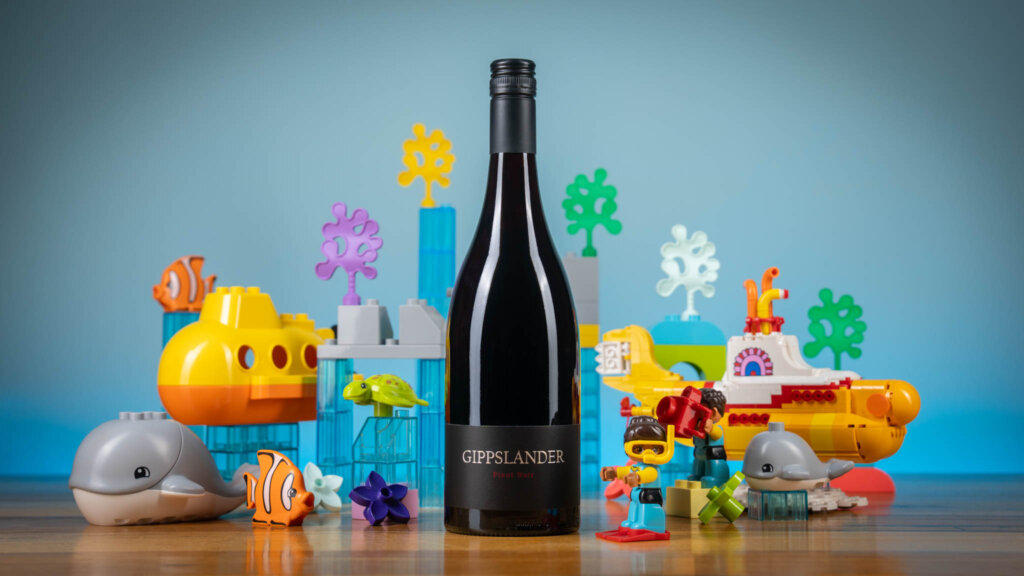
Shen featured this among her standout six from the blind tasting, arguing that the wine opened in a surprisingly tender way. “This wine opens with a slightly green edge on the nose, like a tightly coiled spring rosebud, giving freshness to the aromas of pomegranate, fresh raspberries and red apple skin,” she said. “Underneath, there’s a faint meaty characteristic reminiscent of a freshly cooked salmon steak. The palate is full of juicy pomegranate flavour, with sherbet-like acidity that fans out across the tongue. A salty note appears on the finish, alongside a blood orange aftertaste. I think this would pair beautifully with Taiwanese pepper prawn – it’s a delicate wine, but it has the savouriness to stand up to that pepper spice.”
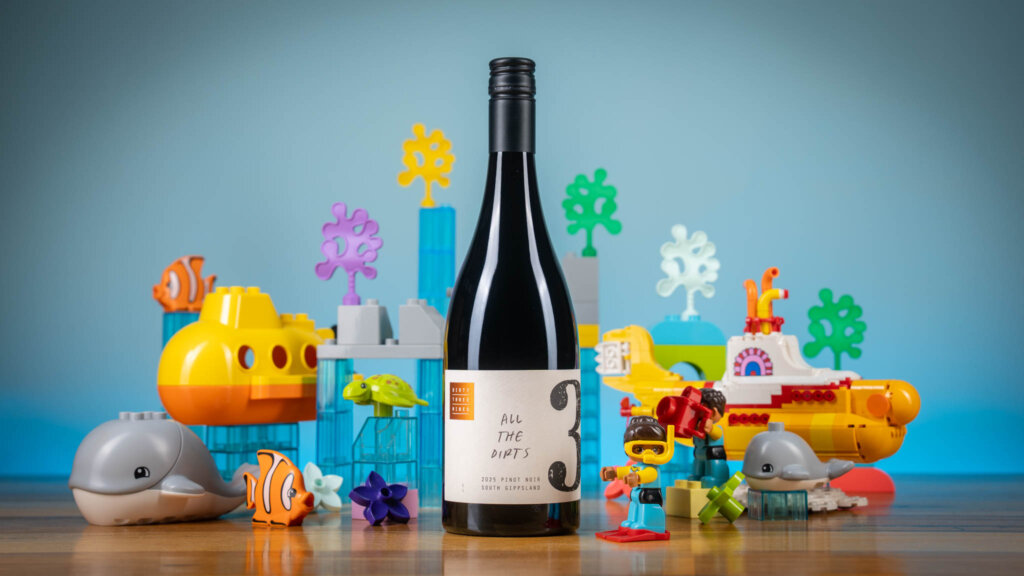
Ammann and Polack both selected this for their top six from the blind tasting. Ammann described it as “savoury, smokey, lean and mean – all dried oregano and green peppercorn on the nose initially, before you realise these herbal tones are a garnish for the plate of cured meat aromas waiting beneath. The palate gives way to fruit character, namely red and black cherries that are ever-so-ripe, with the stems and seeds in there as well.” Polack found “pale purple in colour, with big fruit aromas of red plums, raspberries and strawberries. The tannins are very light and the acidity is seamlessly integrated – it’s a good drink right now, but it also has the structure to age gracefully. This wine is still a baby – it’s almost like a young girl in a pretty party dress that’s just a touch too big for her. I can’t wait to see what happens when this wine fills out its clothes!”
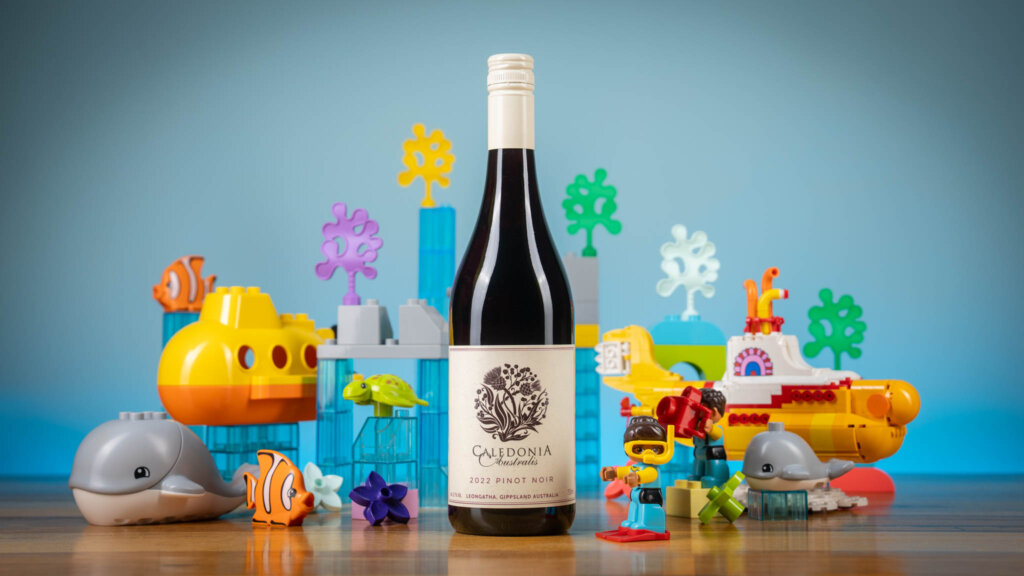
Lorenzato placed this among her top six from the blind tasting, finding its uniquely savoury palate transportive. “Mainly garnet in colour, with a central vibrant ruby core,” she said. “Herbal and spicy on the nose – fresh horseradish notes that mutate into grass and tomato leaf, with a hint of dill and gherkins, but not pickled or vinegary. A touch of savoury grains that feels like spelt bread. The fruit is there, but just in the background – small red berries, still not completely ripe. It’s very fresh, with tannins that are pushed towards the middle of your tongue by zesty acidity. Tasting it makes me feel like I’m in a Polish garden, standing next to the open kitchen window – an unusually flavoured and extraordinarily evocative pinot!”
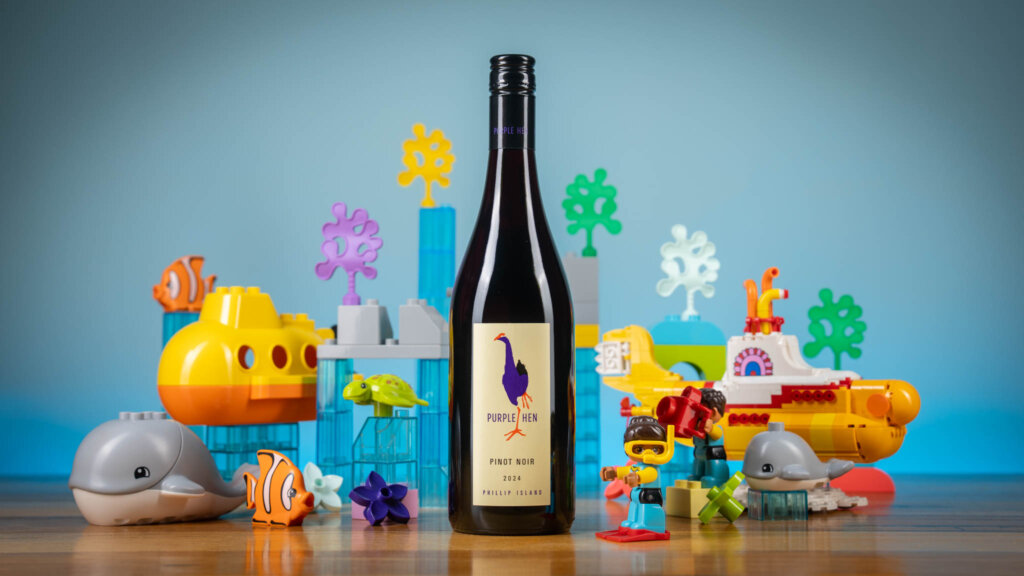
This wine was among Shen’s top-six selections from the blind tasting, and she was drawn in by its fragrant opening. “Sweetly fragrant in the glass – think cherry ice cream, cherry soda water and red rose candy, accented with a little hint of something vegetal, like fresh green grass after rain,” she said “It’s compact and reserved on the palate – not a hair out of place – but with a compelling core of tart strawberry and red plum flavour, accented by earthy undergrowth tones and stemmy spiciness. A blood orange note emerges and builds with time. I think this would be delicious with some sweet and sour Vietnamese food – especially fried spring rolls.”
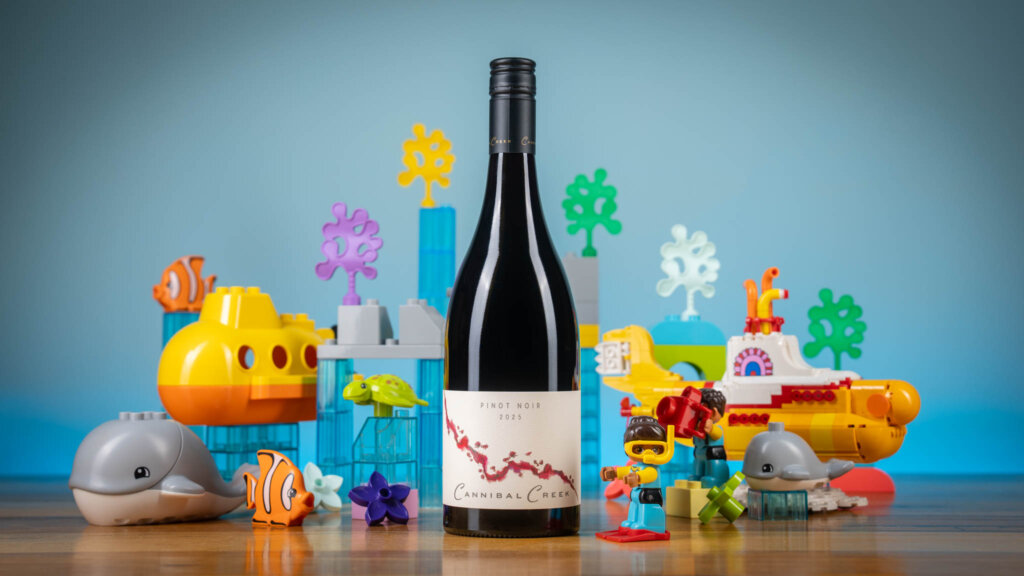
Satchell and Kearton both nominated this amongst their top six from the blind tasting. Kearton called it “a real cut above in terms of its concentration and power. Oak plays a bit of a role here, but it’s doing what oak should, cradling the fruit and lifting it up without overpowering it. Flavours of freshly crushed raspberry, just-ripe Christmas cherries and strawberry coulis, alongside a saline freshness, keep everything in check and ensure the wine remains light enough on its feet.” Satchell described it as having “a lovely colour that draws you into a complex nose – one that opens with bay leaf and dark cherry notes. There is a lovely flow and texture on the palate, with really wonderful expressive tannins, and just a little lick of greenness that currently makes this young wine look a little unresolved. Don’t let that dissuade you – it will likely age amazingly well.”
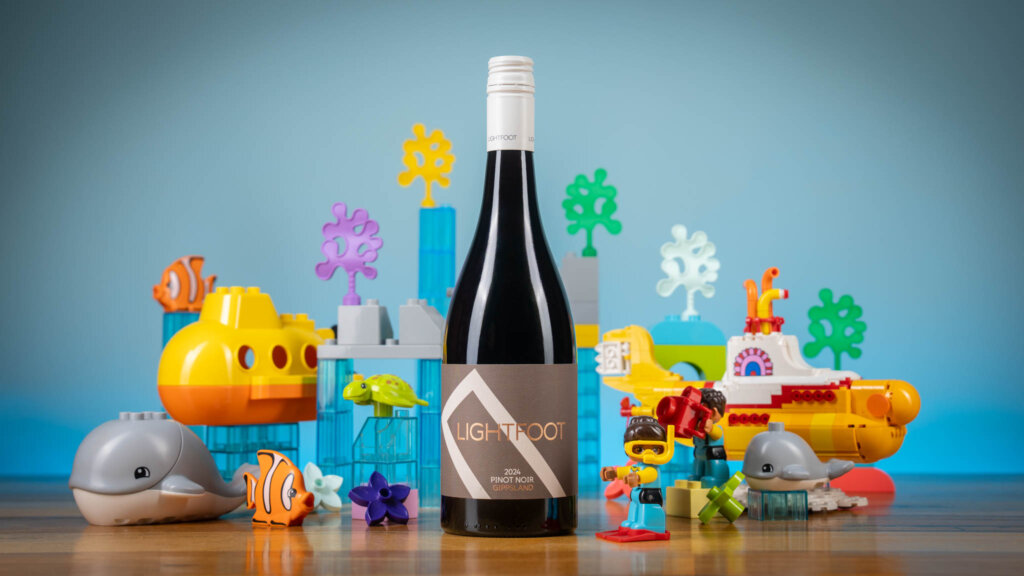
This wine made Lorenzato’s top six from the blind tasting, earning its place as a wine of fascination that requires time in the glass to tell its story. “Light ruby colour, with garnet nuances,” she said. “The colour is not very deep, but it’s vibrant and the body still seems to be there, with a good grip on the walls of the glass. It’s herbal on the nose, a nice wide range of botanicals wafting up – capsicum, rosemary and wood – then it turns into a very soft vanilla and a combination of strawberry and chocolate. Very intriguing! The fruit brings you back to the fresher notes, and then back again to the botanicals. It’s nicely mineral, with a moderate grip from the tannins that sticks to the tip of your tongue. Later on, more meaty, bloody notes emerge. This is a wine that rewards patience – drink it slowly and let it tell its story.”
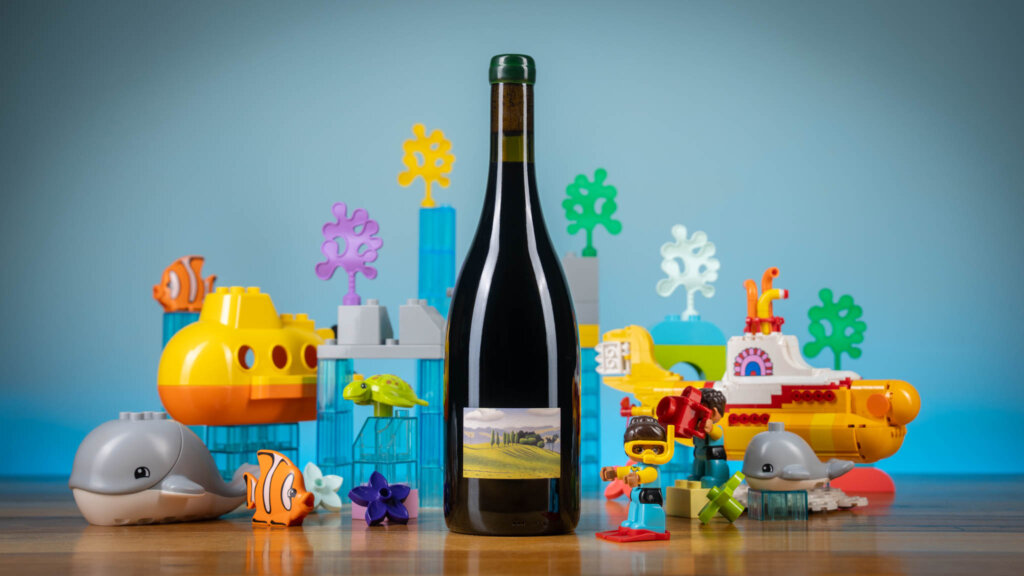
Park chose this among her standout six from the blind tasting. “The light ruby to purple colour hints that this will be a very ripe and approachable pinot noir, something for those who like their pinots easy and fruit-forward,” she said. “Aromas of ripe plum, redcurrant, pomegranate and sweet candied cherry, and so much rose that it smells like perfume! On the palate it’s all round, with silky tannins, sweet spices like nutmeg and a touch of vanilla. This is not one of those super-light or ultra-fresh pinots, but it’s still very young and vibrant – eminently gulpable. It would be brilliant with a fatty roast duck, and even better if that duck were served with berry compote!”
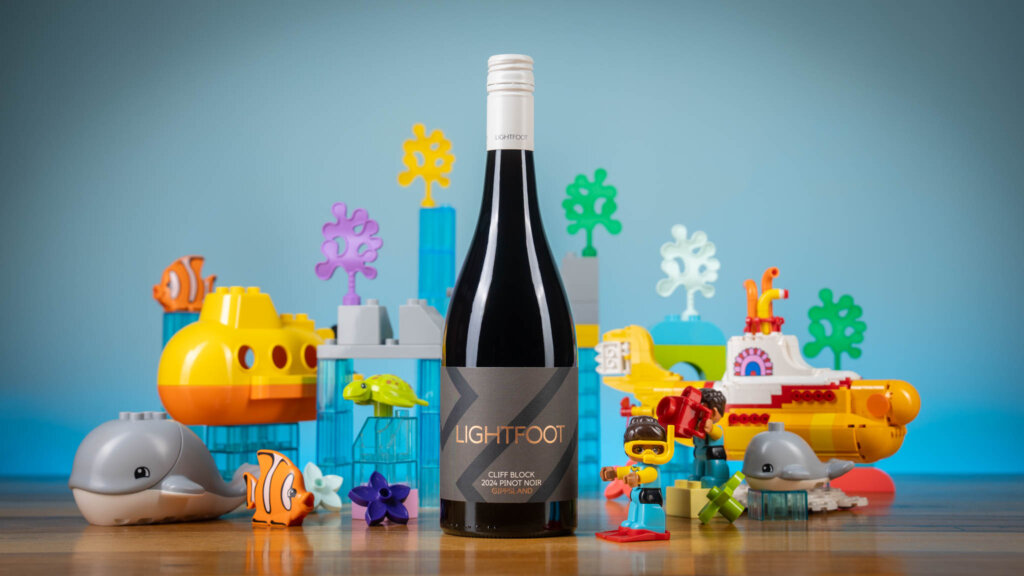
Satchell rated this among his finest six wines from the blind tasting, finding it a wine of compelling contradictions. “The contrast between earthy, stemmy aromas and highly fragrant fruit character makes for a really pretty and delicate wine,” he said. “This wine has a lovely flow and is just a delicious drink – it’s very light on its feet, cherry and spice and all things nice. Not the most dense wine, but it does pack in flavour and complexity. It’s highly stylised and shows a lot of the maker’s influence – however it’s also a wonderfully thought-out wine, and pure in its style.”
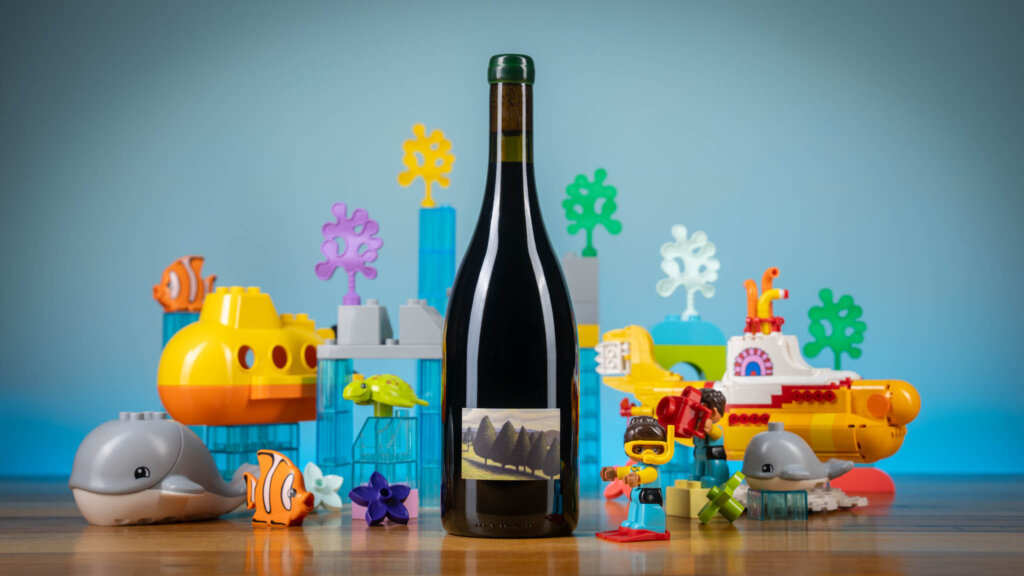
Shen placed this amongst her standout six from the blind tasting, drawn to its pure-fruited vibrancy. “This wine opens with aromas of blood orange, pomegranate and red cherry, accented by a woody characteristic reminiscent of a forest after spring rain,” she said. “The palate is full of juicy red raspberry flavour, given bounce and freshness by a soft acidity that feels like cherry soda water, and framed by very fine and soft tannins. I’d love to pair this wine with Indonesian food such as nasi goreng – its freshness and beautifully pure-fruited character would complement the richness and mild spiciness wonderfully.”
Ammann placed this wine among his top six from the blind tasting, finding it playful from the first sniff. “Aroma-wise, this has to be the most intriguing and playful wine of the bracket,” he said. “It immediately pulls you in with its licks of bright raspberry and nougat. It really glides around the mouth – there’s a Goldilocks-like ‘just right’ quality to the texture here. The fruit flavours are fresh, yet the wine has a slight confectionery cast to it, reminiscent of boiled lollies from childhood trips to Sovereign Hill. A scrumptious little number – endlessly drinkable and delightful.”
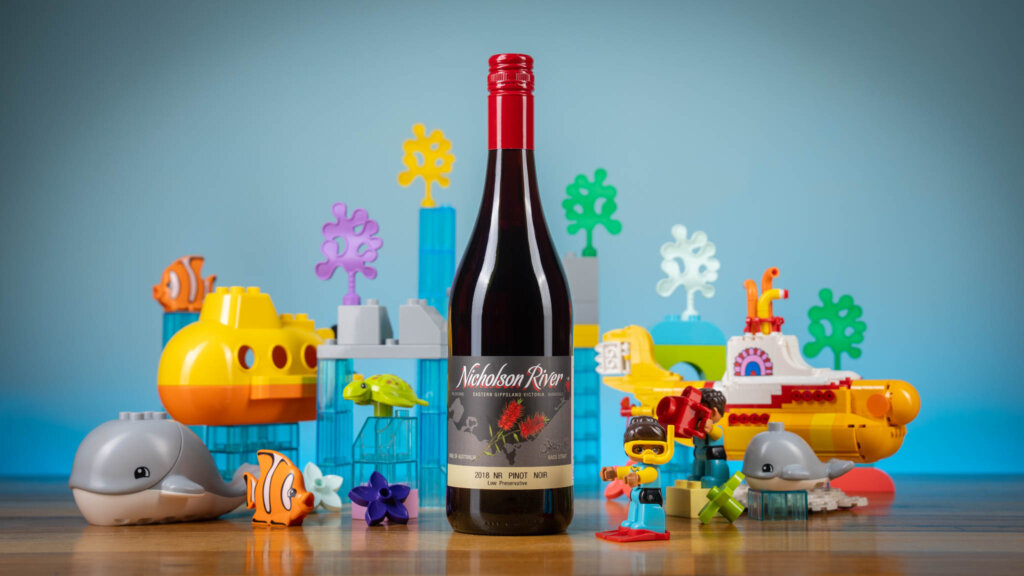
Polack included this among her top six from the blind tasting, finding that its vitality and deftness set it apart, despite its age. “A light, fresh and modern style of pinot noir,” she said. “Very pale ruby with slight hints of orange in the glass. Some red cherries and ripe black plums on the nose, accented with hints of cut grass, leather, rosehip tea and dried sour cherries. The palate has a lovely integration of flavour – bright red cherries, cranberries and strawberries with a lightly savoury leafy character behind. The tannins are ultra-fine, perhaps polished by age, but the wine has plenty of momentum and freshness regardless. I’d love to be sitting in the sun with a cheese platter and a bottle of this wine!”
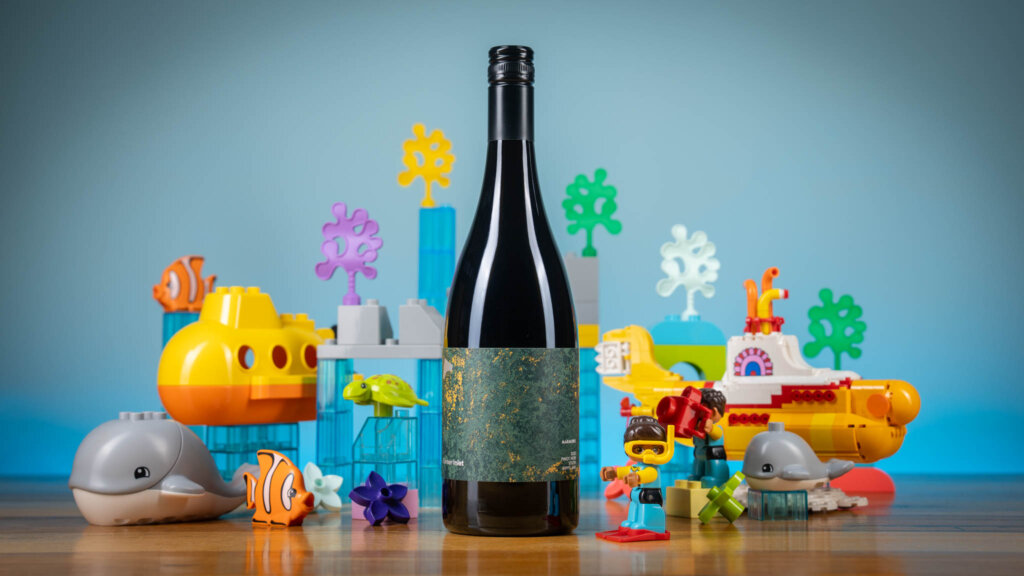
This wine made Butt’s top six from the blind tasting, drawing him in with its aromatic complexity. “A nose of funky, earthy and mineral tones – fragrant, complex and intriguing,” he said. “Aromas of glossy dark cherries, horseradish and citrussy waxflower leaf lead to a palate showing grape skin texture and flavour, framed by savoury spice. It’s sappy and medium-weight, with a creamy mid-palate feel – a pinot with genuine character and a real ‘can’t quite define’ attitude. This would pair brilliantly with Korean barbecue on a noisy Saturday night. Geonbae!”
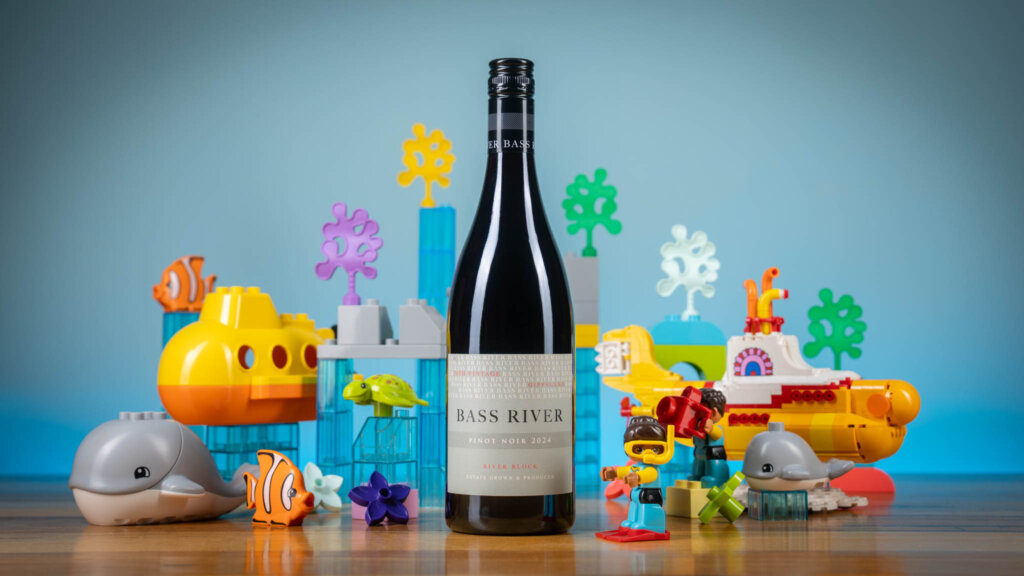
Butt and Kearton both included this in their standout six from the blind tasting, for different reasons. Butt focused on what he called its “lovely pinot character”: “This wine is earthy, meaty, gamey and powerful. A great savoury edge on the palate gives way to red fruit flavour – tart fresh cranberry, just-ripe strawberry and Bing cherries. Bright acidity and oak tannins extend the length of the finish – a very nice and well-made wine.” Kearton was drawn its use of whole-bunch fermentation: “Stemmy aromas jump out of the glass here – all green peppercorn and mezcal smoke – but the wine is surprisingly restrained on the palate. That green peppercorn note sits nicely alongside some ripe strawberry and maraschino cherry flavour, and everything flows well together. It’s a very charming wine regardless.”
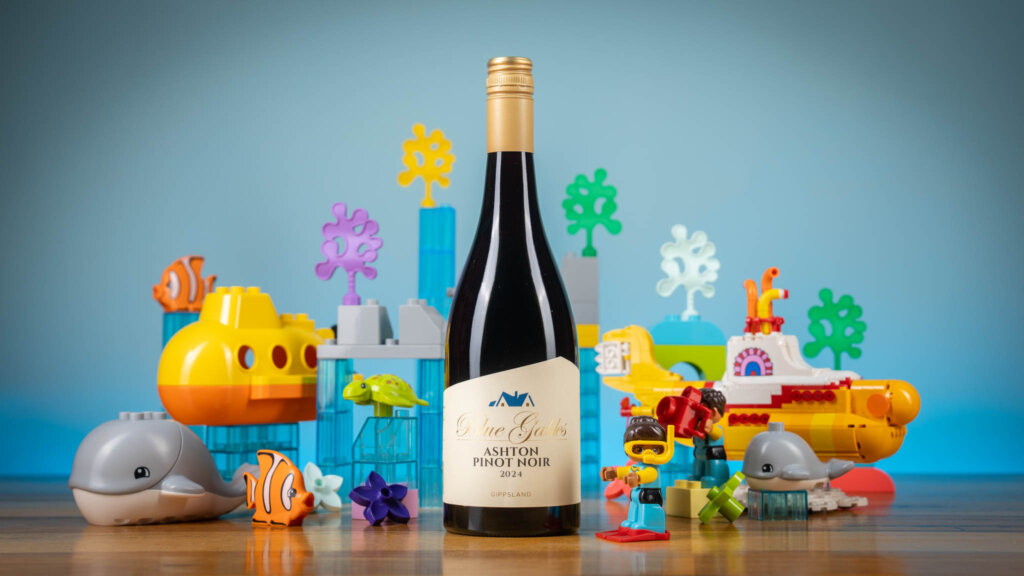
This wine found a place in Ammann’s top six picks from the blind tasting, although it took some time in the glass to start strutting its stuff. “At first glance this wine seems very shy – it initially only gives up some vaguely stalky vegetal notes on the nose,” he said. “But with a little time and oxygen, it opens up to a world of cinnamon and spices that feels like a baker’s pantry, accented by little flecks of toffee sweetness throughout. The palate is bursting with flavours of Black Forest cherries soaked in kirsch, driven towards the finish by a fine line of persistent acidity. A pleasantly surprising wine that has hidden layers of complexity to round it all out.”
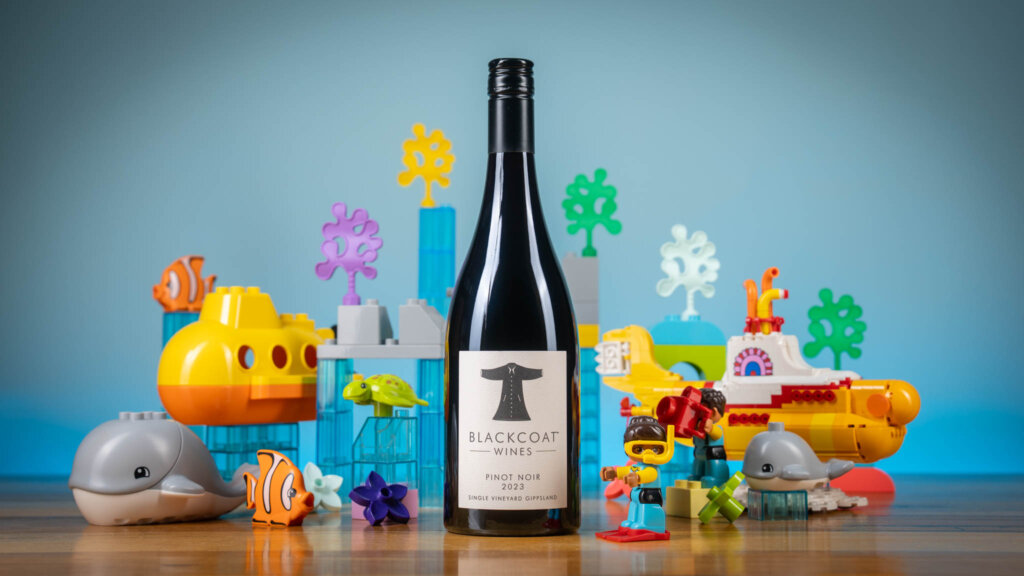
Park selected this amongst her top six from the blind tasting, compelled by the wine’s cherry-fruited nature: “So much cherry on the nose – almost maraschino cherry, bright and candy-sweet,” she said. “On the palate it’s lifted and elegant, bright and fresh, with a distinct hint of fresh peppermint tea appearing on the middle palate. Vanilla and sweet spices like cloves and cinnamon appear at the long finish. An approachable and oh-so-pretty wine – and one best served with delicate foods that won’t overwhelm its delicate charms.”
Gippsland stretches a vast distance – the region covers over 40,000 square kilometres of land, bound by Victoria’s coastline as it travels eastward from Mornington Peninsula then north to meet the border with New South Wales. As Jane Lopes and Jonathan Ross note in their book How to Drink Australian, the vineyards here are quite sparse and far-flung, with only 187 hectares of vineyard scattered across an area roughly 150 kilometres north to south and 200 kilometres east to west. It is perhaps this sparseness that has caused Wine Australia, the national regulatory agency, to define Gippsland as a ‘zone’ within its system of geographical indicators, rather than as a region proper. (Somewhat unusually, Gippsland is the only such zone in Australia with no defined regions inside its borders.)

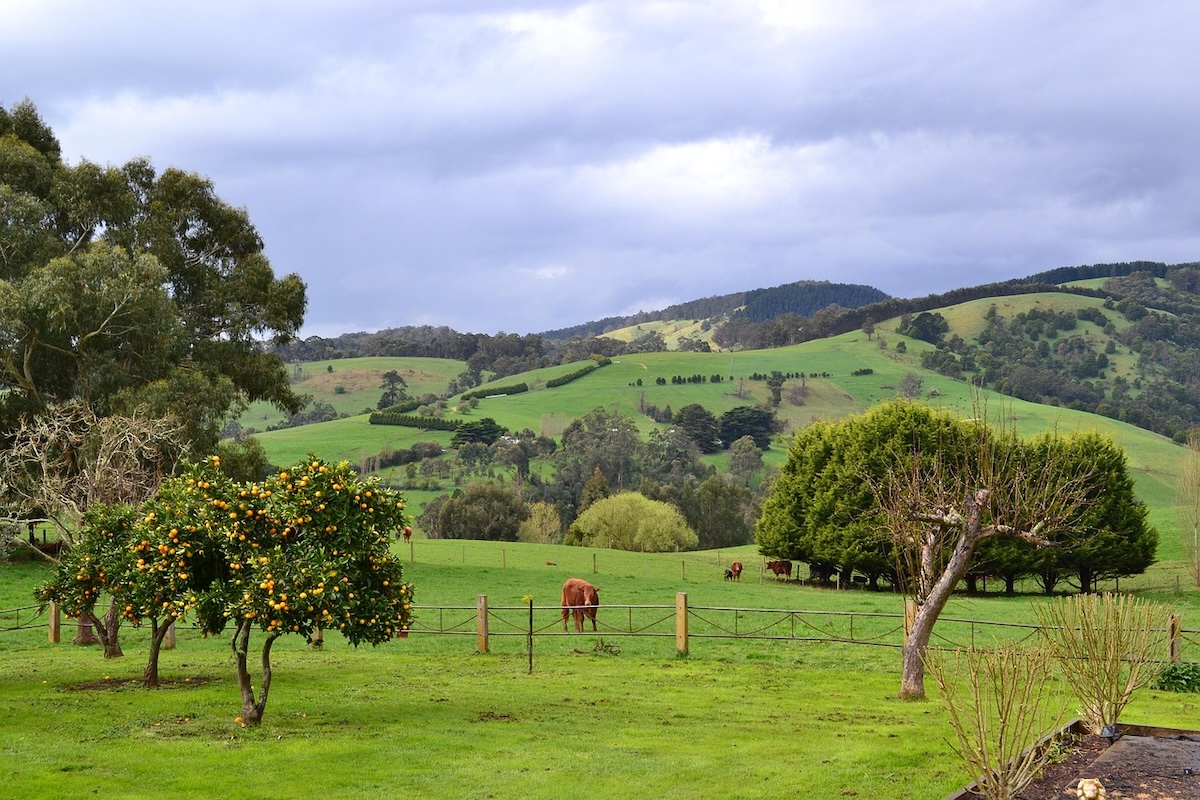
As you might expect from its size, there’s not much that unites the various vineyard sits of Gippsland climatically except that they are all relatively cold. (Measured by ‘Growing Degree Days’, Gippsland is much cooler than its neighbours the Yarra Valley and Mornington Peninsula, clocking in at 1372 °C worth of cumulative heat across the growing season compared to 1438 °C and 1556 °C respectively.) As such, local winegrowers and producers tend to break the region into three unofficial subregions: an inland western section around Warragul, roughly equivalent to the current boundaries of Baw Baw Shire; a coastal southern section directly below, separated from the western section by the Strzelecki Ranges and more influenced by weather coming in from the chilly waters of the Bass Strait; and an eastern section centred around the town of Bairnsdale, which often receives most of its annual rainfall in isolated events and is quite dry for the rest of the year. Within each of these unofficial sub-regions are a diversity of different soil types, many of them volcanically derived loams, rich in nutrients. And each sub-region poses its own unique set of challenges for wine growers – humidity in the southern and western parts, and access to water at the right time for the eastern part. But while grape growing of any kind here is difficult, the generally cool temperatures make the region particularly suited to Australia’s favourite cool-climate red grape variety, pinot noir, which now accounts for just under 40% of Gippsland’s wine harvest, according to Wine Australia’s figures for the past decade of vintages.
Modern Gippsland comprises most of the traditional lands of the Gunakurnai nation and its five constituent peoples, with sections of the westernmost part belonging to the Bunurong people of the Kulin nation. When European colonisers arrived in the region in the 1840s, they were immediately struck by its suitability for agriculture, and to this day its fertile, rolling hills remain prime dairy and cattle-raising country. (More than a few Gippsland wine labels, including Moondarra and Wandilla, are also in the business of producing premium wagyu beef.) As in many other parts of Victoria, vineyards swiftly followed farmers, and by the early 1860s the first sizeable vineyard in the region had been planted at Alberton – in what is now something of a no-man’s land between the southern and eastern sub-regions of Gippsland – by the local police superintendent, Edgar Slade. Slade’s first choice of planting site was roundly criticised by the first viticulturist he employed, the French-born François Edward Blanc, who called the land “unsuitable”, although Slade nevertheless persisted with the project and produced commercial quantities of wine. A contemporary of Slade’s wrote of a visit to his Alberton home that “The figs were perfect, but one cannot say much for the product of [Slade’s] vineyard. His neighbour and constant friend, Captain Kelsall, used to make extraordinary faces as he sipped sparingly of Slade’s home-made wine”.
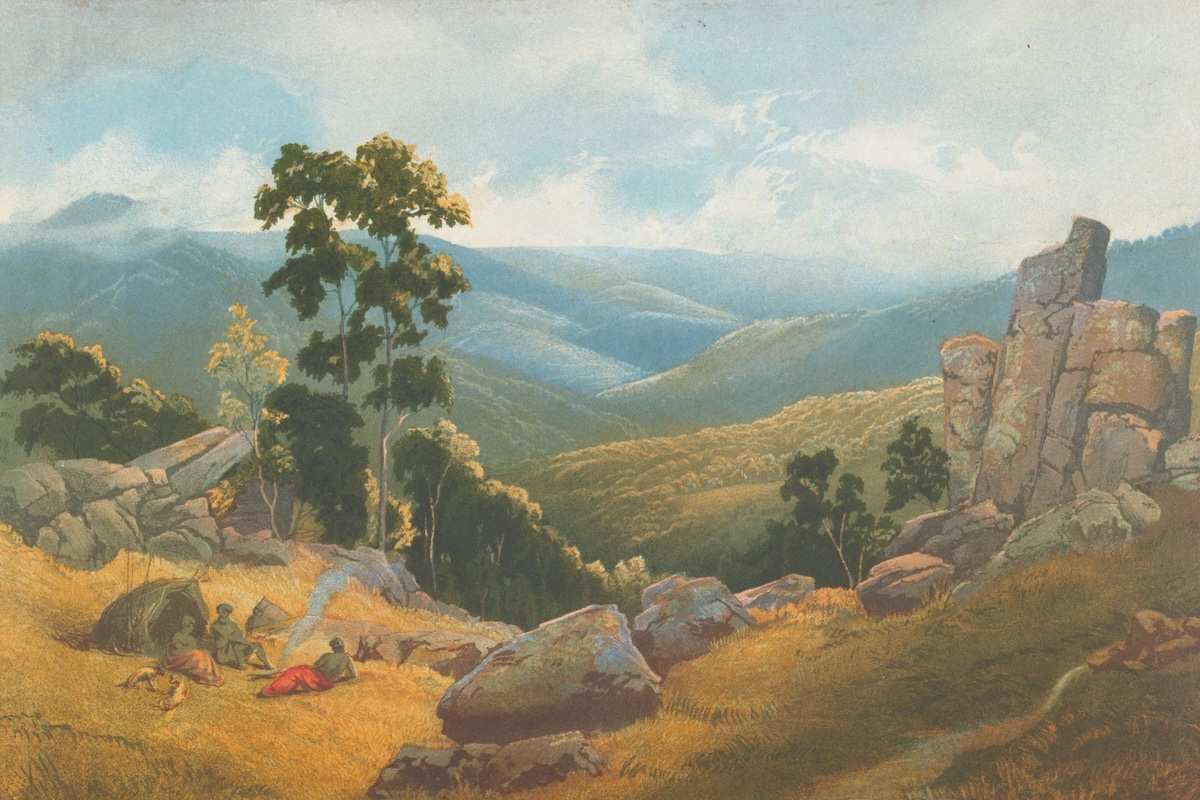
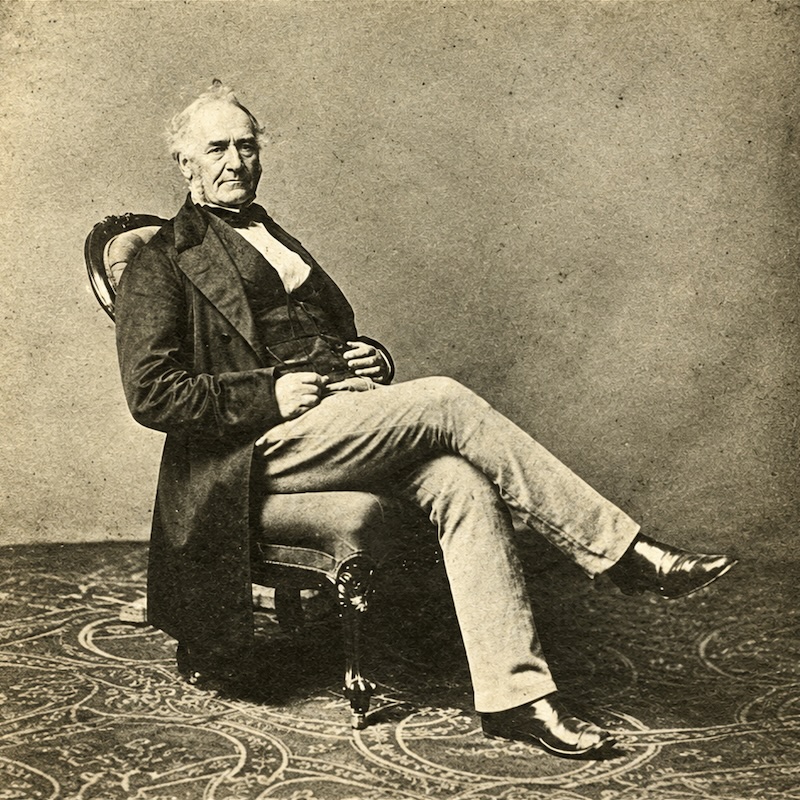
Kelsall may not have cared much for his friend’s wine, but he, too, planted grapes, as did many others. Soon a small community of wine-growers was scattered throughout Gippsland. Colonial wine authority Hubert de Castella of the Yarra Valley – the man behind St. Hubert’s estate – visited the region in 1885 and was so impressed that he wrote in his book John Bull’s Vineyard (1886) that Gippsland is “a country propitious to the growing of grapes … The high lands of that region are certain to produce perfect wines”. De Castella’s enthusiasm for the region was infectious – throughout the 1890s the Gippsland Mercury would publish correspondence that contained bullish predictions such as “the time will come when the slopes of Gippsland will be covered with pleasant vineyards we are certain – just as certain as we are that a light wine, admirably suited for colonial needs, could be better produced here than any other spot.”
“The time will come when the slopes of Gippsland will be covered with pleasant vineyards we are certain.”
Like nearly all other cooler-climate wine regions in Australia – with perhaps the exception of the Eden Valley – changing tastes and economic circumstances as the nineteenth century closed ensured that grape-growing practically ceased in the region throughout the first half of the twentieth century. (One notable exception was the father-son duo of Jonadab and Jerry Townsend, who grew vines on the slopes of the Mitchell River near Bairnsdale around this time to turn into illicit hooch sold at Jonadab’s wine saloon.) It would be seventy or so years before a vineyard was once again planted in Gippsland, when the British-born bon vivant Harry Dacre Stubbs and his wife Pauline planted riesling, sauvignon blanc, and cabernet sauvignon vines at their recently-purchased Lakes Entrance property named ‘Lulgra’. Stubbs’s friend and neighbour Dr. Malcolm Winfield, a scientist at the CSIRO, and his wife Margaret soon followed in 1971 – although they had the advantage of access to the CSIRO’s vast library of experimental vines at the Merbein research station, and therefore could plant out their vineyard with such obscurities as the Sicilian white varieties ansonica and grillo or the Portuguese red varieties touriga nacional and souzão. While Stubbs did build a primitive winery at Lulgra, these operations were decidedly small-scale and strictly amateur – it was only towards the end of the 1970s that Gippsland’s first commercial-scale and economically viable vineyards first appeared.
The Nicholson River vineyard – planted by Ken Eckersley and his wife Juliet in 1978 next to the river of the same name as it nears Lake King, outside of Bairnsdale in the dryer eastern half of Gippsland – is now the oldest continuously operating vineyard in Gippsland. For Eckersley, its founding was part of a broader zeitgeist: “There was a spirit – a movement about,” he says. “A ‘Why can’t we make wines as good as the French?’ type of thing. It happened in the late ’60s, and it was largely the expats – people who had lived overseas. Of course, in those days, the Australian dollar was strong, and so French wine was pretty cheap compared to now. And it was largely professional people – we’re talking John Middleton and so on.” Eckersley argues that most of these pioneering vignerons weren’t exactly pragmatists: “Little vineyards popped up all over Victoria,” he says. “Everyone had a dream – maybe it was botrytis, maybe it was Burgundy, or whatever – and it was just sometimes 100–200 vines, sometimes several acres, but they were everywhere.” He recalls that even one real estate agent he was liaising with while searching for a suitable place to plant vines was already in on the action. “He said, ‘Oh, look, I planted some vines up on that slope by the freeway’,” Eckersley says. “People didn’t know how to care for them. It was a bit of a fantasy.”
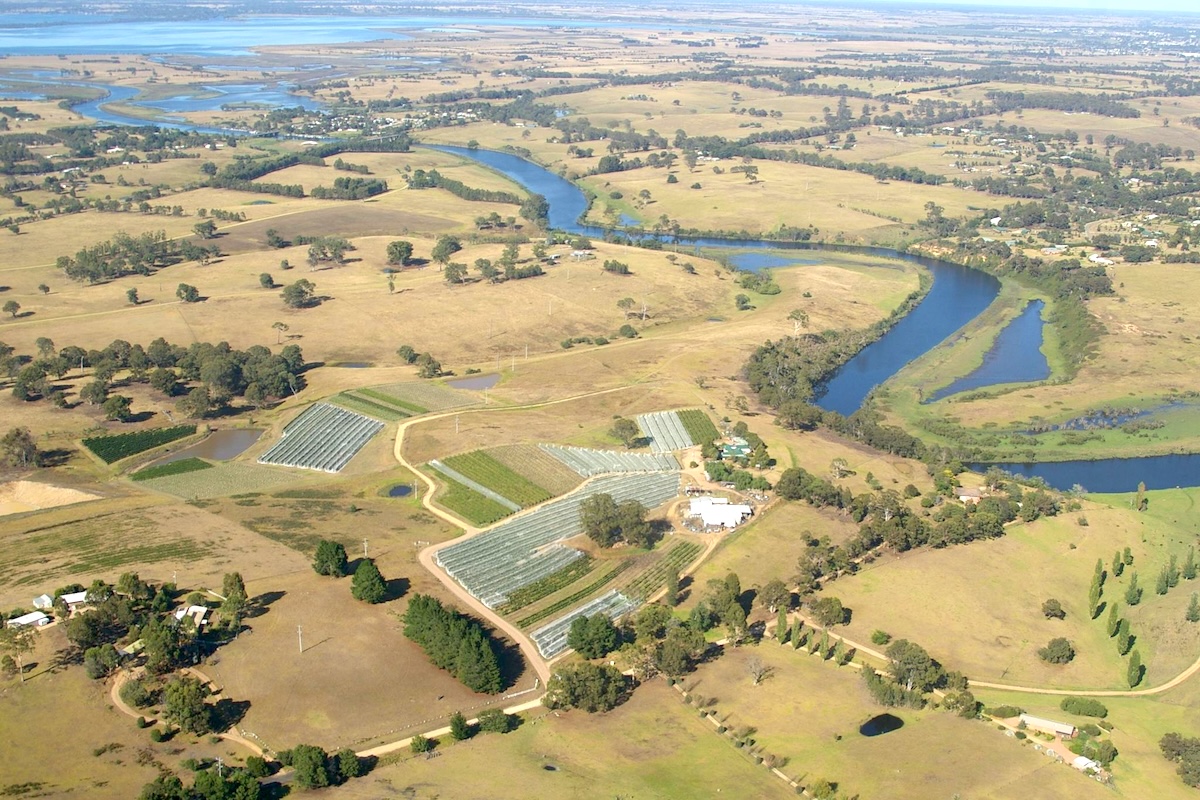
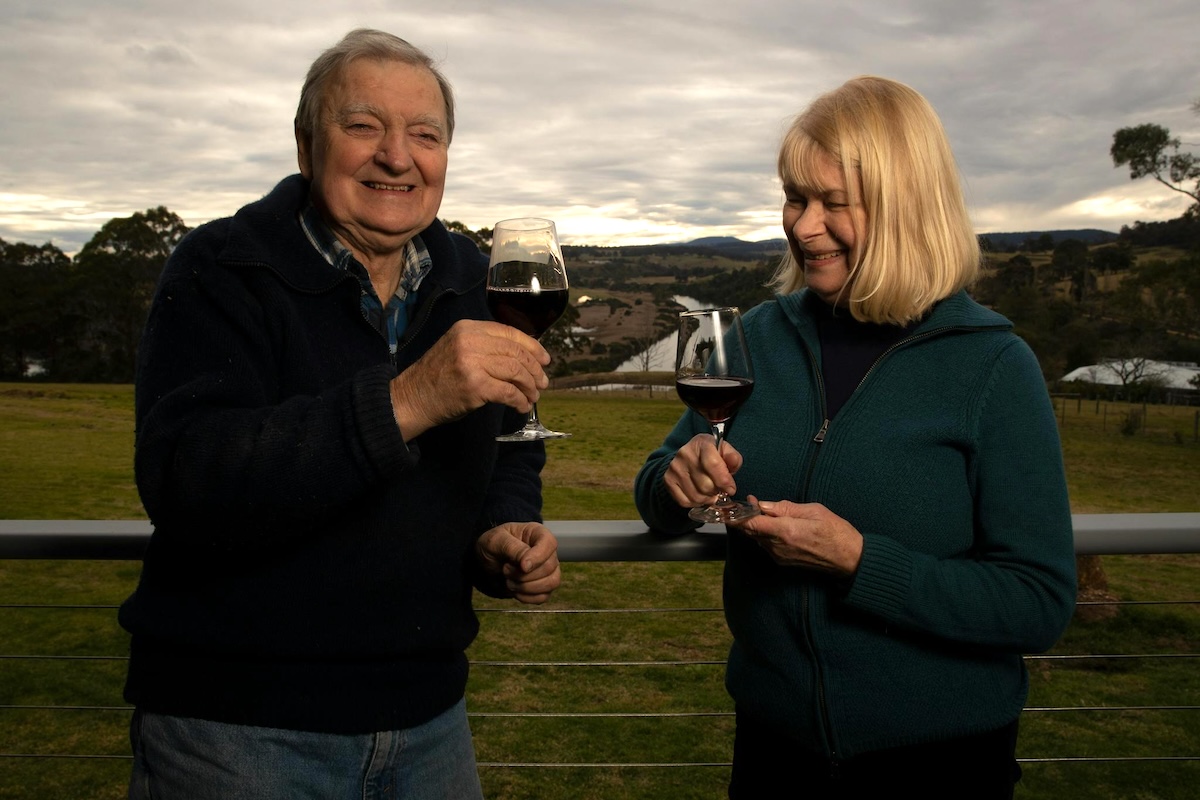
The Eckersleys established the Nicholson River vineyard and label at the tail end of this period, as these small operations began to face the realities of grape growing and the wine business, but in retrospect he doesn’t spare his own operation from the same criticism of coming in a little dewey-eyed and naïve. “In the ’80s, people were agonising over the sites, the climates, the soils – books were written about it, predicting things and, with hindsight, they were all wrong,” he says. “We had so many misunderstandings – ignorance of climate, for a start, and ignorance of fundamental things like the difference between the northern hemisphere and the southern hemisphere.” He also argues that he, like many other vignerons of the time, suffered from a love of French wine that restricted his viticultural imagination: “Some of the well-known names in the Yarra Valley used to prune with little berets on – walking around singing French songs,” he says. “I was a francophile. Everyone was a francophile … which is why we didn’t explore some of the other varieties, Italian ones, et cetera. We should have, but that didn’t come until much later.” Thus when the Eckersleys planted in 1978, they focused on French varieties – a mixture that included semillon, chardonnay, cabernet sauvignon, merlot and pinot noir. “On paper, it looked like cabernet sauvignon would be good, so we made that the majority,” he says. “50–60% of our plantings were actually cabernet. We pulled them out about eight or nine years later because they were unsuitable. We didn’t have the right climate – we didn’t have the warmth at the end, or didn’t have it often enough at the end of the season, to pull off the ripening.”
“On paper, it looked like cabernet sauvignon would be good, so we made that the majority. 50–60% of our plantings were actually cabernet. We pulled them out about eight or nine years later.”
A similar story was playing out roughly 175 kilometres south-west at Bass Phillip in Leongatha – an operation founded in 1979 by Phillip Jones, a former IT and telecommunications expert, whose sights were set on making wines to rival those of his favourite Bordeaux producer, Château Ducru-Beaucaillou. Like Eckersley, he struggled with ripening cabernet in the cool climate of Gippsland, and in the mid-1980s switched tactics to plant chardonnay and pinot noir instead – a decision that has since paid off for the label, as its reserve wine is now the most valuable non-French pinot noir in the world at a cool AU$1300 or so retail per bottle. While Nicholson River hasn’t had the same level of success as far as shelf prices go, Eckersley did have the headstart of earlier access to pinot noir cuttings – although these proved to be almost as troublesome as the vineyard’s ill-fated cabernet sauvignon vines. “The pinot noir vines that arrived – there these are all rootlings – were full of nematodes,” he says. “I didn’t want to plant them out like that, so I had to re-treat them. I had to remove all pretty well all the roots, re-treat them, and then plant them out – this set them back about four years.” Those nematode-infected pinot noir cuttings were reflective of a larger issue of poor quality planting material at the time. “The nurseries – God spare us, we got what we could,” Eckersley says. “You could only get the MV6 clone [of pinot noir]. You could only get one clone of cabernet … it was just shocking.” Thus while Gippsland is now renowned for its pinots, the custodian of the region’s oldest pinot vines argues that the variety in the region was “a very slow starter”.
Gippsland-born vigneron William Downie argues that it’s “just pure luck” that he found himself working with pinot noir in the place that he grew up. “I didn’t ever decide to pursue a winemaking career focussed on pinot noir – that was completely random,” he says. “In fact, I’ve said many times that I couldn’t give a shit about pinot noir – I’m just interested in wines that tell you a story of place, and I’m just really fortunate to have been born and raised in place with a story to tell through wine.” Downie also had the good luck of commencing his winemaking life at Bass Phillip under the famously idiosyncratic and somewhat divisive Jones, before moving to the Yarra Valley and taking a role at De Bortoli under Steve Webber around the time that company started seriously engaging with the wines of Burgundy. This lead to Downie spending several years in Burgundy working with luminaries such as Domaine Fourrier and Domaine Hubert Lignier, as well as producing a red Burgundy for De Bortoli from the Combe du Bas lieu-dit in Gevrey-Chambertin. And it was in Burgundy – the cradle of the notion of terroir – that Downie realised that he could only make a wine of place elsewhere: “I just realised eventually that the only place I could make a real wine of place was in Gippsland, where I’m from,” he says. “Had I grown up in the Yarra Valley, would I have gone back there to make wine just because I was from there? I can’t say for sure. But I think the Yarra Valley doesn’t have anywhere near as much to offer when it comes to pinot noir as, in particular, West and South Gippsland.”

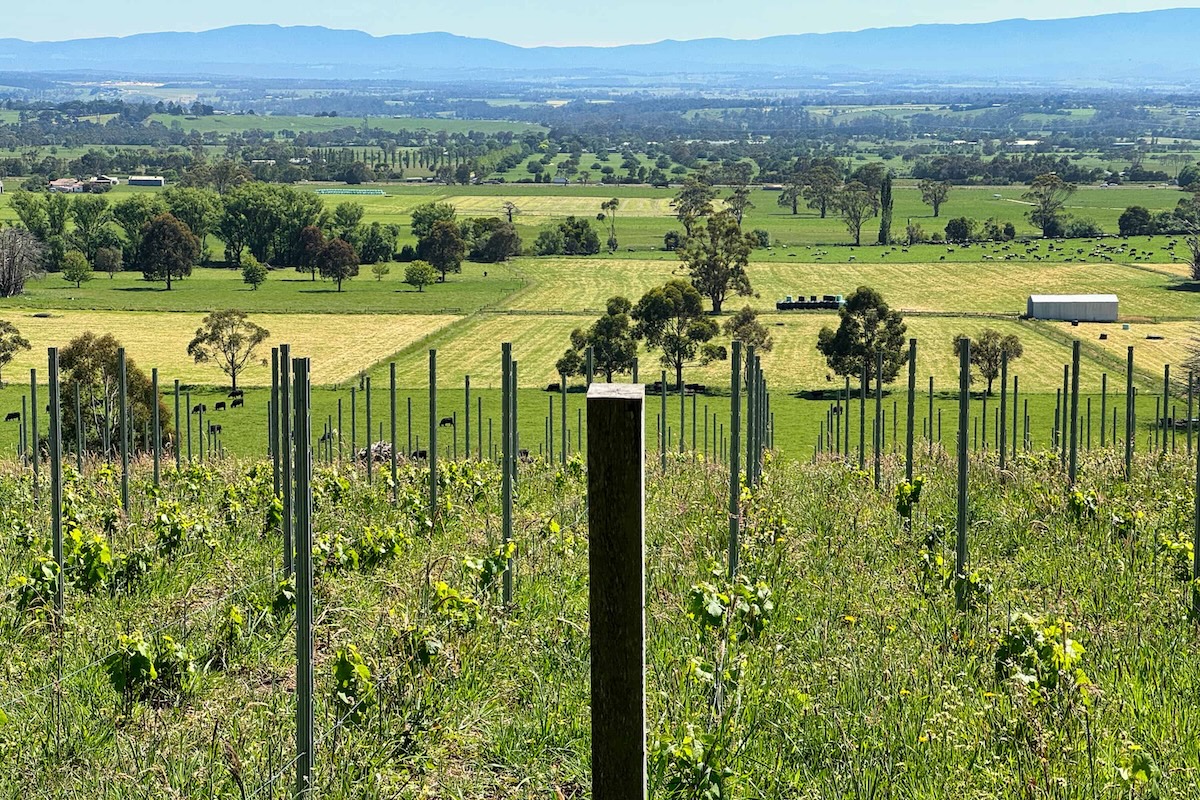
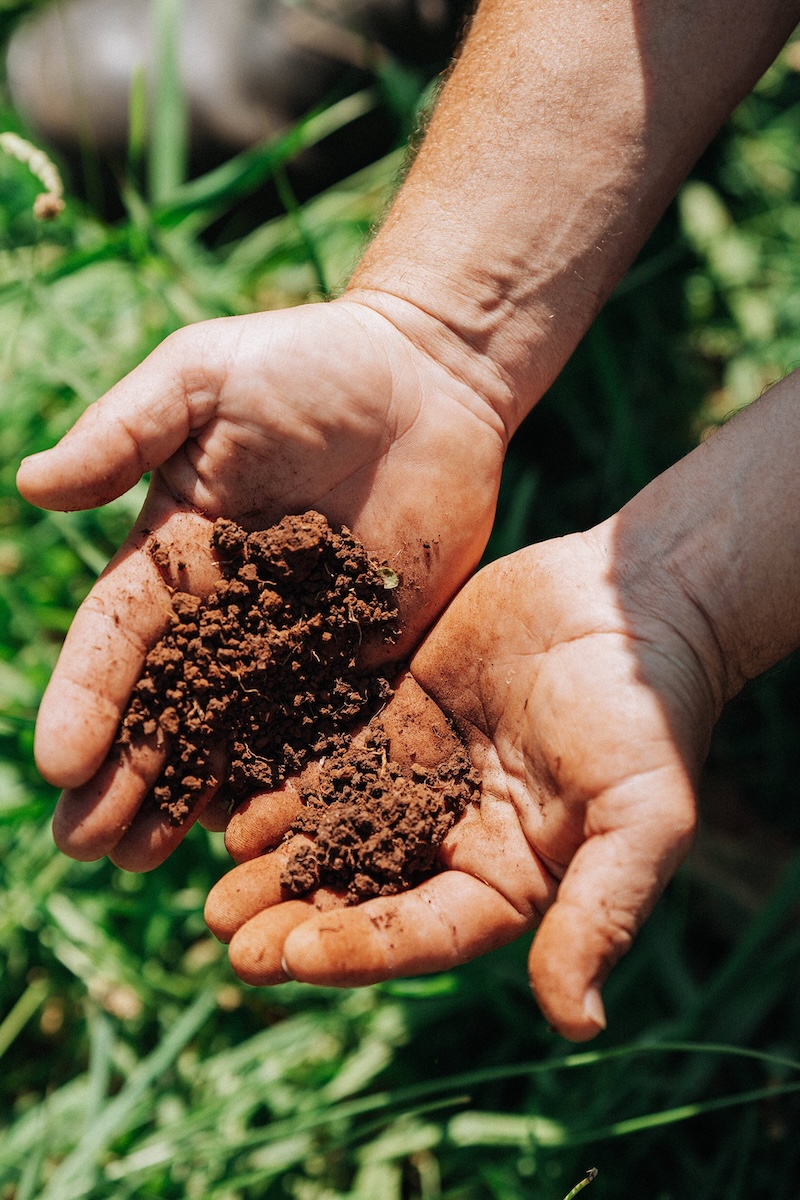
Downie argues that what his corner of Gippsland has to offer is what he calls “the trifecta”: “It has volcanic soil, the right kind of cool climate, and rainfall and humidity,” he says. “It doesn’t even matter if you’re talking about pinot noir or not. If you’ve got volcanic soils, high rainfall, and a marginal climate – if you’re working at the perimeter – then that’s when the most interesting stories are told through wine. And there are places that are as cool, or cooler, and there are places that have some volcanic soil – but you don’t get all three of those things anywhere else in Australia, and that’s what you need if you want detail.” He points to the wines that he makes out of the Bull Swamp and Camp Hill vineyards – located four kilometres apart, on the same ridge of volcanic soil – as an example of this detail: “Year-in, year-out, irrespective of the season, those wines are identifiable,” he says. “Bull Swamp is always Bull Swamp, and Camp Hill is always Camp Hill. They speak very, very clearly in this region, whereas over the same distance elsewhere – even in the cooler parts of Australia – you just don’t get that kind of expression.” Part of that regional expression is a botanical note that tastes distinctly of Gippsland – something he argues comes from vines growing in close proximity to forests: “There’s lots and lots of temperate rainforest in Gippsland – and all of those plants have an influence on the other plants,” he says. “I hate using French terminology, but they refer to the garrigue in the Rhône, which is [the flavour of] lavender and rosemary and thyme – and those are the other plants that grow around those vineyards. For a long time, I was slightly embarrassed by wines that had eucalypt character – and it’s still the case that it can be overpowering if it’s too much, and we do try to avoid it where we can – but a little bit of it is just the truth of the place.”
“It’s a f***ing nightmare of a place to grow grapes. Our average yield is about less than half a tonne to the acre – it’s just phenomenally difficult.”
While he’s drawn to Gippsland in general and Baw Baw Shire in particular for that sense of specificity of place and detail, he also acknowledges that it’s not an easy place to grow any grapes, let alone pinot noir. “It’s a fucking nightmare of a place to grow grapes,” he says, somewhat ruefully. “Our average yield is about less than half a tonne to the acre – it’s just phenomenally difficult.” He ascribes these low yields – pitiful compared to the average of somewhere between one and half to four tonnes per acre in other quality-oriented regions of Australia – to the impact of Baw Baw Shire’s rainy weather on flowering. (Individual grape berries can only form after tiny, delicate flowers self-pollinate – so if some of those flowers are washed off by rain, fewer berries form per bunch.) “Mostly it’s just poor flowering,” Downie says. “And that’s just rainfall and wind – it’s wet and cold all the way to Christmas here.” Those low yields make the per-kilogram cost of growing grapes here much higher, and while Downie himself is investigating novel techniques to reduce the impact of rain on flowering – by air-freighting leaf samples to the Netherlands for sap analysis, which informs a program of targeted nutrient supplements designed to shorten the duration of flowering – he acknowledges that this approach isn’t feasible for all producers in the region: “All of that work is very expensive,” he says. “A more commercially focussed vineyard or wine grower – who’s not charging $100 for a bottle of wine – probably couldn’t justify spending that much per hectare on agronomy at that level.”
Marcus Satchell of Gippsland label Dirty Three Wines – who also works extensively as a contract winemaker throughout the region – agrees with Downie on the topic of viticultural difficulty. “It’s a bugger of a place to grow grapes,” he says. “It’s high disease pressure, sadly. We’ve got to all spray a lot, otherwise it’s not gonna work – we’re not going to have anything.” But while the region’s humidity makes grapes grown there more susceptible to disease, he also argues that this same humidity is a major advantage when it comes to flavour. “There’s been a bit of a bit of research done on high-density planting in vineyards,” he says. “And while you can talk about plant competition and all these things, the number one thing that makes a big difference when it comes down to it is that you’re creating a microclimate of higher humidity – because the vines’ fruiting zones are closer together. So you’re basically getting more flavour retention from those more volatile compounds that, in a warmer climate or less dense vineyard, would tend to blow off. Hence why cooler, more humid climates tend to produce more aromatic and more intense wines.” And in Gippsland, the soil works in concert with the climate to help deliver this kind of humid microclimate in the fruiting zone: “There’s lots of water in the soil, in those deep red volcanic soils, releasing all the time to create humidity,” he says. Over his career, he’s therefore adapted his winemaking practices to hone in on those more delicate aromatics: “I used to be completely anti-filtering,” he says. “I used to not filter anything. But I did it one year, and I’ve never not done it since, because I just like what it does. It polishes the wine and it brings out the fragrances of all of those little botanicals that probably would be hidden if there was all of that kind of lees and cloudiness in there.”
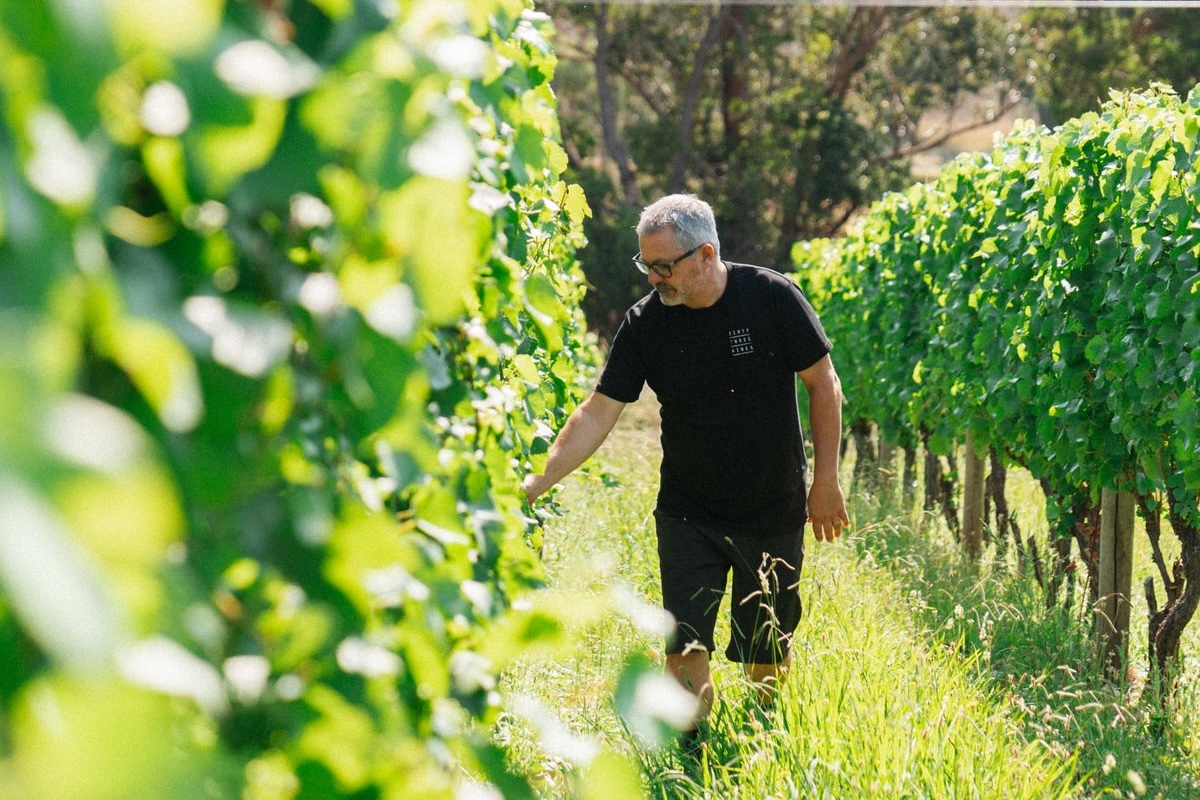
The difficulty of growing grapes in Gippsland means that, despite the wine press attention that the region frequently garners – often based around the phenomenon of Bass Phillips – production here remains resolutely small scale. That also means that other pinot noir regions – such as Tasmania – have achieved economies of scale that have allowed them to build higher profiles both within and outside of Australia. “I’m a bit blown away by the people who rushed into Tasmania, when they’ve completely overlooked Gippsland completely,” says Ken Eckersley. “I think South Gippsland’s sitting pretty – it’s cheaper [to buy land], and has better access to the market.” Meanwhile, many of the pioneering producers who helped put Gippsland on the map have retired or sold their properties – Phillip Jones sold Bass Phillip in 2020 to Jean-Marie Fourrier of Burgundy’s Domaine Fourrier, and Nicholson River itself is on the market – and a new generation of winemakers has started to make Gippsland their home. “We’re changing the guard at the moment,” Eckersley says.
“You’re basically getting more flavour retention from those more volatile compounds that, in a warmer climate or less dense vineyard, would tend to blow off. Hence why cooler, more humid climates tend to produce more aromatic and more intense wines.”
Downie isn’t at all surprised that Tasmania seems to have attracted more of the investment from large-scale operators than Gippsland. “Tassie’s the Barossa Valley of the south,” he says. “Any idiot can grow grapes in the Coal River Valley.” Despite the comparative difficulty of growing wine in Gippsland, though, he’s bullish about the region’s future, pointing to new plantings and investments – such as the acquisition of the Bellvale vineyard by the Gjerja family, owners of Kooyong and Port Phillip Estate – as evidence of a renewed interest in the region. A large part of that interest, too, seems to come from international consumers: “The wines worth drinking from Burgundy now are so expensive that the vast majority of people just can’t afford them,” Downie says. “So now, when I travel around the world, people are very much more interested in what’s going on elsewhere than they were ten or fifteen years ago, and there’s no undoing that. So, yes, we have definitely seen continued growing interest in the wines from this region, globally. It’s been this way for a long time, but over 90% of the people who now contact me for an appointment to come and taste have travelled from outside of Australia.” For Downie, it’s a stroke of good luck that the region seems to be coming into its stride with pinot making just as the wider world’s eyes are turning away from Burgundy. “I just feel like most of the wines we’ve made until now have been a bit shit,” he says. “Now we’re finally starting to make some decent ones.”
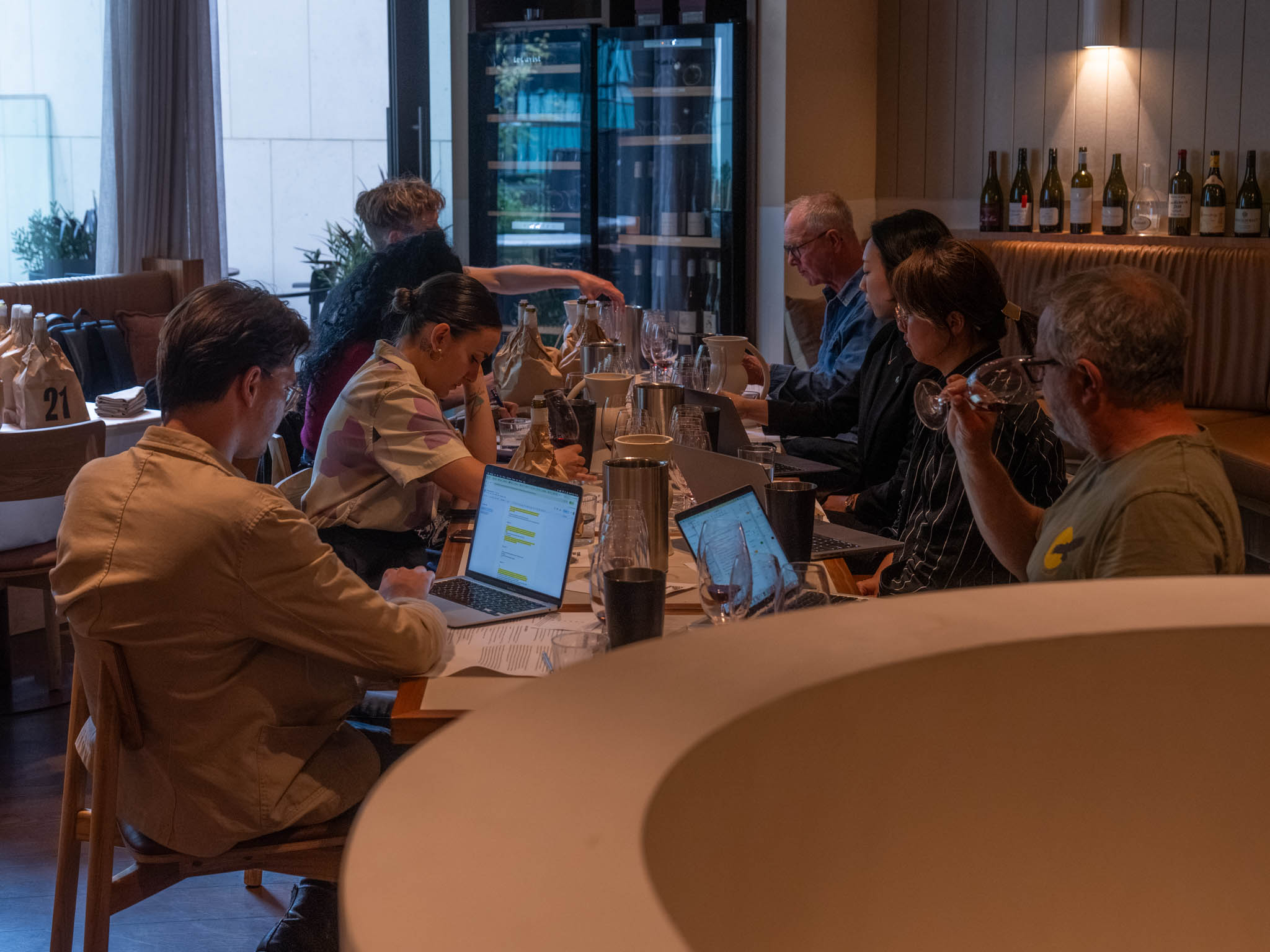
Our panel: Marcus Satchell, vigneron, Dirty Three Wines; Mia Park, sommelier, Aru; Alastair Butt, head winemaker, Lightfoot Wines; Clarissa Lorenzato, sommelier, From Here by Mike; Dominic Kearton, winemaker, Purple Hen and owner and winemaker, Triffids; Chia-Wei Shen, wine merchant, Balgownie Estate; Stephen Ammann, head sommelier and wine buyer, Farmer’s Daughters; Jenny Polack DipWSET, wine educator, Bacchus Academy.
Satchell commenced the discussion by observing that the line-up was quite diverse in style – and argued that this diversity showed that the region was maturing. “The diversity of styles stuck out for me,” he said. “There were quintessentially classic-feeling and classic-tasting Gippsland wines in there – with that sort of earthiness and reasonably powerful mid-palate that I associate with Gippsland. But then there were some really beautiful, pretty and aromatic, super–light on their feet styles that hide quite a lot of bunch use, and a lot of fermentation techniques like that. So it’s really nice to see some people making wines like that – and I feel like there’s a bit of confidence as well. It’s a confidence in the winemaking game: ‘This is how I want my site to be represented, and this is what I’m going to do’.” He added, “As a winemaker in the region, you don’t want to see everyone making the same style of wine. That’s what makes it unique – it’s the thumbprint of the winemaker.”
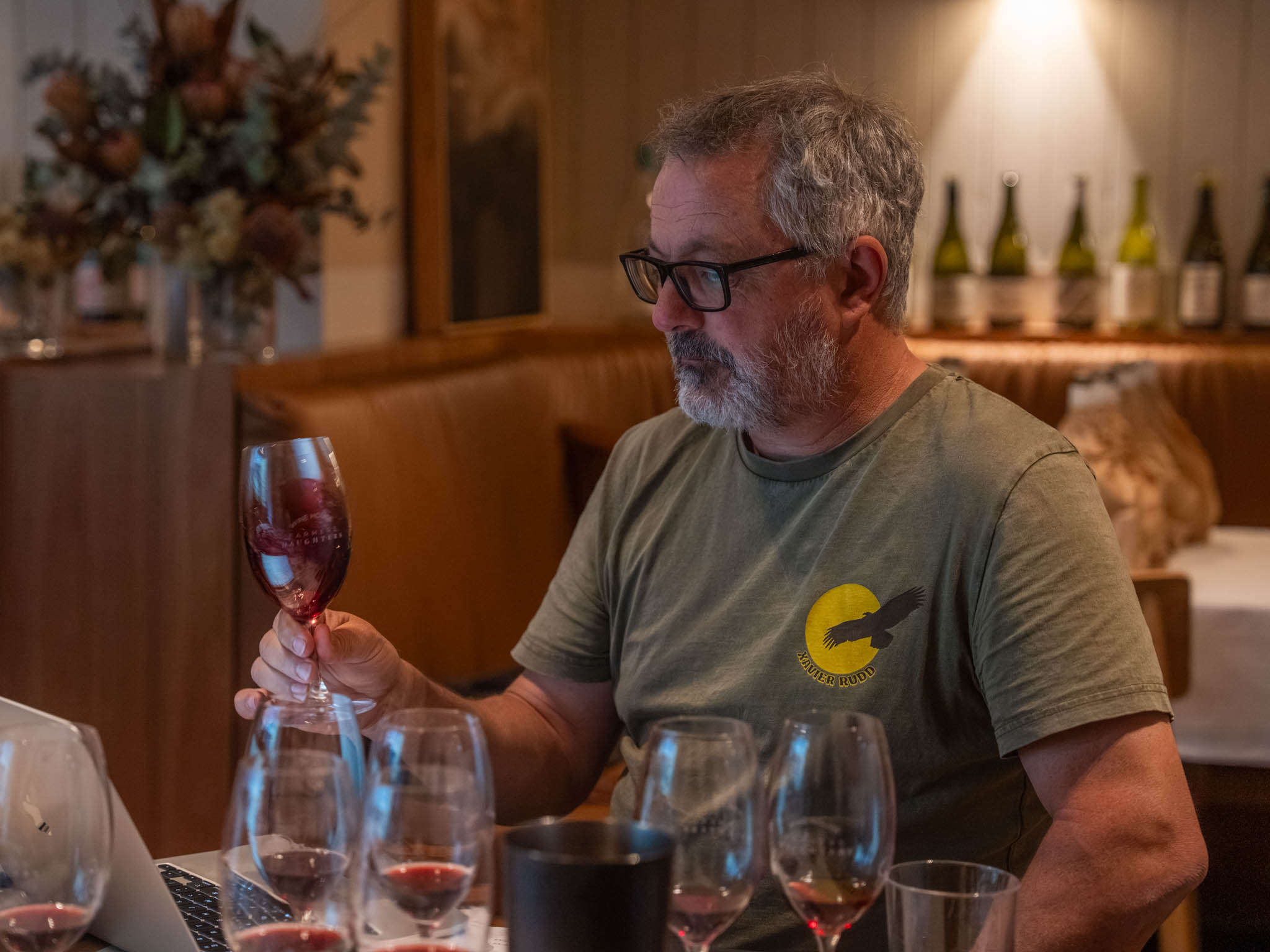
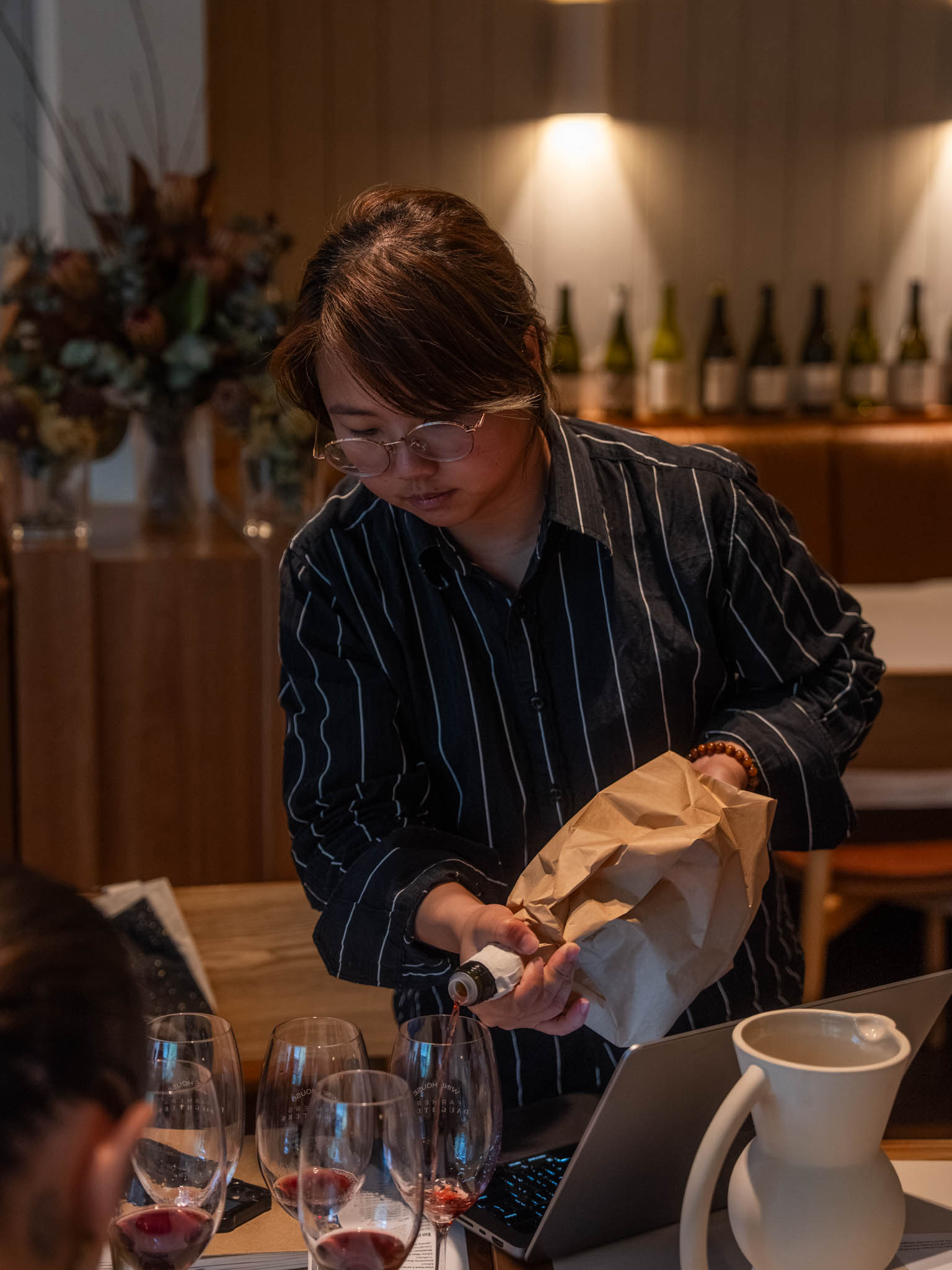
Shen agreed with Satchell on the range of winemaking approaches evident in the lineup. “I work out of the Yarra Valley, and I feel that in many ways the pinots coming out of the Yarra Valley are all aligned with each other,” she said. “But in this Gippsland tasting you could see a huge diversity of different kinds of techniques in the wines. So I feel like there must be a very healthy winemaking culture down there – that’s what I loved to see in this tasting.”
“As a winemaker in the region, you don’t want to see everyone making the same style of wine. That’s what makes it unique – it’s the thumbprint of the winemaker.”
Park was pleased not only with the diversity of the lineup, but also its size. “I didn’t even know there were so many different pinots from Gippsland!” she said. “They can be so savoury, or so lifted – there’s so many different styles. It was really cool to explore. And I picked up on that regional character – the earthy notes that a lot of people expect.”
Satchell attributed this diversity of styles, at least in part, to the size of the region. “The other thing to remember is that it’s a massive region,” he said. “From where I make wine in South Gippsland to where Alastair makes wine is three and a half hours’ drive. It’s to be very much expected that – just in terms of the feel of the wine – they’re going to be different.”
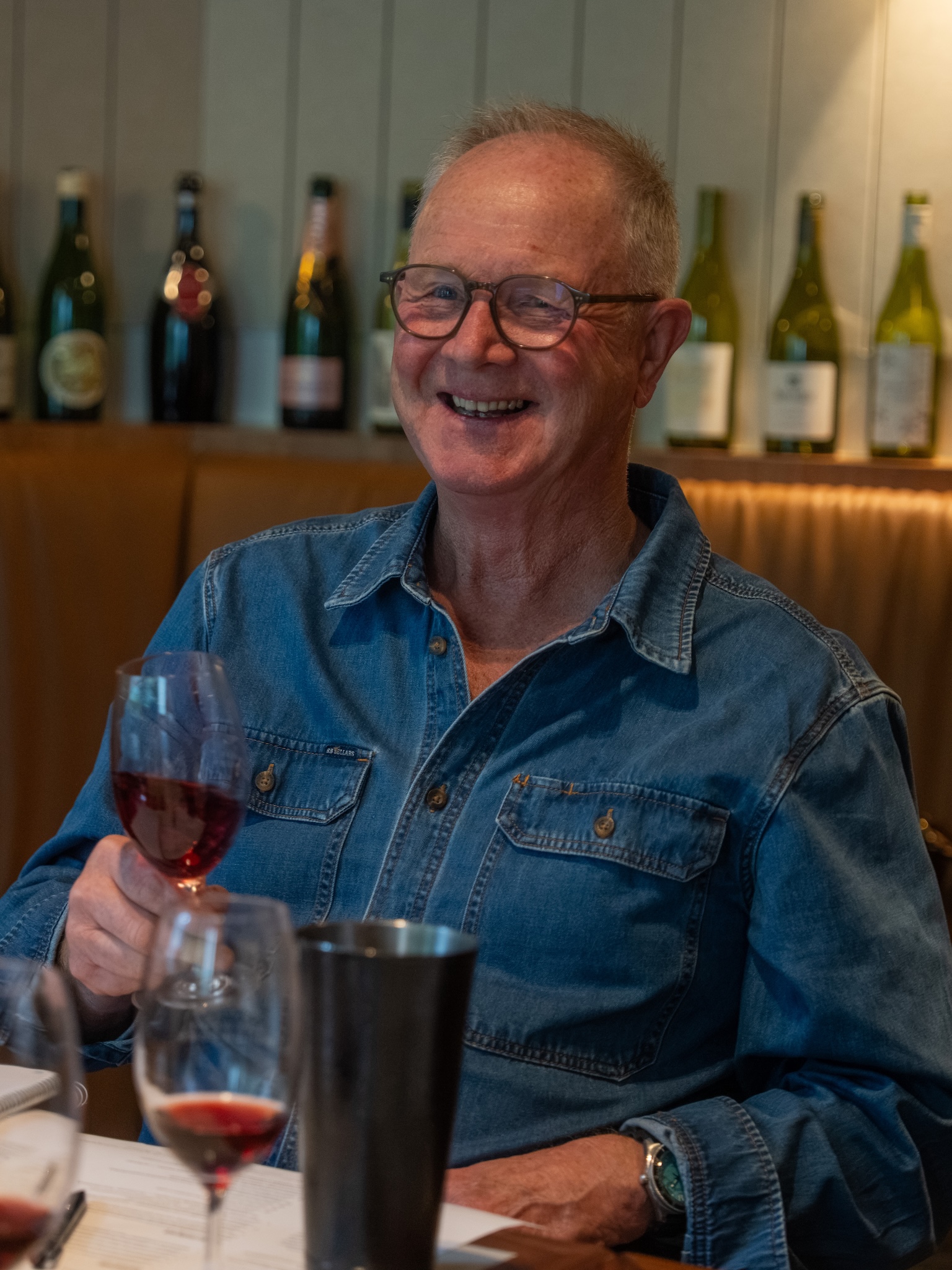
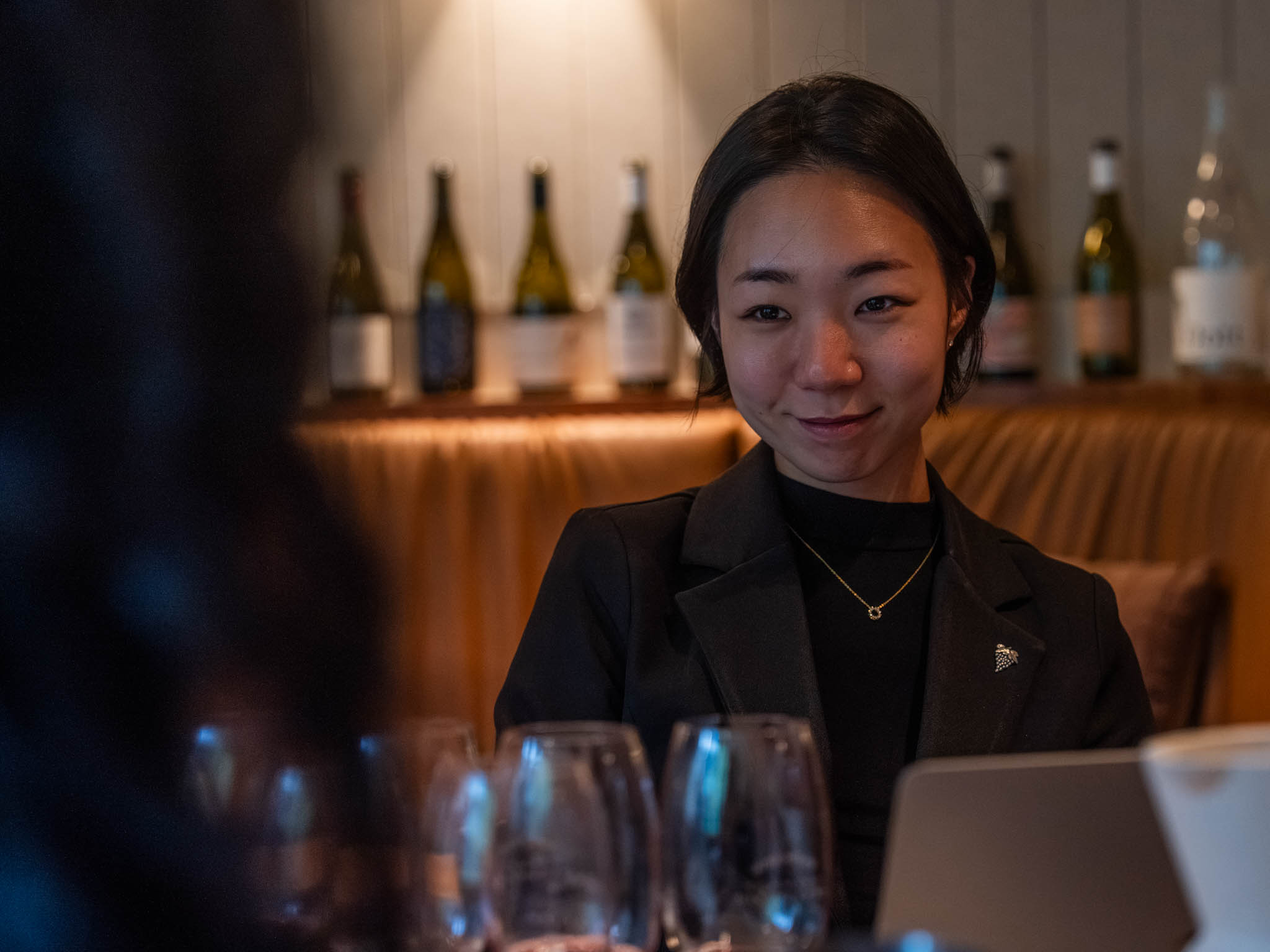
“They’re climatically really different,” Butt replied. “The rain-shadow effect that we get down in East Gippsland is so different to the weather in South Gippsland – and that’s very much reflected in the wines. You can see it, massively.” Despite these difference, he saw a through-line in the tasting of complexity, varietal expression, and typicity: “One thing they have in common – and this is my overall comment for this tasting – is that they’re all pinots. It’s pinot through and through – and that’s fantastic to see.”
“The rain-shadow effect that we get down in East Gippsland is so different to the weather in South Gippsland – and that’s very much reflected in the wines.”
Kearton argued that one of the reasons the climatic differences between parts of the region was so evident came down to a relatively light touch in the winery – particularly in terms of oak use. “One of my favourite aspects of this tasting, I think, was how little evidence of oak there was,” he said. “I know it was there – but they were very refreshing wines, very aromatically pretty.” He expanded on a personal theory for this aversion to overt oak character: “I think one of the reasons is because most people in Gippsland are very much on the ground – like, you’re out in the vineyard doing the work yourself – so I feel like when you get that fruit into the winery, you’re pretty attached to it,” he said. “You want the fruit to be the star, so you’re probably less likely to push the wine as hard with oak use and extraction and that kind of stuff. Which makes for really pretty, aromatic wines.”
“Even the wines that did show oak use were still beautiful,” Satchell added. “They worked really well – like, someone’s thought about the oak use.”
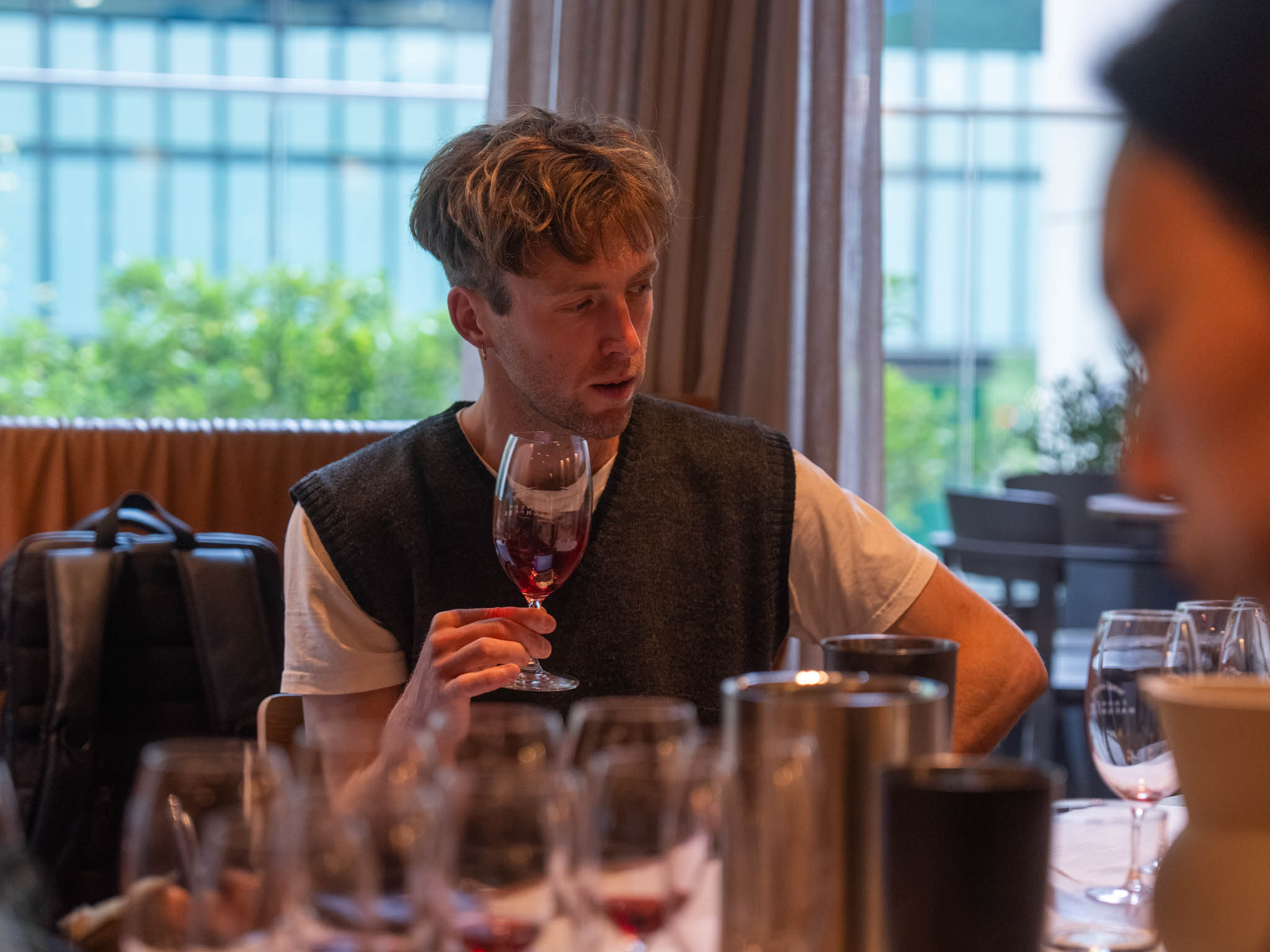
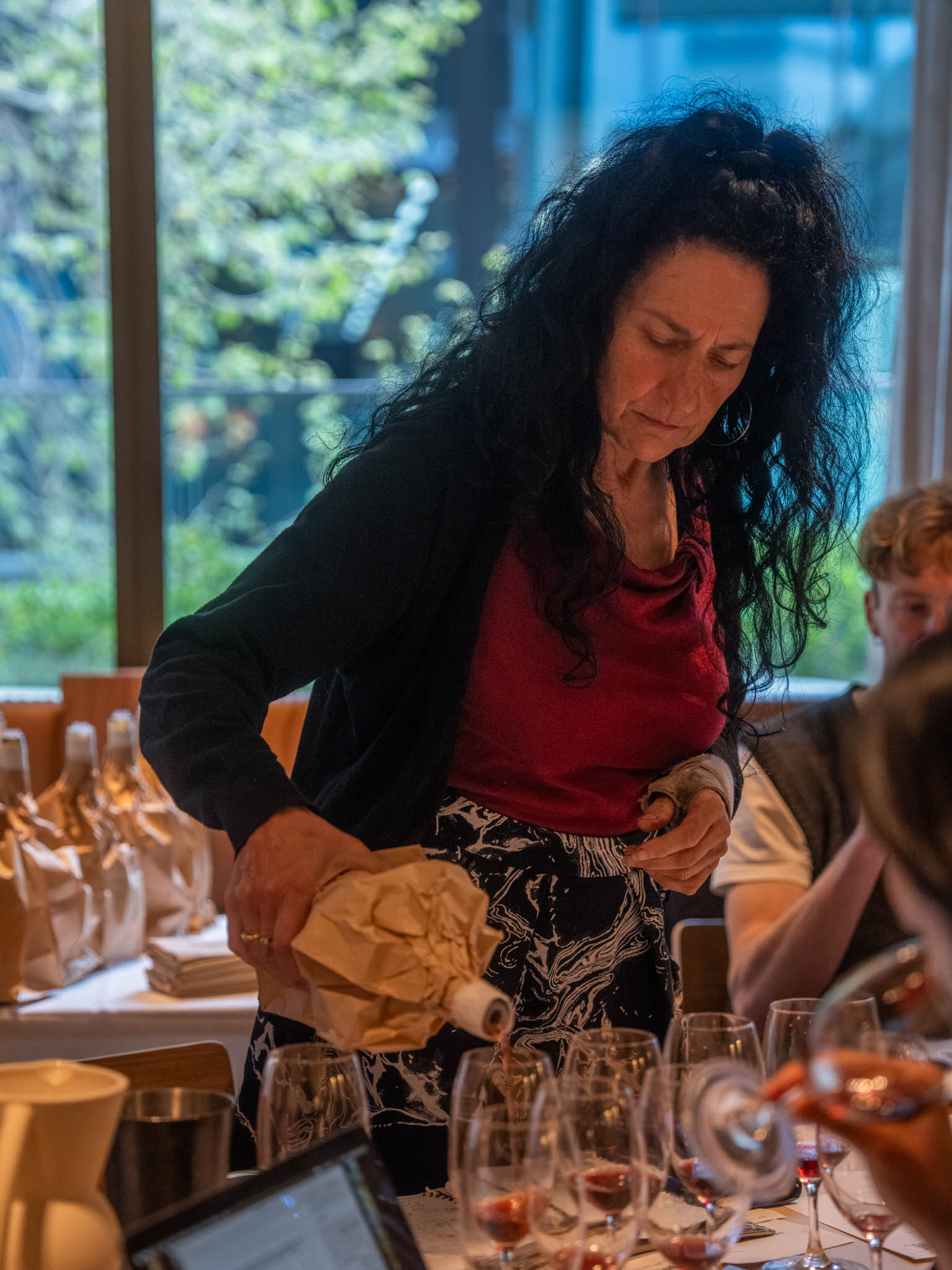
The topic of oak barrels brought up a larger question of style. “Did anyone find any of these wines a bit ‘dry red’–ish?” Polack asked. “Some of them felt a bit old-fashioned in that way – going back to the days when we didn’t have quite as much experience with making pinot noir.”
Satchell replied, “There were a couple in there that, for me – and as a minor criticism – felt a bit pushed in their ripeness.”
Polack added that she found these riper styles an interesting development for the region. “I have my expectations from the past – that there would be a lot of less-ripe wines,” she said. “But the line-up varied from those less-ripe styles all the way through to the voluptuous. That’s what Gippsland is right now – it’s a surprise.”
“Because most people in Gippsland are very much on the ground – like, you’re out in the vineyard doing the work yourself – when you get that fruit into the winery, you’re pretty attached to it. You want the fruit to be the star.”
Lorenzato argued that, despite the many stylistic differences, she saw a clear thread of herbaceous flavour running through the wines. “I noticed in many wines there was a bouquet of botanicals that really stands out,” she said. “I’ve never really noticed that much in other pinot noirs – Australian or international. And a very strong presence of horseradish – an incredible horseradish note that moves into tomato leaf, or maybe capsicum. I noticed that note was repeating itself many times in the line-up – it could be more elegant or less, or more punchy or less.” She went on to argue that the wines often pleasantly surprised her by changing tack between how they smelled and how they tasted: “There might be jammy fruit on the nose – jammy and more cooked – but it would still be fresh on the palate,” she said. “The palate brings you back to a crunchy style of fruit. There’s this back-and-forth there, which is very interesting. A cooked strawberry note might become a fresh raspberry note on the palate, but not in a disconnected way. I really liked this movement – it’s very playful.”
“I’m with you on the herbs,” Butt added. “In my notes, there’s a lot of ‘herbs’ and ‘herbes de Provence’ – that mixture of dried herbs came up a lot. I even saw nettles in one.”
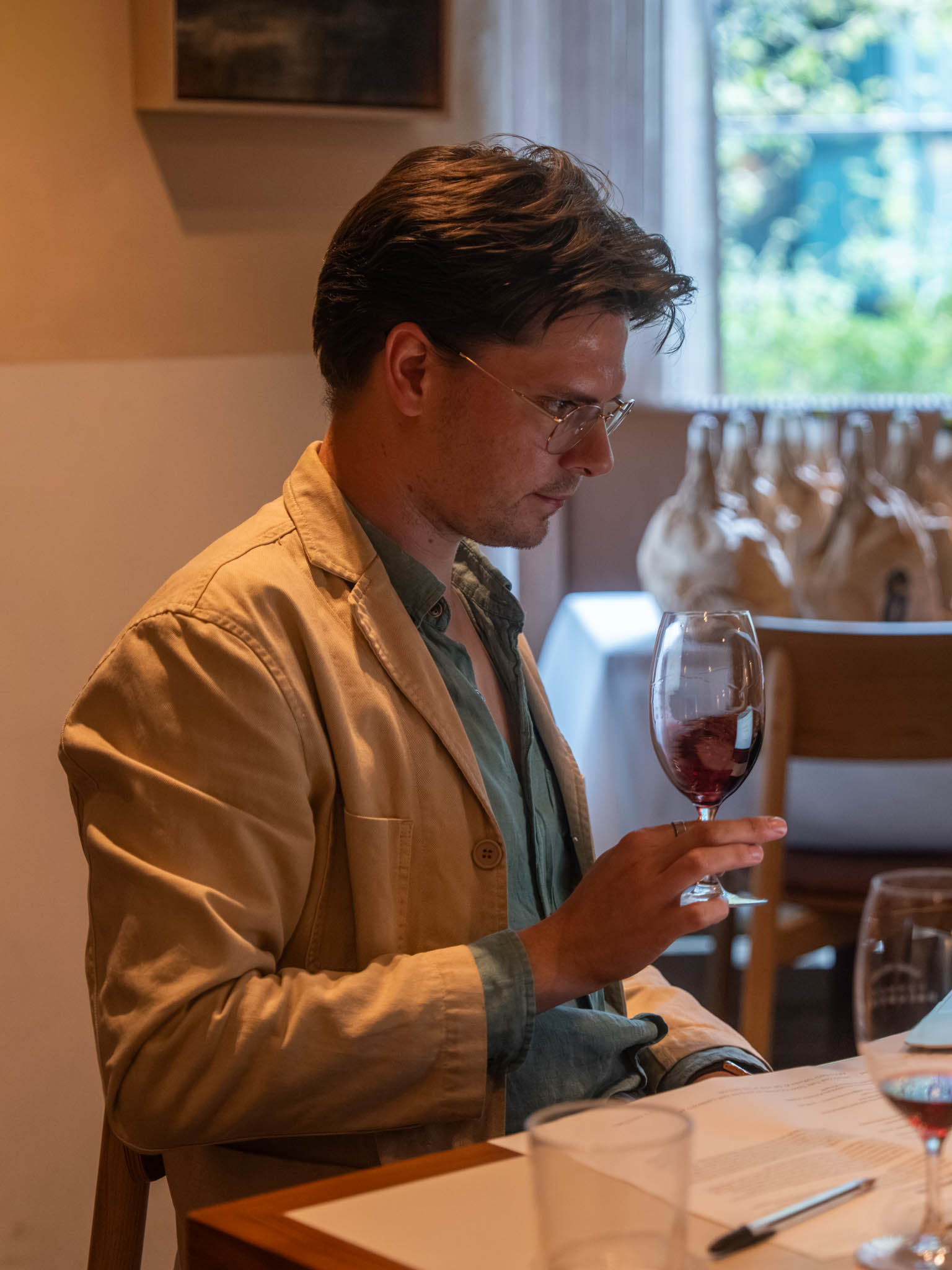
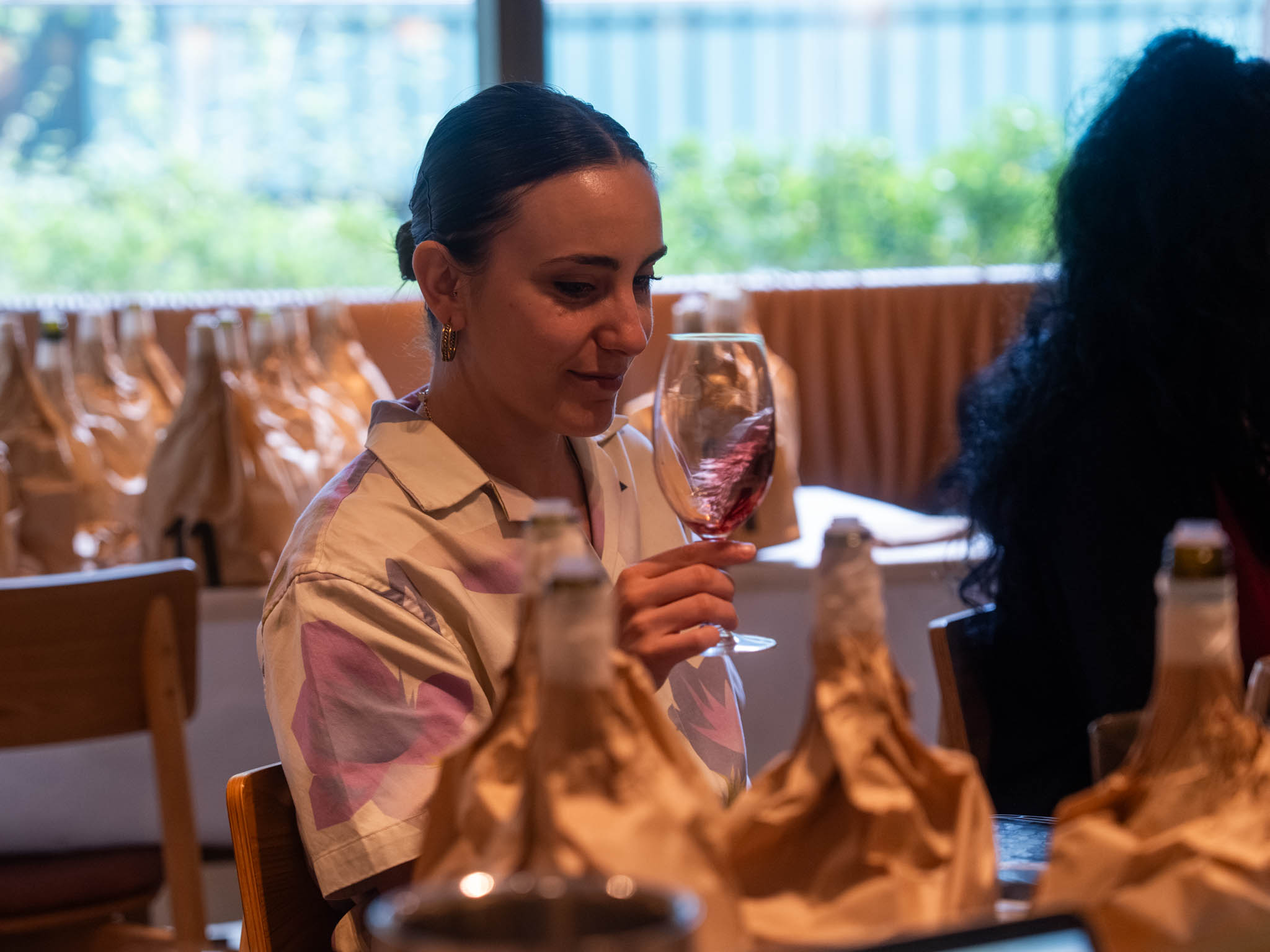
Ammann, who works extensively with Gippsland pinot noir in his role as wine buyer for Farmer’s Daughters, wasn’t surprised to see that herbaceous note: “We’re talking about that herbal note, and about that meaty, darker sort of character – yeah, that’s what I associate with Gippsland,” he said. “There was a lot of that in this tasting, so I was like, ‘Yep, great – this is what I’m expecting.’ But there were also a lot of points where I stopped and went, ‘What the hell is going on here?’, in a good way. There were some wines that are incredibly ripe right up front, but then as you just said, Clarissa, they pull it back – and it goes from being almost over-ripe to being just perfectly ripe and juicy. And fruit flavour, for me, is only part of the story – it’s not the main feature. I wouldn’t describe Gippsland pinots as ‘fruity’ pinots – that’s not what’s centre stage.”
“Fruit flavour, for me, is only part of the story – it’s not the main feature. I wouldn’t describe Gippsland pinots as ‘fruity’ pinots – that’s not what’s centre stage.”
Kearton added some historical perspective. “It’s also a very young region,” he said. “Most producers in Gippsland haven’t been doing it for a particularly long amount of time. So there’s a lot of experimentation – it’s an exciting, explorative region. We’re still telling our story – we’re still just learning what Gippsland wine can do, I’d say.”
“Gippsland has a broad range of microclimates,” Butt replied. “And each little site is projecting something different – so it’s up to the winemaker and the viticulturist to really interpret what each site is giving them. But you only get one crack at it per year – so it takes a few years to really come to grips with that.”
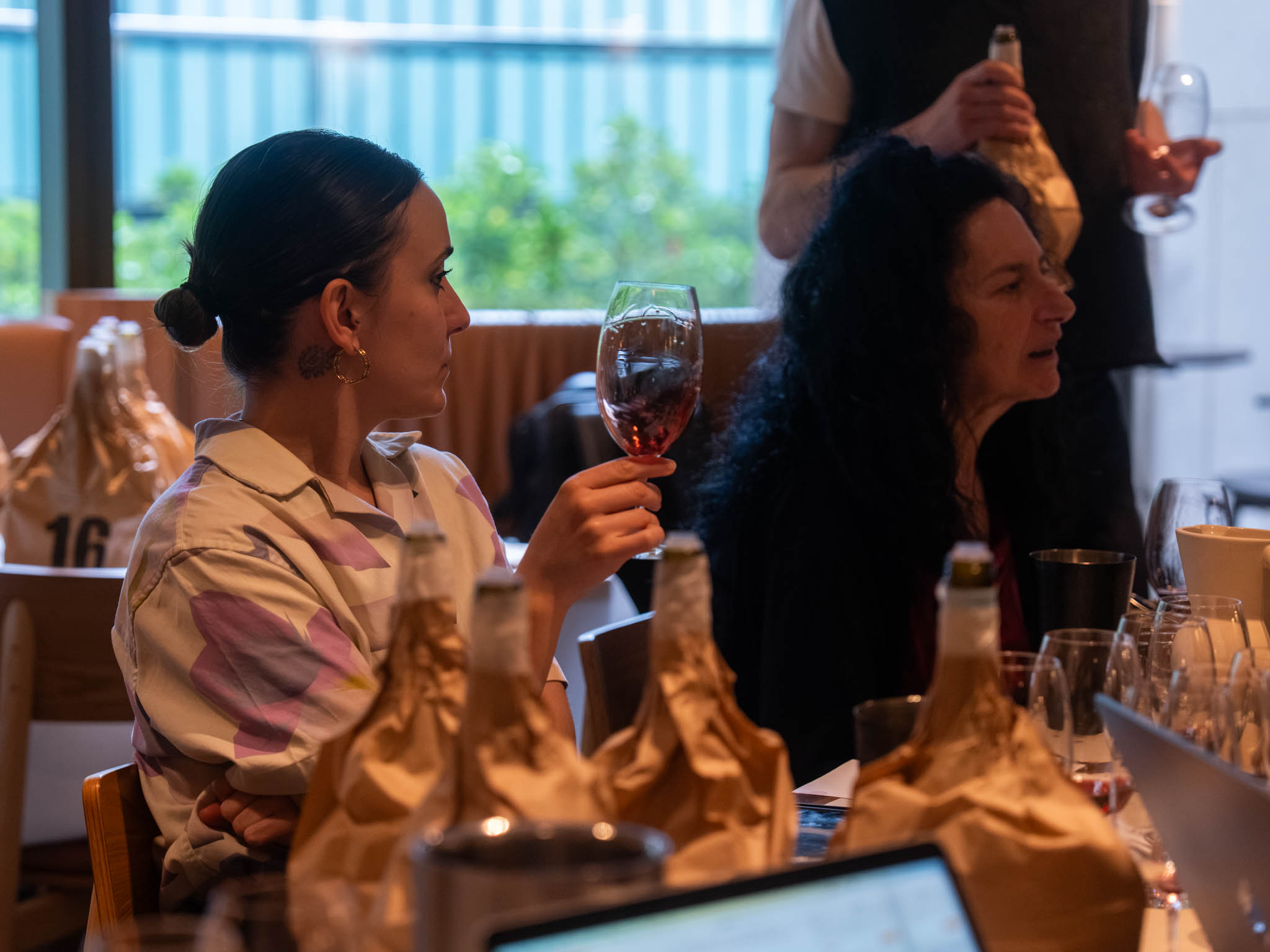
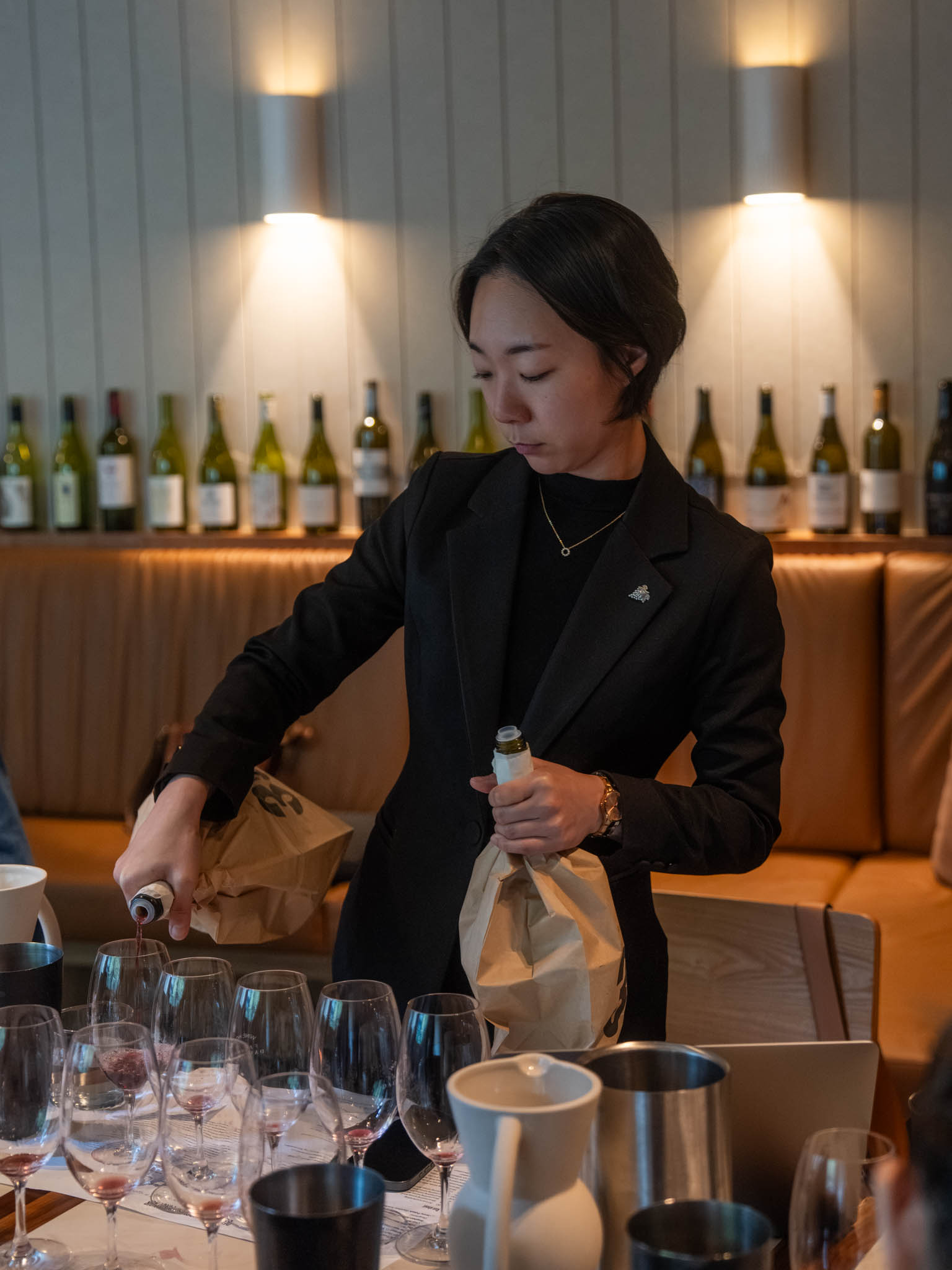
Satchell wrapped the discussion by noting that the winemaking in the region was adapting as its vines grew older and developed. “I think we’re seeing more experimentation as we become more au fait with what our sites can and can’t do,” he said. “I know Dom’s using a lot of whole-bunch fermentation now at Purple Hen, and that’s a stylistic thing for him. But when I first started working in Purple Hen twenty years ago, we didn’t use any whole bunch. It just didn’t work very well then. But as climates change, as you start to understand your vineyards more, and as vineyards get older and get more powerful, these techniques can start coming into play.” He added, “Quite a lot of these wines were just dialled in so beautifully – there was a lot of thoughtful winemaking on show today.”
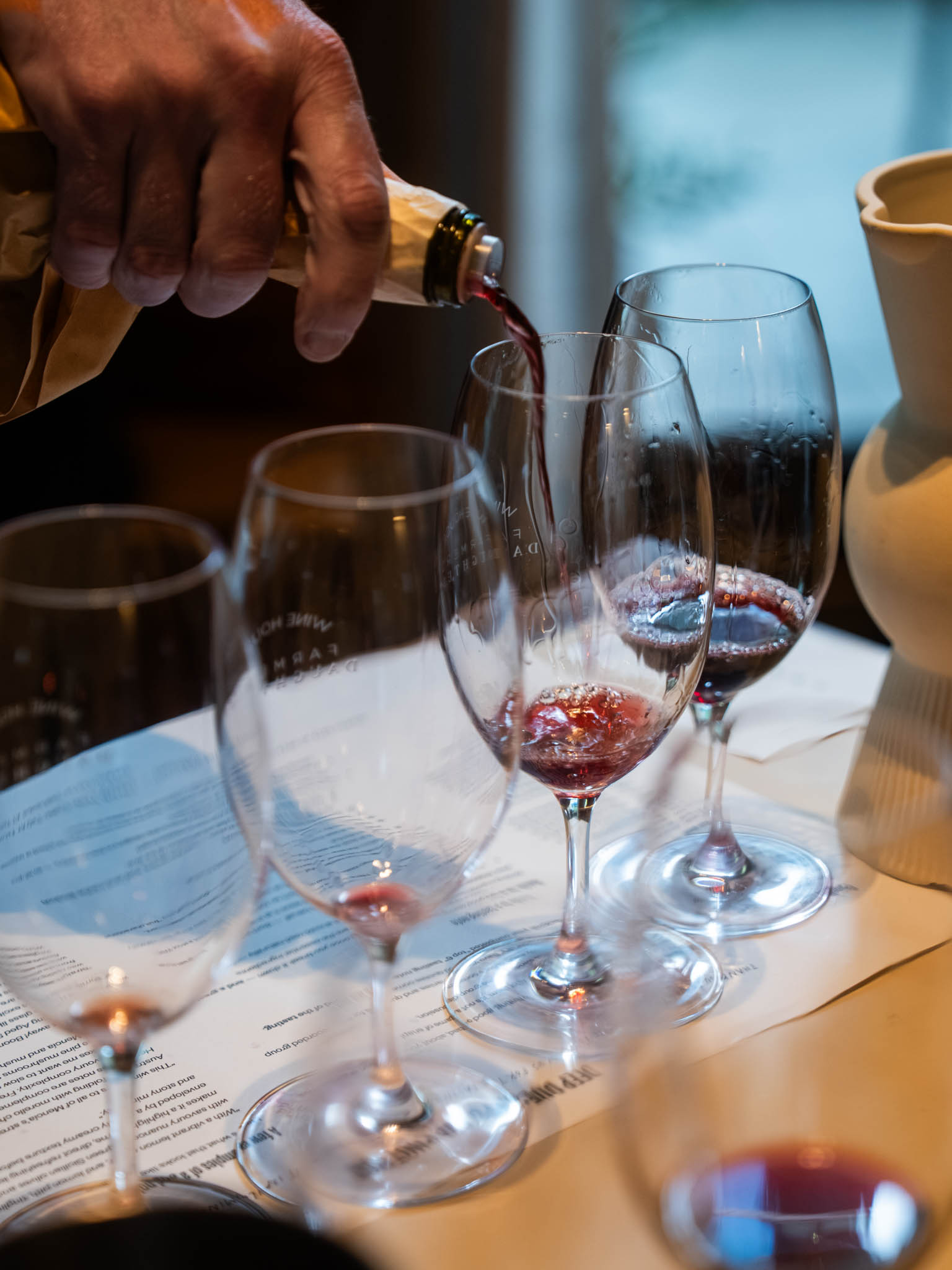
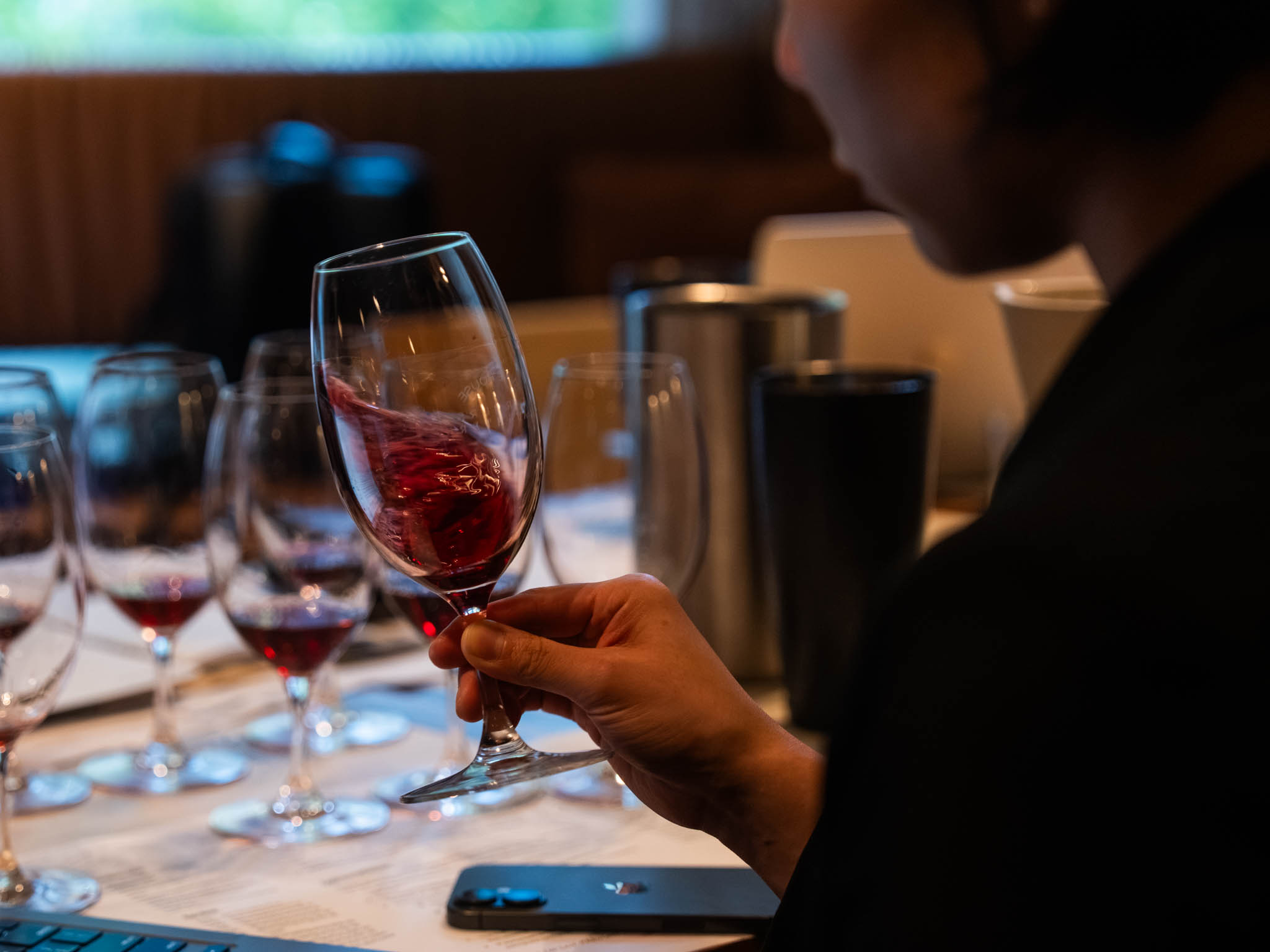
Marcus Satchell is a seasoned winemaker from South Gippsland who brings over twenty-seven years of experience to his craft. His journey has taken him through the Yarra Valley, the wine regions of California, and many parts of France and Italy. In 2011, he was selected as a scholar for the prestigious Len Evans Tutorial. Together with his wife Lisa, he currently owns and operates Dirty Three Wines, specialising in pinot noir, chardonnay, and riesling. In addition to his own label, he also works as a consultant and contract winemaker for various clients across the Gippsland region.
Mia Park currently works as a sommelier at two-hatted Melbourne fine-dining restaurant Aru, which received a rating of three glasses at the 2026 Australia’s Wine List of the Year Awards.
Alastair Butt became interested in viticulture and wine while studying horticulture in Melbourne in 1980. He swiftly transferred to Charles Sturt University in Wagga Wagga to complete a viticulture diploma, and simultaneously cherry-picked wine science subjects to augment his studies. Mentorship from Wantirna Estate in the Yarra Valley lead to the opportunity to work his first vintage at Seville Estate in 1983 – a winery that he ended up staying with for over fifteen years, followed by a stint at Hunter Valley icon Brokenwood. In 2007 he moved to East Gippsland to help the Lightfoot family of grape growers create their wine label, Lightfoot Wines. He never ceases to learn and adapt – and he still relishes the aromas of the winery, the buzz and energy of vintage time, and following his wines’ progression out into the world.
Clarissa Lorenzato currently works as sommelier at hatted restaurant From Here by Mike, inside 1 Hotel Melbourne, which received a rating of three glasses at the 2026 Australia’s Wine List of the Year Awards.
Dominic Kearton developed a fascination for wine while working in bottle shops as a public relations and communications student, where he would stare at the walls of bottles and wonder what went into making them. That curiosity led him to pursue a Bachelor of Agriculture and Technology, specialising in viticulture and winemaking, through Melbourne Polytechnic. In 2019, Dominic worked his first harvest at Phillip Island winery Purple Hen as an assistant winemaker, and has since gone on to become the label’s head winemaker – a role that also sees him frequently working in the vineyard and at the cellar door. He is the recipient of the 2021 Victorian Wine Show scholarship, and in his spare time runs his own small-batch wine label, Triffids.
Chia-Wei Shen (佳葳 沈) doesn’t sell wine – she sells stories written by time, land, and people. With training in viticulture and winemaking via a Masters in viticulture and oenology from the University of Adelaide, she now works in cellar door sales for Balgownie Estate in the Yarra Valley, specialising in wines with historical and regional context. She enjoys helping visitors understand why a wine tastes the way it does, not just how it tastes. Her long-term interest lies in cool-climate viticulture, sustainable agriculture, and cross-cultural wine narratives between Australia, France, and Taiwan. She possesses the French Wine Essentials certification from the Wine Scholar Guild (WSG), and is currently assisting the Institute for the Study of French-Australian Relations to research a biography about early Yarra Valley vigneron Charles Hubert de Castella.
Stephen Ammann currently works as the head sommelier and wine buyer at Gippsland-focused restaurant Farmer’s Daughters and its sister venues Farmer’s Daughters Wine House and Victoria by Farmers Daughters.
Jenny Polack holds an impressive trio of wine qualifications: an Associate Diploma in Wine Marketing from the University of Adelaide, an Master of Science in Wine Business from the Organisation internationale de la vigne et du vin (OIV), and the Wine & Spirit Education Trust (WSET) Level 4 Diploma in Wines and Spirits. Her academic background is complemented by teaching credentials including a Certificate IV in Workplace Assessment and Training and the WSET Certified Educator Training Programme. Her decades-long teaching career spans a wide array of institutions, from TAFEs and Edith Cowan University to international WSET programs and private workshops. She was awarded the Wine Communicators of Australia (WCA) Best Wine Educator Award in 2016, and was a finalist for the same award in both 2015 and 2019.
GET FIRST ACCESS TO THE NEXT WINE ICONS – DELIVERED
Find out moreEach month, get 3 bottles of our freshest discoveries. We taste thousands to bring you the best.
Join us and support emerging winemakers, sustainable vineyards, and the development of young professionals.
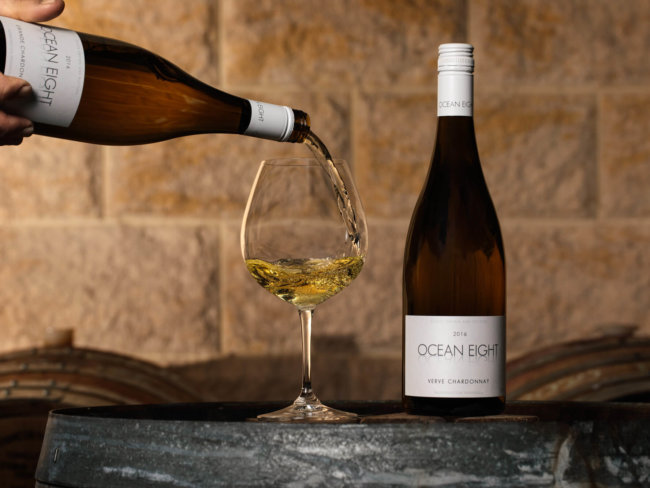
Mike Aylward from Mornington Peninsula’s Ocean Eight was one of the pioneers of a fresher chardonnay style, unencumbered with overt winemaking tricks.
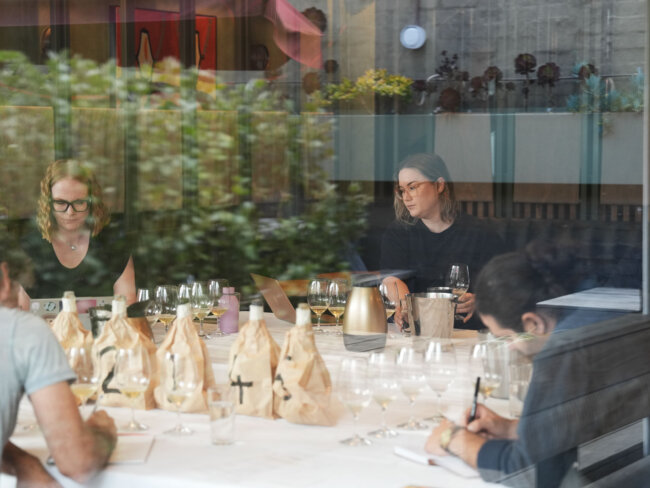
When pét-nats emerged onto the Australian wine scene in the mid-2010s, they captivated the imagination of a generation of young wine drinkers – while also generating scorn from those wedded to the status quo. Although based on an ancient method of making sparkling wine, those wines felt very avant-garde: luridly coloured, and the cloudier the better, with charmingly irreverent labels. It was an archetype-smashing movement that reframed the possibilities for what wine could be – but many of those wines were also haphazard affairs, sometimes showing winemaking faults, and often volcanically eruptive. Fast-forward a decade, and the landscape is now completely different – the wines are no longer vinous hand-grenades, either literally or metaphorically. That change hasn’t come at the expense of diversity, though – there’s a pét-nat for every occasion, from park wine to fine dining. With a new generation of makers entering the pét-nat space – and former stalwarts of the style leaving it – we thought it was time to take another Deep Dive.

Tasmania’s cool-climate pinot noirs have been hot property in Australia’s wine scene for some time now, with demand recently reaching a fever pitch. While the island’s potential for pinot noir was at first mostly explored through the lens of sparkling wine, in the last decade and a half winegrowers and makers have arrived at the island in droves for its potential to create world-class red wines from pinot. Australian wine drinkers have gotten the memo, too, and have created a robust market for pinot noirs from the Apple Isle. With so much interest in the topic, we thought a Deep Dive was called for.
The Next Wine Icons – Delivered
Each month, get 3 bottles of fresh discoveries.
We taste thousands to bring you the best.
Please sign in or create account as candidate to bookmark this job
Please sign in or create account to save this search

Please sign in or create account as candidate to create a resume
.jpg)