Australia’s Best Nebbiolo
With both maturing vines and a depth of winemaking knowledge on how to handle the fruit, we thought it timely to line up as many currently available Australian bottlings of nebbiolo to see how it’s faring across the land.
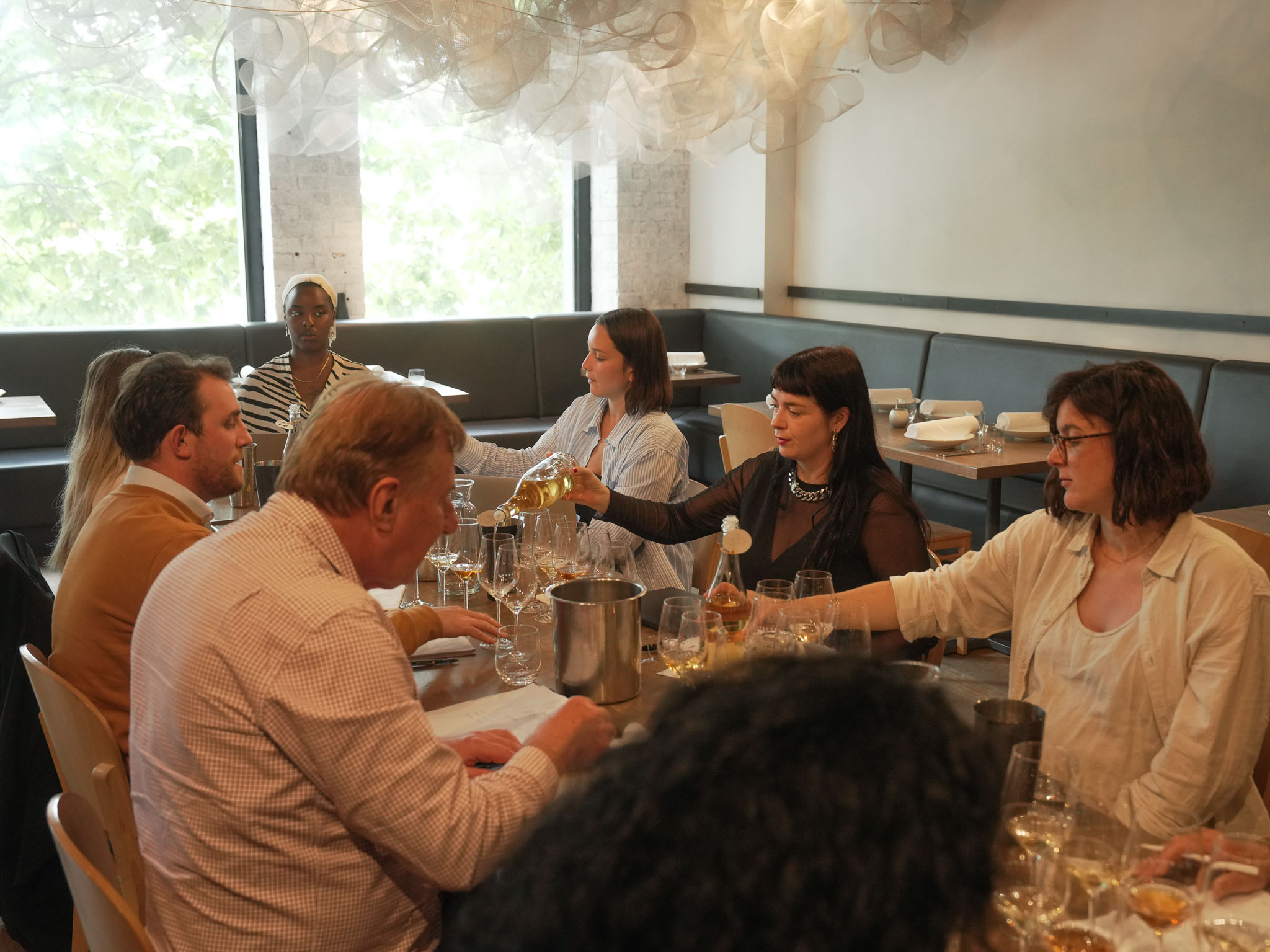
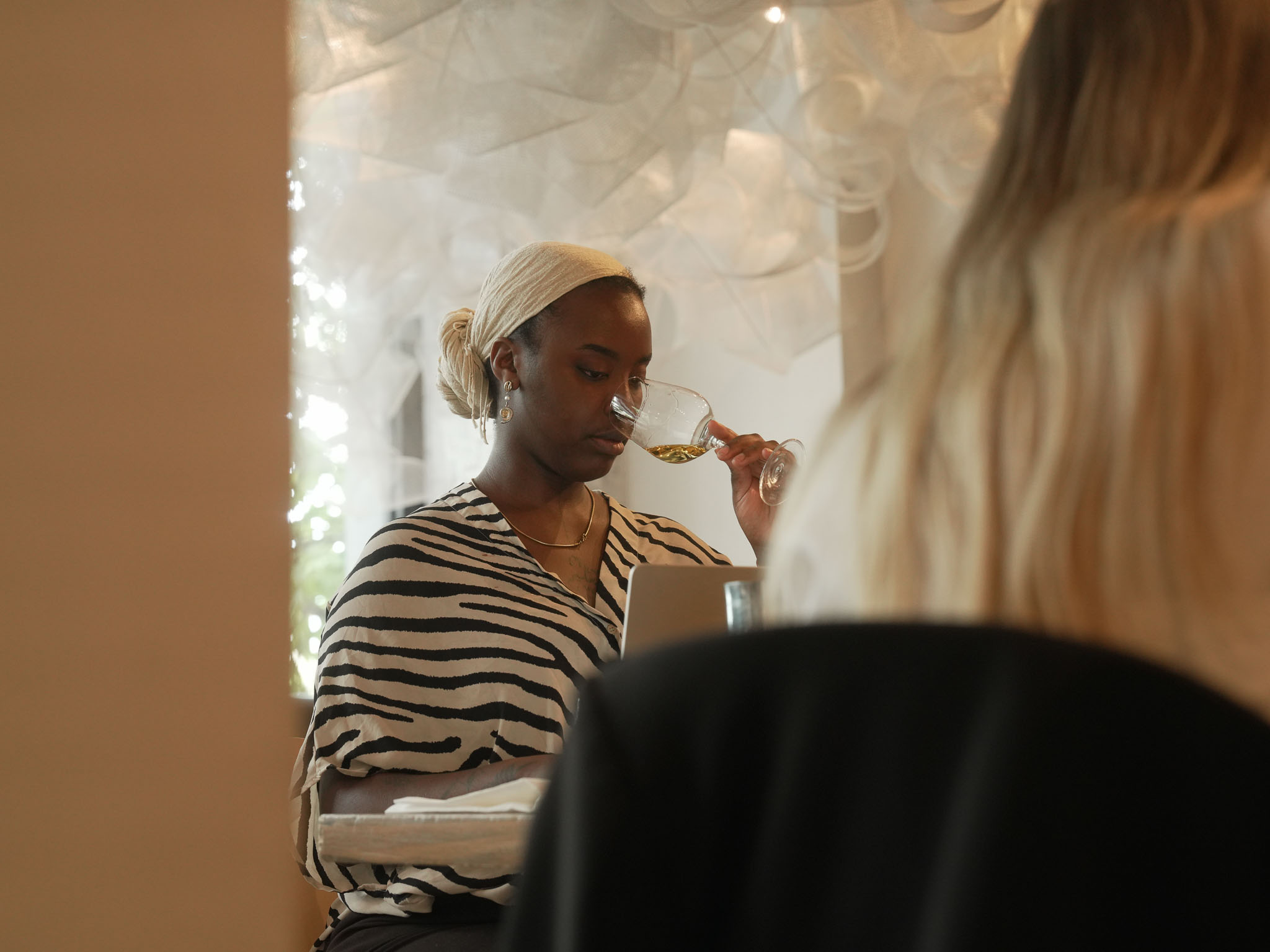
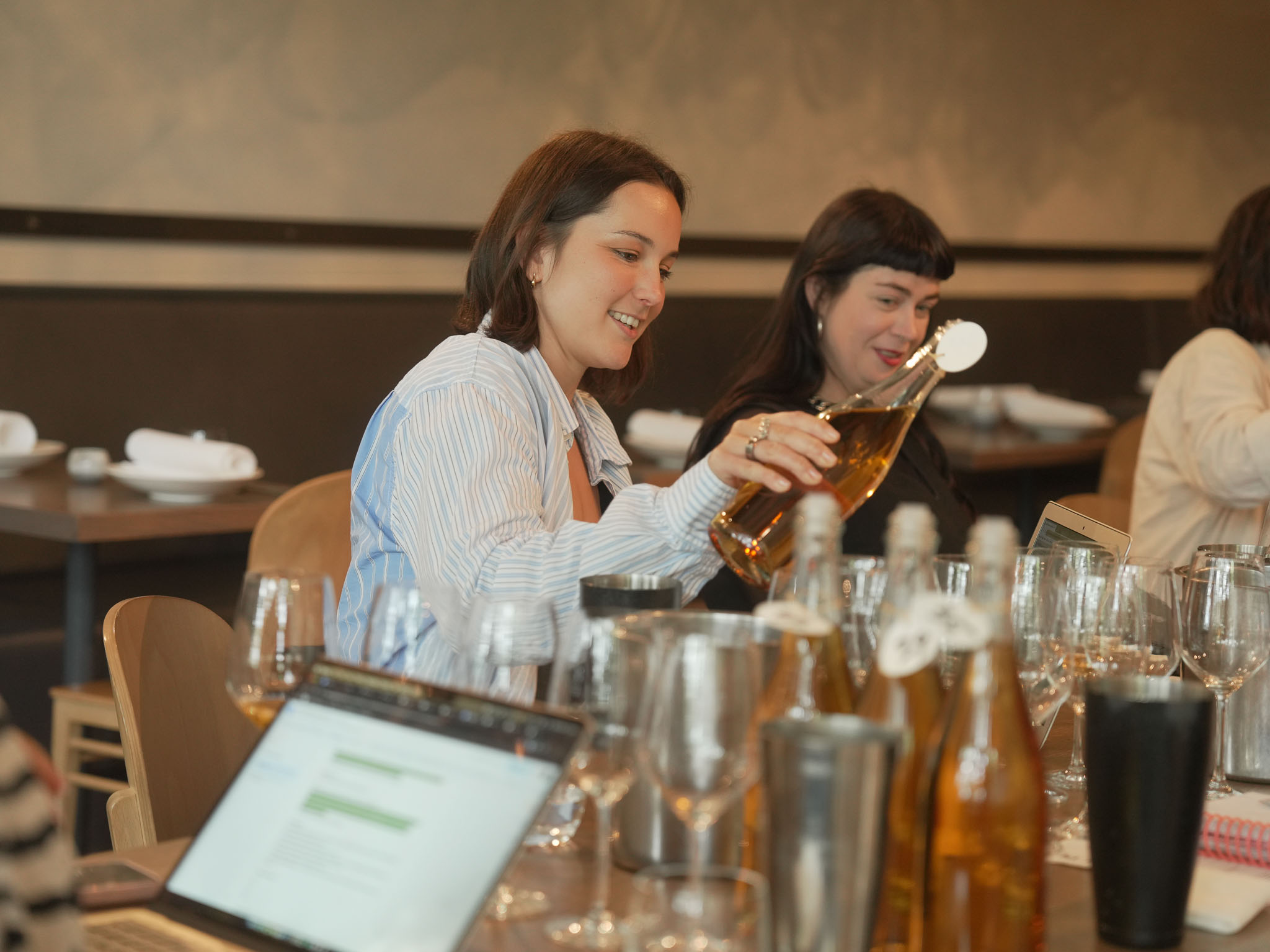
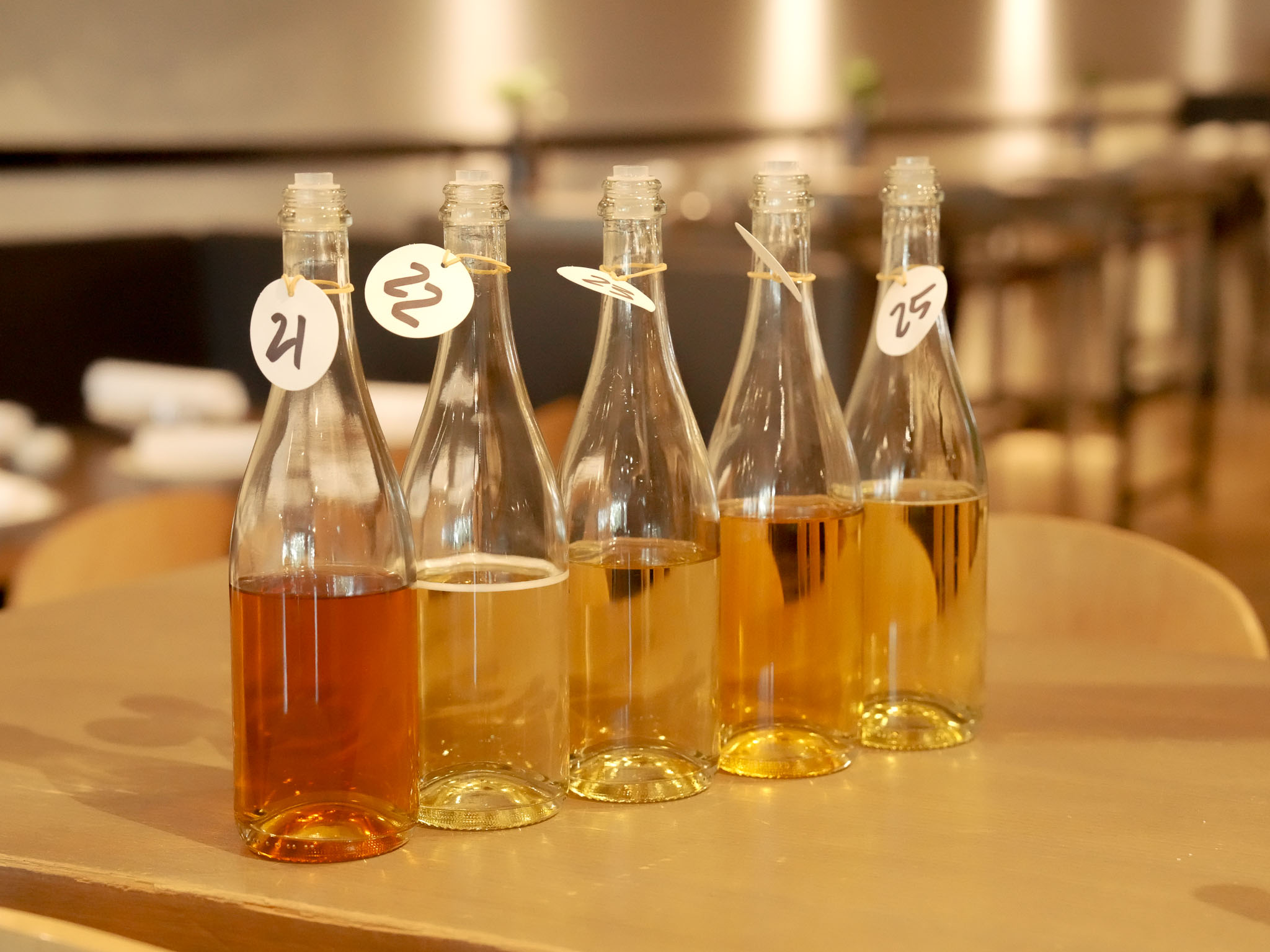
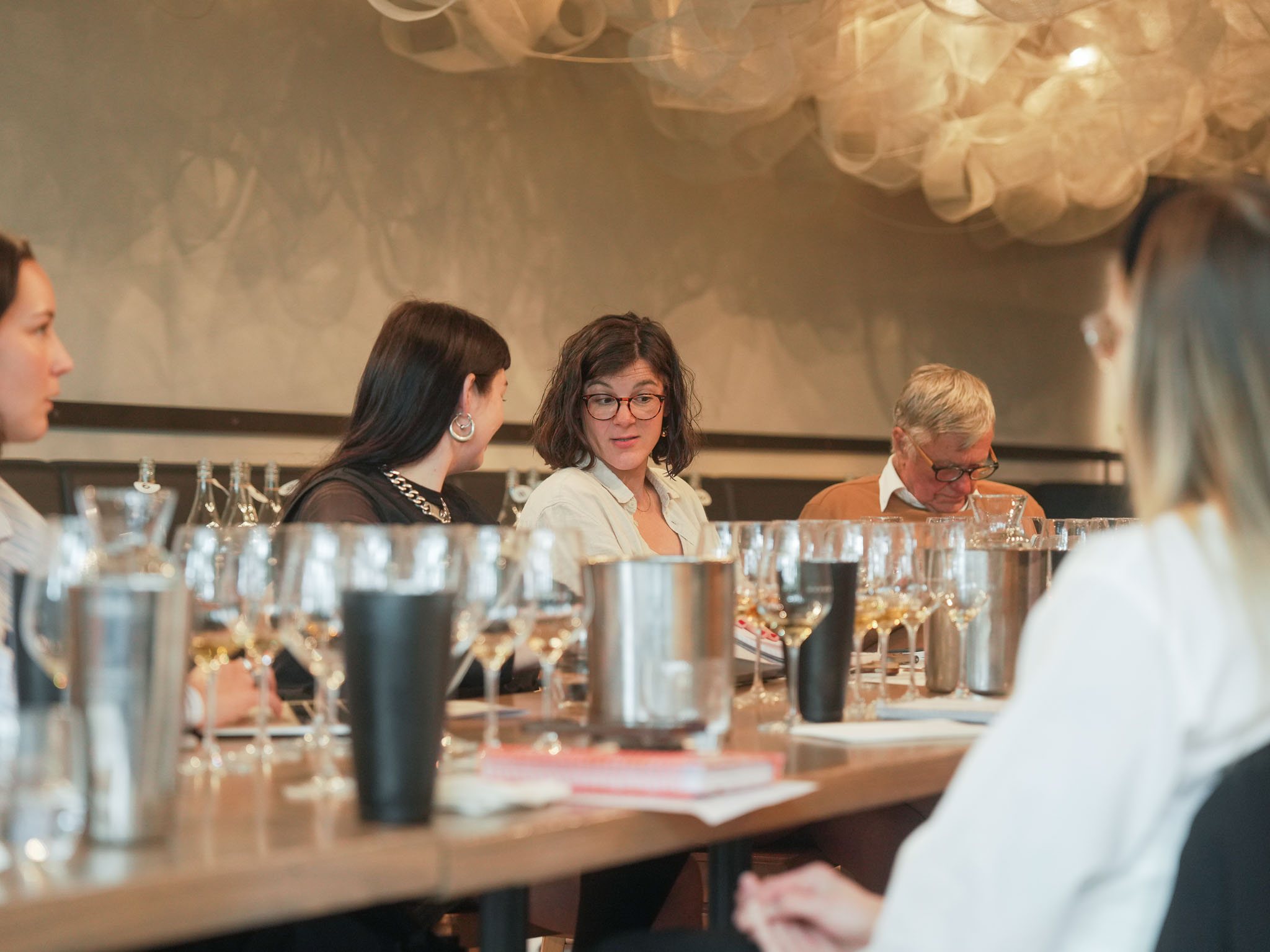
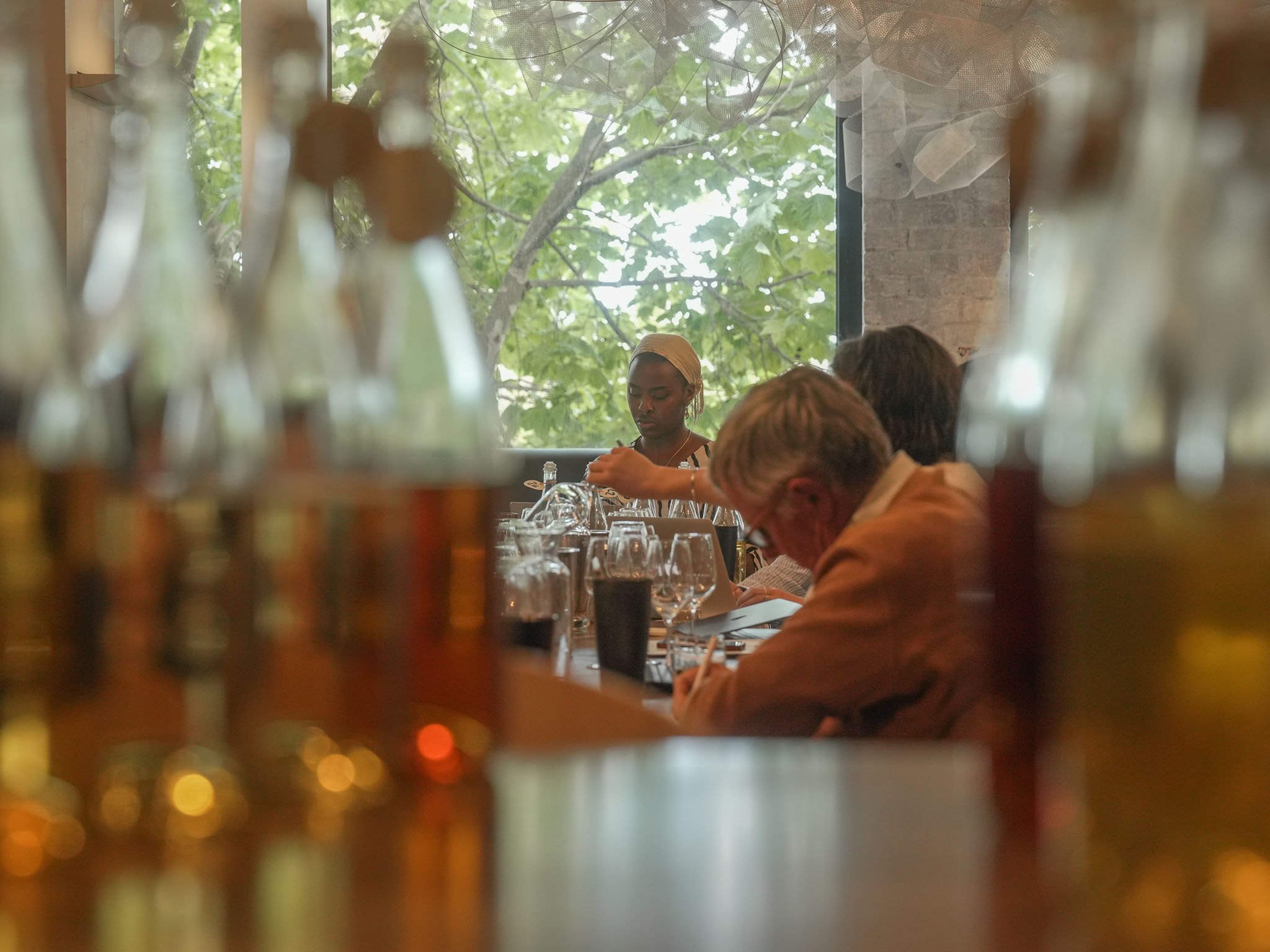
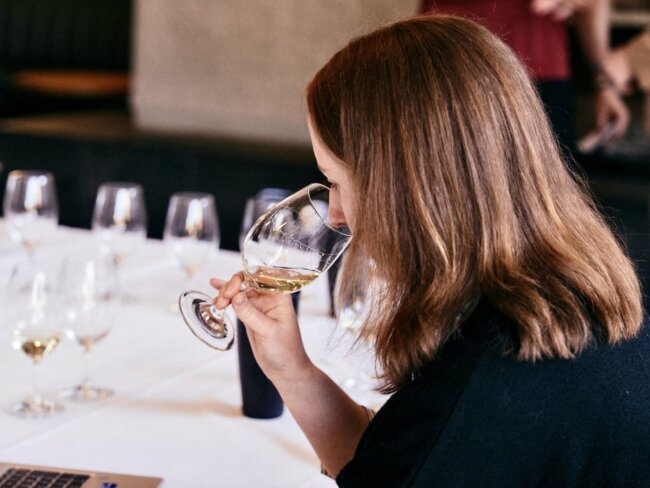
We gathered every Australian example of dessert wine that we could find – limited to only white grape varieties, and excluding fortified wines – and set our expert panel the task of finding the wines that compelled the most. All wines were tasted blind, and each panellist named their top six wines. Below are the wines that made the panellists’ top-six selections from the tasting.
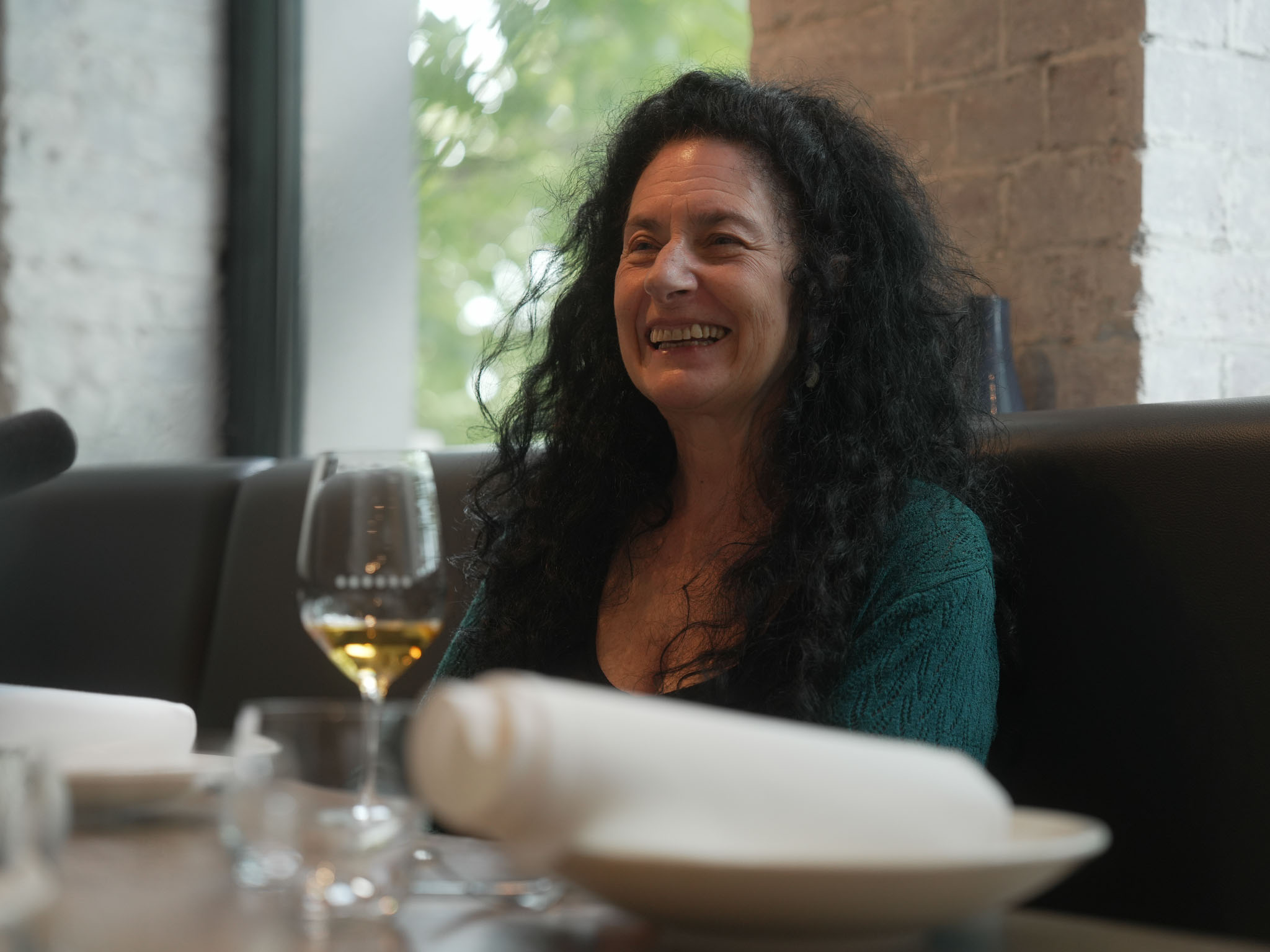
Our panel: Darren De Bortoli, winemaker, De Bortoli Family Winemakers; Adeline Zimmermann, Pacific area export manager, Barton & Guestier; Brian Freeman, vigneron, Freeman Vineyards; Elisa Macleod, sales representative, World Wine Estates; Leonardo Luppatelli, food and beverage manager, Royal Mail Hotel; Georgia Limacher, sommelier, Gimlet at Cavendish House; Sez Robinson, sommelier, Cumulus Inc.; Jenny Polack, director and wine educator, Bacchus Academy; Miriam Wahlhütter, bar manager, Navi.

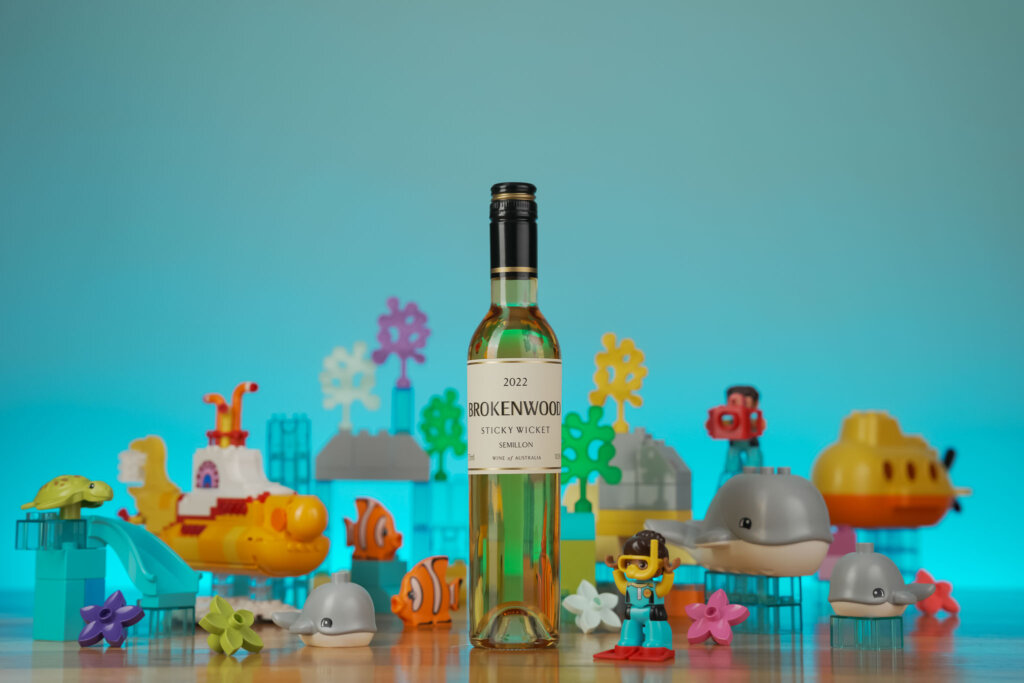
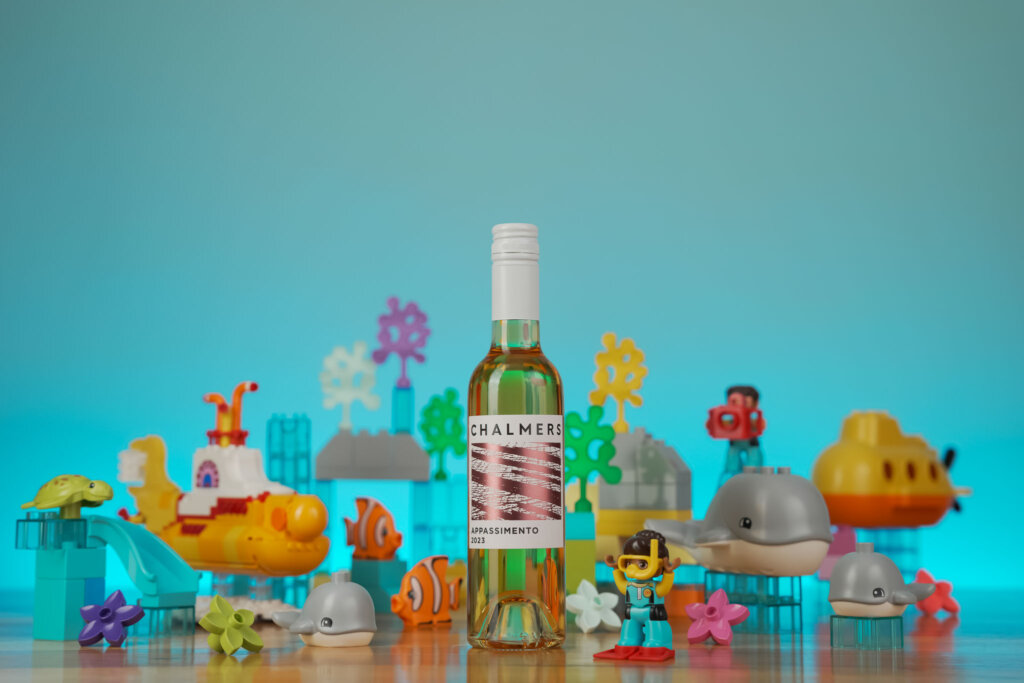
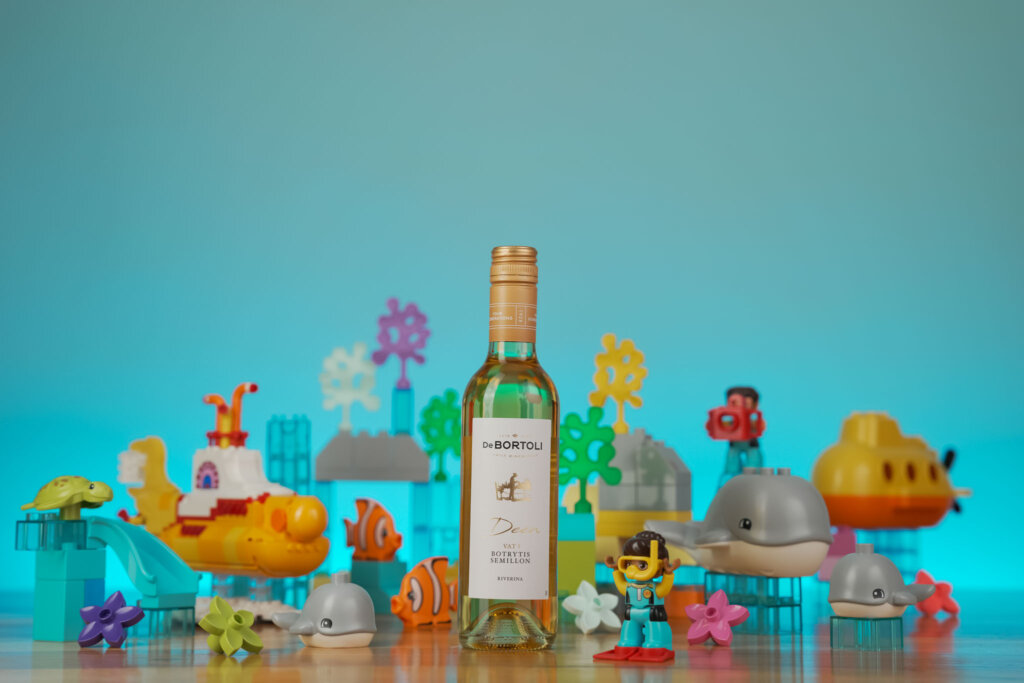
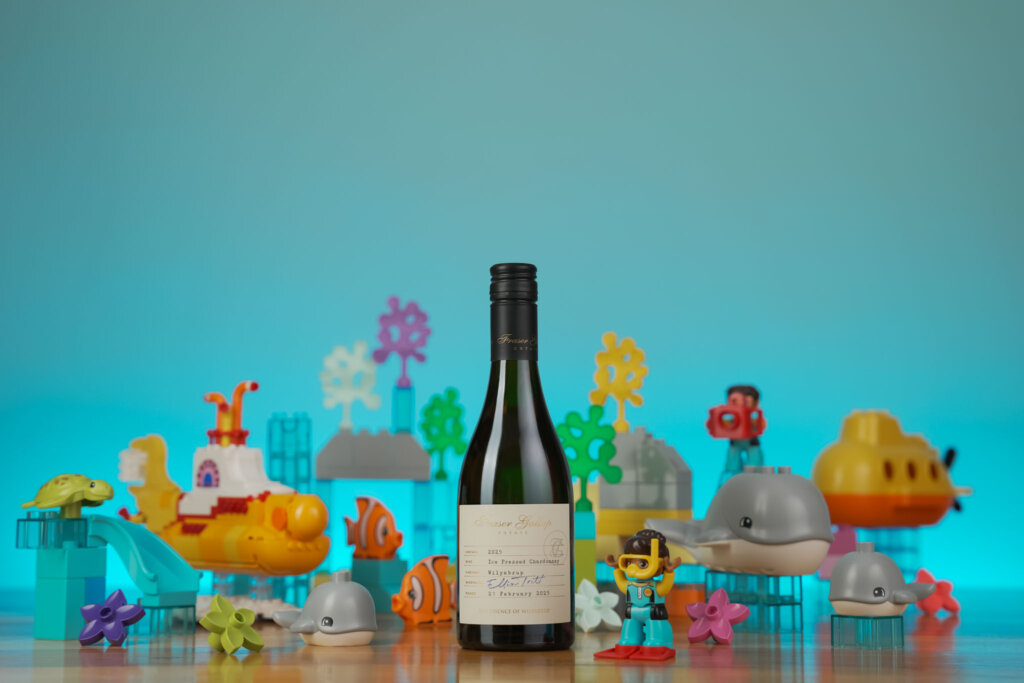
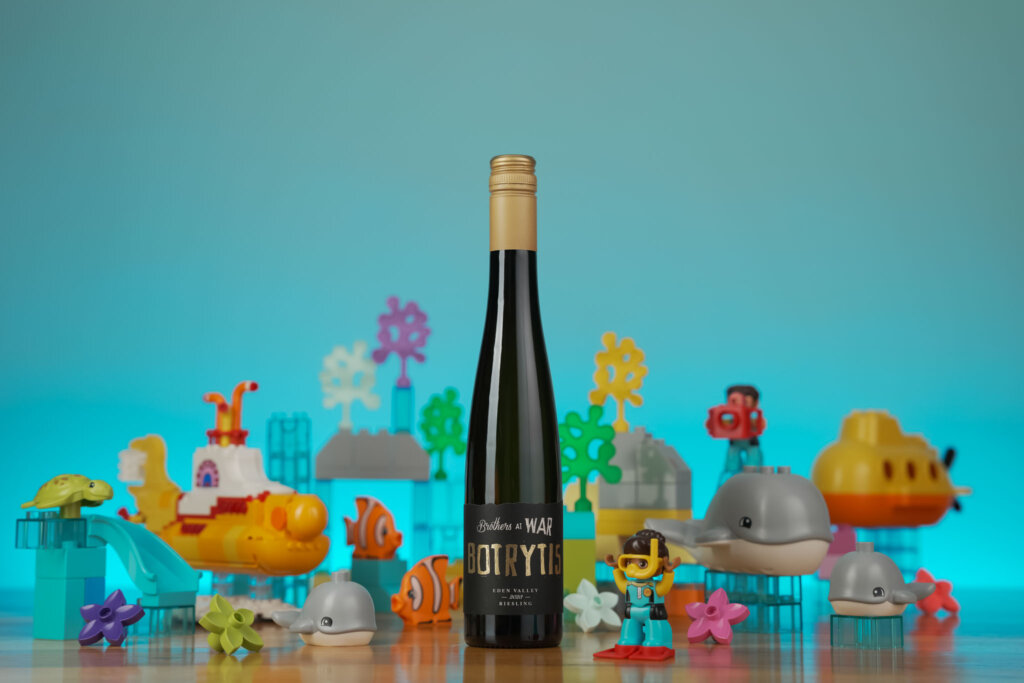
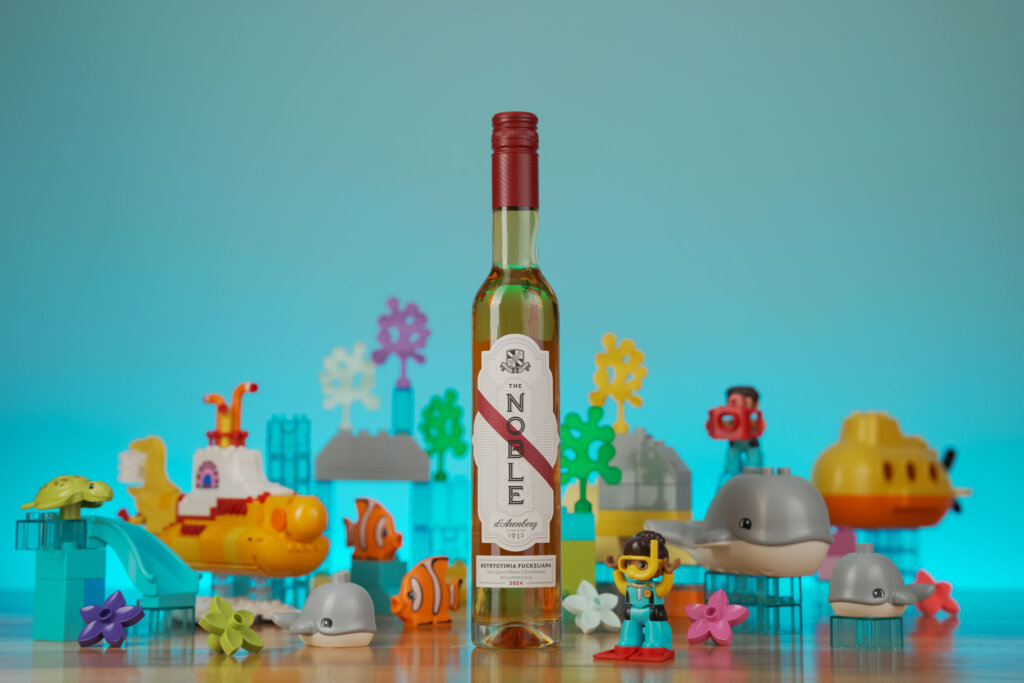
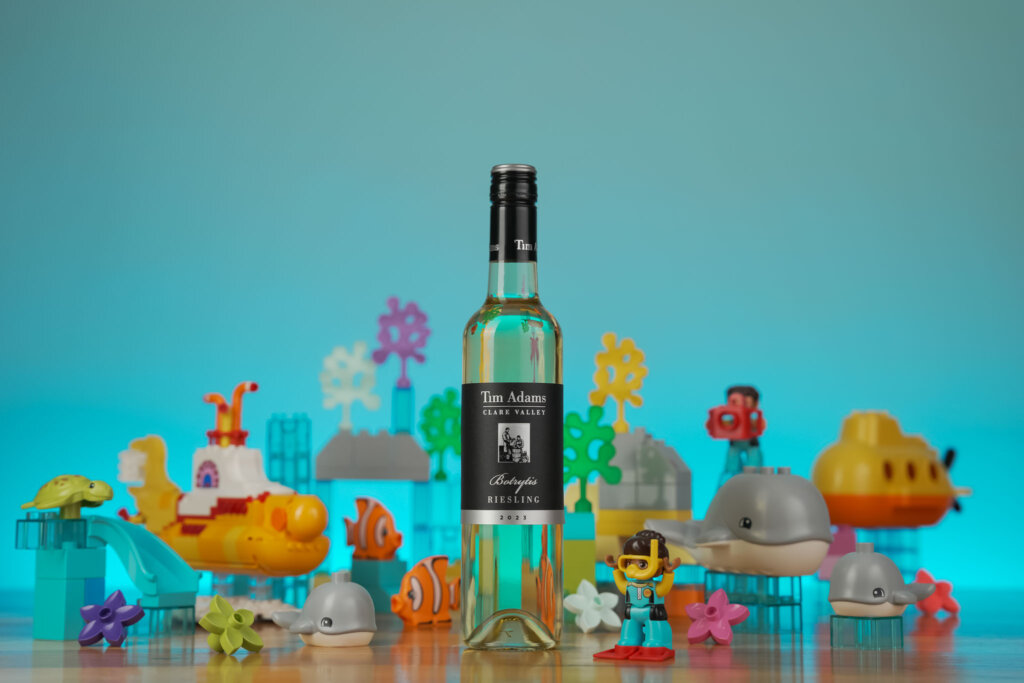
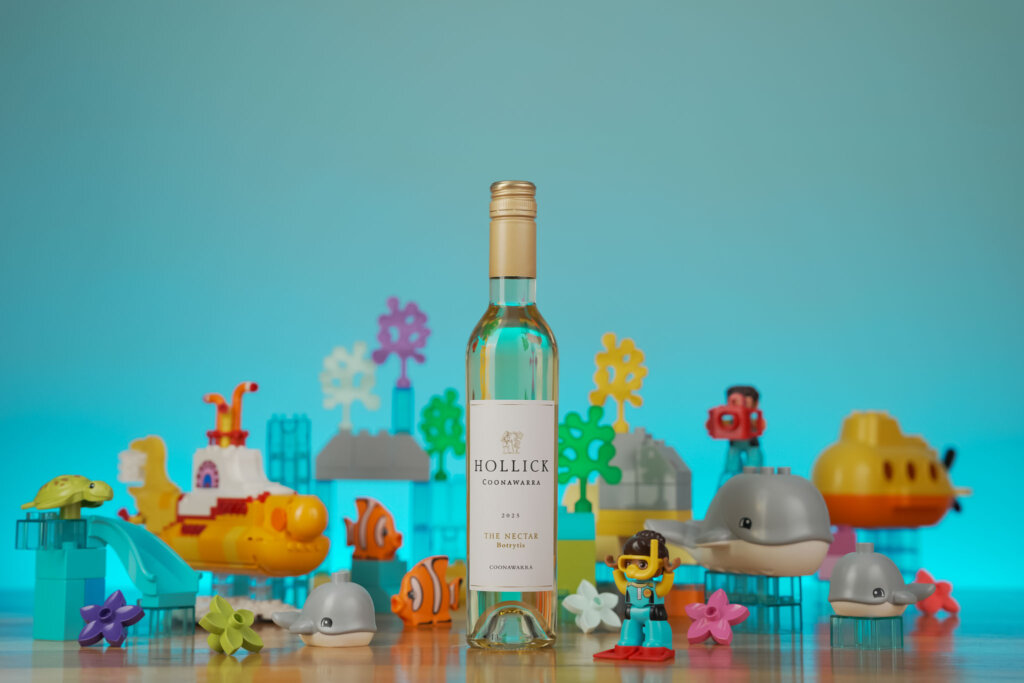
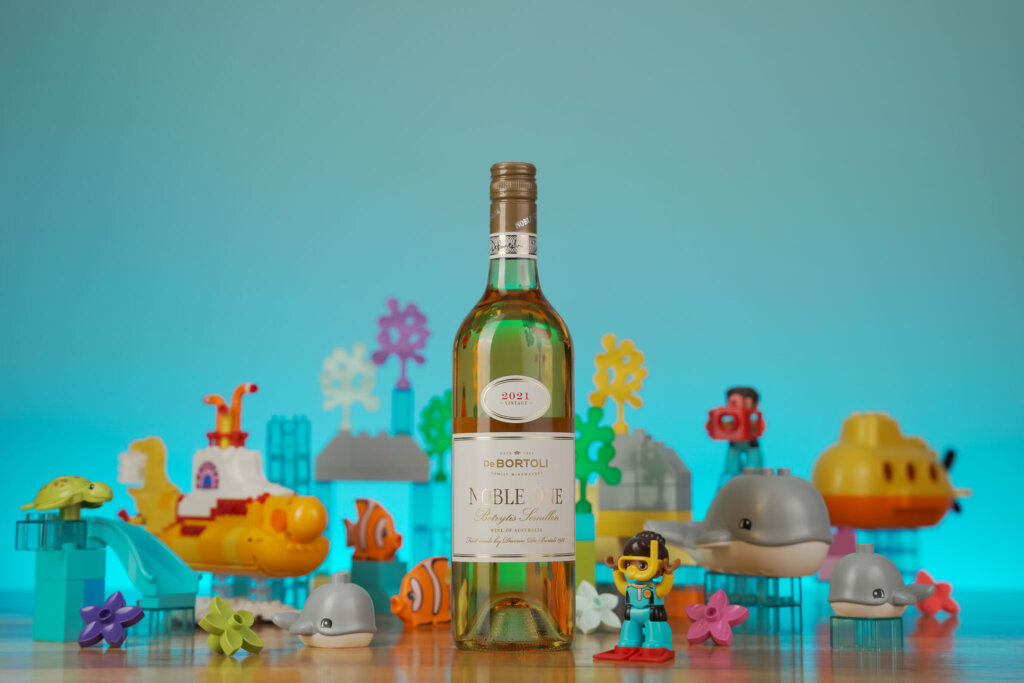
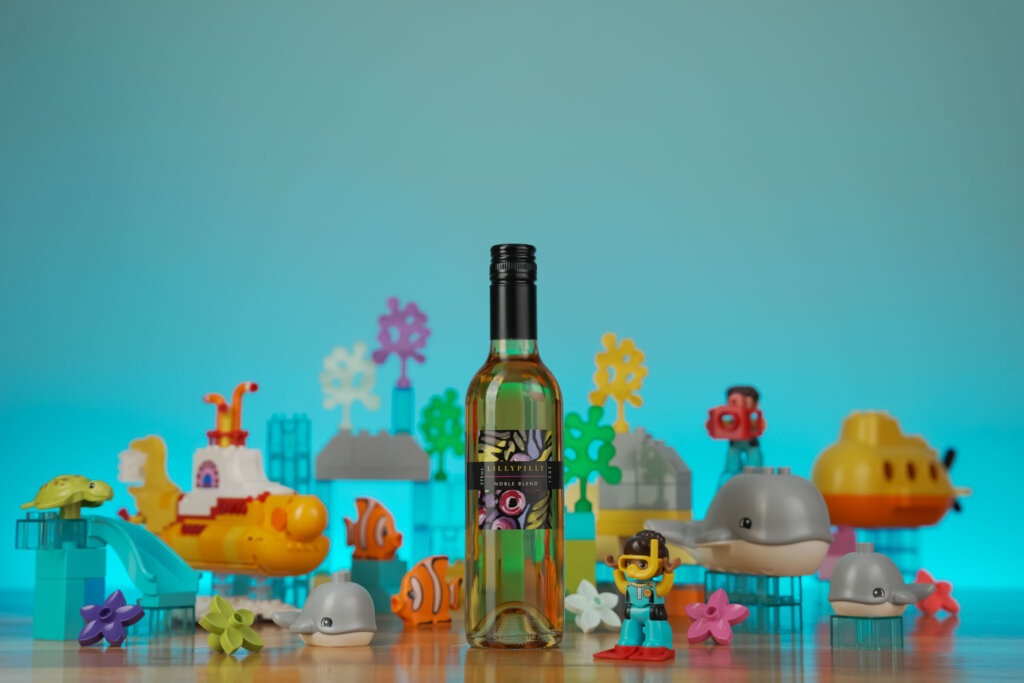
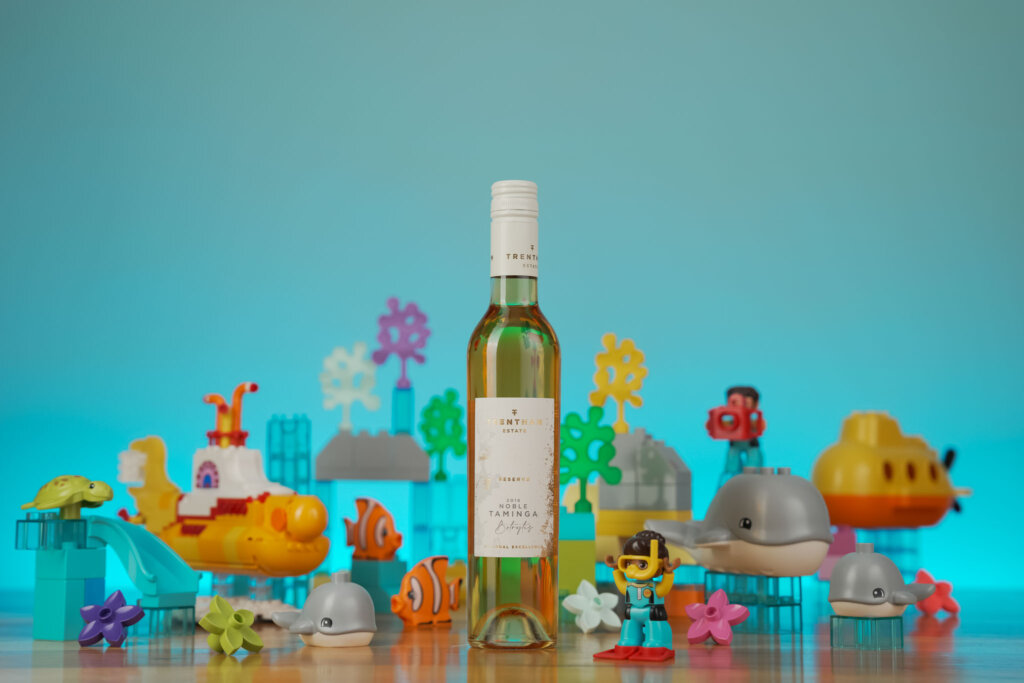
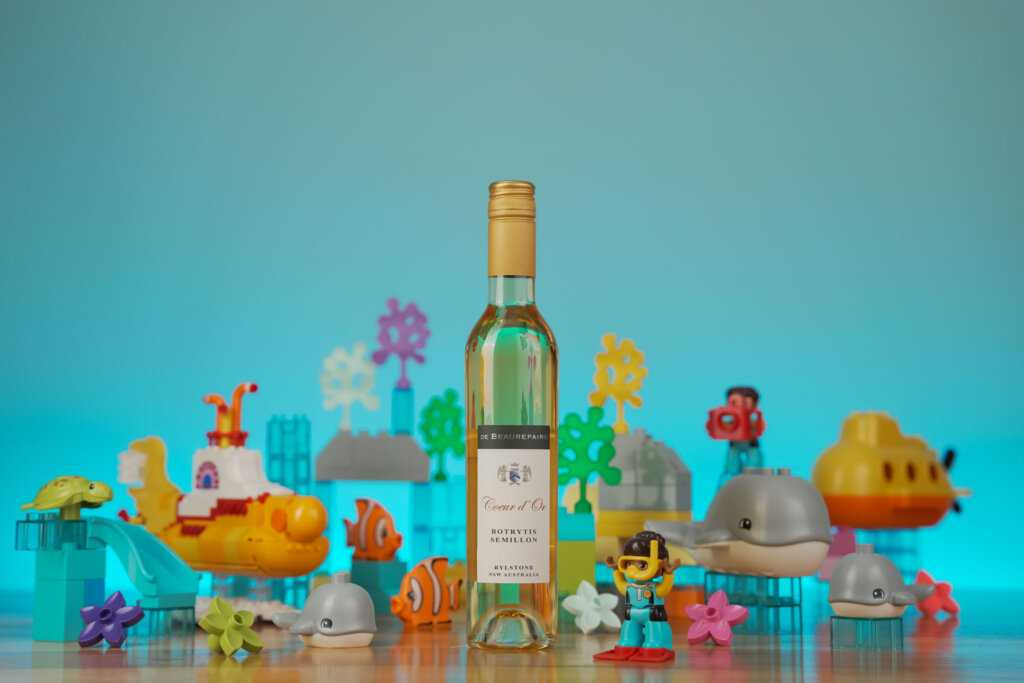
This wine appeared in the top six wines of the day for Macleod, Luppatelli, De Bortoli, and Limacher. Macleod described “a burnished gold shines in the glass – radiating warmth before you’ve even lifted it to your nose. When you do, it shows a joyous burst of Australian botrytis-wine character – bombastic notes of fig and marmalade wrapped in layers of candied ginger, warm toffee, and a little medicinal flicker of fennel seed. On the palate, it detonates with ripe stone fruit and poached pears, the botrytis weaving a plush, honey-soaked dimension through the fruit notes. This wine feels like liquid sunshine – opulent, yet strikingly honest to the grapes’ natural purity.” Luppatelli noted “a deep amber colour that you only see in seriously rich dessert wines. On the nose, you’re greeted right away by fleshy poached apricot and ripe stone fruits. Breathe in again and you get these exotic, almost heady aromatics – a thread of saffron, a hint of turmeric – adding this savoury-sweet intrigue. The finish is long, deep, and warming, layering notes of stone fruit and sweet spices for minutes after you swallow.” De Bortoli found it “a wine where judiciously utilised botrytis builds layers of aroma and flavour complexity. Aromas of honey, candied clementine zest, toffee, and a hint of dried sultana burst out of the glass. It’s unctuous on the palate, but its sweetness is deftly balanced by its zesty, citrus-like acidity.”

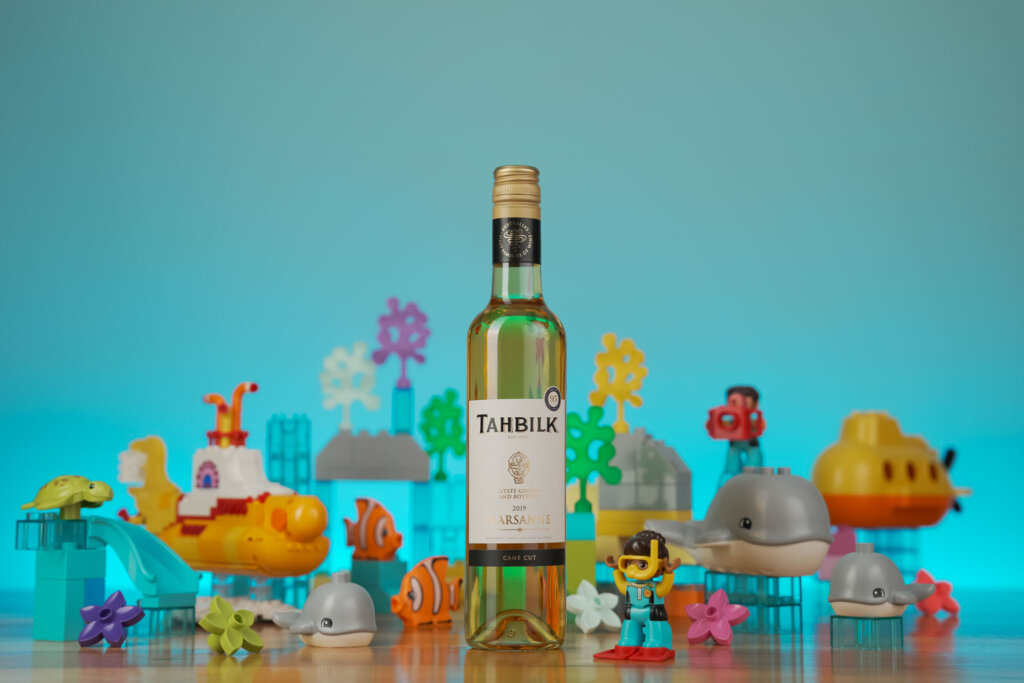
Polack, Zimmermann, De Bortoli, and Macleod all selected this wine among their top six from the blind tasting. Polack described “this deep gold wine is full of orange marmalade, burnt toffee, honey, and dried apricot notes, with hints of pineapple and peach lurking underneath. A true ‘sticky’ in the Australian sense – rich and luscious, but beautifully balanced by a clean acidity and a fresh finish.” Zimmermann noted “this sweet aromatic wine, with its distinct amber hue, evokes a sense of Christmas with its fragrance of honey, sweet spices, marmalade, and sticky pudding. The mid-palate offers a round and voluptuous texture, complemented by a delightful acidity that balances its intense and full-bodied style.” De Bortoli found “a lovely intensity of flavour, driven by zesty lime and lemon characters alongside mandarin peel and ripe yellow nectarine. It’s moderately sweet on the palate – less unctuous than many in the line-up, but generous in its texture, and balanced by a fresh and enlivening acid line.” Macleod described how it “bursts out of the glass with a surge of rich, opulent fruit aromas – sun-dried apricot, baked peaches, and candied citrus – all delivered with joyful vibrancy. This wine feels joyous and open-hearted.”

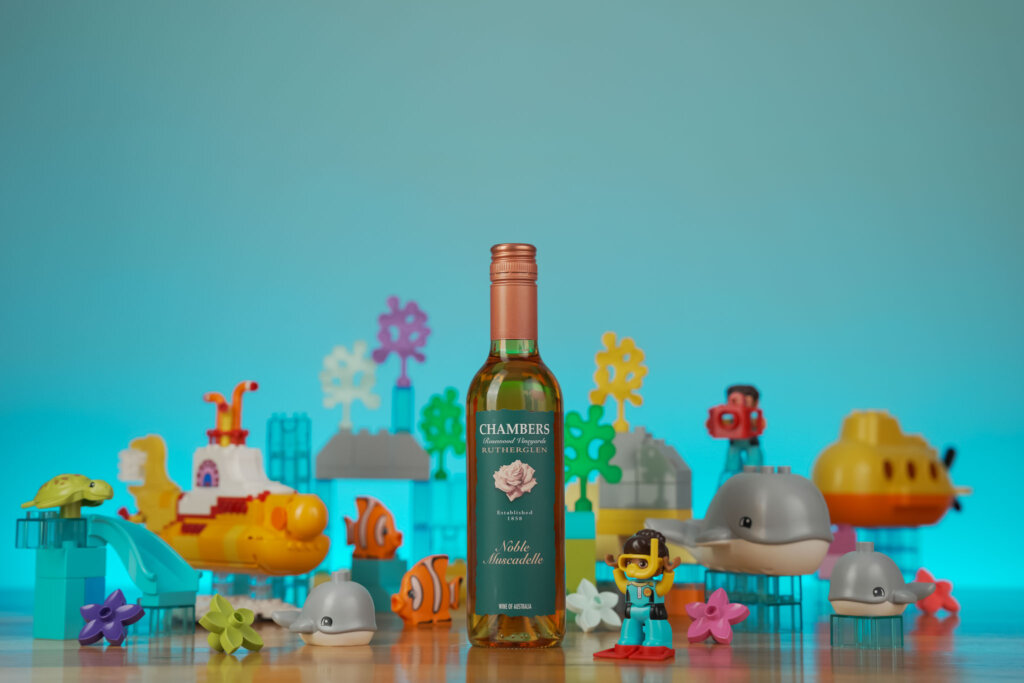
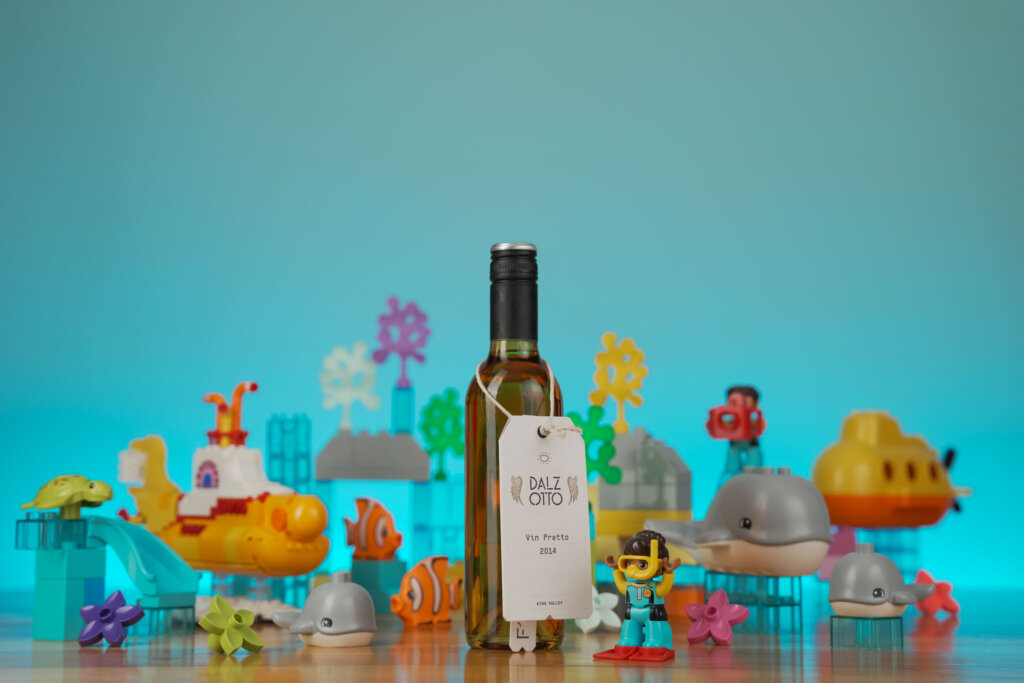
Freeman and Polack included this wine in their top six wines from the tasting. Freeman called it “a great and memorable wine brimming with a riot of flavours, led by honey and caramel spice. There’s ample acidity to balance the pervasive lusciousness that completely coats the palate with enduring sweetness, without being cloying. It begs to be paired with a classic pâté de foie gras to start a meal – then, some time later, a second glass with mango mousse, and finally a third with a creamy blue cheese.” Polack described “a classic botrytis wine! The nose shows a little age – indicated by some perfumed notes and a hint of dried apricots – but the palate is still incredibly youthful. Marmalade, dried apricots, and zesty agrume flavours are all intermingled together on the palate, and a clean, soft acidity on the finish holds onto all the flavours.”

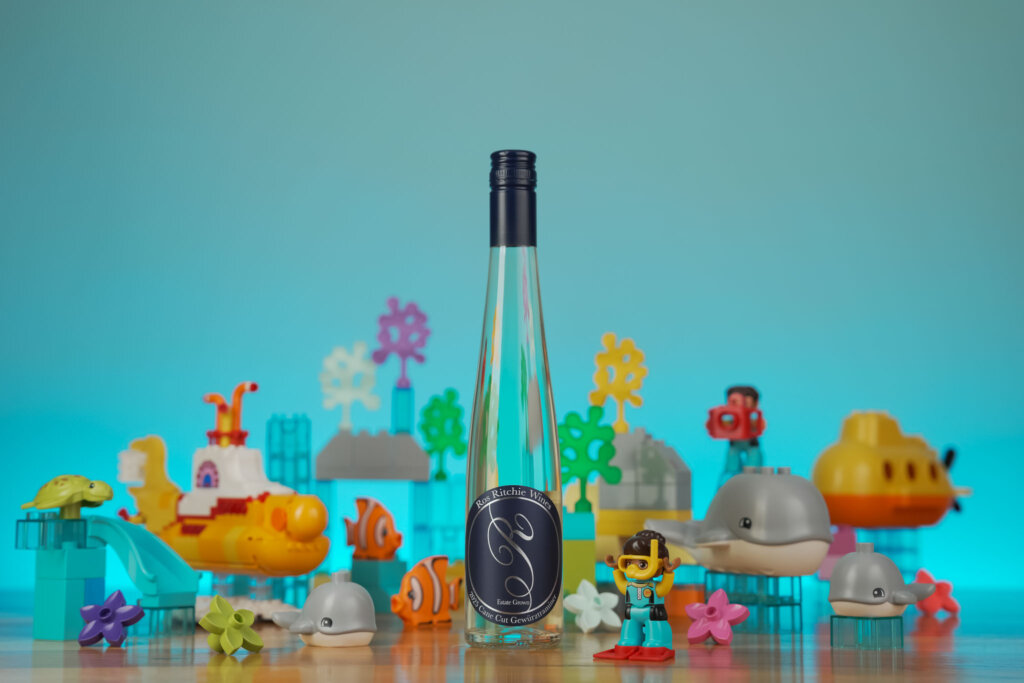
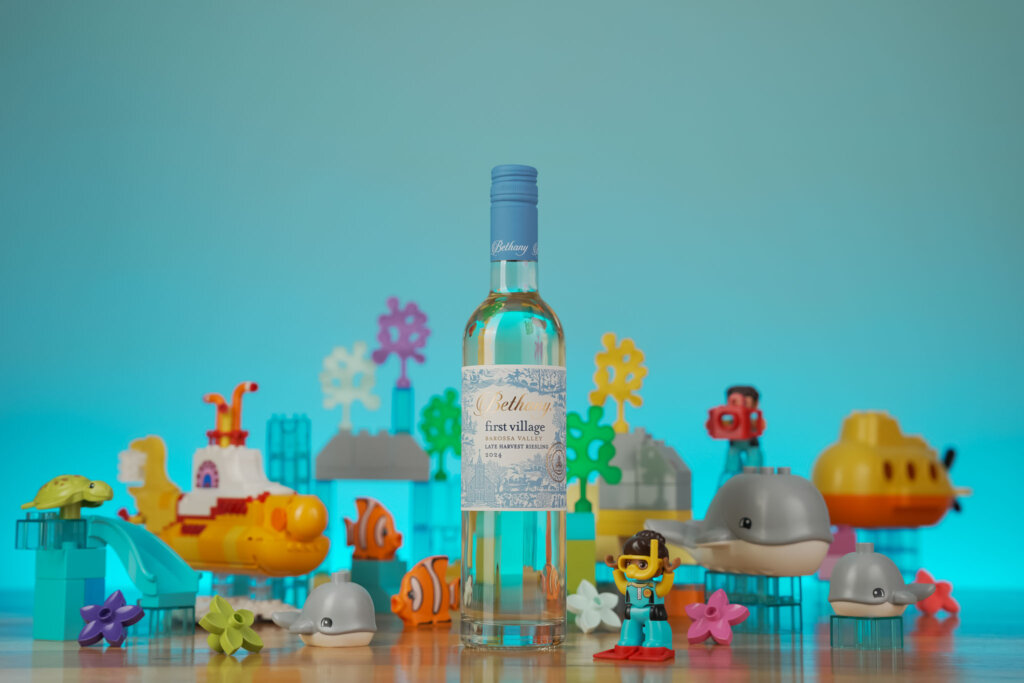
This wine made the top six wines of the tasting for Zimmermann, Polack, and Macleod. Zimmermann noted that “this wine perfectly embodies the essence of Australian dessert wine, boasting a vibrant nose of fresh fruit reminiscent of honeydew melon and marmalade alongside hints of floral notes. On the palate, its well-balanced style showcases a mix of sour and ripe citrus fruits – highlighted by piercing lime zest and a lemon curd drive. There’s a clean and delicious richness to the mid-palate that leads down to a long, refreshing finish – the kind of wine that will leave you salivating and longing for more.” Polack described “the delicate yet rich nature of this wine, with its wonderfully clean finish. It’s not a traditional ‘sticky’ – it’s much lighter in style, showing beautiful lime and lemon juice characters alongside a complete spectrum of agrume notes of citrus zest, citrus flowers, and even a touch of pith. The acid holds onto the lemon and lemon rind characters for ages on the finish.” Macleod found “a pale, shimmering gold introduces a wine full of quiet intrigue. The nose is lifted and fresh, layered with citrus oil, honeycomb and delicate fresh ginger root notes. On the palate, it arrives with an unexpectedly opulent sweetness – it’s silky, flowing, and confidently plush. This is a wine that moves gracefully between freshness and indulgence.”

Macleod, Freeman, Luppatelli, and Robinson included this wine in their top six selections from the tasting. Macleod described “a pale, glistening gold that catches the light. The nose is pretty and delicate – a gentle cluster of lemon and lime zest floating above stewed stone fruit and soft, ripe fig notes. It glides in to the palate with sweetness, but that sweetness doesn’t overwhelm – a bright, crisp seam of acidity slices cleanly through the sugar. A dessert wine designed to charm rather than overwhelm – and one that kept me smiling through every sip.” Freeman found “a fresh, young, and unique style of dessert wine – its bright golden hue reflecting the pure honey and marmalade flavours. The vibrancy on display here creates a sweet wine that isn’t cloying, balanced by the bright framework of its acidity.” Luppatelli noted “a lively pale gold colour, suggesting freshness and vibrancy. You’re greeted by a burst of green orchard fruits – think crisp green apple and Williams pear – layered with pure, zesty citrus notes. There’s an interesting herbal lift here – notes of lemon verbena and lime balm add an almost-balsamic, garden-fresh edge.” Robinson called it “a wine of such grace – it swans into the scene with delicacy, but makes its presence felt. Fragrant honeysuckle, soft white blossoms, and fragrant vanilla bean take centre stage.”

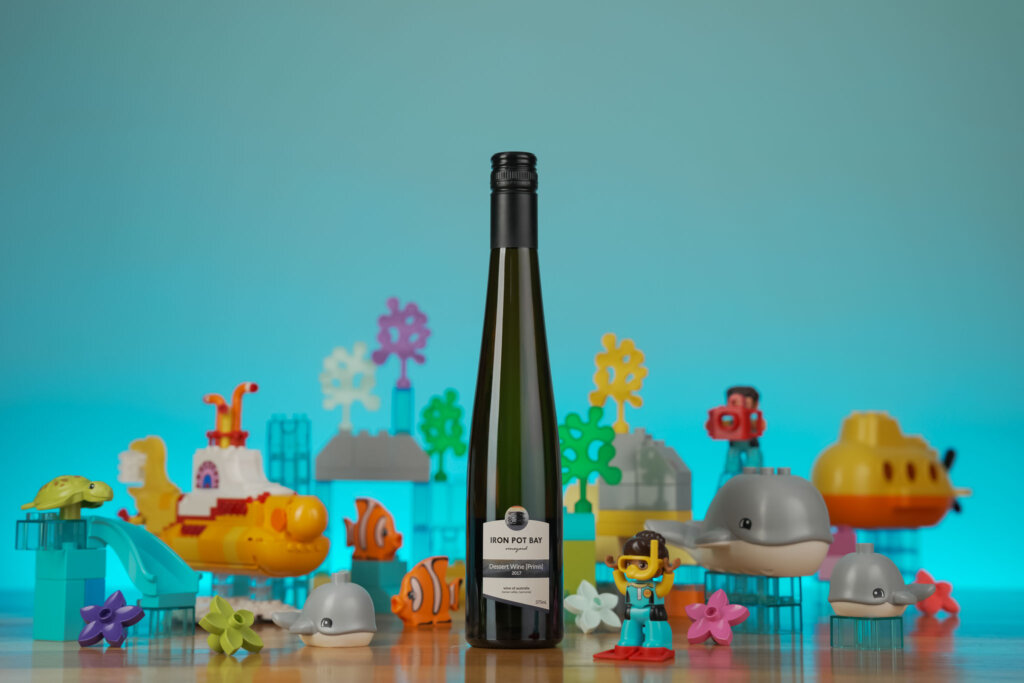
This wine appeared in the top six wines on the day for Limacher, Robinson, and Zimmermann. Limacher described “apricots on the barbecue – yum! An intense and slightly smoky nose, showing charred stone fruit and caramelised sugar characters. Fresh nectarine and lemon curd notes on the palate give this wine real zing and zippy freshness – keeping you coming back for more.” Robinson noted “rich and pure notes of ripe nectarines, maple syrup, and grilled rockmelon on the nose let us know this wine is going to be a showstopper. On first sip, it coats the mouth with sweet spice and orange rind notes, reminiscent of fruitcake. The beauty of this wine is in the clarity of its different layers – each note is recognisable, but together they form a melody.” Zimmermann found “a traditional dessert style – showing a sticky texture complemented by delightful aromas of honey, ginger, marmalade and orange peel, alongside some smoky oak notes. Despite its intense aromatic profile, it remains light and refreshing on the palate.”

De Bortoli and Limacher both selected this wine among their top six picks. De Bortoli described how “the deep golden colour and rich nose of this wine – showing aromas of caramel, honeycomb, apricot, and baked apple, lifted by some fresh hints of candied orange zest and brandied kumquats – indicates there has been some serious botrytis influence here. The palate is quite sweet, yet remarkably fresh, with a lively acid line balancing out the sugar content. A real standout in a very strong line-up of Australian dessert wines!” Limacher noted “with its golden-bronze hue, this wine delivers spice and savoury notes right out of the gate – fresh tobacco, honey, and grilled almonds, all lifted with fresh, apricot-driven intensity. The caramel richness here is mouth-coating, thick, and textural. This wine speaks to the diversity of Australian dessert wines.”

Luppatelli, Limacher, and Robinson included this wine in their top six wines from the blind tasting. Luppatelli described “just a stunning pour in the glass, deep gold and inviting. On the nose, you get an immediate hit of ripe poached pear – soft, juicy, vibrant – layered with beautiful notes of white-flower honey. On the palate, it’s sweet, but not cloying – think good dessert wine with a lively backbone of acidity to keep the richness in check. It’s a wine that would absolutely sing with fruit-based desserts – imagine pairing it with a classic pear or apple tart.” Limacher found “boozy golden raisins, Middle Eastern spice, Turkish delight, and rose-petal perfume characters. A bright, mouth-coating palate, with floral lift and nectarine snap. It’s moreish and refreshing.” Robinson noted “in an exhilarating change of pace for the Australian dessert wine style, this wine displays notes of fresh passionfruit and green mango that delight the senses. Its lightness would make it perfect as an aperitif – and to revisit at the conclusion of the meal alongside some Shropshire blue cheese.”

Zimmermann and Wahlhütter both selected this wine among their top six wines of the day. Zimmermann noted “this sweet wine is exceptionally intriguing and full of character – it’s certainly not your typical dessert wine! With its deep amber colour, its spicy oaky aromas – think walnut, cedar, smoke, nutmeg, and orange blossom – and its rich full-bodied style, it offers complexity and concentration, not to mention a long-lasting finish. This is a wine that may not suit every palate – but if you’re willing to tackle it, this wine remains a fascinating selection that will continue to impress – a delightful and conversation-worthy choice to close your next dinner party.” Wahlhütter described “one of the most interesting wines of the line-up – this one really stood out, simply because it was quite different from the rest. In terms of both appearance and aroma it immediately reminded me of an Oloroso Sherry – a deep brown in colour, and showing notes of dried fruit such raisins and dates, alongside nutty tones of cashews and walnuts. Despite its viscous texture, it feels paradoxically light, with the raisinated fruit flavours lifted by a very high acidity.”

This wine made the top six selections for both Wahlhütter and Zimmermann. Wahlhütter described “a fine confectioners’ sugar sweetness to it that slowly unfolds – showing notes of candied lemon peels, cotton candy, and cloudy pear juice. Despite this evident sweetness, it’s beautifully balanced by its acidity, which drives the wine down the palate to a long finish with faint flavours of honeycomb. It even has a lovely herbal freshness that adds to its complexity. With its exceptional balance and joyous flavour profile, this wine strikes me as a real crowd-pleaser!” Zimmermann noted “this delightful sweet wine boasts a golden hue and a pleasing palate – rich without being heavy. With notes of bergamot, citrus, cooked apple, and a hint of spiciness, it’s perfectly balanced by a zesty acidity that adds life and freshness. Enjoyable on its own – or paired with a savoury dishes such as pâté, rillettes, or gravlax.”

De Bortoli and Robinson both chose this wine for their top six picks. De Bortoli noted “a nicely developed yellow hue in the glass. The aromas show a moderate amount of botrytis influence – chiefly orange marmalade tones, alongside some more exotic notes of rockmelon, quince, and Nashi pear. The palate shows remarkable balance between dense, viscous sweetness and a firm line of acidity, leading to a lengthy finish. A beautifully luscious example of Australian botrytised wine.” Robinson described it as “like walking through a ripe orchard at dusk, the perfume of this wine hangs heavily in the air – flooding your senses with tones of salted caramel, roasted nuts, and bright yellow cherries. Though it has some viscosity that wraps around the palate, the wine doesn’t sit heavy, buoyed by a tangy acidity that feels like biting into passionfruit pulp. This would be an absolute delight to drink with parfait – or even better with a rich chocolate dessert.”

Robinson and Wahlhütter selected this wine among their top six wines of the tasting. Robinson asked “who needs to eat dessert when you could drink this wine instead? It starts with ripe custard apples – sweet and creamy, with a hint of vanilla – followed by a core of crème brûlée and Manuka honey. Hold it for a second longer on the palate and it reveals an underbelly of toffee, dried mango and candied ginger. This is an absolute delight to drink right now – but I’m also excited to see what this wine will look like in ten years’ time, too.” Wahlhütter noted “another wine that stood out from the rest of the line-up for how compellingly different it is. Smelling this wine for the first time is like putting your nose into a bunch of freshly-picked dill. Aside from its herbal tones, it also shows hints of dairy, sour cream, and even some salty seafood-like notes – contrasted by sweet candied apples, raisins, and roasted nuts. The interplay of savoury and sweet here make this wine a prime candidate for pairing with a savoury dish such as prawn toast.”

Robinson and Freeman included this wine in their top six selections from the tasting. Robinson described “‘an explosion of yellow’ is probably the best way to describe this wine – it sings of candied lemon, fresh honeycomb, and caramel, to name a few. Maple-leaf tones weave around the wine like a wreath, adding an earthy, crunchy edge. There’s a beautiful mosaic of ripe citrus notes – some citron and lemon drop, and a dash of Makrut lime – that ties it all together. An excellent example of Australian dessert wine – one that’s well-rounded, well-made, and would be a fantastic accompaniment to a lemon posset.” Freeman noted “a wine that smacks of sunny climes – floral orange blossom and spicy Moroccan souk aromas lift the generous honey and oaky vanillin flavours on the palate to create a luscious wine with beautifully balanced acidity. Chill this sticky down – then torch the crème brûlée to discover the power of dual sweet sensations!”

Limacher chose this wine for her top six wines on the day, noting “Melburnians love to stand in line for a top-notch pastry, patiently waiting as the aromas of frangipane, freshly toasted almonds, and crispy pastry float down the footpath. But why wait in a queue when you could be enjoying a glass of this? In addition to its evocative patisserie aromas, this wine is super-fruity – full of fresh peach and nectarine notes that bring a moreish tartness to proceedings, alongside some zesty citrus zest. Now that summer produce is finally upon us, I’m imagining enjoying this alongside cherry clafoutis after a Christmas barbecue lunch with mates.”

This wine appeared in the top six picks for both Macleod and Polack. Macleod described “a luscious gold in the glass, shading toward amber – the kind of colour that alludes to intensity. The aroma unfolds slowly, like a warm syrup, with notes of burnt toffee, dried figs, and caramelised sugar. On the palate, the wine is unapologetically viscous – a thick, silken ribbon of flavour coats the tongue, and dried fruit, dark honey, fig paste and toffee notes reappear in concentrated form. This wine is rich, hedonistic and luxuriously slow-moving: the sort of wine that demands to be savoured with patience – not to mention a well-made dessert and some loved ones.” Polack noted “this wine is like a perfectly-poised tightrope walker wearing an amazing fancy dress. The aromas here are the fancy dress that draws you in to the spectacle – peaches, nectarines, and caramel, alongside perfumed floral and lightly herbal notes. The sugar content allows the wine to glide effortlessly along the tightrope, which is kept in place beautifully by the taut line of acidity.”

Freeman selected this wine among his top six wines on the day, noting “a complex and layered wine, offering pure-fruited notes of Seville marmalade, apricot, and honey over a luscious sweet frame. Fine acidity balances its unctuous palate, and contributes to its impressive length. A versatile sticky begging to be shared alongside some chicken liver terrine – or maybe even spicy ginger crab.”

Wahlhütter selected this wine among her top six wines from the blind tasting, describing “a beautiful golden colour, viscous texture, and soft mouthfeel are the first things to stand out about this wine. The aromas on the nose remind me of apple pie – ripe red apples, bready and doughy notes, and layers of baking spices. On the palate, fruity tones of ripe apricot and peach dominate, while a subtle line of acidity helps to keep the wine refreshing. With its generous fruit flavours and warming spice notes, it feels like the perfect accompaniment to cozying up around a fireplace on a cool autumn night.”

Freeman chose this wine for his top six selections, noting “this wine showcases a developed beeswax flavour, alongside refreshing honey and spice notes and an extended oatmeal character carried along the palate by an elegant acid line. A wine calling for convivial conversation – the perfect closer to a long, relaxed lunch, to be sipped slowly with good friends. Speaking of friends – if you bring a bottle of this alongside a crayfish and mango salad to a dinner party, you’re bound to win a few new ones!”

Polack selected this wine among her top six wines of the day, describing it as “just a delightful drink! It has a lovely purity of aroma and flavour – showing lemon and lime pulp, lime peel, and some light hints of exotic lychee and mango. On the palate, it has the silky freshness of a super well-made lemon-lime cordial, with a long delicate finish. It’s perhaps not the most complex wine in the line-up – but it’s absolutely well-made, and classic in its style.”

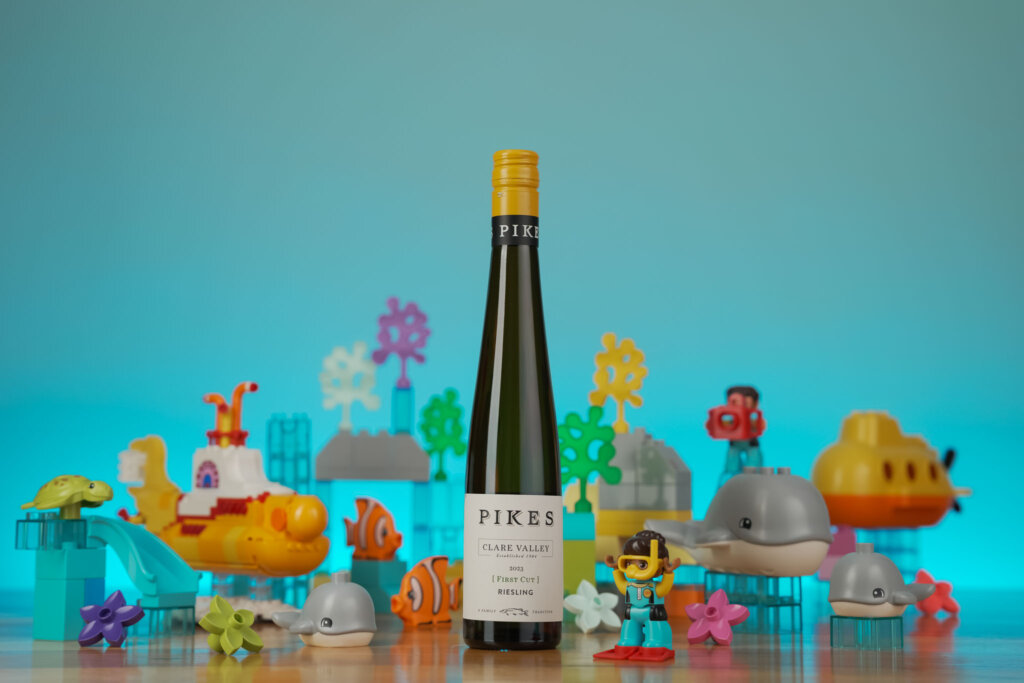
Polack and De Bortoli included this wine in their top six wines from the tasting. Polack noted “this wine stood for its differences to all the others. There’s a strong character of Leccino extra-virgin olive oil in the way this wine overlays herbal, cut grass tones on its lemongrass, Makrut lime, and lime-zest flavours. These are balanced by an underlying acidity that’s soft but definite. This would be a great match for a citrus-based dessert – think anything from a tartlet filled with lemon curd through to a zesty blood orange sorbet.” De Bortoli described “of the wines in my top six, this one was the most reminiscent of Sauternes – a pale yellow in the glass, with classic notes of honey, dried apricot, overripe peach and orange marmalade. It’s silky on the palate, with a bright line of acidity keeping it aloft – classically proportioned, fresh and elegant.”

This wine appeared in the top six picks for both Wahlhütter and Luppatelli. Wahlhütter described “this wine has some really beautiful, pure fruit flavours – fresh lime and lemon, as well as orchard fruits such as apple, pear and quince. It’s light and pale in the glass, with subtle sweetness, high acidity, and a streak of minerality that appears as wet stones and chalk on the finish. I would love to see how this wine fares alongside something spicy like a Thai green curry!” Luppatelli noted “a pale straw colour, bright and fresh. Right from the start, you get those classic orchard notes on the nose – crisp green apple, maybe a touch of ripe Bosc pear – alongside pretty floral aromas. The wine’s sweetness is perfectly balanced here, keeping it vibrant and incredibly easy to drink. The finish is clean and floral, leaving your mouth watering for more – think of this wine as the ultimate aperitif.”

Luppatelli chose this wine for his top six selections from the blind tasting, describing “a vibrant, deep golden hue in the glass – instantly appetising, and typical of a well-made Australian dessert wine. On the nose, you get this rush of yellow peach – ripe and juicy, almost like biting into a sun-warmed peach at the peak of the season. Close behind is something more intense and savoury-sweet – a note of chestnut-tree honey, which brings a sweetness that’s simultaneously rich, earthy, and floral. Take a sip, and everything’s in such beautiful harmony – the stone fruit character leads, followed by waves of honey and caramel, richly textured yet never heavy. It’s definitely sweet, but perfectly balanced by a lift of acidity that gives the wine freshness and length. This wine is all about harmony – nothing sharp or out of place.”

Wahlhütter and Limacher both included this wine in their top six wines of the tasting. Wahlhütter described it as “amber in colour, with pronounced notes of honeycomb, beeswax, and candles on the nose. On the palate, this wine reminds me of Malteasers with its flavours of sweet, malty biscuits. It has an exceptionally soft and velvety texture, and balanced acidity. The honeycomb and beeswax notes linger long and coat the palate, leaving you wanting another sip. This wine’s refreshingly clean finish means that it could work brilliantly as a palate-cleanser after a long meal – with or without a cheese plate!” Limacher noted “this wine is intriguing and decadent – a treat reminiscent of Werther’s Originals, caramel, and hard-boiled orange candies. It’s richness is inviting, but its notes of juicy apricot keep it lively and fresh – and had me coming back for more. This wine would be magic alongside a crème caramel!”

Macleod chose this wine for her top six selections, describing “a shining, almost crystalline gold in the glass introduces a wine bursting with vitality. Honeysuckle and fresh pear notes drift up from the glass, joined by the soft perfume of orange blossom and jasmine, alongside a cool freshness. There’s an energy to the nose that distinguishes it immediately from the heavier styles of the line-up, making it feel fun, fresh, and flirty. The palate is a delight, with bright, zesty acidity racing alongside juicy pear and citrus blossom notes, as well as a pleasantly faint grip of phenolics. This tension on the palate gives the wine shape and poise, keeping its sweetness neatly in line. In short, bloody delicious – the kind of dessert wine that disappears alarmingly fast at the table.”

Luppatelli selected this wine among his top six wines from the blind tasting, noting “a beautiful golden hue here, just a touch deeper than what you’d expect from a young dry white wine, that obliquely hints at richness. On the nose, it opens with a wave of ripe stone fruits – peach, apricot, maybe a bit of nectarine – all lively and pure, almost sun-drenched. The first sip is where it shines – this wine offers a delicious depth and opulence, but just as you think it might turn heavily sweet, in comes a rush of bright acidity for balance, ensuring the wine feels elegant, never ponderously sticky. Everything feels polished and in harmony – pure fruit, vibrant acidity, and a delicately sweet texture. It’s all you could hope for in an Aussie dessert wine – generous, but never over the top.”

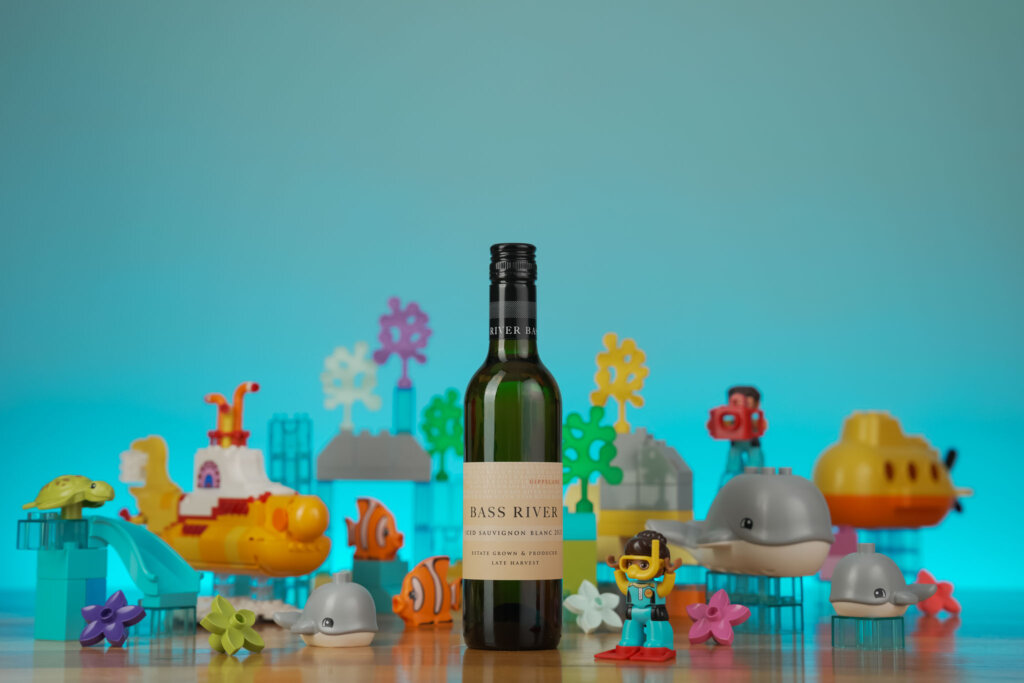
De Bortoli included this wine in his top six picks, describing it as “light, bright, and fresh – one that’s all about intense aromas of lemon and lime, given a little complexity by some slightly richer overtones of honey and chewy golden raisins. The palate is moderately sweet rather than richly luscious, and remains bright and fresh throughout. Its fresh and fruit-driven style would suit a simple fruit salad – a straightforward but well-made wine of easygoing joy, perfect for everyday consumption.”

Zimmermann chose this wine for her top six wines of the day, noting “the experience of this wine begins with its visually intriguing amber colour, swiftly followed by the sweet and sour tones that delight the palate. The refreshing acidity here adds a vibrant touch to this wine’s sweet, spicy, and rich style. It’s complex, yet highly appealing and generous, with an enduring oxidative finish full of rich, spicy notes of curry, hay, and smoke. The full-on intensity of this wine’s finish might put off some drinkers, but others will find it highly intriguing – and it rewards curious drinkers by consistently offering depth of flavour and impressive length.”

Freeman selected this wine among his top six selections from the tasting, describing “a wine that showcases beautiful floral and citrus flavours. Moderately luscious on the palate, where citrus and marmalade notes prevail, and balanced by a fine acid line that gives this wine a seductively extended finish. A wine where all components are well-modulated – this would make a terrific complement to an intensely zesty lemon tart or key lime pie.”
The term ‘dessert wine’ focuses on the gastronomic uses of this style – you can read it either as ‘a wine to accompany dessert’, or as ‘a wine that can act as a dessert’. However you choose to use them, though, these wines are defined by their elevated natural sugar content, which can range from the relatively sweet (similar to Coca-Cola) to molar-melting (the world’s sweetest option, Tokaji Eszencia, tops out the scales at over 800 grams of sugar per litre of wine).
Don’t let those numbers fool you, though – a good dessert wine is about more than just sugar content, offering bright acidity to balance out its sweetness and dense layers of concentrated flavour. That acidity and dense flavour in turn means that these wines are far more versatile at the table than their name would suggest, and they can be successfully paired with an astonishing array of different types of savoury dishes, from light starters through to rich mains and cheese platters.
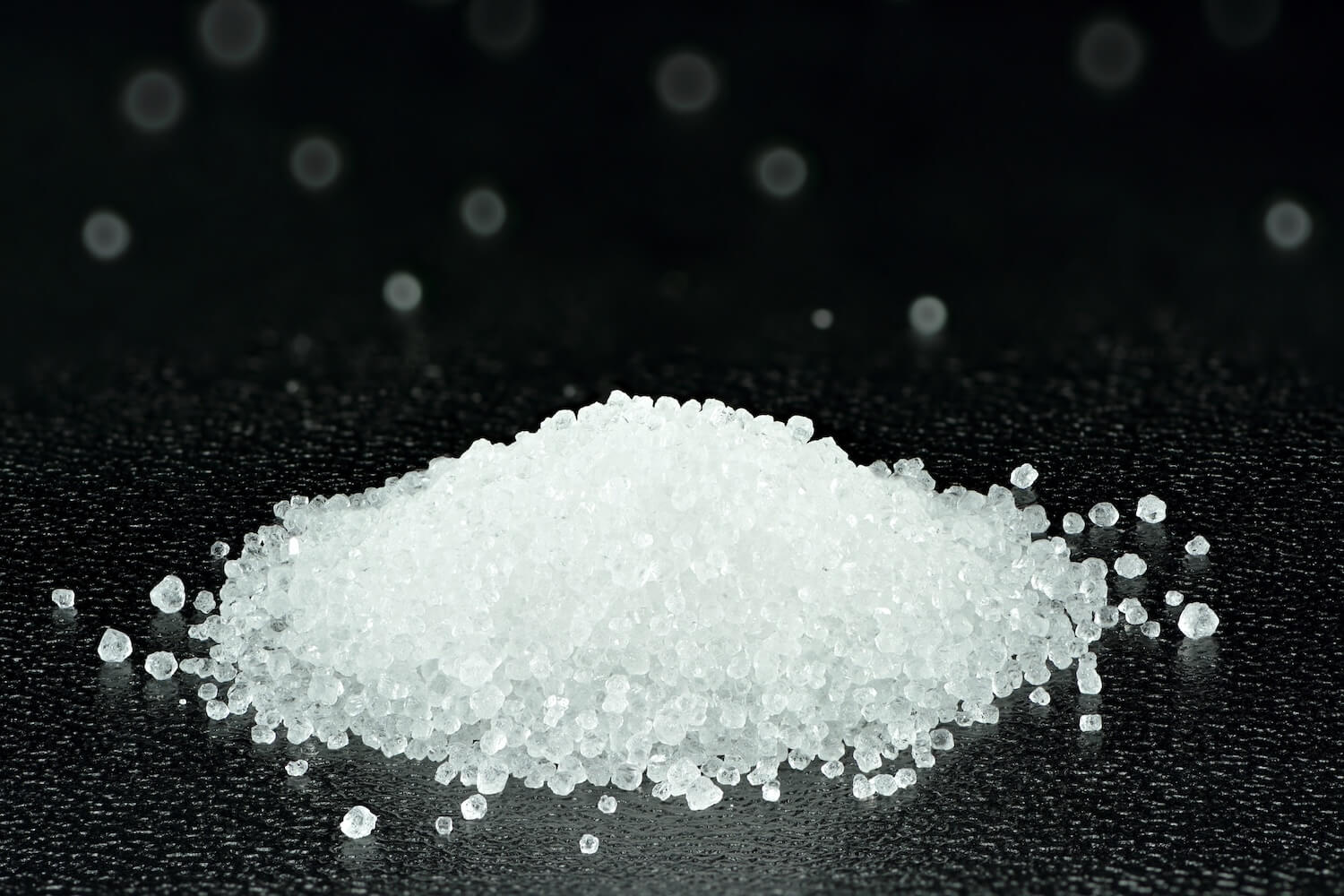
As anyone who has eaten a raw grape will intuitively understand, all grapes naturally contain sugar – mostly glucose and fructose in roughly equal quantities, as well as trace quantities of more exotic sugars such as arabinose, rhamnose and xylose. (The table sugar that you use in cooking or add to your coffee, by contrast, consists of a sugar named sucrose, which is formed when glucose and fructose molecules bond together.) The juice pressed from fully ripe wine grapes tend to contain around 220–250 grams of these sugars in each litre – although this obviously varies depending on the variety in question, the region and vineyard it has been grown in, and what the winemaker who determines the picking date considers ‘ripe’. In the course of normal dry wine production, nearly all of these sugars are converted into alcohol and carbon dioxide by yeast cells (usually of the species Saccharomyces cerevisiae – the first word of which name comes, in part, from the ancient Greek for ‘sugar’, sákkhăron). The sugars that remain after fermentation stops are called, appropriately enough, ‘residual sugar’– and if the fermentation is arrested before it runs its natural course, the resulting wine will contain more residual sugar, therefore taste sweet. It’s important to note that because there is so much sugar already naturally contained within wine grapes, it’s exceptionally rare for the sugar content in any given wine to come from added non-grape sugars – especially in Australia, where grapes rarely struggle to achieve ripeness.
While yeasts are happy to gorge themselves on sugar under normal winemaking circumstances, it turns out that they can have too much of a good thing – sugar molecules attract water molecules, and if they are present in a fermentation in high quantities, those sugar molecules can pull the water out of the yeast cells. Under these stressful conditions, the yeasts become less effective at consuming sugar, which in turn slows the fermentation process down to a crawl. Thus if a winemaker commences a fermentation with an extra-sugary form of grape juice – made by removing water from the grapes before pressing, which concentrates the sugars, acids, and flavour compounds within the juice – the fermentation can slow down so much as to practically stop, leaving a wine with naturally lower levels of alcohol and higher levels of sugar.
“But when Orion and Sirius are come into mid-heaven, and rosy-fingered Dawn sees Arcturus, then cut off all the grape-clusters and bring them home. Show them to the sun ten days and ten nights: then cover them over for five, and on the sixth day draw off into vessels the gifts of joyful Dionysus.”
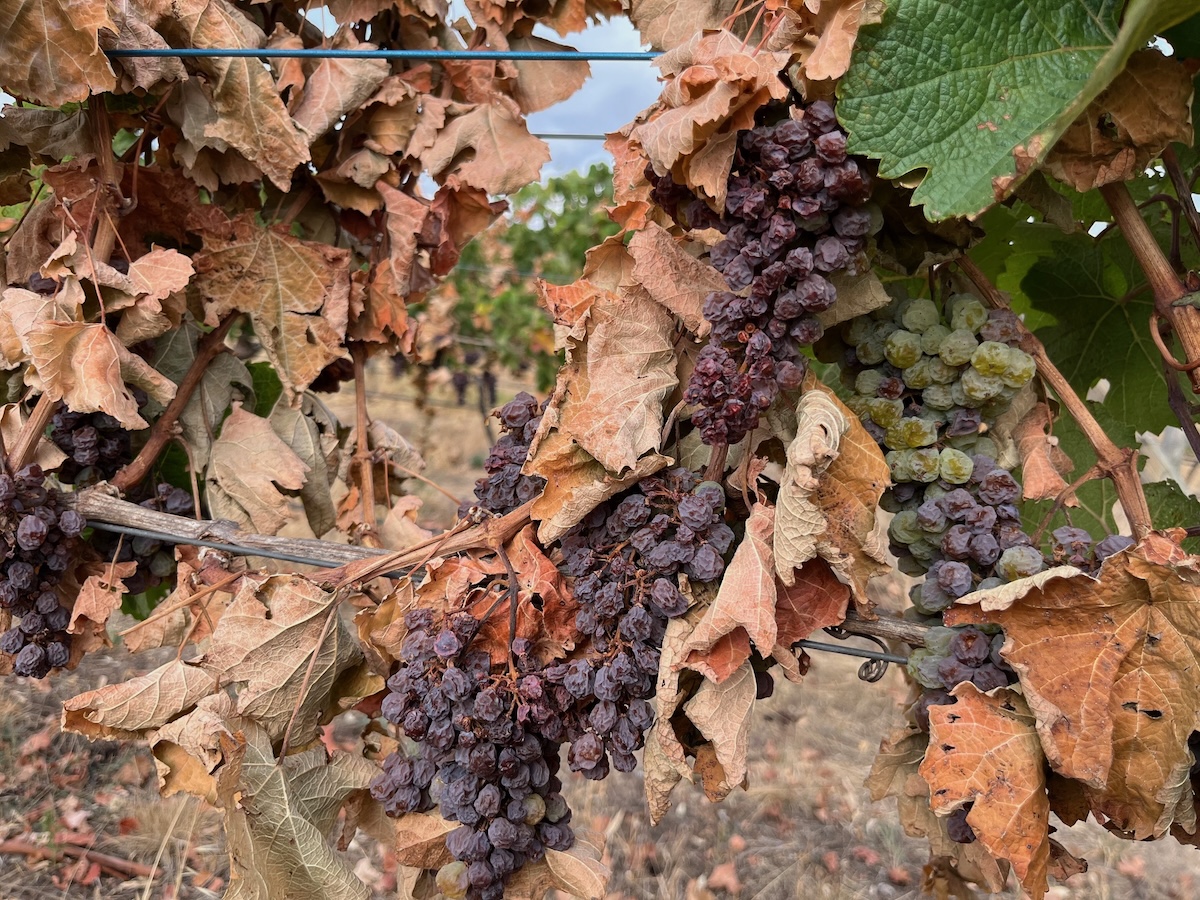
Ancient Greek winemakers may not have been able to articulate the science behind this form of sweet winemaking, but they intuitively understood how to do it. The ancient Greek poet Hesiod, in his Works and Days (composed around 700 BCE), instructs winemakers to “Show [grapes] to the sun ten days and nights”, then shade them for a further five, before pressing off the juice and allowing it to ferment. There is also evidence to suggest that ancient Cretan winemakers would twist the stems of grape bunches on the vine to deprive them of sap, thus raisinating them, before they were pressed into juice – although a winemaker can of course simply wait until the grapes naturally start to turn to raisins on the vine (in which case the wine is known as a ‘late harvest’ wine). These ancient sweet wines were traded across the Mediterranean by Phoenicians – and, because sugar acts as a preservative, they stayed fresh for far longer than dry wines could have in an era when keeping wine in glass bottles with cork stoppers was unknown. For this reason, these dried-grape wines were highly prized by the ancients, with the famous Greek poet Homer singling out the wines of Chios, Lesbos, and Thasos as especially noteworthy. The technique of producing sweet wines from dried grapes was well-known by the time the Roman Empire began its expansion, and, with relatively few modifications in the interim, it persists today in a number of traditional dessert wine styles: the vin santo of Italy’s Tuscany region; the passito from the Italian island of Pantelleria, off the coast of Tunisia; the vins de paille of France’s Alsace; the ‘mountain wines’ of Málaga, Spain; and the prized Constantia estate wines of Cape Town, South Africa. It would take more than a thousand years before an alternative means of concentrating sugar in grapes would be developed – from a most unpleasant source.
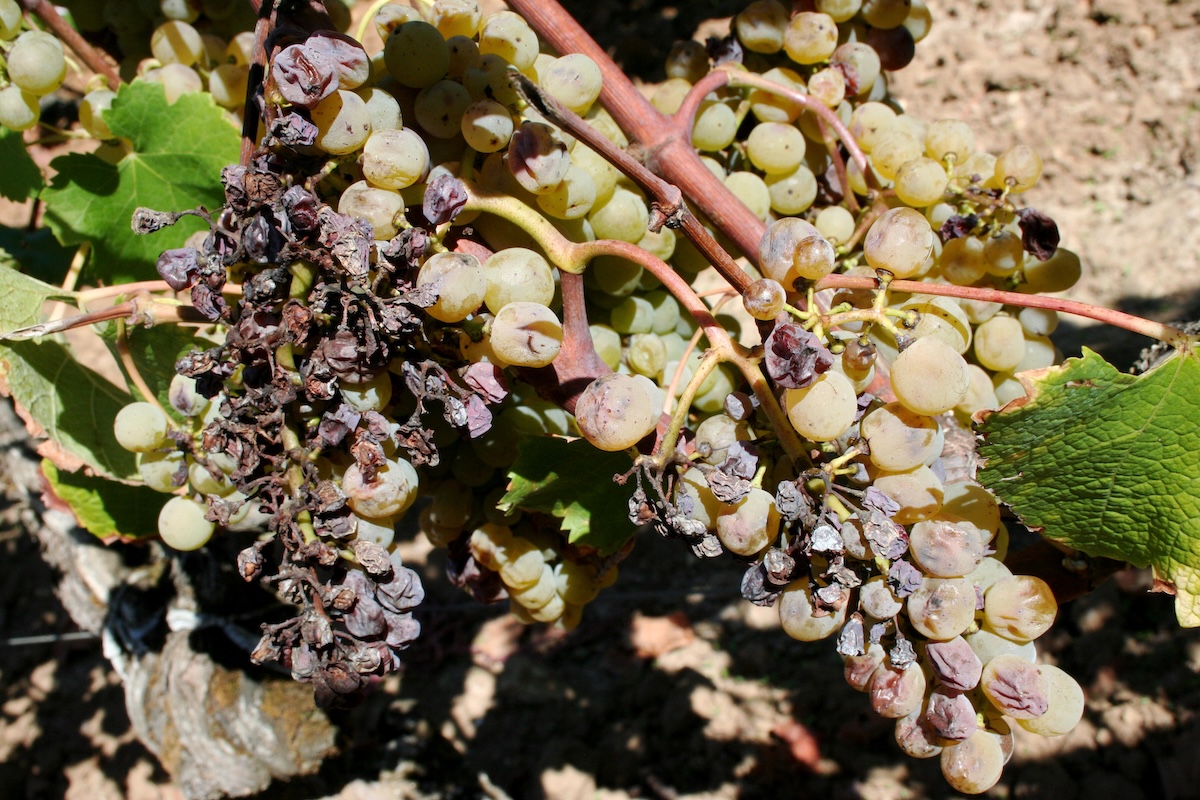
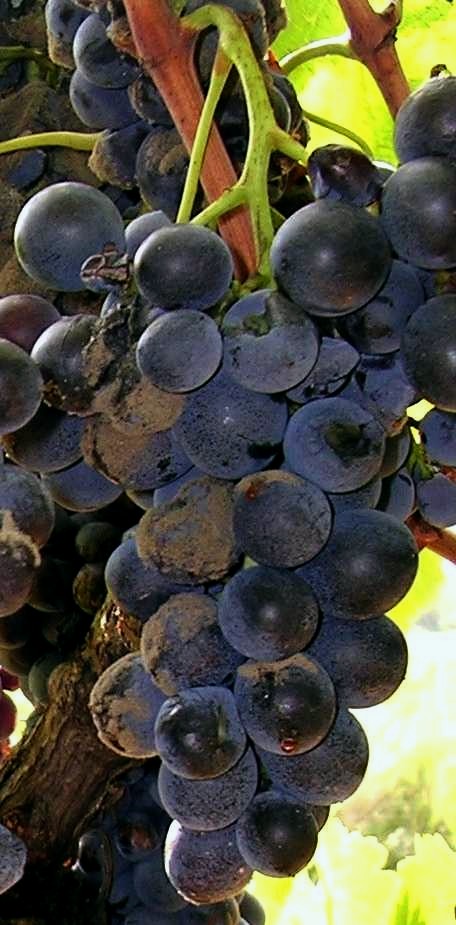
Most wine aficionados are familiar with the term ‘noble rot’ – a term to describe a beneficial infection of the fungus species Botrytis cinerea on grape bunches. But for vast swathes of human viticultural history, there was nothing ‘noble’ about botrytis whatsoever – it was a malevolent infection that could rapidly spoil an entire vintage. Winemakers now call this type of botrytis infection ‘grey rot’, and it is still a common issue around the world, causing bunches of grapes to putrefy and reek of mould and vinegar, ruining their potential to be turned into vaguely drinkable wine. Its effects were not restricted to viticulture, either – the fungus could (and still does) likewise attack strawberries and apples, amongst others. It was not until the end of the 1500s that winemakers in Hungary’s Tokaj region (pronounced ‘tock-eye’) discovered that this dreaded fungal disease occasionally had an upside. Under certain specific conditions, they found that the fungus could assist in dehydrating grapes, thus concentrating their sugars – and, as a bonus, that the sweet wines made from grapes dehydrated by this fungal inflection had a distinctive and appealing flavour of their own.
As the Champagne region has with Dom Pérignon, Tokaj has its own mythical figure in László Máté Szepsi, the vineyard manager of the Lórántffy estate, who – as the story goes – decided to postpone harvesting a vintage some time between 1620 and 1650 owing to an impending Ottoman invasion. By the time the marauding Turks had been dealt with and the harvest could commence, many of the berries had been attacked by botrytis – so Szepsi ordered his staff to separate out the aszú (Hungarian for ‘shrivelled’) berries from the bunches and ferment them separately. When he later tried the resulting wine, he found the results pleasing – and so Tokaji Aszú was born. It’s a charming story, but one that is hardly borne out by the historical documentation, which shows that aszú grapes had been separated from the others before vinification at the Mézes Mály estate as early as 1571. (In the absence of firm historical information, the best assumption we can make is the slightly less romantic story that several generations of Tokaji winemakers simply figured out how to make sweet botrytised wines by trial and error.) Regardless of whoever invented the idea, though, it didn’t take long for the wider world to notice the sweet wines from Tokaj once production commenced in earnest. Tokaj’s cause was helped immensely by the Hungarian nobleman Ferenc Rákóczi II, who in the early 1700s was leading an attempt at independence from the country’s Austrian Habsburg rulers – and who therefore gifted bottles of Tokaji Aszú to the French king Louis XIV in an attempt to shore up French support for his cause. Louis XIV didn’t care to side with Rákóczi, but he did develop an impressive taste for wines from Tokaj, declaring them “Vinum regum, rex vinorum” – the wine of kings, and king of wines. It was a celebrity endorsement that made the sweet wines of Tokaj immensely popular for more than a century afterwards.
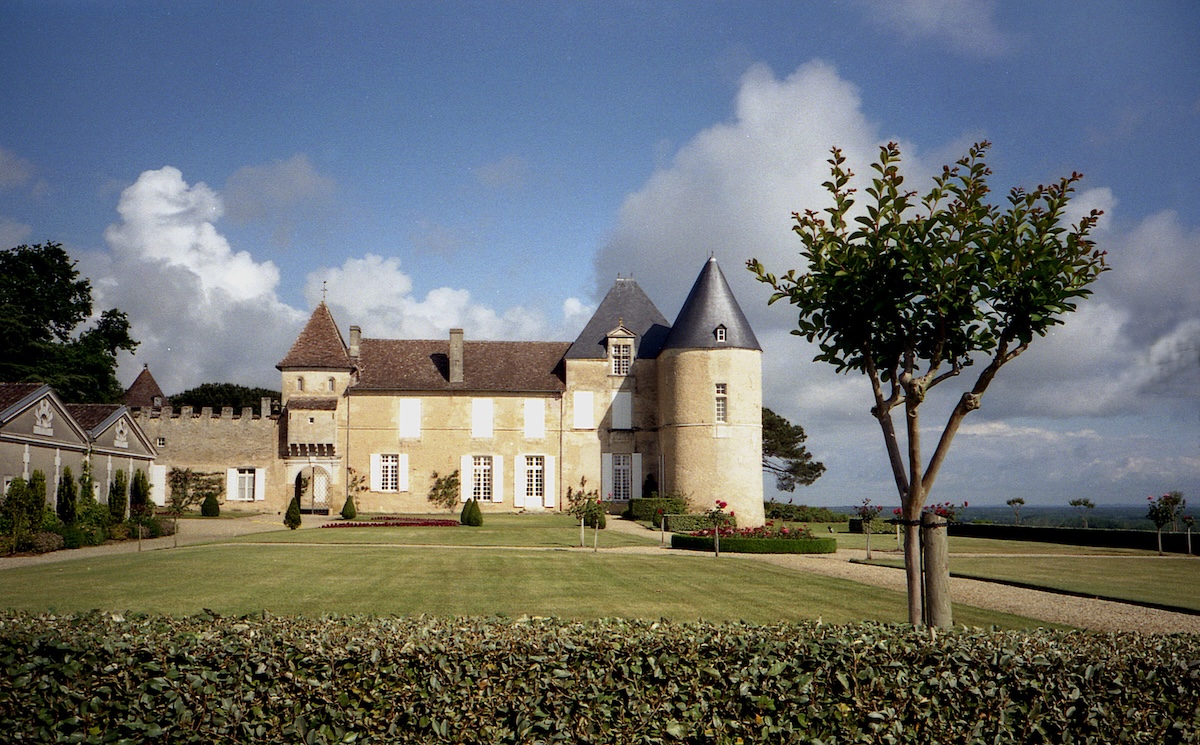
Why did the knowledge of how to make the dreaded grey rot a noble one first emerge in Tokaj rather than elsewhere, though? Its main advantage was its climate – while Botrytis cinerea can develop on grapes in vineyards worldwide if there is sufficient humidity, Tokaji had the good fortune of having humid fogs that arrived relatively late in the growing season when the grapes were already nearly ripe (early-season infection tends to spell disaster). The early-autumn fogs in Tokaji also largely take place in the morning before clearing – allowing the warm, sunny afternoons to not only help dry out the infected berries, but also to check the growth and dispersion of the fungus. Under such conditions the fungus essentially acts as a sponge, feeding itself on the water within the grape, and, importantly, dramatically changing the chemical composition of the grape juice that remains inside – leading to wines that are unctuous and luscious on the palate, tasting of honey and marmalade. Tokaji also had the advantage of already growing white grape varieties that were relatively thin-skinned and high in acid – important considerations, as botrytis ruins the colour and flavour of red grapes, the skins need to be thin enough for the fungus’s root-like filaments to penetrate, and it degrades the acid content of the juice inside the berry. While these conditions are relatively rare, they’re not entirely unknown in other parts of the world – and winemakers in other regions where similar conditions could be found began to develop their own local takes on botrytised wines, starting in Germany’s Rheingau in the late 1700s (using riesling) and the Sauternes sub-region of Bordeaux in France (using mostly sémillon, with a pinch of sauvignon blanc and muscadelle) in the early 1800s. Sauternes soon went on to eclipse Tokaji in the wine world’s imagination – especially after the region’s Château d’Yquem became the one and only producer to achieve the highest possible ranking, Premier Cru Supérieur (‘Superior First Growth’), in the influential 1855 classification of Bordeaux.
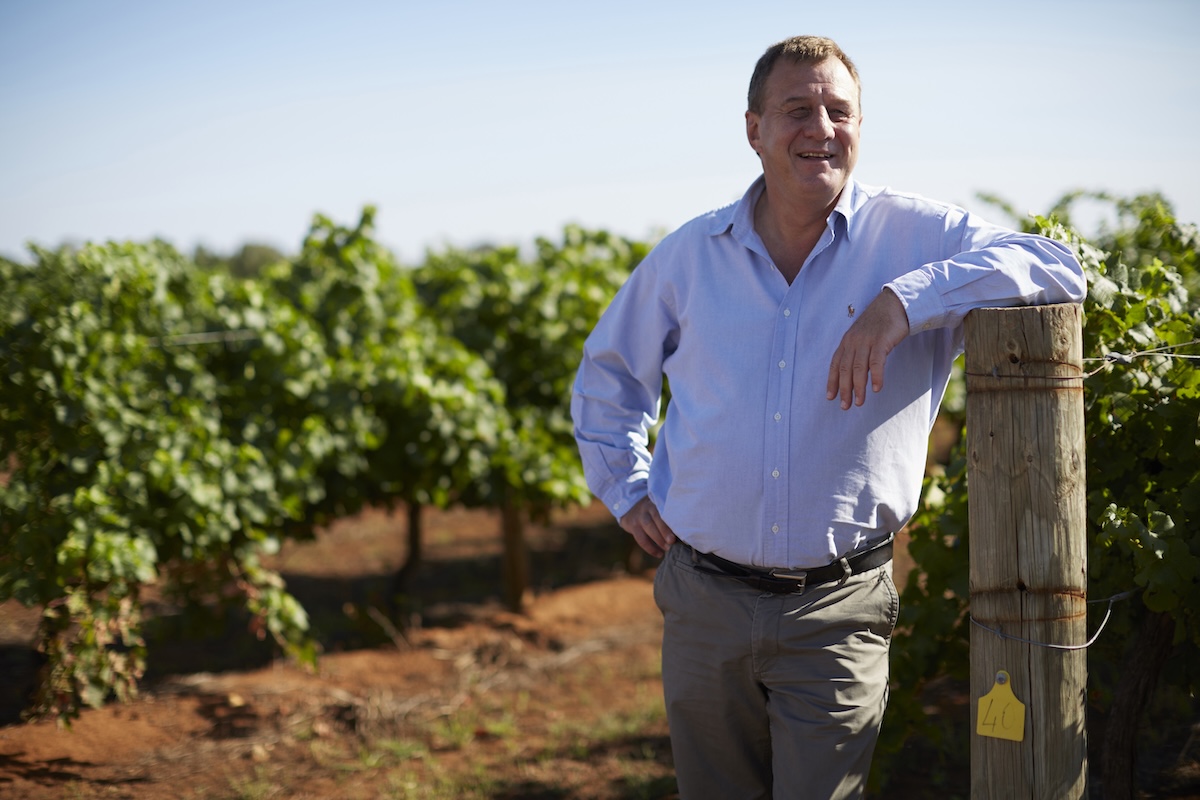
When Darren De Bortoli was attending the winemaking school at the university of Adelaide’s Roseworthy campus in the late 1970s, the accepted wisdom was that Australia simply didn’t possess any places with the appropriate conditions to allow viticulturists to consistently tame grey rot and make it noble. “At that stage, the general feeling was that it’s very difficult to make botrytis wines,” De Bortoli says, “although they were playing around with experimental artificial means like [botrytis culture] sprays, humidity and temperature controls. At the same time, I just fell in love with the great sweet wines of Bordeaux … I was just blown away by the flavours and complexity, and just wanted to make one.” Returning to his family’s Riverina wine estate, De Bortoli expressed his desire to make a Sauternes-style wine to his father, Deen, who told him that botrytis occurred naturally in the region’s vineyards – which, as De Bortoli puts it, “kind of blew me away a bit at the time, but he was right.” After this serendipitous discovery, “it was really just a matter of leaving the grapes to hang long enough, until the conditions were ideal.” Small trial batches commenced in the 1981 vintage, which convinced the family that the project was viable – and they commenced making their ‘Noble One’ (then labelled as a ‘Sauternes’, and subtitled ‘Australian Botrytis Semillon’, in line with looser labelling norms of the time) with the 1982 vintage.

It proved to be an important statement in Australian dessert wine history – even if it was not the first Australian sweet wine deliberately made with botrytised fruit, a plaudit that De Bortoli is happy to acknowledge belongs to the 1958 McWilliams ‘Private Bin 201 Pedro Sauterne’. (Deen De Bortoli had also himself experimented with a never-to-be-released wine made from botrytised pedro ximénez in the early 1970s.) But the McWilliams wine was one borne of accident – the product of what De Bortoli calls “a very wet year” – whereas the ambition for Noble One was always to make the wine year-in, year-out, which De Bortoli Family Winemakers have been able to accomplish in all but two of the vintages since the first. (These vintages were not released not because they couldn’t achieve botrytis, but rather because, as De Bortoli puts it, they “were almost undrinkable because of the very exceptionally high acidities due to the what the fungus did to the to the constituents of the grape.”) This is a remarkable track record, given that even the lauded Château d’Yquem has to skip, on average, one vintage per decade. The wine was initially received as something of a freak occurrence – so much so that Château d’Yquem themselves purchased ten cases of the first vintage for their cellars just to see what the fuss was about – but it rapidly established itself within the firmament of Australia’s iconic wines. “I remember one time, one of the judges [at a wine show where entries are judged ‘blind’] told me, ‘I didn’t give your Noble One the trophy – we gave it to this lighter, more elegant style’,” De Bortoli says. “Because the wine was by then so recognisable that there had been a bit of a backlash against it. But I had to laugh, because the wine they gave it to was our ’83 ‘Noble One’ – ’83 was a wet year and we panicked because we didn’t have the experience with different conditions, and there was a lot of rain coming. So we picked the grapes earlier, and we made this more elegant style – and that was the wine that was then picking up trophies.” That recognition as a benchmark is now international – the wine is a stalwart of the blind tasting component of the Master of Wine exam. “If you’re a master of wine, you’d be expected to pick ‘Noble One’ in a blind tasting,” De Bortoli says, with justified satisfaction. “That sort of international recognition, besides the recognition back home – it’s just so important.”
”I just fell in love with the great sweet wines of Bordeaux – I was just blown away by the flavours and complexity, and just wanted to make one.”
‘Noble One’ stands as a landmark for the De Bortoli Family Winemakers group – not only because it inspired a host of imitators around the country, and proved that Australia had regions that were as amenable to noble rot as anywhere in Europe, but also because it changed the course of the company’s development. “It was just a great revolutionary time for the wine industry,” De Bortoli says of the early ’80s. “You’ve also got to remember the foods we were eating back then weren’t very flash, either. You know, a Chinese restaurant was considered exotic. … The market was 90% fortifieds back in the ’50s – it’s hard to comprehend how that could be so relevant today, because fortified wines are not insignificant, but they’re only about 6% of the total market now.” The sudden success of Noble One put the De Bortoli family name and the Riverina wine region – both previously only associated with high-volume mass-market wines – on the radar of Australia’s nascent fine-wine community at a time when the country was only beginning to explore cool-climate viticulture. “At that time it was all doctors and lawyers who were pioneering it,” De Bortoli says. “[‘Noble One’] gave the family the confidence to go further afield, and to understand that the Australian premium market was evolving beyond just those handful of [pioneering cool-climate] producers, and was encroaching into areas that were traditionally taken by the French and the Germans.” Buoyed by the success of ‘Noble One’, the family purchased Yarra Valley property Château Yerrinya in 1986 – and their Yarra operation has since gone on to become a significant incubator of Australian winemaking talent.
While ‘Noble One’ was proving that Australia could make botrytised wines in the mould of Sauternes or Tokaji as well and as consistently as any old-world country, Australian winemakers and viticulturists were simultaneously developing a method of dessert wine production that is uniquely our own – the ‘cane cut’ technique. As Stephanie Toole of Clare Valley’s Mount Horrocks Wines – a leading practitioner and pioneer of the style who has been making a ‘Cordon Cut’ dessert riesling since 1993 – explains, the vines fruiting “canes are cut, and the fruit’s left to hang and raisin naturally in the vineyard”. By severing the circulation of sap to the fruit, a winemaker can have precise control over the amount of acidity and the flavour development of the grapes before they begin to raisin, rather than waiting until the fruit is overripe, as in late-harvest wines. “It’s not late-harvest,” Toole says, emphatically. “That’s the first thing that people need to understand.” By leaving the grapes out in the vineyard, and as long as the weather remains sunny and dry, cane-cut winemakers also avoid the potential for microbial spoilage that comes from moving harvested grapes to drying racks elsewhere. “The only time I’ve been in a vin santo loft [for grape-drying], the sulphur was extraordinary,” Toole says. “It was just overwhelming, the amount of sulphur that was put on the mat and on the fruit. You don’t have to do anything like that [with cane-cut].”
The technique is not without its challenges – a winemaker has to make a call not only on when to cut the canes, but also on how long to leave the grapes to raisin on the vine and how much water they would like to remove from them. “Every year, the time from cutting to the time for picking varies as well,” Toole says. “Obviously, the weather’s very different. No two years are the same. So that varies as well.” The dehydration is not as uniform between individual berries as it can be in sheltered indoor drying racks – “they don’t all dehydrate at the same level,” she adds. “So you’ve got to have a look at the overview of the vines, and just sort of look and say, ‘Well, it’s getting pretty close – another week’. Because some of the bunches on the one vine are going to be different.” These are decisions that Toole now makes via the intuition earned through decades of using the process to make her dessert wines. “I never know what Baumé it’s going to be,” she says. “I wouldn’t have a clue beforehand, but I just feel I have a feeling – I look at at the vines, I look at how much is cut and not cut, I taste the berries and make a decision, basically.”
“I never know what Baumé it’s going to be. I wouldn’t have a clue beforehand, but I just feel I have a feeling – I look at at the vines, I look at how much is cut and not cut, I taste the berries and make a decision, basically.”
It’s also a process that can be tough on the vines themselves. “If you’re just picking riesling to make a dry riesling, then the vine will close down on its own accord and then store up carbohydrates over the winter for the next year,” Toole says. “But if you’re cutting the canes already, it prematurely stops that. So it’s a good idea to let the vine, in my opinion, recover.” As such, she normally alternates between cutting the canes in two separate parcels of her Watervale vineyard each year, to give the vines in each section a year’s break after the process. “I have two sections that I cut, and I usually alternate in years to give the vines a break and to let them recover,” she says. “But I had a really, really fabulous ’24 year – I thought it was one of the probably one of the best ‘Cordon Cut’s I’ve ever made. But because the fruit looked so outstanding … I cut them both.” She laughs. “I just thought, ‘Well, I won’t make one next year!’ … So they’re having a nice little rest this year, so that we’re ready to go again.” While it can be something of a high-wire act, when successful, the resulting wines offer a thrilling fruit purity and freshness to accompany their concentrated flavours and sugar levels – in many ways, they’re the yang to the yin of the richer, more unctuous botrytised style that ‘Noble One’ pioneered within the country. (Perhaps appropriately, then, Toole is likewise proud of the fact that ‘Cordon Cut’ also frequently appears in the Master of Wine blind tasting examination.)
While ‘Noble One’ was wildly successful for its time, Darren De Bortoli isn’t resting on his laurels – nor is he blind to the challenges that face this unique category of Australian wine. “A lot of people don’t get them,” he says of Australia’s dessert wines. “They’re still tied up with this ‘Sweet wines are all cheap wines’ sort of mentality, not realising there’s a whole new world out there. … I think that the the main [challenge] is consumer support for the styles. Consumer support has dropped off – there’s a whole generation there that doesn’t understand it.” Reflecting on the general consumer perception that wines with obvious levels of sugar are somehow gauche, or the province of unsophisticated palates, De Bortoli says, “It’s quite the opposite. The more you understand these styles, the more sophisticated you are.” And while Noble One is not exactly cheap, retailing at around $80 per 750 mL bottle, it and other Australian dessert wines represent great bargains when placed into the perspective of yields. “Because of the very high sugars, you end up with about a quarter of what you make from the vineyard with normal wine grapes,” he says. “You end up with about half the yield in terms of grapes – and then about half the yield again in terms of extraction. You’re down to about a quarter of what it would normally be.” In addition, he notes that successful vintages also have to cover the costs of the unsuccessful ones, such as the two of ‘Noble One’ that he was unable to release.
“They’re still tied up with this ‘Sweet wines are all cheap wines’ sort of mentality. It’s quite the opposite. The more you understand these styles, the more sophisticated you are.”
Toole shares the same concerns as De Bortoli regarding a reduction in consumer interest in these styles of wine. “I think dessert wine has had a decline in recent years,” she says, bluntly. “When I go to have dinner in a restaurant, I am being offered less and less dessert wine. It’s not even suggested … And that’s a really a hugely missed opportunity. I love being sold to! But it’s almost like you’re committing a crime if you even ask for dessert.” She argues that simple changes to standard restaurant service protocols could help the category immensely: “It’s good money. It’s an easy sell,” she says. “It’s like, ‘Dessert wine?’ ‘Well, yeah – maybe we’ll all have dessert wine!’ But if you’re not offered it, you’re not going to have it.” She also suggests that breaking down consumer preconceptions that these wines need to accompany a dessert course could likewise help the category: “My friend who drinks quite a lot of it, she just says, ‘It’s my dessert’,” Toole says. “Or she’ll have it with cheese.” While they wait for the market to catch on to the extraordinary diversity, quality and versatility of Australian dessert wines, both will keep quietly turning out their benchmark examples of the style.
“When I go to have dinner in a restaurant, I am being offered less and less dessert wine. It’s not even suggested. And that’s a really a hugely missed opportunity.”
Our panel: Darren De Bortoli, winemaker, De Bortoli Family Winemakers; Adeline Zimmermann, Pacific area export manager, Barton & Guestier; Brian Freeman, vigneron, Freeman Vineyards; Elisa Macleod, sales representative, World Wine Estates; Leonardo Luppatelli, food and beverage manager, Royal Mail Hotel; Georgia Limacher, sommelier, Gimlet at Cavendish House; Sez Robinson, sommelier, Cumulus Inc.; Jenny Polack, director and wine educator, Bacchus Academy; Miriam Wahlhütter, bar manager, Navi.
Freeman kicked off the discussion by noting that the wildly varying levels of sugar content and acidity across the line-up demonstrate some of the barriers that everyday wine consumers face when they attempt to engage with the category. “I think one of the problems is the different styles – you don’t know what you’re going to get if you go and just try a dessert wine,” he said. “There just needs to be some categorisation, even by variety – that if you’ve got a semillon, it’s likely going to be really luscious and very, very sweet. Whereas some some of the riesling-based wines to me seemed sort of semi-sweet, or a bit off-dry. So it can be really confusing as to what they are – you’ve really got to try the wine to actually know what it’s like.” Reflecting on official German attempts to classify that country’s diverse dessert wines, he also cautioned against going too far in the opposite direction: “It’s known what these terms mean, but no one understands what they mean – the auslesen and the trockenbeerenauslesen.”
Robinson argued that tailoring the balance between sugar levels and acidity for the fruit flavours on display in the wines was the key to whether or not a wine was successful. “I felt as though in some of them the fruit felt a little over-ripe – there was a disjointedness between the acidity and the fruit itself,” she said. She argued that the success of botrytised Australian dessert wines may have pushed some makers into working with that style rather than utilising other techniques that may be more appropriate for their fruit sources: “Are winemakers electing to go towards that style because that’s what’s expected of them with a sweet wine?” she asked. “There’s a reason that cane-cut wines work so well for the Australian climate in general – so maybe winemakers should be leaning into that more, rather than trying to emulate a style that doesn’t necessarily work for the region they’re in.”
“There’s a reason that cane-cut wines work so well for the Australian climate in general – so maybe winemakers should be leaning into that more, rather than trying to emulate a style that doesn’t necessarily work for the region they’re in.”
De Bortoli reflected on the difficulties of botrytis wine production – and noted that even in the relatively stable climate of the Riverina, achieving the appropriate level of noble rot at the right time can be a challenge. “some years you can flat out trying to get botrytis, and you hang your grapes out quite late,” he said. “Sometimes you get very early infections and botrytis is moving through quite nicely. So there’s plenty of variation. And we didn’t make two vintages – ’89 and 2012 we never made, because the wines just weren’t up to scratch. They smelt fine. It’s just that the botrytis went berserk and converted a shitload of glucose into gluconic acid – and you couldn’t drink the wines.” Reflecting on the current state of the market for these wines, he added, “I think in the early days was an excitement factor – that Australia was able to make these wines after the general view was that we couldn’t.”
In response, Limacher argued that Australians had fallen out of the habit of drinking these wines – but that this didn’t necessarily mean that there was no appetite for them. “In terms of the market now, I think it’s very much not habitual, necessarily, for people to be drinking these wines,” she said. “That’s not to say that it’s ‘going out of fashion’ – but selling them is more of a suggestion thing, I think. Working on a restaurant floor, you suggest it – and people have it, and they love it – but it’s not necessarily a habit to have one.”
”Working on a restaurant floor, you suggest it – and people have it, and they love it – but it’s not necessarily a habit to have one.”
Polack argued that despite the burst of interest and excitement generated by these wines in the 1980s and ’90s, – “I remember selling the ‘Sauternes’, and every time we bought a new case the price went up!” she said, laughing – they were never fully woven into day-to-day life in Australia. “Drinking these has never been a habit in Australia, to be honest,” she said. “In France, having them with foie gras and as an aperitif – absolutely. When I studied in France, I went to Tokaji, and they gave us a little Tokaji with our name on it. So of course when I came back to Australia, I had a dinner party with my friends, and we drank it with foie gras, because I was trying to make that normal for them. But in Australia, no – we’ve never really had that mentality.”
Zimmermann brought an international perspective to the discussion, pointing out that Australia was hardly alone in a decline in interest for these styles of wine. “It’s not a mentality in Australia – but at the same time, even in France, we have less and less occasions for drinking sweet wine,” she said. “Because when do you have foie gras in France now? Once a year, or maybe twice – New Year’s Eve and Christmas. I think it’s sad – and it’s sad for every culture – but we don’t really spend that much time sitting and having a big lunch or dinner anymore. When did you last hear someone say ‘Let’s have a big dinner or lunch, and have foie gras, and drink dessert wine with our desserts’?”
Luppatelli concurred, seeing parallels between these wines and sparkling wines. “I think it’s almost like Champagne. It’s kind of in a very weird part of the evening – and as Georgia says, if you don’t push people, if you don’t recommend it to them, then they’re never going to have it,” he said. “Like, they’re happy to finish with a bottle of red instead. It was the same with Champagne. If we don’t teach guests to go with grower Champagne – that can be really good with food as well, can be really gastronomic – then they’re just gonna stop with the classic Bollinger, Taittinger, and Billecart, and that’s it. But then it’s going to be a completely different world when you actually start to introduce those guests to small producers.”
Macleod argued that even though these wines were not always the fastest movers on a restaurant list, they occupied an important space. “It definitely isn’t one of the best sellers,” she said. “Somms might buy a bulk order of twenty-four bottles of whatever – whether it be Sauternes or Australian dessert wine – and that lasts them through for twelve months. But, coming from a sommelier background, it still is really important to have these wines, I think. It’s an integral part of any wine list, just because it can complement, your meal – or your whole experience.”
GET FIRST ACCESS TO THE NEXT WINE ICONS – DELIVERED
Find out moreEach month, get 3 bottles of our freshest discoveries. We taste thousands to bring you the best.
Join us and support emerging winemakers, sustainable vineyards, and the development of young professionals.
With both maturing vines and a depth of winemaking knowledge on how to handle the fruit, we thought it timely to line up as many currently available Australian bottlings of nebbiolo to see how it’s faring across the land.
In this second instalment of a seven-part series produced in collaboration with Vintage Cellars – 70 years of supporting wine in Australia – we look at Australian wine in the 1960s, at the influence of technology, the birth of iconic styles and the personalities that shaped that most pivotal decade.
The southern Italian grape fiano has had a relatively meteoric rise in Australia. We gathered every Australian varietal fiano we could find and set our expert panel the task of finding the wines that compelled the most. All wines were tasted blind.
Young Gun of Wine is your shortcut to cutting edge wines, the places to go, and the people behind it all.
Subscribe to be amongst the first to know of our latest discoveries in wine.
We'll bring you the inside running from the growers, the makers, the wholesalers, the retailers and the sommeliers, too.
Please sign in or create account as candidate to bookmark this job
Please sign in or create account to save this search
Please sign in or create account as candidate to create a resume