Arneis is a variety full of paradoxes. How can a variety whose name politely translates as ‘little rascal’ create such amiable, easygoing wines? Why do the wines made from this notoriously difficult to grow variety offer such excellent value, with nearly all Australian examples priced south of $40? And what exactly should wine drinkers expect to find when they pick up a bottle? With some great value to be found in Australian examples of this formerly obscure variety, we thought it was time to take a Deep Dive.
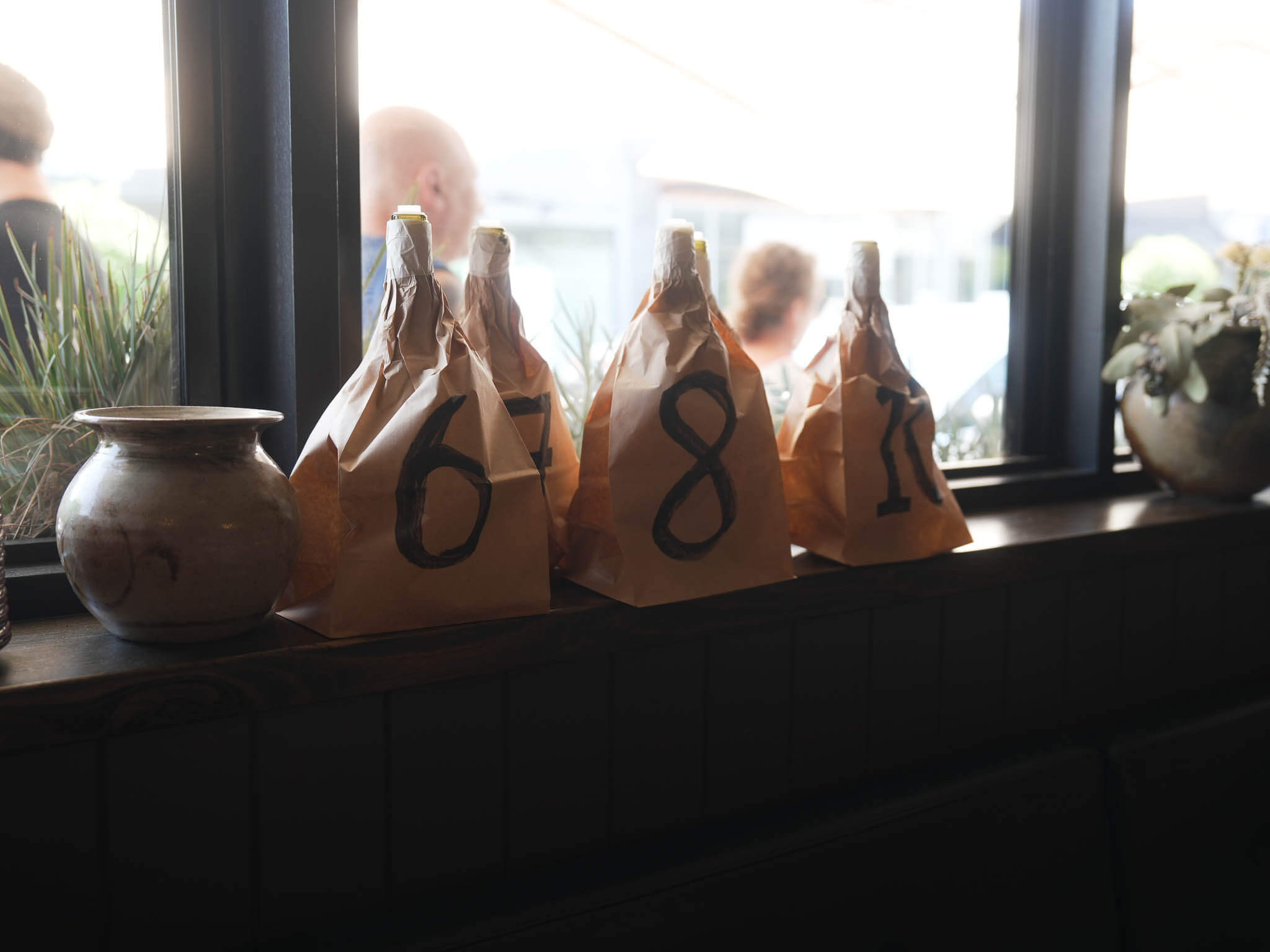
We gathered every example of Australian arneis that we could find and set our expert panel the task of finding the wines that compelled the most. All wines were tasted blind, and each panellist named their top six wines. Below are the wines that made the panellists’ top-six selections from the tasting.
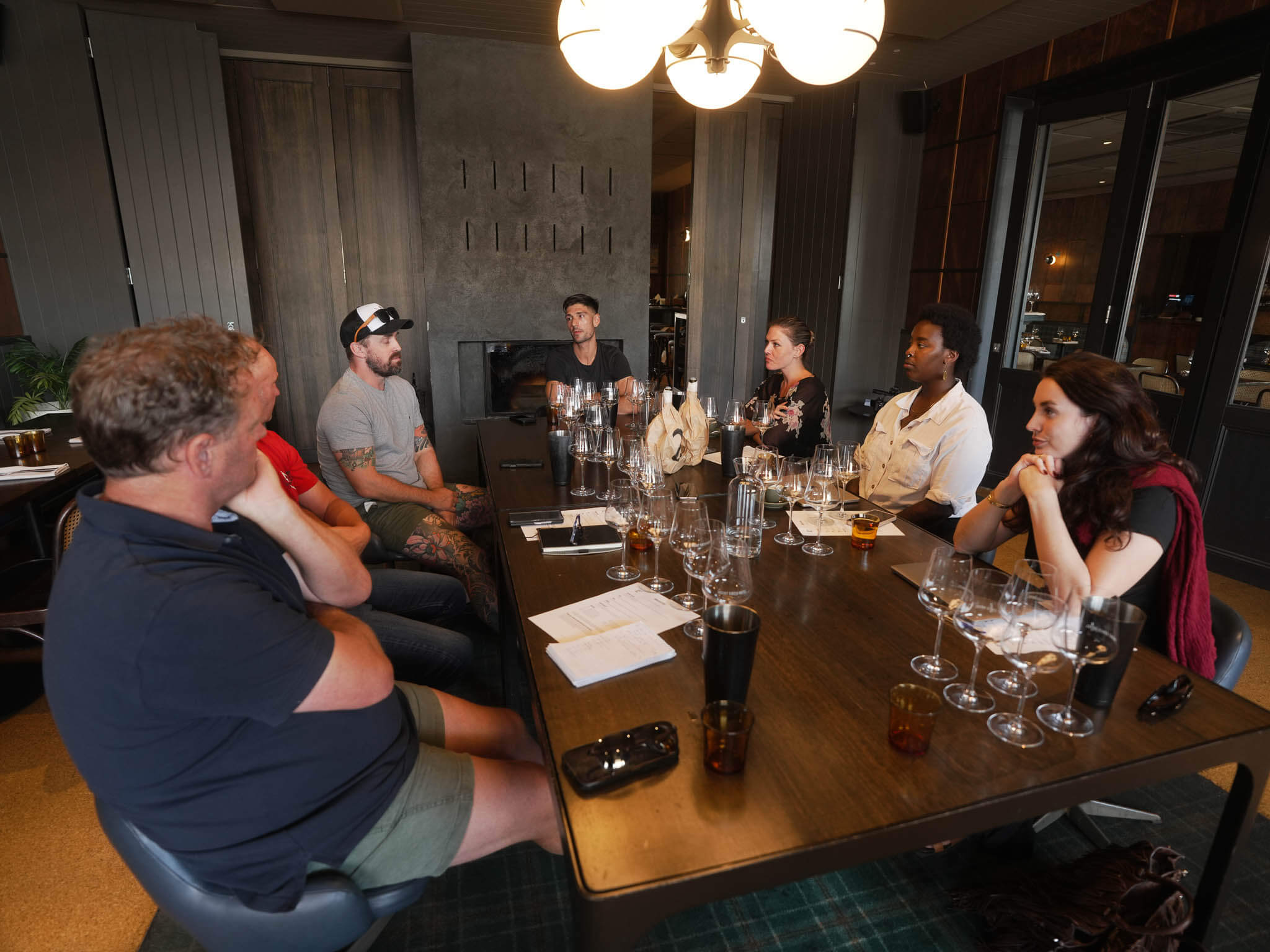
Our panel: Michael Dal Zotto, winemaker and co-proprietor, Dal Zotto Wines; Katarina Lange, beverage manager and wine buyer, Botanical Hotel and Bar Carolina; Joel Pizzini, winemaker and viticulturist, Pizzini Wines; Sez Robinson, sommelier, Cumulus Inc.; Matt Talbot, winemaker and co-proprietor, Patch; Mackenzie Casey, wine communicator and host, The Back Label; Andrea Infimo, sommelier, Osteria Renata.
From the Deep Dive
Discover more in The Outtakes below.
Discover more of The Top Wines below.
Discover more in The Outtakes below.
Discover more of The Top Wines below.
Discover more in The Outtakes below.
The Top Wines
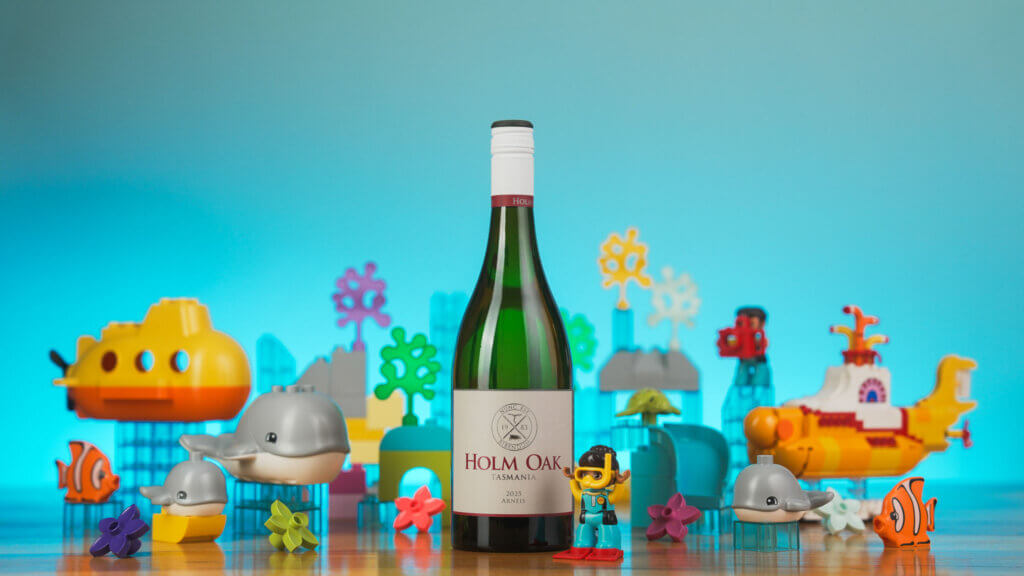
2025 Holm Oak Arneis, Tasmania $32 RRP
This wine appeared in the top six wines of the day for Infimo, Casey, Pizzini, and Robinson. Infimo described “pale lemon-green, suggesting a youthful wine harvested on the earlier side. The nose is fresh and lightly herbal, showing dandelion, nettle, lemon balm and lemon oil, followed by crisp yellow apple. Medium-bodied on the palate – tangy and vibrant, driven by clean acidity and a pleasant, crunchy freshness.” Casey noted “bright and expressive, this wine opens with white peach and a hint of lemon and lime zest, edging into Key lime pie territory thanks to a creamy, brioche-like undertone. The palate comes alive with its high acidity, which carries the fruit flavours through to a flinty, wet-stone finish that gives the wine real energy and length. There’s a lovely push and pull here between freshness and texture.” Pizzini found “a complex nose of green pears, cinnamon spices, and lemon/lime tones, backed with a complex bouquet of kiwi, Honeydew melon, some herbal notes of mint and green apple peel, and a salty sea-breeze note. A silky palate structured by fresh crunchy acidity and backed with green pears and melon flavours.” Robinson described how “‘supple’ was the first word to come to mind. Gold apples and juicy oranges burst on the palate, almost catching you off-guard, then they’re closely followed by some chalky minerality that makes the wine slip off your tongue.”
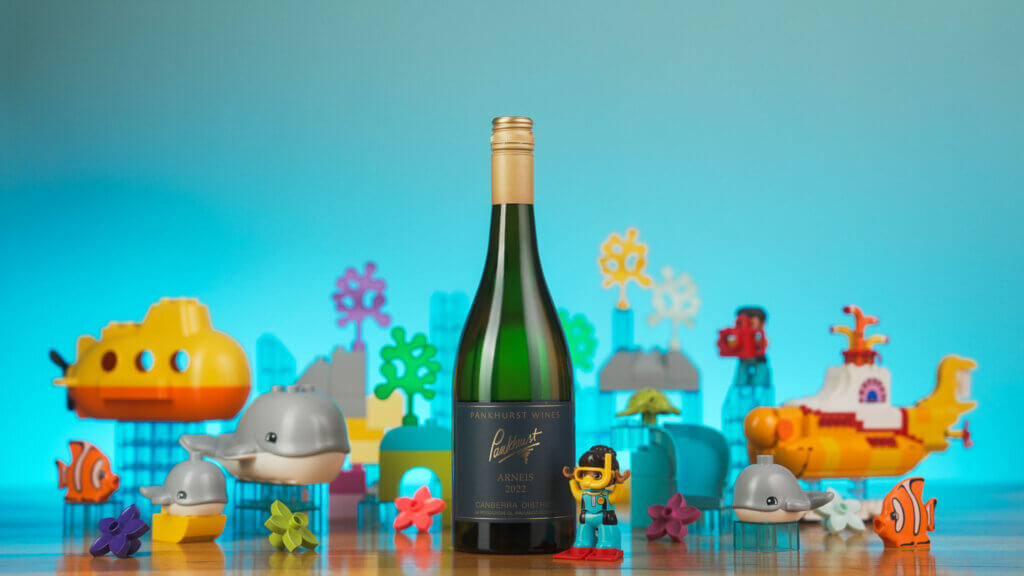
2022 Pankhurst Arneis, Canberra District $30 RRP
Dal Zotto, Pizzini, Robinson, Lange, and Casey all selected this wine among their top six from the blind tasting. Dal Zotto noted “this wine has a fresh and vibrant appeal, leading with delicate floral notes of jasmine. Pink apple, Nashi pear and almond notes give a lovely roundness to the wine’s palate, which finishes with balanced acidity and arneis’s trademark chalky/flinty finish. Great drinkability here!” Pizzini described how it “opens with lifted white-floral notes, complimented by cinnamon-sprinkled apples, pears, Honeydew melon, and Pine-Lime Splice aromas. A really lovely palate showing characters of green melons and yellow pears, beautiful balanced by a touch of tannic grip and bright acidity – very moreish to drink.” Robinson found it “leading with aromas of crisp green apple, white almonds, and soft hay, this wine feels like Marlborough sauv blanc’s older sister – more refined, more complex, and with a spicy edge from having summered abroad. So refreshing – this is a drop that would be equally welcome in an ice bucket on a hot day at the pub, or in an Italian fine-dining restaurant alongside vongole.” Lange noted “a more Christmas spice-like expression on the nose, with nutmeg and cinnamon evident alongside aromas of green banana and banana leaf. On the palate, there is noticeable alcohol content, but this retreats as the wine flows across the palate and the acidity takes over.”
2024 Il Cattivo Arneis, Adelaide Hills $28 RRP
This wine made the top six wines of the tasting for Talbot, Robinson, and Pizzini. Talbot described “slightly more developed in its profile than most in the tasting – but in a way that adds character, rather than detracts. There’s real presence here, and the palate is where the wine steps up: layered, tactile, and confidently structured, with a built-in texture that gives it shape and momentum. This is a fuller-voiced, more assertive wine – confident, structured, and engaging – with depth, grip, and a sense of purpose right through to the finish.” Robinson noted “any doubts you may have had about Australian arneis will be erased with this beautiful drop. There are so many aromatic layers to discover in this wine, from azaleas to freshly-cut Honeydew melon followed by peach cobbler, ripe mango and fresh nectarines. It’s so bountiful on the nose that you would expect it to be sweet on the palate – but, delightfully, there’s a bright acidity lifting up the wine and giving it mouth-puckering freshness.” Pizzini found “a beautifully balanced nose of yellow plums and cantaloupe, with some hints of feijoa, lemon, and yellow pears. A really well-balanced wine!”
2025 Hay Shed Hill ‘World Series’ Arneis, Mount Barker (Great Southern) $25 RRP
Lange, Talbot, and Infimo included this wine in their top six selections from the tasting. Lange described “bright and pure, showing lemon peel, lemon rind, lemon pith, and fresh lemon blossom alongside a balsamic element reminiscent of lemon thyme and lemon balm. The palate is lithe and supple, with elevated acidity and very good persistence, the flavours cascading across the tongue for many tens of seconds. This is a very clean and approachable example of arneis with balance and drive that could be enjoyed by a wide variety of wine consumers – it would be the perfect start to a meal, especially if accompanied by freshly shucked oysters.” Talbot noted “ripe, expressive aromatics take the lead immediately, with bright white floral notes at the forefront. This wine is driven by zippy, racy acidity, with citrus fruit taking the lead – lemon zest, lime, and a hint of grapefruit. A crisp, citrus-led expression of arneis, with floral lift and plenty of freshness.” Infimo found “pale lemon in colour, with an ester-y profile that suggests a style of winemaking designed to protect against oxygen. Dry and medium-bodied, the palate shows an attractive texture, underpinned by a precise line of acidity.”
Robinson, Casey, and Infimo both selected this wine among their top six wines on the day. Robinson called it “a wine that exemplifies my favourite saying – ‘a meal in a glass’. There’s an entrée of juicy nectarines and pineapple, a main course of toasted vanilla and subtle cedar notes, and lime rind for dessert. From beginning to end, it’s endlessly evolving – just as incredible at the first sip as it is at the last. It’s impressive to see the use of some oak in an arneis that doesn’t overpower the wine, only supports it. This drop is intoxicatingly good – and if I were you, I would stock up before it sells out.” Casey noted “this wine leans into a more savoury, evolved expression of arneis – it almost evokes an aged riesling–like character. White peach and citrus sit alongside a gentle buttery richness, backed with a pleasant whisper of petrol-like development. There’s a confidence here from the maker in holding back this wine to show a little development and complexity – and it pays off with a layered, rewarding wine.” Infimo described “the nose opens with a hint of rustic, dusty spice: curry leaf, sawdust, vanilla, acacia, dried apricot, and ginger snap biscuit. This wine surprises with its complexity, balance, and depth of fruit – and earns my praise for its confident and well-judged use of oak.”
Casey, Dal Zotto, and Talbot included this wine in their top six picks from the tasting. Casey described “this is arneis at its most elegant and composed. White peach leads the charge, but it’s quickly joined by fresh white florals – acacia blossom, honeysuckle, and a faint chamomile lift. There’s a gentle hand with oak here, bringing subtle vanilla tones and a soft, buttery mouthfeel without ever crowding out the fruit characters. Refreshingly high acidity keeps everything taut and focused. It feels polished and thoughtful – the kind of wine that quietly impresses, rather than shouts for attention.” Dal Zotto noted “the nose opens with Nashi pear and apple, as well as a hint of honeysuckle. The chalky, flinty finish rounds out the wine and gives it a lovely mineral-driven length – it just lingers and lingers.” Talbot found “classic white floral and green apple aromatics set the tone on the nose. On the palate, the wine is nicely composed, with pure fruit notes carrying through and a subtle phenolic grip adding shape and interest. A balanced, confident expression of Australian arneis.”
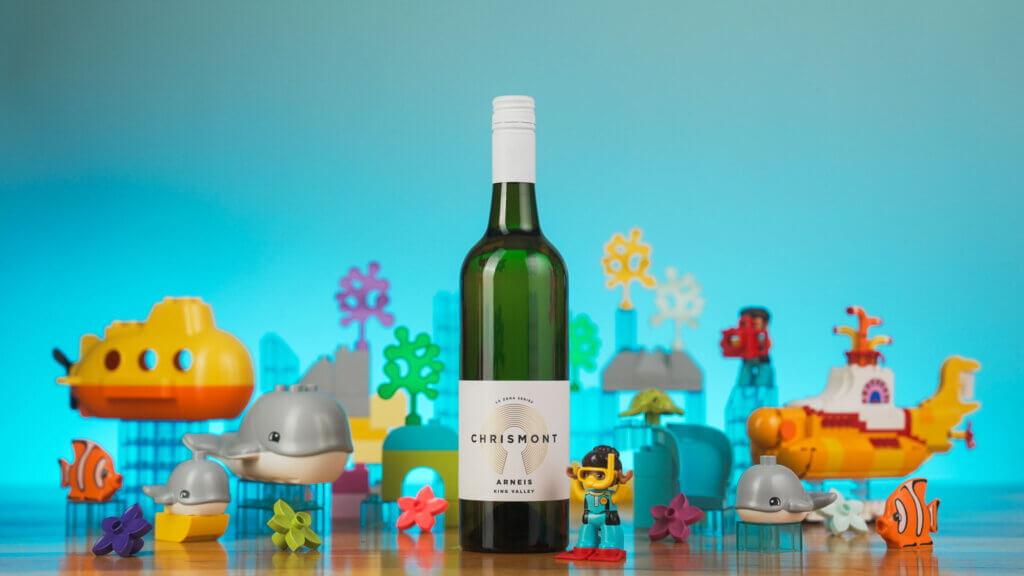
2024 Chrismont ‘La Zona Series’ Arneis, King Valley $26 RRP
Dal Zotto and Casey both selected this wine among their top six wines from the blind tasting. Dal Zotto described “chamomile and fresh cut green pear lead on the nose – it’s what I would call a very pretty wine. Honeydew melon and lemon notes give the palate a real zing, and it finishes with a lovely flinty/chalky mouthfeel. That beautiful texture completes this wine – a well-rounded example of Australian arneis.” Casey noted “on the nose, this wine immediately draws you in with lifted lime notes and ripe white peach, softened by a touch of honeyed richness. The palate is lighter and more restrained than the richness of the nose would suggest – but it’s beautifully shaped, with lees work providing quiet support and some texture. It’s subtle rather than showy – and all the better for it.”
This wine made the top six selections for both Infimo and Pizzini. Infimo described “medium lemon in colour. The nose is notably generous and expressive, led by a ripe, yellow-fruited spectrum of aromas that unfolds with ease – acacia blossom, yellow peach, ripe apricot, olive oil, and a hint of cantaloupe. On the palate, the wine is textural and layered, offering ample yellow stone fruit alongside a mealy, leesy nuance. The fruit is voluptuous yet remains harmonious and well-balanced.” Pizzini noted it “opens with aromas of ripe tropical pineapple and rockmelon, with hints of spices and yeasty notes that suggest some judicious use of oak and lees at work here. The palate is rich, round, and full, with the tropical notes from the nose following smoothly to the palate. This would be a great food pairing wine – ideally served with scallops in a creamy white-wine sauce.”
2024 First Drop ‘Vivo’ Arneis, Adelaide Hills $30 RRP
Talbot and Robinson included this wine in their top six wines of the tasting. Talbot described “delicate white floral aromatics open the nose, layered with ripe green apple, pear skin, and a subtle hint of citrus zest. On the palate, the wine is rounded and generously textured, with the apple character carrying through clearly, joined by soft stone fruit and a faint mineral undertone. A gorgeously composed wine with all the elements in place: expressive aromatics, satisfying palate weight, ripe fruit definition, and a clean, well-balanced finish.” Robinson noted “leading with a striking oyster-shell minerality, this wine smells like lunch at the seaside. Orange blossom and candied lemon set the scene, while a soft breeze of freshly cut pineapple and ginger notes lifts the nose. The viscosity on the palate is sublime – this wine coats your mouth with a beautiful balance of fruit and minerality. It’s a perfect palate cleanser.”
2024 Cupitts Arneis, Canberra District $34 RRP
This wine appeared in the top six wines of the day for Dal Zotto and Talbot. Dal Zotto noted “fresh and bright citrus notes on the nose – a combination of lemon and lime, alongside a hint of honeysuckle. Fresh green pear and pink apple notes on the palate, carried along by a lingering acidity. It’s well-balanced, with a chalky finish and impressive length – the flavour of this wine just lingers on the palate for you to enjoy long after each sip.” Talbot described “fresh white floral notes and the crisp, slightly tart character of Granny Smith apple skin define the aromatics here. By contrast, the palate is fleshy and generous in feel. The acidity is right on point – providing clarity and lift, while allowing the fruit to show its ripeness in a controlled manner. A wine of good structure and harmony – and a style that feels both composed and quietly satisfying.”
Dal Zotto, Lange, and Casey selected this wine among their top six wines from the tasting. Dal Zotto described “lemon and lemon pith build the backbone of this wine – it’s fresh and vibrant. Pink apple, Nashi pear and a hint of citrus on the palate give this wine great shape. A hint of almond and a chalky finish make me feel that this wine needs some food alongside it fully express itself – ideally fresh seafood dishes built around prawns or delicately flavoured fish.” Lange noted “one of the riper examples in the line-up, showing a tropical fruit spectrum that spans melon, guava and lychee. Crystalised ginger spice notes are accompanied by pretty florals such as geranium and pink rose petals. As with many of the examples in the lineup, the body is on the lighter side, with elevated acidity giving the wine both freshness and suppleness.” Casey found it “aromatically, this sits comfortably in chenin blanc territory, with a generous bouquet of floral notes. The palate is clean and refreshing, with a bright, almost sauvignon blanc–like lift of acidity. This feels like the kind of wine you could happily sell by the glass at a pub.”
2023 Symphonia Arneis, King Valley $30
Infimo and Lange included this wine in their top six picks. Infimo described “an appealingly herbal nose featuring fennel frond and dandelion, layered with citrus pith, yellow grapefruit, and fresh quince. The palate delivers concentration and succulence, tempered by a pleasing sense of restraint, and likely shaped by gentle phenolic grip. Green almond and citrus pith notes carry through to the finish, but without bitterness. A poised and thoughtfully constructed wine.” Lange noted “a savoury and almost feral nose that opens with nori seaweed, salted river rocks, and crushed seashells. If we’re looking at European analogues, my immediate impression is that this is more akin to an Etna Bianco than Chablis. This wine is yet another example of just how versatile arneis can be as a variety, depending on site selection and winemaking decisions – and it would likewise be versatile at the table, pairing well with sashimi and grilled swordfish alike.”
2025 Pizzini Arneis, King Valley $26 RRP
Talbot chose this wine for his top six selections from the blind tasting, describing “riper, more tropical aromatics define the nose of this wine – it leans more towards pineapple and ripe melon rather than apple, with a subtle sweetness to the fruit profile. On the palate, the wine is broader and more expansive than the leaner examples in the lineup, with a rounded, supple mouthfeel and an easygoing sense of volume. While it lacks the driving line of acidity in those leaner examples, it compensates for this lack with balance and cohesion. A well-rounded, approachable wine that emphasises texture and ripeness over precision, finishing smoothly and with quiet confidence.”
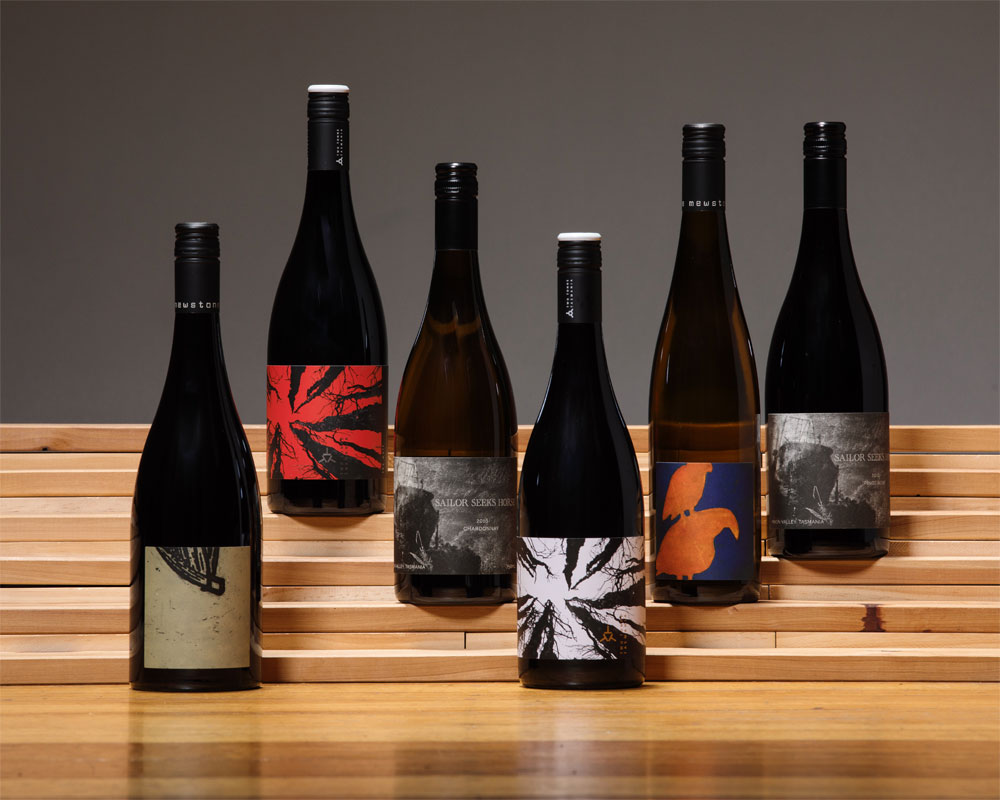
2022 New Era ‘Art Series’ Arneis, Adelaide Hills $30 RRP
Pizzini selected this wine among his top six wines of the day, noting “a very pure elegant nose, with fresh green pears, lemon, and kiwi – which opens up to show spiced pears and some pleasantly funky background hints of parmesan rind and struck matchstick. Silky-soft texture on the palate, with lovely rich flavours of grainy ripe yellow pears that persist through to an impressively persistent finish. I’d love to drink this in a big Burgundy glass alongside some pan-seared rockling served with a squeeze of lemon and nice pinch of rock salt.”
Lange chose this wine for her top six wines from the tasting, describing “a complex aromatic profile featuring lemongrass, grapefruit, and blood orange pith, accented by hints of Meyer lemon zest. Creamy custard apple fruit notes and a hint of praline add sweetness to the nose, while Thai lime leaf and fresh coriander give a herbaceous edge. Preserved lemon features on the palate, with recurring flavours of grapefruit pith and thyme, alongside a slight tannic grip that adds to the texture and length of the wine. In no way is this tannic grip unpleasant – instead, it makes the wine versatile at the table, ideally as an accompaniment to spaghetti alle vongole or a white truffle risotto.”
2022 Dal Zotto Arneis, King Valley $30 RRP
Lange selected this wine among her top six selections, noting “the nose on this wine is more subtle than many of the others in the lineup, with aromas of dried chamomile flowers, beeswax and crushed rocks slowly unfurling in the glass. Crab apple and fresh Golden Delicious apple skin emerge with time, alongside sweet spice characteristics such as nutmeg and cinnamon. The wine feels more generous on the palate than on the nose, with creamy citrus flavours and a hint of green pepper. Its chalky texture and balanced acidity drive an impressive length that displays great concentration and intensity. This is a wine that I’d love to meditate over and observe its development as it opens up in the glass with time and oxygen – every time I returned to the glass while tasting, another layer revealed itself.”
2023 Nikola Estate ‘The Impressionist’ Arneis, Geographe $60 RRP
Pizzini chose this wine for his top six picks from the blind tasting, describing “a lovely pear drop nose, made complex by tangy apple and lemon notes and beautiful hints of pure white florals – think lemon blossom and gardenia. Really moreish on the palate, with Galia melon flavours running across the tongue: spicy, sweet, floral and tropical. Great balance on the palate, framed with a lovely minerality – this wine is crying out to be paired with fresh cantaloupe wrapped in jamón serrano.”
2025 Vineyard 28 Arneis, Geographe $35 RRP
Dal Zotto included this wine in his top six wines on the day, noting “this wine is rich and full, leading with honeysuckle, peach and apricot notes. Great fruit on the palate, combining stone fruit notes of fresh peach and nectarine with a hint of apricot and a lovely touch of candied lemon character and traces of almond. It finishes with the variety’s trademark flinty/chalky characters, which nicely rounds out the palate. I really enjoy the way this wine brings all of its elements together to make a complete expression of arneis – it’s layered and complex, not one-dimensional.”
2024 Skigh Wine ‘Strange Brew’ Arneis, Margaret River $45 RRP
This wine made the top six list for both Infimo and Robinson. Infimo described “an aromatic profile dominated by a pronounced melon character – all green melon and Honeydew – and a yeasty undertone, as well as a touch of white balsamic vinegar character. While some may see that balsamic character as a minor fault, technically speaking, in this wine its presence lends a welcome aromatic lift and freshness to the palate. A touch of salinity on the palate adds interest and balance to the wine – an enjoyable and characterful lo-fi expression of Australian arneis.” Robinson noted “an arneis that doesn’t subscribe to the variety’s tendency to be either linear or opulent, but somehow manages to balance both. With its notes of flinty minerality, pressed chamomile, dried oranges, and lime rind, this is a wine to ponder over. I especially love how the wine’s notes of yellow mango skin and Clove Pink carnations broaden its palate. With its slick saline finish, this wine would be especially delicious alongside pan-seared scallops.”
The backstory
Arneis is a variety full of paradoxes. How can a variety whose name politely translates as ‘little rascal’ create such amiable, easygoing wines? Why do the wines made from this notoriously difficult to grow variety offer such excellent value, with nearly all Australian examples priced south of $40? And what exactly should wine drinkers expect to find when they pick up a bottle?
Arneis (pronounced ahr-NASE) hails from the sandy hills of Roero in Piedmont – the same northern Italian region that gave the wine world one of its current star varieties, nebbiolo. In fact, arneis and nebbiolo share more than just general geographical proximity: traditionally, nebbiolo vineyards had small amounts of arneis planted alongside. Wine historians disagree on the reasons why arneis has traditionally tagged along with nebbiolo – some claim that the earlier-ripening arneis was a sacrificial crop to ensure that birds didn’t eat the nebbiolo, while others claim that small quantities of arneis were traditionally added to nebbiolo-based wines to help soften that variety’s fearsome tannins and acidity. In either case, the association is a long one, as evidenced by the fact that arneis is sometimes also known as nebbiolo bianco.
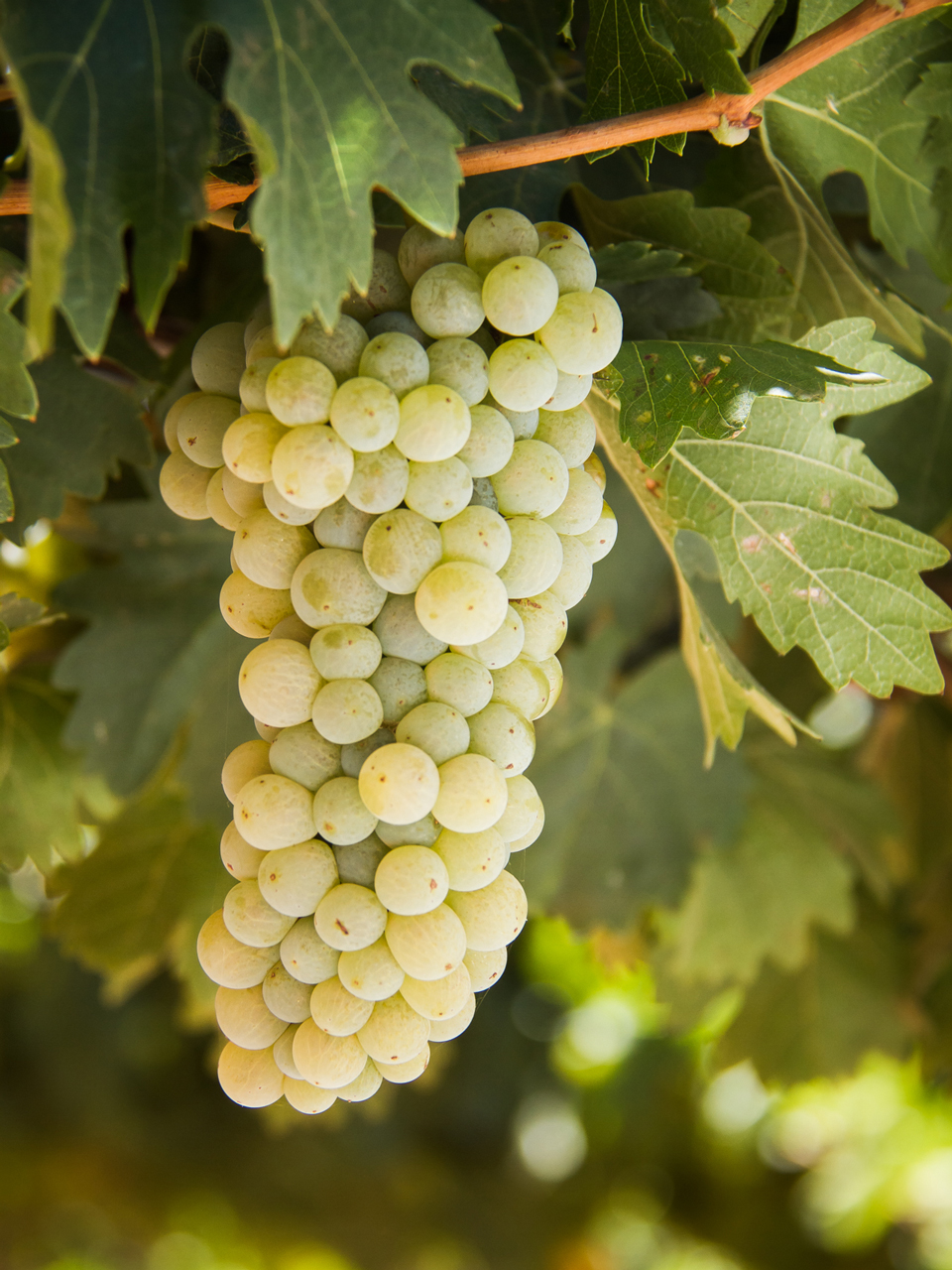
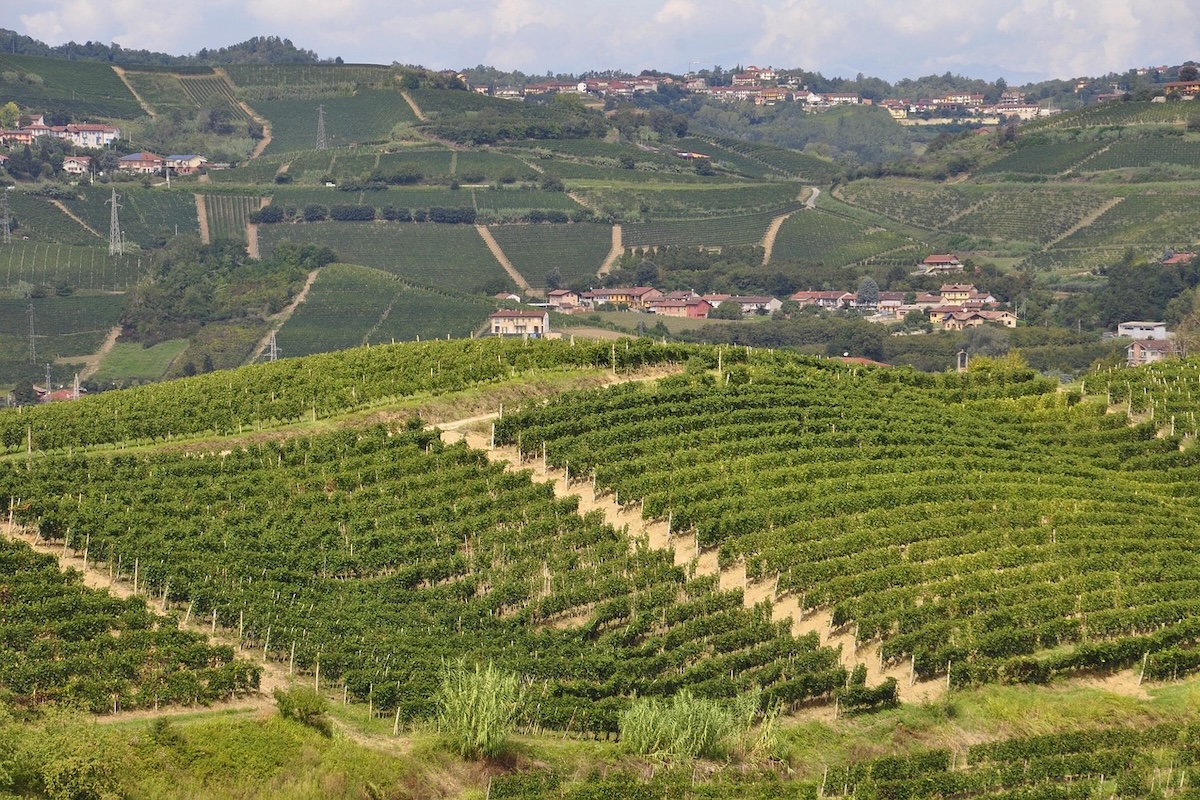
Opposite: Arneis grapes on the vine. Above: The rolling hills of the Roero sub-region of Piedmont in Northern Italy – the ancestral home of arneis, and the source of its ‘little rascal’ moniker.
Don’t let the ‘nebbiolo bianco’ name fool you, though. Unlike pinot gris and pinot blanc – which are colour mutations of pinot noir rather than genetically distinct varieties – arneis is very much its own thing, genetically speaking. Until recently, its origins were shrouded in mystery, but recent genetic research by Italy’s Institute for Sustainable Plant Protection (Istituto per la Protezione Sostenibile delle Piante) indicate that nebbiolo is likely to be arneis’s grandparent, although further work will be required to properly untangle its heritage and convoluted relationships with other Piedmontese varieties.
Saved by the (church) bell
The fact that arneis’s origins have only recently attracted serious scientific attention is very much in line with its history as one of the hundreds – or possibly thousands – of indigenous Italian grape varieties that have been marginalised in their own country. (Experts disagree on just how many native Italian varieties there are – and cataloguing them is an ongoing task made exceptionally arduous by the profusion of overlapping synonyms that they go by in different areas.) Italian winegrowers were forced to replant their vineyards on American rootstocks in the wake of phylloxera arriving in the country in the early twentieth century – not to mention having to rebuilt after the devastation of World War II – and varieties that were seen as troublesome or difficult to grow found themselves on the chopping block. Arneis in particular has quite a reputation for difficulty in both the vineyard and the winery – in fact, its name likely derives from the Piedmontese dialect term arnèis, which translates to ‘little rascal’ or ‘little difficult one’. To make matters worse, international consumers were, in the 1950s and ’60s, far more interested in Italy’s red wines than its whites – which meant there was very little money to made in growing arneis. In those circumstances, it’s not surprising that the variety found itself on the brink of extinction by the late 1960s, existing only as approximately 4,000 vines scattered throughout the nebbiolo vineyards of Roero.
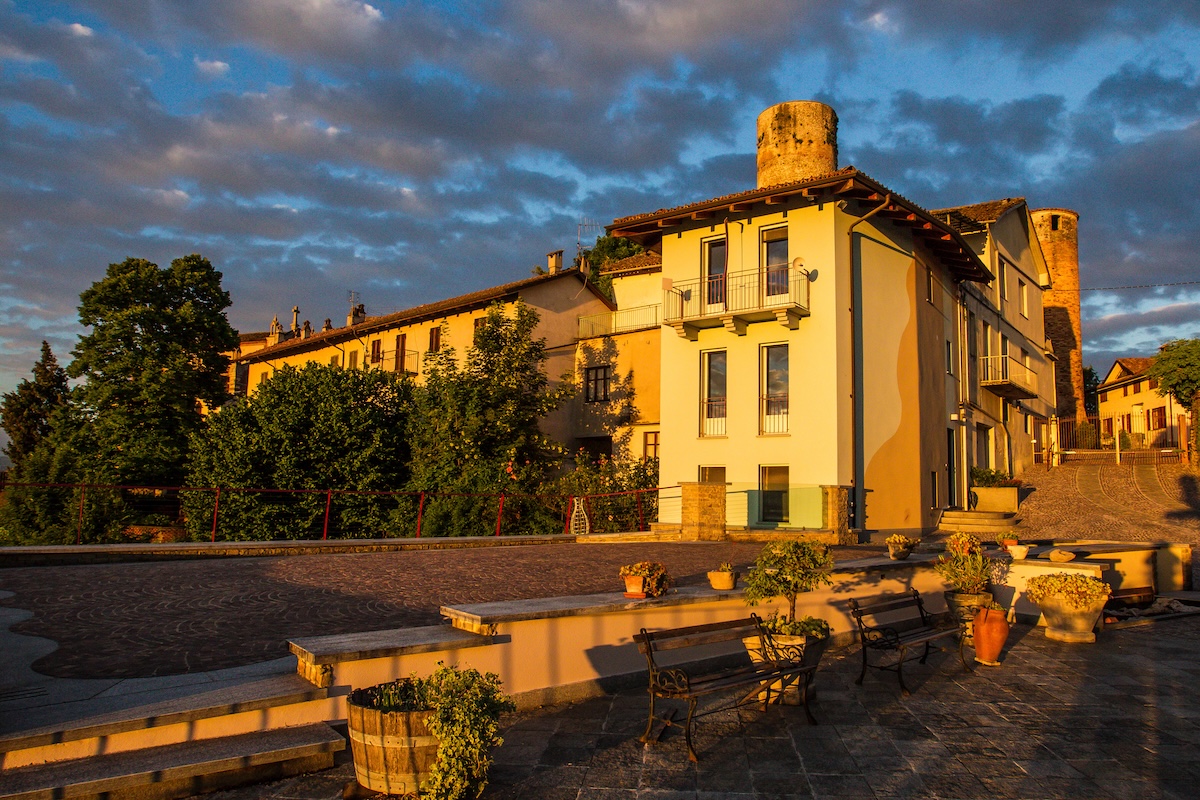
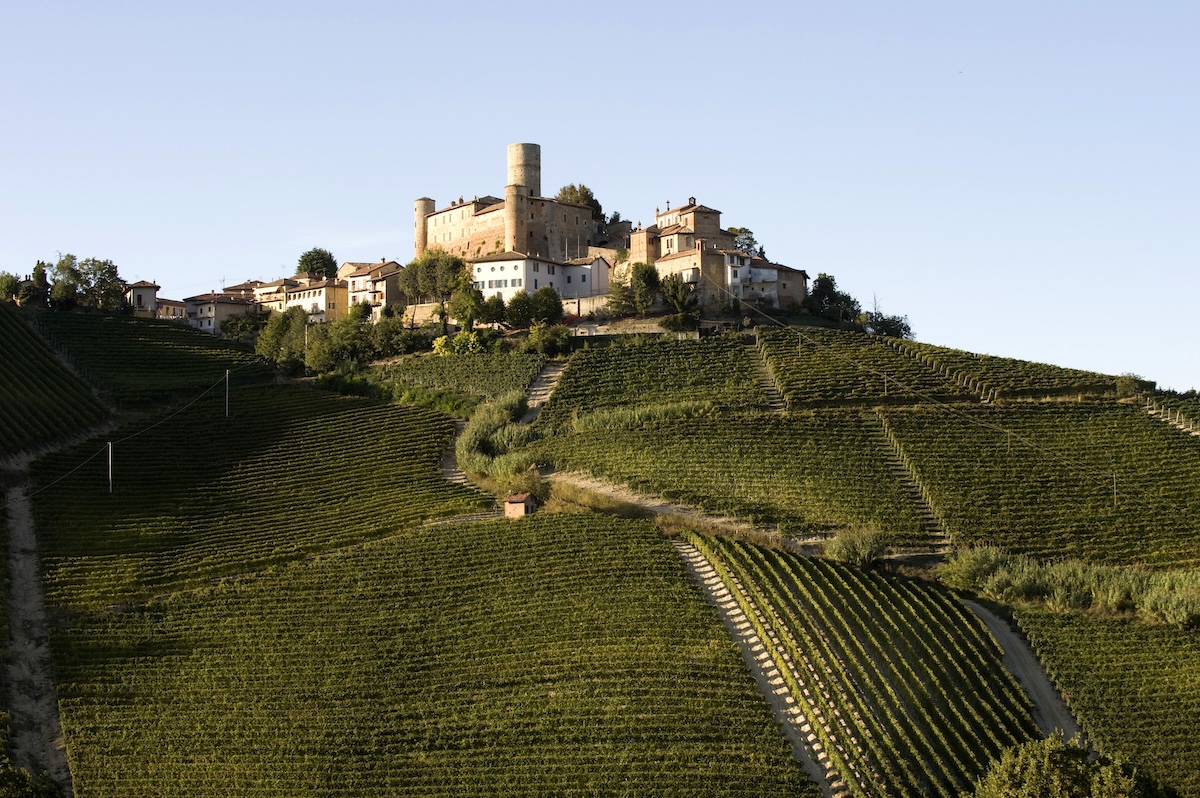
Opposite: The Vietti winery building in the Barolo village of Castiglione Falletto – where the first varietal arneis wine of the modern era, from grapes sourced in neighbouring Roero, was made in 1967. Above: The vineyards of Castiglione Falletto. (Images courtesy of Vietti.)
Roero’s ‘little rascal’ owes its survival to Luciana Vietti and her husband, Alfredo Currado, who were in charge of the Vietti winery in the nearby village of Castiglione Falletto (part of the neighbouring Barolo subregion) at the time of the variety’s lowest ebb. Luciana and Alfredo’s son, Luca Currado Vietti, recalled in a 2016 interview that his parents “were looking to make a white wine, but they did not want to plant international varietals. My father remembered there were many antique grape varieties planted in Roero” – including arneis. With their minds set to making a wine from these arneis vines, Luciana and Alfredo had to overcome the challenge of actually sourcing fruit from the growers. “In Italy, the farmers are very suspicious. If you don’t get a good introduction, they can shoot you in your ass,” Currado Vietti explained. “My mother had an incredible idea. A good friend of hers was the priest in one of the main villages in Roero. She said, ‘Why don’t we ask the priest if we could get the introduction to the farmers to get this grape?’” During a Sunday sermon in the lead-up to the 1967 vintage, the priest spoke highly of what Luciana and Alfredo were doing in Barolo, and informed the congregation that “Next Sunday, before you come to the church, you need to harvest the nebbiolo bianco and somebody will buy your grapes.” Alfredo arrived at the church the following Sunday to find 35 different farmers ready to sell him small quantities of their arneis – enough for a trial batch. Buoyed by the success of this trial batch – which crucially spent the winter resting on its lees – Alfredo planted a dedicated vineyard of his own to the variety in 1968. Thanks to Luciana and Alfredo’s work at Vietti – alongside that of Barbaresco-based superstar producer Bruno Giacosa, who started making varietal arneis in 1974 – the variety eventually clawed its way back from the brink in Piedmont.
“In Italy, the farmers are very suspicious. If you don’t get a good introduction, they can shoot you in your ass.”
Thanks to the efforts of these producers, arneis is now poised to take the title of the white grape counterpart to nebbiolo, Piedmont’s unchallenged hero red variety – but it’s not necessarily a sure thing, as there’s plenty of competition from other local white varieties, whose stories mostly follow similar ‘back from the brink’ plot arcs. Cortese, the variety responsible for the wines of the Gavi DOC, beats out arneis by sheer volume, with almost three times as much vineyard area planted across Italy – 3,363 hectares compared to arneis’s 1,229 – although its tendency towards making bland, inoffensive wines unless handled with precision in the vineyard means that it is unlikely to ever match arneis, let alone nebbiolo, in terms of prestige. Meanwhile, the more obscure varieties timorasso, erbaluce, and nascetta are currently dwarfed in vineyard area by arneis, but have seen serious interest from consumers and producers alike who are drawn to the prospect of getting in on the ground floor of the ‘next big thing’ in Piedmontese whites. Therefore the long-term future of arneis, both in Italy and abroad, relies on growers and makers coming to terms with, and understanding how to work around, its peculiarities – and it possesses no shortage of those.
The little rascal lands in Australia
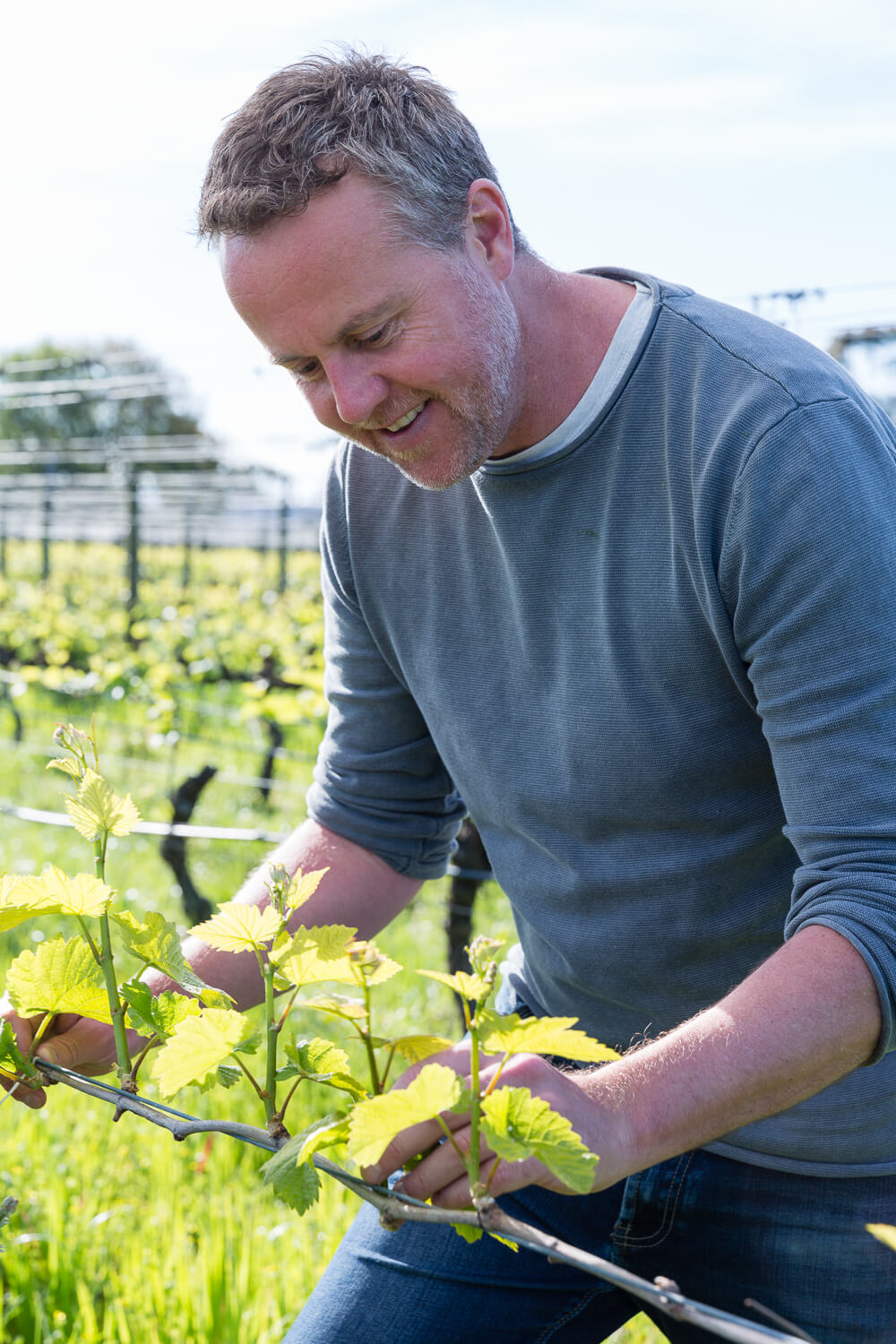
Arneis’s reputation for difficulty in the vineyard is not unearned – just ask Rollo Crittenden, custodian of the first commercially planted arneis vines in Australia. “It’s notorious in that regard,” he says. “It has very brittle canes, so it has this huge tendency to snap – and I think that’s part of that little rascal nickname as well, because it’s very susceptible to winds snapping the canes. And certainly yield has been a challenging one – in a good year, it can really throw a crop, but I think it’s quite quite susceptible to poor flowering if there are cold or windy conditions.” As such, he argues that “site selection is key – you need to get something a little bit more sheltered for both flowering and for canopy management.” While the variety has a reputation in Italy as particularly vulnerable to vine diseases – especially powdery mildew – the good news for Australian growers who might like to tame the ‘little rascal’ is that this seems to be less of a problem in the Australian context: “We’ve been okay from a disease pressure perspective,” Rollo says. (This may be down to the specific clones of arneis that are currently available in Australia, CVT CN 15 and CVT CN 19, both of which have found favour in in Piedmont owing at least in part to their disease resistance.)
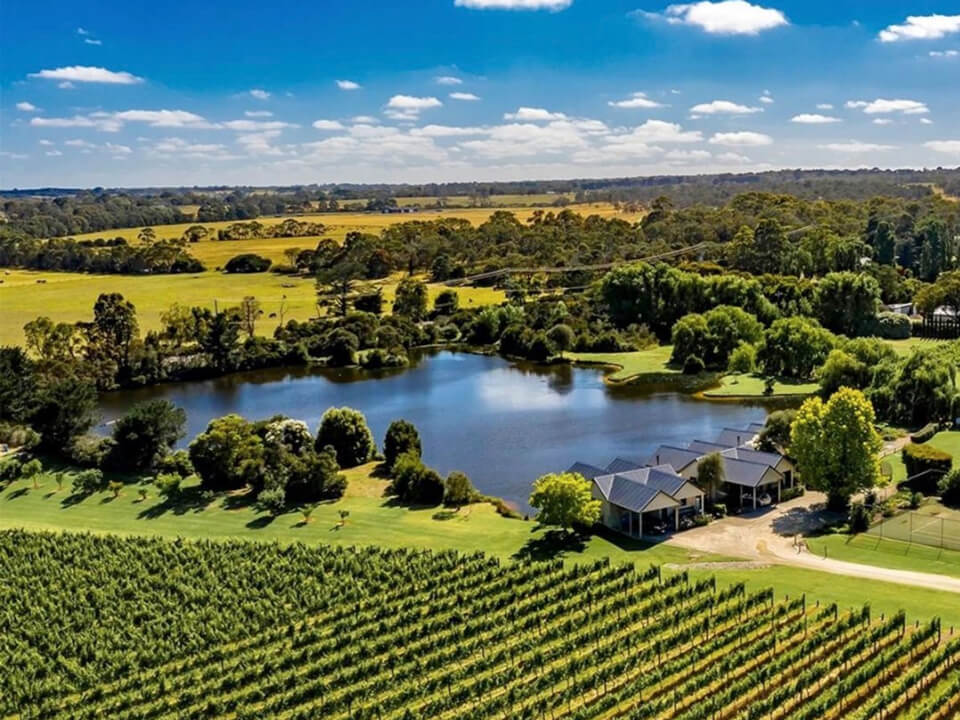
Opposite: Rollo Crittenden amongst the vines at Crittenden Wines’ Mornington Peninsula estate – home to the first commercially planted arneis vines in Australia. Above: An aerial view of Crittenden Wines’ Mornington Peninsula estate.
Perhaps appropriately, given this little rascal’s temperament, Crittenden Wines’ original plantings came to them via a fortuitous accident. Rollo explains that his father, Gary, “had a great love of Italian varieties, and was making a little bit of a name for himself for making nebbiolo and working with the Pizzini family.” As Rollo recounts it, Gary received a phone call from the CSIRO in the mid-nineties: “They said, ‘We understand you’re interested in the Italian varieties. We’ve got three or four hundred arneis plants that someone has brought into the country and put into quarantine for two years, and they’ve since moved on – they don’t actually want them any more. They’ve told us we can destroy them or get rid of them. Would you be interested in taking these plants? They’re just about to be released from quarantine.’ So he took them and planted three rows in our home vineyard on the Mornington Peninsula.” The timing was apt, at least from an international perspective – at that time, arneis was the subject of a small but heated planting frenzy in Piedmont, having become a desirable proposition thanks to the work of Vietti and Bruno Giacosa. “It was going gangbusters,” Rollo says. “There were reports of people planting vineyards to arneis, and the planting material was so light-on that other people would sneak into them in the middle of night and steal the cuttings out of the ground to go and plant their own vineyards. There was also a very common phenomenon called ‘chardarneis’, where people were blending large amounts of chardonnay into their arneis just to be able to get something out on the market under the arneis label.”
“The planting material was so light-on that other people would sneak into vineyards in the middle of night and steal the cuttings out of the ground to go and plant their own vineyards. There was also ‘chardarneis’, where people were blending large amounts of chardonnay into their arneis just to be able to get something out on the market.”
This vogue for the variety in Piedmont saw Crittenden Wines go all-in on the variety. “From those three rows, we grafted about another acre of chardonnay across to arneis pretty soon after they were established, two or three years later,” Rollo says – as well as providing cuttings to other growers in both the Mornington Peninsula and King Valleys so that Crittenden Wines could purchase more arneis fruit. But the wines faced tougher market conditions in Australia than at home in Piedmont – and this, rather than any specific viticultural or winemaking difficulties, eventually cruelled the variety’s chances for the Crittendens. “We jumped in pretty hard, but it was always a slog, you know – I think that we never could get to that tipping point,” Rollo says. “This was at a phase when Yalumba were really trying to introduce viognier. And part of their advertising campaign – I remember seeing the billboards – was teaching people how to actually pronounce it. I think anything that was easy to read and pronounce, people felt comfortable with at the time. And arneis was a little bit challenging. I think it fell a little bit into the ‘too hard’ basket – if it was on a wine list, people didn’t want to read to something out and mispronounce it.” It also suffered from competition as the ‘next big thing’ in white wine from not only the Yalumba-backed viognier but also fellow Italian variety pinot grigio – at that stage relatively obscure, but beginning to get the kind of traction that would eventually see it become one of Australia’s top-ten white varieties by harvest weight. As their growers started to graft over their own arneis plantings and they lost access to arneis fruit, the Crittendens pulled the pin on the project: “We brought suckers up from the rootstock of the chardonnay and converted that portion of the vineyard back, but retained the original three rows of arneis,” Rollo explains. Those rows still produce fruit, but since 2018 the Crittendens have happily handed over the baton of turning that fruit into wine – not to mention selling it – to small-scale maker Justin Purser.
A lucky little rascal
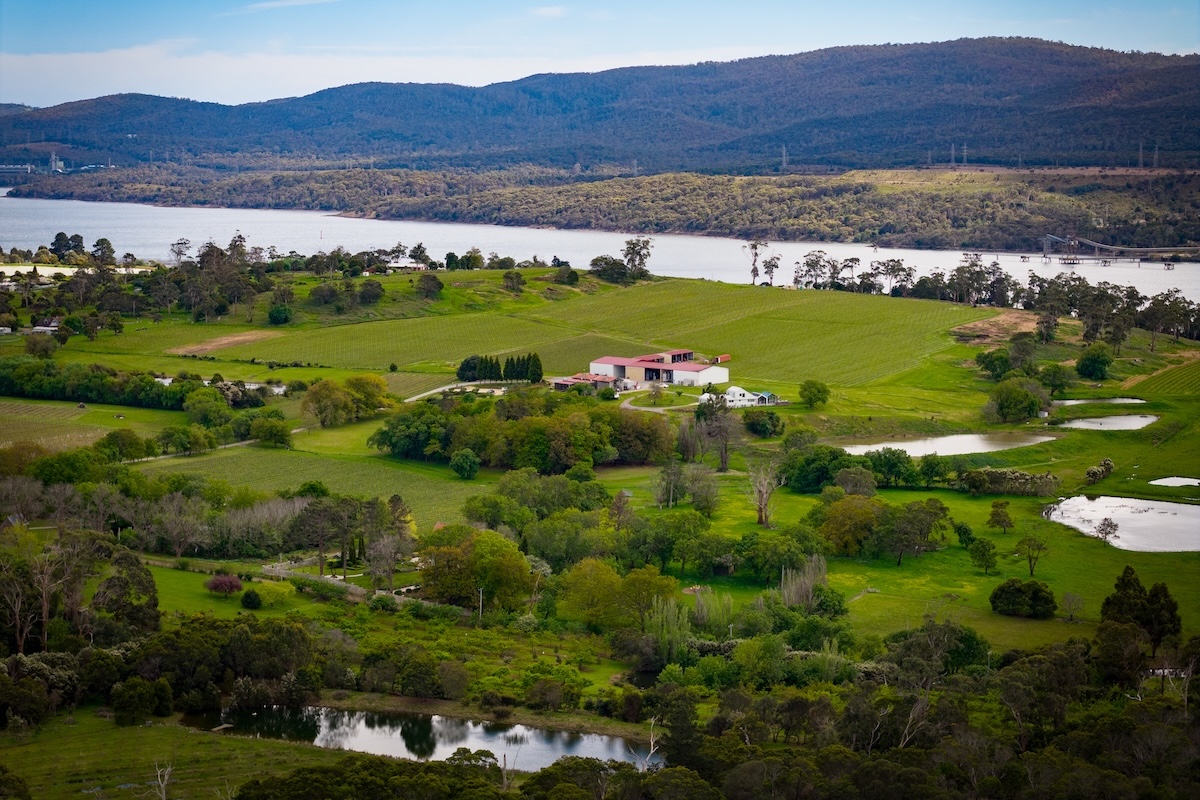
Arneis’s presence at the Holm Oak vineyard in Tasmania’s Tamar Valley is, like its presence at Crittenden Wines, something of a happy accident. “We wanted to plant an alternative variety – just for fun, really,” Holm Oak proprietor and winemaker Rebecca Duffy says. “Our first preference was grüner vetliner, but we couldn’t get access to any planting material back then – nobody had any. Well, someone did have some, but wouldn’t sell it to us.” With grüner off the cards, in Rebecca’s words, “we narrowed it down to albariño and arneis, just by what we thought might suit our climate. And at the time, Tamar Ridge had planted what they thought was albariño. We tried some of theirs, and we sort of didn’t love it – and we then thought that maybe we should just plant something that nobody else in Tasmania has. Which is somewhat fortuitous, because the albariño turned out to be savagnin.”
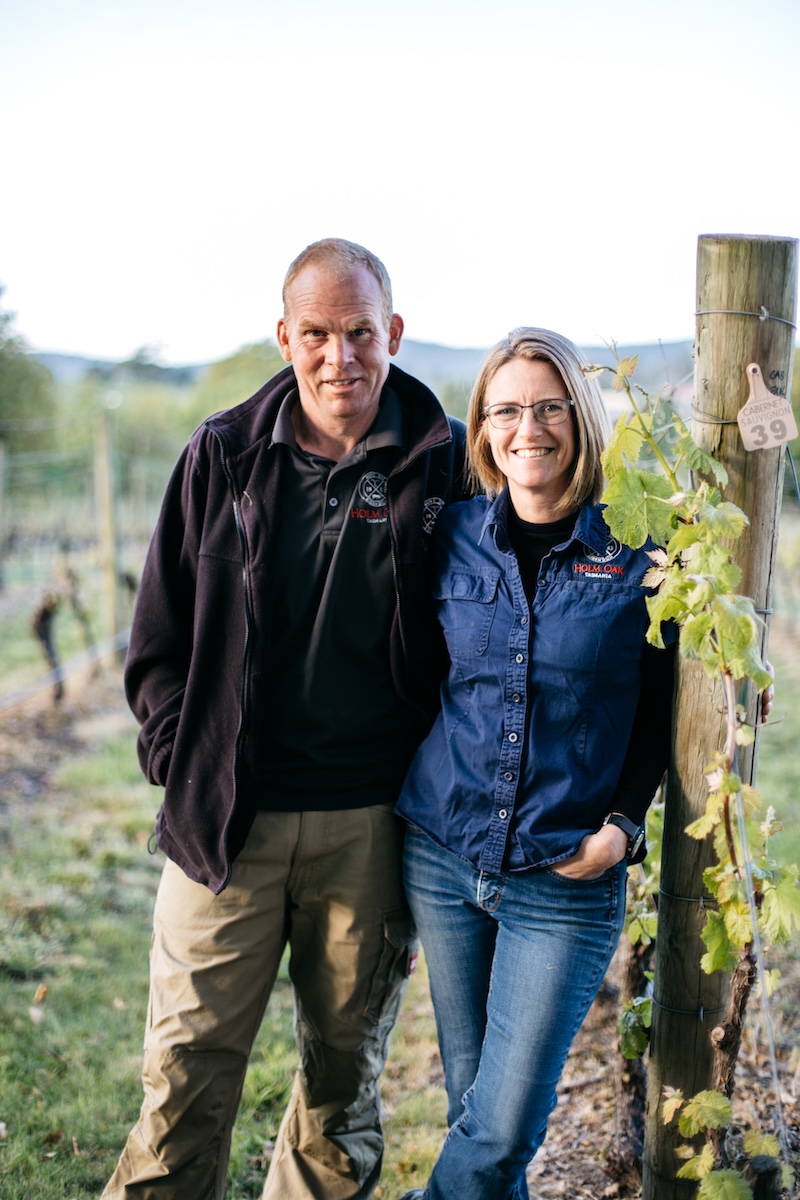
Opposite: Rebecca and Tim Duffy of Holm Oak. Above: Aerial view of Holm Oak’s estate vineyards, Tamar Valley, Tasmania.
Fortunately for Rebecca and her partner in both life and wine, viticulturist Tim Duffy, arneis seems particularly suited to the conditions in the Tamar Valley. “We didn’t really know very much about the variety, but it does have quite a loose bunch structure and relatively thick skin,” Rebecca says. “So it’s quite botrytis-resistant, which is good for for Tassie.” Despite its reputation as being particularly susceptible to powdery mildew in its Italian home context, this doesn’t appear to be an issue for the variety in the Tamar. “Surprisingly, we have issues with powdery mildew in general, but we don’t tend to have issues with powdery with arneis, which is funny,” Duffy says – a fact she ascribes to the clonal mix in the vineyard (Holm Oak uses both CVT CN 15 and CVT CN 19). At Holm Oak, this supposedly fussy variety seems to thrive on neglect: “Apart from the fact that some years that crops really high and some years it sort of crops really low and it’s a bit all over the place, it’s actually fine – we don’t spend that much time with it. It tends to do its own thing. And because it’s not a big part of what we do, it doesn’t get a whole lot of attention … we’re always so busy trying to look after the pinot and chardonnay.” The variety also enjoys another blessing from Tasmania’s weather – the island’s generally cooler climate, and especially its cool nights, are famous for preserving acidity in wine grapes. Arneis, by contrast, is notorious in both Piedmont and other parts of Australia for rapidly losing its acidity as grapes reach ripeness, which means that picking times usually have to be precision-calibrated – but, as Rebecca puts it, “the acidity issue isn’t really an issue in Tassie. If anything we would probably end up some years with the acidity being too high rather than too low in the cooler years, because it’s usually the last white to ripen.”
“In the early days, we made it more like a riesling – fairly clean juice, and inoculated, but then it was kind of boring. You don’t want to make a wine that just tastes kind of like a riesling crossed with an unwooded chardonnay. So that’s when we started experimenting a bit more.”
The winemaking for Holm Oak’s arneis is about as hands-off as the vineyard management: “We would be picking that that as our last white, which also means that it doesn’t get a lot of attention in the winery because it’s so busy,” Rebecca says. “We just press it – all the pressings and the free run go in together. We don’t add any enzyme, we just leave it in a tank overnight for the heavy solids to settle. And then we just rack it to a concrete egg and also older oak for ferment – and it’s all wild-ferment. And then basically it just sits there until we remember to look at it … probably for the last five or six years we’ve done it that way, and it tends to work quite well.” While this hands-off approach has the practical advantage of fitting relatively smoothly into a time of year where Rebecca is, in her words, “flat-out with pinot ferments”, it’s also an approach that has taken some serious trial and error to arrive at. Rebecca says of Holm Oak’s early attempts at making arneis, “In the early days, we made it more like a riesling – fairly clean juice, and inoculated, but then it was kind of boring. You don’t want to make a wine that just tastes kind of like a riesling crossed with an unwooded chardonnay. So that’s when we started experimenting a bit more with solids and wild ferments and things like that – and that’s the style that we ended up settling on because it worked a lot better..” Importantly, the ‘set and forget’ approach at Holm Oak ensures that the wine sees plenty of time on its lees after primary fermentation has finished – something that not only builds texture and interest in the wine, but also helps to protect it from oxidation, a fault that the variety is otherwise vulnerable to. In fact, it’s not hard to draw parallels between Rebecca’s description of Holm Oak’s approach to making arneis and the first trial batch of varietal arneis made by Alfredo Currado in 1967. Arneis seems to be a variety that’s cheerfully agnostic in terms of how its made – just as long as the making methods remain relatively lo-fi.
A rascally little future
For his part, Rollo Crittenden is not planning on resuming his former role as a maker of arneis any time soon, although he has fond memories of working with the variety. “It was always a wine that lent itself to winery intervention – and that sort of flies in the face of what we do now with things like pinot noir and chardonnay,” he says. “But yeah, you could really take it for a walk in the winery – a bit of stainless, bit of old oak, a bit of lees, a bit of wild ferment. You’ve got all of these tools at your disposal to bring it out and enhance those mid-palate textural components – and certainly to try and keep some freshness there, too. We had a lot of fun making it and working with it.” He argues that while the market conditions that doomed Crittenden Wines’ first tilt at arneis have changed in the intervening years – as he puts it, “I think maybe the market’s a little more user-friendly now with these varieties” – the variety might have been superseded in terms of interest amongst the hard-core wine cognoscenti by other alternative varieties that have more recently landed on these shores. “You just don’t hear much about it these days,” he says. “You go into a decent bottle shop and you’ll see one or two on the shelf – you’d rarely see one on a wine list.” Instead, he argues that you’re most likely to encounter the wine “if you go to someone’s cellar door, and they’ve got this that and the other, some sangiovese, and then, ‘Oh, this curious arneis variety – what can you tell us about that?’ It’s still not broadly known.”
“I kind of like that it’s just a little bit quirky, and a bit different. And that people can come to the cellar door and have something that they may not have seen before. I don’t mind having little secrets.”
Perhaps appropriately, Holm Oak have found that the natural outlet for their arneis is at the cellar door, where samples can be poured liberally. “We sell a fair chunk of ours through the cellar door, because people can obviously try it and see whether they like it,” Rebecca Duffy says. “We say to people that it’s relatively fruit-driven, but it’s got some good complexity in terms of concentration and texture on the palate. But it’s still got some nice, lifted, almost Honeydew melon those nectarine characters as well. I generally end up describing it being sort of halfway between the gris and the chardonnay in terms of complexity – but with the acidity of riesling.” She pauses. “I don’t know – it’s its own variety. It’s very hard to explain to people. And I think if you’re trying to sell a bottle of it in a restaurant, then that I can imagine that it’s quite difficult. If you’ve got it by the glass and you’ve got somebody who’s willing to try something different, it’s good. But in terms of committing to a bottle, or even just going into a bottle shop and buying one – that’s not the kind of wine it is.” While she’d like to see it become better understood, she argues that there are virtues to its current market position. “There’s been a fair push behind fiano at the moment from a restaurant and social media perspective – and perhaps something like that could happen with arneis. But I kind of like that it’s just a little bit quirky, and a bit different. And that people can come to the cellar door and have something that they may not have seen before. I don’t mind having little secrets – they let people make some good discoveries of something new every now and then.”
“I was always saying, ‘Look, it’s a shame that pinot grigio got the limelight, because arneis is a better variety.’ And I still in some ways believe that.”
Reflecting on his experience with the variety, Rollo considers the alternative path that Australian wine consumers might have taken with arneis: “When I was out there with sample bottles in hand, treading the pavement, going around to restaurants – this was in the early 2000s – I was always saying, ‘Look, it’s a shame that pinot grigio got the limelight, because arneis is a better variety’,” he says. “And I still in some ways believe that. I really like sub-aromatic or mid-aromatic varieties like arneis. I like the texture. I like a bit of fruit and a bit of lift – the only downfall is that loss of acid that the variety can have. But it’s a shame that it didn’t get more of a foothold back in those days.” He argues that the variety is unlikely to become the ‘next big thing’ again without serious investment from a large wine company – something that’s increasingly less likely to happen as these companies stick to the tried and true in the face of declining sales. “It often takes a big company like a Yalumba getting behind a variety to really push it back into mainstream,” he says. “I think the big companies are far less likely to do something like that now because they know how much money they have to pour into a brand to get it to that tipping point – that mainstream tipping point where it becomes viable, and it gets pulled into the market rather than them having to push it into the market.” Despite this relatively bleak prognosis, he still hopes against hope for the little rascal to stage an unexpected comeback: “I’d love to see it get a little bit more attention and have a resurgence. Will it? Who knows? … Never say never.”
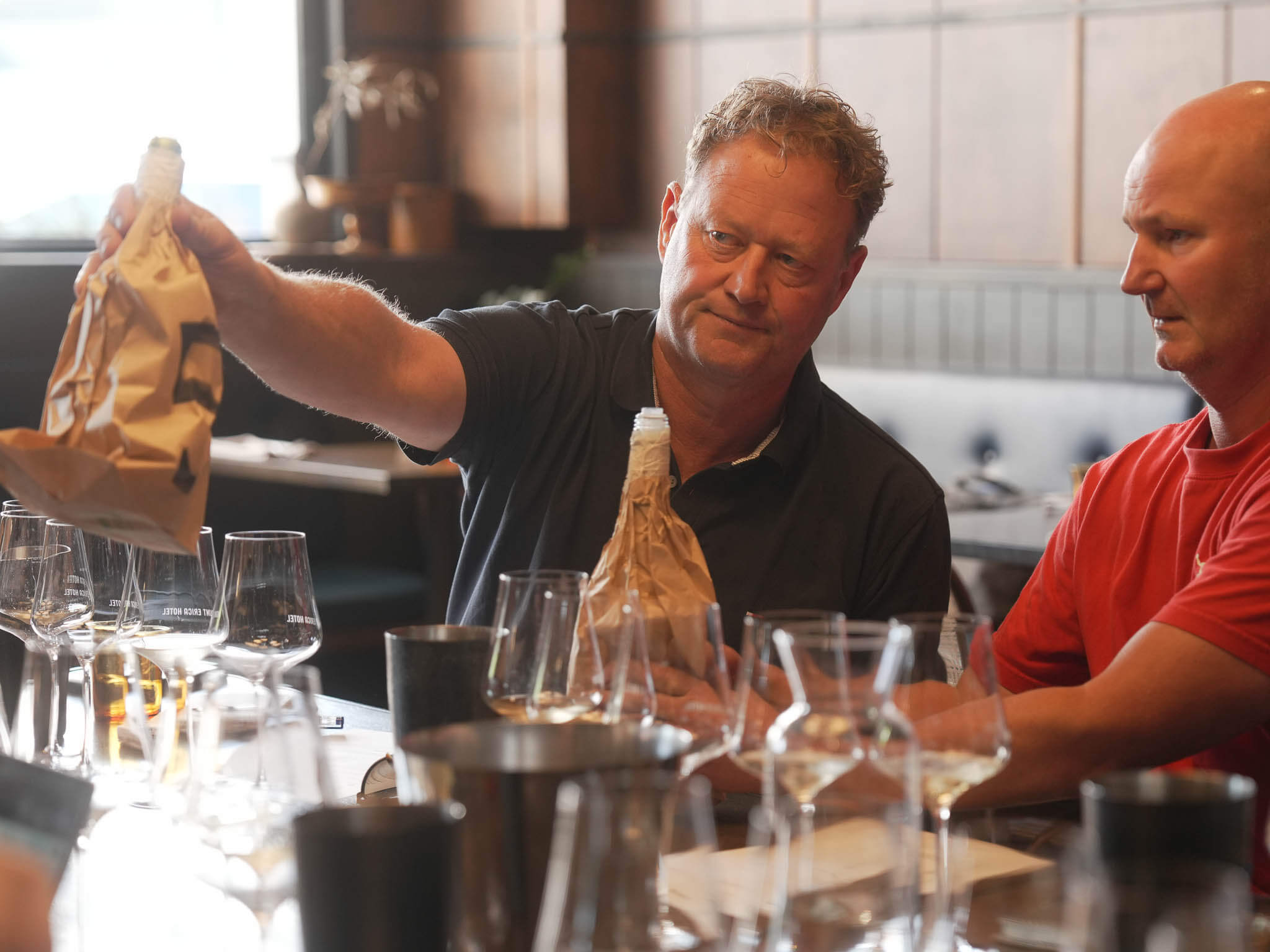
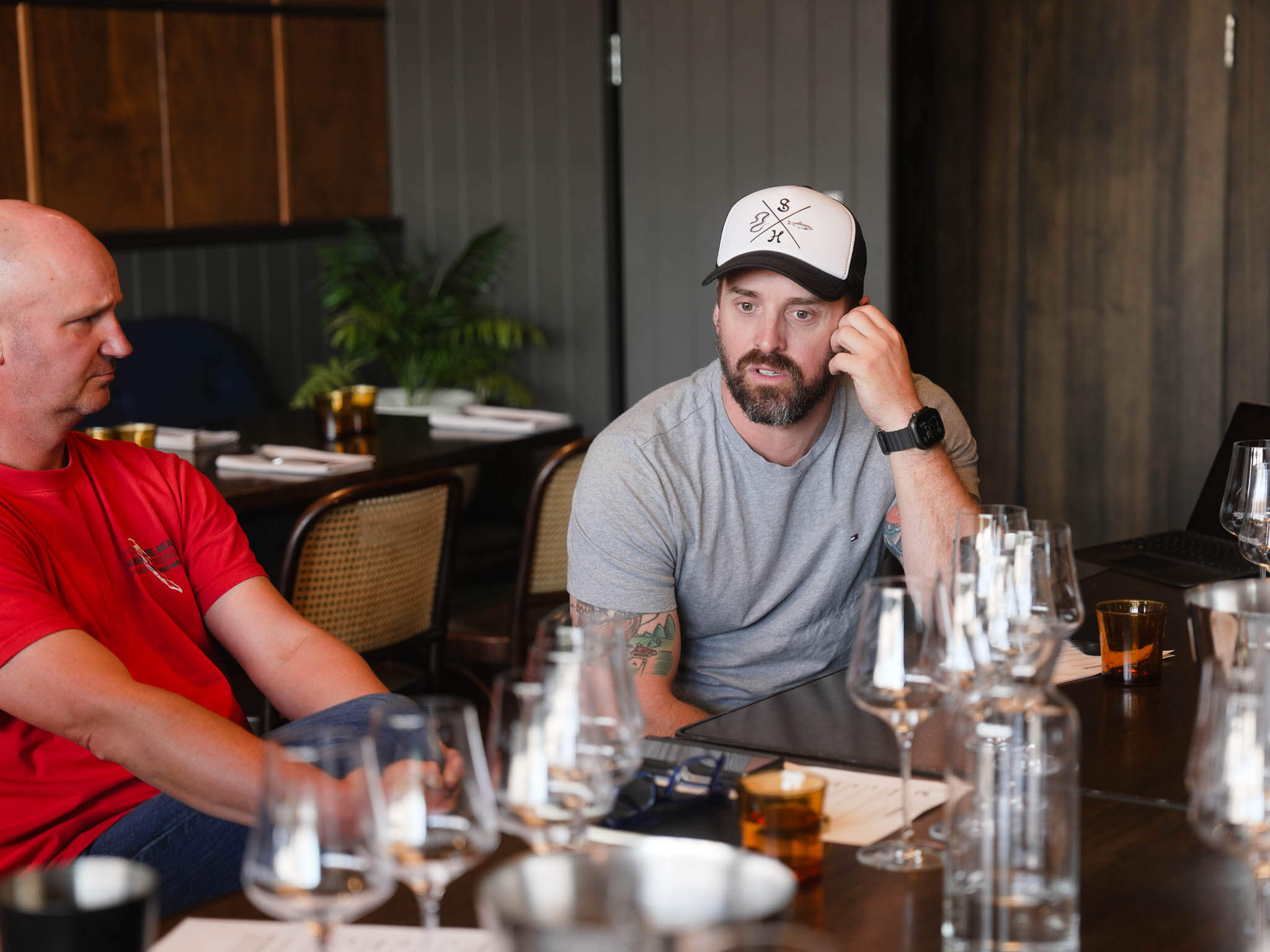
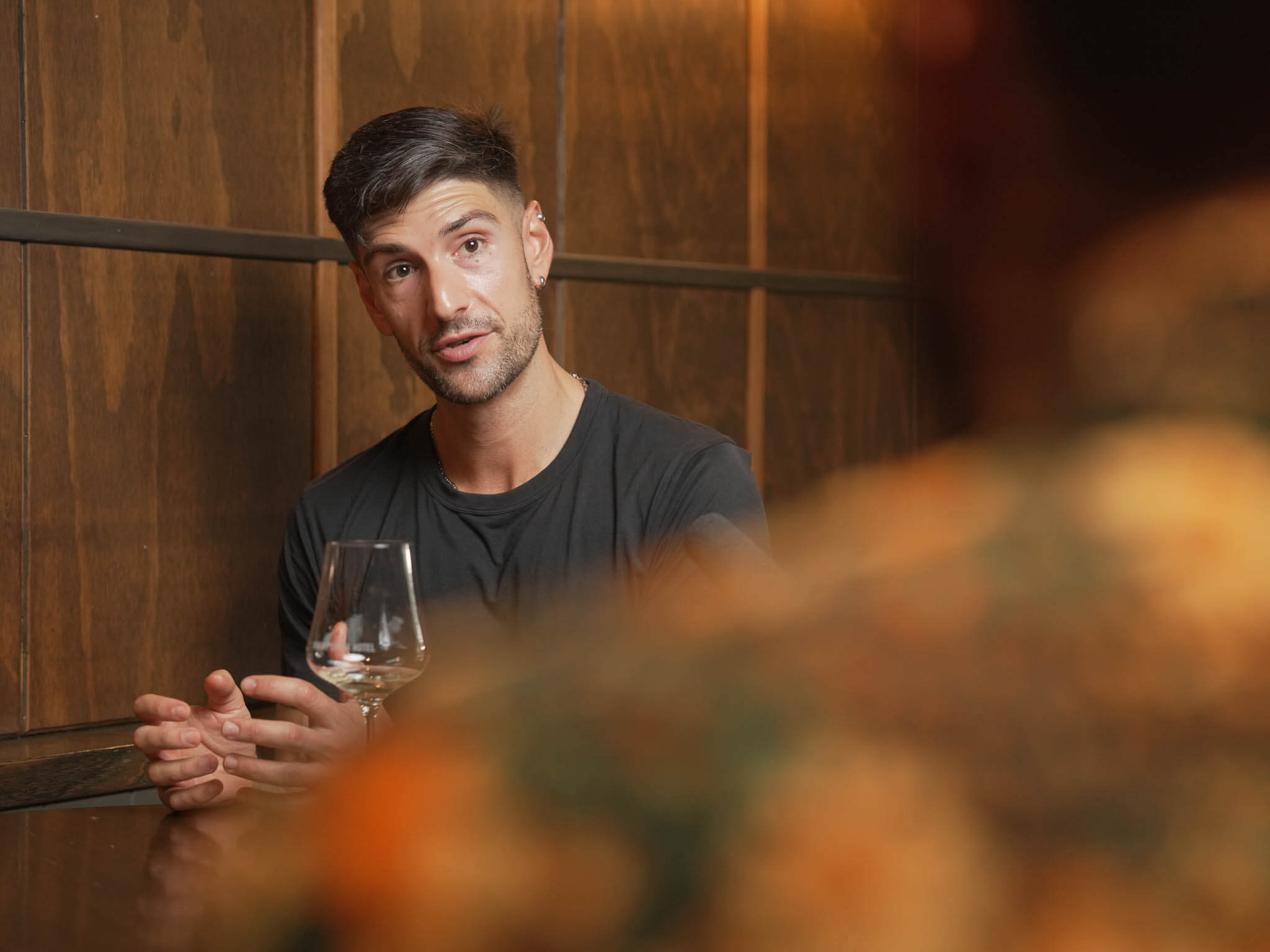
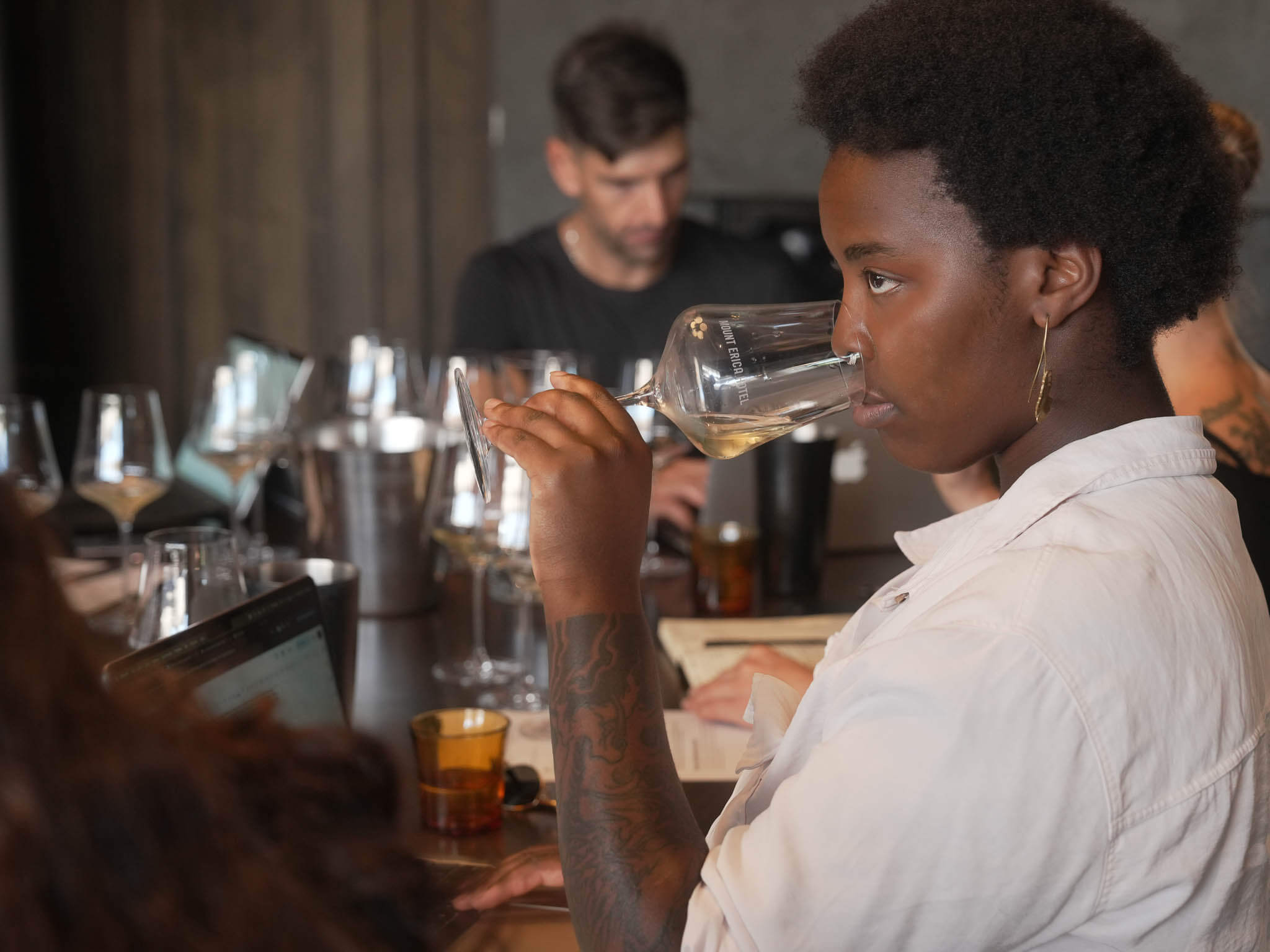
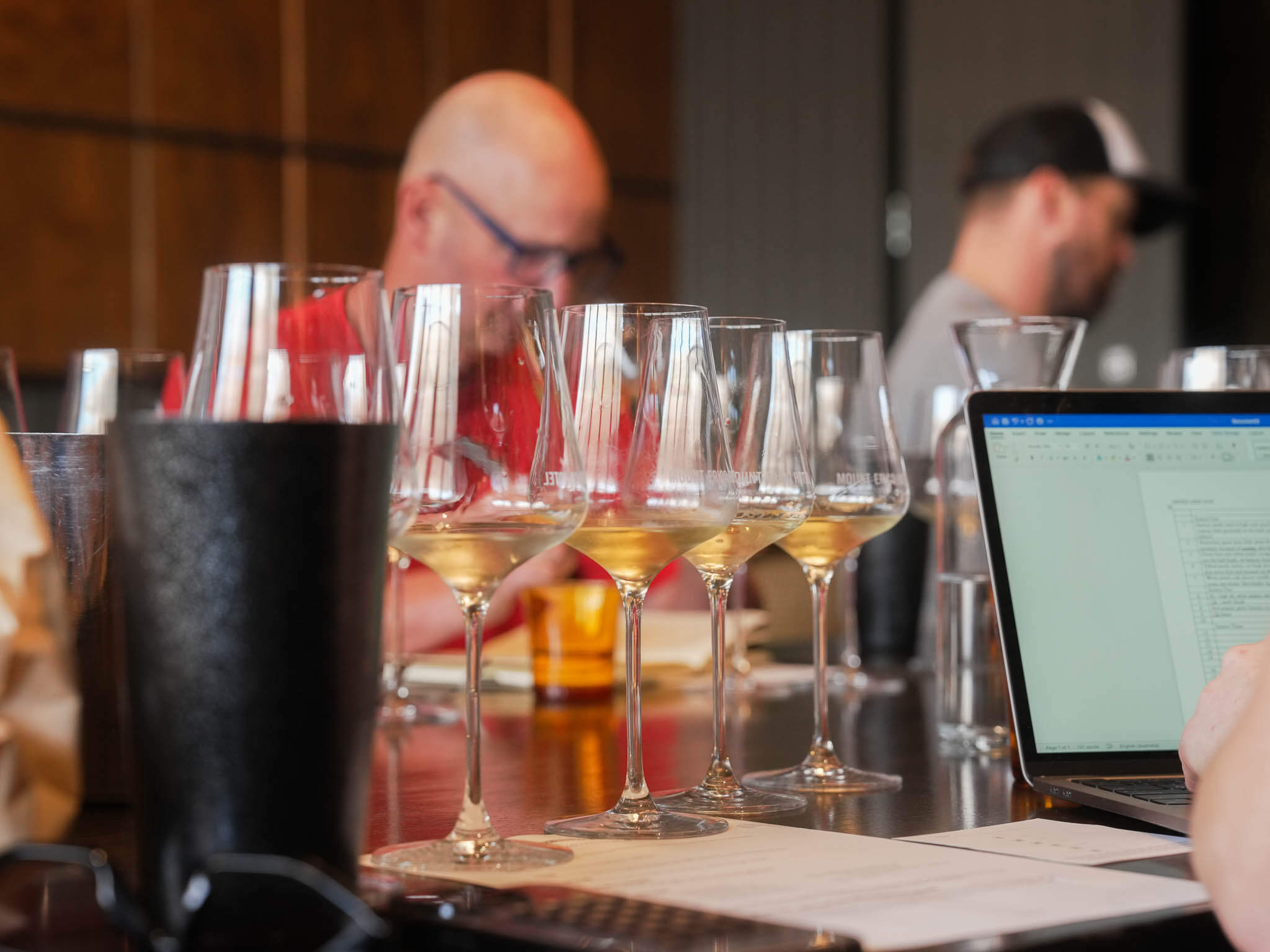
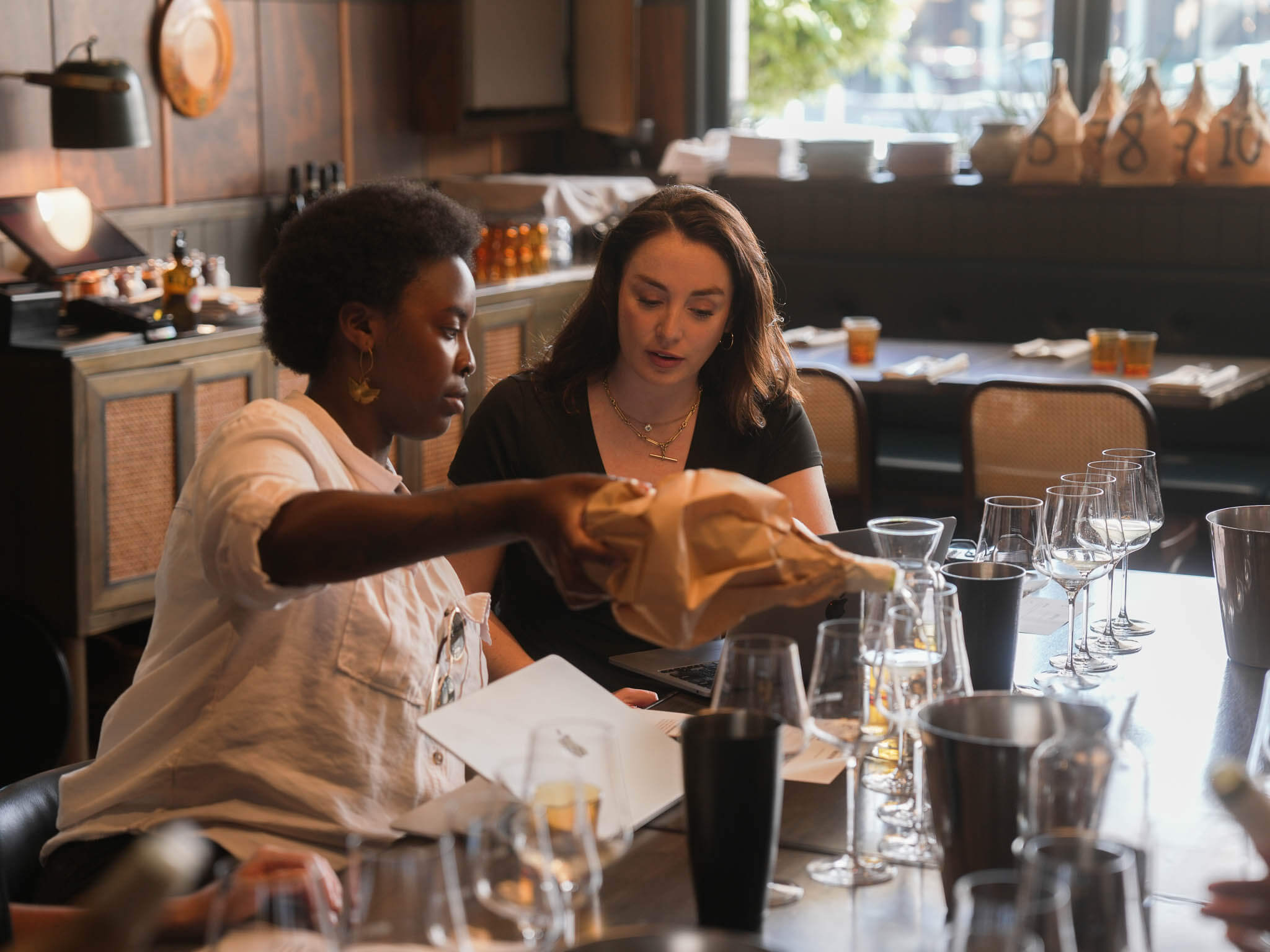
Above: Our Deep Dive panellists gathered at the Mount Erica Hotel, Prahran (Melbourne).
Outtakes from the tasting
We gathered every example of Australian arneis that we could find and set our expert panel the task of finding the wines that compelled the most. All wines were tasted blind, and each panellist named their top six wines.
Our panel: Michael Dal Zotto, winemaker and co-proprietor, Dal Zotto Wines; Katarina Lange, beverage manager and wine buyer, Botanical Hotel and Bar Carolina; Joel Pizzini, winemaker and viticulturist, Pizzini Wines; Sez Robinson, sommelier, Cumulus Inc.; Matt Talbot, winemaker and proprietor, Patch; Mackenzie Casey, wine communicator and host, The Back Label; Andrea Infimo, sommelier, Osteria Renata.
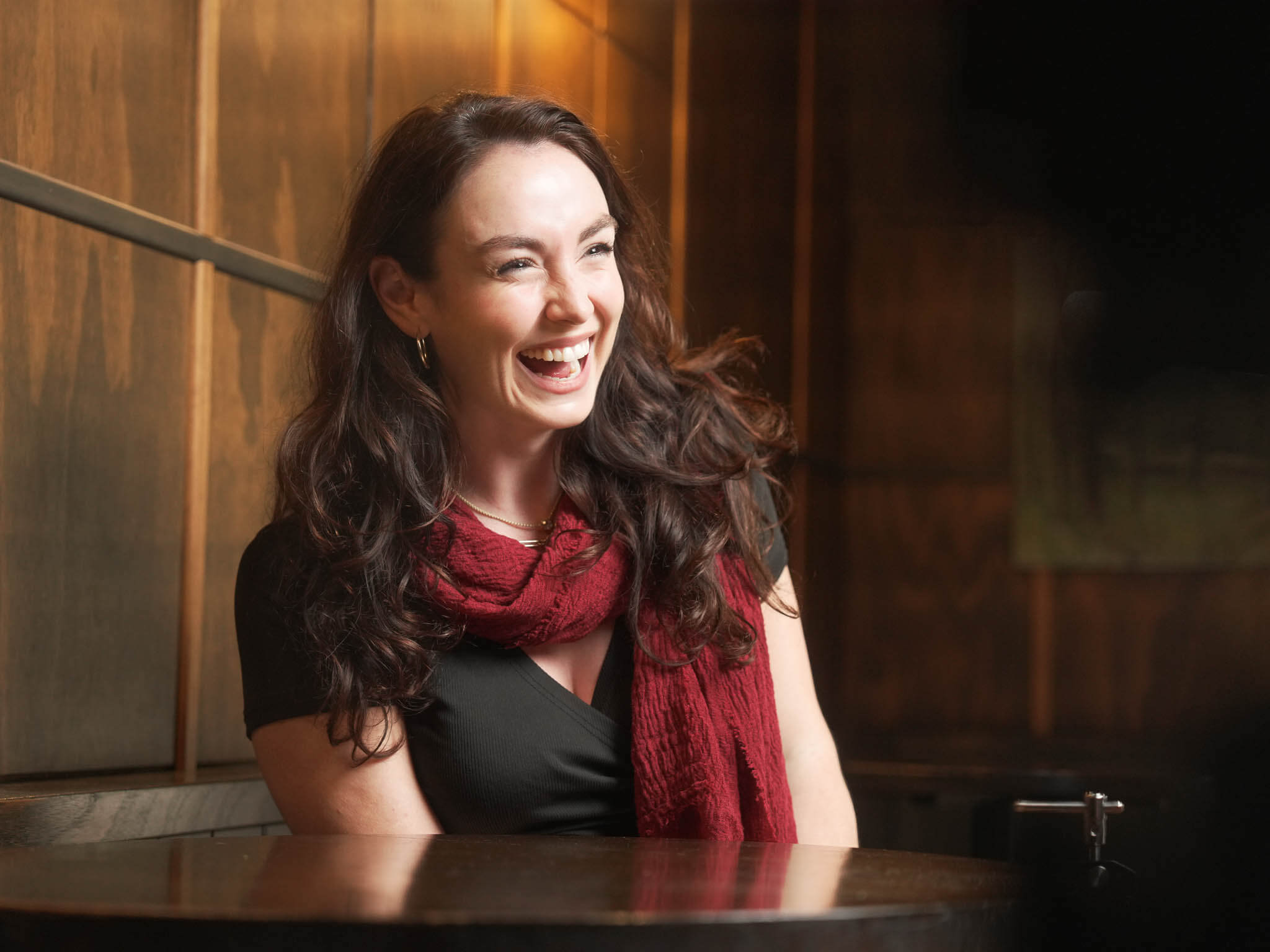
Lange kicked off the discussion by noting the diversity of the wines in the lineup. “There was so much variety in Australian examples – I was surprised to see how adventurous some producers can get with it,” she said. “It’s a real contrast to Italian examples, which are usually not affected by oak at all – if there’s oak, it’s old oak and large format, but it’s usually stainless steel.” She also noted that the wines were generally excellent value: “They can be half the price of a chardonnay, and it can be textural – it can give you that same palate feel.” While she appreciated a hint of oak in many of the wines on display, she added that oak use was not always successful for the variety: “It’s somewhat overpowering,” she said of a particular example that she felt wasn’t successful. “All I could see was the oak, and it didn’t really suit the variety – it just seemed like a waste.” She added that alternative fermentation and maturation vessels might provide more successful means of working with the variety: “We can still have some evolution – experiments in concrete and terracotta.”
Above: Joel Pizzini. Opposite: Katarina Lange.
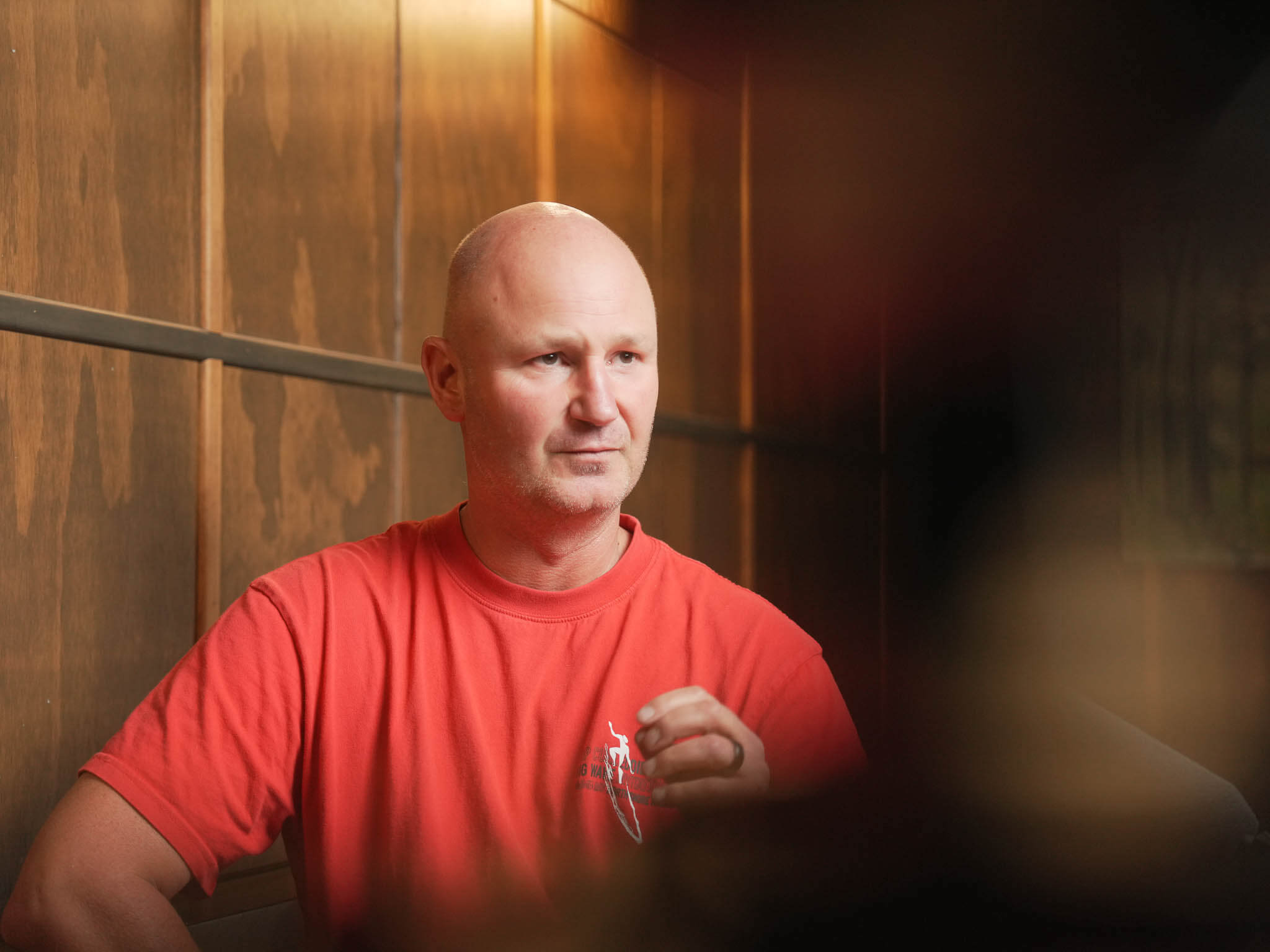
Pizzini observed that the throughline of the wines in the lineup was judicious use of lees work. “It was a pretty solid bracket – there was nice diversity within the whole sort of bracket,” he said. “There was some nice lees work, and there may have been a couple that may have had some oak complexity, so there were some nice variations in terms of the winemaking styles and utilisation of different tools. But there was a strong lees note through many of them – which I think is really positive, because I think the variety actually needs a little bit of lees work to help curb back its astringency. It’s got quite a lot of astringency in the skins that can naturally just come out, because [the fruit characters are] really delicate.” He attributed this astringency to one of the variety’s many viticultural quirks: “It’s got thin skins, but they’re quite tough,” he said. “It’s really a bit weird.” (Dal Zotto added here that the skins’ toughness meant they were full of phenolic compounds, but their relative thinness means that they “give up those phenolics quite easily” in the winery.) Pizzini argued that managing the bitterness and astringency that can come from the variety was the difference between the wines that were successful in the tasting and those that were less so: “I could have done with a little bit more management of that – some of the wines could have been a bit less astringent,” he said.
“There was a strong lees note through many of them – which I think is really positive, because I think the variety actually needs a little bit of lees work to help curb back its astringency.”
Discussion of the variety’s phenolic tendencies moved into a discussion about the role of tannins – one of the more important types of phenolic compound in wine – in the wines on display. “To me, there was a tannic grip in many of the wines,” Lange observed. Talbot concurred: “There’s a few that had it – a few that worked it well, and a few that maybe didn’t work it as well.”
Above: Michael Dal Zotto. Opposite: Mackenzie Casey.
Dal Zotto argued that the presence of tannins in any of the finished wine was not just one of what happened in the winery, but also where the grapes were grown – although it was hard to discuss the subject after a blind tasting as the regional origins of the wines had been kept secret. “I think it’s also site related,” he said. “There were some really, really, really smart wines there – and I’m just wondering where where they were growing. Were they on a slightly warmer site, or a cooler site? How hard were they pressed? All that sort of stuff.” This raised a bigger-picture question about whether or not Australian arneis should seek to emulate the Piedmontese original in terms of where it’s grown and how it’s made, or if it should instead seek to find its own identity. Speaking to this point, Dal Zotto said, “Everyone tries to find their own identity, don’t they? It’s how you handle things within the winery – that’s what your identity comes down to. You’re always wanting the wines to have varietal characteristics, but they’re never going to be Italian. It’s going to be an Australian arneis, or for us at Dal Zotto, a King Valley arneis.”
“You’ve gotta wait until it gets ripeness, otherwise it’s so … it’s just so nothing.”
Talbot observed that, on the evidence of the lineup, there was not yet a clear identity for Australian examples of arneis. “It lacks an identity at the moment,” he said. “The lineup shows that everyone has their own approach at it – some work, some don’t.” He argued that regardless of winemaking approach, the key to success with the variety was nailing when to harvest it: “You need to hit ripeness,” he said. “Don’t be afraid that the acid will drop. It’s a very fine window, like with viognier and marsanne – it’s green, and then the acid’s gone. You’ve got to pick it in that window.” Reflecting on his own past experiences as a maker, he added, “We’ve picked early with rain – we were worried about it getting botrytis – and those wines look angular and green. You’ve gotta wait until it gets ripeness, otherwise it’s so … it’s just so nothing.”
Above: Matt Talbot. Opposite: Andrea Infimo.
Infimo concurred with Talbot, and noted that some of the less successful wines in the lineup showed what he called “the fear of letting the variety get too ripe, and the fear of low acids.” He added, “There were a few wines that for me were treated almost like a Hunter Valley semillon – picked a bit too early. They might have looked older than they actually were, thanks to that green character and high acidity.” (By contrast, he also noted that some of the examples with more obviously ripe fruit characteristics “had obvious added acids”.) For him, the most successful examples showed “good picking decisions – good picking window, nice phenolic and flavour ripeness, nice acidity. These were the wines that showed good concentration and balance.” He added that in instances where acidity was lacking, the wines could instead be balanced by tannins from some judicious skin contact in the winery. “You can create that balance with phenolics instead,” he said. “I recently heard from [Rhône winemaker] Jean-Baptise Souillard that with varieties like marsanne and roussanne you don’t get tension from acidity. So how do you build it? With phenolics. I think the same rule applies to arneis.”
“If I was going to sell arneis to a table, it would be people who are adventurous enough to drink something that they don’t know how to spell or say – or potentially have never heard of.”
Following this theme, Casey argued that while winemaking techniques could bring balance to the wine, they couldn’t make up for deficiencies in the fruit sources. “I could taste when some of the fruit wasn’t quite there,” she said. “In those cases, the fruit had tried to be hidden through winemaking techniques and use of oak – but it just didn’t have that balance.”
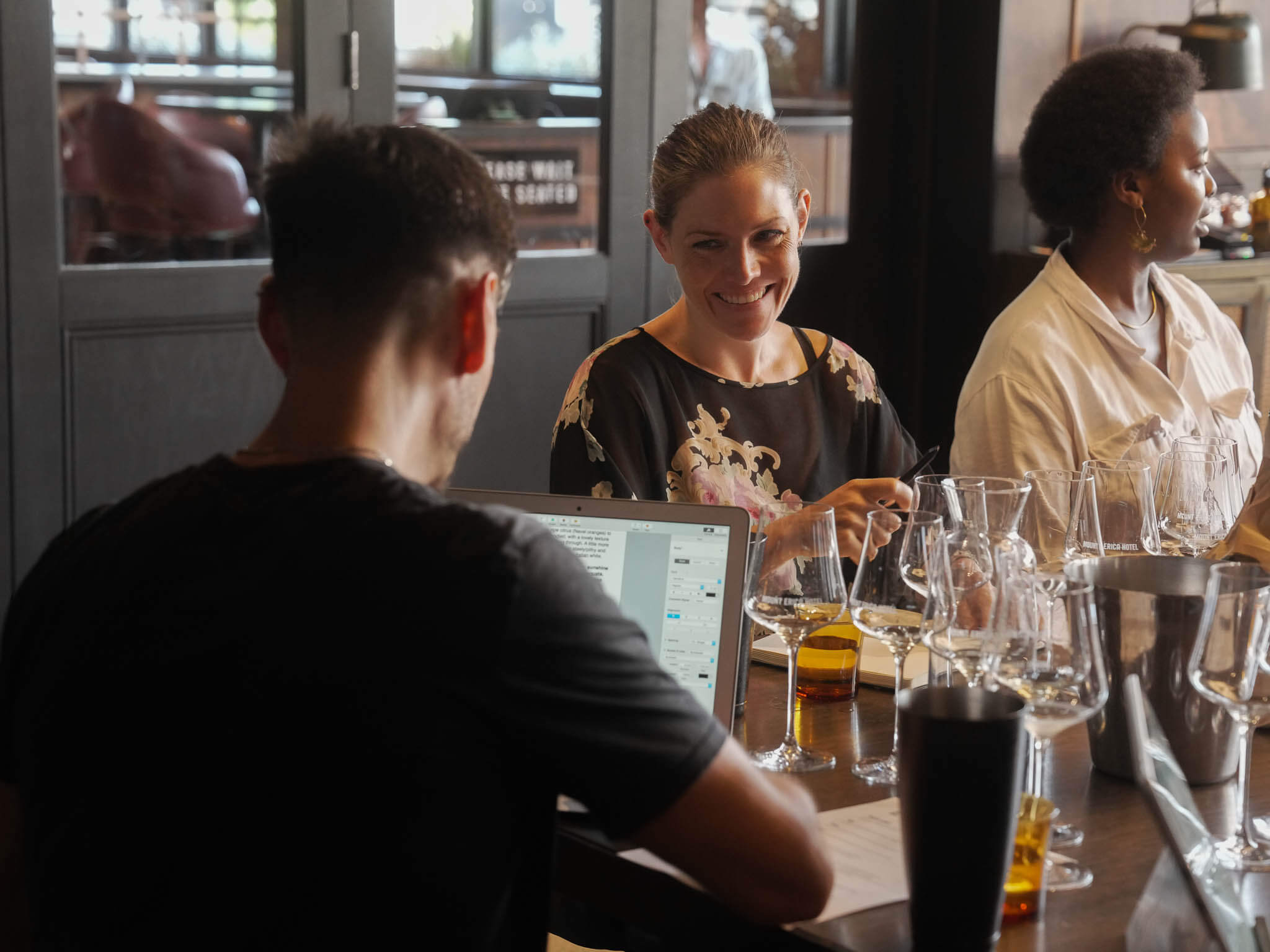
Opposite: Sez Robinson. Above: The tasting lineup at the Mount Erica Hotel, Prahran (Melbourne). All wines tasted ‘blind’.
For Pizzini, that narrow picking window meant that arneis would likely remain the province of smaller-scale growers and makers for the foreseeable future. “On a commercial scale – like trying to pick a hundred tons and having a big brand – it’d be a bit of a challenge,” he said. “Because it just needs micro-management to go, ‘Okay, yeah, we’re not picking tomorrow – actually, no, we’re gonna pick now. It demands spontaneous decisions, which is very difficult when you’ve got your ten-day plan or your two-week plan and that’s what you’ve got to schedule it into.”
Above and opposite: The panel in action at the Mount Erica Hotel, Prahran (Melbourne). All wines tasted ‘blind’.
Robinson argued that the most effective way to build demand for Australian arneis would be to get it on by-the-glass lists at restaurants. “Wine by the glass programs are so fantastic for being able to push things that people wouldn’t normally go for,” she said. “At Cumulus we don’t pour any sauvignon blanc, but we pour picpoul from the Adelaide Hills. And it’s not the picpoul that you would expect to see from AOC Picpoul de Pinet, but it still very much hits the points that people are wanting to get from a sauvignon blanc – it has really lovely fresh acidity to it, some fruit ripeness.” She added that a well-chosen arneis could fit into a lot of categories: “So if they want pinot grigio, or a sauvignon blanc, being able to say, ‘Have this arneis instead’ – depending on where it’s from, of course – is a fantastic way to pop that on the wine list.” She added that savvy sommeliers can leverage regions to sell varieties, including arneis, that guests were not yet familiar with. “If I was going to sell arneis to a table, it would be people who are adventurous enough to drink something that they don’t know how to spell or say – or potentially have never heard of. They need to be open enough to say, ‘I can trust that I know where this is. I know where the Adelaide Hills are, and I’ve drank wine from the Adelaide Hills before’.”
The panel
Michael Dal Zotto started his working life as an accountant, but was soon drawn into the family business. Dal Zotto Wines was established by Otto and Elena Dal Zotto in Victoria’s King Valley region in 1987, which has expanded from a small vineyard planted to chardonnay, merlot and cabernet sauvignon producing a few tonnes of grapes to close to 150 acres of vineyard specialising in Italian varieties including barbera, sangiovese, pinot grigio, arneis and prosecco. Under Otto Dal Zotto’s leadership, Dal Zotto Wines pioneered prosecco production in Australia – guiding illicit cuttings of the variety through DNA testing and rigorous biosecurity procedures before planting Australia’s first prosecco vineyard in 1999 and releasing the first Australian prosecco in 2004 – which is a segment of the Australian wine industry worth an estimated $205 million. Michael has been the chief winemaker at Dal Zotto Wines for well over a decade now, and in 2017 became the co-owner of the business alongside his brother, Christian. In 2009 he was awarded an International Specialised Skills Institute (ISSI) fellowship, given to industry leaders to travel and further nurture their chosen art from the masters in their trade. For this fellowship, Michael travelled to Valdobbiadene, the birthplace of prosecco – and Otto, of course – to learn from the original prosecco producers.
Katarina Lange is the beverage manager and wine buyer at Botanical Hotel and its sister venue, Bar Carolina. As the former head sommelier for Botanical Hotel, she managed an ever-growing wine list of 1,200+ labels since 2019. Lange began her wine career in 2013, working as a winemaker and vineyard hand at a small azienda agricola in Tuscany until 2017. After moving to Melbourne, she completed WSET Level 2 and earned her Certified Sommelier certificate through the Court of Master Sommeliers. Lange is captivated by the endless journey of wine, finding inspiration in every new vintage, region, and producer, with the opportunity for discovery and learning always unfolding.
Joel Pizzini is the winemaker and leader of vineyard strategy and development at Pizzini Wines in Victoria’s King Valley. While studying at Charles Sturt University in Wagga Wagga, he did three vintages with King Valley Wines. Since finishing his degree, he has worked at leading wineries in both Australia and Italy, doing vintages at Leeuwin Estate (Margaret River), Stonier Wines (Mornington Peninsula), Marenco (Piedmont) and Isole e Olena (Tuscany) – one of the world’s top ten wineries, and producer of one of the top three Sangioveses in Italy. He spends a lot of time in the vineyard as Pizzini Wines constantly evolve their grape production in the pursuit of quality and making wines that people love to drink. He also takes a deep interest in new clones of Italian wine varieties as they become available in Australia.
Sez Robinson grew up in beautiful Aotearoa New Zealand before moving to Melbourne in 2023. With a passion for hospitality and a deep love for wine, she’s worked through pubs and restaurants around Melbourne until finally settling at Cumulus Inc. on Flinders Lane. Here she works as a sommelier, guiding guests through food and wine of provenance.
Matt Talbot is the co-proprietor of Patch alongside fellow winemaker Kirilly Gordon. Embarking on his winemaking path immediately after high school, he pursued viticulture and wine production studies while gaining hands-on experience at Yeringberg. His subsequent roles, spanning from wine retail to sommelier positions in Melbourne and Sydney, and then a significant stint in wholesale with Joval Wines, enriched his understanding of wine market dynamics. He founded Patch with Gordon in 2020 during the COVID-19 pandemic, and has guided its expansion from a modest one-tonne production in its first year to eighteen tonnes three years later. He is also the proprietor of Urban Vineyard, a cellar door and bottle shop in Melbourne’s east that not only showcases the Patch wines but also champions other small-scale makers. A lover of Harleys, Japanese tattoos, and the Richmond Tigers, Matt believes that every bottle has its own unique character and should tell a story.
Mackenzie Casey is a wine curator and media host behind The Back Label, an interview-led series exploring the people, places and stories that shape the global wine world. With a background spanning rare whisky and wine, private client sales and international brand development, she has worked across Australia, Europe and Asia managing high-net-worth collectors, trade relationships, and bespoke experiences. She grew up around wine through her family’s vineyard in Victoria’s Yarra Valley, and holds WSET Level 3. Her work now centres on wine media and storytelling, filming on location in Burgundy, Hermitage, Barossa and beyond.
Andrea Infimo currently works as the wine buyer and sommelier for Osteria Renata. He grew up in Naples, coming to Australia as an environmental science graduate in 2013. He began working at Movida Sydney on what was meant to be a sabbatical year, but there he fell in love with wine. After Movida, he worked at Sydney’s iconic 121 BC wine bar, then under Annette Lacey MW for the Lotus Group. A move to Melbourne saw him reconnect with Movida in 2018, where he served as the Group Beverage Operations Manager, as well as the Head Sommelier for the original restaurant. He completed his WSET Diploma in August 2022.
GET FIRST ACCESS TO THE NEXT WINE ICONS – DELIVERED
We asked Max Allen, one of this country’s finest wine scribes and a champion of the organic and the un-messed with, to write a piece with a one-word inspiration. That word was dogma. Take any angle, we said. Make it short, or make it long. Rant if you like. Just have at it. This is…
The Barossa is arguably Australia’s most revered wine region. It is the home of powerful red wines, established names making established styles, but there are also makers finding new meaning in the territory. The Barossa has been fertile ground for YGOW finalists, producing four Young Guns, Matt Gant (First Drop, 2007), Pete Schell (Spinifex, 2008), Abel Gibson (Ruggabellus, 2012) and Fraser McKinley (Sami-Odi, 2014). This year’s Top 50 includes Jonathan Ross (Micro Wines) and Steve Crawford (Frederick Stevenson).
Subscribe to our newsletter
Young Gun of Wine is your shortcut to cutting edge wines, the places to go, and the people behind it all.
Subscribe to be amongst the first to know of our latest discoveries in wine.
We'll bring you the inside running from the growers, the makers, the wholesalers, the retailers and the sommeliers, too.