&noscript=1"/>

Deep Dive:
Adelaide Hills’ Best Chardonnay

Wines Of Now
12 September 2025. Words by YGOW.

The Adelaide Hills has perhaps the strongest claim of any Australian region to having been built on chardonnay, with its sights set on high-quality examples since the first modern vineyard was planted there in 1979. While there’s no shortage of interest in Hills chardonnays, the sheer diversity of sites, viticultural techniques, and winemaking approaches makes the region’s wines difficult to categorise. Just what does or should quintessential Adelaide Hills chardonnay taste like in 2025? We decided to take a Deep Dive to find out.

We gathered every chardonnay from Adelaide Hills we could find and set our expert panel the task of finding the wines that compelled the most. All wines were tasted blind, and each panellist named their top six wines. Below are the wines that made the panellists’ top-six selections from the tasting.

Our panel: Charlotte Hardy, proprietor and winemaker, Charlotte Dalton Wines; Tom Belford, proprietor and winemaker, Bobar; Sarah Pidgeon, winemaker, Wynns; Jarryd Menezes, sales representative, Alimentaria; Andrea Roberts-Davison, lecturer in viticulture and winemaking, Melbourne Polytechnic; Florian Rupp, head sommelier, Marmelo; Luciano Desimone, sommelier, Marmelo.

From the Deep Dive

The top wines

2024 Hesketh ‘Small Batch’ Chardonnay, $30 RRP

Hardy, Roberts-Davison, Rupp, and Belford all selected this wine in their top six from the blind tasting. Hardy noted “the nose here is driven by a melon fruit salad, with this lovely, ever-so-shy hint of high-quality vanilla essence and a sprinkle of nutmeg. Very nice purity of flavour here – the oak is subtle through the palate, and gives lovely shape and texture with hint of butterscotch. Great acid length that just keeps giving and giving, drawing the palate out further and further.” Roberts-Davison found “crystalline brightness in the glass. Pretty aromatics of lifted sweet lemon drops and satsuma, with a hint of struck match and salt. Like a citrus punch – Satsuma mandarin dominant, with lemonade, lime and a hint of orange blossom. The luscious body feels round on the palate, with a clotted cream texture and a lush tension.” Rupp described it as “very impressive! Graceful, elegant, yet shows great concentration and ripeness. There is an intriguing quality of ripe apricot and fresh grapefruit, as well as warmth, toasty oak, and some hazelnuts for creaminess. Very poised in its core, this is extremely well-balanced.” While Belford noted “intense but restrained. Sweet fruit trails out of the glass, enticing the drinker in, alongside a well-integrated oak note. Such a classy expression of Adelaide Hills chardonnay, with quiet intensity – it’s a close-talker.”


2022 Karrawatta ‘Anth’s Garden’ Chardonnay, $46 RRP

Roberts-Davison, Menezes, Pidgeon, and Rupp all included this wine in their top six from the blind tasting. Roberts-Davison was enthusiastic: “Like spring in a glass! My favourite wine of the lineup had me dreaming of the Alpine Valleys in springtime. The subtle nose is a journey through green pastures of cut hay and meadows filled with wildflowers, with pretty aromatics of green apple and white nectarine. The journey continues on the palate, with hints of lavender, delicate herbs and a wet-stone minerality, balanced by subtle toast from well-balanced oak.” Menezes found “this wine feels effortless, with a judicious use of oak that acts more like seasoning than structure. There’s a lift of Amalfi lemon and pineapple, wrapped with lemon balm and a whisper of fresh eucalyptus. On the palate, the acidity carries the wine like a taut violin string: bright and persistent, but never harsh, with a creamy edge somewhere between crème fraîche and lemon posset.” Pidgeon noted “charred peach aromas leading into slate-y, savoury undertones. Black pepper spice adds depth and tension, supported by finely tuned acidity. With hints of basil and balsamic kicking in towards the finish, the wine is complex and composed.” While Rupp described “a very citrus- driven wine that is redolent of lemon balm, lemon zest and fresh lemon juice. There’s good ripeness and weight, too, with great length – just all-round fun in a glass.”


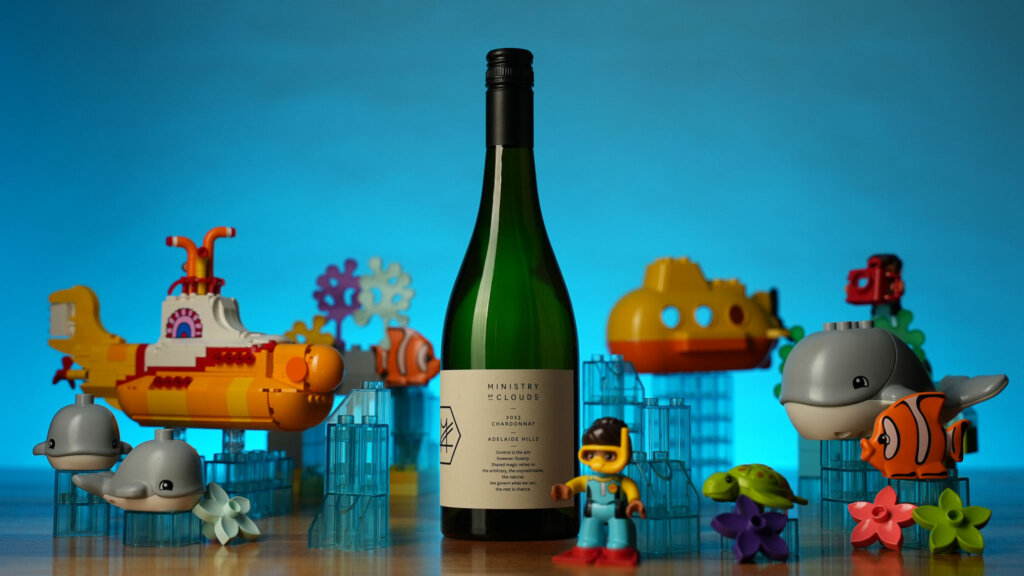
2023 Ministry of Clouds Chardonnay, $50 RRP

Belford and Menezes both chose this wine in their top six from the blind tasting. Belford found “a great wine with a perfectly poised balance of firm-fleshed and fragrant white nectarine, gunsmoke complexity, spicy oak, and nutty lees notes. The palate is powerful and layered, restrained yet intense – a dense little powerhouse of flavour. A wine of purity and intensity, with a firm spine of mineral acidity.” Menezes described “a serious chardonnay that demands a little attention. Coconut malai, lemon oil, and beeswax rise first, before a savoury streak of pie crust and white pepper emerge. On the palate, there’s a push and pull: the creaminess of baked apple and clotted cream, set against the bite of preserved lemon and nectarine skin. The finish is long, chiselled, and mineral – the quiet confidence of a wine built to age.”


2024 Shaw & Smith ‘M3’ Chardonnay, $59 RRP

Hardy, Menezes, and Desimone all featured this wine in their top six from the blind tasting. Hardy noted “the first hit on the nose is oak – but it’s delicious oak, then comes the apple, cinnamon, chestnut, and touch of pineapple. There is a very faint hint of Werther’s Original butterscotch and a drop of caramel. It’s kinda old-school – but so expertly reined in, and tethered to an amazing acid line which keeps it bright, vibrant and super-drinkable.” Menezes found “the first impression is smoky restraint. There’s a faint hint of woodsmoke and struck match before the fruit pushes through. Meyer lemon and Nashi pear are sharpened by sherbet sweetness. The wine feels more stony than fruity, the minerality recalling the wet granite of a garden path after rain.” Desimone described “a bright and welcoming chardonnay that feels like a sunny spring day. Aromas of lemon blossom and pink grapefruit mingle with hints of white jasmine and delicate pear skin. On the palate, it’s lively and vibrant, with lime, green apple, and a touch of crisp Nashi pear, framed by a subtle mineral backbone.”


2024 Murdoch Hill Chardonnay, $38 RRP

Belford selected this wine in his top six from the blind tasting. “A coiled and powerful beast of a wine,” he observed. “The palate is rich, with a raspy grip that gives it presence and impact, the oak deeply bedded into the fruit. The rich palate maintains its drive and focus while presenting great breadth of character, with loads of yellow nectarine, honeydew melon, grilled hazelnut, and oat milk, alongside a struck-match note swirling through the sweet fruit.”


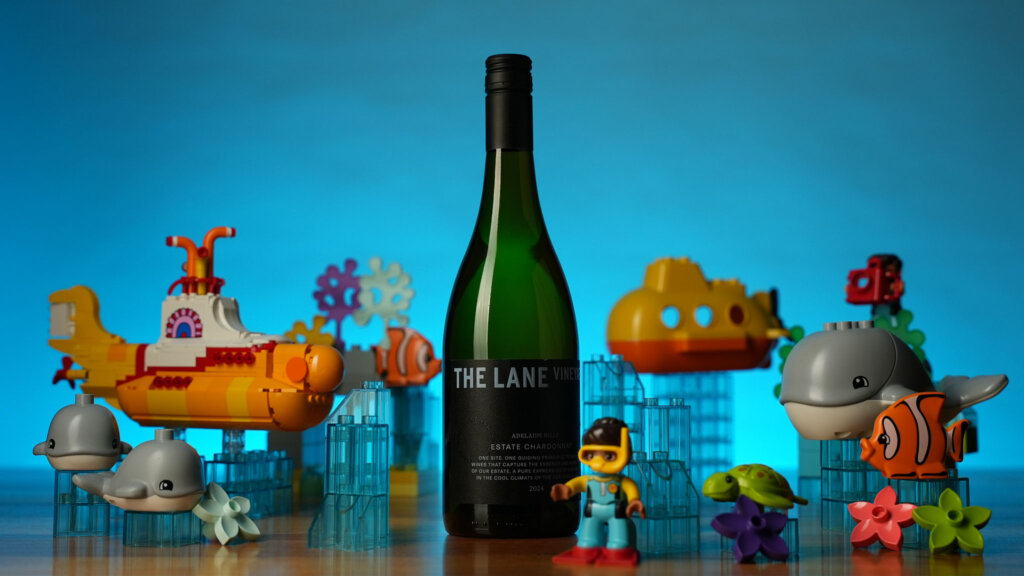
2024 The Lane ‘Estate’ Chardonnay, $55 RRP

Pidgeon and Hardy both had this wine in their top six from the blind tasting. Pidgeon found “lifted lemon sherbet-like fruit aromas layered with earthy peanut shell and a crack of black pepper. The palate is finely structured but concentrated, carried by gentle acidity that opens space for complex notes of pithy preserved lemon and exotic Moroccan spice. A wine of quiet intensity and detail.” Hardy described a “lovely nose – the oak is quite heavily toasted and charry, but well-suited to the fruit, and well-integrated. Layers of flavours and aromas like jasmine, melon, ginger, and Granny Smith apple. There is a really interesting play on the sweetness of the fruit and the toastiness of the oak that I find really appealing. Reminds me of a buttermilk pancake topped with fresh tropical fruits … delicious!”


2023 Cooke Brothers Wines Chardonnay, $40 RRP

Rupp selected this wine in his top six from the blind tasting. “This wine presents with a remarkable sense of purity and finesse, immediately captivating with a precise, almost laser-like focus,” he noted. “The nose is a complex tapestry of fresh citrus preserves and acacia. Beneath this bright core, a hint of smoky minerality emerges – not as a separate part, but as an intrinsic element of the wine’s fabric. On the palate, the wine is impeccably balanced, with exceptional precision and elegance – very impressively composed in every detail, and showcasing a beautiful marriage of power and subtlety.”


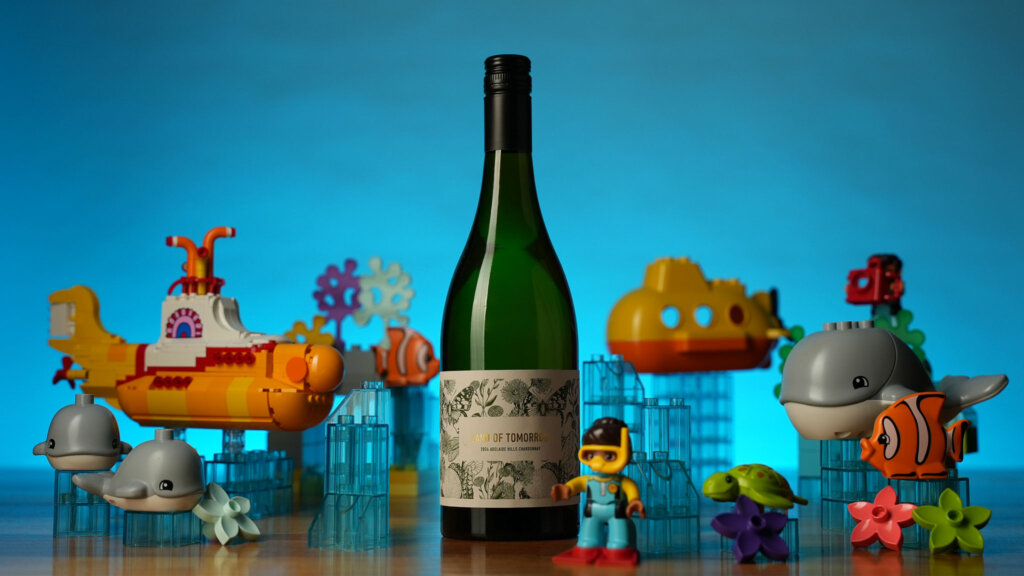
2024 Land of Tomorrow ‘Adelaide Hills’ Chardonnay, $45 RRP

Roberts-Davison and Rupp both included this wine in their top six from the blind tasting. Roberts-Davison found “an evolution on the palate. This wine is truly intriguing, with an evolving complexity both in the glass and on the palate. Aromatics start with a pickle-brine salinity, which gives way to meadow flowers, yuzu and white peach, before hinting at some savoury complexity. The saline note carries though to the palate, where the journey begins again – this time exploring white peach before kaffir lime. Well-balanced acidity drives the wine to the savoury finish.” Rupp noted “quite a bit of oomph and power here. Classic in its appearance, and rich on the palate, with captivating ripe peach and yoghurt characteristics, but balanced by fresh lemon zest, preserved citrus and crushed rock notes. This is really well put together – every component here feels greatly considered and intended.”


2023 Vinteloper ‘White Label’ Chardonnay, $49 RRP

Pidgeon chose this wine in her top six from the blind tasting. “Aromatic layers of savoury spice weave through freshly baked pastry and the rich, umami depth of caramelised pan-roasting juices,” she described. “A subtle lift of tangy sour cream adds intrigue and brightness. The palate is densely fruited, with notes of pear and yellow plum balanced by succulent acidity. A broad, powdery texture carries the flavours here, extending the palate and amplifying its intensity.”


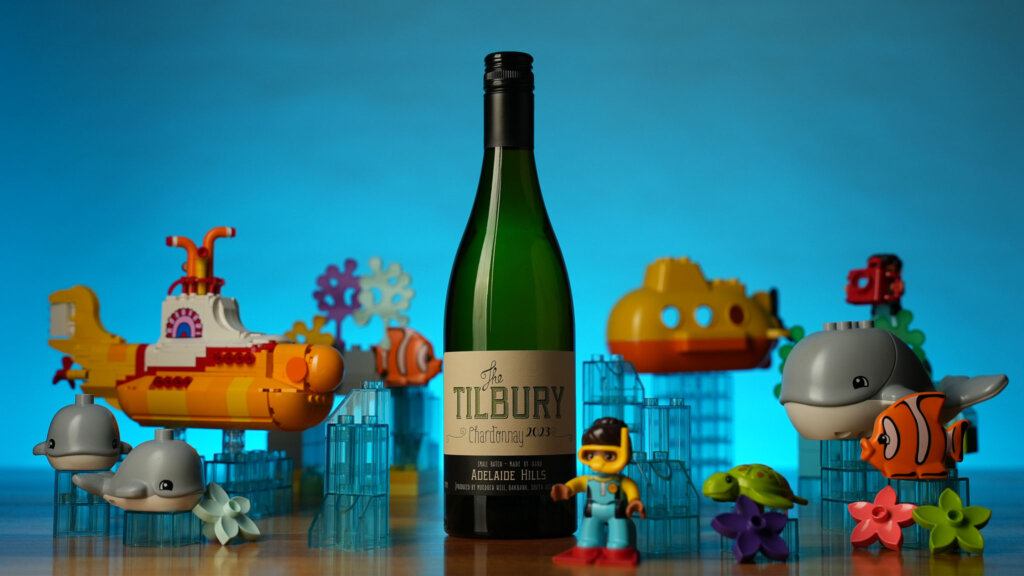
2023 Murdoch Hill ‘The Tilbury’ Chardonnay, $56 RRP

Belford had this wine in his top six from the blind tasting. “Savoury and complex, with notes of cashew nut, wheatmeal, barely ripe white nectarine, dried pineapple, and lemon flesh,” he observed. “Subtle gun-smoke reduction curls out, then retreats – it’s a shy one. There’s a deep core of fruit and wet-rock minerality inside this wine’s crystalline mouthfeel – a quiet achiever, with restrained power and piercing drive.”


2024 Aptitude ‘Bonoposto’ Chardonnay, $48 RRP

Desimone had this wine in his top six from the blind tasting. “One of the more generous chardonnays of the day – fleshy, layered, and confidently ripe,” he noted. “Aromas of yellow peach and white nectarine unfold alongside lemon confit and candied orange peel, with just a hint of ginger spice. The palate is broad, yet balanced, with bright, integrated acidity carrying the weight with ease. Subtle oak and lees contact bring layers of almond meal and soft brioche character, while the finish lingers on toasted cashew. A chardonnay where ripeness, freshness, and texture meet in perfect harmony.”


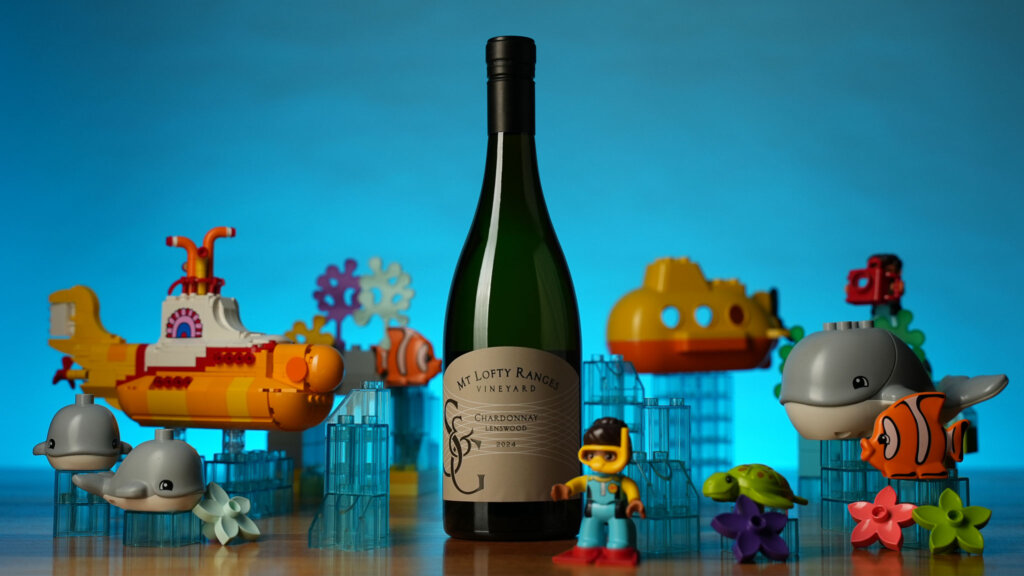
2024 Mt. Lofty Ranges Vineyard ‘S&G’ Chardonnay, $89 RRP

Desimone featured this wine in his top six from the blind tasting. “A chardonnay that feels ripe yet calm,” he described. “Aromas of white pear, crisp green apple, and fresh lemon are joined by hints of lemon blossom and a subtle touch of chamomile tea. All of this is carried by a clear mineral backbone, recalling chalk and river stones in summer. On the palate, it flows with ease, filling the mouth without heaviness, showing both patience and balance. The finish lingers with lemon zest and a gentle touch of white tea. A wine that feels carefully made, leaving you naturally wanting another sip.”


2024 Varney Wines Chardonnay, $35 RRP

Desimone and Roberts-Davison both had this wine in their top six from the blind tasting. Desimone found “a chardonnay that feels linear and full of energy, driven by bright acidity from start to finish. Aromas of lime zest, kaffir lime leaf, and lemongrass are lifted by herbal touches of dill and fresh fennel, with jasmine and honeysuckle adding a floral layer. On the palate, it’s vibrant and sharp, with the acidity carrying the fruit with clarity and precision.” Roberts-Davison called it her “wild-card pick of the line-up. The nose is complex and intriguing, opening with freshly-cut cucumber, a saline note reminiscent of pickle brine, delicate white peach, and an unexpected lift of elderflower. The palate reinforces that impression, echoing elderflower alongside pithy lemon and a touch of green capsicum, calling to mind sauvignon blanc rather than chardonnay.”


2022 Cloudbreak ‘Premier Collection’ Chardonnay, $45 RRP

Rupp chose this wine in his top six from the blind tasting. “A wine of remarkable complexity and power,” he noted. “Straight out of the glass, it showcases ripe pomelo, peach, and honeydew aromas, accompanied by white flowers. On the palate, it’s driven by crisp acidity and has a savoury, phenolic grip. A contemplative wine that’s also a perfect food wine, built to stand up to richer dishes such as grilled poultry.”


2021 High Street Chardonnay, $32 RRP

Roberts-Davison selected this wine in her top six from the blind tasting. “A true celebration of fruit and place,” she described. “The nose is complex and expressive, with freshly cut cucumber, blossom, white peach, yellow nectarine, lemon drops, and a touch of wet-stone minerality. The palate carries the same finesse, echoing the delicate aromatics – but swapping lemon drops for preserved lemon – and layered with subtle toast from restrained, well-integrated oak that enhances rather than obscures the fruit. Vibrant, mouthwatering acidity drives the wine forward, lending medium-plus body and a rounded texture.”


2024 Tapanappa ‘Piccadilly Valley’ Chardonnay, $60 RRP

Pidgeon and Roberts-Davison both included this wine in their top six from the blind tasting. Pidgeon found “bold aromas of roasted cashew and savoury spice. The palate is broad and textured, with a grunt-y, grainy grip that adds character and depth. Succulent acidity brings balance and energy, perfectly matched to the wine’s powerful fruit core. Notes of dried orange and mango lend a vibrant, exotic edge.” Roberts-Davison described it as “bright, crisp, and refreshing. An initial touch of reductive funk quickly lifts to reveal vibrant aromatics of kaffir lime and delicate blossom. The palate is intensely flavoured, bursting with grapefruit, lemon drops, and preserved lemon. Zesty acidity drives the wine, carrying through to a fairly long finish where citrus notes linger.”


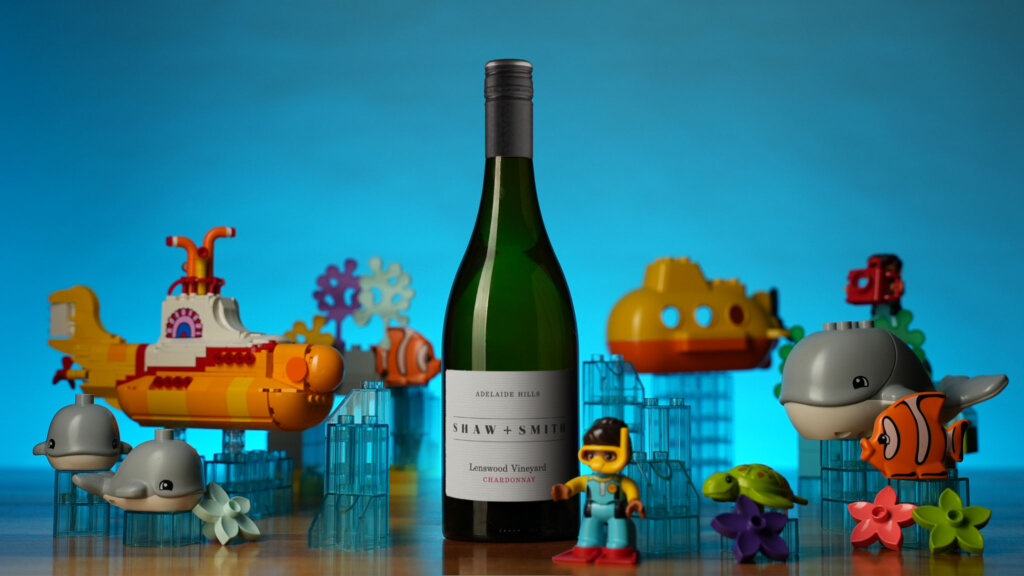
2023 Shaw & Smith ‘Lenswood Vineyard’ Chardonnay, $99 RRP

Menezes and Pidgeon both featured this wine in their top six from the blind tasting. Menezes noted: “I usually prefer restrained use of oak to heavy oak usage, but this wine says otherwise. I found this the ‘big boy’ of the lineup – not in a negative way at all. It handles the oak with surprising finesse. Aromas of vanilla bean, grilled almond, and nutmeg swirl over baked pineapple and warm peach cobbler. The palate is broad and creamy, like cultured butter folded into lemon curd, but the acidity reins it back just enough.” Pidgeon found “expansive and flinty oak aromas setting a savoury, mineral-driven tone. Succulent acidity provides tension and lift to the wine, balancing the richness of ripe custard-apple and caramelised parsnip. A powdery, tactile texture carries the palate, adding freshness and length to a layered and distinctive wine.”


2024 Worlds Apart Wines ‘Loud Places’ Chardonnay, $45 RRP

Hardy included this wine in her top six from the blind tasting. “A beautifully balanced wine,” she noted. “Finishes with such purity, the wine packaged together without any bumps – incredibly seamless. I smell and taste white-fleshed stone fruit (peach and nectarine), jasmine, and fresh apricot – but also this brooding background note which feels like kaffir lime leaves cooked in butter. Very elegant and pretty – somehow ethereal and powerful, all at once.”


2024 Ox Hardy Chardonnay, $30 RRP

Pidgeon chose this wine in her top six from the blind tasting. “Aromas of toasted pecan and baked ricotta set a savoury foundation, lifted by an alluring dried-pear perfume,” she observed. “The palate is gentle and rounded, offering a creamy texture that allows vertical lift and aromatic expansion. White blossom notes emerge with finesse, framed by subtle, well-integrated savoury oak spice. A wine of quiet elegance and thoughtful structure.”


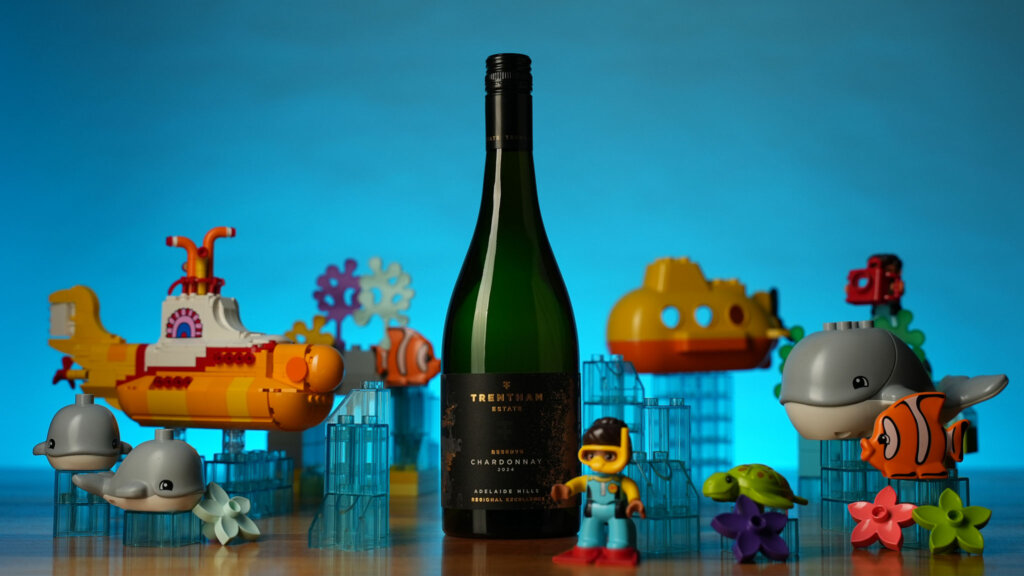
2024 Trentham Estate Reserve Chardonnay, $28 RRP

Desimone had this wine in his top six from the blind tasting. “A beautiful, fruit-driven chardonnay that highlights the freshness of Adelaide Hills,” he described. “Aromas of lime, fresh lemon, and white peach are lifted by hints of apricot skin, grapefruit zest, and a touch of orange blossom. Beneath the fruit lies a soft mineral note that adds clarity. The oak is subtle and well-judged, giving shape and fine grip with gentle touch of vanilla without overpowering the fruit. On the palate it feels lively and refreshing, with crisp acidity carrying the flavours through to a clean, citrus-lined finish.”


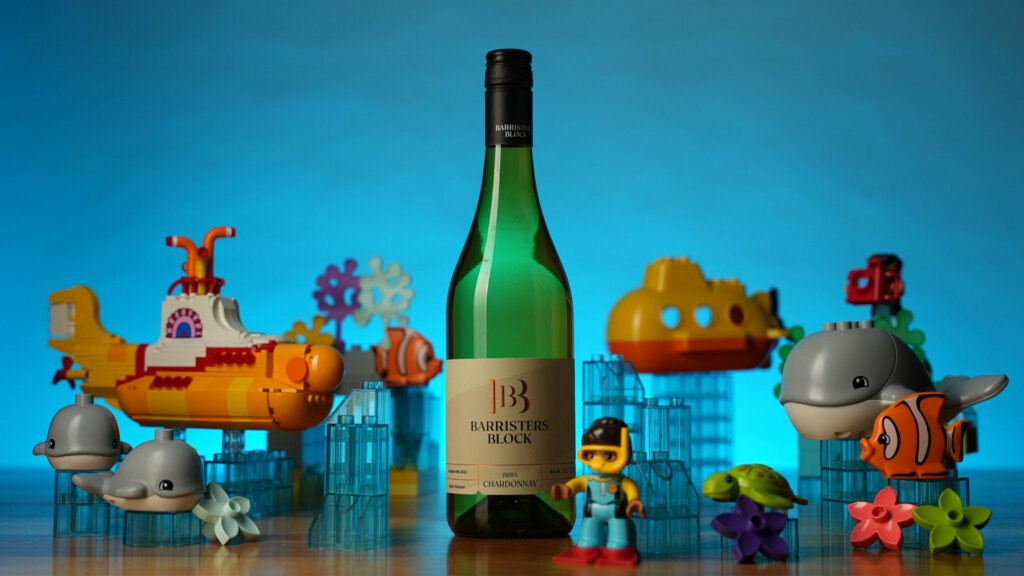
2022 Barrister’s Block ‘India’ Chardonnay, $36 RRP

Rupp selected this wine in his top six from the blind tasting. “This shows great ripeness without being overloaded with fruit weight,” he observed. “We have roasted quince, some lemon, and fresh grapefruit characteristics. The fruit components are finely chiselled and detailed. There is a good structure here, with a driven, precise acidity, a warm minerality that reminds me of volcanic rocks, and an array of white and yellow floral notes on the finish. Balance is the key here – everything has its place. A very smart wine.”


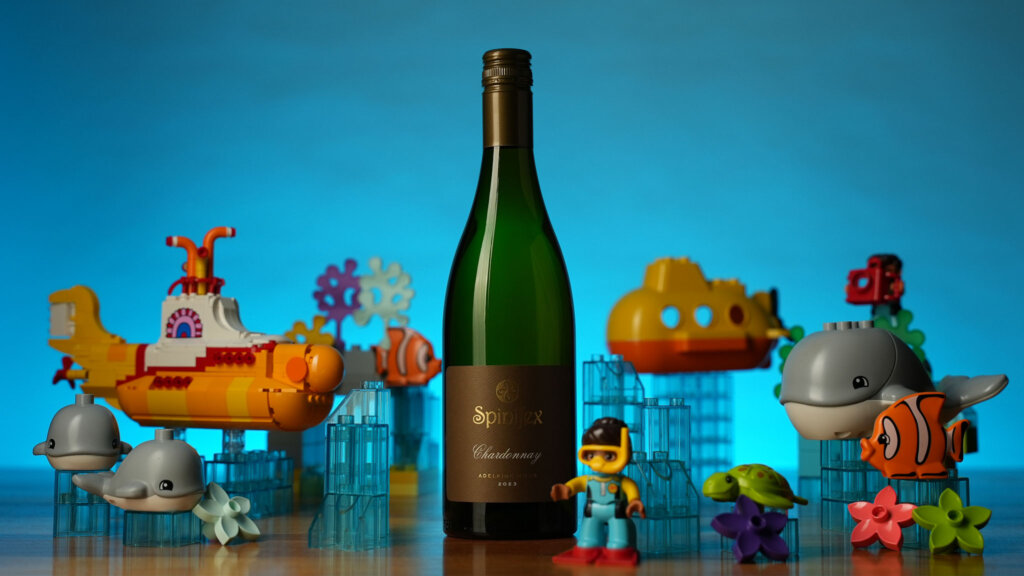
2023 Spinifex Chardonnay, $40 RRP

Hardy featured this wine in her top six from the blind tasting. “A lively wine with lovely weight, length, and oak character – a complete package,” she noted. “The oak flows all the way through the palate here, but it’s so well integrated that it’s just a gentle fuzz, rather than the star of the show. The toasted pineapple, Granny Smith apple and clove characteristics all remind me of apple crumble with a dollop of cream.”


2021 Wotton Family Wines Chardonnay, $45 RRP

Belford had this wine in his top six from the blind tasting. “Such sweet, rich tropical fruit – papaya, melon, figs, dates, and perfectly ripe yellow peach,” he observed. “It has great depth and length, with a gentle grip of phenolics adding complexity to the finish. The palate is alive and so well-composed – it’s understated, but complex and expressive.”


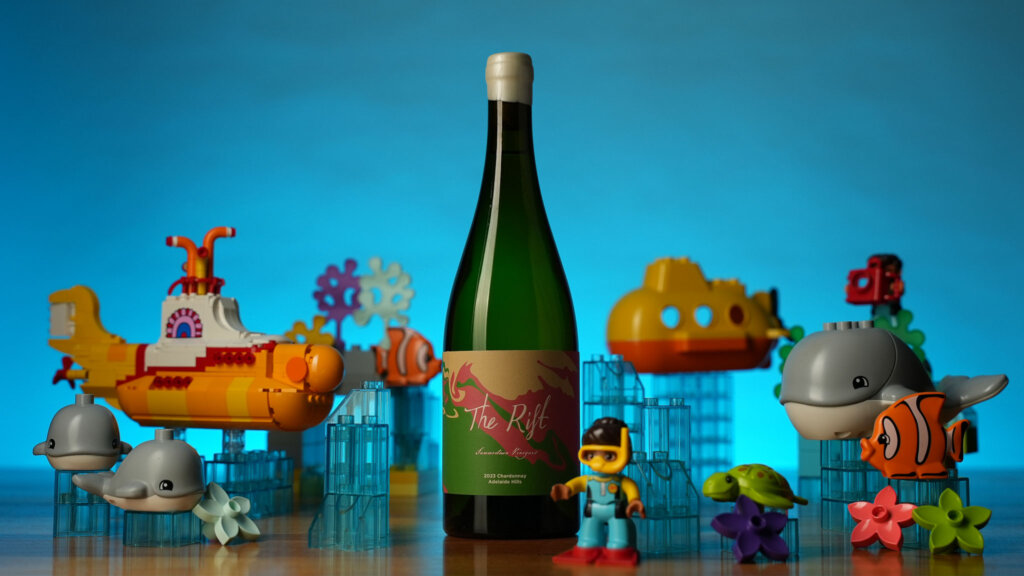
2023 Ada Wine Co. ‘The Rift’ Chardonnay, $45 RRP

Menezes chose this wine in his top six from the blind tasting. “If sunshine had a flavour, it might taste like this,” he described. “A pure, seemingly unoaked style of chardonnay where the fruit is crystal-clear: fresh lime zest, yuzu, and finger lime pearls bursting with citrus, with the clean snap of Granny Smith apple. There’s a cool herbal accent of lemon balm that keeps it from being too austere. The palate is taut, saline, and mouth-watering, finishing with a mineral snap – like zipping down the side of a mountain covered in fresh powder snow.”


2024 The Lane ‘Heritage’ Chardonnay, $125 RRP

Desimone selected this wine in his top six from the blind tasting. “Fresh and elegant, with a floral lift that segues into creamy, textural depth,” he noted. “Lemon blossom, acacia, and white peach lead, then the palate broadens into lemon curd, yogurt creaminess, and a hint of butterscotch – almost like lemon meringue pie. The richness is beautifully checked by cool, mouthwatering acidity, so each sip feels smooth and bright. Long, silky, and irresistibly drinkable.”


2023 Golding Wines ‘Rosie May’ Chardonnay, $45 RRP

Hardy included this wine in her top six from the blind tasting. “This wine! I couldn’t get enough,” she exclaimed. “Looking at it for its own beautiful merits, it has such a lovely nose – redolent of talc, roses, Turkish delight, and vanilla. It has this beautifully shaped palate, tapered at the start, and tapering long at the finish, with a middle that was generous, delicious, and super enticing. Excellent long finish of lemon and lime. So very succulent!”


2022 Karrawatta ‘Anth’s Garden Grand Vin’ Chardonnay, $92 RRP

Menezes featured this wine in his top six from the blind tasting. “A plush and seductive wine,” he described. “The oak is generous but alluring – all vanilla pod, toasted brioche, and sandalwood warmth. Yet there’s a curious counterpoint, a medicinal edge of eucalyptus and menthol that gives lift to the ripe golden apple and lemon curd fruit characteristics underneath. The palate is silky and a little indulgent, like a peach-flavoured creaming soda. An enamouring glass of wine that begs for many return visits.”


2024 Moorak ‘Glendhu Vineyard’ Chardonnay, $46 RRP

Belford chose this wine in his top six from the blind tasting. “Sweet and brightly fruited, with length and purity,” he noted. “A nose redolent of stone fruit, lemon flesh, and well-integrated oak. The palate is pristine and intense, with great length and drive. The fruit has a purity and focus and hasn’t been messed with – an endearing simplicity that allows the quality of fruit sweetness and juiciness to be the star. It invites you back for more – it simply wants to be enjoyed.”

The backstory

The Adelaide Hills has perhaps the strongest claim of any Australian region to being built on chardonnay, with its sights set on high-quality examples since the first modern vineyard was planted in 1979. While there’s no shortage of interest in Hills chardonnays, the sheer diversity of sites, viticultural techniques, and winemaking approaches makes the region’s wines difficult to categorise. Just what does or should quintessential Adelaide Hills chardonnay taste like?

While Adelaide Hills may have been a late bloomer of a wine region, with the first vineyard of its contemporary era planted as recently as 1979, its timing was serendipitous – re-emerging just as chardonnay was becoming the belle of Australia’s winemaking ball. While a lack of available chardonnay cuttings meant that the Margaret River had to take a detour via riesling to find its white-wine calling card, and a ‘fruit salad’ approach to viticulture meant that some trial and error was required to figure out just how well chardonnay would suit both the Yarra Valley and Mornington Peninsula, Adelaide Hills has had its eyes on the chardonnay prize since the dawn of its modern existence. When Brian Croser planted the Tiers vineyard in Piccadilly Valley to chardonnay (with a small and ill-fated dalliance in pinot noir, too, as outlined in our recent Deep Dive into Adelaide Hills pinot noir), it kickstarted a wave of interest in this cool-climate region that has yet to fully abate. Chardonnay still rules the roost here – it’s the region’s most important variety by weight harvested, comprising 27% of the total grape harvest in 2024 (sauvignon blanc nips at its heels at 25%, followed by pinot noir at 23%).

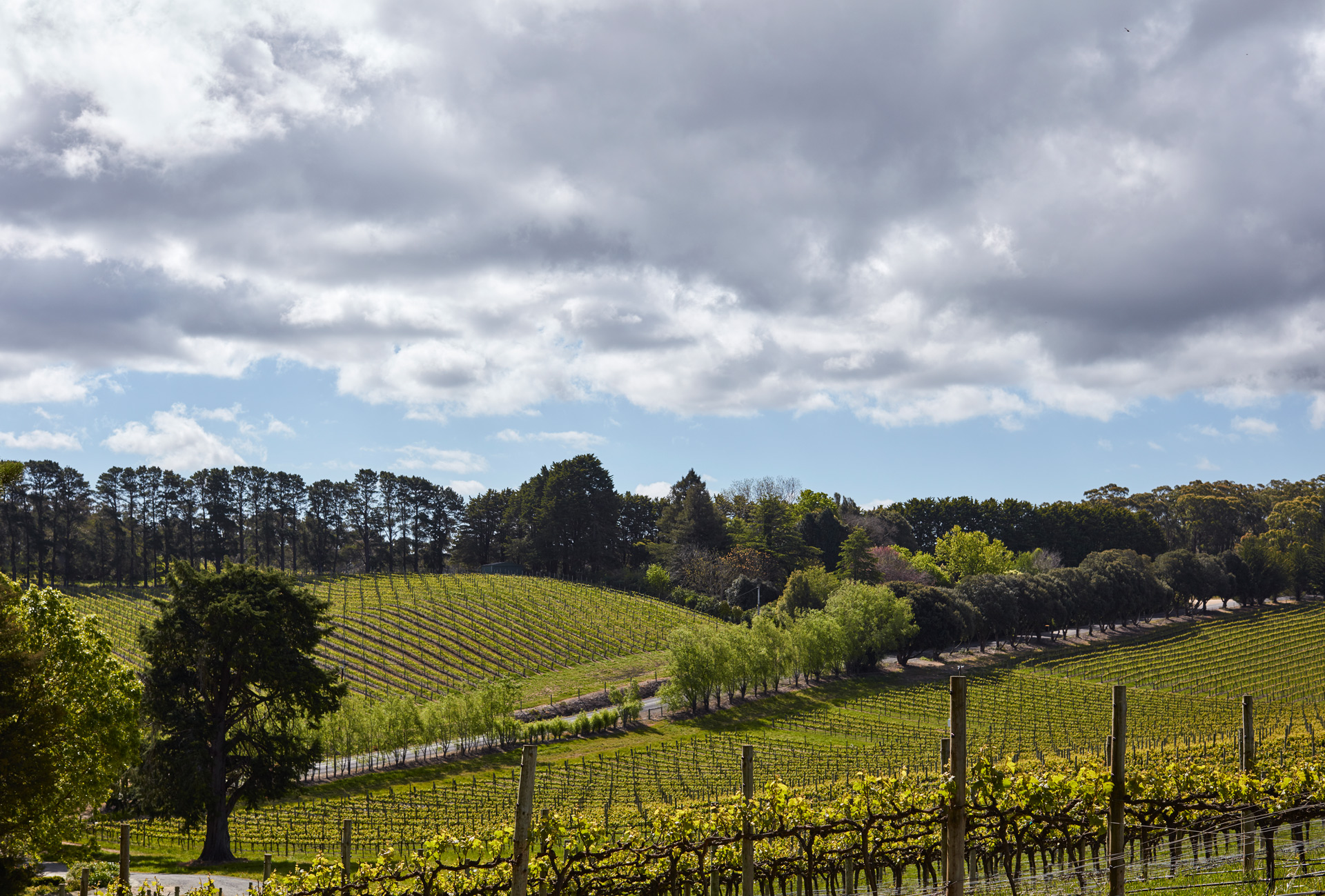
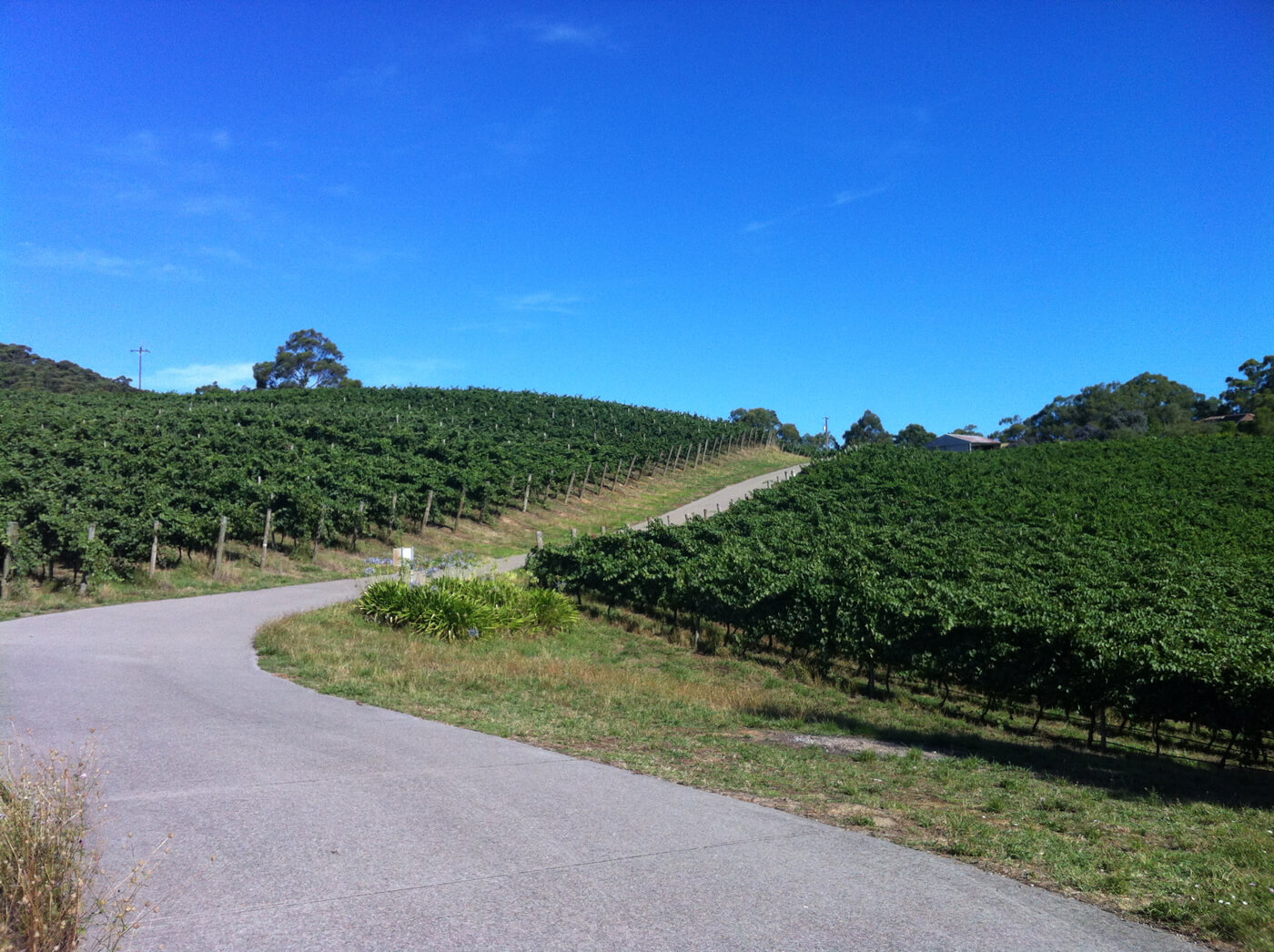
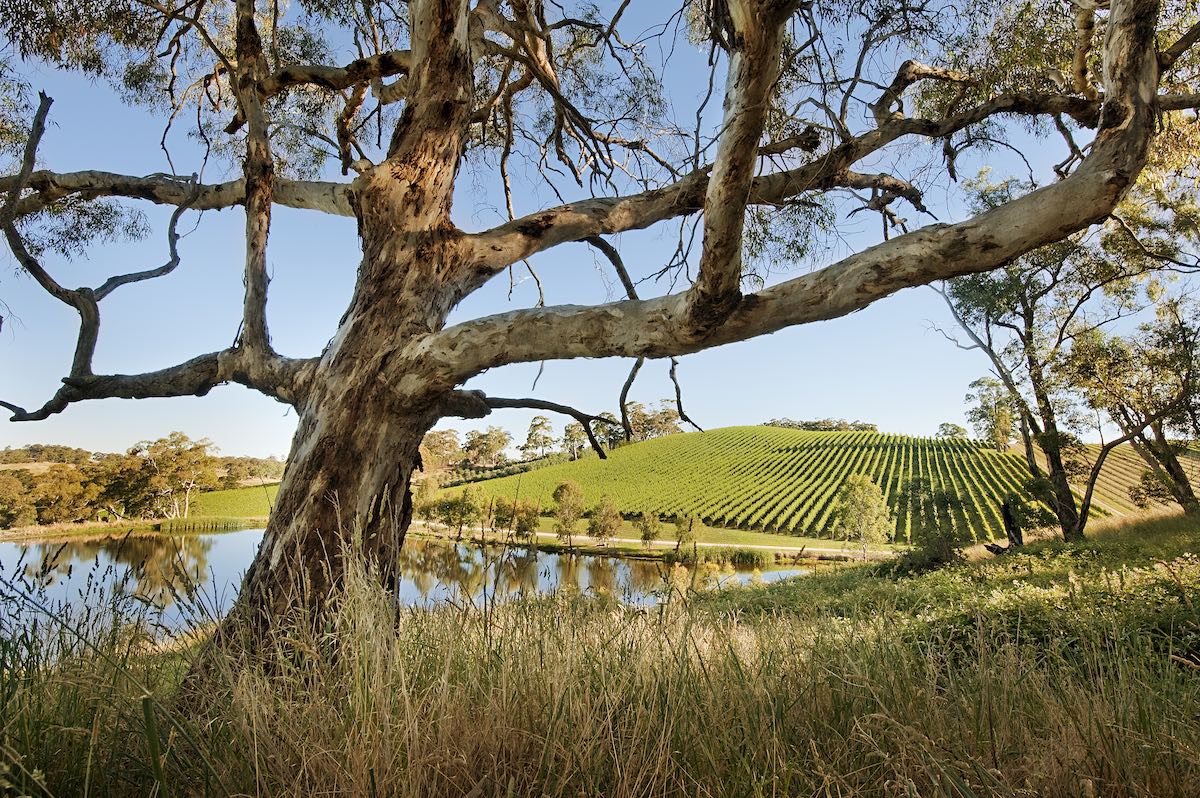
Above: The Piccadilly Valley in Adelaide Hills – one of two official subregions, and ground zero for the whole region’s renaissance in 1979. Opposite: Shaw & Smith's chardonnay vineyard in Lenswood, the other official subregion of Adelaide Hills.

The region itself is surprisingly large and diverse, given the generally small scale of the viticulture here. At 30 km wide and 70 km long, it encompasses an area of nearly 1500 km² – roughly the same size as the Barossa Valley, Eden Valley, and McLaren Vale regions combined. Within that expanse lie vineyards with a striking range of elevations, aspects, and soil profiles, some up to 600 meters above sea level and the lowest at around 320 meters. It’s therefore hard to generalise about Hills viticulture – except to say that, wherever you are in the Hills, you’re probably not too far from some chardonnay vines.


Don’t call it a comeback

It might be more accurate to say that chardonnay brought Brian Croser to the Adelaide Hills, rather than saying he brought chardonnay to the Hills. “I’d been to California, studied at the University of California, Davis, and got acquainted with chardonnay,” Croser says. “I decided that was the variety I needed to grow – so then it was the matter of finding the right place to grow it, and the Adelaide Hills were perfect.” Having looked at sites in the Macedon ranges and Tasmania, he favoured the Hills because it offered a “cool, damp environment in which chardonnay does its best work.” By planting in the Tiers vineyard, Croser restarted viticulture in the Hills after the region had lain fallow (at least as far as wine goes) for nearly fifty years – and subsequently brought several waves of investment to the region.

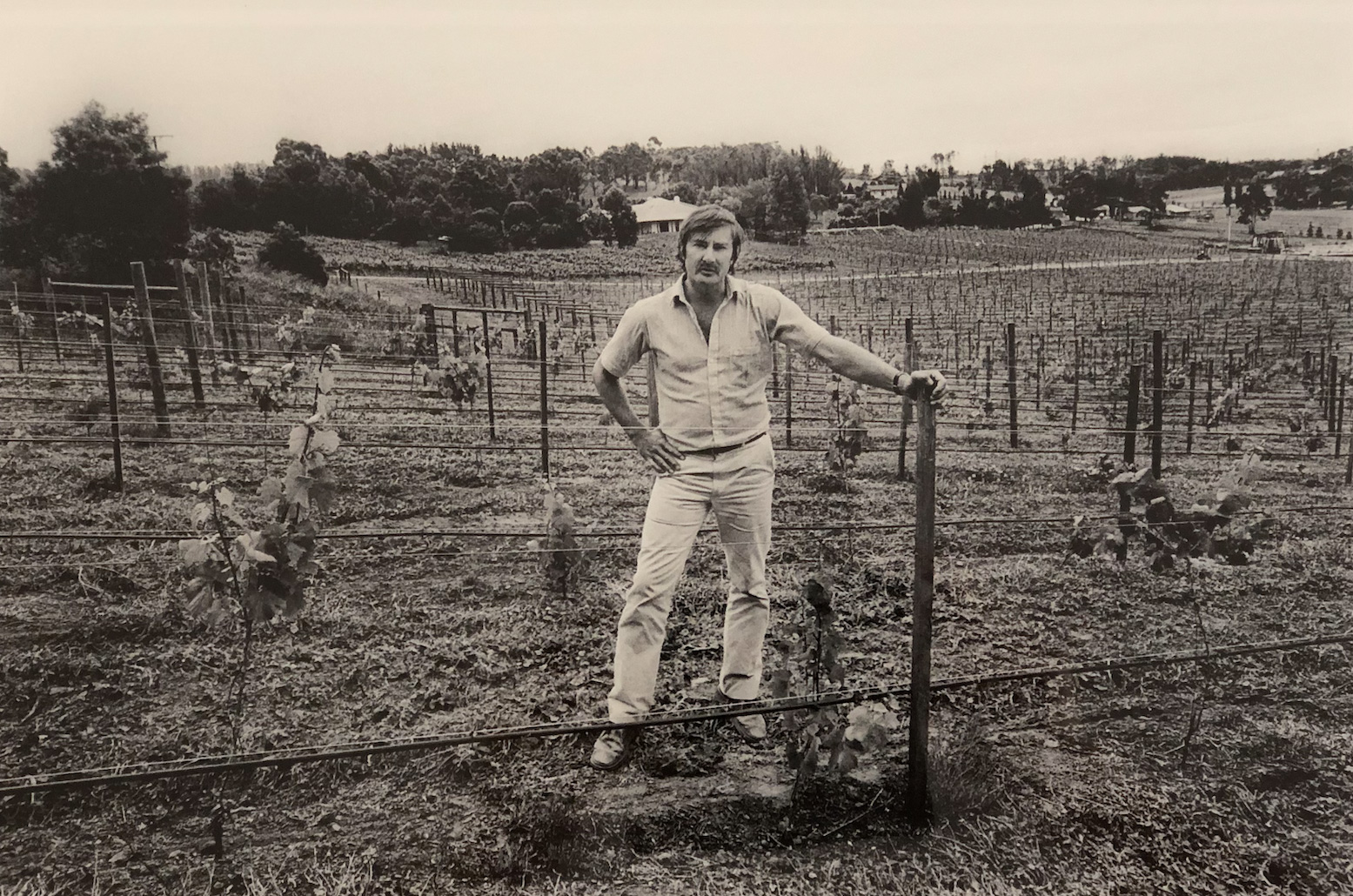
Opposite: Brian Croser at the Tiers vineyard, Adelaide Hills, circa 1980. Above: Brian Croser.

There wasn’t much chardonnay in the ground in Australia in 1979, but demand for the variety happened to be running hot – which presented challenges when acquiring cuttings to plant new vineyards. “It was the time – the ’70s into the ’80s – when Australia was switching away from terms like ‘claret’, ‘Burgundy’, ‘white Burgundy’, ‘Chablis’ and ‘hock’ to varietal nomenclature, and varietally-labelled wine was selling,” Croser says – referring to a cultural shift from loose naming conventions based on the old-world wine styles makers were emulating, to a more accurate labelling system based on the variety or varieties that any given wine is (mostly) comprised of. “Varietal wine was selling – very attractive in the market. It didn’t matter where it was grown, so there were ‘fruit salad’ vineyards set up all through the Riverland, the Murray-Darling, the Hunter Valley – and pinot and chardonnay were grown in places where they were never going to flourish or make great wine. But at least they could put on the label ‘pinot noir’ or ‘chardonnay’.” As such, when it came to planting in vines, viticulturists did not have an abundance of choice when it came to genetical material, especially for in-demand varieties such as chardonnay: “‘Whatever you could get’ was the answer,” Croser says of this period.

“Varietal wine was selling. It didn’t matter where it was grown, so there were ‘fruit salad’ vineyards set up and pinot and chardonnay were grown in places where they were never going to flourish or make great wine. But at least they could put on the label ‘pinot noir’ or ‘chardonnay’.”

While much of Croser’s time as the winemaking head of Petaluma – a publicly-traded company that became sufficiently large and profitable to be purchased via hostile takeover by brewing giant Lion Nathan in 2011 – was dedicated to the search for exceptional sites to grow fruit for high quality table wines made from chardonnay and pinot noir, sparkling wine production from less favoured sites or younger vines turned into the company’s moneymaker. “We bought a lot of land in the Piccadilly Valley in the early ’80s, late ’70s,” he says. “We obviously planted all of the land that we purchased that we could – and obviously within those plots there were northeast-facing slopes that were protected from the wind, faced the sun, and had the right soil type over the right geology to grow good table wine. But that was the minority of sites – that would be 30%, and the rest were planted to pinot noir and chardonnay to produce sparkling wine. And they produced some absolutely wonderful fruit for sparkling wine.”


Room for growth

For Darren Golding of Golding Wines – who also runs a vine nursery and is a former chairman of the Adelaide Hills Vine Improvement Society – there is something special about the region–variety pairing of the Hills and chardonnay. “Chardonnay’s grown throughout Australia – it’s quite ubiquitous in a number of regions,” he says. “It’s grown commercially, and it’s grown well – but then it’s grown outstandingly in a few areas like Margaret River, parts of the Yarra, now arguably through Tassie, and in the Adelaide Hills.” For him, the signature of Adelaide Hills chardonnay is the balance between what he calls “searing acidity” and “really interesting fruit flavours”. “Year after year it tends to not only deliver that real elegance, but it also has some nice complexity to it as well,” he says.

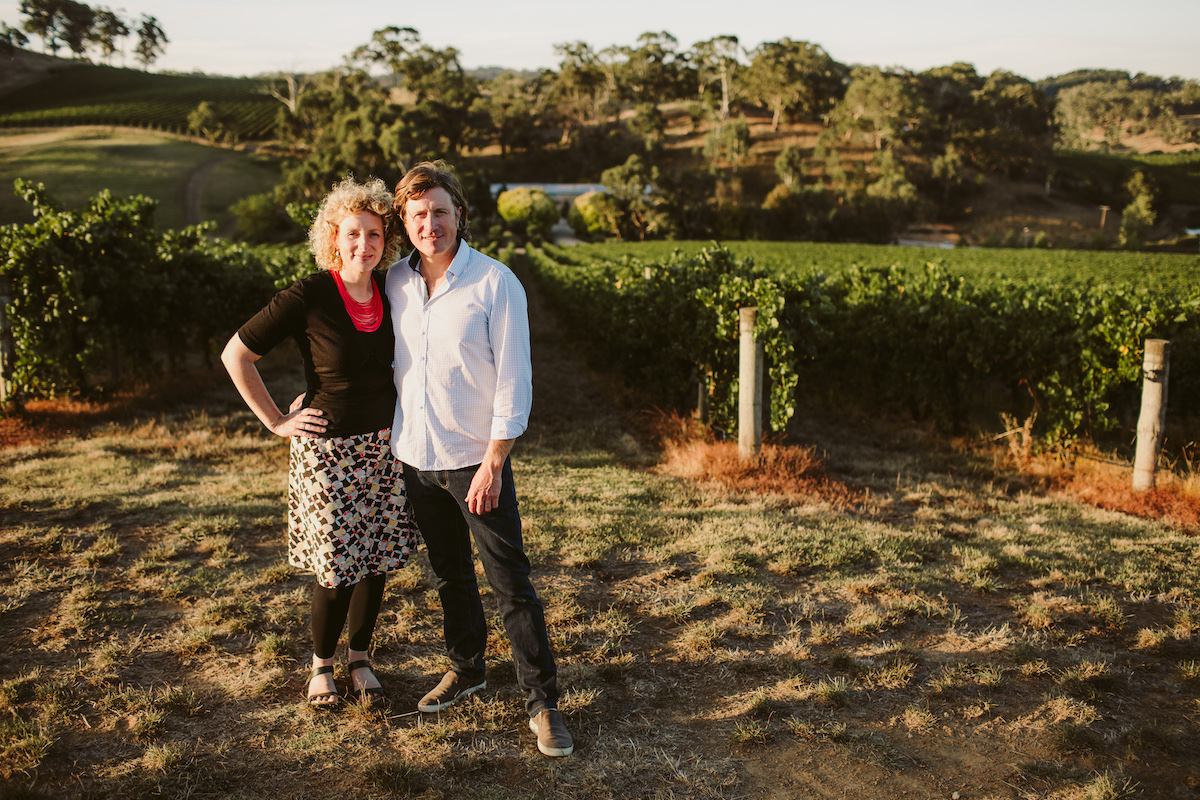
Opposite: Lucy and Darren Golding of Golding Wines. Above: the Golding Wines estate vineyard, Western Branch, in Adelaide Hills’ Lenswood subregion.

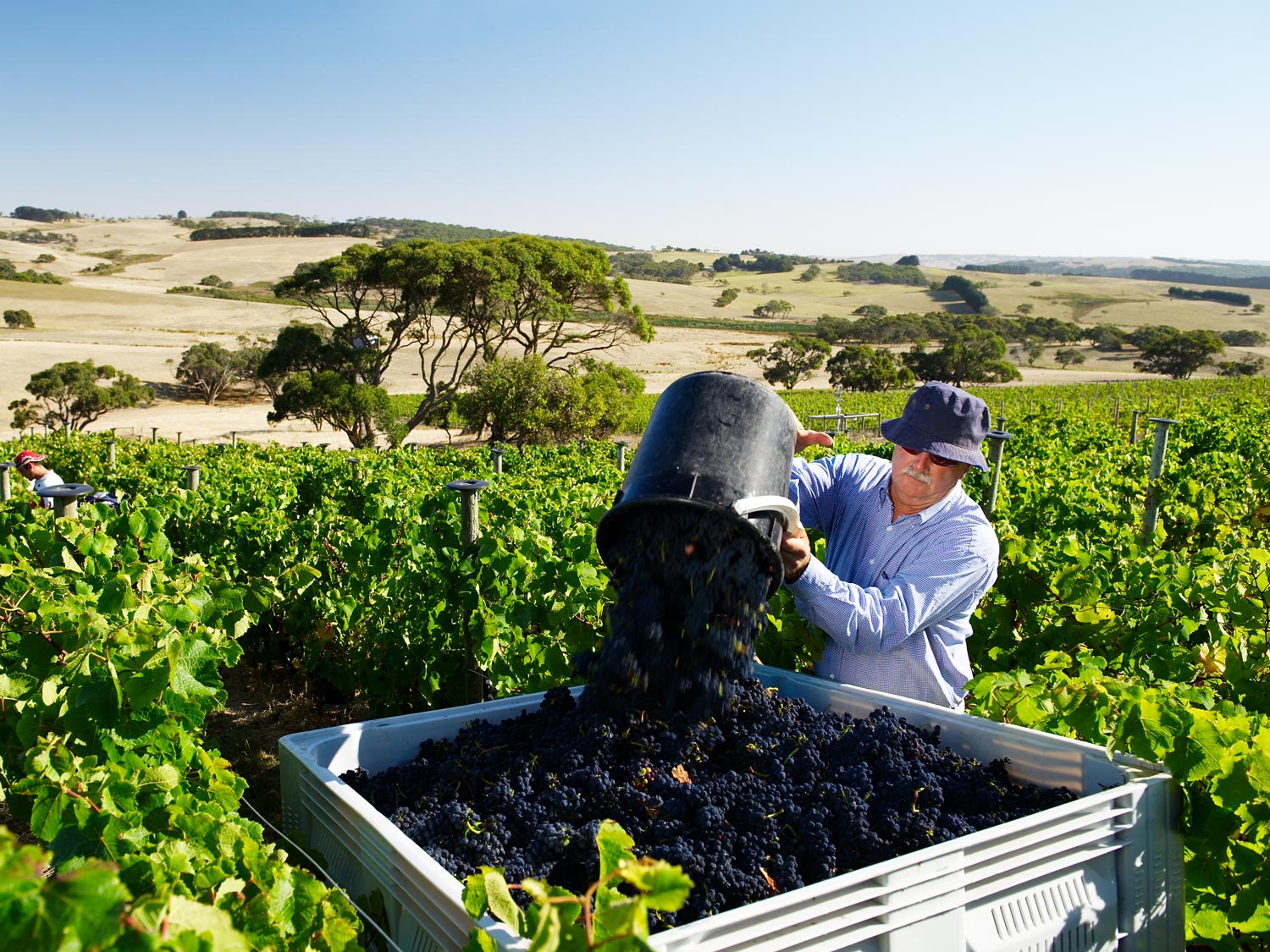
Golding pinpoints the extended ‘hang time’ enabled by the cool climate – where grapes slowly build extra levels of flavour and character as they take an unhurried stroll towards what viticulturists refer to as ‘sugar ripeness’ before being harvested – as one of the key reasons Hills chardonnay can deliver this balance of elegance and complexity. He also identifies other factors such as the region’s cool nights, which build acidity, and thinner layers of topsoil on hillsides, which naturally puts a handbrake on vine growth, as playing a role in building that overall quality. The devil here is in the detail of finding the right alignment of site, clone, and viticultural approach – something that is intrinsically difficult in the Hills owing to its complex mosaic of aspect, elevation, and soil type. 

“It really does depend where you are and what you’re doing as to what sort of fruit you’re playing with,” Golding says. This can get down to a smaller scale than even individual vineyards: “We’ve got a chardonnay block which faces east in the morning and is relatively protected from the afternoon heat,” he says. “What we find is that we get balance from top to bottom of the rows – the fruit doesn’t have any exposure issues, and it’s just a lot more balanced, therefore better than other parts of the vineyard. So it’s about knowing your site, and picking individual parcels within those vineyards as well – not only a vineyard within an area, but bits within that vineyard.”
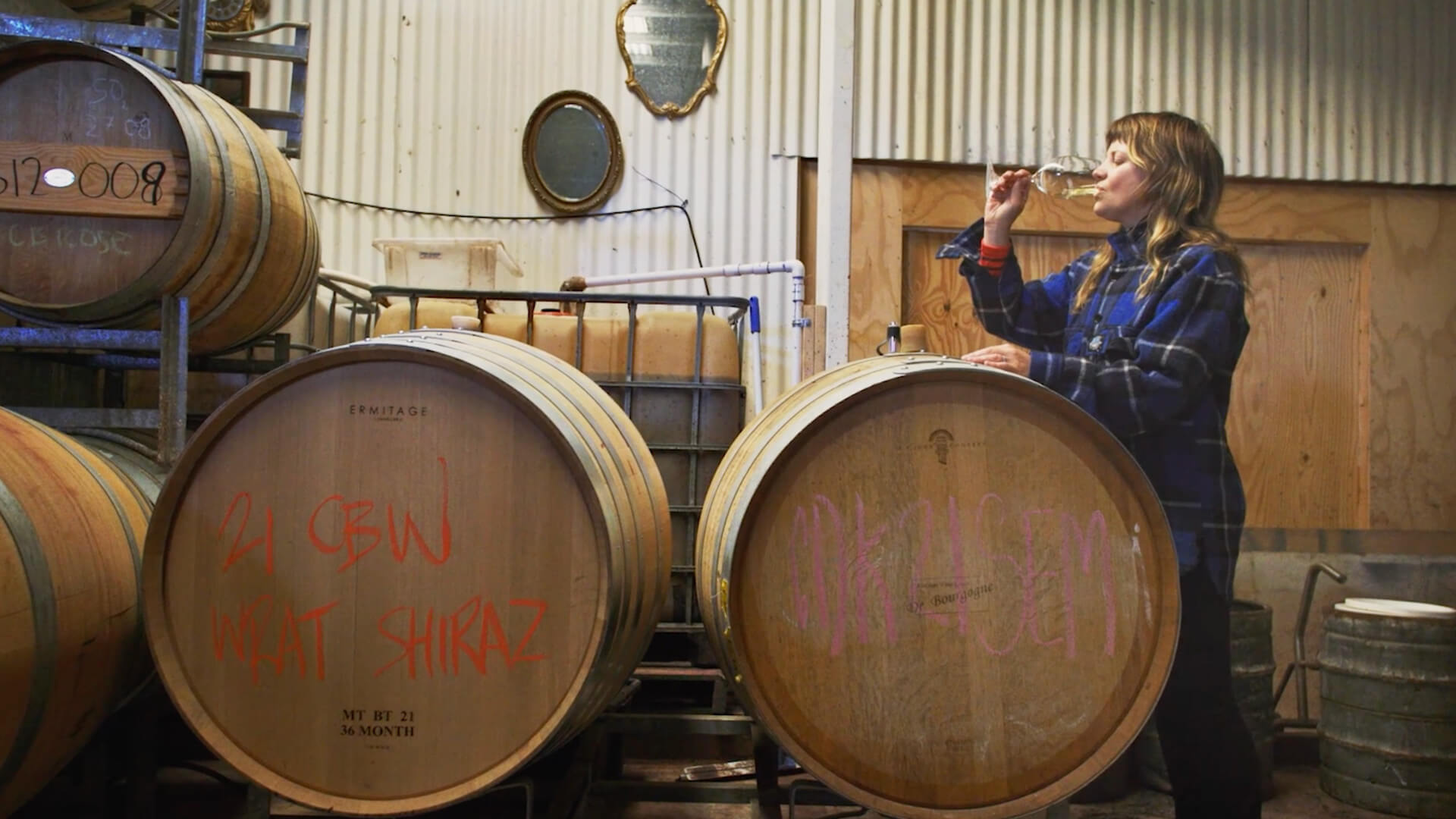
“It’s about knowing your site, and picking individual parcels within those vineyards as well – not only a vineyard within an area, but bits within that vineyard.”
The intrinsic diversity of the Hills is made even more complex by the array of different chardonnay clones currently in the ground – as opposed to the Margaret River region, where chardonnay viticulture is largely dominated by one specific clone. “Following the fires six years ago, a lot of people have replanted,” Golding says. “People are looking to produce more premium fruit, and therefore they’re looking at their clonal selection.” He advises other growers to plant an array of different clones: “having a little bit of a mix, and a few levers you can pull, depending on the season.” He argues that, while much is made of chardonnay’s responsiveness in the winery, or of its ability to express regional character, the key to making great Hills chardonnay is simple: “If you’ve got good fruit you’re starting off on the right journey,” he says. “Nice intensity, nice freshness, nice vitality in the fruit – that’s a lot better than trying to work the other way around.”
 

A sparkle in her eye

Like Croser, Charlotte Hardy of Charlotte Dalton Wines was drawn to the Hills by chardonnay. “I came to Adelaide Hills from the States,” she says, referring to the period of time when she, a New Zealander by birth, worked for Abreu Vineyards in the Napa Valley. “I met a man [John Edwards] that was just building The Lane winery, so I came down to be his winemaker. They have a beautiful vineyard in Handorf with a lot of chardonnay – and really good chardonnay.” Working with chardonnay here appealed to Hardy, based on her apprenticeship in the wine trade under legendary New Zealand winemaker Steve Smith at Craggy Range in Hawke’s Bay. “It was just so lovely to make, because because the grapes were beautiful – they ripened nicely, they ripened  slowly, there’s a bit of vine age – and I loved it.”

Hardy eventually parted ways with The Lane, and moved on to contract winemaking and laboratory work before starting her own label, Charlotte Dalton Wines, in 2015 – a project that eventually saw her named the 2021 Young Gun of Wine. (She uses her middle name rather than her surname to avoid confusion with the famous Hardy family of South Australian winemakers, to whom she is not related). “I was really missing making a chardonnay because I was in the Adelaide Hills,” she says. “With that history of sparkling and growing chardonnay for sparkling, there’s a lot of chardonnay around. So people were starting to play with it, and there were some really good expressions of it around. I wanted to give it a crack – and so I did!”

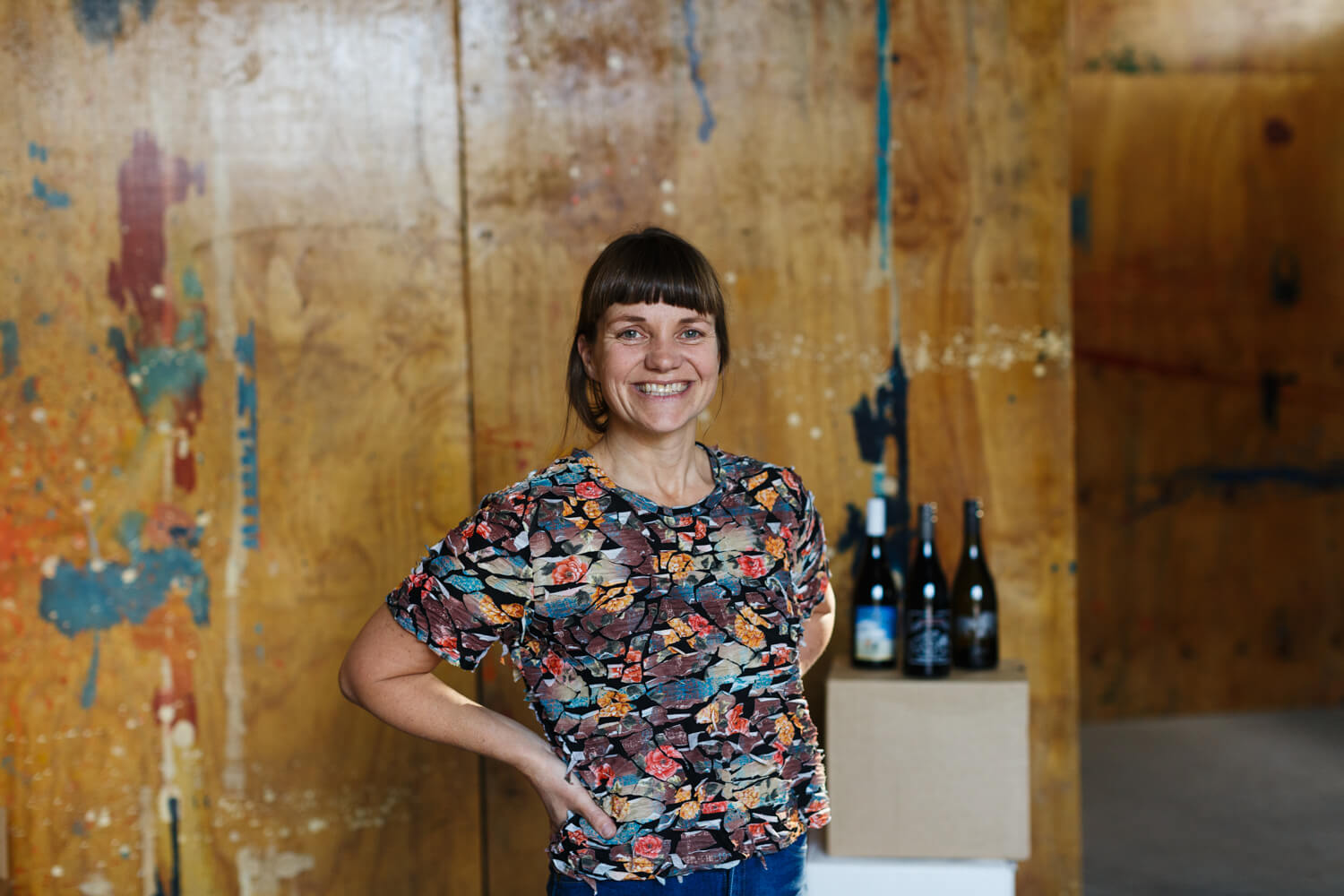
Above and opposite: Charlotte Hardy in the Charlotte Dalton winery facility.

For Hardy, the defining feature of Adelaide Hills chardonnay – despite the heterogeneity of the sites the variety is planted on – is a tropical-fruit character that she ascribes to the region’s history as a source of sparkling-base chardonnay fruit for Petaluma. “I often see a tropical note in my Adelaide Hills chardonnay – pineapple and melon – and I think this is just because I have made just about all my chardonnays out of the I10V1 clone,” she says. “There’s a lot of that clone in the Hills, and a lot of a lot of those vines are quite old, because they planted for sparkling. … I think we do owe a lot of that signature to Petaluma.” She also ascribes a mineral element to the wines that she suspects might come from the ancient and not terribly fertile – or as she puts it, “bony” – soils of the region. When the fruit is grown sensitively, the resulting wines, in her words, “have this mineral line, and they’re a bit tropical – they’re still big enough and bold enough to carry oak or carry lees work and still taste like chardonnay.”

“We’re very lucky that we have a bit of time to think and ponder. If we look at the grapes one day, we’ve still got a couple of days’ grace before that urgency to pick is on.”

Like Golding, she also revels in the extra hang time that the region affords its chardonnay growers – and its makers. “I think that winemakers don’t feel as pushed to pick here – it’s not as urgent, because it’s usually cooling down by then,” she says. “It’s changing now, as we’re starting to get hotter temperatures in February and March, but we’re still very lucky that we do have a bit of time to think and ponder. If we look at the grapes one day, we’ve still got a couple days grace before that urgency is on, and so then we are allowing the fruit to hang and develop that flavour. And the acids don’t drop out too much – so we’re still getting the flavour, but we’re also still maintaining the acid. That’s the cool climate.”

Like most other wine operations in or around the Hills, Hardy’s label is a small one – something that means she’s not beholden to consistency of flavour in her chardonnay year-on-year. “I’m very lucky to be a small brand, because I can just change the style to suit the grapes,” she says. “There’s no pressure for me to make it look exactly the same as last year in the year before before.” She isn’t doctrinaire about how she thinks she should make her chardonnay between vintages, let alone anyone else’s – “I don’t think there’s any rules,” she says, cheerfully – but she usually employs a bit of lees ageing and lees stirring to to help flesh out the palate. “It’s a grape that just seems to do well, whatever you do to it – unless you let it hang too long and then it’s just gross. But that’s like anything else, isn’t it?”


Reaching for new heights

For Golding, the diversity of vineyard sites, planting materials, and viticultural approaches – not to mention the diversity of winemaking approaches with the fruit after it’s harvested – means that the Adelaide Hills’ chardonnay story isn’t one of a consistent flavour or style, but one of consistent quality. “I think this vintage and probably the next one are really gonna be telling vintages for quality,” he says. “If you’re not chasing quality, then you really probably won’t find a home for things, because the market is tightening everywhere. We’ve been quite fortunate in that pinot noir’s been in demand the last few years, right throughout the Adelaide Hills region, but the supply situation is coming more into balance – if not oversupplied in certain varieties.” He argues that wine growers “everyone probably needs to be market-driven, not production-driven, so that you’re meeting the market rather than just having a certain number of hectares and growing a certain number of tons and then trying to find a home for all that fruit.”

“People are doing really cool things like using concrete and all sorts of different vessels – and, I think, paying more attention, because you don’t wanna be tipping something really expensive down the drain.”

While Hardy doesn’t disagree with the sentiment, she cautions that nobody wins if grape prices rise too high. “The Hills did go through a little bit of a period in a couple years ago where winemakers couldn’t get chardonnay because it was so popular – it really pushed the price up,” she says. “I think it did make it inaccessible for some of the new, emerging winemakers to make those more traditional styles of chardonnay with new oak, et cetera, because you have to add all those costs on.” In some ways, she argues that this has been a blessing: “They got really creative with how to make a good wine without having to throw heaps of oak at it, and heaps of time into it,” she says. “People are doing really cool things like using concrete and all sorts of different vessels – and, I think, paying more attention, because you don’t wanna be tipping something really expensive down the drain.”

Climate change is also biting in the region, too – with some surprisingly quotidian knock-on effects. “I think as it starts warming up, we’ll get a lot of vintages where everything ripens at once,” Hardy says. “So there’s pressure on wineries, and if this continues to happen you won’t have the opportunity to pick when you think it’s perfectly ripe – you’ll have to pick when you’ve got space in your winery. People tend to lean picking earlier than later with whites, so that might also put pressure on the styles you can make.” She adds, “I don’t know that will ever go too lean – because are people drinking that?”


“I think that it’s always been very good fruit from end to end. And that’s probably why winemakers have hunted it out, rather than going to other regions.”

Golding is a little more bullish about the value of Adelaide Hills chardonnay fruit. “It’s good to see it’s still maintaining a premium price position,” he says. “I think that it’s always been very good fruit from end to end. And that’s probably why winemakers have hunted it out, rather than going to other regions, if they’ve got a multi-regional blend, or have started to make branded Adelaide Hills chardonnay, which is great for the region.” He cautions that the bottom has fallen out of the cheap, bulk-wine market, saying, “I think everyone needs to be quite careful about the commodity end of the market. I think what we’ll see is that there’ll be probably really good fruit right across the board, and then that’ll translate into the end product – because I don’t think the other stuff will find a home at the moment.” He concludes, “There’s opportunity there, but you certainly need to be on your game, and be promoting a strong brand … we need to be pushing the quality angle of everything that we do for it all to work.”

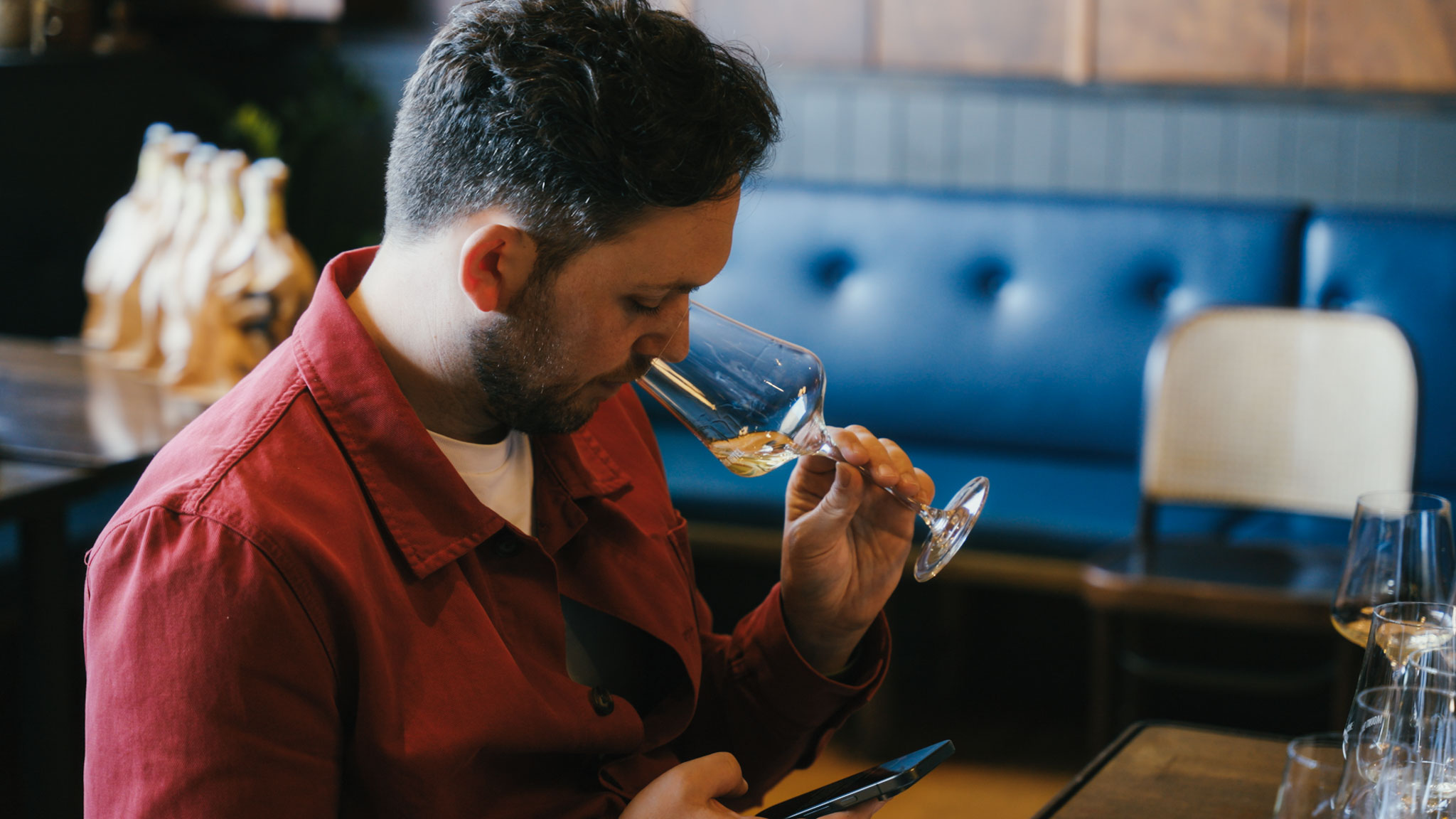
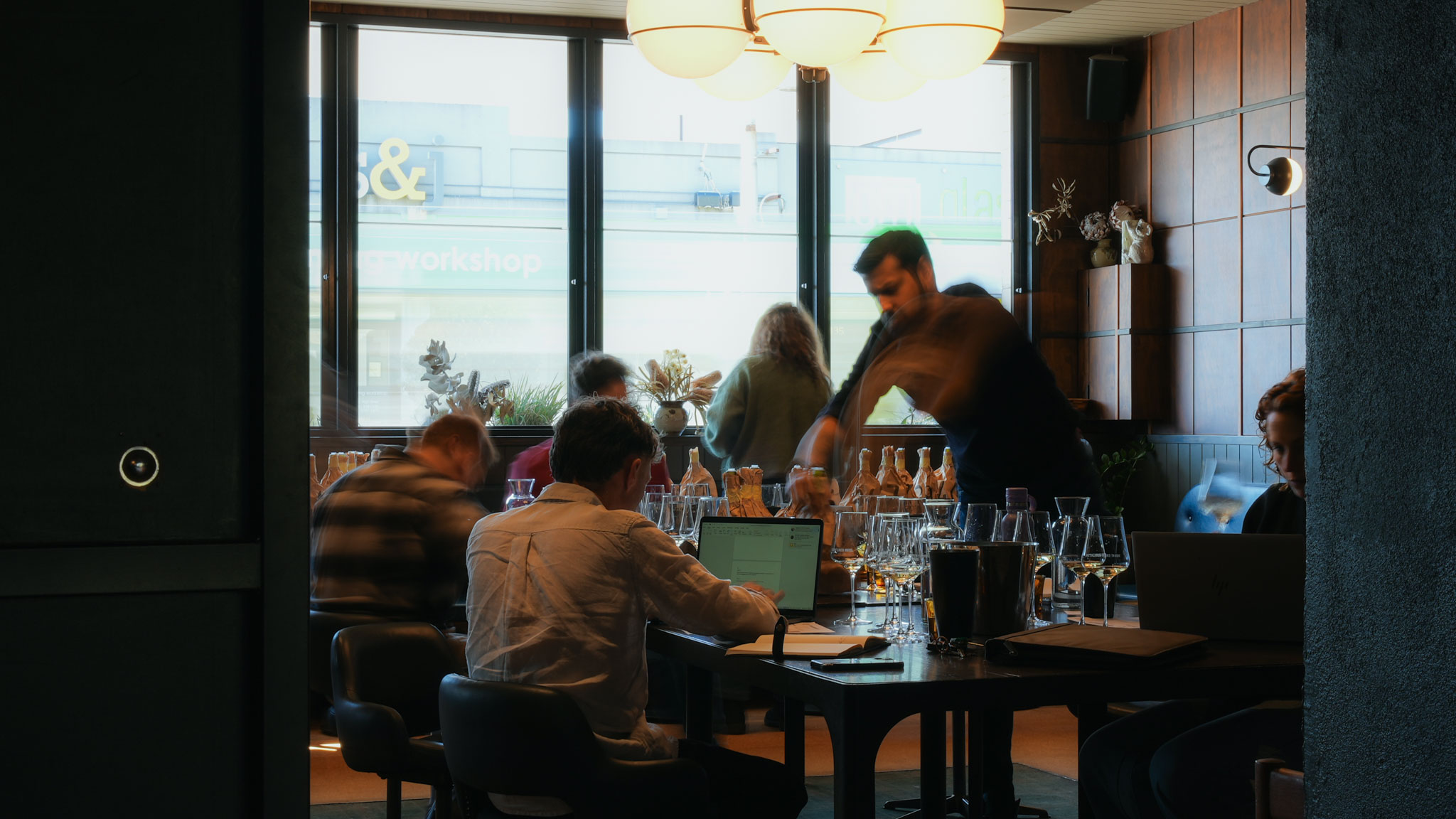
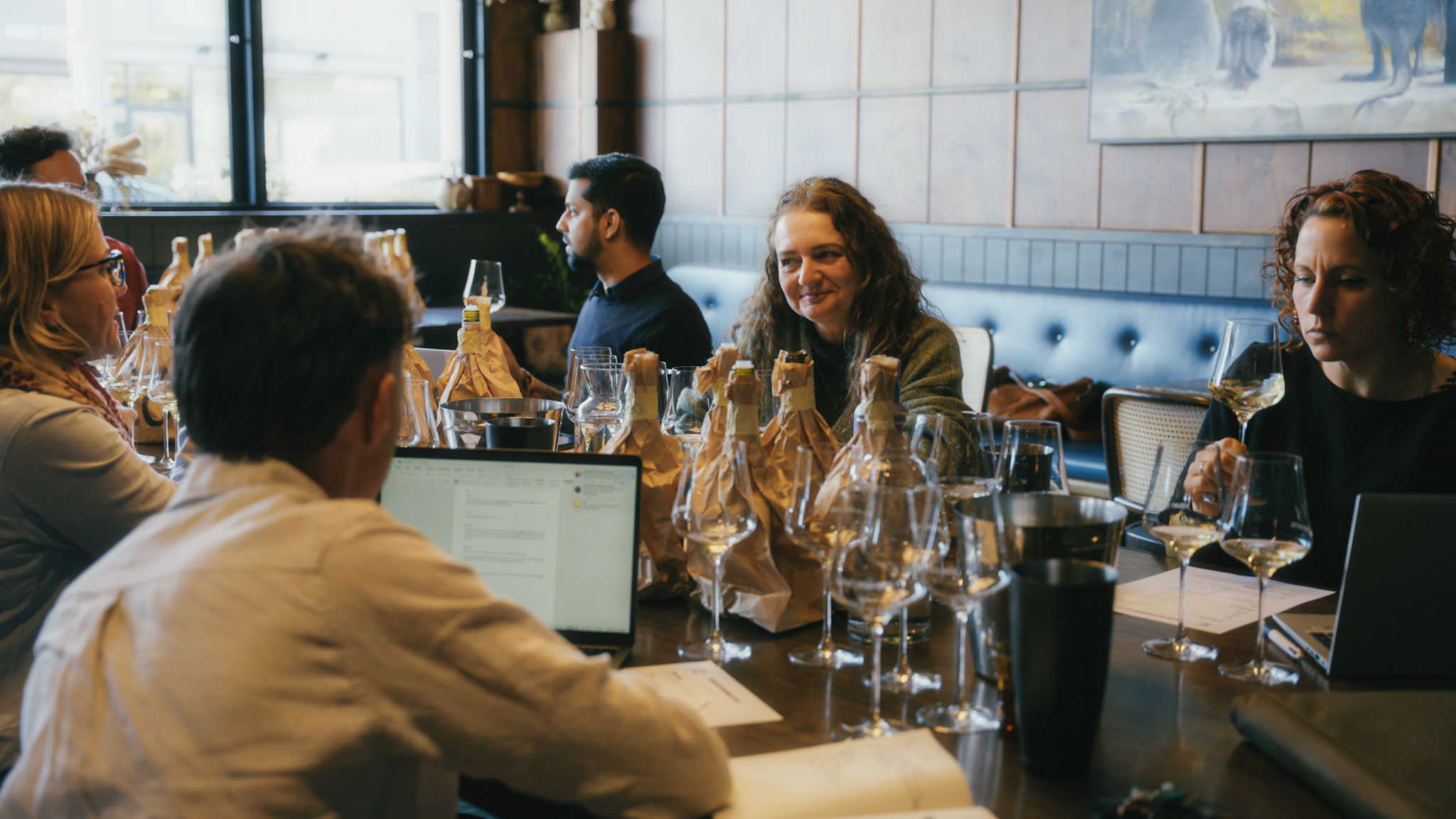
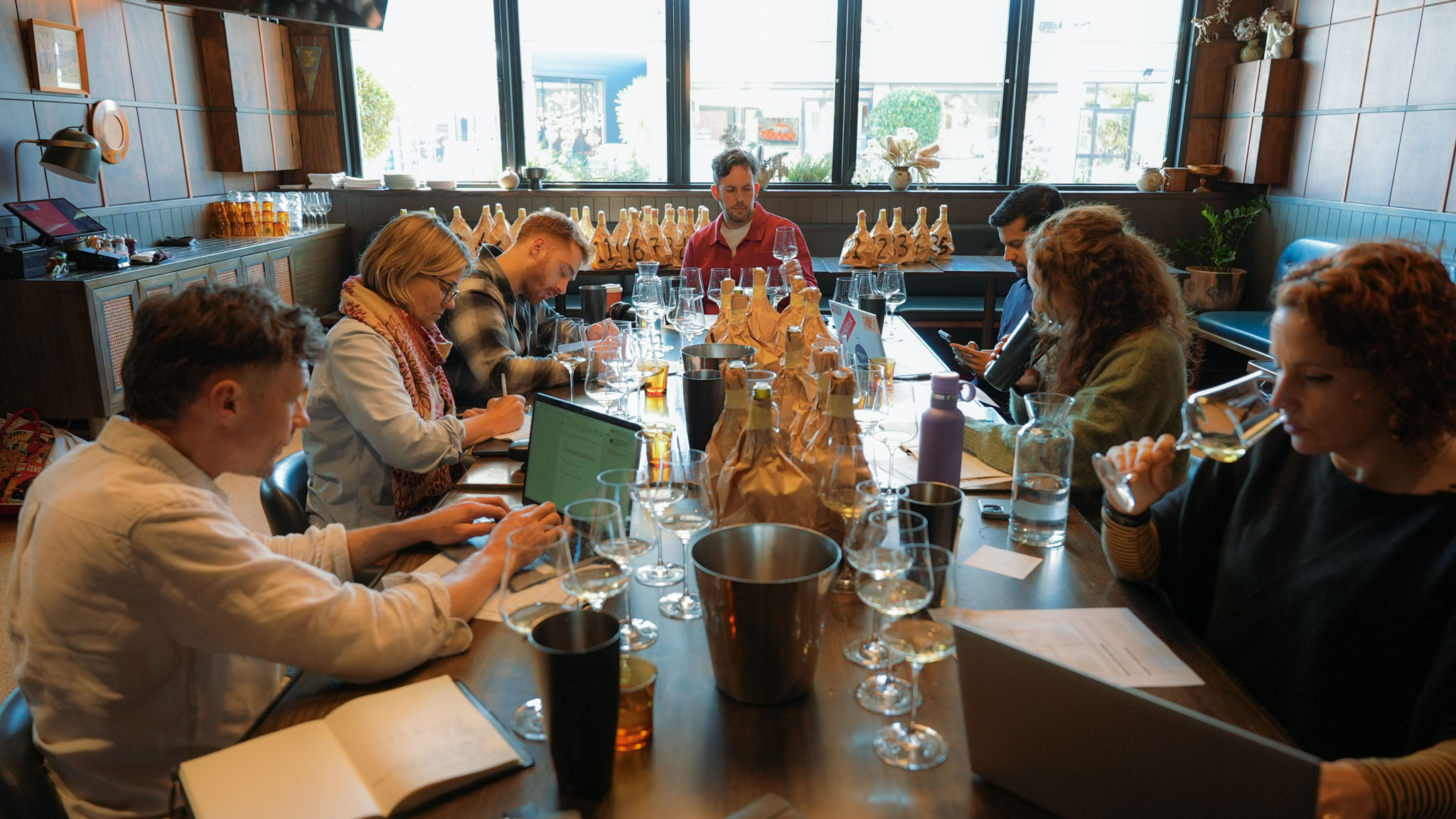
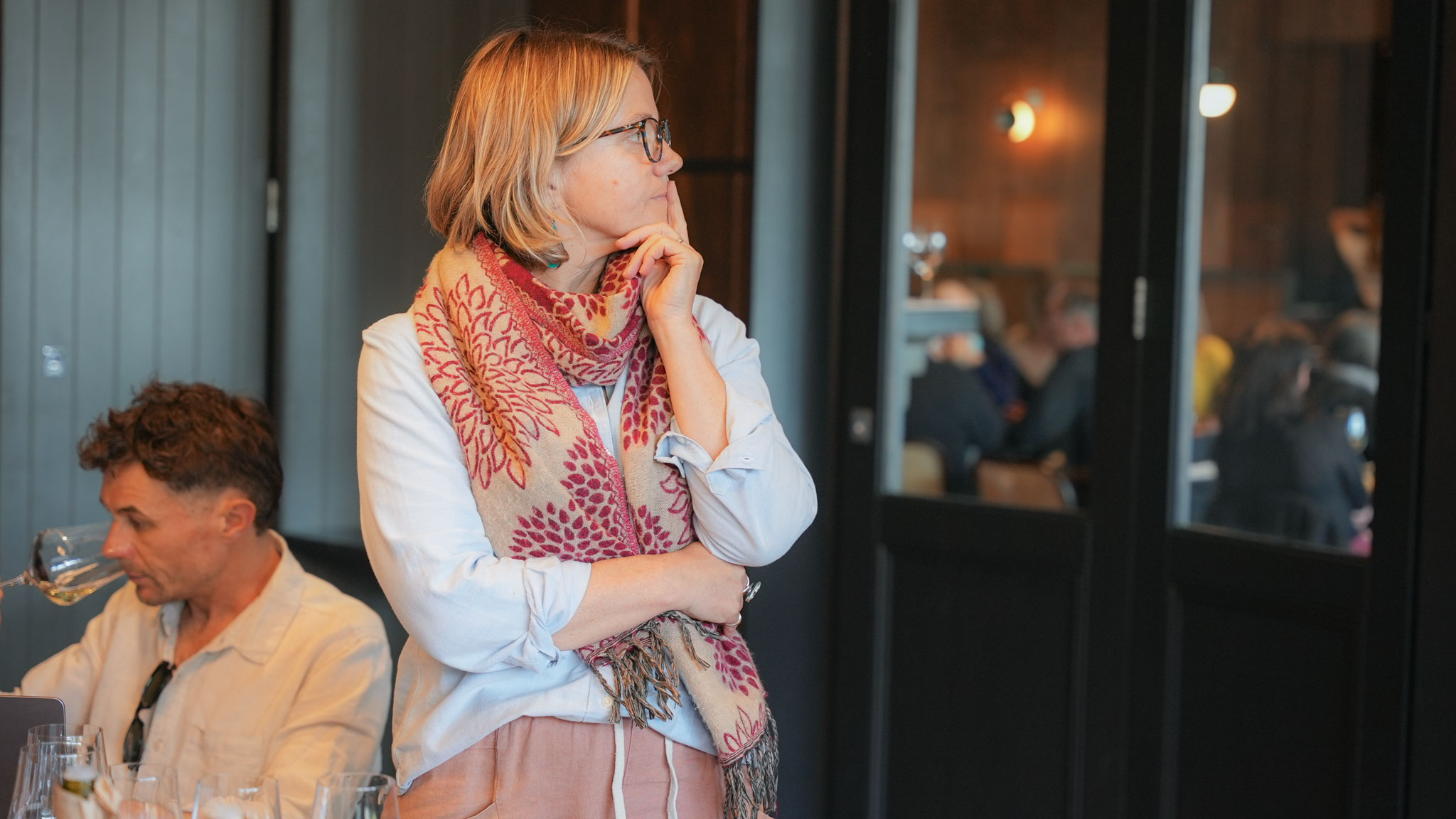
Above: The panellists gathered at Mount Erica Hotel, Prahran (Melbourne).

Outtakes from the tasting

We gathered every chardonnay from Adelaide Hills we could find and set our expert panel the task of finding the wines that compelled the most. All wines were tasted blind, and each panellist named their top six wines. Below are the wines that made the panellists’ top-six selections from the tasting.

Our panel: Charlotte Hardy, proprietor and winemaker, Charlotte Dalton Wines; Tom Belford, proprietor and winemaker, Bobar; Sarah Pidgeon, winemaker, Wynns; Jarryd Menezes, sales representative, Alimentaria; Andrea Roberts-Davison, lecturer in viticulture and winemaking, Melbourne Polytechnic; Florian Rupp, head sommelier, Marmelo; Luciano Desimone, sommelier, Marmelo.

Pidgeon commenced the discussion by observing that the diversity of the region was reflected in the wines on show. “I think of Adelaide Hills as diverse, because there’s so many aspects to it,” she said. “It should be multifaceted, because there’s very warm sites, there’s very cool sites. If you’re not seeing the range of that, you’re probably not seeing the whole region.” She added that also, “there are lots of little producers. And the way that people interpret this variety is just as profound as the site or the region. I just think of chardonnay as very malleable, and something that you can really change to your will, to an extent. And I definitely got the feeling of that through the bracket. I was surprised at how rich some of them were – because I do think of it as a cooler, lighter region in general – but there were some very big, powerful wines in there.”

Opposite: Charlotte Hardy. Above: Sarah Pidgeon.

Hardy observed that while there was a lot of diversity on display in the lineup, the economics of buying Adelaide Hills chardonnay fruit meant that not all of that diversity could be chalked up to the wines largely being single-site expressions. “Last year, unless you were already locked into contracts, you couldn’t get a berry of chardonnay,” she said. “So suddenly prices went up, winemakers were fighting in vineyards – it was outrageous. So I think that a lot of people were forced to take little parcels from here and there, and forced to blend, to make their Adelaide Hills chardonnay.” She added that these fruit prices didn’t reflect the economic realities of making and selling wine in the present day: “The price gets pushed up so quickly, and then it’s just not achievable for some people to make. And, as we know, a lot of people are sitting on stock – so they’re sitting on expensive grapes and bottles.”

“Adelaide Hills chardonnay should be multifaceted, because there’s very warm sites, there’s very cool sites. If you’re not seeing the range of that, you’re probably not seeing the whole region.”

Menezes noted that the line-up challenged his preconceptions about Adelaide Hills chardonnay – particularly on the topic of oak use. “The oak budget in some of these wines is a little bit surprising,” he said. “I always associated Adelaide Hills with that cool-climate chardonnay style, where it’s trying to showcase freshness and purity, but then you see these wines coming through with this big lick of oak and you’re like … ‘All right, cool’.” He added that “I’ve always like considered myself as someone who prefers unoaked versus oaked in wine, but when I was drinking through the line-up, I kind of liked all the oaked ones!” (Belford added that it’s not unusual for wine professionals to “talk low-oak and drink oaky”.)

Above: Luciano Desimone. Opposite: Jarryd Menezes.

For Desimone, “People are asking for a bit of texture, which might mean a bit of oak. Not a huge amount, but a tiny bit in there, just to complement and balance the wine. I think that’s why wine makers are doing it because people are asking for it.” He added that, for him, Adelaide Hills chardonnay is about “complexity and balance – because of its minerality, its bright acidity, its subtle oak, its ripe fruit profile.” He thought that this may have to do with the blending approach Hardy suggested may have been taking place: “it’s a complementary blend of all the different things they can get out of this one grape,” he concluded.

“I think there was definitely generally the goal of balance – using oak where necessary, but keeping prettiness and beautiful cool-climate flavours in the wine.”

For Rupp, discussion of oak regimes in these wines couldn’t be disconnected from vintage conditions in the region. “I’m assuming there are probably quite a few ’24 vintage wines here,” he said. (Vintage information for individual wines was withheld from the panel as part of the blind tasting process.) “And with ’24 being a bit challenging at the beginning, but generally being a warmer year, I think some of the oak that we’ve seen probably stems from that as well. We’ll probably have seen a  bit more oak than we would usually see in the same wines. I think there was definitely generally the goal of balance – using oak where necessary, but keeping prettiness and beautiful cool-climate flavours in the wine.”

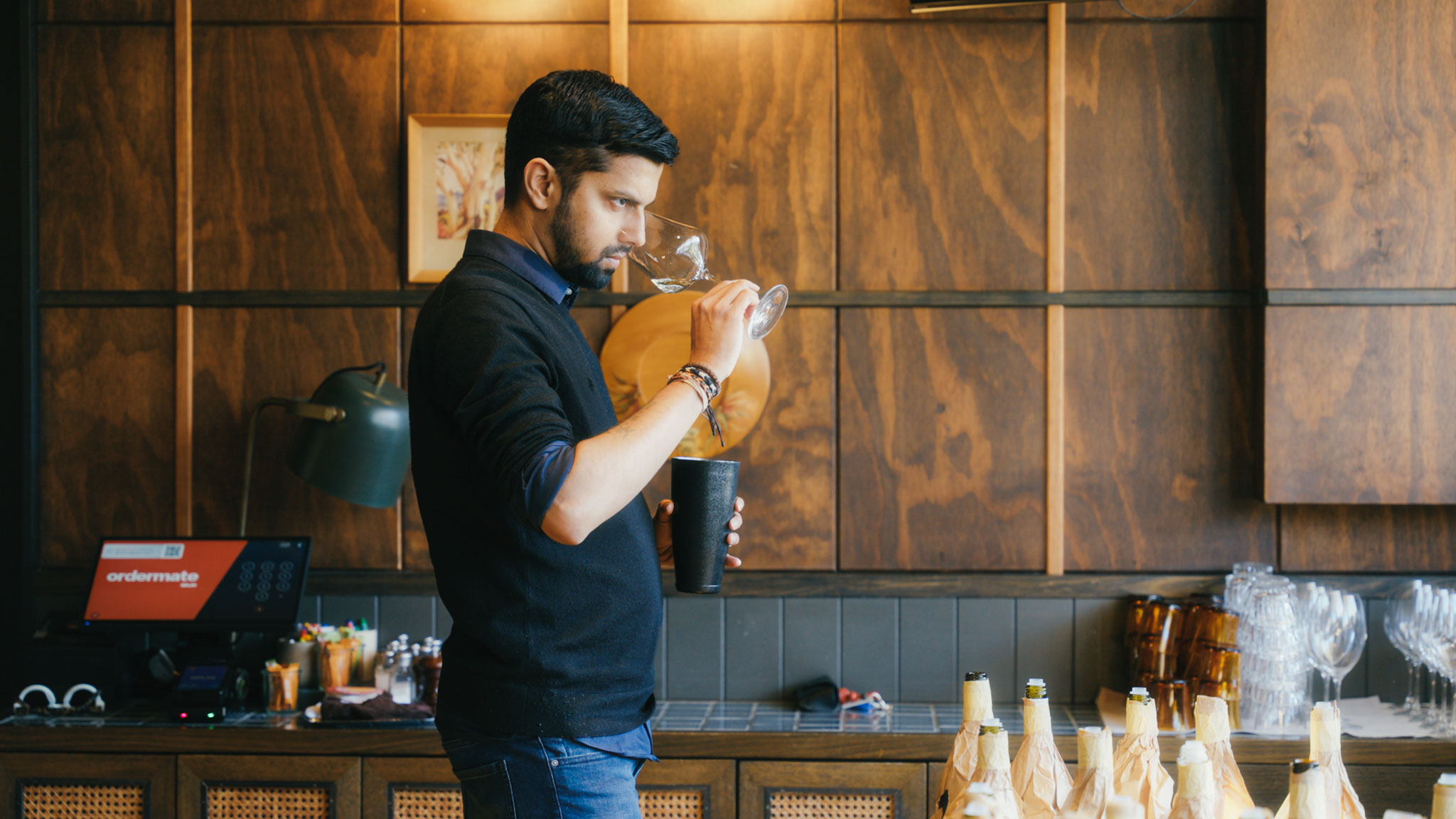
Opposite: Tom Belford. Above: Florian Rupp.

Discussion of oak regimes segued into talk of Adelaide Hills’ natural wine scene – many of whom were, at least at earlier stages, staunchly opposed to oak influence in wine. “From an outsiders’ perspective: it had its moment, and it was really vocal,” Belford said of this community. “But now it’s kind of been rolled into a mass of real quality producers. And this has given rise to a new group of really great producers – I’m thinking Murdoch Hill and Ochota Barrels, Gentle Folk, et cetera – that have come partly from that movement, but really they’re now sort of folded together with the whole region.” He added: “I don’t really see them as in opposing camps to the rest of the region – they’ve been able to go to a a region with great potential and realise that potential, along with a bunch of producers who have been there for longer.

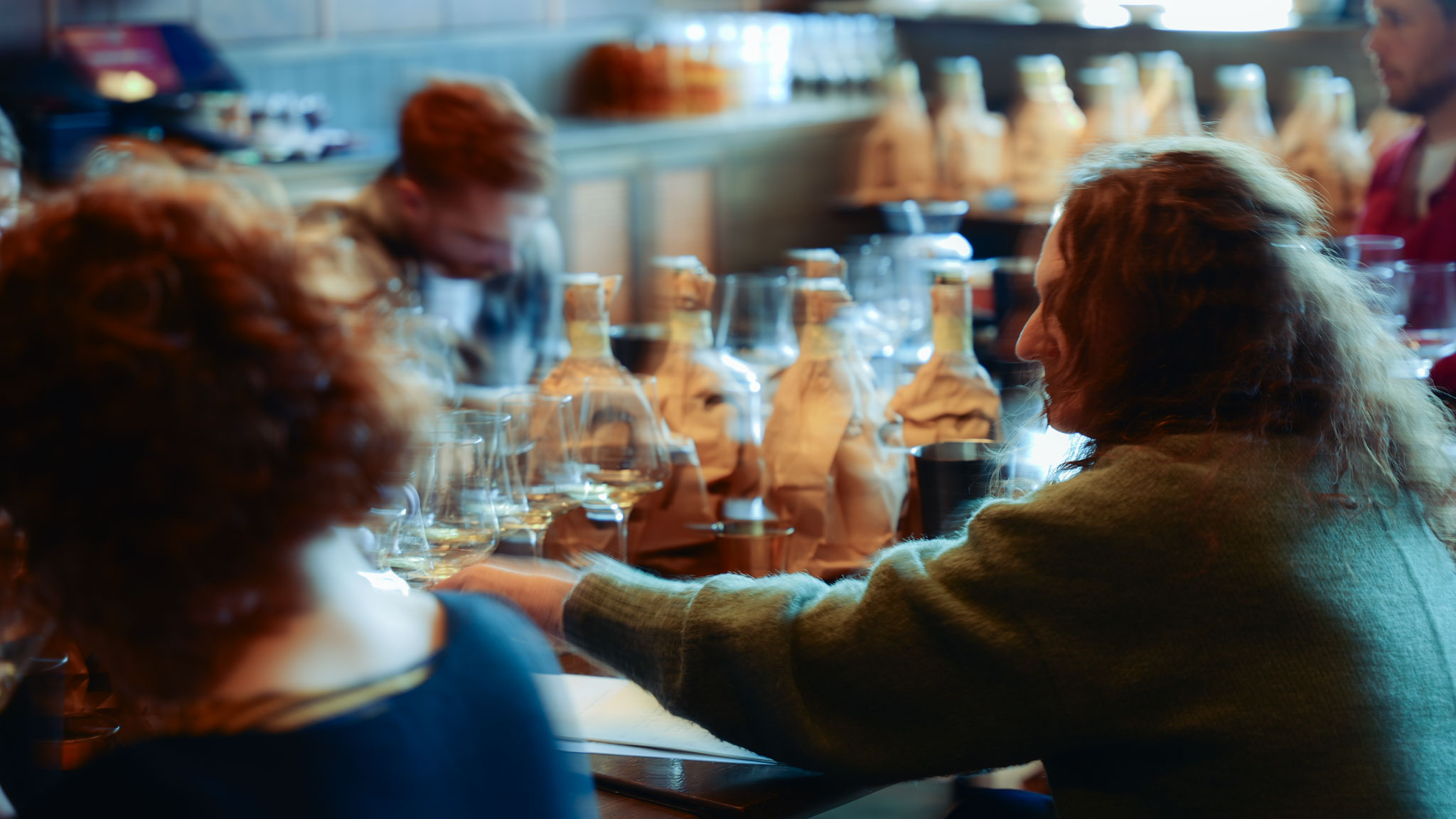
Opposite: Andrea Roberts-Davison. Above: The panel tasting in action at Mount Erica Hotel, Prahran (Melbourne).

Roberts-Davison argued that while it might not be easy to see a single fingerprint of terroir or winemaker style across the line-up, the region’s combination of quality and diversity might be its signature. “Yes, we’ve got that diversity – but in all of them, it doesn’t feel like it’s accidental,” she said. Discussing the riper, more tropical-fruited examples in the lineup, she said, “It feels like they’ve been deliberately left to ripen, and really well made after that. It feels like they wanted to have that pineapple and that mango; they wanted to have that expression. It’s not just because they bought overripe fruit or let their own fruit get overripe – it really felt like it was a choice and not a circumstance, if you like.” She added: “Maybe that would be something that the region could hang its hat on.”

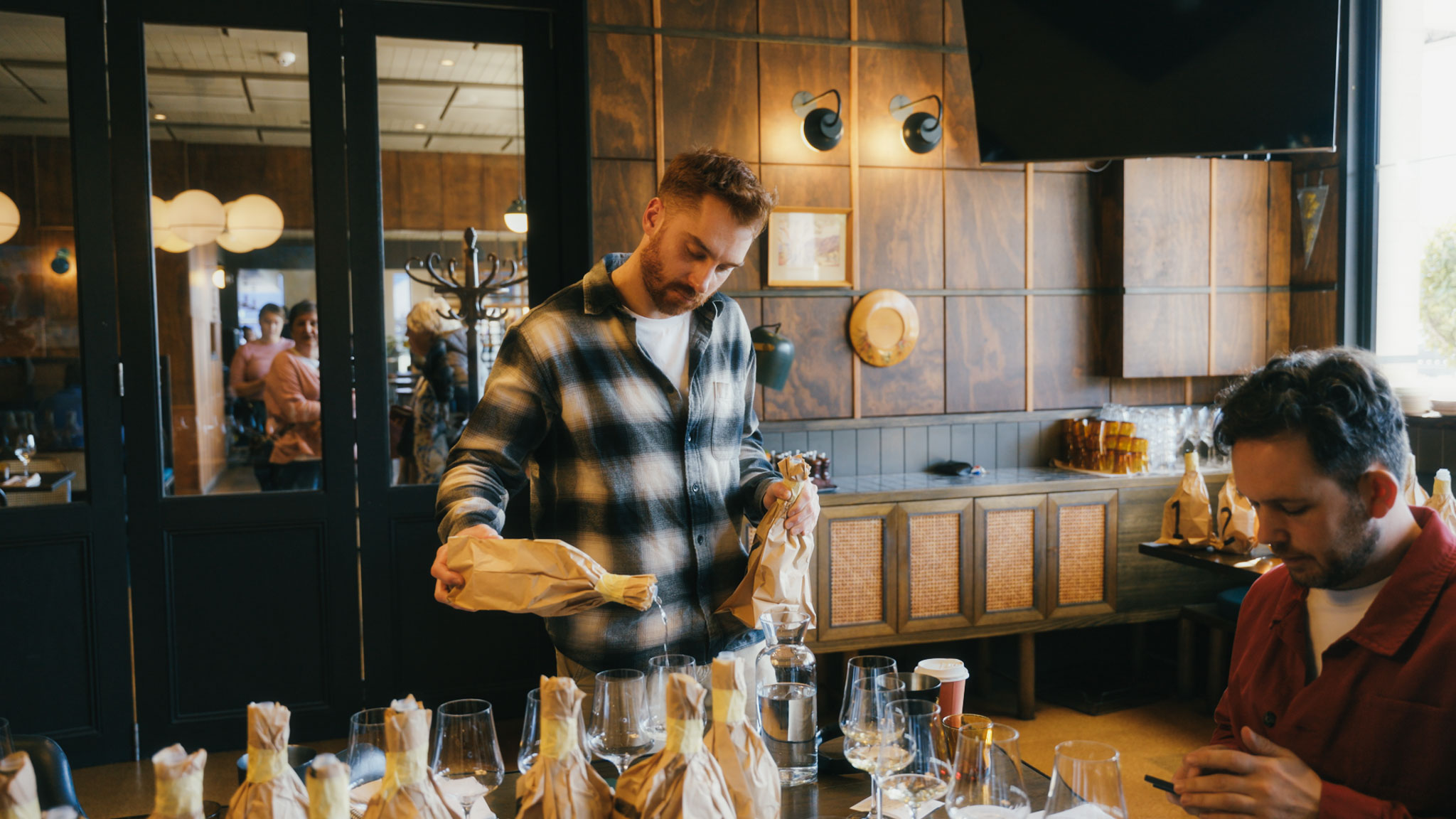
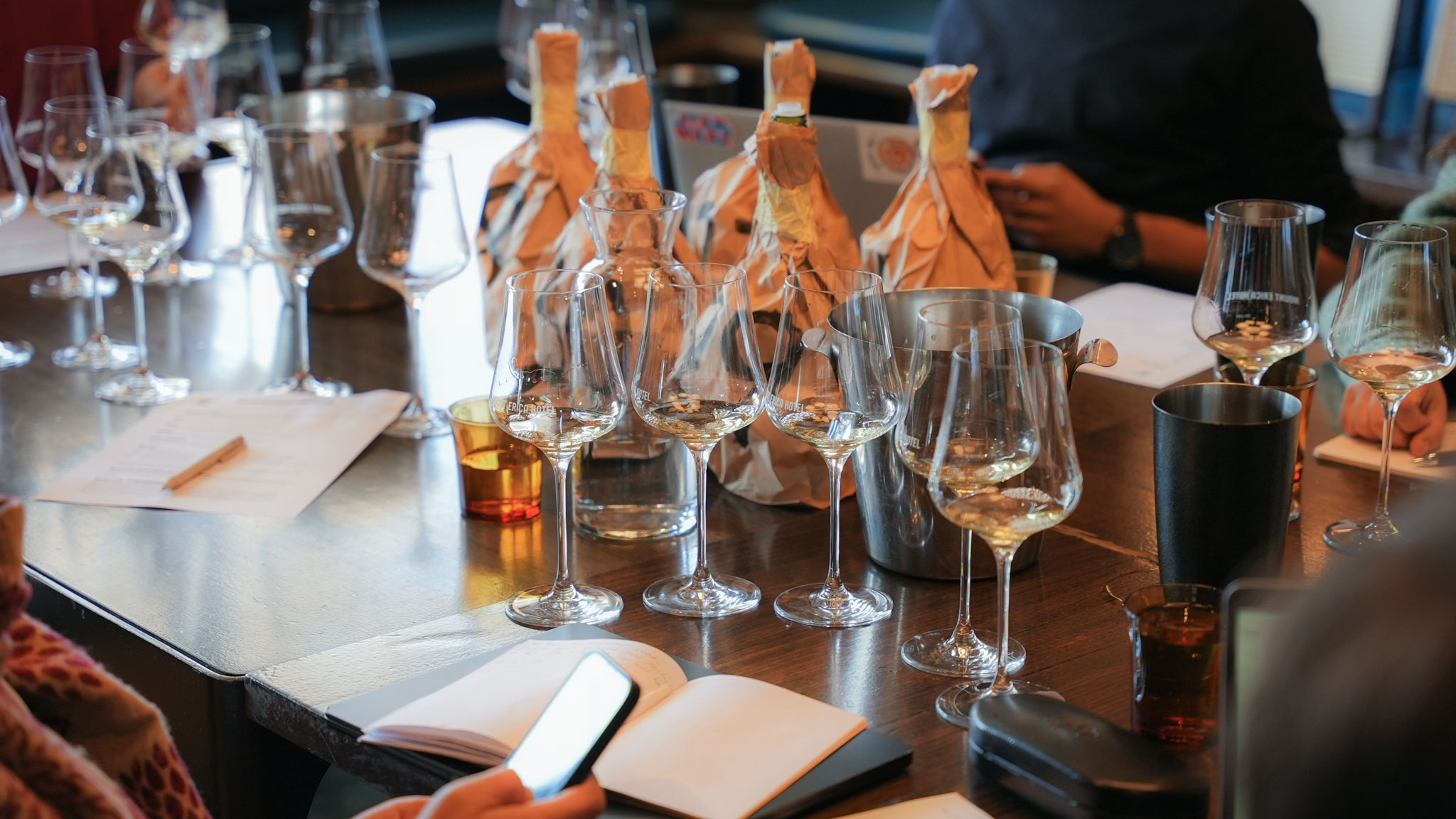
Opposite: The panel tasting in action at Bleakhouse Hotel, Albert Park (Melbourne). Above: All wines tasted ‘blind’.

Bookmark this job

Please sign in or create account as candidate to bookmark this job

Save this search

Please sign in or create account to save this search

create resume

Create Resume

Please sign in or create account as candidate to create a resume