-
Producer
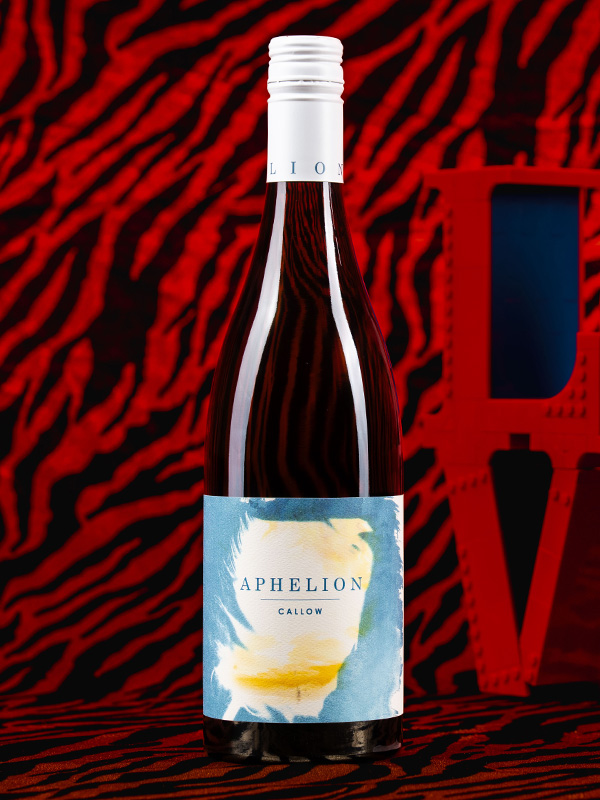
Aphelion -
Region
McLaren Vale
-
RRP
$42
-
Vintage
2025
-
Variety/Varieties
Grenache blanc
-
Alc./Vol.
13.2%
Crisp nashi pear and zesty grapefruit, with a dash of cinnamon spice and a texture that makes it genuinely food-friendly. Fresh, a little flinty, and easy to fall for.
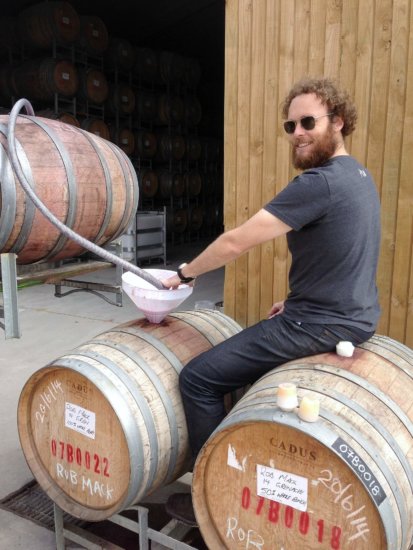
Rob Mack’s path into wine began, famously, over a bottle of Barolo aboard a P&O cruise ship in 2005 — the same trip on which he met his now-wife and business partner, Louise. He walked away from a Deloitte accounting career, picked up vintage experience at Kilikanoon in the Clare Valley, and worked his way into McLaren Vale via UK wine merchant Laithwaites before launching Aphelion in 2014 with a single tonne of grenache, split into thirds to explore different winemaking techniques. That experimental instinct has stuck, with grenache as the label’s centrepiece ever since. Mack took out Best New Act at the 2017 Young Gun of Wine Awards, followed by the major Young Gun of Wine title itself the year after.
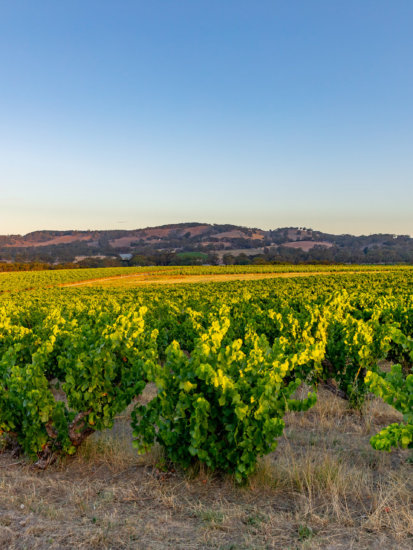
Grenache blanc is a naturally occurring colour mutation of grenache noir, first appearing in Spain’s Catalunya region in the 1300s before finding its true home across southern France. It’s a genuine newcomer to Australia — the local genetic material only arrived via a partnership between French vine organisation ENTAV-INRA and the Yalumba nursery, with the first commercial plantings going into the ground at McLaren Vale’s Yangarra Estate in 2016. This wine is sourced from that same certified organic and biodynamic Yangarra vineyard, near Kangarilla, and 2025 continues a run for Aphelion that began with the variety’s first vintage under the label back in 2021. Like its red-skinned relative, grenache blanc is thick-skinned, drought-tolerant and thrives in exactly the kind of warm, dry conditions McLaren Vale offers — making it a genuinely climate-apt variety for a warming country.
In the winery, the fruit is hand-picked and whole-bunch pressed, with 60 per cent of the juice fermented in stainless steel to preserve freshness and varietal character, and the remainder split between seasoned French barriques and one new Austrian oak hogshead. A slow, cool ferment is followed by time on full lees with regular battonage, adding texture without losing the wine’s vibrant acidity. Just 250 six-packs were made.
Tasting note
Crisp pear and zesty grapefruit sit right at the centre of this wine, with a flinty complexity delivered by extended integration with lees in old oak. A curious, almost cosy nose of lamb’s wool with lemon zest, white nectarine, apricot and a whisper of spearmint. On the palate it has daubs of baked pear and butterscotch fanning before a timely tug of acidity pulls everything back into focus. Fleshy fruit weight and pleasant viscosity sit well balanced against that freshness and a touch of chalky minerality, finishing tangy and mouth-watering, framed by a pinch of sea salt. Whistle-clean, and it leaves you wanting the next sip almost immediately.
When to drink
We always say enjoy this however you like, and it’s genuinely hard to imagine a wrong way to drink this one. It’s primary and fresh enough for an afternoon at the park with mates, but weighty and layered enough to sit alongside a proper main — roast chicken would be a great match, or go the fresher route with scallop crudo doused in spring herbs and a tangy vinaigrette, or a spread of your favourite takeaway nigiri. Just don’t drink it too cold: fridge-cold, the fresh fruit character will cut through fine, but you’ll miss the beautiful texture that’s really the point of this wine.
Themes of this wine
Grenache Blanc
Grenache blanc is a naturally occurring colour mutation of grenache noir — the same relationship pinot gris has to pinot noir — likely originating in Spain before becoming a mainstay blending grape across southern France’s Rhône Valley and Roussillon. It’s a genuine recent arrival in Australia, with commercial plantings only going in from 2016, but its combination of drought tolerance and warm-climate suitability has growers and winemakers excited about its future here. In the winery it’s remarkably malleable, responding to oak, lees work and skin contact in a similar way to chardonnay, and capable of everything from lean and citrusy to rich and textural depending on the hand that shapes it.
McLaren Vale
McLaren Vale, just south of Adelaide, is one of Australia’s most storied red wine regions, its warm Mediterranean climate and old vine plantings having built its reputation on shiraz and, increasingly, grenache. That same climate — hot, dry summers moderated by sea breezes off the Gulf St Vincent — makes the region a natural fit for other heat-loving Mediterranean varieties as producers look to diversify beyond the classics, with grenache blanc emerging as one of the more promising recent additions to that push.
Biodynamic farming
Biodynamic viticulture treats the vineyard as a single living system, working with composts, herbal preparations and the lunar and cosmic calendar in place of synthetic sprays and fertilisers. It remains a minority practice in Australia, but one increasingly embraced by growers chasing a clearer expression of their site. Yangarra Estate, whose certified organic and biodynamic vineyard supplies the fruit for this wine, is among McLaren Vale’s most committed practitioners of the approach.
Explore Further
GET FIRST ACCESS TO THE NEXT WINE ICONS – DELIVERED
Find out moreEach month, get 3 bottles of our freshest discoveries. We taste thousands to bring you the best.
Join us and support emerging winemakers, sustainable vineyards, and the development of young professionals.
— Max Allen, Wine Writer
— Broadsheet
— The Australian