-
Producer
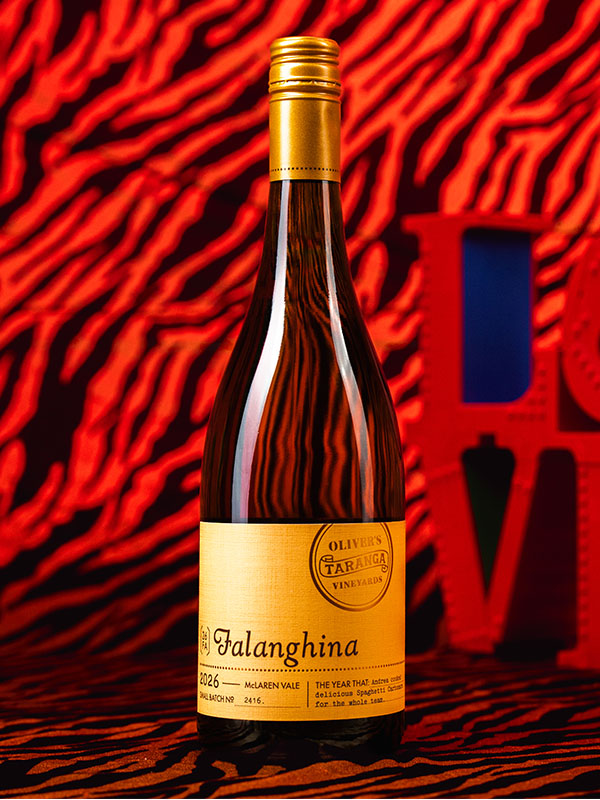
Oliver’s Taranga -
Region
McLaren Vale
-
RRP
$36
-
Vintage
2026
-
Variety/Varieties
Falanghina
-
Alc./Vol.
13.5%
Peach and apricot with white flowers, a plush, creamy feel and a bright, zesty lift, finishing with a faint salty, nutty edge. Summer in a glass.
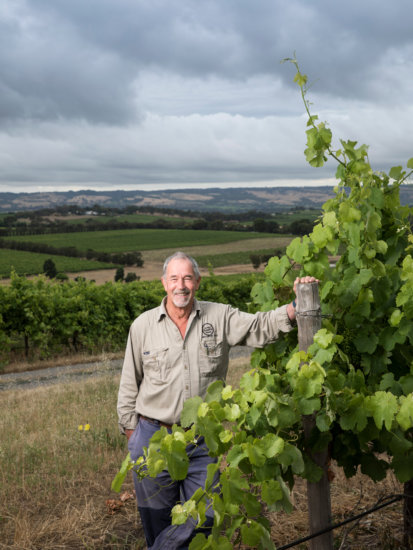
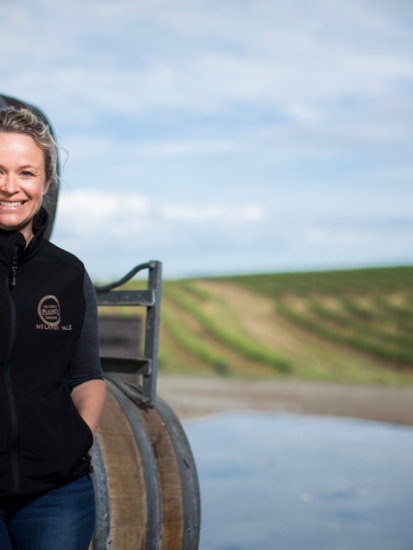
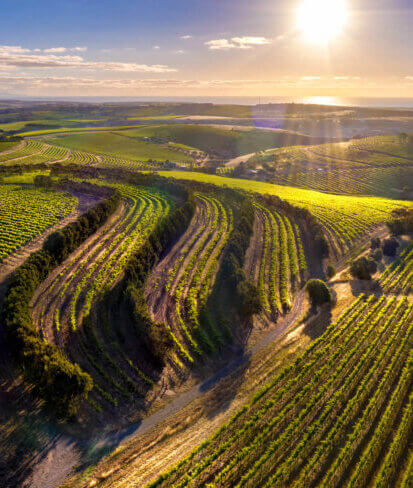
The Oliver family has been working the land at McLaren Vale since William Oliver bought it in 1839, and the Taranga property today is 100 hectares and more than 50 separate blocks, each with its own mix of grape variety, clone, soil and vine age. For much of that time they were grape growers first: in the 1970s the family went grape-only, and they still supply fruit to a group of top winemakers. Their vineyard has been a finalist in our Vineyard of the Year Awards in both 2021 and 2024. The wine label came later, when Corrina Wright, then an oenology student, talked her uncles into setting aside a small parcel of grapes for the first Oliver’s Taranga wine in 1994. Today she’s the sixth generation of the family to work the land and the winemaker behind the label, and a Young Gun of Wine finalist back in 2007.
Corrina has become one of the pioneers of Italian and Spanish varieties in McLaren Vale, planting grapes suited to the region’s warm conditions. Fiano earned her the nickname “Queen of Fiano”, and she was the first in Australia to grow and make mencía, alongside vermentino, sagrantino and tempranillo. Falanghina is the latest addition. It comes from Campania, the region around Naples, the same part of southern Italy as fiano, and it’s very new to Australia. This is only Oliver’s third vintage of falanghina, which means it’s still very early days for the variety here.
The winemaking is deliberately light-handed: minimal intervention, with the wine made in concrete eggs rather than oak, so there’s nothing between you and the fruit. It’s 100% falanghina and 100% McLaren Vale, and a small batch at that.
Tasting note
A nose of unripe peaches and apricots fresh from the tree, with a lift of almond blossom and beeswax, in a pale straw colour. The palate is plush and creamy but bright and zesty, with a hint of cashew-like nuttiness adding complexity to the fruit, and an oyster-shell minerality that emerges in the mid-palate to frame a faint salty finish. It’s generous without being heavy, the kind of wine that makes doing nothing on a hot afternoon feel like the best decision you’ve made all week.
When to drink
This is a summer wine through and through. Chill it well, take it somewhere hot (a beach, a backyard, a boat) and let it do the work. It doesn’t need an occasion beyond the weather. Plush and textural, it’s just as happy poured solo with the sun going down and a good playlist on.
It doesn’t need food, and we don’t get precious about pairing. But if that’s your thing, beachside fish and chips on a scorching summer’s day is hard to beat. Or if you’re feeling a little fancy, tasting this wine gets us dreaming of salmon blinis. Or, honestly, just sitting in some deckchairs in the shade with a bucket of ice on a bright summer’s day, full stop.
Themes of this wine
Falanghina
Falanghina is a white grape from Campania, the region around Naples in southern Italy, where it sits alongside fiano as one of the area’s signature whites. It’s usually fragrant and fresh, with stone fruit, citrus and blossom, and with enough acidity to keep the wine lively in a hot climate. It’s very new to Australia, which is part of what makes it so interesting.
McLaren Vale and alternative varieties
McLaren Vale, south of Adelaide, is best known for shiraz and grenache, but its warm, Mediterranean-style climate has made it a natural testing ground for grapes from southern Italy and Spain. Growers here have been planting varieties like fiano, vermentino, tempranillo and mencía, partly for the way they handle the heat and partly because they make wines that feel fresh, savoury and made for the table. It’s one of the most exciting regions in Australia for what’s known as “alternative varieties”.
Concrete eggs
A concrete egg is a large, egg-shaped fermentation vessel. Because concrete is neutral, it adds no flavour of its own, unlike oak, so the wine tastes of the fruit. The egg shape encourages the wine to circulate gently as it sits, which helps build texture and creaminess. It’s one way winemakers can make a white with real weight and mouthfeel while keeping it fresh.
Explore Further
GET FIRST ACCESS TO THE NEXT WINE ICONS – DELIVERED
Find out moreEach month, get 3 bottles of our freshest discoveries. We taste thousands to bring you the best.
Join us and support emerging winemakers, sustainable vineyards, and the development of young professionals.
— Max Allen, Wine Writer
— Broadsheet
— The Australian