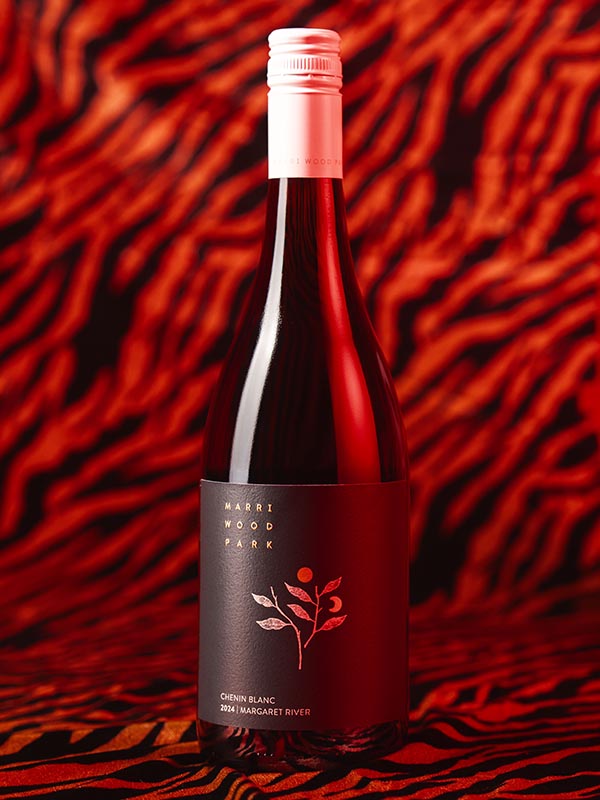
2024 Marri Wood Park Chenin Blanc Margaret River

Read more
2024 Marri Wood Park Chenin Blanc
Biodynamically farmed, this is chenin blanc for chardonnay lovers — all flint, mineral drive and gorgeous lemon butter character. A benchmark, thrilling chenin blanc.
  • Producer

    Marri Wood Park

  • Region

    Margaret River

  • RRP

    $40

  • Vintage

    2024

  • Variety/Varieties

    Chenin blanc

  • Alc./Vol.

    13.5%

In the glass, a flinty mineral edge meets crunchy green apples, lemon meringue and a whiff of sea spray, with honey and warm spice waiting underneath. Drink it fridge-cold for something taut and zippy, or let it sit and warm up to watch it turn plush and waxy — genuinely a different wine either way.

Marri Wood Park sits in Yallingup, at the northern end of Margaret River and just kilometres from the coast — a 6.5-hectare single-vineyard site established in 1992 by the Wright family, who still run it today, with viticulturist Julian Wright now working alongside his daughter Natalie. The vineyard has been Demeter-certified biodynamic since 2008, farmed without chemicals or irrigation on gravelly, well-drained loam. Marri trees (Corymbia calophylla) surround the site, their blossom doing double duty by luring hungry birds away from the vines. Winemaking is handled by Nic Peterkin.

2024 delivered the earliest vintage on record — a hot, dry, compressed season that forced a rethink at harvest. Rather than picking the block in one go, the Wrights brought the fruit in across two separate lots: an early pick for tight acid and chalky texture, and a later pick for riper, rounder tropical character. The final wine is a blend of both passes, built to capture tension and generosity from the one vineyard, in the one unusual year.

Tasting note

Flint, apple, jasmine blossom, magnolia and sea spray lift out of the glass, trailing something a little more abstract underneath — salt spray breaking on rocks close to shore, with an almost match-struck edge for anyone who leans toward chardonnay. This is a wine that shifts as you move through the bottle. Poured straight from the fridge, it’s taut and chalky, all crunchy Granny Smith apple and slightly underripe apricot over a spine of pure salinity — bracing, thirst-quenching, built to wake up the palate. Let it warm through the middle of the bottle and the picture changes: orange peel, poached quince and yellow stone fruit move in, juicy and unhurried, while the texture eases into something waxy and lanolin-like, true to the variety, carrying warm notes of cinnamon and nutmeg with real generosity. That arc is the two picks talking to each other — the earlier fruit lending fresh acid and phenolic grip, the later fruit bringing the plushness and roundness of a genuinely hot, early vintage. There’s a lemon butter richness rounding out the palate, and a slightly savoury, parmesan-like trail, owing to the wine’s lees-driven vinification.

When to drink it

Sure, that flinty lemon-butter thing loves a bit of richness — enjoy it with fresh seafood just as easily as rich poultry with a hint of spice, or something fried and salty if that’s more your mood. But honestly? Do it that way, or don’t. We’re not precious about food matches here, and neither is this wine. It’s damn delicious on its own terms, anywhere, anytime — with friends, without friends, on a Tuesday for no reason at all.

Pour it with wine-nerd friends on a winter afternoon and pick apart its detail, glass by glass. Or make it a relaxed Sunday, chicken slow-roasting in the background, a token salad you’ll get to eventually, this unfurling in the glass while Nina Simone plays — or whatever you’re into. Chill it down, pour it out, and let the wine do the work.

Themes of this wine

Chenin Blanc

Chenin blanc is one of the great chameleon grapes, native to France’s Loire Valley, where it turns up as everything from bone-dry to nobly sweet, still or sparkling, often from the very same villages. Its hallmark is high natural acidity paired with a waxy, honeyed texture that develops with time in bottle, giving it real ageing potential most white varieties can’t match. In Australia it has long lived in the shadow of chardonnay and riesling, but a small, committed group of producers — concentrated particularly in Western Australia — are increasingly showing what the variety can do when farmed with care.

Margaret River

Margaret River is defined by its maritime position, a narrow strip of land between the Indian and Southern Oceans that keeps the climate mild and the diurnal range gentle compared to much of Australia’s wine country. Best known internationally for chardonnay and cabernet-based reds, the region’s ironstone gravel and loam soils and reliable sea breezes are increasingly proving their worth across a wider range of varieties. Yallingup, in the region’s north, sits closest to the coast, its vineyards feeling the ocean’s influence most directly of all.

Split-picking

Rather than harvesting a block in a single pass, some producers choose to pick the same vineyard across two or more separate lots, timed to capture different stages of ripeness. An earlier pick preserves brighter acidity, tighter structure and more textural grip, while a later pick brings deeper, riper fruit character and a softer, more generous mouthfeel. Blending the two allows a winemaker to build complexity and balance into a single wine — particularly useful in a compressed, early-ripening vintage, where a single harvest date would only ever tell half the story.

Explore Further
2024 Marri Wood Park Chenin Blanc

GET FIRST ACCESS TO THE NEXT WINE ICONS – DELIVERED

Find out more

Each month, get 3 bottles of our freshest discoveries. We taste thousands to bring you the best.

Join us and support emerging winemakers, sustainable vineyards, and the development of young professionals.

Find out more
“One of the highlights of my drinking year.”
— Max Allen, Wine Writer
“The future of wine in Australia.”
— Broadsheet
“The cutting edge of Australian wine.”
— The Australian
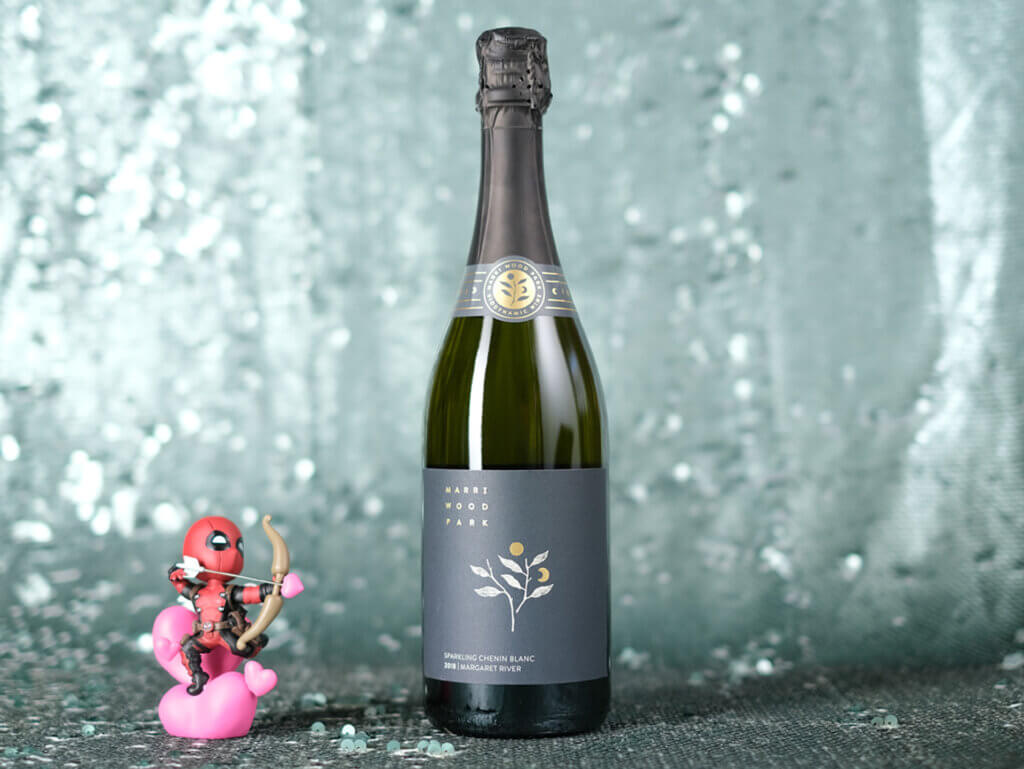
2018 Marri Wood Park Sparkling Chenin Blanc
From this outstanding biodynamic vineyard in Margaret River comes a sparkling wine from an unusual variety, offering a striking contrast of intensely bright, fresh fruit and toasty brioche notes.
  • Producer

    Marri Wood Park

  • Region

    Margaret River

  • RRP

    $45

  • Vintage

    2018

  • Variety/Varieties

    Chenin blanc

  • Alc./Vol.

    13.2%

Marri Wood Park is a pioneer of biodynamic viticulture (Demeter-certified) in the staunchly conventional Margaret River region, a rare throwback to an unplugged style of farming. Winemaker Nic Peterkin crafts a delicious, high-voltage fizzy number from estate chenin blanc fruit – a relatively unusual variety to craft sparkling from in the Australian context, but a popular choice in France’s loire valley. Using the traditional method of sparkling production, with four years on lees to build texture before release, this is a serious – and seriously delicious – sparkling wine.

Tasting note

This is a wine of contrasts. It smells full and rich in the glass, offering notes of toasty brioche, quince, honeysuckle, and peach yoghurt. On the palate, though, it’s racy and lively, with a bracing acidity that lifts the richness of the chenin blanc fruit, and silky, creamy bubbles. There’s a lovely little bite of phenolic bitterness at the finish, with a tiny lick of sea salt-y minerality at the close of an impressively long finish. Winner winner chicken dinner—and do consider it next time you’re having a roast chook!

Themes of this wine

Sparkling wine

There are many different ways to make sparkling wine. The most famous is the method widely associated with Champagne, where still wine is refermented in bottle with added sugar and yeast to create bubbles, then matured on the lees to create layers of flavour and textural detail. But pétillant naturel (pét-nat) or méthode ancestrale is an even older approach, with the primary ferment finishing in bottle to create the bubbles, with the result usually simpler and brighter, with less leesy complexity. Then there are more modern methods, like Charmat, where the fizz-producing ferment occurs in tank, then the wine is bottled cold to retain the bubbles, and the result is, well, bubbly wine, without any bottle-conditioned character.

Chenin blanc

Chenin blanc is responsible for some of the longest-lived whites in the world, largely from its spiritual home in the Loire Valley. While it has been very much a bit player in Australia over the years, a renewed interest is seeing exciting expressions of chenin entering the market. It’s hard to generalise about the flavours of chenin blanc, such is the variety of expressions that are made from it, with some crisp and dry and others exotically flavoured and quite sweet. At the cooler end, flavours like green pear and lemon are common, developing into lemon curd, honeysuckle, honey, straw, cooked pear and quince the riper it gets, then botrytis can often step in with layers of toast and citrus curd and more exotic florals. The one thing that is a constant with chenin is the acidity, with the wines being typically racy and fresh even with some residual sugar.

Margaret River

If you’re after a wine region with a healthy dose of conspicuous glamour, then Margaret River has it all. Three hours south of Perth, ‘Margs’ is littered with iconic wineries, many with dazzling cellar doors and world-class restaurants. And then there’s the abundant sunshine, and the beaches – oh, those beaches … It’s a beautiful, beautiful place, and for a young wine region it’s very mature, with well-established paths to success built largely on the twin pillars of chardonnay and cabernet sauvignon (et al). Names like Cullen, Moss Wood, Woodlands, Leeuwin Estate and Vasse Felix feel like they’re etched in stone, but in the last little while, smaller players have been making their mark.

2018 Marri Wood Park Sparkling Chenin Blanc

GET FIRST ACCESS TO THE NEXT WINE ICONS – DELIVERED

Find out more

Each month, get 3 bottles of our freshest discoveries. We taste thousands to bring you the best.

Join us and support emerging winemakers, sustainable vineyards, and the development of young professionals.

Find out more
“One of the highlights of my drinking year.”
— Max Allen, Wine Writer
“The future of wine in Australia.”
— Broadsheet
“The cutting edge of Australian wine.”
— The Australian
Everyone loves a wine story. Wine marketers are always looking for the narrative hook that can convince the average punter to pick up a bottle and take it home, or to order a glass at a bar – whether that’s a story of new and interesting varieties, sustainable viticulture, renegade winemaking, or triumph over adversity. But stories don’t actually make wine – people do. Tom Bradshaw doesn’t provide a narrative hook for his wine – his winemaking philosophy is straightforward and no-nonsense, he uses mainstream grape varieties, and operates out of a region (Margaret River) best known for its even-keeled climate and consistently high quality. With a tight lineup of high-quality, classically styled wines – a cabernet sauvignon, a chardonnay, a syrah-based blend and a sangiovese-based rosé – Thomas William Wines isn’t out to reinvent the wheel.
  • Producer

  • Region

    Margaret River Western Australia

  • RRP

    $

  • Vintage

  • Variety/Varieties

  • Alc./Vol.

    %

Everyone loves a wine story. Wine marketers are always looking for the narrative hook that can convince the average punter to pick up a bottle and take it home, or to order a glass at a bar – whether that’s a story of new and interesting varieties, sustainable viticulture, renegade winemaking, or triumph over adversity. But stories don’t actually make wine – people do. Tom Bradshaw doesn’t provide a narrative hook for his wine – his winemaking philosophy is straightforward and no-nonsense, he uses mainstream grape varieties, and operates out of a region (Margaret River) best known for its even-keeled climate and consistently high quality. With a tight lineup of high-quality, classically styled wines – a cabernet sauvignon, a chardonnay, a syrah-based blend and a sangiovese-based rosé – Thomas William Wines isn’t out to reinvent the wheel.

Tom Bradshaw’s wine journey began in a relatively quotidian manner. “After loving drinking the stuff, I thought I’d have a go at making it,” he says. “So in 2015 I did a vintage at Houghton in the Swan Valley of Western Australia. After this, I decided to make a real go of it – so I started my studies at Charles Sturt University and moved down to Margaret River. Here I got a job in the cellar at Howard Park for the 2016 vintage and spent a year there, before joining the team at Deep Woods Estate.” Here he met up with Deep Woods Estate and Nocturne winemaker Julian Langworthy – “the biggest influence in my career so far, and I imagine he won’t be overtaken any time soon,” Bradshaw says – and leveraged Deep Woods’ connections to work a vintage in Burgundy at Maison Camille Giroud. In 2021 he started laying the groundwork for his own label, Thomas William Wines, which launched in 2024. As far as career arcs go, Bradshaw’s is no muss, no fuss.

“It wasn’t an epiphany as such, just an unrelenting thought of ‘why wait?’” Bradshaw says of the impetus to start his own label. “When I got into the industry, it was always the end goal of mine: to have a label of my own, making premium wines from this beautiful place we call home.” He reflects: “There is scarcely ever an opportunity to do something at the perfect time – sometimes you just have to take a leap of faith and have a crack at it.” It’s been a blessedly smooth path for Bradshaw since – with events that have initially appeared to be setbacks eventually revealing their silver linings: “Our first year of red production was meant to be 2021,” he says, “a year that turned out to be a great one to miss. Due to an undersupply in the vineyard we had contracted, we actually missed out on what was meant to be our first fruit – something I had mixed feelings about at the time. However, in hindsight, it was a great result.”

“There is scarcely ever an opportunity to do something at the perfect time – sometimes you just have to take a leap of faith and have a crack at it.”

Suitably enough for someone whose path to running a label has been a straight shot, Bradshaw’s approach in the cellar is right down the line, philosophically speaking. “Our wines are classic varieties, but from a modern approach in terms of style,” he says. “Simply, they are new-generation wines, crafted with time-honoured traditions. With the wines, we are not seeking to be different; we just want them to be the best they can be. Chasing quintessence, if you will – a perfect, ideal version of themselves.”

In order to chase that quintessence, he cleaves to techniques he’s intimately familiar with from previous roles. “I definitely have some tried and tested methods I see myself sticking to when it comes to making our wines,” he says. “Cabernet needs to be worked hard early in the ferment and softer as it goes on. Otherwise, it can tend to look a little dried out. When it comes to Chardonnay, air is the enemy. I use as much gas protection as I can during the entire process.” Despite his approach being fairly traditional – at least in the context of Margaret River wine – he’s not dogmatic about it. “My rule is to have no absolutes,” he adds. “If you don’t try different things you can’t get better.” The one constant? “Every single one of the wines I make has been serenaded,” he says, with the song he sings to them changing daily.

“With the wines, we are not seeking to be different; we just want them to be the best they can be. Chasing quintessence, if you will – a perfect, ideal version of themselves.”

Bradshaw’s even-keeled approach finds a mirror in Margaret River’s climate. The area, in his words, “is almost perfect for grape growing – its vintages are very consistent as opposed to other parts of the country and the world. We are really lucky over here.” His focus remains on the region’s two favourite varieties: “Cabernet and chardonnay really grow well … The warm days and cool nights, thanks to the sea breeze, allow for great even ripening. The gravel loams and limestone-influenced soils found along the region really lend themselves to making high quality and distinctive wines.”

It’s a region that suits Bradshaw down to the ground: “Growing up in Perth, Margaret River was a constant holiday hotspot,” he says. “I spent heaps of time with my now wife, Courtney, cruising down Caves Road falling in love with this place. Naturally, a love of cabernet and chardonnay came with the love of the region. It’s an amazing place to work and live.” He tries to express that love in his wines: “Margaret River is a place of amazing beauty, with the raw power of the ocean and the coastline being a part of that. The wines we make try to emulate that – beautiful wines packed with powerful fruit and bloody awesome acid.”

It might not make much of a narrative hook, but the real story of Thomas William Wines is in Bradshaw’s workmanlike, foursquare approach to his craft. “I love the feeling of seeing something go from a grape to the glass,” he says. “The satisfaction of holding a finished product and the joy when you open up a bottle of something you have made and sharing it with others. It certainly makes for a great talking point.”

Tom Bradshaw

GET FIRST ACCESS TO THE NEXT WINE ICONS – DELIVERED

Find out more

Each month, get 3 bottles of our freshest discoveries. We taste thousands to bring you the best.

Join us and support emerging winemakers, sustainable vineyards, and the development of young professionals.

Find out more
“One of the highlights of my drinking year.”
— Max Allen, Wine Writer
“The future of wine in Australia.”
— Broadsheet
“The cutting edge of Australian wine.”
— The Australian
Skigh McManus’s eponymous label, Skigh Wine, comes from a simple premise – make wine you’d like to drink. For this Margaret River stalwart, that means vibrant, deft wines with good fruit and balanced acidity, made with a minimum of intervention in the cellar. McManus a broad array of wines across three product lines – the old-world inspired Skigh range, the fresh and fruit-forward Coda range, and the more experimental and lo-fi Strange Brew range – from Margaret River, Great Southern, and Geographe fruit, with the aim of bringing people together.
  • Producer

  • Region

    Great Southern Margaret River Western Australia

  • RRP

    $

  • Vintage

  • Variety/Varieties

  • Alc./Vol.

    %

Skigh McManus’s eponymous label, Skigh Wine, comes from a simple premise – make wine you’d like to drink. For this Margaret River stalwart, that means vibrant, deft wines with good fruit and balanced acidity, made with a minimum of intervention in the cellar. McManus a broad array of wines across three product lines – the old-world inspired Skigh range, the fresh and fruit-forward Coda range, and the more experimental and lo-fi Strange Brew range – from Margaret River, Great Southern, and Geographe fruit, with the aim of bringing people together.

Skigh McManus was an early bloomer in terms of his wine career, landing his first proper wine job – a vintage placement at Howard Park – directly after graduating from high school. A job offer at Cape Mentelle followed, and McManus moved to the Margaret River region, where he has been based ever since. From here, McManus has ventured forth for international vintages in both well-known regions (Napa Valley, California; Marlborough, New Zealand; the Loire, France) and off-the-beaten-path destinations (Niagara, Canada; Malaysia). In 2010, McManus set out on his own as a self-employed winemaker, producing wines under contract for Kerfuffle, Tomasi, Oceans Estate, and Modern Wines, amongst others, as well as founding (and then selling) the Flor Marché label. Skigh Wine emerged as an extension of this work in 2016, and has since become McManus’s focus, with a Yallingup Siding cellar door opening in 2020 and a Cowaramup wine bar, Strange Brew, opening in 2025.

Skigh Wines separates McManus’s winemaking output into three streams. The top-line wines, simply labelled ‘Skigh’, are consciously modelled on old-world exemplars with, in McManus’s words, “a Margaret River twist”; the Coda range is a more fruit-forward and vibrant, fermented and raised in stainless steel; and the Strange Brew range focuses on pushing boundaries via minimal-intervention winemaking techniques and unusual mixtures of varieties (cabernet sauvignon blended with zinfandel, for example). “It sounds basic, but the wines I enjoy drinking directly influence the wines that I like to craft,” McManus says. “Low intervention, fruit expressive and regionally distinct are the key features for these wines – with a tendency to explore the softer, more approachable ‘drink now’ examples.”

“The tipping point on launching the Skigh Wine brand came from a point of having the complete freedom to craft wines that respected the fruit’s journey to bottle,” McManus adds. “So many times wine production is forced into a remedial winemaking position with chemical alterations.” A desire to get away from commercial wine manipulations pushed McManus into developing his own label. “We have been able to craft wines with a lot less intervention and I think that consumers can see the honesty in these wines,” he says.

“Minimal intervention wines actually take a fair bit of babysitting to get to bottle fault-free.”

As befits a minimal intervention winemaker, McManus says his goal is to “try not to add or remove from what the fruit has given us to work with.” In practice, this means very little in the way of additives across the entire range, with free sulphur levels kept under 40 parts per million at the time of bottling. Fermentations are gentle and spontaneous. Many wines are unfiltered, and those that are filtered are only coarsely filtered. “Minimal intervention wines actually take a fair bit of babysitting to get to bottle fault-free,” McManus says. “When the envelope is pushed with this type of wine, things can often teeter over the edge of being commercially sound – sometimes even after the bottling has occurred. And yes, I have had to discard a few trial batches over the years.” His golden rule is to “simply respect the fruit above all else.”

Working to make fresher, more vibrant wines free of winemaker artifice gives Skigh Wine “I think the timing of wine style changes for our consumers away from the larger-bodied to lighter, ‘drink now’ style wines been significant and has lined up perfectly with the challenges of climate change, driving us to harvest earlier than normal,” he says. “Chasing balance at harvest has prompted the earlier harvest dates on most varieties within the range, and is a direct influence of climate change.” He adds: “I think the biggest challenge is to maintain cropping levels at a tonnes per hectare rate that is viable for the vineyard operations, yet not lowering quality of fruit, as well as allowing us to harvest at acceptable acidity and sugar levels for the styles of wines we aspire to release.”

For McManus, sustainability needs to be viewed holistically. “I just want to see the industry as a whole focus on increasing the focus on wine quality in a sustainable and commercially viable manner,” he says. “To be able to truly work within those parameters at a smaller production level – 80 tonne fruit intake – will allow us to scale up with confidence in the future viability of the business.” And for the future? “I think looking forward we will have further refined our core ranges within the brand, with a tendency towards higher percentage of newer oak in the Skigh tier and an expansion of uncommon blends and alternate varietals in the Strange Brew range,” McManus says. “I’d love to be able to expand our use of Amphora as well.”

Skigh McManus

GET FIRST ACCESS TO THE NEXT WINE ICONS – DELIVERED

Find out more

Each month, get 3 bottles of our freshest discoveries. We taste thousands to bring you the best.

Join us and support emerging winemakers, sustainable vineyards, and the development of young professionals.

Find out more
“One of the highlights of my drinking year.”
— Max Allen, Wine Writer
“The future of wine in Australia.”
— Broadsheet
“The cutting edge of Australian wine.”
— The Australian
In Margaret River, Rhys and Emma Parker have cultivated a distinctive approach to winemaking with Vallée du Venom, intertwining regional heritage with a flair for the contemporary. Their collection, adorned with labels that have an electro-punk aesthetic, boasts a dozen wines that combine Margaret River classics with avant-garde offerings like pet nats, chenin blanc, and chilled reds. This eclectic range, all sourced from local vineyards, reflects the Parkers’ innovative spirit. Central to their operation is the development of their ‘Urban Micro Winery’ in the northern Margaret River town of Dunsborough, and their Cellar Door ten minutes away at Yallingup Galleries.
  • Producer

  • Region

    Margaret River Western Australia

  • RRP

    $

  • Vintage

  • Variety/Varieties

  • Alc./Vol.

    %

In Margaret River, Rhys and Emma Parker have cultivated a distinctive approach to winemaking with Vallée du Venom, intertwining regional heritage with a flair for the contemporary. Their collection, adorned with labels that have an electro-punk aesthetic, boasts a dozen wines that combine Margaret River classics with avant-garde offerings like pet nats, chenin blanc, and chilled reds. This eclectic range, all sourced from local vineyards, reflects the Parkers’ innovative spirit. Central to their operation is the development of their ‘Urban Micro Winery’ in the northern Margaret River town of Dunsborough, and their Cellar Door ten minutes away at Yallingup Galleries.

The Parkers’ journey into winemaking is marked by a transition from environmental science and business to the meticulous art of viniculture. Rhys’s initial experiences in vineyards and cellars, paired with his academic background, laid a robust foundation for his winemaking philosophy. Emma’s versatile involvement in the business, spanning cellar operations to sales, complements their shared vision.

Their winemaking is a testament to their dedication to minimal intervention, underscored by stringent hygiene practices and a scientific approach. This philosophy extends to their relationships with growers, emphasizing organic practices and timely support, mirroring their commitment to quality and sustainability.

A unique aspect of their venture is their “Urban Micro Winery” in Dunsborough, where the entire winemaking process, from fruit reception to bottling, unfolds. Rhys notes, “What makes our wine distinctive is that we make wine in the middle of the Dunsborough suburbs! From fruit receival to bottling, it’s all done within the ‘urban micro winery’ we’ve built.” This unconventional setup highlights their hands-on approach and dedication to their craft.

Looking ahead, the Parkers aim to deepen their understanding of their chosen varietals and terroir. “We have always taken an alternative approach with these classic varieties and will continue pushing the boundaries and exploring different ways to express them,” they share. Their commitment to the Margaret River region is steadfast, yet they remain open to exploring new opportunities in areas like Pemberton, Denmark, and the broader Great Southern Area, always with an eye toward enhancing wine quality.

Rhys and Emma Parker

GET FIRST ACCESS TO THE NEXT WINE ICONS – DELIVERED

Find out more

Each month, get 3 bottles of our freshest discoveries. We taste thousands to bring you the best.

Join us and support emerging winemakers, sustainable vineyards, and the development of young professionals.

Find out more
“One of the highlights of my drinking year.”
— Max Allen, Wine Writer
“The future of wine in Australia.”
— Broadsheet
“The cutting edge of Australian wine.”
— The Australian
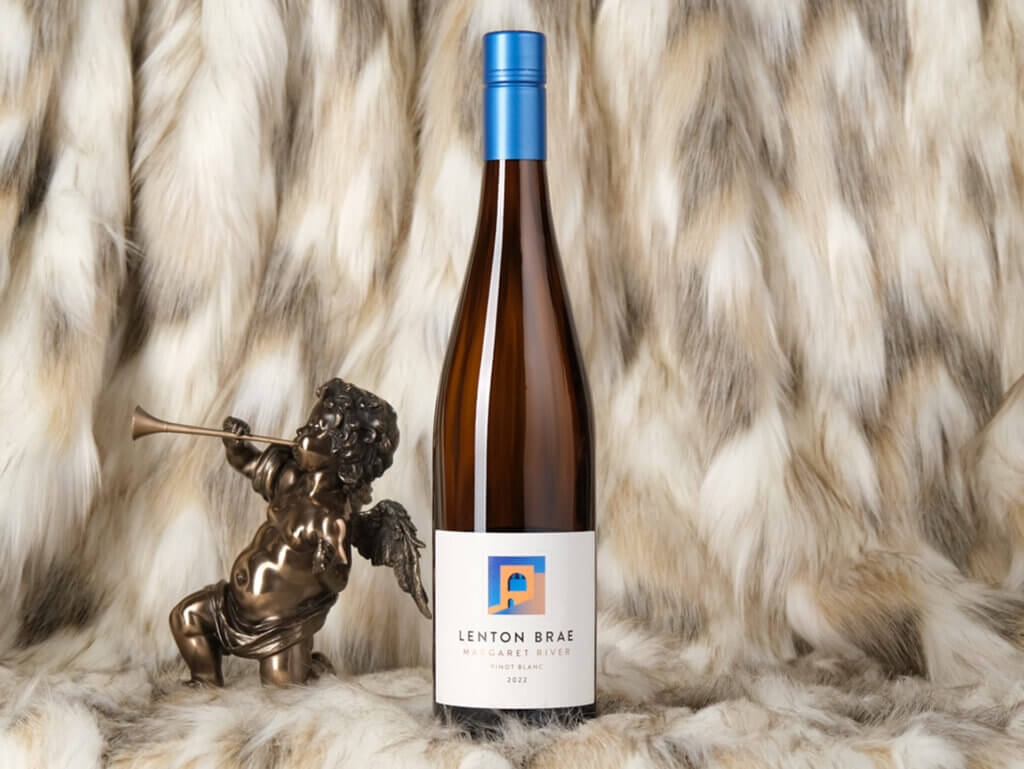
2022 Lenton Brae Pinot Blanc
Although fledgling in this country, this makes a strong case for planting more pinot blanc, with apple, pear and citrus notes on the nose and a palate that shows generosity, freshness and a charmingly chewy complexity.
  • Producer

    Lenton Brae

  • Region

    Margaret River

  • RRP

    $32

  • Vintage

    2022

  • Variety/Varieties

    Pinot blanc/bianco

  • Alc./Vol.

    12%

Although fledgling in this country, this makes a strong case for planting more pinot blanc, with apple, pear and citrus notes on the nose and a palate that shows generosity, freshness and a charmingly chewy complexity.

Tasting note

An uncommon variety in Margaret River, pinot blanc is less known and also less aromatically impactful than its common vineyard mates (pinot gris, riesling, gewürztraminer etc.), but it’s a variety of real class and great potential for this country as evidenced here. Orchard fruits in the apple and pear vein lead, with some lightly white floral notes and a zip of orange-skinned citrus peel, in the tangerine, mandarin vein. There’s a generosity of texture here, but plenty of reserve, too, with acidity and a little chewiness cleaning up the finish.

Themes of this wine

Pinot blanc

A genetic mutation of pinot noir, pinot blanc likely evolved in Burgundy, then migrated to Alsace and Champagne, where it is still allowed to be used, though it’s barely present in vineyards. Pinot blanc is still nominally allowed in Burgundy, but, again, there are only vestiges of it there. It is in Alsace that the grape has the greatest identity. Not an overly intense or aromatic variety, it tends to exhibit aromas of white pear, golden apple and white florals. The palate can be simple and light-bodied or taken to quite full richness, such as you might see in Friulian wines in Italy’s north-east.

Margaret River

If you’re after a wine region with a healthy dose of conspicuous glamour, then Margaret River has it all. Three hours south of Perth, ‘Margs’ is littered with iconic wineries, many with dazzling cellar doors and world-class restaurants. And then there’s the abundant sunshine, and the beaches – oh, those beaches… It’s a beautiful, beautiful place, and for a young wine region it’s very mature, with well-established paths to success built largely on the twin pillars of chardonnay and cabernet sauvignon (et al). Names like Cullen, Moss Wood, Woodlands, Leeuwin Estate and Vasse Felix feel like they’re etched in stone, but in the last little while, smaller players have been making their mark.

2022 Lenton Brae Pinot Blanc

GET FIRST ACCESS TO THE NEXT WINE ICONS – DELIVERED

Find out more

Each month, get 3 bottles of our freshest discoveries. We taste thousands to bring you the best.

Join us and support emerging winemakers, sustainable vineyards, and the development of young professionals.

Find out more
“One of the highlights of my drinking year.”
— Max Allen, Wine Writer
“The future of wine in Australia.”
— Broadsheet
“The cutting edge of Australian wine.”
— The Australian
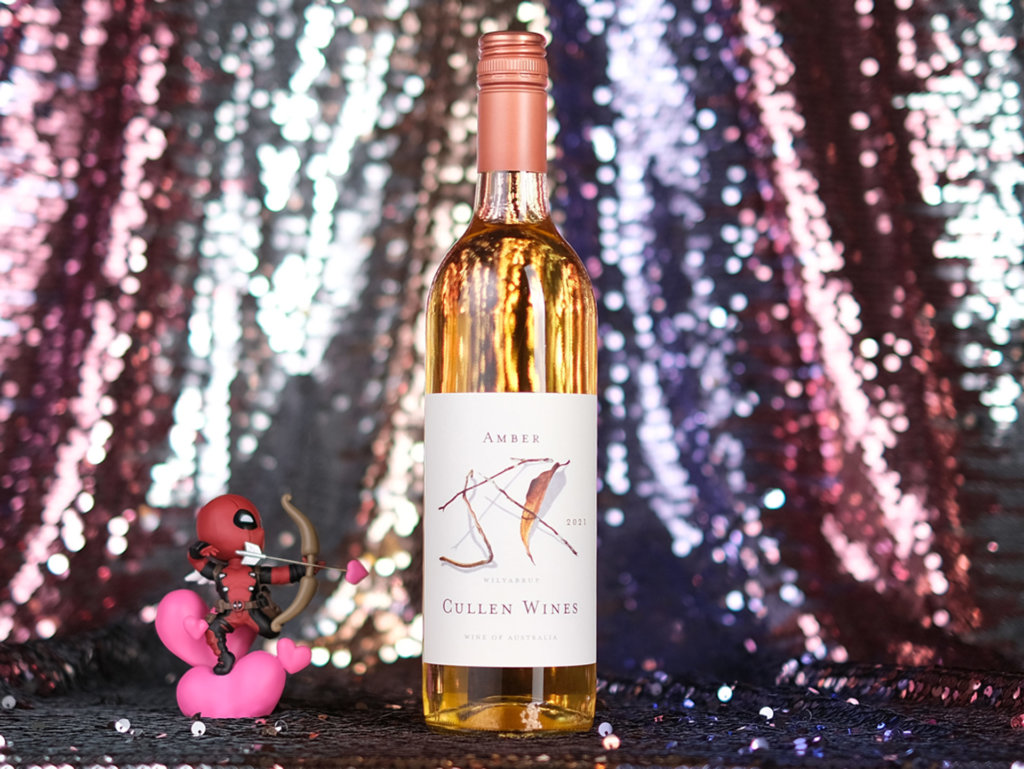
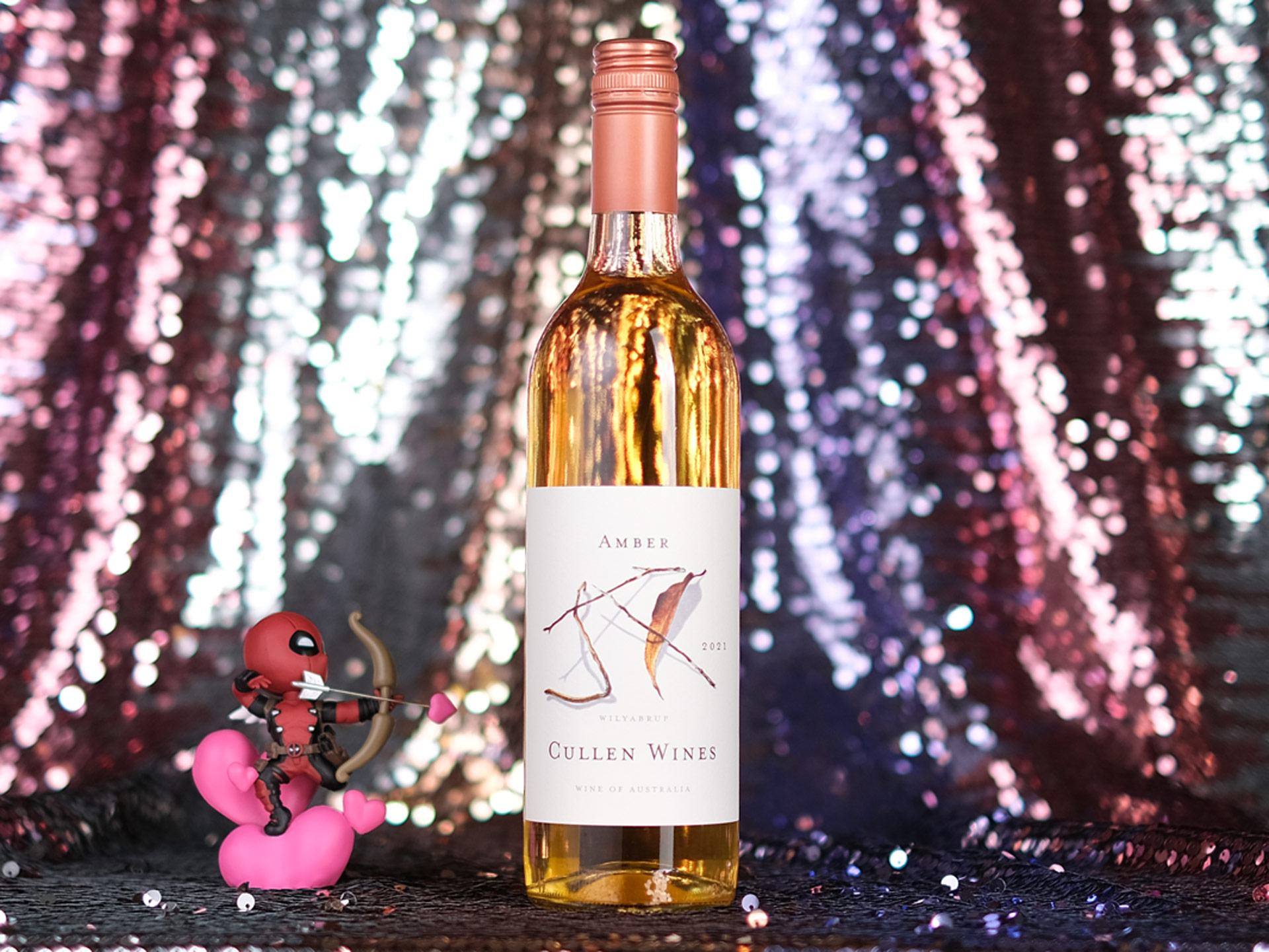
2021 Cullen Wines ‘Amber’
From the certified biodynamic Cullen vineyard, this is Vanya Cullen’s foray into orange wine territory. A predictably amber hue, this has herbal and citrus notes, lemongrass and a savoury accent, with pithy grape-skin tannins giving characteristic grip.
  • Producer

    Cullen

  • Region

    Margaret River

  • RRP

    $39

  • Vintage

    2021

  • Variety/Varieties

    Sauvignon blanc Semillon

  • Alc./Vol.

    12.5%

From the certified biodynamic Cullen vineyard, this is Vanya Cullen’s foray into orange wine territory. A predictably amber hue, this has herbal and citrus notes, lemongrass and a savoury accent, with pithy grape-skin tannins giving characteristic grip.

Tasting note

A 60/40 blend of sauvignon blanc and semillon, this saw an average of 10 days on skins in open fermenters, amphorae and a concrete egg. The skin contact has given this a gentle golden hue, like a young whisky, with the sauvignon blanc subtly recognisable under the savoury aromatic lift, with gravelly mineral-like aromas, lemongrass, fennel frond and orange blossom all contributing to a subtly complex nose. Those skins are evident on the palate, with decent tannic chew cinching the wine in, though the fruit freshness still shines through.

Themes of this wine

Sauvignon blanc

When you think of sauvignon blanc, it’s hard not to think of New Zealand almost immediately, and the pungently expressive examples from Marlborough. But sauvignon also contributes to some of France’s most noble wines, as well as a huge diversity of expressions in Australia, both bottles solo and in blends. One of the most aromatic of grapes, sauvignon blanc is not shy for flavour and typically is quite high in acid. On the leaner end, those flavours will be very grassy and herbal and advance through passionfruit to some quite opulent tropical characters as the fruit gets riper.

Margaret River

If you’re after a wine region with a healthy dose of conspicuous glamour, then Margaret River has it all. Three hours south of Perth, ‘Margs’ is littered with iconic wineries, many with dazzling cellar doors and world-class restaurants. And then there’s the abundant sunshine, and the beaches – oh, those beaches… It’s a beautiful, beautiful place, and for a young wine region it’s very mature, with well-established paths to success built largely on the twin pillars of chardonnay and cabernet sauvignon (et al). Names like Cullen, Moss Wood, Woodlands, Leeuwin Estate and Vasse Felix feel like they’re etched in stone, but in the last little while, smaller players have been making their mark.

Skin contact

The skins hold the colouring matter and lots of tannin. Leave them in contact with the juice/wine and you’ll extract those elements. Most conventional white wine sees no skin contact, rosé a little bit to get a blush, and red wine plenty to get the colour and structure. Skin-contact whites… well, they have some skin contact. Yep. More colour, more tannin and a different flavour profile.

Egg-shaped fermenters

Amphorae are some of the most ancient winemaking vessels, and the modern practice of using ovoid fermenters is a very similar idea, with the shape encouraging ferment vectors to swirl and tumble. While amphorae are typically made from clay, eggs (and various other similar shapes, including tulip-shaped vessels) come in a range of materials, from concrete to ceramic to steel.

Biodynamic

An organic farming method created by Rudolph Steiner in the 1920s, biodynamics is a slightly mystical approach, employing elaborate organic ‘preparations’ to restore the natural balance of the soil and encourage microorganisms. It also observes the lunar cycle to prescribe actions in the vineyard and winery. Why some of it works is not clearly understood, but it is used by some of the world’s greatest producers.

2021 Cullen Wines ‘Amber’

GET FIRST ACCESS TO THE NEXT WINE ICONS – DELIVERED

Find out more

Each month, get 3 bottles of our freshest discoveries. We taste thousands to bring you the best.

Join us and support emerging winemakers, sustainable vineyards, and the development of young professionals.

Find out more
“One of the highlights of my drinking year.”
— Max Allen, Wine Writer
“The future of wine in Australia.”
— Broadsheet
“The cutting edge of Australian wine.”
— The Australian
2022 Nocturne Rosé
A riot of red fruits, tangerine and floral notes, with a properly dry but agreeably textural palate. This is benchmark rosé.
  • Producer

    Nocturne

  • Region

    Margaret River

  • RRP

    $35

  • Vintage

    2022

  • Variety/Varieties

    Sangiovese Tempranilo

  • Alc./Vol.

    12.5%

Julian Langworthy has a big ‘day job’ running the show for Margaret River’s Deep Woods, but he finds enough time to fashion one of the West’s most exciting small labels. His Nocturne rosé has become a benchmark in short time, and the 2022 is stellar, a riot of red fruits, tangerine and floral notes, with a properly dry but agreeably textural palate.

Tasting note

This is mainly sangiovese (88%), with a sliver of tempranillo (8%) and the balance in grenache, though the latter isn’t on the label. A classically pale colour here, though a step up from the ultra-frail Provence-styled wines of today, more a light dusky rose gold. The nose is lifted and fragrant, with aromas of wild red berries, pomegranate, tangerine peel, white peach and rose petals. This is dry but far from austere, with a light plump of texture giving a suppleness in the mid-palate, some cherry and redcurrant notes joining the fray. A subtly persistent line of acidity gives this shape through the finish, dry, savoury and long on flavour.

Themes of this wine

Rosé

From its spiritual home in Provence, in southern France, rosé can be both democratically affordable and dizzyingly expensive, but it rarely slips into the sordid or gets hung up on being too serious. It maintains a broad welcoming smile. It says, drink me. It says, relax, have fun. Those bottles of rosy-tinged sunshine have been exported to all corners of the globe in their legion, and they have found their mark, fashioning the expectations of drinkers and shaping the decisions of winemakers. But rosé is breaking those shackles, with wines varying in shades and from a vast array of varieties, some bold and rich, some savoury and mineral, and with different applications, from those demanding food to those that shrug off the idea of interrupting the fun times.

Sangiovese

Sangiovese is Italy’s most important grape, by both volume and reputation, and it has travelled the world, establishing serious outposts across the New World. In Australia, sangiovese didn’t really start making inroads until the late 1980s, but with improved genetic material, it is now making quite an impression. The key flavour component mentioned when people talk about sangiovese is cherry, generally red, but sometimes black, with that primary profile generally accented with savoury notes of dried berries, hardy herbs, dried earth, leather and cedary notes.

Tempranillo

Tempranillo is unarguably Spain’s most recognisable variety, forming the bedrock of that country’s most famous red wines, as well as being one of one of the five key grapes from Portugal’s emblematic fortified – Port. In Australia, it has made a meaningful mark, but with limited genetic vine material, the potential for the grape is exponentially bigger, and with new clones now online that potential is starting to be fulfilled. The flavours of tempranillo naturally vary depending on ripeness, both red and darker fruits are common, with plum, blackberry and cherry common descriptors. Those fruit flavours are typically accompanied by savoury notes, often leather, tobacco, woodsy herbs and spice notes, with cola as another notable descriptor.

Margaret River

If you’re after a wine region with a healthy dose of conspicuous glamour, then Margaret River has it all. Three hours south of Perth, ‘Margs’ is littered with iconic wineries, many with dazzling cellar doors and world-class restaurants. And then there’s the abundant sunshine, and the beaches – oh, those beaches… It’s a beautiful, beautiful place, and for a young wine region it’s very mature, with well-established paths to success built largely on the twin pillars of chardonnay and cabernet sauvignon (et al). Names like Cullen, Moss Wood, Woodlands, Leeuwin Estate and Vasse Felix feel like they’re etched in stone, but in the last little while, smaller players have been making their mark.

2022 Nocturne Rosé

GET FIRST ACCESS TO THE NEXT WINE ICONS – DELIVERED

Find out more

Each month, get 3 bottles of our freshest discoveries. We taste thousands to bring you the best.

Join us and support emerging winemakers, sustainable vineyards, and the development of young professionals.

Find out more
“One of the highlights of my drinking year.”
— Max Allen, Wine Writer
“The future of wine in Australia.”
— Broadsheet
“The cutting edge of Australian wine.”
— The Australian
2022 Nocturne Rosé

The Next Wine Icons – Delivered

Each month, get 3 bottles of fresh discoveries.
We taste thousands to bring you the best.

Bookmark this job

Please sign in or create account as candidate to bookmark this job

Save this search

Please sign in or create account to save this search

create resume

Create Resume

Please sign in or create account as candidate to create a resume